Thursday, December 25, 2025
Home Blog Page 4527

Iran’s OPEC Governor to Attend Upcoming Doha Oil Talks

“Hossein Kazempour Ardebili, Iran’s governor at OPEC, will attend the Doha meeting on behalf of Iranian Oil Minister Bijan Zangeneh to announce Tehran’s positions,” Akbar Nematollahi, the ministry’s spokesman, said as cited by Shana news agency.

He added that the Islamic Republic backs the Doha talks but plans to reclaim its previous position at the global oil market by continuing to raise its crude production.

In relevant remarks on Saturday, the Iranian oil minister welcomed the oil freeze talks in Doha but stressed that the country has no plan to freeze its oil production before the return of the country’s crude oil production and export to the pre-sanctions levels.

OPEC and non-OPEC producers are set to hold a meeting in the Qatari capital on April 17 to discuss a proposed plan to freeze oil output at January 2016 levels.

Earlier, Zangeneh had dismissed any freeze agreement that would apply to Iran as “ridiculous” because the nation aims to revive production after anti-Tehran sanctions were lifted following the implementation of the Joint Comprehensive Plan of Action (JCPOA) between Iran and six world powers on January 16.

Iran now reportedly produces around 3.1 million bpd of oil. The sanctions had cut crude exports from a peak of 2.5 million bpd before 2011 to just over 1 million bpd in recent years.

While an initial accord in February between Saudi Arabia, Qatar, Russia and Venezuela to cap production at January levels temporarily helped revive oil prices, analysts believe a freeze would have little impact even if more nations join.

CBI to Chair IFSB

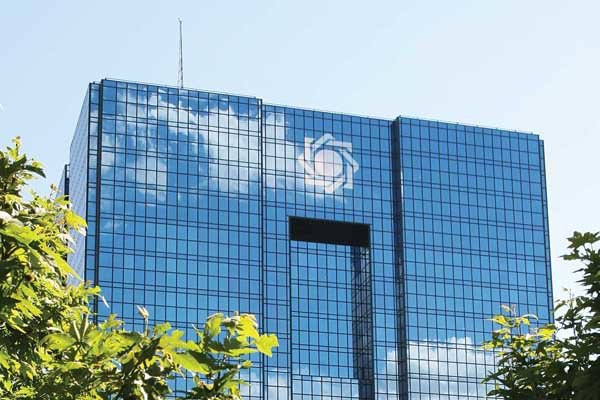
The 28th Meeting of the Council and 14th General Assembly of the IFSB was hosted by the Central Bank of Egypt in Cairo on April 10-12 and Iran was appointed as the chairman of the international financial body for the year 2017.

Accordingly, IFSB Annual Meetings 2017 will be hosted by the Central Bank of Egypt.

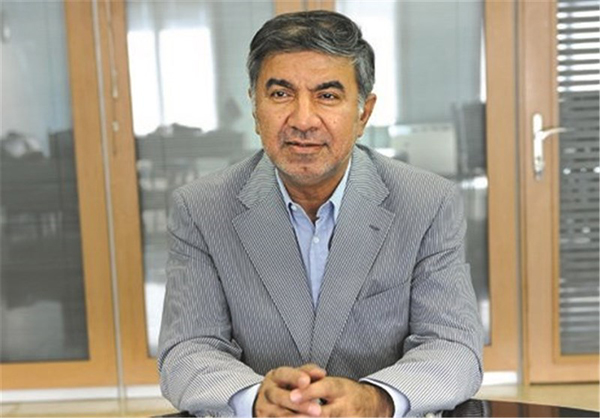
Deputy Governor of the Central Bank of Iran (CBI) Akbar Komijani attended the Meeting of the Council as deputy director while the session discussed several issues including the organization’s performance in the previous year, the proposed program and budget for 2017, financing strategies as well as mechanisms to determine the new secretary general of the organization.

A number of side Events were also held in conjunction with the IFSB Annual Meetings 2016 like the IFSB Seminar on Islamic Capital Markets, the 8th IFSB Public Lecture on Financial Policy and Stability as well as Development of the Sukūk Sector where the speakers offered their latest findings.

Established in 2003, the IFSB is the key international body in developing standards and regulations for Islamic financial markets.

Being an international standard setting organization promoting and enhancing the stability of Islamic services industry through issuing standards and principles, IFSB conducts research and organizes seminars and conferences for regulators in the banking, capital market and insurance sectors.

The IFSB also conducts research and coordinates initiatives on industry related issues, as well as organizes roundtables, seminars and conferences for regulators and industry stakeholders, according to the official website of the IFSB.

Iran Opening Petrochemical Offices in Africa

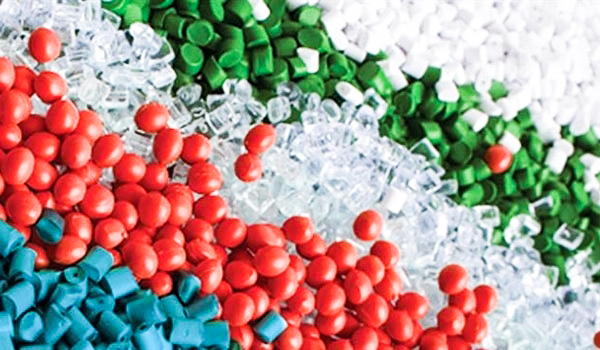
Speaking to reporters in Tehran on Sunday, Abbasi said after the lifting of sanctions the volume of petrochemical exports to Europe and Africa has risen significantly, adding that Iran will soon open regional offices in the African Continent to facilitate trade.

According to the official, this way, Iranian companies can market, ship, and store their petrochemical products in the target markets.

Meantime, Iranian firms at the 10th Iran Plast Exhibition are working out future cooperation with their international counterparts.

Head of Iran’s National Petrochemical Company Marziyeh Shahdaei said on Saturday that Iranian companies have held talk sessions with foreign petrochemical companies to find business opportunities in Iran.

She said the talks are aimed at linking Iranian petrochemical firms with their foreign opposite numbers now that US-engineered sanctions on Tehran’s nuclear program are lifted and prospects are brighter than ever for cooperation and investment of foreign financiers in the petrochemical sector.


Iran welcomes expansion of ties with Balkans

The meeting took place on Sunday following a non-official visit of Serbian Presdient Tomislav Nikolić to Iran to attend the opening ceremony of the fifth Symposium of World Federation of Neurosurgical Societies due on April 17-22.

President Rouhani maintained that Tehran and Belgrade have ample capabilities and potentials that could be used to expand cooperation in line with mutual interests.

Rouhani then deemed spread of terrorism and violence one of the major problems for the region and the world, roundly condemning certain attempts for relating terrorism to religions; “divine religions, and particularly Islam, promote kindness and friendship among human beings, are fundamentally against terrorism, and thus all must unite in the fight against it.”

Nikolić, for his part, expressed his country’s interest in expanding ties with Iran, adding “the Islamic Republic’s fierce resistance during the time of sanctions and the nuclear negotiations indicates the country’s greatness and rich cultural roots.”

The Serbian president, heading a high-ranking economic and scientific delegation, is also scheduled to meet with Vice-President for Scientific and Technology Affairs Sorena Sattari.

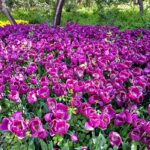
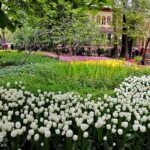
‘Iranian Garden’ rich in color

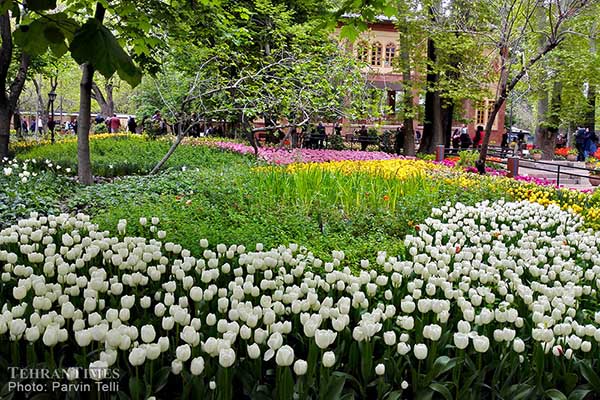
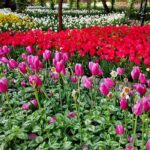
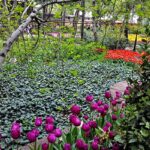
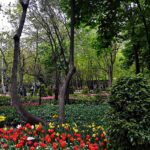
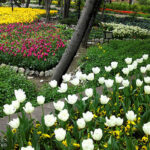
A garden of tulips titled ‘Iranian Garden’ located in Deh Vanak neighborhood, northern Tehran, is adorned with tulips of all kinds and colors during spring.


Minister: Iran Internet bandwidth to increase to 12,000 Gbit/s

Iran Official Calls for People’s Massive Turnout in Elections

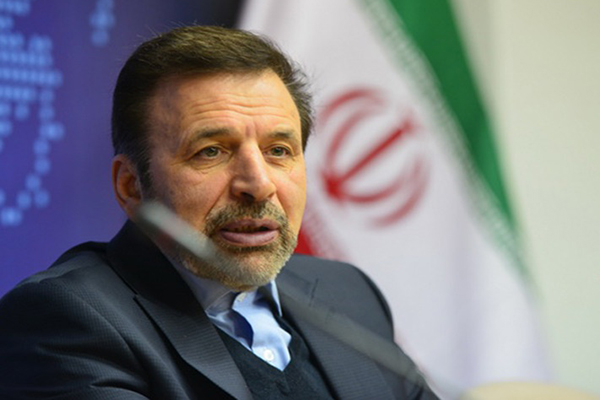
‘President Hassan Rouhani, upon visiting the ICT Ministry in the early days of the New Year (Persian Calendar), called for the necessary measures to be taken for the country’s Internet speed to be increased,’ Vaezi told recently to the Islamic Republic News Agency.

Vaezi said that following the request by President Rouhani, plans for increasing the Internet bandwidth to 10 to 12 thousand gigabits per second were devised and submitted to the President in a report.

The Minster also said that at the beginning of the tenure of President Rouhani’s government, Iran’s Internet bandwidth was 624 Gbit/s.

‘But until the end of the last year (March 19) the Internet speed was enhanced to 4,000 Gbit/s,’ he said.

Iran, Pakistan to Conduct Joint Naval Drills

Speaking to reporters on the occasion of Army Day on Sunday, Admiral Sayyari said the one-day drill will be held in Bandar Abbas, a strategic port city on the Strait of Hormuz in the Persian Gulf.

Sayyari said the country’s naval forces are ready to deal with any foreign threat, adding that Iran will show its friendship to friendly countries in the region, and that “Our interaction with friendly countries will be doubled”.

The Pakistani military flotilla is already berthed at Bandar Abbas.

Meantime, ceremonies to mark Army Day in Iran began on Sunday morning with the participation of President Hassan Rouhani, who reviewed army units marching before him in the mausoleum of the Late Founder of the Islamic Republic Imam Khomeini, south of the capital.

Rouhani lauded the Armed Forces for increasing the country’s deterrence power, and reiterated Tehran’s preparedness to help the neighbouring and Muslim states to fight against the threat of terrorism and Zionism.

“I declare explicitly, as I did some days ago in the presence of Islamic countries’ leaders (at the Organization of Islamic Cooperation (OIC) summit in Turkey) that the military, political and economic power of the Islamic Republic of Iran is not [to be used] against our neighbours and Muslim states. We assume the power of Islamic countries as our power, and our power also belongs to the Muslim states,” Rouhani said, addressing the Army Day Parade.

“Also, I said there (at the OIC conference) if your (Islamic countries’) capitals are endangered by terrorism or Zionism, the Islamic Republic of Iran will be the only power which will give you a positive response, in case you need help,” he added.

Rouhani underscored that the Iranian Armed Forces’ power is not against its neighbours and has a defensive nature, adding that “our power means active deterrence”.

“Of course, we will cut off the hands of aggressors if facing aggression, but we have a logic of peace and brotherhood,” he stressed.

In a statement issued on Saturday, the Iranian Defense Ministry underlined that it would do its best to boost the country’s combat preparedness and deterrence power.

The Defense Ministry vowed to spare no efforts to enhance the defense and military capabilities of the Armed Forces, adding that as always, the priority is to prepare the personnel of the Armed Forces psychologically and militarily, and to enhance defensive capabilities both in quality and quantity.

The statement which was issued on the eve of Army Day stated that the Armed Forces, particularly the Army, will spare no effort to continue to strengthen their defensive power in the face of future foreign threats and aggression.

It maintained that the Armed Forces are also ready to ensure national security and dishearten the enemies under the direct command of the Leader of Islamic Revolution, Ayatollah Seyed Ali Khamenei.

Iran, EU Stress Formation of Energy Trade Forum

Based on the document, Iran and the EU agreed to start high-level talks to create confidence between shareholders of the two sides, create opportunities for investment to provide energy distribution security, and spread the use of clean energy. They also considered consumption management, an efficient and transparent energy market, the transfer of expertise, and encouraging energy trade.

They also emphasized exchanging information about oil and gas demand and distribution, improving investment conditions in Iran, developing Iran’s export infrastructure, and cooperating in upstream and downstream fields.

They vowed to work on strategies for boosting power infrastructures, setting up a transparent legal framework for attracting investment, and developing energy and renewable energy.

The two sides also agreed to form an energy trade forum with the involvement of public organizations and producers to analyze conditions and create a proper atmosphere for investment.

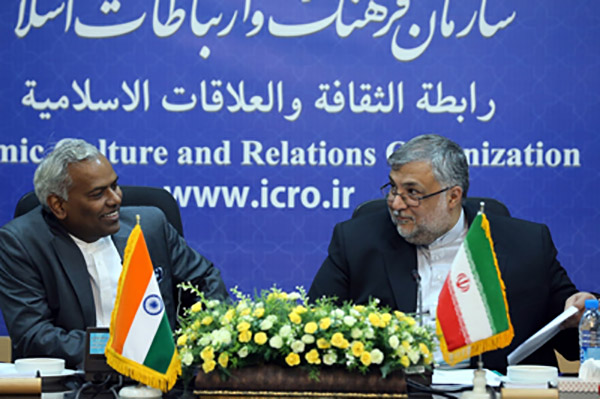
Tehran, Delhi to start cultural talks

Referring to the fact that cultural agreements between two countries have been previously inked, Abuzar Ebrahimi Torkaman expressed his hope toward creation of a suitable context for developing cooperation and cultural relations.

On Indian PM’s special view on cultural issues, Raja Cikar said that cultural relations between Iran and India are very rich.

On holding some Indian cultural events in Iran, Cikar said that traditional music concerts and a festival to praise Iran-India relations will be held.

On the measures taken by Center for Dialogue between Religions and Civilizations, Torkaman said that bilateral trust and mutual understanding are some of the results of activities carried out by the Center.

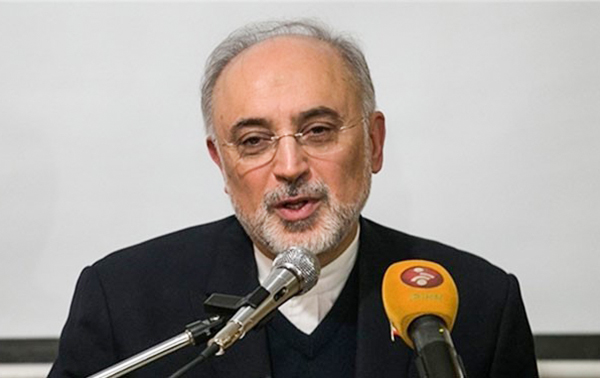
AEOI Head: Iran, EU Can Start Nuclear Cooperation from Fordo

“Various talks and visits have been made between Iran and certain European states after the nuclear deal and this time we are witnessing the presence of an EU delegation within this framework,” Salehi told reporters after meeting the EU energy commissioner in Tehran on Sunday.

“We have held good talks with the EU delegation on nuclear cooperation which can start from the Fordo site,” he added.

Salehi also said that Tehran and the EU have decided to set up an advanced nuclear center in Iran to provide the country and neighbors with related services.

His remarks came after Iranian Foreign Minister Mohammad Javad Zarif announced that cooperation between Tehran and the European Union in the field of peaceful nuclear technology is among the important issues pursued during EU Foreign Policy Chief Federica Mogherini’s visit to Tehran.

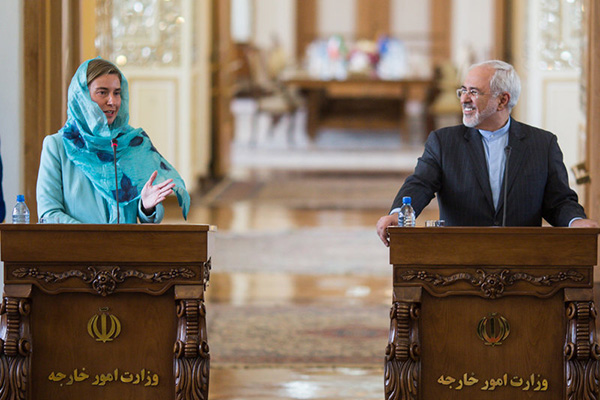
Fields of “cooperation (between Iran and the EU) envisaged in the nuclear deal (between Tehran and the world powers), including cooperation in civilian nuclear industry, will be discussed between the EU energy commissioner and Head of the Atomic Energy Organization of Iran (AEOI) Dr. (Ali Akbar) Salehi” during the EU delegation’s current visit, Zarif said in a joint press conference with Mogherini in Tehran on Saturday.

In relevant remarks last Monday, AEOI Spokesman Behrouz Kamalvandi announced that Tehran and the European Union are due to ink a document to increase cooperation in the field of civilian nuclear technology.

“Cooperation (with other countries) has started in practice and we have exchanged delegations with the EU, China, South Korea, Japan, the far East and countries which enjoy nuclear technology, whose number is not so high; we will interact with all of them and a document is due to be endorsed with the EU which is being compiled,” Kamalvandi said.

Noting that signing a deal with the EU means agreement with all its members, he said the details of the document will be announced after endorsement.

Kamalvandi said that any agreement with the EU includes mutual cooperation and interaction.

Also this month, Kamalvandi announced that the country is holding talks with different foreign states to construct more nuclear power plants.

“The AEOI has presented a 15-year-long plan for Research and Development (R&D) and enrichment to the International Atomic Energy Agency (IAEA) and we want to reach the stage to build at least one nuclear power plant every 15 years,” he said.

“After this stage, we will have a better opportunity in different fields, including increasing the number of power plants, and we are in talks with different countries to attain this goal,” Kamalvandi added.

Late August, Salehi had announced that the country is compiling a 15-year-long plan to further expand its peaceful nuclear know-how and capabilities.

“A 15-year-long plan is being compiled and the plan will be reviewed every 5 years,” Salehi said, addressing a ceremony at Fordo nuclear site near the Central city of Qom.

“One of our plans is to move on the path of commercialization and we hope to gain success in this arena,” he added.

Salehi also announced Iran’s plans to construct a nuclear hospital and two small nuclear power plants in the Southern province of Bushehr to desalinate water.

Also in the same month, President Hassan Rouhani announced that Iran would commercialize nuclear technology as soon as the nuclear agreement comes into practice in near future.

“Our nuclear program has been recognized in the Resolution 2231 and world powers are eager to cooperate with us in this regard,” Rouhani told reporters.

The president added that the Islamic Republic plans to export enriched UF6 and import yellow cake from abroad.

He elaborated that Iran will bring modern technology through cooperation with two countries of the Group 5+1 (the US, China, Russia, France and Britain plus Germany).