Here is IFP’s translation of excerpts from IRNA’s interview with Ferzli:
“There is a growing conflict between Turkey and Saudi Arabia over the leadership of Sunni Muslim world in the new global structure,” Ferzli said.
He further described as “surprising” the attacks of Saudi media against the Turkish President Recep Tayyip Erdogan since the first day of the coup, and noted, “Saudi Arabia is afraid of Turkey and the Islamic Republic of Iran, which is the leader of Shiites in the global order.”
“Riyadh is afraid of Iran and Turkey because it thinks they are behind the decrease of Saudi influence in the Middle East.”
“Therefore, one can understand why Saudis are hostile towards Iran and long for Erdogan’s overthrow, particularly because they are worried about the expansion of Muslim Brotherhood’s presence in the Muslim world from Indonesia to Lebanon,” he went on to say.
Erdogan’s Post-Coup Measures Run Counter to Democracy
“What we saw after the recent coup in Turkey – the arrests and court rulings – was far beyond the punishment of putchists, and ran counter to democracy. Such moves will move Turkey towards deep and endless crises,” the Lebanese politician noted.
“The arrest of military personnel behind the coup is understandable, but the punishment and conviction of other people on the pretext of their personal thoughts and opinions is nothing but a violation of democracy.”
“Despite the defeat of putchists, I believe the coup in Turkey was successful!” he noted.
Speaking to a group of Iranian expatriates in the Ghanaian capital city of Accra on Monday evening, Zarif said Tel Aviv and Riyadh, “two like-minded regimes,” are investing heavily in Iranophobia to draw attention away from their crimes and their collaborations.
“It is obvious that the cooperation of the Zionist regime [Israel] and the Saudi regime, which are two like-minded and congruent regimes, has today become known and can no more be concealed,” Zarif said.
He said the two regimes are concerned about their collaboration having become publicly known and are thus “investing further in Iranophobia” as a means of distraction.
He said, however, that, “The world today has waken up to the fact that the danger of Wahhabism is the real threat.”
According to Press TV, Wahhabism is an extreme ideological strand openly preached by Saudi Arabian clerics, who have the blessing of ruling Saudi authorities. It is the main ideological feature of Takfiri terrorist groups — particularly the ISIS — which declare people of other faiths and beliefs as “infidels” and, based on “decrees” from clerics, rule that they should be killed.
Iranian Expatriates in Ghana Praise FM Zarif
An Iranian cleric in Accra, on behalf of the Iranian expatriates in the African country, gave a letter of appreciation to Zarif and praised his efforts at the Foreign Ministry.
Iranian Foreign Minister Mohammad Javad Zarif
Zarif is in Ghana on the second leg of a four-nation African tour.
According to a report by IRNA, as translated by IFP, Zarif is scheduled to meet with Ghanaian President, Parliament Speaker, and Foreign Minister on Tuesday, July 26.
Iran’s top diplomat was in Nigeria before arriving in Ghana and will be traveling to Guinea-Conakry and Mali on the third and fourth legs of his tour.
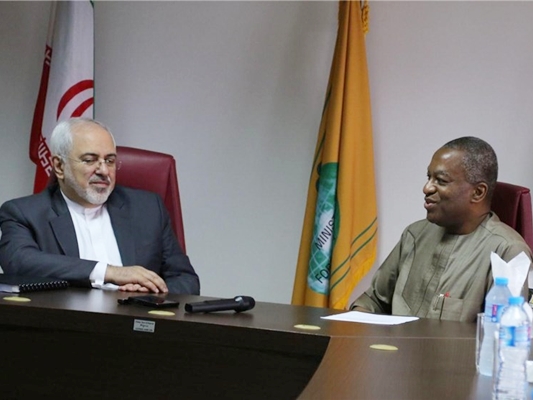
“We are standing by you in the battle against al-Qaeda and Boko Haram,” Zarif said in a meeting with Nigerian Foreign Minister Geoffrey Onyeama in Abuja on Monday.
He praised the age-old and deep-rooted relations between Iran and Nigeria, and said the two countries cooperate in international bodies and organizations such as OPEC (Organization of the Petroleum Exporting Countries), the Organization of Islamic Cooperation (OIC), the Non-Aligned Movement (NAM) and the Gas Exporting Countries Forum (GECF).
The Iranian foreign minister then expressed satisfaction with the level of cooperation between the two countries in the field of culture and noted that many Nigerian students are studying in Iranian universities.
The Nigerian minister, for his part, said Iran is a very important country in the region and the world and expressed his country’s willingness to improve relations with the Islamic Republic in political, economic, scientific, cultural and international issues.
Onyeama further said that cooperation between Iran and Nigeria would play a leading role in the stability of the international oil market.
He noted that Nigeria does not want to be an oil-dependent state and is ready to exchange experience with Iran in this regard.
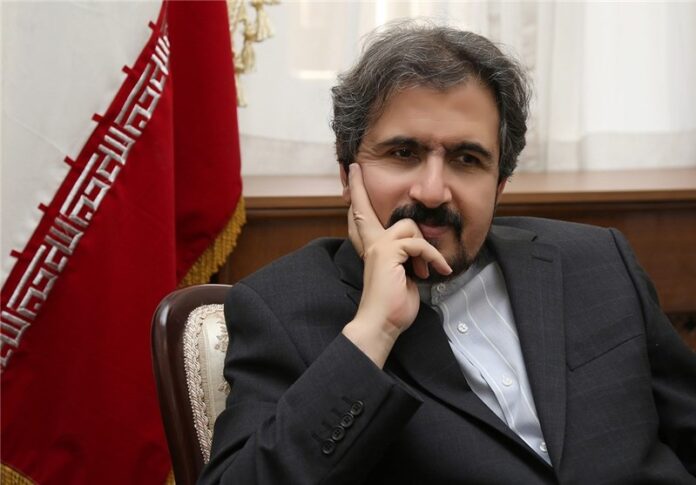
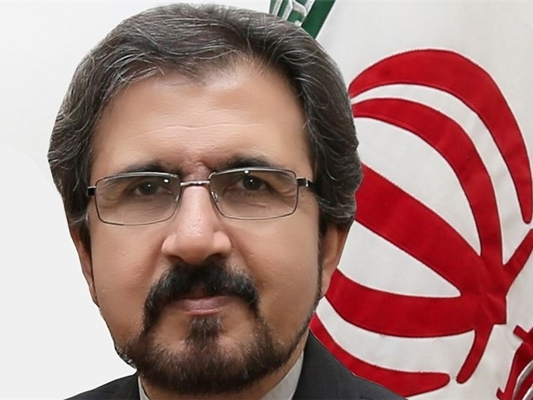
Iran’s Foreign Ministry Spokesman Bahram Qassemi made the remarks on Tuesday in reaction to a recent report, saying that the US Treasury has blacklisted three members of al-Qaeda “living” in Iran.
“The government of the Islamic Republic of Iran has always underlined its firm determination to fight terrorist groups and has taken all necessary measures in line with relevant international obligations,” he said.
Iran has no information about the presence of al-Qaeda elements on its soil, Qassemi added.
In the meantime, the Iranian spokesman called on the US administration to stop making generalizations about the matter, and instead share detailed information to facilitate concerted global action against terrorism.
On Wednesday, the US Treasury blacklisted three members of al-Qaeda reportedly living in Iran, claiming they “had helped the Islamist militant group on the battlefield, with finance and logistics, and in mediating with Iranian authorities.”
Here is IFP’s translation of excerpts from a report by Mehr:
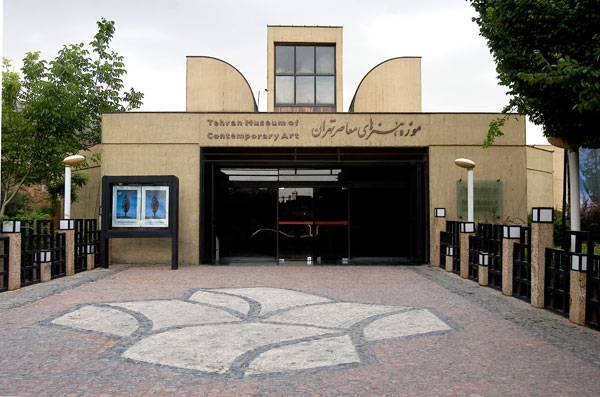
Plenty of 19th and 20th century’s world-class European, American and Iranian paintings, prints, drawings and sculptures are currently kept in Tehran’s Museum of Contemporary Art.
Tehran Museum of Contemporary Ar
Iranian visual arts officials plan to display these precious artworks in Italy and Germany; however, the move has its opponents who fear the artworks are not returned to Iran due to the international sanctions against the country.
Based on the nuclear deal between Tehran and world powers, whose implementation started back in January, all nuclear-related anti-Iran sanctions are supposed to be removed; however, there are regular reports of countries that still refuse to cooperate with Tehran on the pretext of those sanctions.
Leili Golestan, an Iranian artist and gallery owner, is one of those who believe the temporary export of the artworks is very risky.
What Can Iran Do If Western Countries Seize Its Artworks?
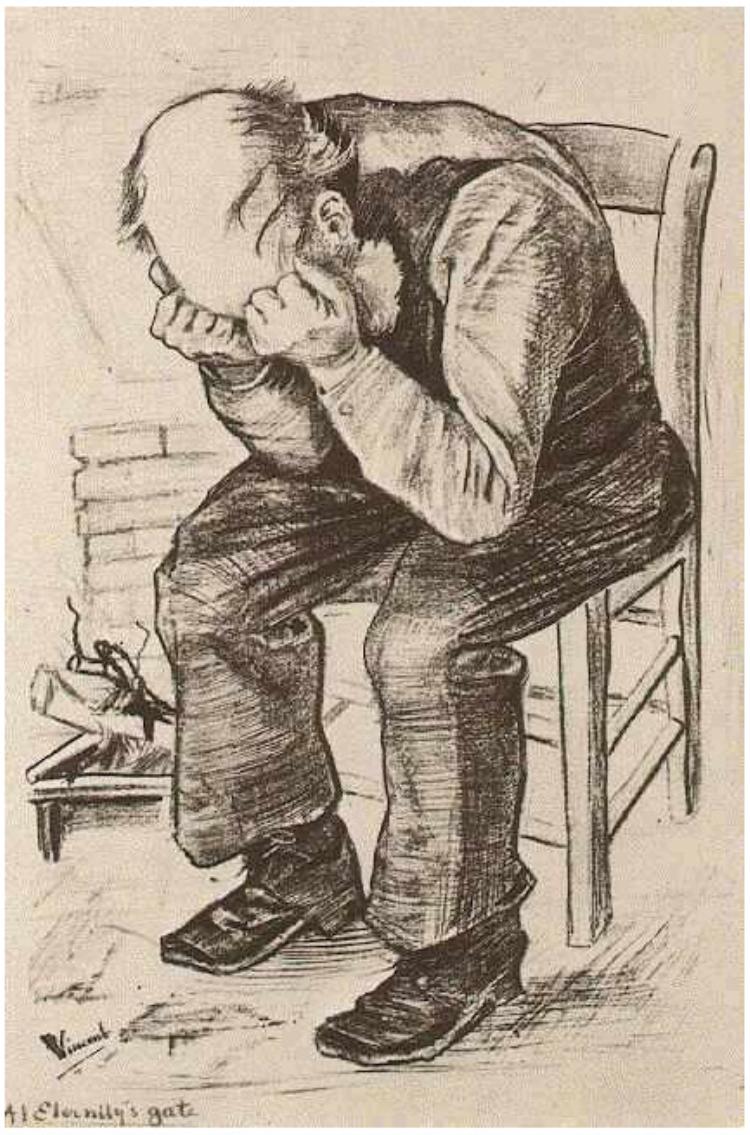
At Eternity’s Gate by Vincent van Gogh, lithograph, 1882, Tehran Museum of Contemporary Art
“The exchange of artworks between world museums regularly takes place …; however, we are now in an exceptional situation. What would we do if they use the sanctions as a pretext to seize these 30 artworks that we are sending abroad and are among the best artworks we have?” Golestan said.
“Currently, the risk and danger is very high indeed,” she warned.
“We could avoid sending all 30 artworks together. For example, we can first send 10 Iranian works and 10 foreign ones. […] We can also wait for the restoration of peace to the world, and then send the artworks,” she suggested.
“We should know that our treasury is unique in Asia and there is no time for taking a risk now,” Golestan noted.
World Is Eager to See the Artworks Kept in Iran
On the other hand, Majid Molla-Norouzi, the Director General of Iran’s Visual Arts Office, believes that the exchange is not at all risky.
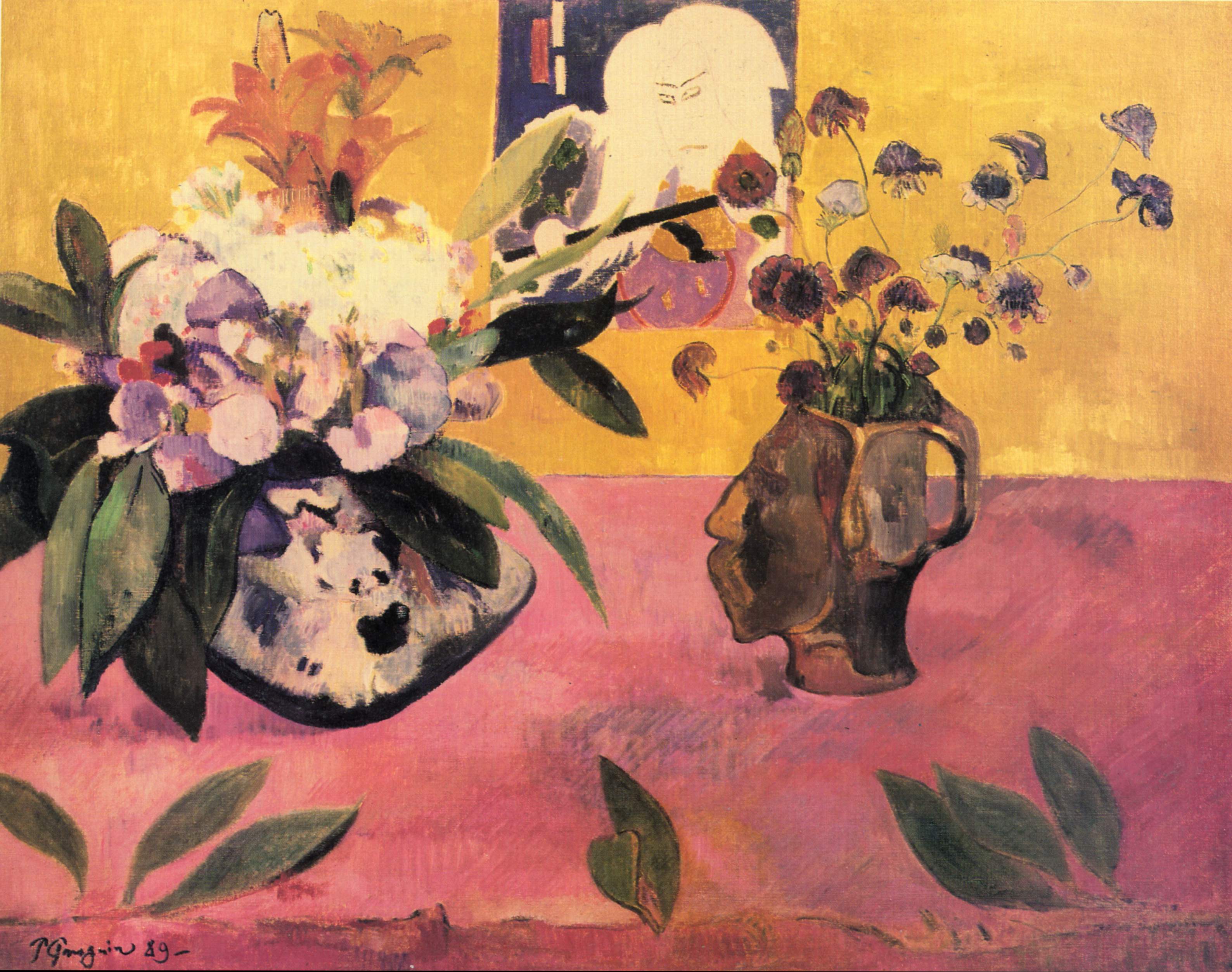
Still Life with Head-Shaped Vase and Japanese Woodcut by Paul Gauguin
“The exhibition of different countries’ treasuries has always been customary in the world. We have a treasury that the world is willing to see,” Molla-Norouzi said.
Iran preferred to display the exquisite artworks in an American or British museum of contemporary arts; however, the relations between Iran and these two countries soured more than ever and Iranian officials preferred to choose Germany and Italy, with whom Tehran has better diplomatic ties.
“We are lending the artworks that we had already lent to European and Asian museums. It is not actually called lending, because we have started a joint project with the two museums in Berlin and Rome,” he went on to say.
Molla-Norouzi also explained the benefits of exhibiting these artworks in Europe. “We are going to display a number of Iranian artworks beside these Western ones in a bid to provide an opportunity for the exhibition of Iran’s art. Such an opportunity was probably not possible otherwise.”
“Also many think that we have lost or sold the artworks within these years. So this will be a chance to end all these rumours. Even a Western media outlet suggested that the Islamic Republic is going to wage a soft war in the West through these exhibitions.”
“We will try to display those works that have more fans in the West. Works by Picasso, Mark Rothko, or Jackson Pollock are among these artworks,” he added.
All Works Are Covered by Lloyd’s Insurance Company
The Iranian official also responded to the concerns raised by the critics, and stressed that the artworks are insured by such a reputable company as the Lloyd’s, and if anything happens for the artworks, the insurance company will pay for it.
“The insurance expenses are funded by the Western side,” he added.
“It is possible in the US that a local court rules against the Iranian government and confiscates the country’s properties; however, such a law does not apply in Europe. We have consulted with our lawyers, and the German government has also held itself accountable for returning the works. They are covered by insurance, and it is defined as a cultural project.”
€1.5m to Be Paid for Exhibition of Artworks in Europe
The Iranian museum is supposed to receive €1.5m for displaying the artworks in Europe. Iranian Culture Minister Ali Jannati says the money will be returned to the government’s treasury.
However, he added, the Ministry is making efforts to find a legal way to allocate the money to the equipment of the museum itself.
Tehran Museum of Contemporary Art, an Untouched Treasury
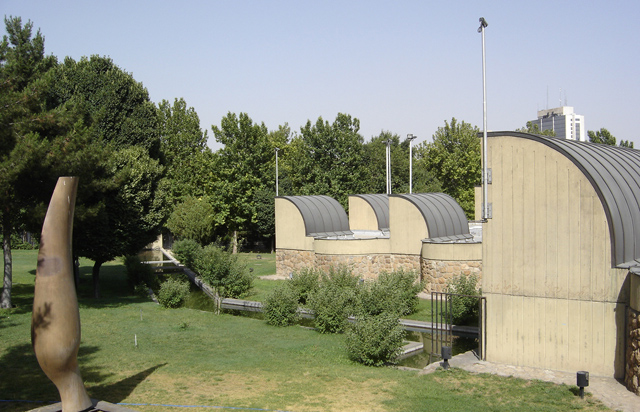
Tehran Museum of Contemporary Art, also known as TMoCA, was inaugurated in 1977, and is among the largest art museums in Iran. The building itself can be regarded as an example of contemporary art, in a style of an underground New York Guggenheim Museum.
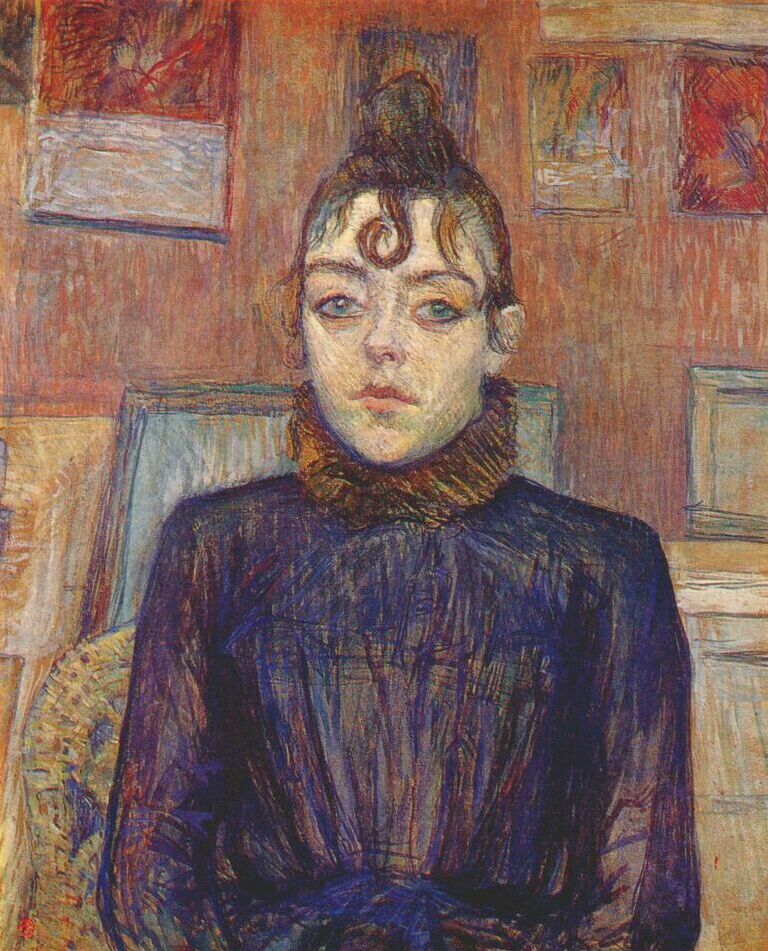
Lautrec girl with lovelock by Henri de Toulouse-Lautrec
Most of the museum area is located underground with a circular walkway that spirals downwards with galleries branching outwards. Western sculptures by artists such as Ernst, Giacometti, Magritte and Moore can be found in the museum’s gardens.
It has collections of more than 3,000 items and is considered to have the most valuable collections of modern Western masterpieces outside Europe and North America. TMoCA also has one of the greatest collections of Iranian modern and contemporary art.
It is said that there is approximately £2.5 billion worth of modern art held at the museum.
Among the artists represented in this museum are Paul Gauguin (Still Life with Head-Shaped Vase and Japanese Woodcut), Wassily Kandinsky, Jackson Pollock (Mural on Indian Red Ground), Claude Monet, Camille Pissarro, Vincent van Gogh (At Eternity’s Gate), Pierre-Auguste Renoir (Gabrielle with Open Blouse), James Ensor, Édouard Vuillard, André Dunoyer de Segonzac, Jules Pascin, André Derain (Golden Age), Louis Valtat, Georges Rouault, Fernand Léger, and Pablo Picasso (Baboon and Young, Painter and Model).
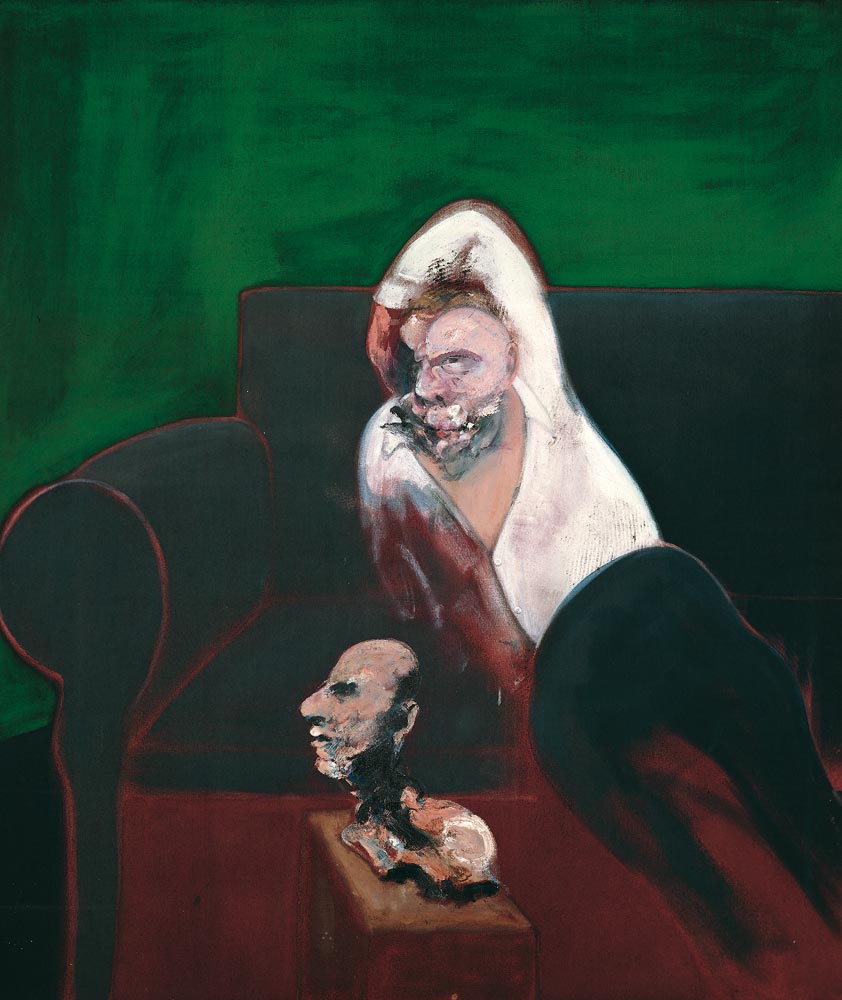
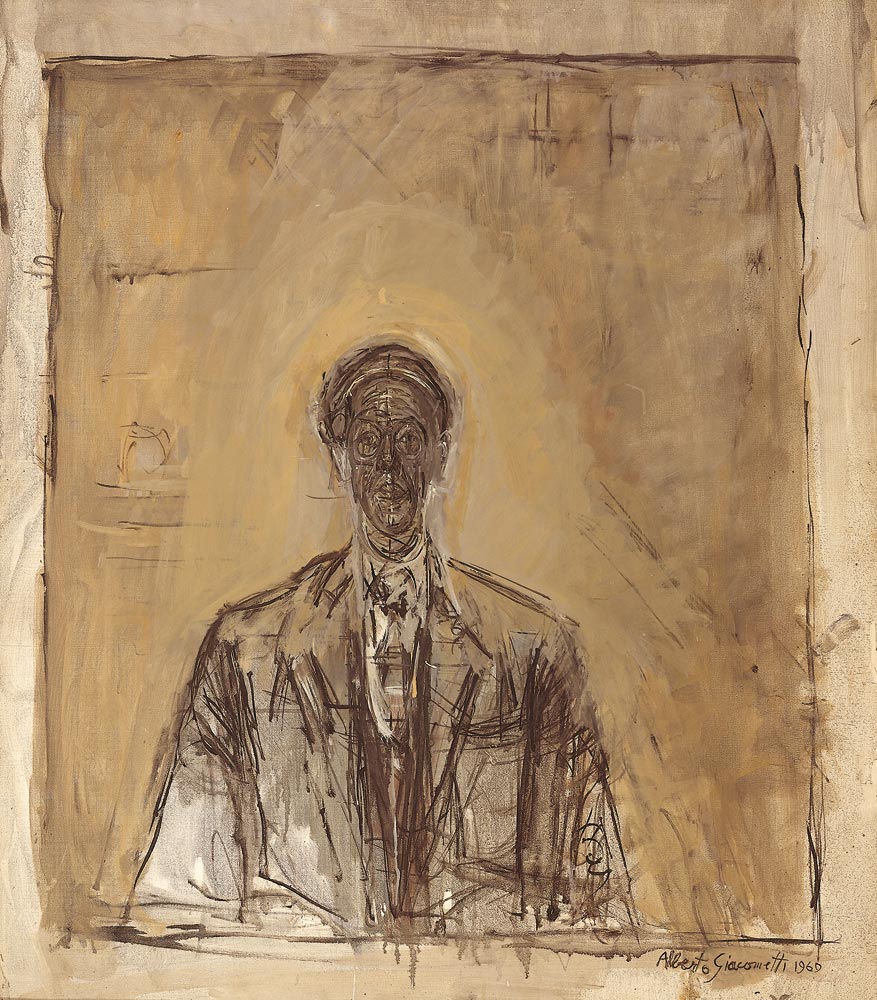
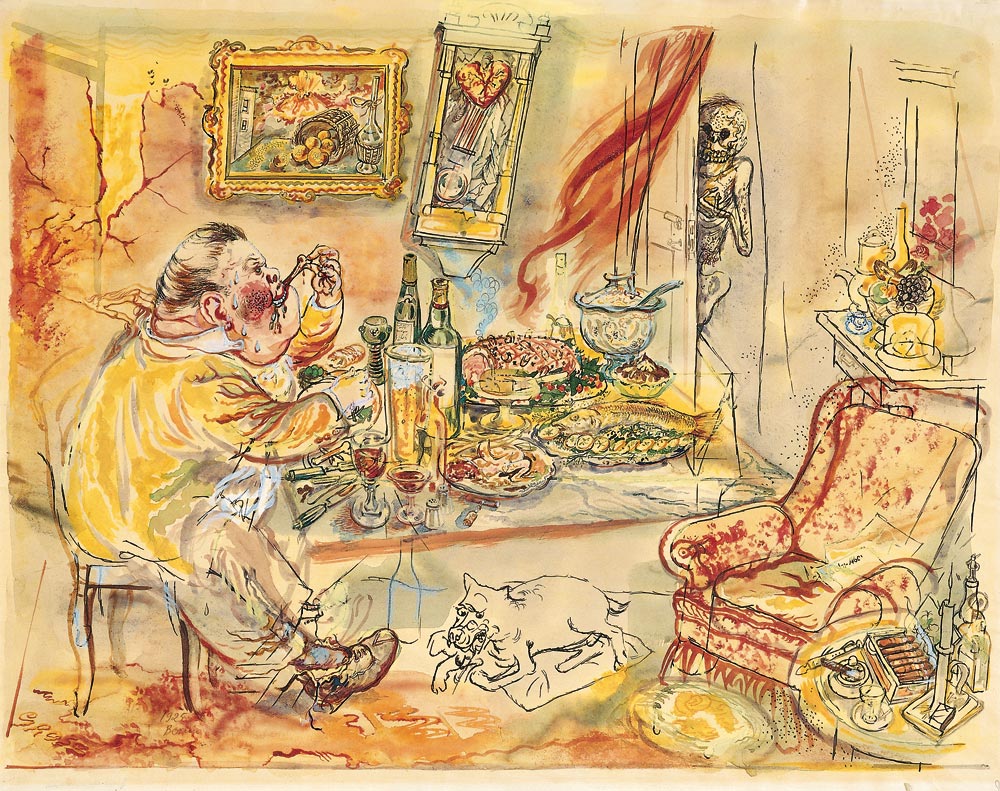
Alberto Giacometti (Standing Woman, Walking Man), Francis Bacon (Two Figures Lying on a Bed With Attendants), Max Ernst (Capricorn), René Magritte (The Therapeutae), George Grosz, John Hoyland, Diego Rivera, Jasper Johns, and Andy Warhol (Suicide or Purple Jumping Man, portraits of Mick Jagger, Marilyn Monroe and Mao Zedong) are also among the artists whose works are kept in the TMoCA.
1 of 6
Reclining man with sculpture by Francis Bacon
Isaku Yanaihara by Alberto Giacometti
The unexpected guest by George Grosz
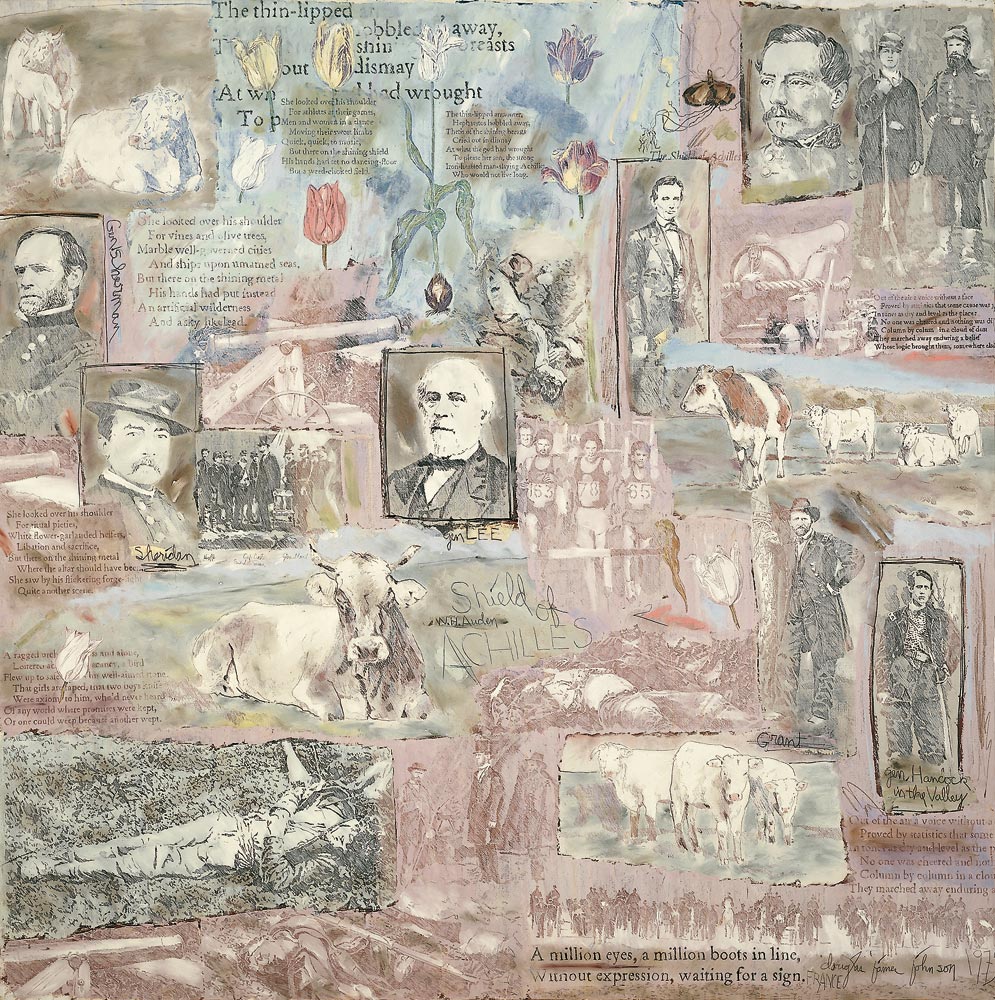
The shield of achilles by Douglas J. Johnson
Paysage (landscape) by Fernand Léger
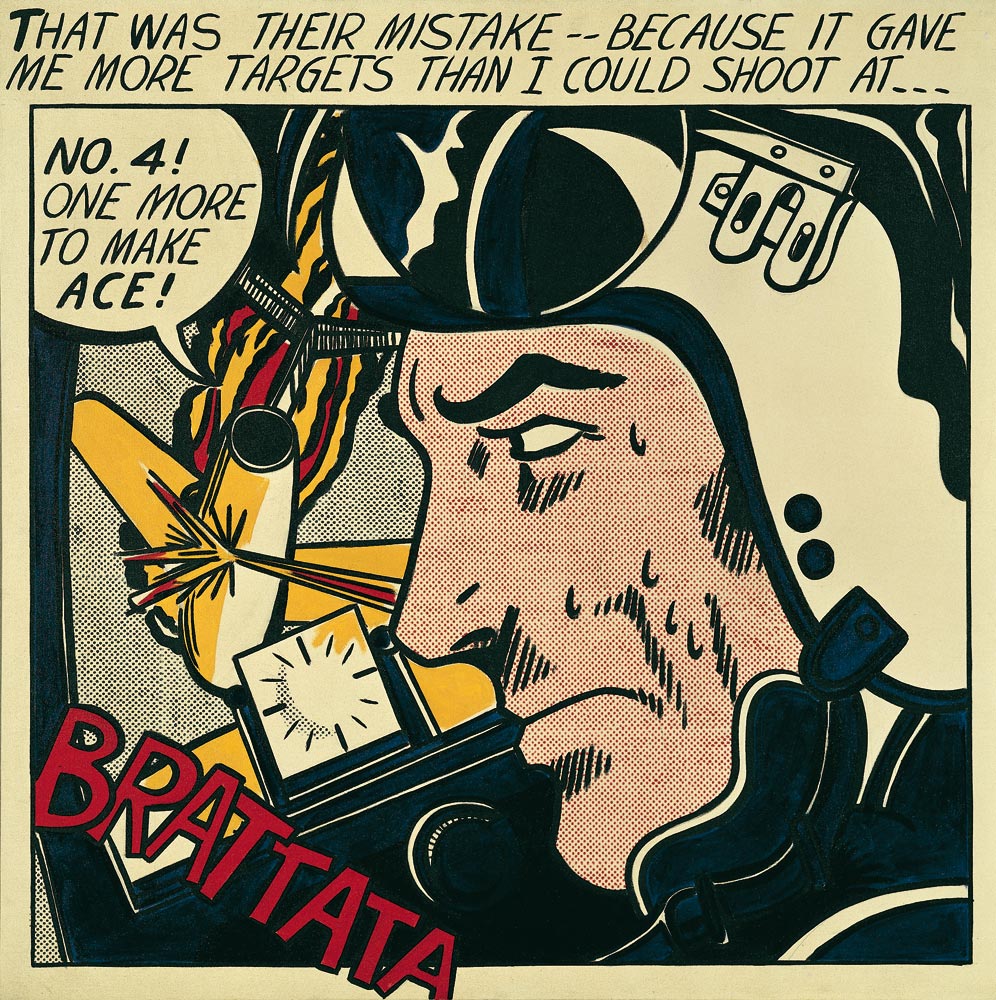
Brattata by Roy Lichtenstein
The museum also keeps works from Roy Lichtenstein, Jim Dine, Peter Phillips, James Rosenquist, Fritz Winter, Joan Miró, William Turnbull, Victor Vasarely, Adolph Gottlieb, Richard Hamilton, Georges Braque, Jean-Paul Riopelle, Edvard Munch, Pierre Soulages, Edgar Degas, Mary Cassatt, Maurice Prendergast, František Kupka, Max Beckmann, James Whistler, Edward Hopper, Henry Moore (Two–Pieces Reclining Figure, Three–Pieces Reclining Figure), Giorgio Morandi, Noreen Motamed, Giacomo Balla, Marcel Duchamp, Marino Marini (Horse and Rider), Aydin Aghdashloo (Identity: in praise of Sandro Botticelli and other works), Parviz Tanavoli (Sanctified), Sterling Ruby, Henry Peach Robinson (Landing the Catch), Ansel Easton Adams (Canyon de Chelly), Bahman Mohasses (Tryst), Arnaldo Pomodoro, and Yaacov Agam (more than 10 oil and acrylic works).
“The Iranian government would support the ongoing restructuring of the Nigerian economy,” Zarif said in a Monday meeting with Nigerian President Muhammadu Buhari, which was also attended by Iran’s Ambassador to Nigeria Morteza Rahimi Zarchi.
“We are very keen to see a better and stronger relationship with Nigeria, which is the largest country in Africa and a major global player,” the Iranian FM went on to say, as reported by Nigerian media and covered by IFP.
Zarif said he has come to Nigeria along with a delegation of more than 70 members of the Iranian business community who had already started discussions on making investment in sectors like banking, education, scholarship, agriculture, energy, tourism and technology development.
Iran’s top diplomat also said that Tehran is ready to cooperate with Nigeria in the fight against such terrorist groups as Boko Haram.
“Terrorist groups are the common enemy of all Iranian and Nigerian people,” he said.
Nigeria to Study Iranian Model of Diversification: President Buhari
President Buhari, for his part, said the Federal Government of Nigeria would work to ameliorate the challenges facing the Nigerian economy within a short period of time by under-studying the experiences of countries like Iran which thrived in adversity.
He said the Iranian economy remained an inspiration for Nigeria in the deployment of technology to harness and export gas, grow food for the populace and promote entrepreneurship in education.
“The progress made by Iran within a short period of 30 years is really commendable. Within the period, you have been able to harness gas flaring, and you are now exporting it. You have recorded strides in security, manufacturing, agriculture and technology.”
“You have also achieved a lot in nuclear research. I must also congratulate you for successfully negotiating with America and the European countries on the development of your nuclear energy.”
The president noted that Nigeria had all the potentials for growing into a great economy through more inclusive planning, consistency in government policies and commitment to the realization of development targets.
“In Nigeria, we are learning. We are learning the hard way through hardship, and we are learning very quickly on how to explore other sectors of the economy like gas, solid minerals and agriculture for growth.
“We are grateful for your support and cooperation in opening up the Nigerian economy for diversification,’’ Buhari told the envoy.
Zarif arrived in Nigeria on the first leg of a key four-nation tour of West Africa to improve bilateral diplomatic and trade relations.
Heading a high-profile politico-economic delegation, Zarif left Tehran for the Nigerian capital on Sunday, July 26, and arrived at the Nnamdi Azikiwe International Airport early on Monday.
During his stay in Abuja, the top Iranian diplomat is also scheduled to meet with senior Nigerian officials and exchange views on various issues of mutual interest.
Zarif’s tour will then take him to Ghana, Guinea (Conakry) and Mali.
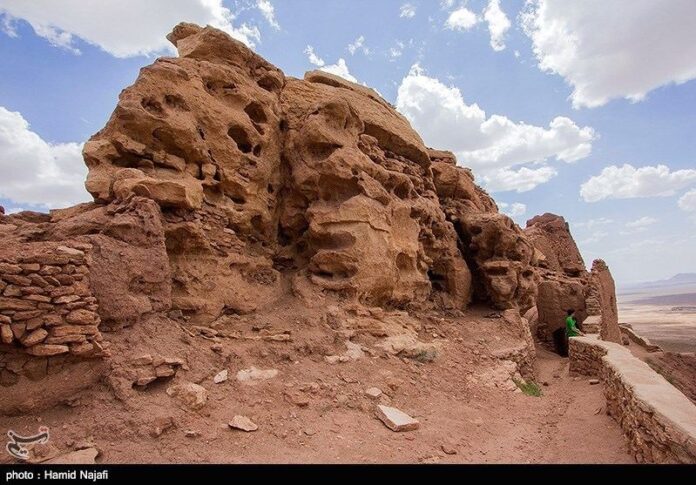
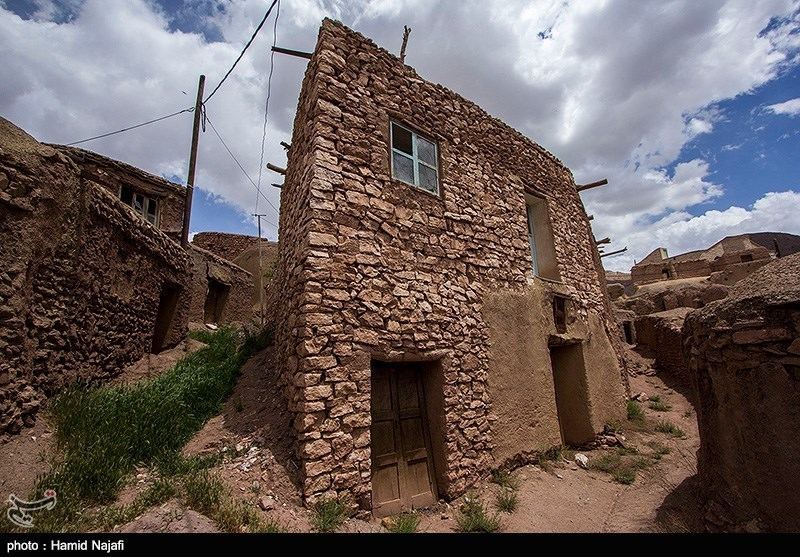
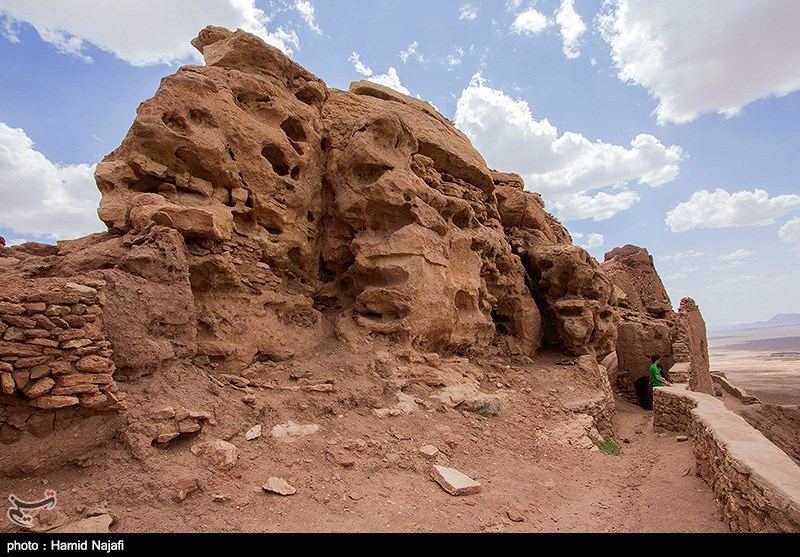
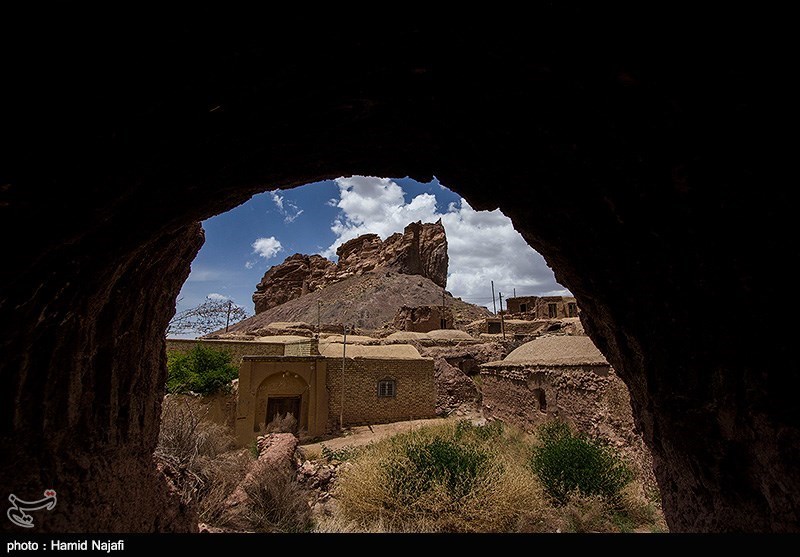
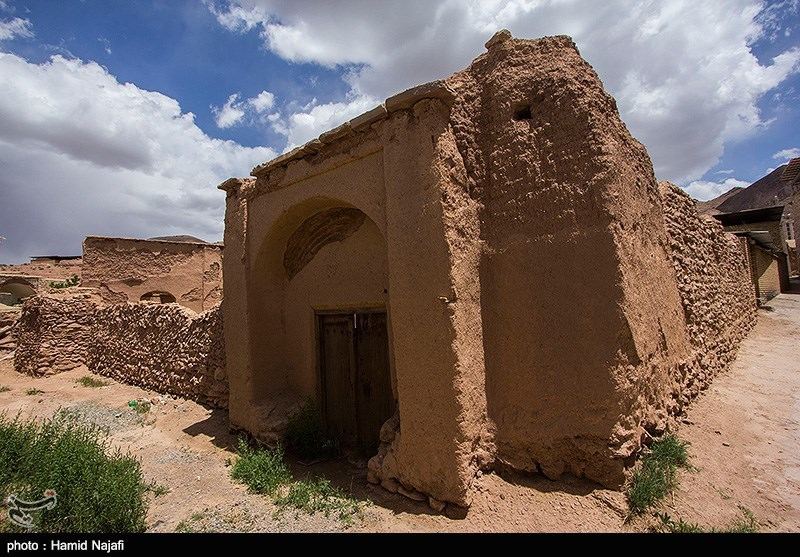
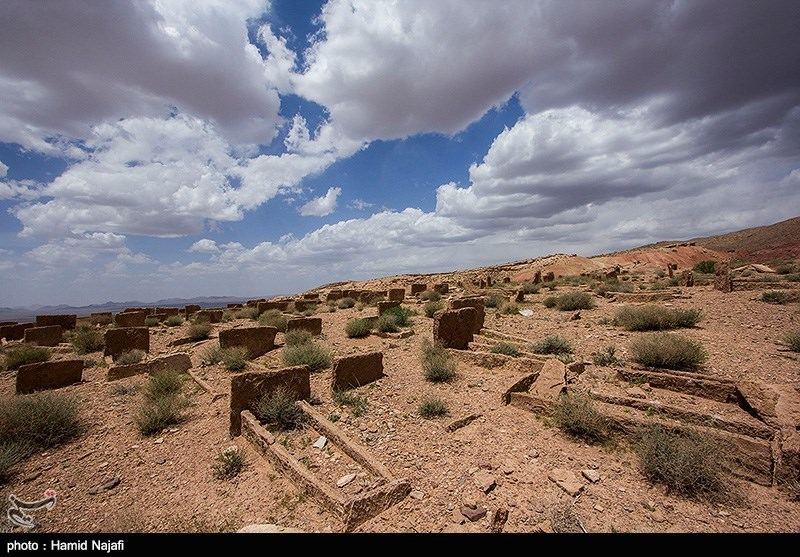
Shavaz village is located in southwest of Yazd Province in central Iran. The village is bounded by a mountain in the back and an open plain in the front.
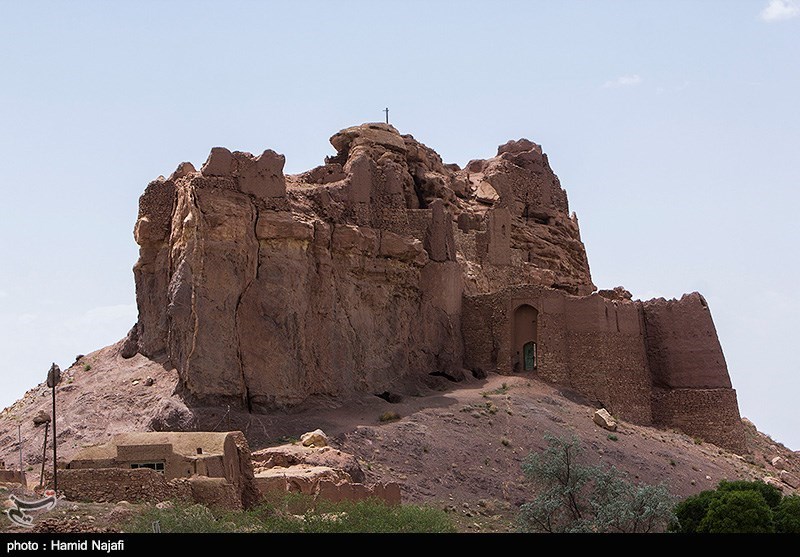
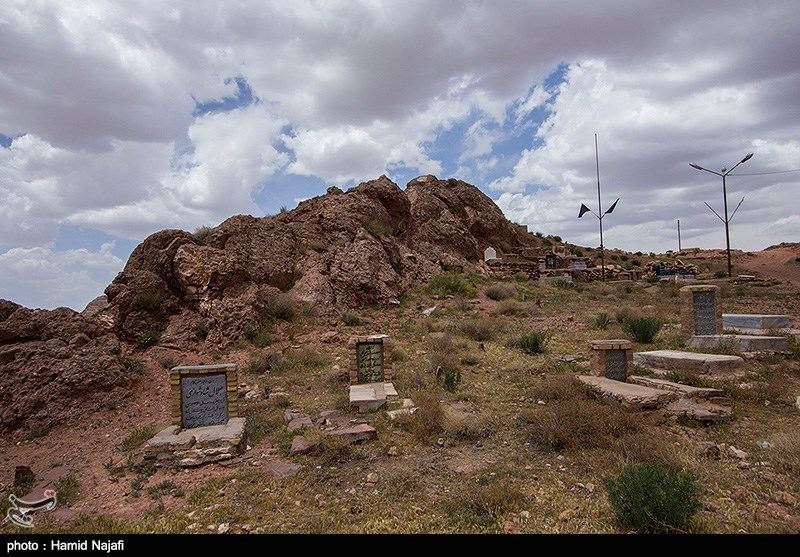
It is one of the oldest villages of Yazd. The old cemeteries in Shavaz or the high stronghold in the village all indicate its old age.
The oldest castle of Yazd Province is located in Shavaz. It dates back to pre-Islamic era, the end of Parthian empire and the beginning of Sassanid era. The inscriptions found in nearby mountains also date back to 12,000 years ago.
“The Islamic Republic of Iran backs a policy of friendship and good neighborliness by South China Sea littoral states and calls on the parties to the disputes to exercise restraint,” Qassemi told reporters in Tehran on Monday.
He further expressed the hope that the territorial disputes would be resolved through dialogue and other peaceful means.
Earlier this month, Manila urged Beijing to respect an international tribunal’s ruling that rejected Chinese claims to most of the South China Sea, and said it would raise the issue at a regional summit.
The statement was the strongest response from the Philippines to a verdict by the Permanent Court of Arbitration in The Hague on July 12 declaring that China’s claims to the resource-rich and strategically vital South China Sea had no legal basis.
China vowed to ignore the ruling, saying the UN-backed tribunal had no jurisdiction over the case and accused it of bias.
The Philippines filed the legal challenge against China in 2013 under President Rodrigo Duterte’s predecessor, Benigno Aquino.
Relations between China and the Philippines plummeted over the row.
China claims nearly all of the sea, even waters approaching the coasts of the Philippines and other Southeast Asian nations.
China justifies its claims by saying it was the first to have discovered, named and exploited the sea, and outlines its claims for most of the waterway using a vague map made up of nine dashes that emerged in the 1940s.
The tribunal ruled China’s claimed historical rights and nine-dash map had no legal basis.
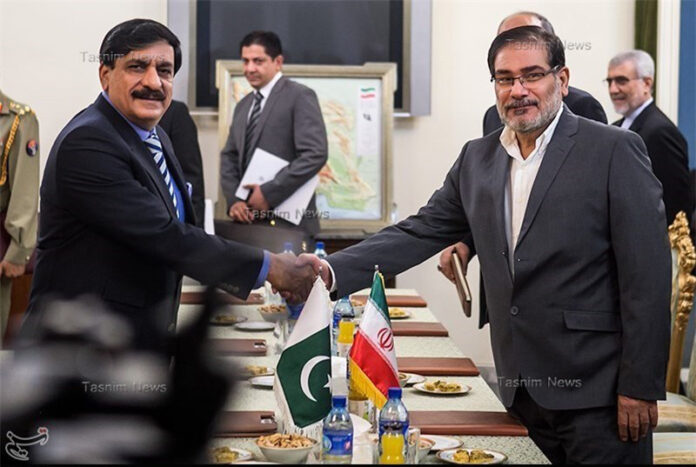
Iran will not allow certain countries to upset its relations with Pakistan by arming and hiring terrorists for creating insecurity along the common border, Ali Shamkhani said in a meeting with Pakistan’s National Security Adviser Nasser Janjua in Tehran on Monday.
The Iranian official also emphasized the necessity for ensuring sustainable border security and joint efforts by the two neighbors in the fight against narcotics smuggling, human and arms trafficking and gangs of outlaws.
Shamkhani underlined that the first priority in the war on terrorism should be countering the ideology that feeds the Daesh (ISIL) terrorist group.
Otherwise, he said, no country will enjoy security and stability, either in the region or in Europe.
For his part, the visiting Pakistani official called for Muslim vigilance in the face of foreign plots that seek to fuel conflicts among Islamic countries.
Janjua said the crises that have plagued Muslim countries are part of a long-term plot hatched by enemies to ruin the infrastructures and resources of Muslim nations with the objective of sapping the Muslim world vis-à-vis the West.
He further underscored that Islamabad intends to promote security and economic cooperation with Iran.
The top Pakistani adviser is in Iran for talks on a range of issues, including the ways to boost bilateral relations between the two neighboring countries.


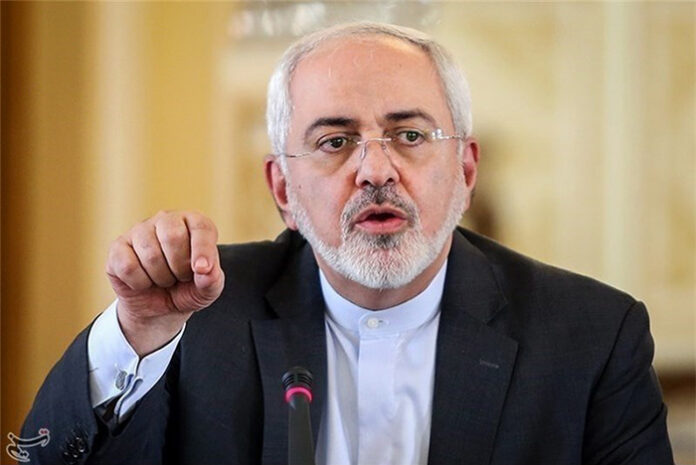
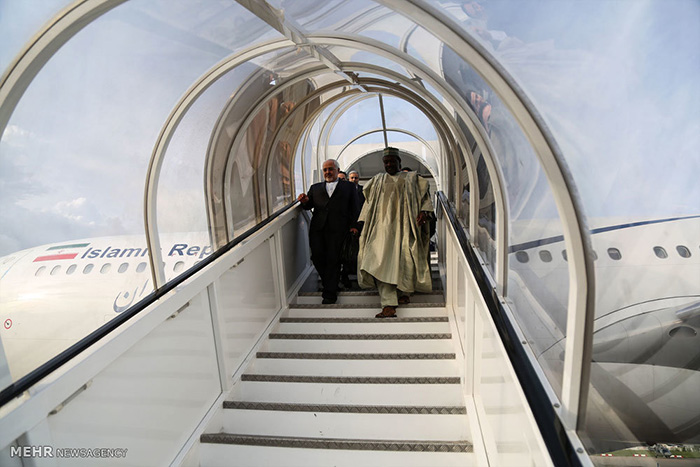




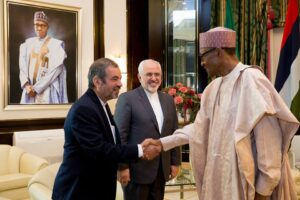 Zarif said he has come to Nigeria along with a delegation of more than 70 members of the Iranian business community who had already started discussions on making investment in sectors like banking, education, scholarship, agriculture, energy, tourism and technology development.
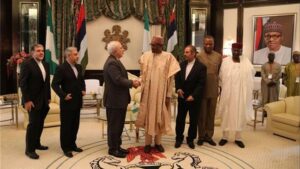 Zarif arrived in Nigeria on the first leg of a key four-nation tour of West Africa to improve bilateral diplomatic and trade relations.