Friday, December 26, 2025
Home Blog Page 432

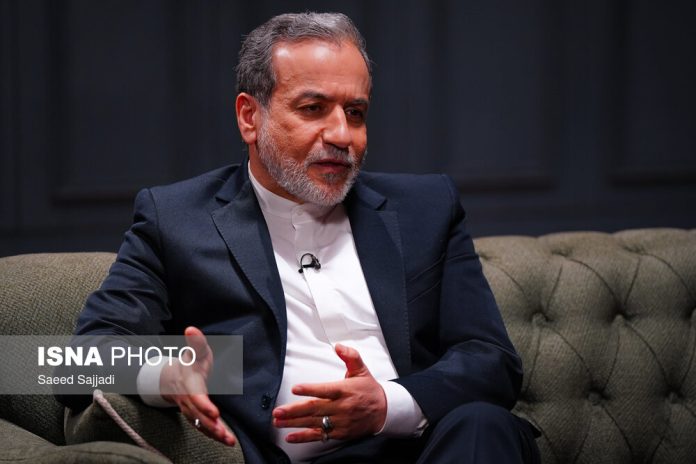
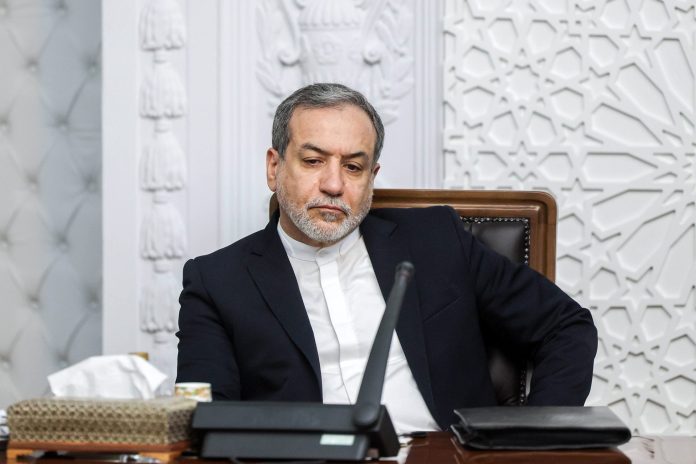
FM Araghchi: Iran will not engage in direct talks with US under threats

Abbas Araghchi

Araghchi noted that the US’s so-called maximum pressure policy and its daily threats against Iran are an obstacle to direct negotiations with Washington and “our policy is clear in this regard”.

The foreign minister added that this policy will remain unchanged until the other side changes its attitude to Iran and the Iranian people.

As for indirect talks, Araghchi said Iran is capable of holding them through different channels.

The top diplomat noted that the government’s goal is to protect the interests and national security of Iran and its people and it will not lose any opportunity to this end.

Araghchi further spoke about the designation of the Persian year of 1404 as the Year of Investment in Production” by the Spreme Leader.

He said that the Iranian Foreign Ministry is focused on attracting foreign investments as well as any investment by Iranians living abroad.

“We hope the government will help approve laws pertaining to visits by Iranians living abroad so they can travel [to Iran] and transfer the investments and will facilitate relevant rules and regulations for more participation by Iranian nationals living in other countries”, Araghchi said.

No foreign party dares to attack Iran: Foreign Minister

Abbas Araghchi

On Monday, Araghchi expressed confidence that even the thought of attacking the Islamic Republic did not cross the minds of adversaries due to their awareness of the consequences.

The top diplomat, who was addressing a gathering of senior Iranian relief officials in the capital Tehran, highlighted the complete preparedness of various sectors, saying the collective readiness had awarded the country with security.

He enumerated some of the sectors that enjoyed preparedness in the face of potential unwelcome scenarios as the Armed Forces, relief organizations, the government, and the populace.

“Our readiness grants us the power and capability that deters any aggression against our land,” Araghchi stated.​

Reiterating his earlier remarks to media outlets, the official affirmed his certainty that no war would occur involving the Islamic Republic, attributing it to the country’s thorough heedfulness of likely adverse scenarios and its relevant vigilance and readiness.

He noted that without such readiness, conflicts could be imposed on the nation, underscoring that the preparedness encompassed both the Armed Forces and relief units.

British military officials slam Ukraine ‘peacekeeping’ plan as ‘political theater’: Telegraph

UK Army

Starmer announced the initiative earlier this month, aiming to build a “coalition of the willing” to support Ukraine militarily. Last week, he claimed that multiple countries backed the idea of sending in a peacekeeping force of up to 10,000 troops, despite Moscow’s opposition to any Western deployments in the conflict zone.

London hosted planning talks last week with military officials from partner nations. However, military sources dismissed the plans as premature and politically motivated.

“There is no defined military end-state or military-strategic planning assumptions. It’s all political theater,” one senior army official told the news outlet.

“Starmer got ahead of himself with talk of boots on the ground before he knew what he was talking about.”

The discussions have reportedly shifted their focus from boots on the ground to air and naval support. The Telegraph reported that RAF fighter jets could be deployed to patrol Ukrainian airspace, while British Typhoons could provide air cover for ground forces, though the size and role of any ground deployment remain unclear.

“It’s politics. There’s no military sense in it,” another defense source stated, noting that neither Russia nor the US support the coalition. He also pointed to a lack of clarity on mission goals.

“What is a 10,000-international force based in the west of the country over 400km from the front line meant to do? It cannot even protect itself,” he argued.

“What is the mission? What is its legitimacy? What are the rules of engagement? How is it commanded, supplied and housed? How long is it there for and why? No one knows.”

Further planning talks are expected in London on Monday between British and French defense officials. French President Emmanuel Macron is reportedly considering invoking the UN to authorize a European troop presence in Ukraine. However, Russia has repeatedly rejected the idea of Western peacekeepers in Ukraine, noting that it would require UN Security Council approval, where Moscow holds veto power.

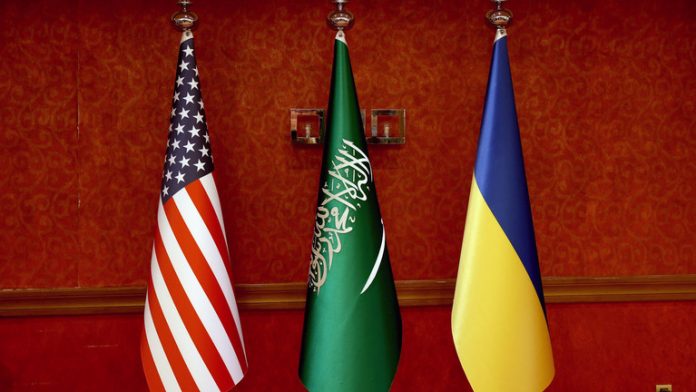
US, Ukrainian hold ‘technical’ talks in Saudi Arabia to discuss partial ceasefire

The meeting with a technical team comes a day before the U.S. plans to hold separate meetings with Ukrainian and Russian delegates.

Ukraine’s delegation is Umerov and Pavlo Palisa, the deputy head of the President’s Office, an undisclosed Ukrainian source told Sky News.

“We are implementing the President of Ukraine’s directive to bring a just peace closer and to strengthen security,” Umerov wrote on X ahead of the discussions.

“The agenda includes proposals to protect energy facilities and critical infrastructure. Today, we’re working through a number of complex technical issues — our delegation includes energy experts as well as military representatives from the naval and air components,” Umerov added.

Following the conclusion of the talks, Umerov said on Facebook that the “discussion was productive and focused,” without providing specifics on the outcome of the meeting.

“The conversation was constructive and meaningful — we discussed key issues, including in the energy sector,” he added.

U.S. negotiators planned to hold separate meetings with Ukrainian and Russian delegates, in a format Special Envoy Keith Kellog described as “shuttle diplomacy.”

Washington is also set to hold diplomatic talks with Moscow in Jeddah, Saudi Arabia, according to U.S. Envoy Steve Witkoff.

Ukraine also made it clear that no direct communications between Ukraine and Russia will beheld in Riyadh.

President Volodymyr Zelensky has said that the meeting between Ukrainian and U.S. delegations in Saudi Arabia was “constructive and beneficial,” with progress made on key issues.

“Our team is working quite constructively, and the discussion has been very beneficial. The work of the delegations is ongoing,” he stated.

Zelensky’s Chief of Staff, Andriy Yermak, echoed this sentiment, adding that the talks were focused and helpful for advancing Ukraine’s strategic goals.

Zelensky also called on the international community to increase pressure on Russia to achieve a ceasefire.

“Since March 11, there has been a proposal for an unconditional ceasefire, which would have stopped such attacks. But it is Russia that continues all of this. Without pressure on Russia, Moscow will continue to treat true diplomacy with contempt and destroy lives,” Zelensky continued.

“Whatever we are discussing with our partners right now, Putin must be forced to issue a real order to stop the strikes: whoever started this war must be the one to end it,” he added.

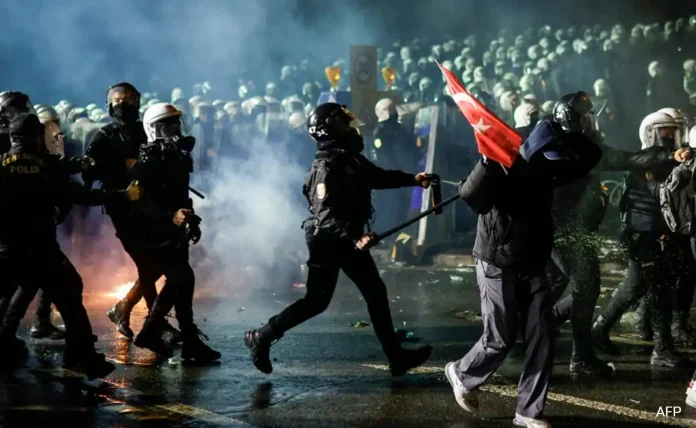
Turkey protesters met with tear gas and rubber bullets at rallies after Istanbul mayor jailed

Ekrem Imamoglu, the mayor of Istanbul, was detained on Wednesday and formally arrested and jailed pending trial over corruption charges earlier on Sunday.

Police used pepper spray and fired rubber bullets into the crowd that gathered outside Istanbul’s city hall.

Reporting from Istanbul on Sunday evening, Sky News’ special correspondent Alex Crawford described the protests as “relatively peaceful” but said they were “the biggest protests Turkey has seen in more than a decade”.

The huge demonstrations have continued despite a ban on gatherings in Istanbul imposed this week – but many protesters hid their faces with masks.

Most protesters did not want to speak on camera as they were scared of being recognised, Crawford said, but they took to the streets because “they feel their democracy is being eroded”.

She added questions remained over how long authorities would allow these protests to continue – and whether they will escalate into a real crisis for President Recep Tayyip Erdogan.

The protests intensified after Imamoglu was charged on Sunday with running a criminal organisation, accepting bribes, extortion, illegally recording personal data and bid-rigging. A request to detain Imamoglu on terror-related charges was denied.

Following the ruling, he was transferred to Silivri prison, west of Istanbul.

Imamoglu has labelled all of the claims “unimaginable accusations and slanders”.

Many view his detention as a political move to remove him from the 2028 presidential race – deepening concerns over the country’s democracy and the rule of law.

The Turkish government denies Imamoglu’s arrest was politically motivated and says the courts are independent.

Erdogan has served as Turkey’s president since his Justice and Development Party (AKP) came to power in 2003.

Its biggest opponent in the next election looks set to be the Republican People’s Party (CHP), which this weekend began holding a primary presidential election to endorse Imamoglu, their only presidential candidate.

The party also set up solidarity boxes where non-members could show their support – and at the time of last night’s protest, more than 13 million had done so, according to the CHP.

In a post on social media, Imamoglu praised the result, saying the people had told Mr Erdogan: “Enough is enough.”

“That ballot box will arrive and the nation will deliver a slap to the administration it will never forget,” he added.

Imamoglu – who could be prevented from running for president if he is convicted – was one of 48 people jailed pending trial this weekend. The others being held include a key aide and two Istanbul district mayors.

While the protests have largely been peaceful, there has been some violence in Istanbul, as well as other cities including Ankara and Izmir.

Clashes have seen police deploy water cannon, tear gas and pepper spray at protesters, some of whom threw stones and fireworks at riot officers.

Turkish Interior Minister Ali Yerlikaya also announced on Monday that 1,133 people have been arrested since protests against the arrest of Imamoglu began last week.

“The terrorization of our streets and the threat to the peace and security of our nation will absolutely not be tolerated,” Yerlikaya wrote on X.

Close to 15 million people voted for Imamoglu in a presidential primary organised by the CHP, municipal officials has announced.

In a sign of growing national support, the party announced late on Monday that an estimated 1.7 million members were joined by 13 million non-party members in supporting Imamoglu to become its official candidate for the next presidential election, which is due to take place in 2028.

Jordan proposes plan to exile 3,000 Hamas members from Gaza to end war: MEE

According to American and Palestinian sources briefed on the Jordanian proposal, those to be exiled would include both military and civilian leaders and members of Hamas.

The plan also calls for the disarmament of Hamas and other resistance factions in Gaza, according to a scheduled timeline.

This would end Hamas’s rule in the war-battered strip and allow the Palestinian Authority (PA) to assume control.

The proposal comes as Israel escalates its bombardment of Gaza, just days after violating the ceasefire it signed with Hamas earlier this year.

On 18 March, Israeli fighter jets launched dozens of air strikes across Gaza as people were waking up to eat pre-dawn meals during Ramadan, killing 400 civilians, including nearly 200 children.

Since then, the continuous Israeli attacks on the strip have killed a further 300 Palestinians.

Overall, Israeli forces have killed more than 50,000 Palestinians since October 2023, including nearly 18,000 children, according to the Palestinian Ministry of Health. More than 113,000 have been wounded.

The ceasefire that Israel violated was a three-phase agreement, starting with a temporary cessation of hostilities and intended to lead to a permanent end to the war and a full Israeli withdrawal from Gaza.

However, Israel refused to move to the second stage of the deal as agreed and instead sought an extension of the first phase, delaying the end of the war and a full withdrawal.

Hamas refused to extend the first phase and insisted on moving to the second stage, as originally agreed.

Despite the violation of the ceasefire by Israeli bombardment, the Palestinian movement has expressed willingness to resume negotiations to proceed to the second phase.

Steve Witkoff, the United States Special Envoy to the Middle East who helped broker the first deal, stated in an interview with Tucker Carlson on Friday that Hamas cannot govern Gaza and should disarm.

Similar proposals have been made multiple times by Israel since the war broke out, suggesting the departure of Hamas leaders from Gaza in exchange for an end to the fighting.

Gal Hirsch, an Israeli commander responsible for captives affairs, proposed a plan last year to end the war on Gaza, allowing the safe passage of Hamas leaders in exchange for the release of all Israeli captives in one phase.

Hamas officials have consistently dismissed calls for their disarmament or departure from Gaza, insisting they will carry arms as long as the Israeli occupation exists.

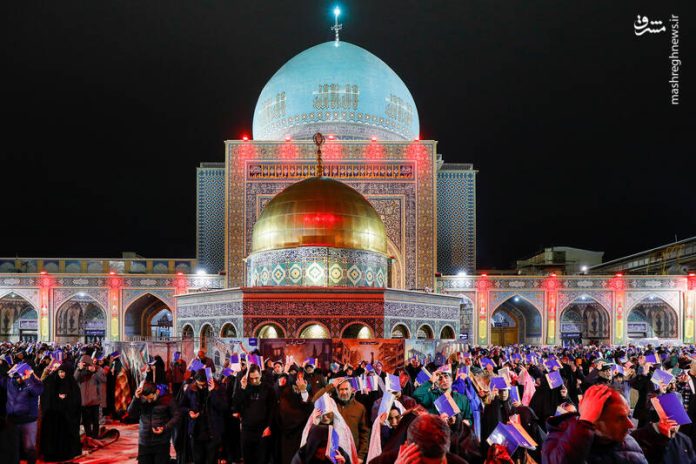
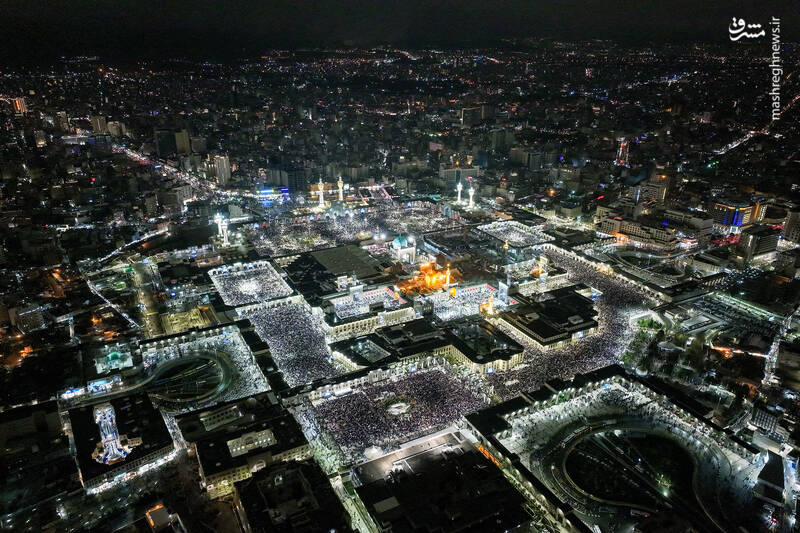
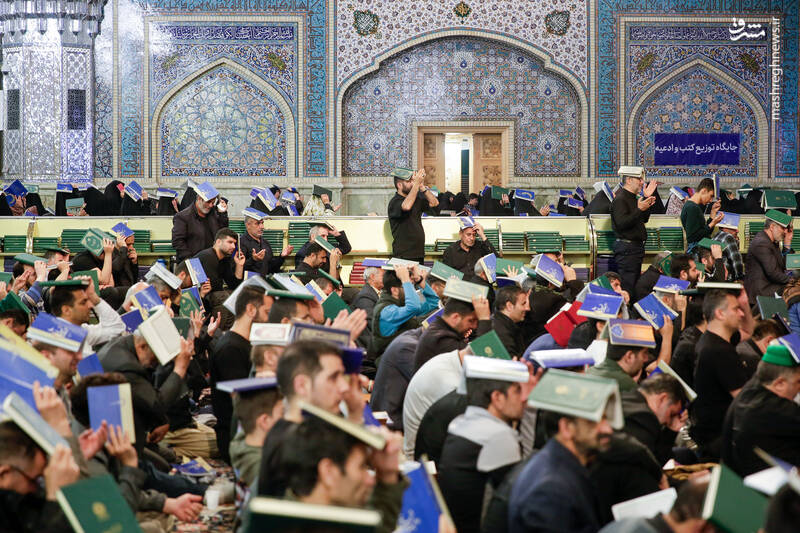
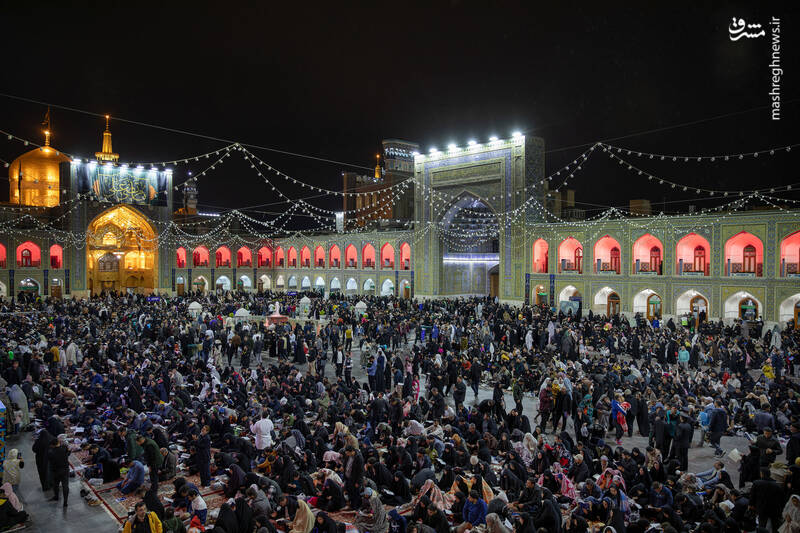
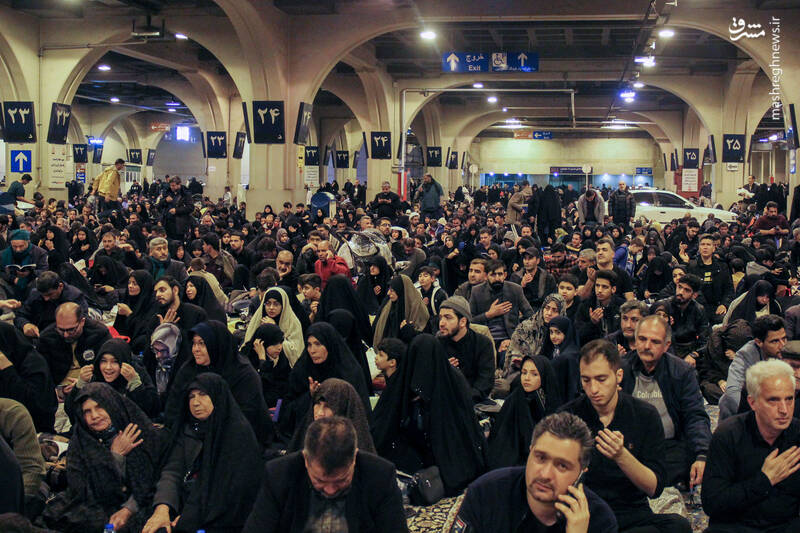
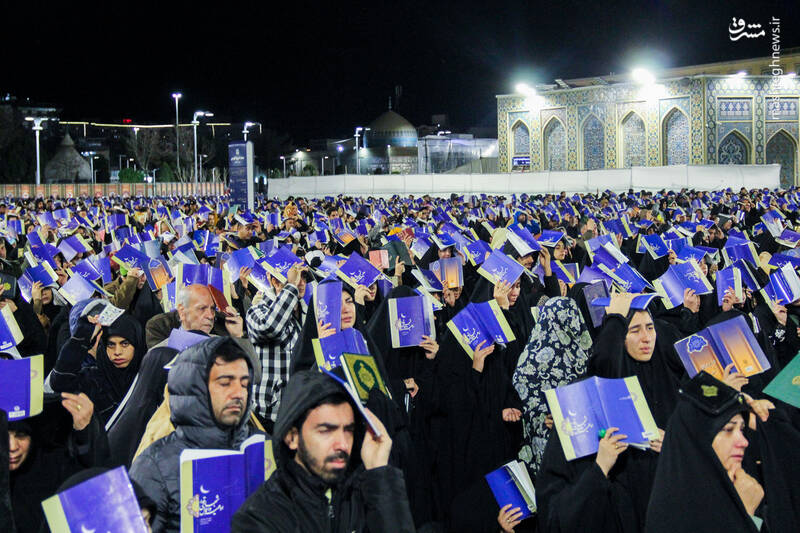
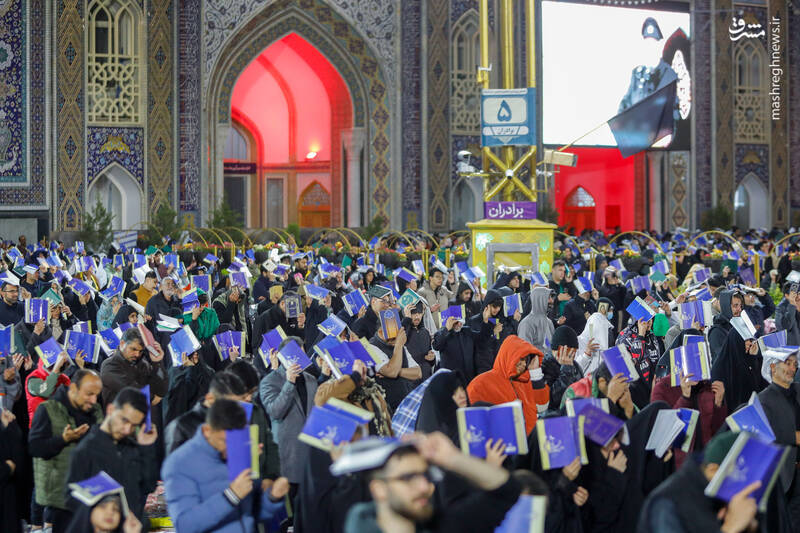
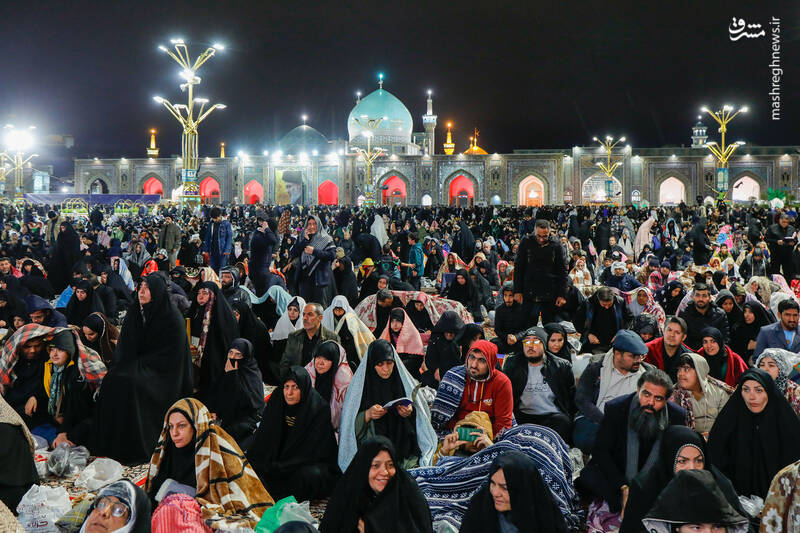
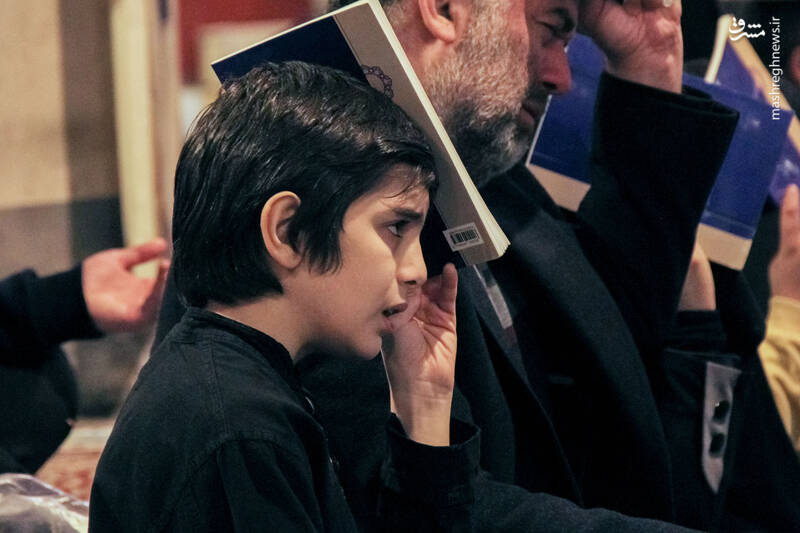
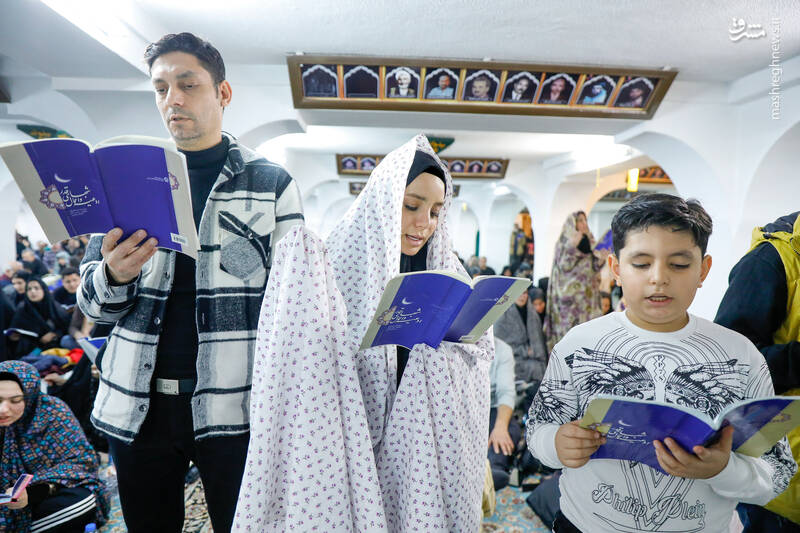
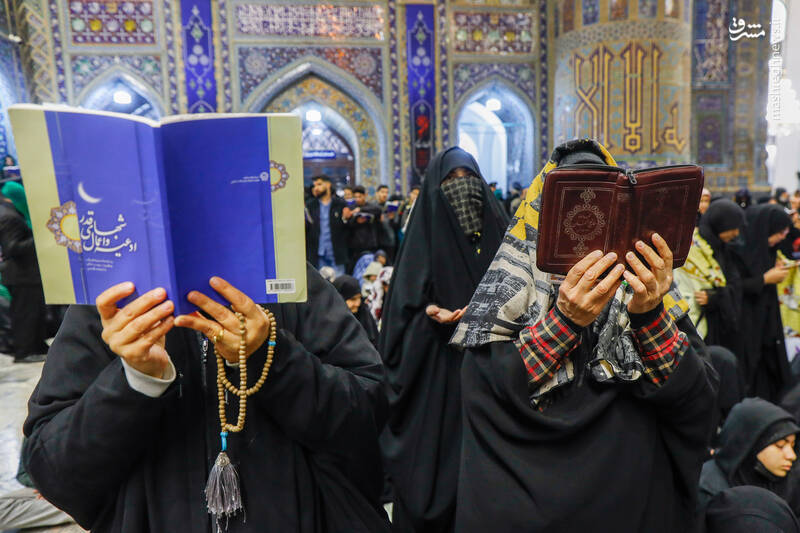
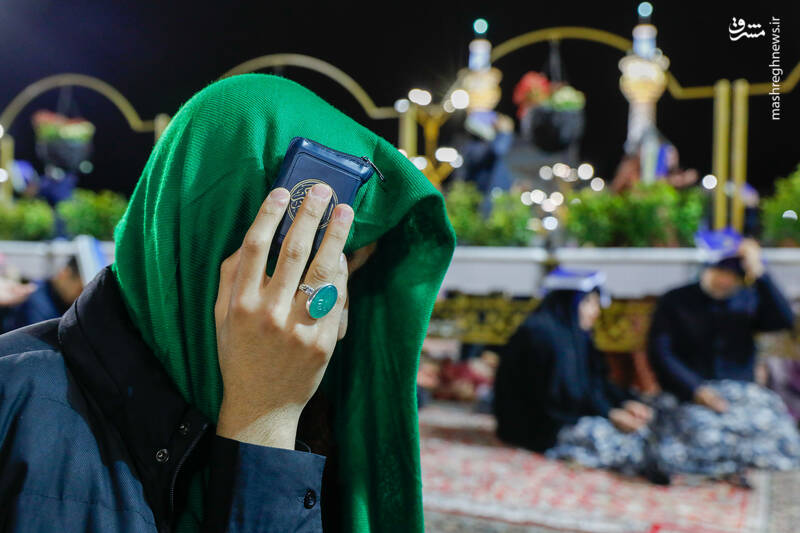
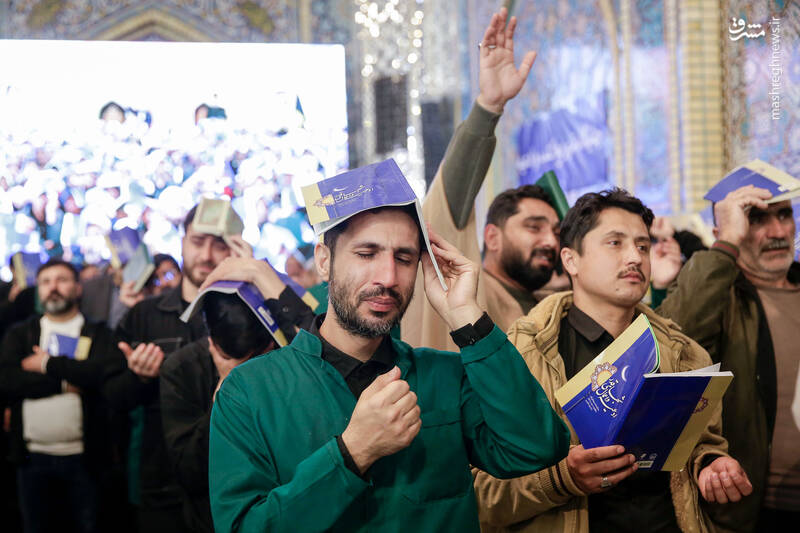
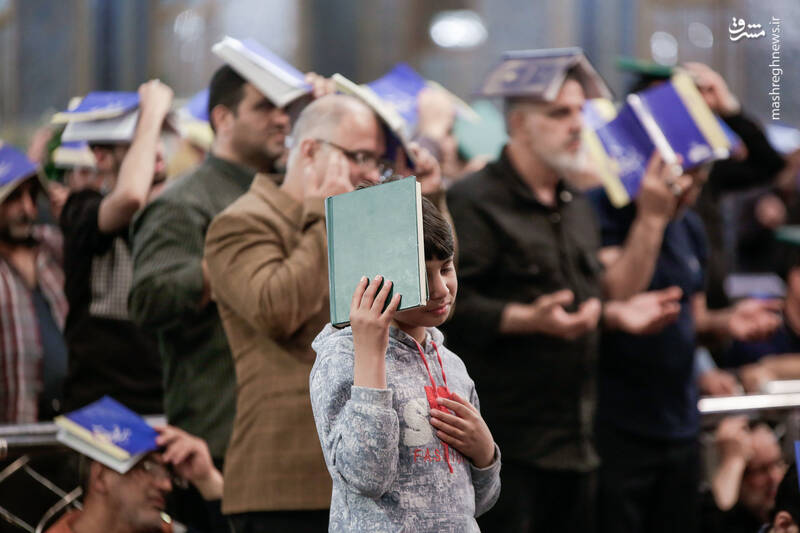
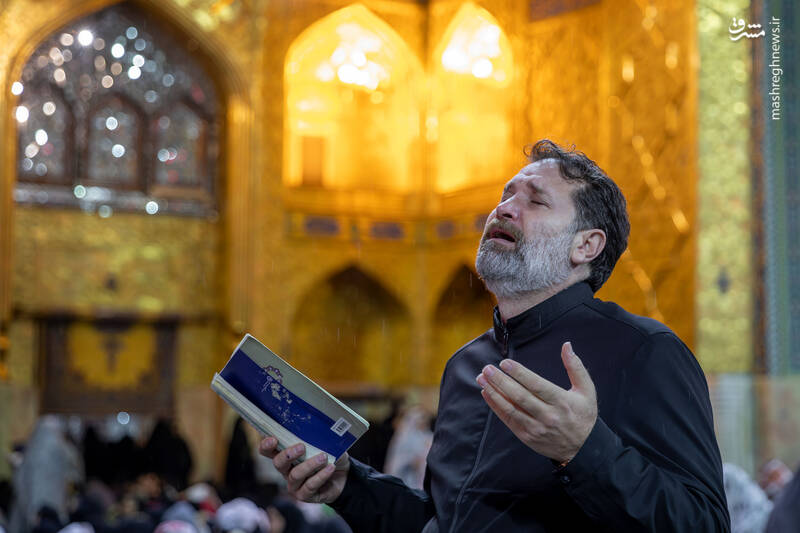
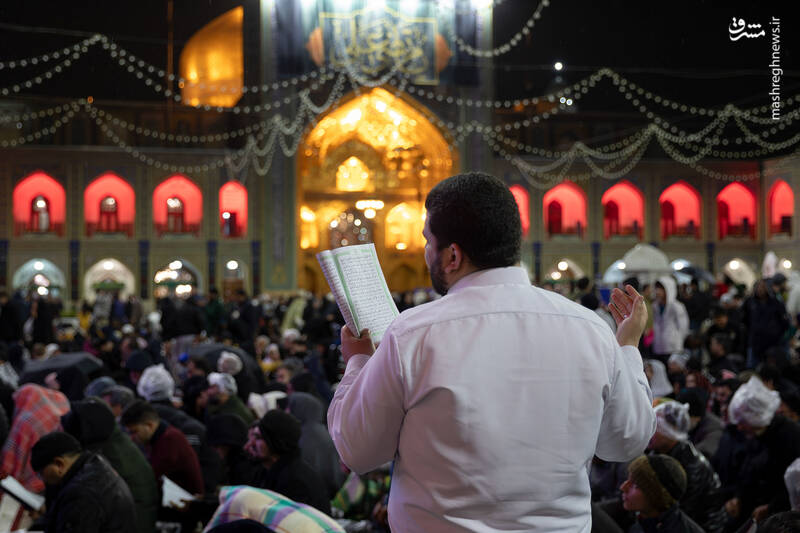
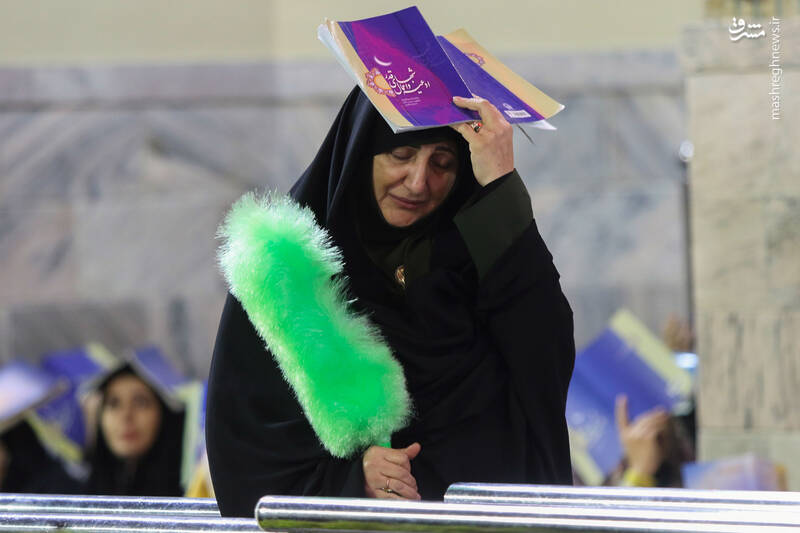
Laylat al-Qadr commemorated at Imam Reza shrine in Mashhad

The spiritual ceremony featured heartfelt prayers, drawing thousands of worshippers to the holy site.

Laylat al-Qadr, considered the holiest night in Islam, marks the revelation of the Qur’an to Prophet Muhammad (PBUH).

While the exact date of Laylat al-Qadr is disputed, it is widely observed on the 19th, 21st, and 23rd nights of the Islamic fasting month of Ramadan. Many worshippers hold vigils on all three nights to ensure they do not miss the blessed occasion.

The event at the Imam Reza Shrine highlighted themes of reflection, forgiveness, and unity, as attendees engaged in night-long prayers and supplications.

More in pictures:

Legendary Iranian goal keeper Abedzadeh meets iconic German football player Klinsmann after 27 years

The two iconic players, who once led their national teams as captains, came together for a memorable photo, which Abedzadeh later shared on his Instagram account.

The meeting brought back memories of the June 26, 1998 FIFA World Cup match between Iran and Germany, where Abedzadeh’s heroic saves and Klinsmann’s leadership on the field left a lasting impression on football fans worldwide.

Ahead of the World Cup match, Abedzadeh presented Klinsmann, then captain of the German national team, with a gift on behalf of the Iranian players. The gesture was a heartfelt acknowledgment of Klinsmann’s earlier act of solidarity with Iran following the devastating 1990 Rudbar earthquake, in northern Iran.

Although FIFA initially opposed the Iranian team’s plan to present gifts to Klinsmann, the exchange ultimately took place, symbolizing the unifying power of football and the mutual respect between the two nations.

The match, held at the Mosson Stadium in Montpellier, France, ended in a 2-0 victory for Germany. However, the exchange of gifts between the two captains became a memorable moment of sportsmanship.

Abedzadeh presented Klinsmann with exquisite Iranian handicrafts, explaining their cultural significance, while Klinsmann expressed gratitude for the gesture.

Legendary Iranian goal keeper Abedzadeh meets iconic German football player Klinsmann after 27 years

Israel attacks Gaza’s Nasser Hospital, several patients killed

The attack destroyed a large section of the hospital, forcing the evacuation of an entire department, according to Gaza’s health ministry.

The Israeli military admitted to carrying out the bombing, justifying it by claiming it was aimed at “terrorists.”

Among those killed was Ismail Barhoum, a senior Hamas political figure, who was receiving treatment at the hospital for wounds sustained in an earlier Israeli strike.

Hamas denounced the attack as a “cowardly Zionist assassination” and accused Israel of deliberately targeting Palestinian leaders, civilians, and Gaza’s already devastated healthcare system.

Israeli air raids have repeatedly hit hospitals across Gaza, leaving many unable to function. Rights groups and legal experts have condemned these attacks as flagrant violations of international law.

Palestinian Civil Defence crews stated that they had extinguished a large fire caused by the bombing.

Israel has intensified its assault on Khan Younis, launching relentless air strikes since it broke the ceasefire on 18 March, killing hundreds.

This is not the first time Israel has attacked Nasser Hospital.

From February through April 2024, Israeli forces besieged the medical complex, turning it into a site of mass killing.

In early February, medical staff reported that Israeli snipers were shooting at them inside the hospital, while dozens of civilians were killed just outside.

United Nations officials overseeing evacuations at the time described Nasser Hospital as a “place of death.” When Israeli troops withdrew in April, Palestinian rescue workers uncovered a mass grave containing more than 300 bodies. A civil defence official noted that some of the corpses bore signs of torture.

Among those killed during the siege were women, children, and medical workers—Palestinians who sought shelter in a hospital only to be met with Israeli bombs and bullets.

On Sunday alone, Israeli air raids across Gaza killed at least 46 people, with most of the deaths reported in Khan Younis and Rafah.

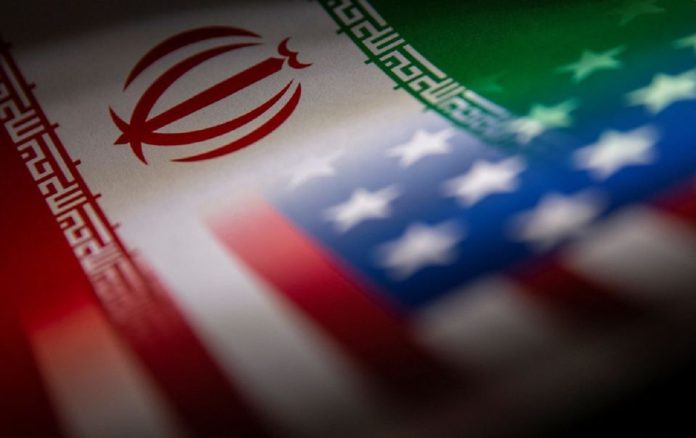
Trump’s envoy says US offer of talks with Iran aims to avoid military action

Iran US Flags

“We don’t need to solve everything militarily,” Witkoff told Fox News.

“Our signal to Iran is let’s sit down and see if we can, through dialogue, through diplomacy, get to the right place. If we can, we are prepared to do that. And if we can’t, the alternative is not a great alternative.”

Trump said earlier this month that he had sent a letter to Ayatollah Khamenei, warning that “there are two ways Iran can be handled: militarily, or you make a deal.”

Ayatollah Khamenei rejected the U.S. offer for talks as “a deception,” stressing negotiating with the Trump administration would “tighten the knot of sanctions and increase pressure on Iran.”

However, Iran’s Foreign Minister, Abbas Araqchi, stated on Thursday that Tehran would soon reply to both the letter’s “threats and opportunities.” He cautioned on Sunday that talks with the U.S. are impossible unless Washington changes its pressure policy.

Speaking separately on CBS News, the White House’s national security advisor, Mike Waltz, stressed the U.S. sought “full dismantlement” of Iran’s nuclear program.

“Iran has to give up its program in a way that the entire world can see,” he added.

“As President Trump has said, this is coming to a head. All options are on the table and it is time for Iran to walk away completely from its desire to have a nuclear weapon.”

Tehran has long stressed the program is only for peaceful purposes.

U.N. nuclear watchdog chief Rafael Grossi cautioned last month that time is running out for a deal to rein in Iran’s nuclear program as Tehran continues to accelerate its enrichment of uranium to near weapons grade.

While leaving the door open for a nuclear pact with Tehran, Trump has reinstated the “maximum pressure” campaign he applied in his first term as president, including efforts to drive the country’s oil exports to zero.

Earlier this month, the US Treasury Department also imposed sanctions on Iran’s Oil Minister, Mohsen Paknejad.

The U.S. has issued four rounds of sanctions on Iran’s oil sales since Trump’s return to the White House on January 20.

Paknejad has stated Tehran is not concerned that Trump may decide to toughen sanctions on the country’s oil exports. He added that Tehran has some valuable experiences in getting around Washington’s sanctions.

Paknejad has stressed that the United States will never achieve its dream of cutting Iran’s oil exports to zero as touted by Trump.

“Blocking Iran’s oil exports is an unattainable dream,” he added.

He insisted that Iran will always come up with solutions to circumvent US bans on its oil exports.