Tuesday, December 23, 2025
Home Blog Page 4299

‘US Failed to Do Its Side of Iran Deal’

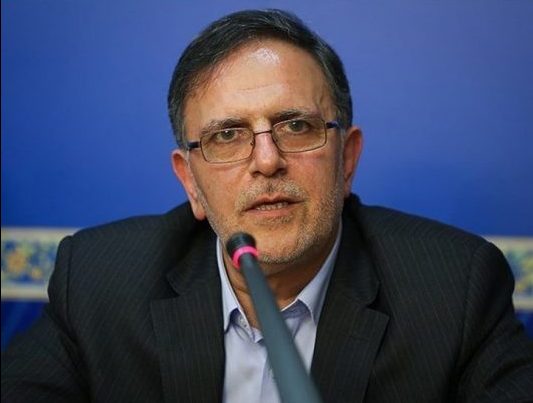
Valiollah Seif

Valiollah Seif, the governor of the Central Bank of Iran (CBI), said the behavior of the US toward its commitments as per the deal – that was signed between Iran and the P5+1 group of countries – is not transparent.

Seif added that the US is even scarring banks from doing business with Iran whereas it should have done the otherwise based on what it signed with Iran together with four other fellow Security Council members plus Germany.

He was commenting in reaction to remarks by US Energy Secretary Ernest Moniz who earlier said that Washington had met its dies of the deal – the Joint Comprehensive Plan of Action (JCPOA) – that envisaged the removal of certain economic sanctions against Iran in return for measures by the country to restrict certain aspects of its nuclear energy activities.

“The truth is that this claim … is not correct,” Seif emphasized.  “The commitments that the US accepted as per the JCPOA are yet to be implemented and the behavior of the American side to this effect is not transparent,” he told IRIB News during a visit to Vienna.

Iran’s CBI chief further said that the US claims that it is encouraging banks to do business with Iran but at the same time scares them away by threatening them with punitive measures if they approach the Iranian market.

“Before the sanctions, the representatives of the US Treasury visited countries and threatened banks with punitive measures if they cooperated with Iran,” Seif said.

“Now they expect to put everything back in place through a simple statement. They even don’t do that and instead raise threats [against doing business with Iran.”

Iraq to Media between Tehran and Riyadh to Support Oil Prices

OPEC Fund Earmarks $500,000 to Help Iran Fight COVID-19

Iran on Tuesday rejected a proposal from Saudi Arabia to limit its oil output in exchange for Riyadh cutting supplies, dashing market hopes that the two major OPEC producers would find a compromise this week to help ease a global glut of crude.

“Iraq is leading a mediation to bring the viewpoints of Saudi Arabia and Iran closer, in order to get out of the crisis and support oil prices,” said Iraqi oil ministry spokesman Asim Jihad, citing a statement from Luaibi, who is attending the Algiers meeting.

“There are still some obstacles preventing an agreement,” he said, giving no further details.

The Organization of the Petroleum Exporting Countries will hold informal talks on Wednesday in the Algerian capital, Reuters reported.

Its members are also meeting non-OPEC producers on the sidelines of the International Energy Forum, which groups producers and consumers.

The report came after Iran announced it has no intention to forge an agreement with other major crude producers to freeze its oil output at current levels.

Iran’s Petroleum Minister Bijan Zanganeh told Bloomberg that the country is still determined to raise its crude production to pre-sanctions level of 4 million barrels a day.

Zanganeh emphasized that the Wednesday meeting between member states of OPEC should focus on consultations on market issues. He added that the group could only reach a formal supply deal at its November meeting in Vienna.

“It’s not our agenda to reach agreement in these two days,” Zanganeh said. “We are here for the IEF and to have a consultative informal meeting in OPEC to exchange views. Not more.”

The Iranian minister talked to Bloomberg on the sidelines of the International Energy Forum in the Algerian capital.

Top on the agenda of the Wednesday OPEC meeting will be a proposal by Saudi Arabia for producers to keep their oil output at January levels – what Riyadh believes will help stabilize the prices in markets.

Iran has so far rejected the call to freeze its output as unfair and emphasized that it will go ahead with its plans to increase its oil production.

Nevertheless, it had made it clear that it is ready to join the plan after its output reaches 4 million barrels per day.

Bloomberg emphasized that Iran – which it described as less dependent on oil revenues than Persian Gulf producers like Saudi Arabia – has seen its prospects boosted as a result of the removal of the sanctions.

In Saudi Arabia, tentative moves toward economic reform have not prevented two years of weak prices causing financial havoc, it added.

Saudi Arabia, Bloomberg said, is burning through foreign-exchange reserves, government contractors have gone unpaid and civil servants will get no bonus this year.

The rising stakes of low oil prices appear to have already increased pressures on Riyadh. Reuters reported on Friday that Saudi Arabia has informed Tehran that it is ready to reduce its oil output provided that Iran agrees to cap its own output at its current level of 3.6 million barrels per day over the remaining months to the end of 2016. Tehran has reportedly already rejected the Saudi proposal.

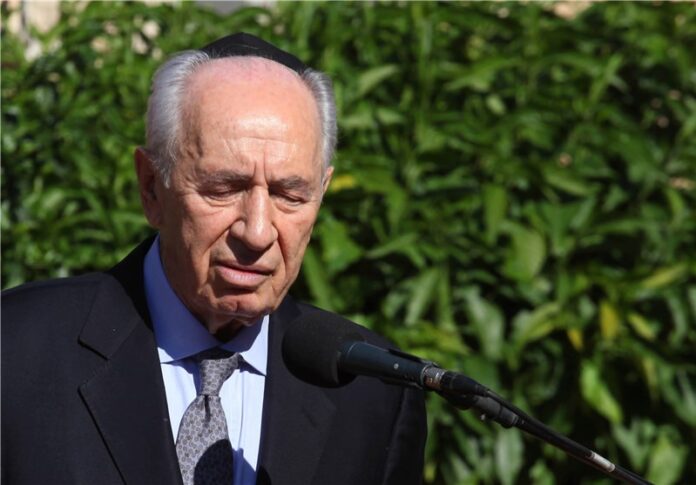
Israel’s Shimon Peres Dies at 93

shimon-peres

Peres suffered a stroke on Sept. 13 and was put in a medically induced coma.

In a career spanning nearly seven decades, Peres, 93, served in a dozen cabinets and twice as a Labor Party prime minister, even though he never won a general election outright in five tries from 1977 to 1996. He later served as president, a largely ceremonial role in Israel, from 2007-2014, before leaving politics.

While he is largely known as a “dove” in a country founded on ethnic cleansing, Peres oversaw one of Israel’s ugliest war crimes in its history.

In 1996, he unleashed “Operation Grapes of Wrath,” causing 400,000 Lebanese to flee their homes, with almost 800 of them fleeing to a UN base in Qana, South Lebanon.

In order to challenge the “dove” label and appease the right, Peres did not stop there and ordered the army to strike the Qana shelter, killing 102 civilians, mainly women, children and the elderly, TeleSUR reported.

“In my opinion,” Peres said at the time, “everything was done according to clear logic and in a responsible way. I am at peace.” However, the United Nations and human rights organizations debunked his government’s claim that the strike against the camp was not intentional.

Peres had said Israel had the right to keep land gained during war, such as the Syrian Golan Heights, in contravention of international law.

US Should Publicly Apologize for Killing Syrian Troops: Assad’s Advisor

Shaaban

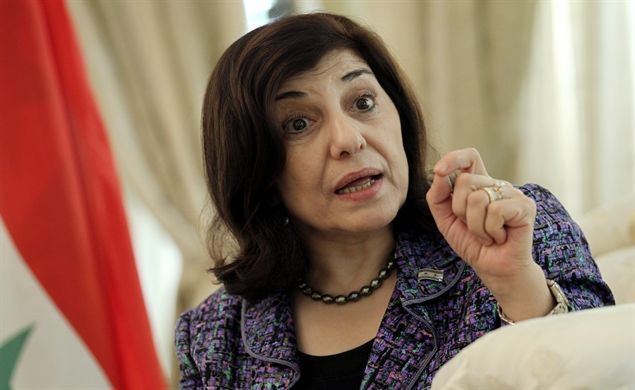
In an interview with Al Mayadeen TV on Monday, Shaaban clarified that the weakness and disarray of the US Administration’s positions, along with its moral degradation even in dealing with the agreements it signs, have reflected on implementing the Russian-US deal on Syria, as the Pentagon did not listen to Obama regarding the agreement, and it was undermined inside the Congress.

She pointed out that the recent Russian-US agreement on Syria cannot be implemented unless the problem inside US Administration is solved, noting that Russia is in the right because it is committed to agreements and it works against terrorism, while the US discourse contains a great deal of nonsense and inexactitude, adding that the provisions that were agreed on in the Russian-US agreement were not made public; rather what has been announced was just partial matters and not the five documents.

She stressed that the Syrian leadership was a main party in the consultations regarding each point in the agreement even before it was written down, adding that the Russian ally differs from the West in terms of respecting the sovereignty of states and allies, stressing that Russia does not agree to any detail regarding Syria before getting the consent of the Syrian leadership.

Shaaban noted that the West doesn’t feel embarrassed if it signs an agreement and doesn’t abide by it, and it’s attempting to do so with Russia as it did before regarding the nuclear agreement with Iran.

On what has been circulated via media outlets regarding a US apology for the aggression on a Syrian Army position in Deir Ezzor, Shaaban clarified that the US apology came through informal channels, adding that Syria does not trust that apology; rather it wants a public apology that ensures that the incident is never repeated.

The Presidential Advisor stressed that Syria is a member state at the UN and the Syrian Arab Army is fighting terrorism, and the legitimacy of President Bashar al-Assad stems from the Syrian people, not from what the American administration decides.

On the relation with the Democratic Union Party, she said “we don’t differ with any component of the Syrian people on any ethnic, religious, or sectarian basis; rather we differ on political basis,” asserting that the Party represents only a small part of the Kurds, and that Syria has supported all sides which fight terrorism and deals with them according to their stances towards the Syrian sovereignty.

Shaaban accused the so-called “opposition” of rejecting dialogue with the Syrian government because its members are tied to foreign agendas, noting that on the other hand, agreements were reached with armed groups more than once because these groups “have more independence than those who were entrusted with holding dialogue in Geneva.”

She dismissed the existence of any guarantees or coordination among Russia, Iran, and Turkey regarding the blatant Turkish aggression on Syrian territory, asserting that Syria didn’t disregard this aggression and it doesn’t believe in the Turkish allegations of fighting terrorism at the time when it send terrorists to destroy it, SANA reported, as covered by ABNA.

She criticized the UN for failing to fulfil its role as a neutral international institution, noting that some UN workers attempted to dissuade some citizens from getting out of al-Waer neighbourhood in Homs and from Daraya in Damascus countryside, and by doing so they overstepped their boundaries, adding that UN Special Envoy to Syria Staffan de Mistura isn’t carrying out his duties with transparency, and that UN Secretary General Ban Ki-Moon’s recent accusations which he levelled at Syria are groundless.

Shaaban pointed out that relations with Egypt have never been severed, saying “we understand the situation in Egypt and we are always ready to build good relations with it,” affirming that Syria welcomes any change that supports Arabism and the relations with the Arab countries, adding that Syrian leadership doesn’t receive direct information from the Egyptian leadership.

She indicated that some of the Arab parties which have been secretly supporting Israel since the 1930s are supporting it publically today, adding that Israel has normalized its relations with the Arab Gulf states and it works on changing the curriculum in Sudan, Egypt, and Yemen to make it refer to it as an “Israeli state” instead of an entity occupying Palestine.

The Presidential Advisor went on to note that what has been announced by head of the government of the Zionist entity Benjamin Netanyahu is conclusive evidence that Israel is the biggest beneficiary of the so-called “Arab Spring” and that Israel seeks to drive the Arabs apart.

Shaaban added that Saudi Arabia and Qatar are supporting and financing terrorists in Syria and sending terrorists through Turkey, and they continue to pursue this track without any change regarding their relations with the terrorist organizations in Syria.

She considered that assassinating the Jordanian writer Nahed Hatar is a part of the attempts to silence voices that is taking place in the region, addressing the killers by saying “where is the freedom, democracy, and human rights if we are not able to disagree?”

Iran’s Shamkhani Slams US ‘Open Support’ for Terrorists in Syria

Ali Shamkhani

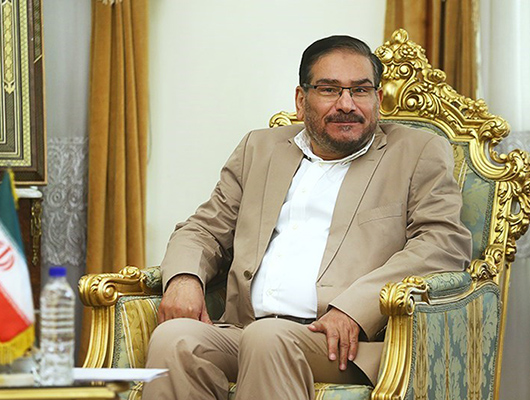
Speaking at a meeting with Speaker of the People’s Council of Syria Hadiya Khalaf Abbas in Tehran on Tuesday, Shamkhani said the US and some European countries should explain the link between their call for an emergency meeting of the UN Security Council and the recent heavy defeats the terrorists have suffered in Syria.

“The main reason behind the failure of various political and diplomatic initiatives (to resolve Syrian crisis) and even the opportunities for ceasefire, is the West’s reluctance to admit the terrorist nature of many extremist armed groups (in Syria) and end supporting them,” he stressed.

Iran’s Shamkhani Slams US ‘Open Support’ for Terrorists in Syria

The Syrian parliament speaker, for her part, expressed gratitude to Iran’s humanitarian and advisory assistance to Syria to counter terrorism and said if certain Arab countries had adopted a sincere approach to help resolve the crisis, as Iran did, one would have never witnessed such a critical situation in the region today.

Syria has been gripped by civil war since March 2011 with various terrorist groups, including ISIS, currently controlling parts of it.

According to a report by the Syrian Center for Policy Research, the conflict has claimed the lives of over 470,000 people, injured 1.9 million others, and displaced nearly half of the country’s pre-war population of about 23 million within or beyond its borders.

In the meantime, Iran has remained a close ally of Syria and supports its legitimate government in the face of foreign-backed militancy.

Tehran insists that the Syrian nation is the only side that has the right to shape the future of its own country, rejecting foreign intervention with the use of force.

US Making Instrumental Use of Iraq’s Ethnic Diversity: Deputy FM

Iranian Deputy Foreign Minister for Arab and African Affairs Hossein Jaberi Ansari said in a televised interview that the US has special ties with some ethnic and racial groups in Iraq and has always made instrumental use of them.

“Their use of Kurds and their ties with Kurdish groups in Iraq’s developments is one of their political instruments,” Jaberi Ansari said, according to a report by Khabar Online, as translated by IFP.

“On Mosul and the field developments in Iraq, the Americans are worried that the Iraqi army and popular forces would make major changes,” he said, adding that the US has been basically taking advantage of the fall of cities to the hands of terrorists.

“If Iraqi territories, Mosul in particular, are liberated by Iraqi army and popular forces, the Americans’ political outcomes would not be achieved, and people would have the upper hand.”

Therefore, he added, they use racial, religious, and political paradoxes, and one of these ways is to bring Kurdish groups into the field.

“It’s their policy to maintain their key role by managing these paradoxes,” he went on to say.

The Iraqi army is geared up to launch a large-scale offensive to liberate the northern city of Mosul, which the ISIS terrorist group has proclaimed its headquarters in Iraq. Mosul fell to ISIS terrorists in summer 2014.

A 2015 offensive to retake the city came to a halt after ISIS militants overran the city of Ramadi, which is the capital of the western province of Anbar and about 110 kilometers west of Baghdad. Ramadi was liberated in December 2015.

On June 18 this year, Iraqi forces launched another attack to retake the southern parts of Mosul, one day after they retook Fallujah.


Path to Syria Peace Not a Military One

Elsewhere in his remarks, Jaberi Ansari noted that since the beginning of the conflict in Syria, Iran has always believed that the Syrian nation must decide about the future of the country.

“The crisis in Syria has been going on for over five years, one of the reasons behind the sluggish peace process is that some countries believe that it has a military solution, but Iran has, since the beginning, believed that a military solution will reach nowhere and that there is no path but that chosen by the people of Syria,” he said, as reported by Press TV.

He said certain countries are responsible for turning the crisis in Syria into a multilateral problem, and they are still pursuing a military solution, adding that another obstacle to resolving the crisis is the number of players in the situation.

Jaberi Ansari went on to condemn a US attack the killed dozens of Syrian government troops in the country’s eastern province of Deir ez-Zor.

He stressed that the US’s explanation that it had mistakenly killed around 80 government troops battling ISIS was unacceptable.

Syria has been gripped by foreign-backed militancy since March 2011. Over the past few months, the Takfiri militants active in the Arab country have suffered major setbacks as the Syrian army has managed to liberate several areas.


Bahraini Gov’t Worried about People’s Reaction to Sheikh Qassim’s Trial

Jaberi Ansari further referred to the trial of prominent Shiite cleric of Bahrain, Sheikh Isa Qassim, which has been postponed for the fifth time.

“The trial was postponed once again because the government of Bahrain is worried about people’s protest at the [possible] verdict that would be given to Sheikh Qassim,” he said, adding that the Al Khalifa regime is going to pursue their harsh policies step by step.

“We have repeatedly announced that this type of policy-making is deficient. A major part of Bahrain’s society demand major reforms,” Khabar Online quoted him as saying, as translated by IFP.

“Continued oppression and prosecution of personalities and figures will lead to crisis, even if the proponents of Bahrain’s government would think such policies are successful in the short-term,” he added.

Iran Now Has the Edge in Fight over Oil Prices with Saudi Arabia: Report

oil-well

According to the Bloomberg’s report, which was covered by Khabar Online, Iran is the only member of Organization of the Petroleum Exporting Countries (OPEC) that has made economic reforms after the decrease of its oil price.

Here are excerpts selected by Khabar Online from the original article:


Suddenly the tables have been turned on Saudi Arabia.

The biggest oil exporter has swapped its traditional role as price dove with regional foe Iran, for years OPEC price hawk. The government in Riyadh is now offering a deal — including its first output cut in eight years — to boost prices; Tehran is dragging its feet. At the centre of the reversal is their contrasting thresholds for enduring economic pain.

“Both countries are coming from different positions,” said Jason Tuvey, Middle East economist at consulting firm Capital Economics. “Iran has been under sanctions until recently, so it’s getting an economic boost as investment returns and oil output rises. Meanwhile, Saudi Arabia is facing steep fiscal cuts.”

The contrast between the two countries is stark. Iran, never as dependent on oil revenue as its neighbour, has seen prospects boosted by rapprochement with the west. In Saudi Arabia, tentative moves toward economic reform haven’t prevented two years of weak prices causing financial havoc: it’s burning through foreign exchange reserves, government contractors have gone unpaid and civil servants will get no bonus this year.

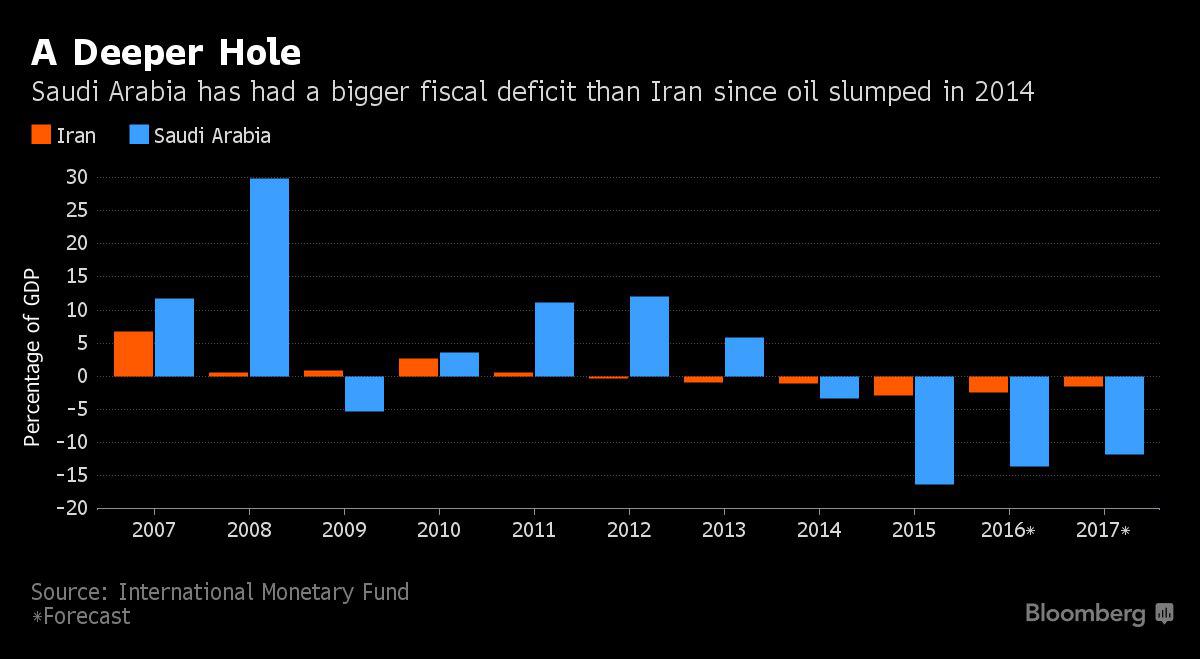
iran-saudi-oilSaudi Arabia will suffer a fiscal deficit equal to 13.5 per cent of gross domestic product this year, compared with one of less than 2.5 per cent of GDP for Iran, the International Monetary Fund estimates. The IMF says the Saudis need oil close to $67 a barrel to square the books. For Iran, it’s lower, at $61.50.
When it comes to economic growth, Saudi Arabia is slowing sharply to 1 per cent while Iran is accelerating toward 4 per cent. The current account — a broad measure of a country’s economic relationship with the world — tells the same story. Saudi Arabia faces a double-digit deficit this year; Iran’s is nearly balanced following economic reforms in 2012 and 2013 to weather the impact of international sanctions over its nuclear program.

While Iranian President Hassan Rouhani faces elections next May and is under pressure over the country’s economic performance since sanctions were lifted, it’s already been through the austerity that’s only starting in Saudi Arabia.

Saudi Arabia has told other OPEC members it’s willing to reduce production to January levels. That effectively would mean a cut of 500,000 barrels a day. Iran, meanwhile, is refusing to freeze its production at the current level of 3.6 million barrels a day, aiming instead to lift output above 4 million barrels a day, the level before sanctions halved exports.

For the last two years, as oil prices plunged from more than $100 a barrel to a 12-year low of less than $30 a barrel in January, the Saudis have drawn on their huge currency reserves to cushion the impact. It spent $115 billion last year and between January and July this year it used up another $52 billion.

Subsidies, long a political taboo, are being cut, as are the salaries of government ministers by 20 per cent. Infrastructure projects have been delayed, and a value-added tax is mooted for 2018. If Saudis have continued spending as they did last year, the country would have gone “completely broke” by early 2017.

On the other side of the Persian Gulf, there isn’t the same sense of crisis.

“Tehran would love to have higher oil prices, but Iran is the OPEC country that had to do fewer budget sacrifices due to cheap oil,” said Olivier Jakob, an analyst at Petromatrix GmbH in Zug, Switzerland. “They feel they have a strong hand.”

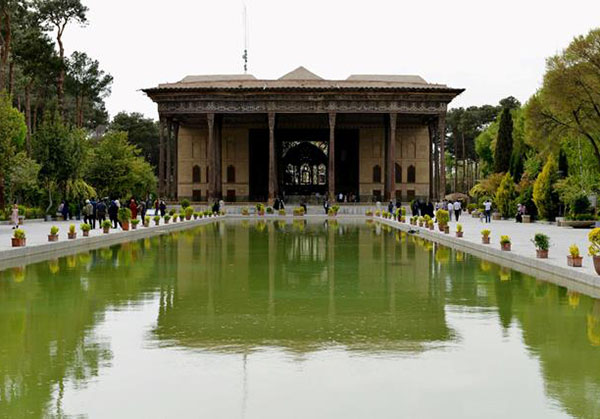
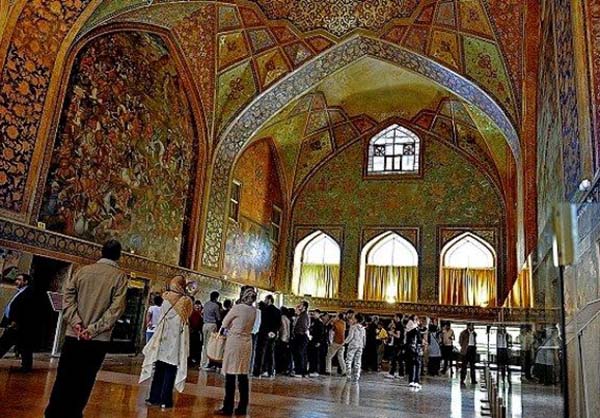
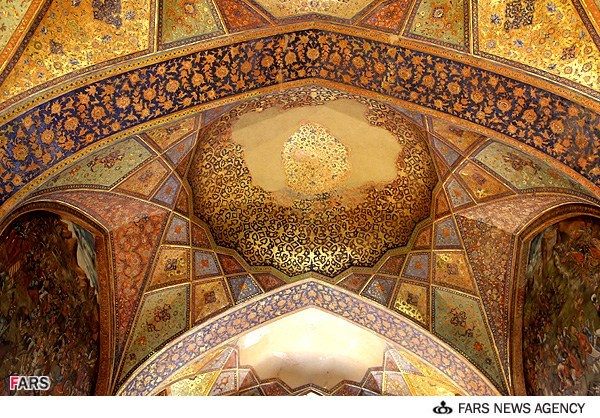
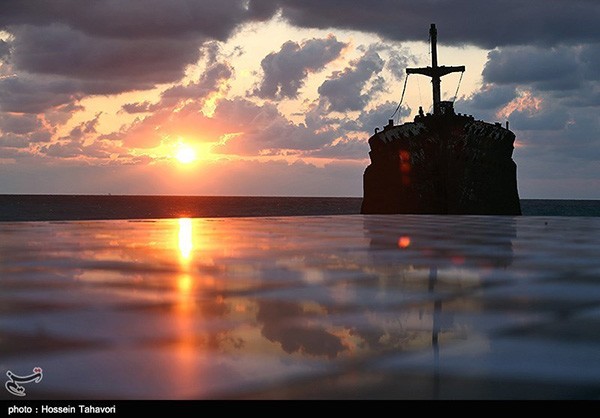
Beauties of Iran: An Overview on World Tourism Day

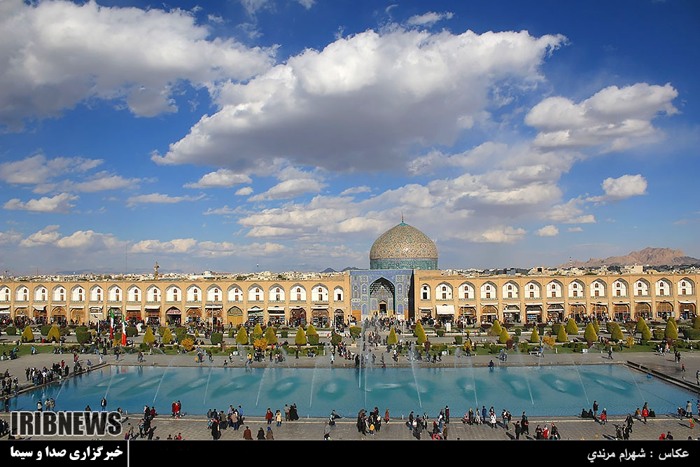
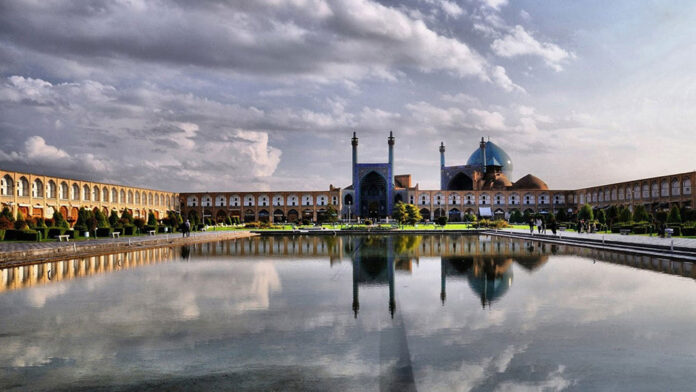
Naqsh-e Jahan Square
Naqsh-e Jahan Square, Isfahan

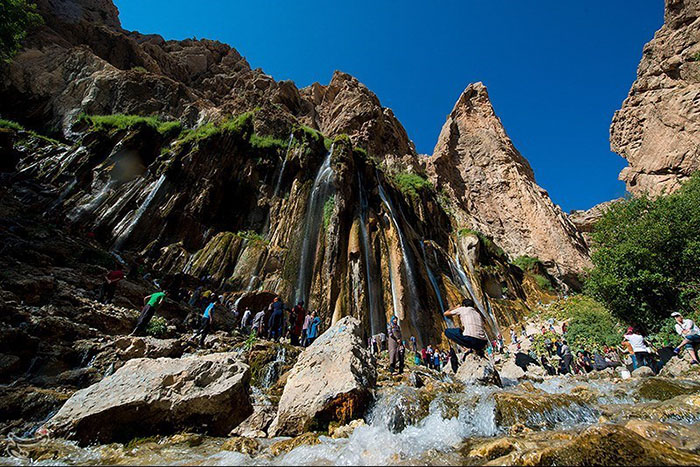
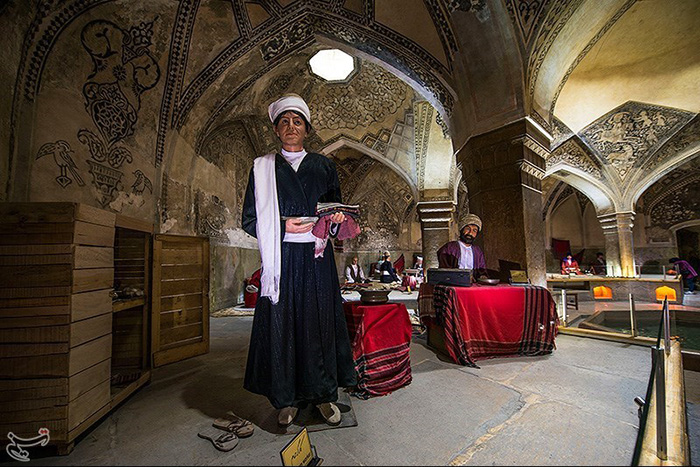
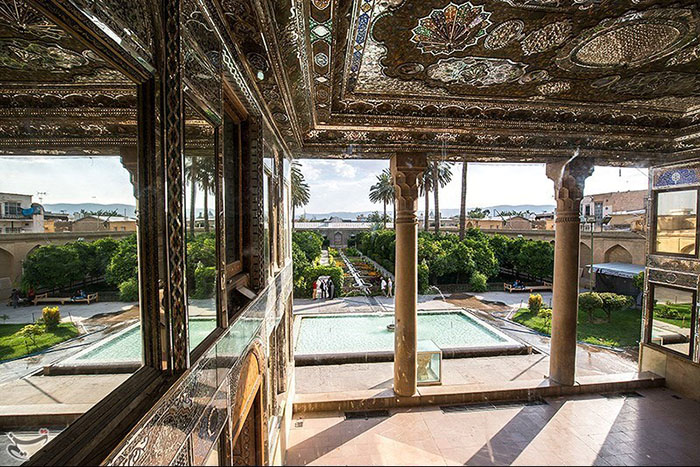
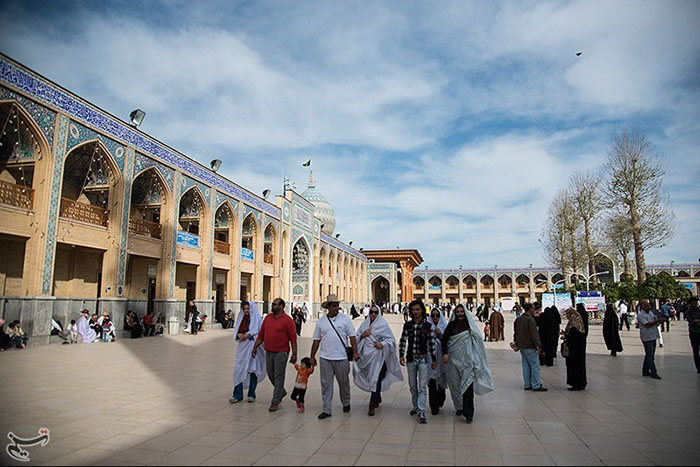
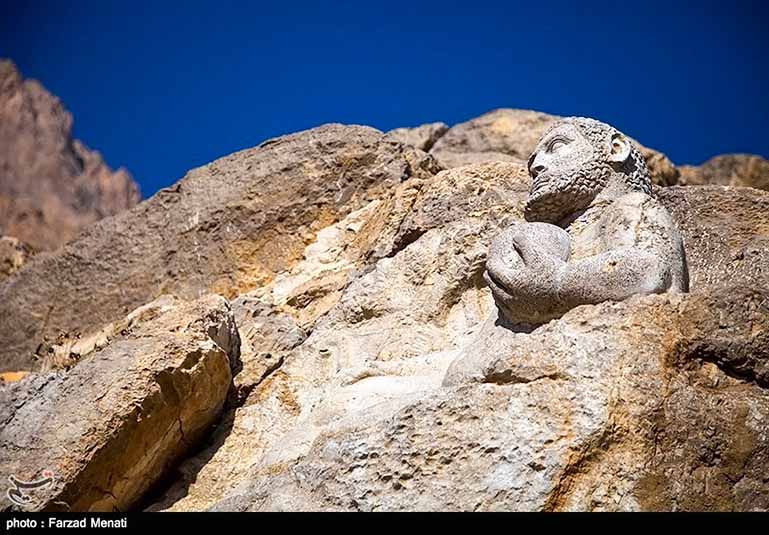
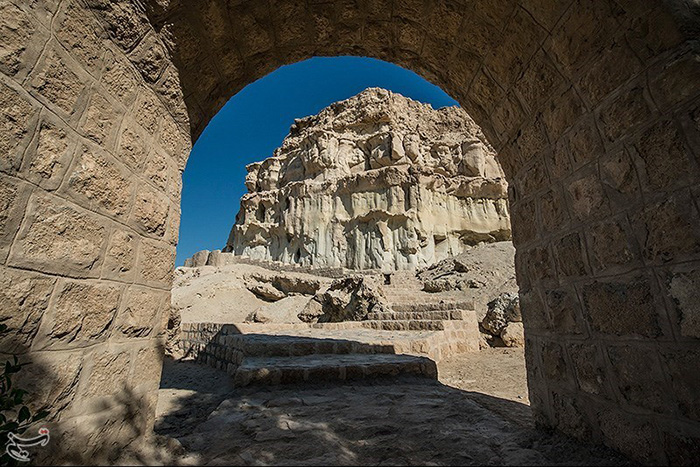
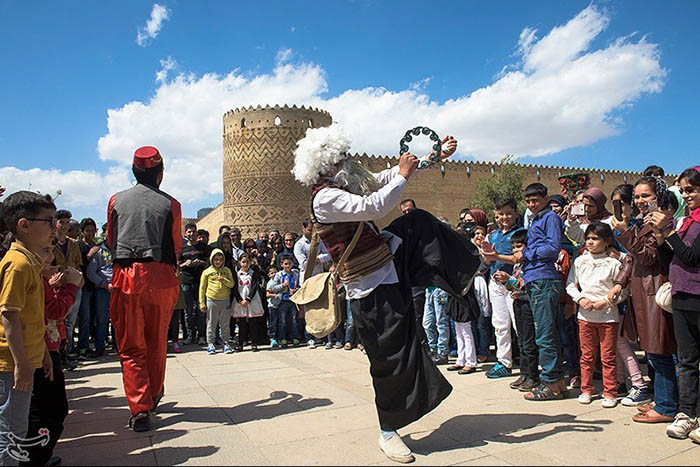
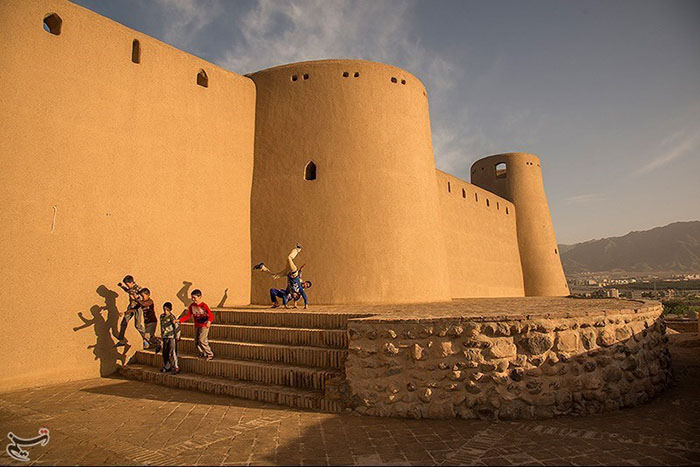
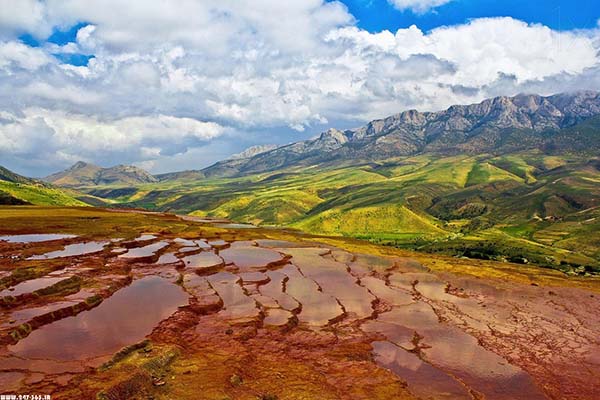
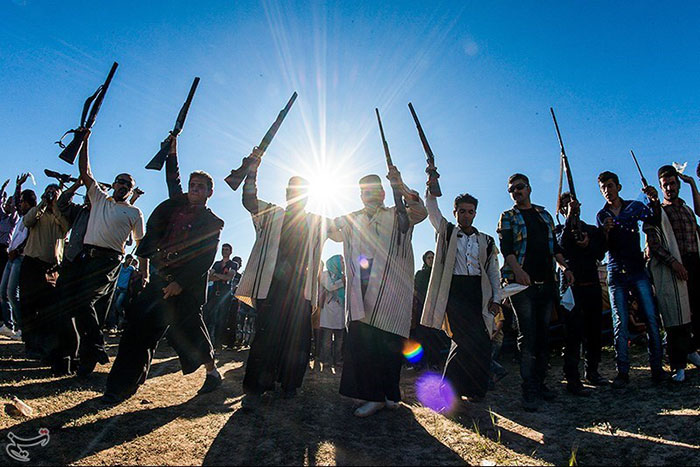
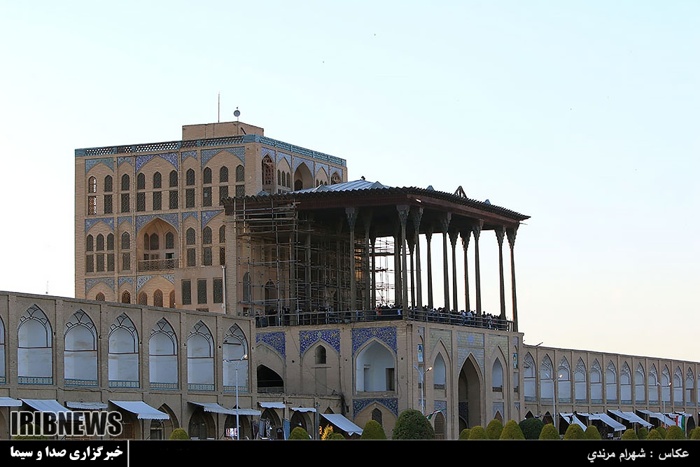
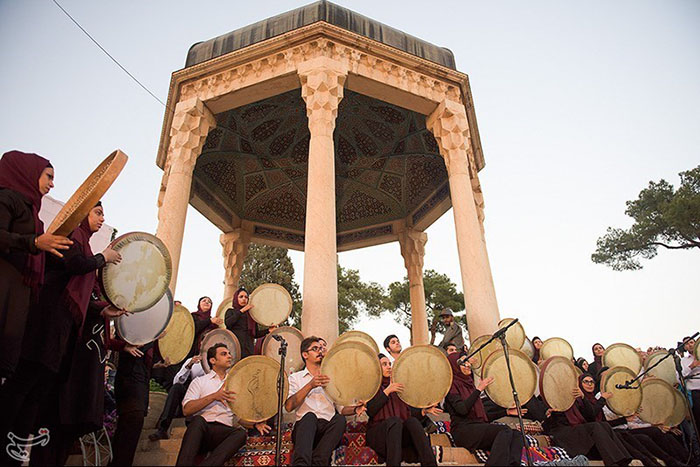
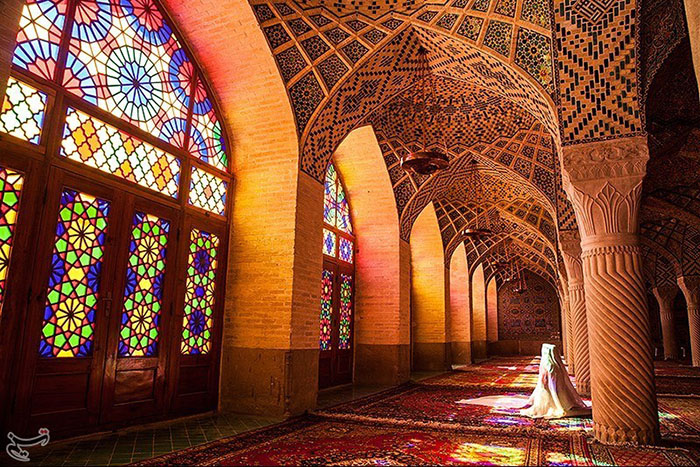
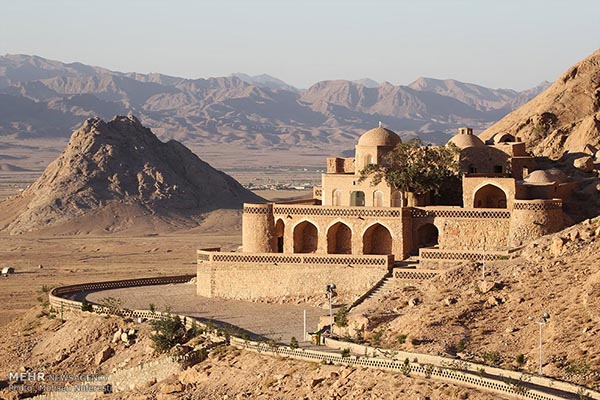
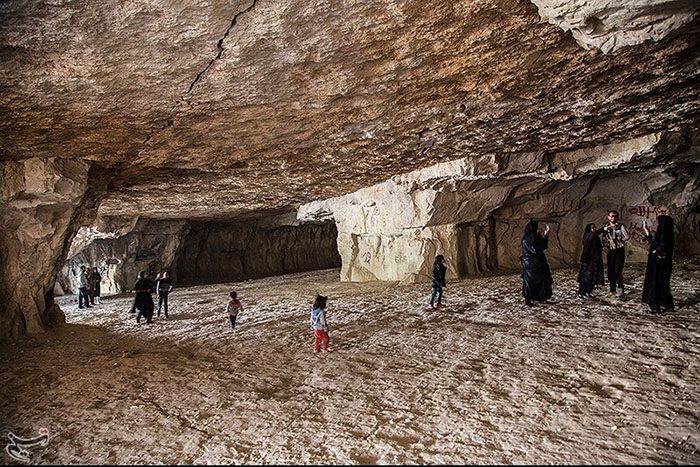
Each year, World Tourism Day is celebrated in different countries on September 27. To mark the international day, Tasnim has released photos that portray a small part of Iran’s beauties.


Iran’s Intelligence Forces Bust Terror Cell in Border Area

139506061839521688492324

Following intelligence and security measures, Iranian forces learned that two members of an Iraqi-based terrorist group had entered the country through common borders with the aim of carrying out acts of sabotage in the Islamic Republic.

Later, through separate operations on September 16 and 18, they succeeded in arresting them along with two of their accomplices near a village in Marivan.

The ringleader of the terrorist cell, better known by the nom de guerre Showan, confessed that they had planned to recruit more forces in Iran and conduct terror acts across the country.

A number of weapons and ammunition, including three Kalashnikov AK-47 assault rifles, 16 magazines, and one night vision device (NVD) were confiscated in their hiding place.
Despite being in a volatile region, Iran enjoys good security within its borders thanks to the competence and proficiency of its intelligence and security forces.

The forces have foiled several malicious attempts by terrorist elements against the country in the past few months

On June 13, troops from the Islamic Revolution Guards Corps (IRGC) Ground Force killed five members of the Party for Free Life in Kurdistan (PJAK) terrorist group in an ambush in Sardasht region in the northwestern province of West Azerbaijan.

On the same day, Iranian police forces killed five members of the Jaish-ul-Adl terrorist group in an exchange of fire in Sistan and Balouchestan, while a trooper was also martyred.

Two days later, the IRGC forces killed a number of militants in clashes with two terrorist teams trying to intrude into Oshnavieh border area near the frontier with Iraq.

On June 20, the Intelligence Ministry announced that its force thwarted a major plot hatched by Takfiri-Wahhabi groups for several terrorist attacks in Tehran and a number of other provinces, with terrorists arrested and a large amount of bombs and explosive material confiscated.

And on September 20, the Islamic Revolution Guards Corps (IRGC) intelligence forces arrested two terrorists in the southeastern province of Sistan and Balouchestan.

Iran’s President Assures Syria of Resolute Support

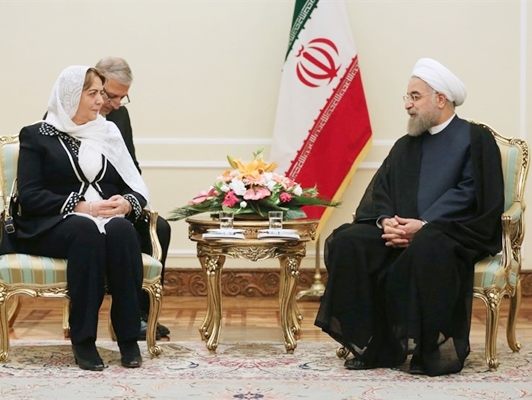
“The Islamic Republic of Iran will keep assisting Syria in the fight against terrorism and in the establishment of security in the region,” President Rouhani said at a meeting with Speaker of the People’s Council of Syria Hadiya Khalaf Abbas, held in Tehran on Tuesday.

Such help for Syria is based upon Iran’s deeply-held belief that terrorism is a serious threat to the region and the world, the president added.

He also noted that efforts to preserve territorial integrity and solidarity of regional countries, including Syria, is a principle behind Iran’s policies, underscoring that changes in the borders would not benefit the region at all.

Elsewhere, President Rouhani said delivering humanitarian aid to the Syrian people is now a high priority.

For her part, the visiting Syrian speaker praised Iran for backing her country from the outset of crisis in 2011.

She also made it clear that the Syrian nation is the only entity entitled to decide the fate of the Arab country, recommending big powers, the US in particular, to try to stem terrorism if they are to provide any help.

Khalaf Abbas arrived in Tehran on Monday at the invitation of Iranian Parliament Speaker Ali Larijani.

Syria has been gripped by civil war since March 2011 with various terrorist groups, including Daesh (also known as ISIS or ISIL), currently controlling parts of it.

According to a report by the Syrian Center for Policy Research, the conflict has claimed the lives of over 470,000 people, injured 1.9 million others, and displaced nearly half of the country’s pre-war population of about 23 million within or beyond its borders.