Tuesday, December 23, 2025
Home Blog Page 4296

Sa’adi, Globally-known Persian Poet from Shiraz

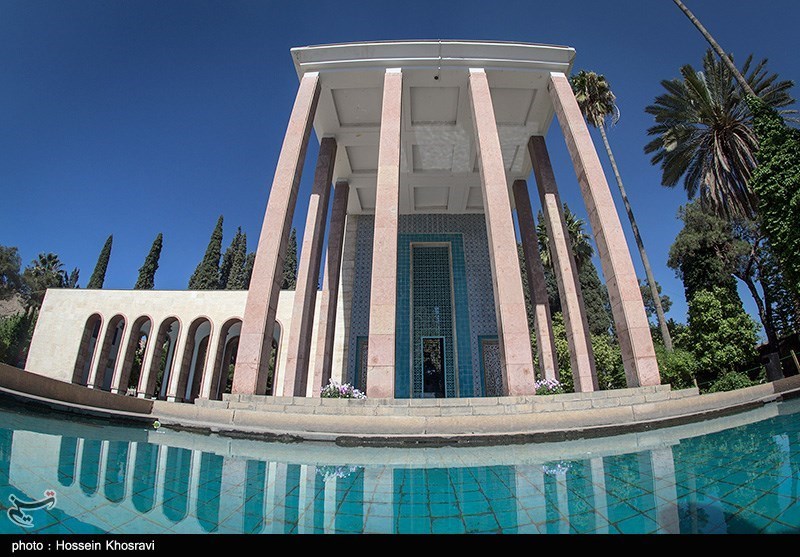
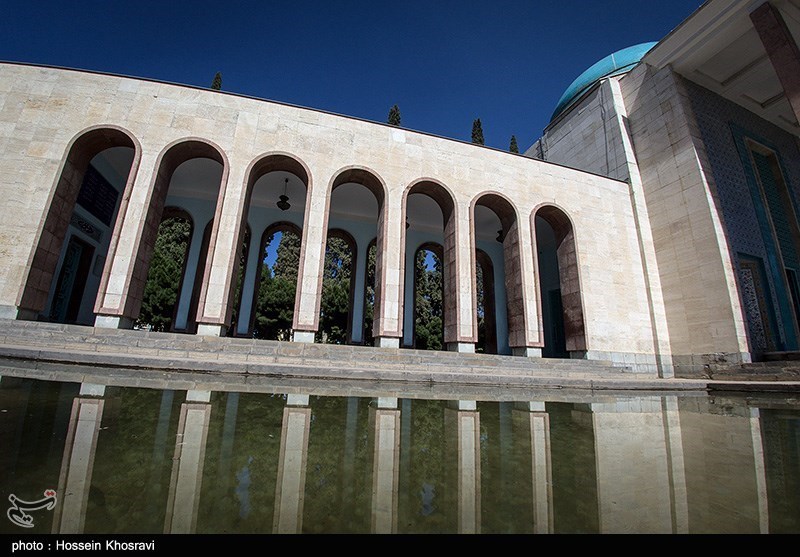
Mausoleum of Sa’adi

Sa’adi is a globally known scholar and poet whose words have touched many hearts across the world; and awakened many minds to take new steps to reach higher levels of humanity.
Sa’adi, Globally-known Persian Poet from Shiraz

Life of a poet

Sa’adi lived in 13th century- but is a man for all centuries. He lost his father in infancy, had a difficult childhood and went through the youth in poverty. The life’s hardships, however, never stopped him from learning: he left his birthplace to Baghdad where Nezamieh University was the center of knowledge and many studied there in the Islamic world. Among various subjects that he studied there, he proved to be excellent in Arabic literature, Islamic sciences, history, governance, law and Islamic theology, the Destination Iran website reported.
Sa’adi, Globally-known Persian Poet from Shiraz

Sa’adi was a man of traveling.  The Mongols’ invasion and Iran’s unstable situation led the poet to a lifetime of living abroad. Subsequently, he travelled to many countries such as Anatolia, Syria, Egypt, Iraq, Sindh (Today’s Pakistan), India, Central Asia and Hijaz (Today’s Saudi Arabia).

After 30 years, the elderly Sa’adi eventually returned to his birthplace where he was welcomed and highly respected. He was titled “Sheikh” because of his knowledge, and followers started to pursue his values and words.
Sa’adi, Globally-known Persian Poet from Shiraz

Within two years after his return to Shiraz, Sa’adi wrote his two most famous books: Bustan, also known as Bostan (The Orchard) in 1257 and Golestan, known as Gulistan (The Rose Garden) in 1258. Bostan is entirely in verse introduces moral virtues and Gulistan is mainly in prose containing stories and personal anecdotes.

Sa’adi died in Shiraz and was buried in a village outside the city. The village is now inside Shiraz, but at the outskirts, in a relatively poor neighborhood.

Praiseworthy influence of Sa’adi on Persian litterature

His works in forms of Lyrics and Odes are also well-known by the enthusiasts of Persian literature. He has created some works in Arabic as well.

The rich depth of his writings and ideas with social and moral values have gone beyond time. His words have been quoted by Persian speaking people inside Iran and outside alike. Even Western sources have quoted him and continue to do so. He’s widely recognized as one of the great masters of classical Persian literature. Some even title him second only after Ferdowsi whose position for saving the Persian Language is unparalleled and no one could even do what he did.

The reputation of Sa’adi in Persian literature is because of his eloquence in using the language. Sa’adi’s works being easy to understand after 8 centuries, his ideas are still admirable for Persian speakers. Sa’adi tried to use Farsi words instead of the borrowed Arabic ones, which made the use of Farsi words much more popular and understandable in everyday life; as Arabic doesn’t have the same origin as Persian.

Sa’adi’s mausoleum

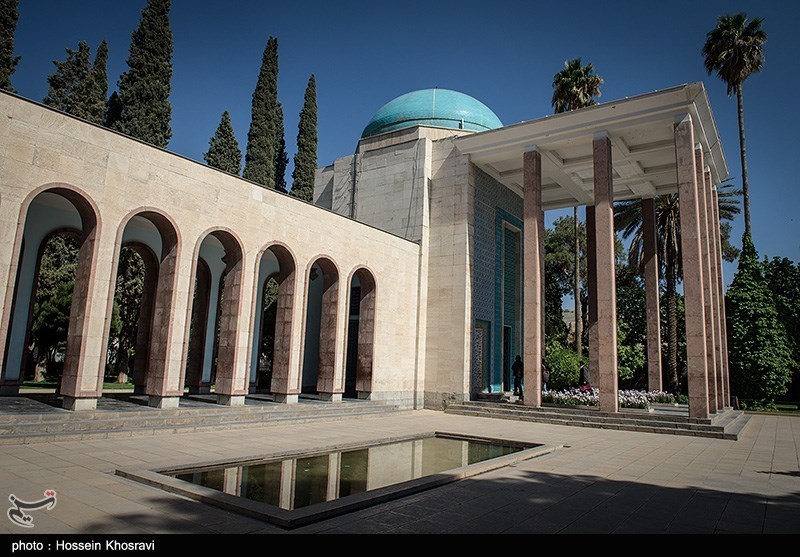
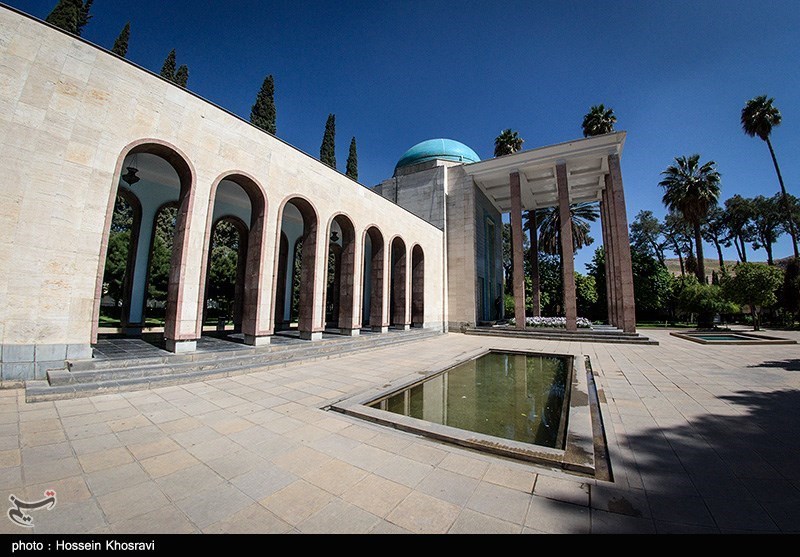
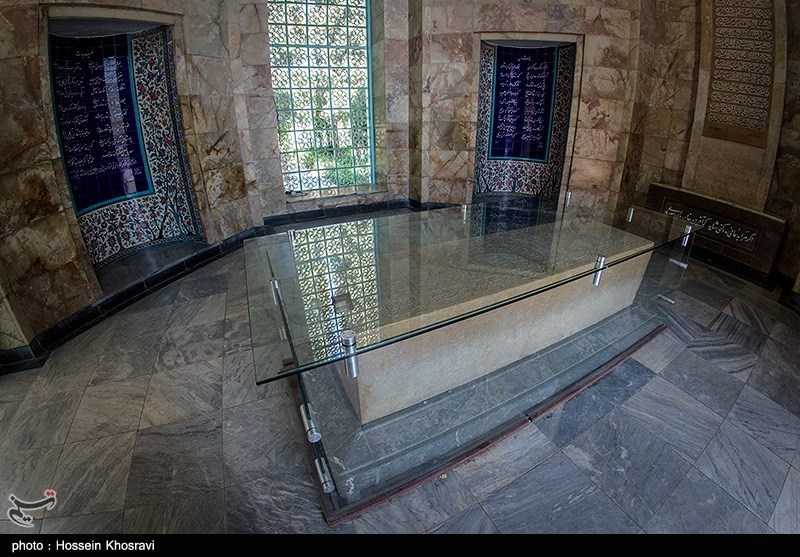
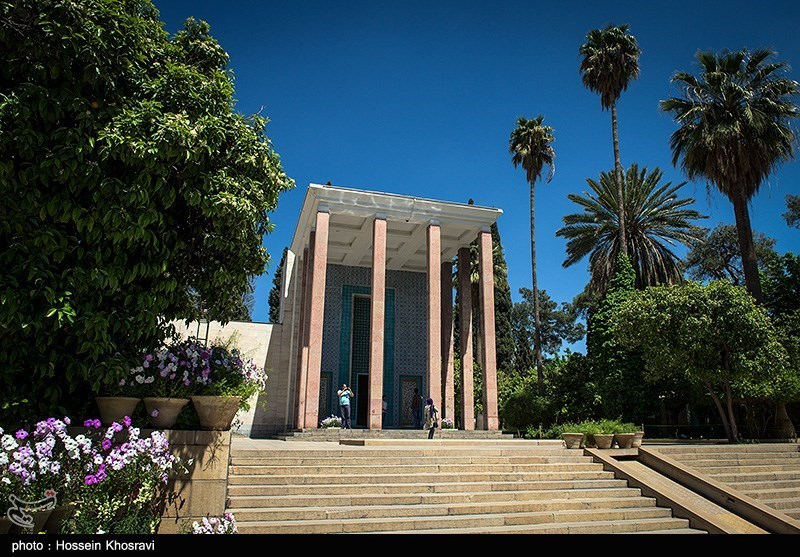
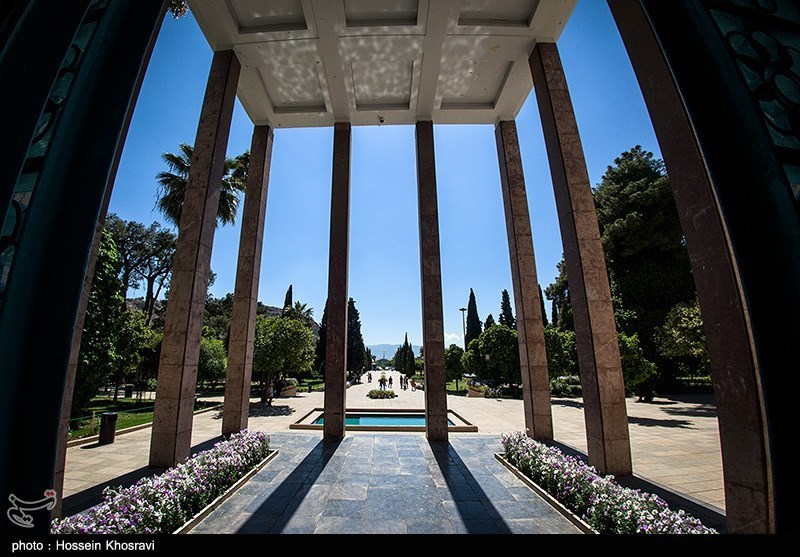
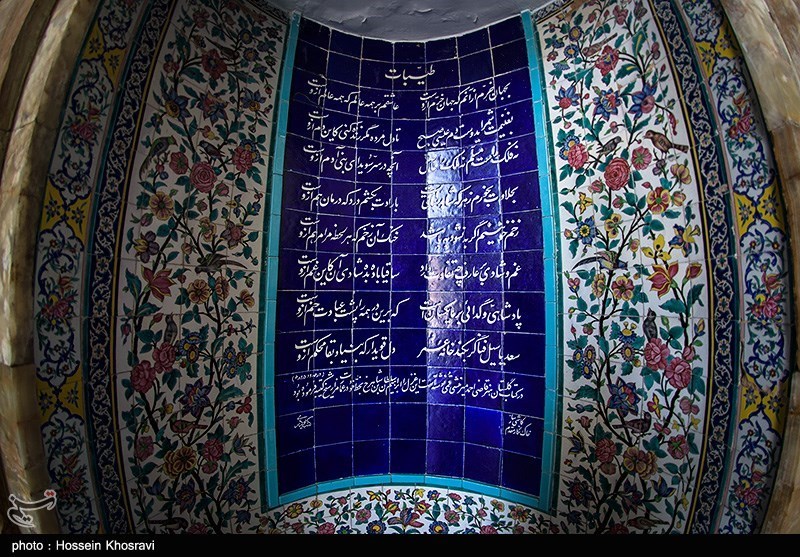
The present mausoleum of Sa’adi was built under the reign of Karimkhan-e Zand,  ruler of Shiraz in the 18th century. It is a multi-sided building with a cupola on top. From outside, it may look like a square structure due to a flat facade decorated with Shirazi tiles that depict the tree of life in various colors. However, the building’s eight corners are visible inside the building with its large lamp hanging from the ceiling. Sa’adi’s grave is beautifully carved in Persian.
Sa’adi, Globally-known Persian Poet from Shiraz

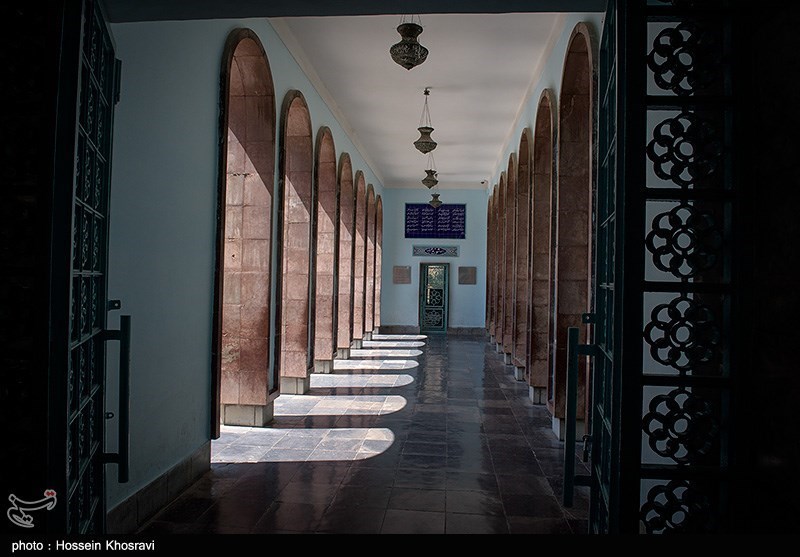
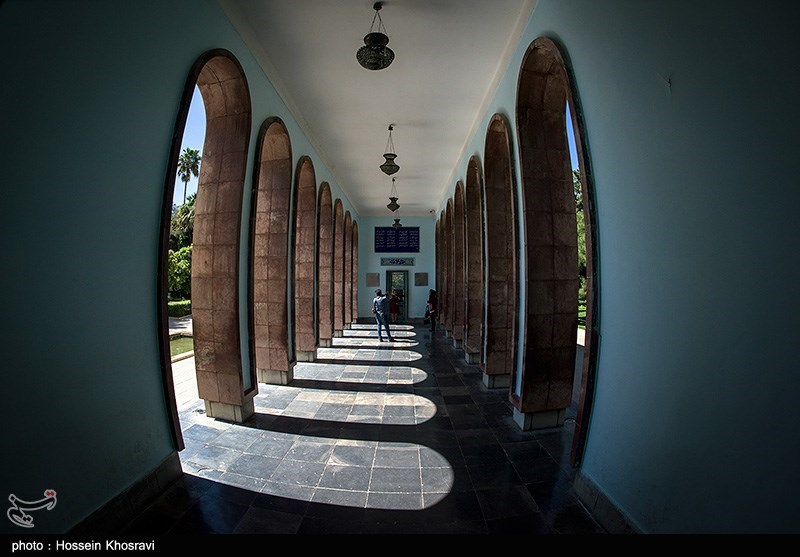
The building was later connected to the tomb of another poet, Shurideh Shirazi, by a colonnade portico.

The mausoleum’s atmosphere is far more attractive than its architecture, which has off course its awn charms.

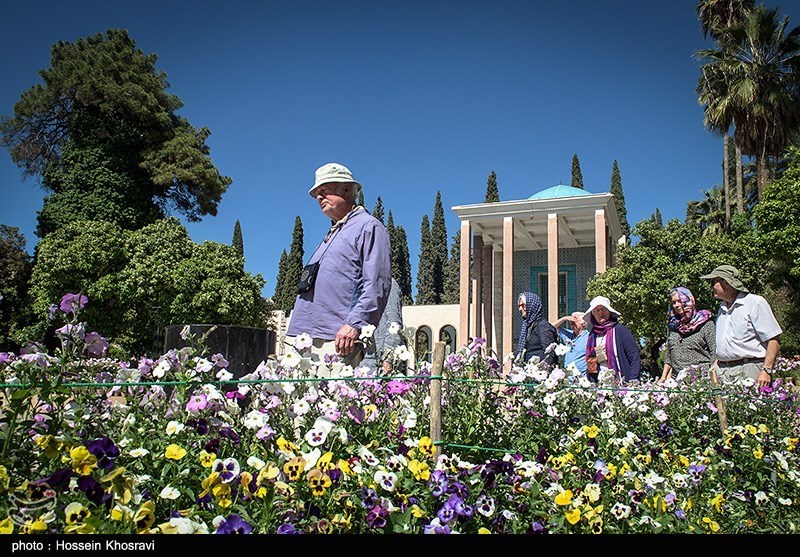
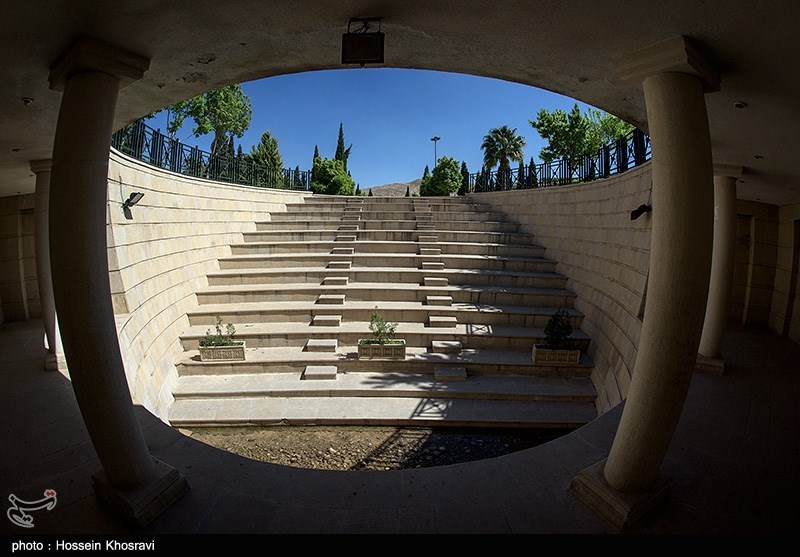
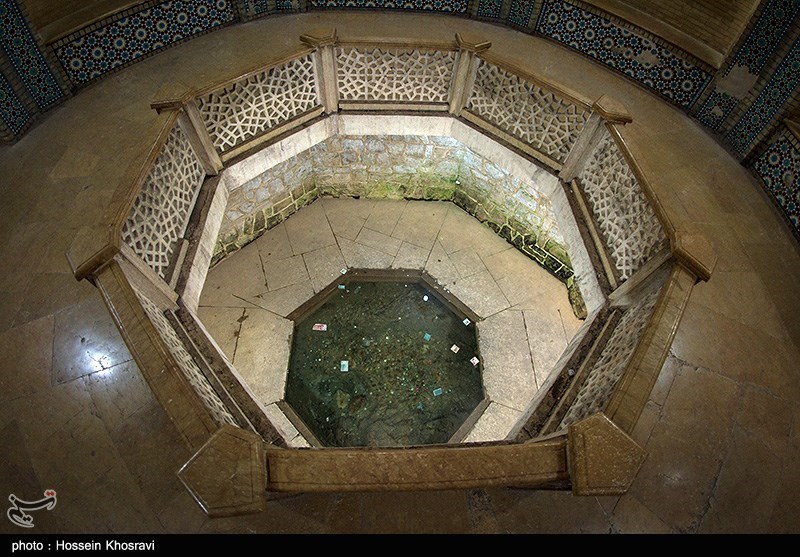
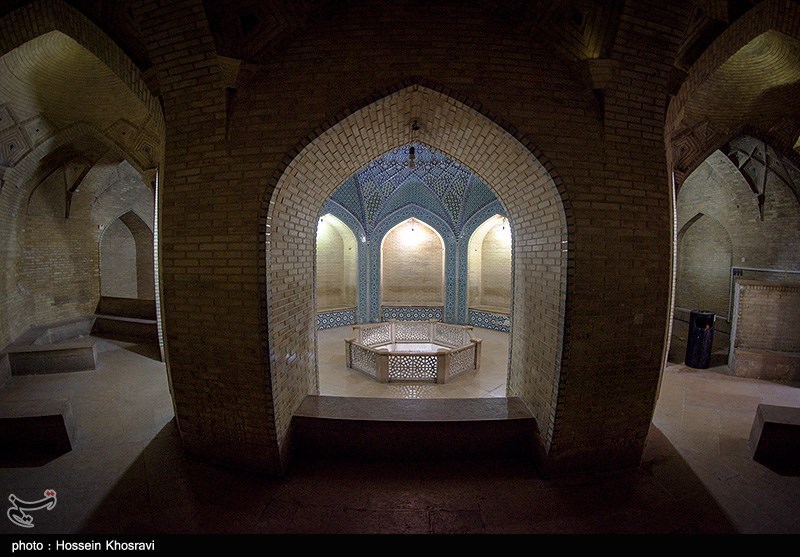
The Mausoleum of Sa’adi is inside a garden with beautiful flowers and several cypress trees. There is a fish pond in the mausoleum’s basement. Fish cross the water channels which has been in use since the 18th century; then come to the central pond where they are seen by visitors.

As more and more people come to visit Sa’adi’s Mausoleum and show their respect for the poet, the garden has been recently enlarged in order to accommodate three times more visitors.
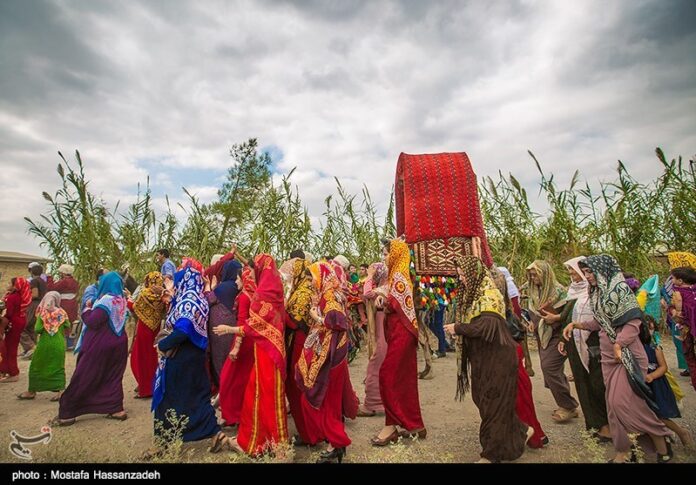
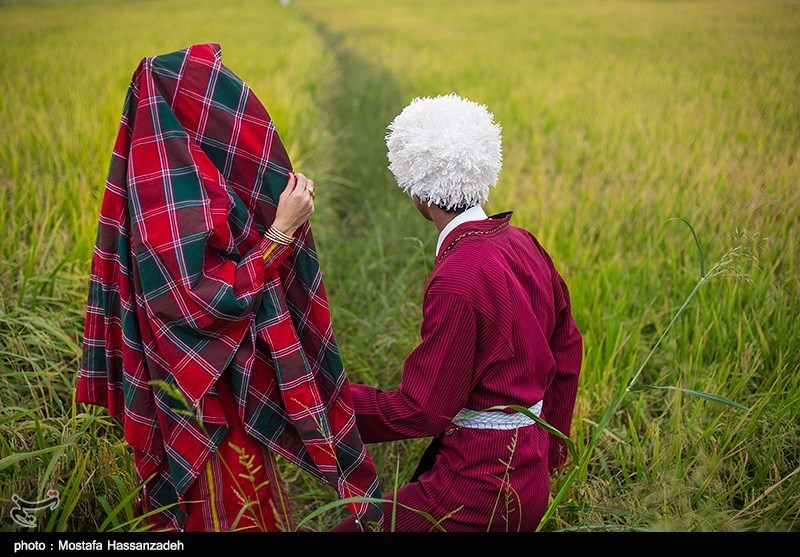
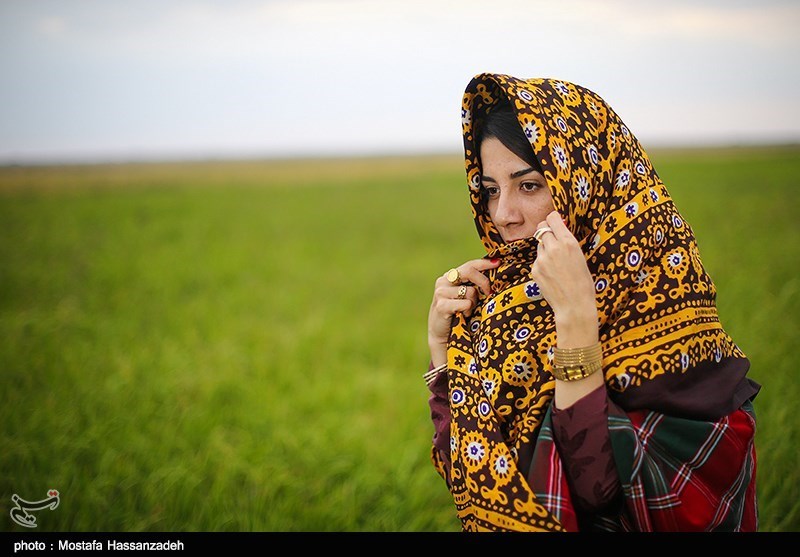
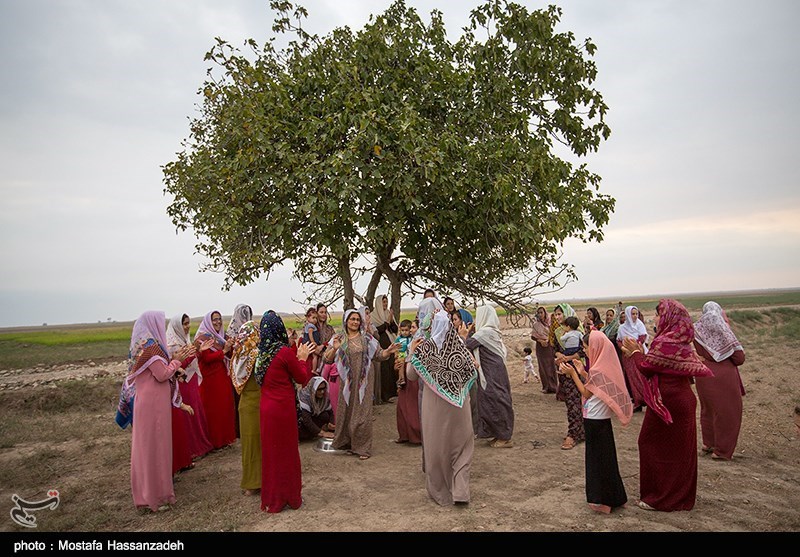
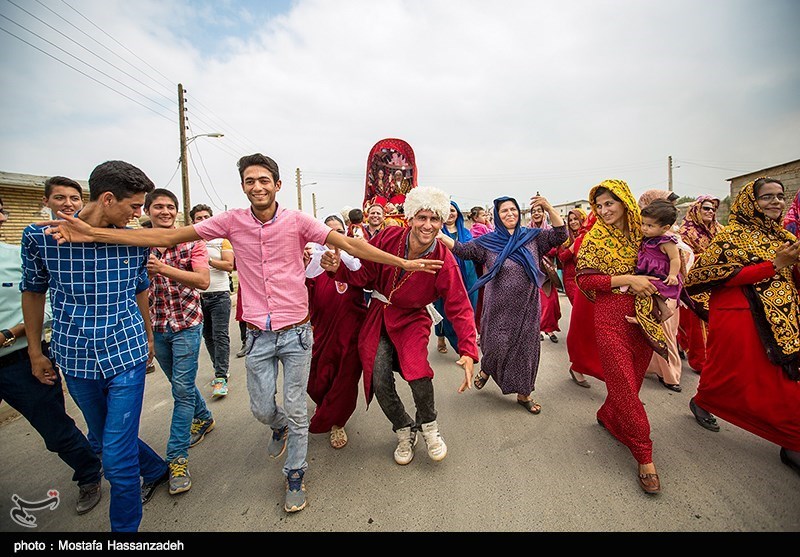
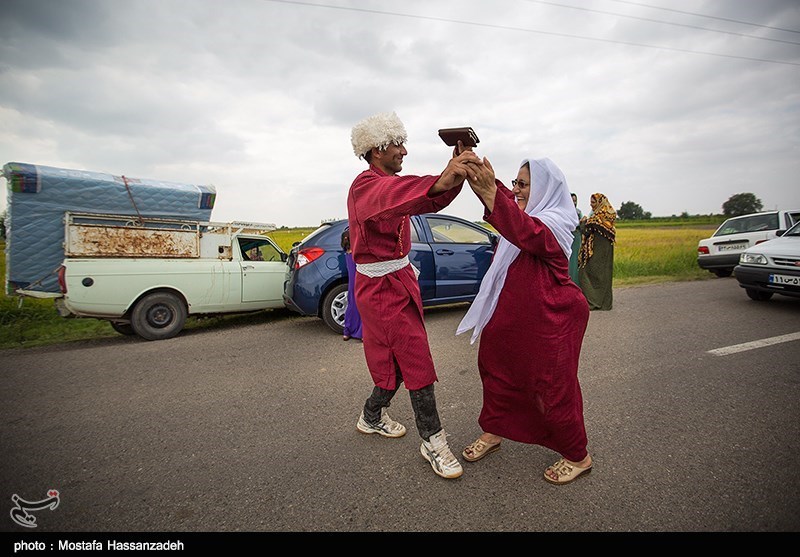
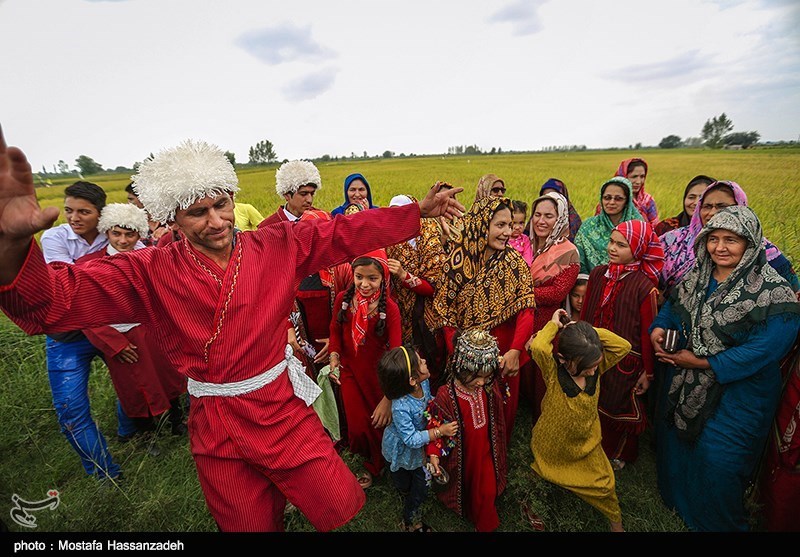
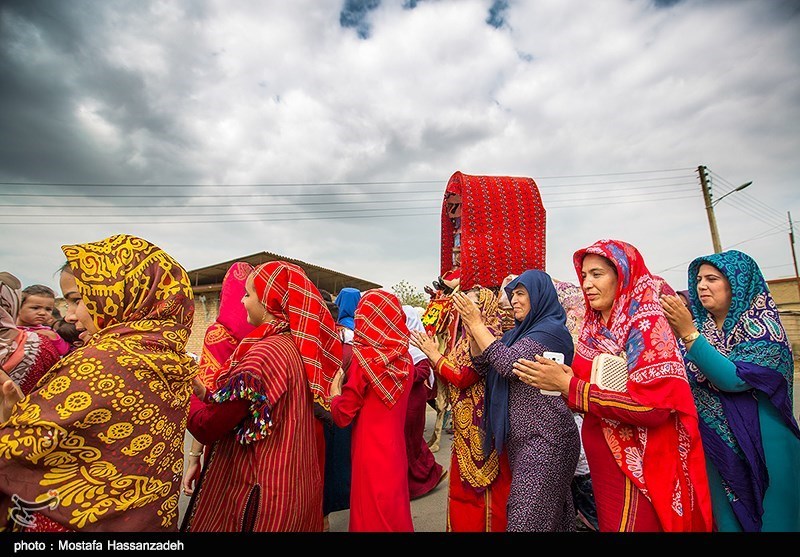
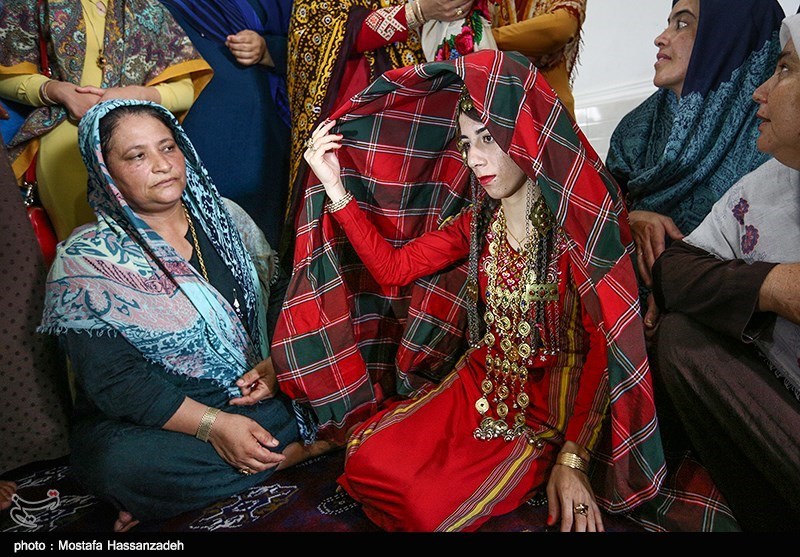
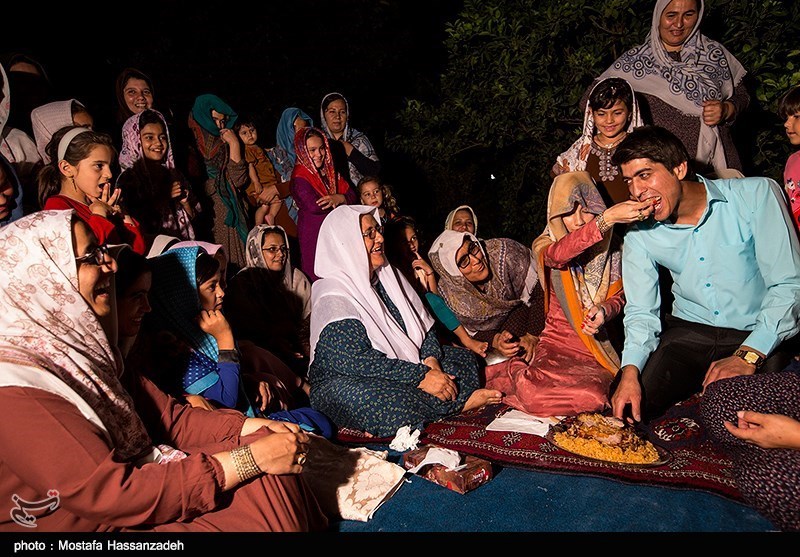
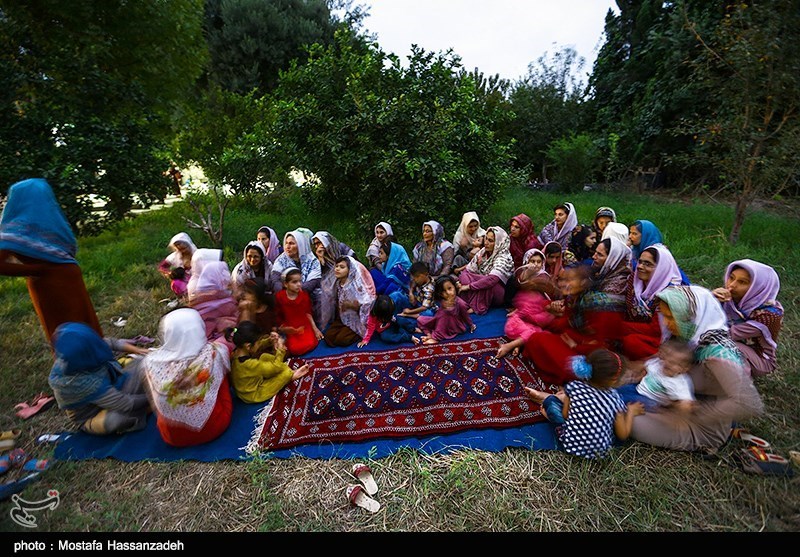
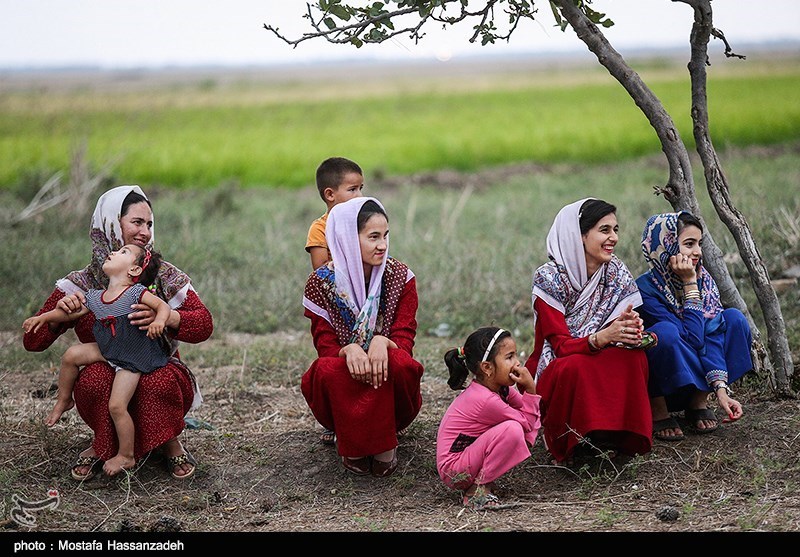
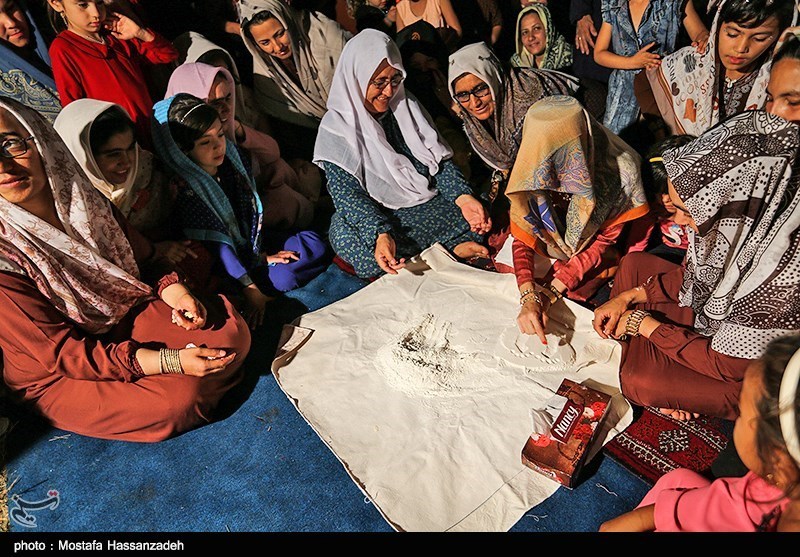
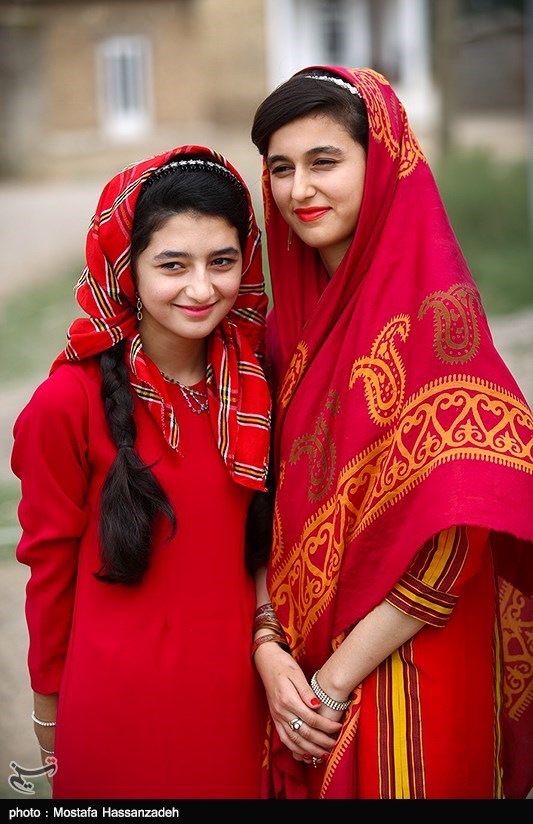
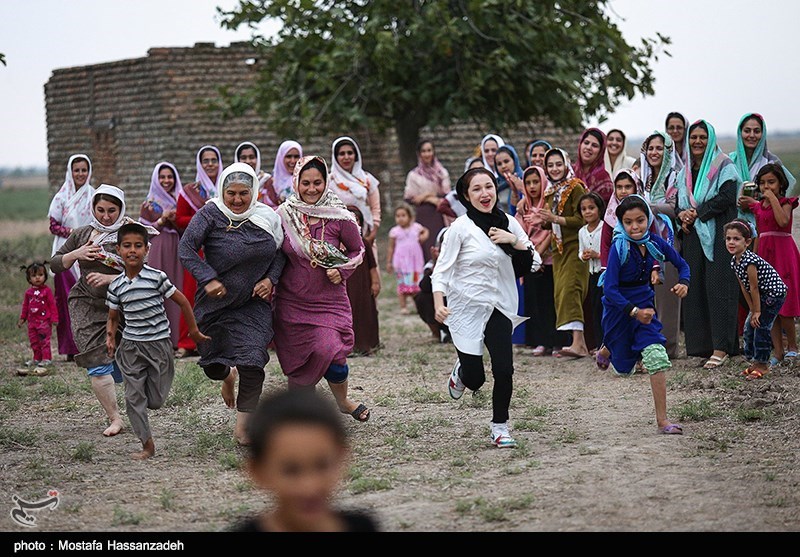
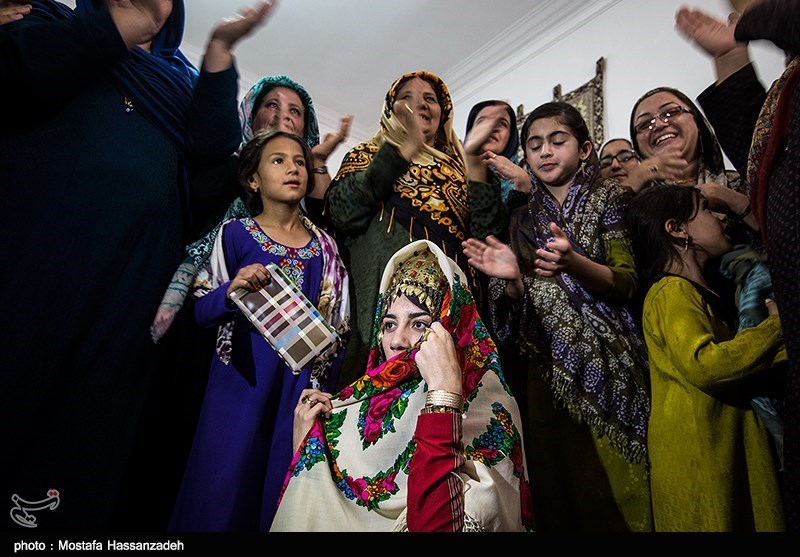
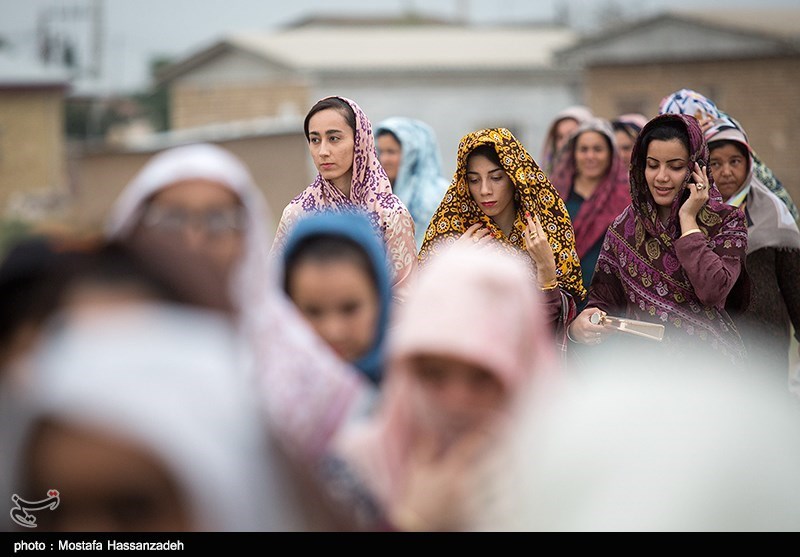
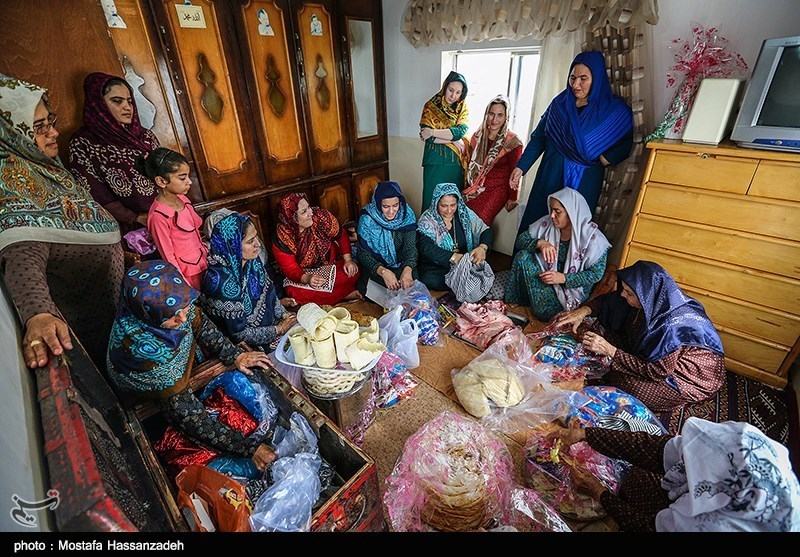
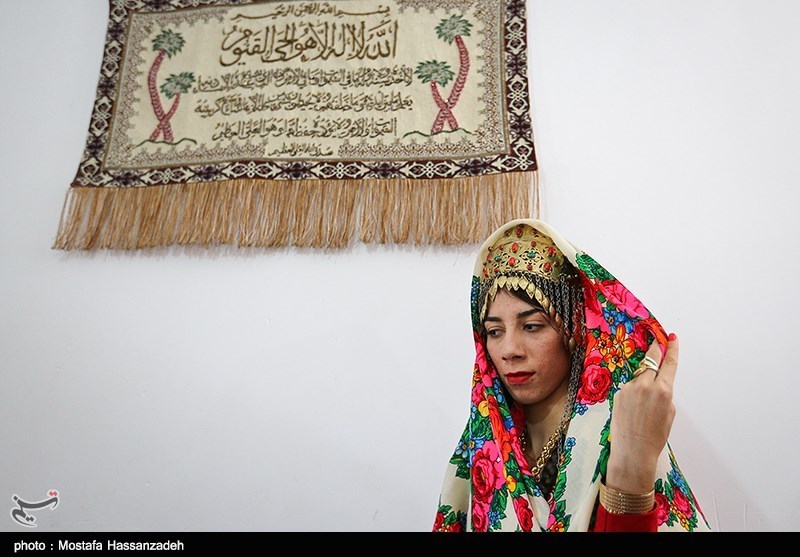
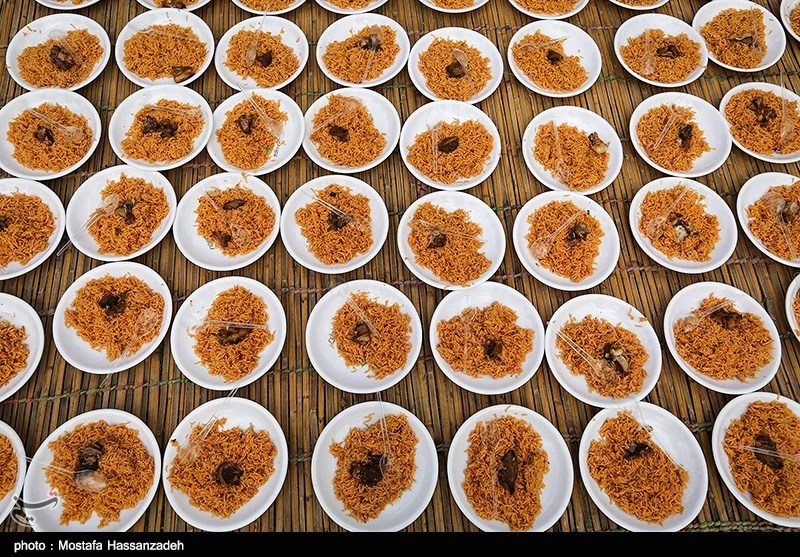
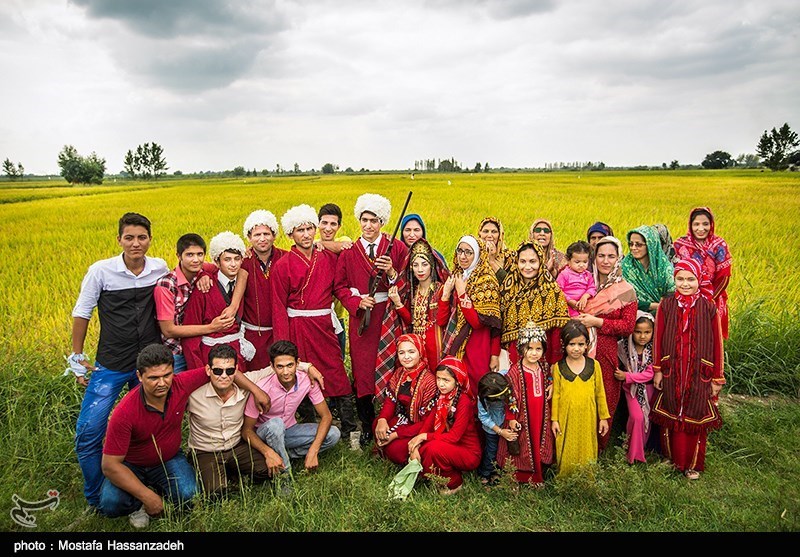
Traditional Wedding in Iran’s Bandar Torkaman

Traditional Wedding

What follows are Tasnim News Agency’s photos of the wedding ceremony:


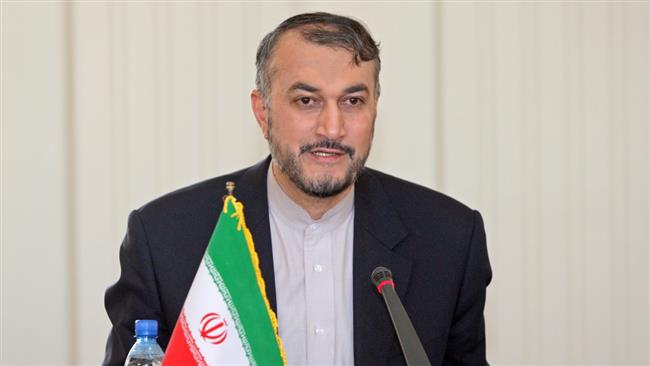
Tel Aviv Has Accepted the Reality of Hezbollah’s Power: Iranian Official

Hossein Amir-Abdollahian

In a recent meeting with Israeli Prime Minister Benjamin Netanyahu, the US presidential candidate Hillary Clinton described the existence of a strong, vibrant Israel as vital to the US.

In an interview with ICANA, as translated by IFP, Amir Abdollahian pointed to Clinton’s remarks and said, “The US policy towards Israel is still the same; unquestioning support of Israel.”

“The Islamic Republic of Iran, regardless of the US policies, will keep giving all-out support to the Palestinian people and fighters,” he announced.

The key to success of the Palestinian people is resistance and struggle with the greed and avarice of the illegitimate regime of Israel in occupied territories, Amir Abdollahian said.

“Despite the complicated developments in the region, the status of resistance front is currently in the best shape.”

“Tel Aviv, while being illegitimate, heartily understands the reality of competent, powerful Hezbollah and jihadist groups of Palestine,” he said, adding that Palestinian intifada and its spread throughout the occupied Palestine is an undeniable reality.

Fighting Zionism and terrorism that are two sides of a coin is a must in the West Asia, Amir Abdollahian went on to say.

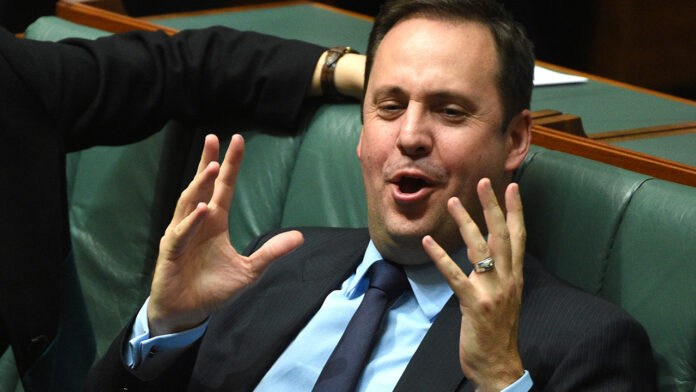
Australian Minister Makes a Funny Mistakes during Visit to Iran

Steve Ciobo

Australia’s trade minister may not be the only foreign dignitary visiting Iran this week, but he almost caught himself in a diplomatic faux pas.
It would have left Steve Ciobo being sent off in a car for a Syrian official in Tehran.

Mr Ciobo, on a two-day visit leading a business delegation to Iran, was about to head to the reopening of the government’s Austrade office a few kilometres away from his hotel on Wednesday.

He stepped into a black chauffeured car waiting outside only to find it was for a Syrian parliamentary speaker who was also in town.

According to a report by Courier Mail, as covered by Aftab, he sat in the car for a moment before realisation hit, later laughing off the incident to a crowd at the Austrade office relaunch.

His visit to Iran – the first for an Australian trade minister since 2002 – has caught locals somewhat by surprise in busy downtown Tehran.

Many driving past in the jam-packed traffic looked bemused at the police escort for the minister’s convoy as he zoomed around on official business, meeting Iranian government counterparts and leading a trade delegation.

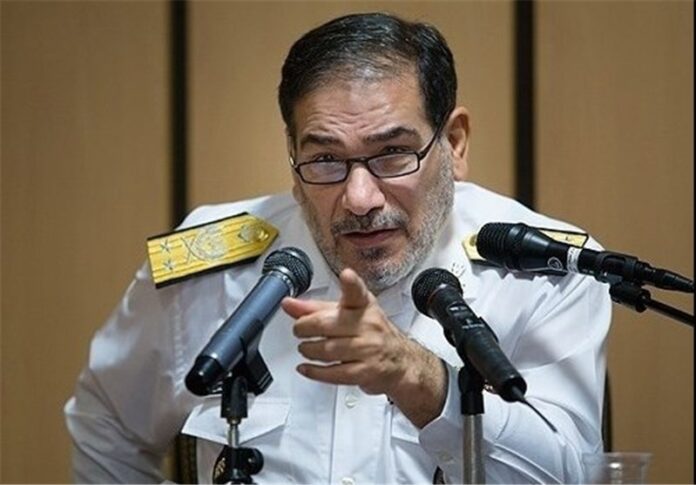
Iran to Make Serious Decisions If US Keeps Disrupting JCPOA: Shamkhani

Extension of UN Arms Embargo to Sound Death Knell for JCPOA: Iran

If the United States continues impeding the implementation of the nuclear deal and hampering even minor activities like purchase of passenger jets, “we will take more serious decisions to restore our rights,” Shamkhani said on Thursday.

While the Joint Comprehensive Plan of Action (JCPOA), the nuclear agreement between Iran and the Group 5+1 (Russia, China, the US, Britain, France and Germany), came into force in January, some Iranian officials complain about the US failure to fully implement the accord.

Back in March, Leader of the Islamic Revolution Ayatollah Seyed Ali Khamenei said Americans have yet to fulfill what they were supposed to do as per the nuclear deal.

Iran still has problems in its banking transactions or in restoring its frozen assets, because Western countries and those involved in such processes are afraid of Americans, the Leader said at the time, criticizing the US for its moves to prevent Iran from taking advantage of the sanctions removal.

Elsewhere in his remarks on Thursday, Shamkhani said that Iran’s experiences in different areas, such as in the nuclear talks or in regional developments, have proven that “trusting the US whether in the case of the ceasefire in Syria or in removal of (anti-Iran) economic sanctions, is like moving toward a mirage.”

On September 9, Russia and the United States agreed on a milestone deal on the Syrian crisis after some 13 hours of marathon talks in the Swiss city of Geneva, calling for a ceasefire in the Arab country.

The ceasefire began on September 12 but ended on September 19, two days after US-led coalition jets bombed Syrian government forces’ positions near the eastern city of Deir ez-Zor, killing 90 troops.

Senior Diplomat Highlights South Africa’s Importance in Iran Foreign Policy

a meeting with South African Deputy Foreign Minister Nomaindiya Mfeketo in Pretoria on Wednesday, Jaberi Ansari said expansion of relations with South Africa in all fields is top on the agenda of Iran’s foreign policy.

He further expressed the hope that President Hassan Rouhani’s planned official visit to South Africa will be made in the nearest future.

Mfeketo, for her part, referred to South African President Jacob Zuma’s visit to Tehran last year and said, “South Africa is awaiting a visit by the Iranian president”.

Heading a high-ranking delegation, Jaberi Ansari left Tehran for Johannesburg on Wednesday to pay an official visit to South Africa and hold talks with senior officials of the country on issues of mutual interest.

The Iranian diplomat will meet with South African Foreign Minister Maite Nkoana-Mashabane on ways to boost cooperation between the two countries.

During his two-day trip, he will also attend the 7th meeting of Iran-South Africa Joint Political Committee on bilateral relations.

Holding a meeting with the Iranian expatriates in the African country and attending a session with elites and local media persons are also on the agenda of Jaberi Ansari.

Iranian President Hassan Rouhani, who took office in August 2013, has repeatedly stressed his government’s interest in boosting relations with African states.

Saudis Recognize Iran’s Exemption from Oil Freeze

OPEC Fund Earmarks $500,000 to Help Iran Fight COVID-19

Iran’s Oil Minister Bijan Namdar Zanganeh was in Algiers in an important meeting of Organization of Petroleum Exporting Countries (OPEC) member states.

The decision resulting from this meeting would have been either plight for the member states or a success; however, the latter was the case and finally the member states including two important rivals, Iran and Saudi Arabia, came to terms with conditions.

No less important was Saudi Minister Khalid al-Falih’s admission of Iran’s exception to the quota, speaking to CNN earlier on Monday. This was a huge success for Zanganeh who could not have been any more optimistic about the Algiers meeting.

Zanganeh told Iran’s IRIB Channel One news program on Thursday morning that the decision had sent crucial signals to the market.

“It was a success where only within minutes oil prices increased a few dollars; now the market is robust and producers would bask in their adulation of the OPEC decision,” he told the program. “OPEC will be in contact with non-member producers to bring them into the regime in efforts to stabilize the market further.”

Reuters quoted Zanganeh in the event as saying, “OPEC made an exceptional decision today … After two and a half years, OPEC reached consensus to manage the market,” said Iranian Oil Minister Zanganeh, who had repeatedly clashed with Saudi Arabia during previous meetings.

He and other ministers said the OPEC would reduce output to a range of 32.5-33.0 million barrels per day. OPEC estimates its current output at 33.24 million bpd.

“We have decided to decrease the production around 700,000 bpd,” Zanganeh said. The move would effectively re-establish OPEC production ceilings abandoned a year ago.

However, how much each country will produce is to be decided at the next formal OPEC meeting in November, when an invitation to join cuts could also be extended to non-OPEC countries such as Russia.

Iran, Italy Hold Joint Naval Games in Persian Gulf

Iran Navy 40th Flotilla

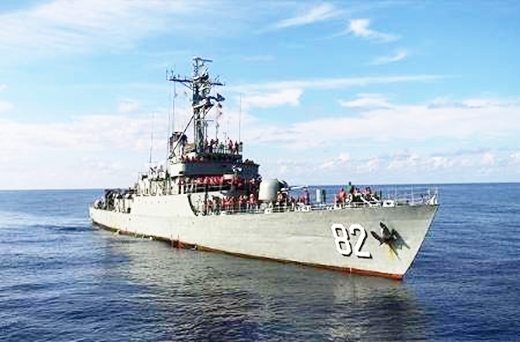
Commander of Iran’s First Naval Zone Admiral Amir Hossein Azad said on Thursday that Iran-Italy joint naval maneuvers were held with the participation of two destroyers of Iran’s Army Navy and an Italian Navy frigate dubbed “Euro” in the Persian Gulf and around the strategic Strait of Hormuz.

The Italian warship had docked in Bandar Abbas on Saturday for a four-day stay.

Admiral Azad added that the Iranian Navy’s Alvand and Alborz destroyers as well as a helicopter of the Navy along with a helicopter of the Euro warship participated in the joint drills, and conducted intelligence and surveillance operations.

The drills were aimed at boosting military power and exchanging of military knowledge and information between the two countries’ navies, he stated.

Following a welcome ceremony in Bandar Abbas on Saturday, top Iranian Navy commanders and the visiting warship’s captain as well as Italy’s ambassador to Tehran and the European country’s military attaché in Iran held a meeting.

Earlier in September, a 5-strong military delegation from the Italian Army, led by Rear Admiral Roberto Chia Marcella, travelled to Iran and visited different units of the Iranian Armed Forces.

The ranking Italian official invited the Iranian Navy to send fleets to Italy as well.

Every year, Iran holds a number of joint military war games with other countries and senior Iranian military officials also make reciprocal visits to other nations.

Iranian President Postpones Kyrgyzstan Visit

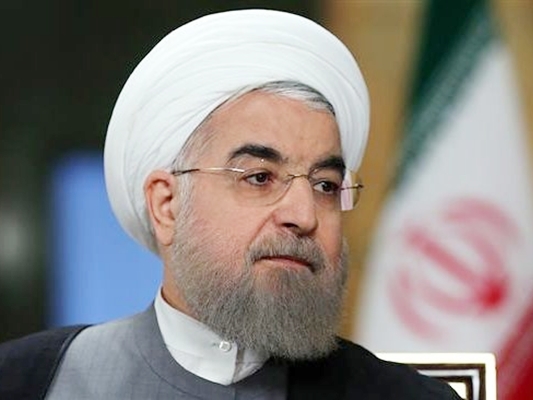
Rouhani

President Rouhani’s trip to Kyrgyzstan was slated for October 4-5, the source said, adding that it will be rescheduled for a few weeks later.

Hospitalization of Kyrgyzstan’s President Almazbek Atambayev in Russia has been cited as the reason for postponement of Rouhani’s visit.

Atambayev was sent to Russia for medical help last week after falling ill in Turkey days after his 60th birthday.

In recent years, Tehran and Bishkek have worked to enhance bilateral ties in different fields.

In September 2015, Atambayev paid an official visit to Iran. During the trip, the two sides signed eight Memoranda of Understanding (MoU) to promote mutual cooperation in such fields as energy, agriculture, trade, and air transport.

Shimon Peres Reminds Us of Burning Bodies in Qana: British Analyst

shimon-peres

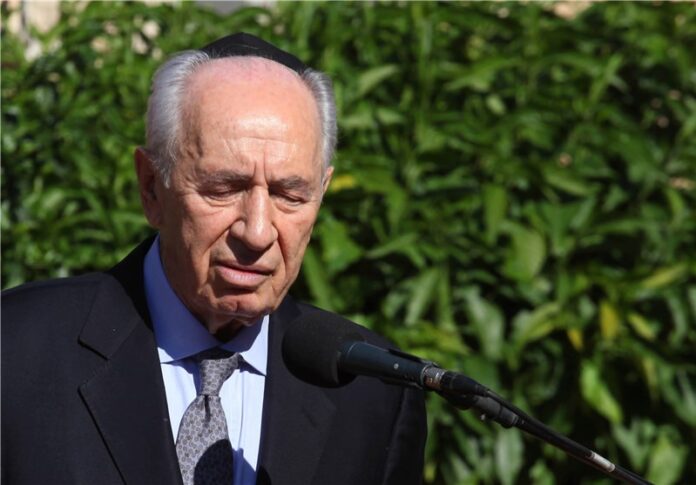
In an article published by The Independent, Robert Fisk, the British columnist and Middle East expert, writes about Shimon Peres, the former Israeli PM who recently died in the age of 93.

Here are excerpts from the article, as covered by many Iranian news outlets including Al Alam News Network and Donya-ye Eqtesad newspaper:

When the world heard that Shimon Peres had died, it shouted “Peacemaker!” But when I heard that Peres was dead, I thought of blood and fire and slaughter.

I saw the results: babies torn apart, shrieking refugees, smouldering bodies. It was a place called Qana and most of the 106 bodies – half of them children – now lie beneath the UN camp where they were torn to pieces by Israeli shells in 1996. I had been on a UN aid convoy just outside the south Lebanese village. Those shells swished right over our heads and into the refugees packed below us. It lasted for 17 minutes.

Shimon Peres, standing for election as Israel’s prime minister, decided to increase his military credentials before polling day by assaulting Lebanon. He used as an excuse the firing of Katyusha rockets over the Lebanese border by the Hezbollah. In fact, their rockets were retaliation for the killing of a small Lebanese boy by a booby-trap bomb they suspected had been left by an Israeli patrol.

A few days later, Israeli troops inside Lebanon opened fire into the Qana village. Their first shells hit a cemetery used by Hezbollah; the rest flew directly into the UN Fijian army camp where hundreds of civilians were sheltering. Peres announced that “we did not know that several hundred people were concentrated in that camp. It came to us as a bitter surprise.”

It was a lie. The Israelis had occupied Qana for years after their 1982 invasion, they had video film of the camp, they were even flying a drone over the camp during the 1996 massacre. The UN had repeatedly told Israel that the camp was packed with refugees.

This was Peres’s contribution to Lebanese peace. He lost the election and probably never thought much more about Qana. But I never forgot it.

When I reached the UN gates, blood was pouring through them in torrents. I could smell it. It washed over our shoes and stuck to them like glue. There were legs and arms, babies without heads, old men’s heads without bodies. A man’s body was hanging in two pieces in a burning tree. What was left of him was on fire.

On the steps of the barracks, a girl sat holding a man with grey hair, her arm round his shoulder, rocking the corpse back and forth in her arms. His eyes were staring at her. She was keening and weeping and crying, over and over: “My father, my father.” If she is still alive – and there was to be another Qana massacre in the years to come, this time from the Israeli air force – I doubt if the word “peacemaker” will be crossing her lips.

There was a UN enquiry which stated in its bland way that it did not believe the slaughter was an accident. The UN report was accused of being anti-Semitic.