Tuesday, December 23, 2025
Home Blog Page 4297

Iran Rejects Saudis’ “Fabricated” Claim about Arming of Ansarullah

Gholam Ali Khoshrou

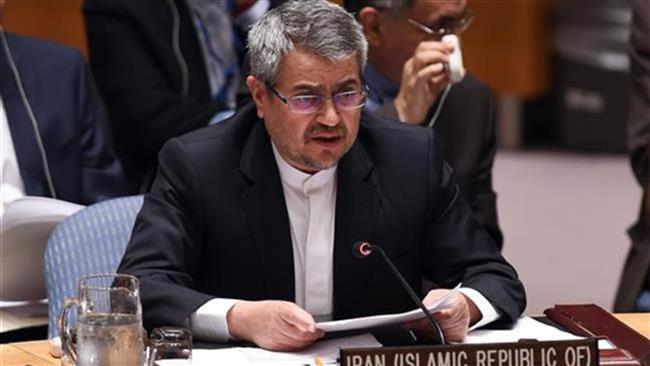
The rejection was made in a letter by Iranian Ambassador to the United Nations Gholam-Ali Khoshrou to the UN Security Council on Wednesday in response to a Saudi letter sent to the council on September 16.

“The Government of the Islamic Republic of Iran firmly rejects the pure fabrications and unsubstantiated allegations, contained in the aforementioned letter concerning the alleged transfer of weapons to Yemeni Ansarullah fighters and the violation of the United Nations Security Council resolutions,” read Khoshrou’s letter.

He added that the Saudi allegations were “quite astounding” as Riyadh itself has invaded Yemen and used “a full variety of lethal weapons against Yemen’s civilians and civilian infrastructure.”

Khoshrou went on to remind the UN of Saudi Arabia’s various atrocities against Yemeni civilians, especially children and women, and the large-scale damage the Arab kingdom’s aggression has inflicted upon the country’s infrastructure.

“The Islamic Republic of Iran has always reiterated that there could be no military solution to this war and has urged for an end to hostilities and a peaceful resolution of this conflict through negotiations and the utilization of peaceful mechanisms,” he added.

Saudi Arabia has been attacking Yemen on an almost daily basis since late March 2015, with the UN putting the death toll at 10,000. The offensive is aimed at crushing the Ansarullah movement and its allies and restore power to the resigned Yemeni president, Abd Rabbuh Mansur Hadi.

Ansarullah fighters took state matters into their own hands after the resignation and escape of Hadi, which threw the country into a state of uncertainty and threatened a total security breakdown.

A Look at Iranian Newspaper Front Pages on September 29

Iran Newspaper front pages

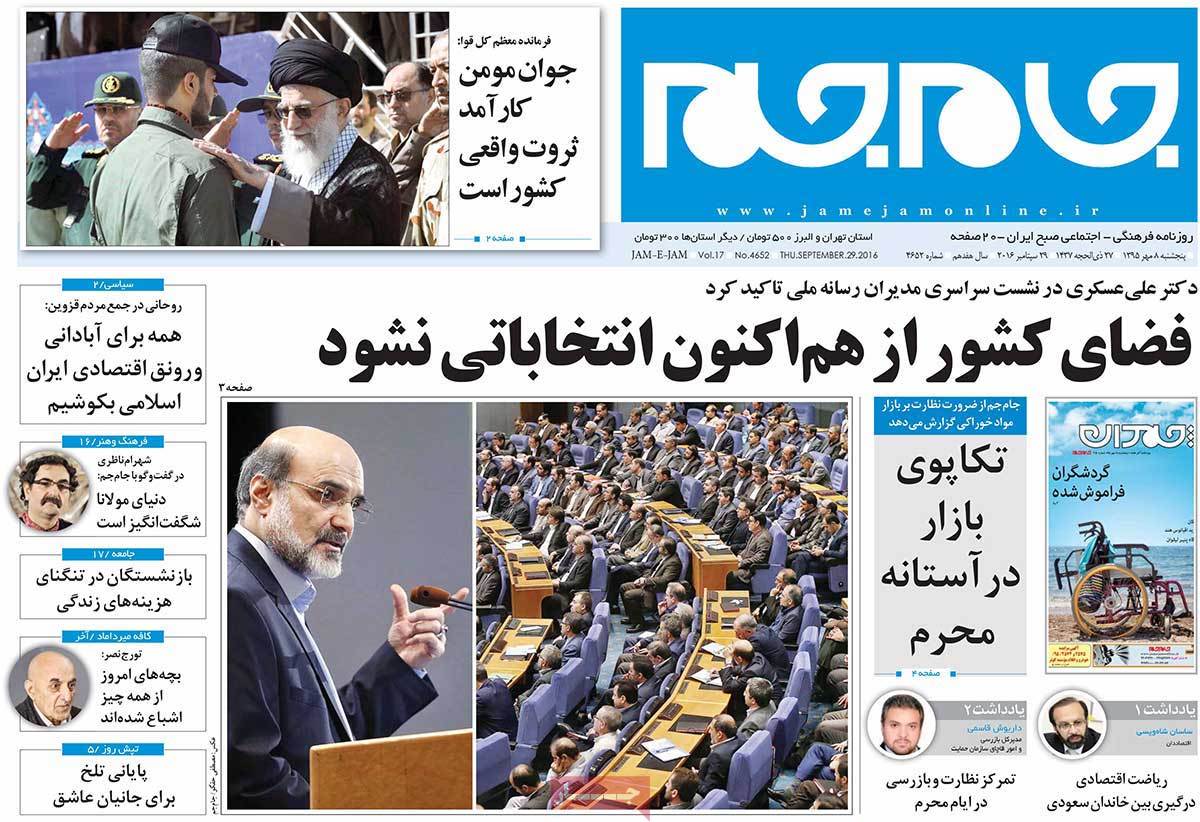
Newspapers on Thursday covered the remarks made by the Leader of the Islamic Revolution Ayatollah Seyyed Ali Khamenei during the graduation ceremony of cadets in Tehran. The Leader underlined the need for constant enhancement of the country’s defensive power, and expressed optimism about the future of Iran.

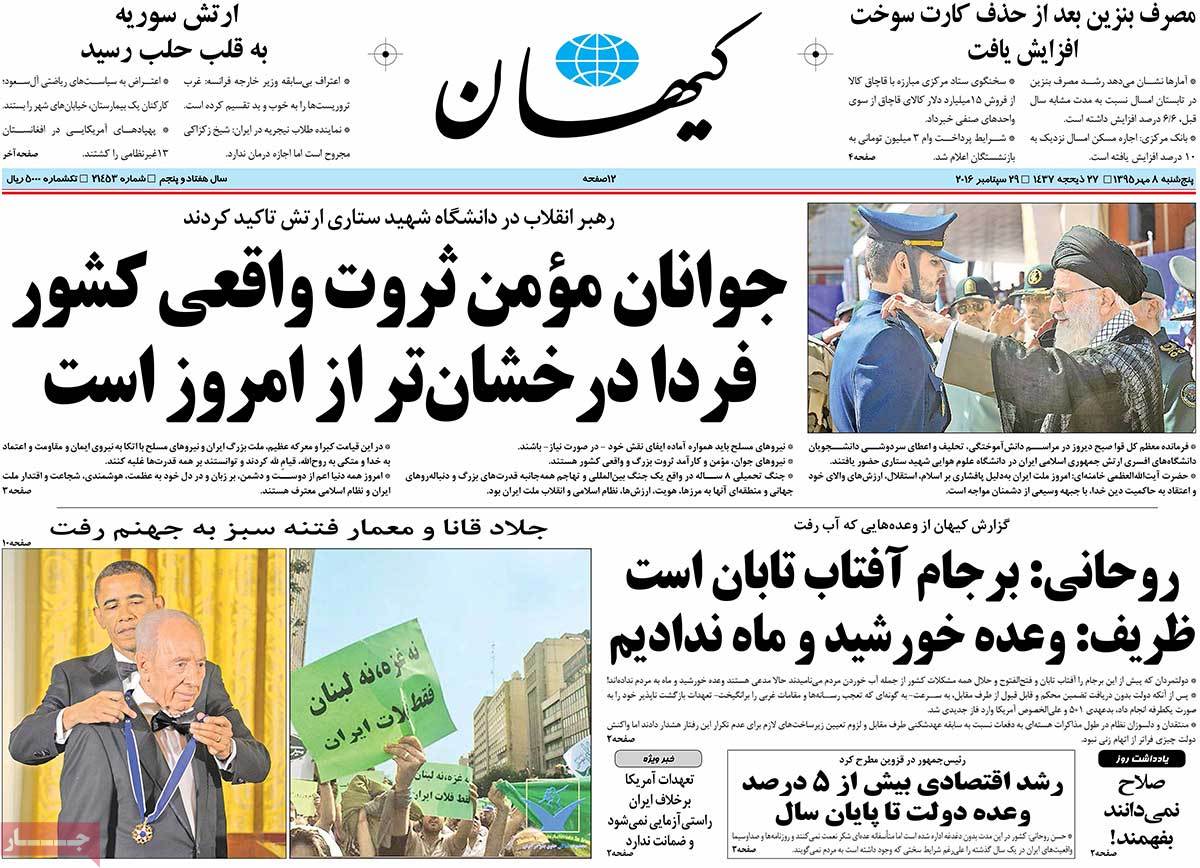
Another top story today was the death of Shimon Peres, the former Prime Minister of Israel and a founding member of the Zionist regime. Many newspapers in Iran covered his death by calling him the ‘executioner of Qana’ (a camp in Lebanon).

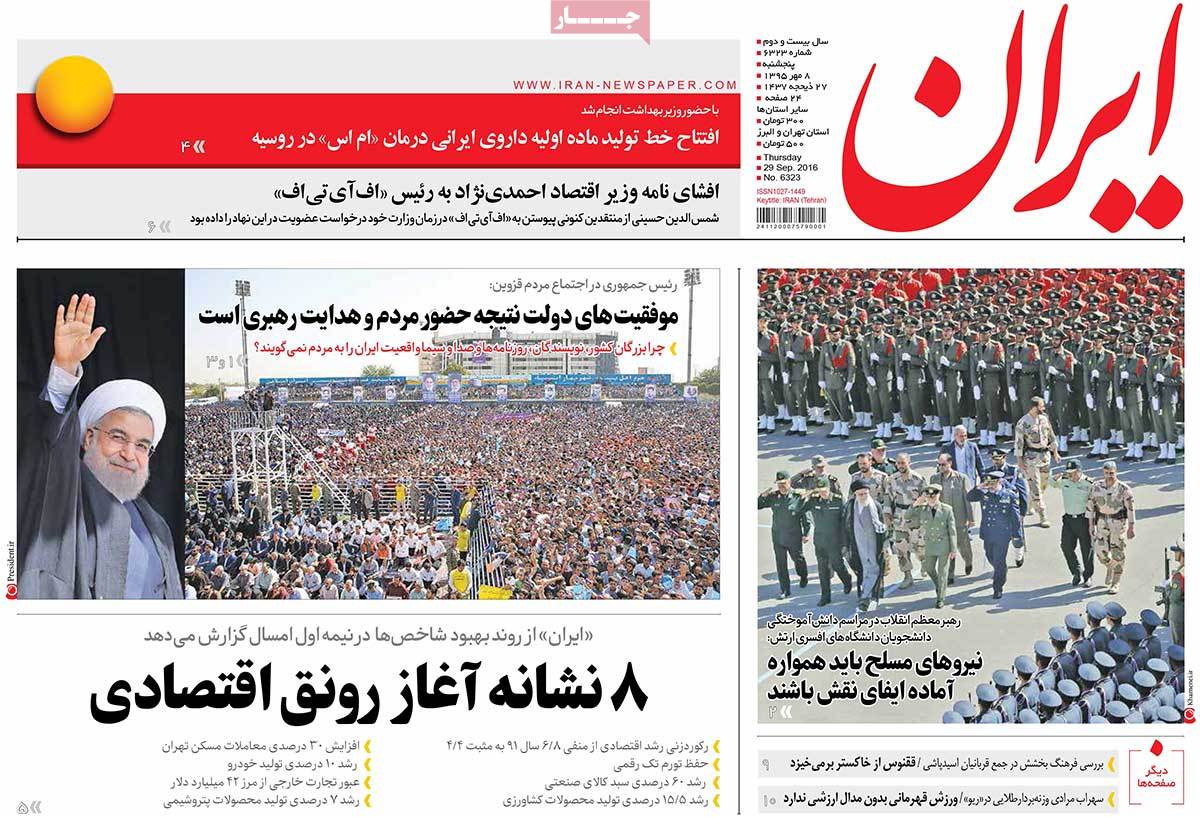
The remarks made by President Hassan Rouhani in the massive gathering of people in Qazvin also received great coverage. President Rouhani highlighted the achievements of his government, particularly the country’s economic situation in spite of declining oil prices, and criticized the opponents for not appreciating the efforts.

The Organization of Petroleum Exporting Countries (OPEC) summit in Algiers was also a top story. Oil ministers in this meeting decided to freeze their oil output increase, but they accepted that Iran be exempted from the plan.

The above issues as well as many more are highlighted in the following headlines:


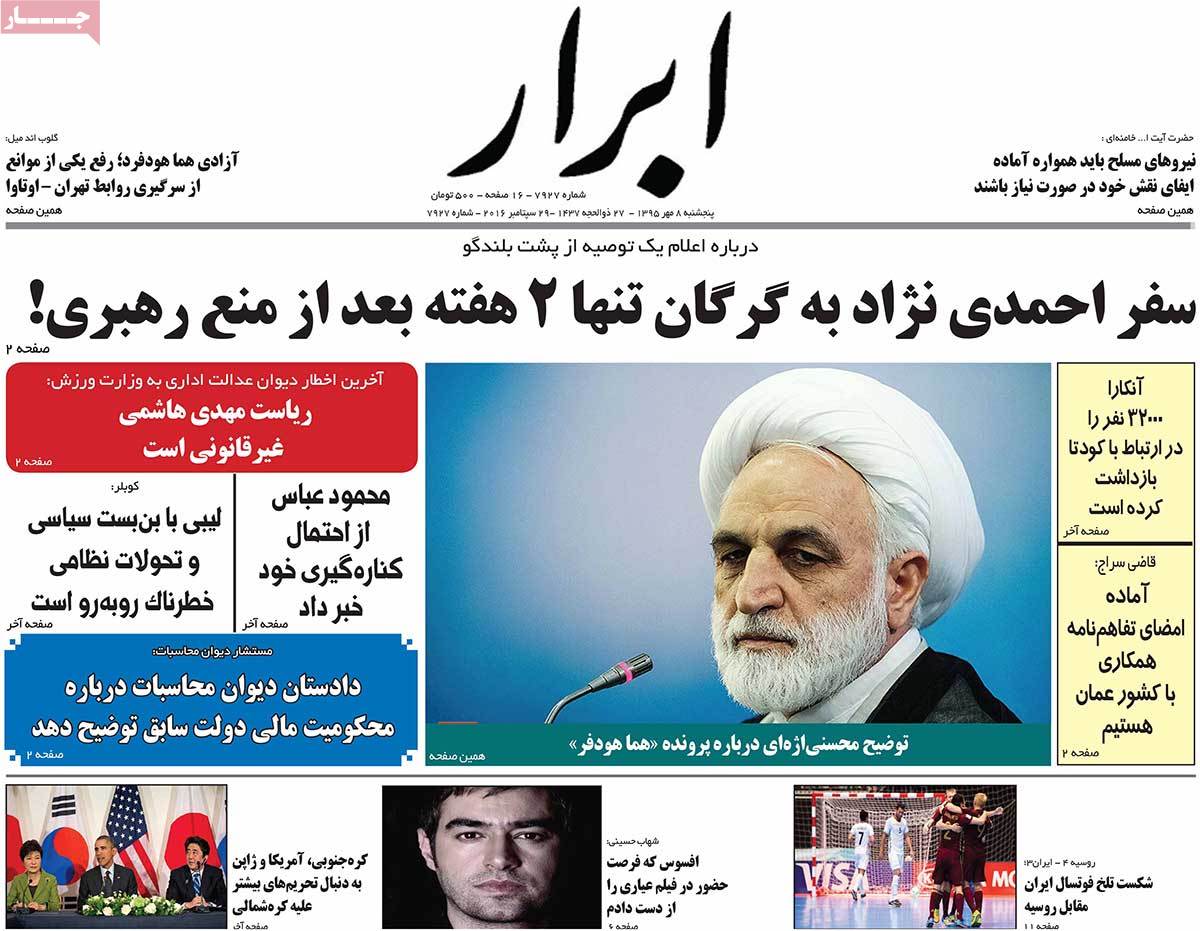
Abrar:

1- Mahmoud Abbas May Withdraw from Power

2- Ankara Has Arrested 32,000 for Alleged Links with Failed Coup
A Look at Iranian Newspaper Front Pages on September 29


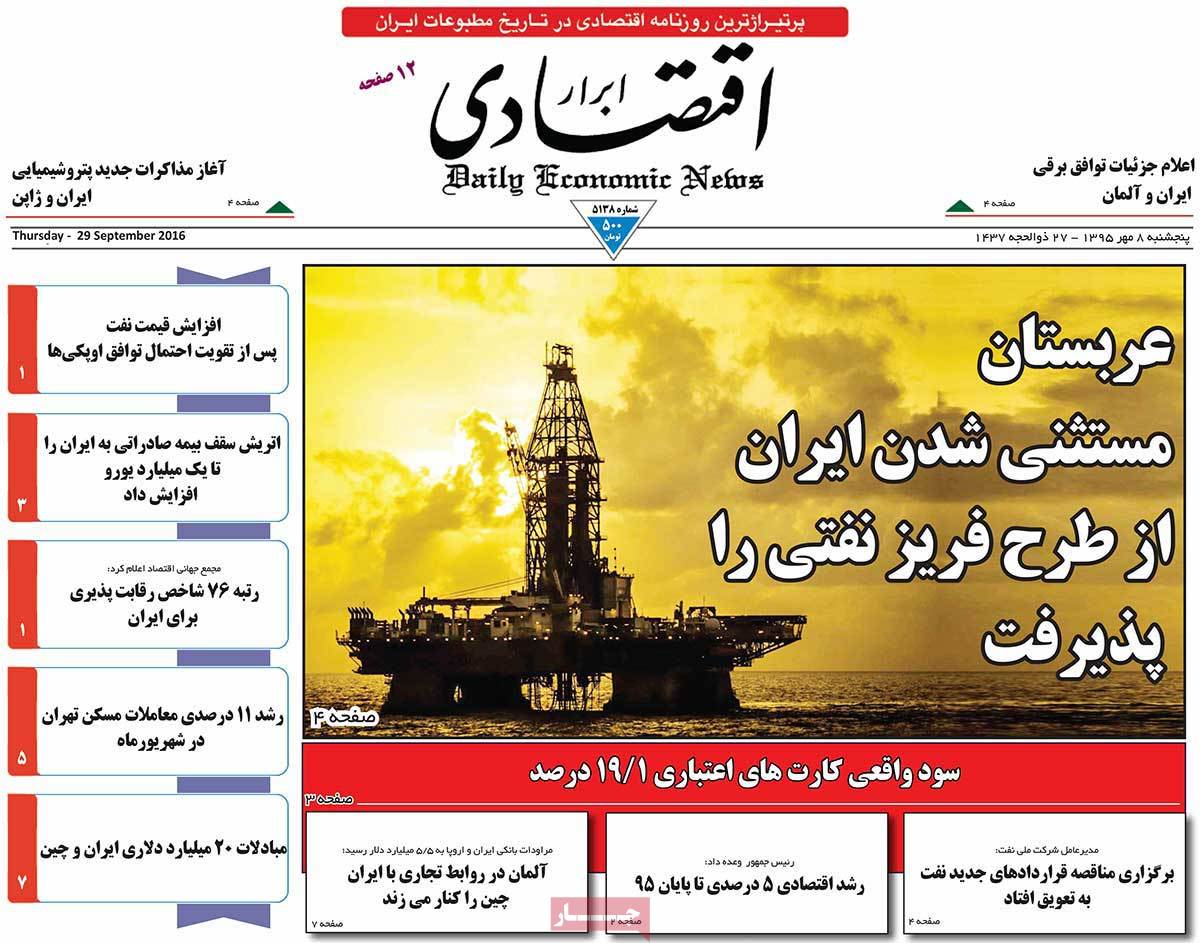
Abrar-e Eqtesadi:

1- Details of Iran-Germany Power Deal

2- Iran and Japan Start New Petchem Talks

3- Rise of Oil Price after Increased Possibility of a Deal between OPEC Members

4- Austria Increases Maximum Insurance for Exports to Iran to €1bn

5- Trade Exchanges between Iran and China Stand at $20bn

6- Germany to Outdo China in Trade Ties with Iran
A Look at Iranian Newspaper Front Pages on September 29


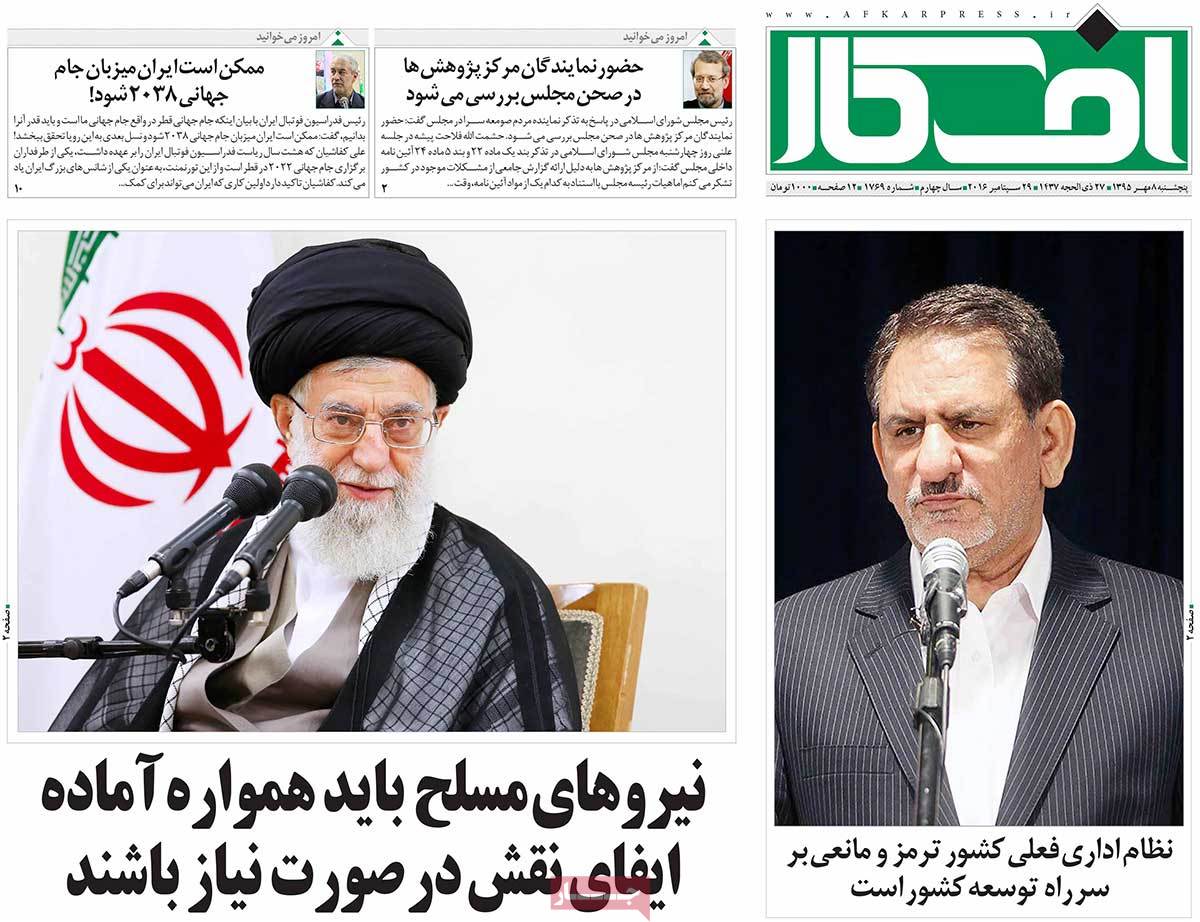
Afkar:

1- Armed Forces Should Be Ready to Play Their Role under Any Circumstances: Leader

2- Iran May Play Host to FIFA World Cup 2038!
A Look at Iranian Newspaper Front Pages on September 29


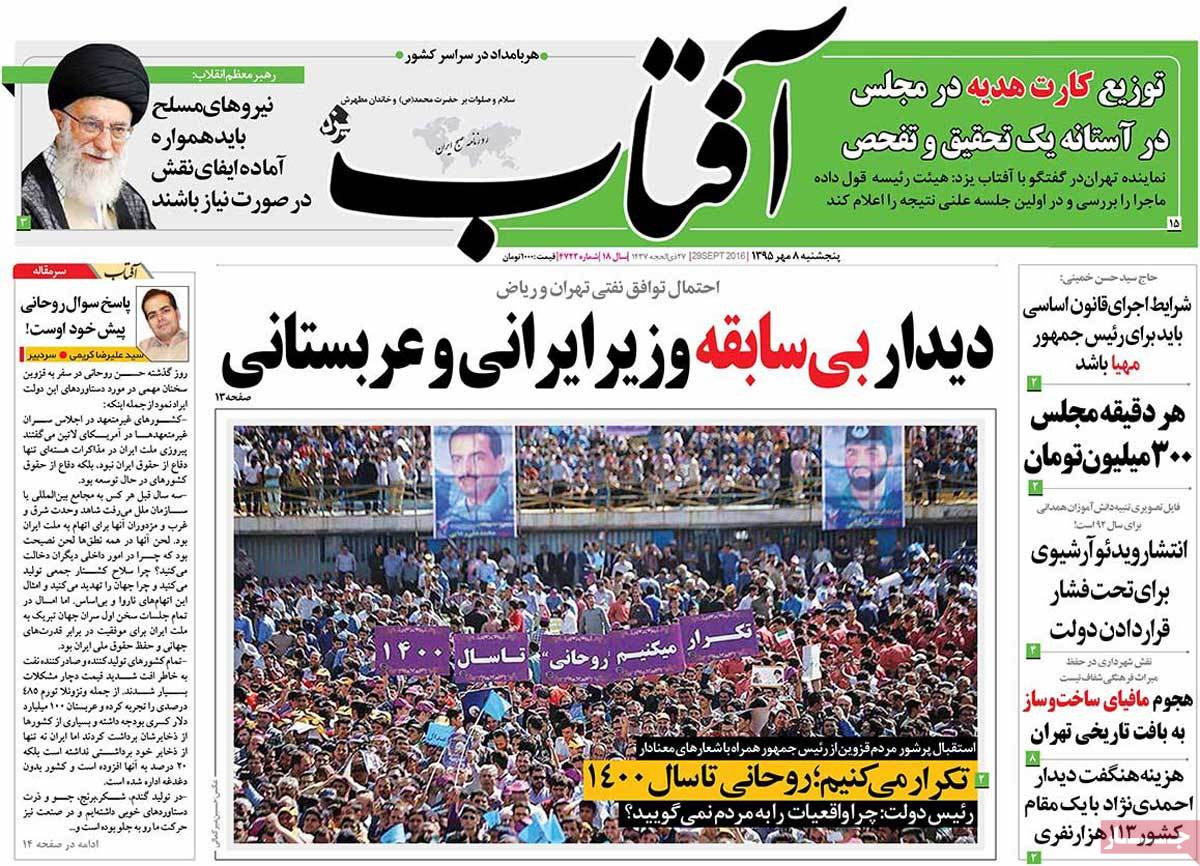
Aftab-e Yazd:

1- Unprecedented Meeting between Iranian and Saudi Ministers: Possibility of an Oil Deal between Tehran and Riyadh

2- Every Minute of Iran’s Parliamentary Sessions Costs $85,000

3- President Warmly Received by People in Qazvin: Rouhani until 2021!
A Look at Iranian Newspaper Front Pages on September 29


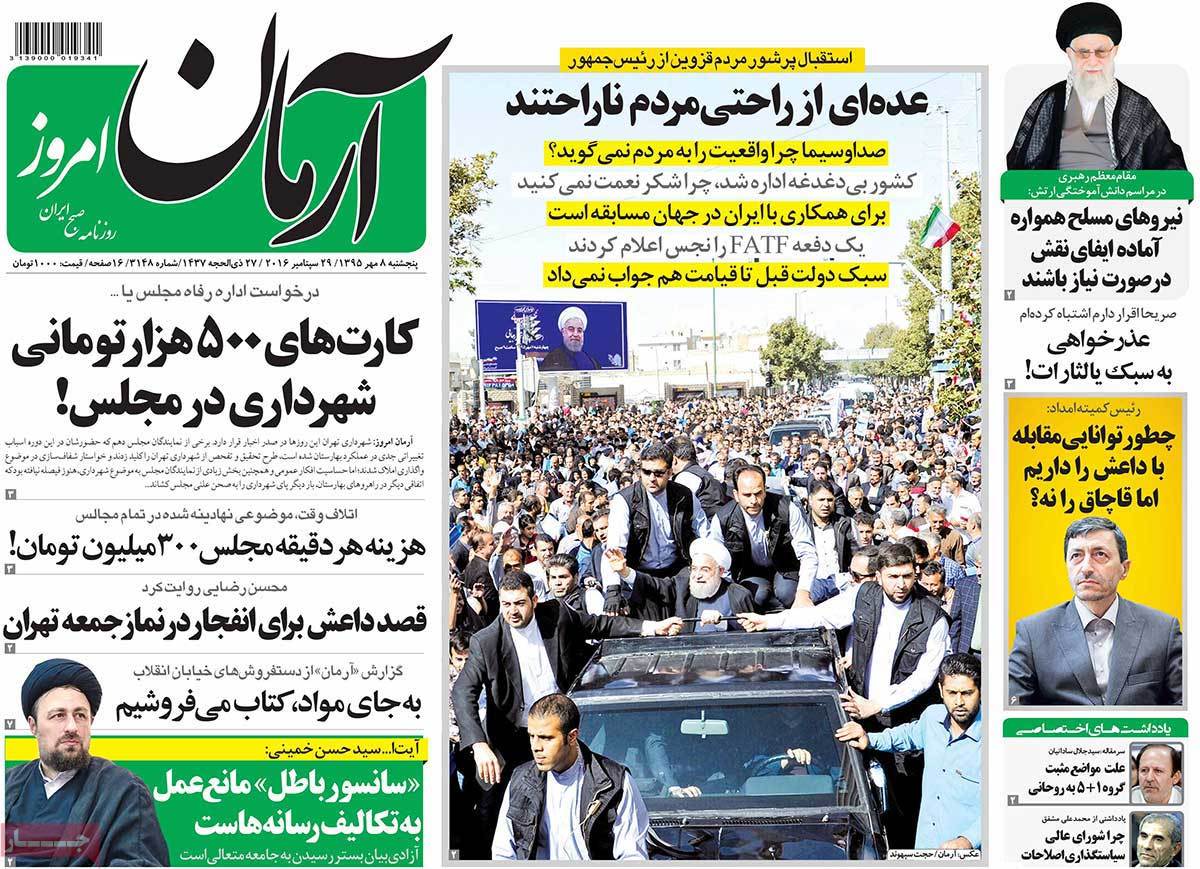
Arman-e Emrooz:

1- Rouhani: There’s a Competition in the World for Cooperation with Iran

2- ISIS’ Plan for Explosion in Tehran Friday Prayers

3- We Sell Books instead of Illicit Drugs: A Report of Street Book Sellers in Tehran’s Enghelab Street

4- Wrong Censorship Prevents Media from Doing Their Job: Imam Khomeini’s Grandson
A Look at Iranian Newspaper Front Pages on September 29


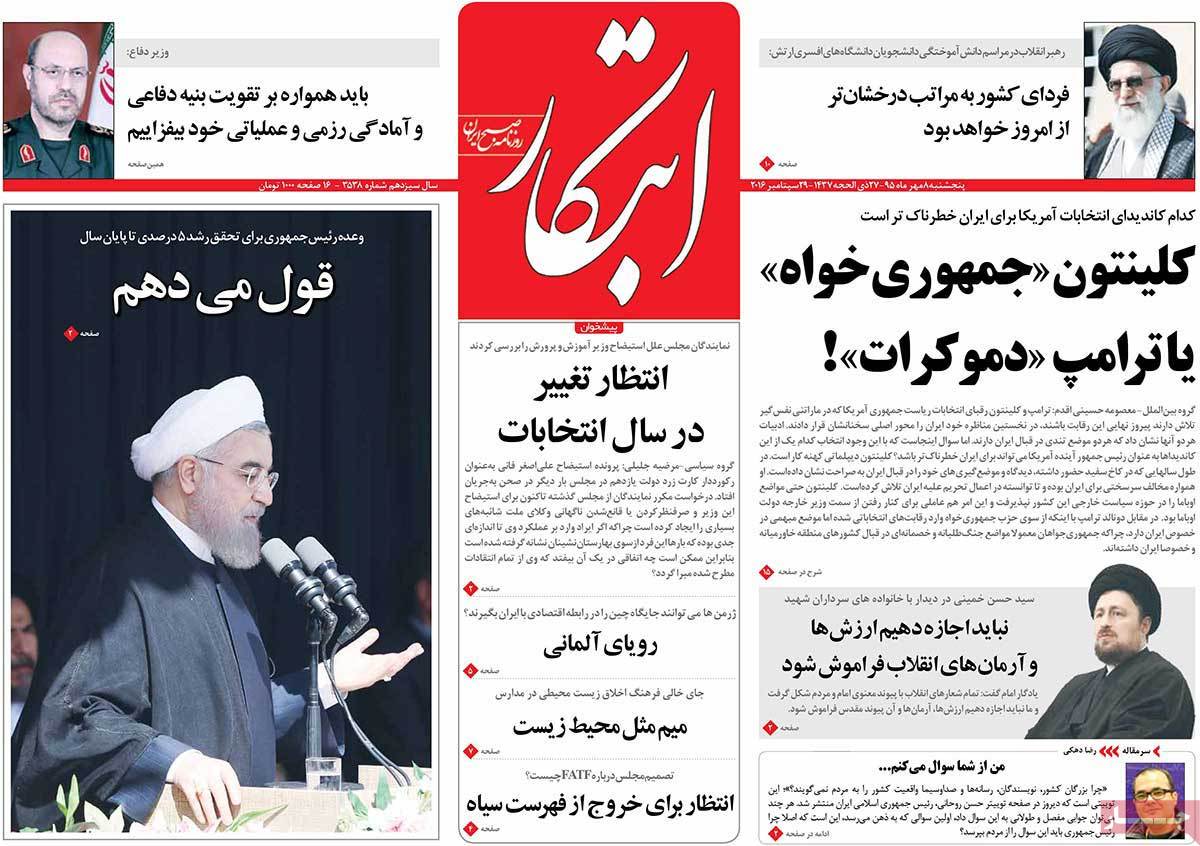
Ebtekar:

1- Iran’s Tomorrow Will Be Much More Brilliant than Its Today: Leader

2- We Should Constantly Add to Our Defensive Might and Military Preparedness: Leader

3- The ‘Republican’ Clinton or the ‘Democrat’ Trump? Which US Presidential Candidate Is More Dangerous to Iran?

4- Rouhani’s Vow for 5% Economic Growth by March 2017: I Promise!

5- German Dream: Can Germans Replace China in Economic Ties with Iran?
A Look at Iranian Newspaper Front Pages on September 29


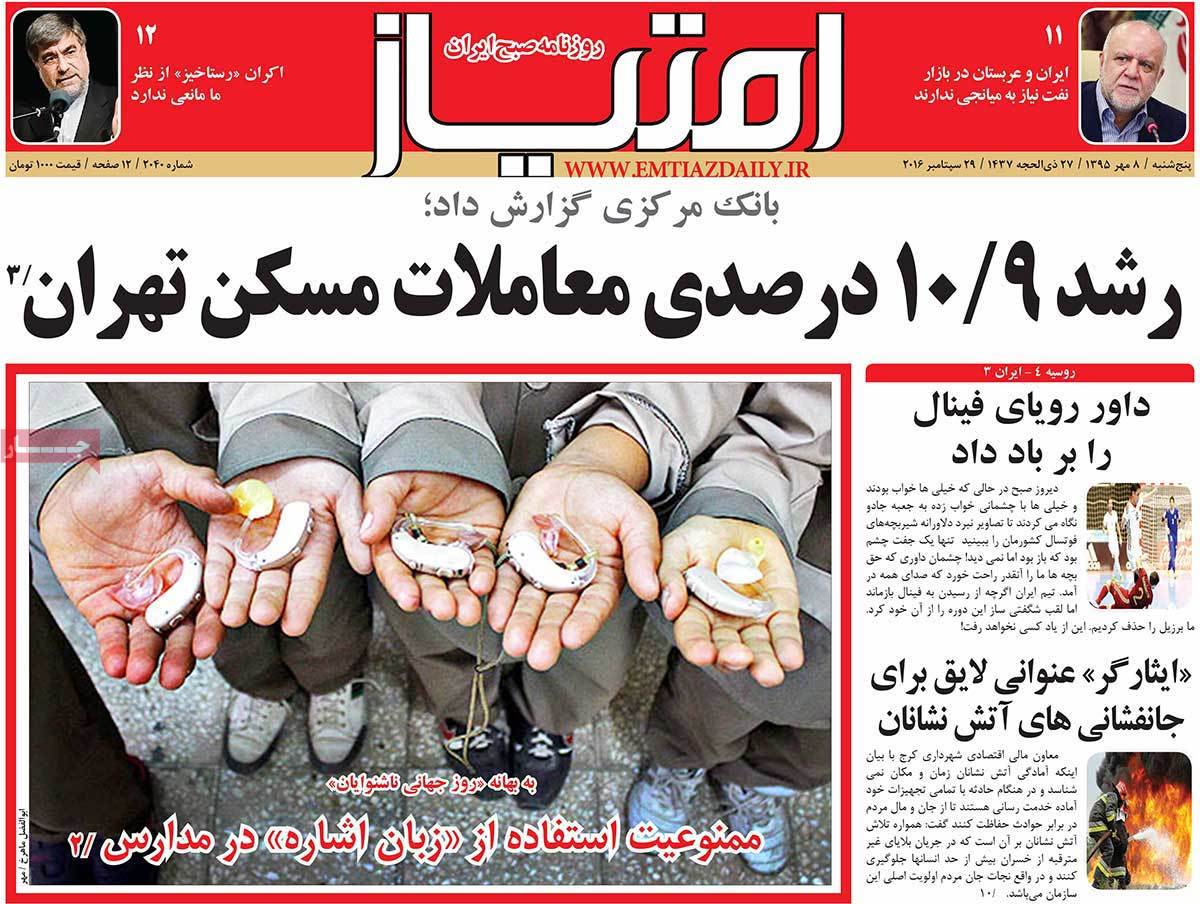
Emtiaz:

1- 10.9% Increase in House Deals

2- Iran and Saudi Arabia Need No Mediation in Oil Market
A Look at Iranian Newspaper Front Pages on September 29


Etemad:

1- Rouhani to IRIB and Media: Why Don’t You Tell People the Truth?

2- Iran Once Again Says ‘No’: Oil Minister Emphasizes Iran’s Insistence on Refusal to Join Oil Freeze

3- Unofficial and Unexpected Meetings behind Closed Doors: Zarif Held 3-Hour Talks with His Turkish Counterpart
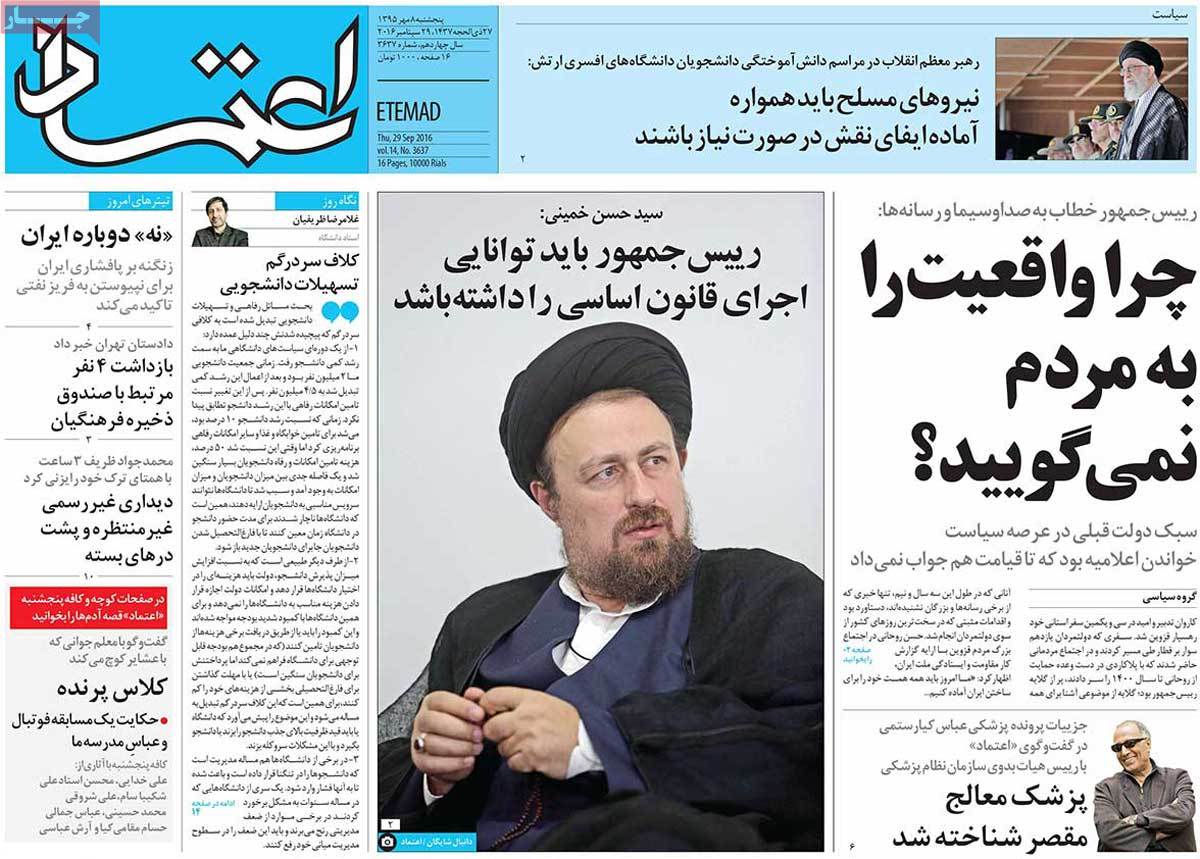
A Look at Iranian Newspaper Front Pages on September 29


Ettela’at:

1- Leader: World Admits Iranian Nation’s Might, Intelligence, and Power

2- US Congress Rejects Obama’s Veto: Saudi Arabia to Be Prosecuted

3- Imam Khomeini’s Grandson: Freedom of Expression Prepares the Ground for a Perfect Society

4- Rouhani: Country Was Governed without Any Concerns Last Year

5- Shimon Peres, the Executioner of Qana, Dies in 93
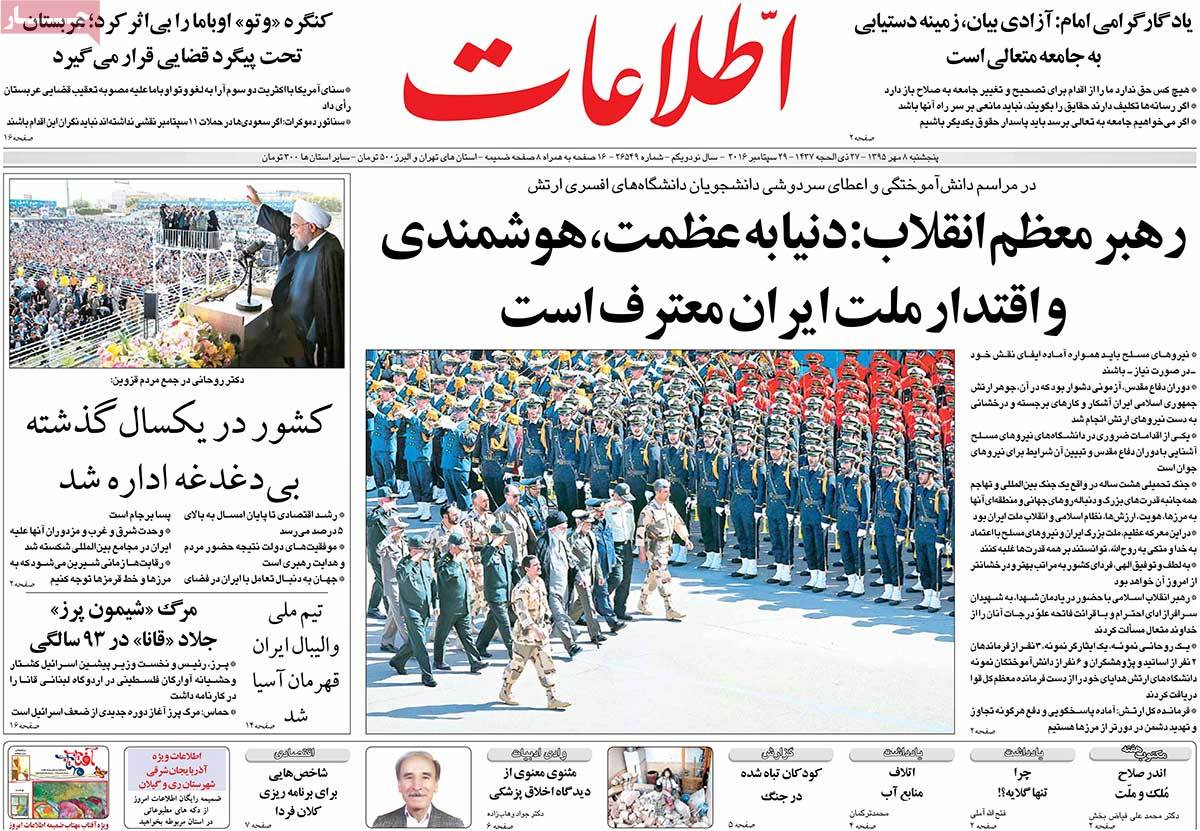
A Look at Iranian Newspaper Front Pages on September 29


Hamshahri:

1- US Police Once Again Opens Fire on African-Americans

2- Parliament’s Research Centre Warns of Increase in Unemployment Rate to 11m People by 2021
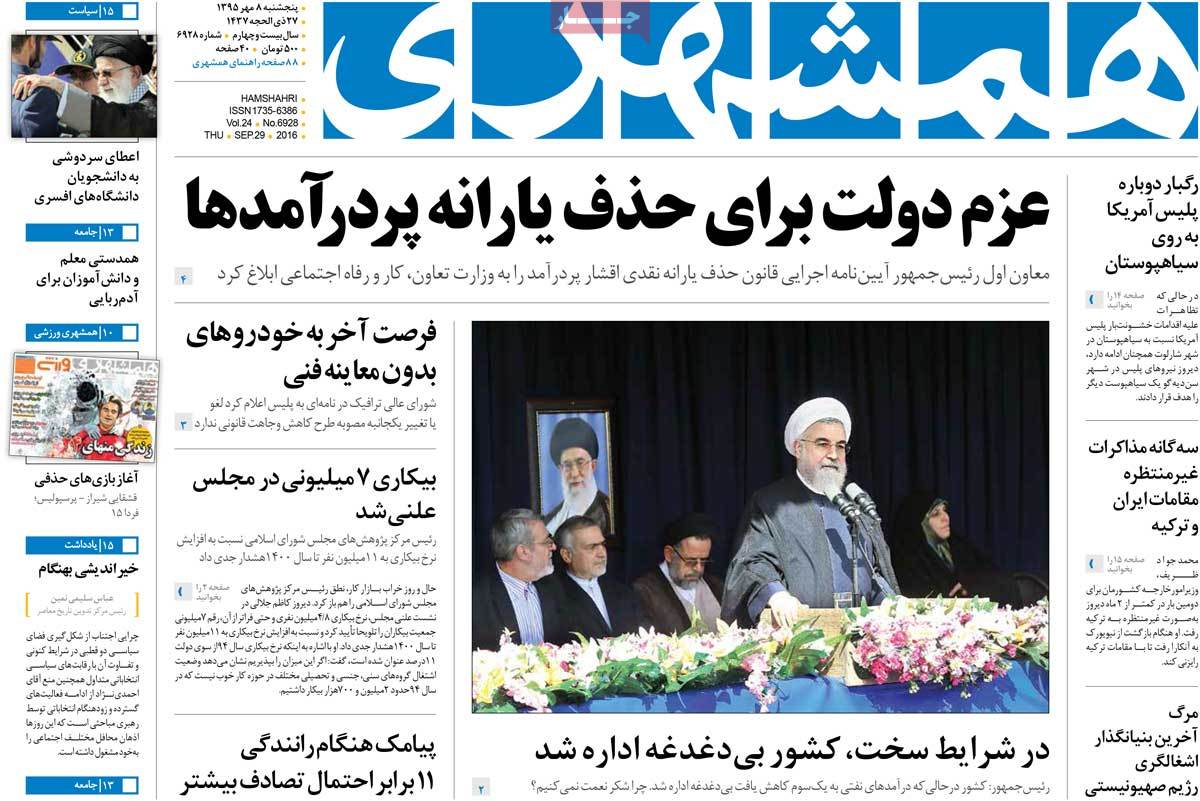
A Look at Iranian Newspaper Front Pages on September 29


Hemayat:

1- West’s Warmongering Policies in Islamic Countries Will Backfire: Deputy Judiciary Chief in Meeting with Oman’s Prosecutor-General

2- US JCPOA Commitments Left Unfinished: CBI Governor

3- Iran Prepared for Anti-Corruption Deal with Oman
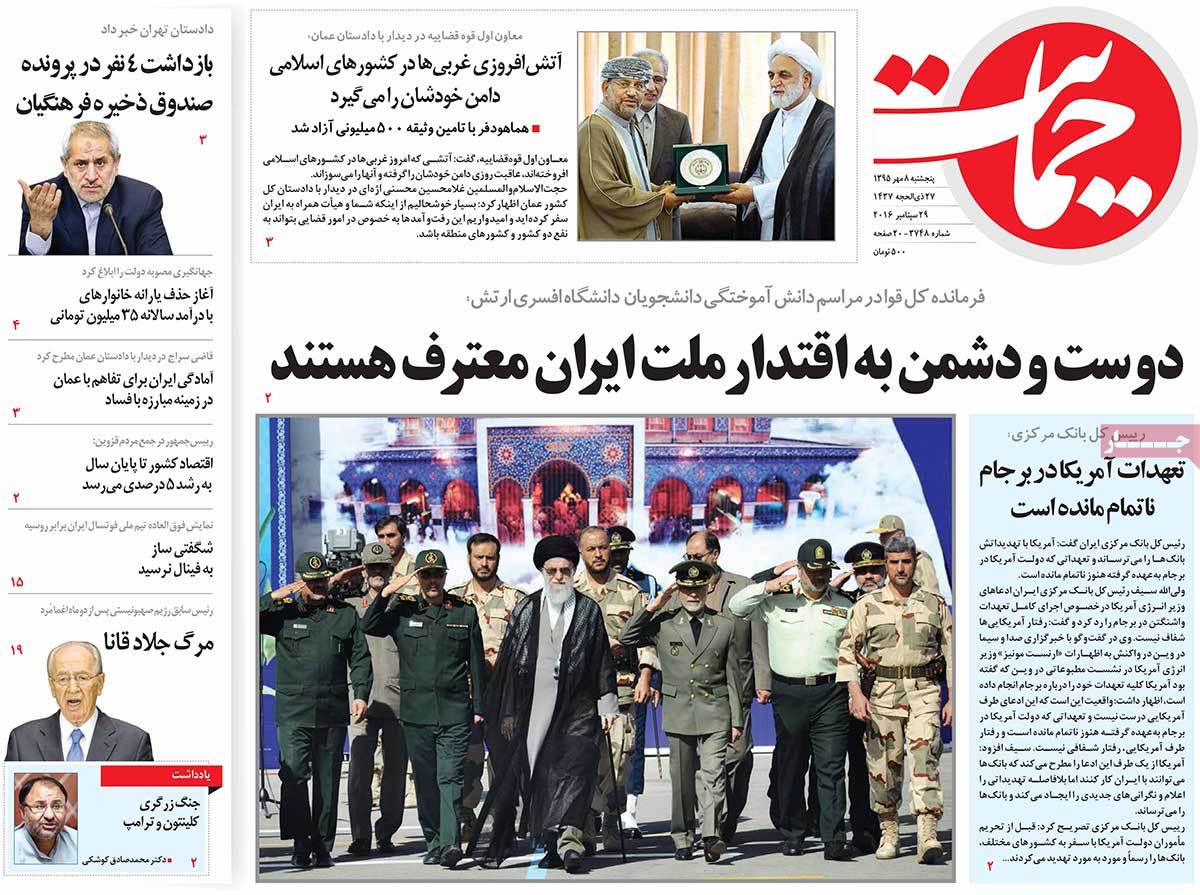
A Look at Iranian Newspaper Front Pages on September 29


Iran:

1- Government’s Success Was Achieved Thanks to People’s Participation and Leader’s Guidance
A Look at Iranian Newspaper Front Pages on September 29


Jame Jam:

1- Iran’s Real Wealth Is the Young and Efficient Believers It Has: Leader

2- We Should All Try Hard for Iran’s Economic Prosperity: Rouhani

3- Rumi’s World Is Wonderful: Music Maestro Shahram Nazeri
A Look at Iranian Newspaper Front Pages on September 29


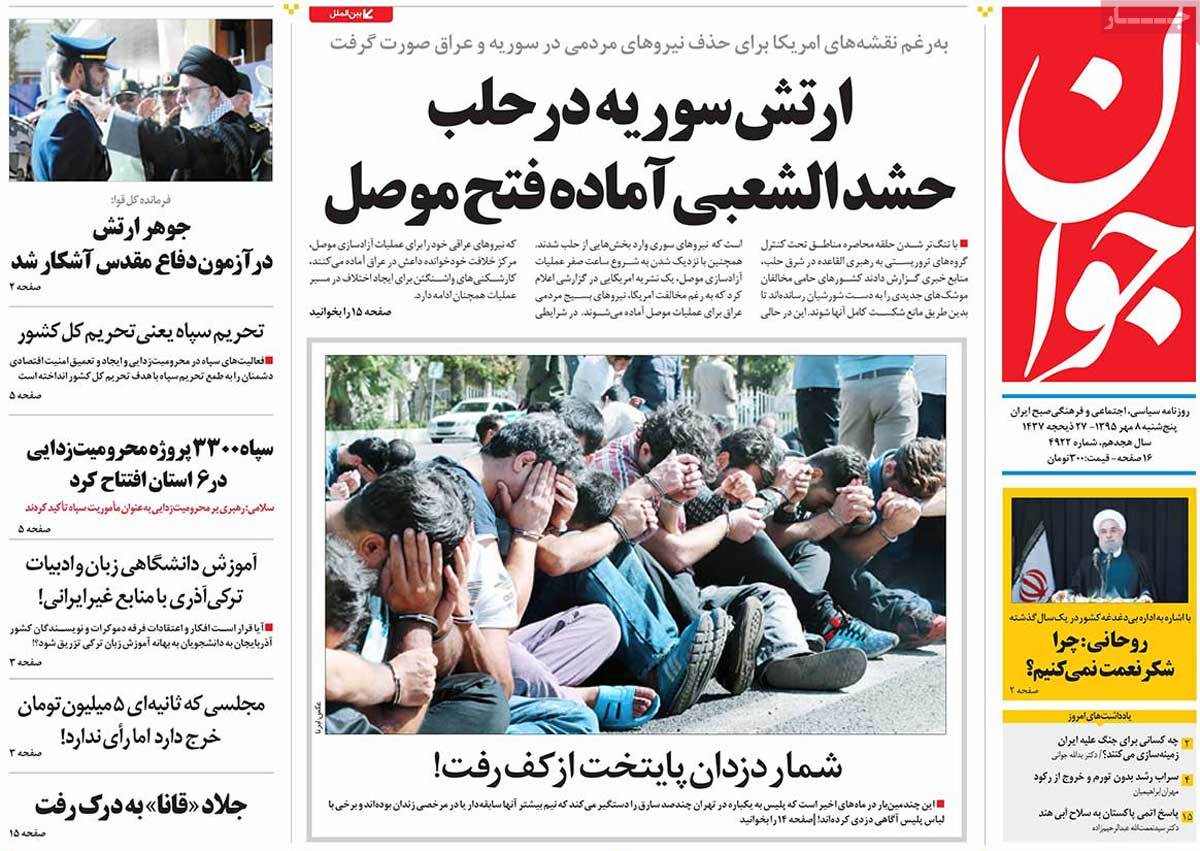
Javan:

1- Syrian Army in Aleppo, Iraqi Popular Forces Ready to Liberate Mosul

2- IRGC Inaugurates 3,300 Projects in Six Provinces Aimed at Ending Deprivation
A Look at Iranian Newspaper Front Pages on September 29


Jomhouri Eslami:

1- Production Line Opened in Russia for Iran’s Newly-Developed Medicine for MS Disease

2- Iran-Germany Trade Exchanges Increased to €10bn

3- World Is Looking for Interaction with Iran in Post-JCPOA Era: Rouhani

4- Syrian Army Enters Aleppo

A Look at Iranian Newspaper Front Pages on September 29


Kayhan:

1- Shimon Peres, the Executioner of Qana and Architect of Iran’s 2009 Sedition [Post-Election Protests] Goes to Hell

2- A Report on Promises that Faded Away; Rouhani: JCPOA Is the Shining Sun; Zarif: We Didn’t Give Any Promise about Sun and Moon!

3- Government Vows to Increase Economic Growth Rate to More than 5% by March 2017
A Look at Iranian Newspaper Front Pages on September 29


Khorasan:

1- Rouhani: In Hard Conditions, Iran Was Governed without Any Problem

2- Obama’s Veto Rejected: US Senate Approves Plan that Gives Right to 9/11 Victims to Sue Saudi Arabia

3- Saudi Arabia Backs Off, Iran Agrees: Saudi Arabia Recognizes Iran’s Exception to Oil Freeze Plan
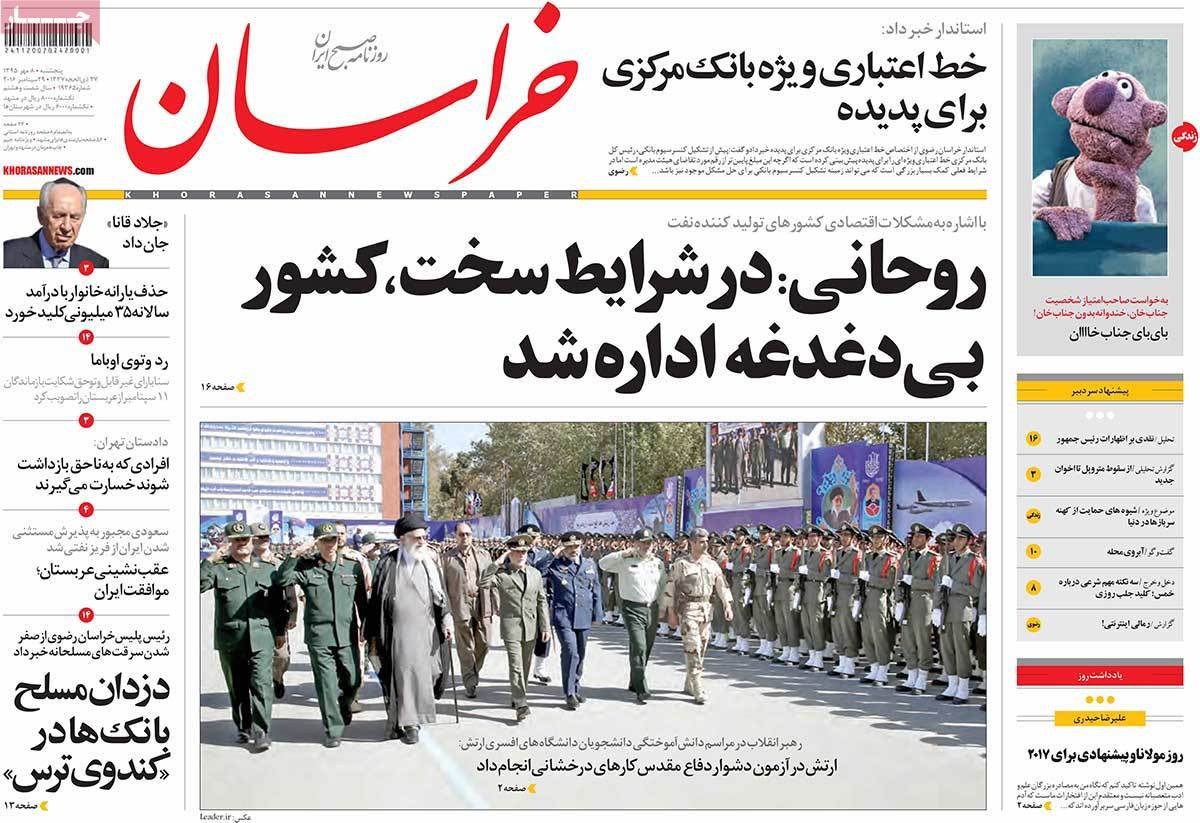
A Look at Iranian Newspaper Front Pages on September 29


Resalat:

1- Head of Imam Khomeini Relief Foundation: How Is It that We Have the Capability to Counter ISIS, But We Don’t Have It for Smuggled Goods?

2- Self-Flagellation [Using a Machete] Is Enemy’s Plot to Show Superstitious Image of Shiism: Ayatollah Makarem Shiraz
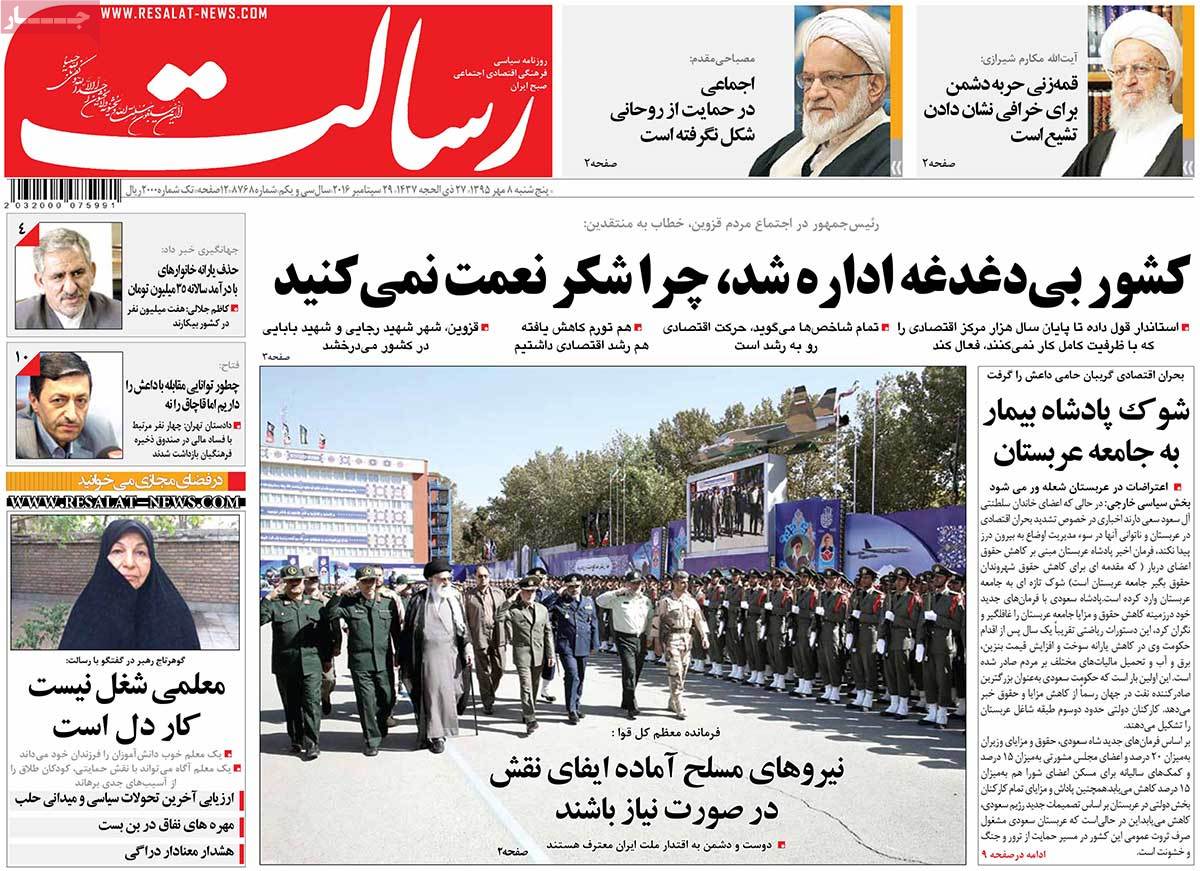
A Look at Iranian Newspaper Front Pages on September 29


Roozan:

1- Dichotomy of Hillary-Trump in Iranian Media: How Iranian Media Covered US Presidential Debate

2- One Step to Reopening of Canada’s Embassy in Tehran: Hoodfar’s Release Was a Sign of Improved Ties between Tehran and Ottawa

3- Conservative Faction after Ahmadinejad
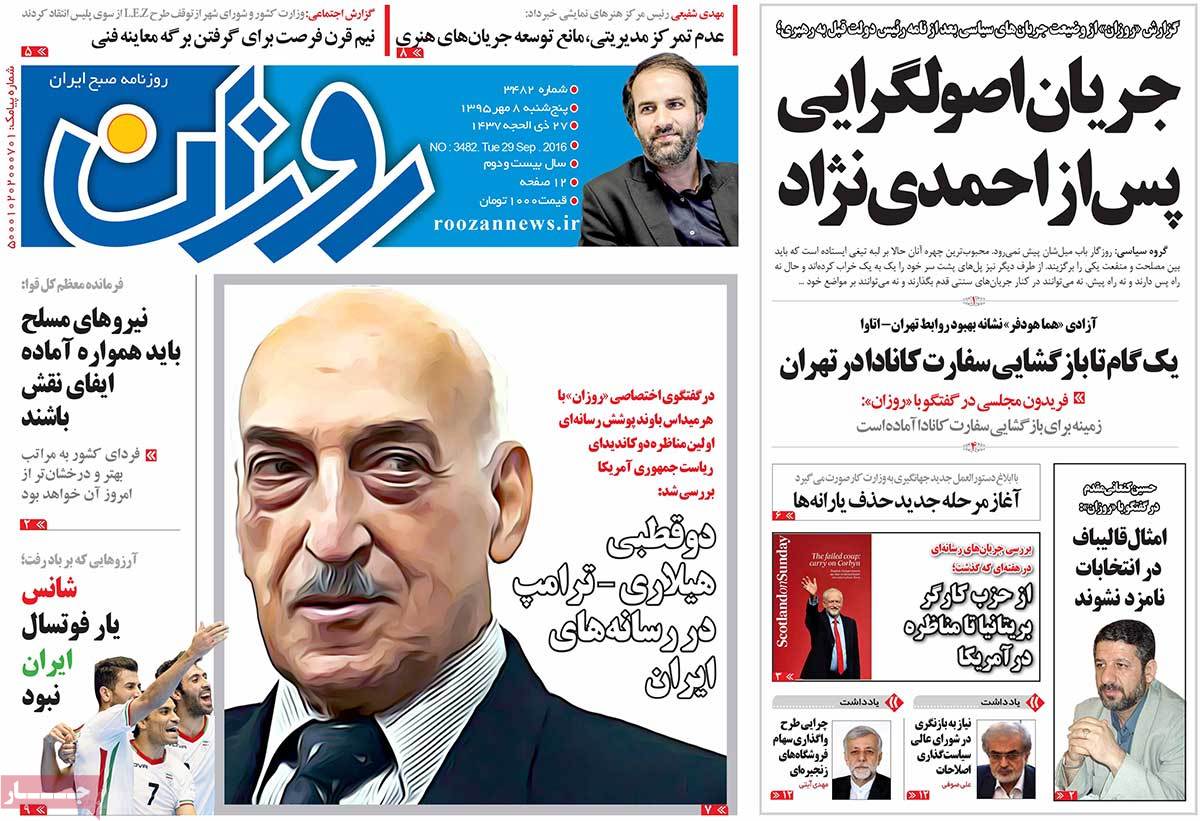
A Look at Iranian Newspaper Front Pages on September 29


Setareh Sobh:

1- Tomorrow, Iran Will Become Much Better and More Brilliant than Today: Ayatollah Khamenei

2- Ex-President Has Caused $3.4bn Damage to Iran
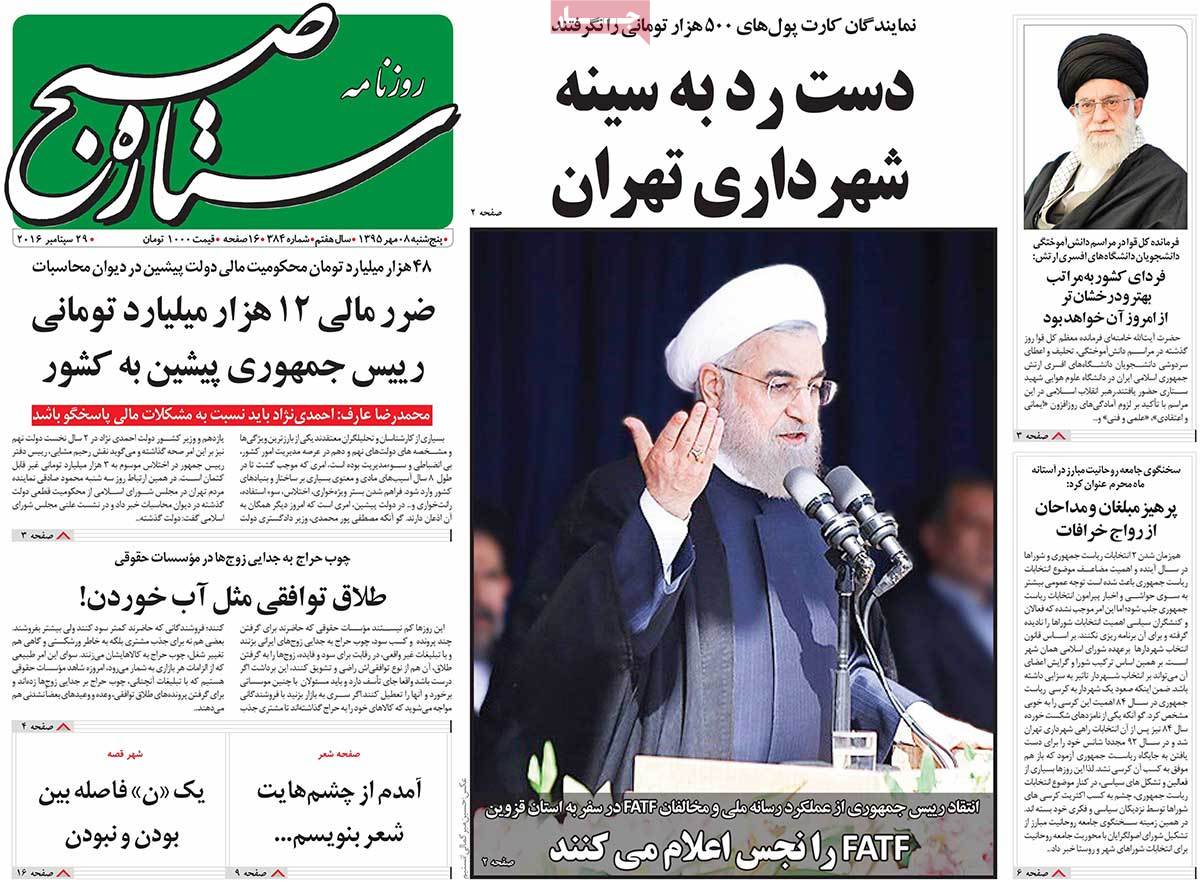
A Look at Iranian Newspaper Front Pages on September 29


Shahrvand:

1- Apple’s App Store Opened to Iranian Users

2- 16,500 People Died in Car Accidents in Previous Persian Calendar Year [March 2015 to March 2016]

3- In Spite of Decrease in Oil Price, We Added 20% to Iran’s Foreign Exchange Reserves: Rouhani
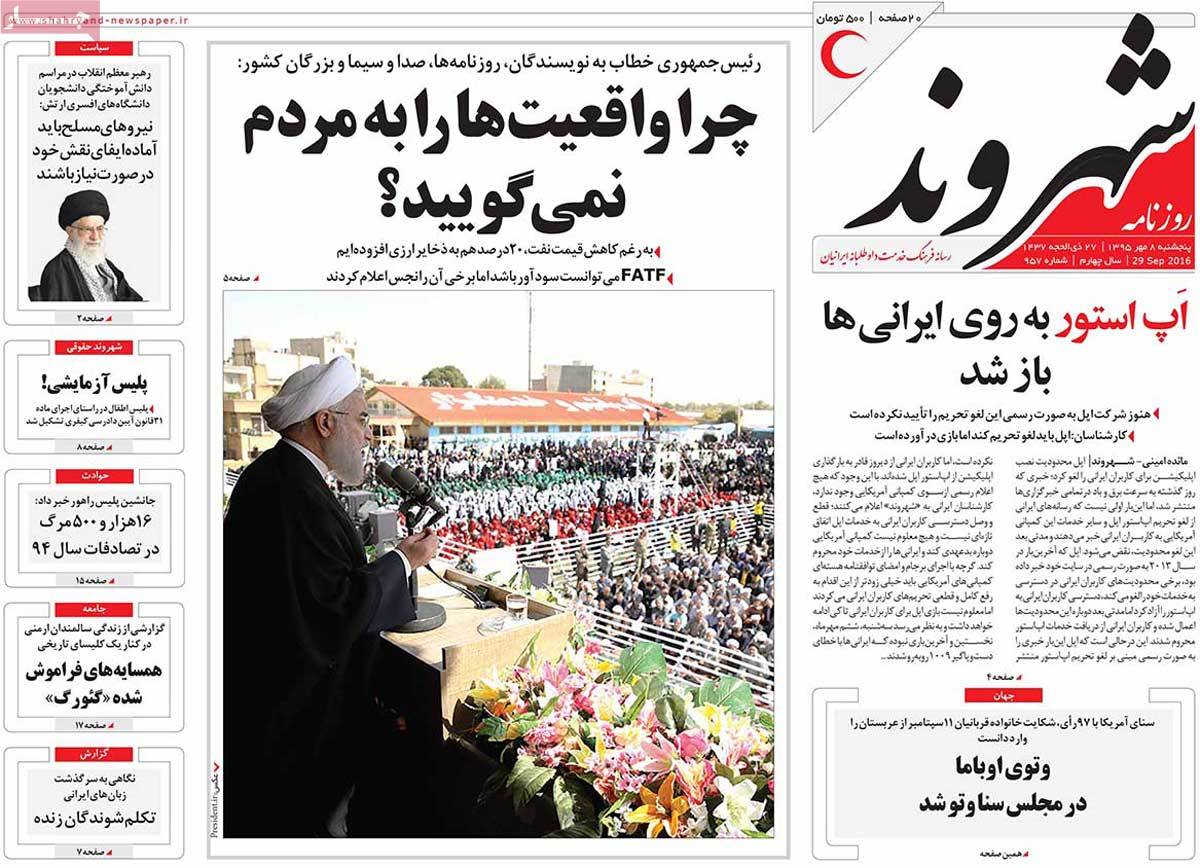
A Look at Iranian Newspaper Front Pages on September 29


Shargh:

1- Aref: Ahmadinejad and His Managers Should Be Held Accountable

2- Hard Decision of OPEC Members behind Closed Doors: 14 Members Discuss Reduction of Oil Output
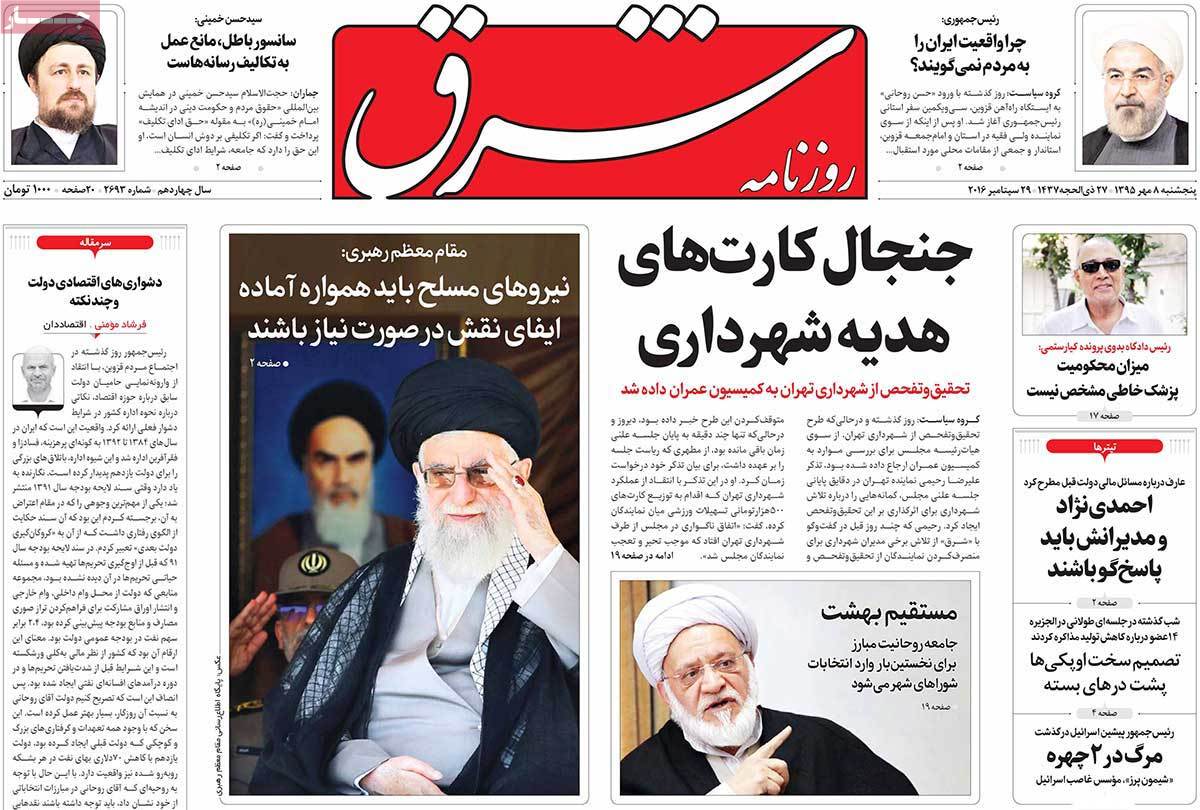
A Look at Iranian Newspaper Front Pages on September 29


Vaghaye Ettefaghieh:

1- We Won’t Freeze: Saudi Arabia Accepts that Iran Is Exempted from Oil Freeze Plan

2- Parliament Didn’t Accept Municipality’s Gift: Criticism of Tehran Municipality’s $140 Gift Cards to Parliament

3- IRGC General Rezaei’s Account of ISIS’ Plan to Explode Tehran Friday Prayers

4- Verdict for Kiarostami’s Case Issued: Only 1 Year Banned from Medical Career

5- Here Is Sardasht, the Crossroad of Hiroshima and Halabja: A Report of a City Whose Lungs Are Full of Chemicals
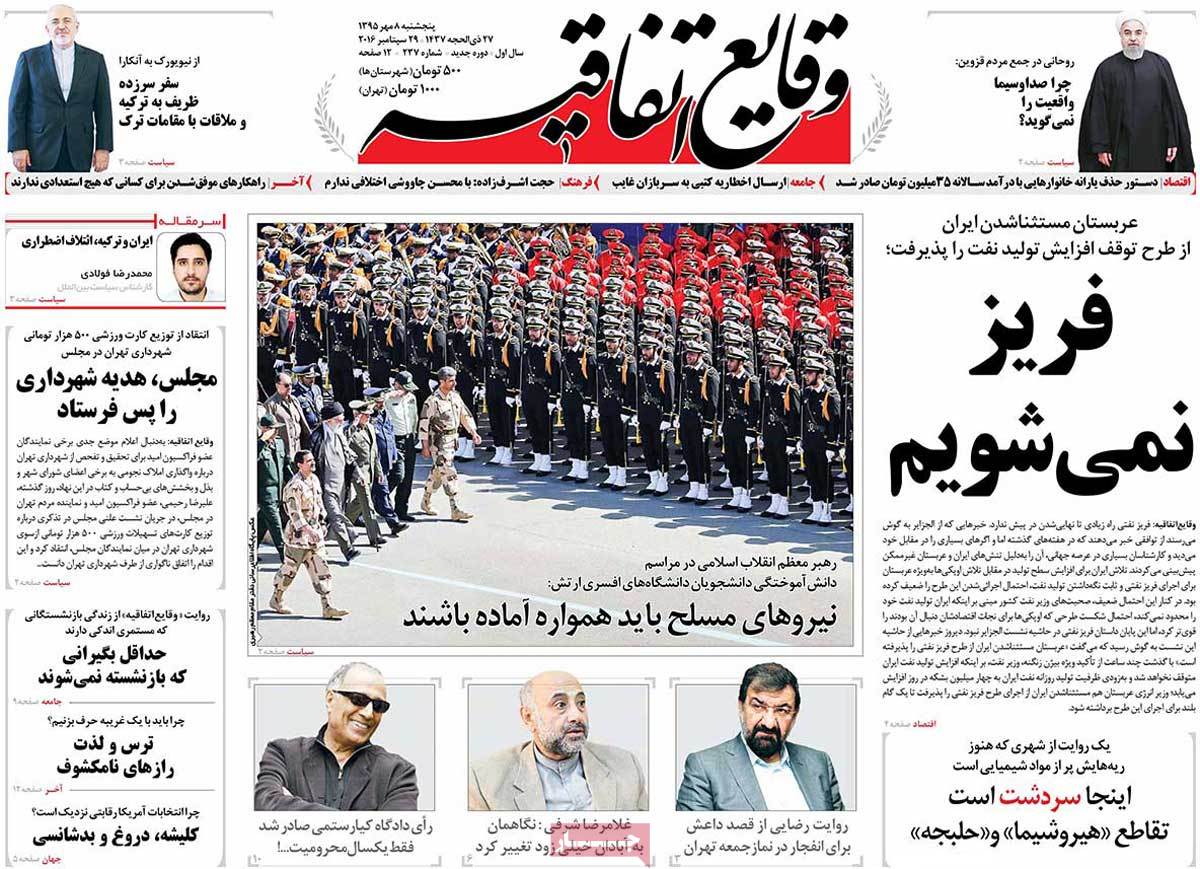
A Look at Iranian Newspaper Front Pages on September 29


Vatan-e Emrooz:

1- Why Don’t You Appreciate the Blessings?! Rouhani’s Latest Criticism in Defence of the Way Country Is Governed: In Past Year, Inflation Rate Decreased and Economic Growth Rate Increased

2- Legal Follow-Up of Mina Tragedy Case Still in Consultation Phase; Deputy Foreign Minister

3- 950 Public Schools Sold to Private Sector

4- Death of Shimon Peres, the Last Founding Member of Zionist Regime
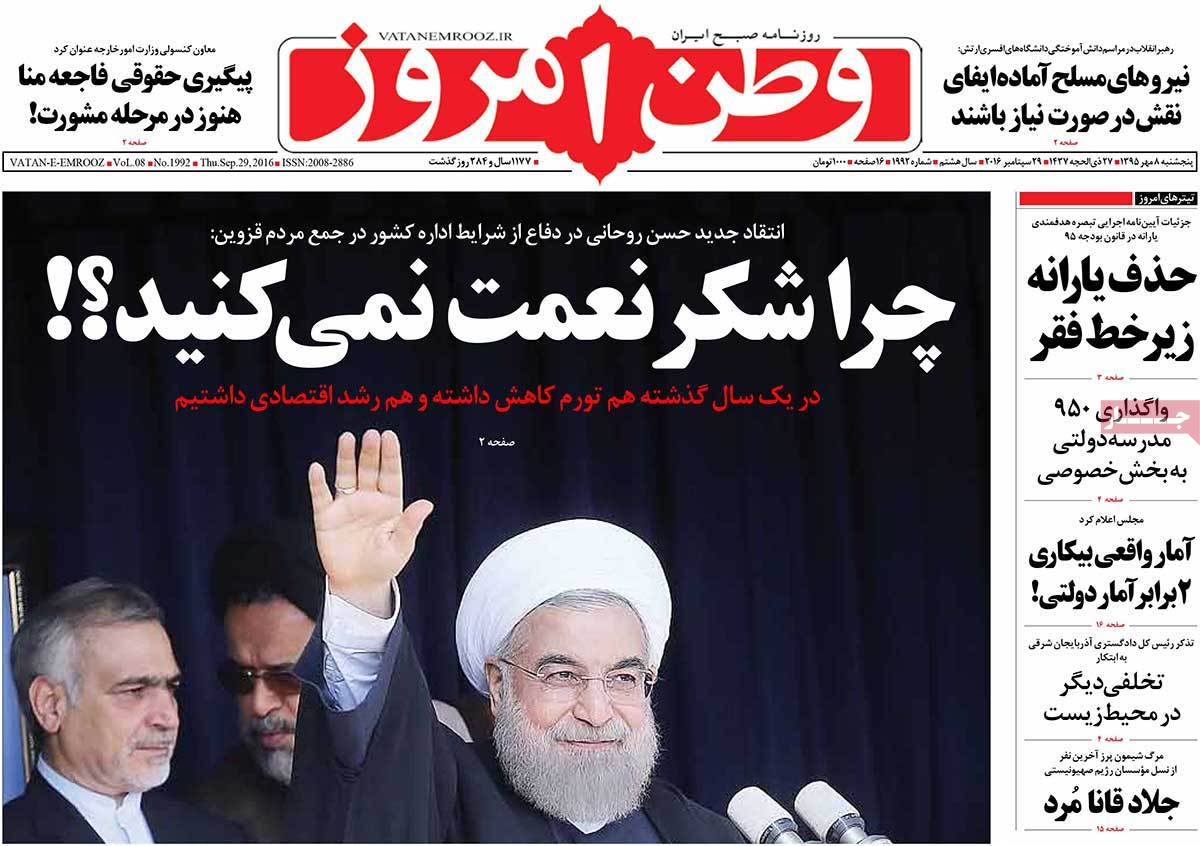
A Look at Iranian Newspaper Front Pages on September 29

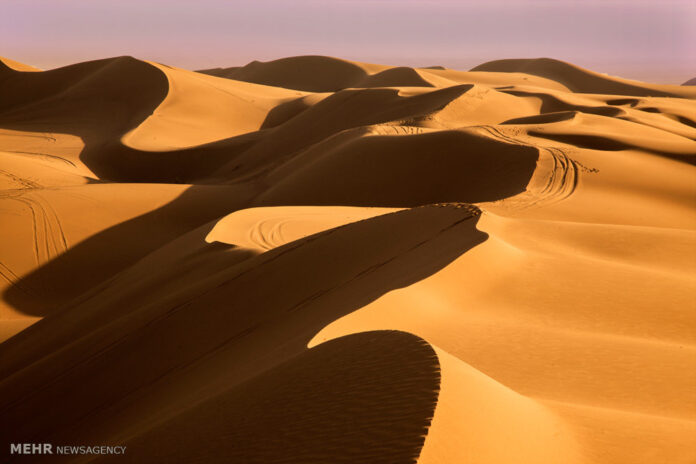
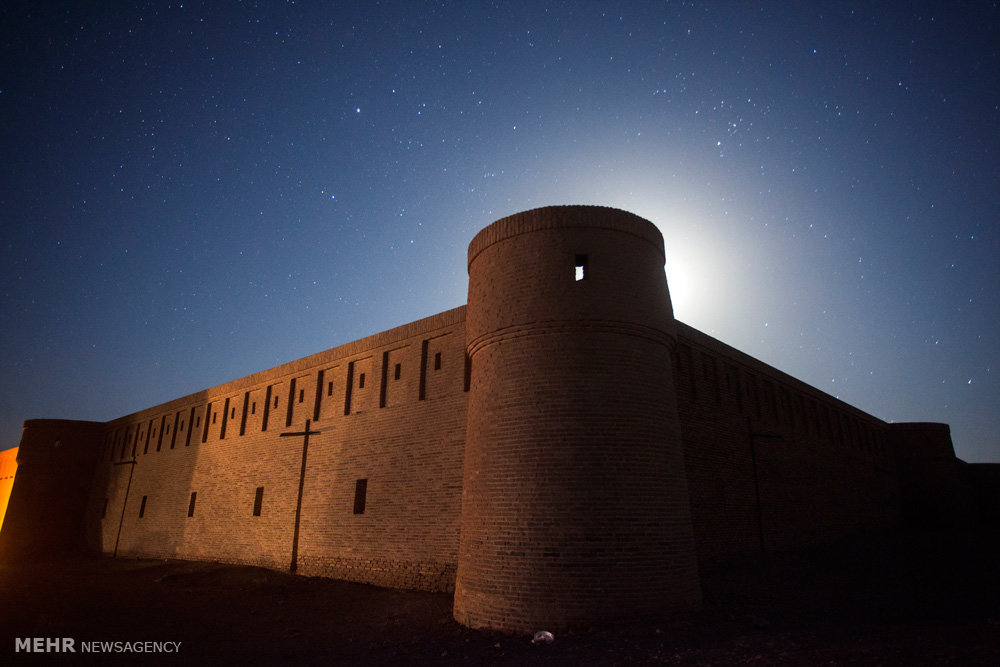
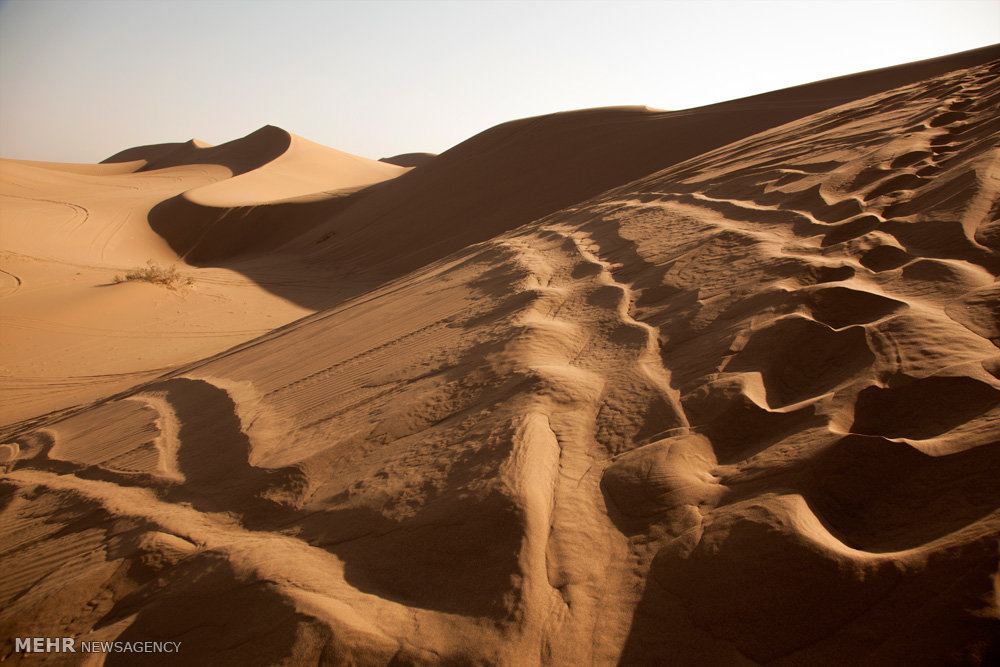
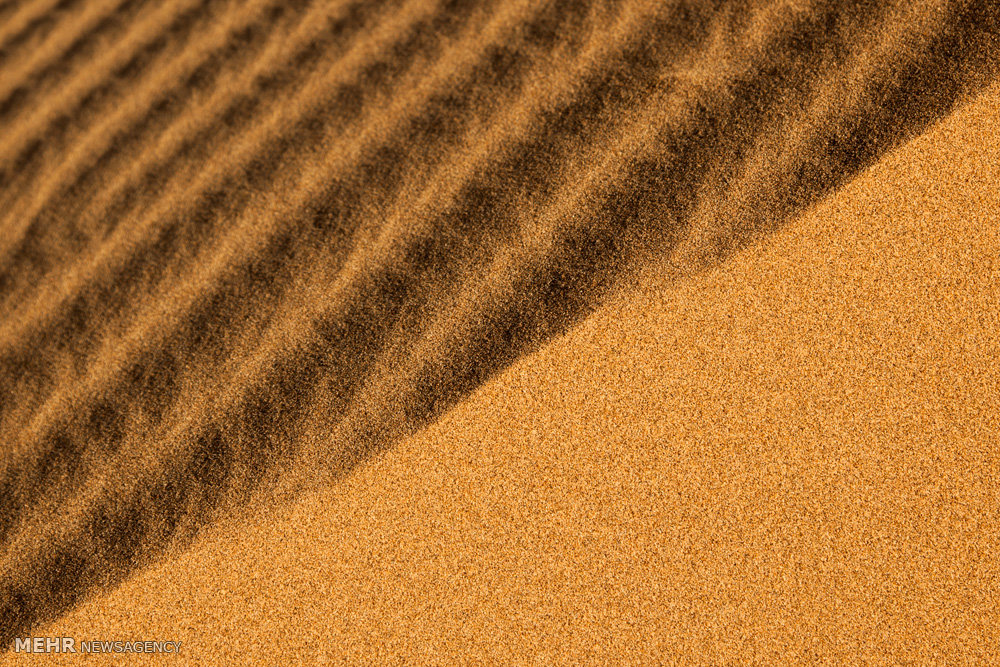
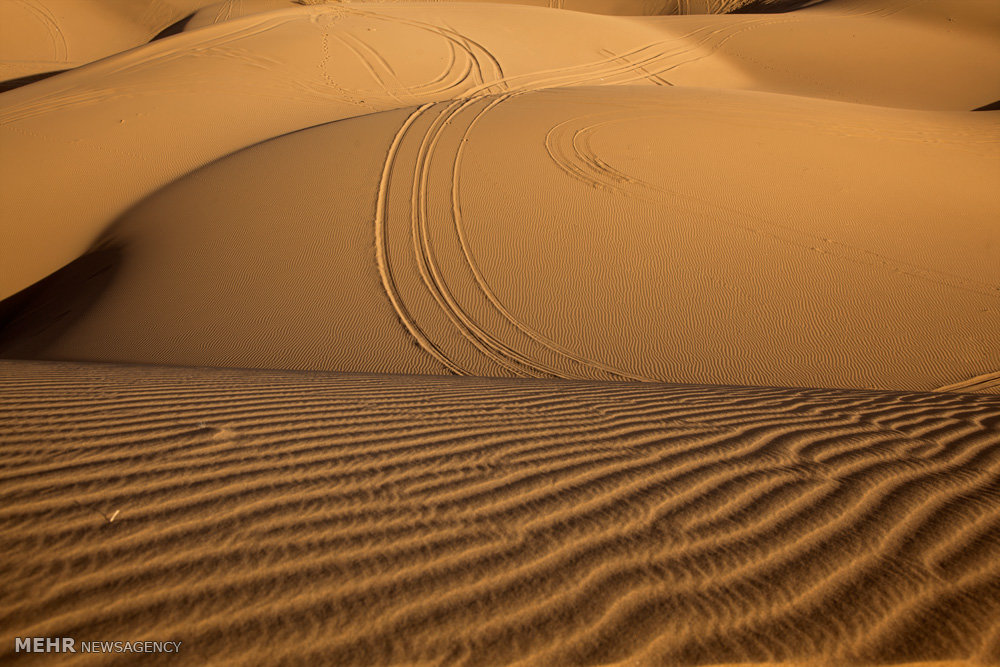
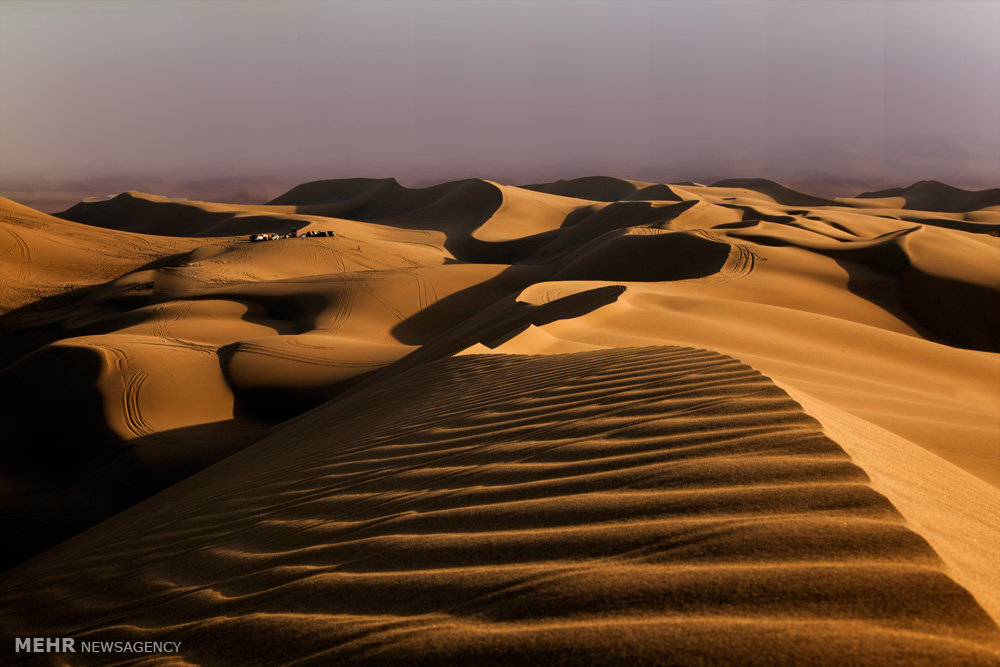
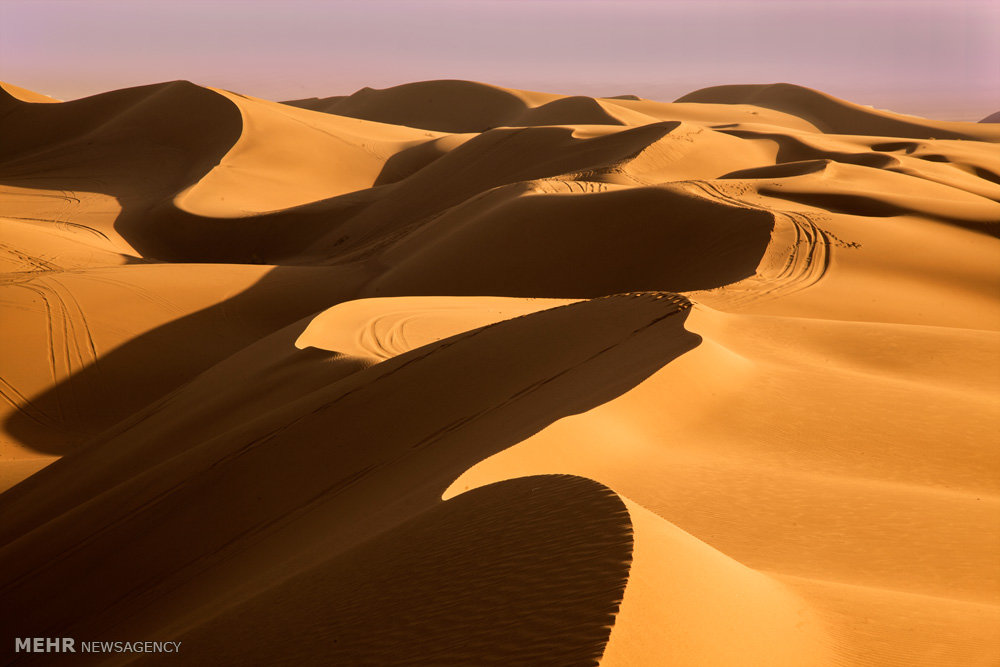
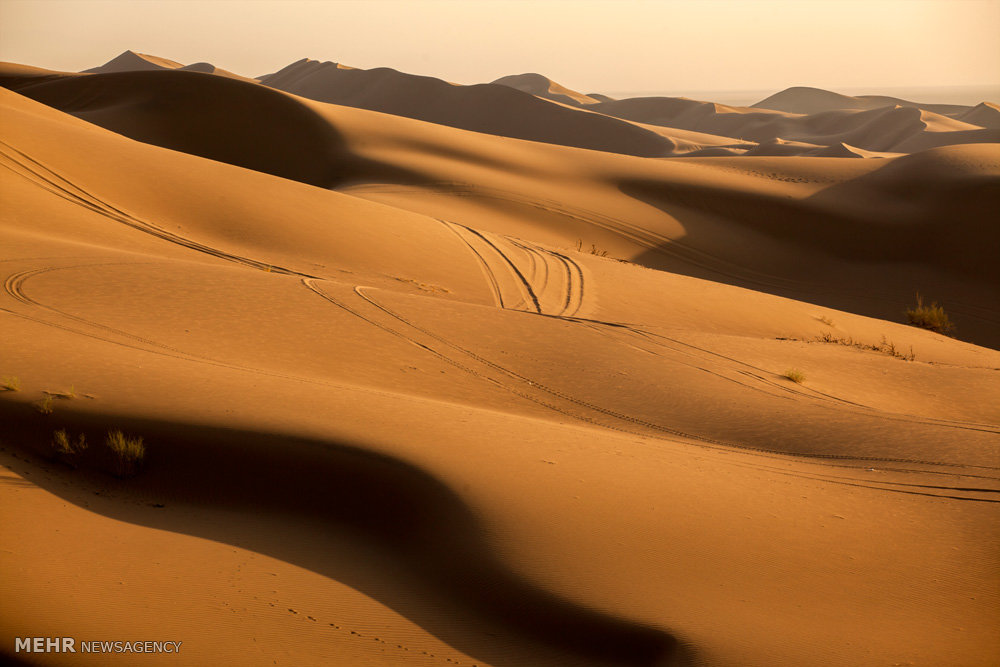
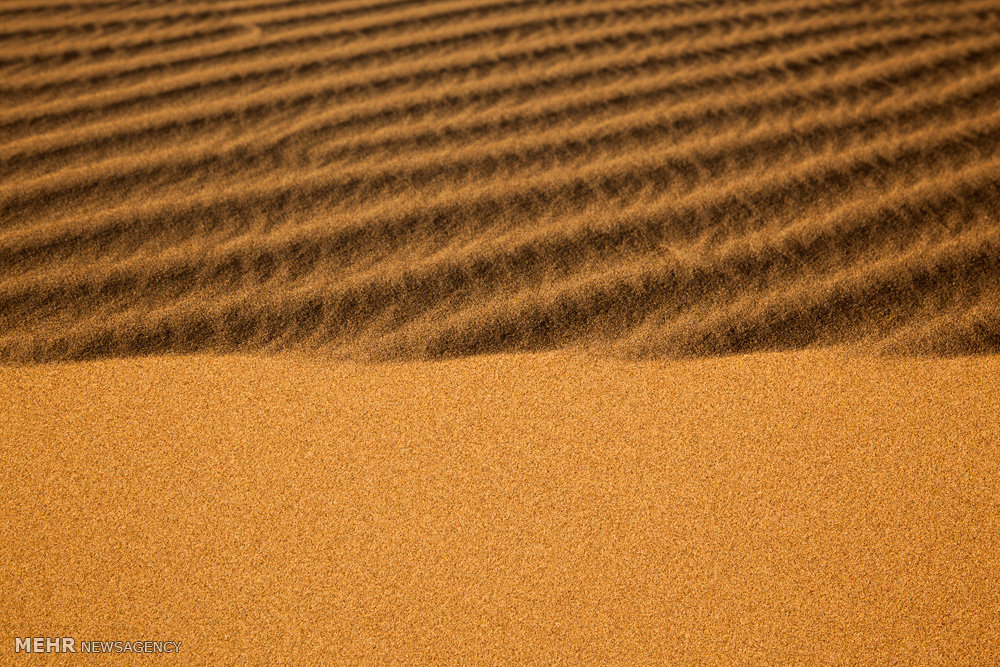
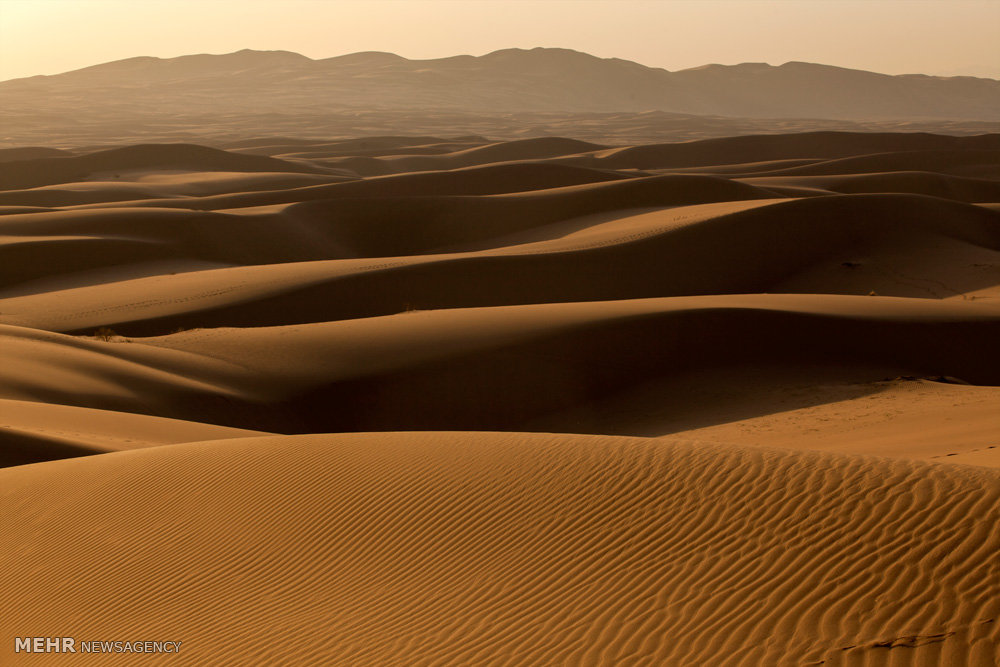
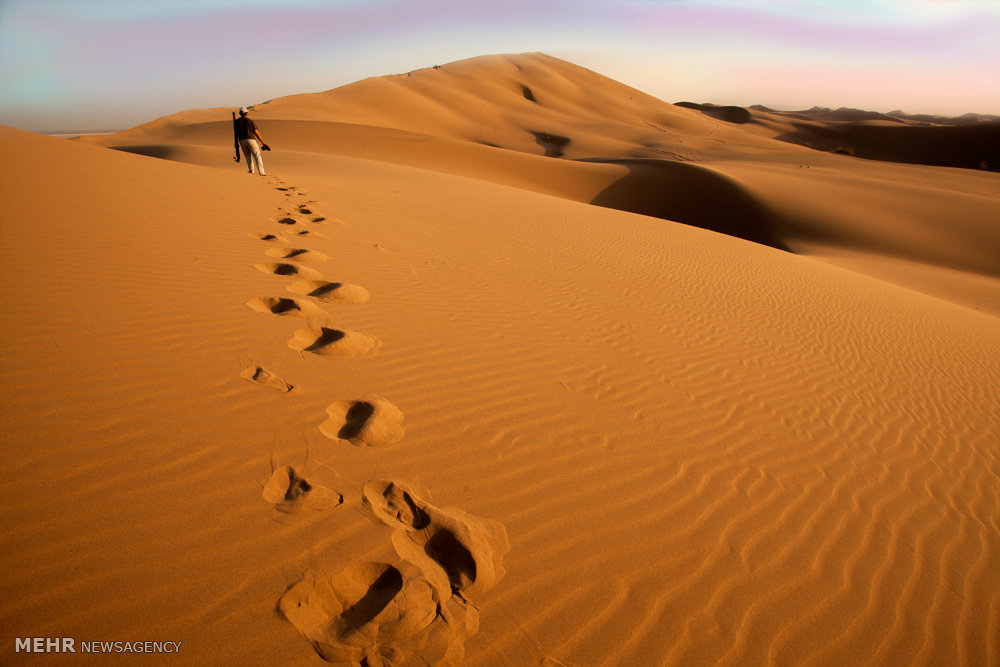
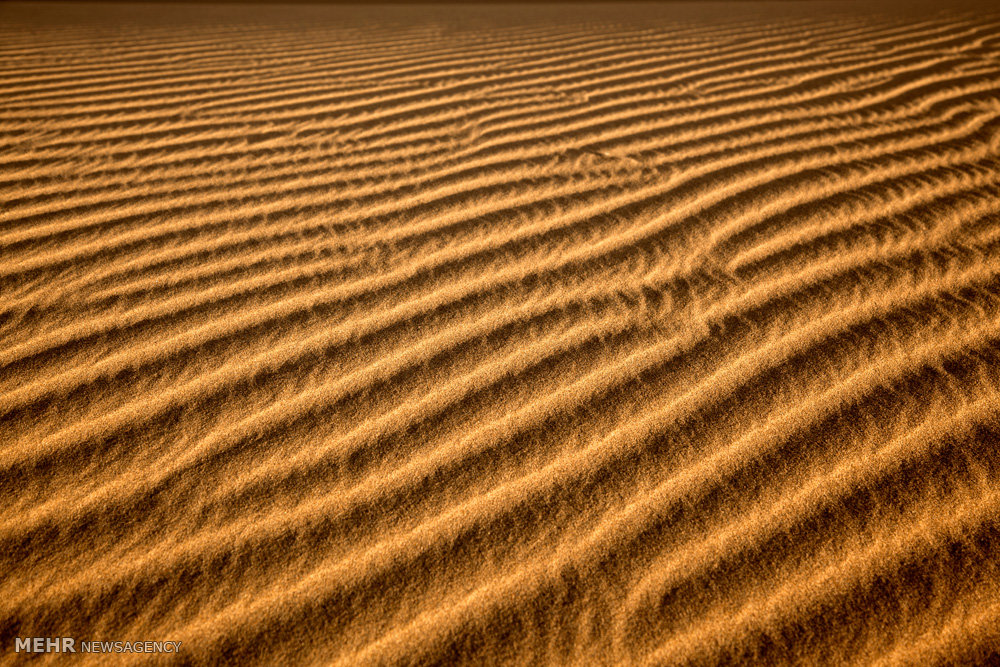
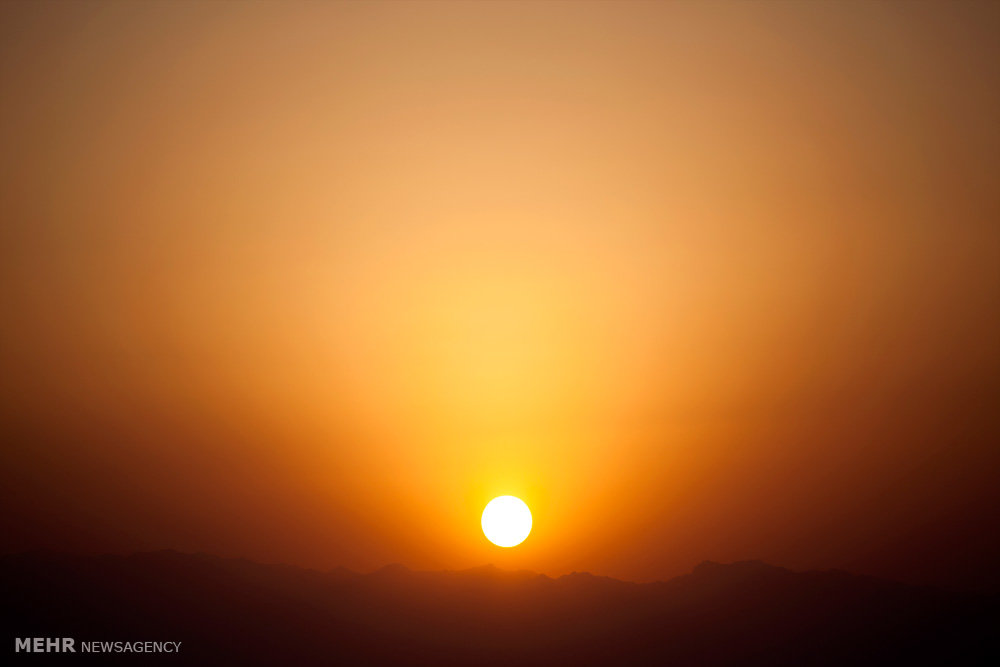
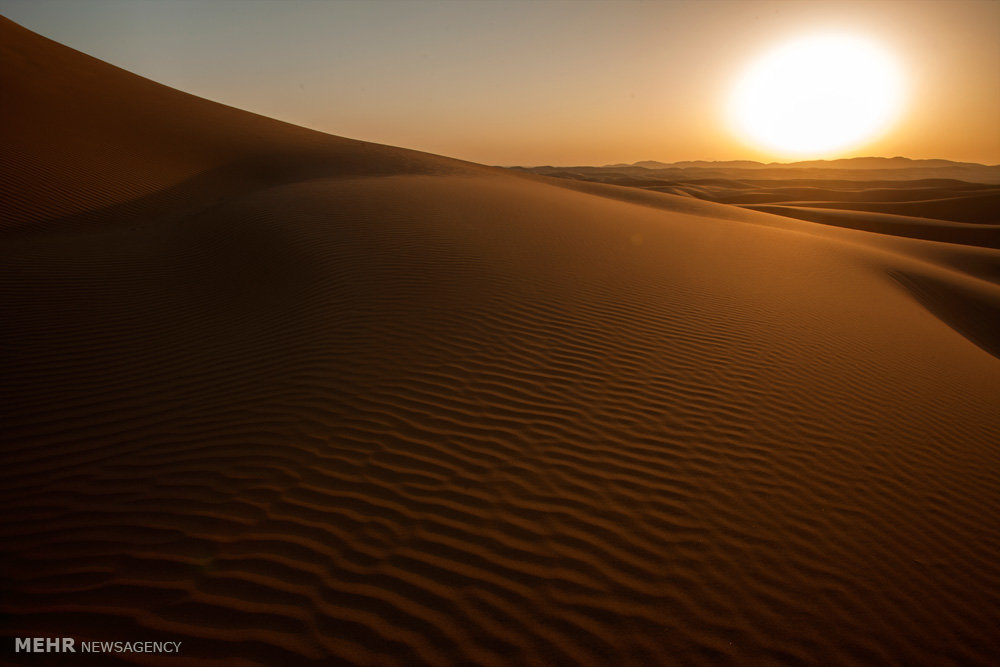
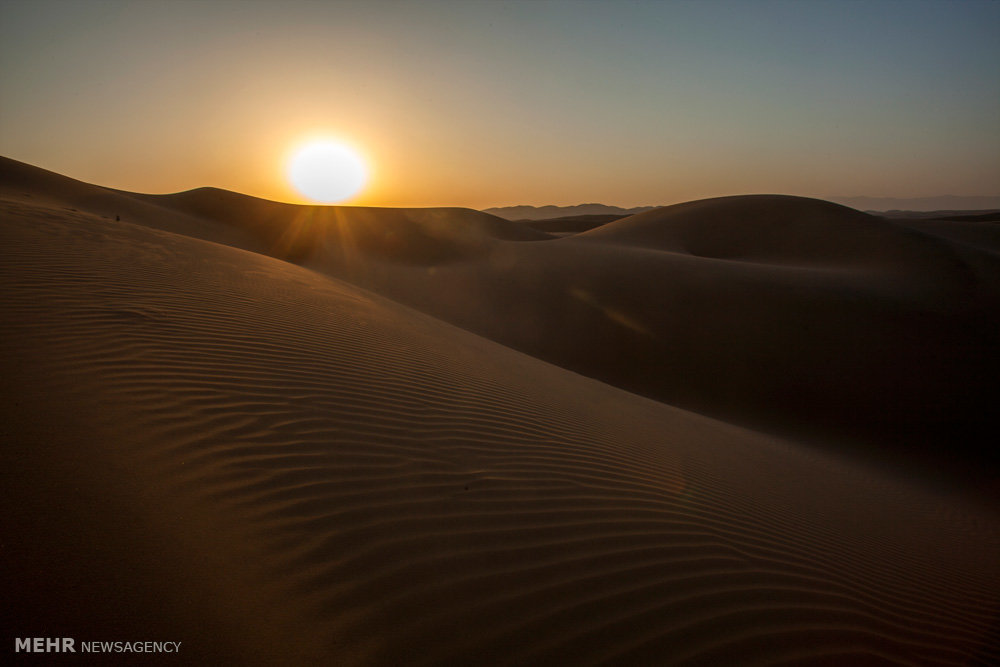
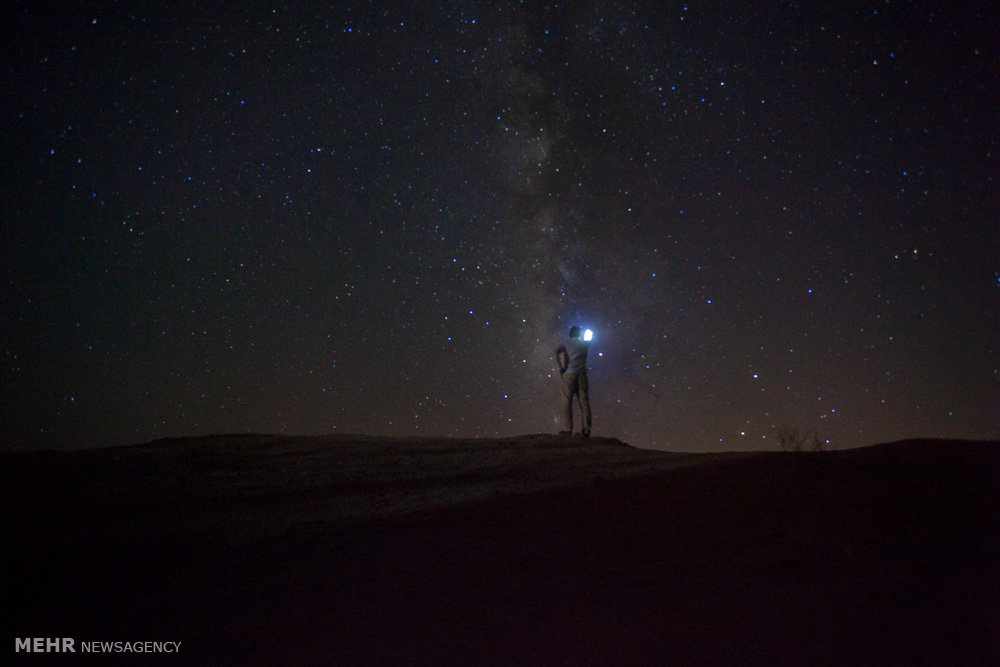
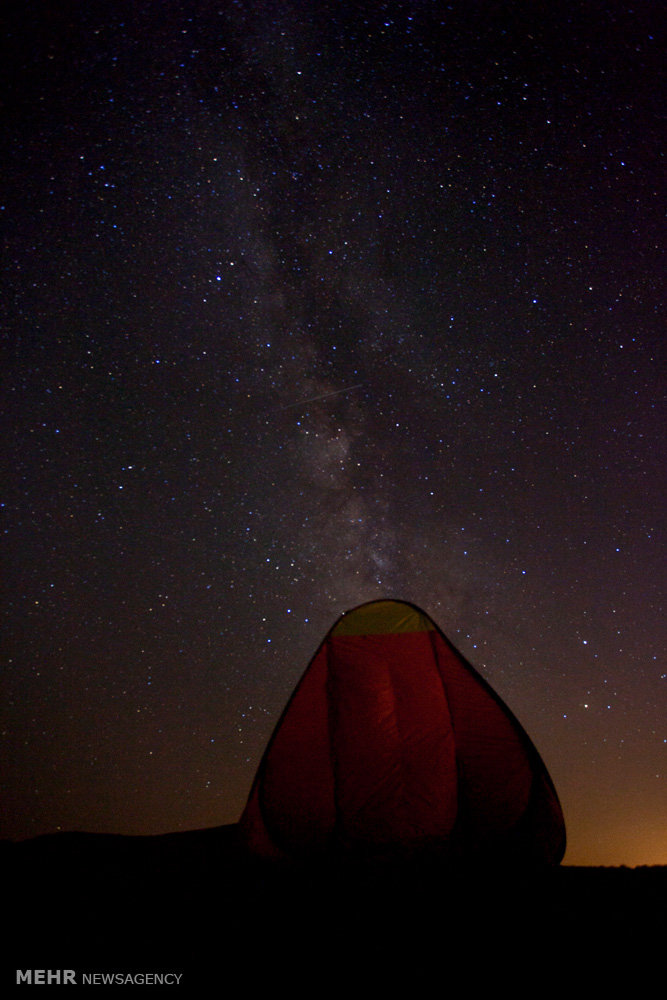
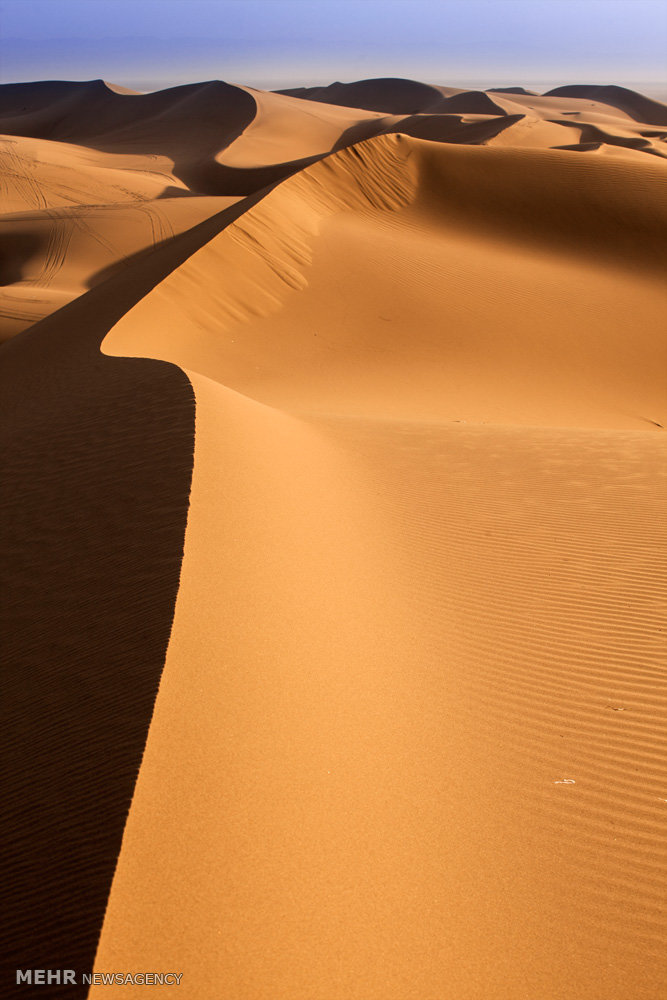
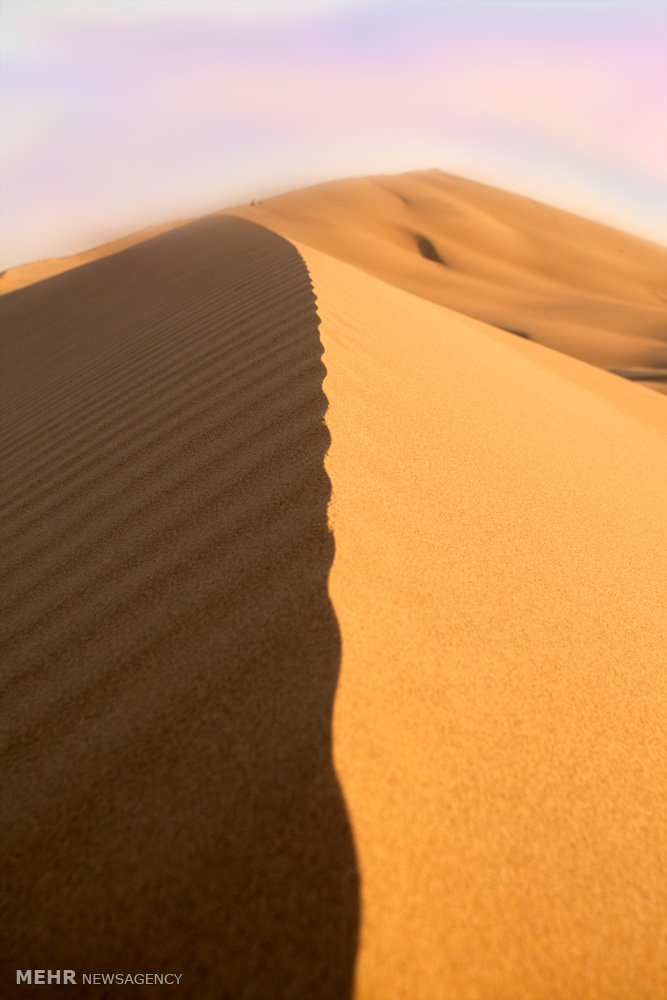
Maranjab Desert in Central Iran

Here are Mehr’s photos of the desert.


Iran’s Isolation from Int’l Community Can Lead to Vulnerability: Diplomat

Ali Akbar Farazi

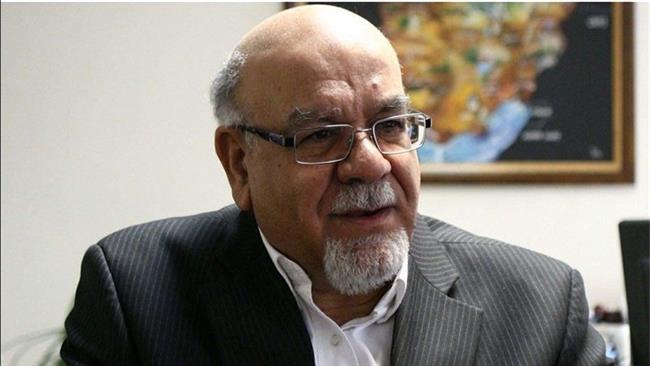
Foreign policy is one of the most important factors for every country to face and deal with global issues. Through proper foreign policy can countries discern their benefits and losses in the global arena, and thus choose the right paths. It has been quite a long time since the region has been burning in the flames of terrorism and sectarianism; meanwhile, some regional countries have formed ineffectual, short-lived coalitions. What path leads to gaining the highest national interests for the country? This is the question that we are trying to find an answer for in our interview with Ali Akbar Farazi, Iran’s experienced diplomat and an expert on the NATO, who was also the country’s former ambassador to Hungary.

Here’s IFP‘s translation of Farazi’s interview with Khabar Online.


The region has undergone huge changes; given this and with regard to the fact that you are an expert on NATO, how do you see the future of this new approach among Islamic Republic of Iran, Turkey and Russia; especially after the Turkish coup d’état attempt?

Now that the balance of power in the Persian Gulf and the surrounding region of our country is changing, the players and their supporters are either undergoing a change, swapping places or becoming weaker or stronger in their same international position. The failed coup attempt in Turkey was not an internal scenario. My understanding is that, once the dust of coup settled, it came to the view that it was actually a multifaceted scenario that some players outside Turkey, like Saudi Arabia, were pulling the strings. I believe that what happened in Turkey was not supposed to end up like this.

Do you mean it was not a coup or that it was just something other than what was displayed?

Is there anyone who can explicate that how on earth a bunch of Arab students managed to hijack an airplane and blow up the Twin Towers? Neither can I explain how the coup attempt in Turkey took place! That is so beyond my ken. At the night of the coup, a few generals have a casual telephone conversation about their plans at 6pm and the rest of the story. Moreover, we should not see Turkey’s developments through the eyes of the Turks only, that is, the origins of the coup are not just in Turkey and its side effects will not be circumscribed to this country either.

We need to pay heed to the approach Iran has taken since the Islamic Revolution. Unlike some people who usually say unfortunately, I would say fortunately, Iran has not shaken strategic hands with anyone and therefore, we cannot say that Iran is conducting strategic activities in the new equation.

The current ephemeral events have brought Turkey and Russia closer to each other, while both of them have their own short term plans. The question then arises whether Iran will form the third angle in this game. I would say that Iran, though possibly unaware or aware, is the complementary player. I mean, without Iran, they are not able to fulfil the role they have assumed in the region. Having Iran on their side, they can make more progress; however, this trio is not perfect yet because Iran has its own specific interests as well.

In Syria, for instance, we have stepped in the battlefield to safeguard our own interests; being right or wrong is an internal issue though. The fact is that Iran’s interests in no way converge with Turkey and Russia’s. The Turks are engaged in the issue of Turkmenistan and the Syrian Kurds. Since Turkmens are living in Syria too, and with regard to the Kurds’ presence there, Turkey has deployed its troops in the north of Syria trying to shoot two birds with one stone. Maybe, it has plans for the oil buried in north Syria. I do not want to envisage whether Istanbul will achieve its goals or not; what I’m trying to say is that THIS is the strategy (interest) that the Turks have delineated for themselves; they suppress their Kurds under the pretext of Syrian Kurds and gain an easy access to Syria’s oil fields.

Iran’s Isolation from Int’l Community Can Lead to Vulnerability: DiplomatThat holds true for Russia as well. This is not the Russia we used to know a few years ago. It was outwitted by the West in the case of Libya. Anticipating that the West would progress step by step in Libya, Russia was left startled to see that Libya is taken over. Russians, who have suffered a big loss in this game, now are determined to take over the areas that matter to them such as Lattakia, Tartus and the areas overlooking the Mediterranean Sea.
Will the US remain silent about Russia’s expansionism?

That doesn’t bother Americans. Israel and the safety of this regime are the only interests that Americans are concerned with; meanwhile, to Americans Russia is no enemy to Israel so their interests never come into conflict. At the end of the day, Russians and the Zionist regime are allies; something that Israel knows well! They have elevated their recent concerns about Turkey; therefore, neither Russia nor Turkey is a matter of concern to Israel. Now the question is that what we are doing here.

Their analysis goes like; I get this, you get that, fair and square; but what about Iran?! We want our share too. After all, Iran has been present and has made investment in the region, Syria and Lebanon for over thirty years, for God’s sake; not only financial, but also spiritual investment.

We have to move forward within the framework of the Islamic Republic; this is the answer. Despite all the superficial analyses that we hear every now and then on Iran’s role in Syria, I have to stress that Iran enjoys an astute discernment and never lands itself in trouble for the interests of other countries.

So, how can we achieve our goals?

We have already reached some of our goals. What I said so far was a preface to argue that we do not, and cannot, have any strategic partnership with Russia and Turkey in any fields. We do not have any strategic allies at all and although it might result in a vulnerable Iran, in a way it strengthens the foundations of the country and strikes terror into the hearts of our enemies. In fact, this is a perplexing model that has puzzled our rivals.

Iran does not, and cannot, have any strategic partnership with Russia and Turkey in any fields.
We do not have any strategic allies at all.

To give a comprehensive answer, I might say that our major problem does not lie outside our borders. It is here, inside the country. I am afraid to admit that in Iran we have some toxic political and intellectual currents that describe ‘becoming like North Korea’ as being Revolutionary. Their definition of Revolutionarism has been left intact since 36 years ago. We say that North Korea is isolated and abandoned; they say that it is nuclear! What is the use of being nuclear? Nuclear weapons of Soviet Union were several times greater than North Korea’s; but were they helpful when it began to disintegrate? We have to be highly alert to prevent such schools of thought from isolating Iran and pushing the country into the corner because, if so, we would be highly susceptible.

Being excluded from the international community is not an appropriate way of being revolutionary.

It is our strong point that while maintaining our positions we have managed to cling to our place in the international community. This is at a time though, many countries dissipated colossal amount of money for isolating and pushing Iran to the corners, but to no avail. In fact, they approached their goals a few years ago. We have to accept that if it was not for the 2013 presidential elections, those who were determined to isolate and craft a North Korea out of Iran would have reached their goals. Being excluded from the international community is not an appropriate way of actualizing Revolutionarism. Thankfully enough, Iranian authorities are of great insight and understand that isolation is tantamount to susceptibility.

Do you mean some political currents inside the country are impeding the progress of foreign policy and try to raise tensions and isolate Iran?

In 2007, [Zbigniew] Brzezinski said that the US foreign policy would be put up for auction in the Congress. The political current which is willing to invest higher, buys the bigger piece of the foreign policy cake. According to this, and with regard to the recent developments in the country after the implementation of Joint Comprehensive Plan of Action (JCPOA), and noting that they are provoking disputes in the country over every trivial issue, it becomes apparent that some individuals are pursuing such harmful goals. They, who have all kinds of media at their service, express their opposition with everything that can open up the doors of international community towards Iran. Joining the Financial Action Task Force (FATF) is the most recent example. All the opposing statements and exaggerations were aimed at marring FATF.

Iran’s foreign policy and economic diplomacy have become hostages of domestic policy.

Therefore, I believe that our major problem is that our foreign policy and economic diplomacy have become hostages of domestic policy and the closer we get to the upcoming presidential elections, the more examples of hostage-taking are witnessed. In adversity or prosperity, we are no more than a year to go to the polls and instead of holding technical talks and round-table discussions we have been lost in political games. Where on earth do politicians of a country toy with national interests and challenge them? This is all because of the upcoming elections and that our foreign policy, economic and trade relations have become hostages of domestic policy and the presidential election has aggravated the problem.

They say the incumbent government should convince public opinion.

This is a lame excuse. In the previous government people were kept utterly ignorant. Nothing was allowed to be divulged to them, let alone with convincing. No matter how convincing you are, these political currents never feel convinced. They are pursuing something else. Even when they are satisfied, it will take no more than a span of a couple of weeks that they come up with a new pretext to hold foreign policy hostage of domestic policy and sacrifice national interests at the feet of the benefits of their political currents.

Earlier you mentioned that at no point in time will the Russians’ interests align with the Turks’. Considering that, how further will this game last? It must come to an end somewhere in the future after all.

We may not forget that there is a universal principle in foreign policy which says, in politics, there are no permanent friends or enemies. National interests is the determining factor for every country. If it is not for us, we have to try to make it our first priority just like others. We are after our own national interests as well and at different points we should change our policies in line with our national interests.

In my opinion, we have to interact with Russia, Turkey or any other country as far as our national interests demand. Based on the remarks made by the Leader, we need to wield “heroic flexibility” and in line with our national interests we have to move forward, become friends or enemies and even build strategic relations in case of necessity.

But where should we feel threatened and where do problems come from? It happens, first, if we fail to recognize the country’s national interests which poses grave peril at the country. I may highlight the importance of those who specify the country’s national interests for our elites and decision makers as well. It will be a threatening disaster if our national interests, instead of being laid out by the thinkers and elites in think tanks, are specified based on some internal sentimental slogans.

This is how all of a sudden some people climb up the embassy of a country, which was going to be condemned and isolated because of its heinous crimes, and thus work in line with the interests of the enemy instead of their own country’s.

Back to your question about how further we will continue moving on this path; I should say that continuing this game is a sign of the Islamic Republic of Iran’s discernment and attests to the fact that Iran is a strong player. This is the Iranian policy. Graham Fuller, the English spy, in his book, the centre of the universe, beautifully argues that, “If you want to talk to an Iranian but to know their spirits beforehand look at the Iranian carpets and compare them with Chinese ones. Chinese carpet is recognized by a quiet, soft background which takes you slowly to the centre and traps you there with a flower; however, the Iranian version start with margins that are plethoric with complicated designs and intricate colours that confuse you. After all the confusion and windings you reach a small amaryllis flower at the centre.

So, aren’t you worried about future?

As I mentioned earlier, I am more concerned about internal issues rather than regional games. My mind is occupied with a sense of academic concern and I believe that our think tanks should do better. We desperately need to break free of this multiplicity of policies. Our internal dissidents should learn to avoid being prisoners of their own roles. Opponents and proponents should disseminate their ideas but at the end of the day everyone should acquiesce to the decisions made by the elites and authorities. All opposing voices should be united in line with national interests.

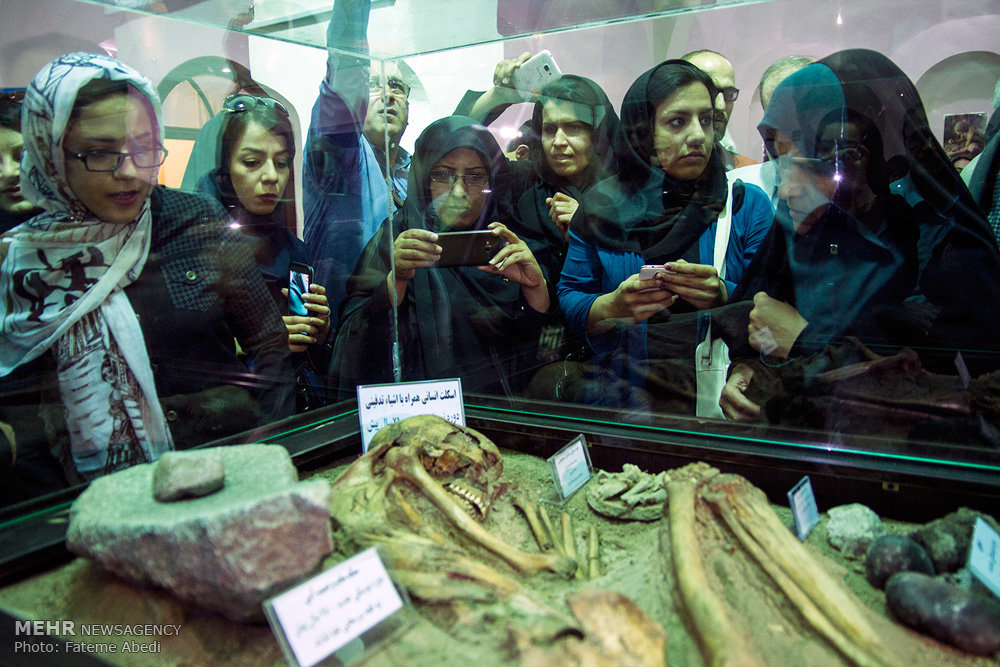
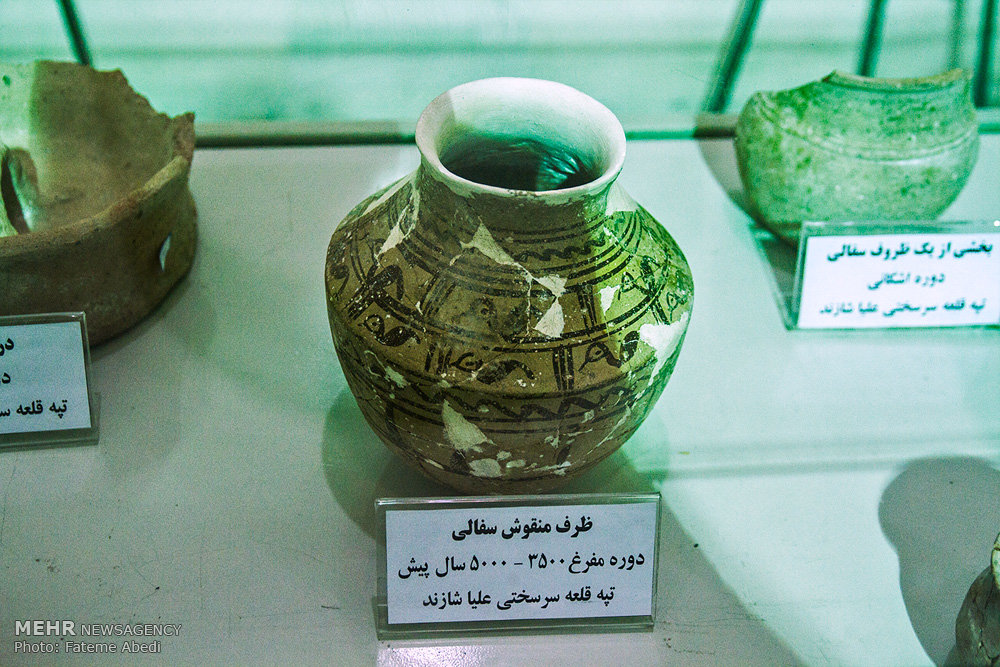
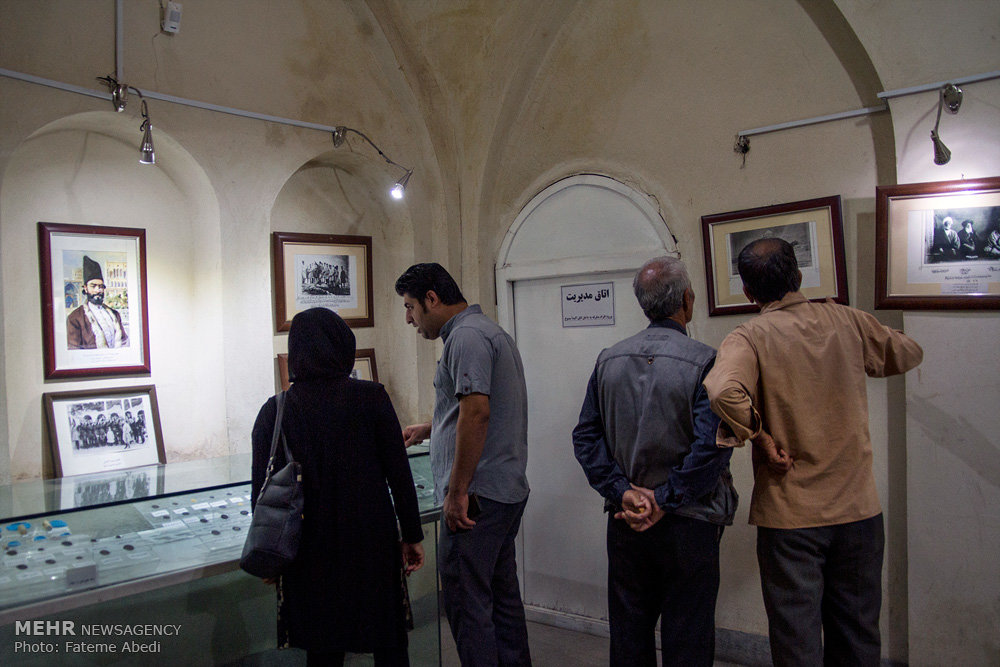
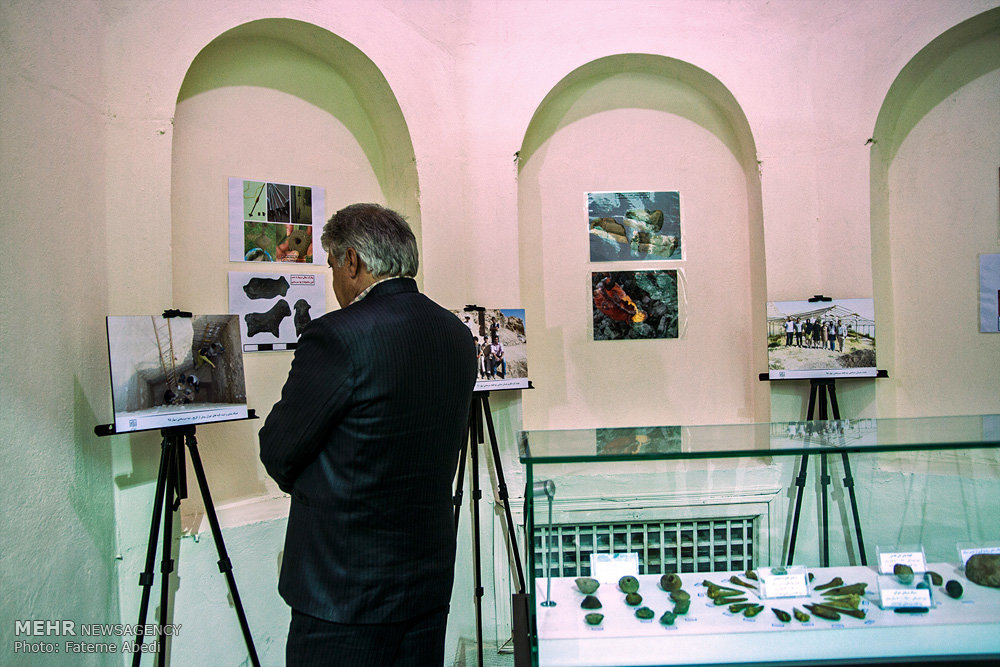
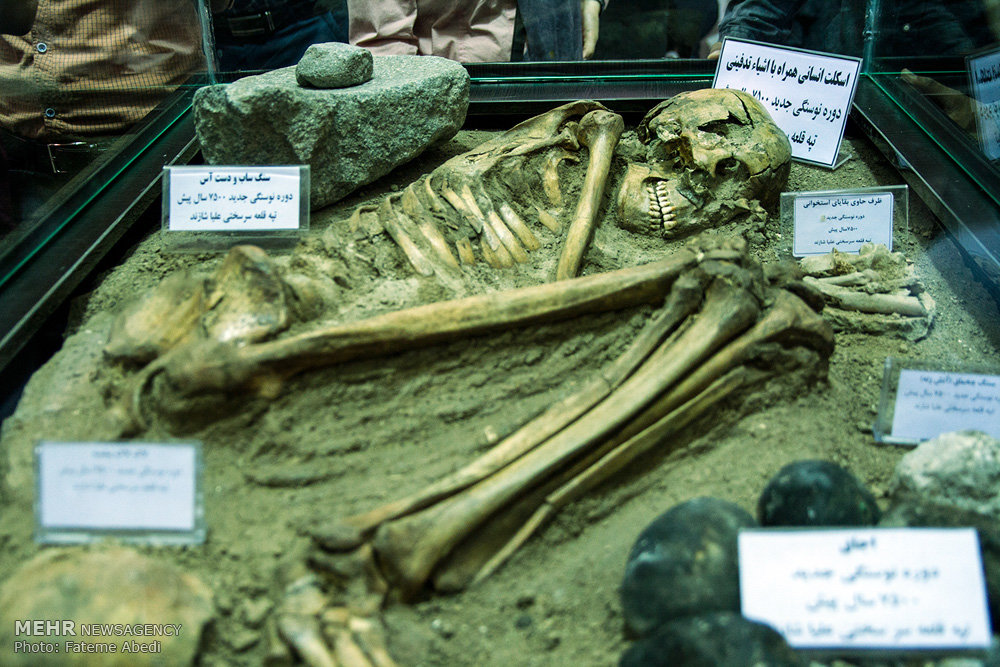
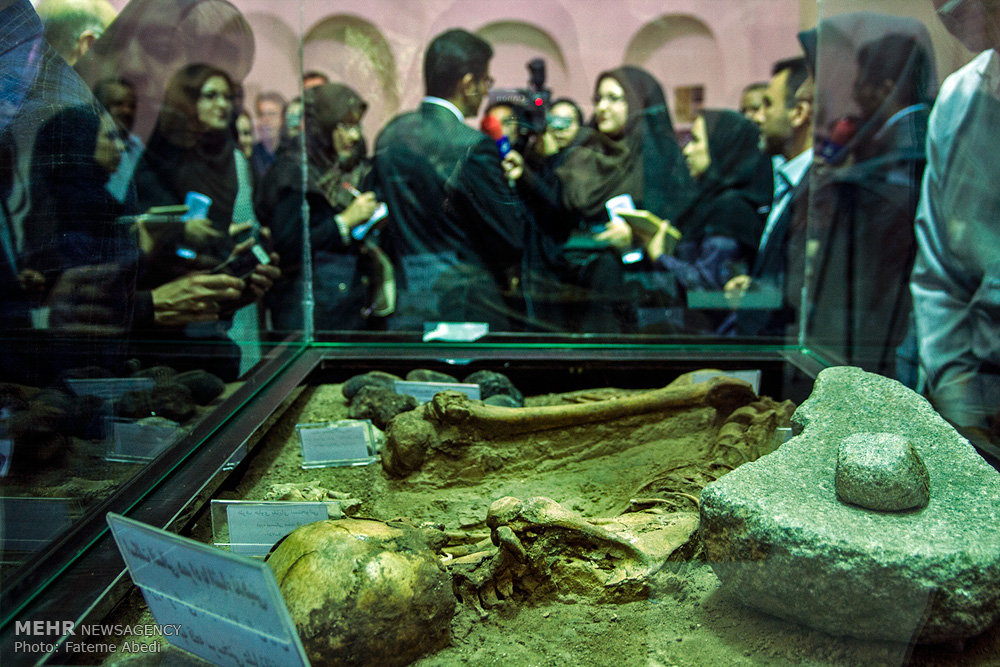
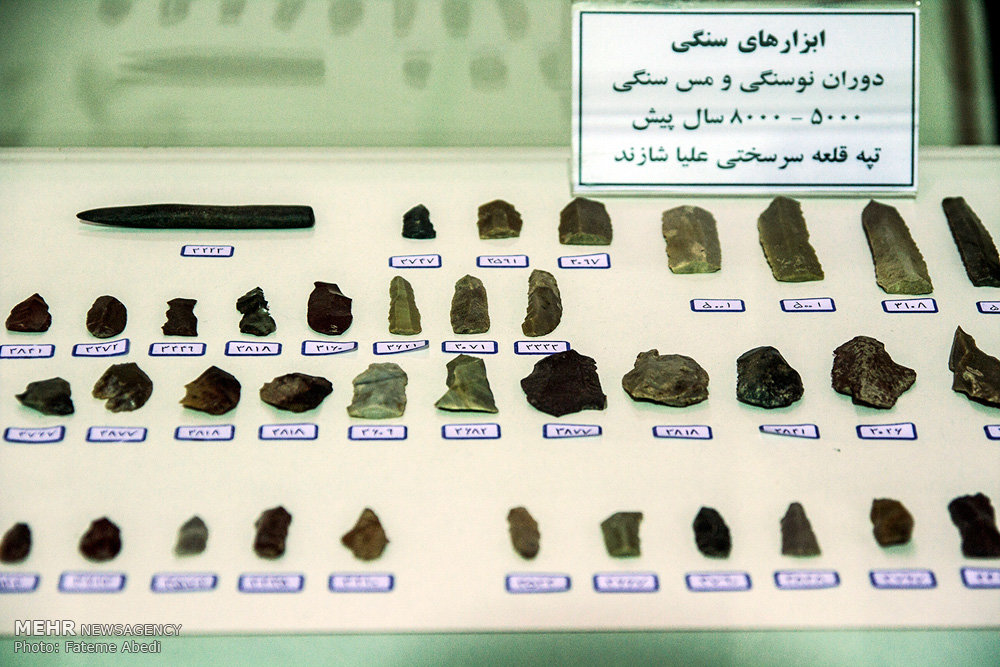
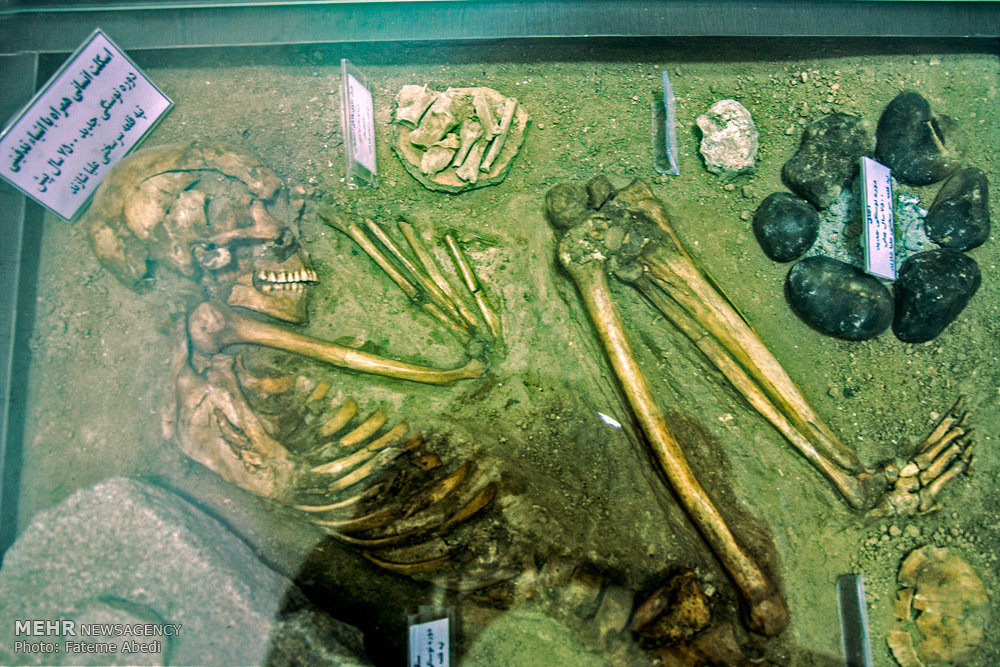
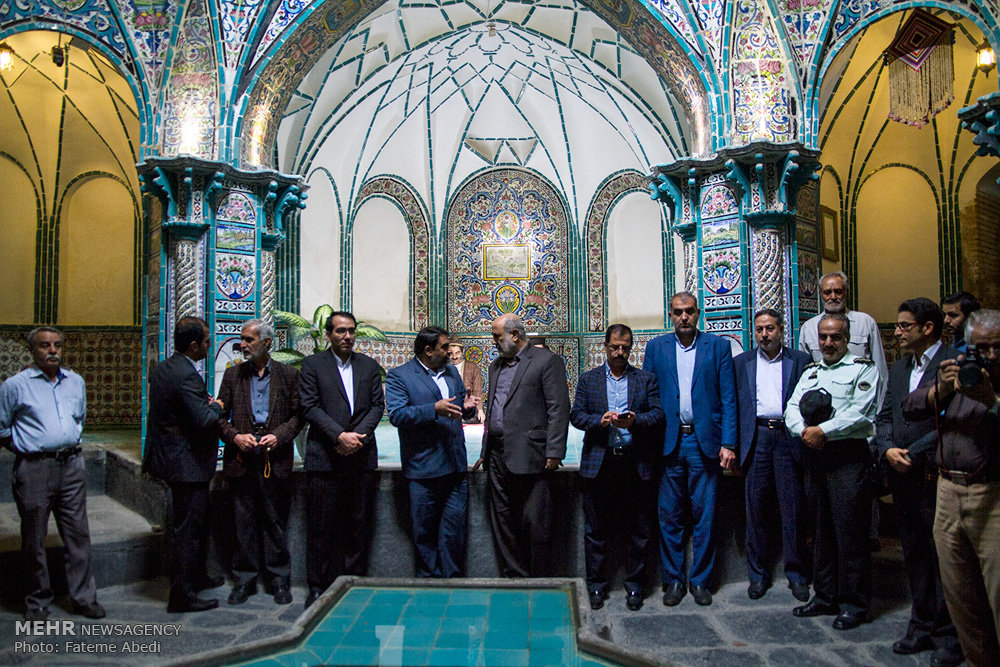
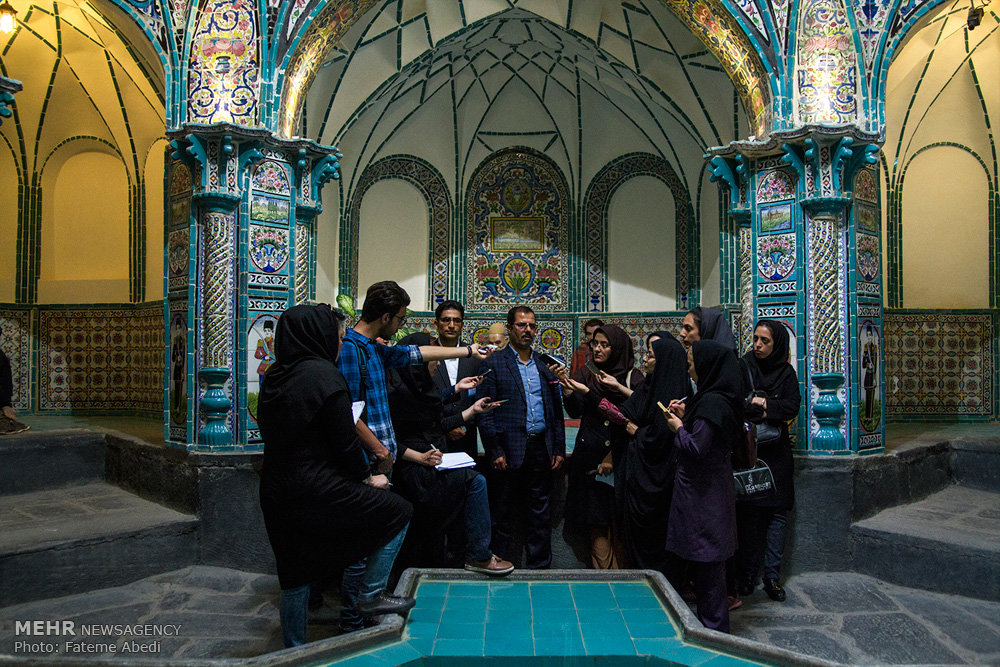
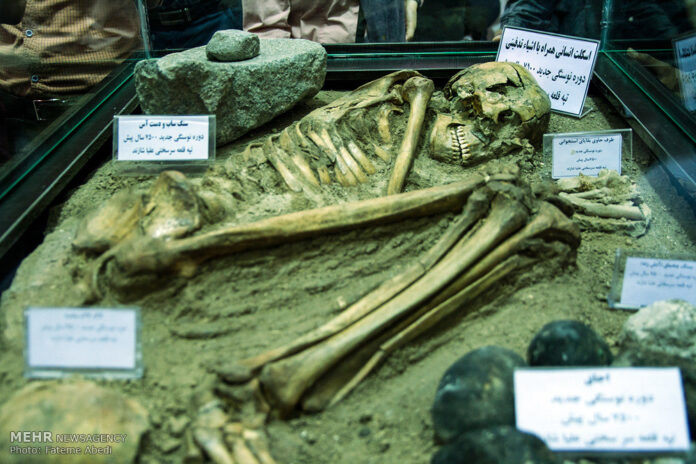
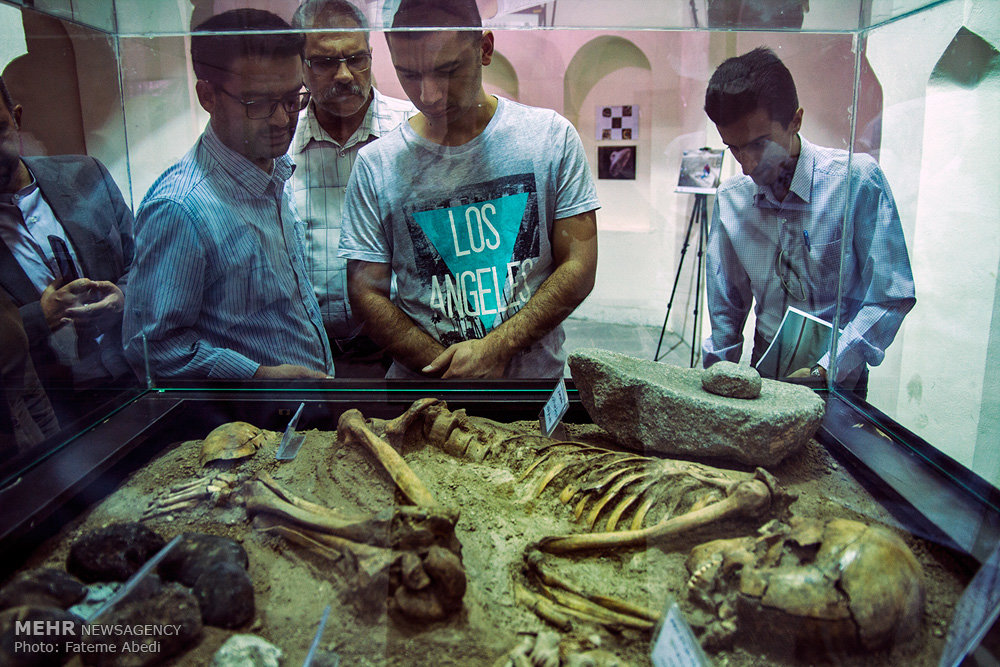
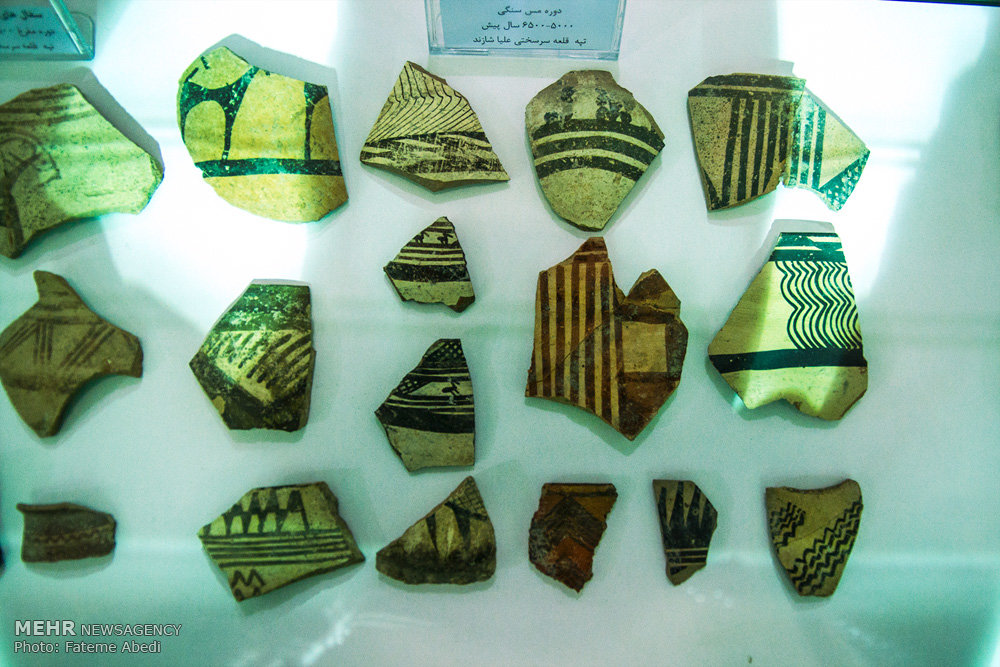
7,500-Year-Old Skeleton Unveiled in Iran’s Shazand

Here are Mehr’s photos of the ceremony:


Iran, Turkey Agree on Humanitarian Pause in Syria Fighting

Iran and Turkey FM

According to the Iranian Foreign Ministry, the agreements were made following a one-day visit by Iranian Foreign Minister Mohammad Javad Zarif to Ankara on Wednesday.

Following a meeting with Turkish Prime Minister Binali Yildirim, Zarif stressed Iran’s willingness for the further development of ties with Turkey.

“There is a political will to this end,” he said.

Yildirim, for his part, also called for the expansion of bilateral ties with Iran in different sectors, including energy, trade, transport and communications.

During his trip, Zarif also discussed important regional issues, including the Syrian conflict, with his Turkish counterpart Mevlut Cavusoglu.

Wednesday’s meetings were the third of such talks between high-ranking Iranian and Turkish officials over the past two months.

Iran and Turkey have differences over the crisis in Syria, but the two sides have been working to maintain close relations and stress the need for joint efforts to uproot terrorism.

Since March 2011, Syria has been gripped by deadly militancy it blames on some Western states and their regional allies.

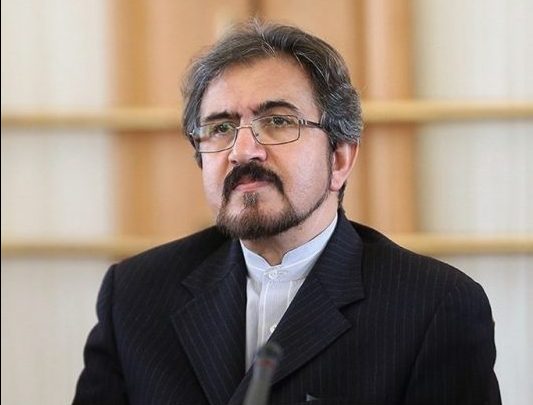
Iranian Spokesman: France among Countries Complicating Syria Crisis

“Unfortunately, (recent) statements by the French foreign minister, who should be well informed of developments in the region and the world, are unrealistic and far from expected,” Bahram Qassemi said on Wednesday.

He made the remarks in response to Ayrault, who claimed on Sunday that Iran and Russia would become “accomplices in war crimes” if they continued to prolong the war in Syria.
“Everyone is aware that France, itself, is among those countries that brought about the current crisis in Syria and complicated the deteriorating situation in the country by adopting wrong policies,” the Iranian spokesman stated.

Iran’s “spiritual influence” in the region is directed at efforts to fight against the terrorists with whose crimes some Western countries, like France, are fully familiar, Qassemi said.

Syria has been gripped by civil war since March 2011 with various terrorist groups, including Daesh (also known as ISIS or ISIL), currently controlling parts of it.

According to a report by the Syrian Center for Policy Research, the conflict has claimed the lives of over 470,000 people, injured 1.9 million others, and displaced nearly half of the country’s pre-war population of about 23 million within or beyond its borders.

In the meantime, Iran has remained a close ally of Syria and supports its legitimate government in the face of foreign-backed militancy.

Tehran insists that the Syrian nation is the only side that has the right to shape the future of its own country, rejecting foreign intervention with the use of force.

FAO Enters into Partnership with UNHCR to Help Afghan Refugees in Iran

FAO

At a ceremony in Tehran on Wednesday, the UNHCR’s Representative in Iran Sivanka Dhanapala announced FAO’s membership in SSAR (Strategy Solutions for Afghan Refugees ), a training program which outlines the need for increased voluntary repatriation and enhanced resettlement of the refugees.

“These trainings would, over time, enhance refugees’ financial, human and social capital and will better prepare them to find a sustainable durable solution, either in their own country or elsewhere” FAO Representative to Iran Serge Nakouzi said during the event.

The Government of the Islamic Republic of Iran is contributing significantly to support a large community of Afghan refugees hosted in the country offering them with various livelihoods opportunities, recognizing the need to empower them to earn a decent living and to positively contribute to the society during their stay in Iran.

Considering the peaceful coexistence of Afghan refugees and Iranians in the host community, FAO is working on another project called “School Gardens for Better Nutrition in Iran for Afghan Refugees” that sees schools as golden opportunities for children of both the host community and the refugee community, to acquire the necessary knowledge and skills for them to develop into healthy, self-reliant and productive members of society.

Russian Campaign Saved Syria from ‘Becoming Part of New Ottoman Empire’

warplane

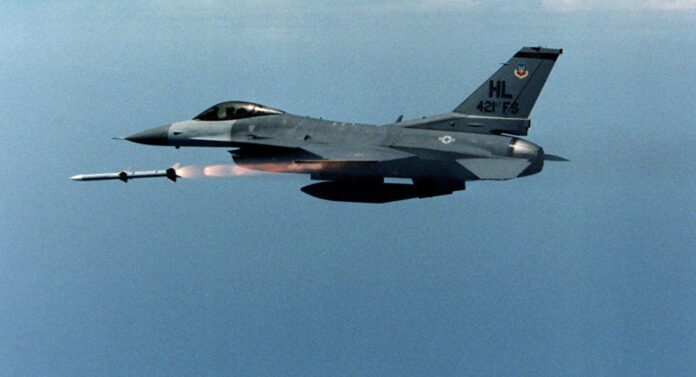
“The Russian campaign in Syria has strengthened country’s positions in the world affairs. I believe, this was the end of the uni-polar world. We can talk about multi-polar world now,” Muslim said, as reported by Sputnik and covered by ISNA.

He added that Moscow’s aerial campaign had also changed Washington’s perception of terrorists, pushing the United States to change its stance with regard to several militant groups in the region.

According to the PYD co-chairman, Russia’s support of Syria prevented the Middle Eastern nation “from being cut into pieces and becoming a part of a new Ottoman Empire.”

Syria has been mired in civil war since 2011, with government forces loyal to President Bashar Assad fighting a number of opposition factions and extremist groups.

In September 2015, Russia started its counter-terrorist aerial campaign against ISIS extremists, outlawed in Russia, as well as other affiliated radicals, in Syria at Assad’s request.

In mid-March, Russian President Vladimir Putin ordered to start the withdrawal of most of Russia’s military contingent from Syria after accomplishing its objective, while leaving a minor residual force.

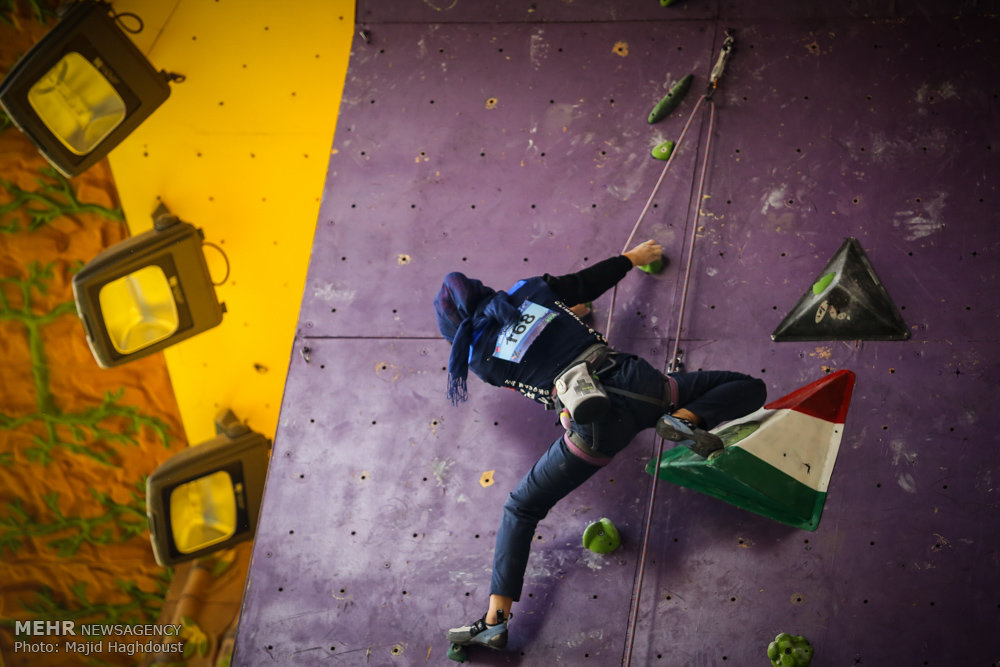
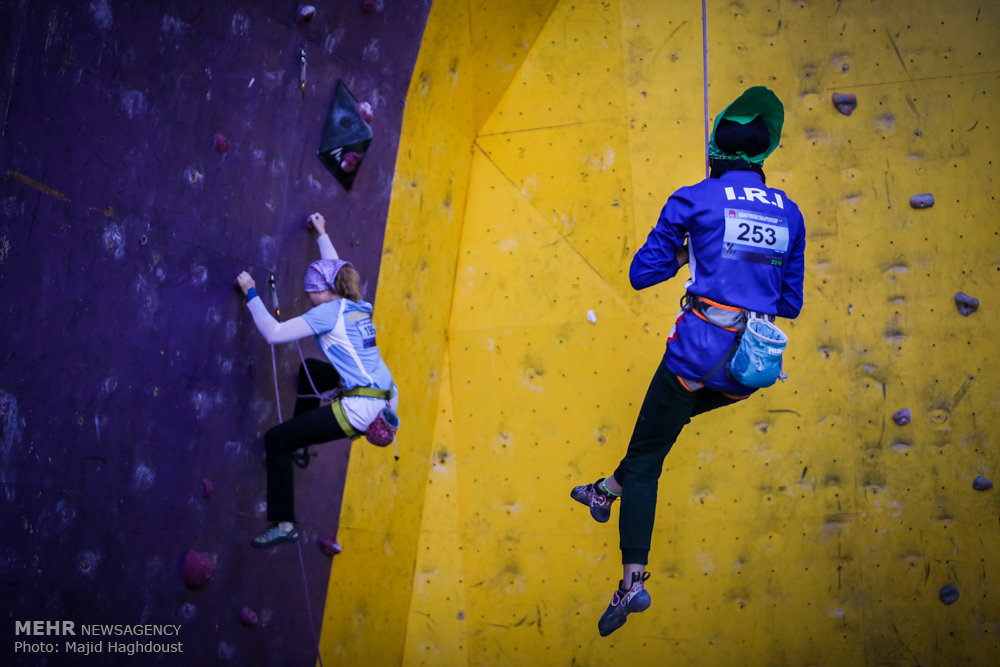
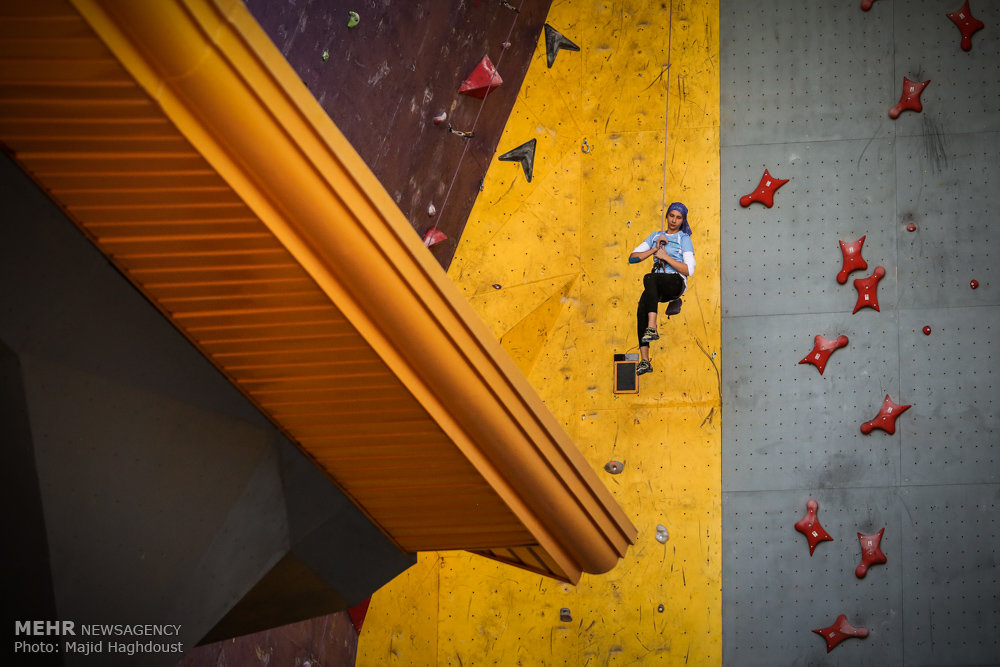
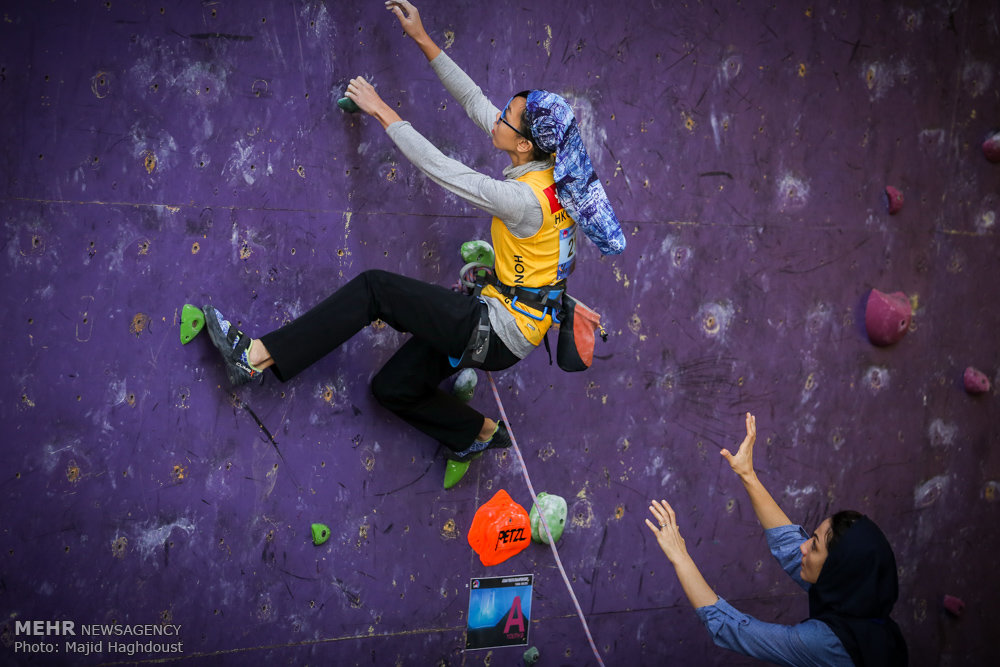
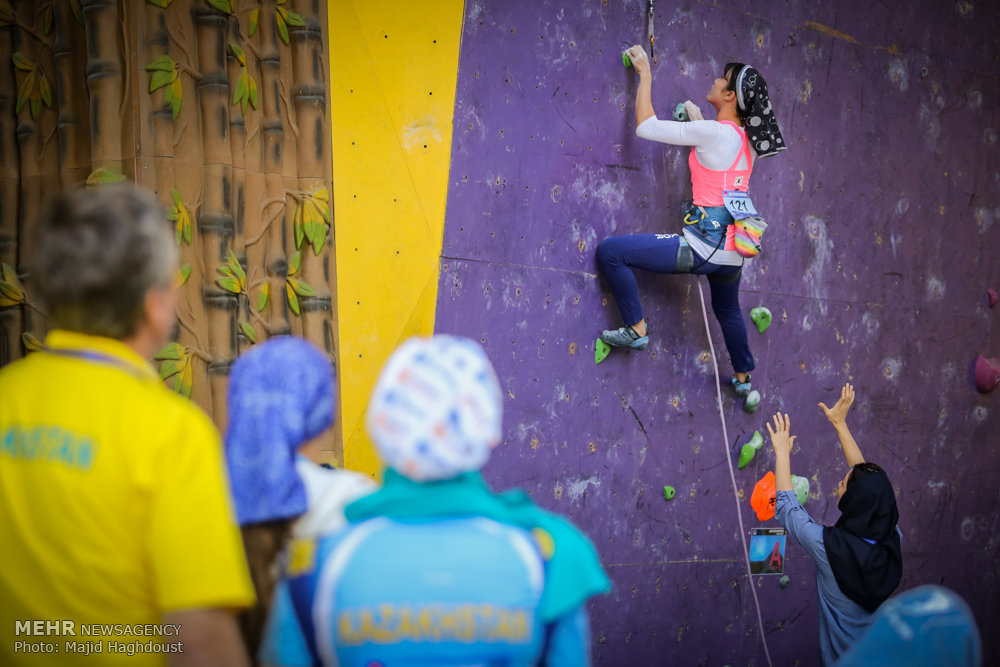
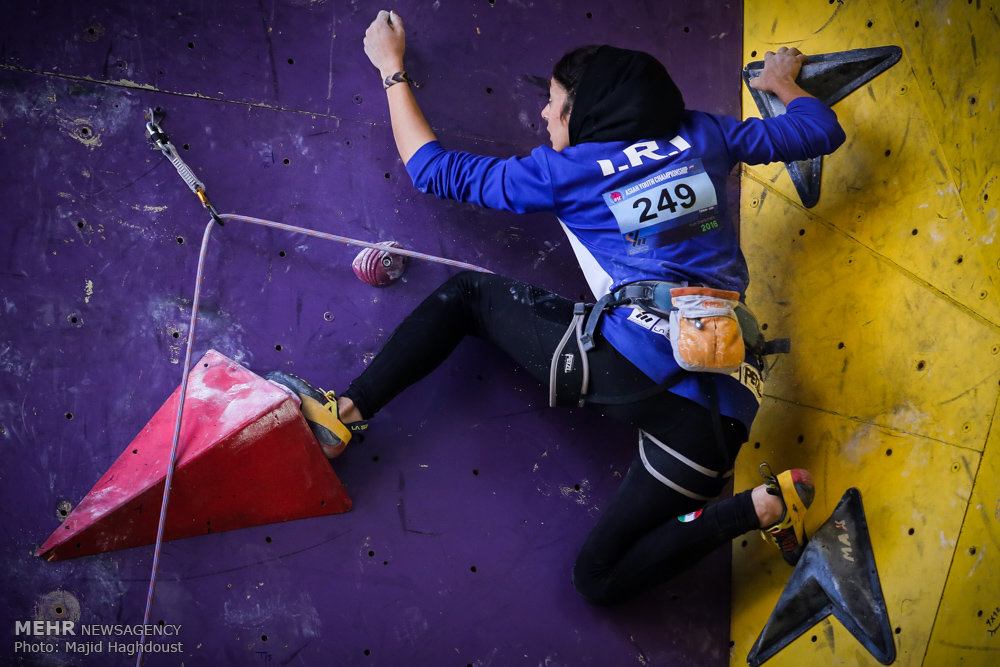
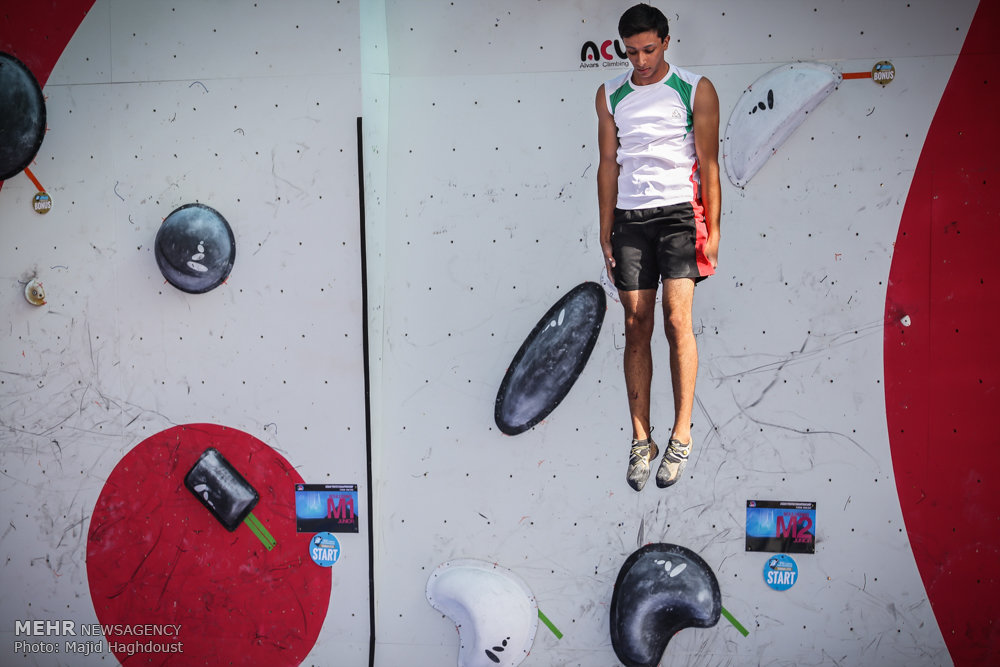
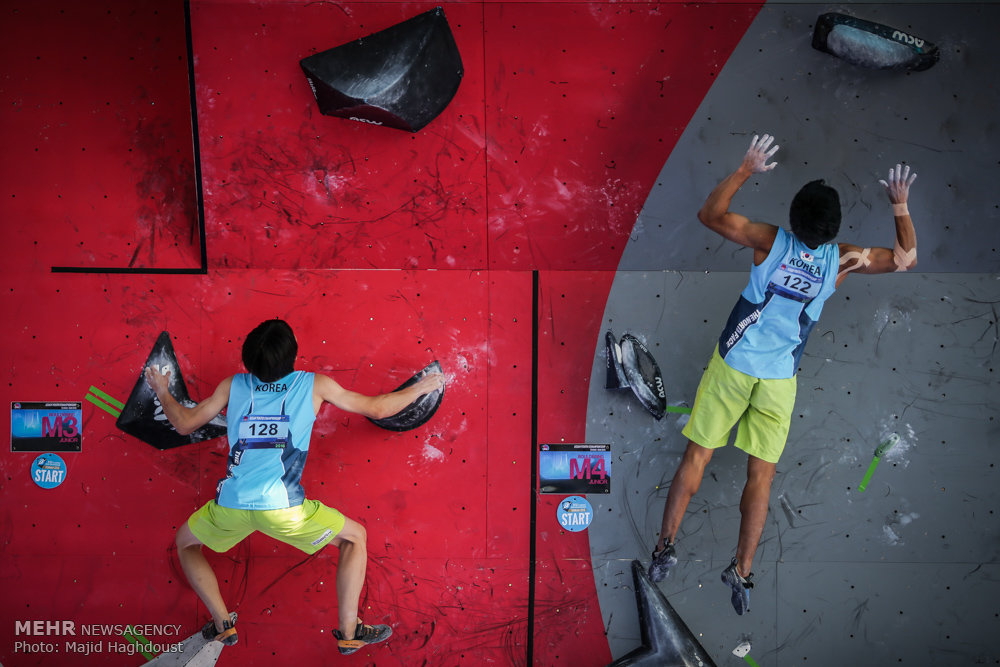
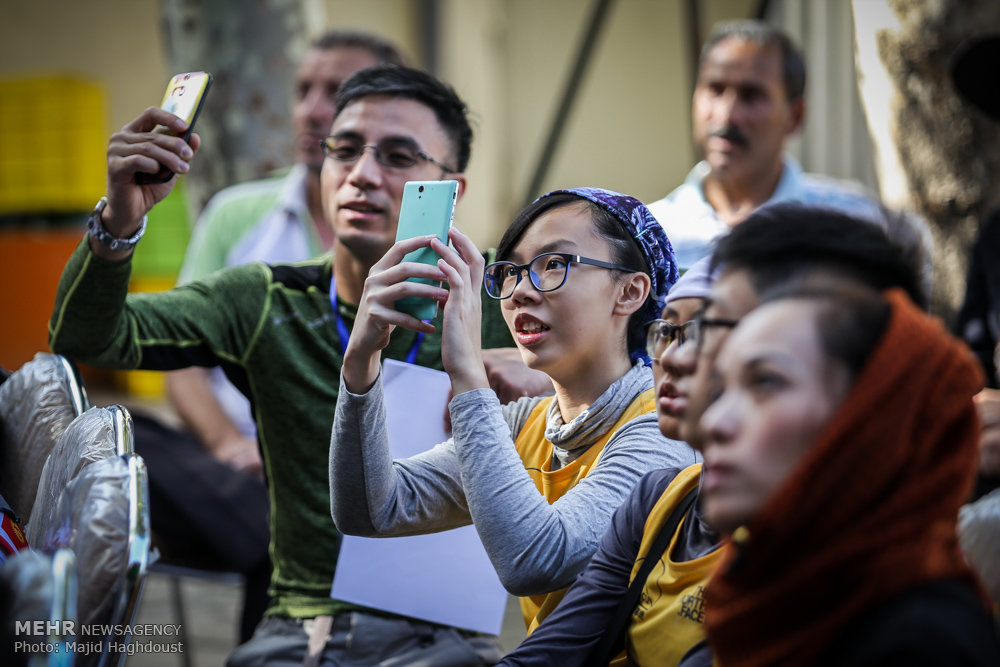
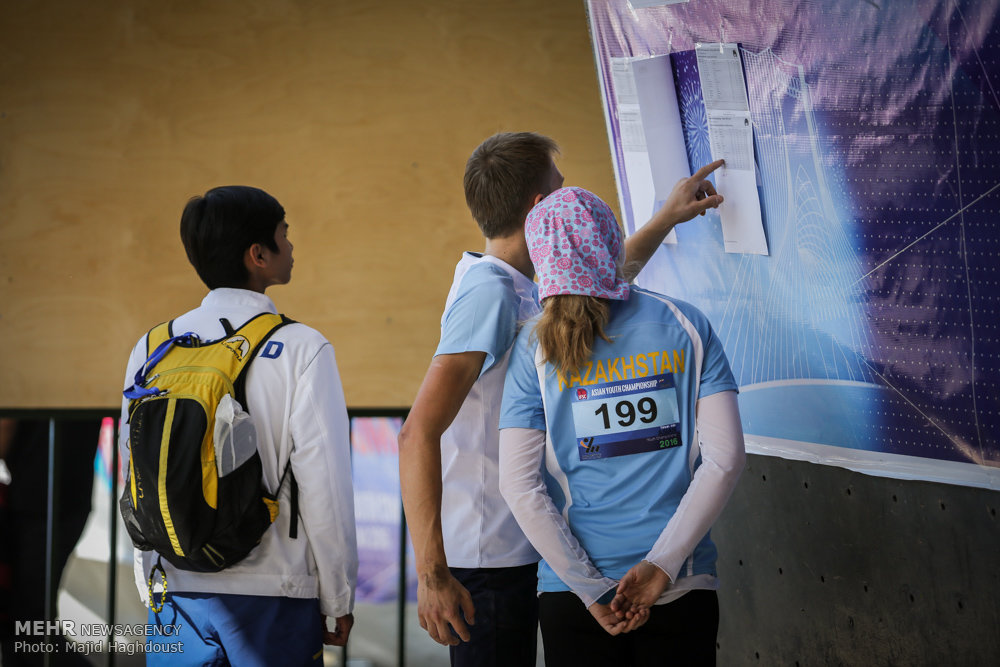
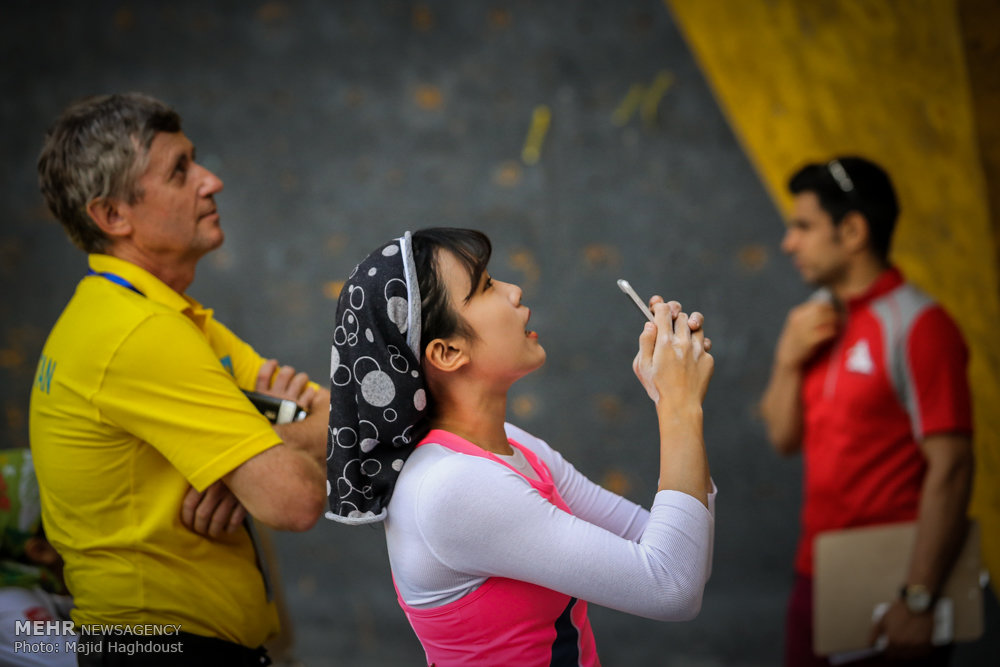
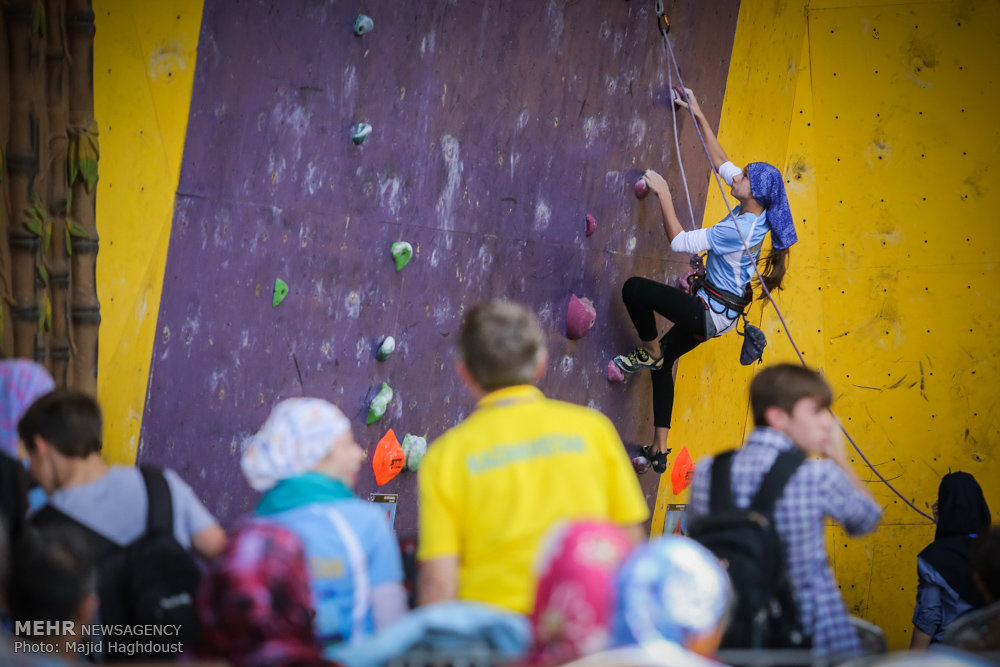
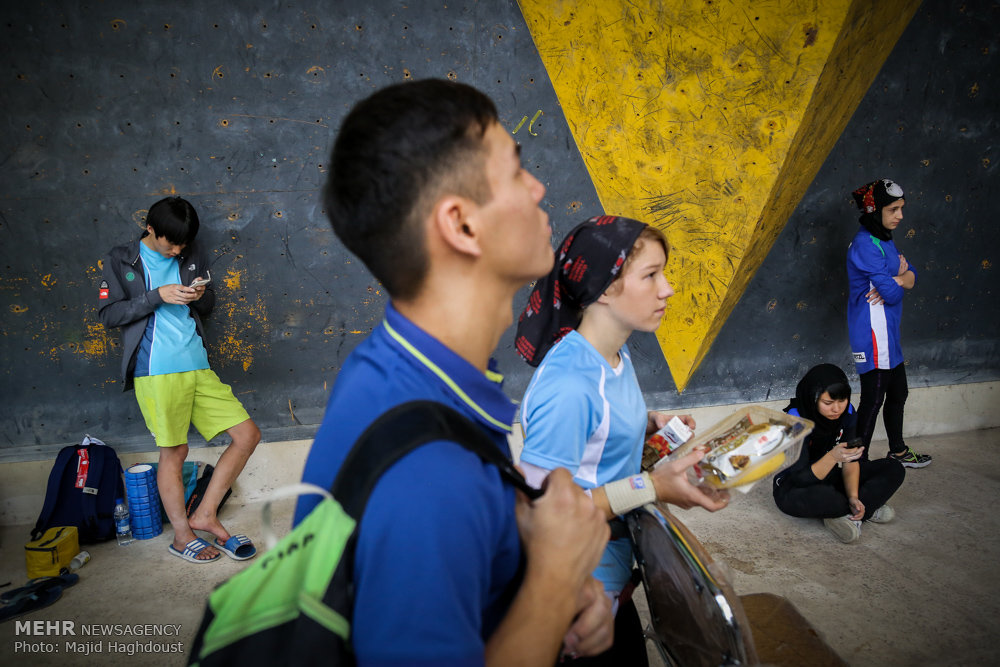
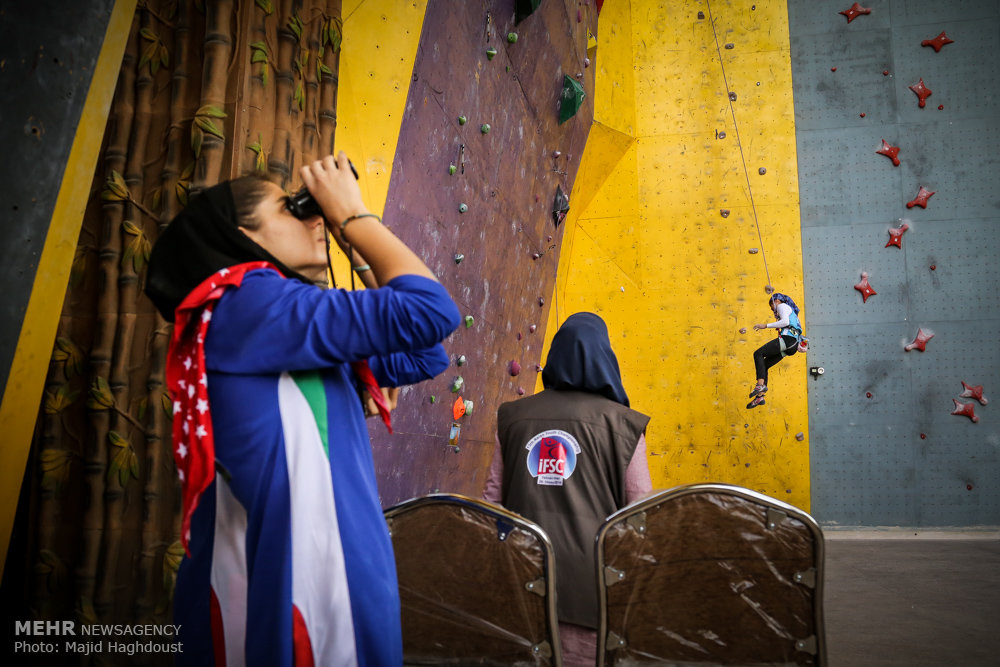
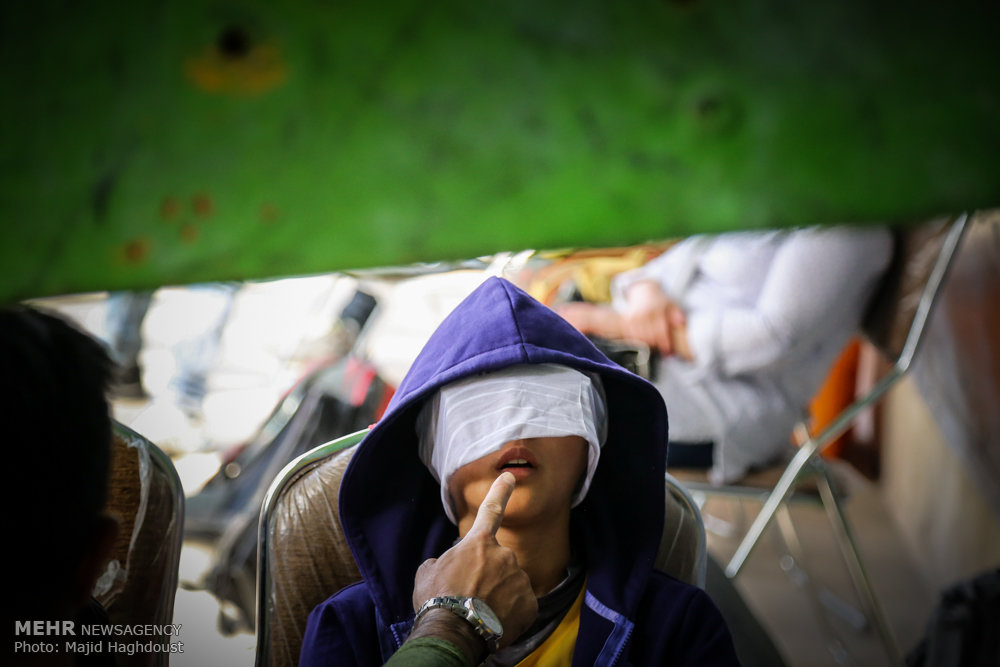
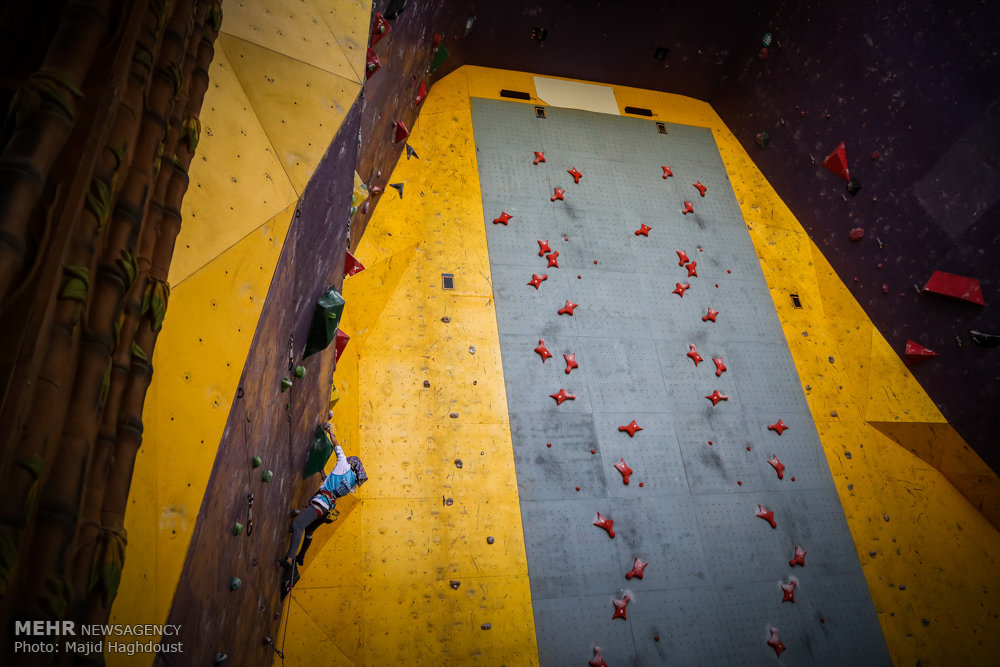
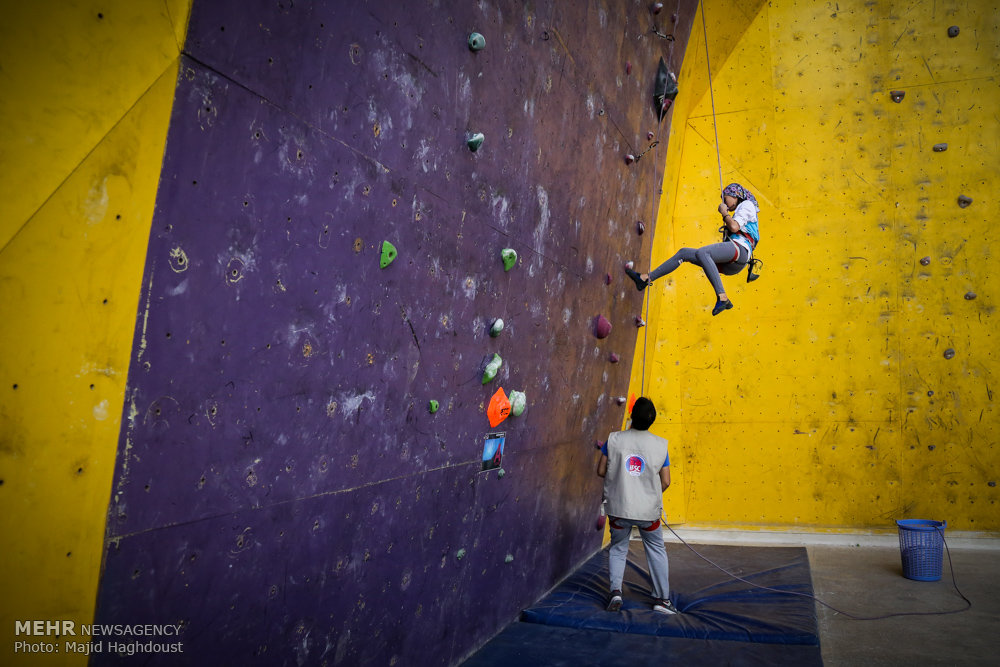
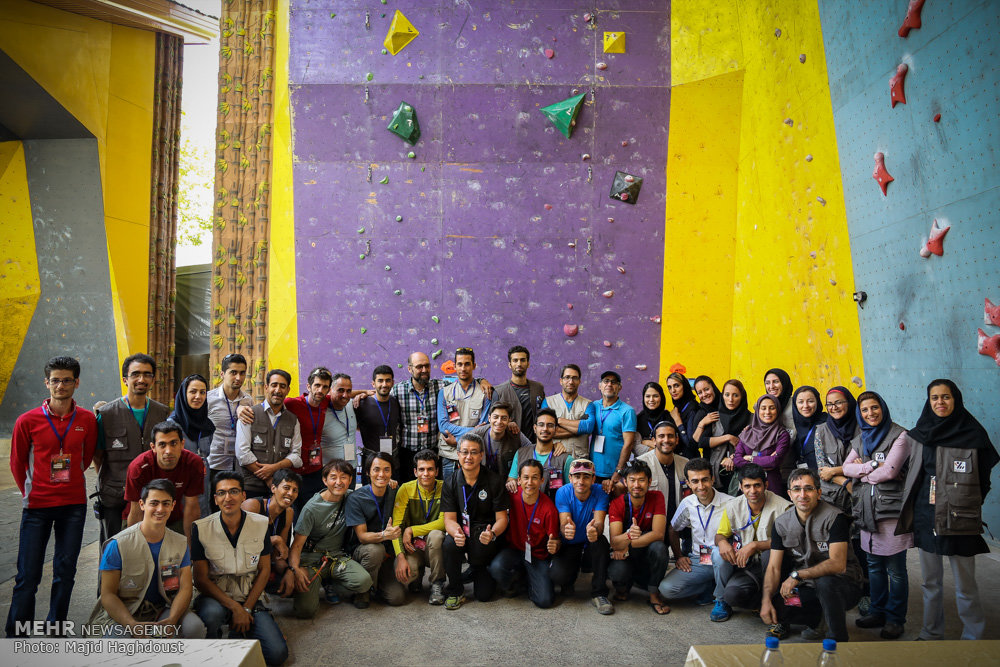
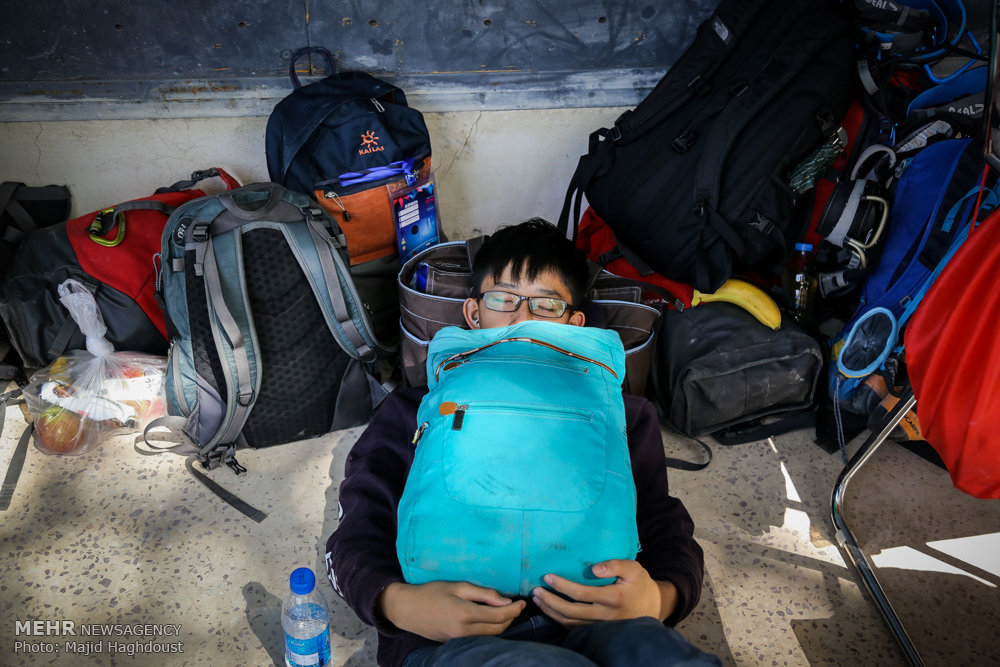
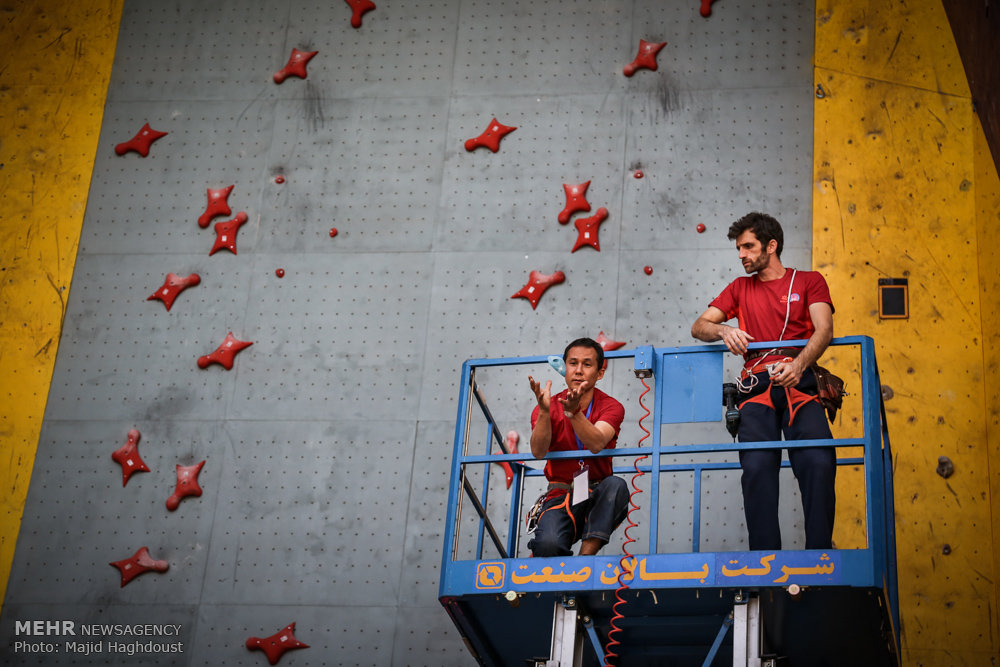
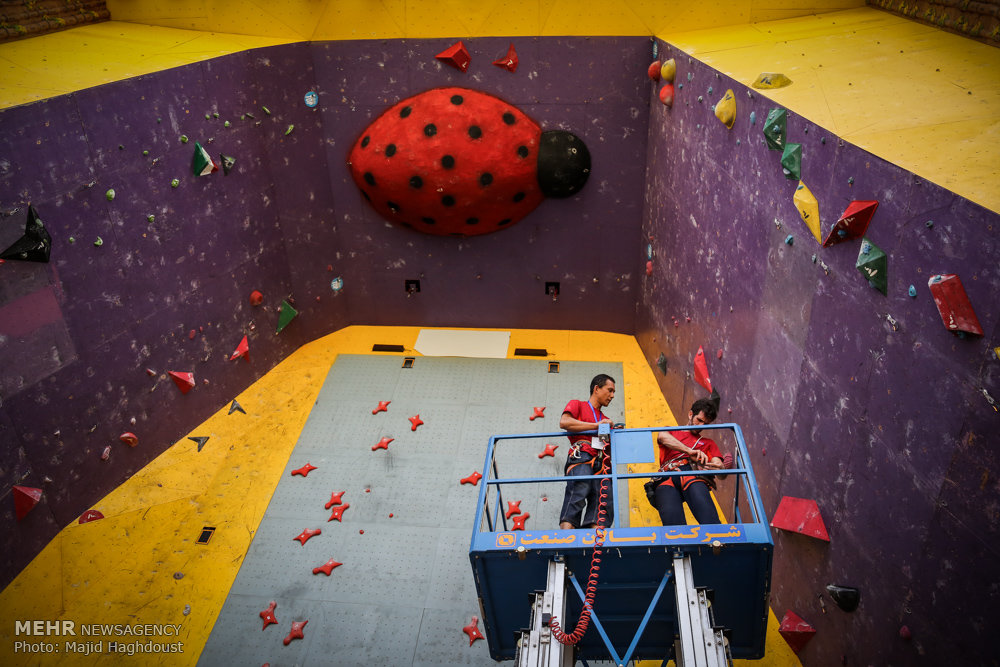
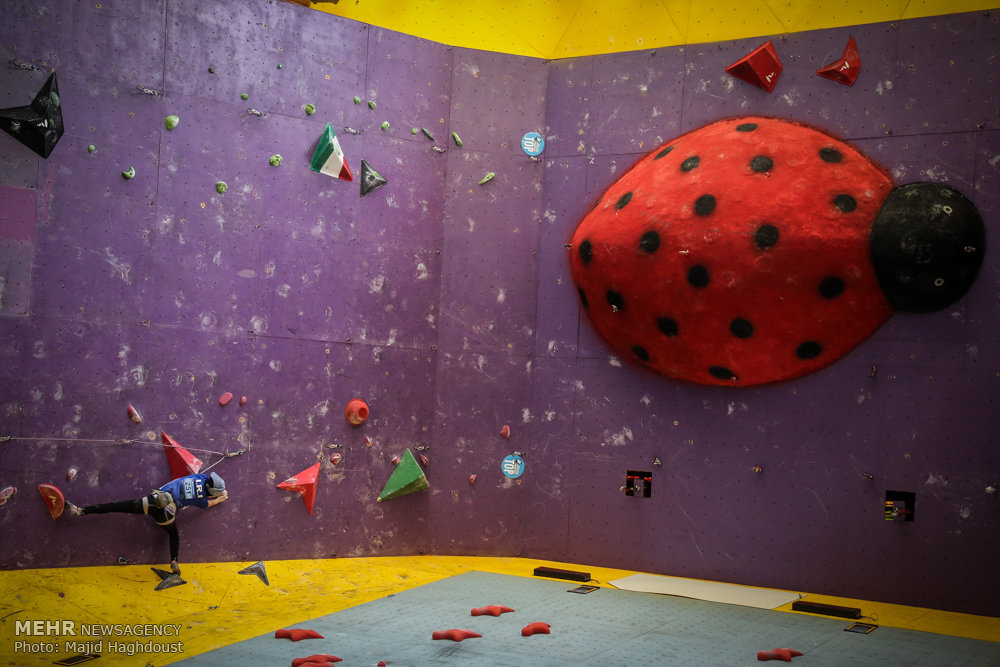
Asian Rock Climbing Competitions in Tehran

Asian rock climbing

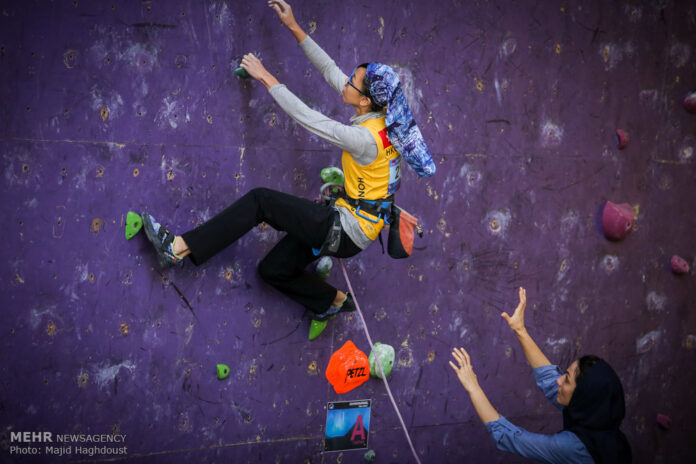
Asian rock climbing competitions kicked off on Wednesday in Tehran with participants from Japan, South Korea, China, Malaysia and Singapore in attendance.