Friday, December 26, 2025
Home Blog Page 4222

Two Things Are Unreliable These Days: Weather and US!

weather

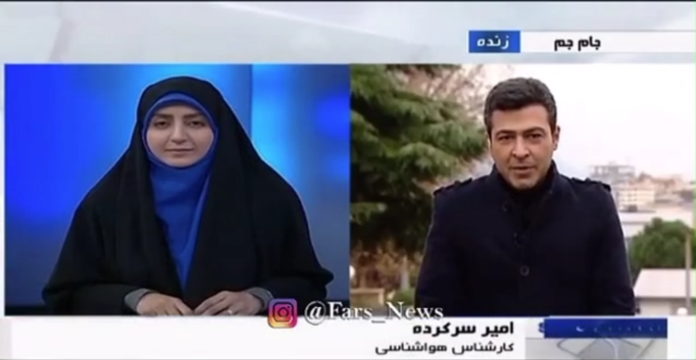
According to a report by IFP, the weather forecast program broadcast by Islamic Republic of Iran Broadcasting (IRIB) at 14:00 (Tehran local time) announced that two things are unreliable these days: one of them is the weather and the other is the US, which “can never be trusted”.

Envoy Reaffirms Iran’s Close Bonds with Cuba

Majid Ansari

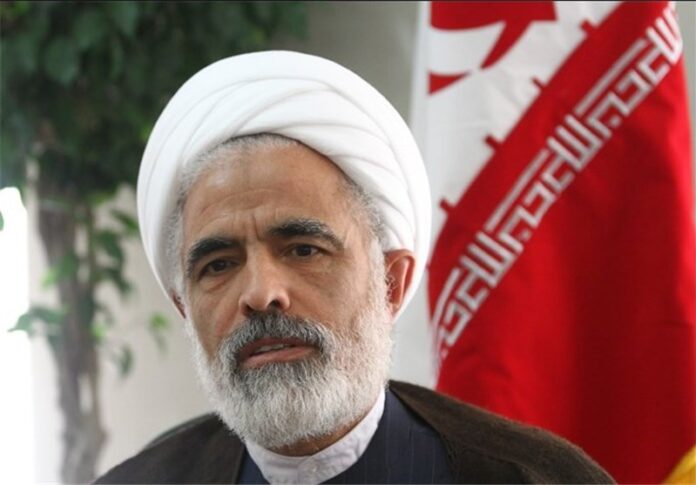
Addressing the grand ceremony in Havana on Tuesday night, Iranian Vice-President Majid Ansari paid tribute to Fidel Castro as one of the most significant revolutionary figures in the recent history.

Hailing the amicable bonds between Tehran and Havana, Ansari said, “The Iranian revolutionary nation, despite being far away geographically (from Cuba), has established an unbreakable alliance with Commander Fidel’s anti-imperialistic goals since the beginning of the Islamic Revolution.”

Leaders and officials from around the world attended the farewell ceremony in Plaza of the Revolution -the site of so many fiery orations by Fidel Castro.

Nicolas Maduro, the president of Venezuela, described El Comandante as a father figure who founded his country’s socialist ideals.

South African President Jacob Zuma praised Cuba under Castro for its record on education and healthcare and its support for African independence struggles.

Cuban President Raul Castro closed the rally with a speech thanking world leaders for their words of praise for his brother, who he called the leader of a revolution “for the humble, and by the humble.”

Castro, who ruled from 1959 until an illness forced him to hand power to his brother Raul in 2006, died on Friday at age 90.

His ashes began a lengthy procession through Cuba on Wednesday, mirroring the legendary leader’s post-revolution journey in 1959.

IRGC’s Light Aircraft Crashes in Saravan, Pilot Martyred

Aircraft

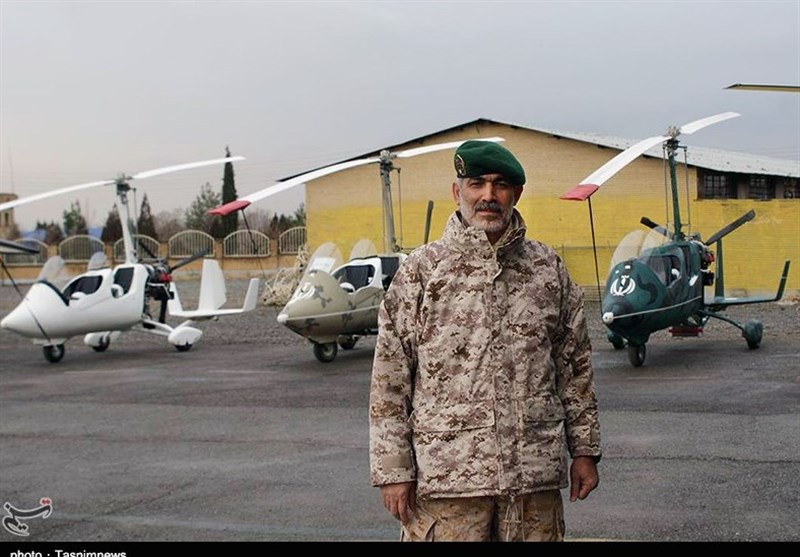
According to a statement released by the IRGC Ground Force, the ultralight aircraft was beginning a reconnaissance mission on Thursday morning when it crashed in the airport of Saravan, in the province of Sistan and Balouchestan.

The aircraft pilot, Bahman Masaebi, a member of the IRGC Ground Force, was martyred in the incident, it added.

IRGC’s Light Aircraft Crashes in Saravan, Pilot Martyred

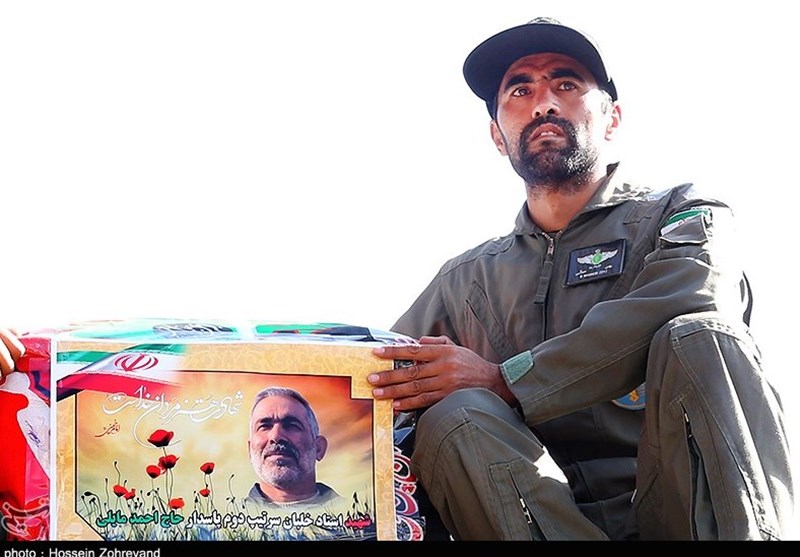
The crash follows another incident in the same province on October 10, in which two IRGC servicemen had been martyred, including General Ahmad Mayeli, commander of the airborne battalion of IRGC’s Saberin Special Unit.

IRGC’s Light Aircraft Crashes in Saravan, Pilot Martyred

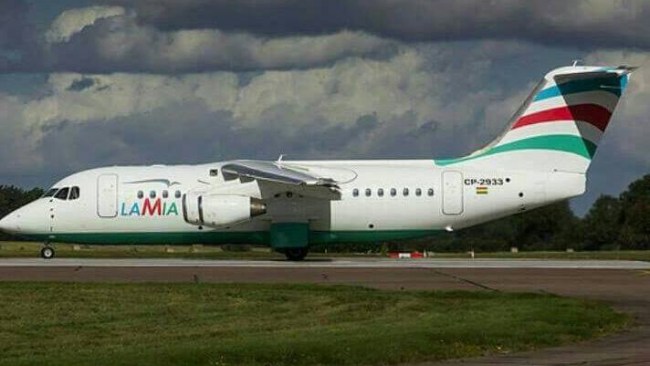
Colombia Plane Ran Out of Fuel, Pilot Said before Crash

Colombia Plane

Monday night’s disaster killed 71 people, including most of Brazil’s Chapecoencse football team en route to a cup final in Colombia, and sent shock waves round the global football world.

“Miss, LAMIA 933 is in total failure, total electrical failure, without fuel,” the Bolivian pilot Miguel Quiroga is heard telling a control tower operator at Medellin airport on the crackly audio played by Colombian media.

“Fuel emergency, Miss,” he added, requesting urgent permission to land, according to a report covered by Khabar Online.

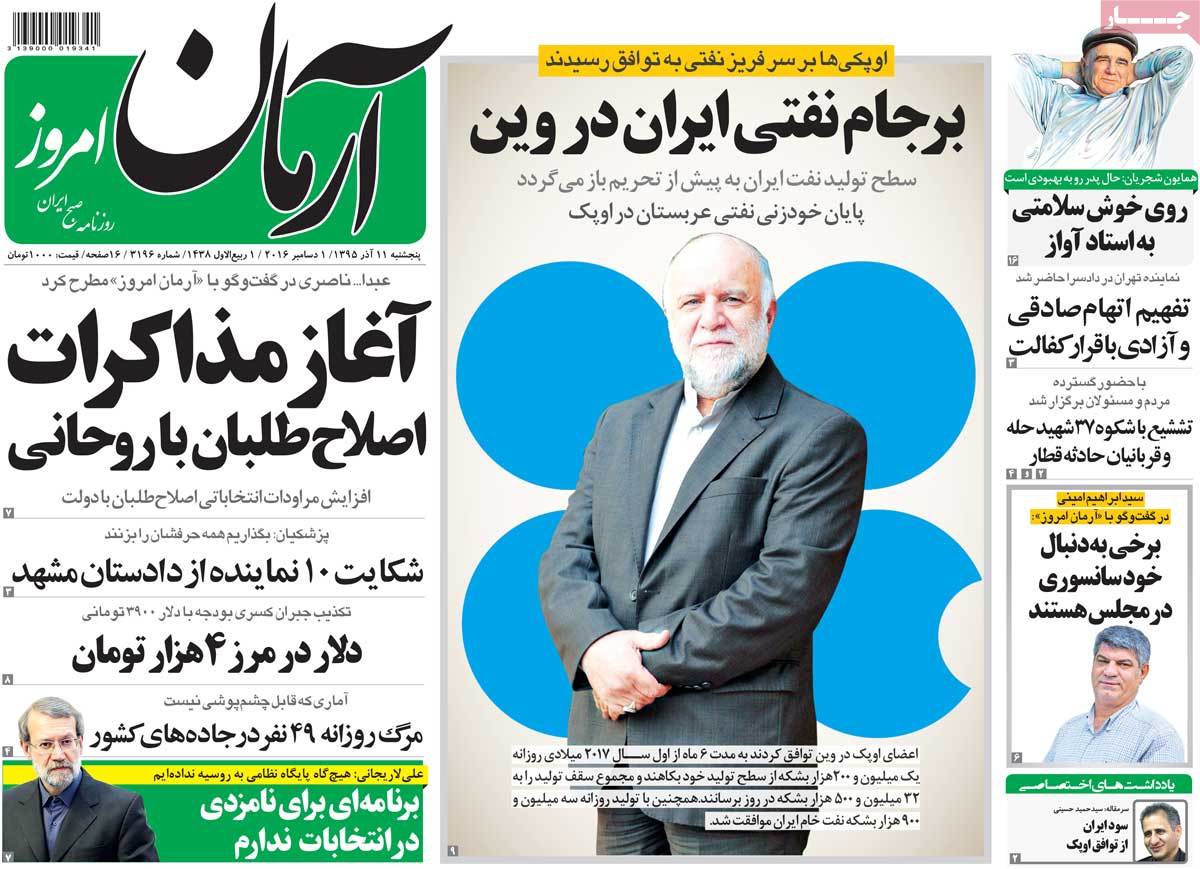
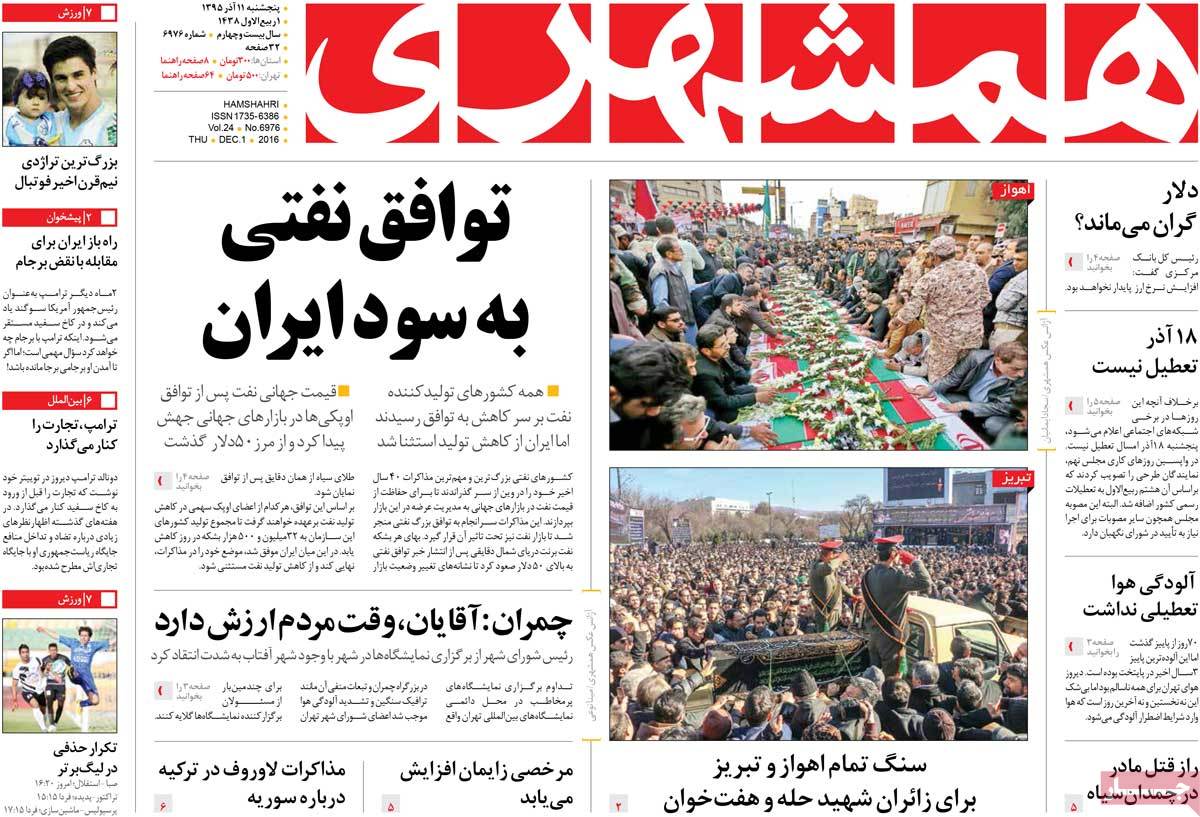
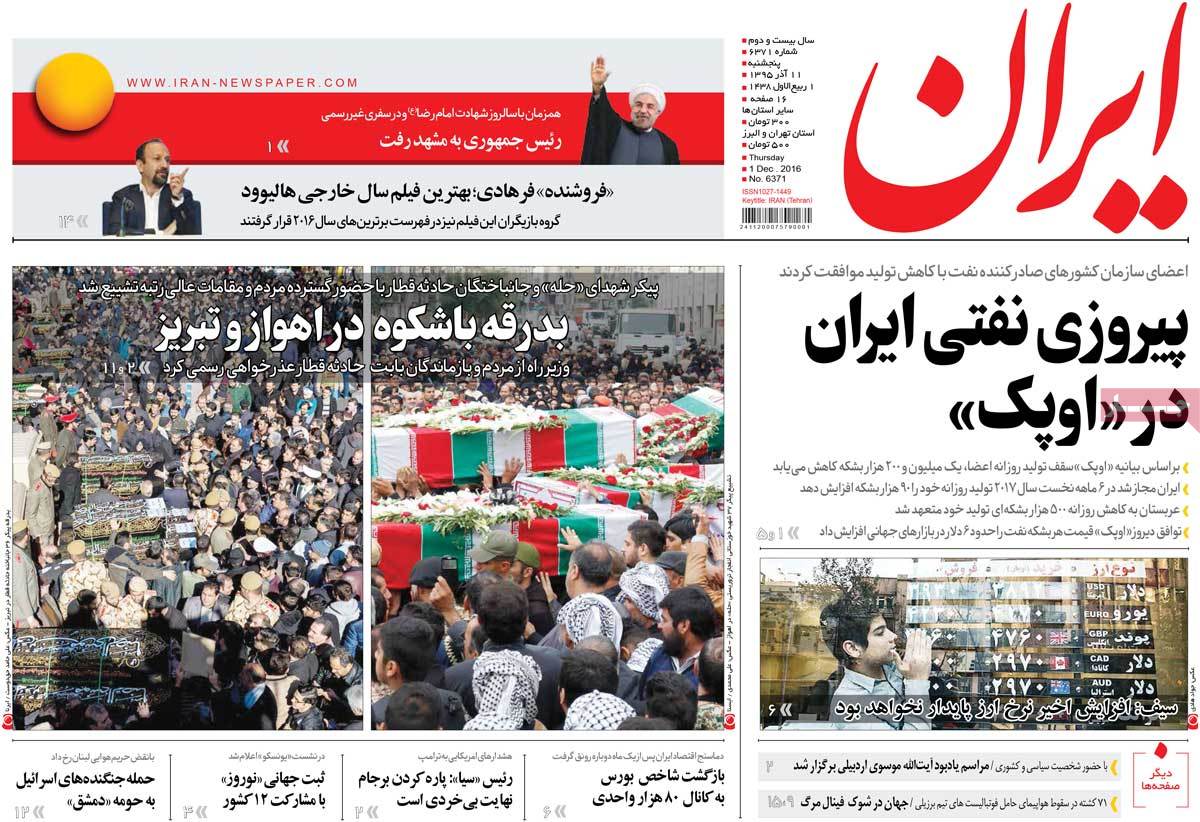
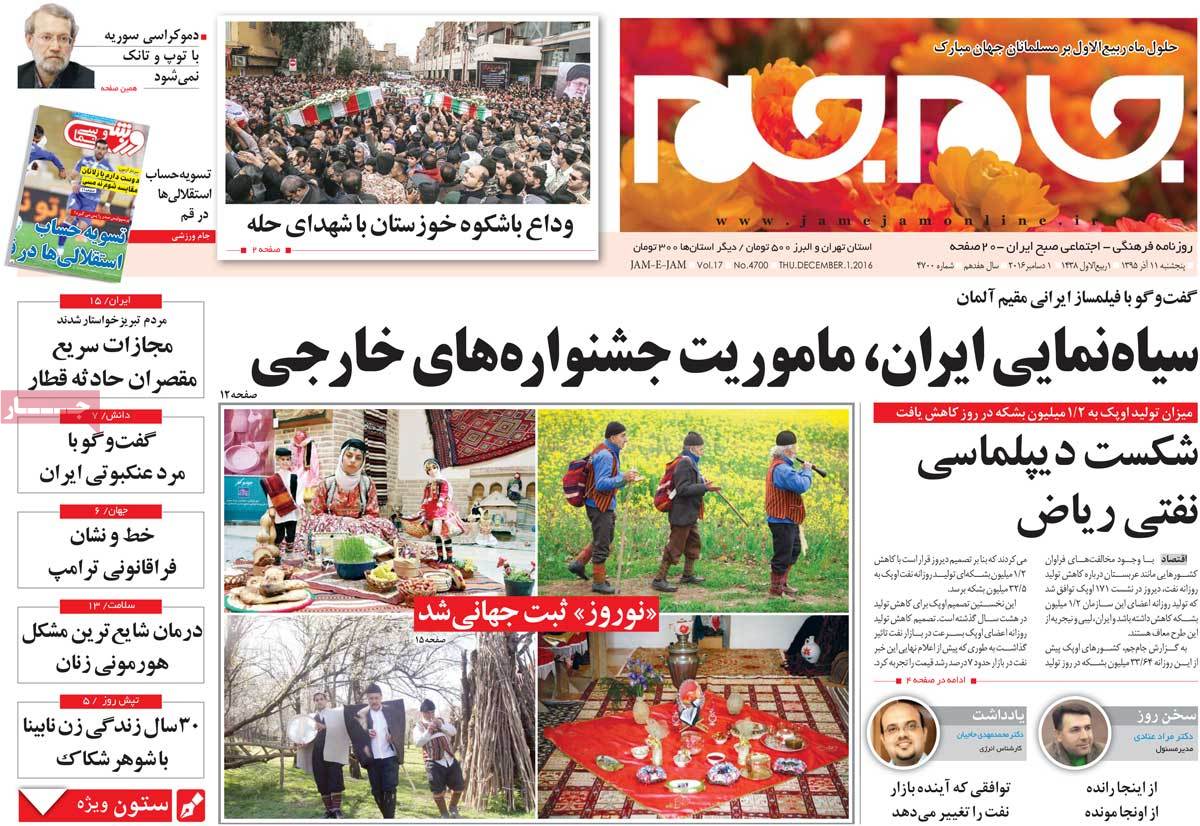
A Look at Iranian Newspaper Front Pages on December 1

In Iranian calendar this year, Monday and Wednesday, November 28 and 30, were religious holidays and newspapers were not published in these two days. Today, Thursday, is not a holiday, but since tomorrow, Friday, is the weekend holiday, a few number of newspapers have been published on Thursday. One of the reasons could be the financial problems many Iranian media are faced with; therefore, the majority of newspapers have tried to cut their expenses by allowing their personnel to go on leave and avoiding publishing costs on Thursday.
Headlines of only four major newspapers have been selected for today’s coverage of Iranian press. The main issue covered by these papers is the historic deal of Organization of Petroleum Exporting Countries (OPEC), which is described by pro-government media and experts as a great victory. It is even praised as the oil JCPOA, the Joint Comprehensive Plan of Action, in a comparison with Iran’s nuclear deal with world powers.
The other top story today was the funeral ceremonies held for victims of an ISIS’ attack on pilgrims in Iraqi city of Hilla as well as the train collision in Iran’s Semnan province. A huge number of people and several officials took part in the ceremonies held in southwestern city of Ahvaz and northwestern city of Tabriz.

Arman-e Emrooz:
1- Iran’s Oil JCPOA in Vienna: Iran’s Oil Output Will Be Restored to Pre-Sanctions Level
2- End of Saudi Arabia’s Self-Flagellation in OPEC
3- 49 Iranians Lose Their Lives in Car Crashes Everyday

A Look at Iranian Newspaper Front Pages on December 1


Hamshahri:
1- Oil Deal in Iran’s Favour: All Oil Producing Countries Agree on Oil Output Cut, But Iran Is Exempted from Decreasing Its Production
2- Ahvaz and Tabriz in Grief of Pilgrims Killed in Hilla Attack and Train Crash

A Look at Iranian Newspaper Front Pages on December 1


Iran:
1- Glorious Farewell Ceremonies in Ahvaz and Tabriz: Huge Number of People and Officials Attend Funeral Ceremonies of Those Killed in ISIS’ Attack on Pilgrims in Hilla and Deadly Train Crash in Semnan Province
2- Transport Minister Apologizes to People for Train Crash
3- Farhadi’s ‘The Salesman’ Selected as Hollywood’s Best Foreign Language Film
4- Israeli Jet Fighters’ Attack on Damascus Suburbs
5- Iran’s Oil Victory in OPEC

A Look at Iranian Newspaper Front Pages on December 1


Jame Jam:
1- Failure of Riyadh’s Oil Diplomacy
2- The Deal that Will Change Future of Oil Market: Energy Expert
3- Nowruz Inscribed as World Heritage
A Look at Iranian Newspaper Front Pages on December 1


Iran’s OPEC ‘Victory’ Hailed at Home

zanganeh

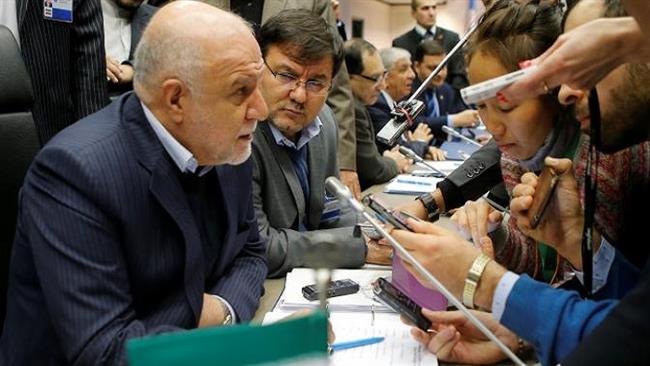
The negotiations culminated in a deal in Vienna on Wednesday for most producers to reduce their production by a collective of by 1.2 million barrels per day (mb/d) but exempted Iran from any production cuts – what the country had insisted on since Saudi Arabia raised the OPEC production cut proposal earlier this year.

OPEC – in its first production deal in eight years – even agreed to allow Iran to increase its crude oil production by 90,000 barrels per day (bpd) from January 2016 – when the deal becomes effective.

“This was the biggest achievement of the 171st ministerial meeting of OPEC for Iran and a result of the powerful diplomacy of the country’s Petroleum Minister [Bijan Zanganeh] in the post-sanctions environment,” wrote the Persian-language newspaper Iran in a front page editorial.

In an article titled “Iran’s JCPOA in Vienna”, the Persian-language newspaper Arman-e Emrooz said the exemption given to Iran was the triumph of the country’s oil diplomacy and a key move to revive its position in oil markets.

The JCPOA – the Joint Comprehensive Plan of Action – was achieved between Iran and the five permanent members of the Security Council plus Germany last summer.  It envisaged the removal of a series of economic sanctions against Iran in return for steps by the country to restrict certain aspects of its nuclear energy activities.  The JCPOA is praised in Tehran as a major diplomatic breakthrough by the administration of President Hassan Rouhani to end years of sanctions against the country.

Arman-e Emrooz emphasized that the purpose of the Saudi proposed production cut plan was to stop Iran’s return to oil markets after the removal of the sanctions.

“Throughout the years that Iran was under the sanctions, most of Iran’s share of oil markets was seized by Saudi Arabia,” it wrote in its editorial. “If any attempt should be taken to remove the oil market glut, it is Riyadh that needs to reduce its production instead of raising the oil freeze plan to portray Iran as responsible for the falling oil prices.”

Iran’s OPEC ‘Victory’ Hailed at Home

Saudi Arabia, itself, agreed to cut its production by 486,000 bpd and pledged to produce 10 million barrels per day (mb/d) from January 2017.

Saudi Energy Minister Khalid al-Falih said ahead of the meeting that the kingdom was prepared to accept “a big hit” on production to get a deal done.

“I think it is a good day for the oil markets, it is a good day for the industry and … it should be a good day for the global economy. I think it will be a boost to global economic growth,” he told reporters after the decision, as quoted by Reuters.

Arman-e Emrooz newspaper emphasized in its editorial that Saudi Arabia had raised the oil freeze plan at a time that itself had already reached its maximum production capacity and was unable to further increase its output.

“In other words, Saudi Arabia had already violated the OPEC quota and had been producing at unauthorized high levels,” the daily added.

Another Iranian newspaper – Hamshahri –underscored the role of diplomatic negotiations in OPEC’s “historic” deal.

It highlighted a telephone conversation between the presidents of Iran and Russia on the eve of the OPEC meeting.

“The results of this telephone conversation emerged in the days leading to the Organization’s meeting. Only two days before the meeting, the Saudi energy minister had warned that he would leave the negotiations and said he would not accept to see Iran exempted from the output freeze plan. But he said just before the OPEC meeting that he has no objections to Iran’s plans to increase its production to pre-sanction levels. He also said he would accept to exempt Iran from the production freeze plan,” wrote Hamshahri.

“This showed that the only opponent to exempting Iran from the oil freeze plan had accepted Iran’s conditions; what eventually paved the way for the big oil agreement.”

Iran’s OPEC ‘Victory’ Hailed at Home

Iran’s Persian-language newspapers Hamshahri and Iran highlighted the ‘victory’ of the country in OPEC discussions on a Saudi-proposed output freeze plan.

Iran newspaper further emphasized that the OPEC deal was an important achievement for the Organization, itself.  “OPEC showed that it is still an integrated organization and can help the situation of the markets through forming unity among its member states,” it wrote in its editorial.

Arman-e Emrooz also praised OPEC for arriving at a solution to help stabilize the prices after lengthy negotiations.

“OPEC member states – regardless of political issues – proved that they can still make hard decisions in difficult times and play an important role in world’s energy markets,” it further wrote in its editorial.

Ali Daei Offers Condolences over Death of Brazilian Footballer in Plane Crash

Ali Daei

A plane crashed in Colombia on 28 November 2016 while transporting the Brazilian Chapecoense football team from Bolivia Colombia.

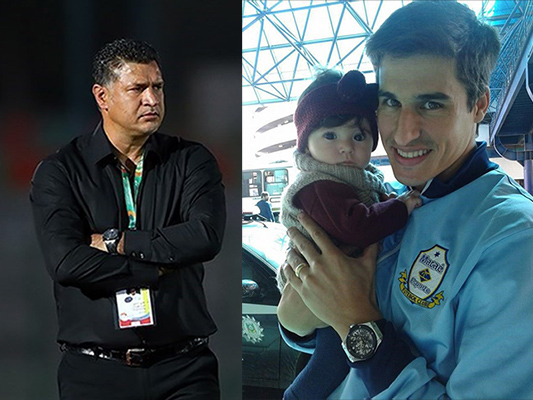
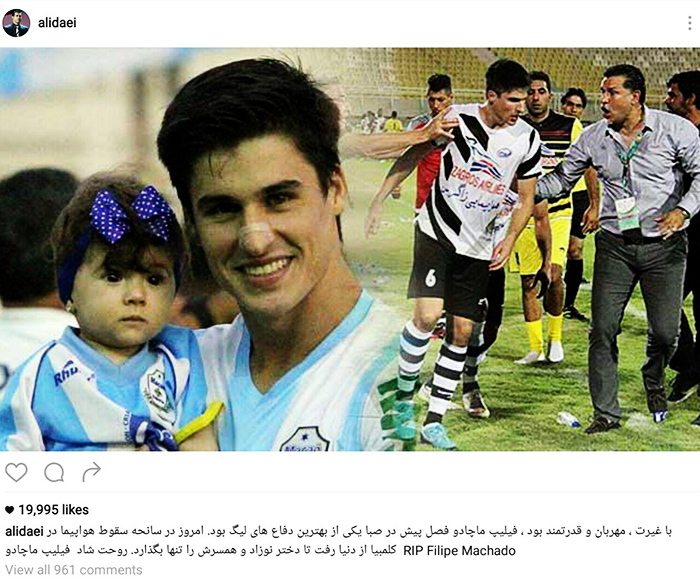
Filipe Machado, a former player of Iranian football team Saba, was one of the 72 passengers who lost their lives in this plane crash.

Ali Daei, who was the head coach of Saba when Machado played in Iran, said in a post on his Instagram account that the Brazilian footballer was a kind and strong man.

Ali Dae“Last year in Saba, Filipe Machado was one of the best defenders of Iran’s Pro League. He died in the plane crash in Columbia to leave his baby girl and wife alone. Peace be upon you, Filipe,” Daei said in his message, according to a report translated by IFP.

Reactions to an Overnight Attempt to Arrest Iranian MP

mahmoud-sadeqi

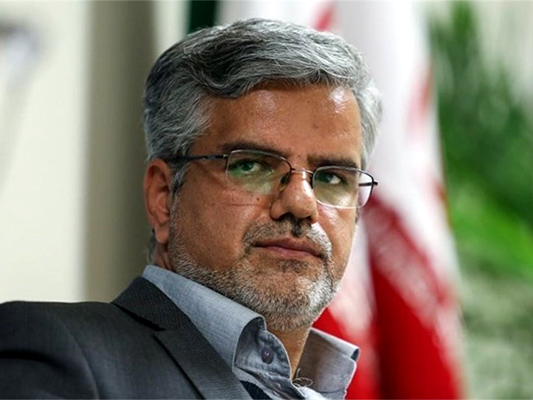
According to media reports translated by IFP, Mahmoud Sadeqi, the outspoken member of Iran’s Parliament, was at his home in Tehran when police officers came to arrest him with a warrant issued by Prosecutor General of Tehran.

Sadeqi showed resistance by closing the door and did not allow the officers to detain him. However, they stayed there for a while and waited for a permission to legally enter his house.

However, Mohammad Javad Fathi, another reformist lawmaker, told ILNA that officers finally decided to leave the place after a phone call by Parliament Speaker Ali Larijani.

In a short interview with Qanoon Daily on Sunday night, Sadeqi said the officers had an arrest warrant that accused him of ‘publishing lies and insulting with the aim of disturbing public opinion’.

He said he believed that the warrant had been issued because of his earlier remarks against the Judiciary’s bank accounts.

Sadeqi was referring to his question from Economy Minister Ali Tayyebnia, in which he asked for explanation about the Judiciary’s controversial bank accounts in Bank Melli of Iran.

However, his question and remarks were harshly responded by Judiciary Chief Ayatollah Sadeq Amoli Larijani. The Judiciary Chief said the reformist MP had ‘shamelessly’ raised accusations against the head of Iran’s Judiciary, and Parliament Speaker and President did not show any reaction to such claims.

Warrant for Arresting an MP: Legal or Illegal?

Sadeqi says he told the officers that their warrant was illegal according to the Law on Parliament Supervision over Conducts of Representatives.

“If a lawsuit is filed against an MP, the Judiciary is obliged to communicate it to the Parliament’s Presiding Board so that the complaint is discussed in the Parliamentary Board for Supervision over Conducts of MPs,” Sadeqi, himself a Professor of Law and lawyer, said.

He says he has yet to receive any private or public complaint, whether through the Prosecutor or the Parliament’s Presiding Board, and the arrest warrant showed that it had not been issued for a private complaint.

“I was told by Vice-Speaker of Iran’s Parliament that Ali Larijani, the Parliament Speaker, shared the view that, according to the law, the issue should have been reviewed by the Presiding Board and the Parliamentary Board for Supervision over Conducts of MPs,” Sadeqi noted in an interview with ICANA, the official news website of Iran’s Parliament.

Parliament Vice-Speaker Decries Judiciary over Sadeqi’s Arrest

The outspoken second vice-speaker Ali Motahari criticized the Judiciary’s move to arrest Sadeqi.

ICANA quoted Motahari as saying on Monday, “We see that an MP criticizes the Judiciary and is immediately indicted. This is while the MP has just asked for explanation about an issue.”

Issuing Arrest Warrant for Sadeqi Was an Insult to Parliament

The first vice-speaker of Parliament Massoud Pezeshkian also said in a post on his Telegram channel that the overnight attempt to arrest Dr. Sadeqi was an unusual move and an insult to the Parliament.

“All authorities are expected to show more restraint and at least respect the Parliament’s dignity by observing the legal procedures,” he noted.

Law Sees No Difference between Individuals: Judiciary Spokesman

Meanwhile, Mehr quoted Judiciary Spokesman and Deputy Judiciary Chief Gholam-Hossein Mohseni Ejei as saying that the Prosecutor General can prosecute whoever makes illegal remarks.

“The law does not treat individuals differently, but people may be summoned in different ways,” he noted.

“It does not make any difference who has committed the crime; several private complaints had been filed against him [Sadeqi], and the Prosecutor, himself, filed two lawsuits against him, which are being investigated,” Ejei added.

Prosecutor General: Arrest Warrant Is Still Enforceable

After Sadeqi was not detained on Sunday night, there were allegations that the arrest warrant was nullified; however, prosecutor general of Tehran says the warrant remains in force.

“The arrest warrant issued by Court of Culture and Media was based on legal procedures and is still enforceable,” Abbas Jafari Dolatabadi told reporters on Monday.

“In Mahmoud Sadeqi’s case, there are eight public complaints and three public indictments, which have been communicated to the Parliament and Tarbiat Modarres University [where Sadeqi works],” Jafari Dolatabadi added, as reported by IRNA.

“To ensure that Mahmoud Sadeqi will appear in the court, Parliament Speaker Ali Larijani was informed on Saturday of the need for Sadeqi’s presence, and Mohammad Ali Vakili, a member of the Parliament’s Presiding Board, was also contacted for several times in this regard,” he went on to say.

“Since Sadeqi refused to appear in the court in spite of the summons and had several interviews, which revealed he was aware of the summons, the prosecutor issued an arrest warrant for him,” Jafari Dolatabadi noted.

“Given his field of education [law], Sadeqi is well aware that all individuals are legally equal based on Iran’s Constitution, and the immunity the defendant has referred to only applies to the remarks MPs make as a representative, and does not apply to the crimes they commit while doing their job,” he stressed.

Lawmakers Do Not Have Absolute Immunity: Jurist

Nejatollah Ebrahimian, a jurist member of Guardian Council, says MPs in Iran are immune from prosecution for the remarks they make while doing their job as a representative, but the immunity is limited and restricted to the conditions outlined in the Constitution.

“For example, if a lawmaker uses swearwords against someone during his or her speech, this has nothing to do with his responsibilities as an MP. Or a lawmaker may commit homicide or kill someone in a car crash; all these cases can be prosecutes,” he noted, as reported by Khabar Online.

“In Iran, the Parliamentary Board for Supervision over Conducts of MPs is a mechanism aimed at avoiding frequent prosecution of MPs for their remarks; however, this does not mean absolute immunity,” Ebrahimian reiterated.

Sadeqi Appears in Court Voluntarily

Sadeqi on Tuesday appeared in the court in a voluntary move according to Mohammad Reza Tabesh, a reformist MP.

Tabesh told ISNA that Sadeqi discussed the issue with the judge and he was told that the complaints will be communicated to the Parliamentary Board for Supervision over Conducts of MPs.

However, the Judiciary’s news agency Mizan says the interrogator asked him about the accusations, and finally released him on bail.

Iran’s Lavash Bread Inscribed at UNESCO Intangible Cultural Heritage List

Lavash Bread

The eleventh session of the Intergovernmental Committee for the Safeguarding of the Intangible Cultural Heritage is underway in the United Nations Economic Commission for Africa Conference Centre in Addis Ababa, from 28 November to 2 December 2016.

During the session, UNESCO reviewed the document “Flatbread making and sharing culture: Lavash, Katryma, Jupka, Yufka” jointly submitted by Iran, Azerbaijan, Turkey, Kyrgyzstan and Kazakhstan, and finally voted to inscribe the bread as a UNESCO Intangible Cultural Heritage.

The culture of making and sharing flatbread in communities of Azerbaijan, Iran, Kazakhstan, Kyrgyzstan and Turkey carries social functions that have enabled it to continue as a widely-practised tradition.

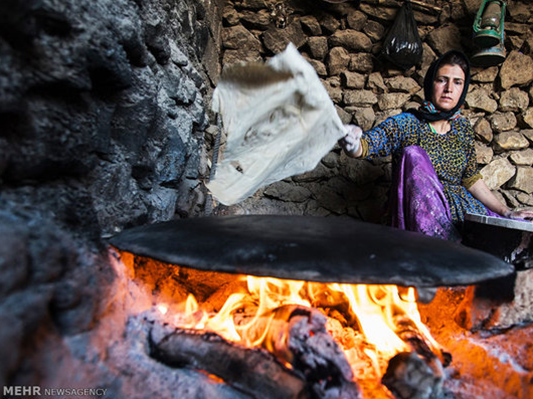
Making the bread (lavash, katyrma, jupka or yufka) involves at least three people, often family members, with each having a role in its preparation and baking. In rural areas, neighbours participate in the process together.

Traditional bakeries also make the bread. It is baked using a tandyr/tanūr (an earth or stone oven in the ground), sāj (a metal plate) or kazan (a cauldron).

Besides regular meals, flatbread is shared at weddings, births, funerals, various holidays, and during prayers. In Azerbaijan and Iran, it is put on the bride’s shoulders or crumbled over her head to wish the couple prosperity while in Turkey it is given to the couple’s neighbours.

At funerals in Kazakhstan it is believed the bread should be prepared to protect the deceased while a decision is made from God and in Kyrgyzstan sharing the bread provides a better afterlife for the deceased.

The practice, transmitted by participation within families and from master to apprentice, expresses hospitality, solidarity and certain beliefs that symbolize common cultural roots reinforcing community belonging.

Not All Women Have the Eyes of “Afghan Girl”

sharbat gul

Here’s IFP’s translation of a report by Shahrvand newspaper:
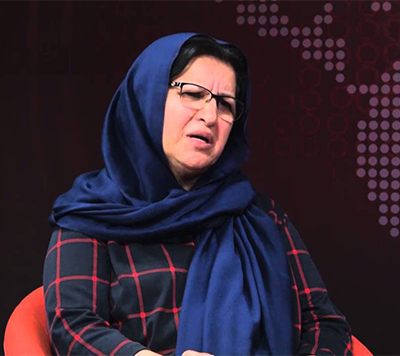
Gulalay Noor SafiWith diagonal frown lines between her brown eyes and a beauty mark on her right cheek, Dr. Gulalay Noor Safi, a Kabuli woman of Balkhi origin, shows resistance every day against hundreds of dogmatist male members of Afghanistan Parliament. Now, under a sky full of snow, she is our guest in one of Tehran`s coldest days. She uses melodic old Persian words that we Iranians have forgotten a long time ago.

“The violence doesn`t appear all of a sudden; it is an outcome of years of fear, wound, war and blood,” she says; like Rumi who “suddenly” gave the soundness up centuries ago.

“I was born in Kabul and went to school there. I went to Crimea, the Soviet Union, to continue my education. I stayed there for seven years, then returned to my country and found a job in an Ophthalmology Hospital in Noor, Afghanistan. During Afghan civil wars, I left my country for Germany. I returned after the fall of Taliban and began to work for a helping centre for women who have been traumatized during the war. In 2005, finally, I became the parliamentary candidate for Balkh,” Noor Safi tells about herself.

She is an original citizen of Balkh where her ancestors lived; then she obtained the citizenship of Kabul. Noor Safi, who has been the representative of Balkh province in northern Afghanistan since 2005, is now passing the days of her representation for second time. She remembers a lot of cases for violence against Afghan women and children. The female representatives failed to finally pass the legislation of violence against women and children, though: “This is our worst experience in Parliament.”

However, Noor Safi is glad that this act has been approved by the House of Representatives; “And this is our only real achievement.” Afghanistan is a member of CEDAW (The Convention on the Elimination of all Forms of Discrimination against Women); we need God’s help, and that of the President, to succeed.”

Tricks for Saving a Woman’s Life

Noor Safi’s office is located in Mazar-i-Sharif. She never forgets the night when a woman, whose husband was in jail, called her office, saying that she and her child are going to be killed.

“The woman resided in a very unsafe area of the province. She called in the night, saying636158400620397823 that her father-in-law was going to kill them. We made an effort to go to the region, but we failed. We called the local police, just to hear that they were short of forces, and thus, unable to send someone,” she explained.
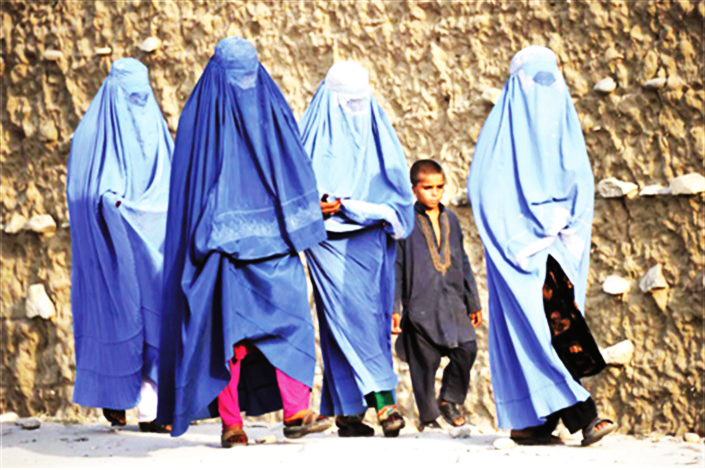
Noor Safi looked for a solution: “We talked to the village`s Imam. We wanted him to tell the father-in-law that the government was aware of his threats. We ordered the village`s Mullah to stay in the house of father-in-law until the morning, so that we can transfer the woman to a safe house next day, and they did so.”

“She stayed in the safe house for a long time, until the family of her husband disbanded. They were opponents of government, so they went to jail. Then the woman felt free again and returned her home.”

Noor Safi says people are always in communication with her “at least by telephone”. Her memories of Afghan women rush into her mind and her tongue. She talks about a raped woman in a “far village”.

“She was transferred to a safe house in Kabul. One of the region’s bullies had raped her. She is still in a safe house in Kabul; she can`t come back home because of the long distance. The bullies may rape her again.”

“She just turned 18. We even didn’t want to keep her in Mazar-i-Sharif. She was transferred to Kabul,” Noor Safi says when asked about this woman’s age.

The Eyes of Sharbat Gula, the “Afghan Girl”

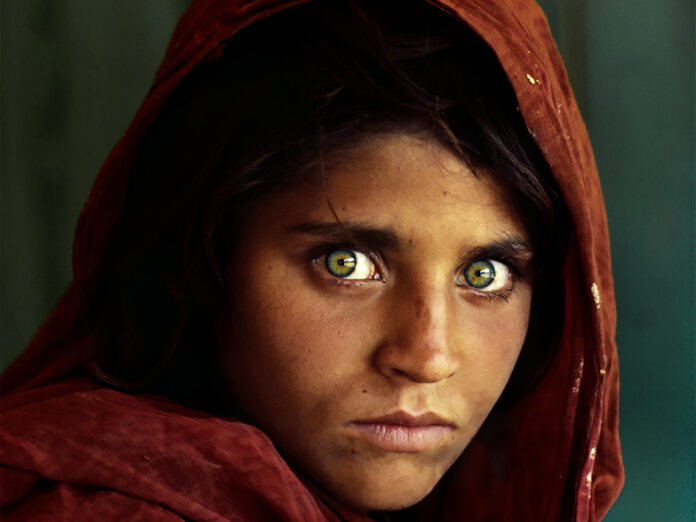
No one knew the girl who had the world’s most anxious eyes until the Soviet aircrafts killed her parents during a bombardment in 1984. Steve McCurry, the photographer of National Geographic, took the photo of Sharbat Gula where she had fled to the Nasir Bagh refugee camp in Pakistan. Her photo appeared on the cover of National Geographic and she was called “Third World’s Mona Lisa“. She married a man named “Rahmat” and returned to a far village in Afghanistan. Sharbat Gula gave birth to four daughters, three of them are alive now.
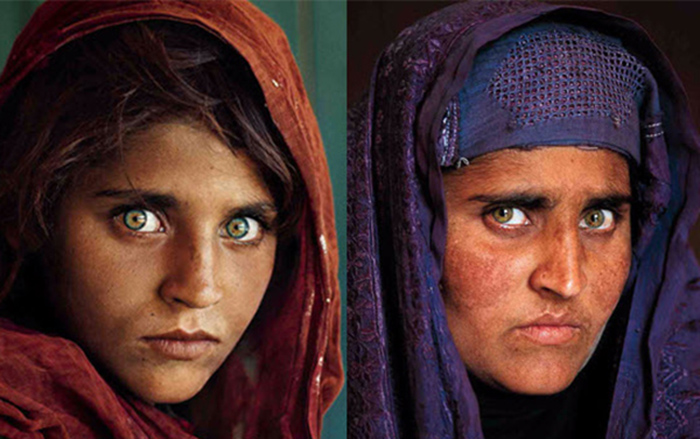
sharbat gulMcCurry found her again in 2002 and took another photo of her. She had the same eyes; anxious and rolling deep in a face with wounds of 17 years of homelessness. But the “Afghan Girl” story is going on: Sharbat Gula was arrested in Pakistan for living in the country using forged documents. She was detained for 15 days and then deported. The Amnesty International and other human right organizations showed reaction, and Sharbat Gula was taken to the Presidential Place after her arrival in Afghanistan, where she was formally received by Ashraf Ghani, the President of Afghanistan and his wife, the first lady of this country; and was offered a house: “The President promised Sharbat Gula that he would take care of her children’s education and treatment of her own illness.”

The story of Sharbat Gula is stuck in the mind of Gulalay Noor Safi. “There are thousands of women with similar problems, but she was noticed because of her photo’s widespread release in the world. It is very good that the President pays attention to her case. At least, we might never learn about her detention if she wasn’t Sharbat Gula.”

According to Noor Safi, Ashraf Ghani made a good symbolic move. “He sends the message to other women that they have someone to stand for their rights. The women start to respect themselves, thinking that at least, someone has defended an internationally well-known woman. Others are heartened to discuss certain issues. It shouldn’t depend on you having the eyes of Sharbat Gula. Other women also have talents to show in order to be supported like her.”

Stop Mass Deportation of Refugees

The tea vapour swirls and goes up. We change the topic to refugees. “Afghans have sought asylum in different countries of the world for more than 30 years. The unemployment and poverty could be important reasons; however in this moment, the main reason is war. People can’t trust in their future in Afghanistan and try to find a safe place to live,” she says.
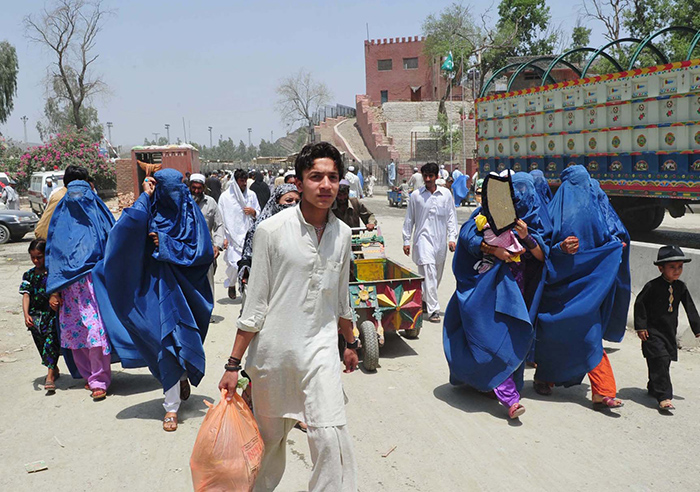
Afghanistan Refugees“Unfortunately, some destination countries deal with the issue of refugees politically, especially our neighbouring countries. By mass deportation of Afghan refugees, these countries use them to put pressure on Afghanistan when they don`t have a good relationship with us. But Afghanistan is unable to receive them. I admit that it is our task to host the refugees; however according to international laws, a refugee has the right to stay and live in the destination. It is agonizing to deal with refugees for political purposes,” she complaints.

“The Europe encountered the wave of refugees, too. We announce to the world that the war of Afghanistan is a result of war in region. If the war ends, our people prefer to reside in their own country, where they were born, rather than a strange place. But now that there are no equal conditions, other countries should stop the mass deportation of Afghan refugees. For example Pakistan took such an unreasonable decision.”

Fear of International Troops

Nowadays, if they encounter a well-equipped foreign soldier in the street, do Afghans fear? Or they would rather have a feeling of safety?

“Afghans have a free spirit. Historically, we never wanted foreign governments to rule us or be present in our country. But we are in a different situation now. Afghanistan was in a really unusual condition when international troops entered it. We were threatened by terrorism directly. Before Taliban, the Soviet Union joined the terrorism to destroy 80% of Kabul during its invasion of Afghanistan. People still fear facing another invasion like the attack of Soviet Union in 1970s. This is why Afghans prefer the western troops to be present there. Afghanistan has around 50,000 police forces now, but there are too many dangers to handle. Sometimes we need the help of foreign troops, because of not feeling secure and fearing the repetition of Russian invasion.”

“People are used to see well-equipped Afghan and western army forces in the streets; they have no direct danger in cities. People don’t care about them. They prefer the international troopers to terrorists. It seems that nothing ends the fear and cruelty.”

Physical Presence of Women in Parliament

The Constitution confirms that 25% of Parliament members must be female; in other words, 62 out of 249 members. “The good point is that people slowly get used to the presence of women in society, they come to believe that the government should consult women about its decisions,” she said, pushing forward the red scarf on her head.

“Obviously, not all the women who come to the Parliament have real intentions of change. Some of them only use the system and the law to enter the Parliament. It is agonizing. I accept the criticism; our presence is mostly physical. I feel the deficiency of mentality, in that we don’t perform what is expected. People are right to criticise it, saying that this presence is merely symbolic,” she said about female Parliament members.

Child Marriage Exists in Balkh, Too

 “Balkh is facing security problems, too. These problems exist all over Afghanistan. It is a major issue. We can’t develop unless we resolve it. We don’t care about women who want to have education or work. No one takes this responsibility. Women stay in homes, and they are still subject to violence. Children get married at a young age. These problems are pervasive in Afghanistan, particularly in Balkh. People suffer from unsafety and lose their hope for future.”

Now she must leave for Mashhad, so she is going to Mehrabad Airport. She intends to inform Afghan women of Mashhad about the act of violence against women. Gulalay takes off her glasses and cleans them.

“Do you still work as an ophthalmologist?” we ask.

“Not since 2005. When my clients come to me, they sometimes talk about their medical problems beside other subjects. I laugh and introduce them to other doctors,” she said.