Sunday, December 28, 2025
Home Blog Page 4200

Pro-Western Analyst Criticizes US for Hypocritical Approach towards Aleppo Liberation

Aleppo

farahmandAccording to a Farsi report by Mashregh News, following the liberation of Aleppo, the Western-Arab-Jewish coalition started moaning and groaning. Israelis are clad in black as a sign of mourning for “civilians” in Aleppo, and the US envoy to the UN started reciting fully emotional sermons.

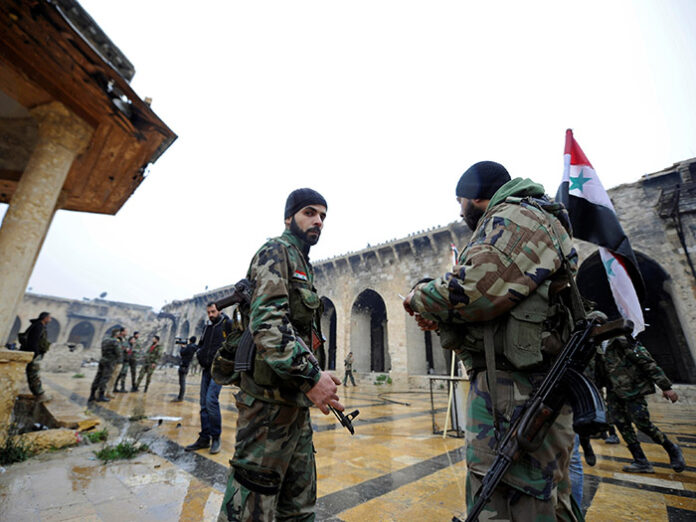
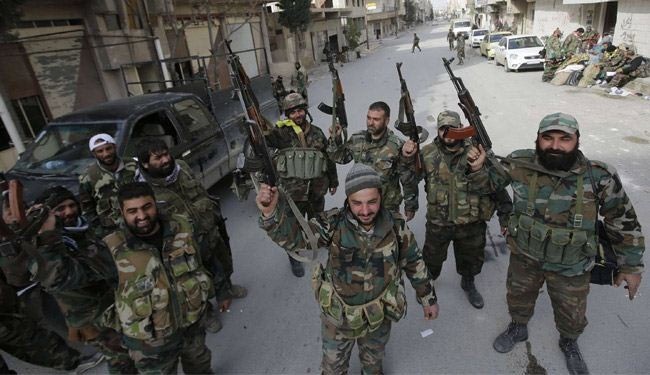
Syrian Army’s victory has baffled the pro-militant officials and media in a way that even the analysts of their own TV channels are showing contradictory reactions.

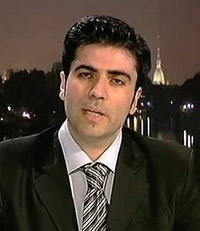
Farahmand Alipour, a BBC and VOA analyst, says the US envoy was acting as if she was the Swiss envoy to the UN and her country had committed no crime against humanity!

Alipour wrote in his personal Telegram channel:

Since the liberation of eastern side of Aleppo, the pro-US media started to launch large hues and cries in support for “civilians” residing in the regions. Of course, they are shameful of openly defending their militants east of Aleppo. Samantha Power, who had possibly forgotten she is the US envoy to the UN Security Council, delivered an emotional and humanitarian speech and in an address to Russia, Syria and Iran, said they had lost even the ability to be shameful.

The second TV channel of Israel has called what is going on in eastern Aleppo since the Syrian government forces dominated the city as a holocaust against which world leaders cannot do anything.

No statistic has been released by independent sources on fatality rate over recent days. Western media have at times put number of the dead at 82 and referred to it as the human casualty. It is not clear how many of those announced dead were civilians or were killed by which of the clashing sides.

But what would have happened if the US army, rather than the Syrian army, tried to regain Aleppo from extremist Islamist groups? Let’s suppose the figure 82 is right as regards the Aleppo fatalities. Could the US liberate the city with 82 victims?

The US decided in 2004 to confront Falluja insurgents. They were brothers of those who are today in Raqqa and Idlib and were yesterday in Aleppo. The US forces initially surrounded the city and then raided it both from the air and the ground. Based on official statistics, 620 civilians and 250 armed rebels were killed. However, the figures on table in Iraq put number of the civilian fatality as high as more than 2,000. In Fallujah war, the US army used white phosphor chemicals. It is a substance exploding in the air and causing severe burns. International treaties have since 1982 banned the use of fire arms against civilians and even the military positions that are located inside regions with civilian population concentrating in it. Falluja was an instance. The protocol has not been endorsed by the Senate, however. Hence, use of such arms cannot stand as an instance of crime!
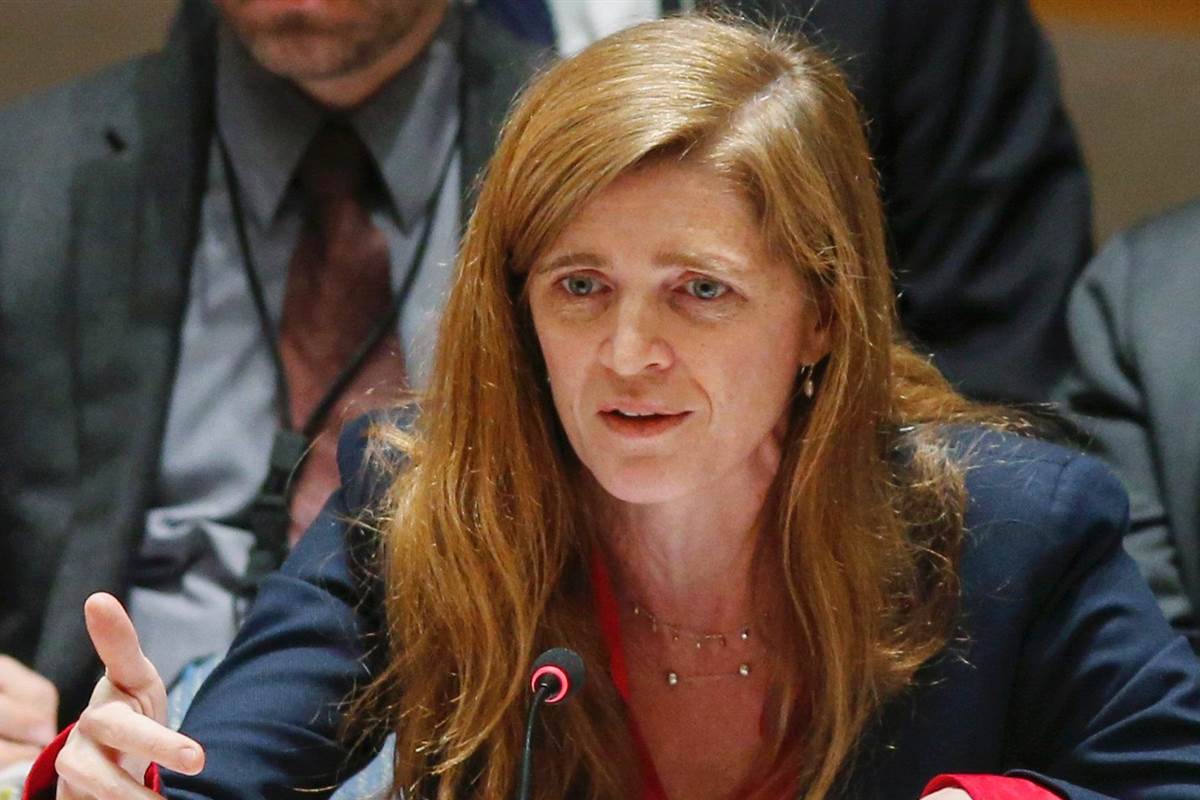
samantha powerThe US army published an article on Falluja battle in its journal in April 2005. It assessed the use of white phosphor as a psychological weapon used to expel rebels from their hideouts. It was a tactic known as ‘shake and bake’. Italian RAI network has broadcast a documentary, entitled hidden massacre in Fallujah, on the anniversary of the military operations. It shows burnt body of women and children. The US ambassador to Rome brushed off authenticity of such a report and documentary. However, several months later in 2006, the government of George W. Bush officially confirmed the use of black phosphor in Fallujah. Since 2004, hundreds of children suffering defects, sometimes beheaded children, are born in Fallujah and pregnancy of women in Fallujah is still a nightmare.

Speaking of Iraq and the US and the way the US confronts its enemies – and of Samantha Power, who thinks she is not the US envoy but the Swiss envoy to the UN – it is good to have a look at a report by French magazine Le Monde on genocide and massacre of half a million Iraqi children:

The UN Security Council should be held accountable in the most lethal case of massacres in Iraq: It means the punishments imposed on Iraq after aggression on Kuwait. Based on the UN statistics, the UN Security Council banned any trade with the country, thus causing deaths of 500,000 to one million children.

The UN Human Rights Coordinator in Iraq, Irish Denis Halliday, resigned from his mission in Iraq in 1998 so as not to be forced to implement the sanctions program. He calls the programs as a genocide.

In 1995, an American female journalist asked the then US Ambassador to the UN, Madeleine Albright, whether continued sanctions were worth of lives of 500,000 Iraqi children. Her answer was alarming: That’s a very difficult choice. However, we think that’s the price which should be paid. Yes, it is worth.
Syrian armyWith lapse of years, it is now clear that the genuine goal of the sanctions was not Iraqi weapons but the dictator himself. As Denis Halliday explains, the justification was if you hurt Iraqi people and kill their children, they will rise up out of anger and topple the despot. The US tried to follow up the hypothesis for 12 years. In 1991, the US air force regularly bombarded water, sewage, purification and even power plant stations. In the coming decade, Iraqis lived without any drinking water. Halliday says typhoid and all the diseases caused by contaminated waters and spread like a flashlight were devastating. Americans did know such an approach could kill thousands of people. A classified Pentagon file in 1991 well confirms the issue. The confidential investigation, which was cold-bloodedly entitled ‘vulnerability of water refining in Iraq’, makes it clear that ruining water networks will cause collective deaths and spread of contagious diseases.

During all these years, the diseases were spread; Britain and the US dominated the committee of punishment in New York. In 12 years, the two allies prevented sanctions for import of necessary parts for repair of the water network. Halliday concludes: “And instead of holding Saddam Hussein accountable, Iraqi people eventually lay the blame on the US and the UN for all the pain and sufferings they were enduring as a result of the impact of the decisions on their lives.”

Years have passed and American leaders have come to understand that their hypotheses, including the punishments, have been ineffective, but have destroyed thousands of Iraqis. However, they continue imposing sanctions; why? One of the members of the American delegation to the UN, who defended sanctions, was Thomas Pickering who simply admits: “There is no best solution.”

Is there any need to recall the US-backed regimes in Tel Aviv, in Riyadh, in South America and so on and know what they do? Is there any need to recall that after decades, the US is still officially refraining from expressing verbal apology for genocide in Hiroshima and Nagasaki? Which war do you know in the universe on one side of which the US does not lie? Our world is so disgraceful. The most indebted to the world poses to be the most creditor. The most disgraceful elements worldwide like Israelis have been more sensational vis-à-vis Aleppo. This is while, nine years have passed and they have put their foot on the neck of Gaza prison and every two years, they review the episode.
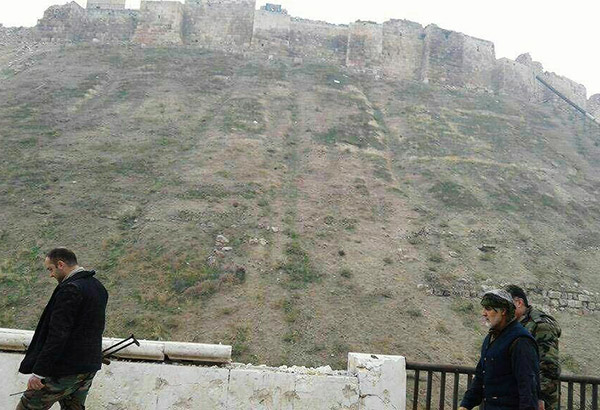
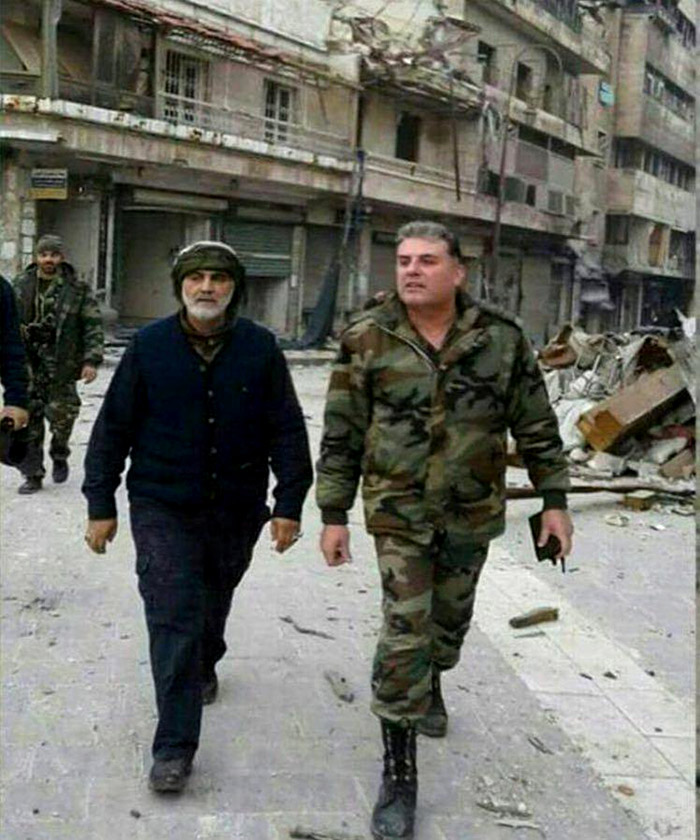
New Photos Show Iran’s General Soleimani in Syria’s Aleppo

General Soleimani

According to a report by IFP, General Soleimani seems to be walking in front of the Citadel of Aleppo in one of these photos.

In the other photo, General Soleimani is accompanied by another commander while visiting the streets of Aleppo, which was recently liberated by the Syrian Army.

General SoleimaniGeneral Soleimani and the IRGC Quds Force have offered extensive advisory help to the armies of Iraq and Syria in their ongoing fight against terrorists, particularly the ISIS militants.
Earlier on December 16, Syria’s grand Mufti Sheikh Ahmad Badreddin Hassoun appreciated Iran for their support for the Arab country in its campaign against terrorists.

Addressing Friday prayer worshipers prior to the main sermons in Tehran, Sheikh Hassoun said, “For the liberation of the city of Aleppo, where all the terrorists have been forced to leave, I thank the Iranian nation.”

Earlier this week, Syrian forces completed the liberation of Aleppo, with militants having surrendered most of their remaining territory.

Hundreds of foreign-backed militants have laid down arms in Aleppo in the past 48 hours. Almost 6,000 civilians have also left militant-held districts of the northwestern Syrian city over the past days.

Aleppo, once Syria’s commercial and industrial hub, had been divided roughly in two parts since 2012, with the government controlling the west and terrorists the east.

Iran’s President to Visit Armenia, Kazakhstan, and Kyrgyzstan

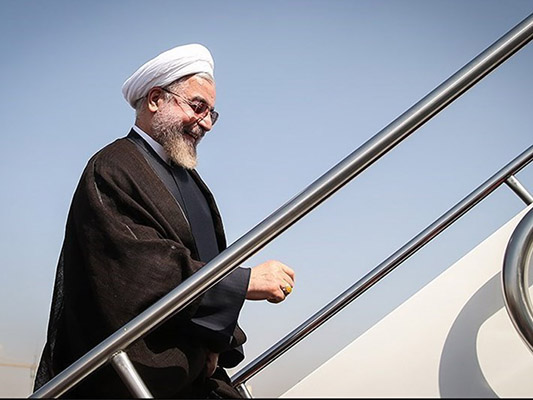
Rouhani

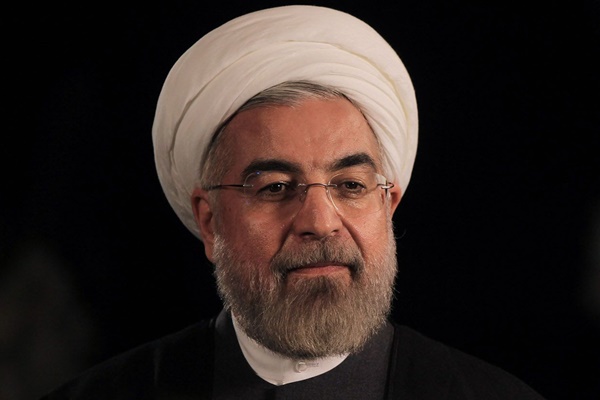
According to a report by IFP, Iranian president’s deputy chief of staff for communications and information, Parviz Esmaeili, announced that President Rouhani will leave Tehran for Armenian capital of Yerevan on Wednesday, December 21.

The trip to Yerevan will be made at the invitation of Armenian President Serzh Sargsyan, and is aimed at boosting bilateral relations and deepening mutual cooperation with neighbours and regional states, Esmaeili added.

Rouhani will then pay official visits to Central Asian countries of Kazakhstan and Kyrgyzstan as well.

US Dreams of Divided Syria Shattered in Aleppo: Iranian Commander

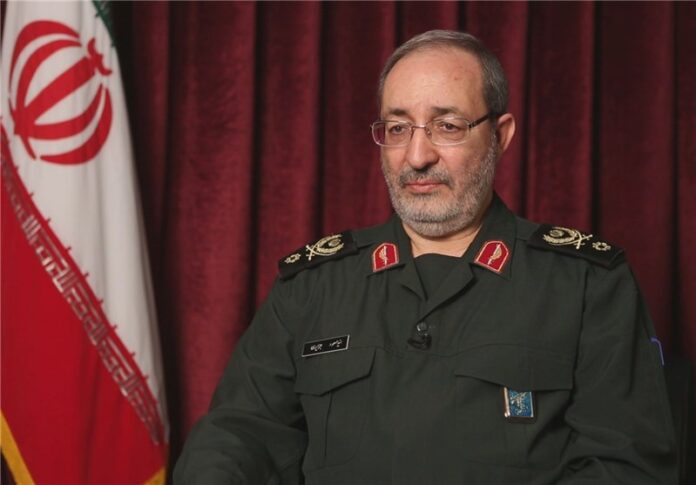
Deputy Chief of Staff of the Iranian Armed Forces Brigadier General Massoud Jazayeri

“The victory of the Syrian fighters and the resistance front against the enemy (in Aleppo) foiled the US plot to disintegrate Syria and overthrow its legitimate government, and, from a macro perspective, the US dreams of the Greater Middle East were shattered,” Deputy Chief of Staff of the Iranian Armed Forces Brigadier General Massoud Jazayeri told Tasnim on Sunday.

Hailing the liberation of Aleppo as a “major and strategic victory” in the war against terrorism in the region, Jazayeri said the enemies are doing their utmost to prolong the war and bloodshed in Syria even for one more day, saying the US and international Zionism pursue and scorched-earth policy in the Middle East and seek to undermine Islamic countries.

The Syrian army took nearly all remaining terrorist-held parts of Aleppo this week after a four-year battle.

Hundreds of foreign-backed terrorists have surrendered in Aleppo in recent days.

Following the Syrian army’s significant gains on the ground, people took to the streets of Aleppo on Wednesday to celebrate the city’s recapture.

However, the evacuation of people from Aleppo has been hampered as the terrorist groups violated an agreement with the Syrian government by trying to take hostages with them.

Syria has been gripped by civil war since March 2011 with various terrorist groups, including Daesh (ISIL), controlling parts of it.

Britain Is Secretly Exploiting Chaotic Situation in Mideast: Iranian Diplomat

asefi

“Britain is the world’s second arms exporter, and Saudi Arabia purchases most of them; we can even call Saudi Arabia the world’s number-one purchaser of weapons,” said Hamid Reza Assefi, a former spokesman for the Iranian Ministry of Foreign Affairs.

Referring to a recent visit by British Prime Minister Theresa May to the Middle East, Assefi noted that Britain, which sold $5bn of weapons to Saudi Arabia last year, pursues certain objectives in the region:

“It seeks to save its bankrupt military industry and economy; to boost its market by creating division and rivalry between regional countries; and to exploit the gap between them, caused by the current conflict between the US and Russia.”

“While the US is caught in Syrian war’s quagmire, Britain is silently exploiting the situation of region,” he added in a Farsi interview with Khabar Online.

The Iranian diplomat went on to say that by offering assistance to regional adversaries of Iran, English officials are after reviving their political figure in the region for further exploitations.

“Britain has left the European Union, so it won’t act within the EU’s framework anymore.”

“Now Britain is shaping its own policies. It doesn’t formulate joint policies with the EU from now on, so it will resume the traditional deceitful policies towards Iran, namely the tricky interventions,” he added.

“Of course Britain isn’t as powerful as it was once; the world has changed as well. The nations have woken up and won’t allow Britain to interfere in their affairs. Political instruments have also evolved, so the old English ways won’t be effective anymore,” he noted.

Egypt Claims to Have Seized Iranian Boat in Red Sea

Iranian Boat

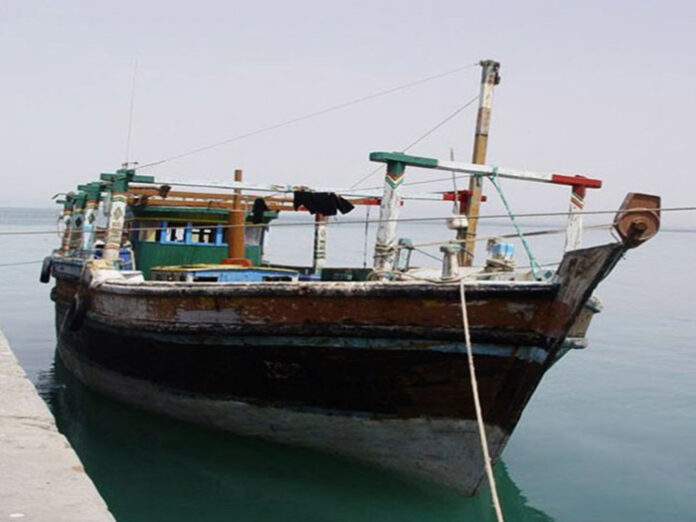
According to a report covered by Fars, Egypt’s armed forces claimed in a statement that there were some suspicions about the Iranian boat sailing in the Egyptian territorial water in the Red Sea.

While inspecting the boat, some 171 kilograms of drugs, a number of cellular mobiles, and some US, Iranian and Pakistani currencies and other equipment were seized, the statement added.

The boat crew numbering seven people from different nationalities were arrested to take legal actions against them, it noted, as reported by KUNA.

Iran’s President to Sign ‘Civil Rights Charter’

According to a Farsi report by ISNA, the office of Vice-President for Legal Affairs announced that the ceremony to unveil the ‘Charter of Civil Rights’ will be attended by prominent lawyers, jurists, and law professors in Tehran.

“As part of his promises to the Iranian nation, and in a move to protect the rights of Iranian people, President Rouhani will sign and unveil the Charter of Civil Rights on Monday,” the office added.

A number of human rights and civil rights activists will also take part in the ceremony, where President Rouhani will implement ‘an important part of Iran’s Constitution’, according to the office of VP for Legal Affairs.

Iran Bans Any Gathering in Front of British Embassy

03

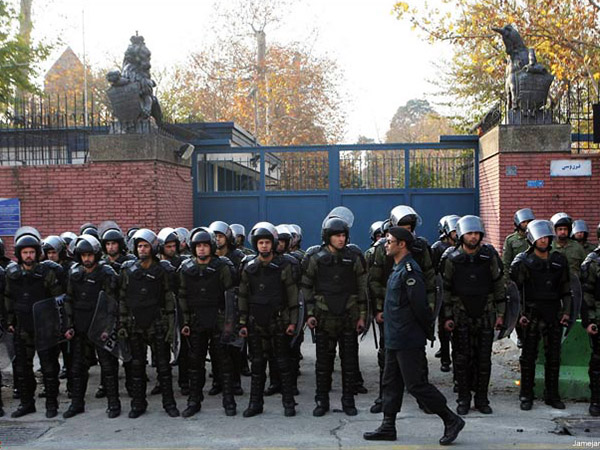
According to a Farsi report by IRNA, an anonymous group recently posted invitations in social media, asking people to attend a protest gathering in front on British embassy in Tehran on Monday.

However, Ali-Asghar Nasserbakht, the deputy governor of Tehran, announced that no licence has been issued for holding any gathering in front of foreign embassies, including the British embassy, in Tehran.

“No request for holding any gathering in front of British embassy has been submitted to the governor’s office yet,” he noted.

Therefore, he added, holding any gathering in front of embassies, including that of Britain, is a violation of law, and protesters will be prosecuted.

“Security bodies, including the Law Enforcement, will legally prevent any illegal gathering in front of embassies,” Nasserbakht went on to say.

The calls for protest rallies against Britain came after the Leader of Iran’s Islamic Revolution Ayatollah Seyyed Ali Khamenei harshly criticized British officials, particularly Prime Minister Theresa May, for their recent anti-Iran allegations.

“In recent days, the Britons have labeled – in the most shameful manner – the oppressed and dear Iran as a threat to the region but everybody knows that contrary to such allegations, this is the British (officials) who have been always the source and root cause of threat, corruption, danger and misery,” the Leader noted on Saturday.

The Leader made the remarks after British Foreign Secretary Boris Johnson on Thursday summoned the Iranian and Russian ambassadors to convey his ‘profound concern’ over Tehran and Moscow’s roles in the ‘suffering’ of Aleppo’s residents.

Johnson alleged that Iran and Russia had failed to uphold “humanitarian law” by not helping aid get to Aleppo when it was under siege, Tasnim reported.

In the meantime, British Prime Minister May has also said that Syrian President Bashar al-Assad, Russia and Iran “bear responsibility for the tragedy in Aleppo.”

Iran’s Salehi, IAEA’s Amano Discuss Nuclear Propulsion Programs

Salehi- Amano

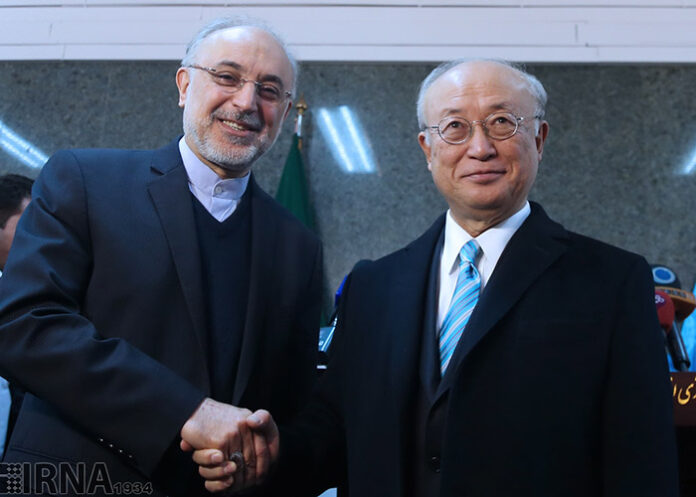
Heading a delegation, top UN nuclear official Yukiya Amano arrived in Tehran on Sunday morning for a series of high-profile meetings for talks on the process of implementing the Joint Comprehensive Plan of Action (JCPOA), a nuclear agreement between Iran and the Group 5+1 (Russia, China, the US, Britain, France and Germany), which came into force in January.

Speaking to reporters after a joint press conference with Amano, Ali Akbar Salehi said his talks with the Japanese official have revolved around Iranian President Hassan Rouhani’s order for reaction to the US violation of the JCPOA, after the US Congress passed a bill extending Iran Sanctions Act (ISA) for ten more years.

Following the US measure, President Rouhani ordered the AEOI to develop Iran’s peaceful nuclear program within the framework of the international regulations by designing and manufacturing nuclear propulsion systems in the maritime domain and in cooperation with the Iranian scientific and research centers.

Salehi told reporters that he has discussed the aspects of the presidential order with Amano, as well as Iran’s commitments within the framework of the IAEA’s regulations and the Additional Protocol.

Asked about the purity of uranium fuel for the nuclear propulsion systems, Salehi said it is not an easy subject that could be decided immediately, saying his organization will have three months to study the plan.

Enrichment of uranium to run those systems may vary from a purity of 5 percent to 90 percent, depending on its type, the purpose and the time available, he explained, stressing that all such activities will be carried out in conformity with the Safeguard Agreements.

The Iranian nuclear chief also denied that Amano has passed on a message from the US.

He then insisted that the IAEA should remain an impartial and independent body without coming under the influence of any party.

In a statement released on Friday, the IAEA said Amano’s visit to Tehran “is part of regular high-level contacts between the agency and Iran.”

It is Amano’s second trip to Iran in 2016. He once visited Tehran in January, days after the JCPOA took effect.

The IAEA is responsible for monitoring Iran’s nuclear activities as per the nuclear deal and should also help the country develop its nuclear energy program.

Islamic Regulations Protect Civilians, Women and Children

international conference-islam

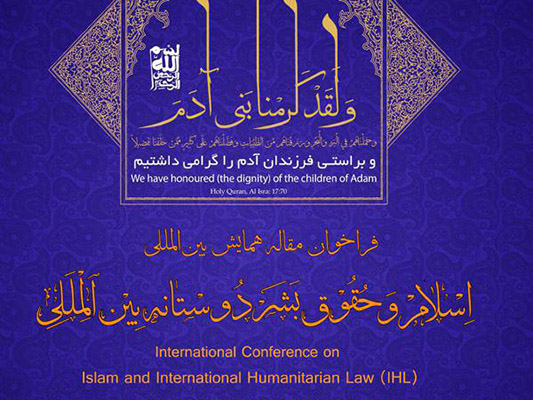
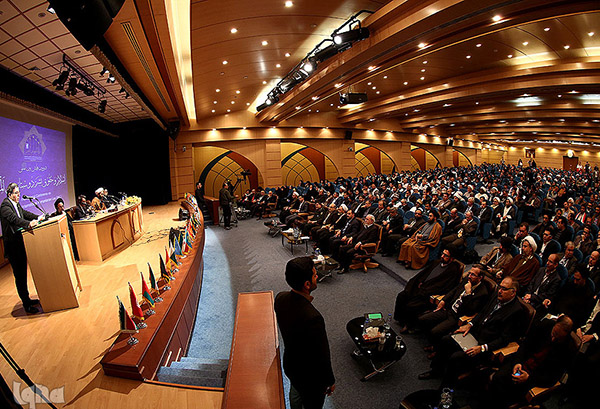
The second International Conference on Islam and International Humanitarian Law (IHL) was recently held in Ghadir Conference Hall in central Iranian city of Qom.

More than 20 countries participated in this conference, during which the main humanitarian principles Islam has in common with International human rights were discussed.

According to a Farsi report by Shahrvand Newspaper, this conference, organized by the Centre of Comparative Studies of Islam and IHL, Iranian Red Crescent Society and International Committee of the Red Cross In Iran, was an opportunity to discuss civilian rights- especially for the disabled-, refugees’ issues, and healthcare facilities for patients and corpses during the war, and also to present the humanitarian legacy of different religions.

“Islam has a comprehensive view on humanitarian rights,” noted Abdolhossien Mo’ezzi, the representative of Iran’s Leader in Red Crescent Society.

“Unfortunately, despite the recommendations of all Abrahamic religions to respect humanitarian laws, there are peoples and groups in the Middle East and other parts of worlds who call themselves Muslim, Christian or Jewish, but trample on human rights.”

“Now that women, children and civilians are killed in large numbers in Yemen, Iraq, Palestine and Syria, we should explore the causes and conditions of such a paradoxical behaviour as an important topic to be brought up in conferences like this,” Mo’ezzi added, emphasizing that such actions in the name of Islam will lead to nothing but Islamophobia.

He went on to say that as poverty has always been a main motive for violent behaviour, illegal groups seize the opportunity to attract and organize poor people in order to achieve their anti-human goals.

“By supporting NGOs and public charities, we can give donations and mobilize volunteers for reducing deprivation and boosting the hope in low social classes,” Mo’ezzi noted.

international conference-islam

Rationalism, Spirituality, and Justice Can Shield All Religions from Extremism

Ali-Asghar Ahmadi, the Secretory-General of Iranian Red Crescent Society, also said, “Religious values come from an idealistic system, and include religious beliefs. The components of this value system are very similar in different religions. Commitment to this shared system, as well as to three common criteria among religions, namely rationality, spirituality and justice, shield any religion from extremism.”

“The painful events of recent years in the world, especially in the Middle East, alarmed the world’s religious leaders, and reminded them about their responsibility to maintain peace and to invite their followers to mutual respect and tolerance towards the followers of other religions. Along with political leaders, religious leaders are able to reduce these so-called religious wars to a high extent by committing people to mutual acceptance of other religions,” he added.

Ahmadi pointed to the huge increase of armed conflicts during the past half-century and the fade-out of boundaries between military and civilian targets.

“The intentional or unintentional misunderstanding of religion has led to the killing of civilians, capture of women and children, killing of soldiers and troopers in cruel ways, environmental destruction and harassment of followers of other religions. It is necessary to notify people of this danger,” he explained.

Ahmadi emphasized that there have been several international conventions and documents to protect soldiers, civilians and other people who are affected by armed conflicts. The conventions of Geneva, The Hague and other treaties intend to establish humanitarian principles to be imparted during the war. This type of laws doesn’t prevent the war, but can console the people involved in conflict.

“Abrahamic religions approve of these laws. Islam in particular has regulations based on justice, kindness and human rights to be applied during the war. Islamic laws protect civilians, women, children, the elderly and even the corpses, and forbid disrespect for them.”

Several related workshops were held during the second International Conference on Islam and International Humanitarian Law, including respect for international humanitarian laws, the causes of today’s conflicts, and the study of environmental challenges. 10 books in the field of Islam and IHL were also unveiled.