Tuesday, April 14, 2026
Home Blog Page 4181

Tehran-Damascus Coordination Key to Syria Victories: Iran’s VP

Iran-Syria

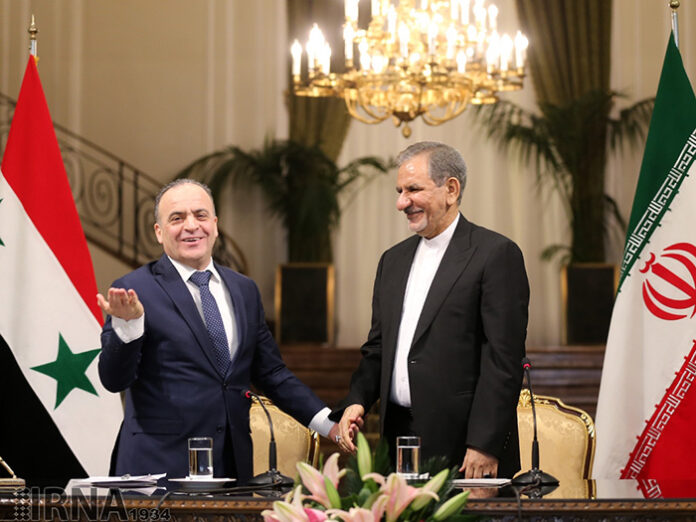
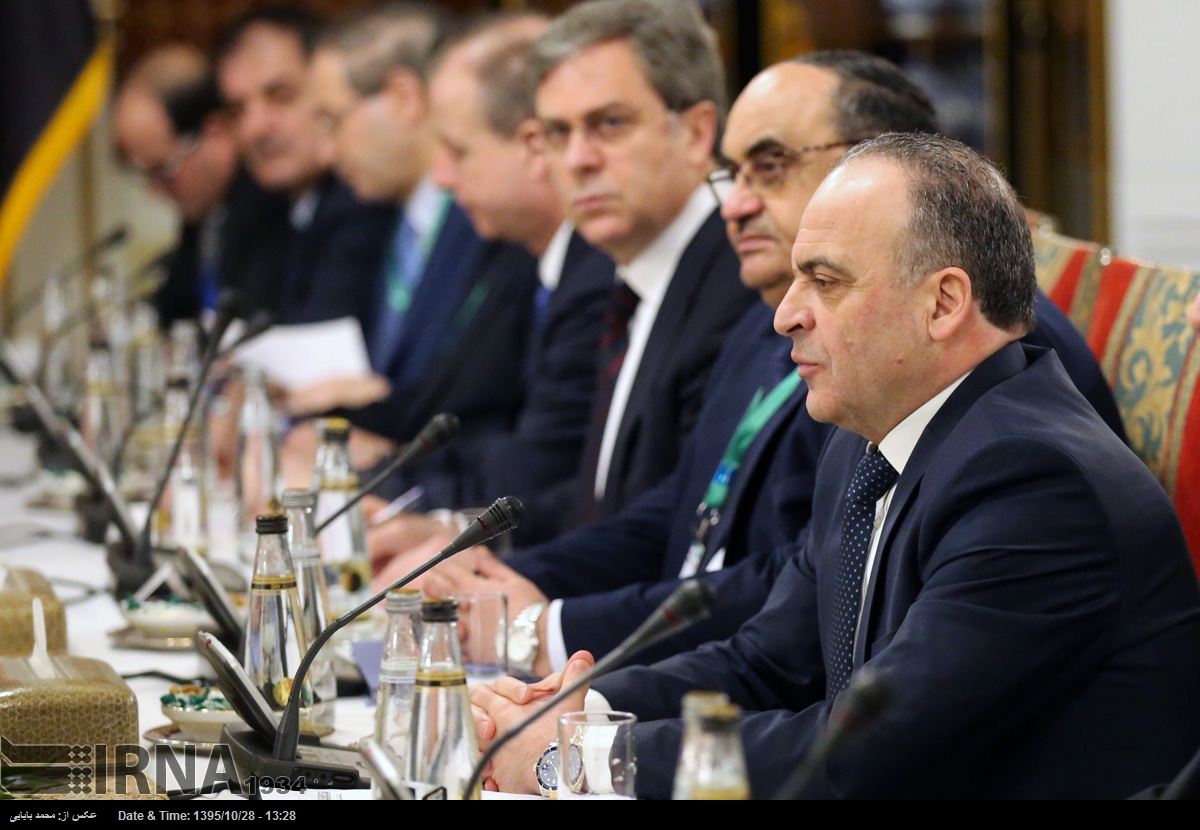
Jahangiri made the remark at a Tuesday press conference with Syria’s Prime Minister Imad Khamis, who has traveled to the Iranian capital, Tehran, at the head of a delegation.

“It is certain that Syria’s victories are owed to the gallantry and steadfastness of the Syrian people, army, the fighters of the resistance axis, and also the result of coordination on the field as well as political coordination between the country and Iran,” the Iranian official said.

“As the government and people of Iran, we have supported and assisted the Syrian people and legitimate government” in the face of terrorism, he added.

Last month, Syria retook its northwestern city of Aleppo from Takfiri terrorist groups in the biggest blow to the outfits and their foreign supporters since militancy began in the country in 2011. The victory was followed by the establishment of a ceasefire in the city, which was later expanded to the entire country. Iran and Russia coordinated efforts and talked to Turkey, which represented the militants, contributing to the achievements as a result.

Jahangiri said Damascus and the Syrian people had stood by the Iranian government and people during Iraq’s 1980-88 war on the Islamic Republic.

Both officials, meanwhile, hailed the efforts invested by the late founder of the Islamic Republic, Ayatollah Rouhollah Khomeni, and former Syrian President Hafiz Assad in establishing redefined bilateral relations between the two states after the 1979 victory of Iran’s Islamic Revolution.

Addressing the economic aspect of the visit, Jahangiri said the two sides signed five documents of cooperation in the fields of agriculture, mining, petroleum extraction, animal husbandry, and mobile communications.

An LoC was also opened for the export of Iranian commodities to Syria.

A sixth document will be signed in the near future enabling Iranian investment at one of Syria’s ports.

The Syrian official, for his part, said Iran and Syria were together in the fight against terrorism.

Khamis is to meet with Iran’s President Hassan Rouhani and Ali Shamkhani, the secretary of Iran’s Supreme National Security Council, later during his visit.

Iran Ready to Help Saudi Arabia in Regional Affairs: President Rouhani

Rouhani

Elaborating on the existing tensions in relations between Iran and Saudi Arabia, Rouhani said the foreign policy of the Islamic Republic has been founded on forging close ties with neighbouring countries, including the littoral Arab states of the Persian Gulf.

Rouhani stated that the root cause of the existing problems between Iran and Saudi Arabia was Riyadh’s war on Yemen, adding, “Saudi Arabia must stop strikes on Yemen as soon as possible.”

Speaking at a press conference in Tehran on Tuesday, the Iranian president also mentioned Saudi Arabia’s intervention in developments going on in other parts of the region, including Bahrain, as another cause of tensions between Tehran and Riyadh.

According to a report by Press TV, Rouhani referred to severance of diplomatic ties between Tehran and Riyadh, and said, “It was Saudi Arabia, which decided to unilaterally cut ties with Iran and this was not our decision.”

He added that some countries, including Iraq and Kuwait, had sought to mediate for the improvement of relations between Iran and Saudi Arabia, adding that if Saudi officials “take up the right path and make correct decisions,” Tehran is ready to even help Riyadh with regard to regional affairs, including in Yemen, and to promote peace and unity in the region.

Iran’s Economic Growth Has No Parallel in Middle East: Rouhani

Rouhani

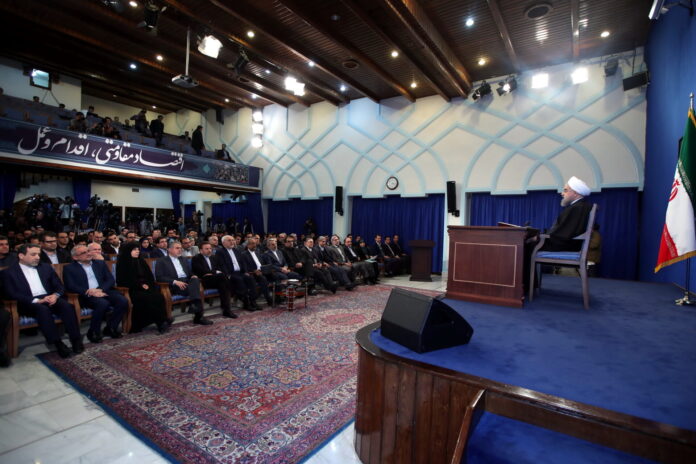
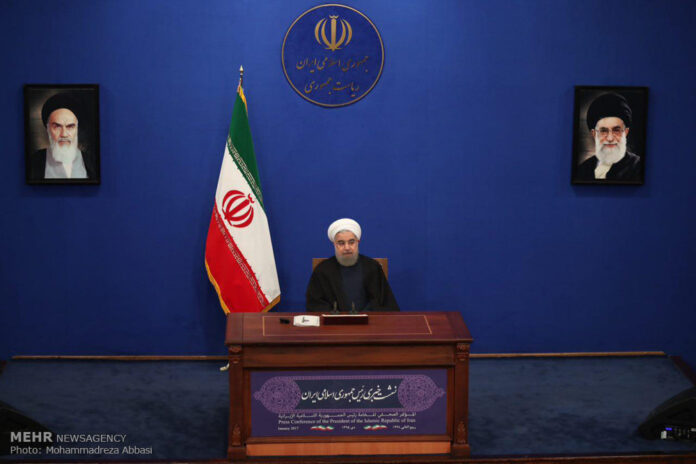
Speaking at a press conference in Tehran, President Rouhani said 700,000 jobs have been created in the country during past year while only six countries in the world have been able to create over 600,000 jobs per year.

Trump Doesn’t Know Nuclear Deal Is in His Favour: Iran’s President

Rouhani

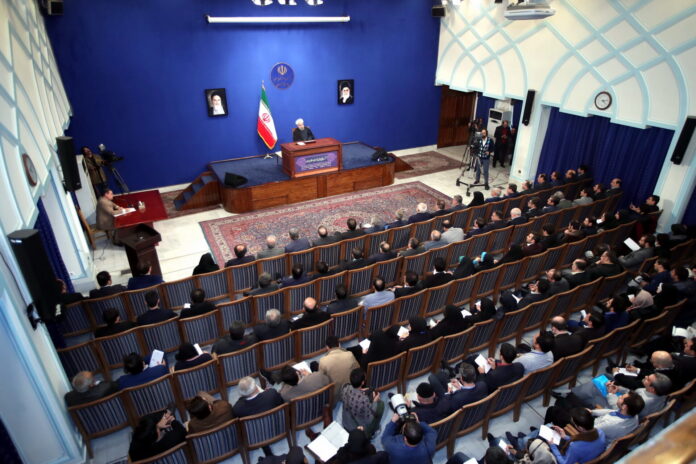
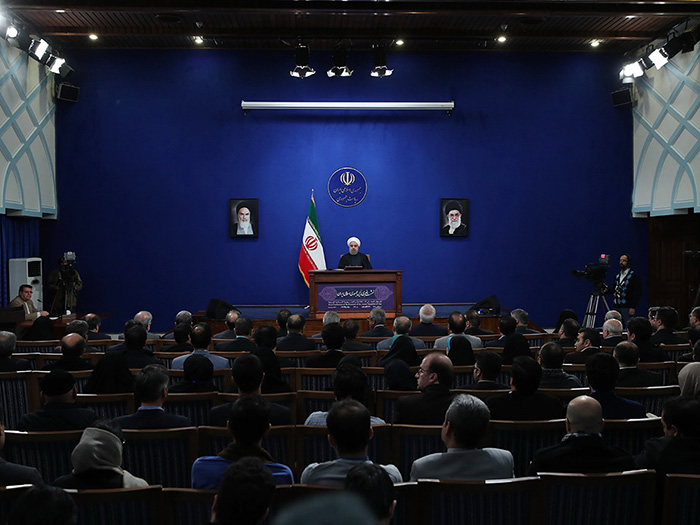
Speaking at a press conference attended by some 200 Iranian and foreign reporters in Tehran on Tuesday, President Rouhani pointed to the recent remarks made by US President-elect Donald Trump against the nuclear deal, and stressed that the idea of re-negotiating JCPOA [raised by Trump] is nonsense.

“Negotiations have been aimed at concluding the final deal, and have taken several years to complete,” Rouhani noted in the press conference held on the first anniversary of JCPOA implementation day.

“JCPOA is not such a deal that someone elected somewhere in the world says I don’t like it,” he added, referring to Trump’s opposition to the nuclear accord, according to a report by IFP.

“The US President-elect cannot dislike this deal. As Holy Quran says, you might dislike something while it is in your interest. The new US president doesn’t know that JCPOA benefits him,” Rouhani said, reiterating that the Joint Comprehensive Plan of Action is a win-win deal.

Rouhani

Elsewhere in his remarks, he noted that the historic deal over Iran’s nuclear program and its implementation has belied the claims against the country seeking weapons of mass destruction and demonstrated the honesty and sincerity of the Islamic Republic.

Rouhani further noted that those who claimed that Iran sought to develop nuclear and other weapons of mass destruction were speaking unjustly and unjustifiably and they should be ashamed of themselves now.

“Very few pundits believed that the issue of PMD (Possible Military Dimensions to Iran’s nuclear program) would be resolved, and the International [Atomic Energy] Agency would admit that Iran’s outstanding issues had ended,” the Iranian president said.

Describing the JCPOA as “a great national achievement,” Rouhani said, “The closure of this dossier amounted to a moral victory for the great Iranian nation.”

Rouhani stressed that all nuclear-related sanctions against the Islamic Republic have been removed after implementation of the JCPOA started, adding that there are no more bans in the gas, oil and transport sectors, Press TV reported.

He added that, however, the US, given its hostility toward the Islamic Republic, has been creating obstacles in the banking transactions between Tehran and the rest of the world.

Rouhani said Iran “is standing with great might and powerfully against” the violations of the JCPOA, adding, however, that “we have not acted and will not act hastily, because national interests are a principle for us and we will always bear in mind these interests.”

Iranian Parliament Votes for Increased Bandwidth

internet

Iranian lawmakers approved the bill with 123 votes in favour, 63 votes against and five abstentions in their open session on Saturday, February 14, according to a Farsi report by ICANA.

It is stipulated in the bill that the ministry can seek the cooperation of domestic private sector and use foreign funds to implement the project.

The bill came as Iran’s ICT Minister Mahmoud Vaezi announced the country’s bandwidth will be increased to 10,000 GB in one and a half months, according to Arya News Agency.

The bill approved by Iran’s Parliament also requires the ministry to develop electronic services infrastructure in the country’s rural and deprived areas and provide people in 80 percent of rural districts — with more than 20 households — with health, education, agriculture and banking electronic services.

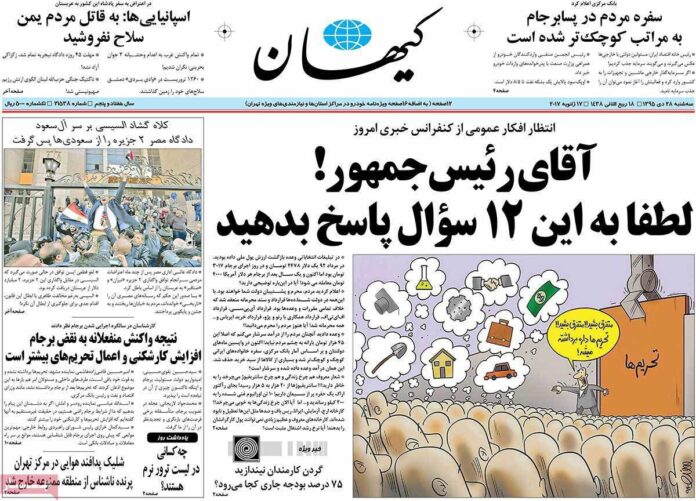
President Rouhani Urged to Answer 12 Questions in Today’s Presser

Kayhan

President Rouhani is due to answer the questions raised by journalists in a press conference on Tuesday afternoon in Tehran.

“Apparently, the press conference is being held on the pretext of JCPOA implementation’s first anniversary,” Kayhan said in its Tuesday report, predicting that the questions raised by journalists will not be answered as President usually spends the majority of time in his press conferences delivering his speech.

However, Kayhan added, public opinion has its own questions and looks for answers to them.

The conservative newspaper has raised 12 questions, which it says are the current problems of Iranian people, and asked Rouhani to answer them in his Tuesday press conference.

Its first question deals with Rouhani’s campaign promise to bring back the lost credit to Iran’s national currency. It highlights the decreasing value of Iran’s rial and asks Rouhani to explain why dollar rate has surged.

As the second question, Kayhan refers to Rouhani’s remarks in praise of US President Barack Obama’s intelligence and politeness, and asks him whether he is still holding the same opinion even though Obama extended anti-Iran sanctions and the state of emergency. “Is he still a polite man in your opinion? If so, what should he do to seem impolite to you?”

In its third question, Kayhan points to Rouhani’s campaign promise not to hide anything from Iranian people, and asks why his government signed several secret agreements and contracts, including IPC [Iran Petroleum Contract], FATF [Financial Action Task Force], and even deals with Peugeot, Renault, and Airbus, without letting the nation know about their details.

In the fourth question, the conservative paper reminds Rouhani of his promise to promote the validity of Iranian passport, and stresses that the country’s international passport credibility has sharply decreased in recent years. “You even failed to send your designated UN envoy to the US!”

The fifth question deals with Rouhani’s promise to decrease unemployment rate, which according to Kayhan has not been fulfilled. “In some provinces, unemployment rate among young people has risen to over 50%. Do you have any explanation for Iranian people?”

In its sixth question, Kayhan refers to the sharp decrease in people’s purchasing power, and reminds Rouhani of his promise to improve the level of people’s income.

“One of the unforgettable promises you made was Iran’s considerable economic boom and that people’s lives will flourish as Iran’s centrifuges work,” Kayhan noted in its seventh question, highlighting the fact that many major industrial brands in Iran have been shut down and gone bankrupt while Rouhani’s government insists on declaring a positive economic growth rate. “Is there any logical relationship between these statistics and the realities?”

In its eighth question, Kayhan also pointed to the country’s nuclear industry and the decrease of Iran’s centrifuges from 20,000 at the beginning of Rouhani’s term to today’s 5,000. “That day, we enriched uranium up to 20%, while now it is only 3%! That day, we had almost 10 tons of enriched uranium, but now it is just 300kg […]. Mr Rouhani! What did you do to Iran’s nuclear industry? Do you still think Iran’s centrifuges are working?”

Kayhan’s ninth question deals with the issue of housing, and strongly criticizes Rouhani and his Minister of Urban Development for their attacks on former president Ahmadinejad’s ‘Mehr’ Mass Housing Project. “Mr President! Do you have any practical plan, or even something on paper, for people’s housing?”

In the tenth question, Kayhan refers to his campaign promise to be transparent and obey the country’s laws and regulations. It criticizes two ministers for their refusal to disclose their properties based on Iran’s law, and also asks Rouhani about his brother’s alleged corruption.

The eleventh question refers to Rouhani’s remarks before the 2013 election who said 20% of Iran’s problems are caused by sanctions and the rest is the result of mismanagement. “While sanctions are removed as you say, and your elite managers have been in charge in the past four years, why have the country’s problems increased? Were you wrong when you made those remarks and the effect of sanctions was more than 20%? Do you deny the issue of mismanagement in your administration?”

Kayhan’s last question asks Rouhani why the country’s oil income has decreased by 18% while the oil price has increased and the country is selling more oil than the previous government. “Is there another secret of which we should not be aware?”

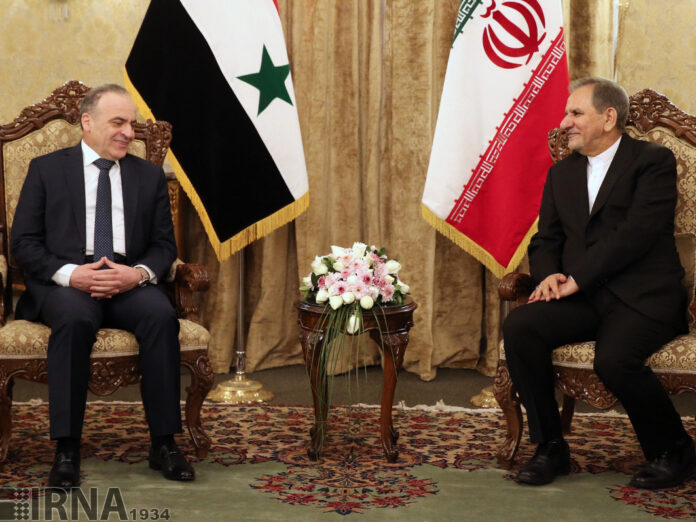
Iran Signs 5 Documents of Cooperation with Syria

Iran-Syria

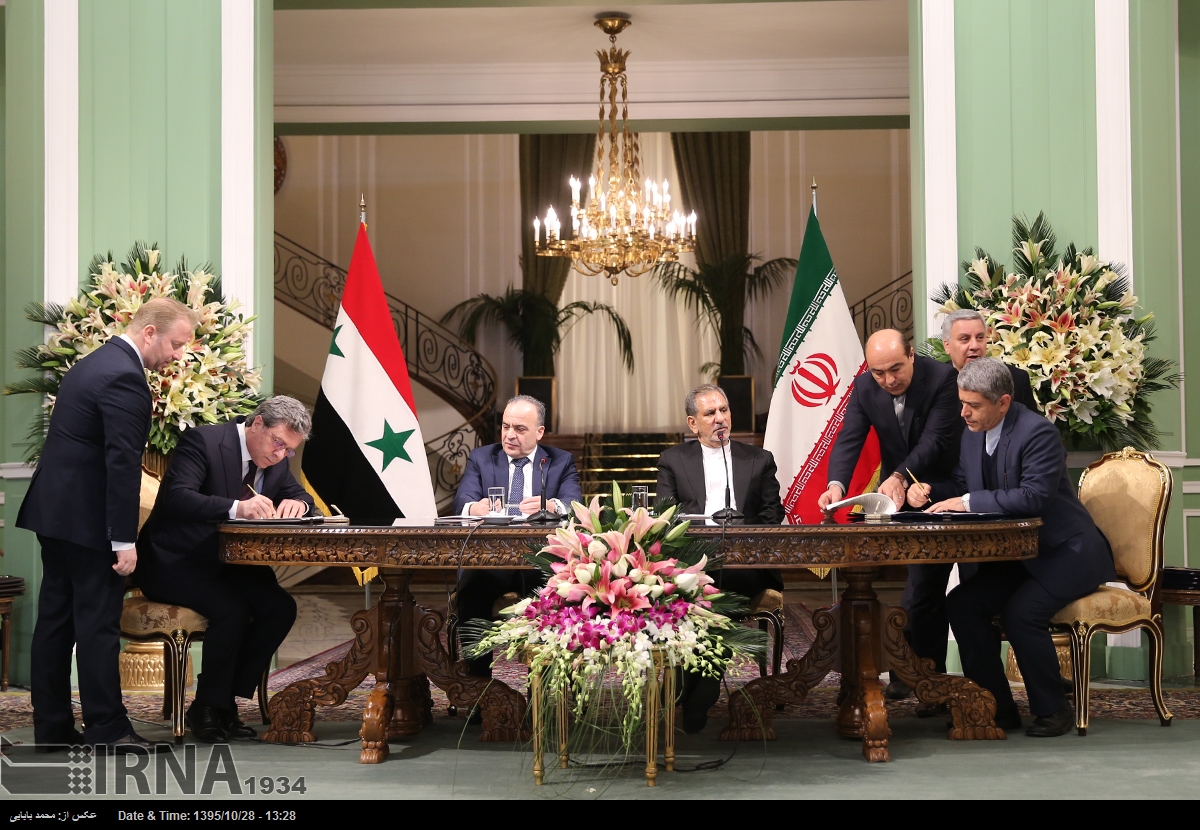
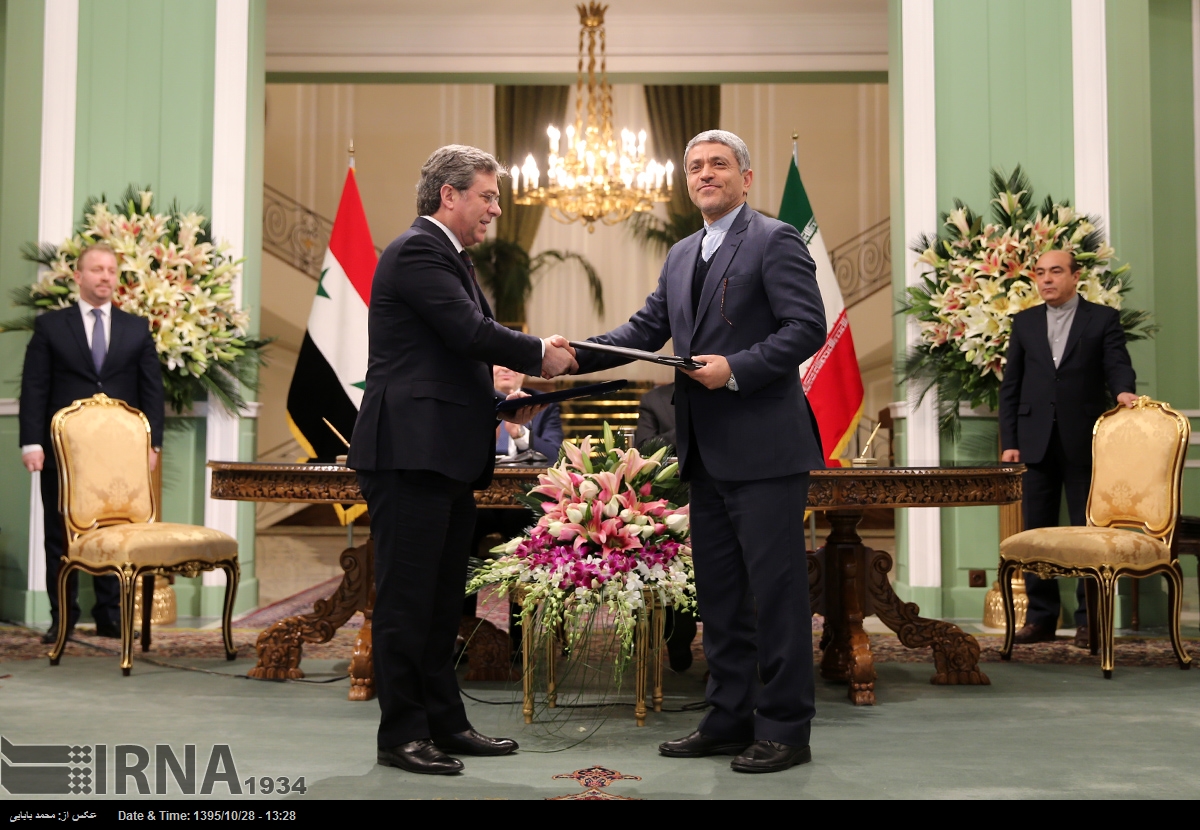
The documents were signed by Iran’s Minister of Economic Affairs and Finance Ali Tayyebnia and his Syrian counterpart Adib Mayaleh in a meeting attended by Iran’s First Vice President Eshaq Jahangiri and Syrian Prime Minister Emad Khamis in Tehran.

Based on the documents, the two sides are to cooperate in such areas as phosphate mine in Syria’s Alsharqiya, mobile phone operators, constructing oil reservoirs, cattle husbandry and other agricultural areas.

Khamis, heading a high ranking delegation, is in Tehran to meet with high-ranking Iranian officials including secretary of Supreme National Security Council Ali Shamkhani.

Khamis trip to Iran follows Shamkhani’s last week visit to Syria where he met with the Arab country’s senior officials, IRNA reported.

Khamis and Shamkhani are expected to pursue implementation of bilateral agreements in various economic, political and security fields.

Offices of Rafsanjani’s Advisors ‘Naturally’ Sealed after His Demise

Office

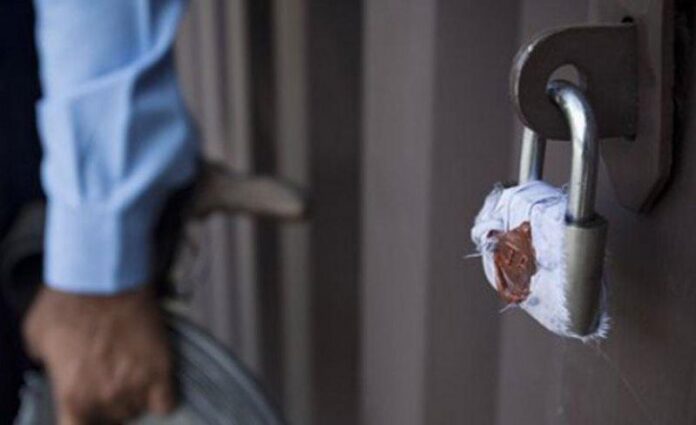
Speaking to IRNA, the director of Public Relations Dept. at the Strategic Research Center of the Expediency Council Mohammad Hassan Mashkouri said the offices of Ayatollah Rafsanjani’s advisors were sealed to ensure the safety of classified documents.

Earlier on Monday, news outlets reported that the rooms of nine advisors at the Expediency Council complex had been sealed, and this received widespread reactions by social media users.

Iran Inks Deal with Germany for Joint Production of Diesel Locomotives

Iran-Germany

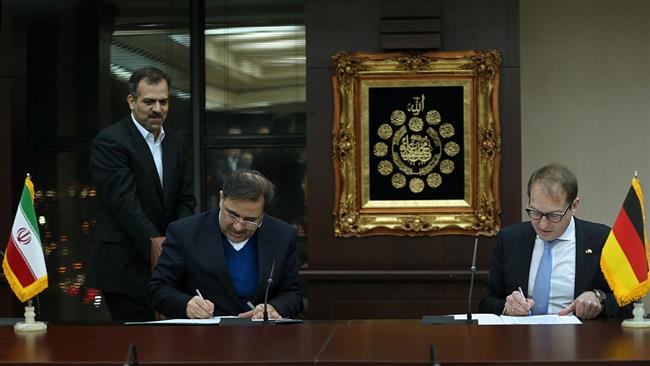
Iran’s Minister of Roads and Urban Development Abbas Akhoundi said the deal was signed during a visit to Tehran by Germany’s Minister of Transport and Digital Infrastructure, Alexander Dobrindt.

Akhoundi was quoted as saying by IRNA news agency that the locomotives will be jointly produced by Germany’s engineering giant Siemens and Iran Power Projects Management Company (MAPNA).

He added that Iran currently has 165 diesel locomotives, adding that the country’s railway system needs an extra 150 locomotives.

Elsewhere in his remarks, Akhoundi said that Iran was negotiating with Germany over investing in Tabriz, Ahvaz and Chabahar airports.

He added that the two countries would soon set up working groups to purse this.

The Iranian minister further emphasized that Iran welcomed the participation of German companies in a key project to construct Iranshahr Terminal in Imam Khomeini International Airport with a passenger capacity of 25 million per year.

IRNA also quoted Dobrindt as saying that Berlin was interested in the expansion of its cooperation with Iran in the areas of transportation.

He added that several German airports including Munich and Frankfurt were particularly interested in projects to develop airports in Iran.

The remarks by Akhoundi and Dobrindt followed the signing of a memorandum of understanding between Iran and Germany to promote cooperation in various areas of the transportation industry.

Dobrindt had paid a visit to Iran in October during which he signed six basic agreements with Akhoundi in the area of transportation.

Iranian and Russian Security Officials Discuss Latest Developments in Syria

shamkhani

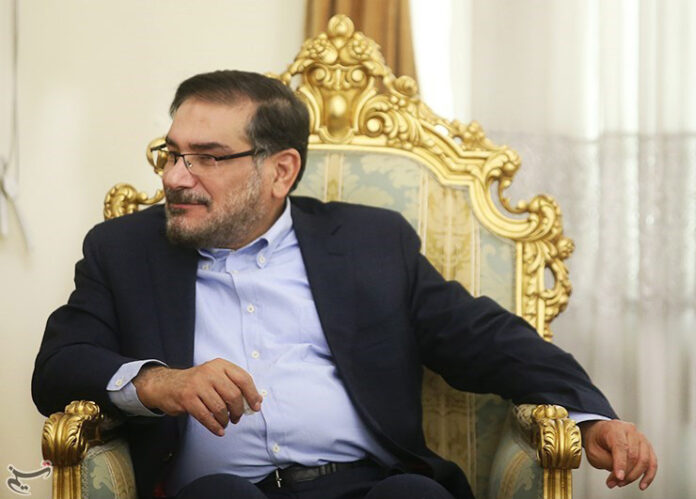
In a telephone conversation late on Monday, Shamkhani and Patrushev held talks on a host of issues, including ways to strengthen and continue Tehran-Moscow cooperation in the fight against Takfiri terrorist groups in Syria, like Daesh (ISIS or ISIL) and al-Nusra Front, until the full elimination of the criminal groups.

The two sides also stressed the necessity for regular consultations between the Islamic Republic and Russia with aim of advancing political process of resolving the prolonged crisis in the Arab country.

Diplomatic efforts to end fighting in Syria have gained momentum in recent weeks with the announcement of a ceasefire in the Arab country on January 1.

The truce, which has been negotiated between Russia, Iran, Turkey, the Damascus government and the Syrian opposition, excludes terrorist groups such as Daesh (ISIL) and Jabhat Fateh al-Sham, formerly known as al-Nusra Front.

It will be followed by a new round of peace talks between the Syrian government and the opposition in Astana, Kazakhstan.

Syria has been gripped by civil war since March 2011 with various terrorist groups, including Daesh, currently controlling parts of it.