
According to a report by IFP, the solar power plant constructed in Qahavand and Latgah regions of Hamadan Province has a capacity of 14 MW.
Here are IRNA’s photos of the solar power plant:
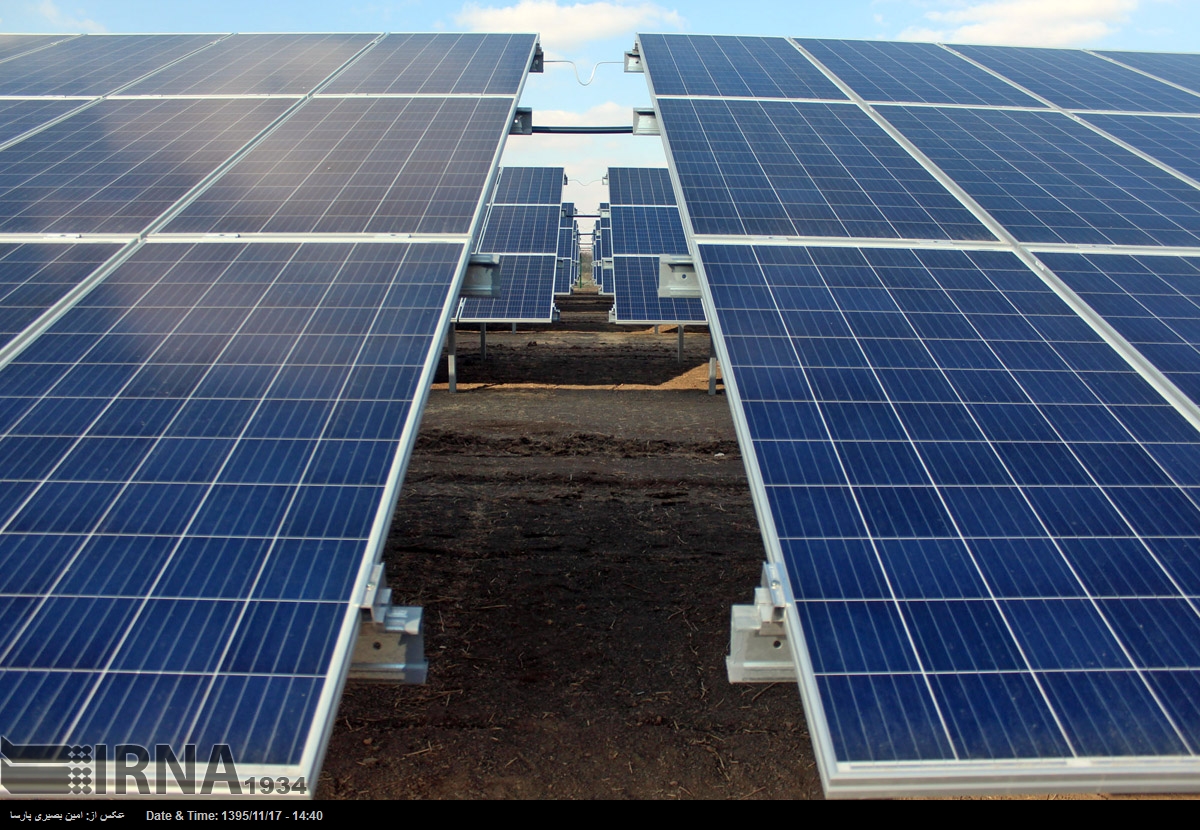

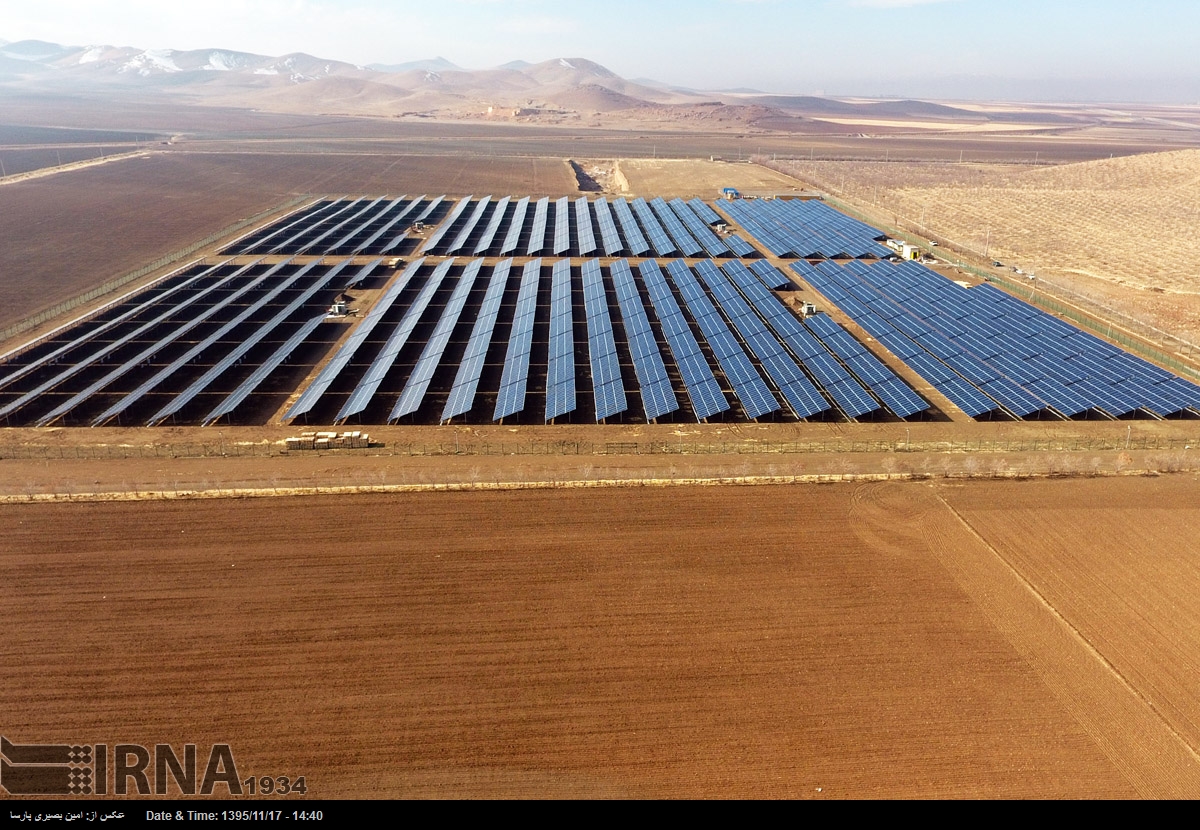
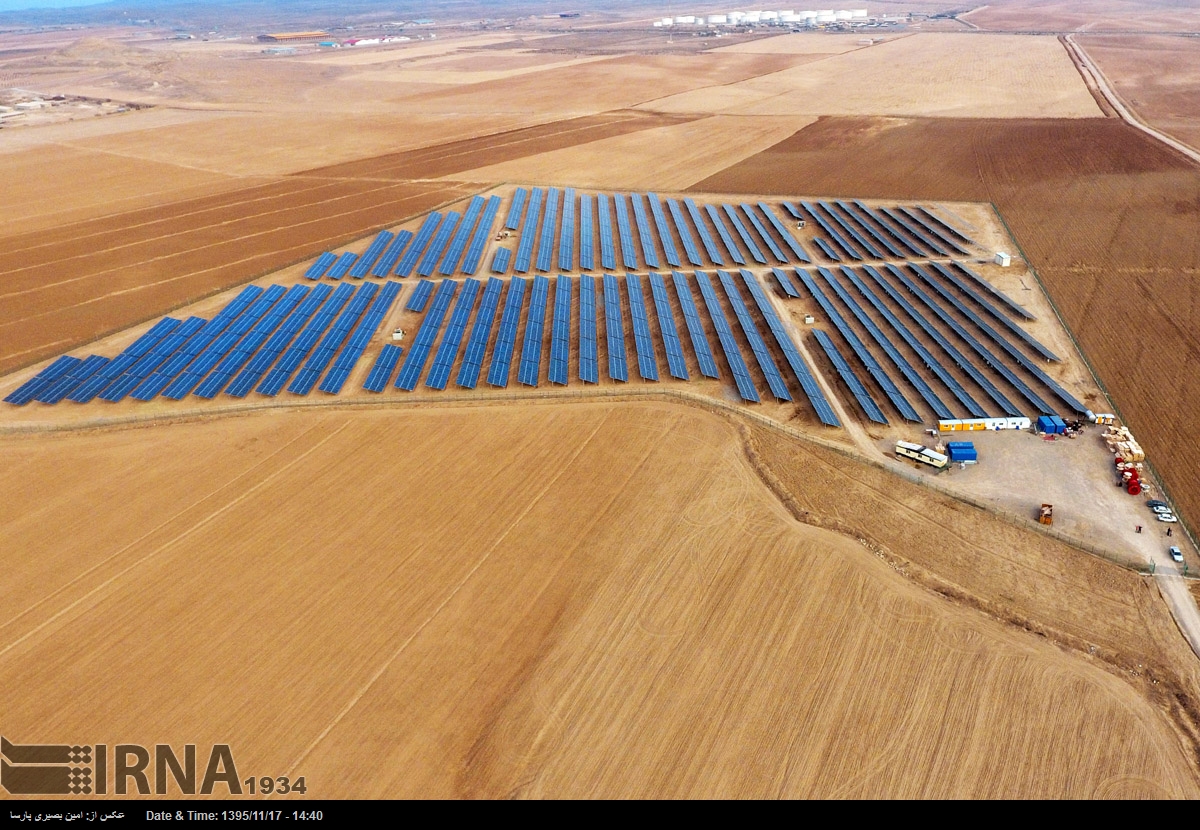
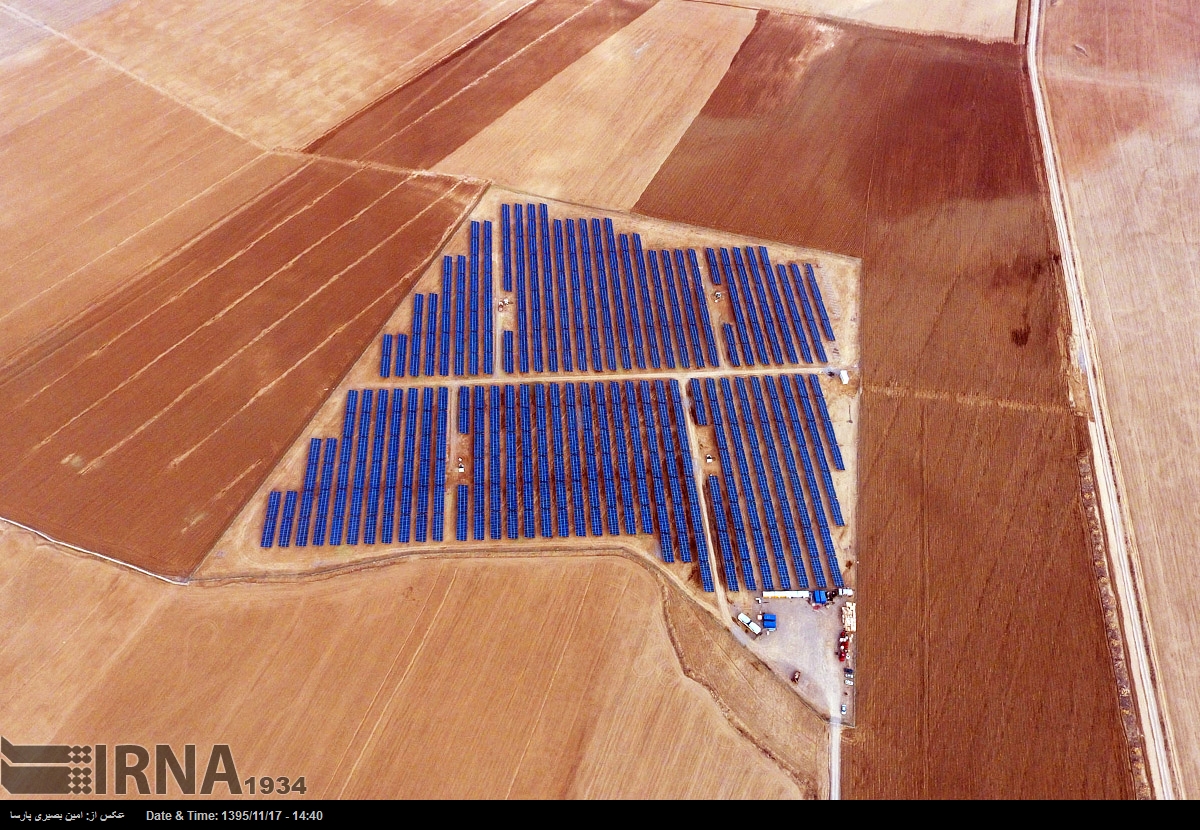

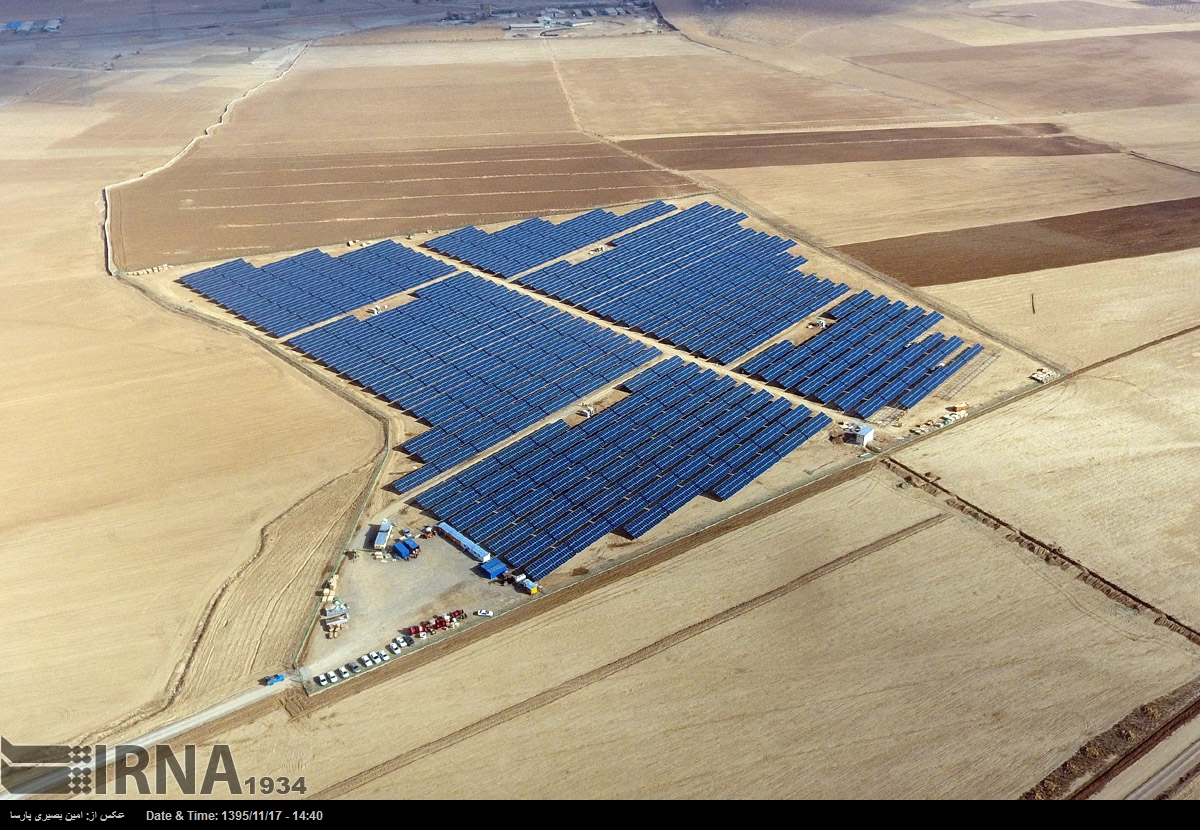
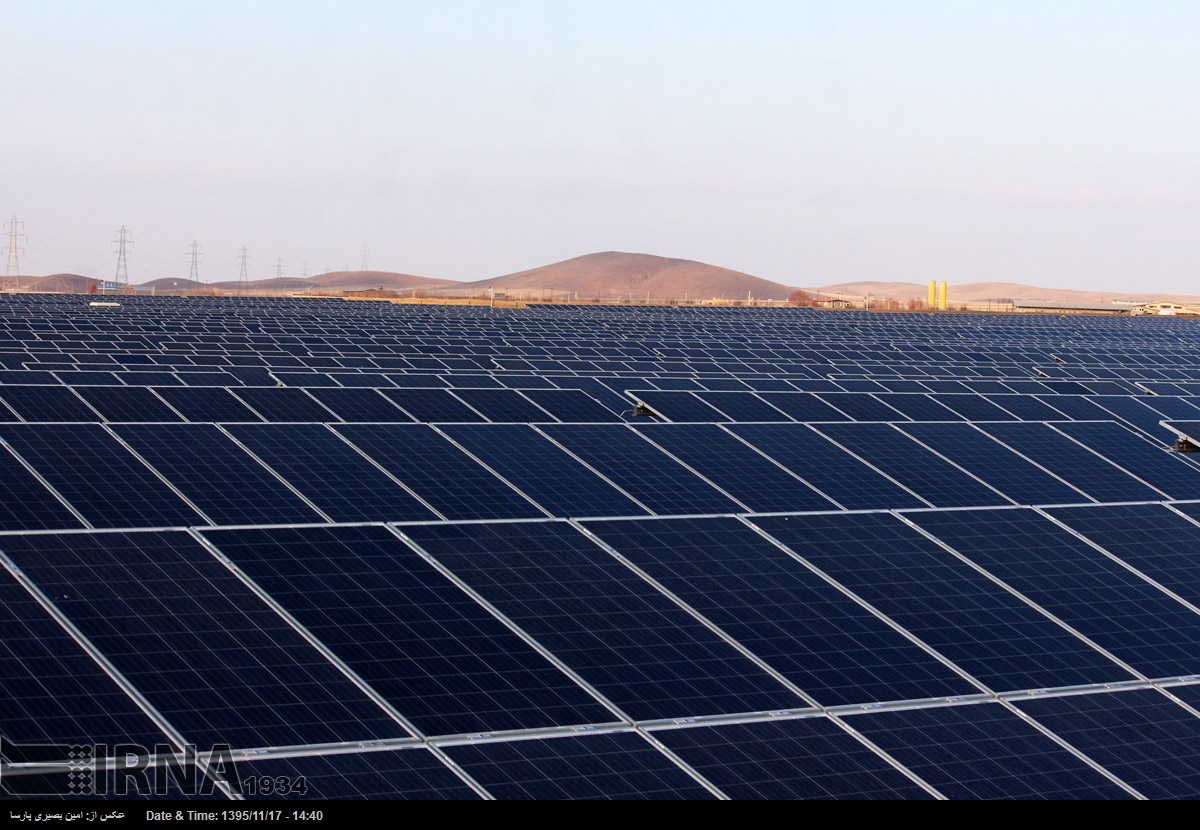
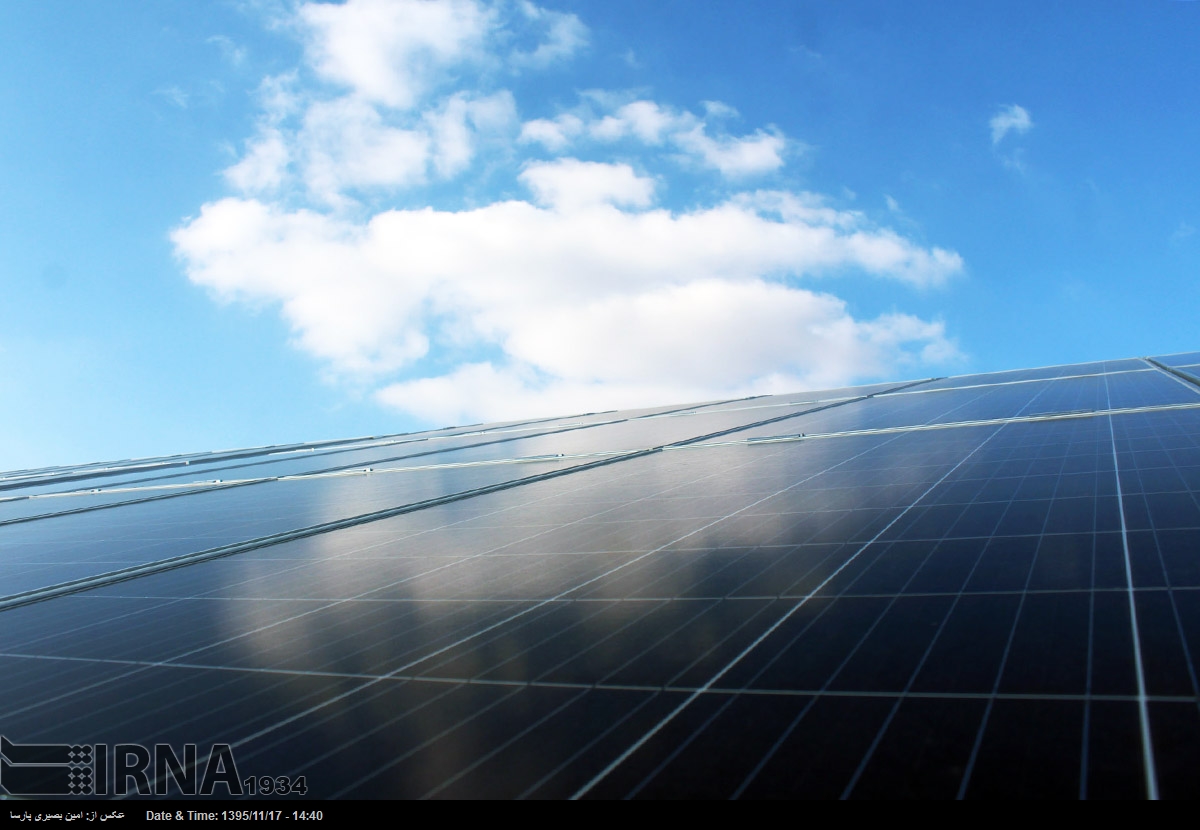
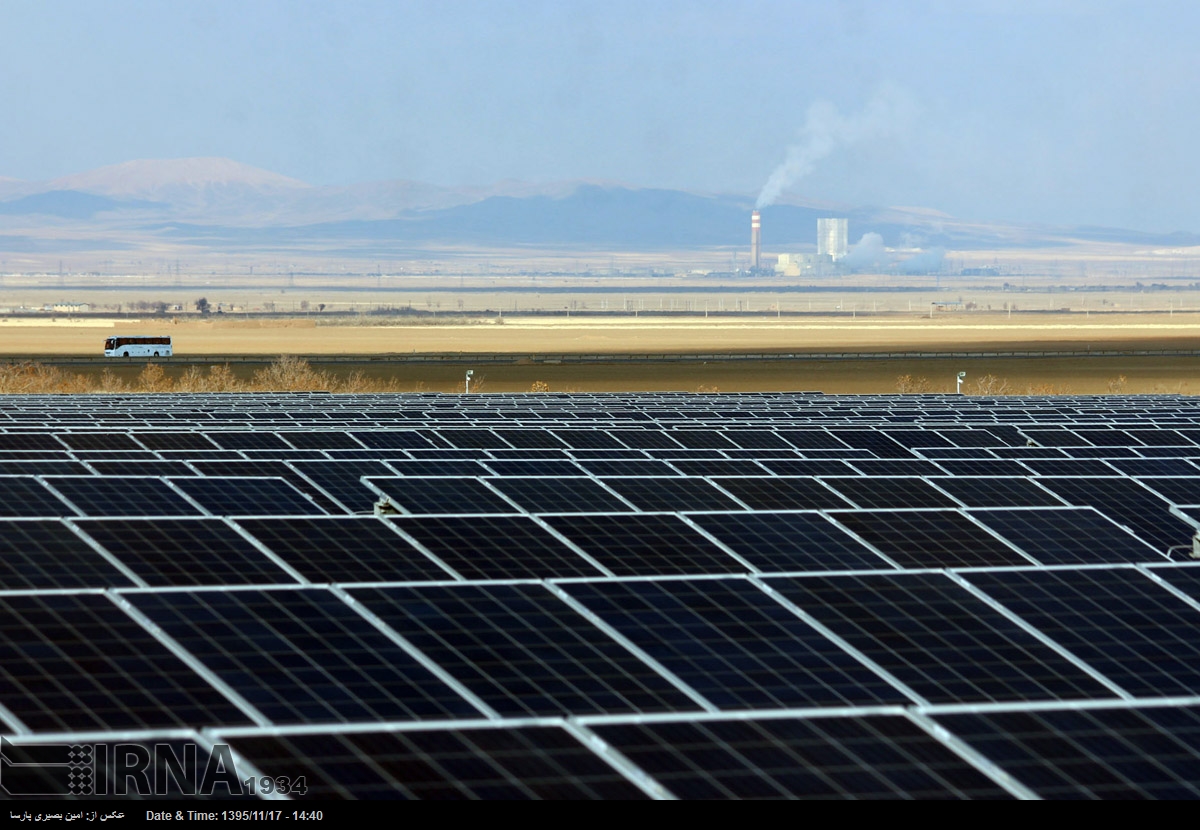
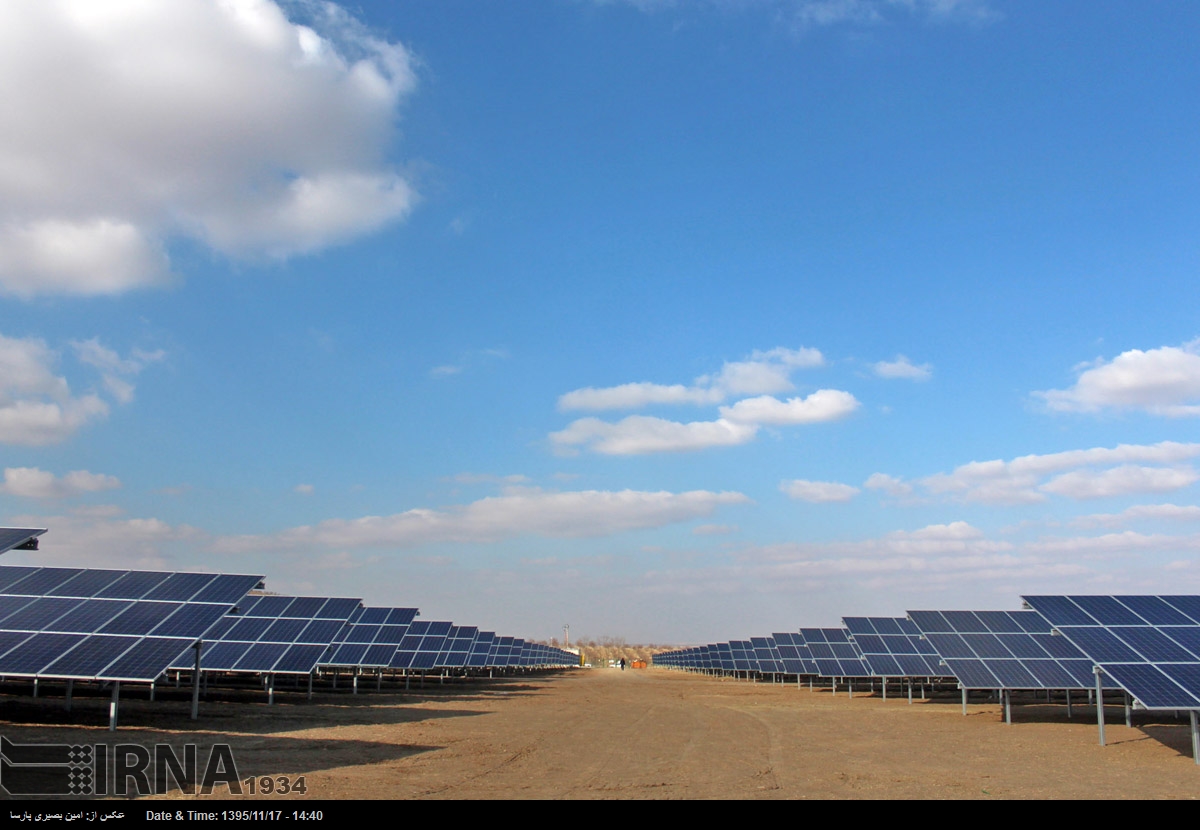
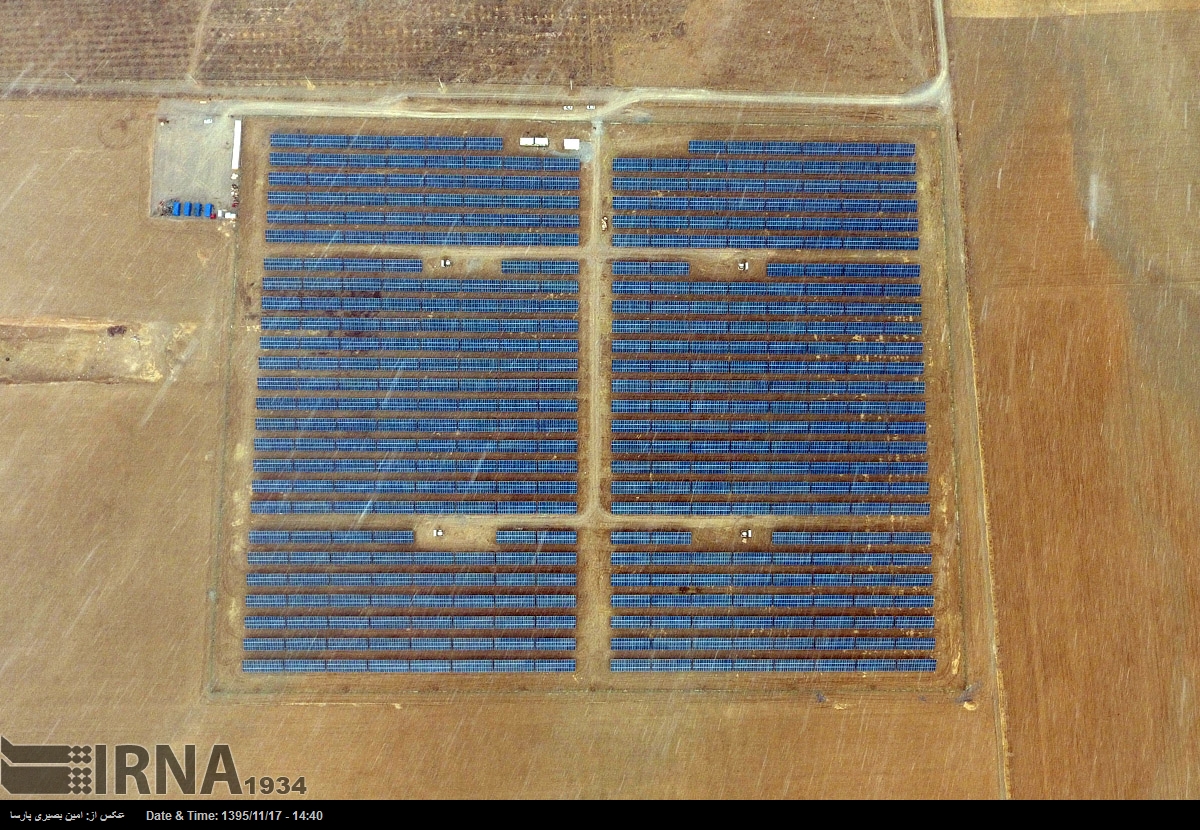
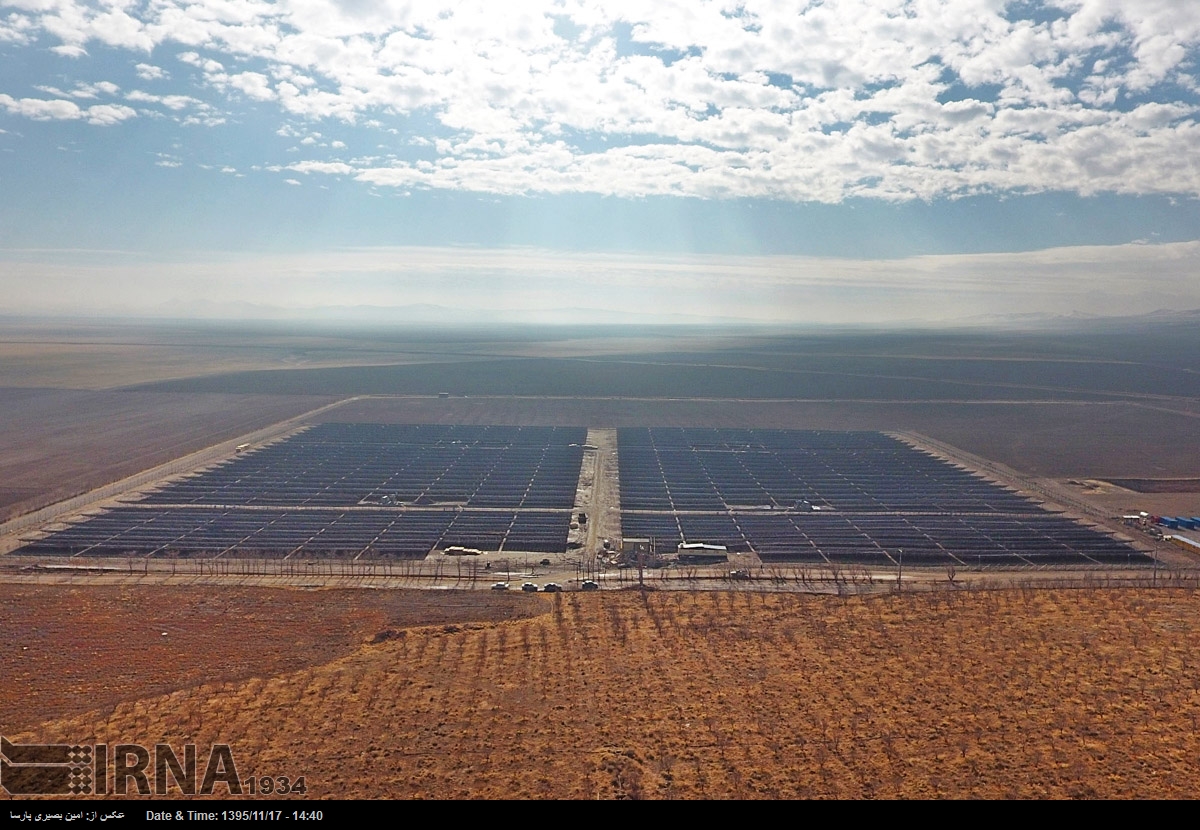
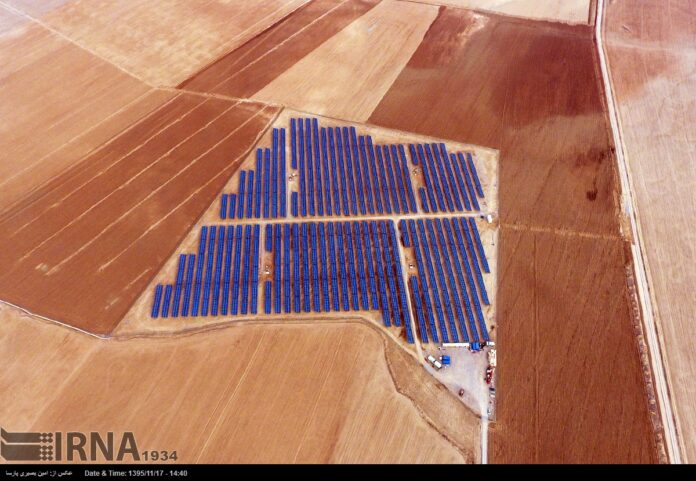
According to a report by IFP, the solar power plant constructed in Qahavand and Latgah regions of Hamadan Province has a capacity of 14 MW.
Here are IRNA’s photos of the solar power plant:
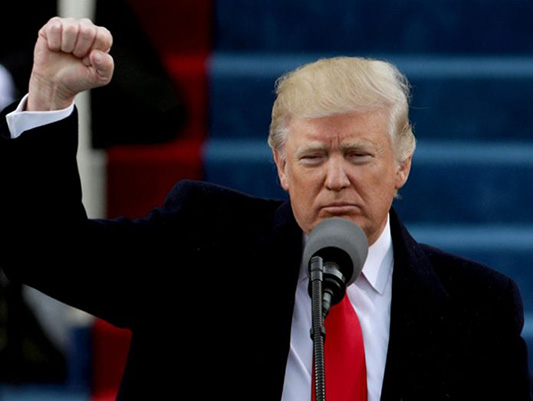
“The US President Trump has begun his presidential term with radical, hasty decisions such as the visa ban on some Islamic countries,” Iranian Parliament member Ardeshir Nourian said, according to a Farsi report by ICANA.
“No logic is behind Trump’s actions. The team he has chosen is in the process of some rushed, illogical operations.”
“A US judge rejected Trump’s executive order for visa ban. Trump administration requested the Court of Appeals to investigate the case based on the US legal procedure. This court then rejected the appeal of the United States Department of Justice.”
He went on to say that Trump’s order has been harshly criticized by countries all over the world, as well as the American society: it proves that not all Americans are in accord with such radical decisions, and they can’t stand Trump’s radical moves.
“In the field of foreign relations and diplomacy, Iran should take mindful, considered countermeasures against these rushed decisions of Washington so that it gains a good reputation among the international community.”
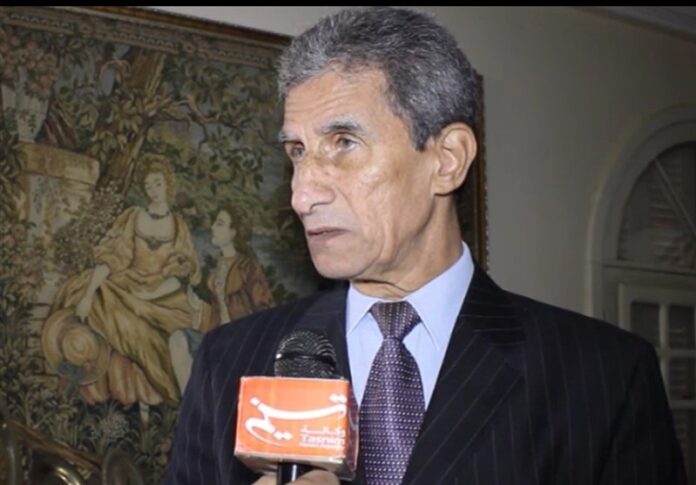
In an interview with Tasnim news agency, former Egyptian Deputy Foreign Minister Masoum Marzouk has discussed the key challenges to the normalization of Tehran-Cairo ties.
He says relations between the two countries should not be determined by whether they have good or bad relations with a third state. Marzouk notes that Egypt’s relations with Iran, like with other Mideast countries, should be based on common interests and non-interference in each other’s internal affairs.
He says Egypt should pay attention to some special features of Iran. The former Egyptian official believes Tehran and Cairo are undoubtedly two regional heavyweights and have what it takes to work together closely to form a bulwark against the interference of other countries.
Here is the full text of the Farsi interview.
Q: In your idea, what are the key challenges facing Iran and Egypt?
A: For my money, both sides have misconceptions which could lead to wrong predictions and wrong stances. Egypt adopted unfriendly positions on Iran due to pressure from certain friendly Arab states. I believe a sort of logical diplomacy is needed to rebuild a bridge between Iran and Egypt because it is in the interest of both sides to have a good relationship.
Q: Can Iran and Egypt, themselves, resume their relations or should other countries come into the play and make it happen?
A: I think Tehran holds the key [to restoration of Iran-Egypt ties]. Egypt’s key concern is security issues. Therefore, Iran can have better interaction with Egypt and show more flexibility, so that Cairo, in turn, will have better engagement with Tehran.
Q: As an Egyptian citizen, how do you see the political and economic situation of Egypt? Can it contribute to restoration of ties between the two countries?
A: In my point of view, given Egypt’s domestic situation, the atmosphere in the country is very frustrating and saddening, so much so that Egyptian people don’t care much about international relations. The only issue which is important and they pay attention to is Palestine. The overall mood in the country is one of chaos and depression. Everyday life is bearing down on people’s shoulders, so much so that they rarely think about other issues.
Q: It is said that resumption of Iran-Egypt ties is subject to approval by the security apparatus. Is that true?
A: There is no doubt that the security apparatus plays a considerable role in mutual relations. But the point is that cordial diplomatic cooperation is more important than seeing the issue in a security context. There used to be diplomatic channels, but they were closed and need to be reopened. If those channels are opened again, I think the two countries can restore their links.
Q: Do you think tourism and economy can contribute to the restoration of Iran-Egypt ties?
A: Yes. Different factors such as security, political and diplomatic factors as well tourism and economy play a very significant role. Iran and Egypt have very big markets and the two countries can contribute to one another’s economic interests. Definitely, tourism can play a pivotal role here. There are many Egyptians who are interested in travelling to Iran to visit the country’s historical and cultural monuments. Likewise, many Iranians are keen to visit Egypt and its tourist attractions. So, I think this is very important and can bring about flexibility in Tehran-Cairo relations.
Q: Do you think the resumption of Iran-Egypt ties might have been caused by tensions in relation between Egypt and Saudi Arabia? Or could it be a result of Egypt’s rows with some Persian Gulf Arab states?
A: No. As I earlier said, I personally believe relations with a third country should not be the base of relations between a government and other states. A country seeks to serve its interests by establishing relations with a given state, and this has nothing to do with the country’s ties with a third nation. Naturally, some Persian Gulf Arab states have good relations with Iran. For instance, the United Arab Emirates has good diplomatic ties with Iran. In the Arab world, Abu Dhabi has the best trade ties with Iran.
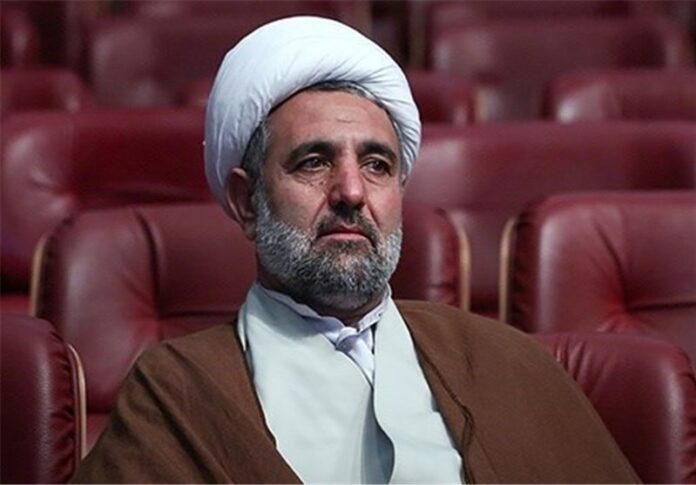
“In 12 years of work, we managed to produce and reserve 11.8 tons of enriched uranium,” announced Mojtaba Zolnouri, an Iranian lawmaker, according to a Farsi report by ICANA.
“As per the nuclear deal, Iran had to lower the amount of its enriched uranium. We can accumulate 300kg of enriched uranium each year since.”
He declared that the other option for Iran was the dilution of enriched uranium, an action he considered disadvantageous to Iran and a waste of the reserved yellowcake.
“So we agreed to sell some enriched uranium,” he added. “And we preferred to sell it to Russia as we had the experience of nuclear cooperation with this country.”
“We gave the surplus of enriched uranium to Russia, taking 200 tons of yellowcake instead; then bought another 30 tons to cover the yellowcake enrichment costs.”
Selling the Surplus instead of Limiting the Production
Zonnouri went on to say that the nuclear deal allowed Iran to buy and sell enriched uranium, yellowcake and heavy water: this is a positive change.
“We don’t need to reduce our production anymore in order to fulfil our obligation to keep the reserves in the permitted level,” he stressed. “Plus, we can take part in the international nuclear market.”
“Being allowed to reserve only 130 tons of heavy water each year, Iran has to sell the rest. Actually, we have accumulated some heavy water in Oman until a good client is ready to buy it.”
“The Parliament has charged the government to build 20 nuclear power plants,” Zolnouri announced, mentioning that 190,000 tons of uranium is needed for this project. Therefore, Iran purchased 149 tons of yellowcake from countries other than Russia. No raw or enriched uranium has been exchanged during this deal.
IAEA Proves Not So Cooperative
Meanwhile, the Atomic Energy Organization of Iran (AEOI) has been criticized for not taking action on nuclear science and international cooperation.
“As we focused on the reducing the number of our centrifuges and other JCPOA-imposed limitations last year, there was no room for technical cooperation,” Zonnouri added.
“Under the influence of world major powers, the International Atomic Energy Agency (IAEA) lacks motivation for collaboration with Iran,” he added.
“The agency failed to meet its obligations to redesign and optimise IR-40 as mentioned in the nuclear deal. They assigned this task to China which continues to weasel out of it in some way.”
“Before thinking about its costs, we should determine what country is to sign the contract with us,” he stressed.
“The agency also was to collaborate with Iran in the stable nuclide production in Fordow Fuel Enrichment Plant (FFEP) after its function changed to a research centre. No action has been yet taken, though.”
Zolnouri believes that for Iran, the nuclear negotiations work better than the political ones, so Iran is hopeful about making progress in the nuclear field.

According to a report by IFP, US Homeland Security Secretary John Kelly said the move to ask Muslim visa applicants to give their social media account passwords could come as part of an effort to toughen the vetting of visitors to screen out people who may pose a security threat.
He said it was one of the steps being considered, especially for visitors from seven Muslim-majority countries with very weak background screening of their own such as Iran, Iraq, Libya, Somalia, Sudan, Syria and Yemen.
The seven countries were targeted in President Donald Trump’s controversial immigrant and refugee ban order which has since been suspended.
Kelly told a hearing of the Homeland Security Committee: “We’re looking at some enhanced or some additional screening.
“We may want to get on their social media, with passwords.
“It’s very hard to truly vet these people in these countries, the seven countries. But if they come in, we want to say, what websites do they visit, and give us your passwords. So we can see what they do on the internet.”
Sky News quoted him as saying that anyone who refused to cooperate would not be allowed into the United States.
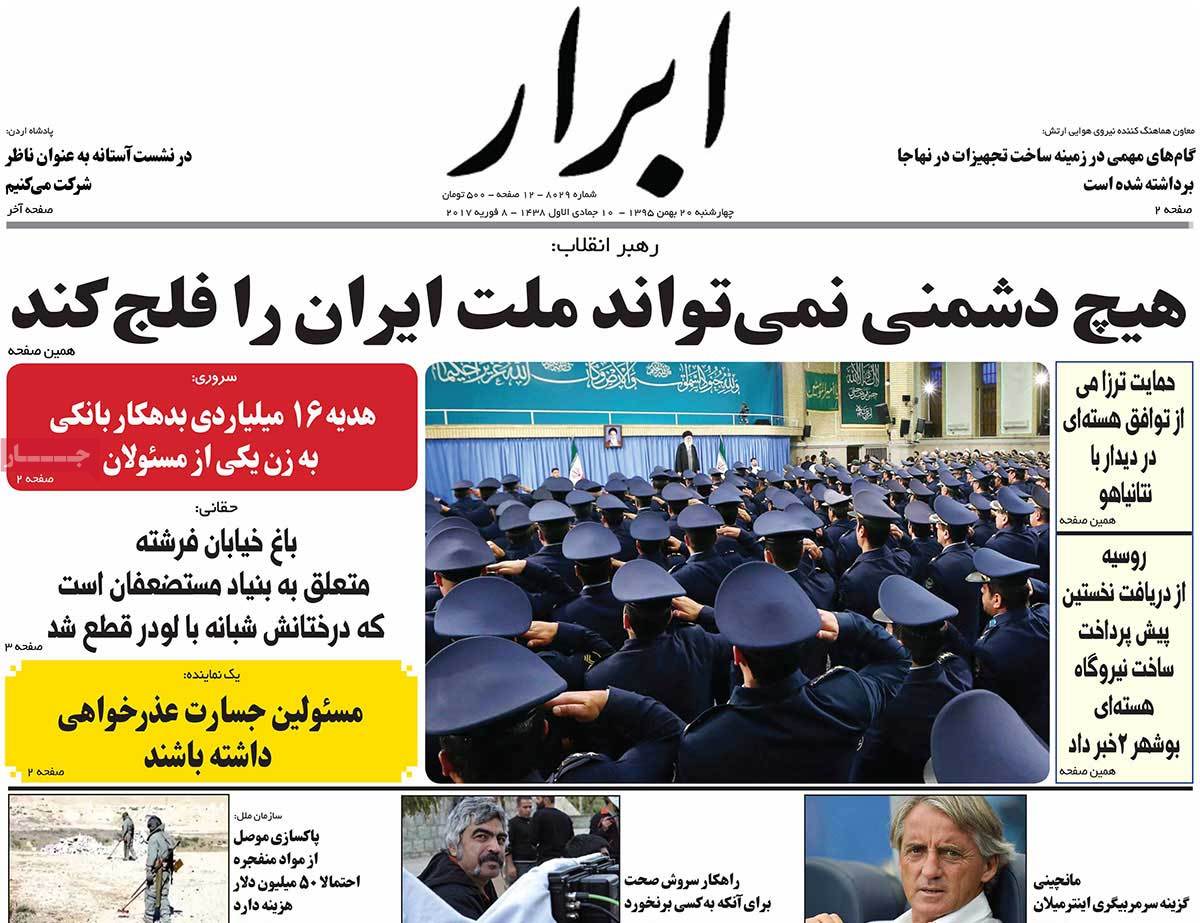
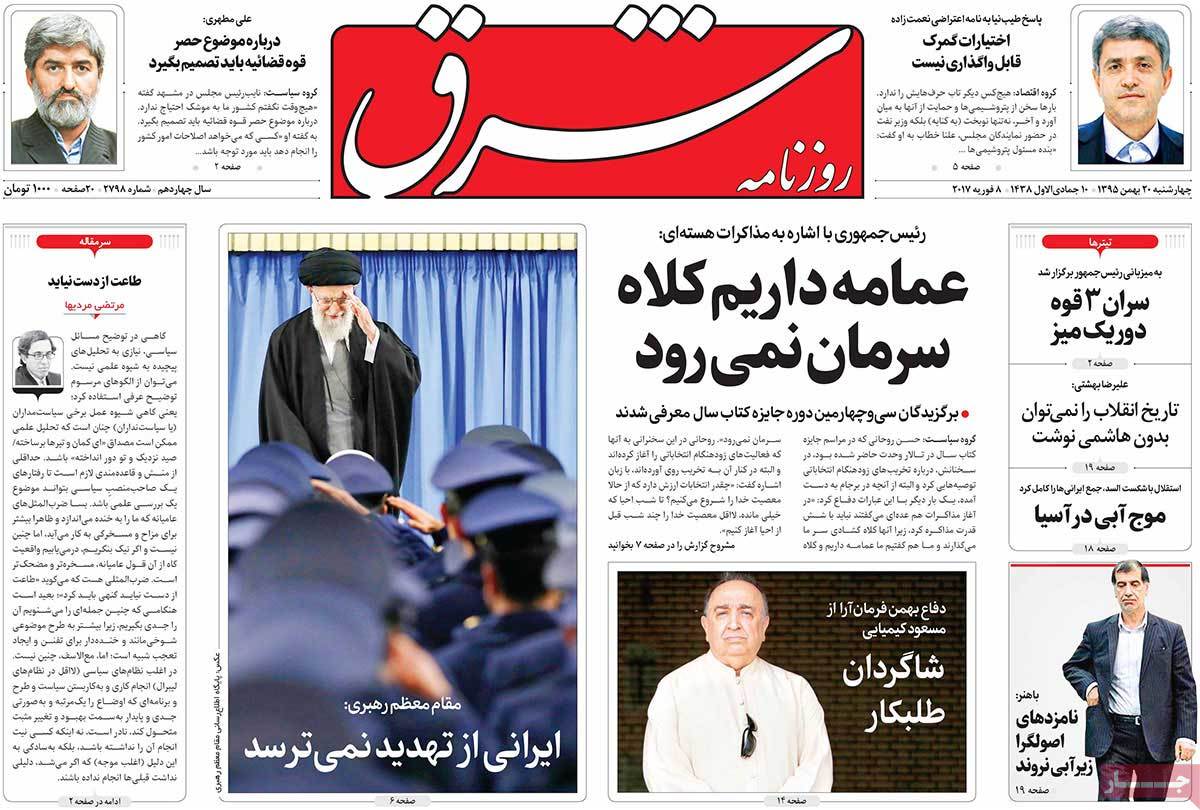
All newspapers today covered the remarks made by the Leader of Islamic Revolution Ayatollah Seyyed Ali Khamenei in a meeting with commanders and personnel of Iran’s Air Force on Tuesday.
They also covered President Hassan Rouhani’s comments about the course of Tehran’s talks with world powers over its nuclear energy program, and the contribution of Iran’s Leader to the success of nuclear talks.
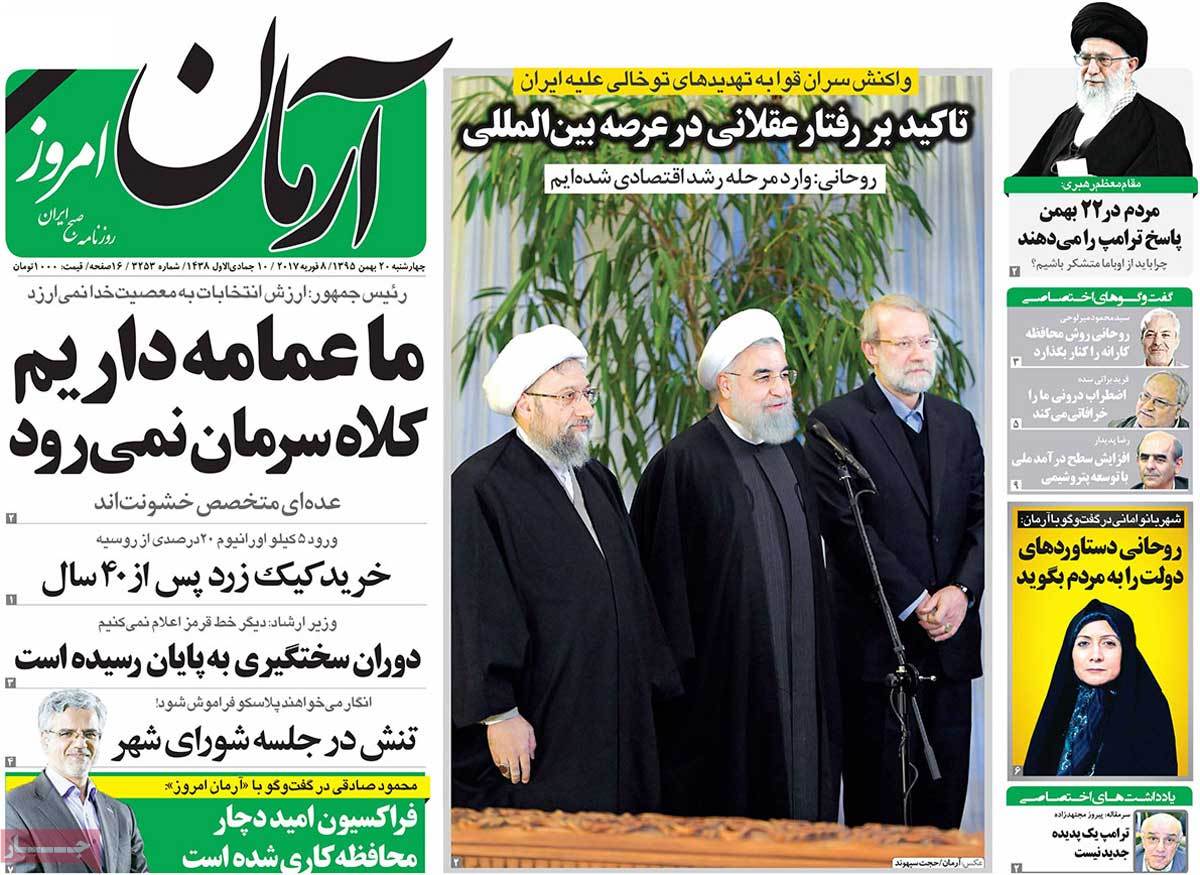
A meeting between the heads of trio branches of Iranian Establishment, namely President Rouhani, Parliament Speaker Ali Larijani, and Judiciary Chief Ayatollah Sadeq Amoli Larijani, was also a top story today. The meeting, hosted by Rouhani, was significant particularly after the war of words between Rouhani’s administration and Amoli Larijani.
The above issues, as well as many more, are highlighted in the following headlines:
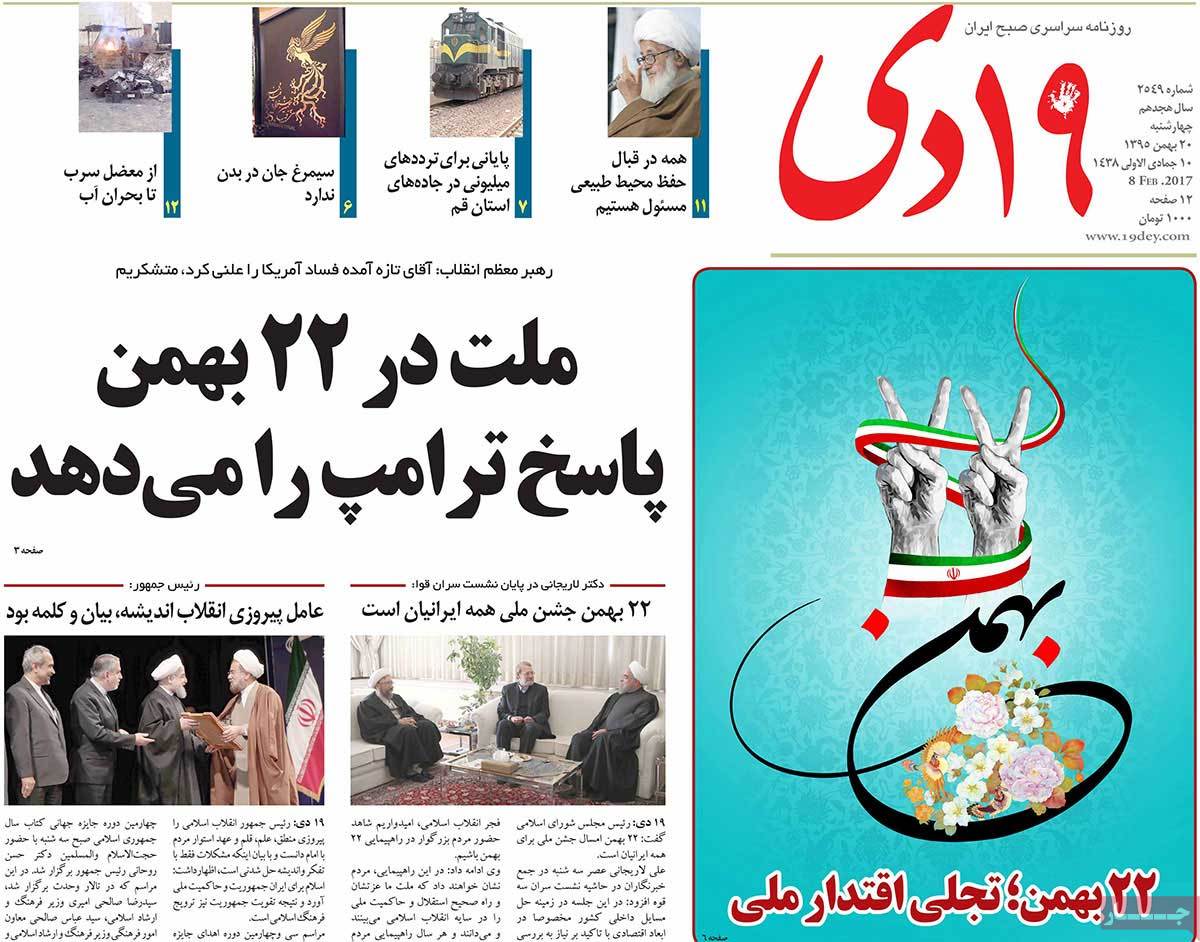
19 Dey:
1- Leader: Mr Newcomer Disclosed US Corruption. Thank You! Iranian People Will Respond to Trump in 22 Bahman Rallies
Abrar:
1- Iran’s Leader No Enemy Can Paralyse Iranian Nation
2- Theresa May’s Support of Nuclear Deal in Meeting with Netanyahu
3- Russia Says It Has Received first Payment for Construction of Bushehr Nuclear Power Plant
4- Jordan King: We’ll Take Part in Astana Summit as Observer
Aftab-e Yazd:
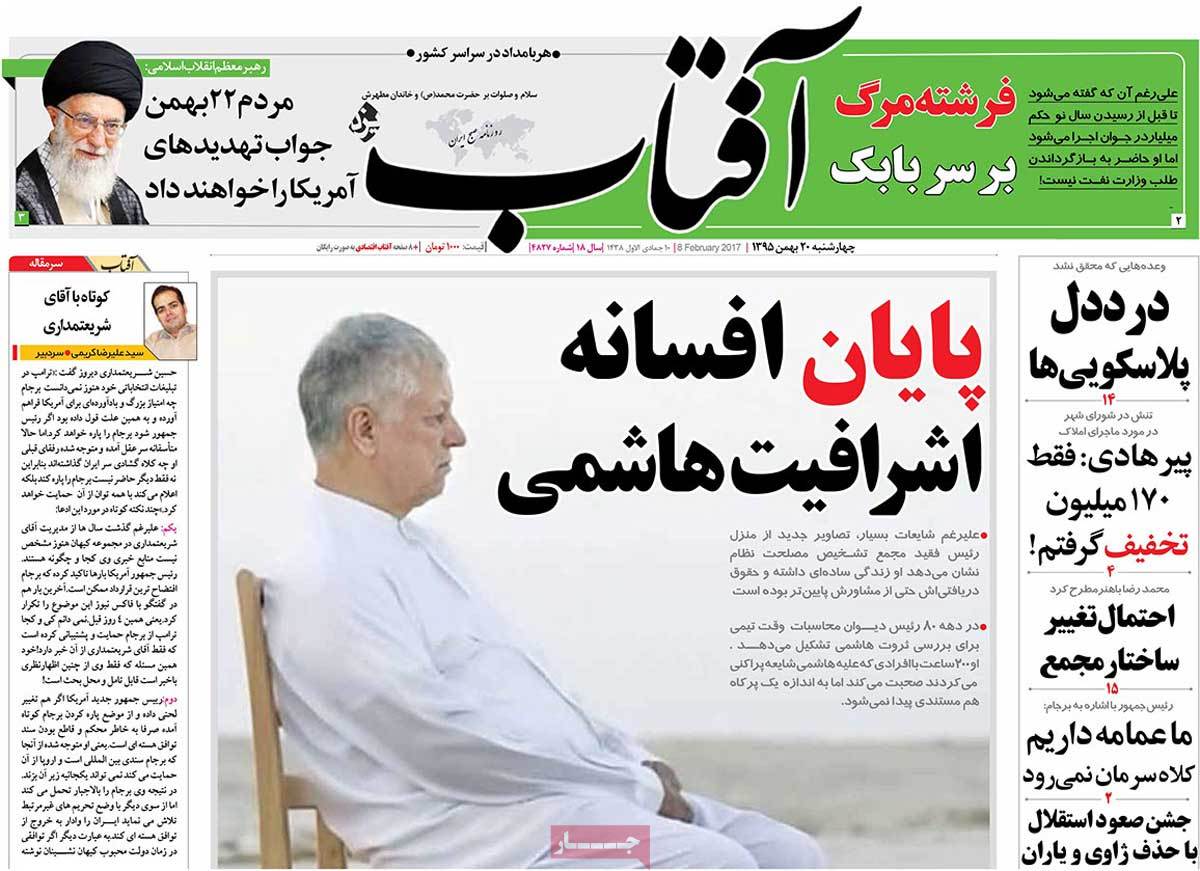
1- End of Rumours about Ayatollah Hashemi Rafsanjani’s Aristocracy: In Spite of Numerous Rumours, Latest Photos of His Home Show His Simple Life. His Salary Was Even Lower than That of His Advisor
Arman-e Emrooz:
1- In Reaction to Anti-Iran Threats, Iranian President, Judiciary Chief, and Parliament Speaker Underline Wise Behaviour in Foreign Policy
2- Rouhani: We’re on the Stage of Economic Growth
3- Purchase of Yellow Cake after 40 Years: 5kg of 20% Enriched Uranium Delivered by Russia to Iran
4- Culture Minister: We Won’t Declare Red Lines Anymore. Era of Taking Hard Line Is Over
Asr-e Iranian:
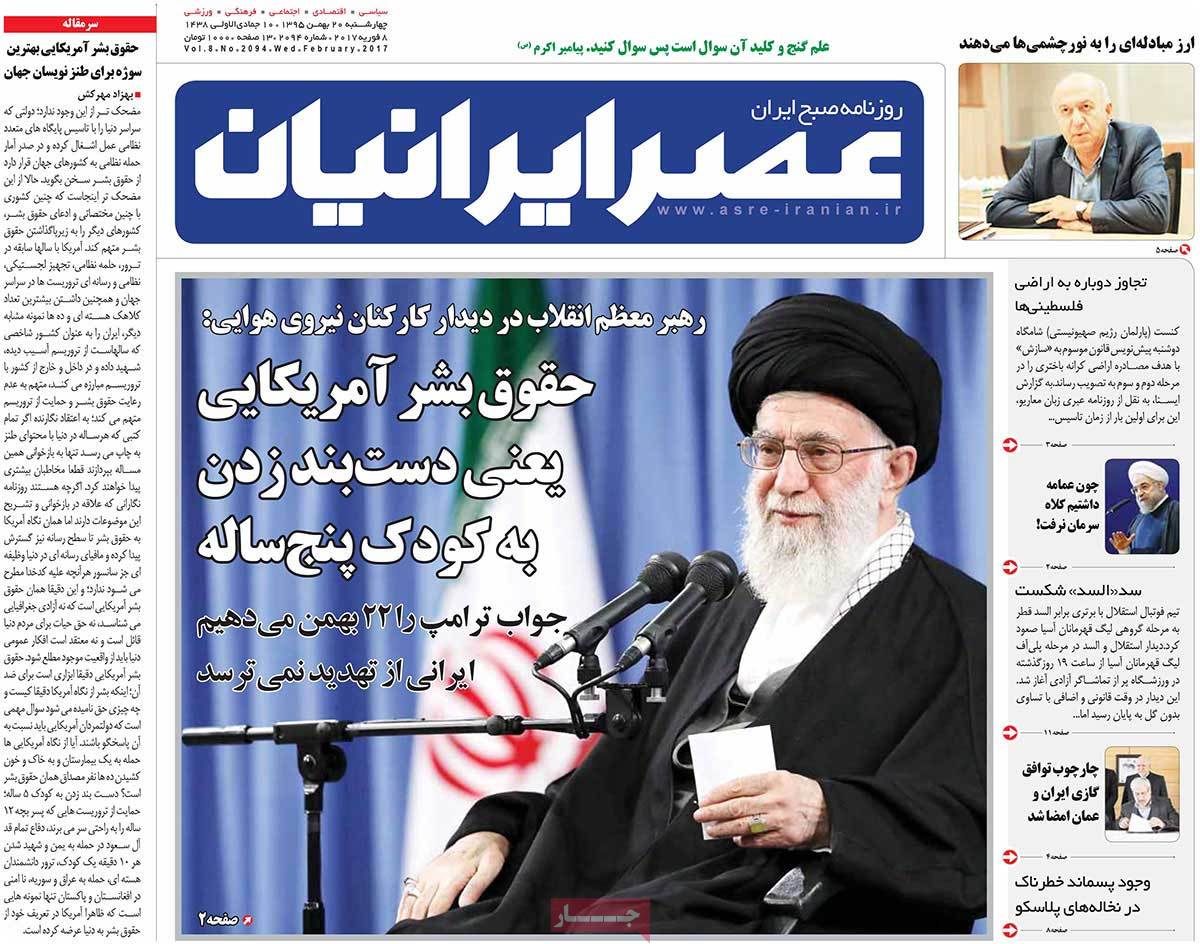
1- Iran’s Leader: American Human Rights Means Handcuffing a 5-Year-Old Kid; We’ll Respond to Trump in Nationwide Rallies on February 10; Iranian People Not Afraid of Threats
Bahar:
1- Terrorists’ Different Situation under Trump: ISIS Terrorists Launch Massacre Campaign
2- Government Spokesman: It Is Illegal to Beat Journalists
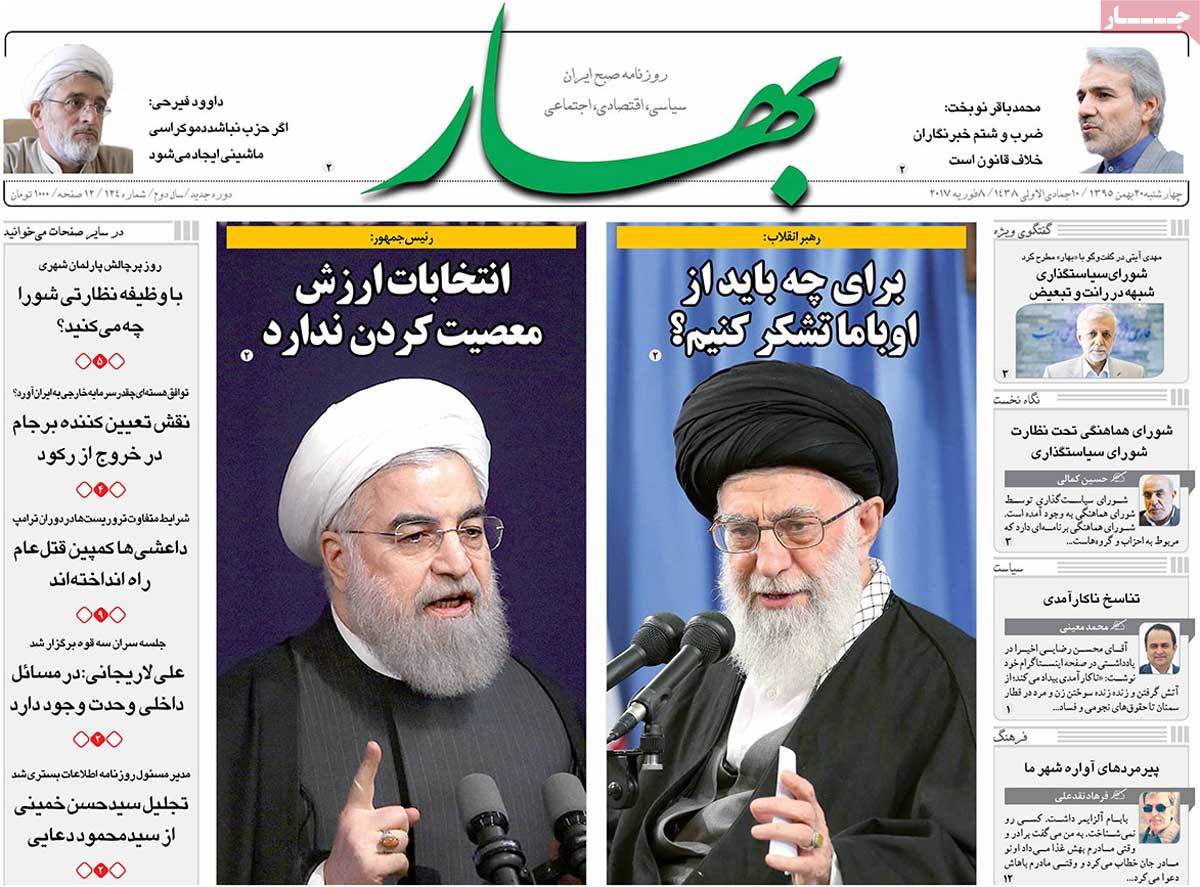
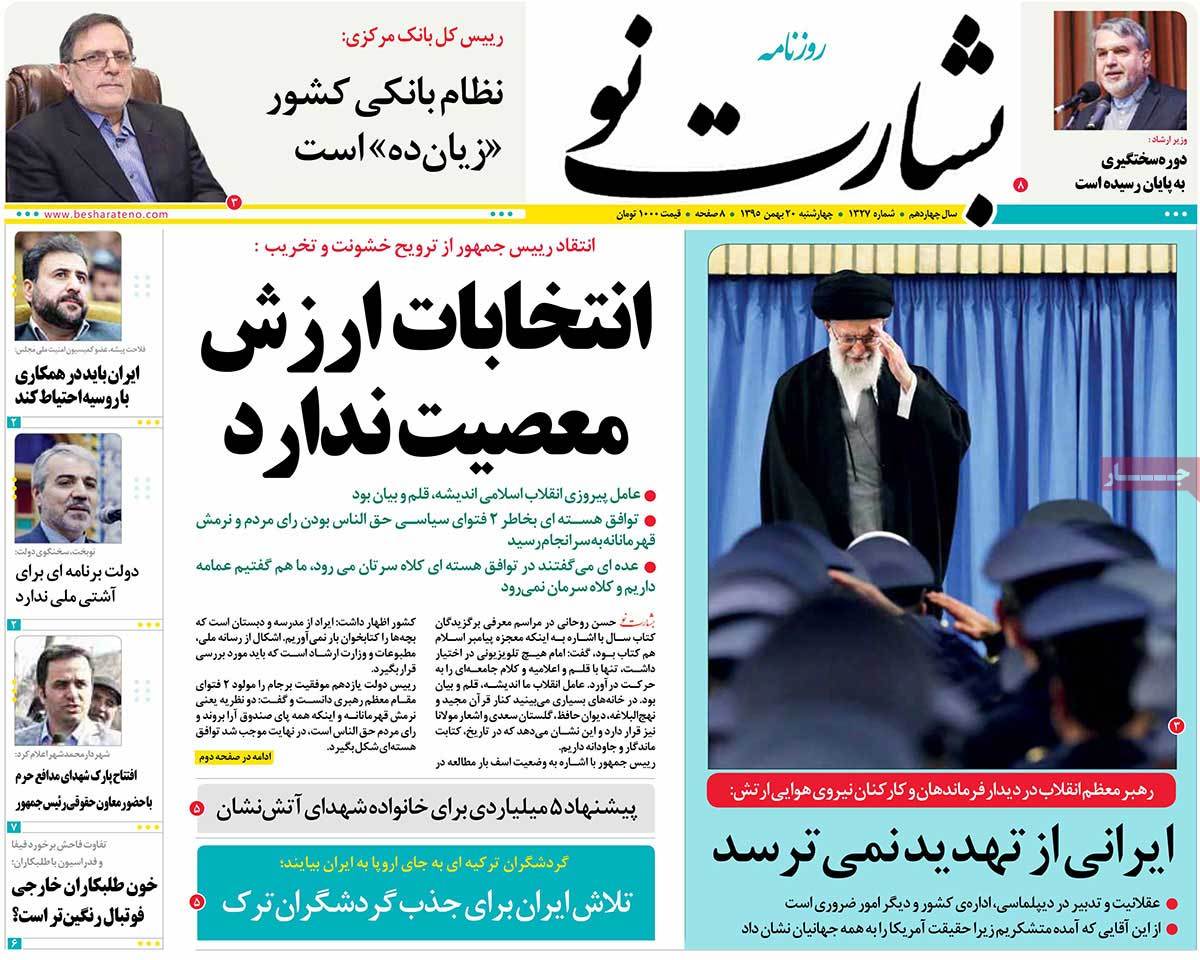
Besharat-e Now:
1- Iranian President Criticizes Spread of Violence and Attacks: Election Is Not So Important that You Commit Sin for It; Thoughts, Essays, and Expressions Were Main Factors Leading to Victory of Islamic Revolution
2- Turkish Tourists Can Visit Iran instead of Europe; Iran Trying to Attract Turkish Tourists
3- Senior MP: Iran Should Be Careful in Cooperation with Russia
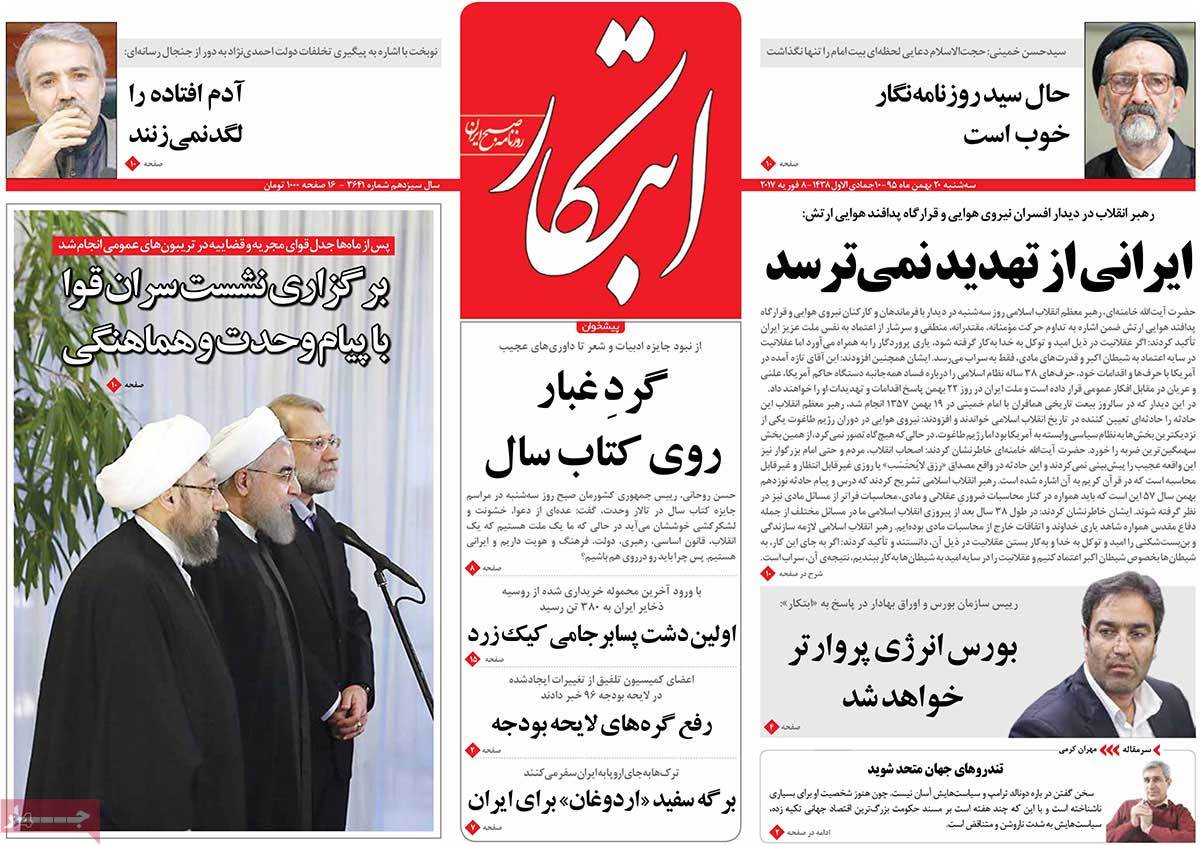
Ebtekar:
1- After Months of Conflict between Rouhani, Larijani, and Amoli Larijani, They Hold Joint Meeting with Message of Unity and Coordination
Emtiaz:
1- Young Players of Iran’s Esteghlal Outperform Xavi and His Team
2- Opening of Most Equipped Library for Blind People
3- ICT Minister: 2,000 Villages Connected to ADSL

Ettela’at:
1- President: We Should Make Our Society Invulnerable through Thoughts and Expression of Truth
2- Putin Urges Russian Air Force to Be on Standby after US Military Movements in Russian Borders
3- First VP: Iran Committed to Int’l Agreement
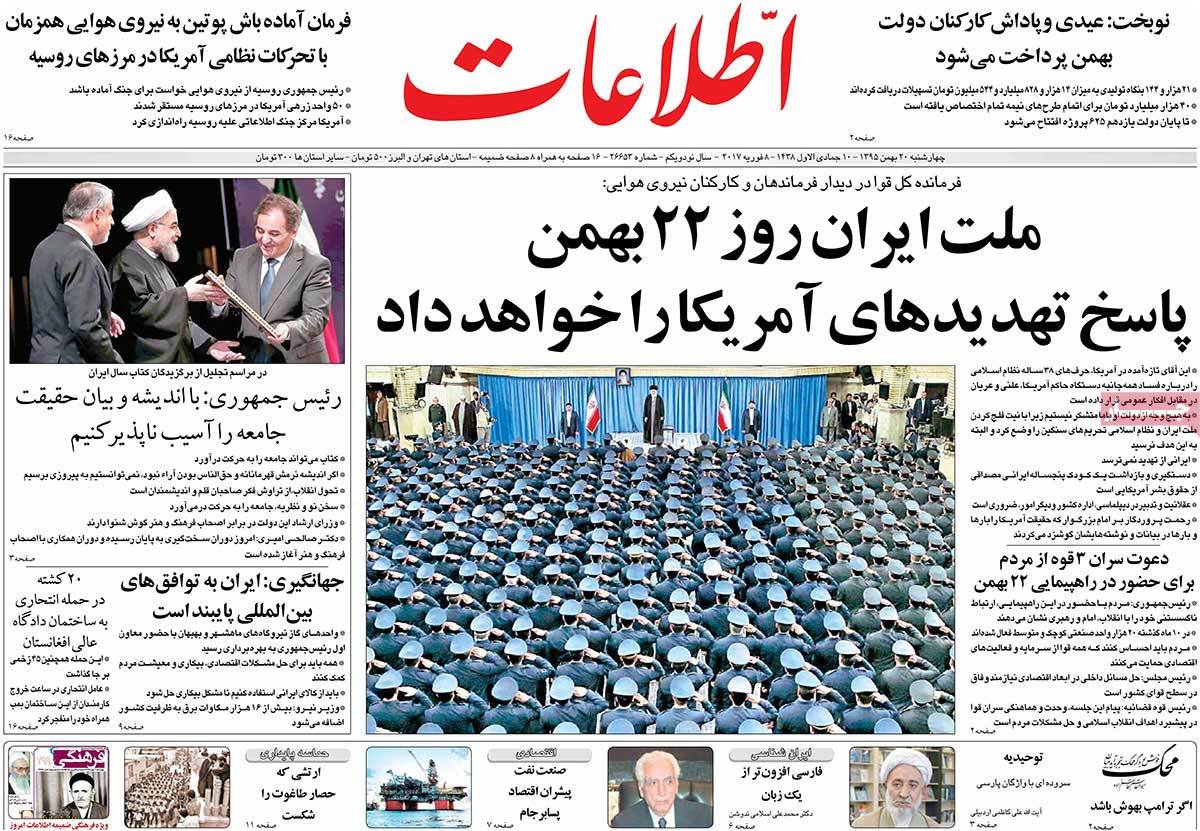
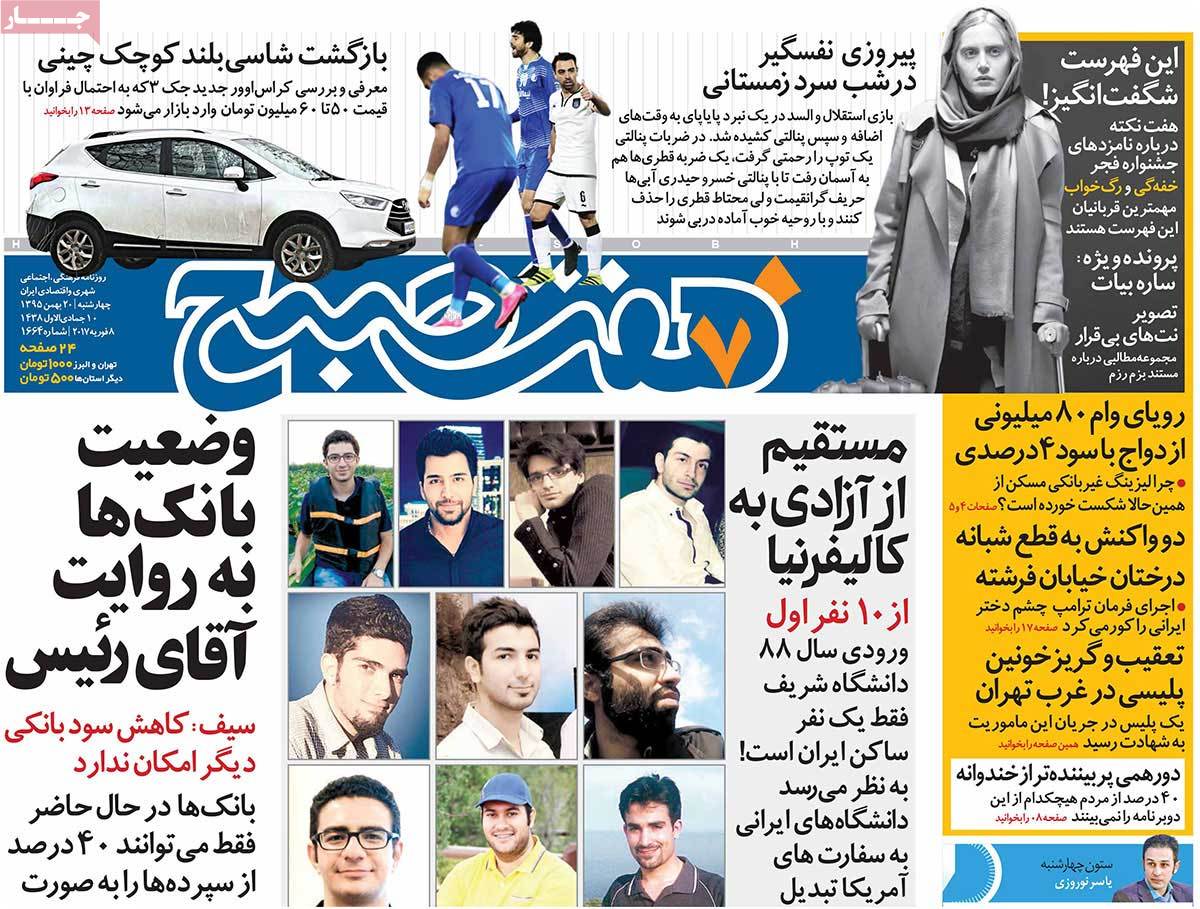
Haft-e Sobh:
1- Directly from Azadi [Street in Tehran] to California: From among 10 Top Students in Iran’s Sharif University of Technology, Only One Is Living in Iran! Iranian Universities Seem to Have Turned to US Embassies
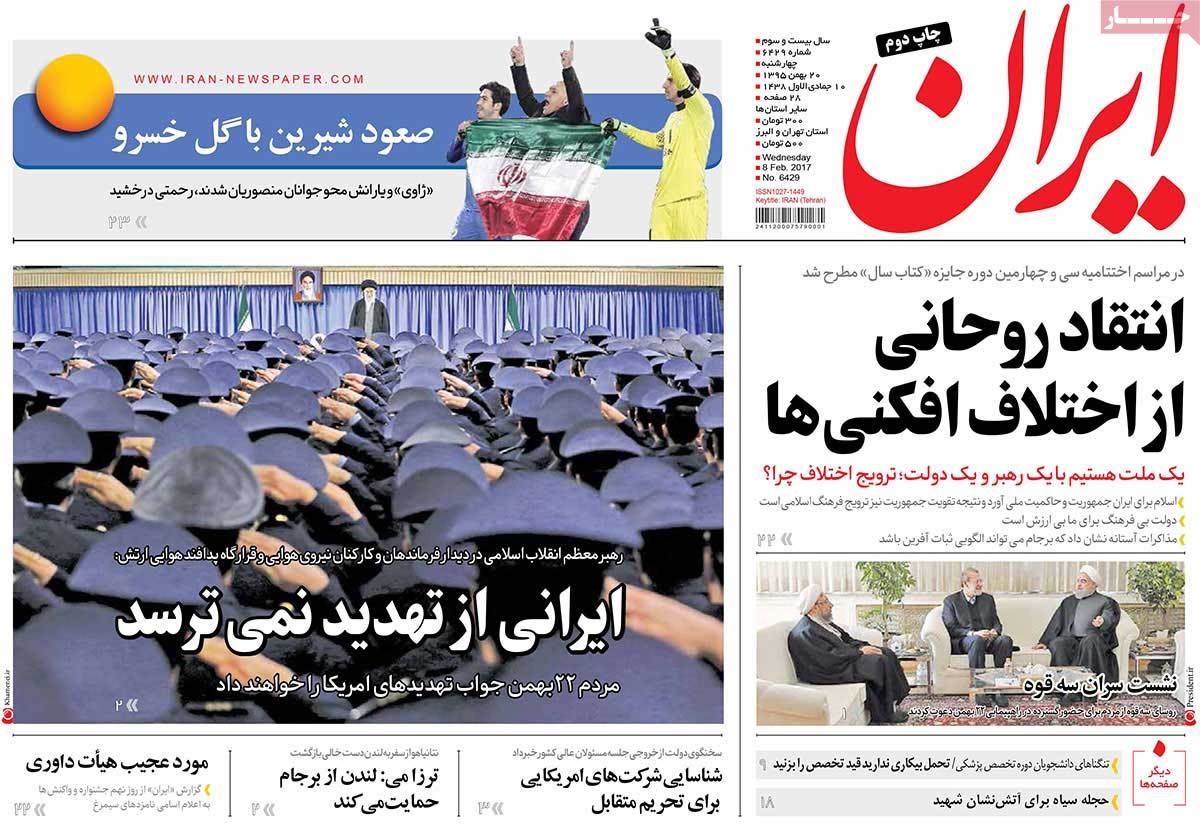
Iran:
1- Rouhani Criticizes Those Who Sow Seeds of Rift: We’re One Nation, with One Leader and One Government, Why Do You Divide People?
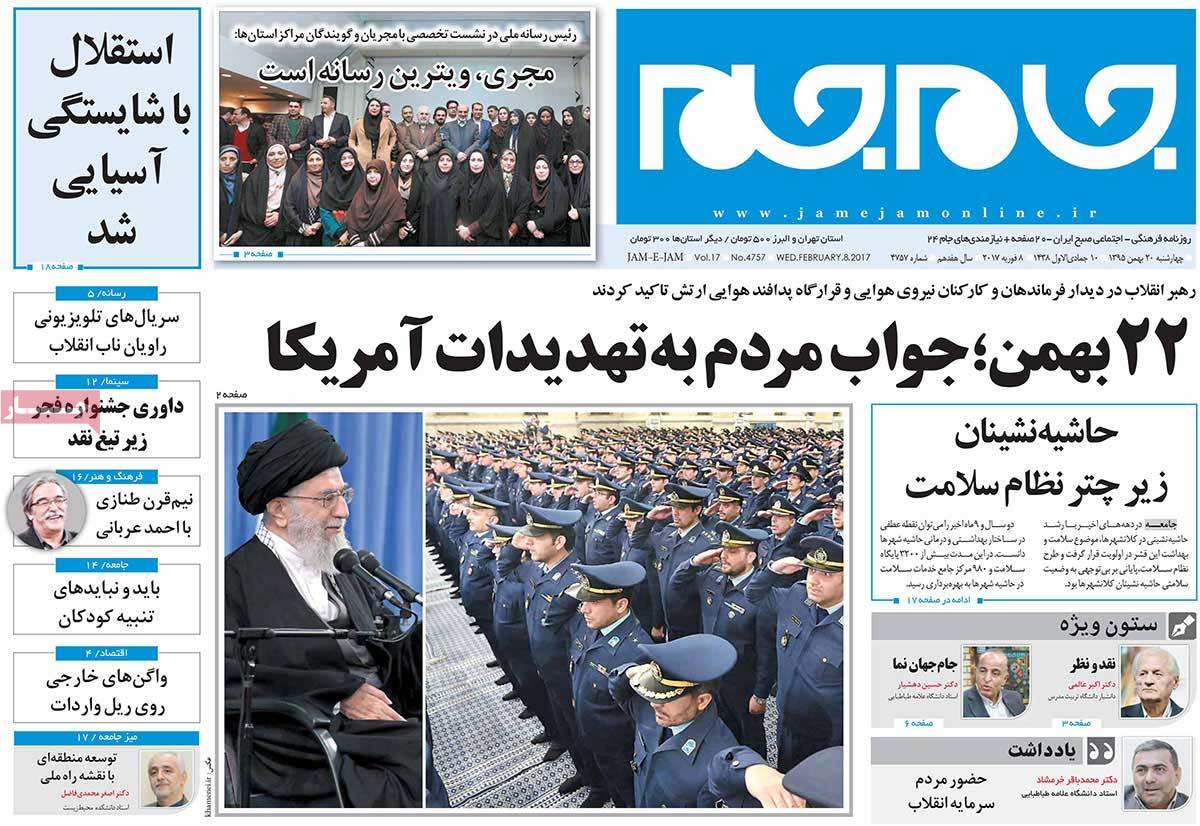
Jame Jam:
1- Iran’s Leader: People Will Give Iran’s Answer to US in February 10 Rallies
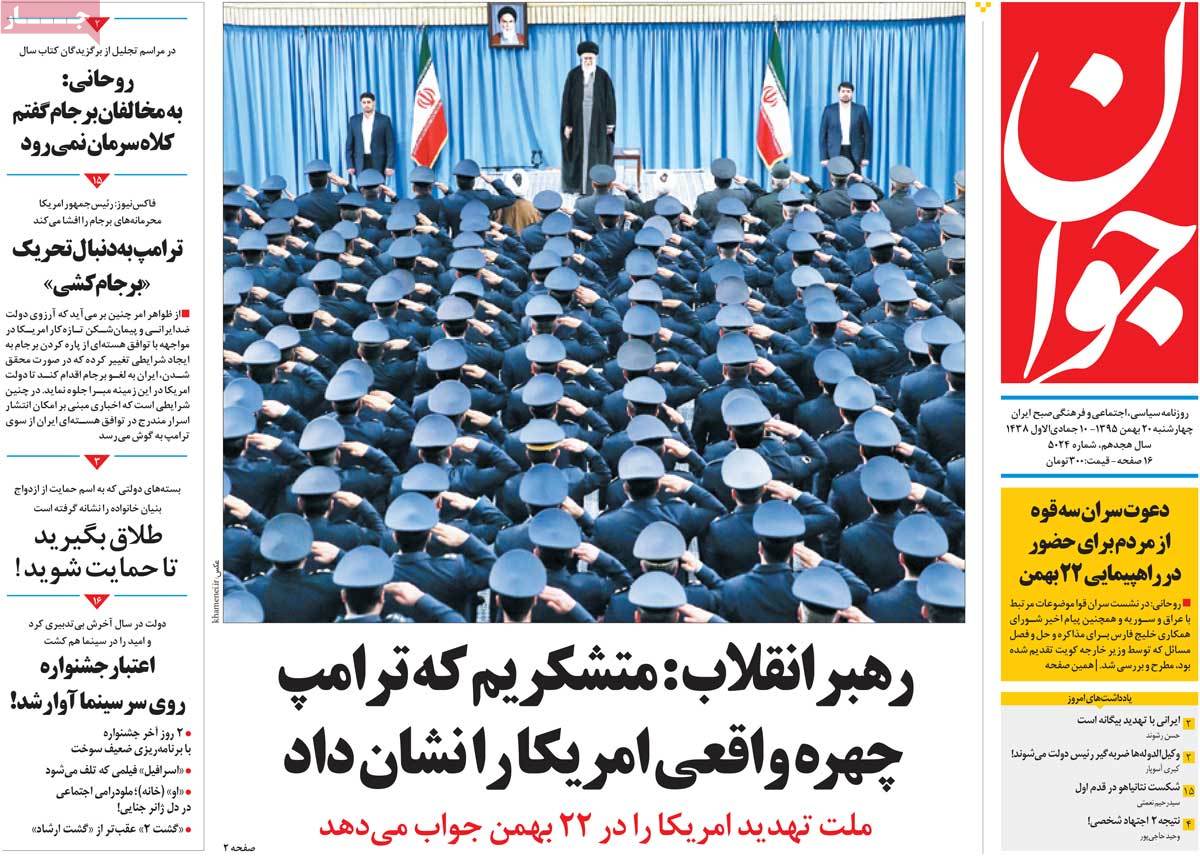
Javan:
1- Iran’s Leader: We’re Thankful to Trump for Showing Real Face of US
2- Fox News: US President to Reveal Secrets of JCPOA; Trump Trying to Provoke [Iran to] Violation of Nuclear Deal
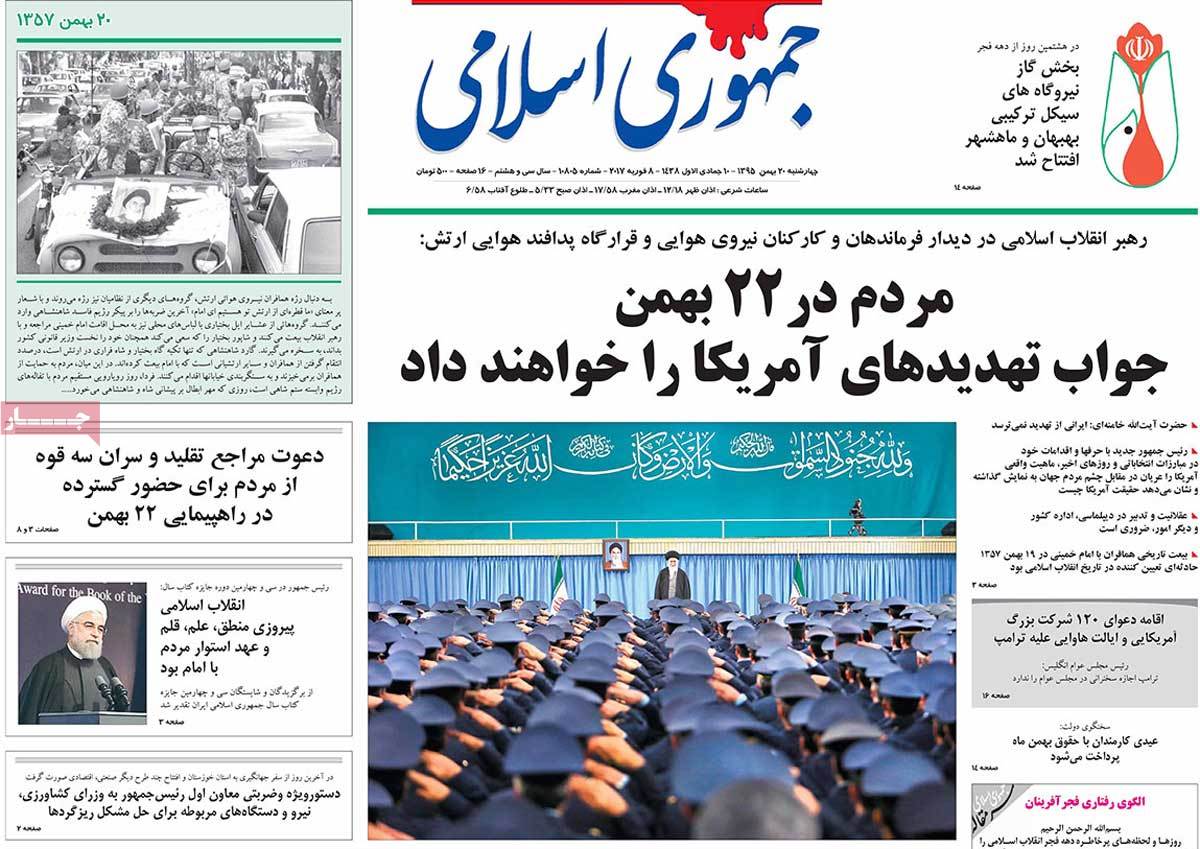
Jomhouri Eslami:
1- Senior Clerics and Top Iranian Officials Call for People’s High Turnout in 22 Bahman Rallies
2- 120 Major American Companies and Hawaii State File Lawsuit against Trump
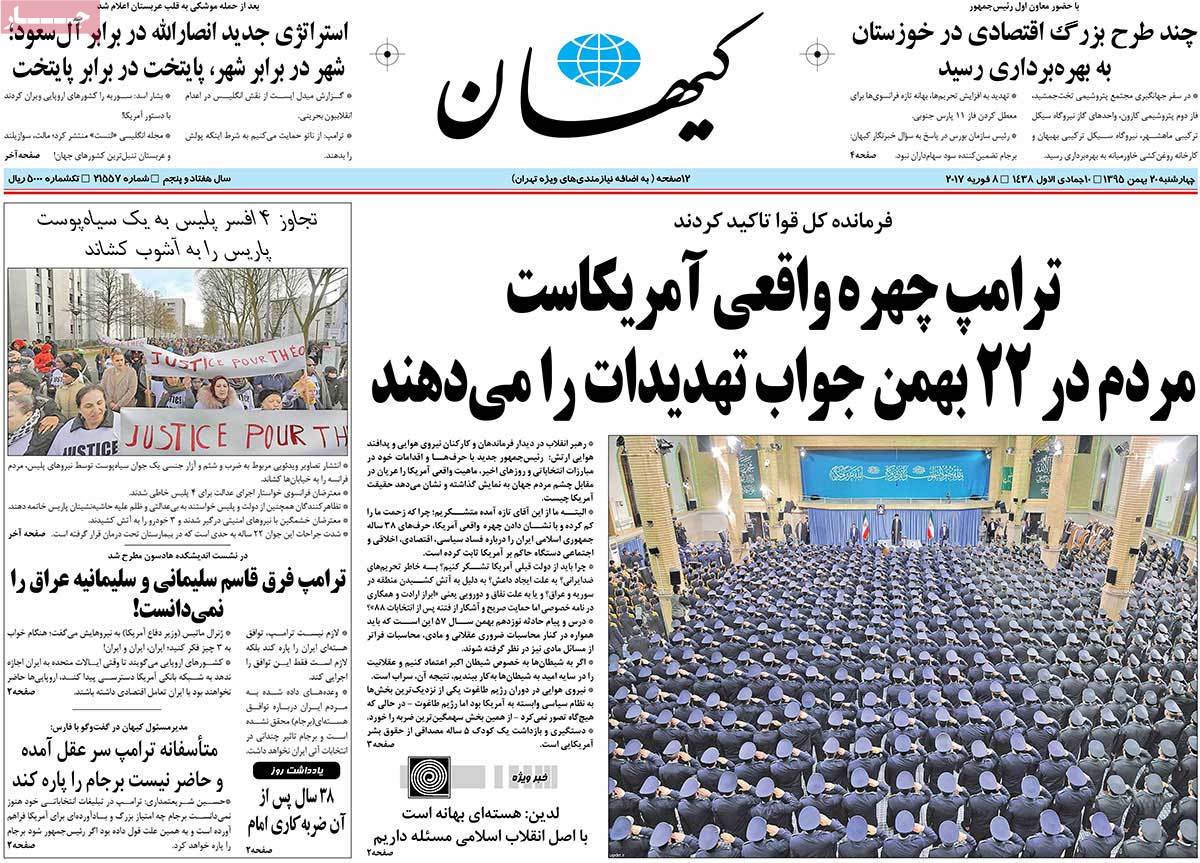
Kayhan:
1- Trump Is True Face of United States: Commander of Iran’s Armed Forces
2- Trump Couldn’t Distinguish between Iraq’s Sulaimaniyah and Iran’s General Soleimani: Hudson Institute Expert
3- Unfortunately, Trump Has Come to His Senses and Won’t Scrap Nuclear Deal: Kayhan’s Managing Editor
4- Ansarullah’s New Strategy in Fight against Al Saud: City for City, Capital for Capital
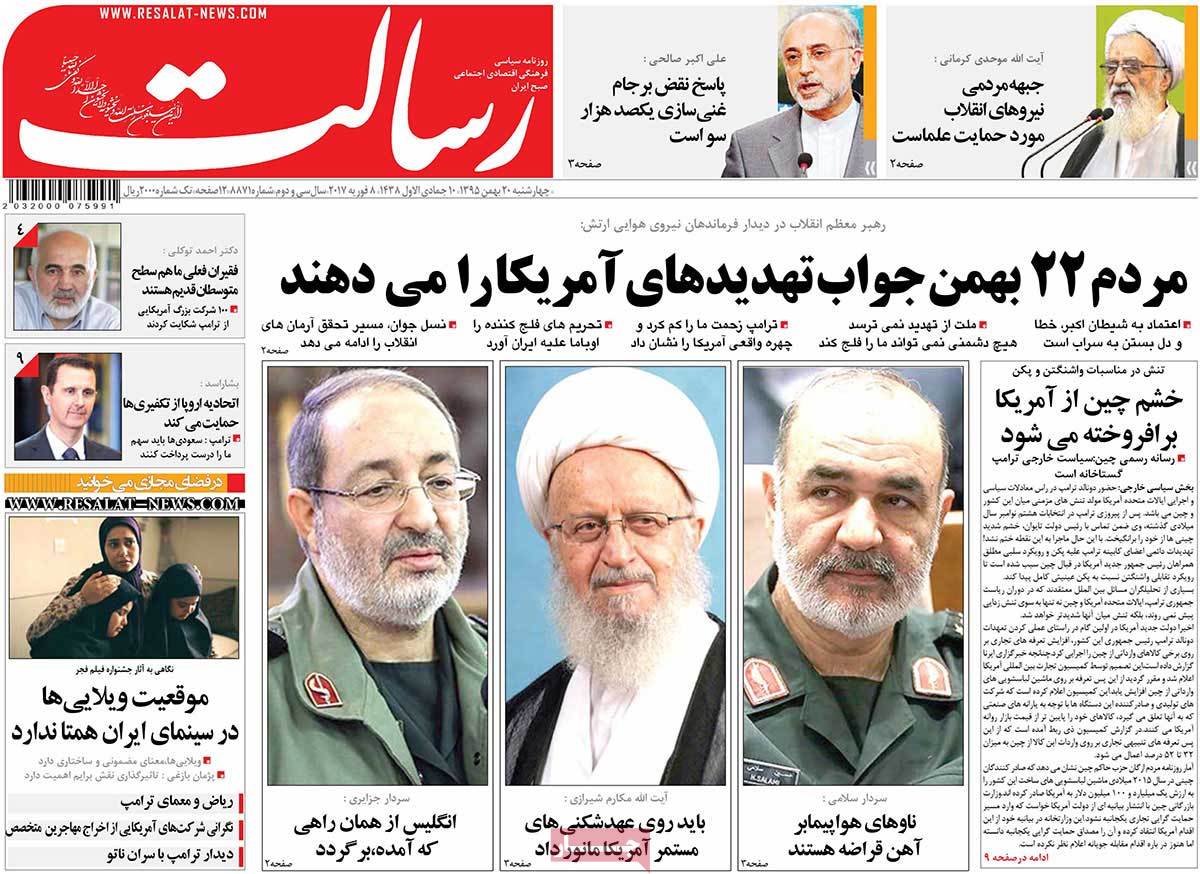
Resalat:
1- Nuclear Chief: Iran to Go for 100,000 SWU Enrichment If JCPOA Is Violated
2- Assad: EU Supports Takfiri [Extremist] Terrorists
3- IRGC General: Britain Should Return Home from Same Path It Came to Middle East
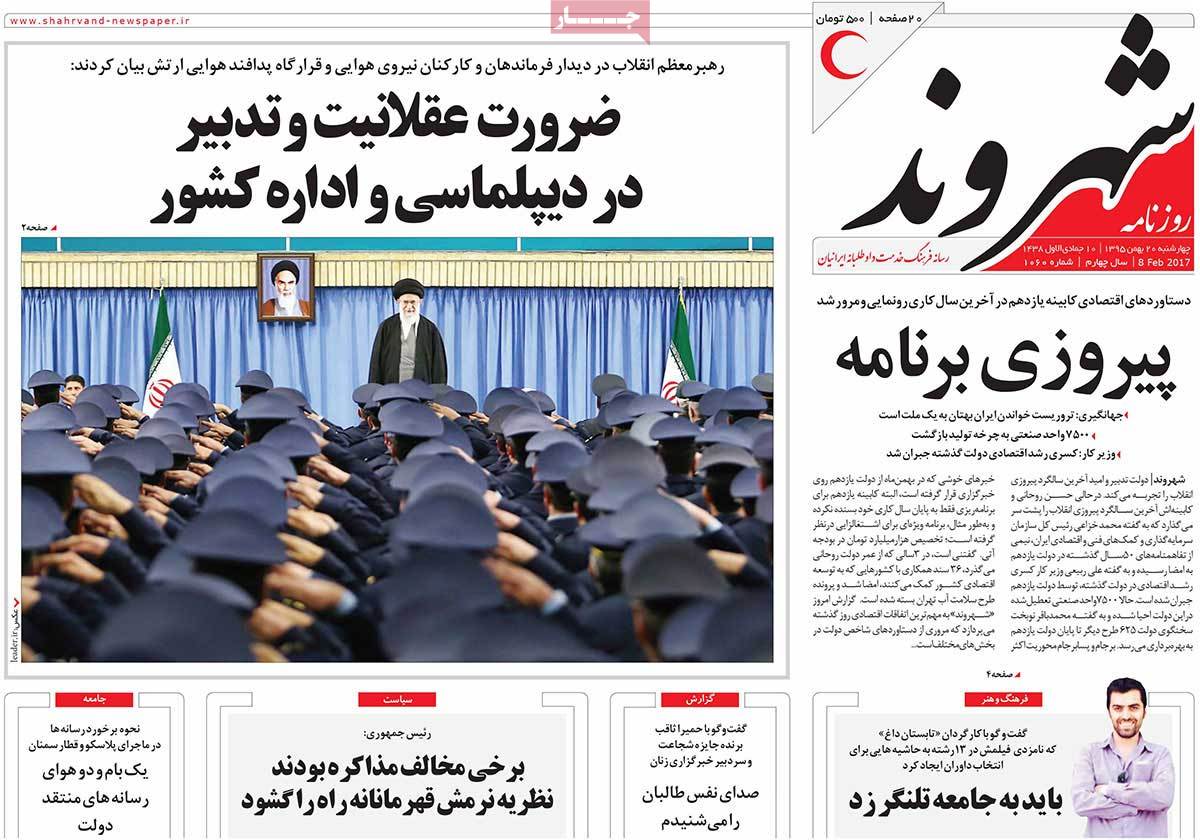
Shahrvand:
1- Iran’s Leader Highlight Necessity for Rationality and Prudence in Diplomacy and Administration
2- President: Some Were Opposed to Negotiation, but [Ayatollah Khamenei’s] ‘Heroic Flexibility’ Theory Paved Our Way
Shargh:
1- President Rouhani Referring to Nuclear Talks: No One Can Trick Us into Doing Something
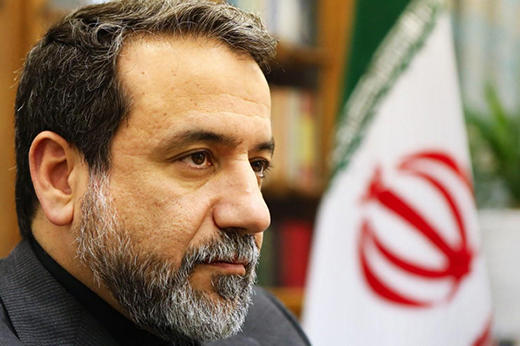
In his one-day stay in Moscow, Araqchi meets Russia’s Deputy Foreign Minister Sergey Ryabkov as part of periodic political meetings between the two countries on the regional and international issues.
The Iranian diplomat is expected to discuss issues such as disarmament, nuclear cooperation, and implementation of the Joint Comprehensive Plan of Action (JCPOA), a nuclear agreement between Iran and the Group 5+1 (Russia, China, the US, Britain, France and Germany), Tasnim reported.
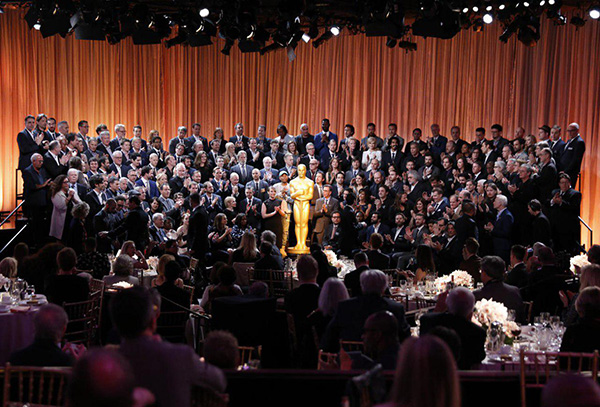
Academy Award nominees turned up at the Beverly Hilton on Monday afternoon to celebrate their accomplishments at an annual luncheon, according to a report covered by Honar Online in Farsi.
But despite the impressive roster, focus remained on the 40 nominees who weren’t in the room — including Asghar Farhadi, the Iranian director of “The Salesman,” who said last week he would not attend the Oscars in the wake of US President Trump’s executive order banning travel from seven majority Muslim countries.

Academy president Cheryl Boone Isaacs couldn’t help but take note of the “empty chairs” in the room. Absentees like Farhadi have been in limbo and expected to miss this year’s ceremony due to Trump’s executive order.
“There is a struggle globally today over artistic freedom that feels more urgent than at any time since the 1950s,” Isaacs said. “Art has no borders. Art has no language and doesn’t belong to a single faith … Just as our work does not stop at borders, borders cannot be allowed to stop any of us.”
The Oscars ceremony is due to be held on February 26 in Dolby Theatre, Los Angeles.
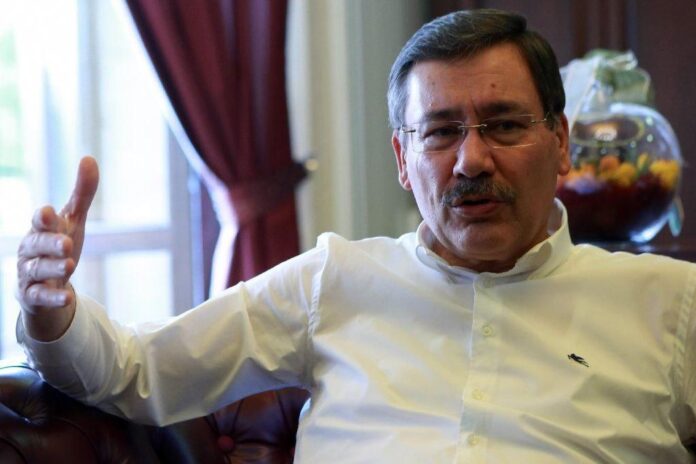
Two quakes hit the western Canakkale province on Monday and Tuesday morning, measuring 5.3 and 5.2 magnitude respectively, the Turkish Disaster and Emergency Management Authority (AFAD) said.
In reaction to the quakes in Twitter, Melih Gokcek, who has been mayor of the Turkish capital since 1994, shared a video on Tuesday which claimed there were tools for causing manmade quakes, and he called all submarines and ships with large equipment to be taken under control of the authorities.
Gokcek said he had “researched” the two quakes and suggested they could have been caused by possible foreign interference.
“There was a ship conducting seismic research nearby. What this ship was researching and what country it belongs to must be solved,” he wrote.
The ultimate aim, he suggested, was to trigger an earthquake near Istanbul in a bid to stage an economic “coup”, AFP reported.
“At this moment, the coup aimed at Turkey is an earthquake near Istanbul to cause Turkey’s economic collapse,” he claimed.
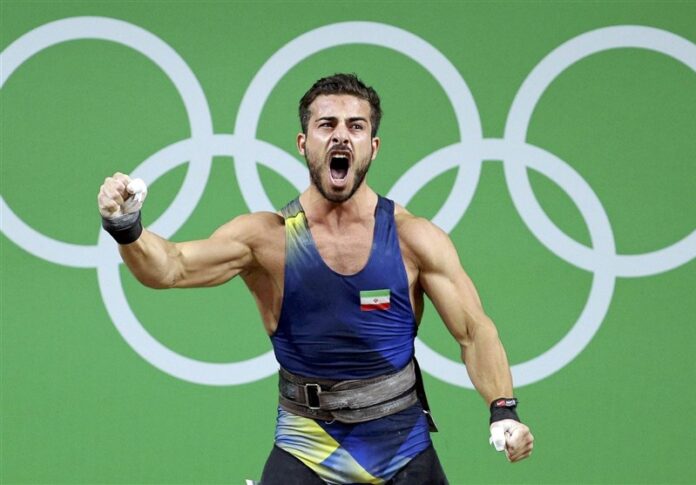
The award is decided by a popular vote of fans.
Rostami won first place by a whopping twenty thousand votes, three times more than the second place Lasha Talakhadze from Georgia. Third place went to the Kazakh weightlifter Nijat Rahimov.
Thailand’s Sopita Tanasan won the award for female Lifter of the Year, beating out China’s Deng Wei and Hsu Shu-Ching in second and third places.
Deng lost by around 1,200 votes, while only fifty-five votes separated Deng and Hsu.
Rostami has coached himself and trained alone in the past year.
He won a gold medal in men’s 85 kg category at the 2016 Summer Olympics Games in Rio de Janeiro, Brazil.
© All Content by IFP News ( Iran Front Page ) is licensed under a Creative Commons Attribution 4.0 International License.
