Monday, May 4, 2026
Home Blog Page 412

Trump thinks Zelensky is ready to concede Crimea to Russia

Trump said he believed Zelensky was ready to concede Crimea to Russia as part of any ceasefire agreement, as talks on a truce entered what Washington called a critical week on Monday.

Trump also stepped up pressure on Vladimir Putin, saying the Russian president should “stop shooting” and sign an agreement to end the grinding war that started with Moscow’s February 2022 invasion.

He added his message to Putin was clear.

“I want him to stop shooting, sit down and sign a deal.”

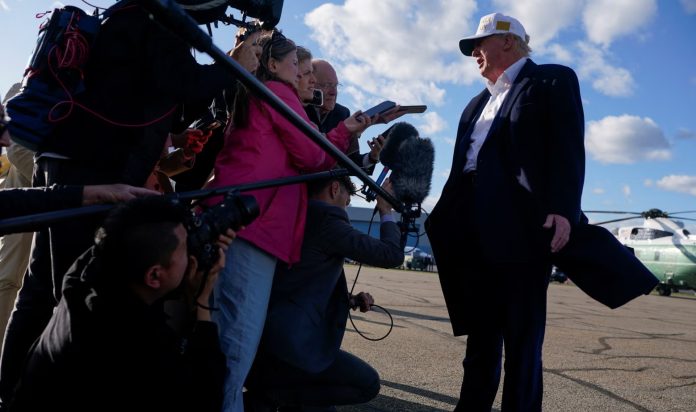
“Oh, I think so,” Trump told reporters in Bedminster, New Jersey, when asked whether he thought Zelensky was ready to “give up” Crimea – despite the Ukrainian president repeatedly saying he never would.

Zelensky had previously rejected a US proposal to formally recognise Crimea as Russian territory, which would violate international law.

Sergei Lavrov, Russia’s Foreign Minister, stated his country would not “negotiate its own territory”, claiming Crimea was a “done deal” ahead of a “critical week” of negotiations.

Coming week ‘very critical’ in Russia-Ukraine war negotiations: US

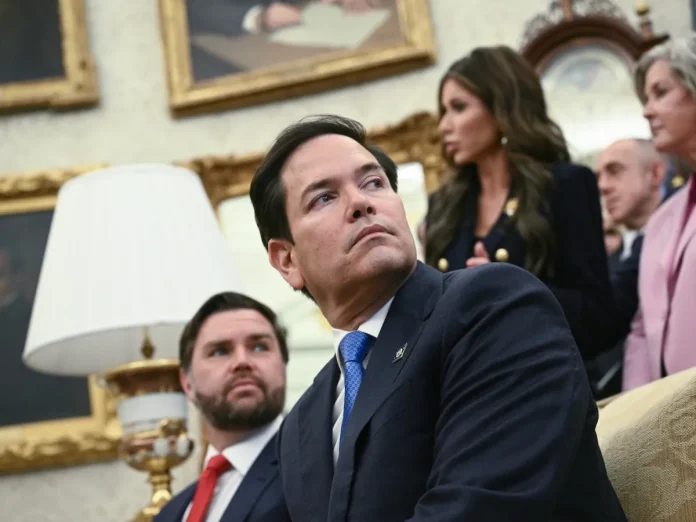
“The minute you start doing that kind of stuff, you’re walking away from it,” Rubio said Sunday on NBC’s ‘Meet the Press.’

Rubio added that the coming week will be “very critical” for the White House as it makes a “determination about whether this is an endeavor that we want to continue to be involved in.”

“There are reasons to be optimistic, but there are reasons to be realistic,” Rubio stated, adding: “We’re close, but we’re not close enough.”

“Throughout this process, it’s about determining, do both sides really want peace and how close are they or how far apart they are after 90 days of effort here … that’s what we’re trying to determine this week,” Rubio said of negotiations.

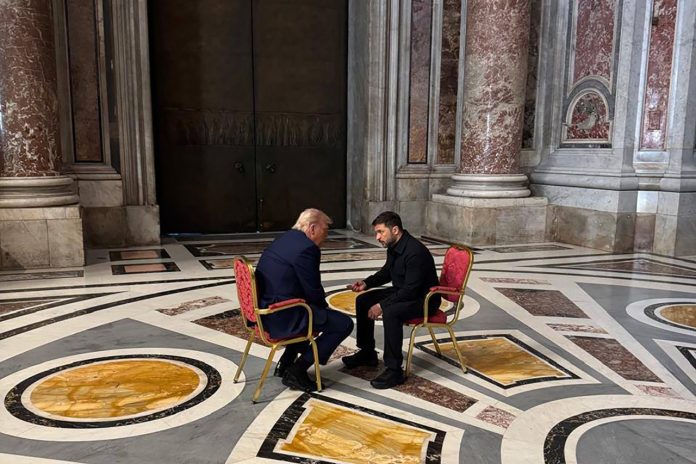
Rubio’s comments come as Trump is ramping up pressure on Russia and Ukraine to reach a peace deal. Trump met Saturday with Ukrainian President Volodymyr Zelensky, just before floating the possibility of tougher sanctions against Moscow.

Rubio said that Trump has “made real progress” in nearing an end to the war, but “those last couple steps of this journey were always going to be the hardest ones, and it needs to happen soon.”

“We cannot continue, as I said, to dedicate time and resources to this effort if it’s not going to come to fruition,” he added.

Trump on Saturday questioned whether Russian President Vladimir Putin wants to “stop the war” against Ukraine.

“It makes me think that maybe he doesn’t want to stop the war, he’s just tapping me along, and has to be dealt with differently, through “Banking” or “Secondary Sanctions?” Too many people are dying!!!” Trump wrote on Truth Social.

His post came just after he had a private meeting with Zelensky in Rome, which the White House described as a “productive discussion.”

Trump says he expects Iran talks will yield an agreement

“We’ll have something without having to start dropping bombs all over the place,” Trump stated.

On Saturday, Iran and the US held the third round of indirect talks in Muscat, the capital of Oman, with both parties agreeing to continue consultations.

As in the previous two rounds, Iranian Foreign Minister Abbas Araghchi and US President Donald Trump’s envoy Steve Witkoff led the negotiations.

Araghchi has expressed satisfaction with the progress made in indirect nuclear talks with the United States.

“I am satisfied with the progress of the negotiations and their pace. They are proceeding well and remain satisfactory,” he told reporters after the talks on Saturday.

He added that both parties are determined to reach an agreement. “It was quite evident that both sides were serious and entered the talks with determination. This creates an atmosphere that gives us hope for progress in the negotiations.”

The top Iranian diplomat noted that the sides had agreed to hold further consultations in their respective capitals to explore ways to resolve differences.

He explained that Tehran and Washington should first establish a general understanding on certain issues before moving on to detailed negotiations.

“There are differences between the two nations, both on key issues and their specifics,” Araghchi said.

Araghchi once again reiterated that the three rounds of talks between Iran and the US only focused on the nuclear issue, and no other topics have been included.

He clarified that by the nuclear issue, he meant building confidence about the peaceful nature of Iran’s nuclear program in return for the removal of sanctions.

The Iranian foreign minister said there are some “very serious” differences between Tehran and Washington and some others with less seriousness and expressed hope that the two sides would be able to move forward quickly.

“The past experiences help us to make our progress easier and faster, but I believe that so far, our progress has been good,” Araghchi added.

The previous rounds of indirect talks between Iran and the United States were held in Muscat and Rome on April 12 and 19, respectively, and were similarly aimed at finding common ground on Tehran’s nuclear program.

Official: Large-scale cyber Attack on Iran’s infrastructure foiled

Cyber attack

Behzad Akbari, CEO of the Communications Infrastructure Company, reported the cyber attack on the country’s infrastructure in a tweet on his social media page.

Akbari wrote: “By the grace of God and the efforts of the security and technical teams at the Ministry of Communications, one of the most widespread and sophisticated cyber attacks against the country’s infrastructure was identified yesterday, and preventive measures stopped potential damage.”

According to an official report by Iran’s Infrastructure Company, in the winter of last year, over 101,000 cyber attacks against the country’s infrastructure were detected and repelled.

These attacks, primarily originating from Russia, Ukraine, and the US, targeted vital services such as banks and telecommunications networks, requiring over 5,000 hours of continuous countermeasures.

Iranian newspaper criticizes handling of port explosion, calls for stronger security measures

The editorial highlights several key concerns, underlining the port, a vital economic hub, lacked adequate security protections despite its strategic importance.

Authorities provided delayed and unclear information about the blast, allowing foreign media to shape narratives with speculation, it deplored.

The newspaper also questioned the effectiveness of forming multiple investigation committees that often fail to deliver public results.

Noting the explosion occurred during sensitive Iran-US negotiations in Oman, the piece suggested possible sabotage attempts by opponents of diplomacy, including Israel and domestic hardliners.

Regardless of the cause, the incident exposed systemic security failures that have plagued Iran in recent years, Jomhuri-e Eslami stressed.

The editorial called for concrete actions rather than bureaucratic responses, suggesting consolidating oversight into a single accountable body, implementing immediate security upgrades at all major ports, and establishing transparent crisis communication protocols.

It warned that without fundamental reforms, similar incidents could recur at other critical infrastructure sites.

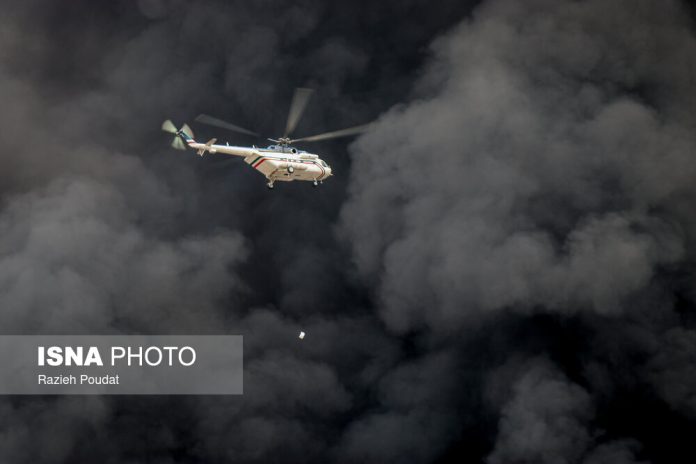
The Saturday blast at Shahid Rajaei Port, in southern Iran, left dozens killed and hundreds injured, causing significant damage.

At least 8 killed in latest US air attacks on Yemen

US-led coalition Yemen

The Al Masirah TV satellite news channel reported early on Monday that eight people were killed in a US strike targeting the ​​Bani al-Harith district north of Yemen’s capital, Sanaa.

The US also struck Yemen’s Amran and Saada governorates on Sunday night, Houthi officials said, and two people were reported killed in an earlier attack on Sanaa.

“Eight martyrs, including children and women,” the channel reported after the attack that targeted the Thaqban area in Bani al-Harith.

A later report by the station claimed that dozens were reported killed in the US bombing of Saada, where a detention centre was struck.

The latest US bombing raids raise the death toll from US strikes on Yemen to 228 people, according to a tally of Houthi announcements on casualties.

The US military said on Sunday that since March 15, it had struck more than 800 targets in Yemen and killed hundreds of rebel fighters.

“These strikes have killed hundreds of Houthi fighters and numerous Houthi leaders,” the US military’s Central Command (CENTCOM), which is responsible for military operations in the Middle East, said in a statement.

CENTCOM also added the attacks on Yemen would continue and details of US strikes would not be revealed to the public.

“To preserve operational security, we have intentionally limited disclosing details of our ongoing or future operations,” CENTCOM said.

“We are very deliberate in our operational approach, but will not reveal specifics about what we’ve done or what we will do,” it added.

The US has not commented on civilian casualties from its intense bombing of Yemen, which began on March 15 and has involved almost daily attacks.

US forces say they are targeting the Houthis because of the group’s attacks on shipping in the Red Sea, and on Israel. The Houthis say they launched their attacks on Red Sea shipping linked to Israel in retaliation against Israel’s war on Gaza.

On April 18, a US strike on Yemen’s Ras Isa fuel port killed at least 74 people and wounded 171 others in the deadliest-known attack to date by the US on Yemen.

The increase in US attacks also comes as President Donald Trump intensifies efforts to pressure Iran – the main supporter of the Houthis – into agreeing to a new deal on its nuclear capabilities.

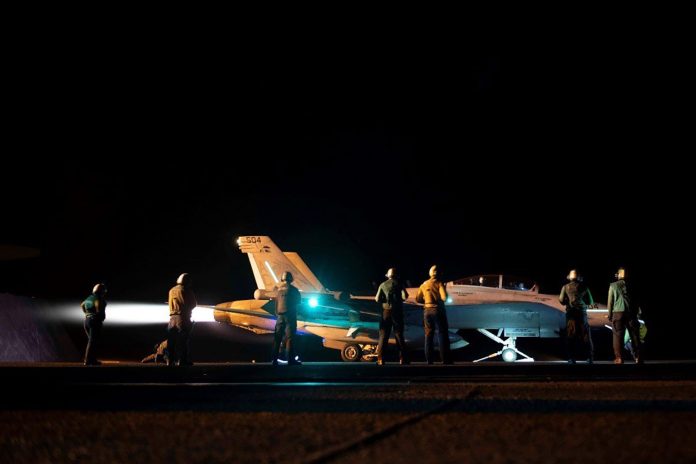
The US is conducting strikes from its two aircraft carriers in the region – the USS Harry S Truman in the Red Sea and the USS Carl Vinson in the Arabian Sea.

Houthi forces, nevertheless, continue to launch missiles at Israel and US vessels in the Red Sea, as well as US military drones.

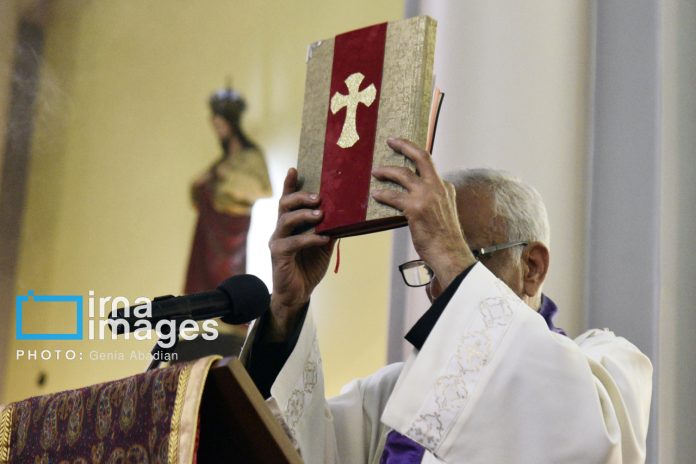
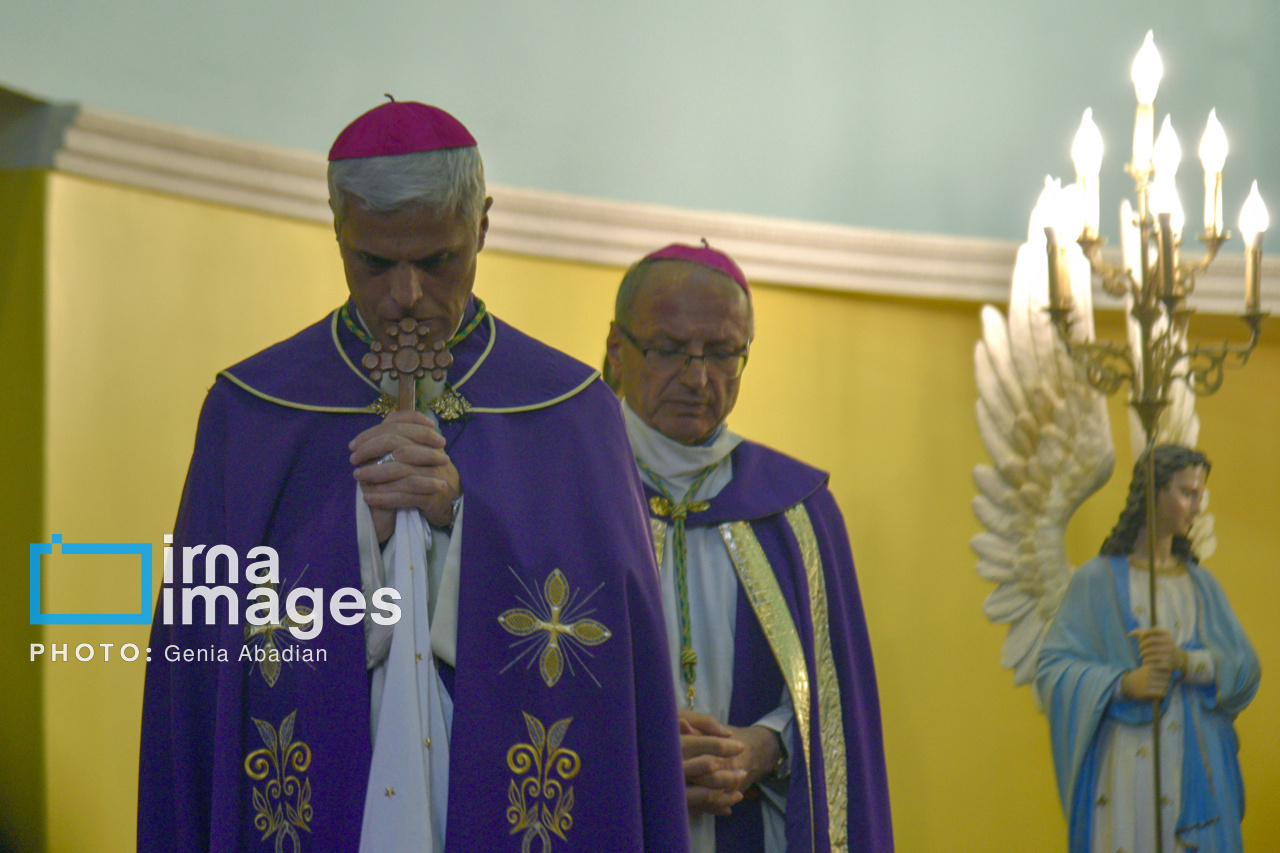
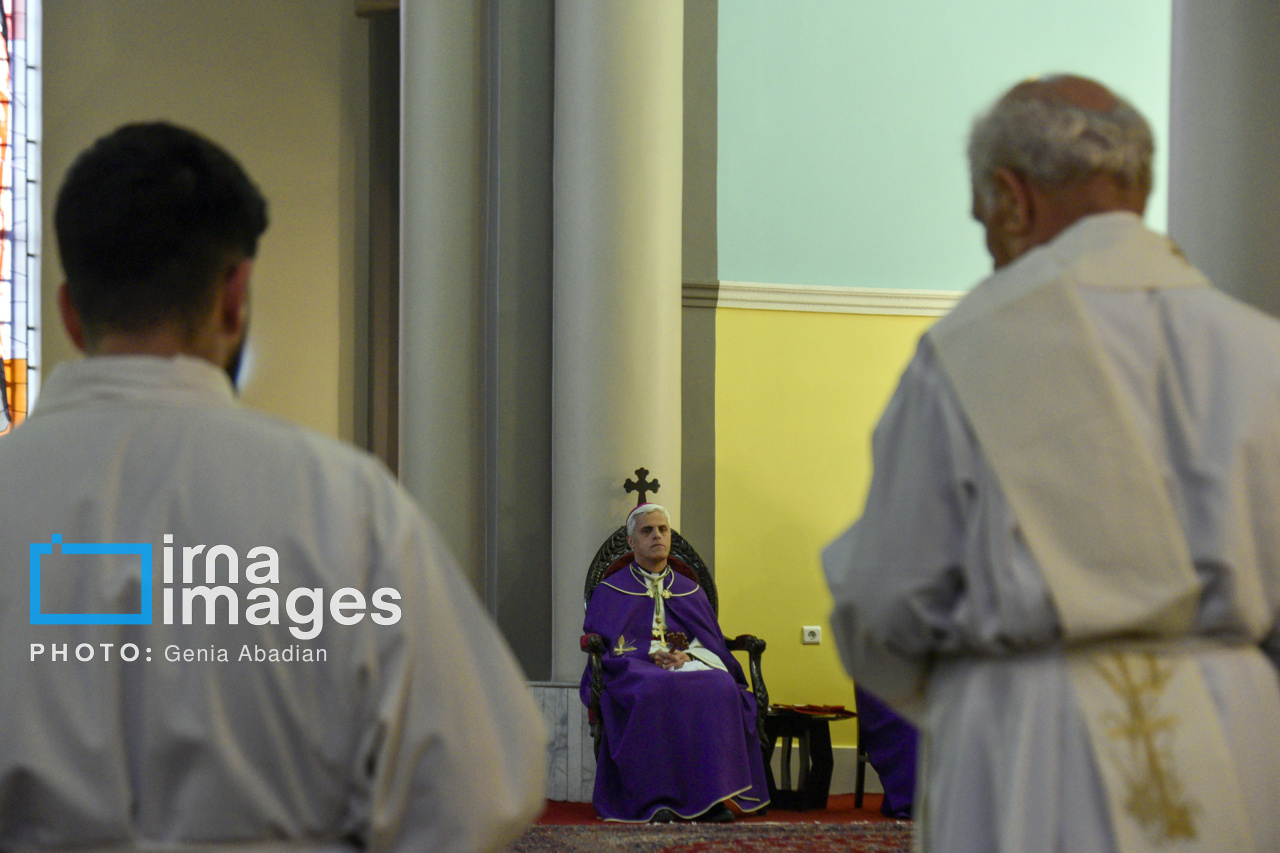
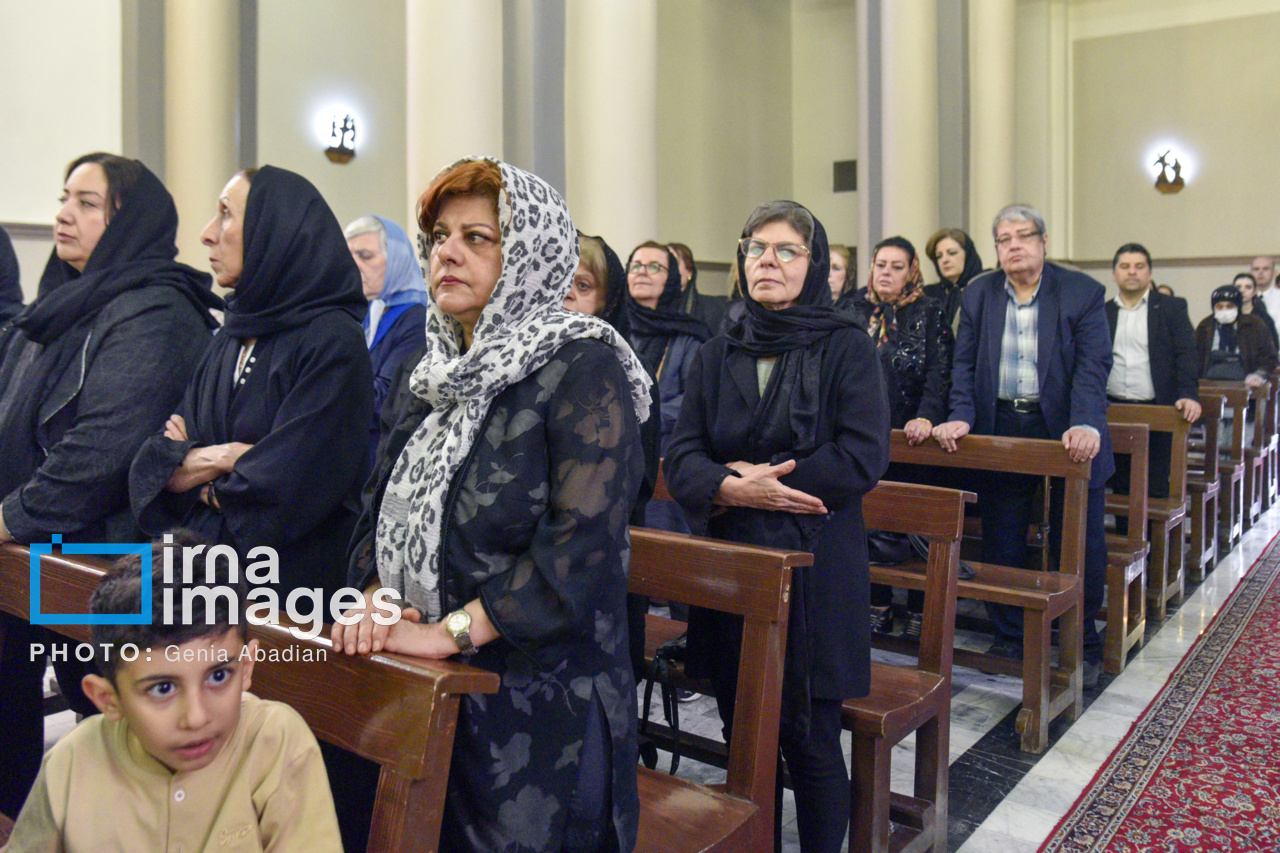
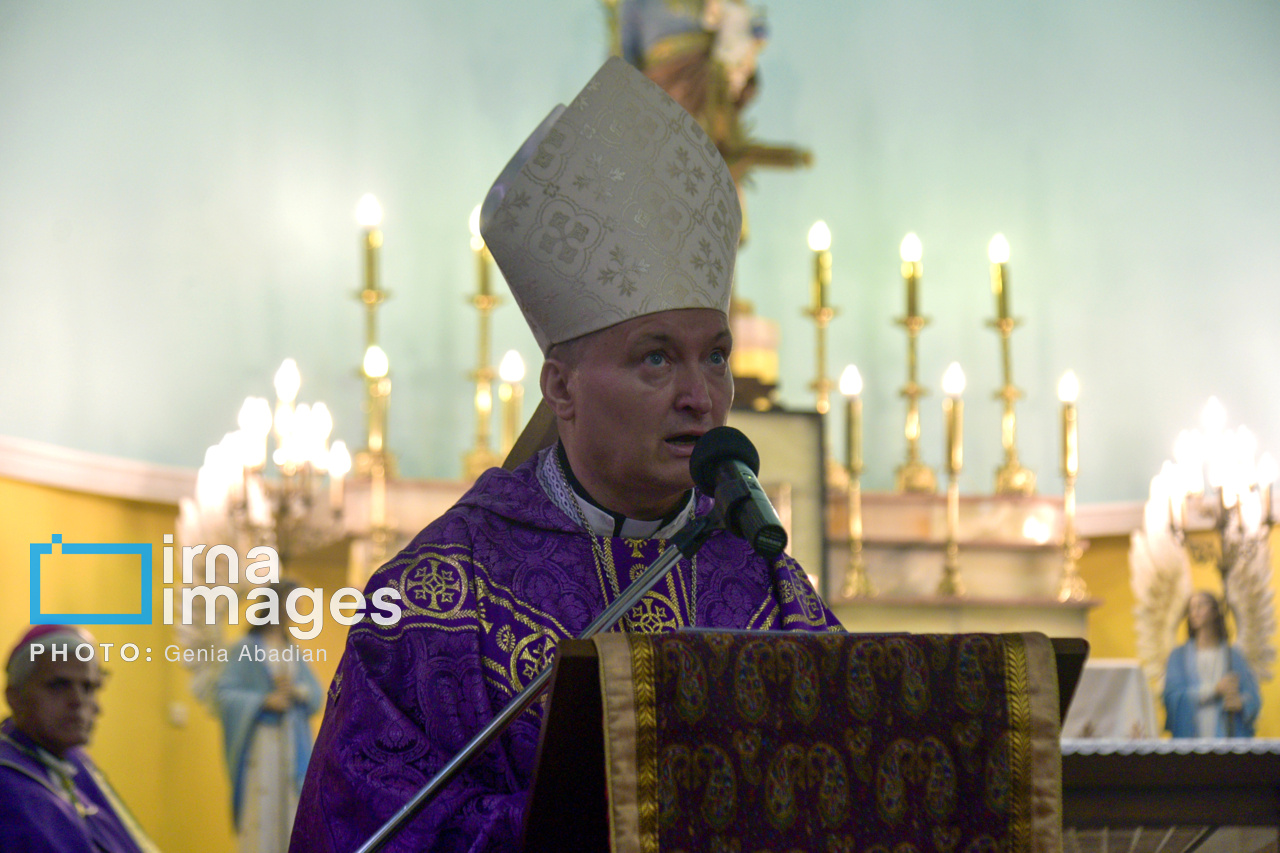
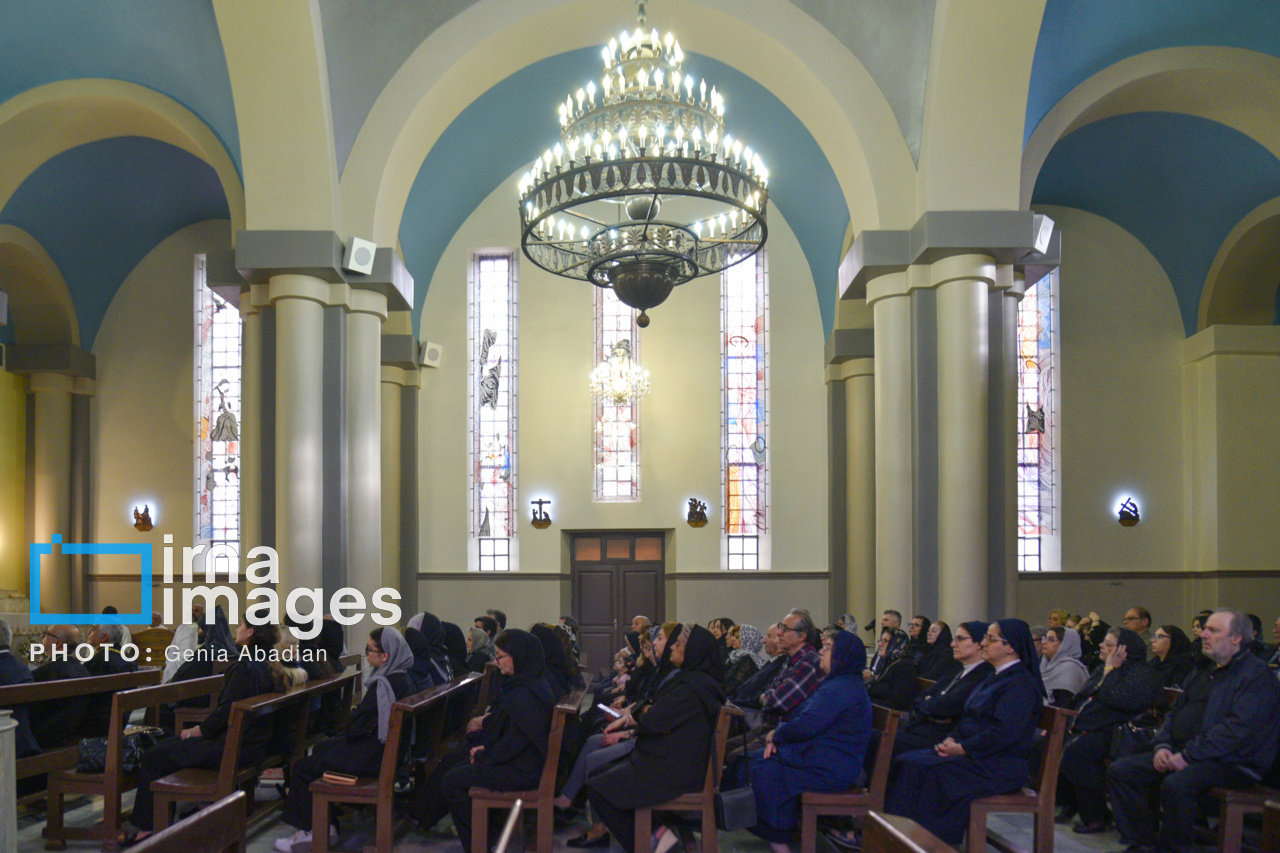
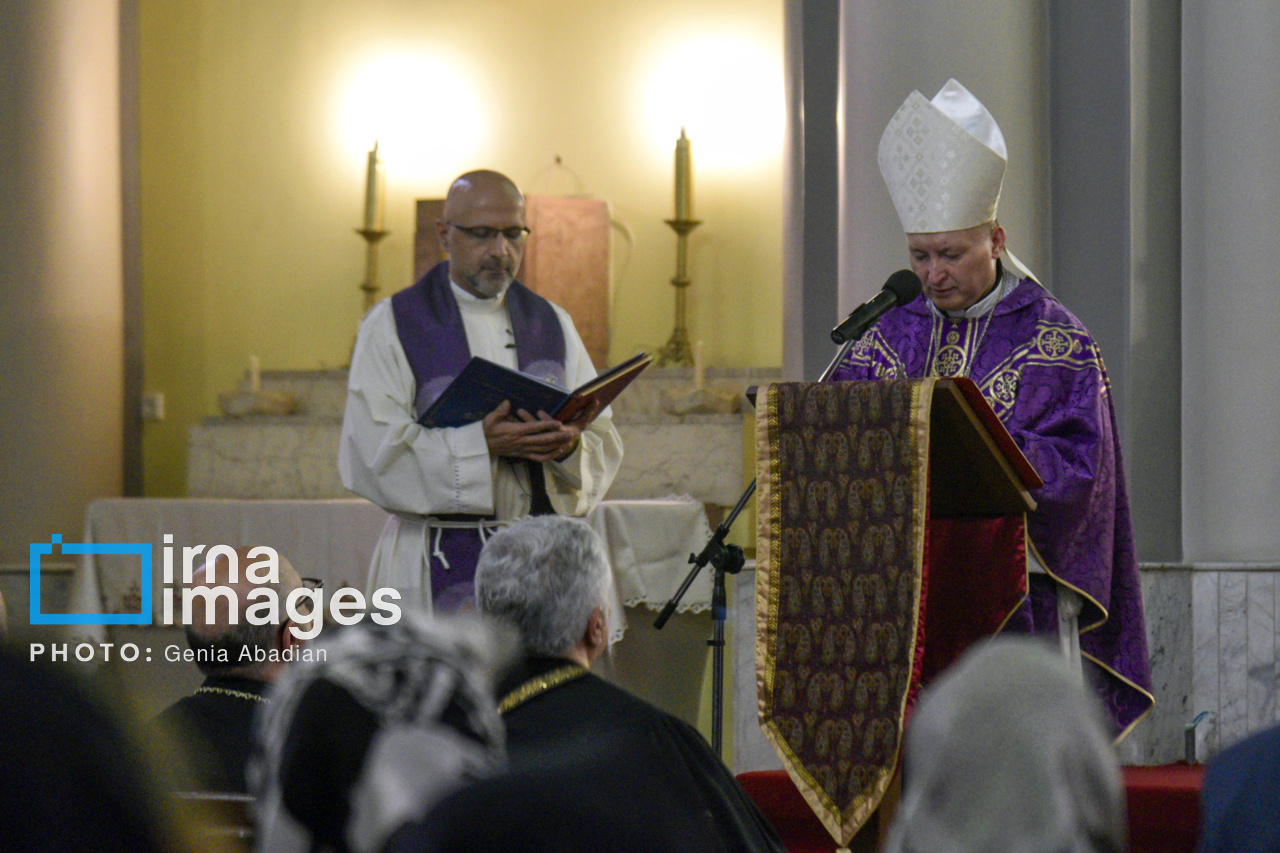
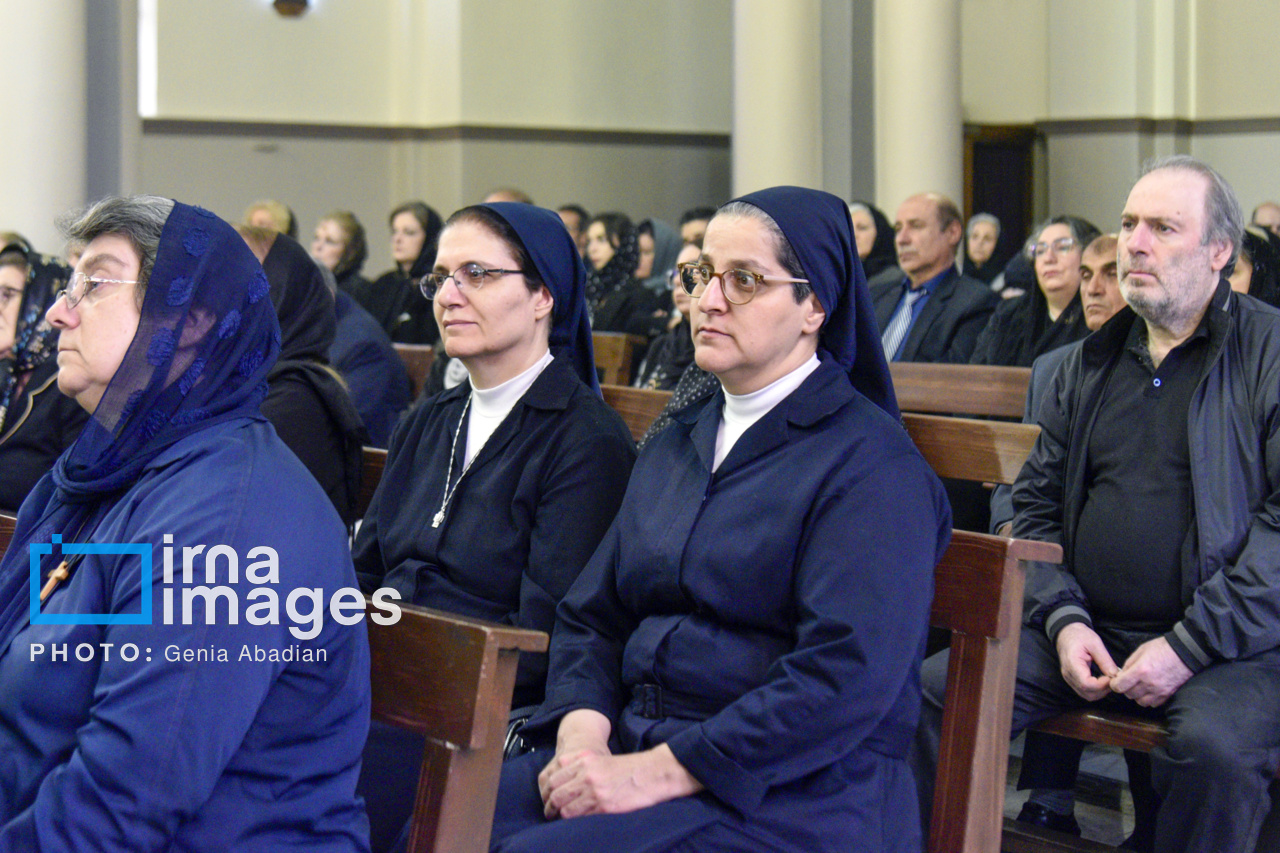
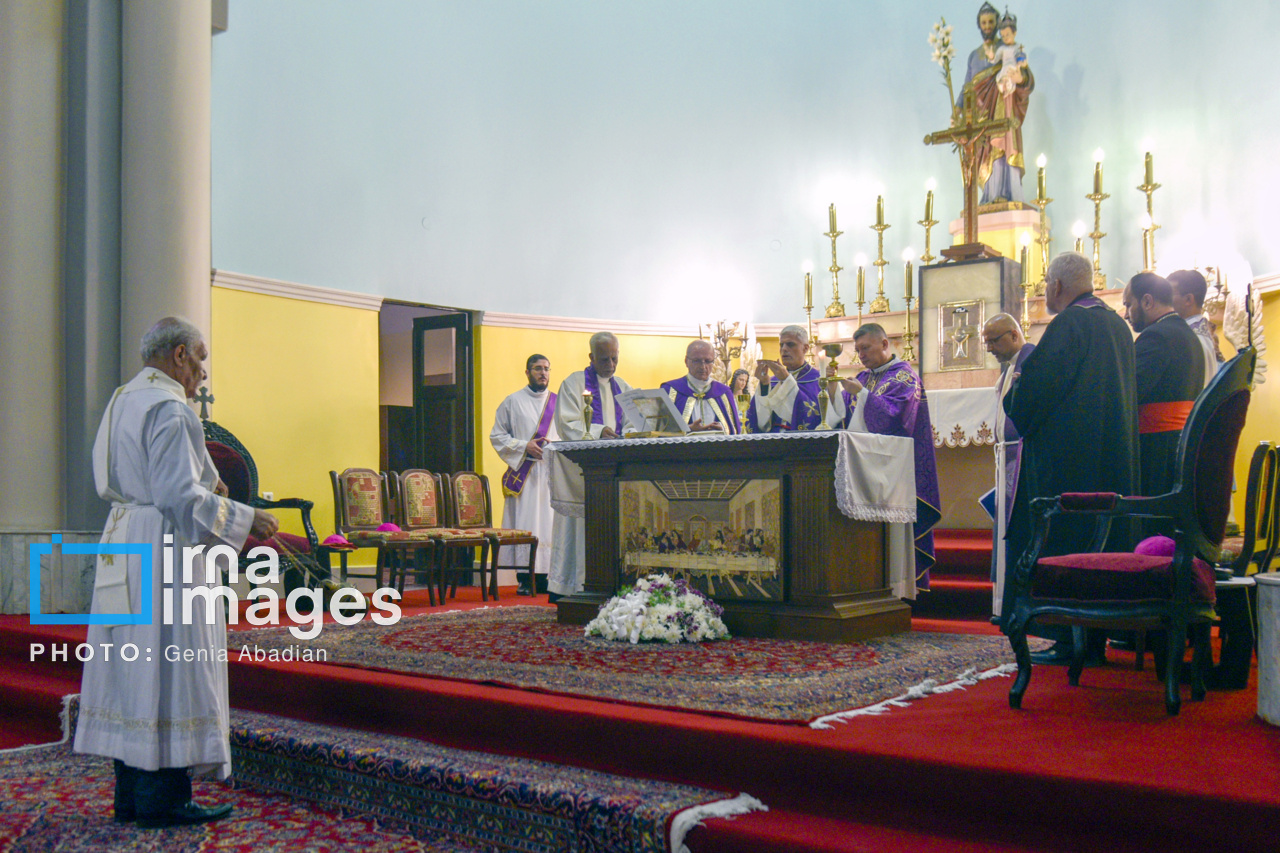
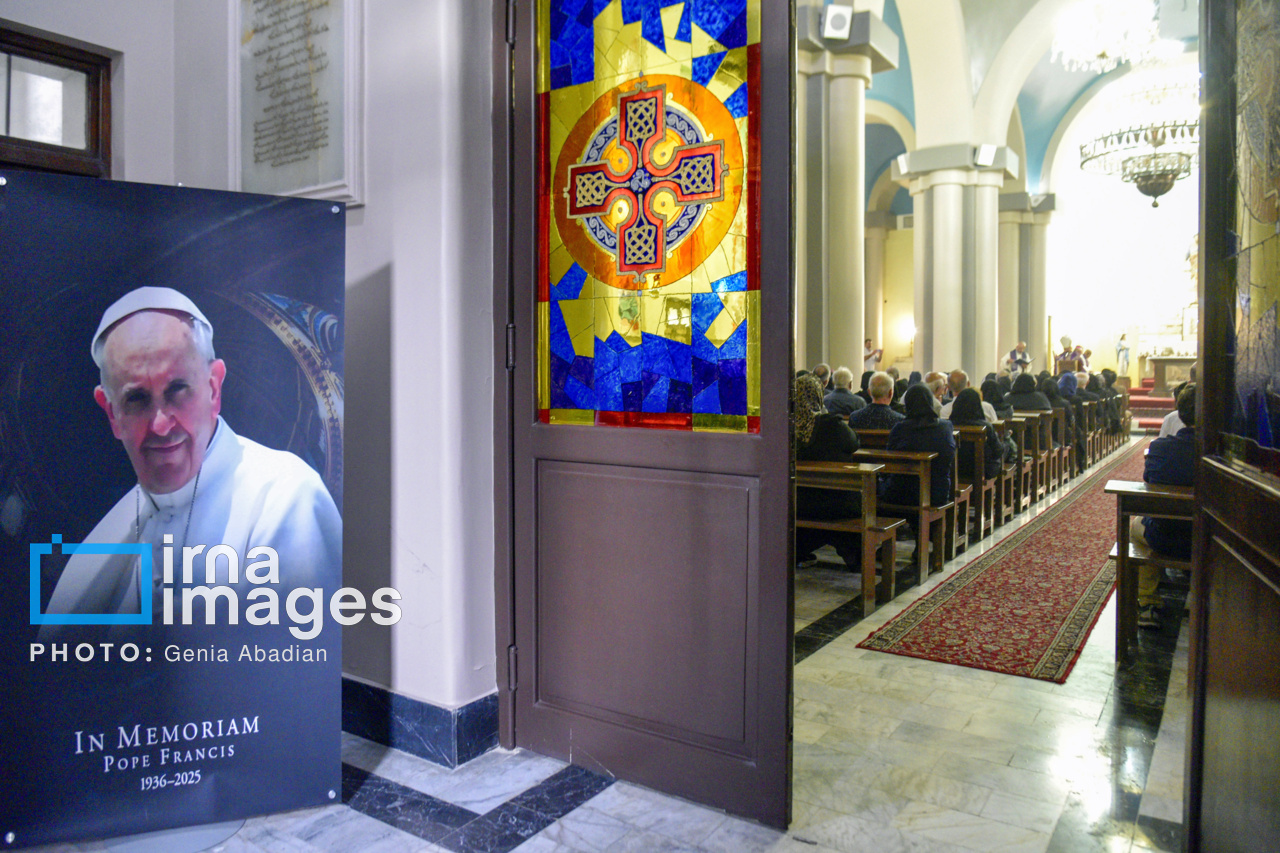
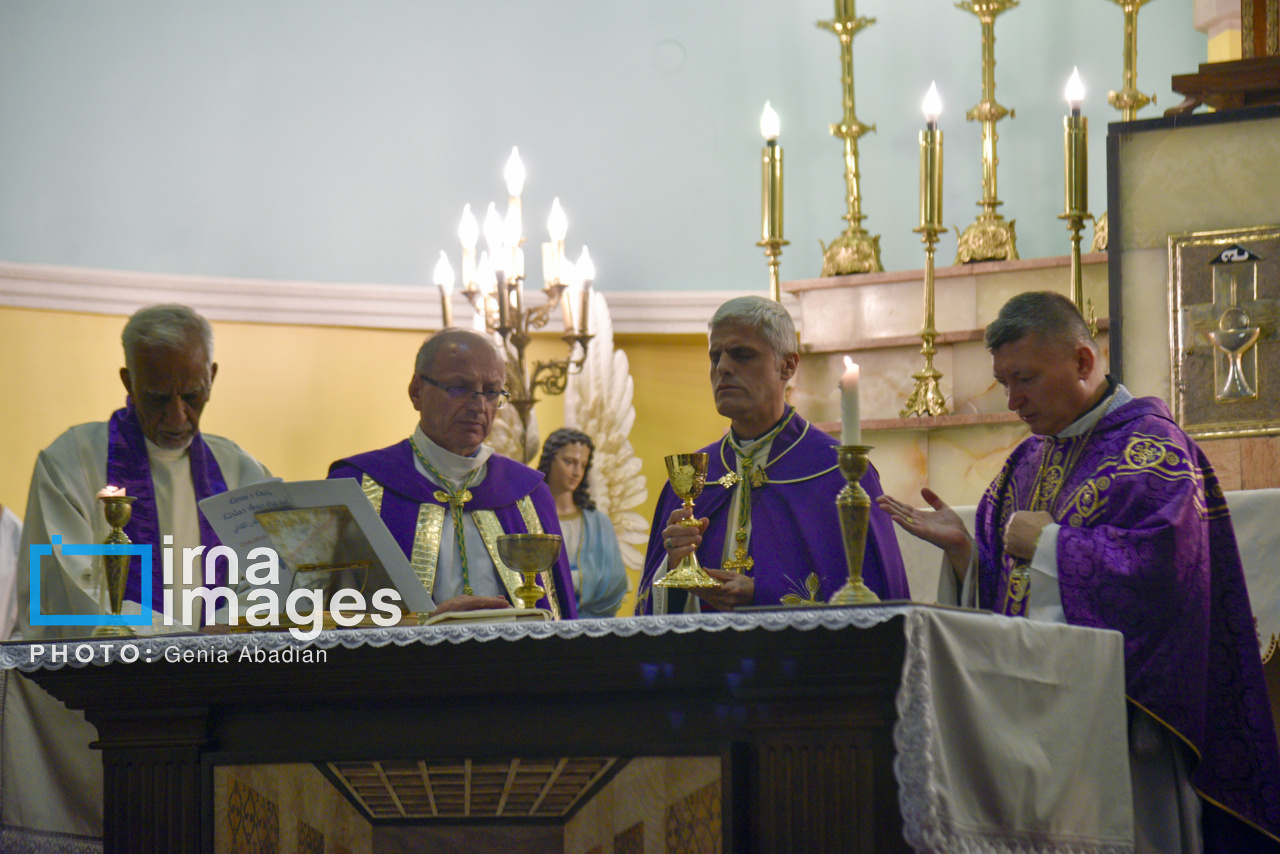
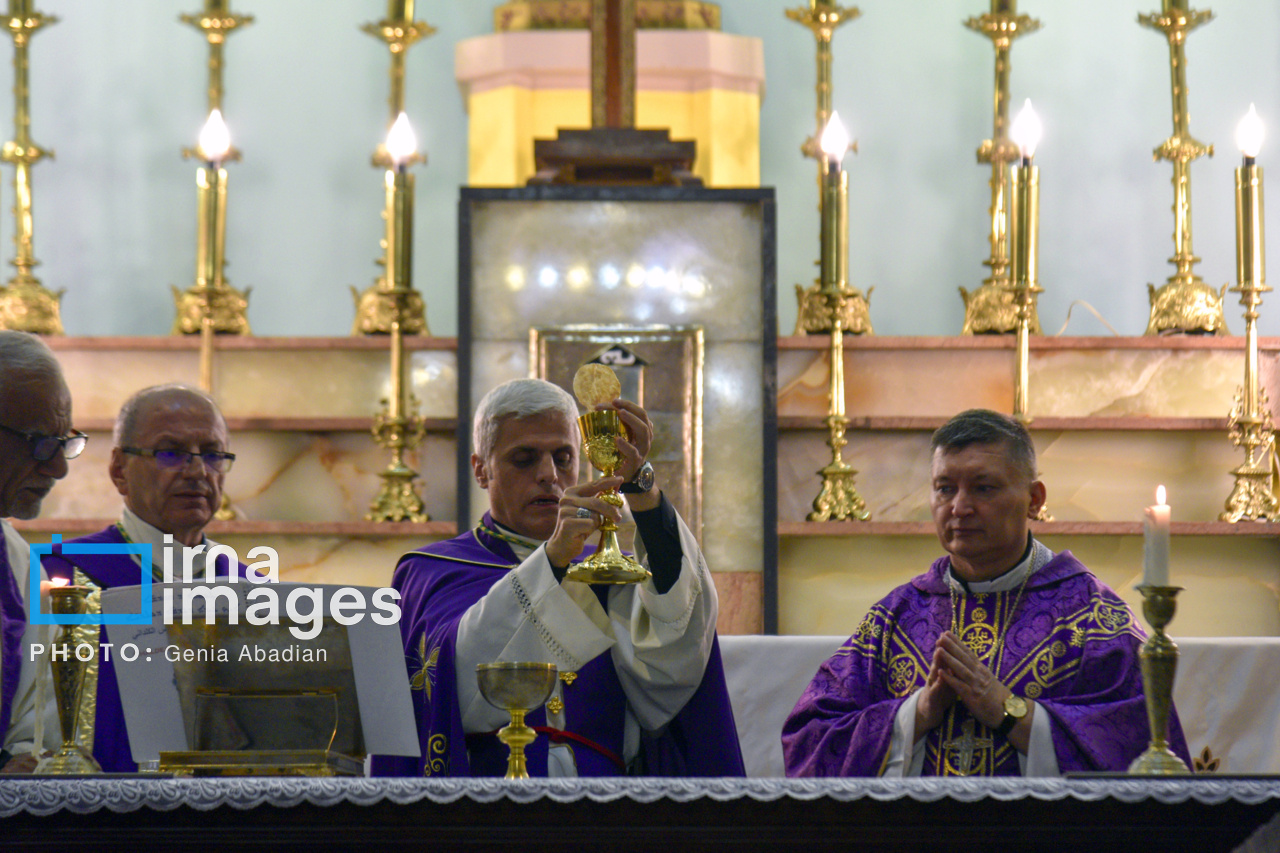
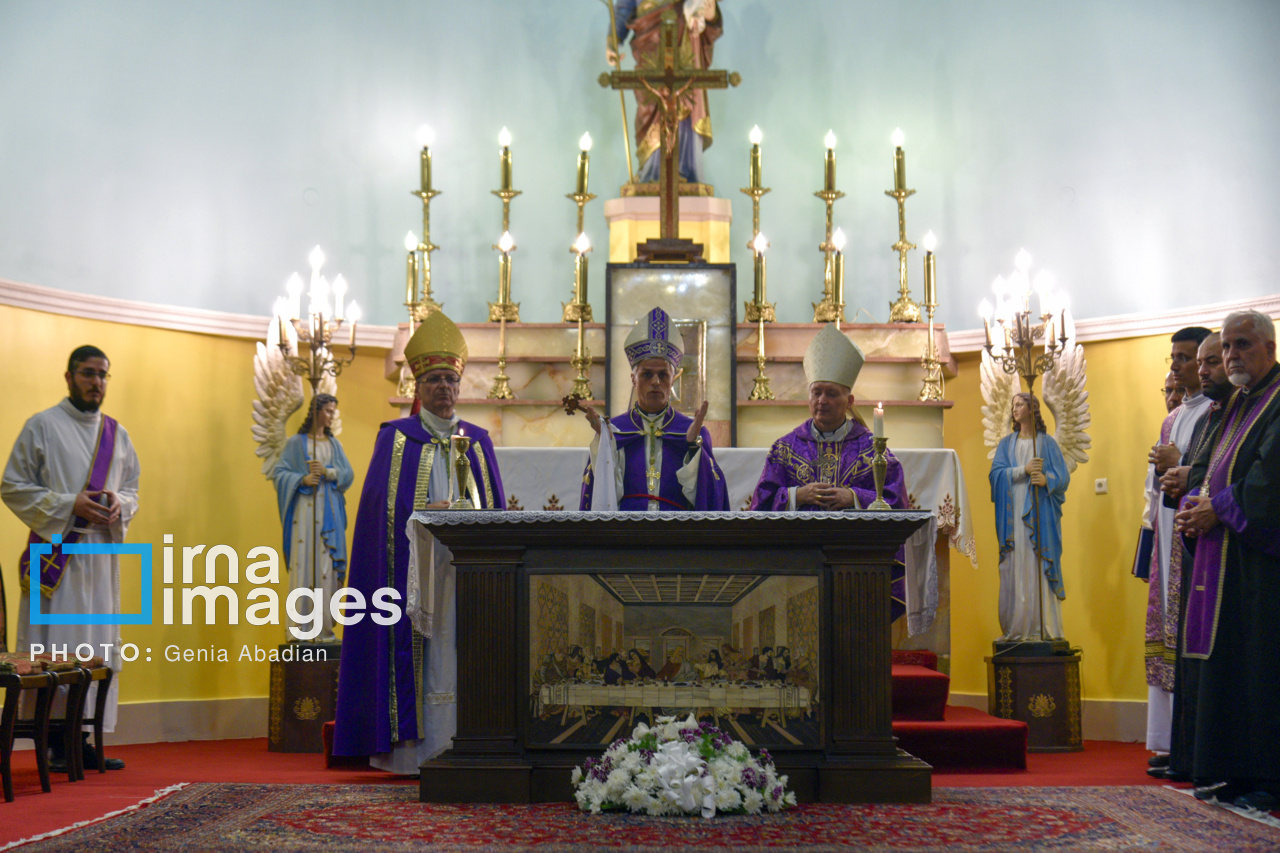
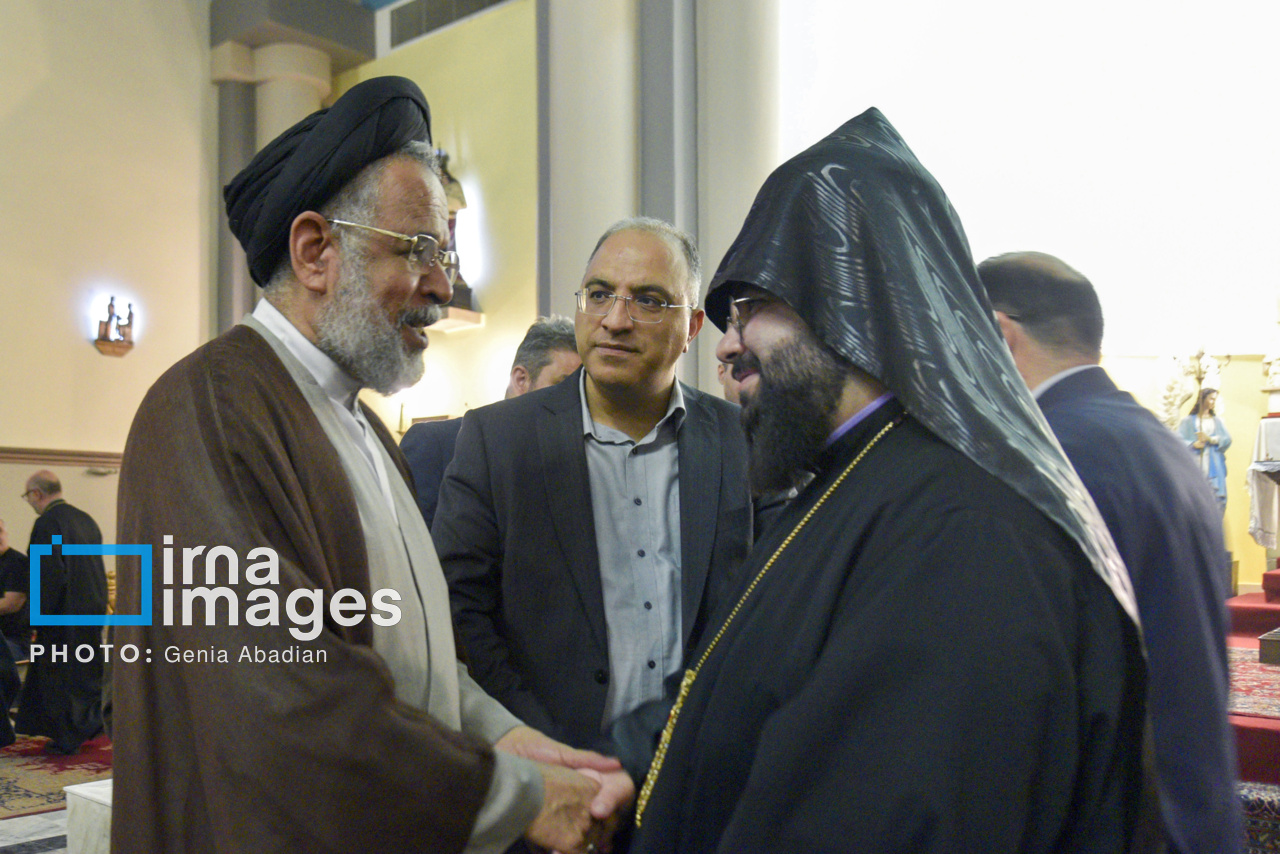
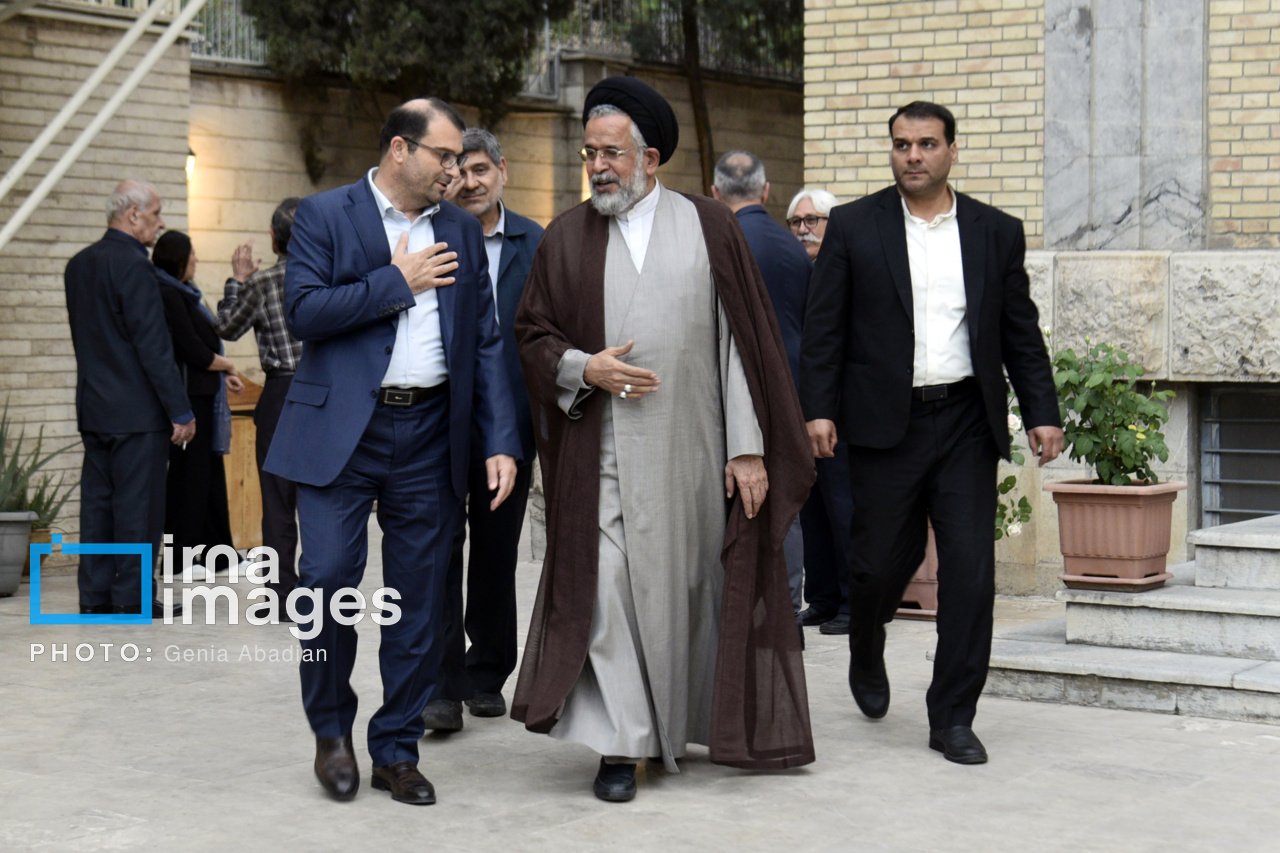
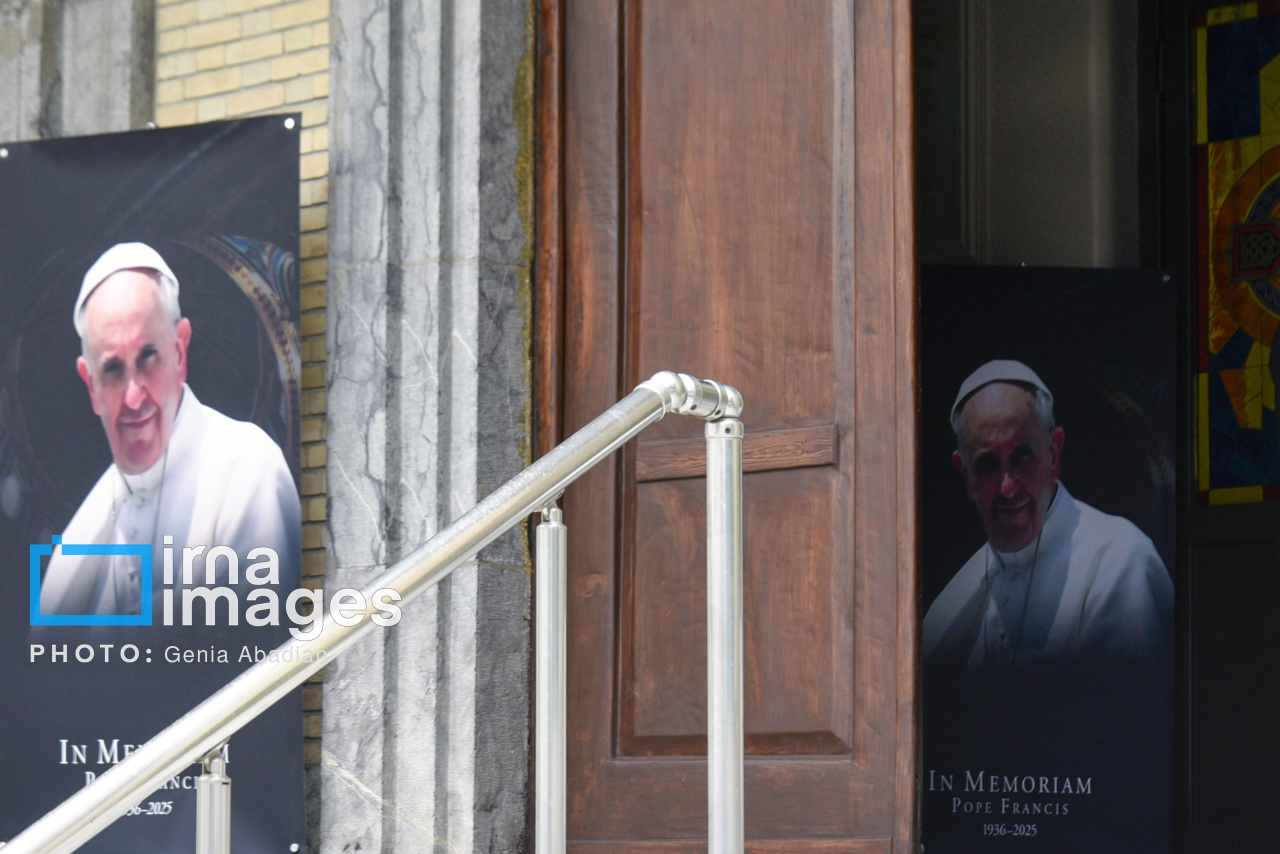
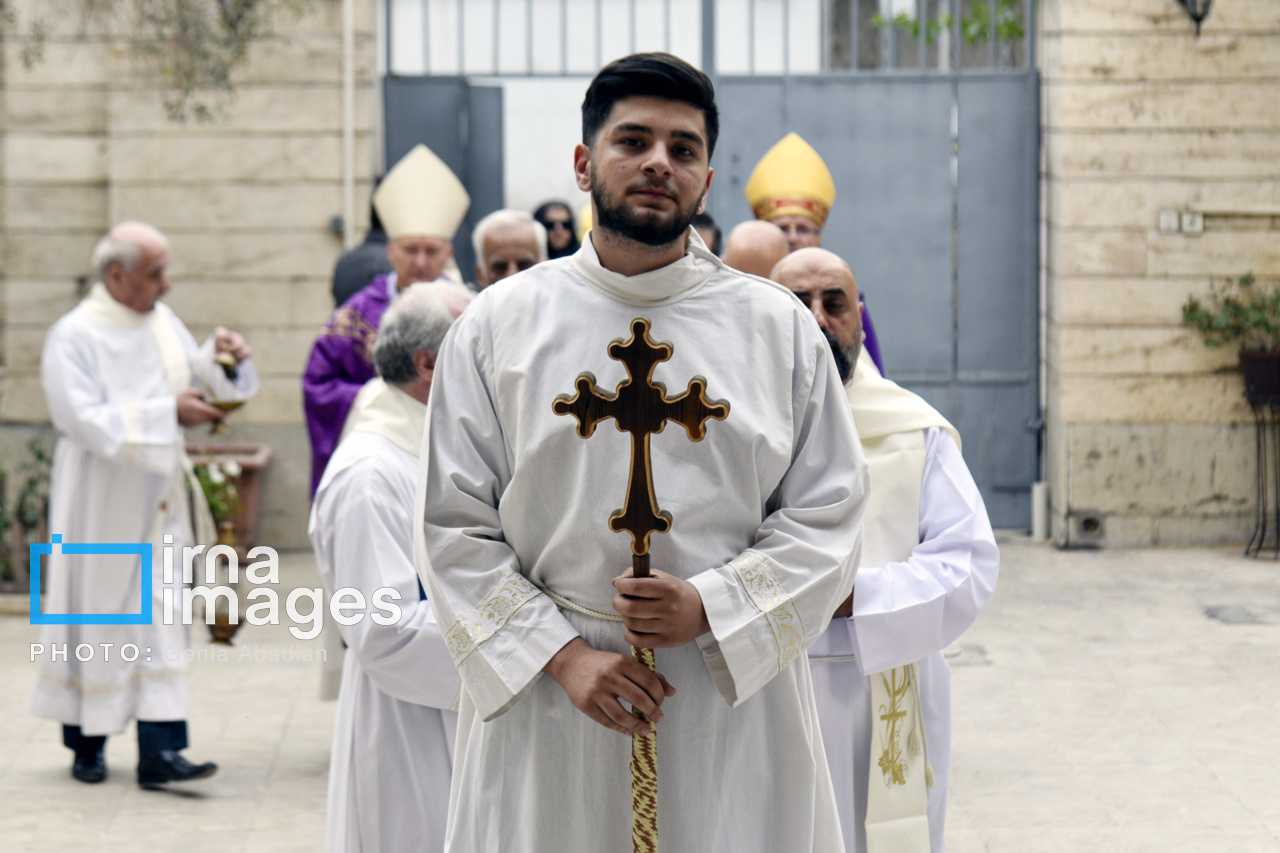
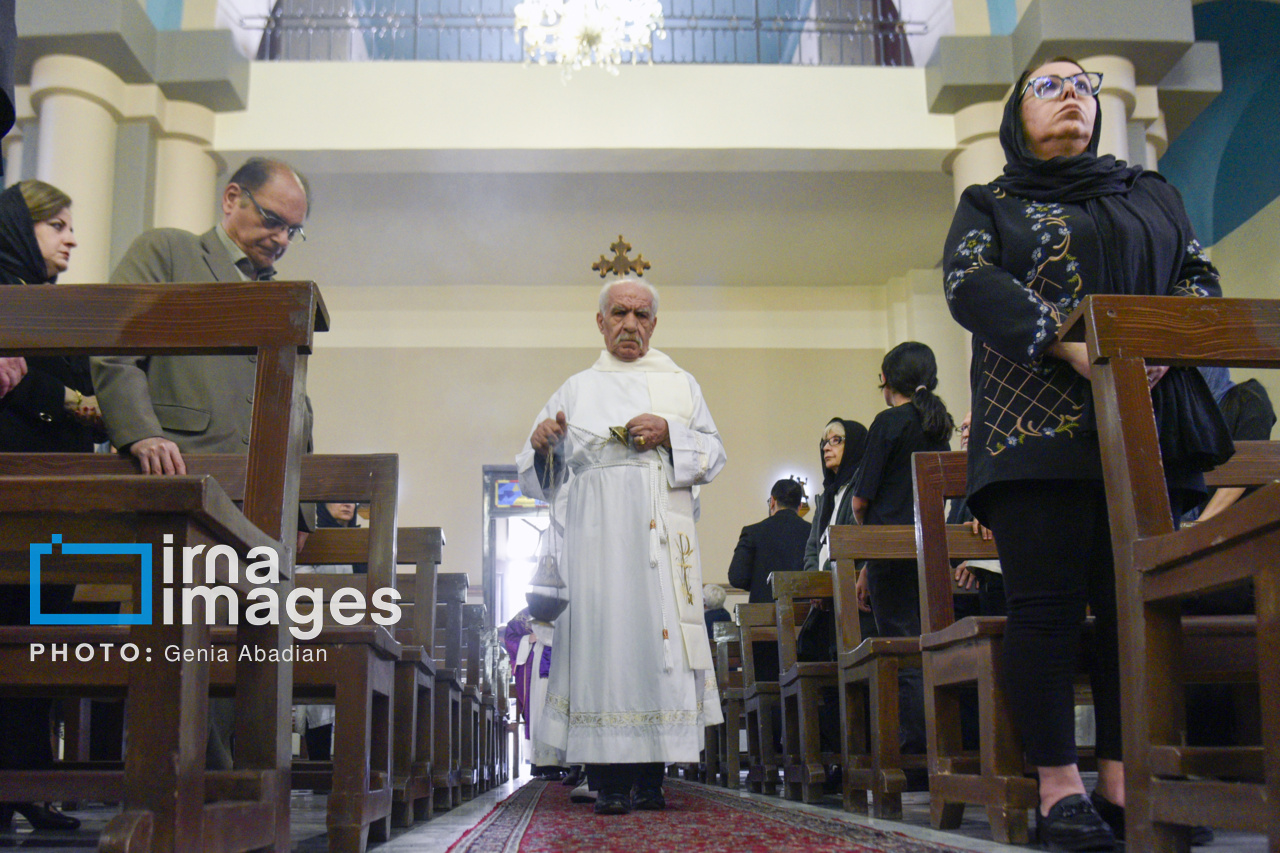
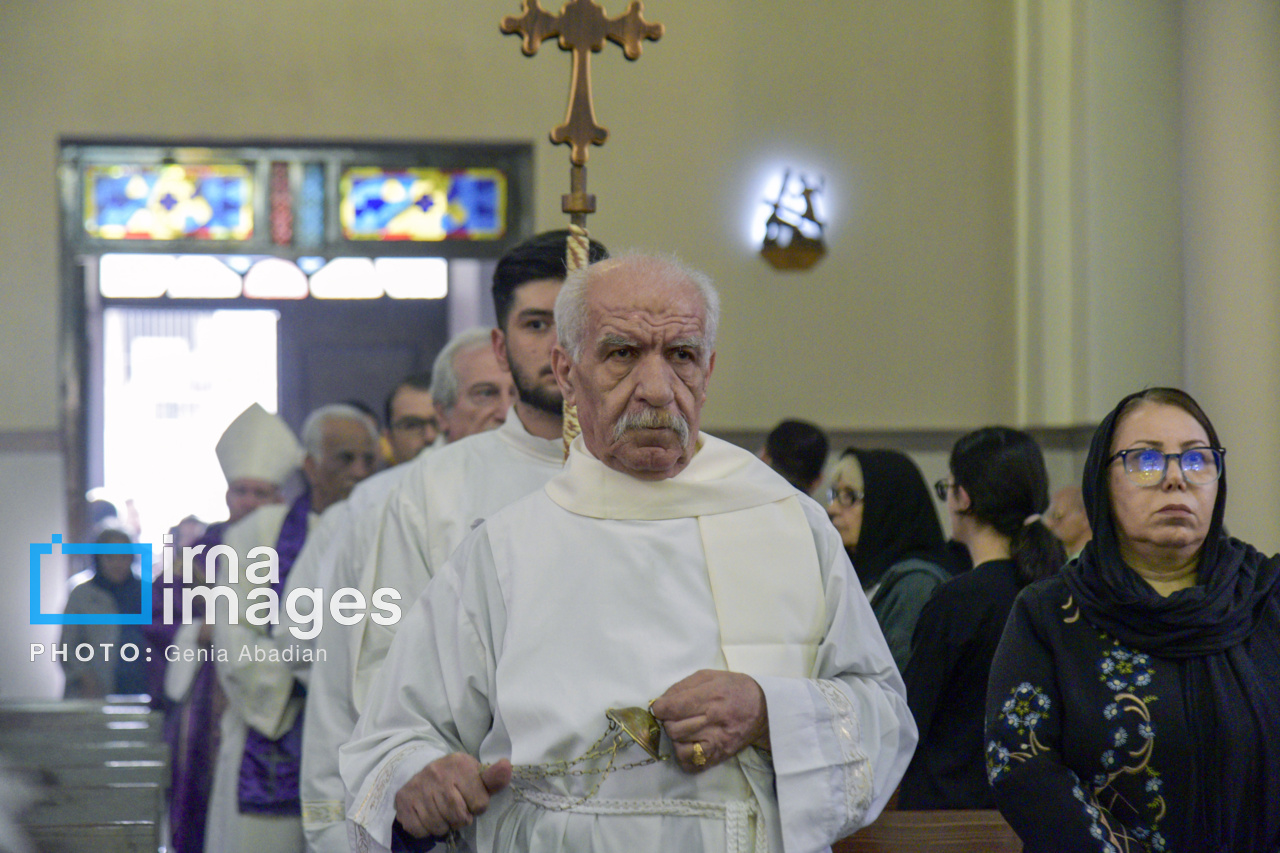
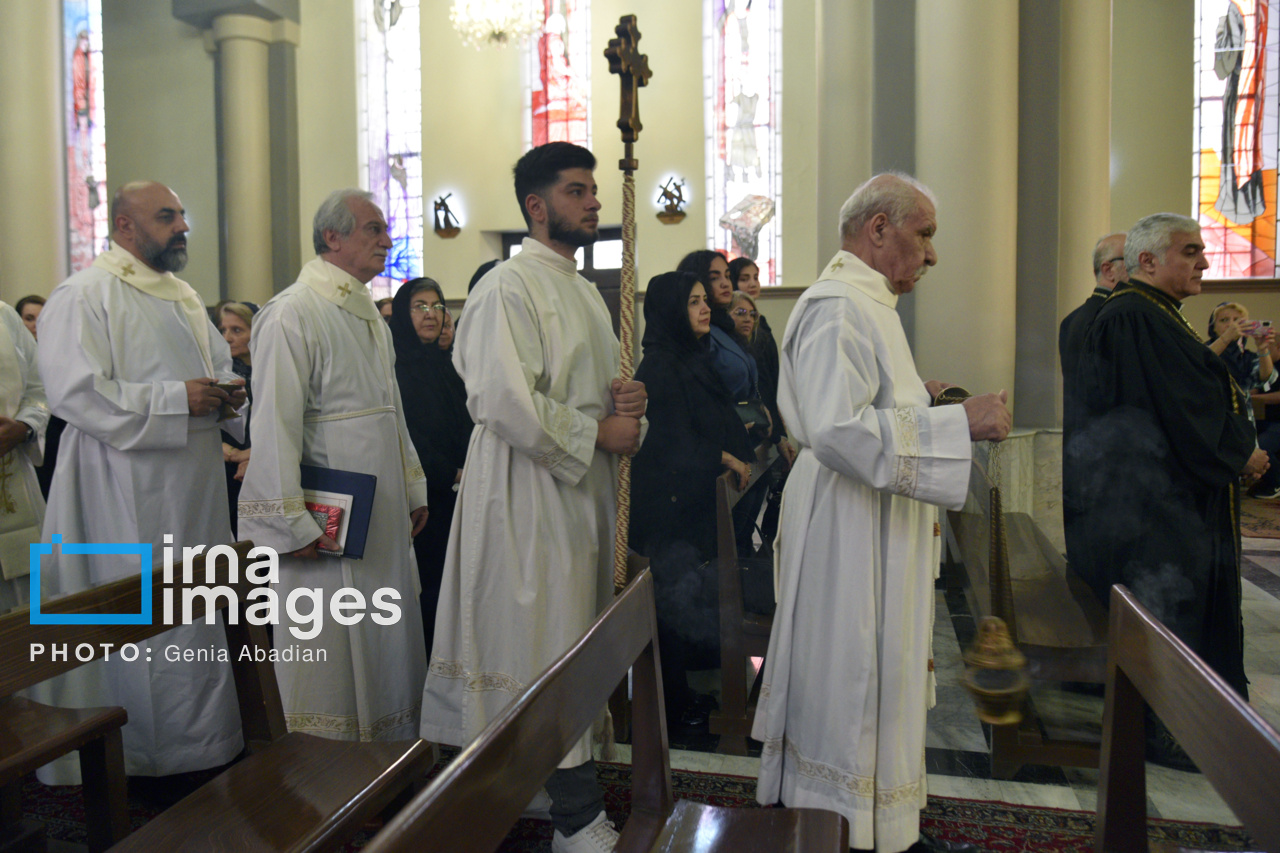
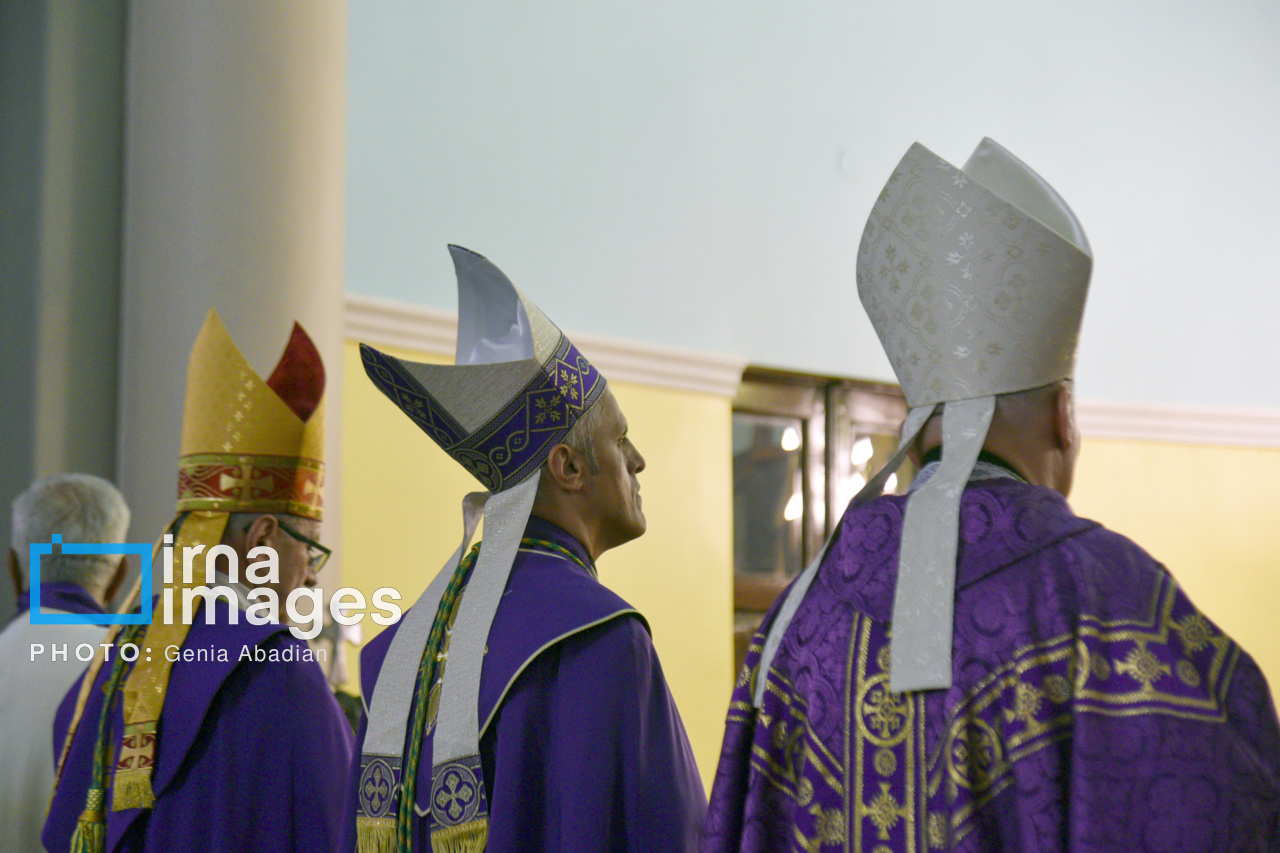
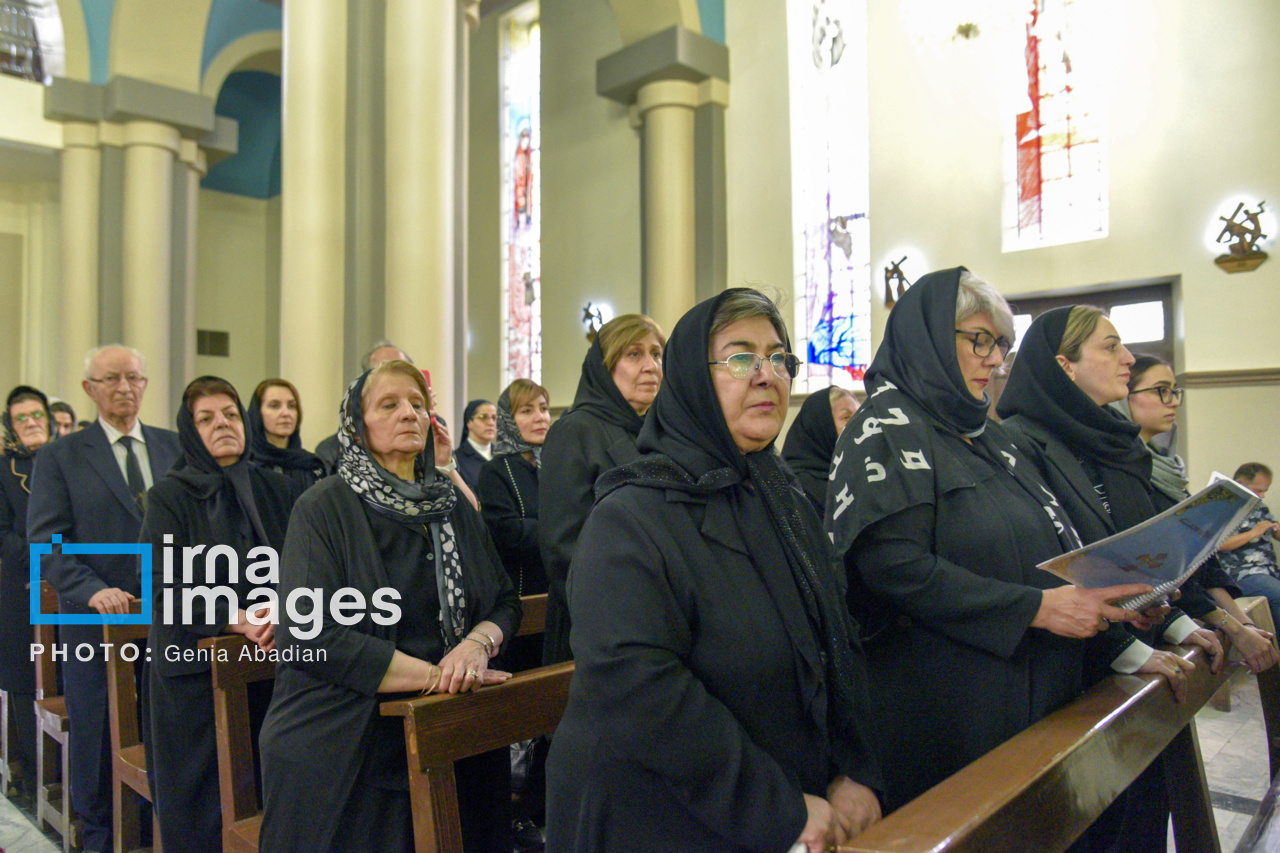
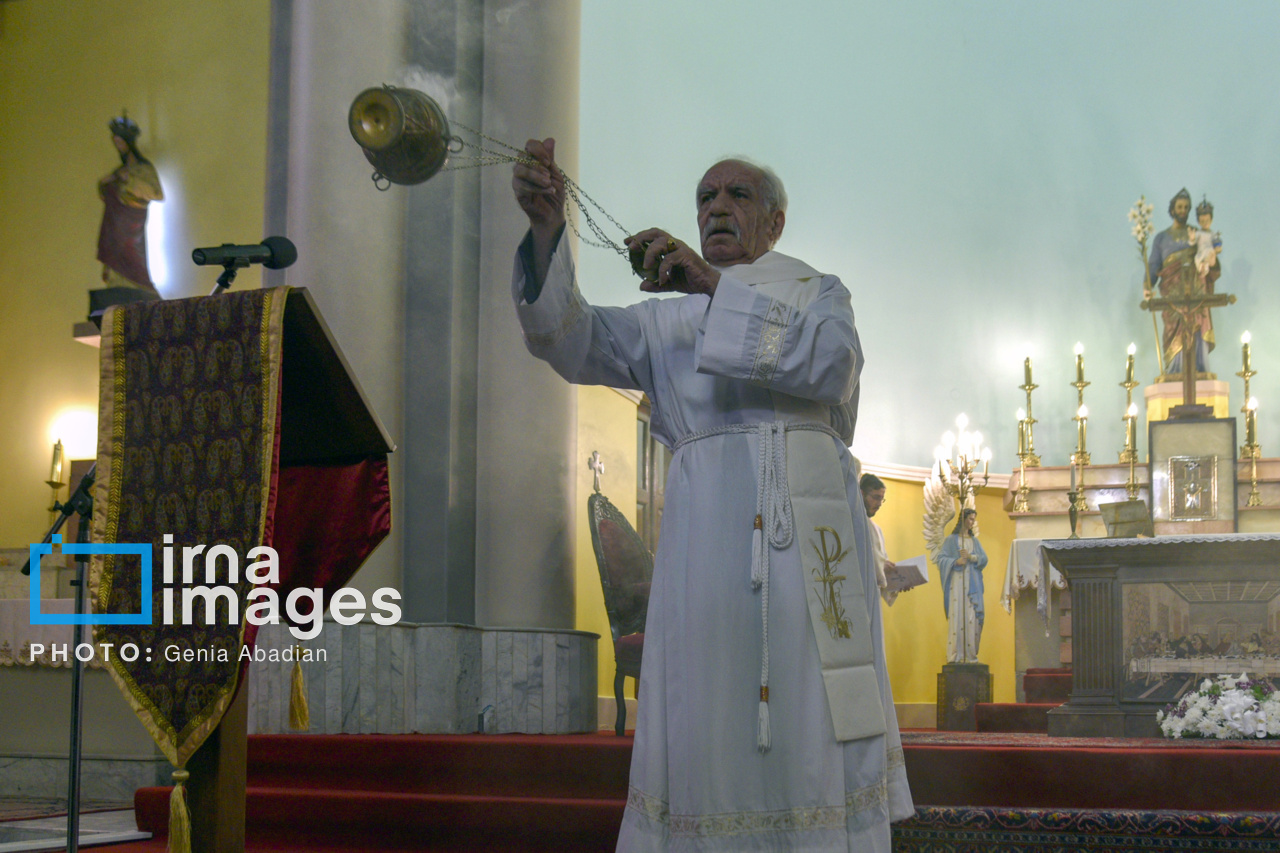
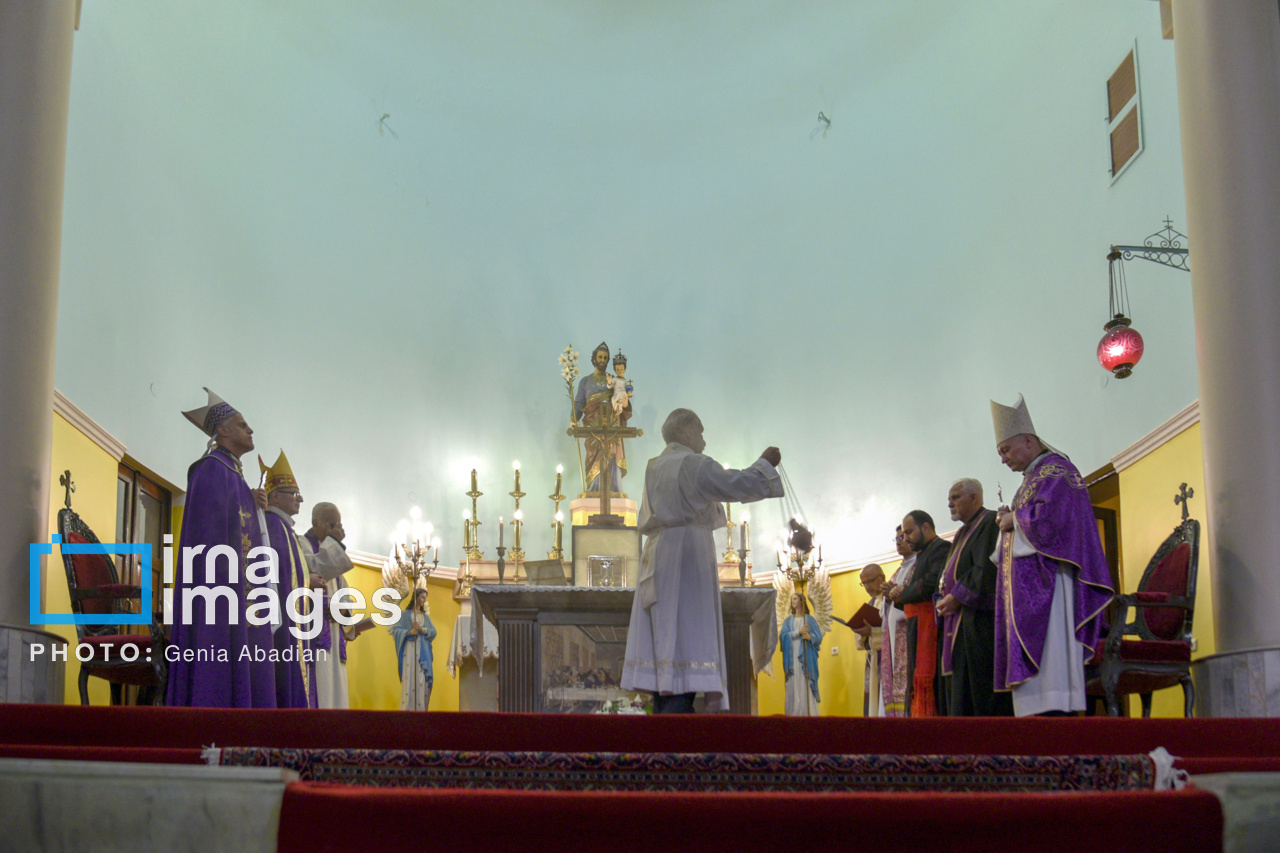
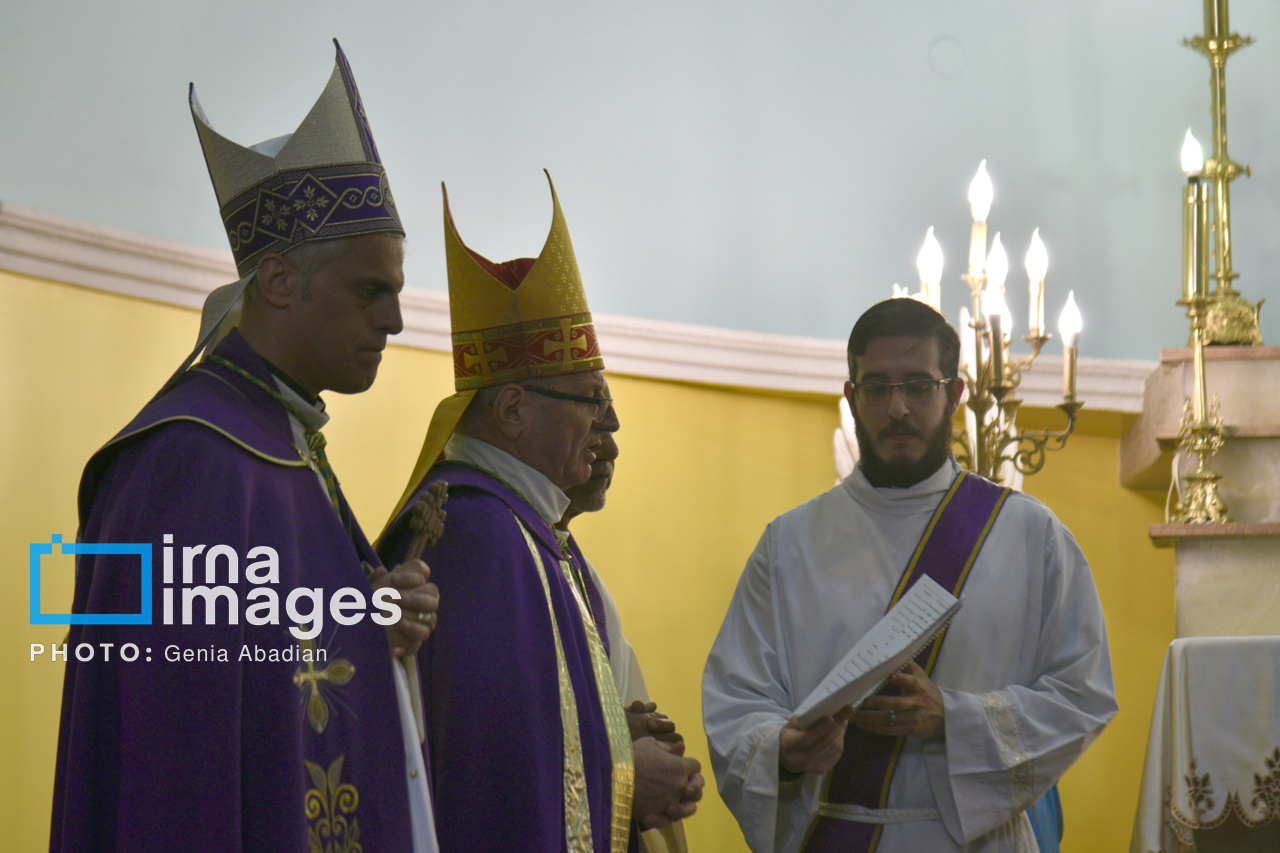
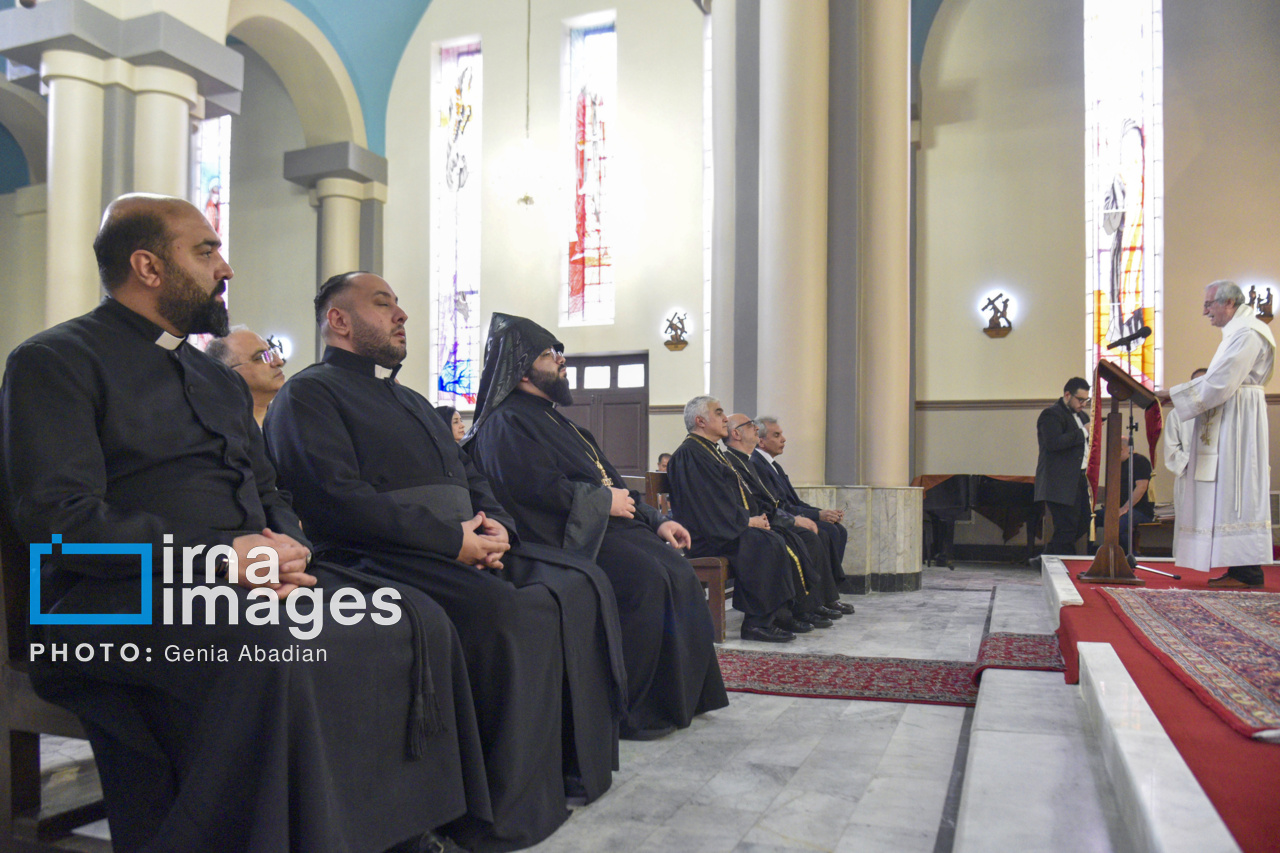
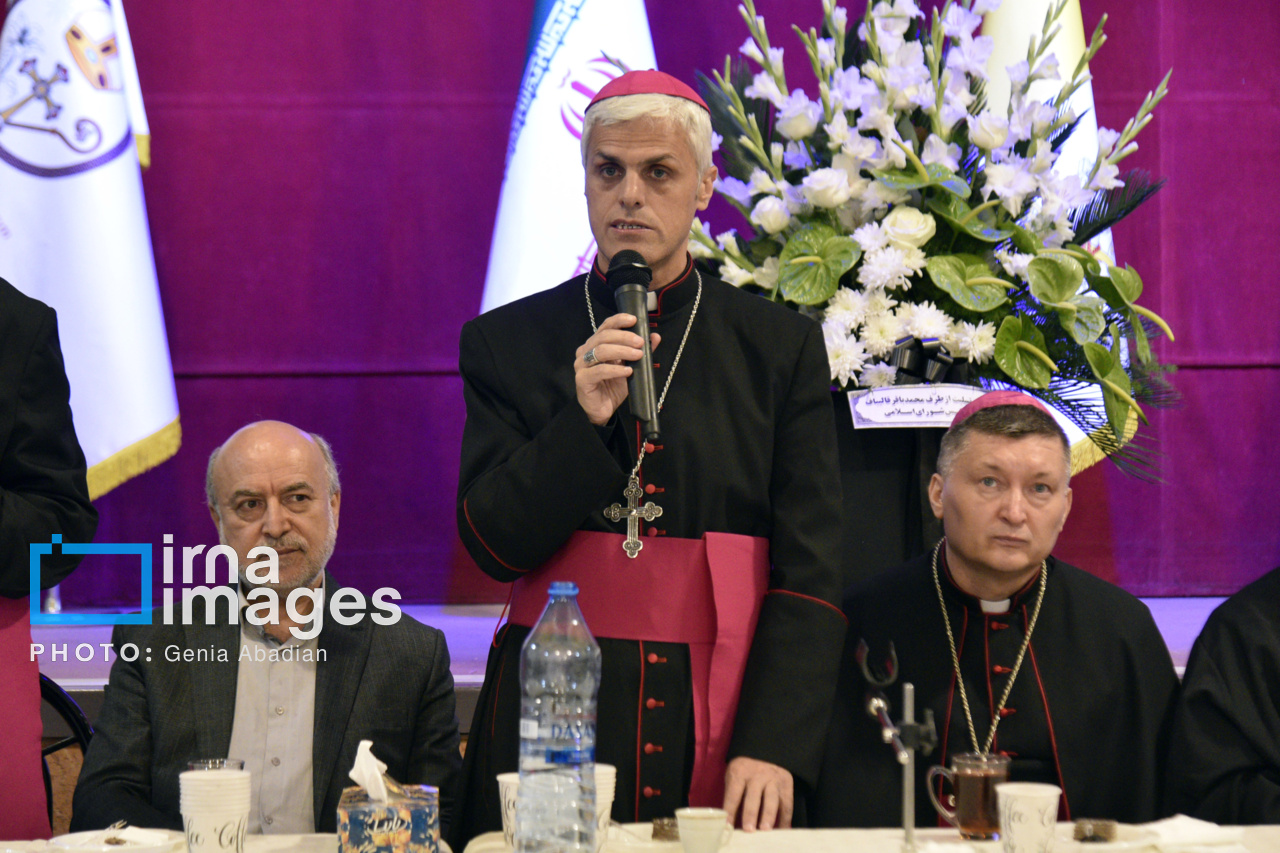
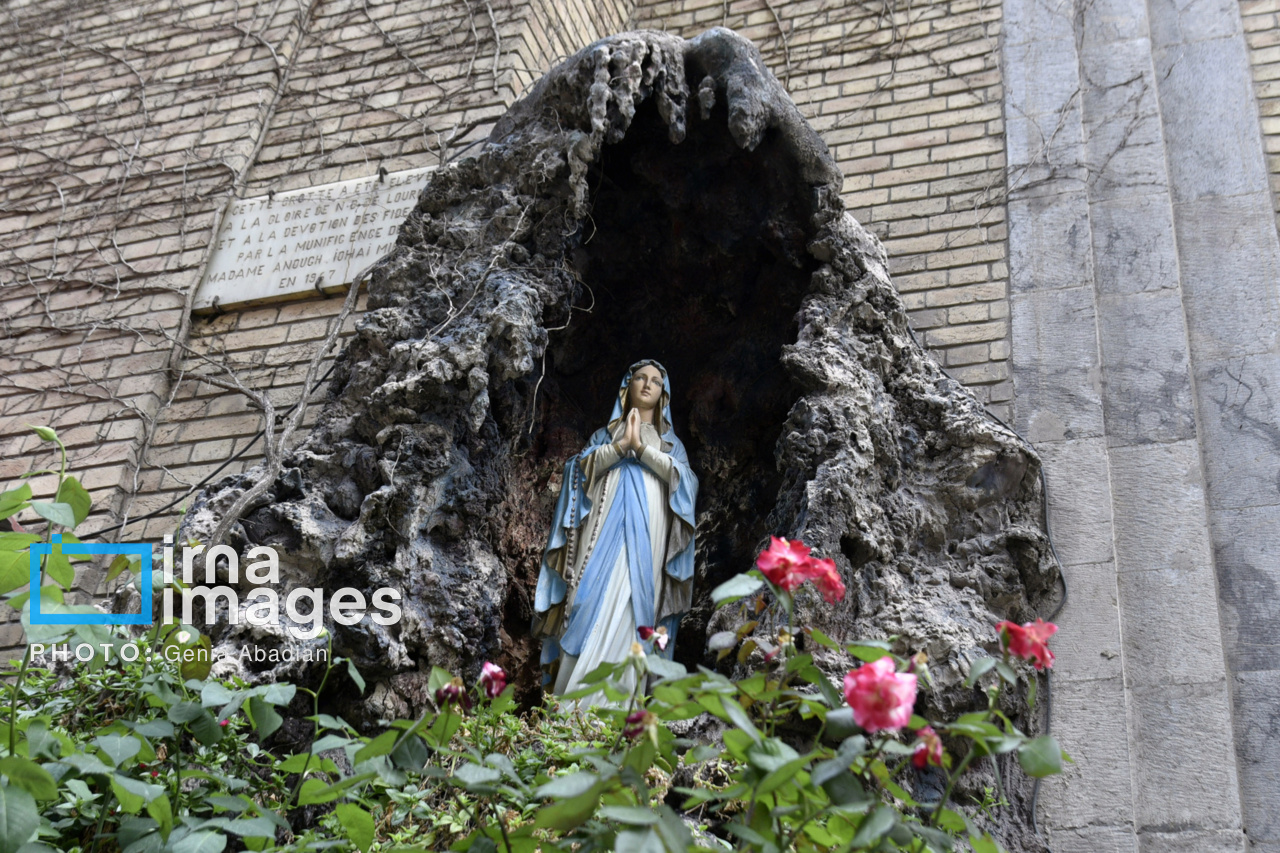
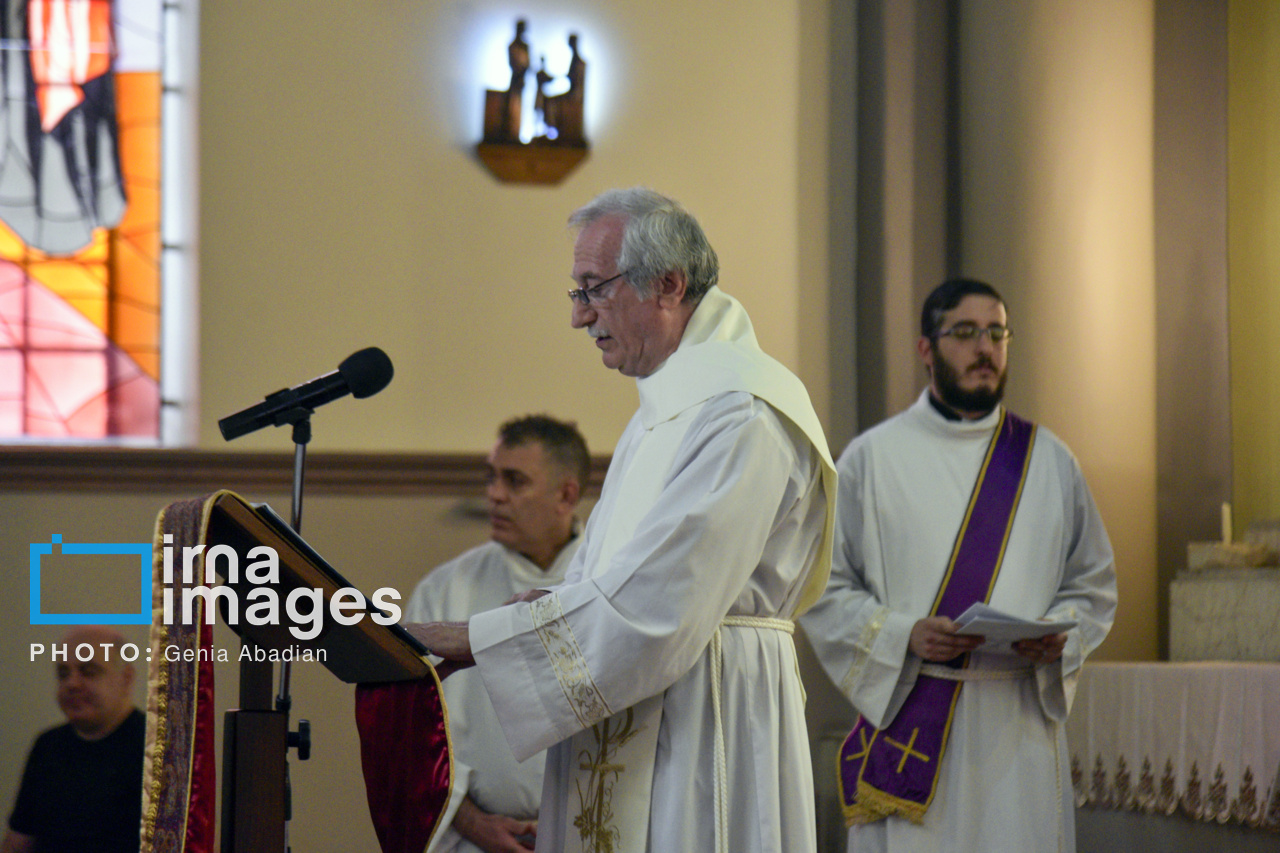
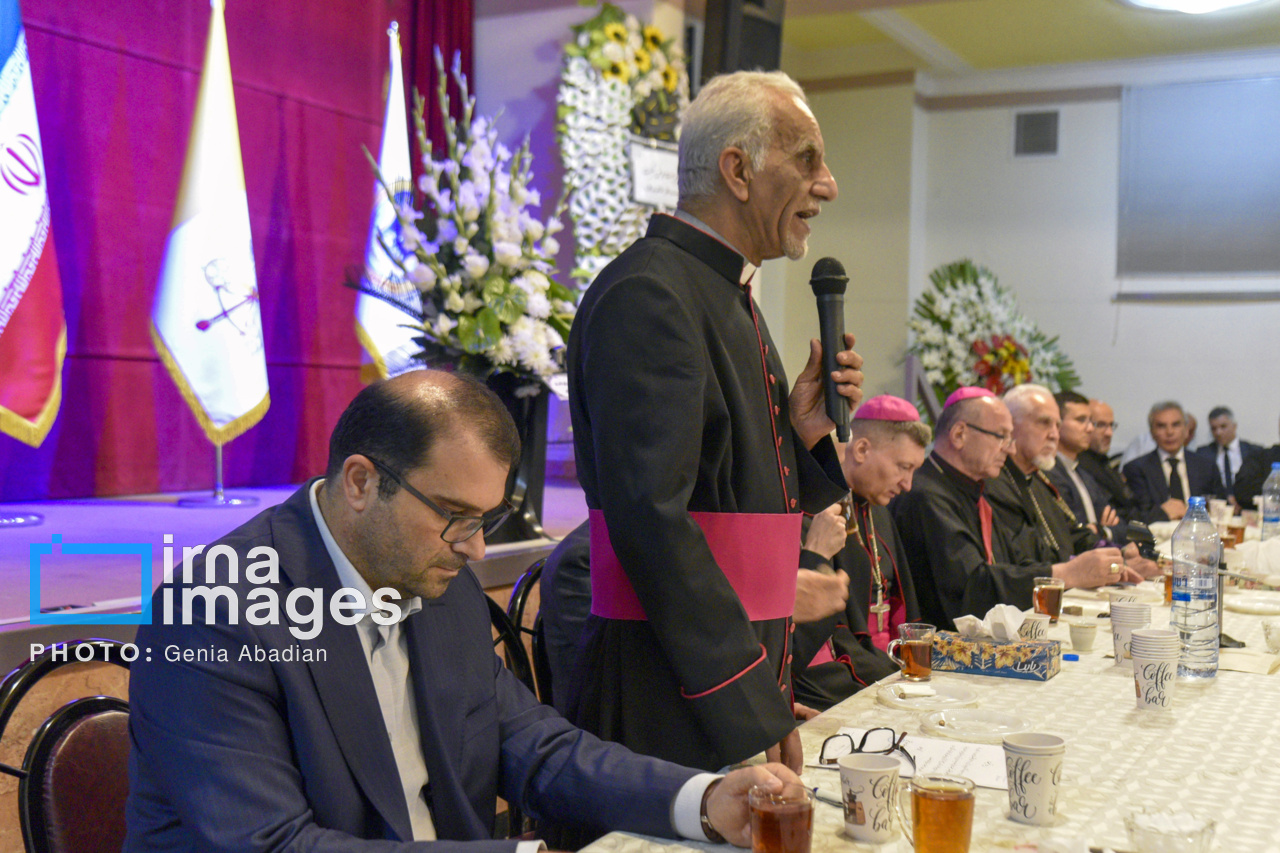
Tehran holds prayer ceremony in memory of Pope Francis I

The ceremony brought together members of the Christian community, religious figures, and representatives from various organizations to pay tribute to the pontiff’s life and legacy.

The event featured prayers, moments of reflection, and messages emphasizing Pope Francis I’s commitment to peace, compassion, and interfaith dialogue throughout his papacy.

More in pictures:

Iran president underlines stronger Azerbaijan ties with focus on economy, energy

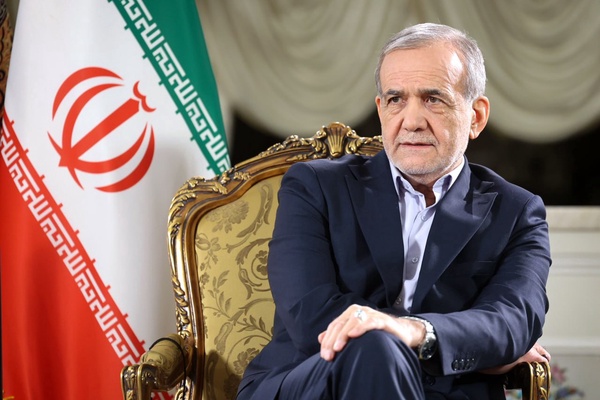
In an interview with Azerbaijan’s state television, AzTV, on Sunday, the Iranian president outlined a vision for closer bilateral relations across multiple fields “without any limitations,” highlighting opportunities for collaboration in health, industry, trade, and joint investment initiatives.
Reaffirming Iran’s commitment to fostering regional relationships, he remarked, “Our primary focus is on cooperation and interaction with neighboring countries.”

Clean energy emerged as a key area for collaboration, with the president pointing to the Aras River as a “God-given resource” for generating sustainable energy through existing dams.

He also proposed joint ventures in solar and wind energy, calling on “industries and universities to take the lead in this endeavor.”

Academic partnerships were emphasized as a priority, with the president stating that “interaction among universities and professors is of utmost importance.”

President Pezeshkian also spoke about the historic and cultural ties uniting the two peoples, stressing that “borders between Iran and Azerbaijan are of no importance.”

He urged political leaders to prevent “irresponsible behavior by a few” from straining diplomatic ties, expressing Iran’s “deep love and affection for the Azerbaijani people.”

Addressing regional and international concerns, the president advocated respect for territorial integrity and peaceful dispute resolution, particularly between Azerbaijan and Armenia.
“We believe in respecting countries’ borders and resolving differences within the framework of international laws,” he affirmed.

Iran’s Leader calls for full probe into deadly port incident

Ayatollah Khamenei

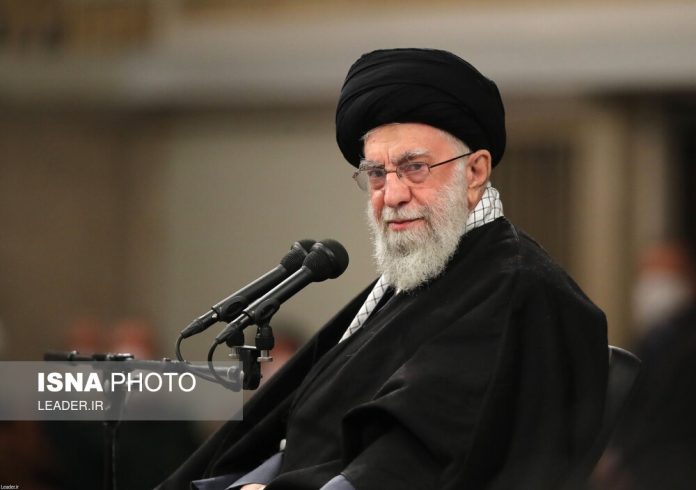
In his message, the Leader expressed deep sorrow over the tragic event, offered prayers for the souls of the victims, wished patience and solace for their bereaved families, and a swift recovery for the injured.

Ayatollah Khamenei stressed the critical responsibility of security and judicial authorities to thoroughly investigate the incident.

He instructed them to uncover any negligence or deliberate wrongdoing and to pursue appropriate legal action in accordance with the law.

Highlighting the broader duty of all officials to take proactive measures to prevent such catastrophic incidents, the Leader urged comprehensive efforts toward safety and risk mitigation across all sectors.

Furthermore, he expressed sincere gratitude to the compassionate citizens who, in a moment of urgent need, readily volunteered to donate blood to the injured.

Death toll from Iran’s Shahid Rajaee port explosion rises to 40

Many others remain hospitalized with severe injuries, and authorities continue to monitor the situation closely as rescue and medical efforts persist.

In a gesture of national mourning and solidarity with the grieving families, Tehran’s iconic Milad Tower went dark on Sunday night from 9 to 10 PM local time.

Meanwhile, Iran’s President, Masoud Pezeshkian, personally visited the hospital where many of the injured are receiving treatment.

During his visit, President Pezeshkian, a heart specialist, engaged with the victims, offering medical advice, emotional support, and words of comfort to help boost the morale of the survivors.

The Iranian government and emergency services remain fully mobilized to provide aid to the affected families, and numerous public figures and institutions have joined in expressing their condolences and solidarity with the people of Hormozgan during this national tragedy.

The cause of the blast has yet to be determined.