Thursday, April 9, 2026
Home Blog Page 41

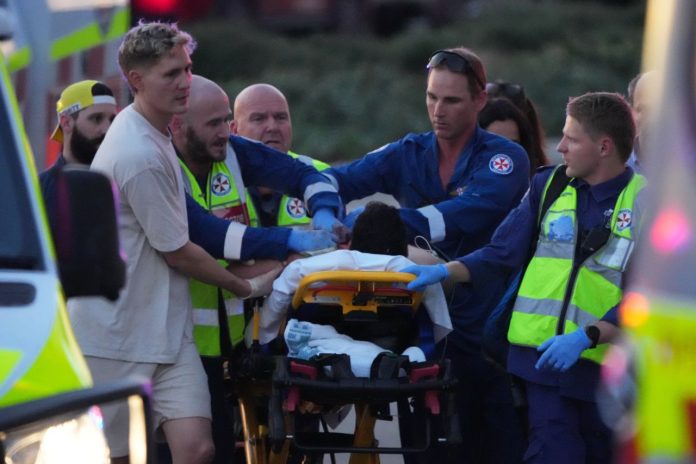
At least 12 killed in shooting targeting Australia’s Jewish community

More than 1,000 people had gathered to celebrate Hanukkah at Sydney’s popular Bondi beach when the shooting attack unfolded, authorities announced.

At least 11 people have been killed in the shooting at Australia’s Bondi Beach, Chris Minns, the Premier of New South Wales, told a press conference Sunday.

In addition, one of the perpetrators has also been killed, and another is in custody, Minns continued, adding the attack targeted Australia’s Jewish community.

New South Wales Police Commissioner Mal Lanyon has also told the press conference that the shooting at Australia’s Bondi Beach has been declared a terrorist incident.

Police are currently investigating whether there was a third perpetrator involved in the attack, Lanyon said. He confirmed that there are two known suspects; one is dead while the other is in a life-threatening condition in hospital.

The police commissioner asked for “calm” in the community as he announced there will be a “significant” investigation.

Lanyon has also stated that an improvised explosive device was found in a car at Bondi, linked to the deceased perpetrator.

A rescue and bomb disposal unit has been deployed to the scene, he added.
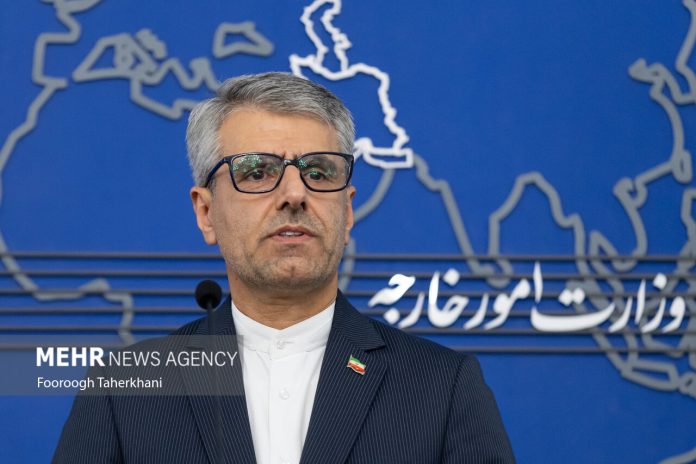
Iran says Tehran-Beirut diplomatic relations remain intact

Esmael baghaei

Speaking to reporters on Sunday in response to recent claims by Lebanon’s foreign minister and reports about obstacles to the deployment of Iran’s new ambassador to Beirut, Baqaei said, “Diplomatic relations between Iran and Lebanon are ongoing, and we currently have an ambassador. Lebanon’s new ambassador has also taken up his post.”

Regarding Iran’s new ambassador to Beirut, Baqaei noted that the nomination process has been completed and expressed hope that the remaining procedures will be finalized so the ambassador can be officially deployed.

Lebanese media reported on Saturday that Lebanese Foreign Minister Youssef Rajji had halted the process of accrediting Iran’s new ambassador.

Rajji, a member of the Lebanese Forces party led by Samir Geagea and a staunch opponent of Hezbollah and the resistance, had previously rejected an invitation from Iran’s foreign minister to visit Tehran, instead calling for such a meeting to be held in a third country.

Baqaei stressed that Iran prefers to avoid any rhetoric that could distract Lebanon from focusing on its territorial integrity and divert the attention of Lebanese society from the country’s core issue—defending itself against aggression by the Israeli regime.

Iran urges US to respect Iranian people, their elected establishment

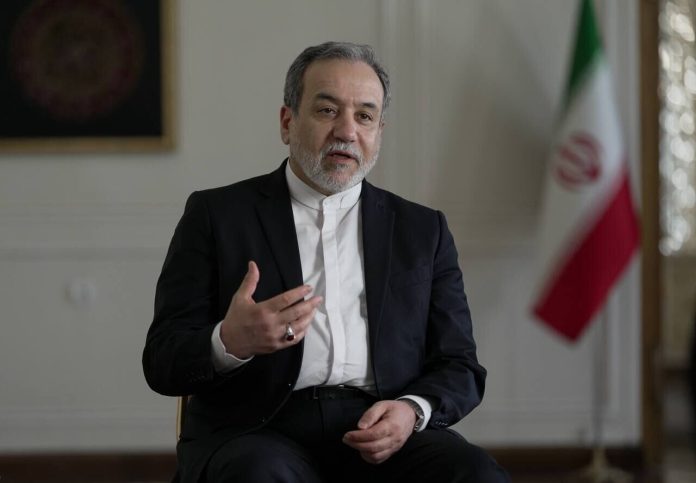
The top diplomat made the remarks in an interview with Al Jazeera as part of a documentary examining the Israeli regime and the US’s 12-day unprovoked war on the Islamic Republic in June.

He said it was solely up to the Iranian people to judge the country’s standing, and strongly advised the US to respect both the nation and the establishment they had chosen through democratic electoral procedure.

The foreign minister, meanwhile, reminded Iran’s longstanding distrust of the US as a negotiating partner, stating that Washington had withheld sincerity in its dealings.

He cited the Islamic Republic’s long experience with sanctions as a case in point.

Araghchi, though, underlined that years of economic pressure had failed to resolve standing problems,

Nor can military force achieve lasting results, the official added, pointing out that while bombardment might destroy buildings and equipment, it cannot eliminate technology, erase knowledge from people’s minds, or break the will of a nation.

The existing lack of trust, however, should not be used as a reason to abandon diplomacy altogether, Araghchi stated, noting that diplomacy remained the only viable path to resolving disputes.

He, therefore, underscored that there was no solution other than a negotiated one resulting from diplomatic engagement.

Iran does not seek war and continues to favor diplomacy as the means of addressing existing issues, he stressed.

The official noted, though, that the Islamic Republic was, at the same time, not disregarding the possibility of war either.

He pointed to repeated existing claims that the Israeli regime might launch another attack, describing such messaging as part of psychological warfare, and noting that it appeared to be aimed at instilling fear within Iran as an element of a broader aggression.

According to the foreign minister, the country is, hence, fully prepared for any scenario, with its Armed Forces and people ready to defend the national soil under all circumstances.


Iran says IAEA Chief repeating claims, calls for technical and balanced approach

IAEA Grossi

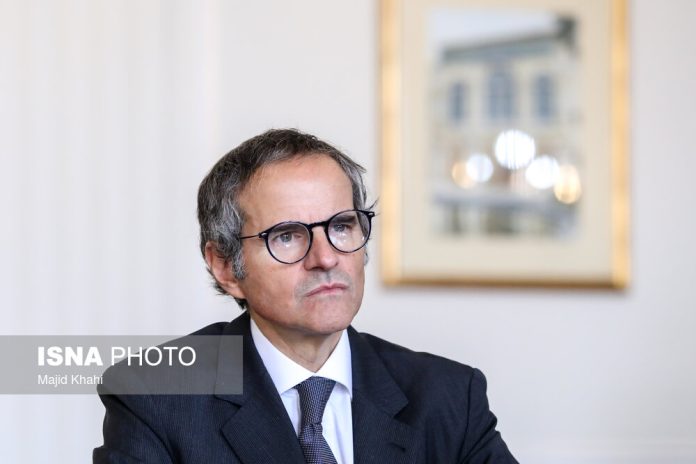
Responding to Grossi’s remarks about Iran possessing around 400 kilograms of enriched uranium and his call for resuming the agency’s inspection activities, the spokesperson said Iran has demonstrated its commitment to its safeguards agreement and remains fully aware of its obligations.

He added that the IAEA chief should address parties responsible for the current situation rather than repeatedly singling out Iran.

The spokesperson criticized the “unfair approach” by the IAEA and its Board of Governors, noting that they have failed even to condemn US attacks on Iran’s nuclear facilities earlier this year.

“Targeting one side cannot resolve the issue,” he said, urging the IAEA director general to apply a strictly technical perspective in line with the agency’s statutory mandate.

Addressing questions about the prospects for renewed talks between Iran and the IAEA, the spokesperson said contacts remain in place and Iran’s mission in Vienna maintains communication with agency officials when necessary.

However, he said it is too early to speak of mediation in its conventional sense.

He stressed that Iran’s current framework for cooperation with the IAEA is based on legislation passed by the Iranian parliament, which clearly defines the scope and manner of engagement.

Russia ready to ‘test’ Europe in real conflict in next 4 years: Defense commissioner

Russian Army

Speaking to daily La Stampa after a meeting with Italian Defense Minister Guido Crosetto, Kubilius described the talks as “high-level strategic discussions” and emphasized the importance of continued cooperation to reinforce European security.

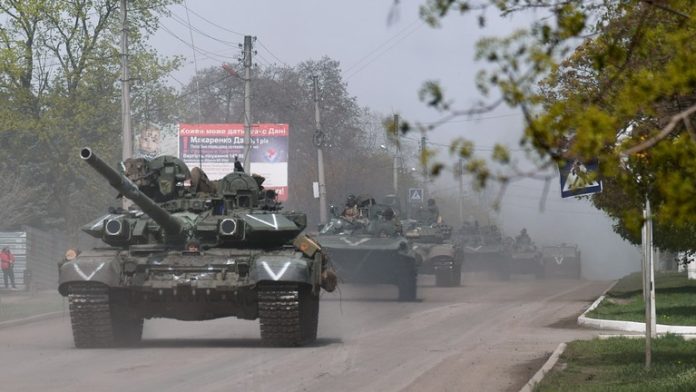
“The problem is not the present but the future. The Russian economy has become a war economy. That is why we must strengthen ourselves,” Kubilius said, highlighting two main challenges for the EU.

“There is the threat of a possible Russian aggression: our intelligence services state this publicly and clearly — in the next three or four years, Russia could be ready to ‘test us’ in a real conflict. The second challenge comes from the Americans, who are asking us to take on greater responsibility for European defense, as they need to allocate more and more resources to the Indo-Pacific,” he added.

Kubilius said that while achieving full European defense capabilities would take time, new financial instruments and strategic planning are accelerating progress.

He pointed to critical areas such as space-based data, intelligence, and satellite communications, where Europe currently relies heavily on US support.

On NATO’s future, the commissioner stressed that although he does not foresee the US abandoning the alliance, Europe must prepare to take on greater responsibility both within the bloc and in general security matters.

Addressing the ongoing war in Ukraine, Kubilius suggested integrating Ukrainian armed forces’ battlefield experience and industrial capabilities into European defense structures.

“We also need to discuss a possible European Defense Union, a new security architecture that could include the UK, Norway, and Ukraine, to consolidate Europe’s defensive capabilities. As for the idea of a European army, it is probably too early to say anything concrete. It is a difficult and complex path, but we must begin to discuss it openly, looking at the next five to ten years,” he added.

On financing Ukraine’s needs, Kubilius highlighted proposals to use Russian assets seized in Europe as a mechanism to support both military and budgetary requirements, stressing that the decision rests with EU heads of state and government.

“The best guarantee for Ukraine’s security is a strong army. At the same time, we should help Ukraine become a successful country after peace, including through EU integration,” he stated.


Iranian FM Araghchi: Imported solutions cannot bring stability to Afghanistan

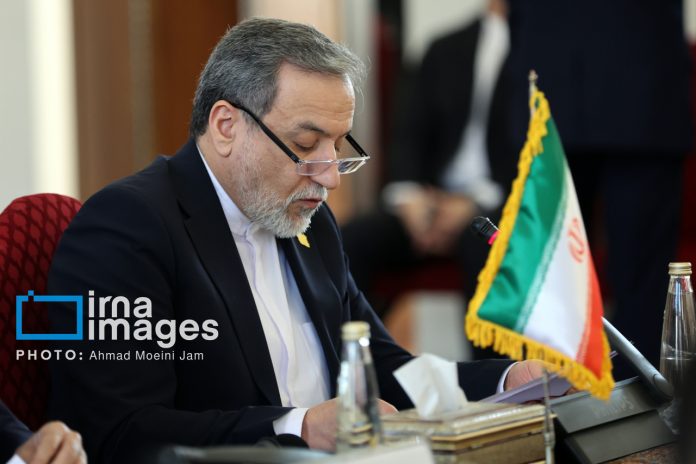
Speaking on Sunday at a meeting of special representatives of Afghanistan’s neighboring countries, along with Russia, Araghchi said decades of experience have shown that “no extra-regional formula can resolve regional crises.”

The meeting, hosted by Iran’s Foreign Ministry in Tehran, focused on recent developments in Afghanistan and regional cooperation.

Araghchi emphasized that Afghanistan’s stability is a strategic necessity for the entire region, citing the country’s geopolitical position linking Central Asia, West Asia and South Asia.

He pointed to the failure of security-driven approaches and the two-decade NATO presence in Afghanistan as evidence that foreign intervention does not guarantee sustainable development or peace.

“The neighbors are the most natural and reliable solution,” he said, adding that Iran has consistently advocated a neighbor-centered approach in all initiatives related to Afghanistan.

He called for stronger regional integration, dialogue based on mutual respect and the creation of coordinated mechanisms to manage shared challenges.

Araghchi also highlighted the importance of developing transit corridors, energy networks and trade routes to integrate Afghanistan into regional economic processes.

The meeting brought together representatives from Pakistan, Russia, Uzbekistan, China, Tajikistan and Turkmenistan.

Iran says the initiative aims to strengthen regional convergence, reduce tensions and support long-term stability in Afghanistan.

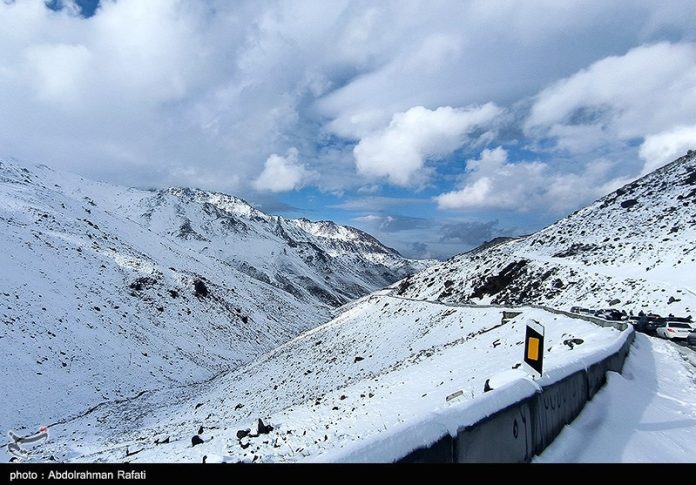
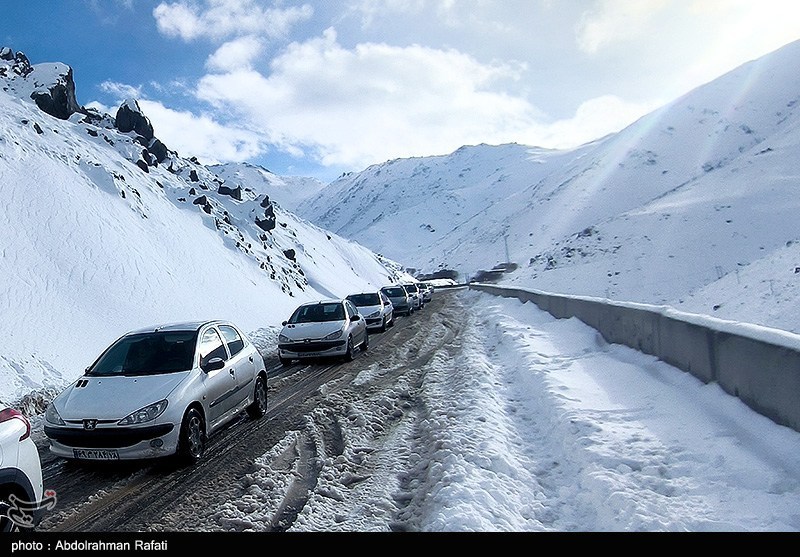
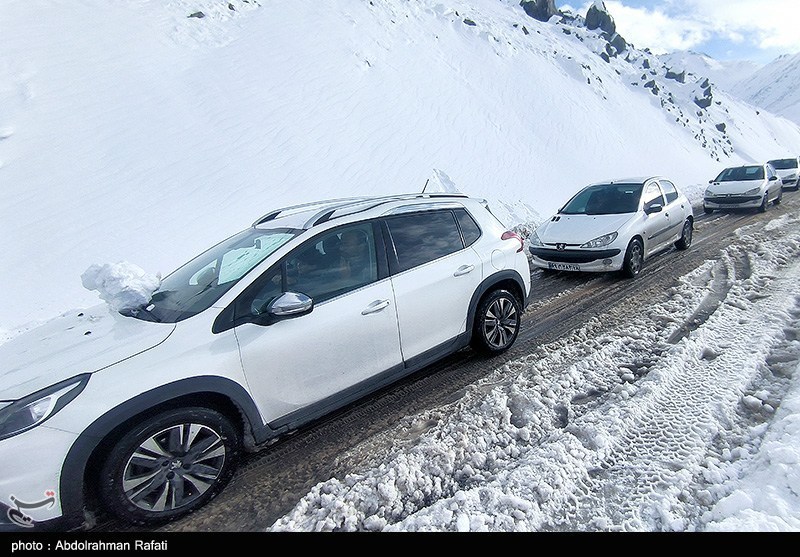
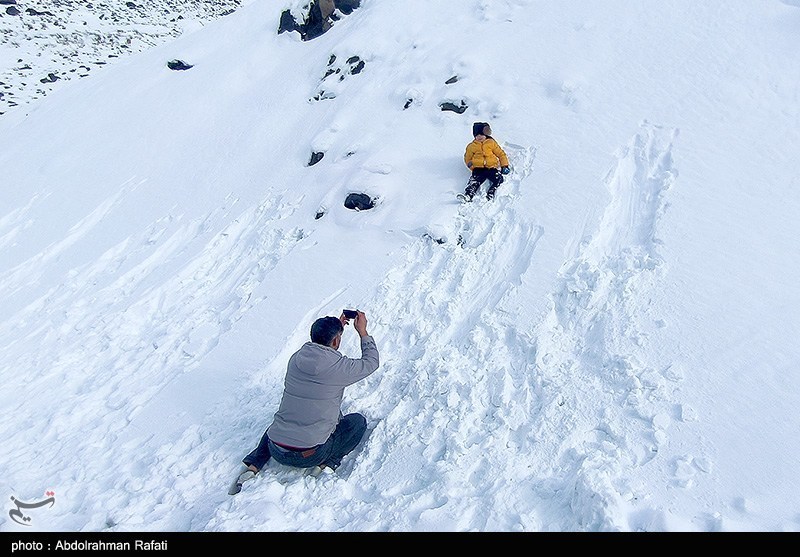
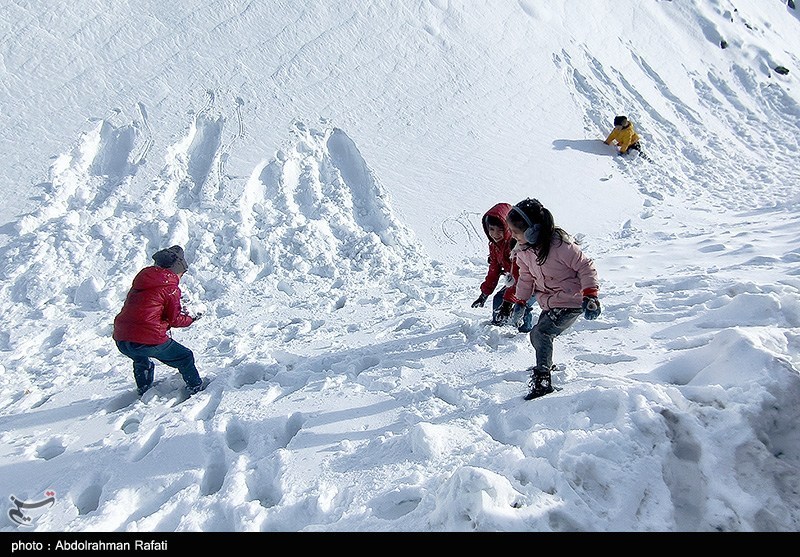
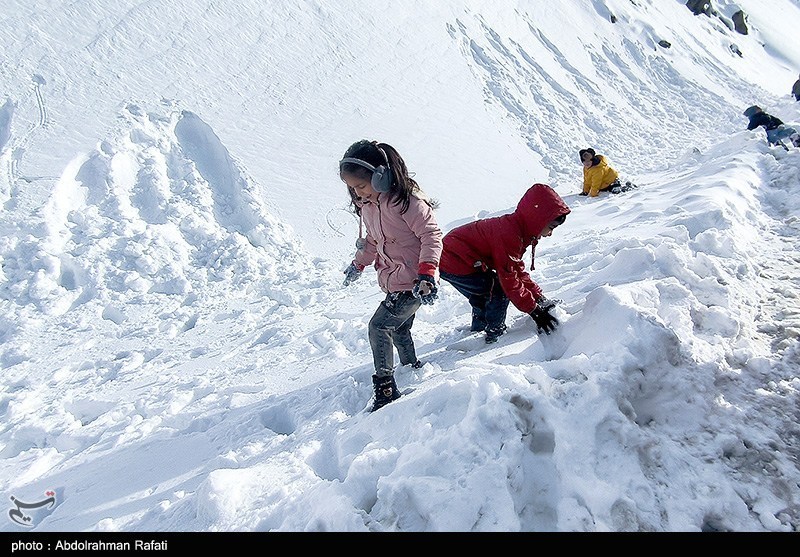
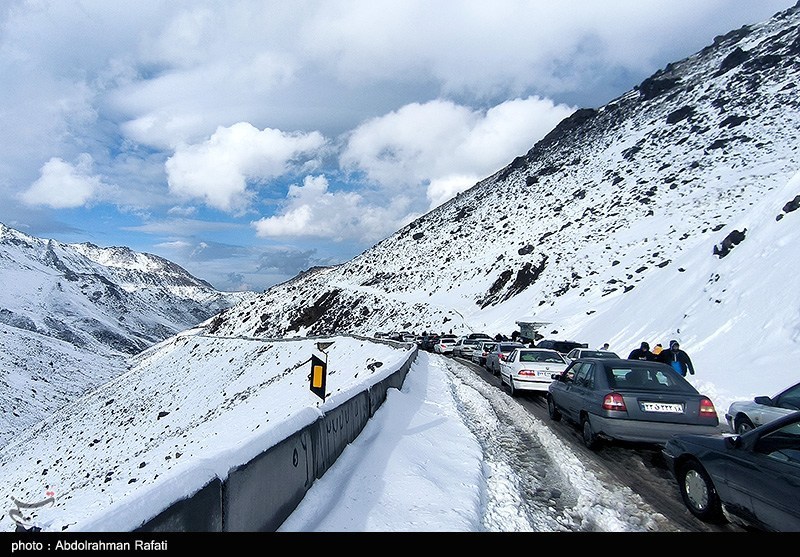
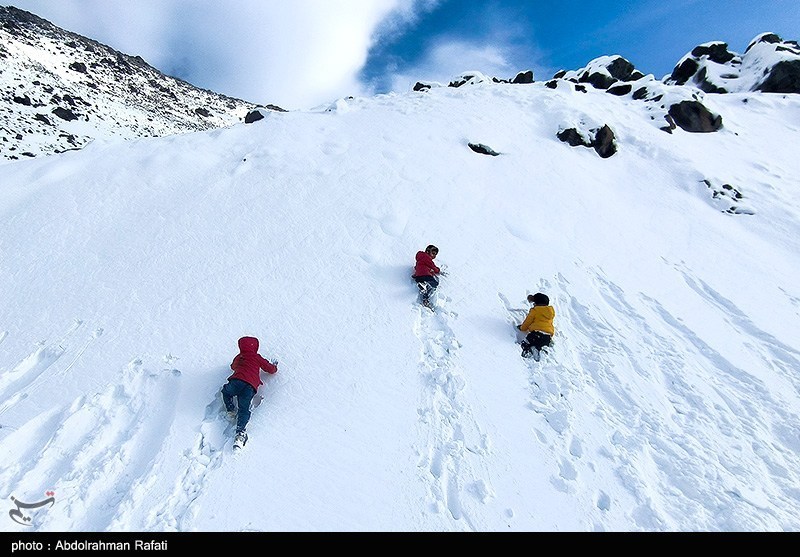
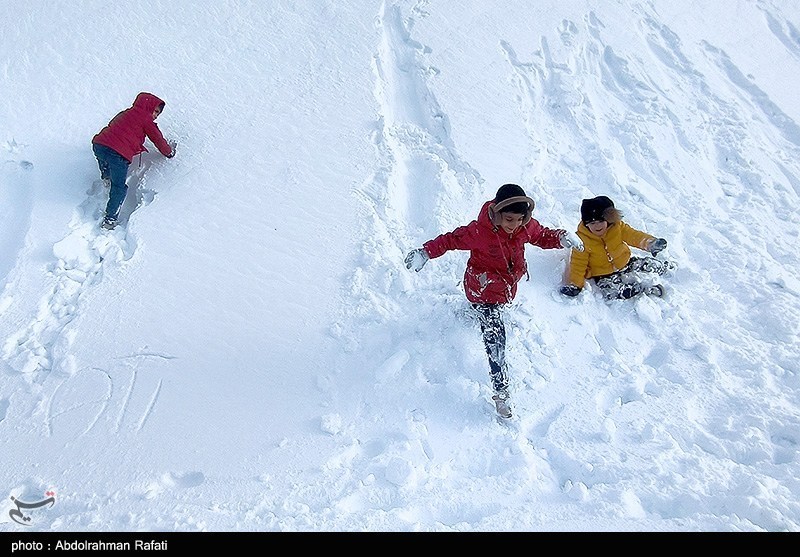
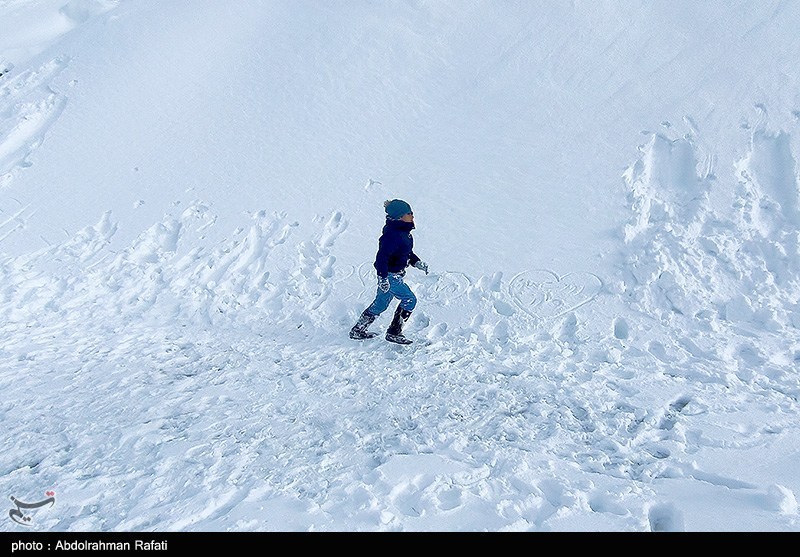
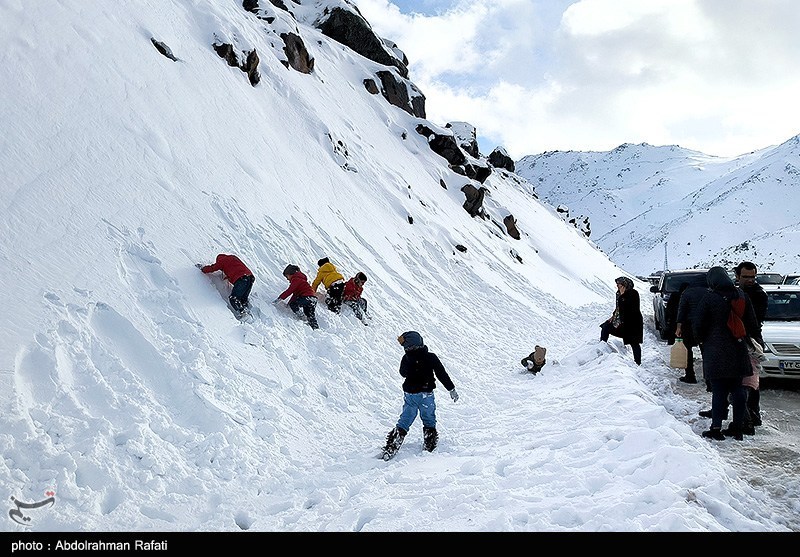
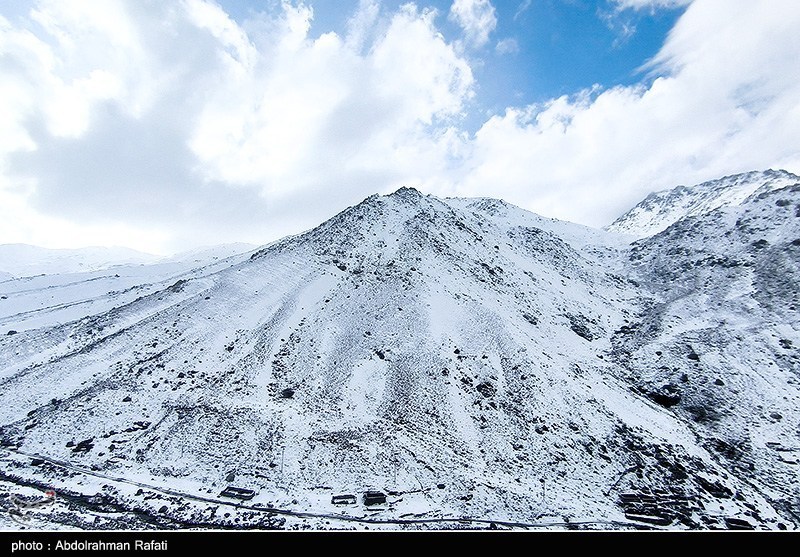
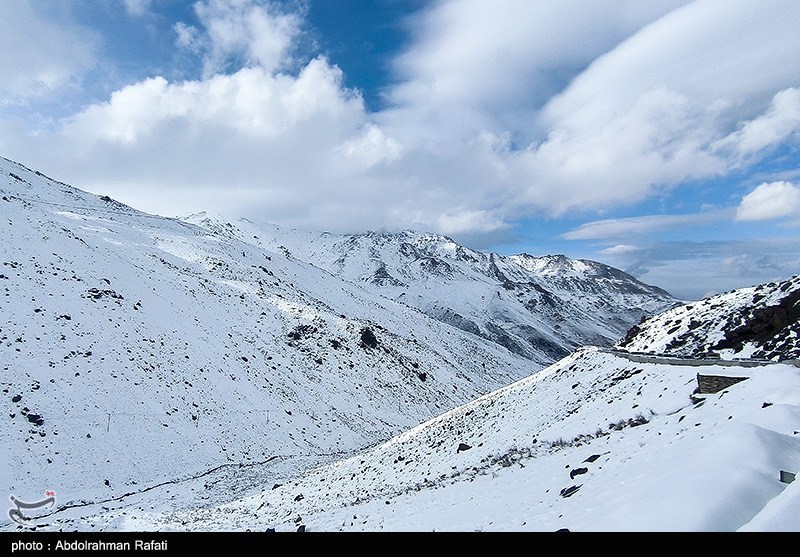
Snowfall in the Heights of Tarikdarreh, Iran’s Hamadan

BRICS offers new model for stronger member cooperation: Iran’s President

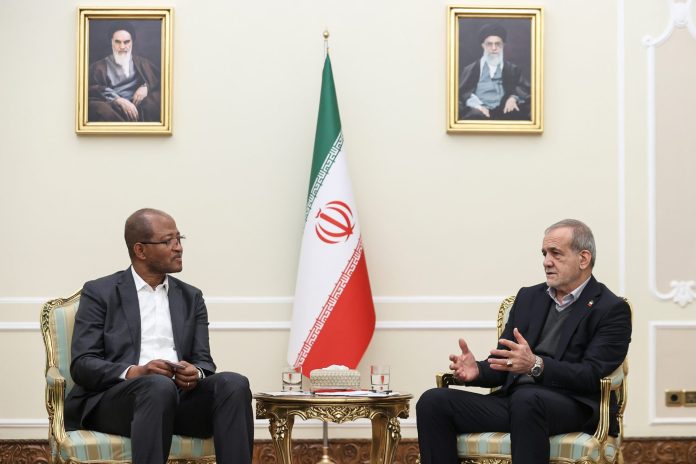
In a meeting with Speaker of the Ethiopian House of Peoples’ Representatives Tagesse Chafo in Tehran on Saturday, President Pezeshkian described BRICS as a new communication model that promotes respect for national sovereignty and diverse cultures, paving the way for equitable global cooperation.

The president expressed Iran’s interest in developing bilateral relations with Ethiopia. He emphasized that achieving this goal requires activating a joint cooperation commission, identifying common interests, recognizing complementary capacities, and fostering dialogue based on mutual benefits.

President Pezeshkian reiterated Iran’s readiness to play a responsible role in establishing and strengthening sustainable peace and security in the region, advocating for a world free from war, violence, and conflict. He believes that Individuals with deep insight into human nature prefer dialogue and cooperation over confrontation.

During the meeting, the Ethiopian speaker expressed his satisfaction with the discussions and underscored his country’s commitment to strengthening relations with Iran, particularly in diplomatic, economic, and security sectors. He noted that the parliaments of both countries would support their foreign ministries in enhancing diplomatic cooperation and deepening bilateral relations.

Highlighting the importance of economic collaboration, Chafo stated that Ethiopia is determined to increase trade exchanges, develop joint investments with Iran, and effectively utilize BRICS resources, including a new development bank, to bolster economic and financial cooperation.

He also acknowledged the extensive cultural and civilizational ties between the Iranian and Ethiopian peoples, recognizing Iran’s significant role in promoting peace and security in West Asia.

Chafo expressed Ethiopia’s aspiration to play a constructive and responsible role in the Horn of Africa, noting that collaboration between the two nations in peace and security could have a lasting positive impact on stability in both West Asia and Africa.


Moscow says EU’s tampering with Russian assets is ‘theft’ no matter how it’s framed

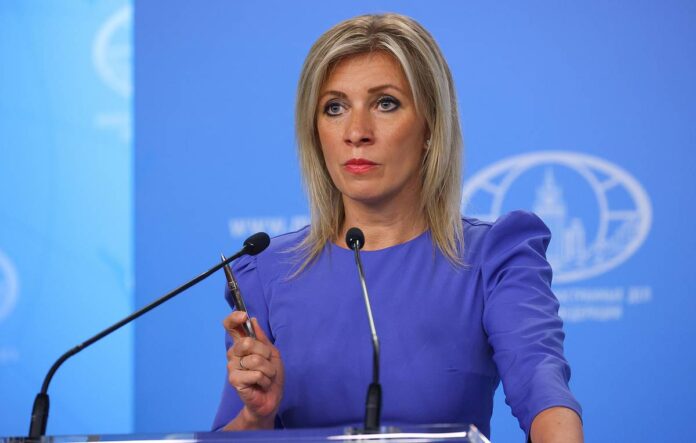
Russian Foreign Ministry Spokeswoman Maria Zakharova

Earlier this week, the Russian Central Bank initiated legal proceedings against Euroclear, the Belgian-based depository that holds the bulk of Russia’s frozen funds, as Ukraine’s European backers debate how to repurpose the assets to finance Kiev.

“Actions against sovereign assets taken without Russia’s consent – whether indefinite immobilization, confiscation, or attempts to portray them as a so-called reparations loan – are entirely illegal under international law,” Zakharova told reporters during her regular briefing on Saturday.

“No matter what pseudo-legal tricks Brussels employs to justify it, this is blatant theft,” she added.

Zakharova argued that, apart from “funding the failed Ukrainian project,” the EU was also seeking to use Russian funds to bolster its own economy, which had been damaged by sanctions targeting Moscow’s trade with the West.

Hungary and Slovakia have condemned the EU for invoking its rarely used emergency powers to circumvent potential vetoes from individual member states and make the asset freeze indefinite.

Politico reported earlier this week that Italy, Belgium, Bulgaria, and Malta had asked the European Commission to explore options for providing loans to Kiev other than seizing Russian assets. Belgian Prime Minister Bart De Wever has repeatedly warned that outright confiscation of Russian funds would undermine trust in the EU financial system, trigger capital flight, and expose Belgium to legal risks.


Israel claims to have killed senior Hamas commander in Gaza

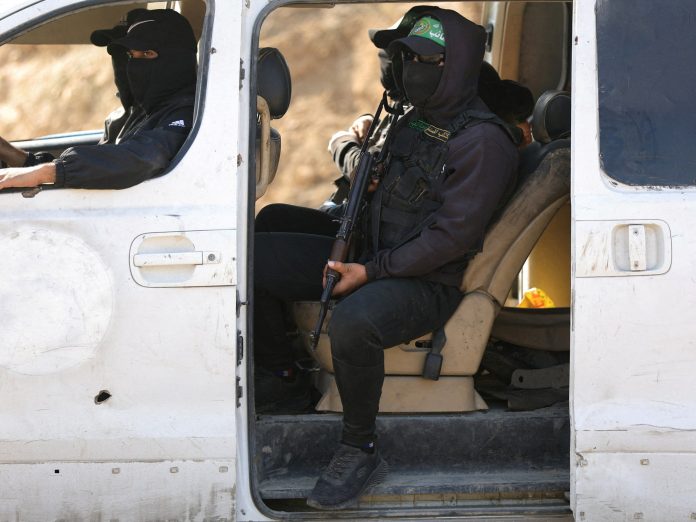
Hamas

The attack on Saturday killed five people and wounded at least 25, according to Gaza health authorities.

Hamas in a statement did not confirm the death of Raed Saad. It announced that a civilian vehicle had been struck outside Gaza City and asserted it was a violation of the ceasefire that took effect on October.

In a post on Telegram, the army alleged that the commander had been operating to re-establish Hamas’s capabilities, which have been severely depleted by more than two years of Israel’s genocidal war on Gaza. It described him as one of the architects of the October 7, 2023, attacks on Israel.

If Saad was killed, it would be the highest-profile assassination of a senior Hamas figure since a fragile ceasefire deal came into effect in October.

An Israeli defence official told the Reuters news agency that Saad had been targeted in the attack, describing him as the head of Hamas’s weapons manufacturing force.

Hamas sources have also described him as the second-in-command of the group’s armed wing, after Izz al-Din al-Haddad.

Saad used to head Hamas’s Gaza City battalion, one of the group’s largest and best-equipped, those sources stated.

The Wafa news agency reported that an Israeli drone hit a vehicle at the Nabulsi junction in the west of Gaza City, resulting in casualties.

The agency did not report on specific numbers, and it was not clear if the attack was the one that allegedly killed the Hamas member.

Since the ceasefire started in October, Israel has continued to attack Gaza daily – reaching nearly 800 times and killing at least 386 people – in a clear breach of the agreement, according to authorities in Gaza.

Israel also continues to block the majority of aid trucks from entering the enclave. The United Nations General Assembly on Friday overwhelmingly backed a resolution demanding that Israel open unrestricted humanitarian access to the Gaza Strip, stop attacking UN facilities, and comply with international law, in line with its obligations as an occupying power.