Tuesday, December 23, 2025
Home Blog Page 4042

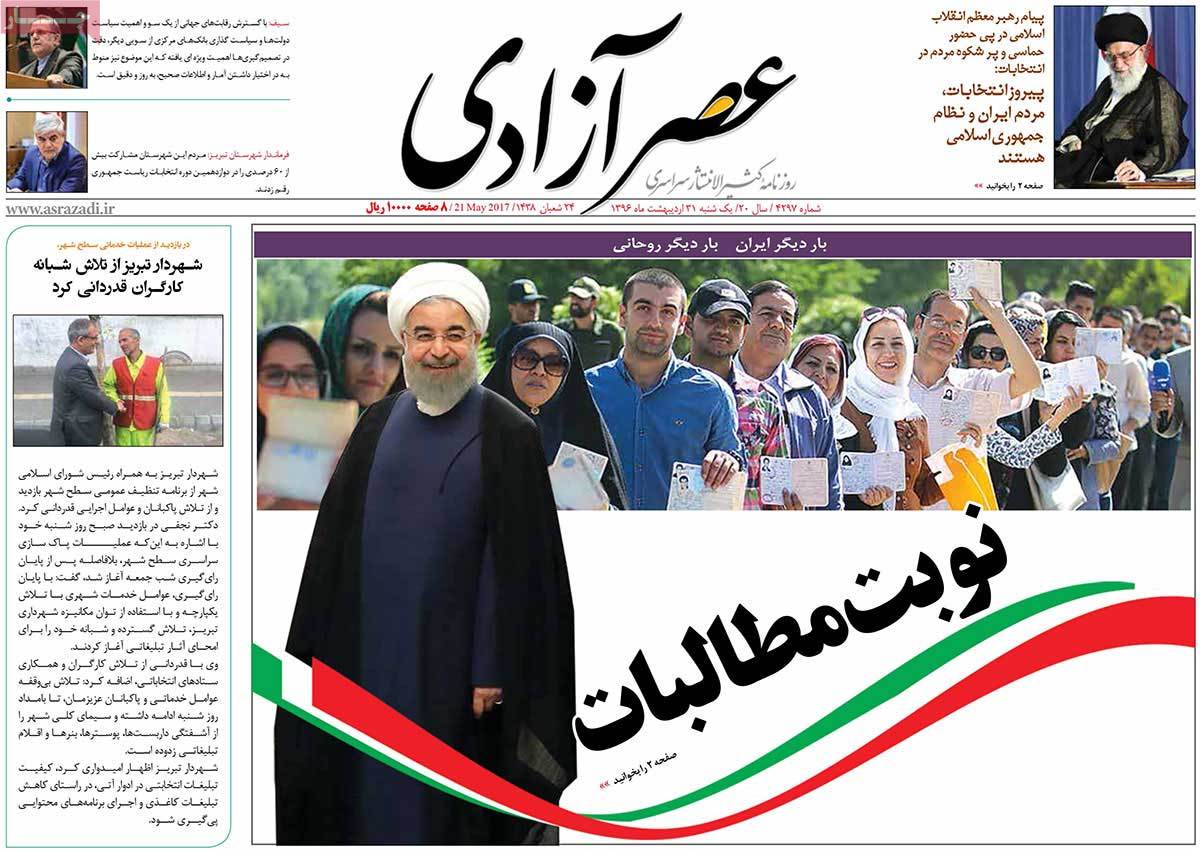
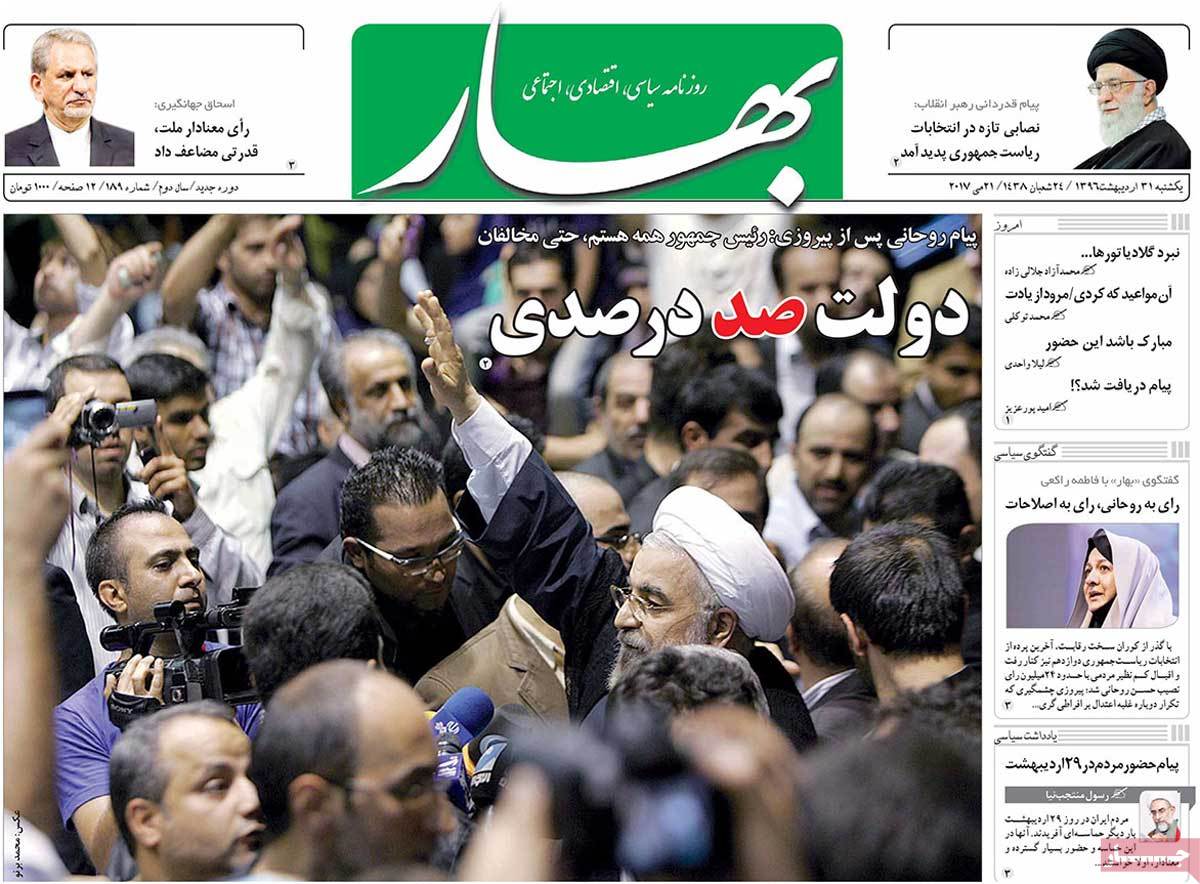
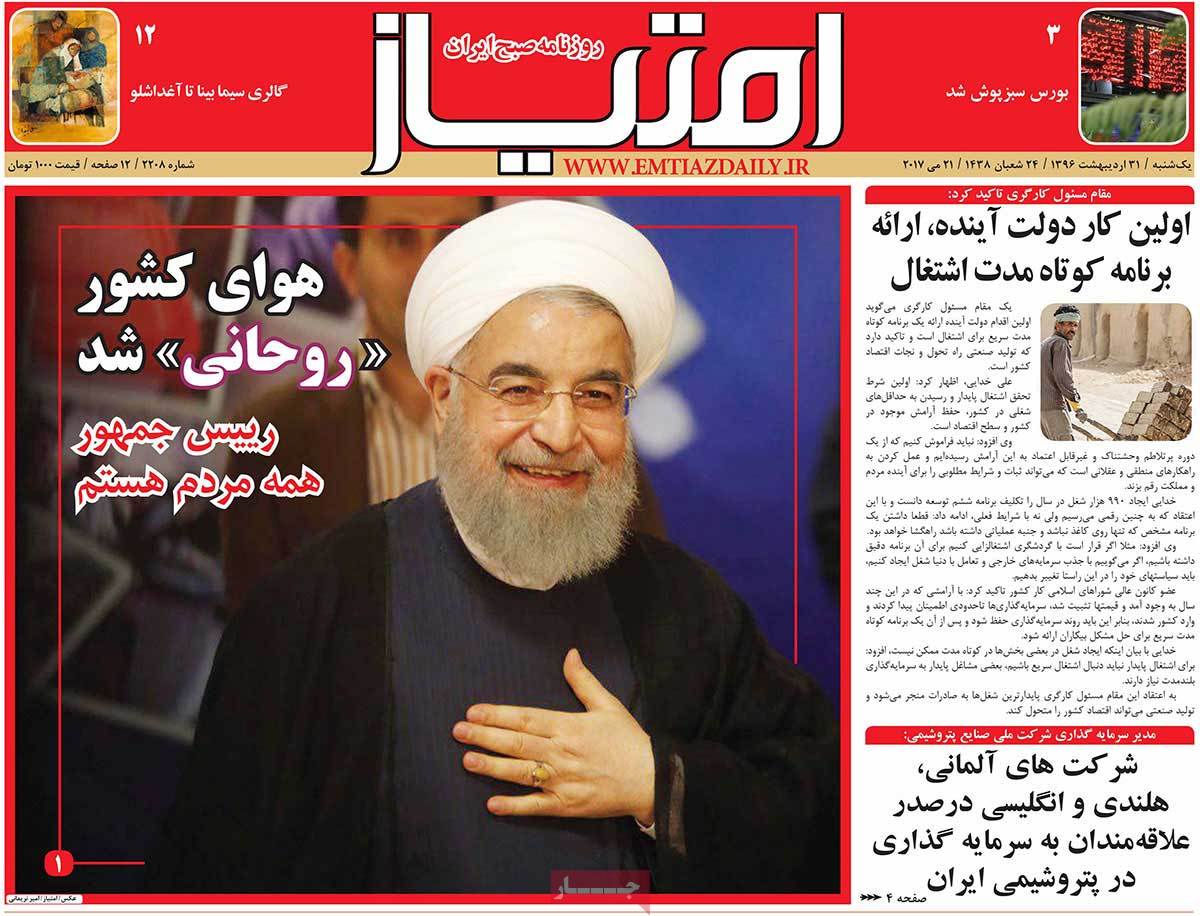
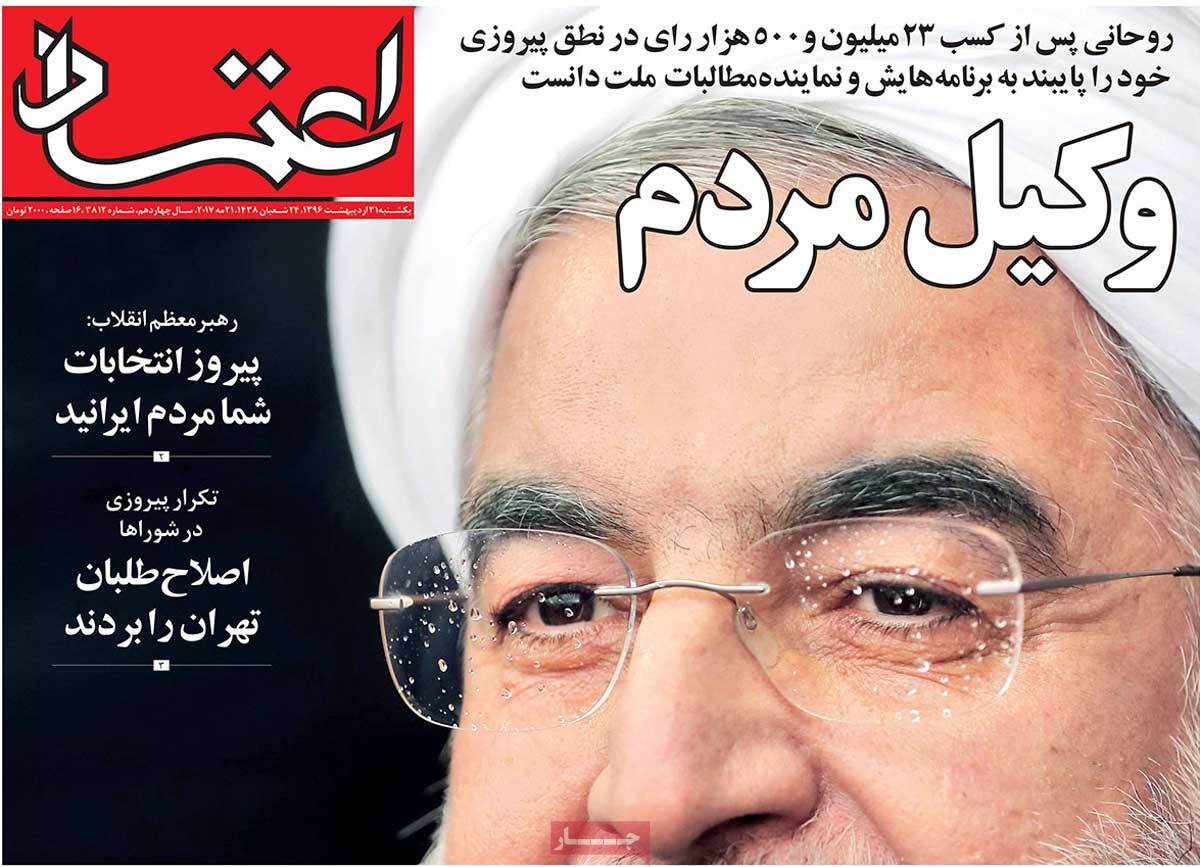
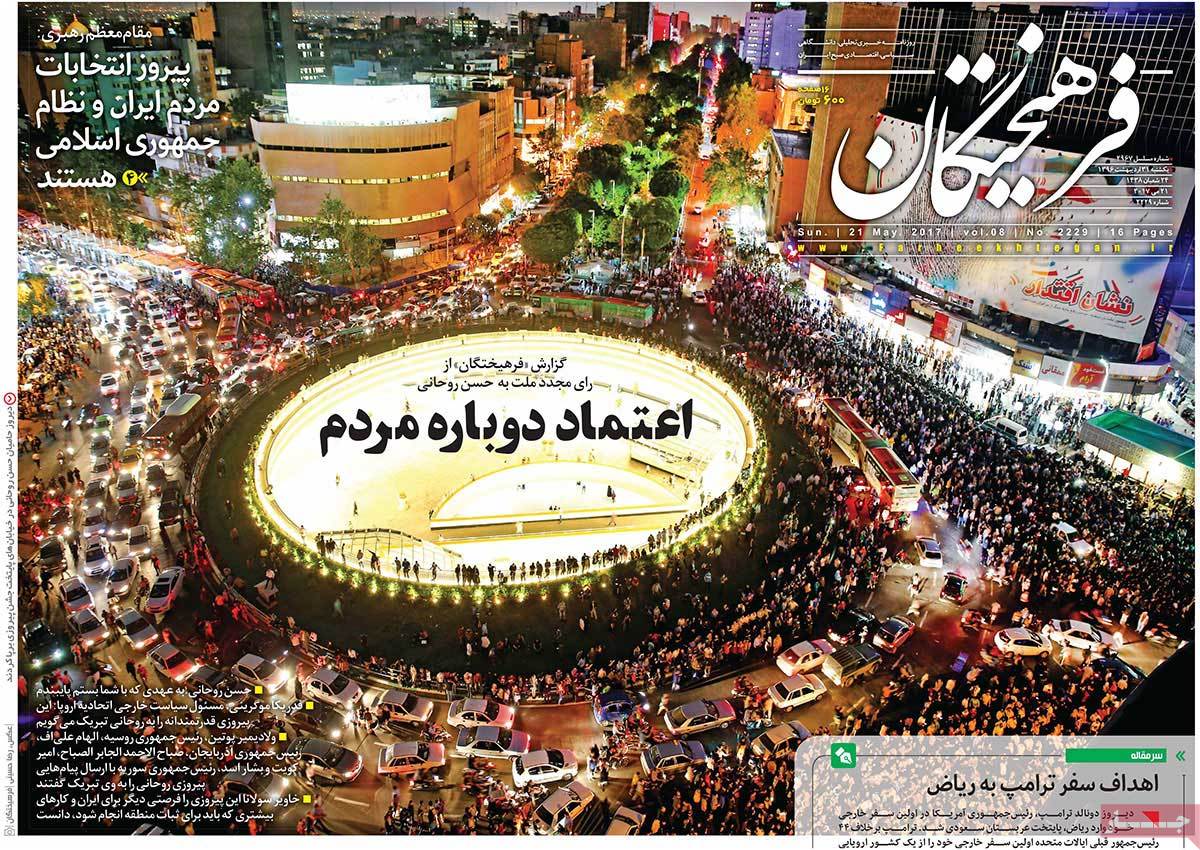
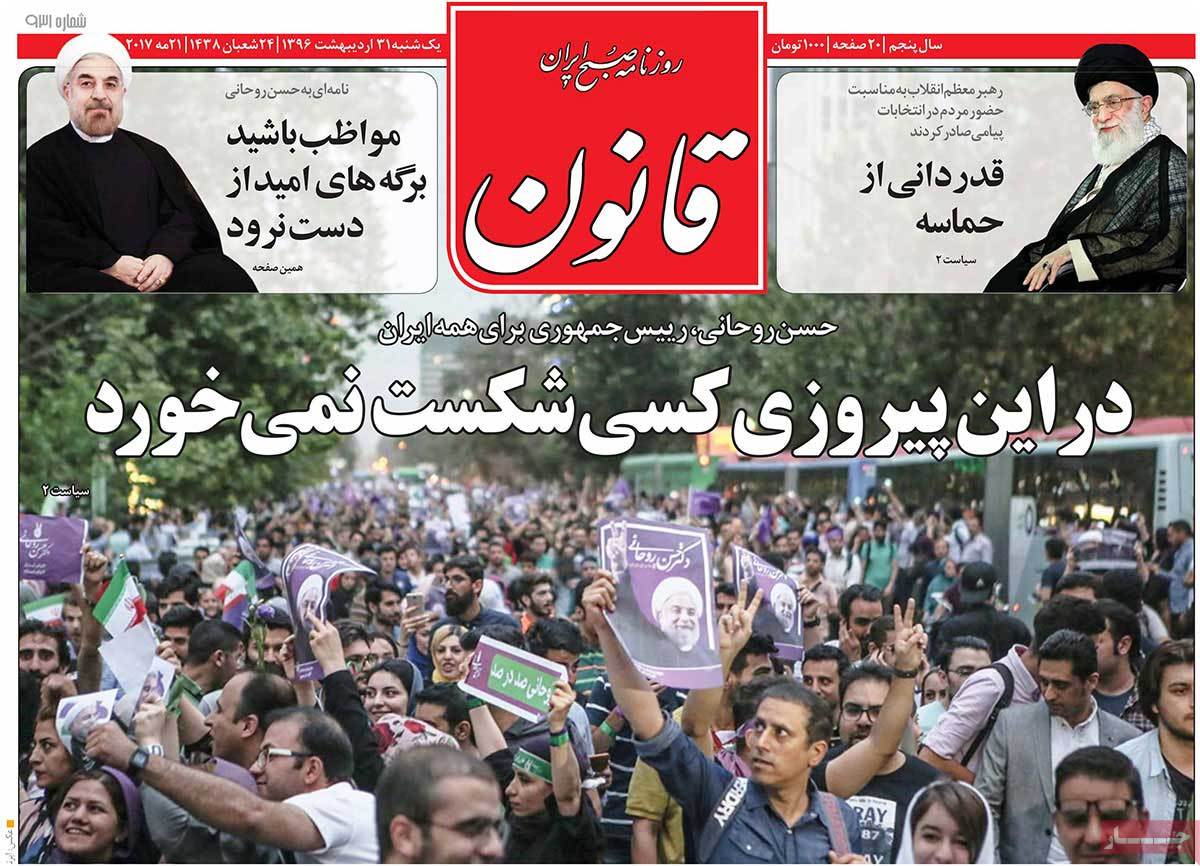
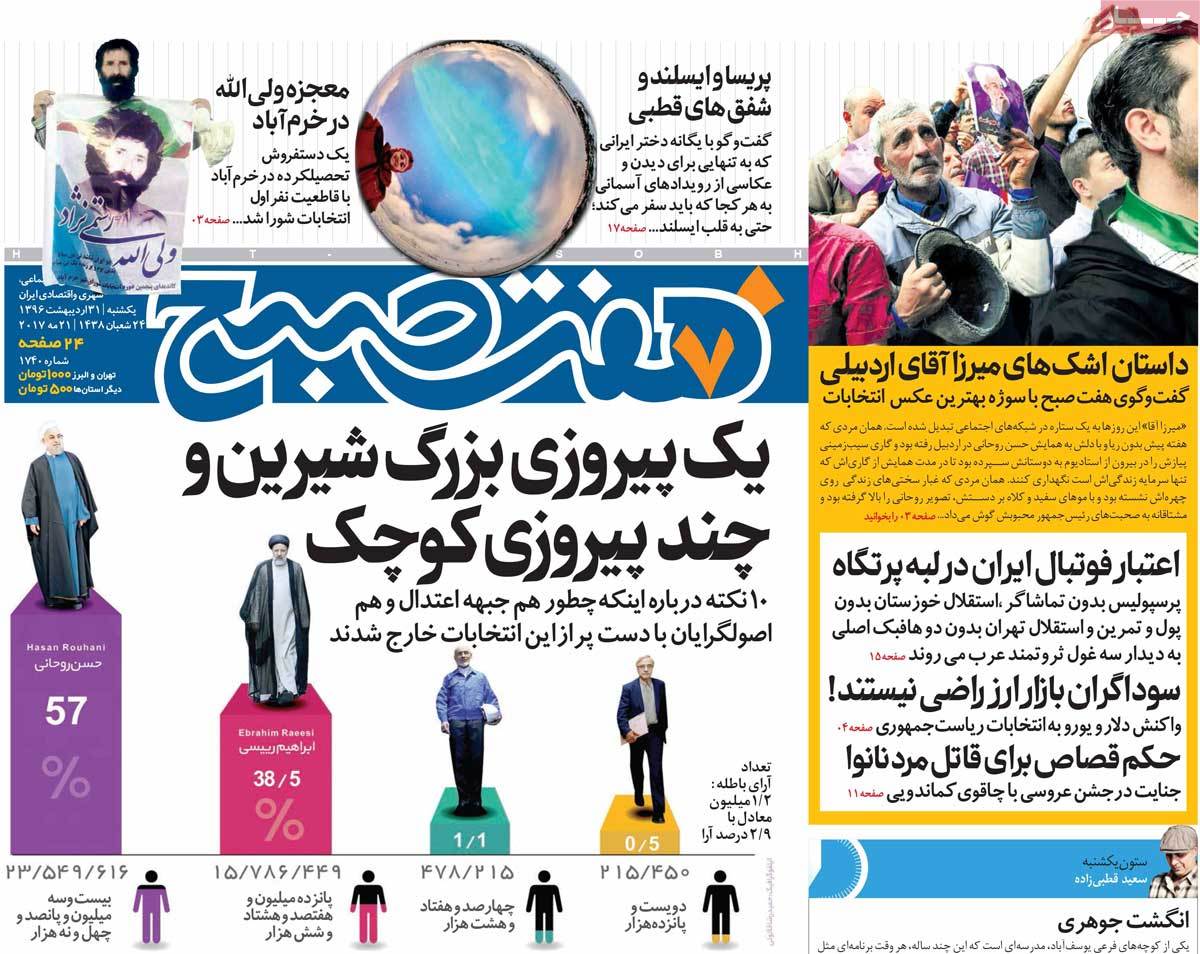
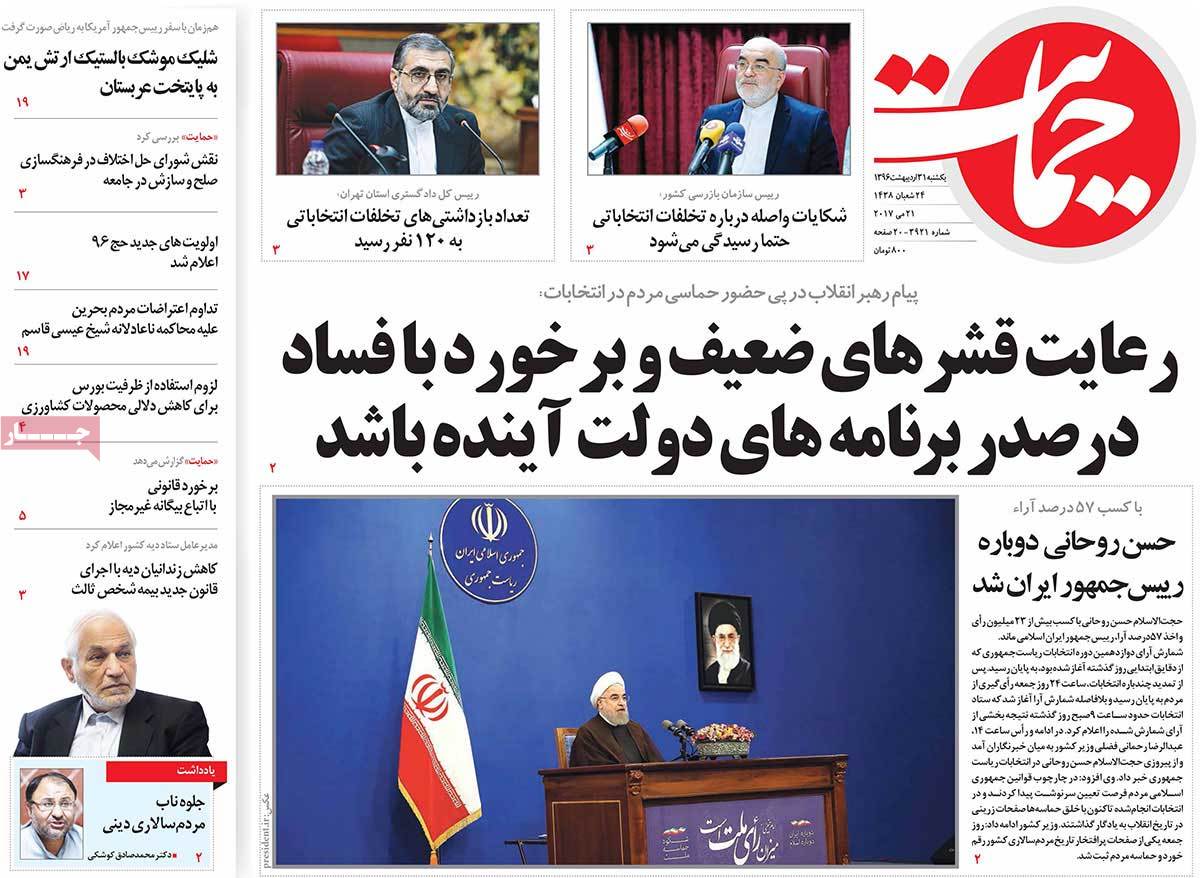
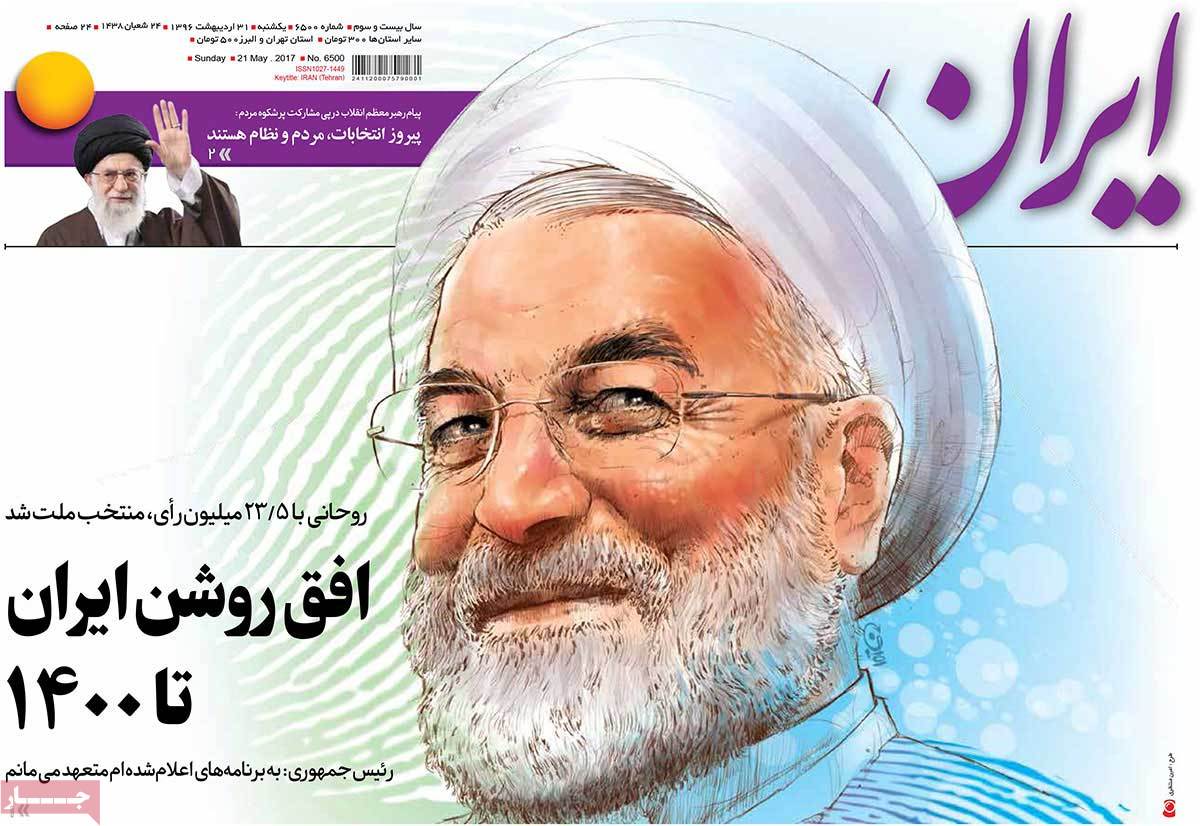
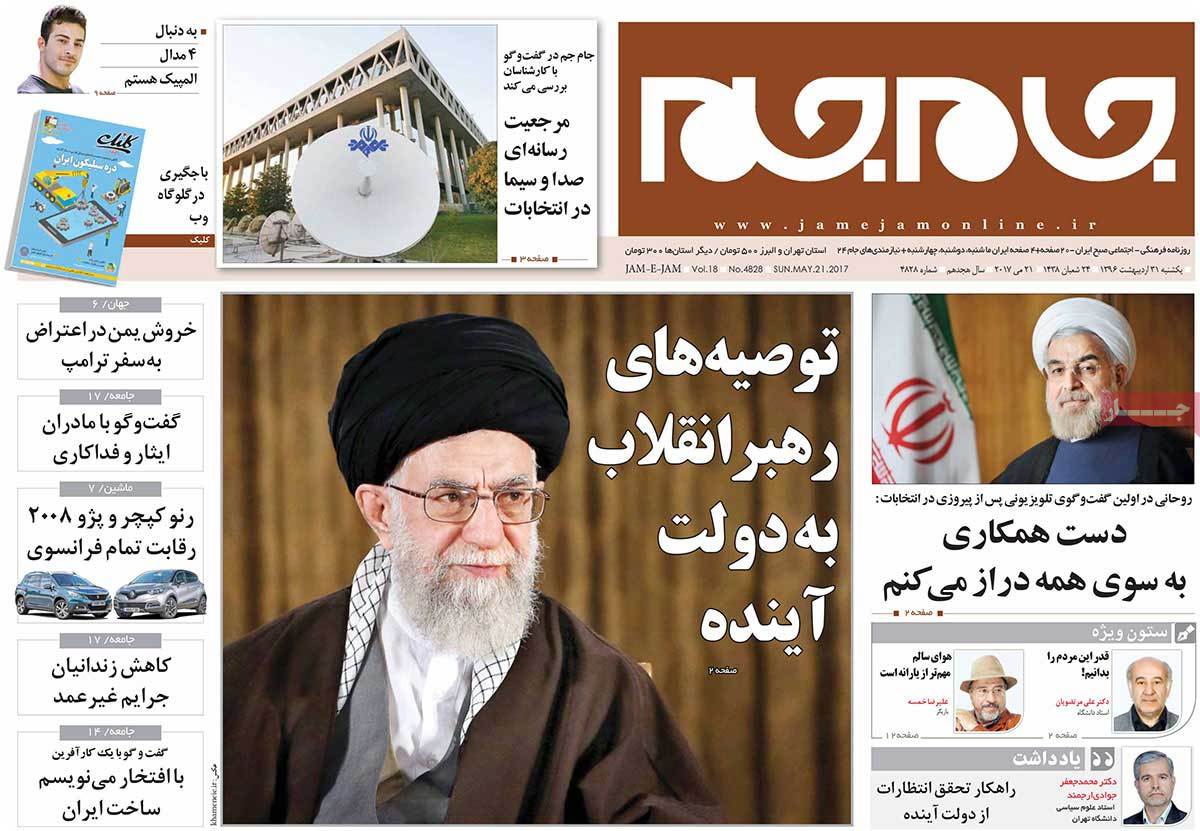
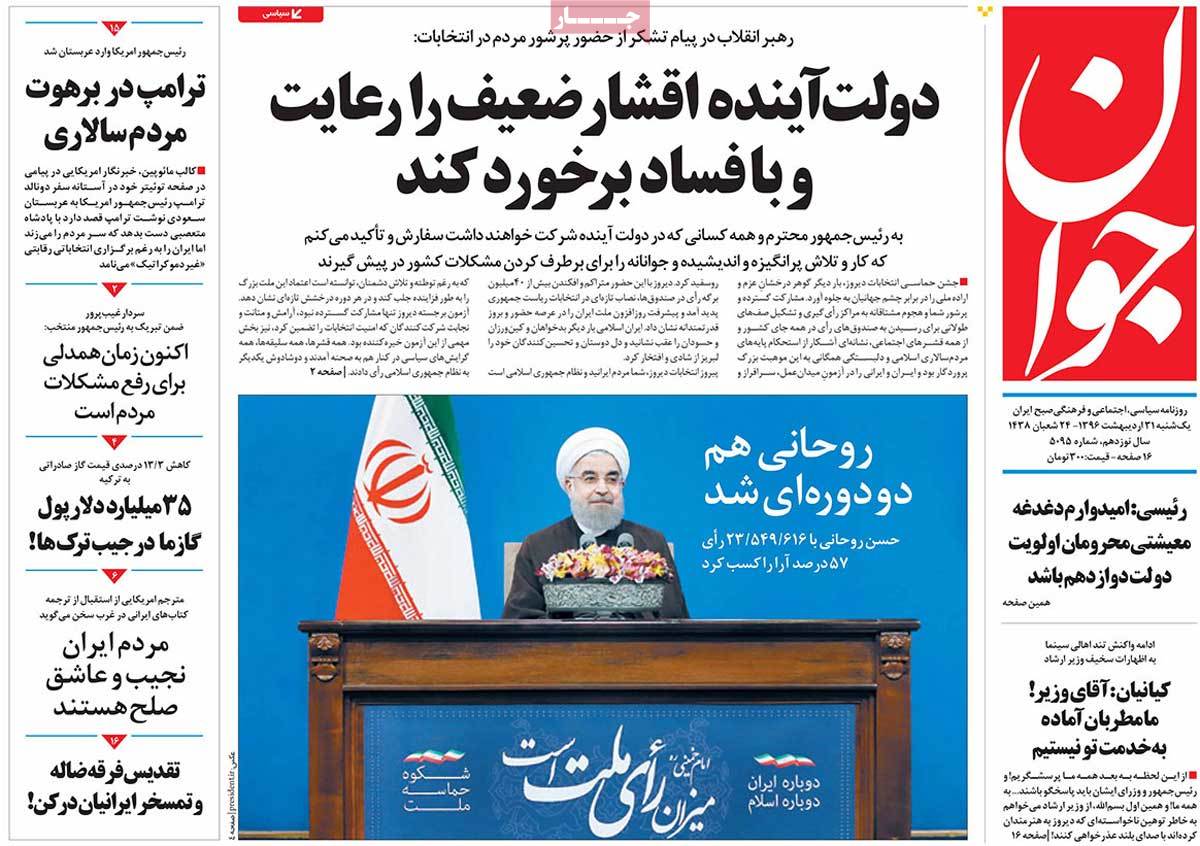
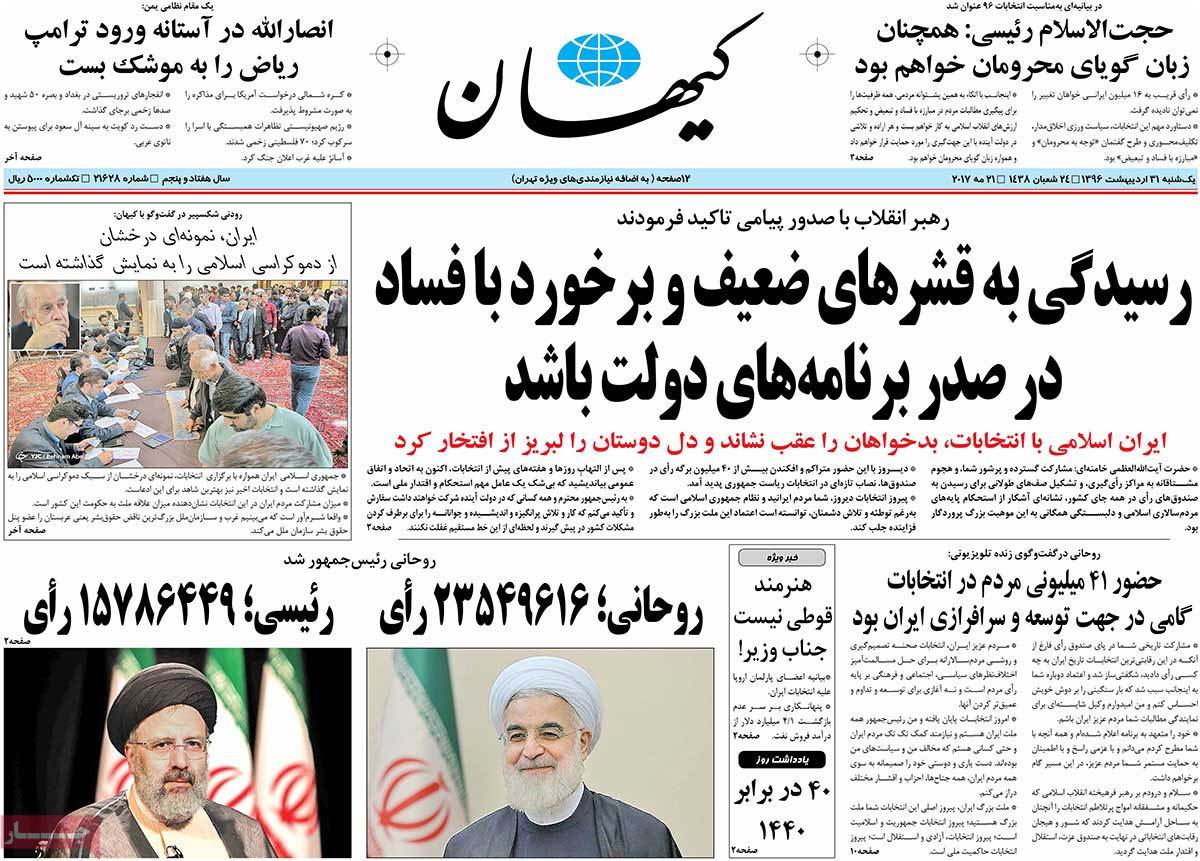
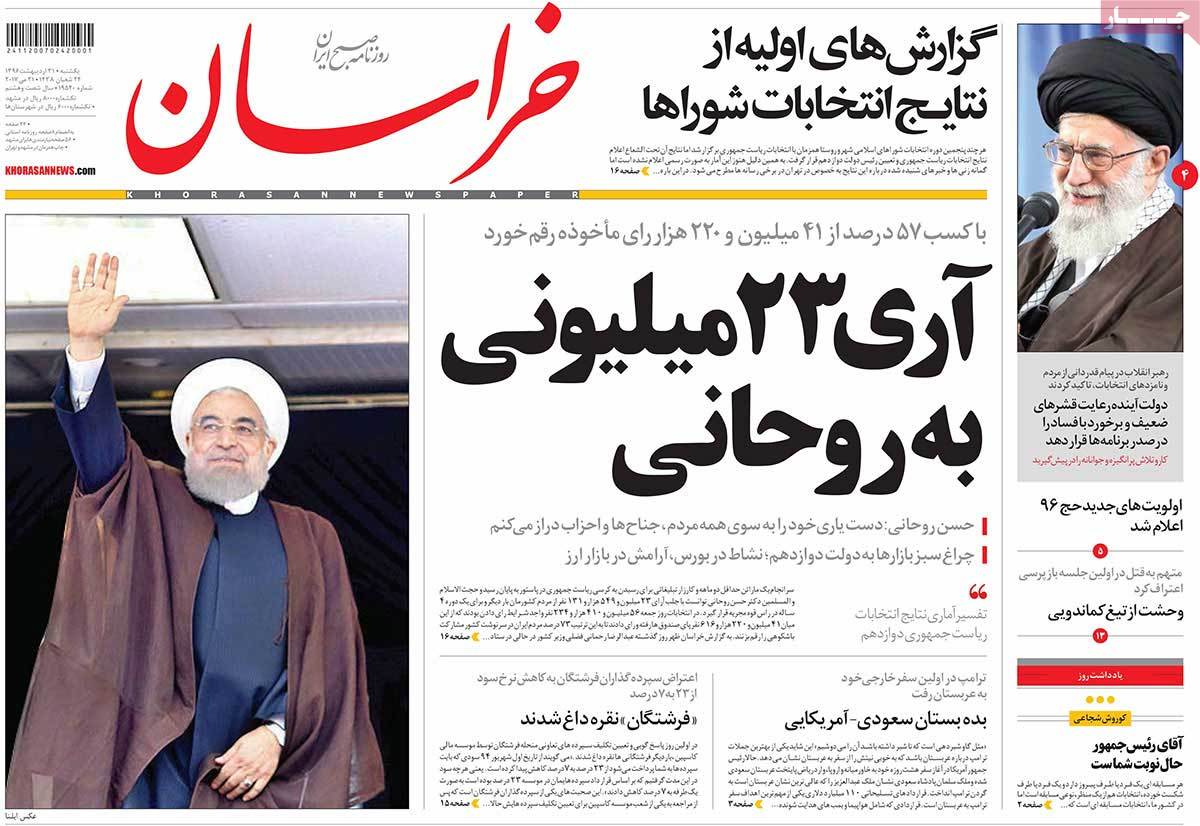
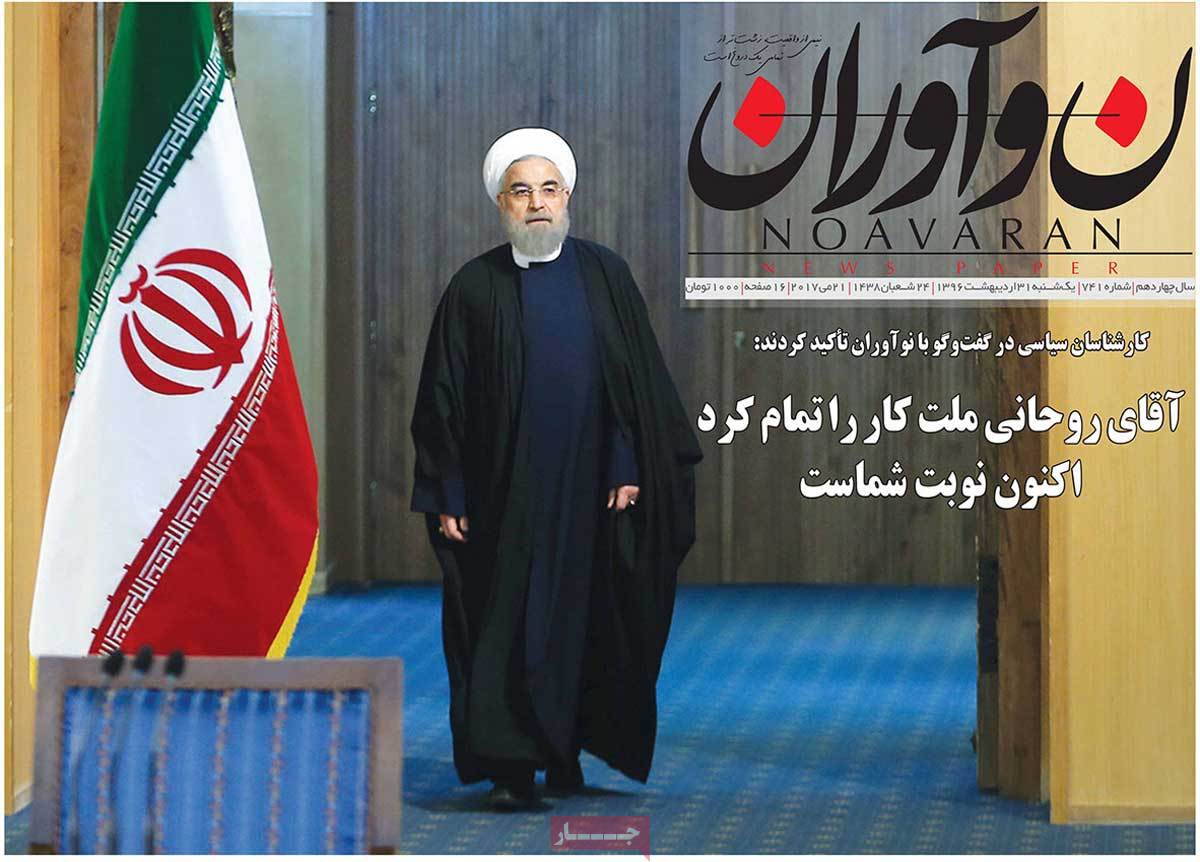
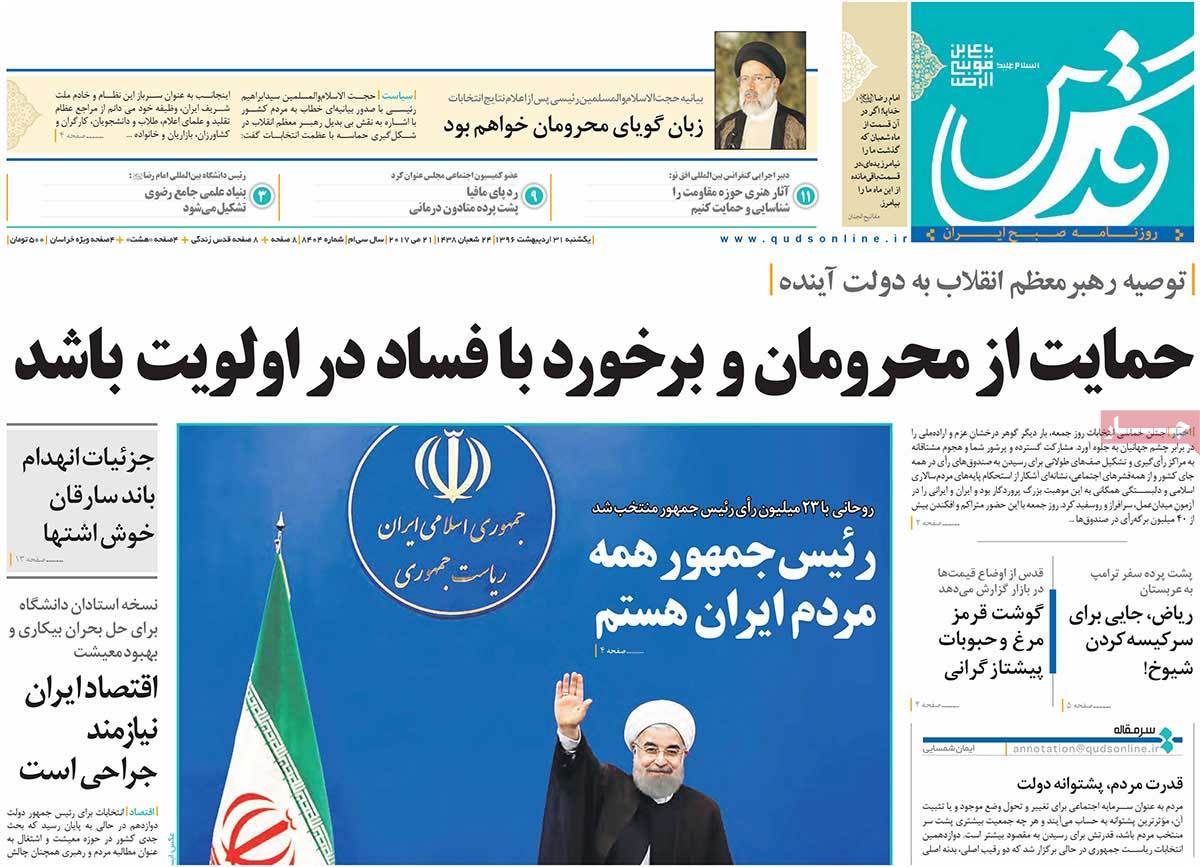
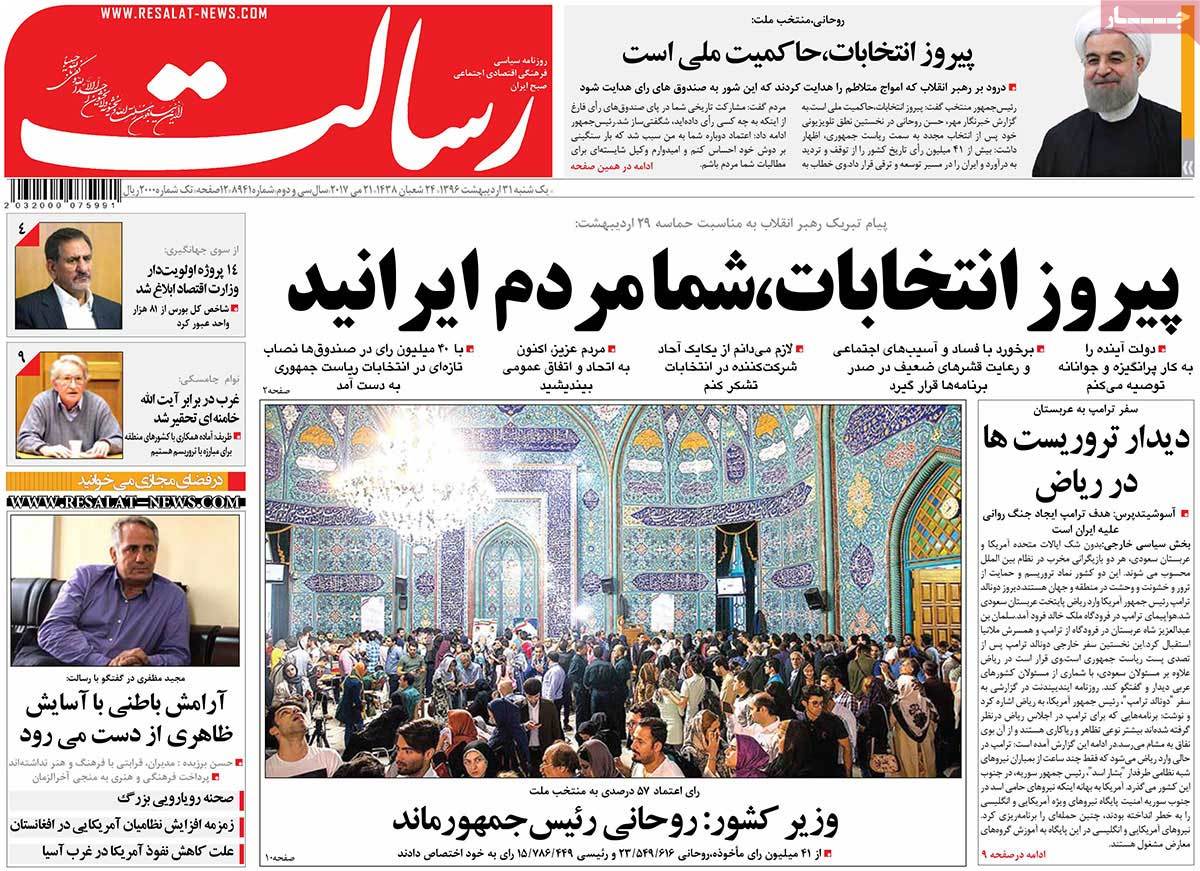
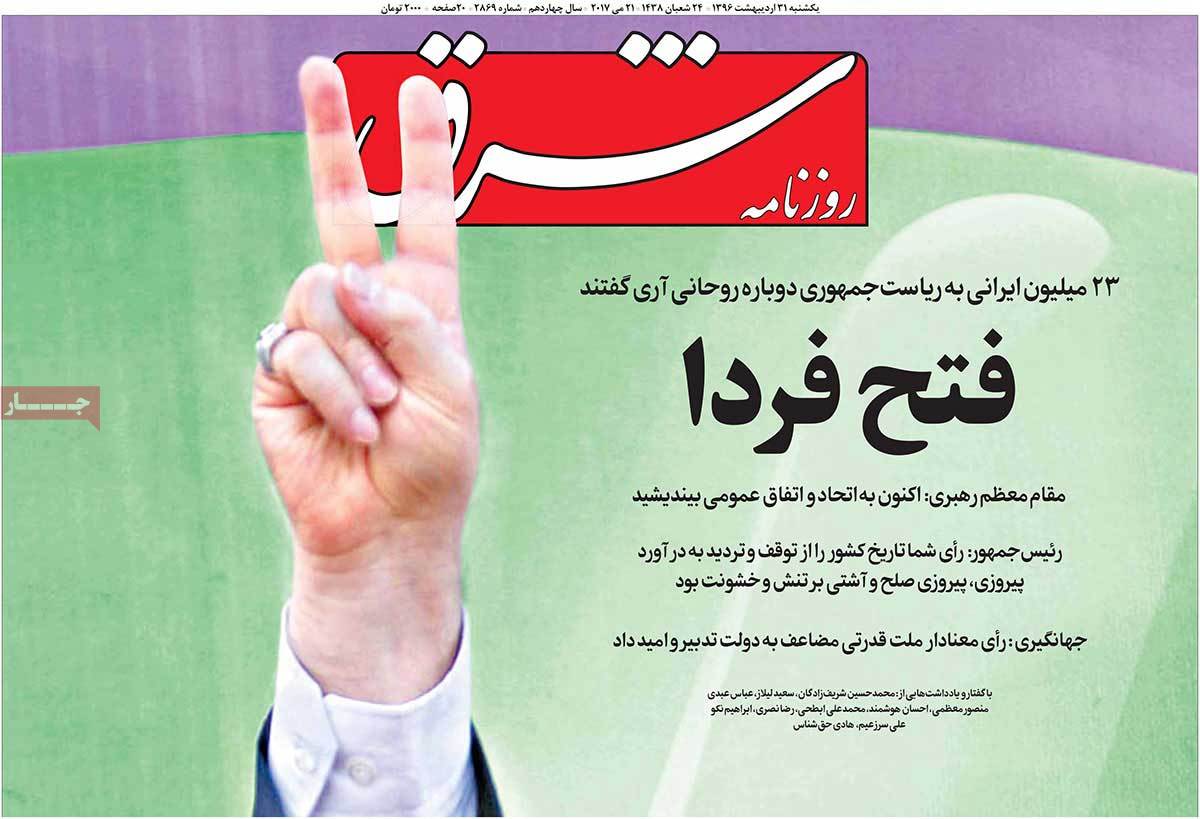
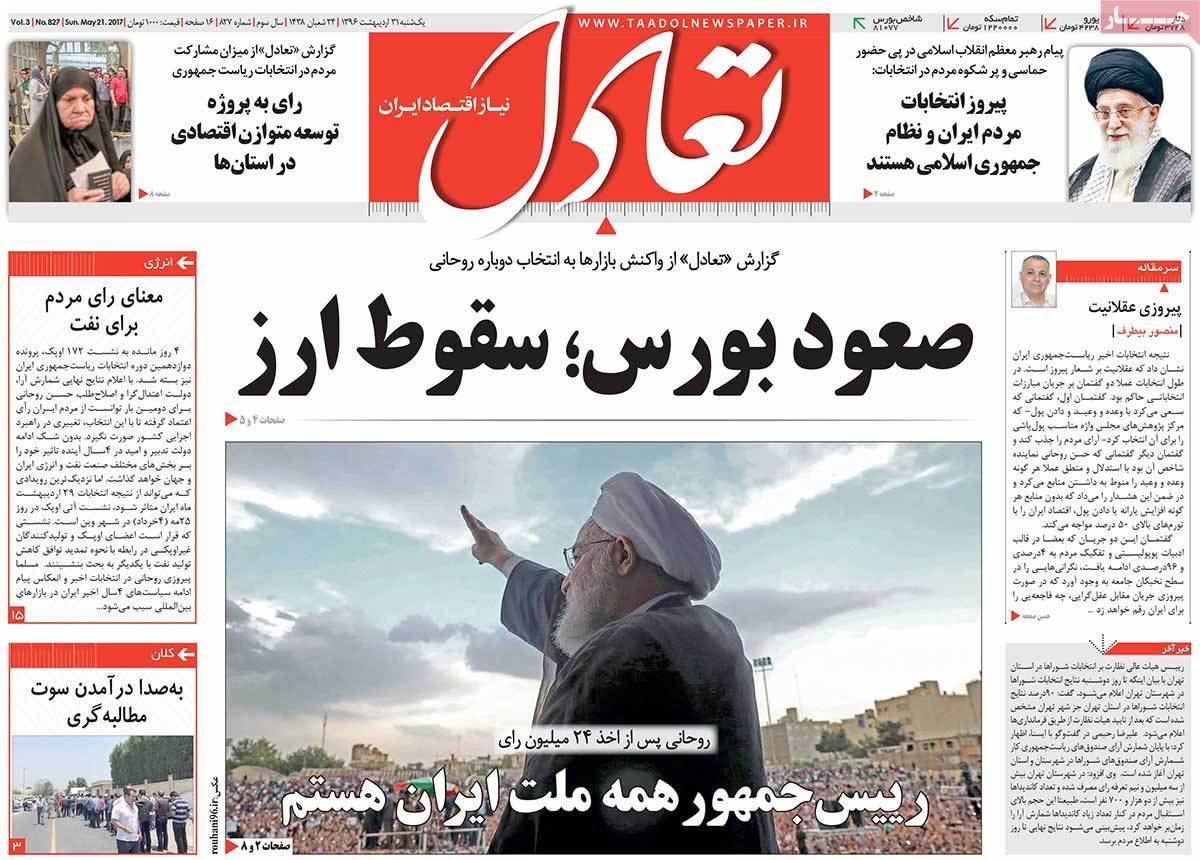
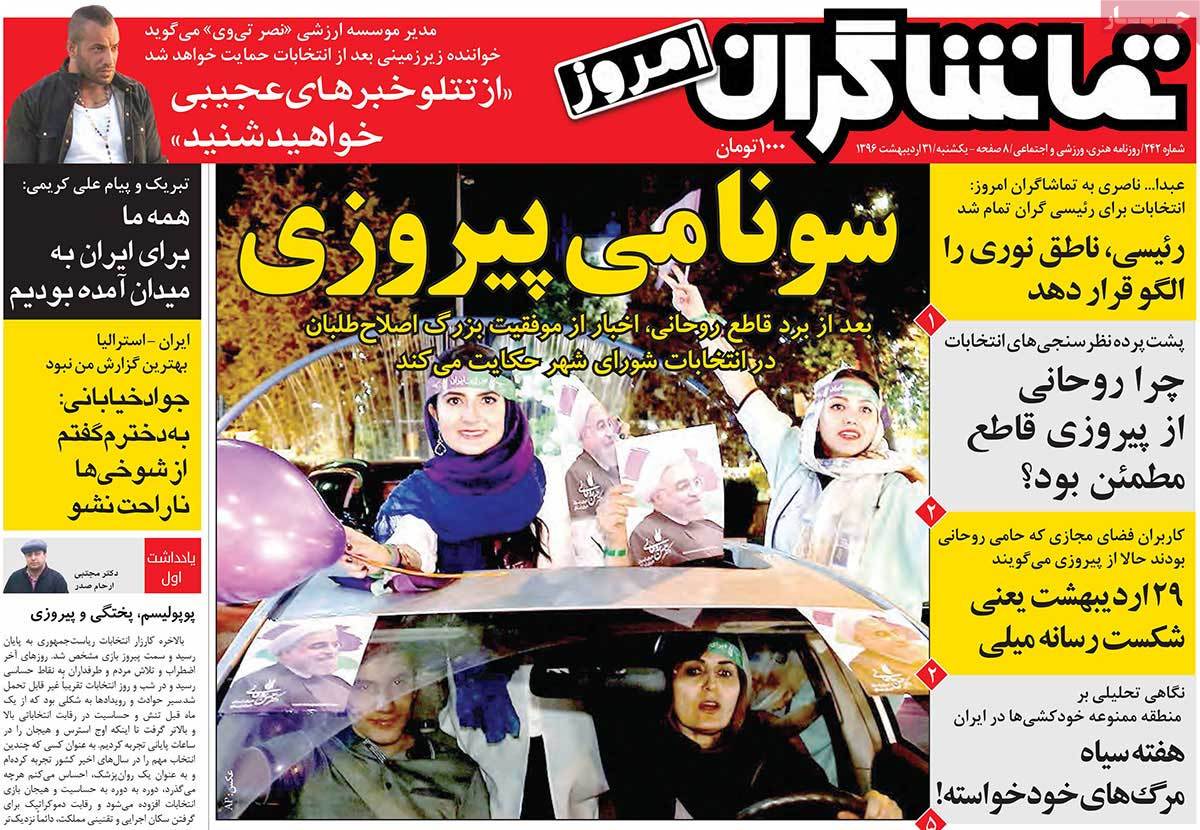
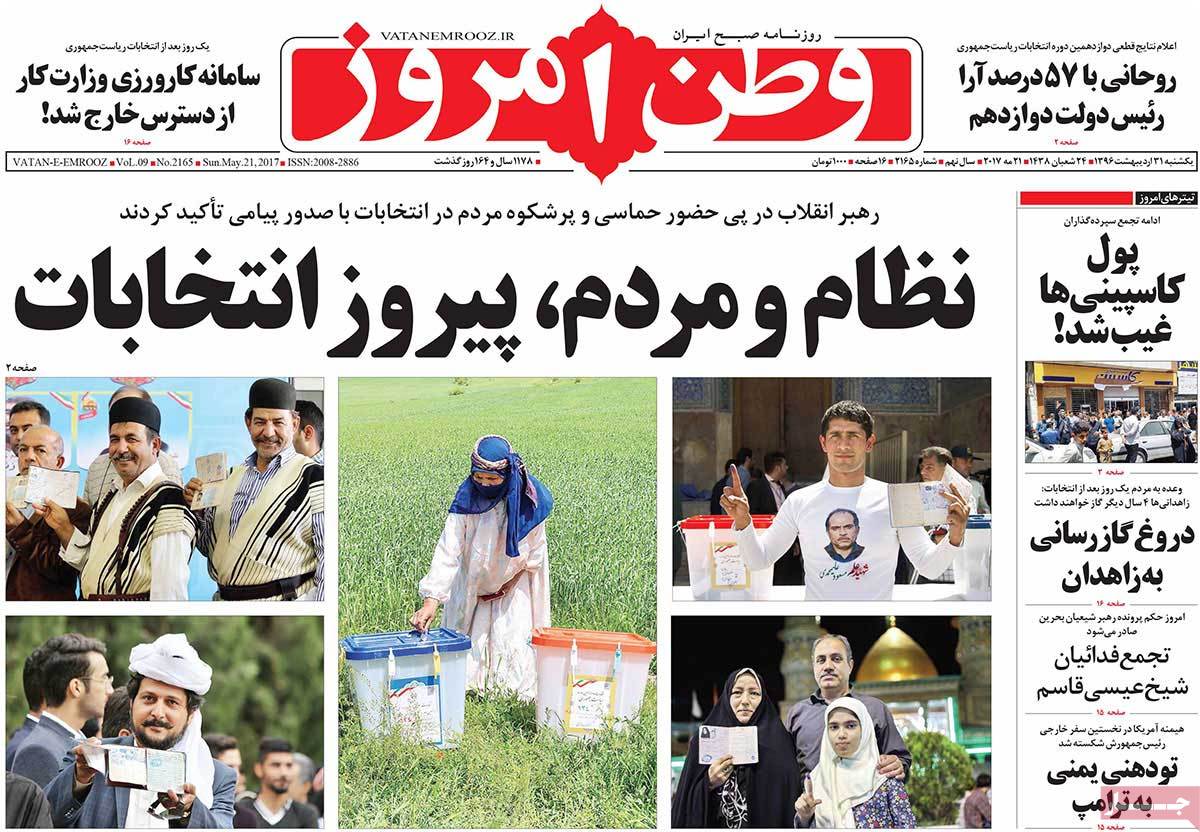
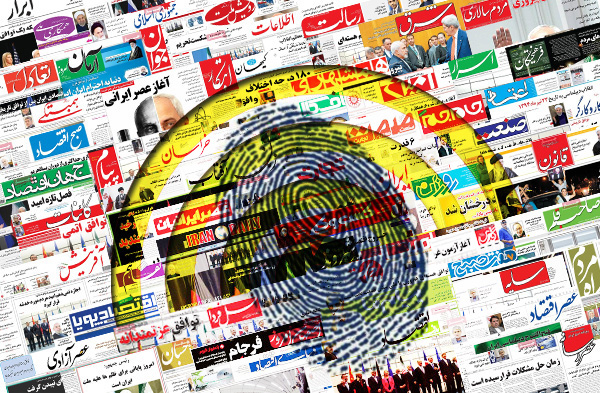
A Look at Iranian Newspaper Front Pages on April 23

Many Iranain newspapers today covered a decision by a committee tasked with monitoring the campaigns for Iran’s presidential election to live broadcast the presidential debates despite an earlier decision not to do so.

The visit of Georgian prime minister to Tehran, his meetings with Iranian president and vice-president, and the MoUs signed between the two sides also received great coverage.

Newspapers also pointed to IRGC commander’s remarks about the inauguration of the world’s biggest refinery in southern Iran, which will make the country self-sufficient in the production of petroleum.

The above issues, as well as many more, are highlighted in the following headlines and top stories:


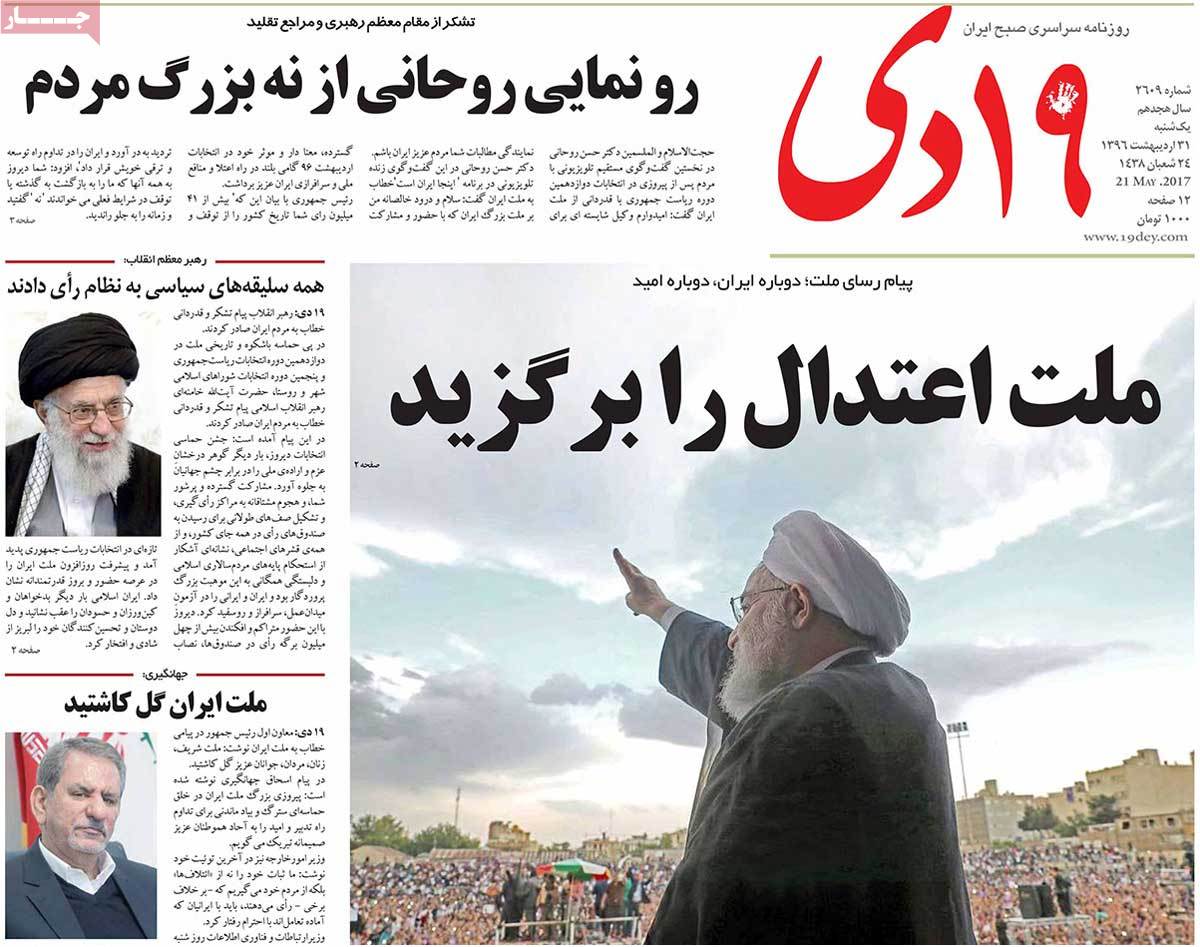
19 Dey:

1- Trump Lacks Correct Understanding of Int’l Relations: Shamkhani

2- Transport Minister: We’ve Implemented Biggest Railway Movement in Iran

A Look at Iranian Newspaper Front Pages on April 23 - 19 dey


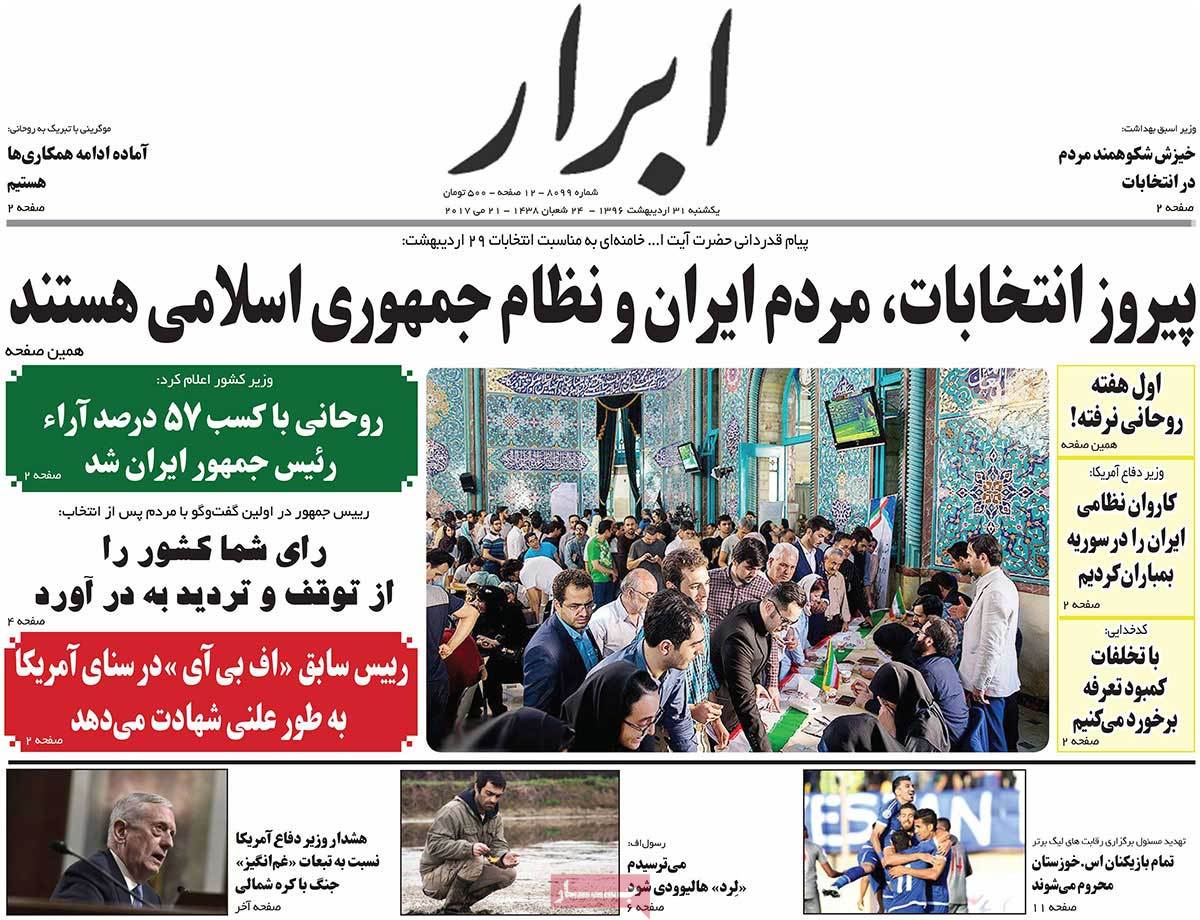
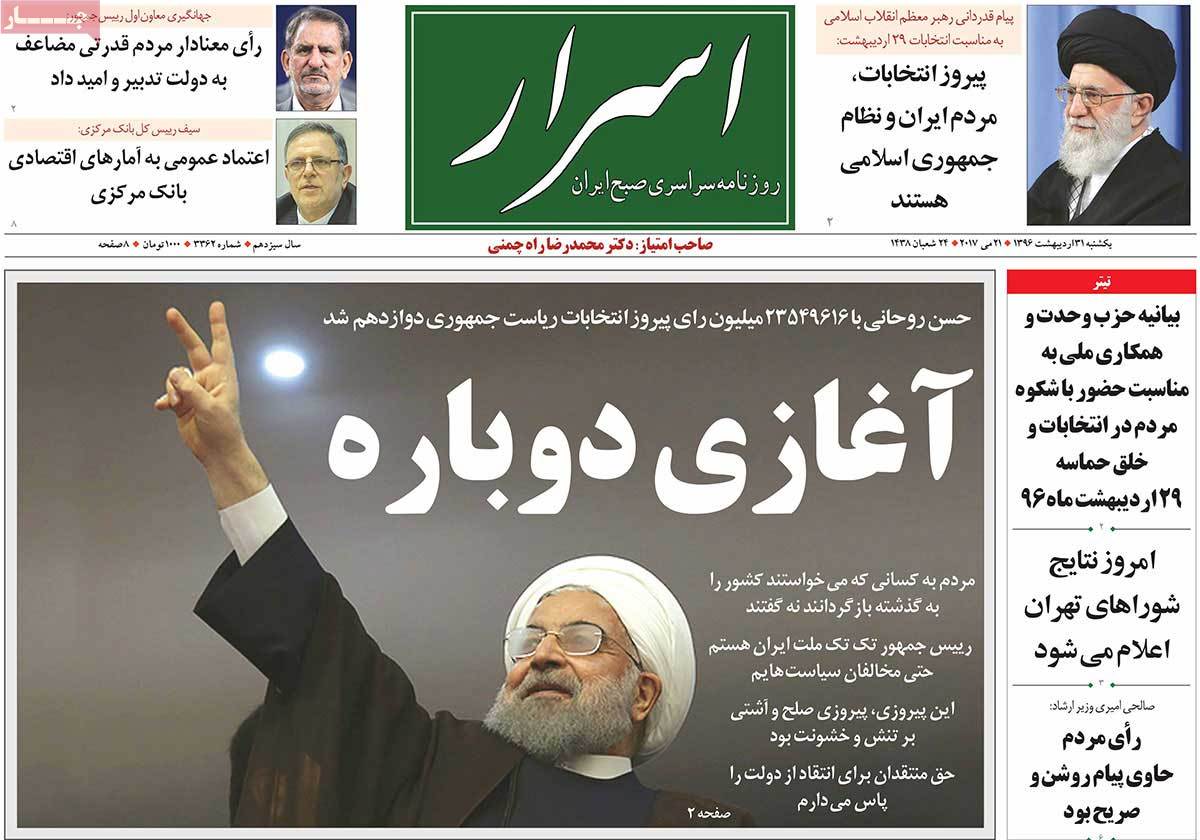
Abrar:

1- Minister: Rouhani Called Me Twice to Protest against Recorded Broadcast of Presidential Debates

2- 8,981 Qualified to Run for Local Elections in Tehran Province

3- Lavrov: Iran, Russia, Turkey Preparing Mechanisms to Guarantee Implementation of Syria Truce

4- Hariri: Lebanon Looking for Permanent Ceasefire with Israel

A Look at Iranian Newspaper Front Pages on April 23 - abrar


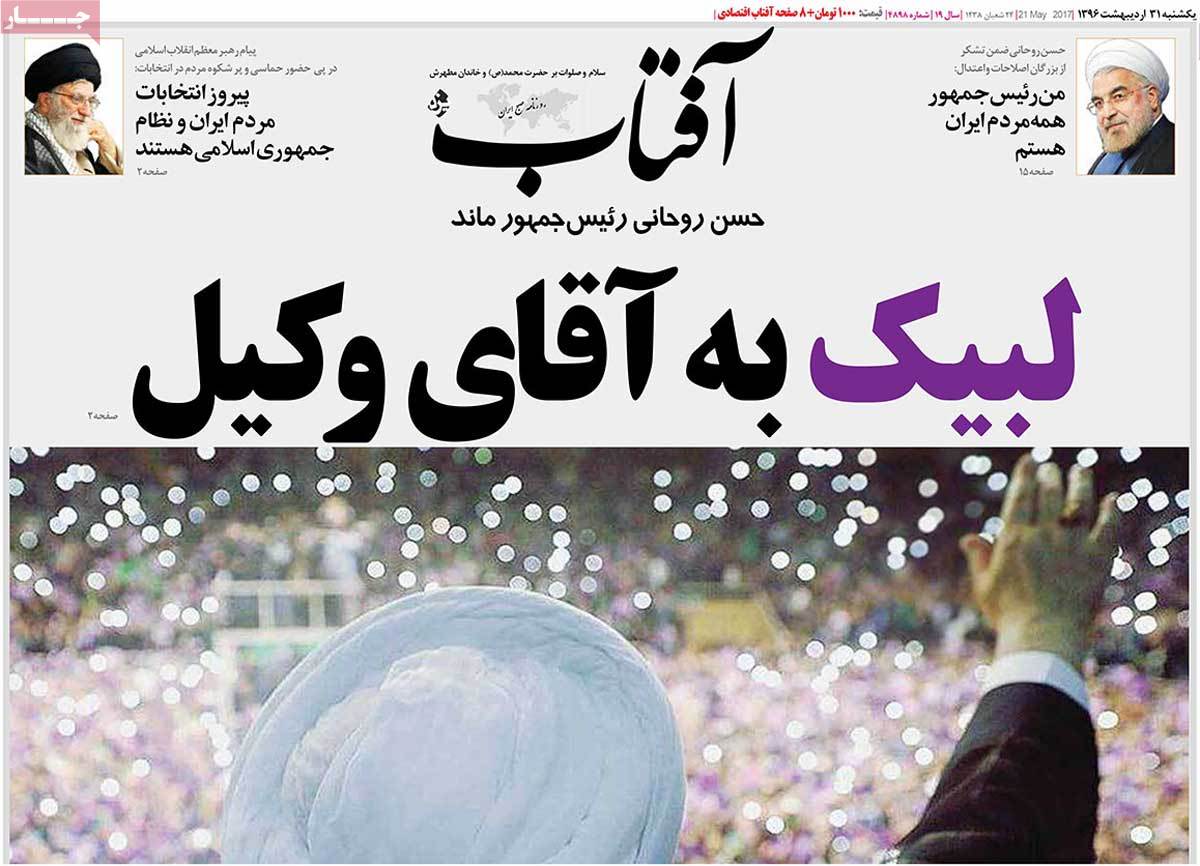
Aftab-e Yazd:

1- President’s Aide: Rouhani’s Decisive Victory in Election Was Rafsanjani’s Wish

2- MP Urges Foreign Ministry to Explain about Raisi’s Meeting with Putin’s Envoy

A Look at Iranian Newspaper Front Pages on April 23 - aftab


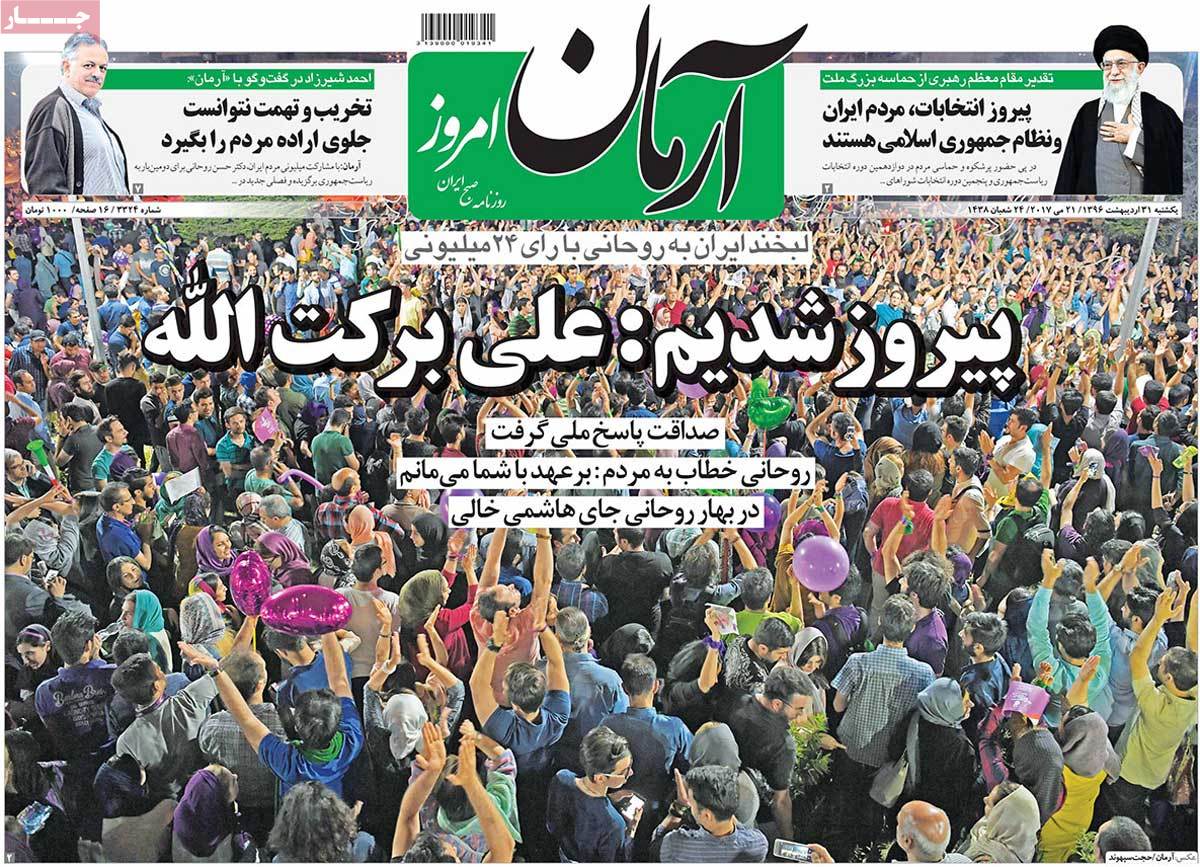
Arman-e Emrooz:

1- Presidential Debates to Go on Air Lie

2- Ayatollah Rafsanjani’s House Will Become a Museum

A Look at Iranian Newspaper Front Pages on April 23 - arman


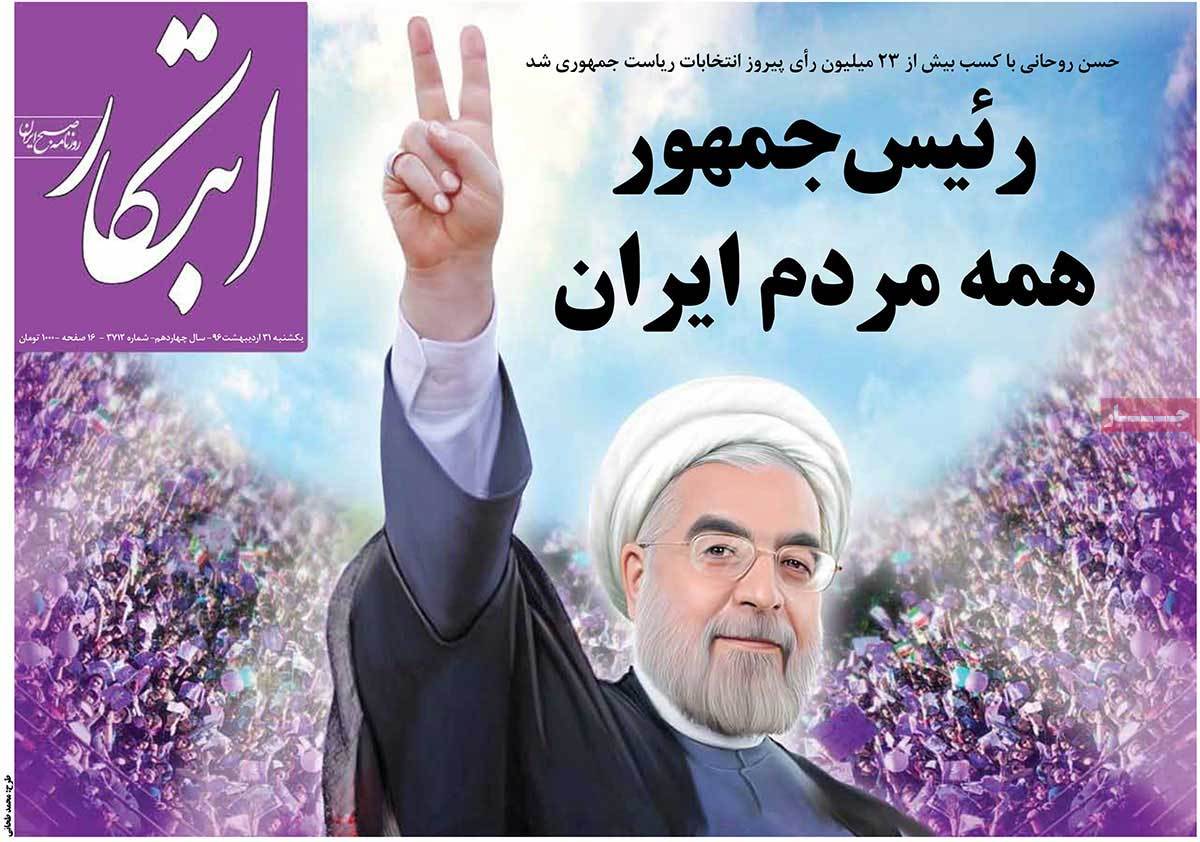
Ebtekar:

1- Rouhani: Iran Welcomes Expansion of Cooperation with Georgia

A Look at Iranian Newspaper Front Pages on April 23 - ebtekar


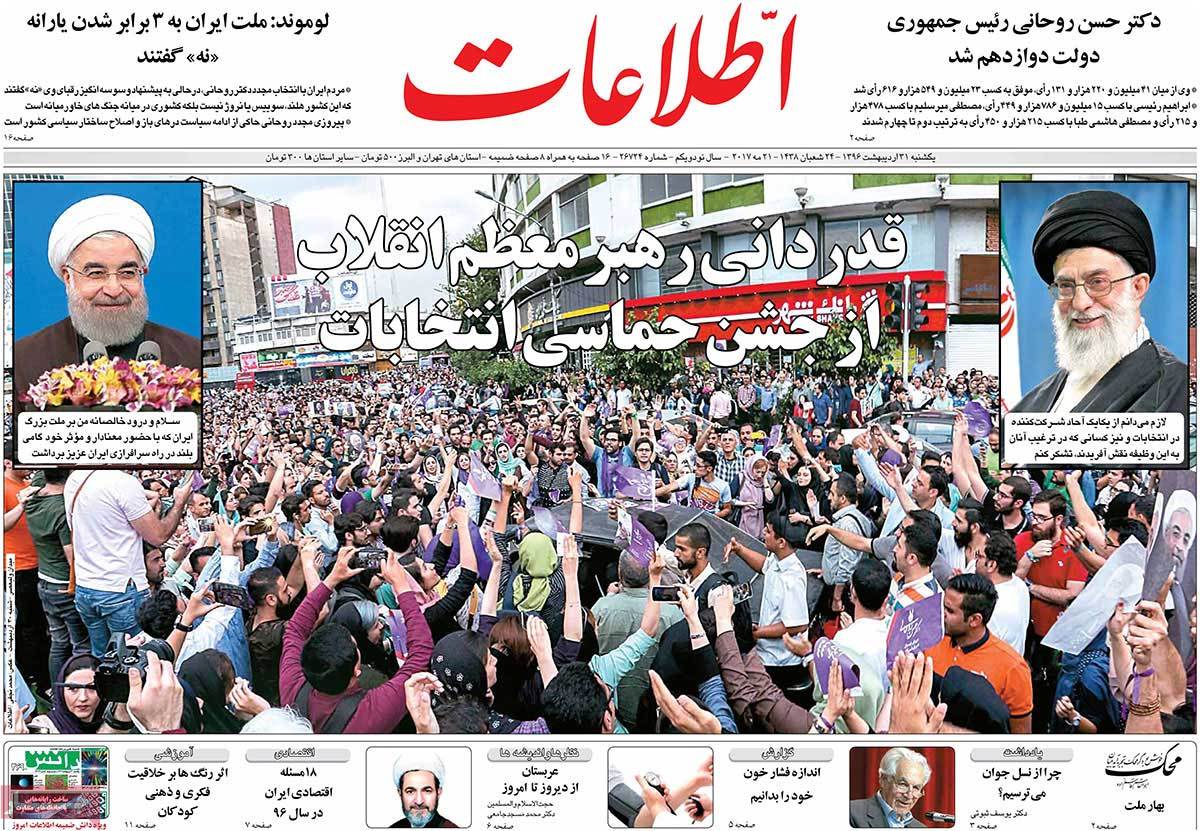
Ettela’at:

1- Industry Minister Reveals Plots to Show Iranian Factories Are Being Shut Down

2- 6 Million Hours of Time Wasted in Tehran’s Traffic Every Day

3- 150 Afghan Civilians Killed in Taliban’s Deadliest Attack

A Look at Iranian Newspaper Front Pages on April 23 - etelaat


Iran:

1- Spring of Tourism in Post-JCPOA Era: Growing Trend of Foreign Tourists Coming to Iran

2- Rouhani’s Gov’t Saves 30,000 Billion Tomans [$8 Billion] by Reducing Imports

A Look at Iranian Newspaper Front Pages on April 23 - iran


Javan:

1- IRGC to Inaugurate First Phase of World’s Biggest Refinery

2- Supervisory Board Rigging Local Elections by Disqualifying Candidates: Head of Tehran City Council

A Look at Iranian Newspaper Front Pages on April 23 - javan


Jomhouri Eslami:

1- Iran for First Time Saved 2,000 Billion Tomans [$533m] by Reducing Drug Imports

2- Oil Minister: People to Decide in Election Whether Foreign Companies Should Come to Iran

3- Iran, Georgia Sign 5 Documents of Cooperation, Issue Joint Statement

A Look at Iranian Newspaper Front Pages on April 23 - jomhori


Kayhan:

1- UN: US Attack on Syria Was Pointless as Those behind Khan Shaykhun Crime Were Not Identified

2- Iran Delivers New Anti-Ship Cruise Missile ‘Nassir’ to IRGC Navy

A Look at Iranian Newspaper Front Pages on April 23 - keyhan


Payam-e Zaman:

1- Iran Has World’s First Rank in Pace of Scientific Growth: Science Minister

2- Larijani: Iran’s Economic Growth Had an Increasing Trend in Past Year

A Look at Iranian Newspaper Front Pages on April 23 - zaman


Resalat:

1- Ayatollah Raisi: My Gov’t Will Be Government of Economic Transparency

2- Zarif: US Has Not Been Committed to Text, Spirit of JCPOA

A Look at Iranian Newspaper Front Pages on April 23 - resalat


Rooyesh-e Mellat:

1- IRGC Commander: Iran to Celebrate Petrol Self-Sufficiency in Coming Days

A Look at Iranian Newspaper Front Pages on April 23 - royesh mellat

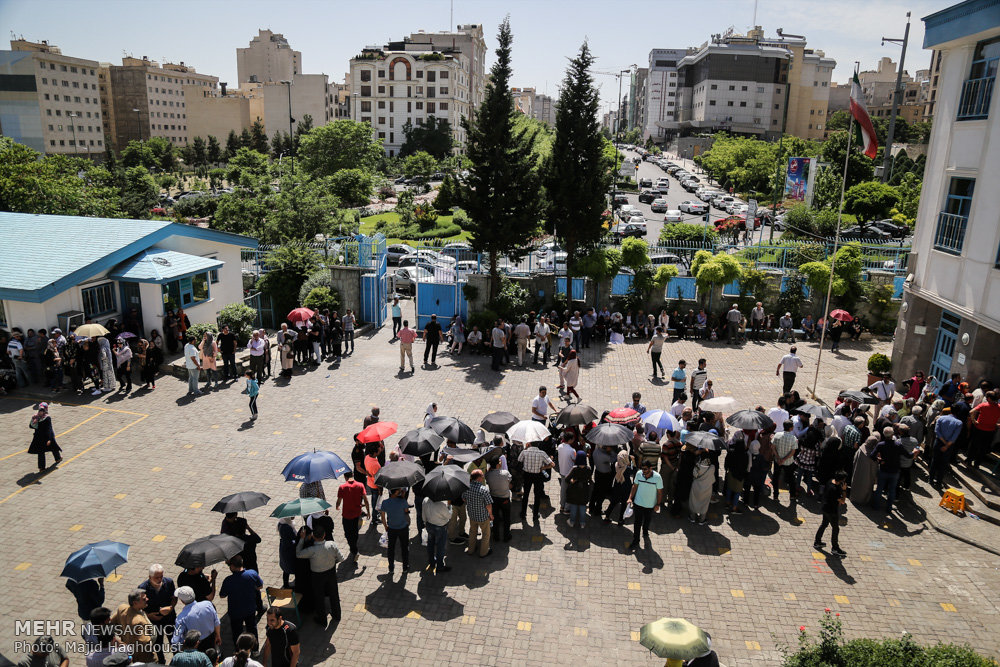
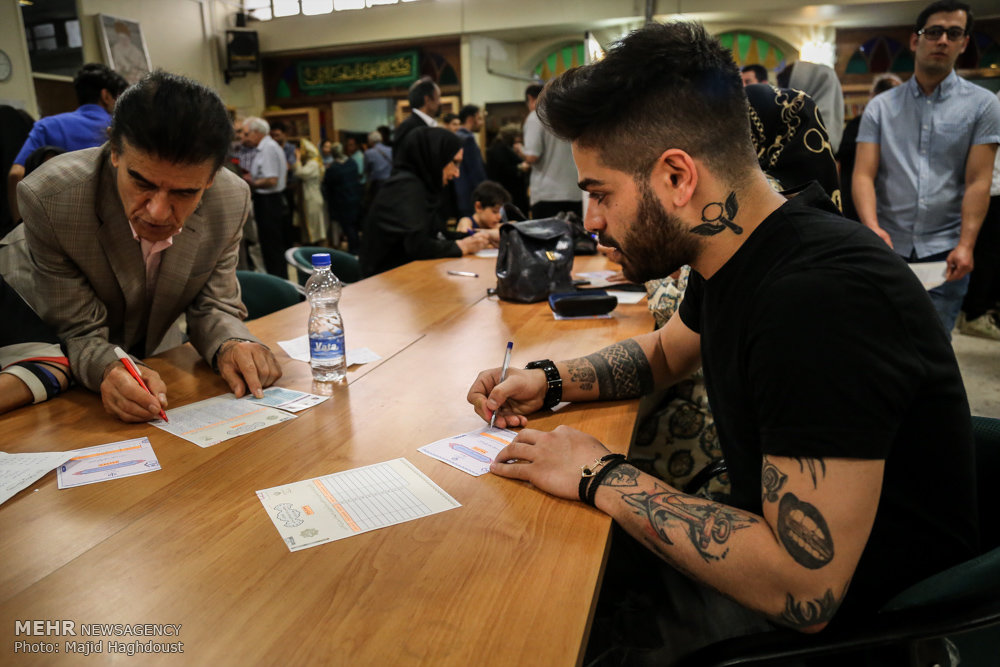
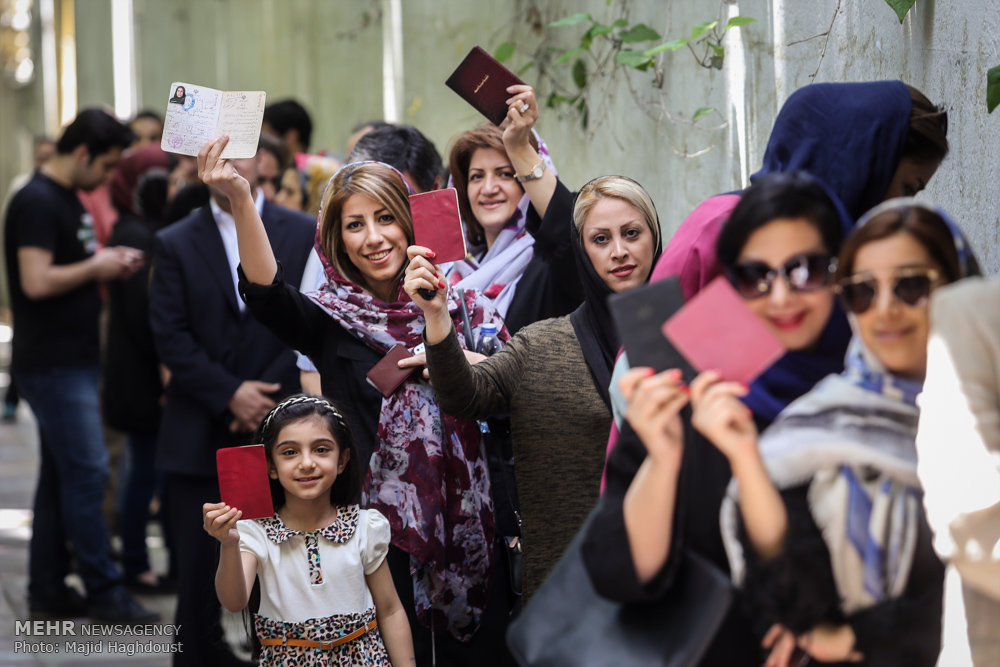
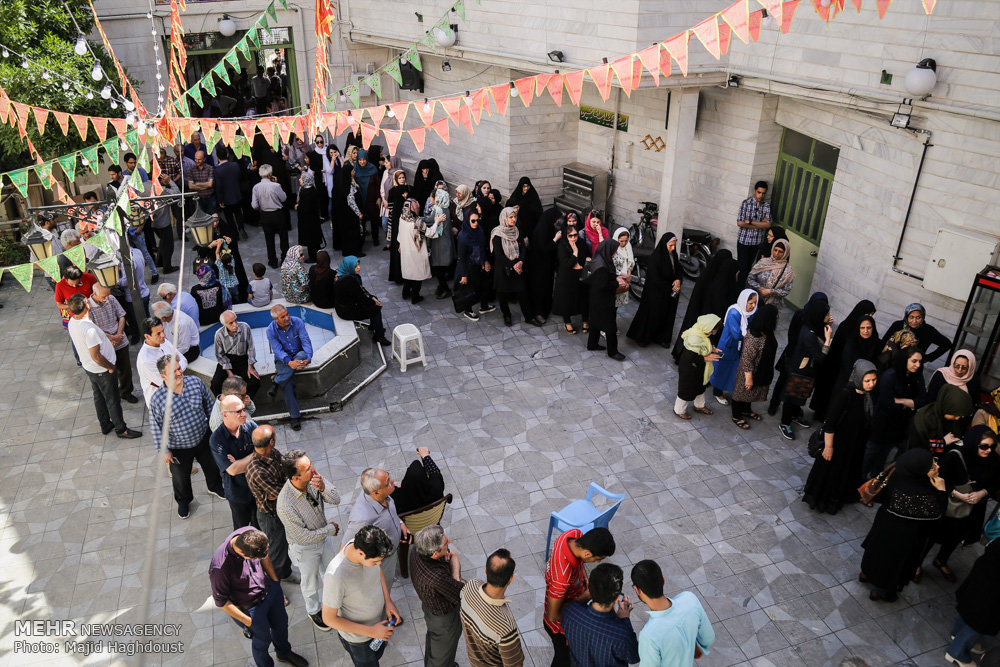
300,000 Forces to Ensure Security of Iran’s Upcoming Elections

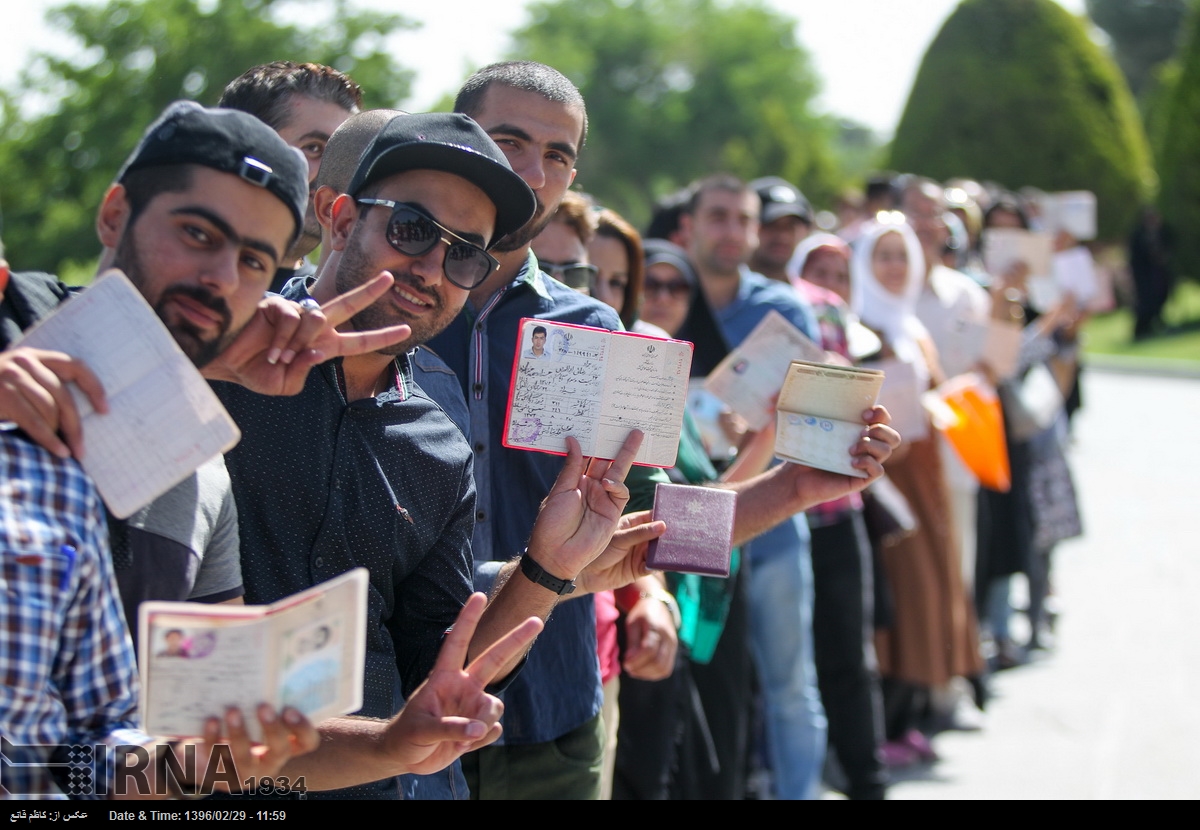
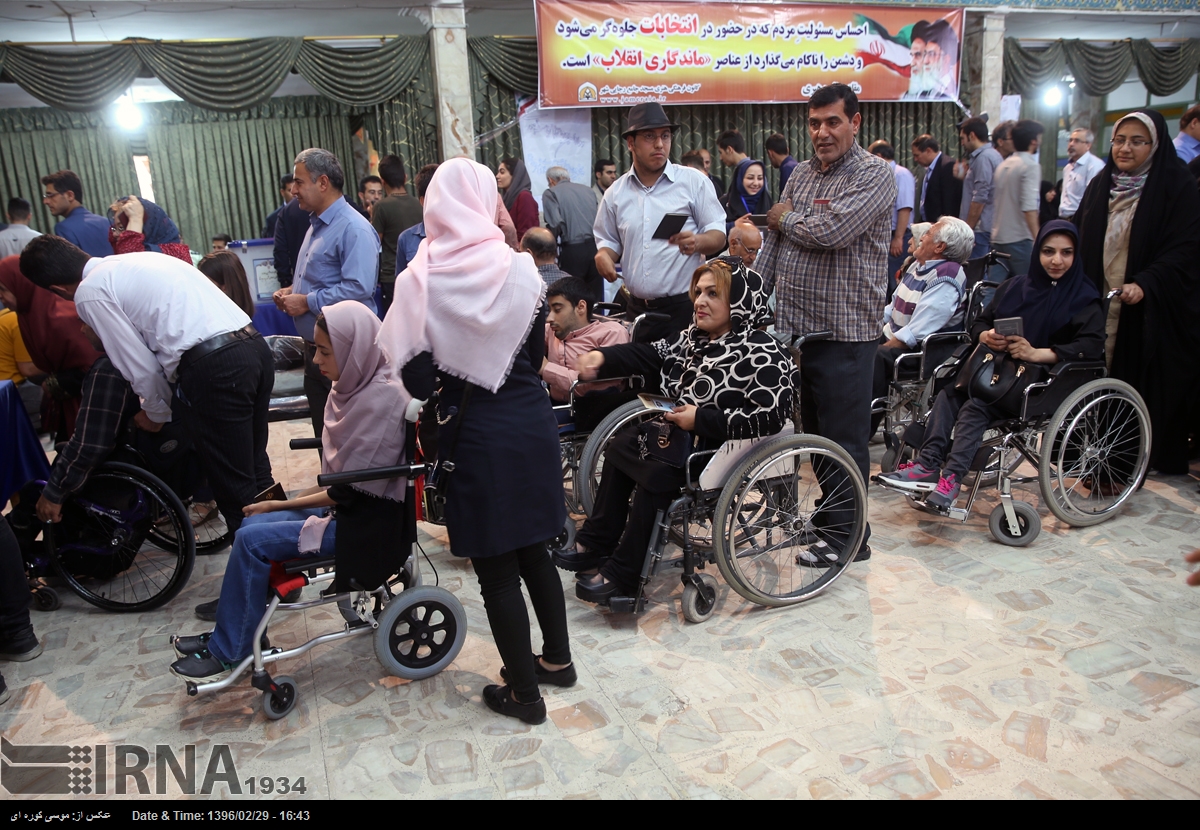
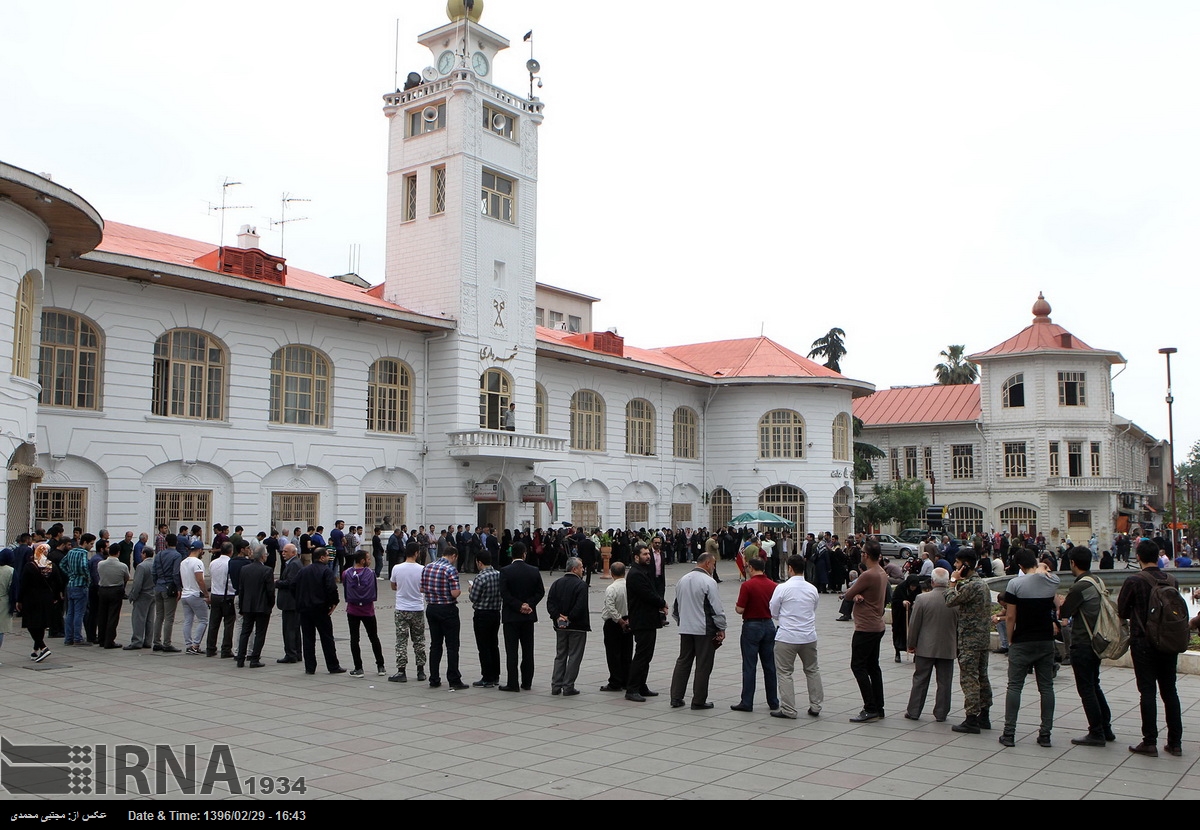
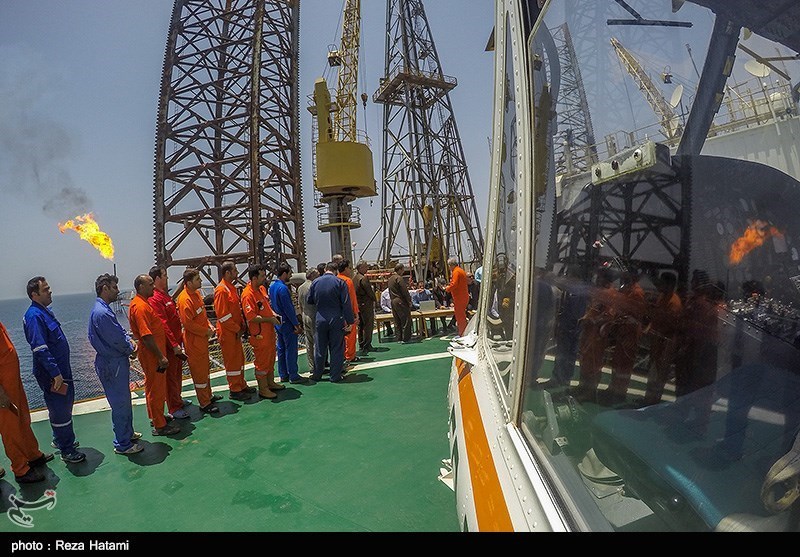
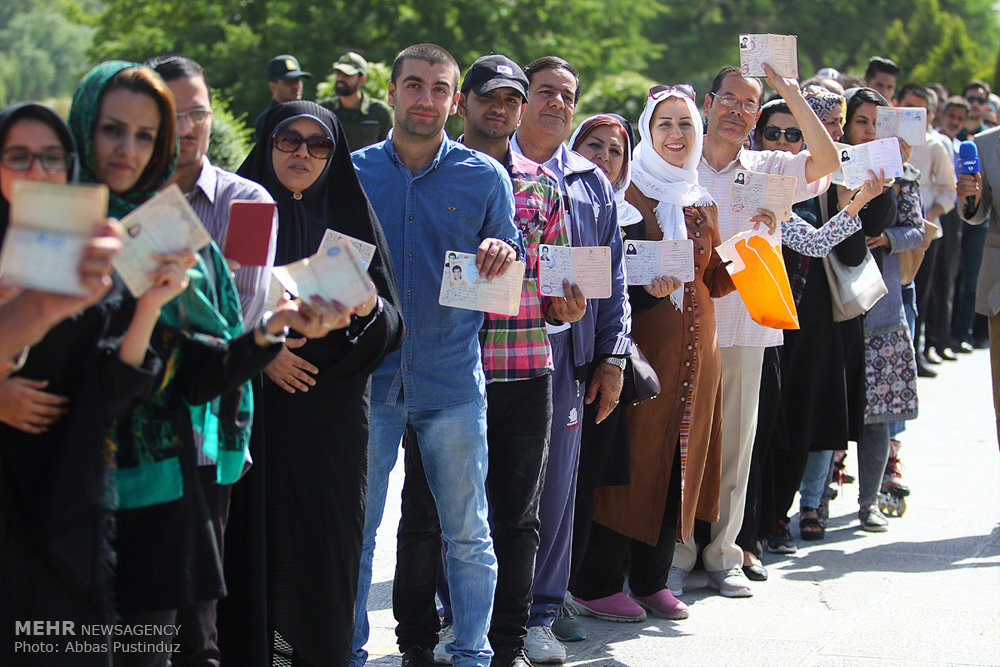
Iran’s police chief, Brigadier General Hossein Ashtari, said that the Law Enforcement plans to deploy 300,000 forces across all Iranian provinces to ensure that the May 19 presidential and local elections will be held safely with the assistance of the people and related domestic organizations.

According to a Farsi report by ISNA, he noted that obtaining permit from Iran’s police is the first prerequisite for holding any kind of rallies and public meetings in the country.

In case such events are held without such an authorization, the organizers and participants will be treated according to the law, he went on to say.

Ashtari said fortunately, following the announcement of the names of the final six presidential candidates, no effort or move to disrupt the country’s security have been reported.

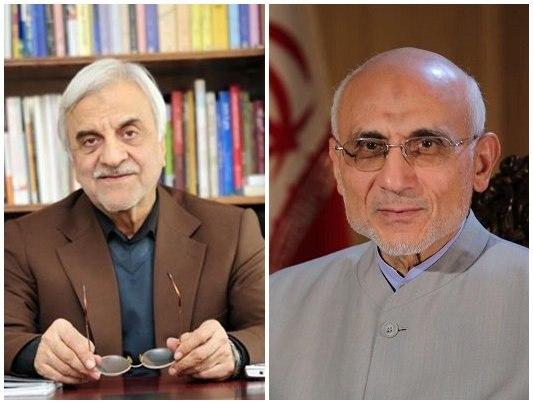
Mostafa Aqa-Mirsalim, Mostafa Hashemi-Taba, Es’haq Jahangiri, Mohammad-Baqer Qalibaf, Hassan Rouhani and Seyyed Ebrahim Raeisi are going to compete in Iran’s presidential election due to be held on May 19.

Security Tight as French Voters Start Casting Ballots

france-voters-2017

Over 60,000 polling stations opened at 6:00 a.m. GMT for voters who will choose between 11 candidates in the most unpredictable election in generations.

Security was tight — the government mobilized more than 50,000 police and gendarmes to protect 70,000 polling stations, with an additional 7,000 soldiers on patrol.

Security was a prominent issue after a wave of extremist attacks on French soil, including a gunman who killed a Paris police officer Thursday night before being shot dead by security forces. The gunman carried a note praising the ISIS group.

Security Tight as French Voters Start Casting BallotsOpinion polls point to a tight race among the four top contenders vying to get into the May 7 presidential runoff that will decide who becomes France’s next head of state, Associated Press reported.

Polls suggest far-right nationalist Marine Le Pen and Emmanuel Macron, an independent centrist and former economy minister, were in the lead. But conservative Francois Fillon, a former prime minister, appeared to be closing the gap, as was far-left candidate Jean-Luc Melenchon.

France’s 10 percent unemployment, its lackluster economy and security issues topped concerns for the 47 million eligible voters.

Security Tight as French Voters Start Casting Ballots

Pakistan’s Security Very Important to Iran: FM

“Pakistan’s security is of great significance for the Islamic Republic of Iran,” Zarif said in the meeting, held in Tehran on Saturday.

He also hailed the “very good” relations between Tehran and Islamabad in all fields, saying Iran is ready to further develop the ties in political, economic, security and parliamentary spheres.

“We are ready to export electricity and (natural) gas to Pakistan and would welcome Islamabad’s participation in the project to develop the Chabahar Port,” he went on to say.

Tehran has plans to turn the port city of Chabahar, located in the Gulf of Oman on the border with Pakistan, into a transit hub for easier access to markets in the northern parts of the Indian Ocean and Central Asia.

India and Afghanistan have already signed an agreement with Iran to contribute to the development of the port.

The Pakistani speaker, for his part, hailed the “brotherly and friendly” ties with Iran and said the two countries share views on establishment of peace and stability in the region and the need for unity in the Muslim world.

Zarif and Sadiq also stressed the necessity for jointly combating terrorism and extremism.

Iran Condemns Terrorist Attack on Afghanistan Army Base

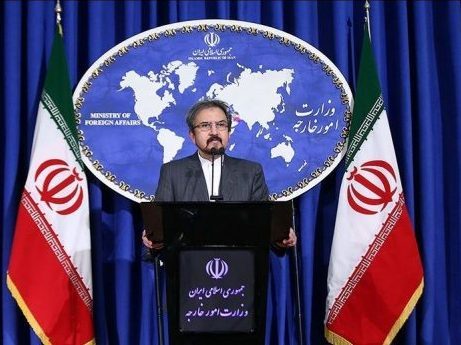
Bahram Qassemi

Qassemi condemned the deadly terrorist attack on Saturday, and expressed sympathy with the Afghan nation and government and the bereaved families of the victims of the inhumane incident.

“The Islamic Republic of Iran once again stressed the need for restoration of peace, stability, and security to regional countries, particularly Afghanistan,” he noted, according to the Foreign Ministry’s website.

Iran maintains that the only way to get rid of these problems is the non-interference of the US and foreign forces and negotiations between all Afghan groups and the country’s national unity government, he went on to say.

At least 140 people were killed and scores of others injured in the attack by Taliban militants on Friday.

Anti-Iran MKO Terrorists Misleading Washington: Official

araqchi-abbas

“The US government must not fall into the trap of the false signals and misleading incrimination by the terrorists and their regional allies for spreading Iranophobia,” Iran’s Deputy Foreign Minister for Legal and International Affairs Abbas Araqchi said on Saturday.

“The previous US governments have tested this path multiple times and have taken a knock every time,” he added.

Araqchi made the remarks in reaction to recent MKO allegations claiming that the Islamic Republic is violating the historical nuclear agreement, known as the Joint Comprehensive Plan of Action (JCPOA), signed between Tehran and the P5+1 group of countries, including the US, by secretly conducting research into nuclear weapons components at the Parchin military site in Iran.

Araqchi dismissed the MKO claim about secret nuclear activity at the site and said, “The repetition of these outdated allegations by the aforementioned group is ridiculous and a repeat of a failed scenario whose fallacy has already been proven by the International Atomic Energy Agency (IAEA).”

Iran and the five permanent members of the United Nations Security Council – the United States, Britain, France, China and Russia – plus Germany signed the JCPOA on July 14, 2015 and started implementing it on January 16, 2016.

Under the agreement, limits were put on Iran’s nuclear activities in exchange for, among other things, the removal of all nuclear-related bans against the Islamic Republic.

The IAEA has on multiple occasions confirmed Iran’s adherence to its commitments under the JCPOA.

The nuclear deal helped nullify the six anti-Iran resolutions passed by the United Nations Security Council under Chapter VII of the UN Charter, and fully closed the case of the so-called possible military dimensions (PMD) of Iran’s nuclear program.

The Iranian official also said the fact that the MKO terrorists have once again resorted to such a “defeated scenario shows the extent of their ideological and political retardation and their desperate efforts for complaisance before the new US ruling administration and preparing fodder for the extremists of that country who are hopelessly seeking a way to walk away from the JCPOA.”

Araqchi added that the terrorist and notorious MKO group has never had any place among the Iranian nation and the international community no longer pays any heed to the claims made by the terrorist group either.

He also stressed that the Islamic Republic will not accept any excuses by any of the parties to the nuclear deal, particularly the US, to live up to their commitments and will outline all of the cases of Washington’s foot-dragging and non-performance in the implementation of the agreement in a meeting of the Iran-P5+1 Joint Commission, which monitors the execution of the accord, next week.

Erdogan to Toughen Anti-Iran Stances: Report

erdogan

The Iranian daily newspaper Vaghaye Ettefaghieh has, in a Farsi article, discussed Turkish President Recep Tayyip Erdogan’s anti-Iran comments, particularly his claims about the Islamic Republic’s efforts to spread ‘Persianism’ in the Middle East.

The piece is as follows:

In recent months, Erdogan has made some strongly-worded comments about Iran and its alleged role in Middle East crises. Especially after his victory in a nationwide referendum on changing Turkey’s political system from parliamentary to a presidential one, Erdogan seems to be cherishing neo-Ottomanic ideas more than ever before.

In his thoughts, Erdogan has formed a dual-track mentality based on a Shiite-Sunni and Persian-Turk division, which could be compared to Ottomanic-Safavid rivalries over the past centuries.

A testament to that are Erdogan’s recent remarks after his victory in the plebiscite on constitutional reforms held on April 16, 2017. In his harshly-worded comments, the Turkish president once again leveled accusations against Iran. In an interview with Al Jazeera, he claimed Iran is pursuing a policy of expansionism and Persianism in the region, which, he said, runs counter to Islamic teachings. He said Islam invites Muslims to remain united, and added such behaviour and approaches “bother us.” Erdogan asked who the Popular Mobilization Forces (also known as al-Hashd al-Shaabi) in Iraq are, and who supports them. He claimed they are a terrorist group despite the fact that the Iraqi Parliament has approved them, and added one should note who the group’s supporters are. He further claimed, “Such behaviour annoys us. We are Muslims. Our religion is not ethnicity.”

He said Tehran and Ankara have age-old and historical relations, and “I wish our relations wouldn’t have got into the current situation.” The Turkish president claimed Iran has special plans for Syria, Iraq, Yemen and Lebanon and has entered those countries in order to establish a Persian powerbase there. This, he said, is very important and should be studied carefully. He said he hopes Iran will roll back its policy, and added Turkey wouldn’t like an Islamic country to be its enemy. Erdogan said “We should join hands and stand side by side and not show any bias toward religion.” He said “what brings us together is Islam, and this is something the Muslim world needs today.”

The tone of Erdogan’s comments clearly shows that at this juncture, he has found a good opportunity to express his neo-Ottomanic ideas and thoughts which conform to the principles of the Ottoman rule. Therefore, we can predict that Erdogan will, in the near future, ratchet up his criticism of, and harshly-worded comments against Iran. He will also step up his efforts to counter Iran’s interests in the Middle East and turn Turkey into a regional hegemon.

Iran, Europe Cooperating on 230 Joint Research Projects

en-mohammadfarhadi

Iranian Minister of Science, Research and Technology Mohammad Farhadi declared 230 joint research project, with an investment of several million euros, are being carried out by Iran and a number of European countries, which is indicative of the breakthrough in Iran’s foreign relations following the signing of the nuclear deal, also known as the Joint Comprehensive Plan of Action (JCPOA), between Iran and the six world powers.

According to a Farsi report by IRNA, Farhadi noted that the projects are in the fields of water crisis management, wastewater treatment, protection of the environment, development of aerospace technologies, generation of renewable energies and cognitive sciences.

He made the remarks on the sidelines of the closing ceremony of the Second National Festival and International Congress on Stem Cell and Regenerative Medicine (Mashhad Stem Cells – 2017) in Mashhad, northeastern Iran, on Friday (April 21).

He said a number of agreements have also been reached with other countries in the fields of improving education as well as research methods and approaches used in Iranian universities and higher education centres.

He said the field of science and research in Iran has been highly impacted by the breakthroughs in the country’s foreign policies thanks to the efforts by the Iranian President Hassan Rouhani’s administration in the past few years.

Iran, Europe Cooperating on 230 Joint Research Projects


10 Scientific Teams Visit Iran per Week
Currently, Farhadi added, an average of 10 scientific teams from universities and scientific and research centres around the world travel to Iran per week.

“Every week, around 8-10 scientific delegations are dispatched from Iran to other countries as well. Such connections and relations prepare the ground for the increased exchange of knowledge and science and expanded scientific cooperation [between Iran’s and other countries’ science and research communities].”

Farhadi added holding joint education courses is also among the moves and measures made by the incumbent government.

There has also been a growth in the number of research opportunities offered by Iranian universities to foreign students and vice versa in this government, he said.

In the past Iranian calendar year, which ended in mid-March 2017, more than 1,000 Iranian students were sent to other countries to use research opportunities provided by leading international universities, he stressed.

The minister noted that a number of capable foreign knowledge-based companies have established branches in Iranian Science and Technology parks, adding the same move has been made by Iranian knowledge-based companies.

“Such connections will help increase exchange of science, knowledge and technology as well as production of joint products.”

Since the beginning of President Rouhani’s term in office, Iran has also initiated interdisciplinary and multidisciplinary cooperation with South Korean, Dutch, German, French and Austrian universities, which has been fostered, particularly following the going into effect of the JCPOA, he noted.

Commenting on the designation of the new Iranian year (started March 21) as the “Year of Resistance Economy: Production and Employment” by the Leader of the Islamic Revolution Ayatollah Seyyed Ali Khamenei, he said a number of projects are underway to achieve the resistance economy’s targets including establishing a closer connection with domestic industries, increasing the number of and developing entrepreneurial universities and encouraging domestic universities towards becoming more mission-oriented.

He added his ministry will submit the final draft of a project to promote skill-based education to the secretariat of the Headquarters of the Resistance Economy by July 22.

“A number of the country’s nonprofit and nongovernmental institutes have also experienced a significant growth and are now on a par with the country’s universities in terms of scientific level. They have also initiated favourable international scientific collaborations. Some of them have an effective presence in the country’s business incubators and Science and Technology parks. Astan Quds Razavi [an autonomous charitable foundation in Khorasan Razavi province] has done a great job to that end by establishing the country’s biggest science and technology park in the province.”

Currently, he said, 39 science and technology parks are operational in the field of producing knowledge and knowledge-based products in Iran, adding two other parks will soon begin operation.

Iran’s Presidential Debates to Be Broadcast Live: Official

Iran’s Presidential Debates to Be Broadcast Live

Seyyed Salman Samani, a spokesman for the Interior Ministry, said on Saturday that an earlier decision not to live broadcast the presidential debates has been revised following a consensus by the members of the Election Campaign Monitoring Committee during their meeting, which was convened at the Interior Ministry.

He, however, added that there were certain conditions for live debates, which will be announced later, Press TV reported.

Among those attending the meeting were the country’s Attorney General Ja’afar Montazeri, Interior Minister Abdolreza Rahmani Fazli, Ehsan Qazizadeh, a member of the council supervising the Islamic Republic of Iran Broadcasting (IRIB), head of the Interior Ministry’s Election Office, Ali Asghar Ahmadi, and IRIB Chief Abdol-Ali Ali-Askari.

The meeting followed strong criticism by the presidential candidates as well as the Iranian officials and people of the decision by the committee on Thursday not to air the debates live.

Presidential debates have been held in Iran for the two previous rounds of the elections, both of which were broadcast live on Iranian national television.

The six candidates running for the 12th presidential election are Mostafa Aqa Mir-Salim, Mostafa Hashemi-Taba, Es’haq Jahangiri, Hassan Rouhani, Mohammad-Baqer Qalibaf and Seyyed Ebrahim Raisi.

Iranians will go to the polls on May 19 to elect the country’s next president.

Campaigning for Iran’s 12th presidential election officially started on Friday, a day after the Interior Ministry announced the final list of the candidates vetted by the Guardian Council, the body tasked with overseeing the election.

Iran to Celebrate Self-Sufficiency in Petrol Production: IRGC Commander

general jafari

After coming into operation, the ‘Persian Gulf Star’ gas condensate refinery, which is developed by IRGC’s Khatam al-Anbia Construction Base, will make Iran self-sufficient in gasoline production and mark the beginning of exports to foreign countries, Major General Mohammad Ali Jafari said on Saturday.

According to a Farsi report by Sepah News, General Jafari announced that the refinery, which is the largest one in the world in terms of area, will be inaugurated in the coming days.

He made the remarks during a visit to the large refinery near the southern port city of Bandar Abbas.
The input, namely gas condensates, are supplied to the refinery through a pipeline stretching for nearly 400 kilometers from gas refineries in Asalouyeh, located in the neighboring province of Bushehr, the general explained.

According to the senior commander, 80 percent of the equipment in the gas condensate refinery has been manufactured inside the country, Tasnim reported.
Known as the world’s largest refinery in terms of area, the Persian Gulf Star refinery is divided into three phases, built near the old refinery of Bandar Abbas, he added.

The Khatam al-Anbia Construction Base has been involved in several mega-projects in Iran’s energy industry, including the completion of 4 phases of the country’s South Pars gas field and construction of gas and natural gas liquid (NGL) factories.