Thursday, December 25, 2025
Home Blog Page 4024

Terrorist Plot Foiled by Iran’s Intelligence Forces

Terrorist Plot Foiled by Iran's Intelligence Forces

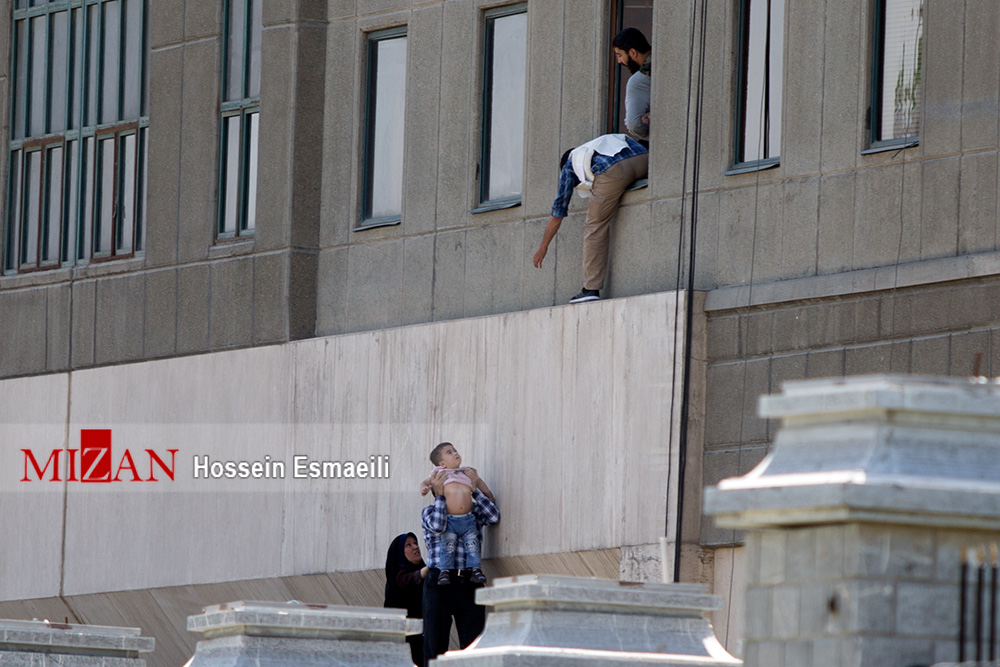
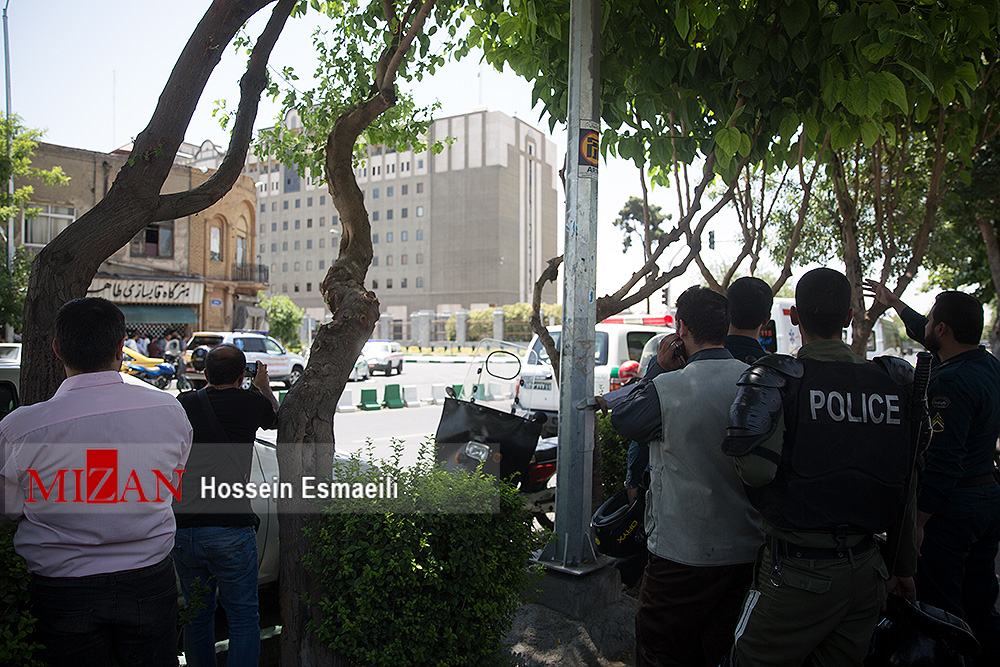
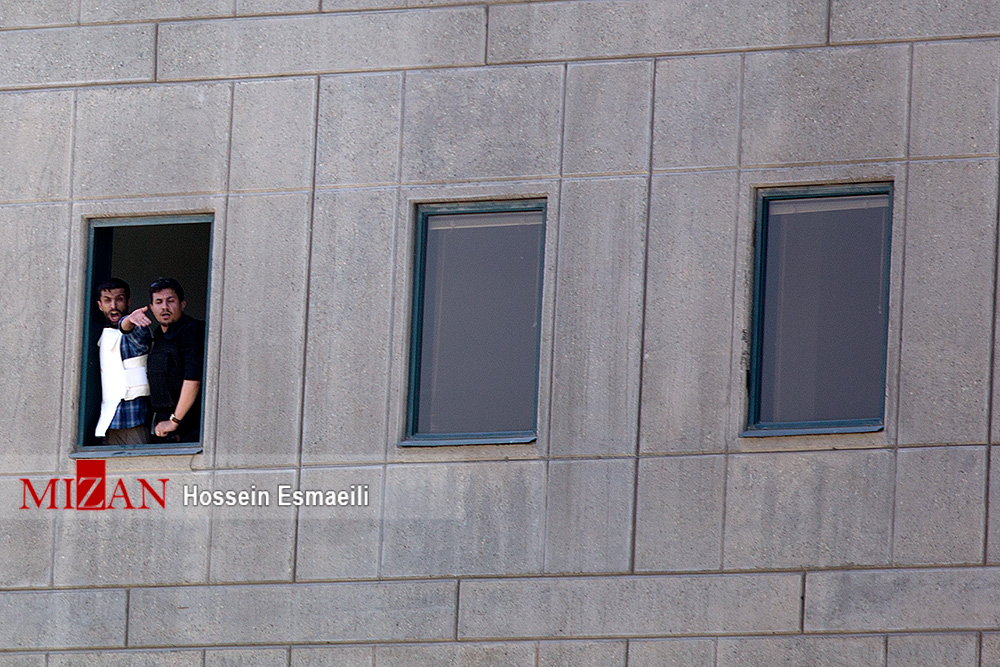
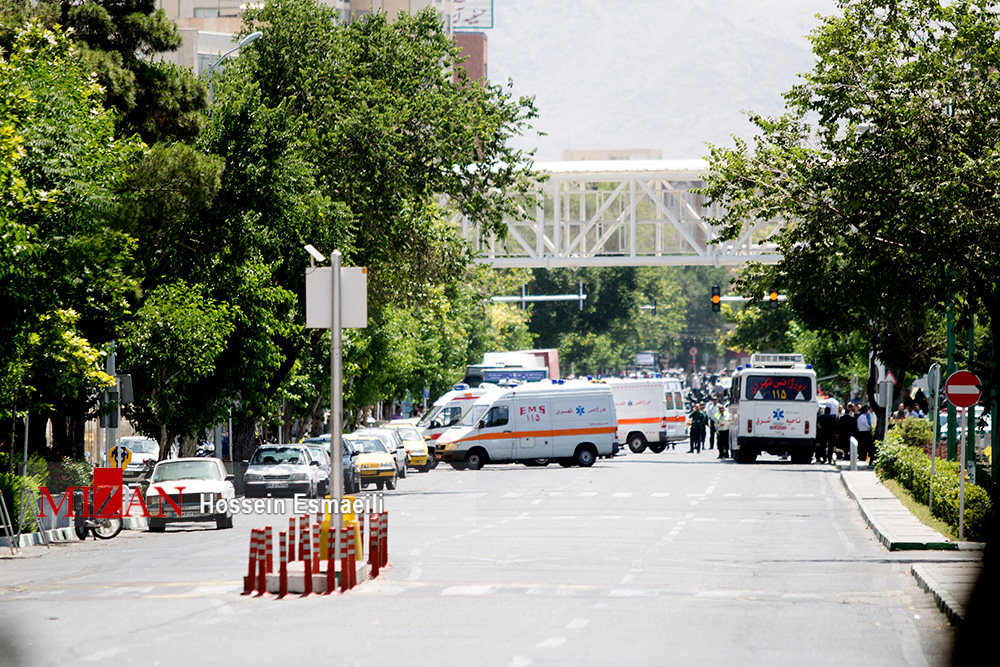
Following accurate intelligence and security measures, the plot by the anti-revolutionary terrorist group was thwarted by Iran’s security forces, according to a statement by the country’s intelligence ministry.

The terrorist group had planned to conduct acts of sabotage across the country, it added.

A large cache of explosives and bomb-making materials were also seized from the group, the ministry further said.

Despite being in a volatile region, Iran enjoys good security within its borders thanks to the competence and proficiency of its intelligence and security forces.

The forces have foiled several malicious attempts by terrorist elements against the country in the past few months.

On May 5, Iran’s Intelligence Minister Mahmoud Alawi announced that some 30 terrorist cells were identified and disbanded by the country’s security forces over the past Iranian year (March 20, 2016 – March 20, 2017).

Iranian People Warned against Ransomware Cyber Attack

Iranian People Warned against Ransomware Cyber Attack

Colonel Hossein Ramezani, the police’s chief of international and legal affairs, made the remarks to Islamic Republic of Iran Broadcasting News (IRIB) on Saturday.

The attack, which started on Friday, has been holding hospitals and other entities hostage by freezing computers, encrypting their data and demanding money through online bitcoin payment — $300 at first. It threatens the victims with destroying the data if they fail to pay up, and raises the ransom to $600, the longer they delay to do so.

It has caused Microsoft to put up some of its security fixes for free, and Ramezani urged IT authorities to update their operating systems as soon as possible.

He said the malware, known as “WannaCry,” has stricken computer systems in 70 countries, and described its main target as health systems, transportation hubs, and the service industry.

He said the attack did not have any specific targets. The hackers staging the onslaught, the official said, have broken ranks with a foreign intelligence service, apparently referring to the National Security Agency (NSA) of the United States.

They trick victims into opening harmful attachments to spam emails that appear to contain invoices, job offers, security warnings and other legitimate files.

On Saturday, the attack crippled Britain’s hospital network. A researcher has, meanwhile, reportedly found a “kill switch” in the software’s code.

Iran passive defense org. offers help

Brigadier General Gholamreza Jalali, the head of Iran’s Passive Defense Organization, said the body was ready to provide the means for enabling retrieval of the information that the country’s establishments or institutions may have lost to the attack.

“Given that the US is not among the targets of the attack, which has mainly hit East European countries, one could consider the source of the attack to the the United States,” Jalali said.

The international websites tracking the toll afflicted by the ransomware on various countries, he said, place Iran in the 15th place.

He also advised that affected computers be cut off from their networks, and the Cyber Police and the Cyber Defense Command be notified to stem the malware’s spread.

“People’s Poor Living Condition behind My Presidential Bid”

raisi-Election

Raisi, one of the six candidates contesting Iran’s May 19 presidential election, has harshly blasted the Iranian President Hassan Rouhani’s administration for its failure to put in a convincing performance during its four-year term in office in a stump speech on Friday (May 12).

Raisi stressed that seeing the Iranian people’s poor living condition has been the main driving force behind his decision to run in the votes.

According to a report by IFP, addressing people in a stump speech in Varamin, south of Tehran, after participating in the third and final live election TV debate, he said, “I am very pleased to be among the fervent people of Varamin. The people who stood up for Imam Khomeini in 1963. The people whose present generation plays a more crucial role.”

The reason for his presence among the brave people of Varamin, he said, was to talk about certain issues that the more they are being discussed, the more people are realizing the truth behind them.

Raisi noted that the incumbent government’s wrong inclination towards expanding cooperation with foreigners and thinking of them as an effective factor in all of the country’s issues is quite visible and palpable.

He warned that a large number of countries suffered a sad fate due to maintaining the same attitude.

The candidate clarified that Iran’s missiles are not for launching a war, adding the country has armed itself with them to guarantee its security.

Raisi stressed that Iran has the missiles to prevent any act of aggression against its territory and people and display its defensive power to the enemies.

Commenting on people’s living condition and the country’s economy, he said anybody who pays a brief visit to Iranian counties will realize that their people do not receive the attention they deserve.

Raisi added a city like Varamin, which has played a significant role in the Victory of Iran’s 1979 Islamic Revolution, should not have been overlooked to the extent that one of its citizens complains about her husband having no job.

“[Currently] more than 17,000 workshops have been shut down in Iran. In case the statesmen had realized this, they should have done something about it. When we ask the owners of the workshops why they are no longer operating, they say because of a lack of liquidity.”


Reason for Running in Vote

“I had a job. My decision to run in the election has not been taken on a whim. However, when I witnessed people’s poor living condition, I felt responsible [to improve it]. During the past 38 years, we never turned a blind eye to those who were involved in corruption. When you [Hassan Rouhani – another presidential contender] say people came to support me by bus, you are insulting them […].”

Addressing the incumbent government, he questioned what the outcome of the nuclear deal between Iran and world powers was.

“A large number of foreign delegations travelled to the country, but, last year (ended mid-March 2017), foreign investment stood at only $500 million. We, instead of counting more on our own youths, have pinned all our hope on assistance provided from outside the country.

“Why do you make accusations? What are you angry about? Are you mad at the miners? Or those who maintain that in the absence of embezzlement, people’s housing problem will be resolved?”


‘Government, against Marriage Loan’

At present, Raisi said, there are 11 million youths in Iran who are ready to get married.

“This is while you [the government] disagreed to increase the marriage loan. Some 500,000 couples are in queue to receive marriage loan […].”

He said he and his administration will not dodge their responsibility, the same as many of the country’s great figures who refrained from evading theirs.

“We believe that the problems can be resolved. We are required to move in line with the [high aspirations of the] Islamic Revolution. The only way to achieve that is by putting our trust on God and having confidence in our youths and people.”

3 Killed, 220 Wounded after Earthquake Hit NE Iran

Media reports indicate that at least 3 people have been killed and 220 others injured following the 5.7-magnitude quake in Bojnourd.

The strong earthquake, which occurred on Saturday night and was followed by 27 aftershocks, has caused serious damages to about 12 villages.

Here are Mizan‘s photos of the incident:

He also said rescue teams are combing through cracked buildings looking for more casualties and helping the injured, Tasnim reported.

Local officials have noted that the earthquake’s aftermath has blocked access to several villages. They have noted that locals have been asked to sleep outdoors over the probability of aftershocks.

Iran is one of the most seismically active countries in the world, being crossed by several major fault lines that cover at least 90% of the country. As a result, earthquakes in Iran occur often and are destructive.

The deadliest quake in Iran’s modern history happened in June 1990. It destroyed the northern cities of Rudbar, Manjil, and Lushan, along with hundreds of villages, killing an estimated 37,000 people.

Bam in the country’s southeastern province of Kerman witnessed a strong quake in December 2003 which killed 31,000 people.


Candidates Harshly Attack Each Other in 3rd Presidential Debate

During the debate on Friday, the contestants elaborated on their economic plans and agendas as they campaign for the May vote.

The first televised debate saw the aspirants sparring and addressing sundry issues. The second one was much more heated, with candidates aiming directly for each other’s past and present performances.

Candidates Harshly Attack Each Other in 3rd Presidential Debate

The debate gathered incumbent President Hassan Rouhani, First Vice President Es’haq Jahangiri, Tehran Mayor Mohammad-Baqer Qalibaf, member of Iran’s Expediency Council Mostafa Aqa-Mirsalim, Seyyed Ebrahim Raeisi, the current custodian of the Holy Shrine of Imam Reza (PBUH) in the northeastern city of Mashhad and former vice president Mostafa Hashemi-Taba.

Iranians will go to the polls on May 19 to elect the country’s next president.

Candidates Harshly Attack Each Other in 3rd Presidential Debate

Upon entering the headquarters of the Islamic Republic of Iran Broadcasting (IRIB), the venue of the debate, Qalibaf said the implementation of any economic plan will affect the interests of the “four-percent” minority, a term he has been using throughout his campaigning to refer to the unfair distribution of wealth and opportunities in the country. He also expressed hope that candidates would focus on economic issues in the debate and not digress from the issue at hand.

In an interview prior to his participation in the debate, Aqa-Mirsalim said the economic debate would be more important than the two previous televised clashes due to the fact that the major problem of Iranians concerns economic woes, adding that the issue is more acute for the youths.

As he showed up for the debate, Raeisi said in the debates, the Iranians want to learns two things; one is the performance of the incumbent administration and the other is the candidates’ agendas. He, too, stressed that the main concern of the people is economic issues. He cited the closure of factories, the impoverished people, workers, villagers and those involved in the production sector as some of the areas of concern.

Also speaking prior to partaking in the debate, Rouhani said Iranian people expect that the candidates set out their backgrounds in economic issues and explain what they have done. He added that the hopefuls must also lay out the resources that they have in mind for the implementation of their economic agendas, how they plan to fund them and how much inflation would be caused.

Smuggling and imports

And the debate begins in earnest with Jahangiri drawn first to answer a question about his plans to fight smuggling and reduce imports. He said the smuggling of commodities undermines domestic production and diverts the course of economy from the right course. He added that the oversight in dealing with the smuggling of goods has dealt severe blows to the country’s economy.

Candidates Harshly Attack Each Other in 3rd Presidential Debate

Presidential candidates took turns to express their views on Jahangiri’s remarks with Raeisi saying that the backbone of his anti-smuggling plan is based on extensive research conducted in universities. He added that the 11th administration was not serious in dealing with the smuggling of goods.  Hashemi-Taba said that 114 official docks have been used to smuggle goods into country.

Qalibaf said prevention is the first step in fighting goods smuggling and added that some cabinet ministers are engaged in illegal import of commodities to the country. Rouhani said the first concern with regard to the smuggling is its root causes. He added that the private sector’s economic activities must be encouraged to reduce smuggling and emphasized that border villages must start producing and exporting goods in order to curb smuggling.

Jahangiri retook the podium to answer the candidates’ questions and said the judiciary has appeared weak in fighting the smuggling of goods. He added that the current administration has taken serious measures to stop astronomical salaries. The Iranian first vice president said Tehran Municipality has not come clean on the selling of underpriced properties to certain people.

Oil dependence

Aqa-Mirsalim, the second hopeful taking to the podium, was asked to outline his approaches to boosting exports and reducing the country’s dependence on oil. He said he plans to reduce crude oil sales in favor of exporting domestic products. He added that the sales of crude oil have made the country more dependent on other countries and added that exports must be encouraged to make up for expensive production inside the country.

Candidates Harshly Attack Each Other in 3rd Presidential Debate

The presidential contestants took turns to express their views on Aqa-Mirsalim’s remarks with Rouhani saying that his administration has managed to open Iran’s export markets through the signing and implementation of the landmark 2015 nuclear deal, known as the Joint Comprehensive Plan of Action (JCPOA). He added that if the country does not exploit shared energy fields, the neighboring states will extract their oil reserves. Jahangiri said the 11th administration has considerably reduced the export of raw materials. Raeisi said the building of refineries in various provinces would reduce crude oil sales and criticized that no measure has been carried out in this regard. He added that there is currently no serious will to fight the smuggling of goods in the country. Hashemi-Taba said export-oriented domestic production would help reduce the smuggling of goods. Qalibaf said people with vested interest in smuggling have prevented solving the problem.

Aqa-Mirsalim retook the podium to respond to the candidates’ questions, saying Iran must work with its neighboring countries to safeguard shared energy fields. He added that the administration of President Rouhani has failed to use the JCPOA to boost Iran’s foreign trade. He stressed the importance of the access to modern technology in order to improve exports.

Banking issues

Rouhani, the third candidate at the podium, used his four-minute time to express his plans to solve the problems in the country’s banking system. He said Iran’s banking system needs fundamental reforms. The incumbent president added that his administration has managed to double the capital of state-run banks to get more active in the economic sector.

Candidates Harshly Attack Each Other in 3rd Presidential Debate

The presidential candidates took turns to express their views on Rouhani’s remarks with Jahangiri saying the previous administration had brought about the depletion of bank resources. He added that the 11th administration is implementing the development plan for banks to help them become active in production. Raeisi said the 11th administration blames its predecessor for all of the problems. Raeisi added that the current administration has left the country in limbo for four years. Hashemi-Taba said the banking problems were handed down to the 11th administration by its predecessor. Qalibaf said the administration of President Rouhani has failed in properly supervising and managing banks and added that liquidity has tripled under the present administration. Aqa-Mirsalim said the banking system is currently based on usury, adding that the 11th administration is required to be more serious in dealing with the banking problems.

Rouhani retook to the podium to use his five-minute time to answer the debate question. He asked why the judiciary has not dealt with financial problems caused by the previous administration. The incumbent president said his administration has greatly reduced bank arrears and put banks back to the right course.

Domestic production

Hashemi-Taba, the fourth candidate taking to the podium, answered a debate question about his plans for prosperity of domestic production. He said the modernization of the agriculture sector should be the first step for bringing prosperity to domestic production. He said the export-oriented production, investment attraction and bank reforms are other needed steps in this regard and added that domestic capital must be used to promote Iran’s exports.

Candidates Harshly Attack Each Other in 3rd Presidential Debate

The presidential hopefuls took turn to express their views about Hashemi-Taba’s comments with Qalibaf saying the current production problems are rooted in the mismanagement of the country’s affairs. Aqa-Mirsalim said many production problems are a result of the administration’s inattention to the economic recession. Rouhani said production prosperity needs further investment and a proper use of technology. Jahangiri said the private sector is the key to production and investment in the country and added that the 11th administration has succeeded in bringing stability back to the Iranian economy. Raeisi said 250,000 businesses shut down under the current administration.

Hashemi-Taba retook to the podium to use his five-minute time to give responses to the candidates’ question, saying the country’s industry will fail if it is not export-oriented. He added that many businesses shut down due to the worn-out technology used in them. He said some media outlets undermine any step taken to attract foreign investment.

Subsidies

As the fifth candidate taking to the podium, Raeisi explained his plans for the implementation of the subsidies law. He said the 11th administration’s policies have led to increasing poverty inside the country and added that subsidies handed out to lower deciles must increase.

Candidates Harshly Attack Each Other in 3rd Presidential Debate

The presidential contenders took turns to express their views on Raeisi’s remarks with Hashemi-Taba, saying the incumbent administration has been successful in containing inflation. Qalibaf said entrepreneurs were under tremendous pressure as a result of the country’s economic problems. Aqa-Mirsalim said domestic production has been damaged over the past four years. Rouhani said some people are willing to revive methods used by the previous administration and urged the continuation of cash handouts and the implementation of social security plan. Jahangiri said the existing problems are a result of wrong policies adopted by the previous administration and added that increasing cash handouts would destroy the country’s economy.

Raeisi retook to the podium to answer the candidates’ questions in five minutes. He expressed his readiness to hold a one-on-one debate with Rouhani on his wrong policies.

Economic growth

Last but not least, Qalibaf took to the podium to answer a question in four minutes about his plans for boosting the country’s economic growth. He said Iran is facing full-fledged economic crisis and added that President Rouhani’s administration has not been successful in solving the country’s economic crisis. The mayor of Tehran said tax evasion in Iran amounts to 40 percent, adding that the creation of job opportunities is the most important step for boosting the economic growth.

Candidates Harshly Attack Each Other in 3rd Presidential Debate

The presidential hopefuls took turns to express their views on Qalibaf’s remarks with Aqa-Mirsalim saying the 11th administration has failed to observe the principles of Economy of Resistance. Rouhani said Qalibaf must explain his plans for achieving 26 percent economic growth rate. Jahangiri said the candidates must explain if they are capable of attracting foreign investment. Raeisi said oil accounts for the lion’s share of national seven percent economic growth rate. Hashemi-Taba also made comments on Qalibaf’s comments.

The mayor of Tehran retook to the podium to answer the debate questions, vowing that his administration will certainly create five million jobs, including 1.5 million jobs for rural districts, if elected. Qalibaf said prosperity of the housing sector and tourism are among his main plans and added that it is possible to increase the country’s revenue 2.5 times.

With all the six candidates having taken to the podium, the moderator announced the end of the first section of the debate and called a 15-minute break before the beginning of the second round.

Round II

In the second section, each candidate was given two minutes to answer a question raised by the moderator. Draws determined the candidate and the question posed to him. Qalibaf, going first, explained his plans to boost productivity in the agriculture sector and said Iran must become self-sufficient in the production of vital agricultural products. He added that fighting corruption is a prerequisite for success in becoming self-sufficient. As per the draw, Raeisi next responded to a question about his plans to fight economic corruption and said corrupt structures must be addressed by administration officials. He urged due sensitivity to handle the corruption cases. Hashemi-Taba was asked about his plans to reform the taxation system and said the presidential candidates must clarify the sources used to fund their campaigns. He added that the tax revenues must be made transparent through a comprehensive tax system. Rouhani, for his part, responded to a question about his plans to stop the growth of liquidity. Jahangiri answered a question about his plans to promote auto industry’s quality. Aqa-Mirsalim, the last candidate speaking in this part, explained his plans to help the growth of science-based businesses.
In the final segment of the debate, the six candidates offered their concluding remarks which was mainly a summary of their previous comments.

Tourists Visiting Revived Lake Urmia in NW Iran

At its greatest extent, Lake Urmia was the largest lake in the Middle East and the sixth-largest saltwater lake on Earth. However, it shrunk to 10% of its former size due to damming of the rivers that flow into it, and the pumping of groundwater from the surrounding area

However, the recent rainfalls and the efforts by the incumbent government are gradually reviving the shrinking lake.

Here are ISNA’s photos of tourists visiting the revived lake:

Iran Denounces Terrorist Attack on Pakistani Politicians

Bahram Qassemi

A bomb explosion targeting a senior politician in southwestern Pakistan has killed at least 25 people and wounded 37 others, medical officials say.

The blast took place in the town of Mastung, about 50km south of Balochistan provincial capital Quetta.

Pakistani Senate Deputy Chairman Abdul Ghafoor Haideri escaped the attack with light wounds, medical officials said, but his driver and another aide in the same vehicle were killed.

Later on Friday, the Islamic State of Iraq and the Levant (ISIL, also known as ISIS) terrorist group claimed responsibility for the attack, in a statement released by its Amaq website. It said the attack had been carried out by a suicide bomber wearing an explosive vest.

In statement on Friday evening, the Iranian spokesman expressed sympathy with the Pakistani government and nation and the bereaved families of the victims of the terrorist attack.

“As we announced on many occasion, fighting this inauspicious phenomenon is not possible just in words and uprooting terrorism needs a serious resolve and effective step within comprehensive cooperation,” Qassemi noted.

He further voiced Iran’s preparedness to work with the neighboring states in defusing this growing and dangerous trend.

Iran President Felicitates New South Korean President

In a message on Saturday, President Rouhani expressed the hope that Moon’s tenure would mark an expansion of relations between Tehran and Seoul.

The Iranian president also wished his new counterpart and the Korean nation success and prosperity.

Liberal politician Moon Jae-in was declared the winner in South Korea’s presidential election on May 9, ending nearly a decade of conservative rule.

Moon gathered 41 percent of the votes, comfortably edging conservative Hong Joon-pyo and centrist Ahn Cheol-soo, who gathered 24 percent and 21 percent of the votes, respectively.

Moon succeeds Park Geun-hye, who was forced from office in March after being impeached and accused of collecting or demanding $52 million in bribes from Samsung and other big businesses.

Hottest, Coldest Regions on Earth Look Similar: Iranian Tourist

Sogol Khalkhalian

Sogol Khalkhalian, a young Iranian woman who has visited both the hottest – Loot Desert in Iran – and coldest – South Pole in Antarctica – places on the Earth, has mounted an exhibition, opened on May 8, of the photos she has taken from the two regions to put on display the striking similarity of nature in the ice-covered South Pole and the sand dunes in the Iranian desert.

Commenting on her trips to the South Pole and Loot Desert in a Farsi interview with the Khabar Online, she said her strong interest in snow and cold weather had motivated her to take a trip to the North Pole where she found the opportunity to see pictures and films taken by her fellow travellers of the South Pole and was greatly encouraged to travel to the attractive region in the southernmost point on the Earth.

Sogol Khalkhalian

“The films and photos strongly aroused my curiosity about the continent. Heading to the South Pole, I started my journey from the UAE by taking a flight to the Argentinean capital of Buenos Aires. From there, I headed to Ushuaia [which is a resort town in Argentina located on the Tierra del Fuego archipelago, the southernmost tip of South America, and is nicknamed the “End of the World”]. Ushuaia is the closest city to the South Pole. From there, I, along with my companions, set out on our 15-day-long journey to the South Pole by ship.”

Khalkhalian stressed that the peace and tranquillity found in the South Pole is indescribable, adding the fantastic continent, where nobody lives, was discovered 200 years ago.

“Except for penguins, no other living creature dwells the entire continent. Upon entering the pristine region, I felt like I was in another planet. No modern communication facilities are accessible there. Even one cannot find another person to have a conversation with. Very few people travel to that place. Having no fear of being hunted, animals approached us and strolled within a very short distance of us. Even whales approached our ship and swam in a relaxed mood around us. Having seen the peaceful behaviour and manner of the whales, I felt deeply sorry that human beings used take advantage of these mammals’ peacefulness and friendliness and hunted them to burn them in huge furnaces to use their fat.

Commenting on the issue of global warming and its impact on the South Pole, she said, “I had heard a lot about the rising temperature of the Earth. However, I understood the depth of the disaster for the first time, in my trip to the North Pole where I saw scattered large masses of ice floating in the sea. There, I realized the issue is much more serious than what it sounds in the news.”

loot Desert

In her ongoing expo, she has showcased the photos she had taken of the nature in the South Pole and Loot Desert next to each other. She pointed to the idea and said after coming back home from her journey to the South Pole, she had become curious to know where the hottest place on the earth was.

“Much to my surprise, I realized that the place is located somewhere in my own country, Iran. The hottest region on the Earth is Gandom Berian located in the proximity of Shahdad in Loot Desert – a part of which is in Kerman Province. Gandom Berian is visually a very beautiful place the likes of which are only found in Arizona, the southwestern US state. I, immediately, packed for the trip. There, I took photos extremely similar to the ones I had taken in the South Pole. I, later, decided to hold an exhibition of those photos, to show the striking similarity of the two radically different places and provide more people with the opportunity to see those beauties.”

South Pole in Antarctica

In addition to showing the beauties, by holding the exhibition she was pursuing a more important goal: Signing a petition demanding Iran’s membership in the Antarctic Treaty System (ATS). The planet Earth is the habitat of all human beings. It is a small but glorious planet which has provided human beings as well as other living creatures with the opportunity to experience life. Thus, the continuation of different species’ life on earth depends on the continuation of the life of the planet, itself.

The Antarctic Treaty and related agreements, collectively known as the ATS, regulate international relations with respect to Antarctica, the only continent on Earth without a native human population. The treaty, entering into force in 1961 and having 53 parties as of 2016, sets aside Antarctica as a scientific preserve, establishes freedom of scientific investigation and bans military activity on that continent. A large number of Asian countries as well as Iran’s western and eastern neighbours are among the signatories to the treaty and have signed the Protocol on Environmental Protection to the Antarctic Treaty. They also have permanent bases in that continent.

This is while, despite its special geographical location and being among the countries from which a number of people have had the chance to visit the South Pole, Iran is not a signatory to the treaty.

Stressing the necessity of Iran’s accession to the treaty, Khalkhalian said, “Iranians can have direct access to the South Pole through Makran [coast along the Gulf of Oman] and have been among the pioneers of travelling to the continent in Asia. Abdollah Omidvar, an Iranian tourist, was the very first representative from Iran and Asia to set foot on the continent in 1966, only five years after the coming into force of the Antarctic Treaty. Now, we, all those who have signed the petition, demand the Iranian government and all related domestic and international organizations to prepare the ground for Iran’s accession to the treaty and its signing of the Protocol on Environmental Protection to the Antarctic Treaty and recognizing the country’s right to carry out field studies in the continent and establish a permanent base there.”

Khalkhalian also hoped that despite the numerous ongoing political and cultural conflicts on the earth, it is still a planet which belongs to all people, irrespective of their differences in race, culture and nationality.

“I wish peace could be kept in the continent and be brought about in other parts of the world.”

A Look at Iranian Newspaper Front Pages on May 13

All newspapers today covered the third and last presidential debate held on Friday afternoon between the six presidential candidates.

Reformist and pro-government papers referred to Hassan Rouhani and Es’haq Jahangiri as the winners of the hot debate, and conservative papers highlighted the alleged corruption of the two, as claimed by their rival Mohammad Baqer Qalibaf.

The above issues, as well as many more, are highlighted in the following headlines and top stories:


19 Dey:

1- Ayatollah Alawi Advises Other Clerics against Supporting Candidates

2- 170 MPs Voice Their Support for Rouhani

A Look at Iranian Newspaper Front Pages on May 13


Abrar:

1- Trump Confesses to Russia’s Influence on Firing FBI Chief

2- Saudi Envoy to UN: Riyadh, Washington Cooperating against Iran

3- Russia Ready to Mediate between Iran, US in Syria


A Look at Iranian Newspaper Front Pages on May 13


Abrar-e Eqtesadi:

1- 141 Economy Professors Warn about Candidates’ Infeasible Vows

2- Iran’s Steel Exports up by 4 Times in Rouhani’s Term

3- Iran-Russia Deal on North-South Transit

4- India Buys Iran’s LPG for First Time


A Look at Iranian Newspaper Front Pages on May 13


Afkar:

1- Scandal for Government of Feudalists

  • Qalibaf Discloses Documents Showing Rouhani, Jahangiri Are Corrupt

A Look at Iranian Newspaper Front Pages on May 13


Aftab-e Yazd:

1- President Rouhani Wins Last Live Debate


A Look at Iranian Newspaper Front Pages on May 13


Ebtekar:

1- Winning the Debate Using Prudence, Hope

  • Rouhani, Jahangiri Did a Great Job in Last Presidential Debate


A Look at Iranian Newspaper Front Pages on May 13


Emtiaz:

1- Saudi Arabia Accepts Iran’s Conditions for Minor Hajj Pilgrimage: Official

2- No More Petroleum Smuggled Out of Iran


A Look at Iranian Newspaper Front Pages on May 13


Etemad:

1- Last Blow: President Won Final Debate

2- Rouhani Vows to Have Non-Nuclear Sanctions Removed

3- Economy Minister: Poverty Cannot Be Fought Using Cash Handouts


A Look at Iranian Newspaper Front Pages on May 13


Ettela’at:

1- Challenge and Energy in Final Debate

  • Candidates Criticize Economic Plans of Each Other

2- Obama: Trump Victory Was Result of People’s Weak Turnout

A Look at Iranian Newspaper Front Pages on May 13


Haft-e Sobh:

1- People Won Presidential Debate

  • Everyone’s Qualifications Became Clear to People

A Look at Iranian Newspaper Front Pages on May 13


Hamshahri:

1- One Out of Six: Only Qalibaf Declared His Assets in 3rd Debate

A Look at Iranian Newspaper Front Pages on May 13


Iran:

1- Stormy End of Presidential Debates

2- Lake Urmia Was Close to Death, But Was Revived

A Look at Iranian Newspaper Front Pages on May 13


Javan:

1- Government Insists the Status Quo is Good

A Look at Iranian Newspaper Front Pages on May 13


Jomhouri Eslami:

1- Candidates’ Non-Expert Economic Promises Tested in 3rd Debate

2- Why Senior Conservative Nateq Noori Supported Rouhani

3- Executive Bodies React to False Claims Made by Candidates

A Look at Iranian Newspaper Front Pages on May 13


Kayhan:

1- Rouhani’s Gov’t in Debate: People’s Living is Very Good, Will Be Great 4 Years Later!

2- The ‘Great Israel’ is Over, Next War to Be in Occupied Palestine: Nasrallah


A Look at Iranian Newspaper Front Pages on May 13


Khorasan:

1- End of Debates, Beginning of Making Decisions

  • Controversial Issues More Focused in Economic Debate


A Look at Iranian Newspaper Front Pages on May 13


Payam-e Zaman:

1- Parthian Soldiers Conquer Asia

  • Iran Greco-Roman Wrestling Team Crowned as Asian Champion


A Look at Iranian Newspaper Front Pages on May 13


Quds:

1- Discourse of Deprived People vs. Aristocrats in 3rd Debate


A Look at Iranian Newspaper Front Pages on May 13


Resalat:

1- Candidates Discuss Contraband, Growth, Corruption, Subsidies, Banking in 3rd Debate

2- Chomsky: US Republicans More Dangerous than ISIS

A Look at Iranian Newspaper Front Pages on May 13


Sepid:

1- 3rd Debate: Rouhani Says His Gov’t Will Focus on Removing All Sanctions


A Look at Iranian Newspaper Front Pages on May 13


Setareh Sobh:

1- A Debate Full of Accusations


A Look at Iranian Newspaper Front Pages on May 13


Shahrvand:

1- Serious Confrontation between Two Views in 3rd Debate: Victory of Prudence

2- Analyst: Criticisms against Rouhani’s Gov’t Not Fair

3- Fighting Corruption is beyond Government’s Power: Economist

4- Lies and False Statistics Dominate Speeches: Leylaz


A Look at Iranian Newspaper Front Pages on May 13


Shargh:

1- Last Blow to Pretenders: Rouhani, Jahangiri Win Final Debate


A Look at Iranian Newspaper Front Pages on May 13


Vaghaye Ettefaghieh:

1- Rouhani, Jahangiri Win Battle of Science and Slogan

A Look at Iranian Newspaper Front Pages on May 13