
Farmers in this arid area produce about 90 tonnes of rice each time. The majority of the rice harvested in Azmighan is used by the villagers.
Here are IRNA’s photos of the fields:
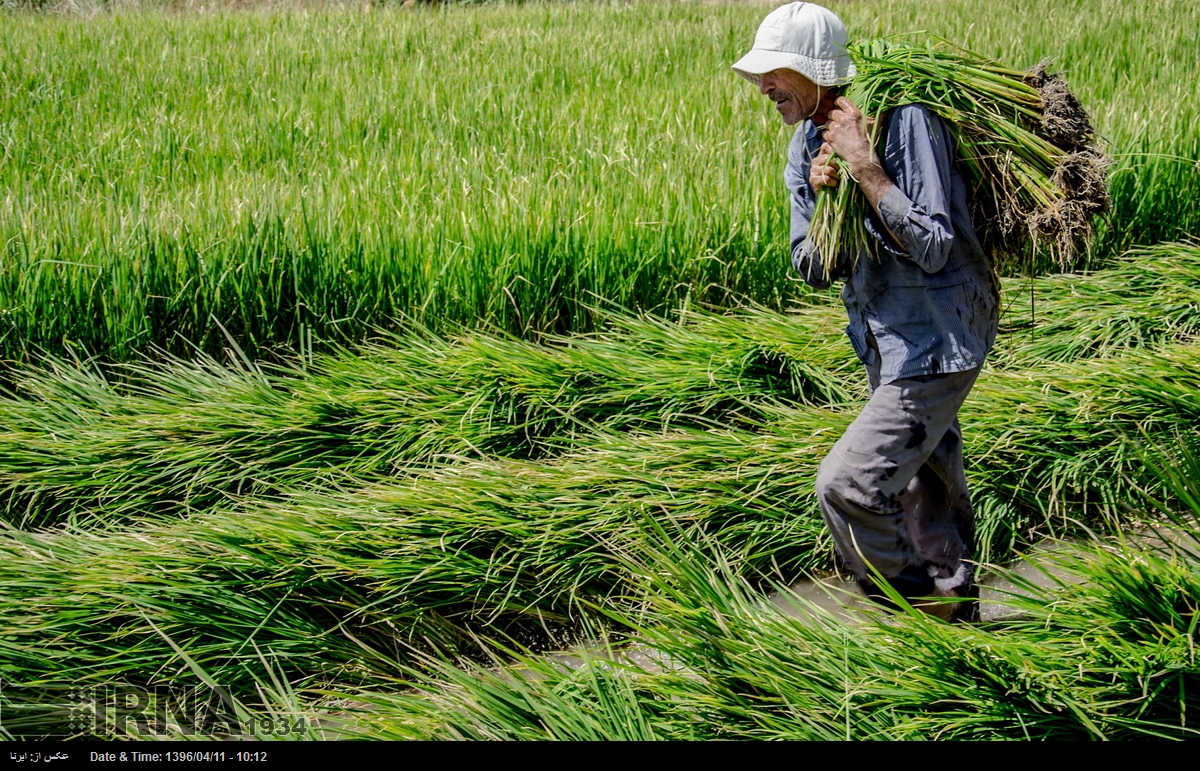
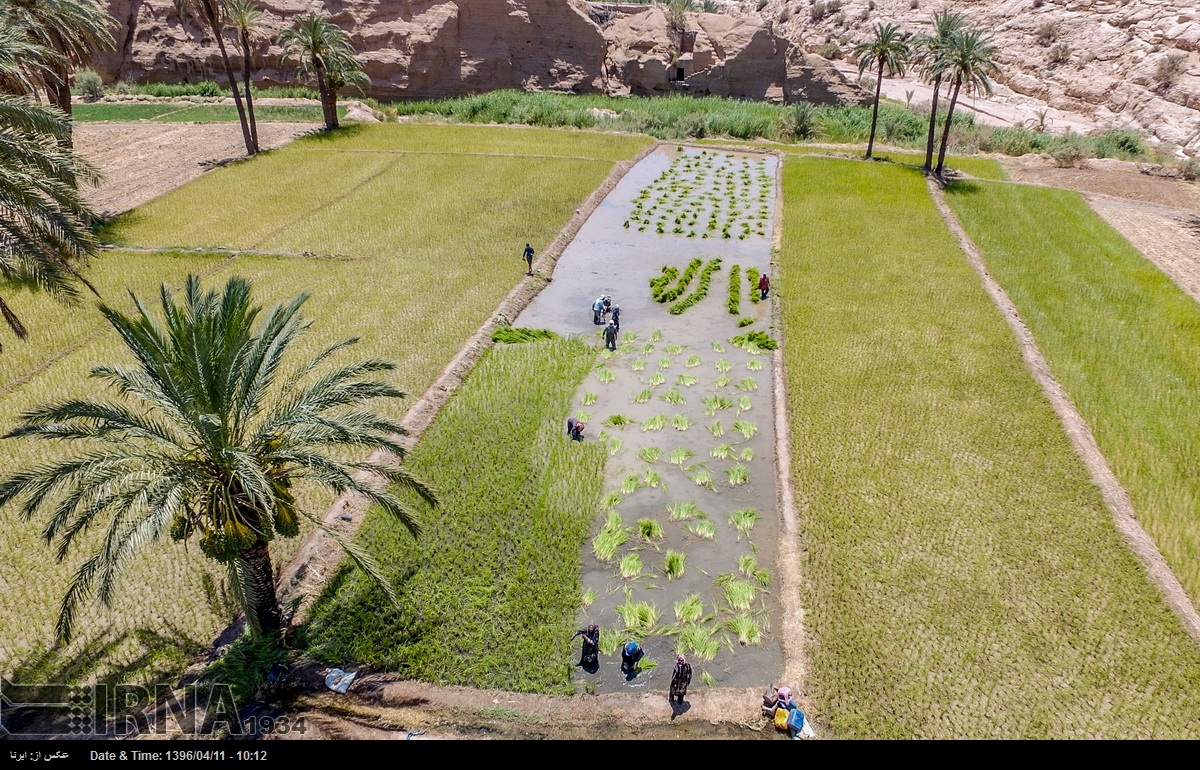
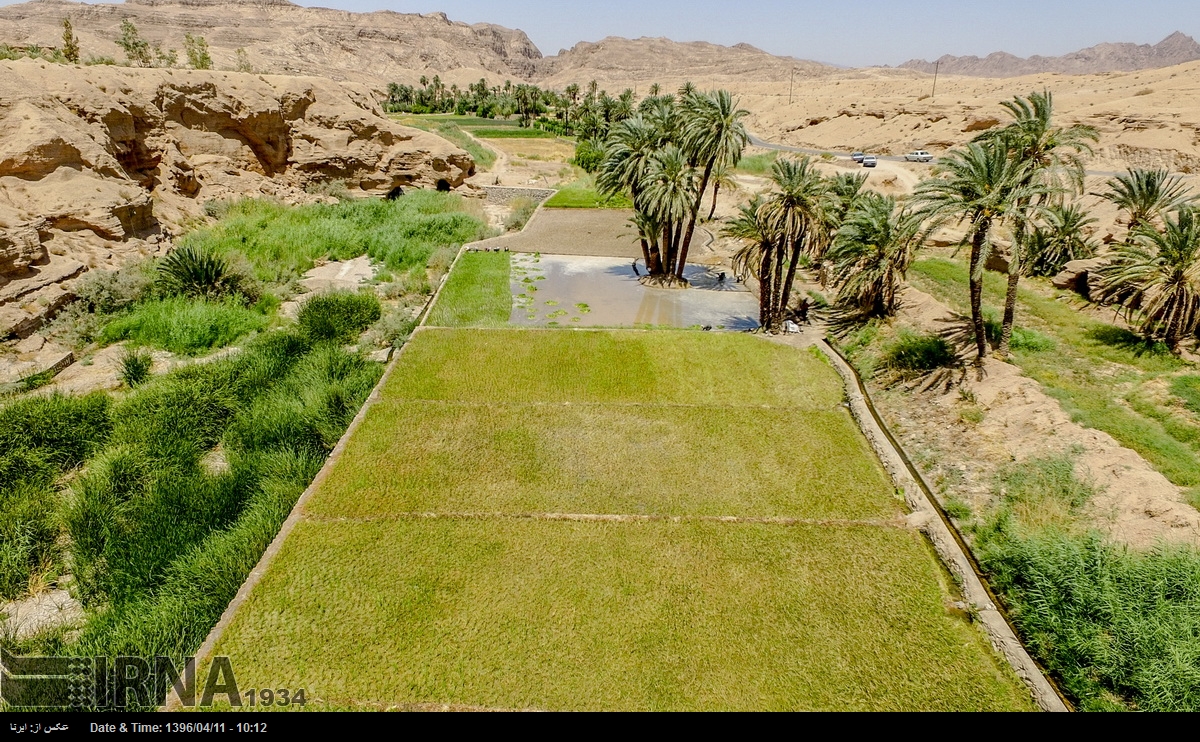
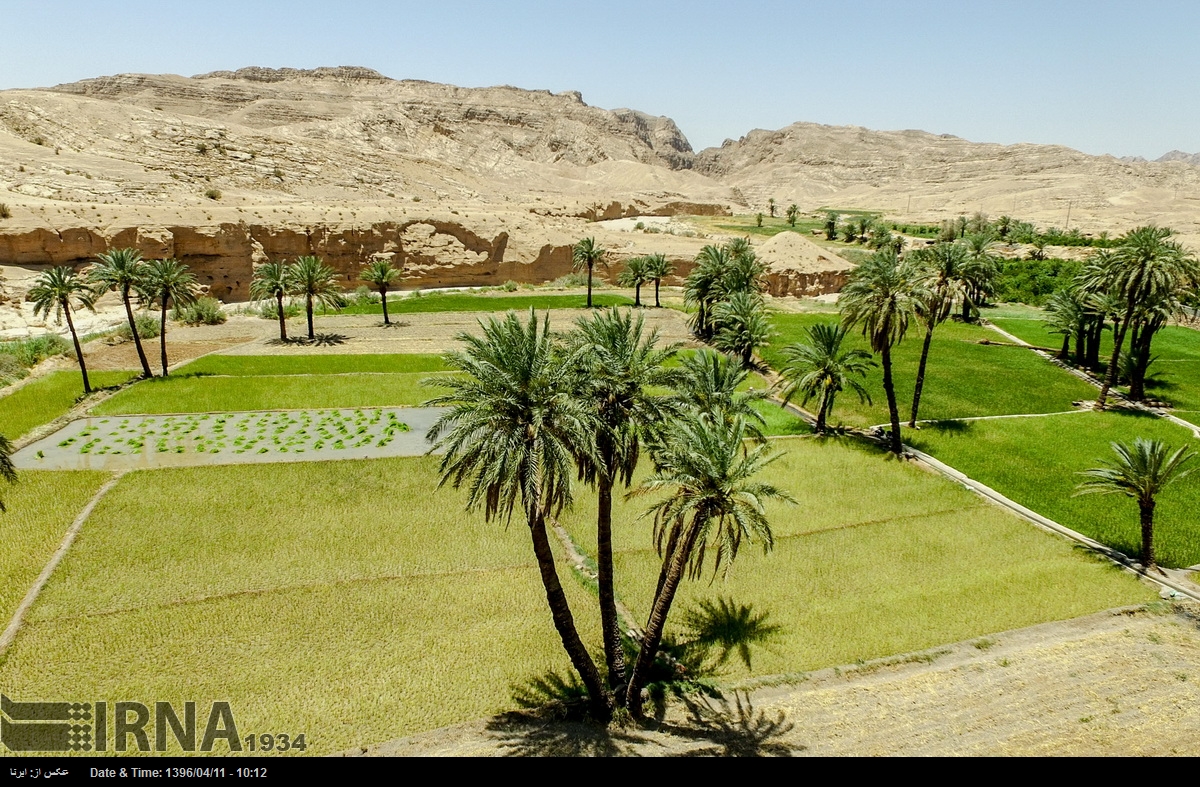
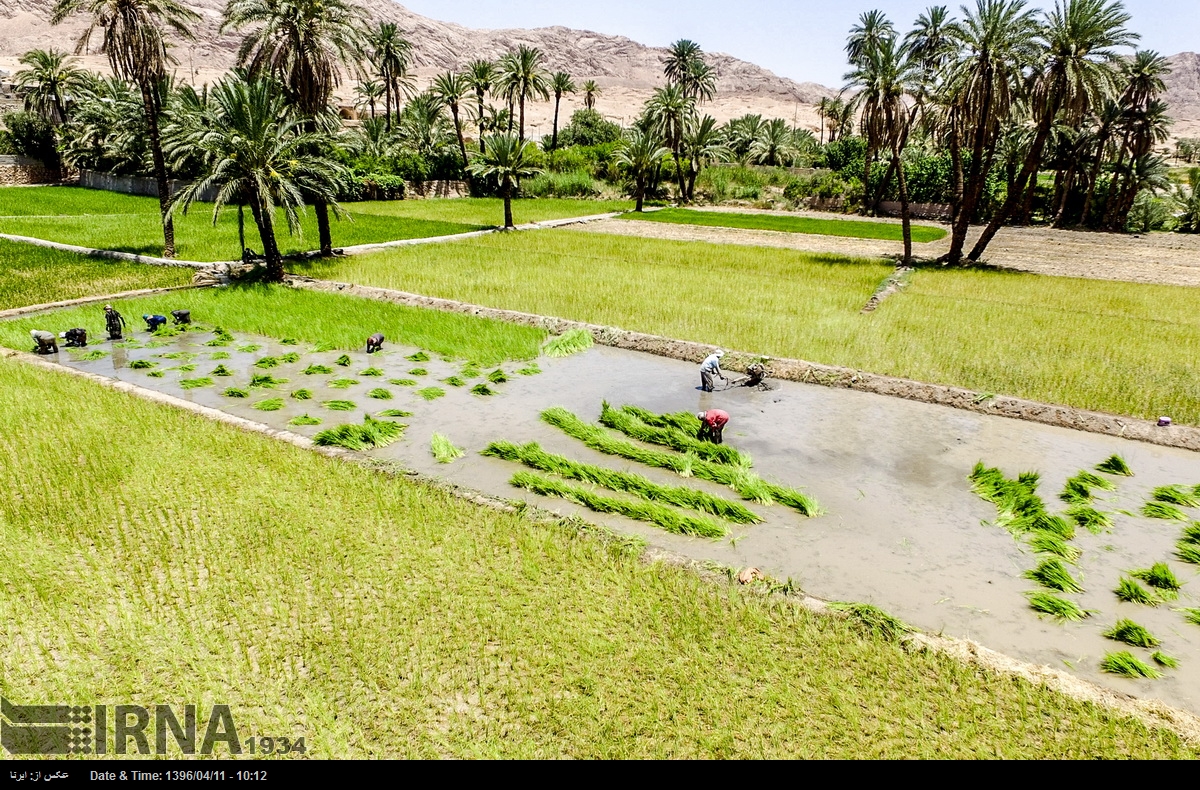

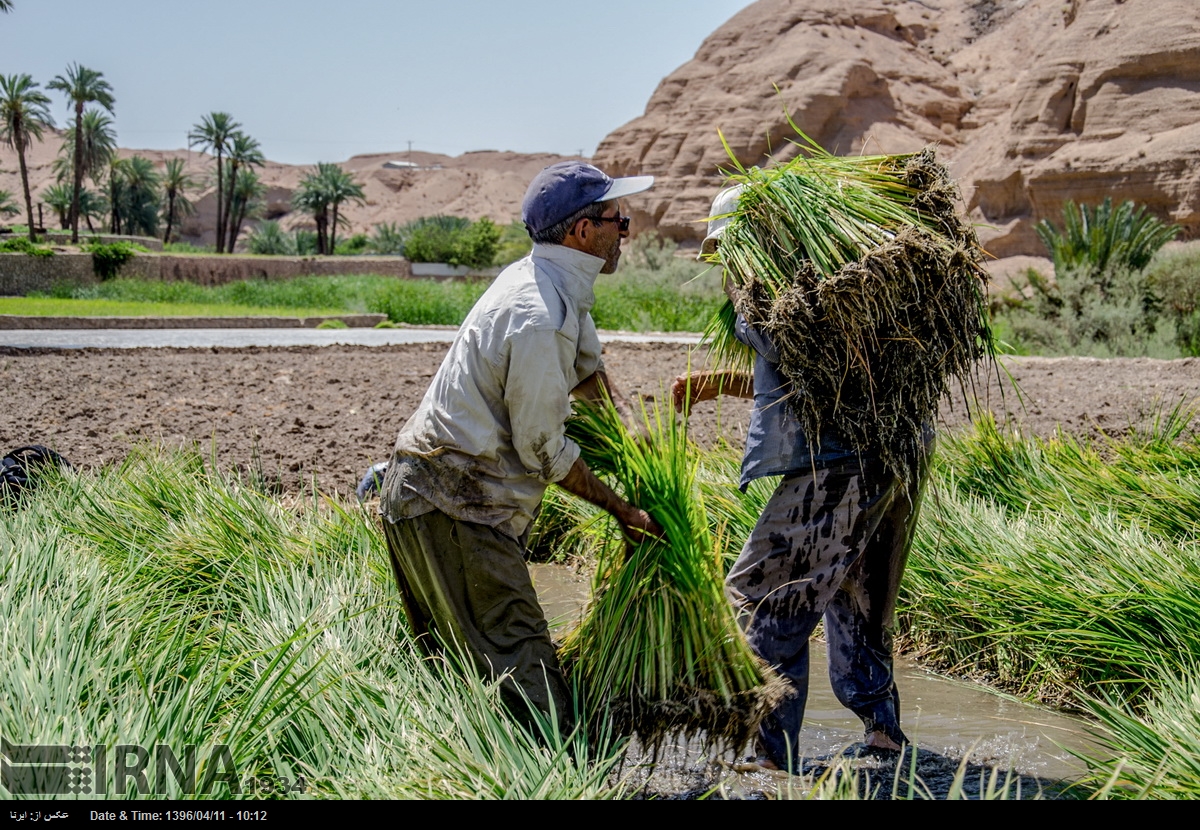
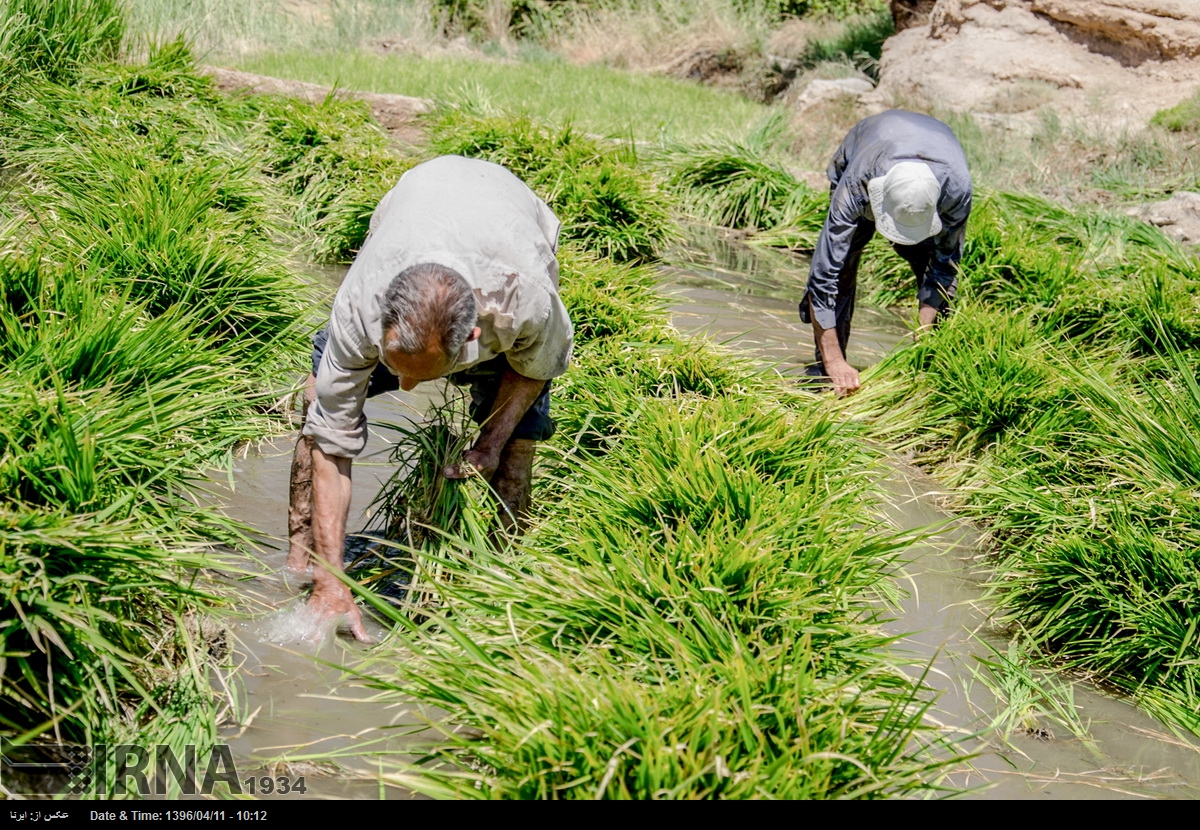
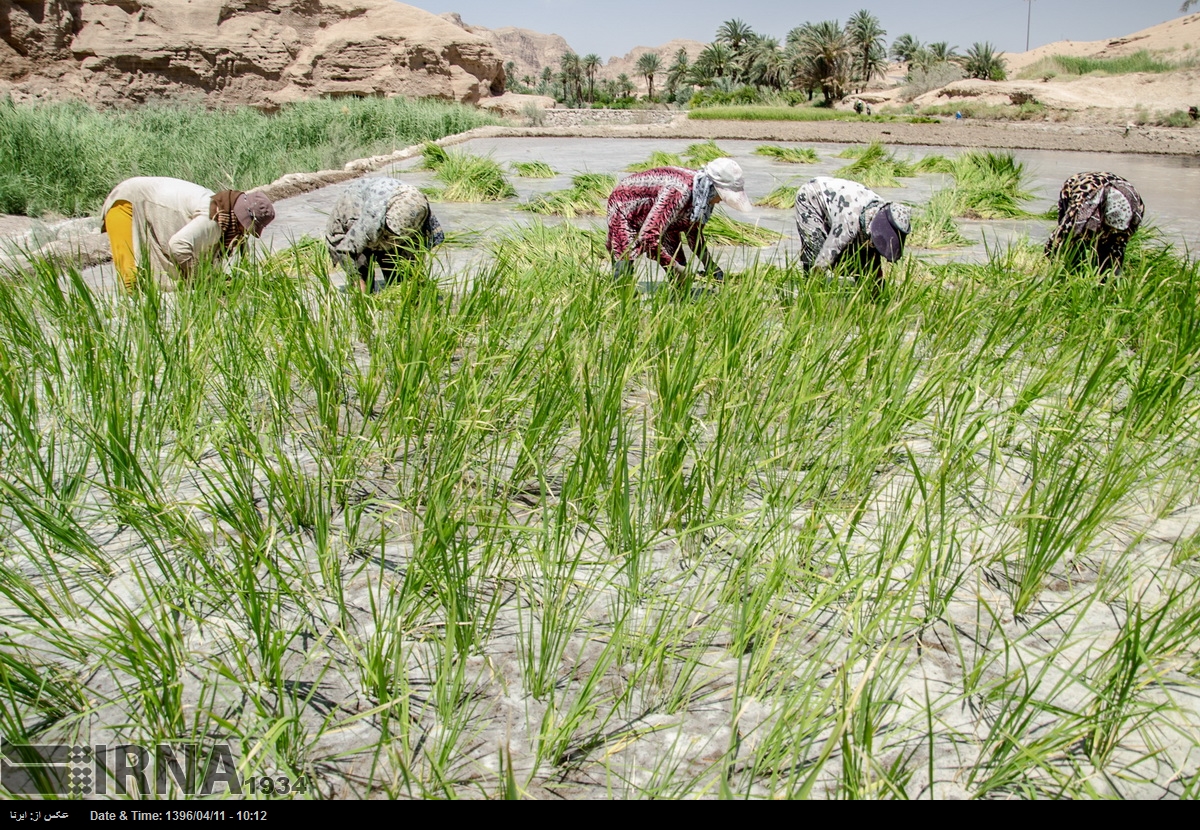


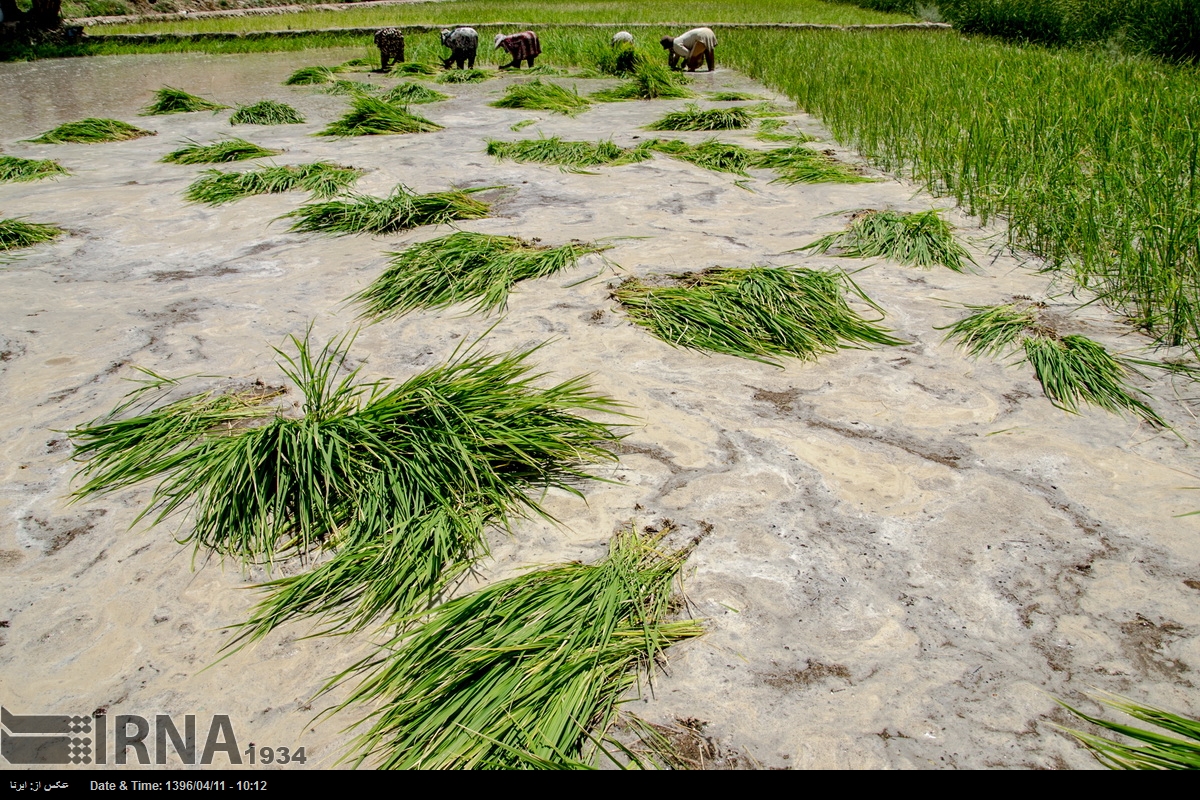
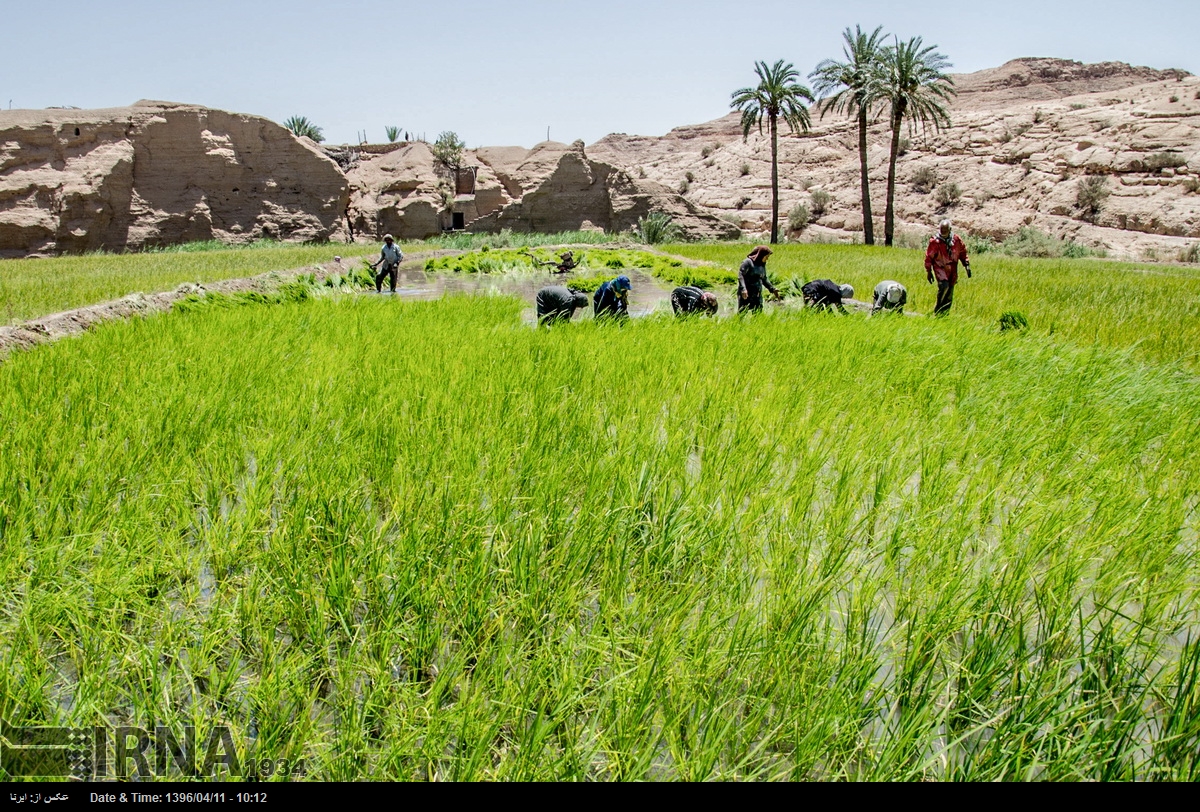
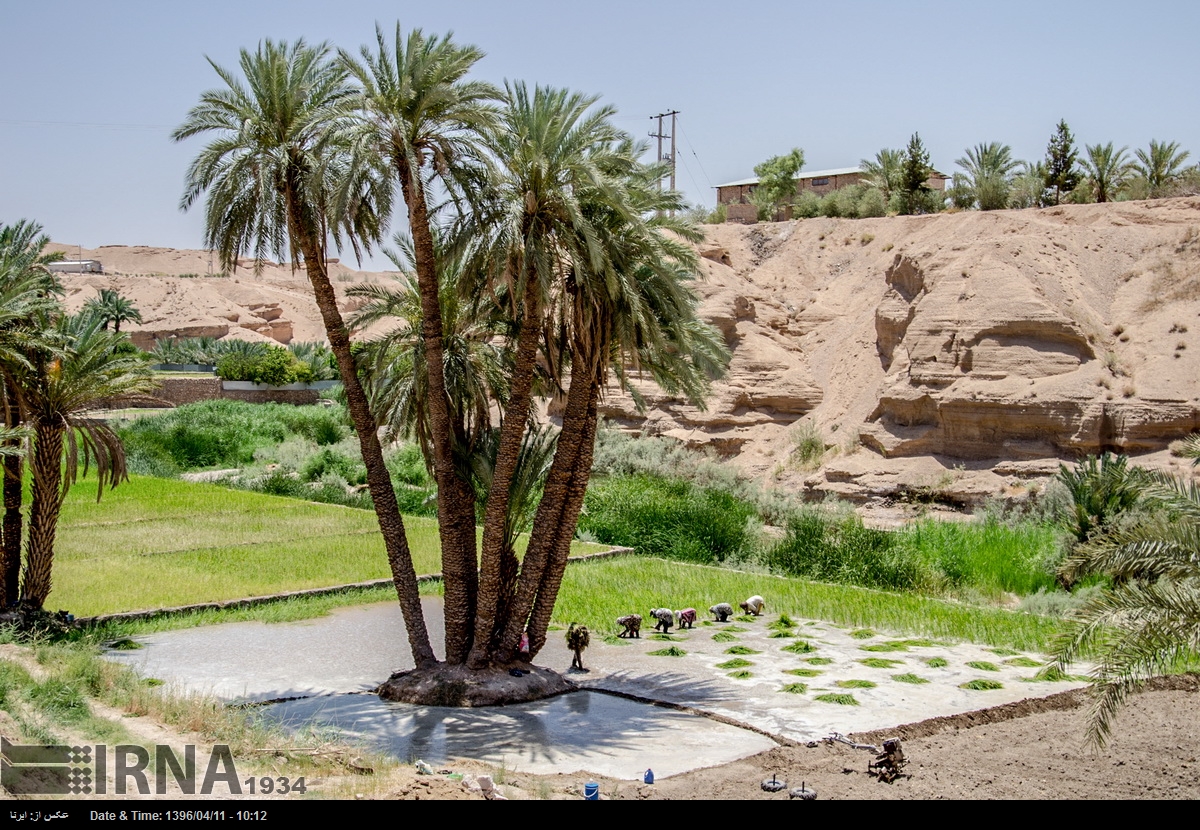
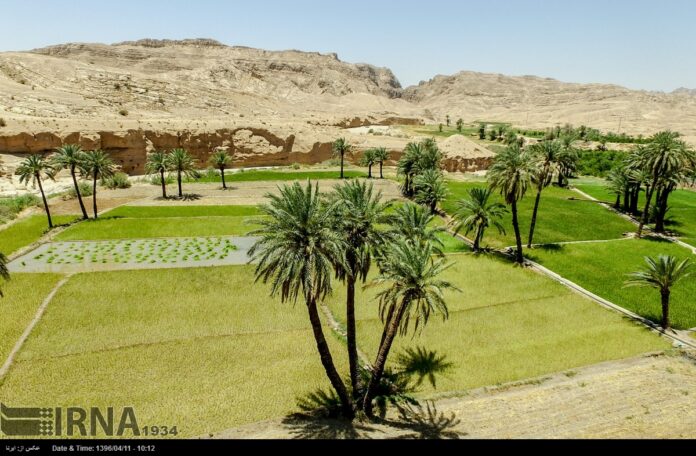
Farmers in this arid area produce about 90 tonnes of rice each time. The majority of the rice harvested in Azmighan is used by the villagers.
Here are IRNA’s photos of the fields:
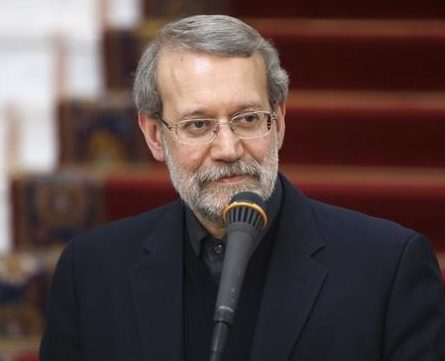
In an address to a ceremony in Gilan province, Parliament Speaker Ali Larijani said investing in oil extraction in the Caspian Sea should be started.
“There is no concrete reason to stop the investment. So, we need to take seriously the development of oil industry in the Caspian Sea,” he added.
There are great capacities for improvements in various fields, he noted, according to a Farsi report by YJC.
“I think most of the problems including budget planning and optimization of water resources can be tackled through detailed programmes. Petrochemical industry is one of the most appropriate grounds for investment in Gilan Province which can create lots of jobs. The officials have to attract private sector for further investments in this field. The lawmakers are ready to provide the relative officials in the province with the required credits to press ahead with the projects.”
The parliament speaker also referred to the rainy seasons in the province and said building dams particularly rubber ones on the region’s rivers should be taken seriously.
“Meanwhile, accomplishing the railroad project of the region is highly significant,” he said.
The Iranian senior lawmaker also called for launching other construction projects in various fields in Gilan province including turning rubbish into electricity and said the private sector as well as Iranian and foreign investors can play a key role in the accomplishment of the projects.
Iran Foils Enemy Plots against Its Development
Larijani also referred to the US and its regional allies’ support for terrorism and added the enemies have been seeking to inflict a blow on the Islamic Republic of Iran over the past decades.
“The mentioned countries’ efforts to embroil us into dangerous situations have backfired,” he said.
Pointing out that the enemies are still hatching new plots against the Islamic Republic, he said the officials should not be discouraged because the Islamic Republic has a good strategic plan to overcome the national problems.
Larijani said Iran is closely monitoring the US Senate’s plan for obstructing Iran’s national projects.
“The US officials thought they can throw a wrench in our programs, but all to no avail. We can overcome and foil their plots by accurate planning.”
“We should show the US officials that such moves will cost them much. Today, we, the lawmakers, are working on a plan to give a crushing response to the US inappropriate behaviour towards the Islamic Republic,” he added.

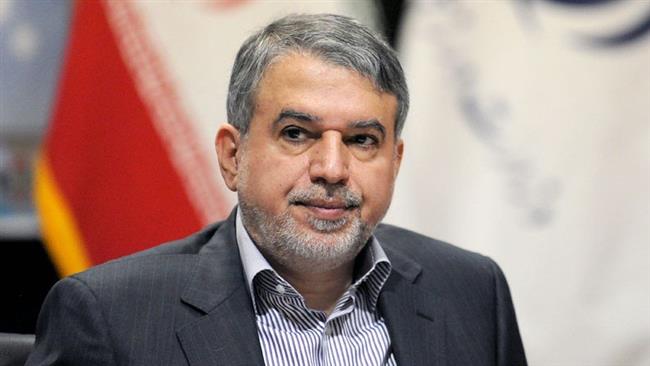 Iran’s Minister of Culture and Islamic Guidance Reza Salehi Amiri says the lawmakers will put the copyright bill on their list of priorities as part of a larger plan to create more jobs in the computer game industry over the next five years.
Salehi Amiri made the remarks on the sidelines of Tehran Game Convention (TGC) exhibition, according to a Farsi report by ISNA.
The Iranian official said Tehran recently hosted a national conference on the intellectual property and the Culture Ministry had put great efforts into having the copyright bill passed in the parliament.
“Just recently we had a meeting with the members of Legal and Judicial Commission of the parliament. We also asked them to put our proposed bill on the copyright on their list of priorities. They have promised to bring the bill to vote within the current month,” he noted.
He expressed hope that the lawmakers would pass the bill by the end of current Persian calendar year (mid-March), saying Iran’s presence in the international markets in the fields of books, computer games as well as other publishing goods hinges on the approval of the bill.
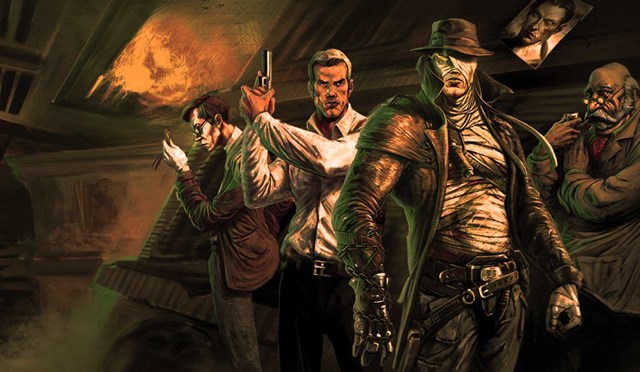 Salehi Amiri also referred to the tax on foreign computer games saying Iran Computer and Video Games Foundation has just recently drafted a bill on computer games tax. The issue has been studied in details in the Planning Department of the Culture Ministry.
“Now we are going to send the bill to the government. If approved by the government, we will follow it up in the parliament.”
He said the Ministry of Culture and Islamic Guidance is seeking to make the Iranian society more familiar with the computer games.
“Video game is a thriving industry with a huge capacity for job creation and high turnover.”
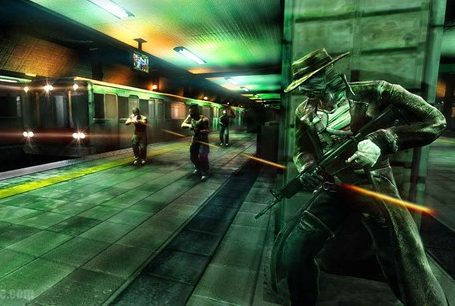 The minister also added the industry has a cultural significance as well due to its direct effects on family members.
“Our main policy is to provide the Iranian youths with direct legal and financial support to gain further shares of Iran’s domestic market,” he underpinned.
Salehi Amiri went on saying that to achieve the goal, the relevant organizations need to adopt three main measures: 1) Providing the youths with legal and financial support, 2) Establishing an appropriate ground for further production and job creation inside Iran, and 3) Organizing international competitions with the aim of holding a contest between Iranian computer game developers and their well-known international counterparts.
“Today most shares of our market are controlled by the foreign developers. Today, Iranians have only between 10 to 15 percent of the market shares. To make a change, we need to take control of at least half of the market’s shares within the next five years,” he said.
He once again urged further support for young Iranian developers, saying one of the main aims of TGC Exhibition is to hold fair competitions between Iranian and foreign companies.
“Today, our youths have already gained some shares of foreign markets. Now, we should pave the way for their further progress in the markets,” he added.
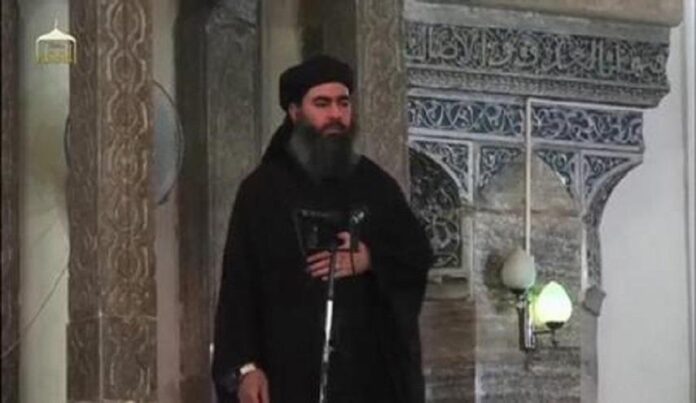
After over 1,000 days of incessant fight, on July 8 Iraqi forces managed to fully liberate Mosul following the destruction of the ISIS’ last few remaining strongholds in the northern Iraqi town’s Old City, and clearing the area of the terrorist group’s last few hundred elements.
Almost on the same day three years ago, the ISIS leader al-Baghdadi, who is now reported to be dead by some media sources, declared himself “caliph” or leader of all Muslims, in his only public appearance in the Great Mosque of al-Nuri.
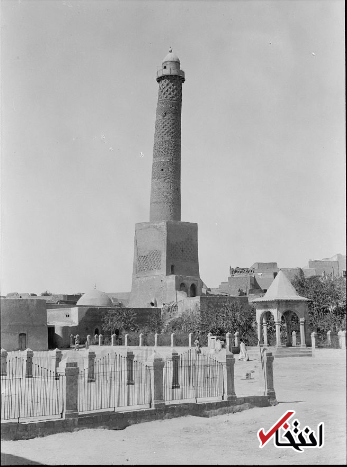 In June 2017, the mosque, one of Islam’s most venerated sites, along with al-Hadba minaret, was destroyed by explosions as Iraqi forces battled the ISIS terrorists who had holed up nearby.
Last week, the Iraqi Prime Minister, Haider al-Abadi, in a message on the occasion of retaking the Great Mosque of al-Nuri and al-Hadba minaret from the terrorists, said the ISIS’ bombing of the mosque and minaret, two of their spiritual symbols, had been a formal declaration of their defeat in the fight for Iraq’s second-largest city.
This came as a number of the city’s streets and alleys, then, had still been under the ISIS’ control which were fully liberated later during operations by the Iraqi forces on July 6 and 7. The armed conflicts in Mosul have now completely come to an end.
Following the Iraqi capital of Baghdad, Mosul is the country’s most populated city located in the northern province of Nineveh. It is the economic centre in northern Iraq.
The city was under the ISIS control from June 2014 to July 2017.
The degree of destruction in Mosul is not comparable to that in any other Iraqi region. Earlier, a top UN official for Iraq’s affairs said more than $1 billion would be needed to reconstruct the city following its liberation.
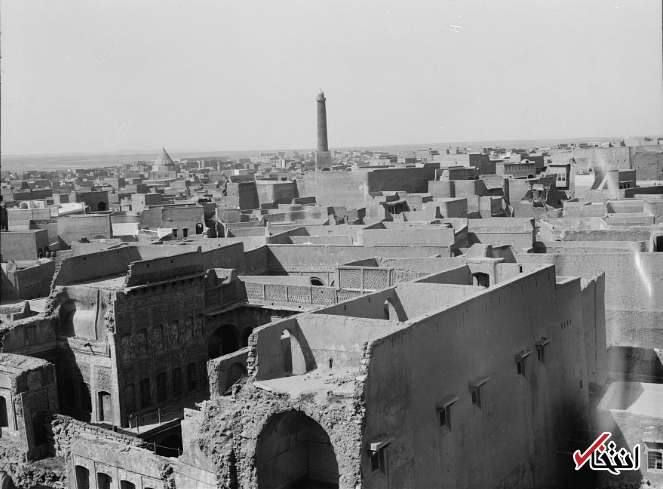
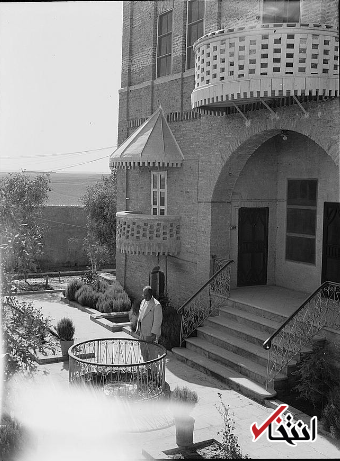
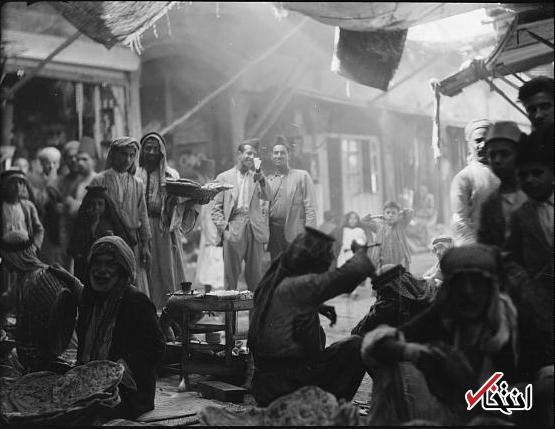
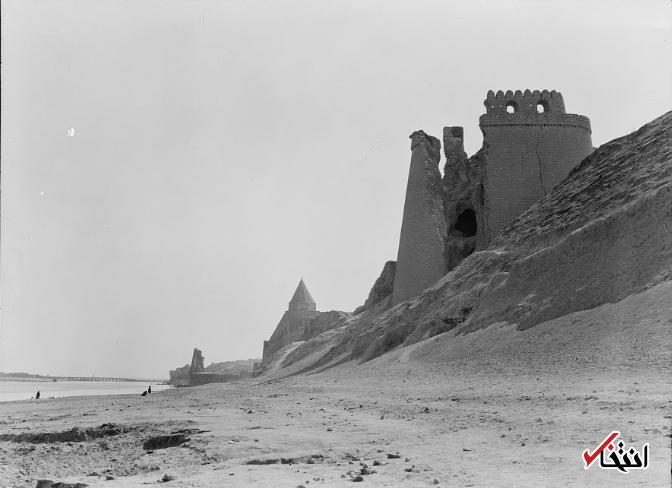
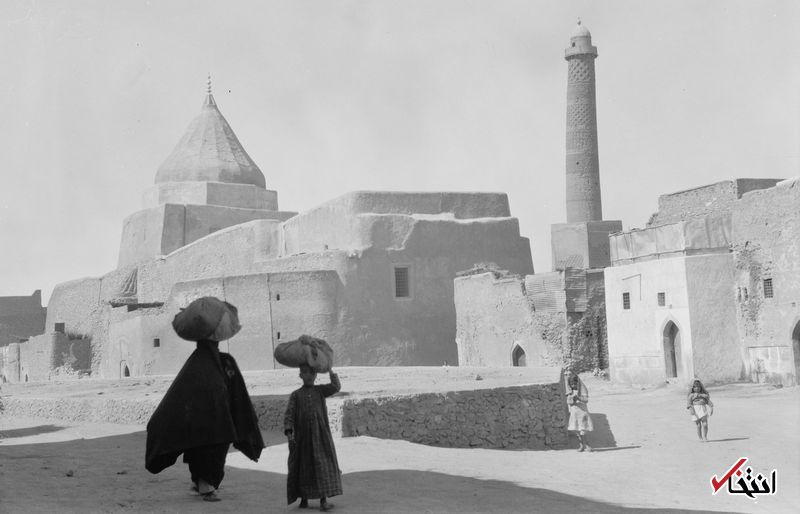
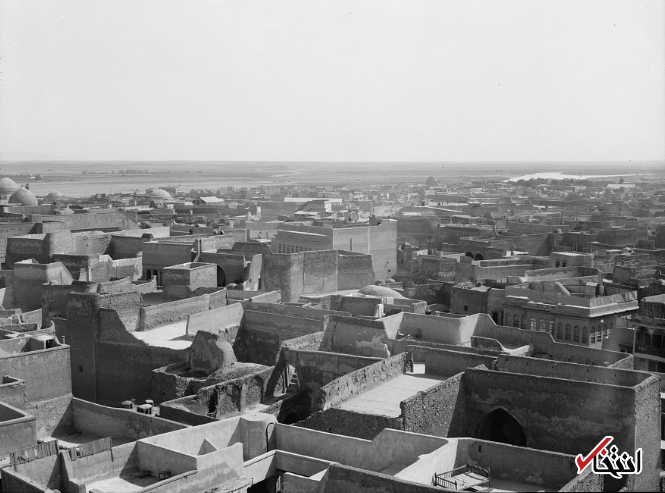
Constructed some 900 years ago, the Great Mosque of al-Nuri and al-Hadba minaret, the oldest of its kind in Iraq, were recently destroyed by ISIS elements.
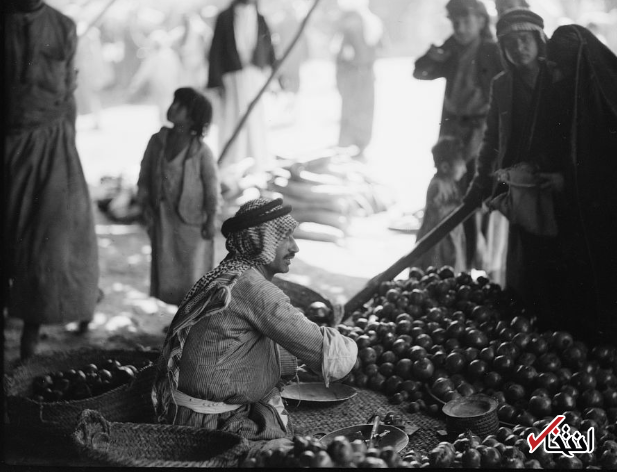
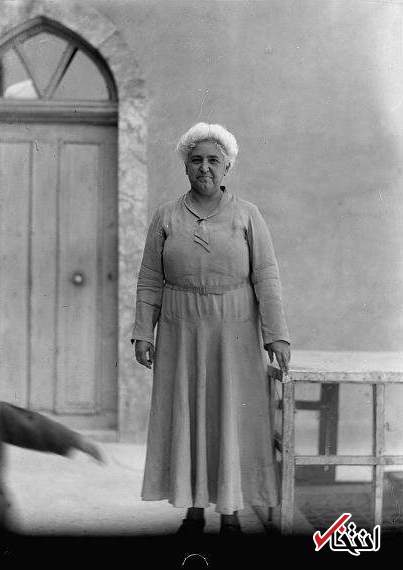
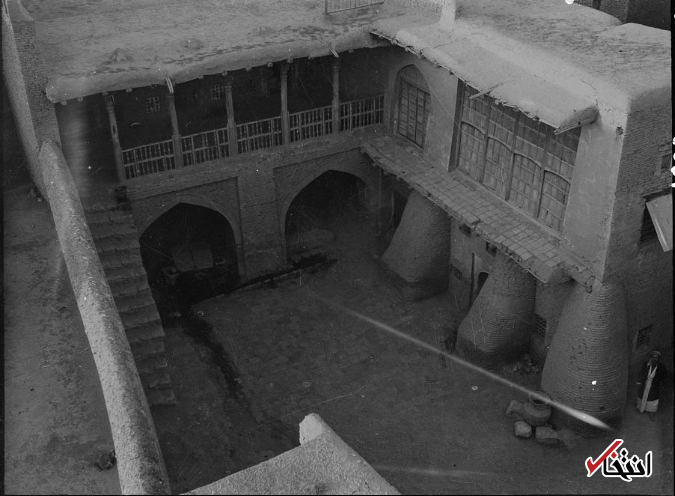
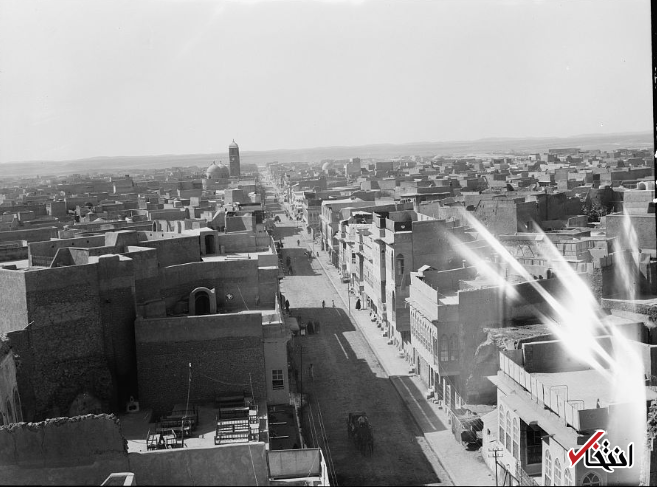
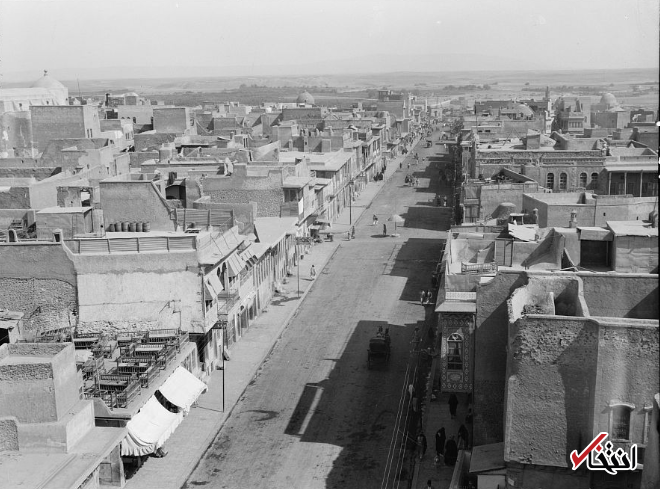
The following photos by the Entekhab news website show the mosque and minaret when they were still in place 85 years ago:




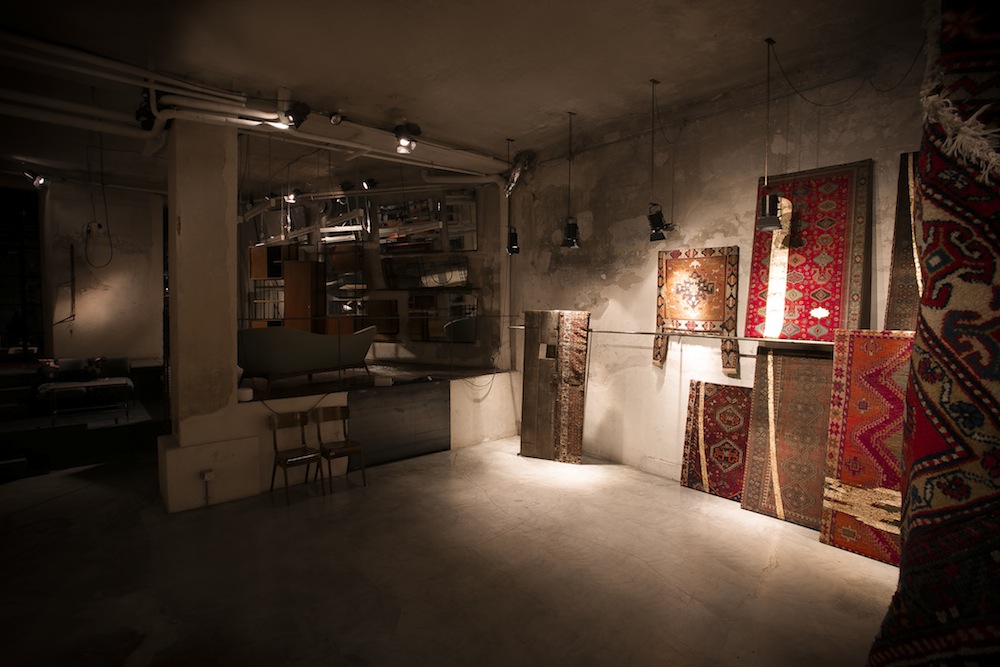
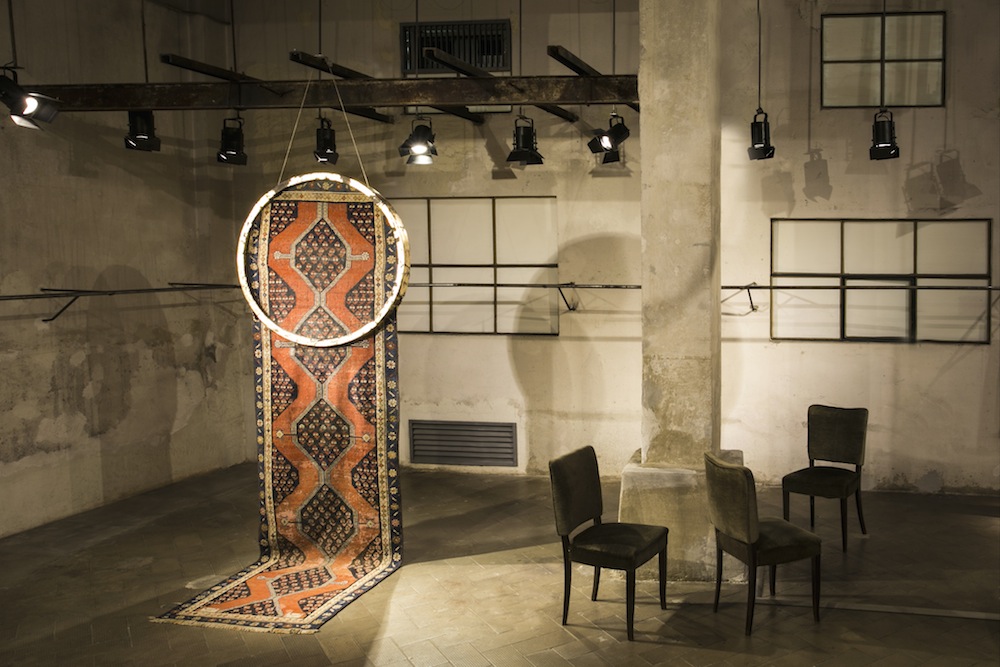
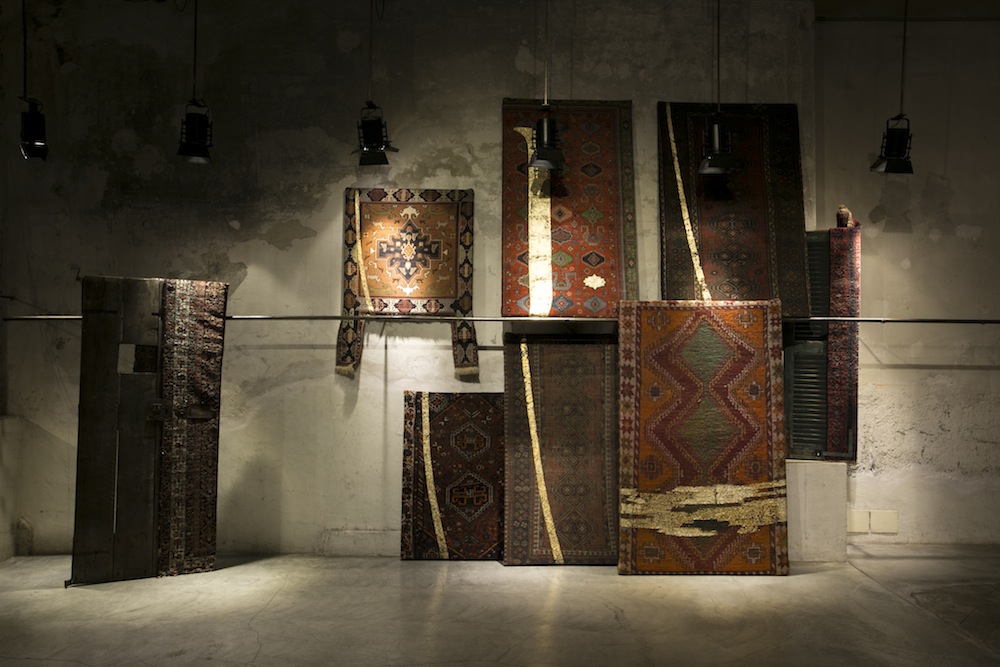
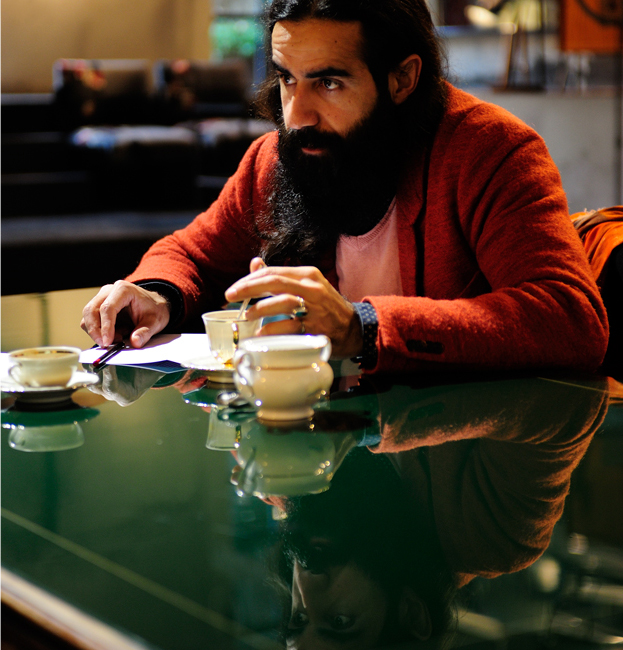 After leaving Iran, Mahmoud Saleh Mohammadi began to major in Contemporary Arts in Brera Academy of fine arts in Milan.
“I chose Milan because I was interested in the contemporary arts. In Iran, I couldn’t study the contemporary arts in depth for various reasons. So, about six or seven years ago, I decided to take up my studies in Milan because it is one of the world’s main cultural cities,” he said.
Throughout his studies, Saleh put his focus on Iranian contemporary arts. “I’m an Iranian who has developed roots in Italy. In contemporary arts, the artists have to get back to their roots. Each artist has his/her own roots.”
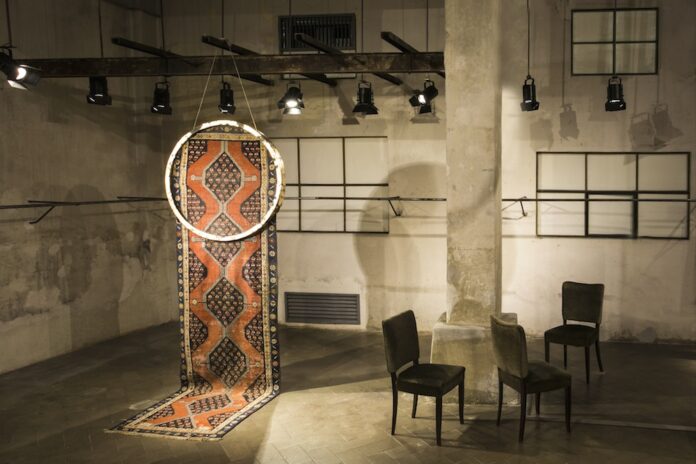
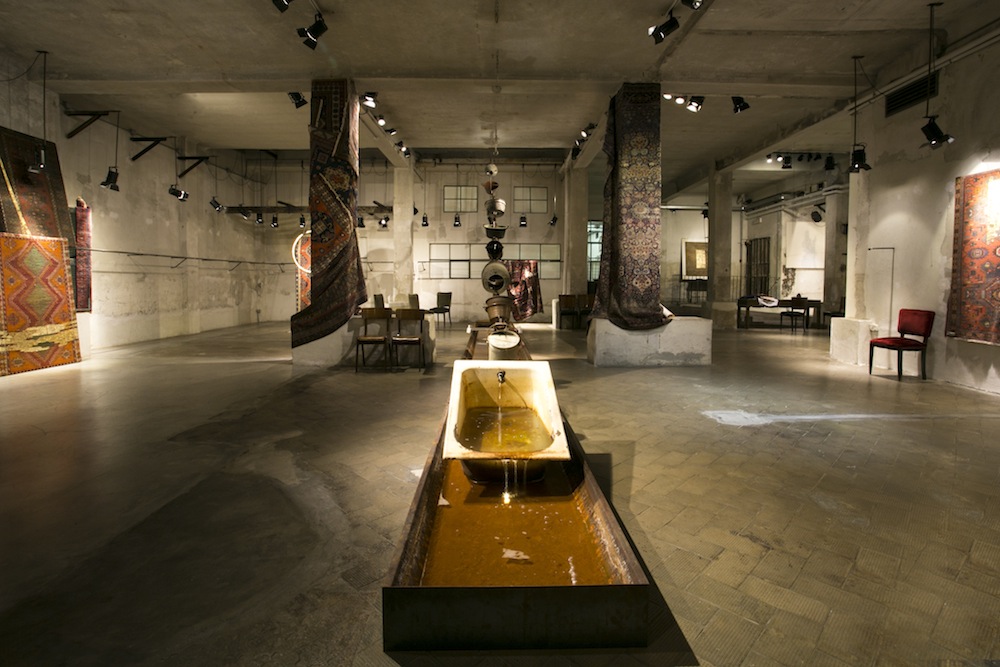
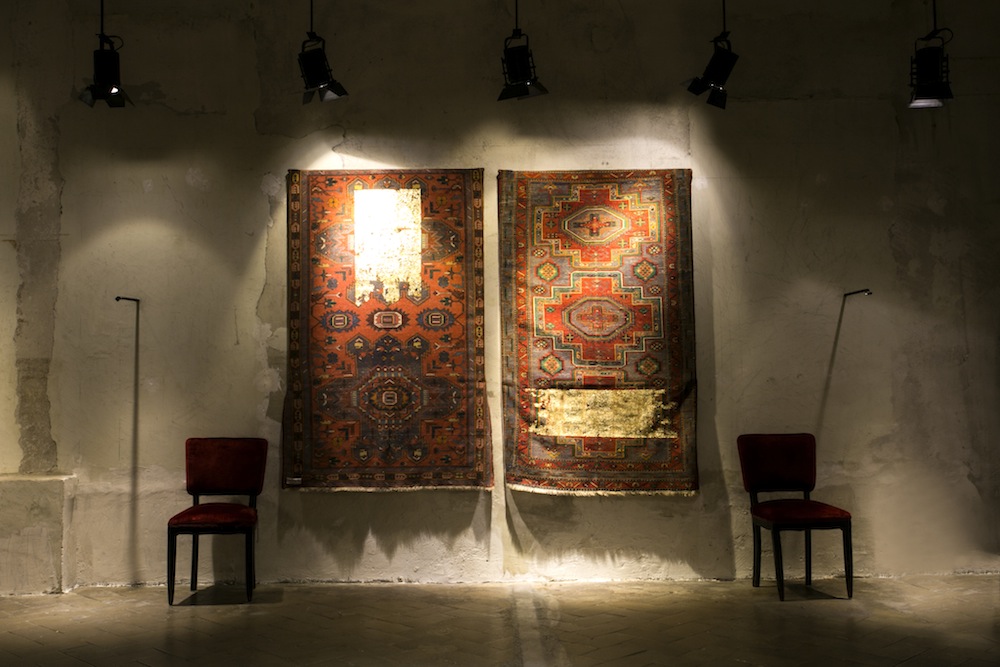
He referred to his calligraphy carpets saying his works have been warmly welcomed in Italy. “Most of my students are graphic designers as well as visual artists who are interested in the Iranian culture. The main theme of my class is calligraphy statistics.”
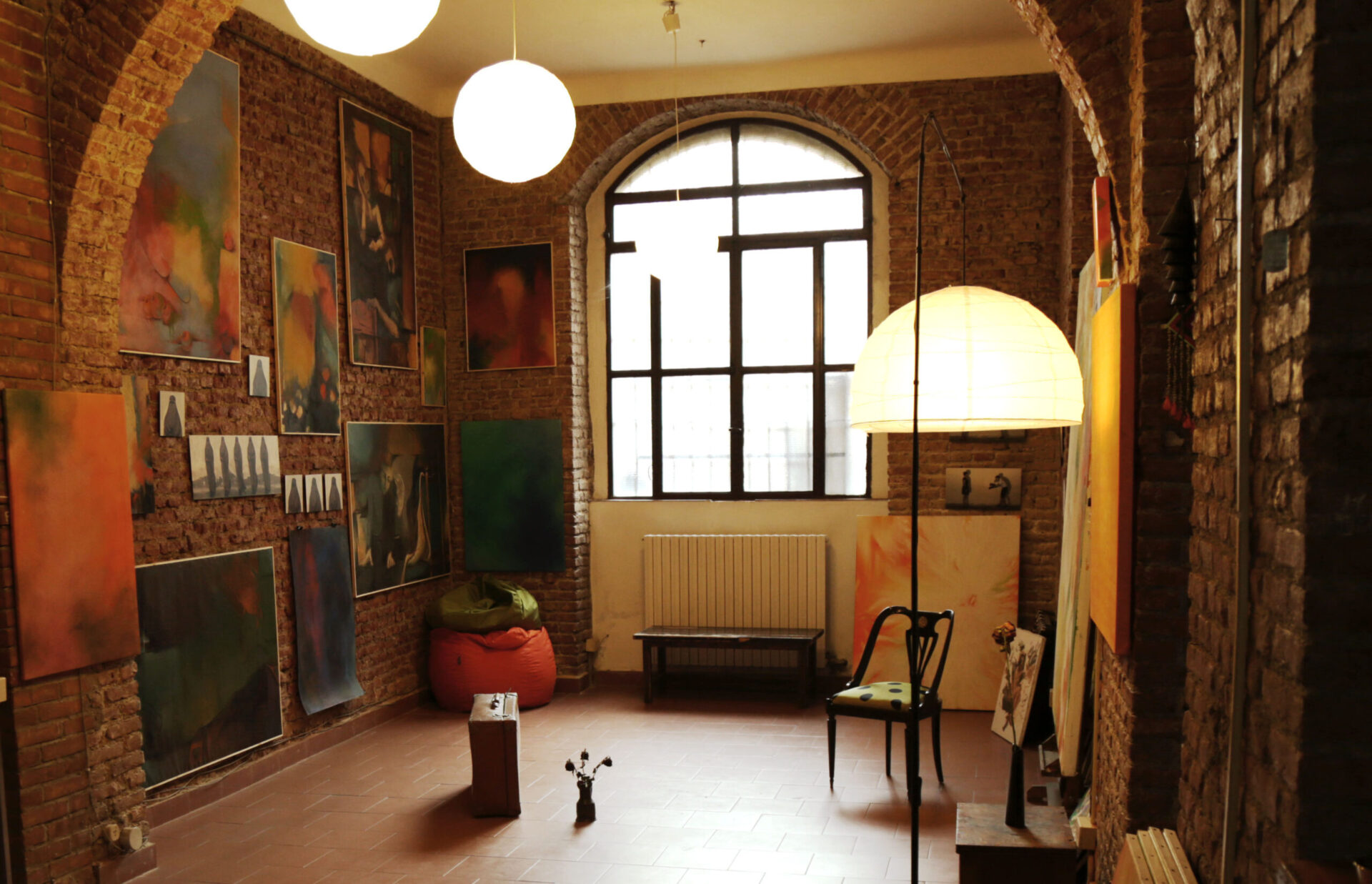
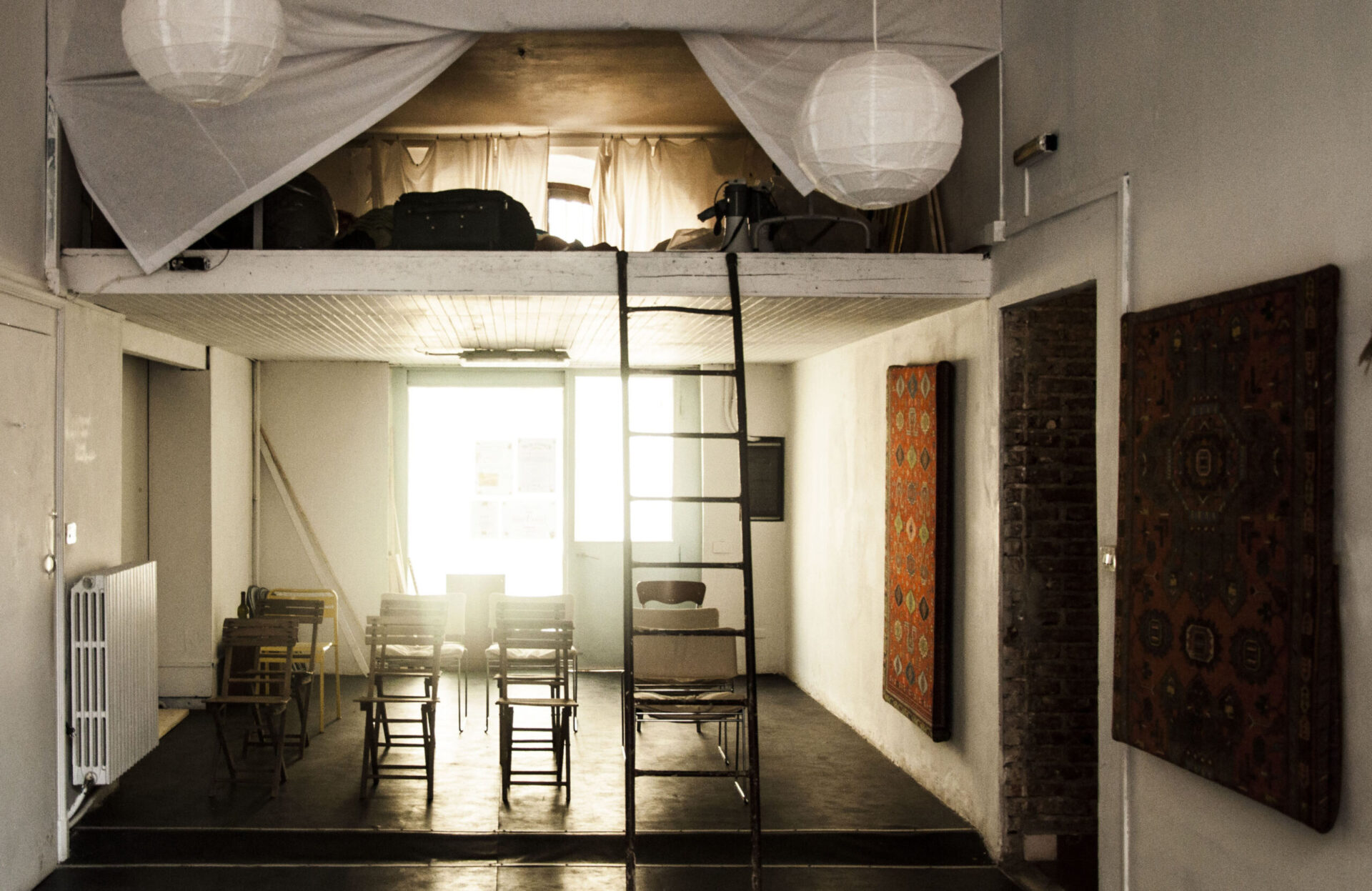
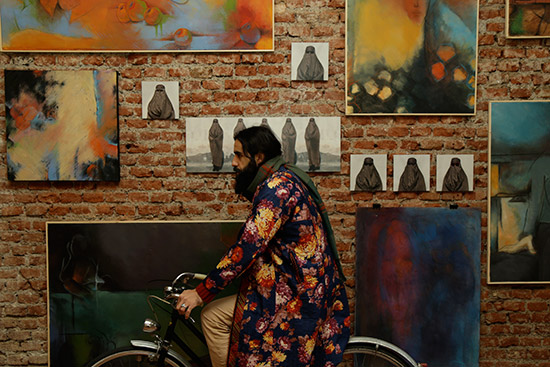 Now carpet calligraphy has distinguished Mohammadi’s ‘Spazio Nour Gallery’ from similar centres in the Italian city.
“In Italy, Spazio means space. I’ve used two Iranian and Italian words in the name of my gallery. This is mainly because my works are deeply rooted in both countries,” he said, according to a Farsi report by Mehr.
The gallery is set up in an old area in central Milan. The building in which the gallery is established used to be a drug hub for years. Known as Dark Hole, the building was also used as a hideout for al-Qaeda militants for a while, he added.
“It used to be a horrific building and even the police didn’t dare to enter it. When an ambulance was called in by the residents, the driver didn’t dare to drive into the compound. I saw the rental ad of an apartment in the building on the internet. The annual rent of the apartment was too low.”
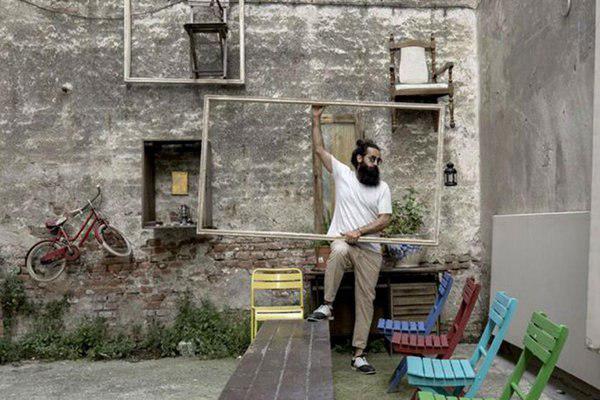 “When I arrived in Milan, I had grown beards. At that time, Mahmoud Ahmadinejad was in power in Iran and some of the residents of the building loved him very much. My first name also happened to be Mahmoud,” he added.
Saleh said several years ago he decided to hold a photo exhibition in the building. Many warned him against holding the exhibition, but he did not pay attention to the warnings.
“I invited a photographer from Vienna who took photos of all the residents over a period of two weeks. After a while, they became interested in the project and the atmosphere began to change in the building. Today the children play in the yard without any concern,” he concluded.

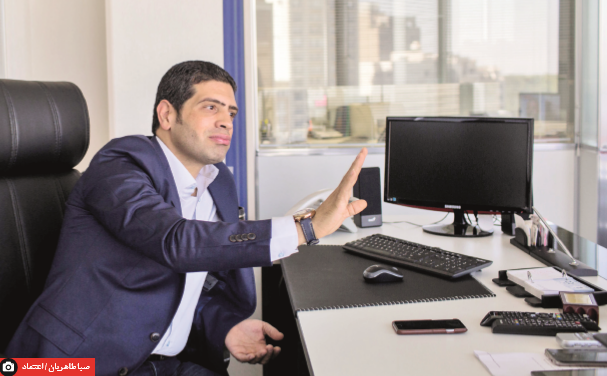
Abd al-Kader Faeez, the chief of the Qatari media wing’s bureau in Tehran, stressed that differences with Iran can be resolved simply through negotiations.
He referred to the latest attempts by Saudi Arabia to normalize ties with Israel and added, “Now the Saudis are trying to create a new enemy instead of Israel and Iran is their choice.”
In a Farsi interview with the daily newspaper E’temad, Fayez talked about different reginal issues from the diplomatic crisis between Saudi Arabia and Qatar to Iran’s growing role in the region. Here are highlights of his interview:
* Qatar will not accept any foreign interference in its relations with Iran
* Saudi Arabia is not strong enough to play the leading role in the Arab World
* The decisions by Saudi Arabia have cast doubt on the concept behind the Persian Gulf Cooperation Council
* Saudi Arabia and its allies want to turn Qatar into a second Bahrain
* Qatar’s foreign policy is not racial. For example, we don’t say that Qatar will not make coalition with Iran because we are Arab and they are not or we are Sunnites and they are Shiites.
* By adopting certain measures, Saudi Arabia and the UAE paved the way for failure of Arab Spring in the region so that today we are witnessing the return of former generals and dictators to power.
* Saudi Arabia and its allies’ next step is to raise economic and political siege on Qatar to prolong the current diplomatic crisis.
* The Persian Gulf Cooperation Council [P](GCC) is not capable enough to confront Iran. It does not have executive power.
* Saudi Arabia and its regional allies shout hollow slogans against Iran, but in reality none of them is capable enough to confront the country. Meanwhile, they do not have any plan to unite Arab states against Iran.
* Qatar siege is part of a larger plan to normalize ties with Israel and introduce Iran as the main enemy of the Arab states.
* Over the past six years, Saudi Arabia has failed to take advantage of the Arab Spring. So, it has begun to adopt anti-Iran measures. It is deeply concerned with Iran’s growing role in the region. To cope with Iran’s role, Saudi Arabia tried to make a coalition with Turkey, but the coalition collapsed after one month.
* As two regional neighbours, Iran and Qatar have had good relations with each other for a long time. Doha maintains that Iran can play a role in resolving regional conflicts. Though Qatar has problems with some of Iran’s policies, it argues that the differences can be resolved through political talks. Meanwhile, the Arab states have not yet reached consensus on a unified position towards Iran.
* There is no doubt that the White House has assured Saudi Arabia and the UAE that it would not back Qatar in the recent dispute. On the other hand, the two countries know that the US considers any military action against Qatar as a red-line.
* Without US interference, resolving the current diplomatic crisis between Saudi Arabia and Qatar seems far away. The US will not do anything to resolve the crisis in the near future. Riyadh Conference was held with the aim of holding a unified stance against Iran. Qatar realized that a new balance is set to be created in the region with the US waging a proxy war against Iran. Qatar does not like to be part of any war against Iran. That’s why the country has come under such a huge pressure.
* Saudi Arabia and its allies accuse Qatar of establishing secret ties with Iran and call on the country to cut the relations. But why they don’t make a similar request from Oman? Meanwhile, 90 percent of Iran’s whole trade volume with the Arab states of the Persian Gulf is with the UAE. So, the main question is why Qatar has come under such a huge pressure to cut ties with Iran.
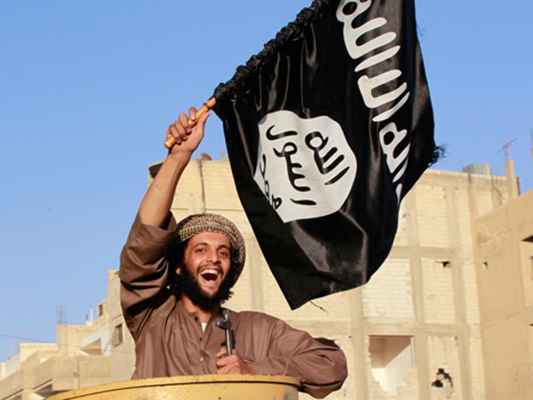
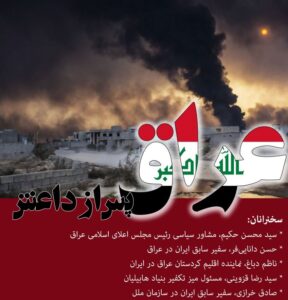
The Iranian Diplomacy news website recently held a panel in the capital Tehran to discuss the challenges and opportunities that a post-ISIS Iraq is going to face in the near future. The participating experts raised their hopes and concerns about the future of Iraq.
During the “Post-ISIS Iraq” panel, the participants warned that though the military branch of ISIS is drawing its last breaths in Iraq, the ideological ISIS remains alive hovering over the region.
Here is a review some of the key points raised by the experts during the panel.
 Ammar Hakim, leader of the Islamic Supreme Council of Iraq (ISCI), the largest political party in Iraq:
* ISIS is the third generation of al-Qaeda terrorist group in Iraq.
* ISIS has left no stone unturned to destabilize the whore region through violence and brutality. There are three key factors which foiled ISIS plot: The historical fatwa of top Iraqi Shiite Leader, Ayatollah Sistani, the tremendous support of the Islamic Republic of Iran, and the great uprising of the Iraqi nation against ISIS.
* Today ISIS controls only 4 percent of Iraq. This comes as back in 2014, the group occupied 40 percent of our country. Today, ISIS controls only a very small area of Mosul’s old city which will be retaken soon by the Iraqi forces.
* ISIS will target our security in future. The group’s threats will change from military to security. To cope with the security threat of ISIS, we have to adopt certain security measures.
* So far, over two millions of displaced Iraqis have returned to their homes.
* In Ramadi, over 80 percent of the city has been razed to the ground. In Baiji, almost all homes have been demolished.
* ISIS seeks to manipulate Iraq’s public opinion. Now that the Iraqi army has managed to cleanse the country of the group’s militants by big efforts, the government has to thwart the group’s cultural and ideological projects and re-attract those deceived by ISIS.
* We earlier warned that ISIS is not limited to Iraq and the region. They come from about 80 countries. The “lone wolves” are now returning their home countries to create instability.
* Nearly 5 thousands of Tunisians are fighting against Iraqi and Syrian forces. Meanwhile, there are many people from France, Belgium, Germany and the UK who have joined the group in Iraq and Syria.
* Iraqi government has good information about ISIS members and leaders which can be shared with other countries.
* We have a common history with the Kurds which cannot be ignored.
* Our Kurdish brothers call for a federalist government within the Constitution. Today, all of the oil revenues from Shiite-populated areas are deposited to the central government account.
* The oil of Kurdish populated areas is exported without the approval of central government in Baghdad.
Hassan Danaeifar, Iran’s Ambassador to Baghdad
* Iraq is still involved in Nation-State making process.
* Special condition of Iraq triggered over 46,000 people from across the world and 12,000 from Europe only to join ISIS in the country.
* In 2013, most Iraqis were just seeking to survive.
* I met Mr. Maleki about four years ago and warned that ISIS is to implement its Syria project in Iraq. It was six months before Mosul occupation. I told him that ISIS is to establish a new Aleppo in northern Iraq. I also warned Nechervan Barzani, the Prime Minister of Kurdistan Regional Government? against ISIS project in Iraq.
*Arab Spring as well as Iraq’s internal condition contributed to Mosul occupation.
* US set four conditions to back Iraq in fight against ISIS. This comes as Washington had signed a bilateral military and security deal with Baghdad. The Islamic Republic of Iran provided Iraq with military aid immediately.
*Today, ISIS is in retreat in its last stronghold in Iraq, Mosul.
*The military ISIS has come to an end, but the ideological ISIS remains active and can survive in future. ISIS has inflicted heavy blows on Iraq. Now that the group has been crushed militarily, we should remain vigilant against its security threats.
*Today, with the complete defeat of ISIS, Iraq has entered a new phase in its history. The country is now presented with three opportunities: Spiritual support of top religious leaders for nation-state making, Restoration of self-confidence among Iraqi forces and economic chances. There are also other opportunities including the support of the Islamic Republic for the war-torn country.
*There are also some challenges that the Iraqi government has to deal with including: Total destruction of the country over the past ten years, separation aspirations sought by certain groups in Iraq and fierce political competences.
*Iraq’s government should take seriously the idea of national reconciliation as well as peaceful coexistence.
Nazim Dabbagh, Representative of Kurdistan Regional Government in Iran
* Today, ISIS has turned into an ideology and is no longer limited to militancy.
* ISIS growth in Iraq has dramatically changed the cultural, economic and social conditions of Iraq.
* About 300 ISIS members managed to occupy a large swath of Iraq in 2014. This was only the Kurdish Peshmerga who stopped ISIS advance particularly when the Iraq army was in chaos.
* The Kurds played a key role in the liberation of Mosul and Anbar. So, the Iraqi government should include them in the future power structure.
* ISIS will reproduce itself in the future.
* We should resolve regional problems. To do so, military power is not enough. We also need social and political mechanisms. We should know how ISIS can attract foreigners.
* After several deadly wars in 20th century, the Europeans decided to remove their borders and turn them into an opportunity instead of threat.
Seyyed Reza Qazvini, Political Analyst
* There were over 50 secular parties and groups in Iraq in the early years of 20th century. So, the Salafi movements couldn’t take root in the country then. The first Salafi movements began to emerge in 1960s. By the end of 1980s, during Iraq’s imposed war on Iran, the Salafi movements managed to spread their ideology. This was mainly due to the appropriate ground provided for them by the close relations that had been established between Saudi Arabia and Saddam. The groups were suppressed after the severance of relations between Iraq and Saudi Arabia in 1990s.
* Salafi movements are not deeply rooted in Iraq. They are mostly influenced by foreign policies.
* In 2003, some regional Salafi movements began to infiltrate into Iraq. These movements were the source of today’s ISIS ideology.
* Today, with the heavy blows that ISIS has received in Iraq, we are going to see the return of the lone wolves to their home countries in Europe.
Sadeq Kharazi, Former Iranian Diplomat
* Today, ISIS is transforming into an ideological threat.
* If the holy city of Najaf remains safe this is solely due to the presence of the top Shiite Cleric Ayatollah Sistani.
* If the Axis of Resistance leaves Iraq, ISIS can return and inflict heavy blows on the whole region.
* The current unity in Iraq needs to be preserved to eradicate terrorism in the country.
* Iraq crisis should not negatively affect internal politics in Iran. The Islamic Republic Guards Corps’ Quds Force plays a key role in growing strength and dignity of the Islamic Republic of Iran in the region. Today, our standing in the region is totally different with that of the previous years. This is mainly due to the guidelines of the leader of the Islamic Revolution. Iran is a strong regional player. Iran’s power goes beyond politics. Iran has paid a high price to gain such a massive regional influence.
* Iran has never sought to establish a Shiite hegemony in the region. We also support Sunnite movements in different parts of the world.
* We can play a constructive role in the regional and global conflicts relying on our today’s standing in the region.
* The world powers would close their eyes to Lebanon and Syria if we hadn’t had a strong constructive presence in the countries. We have paid a price to be included in any political talks on the region.
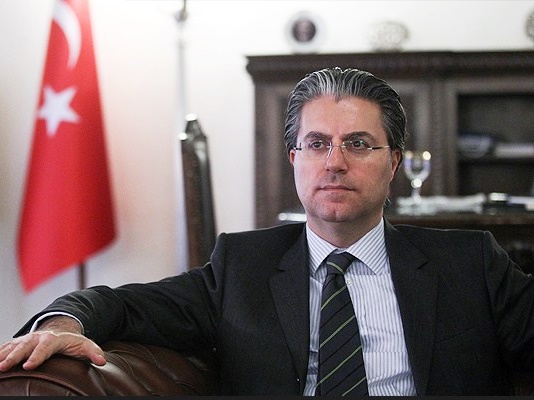
Turkish ambassador to Tehran Reza Hakan Tekin says Turkey will not abandon its project to build a dam on the Tigris-Euphrates Rivers because the project is aimed at managing Turkey’s water resources and cope with droughts in the dry seasons.
The Iranians had earlier signed a petition and sent it to the UN Secretary General Antonio Guterres, calling on Turkey to stop building dams on Tigris River in Iraq. The dams have already contributed to the desiccation of some wetlands in Iran and sand and dust storms in the south-western provinces.
Speaking on the sidelines of the International Conference on Combating Sand and Dust Storms; Challenges and Practical Solutions in Tehran, Tekin said Turkey’s studies show that the dam on Tigris-Euphrates River does not negatively affect Iraq and Syria in environmental terms.
“During the dry seasons, there is a huge shortfall and most of the regional countries face drought. The dry seasons negatively affect the environment.”
However, he added, by building the dams, we will have the required system to manage our water resources.
“Meanwhile, we can open the dams even during the dry seasons so that the regional countries can meet their water needs,” he said in a Farsi interview with the Mehr News Agency.
The ambassador also added that rainy seasons put the region in trouble as well.
“The sources of sand and dust storms hitting the region are located in the long-time deserts of the region. So the storms have nothing to do with our projects.”
He said Turkey has conducted in-depth studies on the projects and added some countries blame Turkey unjustly for not conducting enough scientific studies.
In response to a question on whether or not Turkey will accept the decisions of the international bodies about the rights of other countries to have access to the regional water resources, he said no country is ready to give away its sovereignty rights.
“The international organizations do not have the required jurisdiction to decide about issues like this.”
He drew a comparison between the rivers and oil reserves saying water resources are highly valuable. Tekin said no country can share its natural resources with others.
“If so, why don’t we share our oil reserves with other countries?”
Water is more valuable than oil today, he said.
“We should take responsibility for our actions. For example, Iran has transferred a huge amount of water from the southern province of Khuzestan to the province of Isfahan in the centre of the country for industrial purposes and this has left Khuzestan dried out,” Tekin added.
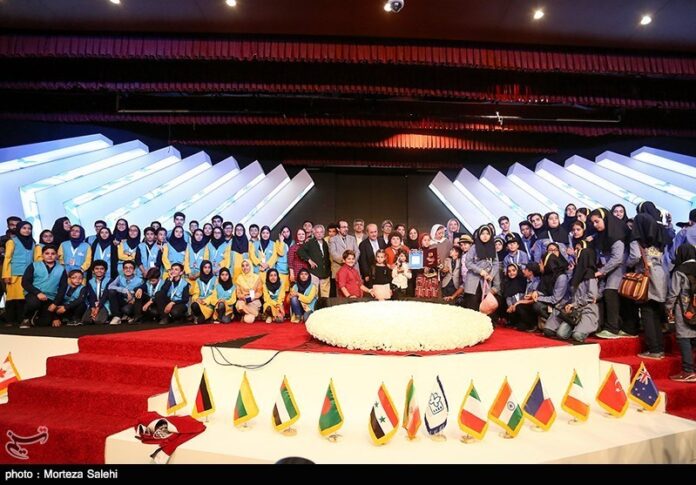
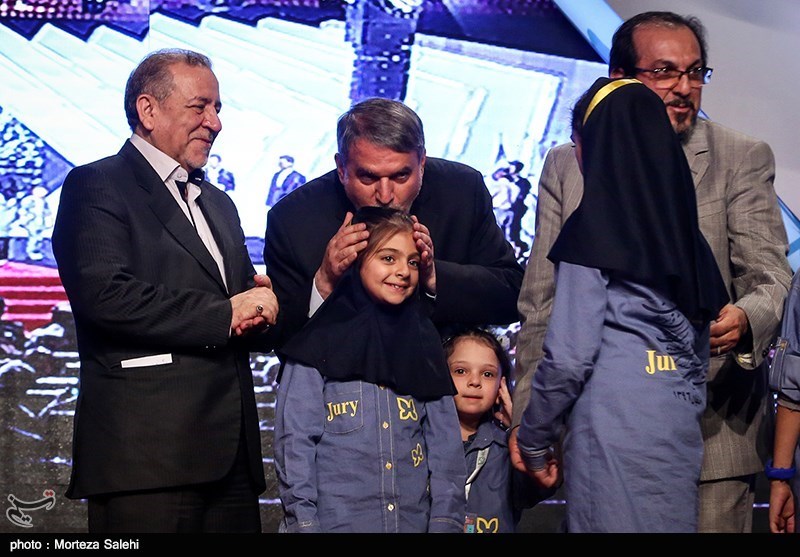
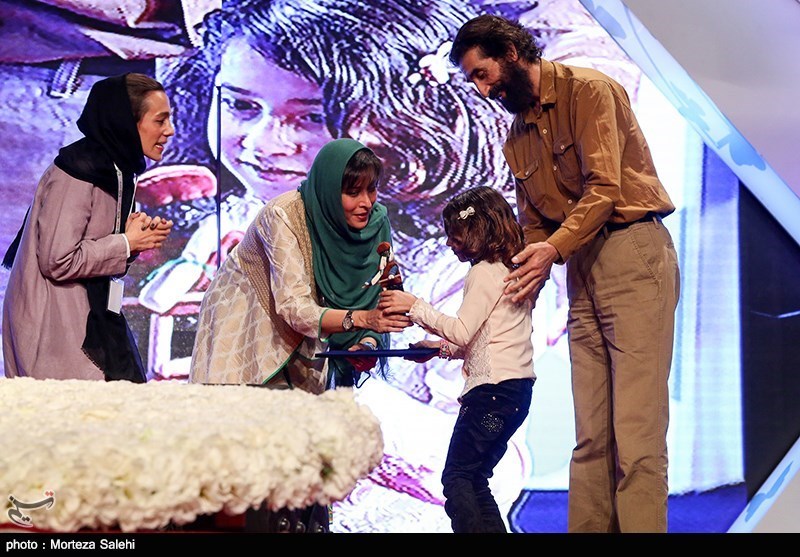
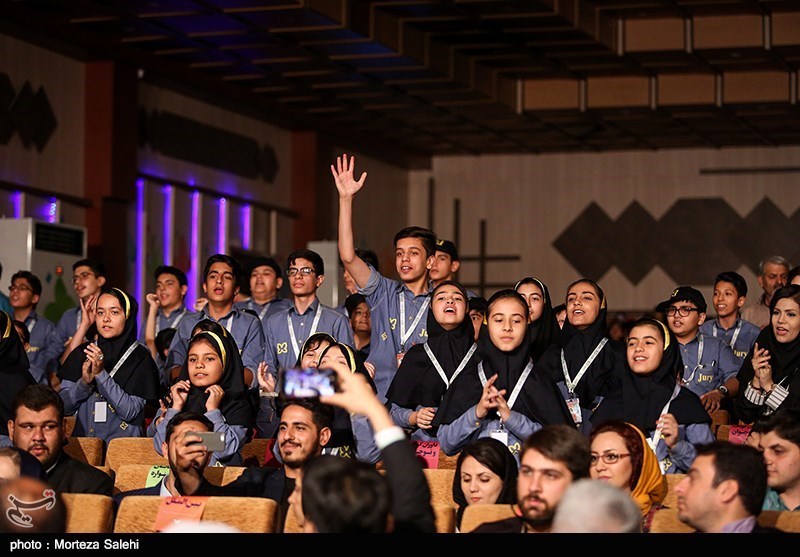
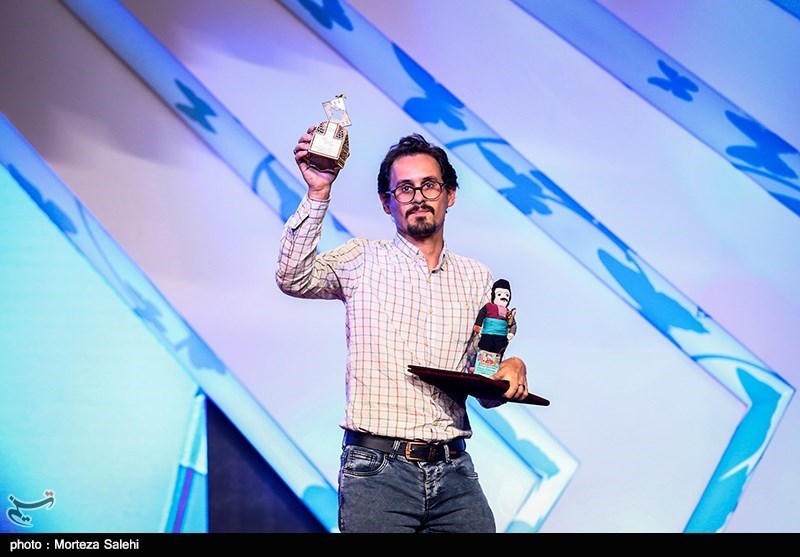
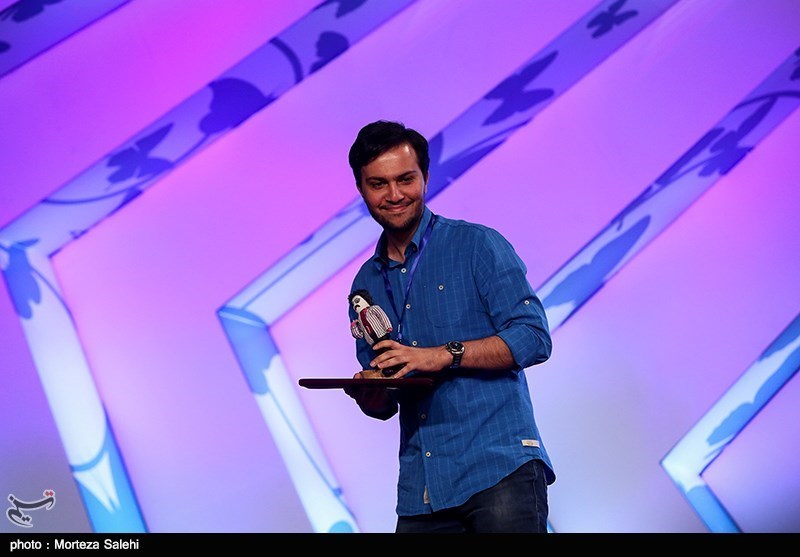
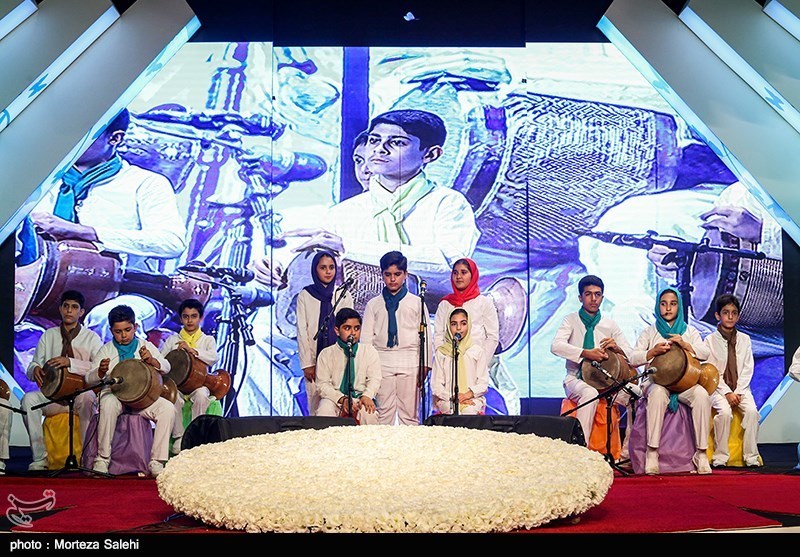
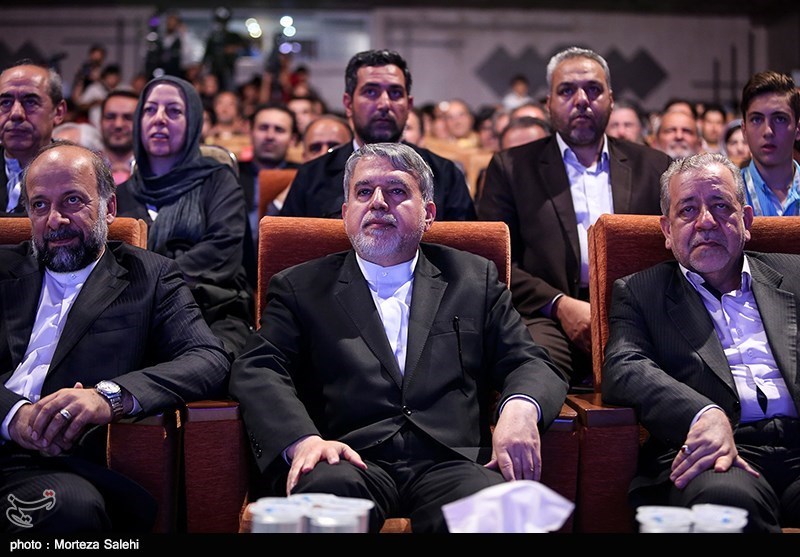
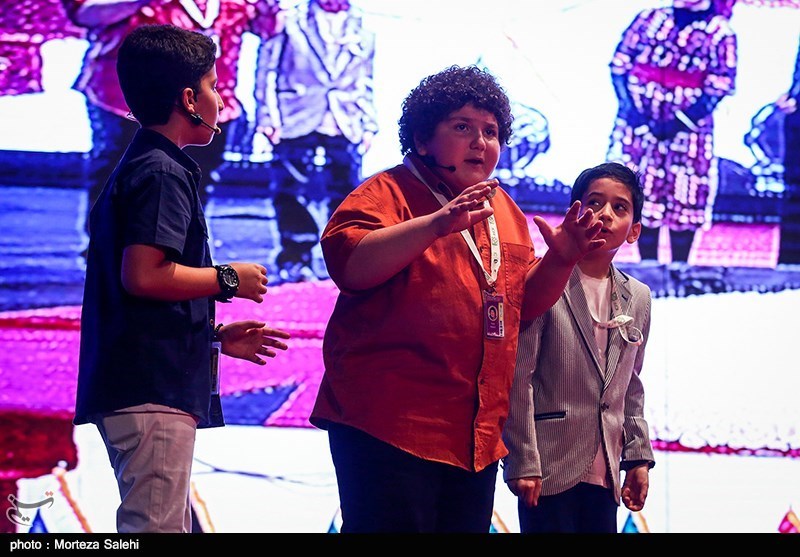
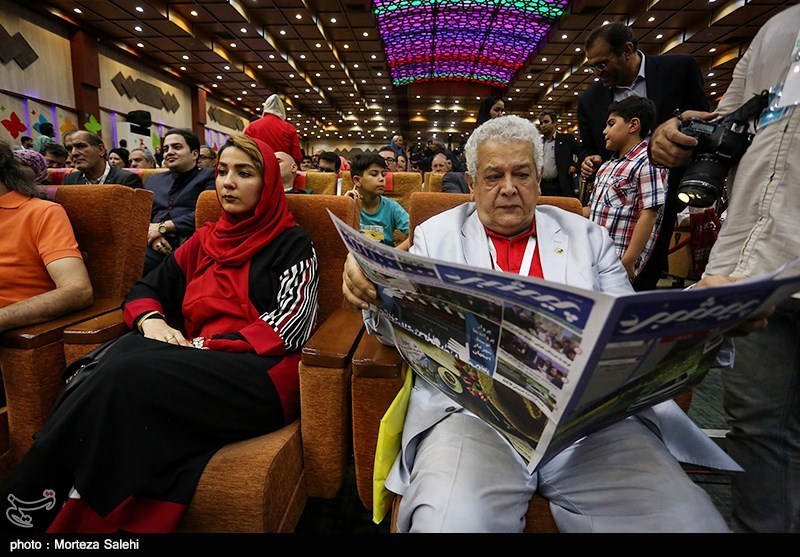
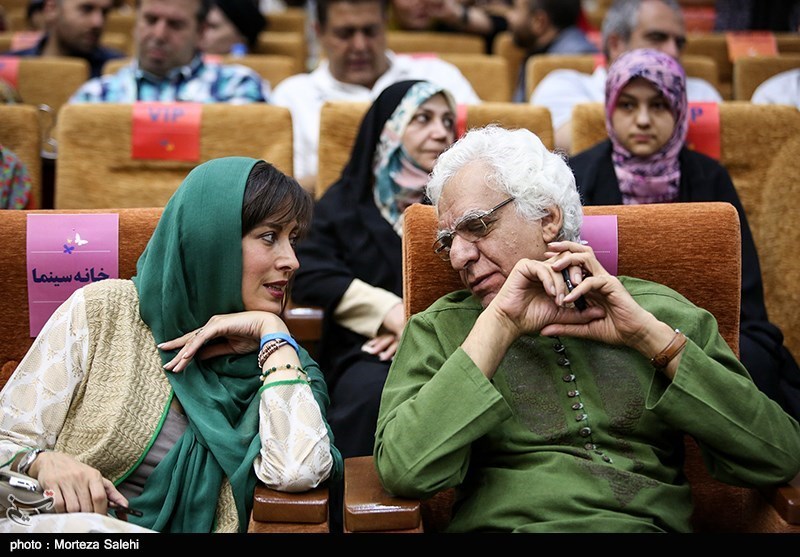
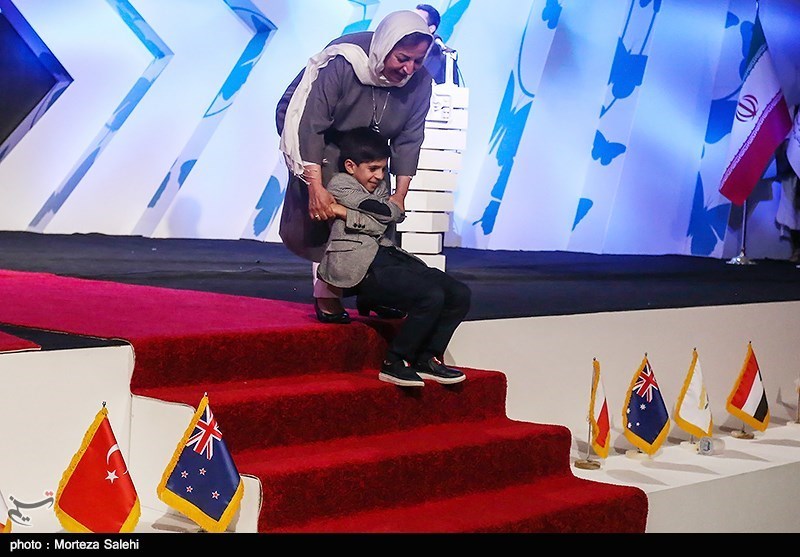
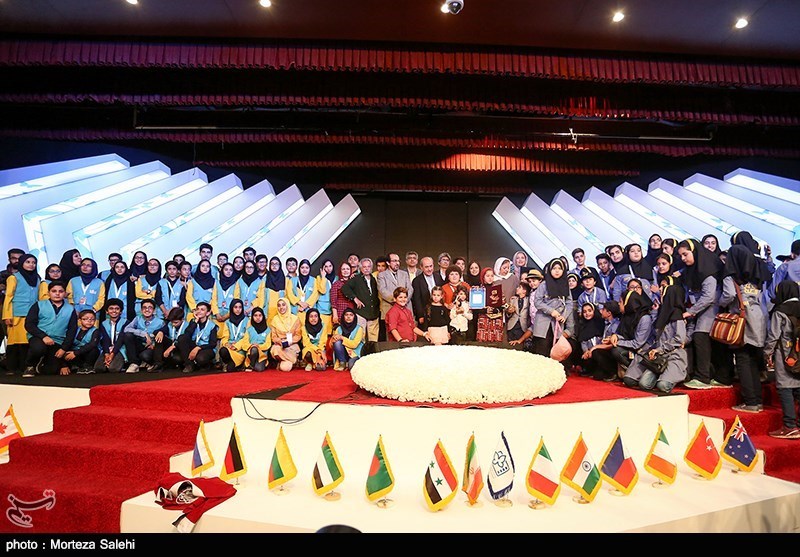
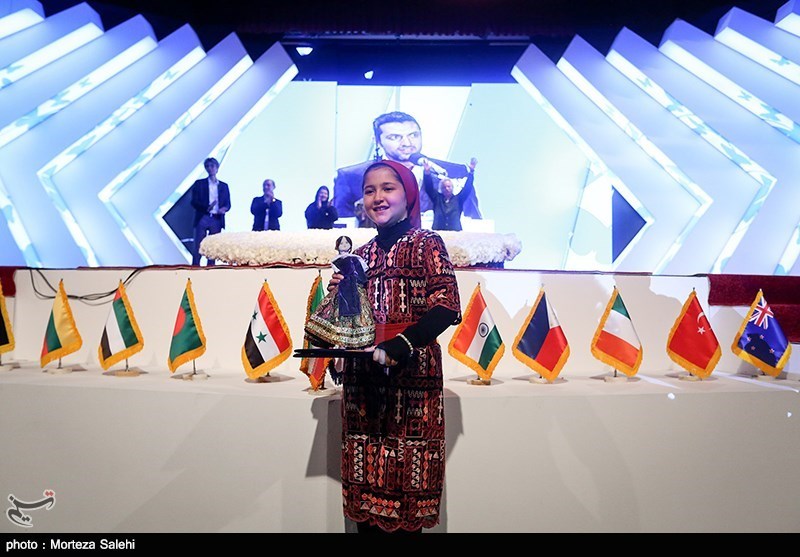
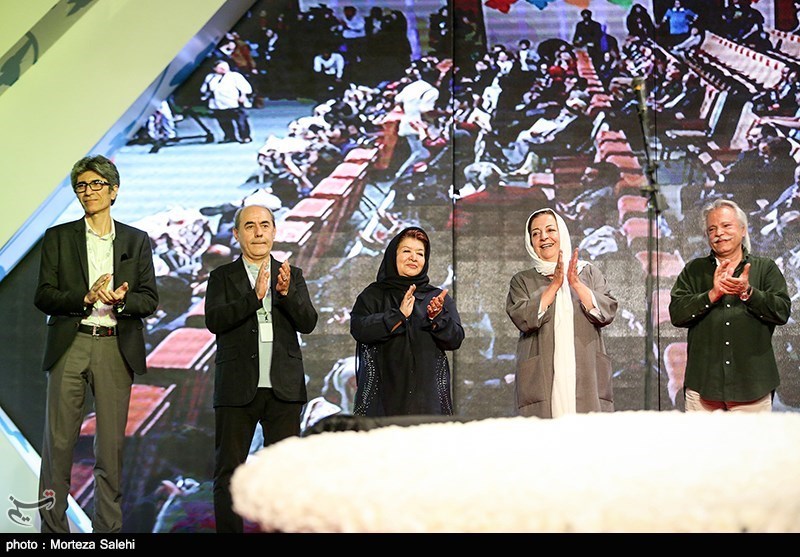
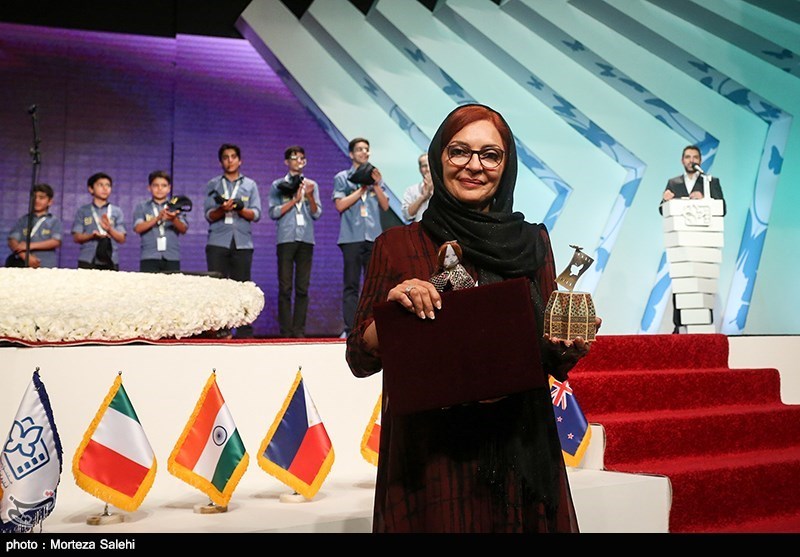
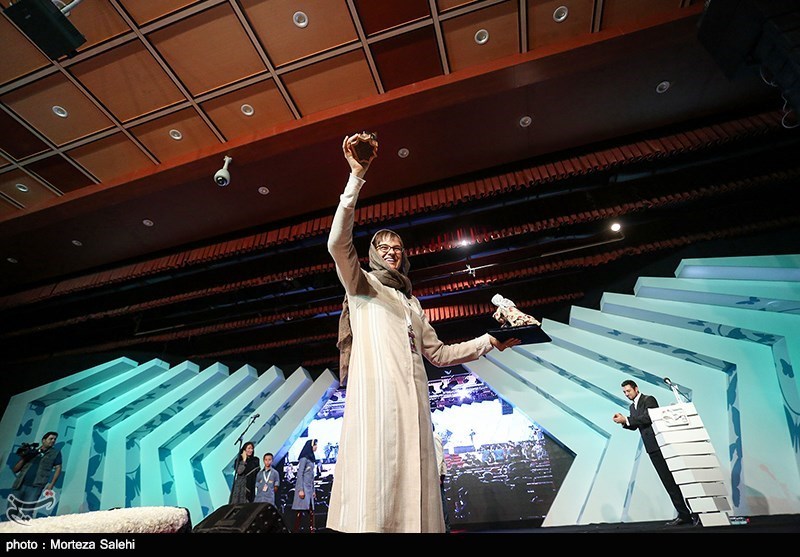
The annual event brought together some of Iran’s greatest filmmakers as well as cineastes from 30 countries.
The festival was warmly received by the people of Isfahan, particularly thanks to the appearance of well-known actors in the films screened this year.
The majority of movies have been filmed either in Tehran or in northern Iran, according to the Movie Review Magazine.
Here are Tasnim’s photos of the closing ceremony:
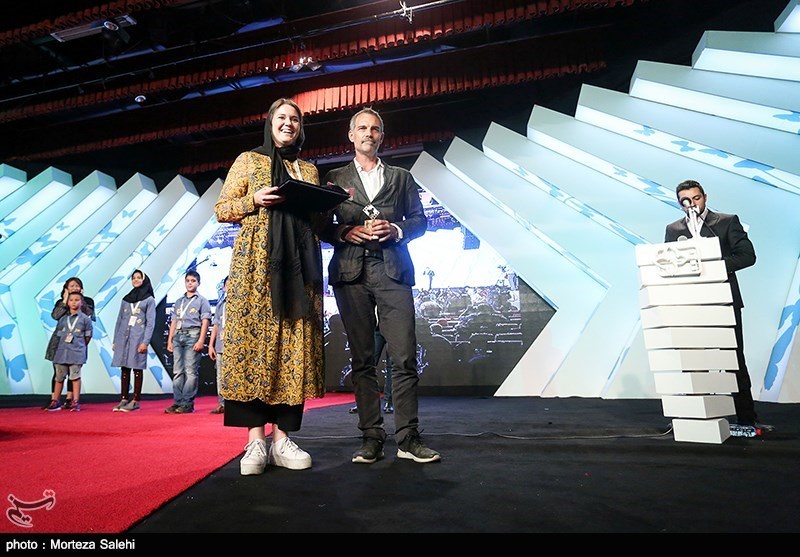
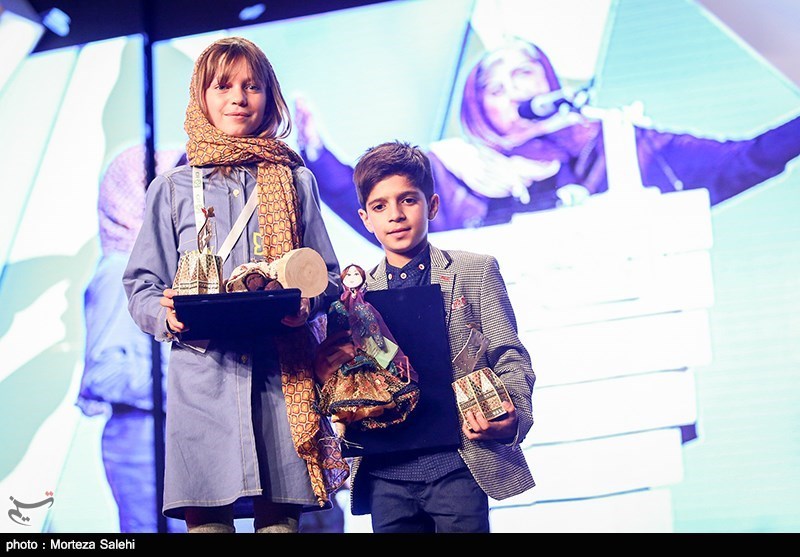
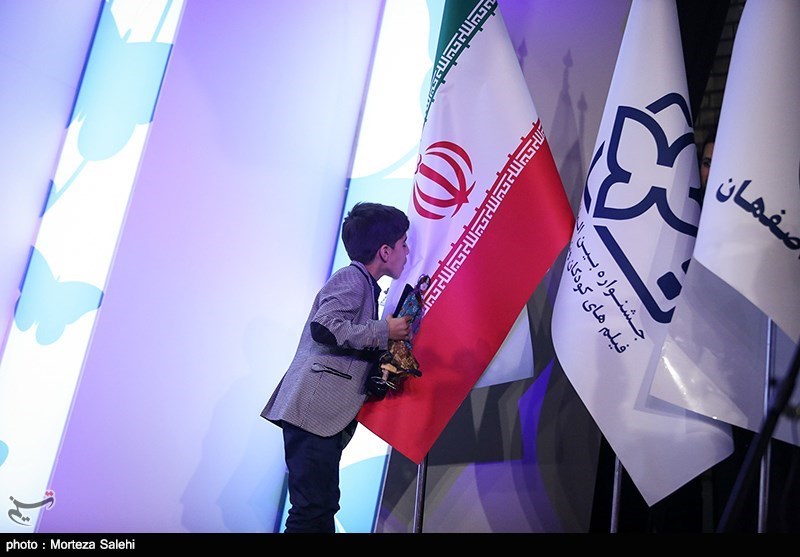
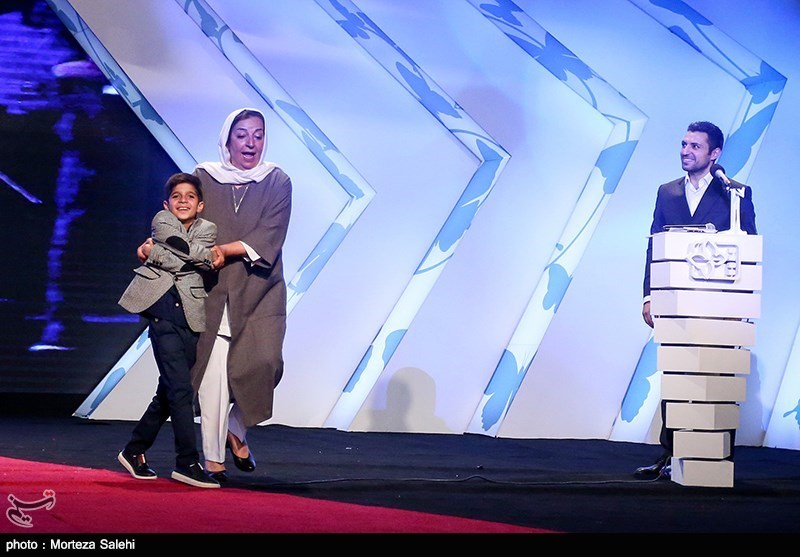

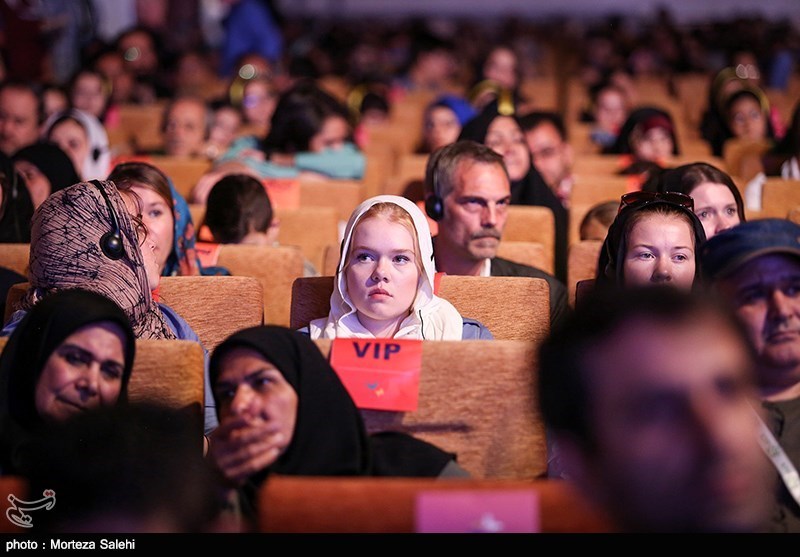
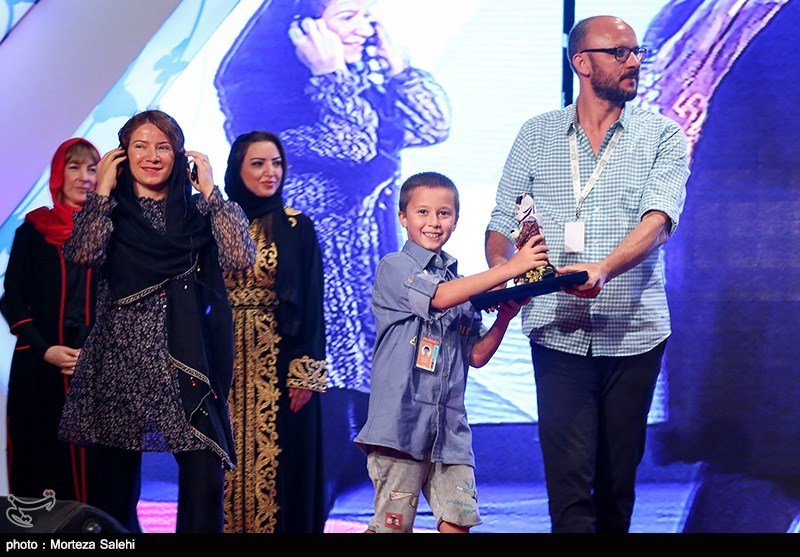
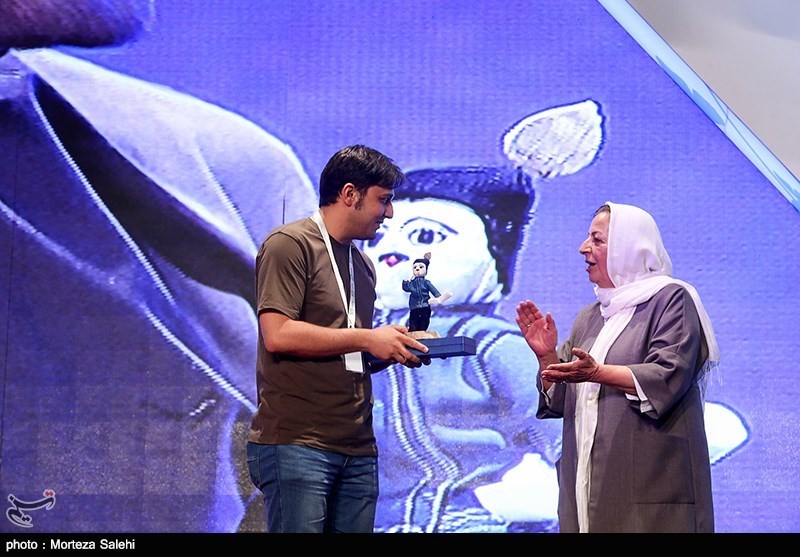
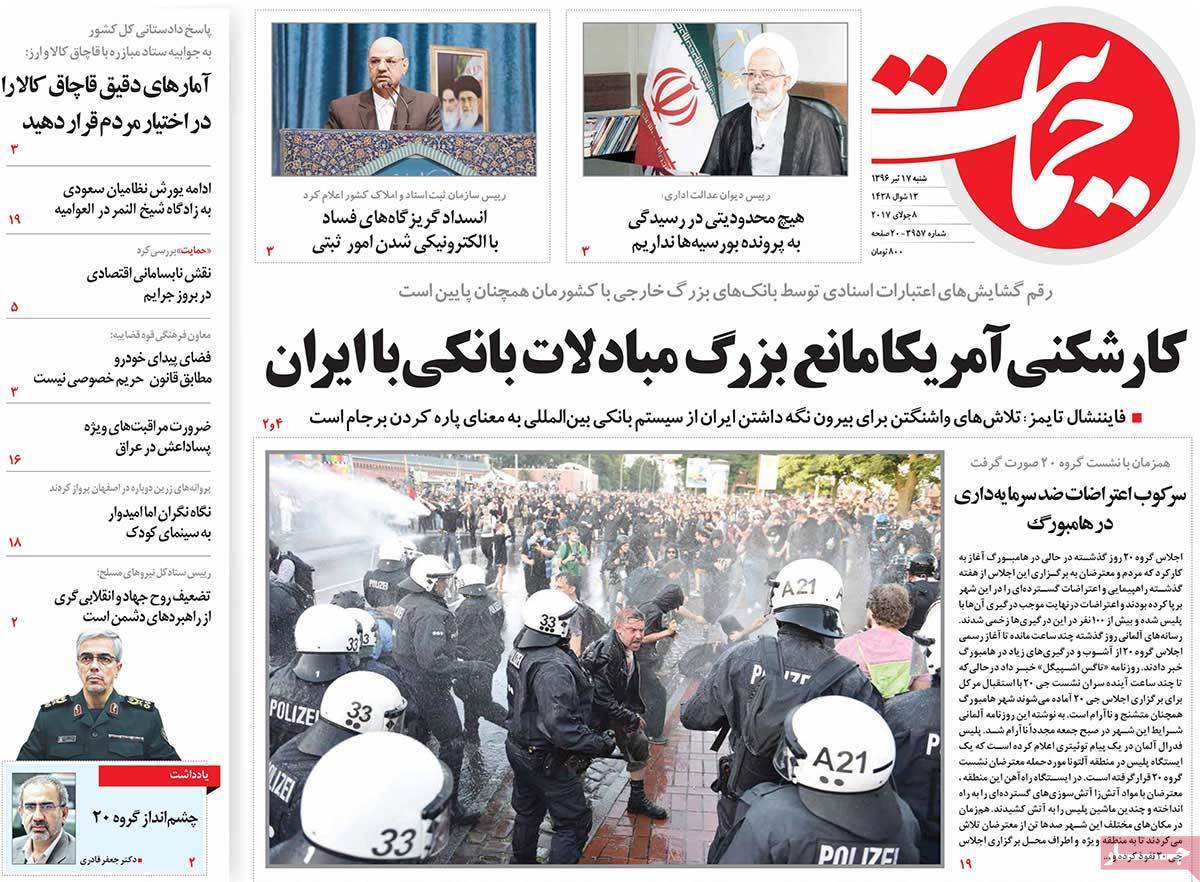
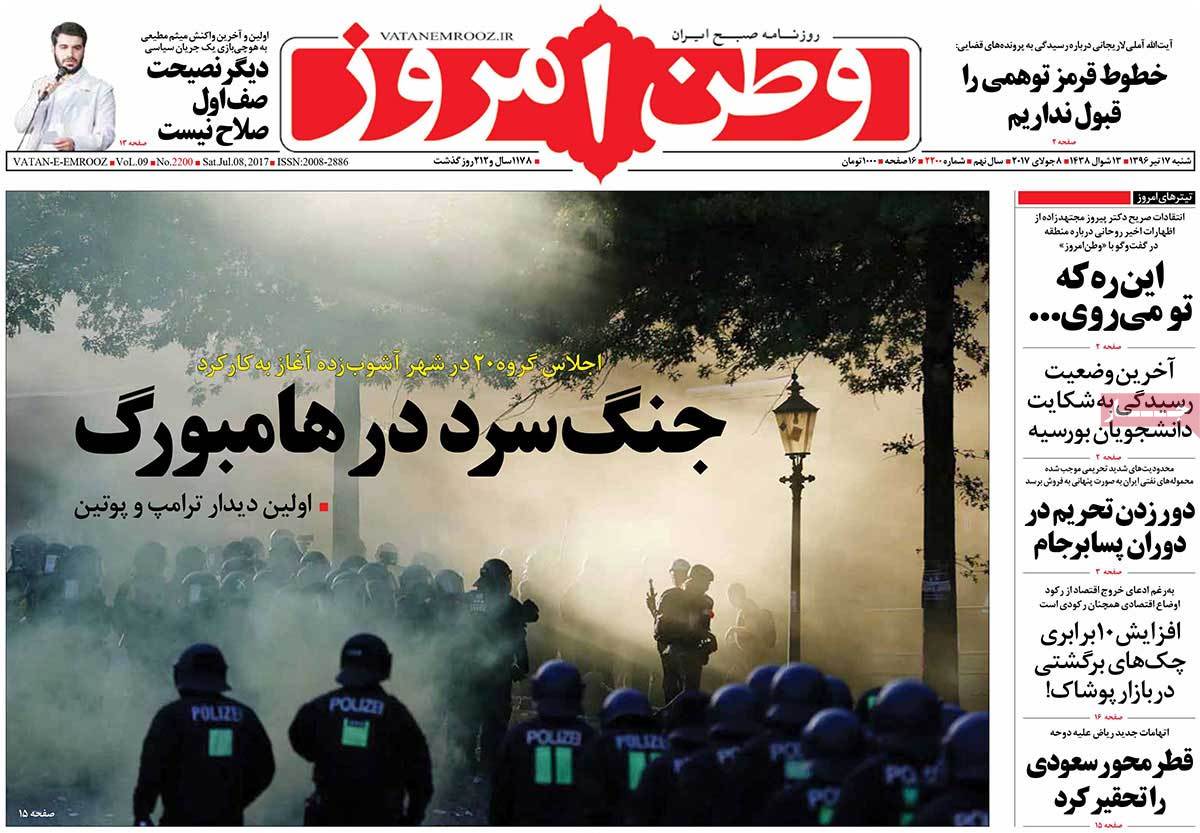
Most Iranian newspapers on Saturday covered the protest rallies held in Hamburg, Germany, against the G20 Summit. The first meeting between the US and Russian presidents also received great coverage. Trump and Putin met for the first time on the sidelines of the G20 Summit.
Some other papers, particularly the reformist ones, highlighted the issue of people’s privacy in their cars, and discussed its legal and religious aspects after the Iranian Police declared that its forces can inspect people’s cars without any legal permit as it is not part of their privacy.
The huge gas deal between Iran and the French giant Total also remained a hotly-debated issue after five days. Reformist and pro-government papers tried to respond to criticisms, and conservative ones continued attacking the government for not using the domestic capabilities.
Some newspapers covered the possible cabinet members and the future mayor of Tehran, who is to be chosen by the 21 reformist members of the City Council.
The above issues, as well as many more, are highlighted in the following headlines and top stories:
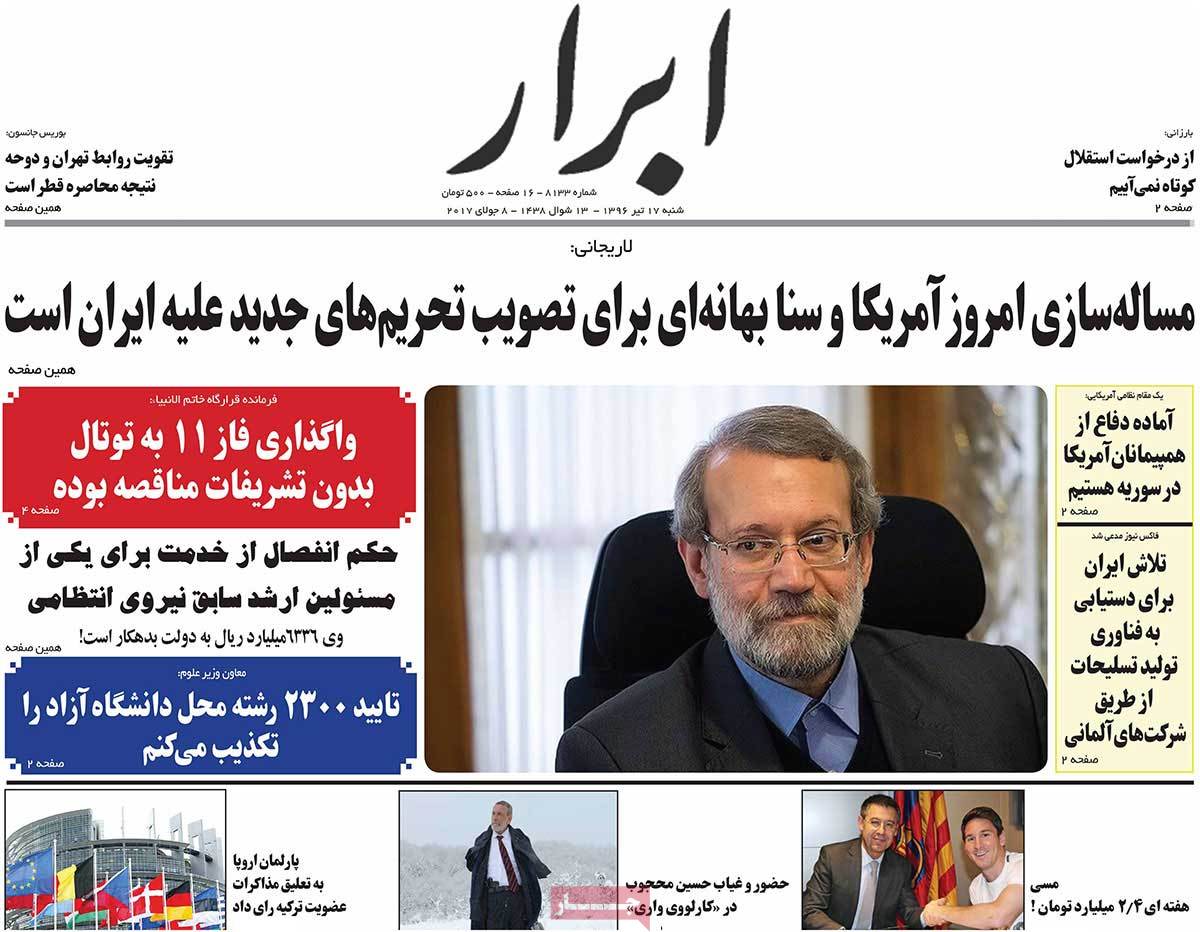
Abrar:
1- Larijani: Recent US Senate Move Pretext for Approving New Iran Sanctions
2- Military Official: US Ready to Defend Its Allies in Syria
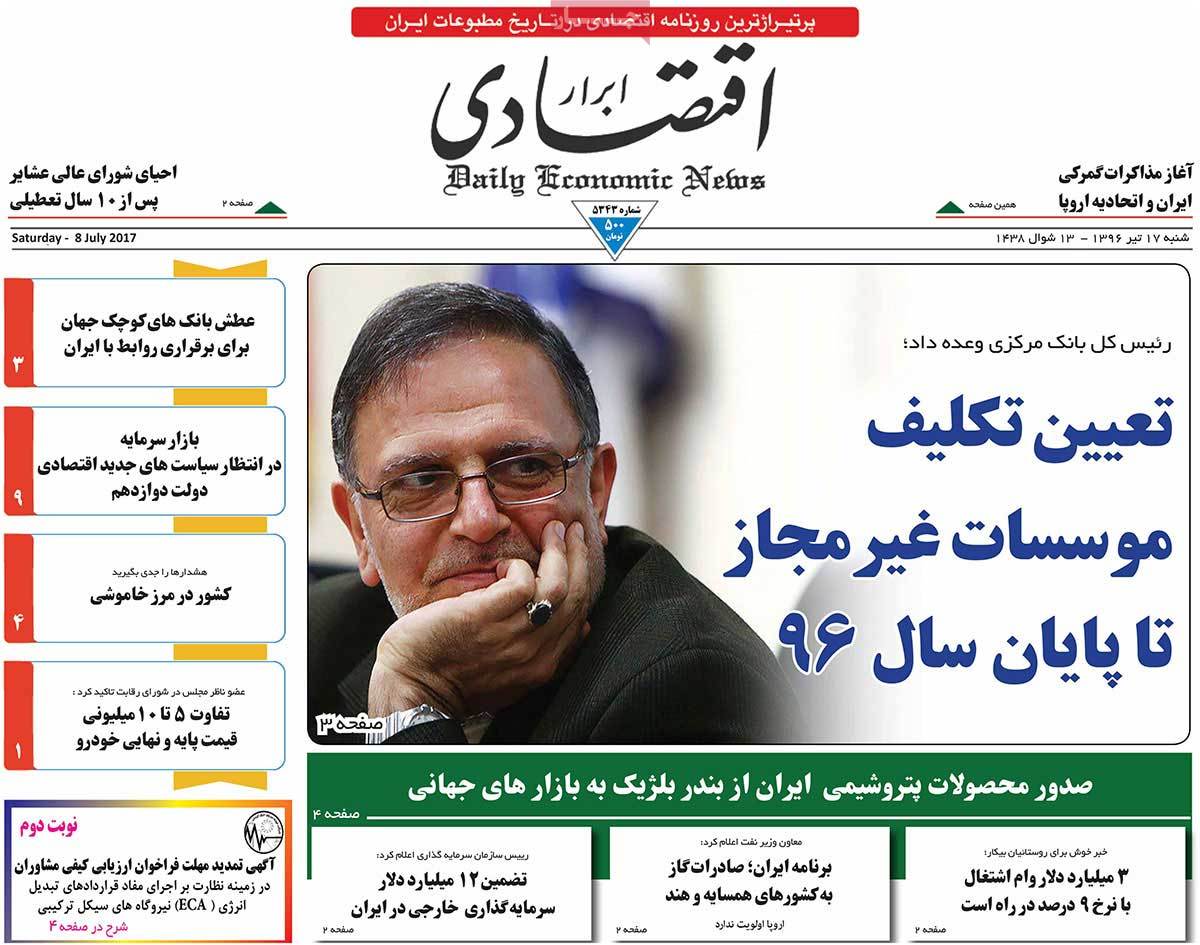
Abrar-e Eqtesadi:
1- Iran, EU Start Customs Negotiations
2- World’s Small Banks Thirsty for Establishing Ties with Iran
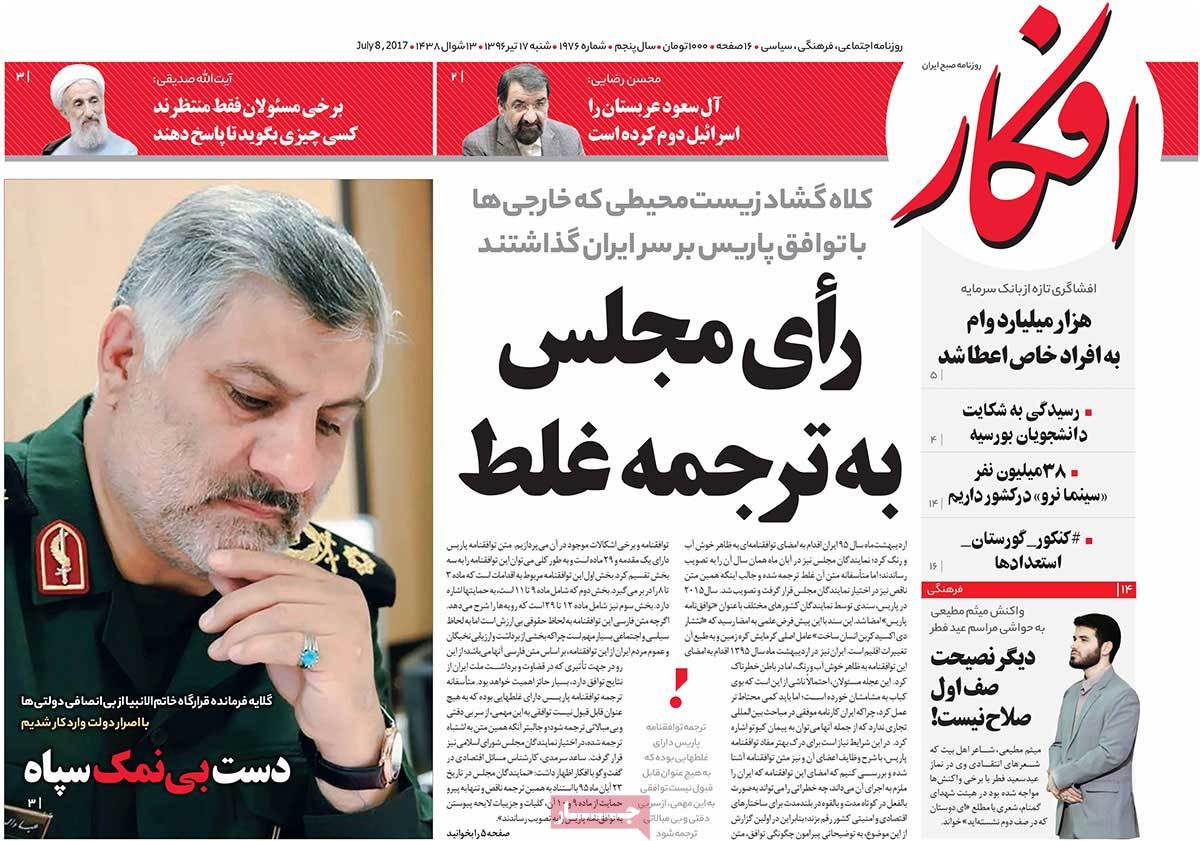
Afkar:
1- General Rezaei: Al Saud Turns Saudi Arabia into Second Israel
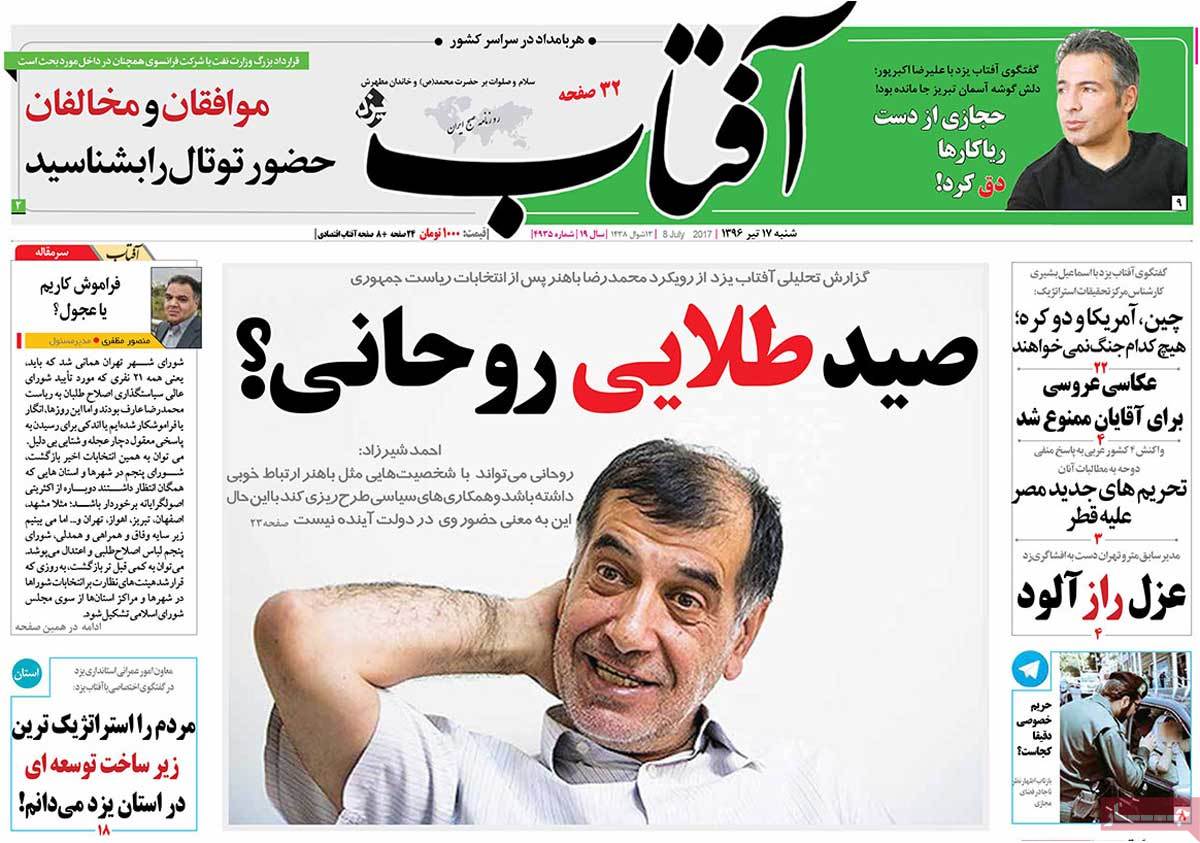
Aftab-e Yazd:
1- China, US, Two Koreas: None of Them Wants a War: Analyst
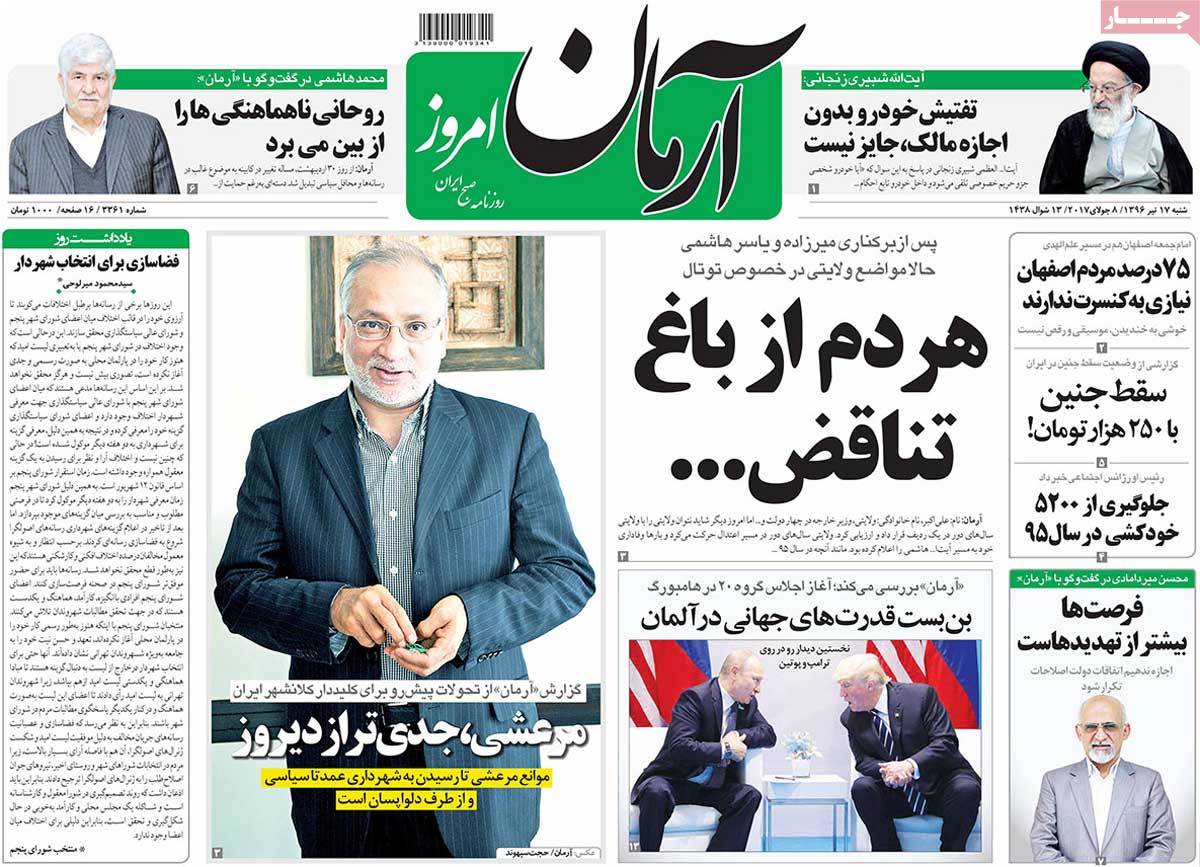
Arman-e Emrooz:
1- World Powers in Germany’s Deadlock
2- 5,200 Dissuaded from Committing Suicide in Iran in 2016: Official
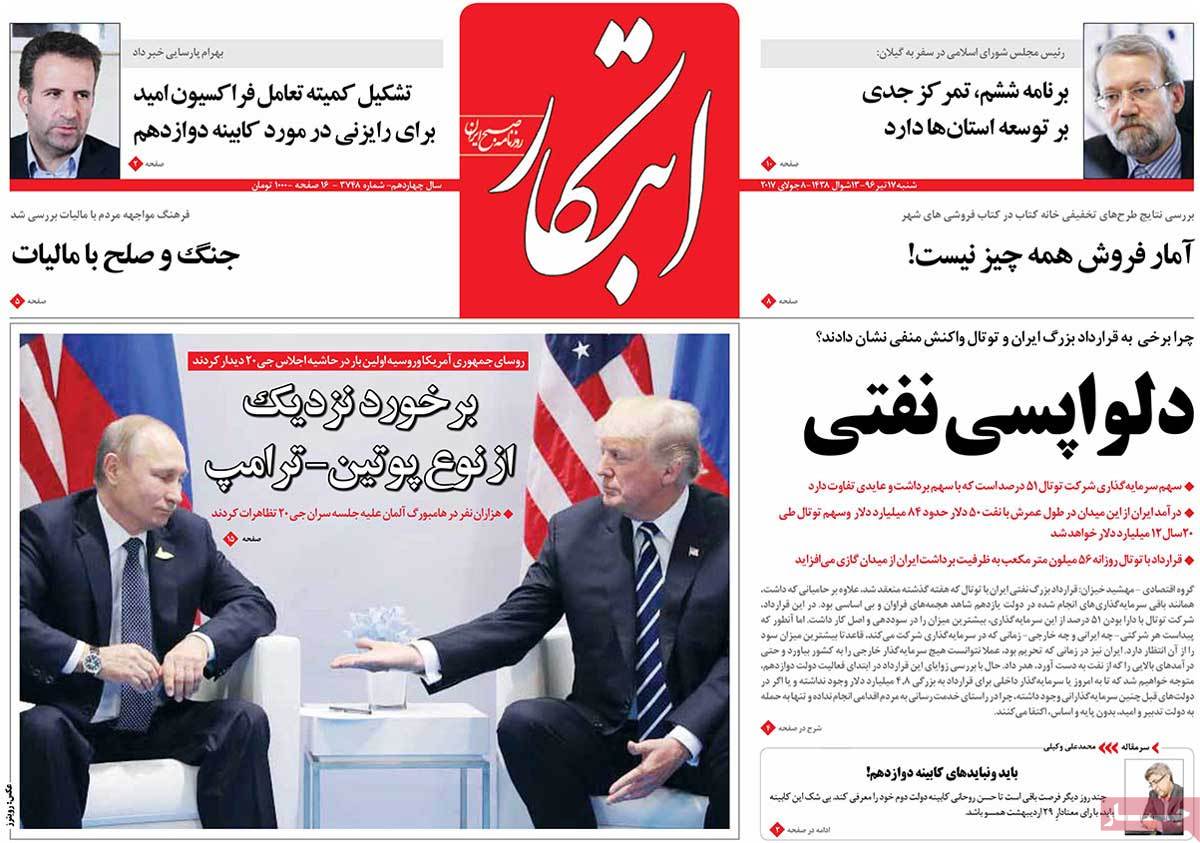
Ebtekar:
1- Close Encounter between Putin, Trump
2- Why Certain Figures Show Negative Reaction to Iran-Total Deal
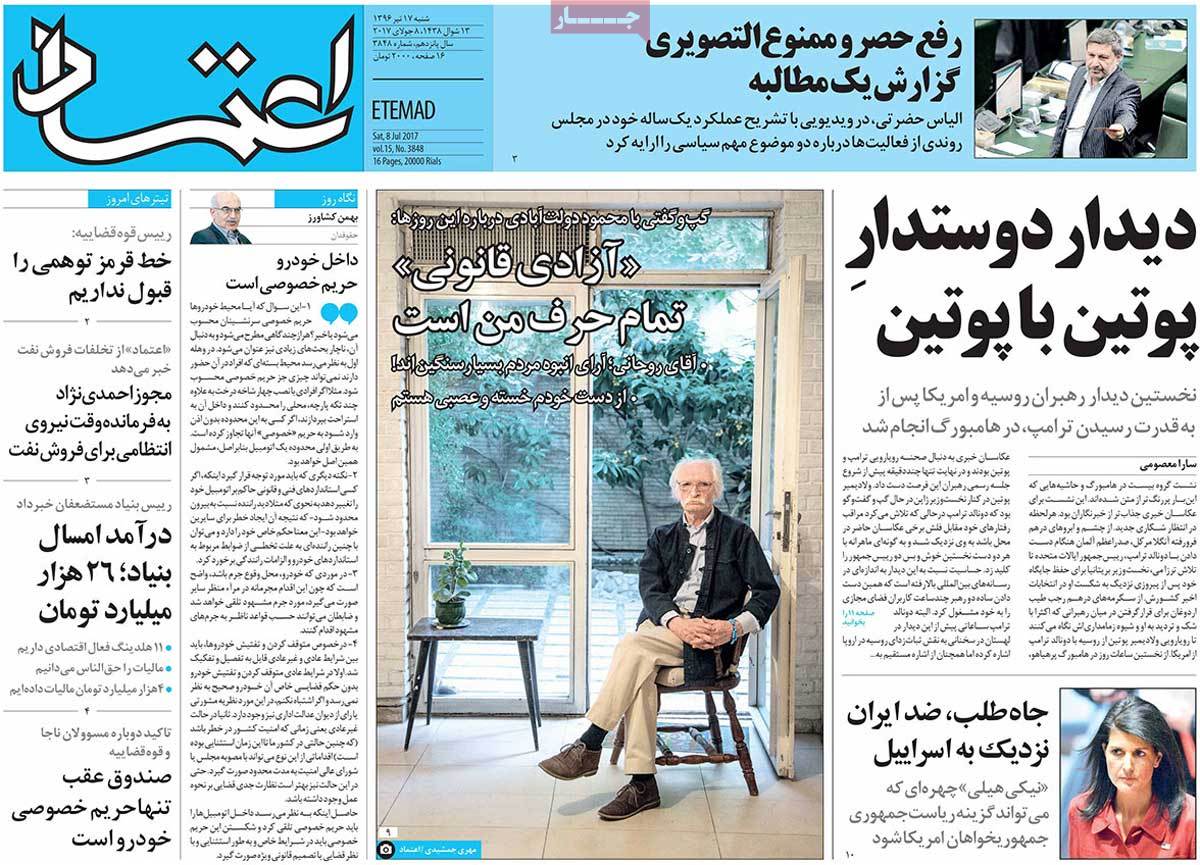
Etemad:
1- Putin Fan Meets Putin: US, Russian Leaders Meet for First Time in Hamburg
2- Ambitious, Anti-Iran, Close to Israel: Haley Can Be Future GOP Presidential Candidate
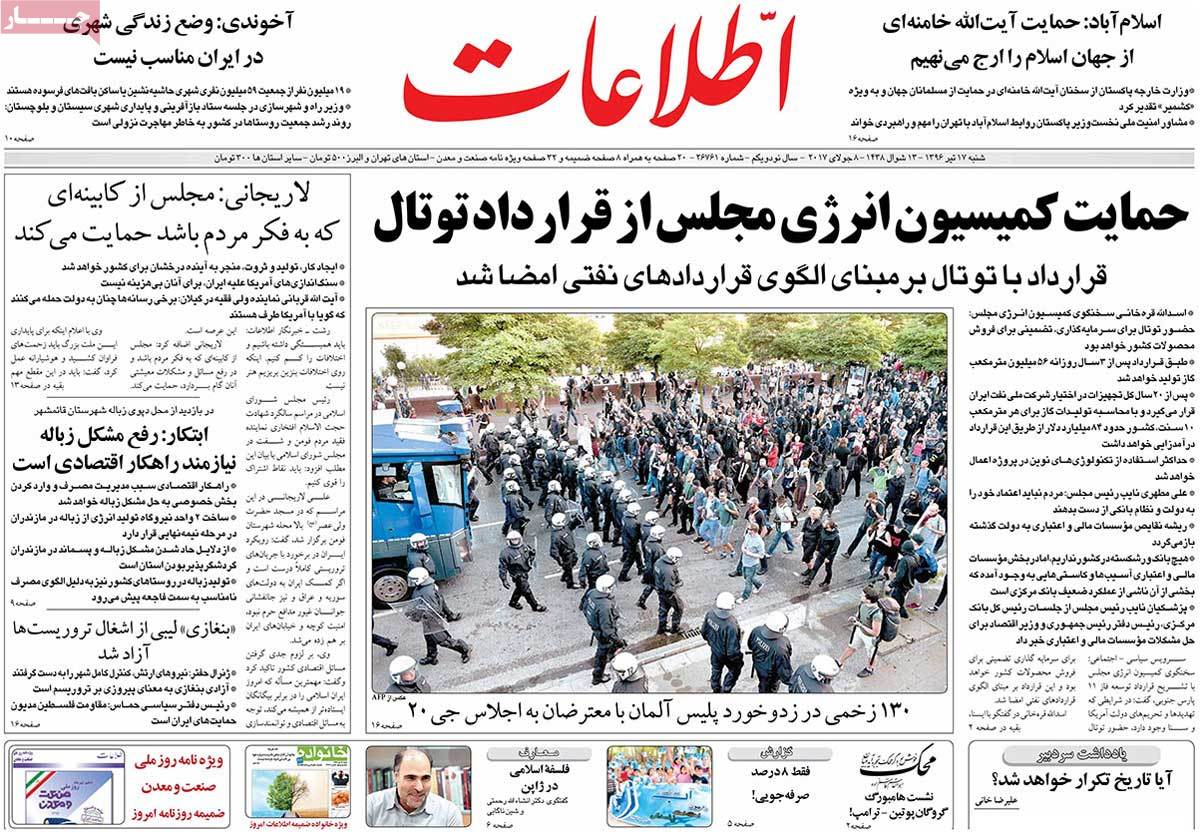
Ettela’at:
1- Iran Parliament’s Energy Commission Supports Deal with Total
2- Pakistan: We Appreciate Ayatollah Khamenei’s Support for Muslim World
3- Larijani: Parliament to Support Any Cabinet that Thinks about People
4- 130 Wounded in Clashes between German Police, G20 Protesters
5- Libya’s Benghazi Liberated from Terrorists
Hemayat:
1- US Stonewalling Huge Barrier to Banking Transactions with Iran
Iran:
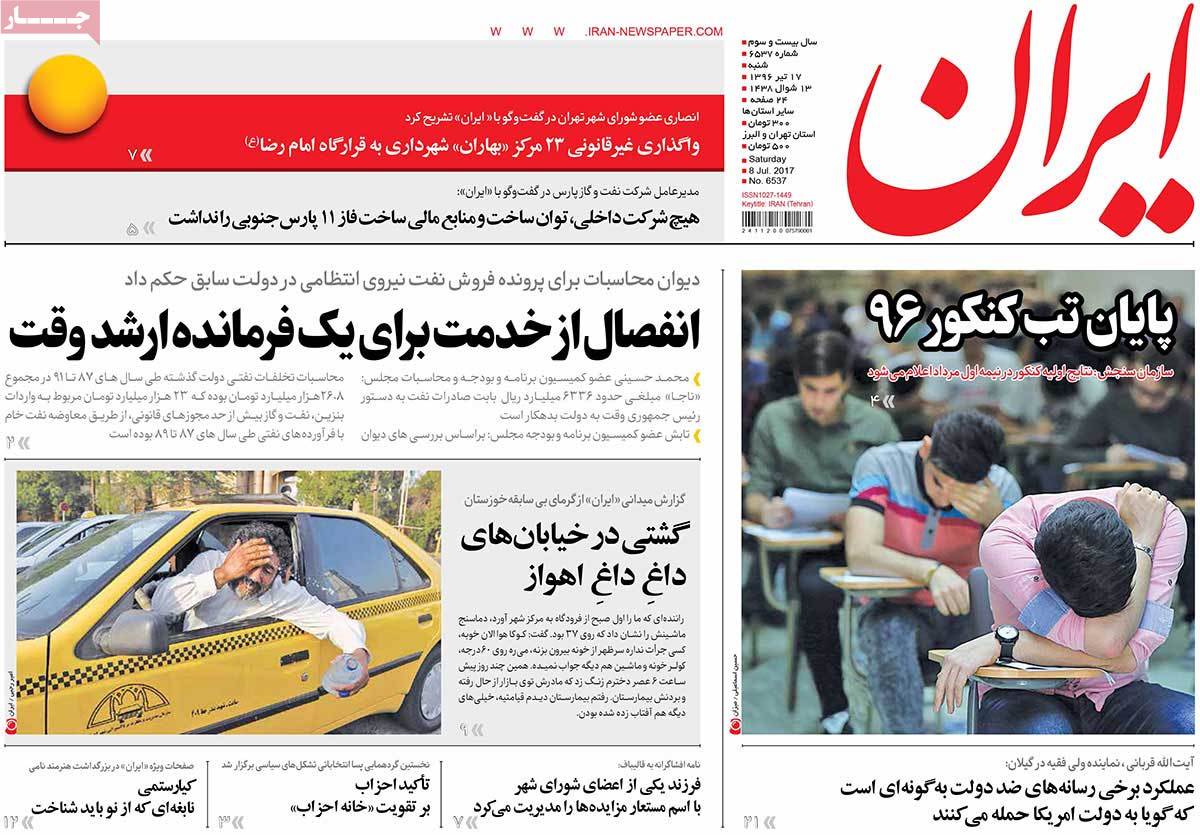
1- No Iranian Firm Capable of Building, Funding South Pars Phase 11: Official
2- Some Anti-Gov’t Media Act as If They’re Attacking US Gov’t: Cleric
Javan:
1- ‘Welcome to Hell’
2- Clear Response to Anti-Iran Human Rights Reports

Kayhan:
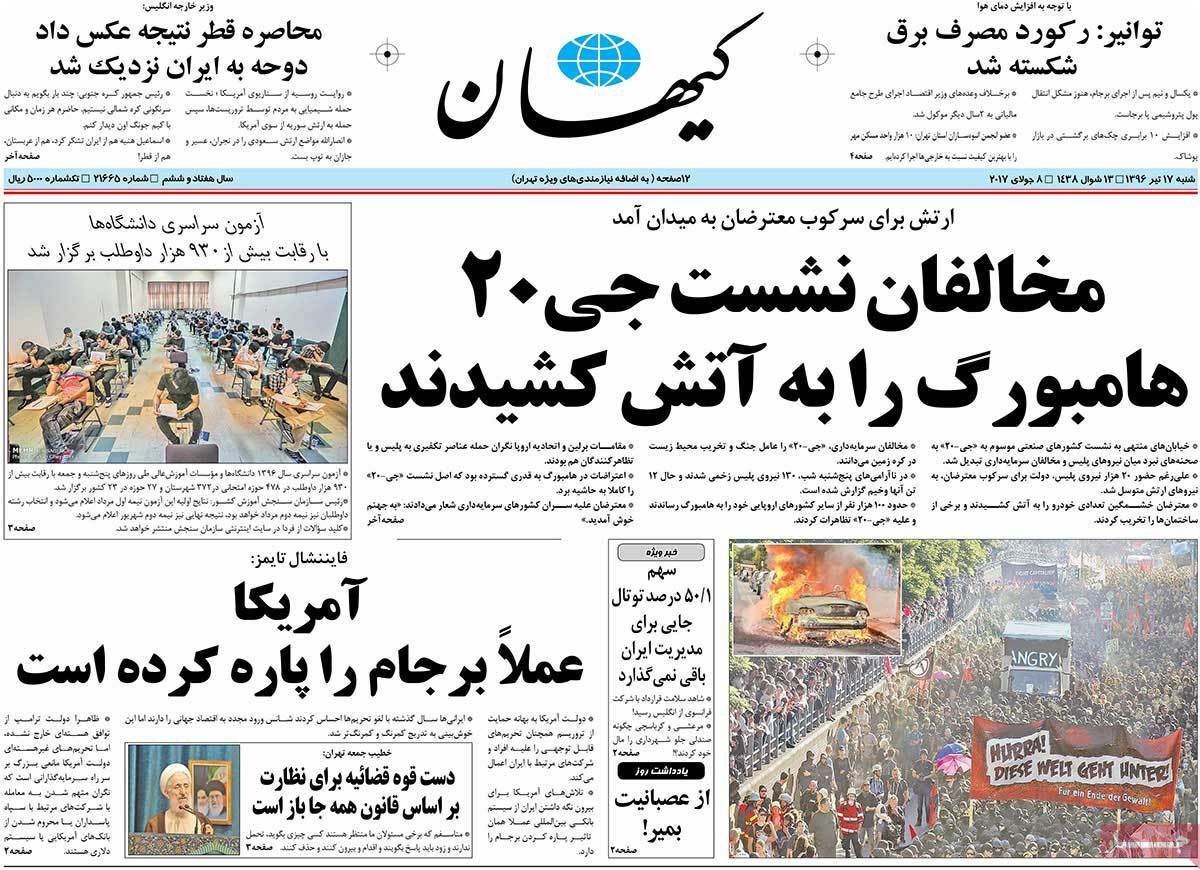
1- Protesters Set Fire on G20 Summit in Hamburg
2- Record of Power Consumption in Iran Broken
3- Johnson: Qatar Blockade Counterproductive; Doha Closer to Iran
4- Financial Times: US Practically Torn up JCPOA
Khorasan:
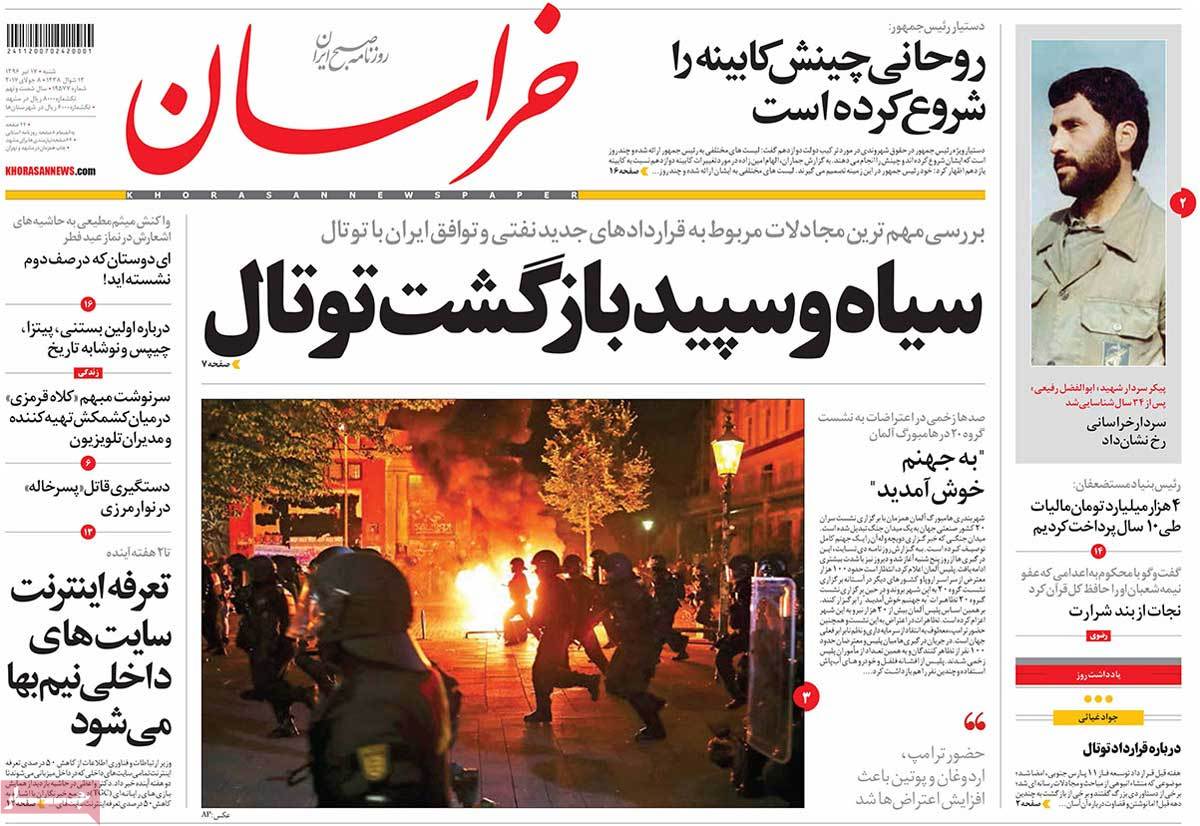
1- Black and White Points of Total’s Return to Iran
2- Rouhani Has Started Choosing His Cabinet Members: Aide
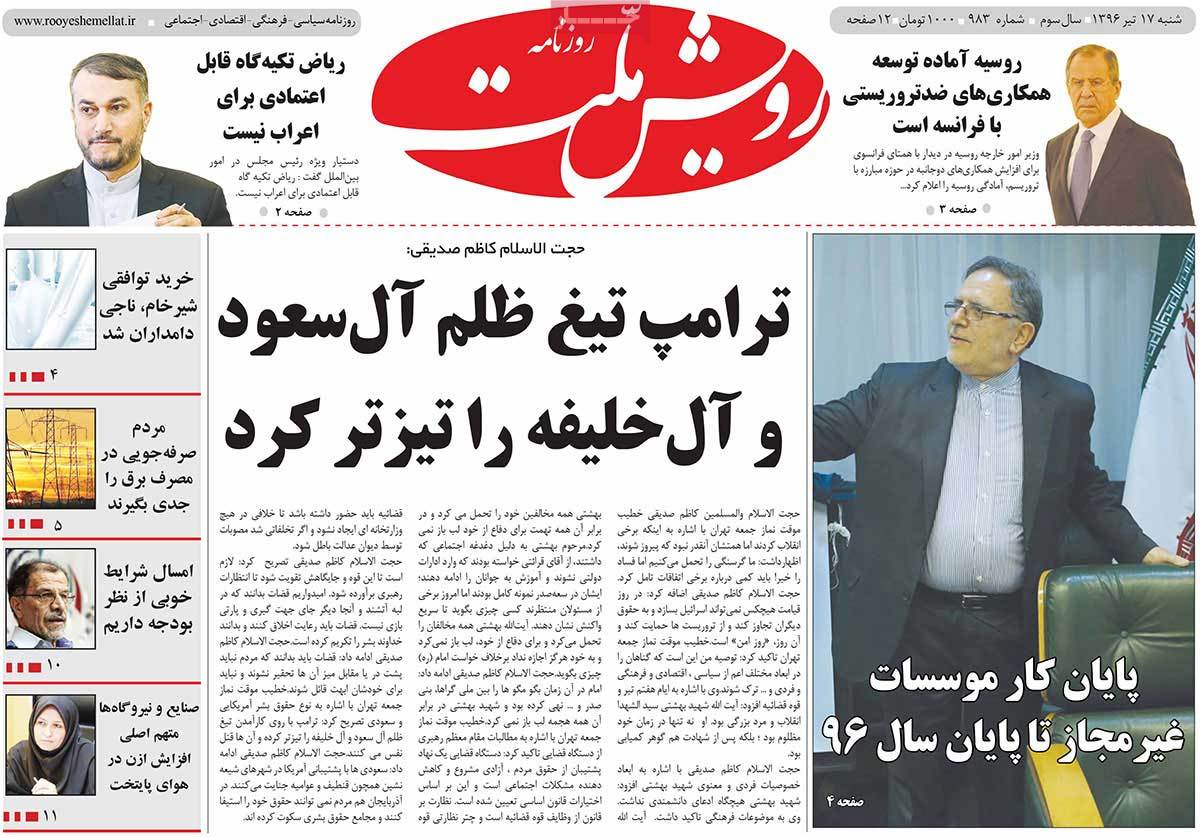
Rooyesh-e Mellat:
1- Trump Sharpens Al Saud, Al Khalifa’s Blades of Tyranny: Cleric
2- Amir Abdollahian: Riyadh Not a Reliable Partner for Arabs
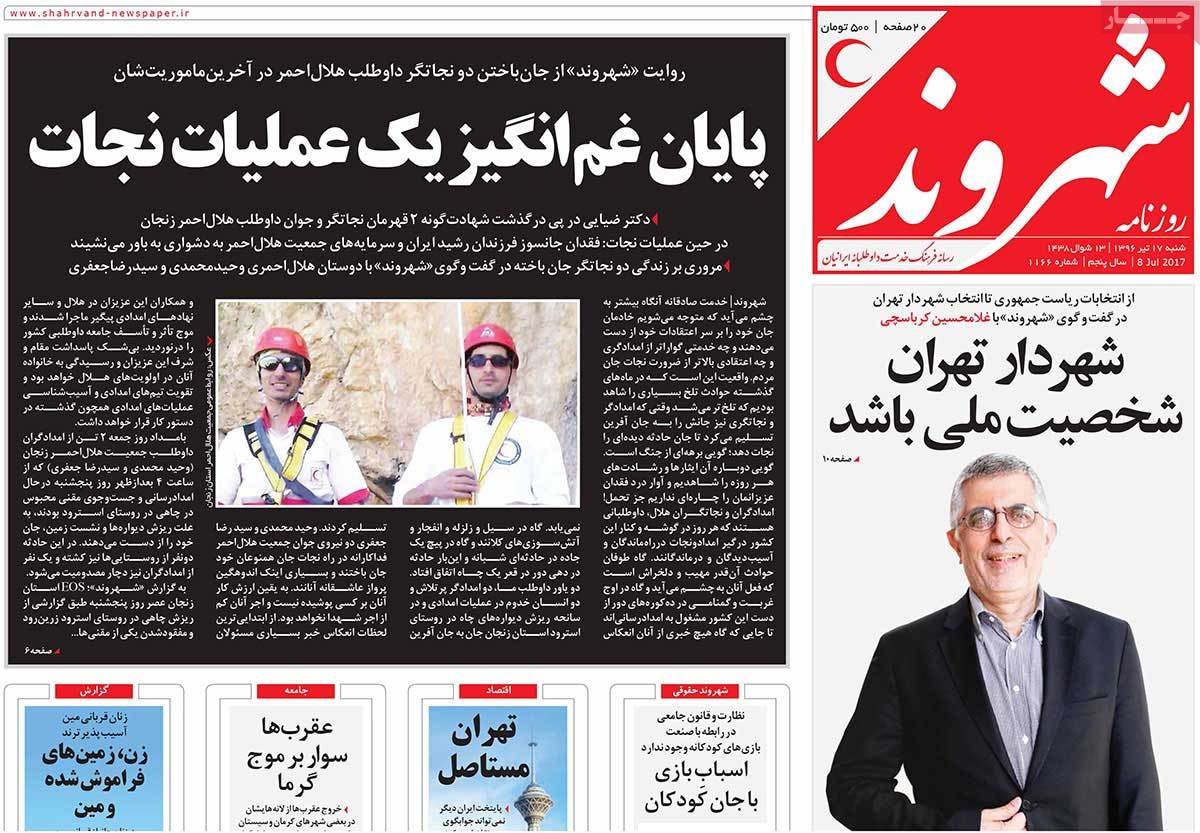
Shahrvand:
1- Sad End of Rescue Operation: Two Rescue Workers Die in Last Mission
2- Tehran Mayor Should Be National Figure: Ex-Mayor
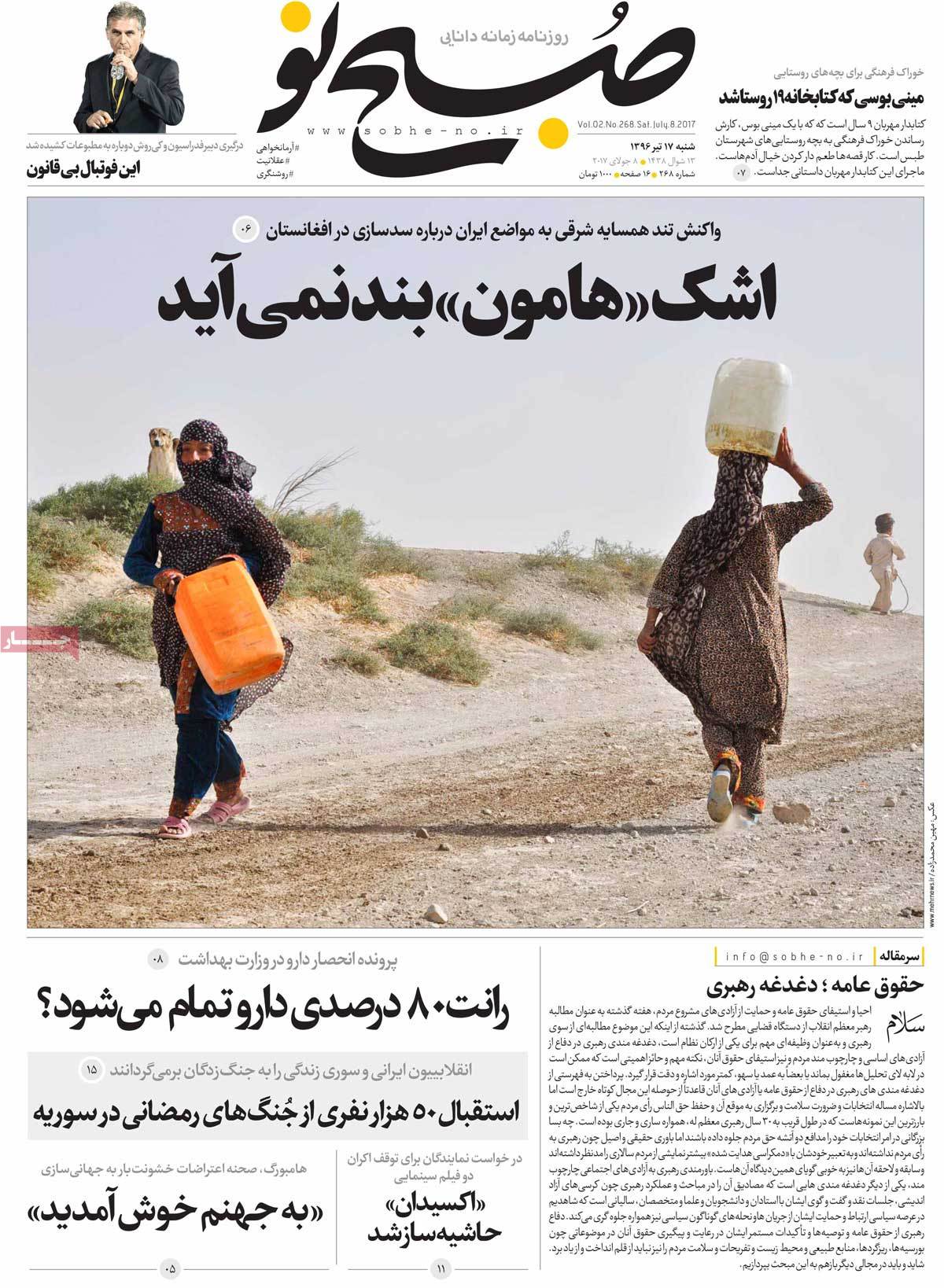
Sobh-e Now:
1- Hamun Lake Cannot Stop Crying
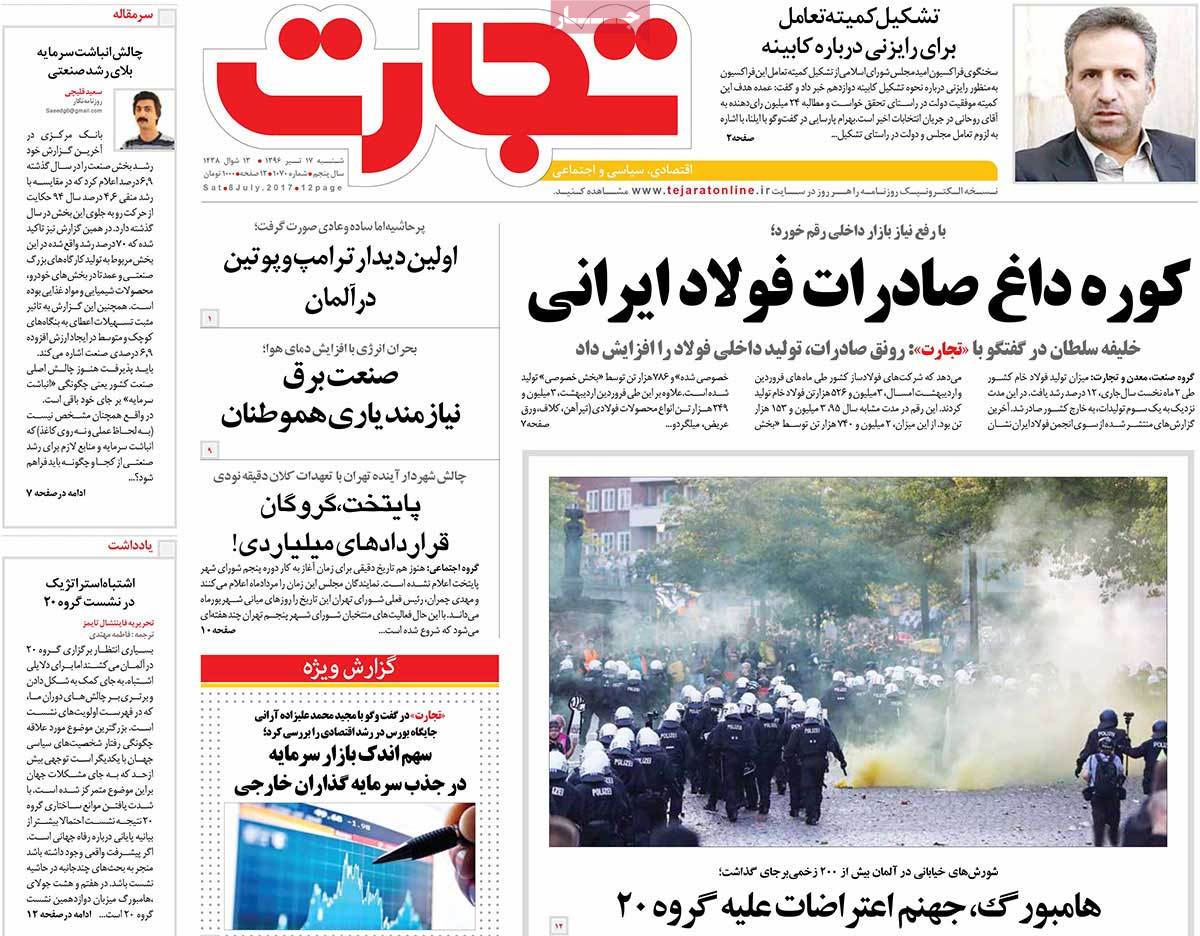
Tejarat:
1- Hot Days of Iran’s Steel Export
2- Hamburg, Hell of Protests against G20
3- First Trump-Putin Meeting Held in Germany: Controversial, but Simple
Vatan-e Emrooz:
1- Cold War in Hamburg
© All Content by IFP News ( Iran Front Page ) is licensed under a Creative Commons Attribution 4.0 International License.
