Saturday, April 11, 2026
Home Blog Page 3986

Iran Seizes Trespassing Saudi Boat with 4 on Board

Iran Seizes Trespassing Saudi Boat with 4 on Board

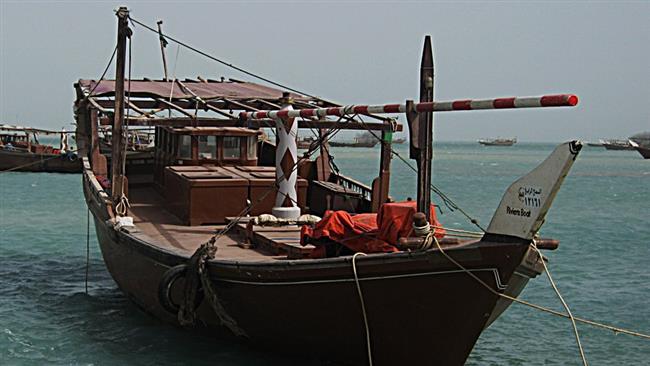
The vessel, which had set off from the Saudi port of Dareen, was seized in the waters off the southern Iranian province of Bushehr on Friday, an informed source told Fars news agency.

The source added that all of the vessel crew were detained and that investigations are underway.

Iranian security forces see it as a principle to safeguard the Islamic Republic’s territorial waters and will not allow anybody to trespass on Iran’s waters, the source said.

Last month, the Iranian Interior Ministry’s director general for border affairs Majid Aqa-Babaei said that Saudi Arabia’s coastguard had opened fire on Iranian fishing boats in the waters south of Iran and killed a fisherman.

The incident happened after two Iranian boats fishing in the Persian Gulf strayed from their course due to big sea waves, Aqa-Babaei said on June 17.

Relations between Iran and Saudi Arabia worsened after a deadly human crush occurred during Hajj rituals in Mina, near Mecca in September 2015.

Islamic Republic officials blamed the incompetence of Saudi officials for the incident, which, according to Iran, killed 4,700 people, including 465 Iranian nationals.

Earlier that same month, a massive construction crane had collapsed into Mecca’s Grand Mosque, killing more than 100 pilgrims, including 11 Iranians, and injuring over 200 others, among them 32 Iranian nationals.

Mutual ties deteriorated further when Riyadh executed prominent Saudi Shia cleric Sheikh Nimr al-Nimr in January 2016. Saudi Arabia unilaterally severed its diplomatic ties with Iran after protests in front of its diplomatic premises in the cities of Tehran and Mashhad against Nimr’s execution.

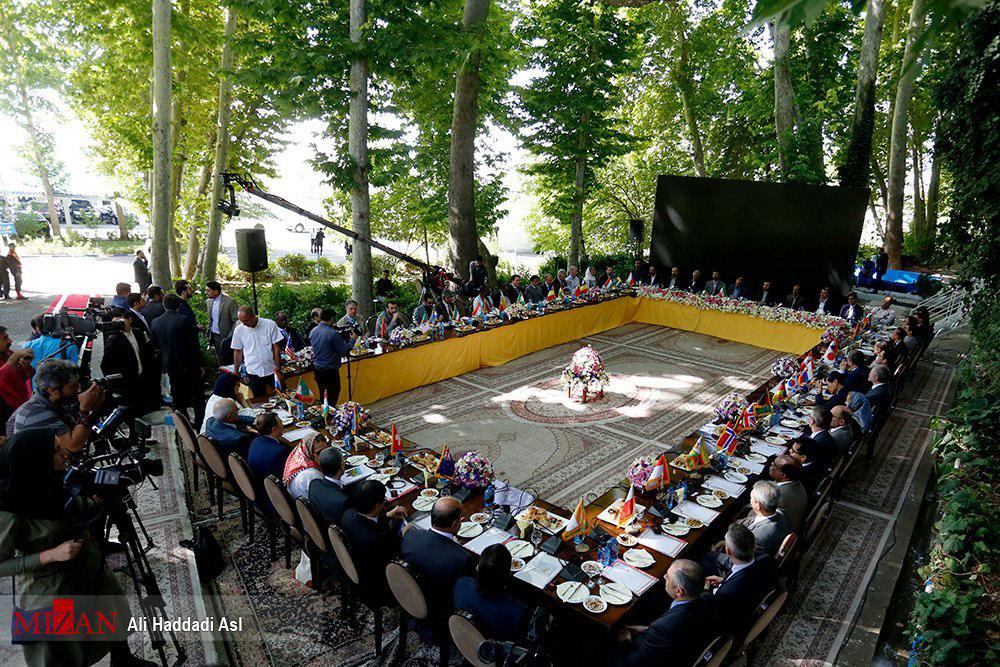
45 Foreign Ambassadors Tour Tehran’s Evin Prison

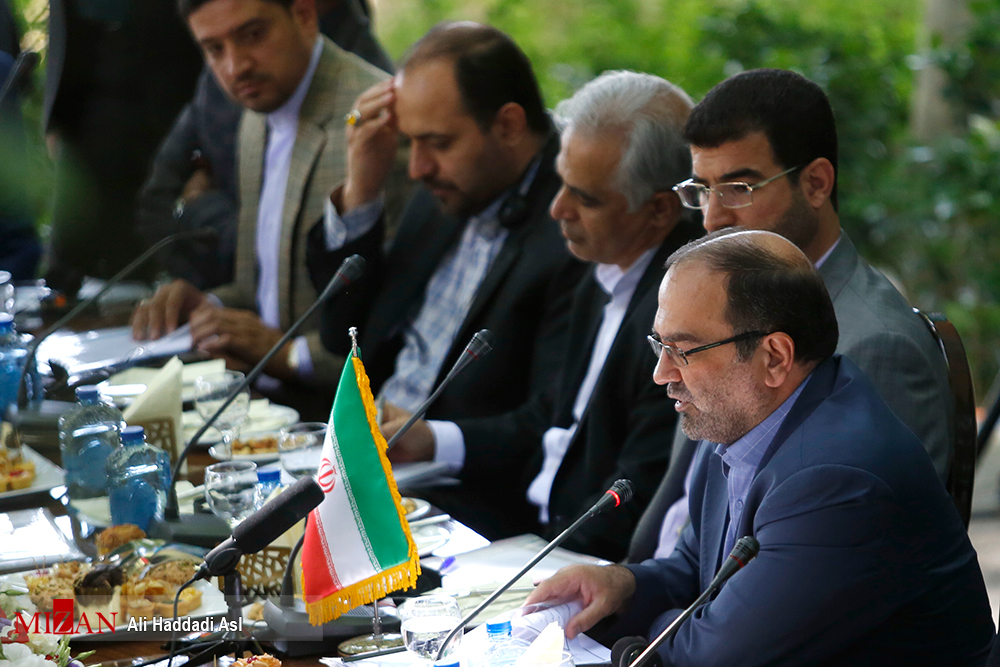
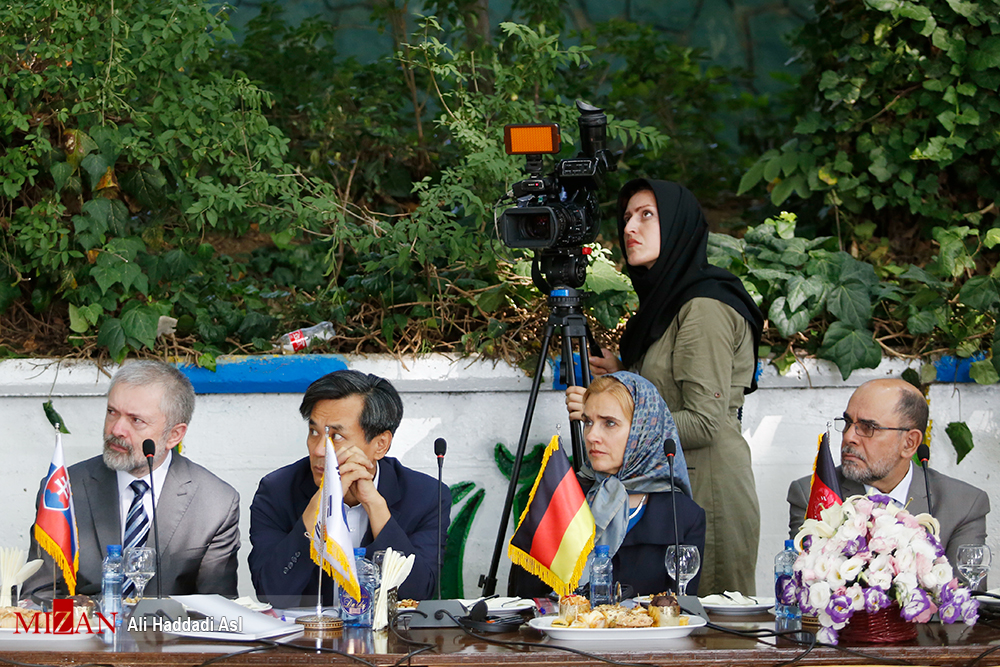
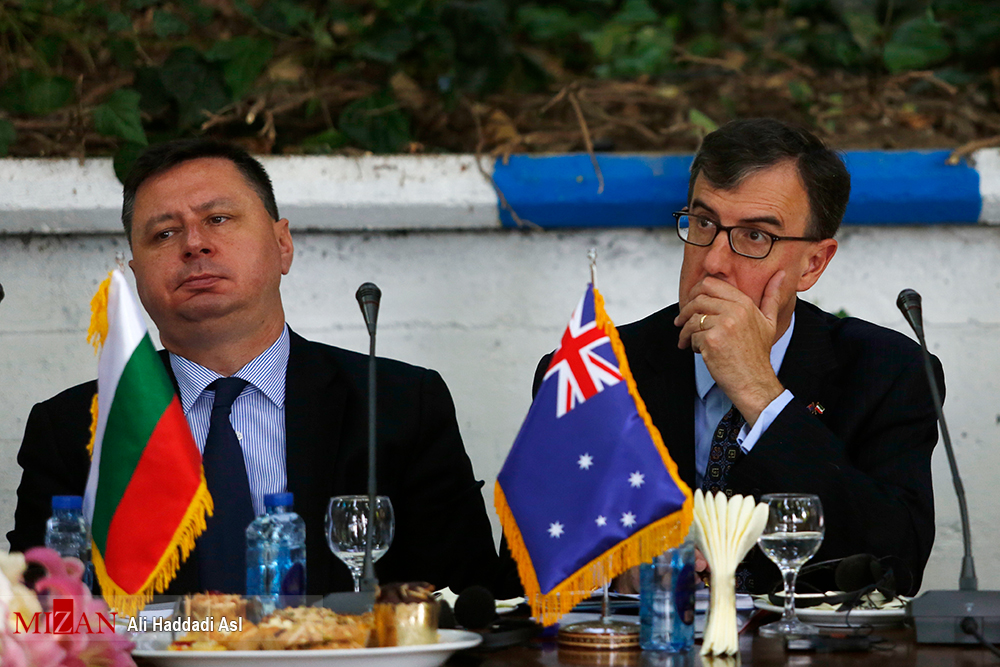
The ambassadors of 45 countries were surprised to see the ‘suitable’ conditions in a prison portrayed by world media as a notorious one.

Kazem Gharib-Abadi, the deputy head of the Iranian Judiciary’s Human Rights Office, said the tour was aimed at showing foreign ambassadors that the image portrayed of the Iranian prisons by certain countries and media is a false and untrue one.

Iran wants the foreign envoys to visit the prison in person and make a fair judgement about the way the Islamic Republic behaves towards its prisoners, he noted.

During the tour, the ambassadors were briefed on the cultural activities in Evin Prison as well as the vocational classes prisoners can take including hairdressing, car repair, computer, sewing, carpentry, and mushroom planting.

According to Mohebbi, the head of Tehran Prisons Organization, the prisoners can work in sewing and carpentry workshops and receive salary for what they do. 50% of the wage is directly paid to their families, 25% to the inmate, and the remaining 25% will be paid to them whenever they are released.

The prisoners, Mohebbi said, are free to call their family members using the phone booths inside the prison. They are also provided with all kinds of newspapers and journals.

He also noted that prisoners can have private meetings with their family members in person once in a week.

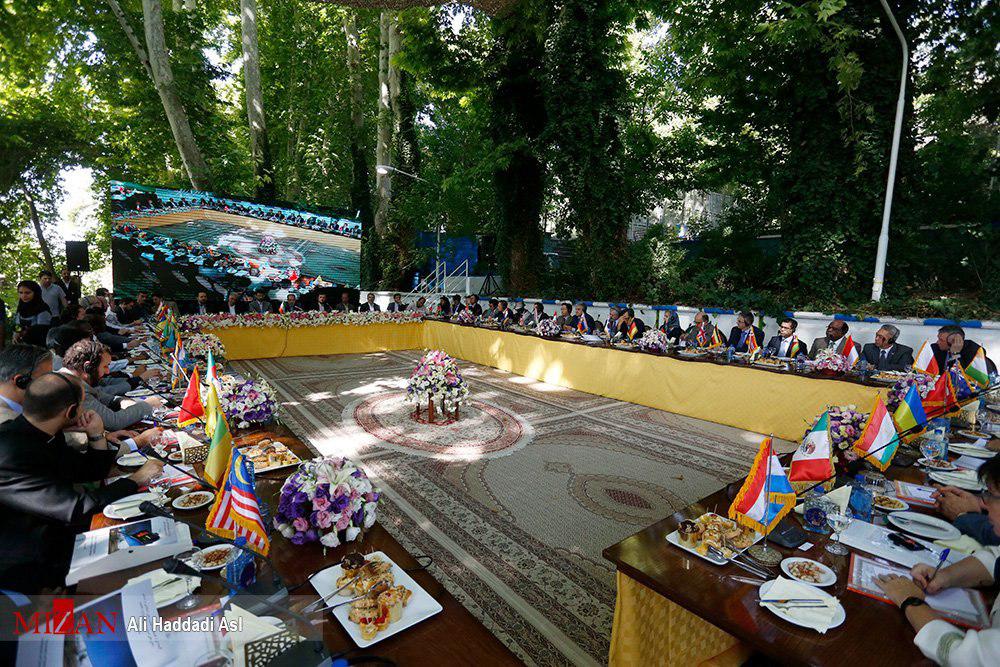
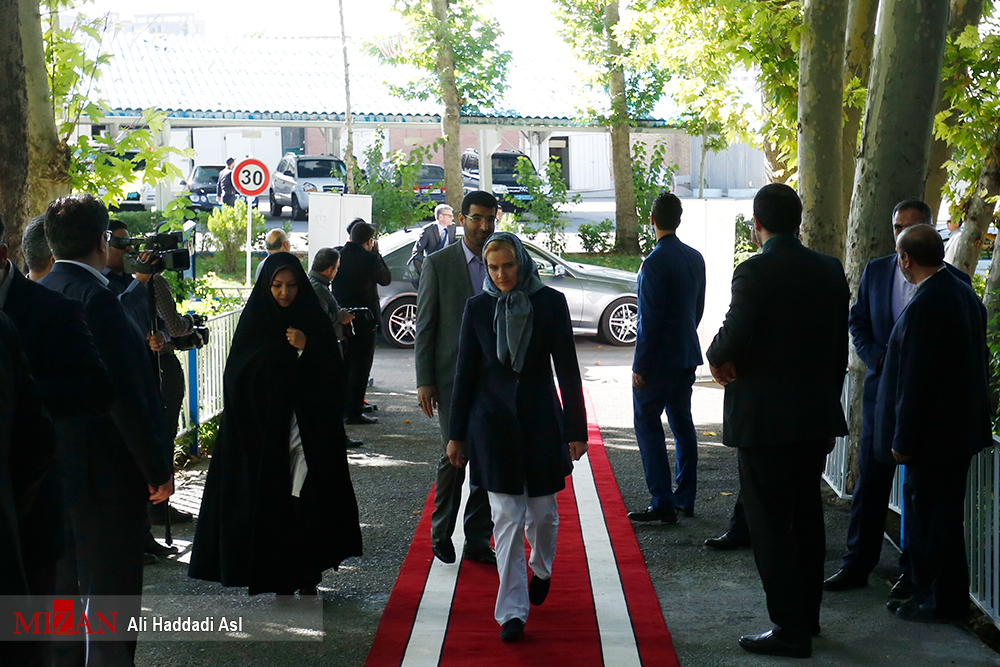
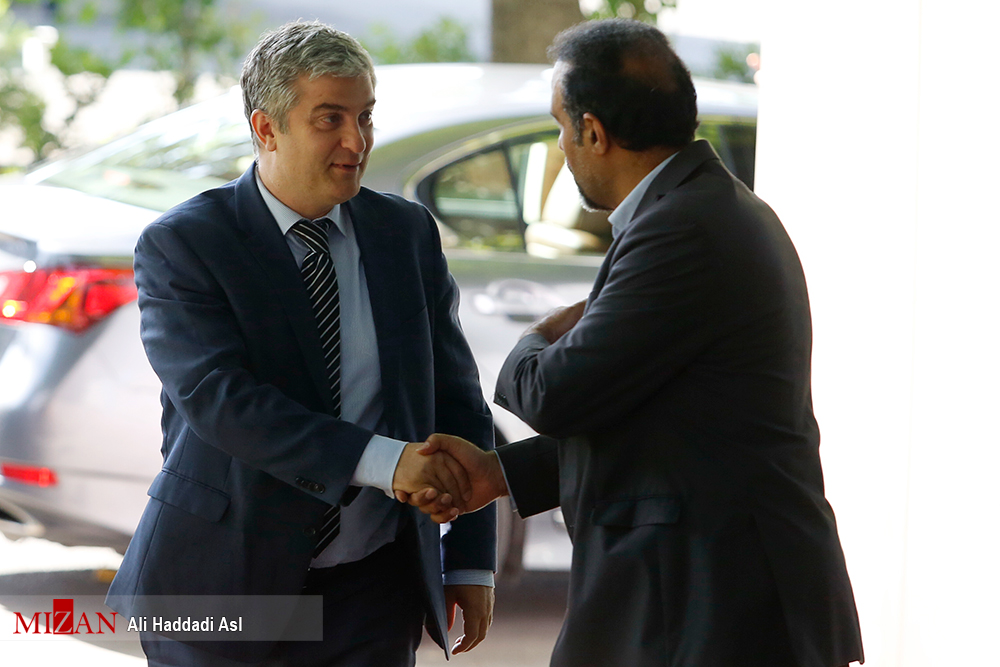
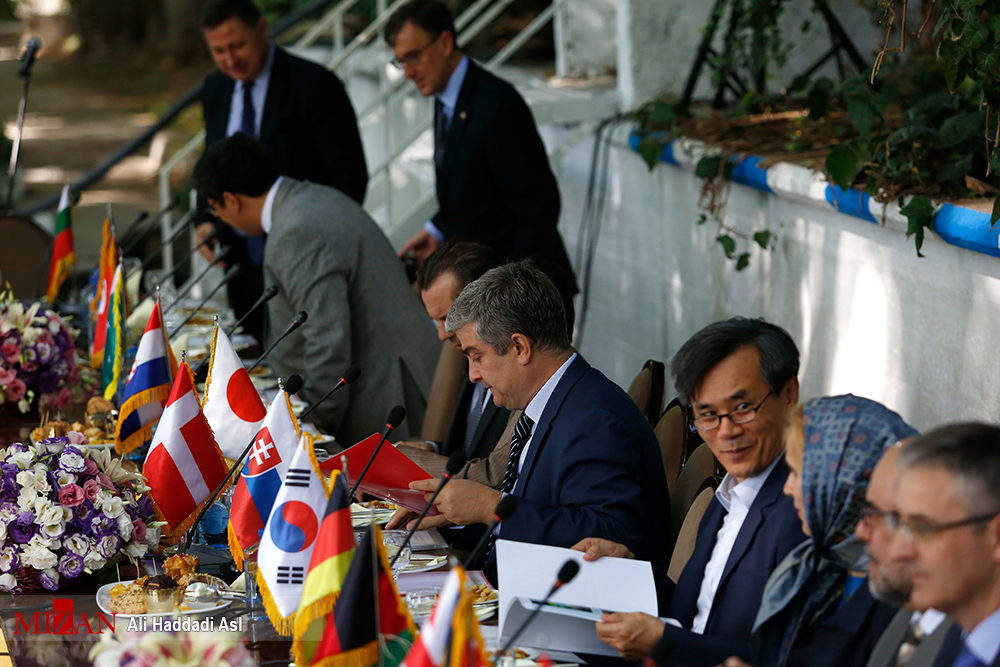
Here are photos of the foreign ambassadors’ visit to Evin Prison:


Iran Condemns Terror Attack in Egypt’s Sinai

Foreign Ministry Spokesman Bahram Qassemi slammed the suicide bombing at an army checkpoint in Egypt’s Sinai and expressed sympathy with the families of the victims.

Qassemi also warned that the escape and dispersion of terrorists following the heavy defeats they suffered in Iraq and Syria is a serious threat for the region and world.

He also noted that any appeasement or instrumental use of terrorists will result in a new wave of blind terrorism in different parts of the world.

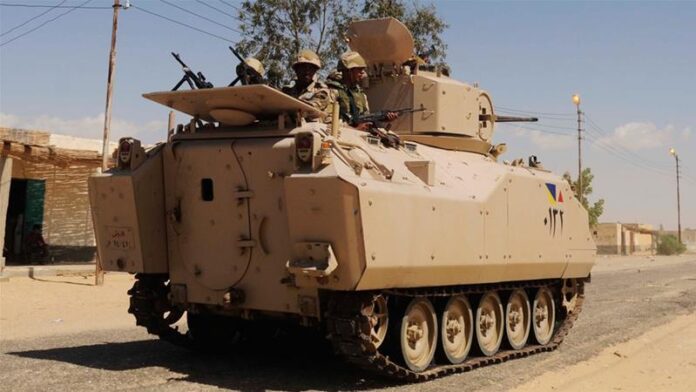
At least 23 Egyptian soldiers including a colonel were killed in a suicide bomb attack on an army checkpoint in northern Sinai, security sources said.

Another 40 fighters were killed in a subsequent gun battle with soldiers at the checkpoint, an army spokesperson said on Friday.

The attack started when a suicide car bomber rammed his vehicle into the checkpoint at a military compound in the southern Rafah village of el-Barth, followed by heavy gunfire from dozens of masked fighters on foot, officials said.

Iran Sells First Homegrown Catamaran Ship to Turkey

Iran Sells First Homegrown Catamaran Ship to Turkey

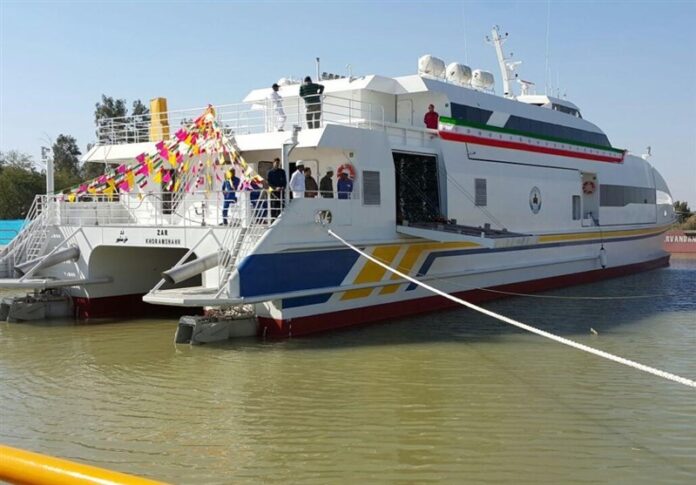
Speaking to reporters at a press conference on Thursday, Hossein Qorbani underlined that one of the features of the Iranian-made catamaran is that it is able to sail into shallow waters (two meters deep).

Another advantage of these vessels is that they can travel in bad weather conditions, he said, adding the catamaran’s speed capability is 30 knots (55 km/h).

The official further emphasized that the vessel has been sold to Turkey for around $10 million.

“It takes about 12 to 18 months to build a catamaran,” Qorbani said, adding that if the requests for the vessel increases, the Arvandan company can manufacture them in eight months.

He also said the catamaran’s body has been certified by France’s Bureau Veritas as having the highest quality.

Qorbani went on to say that the vessel was built with the help of several university professors and some Iranian expatriates living abroad.

Israel Has No Sovereignty over Jerusalem: UNESCO

Israel Has No Sovereignty over Jerusalem: UNESCO
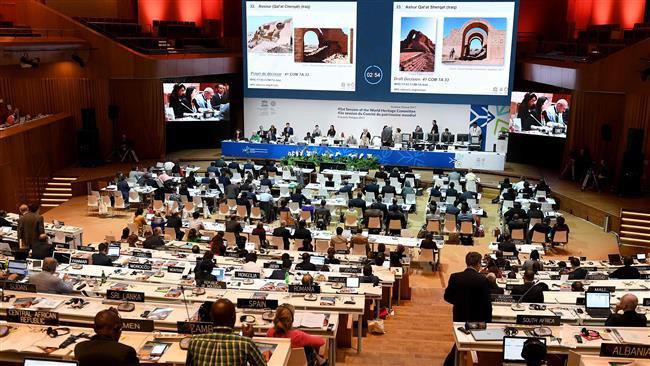
A view of main hall where the 41st session of UNESCO World Heritage Committee takes place in Krakow, Poland, July 4, 2017 / Retrieved from AFP

A committee of the United Nations Education, Science and Culture Organization (UNESCO) convened in Krakow Tuesday where it approved the wording of a Jordanian-sponsored resolution denying that Israel is the sovereign power over Jerusalem and condemning it for conducting archaeological excavations in the Old City.

The resolution slammed “the failure of the Israeli occupying authorities to cease the persistent excavations, tunnelling, works, projects and other illegal practices in East Jerusalem [al-Quds], particularly in and around the Old City of Jerusalem, which are illegal under international law.”

It further called Israel “the occupying power” and reaffirmed UN resolutions that rejected the regime’s claims to East Jerusalem al-Quds.

The proposal was submitted to the UN body’s Cultural Committee by Arab states who originally presented a much harsher version which was formulated together with the Palestinians. However, pressure exerted by Israel forced the proposal to be watered down.

Ten states supported the proposal, among them Azerbaijan, Indonesia, Lebanon, Tunisia, Kazakhstan, Kuwait, Turkey, Vietnam, Zimbabwe and Cuba. Three voted against the proposal, including The Philippines, Jamaica and Burkina Faso.

Another eight countries from several continents abstained. They included, Angola, Croatia, Finland, Peru, Poland, Portugal, South Korea and Tanzania, according to media reports.

Israel occupied the West Bank and East Jerusalem al-Quds during the Six-Day War in 1967. It later annexed East Jerusalem al-Quds in a move not recognized by the international community.

Last year, UNESCO adopted a similar resolution, titled Occupied Palestine and sponsored by several Arab countries.

21 ISIS Terrorists Nabbed in Northeast Iran

21 ISIS Terrorists Nabbed in Northeast Iran

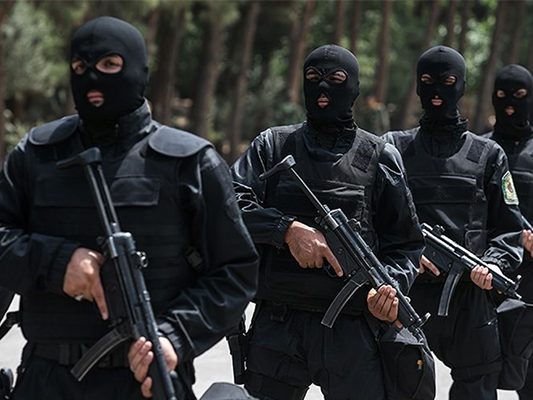
Hassan Heidari, a deputy prosecutor in Mashhad, said a massive clampdown begun on the terror groups in Khorasan Razavi province after Tehran terrorist attacks.

“After the terrorists’ cowardly attacks on Iran’s parliament and the mausoleum of the late founder of the Islamic Republic in Tehran, which left a number of innocent civilians dead and wounded, the security forces have begun a massive crackdown on the terror groups in Khorasan,” said Heidari in a Farsi interview with the Khorasan newspaper.

“As a pre-emptive measure, we traced the suspects and found out that some of them have arrived in Iran illegally after undergoing training courses on terrorist attacks and reaffirming allegiance with ISIS leaders in some regional countries,” he added.

He also mentioned that some of the suspects played a key role in the terrorist attacks across the region and said with the hard efforts of the Iranian security forces, the suspects were traced and arrested.

“21 ISIS members were nabbed in separate concerted operations. The terrorists were still in shock even several hours after the operation,” Heidari said.

“The nabbed terrorists were put under investigation immediately. They confessed they were planning to hold a number of suicide attacks in different parts of Iran.”

“Some of the terrorists were in contact with a leading coordinator of ISIS operations who was killed a short while ago in a terrorist attack in Iraq,” the Iranian official noted.

In response to a question on the nationality of the arrested terrorists, Heidari said some of them are Iranians and some others are Afghan nationals who entered Iran using forged documents.

Heidari stressed that the anti-terrorist massive operations will keep going on. He assured the nation that the judicial system has no hesitation in inflicting heavy blows on the terrorists and their affiliated groups inside and outside the country.

He said the security forces remain vigilant against any plots hatched by the terrorists and added that the Iranian forces have taken preventive measures to foil the terror groups’ plots against the country.

“The massive arrests of the terrorists and foiling their plots reveal the great security capabilities of the Iranian security forces,” he concluded.

US to Pay Dearly for Anti-Iran Measures: Larijani

“They might think that they can create new problems for us, but they cannot impose costs on us and evade paying anything themselves,” Larijani said on Thursday, addressing a gathering in Rasht, northern Iran.

He referred to the support provided by world powers for terrorist groups, and said it has not been limited to the past few years. “They have been sponsoring terrorism for so many years,” he added.

“They might even think that they create problems for us by making anti-Iran decisions, but it is not so,” Larijani said.

Enormous Book Garden Inaugurated in Tehran

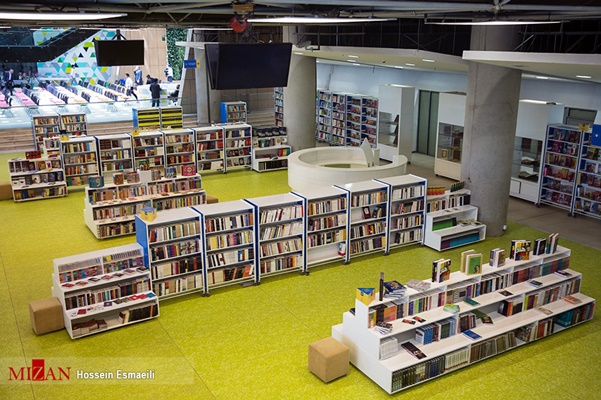
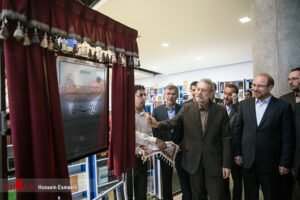
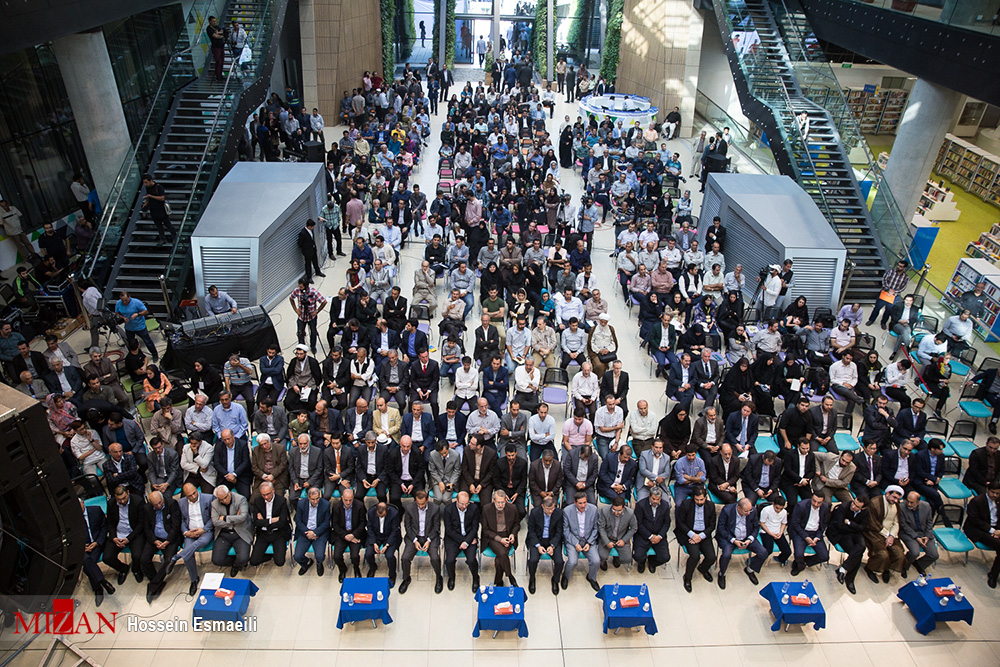
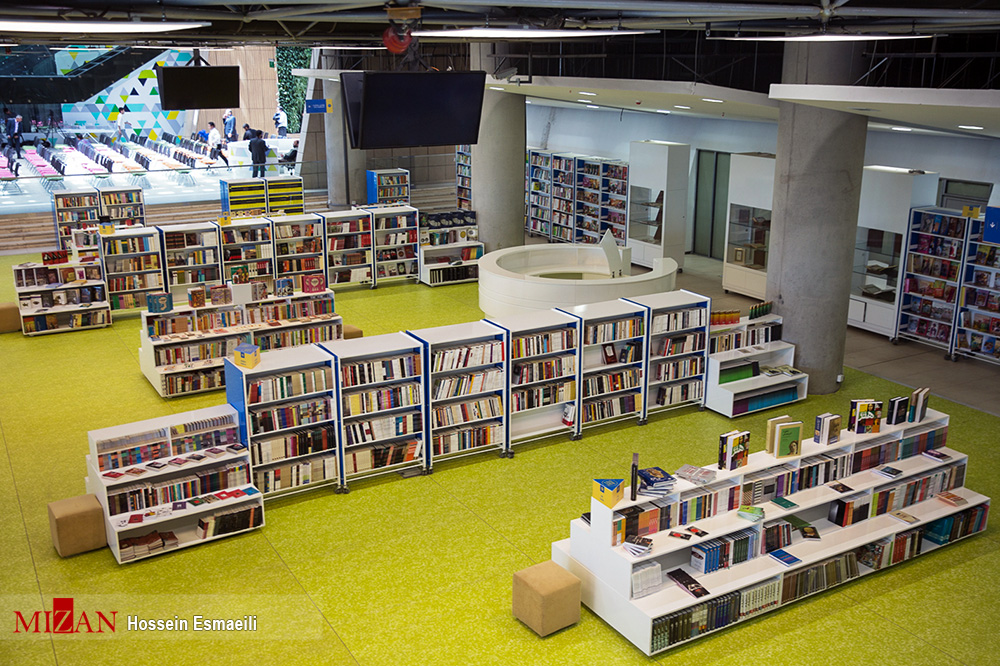
Enormous Book Garden Inaugurated in TehranThe Tehran Book Garden, Iran’s biggest scientific and cultural complex, opened in the capital city on Wednesday, July 5, in a ceremony attended by the Speaker of the Iranian Parliament, Ali Larijani, and Tehran Mayor Mohammad Baqer Qalibaf.
The idea to establish the complex, as a permanent alternative for holding the Tehran International Book Fair, was first put forward in 2004. The project, however, was completed in 2017.

The complex has the world’s biggest bookshop which has a large number of books suitable for children, young adults and adults. It has eight movie theatres, an amphitheatre, and two science halls for children and young adults.

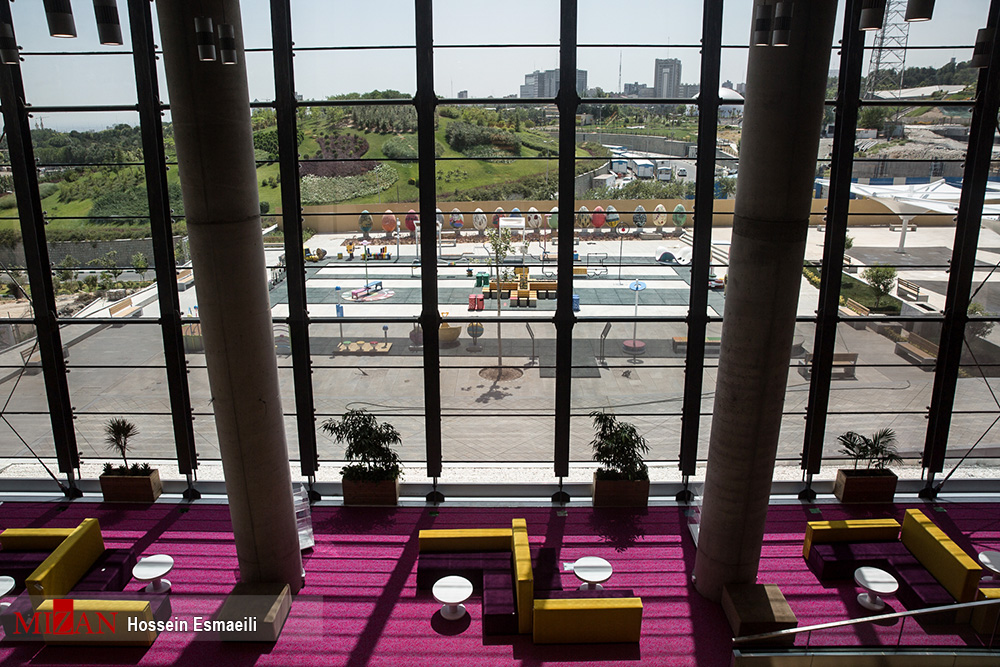
The garden has been designed in four separate blocks. Block A, titled “Baharestan”, consists of a permanent and a topical bookshop. Block B, named “Khialestan” is home to a pathway named the “Pathway of Culture” which, per se, comprises of a number of main entrances, the “Wonderful Corridor” and the “Depository”. Block C, known as “Negarestan” consists of the garden’s main amphitheatre, a gallery and a shop selling cultural products. And finally, Block D, called “Sarvestan”, includes a specialized exhibition and a hall as well as a number of workshops for children and young adults.

In addition to the four blocks, the cultural complex has a stereo hall, a boulevard, a prayer room, a restaurant and a lake.


Different Sections  

Book GardenWith a gross floor area (GFA) of 25,000 square metres, the world’s biggest bookshop provides children and adults with the largest number of books suitable for their age group. These two age groups are supplied with some 400,000 books in 70,000 topics. In addition, books suitable for all age groups, from children to adults, are available in this bookshop. On top of the bookshop, a giant 25,000-square-metre roof garden has been built. In addition to the green roof, 20,000 square metres of green spaces have been created inside the garden.

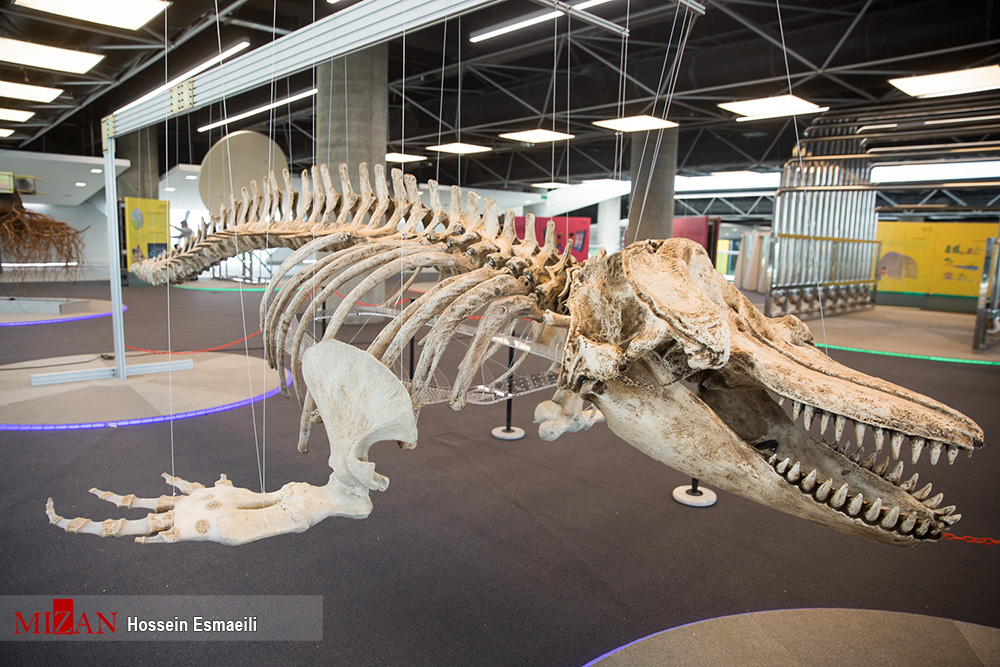
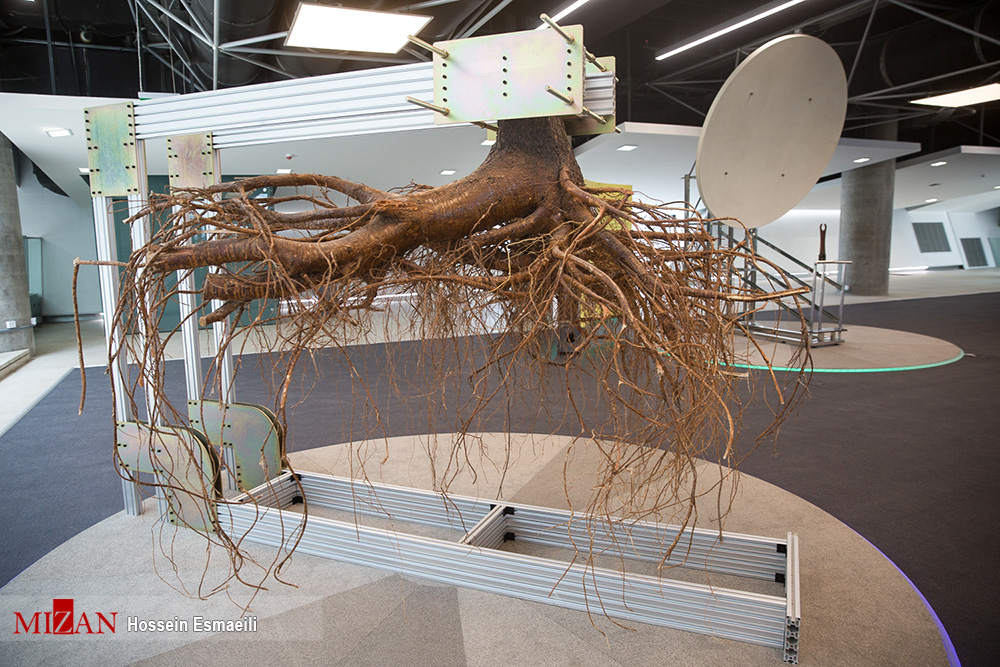
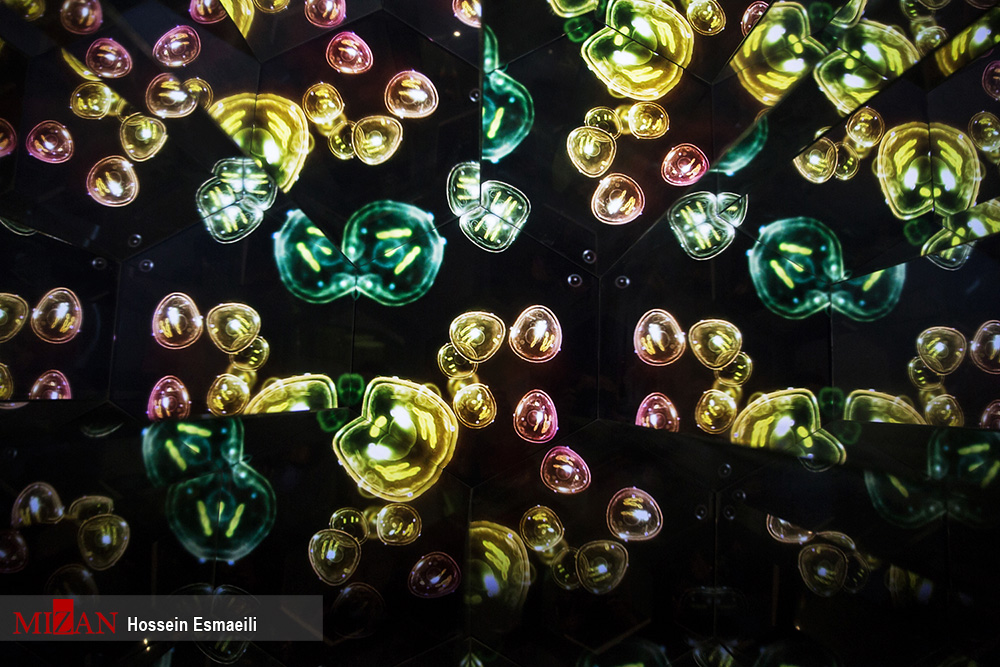
The garden has a giant science complex for children and young adults. The section, which has an area of 12,000 square metres, is a science amusement park.

The book garden is also home to the country’s biggest art gallery. With a GFA of 1,700 square metres, the gallery has been set up to host painting and visual art exhibitions.


Robotic Club

The garden’s robotBook Gardenic club is a unique part of the complex. The members of the club can take specialized courses in artificial intelligence. The club also provides its members with the opportunity to share their information with their fellow members and those of the similar clubs across the world.
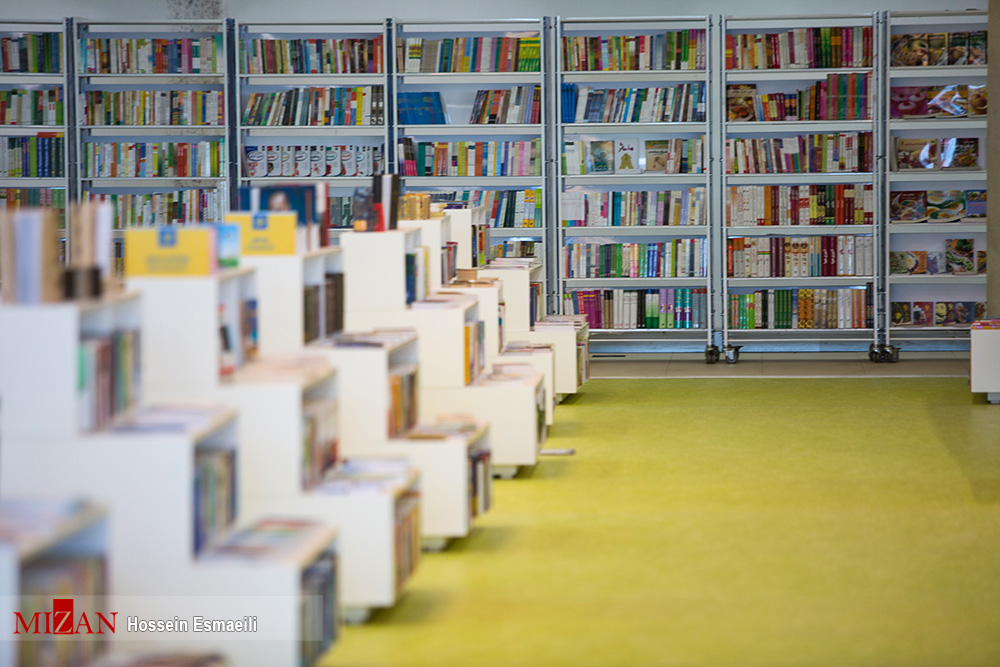
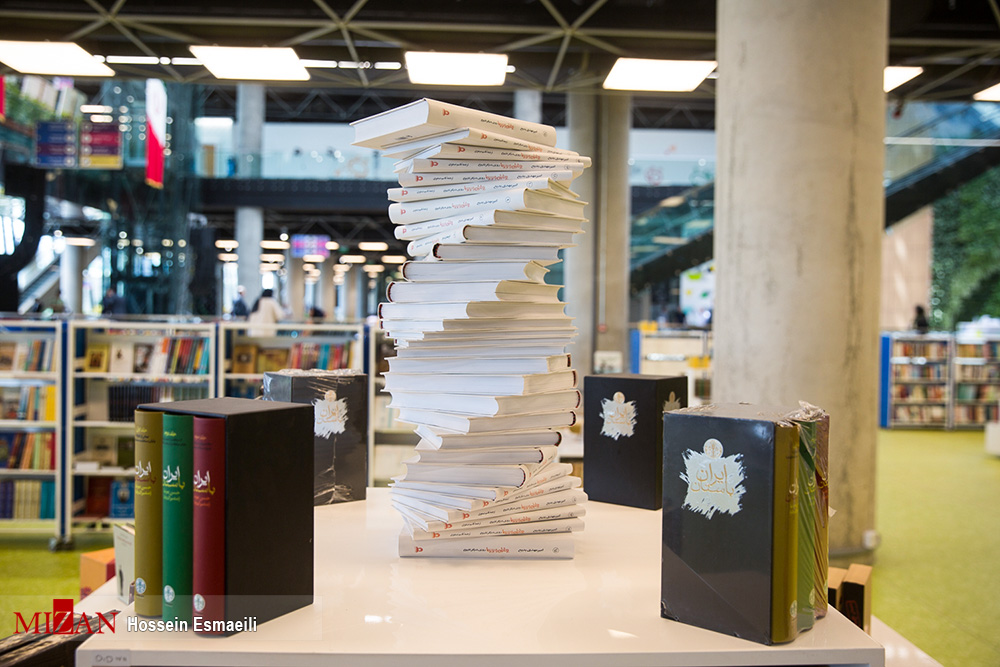
Following that of the Tehran Book Garden, the world’s second to fourth biggest bookshops are Barnes & Noble® Store (14,300 square metres) in New York City, Powell’s Books (6,300 square metres) in Portland and Strand Book Store (5,000 square metres) in New York City. The interesting point is that the area of the bookstore in the Tehran Book Garden is almost same size of the aggregate area of these three American bookstores.


Iran Moves Up Seven Places in FIFA World Ranking

Iran is ranked the highest Asian team in the rankings, while Australia (45) is second followed by Japan (46) and South Korea (51).

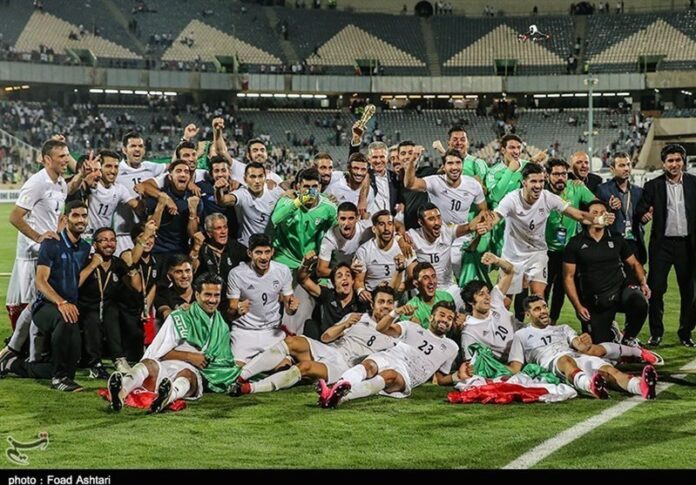
Team Melli has become the second team to qualify for FIFA 2018 world cup after Brazil.

Germany has capped a sensational week on the international stage by returning to the top of the FIFA World Ranking for the first time since being knocked off the top spot exactly two years ago.

The next FIFA World Rankings will be published on 10 August 2017.

How Serious Are Internal Divisions in Iran?

How Serious Are Internal Divisions in Iran?
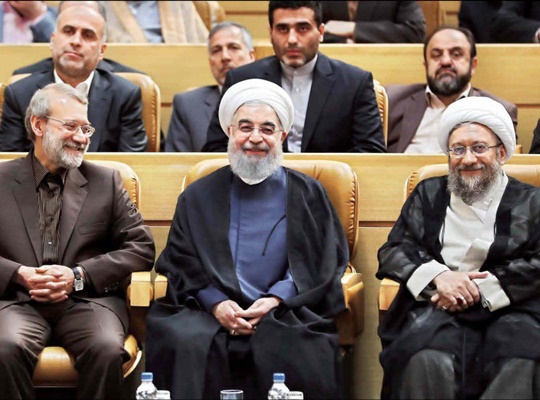
Iranian President Hassan Rouhani, Parliament Speaker Ali Larijani, and Judiciary Chief Ayatollah Sadeq Amoli Larijani in a gathering of Judiciary officials on July 2, 2017

The analysis by Haaretz is half right but at the same time half wrong drawing on wrong premises.

The analyst rightly discerns the stable standing of the Islamic Republic in the region but makes a blatant mistake in trying to find the consequences of Iran’s internal divisions in its regional policy. This is the same mistake that the US and its allies have committed many times over the past decades without learning a lesson.

Last month, the two main political camps in the Islamic Republic, the conservatives and the reformists, unanimously condemned the interventionist statements made by US Secretary of State Rex Tillerson. He had called for a regime change in Iran through interfering in the domestic affairs and realignment of the political factions of the country.

Having misunderstood the internal divisions in Iran, the US top diplomat had pinned hope on the reformist camp to topple the Islamic Republic. But he immediately faced fierce criticisms voiced by reformist figures who vehemently denounced the US and reaffirmed their allegiance to the Islamic Establishment.

Just recently, a plot by the US and its regional allies to broaden divisions in the Islamic Republic was foiled by the Iranians’ high turnout in the presidential election on the one hand, and the crushing response of the religious minorities to their demands on the other.

In less than one week ahead of the presidential election in May, the Friday prayer leader of the Sunni-populated city of Zahedan in southern Iran said the Sunnis proudly devote themselves to Iran. In response to a question on the foreigners’ efforts to broaden ethnic and religious conflicts in Iran, he called on all Iranians from all walks of life to stick to legal and political principles to resolve disputes and achieve their legal rights.

Last month, the Islamic Revolution Guards Corps (IRGC) fired several missiles at the positions of ISIS terrorists in the Syrian city of Deir az-Zor in retaliation for twin terrorist attacks on Iran’s parliament and the mausoleum of late founder of the Islamic Republic, Imam Khomeini in Tehran. The missile strikes were carried out from two Kurdish-populated cities in Kermanshah province, western Iran. The strikes were aimed at sending a clear message to the terrorists: Iranians do not hesitate in defending their country against enemies’ attacks. The message became clearer after the participation of former commander of IRGC, Major General Mohsen Rezaee, in the Sunnis’ Eid al-Fitr Prayer in the province.

As the latest show of grown-up interactions between Iranian political camps, Ali Reza Zakani, a former conservative lawmaker, called for a self-restraint at his camp.

As the US, Israel and Saudi Arabia in line with some European states have pinned their hopes on the terrorist Mojahedin-e-Khalq Organization (MKO or MEK) to make a regime change in Iran, a call for a unilateral ceasefire by a conservative politician was warmly welcomed by many reformist figures.

In response, one of the main figures of the reformist camp, Abdollah Ramezanzadeh, called for a national dialogue. In a post on his Twitter, he wrote, “In an appropriate move, Mr. Zakani has advised his camp to observe a unilateral ceasefire, but why unilateral? Let’s start a national dialogue.”

The high turnout in the recent elections is a sign of true religious democracy in Iran and the current interactions between the conflicting political camps is one of the main fruits of such democracy.

Despite their bitter disputes over many issues, the camps are united against the foreign enemies and prioritize the national security over their factional interests.

In a nutshell, if the Israeli analyst was familiar with the concept of religious democracy, he would not wonder why Iran’s regional standing is not undermined by it internal divisions.