The Protection and Intelligence Centre of Iran’s Judiciary declared that 78 judges were suspended from their jobs from March 2016 to March 2017.
According to a Farsi report by the IRIB News Agency, the Centre stressed that the figure shows a 20-percent growth compared to that of a year earlier.
This Centre is responsible for implementing protection, security, intelligence and supervisory measures such as protecting national information, data, documents and equipment, fighting corruption and ensuring security.
It is duty-bound to maintain the independence of Iran’s judicial system and helping it remain healthy.
During the last Iranian year, 27,920 corruption reports and complaints were sent to the centre. The figure was 41 percent higher than that of a year earlier.
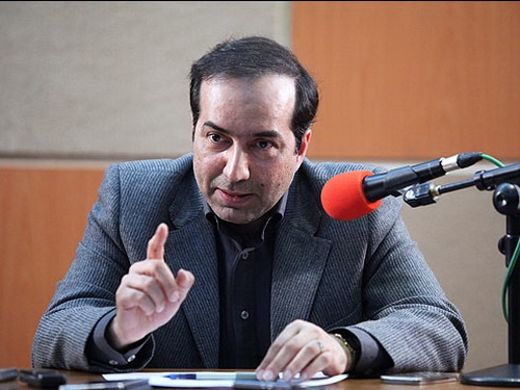
“The two nations of Iran and Azerbaijan enjoy historical, cultural and religious commonalities. So, we should put more efforts into expanding our ties,” said Hossein Entezami, the Iranian Deputy Culture Minister for Press and Information Affairs.
He made the remarks during a Monday meeting with the Culture and Tourism Minister of Azerbaijan Abulfas Garayev in Baku, according to a Farsi report by IRNA.
Entezami said the Islamic Republic attaches great importance to expansion of tie with Azerbaijan and added his visit to Baku is aimed at exploring ways to expand the two sides’ media cooperation.
“Promotion of cooperation between the two sides’ media and the regular visits of their delegations can lead to the expansion of ties between Iranian and Azerbaijani nations in the fields of tourism and economy,” he noted.
For his part, the Azerbaijani minister referred to his latest visit to Iran, Azerbaijan Cultural Days held recently in Tehran, and Entezami’s visit to Azerbaijan as the main contributors to the expansion of ties between the two sides.
He also expressed his gratitude to Iran’s Ministry of Culture and Islamic Guidance for its contribution to holding Azerbaijan Cultural Day in Tehran.
“Today, we held a meeting at the Ministry, where we discussed the results of my visit to Tehran and called on the concerned departments to promote bilateral cultural ties,” he said.
He described as constructive his latest visit to Iran and said a wrap-up report on his visit is set to be aired by the state-run TV of the Republic of Azerbaijan.
Garayev referred to the current cooperation between Iran and Azerbaijan within international organizations to preserve their common cultural heritage, and said the registration of the traditional bread of Lavash by UNESCO as the common cultural heritage of Iran and Azerbaijan is among the fruits of such cooperation.
He also pointed to the will of the two sides’ presidents for strengthening ties over the past years and said Iran and Azerbaijan should put more efforts into expanding their ties.
Entezami arrived in Baku on Monday at the head of an Iranian cultural delegation. He has already held talks with a number of leading media managers in Azerbaijan including AZERTAC.
Iraq’s Al Sumaria TV channel has cited a source in the Iraqi province of Nineveh as saying the terrorists issued a brief statement in which they reported the death of their leader al-Baghdadi, as well as the name of the “new Caliph”.
Earlier on June 29, an Iranian official had confirmed the ISIS ringleader’s death. Representative of Iran’s Leader in IRGC Quds Force, Ali Shirazi, noted at the time that “this terrorist [al-Baghdadi] is definitely dead.”
It is said that the ISIS leader has been killed in a Russian airstrike on the Syrian city of Raqqa back in late May.
Al-Baghdadi appeared in the media for the first time in 2014 when he declared the creation of a caliphate in the Middle East. Since then, the media have reported several times about the death of the ISIS leader, though the information has never been confirmed.
Abadi made the remarks while delivering a formal statement aired by the state television on Monday.
“I announce from here the end and the failure and the collapse of the terrorist state of falsehood and terrorism, which the terrorist ISIS announced from Mosul,” he said, adding, “It was due to the Iraqi nation’s united front and sacrifice that we are now celebrating the victory over ISIS. This is the victory over darkness and terrorism.”
Asserting that the Iraqi nation is now more united than ever, the Iraqi premier noted, “I hereby pay homage to Grand Ayatollah Ali al-Sistani and his historic fatwa, calling on all Iraqi citizens to defend their country. I also pay tribute to all Iraqi fighters and soldiers, who played a role in this battle and the families of the martyrs.”
Abadi emphasized that the Iraqi soldiers were the sole force on the ground and there were no foreigners involved in liberation of Mosul.
“Now, we bear a heavy responsibility on our shoulders to purge the liberated areas from the last remnants of ISIS and return displaced people to their homes. Iraqis must be rightly proud of this achievement as it was planned and fully implemented by them,” Abadi pointed out.
The recapture of Mosul marks the biggest blow to the Takfiri extremist group since it declared its so-called caliphate three years ago.
Abadi arrived in Mosul a day earlier to congratulate Iraq’s military commanders following nearly nine months of incessant battle to take back the country’s second biggest city from ISIS terrorists.
Abadi’s statement came after Iraqi forces mopped up the last pockets of ISIS resistance in Mosul’s Old City, where the Takfiri terrorists were surrounded in a sliver of territory about 200 by 100 meters.
Lieutenant General Sami al-Aridhi of the elite Counter-Terrorism Service said on Monday that government troops were engaged in “heavy” fighting with the remnants of ISIS militants, but the battle was drawing to an end.
“They do not accept to surrender. But operations are in their final stages, and it is likely that (the fighting) will end today,” the senior commander highlighted.
Aridhi went on to say that his forces had information that there were between 3,000 and 4,000 civilians in the area still held by ISIS members in Mosul’s Old City.
The remarks came as the United Nations said 920,000 people fled their homes in Mosul amid fierce clashes between Iraqi government forces and ISIS terrorists there.
“It’s a relief to know that the military campaign in Mosul is ending. The fighting may be over, but the humanitarian crisis is not,” Lise Grande, the UN’s humanitarian coordinator in Iraq, said in a statement.
The Office of the United Nations High Commissioner for Refugees (UNHCR) said on Monday that it could take many months before civilians are able to return to their homes.
“It is likely that thousands of people may have to remain in displacement for months to come,” the UNHCR said in a statement.
The UN refugee agency noted, “Many have nothing to go back to due to extensive damage caused during the conflict, while key basic services such as water, electricity and other key infrastructure, including schools and hospitals, will need to be rebuilt or repaired.”
Additionally, twenty-eight aid groups working in Iraq have issued a statement, calling for international support for the reconstruction of Mosul and urged Iraqi authorities not to press civilians to return.
“Remaining insecurity; lack of basic services; explosive hazards contamination; and damage to homes, businesses and public infrastructure — including schools and hospitals — all continue to pose barriers to return,” the statement signed by groups like the Norwegian Refugee Council, Oxfam and Save the Children read.
It also expressed deep concerns for Iraqis trapped in Daesh-controlled areas in Iraq, namely Tal Afar, Hawijah district in the oil-rich northern province of Kirkuk and the troubled western province of Anbar.
“For the expected offensives in Hawijah, Tal Afar and western Anbar, where approximately 150,000 civilians are thought to still be trapped, it is vital that lessons are learnt from past offensives,” the aid groups said, demanding access to safety and assistance be prioritized.
Iraqi army soldiers and volunteer fighters from the Popular Mobilization Units have made sweeping gains against ISIS since launching the Mosul operation on October 17, 2016.
The Iraqi forces took control of eastern Mosul in January after 100 days of fighting, and launched the battle in the west on February 19.
An estimated 862,000 people have been displaced from Mosul ever since the battle to retake the city began eight months ago. A total of 195,000 civilians have also returned, mainly to the liberated areas of eastern Mosul.
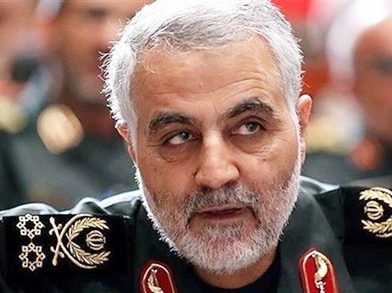
General Soleimani referred to a recent UN-sponsored conference held in Tehran on ways to tackle dust and sand storms, and said the organization of such conferences is very important as they help resolve people’s problems.
He at the same time noted that it is also crucial to hold international gatherings for exchanging views on the fight against ISIS.
“How is it that we hold emergency meetings to discuss the issue of airborne particulates, but we don’t hold conferences on fighting ISIS?” General Soleimani noted, speaking in a Monday ceremony commemorating Iranian martyrs.
The Iranian general said crimes committed by ISIS terrorists are so heinous that no media outlet can cover them.
ISIS militants delivered the coup the grace to thousands of innocent people in Tikrit or traded Izadi women, the general noted.
“The terrorists decapitated an infant in Aleppo. In Diyala, they took a baby from his mother by force, barbecued him like a lamb, and sent him back to his mother with some rice,” he noted.
They also carried out hundreds of suicide attacks, according to the general.
He further referred to the importance of diplomacy in settling international problems, but at the same time noted that it is not always useful.
“Diplomacy is good, but what diplomacy can be as effective as the blood of our martyrs?”
“Diplomacy is very good and we welcome it, but some issues cannot be resolved through diplomacy,” said the top commander.
Iran Played Role in Mosul Liberation
Elsewhere in his remarks, he said Iran takes pride in having contributed to the recapture of the Iraqi city of Mosul from terrorists.
Iran played a role in this victory by offering prompt support, not to mention the devoted troopers who were martyred to secure Mosul’s liberation, he noted.
The general said the Iranian Defence Ministry worked for “three shifts” per day to produce munitions for the Iraqi military.
“The Islamic Republic of Iran should offer all its resources to the Iraqi Armed Forces without expecting anything in return,” he quoted the Leader of the Islamic Revolution Ayatollah Seyyed Ali Khamenei as saying.
The commander said the city of Mosul was liberated thanks to the fatwas by top Shiite cleric Ayatollah Sistani, who supports not only Shiites, but every single Iraqi.
This cleric, said General Soleimani, encouraged the Iraqi youths as well as the Popular Mobilization Units to rise up against terrorists.
The general appreciated efforts by the Iraqi armed forces and Popular Mobilization Units in combating terrorists.
He said the Iraqi military is reliable today and can stand up to any aggression without any need for the help of foreign troops.
“Shiites, Sunnis and Kurds have come to the conclusion that they should assume the responsibility of running their country together,” the commander said.
He also appreciated Hezbollah’s assistance in Iraq and Syria and said many of the resistance movement’s members were martyred while fighting alongside Iraqi and Syrian troops against militants.
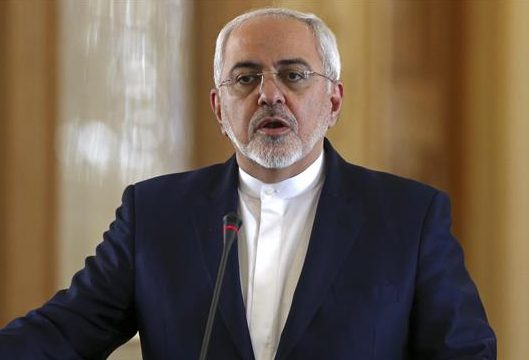
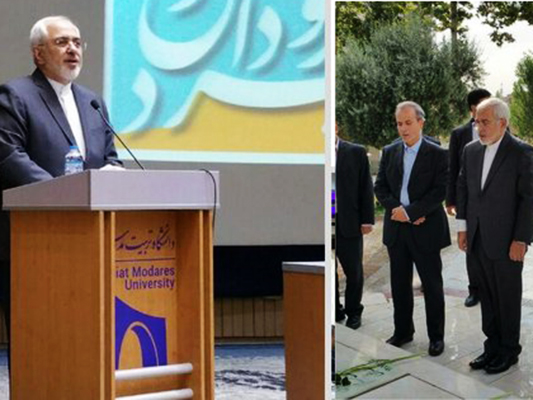
In a Monday speech at the Taribiat Modares University in Tehran, Zarif touched upon the fact that the Islamic Republic relies on its own capacities and resources for its development, security, and legitimacy, and is capable of increasing its power with reliance on domestic potentialities and resources.
Here are highlights of his remarks on the issue:
We live in a world littered with developments; a world where concepts and tools are not static. Back in the 19th century, they would speak of concepts such as the “absolute ruler.” There were rulers who had absolute sovereignty over people. But then came the transition period following the Cold War, and today the state of being a super power is no longer a determining factor in international relations, and governments are not the absolute determiners in international ties.
Rather, new non-state actors have emerged that used to be active in the economic domain, but now are operating in security and political fields. Some actors, like the Lebanese Hezbollah movement, have a positive performance, and some, like the ISIS, have a negative performance. Moreover, the diversity of tools of power used to be another determining factor in international relations. In other words, the quantity of munitions and military equipment was a yardstick against which to measure the power of a country. Later, economic power was added as another determining factor.
Nevertheless, today other parameters have been added to the requirements of power for a country. And all these factors together increase a country’s leverage. Therefore, growing influence and dwindling vulnerability are among the factors which determine a country’s power.
The regional powers have an outward look in order to gain legitimacy, security or both. At the moment, these countries are either supported by a foreign country or expect to receive such backing. The progress and security of these countries depends on foreign states. However, what makes Iran stand out from the rest in the region is that it, firstly, has people who highly value independence, and secondly, as the country has always been under threats by foreign states since the 1979 Islamic Revolution, it relies on domestic potential.
Iran relies on local resources for development, and looks to its own people for its legitimacy and security. So, Iran is capable of increasing its power with reliance on domestic potentialities and resources.
In transitional periods, usually they speak of the time when countries would emerge or be annihilated. In other words, some countries come into or go out of existence during specific periods of time, such as former Yugoslavia which is non-existent in today’s world. So a precise calculation of the time situation would determine the path on which a country is to move ahead. Therefore, countries such as Iraq under Saddam Hussein, Libya under Muammar Qaddafi, and the division of Sudan into northern and southern parts are a few examples in the current era. In fact those countries are no longer high-profile states because their leaders had gone to extremes in their policies.
Speaking to a group of students and academics at the Taribiat Modares University in Tehran on Monday, Zarif elaborated on scientific diplomacy as well as the scientific and technological opportunities facing the country. The following are highlights of his remarks:
With the recent developments in the field of science and technology, the range of the audience has expanded in terms of number and complexity. On the other hand, thanks to science and technology, public opinion is no longer controlled by a specific part of the ruling elite. At the moment, the cyberspace is capable of creating different currents in the foreign policy domain, and that is why its vulnerability has increased as well.
One of the ways in which universities can help the foreign policy apparatus is by using the necessary tools to control the domain of science and knowledge. The reason is that the wealth of knowledge available online cannot be used promptly and efficiently. On the other hand, the massive amount of inconsistent information has practically turned into a problem in the way of decision-making by politicians. Moreover, the country needs science and technology when it comes to international relations. The establishment of consistent international relations to absorb foreign students and making use of Iranian universities’ achievements can be among areas of cooperation between the Foreign Ministry and universities in the country.
The lifting of bans on education for Iranian students in certain majors in foreign universities is one of the accomplishments of the nuclear deal signed by Iran and six major world powers known as the Joint Comprehensive Plan of Action (JCPOA).
At the moment, it is possible for Iran to be present in different international scientific arenas. Iran is currently capable of absorbing and exporting science, and the Islamic Republic’s activities in scientific arenas in foreign countries will help the country make its presence felt in the world.
The key duties of the Foreign Ministry in the fields of exports are firstly, the export of non-oil commodities; secondly, the export of technical and engineering services, and thirdly, the export of efficient manpower. Its duties on imports also include absorbing tourists, taking in foreign investment, and importing science and technology.
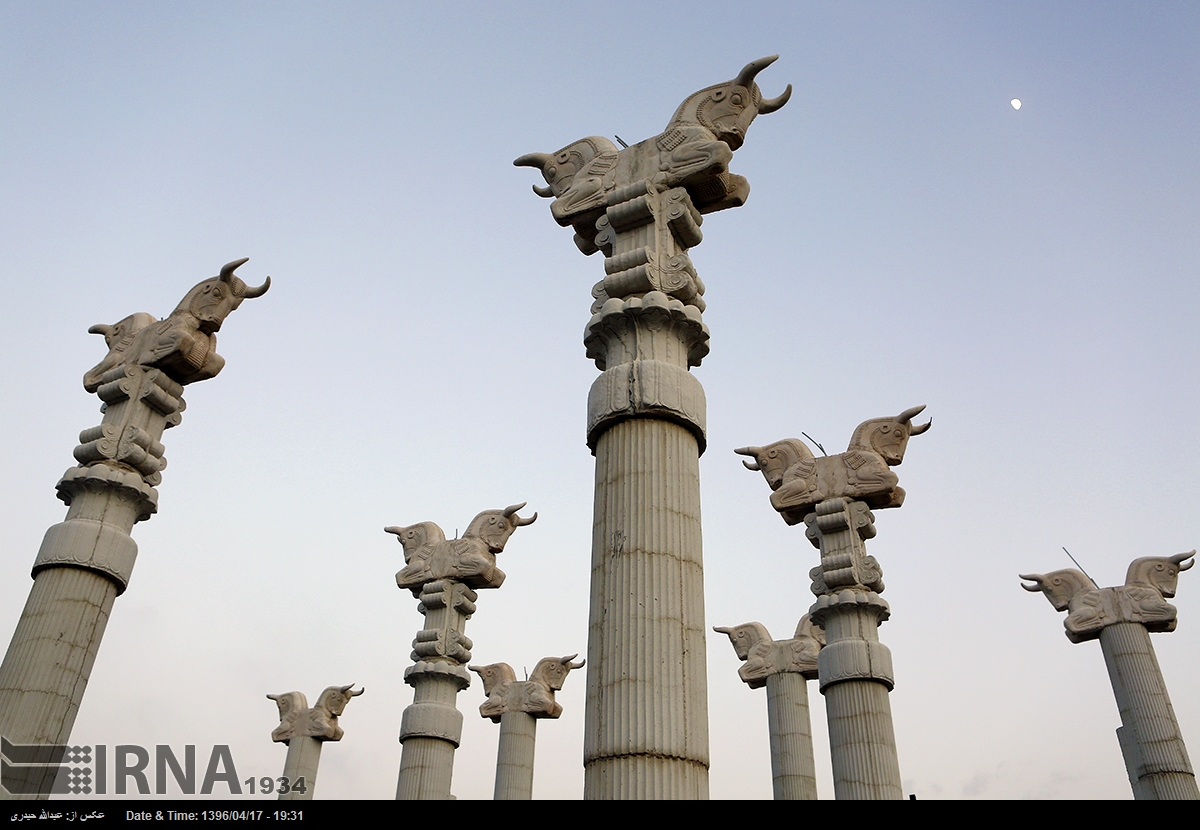
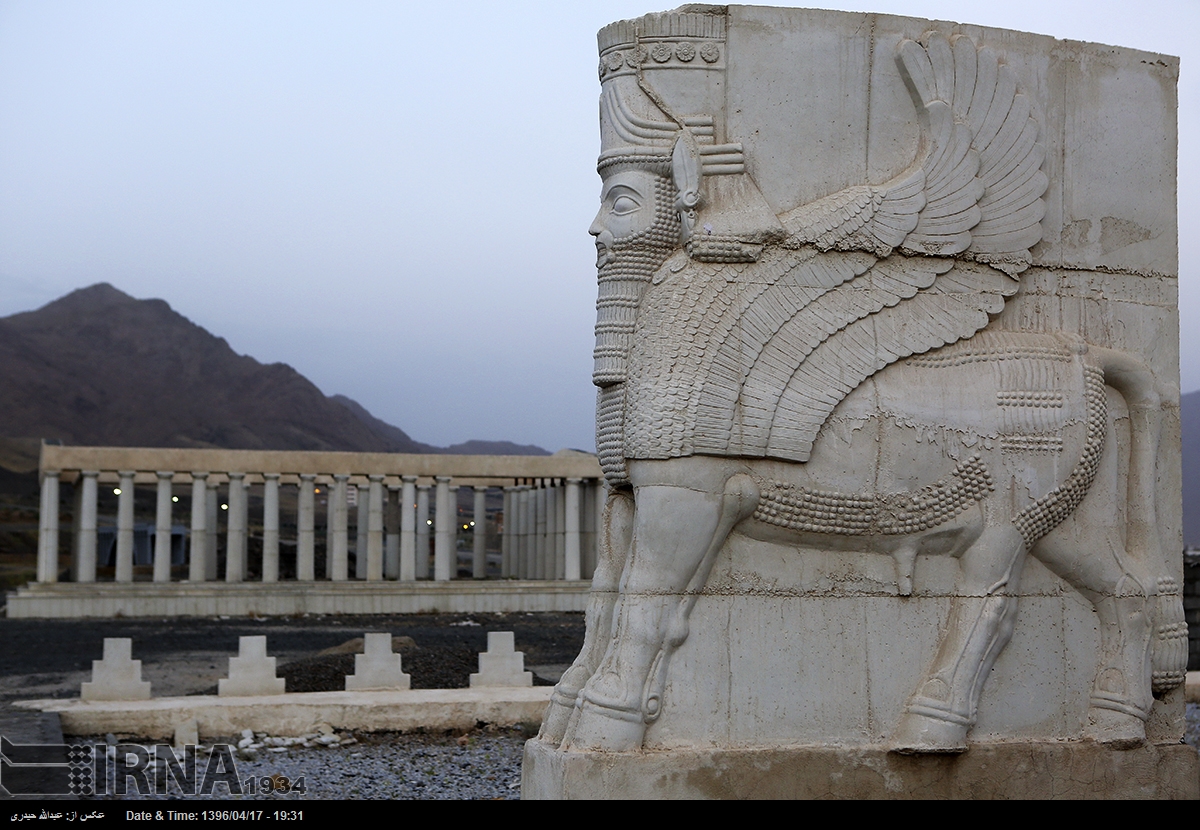
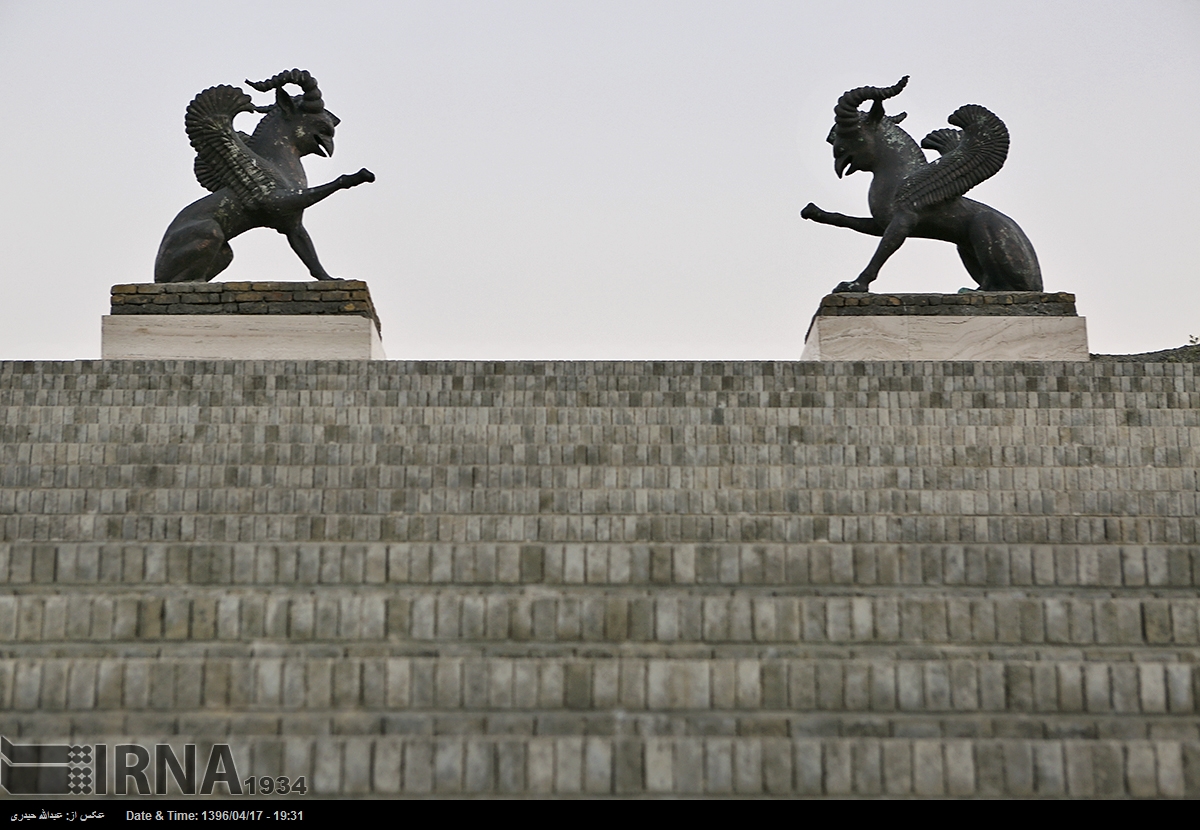
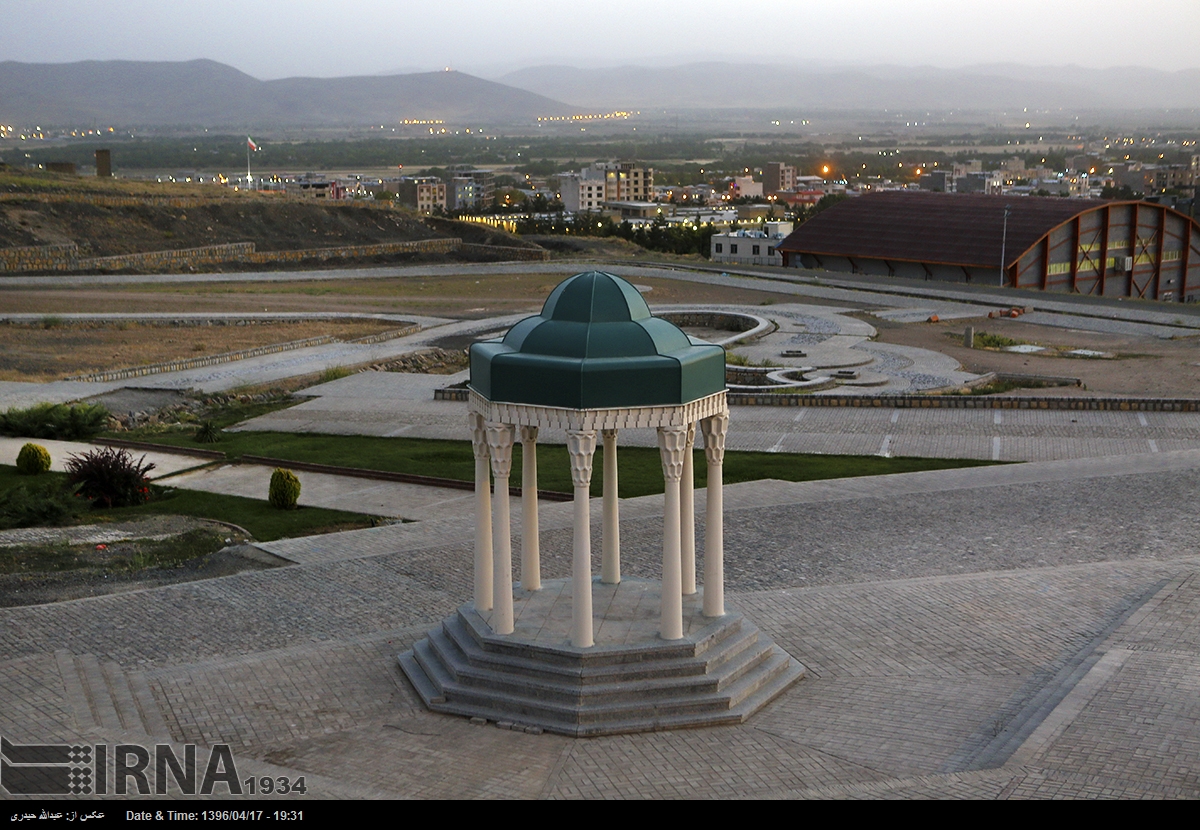
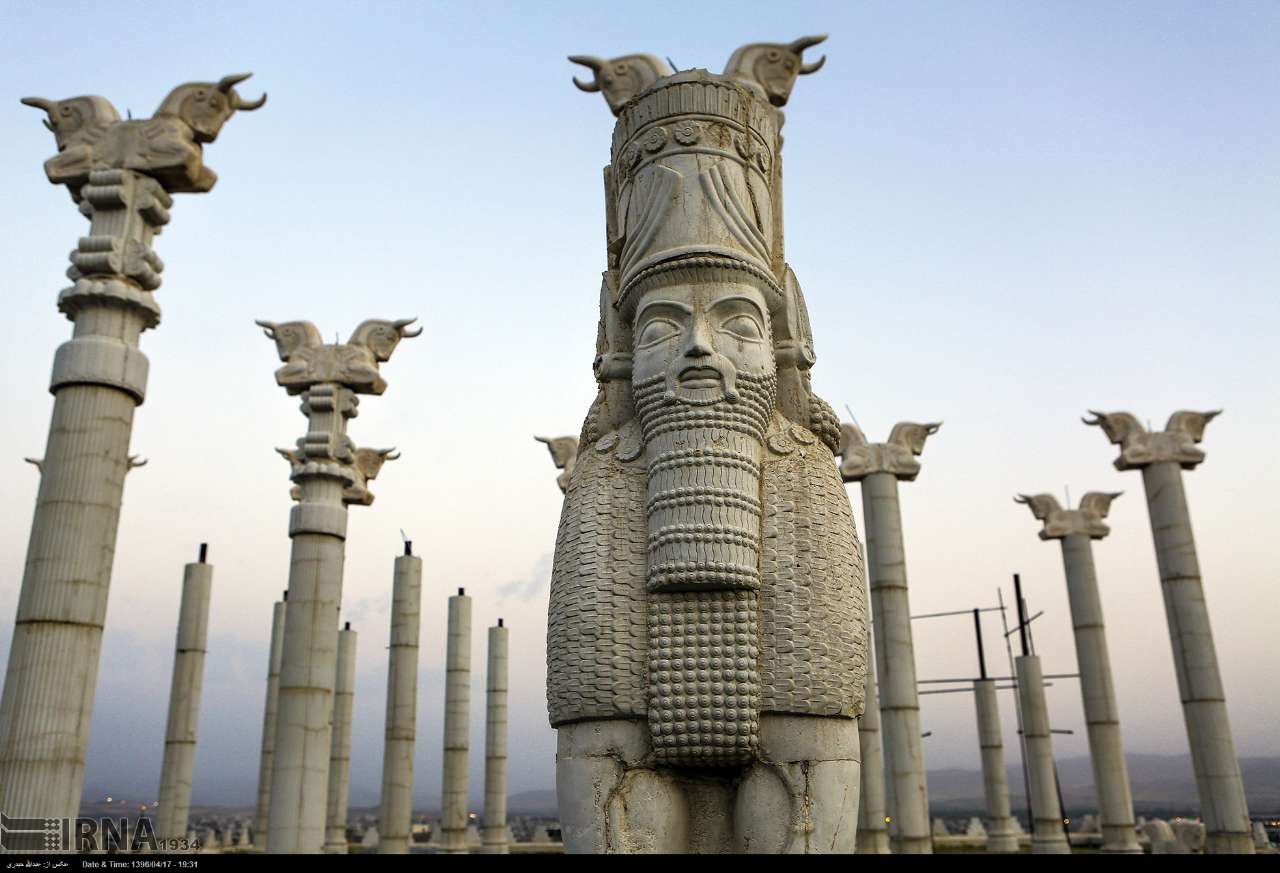
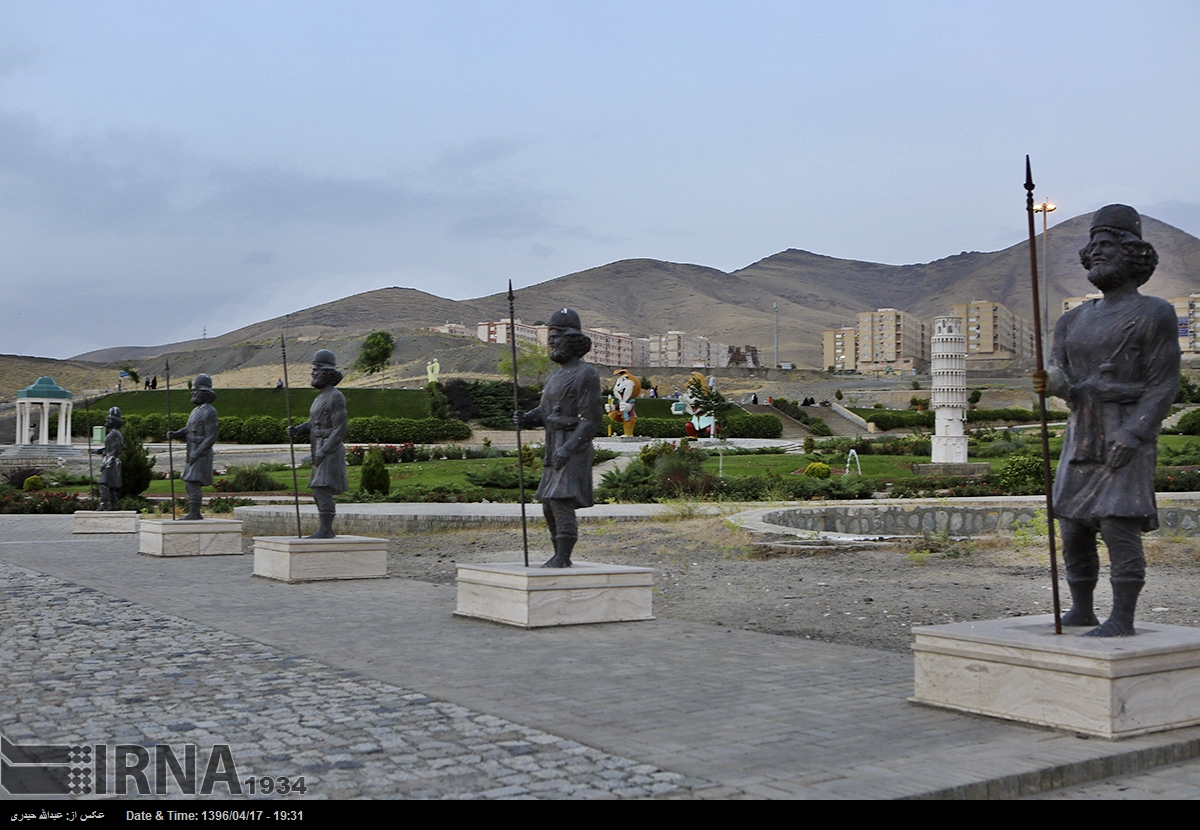
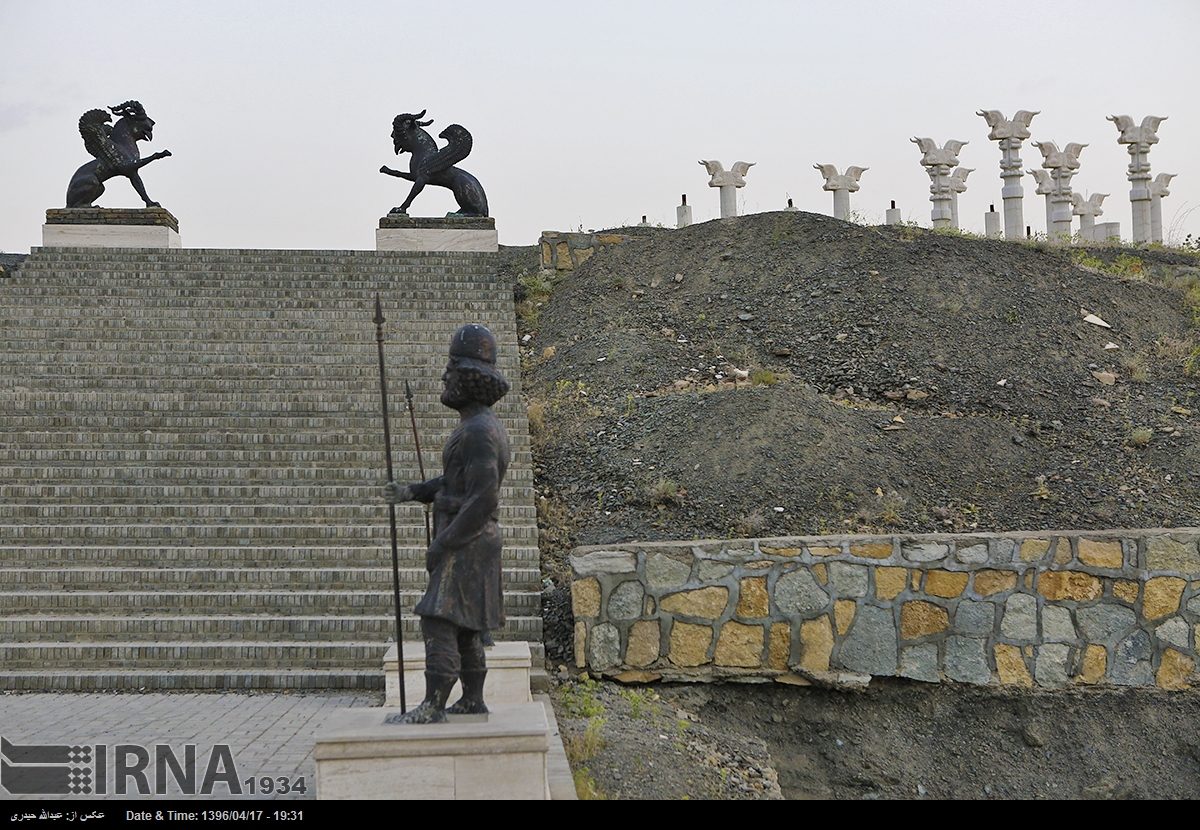
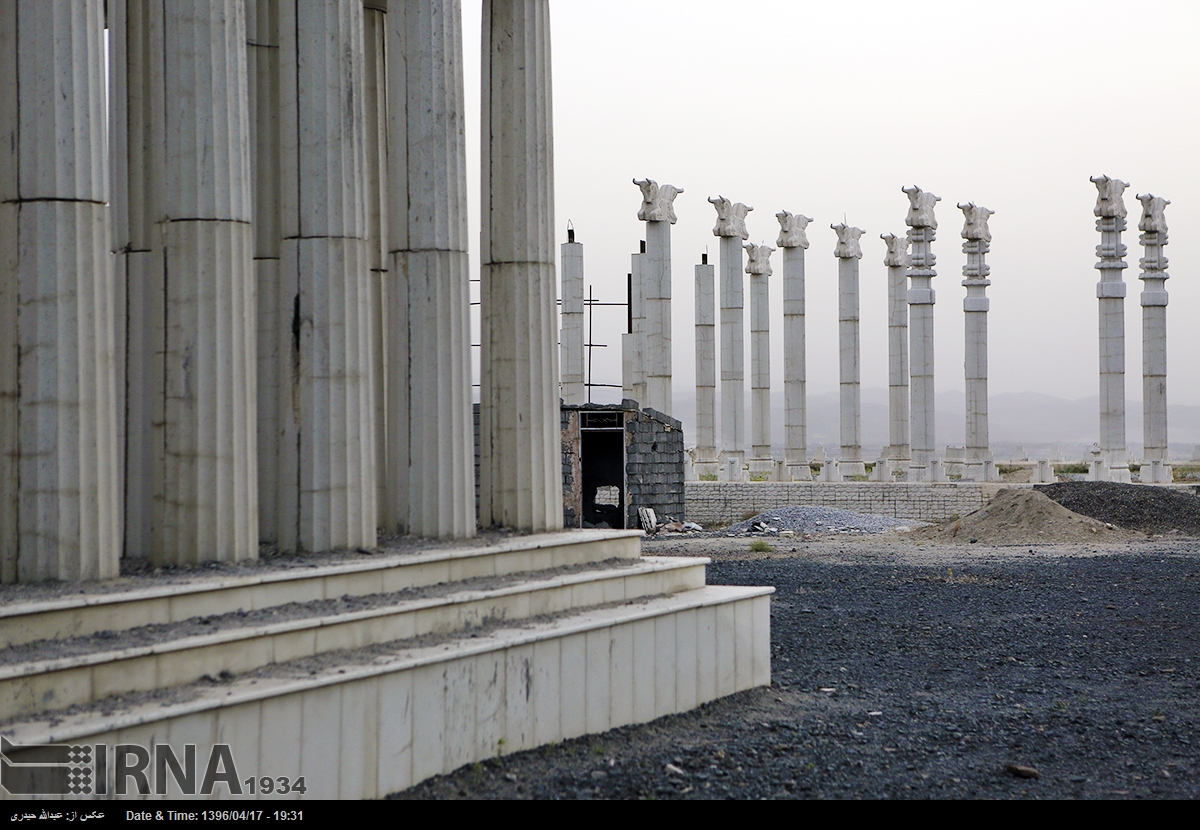
A 46-hectare piece of land in Malayer in western Iran is the site where the world’s fourth and Middle East’s first mini-world park is being built.
A miniature park is an open space that displays miniature buildings and models, and is usually open to the public.
The other world miniature parks include the ones in Japan, Belgium (known as “Mini-Europe”) and China (titled “The Window of the World”).
The park has no counterpart in Iran and the Middle East. The Iranian miniature park will incorporate the features used in the design and construction of the “Mini-Europe” in the Belgian capital of Brussels.
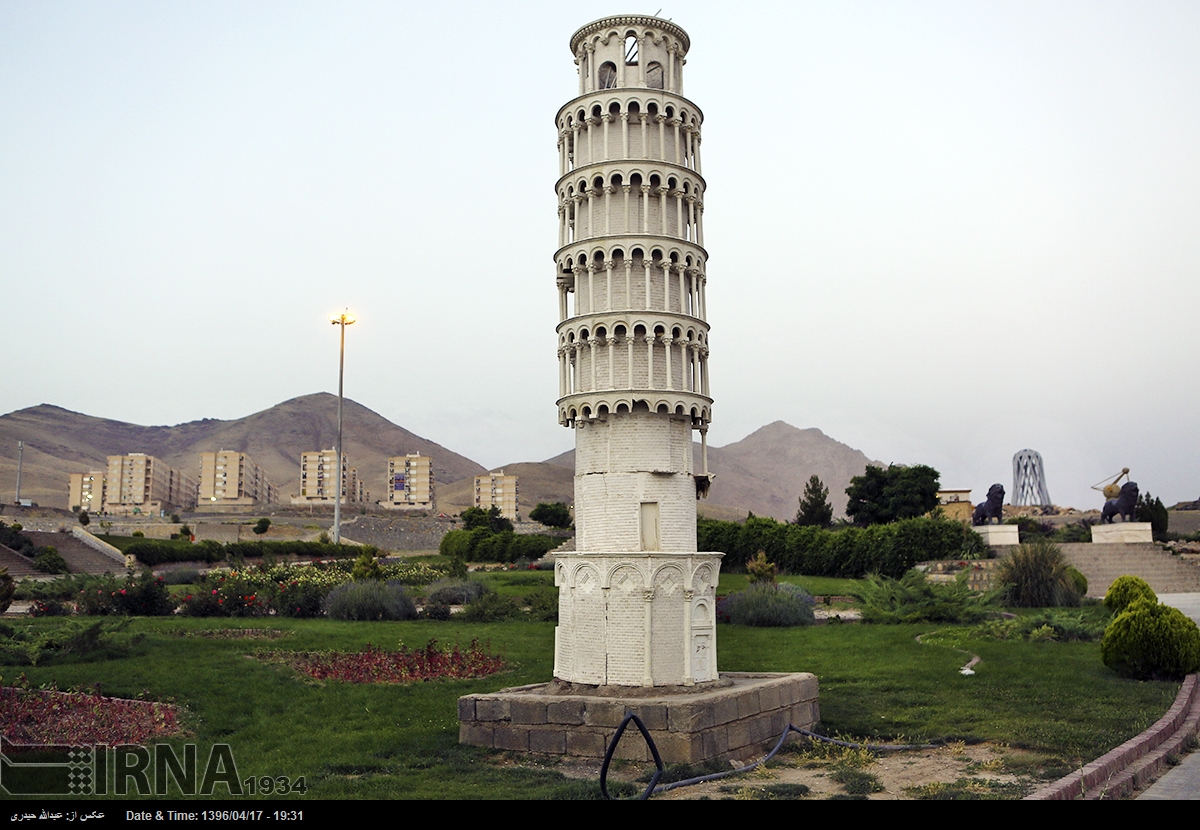
A total of 138 national (123) and international (15) historical buildings and sites will be reproduced in this project. The reproductions will be 10 times smaller than the original ones.
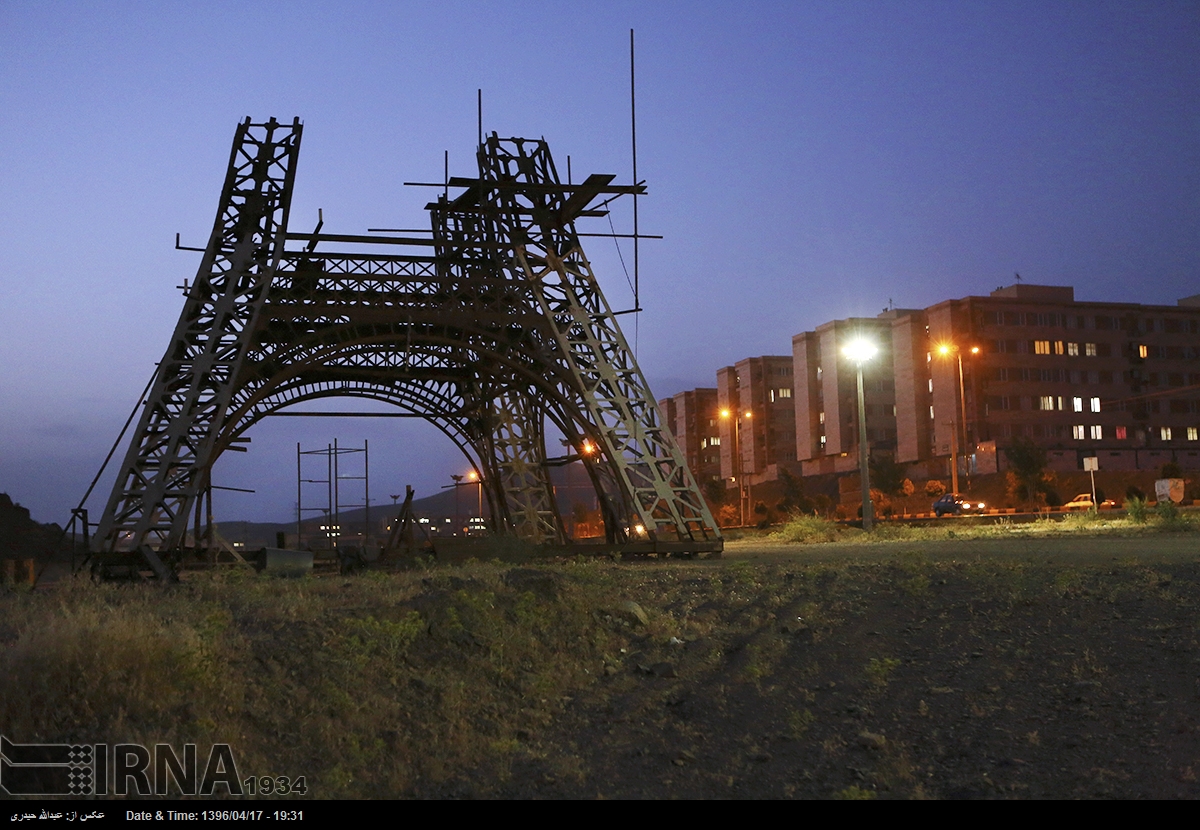
Among the foreign architectural models due to be built in the park are the Eiffel Tower in Paris, the Egyptian pyramids, and India’s Taj Mahal.
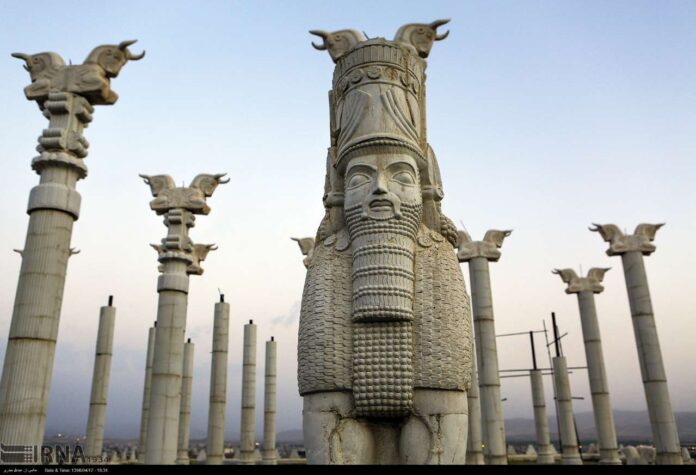
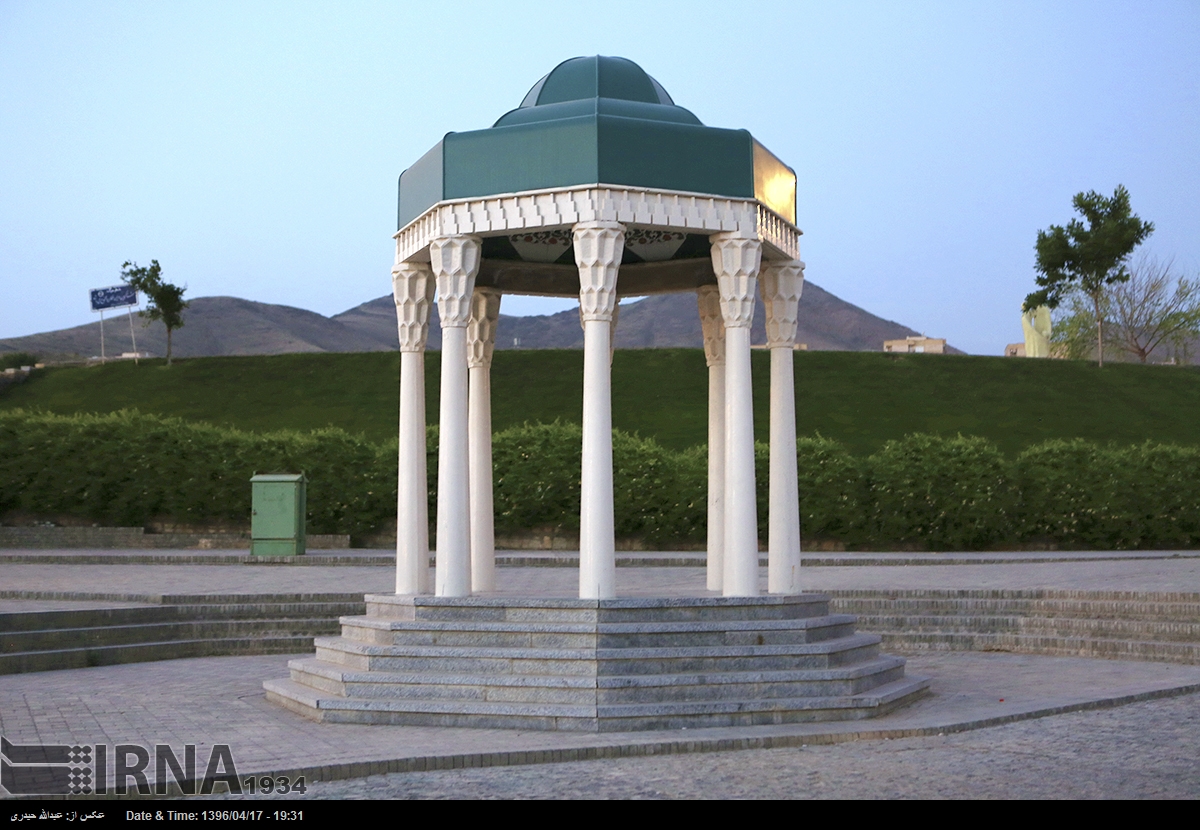
The Iranian historical buildings, structures and sites to be reproduced in the park also include Persepolis and the Tomb of Hafez (both located in the southwestern Iranian province of Fars), Azadi Tower (in Tehran), and the Tomb of Baba Tahir in Hamadan.
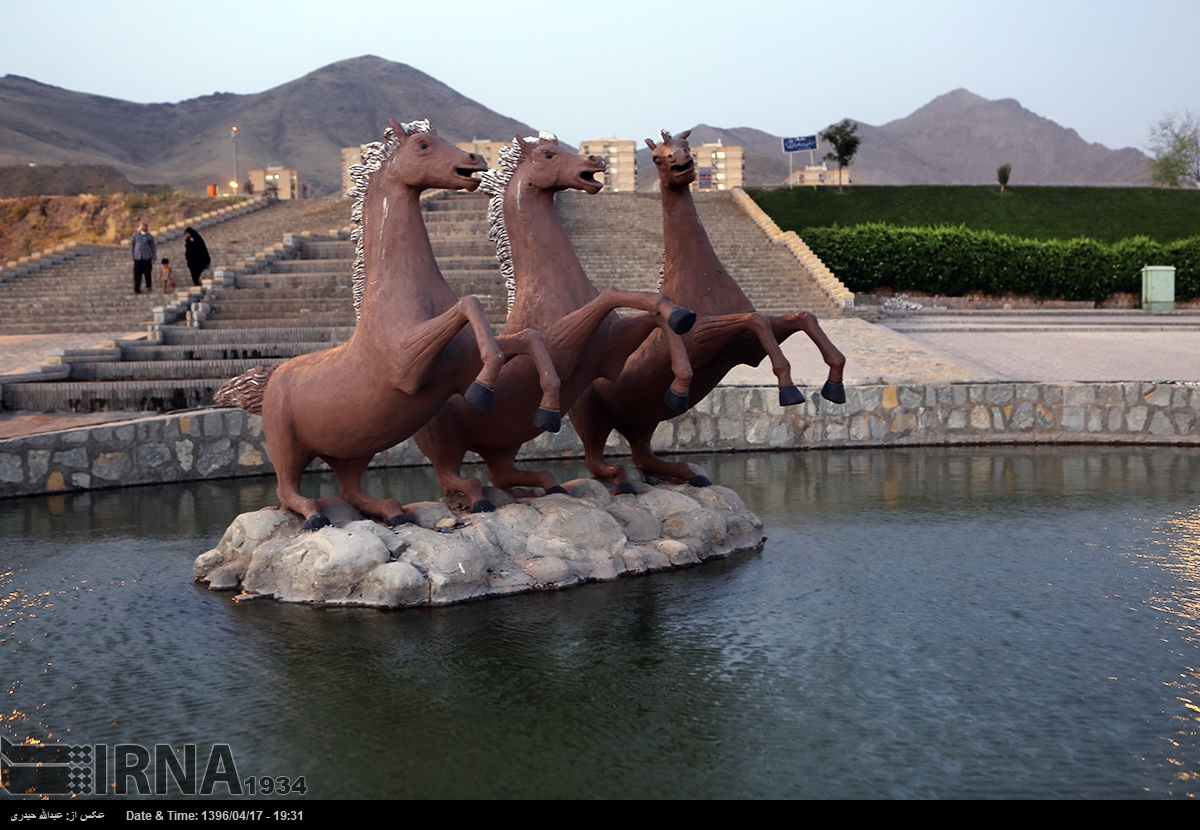
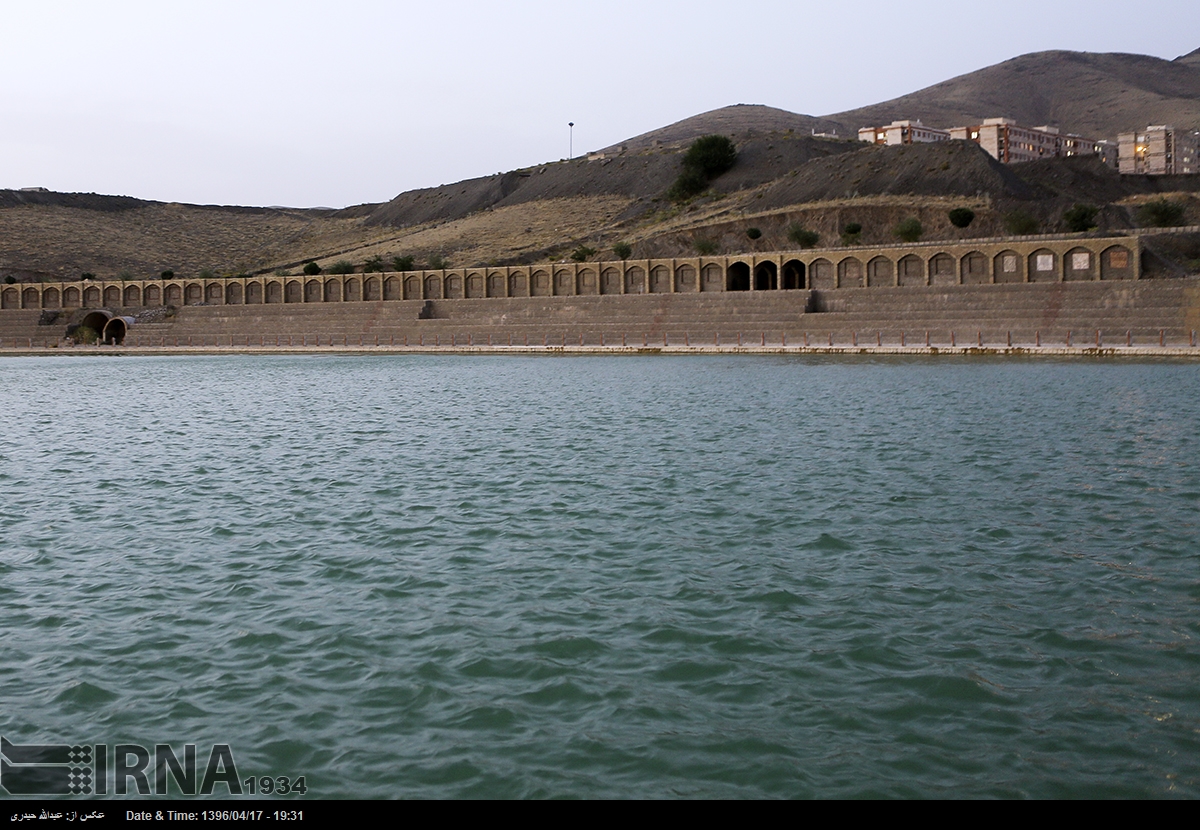
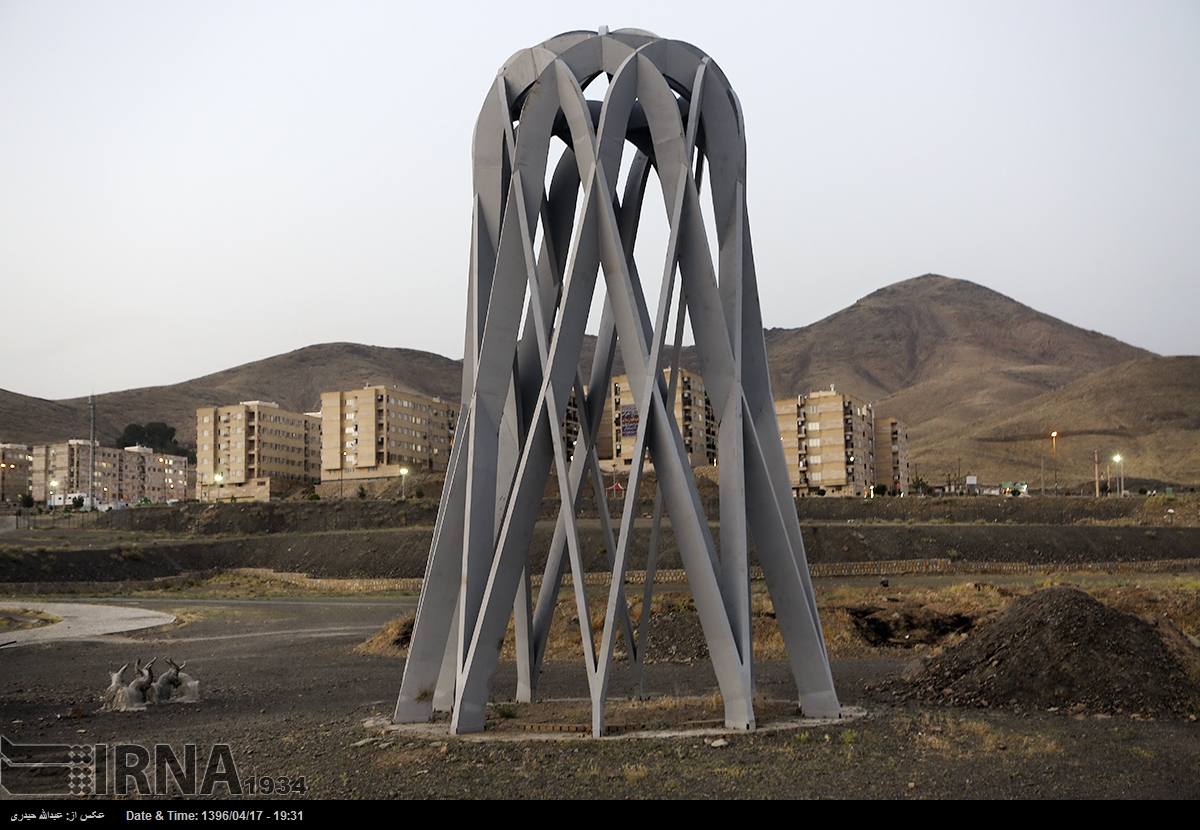
Here are IRNA’s photos of the park, which is being built in the eastern part of Malayer:
Mohammad-Mahdi Forqani, a senior university professor, says one of the rights of citizens is the right to Freedom of Information (FOI).
“Every individual and citizen is entitled to have access to the information he or she needs; also, the government has obliged organizations, institutions and state bodies [to provide the information],” said Forqani, who is the dean of the Faculty of Communications Sciences at Allameh Tabataba’i University.
“Organizations and institutions shouldn’t trap information in archives and other storage banks inside the government bodies; rather, they should make it available for public use when needed,” he said, according to a Farsi report by IRNA.
He then touched upon the recent launch of a portal to give Iranian citizens free access to the information of state institutions, and said it was the first time that the law on FOI was ratified in the Islamic Republic.
He said the implementation of the law on dissemination of, and free access to information enables citizens to use the information they need easily and without any worries.
The law is associated with features of democracy and definitely obliges governments to be accountable to people and provide them with the required information, said the top academic.
He said the approval and implementation of the law is an effective step in promoting civil rights.
He thanked all those behind the ratification of the law and said its enforcement turns over a new leaf in securing citizens’ rights during the tenure of President Hassan Rouhani’s administration.
The law on freedom of information was put on the government’s agenda in 2013. After numerous expert meetings and much discussion, a portal on FOI was officially unveiled on 8 July, 2017.
An informed Iraqi source in Nineveh Province has said the ISIS has destroyed a large number of its documents including the terrorist group’s secret data by burning its biggest archive, known as “The Blue Archive of ISIS” in Tal Afar in west of the northern Iraqi province.
Speaking to Alsumaria News TV, he added the archive included documents containing secret information about the terrorist group’s accounts as well as judicial and security moves and measures.
According to a Farsi report by the Mehr News Agency, the front cover of the thick folders and notebooks containing the documents and data was blue. They were transferred to a place where they were destroyed by lorries.
Following the beginning of the operations by Iraqi forces to liberate Mosul from the ISIS terrorists, the group has begun destroying its secret information archives for security reasons.
The local source stressed that the ISIS has lodged its Arab and foreign leaders and commanders in regions under its control in Tal Afar and has forced dozens of local people to leave these districts at gunpoint.
Tal Afar is currently one of the last and most important strongholds of the ISIS.

 “Today, we held a meeting at the Ministry, where we discussed the results of my visit to Tehran and called on the concerned departments to promote bilateral cultural ties,” he said.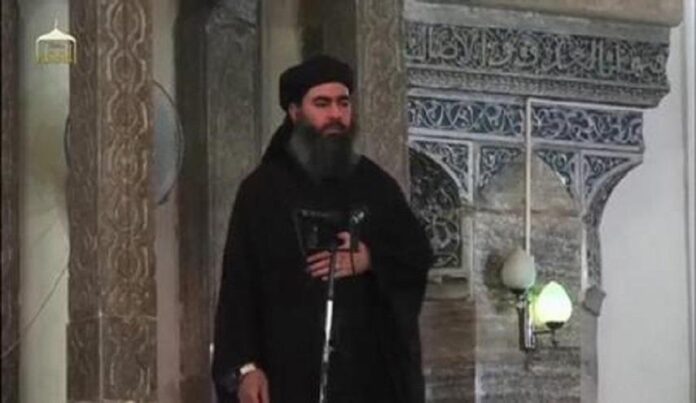







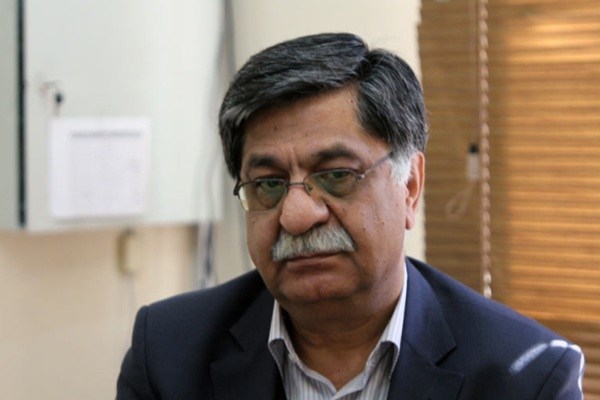 Mohammad-Mahdi Forqani, a senior university professor, says one of the rights of citizens is the right to Freedom of Information (FOI).