Monday, April 13, 2026
Home Blog Page 3944

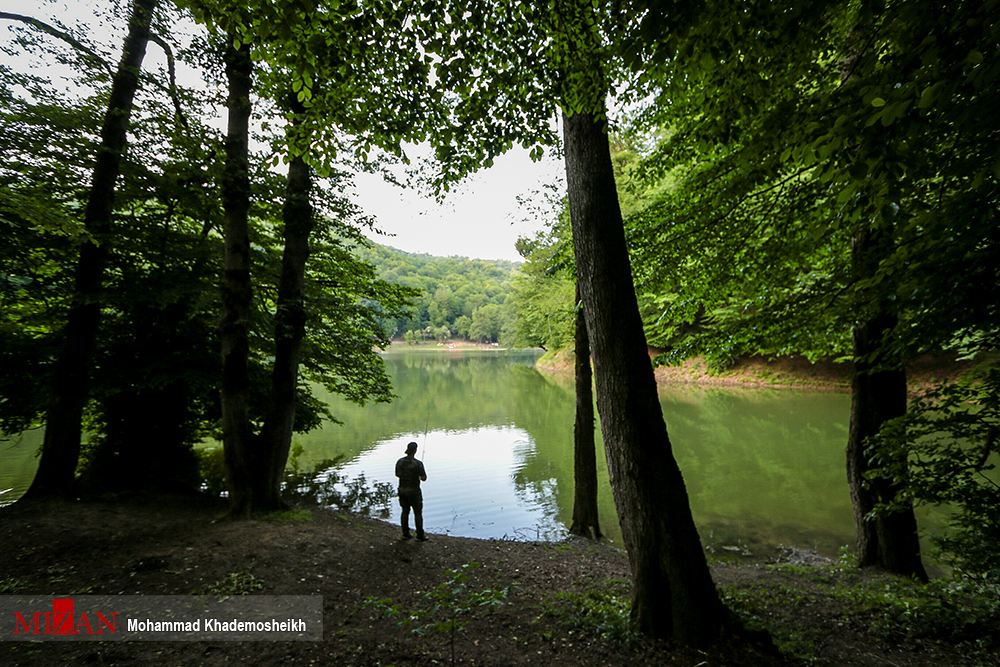
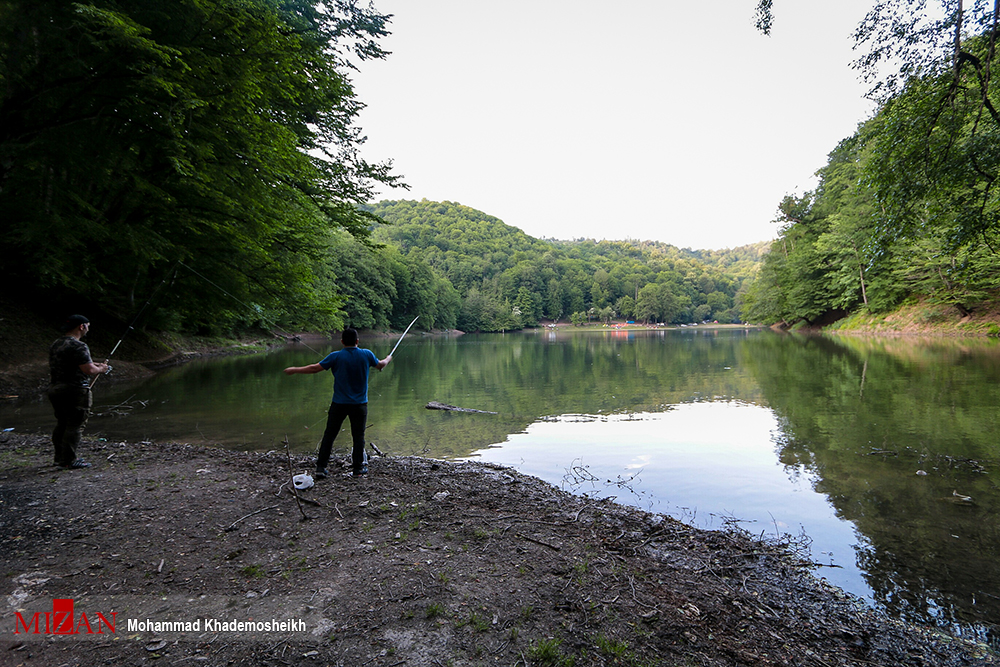
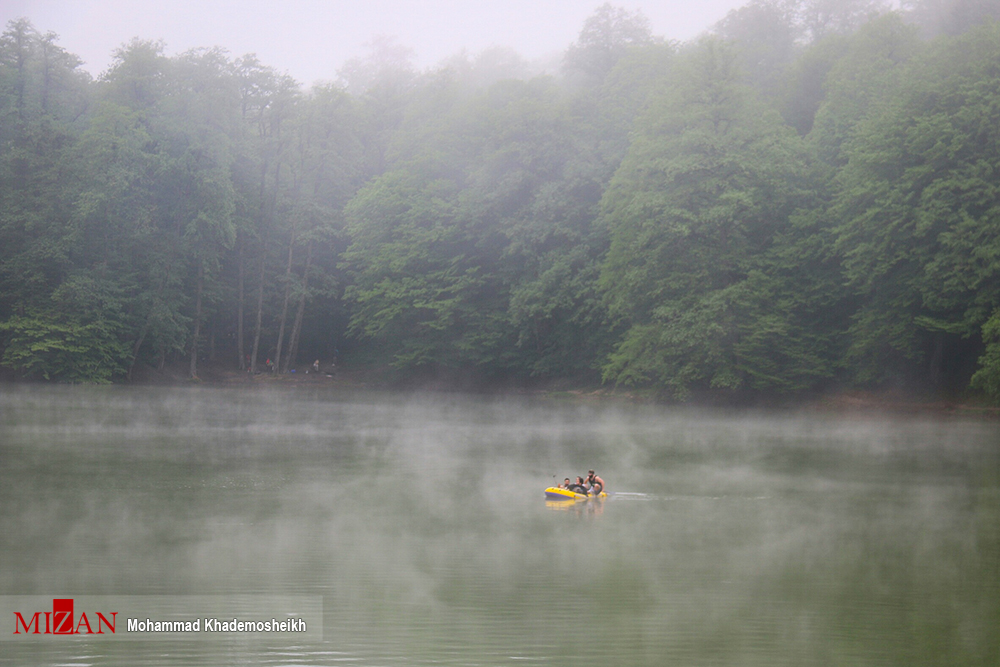
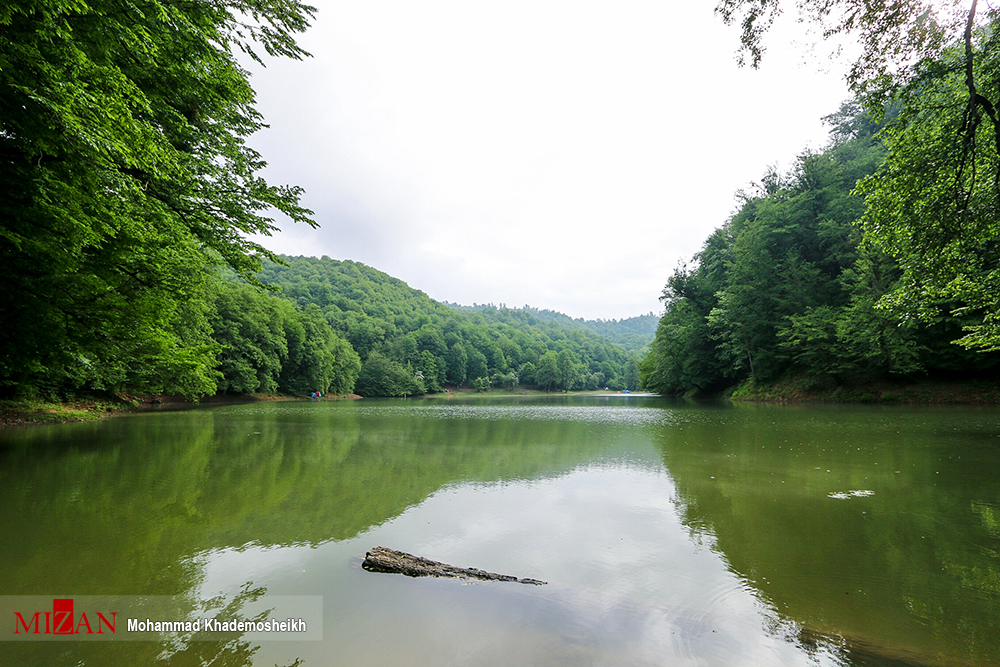
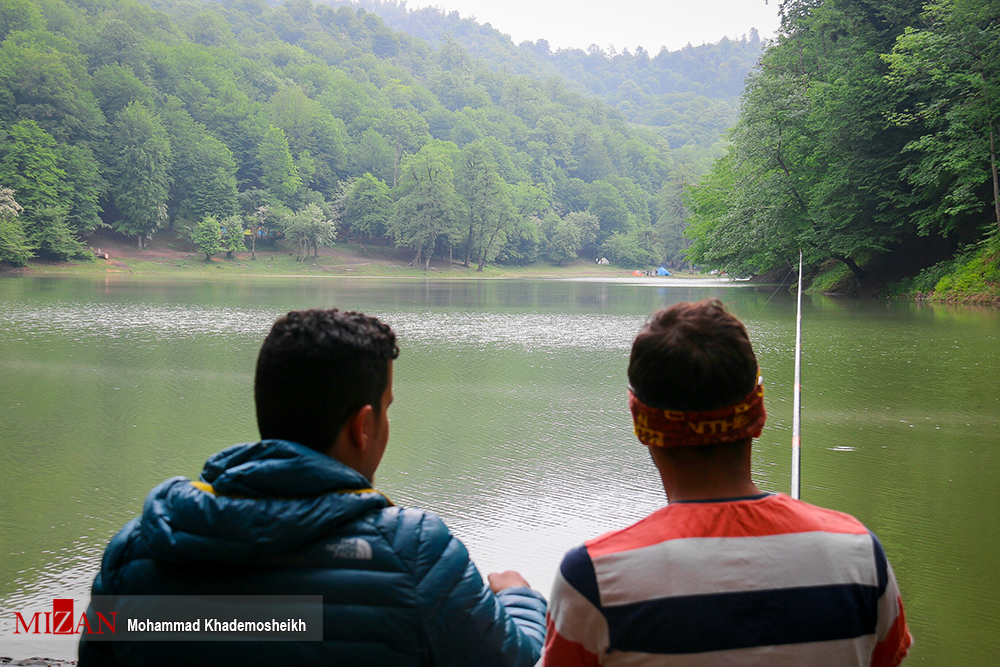
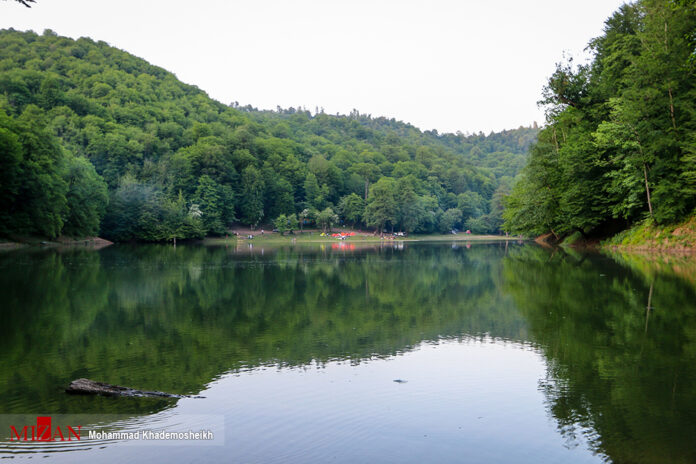
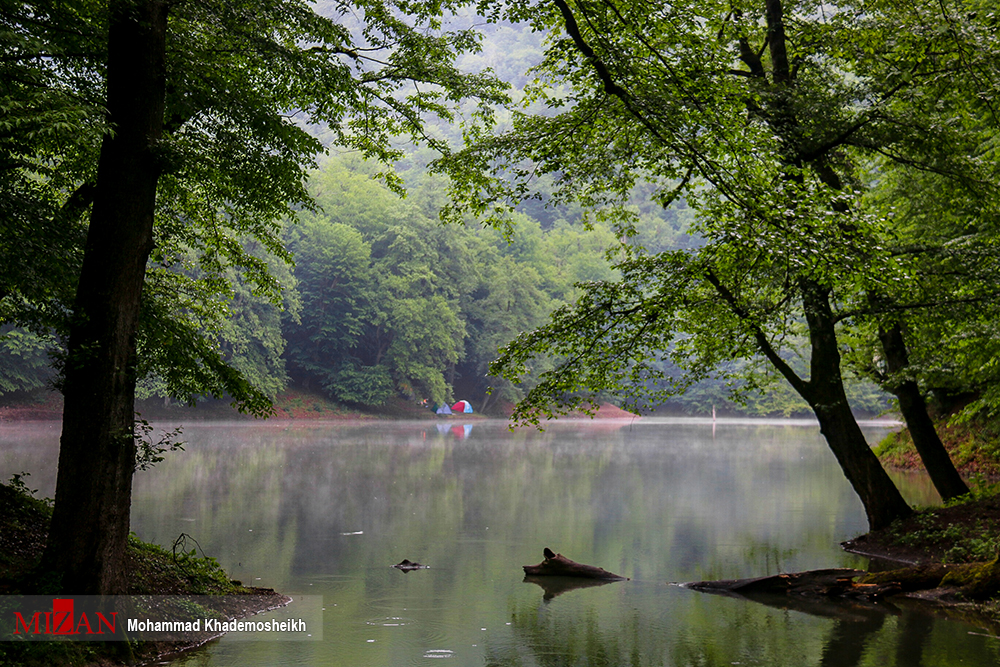
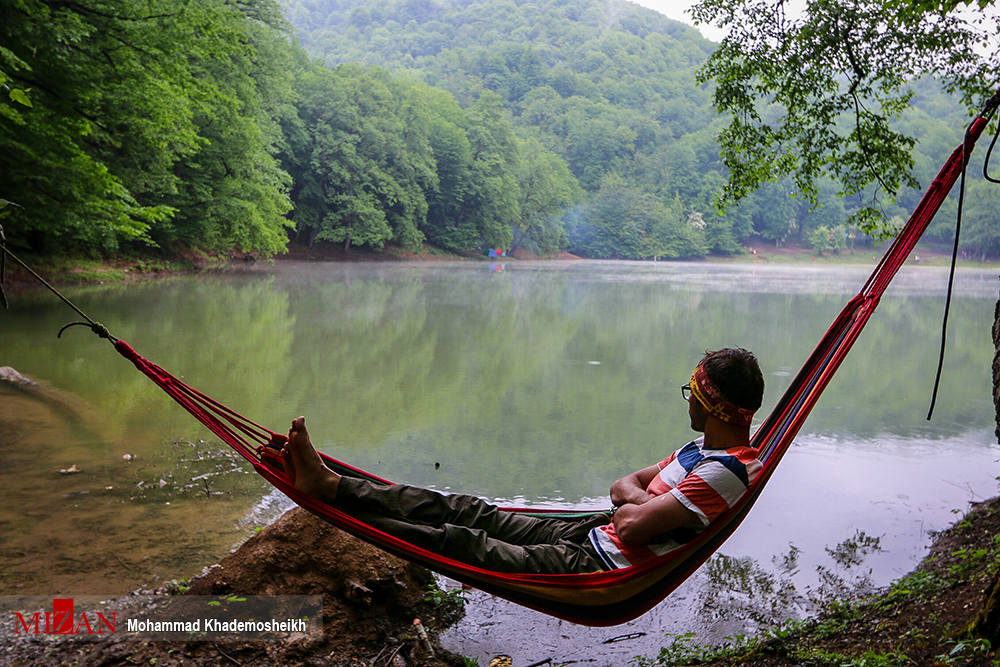
Iran’s Beauties in Photos: Churat Lake

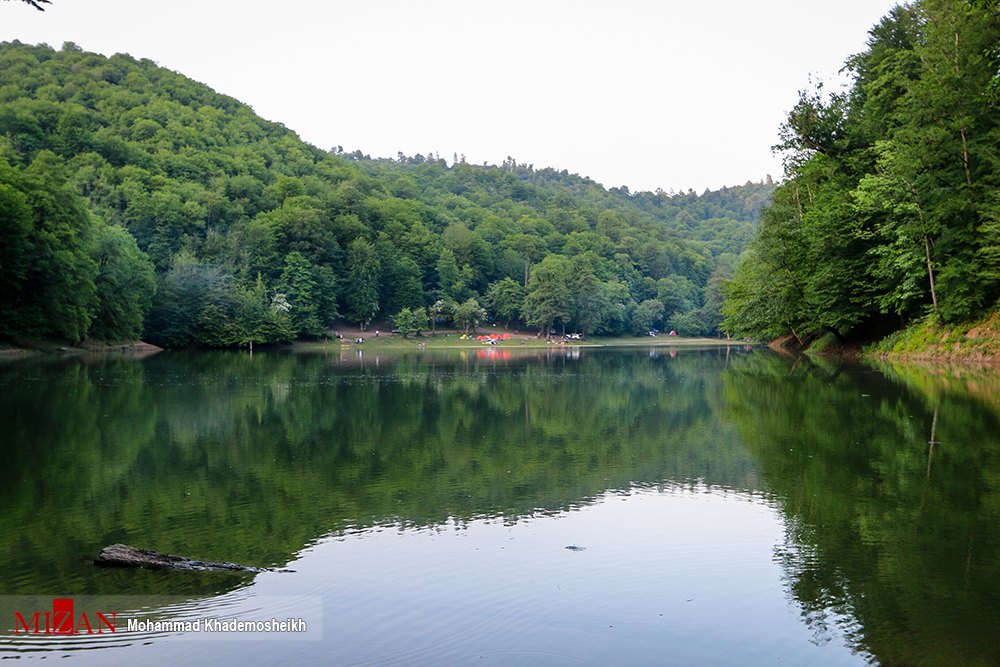
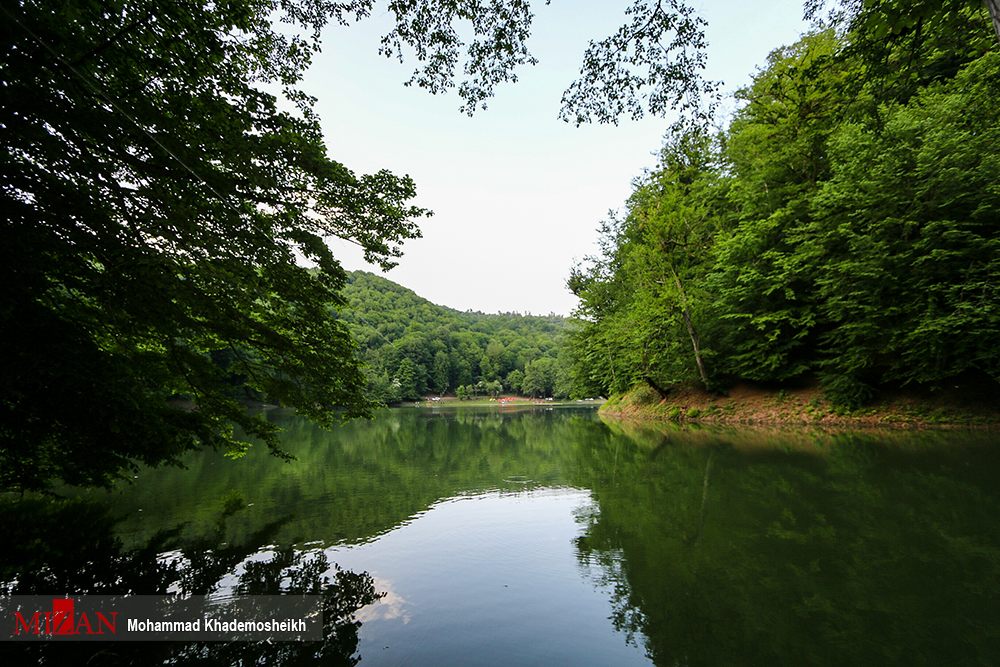
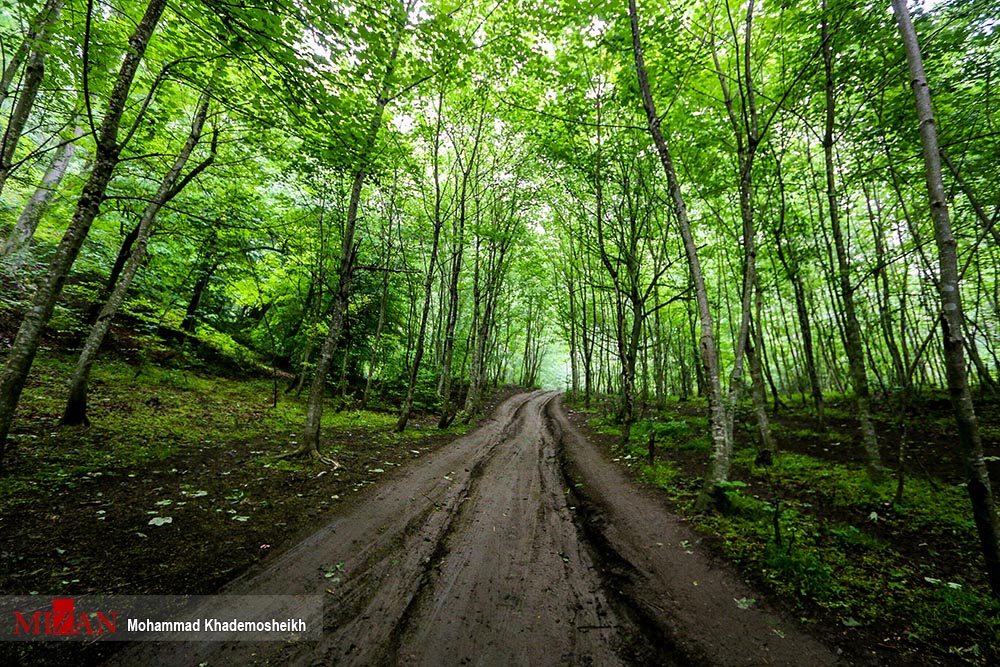
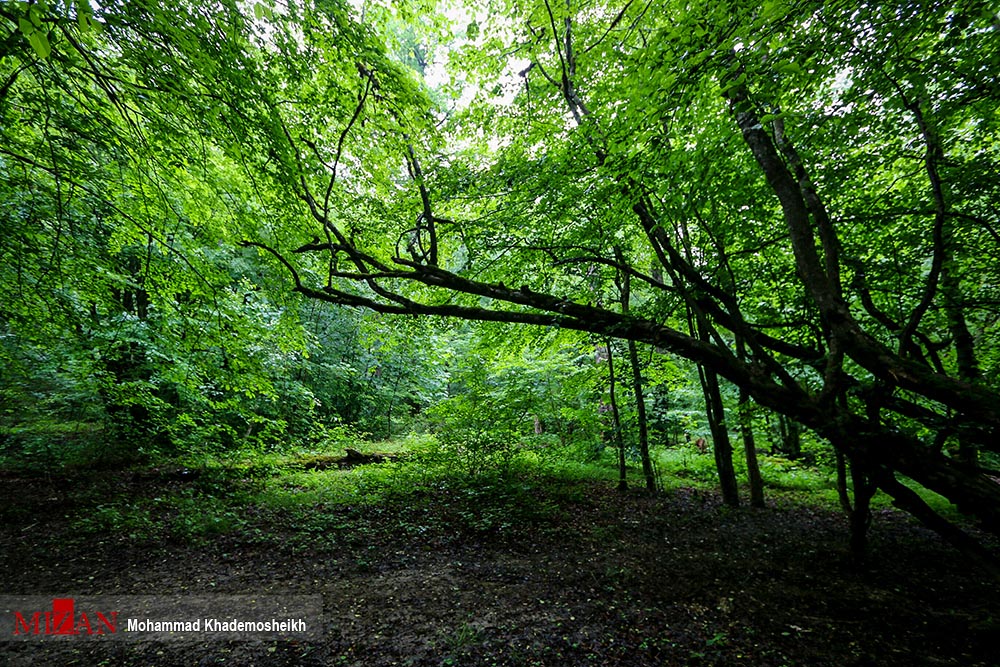
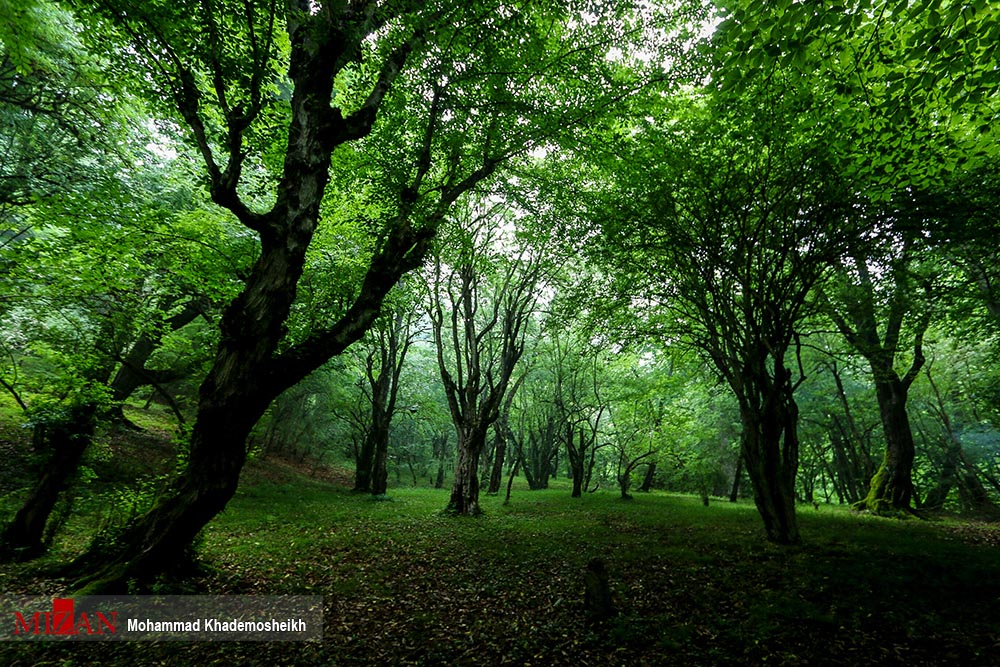
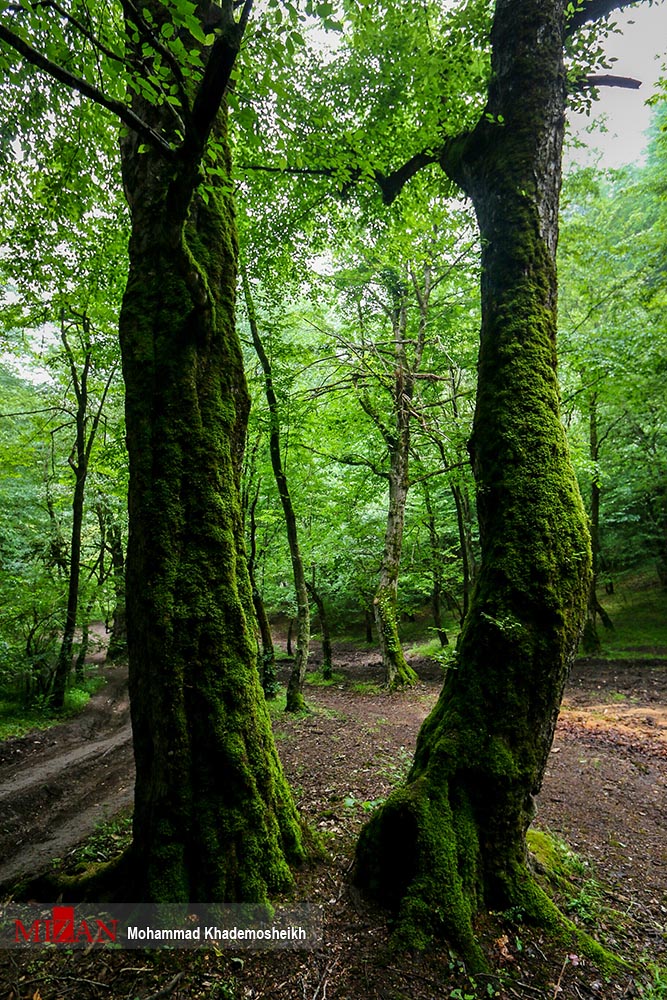
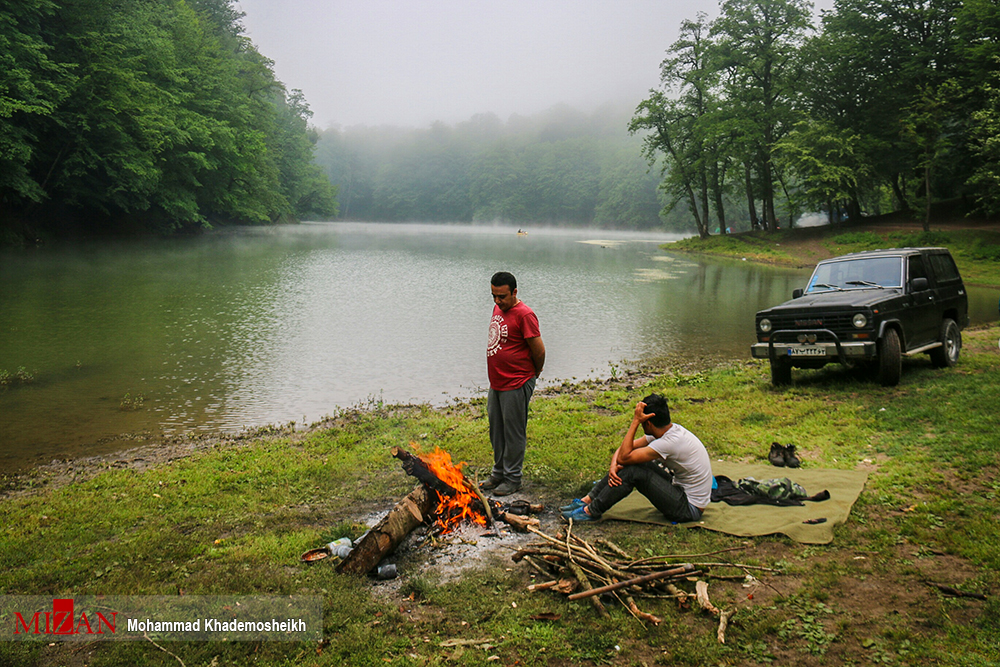
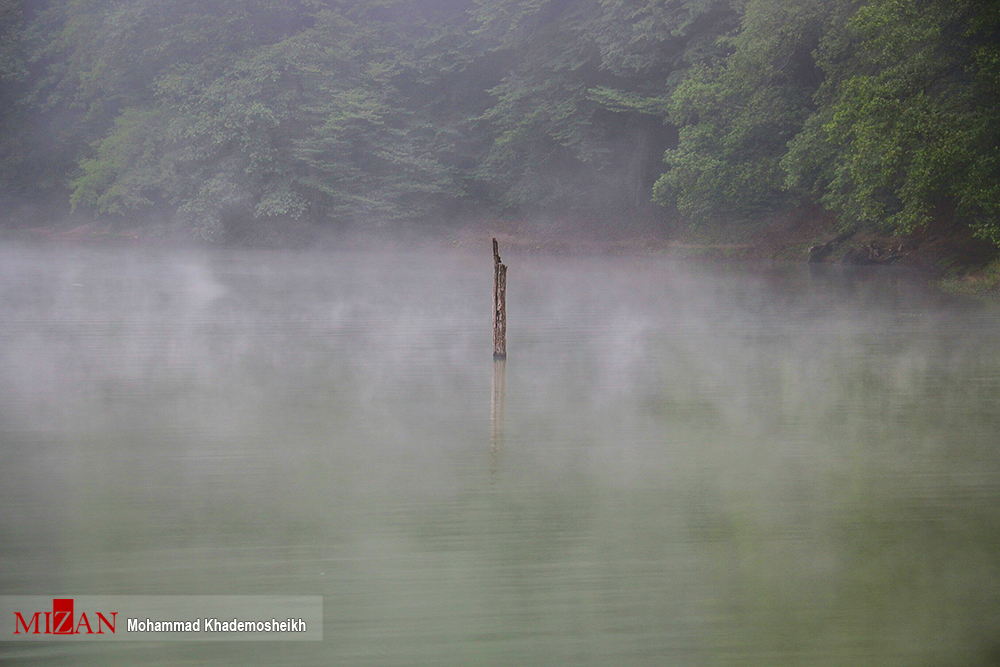
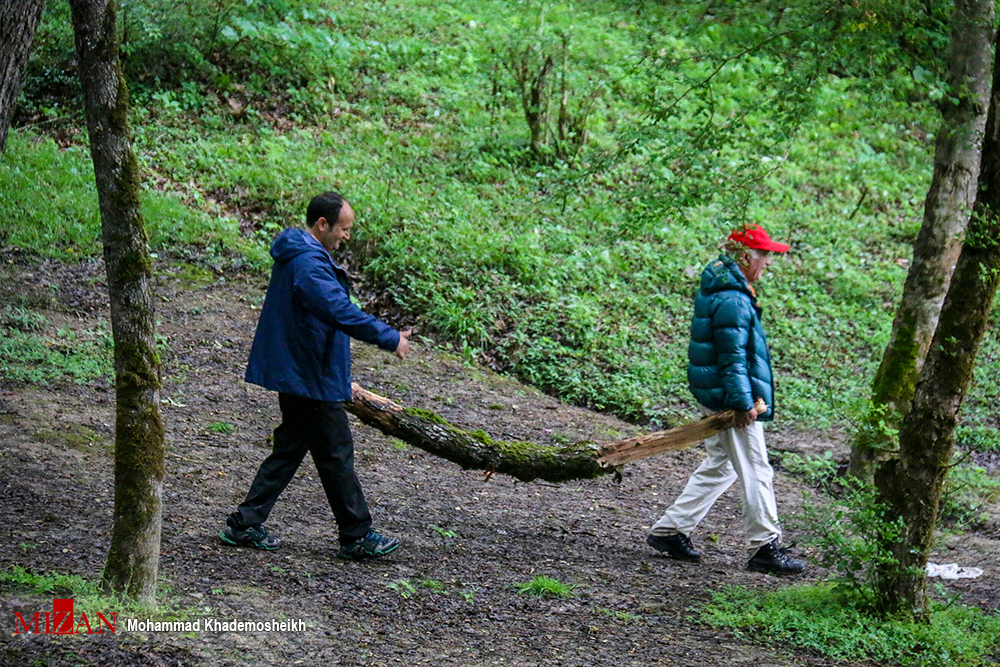
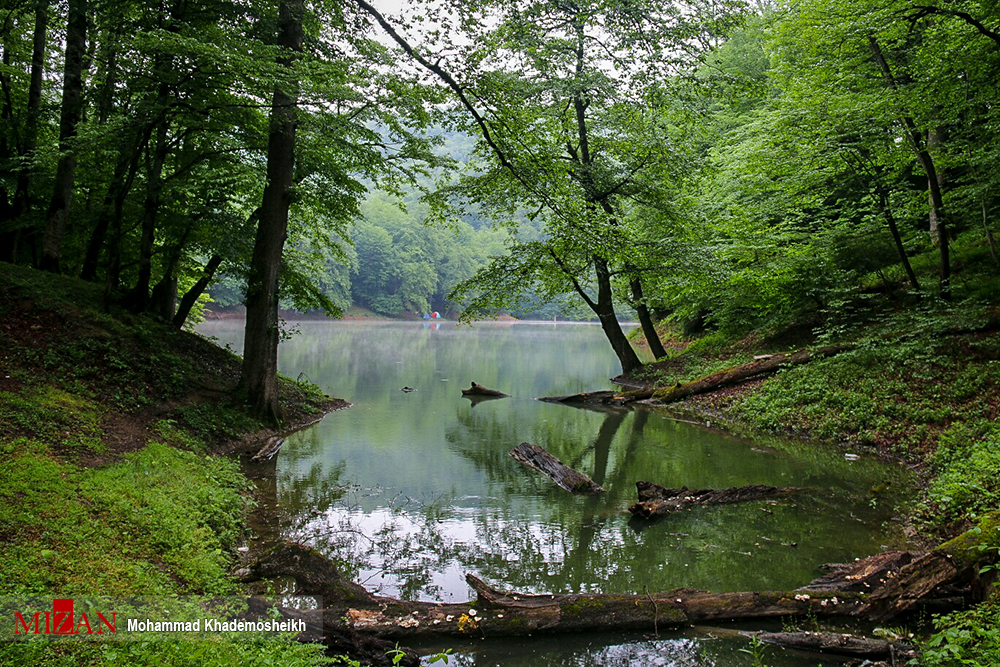
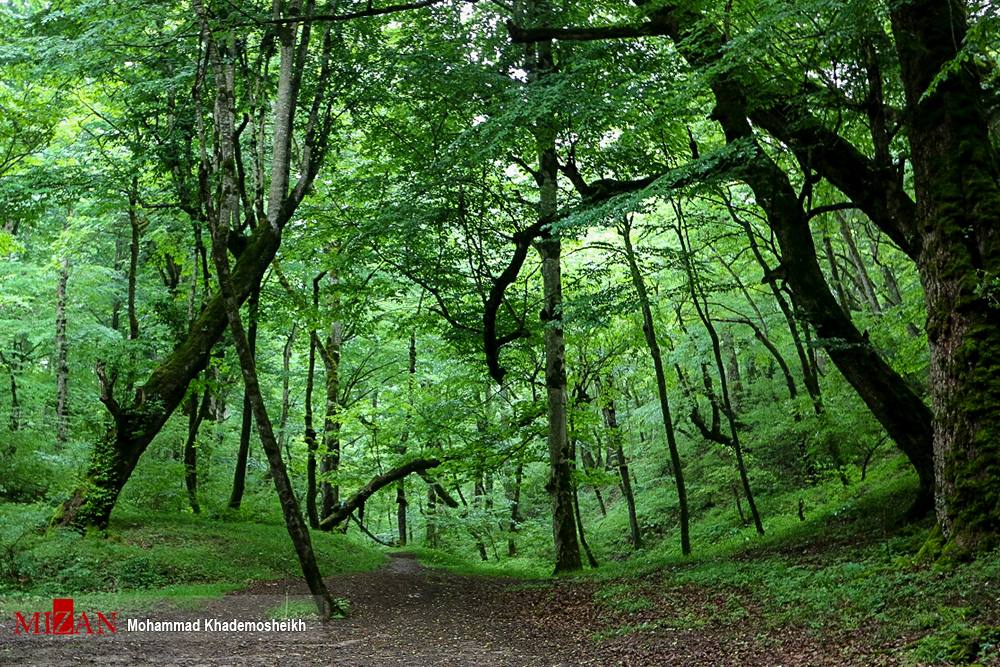
Located between the cities of Sari and Kiasar, the Lake lies 350km away from the Iranian capital city of Tehran at the heart of virgin forests of Churat village.

The lake was formed in 1939 after an earthquake and landslide in the area.

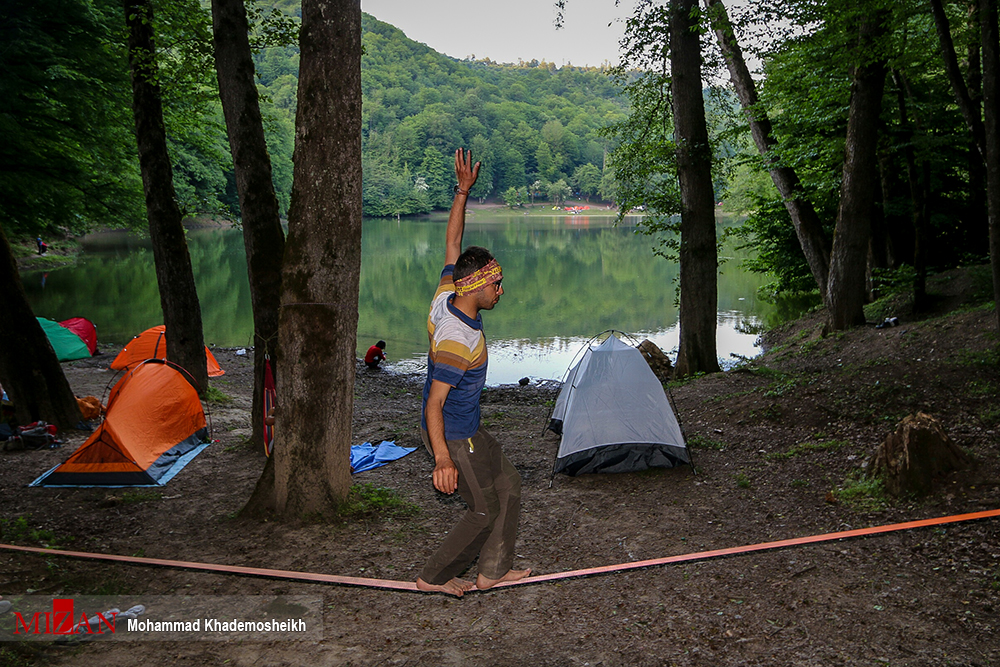
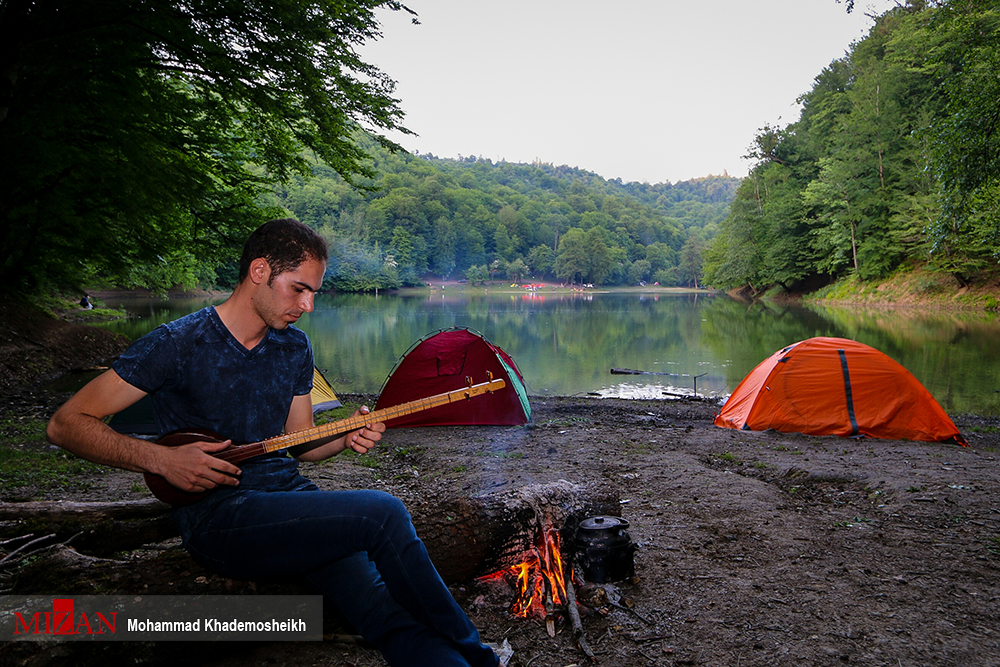
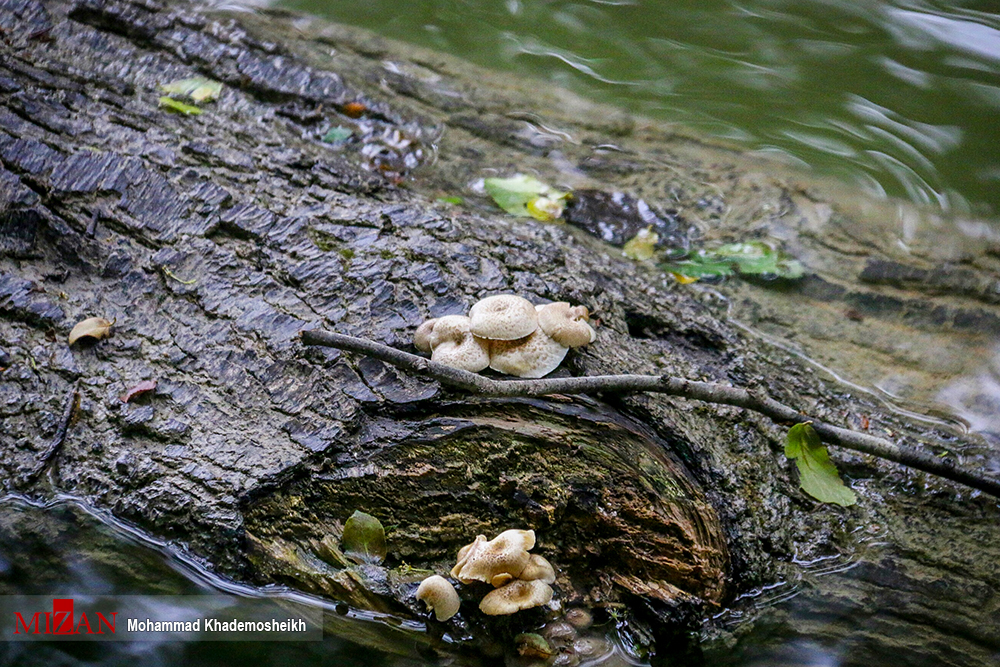
Here are Mizan’s photos of the beautiful lake:

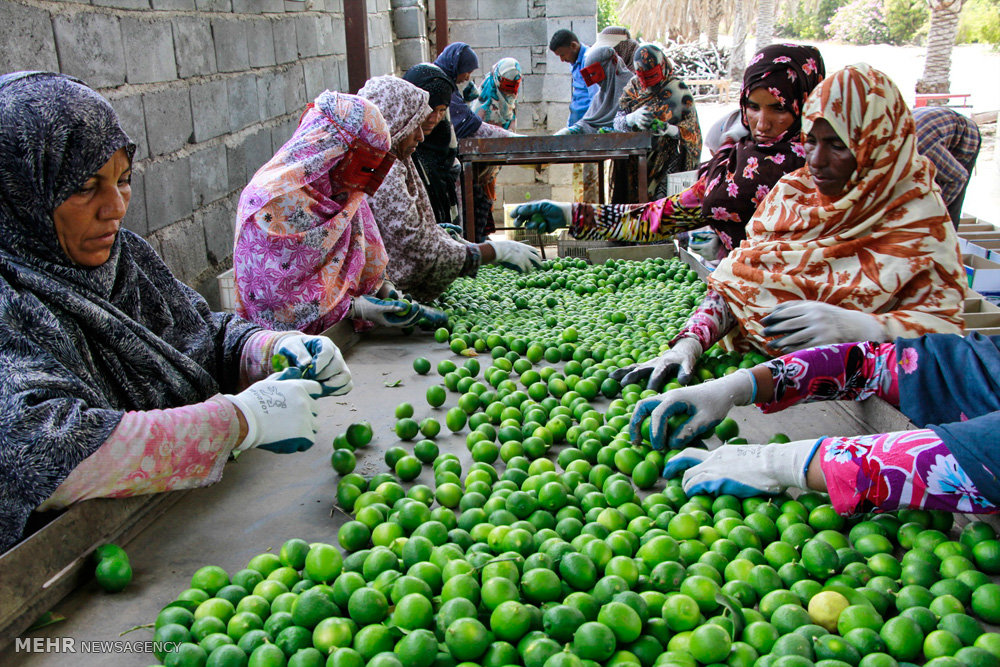
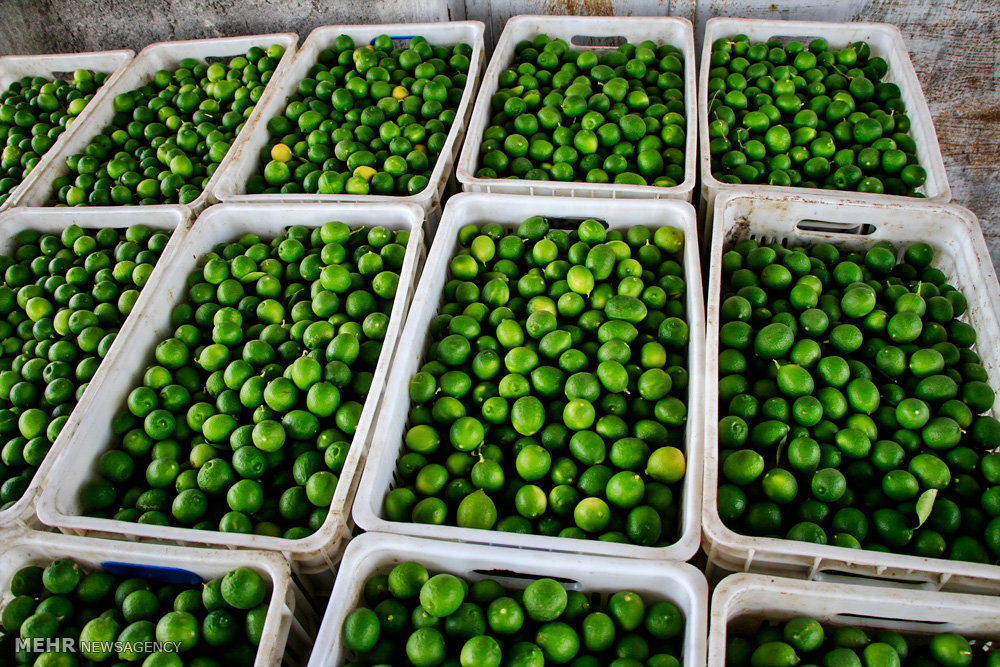
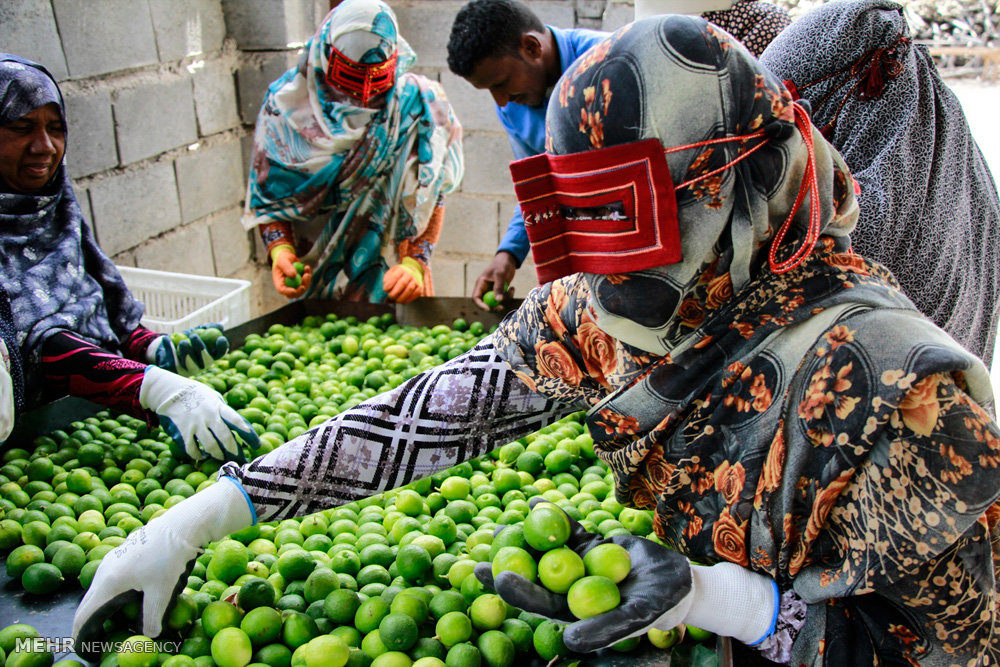
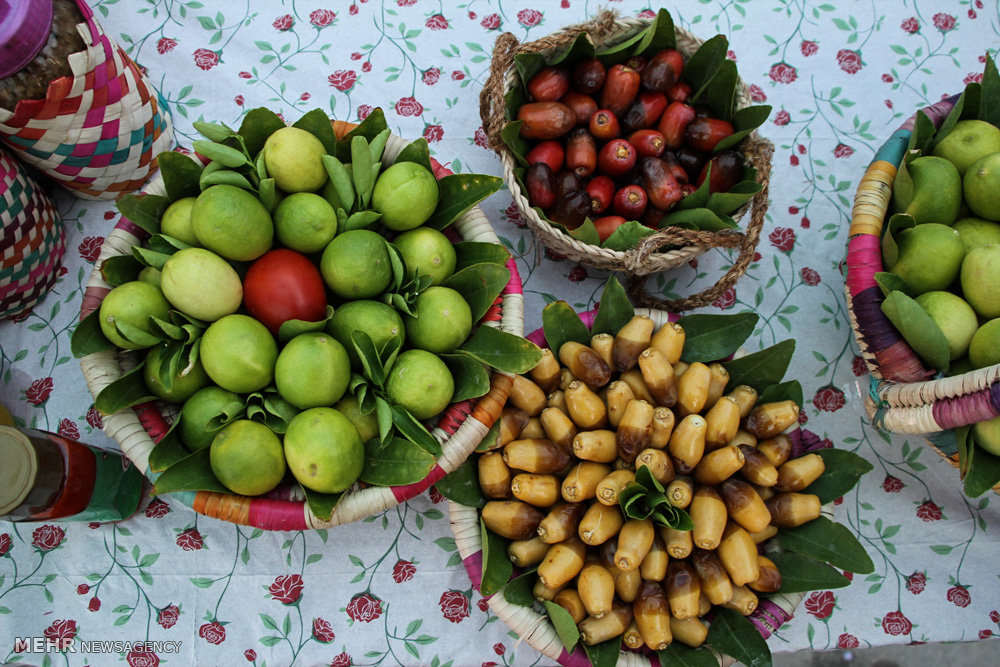
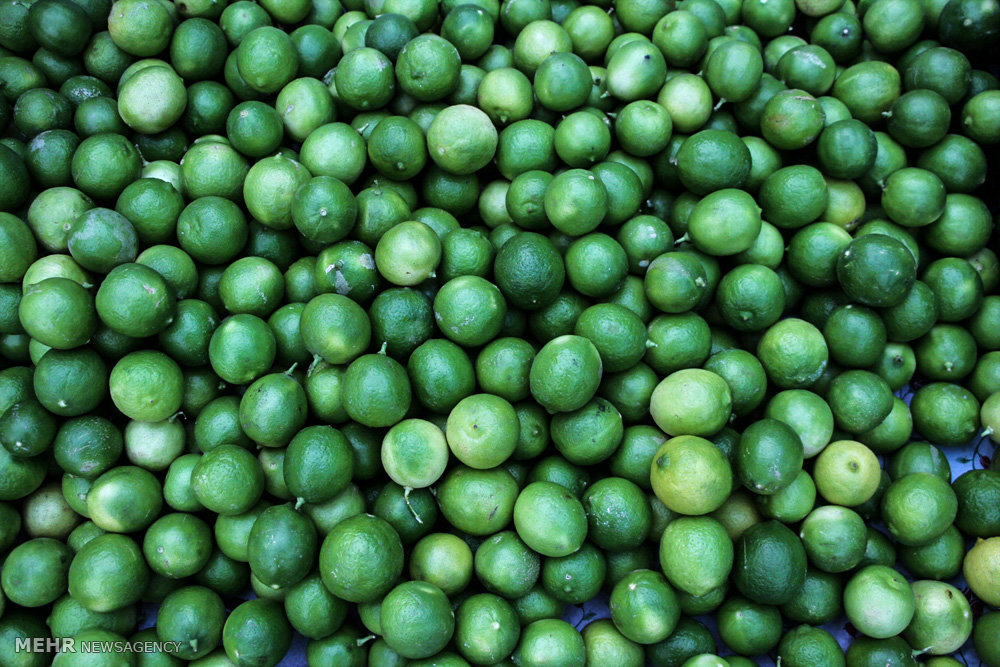
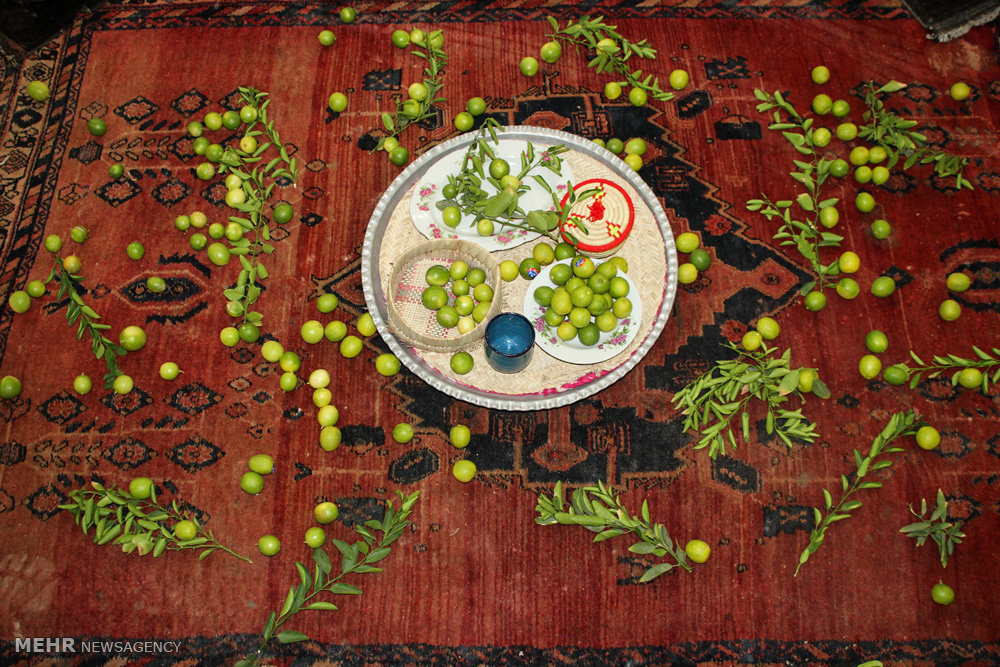
First Lemon Festival Held in Southern Iran

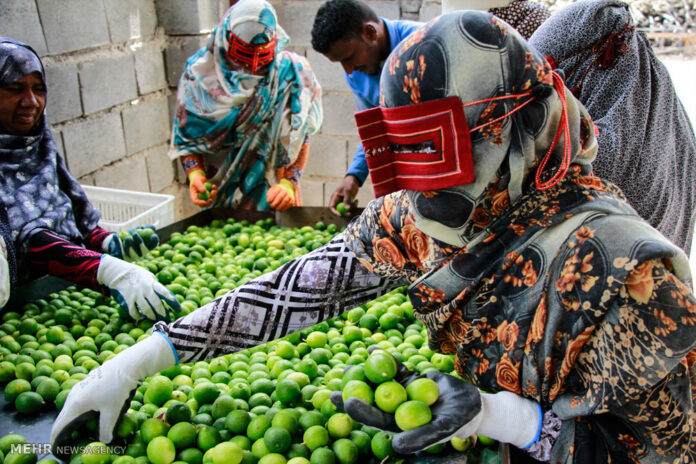
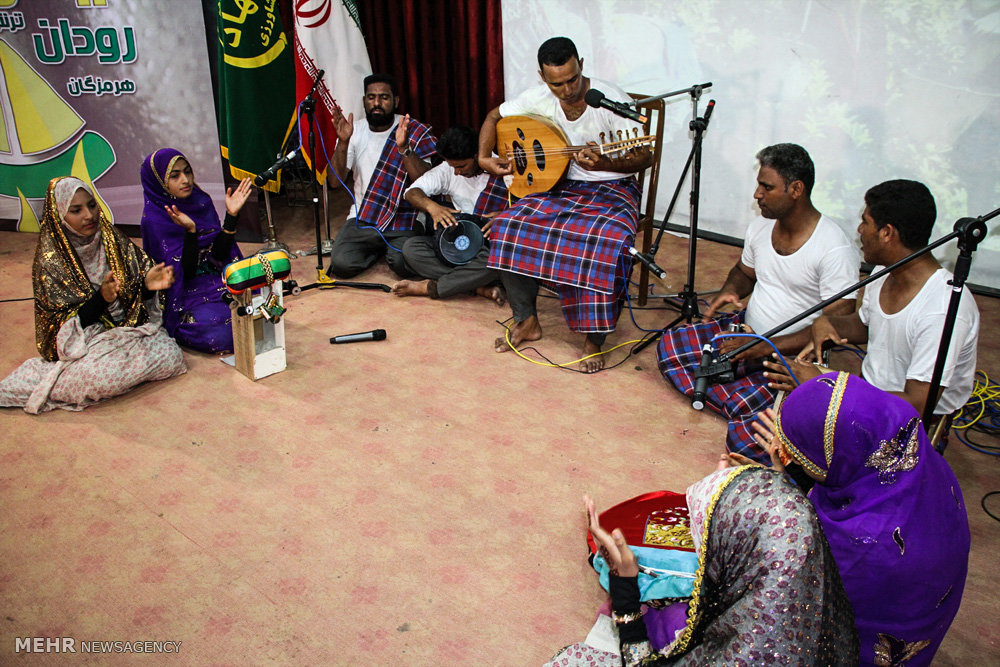
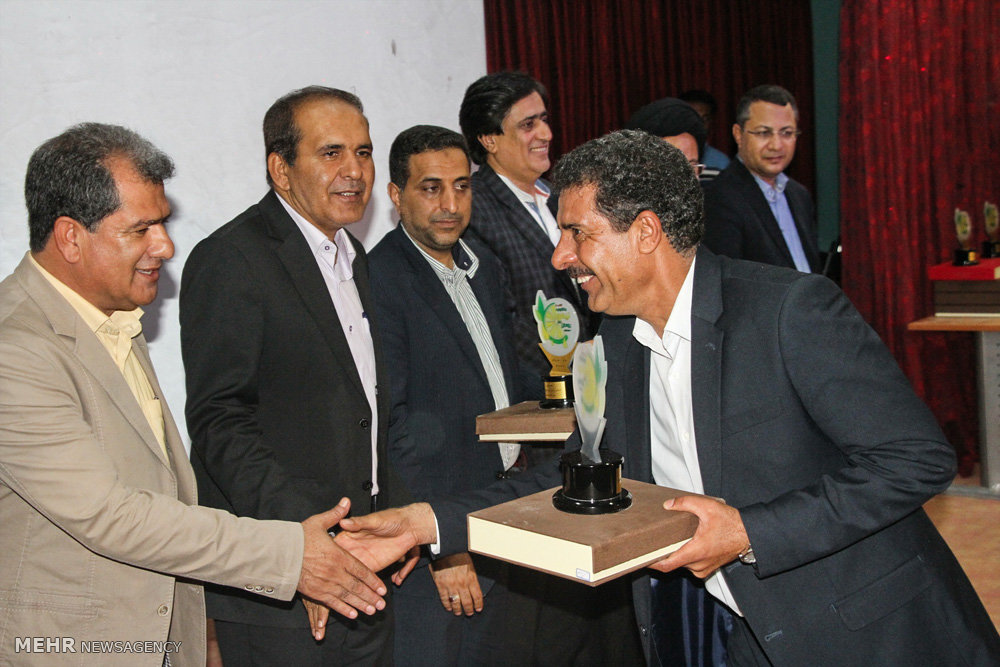
Several Iranian lawmakers and provincial officials took part in the lemon festival held on August 11, according to a Farsi report by IANA.

Among the Iranian MPs who attended the festival were Tehran’s representative in the Parliament, Fatemeh Zolqadr, as well as those of Hormozgan Province.

Commenting on the festival, Abbas Moayyedi, the director of Rudan County’s Agricultural Jihad Organization, said the holding of the festival was aimed at increasing public knowledge of Rudan’s lemon which has a very high quality, plays a very significant role in the economic prosperity of the county and the province, and creates high added value.

He went on to say that Hormozgan Province accounts for 42 percent of Iran’s lemon production, putting the province’s share of global lemon output at 2 percent.

Moayyedi said some 100,000 tonnes of lemon is expected to be harvested from the province’s farmlands by September 22, 2017.

Here are Mehr’s photos of the festival:

How Iran Standards Institute Gets Its First-Ever Female Chief

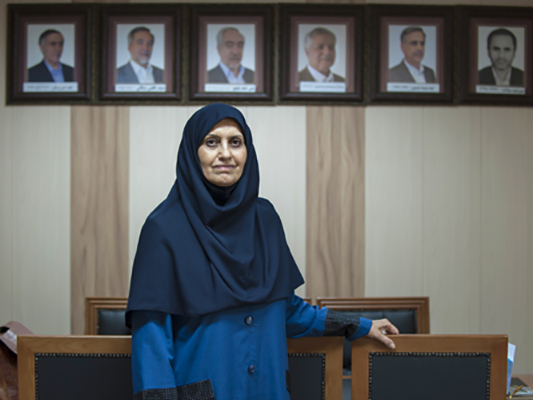
How Iran Standards Institute Gets Its First-Ever Female Chief The female chief of the Institute of Standards & Industrial Research of Iran (ISIRI) has narrated the story of how she applied for a job at the Institute and finally became the first-ever woman to head the important body. Nayyereh Pirouzbakht is the first Iranian woman to head of ISIRI. In a Farsi interview with the Shahrvand daily newspaper, she said she has achieved the post without nepotism. “I applied for a job in the ISIRI after coming across an advertisement in a daily paper. I made progress in my job step by step. First, I was employed as an expert in one of ISIRI’s laboratories.” “My last post before becoming the ISIRI chief was the general manager of the department responsible for evaluation of the quality of exported and imported goods,” Pirouzbakht went on to say. “President Rouhani’s executive deputy introduced me to the cabinet as the head of ISIRIR and they endorsed me,” she said. As regards the ISIRI’s status after the nuclear deal between Tehran and world powers and the removal of anti-Iran sanctions, Pirouzbakht said today ISIRI is deemed as an important and leading organization across the world so much so that no meeting on standards is held without Iran’s presence. “Interestingly, after US President Donald Trump’s travel ban prevented Iranians from entering the US, the ISO convened its meeting in France instead of the US so that the Iranian representative could participate,” she noted. Pirouzbakht said during its 57-year life, the ISIRI has set 32,000 standards of which 13,000 were set only over the past three years. “This means that the government of president Rouhani has set about one-third of all the national standards established over the past nearly 60 years,” she said. According to Pirouzbakhat, after 15 years of active diplomacy, Iran has managed to achieve the coordinating role of the Committee for Near East, CODEX Alimentarius. “This comes 46 years after Iran joined ISO,” she noted. When asked about the quality of some standard products, she said you can’t compare the Iranian-made goods with, for example, those of Japan but the Iranian producers are capable of making progress if people support them by purchasing their products. Referring to the number of goods produced based on Iranian national standards, she said at present about 1,000 Iranian-made goods and 8,000 imported goods are produced within Iranian national standards. “In fact, there are 1,700 seeds of imported goods with each including 5 goods. To put it differently, we have 8,500 imported goods produced as per our national standards,” she added. Car Industry Standards; Impact of Sanctions She went on saying that setting standards for domestically produced vehicles has been one of the most challenging tasks of ISIRI over the past years, and added, “I personally don’t cast doubt on the quality of our vehicles but to promote their quality, we have already put together a plan in cooperation with Policy-Making Council of Auto-Making Industry. As per the plan, which has been implemented since March 20th, we will monitor the industry more seriously.” She went on to say that the number of standards set for the vehicles in Iran will increase to 83 in the near future and added the production of the vehicles violating the standards would be stopped. Pirouzbakht pointed to some reports on the import of non-standard vehicles into Iran under international sanctions and said the number of imported non-standard vehicles doubled during the sanctions. “The sanctions inflicted a heavy blow on our country because most of the vehicles which used to be imported from the Europe began to be imported from third countries like the UAE and other Persian Gulf states without going through the standardized procedures,” she noted. According to Pirouzbakht, the standards of the regional states in auto industry are not acceptable for Iran. “To cope with the problem, we have done our best to stop the trend. Today, if you check the website of Iran’s Industry Ministry, you will find out that the number of imported vehicles have decreased over the past year,” she said. The sanctions inflicted a heavy blow on Iran because most of the vehicles which used to be imported from Europe began to be imported from third countries like the UAE and other Persian Gulf states whose standards in auto industry are not acceptable for Iran. The head of ISIRI also referred to the rumours about the safety of the Iranian food products, particularly on the cyberspace, and said the ISIRI has been conducting various tests on the Iranian food markets and production processes. “Today, the quality of our food industry is making considerable progress day by day and the producers observe the standards set by the ISIRI strictly. The progress is even more tangible in our export markets. Today, the export markets admit that the quality of our foods has improved significantly compared with previous years. Now we can compete with other international food industry in terms of quality.” “Sometimes, our food standards are more accurate compared with foreign standards. Meanwhile, we are active in Halal industry and this promotes our status compared with others. I recommend our people not to take seriously the rumours on the cyberspace,” she added. Pirouzbakht concluded that the ISIRI has set up a special unit to register the complaints filed against it and added, “We follow up the complaints immediately and fine any producer violating our standards.”

Nayyereh Pirouzbakht is the first Iranian woman to head of ISIRI. In a Farsi interview with the Shahrvand daily newspaper, she said she has achieved the post without nepotism.

“I applied for a job in the ISIRI after coming across an advertisement in a daily paper. I made progress in my job step by step. First, I was employed as an expert in one of ISIRI’s laboratories.”

“My last post before becoming the ISIRI chief was the general manager of the department responsible for evaluation of the quality of exported and imported goods,” Pirouzbakht went on to say.

“President Rouhani’s executive deputy introduced me to the cabinet as the head of ISIRIR and they endorsed me,” she said.

As regards the ISIRI’s status after the nuclear deal between Tehran and world powers and the removal of anti-Iran sanctions, Pirouzbakht said today ISIRI is deemed as an important and leading organization across the world so much so that no meeting on standards is held without Iran’s presence.

“Interestingly, after US President Donald Trump’s travel ban prevented Iranians from entering the US, the ISO convened its meeting in France instead of the US so that the Iranian representative could participate,” she noted.

Pirouzbakht said during its 57-year life, the ISIRI has set 32,000 standards of which 13,000 were set only over the past three years. “This means that the government of president Rouhani has set about one-third of all the national standards established over the past nearly 60 years,” she said.

According to Pirouzbakhat, after 15 years of active diplomacy, Iran has managed to achieve the coordinating role of the Committee for Near East, CODEX Alimentarius. “This comes 46 years after Iran joined ISO,” she noted.

When asked about the quality of some standard products, she said you can’t compare the Iranian-made goods with, for example, those of Japan but the Iranian producers are capable of making progress if people support them by purchasing their products.

Referring to the number of goods produced based on Iranian national standards, she said at present about 1,000 Iranian-made goods and 8,000 imported goods are produced within Iranian national standards. “In fact, there are 1,700 seeds of imported goods with each including 5 goods. To put it differently, we have 8,500 imported goods produced as per our national standards,” she added.


Car Industry Standards; Impact of Sanctions

She went on saying that setting standards for domestically produced vehicles has been one of the most challenging tasks of ISIRI over the past years, and added, “I personally don’t cast doubt on the quality of our vehicles but to promote their quality, we have already put together a plan in cooperation with Policy-Making Council of Auto-Making Industry. As per the plan, which has been implemented since March 20th, we will monitor the industry more seriously.”

She went on to say that the number of standards set for the vehicles in Iran will increase to 83 in the near future and added the production of the vehicles violating the standards would be stopped.

Pirouzbakht pointed to some reports on the import of non-standard vehicles into Iran under international sanctions and said the number of imported non-standard vehicles doubled during the sanctions.

“The sanctions inflicted a heavy blow on our country because most of the vehicles which used to be imported from the Europe began to be imported from third countries like the UAE and other Persian Gulf states without going through the standardized procedures,” she noted.

According to Pirouzbakht, the standards of the regional states in auto industry are not acceptable for Iran. “To cope with the problem, we have done our best to stop the trend. Today, if you check the website of Iran’s Industry Ministry, you will find out that the number of imported vehicles have decreased over the past year,” she said.


The sanctions inflicted a heavy blow on Iran because most of the vehicles which used to be imported from Europe began to be imported from third countries like the UAE and other Persian Gulf states whose standards in auto industry are not acceptable for Iran.


The head of ISIRI also referred to the rumours about the safety of the Iranian food products, particularly on the cyberspace, and said the ISIRI has been conducting various tests on the Iranian food markets and production processes.

“Today, the quality of our food industry is making considerable progress day by day and the producers observe the standards set by the ISIRI strictly. The progress is even more tangible in our export markets. Today, the export markets admit that the quality of our foods has improved significantly compared with previous years. Now we can compete with other international food industry in terms of quality.”

“Sometimes, our food standards are more accurate compared with foreign standards. Meanwhile, we are active in Halal industry and this promotes our status compared with others. I recommend our people not to take seriously the rumours on the cyberspace,” she added.

Pirouzbakht concluded that the ISIRI has set up a special unit to register the complaints filed against it and added, “We follow up the complaints immediately and fine any producer violating our standards.”
Iranian Left-Handers Call for Recognition in National Calendar

Iranian Left-Handers Call for Recognition in National Calendar

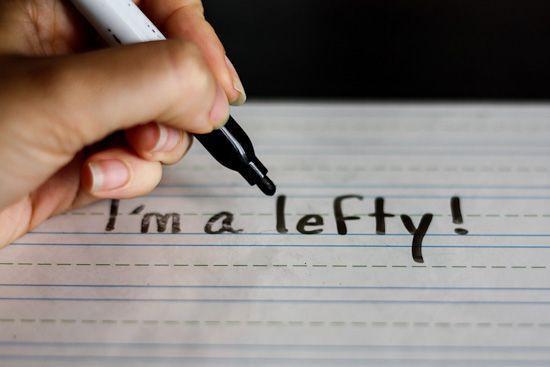
In a letter to the Secretariat of Iran’s Supreme Council of Cultural Revolution, the Left-Handers Club asked for the recognition of August 13 as the Left-Handers Day in Iranian calendar.

According to a Farsi report by ISNA, the head of the Left-Handers Club, Farzaneh Massoumian, said based on a UN approval, August 13 has been marked as the international Left-Handers Day since 1976.

“The reason for the decision is that all facilities and equipment across the cities have been designed for right-handers (like driving seat, traffic regulations and the furniture in the banks as well as departments). This has forced the left-handers to handle their affairs with their right hand,” she said.

Massoumian went on saying that one of the main themes of this day is fighting against superstitions about the left-handers.

She also said in a letter to the Iran’s Centre for Statistics, the club has called for redesigning the census questionnaires by 2021 to count the left-handers in Iran.

Massoumian noted that the officials in charge have promised to make the requested changes.

“A large number of participants in various exams including University Entrance Exam are left-handers,” she said, adding during the exams these participants are not provided with appropriate chairs.

“This comes as before the exams, the participants were asked to note whether or not they are left-handers,” Massoumian said.

She also stressed that at present the club has about 20 thousand left-hander members, adding the club plans to draw on the capabilities of its members to support them and expand its own operation.

The first gathering of the Iranian left-handers was held on Sunday, August 13, the international Left Hander Day.

Saudi Crown Prince Asks Iraq to Mediate between Tehran, Riyadh

Speaking after a meeting with his Iranian counterpart in Tehran on Sunday, al-Araji referred to his recent visit to Saudi Arabia and his meeting with bin Salman, and said, “He officially asked for Iraq’s mediation between Iran and Saudi Arabia to ease tensions.”
“Saudi King Salman had earlier made the same request, but I told them you should show the best behavior towards Iranian pilgrims and allow them to visit Jannat al-Baqi‘ cemetery,” he noted, according to a Farsi report by ISNA.

“The Saudi side has made certain promises in this regard, and the doors to the cemetery are already open to Iranian pilgrims,” al-Araji said, adding that Tehran-Riyadh friendly relations will help ensure regional security.

Iranian Interior Minister Abdolreza Rahmani Fazli, for his part, highlighted the importance of respecting and maintaining the dignity of Iranian Hajj pilgrims, saying Tehran has always sought cordial relations with Saudi Arabia.

“Iran’s policy is to have effective cooperation with regional states, and Tehran has never been the first to sever its relations with others,” he added.

He also expressed the hope that regional countries would join hands and seek to resolve the problems of Muslims while enjoying their people’s support and avoiding the real enemies of Islam.

Iran Parliament Passes Motion to Counter US Measures

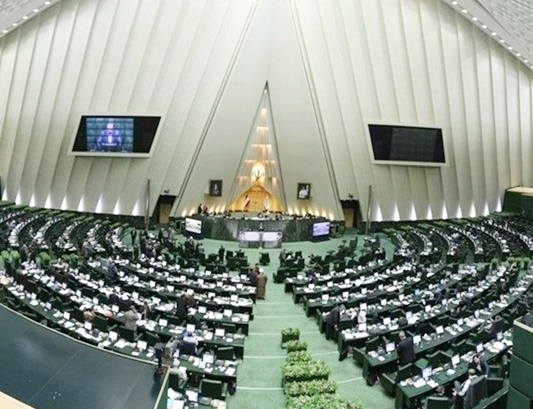
Iranian Parliament

The motion was passed during an open parliamentary session on Sunday morning. The 27-article draft was endorsed after it was brought forward in Parliament by the National Security and Foreign Policy Commission in July.

The move came after the US House of Representatives and then the Senate passed a sweeping package of bills on sanctions against Iran, Russia, and North Korea.

The US legislation would impose mandatory penalties on people involved in Iran’s ballistic missile program and anyone who does business with them.

Parliament Speaker Ali Larijani said the parliament’s vote to approve the motion was just the first step, adding that if Washington proceeds with its anti-Tehran policies, the law will take effect.

Larijani hailed efforts made by the lawmakers, particularly those who drafted the legislation, and expressed his gratitude to the parliamentarians who participated in the voting.

He further said American officials should be aware that the legislation was just the first step against anti-Iran measures.

The parliament has approved 16 measures that Tehran will take to counteract Washington’s hostile acts against the Islamic Republic, Larijani said, according to Tasnim.

He went on to say that according to the law, the Iranian administration is obliged to monitor the US government’s anti-Iran measures and counteract them accordingly.


Foreign Ministry Hails Parliament’s ‘Wise’, ‘Appropriate’ Move

Deputy Foreign Minister for Legal and International Affairs Seyyed Abbas Araqchi said the government fully supports the new law passed by the parliament against the US terrorist and adventurous measures in the region, describing it as a “wise” and “appropriate” move against Washington’s enmities towards Iran.

“I believe this law is an appropriate and wise response to the US hostilities (against Iran),” he noted following the bill’s approval.

Iran’s Top Officer to Visit Turkey on Rare Visit

General Bagheri

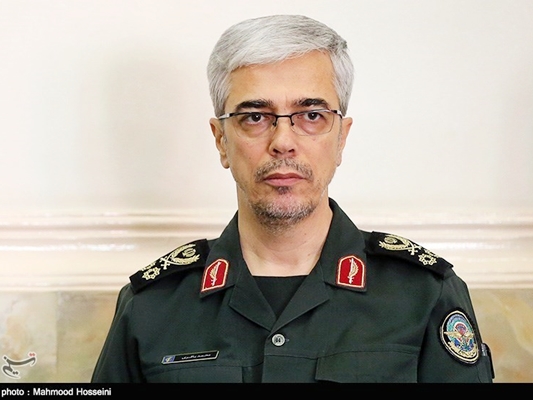
General Baqeri will soon visit Ankara at the invitation of his Turkish counterpart.

According to a Farsi report by Tasnim, the Iranian top officer will be accompanied by a high-ranking military and political delegation.

During their three-day stay, the Iranian delegation will meet with highest-ranking political-military officials of Turkey.

The issue of fight against terrorism, regional developments, Tehran-Ankara defensive ties, and border cooperation will be discussed during the meetings.

Iran, China to Promote Banking Cooperation

In the latest round of talks between Iran and China over banking relations, the two sides called for establishing good cooperation between Iranian and Chinese bank brokers. They also emphasized the necessity to establish Chinese banks’ branches in Iran.

Iran, China to Promote Banking CooperationAccording to a Farsi report by ISNA, as one of the main economic power in Asia, China has been among the leading economic and banking partners of Iran particularly after the signing of the Joint Comprehensive Plan of Action (JCPOA) between Iran and the six world powers. China is also one of the main business partners of Iran in financing various projects inside the country.

In a meeting between the governor of Iran’s Central Bank and China’s ambassador to Tehran, the two sides discussed the banking relations between Tehran and Beijing with a focus on establishing banking brokerage, financing projects as well as setting up Chinese banks’ branches inside Iran.

Central bank governor Valiollah Seif said the branches make the Chinese bankers more familiar with the banking activities in Iran. “During the process, the current misunderstandings which hamper bilateral relations between the two sides would be removed,” he noted.

Iran, China to Promote Banking CooperationHe also said the proposal to establish branches of Chinese banks in Iran is a prelude to the entry of the European banks’ branches into the country.

Financing projects was among other topics discussed during the meeting between head of Iran’s central bank and China’s ambassador to Tehran. Seif noted that mutual cooperation along with financing joint projects can pave the way for further cooperation between Iran and China.

“We also explored ways to expand cooperation between our bank brokers but to achieve the goal the two sides need to adopt appropriate mechanisms and take good decisions to expand their banking ties,” he said.

In the early days after JCPOA, Iranian and Chinese banking officials held talks over ways to expand cooperation. Most of China’s great banks have already expressed their readiness to invest in Iran and establish cooperation with their Iranian counterparts. “China’s Bank” with an investment of 18 trillion Yuan was one of these banks. As China’s fourth largest bank at the international level, China’s Bank has expressed its interest in establishing branches in Iran.

Iran, China to Promote Banking CooperationWhile nuclear talks were underway between Iran and the six world powers, some Iranian banks began negotiations with international banks including Chinese banks to expand their cooperation with the outside world.

As China’s largest bank and one of the leading banks across the world, CBS has been among the banks which have announced their willingness to establish branches inside Iran and the free trade region of Kish.

Earlier, Iran and China reached a number of agreements on expanding cooperation in banking field. One of the agreements was reached with Exim Bank of China. As one of the main export and import banks of China, it is ranked as one of the main 1000 top banks across the world with a large financial and international network of brokers across the globe.

Iran to FIFA: Players Not Banned for Playing against Israelis

Iran to FIFA-Players Not Banned for Playing against Israelis

In a message sent to FIFA on Saturday night, Iran’s Football Federation rejected the media reports that it has banned Masoud Shojaie and Ehsan Hajsafi for playing for their Greek side Panionios against Israel’s Maccabi Tel Aviv a week ago in a Europa League match.

The letter came after Iran was asked to provide further information to global football body FIFA over its alleged decision to drop the two players from the national team after they turned out against the Israelis.

Iran’s Football Federation last week strongly condemned their participation, which has sparked huge controversy among Iranian people, particularly the football community.

Prominent football players and many ordinary Iranians have backed the two on social media, saying they had no choice but to take part in the game. However, their move has also been widely denounced by other groups of Iranians who believe playing against Israelis hurts people’s feelings.

Meanwhile, Iran’s Sports Minister Massoud Soltanifar condemned the move by the two players, but stressed that the football federation is investigating the issue.

The Sports Ministry is going to make decision after receiving full details of the move and listening to the players’ explanations.

Soltanifar also declared that the Supreme National Security Council (SNSC) has been called on to make a comprehensive decision about the Iranian athletes’ confrontation with those of the Zionist regime of Israel in all sports.

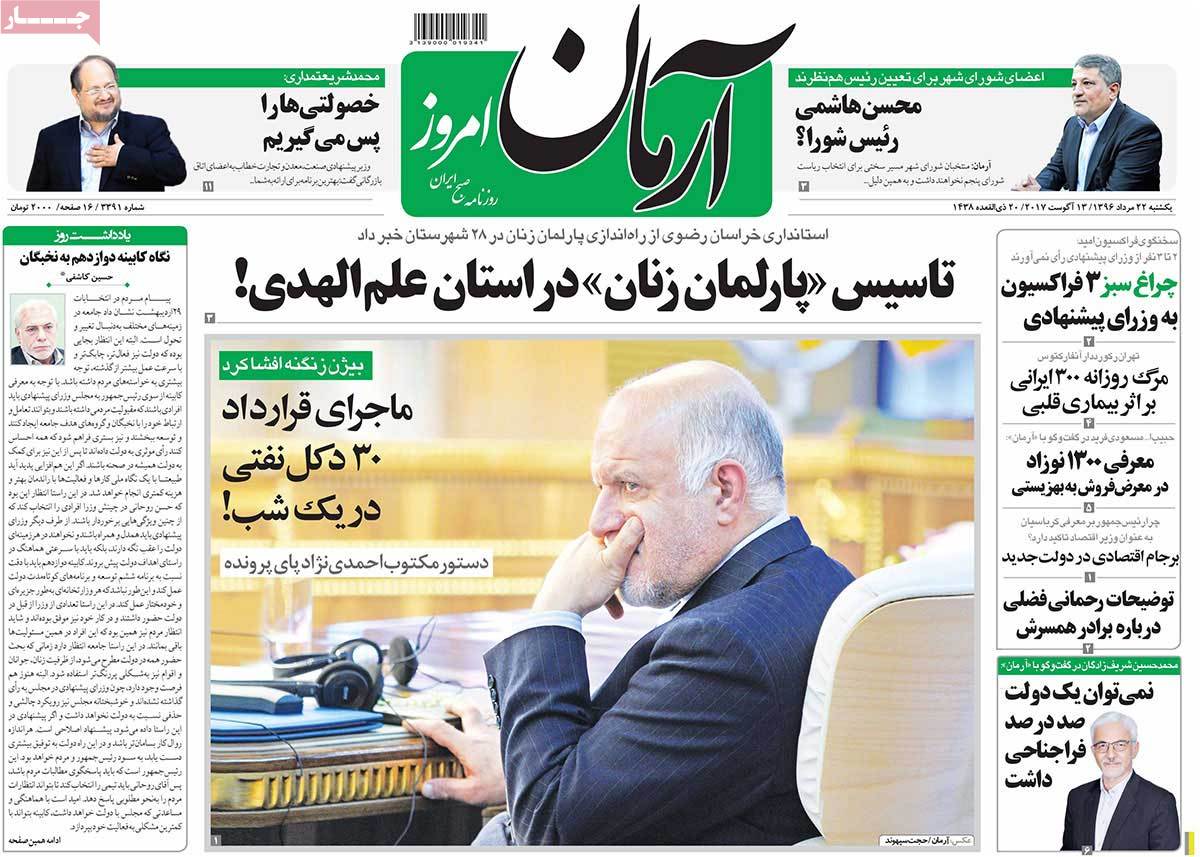
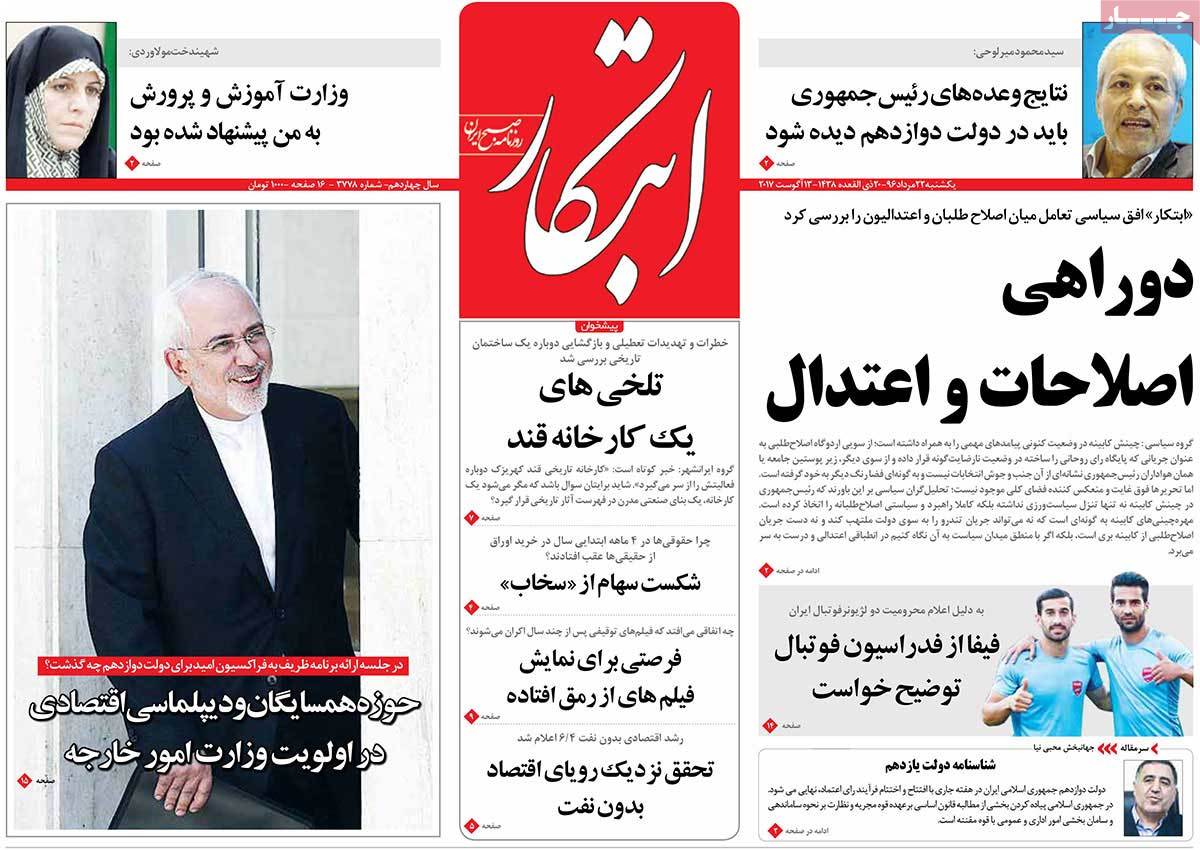
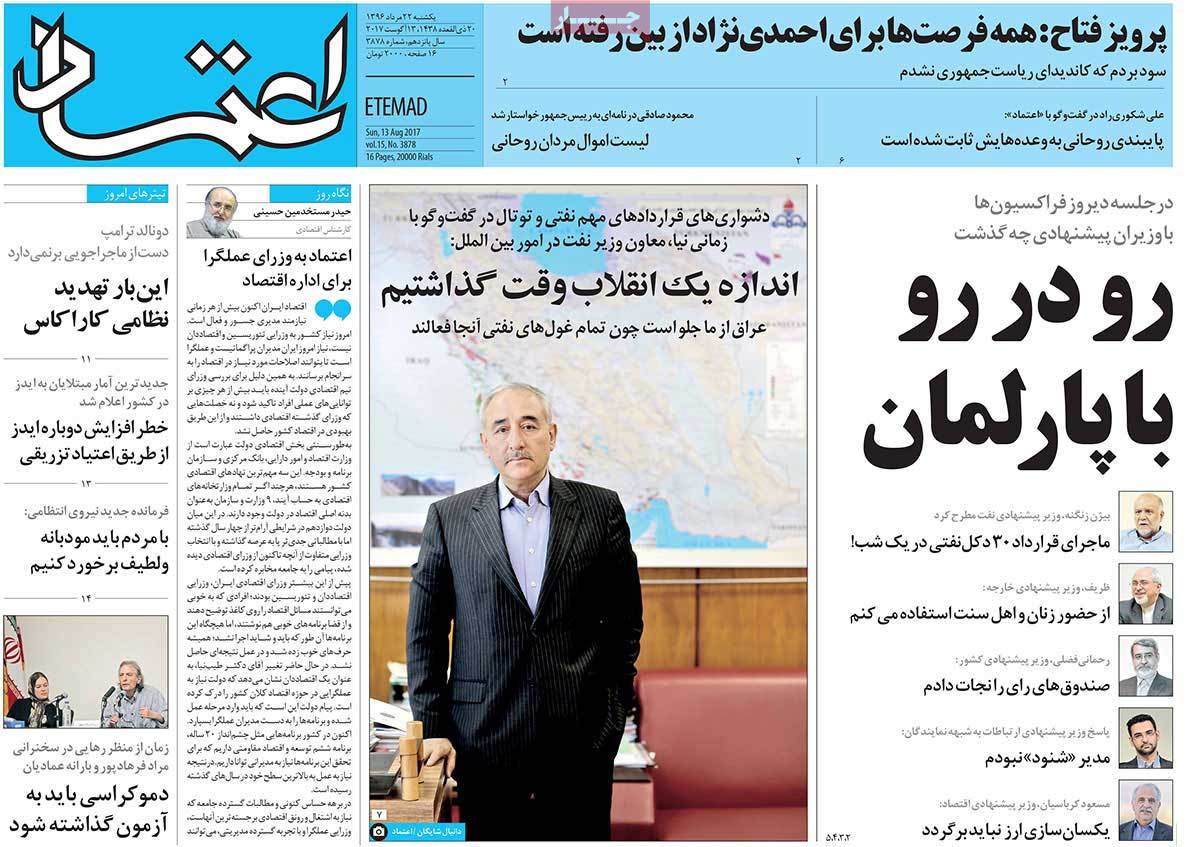
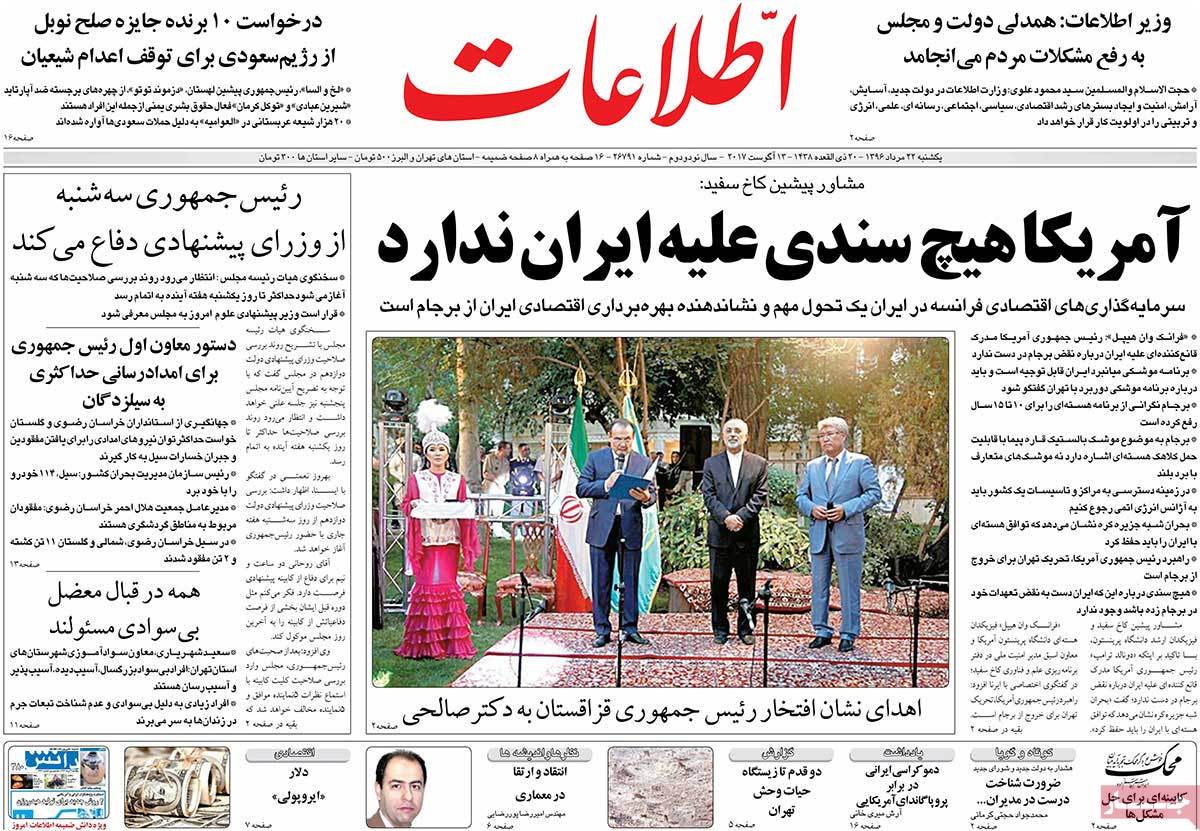
A Look at Iranian Newspaper Front Pages on August 13

Newspapers today continued to review the qualifications of President Hassan Rouhani’s proposed ministers, particularly the Minister of Communications and Information Technology Mohammad Javad Azari Jahromi, one of the youngest-ever ministers in Iran’s history.

One of the most important reports today was the Etemad daily newspaper’s interview with Deputy Oil Minister Amir-Hossein Zamaninia about the details of Iran’s huge deal with French energy giant Total.

The controversy over Ehsan Hajsafi and Masoud Shojaei, two Iranian football players who appeared in their Greek side’s match against an Israeli team, also remained a top story today. Iran’s ministry of sports has threatened that they will not be allowed to play for the national team anymore, but this has sparked FIFA’s concern, which called for Iran’s explanation.

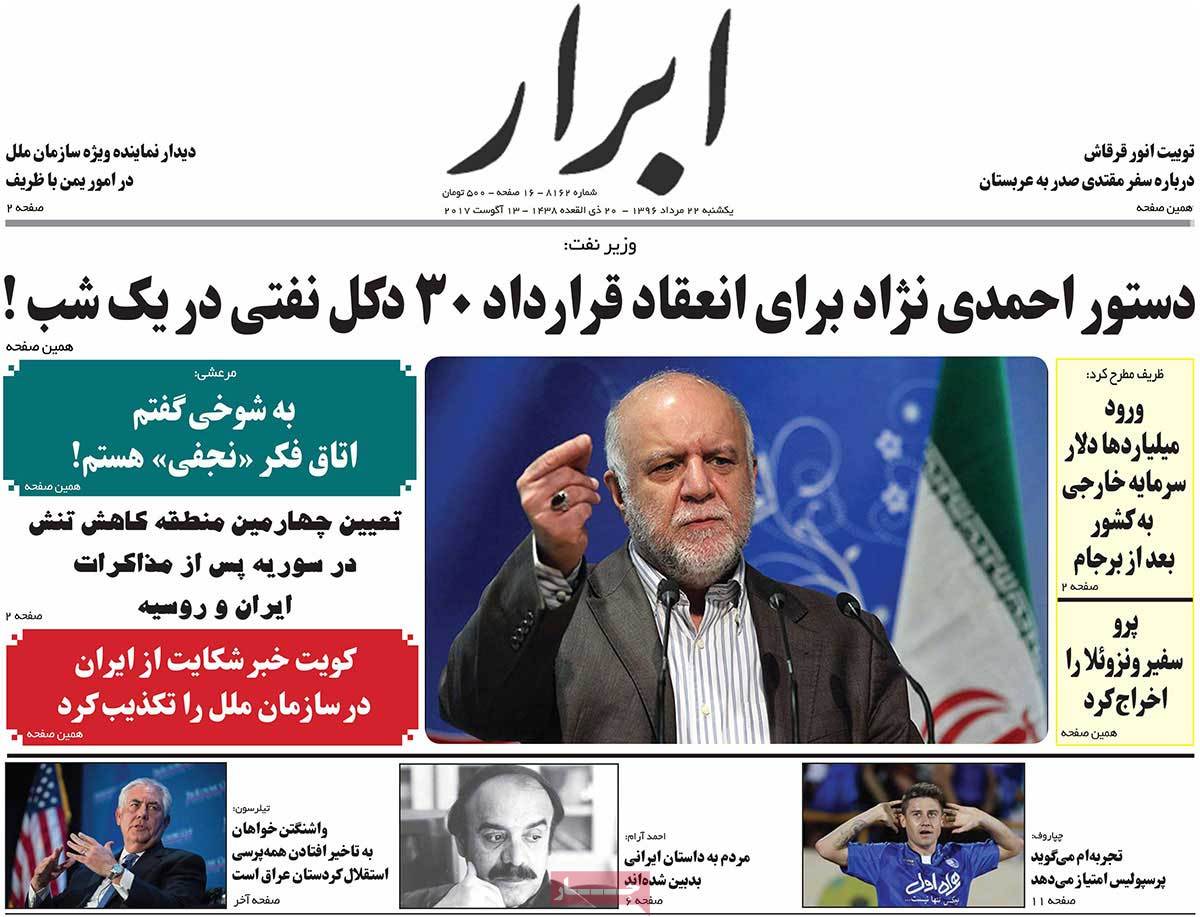
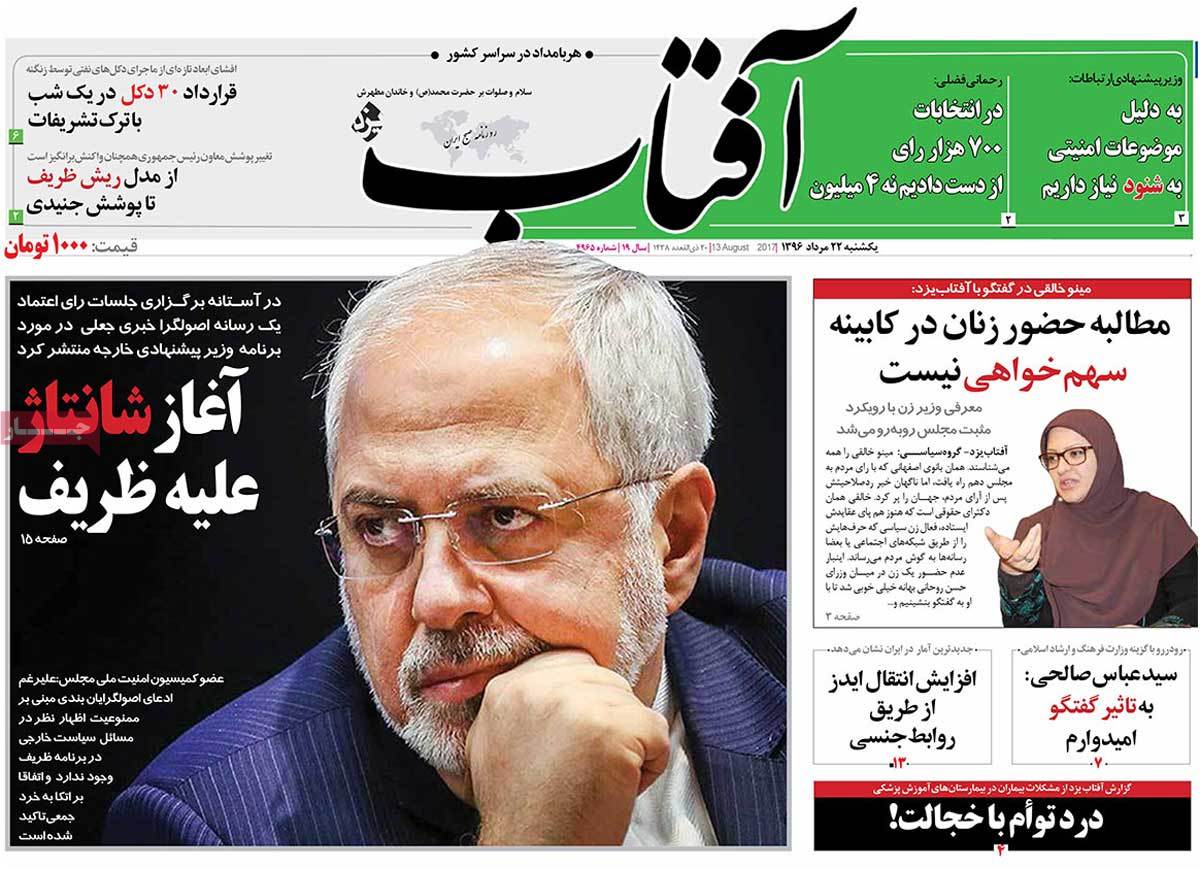
The above issues, as well as many more, are highlighted in the following headlines and top stories:


Abrar:

1- Defining 4th De-Escalation Zone in Syria after Iran-Russia Talks

2- Kuwait Rejects Reports on Filing Complaint with UN against Iran

3- Zarif: Billions of Dollars in Foreign Investment Attracted after JCPOA

A Look at Iranian Newspaper Front Pages on August 13 - abrar


Aftab-e Yazd:

1- Unfair Attacks against Zarif ahead of Parliament’s Vote of Confidence

2- Asking Rouhani to Use Women in His Cabinet Not Demanding Shares from Him: Activist

3- Proposed ICT Minister: We Need Eavesdropping Due to Security Issues

4- I’m Hopeful about Effect of Dialogue: Proposed Culture Minister

5- Increased HIV Transmission through Sexual Activities in Iran

A Look at Iranian Newspaper Front Pages on August 13 - aftab


Arman-e Emrooz:

1- Oil Minister Reveals Ahmadinejad’s Role in a Controversial Oil Rig Contract

2- Tehran Holds First Rank in Infarctus Rate: 300 Iranians Die of Heart Attack Everyday

3- Women’s Parliament to Be Established in Alamolhoda’s Province!

  • Khorasan Razavi Governor Says Women’s Parliament to Be Established in 28 Cities

A Look at Iranian Newspaper Front Pages on August 13 - arman


Ebtekar:

1- Iran Foreign Ministry to Focus on Neighbours, Economic Diplomacy

2- I Was Offered to Become Minister of Education: Female VP

3- FIFA Calls for Iran’s Explanation about Football Players Who Played against Israeli Team

A Look at Iranian Newspaper Front Pages on August 13 - ebtekar


Etemad:

1- Complications of Major Oil Deals, Contract with Total

  • Deputy Minister: Time We Spent on Total Deal Equal to Time Needed for Revolution
  • Iraq ahead of Us, Because Oil Giants Are Active There

2- Zarif: I’ll Use Women, Sunnis in Foreign Ministry

A Look at Iranian Newspaper Front Pages on August 13 - etemad


Ettela’at:

1- White House Ex-Official: US Has No Evidence against Iran

2- Kazakh President Awards Iran’s Nuclear Chief with Medal of Honour

3- Rouhani to Defend His Ministerial Nominees Tuesday

4- 10 Nobel Laureates Urge Saudi Regime to Stop Executing Shiites

A Look at Iranian Newspaper Front Pages on August 13 - etelaat


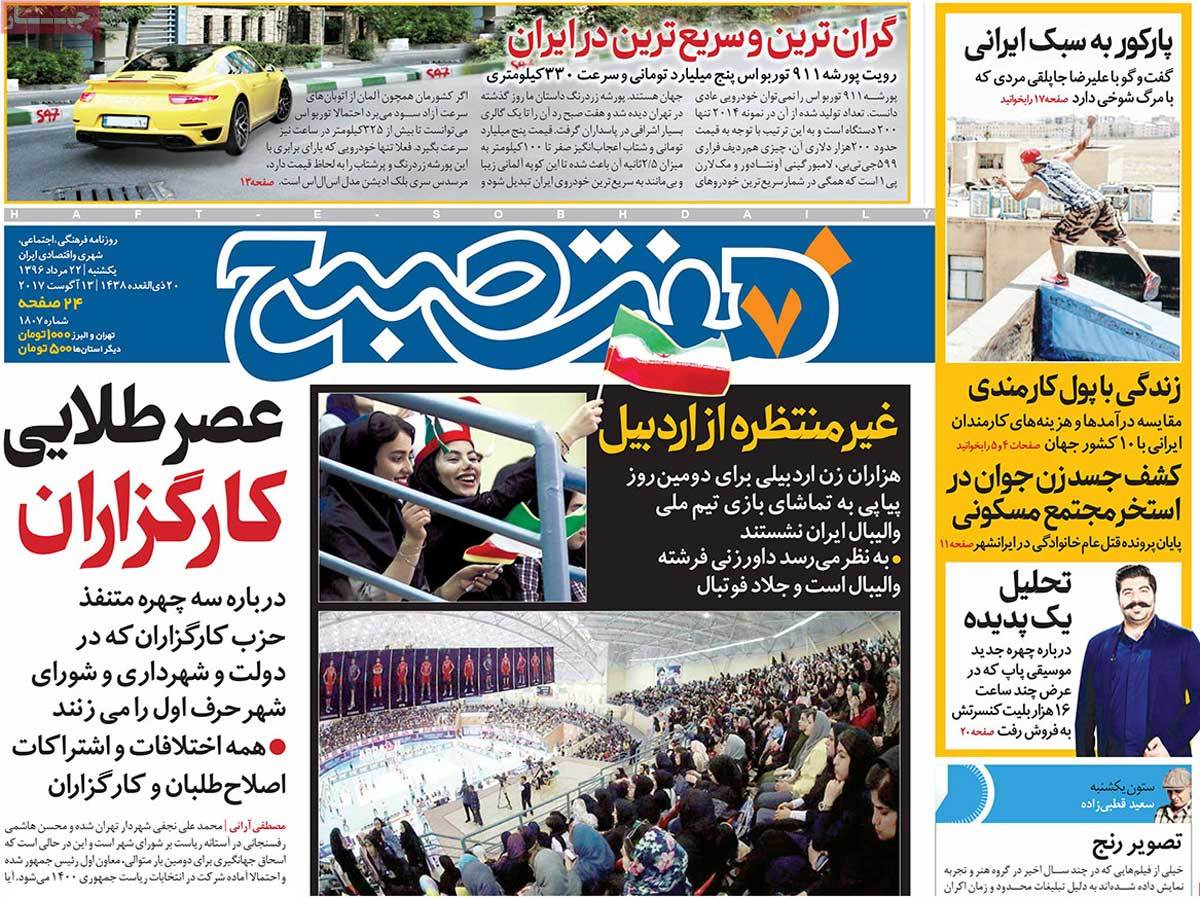
Haft-e Sobh:

1- Unexpected from Ardabil: Thousands of Women Watch Iran Volleyball Match

A Look at Iranian Newspaper Front Pages on August 13 - hafetsobh


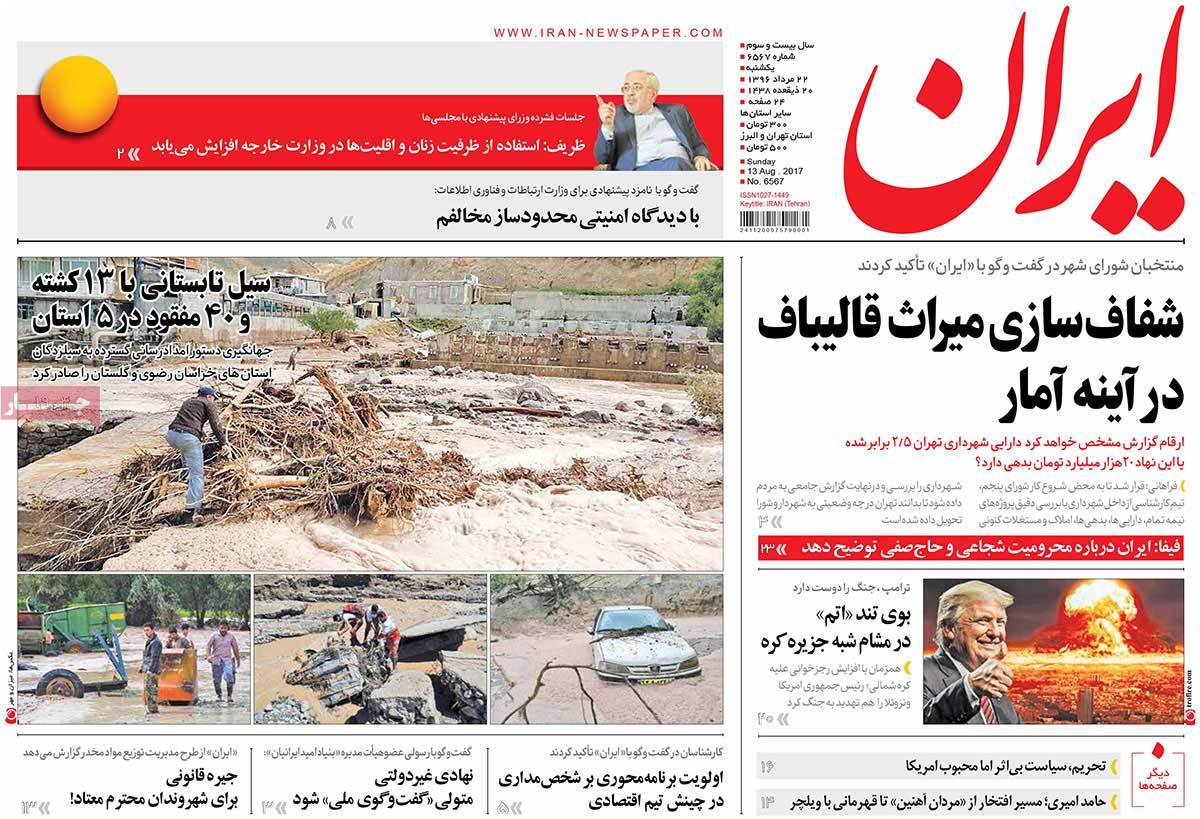
Iran:

1- 13 Killed, 40 Missing in Summer Flooding in 5 Provinces

2- Proposed ICT Minister: I’m Opposed to Limitations for Security Reasons

A Look at Iranian Newspaper Front Pages on August 13 - iran


Jame Jam:

1- Issue of Obsession with Luxury in Cyberspace: A Threat to Islamic-Iranian Lifestyle

A Look at Iranian Newspaper Front Pages on August 13 - jamejam


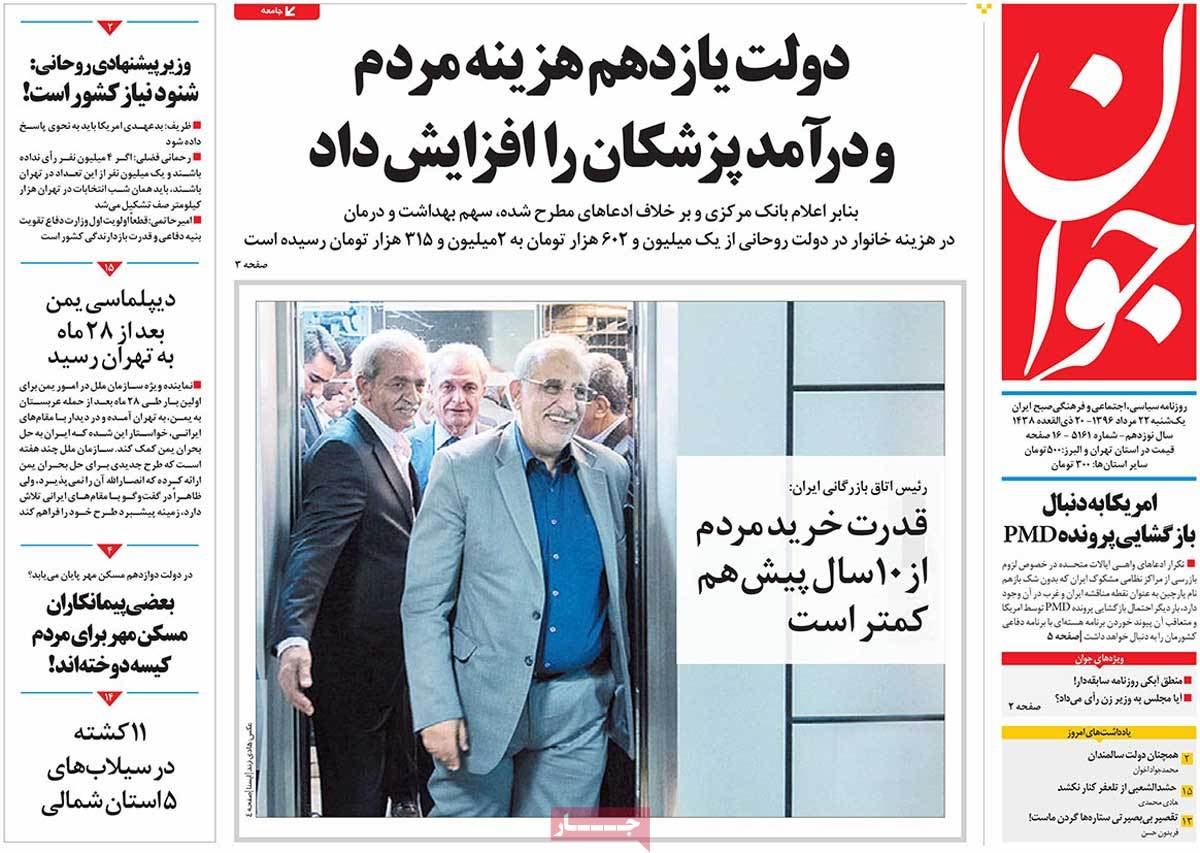
Javan:

1- Chamber of Commerce Chief: People’s Purchasing Power Even Less than 10 Years Ago

2- Rouhani’s Gov’t Increases People’s Expenses, Doctors’ Income

  • Despite Health Ministry’s Claims, Medical Expenses Sharply Increased

A Look at Iranian Newspaper Front Pages on August 13 - javan


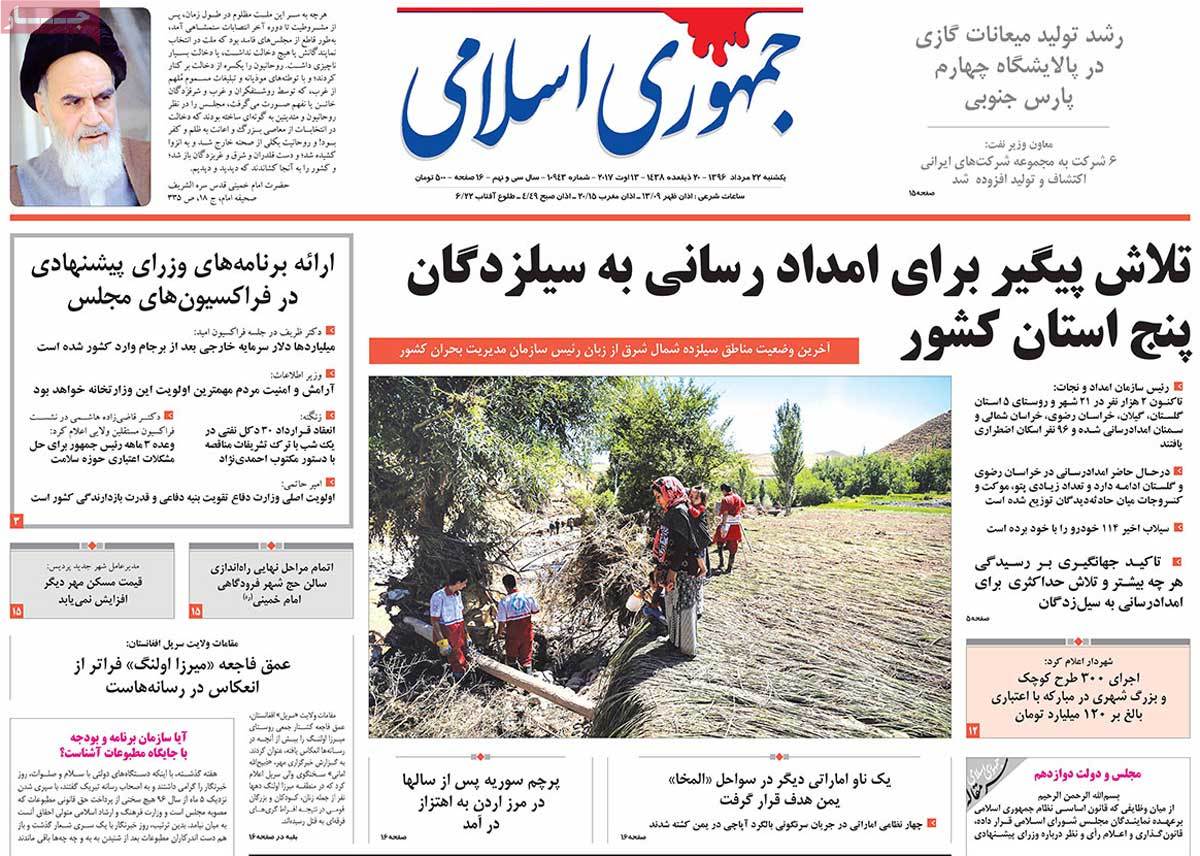
Jomhouri Eslami:

1- Ongoing Efforts to Aid Flood-Hit People in 5 Provinces

2- Deputy Oil Minister: 6 Firms Added to Group of Iranian Exploration Companies

3- Afghan Officials: Depth of Mirza Olang Disaster beyond What Covered in Media

4- Syria Flag Raised in Jordan Border after Years

A Look at Iranian Newspaper Front Pages on August 13 - jomhori


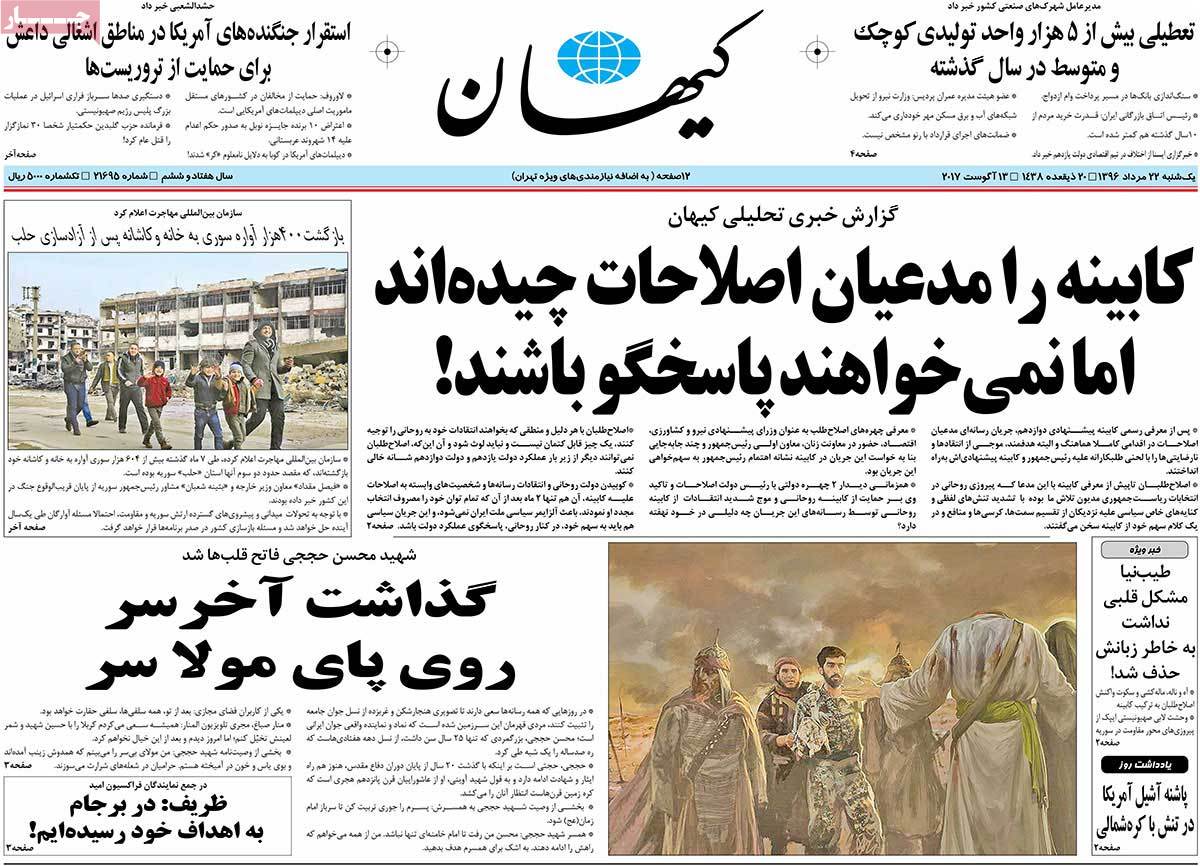
Kayhan:

1- Reformists Picked Cabinet Members, but Don’t Want to Be Accountable!

2- Popular Forces: US Fighter Jets Deployed in ISIS-Occupied Areas to Support Terrorists

3- Int’l Immigration Organisation: 400,000 Displaced Syrians Return Home after Aleppo Liberation

A Look at Iranian Newspaper Front Pages on August 13 - kayhan


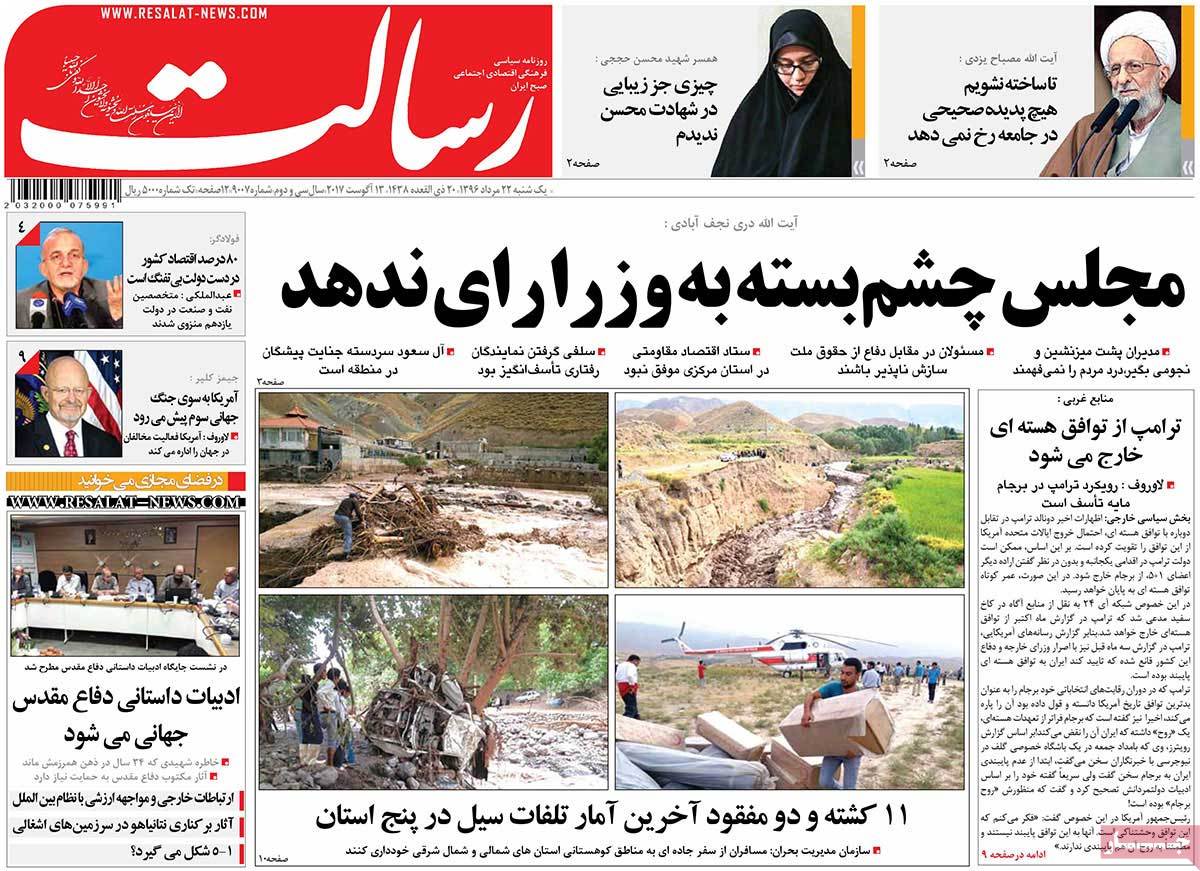
Resalat:

1- Cleric Urges Parliament Not to Give Ministers Vote of Confidence Blindfolded

2- Mohsen Hojaji’s Wife: I See Nothing but Beauty in His Martyrdom

3- Western Sources: Trump to Withdraw from Nuclear Deal

4- Lavrov: Trump Approach to JCPOA Regrettable

A Look at Iranian Newspaper Front Pages on August 13 - resalat


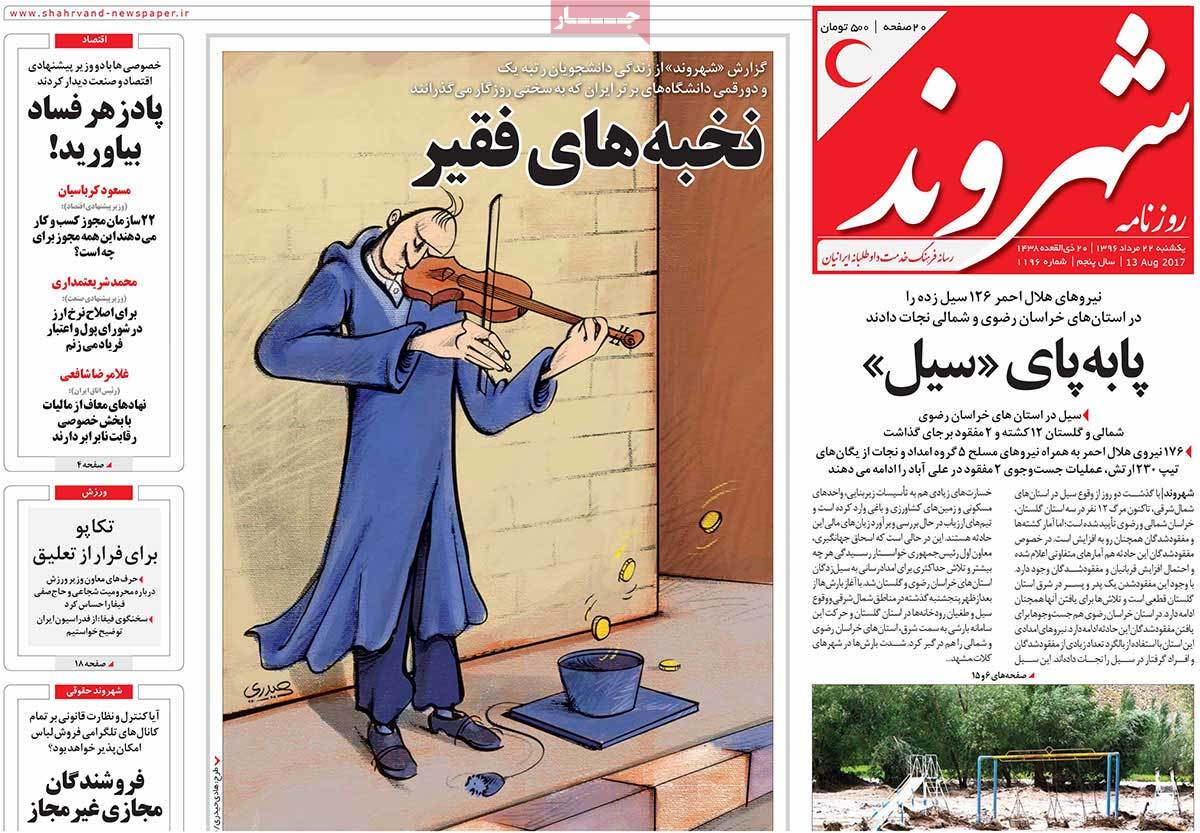
Shahrvand:

1- Poor Elites: A Report on Lives of Top Students Living in Hard Conditions

A Look at Iranian Newspaper Front Pages on August 13 - shahrvand