Monday, December 29, 2025
Home Blog Page 393

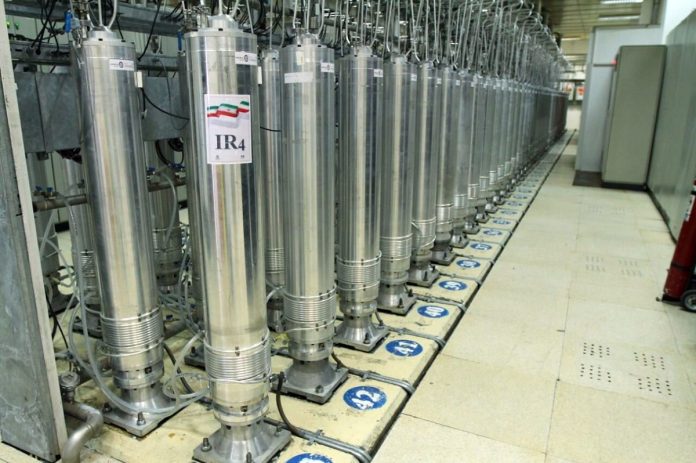
Iran can’t enrich uranium, could only import it for civilian program: US

Iran nuclear program

However, Iran has already made clear that its right to enrich uranium is not negotiable.

When asked about Rubio’s comments, a senior Iranian official, close to Iran’s negotiating team, again said on Wednesday “zero enrichment is unacceptable.”

The U.S. is seeking to prevent Iran from developing a nuclear bomb and President Donald Trump has imposed a “maximum pressure” campaign of sanctions and threatened to use military force if Iran does not end its nuclear program.

Iran has denied wanting to develop a nuclear weapon and says its nuclear program is peaceful.

U.S. and Iranian officials will meet in Oman on Saturday for a third round of talks on Tehran’s nuclear program.

“There’s a pathway to a civil, peaceful nuclear program if they want one,” Rubio told the “Honestly with Bari Weiss” podcast on Tuesday.

“But if they insist on enriching, then they will be the only country in the world that doesn’t have a ‘weapons program,’ … but is enriching. And so I think that’s problematic,” he added.

U.S. Middle East envoy Steve Witkoff last week said Iran does not need to enrich past 3.67% – a remark that raised questions as to whether Washington still wanted Tehran to dismantle its enrichment program.

Witkoff then stated a day later that Iran must “stop and eliminate its nuclear enrichment.”

Rubio stressed on Tuesday that Witkoff was initially talking about “the level of enriched material that they would be allowed to import from outside, like multiple countries around the world do for their peaceful civil nuclear programs.”

“If Iran wants a civil nuclear program, they can have one just like many other countries in the world have one, and that is they import enriched material,” he added.

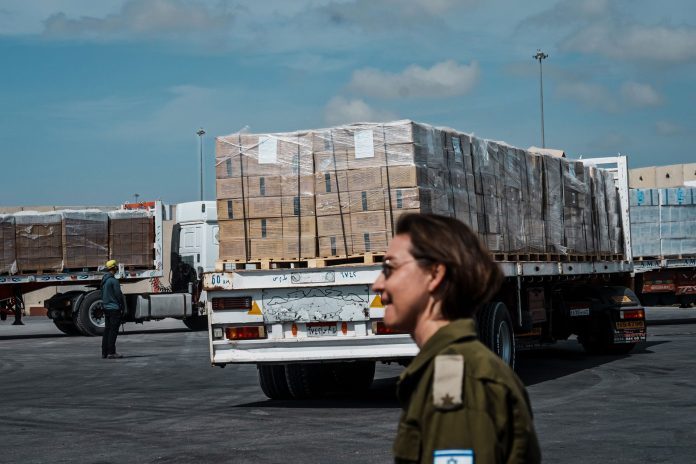
Israeli minister: US Republicans support bombing Gaza ‘food and aid depots’

Gaza War

The statement, made in a social media post on Wednesday, came after the Israeli national security minister said he had met with “senior Republican Party officials at [US President Donald] Trump’s Mar-a-Lago estate” in Florida in the United States.

“They expressed support for my very clear position on how to act in Gaza and that the food and aid depots should be bombed in order to create military and political pressure to bring our hostages home safely,” Ben-Gvir posted on X in Hebrew.

The US president was not at the event, according to his public schedule.

Ben-Gvir’s post did not specify which Republicans were in attendance. However, Ben-Gvir’s office told Israeli media that Republican Congressman Tom Emmer, considered to be the third-highest-ranking member of the US House of Representatives, was among the lawmakers present.

The Times of Israel and the Jewish News Syndicate were among the news outlets that cited Ben-Gvir’s office in reporting Emmer’s presence, which also appeared to be confirmed by video of the event.

The congressman has been one of the leading voices in the US Congress supporting Israel amid the war in Gaza, and has regularly said that Hamas, and not Israel, was to blame for the high rate of civilian deaths in the Palestinian enclave.

To date, the Health Ministry in Gaza has reported at least 51,300 Palestinians have been killed since the war began in the wake of the October 7 attack by Hamas on southern Israel, during which at least 1,200 people were killed.

Ben-Gvir has been one of the leading voices in Israel calling for the escalation of Israel’s assault on Gaza.

A resident of an illegal Israeli settlement in the occupied West Bank, he has called for the resettlement of Gaza and glowingly endorsed Trump’s plan to forcibly displace residents of the Palestinian enclave.

He initially resigned from the government of Israeli Prime Minister Benjamin Netanyahu in January, in opposition to a temporary ceasefire deal.

Before rejoining the government in March, he called for Israel to cut off electricity and water and to bomb aid depots in Gaza as a six-week pause in fighting reached its end.

Israeli attacks have continued after military operations resumed on March 18, with 1,928 Palestinians killed since then.

While Trump had vowed to end the war upon taking office, a lasting ceasefire agreement has remained elusive.

Meanwhile, France, Germany and the United Kingdom condemned on Wednesday the ongoing Israeli blocking of aid, food and medicine entering Gaza.

They called the actions “intolerable”.

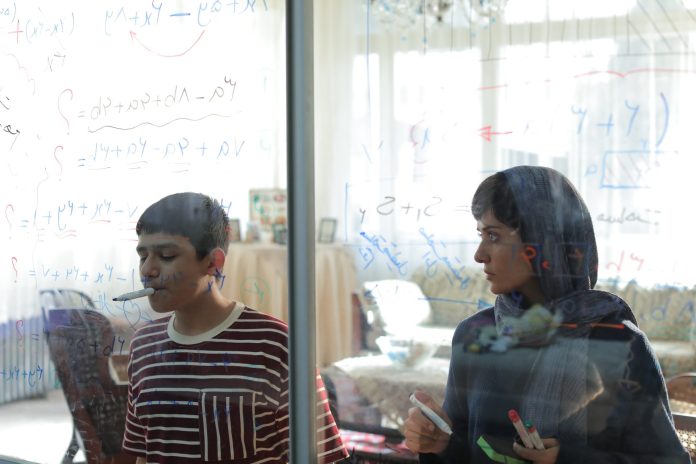
Iranian filmmaker Saeed Roustaee’s “Woman and Child” selected for Cannes Film Festival’s Main Competition

The film stars renowned Iranian actors Payman Maadi, Parinaz Izadyar, and Fereshteh Sadr Orafaee.

This marks Roustaee’s return to Cannes after his acclaimed Just 6.5 (2019).

His other well-received movie, Leila’s Brothers, was selected for the main competition for the Palme d’Or at the 2022 Cannes Film Festival.

He will be joined by fellow Iranian filmmaker Jafar Panahi, whose A Simple Accident is also competing.

Internationally, Lynne Ramsay’s Die, My Love was another notable addition to the lineup.

The festival, running from May 13-24, 2025, will feature Juliette Binoche as president of the competition jury.

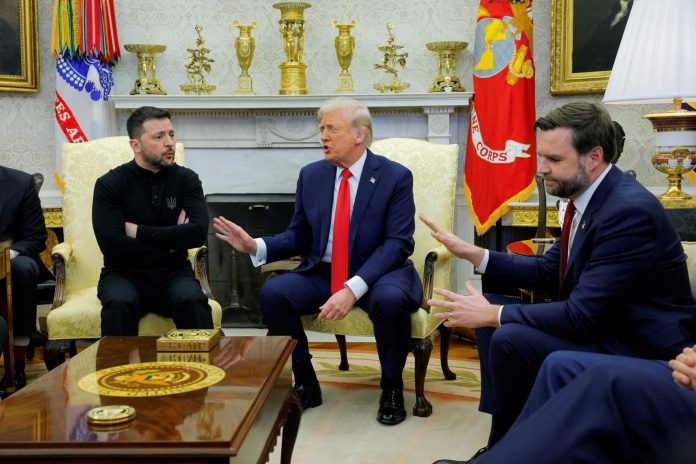
Trump and Zelensky clash again as US warns it could abandon Ukraine peace negotiations

Vice President JD Vance said it was time for Russia and Ukraine to either agree to a US peace proposal “or for the United States to walk away from this process”, echoing a warning from Trump last week.

Speaking to reporters in India, Vance said the proposal called for freezing territorial lines “at some level close to where they are today” and a “long-term diplomatic settlement that hopefully will lead to long-term peace”.

“The only way to really stop the killing is for the armies to both put down their weapons, to freeze this thing,” he added.

A former Western official familiar with the US proposal stated it also called for the recognition of Russia’s annexation of Crimea.

Since taking office in January, Trump has upended US policy toward the war in Ukraine, pressing Zelensky to agree to a ceasefire while easing pressure on Russia, which unleashed a war against its neighbor in 2022.

Zelensky on Tuesday reiterated that Ukraine would never cede Crimea to Russia, which seized control of the peninsula in 2014 in a move that was condemned internationally.
“There’s nothing to talk about here. This is against our constitution,” he stressed.

Trump, who argued with Zelensky in a disastrous Oval Office meeting in March, called this an inflammatory statement that made peace harder to achieve.

He said in a social media post that Crimea was lost years ago “and is not even a point of discussion”.

Zelensky acknowledged later in an X post that the London talks among US, Ukrainian and European officials were marked by high emotions but expressed hope that future joint work would lead to peace.

He pledged again that Ukraine would abide by its constitution and said he was sure Kyiv’s partners, in particular the United States, “will act in line with its strong decisions”.

He attached to his post a 2018 Crimea Declaration from Mike Pompeo, Trump’s Secretary of State during his first term, which stressed, “The United States rejects Russia’s attempted annexation of Crimea and pledges to maintain this policy until Ukraine’s territorial integrity is restored.”

Trump, who promised during his election campaign to end the war within his first 24 hours back in the White House, scolded Zelensky and said on Truth Social the US was trying to stop the killing in Ukraine and that they were “very close to a deal” for peace.

Trump told reporters later he thought the London talks had gone “pretty well”, although he also noted, in apparent reference to Russian President Vladimir Putin and Zelensky, “We’ve got to get two people, two strong people, two smart people, to agree. And as soon as they agree, the killing will stop.”

US Secretary of State Marco Rubio cancelled his trip to attend the London talks, prompting cancellation of a broader meeting with foreign ministers from Ukraine, Britain, France and Germany and underscoring the gaps between Washington, Kyiv and its European allies over how to end the war.

White House Spokeswoman Karoline Leavitt told reporters Trump is “frustrated” with the pace of negotiations and that Zelensky “seems to be moving in the wrong direction”.

Several sources have said proposals from Trump’s envoy Steve Witkoff include not only recognizing Russia’s annexation of Crimea, but accepting Russia’s control of the 20% of Ukraine’s territory it has gained in the war, ruling out Ukrainian membership of NATO and lifting of Western sanctions.

Trump’s Ukraine envoy Keith Kellogg wrote on X that there were positive talks in London with Zelensky’s Chief of Staff, Andriy Yermak, and added, “It’s time to move forward on President Trump’s UKR-RU war directive: stop the killing, achieve peace, and put America First.”

Trump raised the pressure on Sunday when he said he hoped Moscow and Kyiv would make a deal this week to end the conflict.

At the heart of Wednesday’s talks was an attempt to establish what Kyiv could possibly accept after Witkoff presented proposals to a similar session in Paris last week. Three diplomats stated those proposals appeared to demand more concessions from Ukraine than Russia.

Witkoff is expected to meet Putin again on Friday, a US official told Reuters.

Witkoff has already met Putin three times to discuss prospects for an end to the war and will visit Moscow this week for a new round of talks, the White House announced earlier.

Since Trump expressed his desire to broker peace in Ukraine and made a surprise call to Putin in February, European nations have scrambled to find ways to support Kyiv against Moscow while keeping the US onside.

A joint statement from Britain, France and Germany after the London talks said all parties had reiterated strong support for Trump’s “commitment to stopping the killing and achieving a just and lasting peace”.

It added “significant progress was made on reaching a common position on next steps” and “all agreed to continue their close coordination and looked forward to further talks soon”.

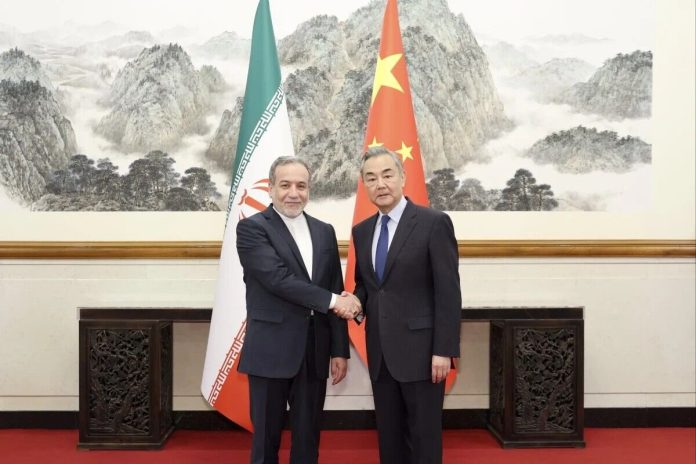
Iran, China FMs emphasize strategic partnership in countering unilateralism

Seyed Abbas Araghchi, who is heading an official delegation to Beijing for consultations with senior Chinese officials, met with his Chinese counterpart Wang Yi on Wednesday afternoon.

During the meeting, the Iranian foreign minister delivered Iranian President Masoud Pezeshkian’s written message for the Chinese president to Mr. Wang.

The top Iranian diplomat  said that the Iran-China relations over the past five decades serve as a model of expanding ties based on mutual respect and trust.

Araghchi pointed to the robust relations between the two countries and expressed confidence that the friendly and strategic ties will not be influenced by any third party.

He underscored that the leaders of both countries are determined to use all capacities to secure the mutual interests of the Iranian and Chinese nations.

The Iranian foreign minister appreciated China’s positive role in the developments of the West Asia region and described the current situation in the region as very worrying.

Referring to the ongoing genocide in occupied Palestine and the Zionist regime’s acts of aggression against Lebanon and Syria, alongside the US military aggression in Yemen, Araghchi described Israel’s occupation and expansionism as the root-cause of the persistence and expansion of insecurity in West Asia.
The Iranian foreign minister urged the international community to take immediate and effective action to halt the genocide and aggression in the region.

He also thanked China for its constructive and effective policy on Iran’s nuclear issue and sanctions removal, and briefed his Chinese counterpart on the latest state of indirect talks between Iran and the US.

Chinese Foreign Minister Wang Yi for his part stressed the importance of the China-Iran strategic partnership for securing mutual interests and safeguarding regional and international peace and security.
Wang spoke about the necessity for all countries, particularly the Global South, to uphold the rule of law and multilateralism.

He noted that bullying and arrogance in the international arena pose a serious threat to a rules-based order enshrined in the principles of the UN Charter.

The top Chinese diplomat also praised Iran’s good faith and responsible approach regarding the nuclear issue and reaffirmed China’s support for the ongoing talks over the matter.

Palestinian Authority president calls Hamas ‘sons of dogs’ over Gaza war

Mahmoud Abbas

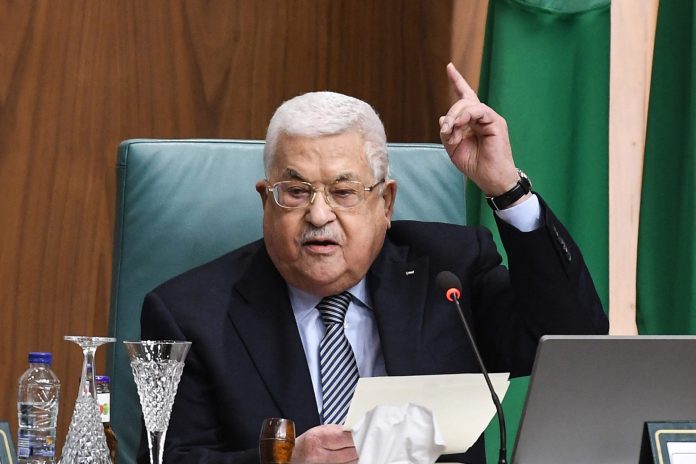
Abbas said the priority is to stop “the Israeli genocide that the Gaza Strip is being subjected to”. He added the hostages present an excuse for Israel to continue attacking the besieged territory.

“Sons of dogs, release the hostages and block their justifications,” Abbas stated in a lengthy televised speech from Ramallah in the occupied West Bank on Wednesday.

The unprecedented remarks are perhaps Abbas’s strongest public criticism of Hamas to date and mark a significant shift in tone from the aging Palestinian leader. They come amid a renewed push to advance ceasefire negotiations between Israel and Hamas, with Egypt also floating the idea of the group’s disarmament recently.

While Abbas has never outright condemned the October 7 attack on Israel, he has criticized Hamas for it in the past and reiterated his general condemnation of attacks against civilians.

Abbas’s speech laid out his vision to create a Palestinian state, urging an end to the war in Gaza and renewed calls for a unification of Palestinian political factions under the umbrella of the Palestine Liberation Organization (PLO). His list of priorities also called for a complete withdrawal of Israeli soldiers from the besieged enclave.

“Hamas must end its control over the Gaza Strip, hand over all its affairs to the Palestine Liberation Organization and the legitimate Palestinian National Authority, and refrain from carrying arms, transforming into a political party that operates according to the laws of the Palestinian state and adheres to international legitimacy.”

In his speech, Abbas accused Hamas of “inflicting severe damage to the Palestinian cause” since it took control of the strip in 2007.

“It has provided the occupation (Israel) with dangerous free services, whether intentionally or unintentionally, and allowed this criminal occupation to find free justifications for executing its conspiracies and crimes in the Gaza Strip, with one of the most prominent excuses being hostage-taking,” he added.

In response, Hamas rejected Abbas’ claims and questioned his “competence”, saying in a statement that he “insists, repeatedly and suspiciously, on placing the responsibility for the crimes of the occupation and its ongoing aggression on our Palestinian people.”

There is a long history of bitter enmity between Hamas and Fatah. The two sides have tried – and failed – multiple times to reach an agreement to unite the two separate Palestinian territories under one governance structure, with a 2017 agreement quickly folding in violence.

The PA held administrative control over Gaza until 2007, after Hamas won the 2006 legislative elections in the occupied territories and expelled it from the strip. Since then, Hamas has ruled Gaza and the PA governs parts of the West Bank.

Hamas and Fatah signed a reconciliation agreement in Cairo in October 2017 under pressure from Arab states, led by Egypt. As part of the deal, a new unity government was expected to take administrative control of Gaza two months later, ending a decade of rivalry.

But the deal’s lofty aspirations quickly collapsed. When PA Prime Minister Rami Hamdallah visited Gaza in March 2018, he was the target of an assassination attempt when a bomb detonated near his convoy. Fatah immediately blamed Hamas for the attack.

In Beijing last July, Hamas and Fatah signed an agreement on “ending division and strengthening Palestinian unity.” The move followed reconciliation talks hosted by China involving 14 Palestinian factions.

Powerful earthquake strikes near Istanbul, scores injured in panic

The quake occurred in the Sea of Marmara close to Silivri, which lies around 70 kilometers (40 miles) to the west of the city, and aftershocks are continuing, according to Turkey’s Disaster and Emergency Management Agency (AFAD).

Istanbul authorities said there had been no loss of life but that 151 people were injured after “jumping from heights due to panic.”

No residential buildings were damaged, the authorities added, but one abandoned building collapsed in the central Fatih District.

Turkey’s interior minister, Ali Yerlikaya, said the quake lasted a total of 13 seconds at a depth of seven kilometers, with 51 aftershocks recorded so far, the largest of which was of 5.9 magnitude.

“Let’s not let down our guard against possible aftershocks,” Yerlikaya wrote on X.

Some 6,100 emergency calls were received, he added, most of which were information inquiries.

In February 2023, Turkey experienced one of its deadliest earthquakes in the last century, when a 7.8 magnitude quake struck 23 kilometers (14.2 miles) east of Nurdagi, in the southern Gaziantep province, at a depth of 24.1 kilometers (14.9 miles).

That quake also hit northern Syria, killing more 50,000 people across both countries.

With two key fault lines in its vicinity – the North Anatolian and the East Anatolian – Turkey is one of the most seismically active regions in the world, a reality that has amplified concern over Istanbul’s earthquake preparedness.

Once the capital of the Byzantine and the Ottoman empires, the densely populated city is home to around 16 million people. It lies precariously close to the North Anatolian fault, which passes within 20 kilometers (12.4 miles) of Istanbul and through the Sea of Marmara, according to the Geological Society of London.

Historically, that fault has led to several disastrous earthquakes, including a 7.6 magnitude quake that struck the nearby city of Izmit in 1999, killing over 17,000 people, and displacing an estimated 500,000 others.

An earthquake occurs when the Earth’s crust shifts abruptly, with energy radiated out as seismic waves and shaking that can violently impact people, buildings and infrastructure.

Those waves and factors related to the shifting ground determine an earthquake’s magnitude, as measured through 10 on the scale most commonly used to describe quakes. An earthquake that measures between 6 and 6.9 is classified as “strong.”

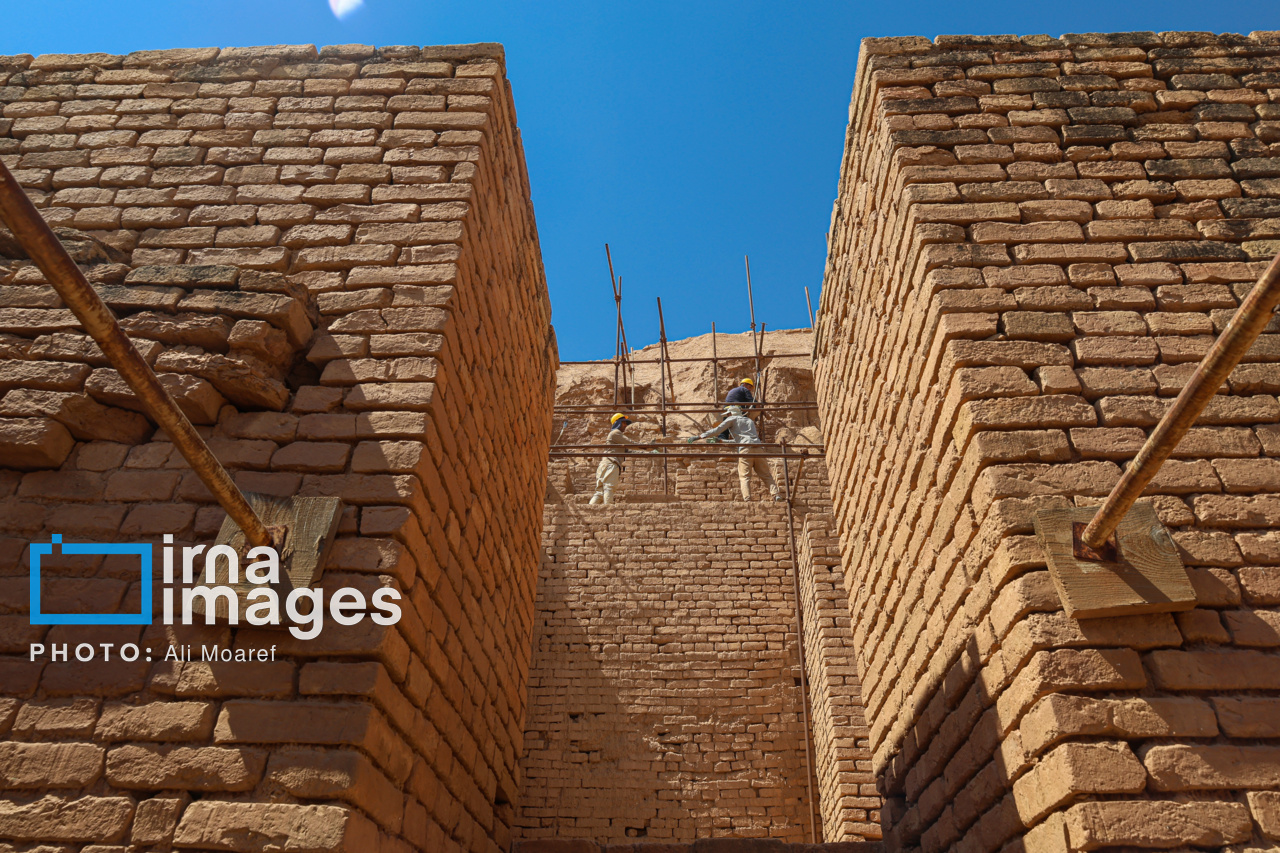
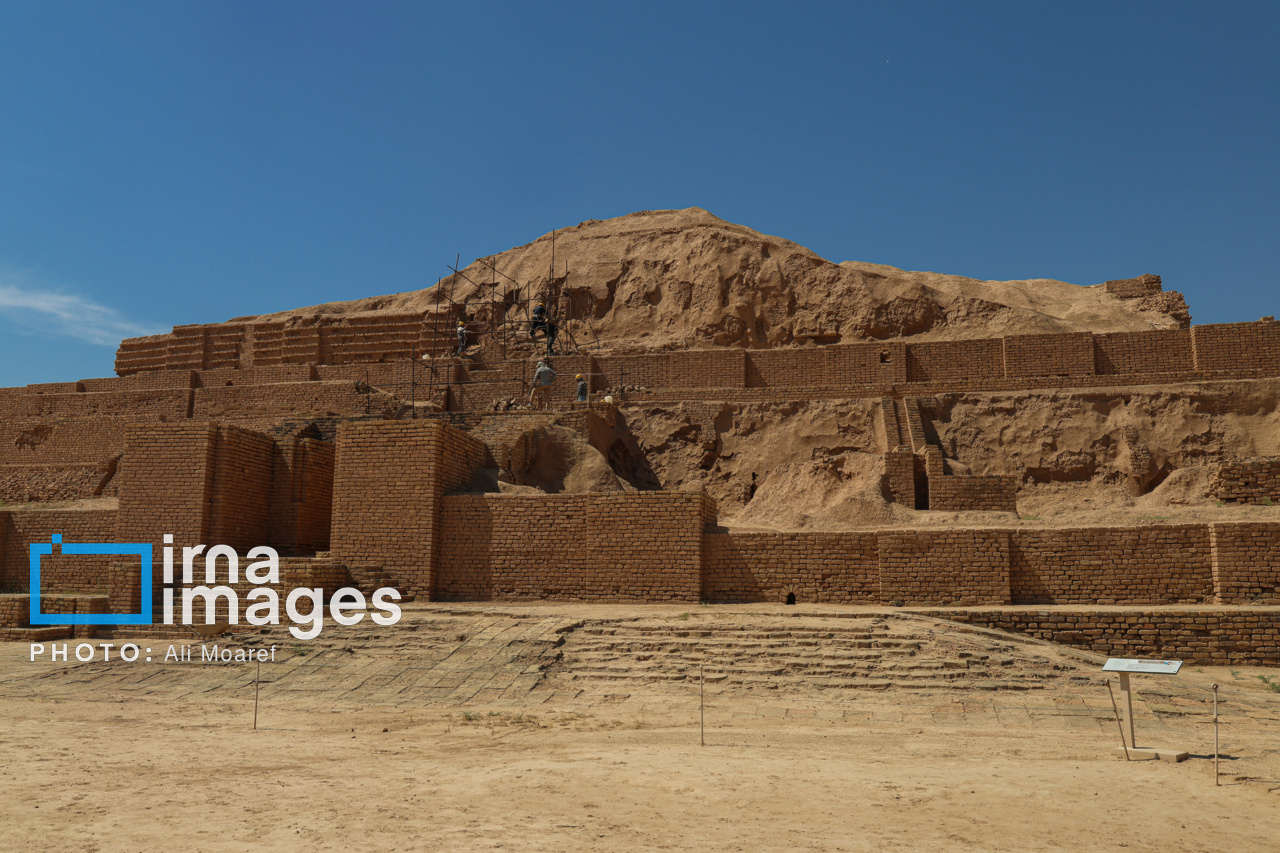
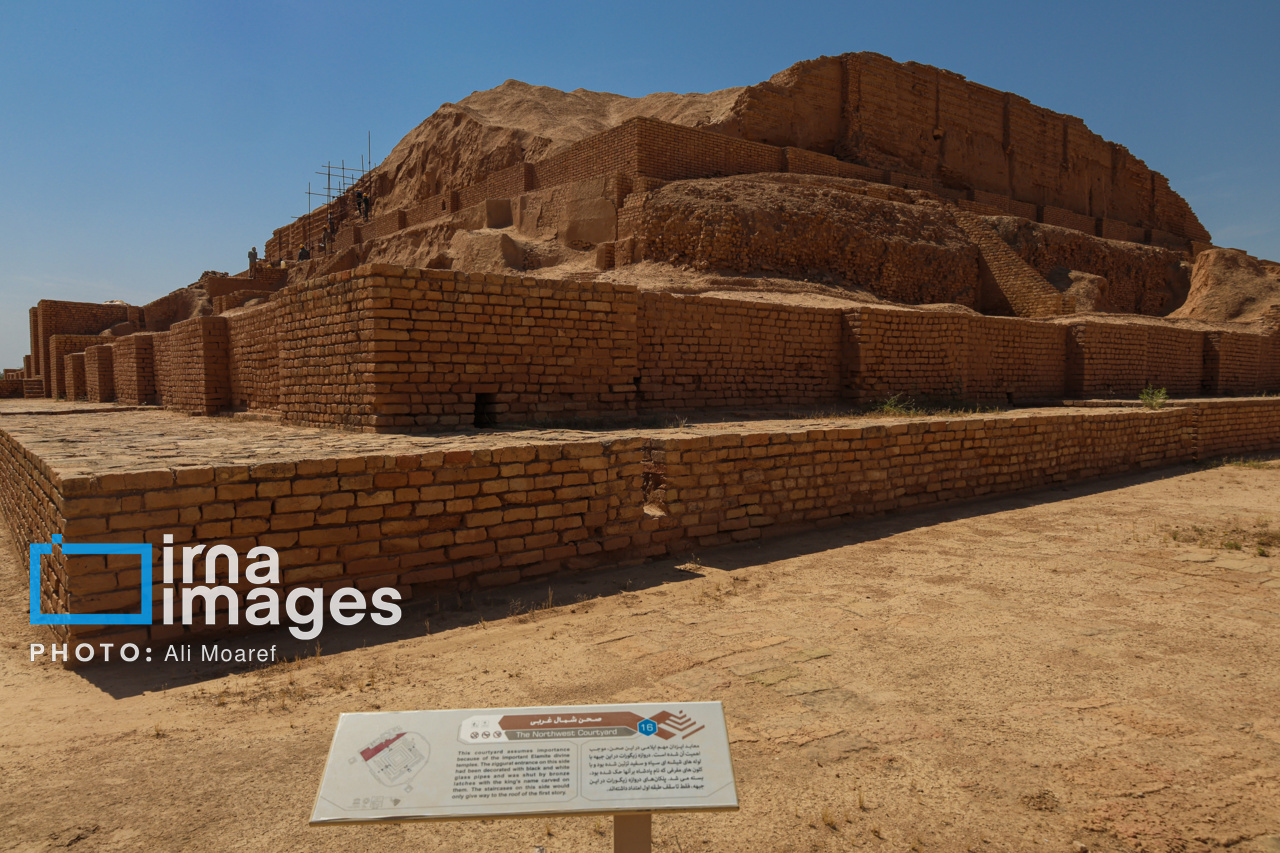
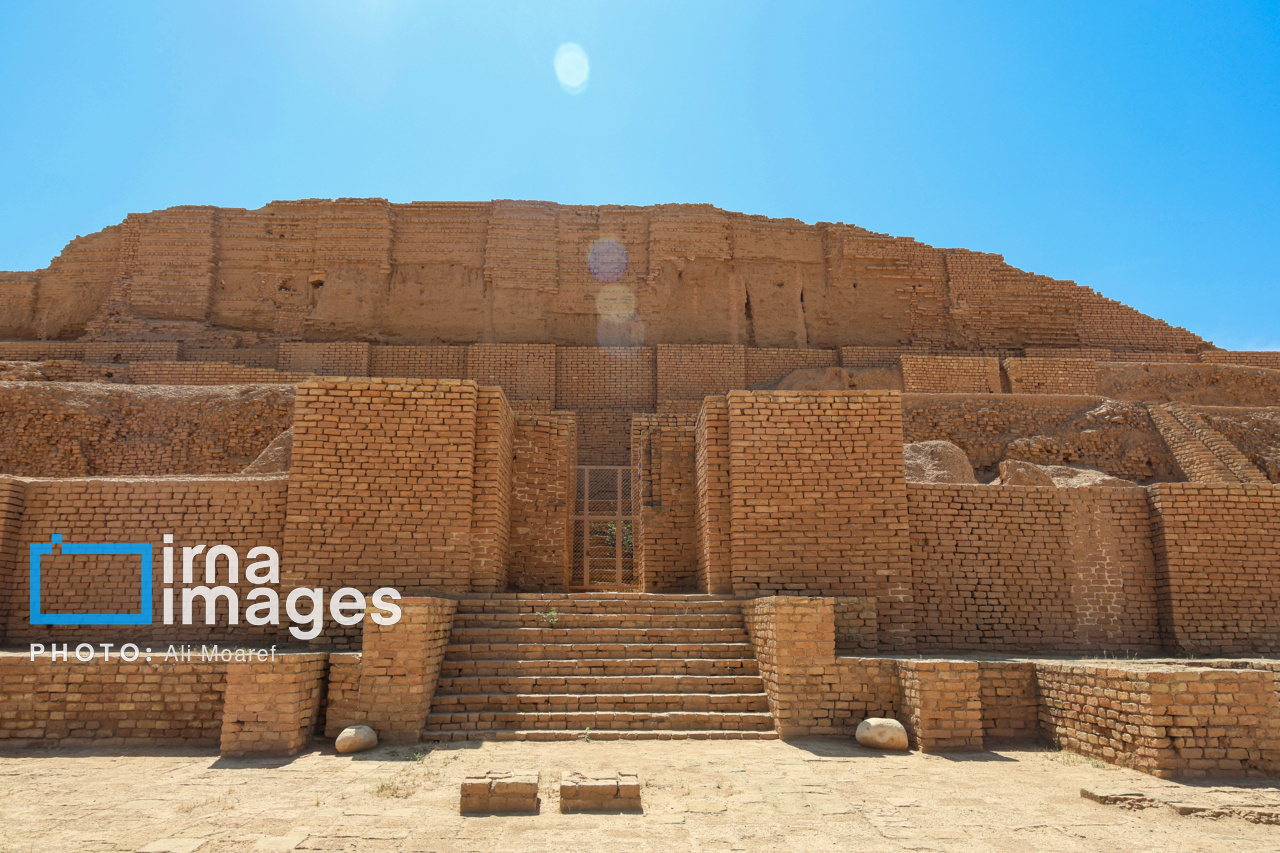
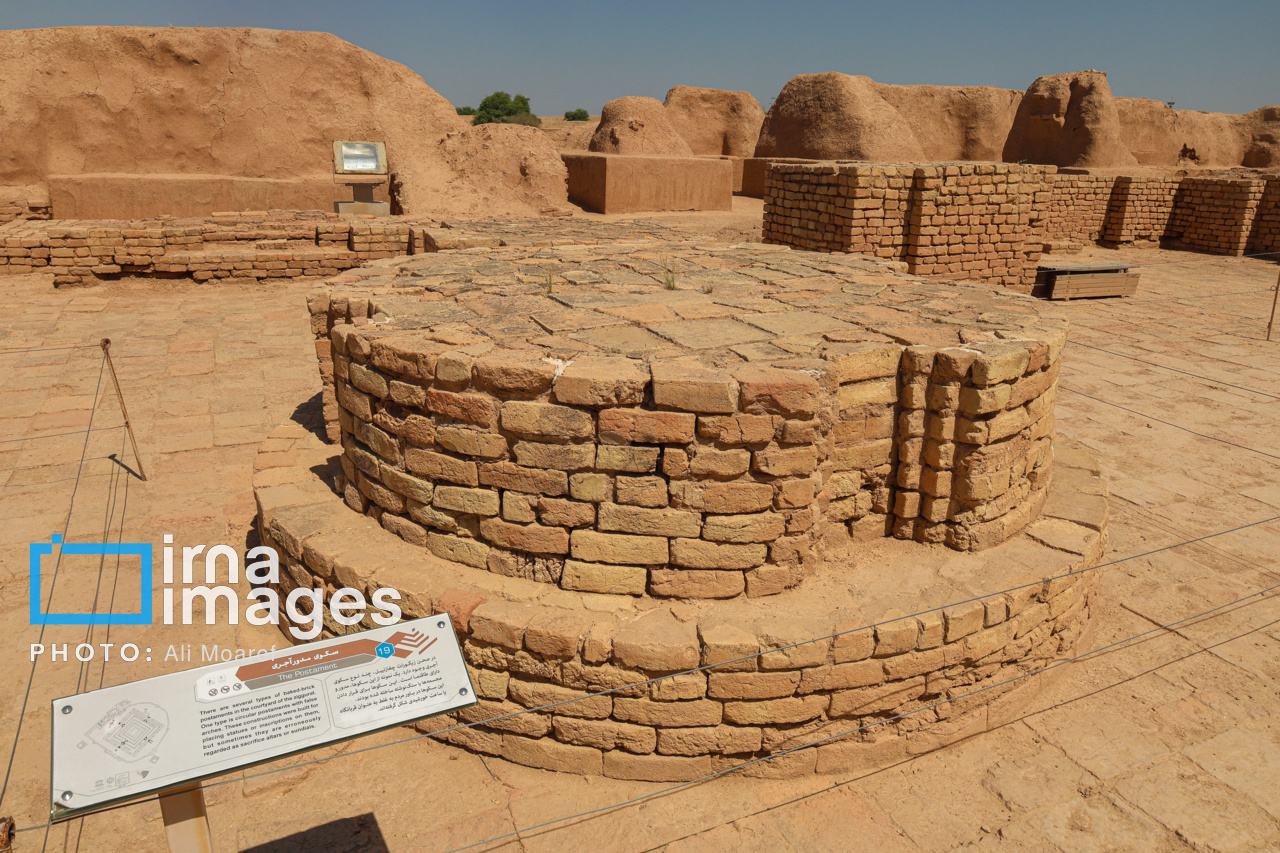
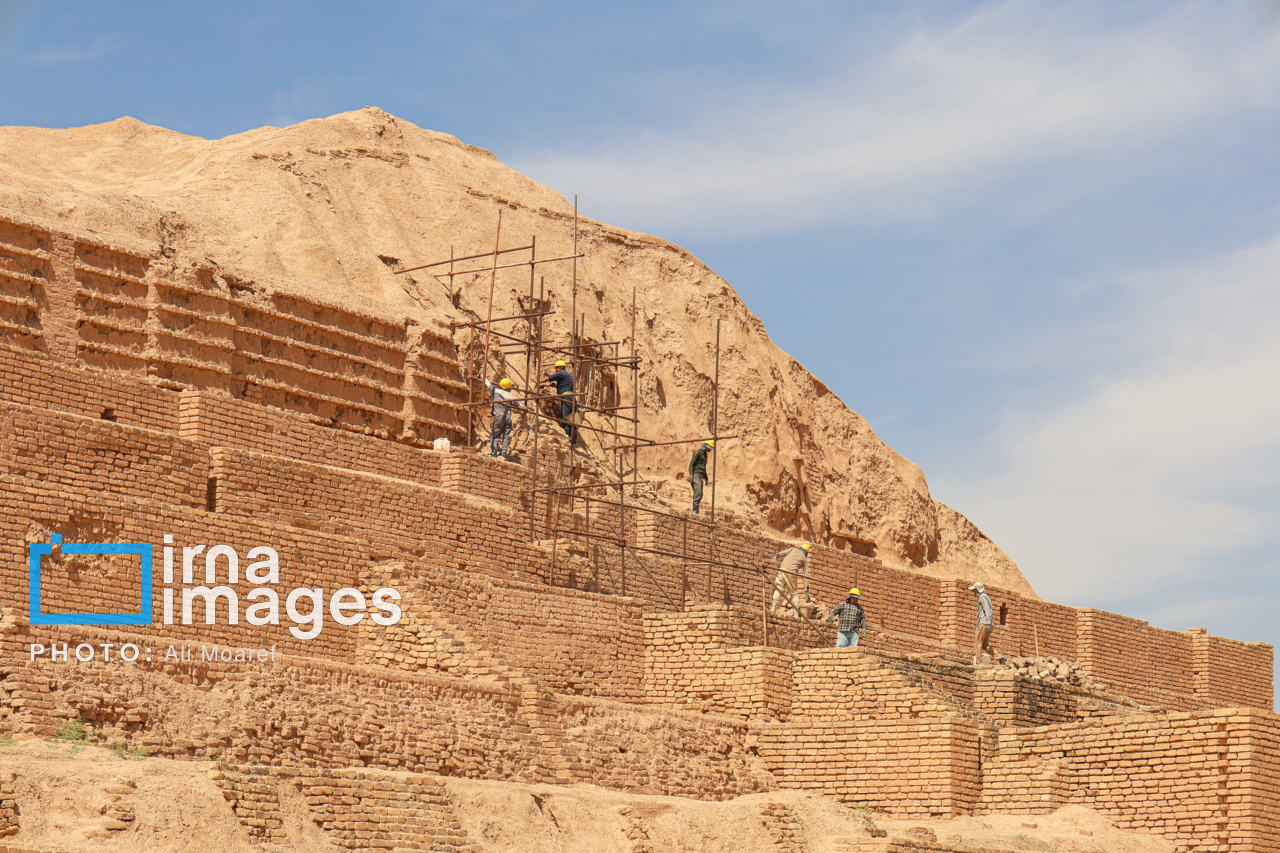
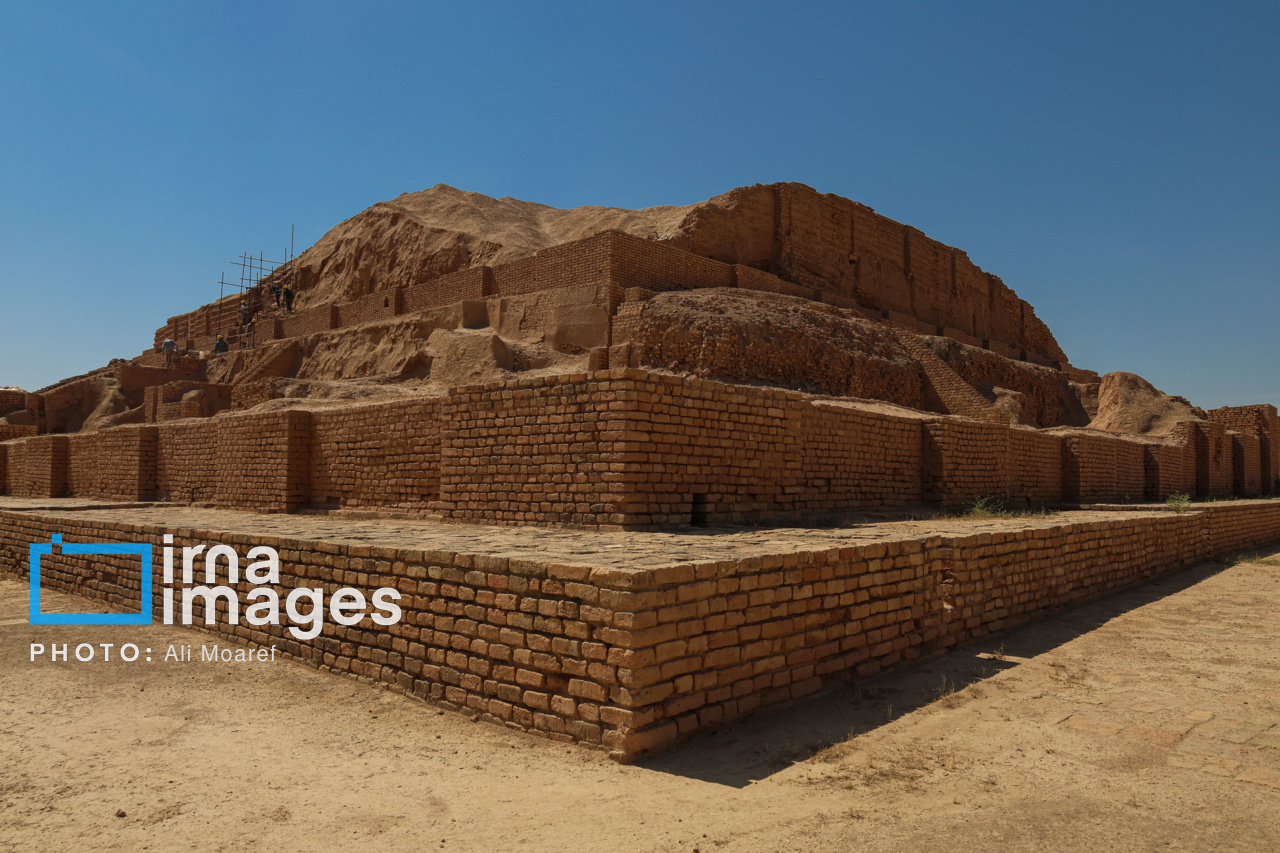
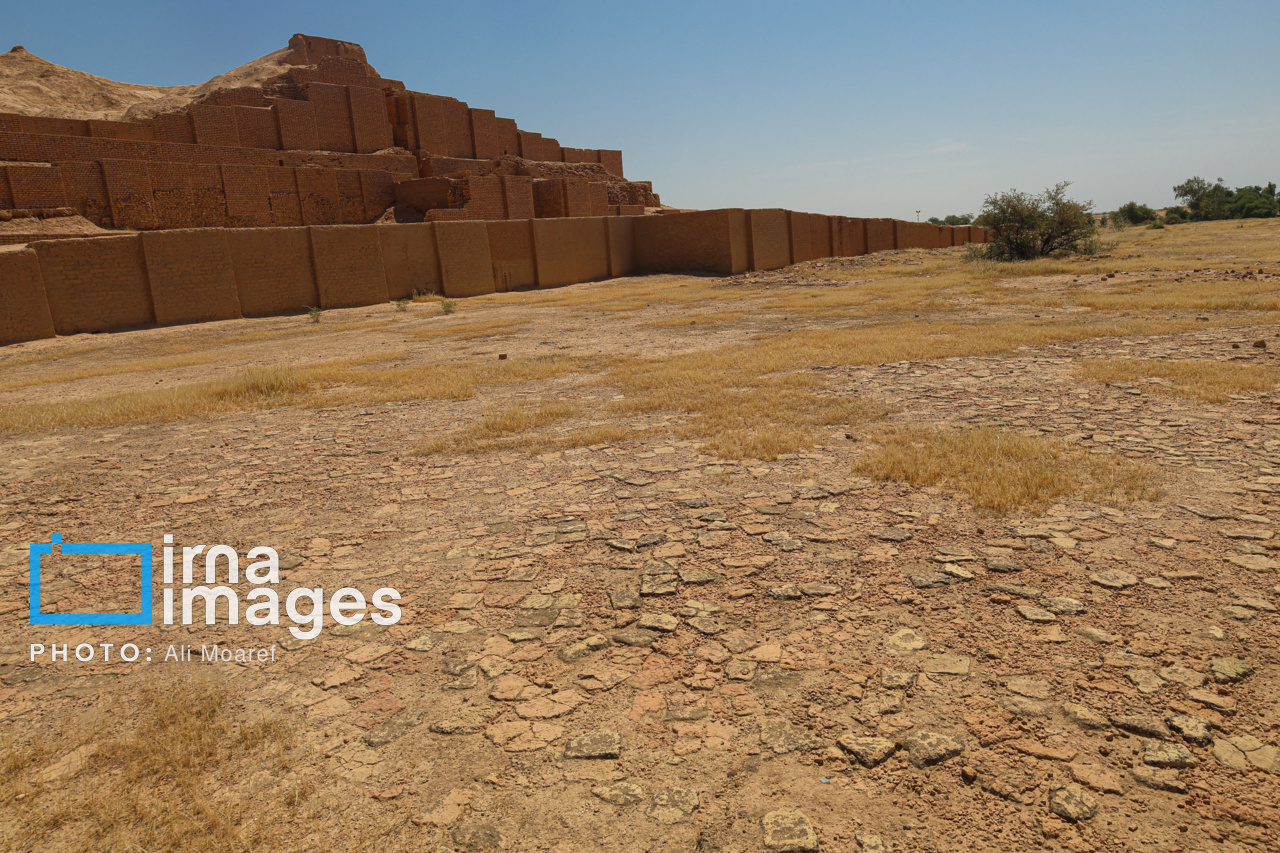
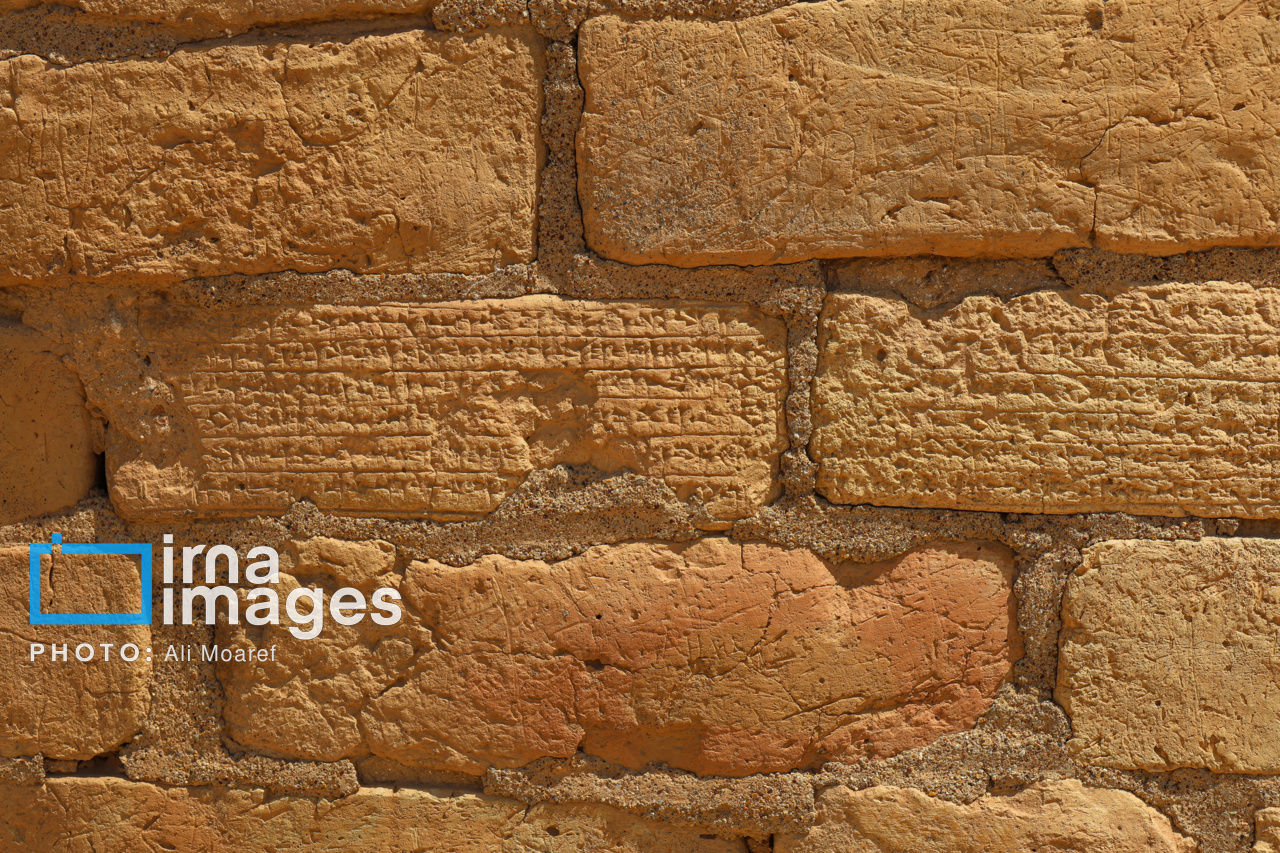
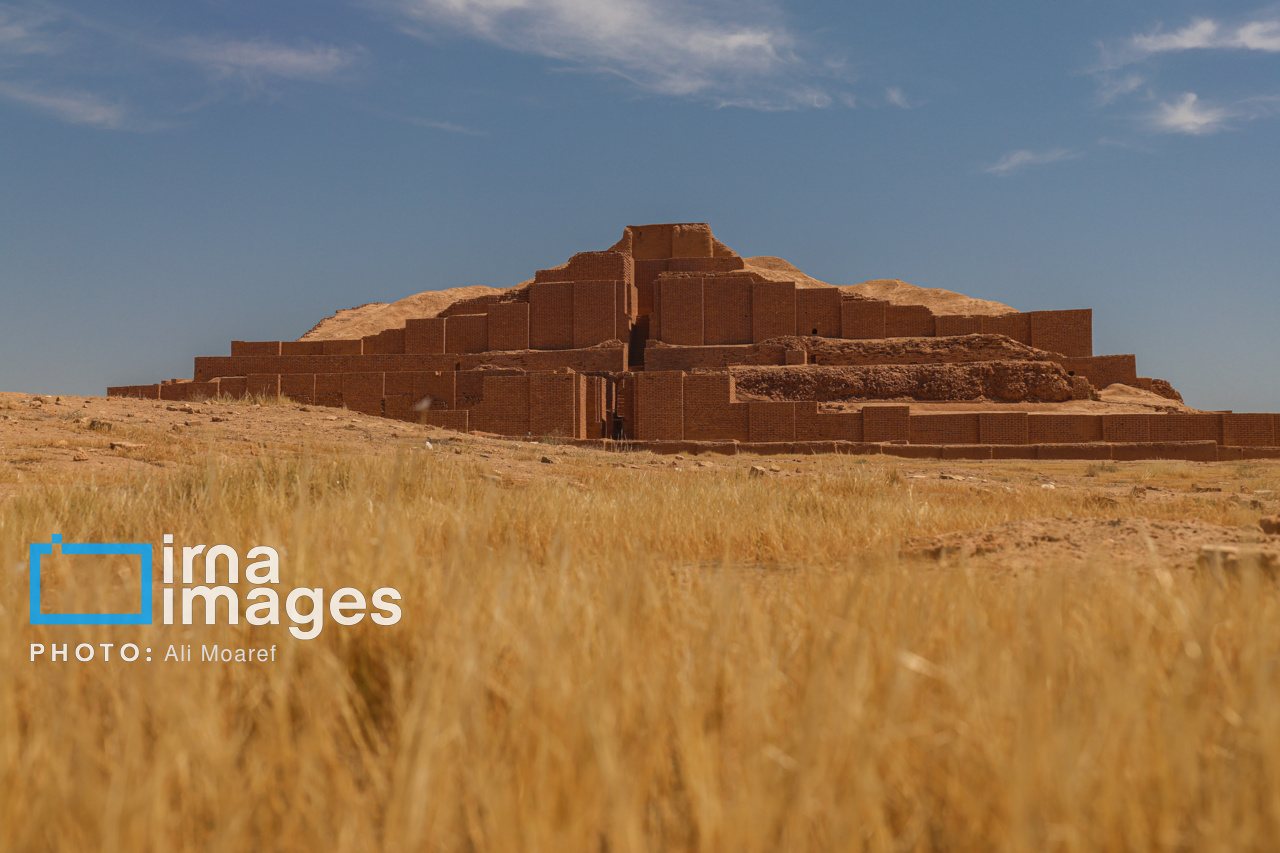
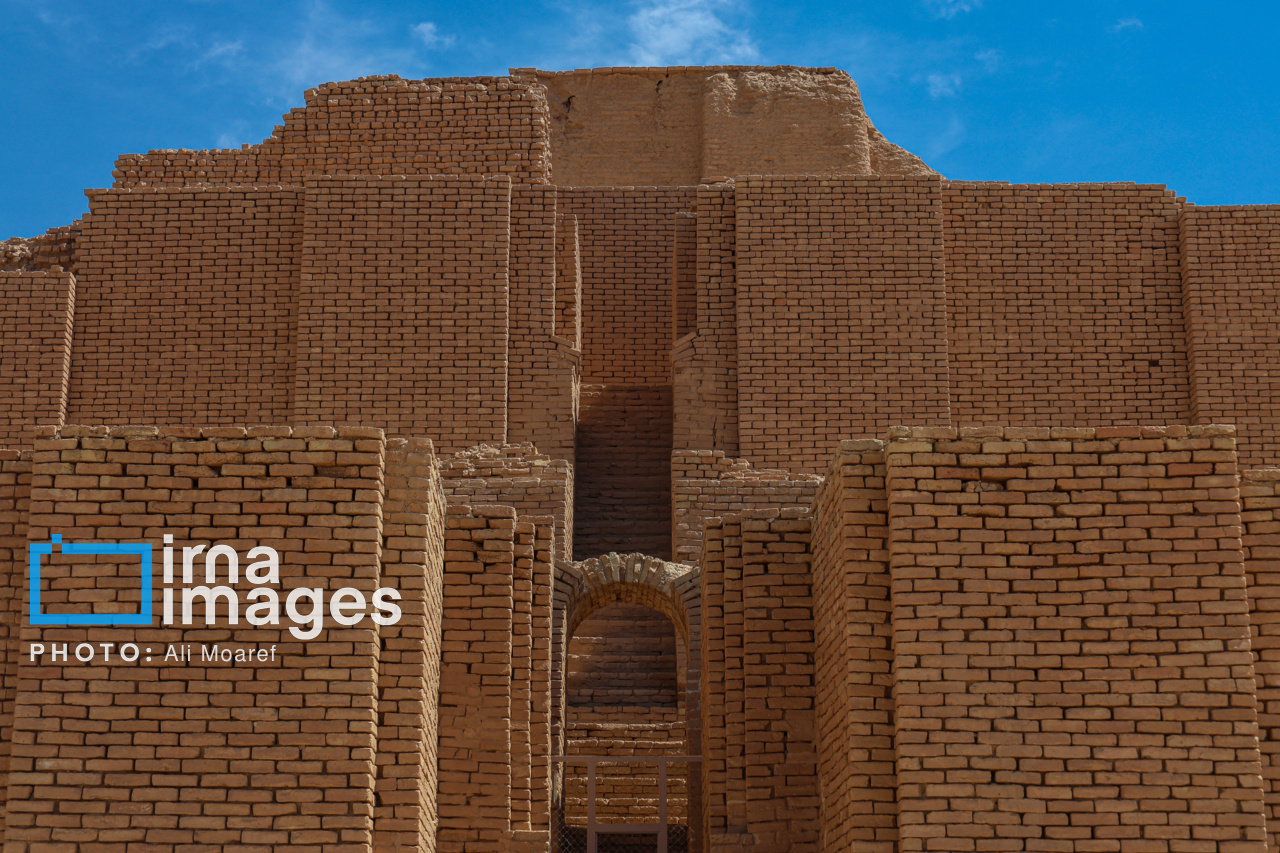
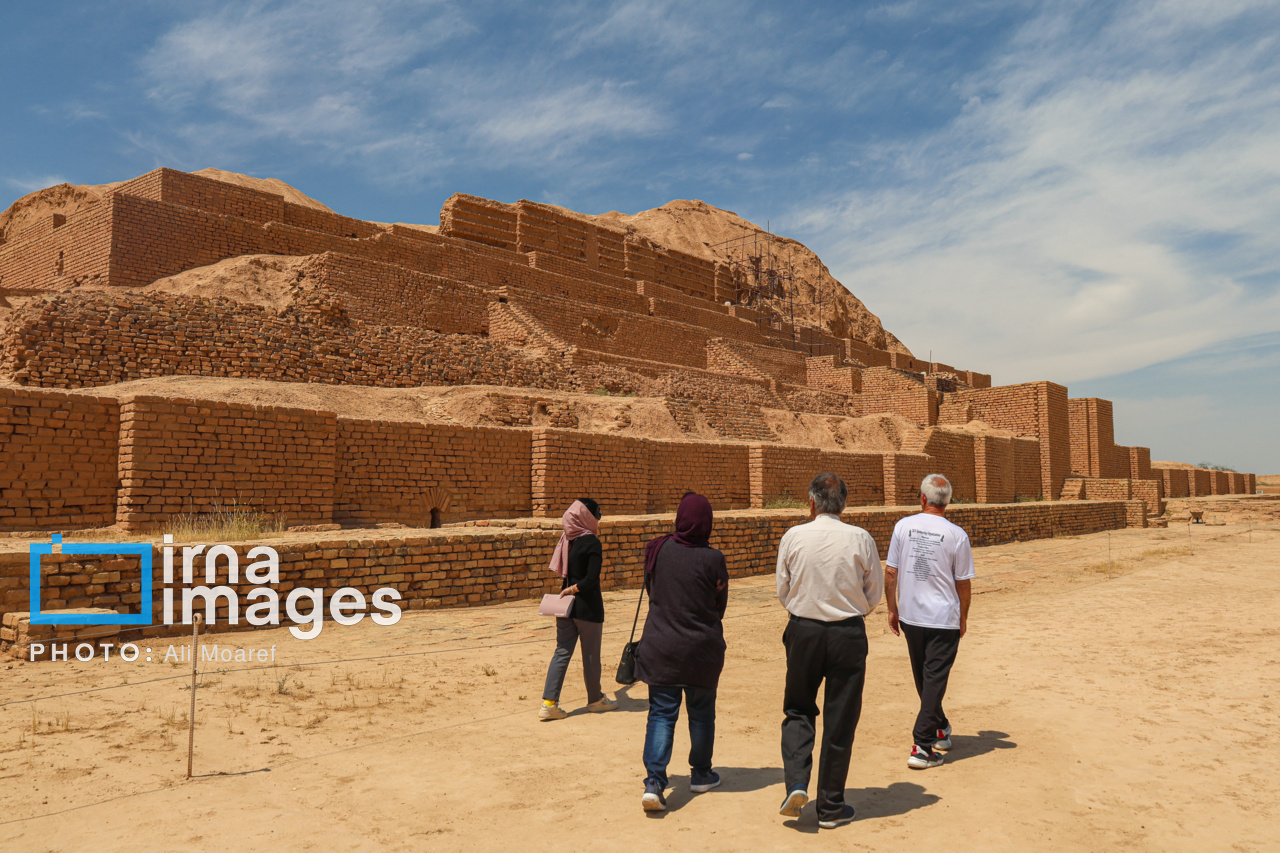
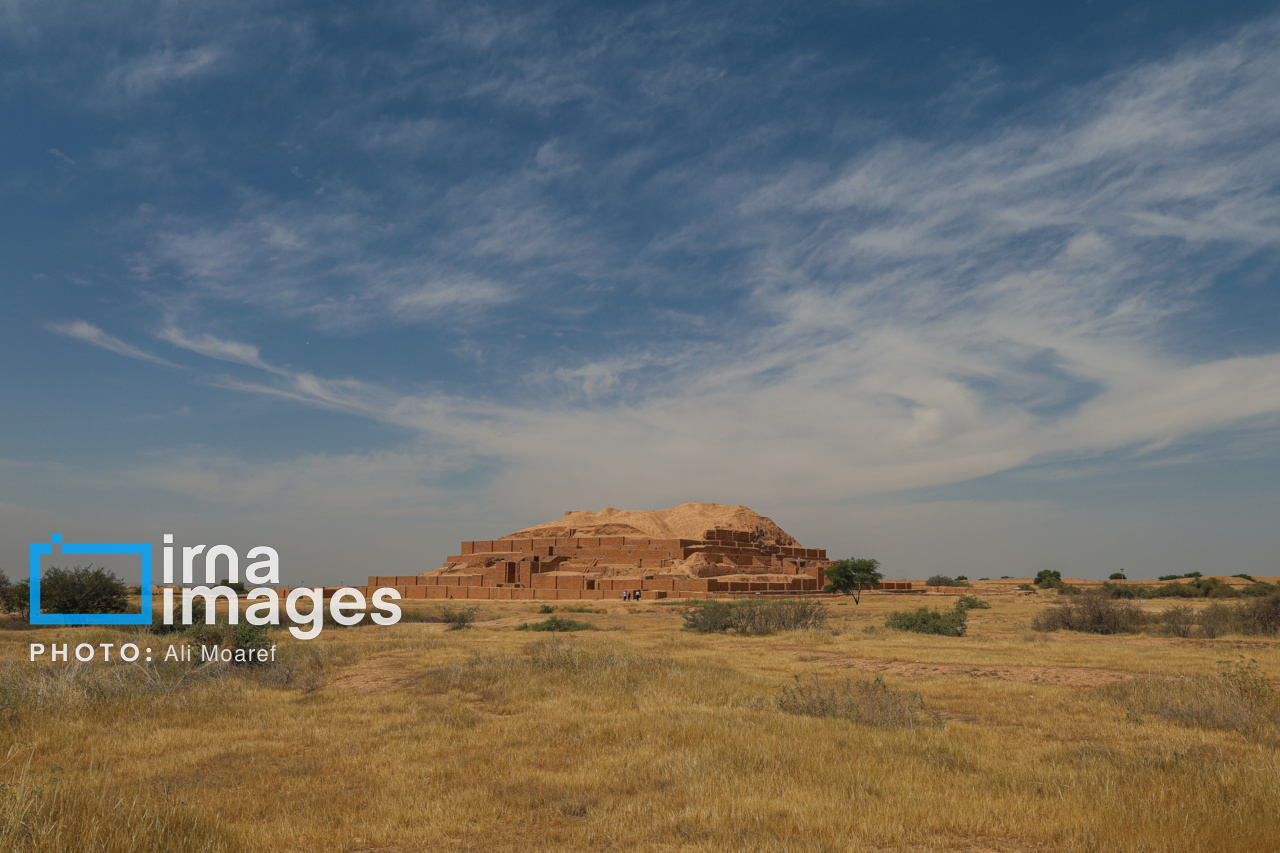
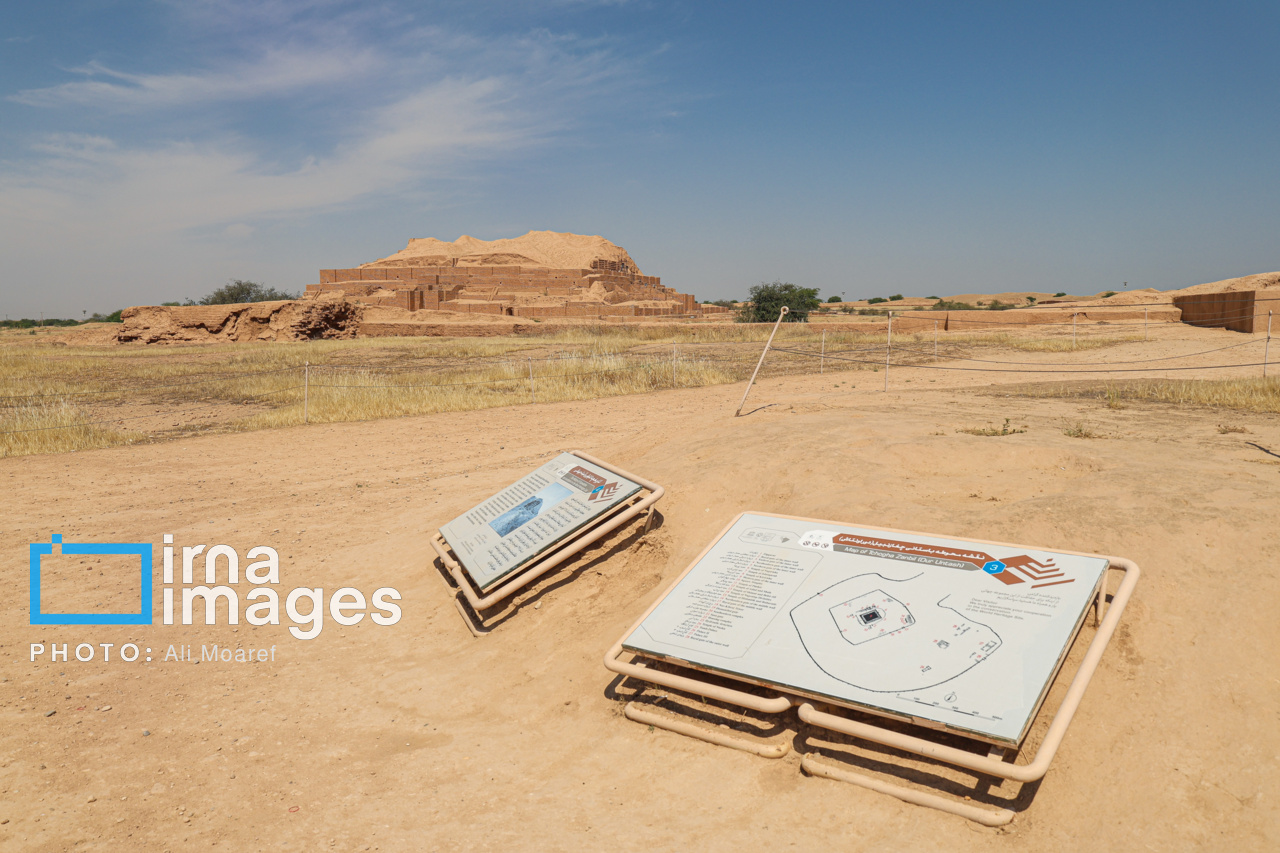
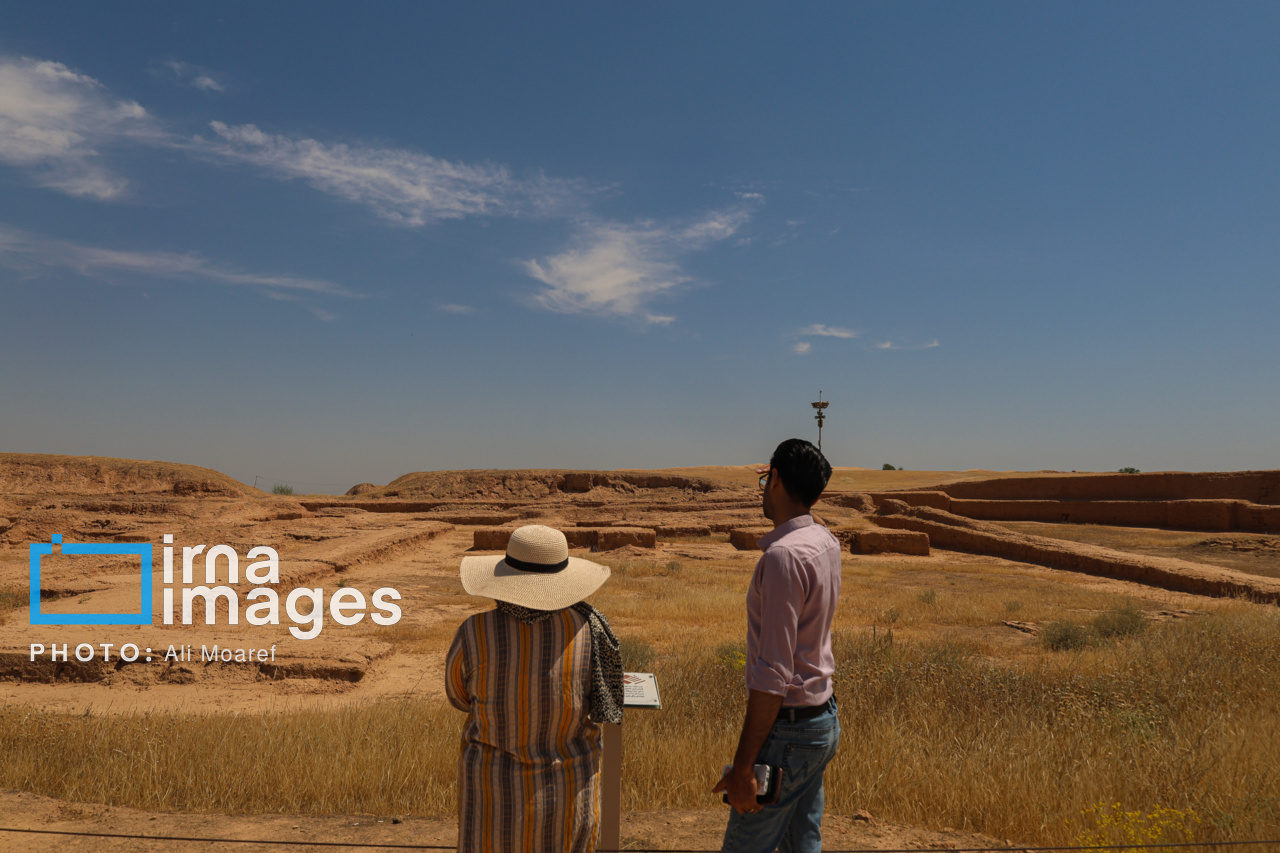
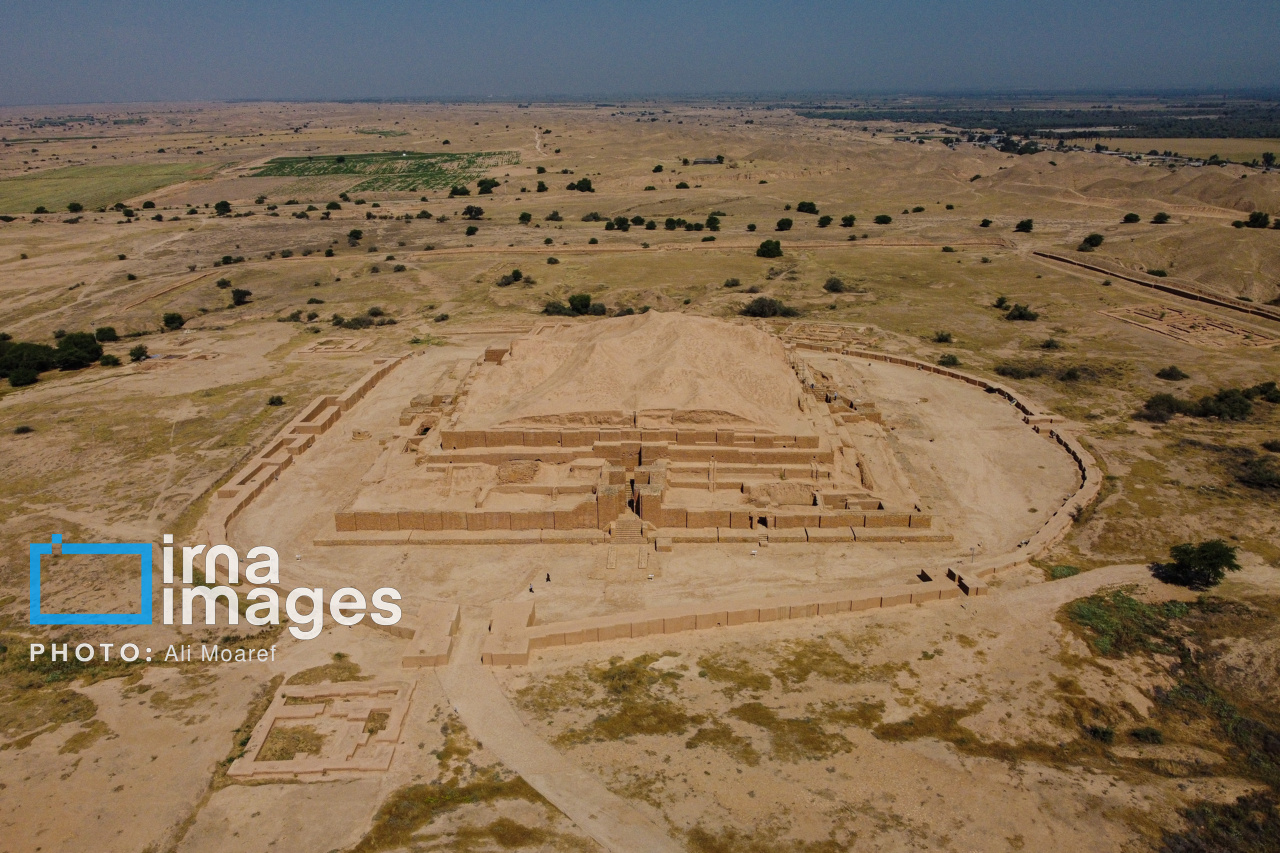
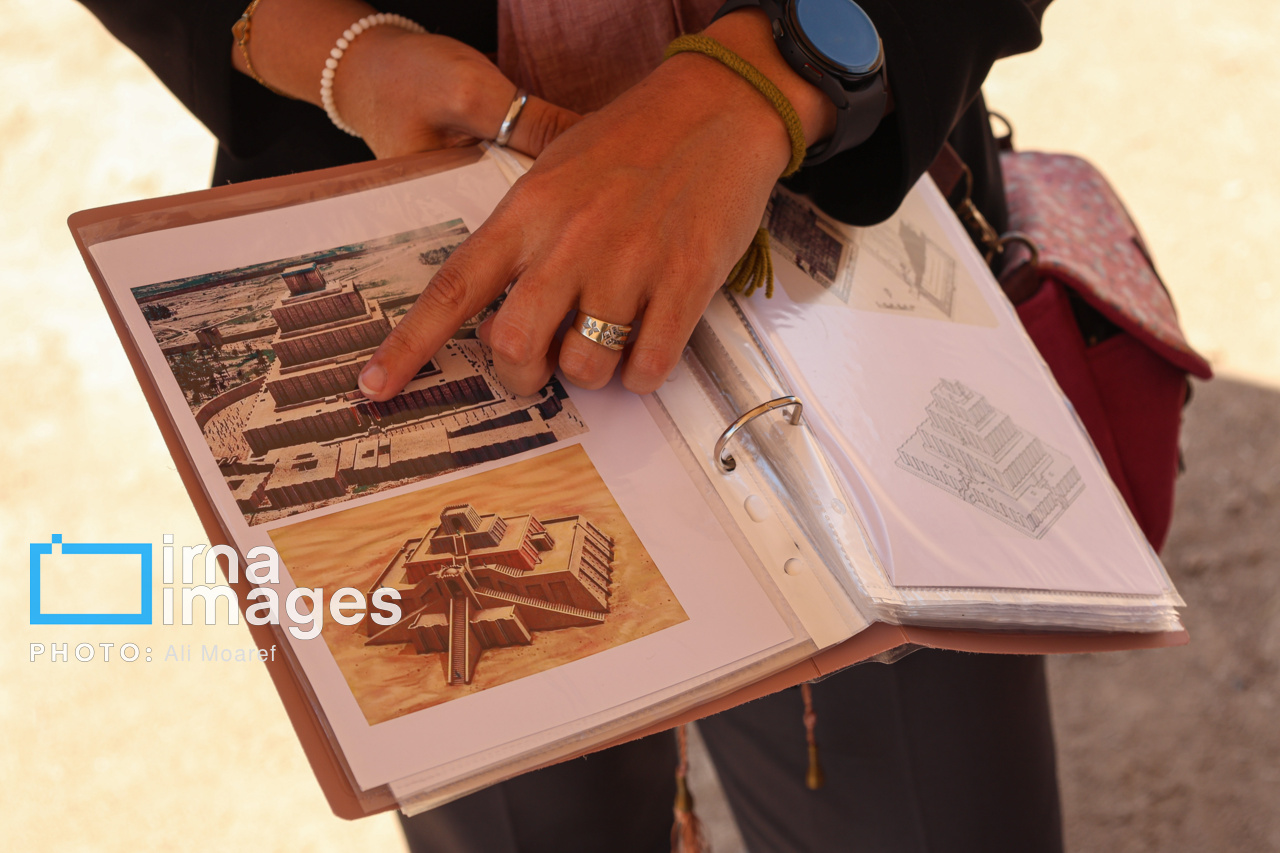
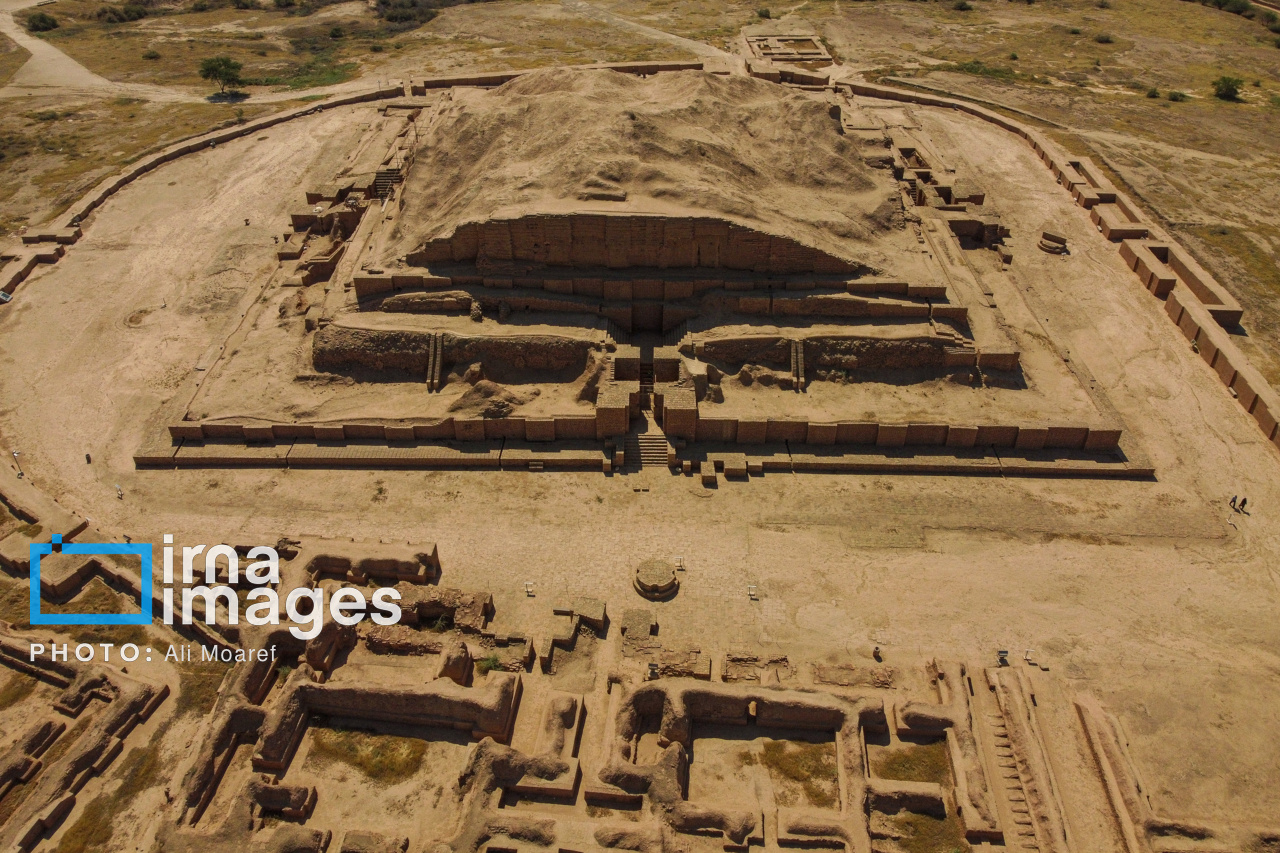
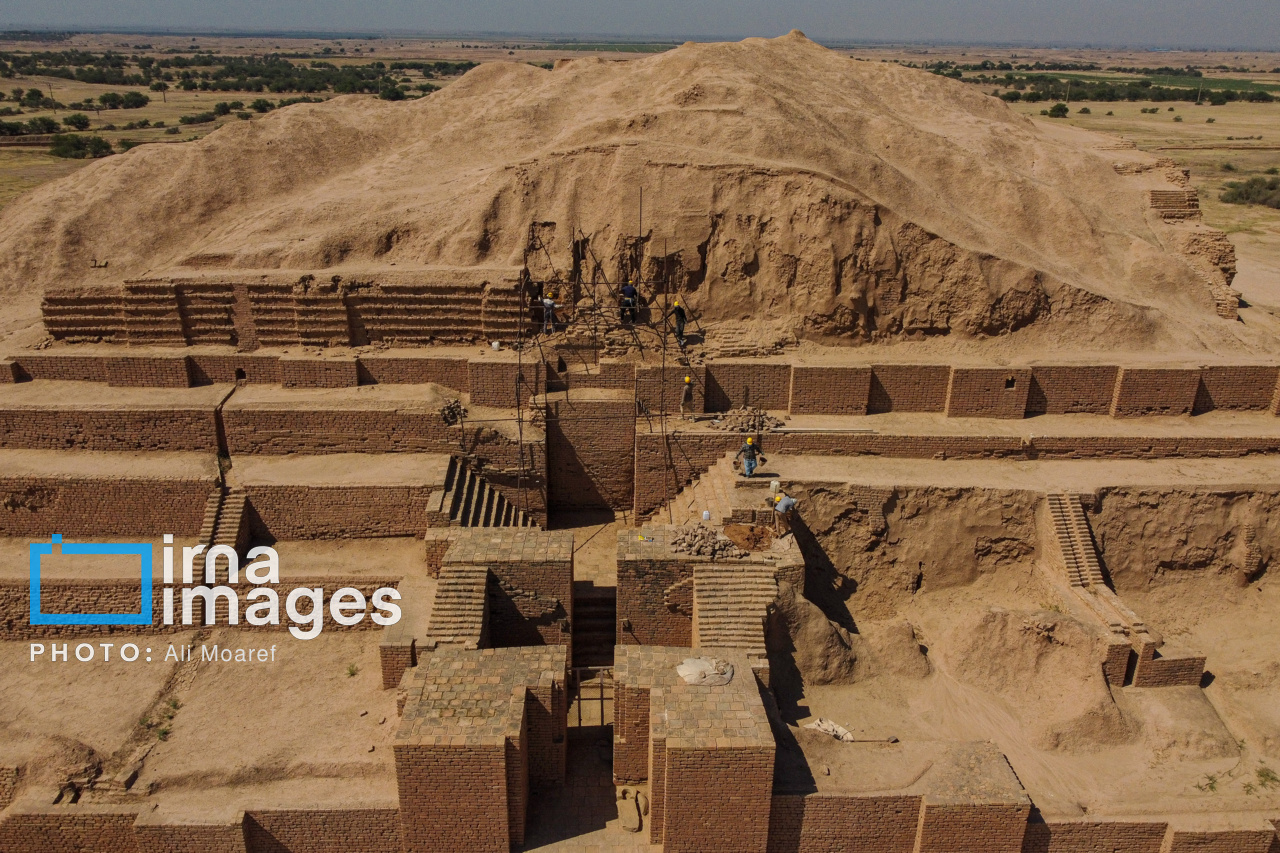
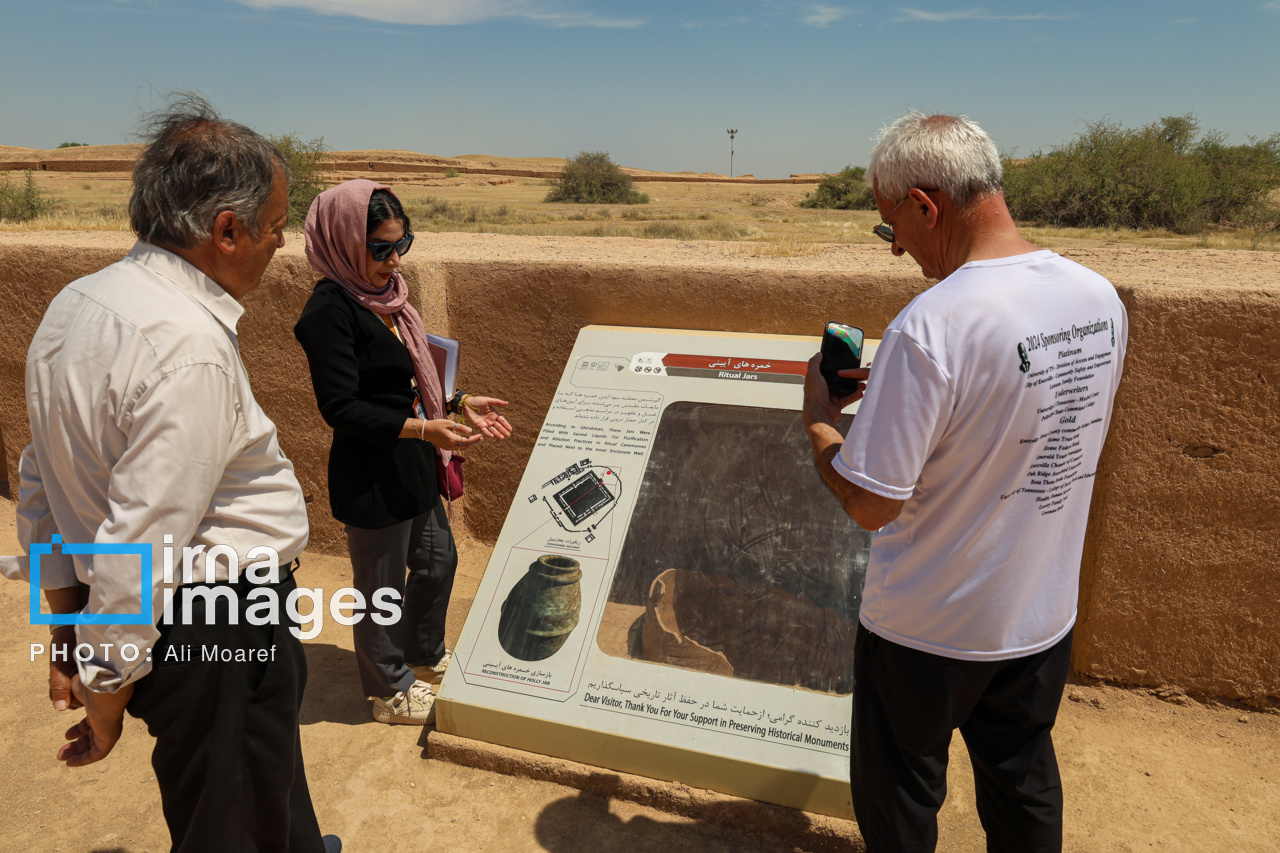
Chogha Zanbil: Grandeur of Iran’s Elamite architecture

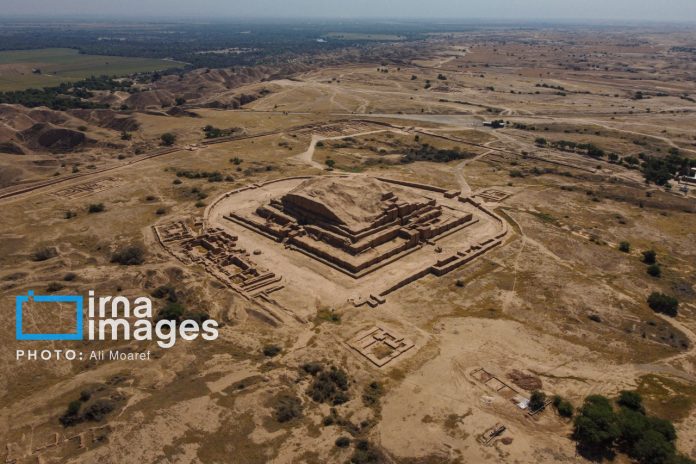
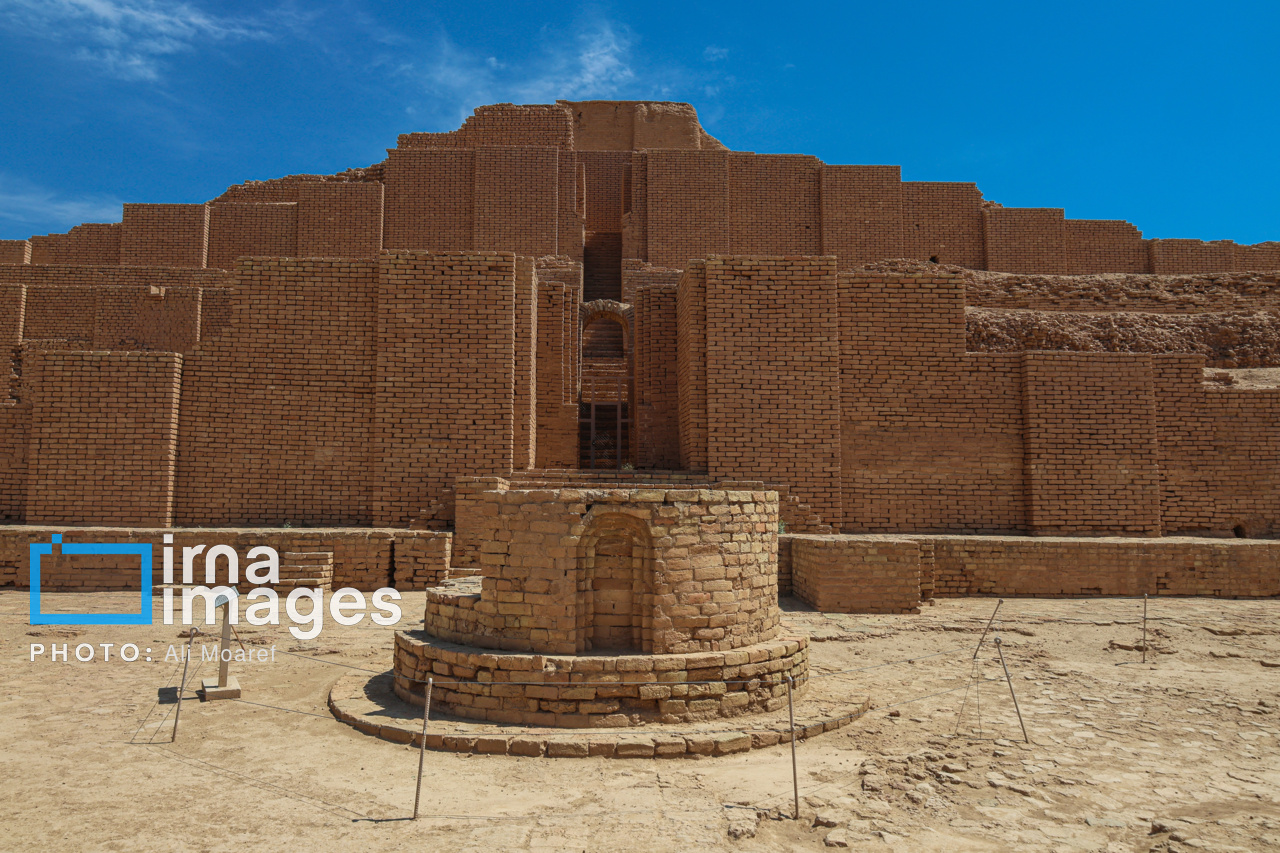
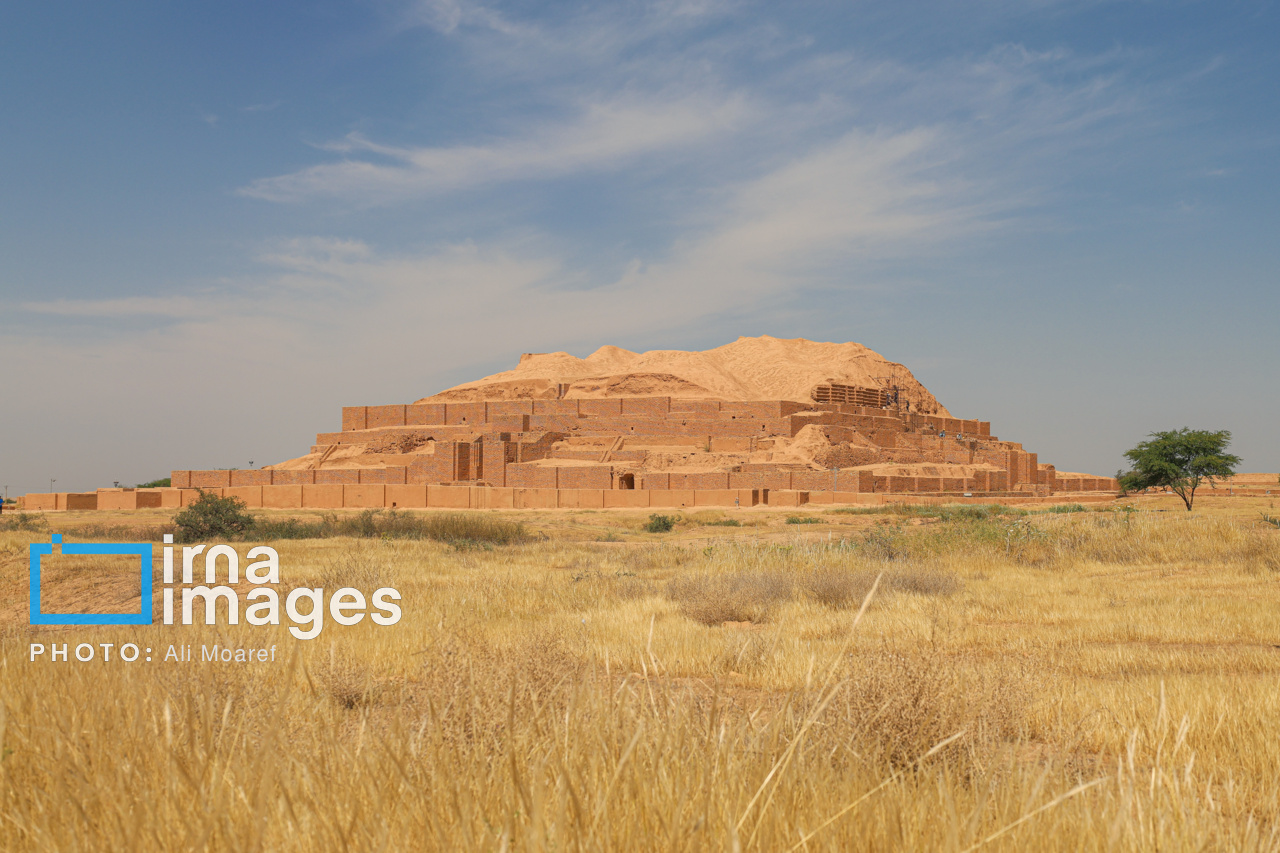
This structure was built approximately 3,200 years ago at the order of Untash-Gal and now has three remaining tiers out of its original five.

Its structure is made of brick and mud brick, including palaces, royal tombs, and a water purification system within three concentric walls. Despite the passage of time, Chogha Zanbil remains steadfast and is regarded as a symbol of Elamite art, faith, and engineering know-how.

More in pictures:

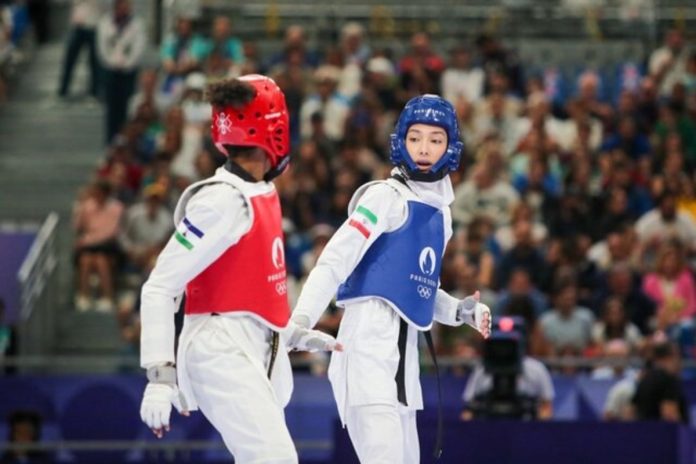
Iranian Taekwondo athletes snatch 4 gold medals in China

Mobina Nematzadeh, Mohammad Hossein Yazdani, Saeed Nasiri, and Amir Sina Bakhtiari won gold medals. Amir Reza Sadeghian took silver, while Mahla Momenzadeh, Ali Ahmadi, and Saeed Fathi claimed bronze.

Nahid Kiani and Mehran Barkhordari, Iran’s two Paris Olympic medalists, were eliminated from the competition.

Nematzadeh, Iran’s representative in the under-53 kg category, defeated her Uzbek opponent 2-0 in the first round. Shethen faced Nahid Kiani and won 2-1.

In the semifinals, Nematzadeh beat her Kazakh opponent in two rounds to reach the final.
In the final, due to the injury of Seo Yun from South Korea, Nematzadeh won 2-0 and claimed the championship.

In the under-46 kg category, Iranian athlete Saeed Nasiri defeated three rivals from Kazakhstan , Japan and China to reach the semifinals.

Nasiri also beat Lee from South Korea in the final to win gold.

Meanwhile, Amir Sina Bakhtiari defeated Kim from South Korea in two rounds, while Ali Khosh Ravesh beat Kylin Liu from France by the same score.

The two Iranians faced each other in the second round, with Bakhtiari winning 2-0. Bakhtiari then defeated Yousang from Chinese Taipei in the quarterfinals to reach the semifinals, where he beat Jiang from China 2-1 to reach the final.

In the final, Bakhtiari defeated his compatriot Sadeghian 2-0 to win gold.

Ukraine peace talks downgraded

Russia Ukraine War

The UK Foreign Office indicated that ministerial-level meetings would be replaced by discussions at an official level.

The move follows US Secretary of State Marco Rubio’s decision to travel to Moscow instead, with Special Envoy Steve Witkoff has also opted to not attend. In their absence, Keith Kellogg, US President Donald Trump’s envoy for Ukraine and Russia, is leading the American delegation.

Ukraine’s Foreign Minister Andrii Sybiha arrived in London along with President Volodymyr Zelensky’s chief of staff, Andriy Yermak, and Defence Minister Rustem Umerov.

“Ukraine has repeatedly said that it does not exclude any of the formats that can lead to a ceasefire and further to real peace,” Zelensky wrote on Telegram.

“Stopping the killings is the number one task.”

The downgrading in the level of diplomacy comes amid signs of mounting frustration in Washington.

“We’re not going to continue with this endeavour for weeks and months on end,” Rubio told reporters following the Paris talks. He warned that Trump may soon pivot to “other priorities.”

The discussions follow earlier negotiations in Paris and were expected to build on a ceasefire framework circulated by the US last week.

According to officials briefed on the proposal circulated by the US in Paris, the framework includes a controversial provision requiring Ukraine to recognise Russia’s annexation of Crimea.

The document, described by US officials as Trump’s “final offer”, has prompted strong opposition from Kyiv.

“There is nothing to talk about. This violates our Constitution. This is our territory – the territory of the people of Ukraine,” Zelensky stated during a briefing in Kyiv on Tuesday.

Crimea, annexed by Russia in 2014, is among several potential concessions Kyiv fears may be under consideration, alongside concerns that further ground could be ceded in the partially occupied regions of Kherson, Donetsk, Luhansk and Zaporizhia.

“As soon as talks about Crimea and our sovereign territories begin, the talks enter the format that Russia wants – prolonging the war – because it will not be possible to agree on everything quickly,” Zelensky added.

He reiterated that negotiations could only proceed following an unconditional halt to Russian hostilities.

In a show of support for Ukraine, the French presidency reiterated that any peace deal must include respect for Ukraine’s territorial sovereignty.

“Ukraine’s territorial integrity and European aspirations are very strong requirements for Europeans,” a spokesperson for President Emmanuel Macron told AFP.

Meanwhile, Russian President Vladimir Putin has reportedly offered to freeze fighting along current front lines as part of a potential agreement, according to the Financial Times newspaper.

The offer comes after the expiration of a 30-hour Easter truce declared by Moscow, which both sides accused each other of violating.

Kremlin spokesman Dmitry Peskov, however, warned against rushing the process.

“The settlement issue is so complex that it would be wrong to put some tight limits to it and try to set some short timeframe for a settlement, a viable settlement – it would be a thankless task,” he said.

As diplomatic efforts continue, Russian forces have escalated attacks on civilian infrastructure. Overnight drone strikes hit multiple targets across Ukraine.