Sunday, April 19, 2026
Home Blog Page 3919

A Look at Iranian Newspaper Front Pages on September 5

Several newspapers today covered the latest developments in the Korean peninsula, particularly the continued reactions to Pyongyang’s recent test of nuclear weapons.

The plight of Muslim people in Myanmar and the brutal massacre of Rohingya Muslims there was also a top story today.

Iraqi Prime Minister Haider al-Abadi’s praise of Iran’s help in Baghdad’s fight against terrorism also received great coverage.

The above issues, as well as many more, are highlighted in the following headlines and top stories:


Aftab-e Yazd:

1- Baghdad Supports Iran’s Contribution to Iraq’s Reconstruction

2- Senior Economist: Absolute Poverty Cannot Be Eradicated in Four Years

A Look at Iranian Newspaper Front Pages on September 5


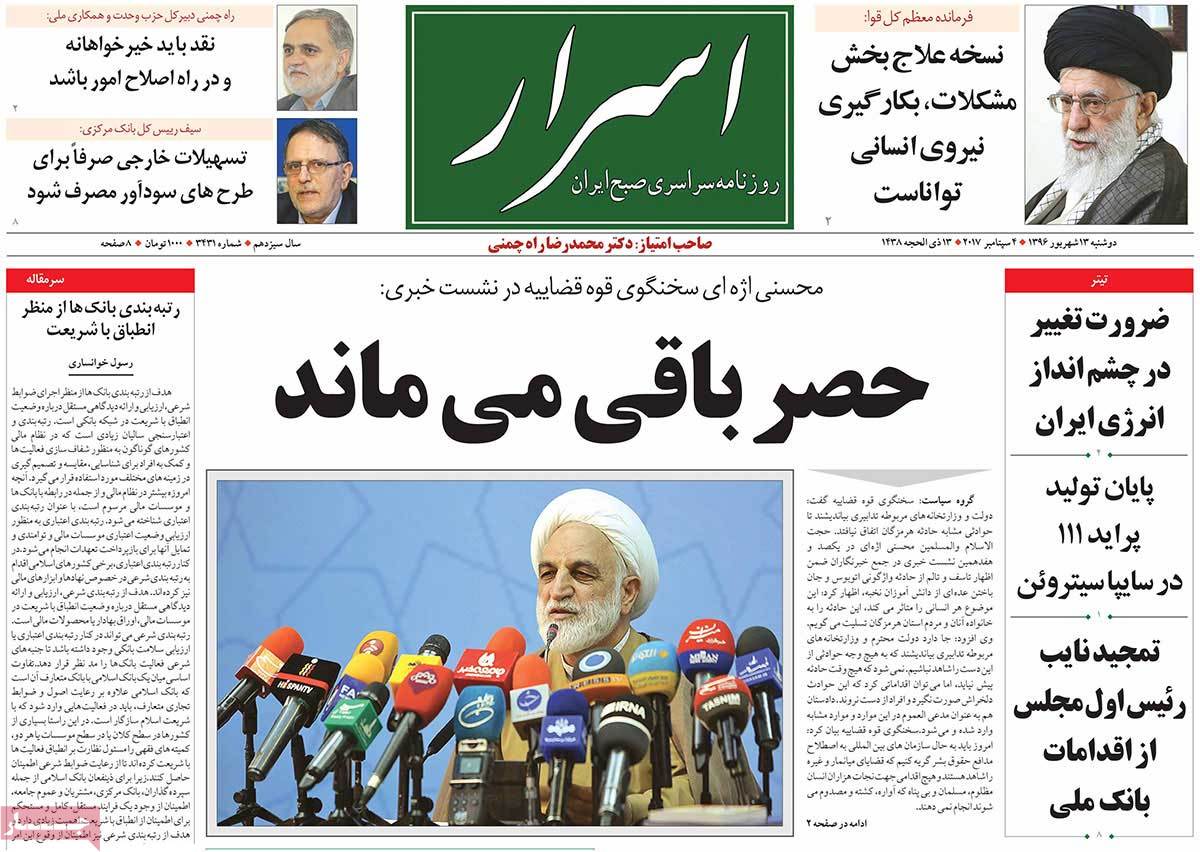
Asrar:

1- Judiciary Spokesman: Opposition Figures to Remain under House Arrest
A Look at Iranian Newspaper Front Pages on September 5


Donya-ye Eqtesad:

1- Siege on Pyongyang to Get Tighter: Oil Sanctions against N. Korea

2- Omani Secret of Attracting Capital

A Look at Iranian Newspaper Front Pages on September 5


Ebtekar:

1- Obama in Letter to Trump Warns against Weakening Principles of Democracy

2- Environment Chief: Water or Cheetah, Revival of Which One More Important?


A Look at Iranian Newspaper Front Pages on September 5


Ettela’at:

1- We Should Develop People’s Skills to Counter Poverty: Minister

2- South Korean Army Exercises Attacking Pyongyang Bases Using Ballistic Missiles

3- Larijani: We Should Leave Political Fights to Resolve Economic Problems


A Look at Iranian Newspaper Front Pages on September 5


Iran:

1- Environment Chief: 70% of Iran’s Problems Caused by Shortage of Water

2- Myanmar Muslims in Deadlock of Displacement

3- Iran Starts Plan to Produce Apparel in Rural Areas

A Look at Iranian Newspaper Front Pages on September 5


Jahan-e San’at:

1- Economy Minister’s Contradictory Remarks about Living Conditions

  • Economy Minister Says Stagflation Is Over

2- Mobile Cafes: Tehran’s Cultural Night Life Revived

A Look at Iranian Newspaper Front Pages on September 5


Javan:

1- Health Minister’s Surgery on RouhaniCare

2- Buddhists Beheading, Burning Alive Muslims

  • A Shocking Report on Slaughter of Muslims in Myanmar

3- We’re Moving Backward with This Cinema!

A Look at Iranian Newspaper Front Pages on September 5


Jomhouri Eslami:

1- Shocking Report on New Round of Muslim Genocide in Myanmar

2- First VP: Grounds Prepared for Private Sector’s Use of Foreign Financial Facilities

3- Iraqi PM Thanks Iran’s Support in Fight against Terror

4- Israel’s Role Revealed in Genocide of Rohingya Muslims


A Look at Iranian Newspaper Front Pages on September 5


Kayhan:

1- Audit Court’s Response to Report on Astronomical Salaries: General and Ambiguous!

  • Those Who Received Such Salaries Should Be Punished

2- 3-Year Siege on Deir ez-Zor Broken: One Step Left to Full Liberation

3- MP: No Country Allows Aliens to Inspect Its Military Sites

4- Trade Minister: We’ve Easily Given Our Apparel Market to Foreigners


A Look at Iranian Newspaper Front Pages on September 5


Kelid:

1- US Trying to Imply that Iran Is Isolated


A Look at Iranian Newspaper Front Pages on September 5


Shahrvand:

1- 400 Rohingya Muslims Killed in Past Week: Smell of Death in Maynmar

2- People without Plasco: Destiny of Those Who Had Business in Collapsed Building

A Look at Iranian Newspaper Front Pages on September 5


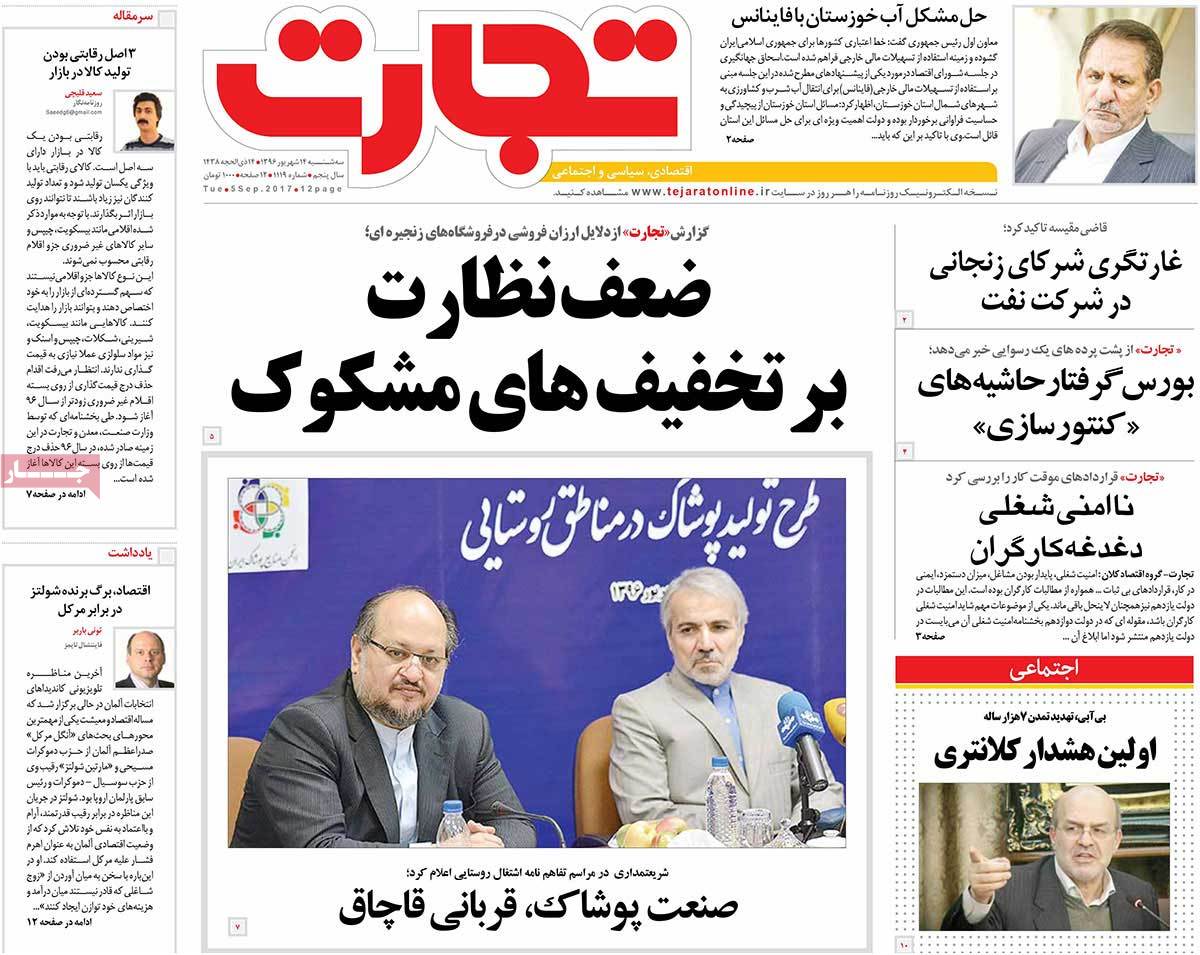
Tejarat:

1- Trade Minister: Iran’s Apparel Industry Victim of Contraband Goods
A Look at Iranian Newspaper Front Pages on September 5


A Look at Iranian Newspaper Front Pages on September 5


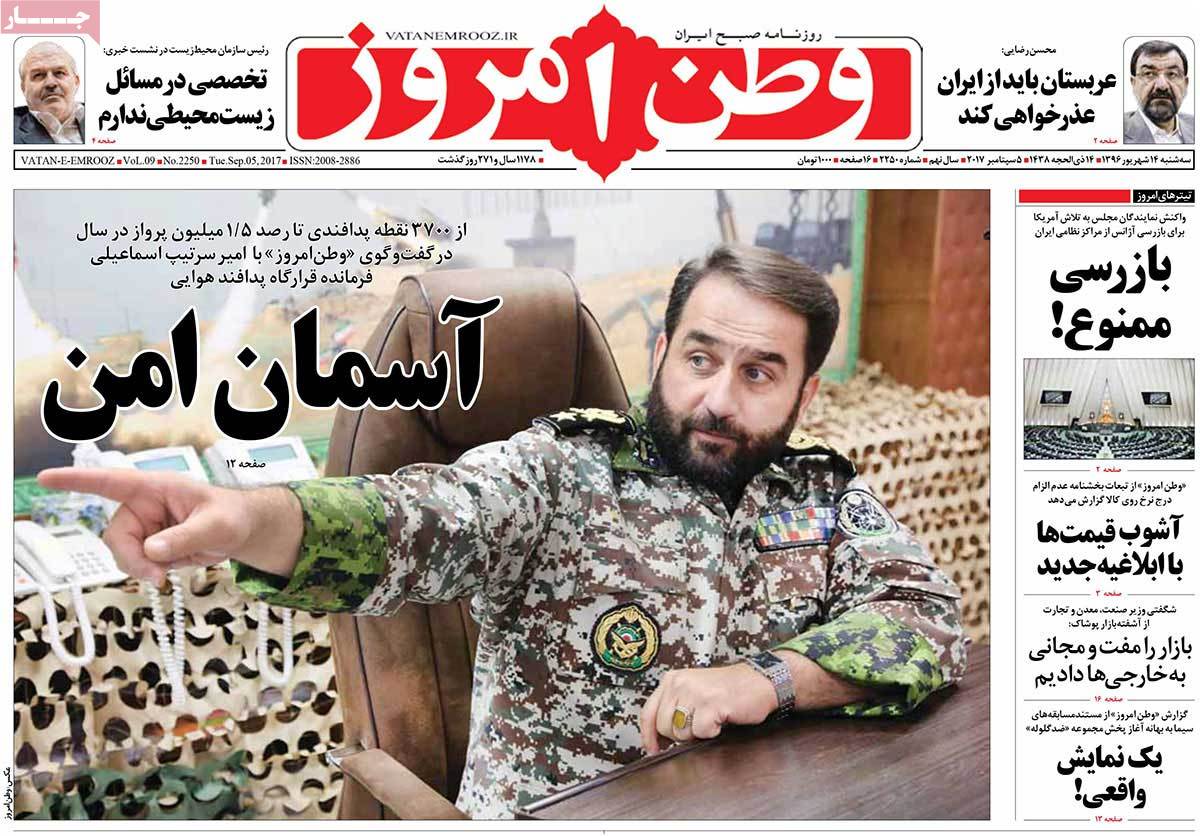
Vatan-e Emrooz:

1- Secure Sky: From 3,700 Air Defence Points to 1.5 Flights per Year

2- IRGC General Rezaei: Saudi Arabia Should Apologise to Iran

3- No Inspection: MPs’ Reaction to US Demand of Inspecting Iran Military Sites
A Look at Iranian Newspaper Front Pages on September 5

Iran Unveils Its First Drone Base, Warns Enemies

Head of the Khatam al-Anbiya Air Defense Base Farzad Esmaili (seen below) inaugurated the airstrip on Sunday, as the headquarters released a video of UAVs parked on the tarmac at the undisclosed site.

In an address to the inauguration ceremony, Esmaili described Iran’s drone capabilities “an award for the heroic nation,” as he sent a stern warning to the country’s enemies.

“Maybe, the enemy thinks it can attack us. But the main question is how it is supposed to escape unscathed,” he said.

Iran is regarded as a bona fide drone power among a few countries with operationally deployed armed drones and its extensive unmanned aerial vehicle program dates back to the Iraqi war of the 1980s against the Islamic Republic.

Esmaili said, “Air defense centers throughout the entire territory of the Islamic Iran work in tandem with the indigenous integrated air defense command and control system.”

Iran Unveils Its First Drone Base, Warns Enemies

Iran’s UAV program has expanded in recent years with more than a dozen models operating for a variety of functions ranging from surveillance, to intelligence gathering, carrying bombs and Kamikaze operations.

They have been playing a significant role in the fight against Takfiri terrorists as well as monitoring US warships in the Persian Gulf.

Esmaili touched on Iran’s downing or capture of intruding drones, including an Israeli Hermes which was shot down in October 2014.

The Islamic Revolution Guards Corps (IRGC) said at the time that its forces intercepted and hit the spy aircraft on its way to the Natanz nuclear facility in the central Isfahan province.

In December 2011, Iran grounded a US RQ-170 Sentinel, using electronic warfare techniques, as the stealth aircraft was flying over the Iranian city of Kashmar near the Afghan border.

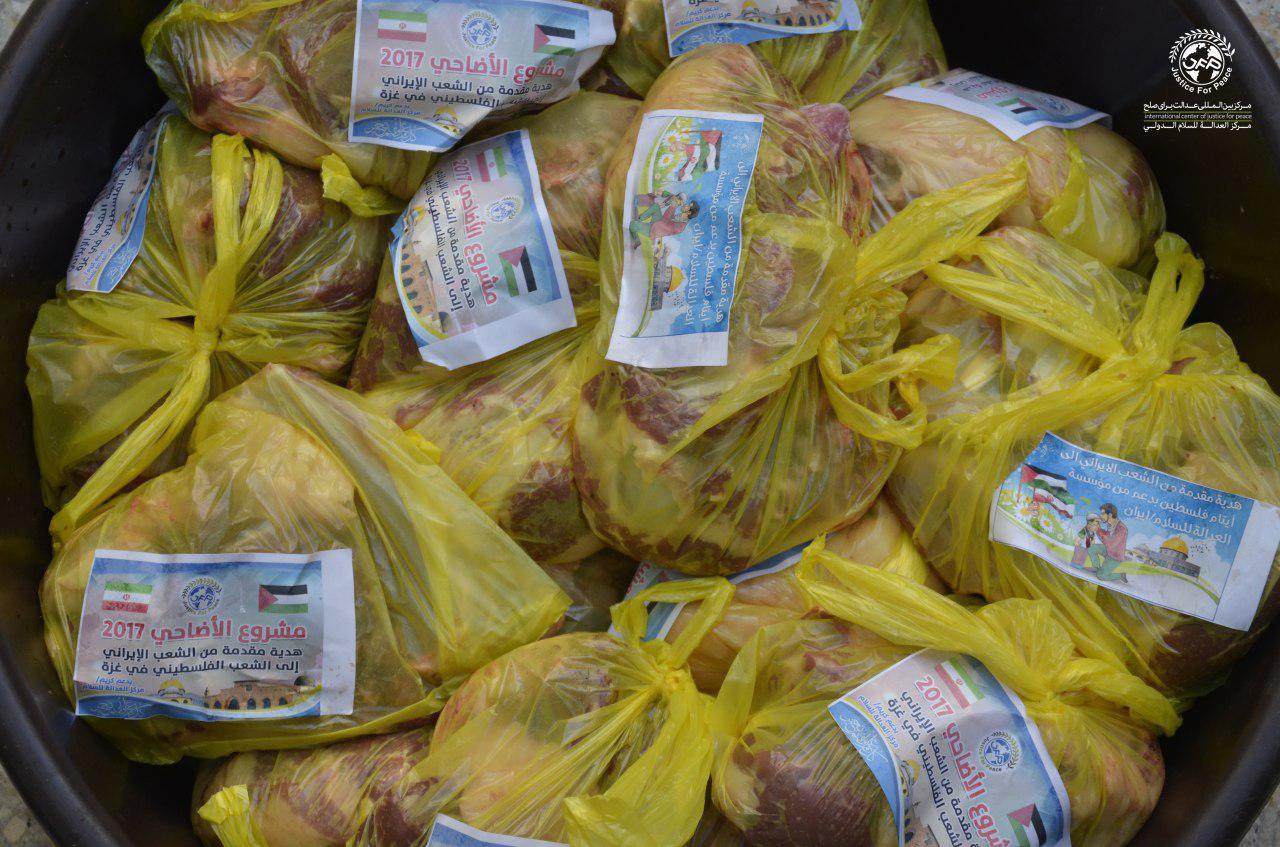
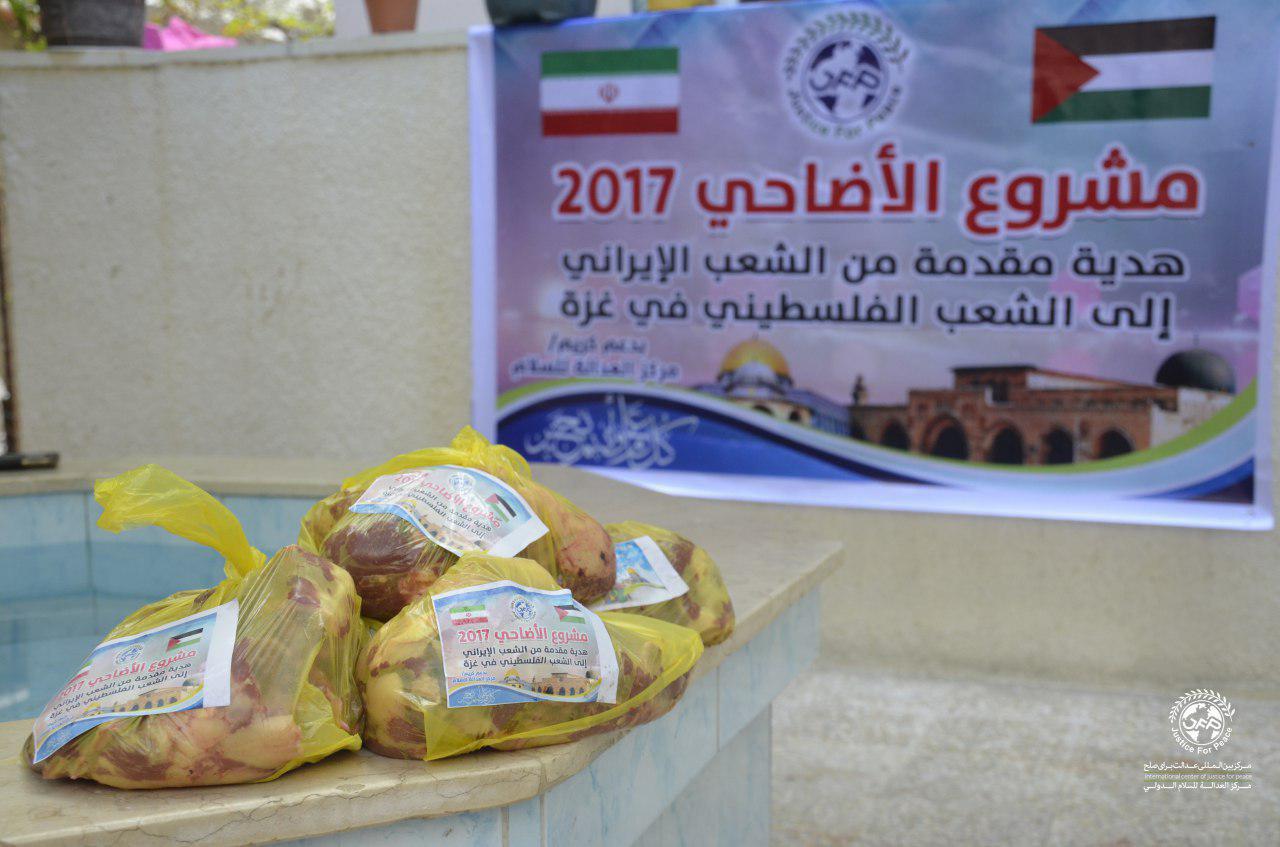
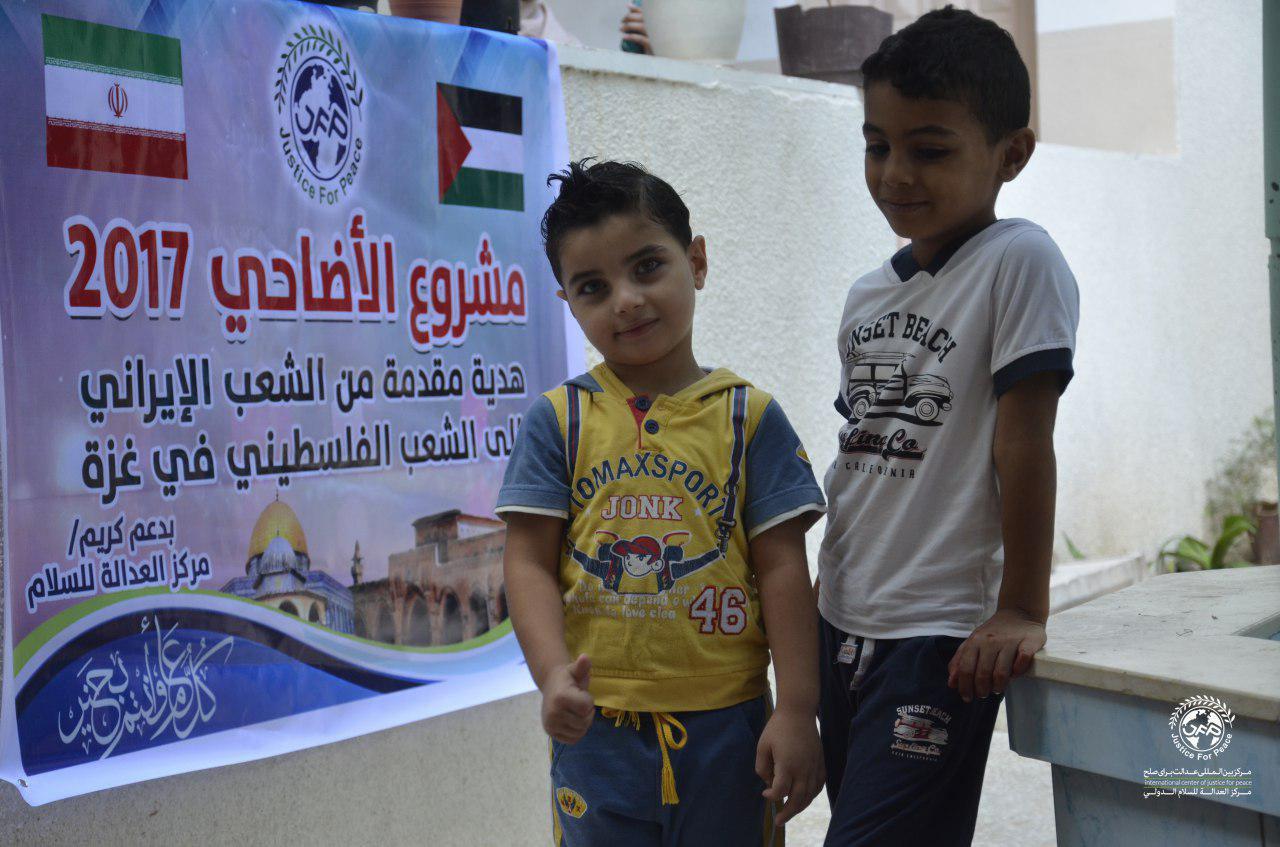
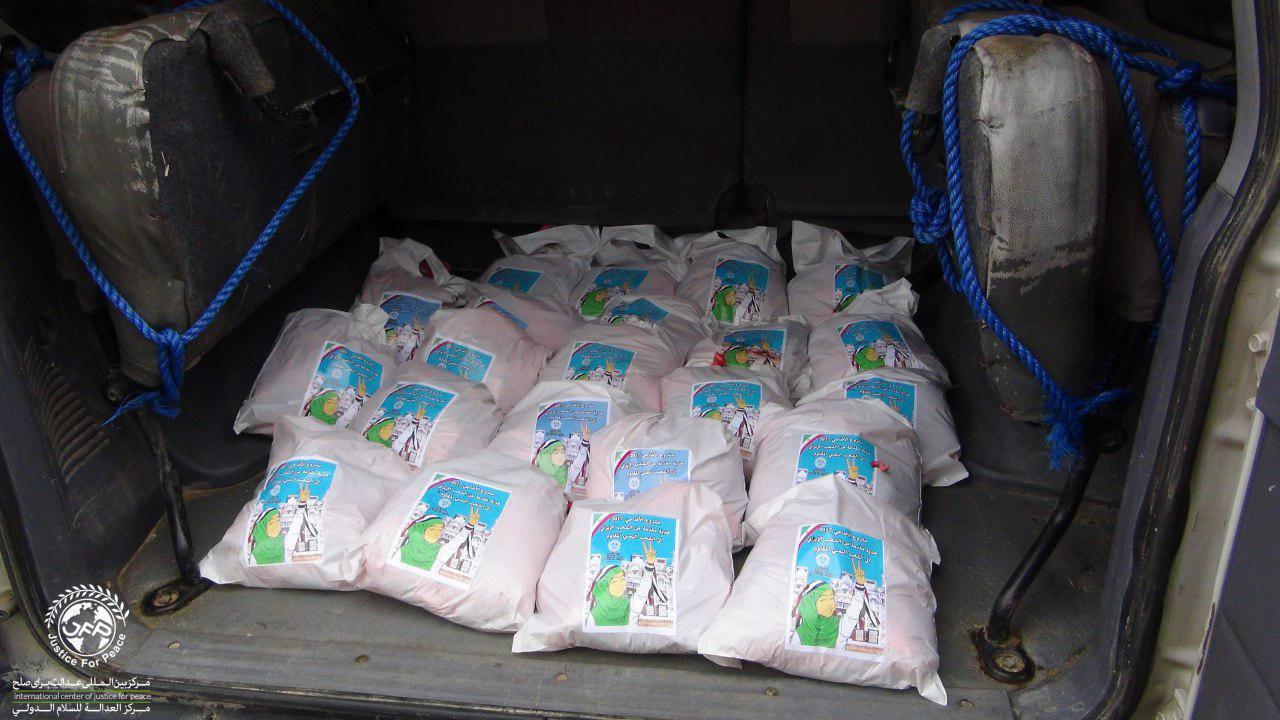
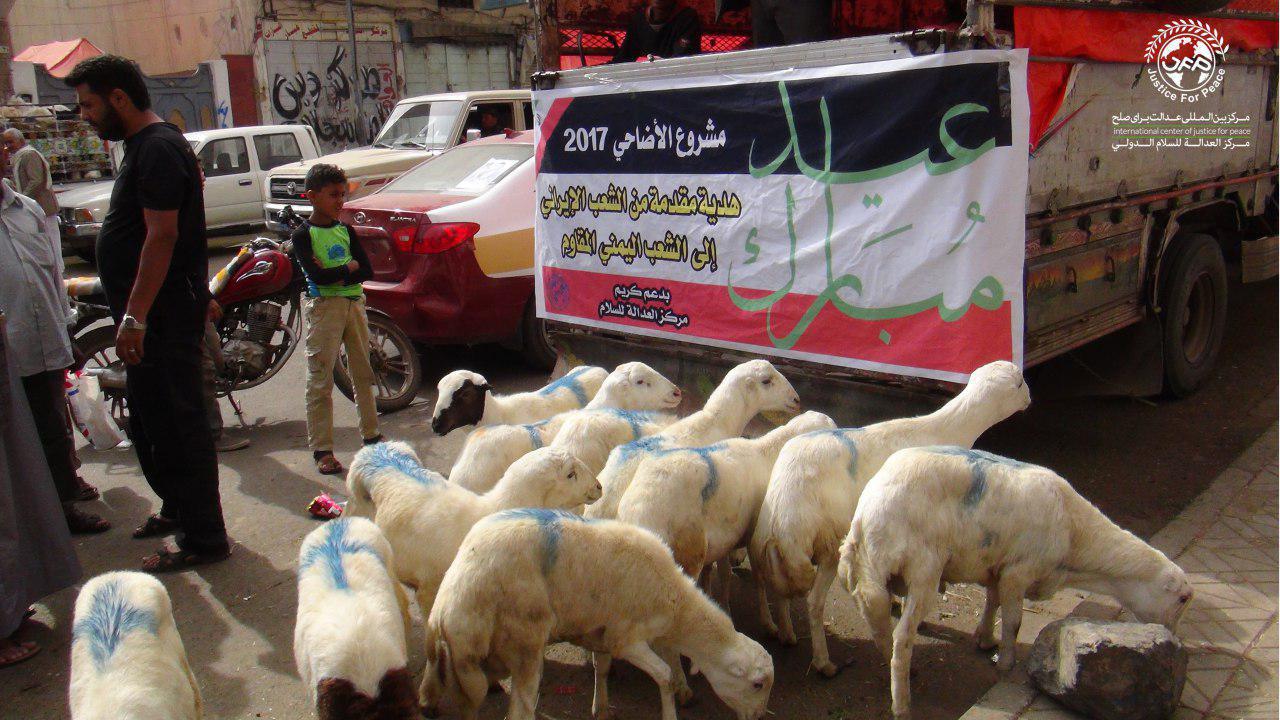
Food Sent by Iranian Volunteers Distributed among Palestinians, Yemenis

According to the public relations of the Iran-based International Centre of Justice for Peace, the distribution was made on the most significant holiday in the Islamic calendar, the Feast of Sacrifice or Eid ul-Adha.

The packs were simultaneously distributed in Gaza and Yemen on the occasion of the Feast of Sacrifice which this year fell on Friday.

The Spokesperson for the non-profit Centre of Justice for Peace, Mohammad Asqari, said the main motive behind this popular move was to express sympathy with the oppressed people of Gaza and Yemen who are suffering under the Israeli and Saudi Arabian suffocating sieges.

He referred to the desperate conditions of people in the Gaza Strip and said Gaza is faced with a humanitarian crisis and the Palestinian Authority, in complicity with the Israeli regime, has put the poor Palestinians in the enclave under a suffocating siege over the past decade.

“Only last month, 5 Palestinian children lost their lives due to lack of medicines caused by the Israeli blockade on Gaza. As a result of the siege, Palestinian patients cannot be transferred to hospitals outside the impoverished enclave,” he said.

Asqari also said more than 60 percent of the Palestinians in the Gaza Strip are in dire need of humanitarian aid.

He then referred to the Yemenis’ sufferings and said more than 7 million innocent people in Yemen are suffering from deadly diseases and lack of food. “This is the most critical humanitarian crisis in the world over the past 90 years,” he concluded.

Why Is Israel Worried about ISIS Defeats in Region?

Israeli officials are closely monitoring the latest developments in the region particularly the Syrian army and its regional allies’ recent victories over ISIS as well the advancements of the Lebanese army and Hezbollah in fight against al-Nusra Front.

According to a report by the Basirat news website, that is why they are now desperately trying to say that the recent developments have ended up in Iran’s interest and the country is seeking to increase its influence in Syria.

Therefore, even the recent visit of Israeli Prime Minister Benjamin Netanyahu to Moscow can be analyzed from this perspective; a visit which was not warmly welcomed by the Russians, especially Russian President Vladimir Putin.

And now the current aggressive stances of Israeli officials, including the Israeli military intelligence, completely reveal how worried they are about the defeats of the terrorist groups in Syria and the collapse of Tel Aviv’s plans in the region.

In a report, Israel’s Intelligence service has emphasized that the current strategic changes in the region means that Tehran-Beirut route passing through Baghdad and Damascus has become smooth for Iran as well as its allies and resistance groups.

In another word, the current development has created a huge challenge for the Zionists. Tackling the challenge is not possible for Israel without the US’ support. And during his visit to Russia, Netanyahu was seeking to convince Russian officials to keep Iran away from the occupied lands’ borders. This is exactly what he expects the US to take seriously.

As a researcher at a Herzliya-based centre has put it, Tel Aviv had adjusted its policy towards Syria based on the prediction that Syrian President Bashar al-Assad could not leave behind the current crisis and at the end he would fall and this in turn would undermine the axis of Iran-Hezbollah.

However, this prediction failed and today we see that Assad is more than ever hopeful to remain in power because he enjoys the full support of its regional allies in Iran and Lebanon. Meanwhile, some European countries have changed their policies towards the crisis out of fear of the threats of the terrorist groups like ISIS and Al-Nusra Front.

The final point is that the Zionists’ current stances towards Iran are the continuation of their old stances over the past years. But such statements against Iran by the Zionist regime amid the current developments in the region, particularly the Syria crisis, reveal that the Zionists are desperately trying to resort to any means to achieve their goals, even by giving concessions. Meanwhile, the predictions of the Zionists about the battles in Syria have ended up in failure and today they are trying to postpone any direct conflict with the resistance axis for as long as possible.

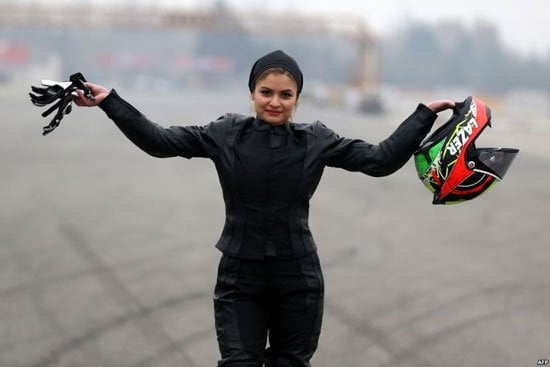
Female Iranian Motocross Racer Wants to Be World Champion

Shafiei works hard to encourage other women interested in motorcycling and she is proud of it. She has held a free class for 114 Iranian women interested in racing, and now nearly 20 of her students are working as semi-professional riders.

Here is the full text of the Shargh daily newspaper’s Farsi interview with this daring Iranian girl:

Q: You have been a fan of motorcycling since childhood. What makes a teenage girl pursue a strange career like racing?

A: Maybe a sense of obstinacy. I could not accept that someone could do something and I cannot. I started riding in 2004. I first rode on the streets; but I liked racing. Many people asked me if I can take part in motocross adventures. I was asking myself why not I should experience cross-country motorcycling. This prompted me to enter motocross riding.

Female Iranian Motocross Racer Wants to Be World ChampionQ: Can you tell me when you got famous?
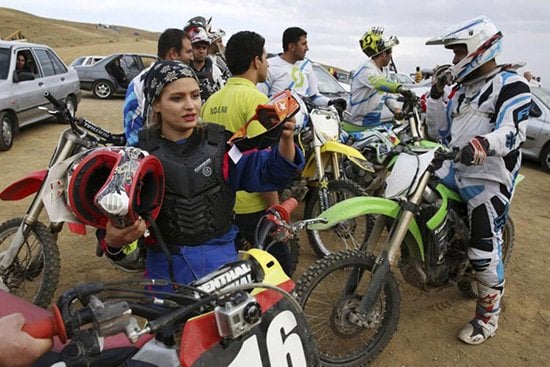
A: It was in 2015. At that time several major news agencies, including the Associated Press, filed a number of different reports about me. That’s because I was the first female motorcyclist who could get a license to enter the Azadi Stadium track. There, alongside some men, I went through a professional course in three days. After that, many people became aware of my activities in racing and I was introduced as a forerunner in women’s motorcycling.

At that time, I became the one who moves in the opposite direction; a person who had achieved some accomplishments in the field of women’s sports that nobody had access to.

Q: You said you did not want to surrender, and your goal was to get women into the world of motorcycling. Did you succeed?

A: You see, I always wanted to open a motorsport school for women. On the other hand, I wanted to break the barrier of women’s entry into Azadi Stadium track, which, at the end, I succeeded with the many follow-ups I did. The next barrier that had to be broken was the lack of racing events for women. This was eventually accomplished after my several follow-ups, and in 2016 the permit to hold such competitions was issued by the Ministry of Sports.

Of course, the media and their advertisement played a very important role and finally, motor racing became an official sport for women. I myself held the first motorcycling tournament, and became the first female racing champion in Iran. In this way, I have been struggling to remove the barriers that women face.

Female Iranian Motocross Racer Wants to Be World ChampionQ: What is the reaction of the Federation? Do they welcome women’s motorcycling?
A: The head of the Federation, Mr Sidanlou, supports us; his opinion is positive about women’s motorcycling.

Q: One of the things that happened recently was your trip to the United States to take part in various motorcycling rides, a trip that put you in the centre of media focus.

A: On my trip to the US I was seeking motorcycling certifications; I got both the motocross and motor race certificates.

Q: At that time you grabbed the attention of the National Geographic Network and they started to make a documentary on you.

A: The National Geographic Network wanted to come to Iran and make that documentary, but before that, there were a lot of TV channels and news agencies like BBC, CNN, Norway TV, AP, AFP and Germany’s ZDF, which all sent correspondents to Iran to file a report. However, on my trip to the United States, as the conditions were available, they came up with the report.

Q: Why is Behnaz Shafiei so important for the news outlets?

A: These media and networks do not come to me because I am a professional racer; that’s because I’m a person who fought for my own wishes and the Iranian female riders.

Q: Your trip to the US coincided with the days when Trump put Iran on the list of countries whose citizens were forbidden to enter that country. However, you attended the courses while holding Iran’s flag and then your picture went viral and had a lot of repercussions.

A: It is very simple. I want to officially eliminate the bad thoughts that exist around the world about Iran. I have now almost an international reputation, and whatever I do, would give a nice picture of Iran and Iranian women.

When I was in the US, I told the racer to come to Iran one day to see how we are racing. They told me if we came to Iran, they (the Iranians) would kill us! This is a false thinking that has been formed in the minds of many people. We can change these thoughts. It is necessary to send Iranian women to competitions abroad. I held the flag of Iran to tell them that their impressions of Iran and Iranian women are just a mistake. I made them understand that our people are intelligent and peaceful.

Q: What is Behnaz Shafiei’s only request at the current time?

A: I want to be the official representative of Iran in international competitions.

Iran FM Discusses Myanmar Plight with Turkey, Malaysia, Indonesia

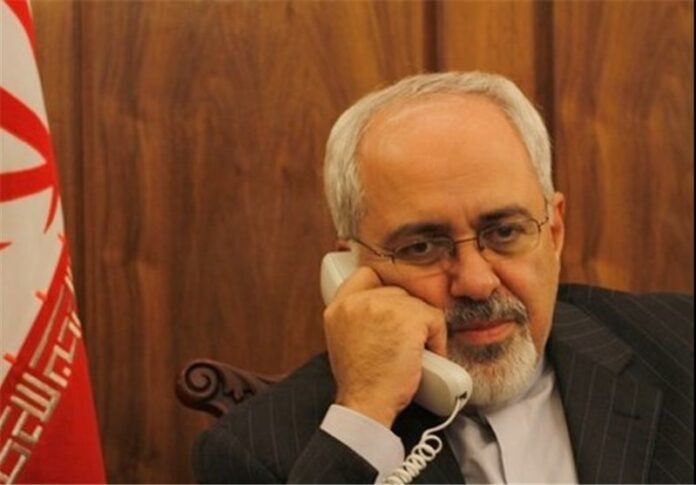
In separate phone calls with Turkey’s Mevlüt Çavuşoğlu, Malaysia’s Sri Anifah Aman, and Indonesia’s Retno Marsudi‎, Zarif voiced Tehran’s deep concern over the grievous situation of Muslim people in Myanmar.

The Iranian top diplomat also called on Muslim states to pay more attention and take practical measures to end the unfair and inhumane violence against Rohingya Muslims.

The Islamic Republic of Iran is prepared to provide any kind of help and contribute to collective measures by international bodies and Islamic countries, Zarif said during the Monday phone conversations.

‘Iran Condemns Test of Nuclear Weapons by Any Country’

‘Iran Condemns Test of Nuclear Weapons by Any Country’

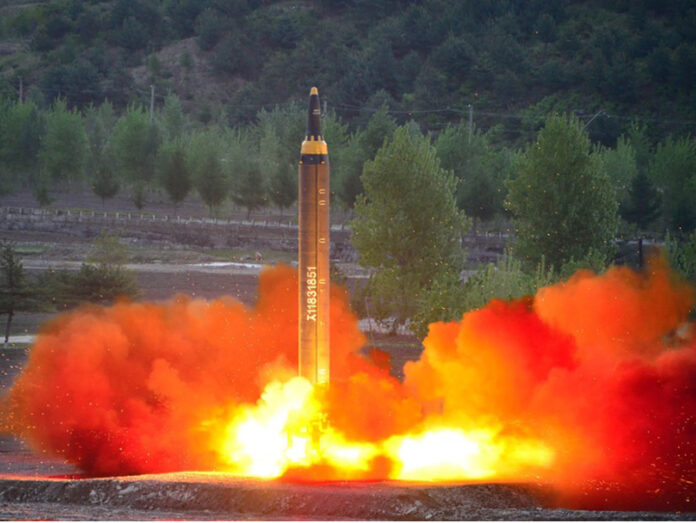
Iranian parliamentarian Morteza Saffari Natanzi says the Islamic Republic of Iran is principally against any test of nuclear weapons by any country in the world and thus it does not endorse North Korea’s nuclear tests.

“Based on a religions decree (Fatwa) by Iran’s Leader, Tehran is totally against any production of weapons of mass destruction,” he said In a Farsi interview with ICANA.

Iran is deeply concerned with the growing number of WMDs across the world, said Saffari Natanzi, who sits in the Parliament’s National Security and Foreign Policy Commission.

The Iranian lawmaker went on saying North Korea is hitting back at the US threats by conducting nuclear tests to create a secure margin for itself.

Saffari Natanzi added North Korea’s leader is trying to make it clear to the US President, Donald Trump, that Washington cannot do whatever it likes in the Far East and threaten North Korea with military attack.

“As we see, US missile systems in the Far East have not yet managed to detect North Korean missiles and this is a big defeat for Pentagon,” he said.

Saffari Natanzi said North Korea’s concerns about Trump’s aggressive policies are understandable and added the country will continue its nuclear tests as far as the US does not change its policies towards the Pyongyang.

He referred to the criticisms levelled by the European Union as well as the Democrat and Republican politicians in the US against Trump’s wired behaviours and said tensions in the Far East would finally lead to a new round of talks between Pyongyang and Washington mediated by Seoul, Tokyo and the UN Security Council but Trump’s behaviours only contribute to war.

The lawmaker also said the two sides have held talks and signed some agreements to tackle the problems in the past but the main issue is that the US has not remained committed to the agreements and “North Korea’s nuclear tests are just a defensive reaction to such behaviours.”

“The plight of insecurity and war in the Far East will engulf all the eastern Asian countries and the threat of war is imminent unless the two sides resume their political talks,” he added.

He concluded that security and safety will not be restored to the Far East unless the US puts an end to its threats against North Korea and sign a new nuclear deal with the country, in the same vein as the Joint Comprehensive Plan of Action (JCPOA) between Iran and the West.

Israel Resorts to UN to Calm Its Regional Fears

Israel Resorts to UN to Calm Its Regional Fears

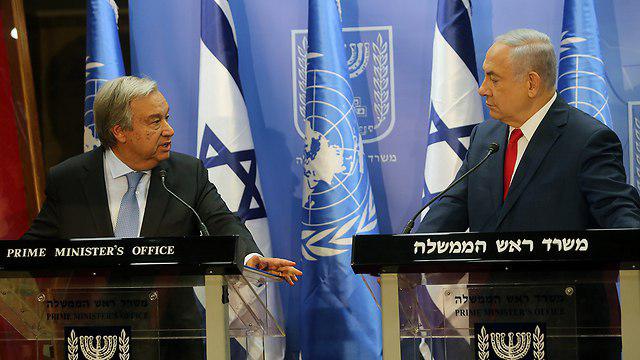
Last week, UN Secretary General António Guterres arrived in the occupied lands of Palestine for the first time during his term to hold talks with Israeli and Palestinian officials. The three-day visit came as the UN Security Council is working on a plan to renew the mission of its peacekeepers in Lebanon known as UNIFEL. The body is expected to vote on the plan on August 30.

According to a report by the Basirat news website, the US Ambassador to the UN Nikki Haley recently criticized UNIFEL for what she called closing its eyes on Hezbollah’s weapons in Lebanon.

However, the significance of the UN chief’s visit to the Palestinian territories lies in his several and concise meetings with the Zionist officials during which the Islamic Republic of Iran was blamed for its role in the region.

During his meeting with the UN head, Israeli Prime Minister Benjamin Netanyahu accused Iran of seeking to establish two centres in Lebanon and Syria to produce guided missiles. He blamed the UN for remaining silent towards the plan and stressed Israel cannot sit idle towards Iran’s growing influence in Syria and Lebanon. The Israeli official added the UN also closes its eye to the conspiracies hatched by Iran and Lebanon’s Hezbollah against Israel.

According to the Jerusalem Post, Netanyahu stressed that Israel preserves the right to defend itself and doesn’t allow Iran and Hezbollah to tighten their siege on Israel. He also noted that Hezbollah and Syria are the biggest challenges that Israel is facing today.

The statements come as earlier, during his joint visit with the UN chief to a museum called Holocaust museum, the Israeli official warned that Iran is trying to turn Syria into a military base.

Israeli Minister for Military Affairs, Avigdor Liberman, also echoed Netanyahu’s claims about Iran’s decision to set up missile centres in Syria and Lebanon and added Israel cannot put up with the idea.

He went on saying that Israel is prepared to hit back at any security threats and claimed, “Today we are in a dangerous situation because Iran is seeking to deploy its forces in Syria and change the strategic balance of the region to undermine Israel.”

Interestingly enough, the so-called “diplomatic” meetings were attended by Israel’s military intelligence Chief, Herzi Halevi. During one of these meetings, Helevi briefed the UN chief on the latest development in the region and said Hezbollah has expanded its domination over the government of Lebanon.

He said further measures must be adopted to prevent a new war from taking place in the future. The Zionist general stressed that “Iran’s efforts to produce sensitive weapons for Hezbollah within Syria and Lebanon is a dangerous move which Israel will not sit idle against it.”

The meeting was also attended by the UN’s envoy to the Middle East as well as Israel’s ambassador to the UN and a top manager of Israel’s foreign ministry for international organizations.

But the main issue is that the harsh stance of Israeli officials towards Iran taken under the pretext of Iran’s efforts to establish military bases in Syria and Lebanon reveal the deep worries of the Zionist regime about Iran. Meanwhile, they also show that Israel is seeking to change the current political and security balance in the region in its own interest.

So, this means that first of all, with the victories of Hezbollah over ISIS in Syria, Israel has been focused on changing the power balance in the region and beginning a new tactic in the region by accusing Iran and Hezbollah of sponsoring terrorism. This paves the way for more serious presence of the US and the West in the region. And, secondly, as part of a pre-emptive measure, the Israeli officials are planning to raise their security by preventing the axis of resistance from expanding in the region.

British Parliamentary Delegation to Visit Tehran

Rahimi said arrangements have been made for the visit and the British delegation will arrive in Tehran in the next months.

In a Farsi Interview with the Tasnim News Agency, he stressed that some of the Iranian members of Iran-UK Parliamentary Friendship Group visited the UK during the last parliamentary term. “And now it is the turn of the British parliamentary delegation to visit Iran,” he added.

The Iranian MP representing the people of Tehran said a delegation from the UK Foreign Secretary is also set to visit Tehran and added the visit is to be made with the aim of holding consular talks next month.

Iran, Syria Discuss Boosting Cooperation in Agriculture Sector

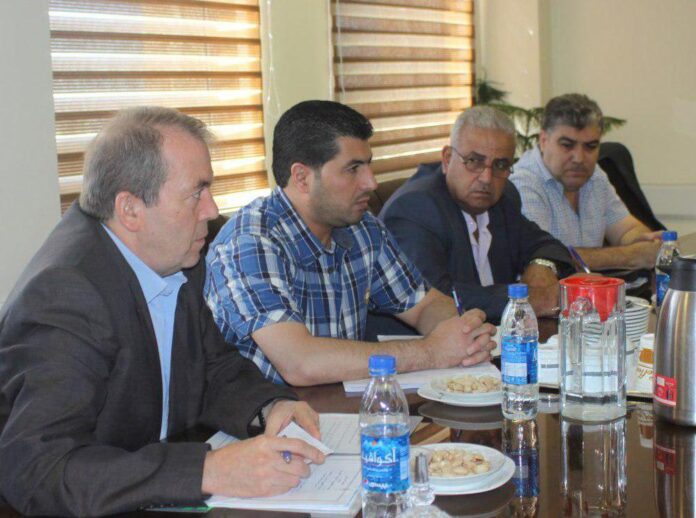
In a meeting in Tehran, senior agriculture research officials from Iran and Syria discussed enhancement of mutual cooperation in the fields of research, training and promotion of agricultural activities.

In the meeting, the Iranian side expressed content with the resumption of scientific relations between Tehran and Damascus.

According to a Farsi report by the Iranian Agriculture News Agency (IANA), the Iranian officials described Syria as a key regional country when it comes to agriculture and an “effective” partner for Iran as far as agricultural activities on the international stage are concerned.

The visiting Syrian officials, in turn, described their trip as a turning point in Tehran-Damascus scientific relations and promotion of cooperation in the agriculture sector. They said the civil strife in Syria has inflicted heavy losses on the country’s agriculture sector, and Syria needs Iran’s scientific-technical cooperation more than ever to solve the problems it is currently facing.

The Syrian delegation also presented a report on the country’s potentialities in the agriculture sector. They said Iran enjoys great potential in the agriculture domain, and called on Tehran to work with Damascus in building vaccine-producing factories and tackling pests.

They also welcomed collaboration with Iran in training and promotion of activities in the agriculture sector.

Among areas of cooperation agreed by both sides were procurement of fodder, aquaculture and holding short-term training programs.