Saturday, April 18, 2026
Home Blog Page 3916

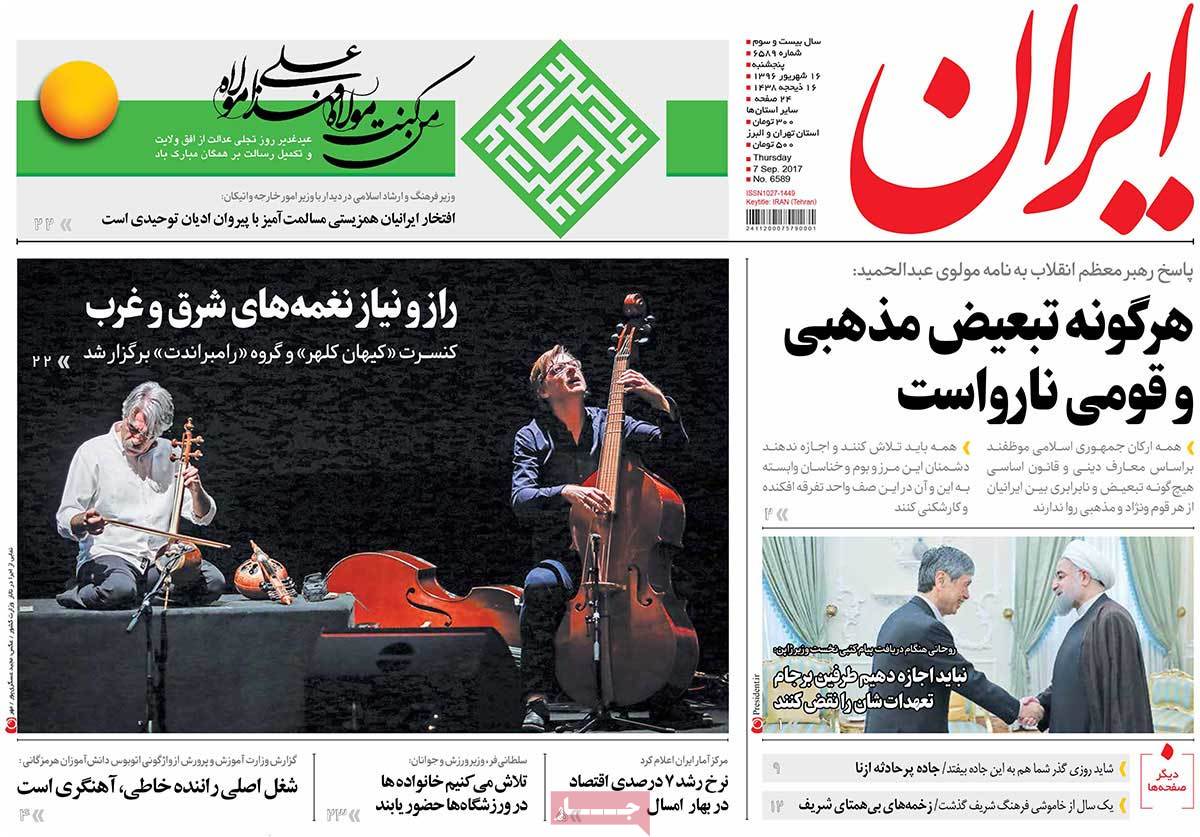
A Look at Iranian Newspaper Front Pages on September 7

A Look at Iranian Newspaper Front Pages on September 7


Iranian newspapers widely covered a response by Ayatollah Seyyed Ali Khamenei, the Leader of Iran’s Islamic Revolution, to a letter by top Iranian Sunni cleric Sheikh Abdulhamid. In his response, the Leader urged all authorities to refrain from any discrimination against ethnicities and religions.

Another top story was the Iranian women who were not allowed to watch a FIFA World Cup qualifier between Iran and Syria in Tehran’s Azadi Stadium. A number of female lawmakers are going to question the sports minister over the issue.

President Hassan Rouhani’s remarks about the ongoing crisis in the Korean peninsula also received great coverage. Rouhani warned the US against threatening a country like North Korea which possesses nuclear weapons.

The world’s reactions to the genocide of Rohingya Muslims in Myanmar also continued to be covered in Iranian papers today.

The above issues, as well as many more, are highlighted in the following headlines and top stories:


Aftab-e Yazd:

1- Female MPs to Question Sports Minister for Preventing Women from Going to Stadium

2- Iran Leader’s Response to Letter by Top Sunni Cleric

3- Zarif: Continuation of Nuclear Deal without US Not Impossible

A Look at Iranian Newspaper Front Pages on September 7


Arman-e Emrooz:

1- Rouhani’s Second Cabinet: Conservative or Reformist?

2- President: Threat Should Be Removed from Global Interactions

3- Going to Stadiums among Women’s Civil Rights!

4- Zarif, Tillerson May Meet on Sidelines of P5+1 Meeting

A Look at Iranian Newspaper Front Pages on September 7


Ebtekar:

1- Office of Iran Leader Responds to Sunni Cleric’s Letter

  • Everyone Should Work Together for Honour, Dignity of Islamic Iran

2- End of 18-Year Separation between Gov’t, Municipality

  • Najafi Attends Cabinet Session at Rouhani’s Invitation

3- Violent Face of Buddhism


A Look at Iranian Newspaper Front Pages on September 7


Etemad:

1- Iran Leader: No Discrimination between Ethnicities, Religions

2- World Witnessing Forced Immigration, Genocide of Myanmar Muslims


A Look at Iranian Newspaper Front Pages on September 7


Ettela’at:

1- Leader: Islamic Republic’s Authorities Urged to Avoid Any Discrimination between Iranians

2- Rouhani: Myanmar Gov’t Should Stop Brutal Crimes against Muslims

3- Haaretz: Israel Can Defeat Hezbollah Only in Drills


A Look at Iranian Newspaper Front Pages on September 7


Ghanoon:

1- Education Ministry’s Report on Bus Crash: Driver Was First, Last Culprit

2- Women’s Employment Overshadowed by Men’s

3- New Chapter in Iran-Saudi Relations


A Look at Iranian Newspaper Front Pages on September 7


Hamdeli:

1- Threatening Nuke Possessors Dangerous Game for Entire World: Rouhani


A Look at Iranian Newspaper Front Pages on September 7


Iran:

1- Rouhani: We Shouldn’t Allow Parties to JCPOA to Violate It
 A Look at Iranian Newspaper Front Pages on September 7


Jahan-e San’at:

1- Rouhani: US Policy of Humiliation, Threat Won’t Work

2- Haley Preparing Grounds for Withdrawing from Nuclear Deal

A Look at Iranian Newspaper Front Pages on September 7


Javan:

1- Rouhani: Don’t Threaten, North Korea Cannot Be Joked with

2- Women’s Problems Hidden behind Doors of Stadiums!

3- De Mistura: Syrian Dissidents Should Know They Won’t Win the War

A Look at Iranian Newspaper Front Pages on September 7


Jomhouri Eslami:

1- Int’l Immigration Organisation Warns of Dire Humanitarian Condition of Myanmar Muslims

2- Syrian Army’s Great Victory after Defeating Deir ez-Zor


A Look at Iranian Newspaper Front Pages on September 7


Kelid:

1- US Helps ISIS Commanders Flee Deir ez-Zor in Two Heliborne Operations

2- US Confirms Iran Fooled by Nuclear Deal

  • Haley: Even Iran’s Full JCPOA Implementation Doesn’t Mean Compliance!


A Look at Iranian Newspaper Front Pages on September 7


Khorasan:

1- US Seeks to Have Nuclear Deal Suspended


A Look at Iranian Newspaper Front Pages on September 7


Shahrvand:

1- A Speech Worse than Silence: Aung San Suu Kyi Breaks Silence on Myanmar Events


A Look at Iranian Newspaper Front Pages on September 7


Tejarat:

1- Late Confessions of UN Envoy for Syria: Syrian Opposition Failed

2- Turkey’s Exports to Qatar through Iran

A Look at Iranian Newspaper Front Pages on September 7

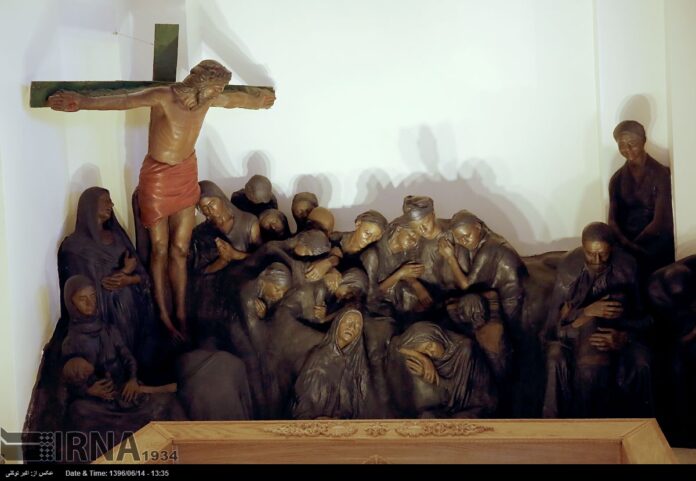
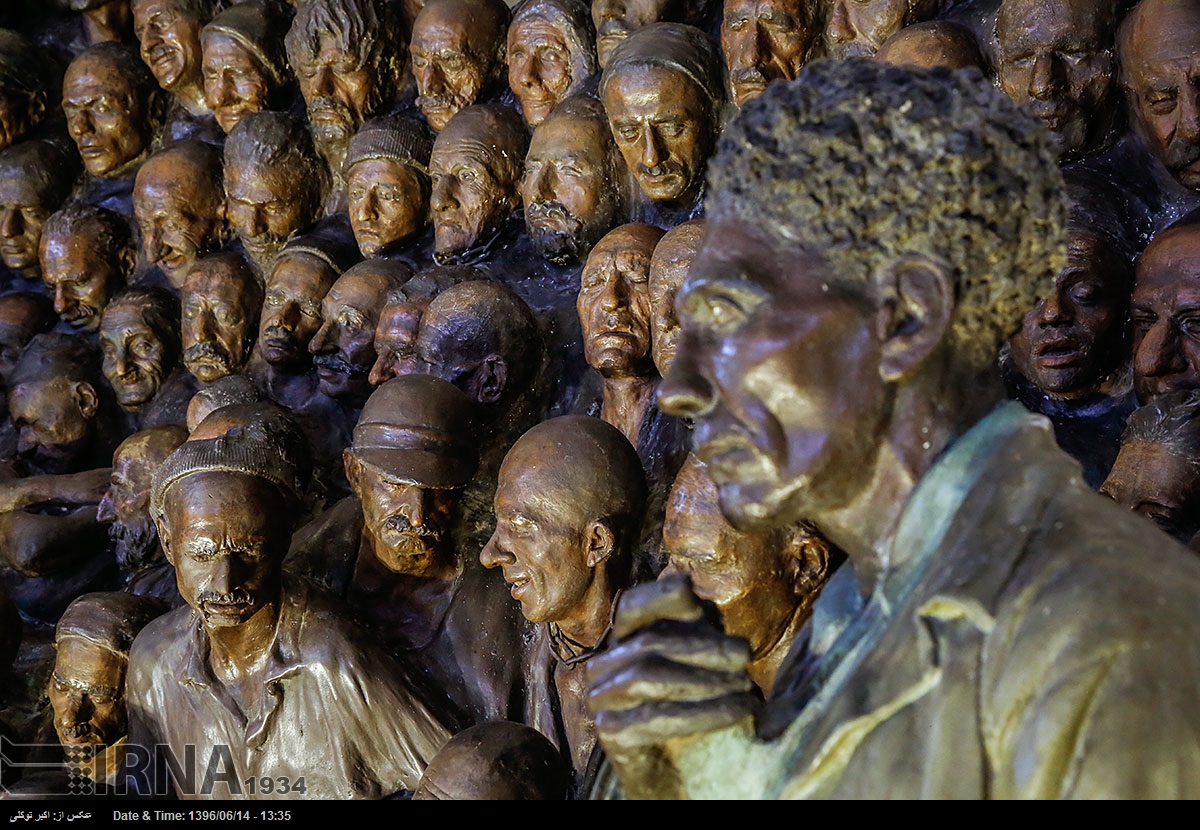
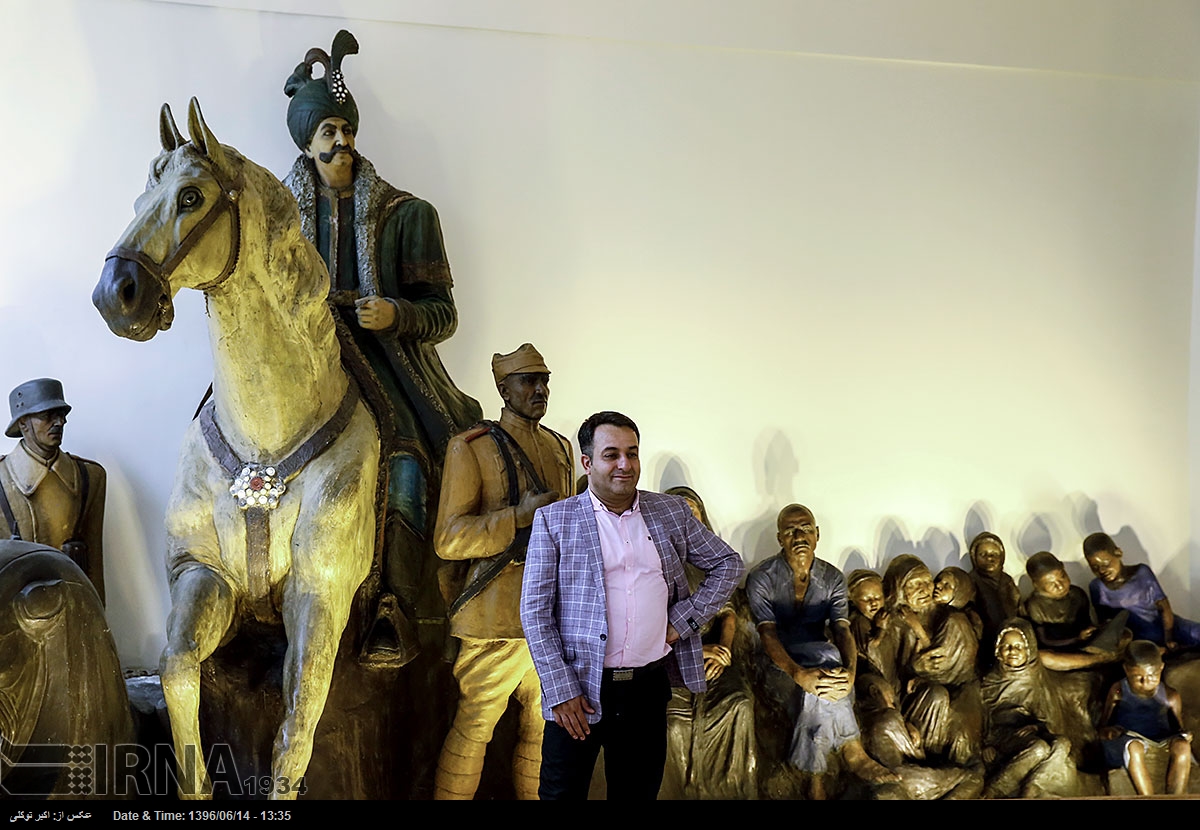
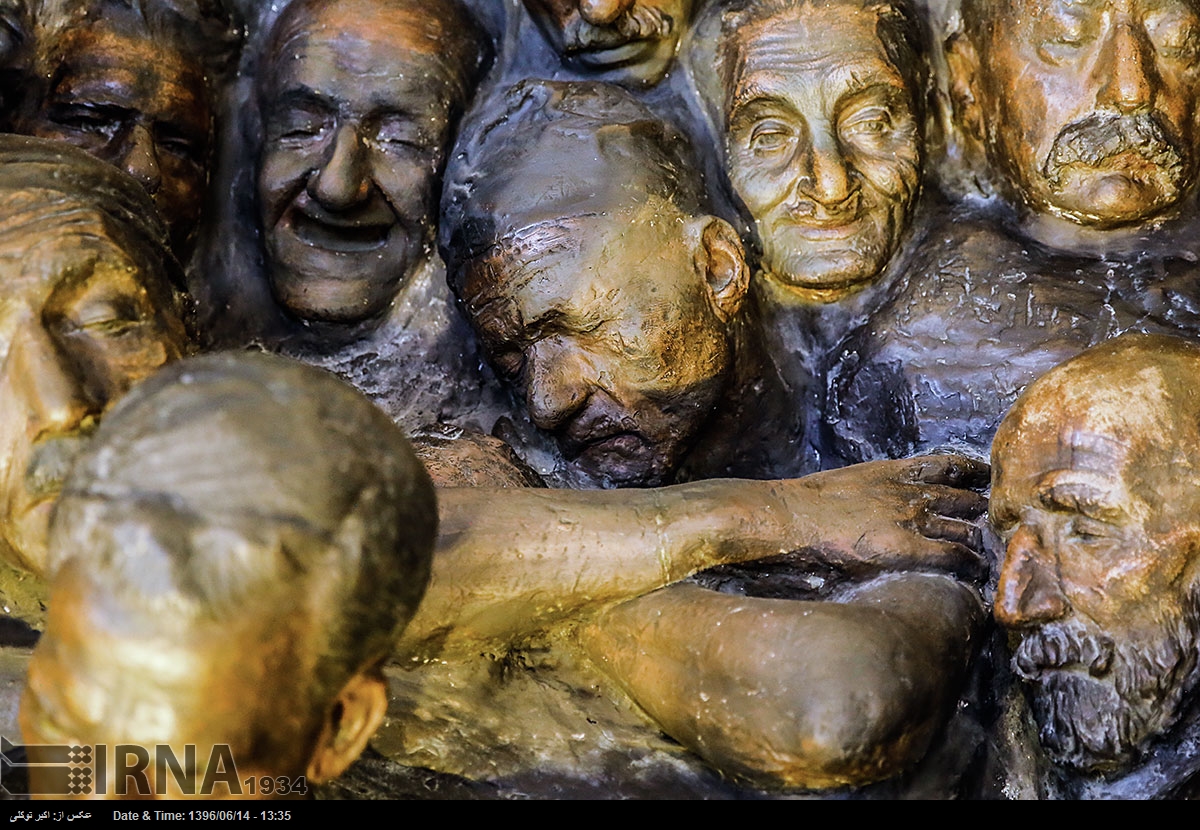
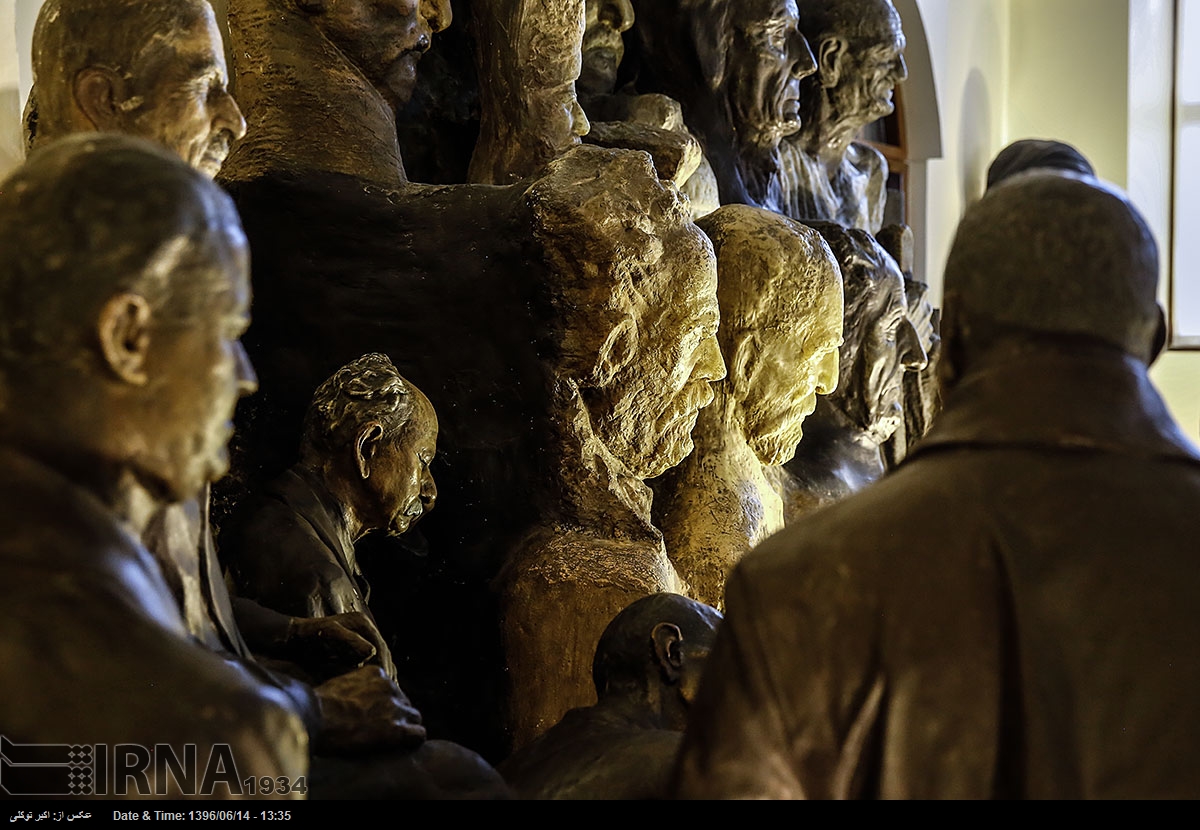
Iranian Sculpture, Painting Museum Reopened after over 15 Years

Iranian Sculpture Painting Museum 6

Tehran Mayor Mohammad-Ali Najafi reopened the Ali Akbar San’ati Museum, named after a late Iranian painter and sculptor (1916-2006), in a ceremony in the Iranian capital on Tuesday (September 5).

Being home to close to 100 paintings and over 120 sculptures restored during the past three years, the museum had been shut down, for 12 years, and under restoration, for over three years, prior to its reopening.

The building of the museum has been constructed during Qajar era, according to a Farsi report by IRNA.

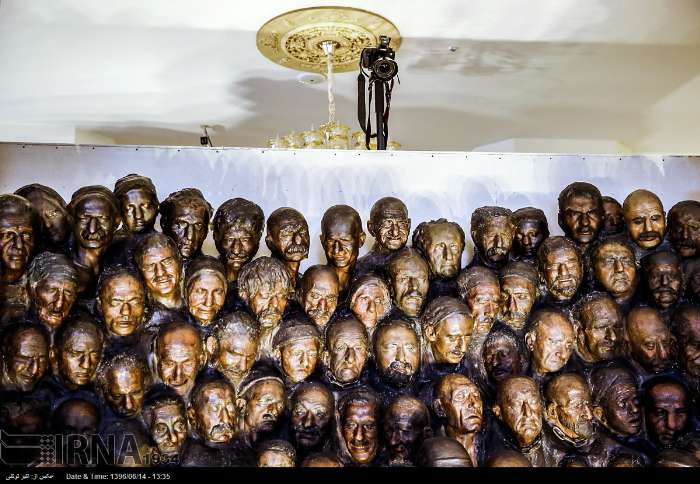
During his lifetime, San’ati created close to 6,000 paintings and more than 1,000 plaster, stone and bronze sculptures of Iranian and foreign scientific and literary figures as well as ordinary people from different social levels. Some of his artworks are being kept at the museum after undergoing restoration.

The most interesting part of this small and old museum is where sculptures of a group of political prisoners belonging to Qajar era, made by San’ati, have been put on display right at the centre of the art gallery.

Among the other sculptures put on show at the museum are those of Ferdowsi (Persian poet and the author of Shahnameh, 940-1020), Saadi Shirazi (one of Iran’s major Persian poets and literary men), Ali-Akbar Dehkhoda (prominent Iranian linguist and the author of the most extensive dictionary of the Persian language ever published, 1879-1956), crucified Jesus Christ, Kamal-ol-Molk (prominent Iranian painter, 1848- 1940), and Karim Khan Zand (founder of the Zand Dynasty, 1751-1779).

Also in display are his sculptures of Jawaharlal Nehru (the first Prime Minister of India and a central figure in Indian politics before and after independence, 1889-1964), Mahatma Gandhi (leader of the Indian independence movement against British rule, 1869-1948), Louis Pasteur (French biologist, microbiologist and chemist renowned for his discoveries of the principles of vaccination, 1822-1895), Mohammad-Taqi Bahar (renowned Iranian poet and scholar, 1884-1951), Shah Abbas the Great (the fifth Safavid king, 1571-1629) and Nader Shah (one of the most powerful Iranian rulers in the history of the country, 1698-1747).

Born in the central Iranian city of Kerman in 1916, San’ati grew up in a Kerman-based orphanage after losing his father early in life. Due to his intense interest in painting, he entered Kamal-ol-Molk School and graduated after 12 years. With an art career spanning some 62 years, San’ati was among Iran’s first contemporary realist sculptors and painters. He was the founder of Iran’s first museum of contemporary artworks.

Ali Akbar San’ati museum was shut down following the initiation of the construction project of Tehran’s metro in 1997. The building of the museum sustained damages during the implementation of this construction project.

Iranian Firm Indigenizes Electronic Equipment Used by Power, Petchem Industries

The researchers of an Iranian company, involved in the field of electronics, have indigenized and mass produced electronic equipment required by domestic power and petrochemical industries.

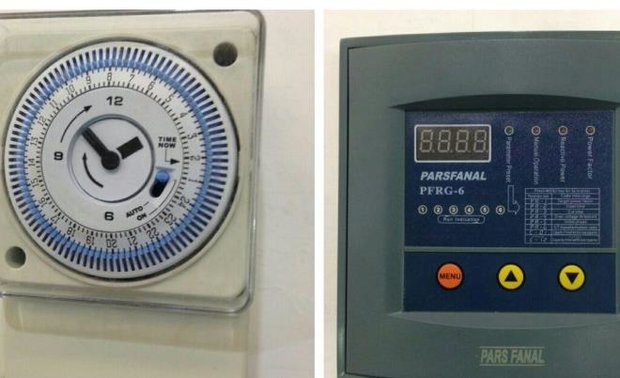
According to a Farsi report by Mehr News Agency, commenting on the indigenized products, Massoud Haji Hassan Khansari, the managing director of the company, said his company has successfully implemented a number of projects to manufacture limit, miniature snap-action, push button and electric floater switches.

Expounding on the details of the products, he added the switches comply with EN 60947-5-1 standard and are equipped with 1 NC/1 NO open and closed electrical contacts.

Haji Hassan Khansari put the voltage, frequency, electrical contact capacity and IP Code, also known as International Protection Marking, of the products at 380/250 VAC, 60/50 Hz, 15A and IP 65, respectively.

He listed the other properties of the products as being equipped with power factor correction capacitors, smart regulators to be used in capacitor banks and timers as well as possessing the capability of discharging the capacitor by internal resistances, working in a temperature range of -25°C to +55°C, combining a selection of capacitors to modify factor correction, and setting the entrance and exit time of the circuit capacitors.

Haji Hassan Khansari said the other product of his company is the residual-current circuit breaker (RCCB), which is a device capable of instantly breaking an electric circuit to prevent serious harm caused by an ongoing electric shock and protecting the circuit against short-circuit and overvoltage.

He added that his company’s RCCBs can be used in single-phase circuits and installed on 35mm DIN rails.

The company’s CEO listed the consumers of the products during the past three years as electric power distribution companies, manufacturers of industrial electrical enclosures and automation systems as well as those involved in the mass construction of residential units.

He said currently, his company is manufacturing miniature and automatic switches, bimetallic overload relays, RCCBs and fuse switches.

Haji Hassan Khansari added, “Since all these products and equipment were previously imported, we decided to produce them domestically.”

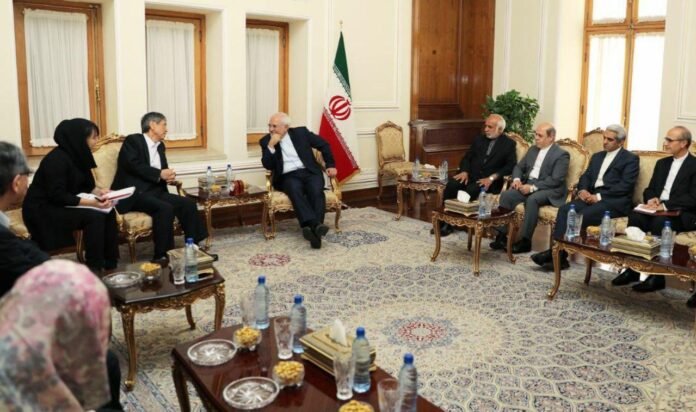
Iranian FM, Japanese PM’s Envoy Discuss N. Korea Crisis

Iranian FM, Japanese PM’s Envoy Discuss N. Korea Crisis

During the Wednesday talks, Zarif referred to the agreements signed between Tehran and Tokyo on the expansion of economic ties including the recent deals on financing energy projects in Iran, and expressed the hope that Japan would turn into a strong partner for Iran in such fields as transportation, energy, and oil and gas.

“The two sides are making preparations to achieve the goal, and we believe Iran and Japan can become good partners in politics and economy,” he said.

He called Iran the most stable, secure and democratic state of the Middle East, adding that securing the mutual interests of the two sides requires Japan’s more active and constructive presence in the Islamic Republic.

Zarif also stressed that Iran has based its main principles on opposition to any use of nuclear weapons or threats. He then called for the peaceful settlement of differences and underlined the need for cooperation among main regional players to ease the current tensions.

For his part, the Japanese PM’s envoy and vice-president of the ruling Liberal Democratic Party expressed satisfaction with his visit to Iran and holding political and economic talks with Iranian officials.

Komura then praised Iran’s regional role and said Japan respects the Islamic Republic of Iran for living up to its commitments.

He also said preparations to establish lines of credit between the two sides are at their final stages, and once the LCs are finalized, the Iran-Japan economic ties would enter a new phase.

Komura also referred to the ongoing crisis in the Korean peninsula, and expressed his deep concern over the complicated developments regarding North Korea.

All Iranian People Should Be Treated Equally: Leader

All Iranian People Should Be Treated Equally: Leader

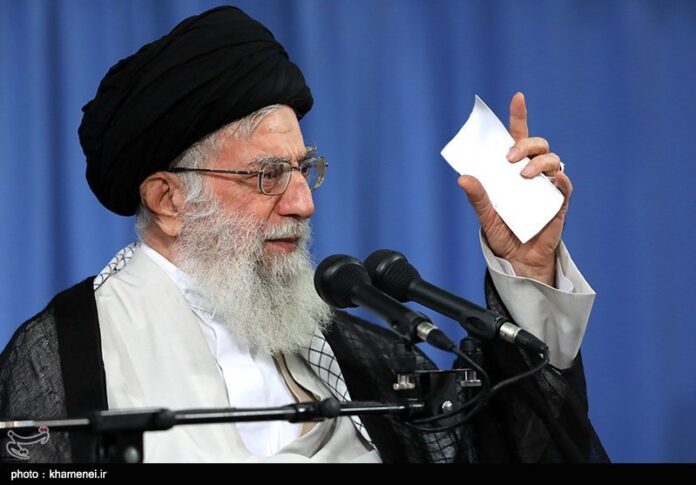
“All elements of the Islamic Republic (Establishment) are duty bound, in accordance with the religious teachings and the Constitution, to refrain from allowing any discrimination and inequality among the Iranians from any ethnicity, race or faith,” Ayatollah Khamenei said in response to a letter from Molavi Abdul Hamid, a top Sunni cleric in Iran’s southeastern province of Sistan and Baluchestan.

The Sunni cleric had recently sent the letter to Ayatollah Khamenei, calling for greater attention to the rights of religious minorities in Iran.

In the reply to the Sunni cleric’s letter, sent by Chief of the Leader’s Office Staff Hojatoleslam Mohammad Mohammadi Golpayegani on August 22, Ayatollah Khamenei said he “strongly holds the belief” that all Iranians should stand together and close ranks to contribute to the country’s dignity and success and not allow the enemies to undermine such unity.

Imam Khamenei has frequently underlined that unity is the only solution to the problems the Muslims are facing.

The Leader has warned that the “arrogant powers” have created religious wars in Islamic countries to divert attention from the fight against Israel.

US Pays Iran $1.7 Billion in Outstanding Military Debts: Official

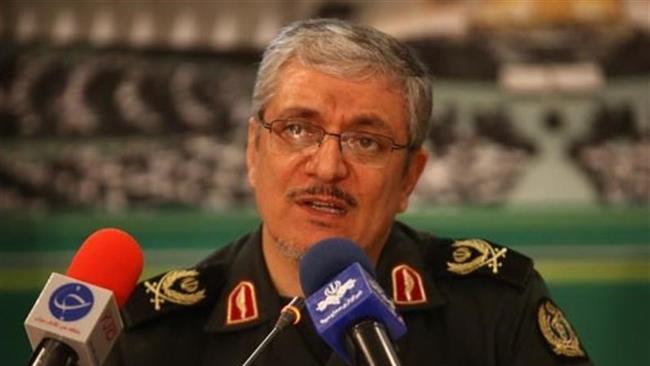
“Currently, we have some claims from the US with regard to the pre-Revolution contracts, some of which have been paid over the recent years, including a sum of $1.71 billion,” said General Reza Tala’i-Nik in a TV interview on Tuesday. The Islamic Republic’s outstanding claims under other contracts from the US are currently being reviewed at Iran-US Claims Tribunal at The Hague, the commander said. Tala’i-Nik pointed to the US military presence in the Persian Gulf and the Sea of Oman, denouncing it as “violation of the international law.” “The security of the Persian Gulf can only be provided through the participation of its littoral states and regional cooperation, as presence of foreign sides has merely disrupted security in the region,” the commander noted. Iranian naval forces are tasked with guaranteeing security within the country’s maritime borders, where they have been involved in a series of face-offs with US vessels for intrusion into Iranian territorial waters. Iran has repeatedly warned that any act of transgression into its territorial waters would be met with an immediate and befitting response.

“Currently, we have some claims from the US with regard to the pre-Revolution contracts, some of which have been paid over the recent years, including a sum of $1.71 billion,” said General Reza Tala’i-Nik in a TV interview on Tuesday.

The Islamic Republic’s outstanding claims under other contracts from the US are currently being reviewed at Iran-US Claims Tribunal at The Hague, the commander said.

Tala’i-Nik pointed to the US military presence in the Persian Gulf and the Sea of Oman, denouncing it as “violation of the international law.”

“The security of the Persian Gulf can only be provided through the participation of its littoral states and regional cooperation, as presence of foreign sides has merely disrupted security in the region,” the commander noted.

Iranian naval forces are tasked with guaranteeing security within the country’s maritime borders, where they have been involved in a series of face-offs with US vessels for intrusion into Iranian territorial waters.

Iran has repeatedly warned that any act of transgression into its territorial waters would be met with an immediate and befitting response.

Iran President Urges Myanmar to Stop Barbaric Crimes against Rohingya Muslims

Iran President Urges Myanmar to Stop Barbaric Crimes against Rohingya Muslims

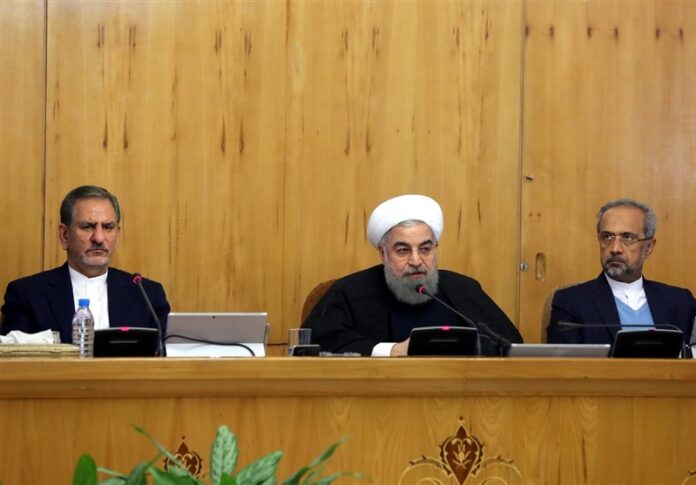
In Myanmar, Muslim people have been suffering difficulties, hundreds of thousands have been displaced, and many others have been killed, President Rouhani said at cabinet session in Tehran on Wednesday.

He further emphasized that there is no difference between the Muslims of Myanmar and other Muslims in the world.

“As a Muslim and revolutionary country, we feel a responsibility to help all the oppressed in the world, even if they are not Muslims,” he said.

“We call on the government of Myanmar to put an end to the savage crimes against the (Rohingya) Muslims,” President Rouhani added.

The Rohingya have long faced severe discrimination and were the targets of violence in 2012 that killed hundreds and drove about 140,000 people from their homes to camps for the internally displaced.

Over the past days, intensifying clashes between security forces and insurgents in western Myanmar have sent terrified civilians scrambling toward the Bangladesh border in a desperate search for refuge.

Bangladesh has detained and forcibly returned at least 90 Muslim Rohingya refugees back to Myanmar, as thousands of civilians from the ethnic minority area, on the other side of the border, attempt to escape from continuing violence that has killed scores of people.

A United Nations report in February said the military crackdown on the Rohingya had led to gang rape, the killing of hundreds of civilians and the forced displacement of as many as 90,000 people.

Iran’s Police Seize Over One Tonne of Heroin

Iran’s Police Seize Over One Tonne of Heroin

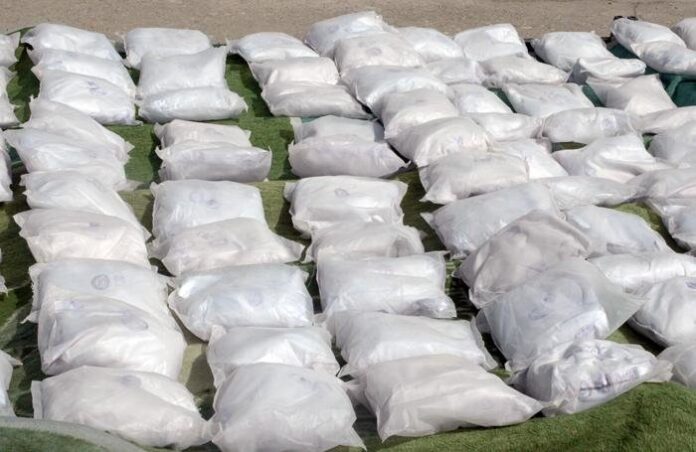
Brigadier General Mohsen Khancherli, a senior provincial police commander, declared that special anti-drug police forces have seized 1,097 kilograms of heroin in an operation in the west of the Iranian capital.

According to a Farsi report by the Entekhab news website, he said after acquiring information concerning the drugs being transferred by a trafficker based in Shahriar County, an extensive investigation into the case was put on the agenda of west Tehran’s anti-narcotics police.

Khancherli added following round-the-clock follow-ups by the provincial police forces as well as keeping the suspects under covert surveillance and tailing them for quite a couple of months, eventually, one of the traffickers was identified to be from Bandar Torkaman in the northern Iranian province of Golestan.

“We later found that he was trying to transfer the illicit drugs, disguised as a gas cargo, in the bunker of a lorry’s trailer to a desired destination. After identifying the vehicle, the police forces launched their operation to arrest the dealer and seize the drugs.”

After controlling and inspecting the cars plying Saveh-Shahriar highway, in the west of Tehran, the vehicle was found and the culprit was captured.

He said while inspecting the bunker, the police forces managed to find over one tonne of heroin cleverly hidden in it.

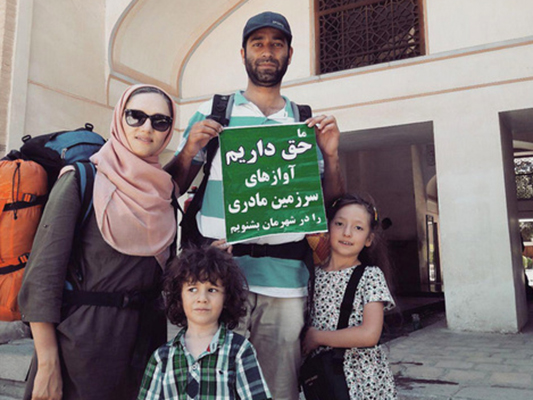
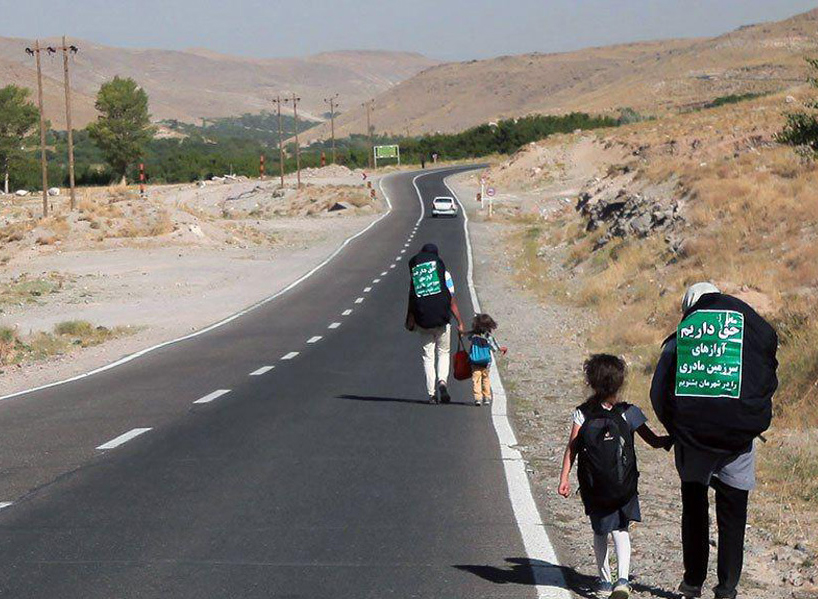
Iranian Family Starts 60-Day March to Protest Concert Ban

Iranian Family Starts 60-Day March to Protest Concert Ban

What follows is the story of a family from the holy city of Mashhad who is protesting the cancellation of concerts there. The story of this family is like the two sides of a coin: On one side, there exist limitations and a standstill, and on the other there is a safe and open road to show protest against the closeness of another road!

Iran is the land of wonders; while concerts are banned in certain parts of the country and families are deprived of enjoying live music there, people are at the same time allowed to hit the roads to protest.

The concert ban happens not only to the foreign-style music, but sometimes even the traditional concerts would be called off in Khorasan Razavi province.

A small family with no defensive or protective facilities, with no team escorting them, go through roads that sometimes are creepy, because of the reclusion and vastness of the deserts surrounding it.

Iranian Family Starts 60-Day March to Protest Concert Ban4One can look just at the procedure that has been considered as the violation of citizens’ rights, or just see the beauty of enjoying the right to protest next to a unique feeling of security that could not be easily found even at the heart of Europe and the United States.

It is also possible to see the two sides of the coin from two angles. One can see this conflict and enjoy this disparity, which is the biggest and most significant sign of “dynamic social life”. Therefore, this 60-day march is not just a manifestation of a family protest; rather, it proves that a nation is on the path to maturity.

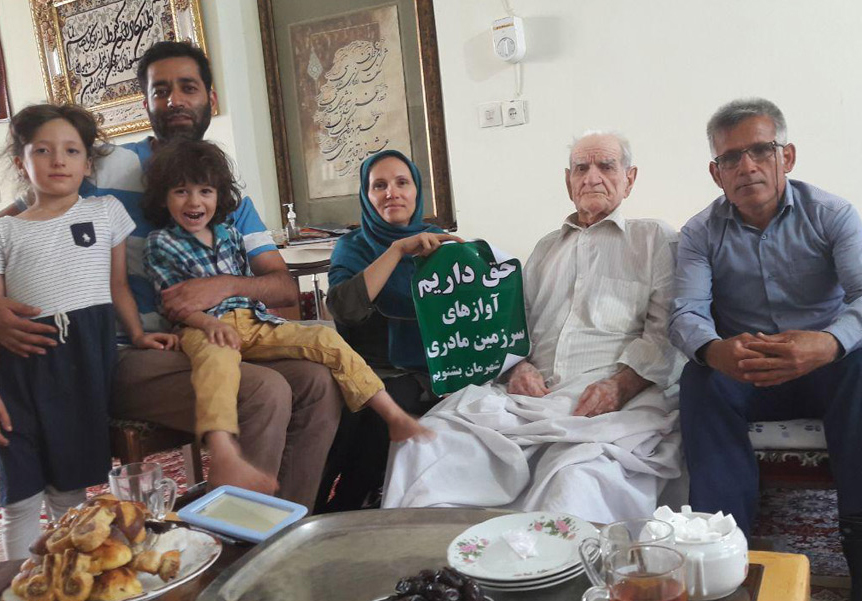
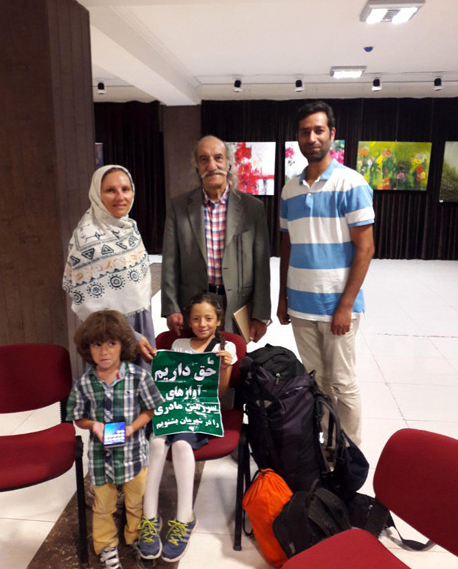
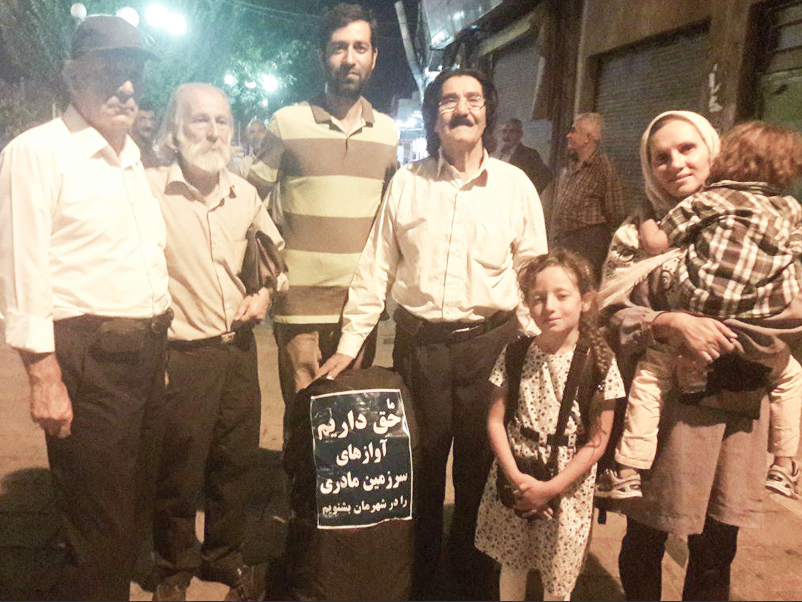
In order to show support for their national and folklore music, members of this family are marking a 60-day march with the motto “We have the right to hear the songs of our motherland in our city.”

According to a Farsi report by ILNA, the father of this Mashhadi family, Ahmad Mehrchian, along with his family started the march 35 days ago to protest the cancellation of concerts in Khorasan Razavi province. He says they are a family from Mashhad who is opposed to the ban on concerts.

Iranian Family Starts 60-Day March to Protest Concert Ban5“In order to show support for the music of our districts and our country’s Maghami music, we started the march 35 days ago. We have been traveling on foot, and we will meet with music experts from different regions of our country.”

“This march is performed on foot using a backpacker. In this type of travel, people put their needed stuff in a backpack and travel on foot; sometimes they ride a truck or trailer, but they never use buses, minivans and cars,” he added.

“We are now in Kordestan Province in Western Iran and right now we are heading towards Sanandaj city. I and my wife, Zohreh Barati who is a physician, along with our 4-year-old son, Sirous, and our six-year-old daughter, Baran, are backpacking,” Mehrchian went on to say.

“We love listening to local and Maghami music, as well as the motherland songs of our city and our country. We are also against the cancellation of concerts that take place especially in our city (Mashhad). We started our march after the cancellation of Shahram Nazeri’s (Iranian traditional music singer) concert in Quchan. By October, we are also trying to travel to different cities of Iran and send our message to the experts and other people of the country.”

“We travelled from Mashhad to Khaf, Taibad, Torbat-e-Jam and Nishapur during this trip. Then we came to Tehran and met with Shahram Nazeri and his son. Then we travelled to Qom, Kashan, Isfahan, Qazvin, Zanjan and Oroumiyeh. We met with Professor Dehghan in Orumiyeh.”

Iranian Family Starts 60-Day March to Protest Concert Ban1“After that we went to Tabriz to visit Professor Gharabaghi. We also met with Alireza Qorbani (famous Iranian singer) in Tabriz and Salar Aqili (another renowned singer) in Isfahan,” Mehrchian pointed out.

“In Kordestan, we are planning to meet with music masters because as you know, Iran’s Kordestan is a cradle of music, and we are moving to Sanandaj to meet with Kurdish music professors.”

Mehrchian said that after Kordestan, they will move towards Hamadan in the west.

“Of course, we still have not decided where to go after Hamadan. But as our daughter will go to school in early October, we try to finish our journey before the schools reopen.”

This Mashhadi family has begun its journey in Imam Reza’s (AS) shrine and says that many people in Mashhad, like them, believe in religious rituals as well as in the musical culture of their country; however, their wishes are not respected appropriately as the City’s officials don’t allow concerts to be held in the holy city.

Iranian Family Starts 60-Day March to Protest Concert Ban3

Iran Establishes Special Parliament for Women

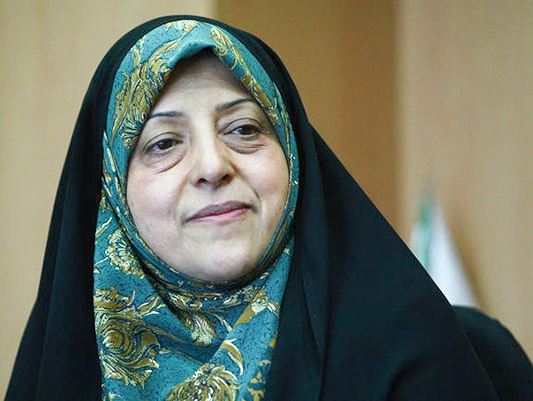
Massoumeh Ebtekar

According to a provincial official, ‘Women’s Parliament’ is a new initiative based on which female representatives of all cities and villages of the province will gather in a council to discuss and help resolve local issues regarding women.

Just like the national parliament, the 109 female members of this local parliament will discuss plans and motions, and if approved, will send them to the Provincial Commission on Women’s Affairs.

“Khorasan Razavi province in northeastern Iran is the first province to establish such special parliament for women,” Iranian Vice-President for Women and Family Affairs Massoumeh Ebtekar said.

In the latest City and Village Council elections in Khorasan Razavi, 290 women candidates managed to open their way into the local councils, which shows a 20-percent growth compared with the last year’s elections, she added.

“This shows that the presence of women in the decision-making processes in various cultural, social, political and environmental fields across the cities and villages is highly significant,” a Farsi report by ISNA quoted her as saying.

Speaking in a meeting with members of local NGOs, Ebtekar added, “The formation of women’s parliament is a turning point.”

“As of today, women will play a key role in the decisions made on the municipal affairs of the province. The government will monitor their decisions to measure their practical effects on the society. Meanwhile, their non-governmental and voluntary efforts to attract more women in the executive field of the government are taken seriously by the government,” she said.

The vice-president went on saying the significant move in Khorasan Razavi province can decrease dramatically the social problems of the province. “We are closely monitoring the changes and we are sure that they will have prominent effects on the society,” she said.