Monday, December 29, 2025
Home Blog Page 3909

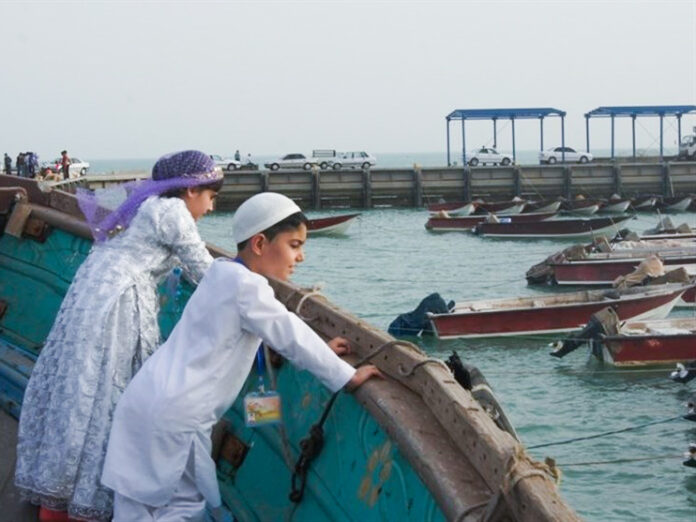
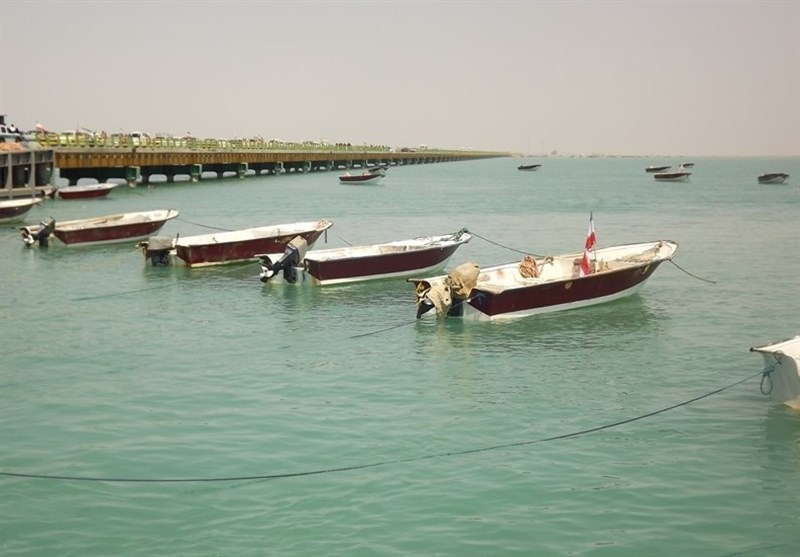
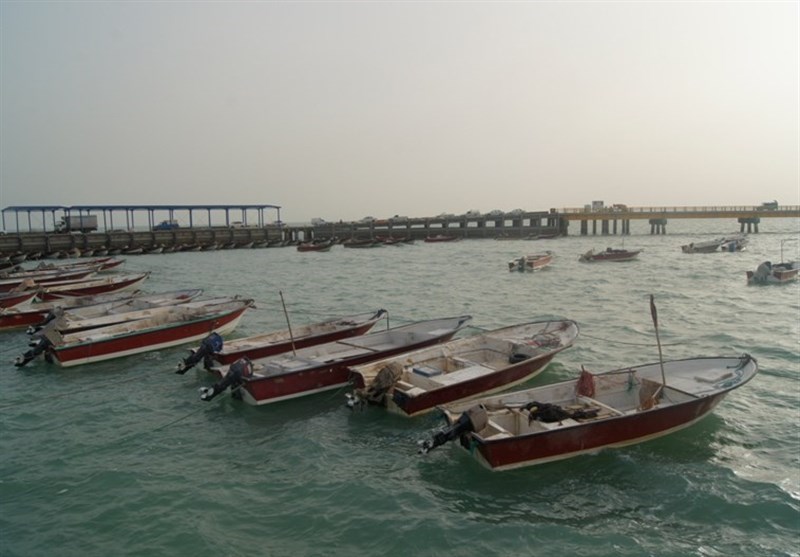
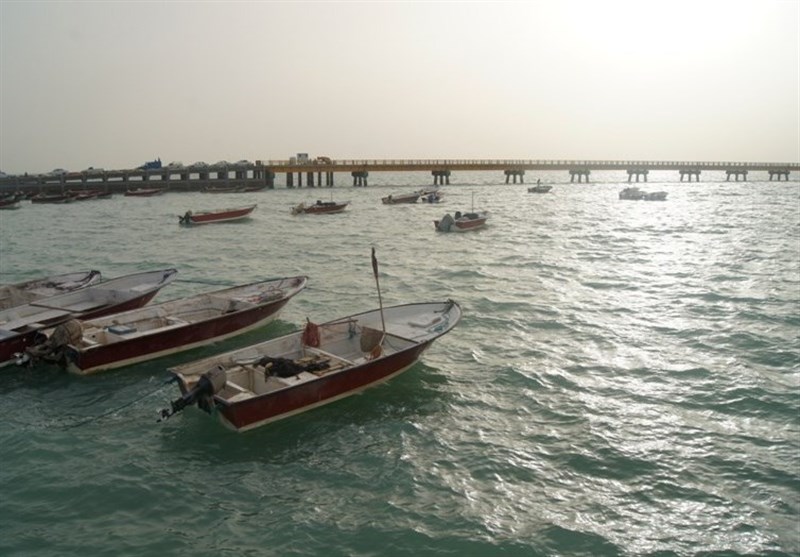
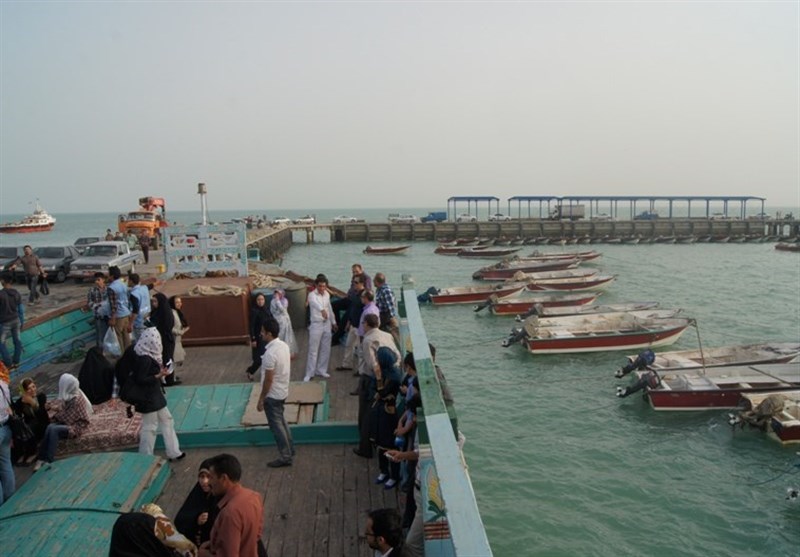
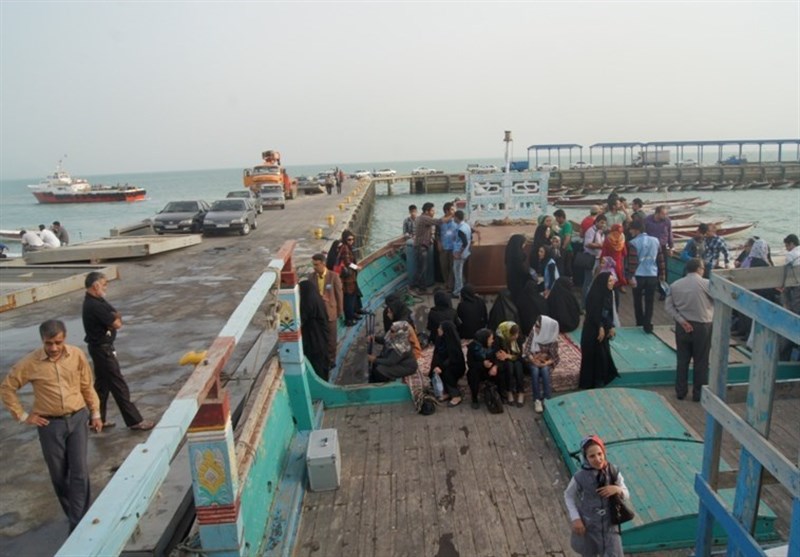
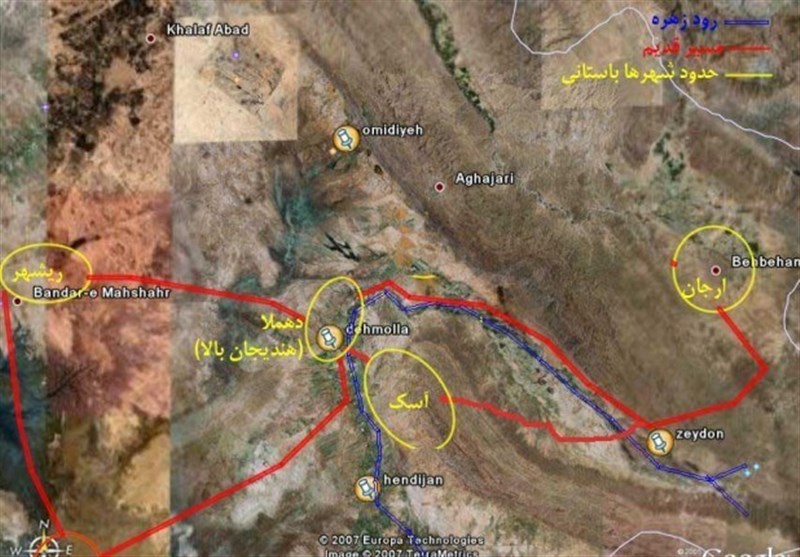
Hendijan Beach, Pearl of Persian Gulf

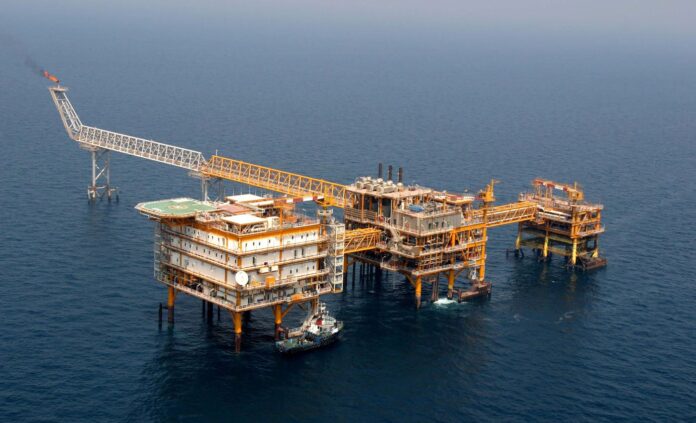
Hendijan Port in Khuzestan province has joint water border with the Persian Gulf. Itis the last area in Khuzestan province which connects it to Bushehr Province.

The port is famous for its delicious fish and shrimps which are unique across the country so much so that fishers from other regions flock to the area for fishing.

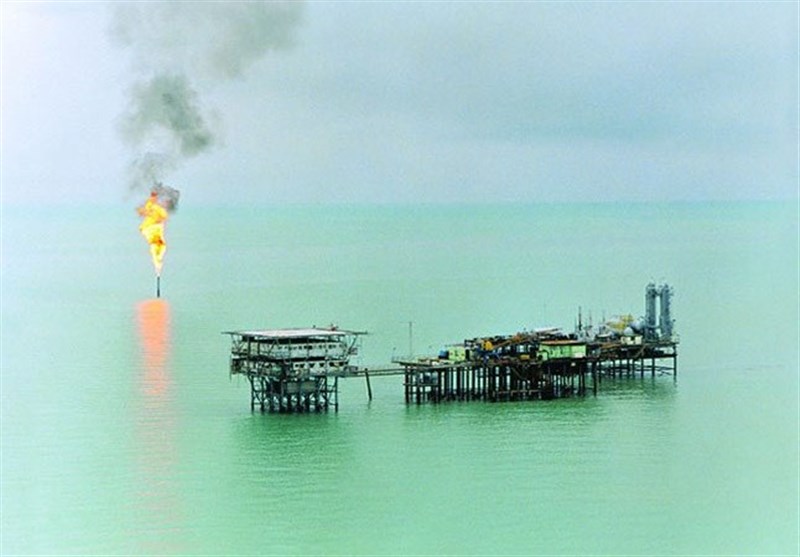
Local people mostly rely on the export of fish and shrimps but the area has lots of other natural capacities which have not yet been recognized.

The area’s natural capacities can thus turn it into an appropriate place for investment. To this end, the government can lead the private sectors to invest in the area and take advantage of untapped natural resources of the area.

The town also has lots of other attractions for Iranian and foreign tourists including Bahrakan Trade Port and Dehnou village.

Hendijan River is another tourist attraction of the area which plays a key role in the daily lives of its people. The river used to be a key trade water way in the whole region making the area a trade hub. Today, even more than 100-ton boats can move along the river without any problem.

Iranian Diplomat, UN Envoy Discuss Obstacles to Syria Peace

Iranian Diplomat, UN Envoy Discuss Obstacles to Syria Peace

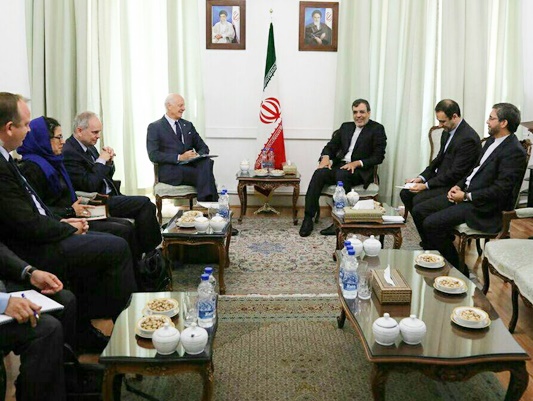
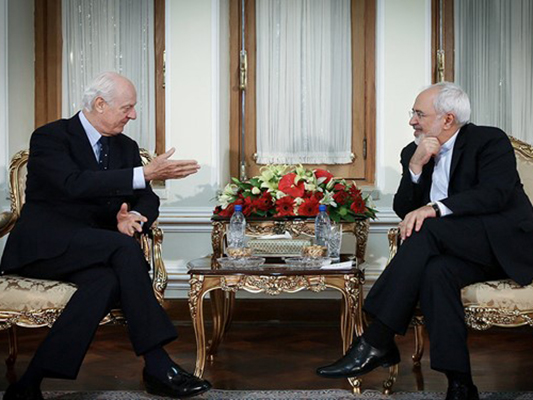
During the Monday talks in Tehran, de Mistura briefed Jaberi Ansari on details of the latest international efforts to resolve the Syria crisis, and elaborated on his views about the obstacles to the political solution of the crisis as well as the intra-Syrian negotiations.

For his part, Jaberi Ansari, who is also Iran’s top negotiator in the Astana Process (Syria peace talks), outlined the Islamic Republic of Iran’s views about ways to resolve the existing problems and restore peace and stability to Syria.

The two sides also conferred on the progress made in the recent meeting of Astana Process in Tehran.

They also discussed the Geneva talks and the agenda of the next Astana conference on Syria, which is to be held in Kazakhstan in the near future.

Iran Develops IFF System Used to Tap Enemies’ Devices

Iran Develops IFF System Used to Tap Enemies’ Devices (2)

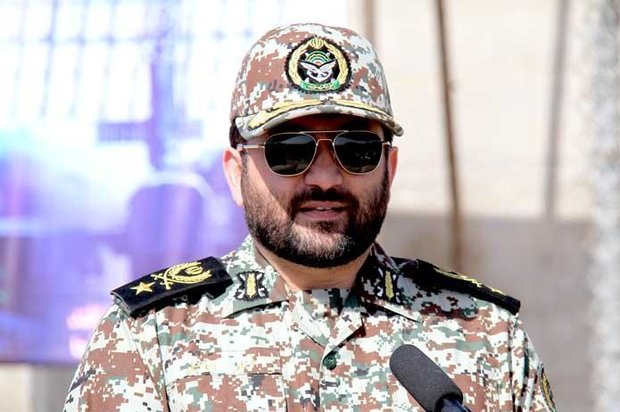
“Four systems were unveiled today,” Commander of Iran’s Khatam al-Anbia Air Defence Base Brigadier General Farzad Esmaili declared on Monday after a ceremony to unveil the country’s latest achievements.

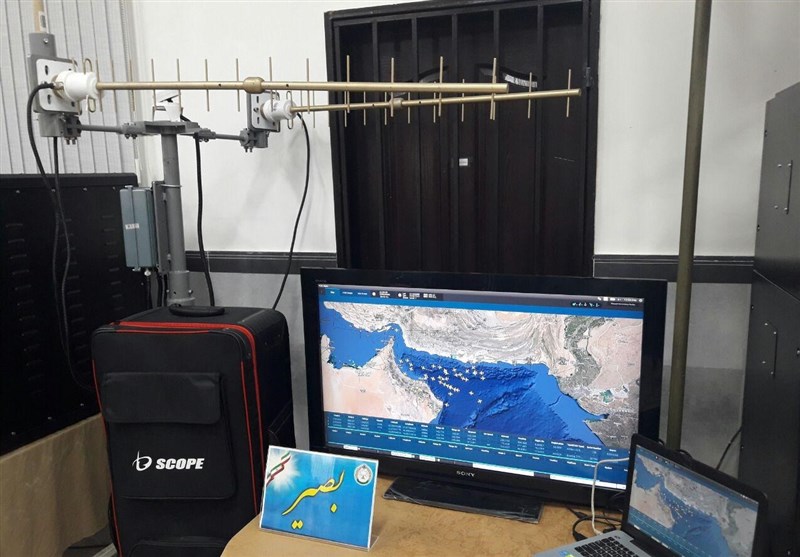
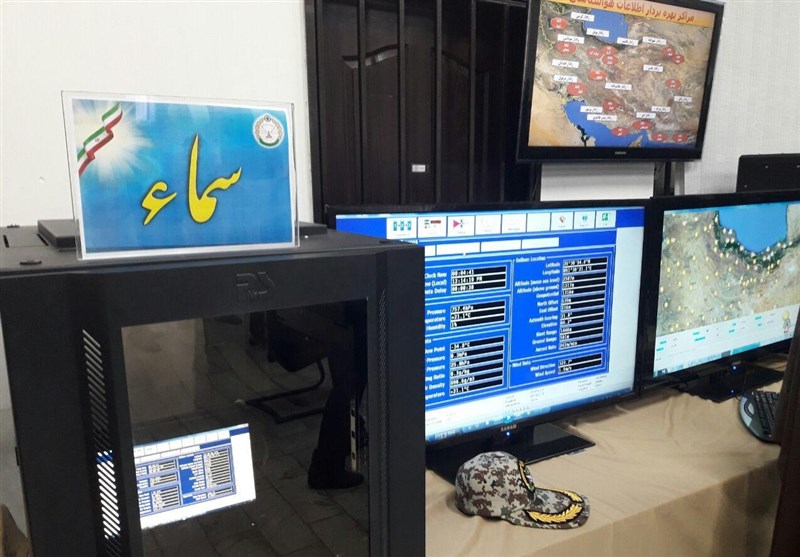
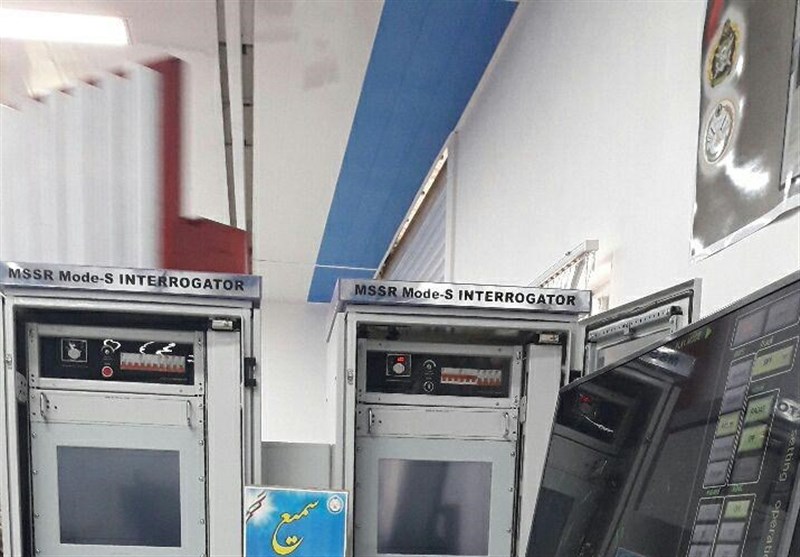
Iran Develops IFF System Used to Tap Enemies’ DevicesThese systems include “an intelligence gathering sites automation system called Samet 1, a moving identification, friend or foe (IFF) system to tap enemies’ equipment and navigation systems called Samee’, a meteorological system named Sama and an aeronautical information management system called Basir,” he noted.

The top general said the meteorological system is the first of its kind in the country used to monitor atmospheric conditions in high altitudes and determine the speed and direction of wind, which is very important for air defense activities and missile launches.

“This system can gauge atmospheric conditions for long-range missiles and high-altitude flights,”

Iran Develops IFF System Used to Tap Enemies’ DevicesHe then touched upon the capabilities of the Samet 1 system, which is used for wiretapping.

The commander said the system enables an integrated air defense network to share information between different sites which are part of the network.

“The Samet 1 was fully designed and developed by local experts, and we are ready to share with other sectors our experiences pertaining to this system,” said General Esmaili.

He then said Iran is the only country in the Middle East to possess the technology used in the Samee’ IFF system.

“At the moment, only a few countries have this technology. The Samee’ system can provide information from A to Z on all medium-range targets.”

Iran Develops IFF System Used to Tap Enemies’ DevicesHe said the Khatam al-Anbia Air Defence Base covers 5,000 air defence sites across the country, which are operating round the clock.

The Iranian general went on to say that any enemy that intends to attack Iran will pay a heavy price for it, and will be “buried in this country.”

He also noted that the defence centre can share its advances with other Iranian institutions, according to a Farsi report by Tasnim.

“We welcome the idea of providing other institutions with the equipment and systems we develop,” said the commander at a ceremony where several newly developed systems were unveiled at the base.

Iran in Talks with India, Russia on Gas Field Development

Farzad B

Iran’s Deputy Oil Minister Ali Kardar has weighed on negotiations with foreign companies to develop the Iranian gas field Farzad B.

“Talks are underway with India and [Russia’s] Gazprom company, and if they offer acceptable technical and financial proposals, they will be contracted to develop the Farzad B gas field,” he said, according to a Farsi report by the Etemad daily newspaper.

He noted that engineering, procurement, construction financing (EPCF) studies on the development of the gas field are being conducted by a consultant.

“In the meantime, foreign firms have the chance to announce their readiness if they are interested to develop the gas field.”

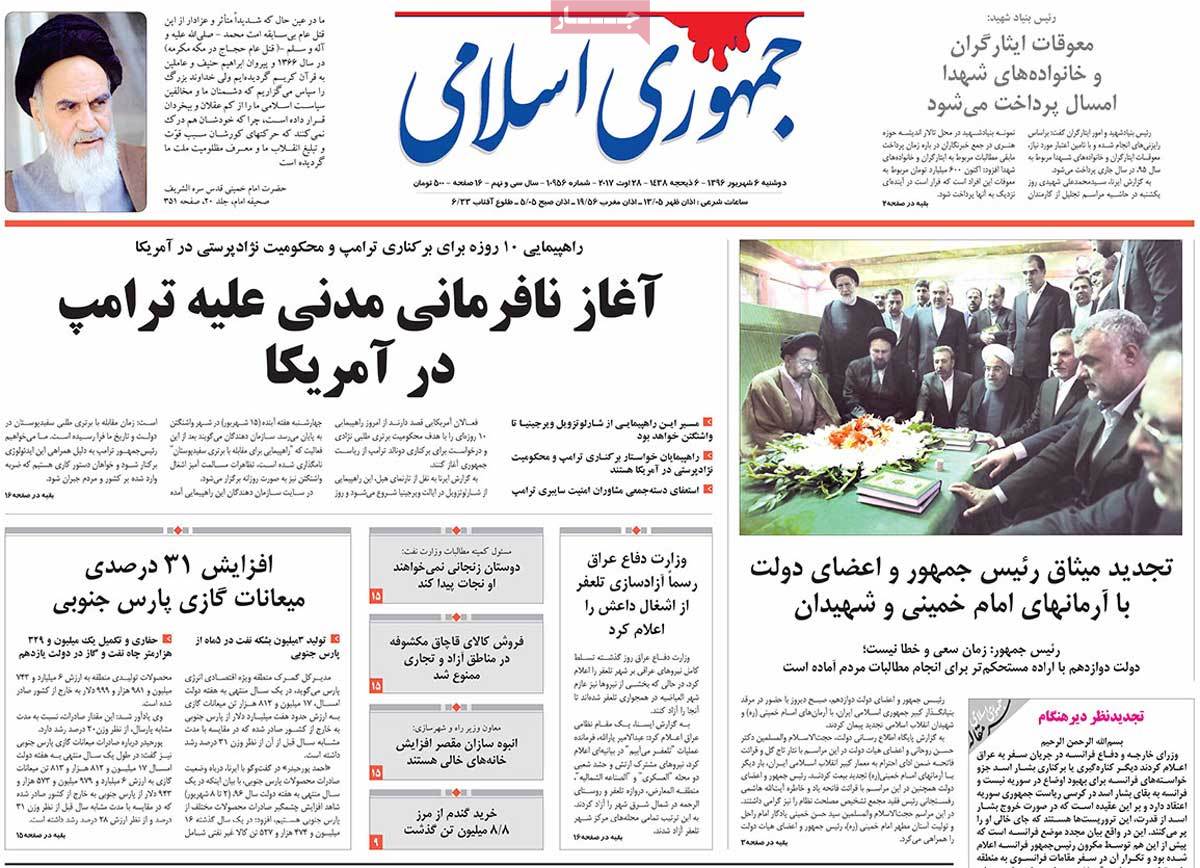
A Look at Iranian Newspaper Front Pages on August 28

Newspapers today widely covered the remarks made by Iranian President Hassan Rouhani in a visit to the mausoleum of Imam Khomeini, the founder of the Islamic Republic.

Another top story was the comments made by the head of Atomic Energy Organisation of Iran (AEOI) Ali Akbar Salehi about the possibility of a meeting between Iranian Foreign Minister Mohammad Javad Zarif and his counterparts from members of the P5+1 member states, including the US.

The above issues, as well as many more, are highlighted in the following headlines and top stories:


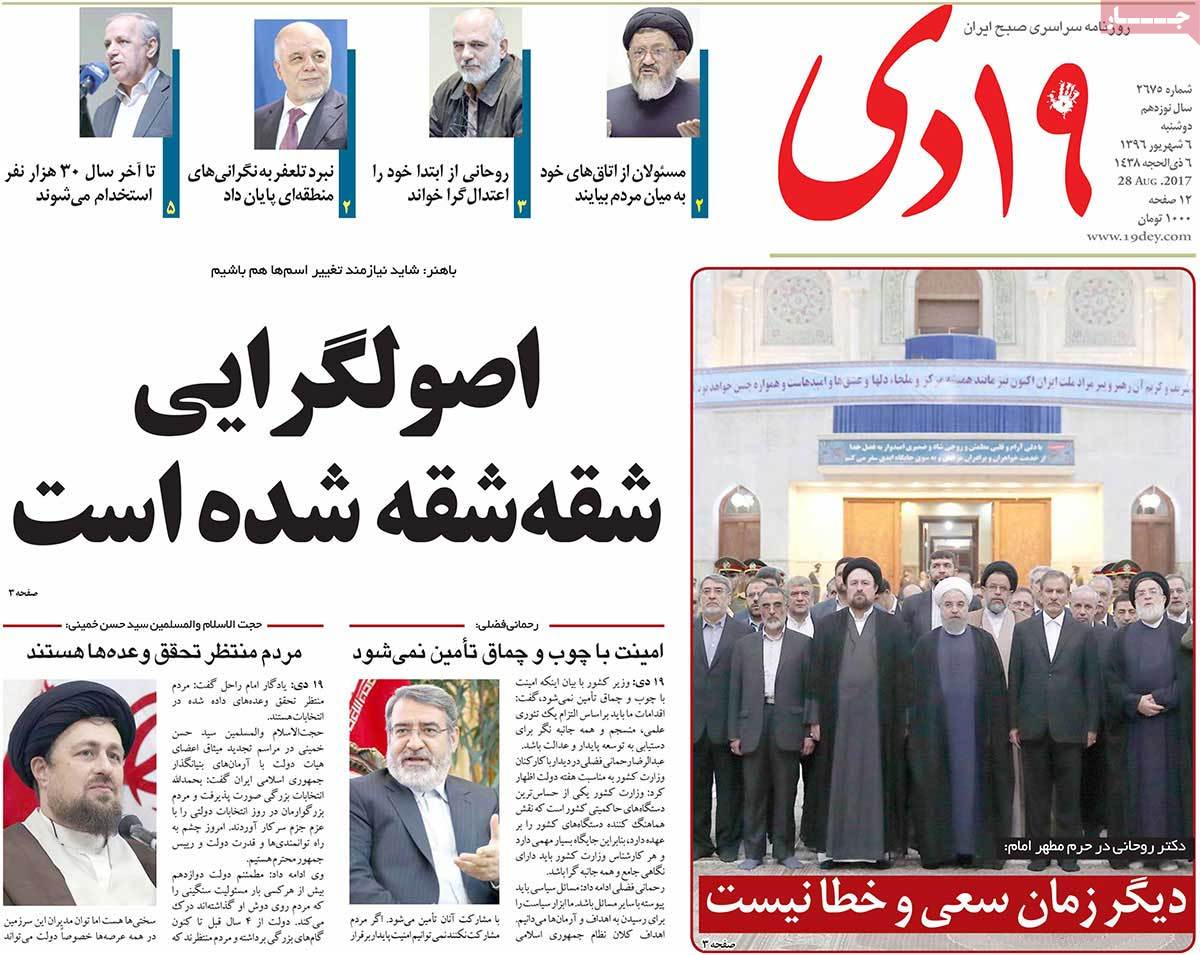
19 Dey:

1- Conservative Figure: We May Even Have to Change Our Name
A Look at Iranian Newspaper Front Pages on August 28


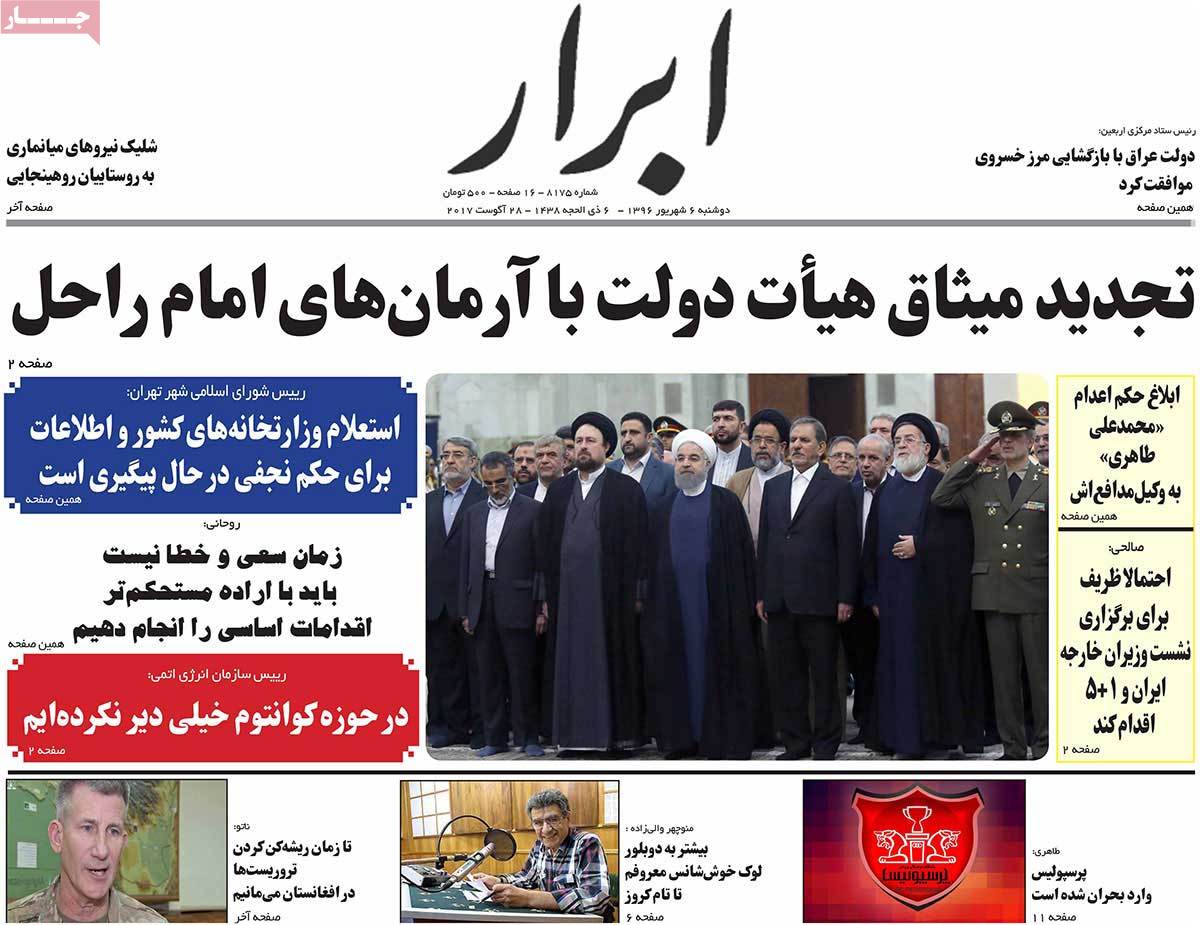
Abrar:

1- Nuclear Chief: Zarif May Call for Ministerial Meeting of Iran, P5+1
 

A Look at Iranian Newspaper Front Pages on August 28


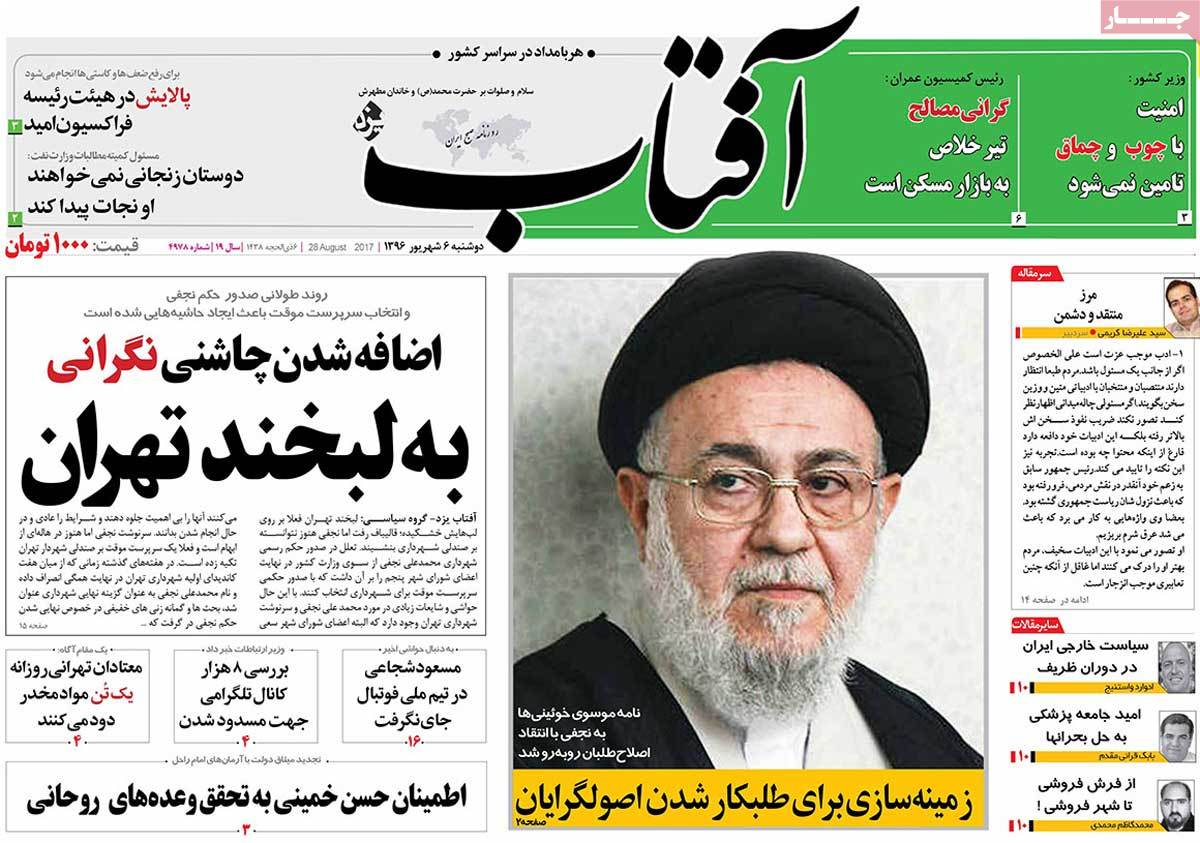
Aftab-e Yazd:

1- Interior Minister: Security Cannot Be Ensured Using Stick
 

A Look at Iranian Newspaper Front Pages on August 28


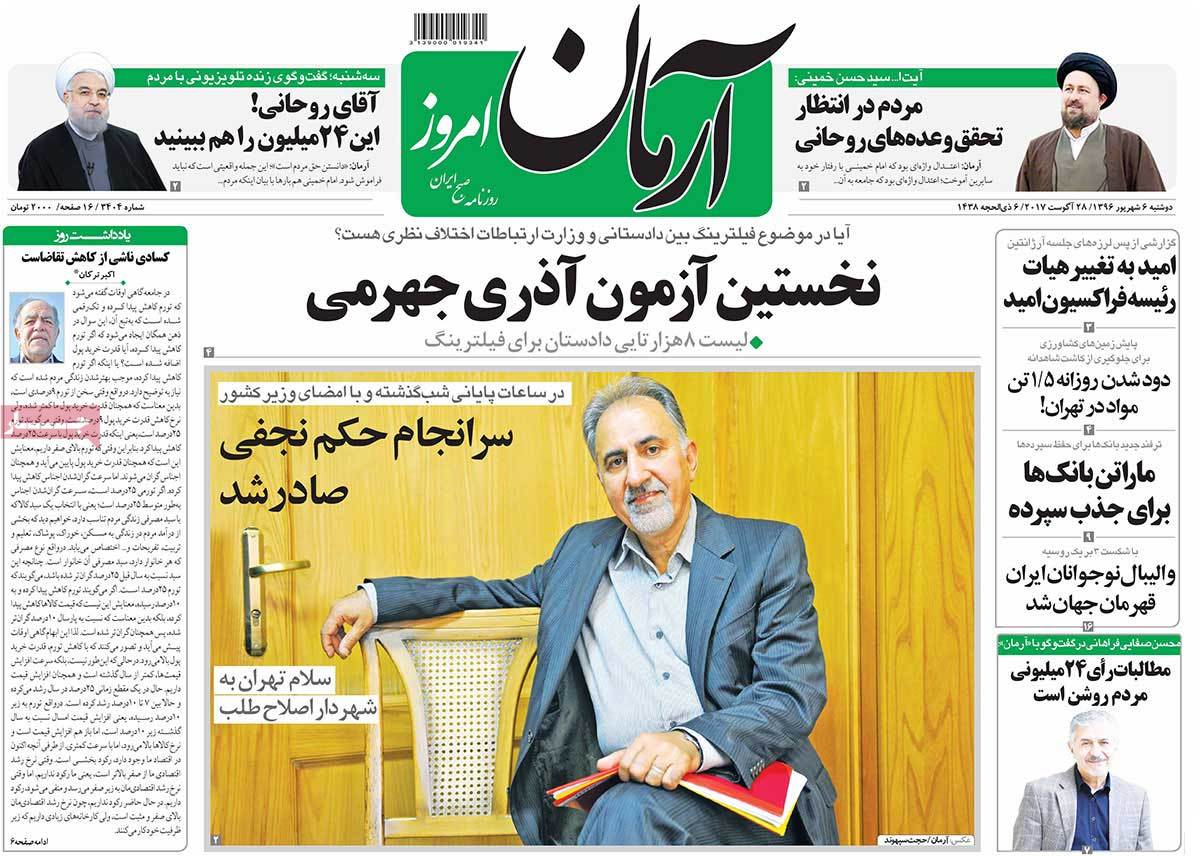
Arman-e Emrooz:

1- ICT Minister’s First Test: Judiciary Asks Ministry to Filter 8,000 Telegram Channels
A Look at Iranian Newspaper Front Pages on August 28


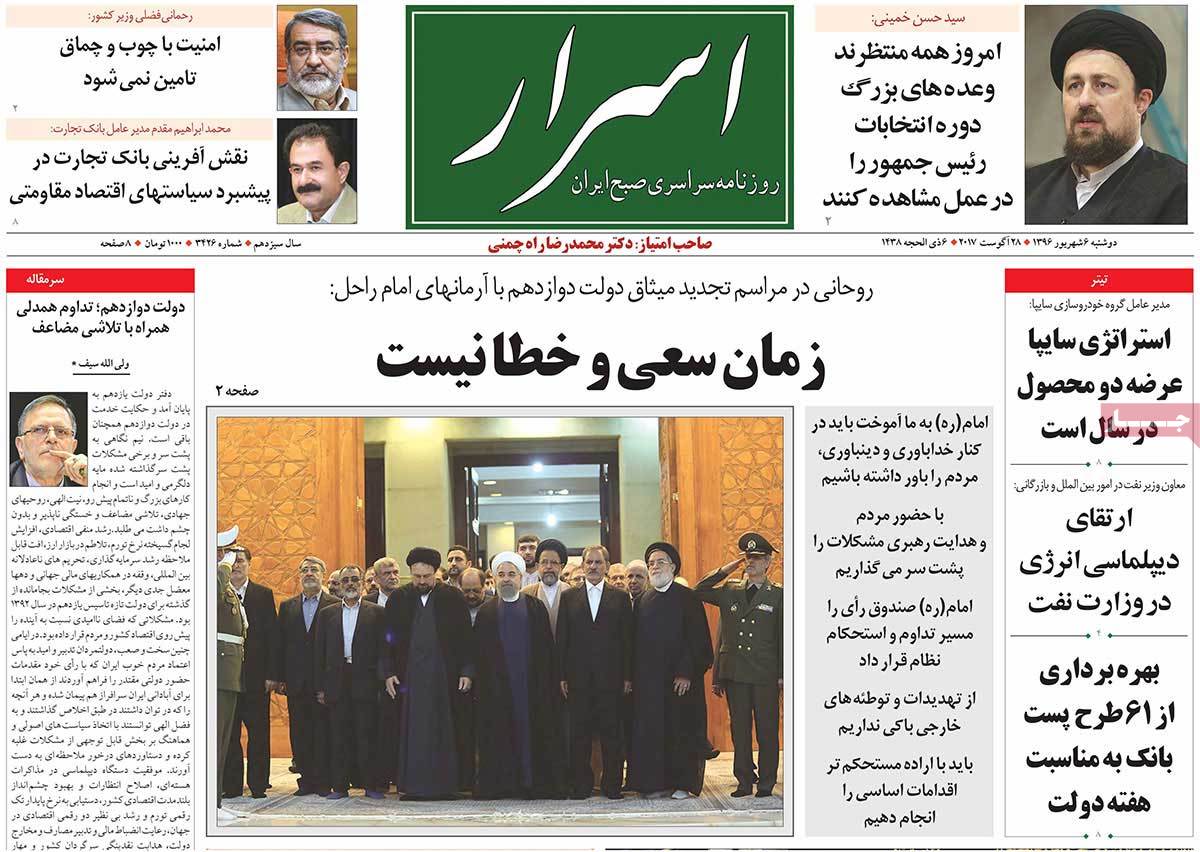
Asrar:

1- Imam Khomeini’s Grandson: Everyone Expecting Rouhani to Fulfil Campaign Promises
A Look at Iranian Newspaper Front Pages on August 28


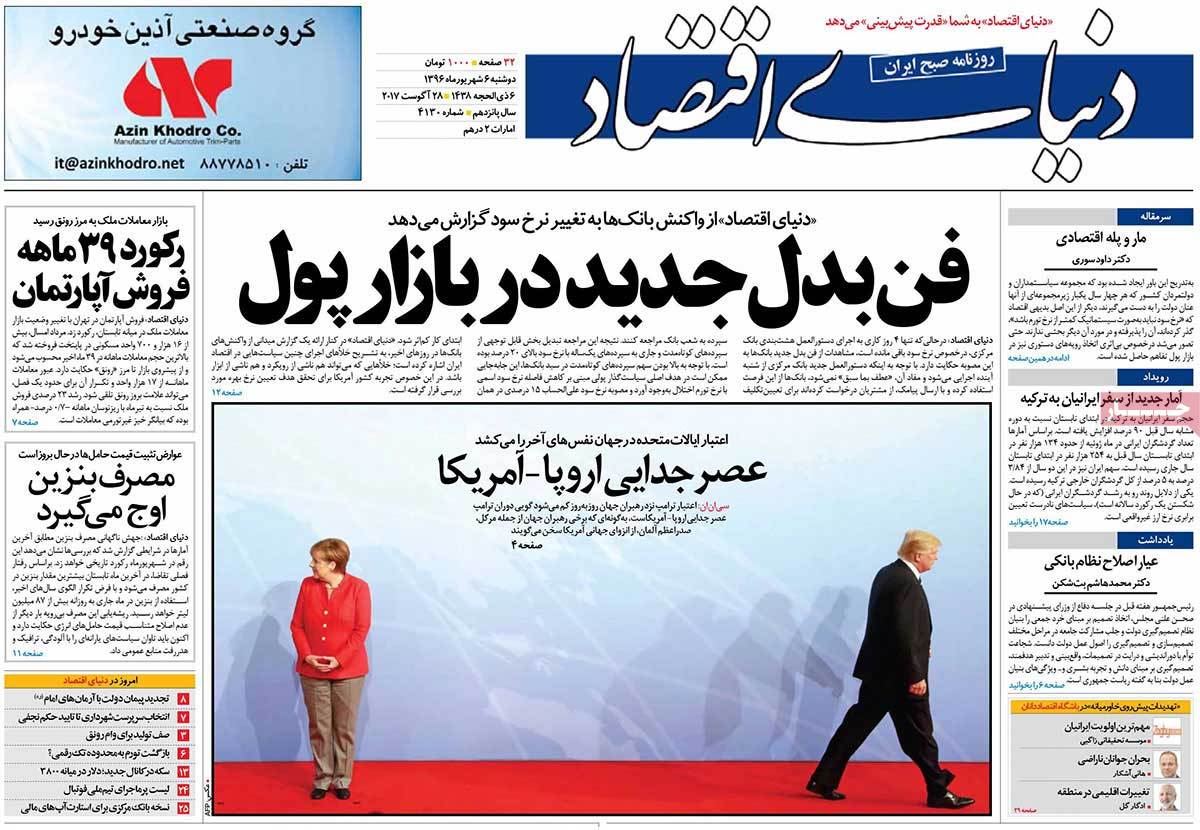
Donya-ye Eqtesad:

1- New US-Europe Era: Imminent End of America’s Reputation
A Look at Iranian Newspaper Front Pages on August 28


Ebtekar:

1- Political Activists: Rouhani’s Gov’t under Scrutiny of 24m Voters

http://www.jaaar.com/assets/images/pishkhan/1396/6/6/82cec960.jpg


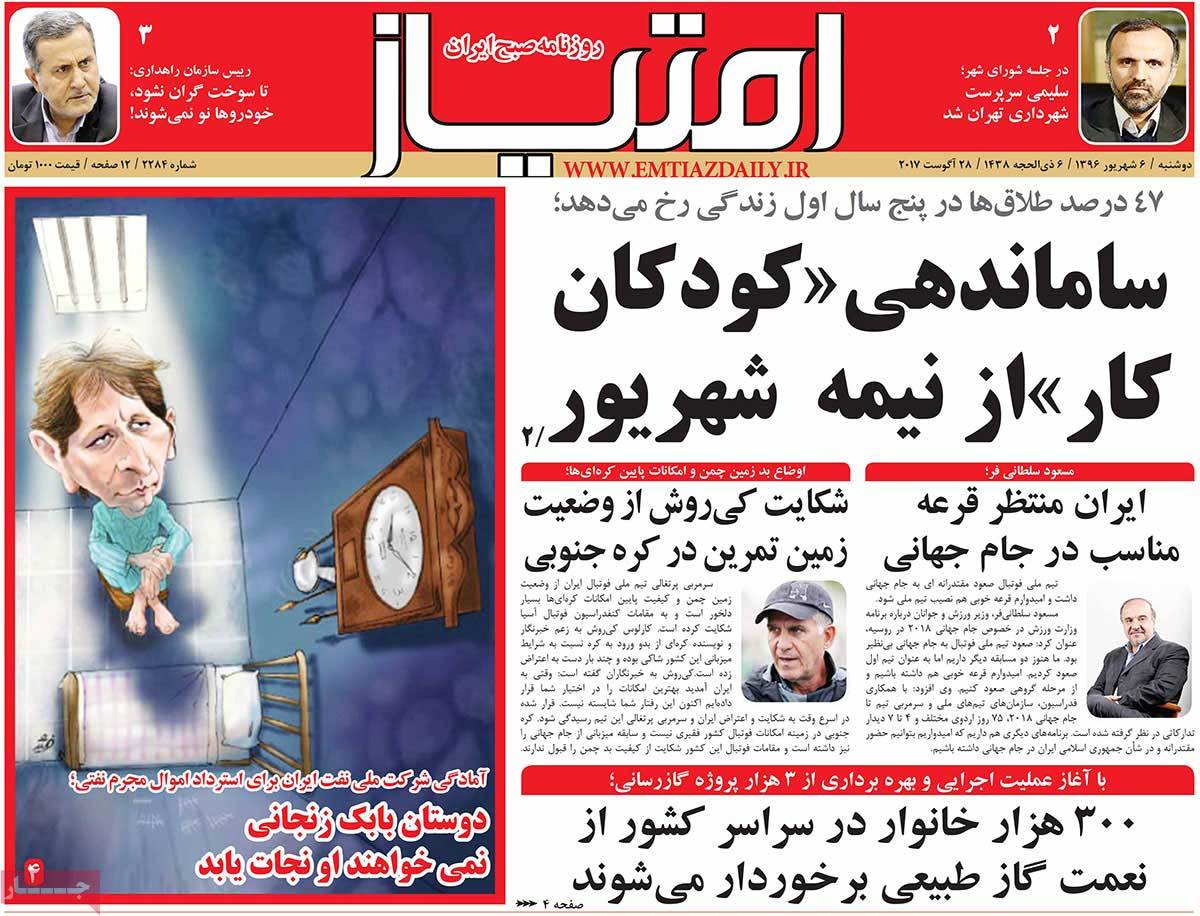
Emtiaz:

1- Child Labourers to Be Organized in Iran by Early September
A Look at Iranian Newspaper Front Pages on August 28


Etemad:

1- Zarif, Tillerson May Meet for First Time in New York
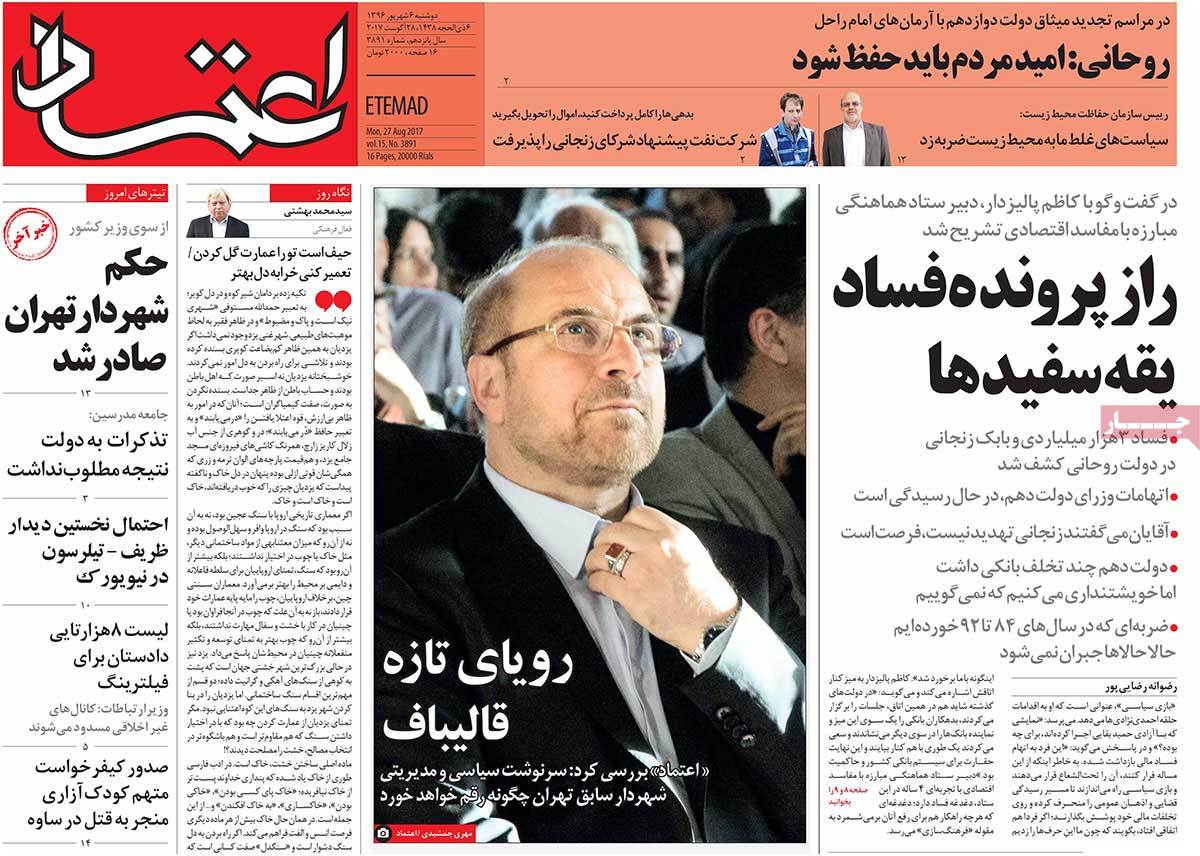
A Look at Iranian Newspaper Front Pages on August 28


Ettela’at:

1- Rouhani: Hope for Future, People’s Trust in Establishment Should Be Maintained

2- Iran Nuclear Chief: US Looking for Spoiling Nuclear Deal

3- ISIS in Lebanon Surrenders to Hezbollah
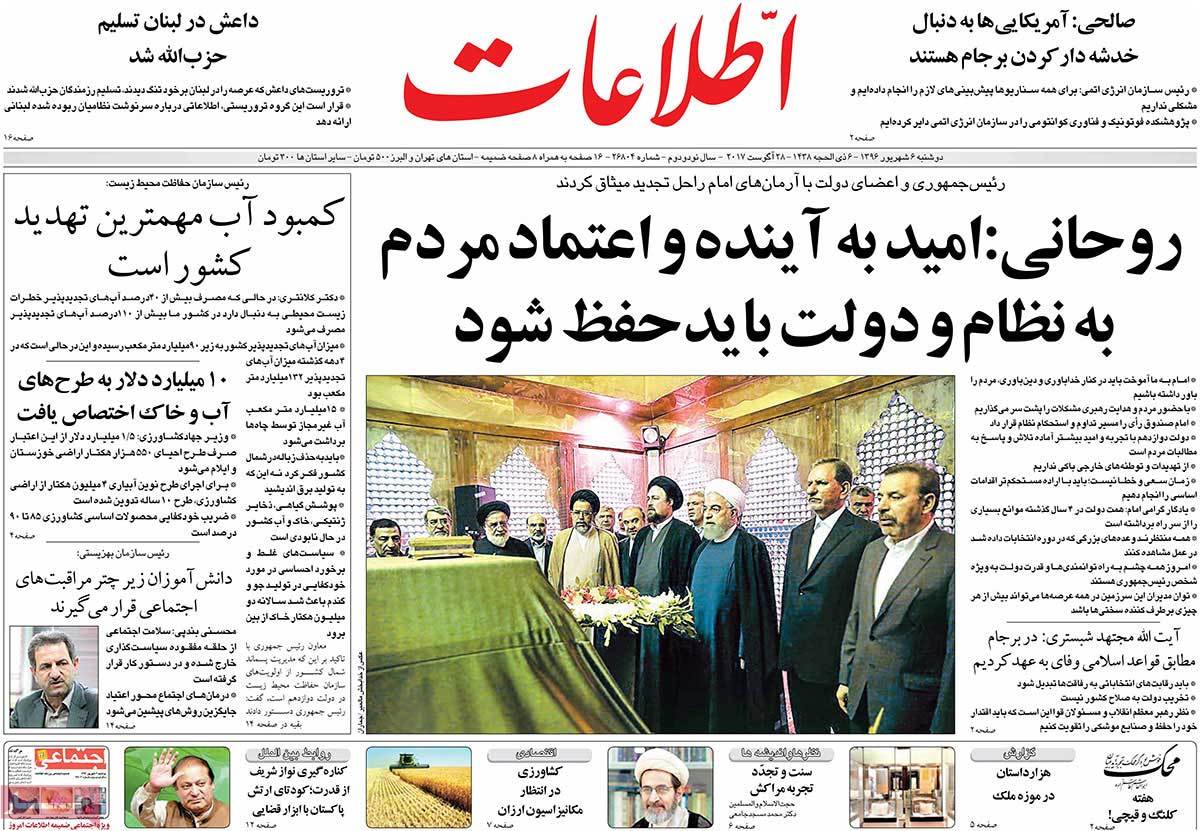
 

A Look at Iranian Newspaper Front Pages on August 28


Hemayat:

1- Victory of Iraqi Popular Forces in Tal Afar; ISIS Units Destroyed
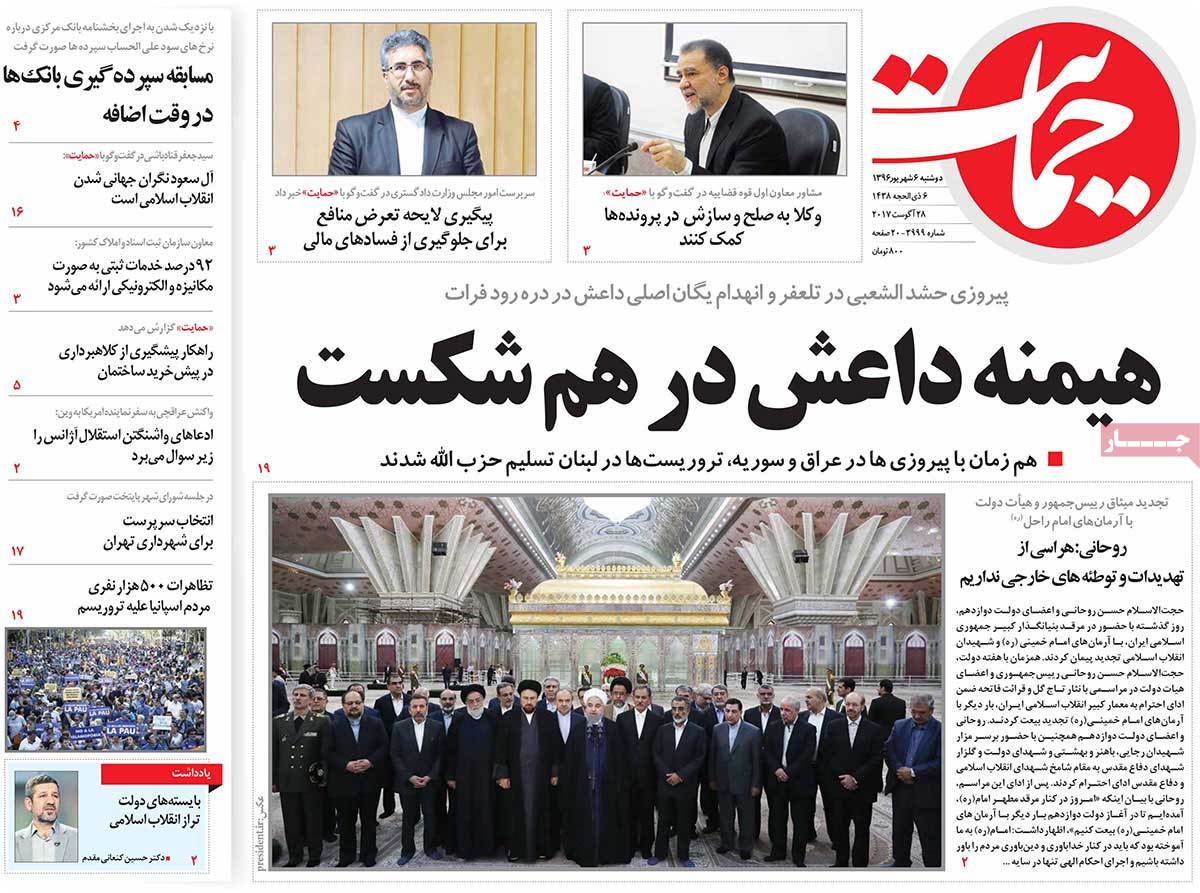
 

A Look at Iranian Newspaper Front Pages on August 28


Iran:

1- Rouhani: Imam Khomeini Believed Ballot Box Strengthens Establishment

2- Iranian Executive Managers to Become Younger
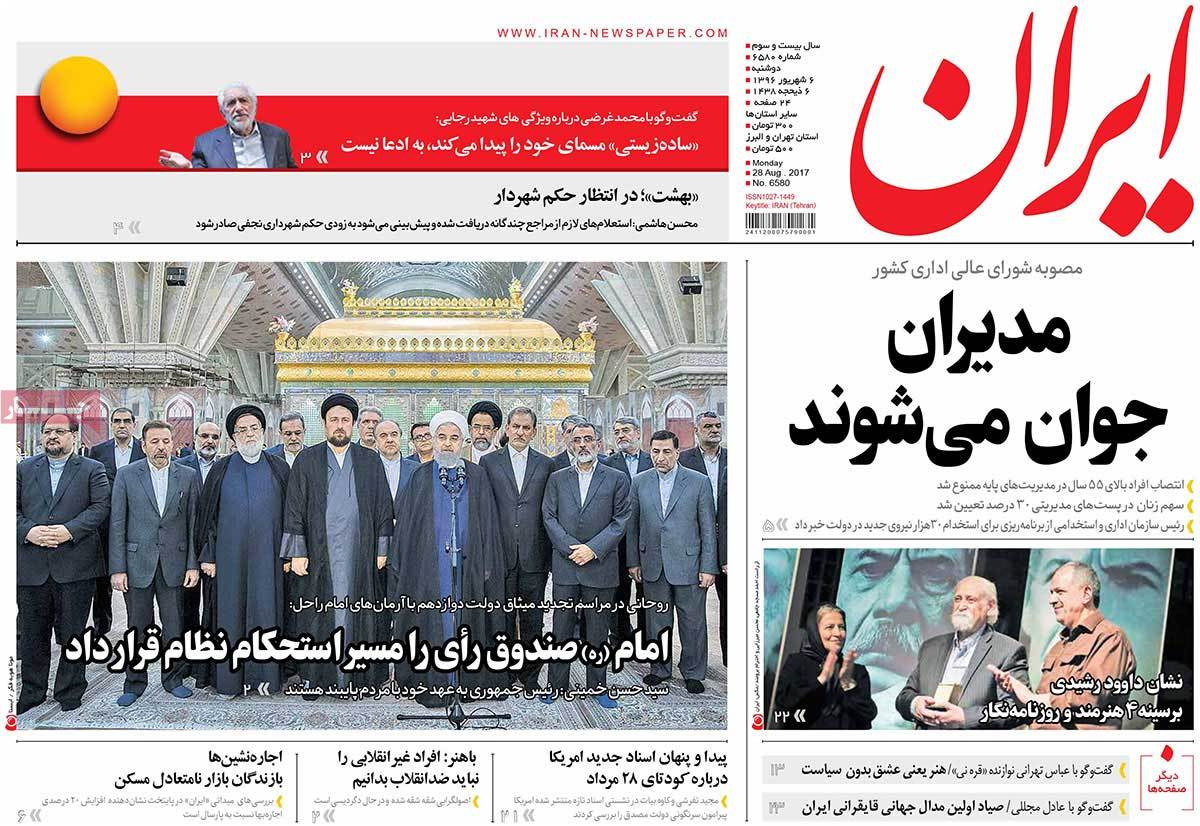
A Look at Iranian Newspaper Front Pages on August 28


Javan:

1- 10 Days of Civil Disobedience until Seizure of Washington

  • Anti-Racism Protesters Start Demonstrations in Charlottesville to Impeach Trump

2- End of ISIS in Iraq
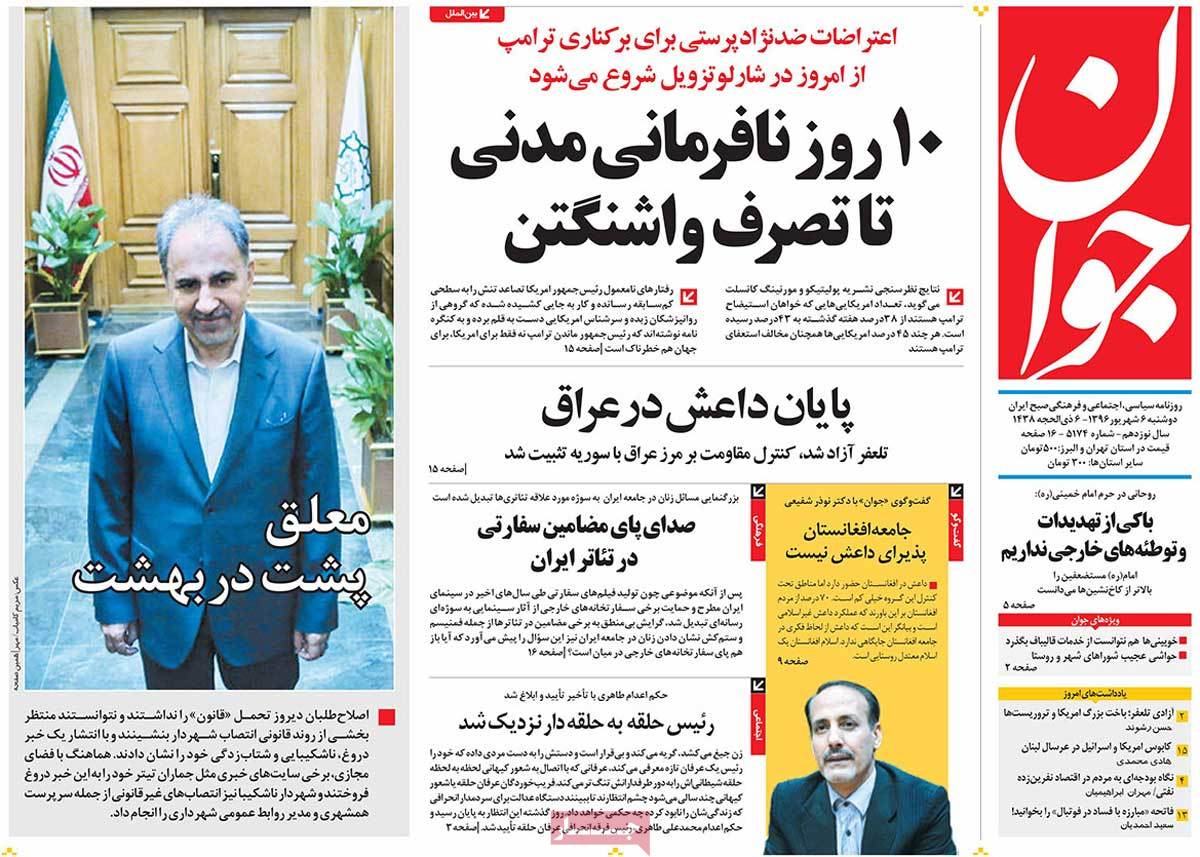
A Look at Iranian Newspaper Front Pages on August 28


Jomhouri Eslami:

1- Beginning of Civil Disobedience March against Trump in US

  • 10-Day March to Impeach Trump

A Look at Iranian Newspaper Front Pages on August 28


Kayhan:

1- People Expect Government to Get Statistics Closer to People’s Real Lives

2- Aftershocks of Resistance Victories in Syria: Syrian Dissidents Seek Asylum in Israel
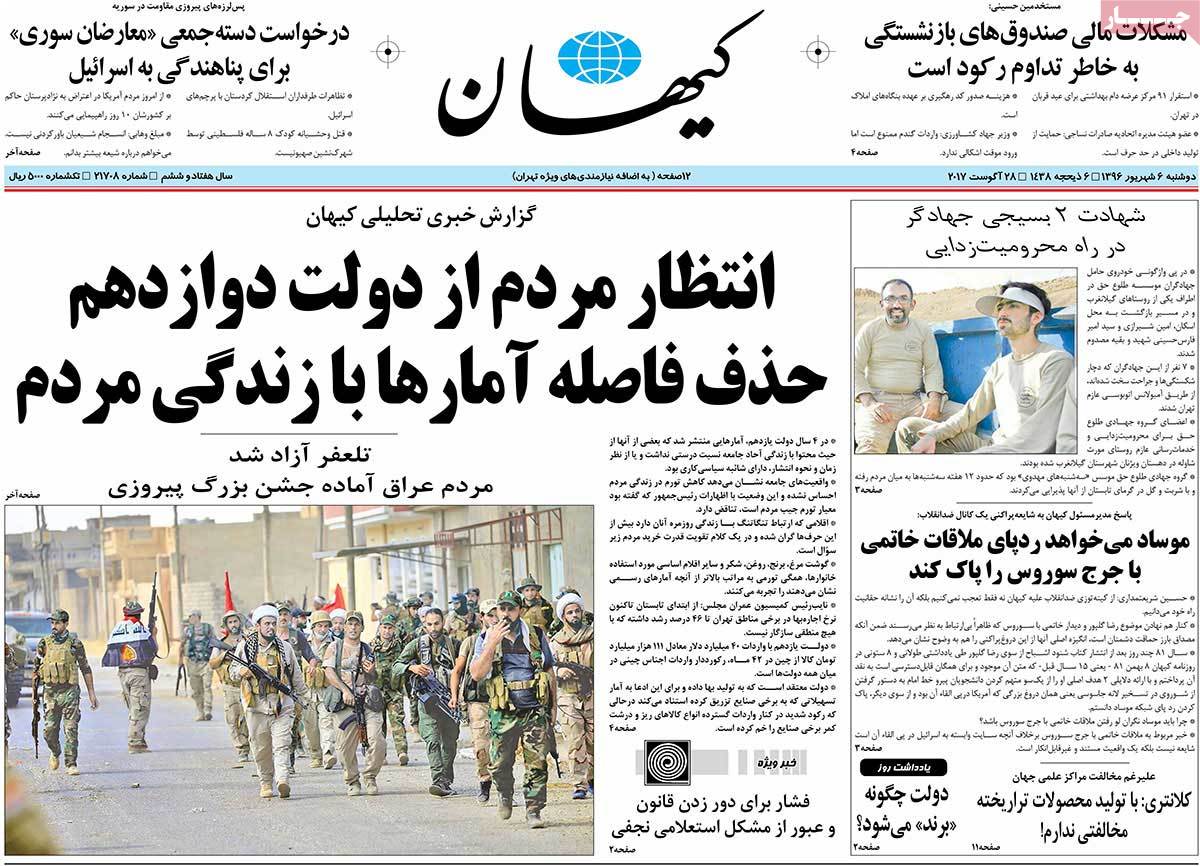
A Look at Iranian Newspaper Front Pages on August 28


Setareh Sobh:

1- Analyst: Finance Is Iran’s Win-Win Game with South Korea

2- Issue of Kurds Serious to Turkey: Analyst
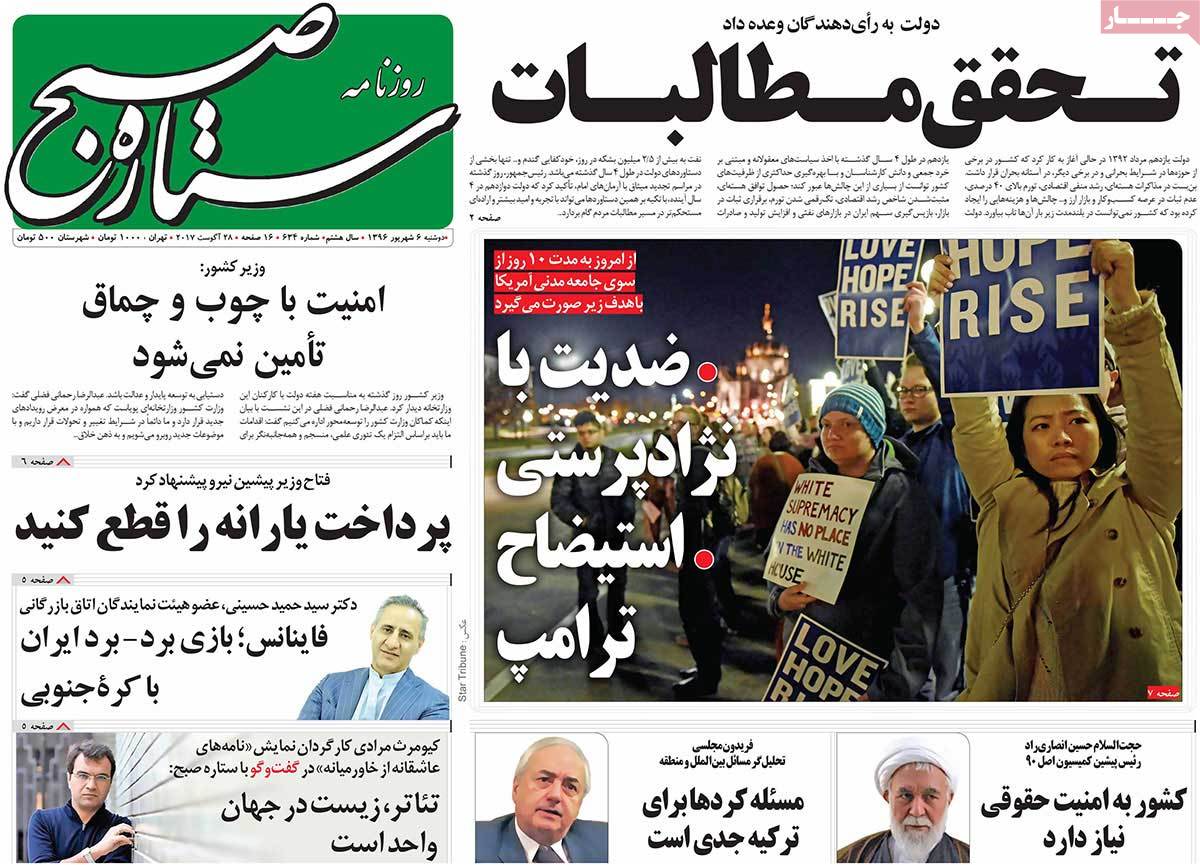
A Look at Iranian Newspaper Front Pages on August 28


Shahrvand:

1- Iran One Step Close to Vice-Presidency of Red Cross, Red Crescent in Asia-Pacific
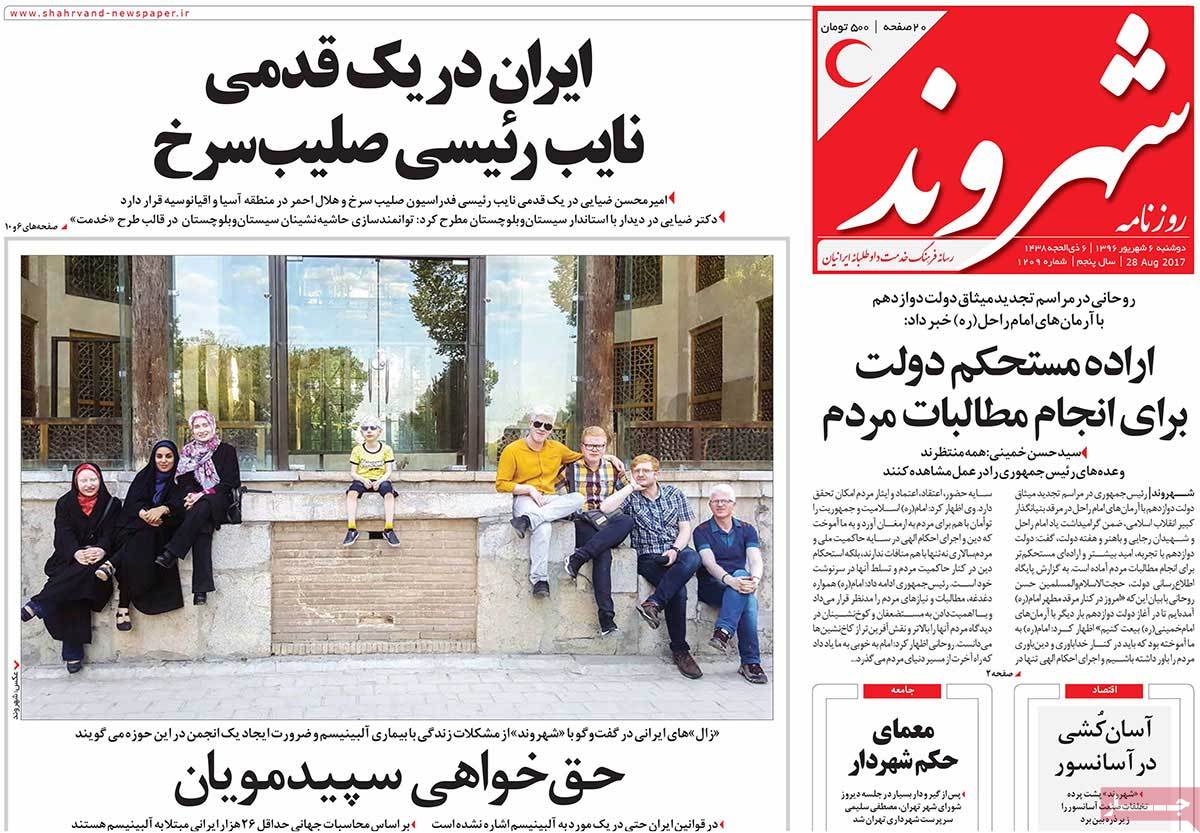
A Look at Iranian Newspaper Front Pages on August 28


Shargh:

1- Iran Claims World Title in U-19 Volleyball Championship

2- Why Turkey Is Building War in Iran Front [Editorial]
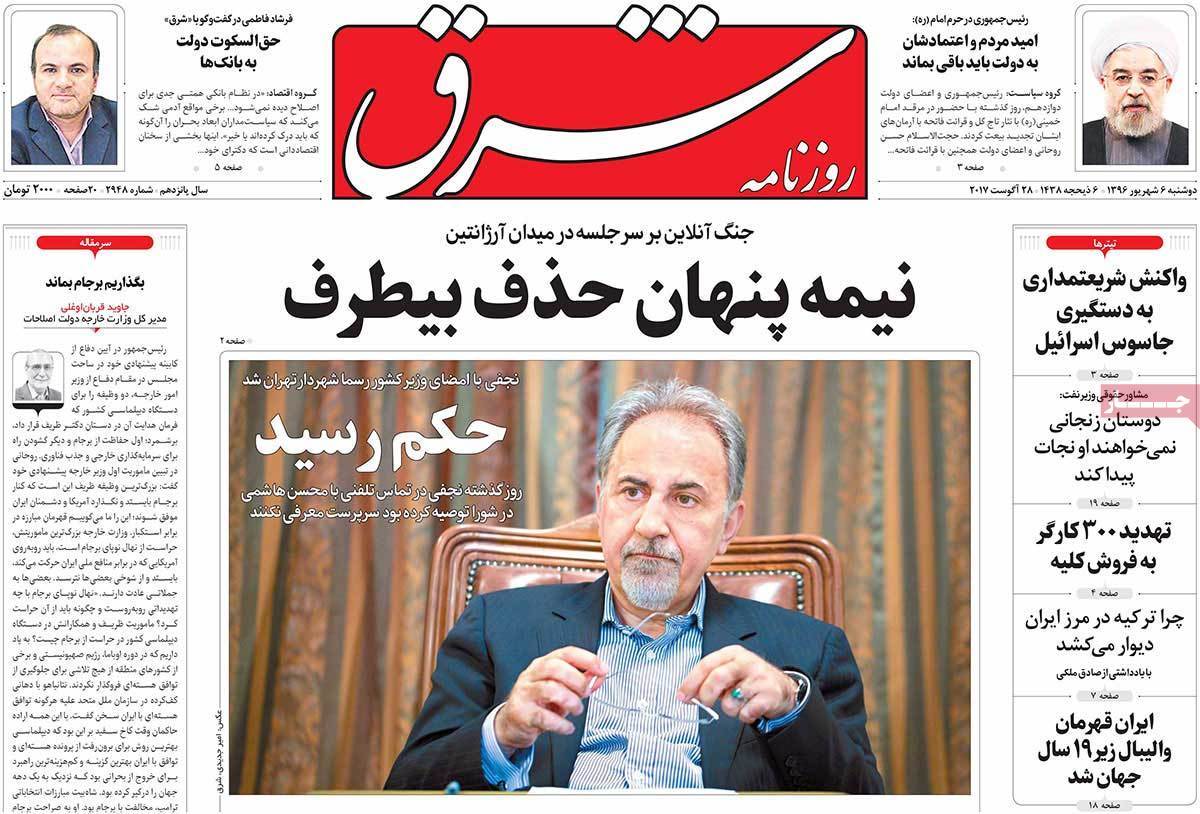
 

A Look at Iranian Newspaper Front Pages on August 28


Siasat-e Rooz:

1- Return of Tal Afar to United Iraq

2- Rouhani: We’re Not Afraid of Foreign Threats
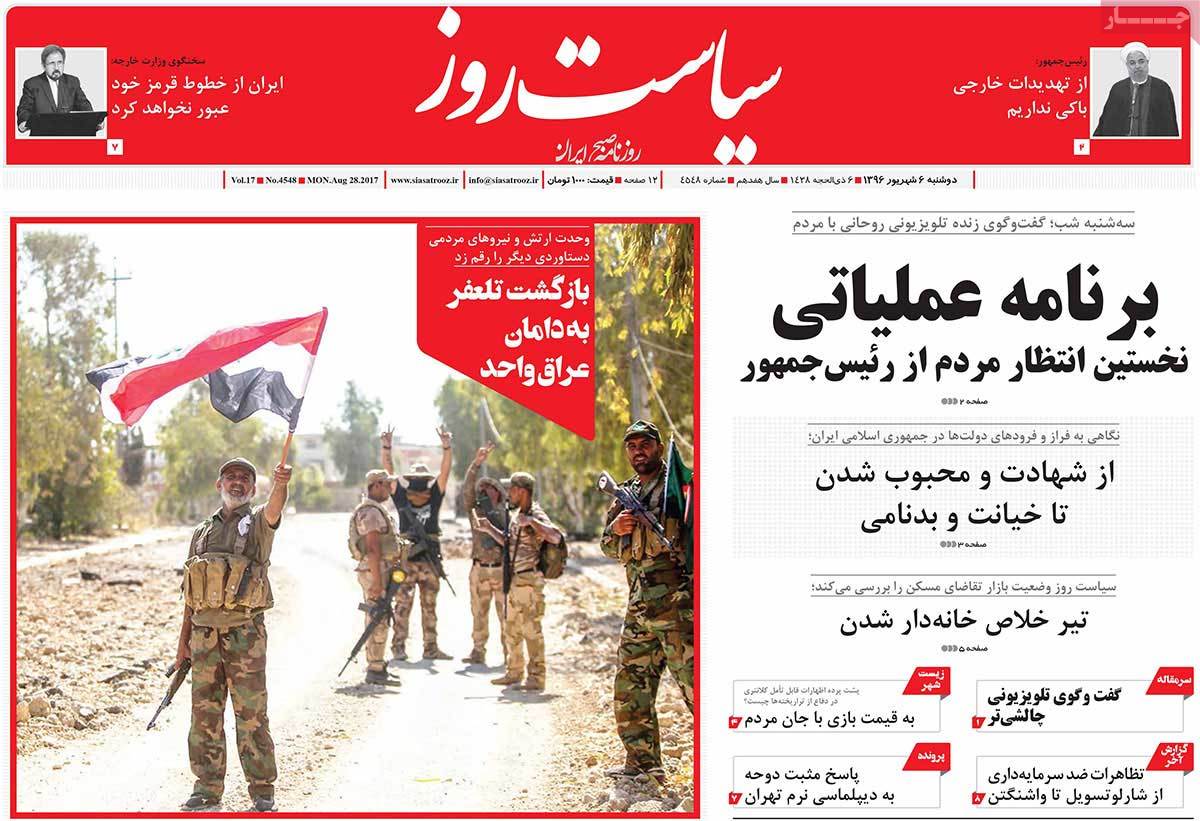
A Look at Iranian Newspaper Front Pages on August 28


Iranian FM, UN Special Envoy Discuss Syria Crisis

Iran FM Zarif- Staffan de Mistur

During the meeting held in Tehran, Zarif and de Mistura conferred on the latest political and field developments in Syria and the political initiatives to settle the crisis through dialogue.

De Mistura, who arrived in Tehran on Sunday, also plans to meet Deputy Foreign Minister for Arab and African Affairs Hossein Jaberi Ansari.

De Mistura’s visit to Iran has come ahead of the next round of Syria peace talks in Kazakhstan’s capital city of Astana, slated to be held in mid-September.

The Kazakh Foreign Ministry said in a Tuesday Facebook post the timing of the talks would be set at a meeting in late August between experts from Russia, Turkey and Iran and “provisionally, we could be talking about mid-September.”

Astana has hosted five rounds of peace talks for Syria since January. Russia, Iran, and Turkey serve as guarantor states in the peace process. The negotiations are aimed at bringing an end to the foreign-backed militancy in Syria, which began in March 2011.

The Astana talks have so far resulted in an agreement on four de-escalation zones across Syria.

According to the Russian Foreign Ministry, three of the enclaves have been created to date, in the country’s sprawling central province of Homs, in the Eastern Ghouta area of the southern Rif Dimashq Province, and a southwestern militant-controlled stretch along the border with Jordan.

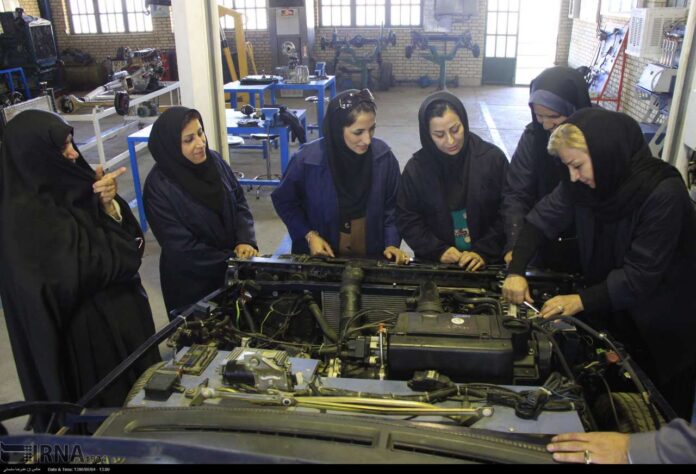
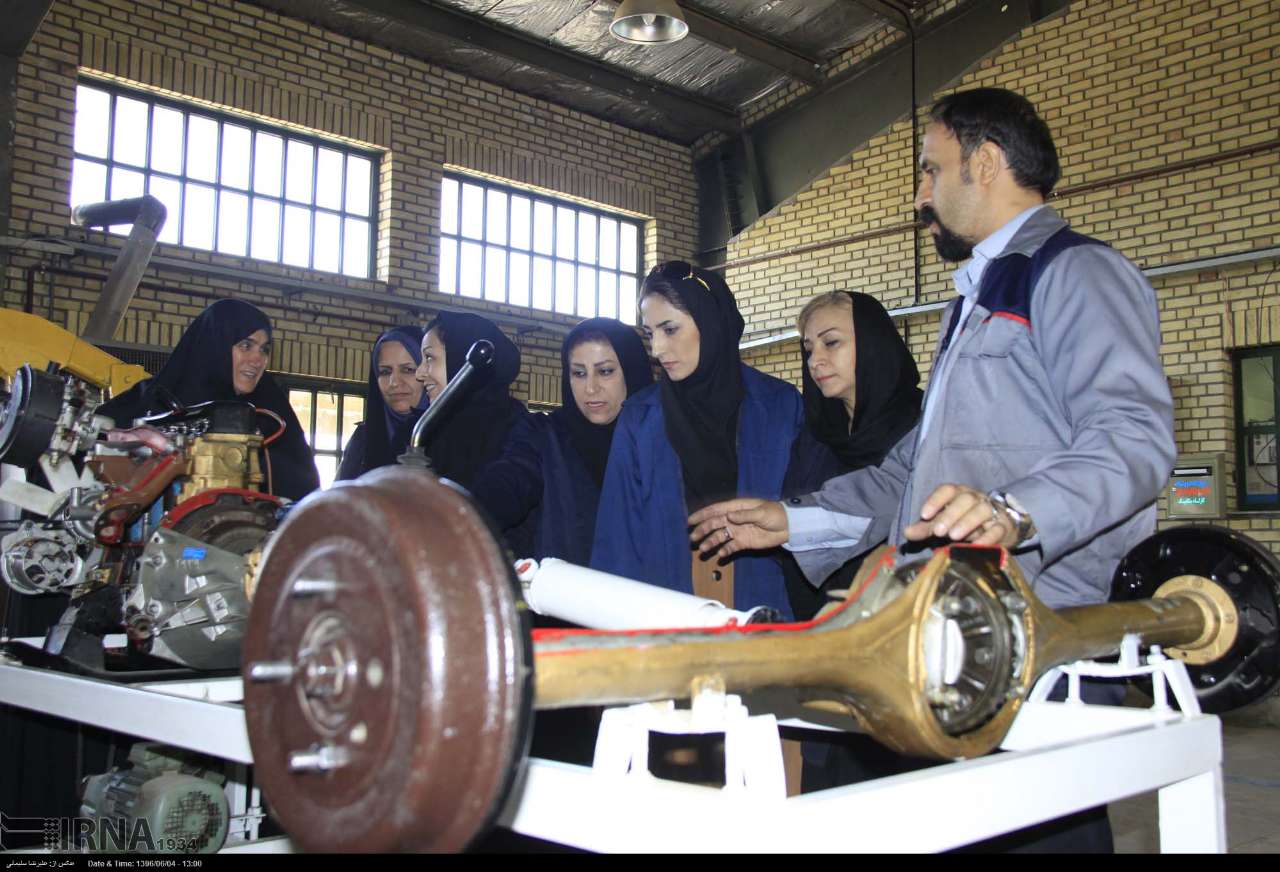
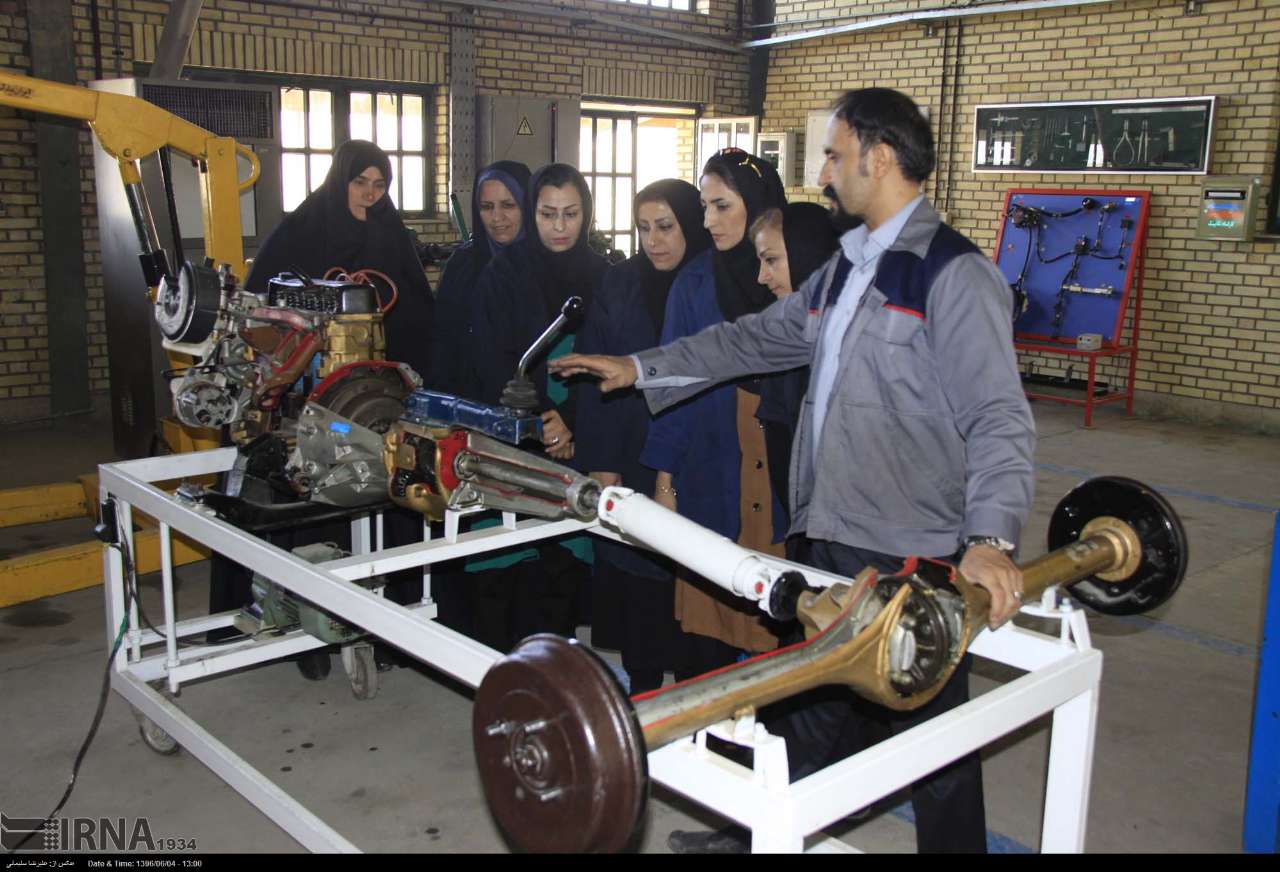
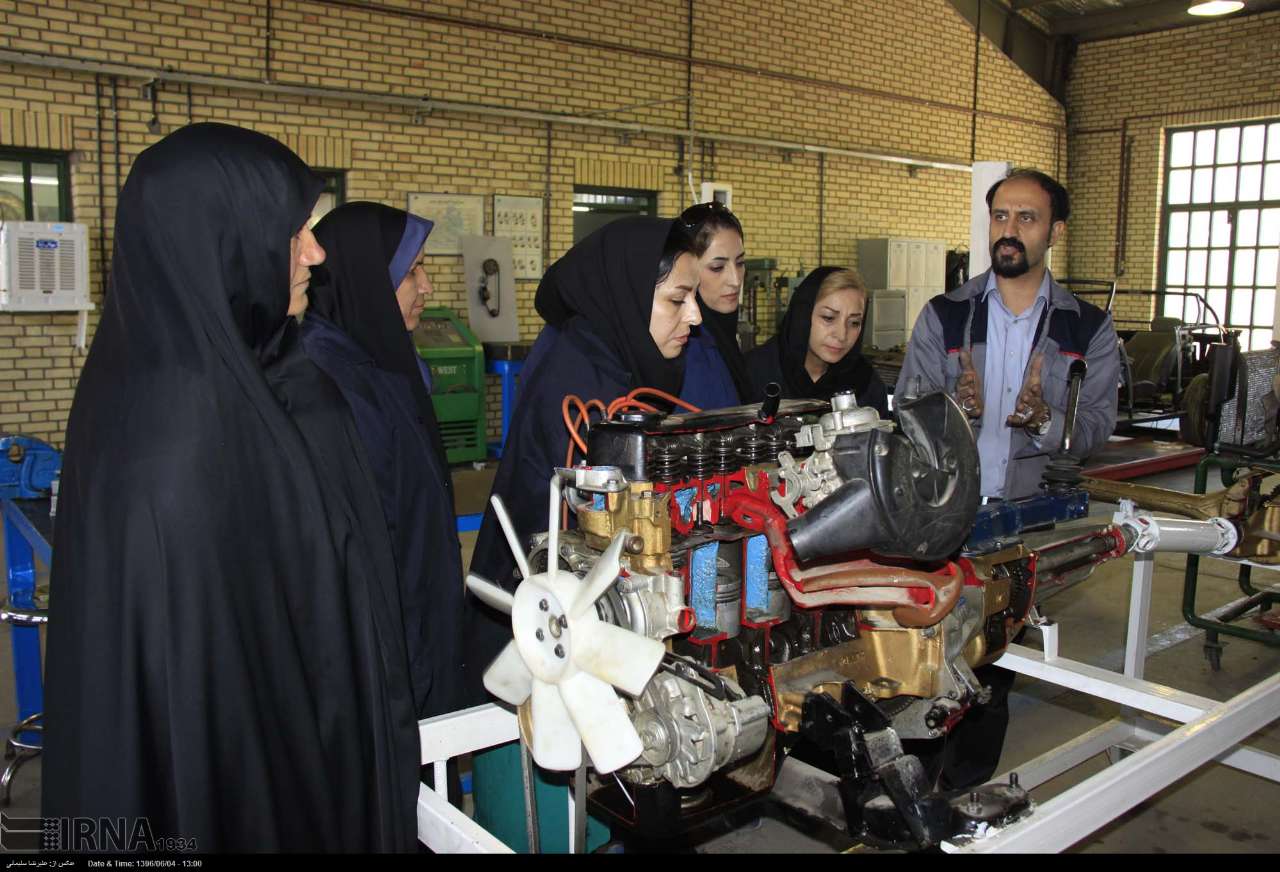
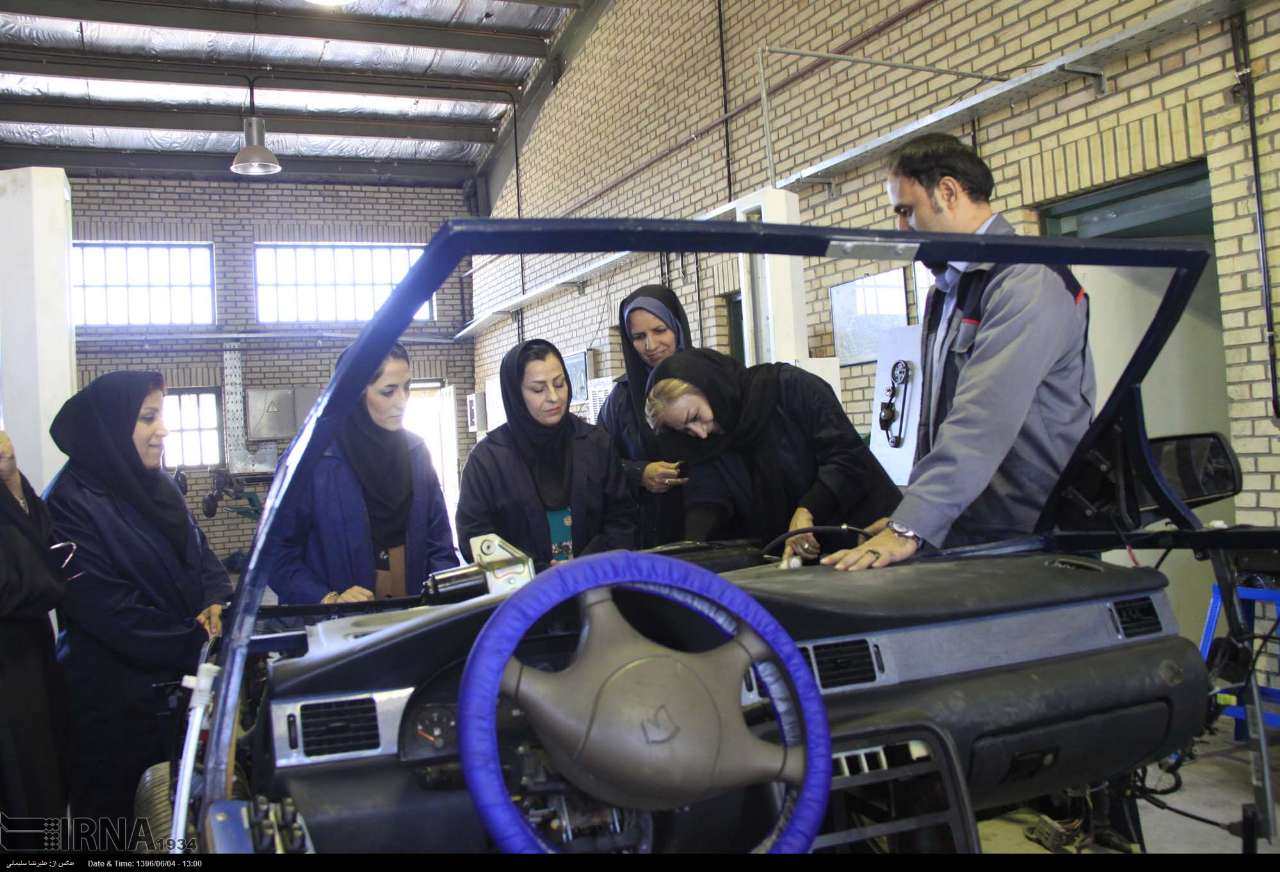
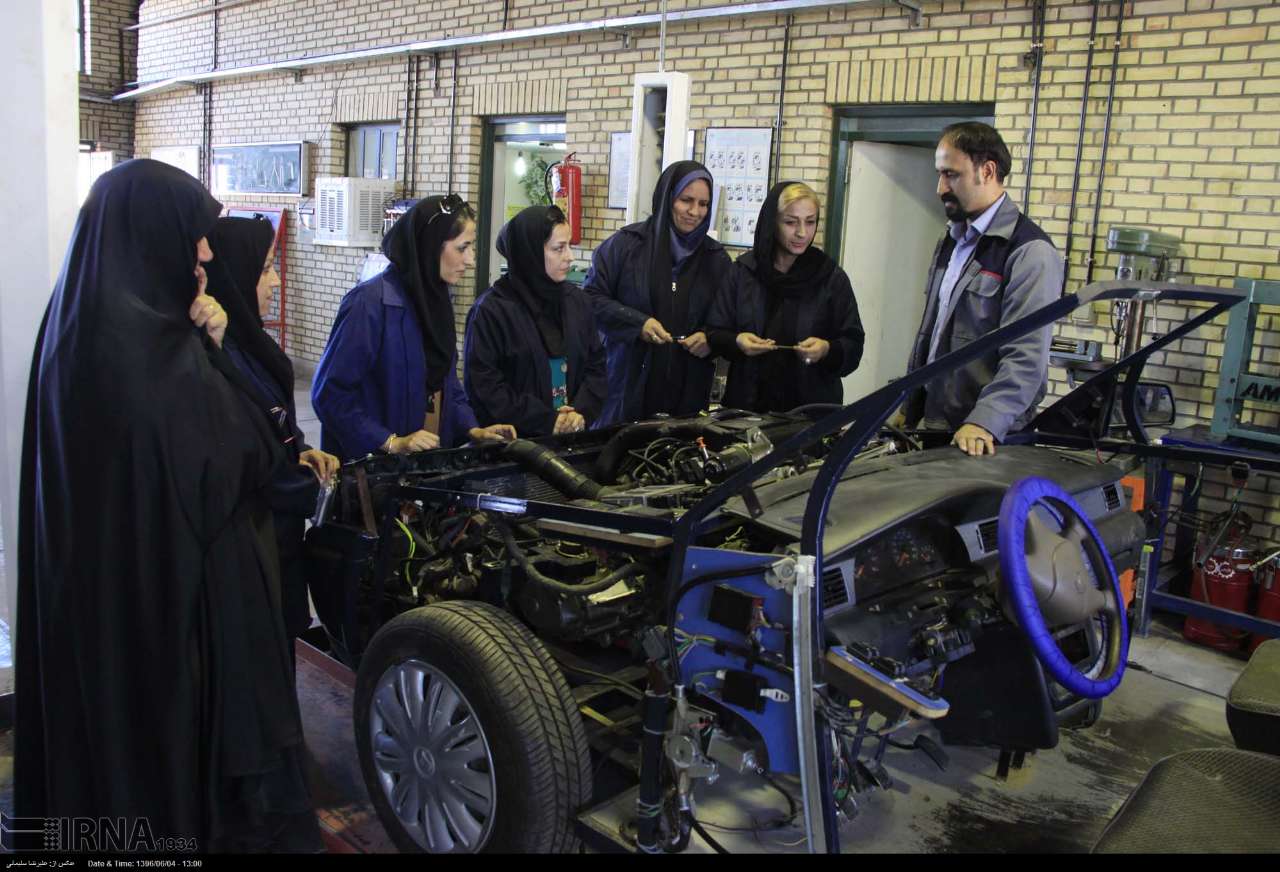
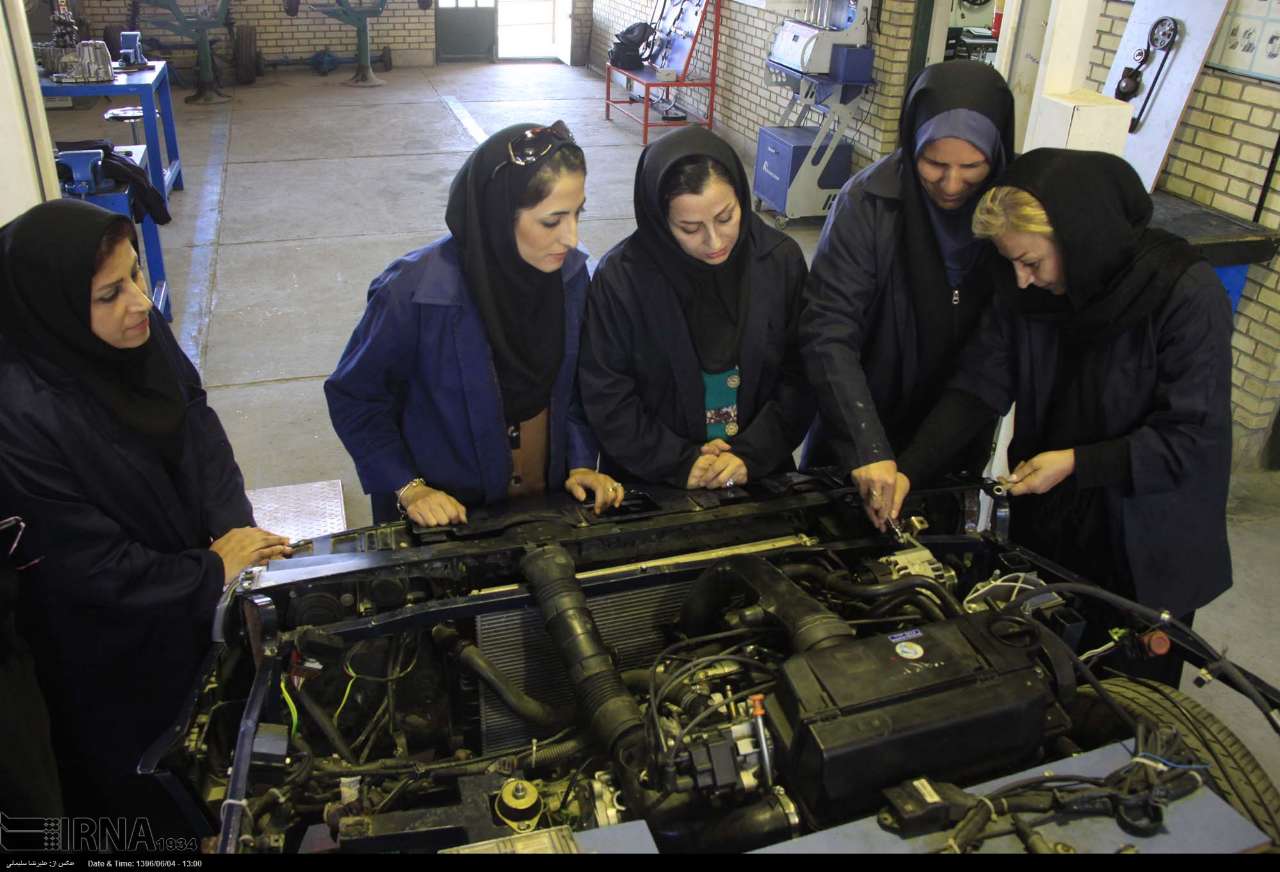
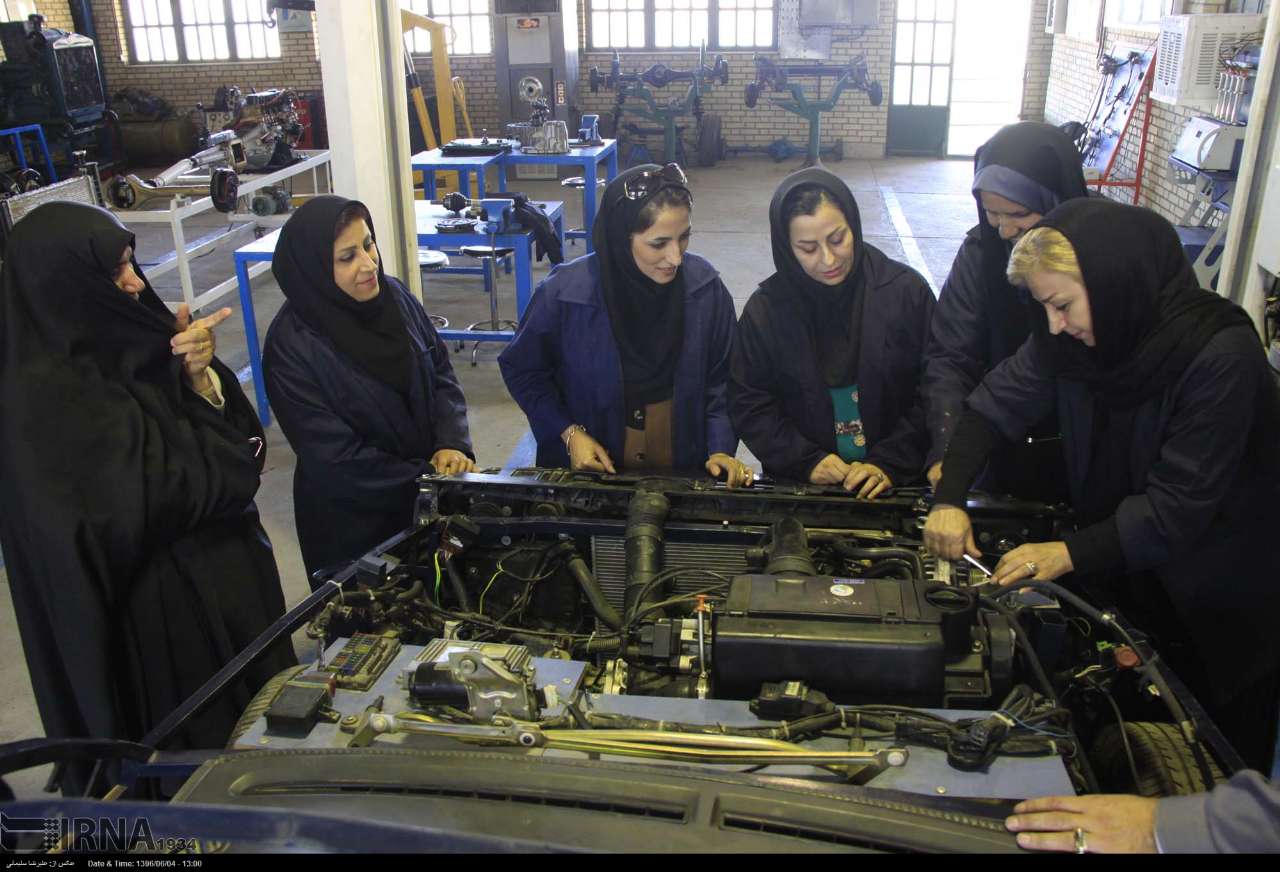
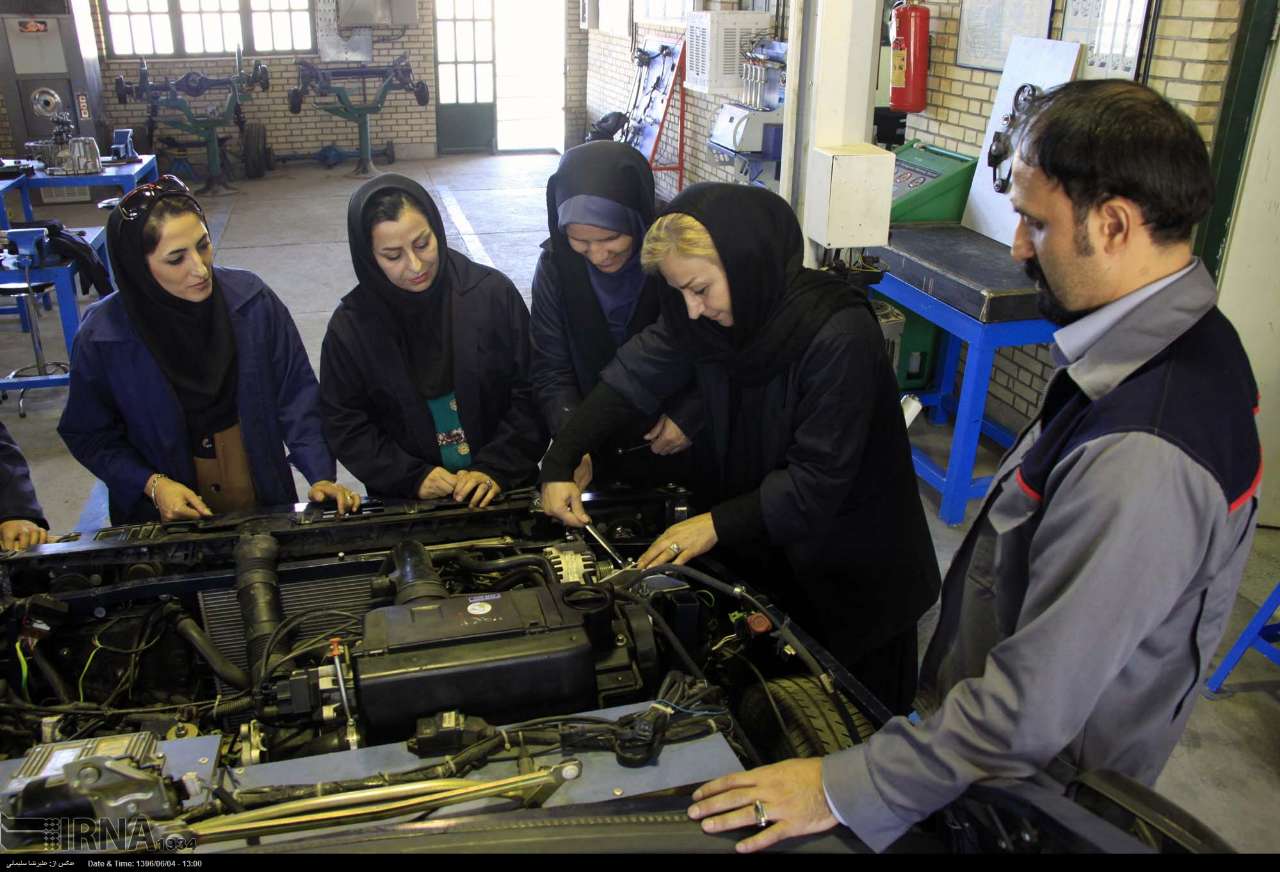
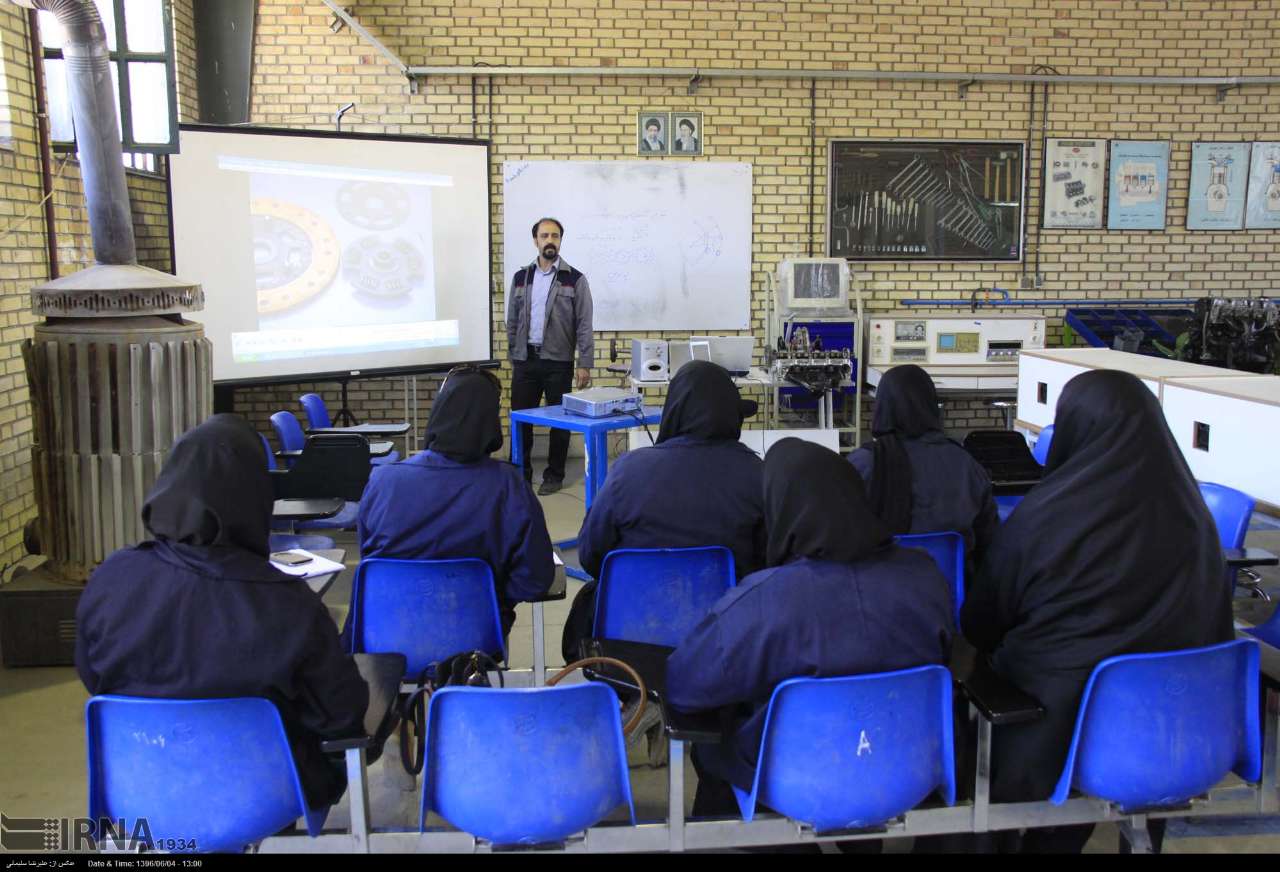
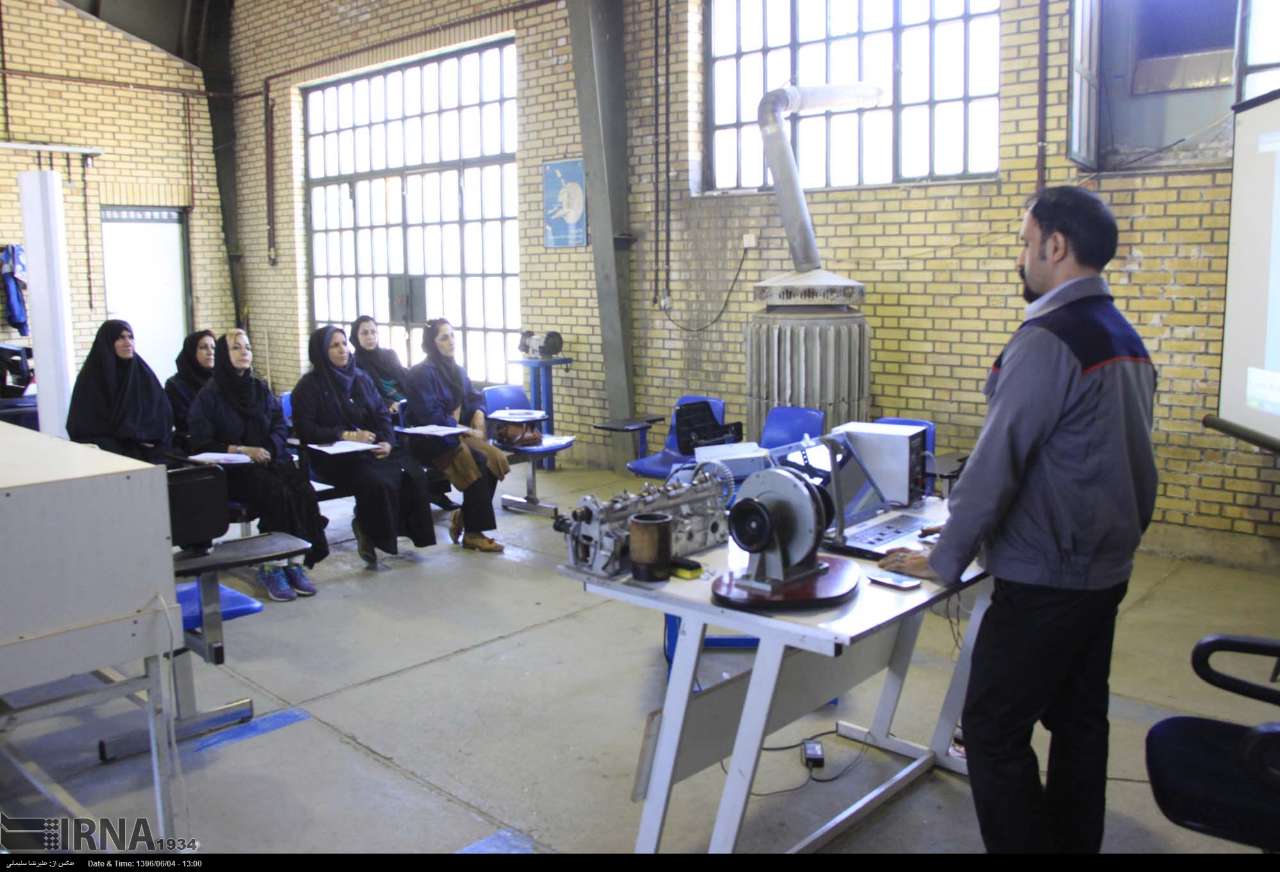
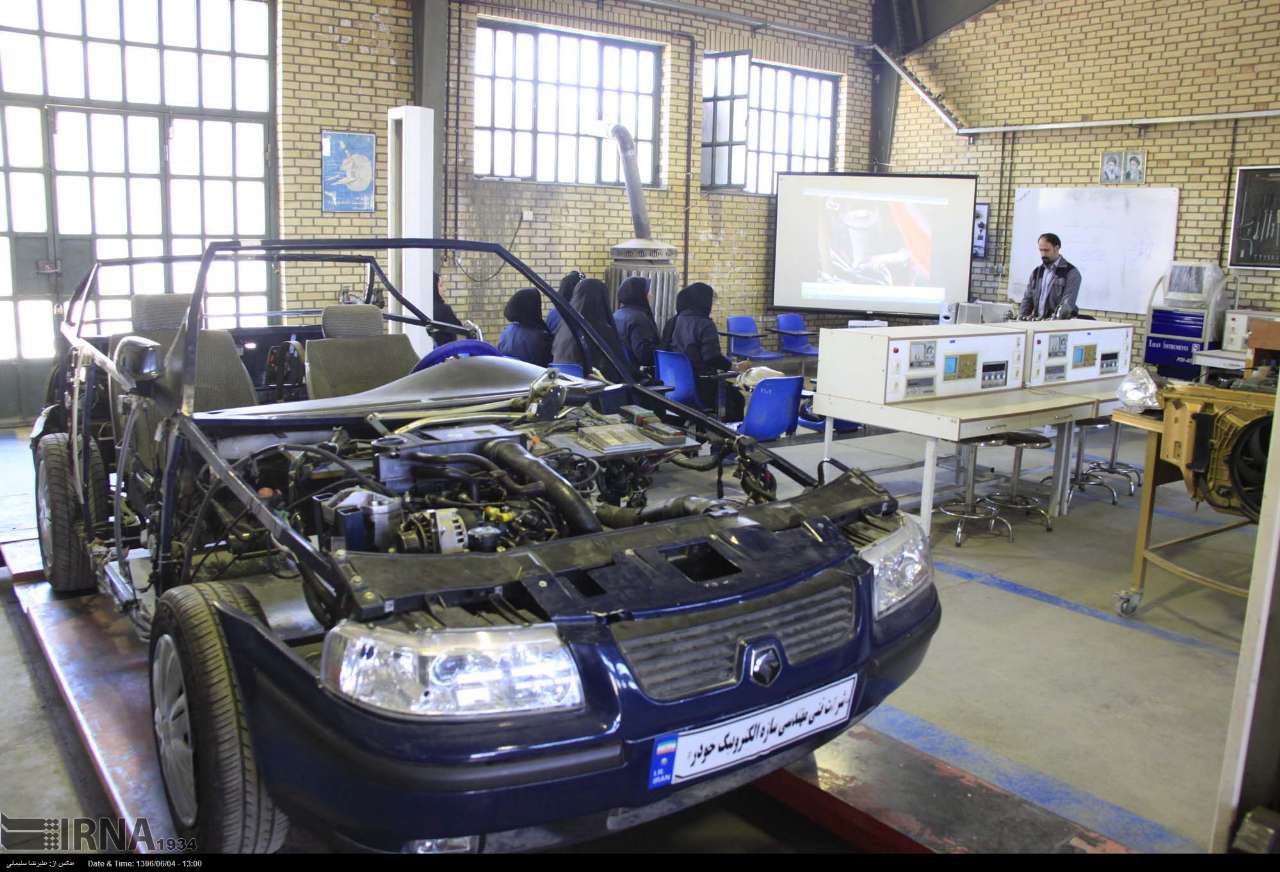
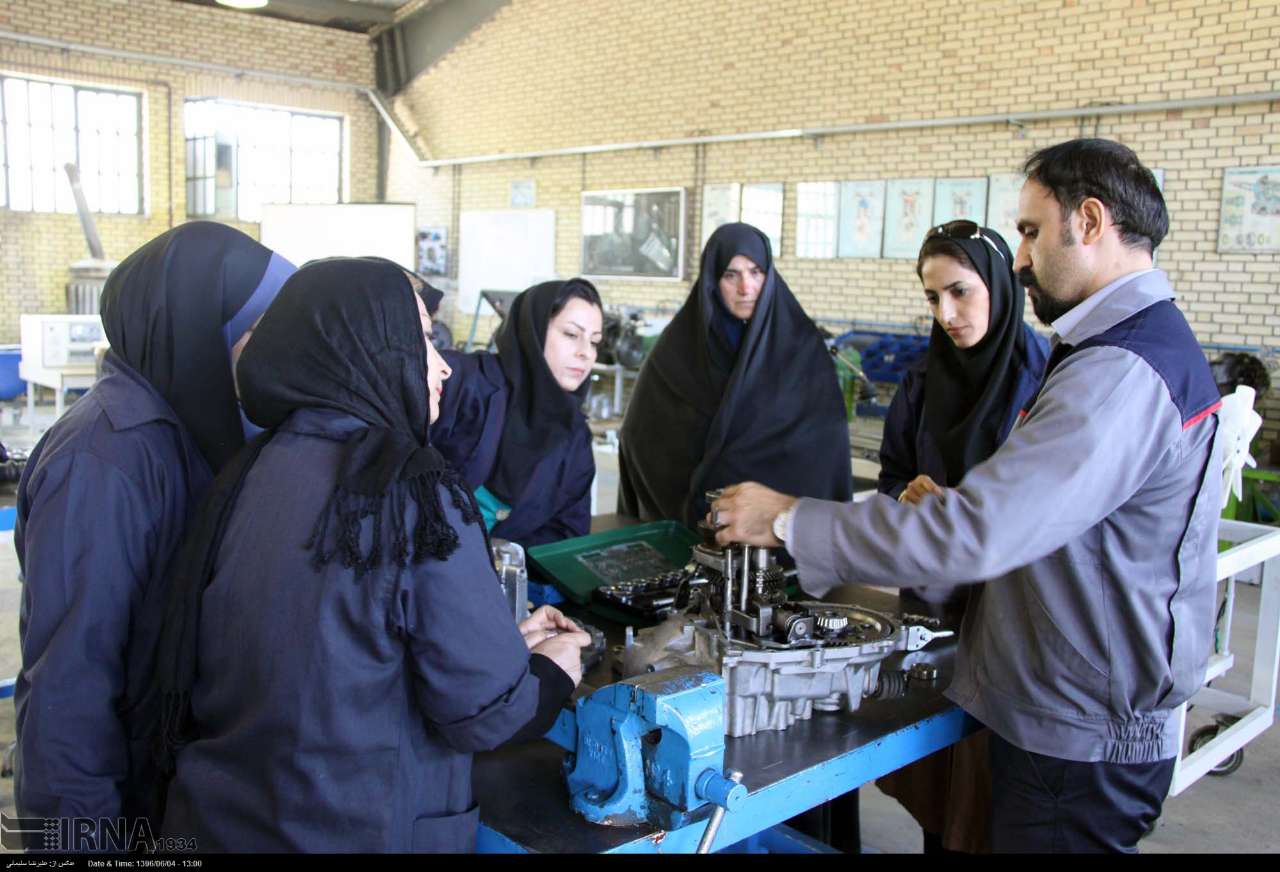
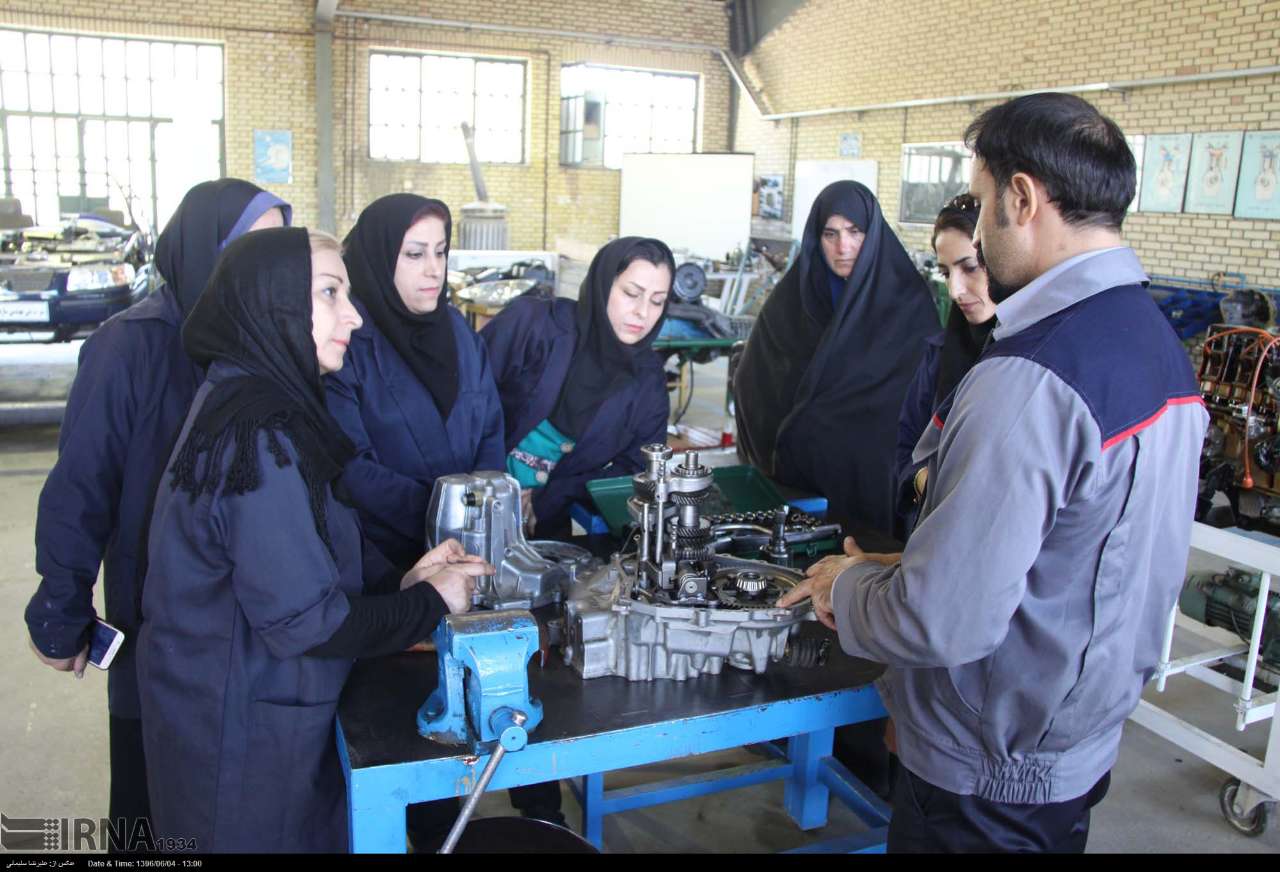
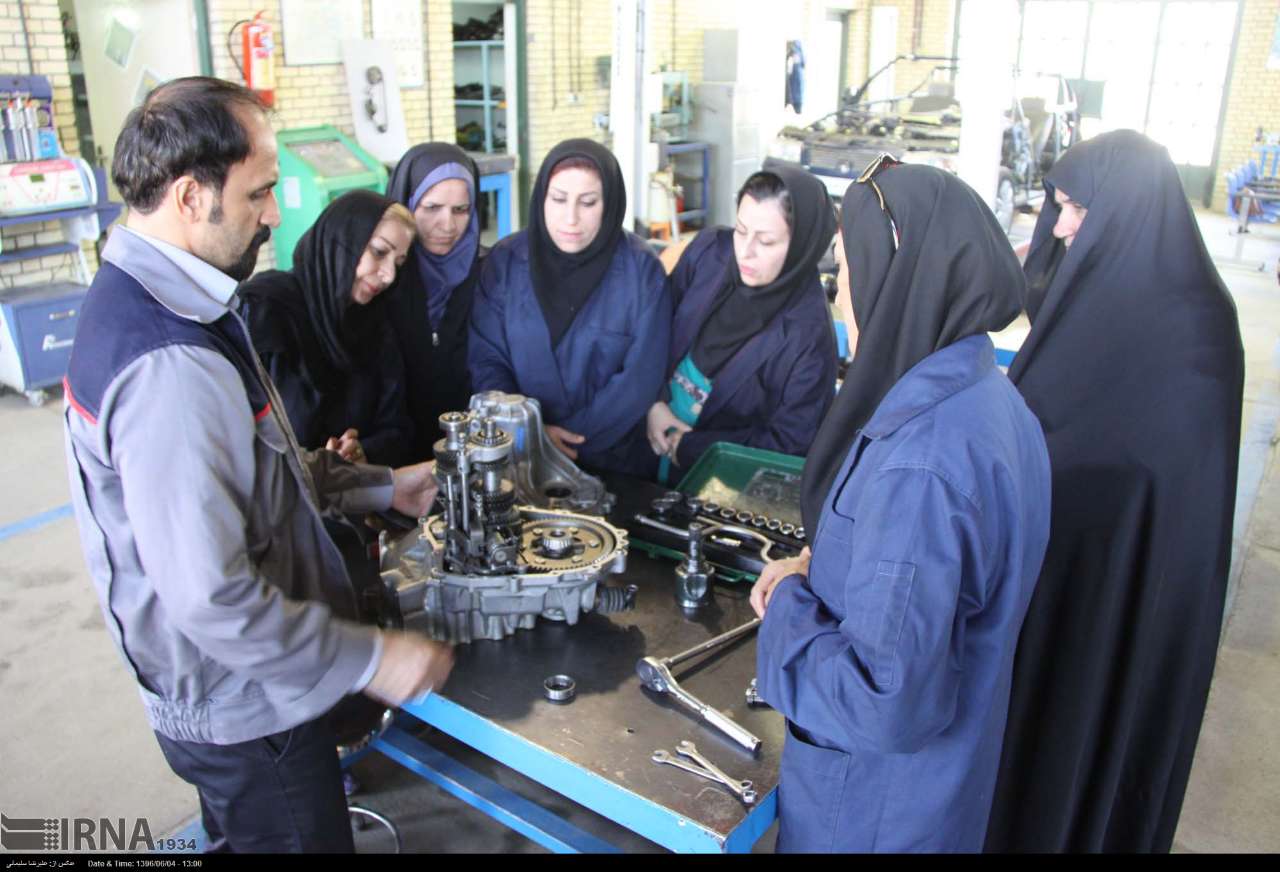
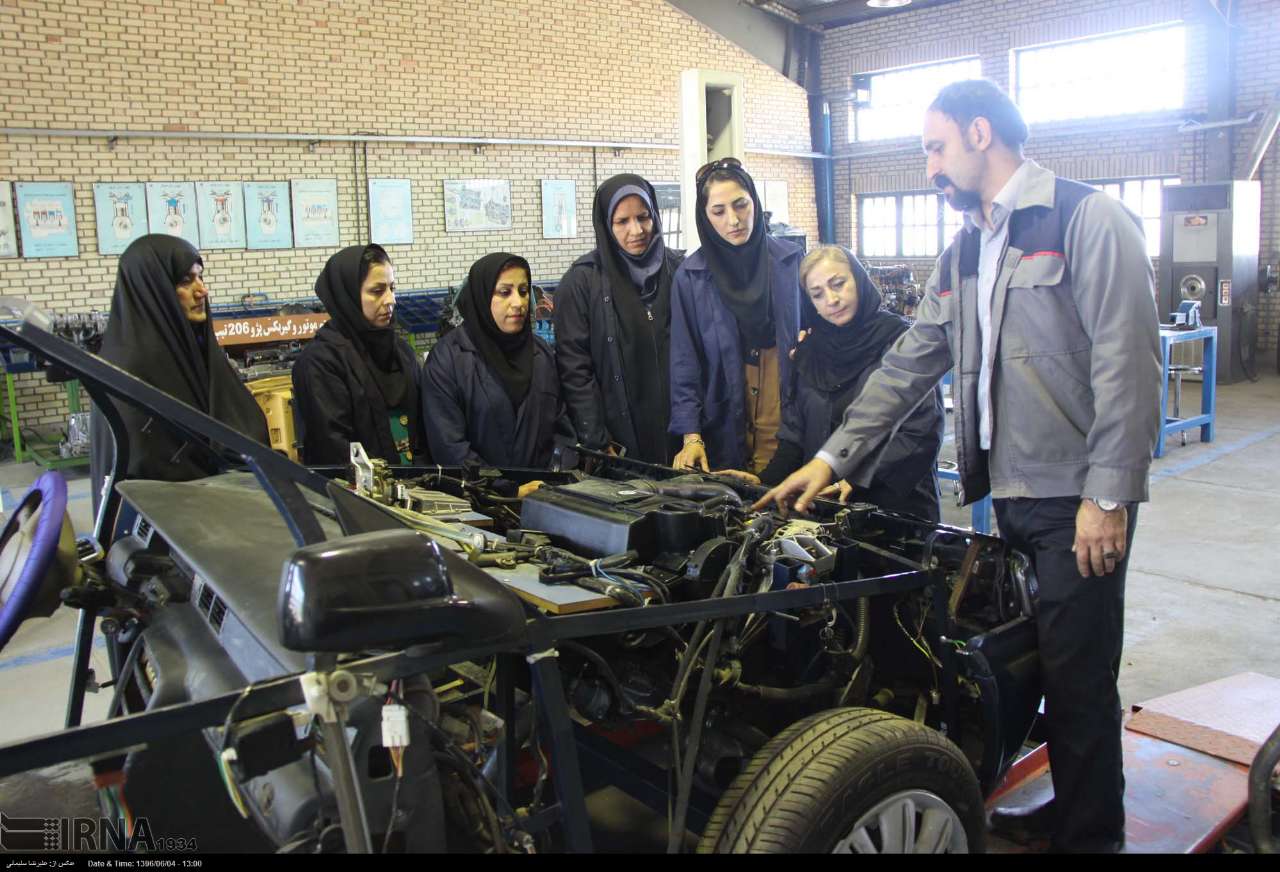
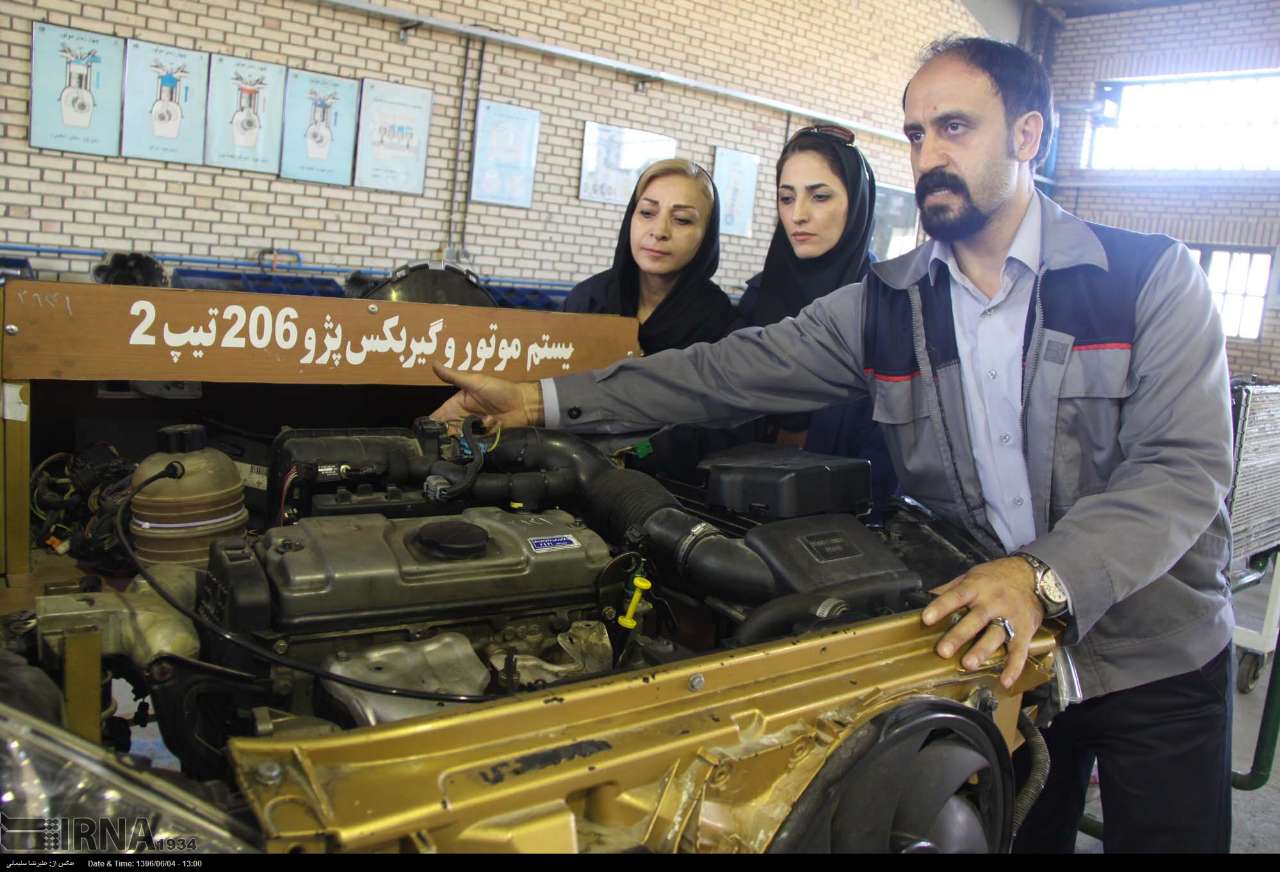
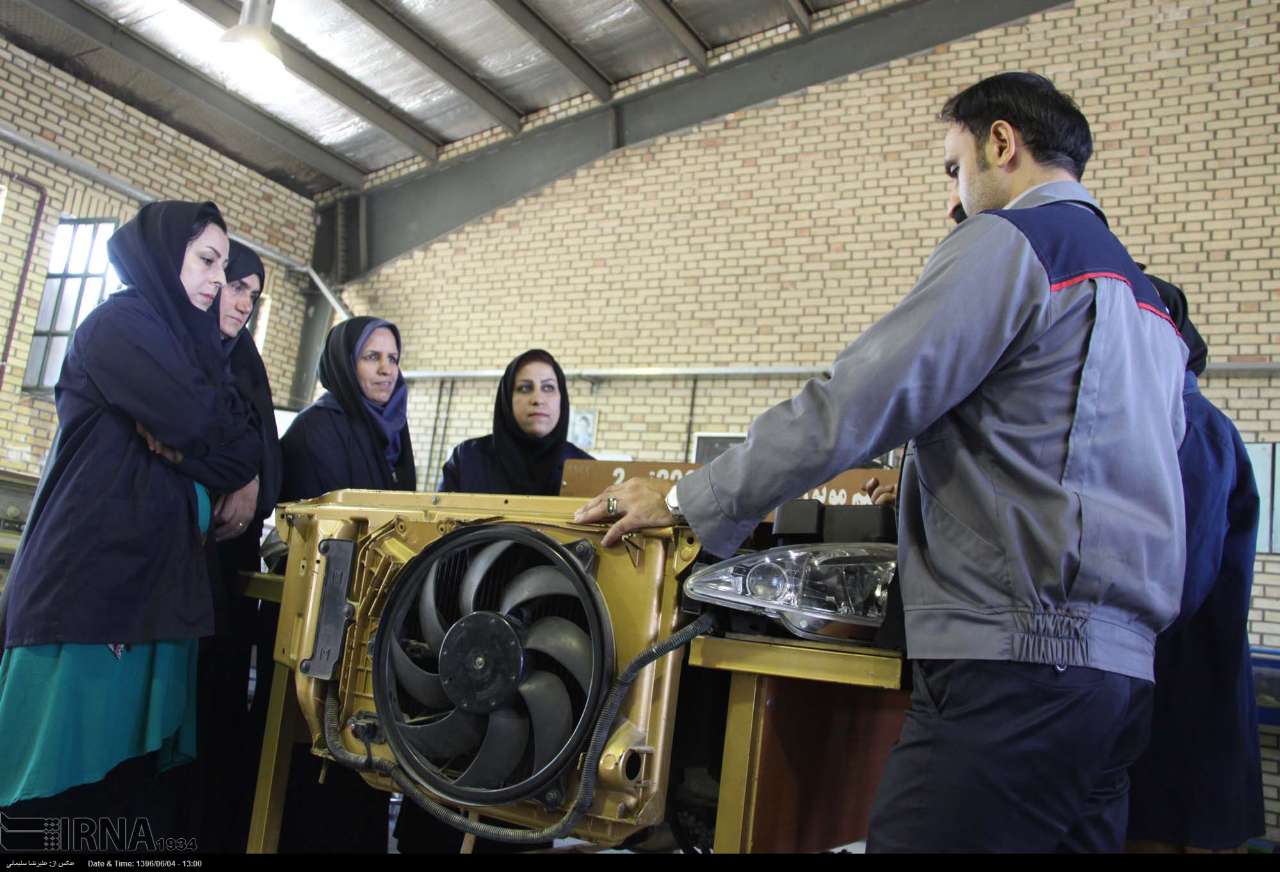
Women Mechanics Receiving Training in Iran

According to a Farsi report by IRNA, for the first time a special car repair course has been held for women at Borujerd’s Technical and Vocational Training Centre.

Here are some pictures of the workshop:

Iran Joins Club of Stone Paper Producers

Pishgaman-e Asr-e Ertebabat, a production unit in the Iranian city of Yazd, has managed to indigenize the technology to make stone paper.

According to a Farsi report by Tasnim News Agency, Iran is one of the few countries worldwide that possesses the technology.

Also known as rock paper, stone paper is an extremely durable and highly strong paper-like product manufactured from calcium carbonate bonded with high-density polyethylene (HDPE). The product is said to be ecofriendly as it can be recycled into stone paper again.

The unique characteristics of stone paper, such as being durable, oil and tear resistant and waterproof, are pushing it to fast popularity.

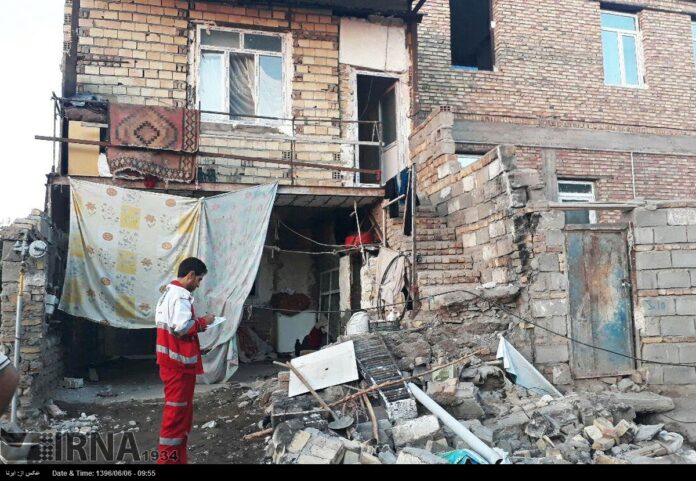
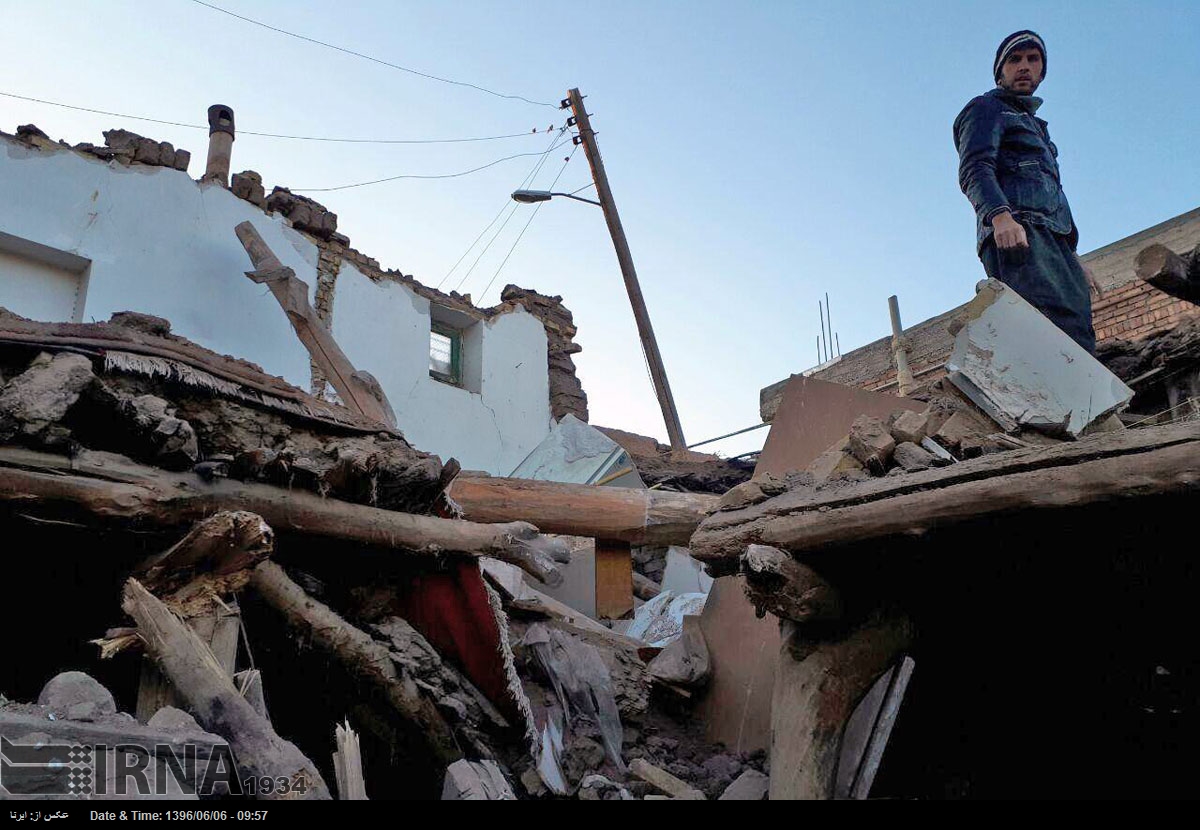
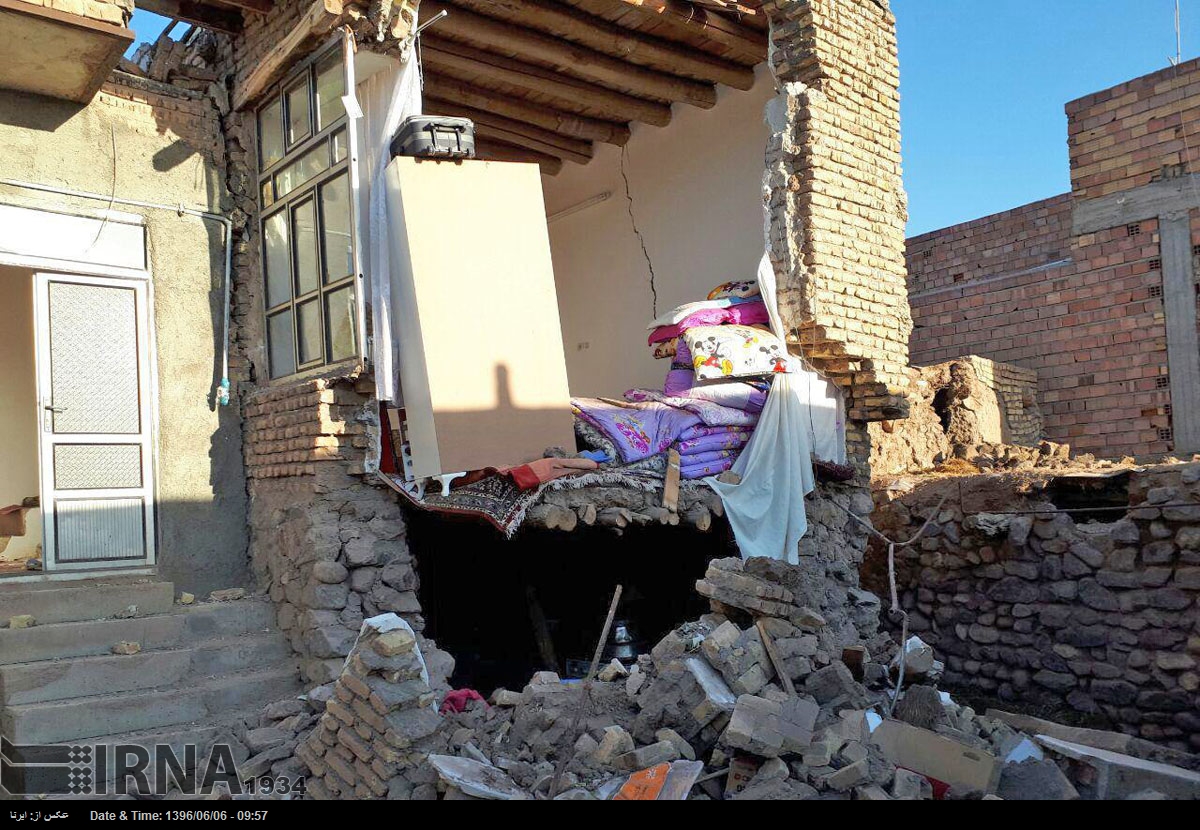
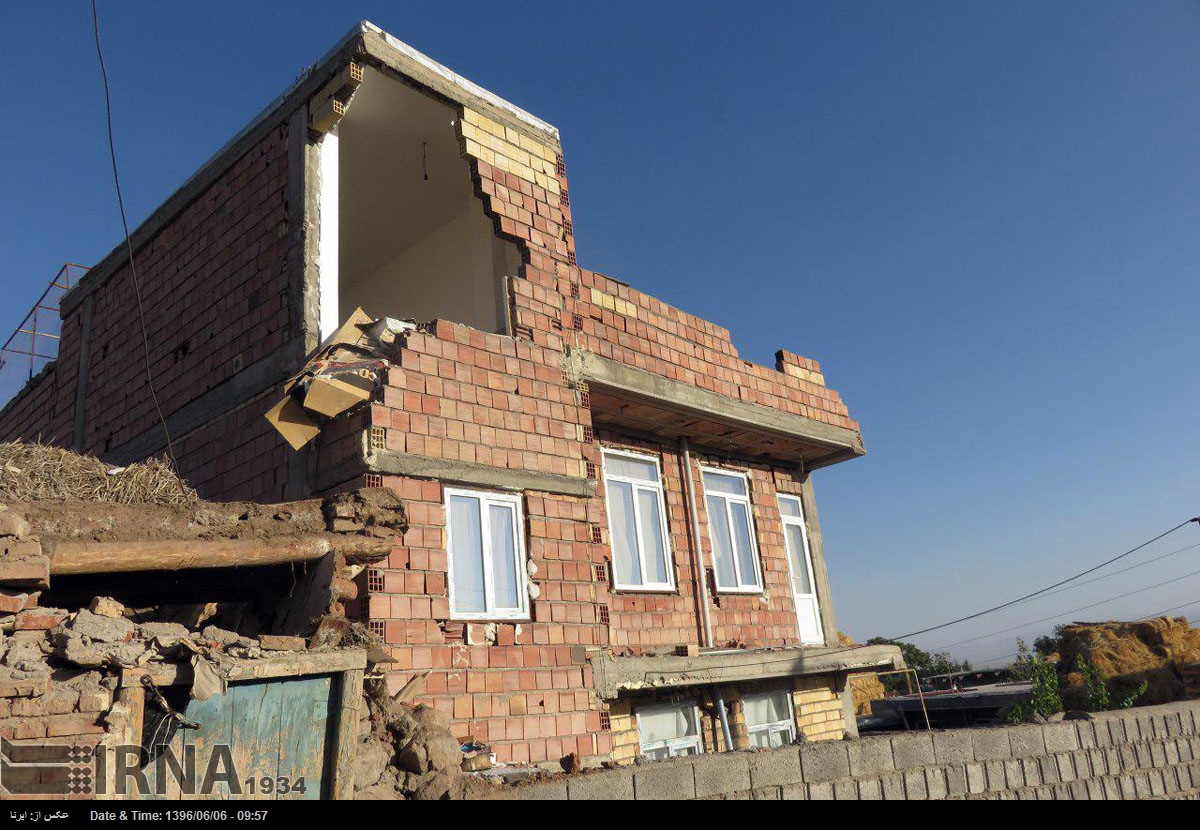
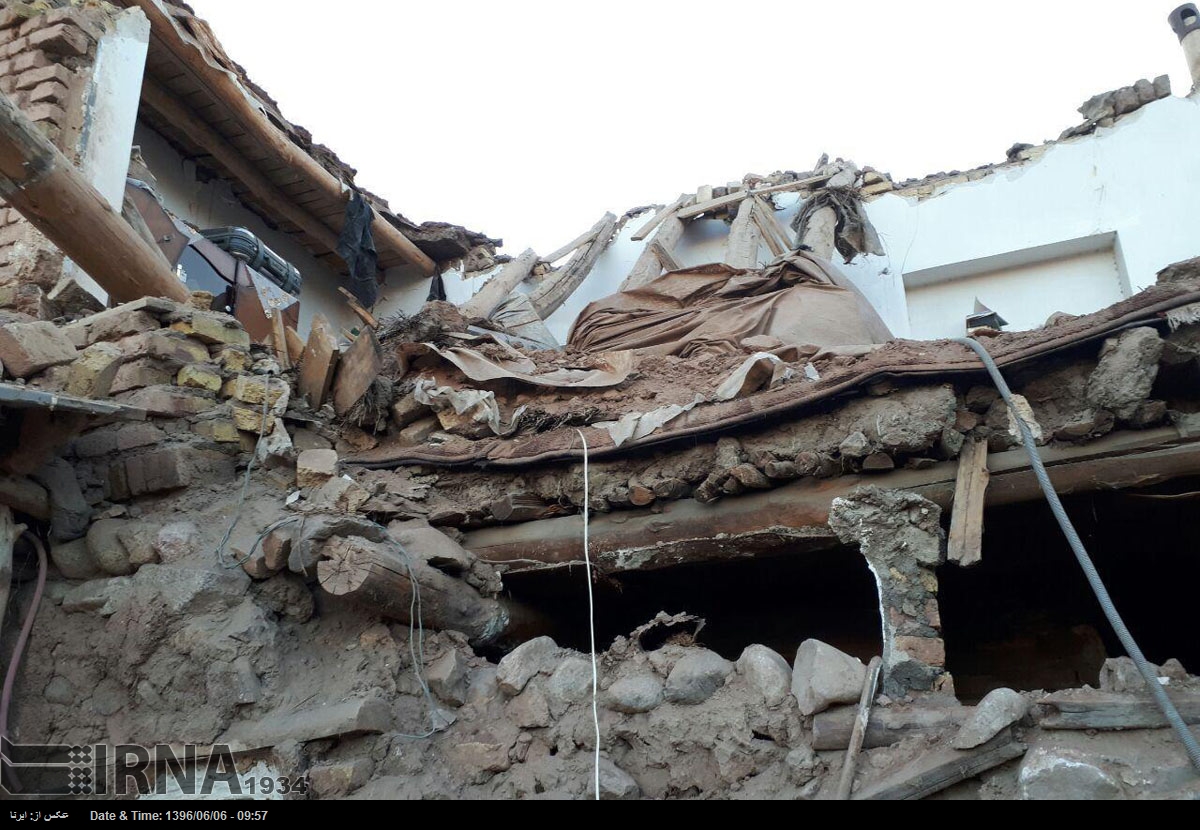
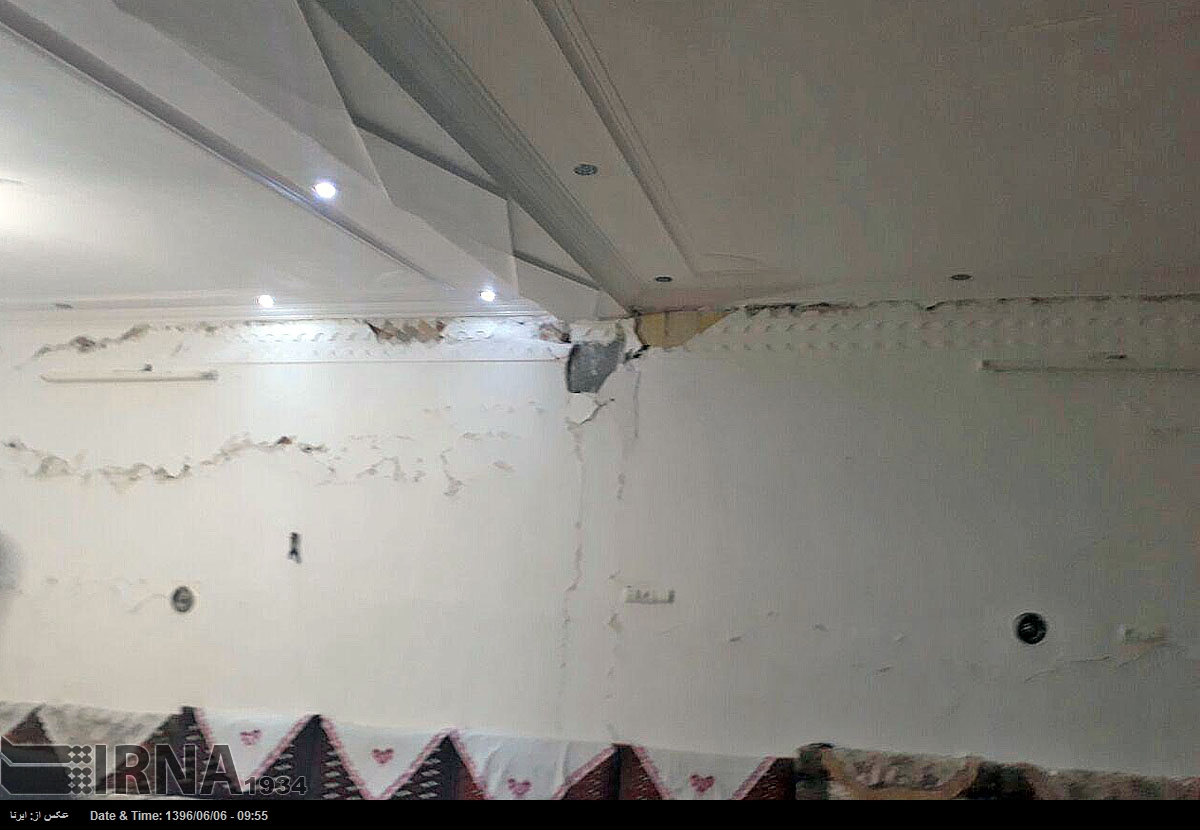
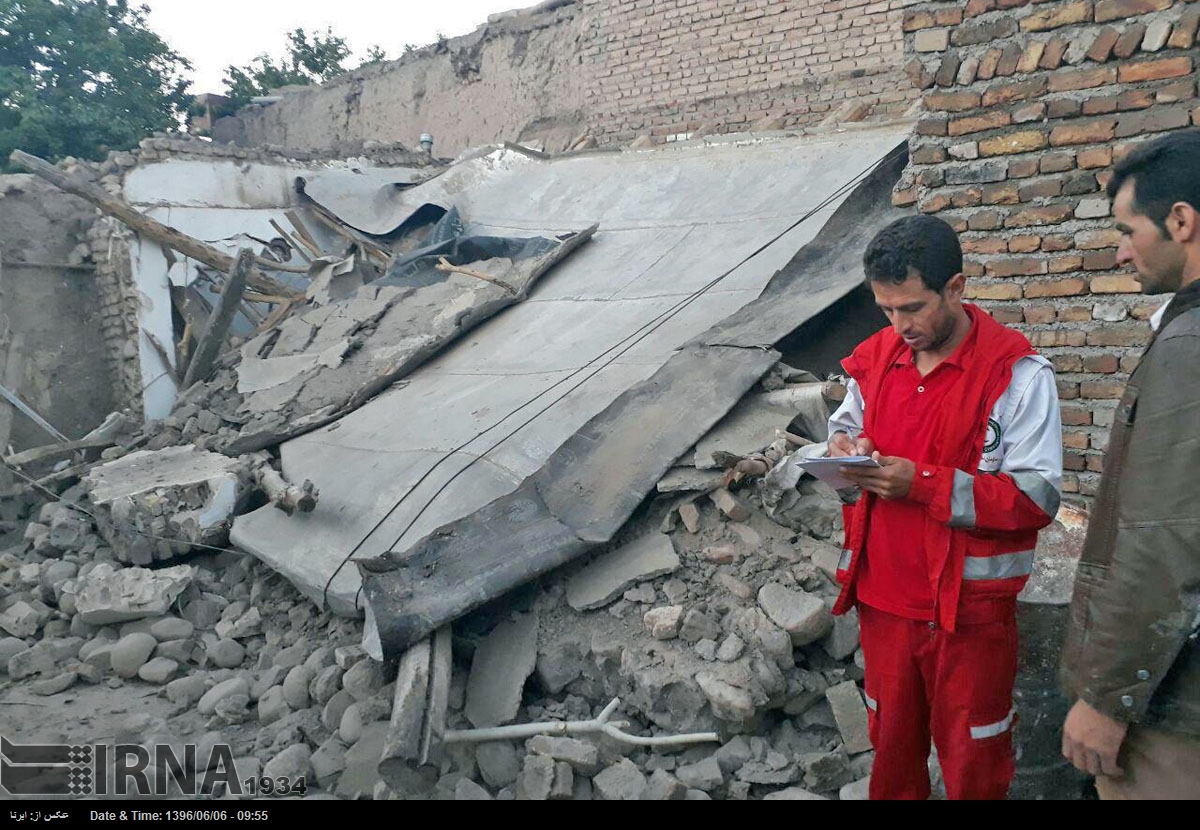
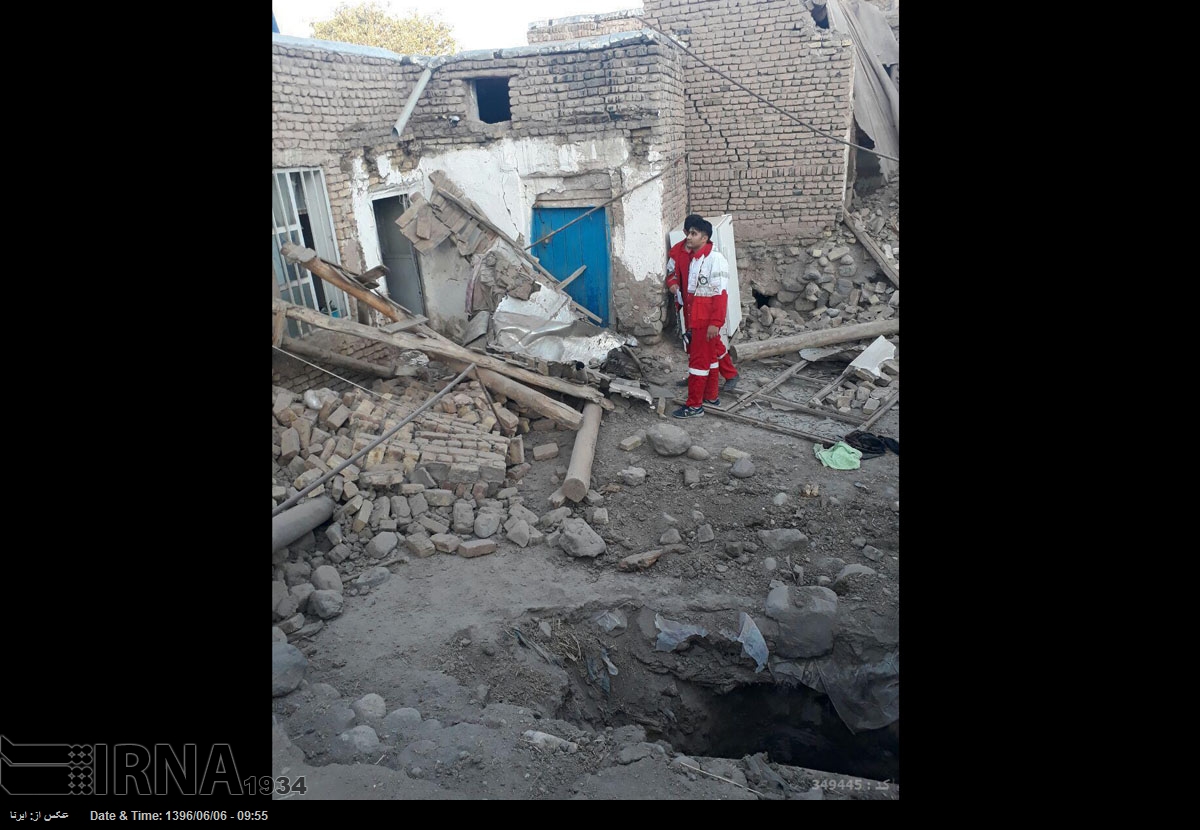
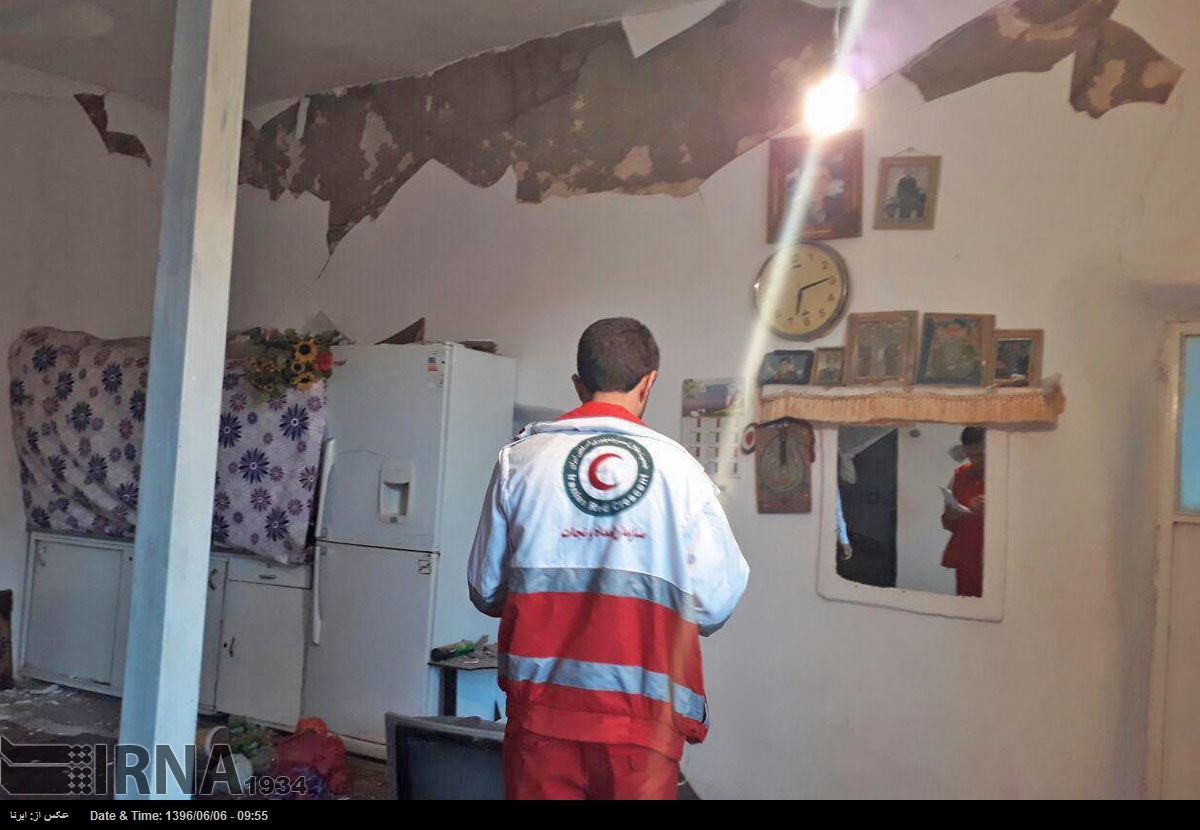
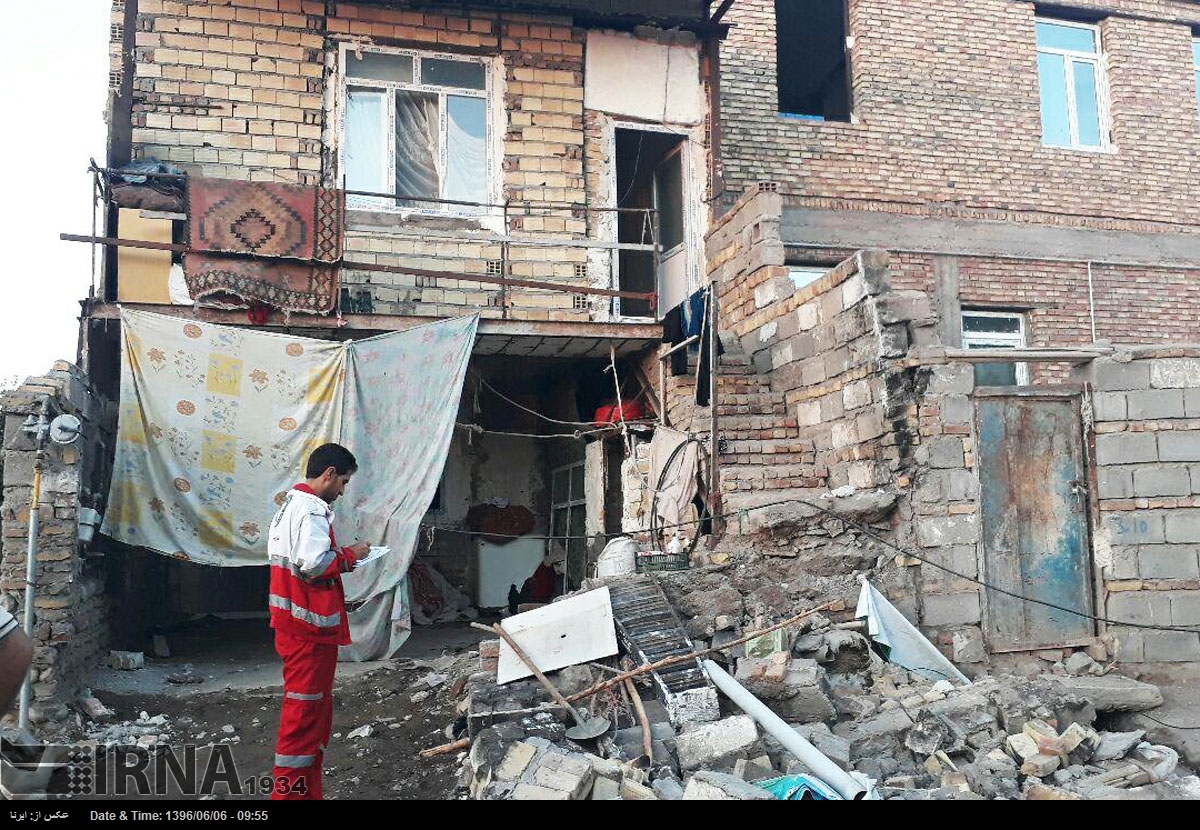
4.9-Magnitude Quake Wounds 13 People in Northwestern Iran

According to the Iranian Seismological Centre of the Institute of Geophysics of Tehran University, the earthquake hit Sharabian at 03:44 local time.

Vahid Shadinia, a local emergency official, told the Tasnim news agency that 13 people have been wounded in the quake.

“Among those wounded in the quake are a pregnant woman and a patient with heart problem, all of whom have been taken to the hospital,” he noted.

He also noted that a baby was taken out of the rubble alive, and was transferred to Sarab hospital.

The epicenter, with a depth of 7 km, was determined to be at 37.89 degrees north latitude and 47.09 degrees east longitude.

At least 25 aftershocks also jolted the same area within the next few hours.

Here are IRNA’s photos of the damages caused by the earthquake:

Iran is one of the most seismically active countries in the world, being crossed by several major fault lines that cover at least 90% of the country. As a result, earthquakes in Iran occur often and are destructive.

The deadliest quake in Iran’s modern history happened in June 1990. It destroyed the northern cities of Rudbar, Manjil, and Lushan, along with hundreds of villages, killing an estimated 37,000 people.

Bam in the country’s southeastern province of Kerman witnessed a strong quake in December 2003 which killed 31,000 people.

Iran Not to Cross Its Red Lines in Cooperation with IAEA

Bahram Qassemi

“We will continue to cooperate with the agency in line with previous commitments and we will certainly not cross any of the red lines set by the Islamic Republic of Iran,” Bahram Qassemi said in an interview with the IRIB news agency on Sunday.

He added that in view of its independent nature and the importance it attaches to its international standing, the IAEA was not probable to give in to illogical and unrealistic demands, which may be imposed on it.

The Iranian official expressed confidence that the Americans would not be able to impose their own demands on others, saying, “We have given necessary warnings to the agency and made necessary recommendations and will continue this trend in the future.”

He emphasized that Iran would never allow others to engage in off-limit issues in the landmark nuclear agreement, known as the Joint Comprehensive Plan of Action (JCPOA), adding that the IAEA inspections in Iran would be carried out only within the framework of the country’s policies.

Cooperation with the UN nuclear agency has an “unchangeable” framework, Qassemi said, adding that Iran had cooperated with the IAEA in “the best” possible manner and the agency had repeatedly verified Tehran’s full compliance with the JCPOA in its various statements.

“We will completely try to safeguard the JCPOA, because it is a multilateral agreement to which we must all remain committed and other parties must also carefully fulfill their commitments,” the Iranian spokesperson said.

Iran and the five permanent members of the United Nations Security Council – the United States, France, Britain, Russia and China plus Germany – signed the JCPOA on July 14, 2015 and started implementing it on January 16, 2016.

Under the nuclear agreement, Iran undertook to put limitations on its nuclear program in exchange for the removal of nuclear-related sanctions against Tehran.

The IAEA is tasked with monitoring Iranian compliance with the deal, a basically technical matter that falls within the agency’s area of expertise. The IAEA has consistently verified that Iran is in compliance since the deal started being implemented in January 2016.

Elsewhere in his remarks, Qassemi urged the European countries of the P5+1 group to counter the US unilateral policies and said they must not allow any country to unilaterally undermine the JCPOA.

US Ambassador to the UN Nikki Haley on Friday called on the IAEA to request access to Iranian military sites, in what is regarded as an attempt by Washington to undermine the multilateral nuclear deal with Iran.

“We are encouraging the IAEA to use all the authorities they have and to pursue every angle possible with the JCPOA, and we will continue to support the IAEA in that process,” she said at a news conference in New York.

Iran Not to Cross Its Red Lines in Cooperation with IAEA

The US is a party to the JCPOA, which was negotiated under former US president, Barack Obama. But the administration of US President Donald Trump, which took over in January this year, has been opposed to the accord and is believed to be looking for a way to potentially withdraw from it.