Friday, April 17, 2026
Home Blog Page 3901

Qatar to Host Iranian Art Exhibition

Qatar to Host Iranian Art Exhibition

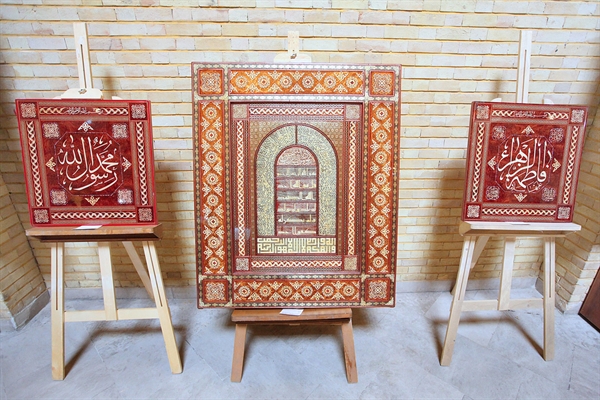
The exhibition entitled “A Manifestation of Iranian Art” is planned to be held by Iran’s cultural attaché in Qatar.

The marquetry works of Iranian artist, Morteza Atash-Panjeh, will be put on display as of September 24, according to a Farsi report by the Arya News Agency.

During the exhibition, 40 works by Atash-Panjeh will be displayed for one week for the visitors interested in the Iranian traditional art.

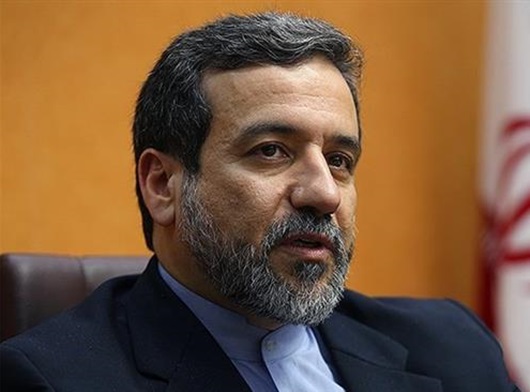
Deputy FM Araqchi Addresses NAM Meeting on Palestine

araqchi

In an address to the Tuesday meeting, Araqchi referred to the abusive policies of the Zionist regime over the past six decades, which have deprived the Palestinians of their basic human rights as well as their ownership rights over their lands, and once again voiced the Islamic Republic of Iran’s firm support for the Palestinians.

The Iranian diplomat also touched upon the provocative moves of the Zionist regime aimed at changing the Islamic identity of Al-Quds and said Tehran supports the popular resistance of the Palestinians against the new wave of Israeli aggression.

The extraordinary meeting of the Palestine Committee of NAM was held following Israel’s latest efforts to change the Islamic identity of al-Quds.

During the meeting, the Islamic Republic of Iran backed thr NAM committee’s statement on the necessity of standing by the Palestinians and once again underlined the unity of Iran and NAM members in supporting the Palestinians and their cause.

FM Zarif Dismisses Trump’s “Hollow” Statements on Iran

In reaction to Trump’s anti-Iran allegations in his address to the UN General Assembly, Zarif said the statements, particularly those parts referring to the great nation of Iran, were too blatant, hollow and non-sense to reply.

The Iranian top diplomat stressed that the flagrant and foolish statements of the US president as well as his ignorance of the realities of the Islamic Republic’s domestic and foreign policies and its fight against terrorism reveal the depth of his naivety and populist behaviours when it comes to international politics.

“Such behaviours along with other realities like the US support for the criminal Zionist regime and other regional dictatorial regimes as well as its support for terrorist groups would not yield any result but further isolation and disrepute for the US administration in the world,” he added.

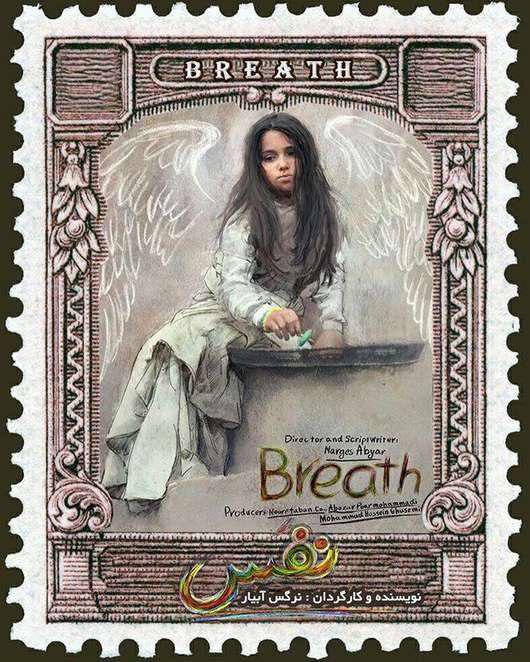
Iran Selects ‘Breath’ as Official Submission to Academy Awards

A committee of nine cinema professionals (including four directors, an actor, a composer, a producer, a film critic, and a cinema official) was assigned by Iran’s Farabi Cinema Foundation to choose the county’s submission to the Oscar race.

“The movie ‘Breath’ was selected by a majority vote,” committee spokesman Amir Esfandiari said on Tuesday, adding that the Committee hopes Abyar’s film would further introduce Iran’s capacities to a wider range of audiences.

The film was chosen from a shortlist of four, including “Subdued” (Rage Khab) by Hamid Nematollah, “Malaria” by Parviz Shahbazi, and “Vilaei-Ha” by Monir Qeidi.

“Breath”, produced in 2015, relates the story of a little Iranian girl named Bahar who lives a life spun from folklore and stories, always with her head in a book. But growing up in Yazd in the 1970s and ’80s, she is at the centre of a country in turmoil: the Shah is overthrown, Ayatollah Khomeini rises to power, and the first shots are fired in a bitter and protracted war with Iraq. Over the span of several years, Bahar finds daydreaming in her own fantasy world is the only way she can make sense of the pain and suffering warring humans inflict on one another.

Shabnam Moghaddami received the Crystal Simorgh of Best Supporting Actress in the 34th Fajr Film Festival for her appearance in the film.

The filmmaker Abyar also received the Best Director award at 2016 Tallinn Black Nights Film Festival.

Earlier Iranian submissions to the Academy Awards have brought the country four nominations and two Oscars. Both awards were given to Asghar Farhadi, the acclaimed filmmaker, for his films ‘A Separation’ (2011) and ‘The Salesman’ (2016).

The film ‘Children of Heaven’ by Majid Majidi was also nominated for an Academy Award in Best Foreign Language Film category in 1998, but lost the Oscar to Italy’s submission ‘Life is Beautiful’ by Roberto Benigni.

Farhadi’s ‘A Separation’ was also nominated for an Oscar in Best Original Screenplay category.

The Academy Award for Best Foreign Language Film is one of the Academy Awards of Merit, or Oscars, handed out annually by the US-based Academy of Motion Picture Arts and Sciences (AMPAS).

It is given to a feature-length motion picture produced outside the United States of America with a predominantly non-English dialogue track.

The Academy Awards or The Oscars is an annual American awards ceremony honoring cinematic achievements in the film industry.

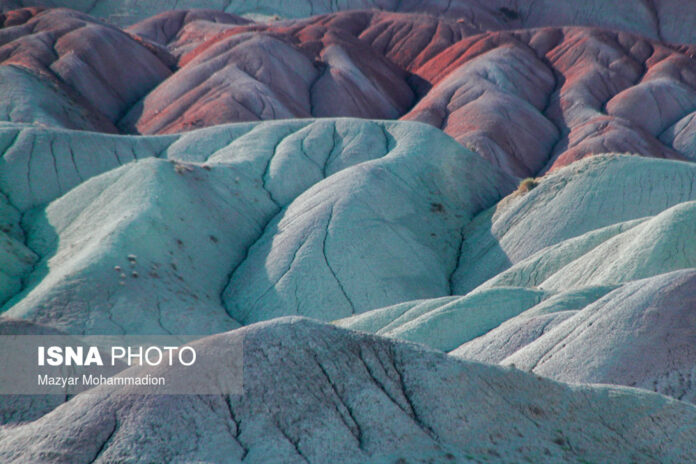
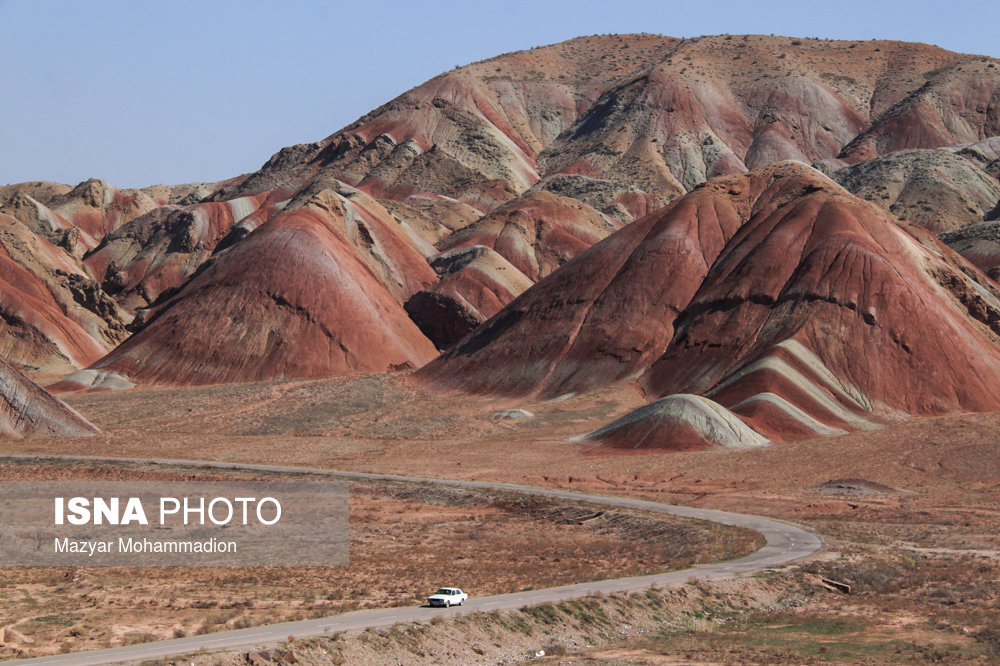
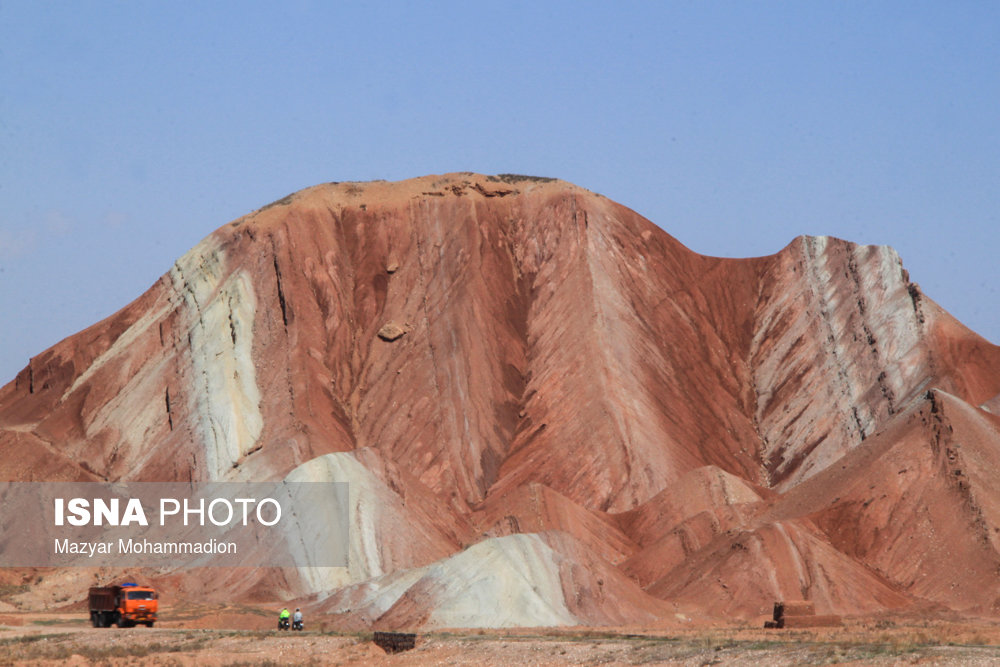
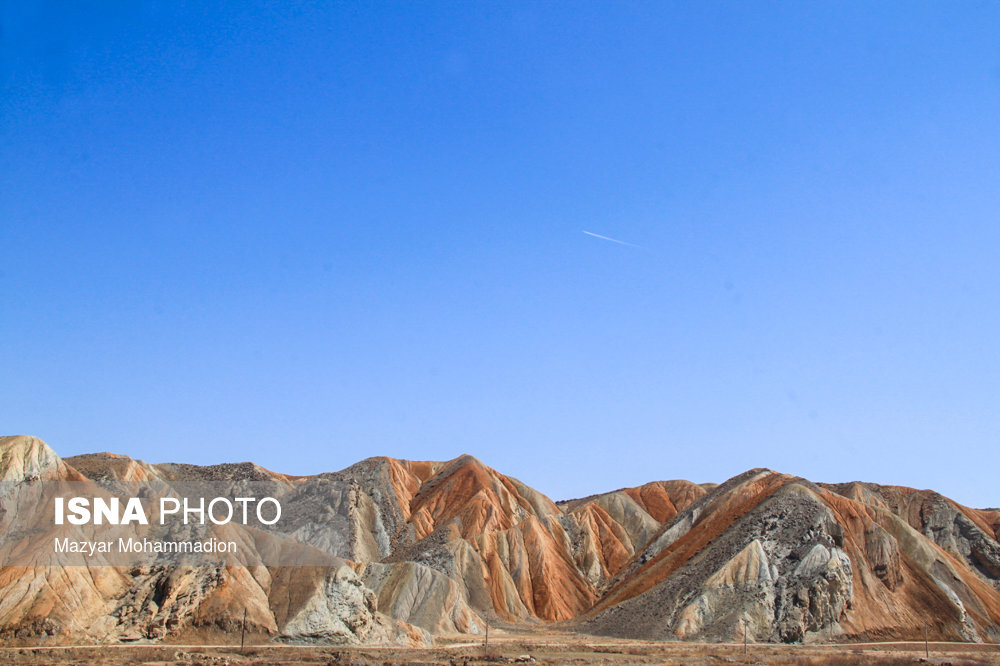
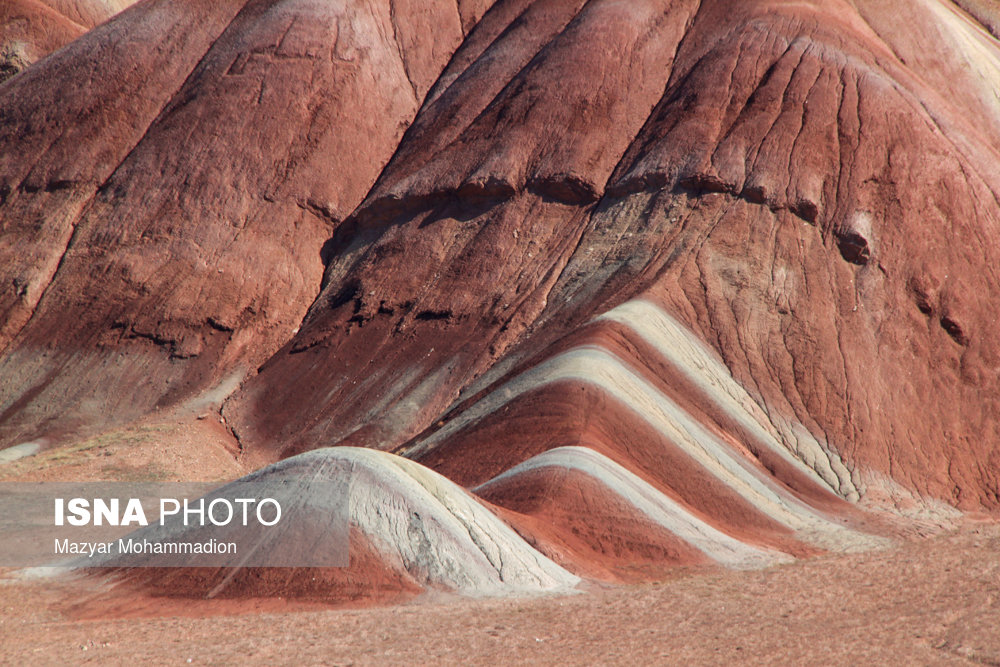
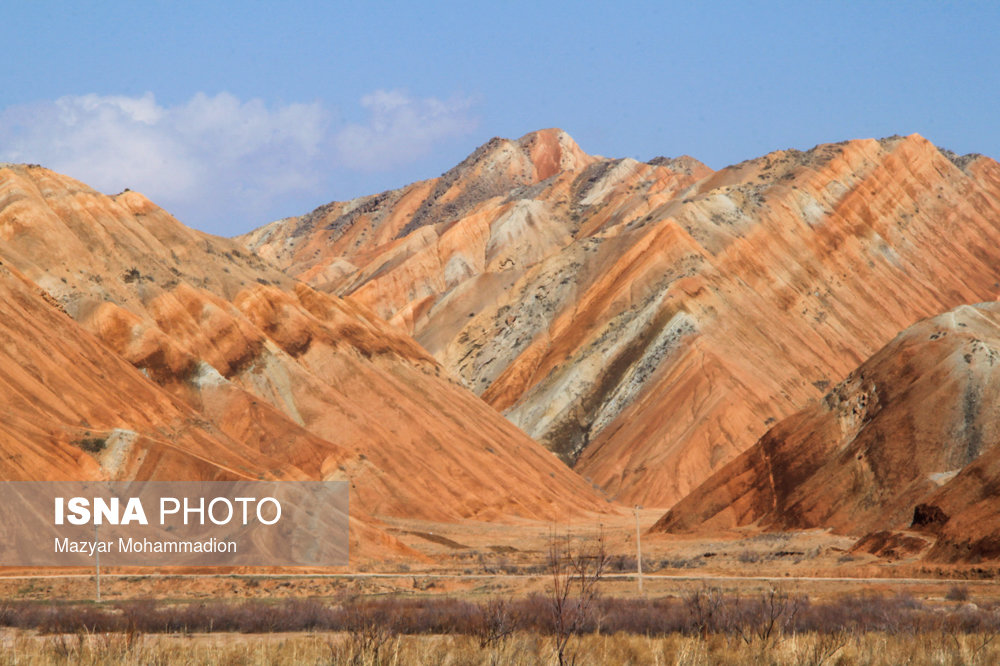
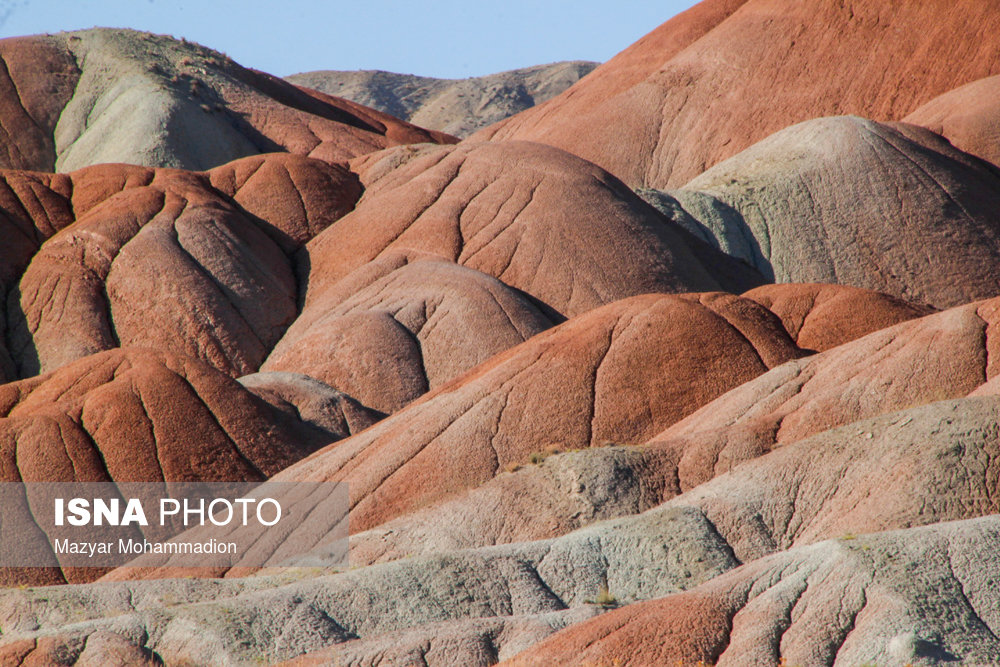
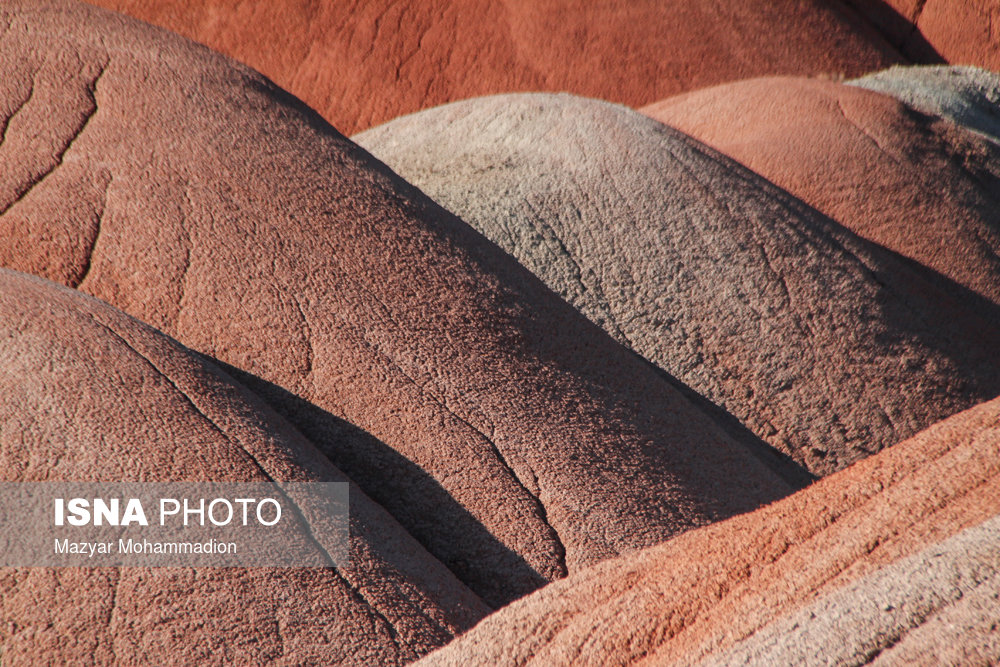
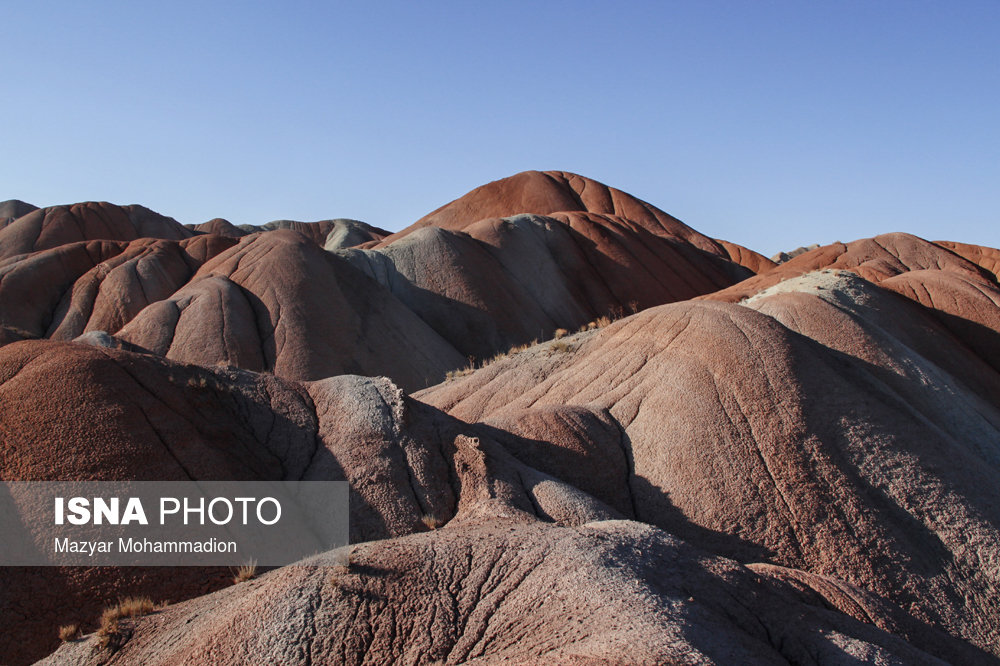
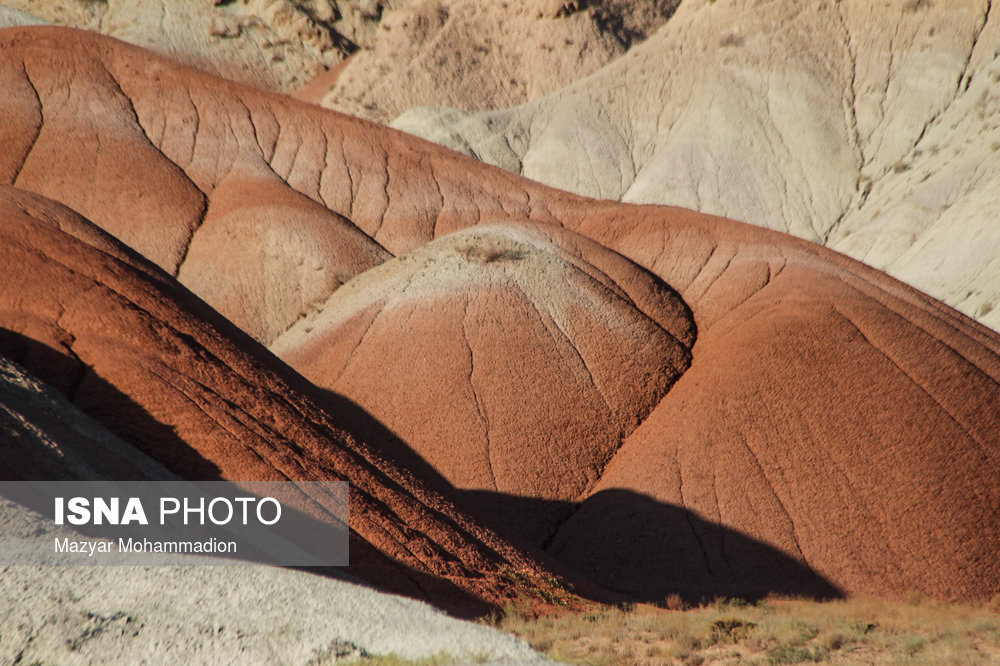
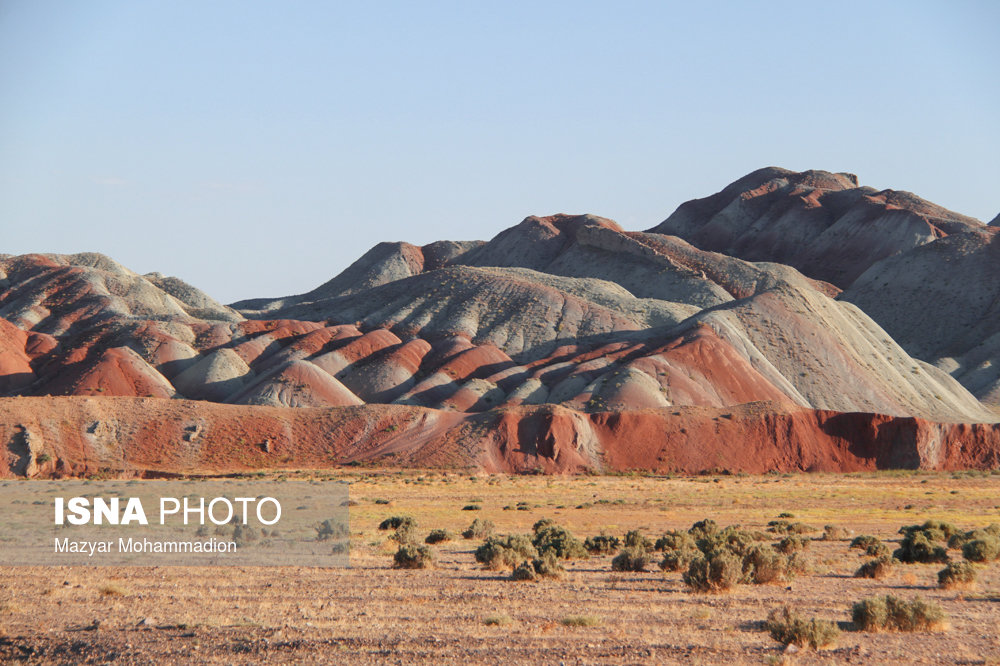
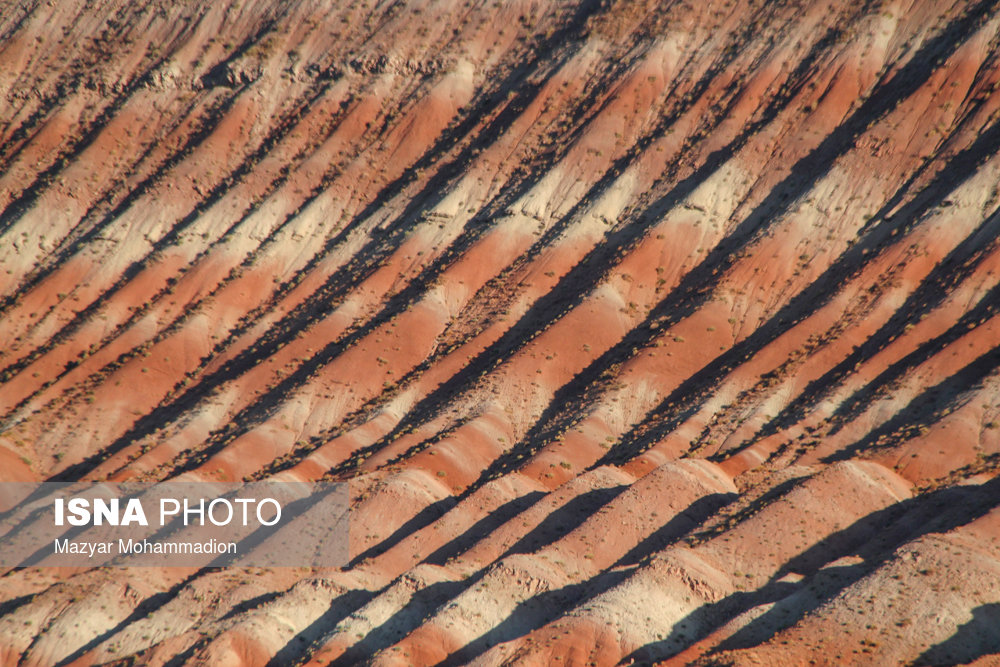
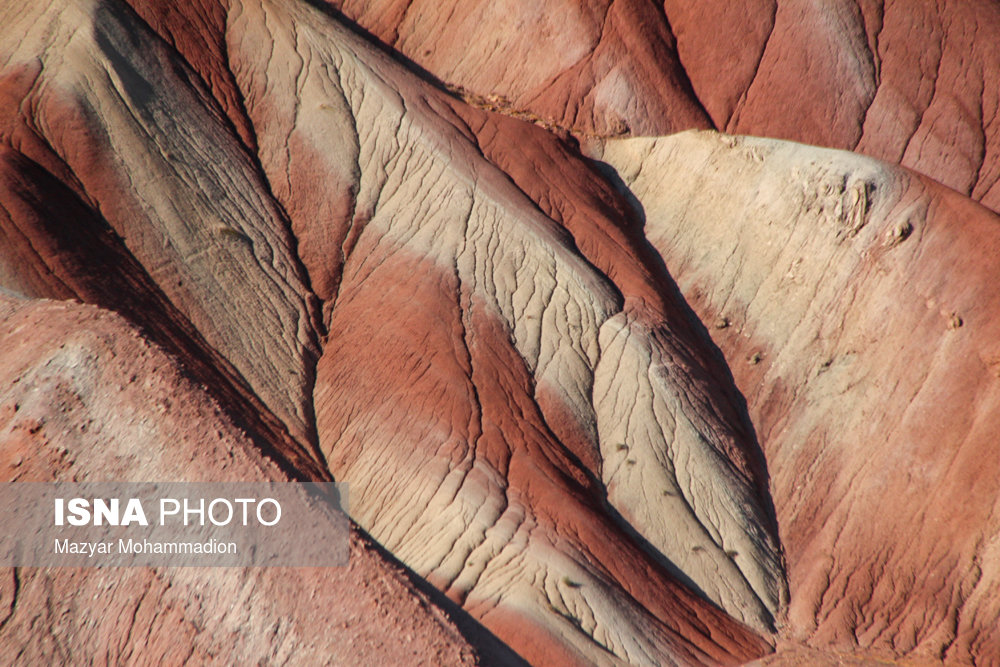
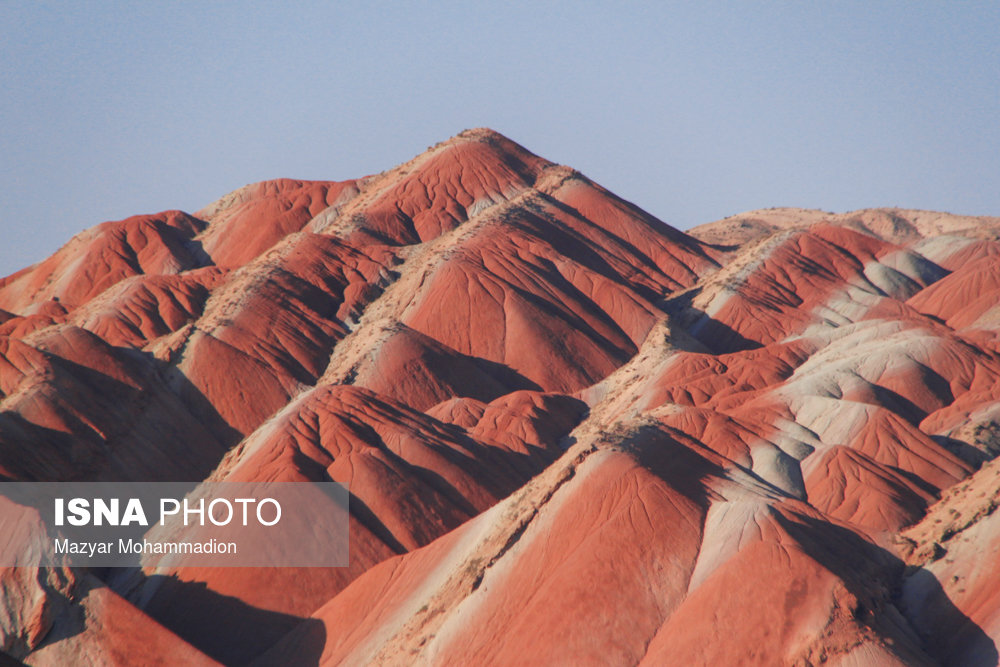
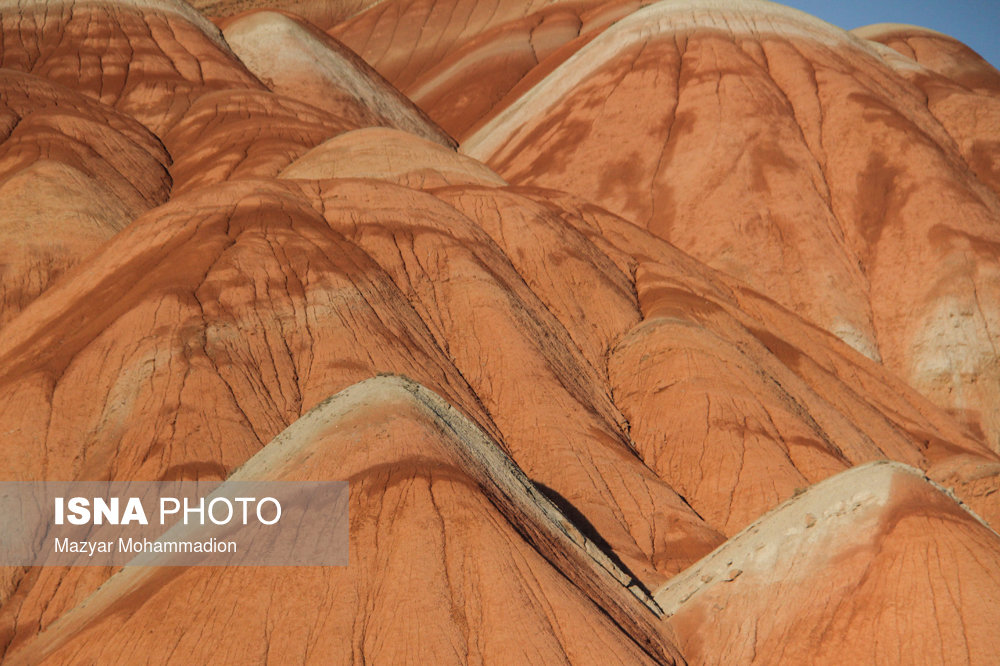
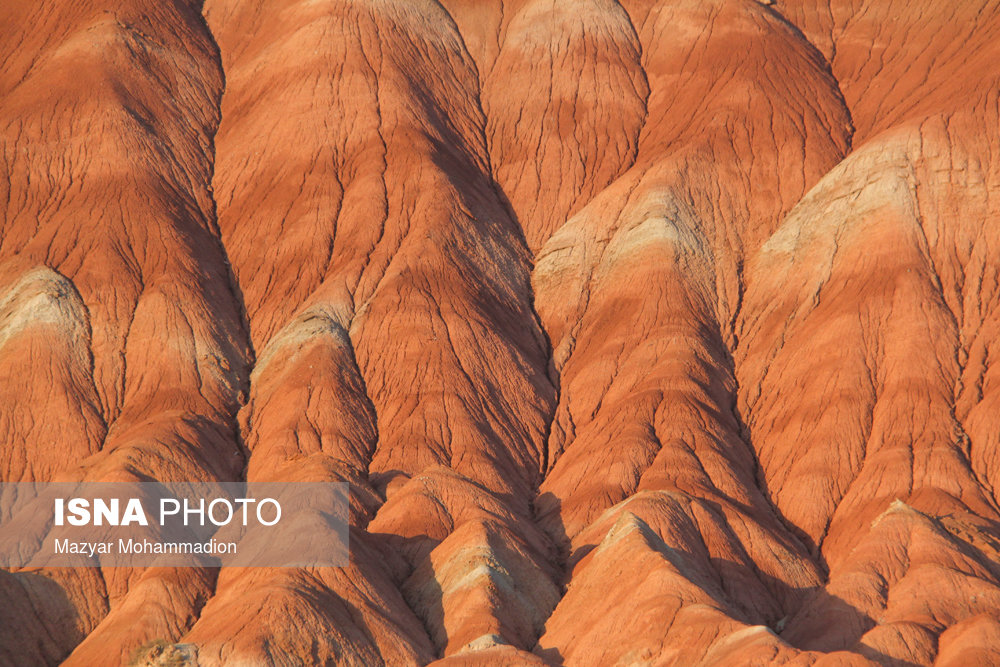
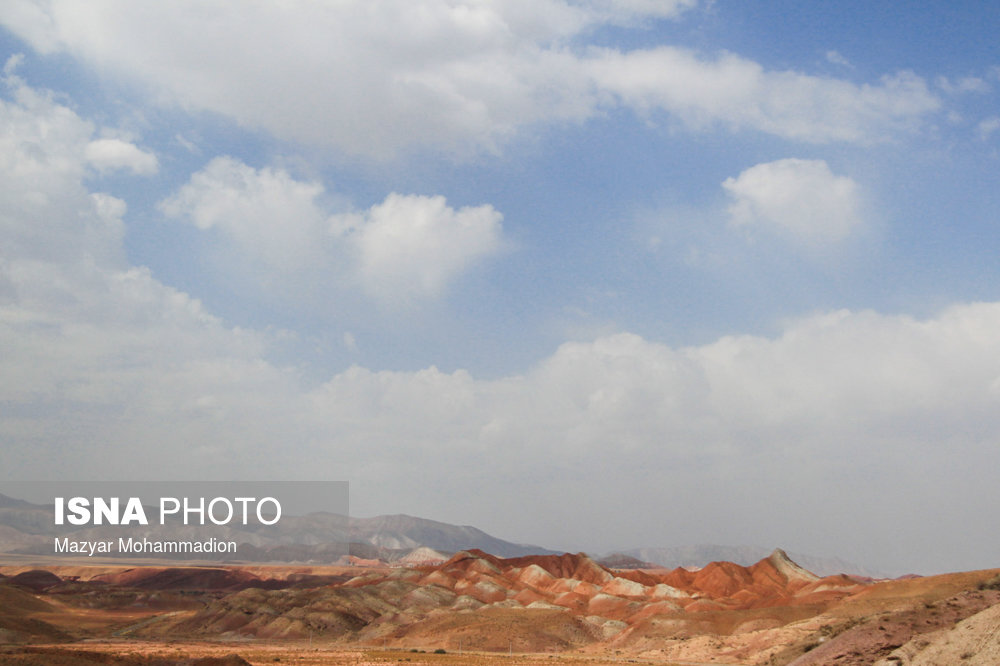
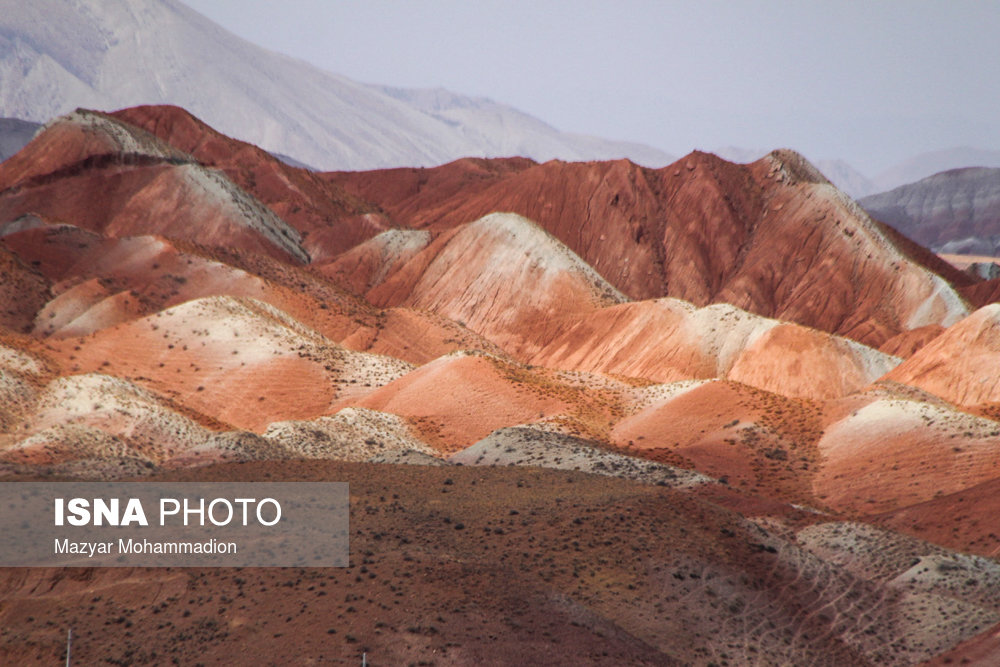
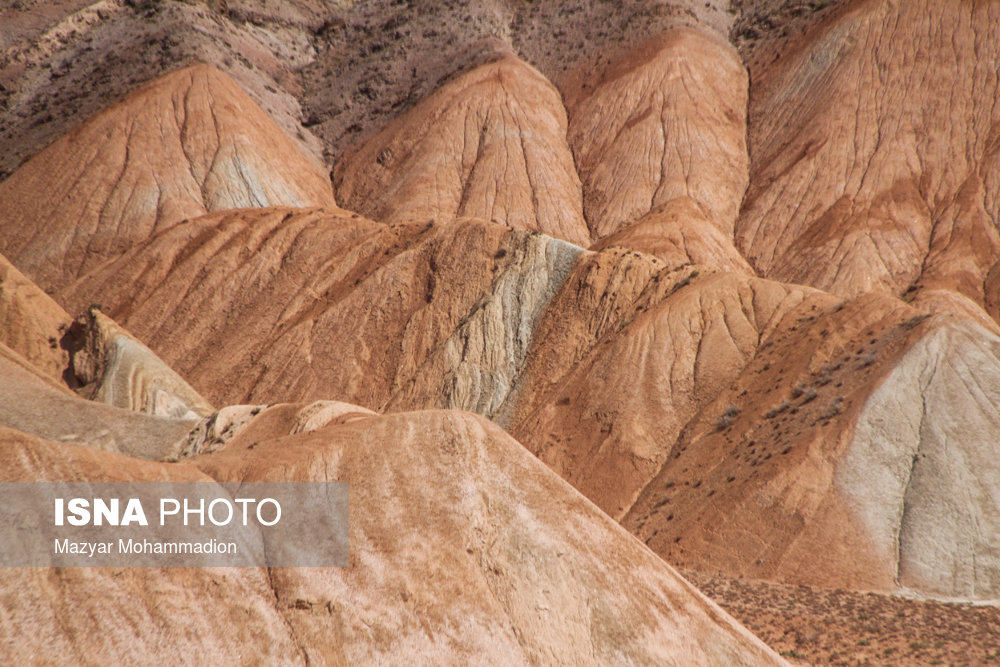
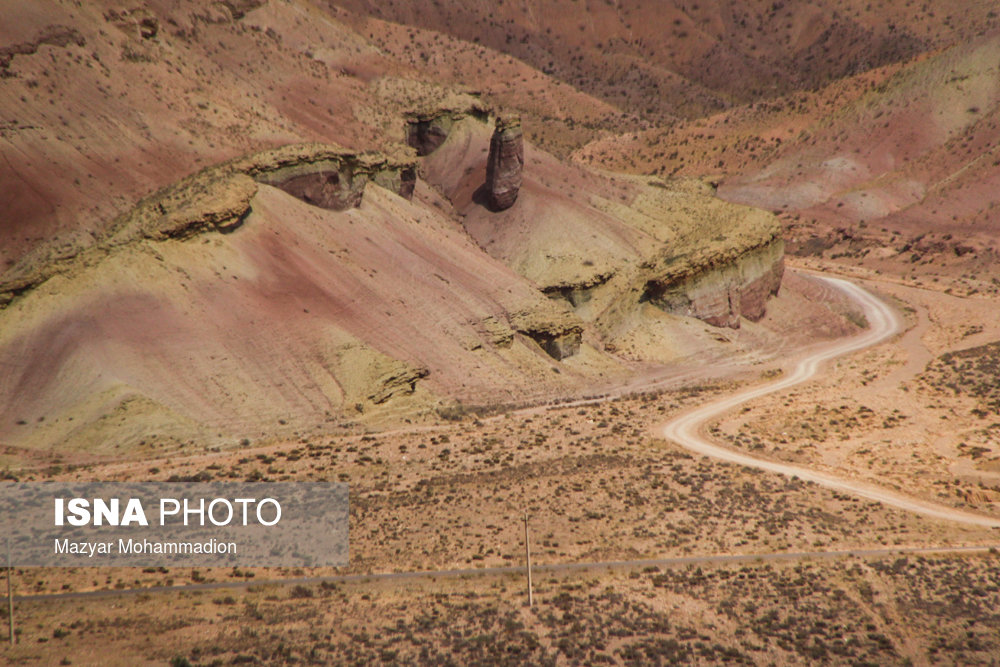
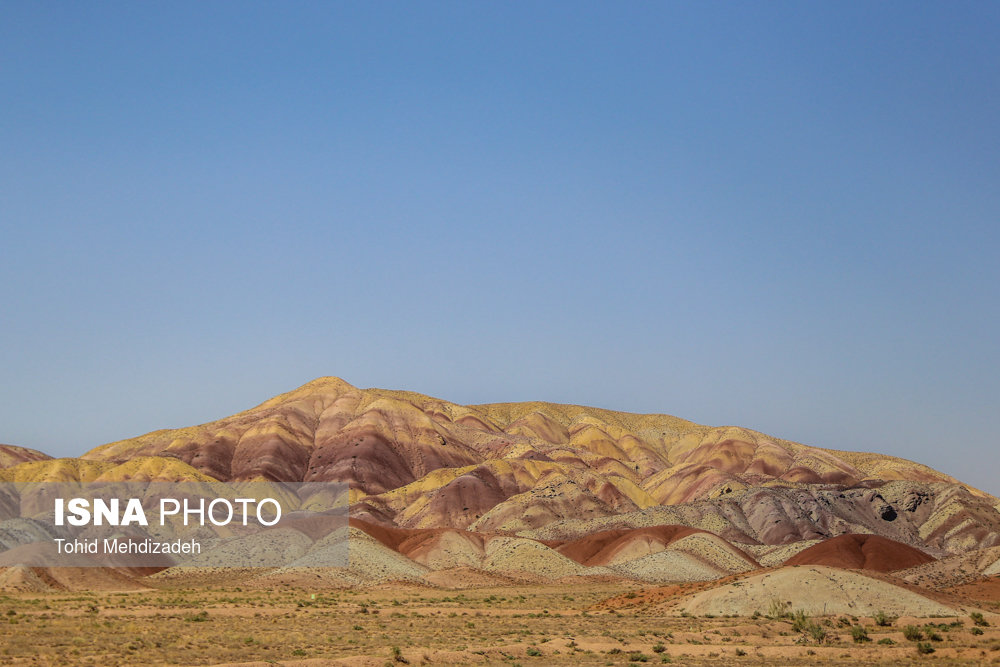
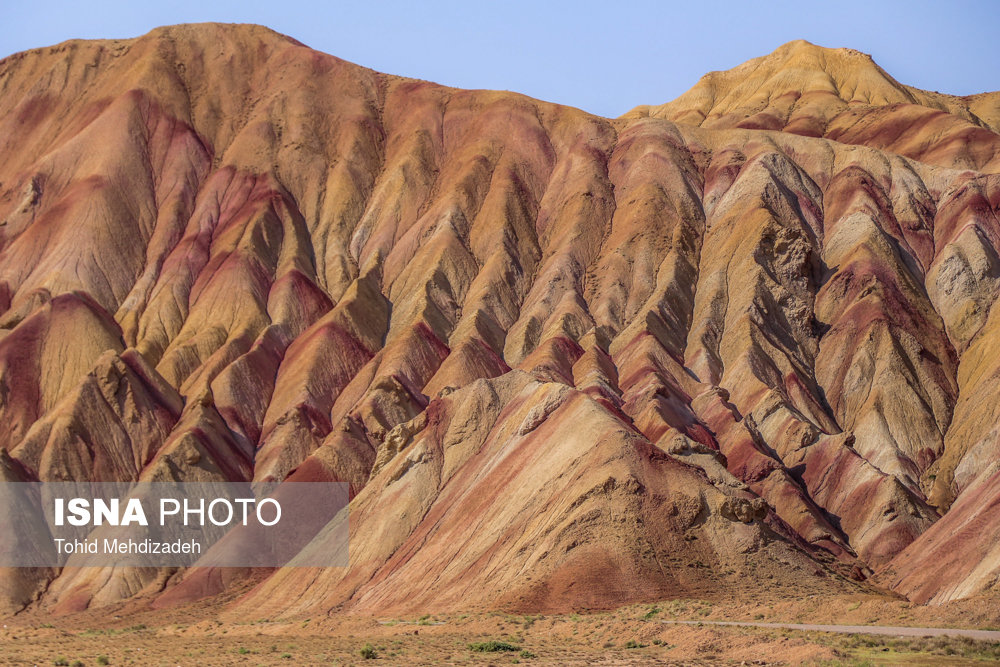
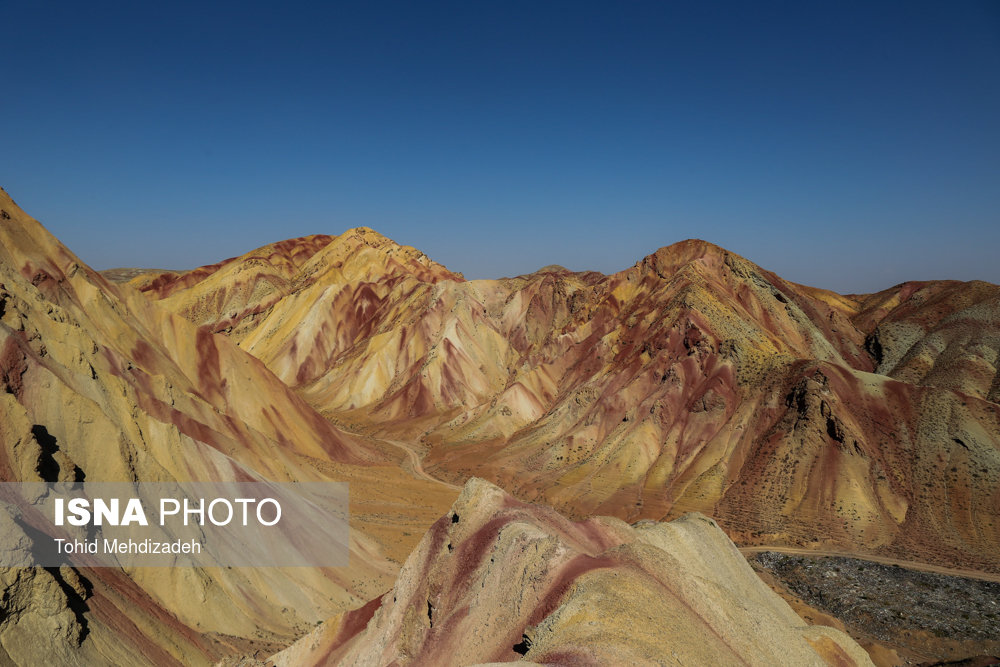
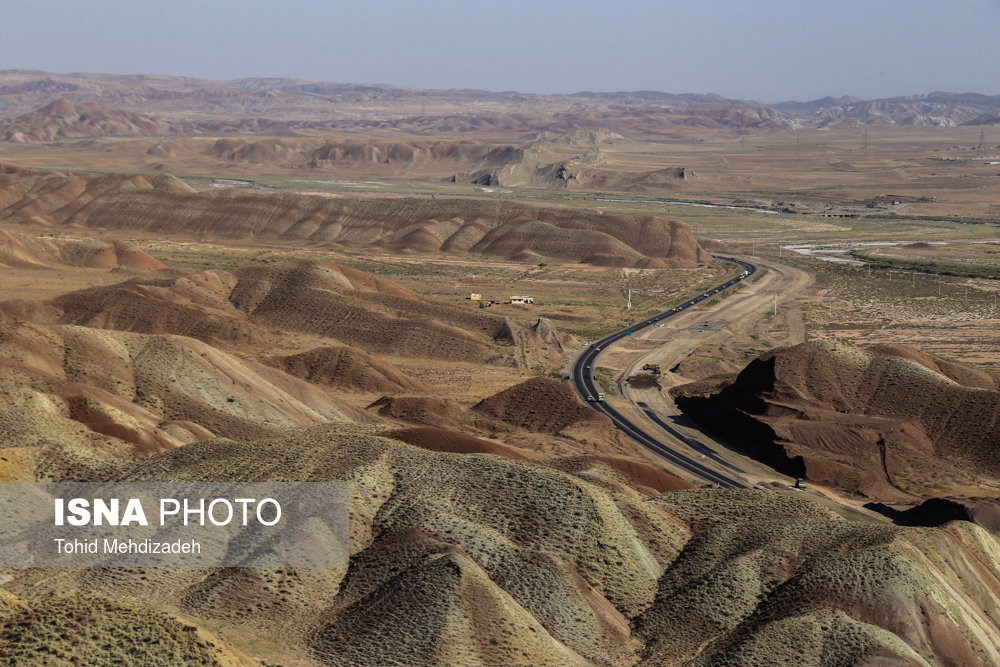
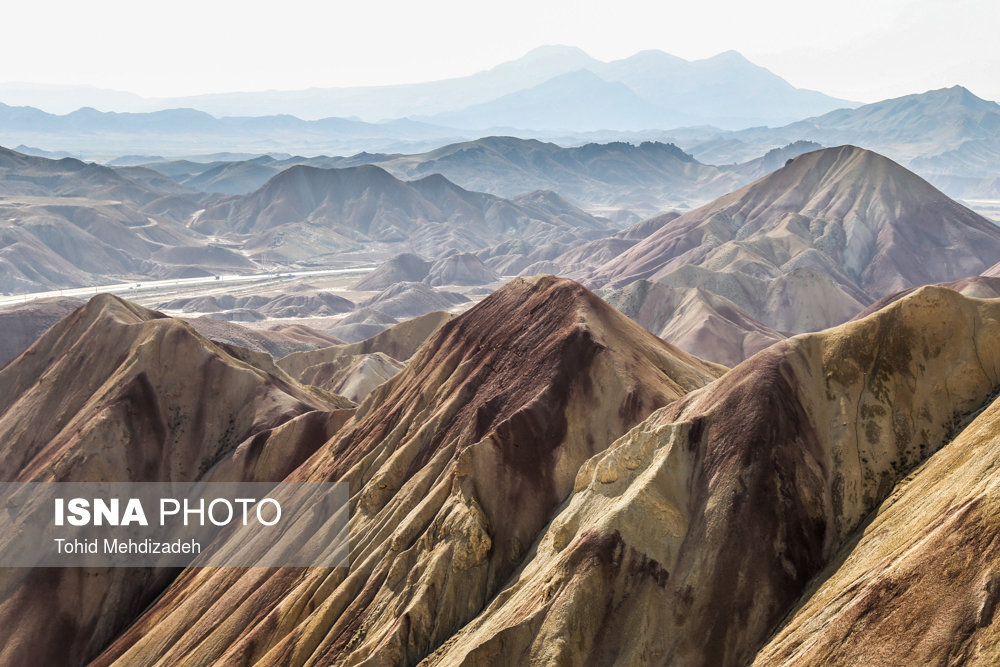
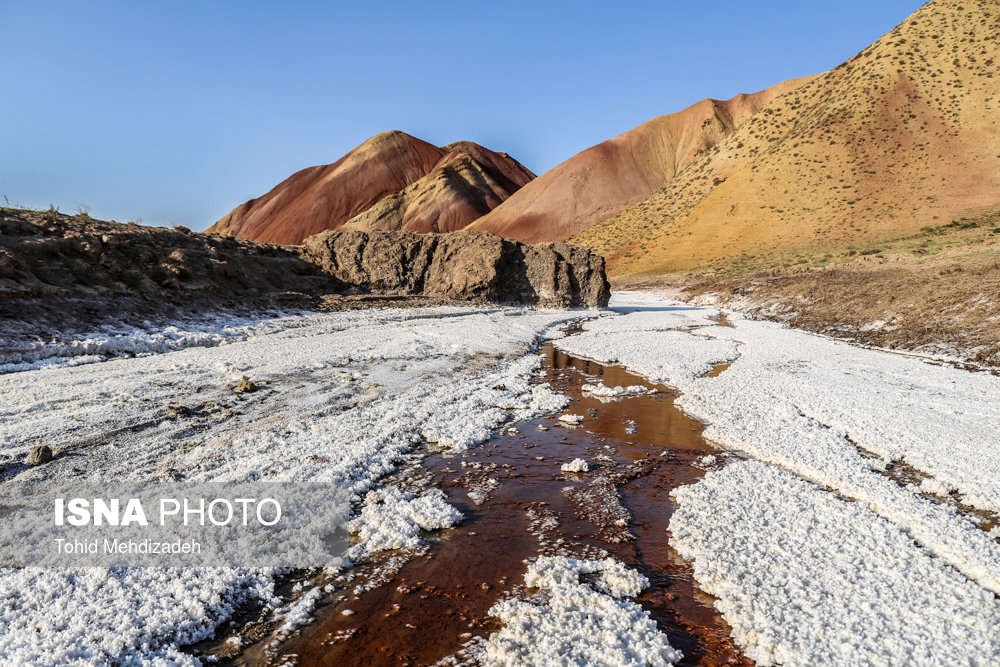
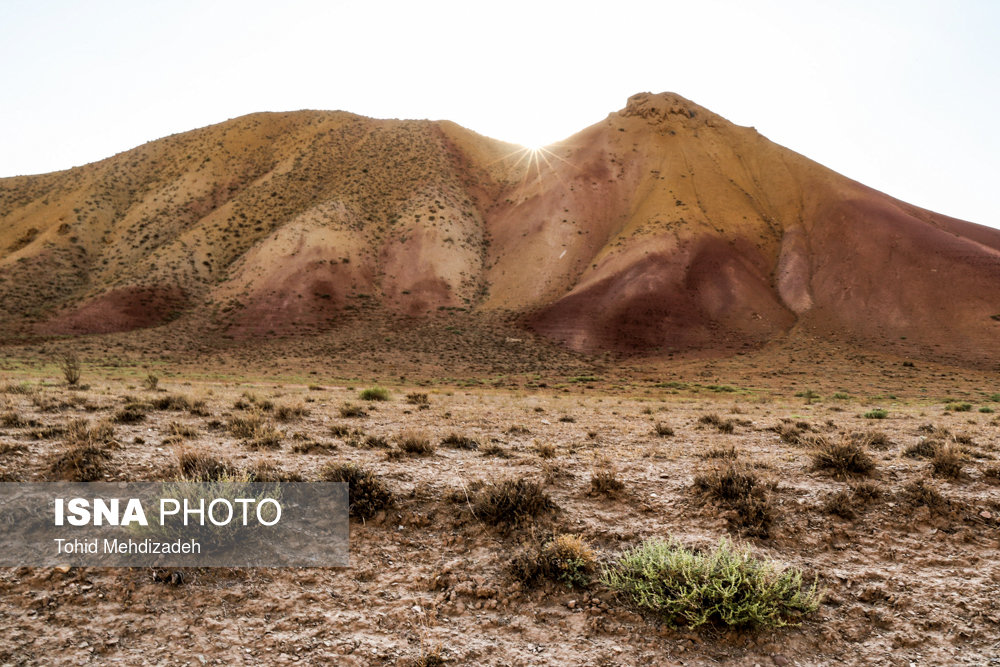
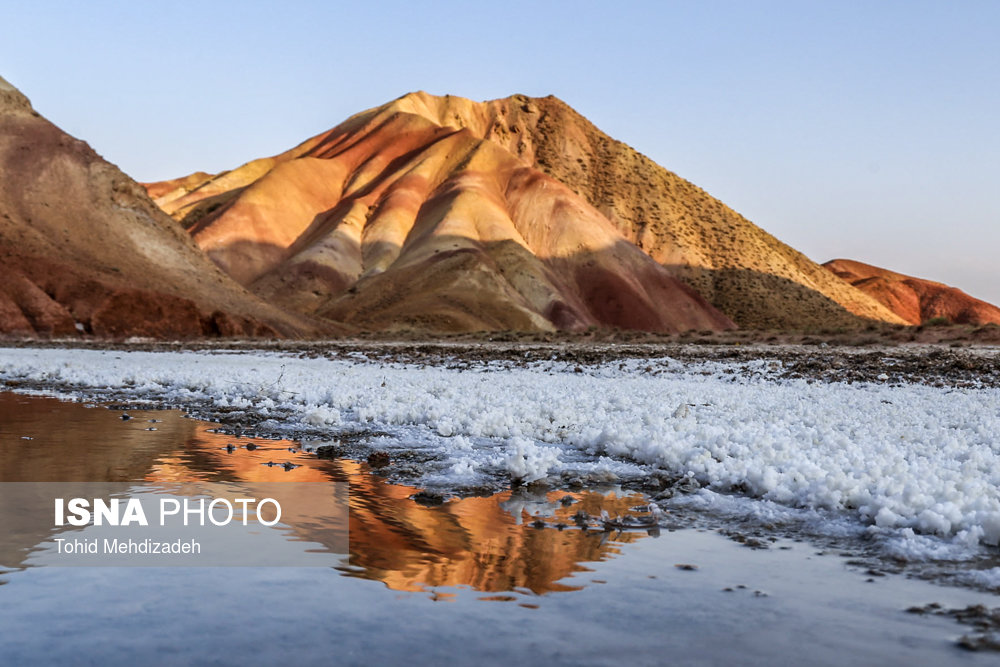
Iran’s Beauties in Photos: Colourful Mountains

The colourful scenery is so beautiful that one might think they are looking at images from another planet.

Here are ISNA’s photos of the beautiful mountains:


A Look at Iranian Newspaper Front Pages on September 19

All newspapers today covered President Hassan Rouhani’s trip to New York, where he is going to attend and address the UN General Assembly.

Tuesday papers particularly highlighted his remarks in a meeting with Iranian expats and an exclusive interview with CNN.

The comments by Ali Akbar Salehi, the head of Atomic Energy Organisation of Iran (AEOI), about the nuclear deal between Tehran and world powers also received great coverage.

The Iraqi Kurdistan’s upcoming independence referendum and the worldwide reactions to the decision also remained a top story today.

The above issues, as well as many more, are highlighted in the following headlines and top stories:


Aftab-e Yazd:

1- Babak Zanjani Fired from Court after Aggression

2- Afghan Gov’t to Arm Its Citizens

3- Small Number of People Accompanying Rouhani in New York Visit

  • Rational Diplomatic Visit Instead of Spending Huge Amounts of Money

A Look at Iranian Newspaper Front Pages on September 19


Arman-e Emrooz:

1- Women Should Be Top Priority, Not Just Mentioned in Conferences: Ex-VP

2- Rouhani: JCPOA Will Always Stay Alive

3- Babak Zanjani Fired from Court after War of Words with Lawyer


A Look at Iranian Newspaper Front Pages on September 19


Bahar:

1- Mission: Overcoming Remaining Challenges; Review of Rouhani’s Priorities

2- Nuclear Chief: JCPOA Should Remain in Right Track


A Look at Iranian Newspaper Front Pages on September 19


Ebtekar:

1- Rouhani: Nuclear Deal to Stay Alive in Political History of Region, World

2- Iran, Europe against Trump, Netanyahu

3- First VP: Foreign Ministry Activating Economic diplomacy

4- Reformist MPs Threaten Those MPs Who Broke Their Promises


A Look at Iranian Newspaper Front Pages on September 19


Etemad:

1- Amano, Salehi: Iran Nuclear Program, Most Transparent One in World


A Look at Iranian Newspaper Front Pages on September 19


Ettela’at:

1- Rouhani to CNN: Loss of Credit, Only Outcome of Withdrawing from JCPOA

2- President: Trump Unpredictable, but Iran Has Plans for Every Situation

3- Three Saudi Cities under Fire of Yemen’s Artillery

4- 65 Economic Priorities Communicated to 5 Ministers

5- Nuclear Chief: Iran Has Implemented All Nuclear Commitments

A Look at Iranian Newspaper Front Pages on September 19


Ghanoon:

1- Efforts for Survival of JCPOA in New York

A Look at Iranian Newspaper Front Pages on September 19


Hamdeli:

1- Iran Has Proved It Doesn’t Give Barzani Blank Cheque

2- End of Coalition between Reformists, Moderates?

  • Some Reformist MPs Say Aref’s Remarks His Personal Opinion

3- Photo of Cleric Working as Street Vendor Go Viral

A Look at Iranian Newspaper Front Pages on September 19


Iran:

1- Private Sector Has Priority in Allocation of Finance

2- Rouhani: We Need Iranians Living in All Parts of the World to Build Our Country

3- Red Status of Human Rights in Myanmar’s Green Hell

A Look at Iranian Newspaper Front Pages on September 19


Jahan-e San’at:

1- Judiciary Chief: Some Trying to Create New Sedition in Middle East

2- A Review of New Priorities Communicated by Rouhani to Ministers

  • Rouhani Forgetting His Campaign Promises

3- Rouhani: No One More ‘Iranian’ than Others

A Look at Iranian Newspaper Front Pages on September 19


Javan:

1- Unilaterally Maintaining Nuclear Deal: Expediency or Damage

2- Rouhani Says JCPOA Will Stay Alive Whether US Like It or Not

3- Birthday Party Held for Children of Iranian Fighters Killed in Fight against Terror

A Look at Iranian Newspaper Front Pages on September 19


Jomhouri Eslami:

1- Rouhani: Iran Will Never Initiate Violation of Int’l Agreement

2- Syrian Army, Resistance Forces Enter Eastern Deir ez-Zor

3- US Withdrawal from JCPOA to Cost Them Dearly: Iran President to CNN

4- Bahraini King Condemns Arab Countries’ Move to Boycott Israel!

5- Iraqi Federal Court Suspends Kurdistan Independence Referendum


A Look at Iranian Newspaper Front Pages on September 19


Kayhan:

1- Rouhani’s Visit to New York: Don’t Accept Promises, Give Ultimatum to ‘Big Satan’

2- Rabbis, Israeli Security Forces Clash with Each Other

3- Iraq’s Federal Court Says ‘Big No’ to Iraqi Kurdistan Referendum

4- Sanctions Still in Place, Preventing Arrival of Foreign Investors: Airports Company

A Look at Iranian Newspaper Front Pages on September 19


Kelid:

1- Gov’t to Provide New Facilities for Development of Handicrafts Industry: Chief

A Look at Iranian Newspaper Front Pages on September 19


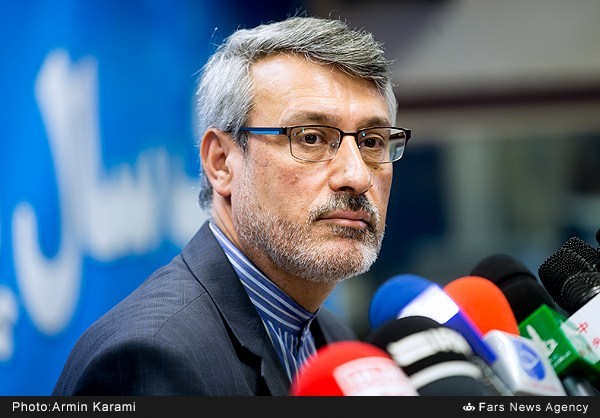
Iran a Stabilizing Force in Middle East: Diplomat

Hamid Baeedinejad

Iran’s Ambassador to Britain Hamid Baeedinejad has, in an interview with Sobh-e-Sadeq, weighed in on a range of issues, including London’s role in Middle East developments, Iran’s influence in the region and the Iran nuclear deal known as the Joint Comprehensive Plan of Action (JCPOA). The following are the highlights of the interview.

Question: Mr. Baeedinejad, given that you were one of Iran’s key nuclear negotiators, how do you see Britain’s stance on the Iran nuclear deal.

Baeedinejad: The UK’s official position is to support the agreement, and it remains committed to the JCPOA along with France and Germany within the framework of Europe’s stance. In the meantime, as there have been changes in the US government’s stance on the deal, the three European countries have held talks with Washington authorities behind closed door to talk the Americans out of opposing the JCPOA and make them understand the implementation of the deal is very significant for the promotion of peace, stability and security in the region and across the globe. They have announced time and again that they remain committed to the implementation of the JCPOA.

Question: As a diplomat and an authority in the foreign policy domain, to what extent do you believe that it is possible to pursue the objectives of Iran and the Islamic Revolution through foreign policy, political diplomacy and movement diplomacy?

Three factors, namely foreign policy and diplomacy, Iran’s defence diplomacy and power as well as defence capability, and the influence of Iran’s dialogue in the region are among the very important components of Iran’s power. Definitely, we are pursuing no other objective than boosting peace and stability in the region, and it is necessary that these three components work in tandem. Our foreign policy is based on the fact that neither are we eying a country nor do we want to occupy a country. The contemporary history also shows that we have never sought to threaten or invade a country. Rather, were threatened and targeted, especially after the 1979 Islamic Revolution. We just defended ourselves. It was others that posed a threat to us and did threaten us.

And today, you are seeing that we are having significant cooperation with Iraq, whose former leaders imposed a tough war on us. Today, without expecting anything in return, we are helping the Iraqi government and nation and supporting them against terrorism and extremism. ISIS terrorists were just 50 kilometres from Baghdad when Iran went into action at the request of the Iraqi government and stopped the terrorists, and today, Iran is pushing the terrorists back.

If Baghdad had been captured, today Iraq would have another situation, a tough one. So, Iran’s defence capability, foreign policy and power of dialogue manifested in regional resistance should work in tandem to help promote peace and stability in the region. Today, we are happy to see resistance forces are making every effort in the region.

Today, Hezbollah is one of the pillars of the resistance front, and Lebanese people, including Muslims and followers of other faiths, look at Hezbollah as an outstanding power which secures Lebanon’s sovereignty and independence. This was proven once again by the measures recently taken by Hezbollah in cooperation with the Lebanese army and other forces to counter ISIS terrorists and expel them from Lebanon. Hezbollah is a force which serves to secure Lebanon’s independence and national sovereignty. Hezbollah has turned into a reality which contributes to Lebanon’s political life. This reality has been welcome by the people in the region in addition to the Lebanese.

Therefore, these three components are very important and we are happy to see Iran, through the support of its military and political officials, has managed to greatly help regional countries counter terrorism and extremism. This success has been the result of coordination among the three above-mentioned components, and we hope this trend will continue. Today, all of us should work toward safeguarding national unity, move forward like before and help one another to stop extremism and terrorism.

Iran Ready to Launch 3 Satellites into Orbit: Minister

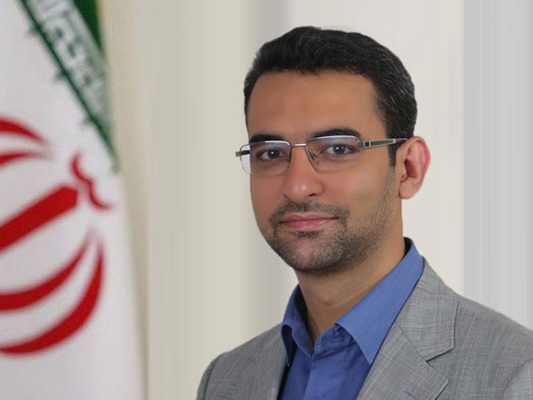
Mohammad Javad Azari Jahromi

Speaking to reporters in Tehran on Monday, Azari Jahromi praised Iran’s progress in the space industry and said the country always needs to develop the strategic industry to use its capacities in other sectors, including agriculture, meteorology, and transportation.

He further said that currently, there are three satellites ready to be launched in the country.

“We have had some talks with the Ministry of Defense (on the launch of the satellites),” the minister said, adding that the Ministry of Communication and Information Technology will launch them when the Defense Ministry announces its preparedness.

In recent years, Iran has made great headway in the space technology thanks to the efforts made by its local scientists.

Iran successfully launched into orbit its first indigenous data-processing satellite, Omid (Hope), back on February 2, 2009.

As part of a comprehensive plan to develop its space program, Iran also successfully launched its second satellite, dubbed Rassad (Observation), into the earth’s orbit in June 2011. Rassad’s mission was to take images of the earth and transmit them along with telemetry information to ground stations.

The country’s third domestically-built Navid-e Elm-o Sanat (Harbinger of Science and Industry) satellite was sent into orbit in February 2012.

Iranian Researchers Develop Keyboard for Mentally Challenged

Iranian Researchers Develop Keyboard for Mentally Challenged

The keyboard developed by Iranian researchers for the intellectually challenged has been patented at the Intellectual Property Centre of the Iranian Organisation for Registration of Deeds and Landed Property.

Morteza Farazi is the leading researcher with the project, who has developed the keyboard in cooperation with Mohammad E’tamad.

“The keyboard for the mentally disabled is a high-quality and economically viable teaching aid which, along with relevant software, can be used for its target community, i.e. intellectually challenged individuals,” said Farazi, according to a Farsi report by IRNA.

“Intellectually challenged individuals comprise around 55% of the disabled children’s population in the country.”

He said the mentally disabled need to use computers and applications like other members of society, and added, “The invention of the keyboard for the intellectually challenged amounts to an overhaul in their education and the way these people communicate with the world around them through the computer,” said the researcher.

He further noted that keyboards are the most important tools to feed information into the computer, and added conventional keyboards have keys which are too small and great concentration is required to work with them, making them unsuitable for the mentally challenged.

However, Farazi added, the keyboard for the intellectually disabled is completely different form ordinary keyboards as it has big coloured keys and is made of durable material, making it ideal for people with mental disability.


Iraqi Kurdistan’s Separation Unlikely to Happen: Analyst

Iran’s former ambassador to the Organisation of Islamic Cooperation (OIC) Sabah Zanganeh, in an interview with the Borna News Agency, has explained why the Iraqi Kurds are trying to gain independence from Iraq.

“Kurdistan region achieved security, peace and political and economic growth earlier than the other areas of Iraq. Hence, it has played a greater role in writing of the constitution and other cooperative laws, and with the support received from the western countries, they won an outstanding position in Iraq.”

Zanganeh said after the fall of Saddam Hussein and the formation of the Iraqi government, the Kurds have had an agreement with the leaders of the Iraqi parties. These agreements caused some problems in terms of oil exports, which would have to be done through the central government under the law and its revenue had to be paid to the state treasury. Accordingly, 10% of the Iraqi budget should have been given to Kurdistan region.

Zanganeh went on to say that after the Kurds negotiated with the central government of Iraq, Kurdistan’s share of Iraqi oil set to rise. Therefore, Kurdistan’s share of Iraq’s oil rose to 12 percent and then to 17 percent, which was the source of many questions and problems in other Iraqi provinces. The reason for this was to ignore the population proportion.

“When the oil price dropped, the central government did not have the ability to supply that 10 percent. Disappointments and protests grew when Kirkuk’s and Kurdistan’s oil were exported and its revenues were not deposited into the treasury.”

“On the other hand, with the arrival of ISIS in northern Iraq, Mosul and a part of Kirkuk province got into trouble and asked for help from the central government. The central government could not provide this help, and Iran offered the assistance and prevented the fall of Erbil. After this, Erbil gathered its troops and the Peshmerga forces entered parts of Mosul, Nineveh and Kirkuk, and considered those areas as captured ones, and this made the central government more sensitive.”

“Now, Erbil seeks to consider the status quo as a legal and natural situation that is not accepted by the central government and these two provinces,” he added.

Zanganeh, however, says “I think this separation will not happen, and the main goal is to mend the ties between Erbil and Baghdad. If the independence would happen, then we will be witness to unrest, and a series of disagreements and conflicts.”