Sunday, December 28, 2025
Home Blog Page 3891

Iran FM to Visit Russia’s Sochi on Wednesday

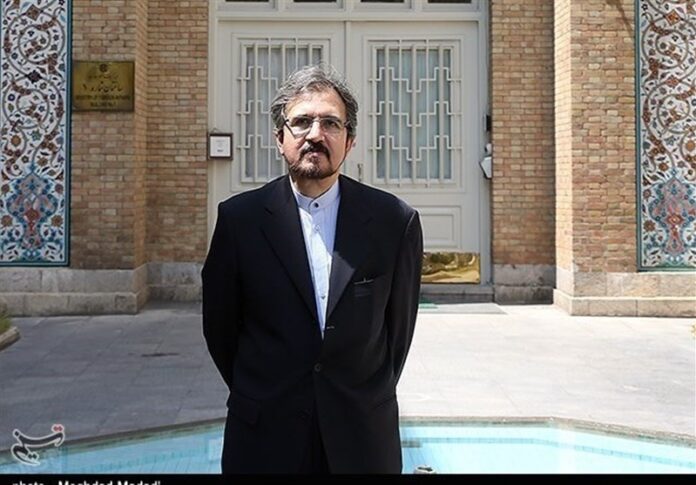
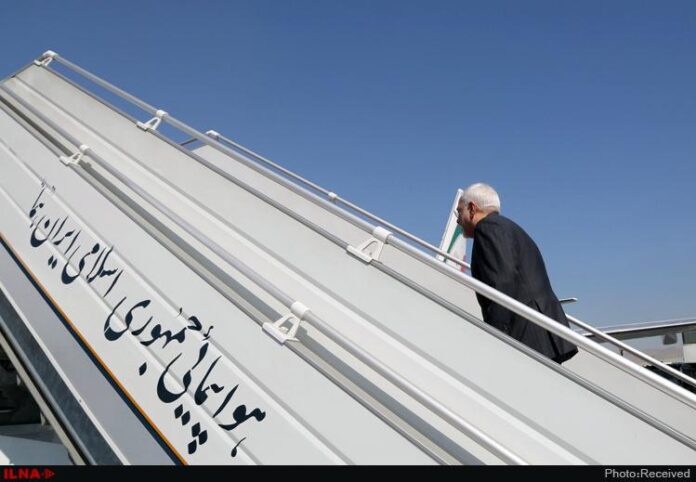
In a Tuesday statement, Foreign Ministry Spokesman Bahram Qassemi declared that Zarif will hold talks with Russian officials during his visit to Sochi.

Iran and Russia have formed a strong alliance in recent years, with both supporting Syrian President Bashar al-Assad’s legitimate government against foreign-backed militancy.

Moreover, since coming into force in January 2016 of the Joint Comprehensive Plan of Action (JCPOA), a nuclear deal between Iran and the Group 5+1 (Russia, China, the US, Britain, France and Germany), Tehran and Moscow have ramped up efforts to boost bilateral trade.

Myanmar’s Crackdown on Rohingya Turning into Ethnic Cleansing

Myanmar’s Crackdown on Rohingya Turning into Ethnic Cleansing

Political analyst Hossein Karimzadeh has, in a Farsi article published by Iran’s official news agency IRNA, elaborated on the root causes and objectives of the crisis in Myanmar. The highlights of the article follow: 

Makeup of Myanmar’s Population

Myanmar’s 60-million-strong population is a mosaic of around 150 ethnic groups. The Burmese make up 68% of the population, Shans 9%, Karens 7%, and the rest are other ethnic groups. In terms of religion, 89% are Buddhists, 4% Christians, 4% Muslims and 1% Hindus.

Since the early 19th century and following three major wars between the people of the country and British invaders, Myanmar gradually fell under Britain’s full domination and remained an official British colony until 1948. Ever since, Myanmar has seen long-term civil wars over ethnic superiority among different ethnic groups such as Christian Kachins, Rakhine Muslims, Shans, etc. as well as conflicts between the Chinese minority living in Myanmar and the government.

Myanmar is a rich country as far as economic resources are concerned, but it is lacking in management, well-organized manpower and effective technology to utilize human resources. Myanmar is the fortieth largest and twenty-fourth most populated country in the world.

Citizenship, Nationality in Myanmar

Under the citizenship law passed in 1982, the minority Rohingya Muslims are not considered citizens of Myanmar. The law, which amounts to blatant apartheid, categorizes Myanmarese people into three groups: Full citizens, dependent citizens and localized citizens. In this respect, full citizenship belongs to only 135 ethnic groups such as Kachins, Kayahs, Karens, Chins, Burmans, Mons, Rakhines, Shans, Kamans and Zerbadees. Dependent citizens are those who cannot prove that their descendants lived in Myanmar before 1823, but can prove that their forefathers resided in the country after 1823 and applied for Myanmarese citizenship before 1948. The third group includes individuals who can prove one of their parents lived in Burma before the country’s independence from Britain in 1948.
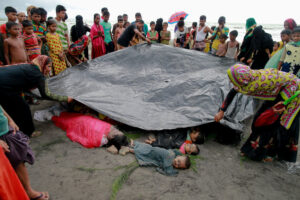
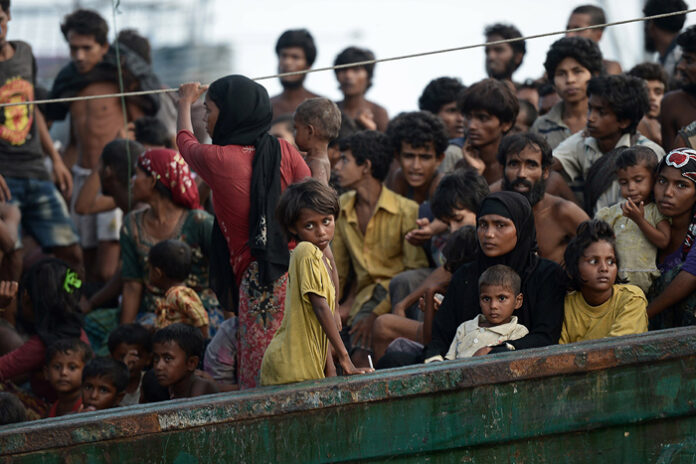
Myanmar’s Crackdown on Rohingya Turning into Ethnic CleansingUnder Myanmar’s 1982 citizenship law, the Rohingya are not qualified for citizenship and are regarded as foreigners. They are not allowed to travel without official permission, are not employed by any state or private institution, are not allowed to possess land, and are deprived of the right to use the official education system. When getting married, they must agree, in writing, to have more than one child. The Myanmar government has also tried to force the Rohingya out of the country. Some 800,000 Rohingya Muslims have been driven from the country so far.

In 2013, the UN introduced the Rohingya as a persecuted community as Myanmar laws strip them of nationality. This comes as some historical documents indicate that the history of the Rohingya’s presence in Burma goes as far back as the eighth century.

Myanmar’s military began its direct crackdown on Rohingya Muslims in 1978. The violence intensified in 1991 and 1992, and it has been going on as systematic ethnic cleansing since 2013.

Some analysts in Myanmar believe the conflict with the Rohingya is a conscious political move by the ruling elite to impose Buddhism on them. Still, some others say non-religious reasons are behind the crackdown. For example, they say, the Rohingya were an ally of Britain during Japan’s occupation of Burma in World War II when they formed a guerrilla army to fight the Japan-installed government in Burma. Numerous acts of violence and crimes were committed during that period.

969 Movement

The nationalist 969 Movement was established through guidelines by a group of senior Buddhist monks in the early 21st century, claiming it wanted to protect Burma and the Buddhism religion and to stem the spread of Islam in the country. The group drew up a draft plan seeking to push through legislation under which Buddhist women were not allowed to marry non-Buddhist men without the permission of local authorities. One of the leaders of the movement said the plan was aimed at protecting Buddhist women from being forced to convert to Islam when they married Muslim men. The movement set the stage for ethnic conflicts, the spread of violence and growing calls for a ban on conducting trade with Muslims and buying merchandise from Muslim shopkeepers. As a result, the plan was rejected and the 969 Movement was officially outlawed by the government.

Overall Outlook

General Gatot Nurmantyo, the commander of Indonesian National Military, said some time ago that 70% of global conflicts are aimed at gaining control of energy resources, including oil. The ongoing conflicts in the Middle East, too, are aimed at securing a grip on energy reserves. These conflicts are going on in Iraq, Libya, Saudi Arabia and Syria where most of the world’s petroleum production is centered. Nevertheless, countries interested to obtain oil do not get involved in wars directly; rather, they take advantage of local people to achieve their end.
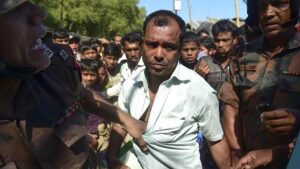
Myanmar’s Crackdown on Rohingya Turning into Ethnic CleansingThe top Indonesia general believes in 2056 when energy resources run out, a food and water crisis would emerge. So, from then on, water and food available near the equator would be targeted. Countries above the equatorial belt, with a total population of around 9.8 billion people, would target Southeast Asian nations for food. He believes Indonesia is one of the regions with huge natural resources, so a lot of countries would be eying Indonesia, which is rich in minerals and has a long coastline along with numerous food resources. The commander urged the people of his country to remain on the watch, band together and not allow the country to turn into a flashpoint of future conflicts.

Accordingly, it seems the West’s intentional disregard for the ethnic crisis in Myanmar and its efforts to blow the religious aspect of the crisis out of all proportion can be a trigger to blow up a powder keg of ethnic and religious tension in Southeast Asia. One reason to prove the West is fueling the flames of the crisis in Myanmar is that some Western countries wrote off around $6 billion in the Myanmar government’s debts as a reward after the country’s military had been killing and displacing Muslims in Myanmar for a long time.

It seems like instability, war and civil strife fueled by ethnic-religious tension and foreign backing are spilling over from the Middle East to Southeast Asia.

Qatar Crisis Escalates despite Trump’s Attempt to Intervene

Qatar Crisis Escalates despite Trump’s Attempt to Intervene

A solution to the recent Persian Gulf crisis was in sight, but soon everything was back to square one and it was revealed that the contact between Saudi and Qatari officials was only in line with Washington’s demand aimed at creating a thaw in relations between Riyadh and Doha.

This comes as Saudi-Qatari ties remain tense, with no serious arbiter to mediate between the two sides, the Persian-language Entekhab news website quoted Al-Akhbar newspaper as saying.

It seems that the Persian Gulf crisis will remain littered with surprising events and dramatic developments as it was at the outset. The tepid intervention of the American side in the crisis failed to fix any rifts between the two sides. The US has, so far, only offered verbal support to Kuwait’s intervention between Qatar and Saudi Arabia.

What has infuriated Riyadh most seems to be Qatar’s snobbish tone at the negotiating table, and this “insult” by the Qataris made the Saudis suspend any talks with Doha until Qatari officials call for negotiations in a straightforward manner and in line with the requirements of such talks.

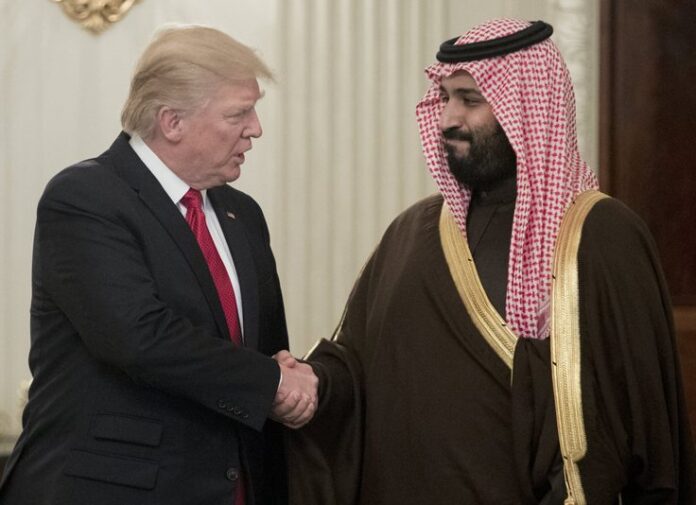
Whatever Tamim and bin Salman said in their phone conversation was most probably in keeping with US President Donald Trump’s demand for a dialogue between the two sides. Following a meeting with the Kuwaiti emir where serious regional problems came up for discussion, Trump decided to act as a mediator between Qatar and Saudi Arabia. However, he has done nothing but ask both sides to sit down for talks.

On the heels of the failure of regional and international mediation efforts to narrow differences between the two sides, the stage is set for the growth of tension between Qatar and Saudi Arabia, especially at a time when political disputes and propaganda campaigns in the Persian Gulf have peaked. Remember that the Bahraini foreign minister, on his Twitter page, described the Kuwaiti emir a hypocrite who does not keep his promises.

Moreover, the foreign minister of the United Arab Emirates Anwar Gargash called on Doha to set aside political maneuvering and talk with Riyadh frankly while accusing Qatar of seeking to drive a wedge between Riyadh and Abu Dhabi.

“This is not a fake crisis; rather, it is the result of Qatar’s backing for extremism and conspiracy against its neighbours,” said Gargash.

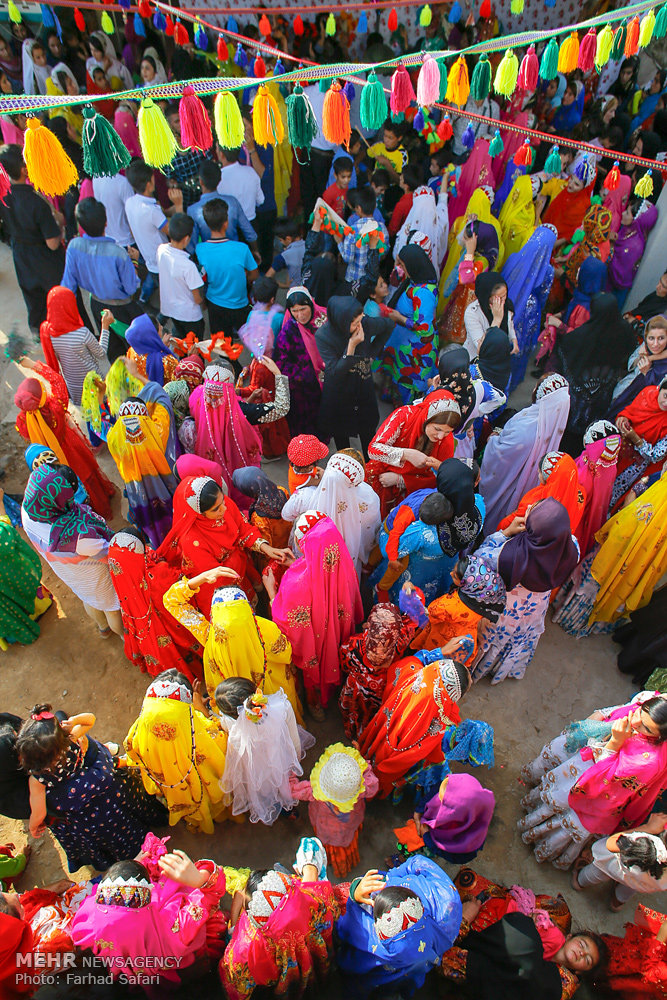
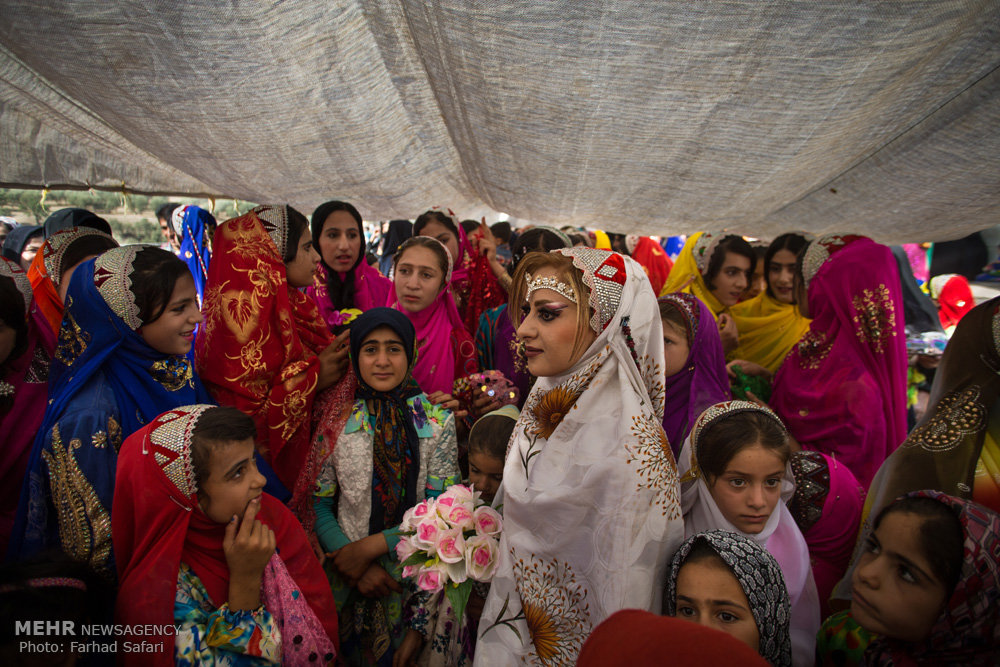
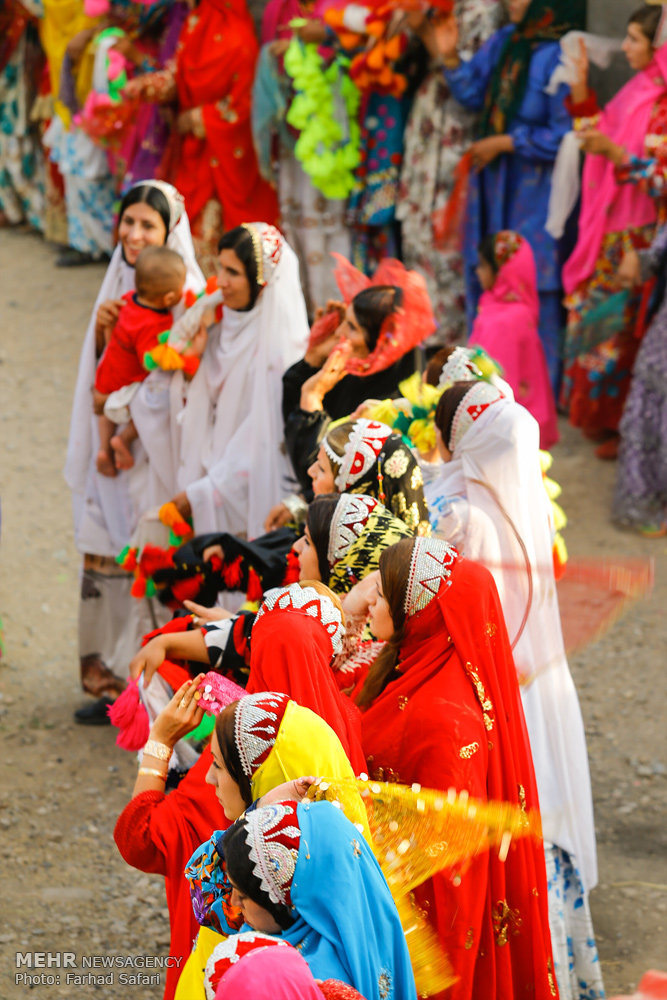
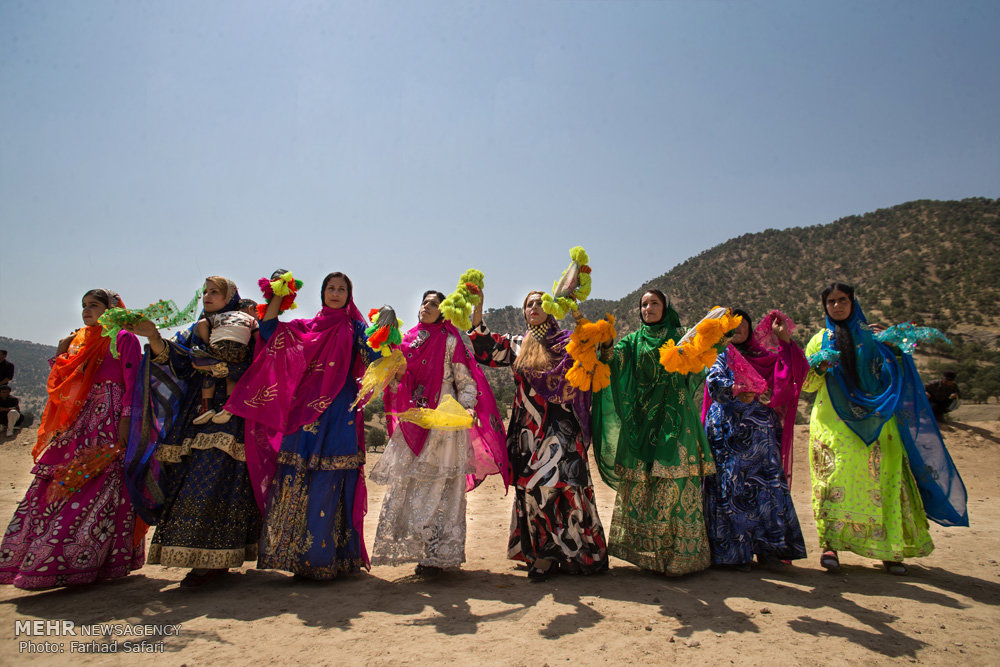
Symphony of Colours in Iran’s Local Wedding Ceremonies

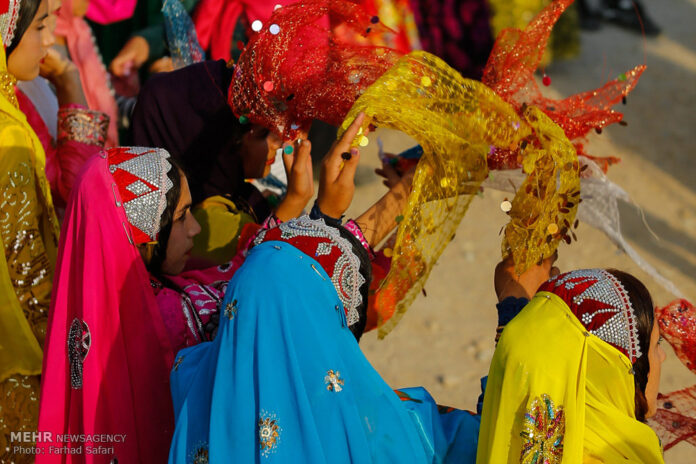
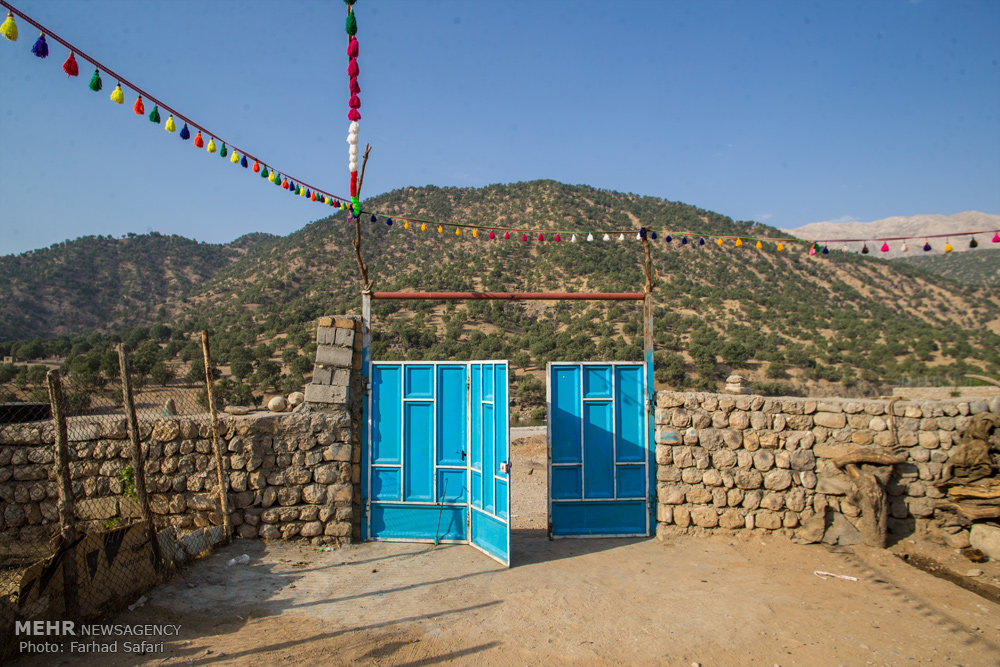
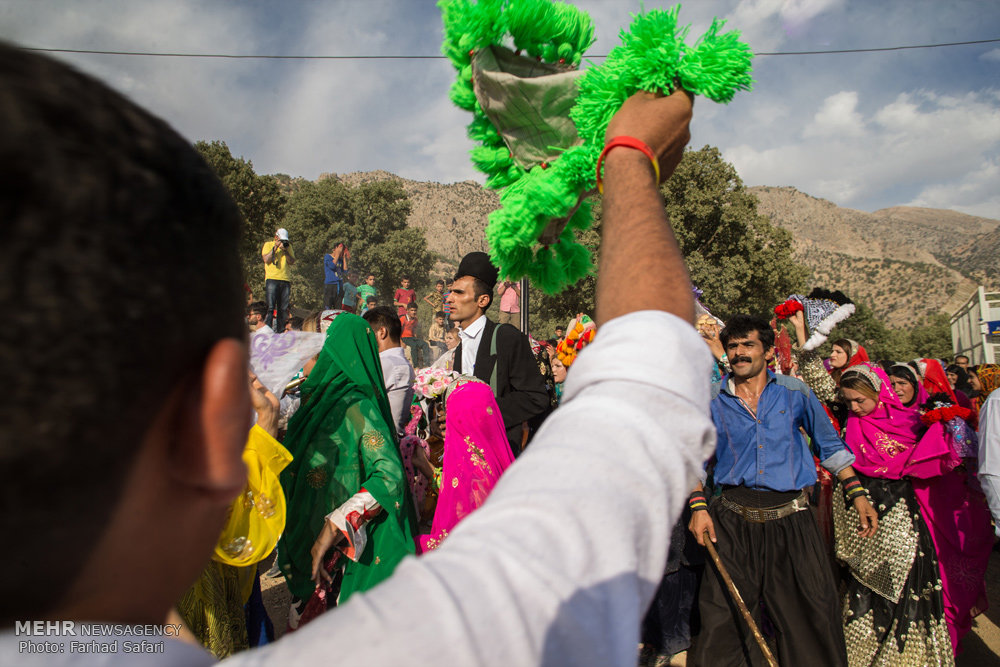
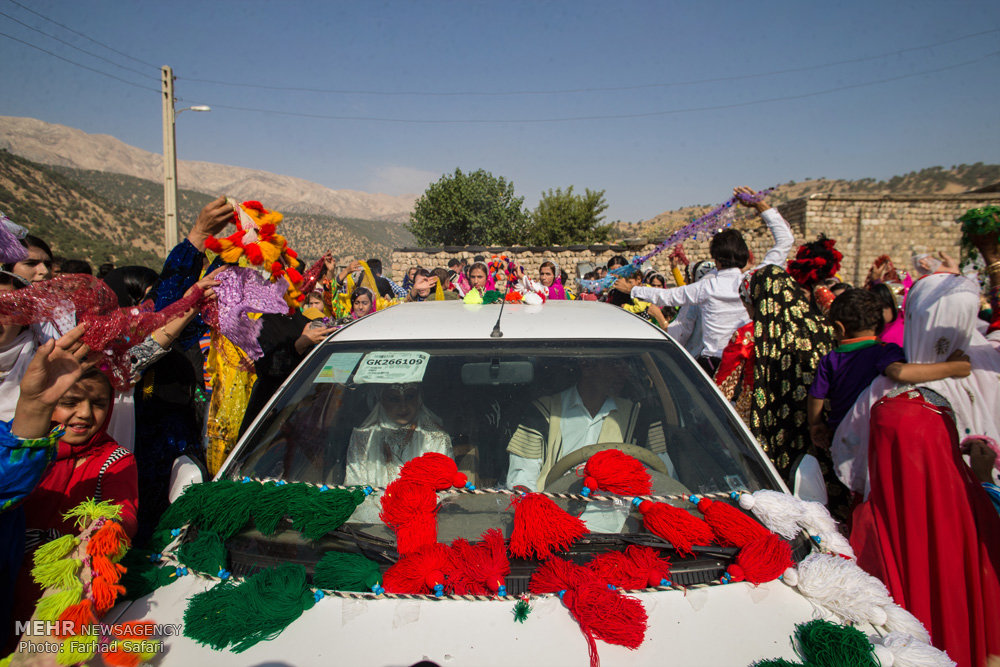
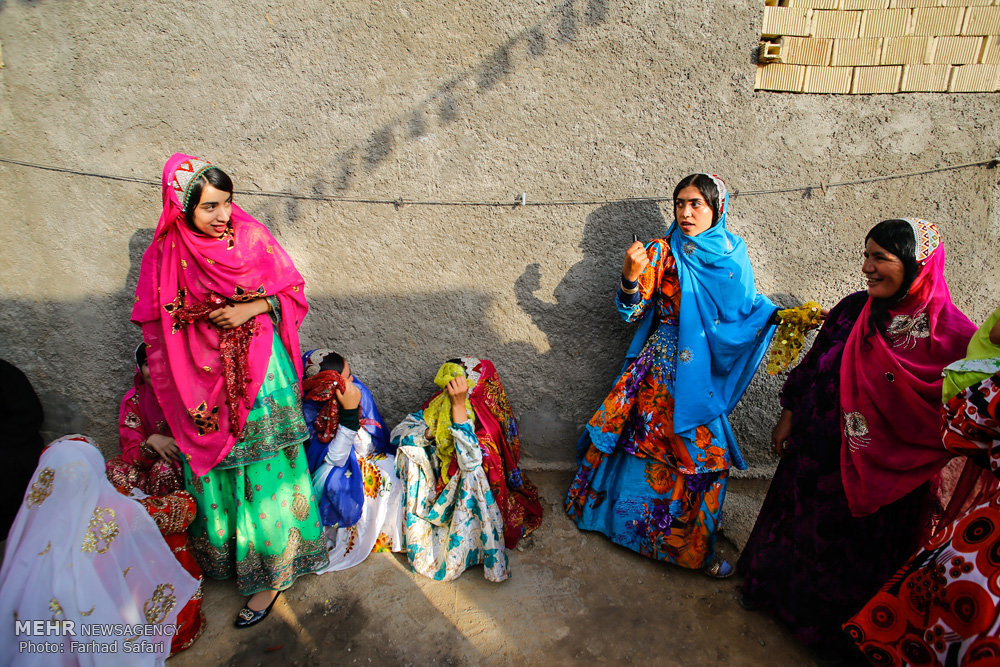
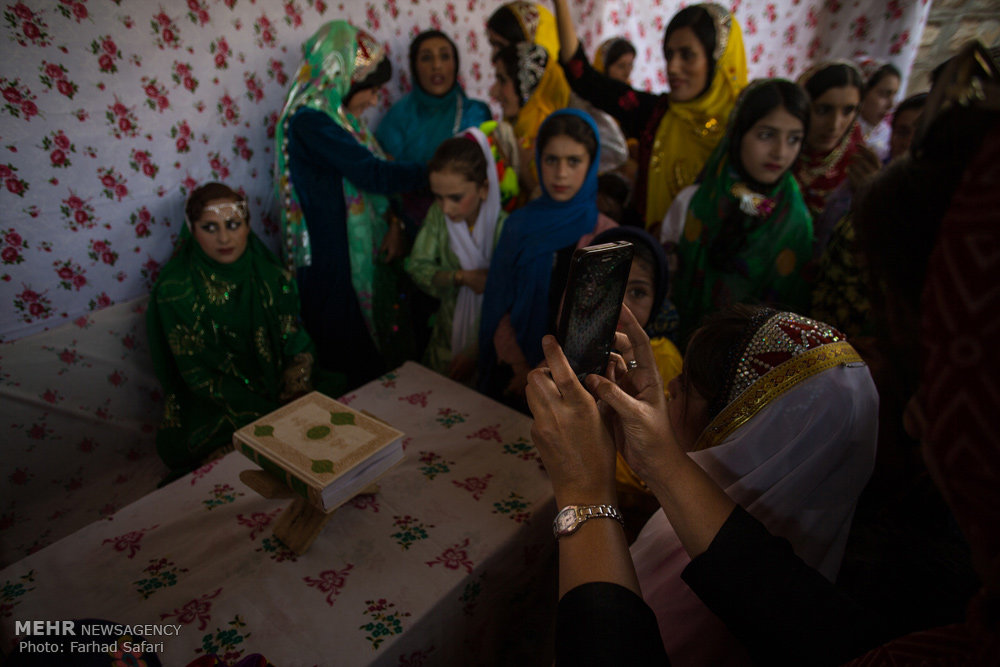
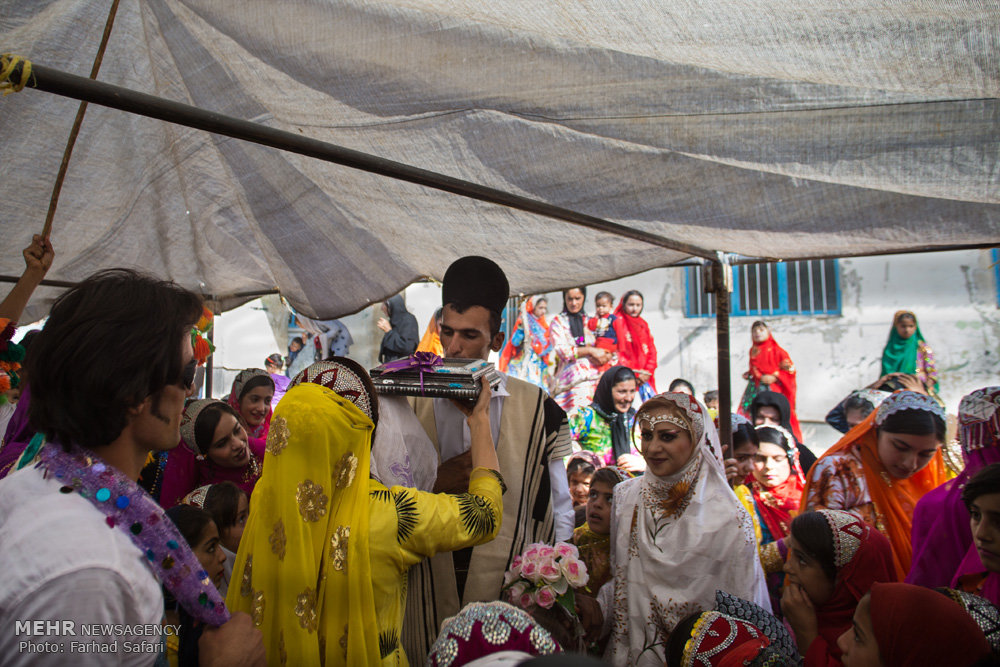
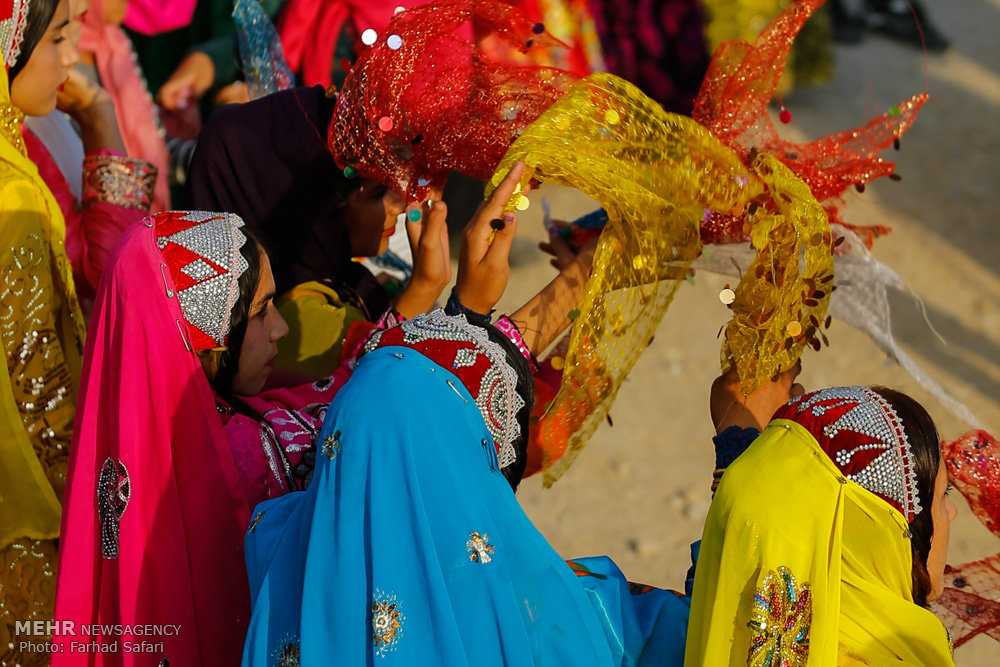
Symphony of Colours in Iran’s Local Wedding Ceremonies16

Since a long time ago, celebrations, particularly wedding ceremonies, have had a special status in the Iranian culture.

These ceremonies have roots in the Iranians’ identity and history. They indicate that Iranians people have always devoted some time to merrymaking and feasting, according to a Farsi report by the Mehr News Agency.

The outcome of the continuous holding of such celebrations and ceremonies is that Iranian people from different ethnicities have managed to keep their customs and traditions alive and hand them down to the next generations.

Wedding ceremonies have always been one of the most important and popular celebrations among Iranians since old times. Although the ways in which these ceremonies are held have undergone a great deal of transformation, wedding ceremonies are still very popular among the country’s people.

Holding wedding ceremonies has a long historical background in Iran, dating back to ancient times. Different ethnic groups in the country have their own special beautiful and attractive customs and traditions for holding the celebration.

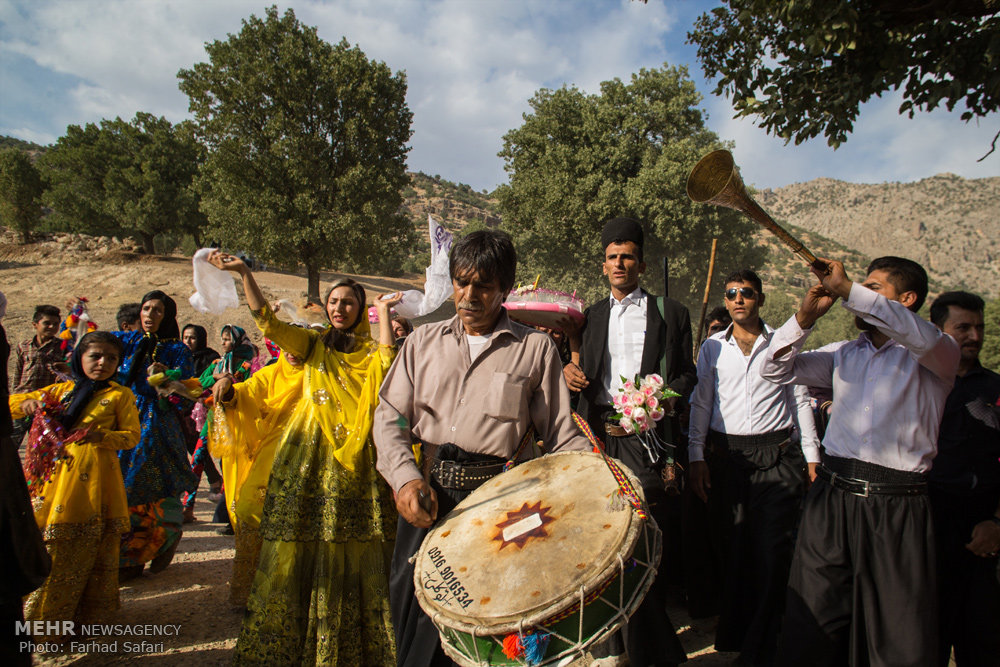
Among Iran’s different ethnic groups, Bakhtiari people, a tribe dwelling in the southwestern parts of the country, hold their wedding ceremonies in a very special and interesting way. The world of these folks is full of colours, merriment, cooperativeness, attractive sounds and playing percussion instruments such as Dohol, a double-headed drum. These folks are original people who speak their own dialect and have a rich and colourful music and culture.

Marriage is a very hallowed and important tradition to these people. All members of the tribe cooperate in holding a wedding ceremony.

The clothes they wear in their marriage ceremonies display a wide range of hues which creates a scene reminiscent of the colourful works of Jackson Pollock, the American painter and a major figure in the abstract expressionist movement.

The most interesting part of Bakhtiari people’s wedding ceremony is the group dance they perform and the songs they sing to celebrate this happy and blissful event. The songs they sing in their marriage celebrations are called ‘Dovalali’ that is made up of two parts: ‘Dova’ which means groom and ‘lali’ meaning bride.

In fact, by their group dance, these tribesmen and women display their unity and solidarity and teach their youths the correct way of respecting the elderly.

“Europe Seeking Own Interests When Cosying Up to Iran or US”

Political analyst Yasser Nouralivand has, in an article published by the Persian-language Entekhab news website, weighed in on the latest developments surrounding the nuclear deal signed between Iran and six world powers over Tehran’s nuclear program. The highlights of the analytical piece follow:

If Europeans are supporting the Iran nuclear deal and the expansion of relations with Iran, it does not mean they have chosen Iran or are squaring off against the United States; rather, it means they have chosen interaction rather that confrontation as the most pressing need of today’s global politics.

The European Union’s backing for the nuclear agreement also known as the Joint Comprehensive Plan of Action (JCPOA) can be evaluated based on the same axiom. Today, as Europeans are warning the White House against contravening or withdrawing from the JCPOA, they will undoubtedly reverse their approach vis-à-vis Tehran should Iran breach or withdraw from the deal.

The twelfth administration in Iran has put détente and engagement with the West on its foreign policy agenda as did the eleventh administration, putting Europe in the middle of lasting tension between Iran and the United States. The same policy was pursued by the seventh and eighth administrations around 15 or 20 years ago. In those years, Iran-Europe relations experienced a unique period after two decades of tension and were upgraded to such a level that Europe stood up against the US for the first time since the 1979 Islamic Revolution and refused to implement the sanctions law against Iran known as the D’mato law. However, during Mahmoud Ahmadinejad’s presidency, the growing relations between Iran and Europe witnessed a downturn and hit rock bottom ever since the Islamic Revolution. At that time, Europe got on board with the US and both imposed tough sanctions on Tehran. But now, Europe has shown a U-turn and again adopted a friendly approach toward Iran. It seems that Europe once again has to choose between Iran and the US.

Based on the existing evidence in international politics, Europeans’ inclination to boost their economic relations with Tehran, their sensitivity toward the fate of the JCPOA, and their distancing themselves from the Trump administration, some people believe Europeans will choose Iran.

On the other side of the spectrum, there are some people who believe Europeans are regarded as Washington’s strategic allies under any circumstances and they will choose the US when it comes to priorities and major interests, and hence, we cannot count on them.

The writer believes either of the abovementioned viewpoints fails to present a proper understanding of Europeans’ actions. These points of view make us either optimistic or pessimistic about Europe’s role. This is the reality: neither did Europeans’ policy during the tenure of the seventh and eighth administrations mean Europe had chosen Iran, nor did their approach later on mean they had chosen the US.

The European Union has always paid attention to one point in adopting policies, and that is it has gone for a kind of diplomacy that would serve the common interests of the bloc’s members. Europe basically acts diplomatically and makes choices based on mutual interaction and interactive diplomacy. In fact it has been Iran’s actions and their conformity with Europe’s security and economic priorities that have taken Europe on board with Iran.

Iran Rejects Saudi Allegations about Tehran’s Support for Terror

ghasemi

Speaking at a weekly press conference on Monday, Bahram Qassemi rejected the recent anti-Iran allegations raised by Saudi officials as a failed policy.

In comments on Friday, Thamer al-Sabhan, Saudi Arabia’s minister of state for the Persian Gulf region, fired a fresh verbal salvo against Iran and Hezbollah, accusing them of being at the root of terrorism and extremism in the world and calling for global action against them.

In response, Qassemi denounced the accusations as part of a failed and threadbare plot that the US and some regional countries are still pursuing to foment Iranophobia.

Iran’s presence and influence in the region is inherent and natural, the spokesman explained.

In comments in June, Leader of the Islamic Revolution Ayatollah Seyed Ali Khamenei had dismissed the US allegations that Iran was destabilizing the region, saying the US and its proxies are the cause of instability in the Middle East.

Taking a swipe at the US president for accusing Iran of sponsoring terrorism during a visit to Riyadh, Ayatollah Khamenei described it as “absolutely ridiculous” that Americans raise the issue of human rights in a meeting with Saudi Arabia’s “medieval and tribal rulers” and accuse the Islamic Republic, the symbol of democracy, in a place totally unfamiliar with democracy.

Such anti-Iran human rights allegations by the US officials during a trip to Saudi Arabia will remain a “historic shame” for the US forever, the Leader said at the time.

Iran Opposed to Any Pressure on Its Neighbours: Zarif

Iran Opposed to Any Pressure on Its Neighbours: Zarif

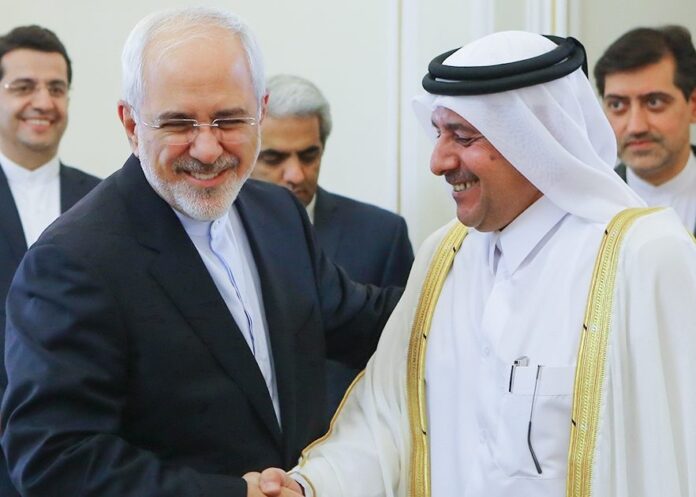
In the Monday meeting with Qatari ambassador to Tehran, FM Zarif stated that the Islamic Republic’s policy is clear in the region, stressing that the regional issues should be resolved through dialogue.

Iran is opposed to any pressure and threats against its neighbours by anyone, the Iranian top diplomat added.

Expansion of bilateral ties, especially in the economic and commercial spheres, was another issue discussed in this meeting.

Since June, Saudi Arabia has led close allies such as the United Arab Emirates, Egypt and Bahrain in imposing a harsh trade and transport boycott against tiny, gas-rich Qatar, accusing it of financing terrorism and seeking better ties with Iran.

Qatar, however, has rejected such charges, countering that its Arab rivals are seeking to curtail its sovereignty and reign in its influential television channel Al Jazeera.

US President Donald Trump stepped into the fray in the past week, offering to mediate in the Qatari-Saudi conflict and vowing a quick victory.

Trump arranged a phone call between leaders from Qatar and Saudi Arabia, which took place late on Friday, and promised a breakthrough in the bitter dispute that has plunged the Persian Gulf into turmoil and has threatened American security interests.

However, his attempt to break the stalemate ended in failure when the emir of Qatar, Sheikh Tamim bin Hamad al-Thani, and the crown prince of Saudi Arabia, Mohammed bin Salman, after speaking by phone for the first time in months, exchanged dueling, contradictory statements.

Within hours of the call, Qatar’s state news agency issued a statement that said the emir “welcomed a proposal” by the young Saudi prince to appoint two peace envoys to help bridge their differences.

That language infuriated the Saudis, who appeared insulted by the suggestion that they had bowed first in the dispute. The Saudi state news service retorted with its own report, citing unnamed officials, that accused Qatar of distorting the facts and declared that dialogue between the two countries had been suspended.

Myanmar Disaster Marks Death of Nobel Peace Prize: Iran Leader

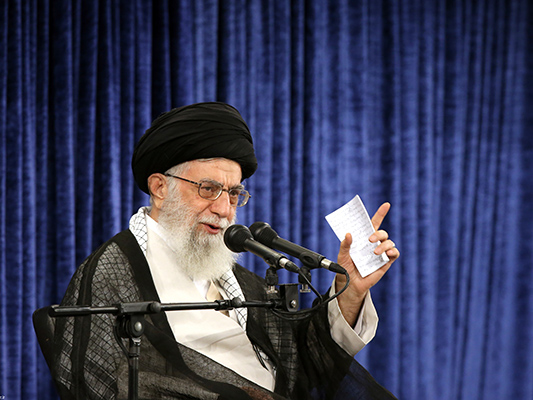
Speaking in a Tuesday ceremony, Ayatollah Seyyed Ali Khamenei, the Leader of Iran’s Islamic Revolution, strongly blasted the silence and inaction of international bodies and self-proclaimed human rights advocates on the ongoing atrocities against Rohingya Muslims in Myanmar.

The Leader said the crisis in Myanmar is a political issue and should not be reduced to a religious conflict between Muslims and Buddhists, although he said religious prejudice may have been involved.

“This is a political issue because the party that has been carrying out the atrocities is Myanmar’s government, at the top of which is a cruel woman who has won the Nobel Peace Prize. And with these incidents, the death of the Nobel Peace Prize has been spelled,” he said.

Myanmar’s de facto leader, Aung Sang Suu Kyi, who won the Nobel Peace Prize in 1991, has taken almost no action to end the deadly violence against the Rohingya in the country’s western Rakhine State. Recently, she said widespread reports of brutal violence against the Muslims were fake news.

Ayatollah Khamenei further called for practical measures by Islamic governments to end the crisis in Myanmar, and said the Organisation of Islamic Cooperation (OIC) should convene to discuss the crisis, Press TV reported.

“Of course, practical measures don’t mean military deployments. Rather, they (Islamic governments) have to increase their political, economic, and trade pressure on Myanmar’s government and cry out against these crimes in international organizations,” the Leader said.

The Leader said Iran has to be bold in making its stance known.

“The world today is the world of oppression, and the Islamic Republic has to maintain for itself the honour of speaking out against oppression anywhere in the world, whether in territories occupied by Zionists, or in Bahrain, or Yemen, or Myanmar,” he said.

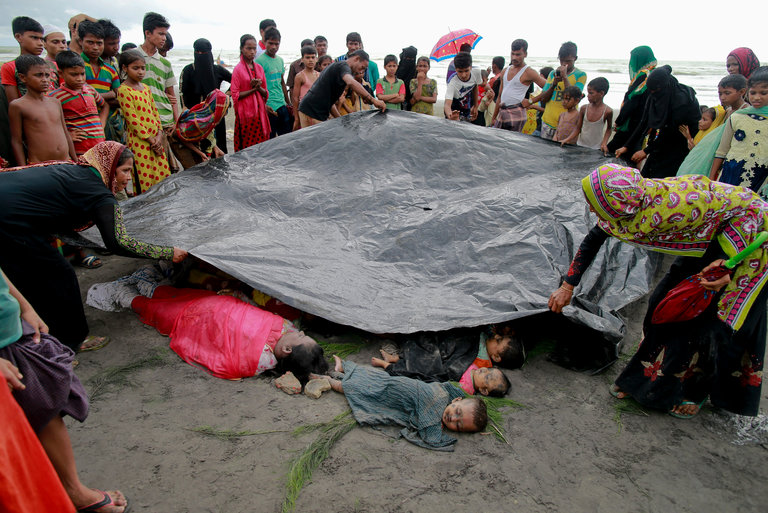
Myanmar’s government has laid a siege to a western state where the Rohingya are concentrated. There, horrific violence has been taking place against the minority Muslims, according to reports and eyewitnesses.

Soldiers and extremist Buddhists have reportedly been killing or raping the Muslims and setting their homes on fire. The Myanmarese government says 400 people, mostly Muslims, have died in the latest bout of violence. The UN says the actual number likely tops 1,000.

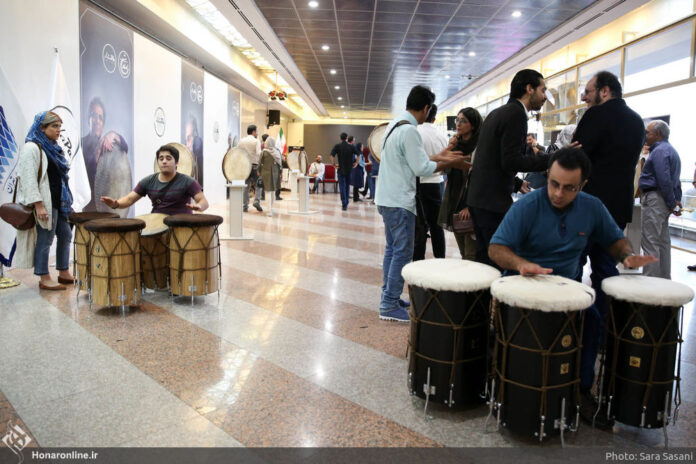
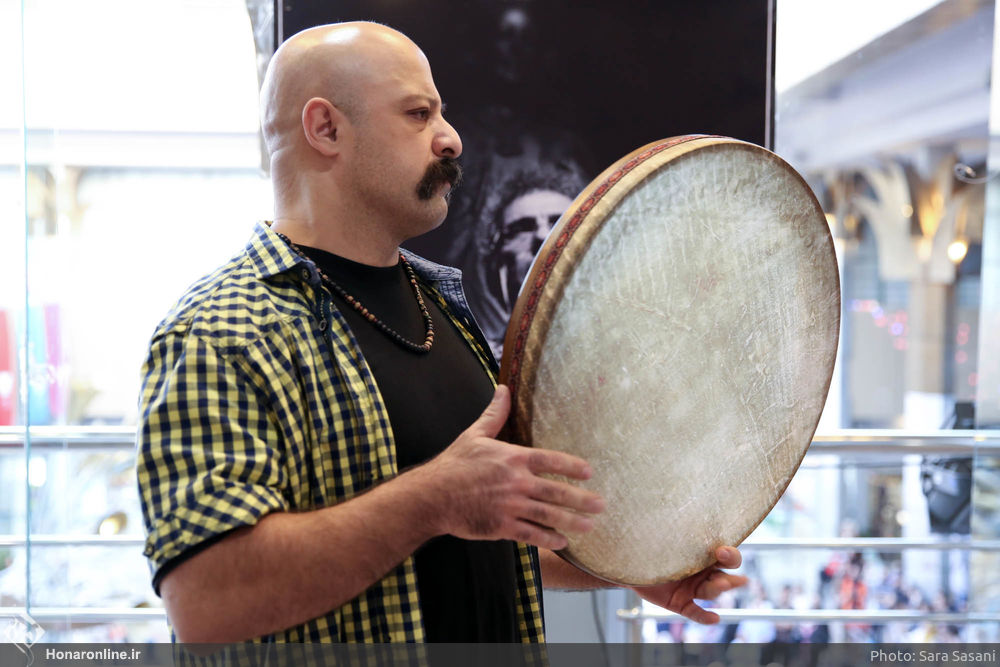
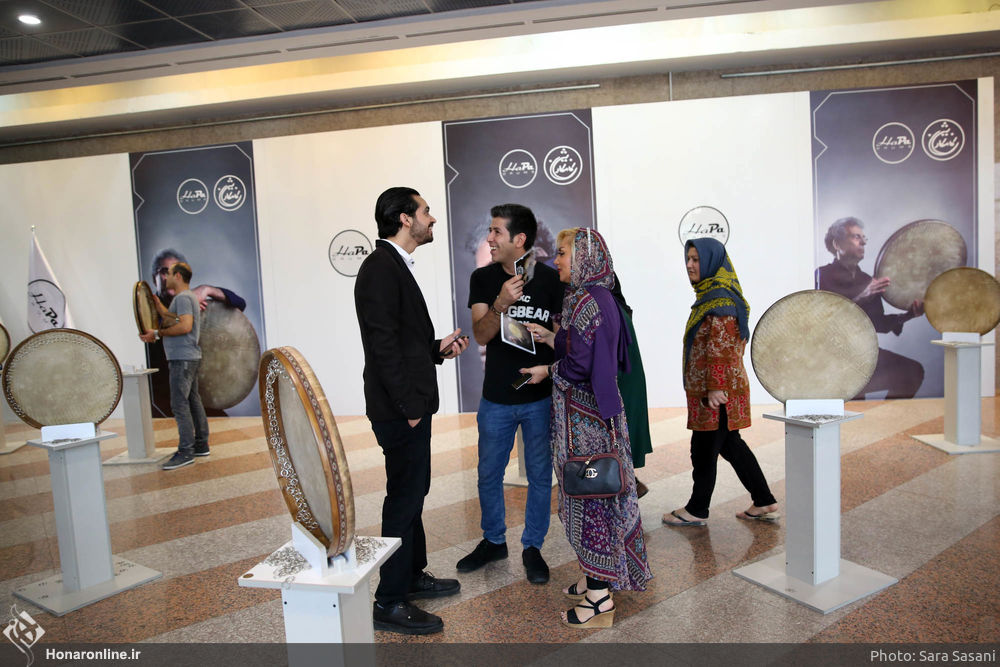
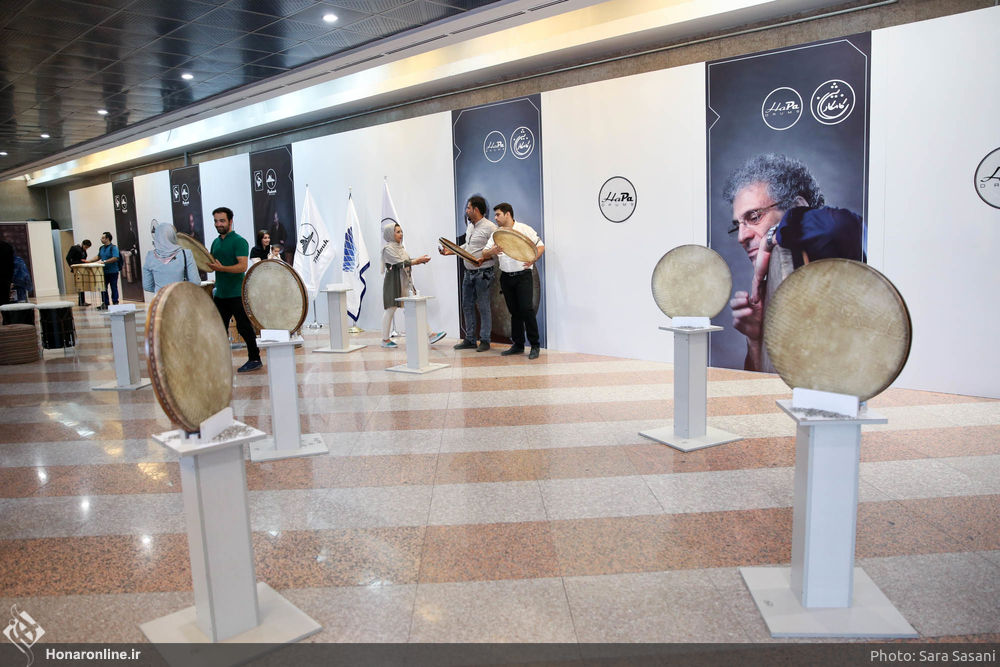
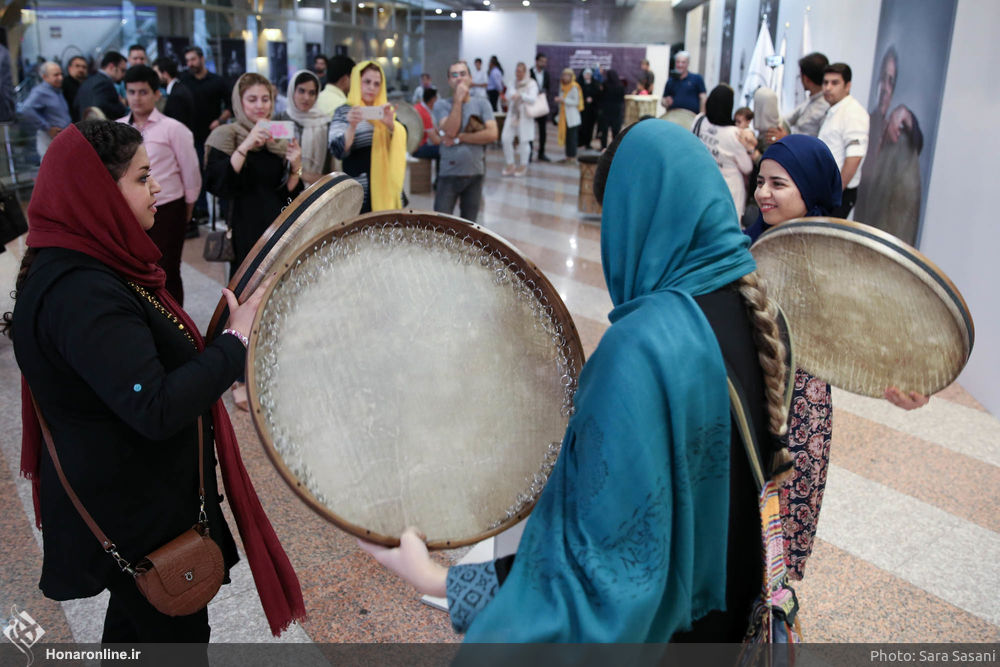
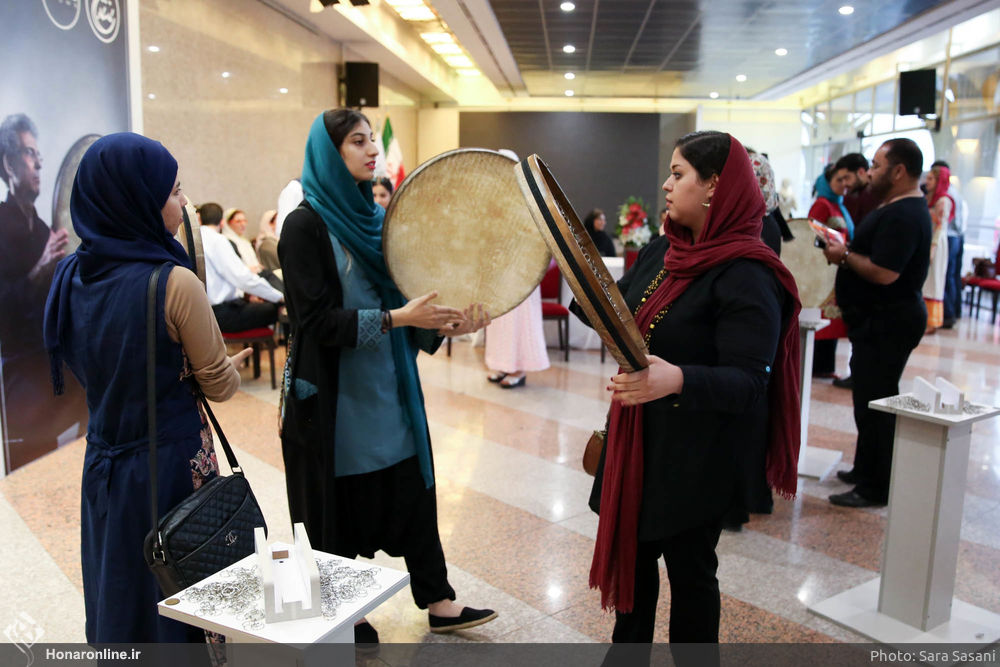
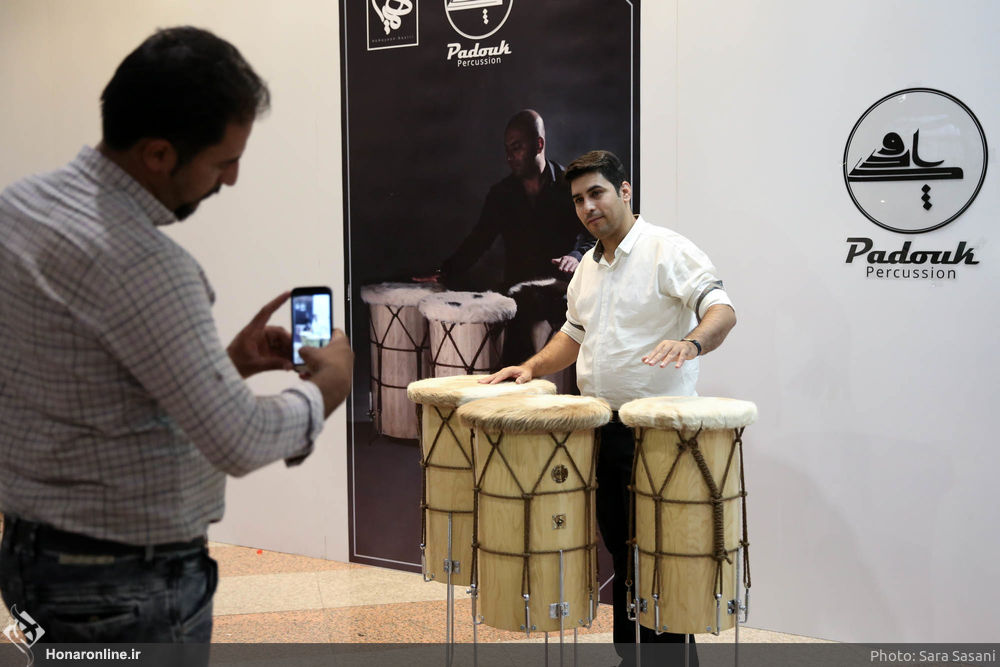
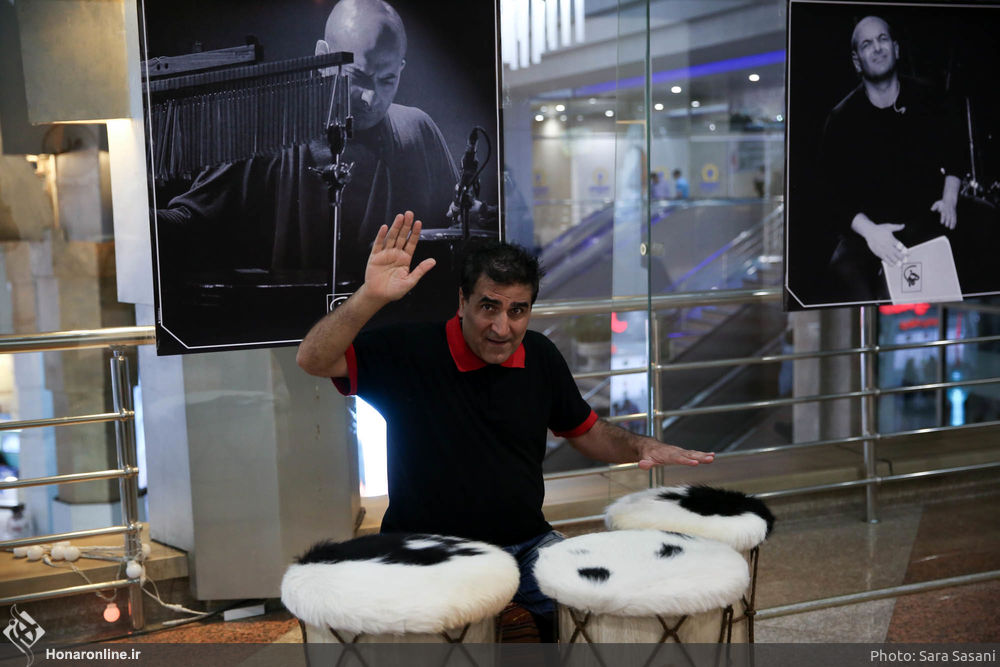
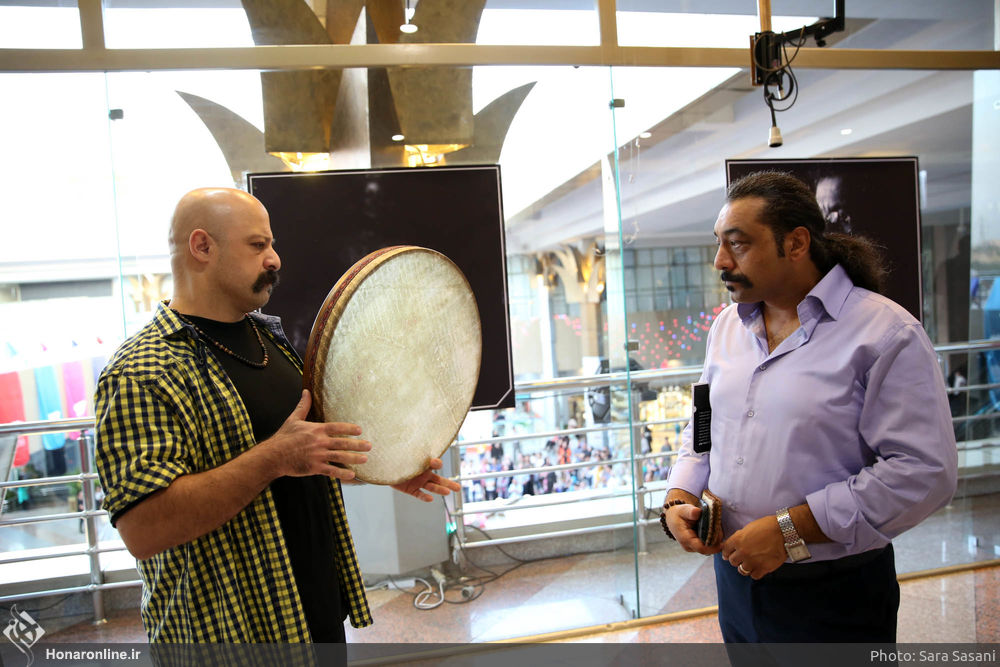
Two New Percussion Instruments Unveiled in Tehran

The two percussion instruments have been made by Mohsen Farmani, an Iranian instrument designer.

According to a Farsi report by ILNA, the instruments were unveiled in a ceremony at Milad Tower in the Iranian capital, Tehran.

Farmani said the quality of these two newly made instruments has been approved by two Iranian maestros: “Bijan Kamkar, famous singer and musician, and Homayoun Nasiri, a composer and musician, have put their signatures on these two instruments.”

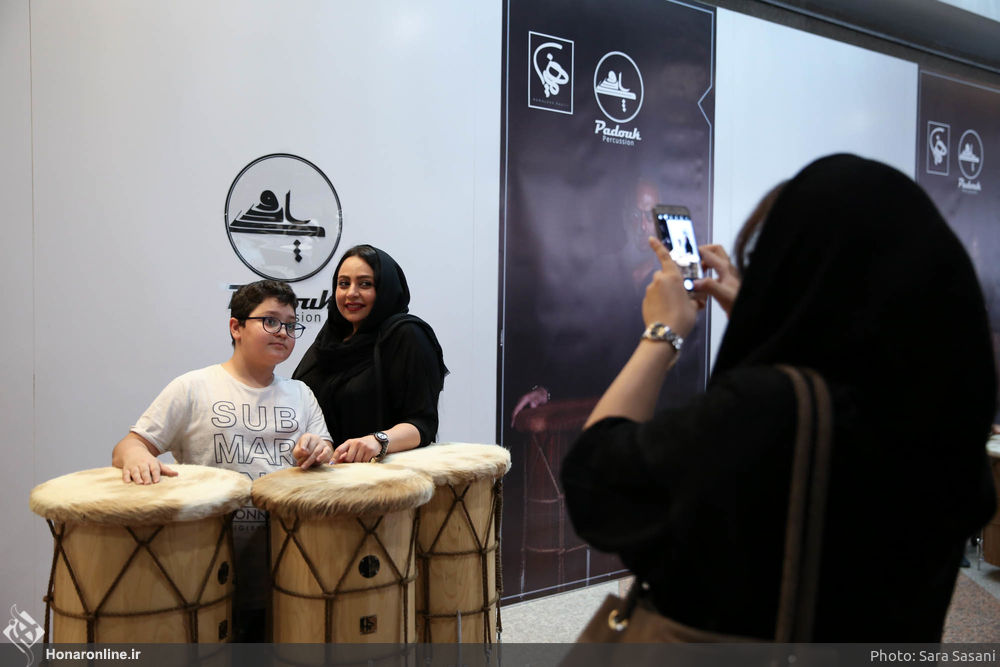
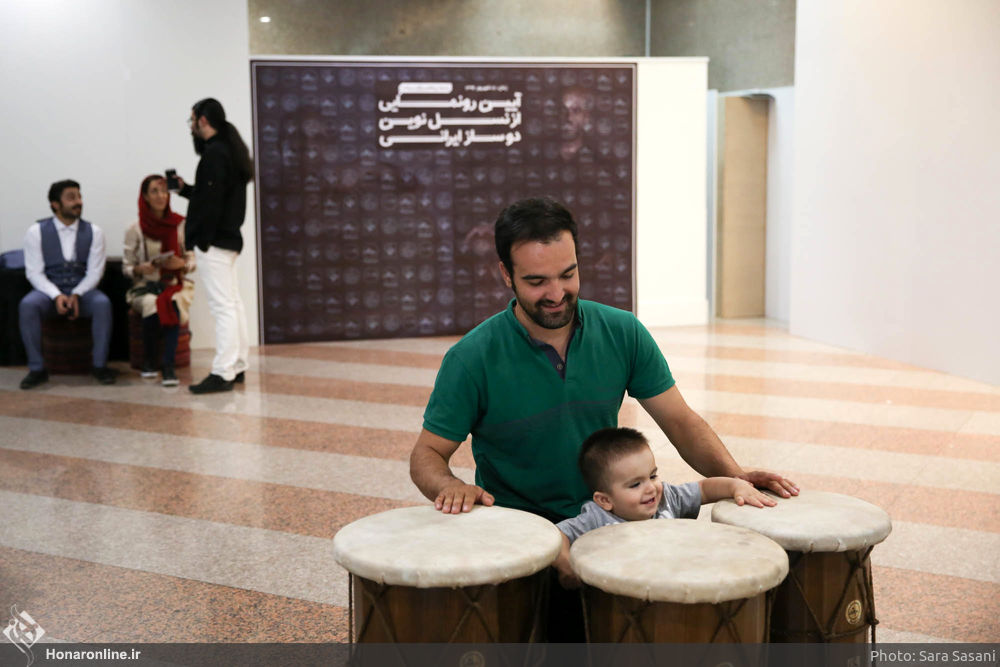
Commenting on the features of the instruments, he said ‘Dom Dom’ is an instrument indigenous to Iran’s southern regions, adding Nasiri has always used the instruments in his performances.

“However, due to the instrument’s physical and structural problems, its old version has never been much favoured by other musicians. We made a number of changes to the instrument and invented a new kind of it.”

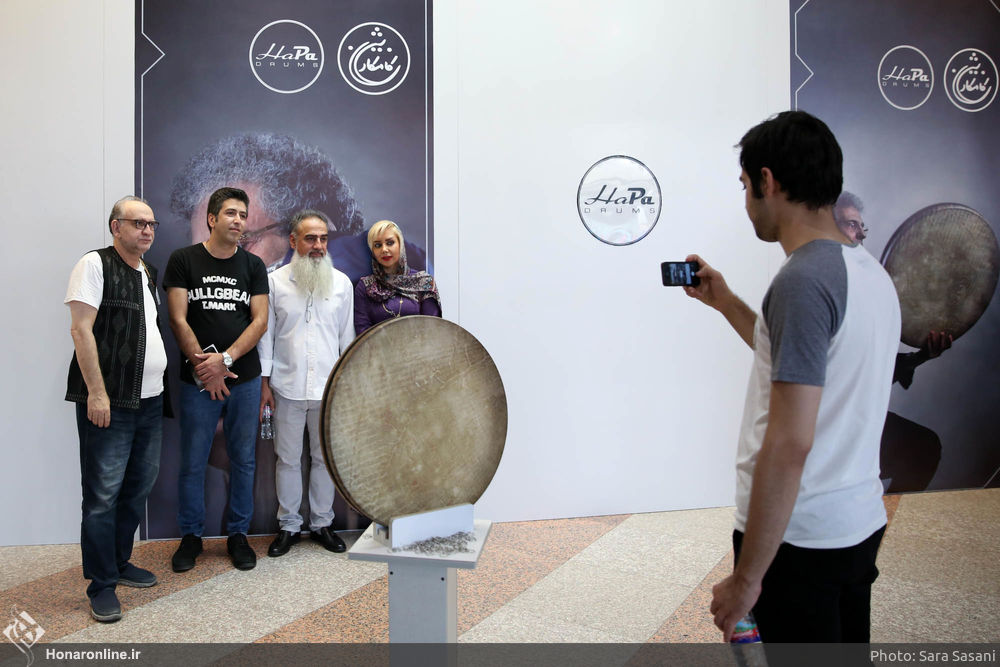
He added the number of wood pieces used in building the instrument and their type are what make ‘Daf-e Kooki’ different from other instruments of its kind.

Built using modern lathes, Farmani said, the instrument is made up of 60 wood bits.

He noted that a 1-kilogram version of the instrument was earlier made in Spain, adding, “What we have made weighs 650 grams which is way lighter than the Spanish one and common Dafs.”

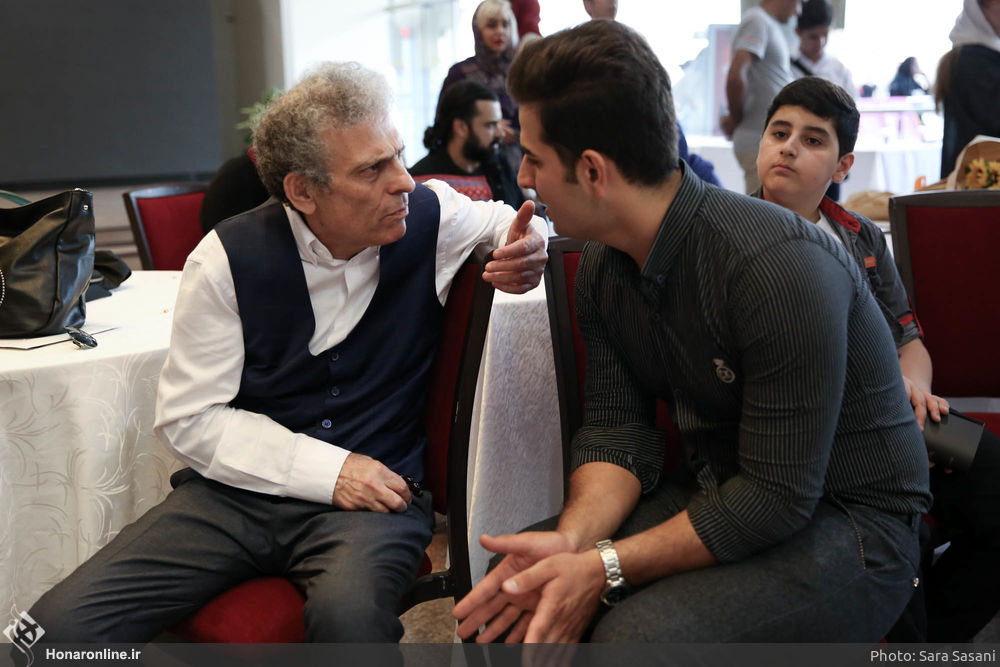
Here are Honar Online’s photos of the ceremony where the two instruments were unveiled:

Iran Independent of Outsourcing in Android Market: Minister

Referring to the recent removal of Iranian apps from App Store and Google Play, Jahromi said, “As Iran is looking for global markets, these restrictions will impede our international marketing. Therefore, we need to take this warning seriously and strive for new strategies for mobile phones and new businesses.”

“There are some systems in the world, especially in South Korea, in order to eliminate the absolute dependence on Android and Google. We also have put it on our agenda. But this is a very strategic issue and it cannot be decided overnight.”

“We must examine all aspects and see all the development areas and carefully study these areas in order to have a key idea. All the US efforts are to disrupt the lives of people. Therefore, our seemingly good decisions should not be such that people’s lives are affected by our good slogans. We must not disrupt the lives of the people,” Jahromi pointed out.

Jahromi, who was speaking in a telephone conversation with the state TV, said that no new sanctions have been imposed on the Islamic Republic, but the problem is that the new US administration wants to disrupt the agreements.

“Therefore, as the Islamic Republic of Iran has behaved wisely and, on the other hand, it will cost them (the Americans) much to disrupt international agreements; they (the Americans) are naturally seeking to do something to prove that they have implemented what they have chanted for earlier. So they are looking to impose some new restrictions.”

Azari Jahromi went on to say that the US Congress has not imposed a new sanction and no new executive order has been issued in this area.

“But the behaviour of US administration has raised concerns for American companies to be subject to Treasury inspections in the event of financial interactions, thus they are introducing restrictions and revisions in this area,” the Iranian communications minister concluded.

Two Digital service distributors namely Google Play and App Store have removed Iranian apps from their stores, citing US sanctions against the Islamic Republic.

Companies such as Google and Apple were hosting Iranian apps reportedly under a license issued by former President Barack Obama’s administration in 2014 but it is not clear why they have stopped those services now.

Tehran is under unilateral American sanctions despite a 2015 nuclear accord which the US and its allies reached with Iran. President Donald Trump has imposed new sanctions on the Islamic Republic and threatened to tear up the agreement.

Iran has about 48 million smartphone users in the country of more than 80 million. Apple’s market in Iran is related to iPhone holders who number in the upwards of 7 million. The majority of other smartphones are also using Google’s Android as their operating system.