Tuesday, December 30, 2025
Home Blog Page 3886

World Powers behind Plight of Myanmar Muslims: Analyst

Myanmar

Hamid Reza Moqaddam-Far, who is also an advisor to the chief-commander of Islamic Revolution Guards Corps (IRGC), said the US and China play a key role in the suppression of Rohingya Muslims in Myanmar.

The expert went on saying the West under the leadership of the US has managed to pave its own way into Myanmar since 2012 under the pretext of defending human rights in the Asian country.

“Today, Myanmar has turned into a rivalry scene between China and the US. The two sides are trying to change the power balance in the country to meet their own economic interests,” he said, according to a Farsi report by Tasnim.

On the plight of the Rohingya Muslims in Myanmar, Moqaddam-Far said this is not the first time that Rohingya Muslims in Myanmar are being targeted by extremist Buddhists.

He blamed the US for fueling the flames of Islamophobia across the world and said the current massacre of Muslims in Myanmar are just one of the consequences of the US efforts against Muslims.

“However, despite the US efforts, Islam is gaining more and more momentum attracting more followers day by day,” he added.

“The violence against Muslims in Rohingya should be viewed and analyzed as a political crisis. This is not a war between two religious groups,” he said.

He also referred to the western media coverage of Myanmar crisis and said a brief review of the Myanmar coverage in the western media reveals the double standards of the media towards human rights.

The expert also denounced the silence of the Nobel Peace Prize laureate Aung San Suu Kyi and said the West has always stood by Suu Kyi as the defender of human rights, “but today the Nobel Peace Prize laureate has remained silent towards the violence against Rohingya Muslims in Myanmar.”

He also noted that Suu Kyi’s silence reveals the real image of the Western countries and their double standards towards human rights across the globe.
A Look at Iranian Newspaper Front Pages on September 18

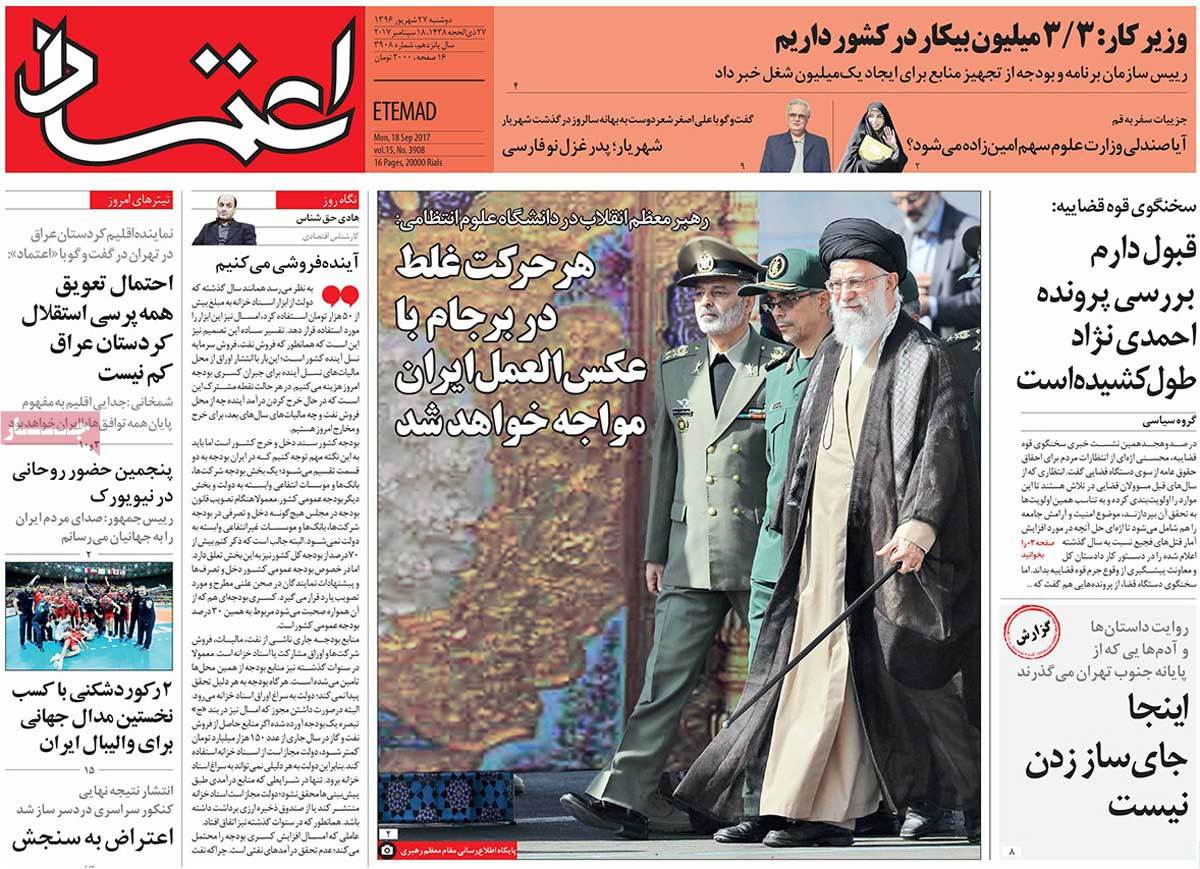
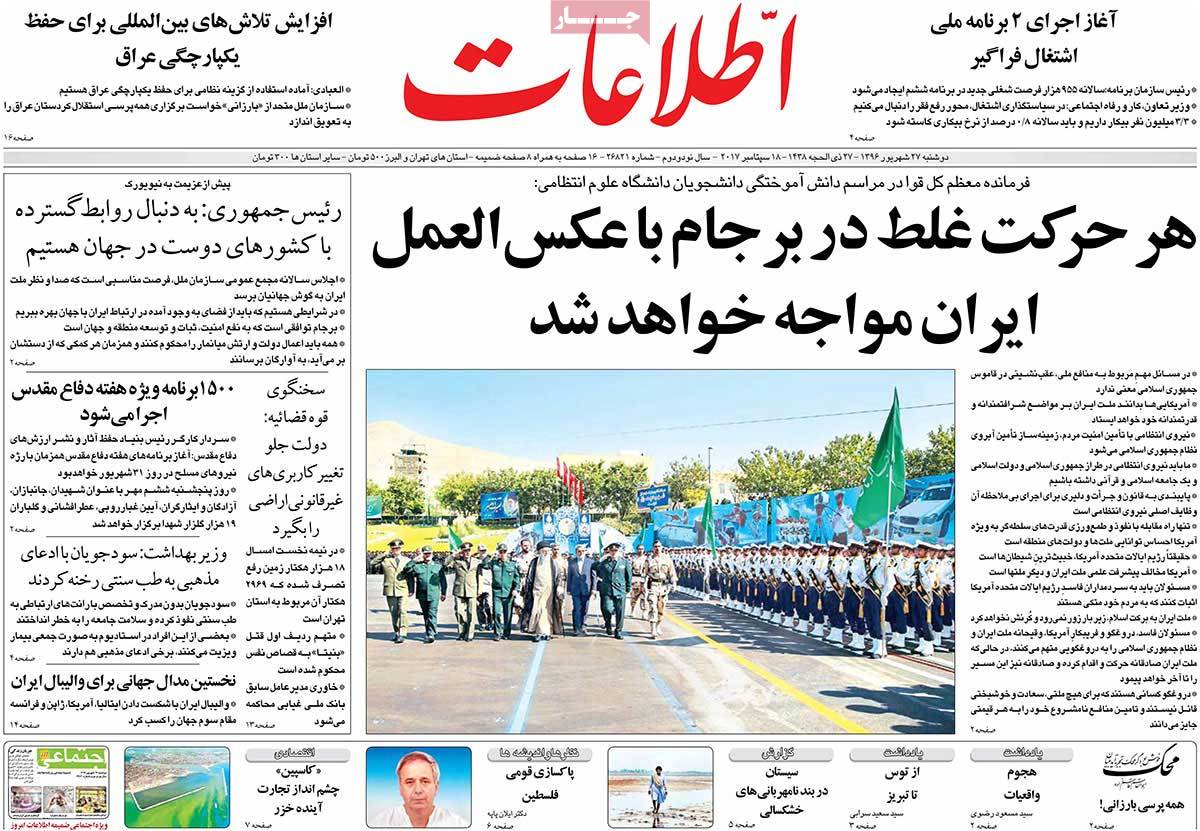
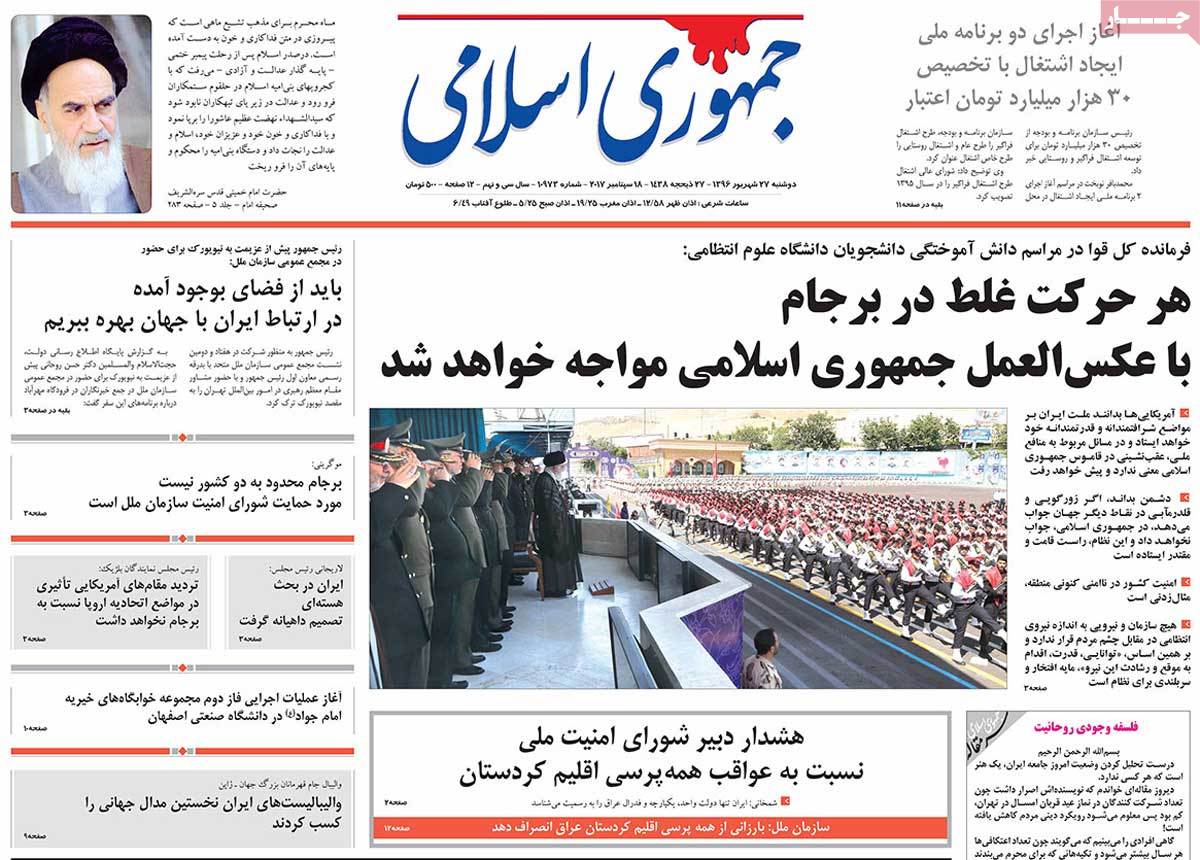
Newspapers today widely covered the remarks made by the Leader of Iran’s Islamic Revolution, Ayatollah Seyyed Ali Khamenei, about Tehran’s response to the US violation of Iran nuclear deal.

President Hassan Rouhani’s visit to the US city of New York to attend the UN General Assembly also received great coverage in today’s papers.

The upcoming referendum on the Iraqi Kurdistan’s independence also remained a top story.

The above issues, as well as many more, are highlighted in the following headlines and top stories:


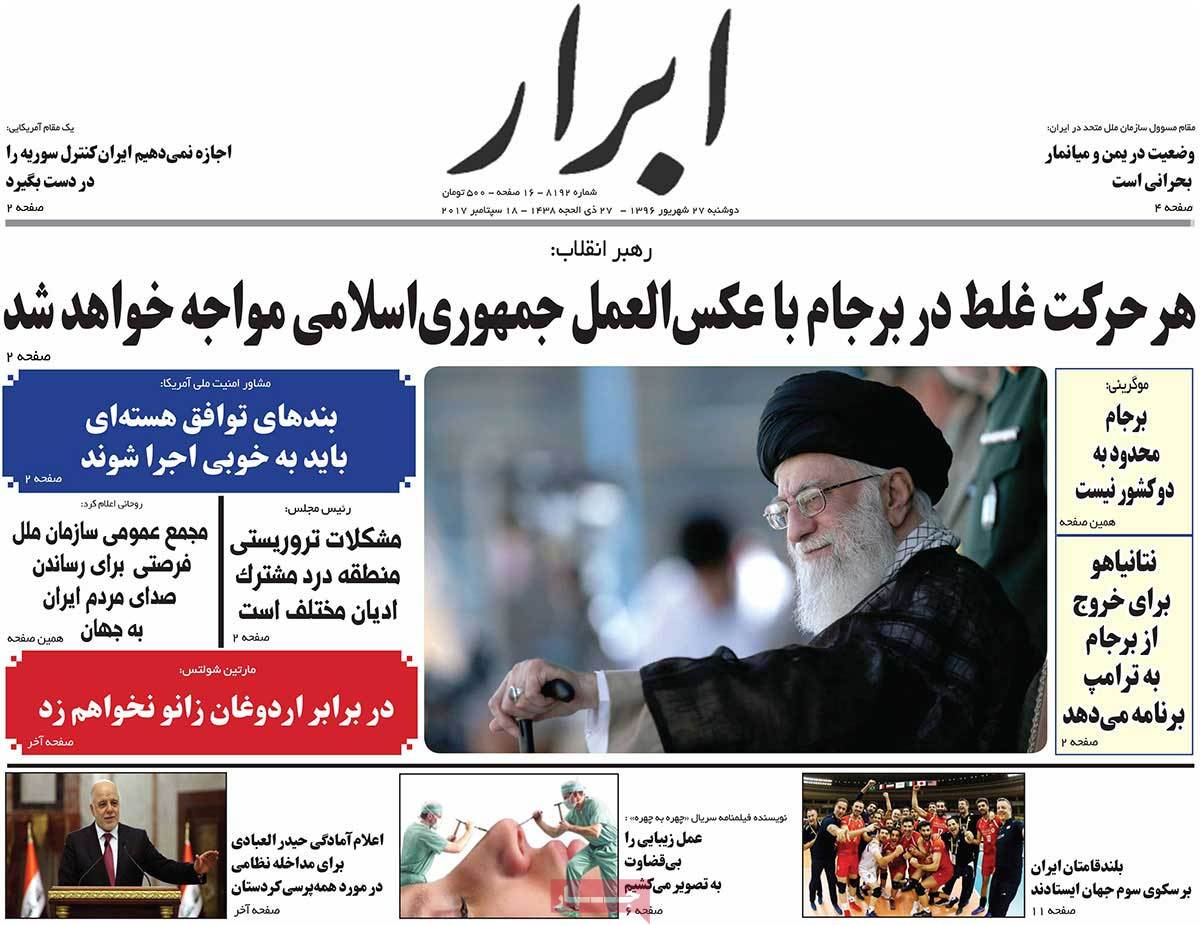
Abrar:

1- Parliament Speaker: Terrorist Problems in Region Common Pain of All Regions

2- American Official: We Won’t Let Iran Take Control of Syria

A Look at Iranian Newspaper Front Pages on September 18


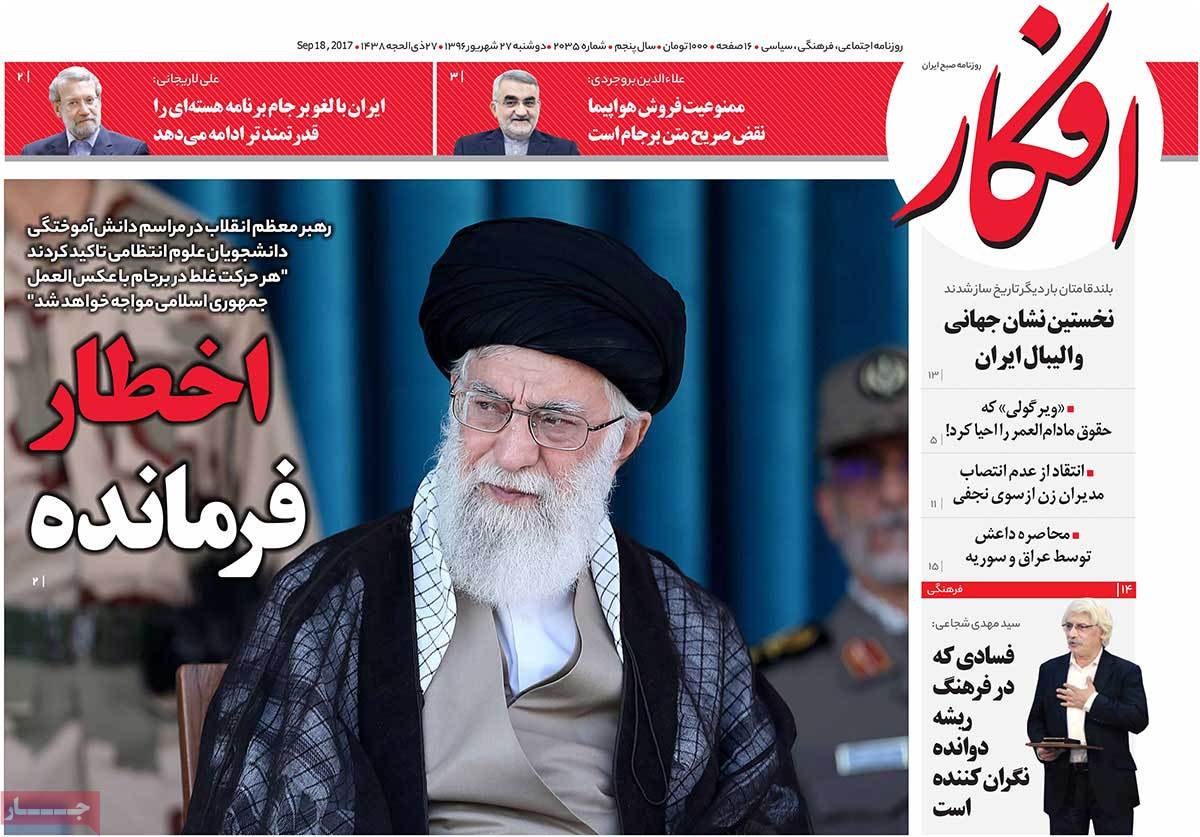
Afkar:

1- Senior MP: Ban on Selling Planes to Iran Clear Violation of Nuclear Deal

2- Larijani: Iran to Continue Nuclear Program More Strongly after JCPOA Termination

A Look at Iranian Newspaper Front Pages on September 18


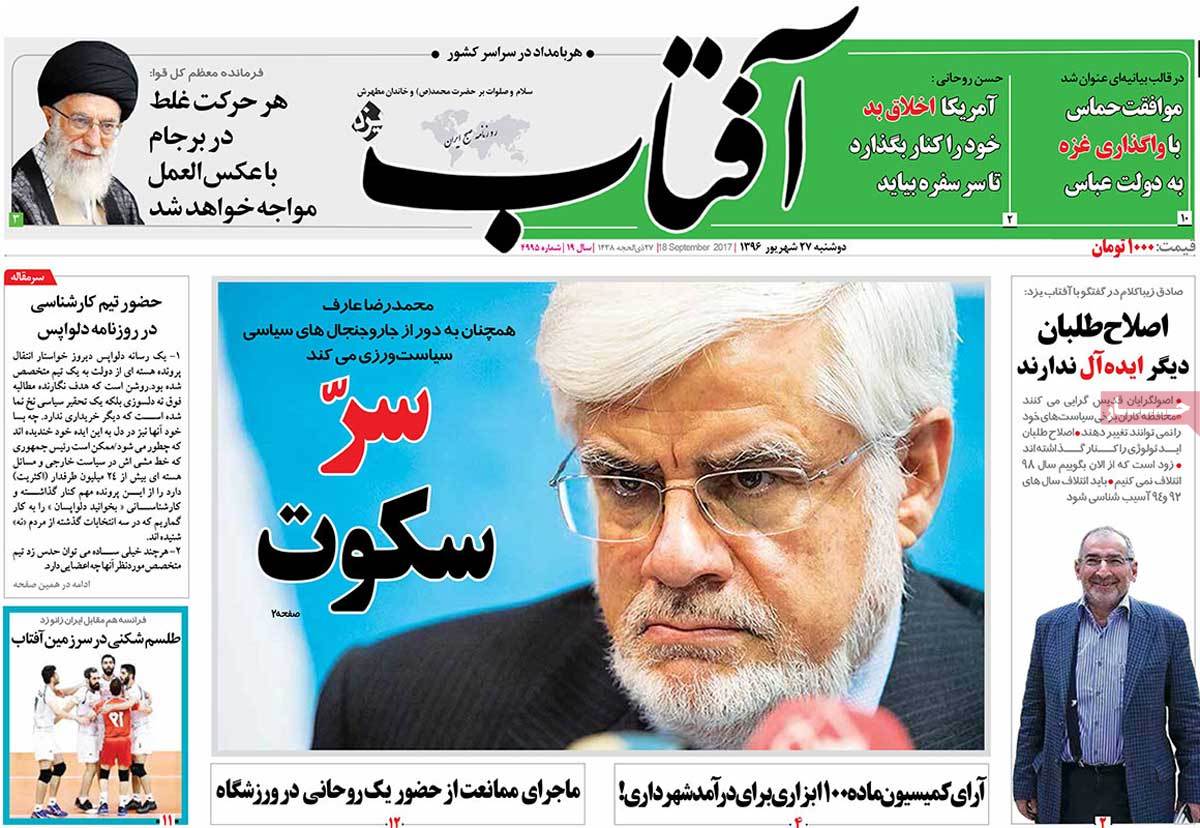
Aftab-e Yazd:

1- Iran Leader Vows Reaction to Any Wrong Move on JCPOA

2- Rouhani Urges US to Stop Its Bad Behaviour

3- Hamas Agrees to Give up Gaza to Abbas’ Government

A Look at Iranian Newspaper Front Pages on September 18


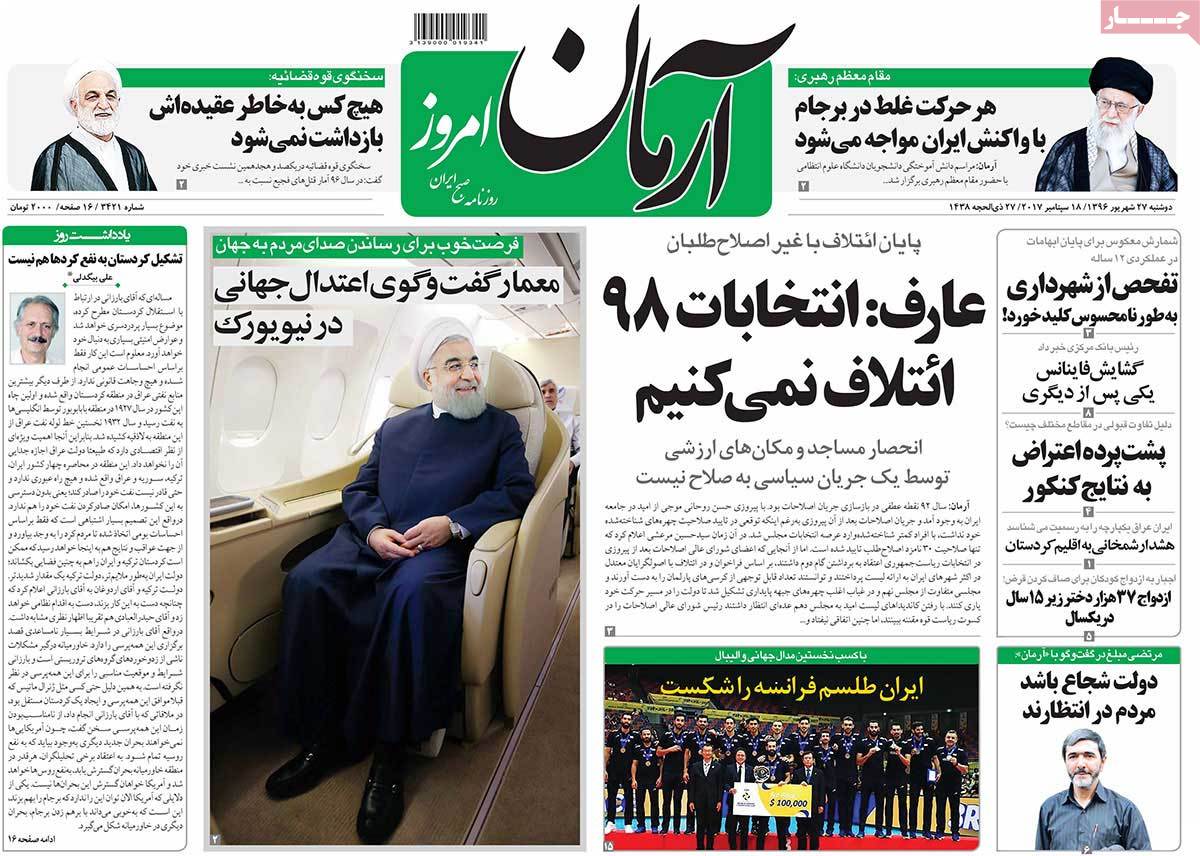
Arman-e Emrooz:

1- Architect of Global Moderation Dialogue in New York

  • Good Opportunity for Expressing Voice of Iranians

2- No One Is Arrested for One’s Beliefs: Judiciary Spokesman

3- Aref: We Won’t Form a Coalition in Next Parliamentary Elections

  • End of Coalition with Non-Reformists

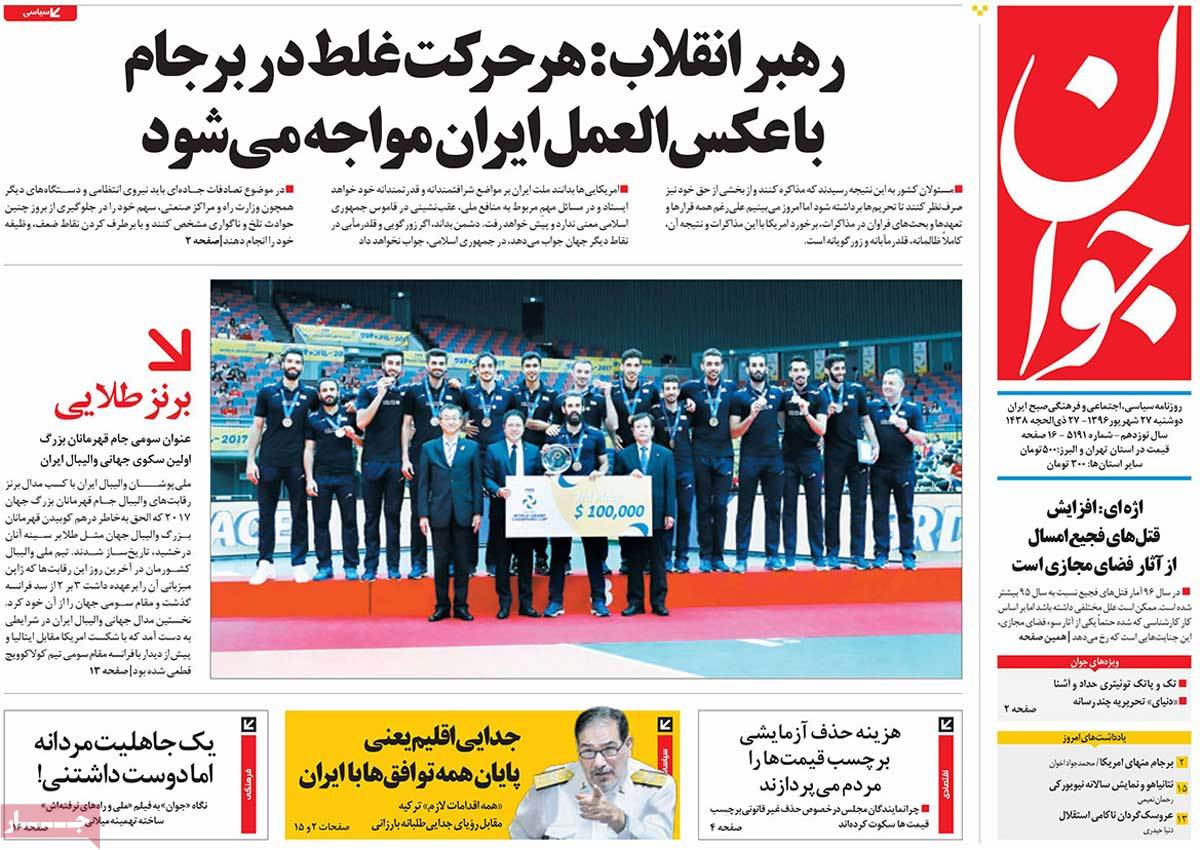
4- Iran Finally Manages to Defeat France, Win World Volleyball Medal

A Look at Iranian Newspaper Front Pages on September 18


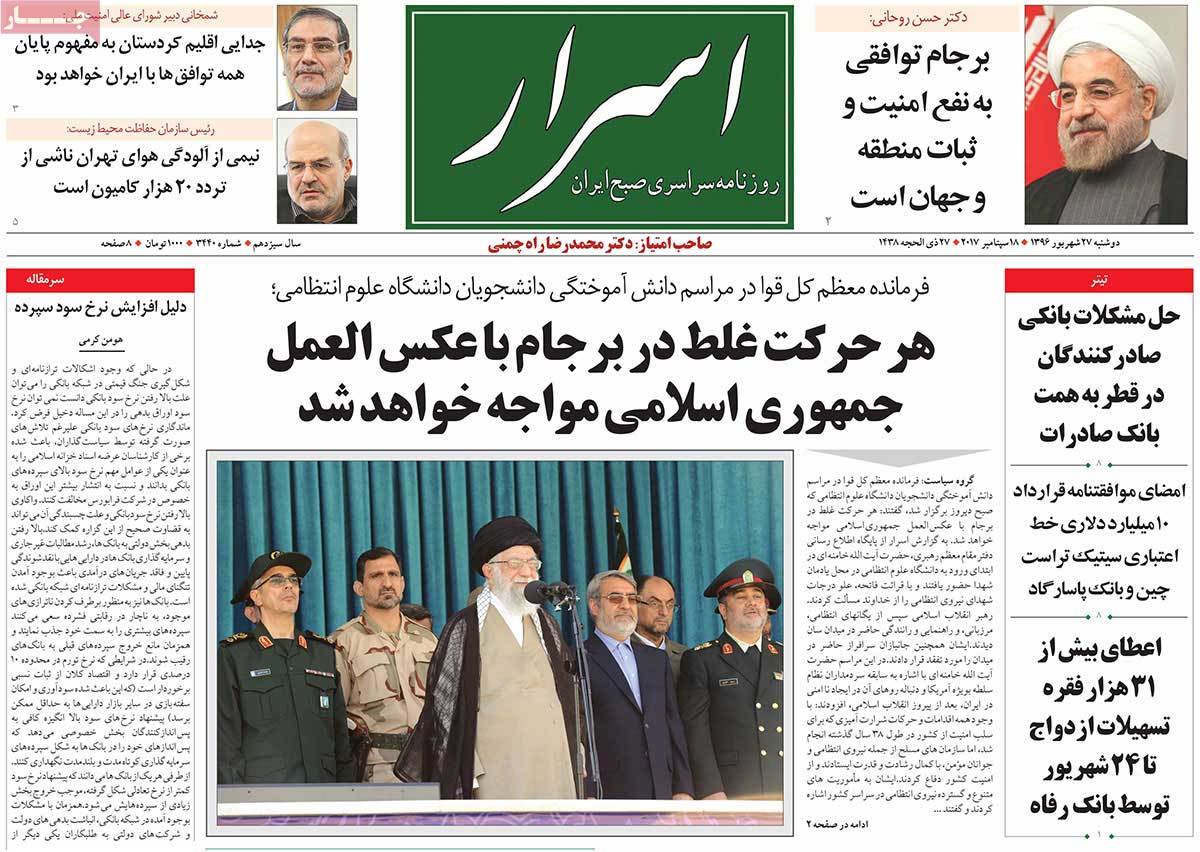
Asrar:

1- Rouhani: Nuclear Deal Contributes to Security, Stability of Region, World


A Look at Iranian Newspaper Front Pages on September 18


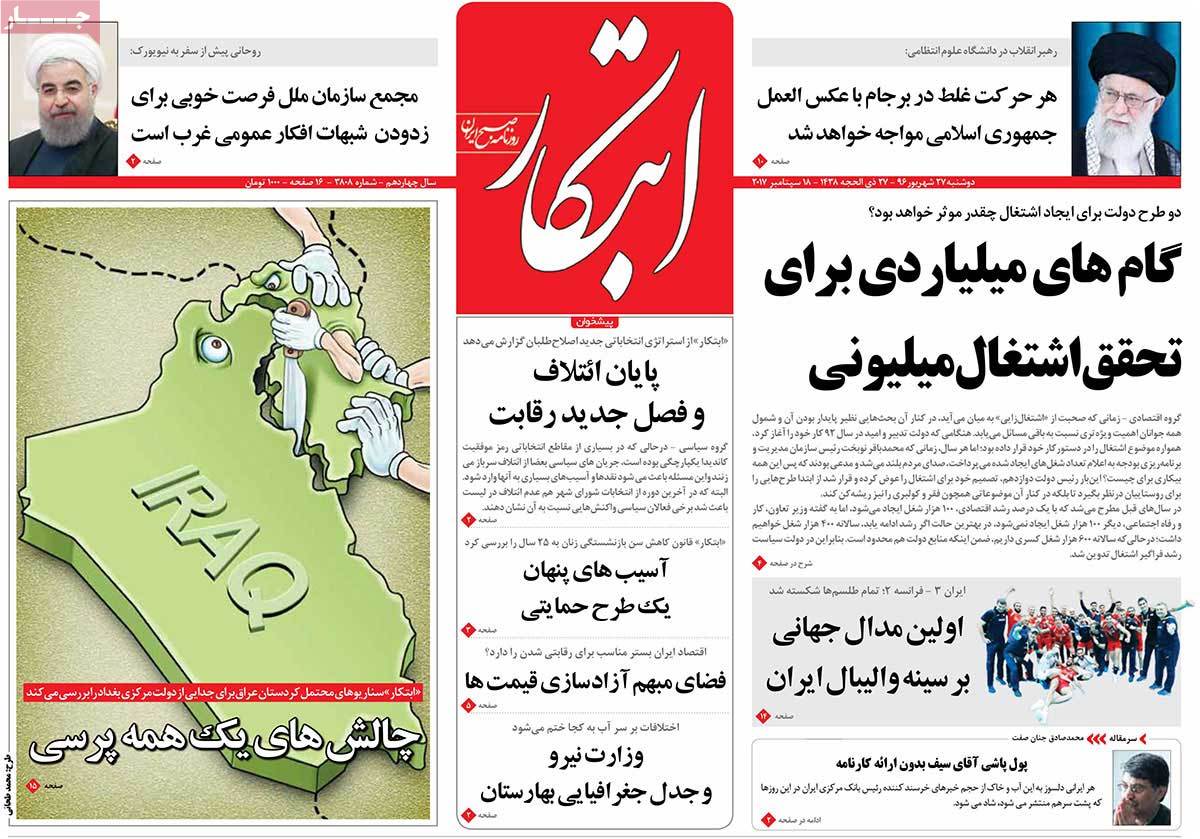
Ebtekar:

1- Challenges of a Referendum: Possible Scenario of Iraqi Kurdistan’s Separation

2- UNGA Good Chance for Resolving Ambiguities of West’s Public Opinion


A Look at Iranian Newspaper Front Pages on September 18


Etemad:

1- Labour Minister: We Have 3.3 Million Unemployed People in Iran

2- Iraqi Kurdistan’s Envoy to Tehran: Independence Referendum May Be Postponed

3- Rouhani’s Fifth Visit to New York


A Look at Iranian Newspaper Front Pages on September 18


Ettela’at:

1- Increased Int’l Efforts to Maintain Iraq’s Integrity

2- Rouhani before Departing for New York: Iran Looking for Interaction with World

A Look at Iranian Newspaper Front Pages on September 18


Javan:

1- Judiciary Spokesman: Increase in Number of Heinous Crimes Caused by Cyberspace

A Look at Iranian Newspaper Front Pages on September 18


Jomhouri Eslami:

1- Mogherini: JCPOA Not Limited to Two Countries, Is Supported by UN


A Look at Iranian Newspaper Front Pages on September 18


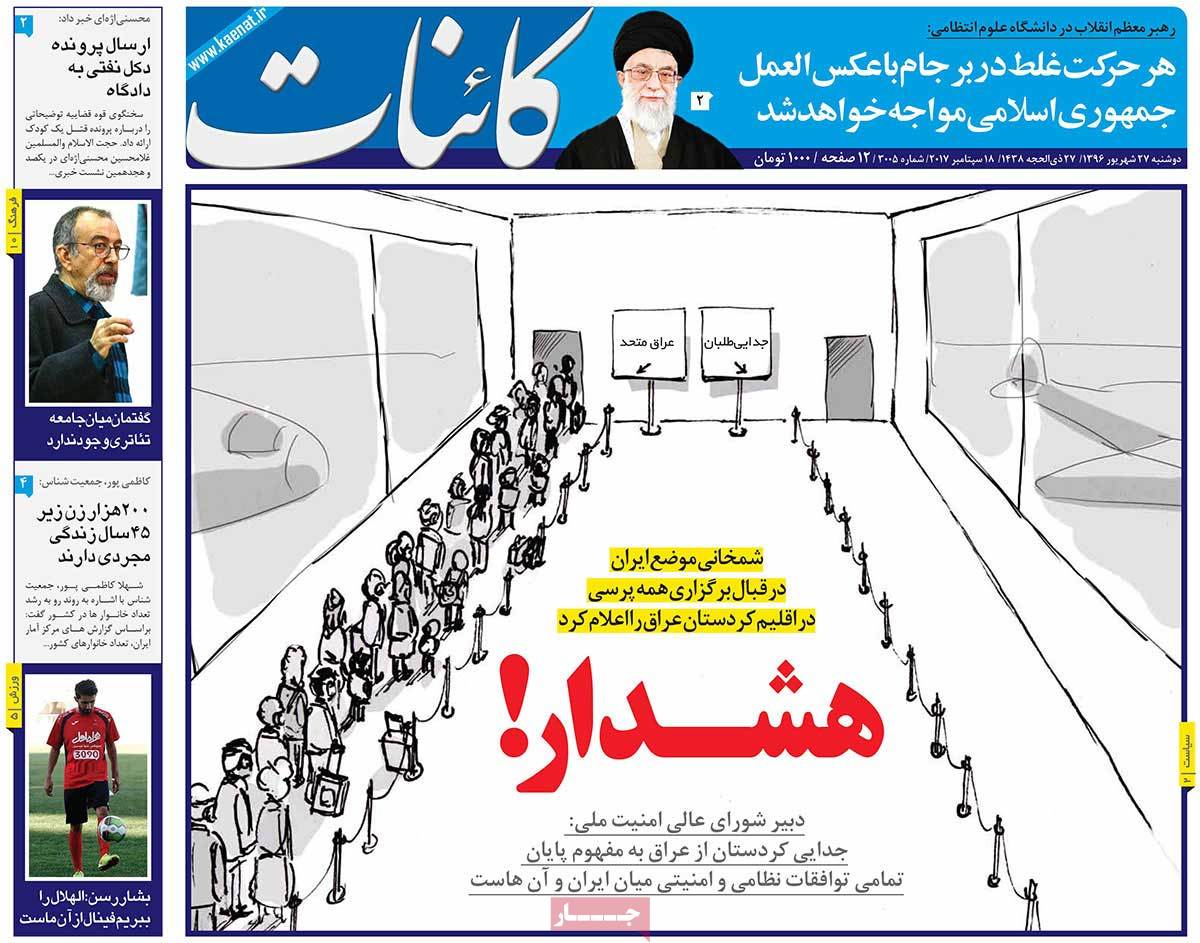
Ka’enat:

1- Warning! Shamkhani Declares Iran’s Stance towards Iraqi Kurdistan Referendum

  • Independence Will Lead to End of All Agreements between Iran, Kurds


A Look at Iranian Newspaper Front Pages on September 18


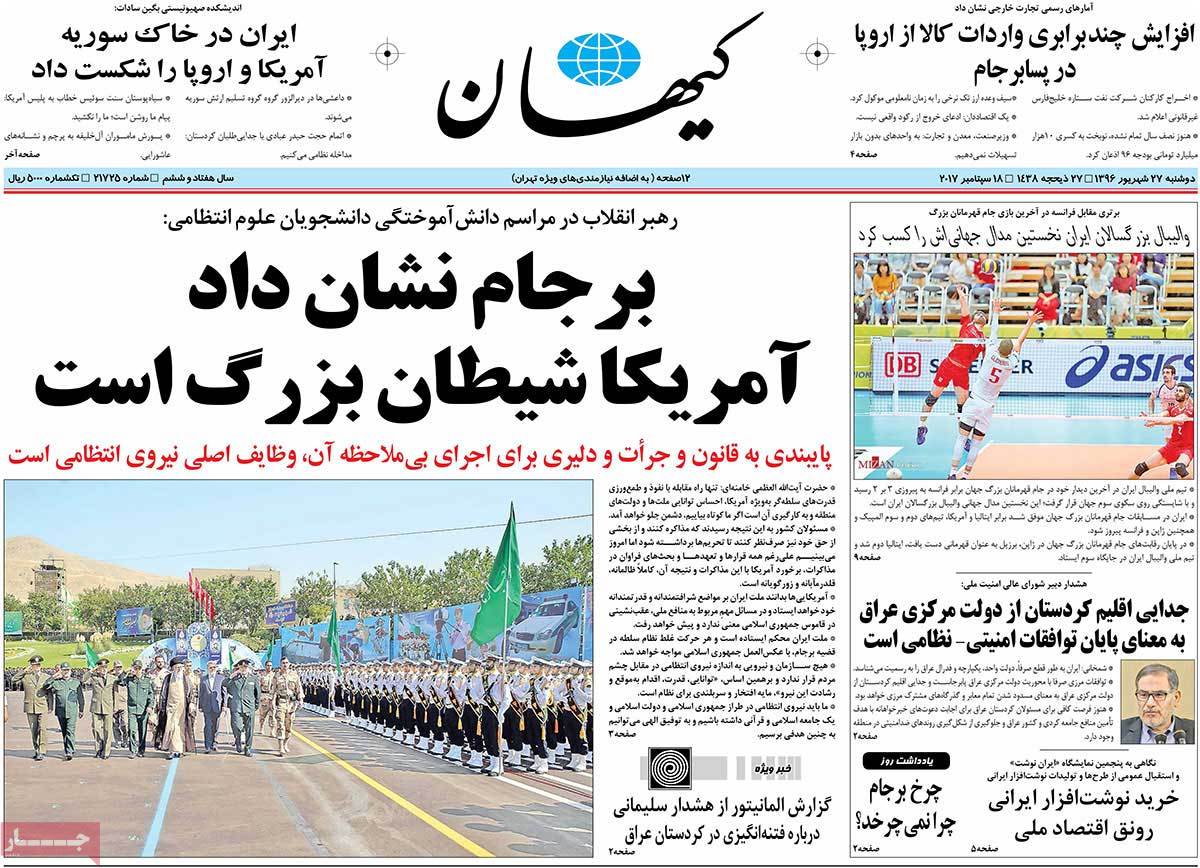
Kayhan:

1- Iran Leader: Nuclear Deal Proves US Is Great Satan

2- Official Statistics: Multiplication of Imports from Europe in Post-JCPOA Era

A Look at Iranian Newspaper Front Pages on September 18


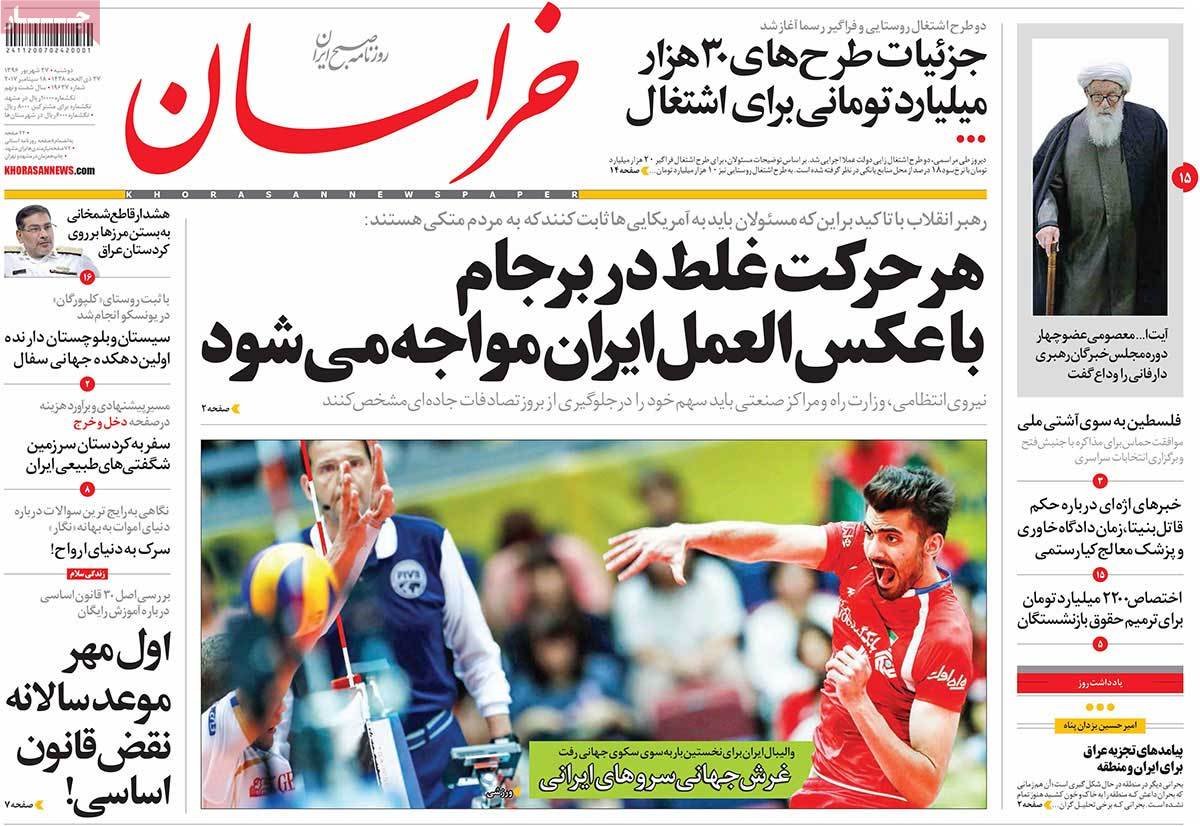
Khorasan:

1- Kalpourgan Village Registered in UNESCO

  • Sistan and Baluchestan Province Home to First Global Village of Pottery

2- Palestine Moving towards National Reconciliation

A Look at Iranian Newspaper Front Pages on September 18


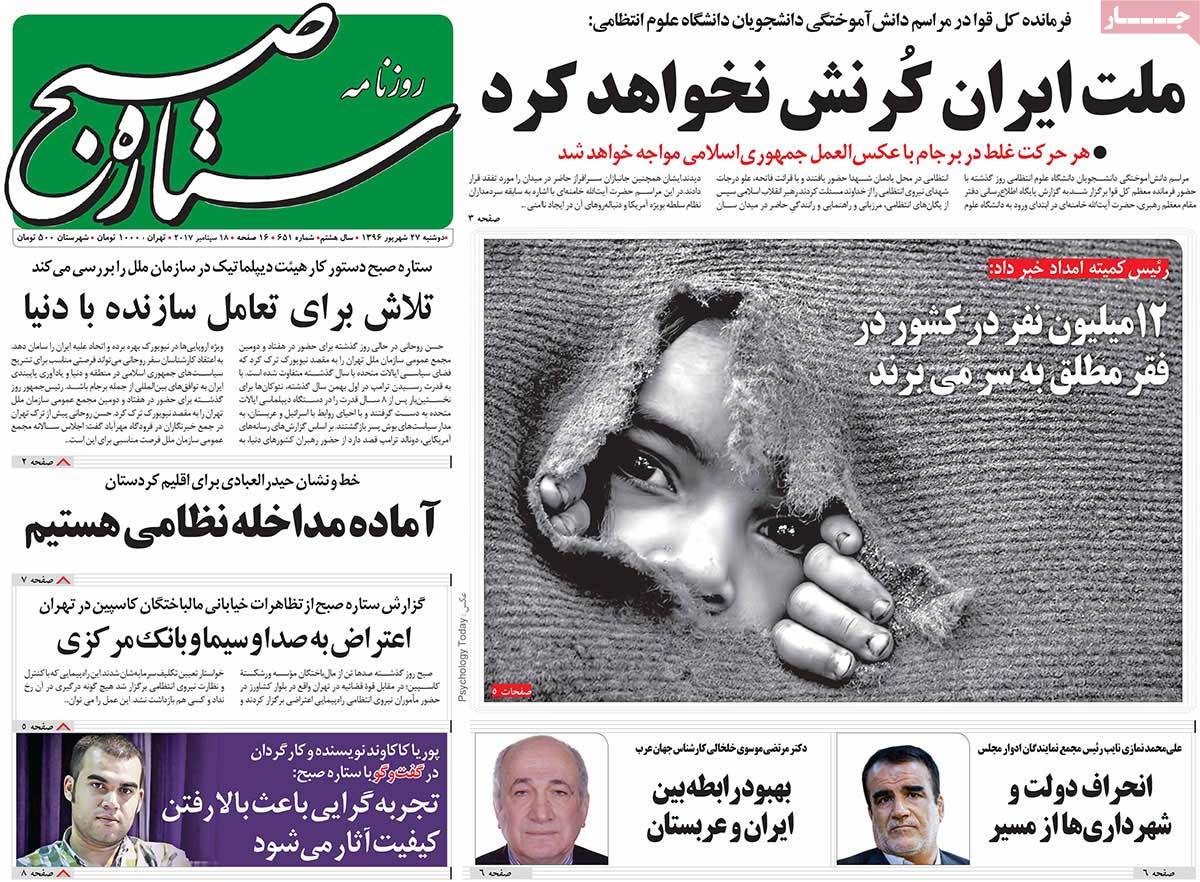
Setareh Sobh:

1- Leader: Iranian Nation Not to Bow

2- 12 Million People in Iran Living in Absolute Poverty: IKRF Chief

3- Iraqi PM Says Army Ready to Interfere on Iraqi Kurdistan’s Separation


A Look at Iranian Newspaper Front Pages on September 18


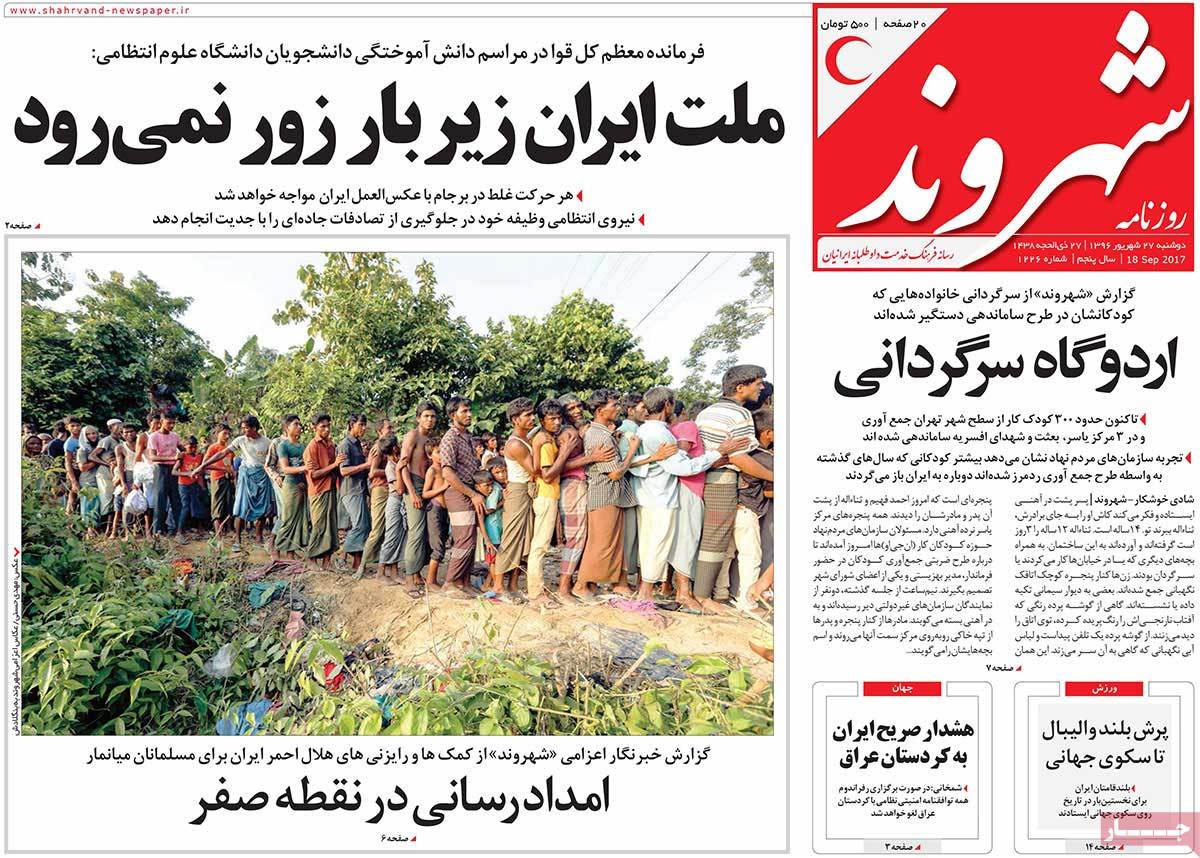
Shahrvand:

1- Leader: Iran Nation Not to Give in to Bullying

2- Providing Relief in Zero Point: A Report on Iranian Red Crescent’s Aid for Myanmar Muslims

3- Camp of Wander: A Report on Families Whose Working Children Were Arrested

  • 300 Child Labourers So Far Collected from Tehran Streets


A Look at Iranian Newspaper Front Pages on September 18


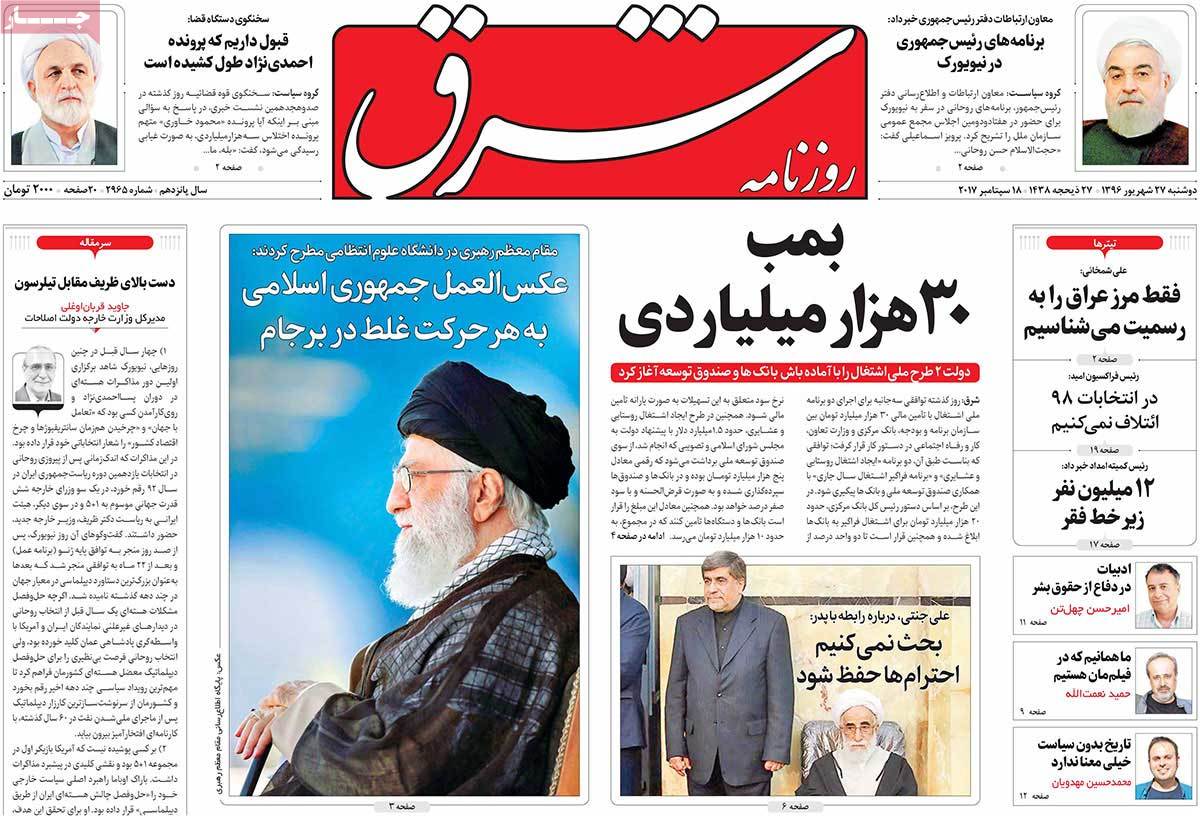
Shargh:

1- Gov’t Starts National Employment Plan by Allocating IRR 300,000 Billion

2- Shamkhani: We Only Recognize Iraq’s Border


A Look at Iranian Newspaper Front Pages on September 18


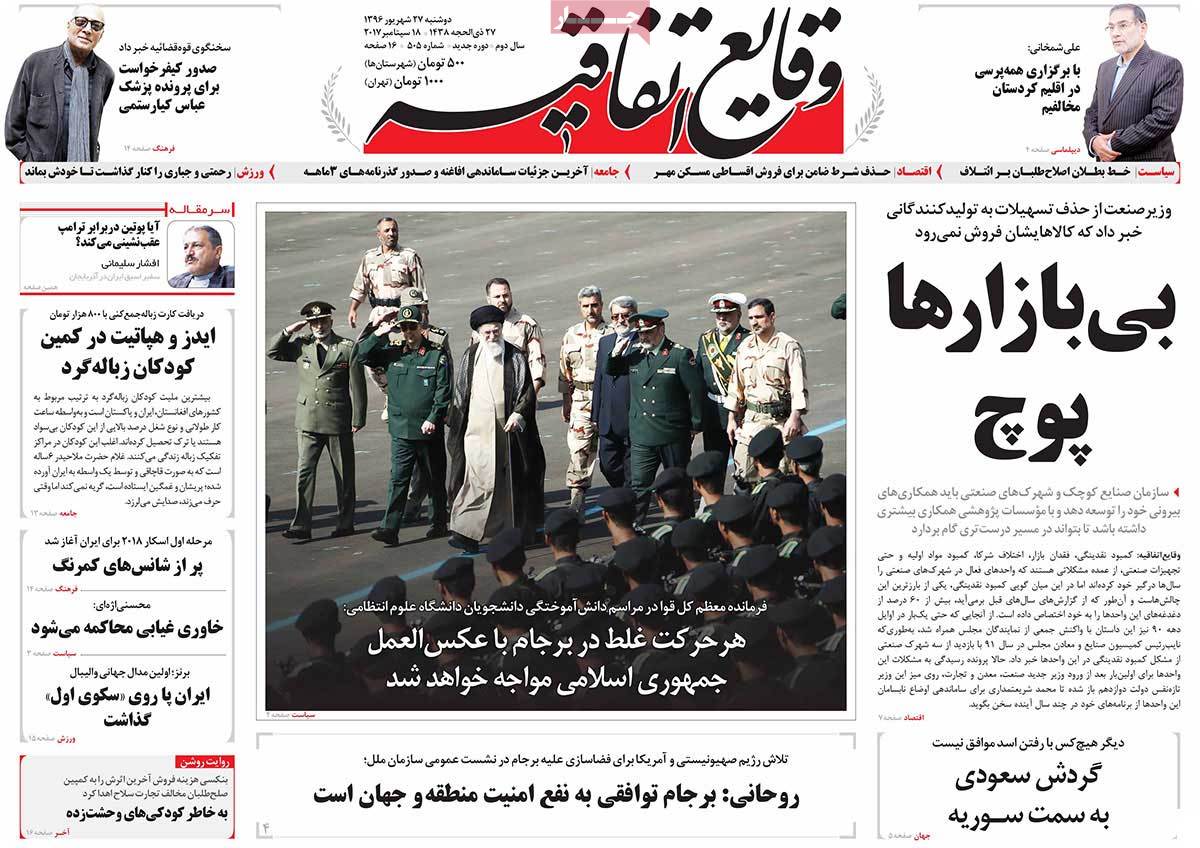
Vaghaye Ettefaghieh:

1- Saudi Arabia Turning to Syria: No One Interested in Assad’s Removal Anymore

A Look at Iranian Newspaper Front Pages on September 18


Numerous Foreign Investors en Route to Iran: Central Bank

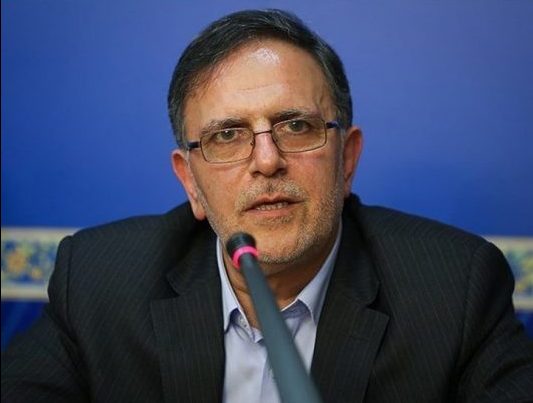
Valiollah Seif

Central Bank Governor Valiollah Seif said the government of Iran is set to sign a number of agreements with foreign investors in the next couple of weeks.

“I hope with the attraction of new foreign investments, we would be able to create more jobs in our country,” he noted in an address to a ceremony marking the beginning of two national plans for job creation in Iran.

He added new financial deals with foreign investors are being signed, saying, “Today we are witnessing a growing demand for signing agreements from foreign companies.”

“Given economic experiences of the Islamic Republic over the past decades as well as vulnerability of Iran’s economy against domestic and foreign shocks, the Iranian officials have adopted certain economic measures to cope with the economic problems under the guidelines of the Leader of the Islamic Revolution,” he added, according to a Farsi report by Al-Alam News Network.

Imperial College Lecturer Appointed to Iran’s Dept. of Environment

Issa Kalantari, the Iranian Vice-President and head of the Department of Environment, has appointed Madani as his new deputy.

Following the appointment, Madani said in a post in his Twitter account, “[I’m] Thrilled and determined to help Iran’s environment through meaningful collaboration with dedicated Iranian and international activists.”

Madani is an environmental management lecturer at the Imperial College of London. Before joining the College in 2013, he was an Assistant Professor of Civil, Environmental, and Construction Engineering and an Alex Alexander Fellow at the University of Central Florida.

Madani served as the Secretary of Iran’s First International Conference on Climate Change in February 2017. He was recognized as one of the ten “New Faces of Civil Engineering” by the American Society of Civil Engineers in 2012.

In 2016, he was selected by the European Geosciences Union (EGU) as one of the four recipients of the Arne Richter Award for Outstanding Young Scientists for fundamental contributions to integrating game theory and decision analysis into water management models.

Madani also received the Walter L. Huber prize for ground-breaking research in developing methods for the allocation of scarce water resources merging conflict-resolution and game-theoretic concepts for application to complex water resources systems.

Iran to Give Due Response to Violation of Nuclear Deal: Rouhani in New York

Iran to Give Due Response to Violation of Nuclear Deal: Rouhani in New York

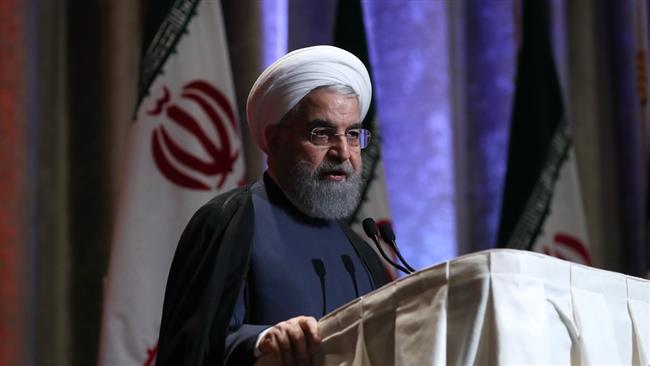
Speaking at a meeting of Iranian expatriates in New York, where he is to attend the 72nd session of the United Nations General Assembly (UNGA), President Rouhani said Iran would give “the due response” to any such violation of the Joint Comprehensive Plan of Action (JCPOA).

“Withdrawing from the JCPOA,” he said, “would mean trampling on a clear political obligation that a government has. This is nothing to be proud of.”

He said Iranian people have always lived up to their word throughout history but added that Iran would honor its obligations under the JCPOA as long as the other side honors its.

“We will never initiate a violation of the international agreement, but if the other side wishes to assault the rights of the Iranian people, Iran will certainly give the due response,” the Iranian president said.

The JCPOA was struck in July 2015, after some 22 months of negotiations between Iran and six other countries. Iran agreed under the deal to apply certain limits to its nuclear program, and its partners — the US, Russia, China, Germany, France, and the United Kingdom — agreed in return to terminate a series of sanctions against the Islamic Republic, including those unilaterally imposed by individual countries.

When the presidency in the US switched to the incumbent, Donald Trump, a year after the implementation of the Iran deal had begun, his administration started actively seeking a pretext to withdraw.

It has found none, but has nevertheless signaled that it may not offer to the US Congress verification of Iranian compliance necessary to renew waivers of unilateral, American sanctions against Iran at a next deadline in mid-October. The Congress would then have 60 days to decide whether to continue to waive the sanctions, although it would be unlikely to do so without a White House verification.

Iran has said it would work to sustain the JCPOA but has contingency plans in the event of a US withdrawal. On Sunday, Leader of the Islamic Revolution Ayatollah Seyyed Ali Khamenei warned that Iran would respond to any “wrong move” concerning the JCPOA.

In New York, President Rouhani said “whether the US is happy or worried,” the JCPOA is to stay in political history as a sign of how complex international issues can be resolved via dialog.

During his stay in America, the Iranian president plans to meet world leaders and possibly discuss with them the JCPOA and the US stance.
Foreign Minister Mohammad Javad Zarif is also in New York, and a meeting of foreign ministers from the parties to the JCPOA may take place.
Meanwhile, all the other parties to the deal have voiced determination to keep the agreement in place.

Iran Slams US Treasury for Imposing Bans on Several Iranian Nationals

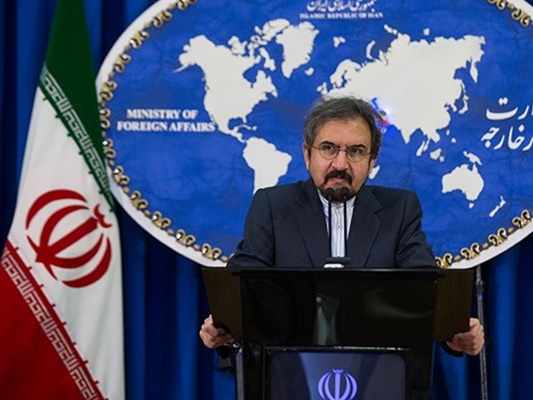
In a Sunday statement, Foreign Ministry Spokesman Bahram Qassemi condemned the US Treasury’s imposition of sanctions against a few Iranian nationals as a politically motivated, injudicious and groundless move.

Qassemi said the United States has, over the past few years, always been one of the countries which have been the origin and hub of cyber-attacks against Iranian organizations and state institutions.

“Levelling untrue and unfounded accusations against Iranian nationals and claiming they have been involved in cyber-attacks is an irrelevant and unwarranted allegation, and runs counter to individuals’ basic right to have access to free flow of information and the cyberspace,” he noted.

“The US government’s move is in breach of all known legal and international regulations,” said the spokesman.

Qassemi rejected the accusation that Iranian nationals have been involved in cyber spying, and added, “The United States’ recent move was in line with perpetuating the policy of Iranophobia adopted by statesmen ruling the White House, and the new sanctions against Iranian nationals are another example of Iranophobia and imposing restrictions on the Iranian people, who have stood up to the United States’ excessive demands and bellicose policies.”

He warned the US government against continuing such hostile policies against Iran, and urged American decision-makers and policy-makers to think more about the consequences of their failed and wrong policies as well as their Iranophobia strategy.

The spokesman called on them to stop unwise behaviour and go for rationality.

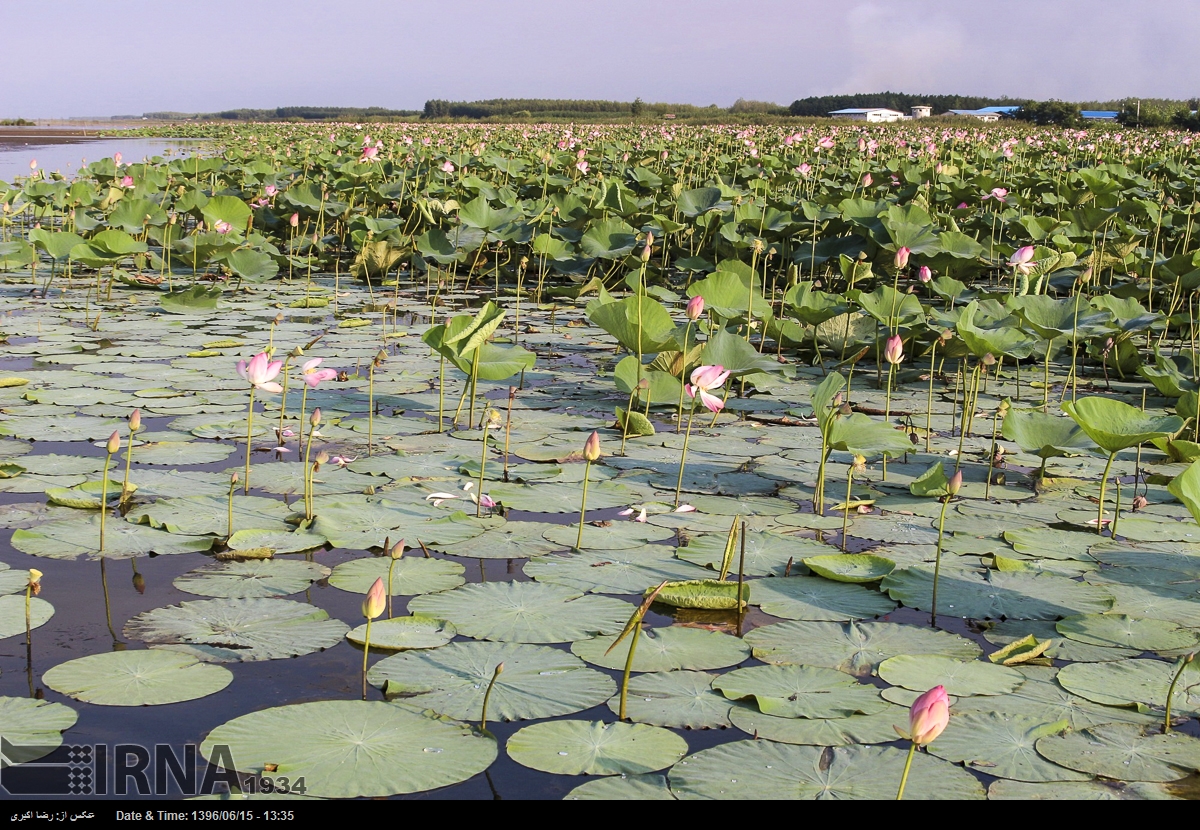
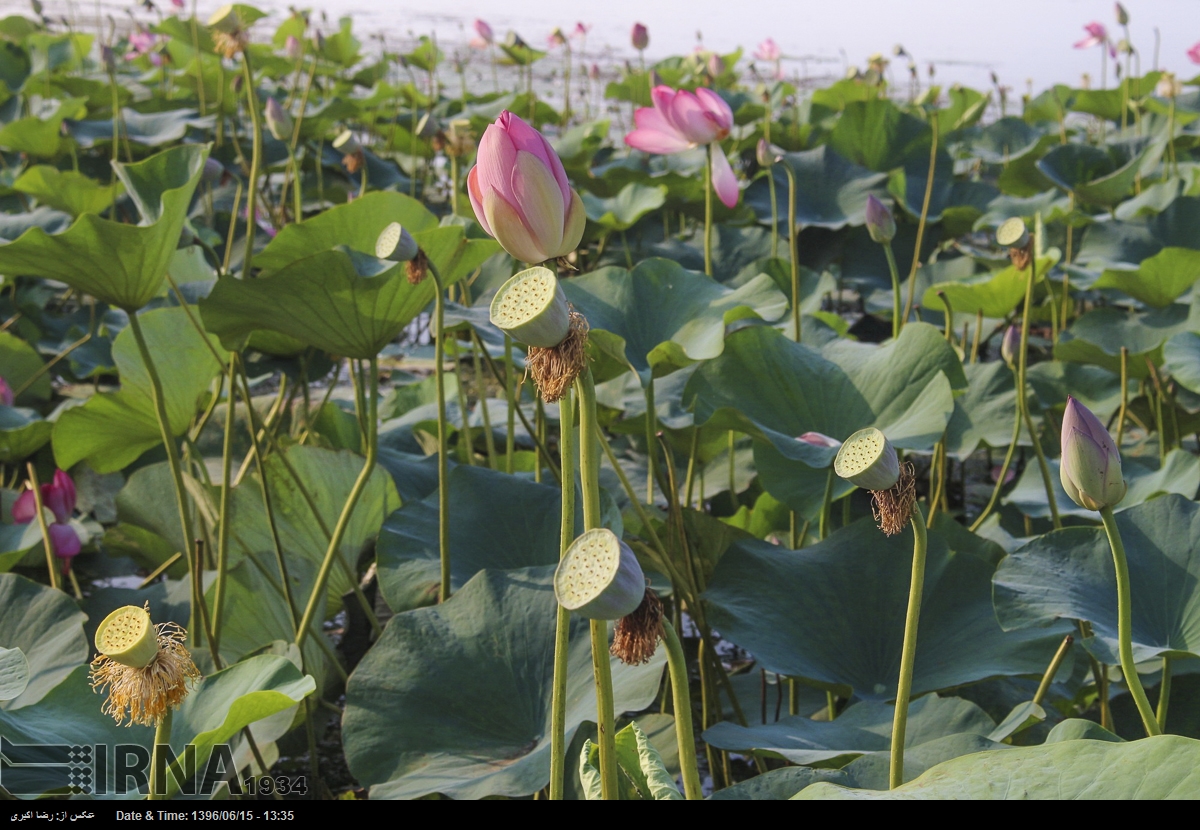
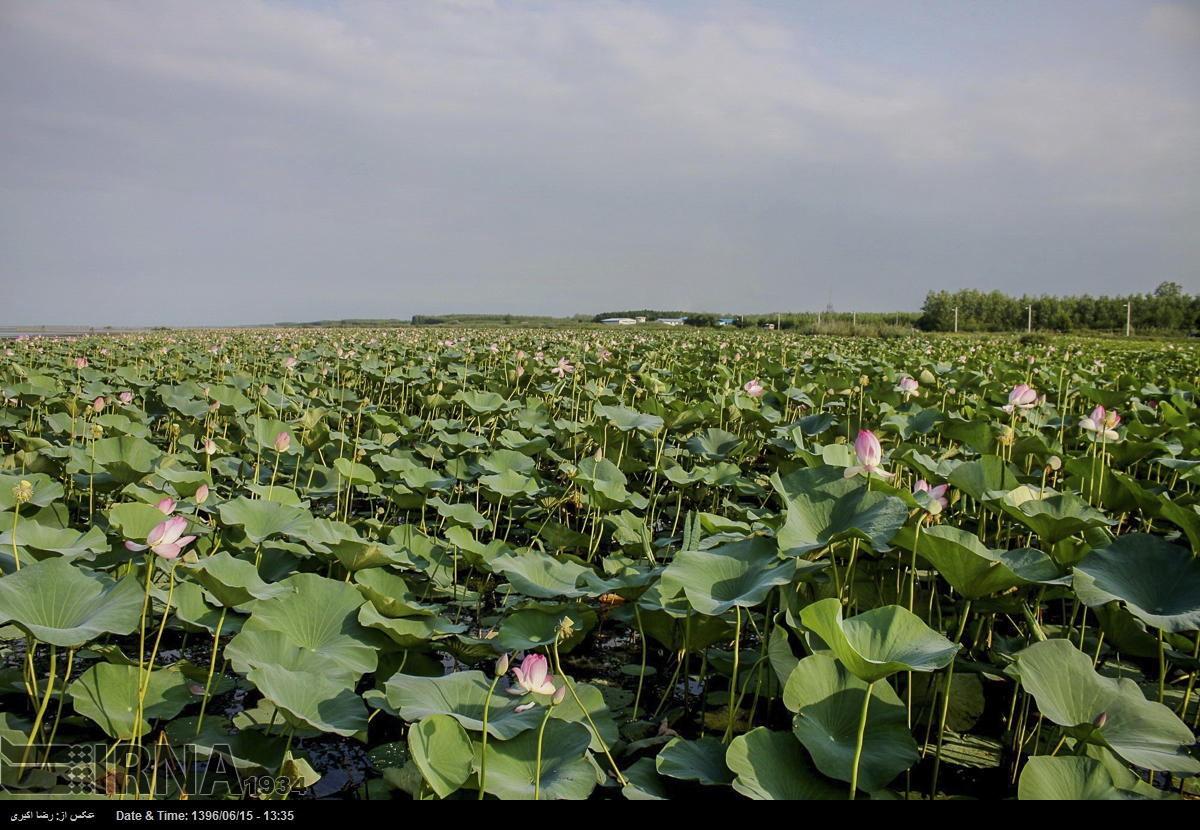
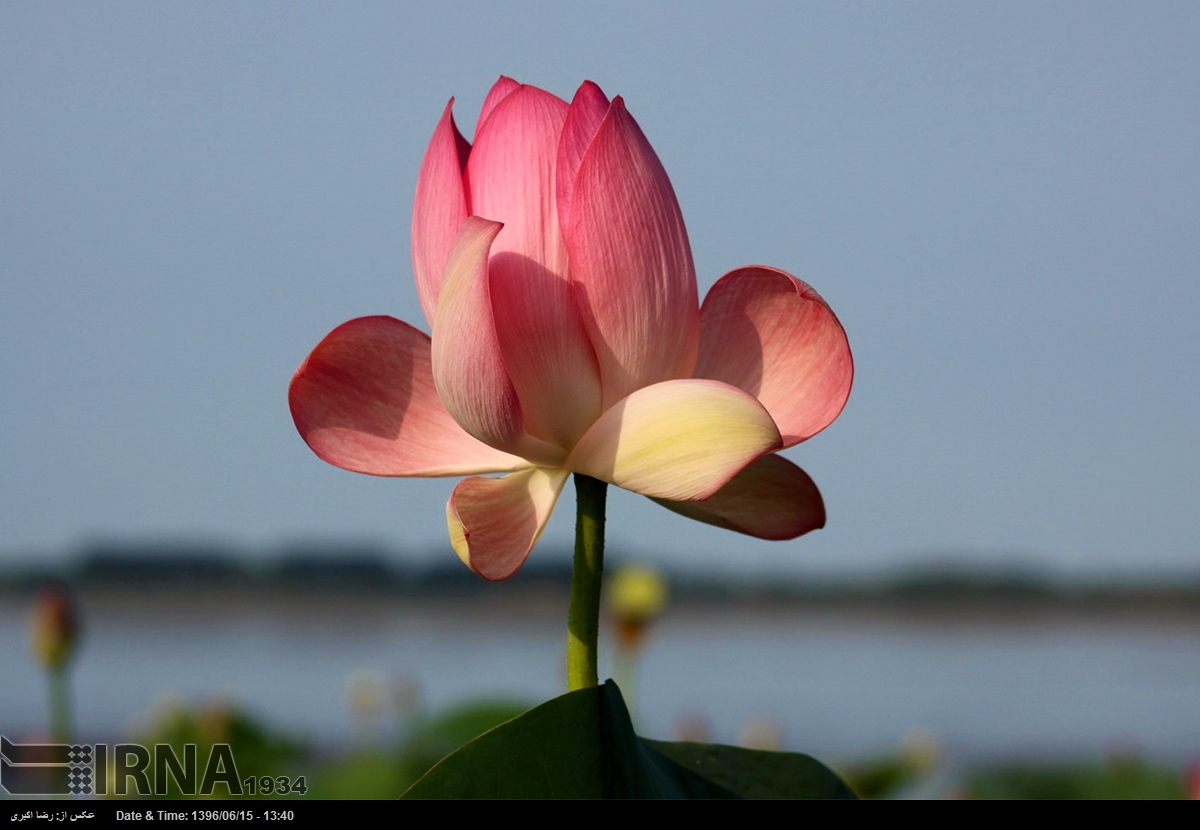
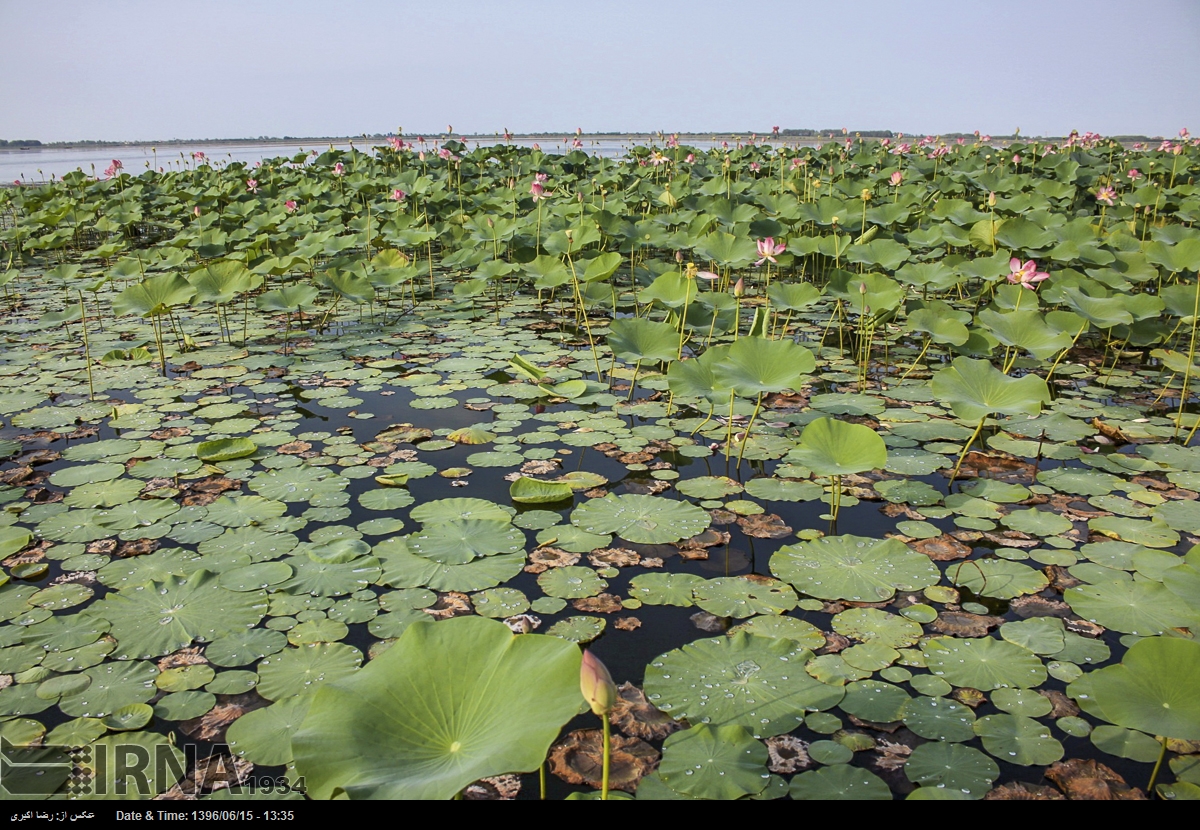
Iran’s Beauties in Photos: Indian lotus in Anzali Lagoon

Nelumbo nucifera, also known as Indian lotus, sacred lotus, bean of India, Egyptian bean or simply lotus, is one of two extant species of aquatic plant in the family Nelumbonaceae.

Here are IRNA’s photos of the beautiful flowers blooming every summer in the lagoon:

Iran to Stop Cooperation with Iraqi Kurdistan after Possible Independence

shamkhani

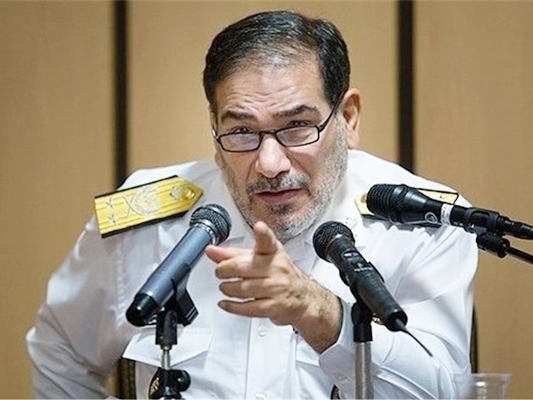
Speaking in a Farsi interview with the IRIB News Agency on the Iraqi Kurdistan region’s upcoming independence referendum, Secretary of Iran’s Supreme National Security Council Ali Shamkhani said the Islamic Republic only recognizes the united, integrated, and federal government of Iraq.

“Iran’s stance on the necessity of maintaining Iraq’s territorial integrity and national sovereignty is unchangeable,” he noted, adding that Tehran would seriously revise and change its current cooperation with the Iraqi Kurdistan in case the ‘strategic principle’ (Iraq’s sovereignty) is violated.

Shamkhani stressed that the legitimacy of Iran-Kurdistan border crossings hinges on the fact that the Iraqi Kurdistan is part of the integrated Iraq.

Therefore, he added, it is only the border deals between Iran and the central Iraqi government that will remain in place, and if the Kurdistan Regional Government gets independence from Iraq, all border crossings connecting Iran and Kurdistan to each other will be closed.

He also noted that in case of the KRG’s independence, Iran will no longer implement its military and security deals with Kurdistan.

“The opposition of Iraq’s neighbours with the referendum will lead to complicated and difficult conditions for Kurdistan following the plebiscite,” he added.

“While Iraq is approaching the final stages of cleansing its territory of Takfiri terrorists thanks to the efforts and sacrifices made by Arab, Kurd, Turkmen, and other Iraqis, such moves [referendum] which do not have legal justification and validity will definitely have destabilizing impacts on the region, Iraq, and the Iraqi Kurdistan in particular.”

Shamkhani warned that the referendum will result in anti-security moves in the Middle East, saying there is still time for continuation of talks aimed at settling the disputes and revising hasty decisions.

He hailed the decisive, effective, and considerable role of Kurds in the Iraqi government, and underlined the need for continued use of this capacity with the aim of reinforcing the Kurdistan region’s security, economic, and political structures.

“The Islamic Republic of Iran, as a friend and ally of its Kurdish brothers, has always stood by them in most difficult situations, but it believes the referendum will not secure the Iraqi Kurdistan’s interests, and is opposed to it,” he added.

“Holding the referendum will lead to the creation of new threats against the Iraqi Kurdistan region,” Shamkhani said.

Military Chiefs of Iran, Pakistan Call for Action on Rohingya Crisis

Military Chiefs of Iran, Pakistan Call for Action on Rohingya Crisis

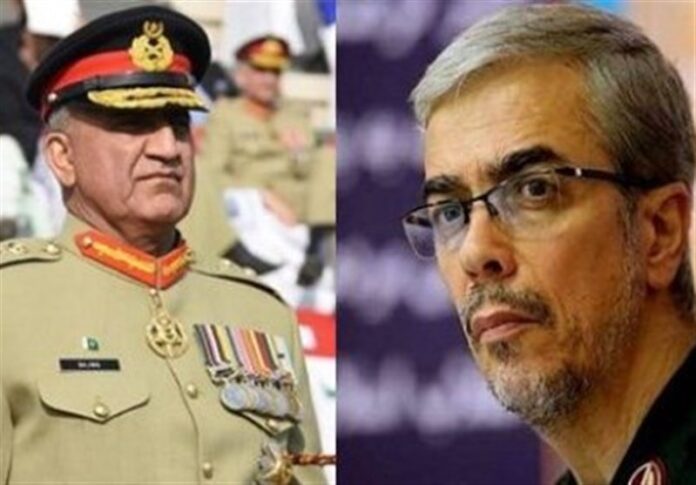
In a telephone conversation on Sunday, the two top generals discussed ways to enhance cooperation between the two countries’ armed forces to help the Rohingya Muslims in Myanmar.

They also called on the Muslim world to do more and help stop the “unfavorable” and “inhumane” situation of the Rohingya community in the Southeast Asian country.

Baqeri and Bajwa further said that military and non-military organizations of Muslim countries could mobilize their forces and facilities to speed up the dispatch of humanitarian relief to the persecuted Muslims in Myanmar.

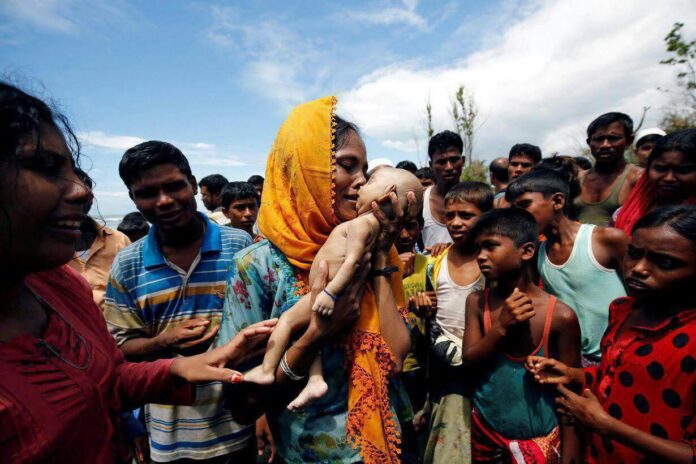
The Rohingya Muslims in Myanmar have long faced severe discrimination and were the targets of violence in 2012 that killed hundreds and drove about 140,000 people from their homes to camps for the internally displaced.

On September 12, the UN refugee agency said the number of Rohingya Muslim refugees that have fled recent violence in Myanmar has spiked to about 370,000.

Earlier, the UN top human rights official accused Myanmar of carrying out “a textbook example of ethnic cleansing” against Rohingya Muslims.

Zeid Ra’ad al-Hussein, the UN high commissioner for human rights, said the military’s “brutal” security campaign was in clear violation of international law, and cited what he called refugees’ consistent accounts of widespread extrajudicial killings, rape and other atrocities.

US Coercive Approach Not to Work in Case of Iran: Leader

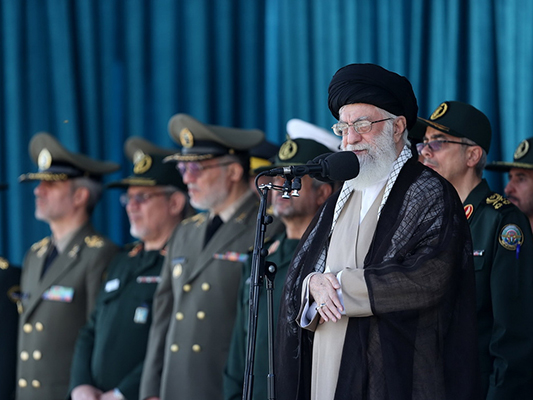
Speaking at a graduation ceremony of Iran’s police cadets in Tehran on Sunday, Ayatollah Khamenei referred to the US impudence in case of the nuclear deal between Iran and world powers, and said Washington has made an evil move on JCPOA every single day.

“This proves how right Imam Khomeini was when he described the US as the ‘Great Satan’,” the Leader noted, adding that the US is really the most evil one.

Ayatollah Khamenei further noted that Iran will need to produce at least 20,000 megawatts of nuclear power within the coming years, but the US is opposed to the scientific progress of Iran and other nations.

Therefore, the Leader added, when Iran tried to achieve the technology as part of its legitimate right, the US stood against it and imposed cruel sanctions.

“Iranian officials finally decided to negotiate [the country’s nuclear program] and even ignore part of their rights so that the sanctions are removed,” Ayatollah Khamenei noted.

However, the Leader added, “today we see that despite all the agreements, commitments, and extensive negotiations, the US behaviour towards the talks and their results is totally cruel and coercive.”

“Officials of the Islamic Republic should prove it to the corrupt leaders of the United States that they rely on their own people, and the powerful nation of Iran […] won’t accept and bow to bullying,” Ayatollah Khamenei went on to say.

“The Americans should know the Iranian nation will stand on its honourable and powerful stances,” he noted, adding that the country will not back off when it comes to national interests.

“The enemy should know if bullying and coercion works in other parts of the world, it won’t work in the Islamic Republic, and this Establishment is standing firmly and strongly.”

Blasting the US officials for accusing Iran of telling lies, the Leader said, “You are the ones who lie; liars are those who don’t want to see the prosperity of any nation and believe it is right to secure one’s illegitimate interests by any means.”

“The Iranian nation has stood firmly and any wrong move by the hegemonic system on the JCPOA will draw a reaction from the Islamic Republic,” Ayatollah Khamenei added.