Sunday, January 18, 2026
Home Blog Page 3824

Iran a Stabilizing Force in Middle East: Diplomat

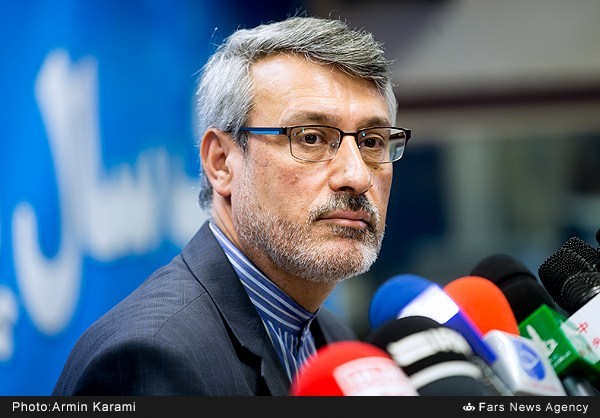
Hamid Baeedinejad

Iran’s Ambassador to Britain Hamid Baeedinejad has, in an interview with Sobh-e-Sadeq, weighed in on a range of issues, including London’s role in Middle East developments, Iran’s influence in the region and the Iran nuclear deal known as the Joint Comprehensive Plan of Action (JCPOA). The following are the highlights of the interview.

Question: Mr. Baeedinejad, given that you were one of Iran’s key nuclear negotiators, how do you see Britain’s stance on the Iran nuclear deal.

Baeedinejad: The UK’s official position is to support the agreement, and it remains committed to the JCPOA along with France and Germany within the framework of Europe’s stance. In the meantime, as there have been changes in the US government’s stance on the deal, the three European countries have held talks with Washington authorities behind closed door to talk the Americans out of opposing the JCPOA and make them understand the implementation of the deal is very significant for the promotion of peace, stability and security in the region and across the globe. They have announced time and again that they remain committed to the implementation of the JCPOA.

Question: As a diplomat and an authority in the foreign policy domain, to what extent do you believe that it is possible to pursue the objectives of Iran and the Islamic Revolution through foreign policy, political diplomacy and movement diplomacy?

Three factors, namely foreign policy and diplomacy, Iran’s defence diplomacy and power as well as defence capability, and the influence of Iran’s dialogue in the region are among the very important components of Iran’s power. Definitely, we are pursuing no other objective than boosting peace and stability in the region, and it is necessary that these three components work in tandem. Our foreign policy is based on the fact that neither are we eying a country nor do we want to occupy a country. The contemporary history also shows that we have never sought to threaten or invade a country. Rather, were threatened and targeted, especially after the 1979 Islamic Revolution. We just defended ourselves. It was others that posed a threat to us and did threaten us.

And today, you are seeing that we are having significant cooperation with Iraq, whose former leaders imposed a tough war on us. Today, without expecting anything in return, we are helping the Iraqi government and nation and supporting them against terrorism and extremism. ISIS terrorists were just 50 kilometres from Baghdad when Iran went into action at the request of the Iraqi government and stopped the terrorists, and today, Iran is pushing the terrorists back.

If Baghdad had been captured, today Iraq would have another situation, a tough one. So, Iran’s defence capability, foreign policy and power of dialogue manifested in regional resistance should work in tandem to help promote peace and stability in the region. Today, we are happy to see resistance forces are making every effort in the region.

Today, Hezbollah is one of the pillars of the resistance front, and Lebanese people, including Muslims and followers of other faiths, look at Hezbollah as an outstanding power which secures Lebanon’s sovereignty and independence. This was proven once again by the measures recently taken by Hezbollah in cooperation with the Lebanese army and other forces to counter ISIS terrorists and expel them from Lebanon. Hezbollah is a force which serves to secure Lebanon’s independence and national sovereignty. Hezbollah has turned into a reality which contributes to Lebanon’s political life. This reality has been welcome by the people in the region in addition to the Lebanese.

Therefore, these three components are very important and we are happy to see Iran, through the support of its military and political officials, has managed to greatly help regional countries counter terrorism and extremism. This success has been the result of coordination among the three above-mentioned components, and we hope this trend will continue. Today, all of us should work toward safeguarding national unity, move forward like before and help one another to stop extremism and terrorism.
Iran Ready to Launch 3 Satellites into Orbit: Minister

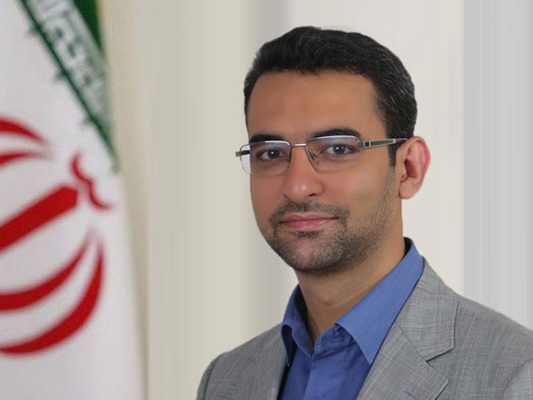
Mohammad Javad Azari Jahromi

Speaking to reporters in Tehran on Monday, Azari Jahromi praised Iran’s progress in the space industry and said the country always needs to develop the strategic industry to use its capacities in other sectors, including agriculture, meteorology, and transportation.
He further said that currently, there are three satellites ready to be launched in the country.

“We have had some talks with the Ministry of Defense (on the launch of the satellites),” the minister said, adding that the Ministry of Communication and Information Technology will launch them when the Defense Ministry announces its preparedness.

In recent years, Iran has made great headway in the space technology thanks to the efforts made by its local scientists.

Iran successfully launched into orbit its first indigenous data-processing satellite, Omid (Hope), back on February 2, 2009.

As part of a comprehensive plan to develop its space program, Iran also successfully launched its second satellite, dubbed Rassad (Observation), into the earth’s orbit in June 2011. Rassad’s mission was to take images of the earth and transmit them along with telemetry information to ground stations.

The country’s third domestically-built Navid-e Elm-o Sanat (Harbinger of Science and Industry) satellite was sent into orbit in February 2012.

Iranian Researchers Develop Keyboard for Mentally Challenged

Iranian Researchers Develop Keyboard for Mentally Challenged

The keyboard developed by Iranian researchers for the intellectually challenged has been patented at the Intellectual Property Centre of the Iranian Organisation for Registration of Deeds and Landed Property.

Morteza Farazi is the leading researcher with the project, who has developed the keyboard in cooperation with Mohammad E’tamad.

“The keyboard for the mentally disabled is a high-quality and economically viable teaching aid which, along with relevant software, can be used for its target community, i.e. intellectually challenged individuals,” said Farazi, according to a Farsi report by IRNA.

“Intellectually challenged individuals comprise around 55% of the disabled children’s population in the country.”

He said the mentally disabled need to use computers and applications like other members of society, and added, “The invention of the keyboard for the intellectually challenged amounts to an overhaul in their education and the way these people communicate with the world around them through the computer,” said the researcher.

He further noted that keyboards are the most important tools to feed information into the computer, and added conventional keyboards have keys which are too small and great concentration is required to work with them, making them unsuitable for the mentally challenged.

However, Farazi added, the keyboard for the intellectually disabled is completely different form ordinary keyboards as it has big coloured keys and is made of durable material, making it ideal for people with mental disability.


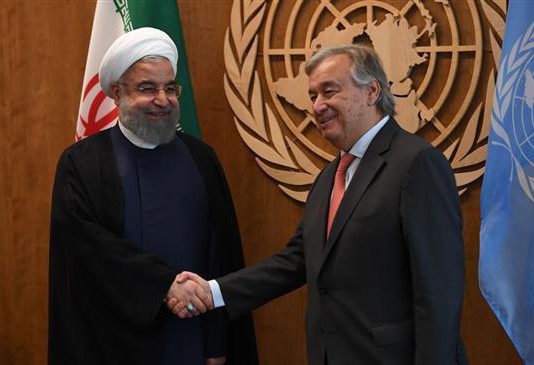
Iran President Holds Talks with UN Chief, French President

During the talks with UN Secretary-General António Guterres, Rouhani called on the global body to do its best to implement the World Against Violence and Extremism (WAVE) resolution.

“Iran has engaged in valuable operations against terrorism in the region. Political solutions must be sought for regional problems,” he added.

Rouhani also highlighted the importance of supporting Iraq’s constitution and territorial integrity while stressing the dangers of the upcoming referendum in Iraq’s Kurdistan region.

The UN Chief, for his part, stressed the importance of the correct implementation of the JCPOA, a nuclear deal between Tehran and world powers.

Underlining Iran’s commitment to the nuclear deal, Guterres noted that the UN wishes for closer cooperation with Tehran towards diplomatically solving regional countries issues.

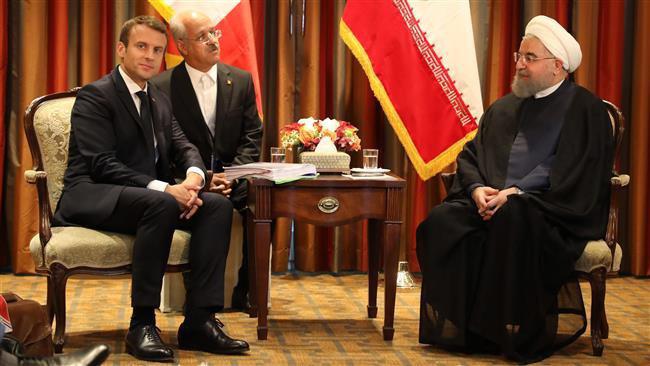
iran and france presidentAlso in a separate meeting with French President Emmanuel Macron, Rouhani said that the Trump administration’s behaviour toward the JCPOA was “worrisome” for the international community.

“The JCPOA conveyed this message that complicated international issues could be resolved through dialogue and in a win-win framework, and any damage to it could transmit this dangerous message to the world that diplomacy cannot settle problems,” the Iranian president said, according to Press TV.

Macron, for his part, called for the full implementation of the JCPOA, adding that any renegotiation of the agreement would be “meaningless.”

He also noted that Paris was committed to and supported the nuclear accord.

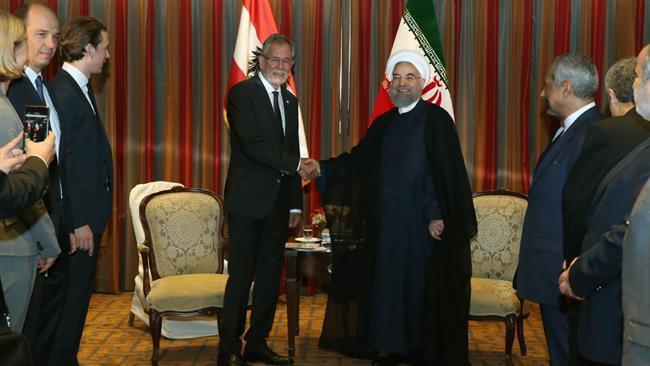
Iran’s president held a meeting with his Austrian counterpartSeparately on Monday, Iran’s president held a meeting with his Austrian counterpart, Alexander Van der Bellen.

Rouhani stressed that the full implementation of the JCPOA benefited the European Union and the region, underlining the need for the bloc to increase its efforts to sustain the deal.

The Austrian president, for his part, urged the reinforcement of Tehran-Vienna cooperation in all fields.

The EU coordinated the negotiations that led to the JCPOA. The body has been assertive in its support for the JCPOA.

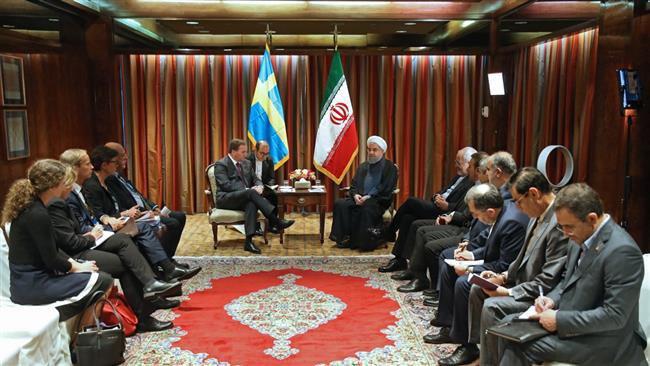
Rouhani also sat down with Swedish Prime Minister Stefan Löfven in New York.

Rouhani also sat down with Swedish Prime Minister

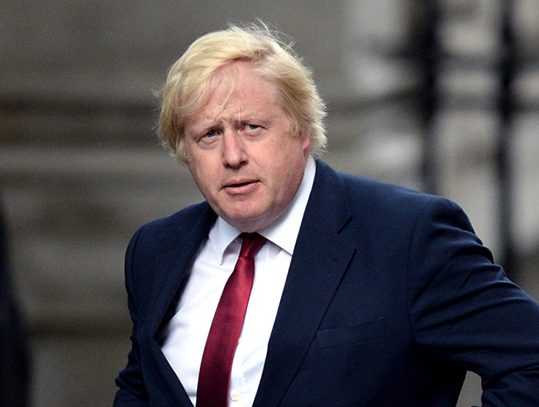
Iran Nuclear Deal Must Be Preserved: Britain’s Johnson

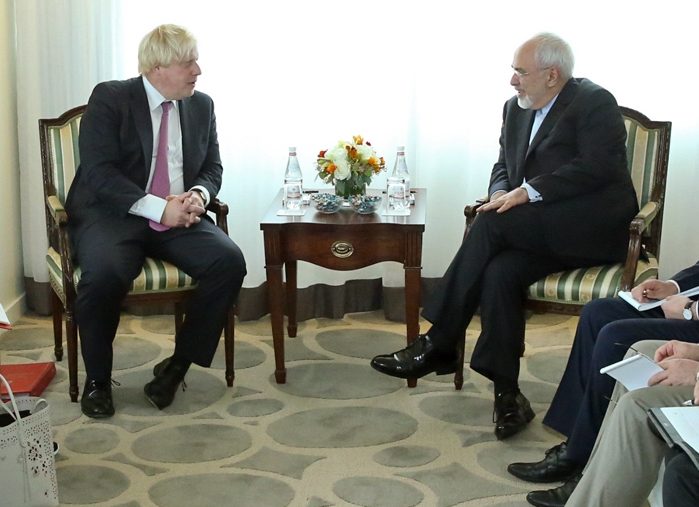
Speaking in a Monday meeting in New York with Iran’s Foreign Minister Mohammad Javad Zarif, Johnson said that London strenuously supports the nuclear deal between Tehran and world powers, stressing that the agreement must be preserved and implemented.

Elsewhere in the meeting, the two sides underlined the expansion of bilateral ties, and discussed various aspects of bilateral relations, including banking and consular issues.

Iran Nuclear Deal Must Be Preserved: Britain’s JohnsonRegional issues, including those of Iraq, Syria, Yemen, Bahrain and Afghanistan, were the other topics that the two foreign ministers focused on.

They also emphasized that the violence should be stopped in these areas and talks must be held to end the tensions and disagreements.

Iran President Warns Trump against Scrapping Nuclear Deal

Iran President Warns Trump against Scrapping Nuclear Deal

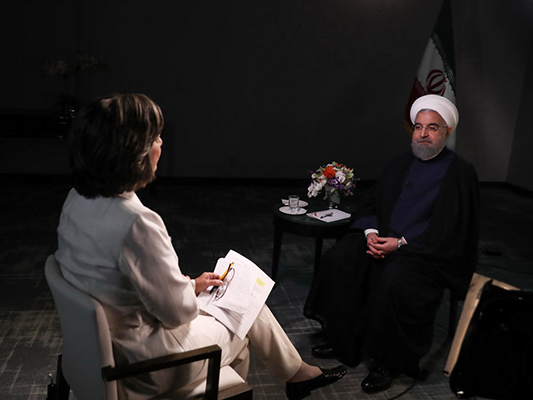
Speaking in an exclusive interview with CNN’s Christiane Amanpour, the Iranian president said “exiting such an agreement would carry a high cost for the United States of America.”

“I do not believe Americans would be willing to pay such a high cost for something that will be useless for them,” Rouhani said in the Monday interview.

Rouhani said such an action by the Trump administration “will yield no results for the United States but at the same time it will generally decrease and cut away and chip away at international trust placed in the Unites States of America.”

Rouhani said Iran was ready to respond to the possibility of Trump walking away from the agreement.

“Given that Mr. Trump’s actions and reactions and policies are somewhat unpredictable, we have thought long and hard about our reactions,” he said.

He said any riposte from Iran would come “quite swiftly” and “probably within a week,” adding that “if the US wants to increase the tensions it will see the reaction from Iran.”

Rouhani further warned of the diplomatic precedent that would be set by pulling out of the Iran agreement, especially with regard to North Korea.

“I think what the Iranian experience shows is a good experience that can be replicated elsewhere and executed elsewhere,” he said.

“But keep in mind please that if the United States wishes to withdraw from the JCPOA, why would the North Koreans waste their time in order to sit around the table of dialogue with the United States, because they would think perhaps after years of talks and a potential agreement the next US administration could step over or pull out of the agreement.”


Syria and Myanmar

On the war in Syria, Rouhani stopped short of declaring an outright victory for the Syrian government, which Iran has supported on the ground, but described Tehran’s intervention as a success.

“Our actions were successful and today we are witnessing the final stages of the defeat of ISIS,” he said, before calling for eventual elections in Syria.

“The future of Syria will be determined by talks and ultimately the opposition must reach an agreement with the government,” he added.

Rouhani also noted that the ballot box should ultimately determine what happens.

CNN also asked Rouhani about Iran’s position regarding the current crisis in Myanmar, where the government has been accused by the UN of ethnically cleansing Rohingya Muslims. The Myanmar government has denied this, claiming security forces are carrying out counter attacks against “brutal acts of terrorism.”

Rouhani said that Myanmar should be condemned and that aid should be forwarded to Bangladesh, where hundreds of thousands of Rohingya refugees have fled in recent weeks.

He also said he shared concerns that ISIS and al-Qaeda fighters in Syria and Iraq could move across to Bangladesh and Myanmar to exploit the Rohingya crisis.


Human Rights

Asked about a number of prisoners with dual nationalities kept in Iranian jails, Rouhani said he had his own views on the subject of detained foreigners and dual citizens, but that he was obliged to follow the Iranian Constitution which had enshrined the separation of powers between the executive and the judiciary.

UN Special Envoy for Iraq Meets with FM Zarif

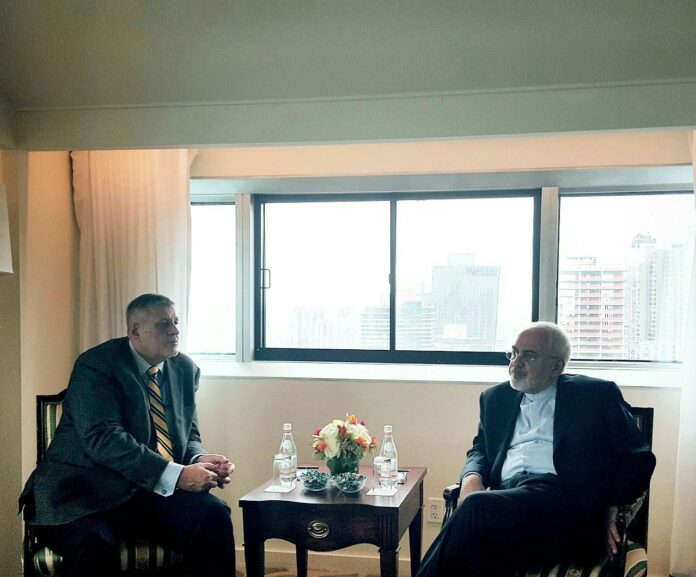
During the meeting, the two sides discussed the latest situation in Iraq, particularly the issue of referendum in Iraqi Kurdistan.

FM Zarif expressed Islamic Republic of Iran’s opposition to the holding of independence referendum in the region and underlined the necessity of respecting national sovereignty, observing the Constitution and preserving the territorial integrity of Iraq.

He also pointed out that the Baghdad-Erbil dialogue is the only solution to the disputes.

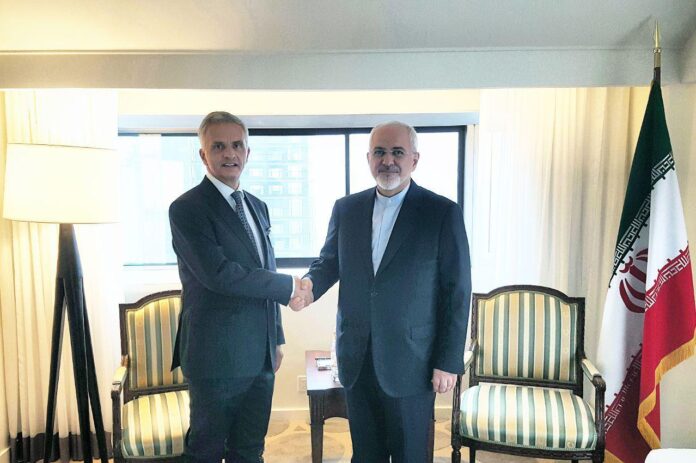
Iranian, Swiss FMs Hold Talks in New York

During the talks held on the sidelines of the UN General Assembly, Zarif and Burkhalter discussed bilateral ties and other issues of mutual interest.

Zarif, who is accompanying President Hassan Rouhani in his visit to New York, plans to hold talks with many of his foreign counterparts during his stay in the US.

According to Foreign Ministry Spokesman Bahram Qassemi, high on Zarif’s agenda will be meetings with foreign ministers of the P5+1 (Russia, China, the US, Britain, France, and Germany) on the nuclear deal between Tehran and world powers.

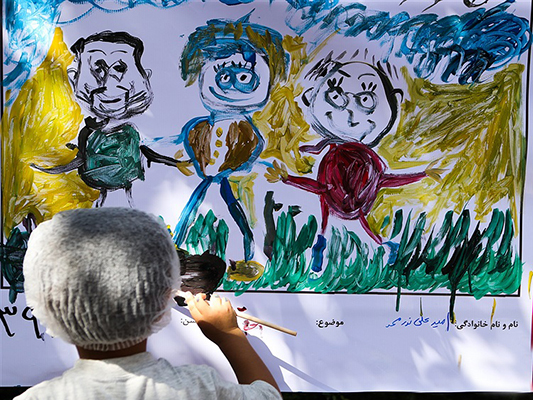
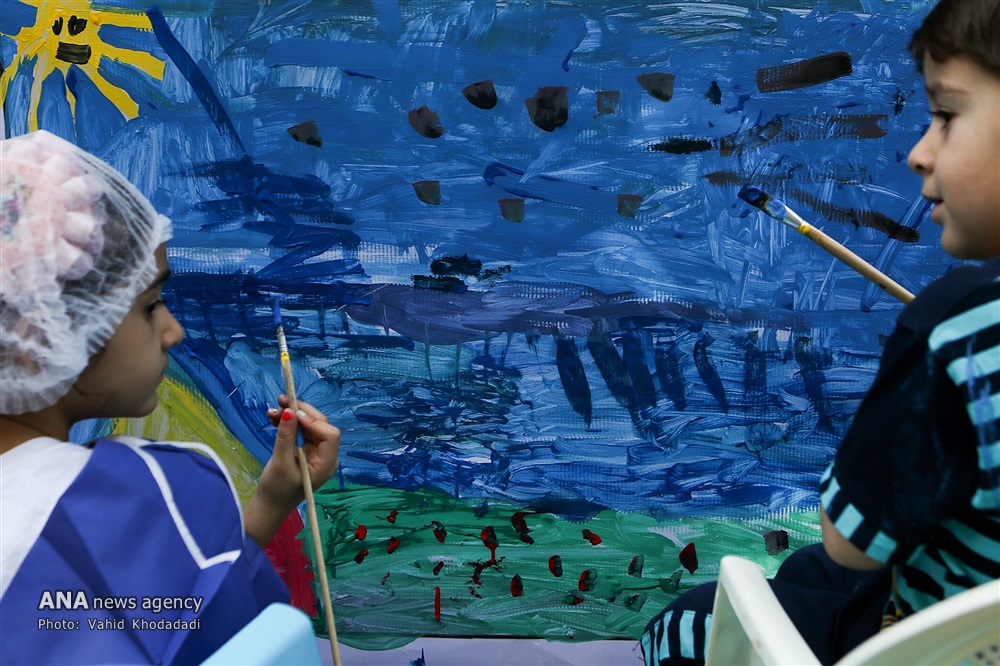
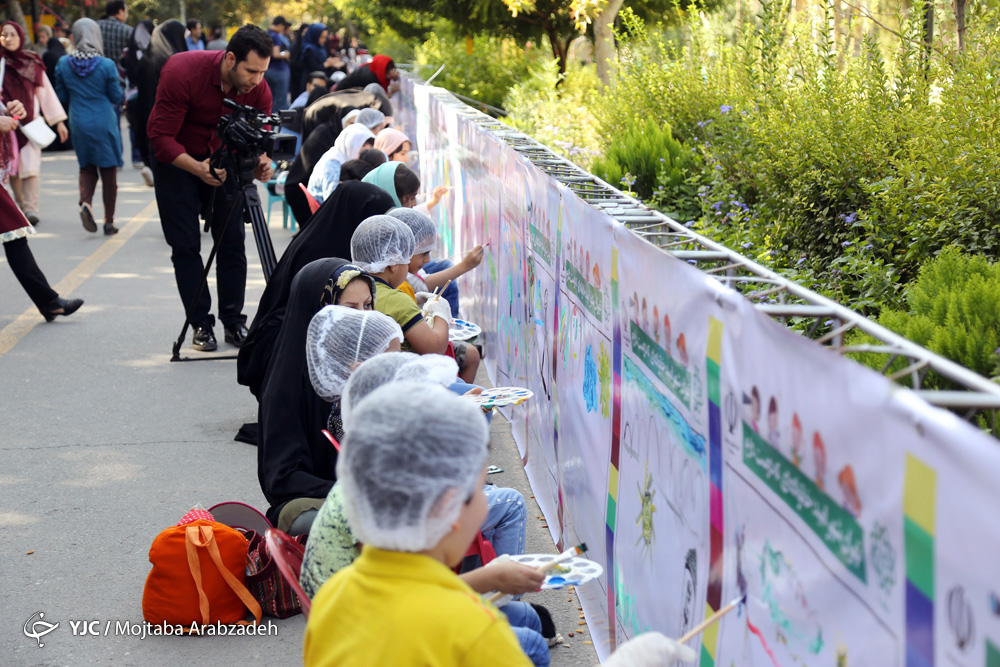
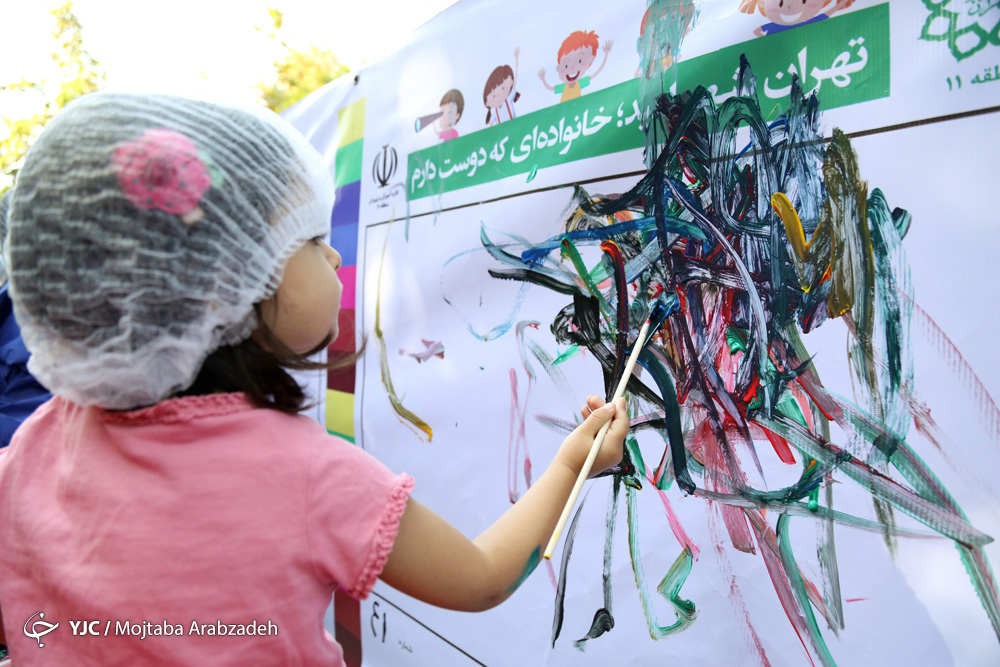
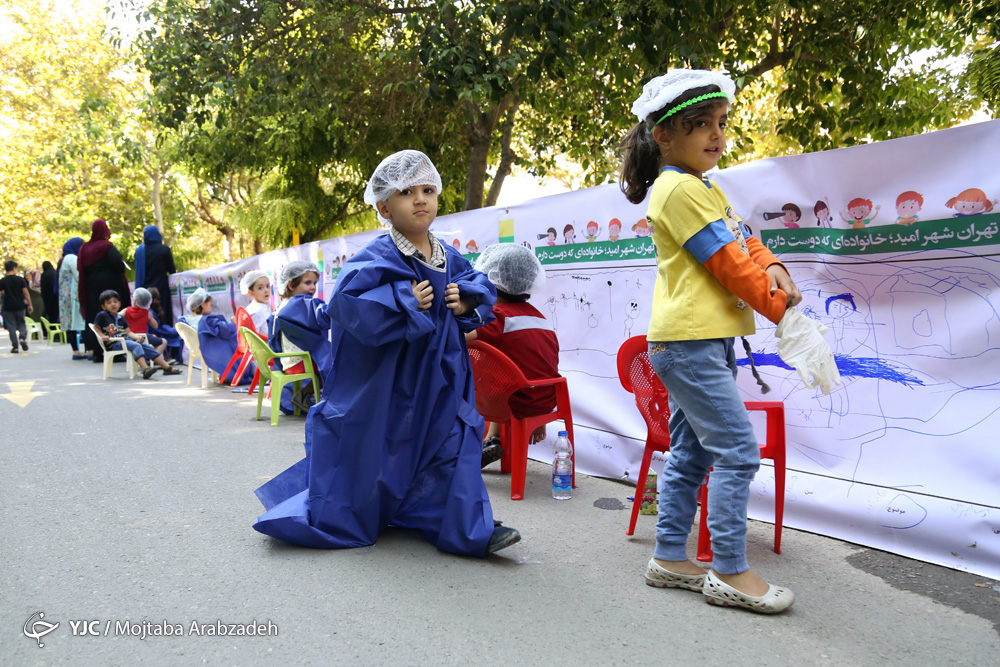
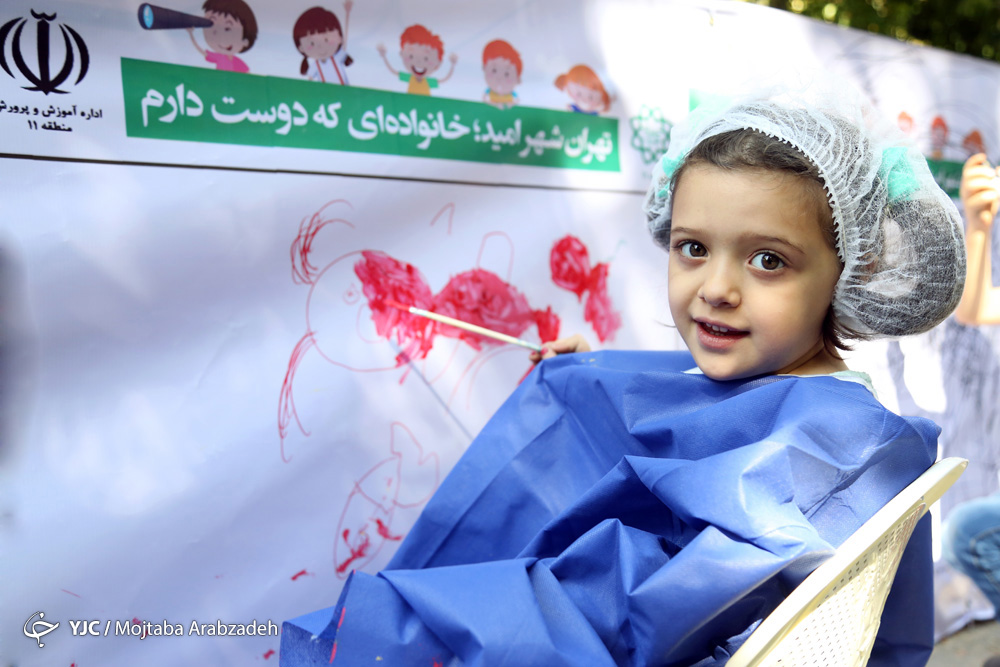
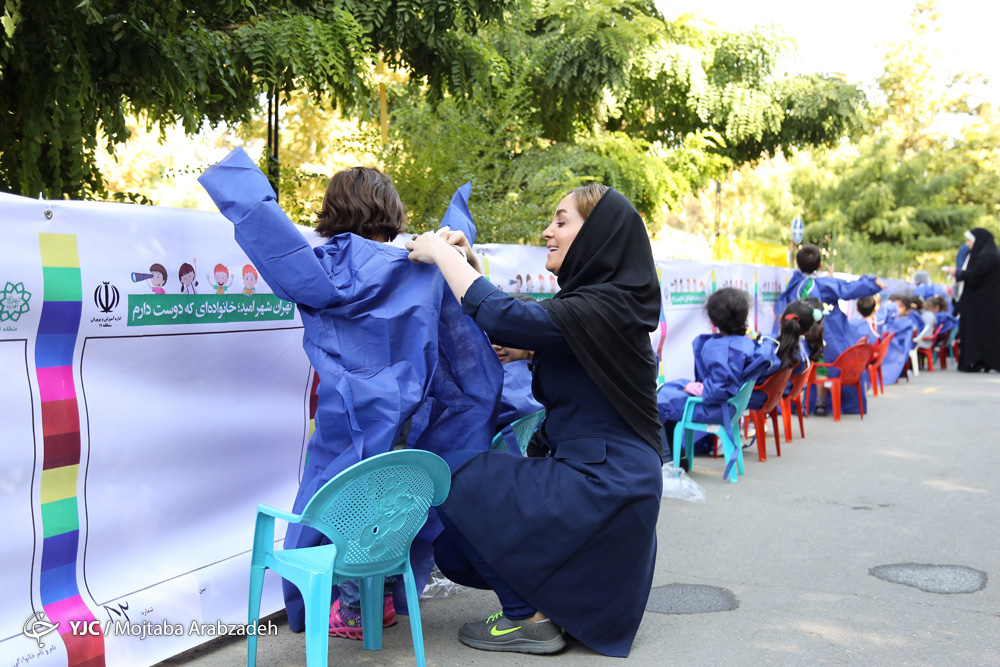
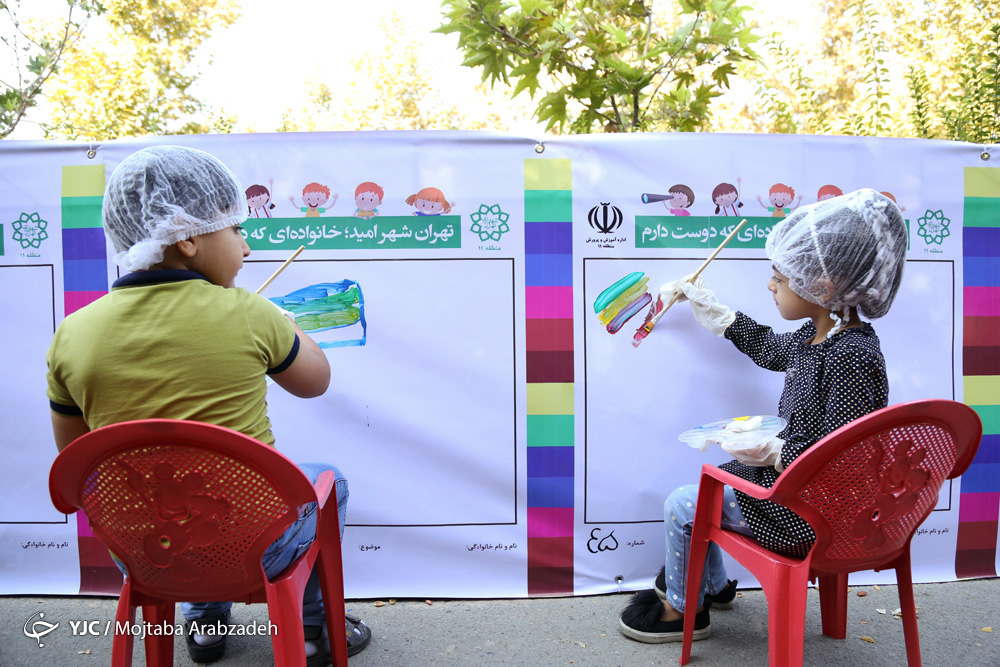
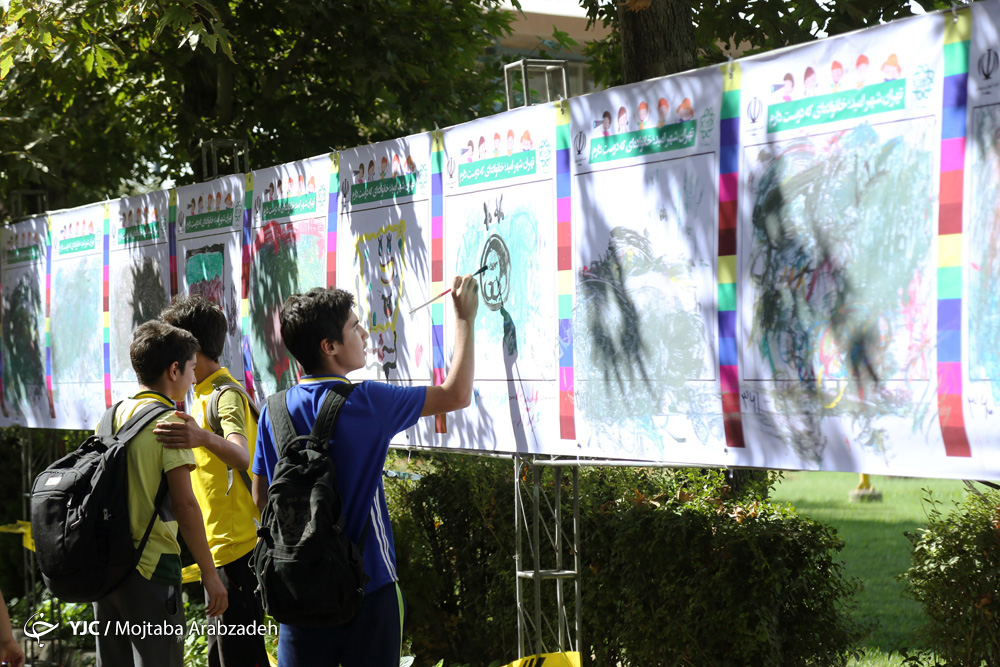
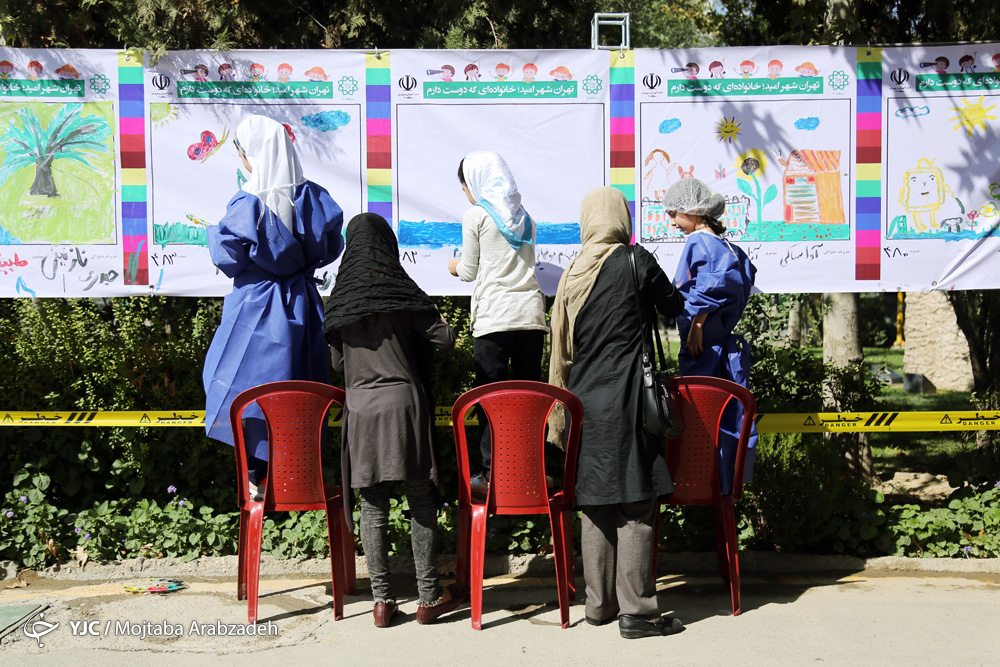
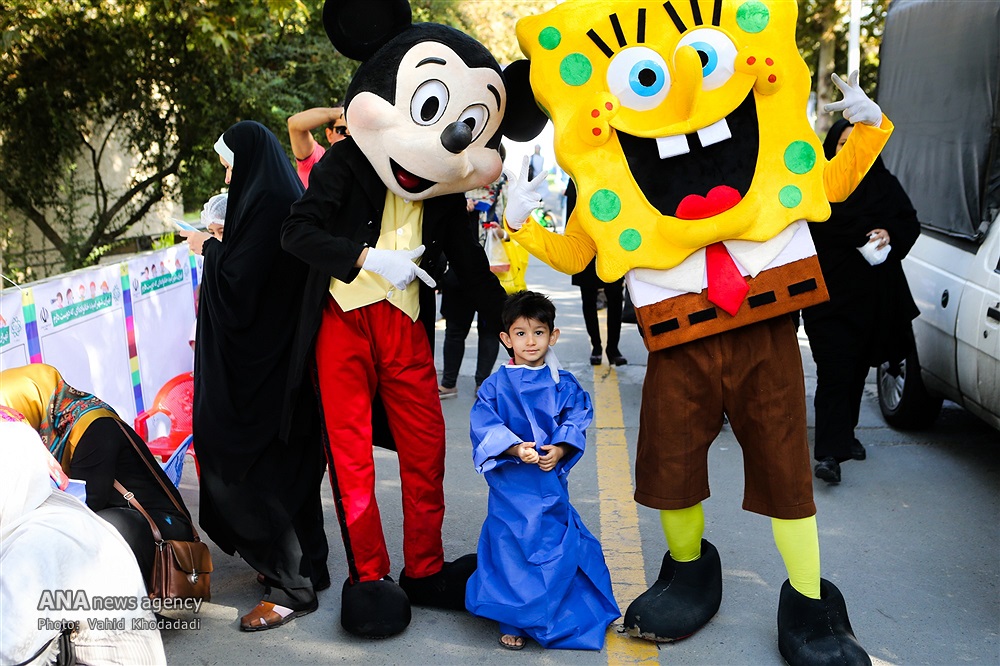
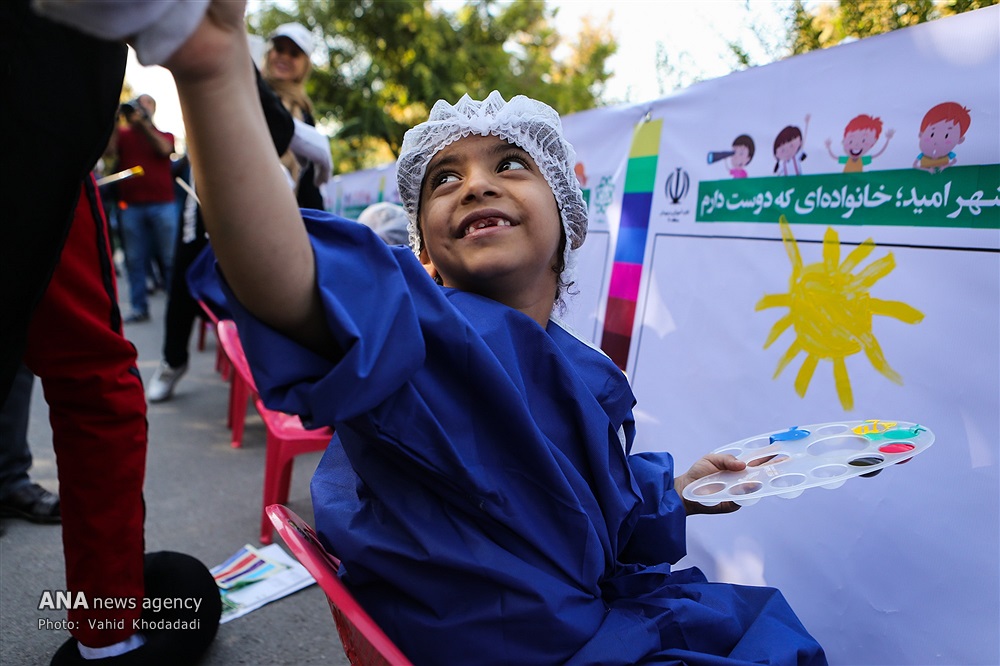
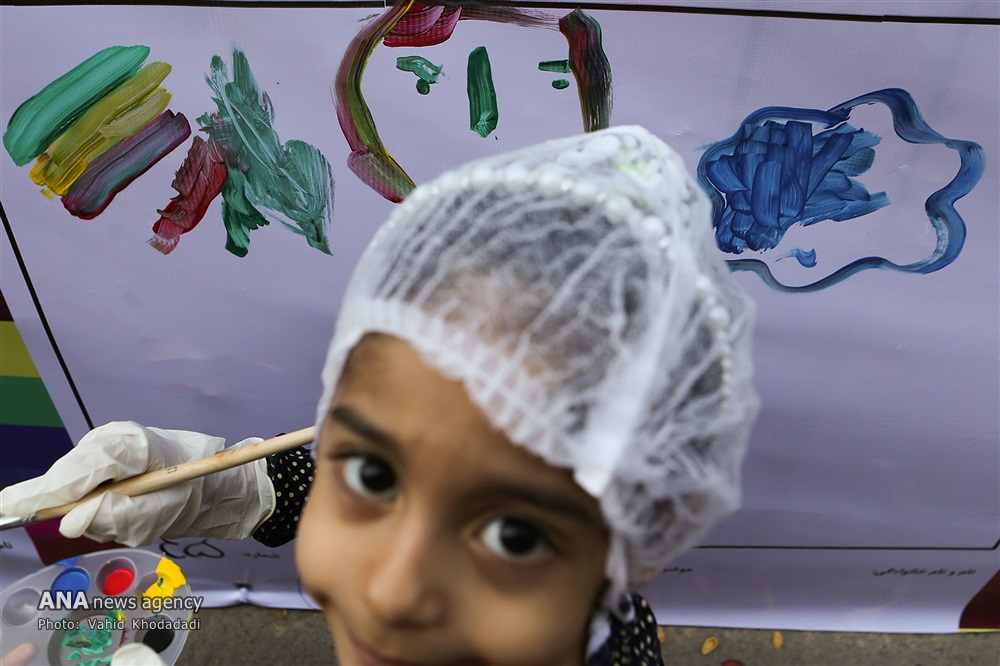
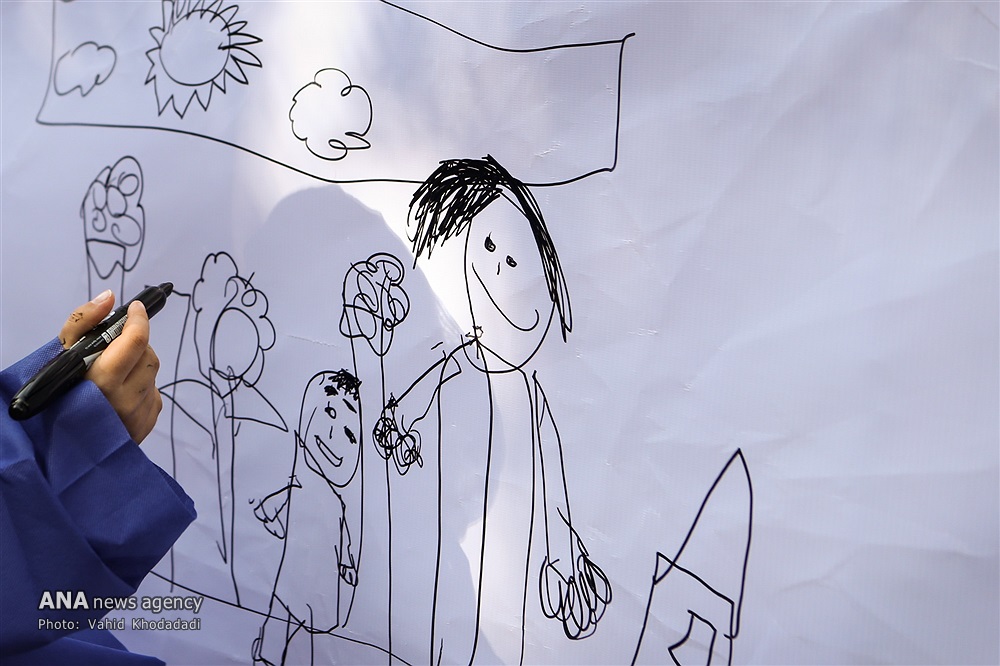
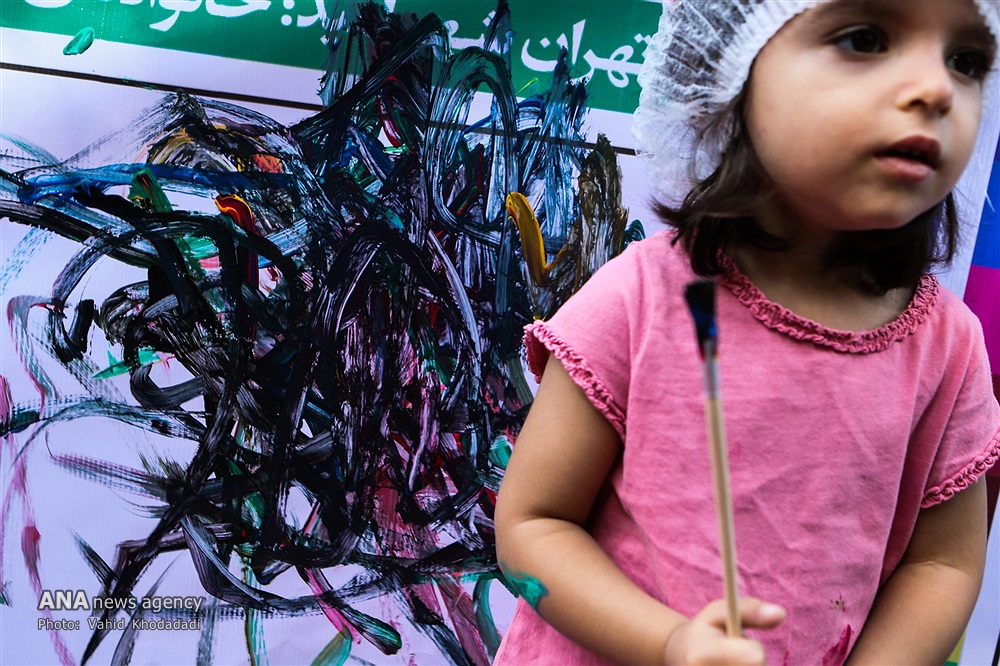
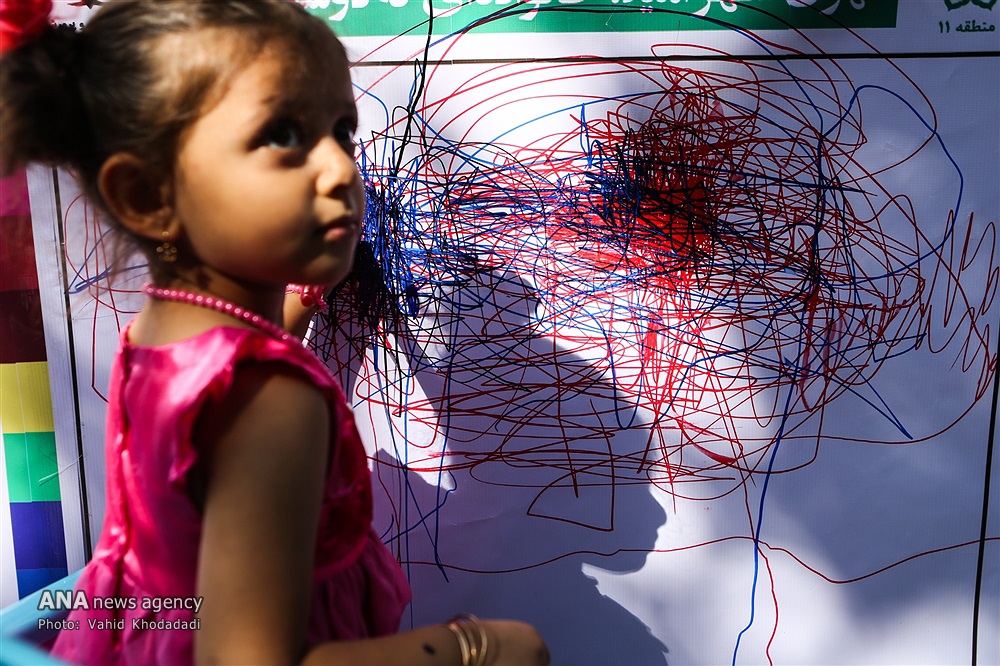
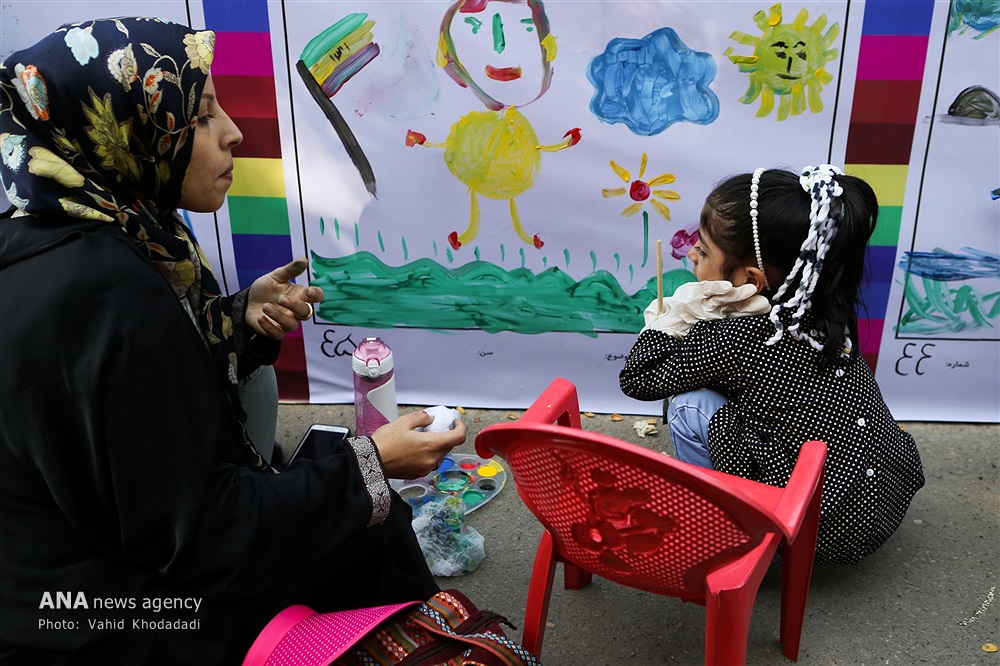
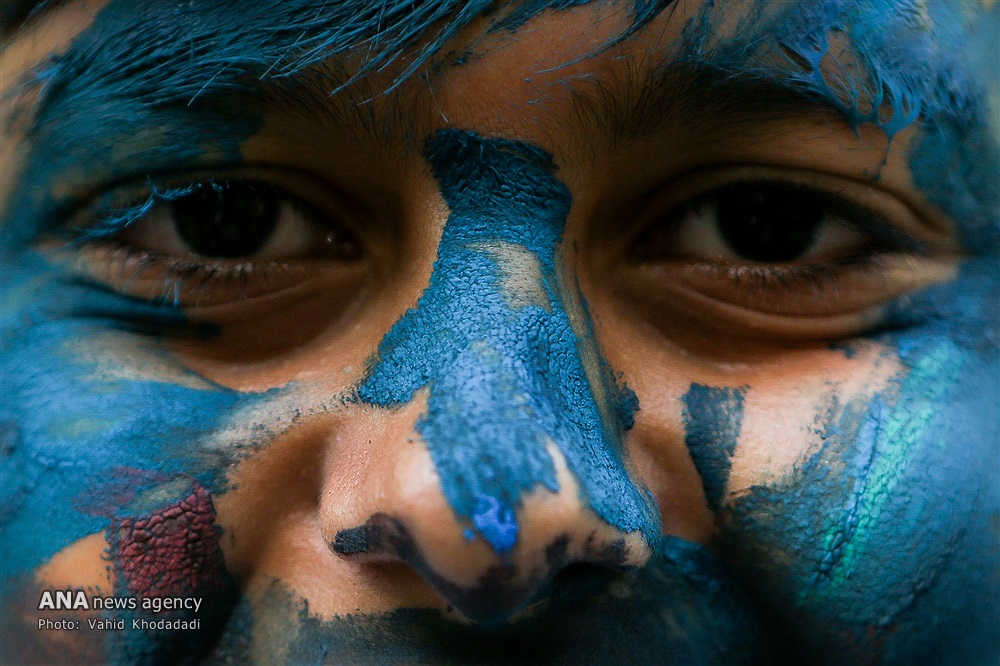
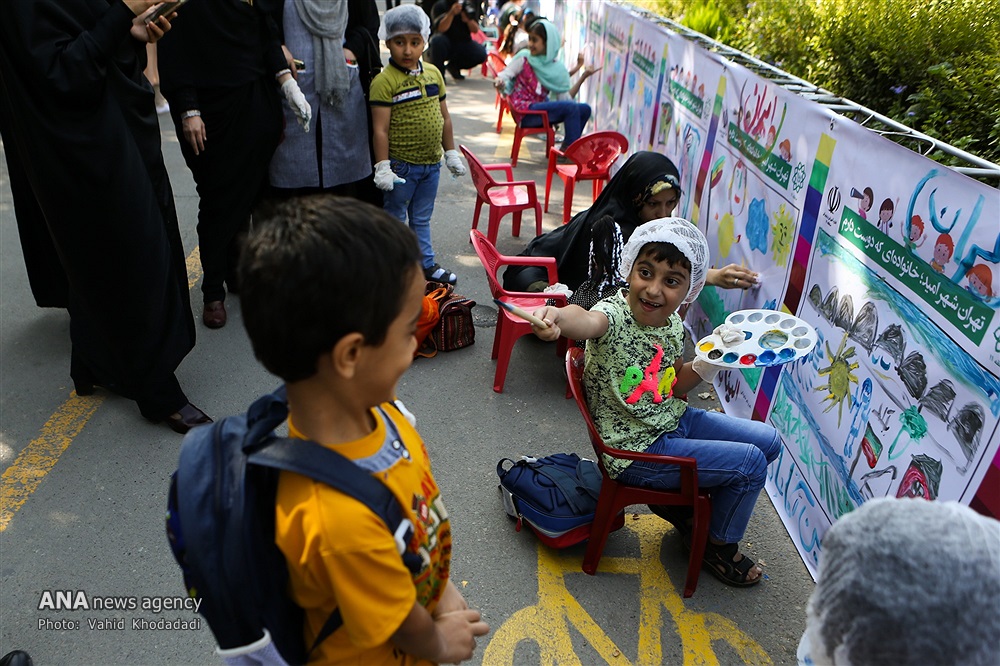
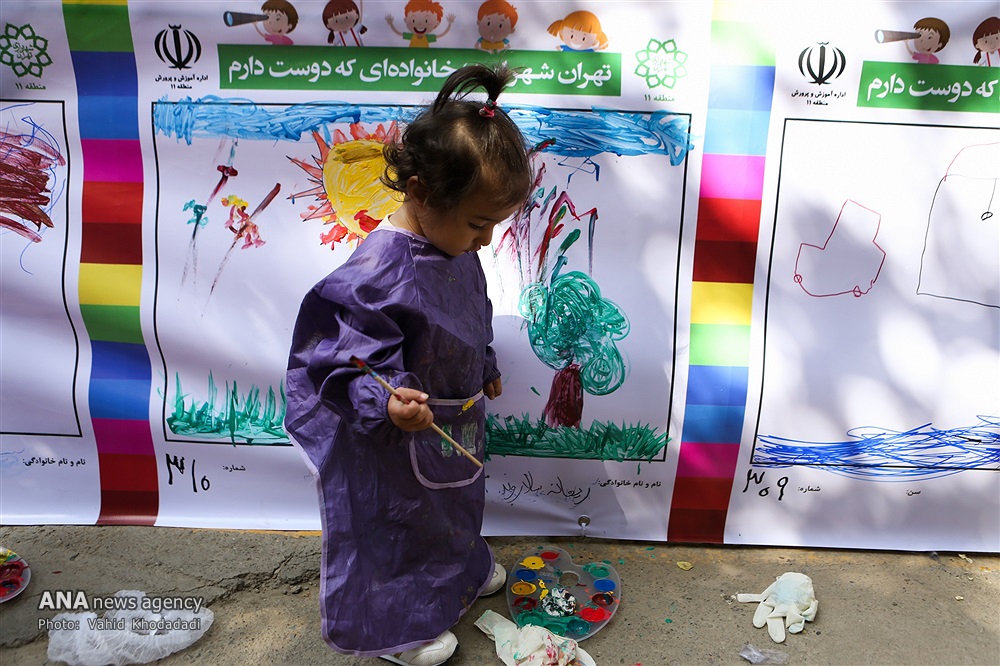
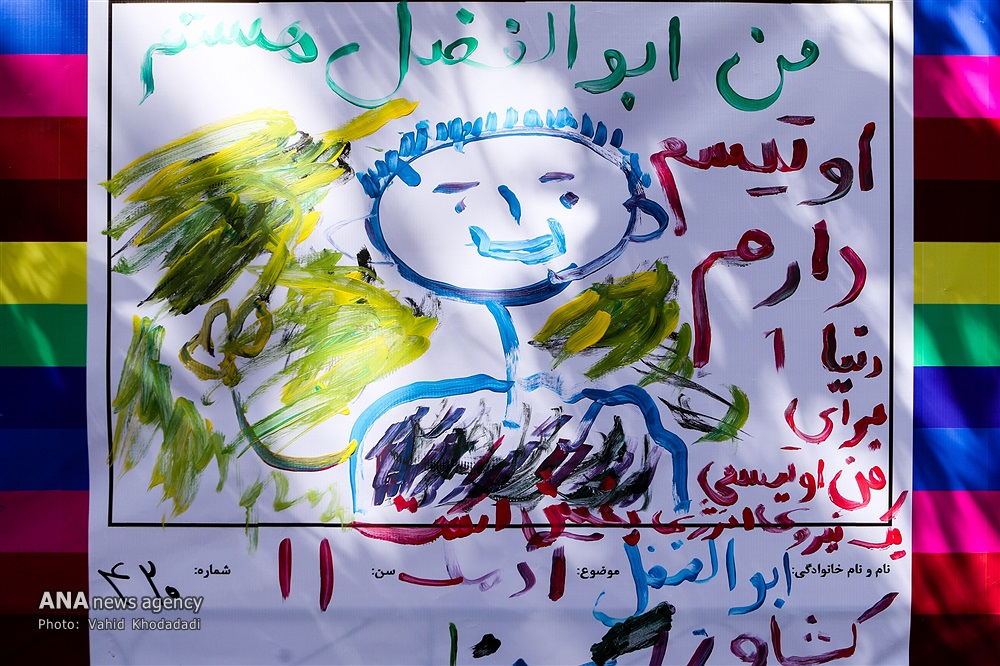
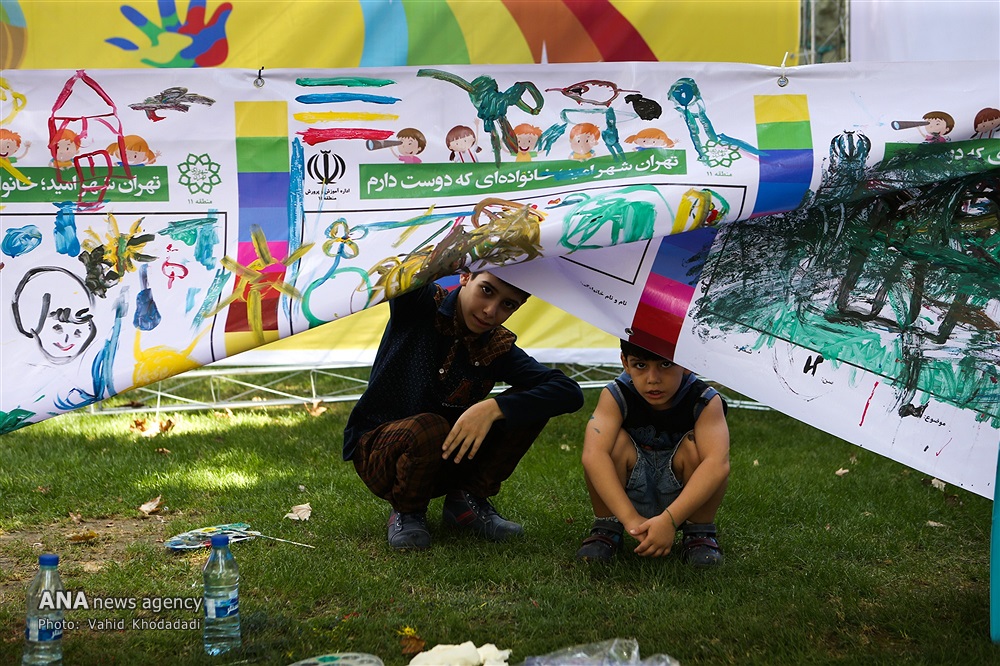
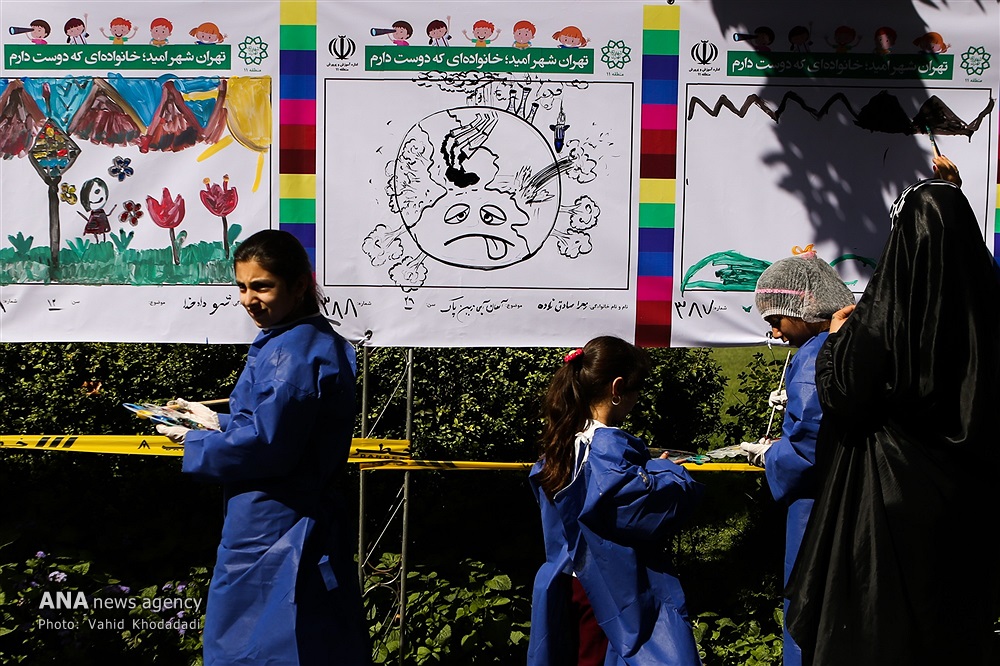
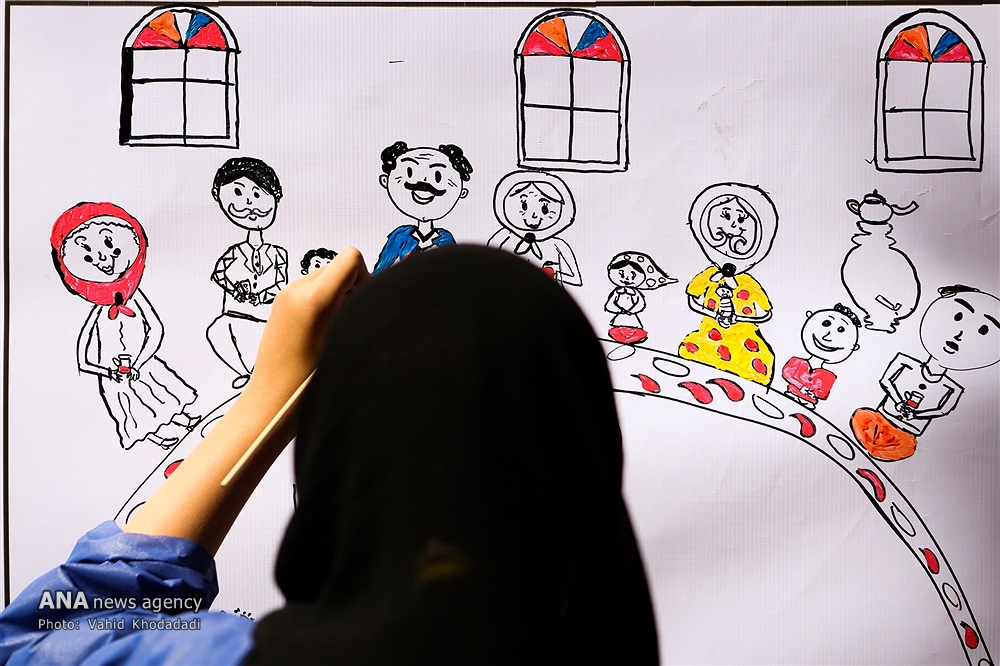
3,000 Kids Create Iran’s Longest Painting in Tehran

The painting festival, entitled ‘Tehran, The City of Hope; The Family I Love’, was held in the Iranian capital’s Razi Park.

According to Seyyed Abbas Tabatabaei, a municipality official, almost 3,000 kids participated in the festival and created their paintings.

At the end of the festival, he told IRNA, 100 paintings were selected and honoured by the Jury.

Here are photos of the festival retrieved from the Young Journalists’ Club (YJC) and Azad News Agency (ANA):

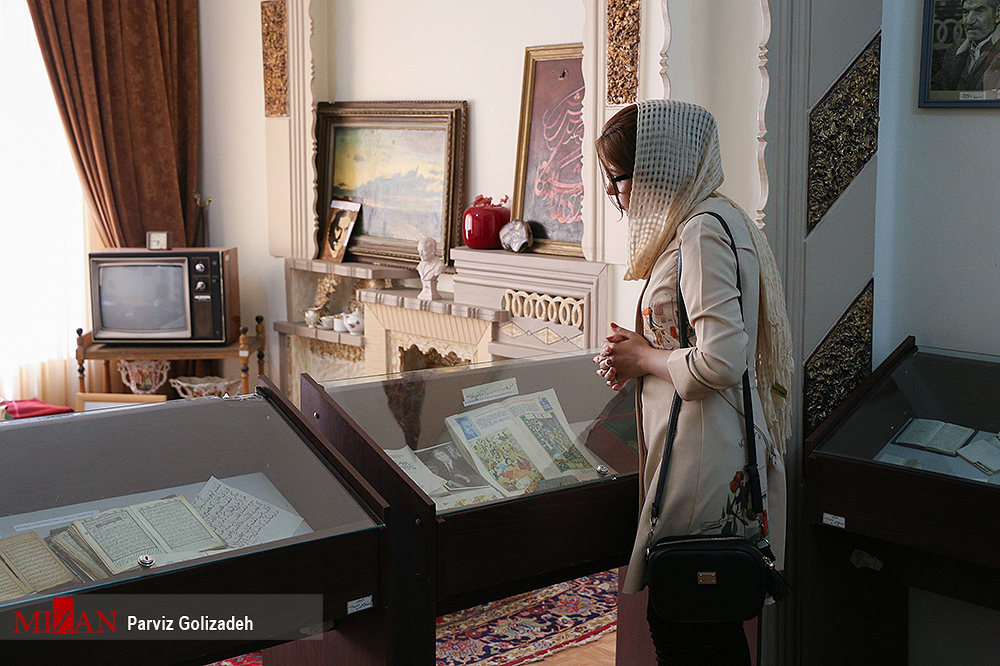
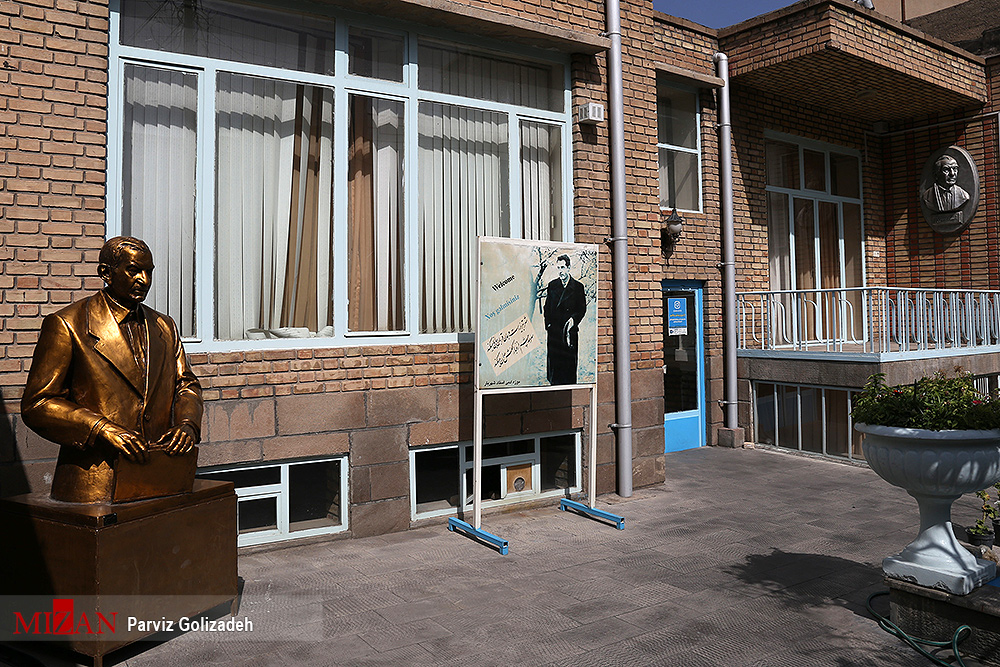
Iranian People Mark Persian Poetry Day

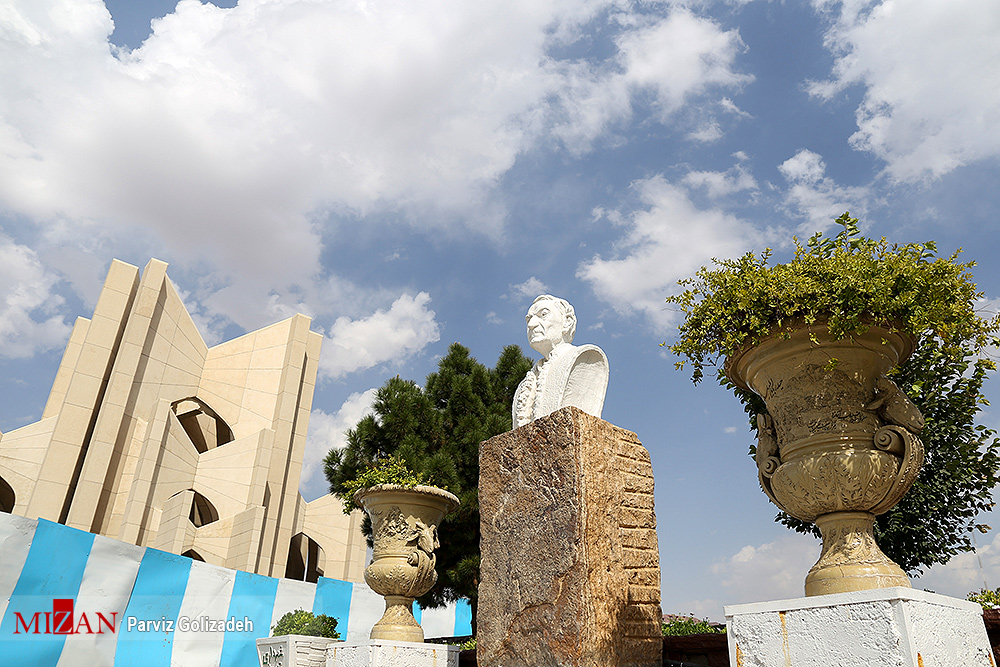
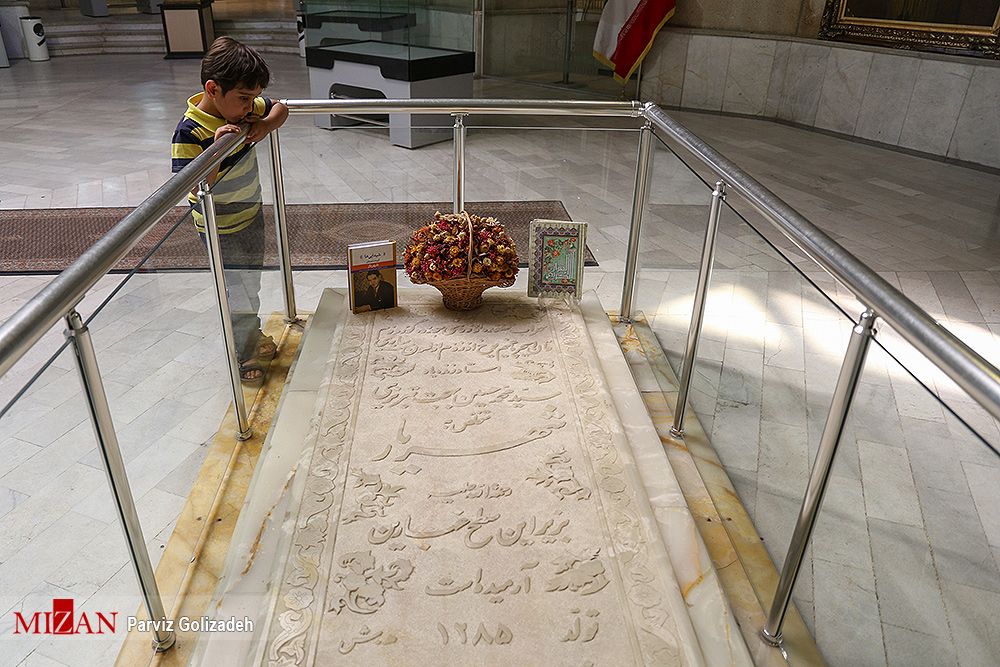
An event was held Monday at the Maqbaratoshoara, or the Tomb of Poets, in the city of Tabriz, in East Azerbaijan Province, where Shahriar is buried.

Born in Tabriz in 1906, Shahriar received preliminary education in the city before moving to the capital Tehran, where he first studied at the famous Dar ul-Funun (Polytechnic) school and then at a medical college.

Consumed by an unrequited love, he gave up medicine shortly before graduation and worked as a bank clerk for years, instead. Even so, Shahriar excelled in poetry writing, drawing on many of his own bittersweet memories to create lasting pieces of literature.

Shahriar wrote both in Persian and Azeri Turkish languages, and his poems have been translated to 30 languages.

He died on September 18, 1988. He was 82.

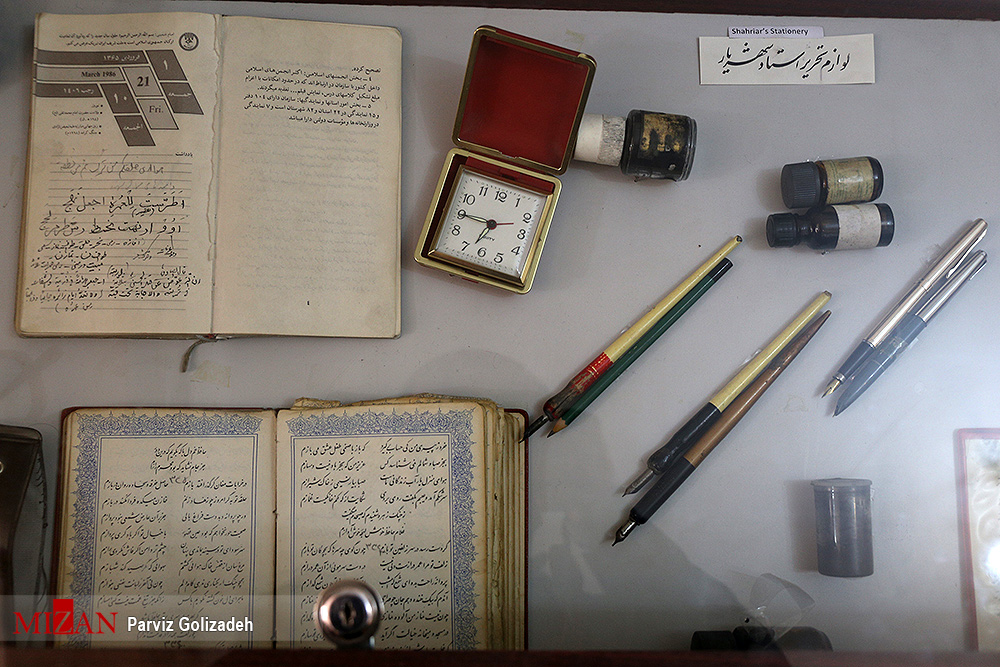
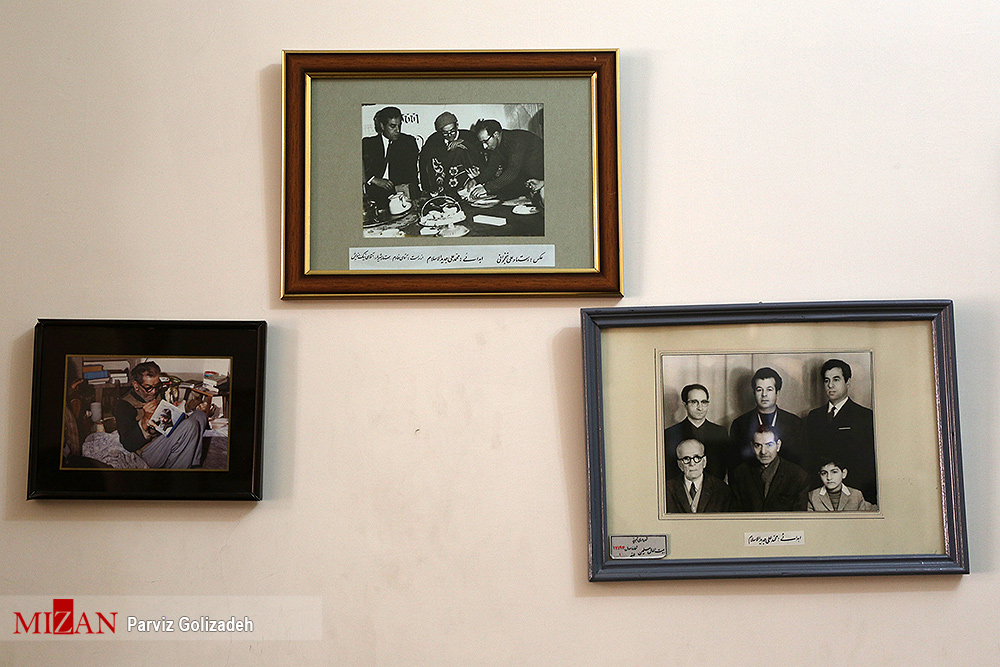
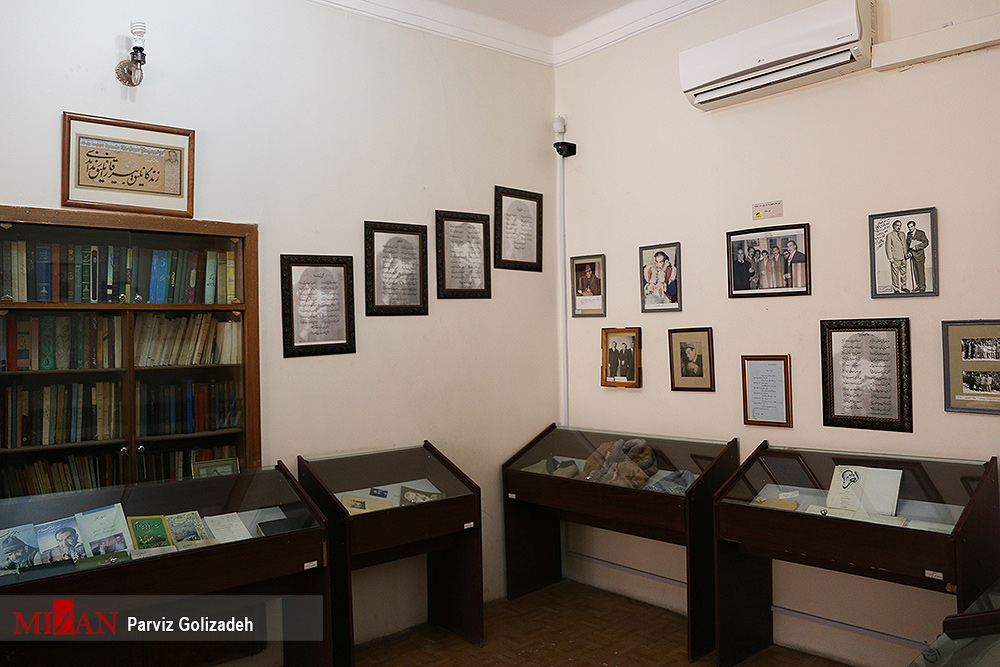
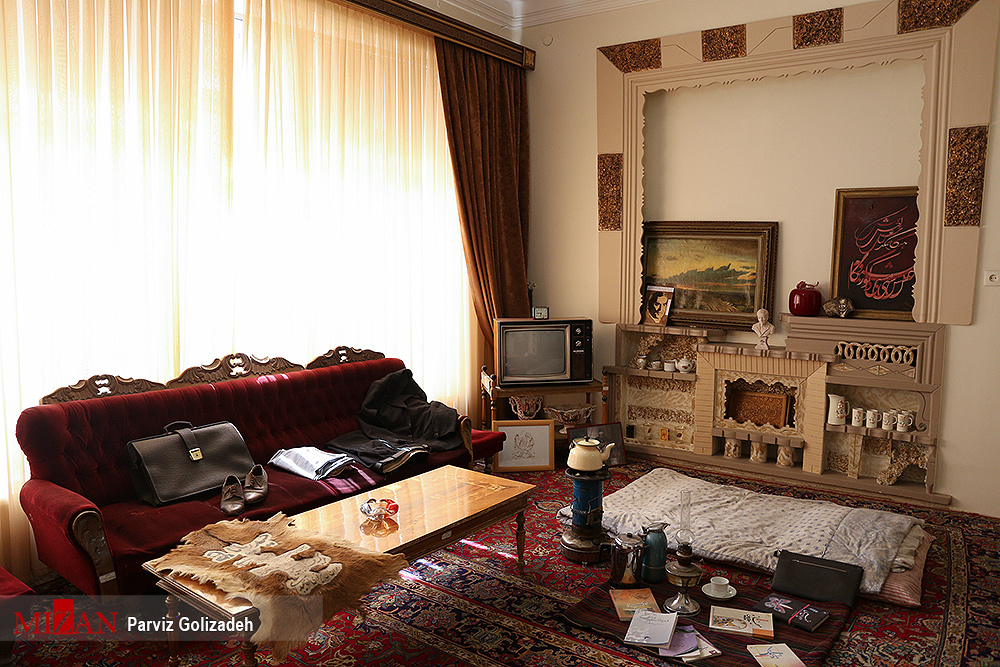
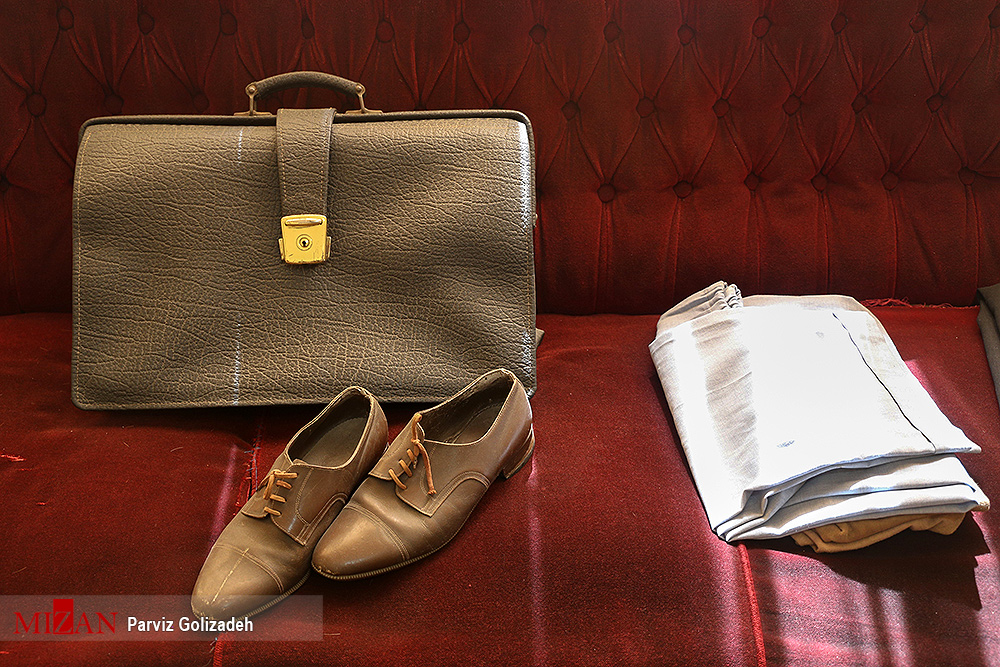
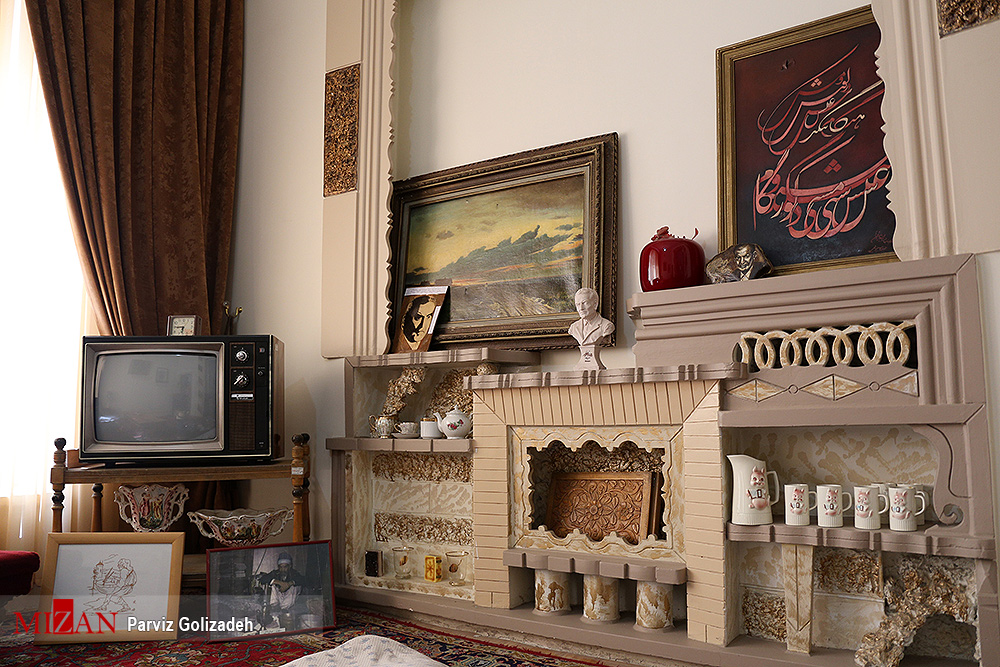
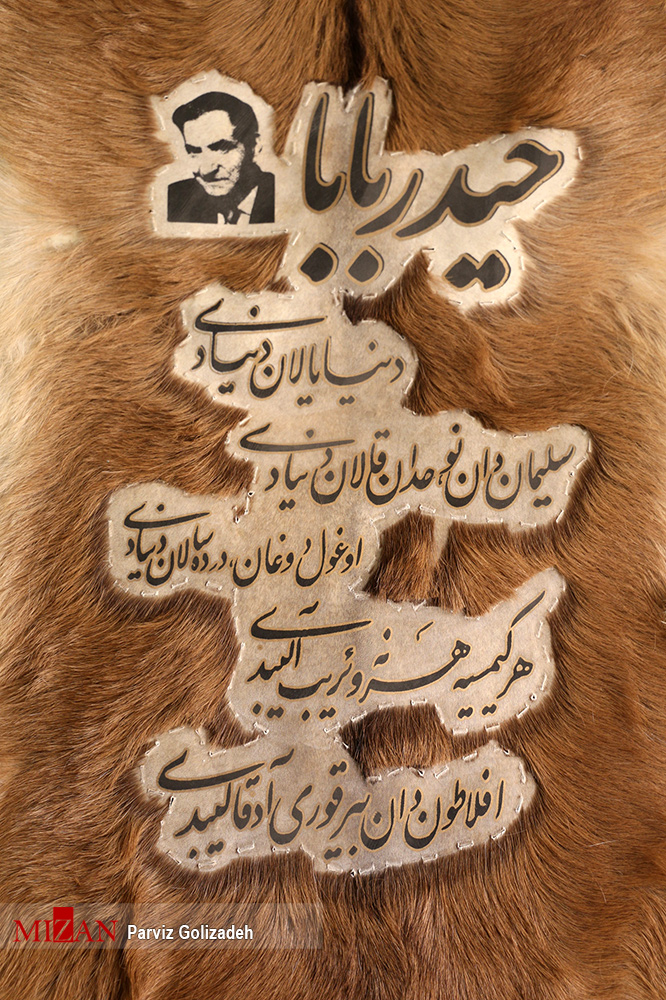
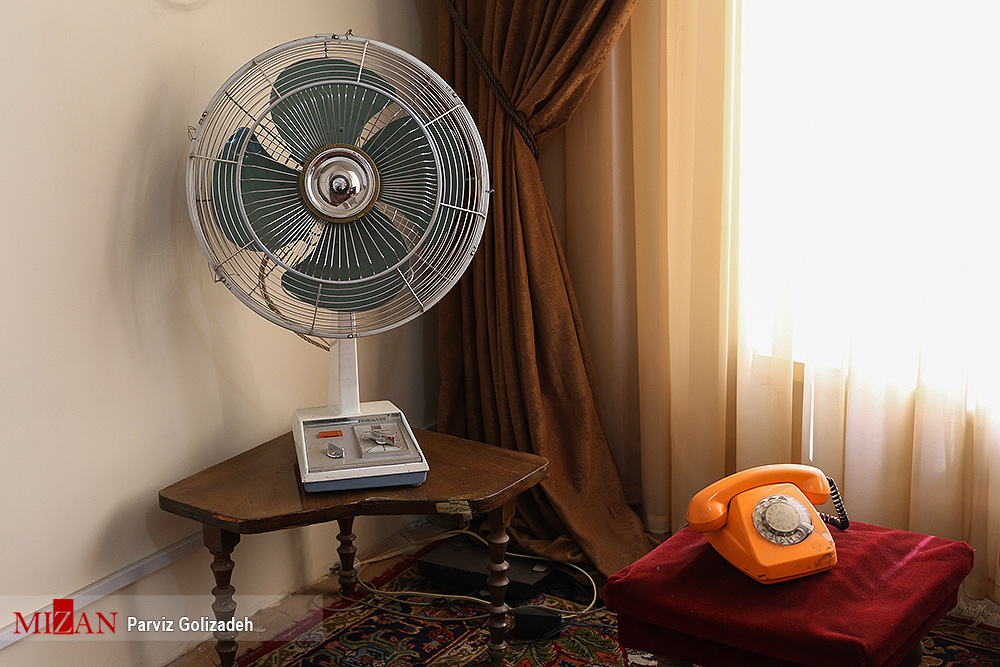
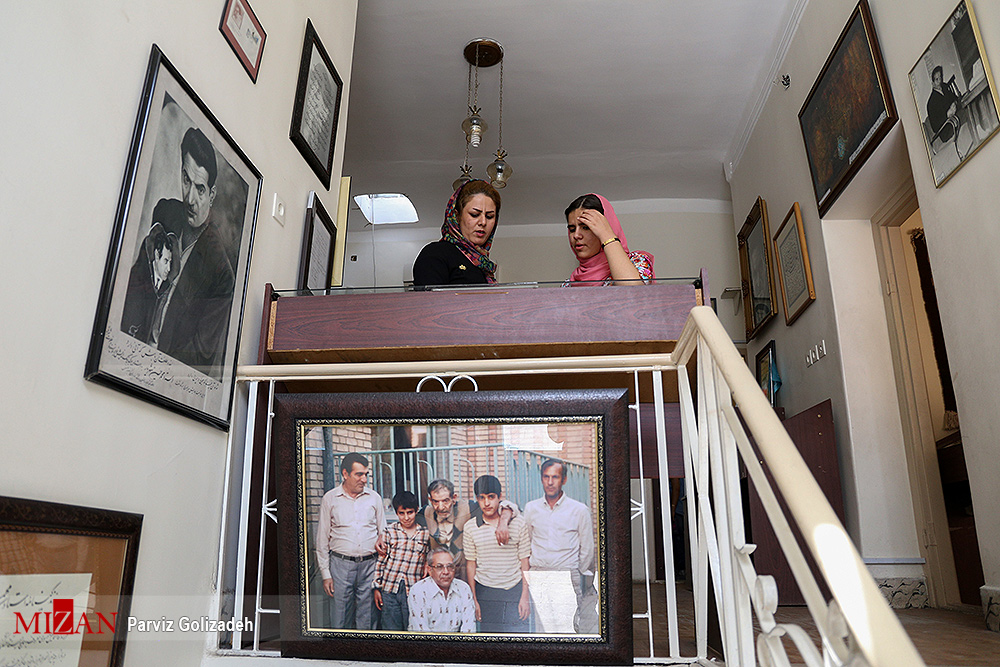
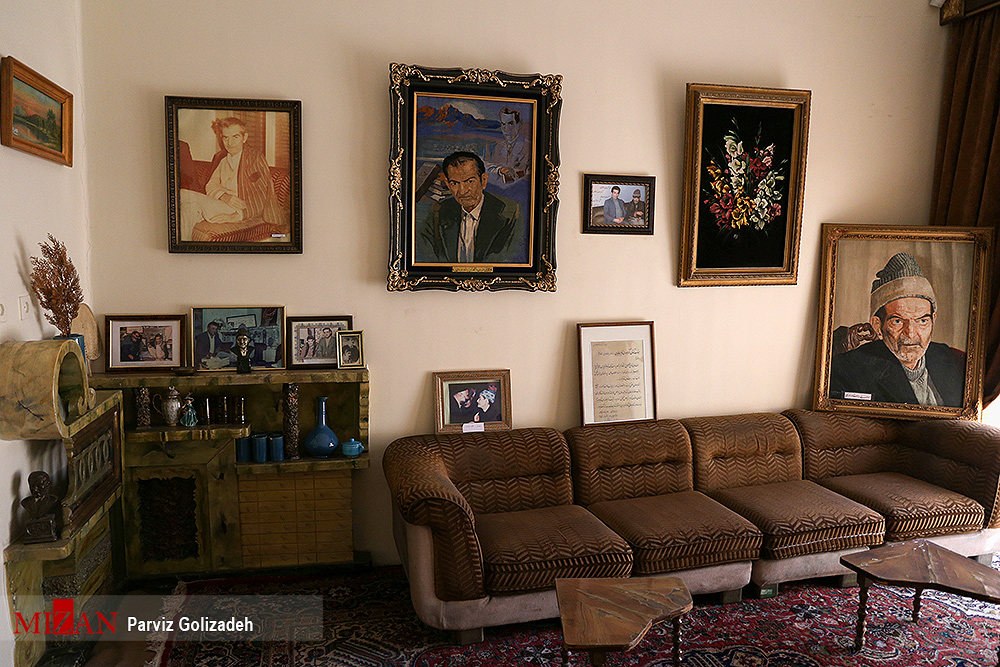
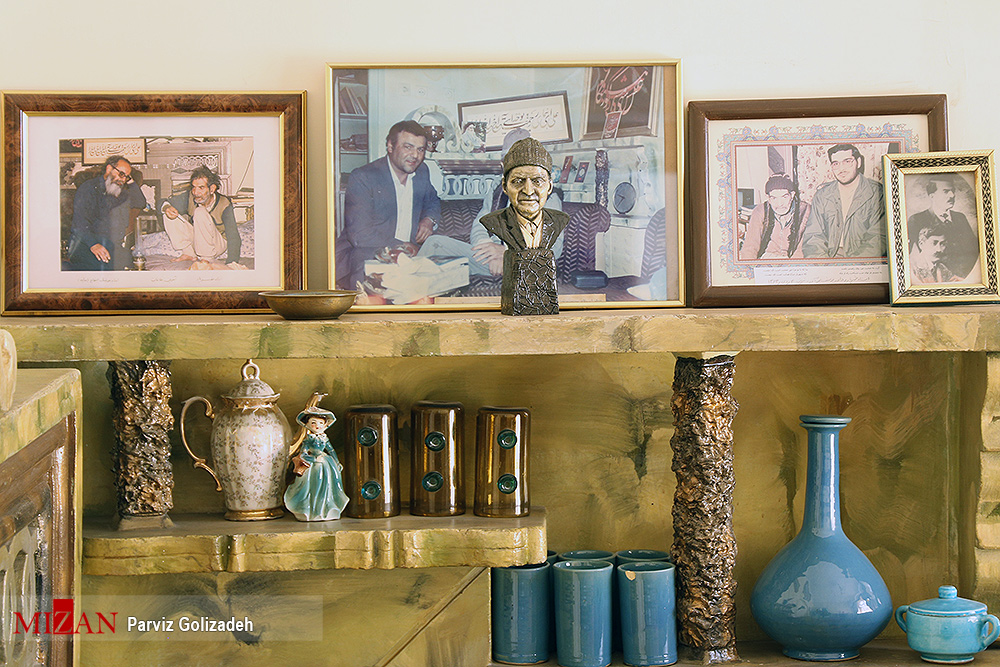
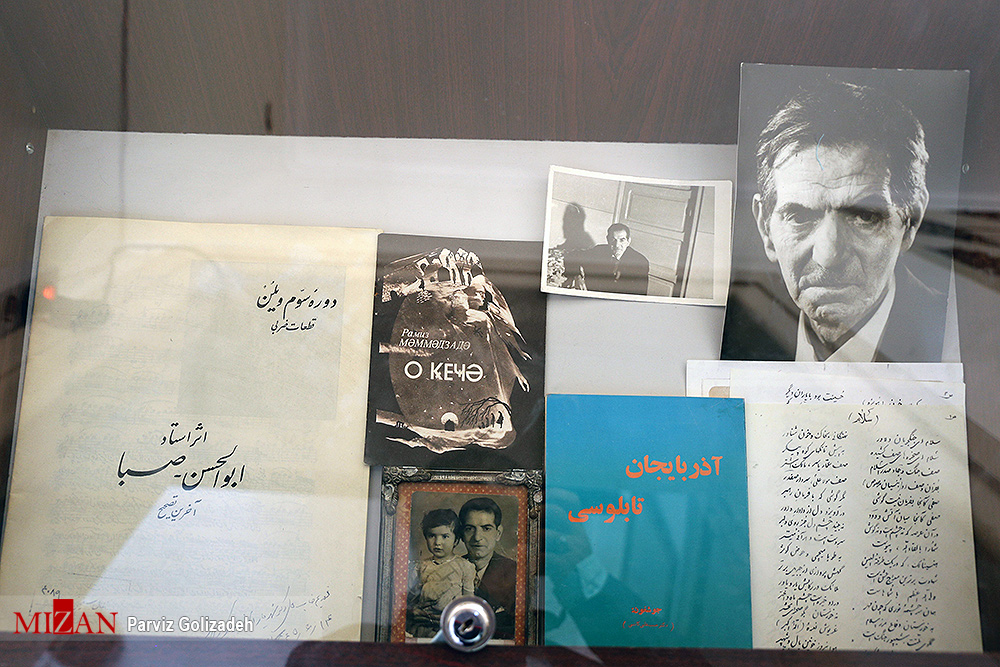
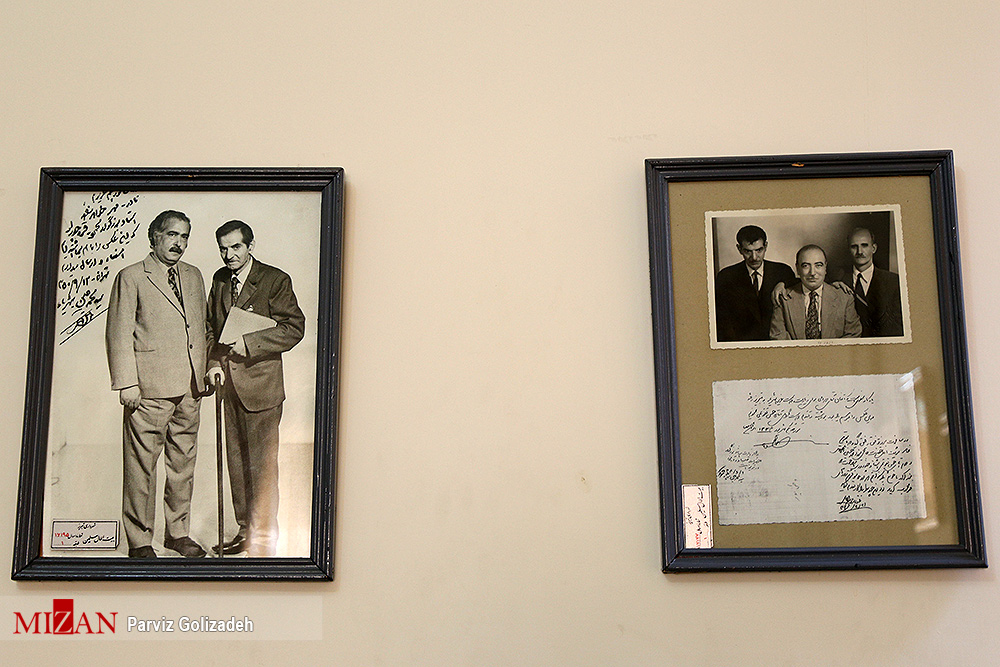
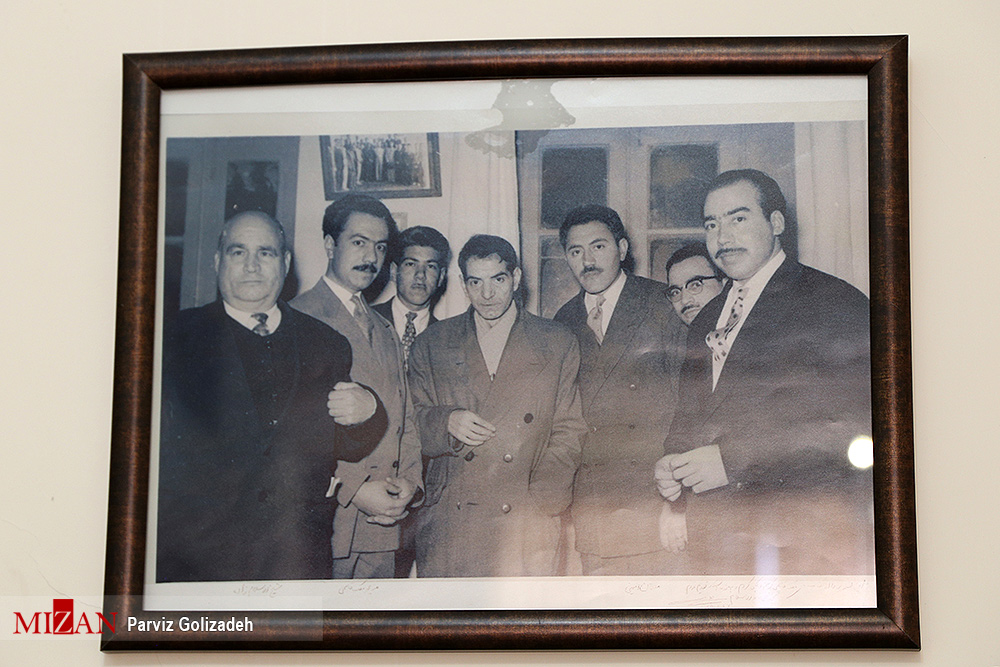
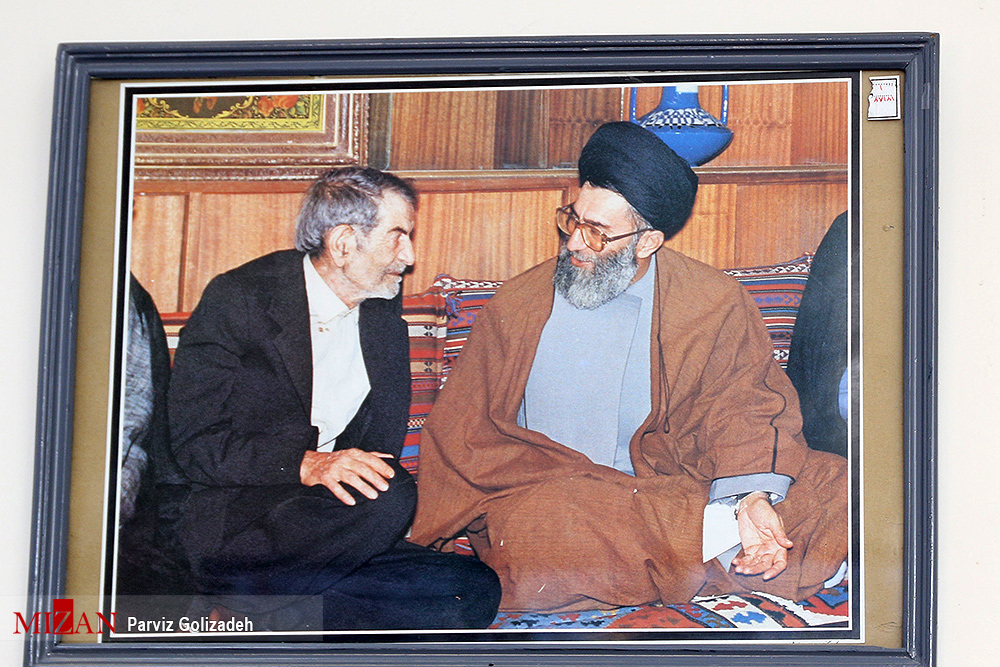
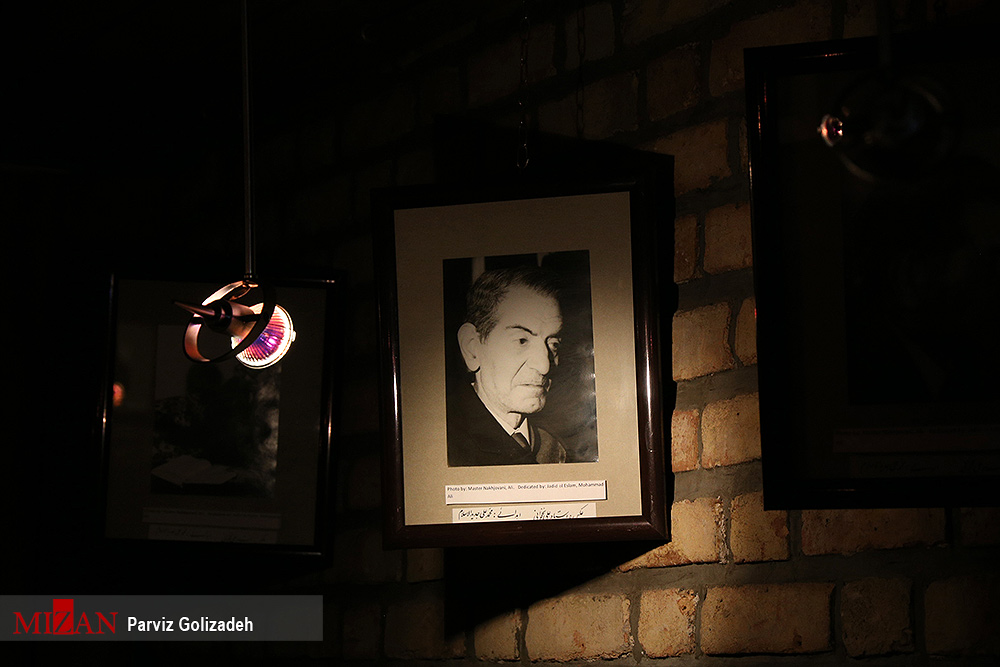
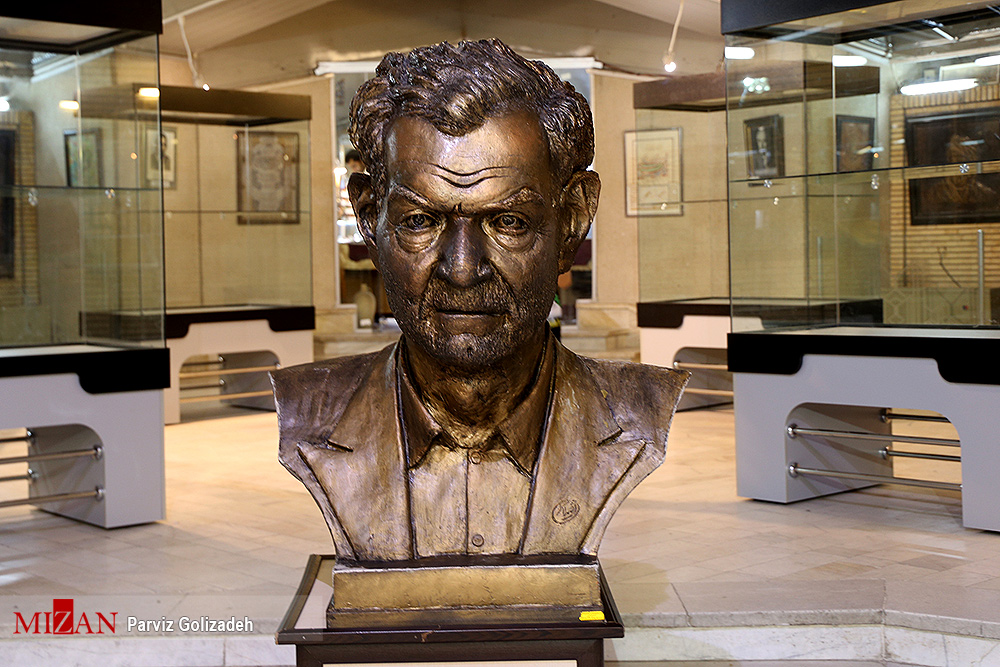
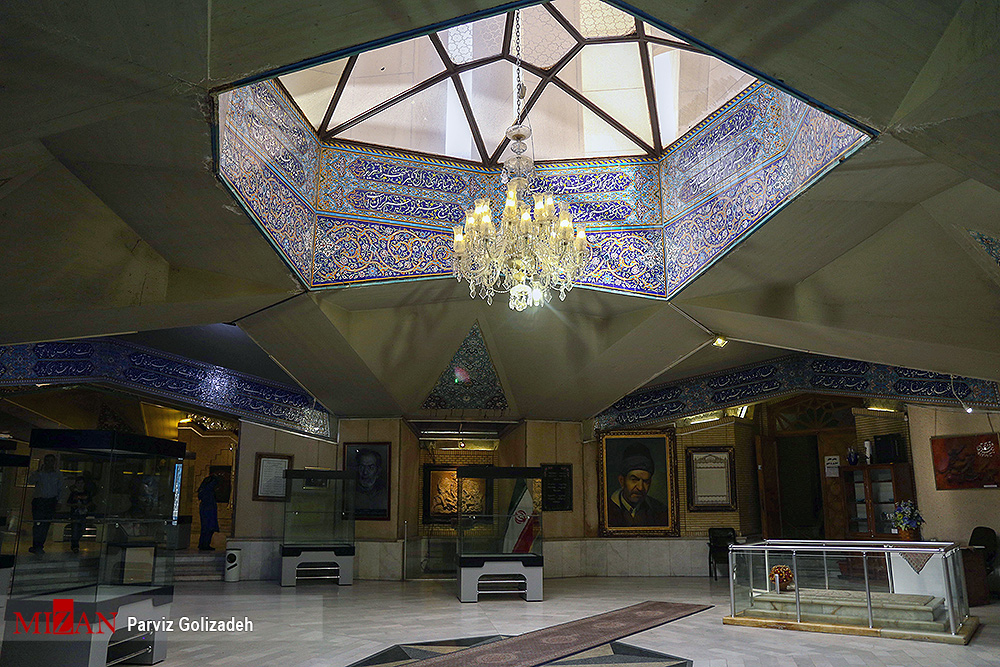
Here are Mizan’s photos of Shahriar’s house, which has been turned into a museum: