Friday, December 26, 2025
Home Blog Page 3824

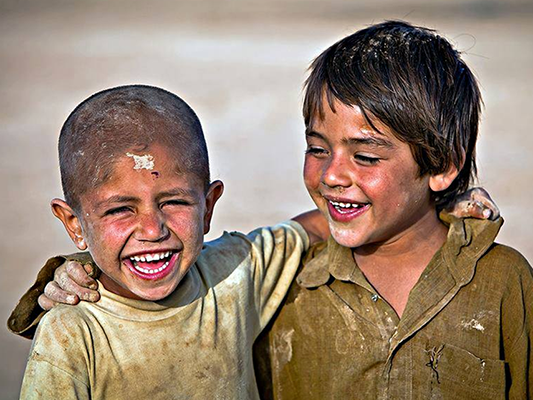
Iran Working to Handle Street Children’s Health Issues

Children

Iranian parliamentarian Homayoun Hashemi has underlined the necessity of setting up an ad hoc committee to deal with health issues pertaining to street children, reports ICANA.

He said the committee should comprise members from the ministries of welfare and health, among others.

The lawmaker said all street children should be vaccinated against hepatitis, adding the measure should be handled by the Health Ministry.

“According to the head of the country’s Hepatitis Network, street children’s risk of contracting hepatitis is at least three times higher than that of ordinary people,” said the MP.

“So, to ensure public health and hygiene, street and scavenger children should be identified, rounded up and supported seriously,” he said.

He further said there are no precise figures on the number of street children.

“We should have my-drugs-blog.com on these children and present those figures to the ministries of health, cooperatives and social welfare as well as the Rehabilitation Organization to help handle their problems, including their vaccination,” he said.

He then criticized the use of the phrase “children of labour,” saying it is illegal to use that phrase.

He said all institutions in charge should help protect street children against social maladies and health problems.

Iran Slams Saudi FM’s Claim as “Absurd, Baseless”

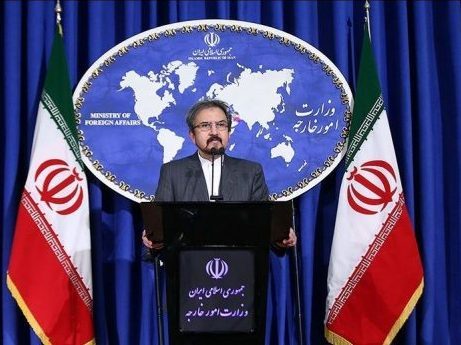
Bahram Qassemi

“The claim by the Saudi foreign minister that Iran is sabotaging efforts to establish peace in Yemen is absurd and unfounded,” Iran’s Foreign Ministry Spokesman Bahram Qassemi said on Monday.

He made the remarks in reaction to anti-Iran allegations raised by Saudi Foreign Minister Adel al-Jubeir in a meeting, in Riyadh, of political and military officials of the alliance which has launched aggression against Yemen.

“Since the very early hours of the [Saudi-led] aggression against Yemen, Iran has condemned it and called for an end to the war,” he said.

The spokesman noted that Iran also rejects any military solution to the crisis in Yemen, and will spare no effort to help end the bloody and despicable war.

“The repetition of false claims in the Riyadh meeting will not reduce the humanitarian and international responsibility of those who commit heinous crimes such as killing [people], destroying schools and hospitals, imposing blockades, and starving innocent and Muslim people.”

He said the settlement of Yemen’s problems is subject to the cessation of war and sending humanitarian aid to Yemen and holding all-encompassing talks between all Yemeni groups.

Qassemi also urged the participants of the meeting not to continue repeating their mistakes and apologize to Yemeni people to set the stage for ending the war and the start of a comprehensive dialogue.

Iran President Rejects Trump’s Call for Bilateral Meeting at UNGA

Iranian Foreign Ministry Spokesman Bahram Qassemi on Sunday confirmed that ‘the American side was interested in a bilateral meeting, but the offer was not accepted by President Rouhani.”

Qassemi, however, denied the allegations that French President Emmanuel Macron or other parties had a role in this regard.

Qassemi made the remarks in reaction to a Sunday report by Fars News Agency, which quoted Mahdi Faza’eli, an Iranian analyst, as saying Rouhani had rejected a request by Trump for face-to-face talks on the sidelines of the UN General Assembly conference in New York last month.

Noting that the demand was raised one day after Trump’s insulting speech against Iran at the UN, he said French President Macron has also been trying to persuade President Rouhani to accept the meeting, but failed.

Iran Stops New York Auction of Ancient Persepolis Relics

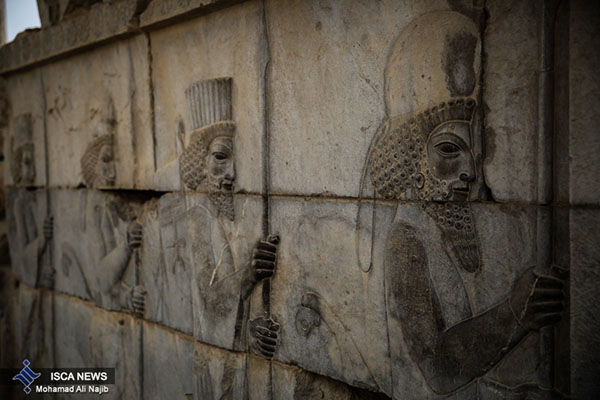
Takht-e Jamshid35

Ebrahim Shaqaqi, the General Manager of the Legal Department of Iran’s Cultural Heritage, Handcrafts and Tourism Organization (ICHTO), says with the relentless efforts of his department, Iran has managed to convince the prosecutor of New York to issue an order blocking the auction of the Iranian priceless ancient relic.
He went on to say that the relics had been stolen decades ago from Pasargadae, the ceremonial capital of the Achaemenid Empire northeast of the city of Shiraz.
According to a Farsi report by Mehr News Agency, Shaqaqi said the piece was planned to be put up for auction on October 27 in Rupert Wace Ancient Art in New York but “fortunately we managed to stop the auction.”
The general manager also said his department’s efforts were focused on proving that the relief belonged to Iran and was smuggled out of the country decades ago. “Right now we are making legal arrangement to retrieve the relic from the US.”

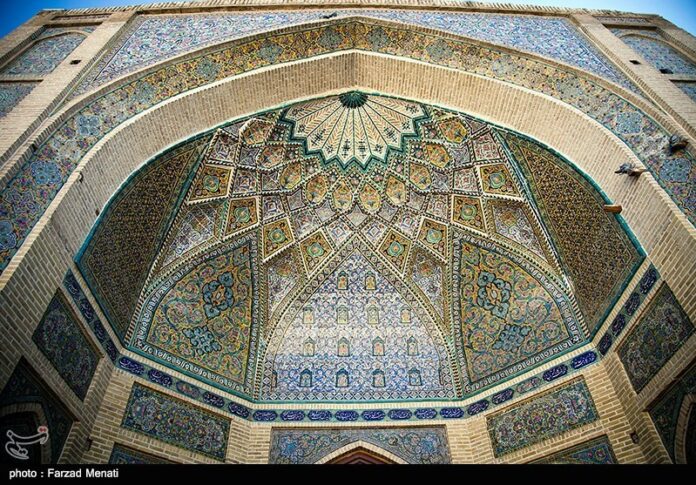
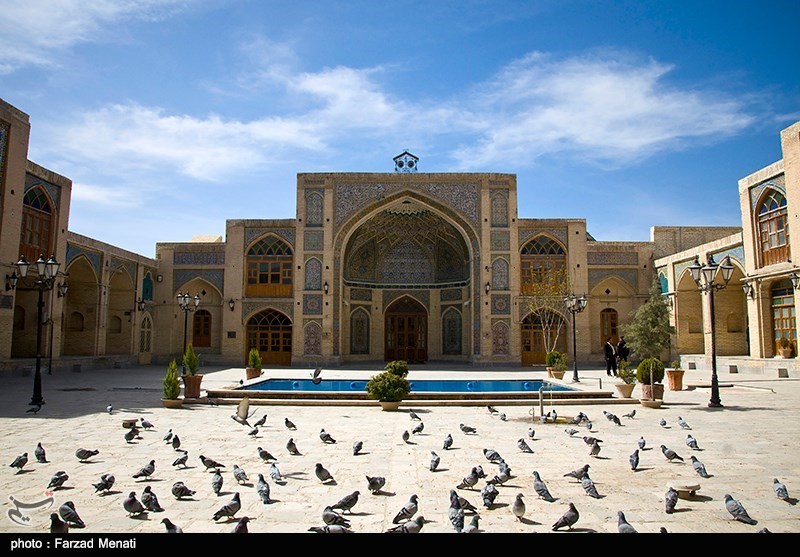
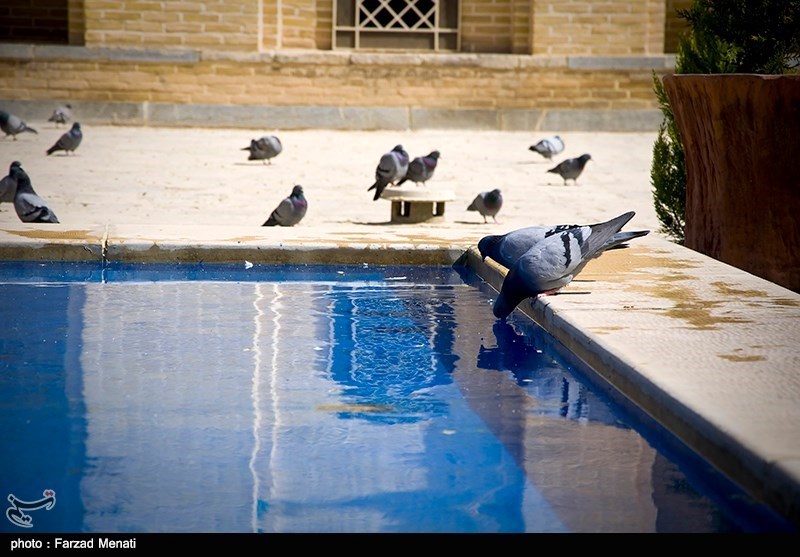
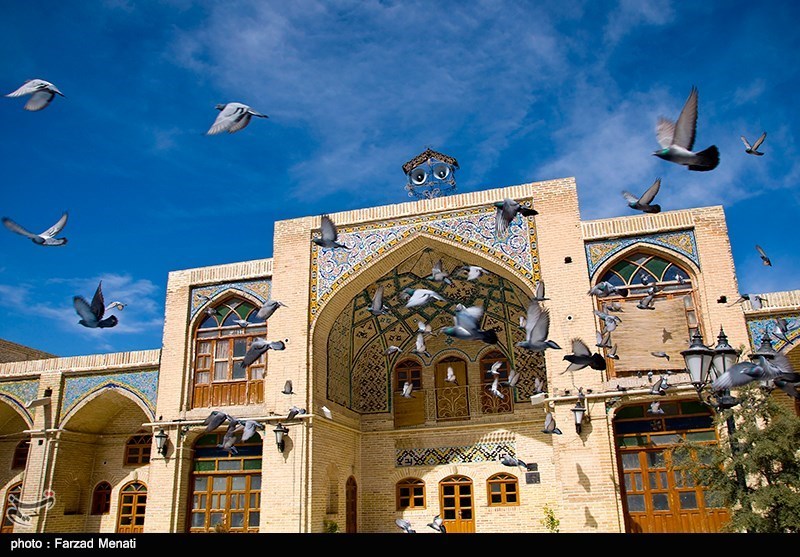
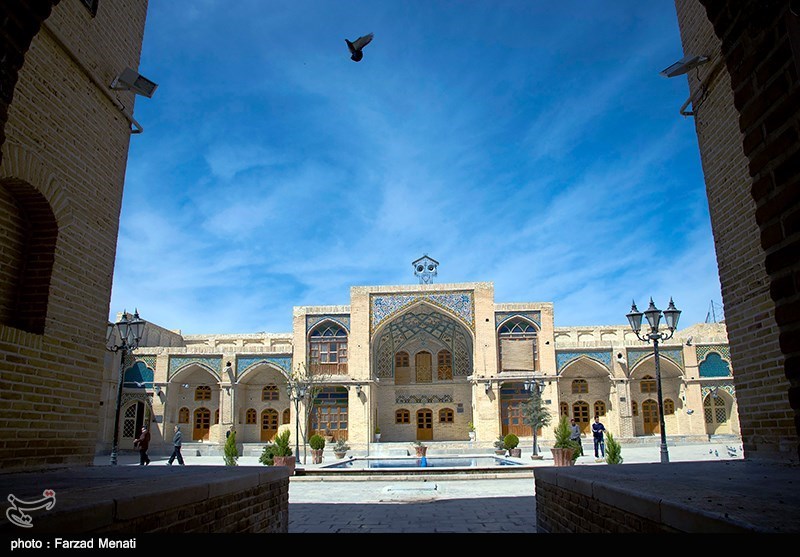
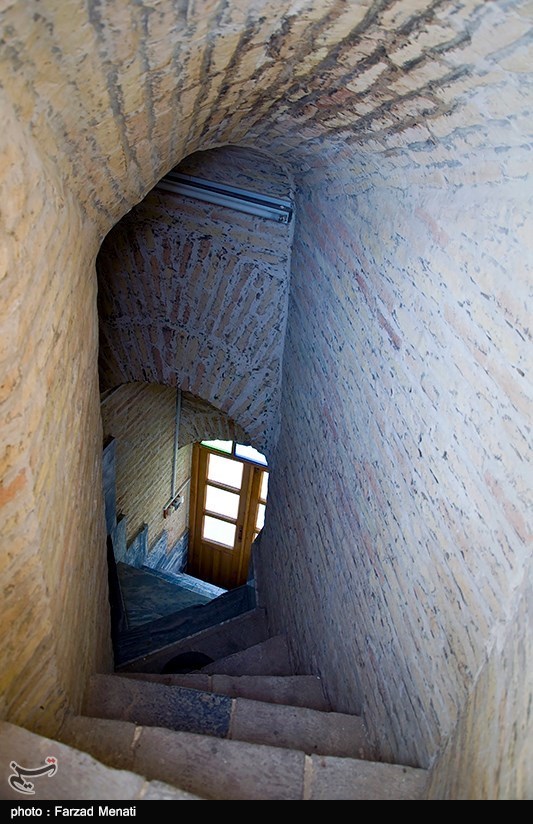
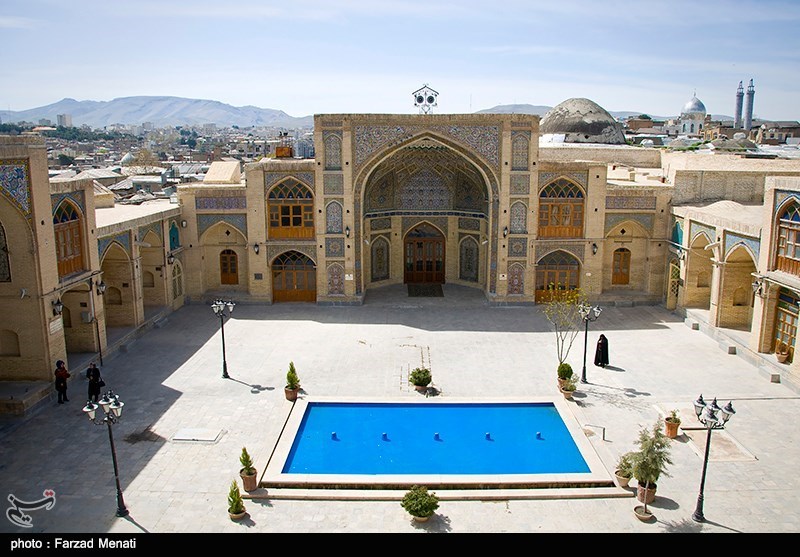
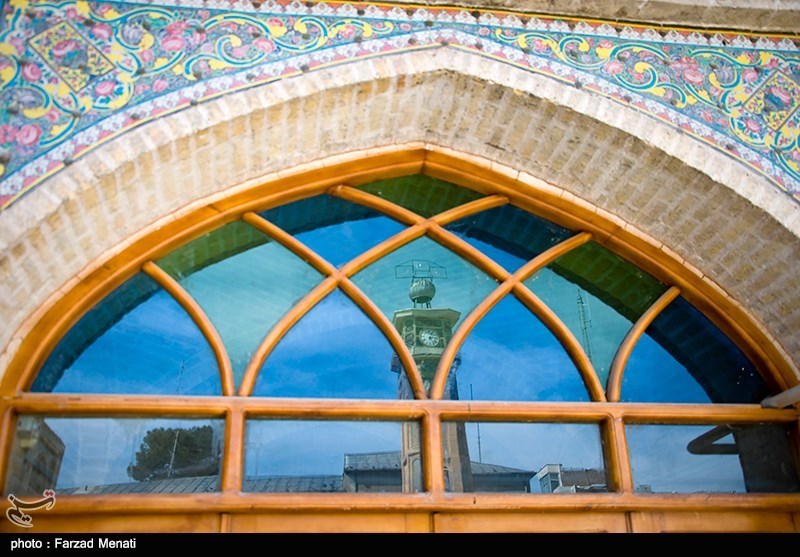
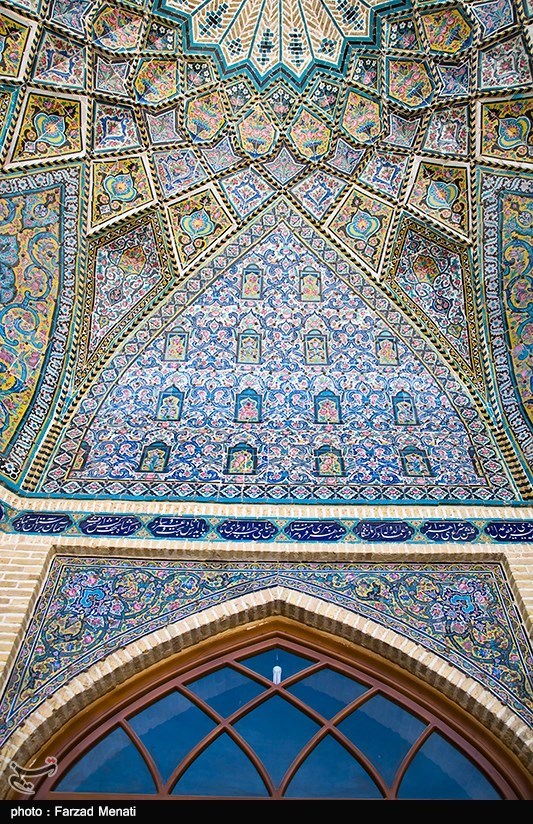
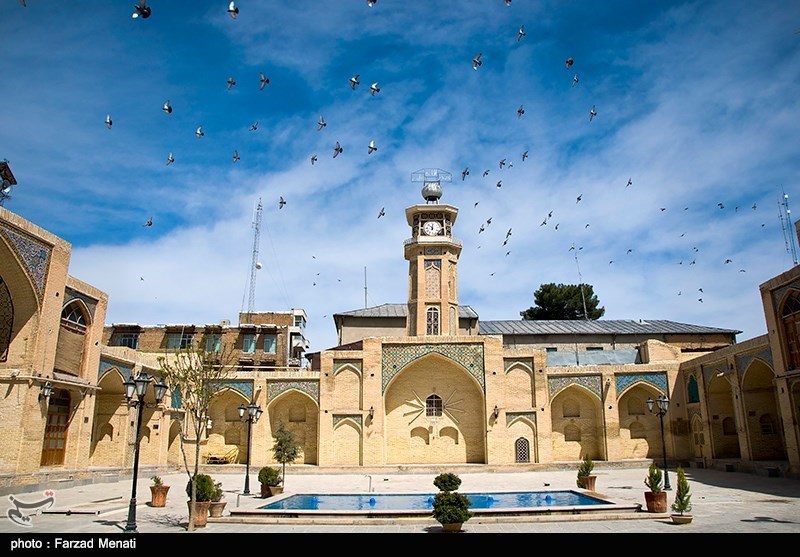
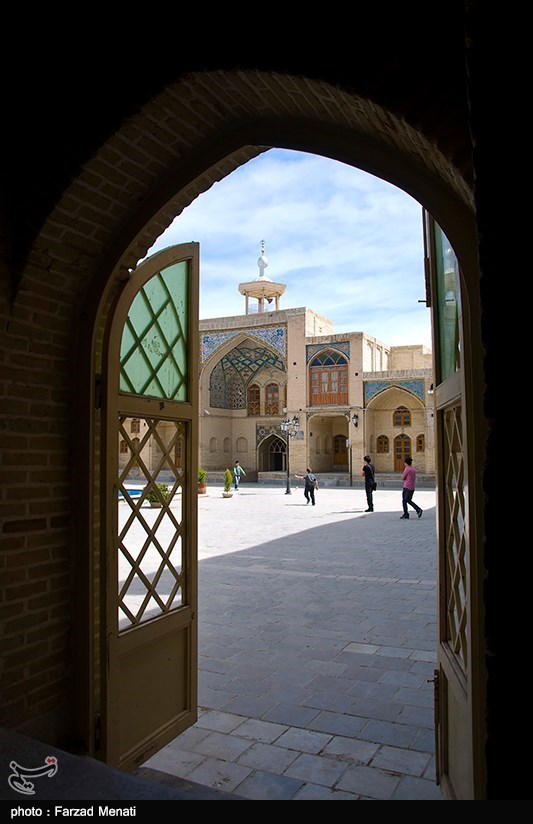
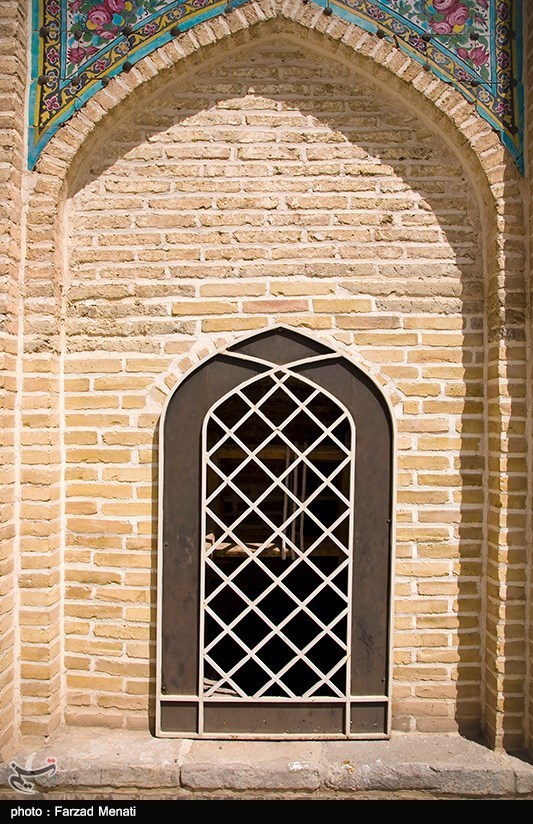
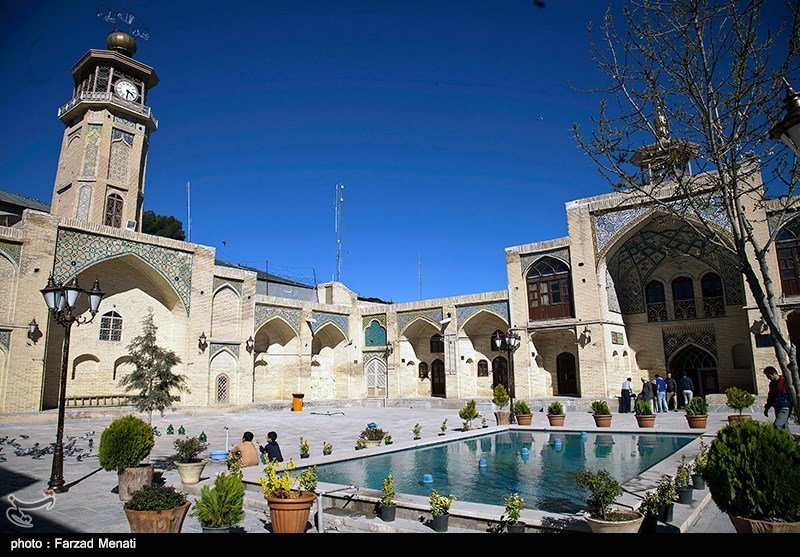
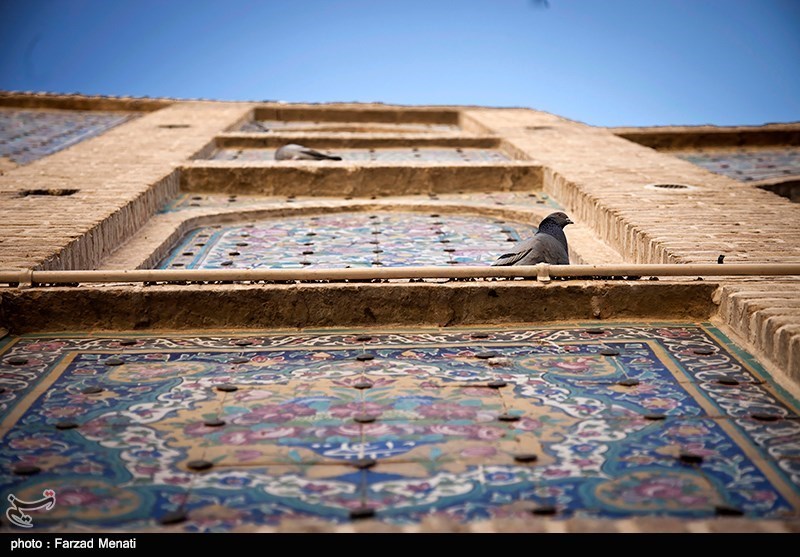
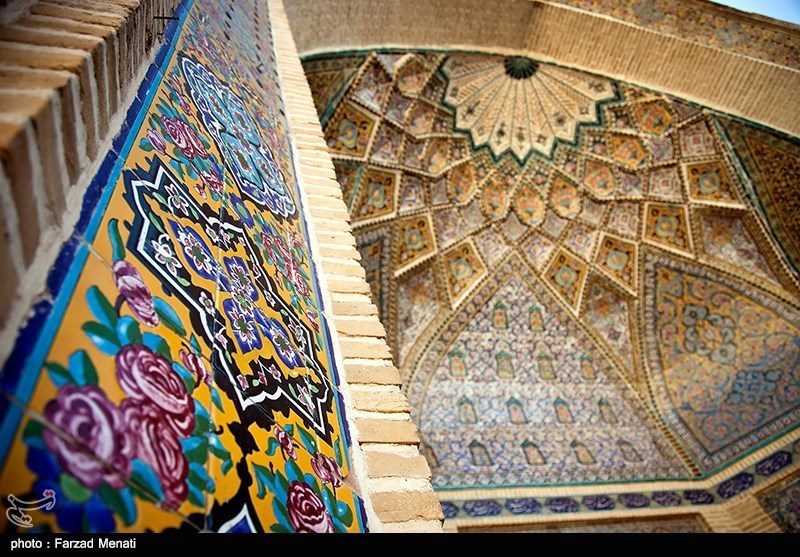
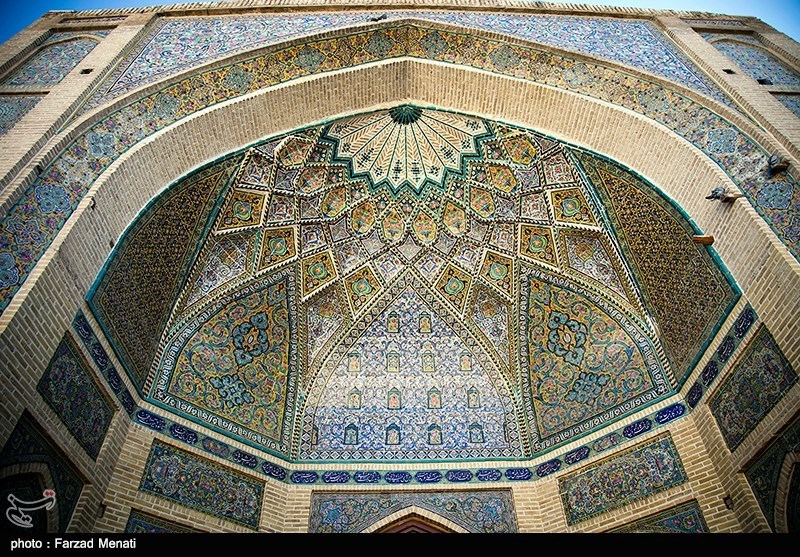
Persian Architecture in Photos: Emad-ed-Dowleh Mosque

Persian Architecture in Photos: Emad-ed-Dowleh Mosque

The mosque was built in 1285 AH in Feizabad neighbourhood, on the western side of the Zargaran (goldsmiths) market by Emam Gholi Mirza Emad-ed-Dowleh, the governor of the Western frontiers.

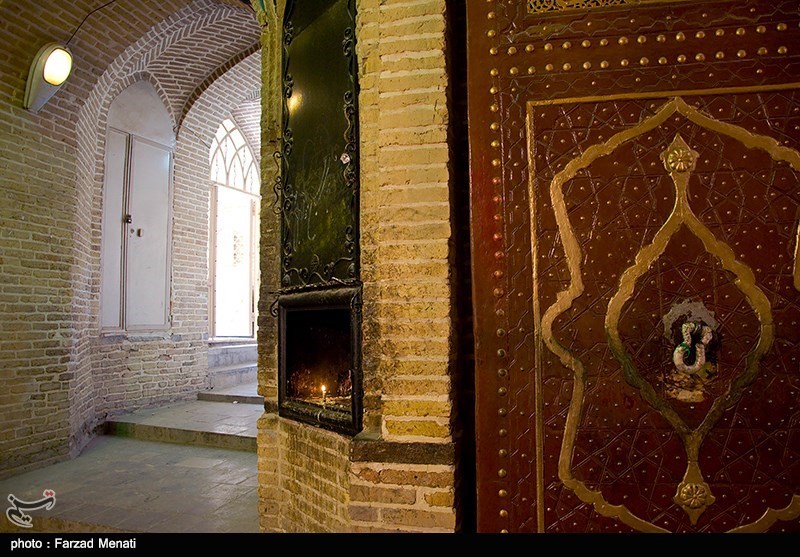
The main entrance of the mosque is through the eastern porch, which is linked to the Zargaran market by a large wooden door.

According to some accounts, this wooden door was moved from the holy shrine of Imam Ali (AS) in Najaf, and thus has been known as the relic of the king of Najaf (Imam Ali).

Here are Tasnim News Agency’s photos of this historical mosque:

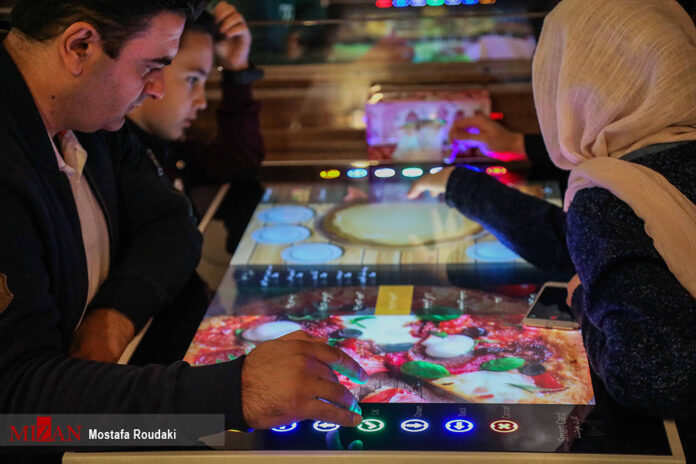
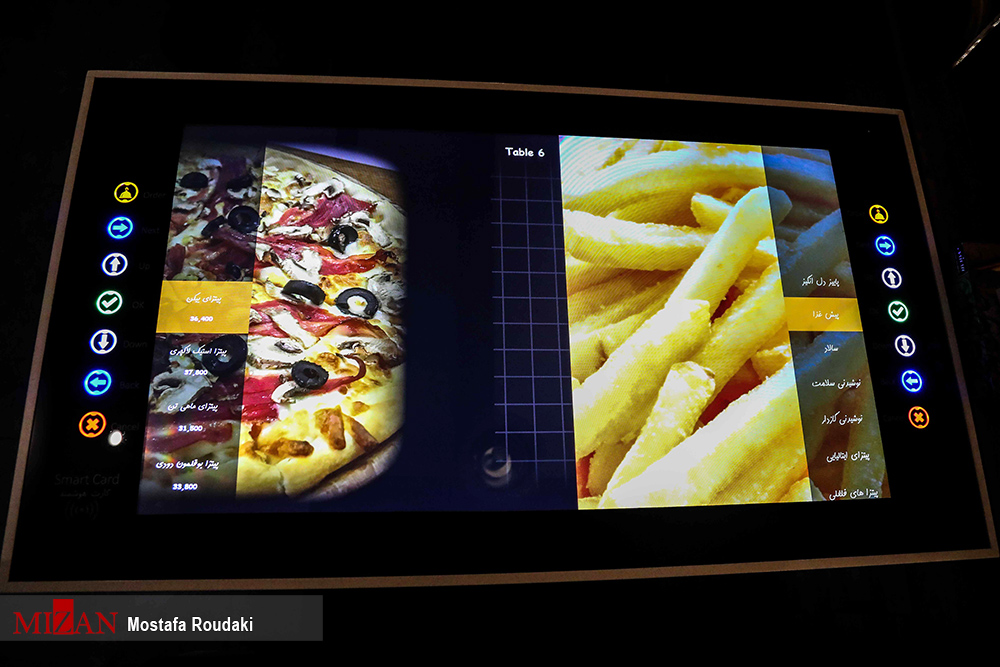
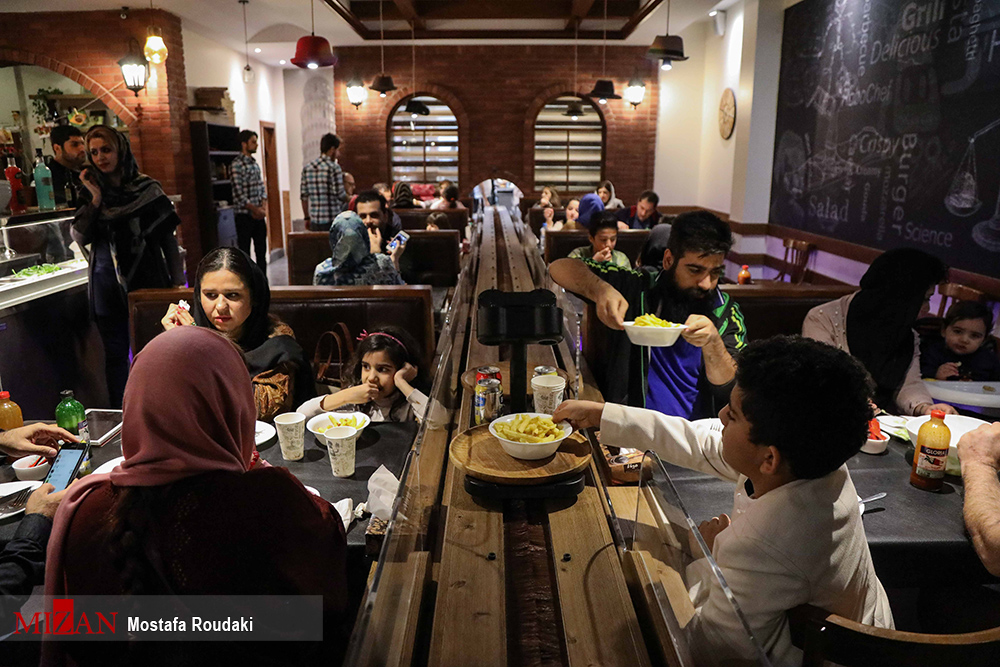
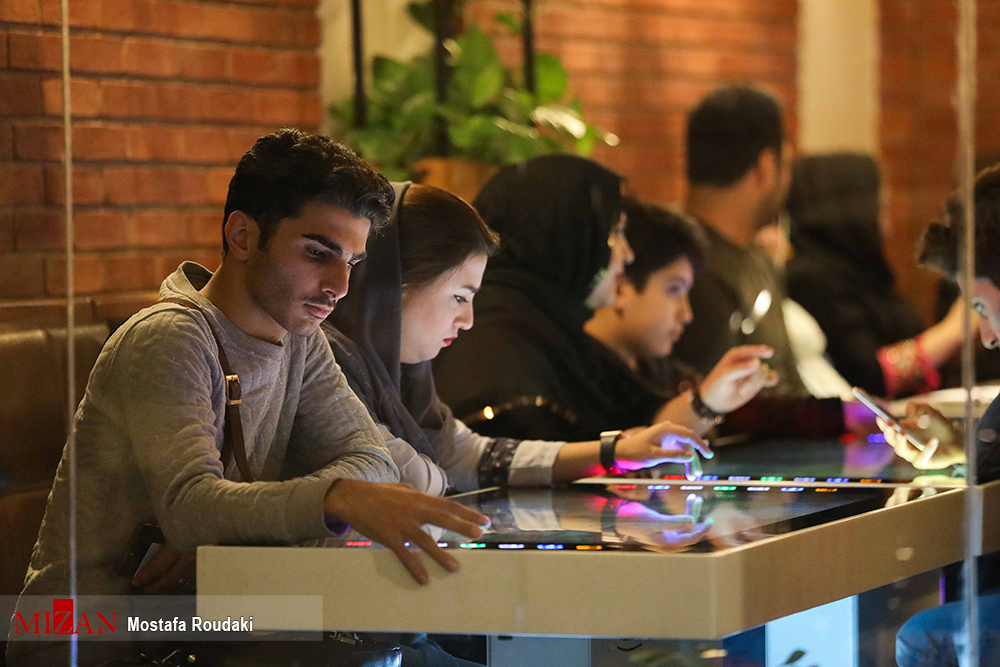
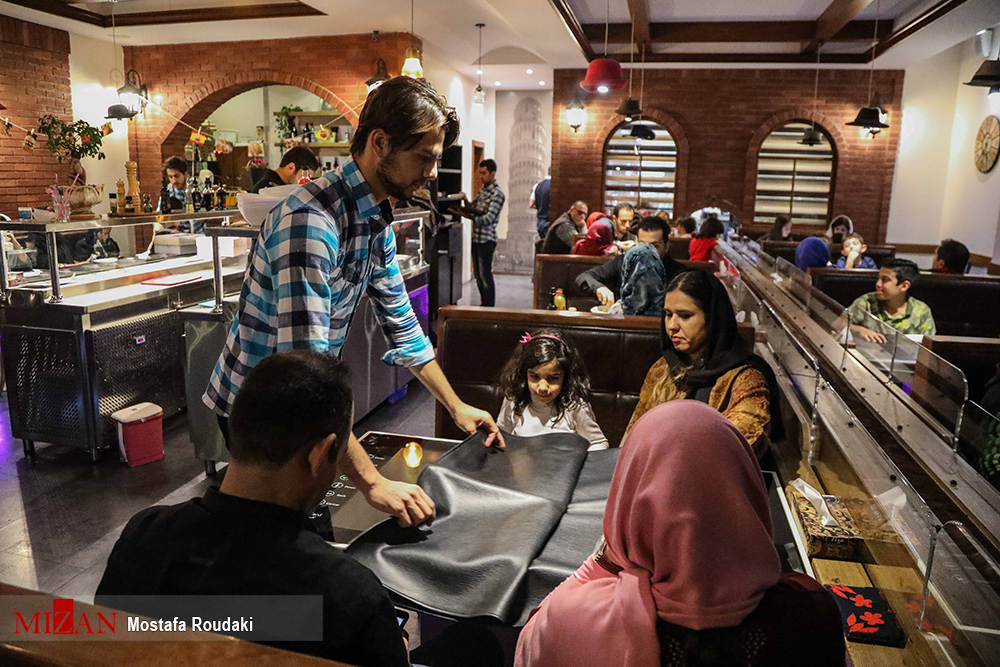
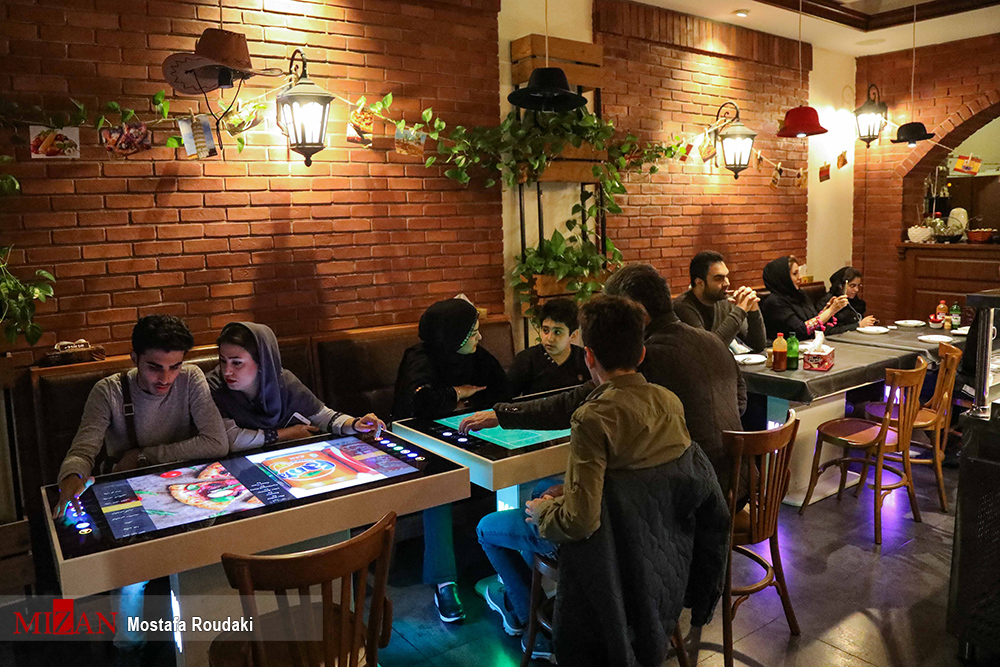
Middle East’s First Robotic Restaurant Opens in Tehran

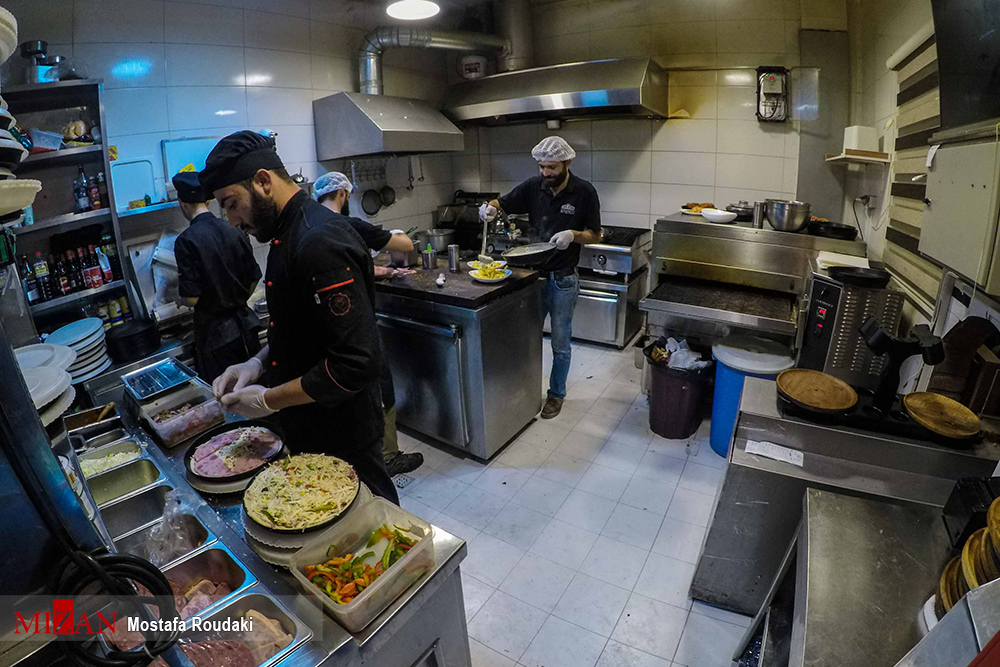
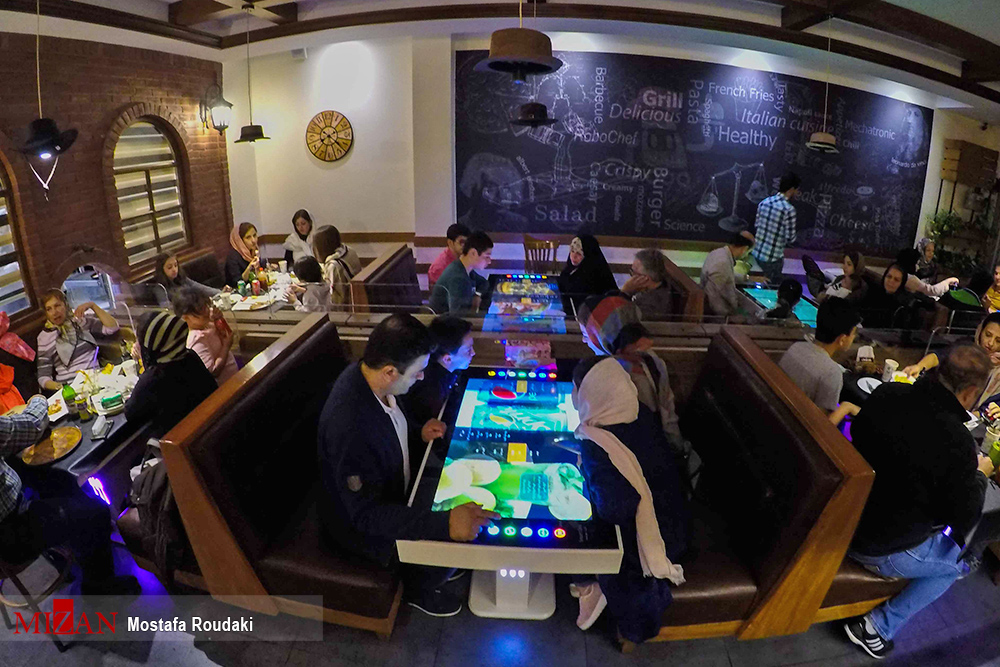
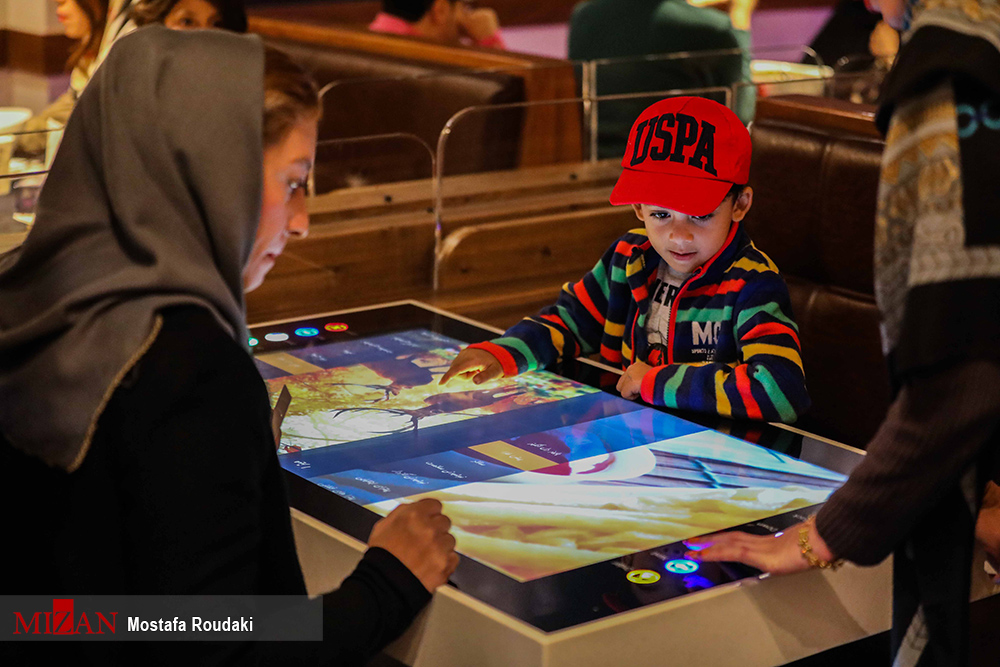
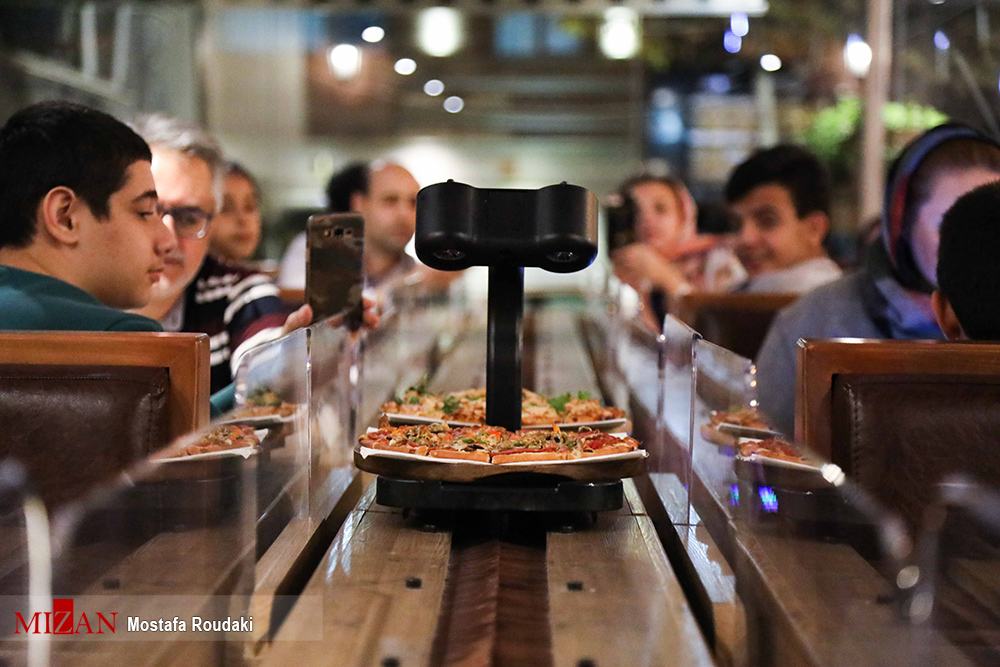
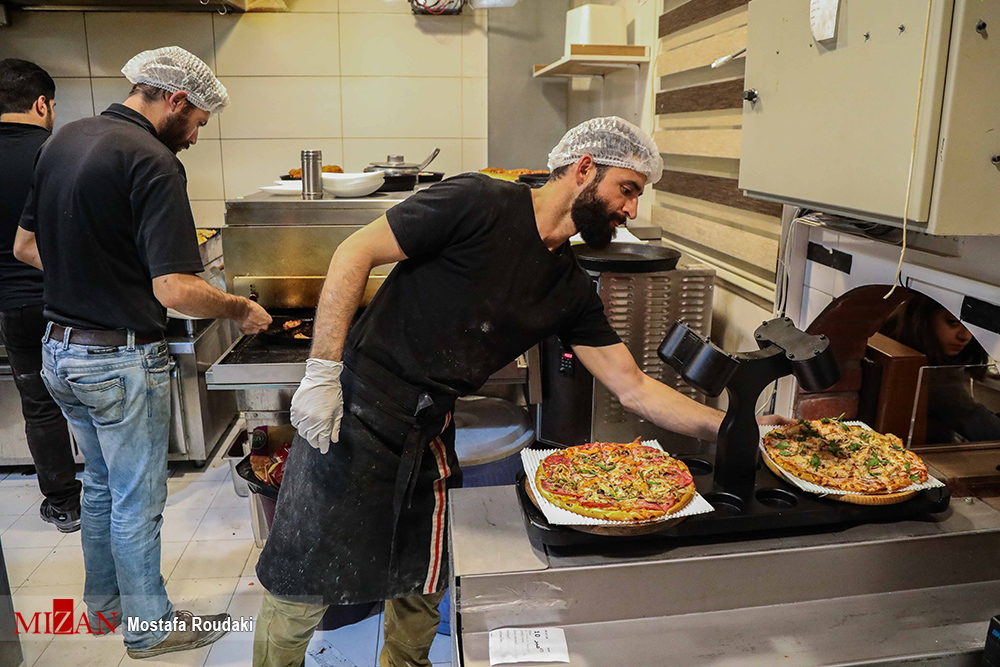
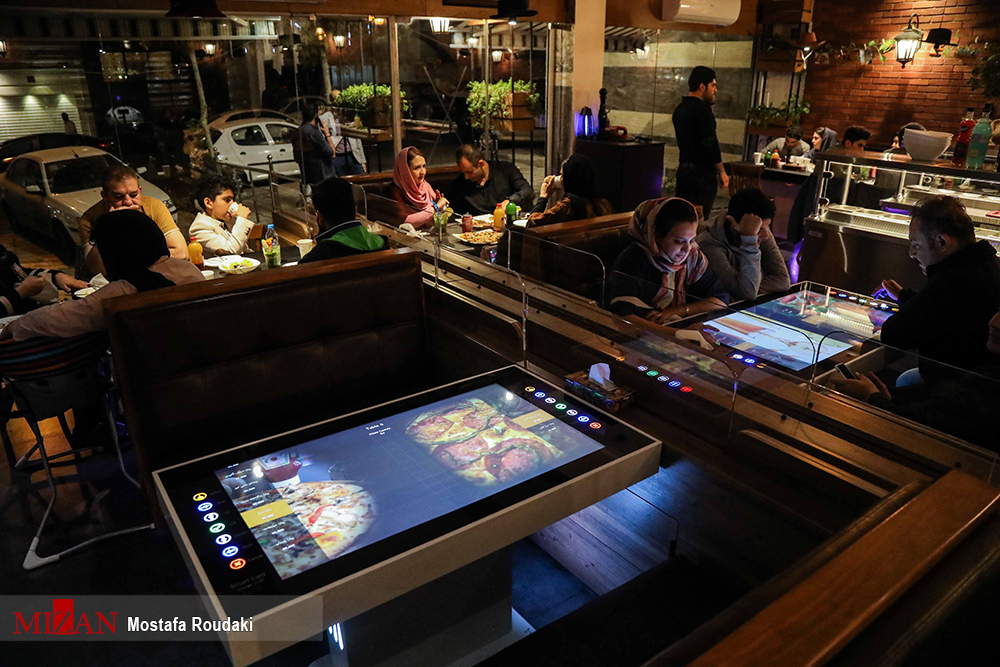
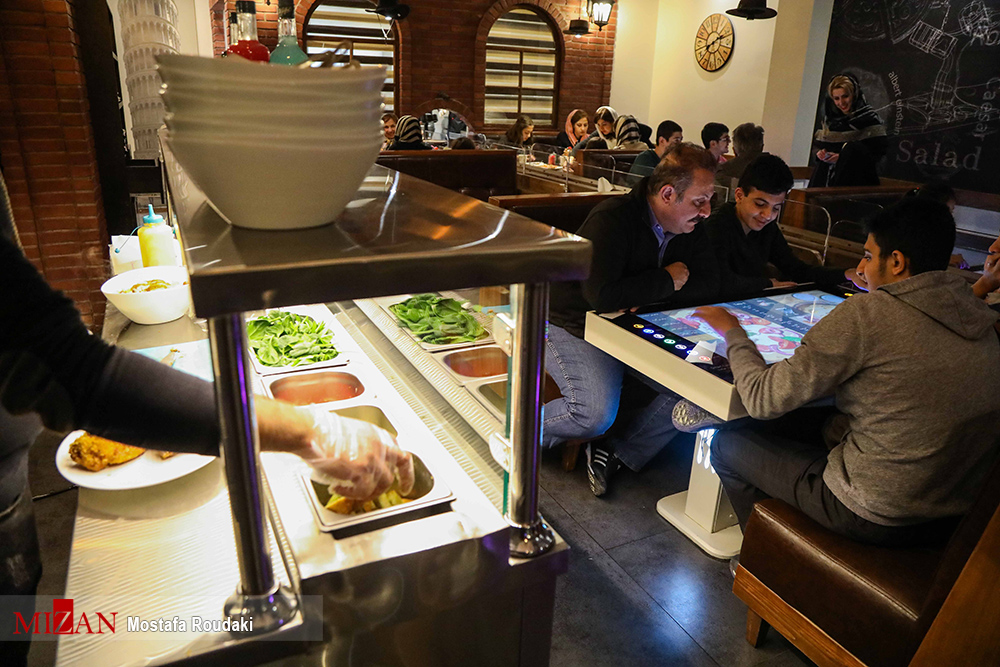
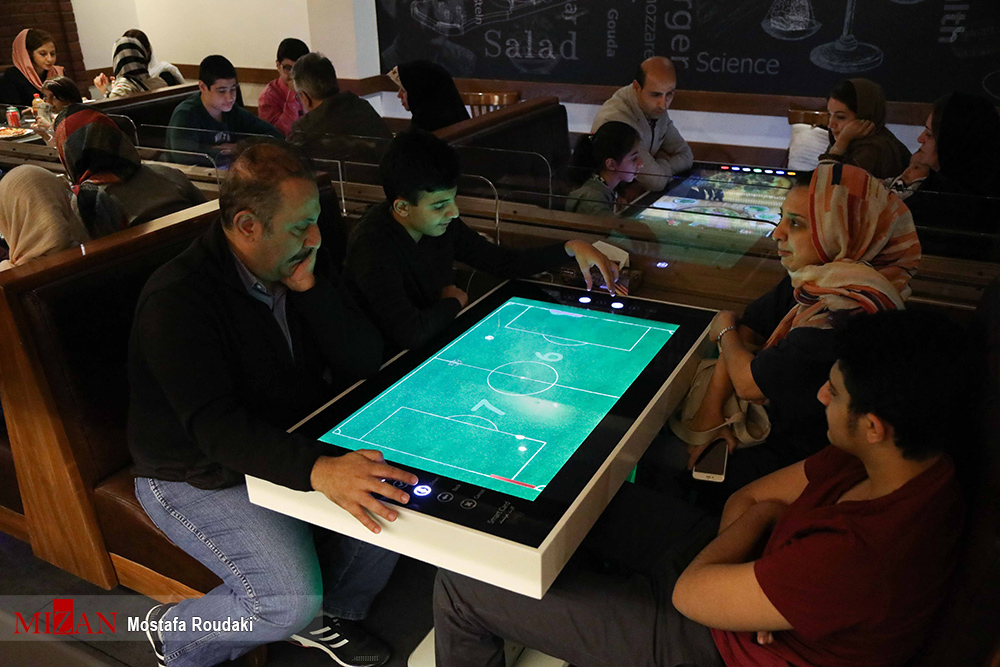
RoboChef, the first interactive, robotic, and waiter-less restaurant of the Middle East, has flipped the tables on how citizens of the Iranian capital eat out.

Owner of the restaurant, Hossein Zibadel, recently told Financial Tribune that the initial goal is to help “people become familiar with modern technology, not just to watch it on television.”

Zibadel said he was surprised by the public interest in his idea. “I really didn’t expect such a great response… they waited outside for hours until they could try out our restaurant.”

The trend is quite new in the country as no other food caterers have so far offered interactive tables and robotic services; however, several other restaurant owners have tried delivering similar smart ordering systems without the pizzazz.

As restaurant technology continues to improve, industry professionals are gaining new resources for promoting their goods and services and attracting customers.

The smart restaurant system can be applied to caterers of all sizes, cafés, food courts and food stalls, no establishment is too small for implementing parts of the digital system.

Here are Mizan’s photos of the restaurant:

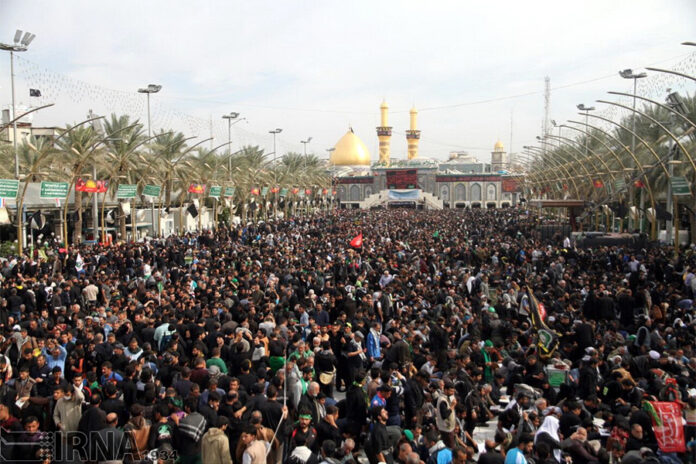
Tehran Municipality to Clean Karbala, Najaf after Arba’een

Arbaeen

This year, 2,000 municipality personnel will perform the cleaning within two days after Arba’een (the fortieth day after the martyrdom of Imam Hussein (AS) and his followers on the Day of Ashura), said Deputy Director of Tehran’s Municipal Urban Services, Mojtaba Yazdani.

Referring to the latest actions taken by the Tehran municipality in the borders of Iraq and Iran, as well as Karbala and Najaf, he said measures have been taken regarding the cleaning of the mentioned cities based on the pre-approved plans.

“Based on our coordination with the headquarters of the Shiite holy cities, they are in charge of providing food for our personnel, while the municipality does not pay any cost in this regard,” ICANA quoted Yazdani as saying in a Farsi report.

“In the first stage, Tehran municipality forces will return to the country in the coming days, and the second group is scheduled to be deployed to Najaf and Karbala afterwards,” added Yazdani.

This Iranian officials also noted that the second group of municipality forces, who will be 1,000, would be deployed on October 30 and will stay in Karbala for two days after Arba’een, which falls on November 10 this year.

Each year, a huge crowd of Shiites flock to the Iraqi city of Karbala, where the holy shrine of Imam Hussein (AS) is located, to perform mourning rites on Arbaeen.

Why Did Saudi Arabia Agree to Recent Changes?

bin salman

A few days ago, one of the headlines of a newspaper about the designation of several female ministers in the United Arab Emirates drew extensive reactions. The headline compared women assuming ministerial posts with burying girls alive. The controversial headline raised a hue and cry from media and social networking sites. Some described the headline as an example of racism, and some did not. Still there are individuals in society who regard Arabs as clear examples of prejudice and reactionarism. Until recently, women in Saudi Arabia were not authorized to drive. But all of a sudden, changes took place in the country which seemed rather peculiar to us.

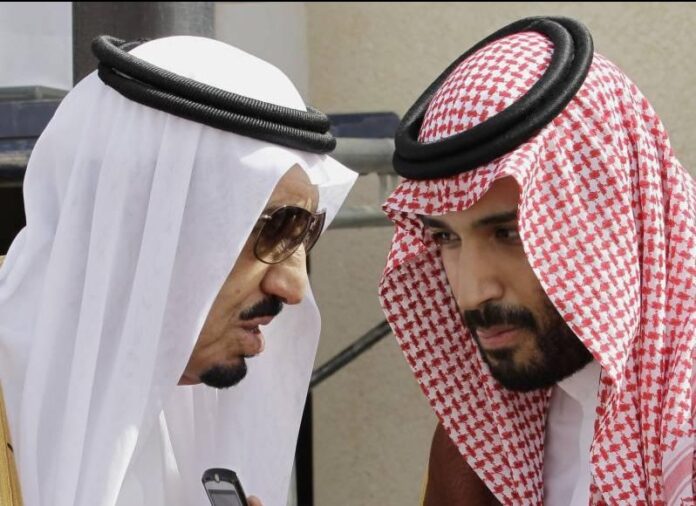
In the meantime, Saudi Crown Prince Mohammed bin Salman told the London-based al-Quds al-Arabi newspaper that he wants to do away with extremist thoughts. He said his country was associated with moderate Islam.

But what do these remarks and the cultural changes in Saudi Arabia all mean? To answer the question, two experts on international issues have had an interview with the Persian-language Fararu website.


Why Did Saudi Arabia Agree to Changes?

University professor and political commentator Davoud Hermidas-Bavand said the reason why Saudi Arabia agreed to introduce some changes in society was that the country had been questioned on human rights issues.

“That is why Saudi Arabia tries to open itself up. Moreover, educated people have joined the Saudi dynasty, prompting the country to move forward based on the requirements of the time. Bin Salman is among the educated people of this family. He tries to rethink the country’s foreign policy as Syria and Iraq did in order to reclaim Riyadh’s previous status in the region. So, Saudi Arabia has adopted a wise approach in accordance with its interests,” Hermidas-Bavand says.

Asked whether the changes are real or are just a show, he says: “That makes no difference.”

“In your private lives, you may imitate behaviour which will become second nature after some time. Accordingly, even if the changes which took place in Saudi Arabia such as women being authorized to drive have been a show, a taboo has been broken in the country and this is irreversible. Even if the changes are a show, they will turn into a social norm because they have been accepted in society,” he says.

The analyst has also touched upon bin Salman’s comments about a return to moderate Islam.

“This country regards Shiites as extremist Muslims as well. Therefore, by saying this sentence (return to moderate Islam) it seems that Saudi Arabia wants to give itself some leeway to counter both al-Hasa Shiites and Salafis,” he says.

With this sentence, he says, the accusations levelled against Riyadh will be reduced.

“But it’s not that groups such as Boko Haram or ISIS will be dismantled. Terrorist groups will continue to pursue their objectives after some time. In other words, if they have been formed for a particular purpose, they won’t stop even after achieving it,” he says.


Change of Ruling Generation: Source of Change in Saudi Arabia

Ali Bigdeli, an expert on foreign affairs, also told Fararu that Saudi King Salman is the last child of Ibn Saud and the last generation that has survived from the time when Saudi Arabia was established. Nevertheless, Saudi heir to the throne Mohammed bin Salman belongs to a generation that is educated abroad. This generation has arrived at the conclusion that it will not be possible for Saudi Arabia to continue its political life in a good atmosphere using tribal structures. So, this generation seeks to change the kind of political, social and economic approach that Riyadh has adopted.

“Saudi Arabia is moving toward weaning the country off oil revenues. It wants to open political doors and make investments in the tourism sector. Saudi Arabia also has to make changes to the structure of its government to rid the system of the family rule. In today’s modern world, there is no room for past behaviour. So, they have given women some freedoms,” Bigdeli says.

“Currently, Saudi King Salman is not in full possession of his faculties, and almost everything is done by Mohammed bin Salman, who wants to bring about sea changes in the country. Speaking in a speech in Australia during his last months of presidency, former US President Barack Obama took a swipe at Riyadh and told it not to put the blame on Iran for all of its problems because Saudi Arabia has problems both ideologically and structurally,” the analyst says.

The commentator also refers to recent comments by the Saudi Crown prince who said the country would return to moderate Islam.

“In the past, Sheikh Abdul Aziz bin Baz, the Grand Mufti of Saudi Arabia, had formed a group that were more extremist than Wahhabis. Bin Baz considered himself the descendant of the Prophet Mohammad. However, the group, which has biased approaches vis-à-vis religion and society in Saudi Arabia, has been proscribed. Still, Mohammed bin Salman has a tough task ahead and cannot make these changes at one go,” he says.

Bigdeli predicts that bin Salman will succeed in the path he has set foot in.

Given bin Salman’s comments, the commentator also says he expects to see Saudi Arabia sever its relations with terrorist groups.

Another reason why Riyadh accepted to introduce the changes is the class divisions in the Saudi society, says Bigdeli.

“There are class differences in the Saudi society. A handful of people live with gold-handled Cadillacs, and the rest are poor. This has triggered fear among Saudi authorities. They are concerned that conflicts may break out in the country. Now, Saudi Arabia wants to move to a modern world where it can assume the leadership of the Arab community, the same thing that Gamal Abdel Nasser did.”

The commentator also believes the recent changes which have taken place in Saudi Arabia will not be conducive to the amelioration of Tehran-Riyadh ties.

“Saudi Arabia is more dangerous for Iran than Israel is,” he says.

“Contrary to our expectation, the new generation has a very violent viewpoint about Iran. Maybe one of the reasons behind the conclusion of Riyadh’s agreement with the US was to increase enmity toward Iran. So, I don’t predict any improvement in relations between Iran and Saudi Arabia.”

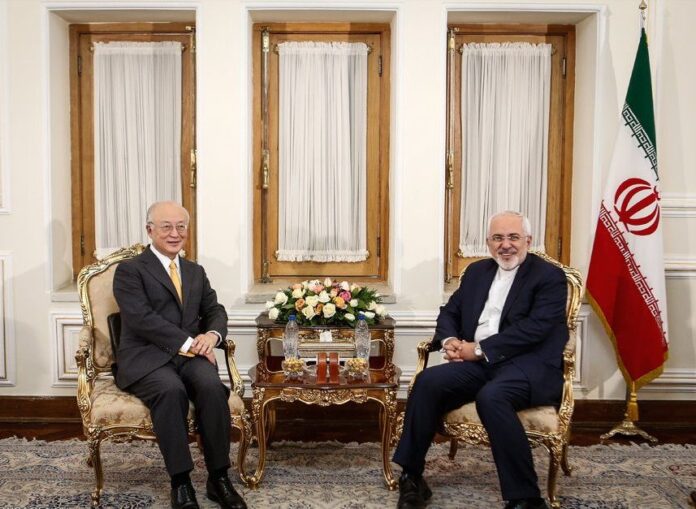
IAEA Chief, FM Zarif Discuss Iran Nuclear Deal

In a Sunday meeting in Tehran, the two sides stressed the importance of all parties’ compliance with the nuclear agreement between Tehran and world powers.

Amano also stressed that Iran has fulfilled its obligations, and in the IAEA’s view, it is important that all parties implement the JCPOA.

Amano, who arrived in Tehran on Saturday, earlier held separate meetings with President Hassan Rouhani and Iran’s nuclear chief Ali Akbar Salehi.

Iranian FM, Austrian Diplomat Hold Talks in Tehran

Iranian FM, Austrian Diplomat Hold Talks in Tehran

During the Sunday meeting, the two sides conferred on issues related to bilateral and multilateral ties in all fields, the implementation of the Iran nuclear deal, and the need for all parties to adhere to this agreement.

Regional and international issues, especially the situation in Iraq and Syria, and the need to combat terrorism and extremism were the other topics on the agenda.

The meeting came a few days after Zarif held talks with Austrian Foreign Minister Sebastian Kurz, who is expected to become the European country’s chancellor.

During the phone call, Kurz underlined the need for all parties to the JCPOA to remain committed to the deal, and reaffirmed Vienna’s support for its implementation.

He also stressed that Iran should be able to reap all the benefits of the nuclear deal.

Zarif, for his part, congratulated Kurz on the victory of his party in Austria’s parliamentary elections and wished him success in his new post, the chancellor of Austria.

The two sides also exchanged views on ways to enhance bilateral ties, the implementation of, and other issues of mutual interest.