Saturday, January 17, 2026
Home Blog Page 3811

Winfried Schäfer Appointed Head Coach of Iran’s Esteghlal

The 67-year-old German coach has signed a $280,000 contract with the Iranian side, according to a member of Esteghlal’s Technical Committee.

Schäfer, who will start his work as of tomorrow, is expected to save the popular football team from the bottom of Iran Professional League.

During his career as a football player, he played 403 Bundesliga matches and scored 46 goals in the (West) German top-flight.

He won the 1970 Bundesliga title and 1970 DFB-Pokal with two different clubs – because the West German Cup final was played after the 1970 FIFA World Cup and his move from Mönchengladbach to Offenbach.

Later as a head coach, he managed several German clubs like Karlsruher SC and VfB Stuttgart and national teams like Cameroon, Thailand, and Jamaica.

In Esteghlal, Schäfer will secede Alireza Mansourian, the former head coach who was recently sacked after poor performance.

Nobel Prize May Challenge Trump’s Aggressive Strategy on Iran

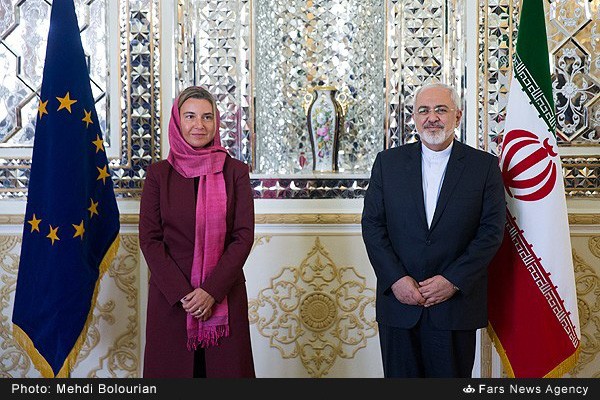
Mogherini-z12

This year’s Nobel Peace Prize winner is expected to be announced later this week amid speculations that the prestigious award could go to Iranian Foreign Minister Mohammad Javad Zarif and the European Union’s Foreign Policy Chief Federica Mogherini, two of the architects of JCPOA, the nuclear deal between Tehran and world powers.

Zarif and Mogherini were the most senior negotiators in a lengthy diplomatic process, which saw the signing in 2015 of the landmark deal between Tehran and the P5+1 group of states – the US, Russia, France, the UK plus Germany.

Henrik Urdal, the head of the Peace Research Institute of Oslo (Prio), which makes a shortlist each year with mixed results, said the two are strong contenders this year, according to Press TV.

Urdal said Zarif and Mogherini are the best candidates because of the significant role they played in the negotiation process in the lead-up to the deal, which has been praised worldwide as a victory for international teamwork and diplomacy.

International observers believe the Iran deal could serve as a model for all world countries in dealing with different conflicts.

While Trump and his administration are doing their utmost to vilify Iran and the nuclear deal, giving the Nobel Peace Prize to the main architects of the JCPOA will most likely complicate the US aggressive strategy on Iran.

‘Iran-Iraq Joint Border Drills Reveal Capabilities to Suppress Secessionists’

The spokesperson for the Iranian parliament’s National Security and Foreign Policy Commission, Seyyed Hossein Naqavi-Hosseini, said the joint military drill between Iranian and Iraqi armies along the two sides’ borders show that they possess the required capabilities to suppress any secessionist move.

“All regional states possess the required capabilities to cope with secessionist moves and our joint military drill with Iraq has a strong message for the secessionists,” he added.

The lawmaker went on saying that all neighbouring states should support Iraq’s integrity within its law and added the territorial integrity of Iraq must be preserved. “So, one of the main aims of the joint military drill is promoting stability in the region,” he said.

Naqavi Hosseini warned against foreign plots to divide the Middle East and to threaten the territorial integrity of the regional states and said it’s widely known that the US and the Zionist regime are pressing ahead with their regional projects via ISIS.

“But with the recent defeats of ISIS, they are now hatching a new plot to change the game. And the recent independence vote of Iraqi Kurdistan was part of their plot,” he noted.

He concluded the Islamic Republic of Iran, Turkey and Iraq will not remain silent towards such plots and will adopt an appropriate measure to cope with any move to divide the region.

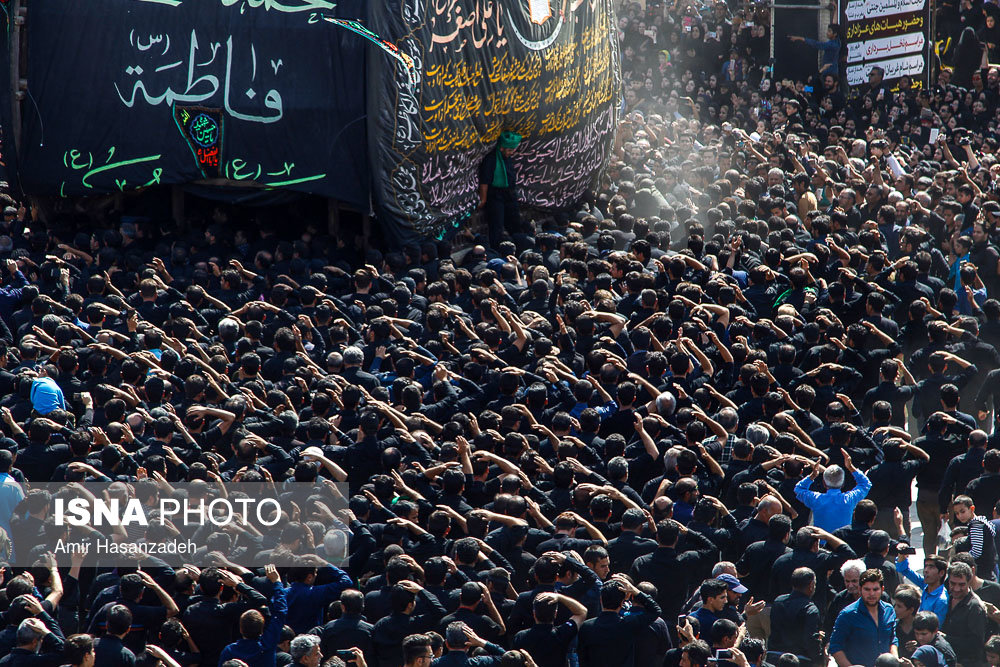
Nakhl-Gardani; Historic Mourning Ritual Performed on Ashura

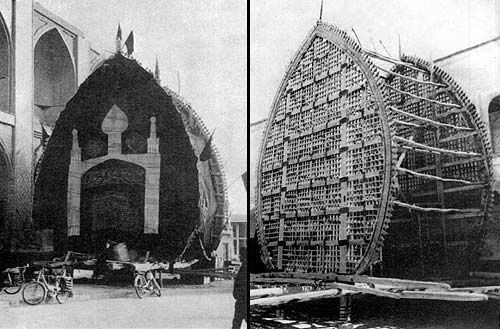
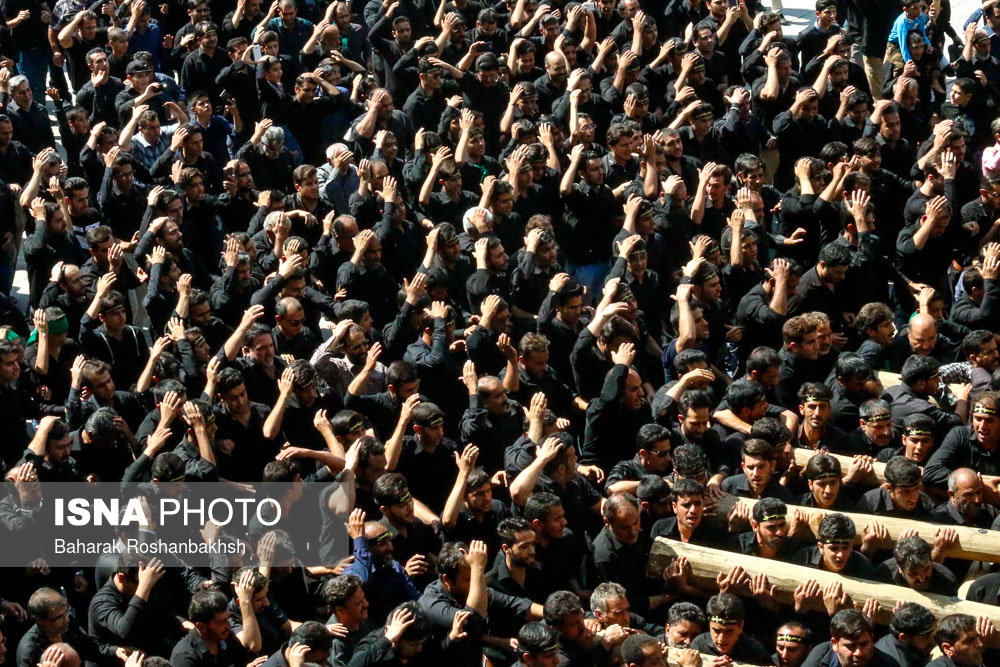
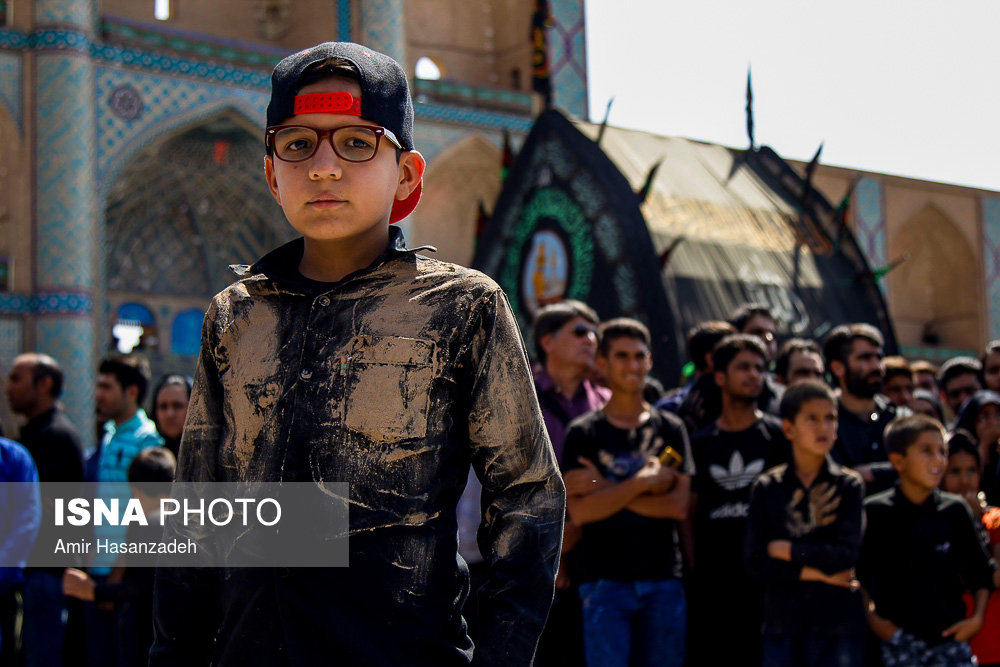
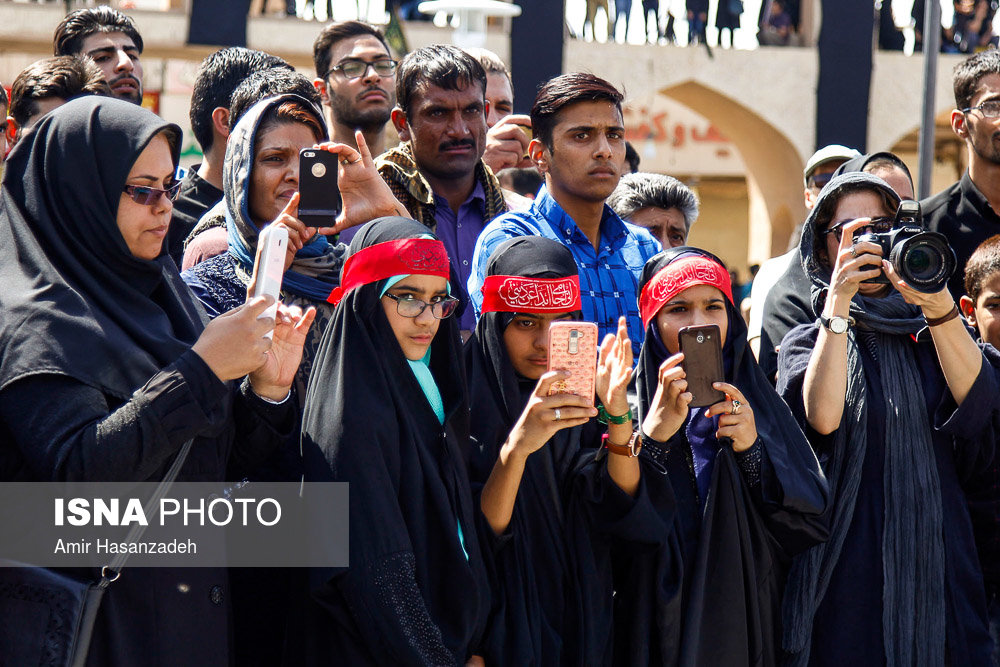
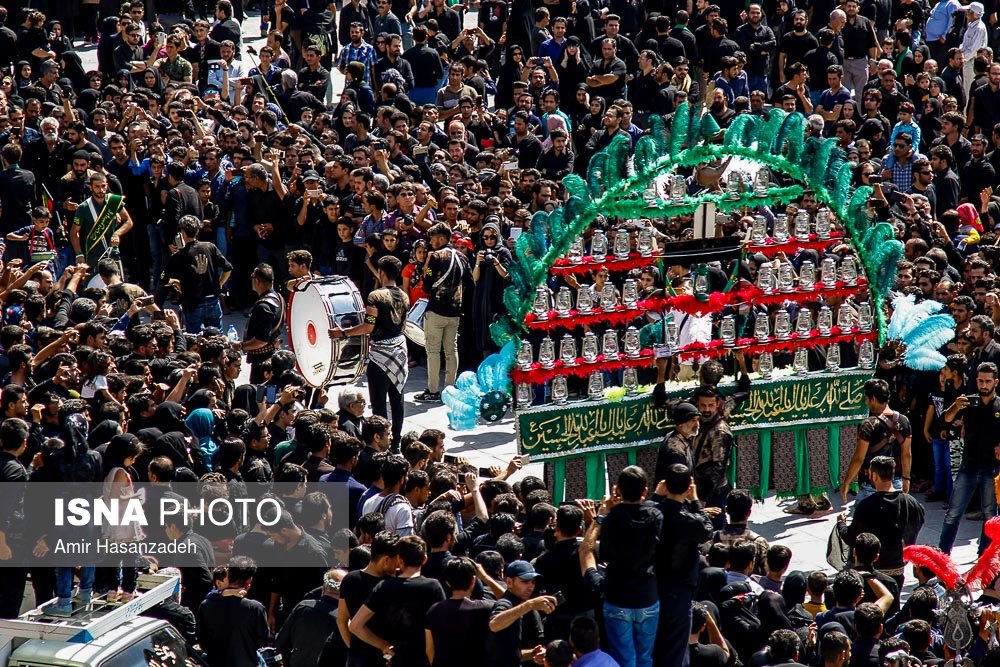
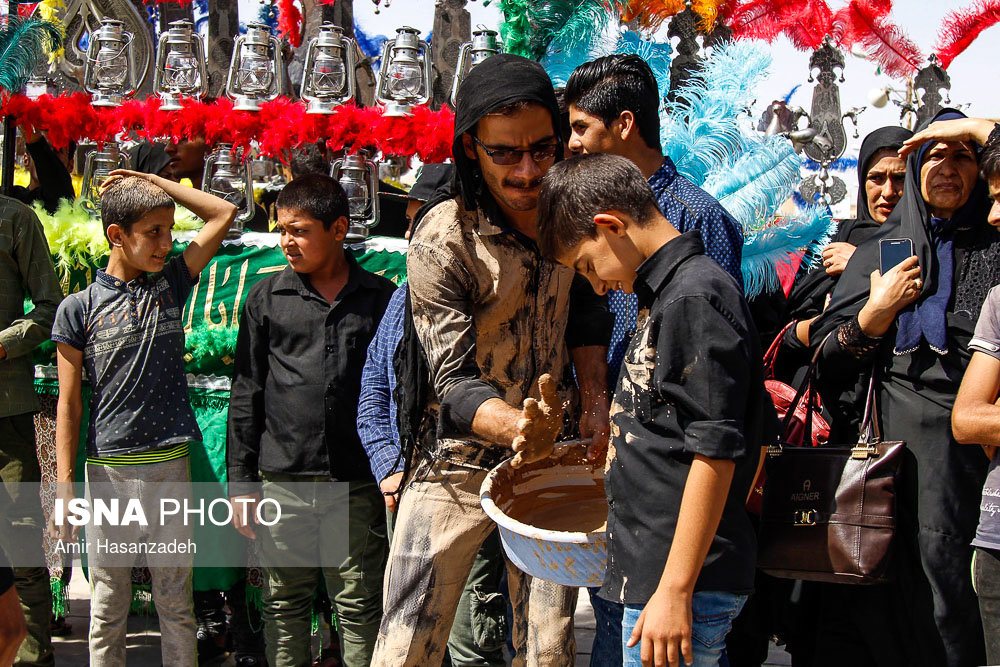
Nakhl-Gardani; Historic Mourning Ritual Performed on AshuraThe Nakhl-Gardani ritual is mostly performed in the Iranian cities of Yazd, Kashan, and Shahroud.

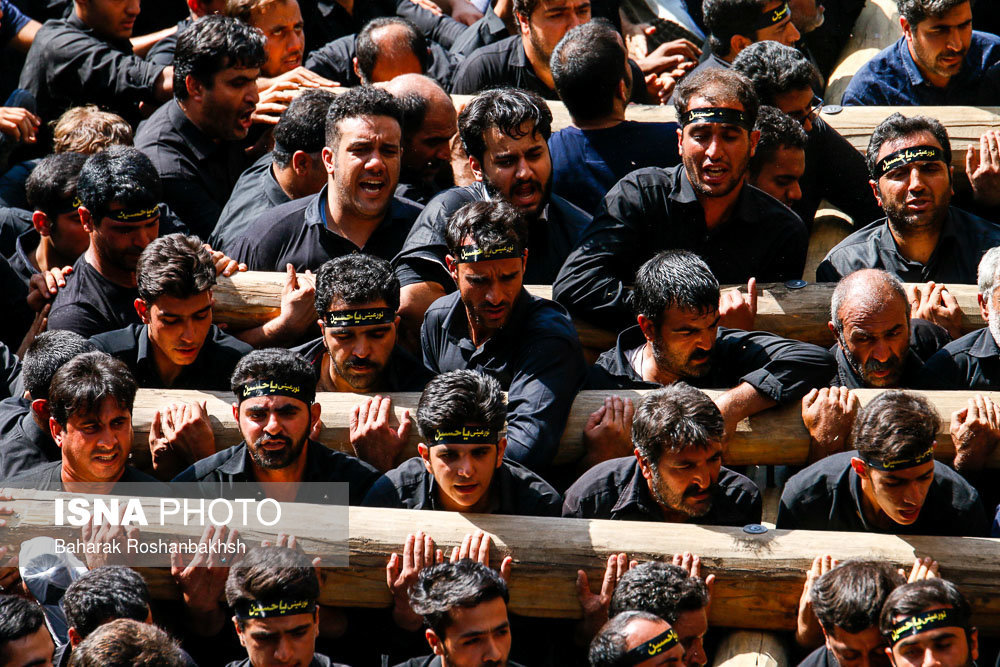
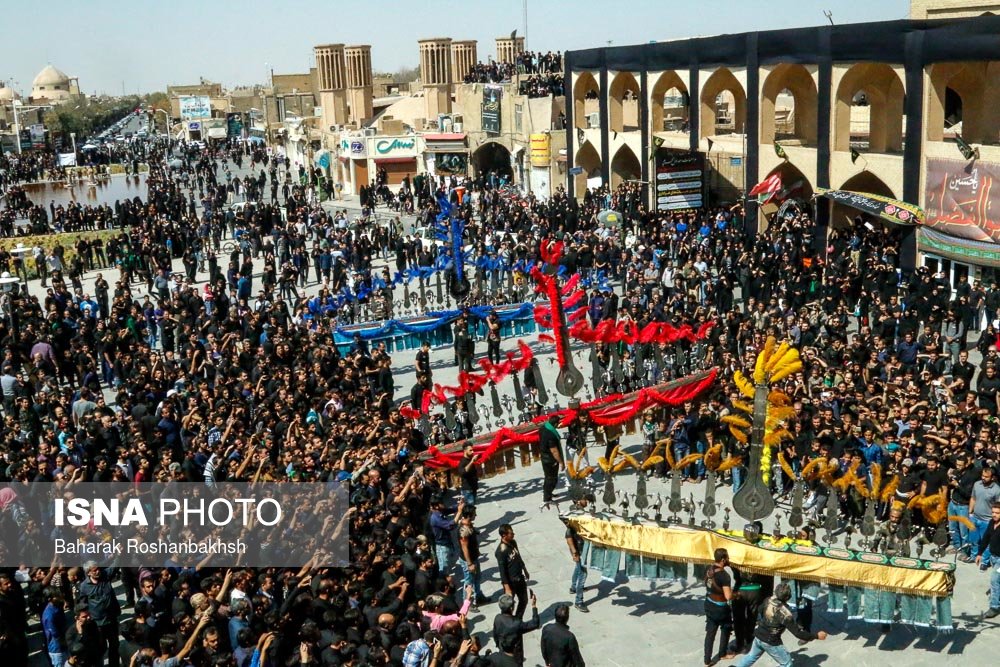
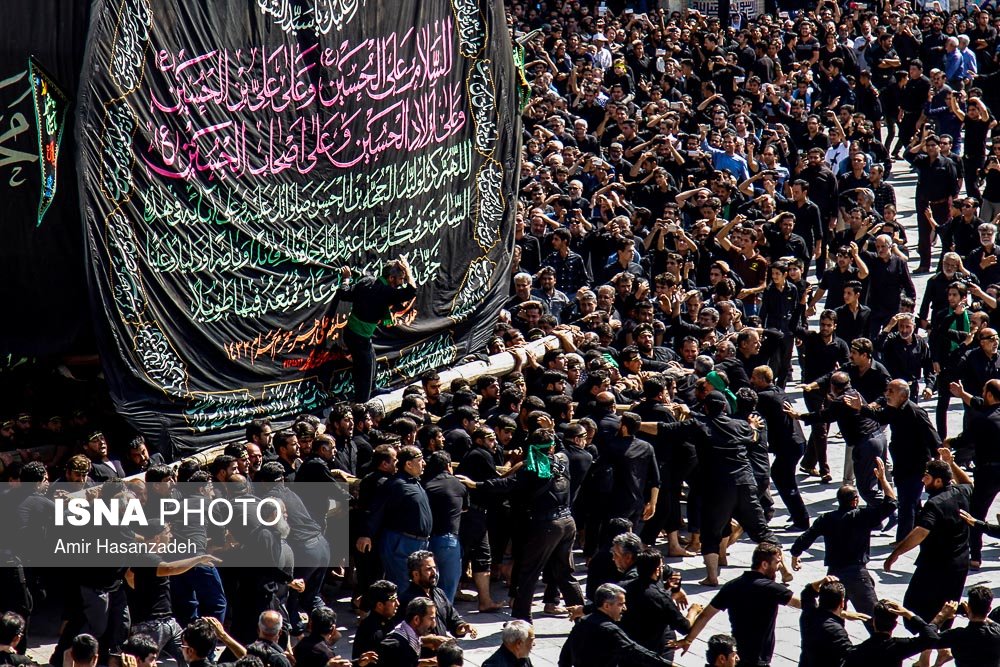
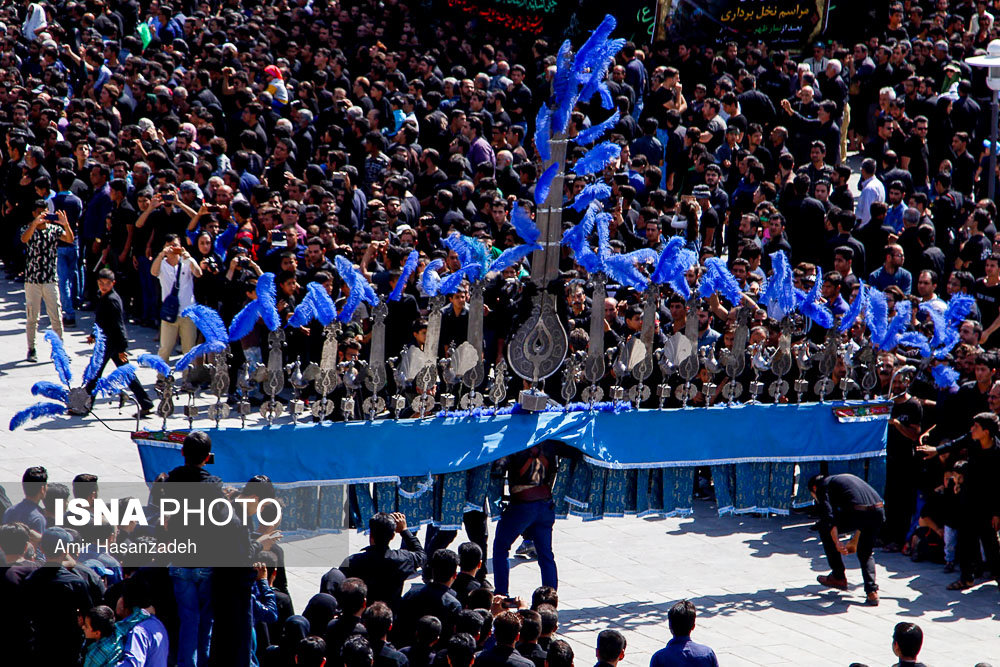
Nakhl is a woody structure used as a symbolic representation of Imam Hussein’s coffin and Nakhl-Gardani is the act of carrying the Nakhl form one point to another, resembling Imam’s funeral.

Nakhls are constructed in various sizes, from simple ones carried by two persons, to huge structures “supported by hundreds of men.”

As a “symbol of social unity for a town, village, or district,” lots of Nakhls along with Nakhl-related rituals are seen in Yazd province, located near Kavir desert, with every village having its own Nakhl.

Nakhl-Gardani; Historic Mourning Ritual Performed on Ashura

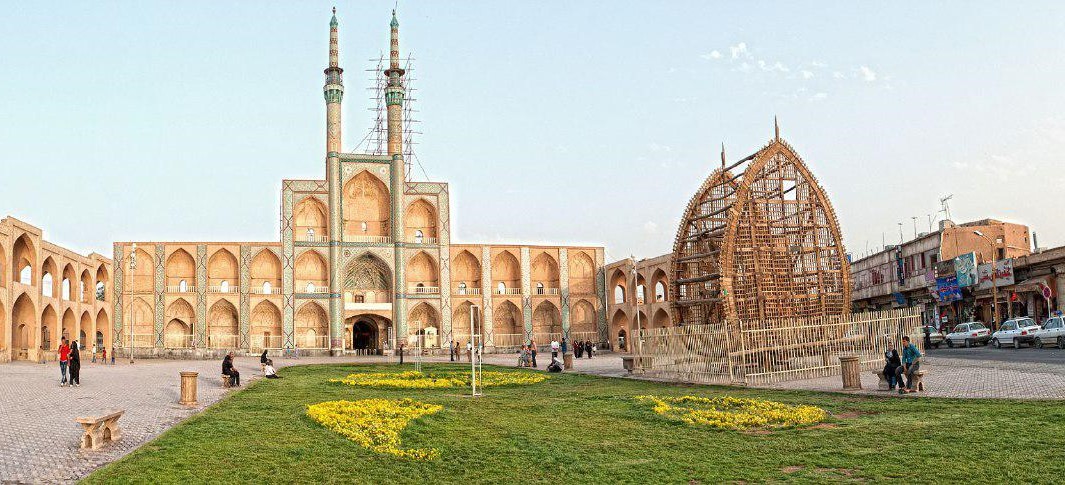
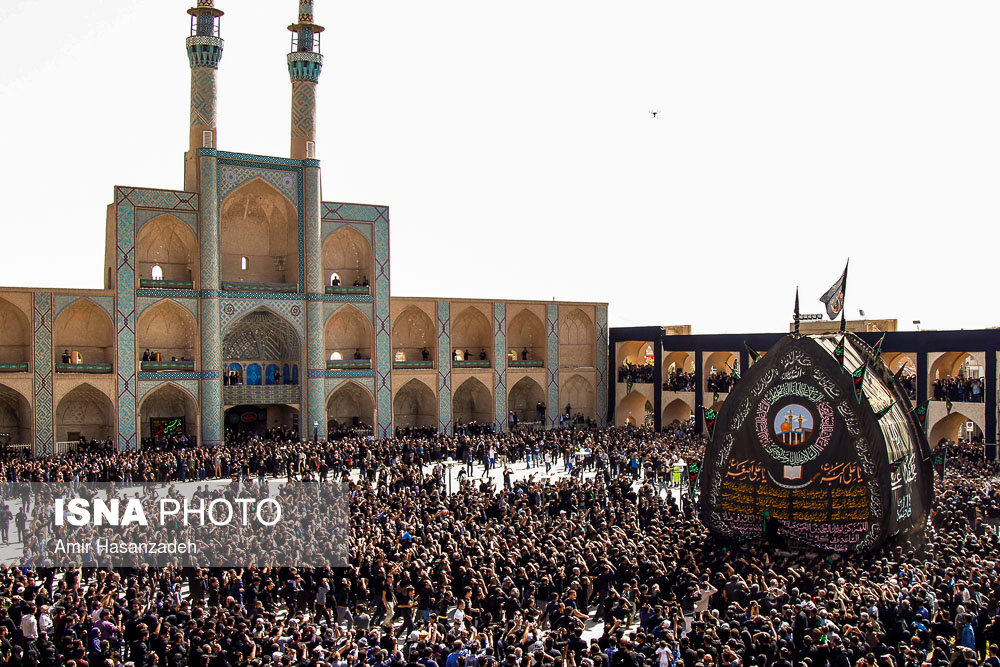
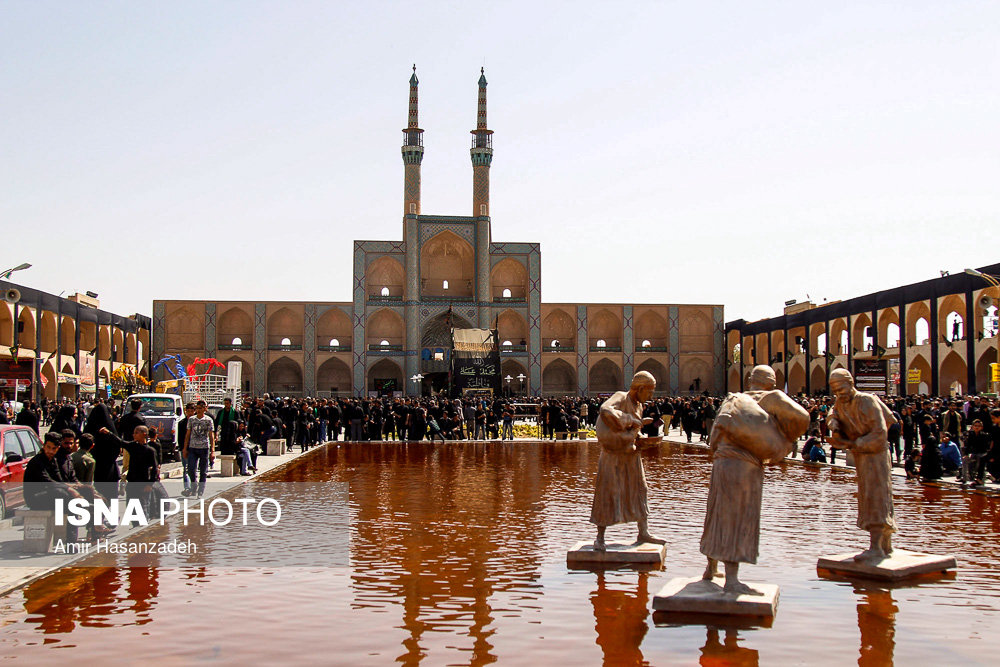
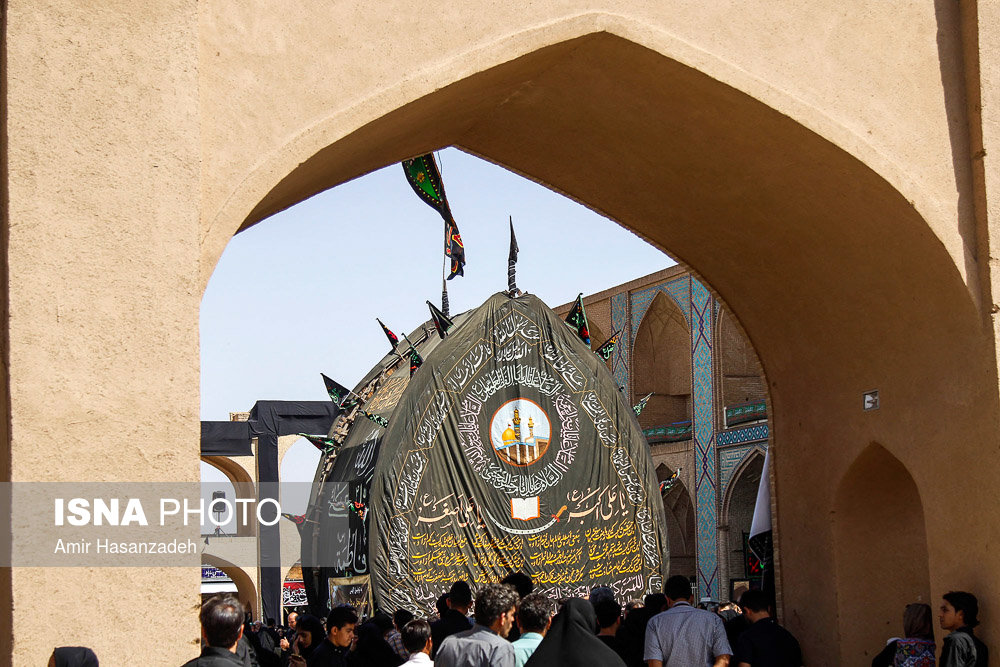
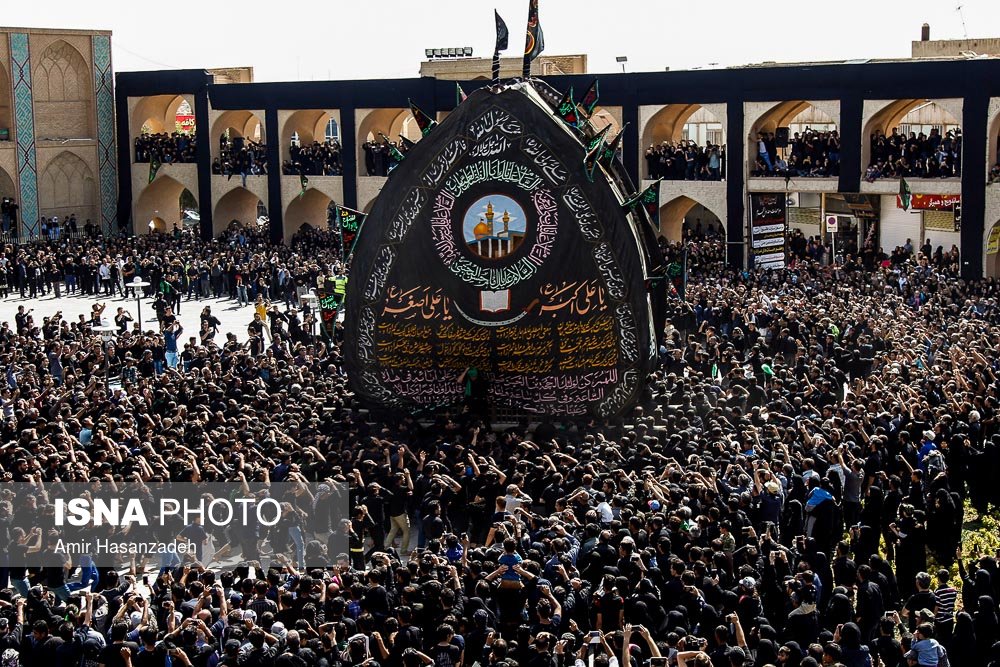
Described as “Iran’s museum of mourning tools” by prominent novelist Jalal Al-e Ahmad, Yazd is home to the biggest and oldest Nakhl in the world, which should be carried by “several hundred men”. The 8.5-metre-high structure, which dates back to 450 years ago, according to ISNA, stands in Amir Chakhmaq square of Yazd.

The huge Nakh was not used for several decades due to safety measures, but it was finally put into use this year after a series of optimization processes.

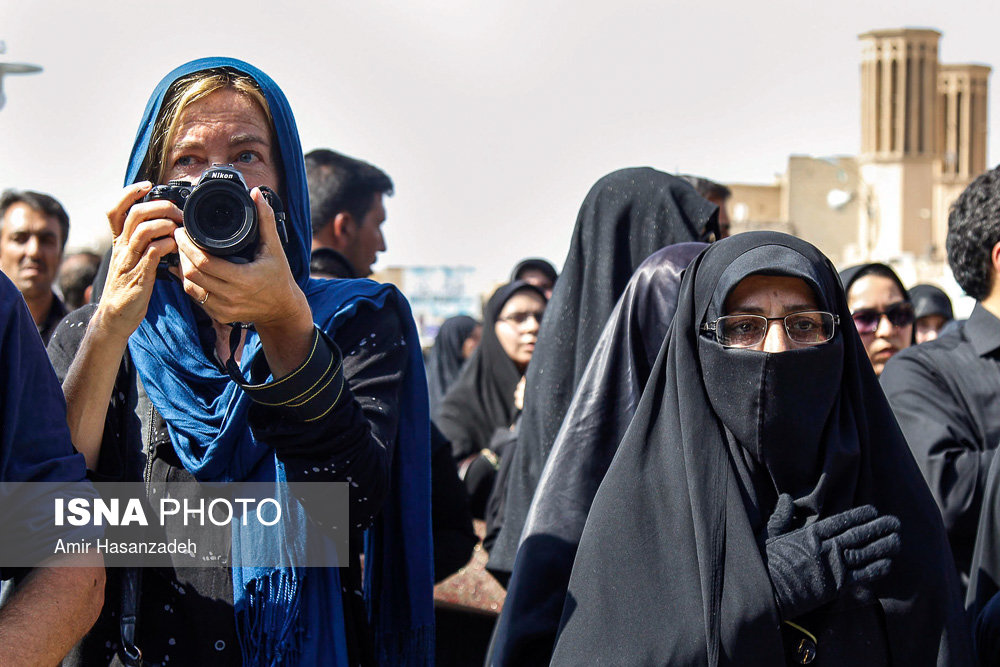
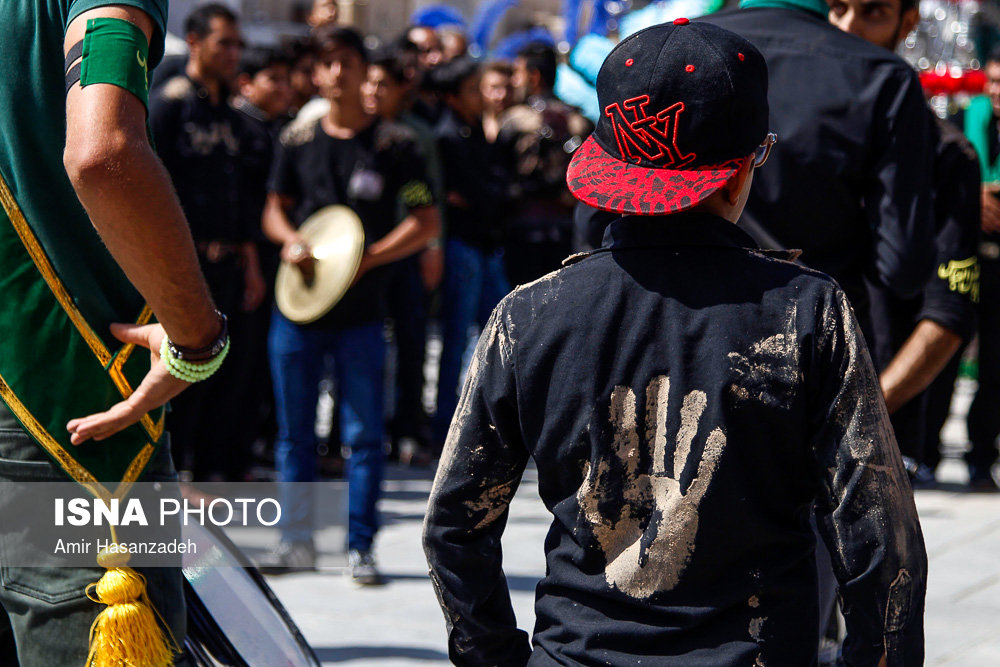
Here are ISNA’s photos of this year’s ceremony, where the Nakhl-Gardani ritual was finally performed after over 50 years:

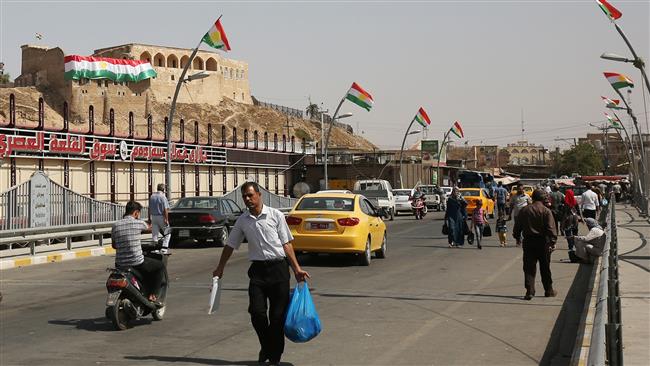
Arabs, Turkmens Deported by Kurdish Forces from Iraq’s Kirkuk

Arabs, Turkmens Deported by Kurdish Forces from Iraq's Kirkuk

The London-based al-Quds al-Arabi newspaper on Monday quoted informed sources at the Office of the United Nations High Commissioner for Human Rights (OHCHR) as saying that 58 families had been “forcibly displaced” from Kirkuk so far.

The daily further said that the families were displaced to Diyala Province’s Miqdadiyah City.

The deported Arab families said Kurdish forces made copies of their documents and forced them to sign papers. They later found to have signed their purported endorsement of the referendum and participation in it.

The families said the Kurdish forces also marked their houses with a letter in red.

The Kurdistan Regional Government (KRG) held a non-binding referendum on secession from Iraq in defiance of Baghdad’s stiff opposition on September 25. Kurdish officials said over 90 percent of voters said ‘Yes’ to separation from Iraq.

The voting was held in the three provinces of Erbil, Sulaimaniyah and Dohuk that form the Iraqi Kurdistan Region as well as in the disputed bordering zones such as the oil-rich province of Kirkuk.

Arabs, Turkmens Deported by Kurdish Forces from Iraq's Kirkuk

Meanwhile, the Iraqi government on Monday allowed foreigners stranded in the Iraqi Kurdistan after an international flight ban to leave the country via Baghdad despite not having a federal visa.

Foreigners who had entered the northern region on regional visas not recognized by Baghdad could previously not travel to other parts of Iraq.

“Any person can leave the country via Baghdad without paying a fine or for an exit visa,” Interior Minister Qassem al-Araji told reporters.

Baghdad imposed a ban on international flights into and out of the Iraqi Kurdish region on September 29 in response to the independence referendum.

Much of the international community, including the UN, the European Union and Iraq’s neighbors, has also opposed the referendum.

Israel has been the only entity to openly support an independent Kurdish state, with Prime Minister Benjamin Netanyahu backing “the legitimate efforts of the Kurdish people to attain a state” of their own.

Political observers have warned that KRG President Massoud Barzani’s referendum scenario is in line with Israel’s policy of dividing the regional Muslim states.

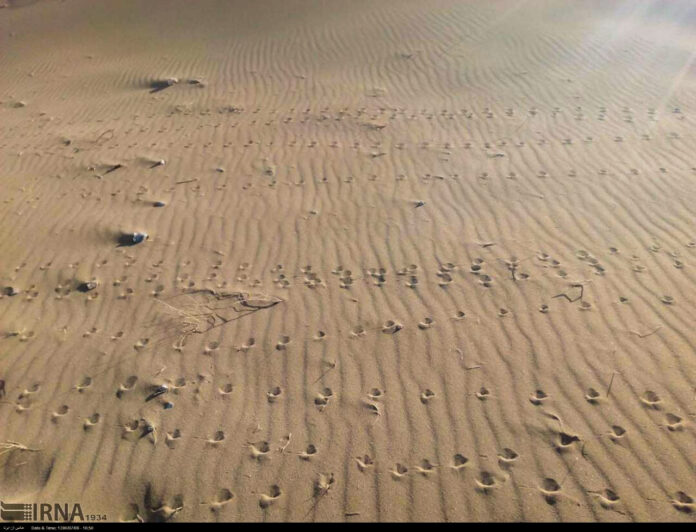
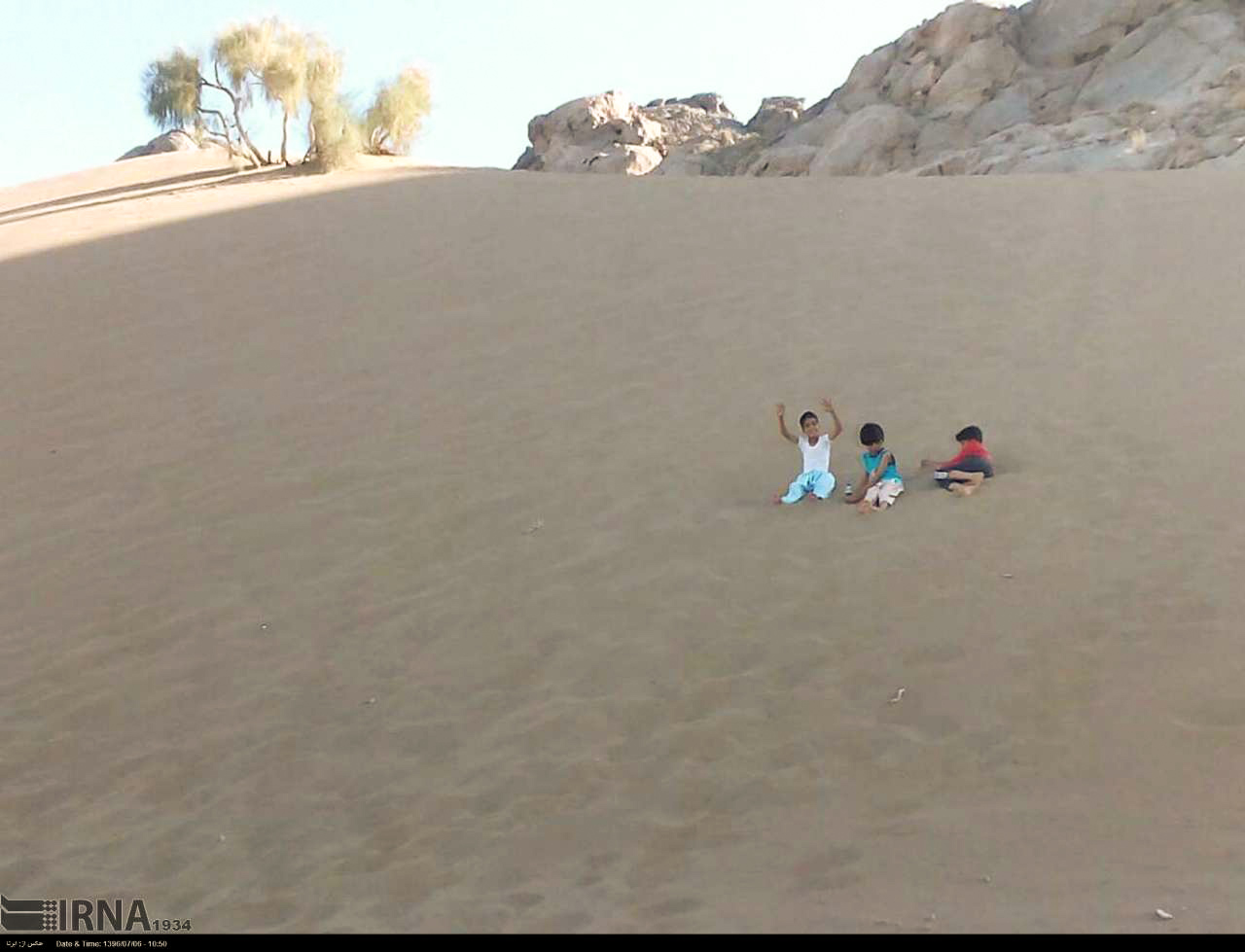
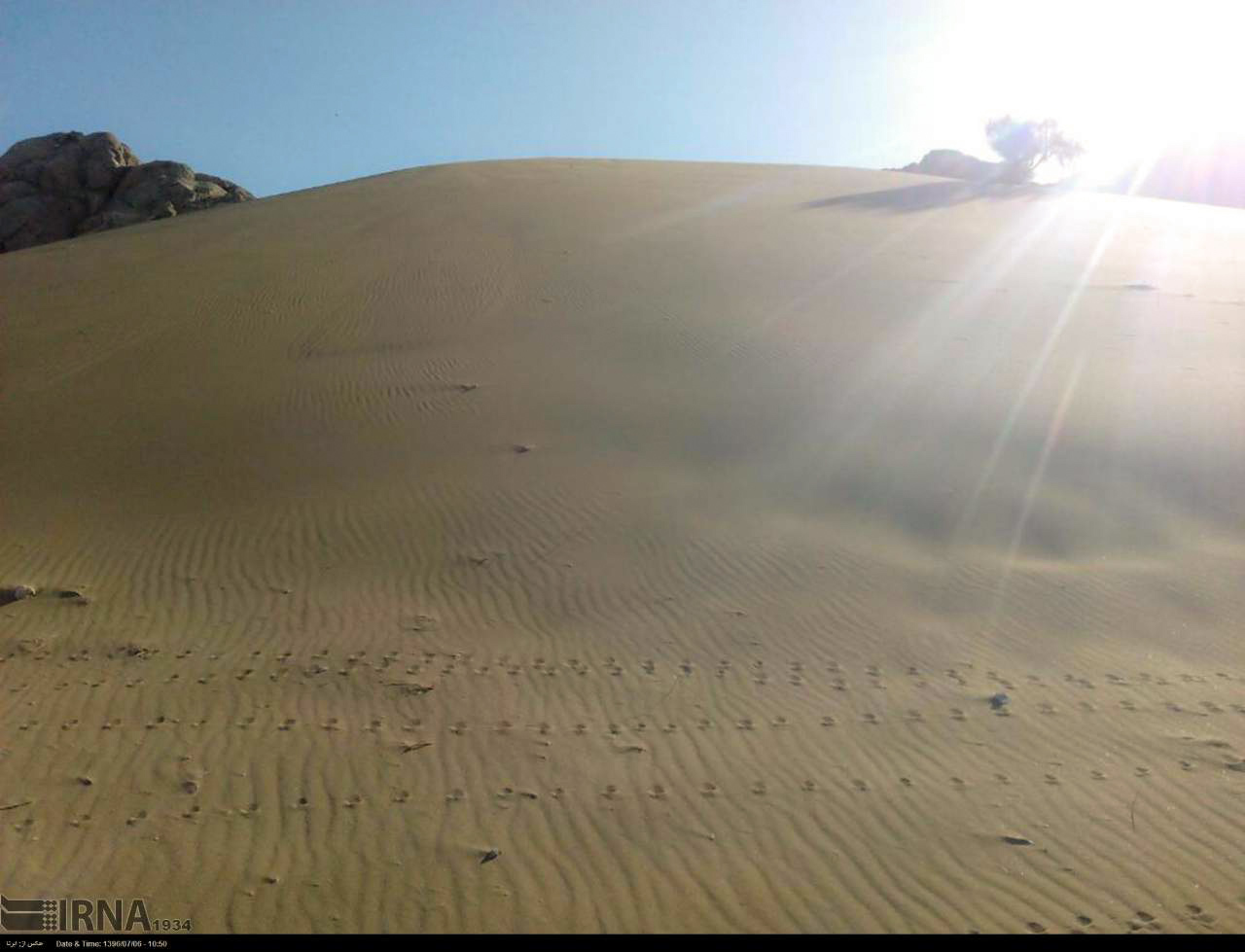
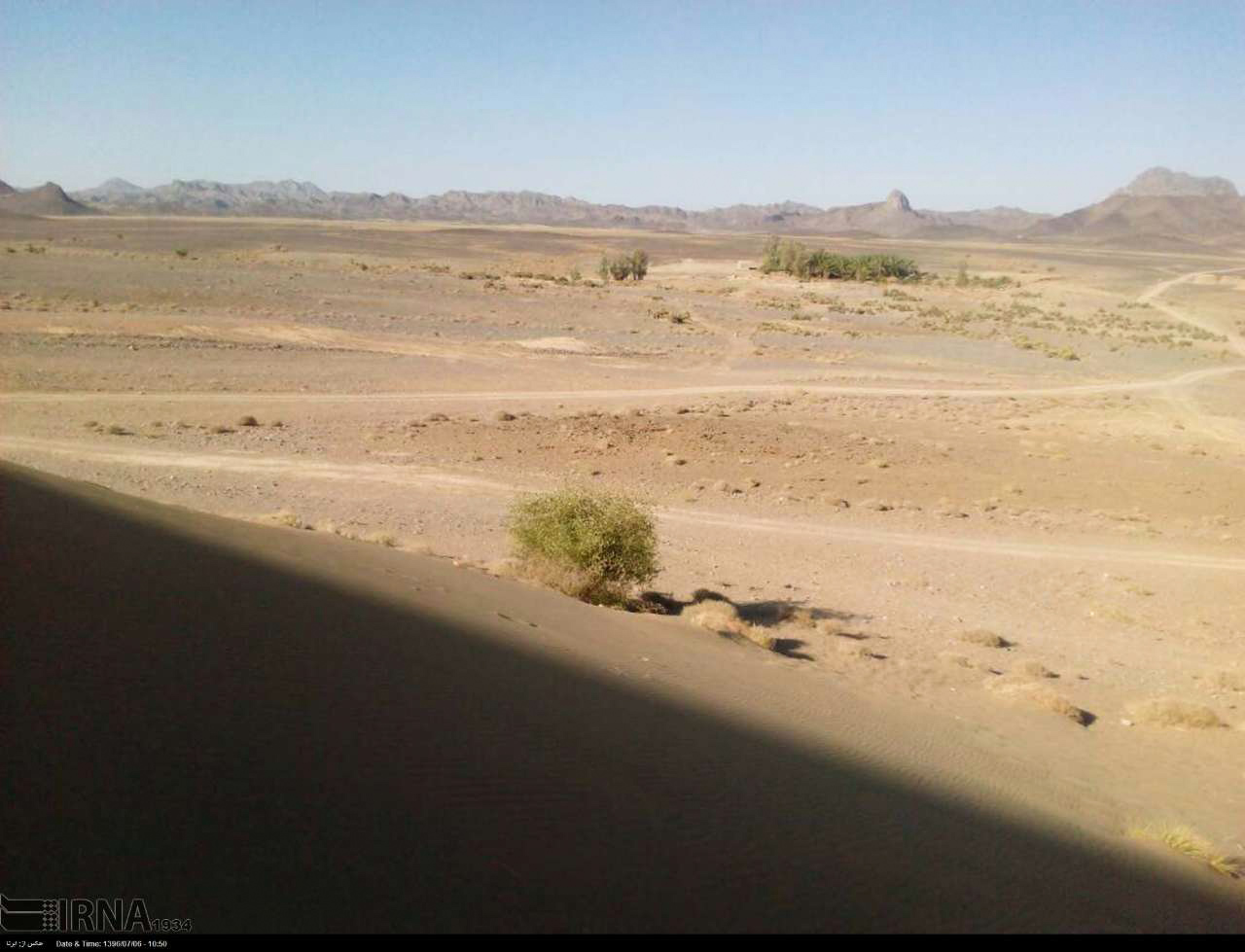
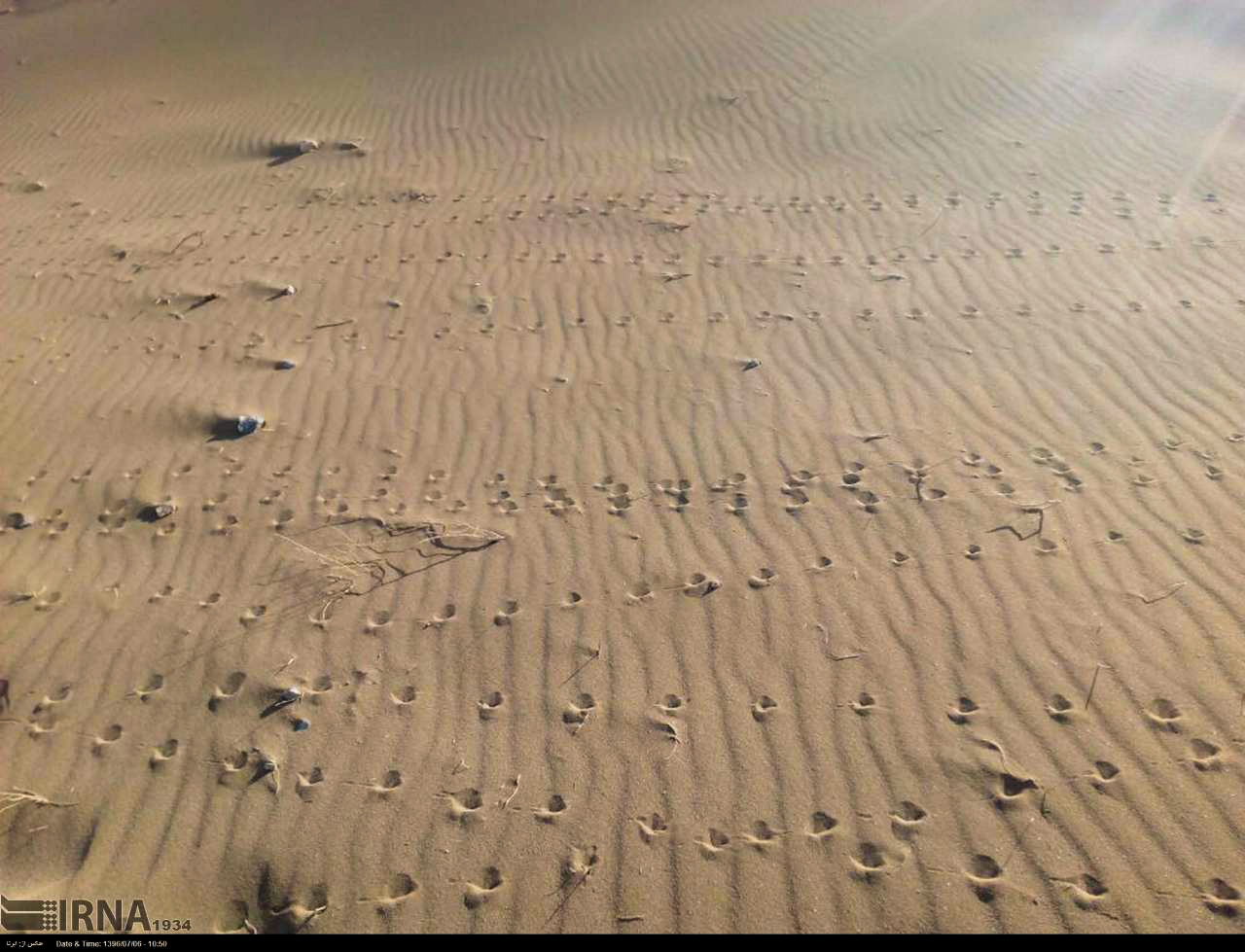
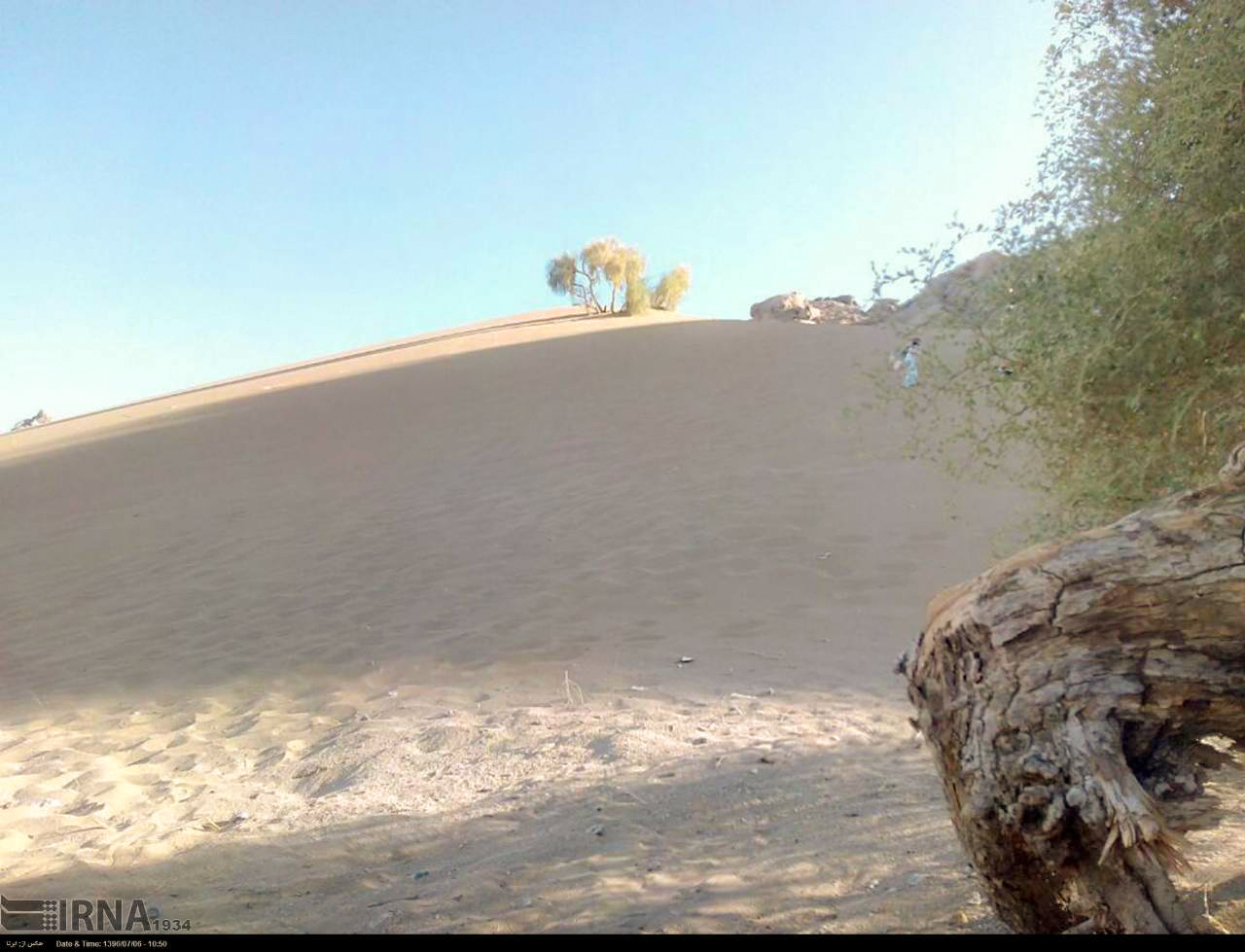
Iran’s Beauties in Photos: Eruption of Gold-Like Sands

The unique phenomenon has attracted numerous tourists to the southeastern Iranian province.

Here are IRNA’s photos of Rig Zargaran:

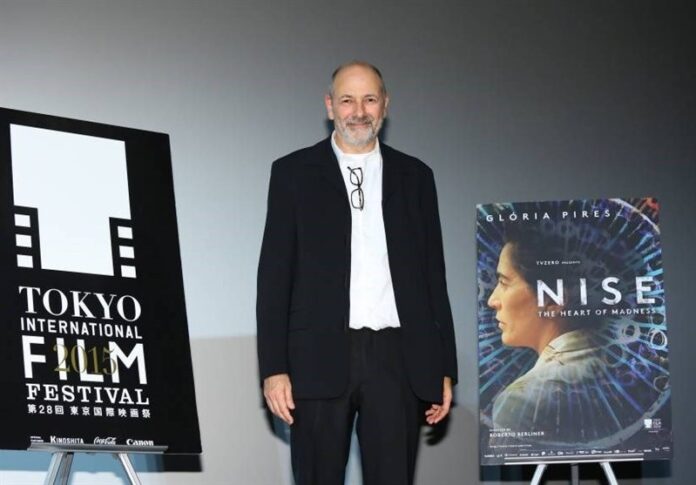
Iran to Host Festival of Brazilian Films

An Iranian cultural organization is going to hold “Brazilian film week” from October 7 to 13.

Three Iranian cities of Tehran, Shiraz and Isfahan will play host to the event, to be attended by Mr. Berliner.

Brazil’s ambassador to Tehran, a number of other foreign envoys, as well as Iranian cultural officials are scheduled to partake in the opening of the festival.

Roberto Berliner’s film “Nise: The Heart of Madness” has won top prizes at many film festivals.

Born in 1957 in Rio de Janeiro and better known for documentary works, Berliner has made other remarkable movies such as “A Farra do Circo” (2014) and “Herbert de Perto” (2009).

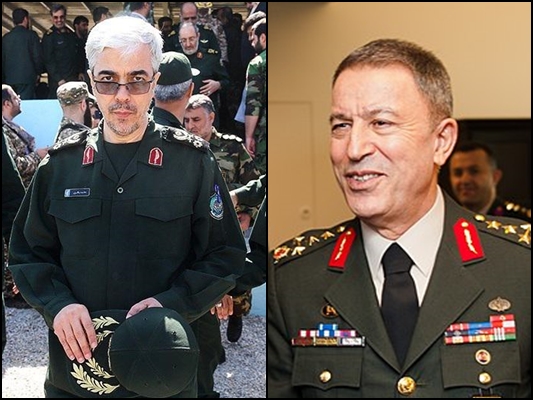
Iranian, Turkish Top Military Chiefs Hold Talks in Tehran

Iranian, Turkish Top Military Chiefs Hold Talks in Tehran

Akar arrived in Tehran late Sunday on the invitation of his Iranian counterpart Major General Mohammad Baqeri who visited Ankara in mid-August, the first by an Iranian chief of staff since the 1979 Islamic Revolution.

The first round of talks between the two military chiefs began on Monday after an official welcoming ceremony held in Akar’s honor in Tehran.

The Turkish general is expected to meet with President Hassan Rouhani, Defense Minister Amir Hatami and head of Supreme National Security Council Ali Shamkhani later during the visit.

The situation in the region, especially in Syria, countering terrorism, border security and the controversial referendum held in the Iraqi Kurdistan last week are anticipated to be the topics for discussion, the Fars news agency reported.

Iranian, Turkish Top Military Chiefs Hold Talks in Tehran

The two sides are also expected to discuss the implementation of mutual agreements signed in the Turkish capital.

Turkey and Iran are not on the same page over conflicts in Iraq and Syria but the changing dynamics on the ground in recent months have prompted Ankara to inch closer to Russia and the Islamic Republic.

“Iran is becoming a very important actor in the region, particularly in Iraq and Syria,” former Turkish ambassador to Iraq Unal Cevikoz, who now heads the Ankara Policy Forum, told the Voice of America in August.

Ankara is becoming increasingly wary of US and Israeli plans in the region, including their covert support for the establishment of independent Kurdish satellites in Syria and Iraq.

A referendum held in the Iraqi Kurdistan last Monday on possible secession has outraged Turkish leaders who have threatened a military intervention if the campaign does not stop there.

Turkish President Recep Tayyip Erdogan said Sunday he will travel to Tehran on October 4 to discuss the referendum and the Astana talks on Syria with President Rouhani and Leader of the Islamic Revolution Ayatollah Seyyed Ali Khamenei.

Erdogan said the roadmap that Turkey and Iran will follow in response to the controversial referendum and other regional developments will take shape after his visit.

Iraq’s central government has said it will seek the assistance of Iran and Turkey to secure its borders after local Kurdistan authorities refused to cede the control of border crossings and airports to Baghdad.

The Iraqi military held a joint drill with Turkish troops on their borders last week and similar exercises are in the works with Iran.

A Look at Iranian Newspaper Front Pages on October 2

After two days of holiday (the martyrdom anniversary of Imam Hussein, the third Shiite Imam and the grandson of Prophet Muhammad), all newspapers on Monday published photos of huge mourning ceremonies held across Iran and other Muslims states on their front pages.

Having been closed for three days (the two holidays plus Friday), newspapers started covering the most important international events of the past few days on their front pages.

A top story was Iranian Foreign Minister Mohammad Javad Zarif’s remarks about the nuclear deal between Tehran and world powers, and his prediction that Trump would refuse to confirm the Islamic Republic’s compliance with its JCPOA commitments.

Zarif, who was busy meeting with officials from other countries on the sidelines of the UN General Assembly and delivering speeches and giving interviews in New York, once again asked Europeans to defy US in case of the nuclear deal. He also described the renegotiation of JCPOA an impossible myth.

A few days after the Iraqi Kurdistan’s independence referendum, now newspapers are covering the plebiscite on Catalonia’s secession from Spain and the brutal reaction of Spanish police forces, which wounded hundreds of protesters.

Newspapers particularly compared the peaceful reaction of Iraqi government to Kurdistan’s illegitimate votes with Spain’s brutal and oppressive reaction to Catalonia referendum.

The above issues, as well as many more, are highlighted in the following headlines and top stories:


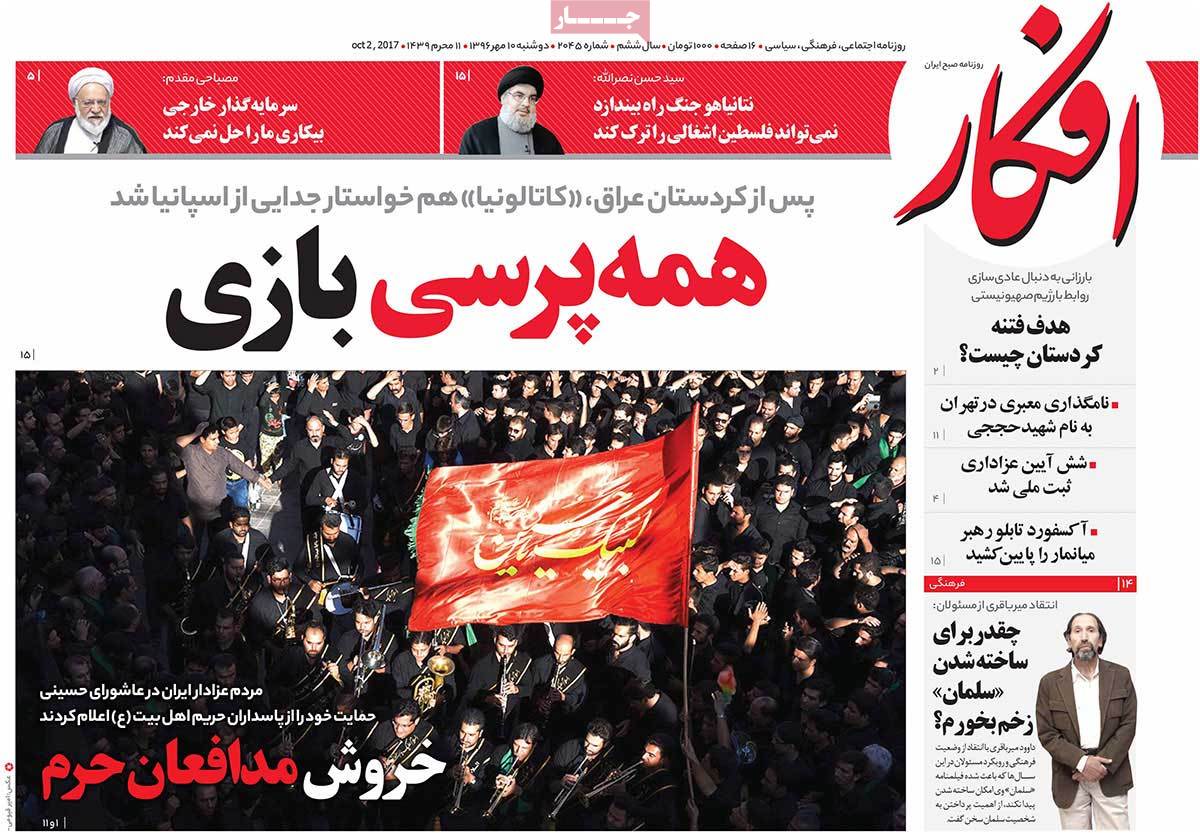
Afkar:

1- Game of Referendums: After Iraqi Kurdistan, Now Catalonia Seeks Independence from Spain
A Look at Iranian Newspaper Front Pages on October 2


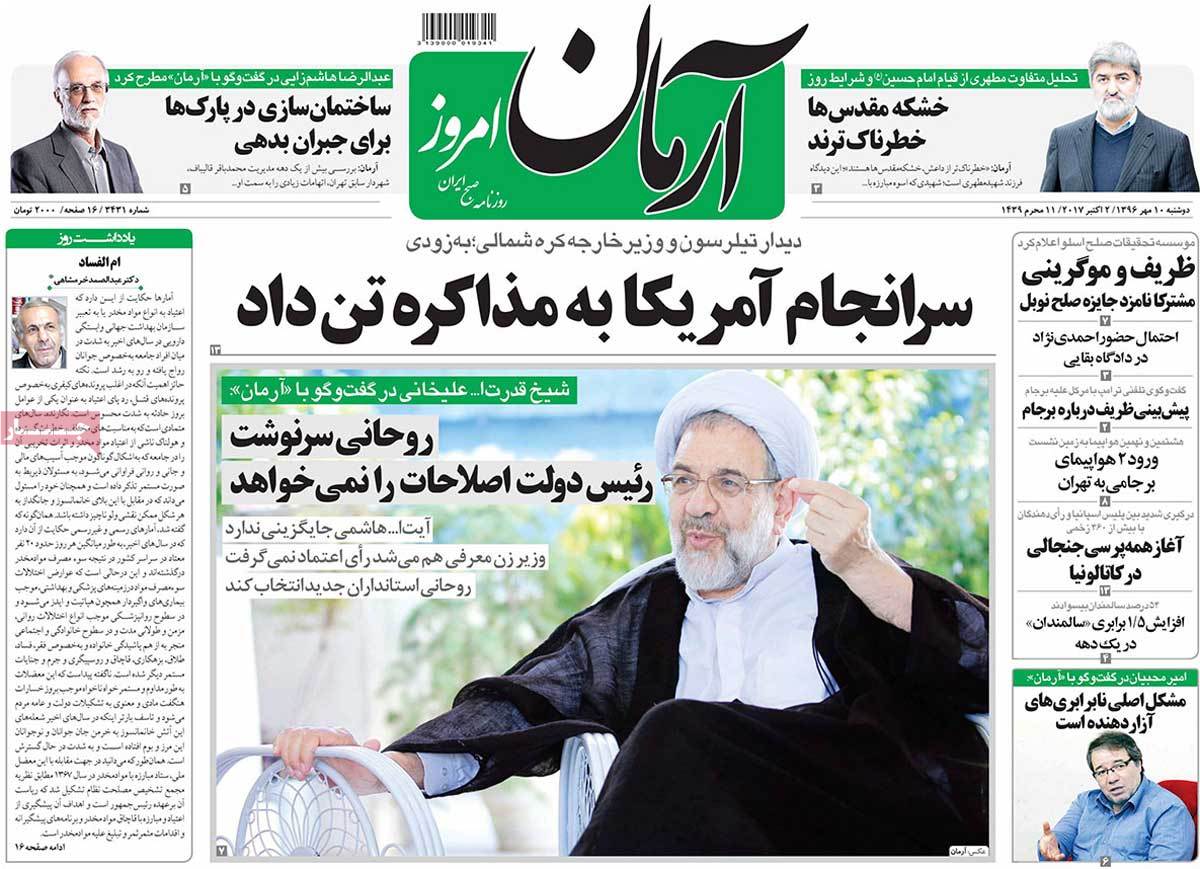
Arman-e Emrooz:

1- US Finally Accepts to Negotiate with North Korea

  • Tillerson to Meet North Korean FM Soon

2- Zarif, Mogherini Nominated for Nobel Peace Prize

3- Two Newly-Purchased Planes Arrive in Iran: 8th and 9th Planes after JCPOA
A Look at Iranian Newspaper Front Pages on October 2


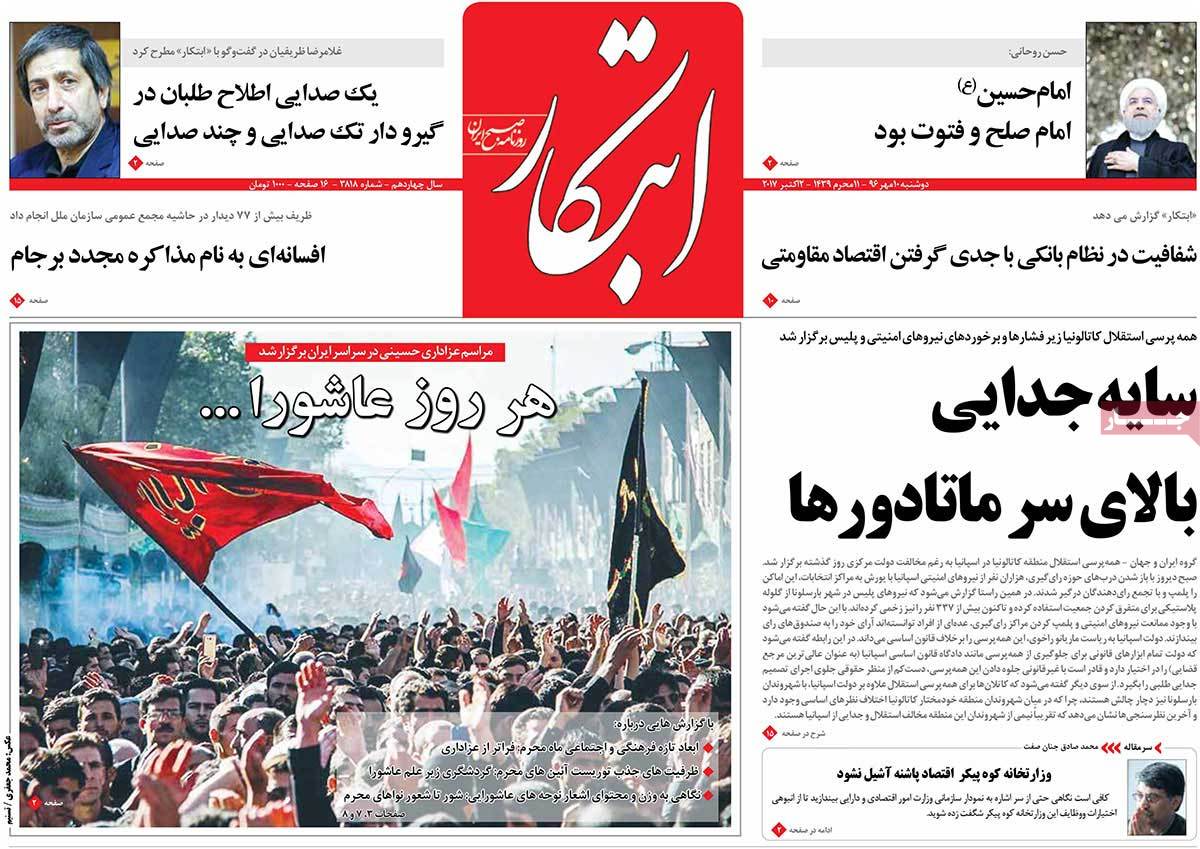
Ebtekar:

1- Rouhani: Imam Hussein Was Imam of Peace, Kindness

2- Shadow of Secession over Matadors’ Head

  • Catalonia Independence Referendum Held amid Pressures, Clash with Police

2- Every Day Is Ashura: People across Iran Mourn Imam Hussein’s Martyrdom
A Look at Iranian Newspaper Front Pages on October 2


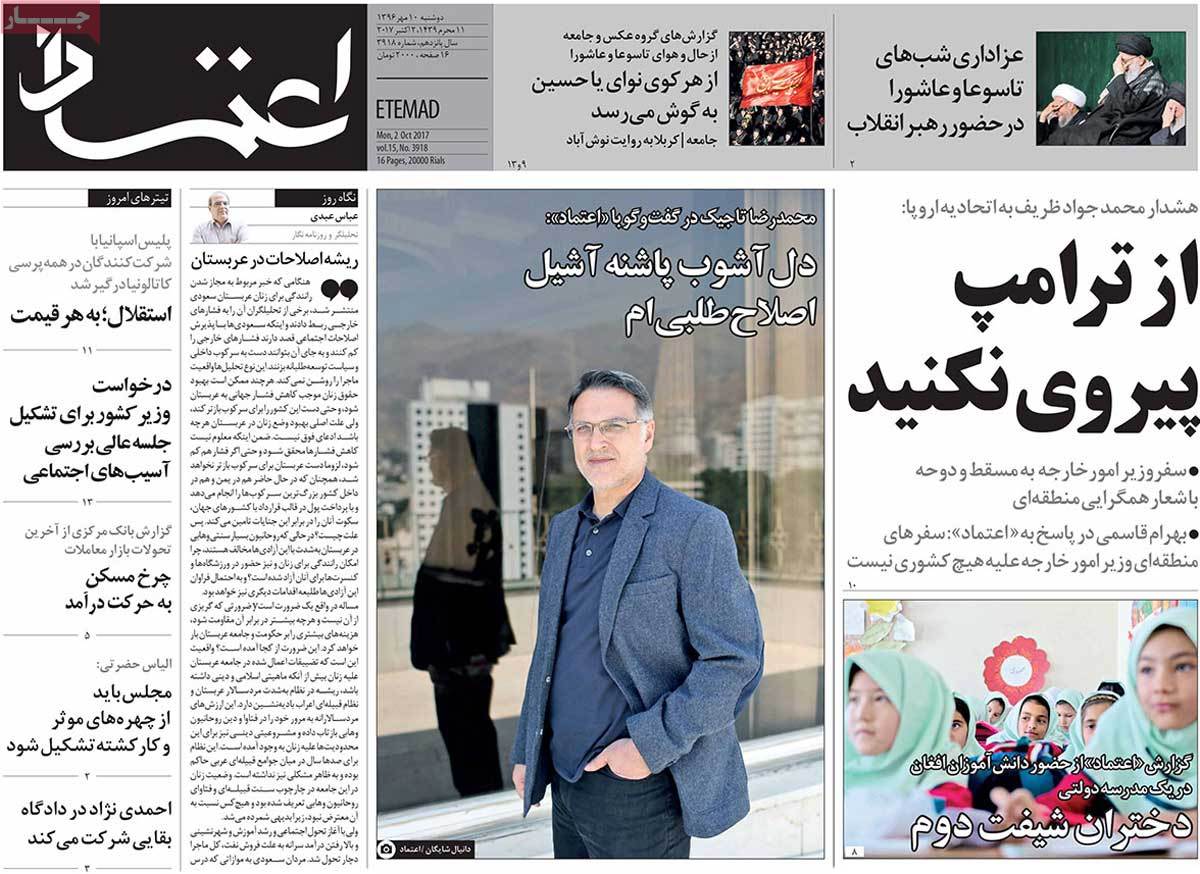
Etemad:

1- Tasu’a, Ashura Mourning Ceremonies Held with Iran Leader in Attendance

2- Zarif Warns EU against Following Trump
A Look at Iranian Newspaper Front Pages on October 2


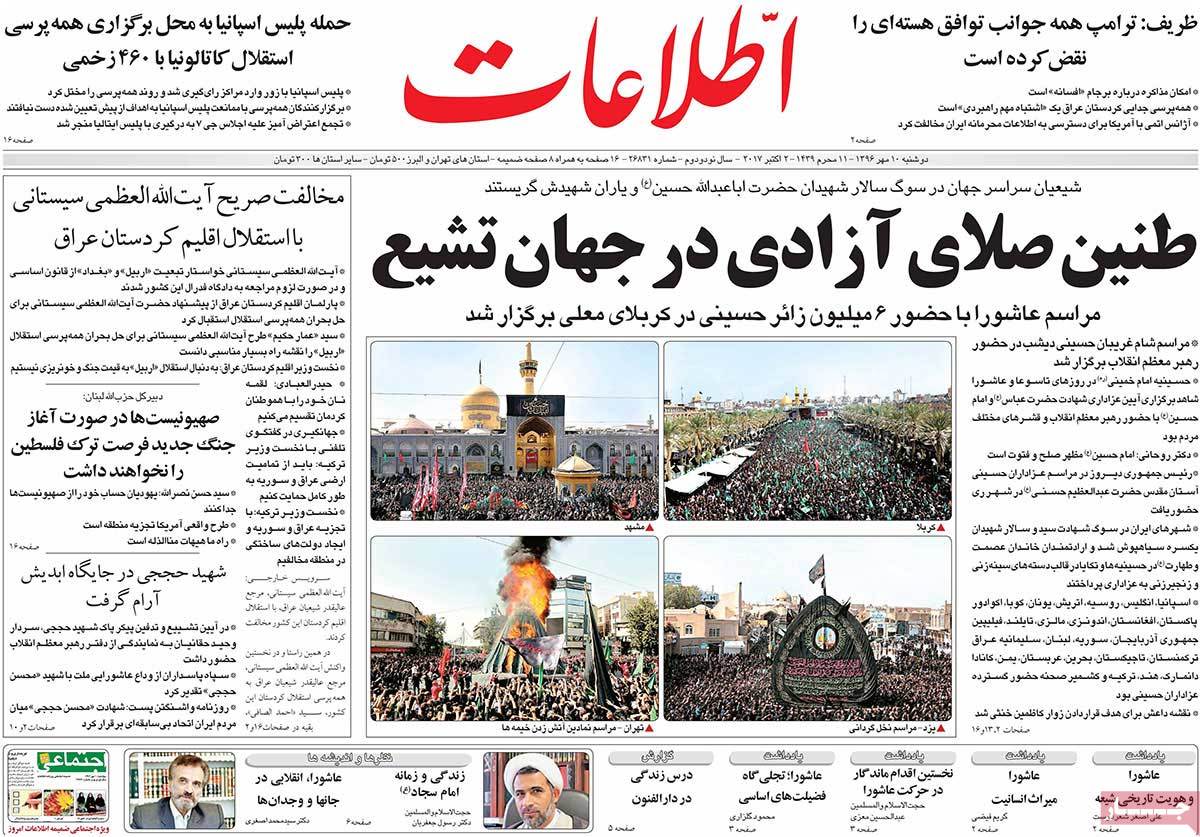
Ettela’at:

1- Zarif: Trump Has Violated All Aspects of Iran Nuclear Deal

2- Spain Police Attacks Catalonia Independence Referendum Stations: 460 Wounded

3- Ayatollah Sistani Explicitly Voices Opposition to Iraqi Kurdistan’s Independence

4- Hezbollah Chief: Zionists Won’t Have Chance to Leave Palestine If Wages New War
A Look at Iranian Newspaper Front Pages on October 2


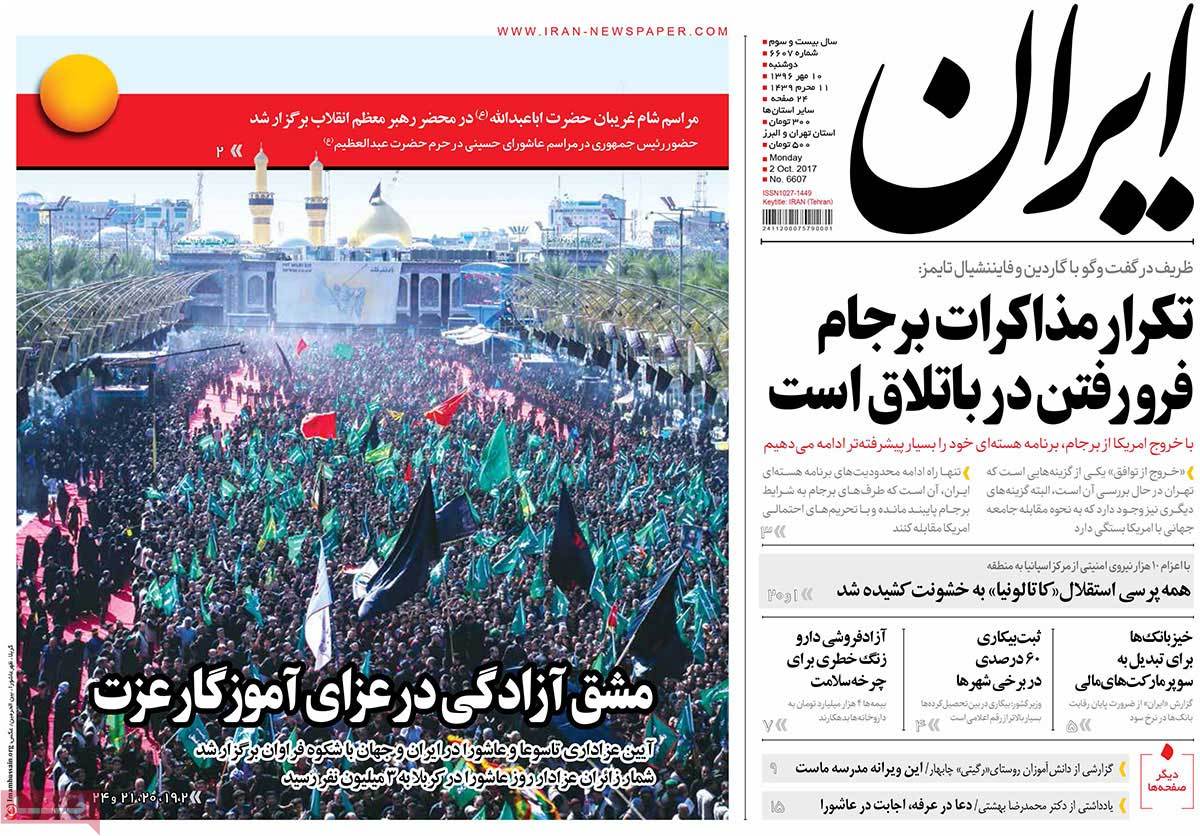
Iran:

1- Zarif: Repetition of JCPOA Talks Is Sinking in Swamp
A Look at Iranian Newspaper Front Pages on October 2


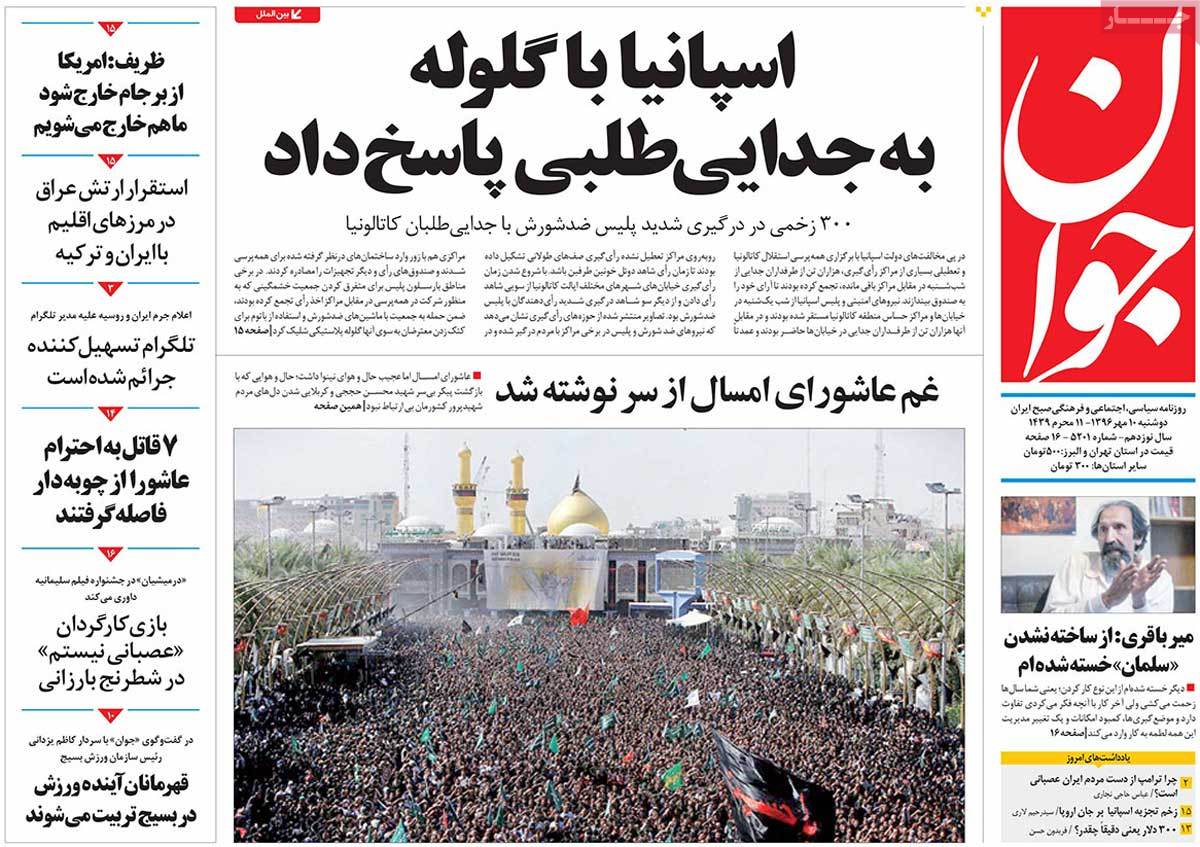
Javan:

1- Spain Responds to Secession with Bullets

2- Iraqi Army Deployed in Kurdistan’s Borders with Iran, Turkey

3- 7 Murderers Temporarily Escape Death in Respect for Ashura
A Look at Iranian Newspaper Front Pages on October 2


Jomhouri Eslami:

1- Iran, Turkey, Iraq Join Hands to Resolve Issue of Iraqi Kurdistan’s Independence

2- Mourning Ceremonies Held for Imam Hussein in Various Parts of World

  • +6 Million Mourners, 400,000 Foreign Pilgrims Attend Ashura Ceremony in Karbala

3- Developments of Oil Market Following Tension in Iraqi Kurdistan
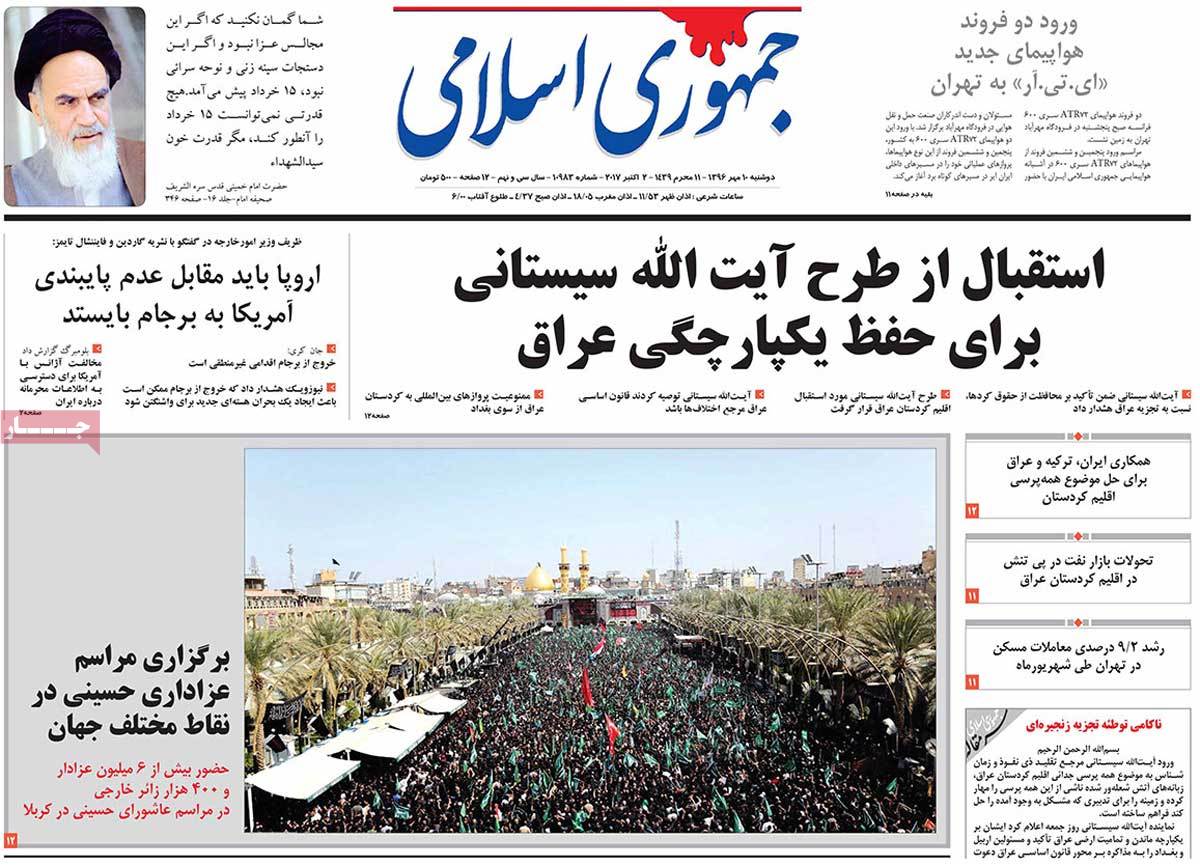
A Look at Iranian Newspaper Front Pages on October 2


Kayhan:

1- Kerry: In JCPOA, Iran Has Given All Concessions in Advance

2- Oil Spokesman: No Bank to Return to LC after Nuclear Deal

3- Hezbollah Chief: Plot to Disintegrate Iraq to Hurt All Regional States, Including Saudi Arabia
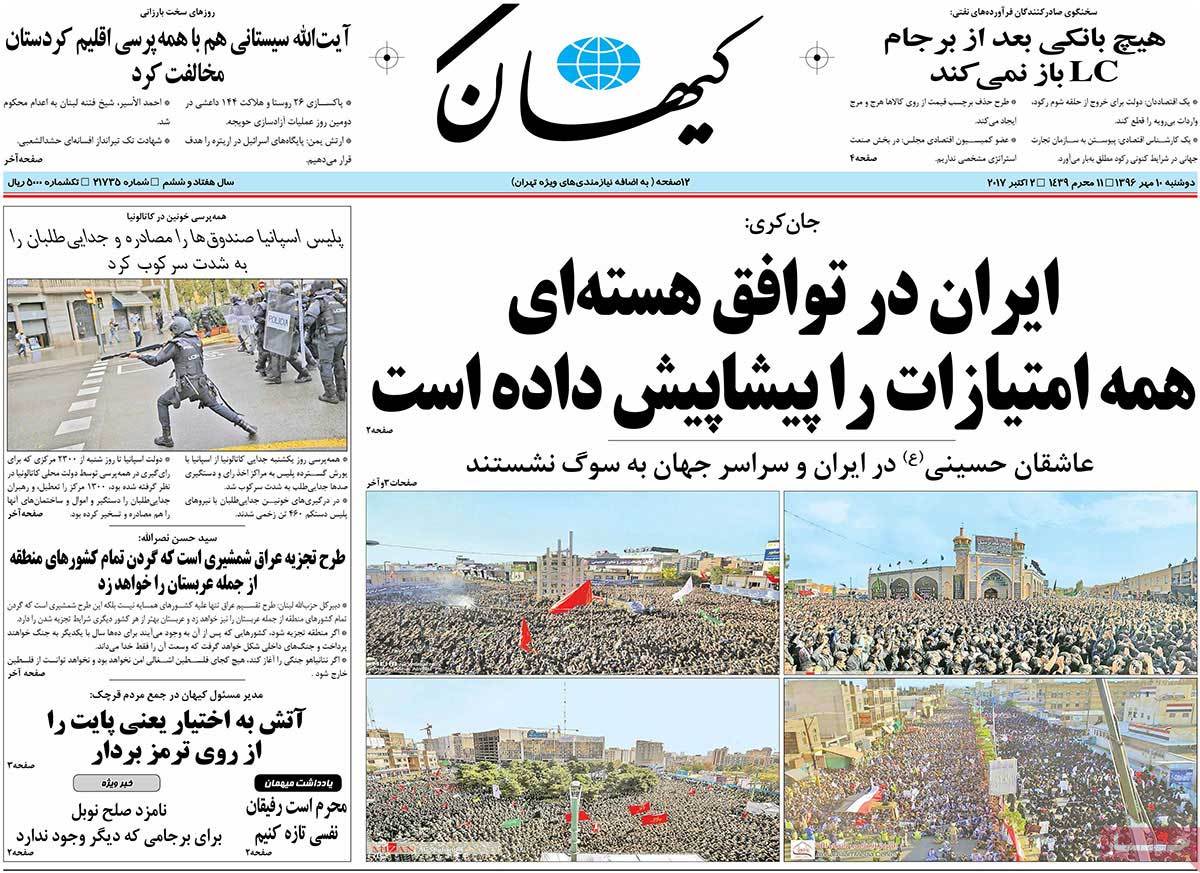
A Look at Iranian Newspaper Front Pages on October 2


Resalat:

1- Ayatollah Sistani: Constitution Should Be Referred to Resolve Erbil-Baghdad Conflict

2- Europe Amazed by Iran’s Missile Power: The Power that Grows on Daily Basis
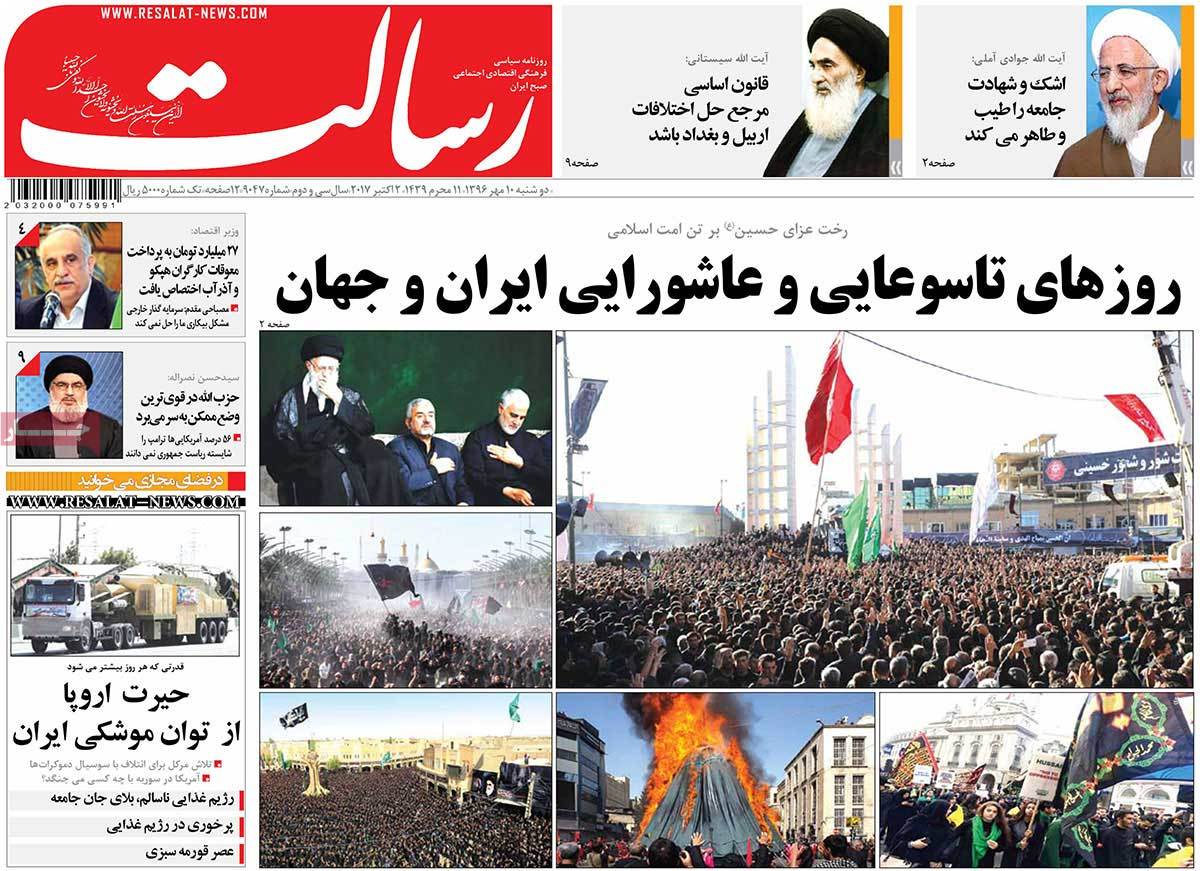
A Look at Iranian Newspaper Front Pages on October 2


Rooyesh-e Mellat:

1- Qassemi: Trump’s New Plan in Afghanistan Blatant, Strategic Mistake

2- German FM: US Withdrawal from Nuclear Deal to Damage Washington’s Reputation
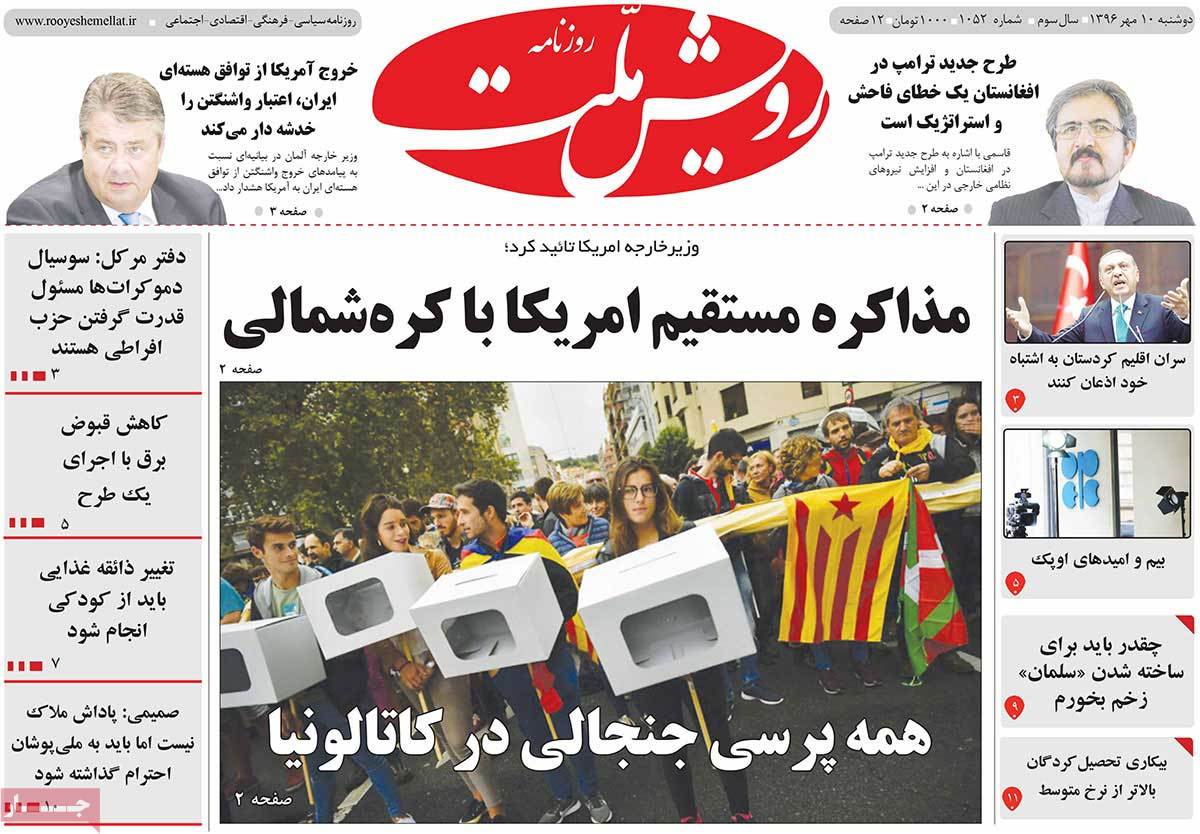
A Look at Iranian Newspaper Front Pages on October 2


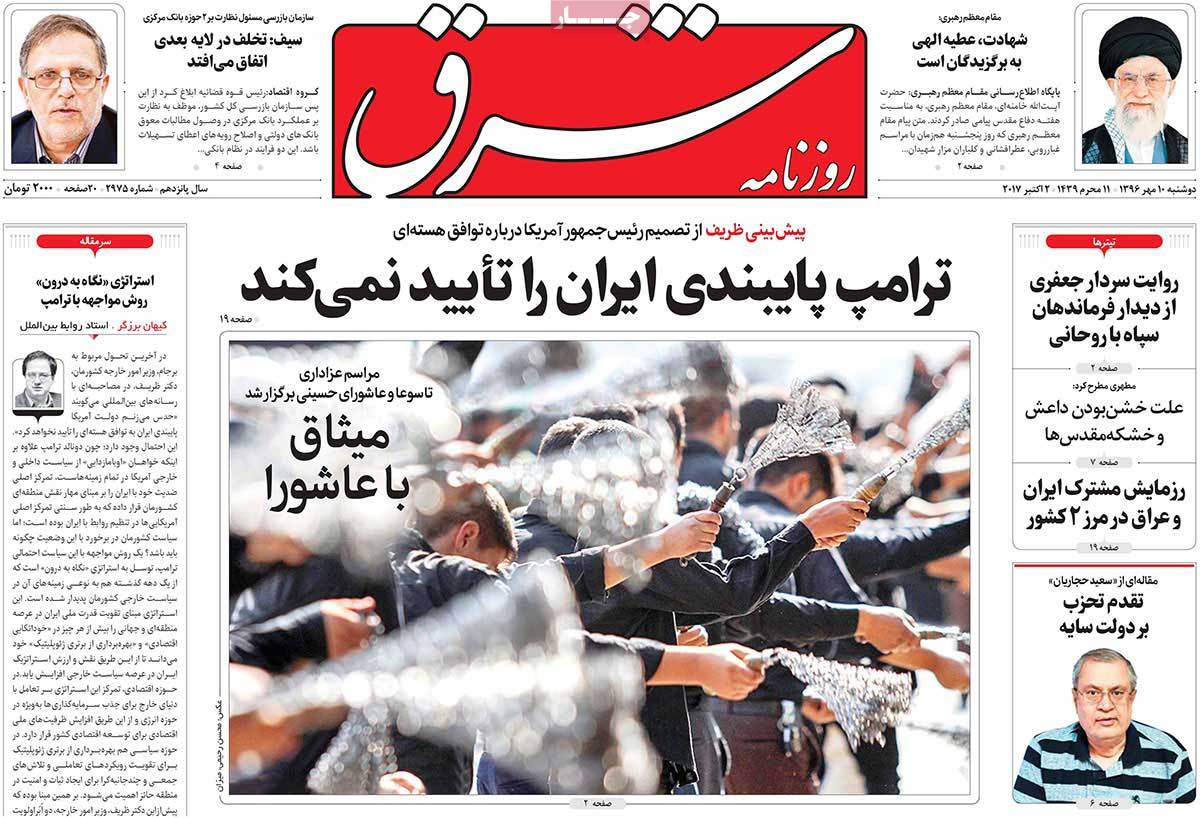
Shargh:

1- Zarif Predicts US President Won’t Confirm Iran’s Compliance with JCPOA Commitments

2- Iran-Iraq Joint Military Drill in Border Areas

3- ‘Looking Inside’ Strategy, Best Way to Confront Trump [Editorial]
A Look at Iranian Newspaper Front Pages on October 2


Vatan-e Emrooz:

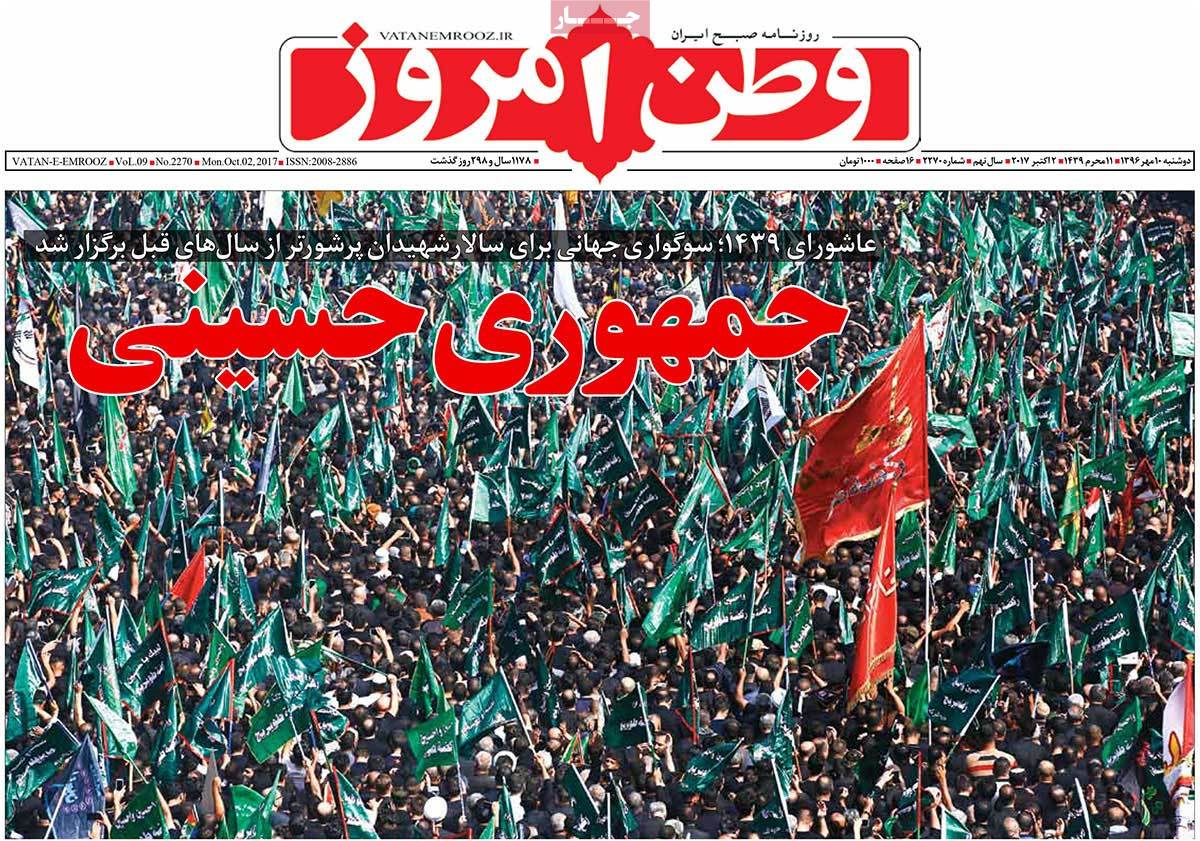
1- Republic of Imam Hussein

  • Ashura 1439, Global Mourning for Imam Hussein More Glorious than Ever
A Look at Iranian Newspaper Front Pages on October 2


Secretary of Iraqi Kurdistan Parliament Resigns

Fakhradin Qadir

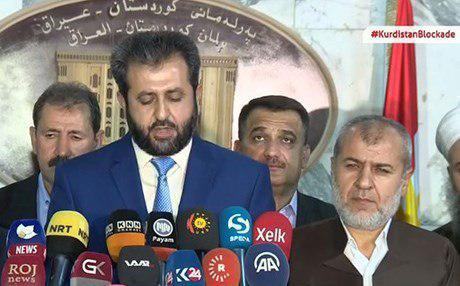
Just five day after the independence referendum of Iraqi Kurdistan, the Kurdish Parliament’s secretary, Fakhradin Qadir from the Change Movement, announced his resignation in protest at what he called the Kurdistan government’s manipulation and instrumental use of parliament.

Qadir tendered his resignation as Secretary and membership of Kurdistan’s Parliament in a press conference on Sunday outside the parliament building, a Farsi report by the Kurd Press said.

“During my membership in the parliament, we adopted significant laws and decisions which, unfortunately, have never been implemented by the government. Meanwhile, the ruling party has limited the authority of the parliament. Political parties are after an acquiescent parliament and that’s why they are seeking to limit the scope of parliament’s activities,” he said.

Qadir went on saying Kurdistan region needed a written Constitution but “the parliament members failed in a vain attempt to develop a constitution because of government’s sabotage campaign.”

The Kurdish politician added the parliament tried to establish a fund for oil revenues to make oil dealings more transparent but “this goal was never achieved and we saw tens of illegal contracts signed without coming under the lawmakers’ supervision.”

Qadir also referred to the recent independence referendum of Iraqi Kurdistan region and said, “The parliament members did their best to hold the referendum within the law but the vote which is of national significance for us was held without the lawmakers’ supervision.”

He then touched on the main issue of the leadership of Kurdistan and its subsequent political crises and said the last parliament abandoned the issue unresolved “but when we began working to find an appropriate mechanism to resolve the issue, we faced complete crackdown and the parliament was sealed.”

The tensions between the government and parliament in Iraqi Kurdistan’s region began to gain momentum back in 2015 when the Change Movement, the second largest party in the Kurdistan Regional Government (KRG), said its parliament speaker and several parliamentarians had been prevented from entering the Kurdish capital, Erbil.

The checkpoint was manned by security forces affiliated with the Kurdistan Democratic Party (KDP).

The KDP is the largest bloc within the KRG and is led by Masoud Barzani, who has held onto the region’s presidency, even though his rivals, including the Change, claim his term ended on August 19 in 2015.

Relations between Change and KDP deteriorated after Change and Speaker Sadiq played a major role in failed attempts to amend the presidential law to limit the powers of Barzani and set clear term limits for him.