Friday, December 26, 2025
Home Blog Page 3788

Iranian, Armenian FMs Discuss Expansion of Bilateral Ties

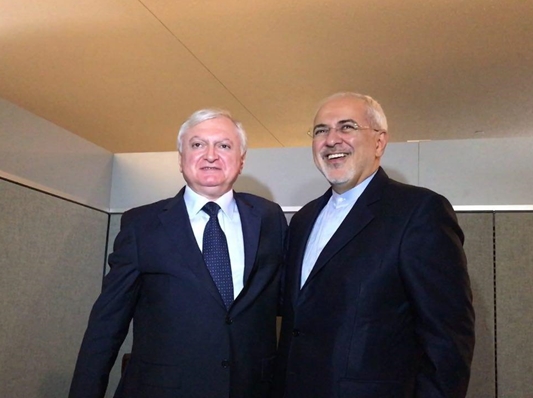
During the Tuesday talks, Zarif referred to the long-standing relations between the two neighbouring states, and called for expansion of bilateral ties in various political and economic aspects.

He also highlighted the importance of a meeting of Iran-Armenia Joint Economic Commission and a business forum between the two countries, saying the activities of private sector pave the way for expansion of economic relations.

The Iranian top diplomat underlined Tehran-Yerevan cooperation in the fields of oil, gas, power, transit, transportation facilities, resolving the problems of companies, and increasing connections between the Iranian and Armenian people.

Nalbandyan, for his part, expressed his pleasure with the visit of Zarif and his entourage to Yerevan, and said the relations between the two states are growing.

“Armenia is prepared to deepen and develop its ties with the Islamic Republic of Iran, particularly in the economic field,” he added.

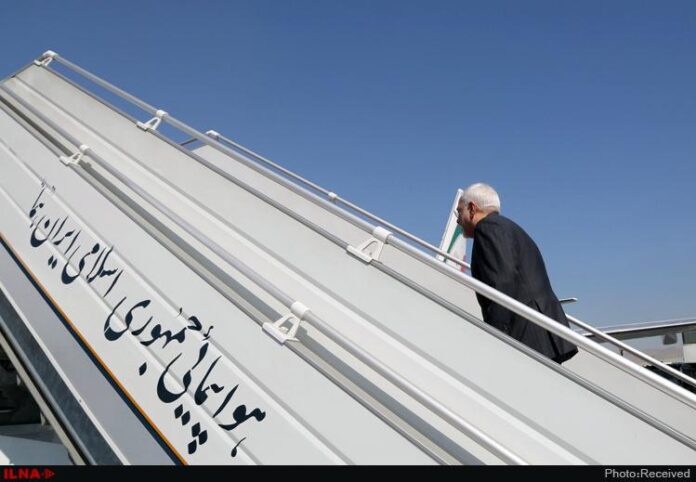
Zarif arrived in the Armenian capital earlier in the day at the head of a high-ranking political and economic delegation.

Upon arrival, Zarif told the IRIB News Agency that the Islamic Republic’s policy is based on developing its ties with all neighbouring countries, including Armenia.

He said Iran and Armenia have good economic relations with each other, but have not yet tapped into the existing potentialities.

“During the visit, I’m being accompanied by a very good business delegation, which includes great entrepreneurs. We are here to explore avenues for enhancing economic relations and resolve certain problems that hinder the implementation of some joint projects.”

Zarif also noted that Tehran has good cooperation with Yerevan in various fields, and expressed the hope that his visit would lead to expansion of ties and revival of collaborations between the two countries’ private sectors.

Later on Tuesday, the Iranian top diplomat will also meet with Armenian Prime Minister Karen Karapetyan and President Serzh Sargsyan.
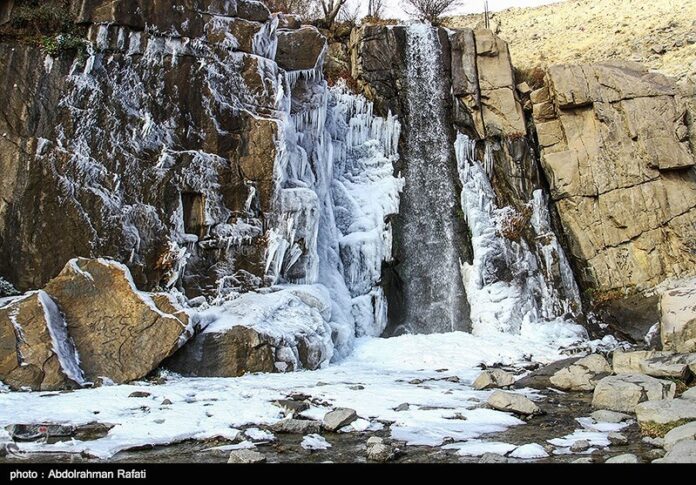
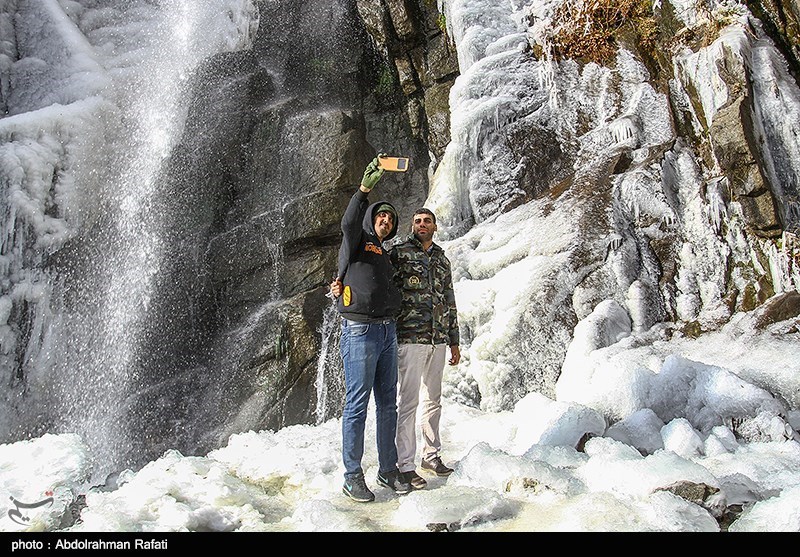
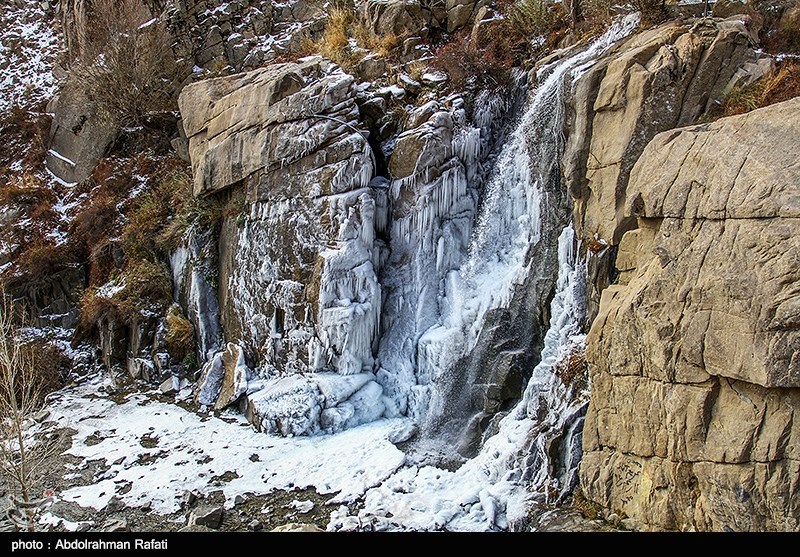
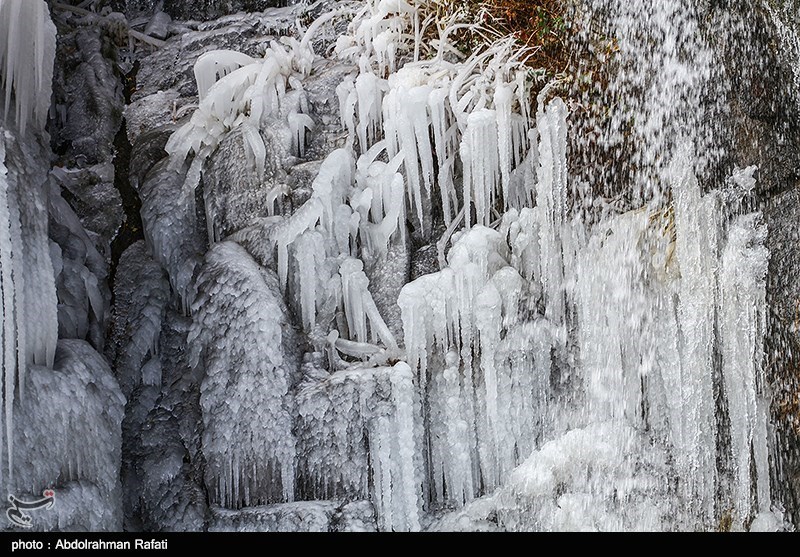
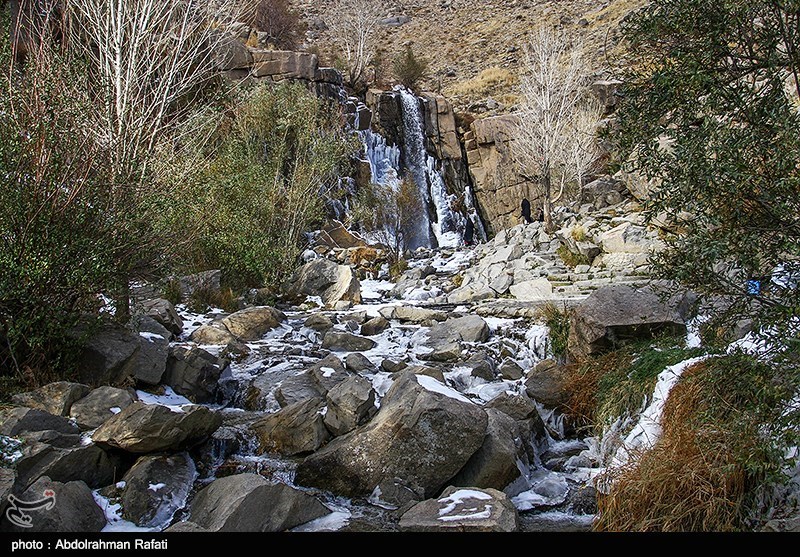
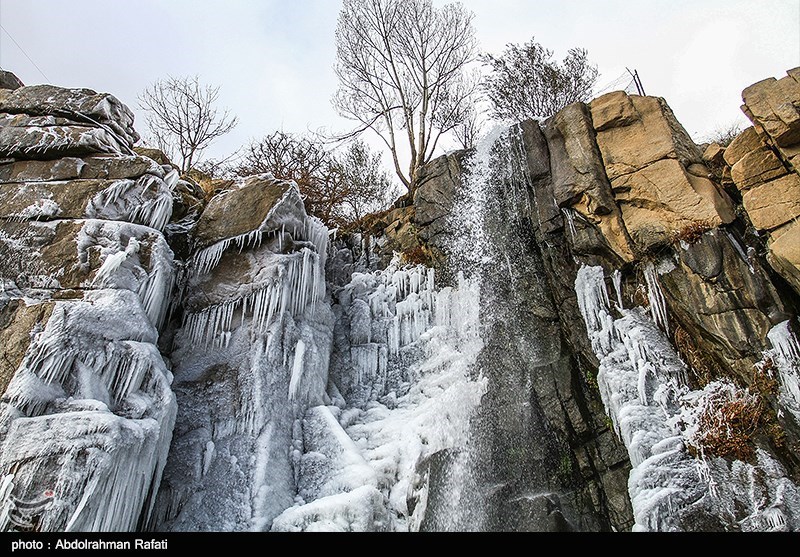
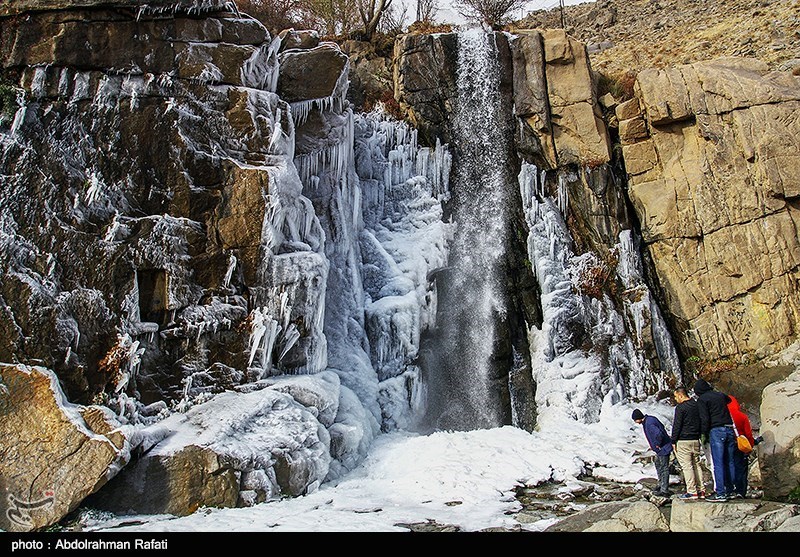
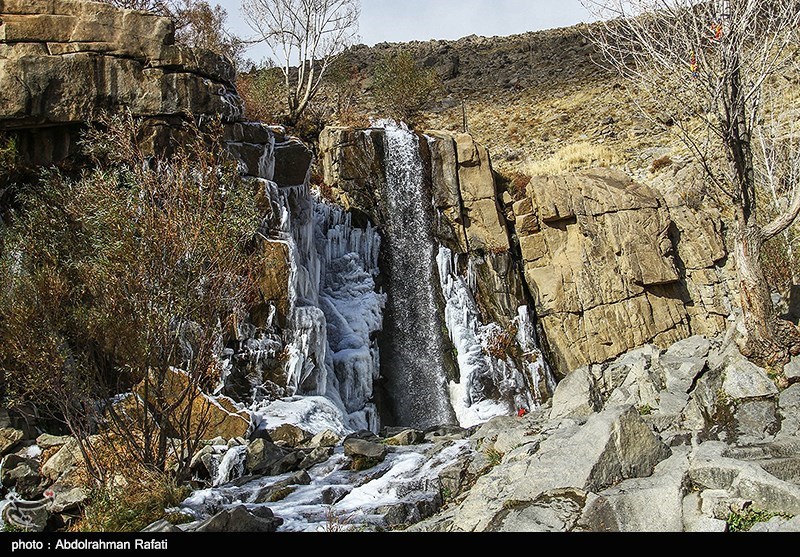
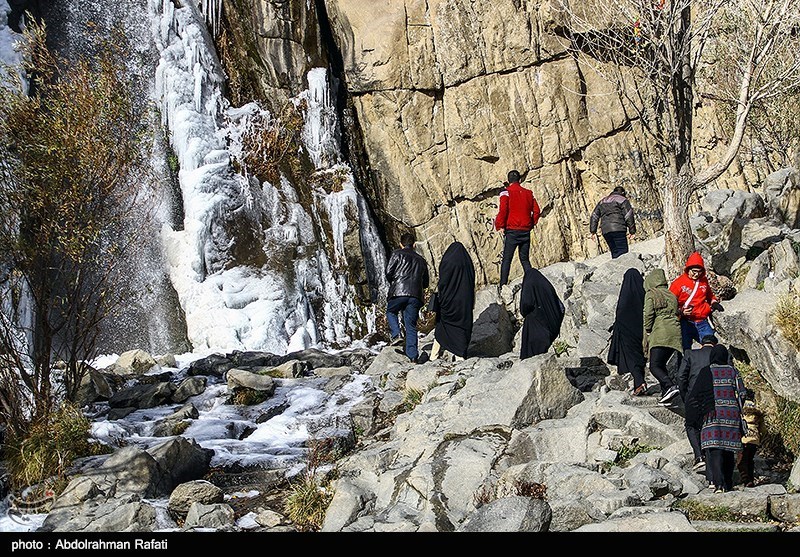
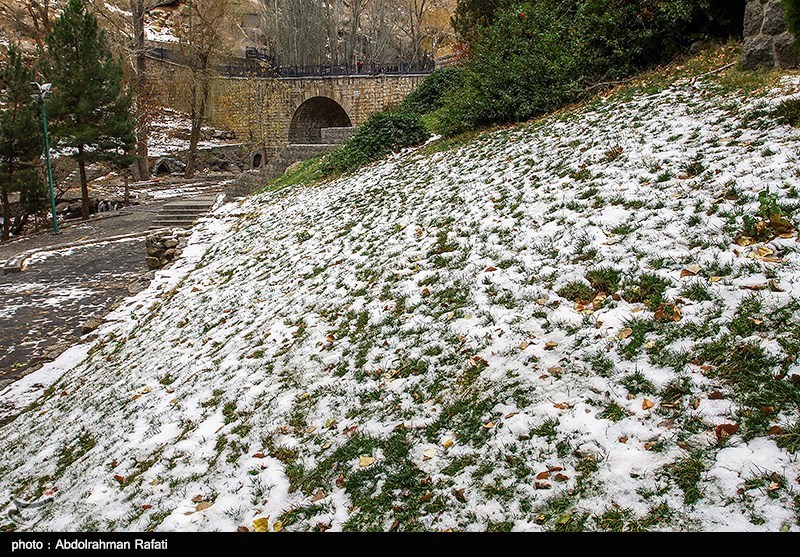
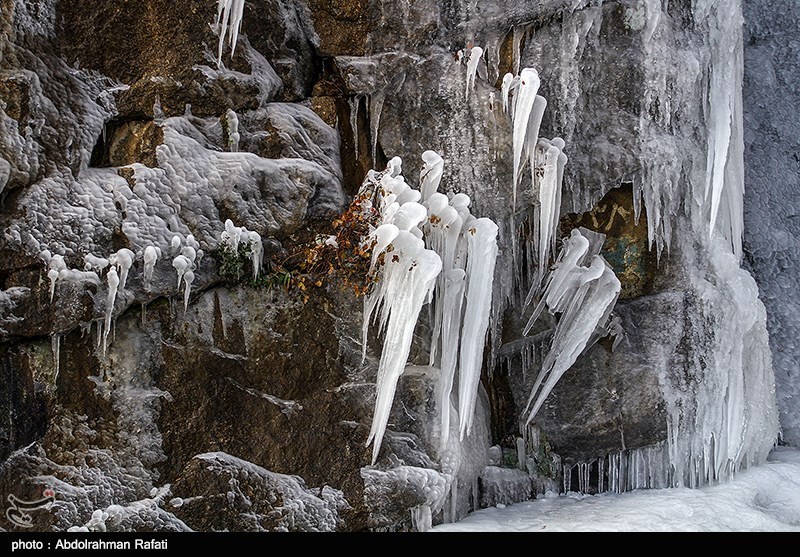
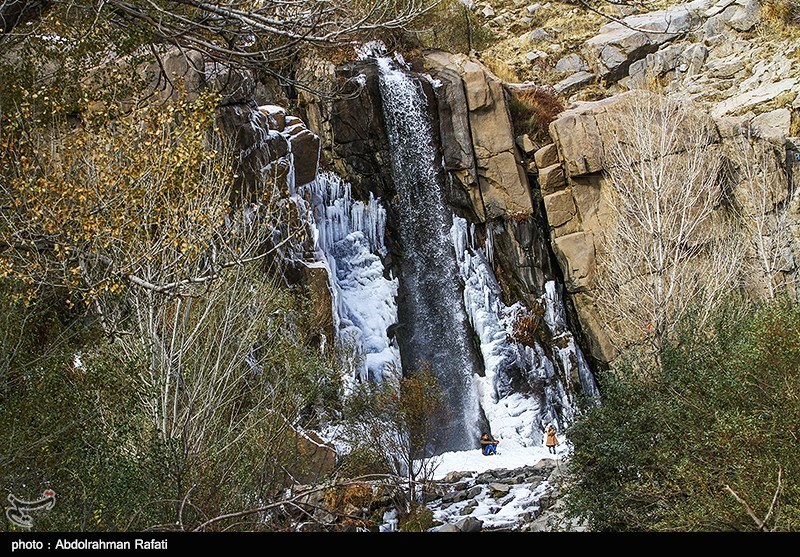
Winter in Hamadan’s Ganjnameh Waterfall

With a height of 12 metres, the waterfall is situated in the route to ascend Alvand mountain elevations and beside Ganjnameh inscriptions.

The waterfall has permanent water and is running in winters too. Its average discharge is 200 litres per second which passes through the beautiful valley of Abbas Abad and Ganjnameh.

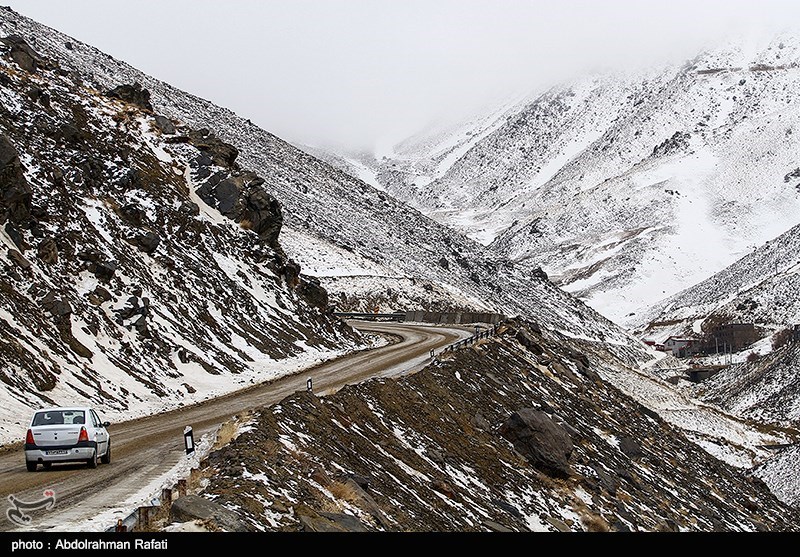
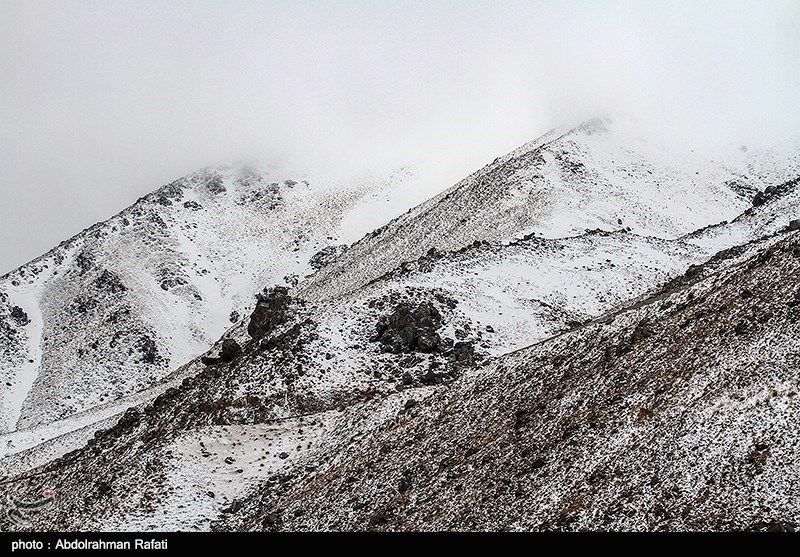
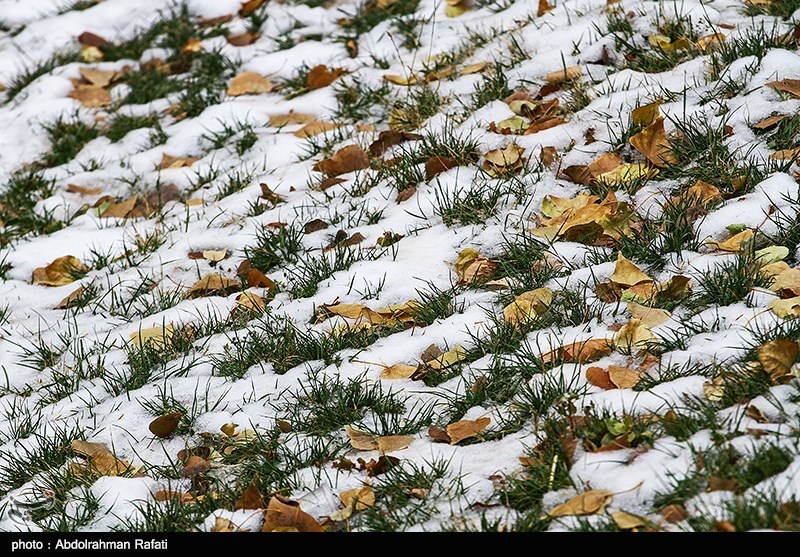
Here are Tasnim’s photos of the frozen waterfall in winter 2017:

Foreign Investment in Iran Up %60 after Nuclear Deal

Senior Iranian investment official Jamal Farajollah Hosseini says after the finalization of the Iran nuclear deal, foreign investment in the country has registered a 60-percent growth.

According to a Farsi report by IRNA, he went on to say the highest rate of growth of foreign investment among 50 countries belongs to Iran.

He said foreign investment in Iran in the year to March 2017 amounted to $10 billion.

Elsewhere in his remarks, Farajollah Hosseini said a system has been launched which will facilitate foreign investment in Iran.

“From now on, all foreign investors can use this system to facilitate the trend of the issuance of the necessary permits,” said Hosseini, the deputy head of the Iranian Investment and Economic and Technical Assistance.

“The system becoming operational helps relevant organizations to get the necessary permits for foreign investors in the shortest possible time,” he said.

He noted that one of the ways of boosting productivity in Iran is the presence of foreign companies in the country’s economy.

He urged all foreign investors to use the system in order to enjoy the government guarantees, facilities and discounts stipulated in law.

The official referred to the concerns of some investors as to how they can take the profit they make in Iran out of the country.

“The investors who have investment permits can take their money out of Iran with the approval of the Central Bank and after the profit [from their investment] is approved by the organization,” he said.

Iran’s Hamadan, Hub of Asia Tourism in 2018

Hamadan is to host “Asia’s Tourism Capital Conference” and “General Assembly of World Tourism Organization” in 2018.

Due to its historical sites as well as cultural and natural beauties, Hamadan has managed to establish itself as the capital of tourism in the ancient continent of Asia, a Farsi report by IRNA said.

Among the villages of the province, Molhamdarreh and Habashi have played a key role in attracting tourists to the central province.

With the roofs of houses on lower tiers, the houses in the two mentioned villages have turned into the main tourist attractions of Hamadan province. Add to the attraction the beautiful nature of the region. Many compare the villages with the well-known Iranian village of Masouleh in the northern province of Gilan which is widely known at the international level for its natural beauties.

Activists have called on the organizations dealing with tourism sector to allocate enough budget for preparing the historical sites of Hamadan province to host the growing number of tourists flowing into the region.

They maintain that the two upcoming international events are good opportunities to introduce the province’s attractions to foreign tourists and the related organizations need to take the most advantage of the events.

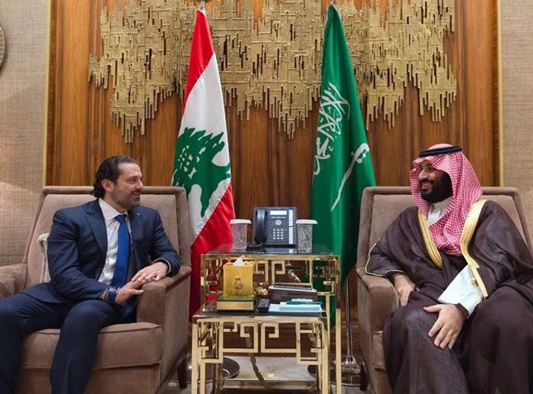
“Hariri First Lured into Visiting Saudi Arabia, Then Abducted”

In his latest statements, Saudi media activist Mujtahid has shed more light on Hariri’s conditions while he was kept in Saudi Arabia for unknown reasons.

According to the activist, whose comments were published in Farsi by the Alef news website, Hariri was arrested in Saudi Arabia as part of a plan by the Saudi Crown Prince Mohammad Bin Salman to pressurize him into foregoing billions of dollars of his properties in foreign banks in his favour.

The activist added the Saudi prince lured Hariri into traveling to Saudi Arabia by promising him to pay back all the money that the Saudi government owes to Hariri’s construction company in the Arab kingdom, known as Saudi Oger.

Delighted by the crown prince’s promise, Hariri rushed to Riyadh but upon his arrival he found himself surrounded by security forces who abducted him and forced him to announce his resignation as Lebanese prime minister. Then Hariri came under pressure to give up billions of dollars of his deposits in the foreign banks in favour of Saudi crown prince.

Reports say Hariri and his family members have billions of dollars in foreign banks which are mainly due to the hefty revenues they earn from Saudi Oger operations in Saudi Arabia.

The Saudi crown deprived Saudi Oger from its projects in Arabia and exerted pressure on Hariri to hand them over to Nesma Construction Company which belongs to Bin Salman. Hariri turned down the order and his decision led to the bankruptcy of the Saudi Oger.

During the early days of his abduction, Hariri was kept under a terrible psychological condition because he was not accustomed to such incidents. He thought the Saudis will put him in jail. After a while, Bin Salman cut his connections with the outside world. The Saudi crown thought the world will forget his case after a while and if it was not for the pressure by the American and French officials, Hariri was on the verge of foregoing his properties in the foreign banks in favour of Bin Salman.

But his meetings with the US and French ambassadors in Saudi Arabia raised his morale particularly after the two ambassadors assured him that their countries will never approve of his arrest in Saudi Arabia. Meanwhile, the ambassadors told him they preferred the problem be resolved without any international scandal. So, Hariri was assured that he will be safe as soon as he leaves Saudi Arabia.

So, when Hariri came to the conclusion that the US and France are going to put pressure on Bin Salman to allow him to leave Saudi Arabia for Lebanon and withdraw his resignation, he decided to change his direction. This time he threatened Bin Salman with revealing what has happened to him in Riyadh if the problems created for Saudi Oger are not resolved and the Saudi government’s debts are not paid back.

Bin Salman had no other choice but to accept to pay back all the money that Saudi government owed to Saudi Oger. And the two sides made a deal. Meanwhile, Bin Salman said he would allow Saudi Oger to restore its operation in Saudi Arabia as long as Hariri remains silent over his arrest. Hariri has not yet decided about the issue.

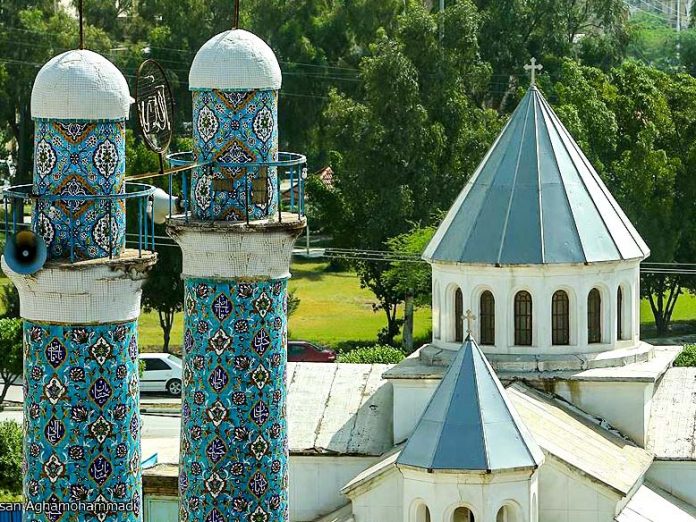
“Iran Land of Religious Spirituality, Coexistence”

Seyyed Mohammad BeheshtiSeyyed Mohammad Beheshti, the head of Iran’s Cultural Heritage Research Centre, has praised the religious coexistence in Iran, saying the distance between the Research Centre’s building and the Russian Embassy in Tehran is dotted with a number of religious centres including two mosques, two synagogues, one church and one Zoroastrian fire temple.
“The establishment of these centres dates back to the creation of the city of Tehran and it shows that Iran has long been the cradle of religious spirituality,” he noted, according to a Farsi report by the Mehr News Agency.

He made the remarks in an address to the official unveiling ceremony held for the book “Iran, the Cradle of Religions Coexistence” in Saint Petersburg’s state-run Religious History Museum.

Beheshiti also referred to the latest visit of a three-member Russian delegation to Iran to explore religious coexistence in the country and added Iran is the only country in the world in which the Jewish neighbourhoods are located in its city centres.

He went on to say Iran has been the scene of religious coexistence throughout history and added most countries don’t have a good record when it comes to religious tolerance.

He further noted that Iranian people welcomed the spiritual aspects of Islam when the religion was introduced to the country over 14 centuries ago.

“French Philosopher Henry Corbin once said the Holy Quran was revealed to human being in Saudi Arabia but understood in Iran,” he said, adding this is mainly due to the cultural diversity in Iran.

Beheshti also said the book “Iran the Cradle of Religions Coexistence” is not written with a promotional aim. “The book contains a solid reality about the Iranian society.”

Iran FM to Visit Armenia on Tuesday

According to Foreign Ministry Spokesman Bahram Qassemi, Zarif will visit Yerevan at the official invitation of his Armenian counterpart Eduard Nalbandyan.

The Iranian top diplomat will discuss bilateral ties and other issues of mutual interest in separate meetings with high-ranking Armenian officials including Prime Minister Karen Karapetyan and President Serzh Sargsyan, Qassemi said.

During the visit, Zarif will be accompanied by a delegation of businessmen from the country’s private sector, he added.

Iran Invites Sheikh of Al-Azhar to Attend Islamic Unity Conference

Ayatollah Mohsen Araki, the Secretary General of World Forum for Proximity of Islamic Schools of Thought (WFPIST), on Sunday met Yaser Osman, the head of Egyptian Interest Section in Tehran, to hand over an invitation letter addressed to Sheikh of Al-Azhar, inviting him to attend the International Islamic Unity Conference.

“The presence of Sheikh of Al-Azhar is very vital to the implementation of the two countries’ joint projects,” Ayatollah Araki said, according to IRNA.

“We are ready for any cooperation with Al-Azhar to form a unified front against the Takfiris,” he said, highlighting role of Egypt in countering the terror threats.

Elsewhere in the meeting, Ayatollah Araki also condemned Friday’s terrorist attack in al-Rawda Mosque in Egypt and expressed condolences over death of a large number of innocent people in the incident

Noting that countering terrorist and criminal thoughts requires Islamic unity, he said that such events are alarming for the Muslim world to stand united, but they fell on deaf ears.

Ayatollah Araki hoped that Iran-Egypt relations will be reestablished as the country boasts of a special situation in the Islamic world for its al-Azhar and that Qom Seminary and al-Azhar would work out a joint scheme to prevent such calamities.

The 31st International Islamic Unity Conference will be held in the Iranian capital of Tehran from December 5 to 7, 2017.

Since 1990, when the World Forum for Proximity of Islamic Schools of Thought (WFPIST) was established, the Conference has been held by this Forum.

The aim of the Unity Conference is to lay the ground for unity and solidarity in the Islamic World and unison among scholars in order to achieve proximity among their scientific and cultural viewpoints in terms of fiqh (Islamic jurisprudence), Usul (principles of jurisprudence), Kaläm (Islamic theology), and interpretation.

Another objective of the Conference is to examine the Muslims’ problems, provide appropriate solutions to them, and take a joint stance against them.

The guests of the Conference are selected from among sophisticated dignitaries, ministers of the Islamic countries, Islamic scholars and muftis, professors of universities and other scientific and cultural associations both at the domestic and international levels.

So far, hundreds of scholars and reformers from around the world as well as thousands of Shiite and Sunni thinkers from various parts of the world have attended this Conference and delivered articles and speeches.

The academic staff of the Conference are selected from among scholars in universities and seminaries.

“Iran’s Market Should Not Be Possessed by France”

The Persian-language Alef website, an Iranian media outlet belonging to influential and conservative politician Ahmad Tavakkoli, has published an article on Iran-France trade relations. The highlights of the piece written by Ali-Asghar Khodarahmi follow.

France has, for long, been one of Iran’s trade partners and traditionally possessed part of Iran’s market, and unfortunately still does. However, France in line with sanctions policies, reduced or stopped its exports, even exports of auto parts, to Iran when the Islamic Republic was under sanctions.

During the nuclear talks between Iran and the P5+1 group over Tehran’s nuclear program, France played the role of the bad cop. Nevertheless, after the conclusion of the agreement, France, unfortunately, very easily once again secured the market in Iran and, to some extent, in the region through our country. And even worse, a large part of Iran’s consumer goods were made available to France in contravention of the policies stipulated in the Economy of Resistance initiative.

With the Macron administration coming to power, Paris has regarded Tehran’s policies as a destabilizing force in the region and is seeking a deal on Iran’s missile activities similar to the nuclear agreement. Unlike Britain, Germany, Italy, China and Russia, and without paying attention to the policies of these countries, France is pursuing its autocratic policies such as the time that Iran nuclear negotiations were underway.

If in our country, we regarded economy and foreign policy as interdependent, we would not allow France to control our 80-million-strong market as well as the region’s market which comprises 400 million people. At least, if Iran was to make its market available to France, it had better arranged for capital goods to enter the country, not consumer goods such as vinegar, chocolate, cosmetics, soap, food for pets, combs, bathtubs and showers, which are all produced inside Iran.

Now the question is whether or not the Iranian government wants to boost local industries with such policies! Can we accept that those who issue permits for importing such commodities have made the decision in line with national interests?

Finally, the government should allow manpower (that are NOT retired) to assume managerial posts, at least in medium-level positions, to destroy bases which are full of traditionalist idols and, instead, delineate a new path for the country’s commerce in keeping with the tangible realities associated with the society’s potential.

Iran, Turkey, Qatar Sign Trilateral Trade Deal in Tehran

Iran, Turkey and Qatar have signed a trilateral agreement aimed at boosting trade with Doha amid a Saudi-led blockade on the Persian Gulf sheikhdom.

Iranian Minister of Industry, Mines and Business Mohammad Shariatmadari, Turkish Economy Minister Nihat Zeybekci and Qatari Economy Minister Ahmed bin Jassim Al Thani signed the deal in Tehran on Sunday.

The measure would facilitate the process of the transiting goods among the three countries, by tackling obstacles created to economically isolate Doha.

Earlier, Shariatmadari announced Qatar was eager to expand ties with the Islamic Republic in all areas as a result of the current conditions that the Saudi-led blockade against it had created.

Iranian Minister of Industry, Mines and Business Mohammad Shariatmadari, Turkish Economy Minister Nihat Zeybekci and Qatari Economy Minister Ahmed bin Jassim Al Thani signed the deal in Tehran on Sunday.

The measure would facilitate the process of the transiting goods among the three countries, by tackling obstacles created to economically isolate Doha.

Earlier, Shariatmadari announced Qatar was eager to expand ties with the Islamic Republic in all areas as a result of the current conditions that the Saudi-led blockade against it had created.

Back in June, Saudi Arabia, Egypt, Bahrain, and the United Arab Emirates imposed a trade and diplomatic embargo on Qatar, accusing Doha of supporting terrorism, an allegation strongly denied by the emirate.

The Saudi-led bloc presented Qatar with a list of demands, among them downgrading ties with Iran, and gave it an ultimatum to comply with them or face consequences. Doha, however, refused to meet the demands and said that they were meant to force the country to surrender its sovereignty.