Wednesday, December 24, 2025
Home Blog Page 3762

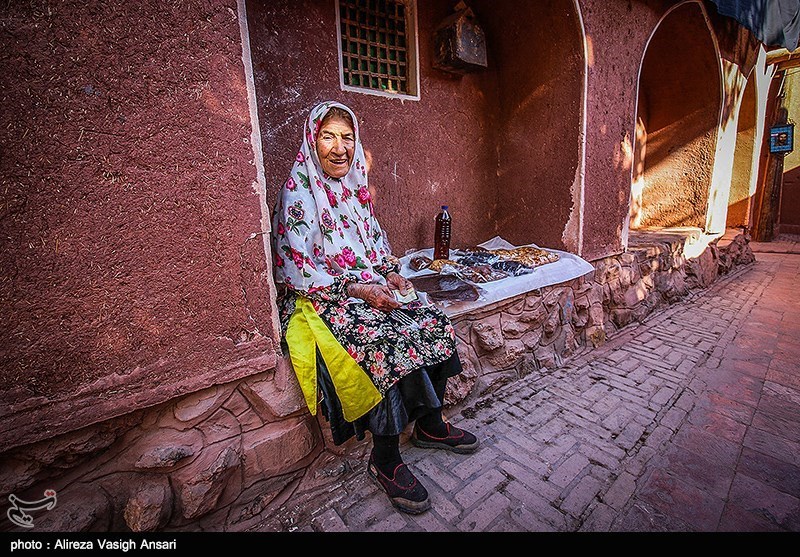
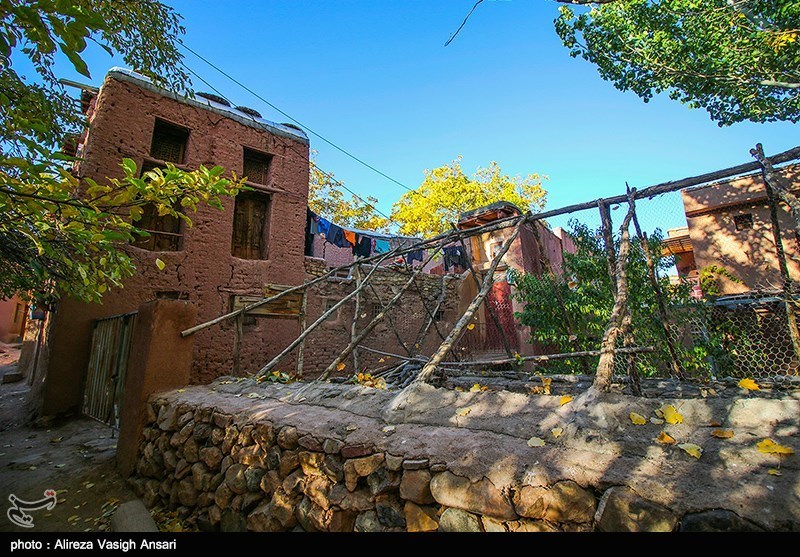
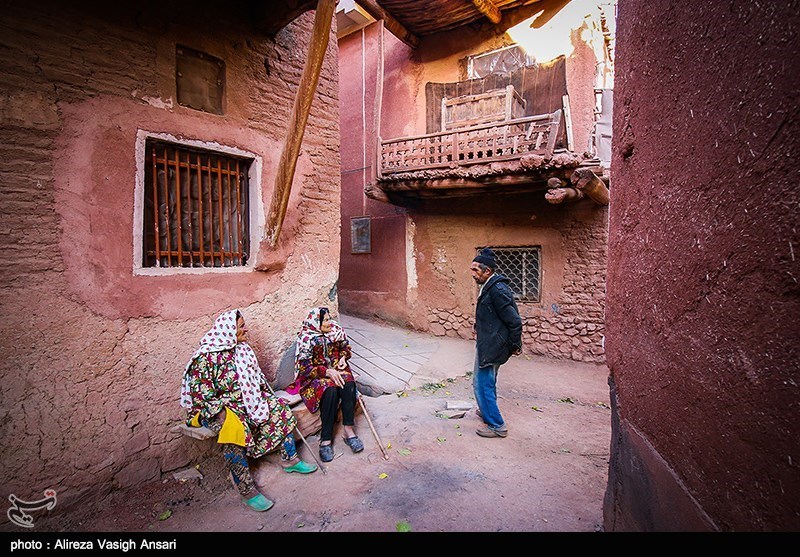
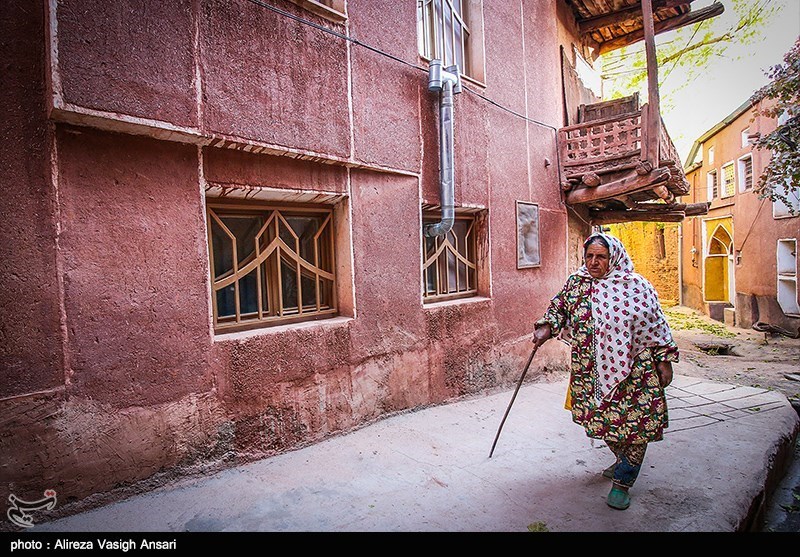
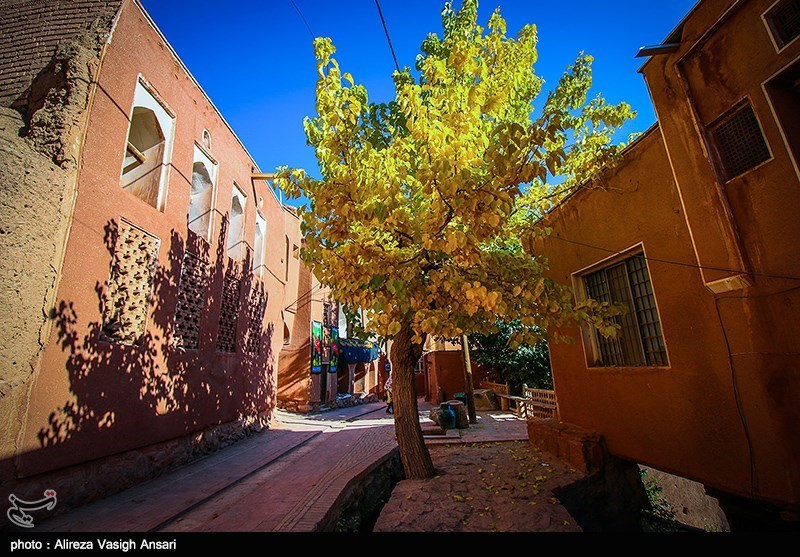
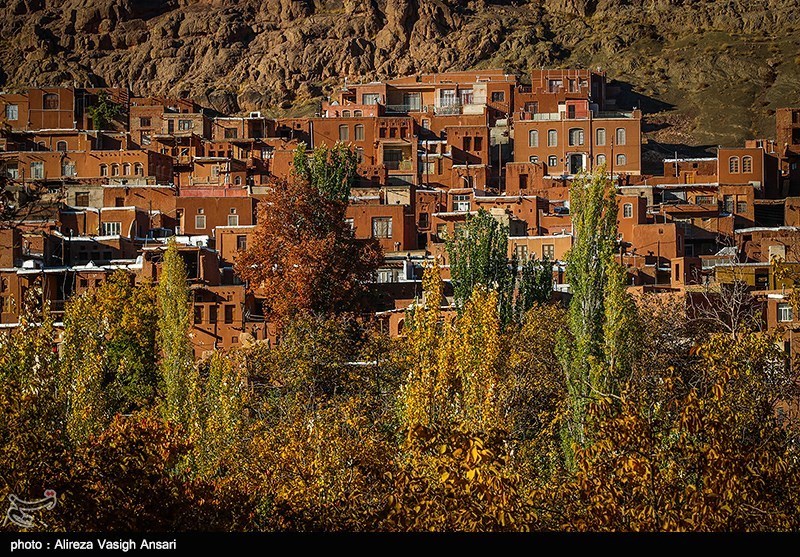
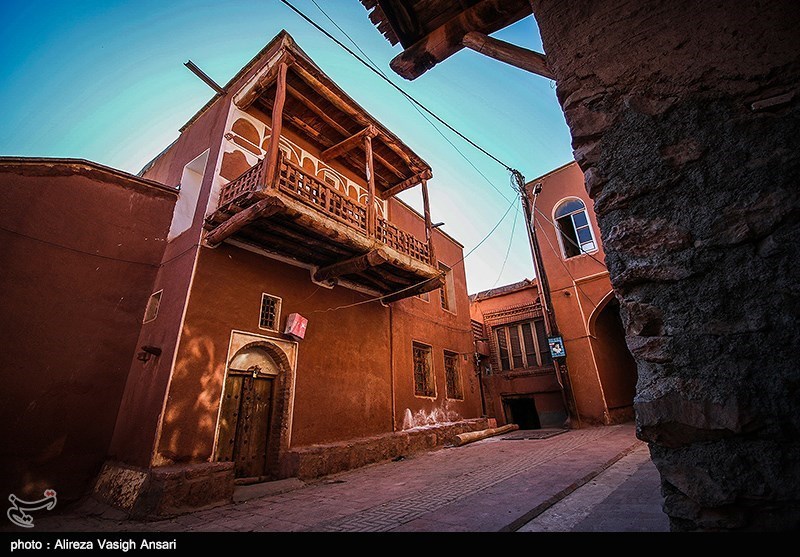
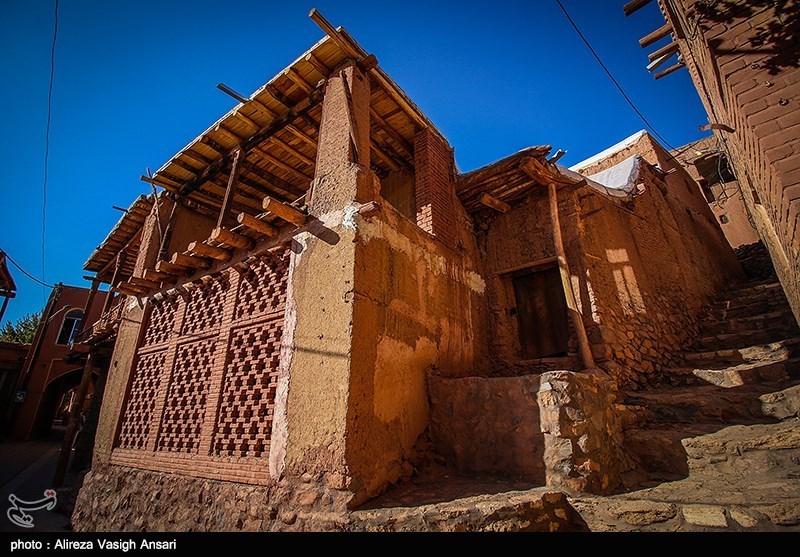
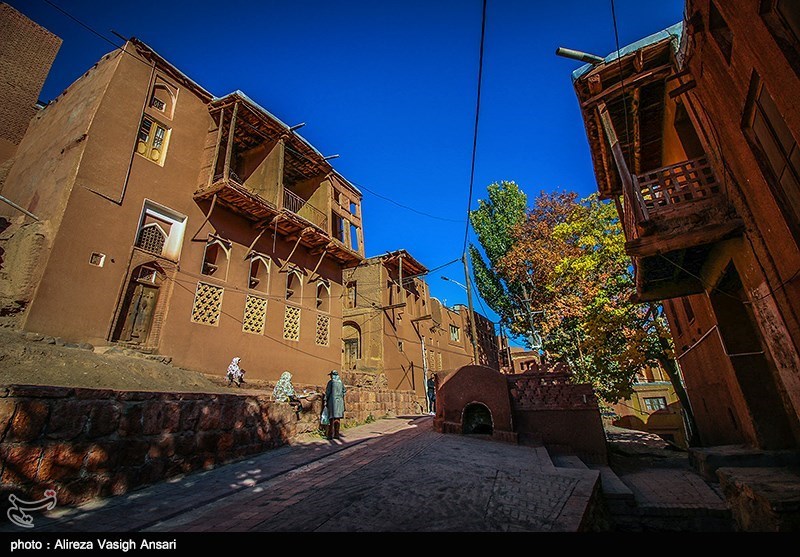
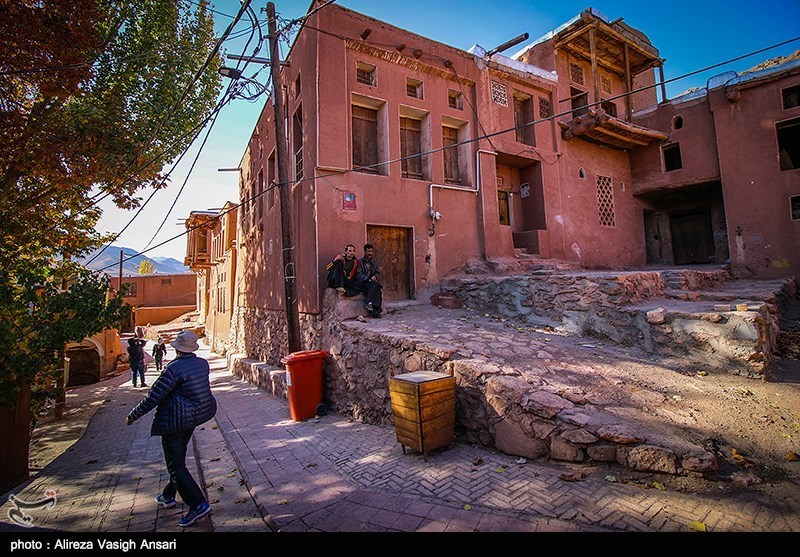
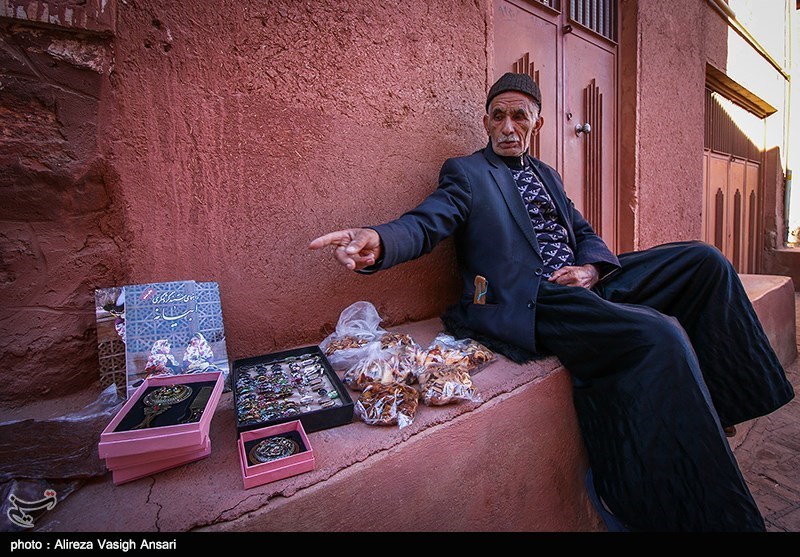
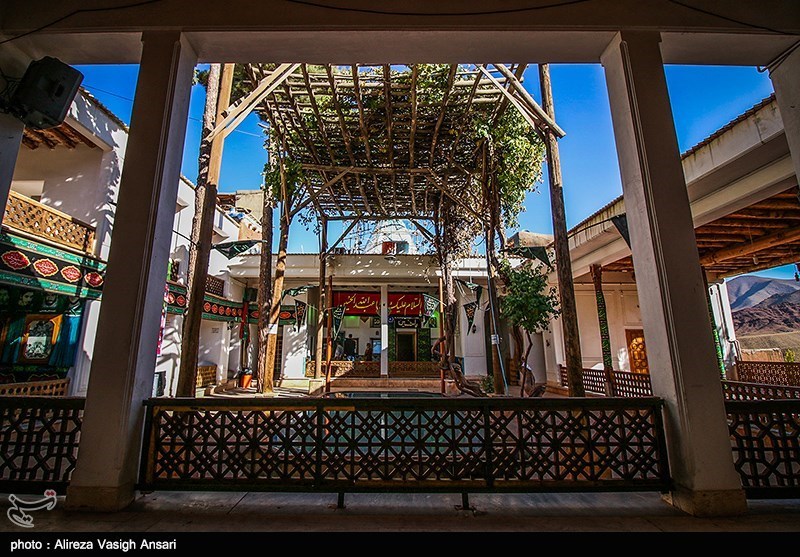
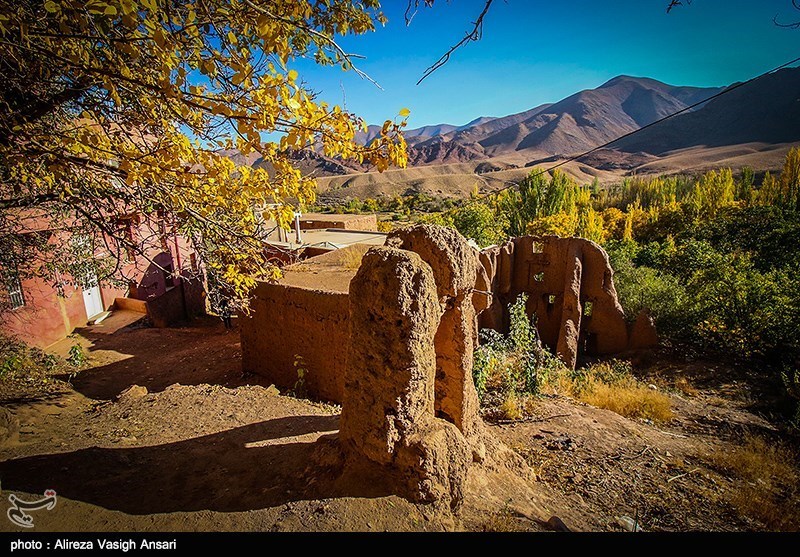
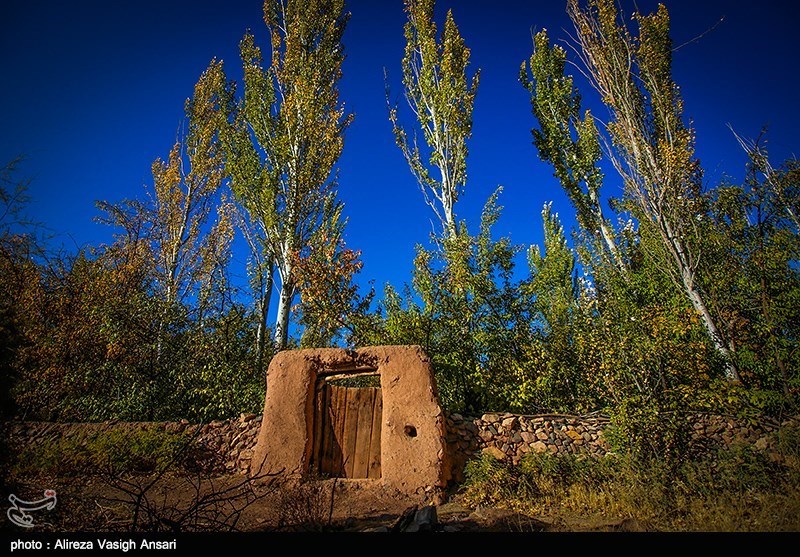
Autumn in Ancient Iranian Village of Abyaneh

Autumn in Ancient Iranian Village of Abyaneh

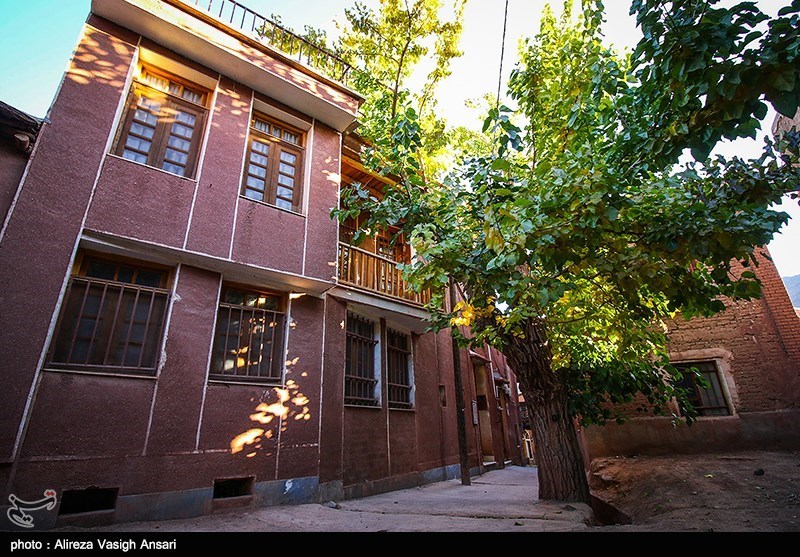
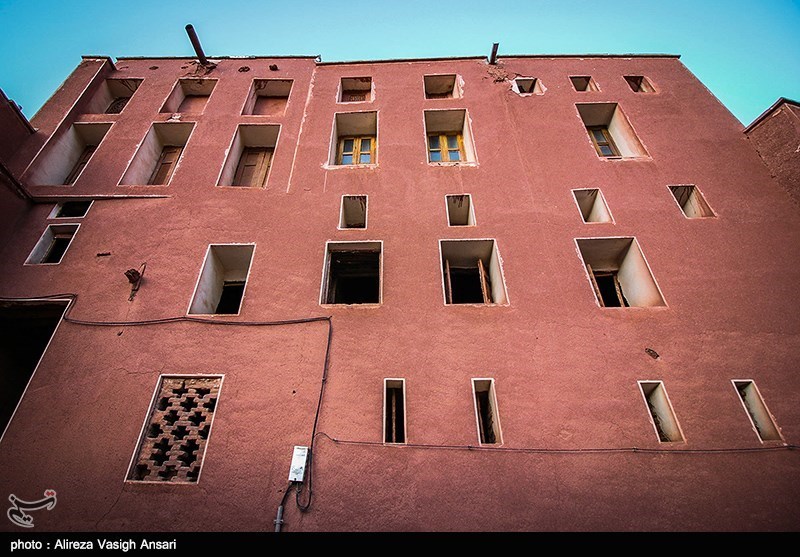
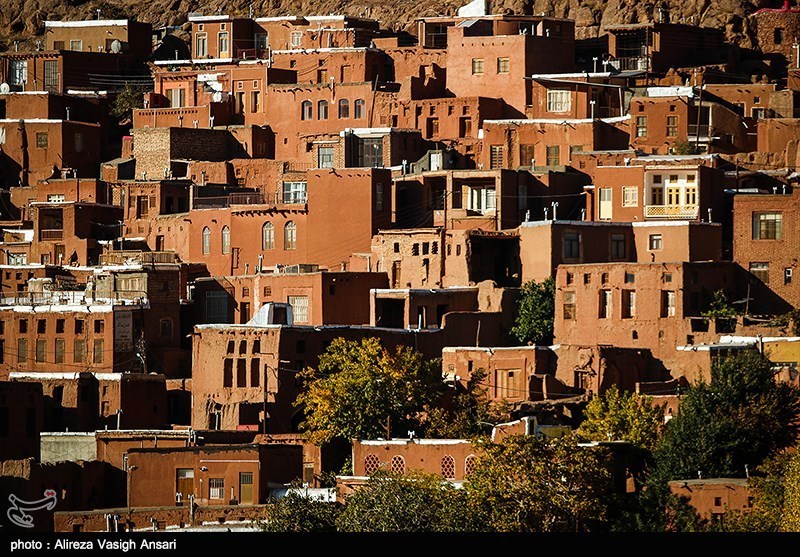
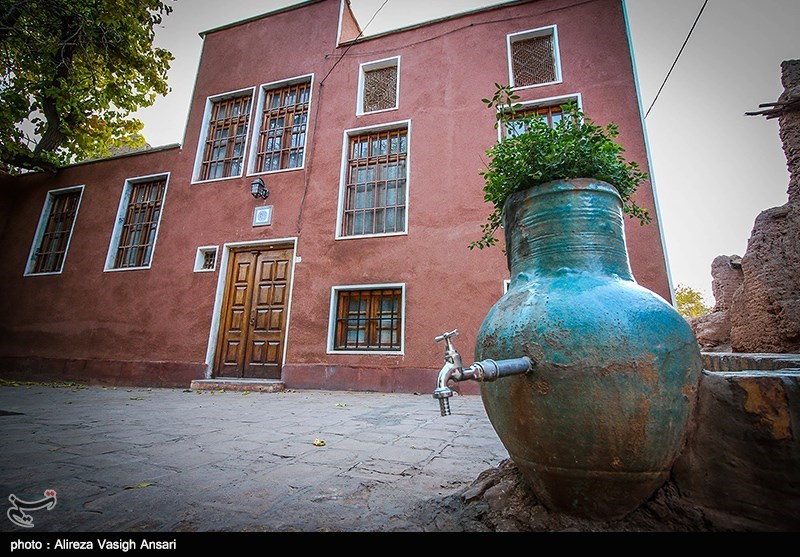
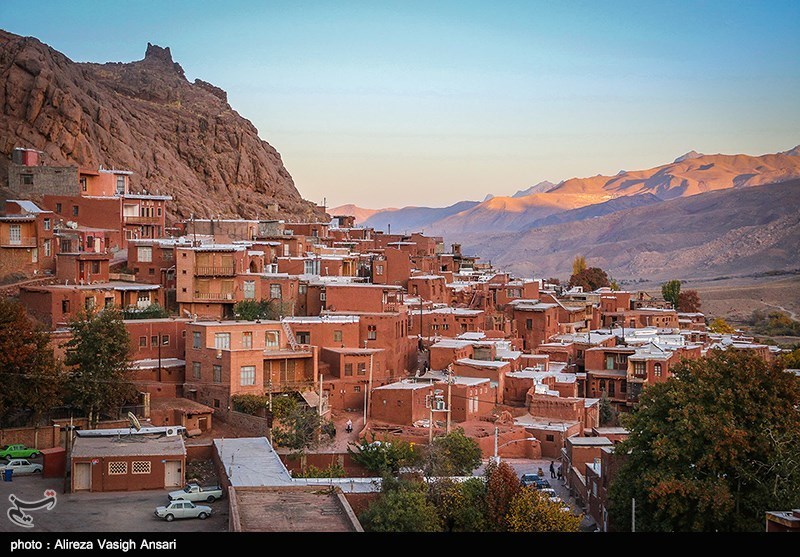
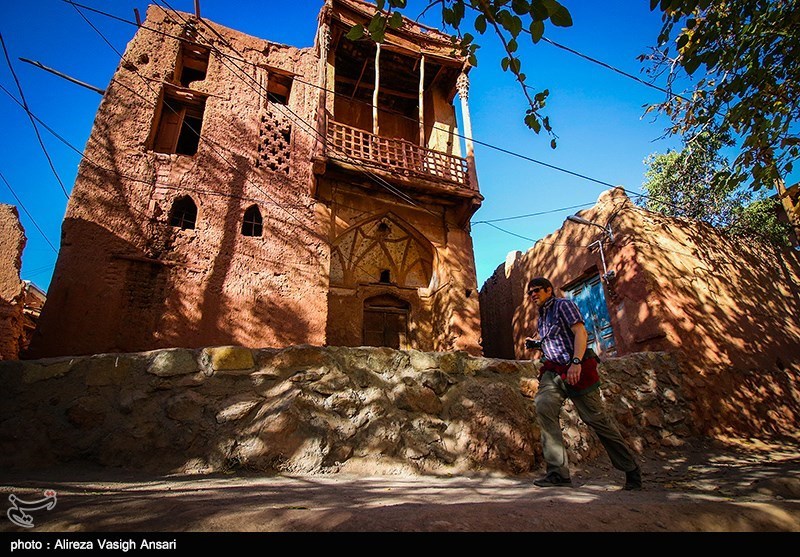
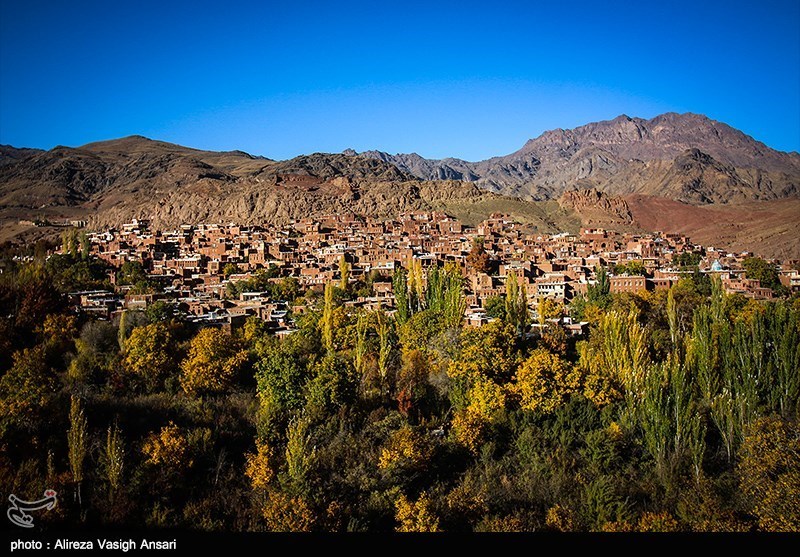
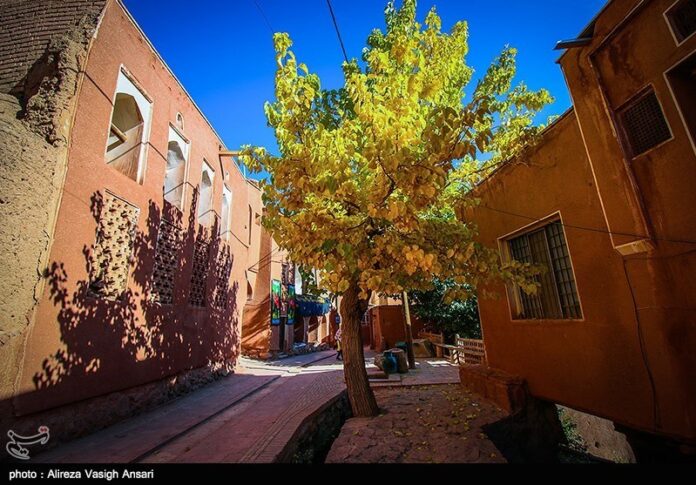
At the first glance, Abyaneh seems to be a multi-storey village that in some cases up to four storeys are visible.

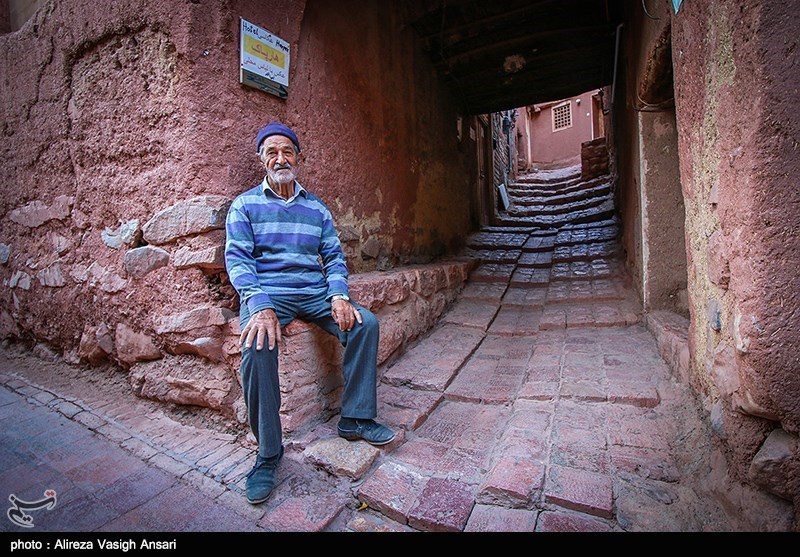
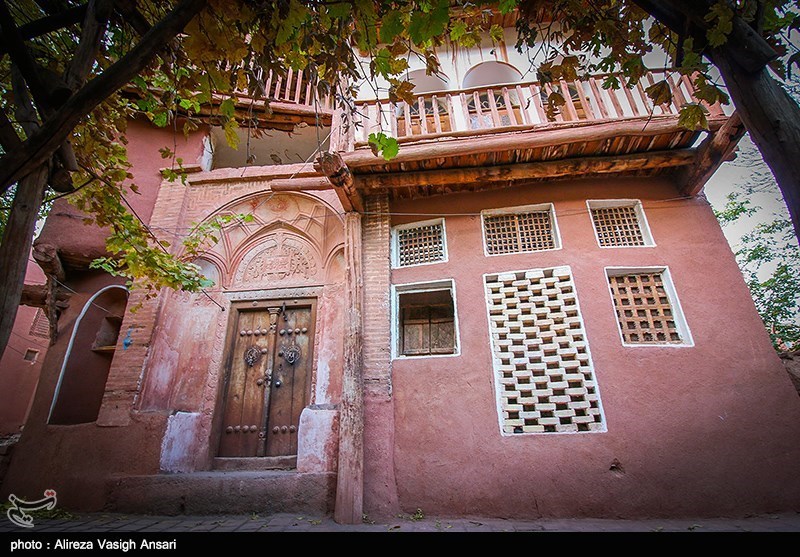
The rooms are decorated with wooden windows and often have wooden porches and patios overlooking the dark and narrow alleys, which all have created interesting scenes.

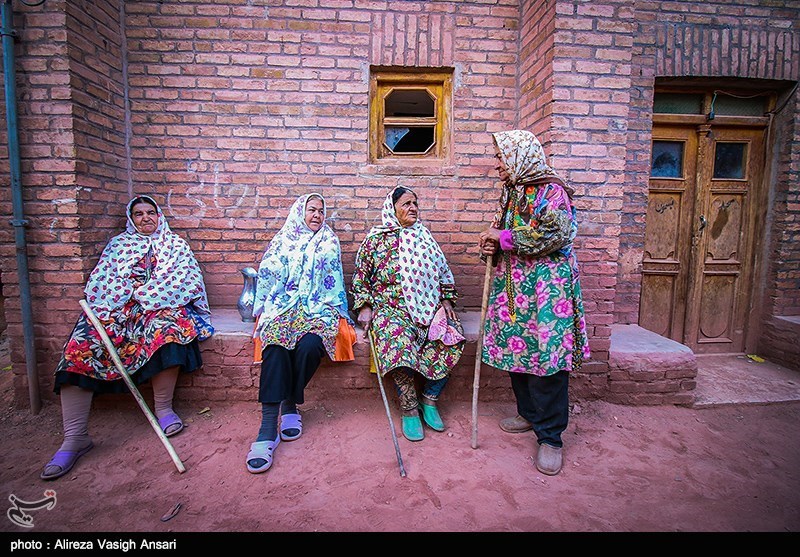
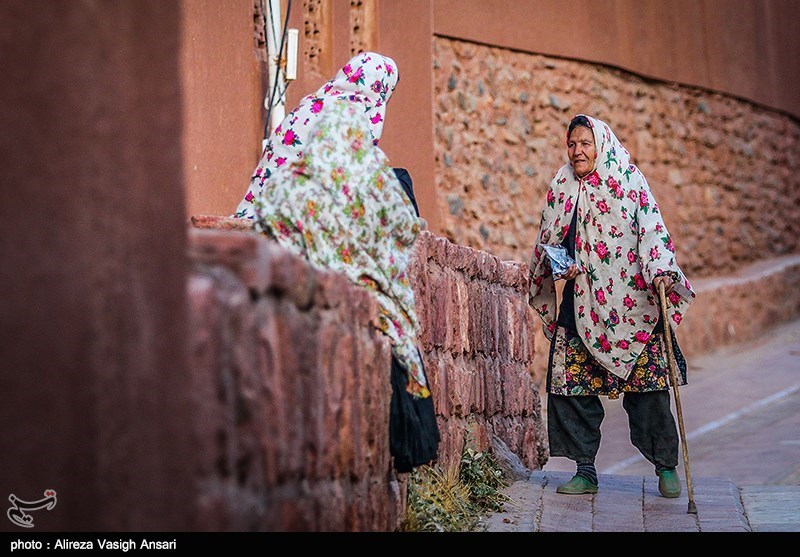
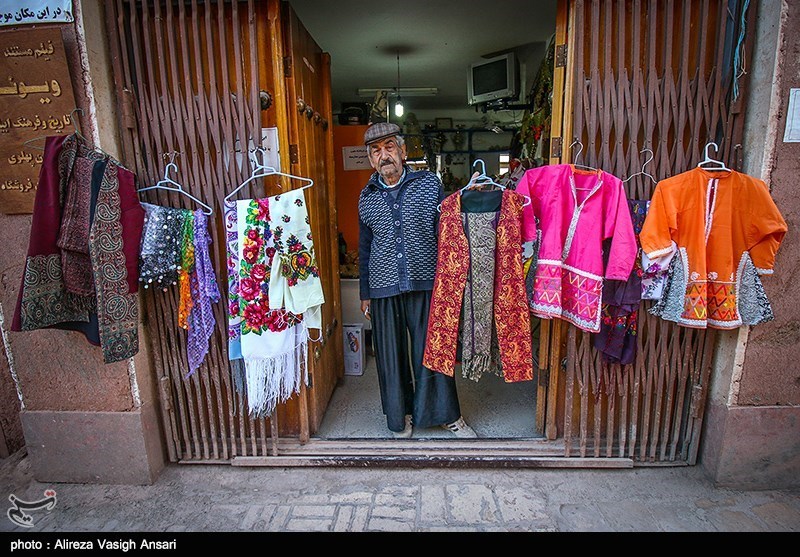
Women in Abyaneh typically wear a white long scarf which has a colourful pattern and an under-knee skirt. They have persistently maintained this traditional costume.

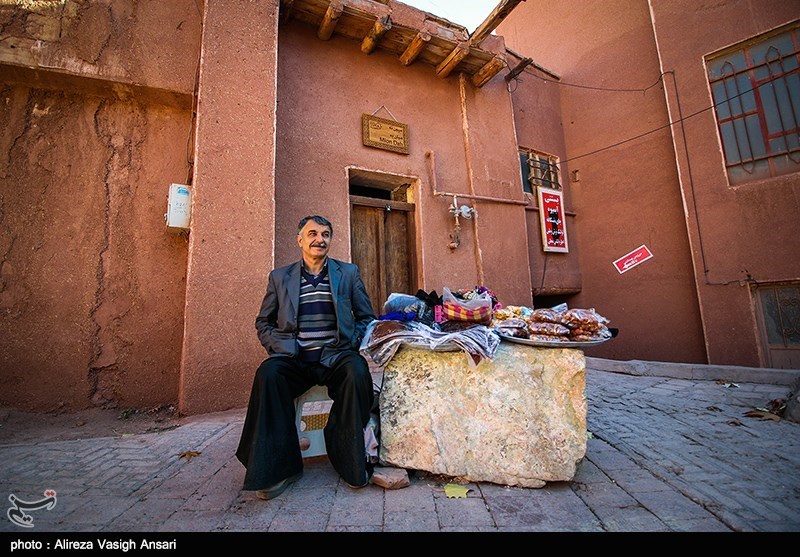
Characterized by a peculiar reddish hue, the village is one of the oldest ones in Iran, attracting numerous native and foreign tourists year-round, especially during traditional feasts and ceremonies.

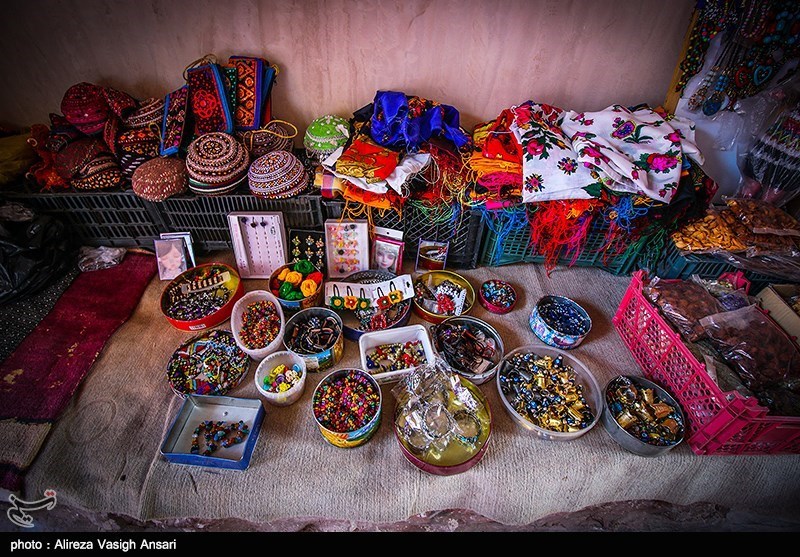
Here are Tasnim News Agency’s photos of the village:

Qatar to Use Iran’s Kish Island for World Cup 2022

Iran-Qatar-Football

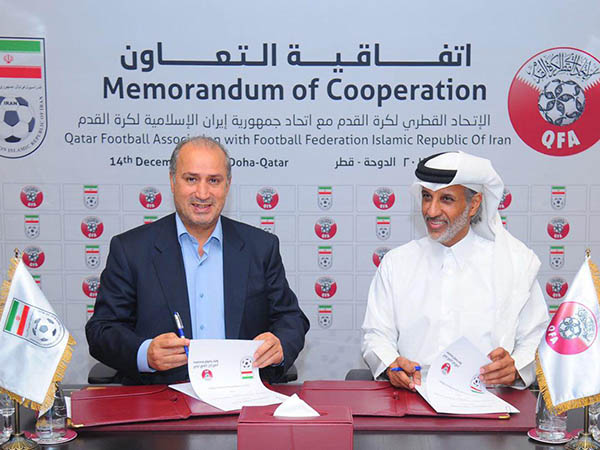
Iranian Football Federation officials have invited president of the Qatar Football Association, Sheikh Hamad al-Thani, to visit Kish Island in southern Iran to see the possibilities of setting up camps for 2022 World Cup teams.

Sheikh Hamad has welcomed the proposal, but due to a lack of direct flights from Qatar to the island, the Qatari official may travel to Kish with a dedicated flight or a ship from Doha.

As soon as the dates for 2022 World Cup are confirmed, Iran would be informed about the details, the Varzesh3 news website said in a Farsi report.

Sheikh Hamad al-Thani also promised to send a high-level delegation representing the 2022 World Cup executive committee to visit Kish Island in a bid to take care of any possible lack of facilities.

Mehdi Taj, president of the Iranian Football Federation and his deputy Ali Kaffashian on Thursday made a trip to Qatar. During the visit, two MoUs were signed between Iran’s Football Federation and Qatari Football Association.

Based on one of these MoUs, Kish Island could be a tourist destination for the 2022 World Cup spectators. At the same time, it seems that a direct flight from Doha to Kish will be provided so that the island could accommodate spectators.

The Qatari side also agreed to provide Iran’s men and women national teams at all levels with special facilities and equipped academies.

Iran, S. Korea Ink Documents on Health Cooperation

Iran, S. Korea Ink Documents on Health Cooperation

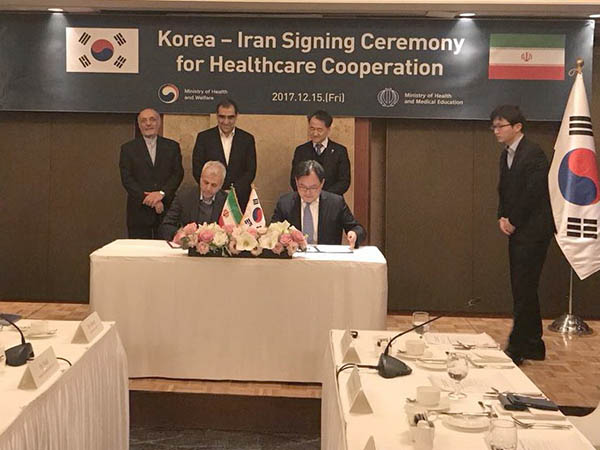
The agreements were signed in Seoul between visiting Iranian Minister of Health, Treatment and Medical Training Seyyed Hassan Qazizadeh Hashemi and South Korean Minister of Health and Welfare Park Neunghoo.

According to a Farsi report by the Islamic Republic News Agency (IRNA), one of the documents was a memorandum of understanding (MoU) on cooperation in the field of health and medical equipment.

An MoU on hospital construction was also inked between some South Korean companies and Iranian hospitals.

The second document of the Iran-South Korea Joint Health Working Group was also signed between the two countries’ health ministries.

An MoU on health insurance and one on hospital information systems were also among the documents signed in the ceremony.

Iran’s health minister heading a delegation arrived in South Korea last Wednesday. During his trip, the minister is accompanied by a team comprising officials from the health ministry as well as the Parliament’s Health and Treatment Commission. Hashemi winds up his trip on South Korea on Saturday, December 16, 2017.

300% Increase in Departure Tax Sparks Controversy in Iran

300% Increase in Departure Tax Sparks Controversy in Iran

Speaking to ISNA, Mohammad Ebrahim Larijani, director of the tourism, rail and air travel company affiliated to the Social Security Organization, said people are not expected to react in such a way, according to travel psychology.

“People might refrain from traveling abroad for a short time due to the sudden shock or to express protest, but will adapt themselves in less than two months and resume their travels,” he predicted.

Experience shows that the hike in travel costs for various reasons, including peak travel season, exorbitant visa prices, extra costs inflicted by lack of services like direct reservation, money transaction hurdles and transit flight, has not dissuaded Iranians from traveling to foreign countries.

“Contrary to what is aimed, those who cannot afford the extra cost will cut down on their domestic trips to save for outbound travels,” he said.

Parvaneh Salahshouri, a member of the parliament’s tourism faction, also believes that the move will not boost domestic tourism.

“Domestic trips are too expensive and many will still prefer to travel abroad,” she was quoted as saying by Chamedanmag.ir.

Speaking to the Persian daily Donya-e-Eqtesad, Reza Abazari, the head of Travel Agencies Guild Association, said the policy will not only fail to achieve its goal, but would also lead to a downturn in tourism.

“It will cause challenges for travel agencies, discourage investors from putting their money in tourism and eventually cause a recession in the industry,” he said.

According to Abazari, the policy might lead to the curtailment of outbound travel and a rush toward domestic destinations, but that would not be favorable because most travel spots lack adequate infrastructure to host a huge population.

“To increase inbound tourism and encourage Iranians to travel inside the country, essential measures such as raising awareness, advertising, marketing and developing transport infrastructure need to be given higher priority,” he said.

Ja’far Kheirkhahan, an economist, believes that the high tendency for traveling abroad and the consequent imbalance between inbound and outbound tourism have been caused by the government’s policy to control exchange rates.

According to the economist, the tax increase is probably a method of addressing the budget deficit resulted from such a policy.

“If exchange rates reach their real value, domestic travel will be able to compete with outbound tourism and more foreigners will show interest in traveling to Iran because it will become more affordable,” he said.

The government last Sunday submitted the budget bill to the parliament in which it proposed a threefold increase in departure tax.

As per the bill, the departure tax will reach 2.2 million rials ($52) from the current 750,000 rials ($17). The new fee is to rise by 50% for the second trip and 100% for the third and subsequent visits over a one-year period.

US-Made Jet Fighters Dropping American Bombs on Yemen: Iran

Speaking to reporters on Saturday in Tehran, Zarif once again dismissed the “baseless” claims raised by the US Ambassador to the UN, Nikki Haley, about Iran’s supply of missiles to Yemen.

“The US raises groundless accusations against Iran by displaying a piece of wreckage in a bid to put a lid on its war crimes in the region,” he went on to say, according to a Farsi report by Mizan.

“The clear thing is that the planes bombarding Yemen and the bombs they drop are American-made,” he added.

Earlier in a tweet, Zarif had highlighted Washington’s complicity in war crimes committed in Yemen, saying that since the beginning of the war, “the US has sold weapons enabling its allies to kill civilians and impose famine”.

“While Iran has been calling for ceasefire, aid and dialogue in Yemen from day 1, the US has sold weapons enabling its allies to kill civilians and impose famine,” Zarif said on his Twitter account on Friday.

“No amount of alternative facts or alternative evidence covers up US complicity in war crimes,” he added in his tweet.

In the post on his official Twitter account, Zarif also attached a link to a report on the US complicity in war crimes committed against the Yemeni people.

Zarif made the remarks in response to Haley, who claimed that the Islamic Republic has supplied Yemen with ballistic missiles.

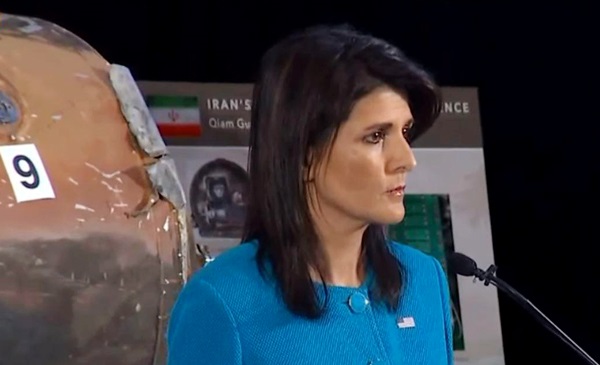
During her press conference on Thursday, Haley appeared standing before parts of a ballistic missile that she claimed Iran delivered to Houthis in Yemen, who then fired it at the Riyadh airport in Saudi Arabia last month.

In another tweet earlier on Thursday, the Iranian top diplomat had likened Haley’s speech to former US Secretary of State Colin Powell’s claim in 2003 that Iraq possessed WMD.

Powell’s 2003 speech to the UN laid out the Bush administration’s case for a war in Iraq. Powell in 2016 called the speech “a great intelligence failure”.

Iran Terms Haley’s Fabricated Show “Political Scandal”

Hossein Amir-Abdollahian said the US has been providing Saudi Arabia with military information and equipment since the beginning of the Yemen war launched by Saudi Arabia and the UAE.

“The US officials, even under previous administration, have been overtly announcing their support for the Saudi war on Yemen,” he was quoted as saying in a Farsi report by IRIB News Agency.

The Iranian official underlined Yemen crisis can be resolved only through a political solution.

“This means that the US and Saudi Arabia can no longer sell such worn-out shows to anyone in the world,” he said, adding today Ansarullah Movement and its allies in Yemen are working in the best possible condition to legally defend their country and stand against the military attacks of the occupying powers.

“By playing the blame game and working towards military solutions, the US, Saudi Arabia and the UAE cannot anymore impose their will on the Yemenis because the crisis in Yemen crisis cannot be resolved through such mechanisms.”

“The Islamic Republic of Iran declares in a loud voice that a political solution based on wisdom is the only key to overcome the Yemen and Bahrain crises,” he added.

He also expressed regret that the carnage in Yemen has been underway over the past three years with the US weapons and full support of the “illegal regime of Israel”.

“During our diplomatic talks in the UN, an official with the world body informed us that in Yemen, most Yemeni factions, even some tribal groups, have managed to achieve missile technologies,” he added.

Earlier, other Iranian officials had blamed the US envoy to the UN for his anti-Iran rhetoric.

Iranian Foreign Minister Mohammad Javad Zarif reacted to the move in a tweet that said, “When I was based at the UN, I saw this show and what it begat….”

Meanwhile, Iran’s envoy to the United Nations strongly rejected the anti-Iran allegations raised by the US ambassador to the UN, denouncing the US’ destructive, provocative and irresponsible role.

US Ambassador to the United Nations Nikki Haley showed a missile wreckage during her Thursday speech claiming that the missile is of Iranian origin. She presented that as “indisputable” evidence of Iran’s UN resolution-violating actions in the Middle East.

US military officials have previously said that Iran has supplied missiles to Houthi rebels, including a missile fired into Saudi Arabia that targeted Riyadh in November. But the UN secretary-general’s latest report said experts are still “examining all information and material available from missiles fired at Saudi Arabia, but have not yet confirmed them to be Iranian-made.”

The claims come as the US provides aerial refueling support to aircraft from the Saudi-led coalition fighting the Ansarullah Movement in Yemen. The US military also provides Saudi Arabia with intelligence sharing in Yemen.

In an attempt to crush the popular Houthi Ansarullah movement in Yemen and reinstate a staunch ally Abd Rabbuh Mansur Hadi, Saudi rulers have been carrying out an aerial military campaign since 2015 which has to date claimed well above 13,000 lives.

Wi-Fi Balloons to Be Deployed across Iran for Emergency Situations

baloon-internet

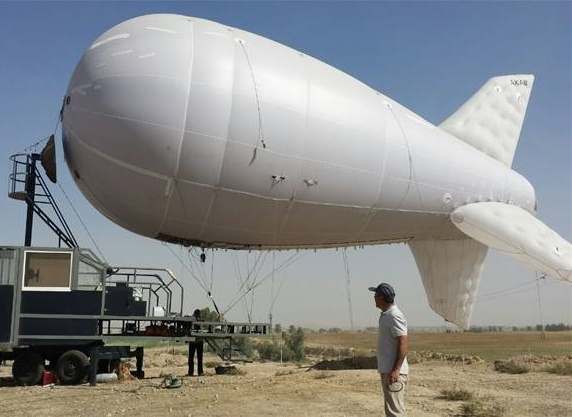
In a post on his Twitter account, Jahromi said the project is aimed at providing internet services at the shortest possible time for users in emergency situations.

Following a pilot project to deploy a local balloon in border areas with Iraq last month to offer services to the Iranian pilgrims heading to the holy cities of Najaf and Karbala in Iraq, the Crisis Management ddpartment of the ICT Ministry has removed its faults and now it is determined to deploy similar balloons in all provinces across the country for offering services in emergency situations, he said.

Iran deployed the balloon in its border with Iraq as part of an unprecedented project to provide free Wi-Fi internet service for the Arba’een pilgrims.

The balloon was located at a height of 500 metres. In this project, a radio transmitter was installed in the city of Mehran and the balloon was deployed in the border area.

The project was launched in cooperation with the Space Research Institute.

The Internet balloon had a 100 MB input bandwidth, which is considered to be responsive given that its users were passing by and were not resident in the area.

The project was supposed to become operational last year, but due to non-technical reasons it was implemented incompletely. In general, the use of balloons depends on weather conditions, and if the weather conditions are favourable, it could be operational.


Lunatic Trump Creates Problems for US, World: Iranian Cleric

Ayatollah Kazem Sediqi

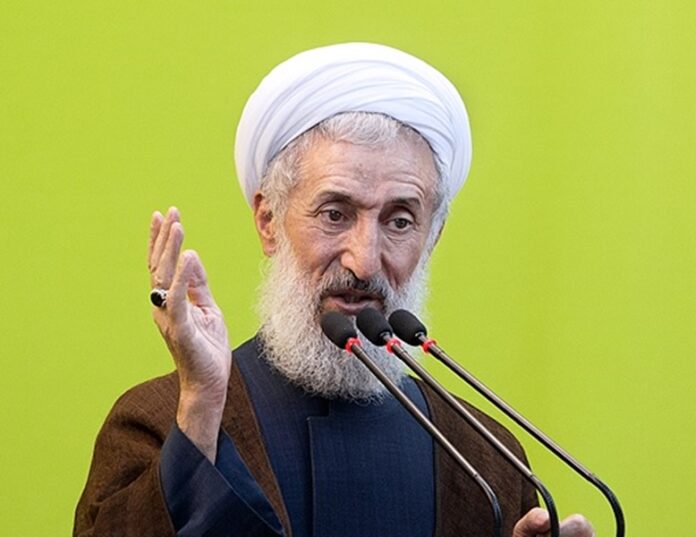
Addressing a huge group of worshippers on Friday in Tehran, Ayatollah Kazem Sediqi stated that the nature of the former presidents of the US was similar to Trump, but they were wearing masks while Trump is a villain without any mask.

He further noted that the former US presidents despite the approval of the Congress did not express such things because they took the interests of Washington into consideration first.

“However Trump, whose son-in-law is a Zionist, came into power with the help of America’s Zionists, and he does not know anything about (national) interest and politics,” ISNA quoted Ayatollah Sediqi as saying in a Farsi report.

This Iranian cleric also noted that “they (the Americans) wanted to marginalize the Palestinian issue, but Trump’s foolish statements provoked reactions in Muslim countries, and the Palestinian people rose to form the third Intifada.”

US President Donald Trump recognized Jerusalem al-Quds as the Israeli regime’s capital last Wednesday and announced plans to relocate the US Embassy there, a move which inflamed tensions in the region.

The Ugly Missile vs The Beautiful Missile

The Ugly Missile vs The Beautiful Missile

One of the Americans’ old tricks is to present fabricated documents to prove false accusations. Once, Colin Powell took to the UN the documents allegedly proving the existence of Weapons of Mass Destruction in Iraq, which were never found.

On Thursday night, US Ambassador to the UN Nikki Haley showed parts of a missile which she claimed was made by Iran and that it was the same missile fired by Yemen at Saudi Arabia. Interestingly enough, Haley, in order to prove her claim, referred to a report which says American parts have also been found in the missile!

The reporters present at Haley’s news show should have asked her about the tens of millions of American weapons which have been the cause of the deaths of millions of men, women and children across the world. At least, reporters could have asked Haley this question: ”Under the supervision of which international institution has Washington transferred to the United States the missile parts from the location of its impact in Riyadh?  And if the parts belong to an Iranian-made missile, can the US prove that they are not parts of the same missile that Iran fired at ISIS positions in Syria?”

Saudi Arabia has been attacking Yemen for three years now with American and British weaponry. UN figures suggest that at least 10,000 men, women and children have been killed in the Saudi aggression on Yemen. Still, the key backers of Saudi Arabia, namely Britain and the US, are not willing to stop selling weapons to Riyadh.

Last week, I asked British MP Andrew Mitchell why London did not stop selling arms to Saudi Arabia despite the fact that the UK has acknowledged that human crisis exists in Yemen. His answer was short: Because Saudi Arabia is rich and can buy a lot of weapons!

Earlier, Donald Trump had described as “beautiful” billions of dollars worth of arms the US had sold to Saudi Arabia. This comes as Haley, on Thursday, described as “ugly” and horrendous the missile fired by the Yemenis at Riyadh in response to the daily bombardment of their country by Saudi Arabia. The Yemeni missile attack did not have any casualties, either.

Shouldn’t we be afraid of the “beautiful” world that the US wants to build?

* Author: Seyyed Mojtaba Mousavi

No Revision in Iran’s Stance on Caspian Sea Demarcation: Qassemi

In response to a question on the outcome of a meeting of the foreign ministers of the Caspian Sea littoral states held last week in Moscow, Qassemi rejected the reports on the final decision of the ministers on the demarcation of the Caspian Sea and said the issue of demarcation was not even put on the agenda of the meeting.

The spokesman said the issues still remain unresolved and added negotiations over the Caspian Sea demarcation are not set to be held within the convention talks.

“Given the deep disagreements between the member states over the demarcation issue, it seems there will be no deal in the near future. Meanwhile, discussing all the details during the convention talks is not possible at all,” he added.

Qassemi said issues related to the Caspian Sea’s demarcation will be addressed and finalized in separate accord and protocols.

“The convention on the legal status of the Caspian Sea is a structural convention which (like other similar conventions) includes only main principles, outlines of each country’s basic rights and duties in various fields because it is not possible at all to include all the details in such conventions.”

He went on to say the convention on the legal status of the Caspian Sea includes some general principles like goals, definitions, grounds of cooperation, ways to establish sovereignty, sovereign rights and qualifications, environmental protection, maritime monopoly under flag of convenience of the littoral states, bans on the military presence of non-littoral states, sailing regulations, transportation, access to/from free waters, transit, equal treatment of and prevention from discrimination against registered ships, protection and optimal use of living resources of the sea, security and energy measures, sea research, cooperation mechanisms and so on.

Qassemi stressed that during th Moscow meeting no document was signed or endorsed but the participants agreed to adopt some legal measures following internal coordination and expert-level meetings between the five member states.

“They will finally try to finalize the convention on the legal status of the Caspian Sea to be signed in the next leaders’ summit, the date of which will be announced later,” he concluded.

Iranian Foreign Minister Mohammad Javad Zarif took part in the Moscow meeting attended by delegations from Turkmenistan, Azerbaijan, Russia, and Kazakhstan.

During the meeting, the participants discussed the draft convention on the legal status of the Caspian Sea, and ways to finalize the convention.


They also prepared the agenda, and assessed the documents to be signed at the Leaders’ Summit.

During the previous ministerial meeting held in the Kazakh capital of Astana in 2016, Iran stressed that the legal regime of Caspian Sea should be developed in a way that the interests of all littoral states are met.