Monday, December 22, 2025
Home Blog Page 3741

Iran Blasts US for Abusing UN Security Council

khoshrou

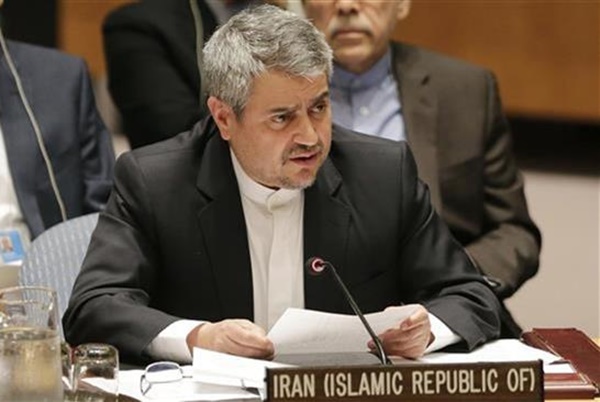
“It is unfortunate that despite the resistance on the part of some of its members, this Council has allowed itself to be abused by the current US administration in holding a meeting on an issue that falls outside the scope of its mandate,” Iran’s Ambassador to the UN Gholamali Khoshroo said in an address to a largely-divided session on Friday.

What follows is the full text of Iran’s statement in reaction to the UNSC meeting during which several member states expressed their support for the Iran nuclear deal and called on the US not to interfere in Iran’s internal affairs:


In the Name of God


Mr. President,

The move by the United States to bring to this Council protests in Iran by some of our citizens for their legitimate grievances — some exacerbated by none other than the US itself in its dereliction of its obligations under the Joint Comprehensive Plan of Action —is an abuse of its power as a Permanent Member, and an abuse of the Council itself.

It is unfortunate that despite the resistance on the part of some of its members, this Council has allowed itself to be abused by the current US administration in holding a meeting on an issue that falls outside the scope of its mandate, putting on display the failure of the Council to fulfil its real responsibility in maintaining international peace and security.

It is a discredit for the Security Council to take up a matter that is of a purely domestic nature while failing abjectly to lift a finger when it comes to genuine issues, such as the long-lasting occupation of Palestinian territory – to which this item is dedicated and the indiscriminate bombing of Yemen in the past three years, which has so far resulted in the deaths of thousands of human beings and has brought hunger, disease and destruction on the Yemeni people. The list of such failures of the Council are all attributable to the obstructionist approach by the US delegation and goes on and on.


Mr. President,

This is nothing but another desperate attempt by the US administration to escape forward, as it has lost every shred of moral, political and legal authority and credibility in the eyes of the whole world. Following such acts of disruption taken by this US administration as flouting international law and disrespecting the practices of civilized behaviour in international politics, this administration is now desperately reaching for every straw that keeps it afloat.

There is a long history of US bullying at the UN, but this is a preposterous example—the purely internal affairs of a nation—in this case protests that the Iranian government has addressed with the utmost respect for the rights of protestors and with every attempt to deal with peacefully, despite violent infiltrators and direct encouragement by foreign forces including by the President of the United States—is not the subject of debate by the world’s most important security organ.

I would be remiss if I didn’t mention, for those who may not remember, also the United States’ long history of interventions in the internal affairs of Iran. A continuous pattern of disruption in the course of the democratization process in Iran can be traced back to the coup staged by the US against Iran’s democratically elected Prime Minister in 1953. Hostile acts intensified once Iranians rose up to overthrow their dictator ruler – who was unsurprisingly loved by the US government. Since then, among others, the US has backed attempted military coups and acts of sabotage in Iran; imposed illegal and inhumane unilateral sanctions against ordinary Iranians; unconditionally supported Saddam Hussein in his eight-year destructive war against Iranians, including by providing him with chemical weapons; and even directly engaged in military confrontation with Iran in defence of Saddam. I should also refer to the 290 innocent lives lost— including 66 children— on board Iran Air 655 shot down in July 1988 by the US Navy in the Persian Gulf. It would be a remiss of me not to recall that the US shamelessly decorated the commander who gave the order to fire.


Mr. President,

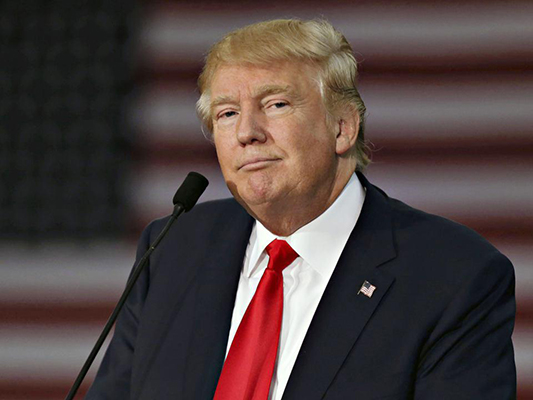
While President Trump may be enamoured of the fact that no protesters demonstrated against his presence while he was in our neighbourhood a few months ago—he may be unaware that they have no right to protest—the fact is that in every democratic country, citizens will, from time to time, take to the streets to protest one thing or another, and Iran is no exception. In every country the security forces—be they police, gendarmes, national guards or others—are present to ensure that protests remain peaceful, and Iran is, again, no exception. However, while the US accuses Iran of “suppressing” protests, one can only gasp at the hypocrisy when viewing images of Occupy Wall Street protestors beaten and dragged by American policemen, or to go back in time, when National Guardsmen fired on and killed peaceful student protestors at Kent State University, or to watching film of the protests outside the Democratic National Convention in Chicago in 1968.

Or, more recently we can rewind to the 1992 Los Angeles riots over the brutal beating of Rodney King by policemen—and killings of innocent African-Americans at the hands of law enforcement continue unabated, as we all know—when the California Army National Guard, the 7th Infantry Division and the 1st Marine Division were called in to restore order. A total of 63 people were killed during the uprising; 2383 were injured, and more than 12,000 were arrested. I don’t recall any member of the UNSC calling for debate on this issue, when the US military was involved in suppressing domestic unrest. Nor was there debate in 1993 when the FBI raided the Branch Davidian headquarters in Waco, Texas, after a 51-day standoff, killing 83 men, women and children, the vast majority of whom were entirely innocent of any crime. It would behove Ms. Haley—who perhaps was busy with other priorities at the time of their occurrence—to read up on these travesties of justice on American soil before condemning others for far less.

But it is not just the US that has an unenviable record in dealing with protestors: In 2005 in France, then Interior Minister Nicolas Sarkozy declared a “zero tolerance” policy towards protests emanating from the deprived suburbs of Paris and other major French cities, referring to demonstrators—largely poor immigrants—as “scum”. With almost 3,000 arrests and several deaths, the unrest was only quelled to re-emerge in multiple other forms, most recently in 2017, when the police rape of a young French citizen of African origin once again triggered protests. I do not, however, recall the UNSC being summoned for debate on this.

And in 2011 in the United Kingdom, then Home Secretary Theresa May “utterly condemned” the violence amid protests in her country, saying, “Such disregard for public safety and property will not be tolerated.” Meanwhile, Prime Minister David Cameron warned rioters, “You will feel the full force of the law. And if you are old enough to commit these crimes, you are old enough to face the punishment.” In the span of merely a few days, some 3,100 arrests were made and with the authorities told that they could ignore existing sentencing guidelines, two young men who promoted riots via Facebook, with the proposed disturbances not attended by any other people, were handed four-year sentences.

I do not recall any country bringing any of these reactions to protests—across the self-described “civilized” democracies—to the attention of, let alone opening to debate at the United Nations Security Council.


Mr. President,

We have hard evidence of the violence in Iran by a handful of the protestors, in some cases resulting in the death of policemen and security officers, being very clearly directed from abroad. These violent elements surfaced in the crowds as early as Friday evening last week, at the inception of the protests. At that point, the hands of elements from outside Iran, including instigators based in the United States and Europe, began to be visible: incitement to violence included encouraging and training people to use Molotov cocktails, to seize ammunition depots, and to stage an armed uprising.

One US resident took to social media to order the killing of 120 members of our security forces, threatening that “those who will be included among the killed are “their families, [too] in their homes.” This same US resident publicly stated to US media, with complete sense of impunity that “they should burn down government mosques and police stations.

It was clear enough to not just us but also third parties that Telegram Messenger executives decided to block some of the violence-inciting channels, citing a “line one shouldn’t cross.

All of this is also well documented in the mainstream media. In one case, a man with extensive criminal record, captured a fire engine and ran it over a car, murdering the driver and his 12-year-old son. In some other cases, hooligans got involved and looted shops and banks. Altogether the peaceful, legitimate protests—which my government emphatically confirmed are a constitutional right which has been respected since the Islamic Revolution—were abused and hijacked to stage arson, vandalism, hooliganism, and in several cases the firing of weapons.

President Trump and some other US politicians have joined ISIS and its patrons in our region to openly incite and encourage violence. It is the ultimate irony that the country whose head of state has thrown his lot in with those visiting violence and destruction on Iran has its UN Ambassador, who has a history of ignorant and belligerent comments on my country (and even has trouble identifying whether a country is fictitious or not), bring it as an issue for debate to the Security Council. If anything, it is Iran that should be demanding a debate and investigation into how and why foreign elements, with impunity, are allowed to encourage and support unrest and violence in another sovereign and founding member of the United Nations.  For example, let’s debate why the United States has failed, in spite of repeated official requests, to stop the incitement to violence and murder of innocent civilians from its territory? Or why some European countries continue to provide safe haven to terrorists who are inciting violence and armed rioting as we speak?  Why social media sites that promote and teach the use of Molotov Cocktails and boast about people using arms to kill in Iran operate freely in their territory in spite of clear evidence.  These are the real issues that need to be addressed.


Distinguished members,

To make this farce into something more than a mere waste of time, let us discuss something else that this Council hasn’t but should deal with: The free flow of information has brought with it the spread of fake news and other forms of information wars. These threats are common to all free and sovereign nations. We are not alone in finding it necessary to formulate solutions to these challenges. Recently, French President Macron also lauded efforts to increase transparency about the ownership of websites, including their foreign funding; further empowerment of government agencies to fight against “any attempt at destabilization” by TV stations controlled or influenced by foreign states; and also suggested countering social media channels used as propaganda by introducing laws to disclose the source of funding for particularly sponsored content.

These measures are not needed to simply fight back against fake news, rioters and electoral interference, but more ominously in the fight against terrorists, including ISIS. This fight, distinguished members and colleagues, is not zero sum: we will either win together or lose together.

UNSC Meeting another ‘Blunder’ for Trump Administration: Iran

UNSC

The United Nations Security Council on Friday held an emergency meeting on the recent protests in Iran at the request of the United States.

Referring to the largely-divided session, Zarif said in his Twitter account, “The UNSC rebuffed the US’ naked attempt to hijack its mandate.”

“Majority emphasized the need to fully implement the JCPOA and to refrain from interfering in internal affairs of others,” he added.

Zarif also called it “another foreign policy blunder for the Trump administration.”

Meanwhile, Iran’s envoy to the UN also stressed that such sessions “discredit” the UN Security Council and demonstrates how Washington “abuses” its powers as a permanent member to forward its own agenda.

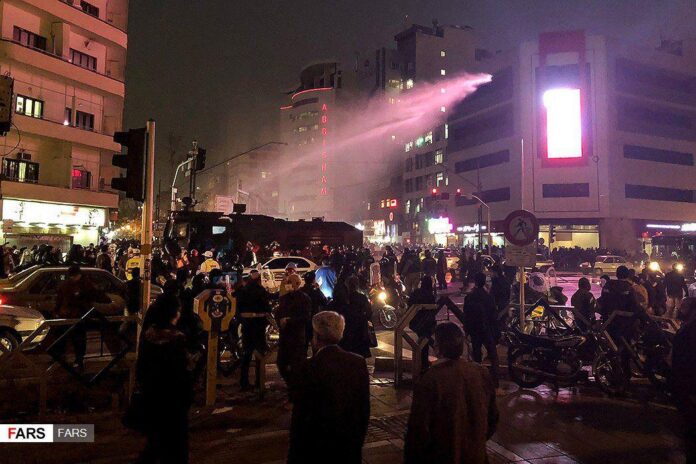
Last week, groups of peaceful protesters staged unauthorized gatherings in several areas across the country, calling on the authorities to address their economic issues. Despite having no mandate, the protests were allowed to go on uninterrupted for several days.

However, some of events turned violent after armed elements and vandals took the opportunity to destroy public property and attack police stations, killing and injuring dozens of people in the process.

While many countries such as Russia, Turkey and Syria condemned the violence, US President Donald Trump hyped up the unrest in a series of tweets, pledging continued support for the rioters, as reported by Press TV.


Russia, China Echo Iran, Call on Council to Refocus

Also speaking at the meeting was Russia’s UN Ambassador Vasily Nebenzia, who accused Washington of trying to bend the UNSC mandate by supporting the unrest in Iran.

“We obviously regret the loss of lives as a result of the demonstrations that were not so peaceful. However, let Iran deal with its own problems, especially since this is precisely what’s taking place,” he said.

The Russian envoy then pointed to Washington’s handling of protests over widespread police killings of unarmed African Americans and crackdown on other social justice movements.

“If we follow your logic, then we should have meetings of the Security Council after the events in Ferguson or after the dispersal by force of the Occupy Wall Street movement in Manhattan.”

“You are dispersing the energy of the Security Council, instead of focusing it on dealing with key crisis situations in Afghanistan, Syria Libya, Iraq, Yemen, the DPRK (Democratic People’s Republic of Korea), [and] the African continent. Instead of that, you are proposing that we interfere in the internal affairs of a state,” Nebenzia added.

China’s Deputy UN Ambassador Wu Haitao also took a similar line, saying the protests were a “domestic issue” of Iran and discussing them at the council “does not help resolve” them.

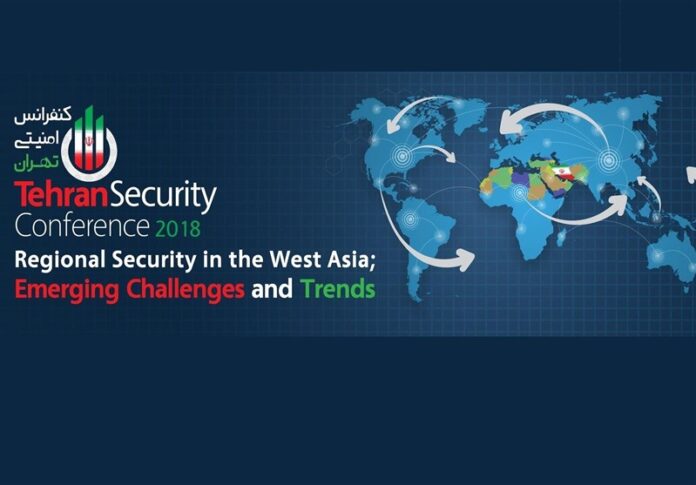
Regional Security Conference to Be Held in Tehran on Monday

Security Conference

In a statement, secretariat of the conference said the upcoming event, the second one in less than two months, will convene in Tehran on Monday.

More than 200 politicians and analysts from Iran and abroad are going to take part in the conference on “Regional Security in West Asia: Emerging Trends and Challenges”.

Iranian Foreign Minister Mohammad Javad Zarif, Interior Minister Abdolreza Rahmani Fazli and Defense Minister Brigadier General Amir Hatami will be among the keynote speakers in the gathering.

The conference is expected to focus on the role of Iran and the other regional and trans-regional players in the Middle East security arrangements, the links between economic progress and regional security, collective defense and security cooperation, as well as the axis of resistance’s role in West Asia security.

In an address to the previous security conference in Tehran, held on November 15, 2017, Iranian Deputy Foreign Minister Abbas Araqchi denounced the Israeli regime as the main obstacle to the establishment of a nuclear weapon free Middle East, saying Tel Aviv, benefiting from US support, ruins efforts to prevent proliferation of atomic weapons.

Israel is widely understood to possess nuclear weapons but declines to confirm or deny it under the policy of nuclear ambiguity. It has refused to join the nuclear Non-Proliferation Treaty and been the only obstacle in the way of realization of a nuclear-weapons-free Middle East.

Who Did First Block Iranian People’s Access to Internet?

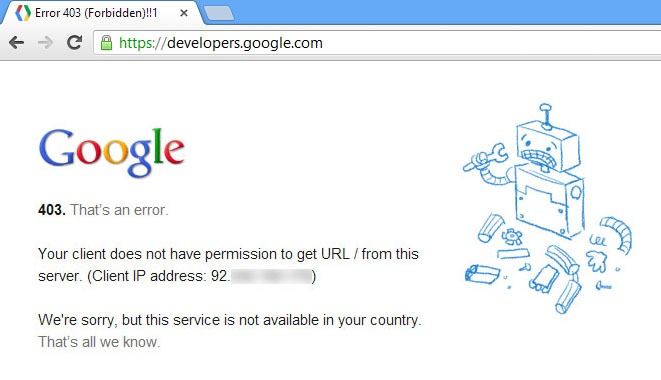
“Use of this service is restricted for your country.” This is a sentence that has deprived Iranian elites from having free access to information, and has for years kept Iranians from enjoying full benefits of the Internet and modern technologies.

Iranian people are considered first-class citizens of the global village only when it comes to the use of Internet for inviting people to street riots. However, if an Iranian wants to use the online territory for science and research, the “visa ban” applies to him/her.
 

Internet sanctions are good, but just for Iran!

We will later name several countries that have restricted social media in order to ensure their national security without any severe political and media pressure. We can even conclude that during the recent unrest, the Iranian government has shown much more tolerance than the Western countries who claim to be protectors of citizens’ rights. However, the important point is to understand that maintaining peace, security, and national interests is the top priority of any state. All countries, even those whose media is spreading propaganda against the Iranian government, would implement various restrictive measures in emergency situations in order to ensure their security.

Despite all these points, the international media harshly criticized the Iranian government for restricting people’s access to Telegram and made a fuss about it. This, however, has create a more serious question for Iranian netizens: if the freedom of Internet and the Iranians’ use of online services is so much important for other countries and international media, why have they refused to show any major reaction to the fact that Iranian people are deprived of using many online services due to sanctions? Iranian netizens are tired of receiving the message “this service is not provided for your country”. The United States’ widespread technology sanctions, in many cases, have even deprived Iranian people from receiving online training courses, web hosting services, Google’s specialized services, and the like. What is the difference between the Western governments’ restriction of professional Internet services for Iranian users and the Iranian government’s move to restrict certain online services in order to counter street riots?


Why was Telegram blocked in Iran?

A decision to restrict the Iranian people’s access to Instagram and Telegram messaging app amid the recent unrest in Iran has made the headlines within the past few days. The decision seems to be mainly aimed at preventing the activities of certain Telegram channels and Instagram pages that published fake news, spread rumours, and incited violence.


Blocking the Internet is bad, but just for Iran!

As expected, immediately after Iran’s decision to restrict access to Telegram and Instagram, which was made in order to prevent the expansion of rioters’ activities, foreign media started criticizing the Iranian government’s decision, describing it as a violation of freedom and civil rights. However, Iran is not the only country that restricts social media in order to control street unrest and prevent the spread of violence.

In August 2011, unrest and street violence broke out in London and several other cities in the UK after the British police killed a 29-year-old man. The British government believed the rioters coordinated their moves using social media, and thus it asked Facebook, Twitter, and Blackberry to restrict these people’s access. Some of these networks accepted the request, but UK Prime Minister David Cameron told the House of Commons that his government was “working with the police, the intelligence services and industry to look at whether it would be right to stop people communicating via these websites and services when we know they are plotting violence, disorder and criminality.” At the same time, the UK police announced it would arrest anyone who sends violence-promoting messages using the Blackberry Messenger.
In exactly the same month, the US government shut down cell phone services, including mobile Internet access, in several parts of San Francisco in an attempt to control violence that had resulted from the police’s killing of a number of black and homeless people. The US officials believed that protesters were coordinating their plots to exacerbate the violence using online services.

The Freedom of Information Act (FOIA) of the US also includes protocols for limiting the access of citizens and mobile phone users to the Internet at the time of a national crisis. However, the US government has used the Act even against those who protested the construction of North Dakota oil pipeline.

Even France, which claims to be an advocate of Western liberties, has shown no mercy to the Internet and social media users whenever it comes to national security and interests. In 2015, France used an armed attack on Charlie Hebdo’s office as a pretext to block many websites. It even approved an emergency law that allowed the French interior minister to restrict websites and social media if deemed necessary. In 2016, the French ministry of justice arrested at least 39 people just for visiting websites that, according to the ministry, were affiliated with terrorists. Later in 2017, the French government urged the removal of videos related to the 2016 armed attacks on Nice. In the same year, the access of 11 million French people to Google, Wikipedia, and some other websites was temporarily blocked.

* Author: Seyyed Mojtaba Mousavi

“Trump Using Iran Protests as Pretext to Re-Impose Sanctions”

trump

The Persian-language E’temad newspaper has, in an article written by Sara Masoumi, weighed in on the US president’s meddlesome remarks about the recent unrest and his possible plan for the nuclear deal signed between Iran and six world powers known as the Joint Comprehensive Plan of Action (JCPOA). The Highlights of the analytical piece follow.


US Seeking to Build Int’l Consensus against Iran

“We will not remain silent” is the sentence uttered by US Ambassador to the UN Nikki Haley about the recent unrest in Iran during her first speech in the year 2018. Haley’s sentence somehow makes sense. The Trump administration, which turns one year old in 16 days’ time, has expressed its viewpoints about everything so far. By expressing its views, the US administration has disrupted the relative international order, made its European allies worried, and reneged on many of Washington’s international commitments.
Haley has turned into the United States’ tension-creating commander. Washington’s stances, which must be naturally expressed by the US secretary of state, are declared by Haley. Over the past year, she has been handling the job of provoking as much tension as she can in Tehran-Washington relations. She has made fiery speeches at the UN Security Council about Iran’s missile tests and regional activities, visited Vienna to persuade the International Atomic Energy Agency (IAEA) to get tough on Tehran within the framework of the JCPOA, displayed parts of the missiles that Saudi Arabia has given to Washington and claimed they are parts of Iranian-made missiles in order to build a global consensus against Tehran. (Translator’s note: Haley claimed recently that the missile(s) fired by Yemen against Riyadh in retaliation for Saudi airstrikes against innocent Yemenis had been manufactured by Iran.)

The Trump administration has marked the arrival of the Christian New Year with back-to-back anti-Iran tweets by the US president as well as the unfounded speeches by its UN envoy. In her recent speech, Haley announced that Washington is asking the United Nations’ Security Council and Human Rights Council to hold an emergency meeting to review the recent developments in Iran. Such remarks are a clear example of interference in the internal affairs of an independent country which is a member of the United Nations.

Donald Trump posts one tweet a day, on average, in support of what he calls Iranian people’s uprising, and the important point is the comments posted under his tweets. Apart from Iranian users both inside and outside Iran, who want the US president to stop meddling in Iran’s domestic affairs, there have been many American users who have reminded him that he’d better busy himself with America’s internal problems and that he’d better remember the insulting comments he made to his own people when he speaks of respecting Iranians.

Not to mention the arguments going on in the United States between advocates and opponents of Washington’s interference in Iran’s recent developments, the leaders of other countries also have misgivings over Trump’s continual meddling in Iran’s domestic affairs and its impact on the events in Iran. Without having entered the blame-sharing stage in Iran’s developments, the Europeans are asking Tehran to give protesters the right of freedom of expression and avoid using violence against them. This is while Washington is turning the recent events in Iran into a pretext to ratchet up the pressure on Iran.

Regional countries also prefer to remain silent. Of course, Russia and Turkey insist that there must not be any interference in Iran’s domestic affairs. Russian Foreign Ministry Spokeswoman Maria Zakharova showed the strongest reaction to the different positions adopted by different US authorities. Touching upon Haley’s request that the UN Security Council hold an emergency meeting on Iran, Zakharova said, “There is no doubt that the US delegation [to the UN] has something to tell the world.”

“For example, Nikki Haley can share America’s experience in breaking up protests, going into detail about how, say, the mass arrests and the stifling of the Occupy Wall Street movement happened or how Ferguson was ‘quelled,’” Zakharova added.

Since Zakharova made those comments, Turkish officials have increased their contacts with their Iranian counterparts as well. Turkish Foreign Minister Mevlut Cavusoglu has talked to his opposite number Mohammad Javad Zarif of Iran about the recent developments. Turkish President Recep Tayyip Erdogan has also talked to his Iranian counterpart Hassan Rouhani about unrest in some Iranian cities. In the phone conversation, Erdogan expressed his support for Rouhani, saying the existence of stability and security in Iran is very important to Turkey. Erdogan also said he backs Rouhani’s statement that Iranian people must not violate regulations while expressing their objections over the existing problems in the country.


Cherishing the Dream of Regime Change in Iran

An opportunity for regime change or a tool to withdraw from the JCPOA by resorting to the strategy of not extending the suspension of enforcing nuclear sanctions against Iran? Some analysts believe Trump is seeking to seize the opportunity to implement his plan to bring about a regime change in Iran. The plan can also be seen in his comprehensive policy on Tehran announced two months ago. However, probably the major concern about the US president’s policies in the short run would be the extreme positions adopted in recent days on the JCPOA. Mid-January is a critical and determining date for the JCPOA. If Trump fails to maintain the suspension of nuclear sanctions on Iran, it will trigger Washington’s pullout from the nuclear deal, and Iran, too, can resume its nuclear activities as stipulated in the JCPOA.

Over the past week, Washington has left no stone unturned to further interfere in Iran’s affairs: threatening to slap sanctions on Tehran, to bring Iran’s dossier to the UN Security Council and the world body’s Human Rights Council, and not to extend the suspension of nuclear sanctions on Iran. Trump’s idea of seizing the chance to invest in the scenario of regime change in Iran began with his first interventionist tweet as covered by international media. Of course, the direction of the tweets and positions adopted by Washington increase the possibility of such a scenario. As a case in point, the American Free Beacon media outlet has, in a recent analytical piece, written that the reason behind Washington’s closely watching the developments in Iran and Trump’s adopting a position on them is that the US president feels he has grasped a good opportunity to support the recent protests in Iran one way or another and can further fuel them. Still, individuals such as John Brennan, who used to be the CIA director in the Obama administration, have lashed out at Trump’s policies on the recent developments in Iran and believe that even if the unrest in Tehran could have strengthened the position of reformists and brought about gradual political reforms, Trump killed that chance with his blatant interference. Brennan has openly criticized Trump these days and stressed that sabre-rattling can be neither a strategy nor a mechanism to reinforce the United States’ power and leverage.


Trump Gets Pretext He Needed

Politico and the CNN are two media outlets which have, over the past 48 hours, published analyses about the impact of Iran’s developments on Trump’s decision about the JCPOA. According to Politico, the opponents of Trump’s resorting to the recent developments in Tehran to stop waiving nuclear sanctions against Iran believe such a move by Trump will be in Iran’s interest at the end of the day. Despite all the destructive measures adopted by the US president against Iran over the past few days, the greatest danger looms large within the 120-day period when Trump has to decide whether or not to continue waiving Iran sanctions.

Less than two weeks are left until that day, and whatever action the US president takes has a high risk of scuttling the JCPOA. Although national security advisors to Trump have strongly reminded him that the US would not be able to handle the high costs of withdrawing from the JCPOA, Trump seems to be cherishing the idea of putting more economic pressure on Iranian people in order to be able to incite them against the government.

According to Richard Goldberg, Trump will stop waiving nuclear sanctions against Iran in mid-January as it will keep money flowing to the Iranian government, make the Iranians benefit more from the JCPOA and secure the survival of the Islamic Republic establishment in the country.

Politico quotes a senior analyst as saying that Trump believes he can seize the moment, and hence, he will re-impose nuclear sanctions on Iran. Trump is of the conviction that the Iranian government is facing enough economic problems, and Iranian people will come under more pressure if nuclear sanctions are reinstated. According to Politico, many experts on Middle East issues as well as former US authorities have warned that withdrawal from the nuclear deal with Iran will further rally people behind the government. This comes as the other five signatories to the JCPOA are standing behind Iran in this scenario.

Dennis Ross, an advisor to three former American presidents on Middle East affairs, believes Washington should not pull out of the JCPOA.

“It basically diverts attention back onto us. We have an interest in keeping the spotlight on what the Iranians are doing, not shifting it to a step that we took,” he said.

In the meantime, an official close to the White House says at a time some Iranian cities are the scene of protests

Trump has been calling for a review of the JCPOA over the past year, a demand rejected by Iran and other signatories to the deal. Europeans have, time and again, called on Trump over the past year to stop threatening to pull out of the nuclear deal. The Europeans say the reinstatement of nuclear sanctions on Iran can prove the claim that the US is not a reliable player in any deal. By refusing to confirm Iran’s commitment to its obligations under the JCPOA, Trump has shown that he needs no documents for his behaviour, so much so that he can deny Iran’s compliance with the JCPOA despite the fact that the IAEA has, on several occasions, corroborated Iran’s abidance by the deal.

Iran Unrest Quelled with Minimum Cost: Interior Minister

In an address to an official ceremony in the central city of Semnan, Rahmani Fazli called on the nation not to take seriously the rumours broadcast by the “enemies’ media” and said the unrest was quelled with the least possible costs thanks to the Establishment’s tolerance and people’s help.

“The issue of the violent unrest in Iran was not even raised in the country’s Supreme National Security Council,” he was quoted as saying in a Farsi report by ISNA.

The Iranian minister also said the unrest was controlled by the cities’ officials, adding that only in certain cases, the provincial officials stepped into the fray to resolve the problem.

He went on to say Iran is now in a stable condition. “We should preserve the current condition and work at a high speed and with high motivation to strengthen our national solidarity under the guidance of the leader of the Islamic Revolution.”

The interior minister also referred to the economic woes that Iran is now grappling with and said the government of President Hassan Rouhani took the country with an inflation rate of 46%. “But with hard efforts by the government officials, we have taken long steps to relieve the burden of the economic problems.”

He underlined that the efforts should be doubled if the problems are to be removed completely.

Rahmani Fazli cited moderation as the general policy of the government and said moderation is acceptable by any reasonable and moderate individual. “Moderation makes up the basis of most politicians’ career and only a few politicians view their success in radicalism or illogical principles but these people are in minority.”

He underlined that social tensions prevail in all countries and said in the recent unrest in Iran “we saw the hands of certain states which cannot accept the authority and sovereignty of the Islamic Republic.”

Last week, a number of peaceful protests began in several areas across the country, with the participants calling on authorities to address their economic issues. Those gatherings were, however, overshadowed when armed elements and vandals showed up among ordinary protesters and began to launch attacks on public property, police stations and religious sites.

At least 21 people including a couple of security forces have been killed in the violence, according to state media reports.

The violence drew praise from Israel, and the US which voiced firm support for the rioters.

Iranian officials said based on the rights enshrined in the Constitution people are free to criticize the government or stage protests, but the manner of expressing such criticism should be constructive and help improve domestic conditions.

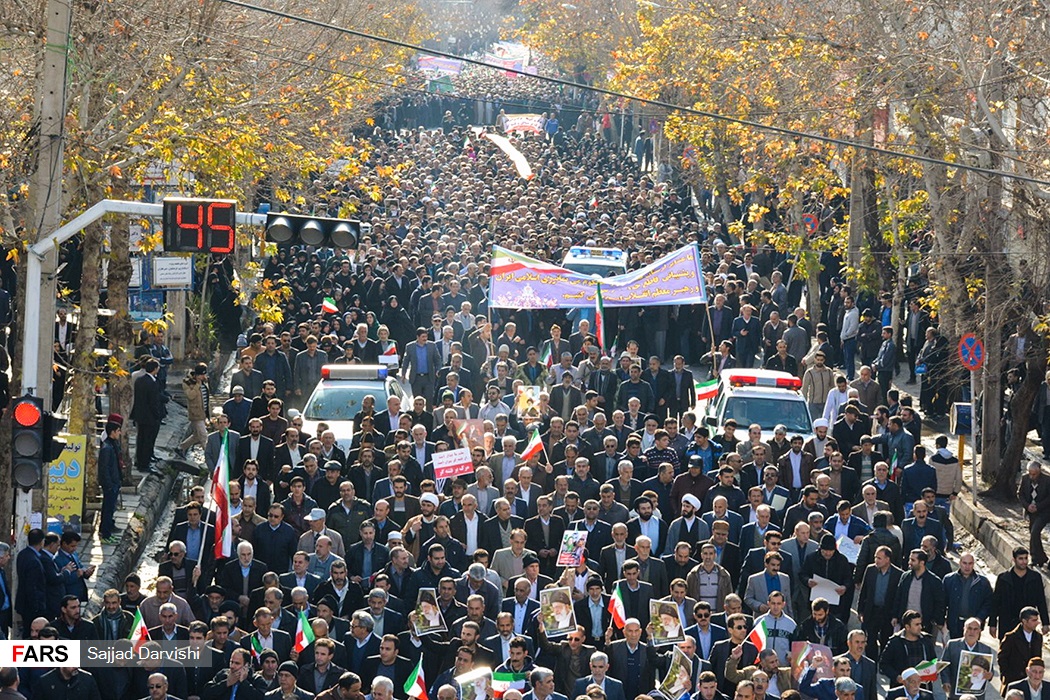
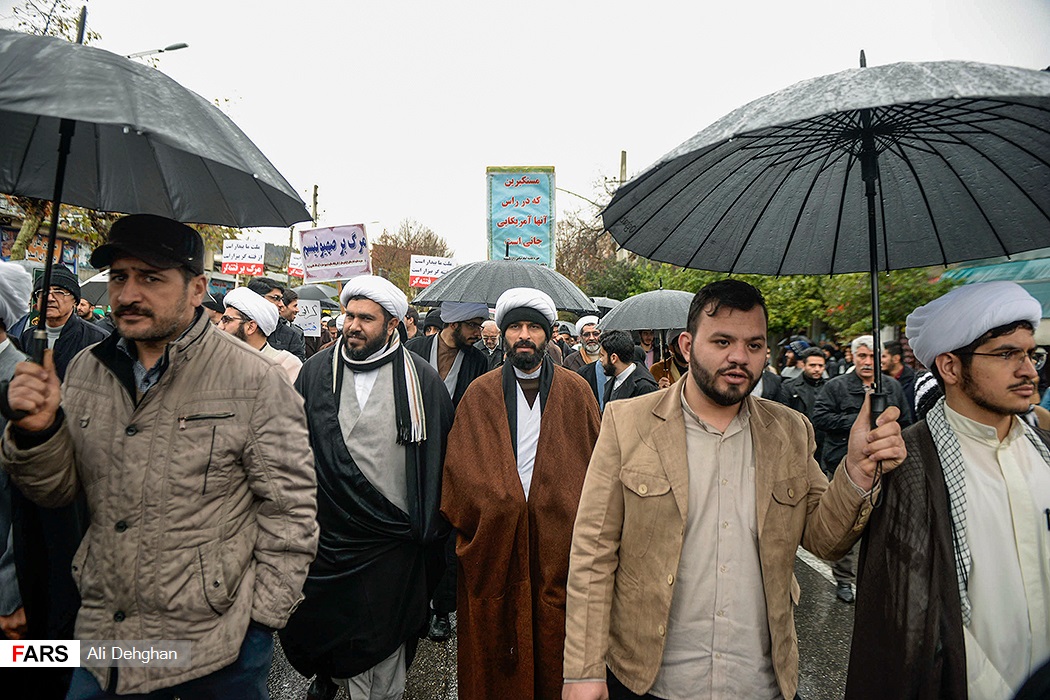
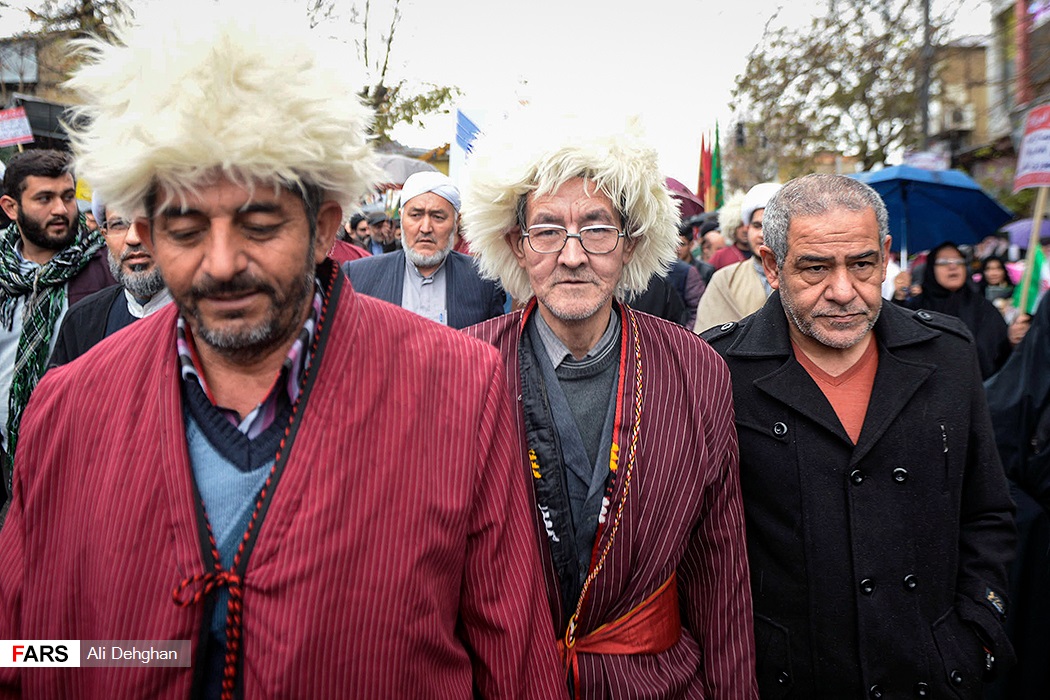
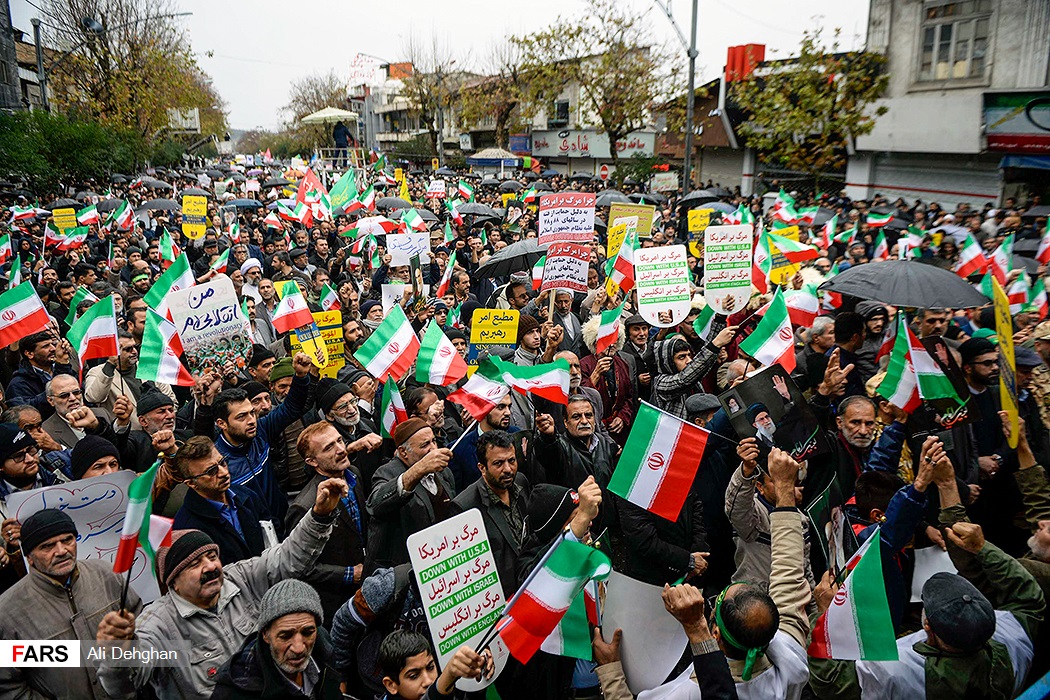
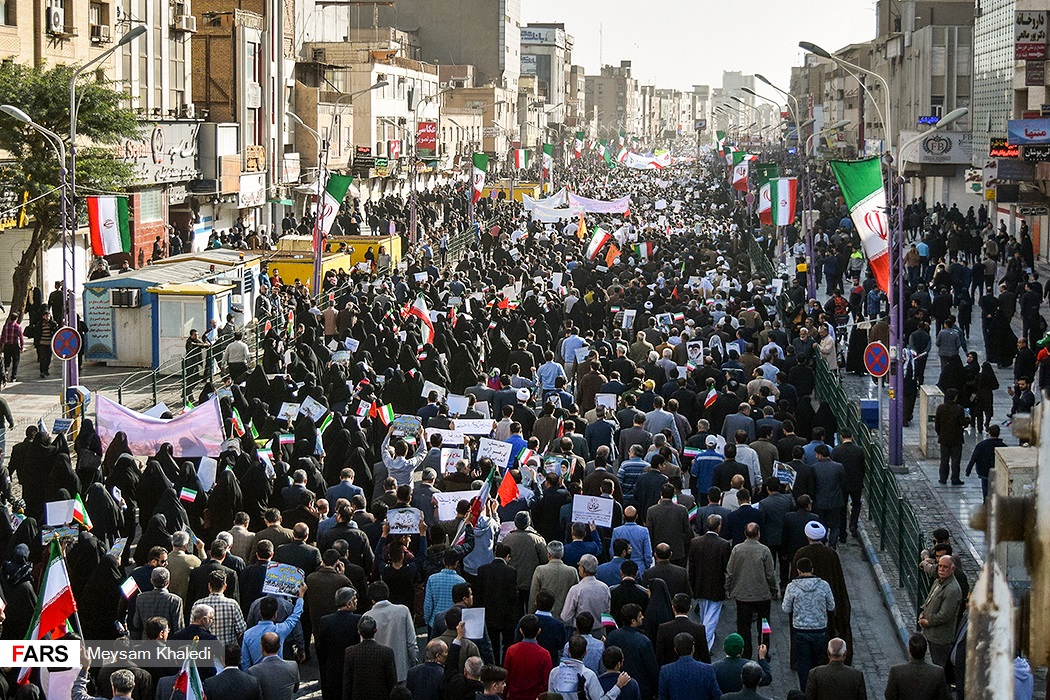
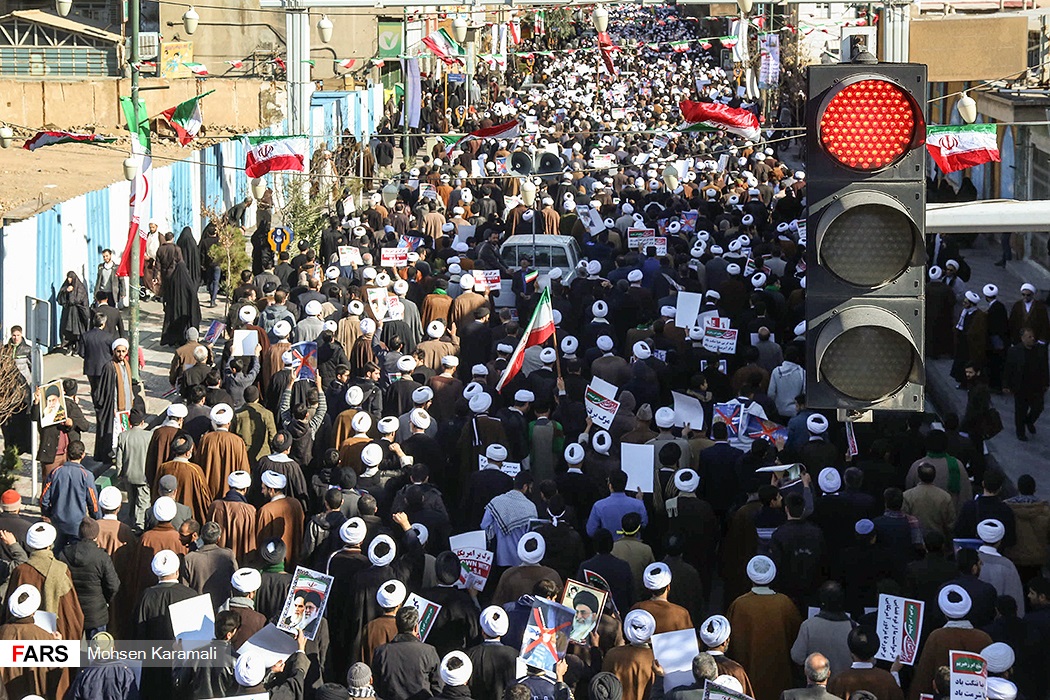
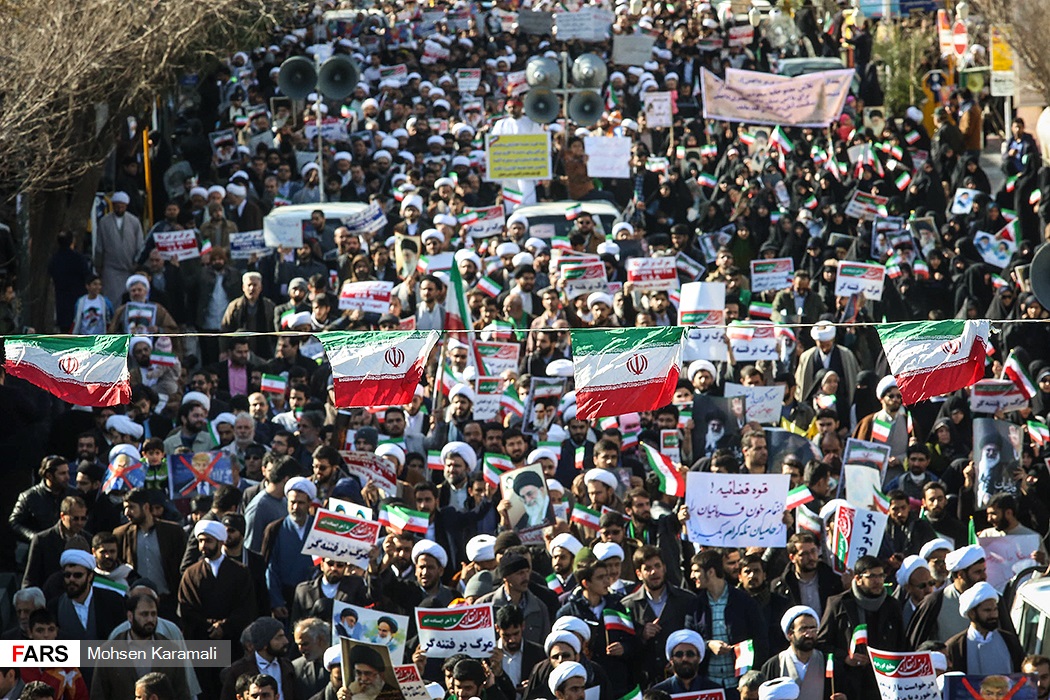
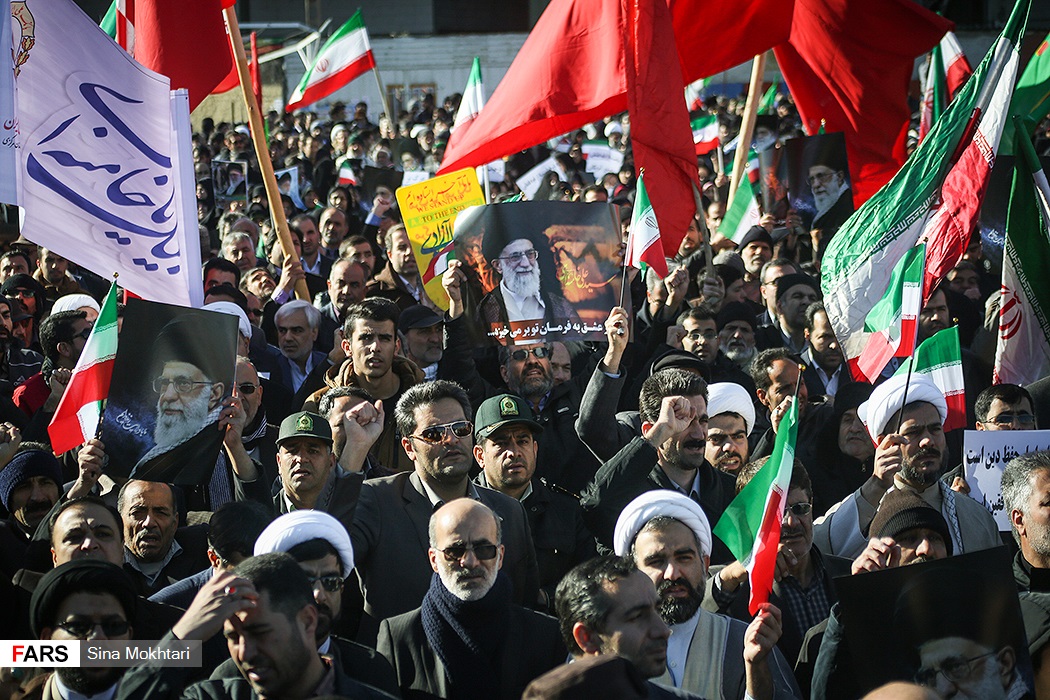
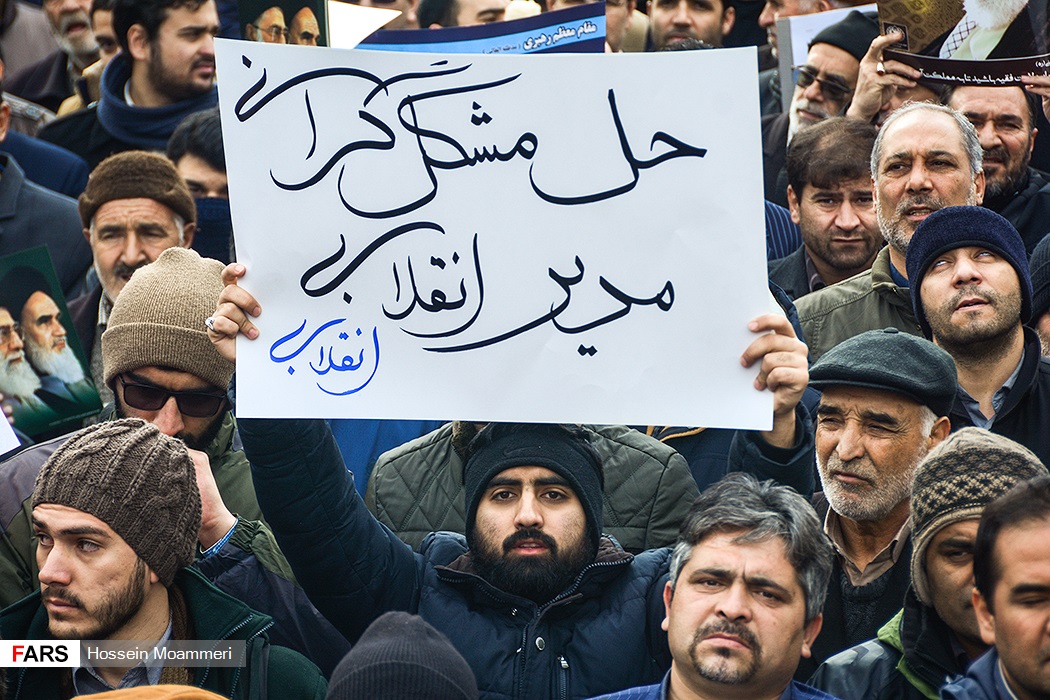
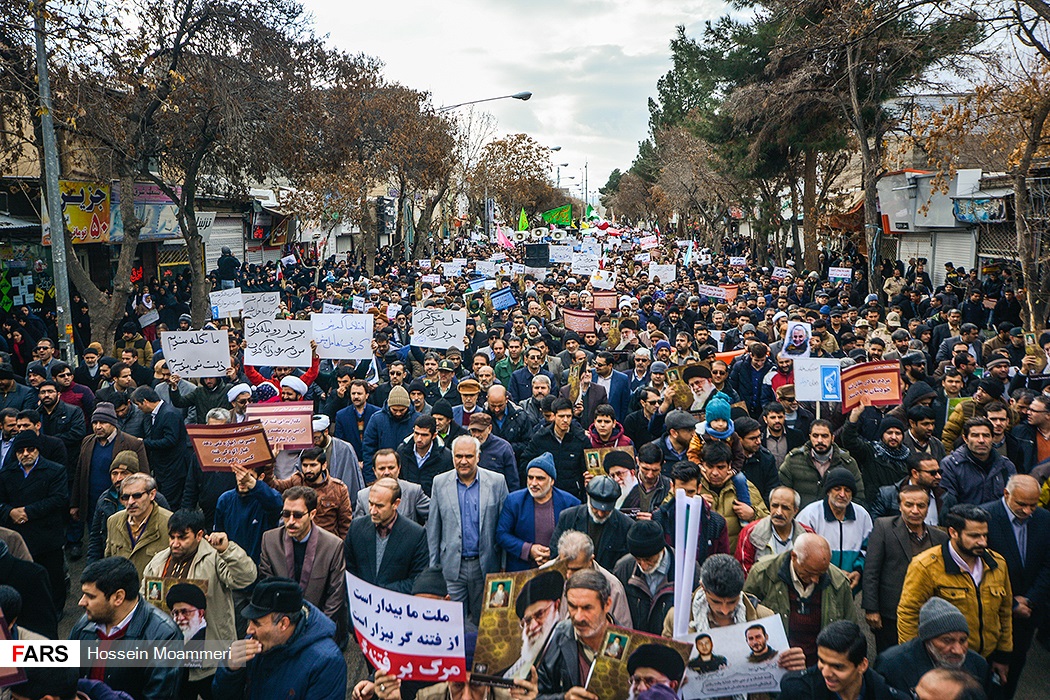
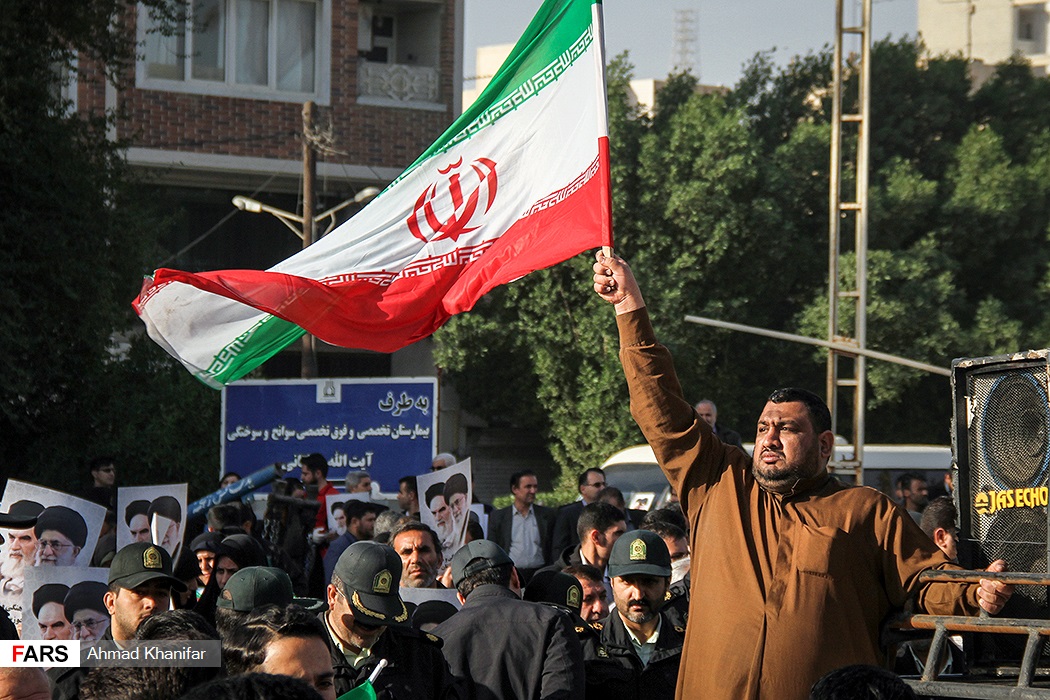
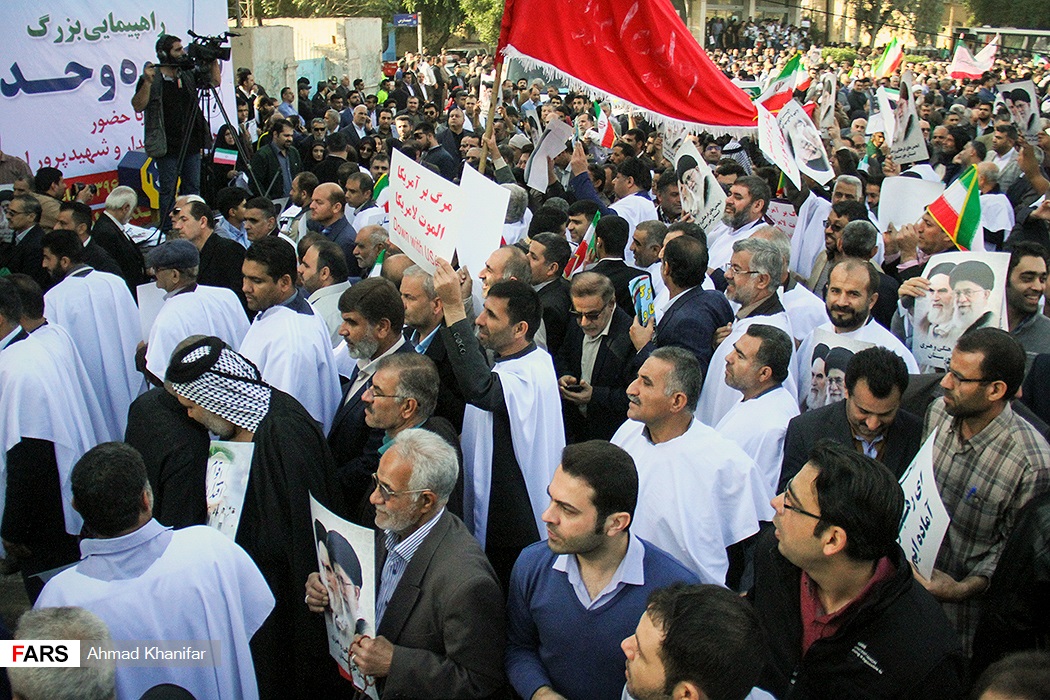
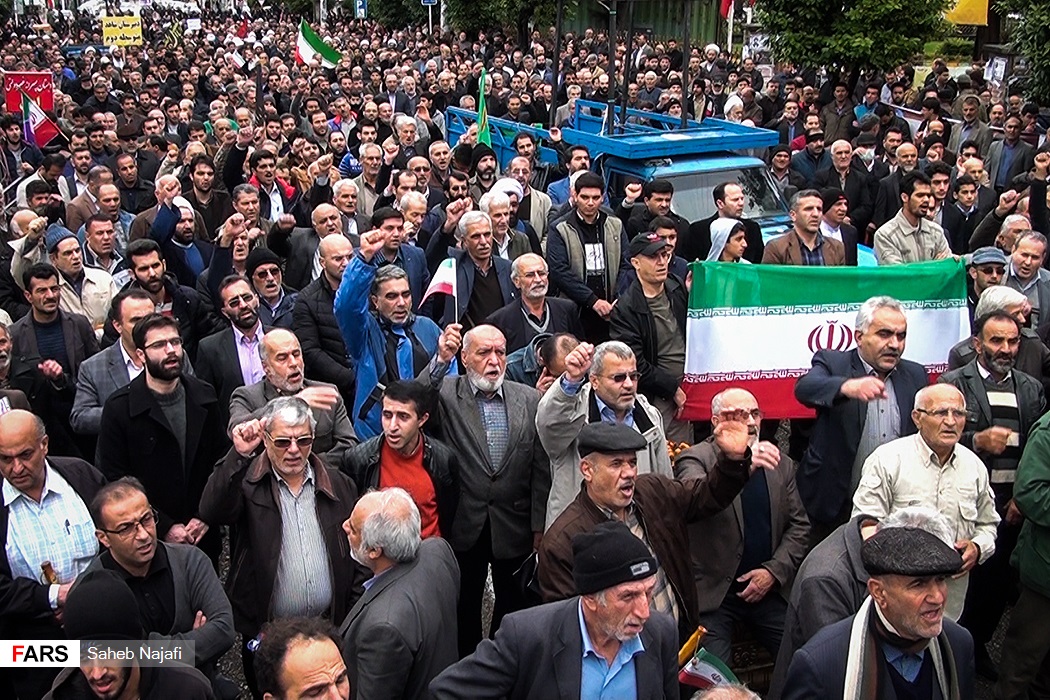
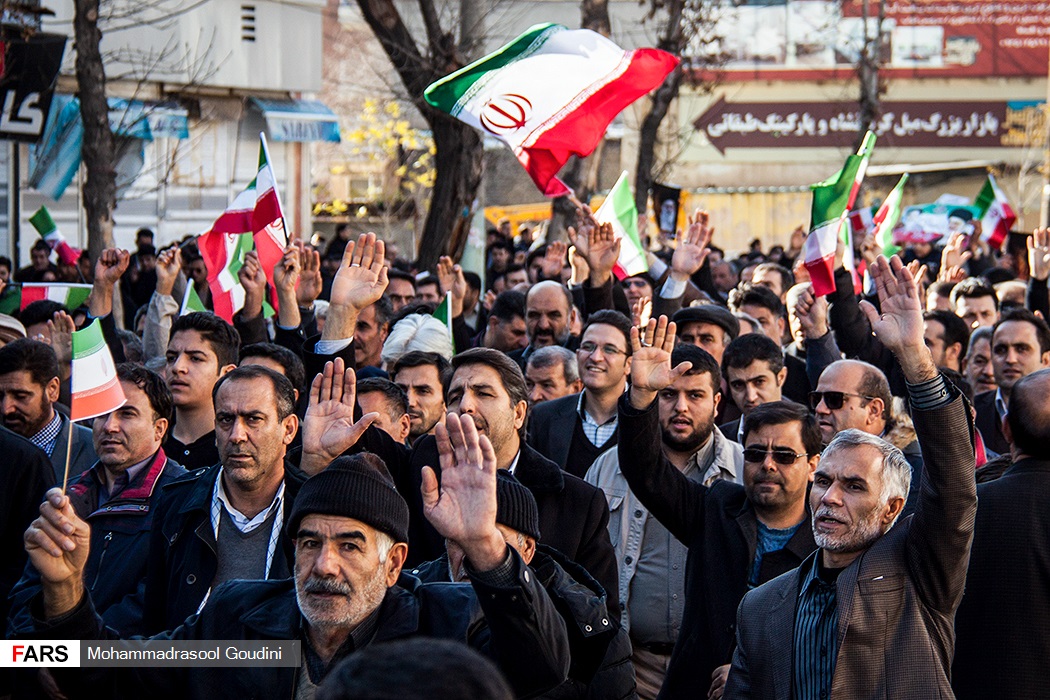
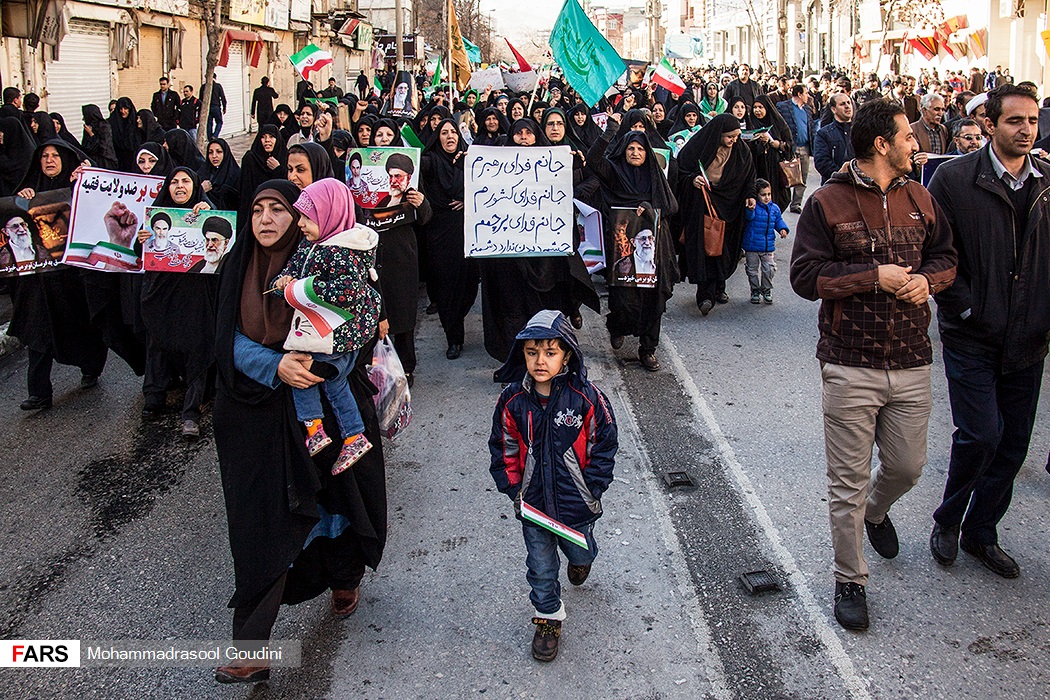
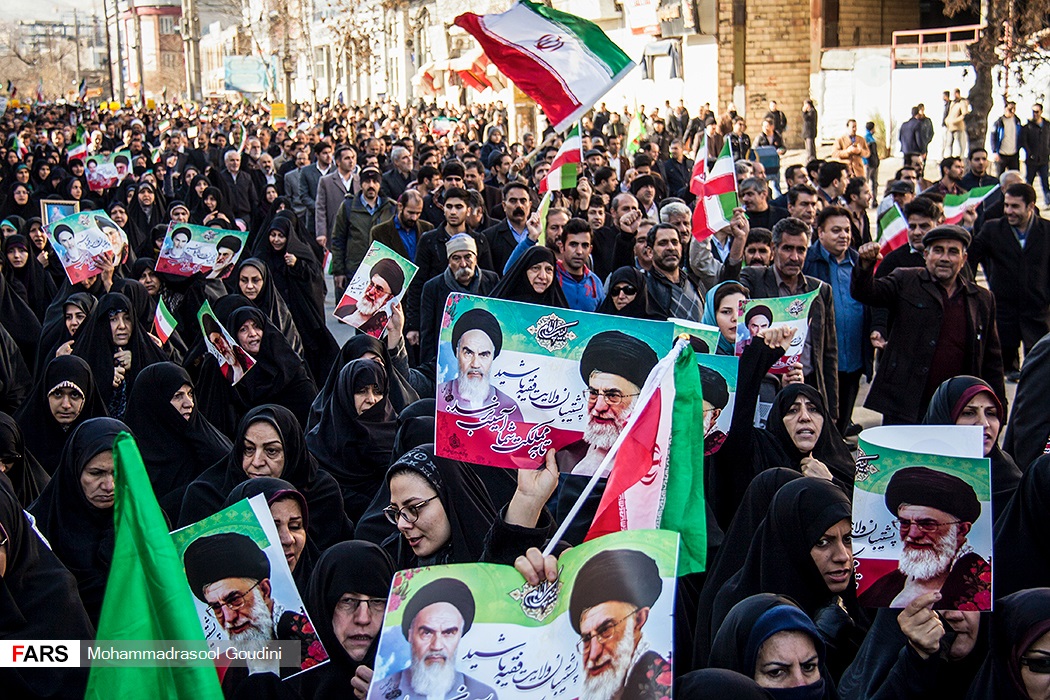
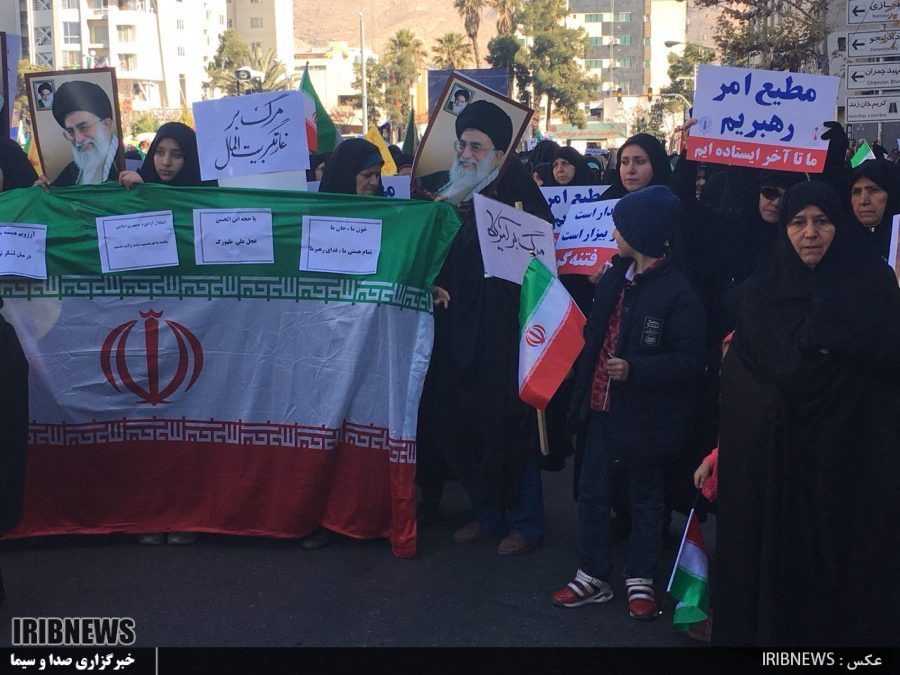
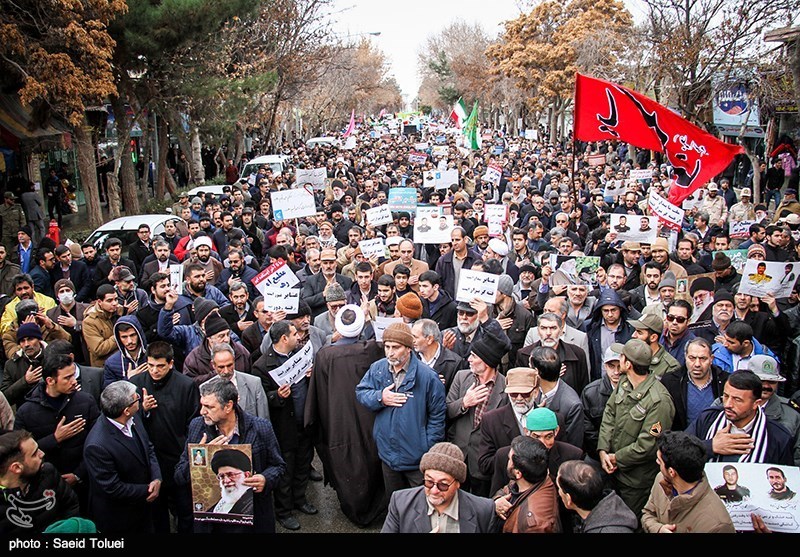
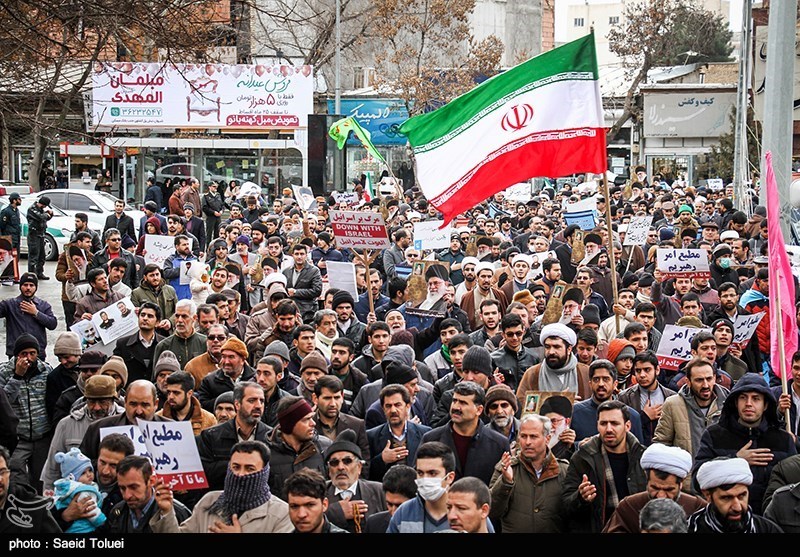
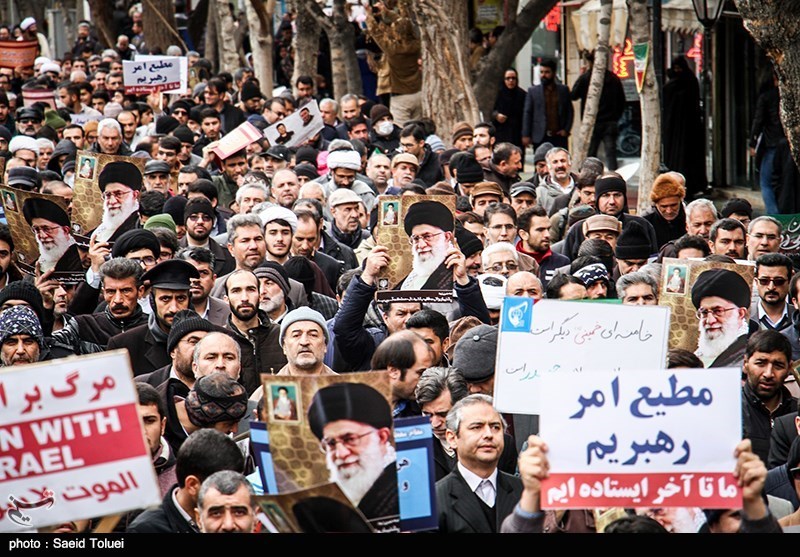
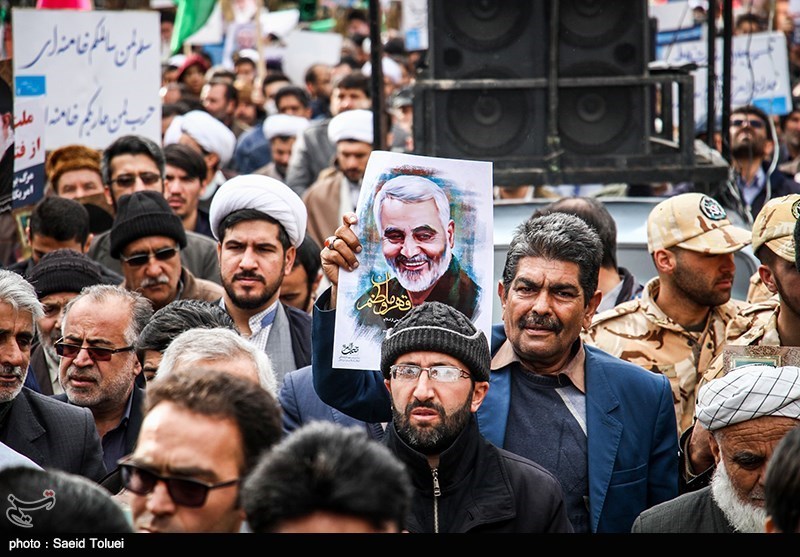
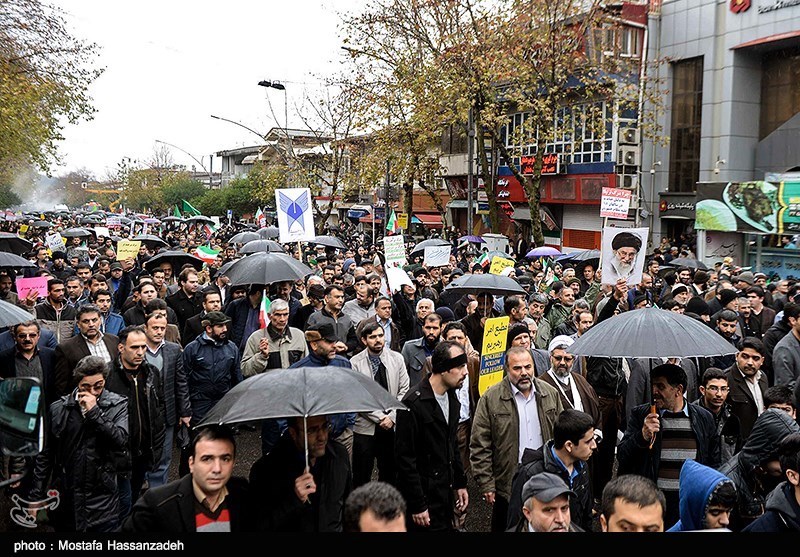
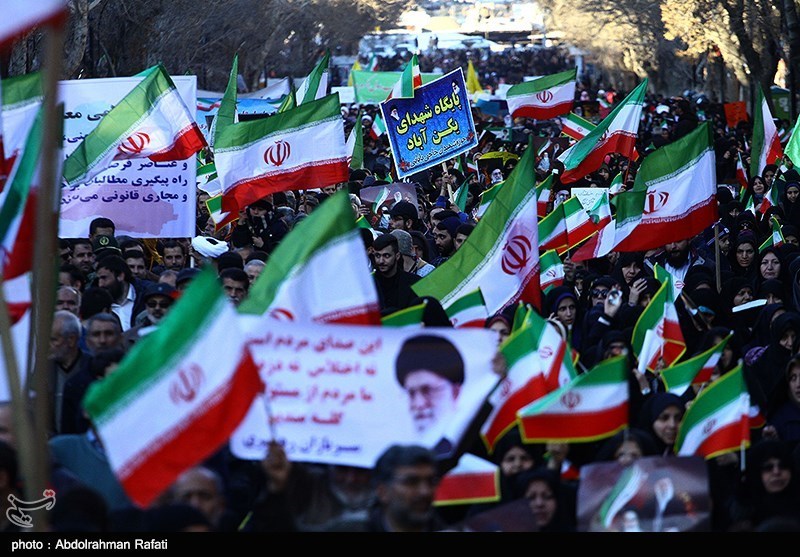
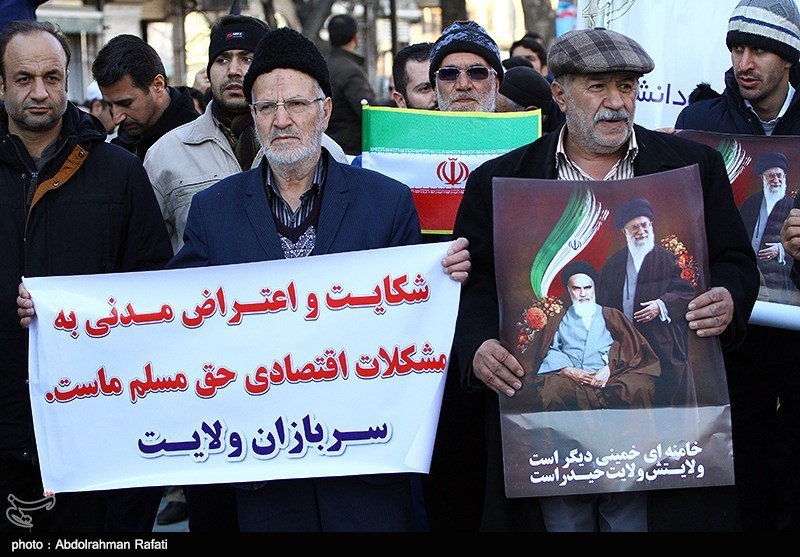
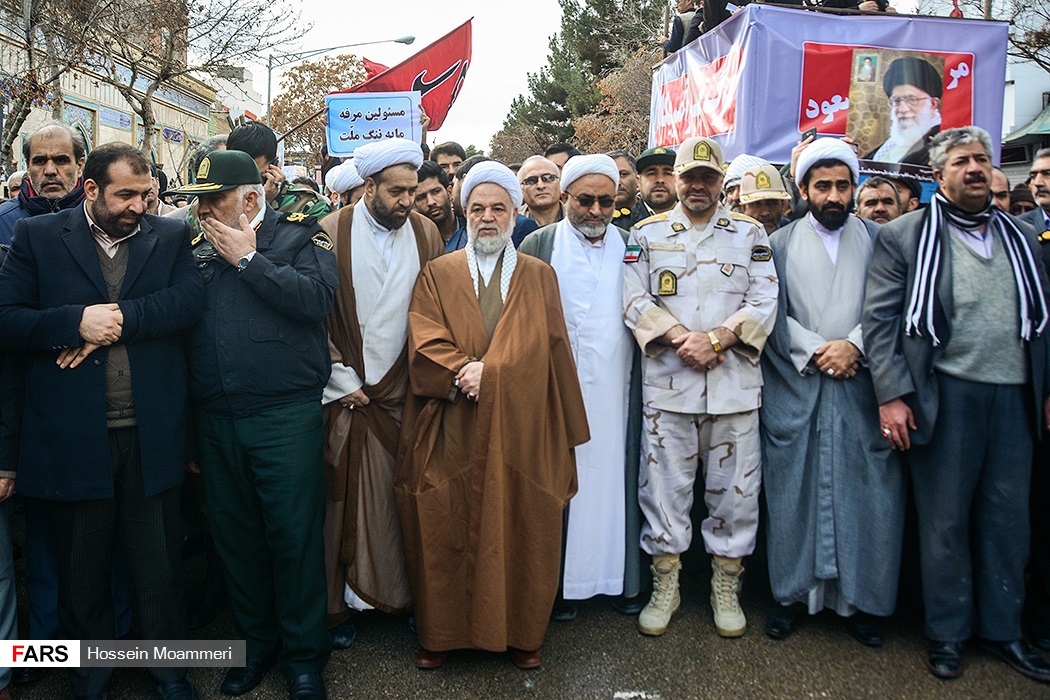
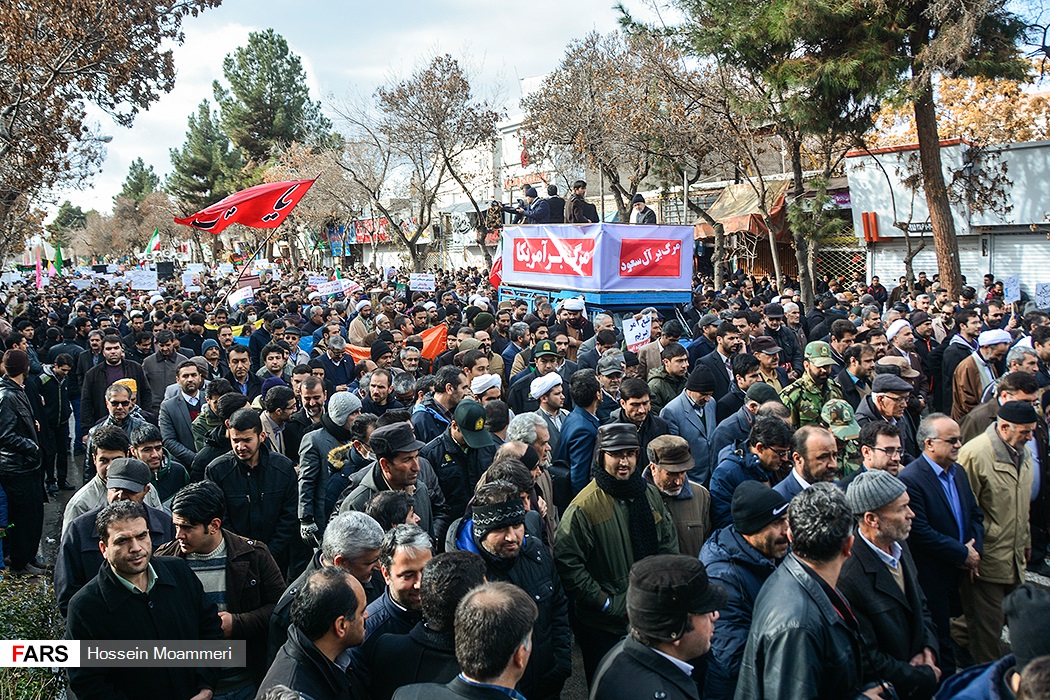
For the second consecutive day millions of Iranians staged fresh nationwide demonstrations on Thursday to renew their support for the Islamic establishment and denounce the recent wave of deadly unrest that hit some areas in the country. Demonstrators flooded the cities in several town and cities, including the northeastern city of Mashhad, Isfahan, Shiraz, Rasht, Yasuj, Ardabil and Urmia.

A Look at Iranian Newspaper Front Pages on January 4

A Look at Iranian Newspaper Front Pages on November 18

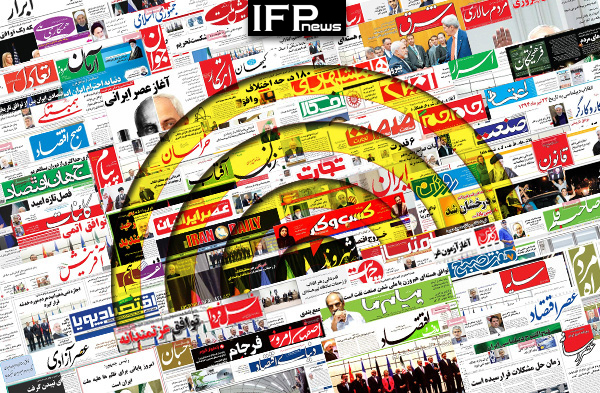
Iranian papers on Thursday also covered the most recent developments in Iran, including the protest rallies and ensuing riots across the country which were responded to by massive pro-government rallies.

Several Iranian cities have been the scene of anti-government street protests in recent days. The early protests demanded a better economic situation and better living conditions, but sporadic violence has erupted during the protests, causing at least 21 fatalities and tens of injuries. Officials believe the riots are being fuelled by foreign countries including Saudi Arabia, the US, and Israel.

What follows are the Iranian papers’ coverage of the recent unrest on Thursday:


Aftab-e Yazd:

1- Iran to Implement Petrol Rationing Plan Once Again

2- Repercussions of 1000% Increase in Tariffs of Importing Hybrid Cars

A Look at Iranian Newspaper Front Pages on January 4


Arman-e Emrooz:

1- Show of National Solidarity: Rallies Held to Condemn Recent Unrest

2- IRGC Chief-Commander: People’s Patience, Insight Led to Defeat of Division

3- Instagram, Telegram Might Be Unblocked by Friday

4- Fake Sympathies, Blatant Hostility: US, Saudi Arabia Shedding Crocodile Tears for Iran

A Look at Iranian Newspaper Front Pages on January 4


Ebtekar:

1- Rouhani to Erdogan: We Are Totally Confident about Iran’s Security, Stability

2- Different Scenarios after Defeat of Salafists in Iraq, Syria: ISIS Looking for New Territory

A Look at Iranian Newspaper Front Pages on January 4


Etemad:

1- IRGC Chief-Commander’s Analysis of Recent Unrest: Possibility of Ex-Official’s Interference

2- People Hold Spontaneous Rallies across Iran to Condemn Violence

A Look at Iranian Newspaper Front Pages on January 4


Ettela’at:

1- Top Clerics Underline Legal Pursuit of People’s Demands

2- IRGC Chief-Commander: We Should Listen to Leader’s Advice to Overcome Problems

3- UNSC Rejects US’ Call for Meeting on Iran Protests

4- UN Condemns Suppression of Saudi Political Activists

5- Erdogan: We’re Used to Interventionist Remarks by Trump and People Like Him

A Look at Iranian Newspaper Front Pages on January 4


Iran:

1- Rouhani: Iranians Free to Criticize, Express Legal Protest

2- Labour Minister: $2.7 Billion Allocated to Counter Unemployment in Villages

3- UN Says No to Trump’s Anti-Iran Attempt

4- People in Various Cities Hold Rallies to Condemn Recent Unrest

A Look at Iranian Newspaper Front Pages on January 4


Javan:

1- Line of Sedition Broken: IRGC Chief Declares End of 2018 Sedition

2- ICT Minister: Telegram to Remain Blocked If Refuses to Remove Terrorists’ Channels

3- Popular Campaign to Take Revenge from Rioters Who Killed 2 Iranian Students

A Look at Iranian Newspaper Front Pages on January 4


Jomhouri Eslami:

1- Rouhani to Macron: Iran to Remain Committed to JCPOA as Long as It Benefits from It

2- Zarif to Trump: Iran’s Security, Stability Dependent on in Its Own People

3- Maximum Level of Tax Exemption Increased

A Look at Iranian Newspaper Front Pages on January 4


Kayhan:

1- Pyongyang, Seoul Ignore Trump’s Rhetoric, Start Peace Talks

2- Parliamentary Commission to Discuss Resumption of Fuel Rationing Plan

3- Giving Wrong Address on Recent Riots: Seditionists’ New Trap for Gov’t

4- Iranian People Hold Massive Rallies to Call for Most Severe Punishment for Rioters

5- Riot-Hit France Interferes in Iran’s Domestic Affairs

  • Don’t Let French FM Visit Iran before His Apology

A Look at Iranian Newspaper Front Pages on January 4


Khorasan:

1- IRGC Chief-Commander’s Untold Stories about Recent Unrest

2- First Winter Snow in Khorasan Razavi Province

A Look at Iranian Newspaper Front Pages on January 4


Shargh:

1- Iran Has No War with US in Syria: SNSC

2- US Threatens Palestine to Cutting Its Aid

3- Gov’t Spokesman: Proposed Budget Not Source of Protests

A Look at Iranian Newspaper Front Pages on January 4


Vatan-e Emrooz:

1- Rouhani, Macron Argue in Phone Conversation

  • Rouhani Criticizes Paris for Supporting MKO Terrorists

2- UNSC Says No to Supporters of Riot in Iran

A Look at Iranian Newspaper Front Pages on January 4


Three Intelligence Forces Killed in Clashes with Anti-Iran Terrorists

Iranian Intelligence Minister Mahmoud Alavi told the IRIB news agency on Thursday that the armed counter-revolutionary bandits had entered the country with the aim of triggering explosions, creating casualties and putting the blame on the Islamic Republic to prolong the recent unrest.

Three Iranian intelligence forces were martyred during the clashes with these terrorists in Piranshahr, West Azarbaijan Province, the minister added.

Earlier, a security official had noted that the armed gang used a women as human shield.

“One of the terrorists was arrested and a number of them were injured in the clashes,” the official said.

“In recent days, three terrorist teams have been detected and arrested west of Iran,” he added, according to Tasnim.

Riots broke out in some Iranian cities over the past few days amid peaceful rallies in protest at price hikes and economic woes.

Security forces have arrested a number of leading rioters and mercenaries affiliated with foreign intelligence services, a chief judiciary official in Tehran said.

According to the state media, at least 21 people, including a number of security forces, have been killed.

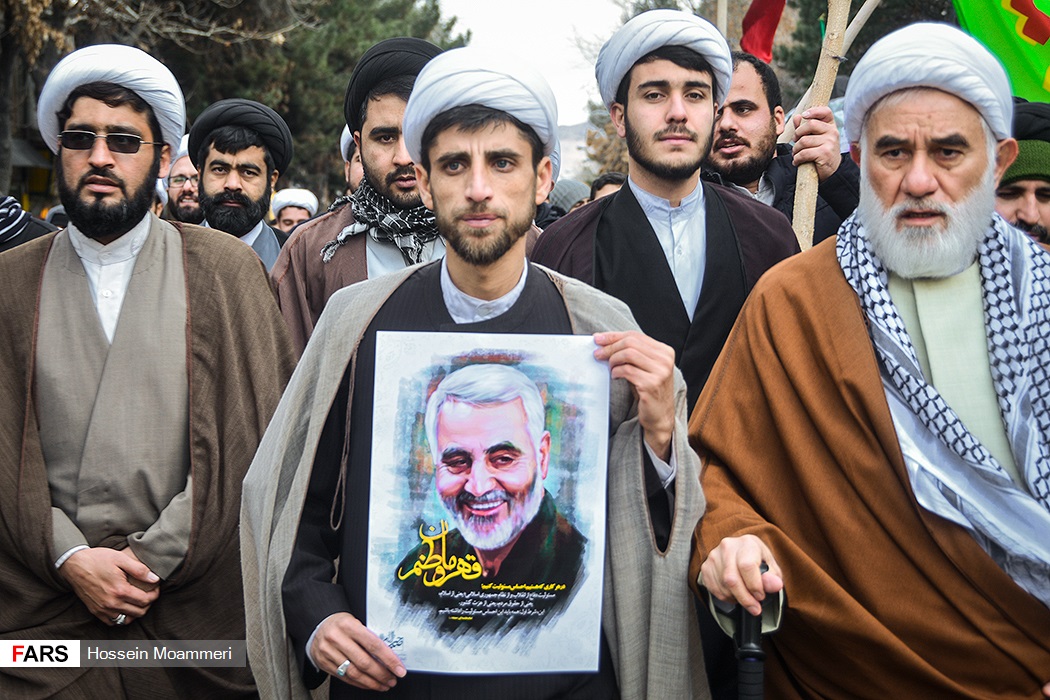
According to Article 27 of the Iranian Constitution, “public gatherings and marches are allowed so long as the participants do not carry arms and are not in violation of the fundamental principles of Islam.”

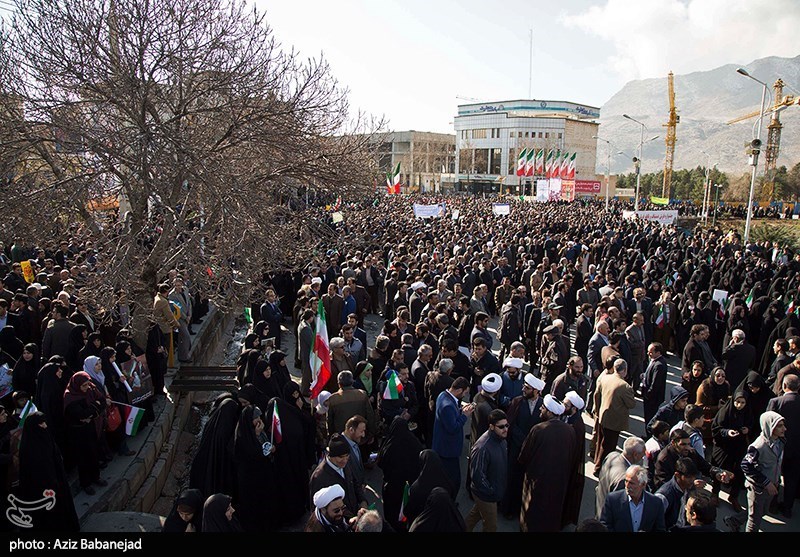
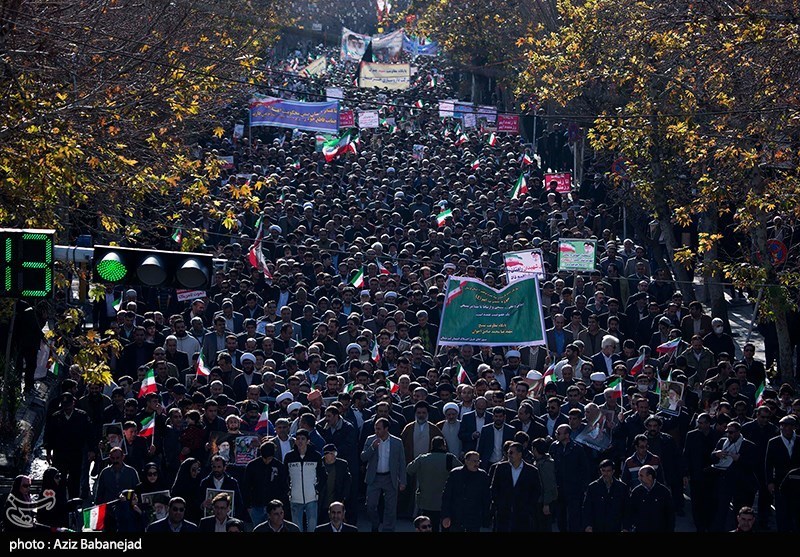
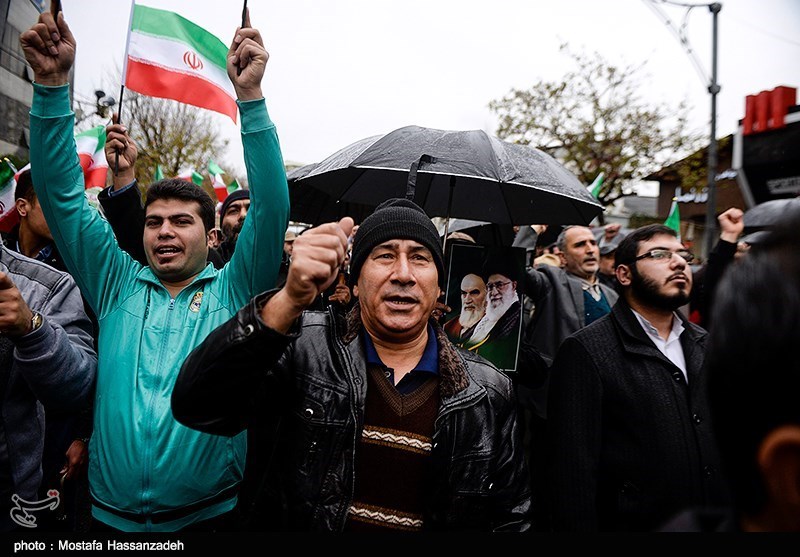
Iranians Condemn Violence on Second Day of Pro-Establishment Rallies

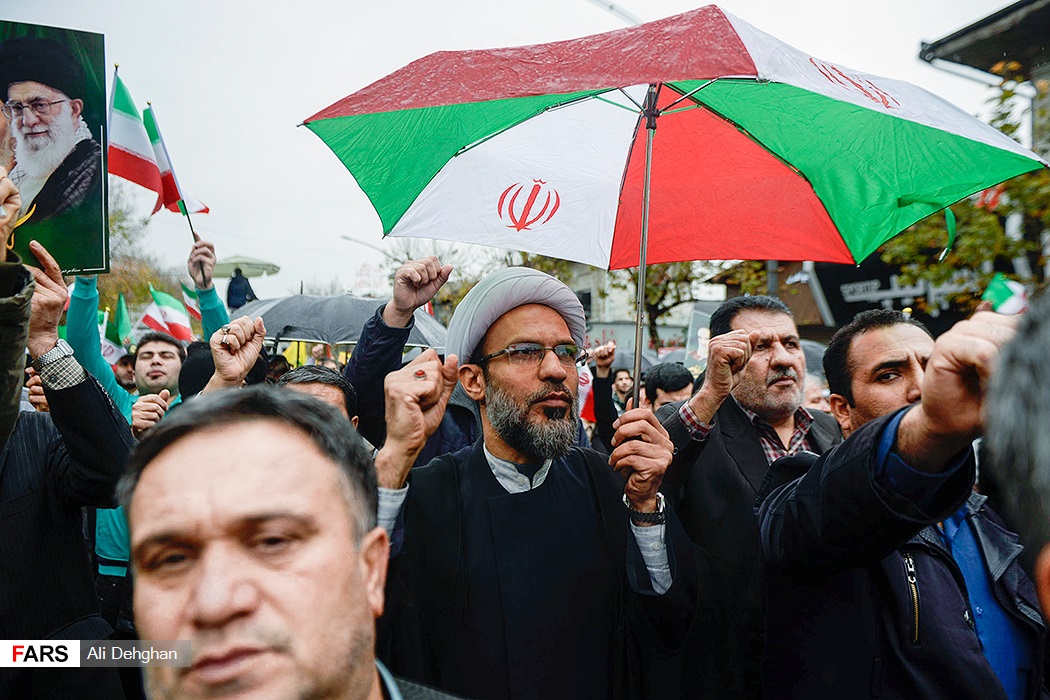
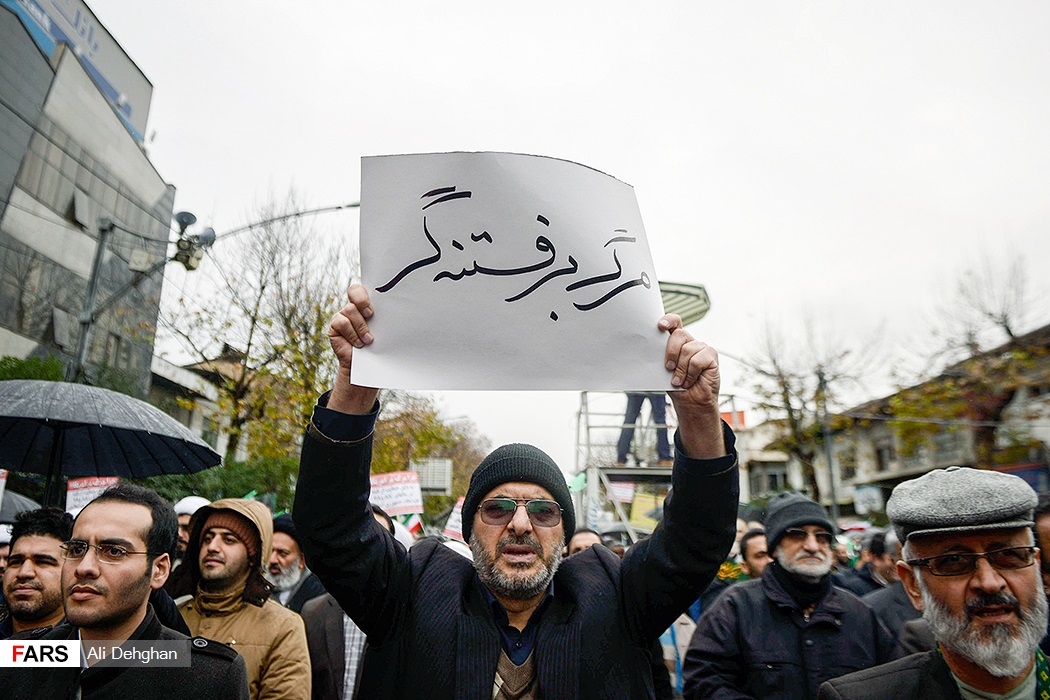
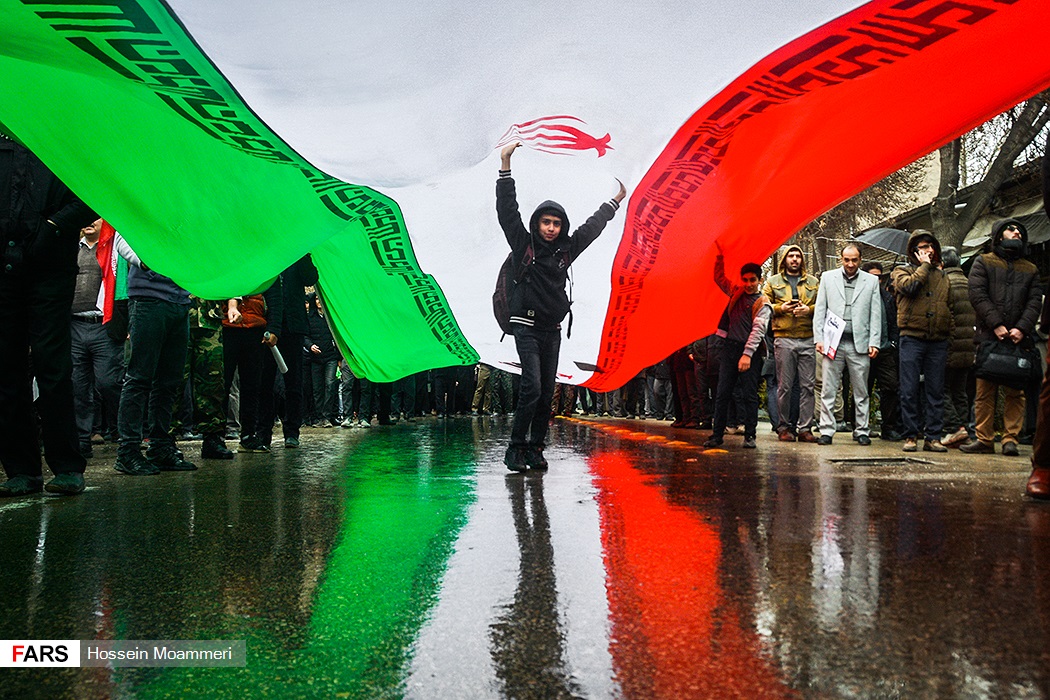
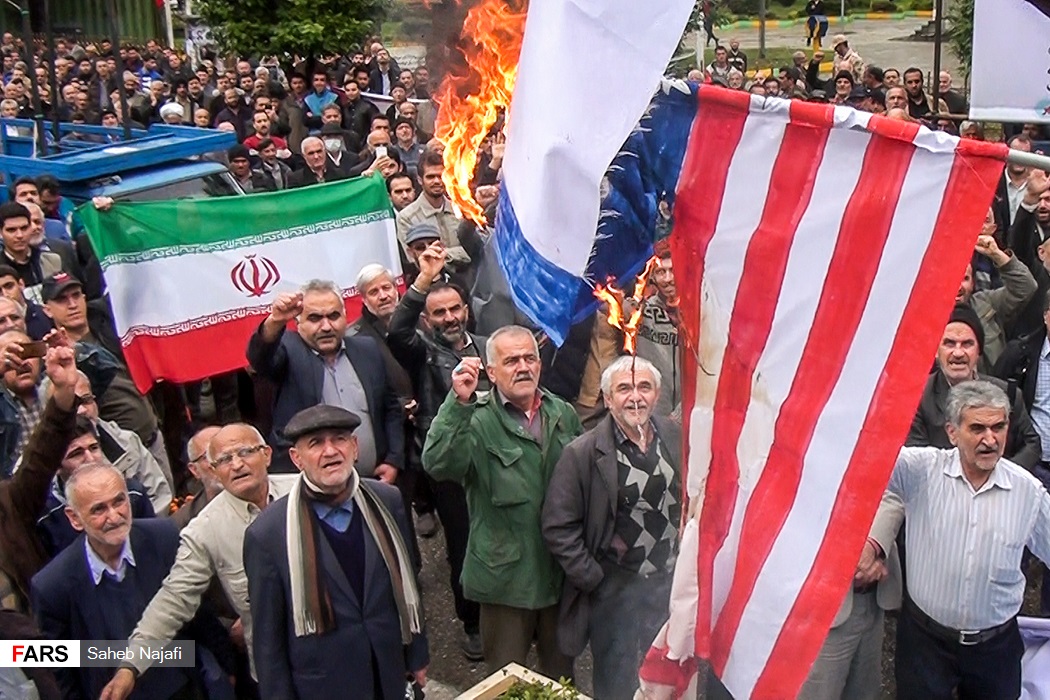
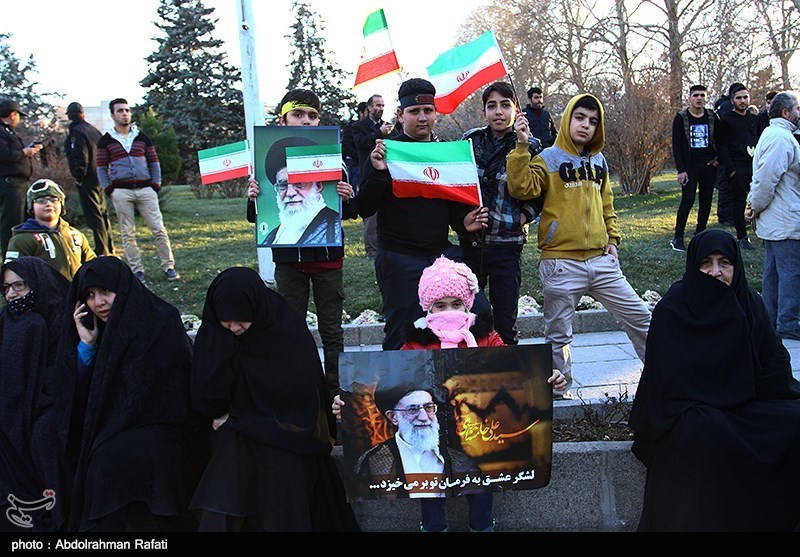
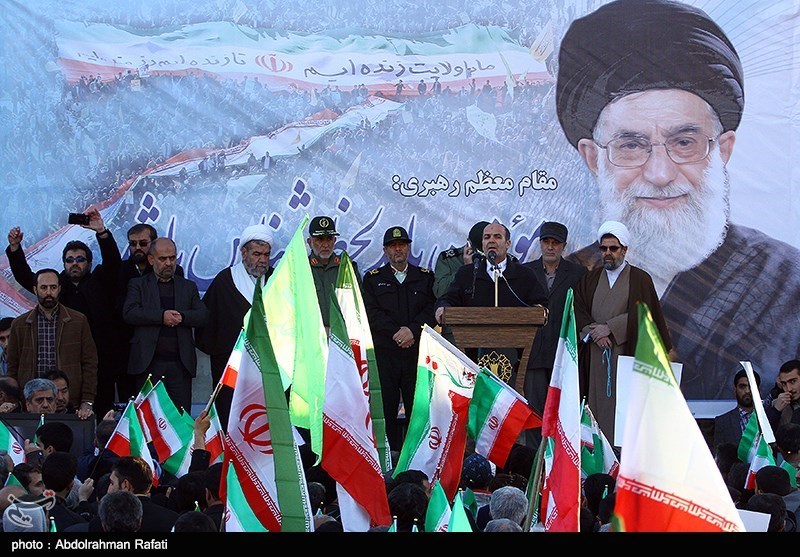
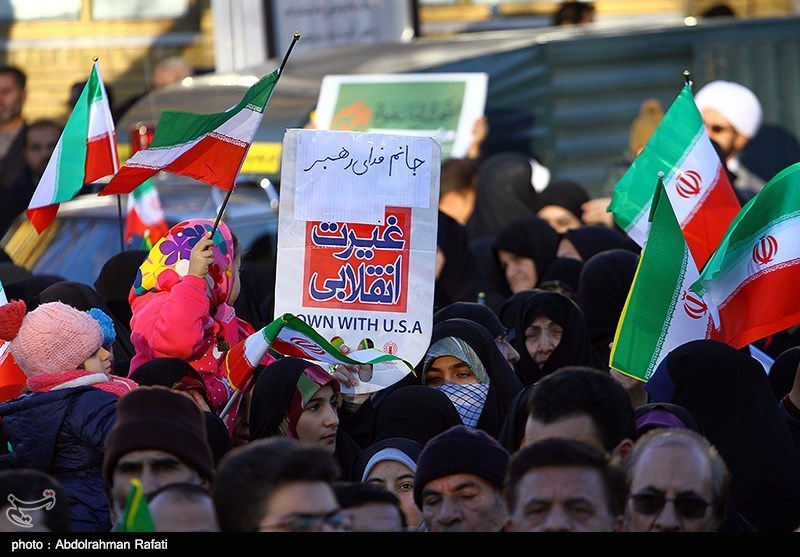
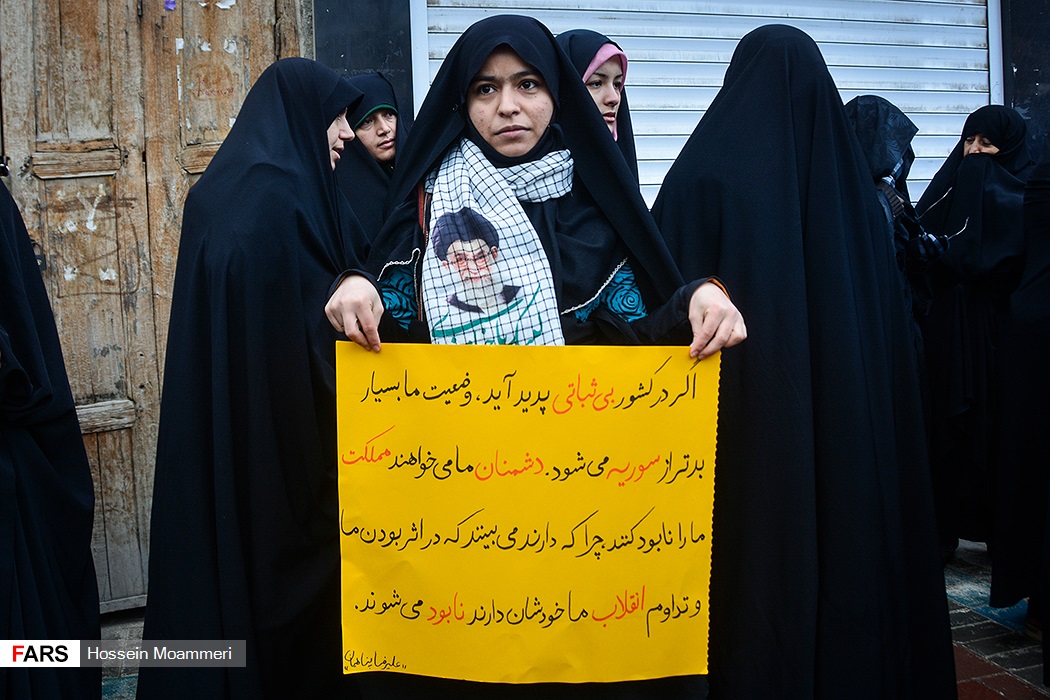
The demonstrators from all walks of life took to the streets of Shiraz, Mashhad, Birjand, Yasuj and many other cities to chant pro-Establishment slogans while holding banners and national flags.

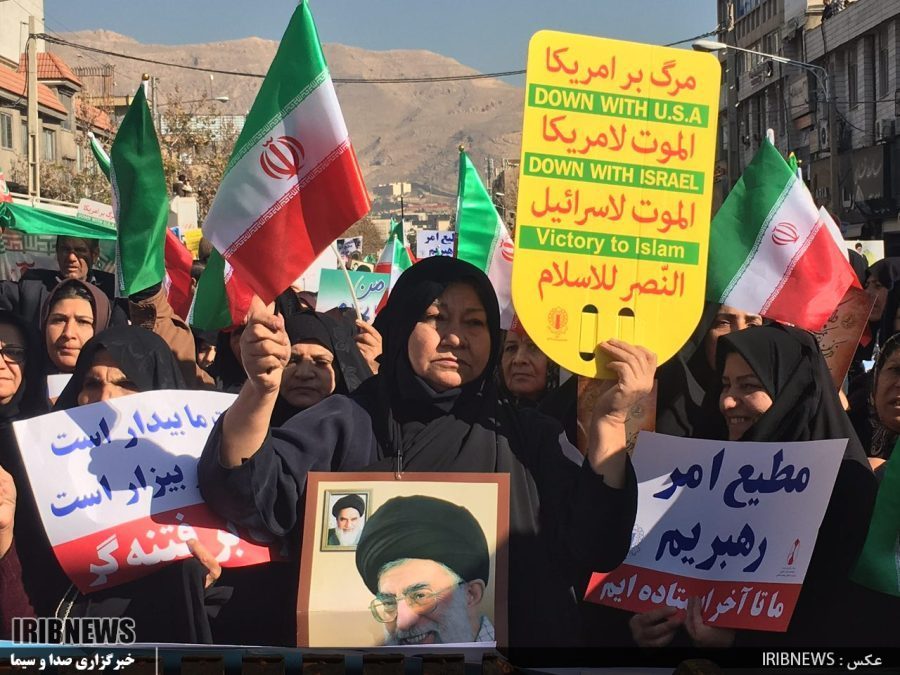
The people participating the rallies also shouted slogans against the US and the Israeli regime, which have welcomed the unrest and voiced support for the riots.

Slogans against the Saudi regime and the anti-Iran MKO terrorist cult were also heard in the rallies of various cities.

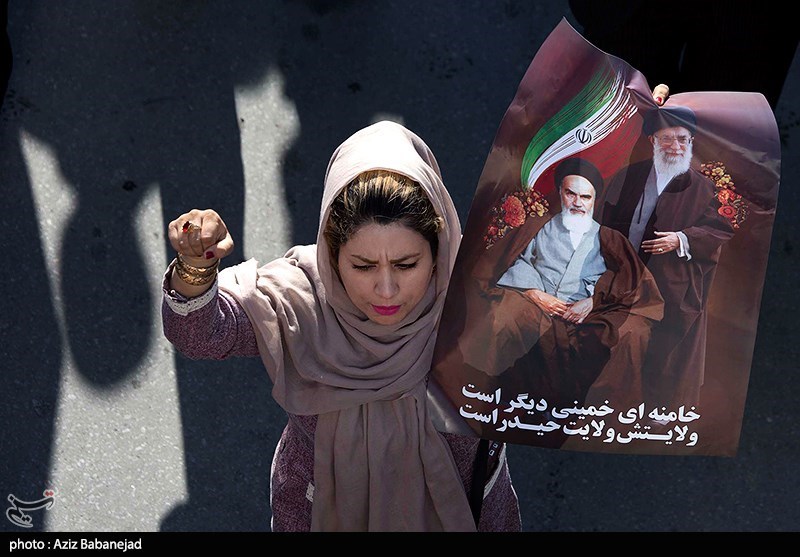
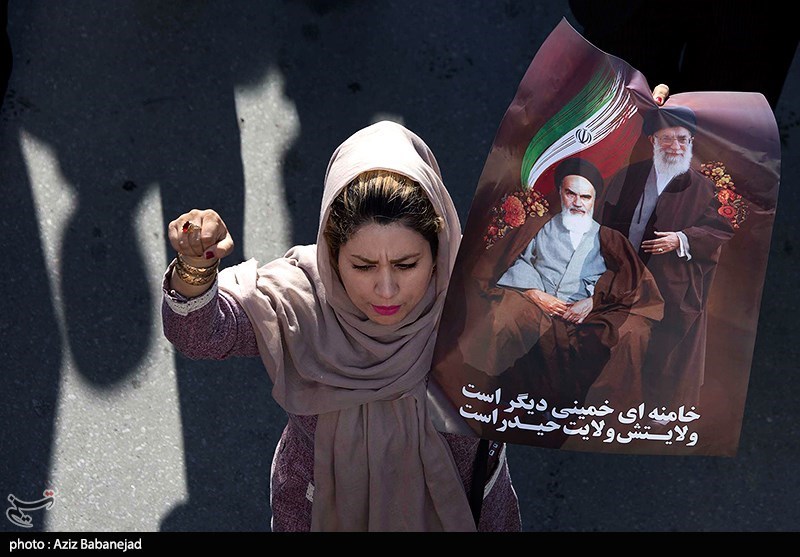
Demonstrators expressed their support for the Leader of Iran’s Islamic Revolution Ayatollah Seyyed Ali Khamenei and renounced those officials who plunder the country’s wealth.

Today is the second day of pro-Islamic Republic rallies in Iran. Earlier on Thursday, millions of people in Isfahan, Qom, Ahvaz, Arak, Kermanshah, Hamedan, Ilam, Maragheh, Gorgan, Astaneh Ashrafieh, Bojnourd, Zabol, Bushehr, Khorramabad, Golpayegan, Khomeinishahr, Shahreza, Aran Bidgol and Hormozgan held anti-sedition rallies.Iranians Condemn Violence on Second Day of Pro-Establishment Rallies

The demonstrations came a week after a number of peaceful protests over economic grievances started in several cities, but those gatherings suspiciously changed colour and turned ugly when groups of participants, some of them armed, launched attacks on public property, police stations and religious sites.

At least 21, including a couple of police forces and several ordinary people, have been killed in the ensuing violence, according to state media reports. Dozens of others have also been wounded.

The Interior Ministry said Tuesday that the situation in most of the country has now returned to normal, and that the unrest will soon come to an end.

The Intelligence Ministry also said it has identified and arrested a number of the agents behind the violence.

IRGC Commander Declares End of Sedition in Iran

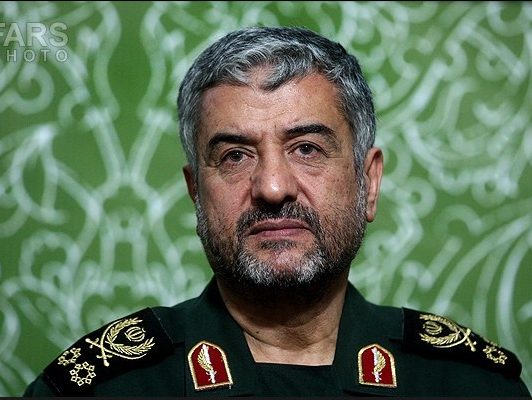
Mohammad-Ali Jafari

Speaking on Wednesday in Tehran, General Jafari touched upon enemy plots to provoke chaos and riots in the country in recent days and noted the days of “sedition” are over.

He said one of the key objectives of the seditionists and their masters in the recent riots was to get some people killed and then blame the government for it.

“Our security system’s readiness and people’s vigilance made the enemy taste yet another defeat,” he noted.

The commander then touched upon social media as a contributor to the recent riots, and the restrictions imposed on them later on to inhibit seditionists’ moves.

“A lack of control over the cyberspace, which is managed from outside the country, and the officials’ failure to control it further fuelled the riots; however, when the virtual world (social media) were controlled [by relevant authorities in Iran] the riots decreased,” he said.

He further noted that it is God Almighty’s promise that sedition and hardships are followed by promising says.

“The enemies know that they cannot threaten the Islamic Republic of Iran in the defense domain, whatsoever,” said the top commander, adding that the enemies’ security threats against the country are not effective.

“They have spent all their assets following the Holy Defence era (the period of the Iraqi imposed war on Iran in the 1980s) to carry out their cultural, economic and security threats against Islamic Iran, and, By God’s grace, they will undoubtedly be defeated,” General Jafari underlined.

“When a nation is victorious in a region gripped by tension and chaos, and when this nation rejects the United States’ domination and does not care about America’s cronies which are in the pay of Washington, and when it stands by the oppressed and against oppressors, it is natural that it will be threatened. Such threats have always been there, and we need to remain vigilant,” he said.

He noted that the Iranian people’s power, patience and vigilance have always brought days of victory for them.

“Let the enemies and the ones who are in their pay such as the Al Saud [regime] shout and call us names, but they know that our path and objective have been fruitful in the world,” the commander underscored.

He said the US, Zionists and Al Saud rulers have ordered ISIS terrorists to enter Iran, adding some of the terror group’s advance teams have entered Iran to set off explosions and conduct acts of sabotage.

“The criminal group’s advance elements are completely under control now, and we dare the terror group’s weak forces to cross the borders of Islamic Iran,” he noted.

He touched upon the United States, the West and Zionists’ false friendship with Iranian people and their collusion with seditionists, and added, “If these liars really cared about Iranian people, they would have never imposed sanctions on them.”

“Some people feel that friendship with the US will improve the economic situation, but they should look at countries such as Egypt, which sacrificed everything it had for friendship with the United States,” commander Jafari said.

He then warned against compromising with the enemy, saying such a move would be costly.

“Today, the enemy’s policies in the region have failed, and all it can do is to create insecurity in Iran. People and officials should know that the cost of compromising with the enemy would be much higher than the cost of resistance,” the top general stressed.