Sunday, December 21, 2025
Home Blog Page 3724

Kuwaiti Journalist Sentenced to 5 Years in Jail for ‘Insulting’ Riyadh

In a statement, the criminal court said Abdullah Saleh has received a five-year sentence for insulting the neighbouring country, Saudi Arabia, which “has friendly and brotherly ties with Kuwait”, and for endangering the two sides’ good-faith relations.

Al-Qabas daily wrote Saleh’s new sentence will increase his prison terms to 100 years. Earlier, another court in Kuwait had sentenced Saleh to five years in prison for insulting Saudi Arabia in another case.

The Kuwaiti journalist and political activist sought asylum in the UK after the first verdict against him.

The latest verdict against Saleh comes as a number of political activists in Kuwait are facing similar charges over publishing insulting pieced against Saudi Arabia contributing to the conflicts underway between Saudi Arabia and Qatar.

Back in June, Saudi Arabia, Egypt, Bahrain, and the United Arab Emirates (UAE) imposed a trade and diplomatic embargo on Qatar, accusing Doha of supporting terrorism, an allegation strongly denied by the emirate.

The Saudi-led bloc presented Qatar with a list of demands, among them downgrading ties with Iran, and gave it an ultimatum to comply with them or face consequences. Doha, however, refused to meet the demands and said that they were meant to force the country to surrender its sovereignty.

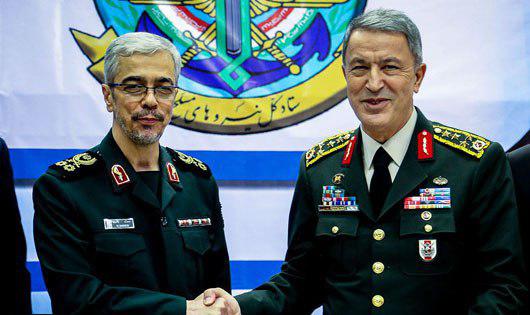
Iranian, Turkish Top Generals Discuss Afrin Operation

In a telephone conversation on Sunday, Akar briefed his Iranian counterpart on the latest developments in the region, saying the main reason for the launch of the bombing and artillery attacks on Afrin was the gathering of terrorist groups in the region.

The Turkish Army’s operation is aimed at foiling the threats of these groups against the villages and towns of Turkey, he added.

Akar went on to say that these attacks were carried out by the Turkish army within the framework of the country’s right to self-defence.

He also assured his Iranian counterpart that Turkey would respect the territorial integrity of Syria and continue to adhere to the agreements reached in the tripartite negotiations with the Islamic Republic of Iran and Russia.

General Baqeri, for his part, stressed that territorial integrity, independence and sovereignty of Syria should not be undermined, and that Ankara should explicitly state that it has no aim of trespassing into the Syrian territory.

“Meanwhile, such actions should not lead to the abuse of the enemies of the Syrian people, and the enemies of the Muslim world, particularly the US and its allies in the region, should not find the opportunity to achieve their expansionist goals in Syria in such a situation,” added Baqeri.

He further noted that these military actions should not be detrimental to the tripartite political talks including the Astana Process that have been successful so far.

The Iranian top commander also highlighted the necessity of preventing possible damages to the people of the Syrian villages and towns, and stressed that this must be considered in the regions where the ​​operation is being carried out.

Turkey said on Sunday that it had begun a ground incursion into Afrin a day after intense aerial bombardment that signaled the opening of hostilities in a new phase of Ankara’s involvement in the war across the border.

The launch of the ground campaign by the Turkish military on Sunday, alongside Syrian rebel factions under Ankara’s tutelage, came on the second day of a military offensive called “Operation Olive Branch” by the Turkish government, with dozens of airstrikes hitting more than 150 targets in the Kurdish-dominated district from late on Saturday afternoon.

Iran Concerned about Turkey’s Operation in Syria’s Afrin

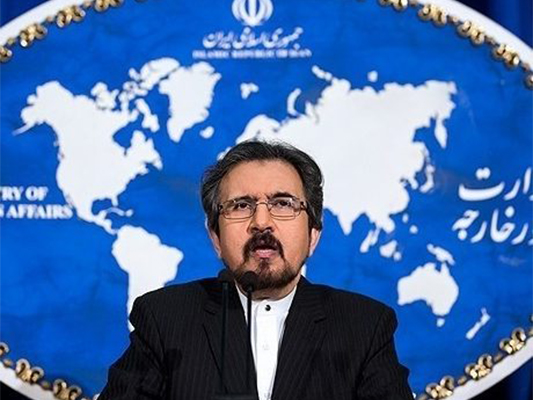
In a statement on Sunday, the Ministry’s Spokesman Bahram Qassemi said the continuation of the crisis in Afrin may reorganize Takfiri terrorist groups in the northern Syrian regions and fan the flames of war in this country again.

Qassemi went on to say that Tehran strongly stresses the necessity of preserving the territorial integrity of Syria and respecting the country’s sovereignty to prevent intensification of the humanitarian crisis and to save the lives of the innocent people of Syria.

The Iranian spokesman further noted that Iran expects all countries, especially the Turkish government as one of the guarantor states [of the Astana Process], to remain committed to the diplomatic settlement of the Syrian crisis, especially within the framework of Astana Talks, and to continue to play a constructive role and carry out its responsibility to resolve the crisis in Syria diplomatically.

“We have always believed that the root cause of the devastating crisis in Syria is the irresponsible behaviours, provocative actions, and illegal interventions of trans-regional powers, including the US and certain autocratic and belligerent sides like the Zionist regime,” underlined Qassemi.

“As long as the US forces and their allies, including the Takfiri terrorist groups, continue to engage in illegitimate and unlawful practices that are against the international rules and the interests of the Syrian people and are opposed to the will of the legitimate Syrian government, the humanitarian crisis in the Arab country will continue.”

“Therefore, all the responsible countries of the international community, especially the neighbours of Syria, are expected to avoid taking any measure that would boost the illegitimate presence of transregional interventionist forces and encourage the terrorist groups,” he added.

Moreover, the Iranian spokesman called on the involved countries to remain committed to peaceful and diplomatic ways to resolve the Syrian crisis through processes like Astana Talks.

Iran, Iraqi Kurdistan Call for Closer Trade Ties

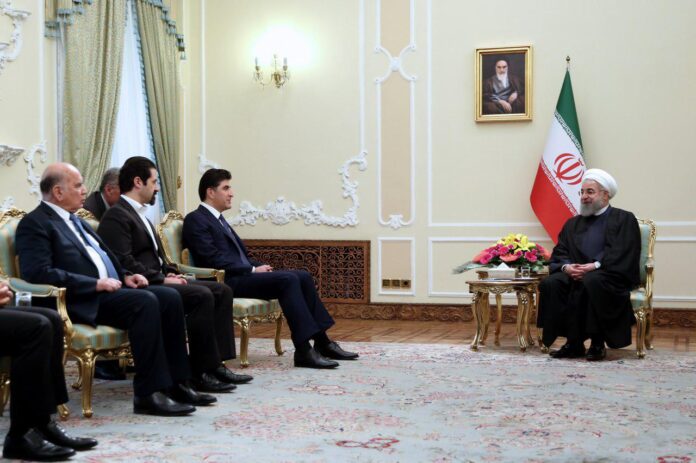
In a Sunday meeting in Tehran, President Rouhani touched upon the historical and deep-rooted relations between Iran and the Iraqi Kurds, and said, “Every effort should be made to further boost cordial ties between the Iranian and Iraqi nations.”

According to a report by the president’s official website, he underlined that the Iraqi Kurdistan region is an important part of that country, adding it plays a key role in reinforcing stability and security in Iraq.

“Stability and security are a prelude to development and welfare, and this stability and security should not be allowed to be undermined in regional countries under any pretext,” President Rouhani underscored.

He said some countries seek to disrupt regional security and stability, calling for closer cooperation among regional countries.

“Indubitably, powers and forces beyond the region do not care about the good of the people in the region, and they only think about securing their long-term interests,” he noted.

He stressed that all ethnic groups in the region, including Iraqi Kurds, should practice their legitimate and legal rights within the framework of the Constitution and based on the principle of territorial integrity.

The president further said Iranian investors are ready to take part in development projects in the Iraqi Kurdistan region. He also welcomed Iraqi businessmen’s stronger presence in the Iranian market.

“We favour a more prosperous and more developed Iraq, and this is in the interest of all regional nations,” President Rouhani said.

Barzani, in turn, underlined the importance of having a united and integrated Iraq, and said all sides should abide by the Iraqi Constitution and seek to iron out problems within the framework of the constitution.

He appreciated Tehran’s unflinching support for the Iraqi government and nation, especially the Kurdistan region, against attacks by the ISIS terrorist group, and noted, “We have always been appreciative of the Islamic Republic of Iran’s assistance to Iraq in this fight.”

He invited Iranian investors to take part in development projects in Kurdistan, and called for closer economic cooperation with Iran.

He said Iran-Iraq borders should serve to further promote friendship and development, and reassured the president that the Iraqi Kurdistan region will not allow anybody to used Kurdistan’s territory to make any possible threats against Iran.

“This is one of Erbil’s red lines,” he emphasized.

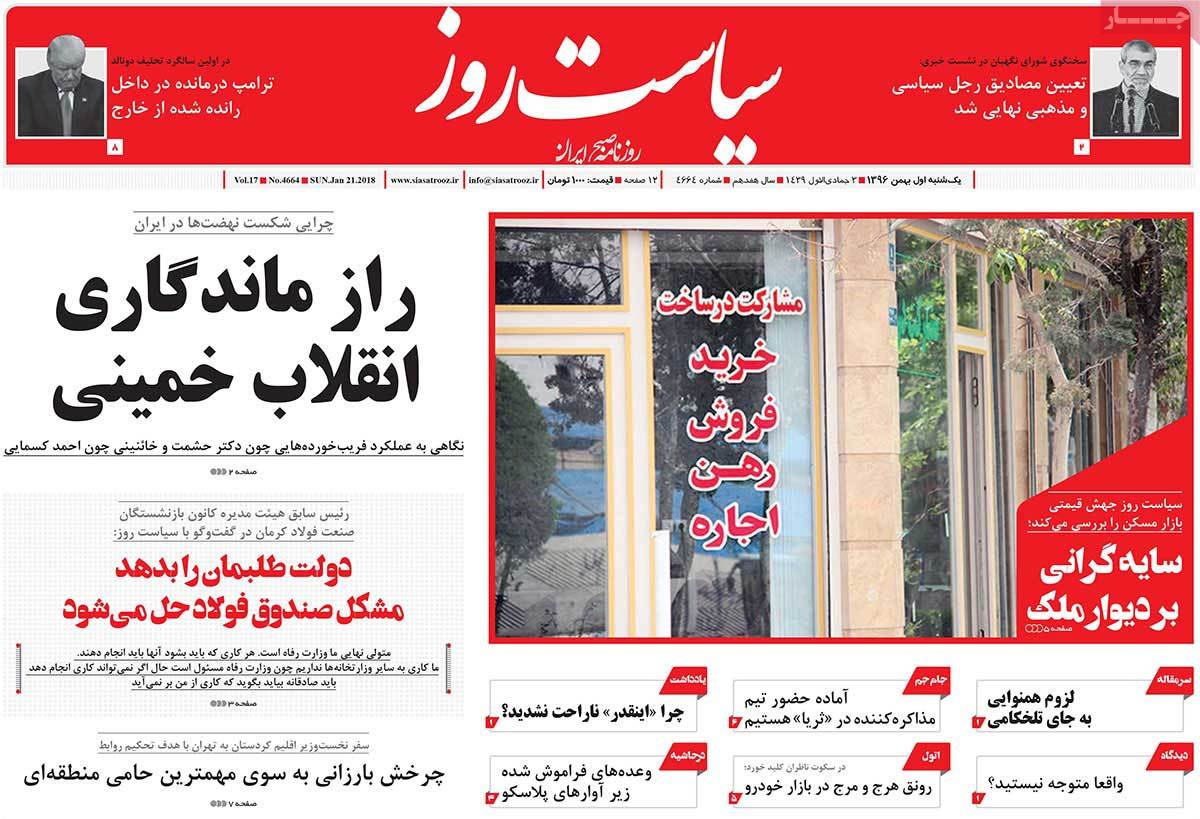
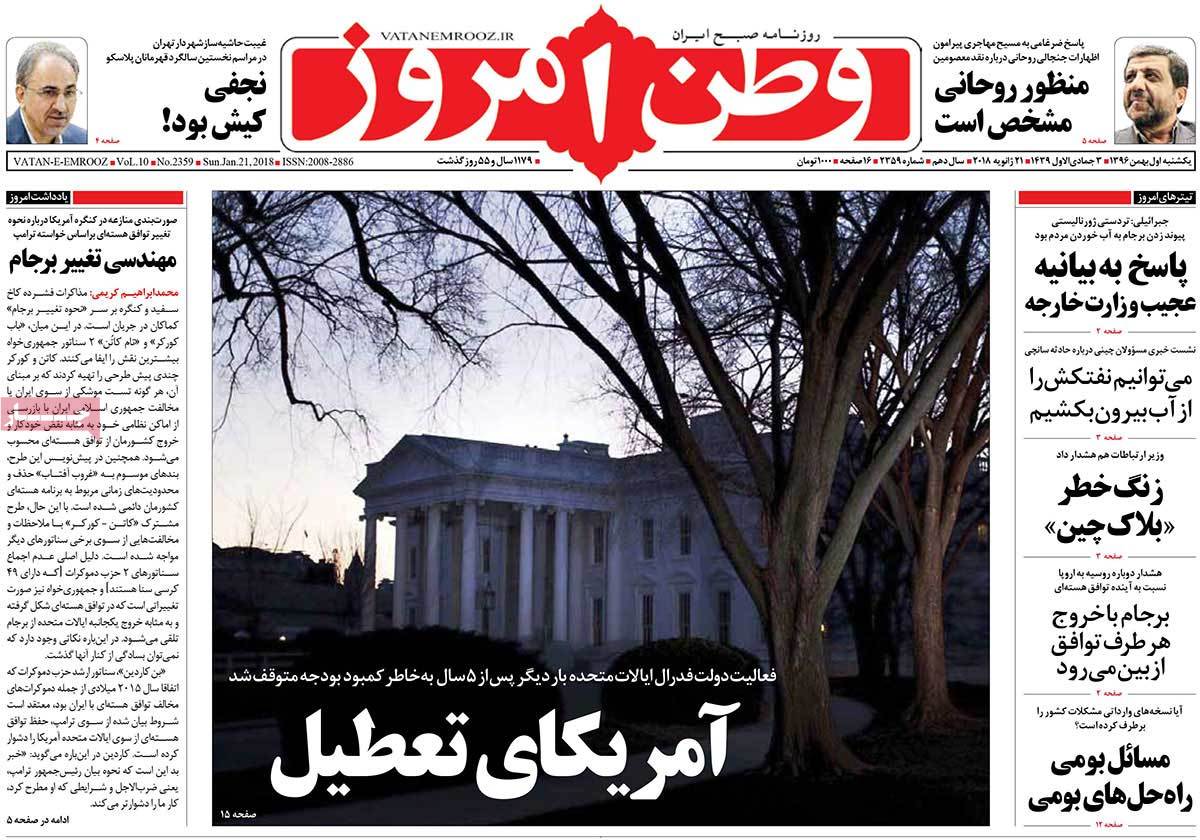
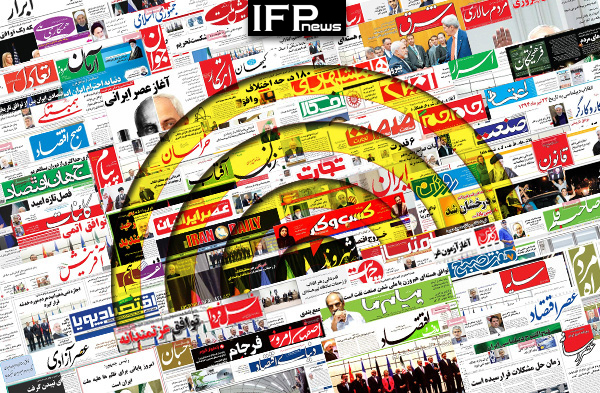
A Look at Iranian Newspaper Front Pages on January 21

A Look at Iranian Newspaper Front Pages on November 18

Several newspapers today covered the Iranian foreign ministry’s statement to blast the state TV’s attacks on the Iran nuclear deal.

Also a top story was the visit of Iraqi Kurdistan’s Prime Minister Nechirvan Barzani to Tehran, which is aimed at mending Erbil’s ties with Tehran.

The US government’s shutdown over the Congress’ refusal to pass the proposed budget also received great coverage today.

The above issues, as well as many more, are highlighted in the following headlines and top stories:


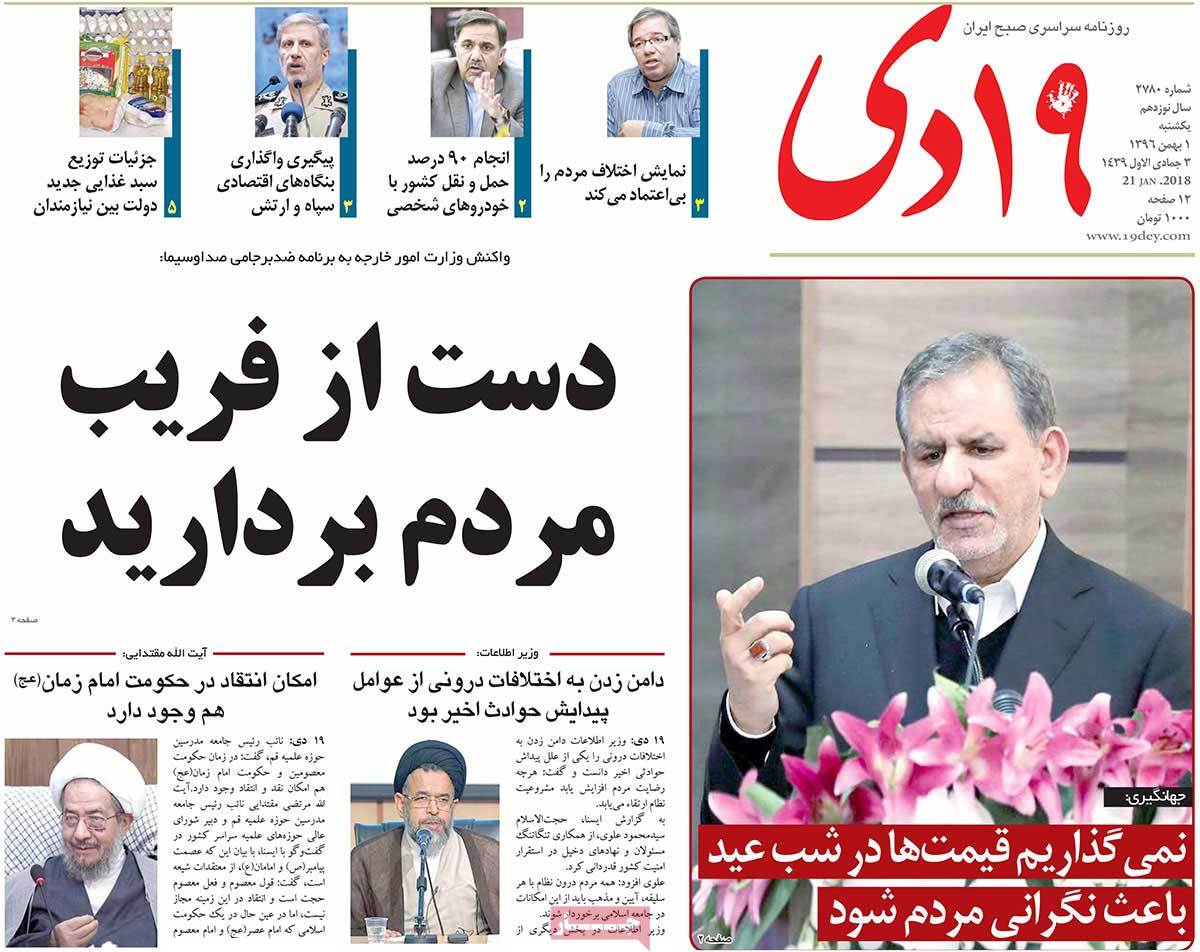
19 Dey:

1- Iran Foreign Ministry Blasts State TV for Anti-JCPOA Program: Stop Deceiving People

2- Intelligence Minister: Fanning Flames of Domestic Conflicts among Causes of Recent Incidents
A Look at Iranian Newspaper Front Pages on January 21


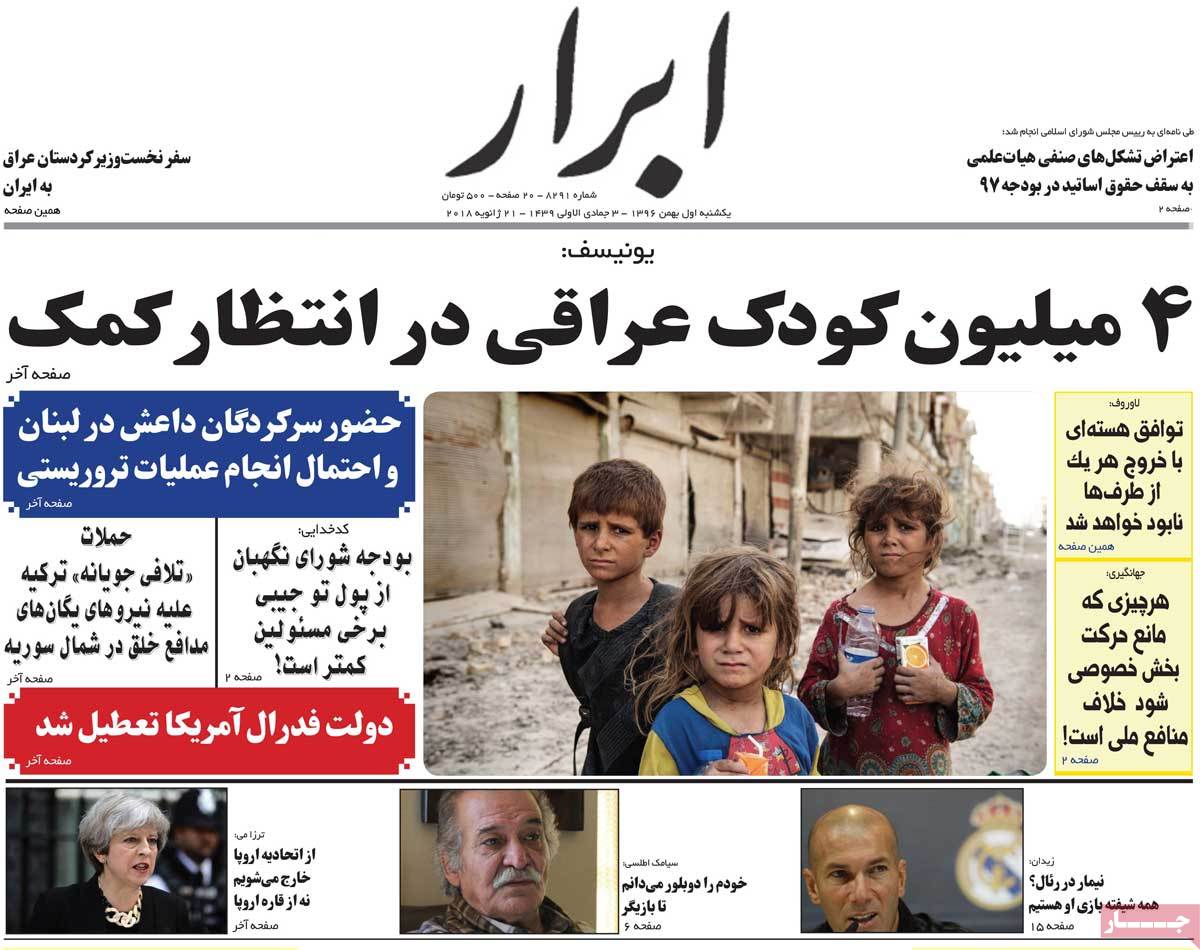
Abrar:

1- Iraqi Kurdistan’s PM Visits Iran

2- ISIS Commanders in Lebanon, May Conduct Terrorist Operation

3- UNICEF: 4 Million Iraqi Children Waiting for Help
A Look at Iranian Newspaper Front Pages on January 21


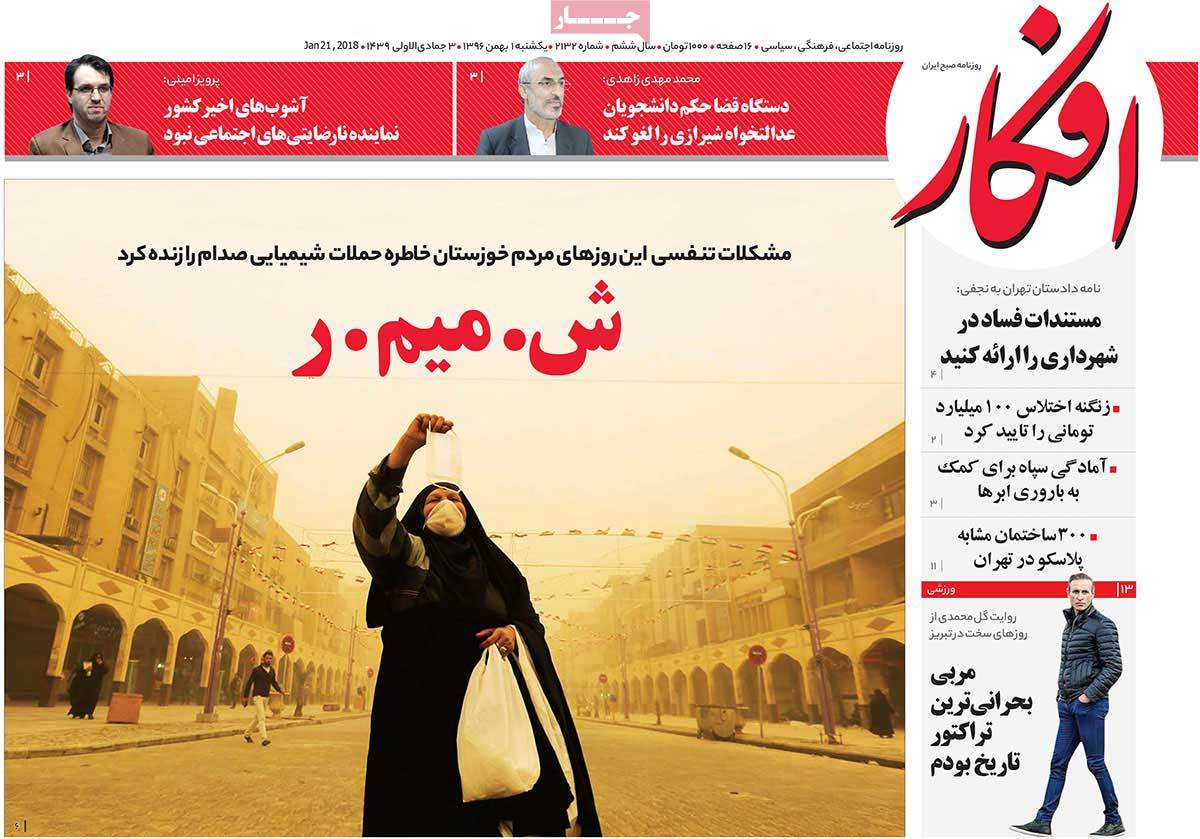
Afkar:

1- Air Pollution Causing Respiratory Problems in Khuzestan These Days

  • People Reminded of Saddam Hussein’s Chemical Attacks
A Look at Iranian Newspaper Front Pages on January 21


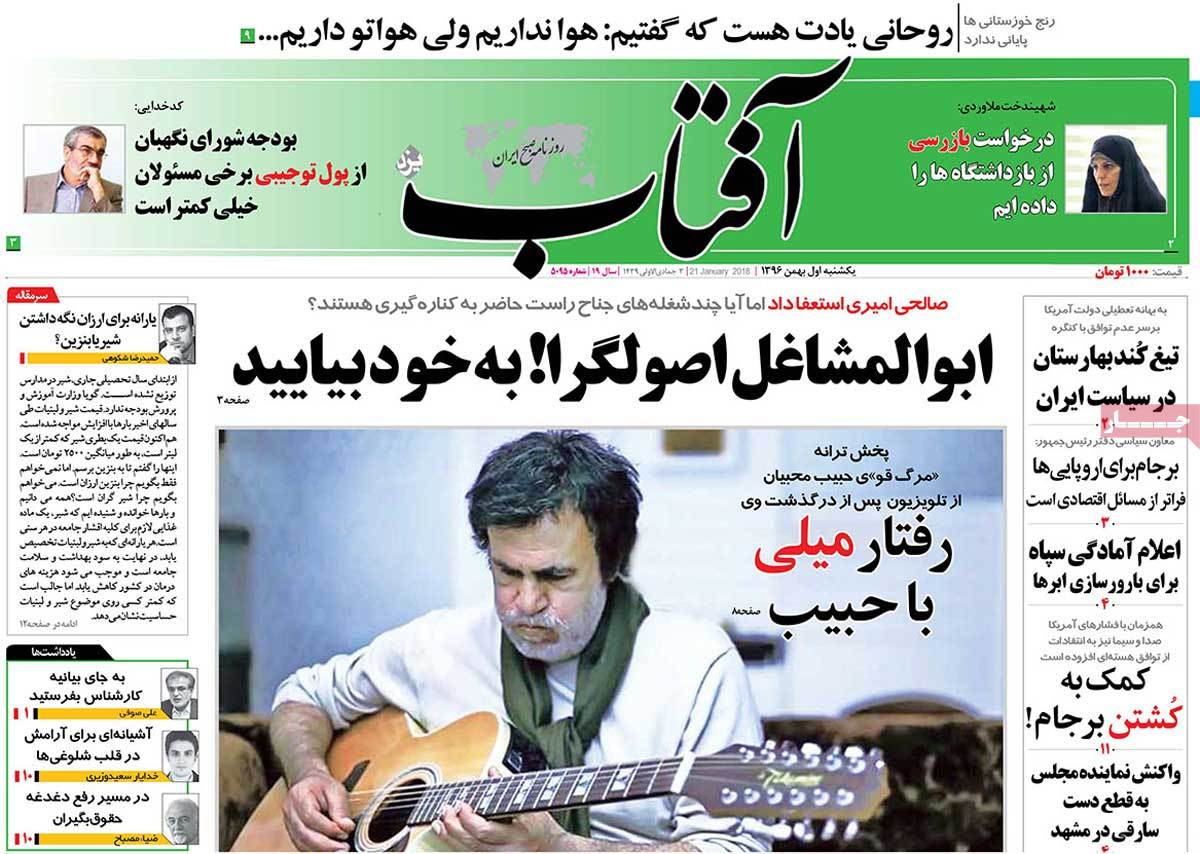
Aftab-e Yazd:

1- IRGC Ready to Help in Cloud Seeding

2- State TV Helping US Kill Iran Nuclear Deal!
A Look at Iranian Newspaper Front Pages on January 21


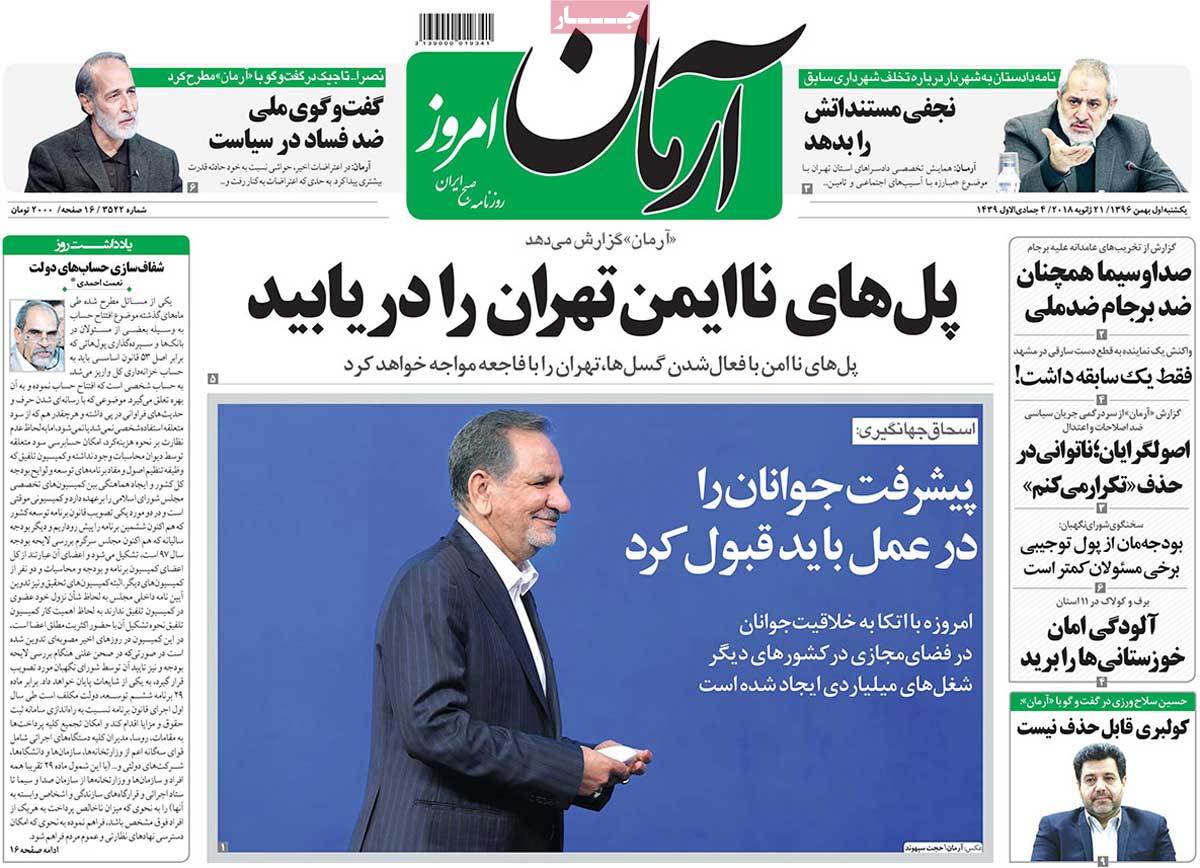
Arman-e Emrooz:

1- People in Khuzestan Can No Longer Tolerate Dust Pollution
A Look at Iranian Newspaper Front Pages on January 21


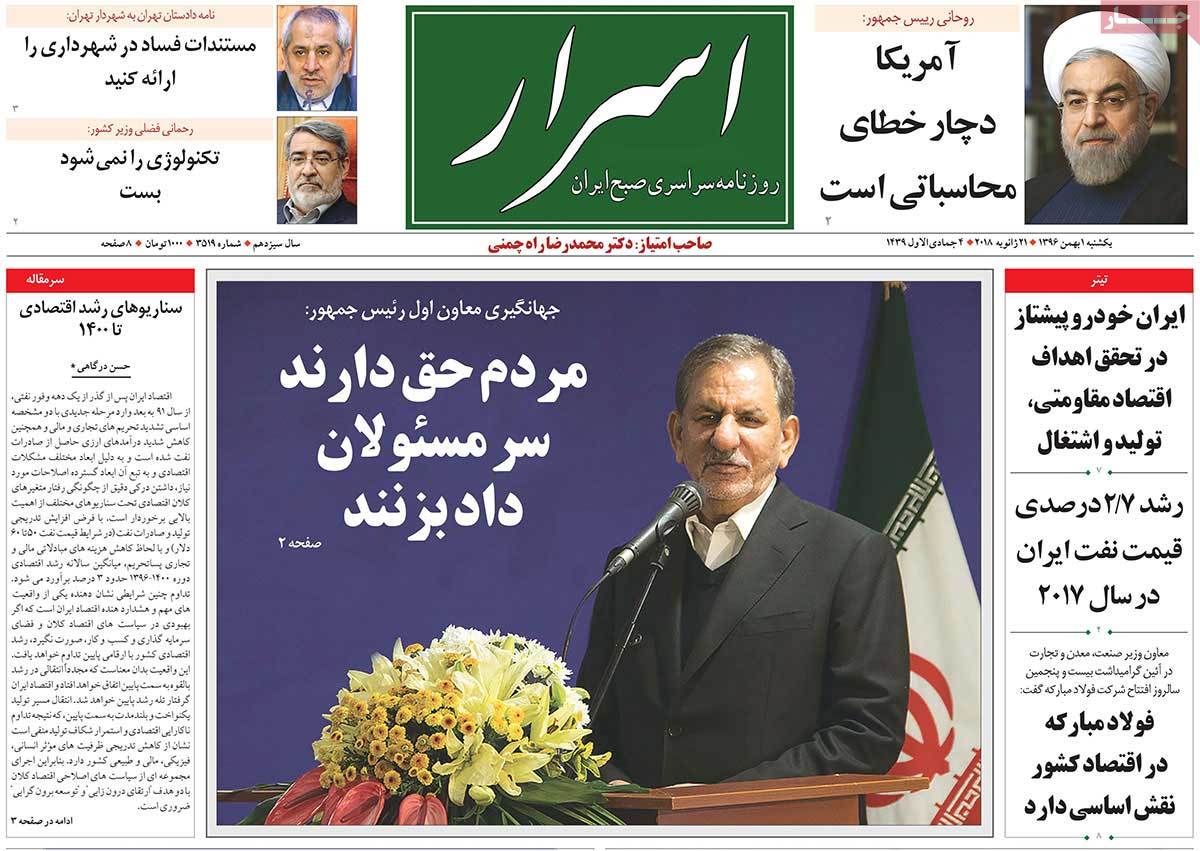
Asrar:

1- Iran First VP: People Have Every Right to Yell at Officials
A Look at Iranian Newspaper Front Pages on January 21


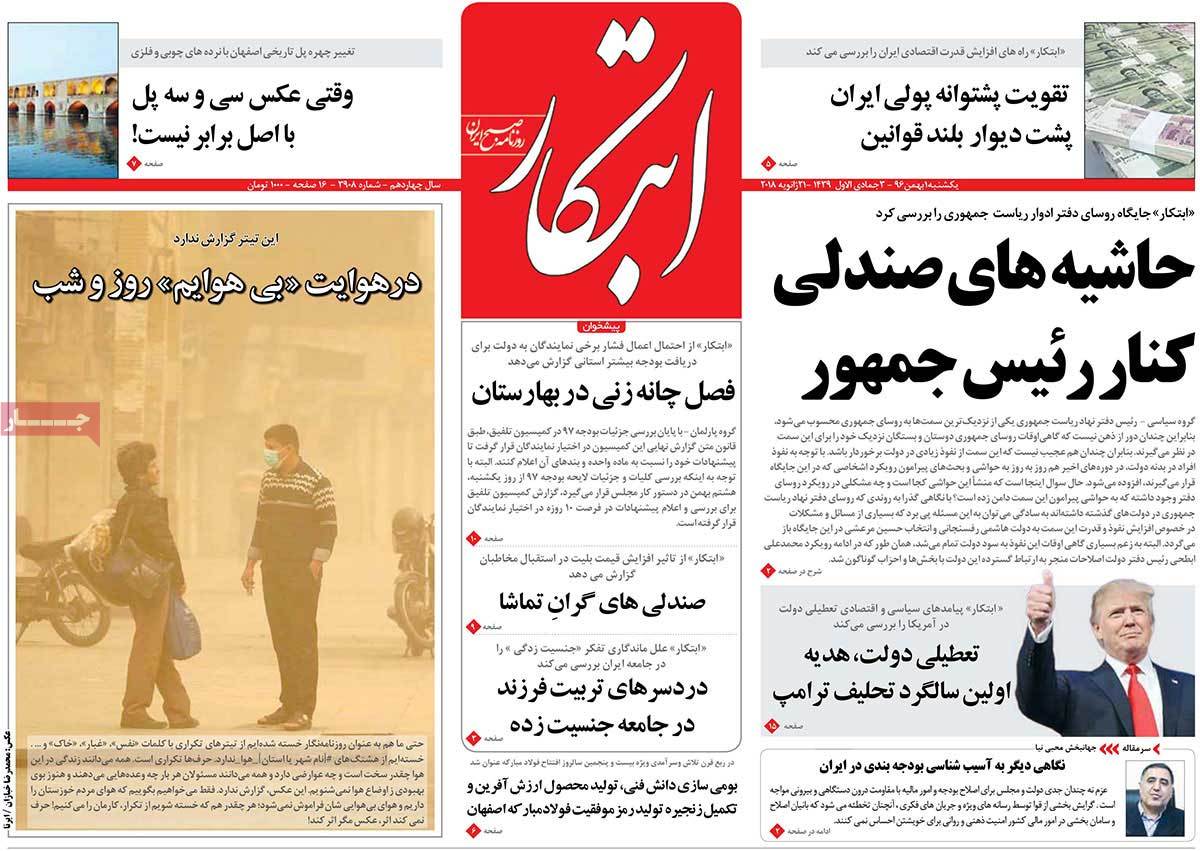
Ebtekar:

1- Government Shutdown, Gift to Trump on First Inauguration Anniversary
A Look at Iranian Newspaper Front Pages on January 21


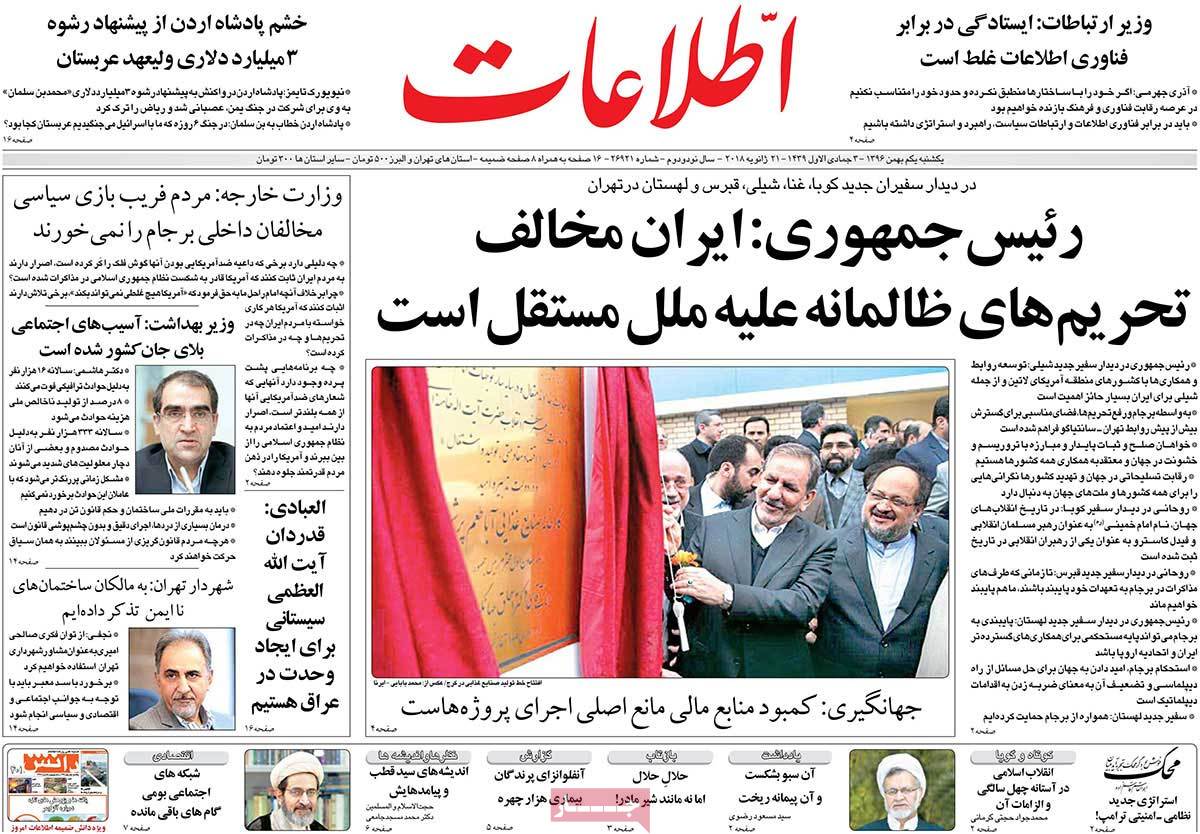
Ettela’at:

1- White House vs Democrats: US Federal Gov’t Shut Down

2- Health Minister: Iran Suffering from Social Harms

3- Jordan King Outraged by Saudi Crown Prince’s $3 Billion Bribe Offer
A Look at Iranian Newspaper Front Pages on January 21


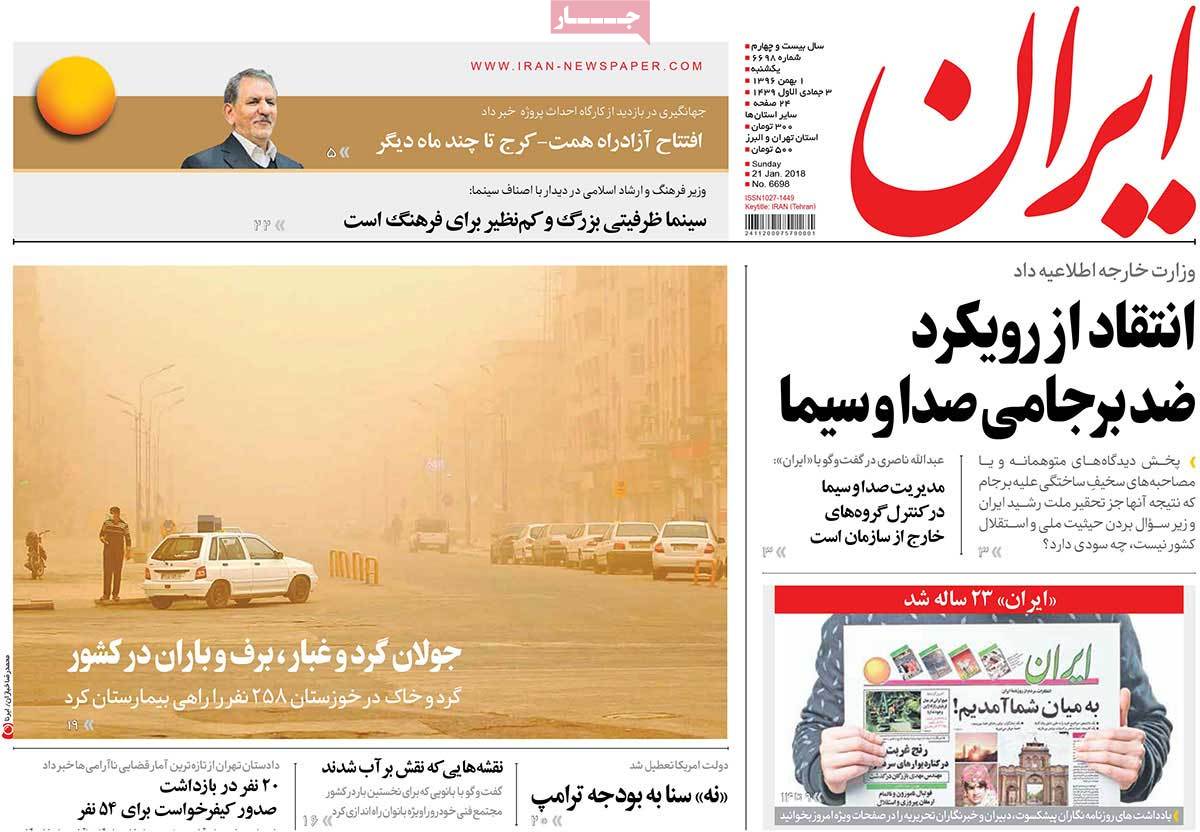
Iran:

1- Dust Pollution, Snow, Rain in Iran
A Look at Iranian Newspaper Front Pages on January 21


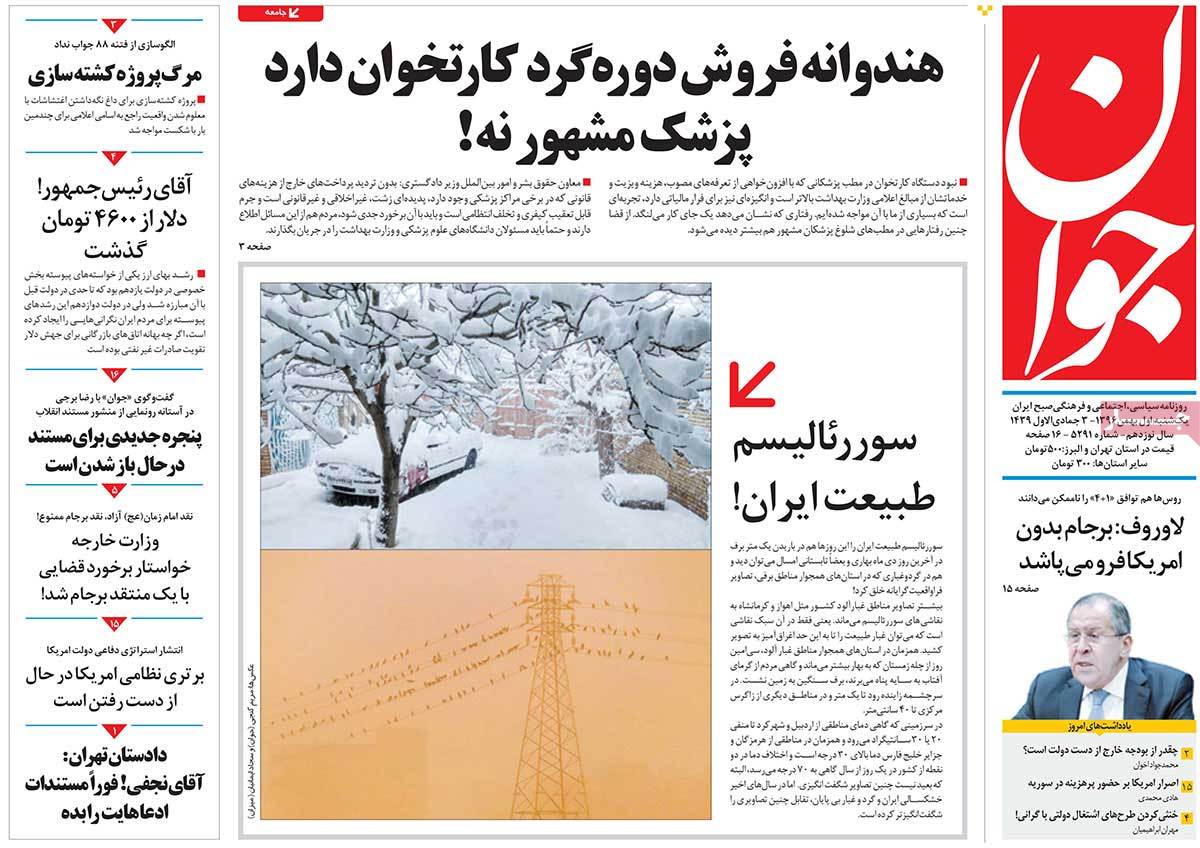
Javan:

1- Lavrov: Iran Nuclear Deal to Collapse without US

2- Iran Foreign Ministry Calls for Prosecution of a Critic of JCPOA!
A Look at Iranian Newspaper Front Pages on January 21


Jomhouri Eslami:

1- Foreign Ministry Protests at State TV’s Controversial Program against JCPOA

2- Rouhani: JCPOA Provides Strong Basis for Iran’s Wider Cooperation with Europe

3- Israeli Journalist: Mossad Has Assassinated at Least 3,000 People So Far
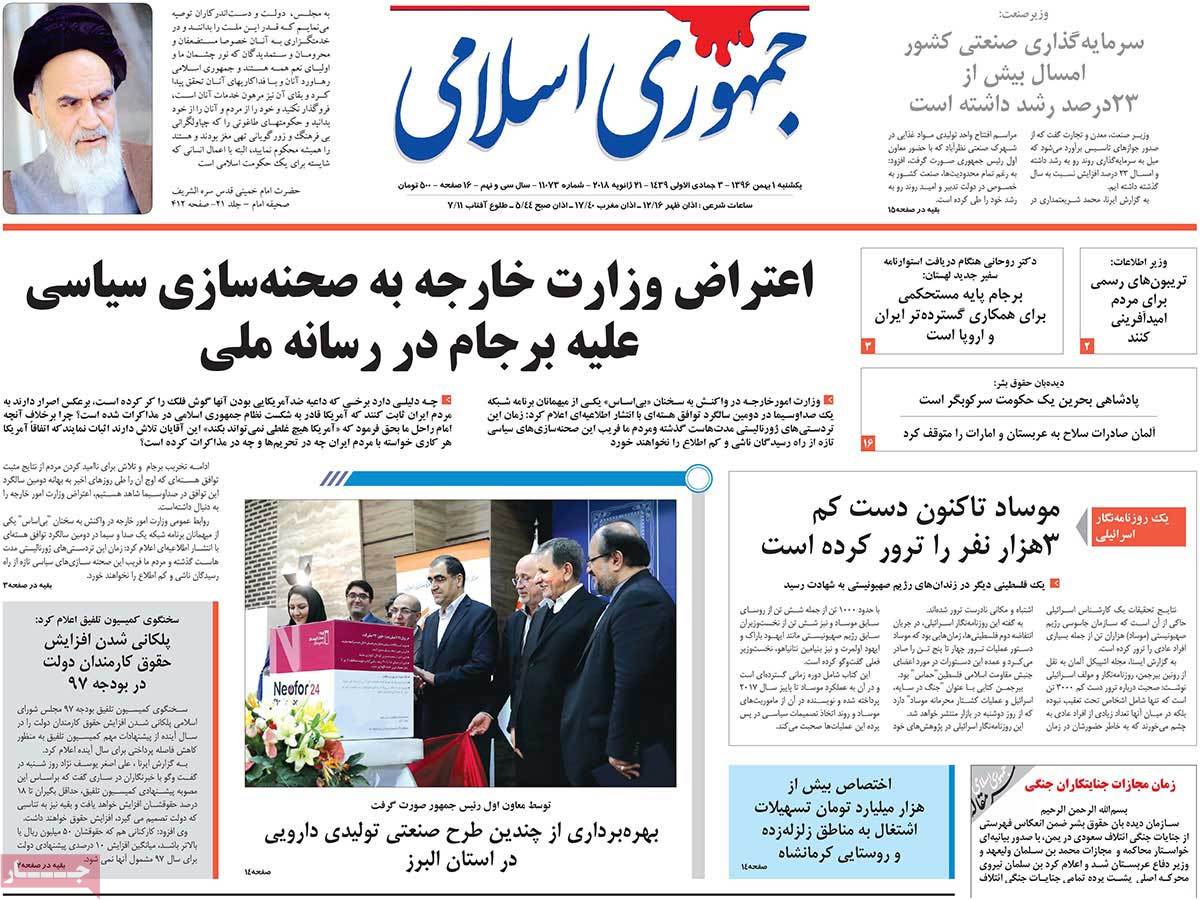
A Look at Iranian Newspaper Front Pages on January 21


Kayhan:

1- Advocates of Reformism Playing in Two Roles: Paralyzing Gov’t, Accusing Establishment!

2- British Think Tank’s Report on US’ Financial Ties to Rioters
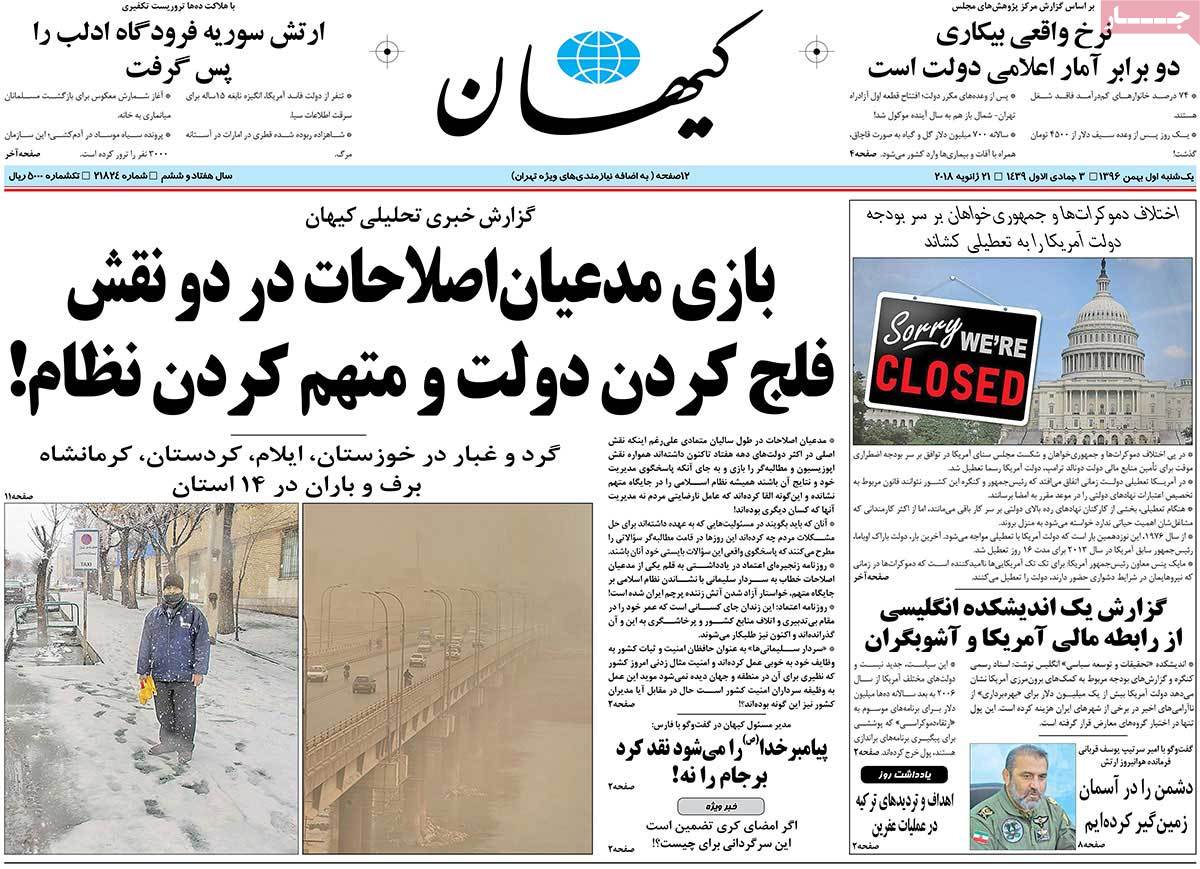
A Look at Iranian Newspaper Front Pages on January 21


Khorasan:

1- Europe’s Staying in or Withdrawal from JCPOA

  • 11 Analysts Discuss Whether Europe Will Accept Trump’s Conditions

2- DM: Iran Leader Has Ordered IRGC, Army to Stop Economic Activities
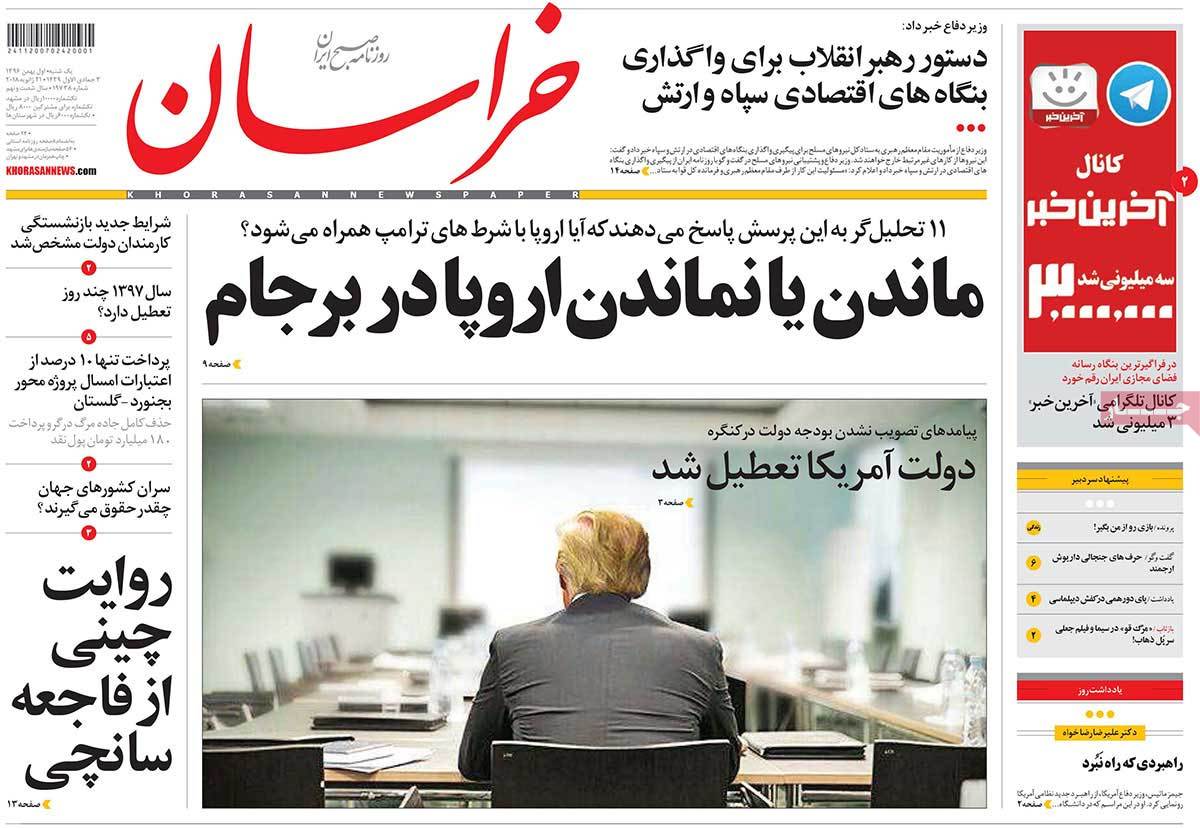
A Look at Iranian Newspaper Front Pages on January 21


Resalat:

1- Ayatollah Hashemi Shahroudi: US Has Waged Economic War on Iran
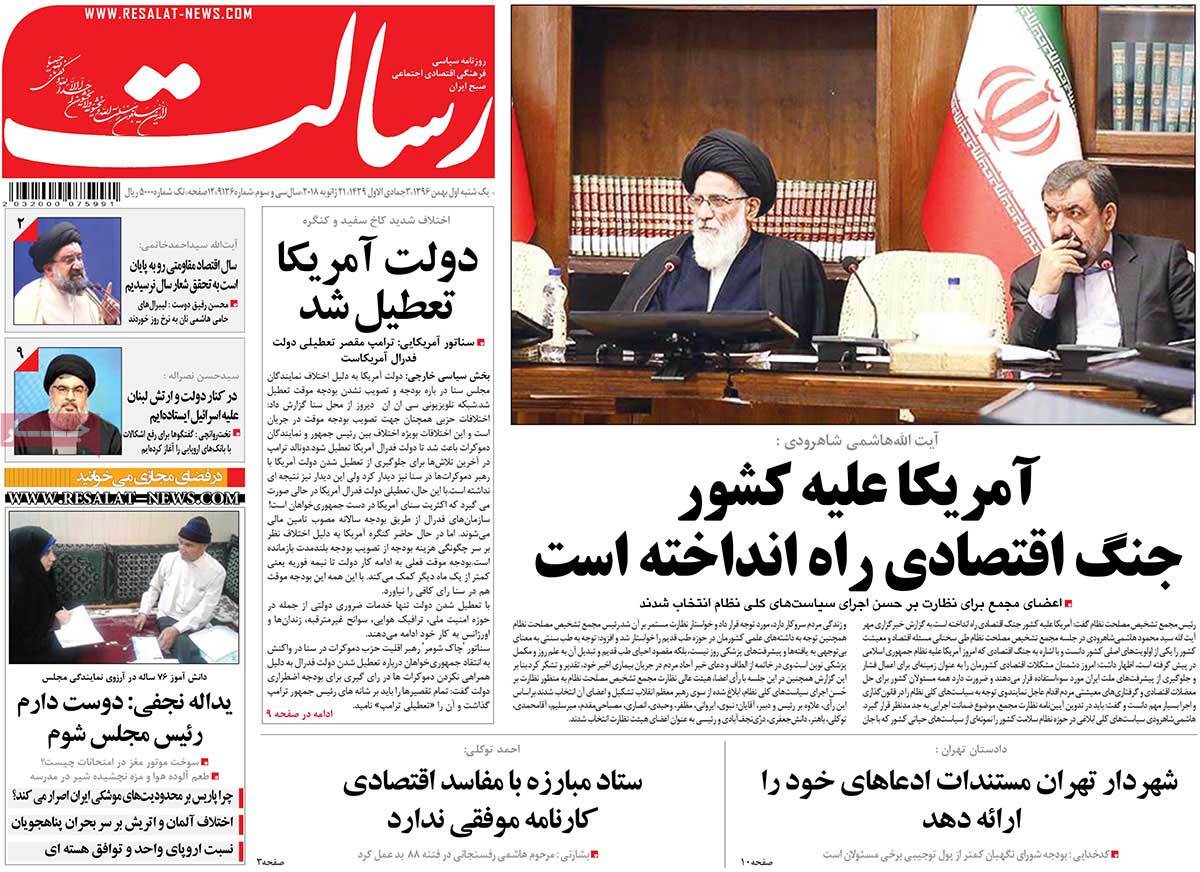
A Look at Iranian Newspaper Front Pages on January 21


Shahrvand:

1- Half of Iran to Run out of Water

2- Iran First VP: We Must Rely on Young Minds instead of Oil
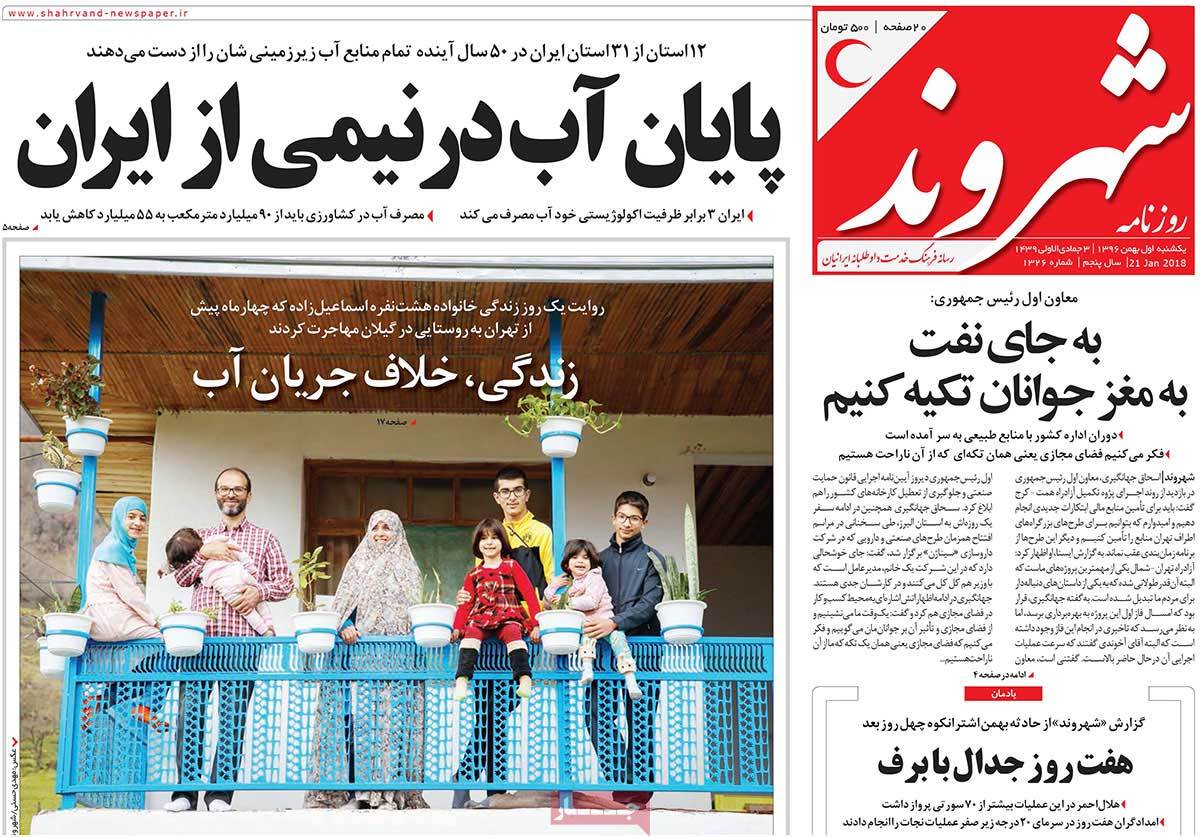
A Look at Iranian Newspaper Front Pages on January 21


Shargh:

1- Tehran Prosecutor: Judicial Case Open for Sanchi Oil Tanker Incident
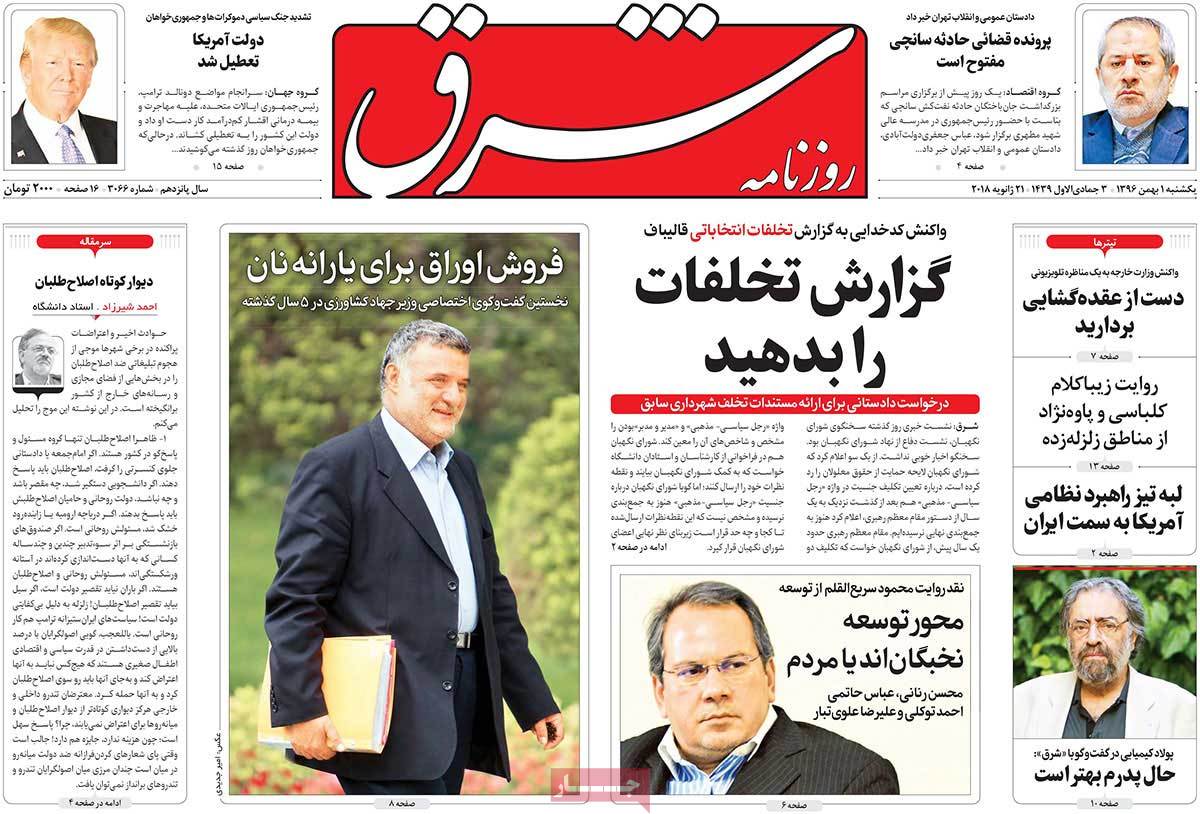
A Look at Iranian Newspaper Front Pages on January 21


Siasat-e Rooz:

1- Secret behind Durability of Imam Khomeini’s Revolution

  • Why Movements in Iran Always Fail

A Look at Iranian Newspaper Front Pages on January 21


Vatan-e Emrooz:

1- The US Shut Down
A Look at Iranian Newspaper Front Pages on January 21

Tehran Slams Erbil for Giving Immunity to Anti-Iran Groups

Signs of US Decline Clearer Than Ever: Iran Official

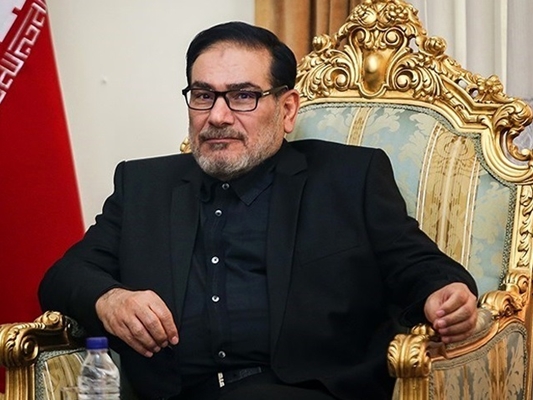
Speaking in a Sunday meeting with Prime Minister of Iraq’s Kurdistan region Nechirvan Barzani in Tehran, the top Iranian official stressed that security is the Islamic Republic’s red line.

“It would be totally intolerable [to see] that some anti-revolutionary groups use Kurdish territories to kill our soldiers and citizens and then return to the areas controlled by the [Kurdistan] region to brazenly claim responsibility for those actions in interviews with official Kurdish media,” Shamkhani warned.

He then described the referendum on the Kurdistan region’s secession from Iraq as a strategic mistake which incurred huge economic, political and security costs upon the people of the Kurdistan region and neighbouring countries.

“Some believed that the security of Kurdish people was separate from that of other Iraqi citizens, and that it would be possible to manage terrorism and the threat posed by ISIS through negotiations and interaction,” Shamkhani said.

He said some regional and trans-regional countries seek to undermine Iraq and major countries in West Asia, adding regional countries should remain vigilant and take into account their national interests as well as the interests of the Muslim world to thwart colonialist schemes such as the so-called Greater Middle East Plan.

Shamkhani further noted that the victory over the ISIS terrorist group, the full liberation of Iraq and ridding Iraqi people of the biggest regional terror threat are a harbinger of a better future for an integrated Iraq and show foreign conspiracies to sow discord in the country have been foiled.

He touched upon both nations’ interest to have closer bonds and referred to the historical exchanges between Iranian and Iraqi people, especially in Kurdish-majority areas.

“Despite plots hatched by the enemies of both nations, grounds for all-out cooperation and strategic relations between Iran and Iraq are growing,” said Shamkhani.

“The Islamic Republic of Iran’s close cooperation with the Iraqi government and sustaining considerable material and human costs in order to establish stability, security and progress in the country (Iraq) was a historical and unforgettable test to prove [Iran’s] honesty, brotherhood and belief in good neighbourliness with Iraq,” the top Iranian official underlined.

He said as Erbil’s new policies focus on talks and cooperation with Baghdad, Iran, for its part, will tap into all of its potential to contribute to the settlement of existing problems and help push this trend forward.

For his part, Barzani, who is in Tehran at the head of a high-ranking delegation, briefed Shamkhani on the latest developments in Iraq’s Kurdistan and in the Middle East region.

He said Iran has always stood by the Iraqi Kurdish people, adding, “Iran and Iraq’s Kurdistan have civilizational and historical ties, and the Kurdistan region takes pride in its friendship with the Islamic Republic of Iran.”

He also touched upon Iran’s good support for the security of the Iraqi Kurdistan region and its people at a time when ISIS terrorists attacked the area.

“The enhancement of relations and cooperation between Iran and the Kurdistan region will not be affected by ill-wishers, and we will use all our power to stop security threats against Iran,” Barzani highlighted.

“Science and Technology in Iran: A Brief Review”

“Science and Technology in Iran: A Brief Review”

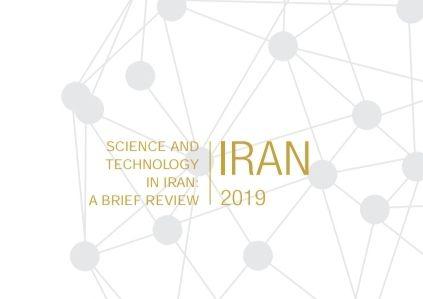
The book, entitled “Science and Technology in Iran: A Brief Review”, provides the readers with an overview of the country’s 2019 achievements in 13 different fields of science and technology.

The book starts with a history of science and technology in Iran, and then elaborates on the Islamic Republic’s “national policy documents on science, technology, and innovation.”

The first chapter also highlights Iran’s global position in terms of scientific publications, and provides a review of the country’s latest scientific and technological statistics.

From the second chapter on, the book offers specific information, data, and statistics about 13 fields of science and technology, including nanotechnology; biotechnology; stem cell technology; cognitive sciences; medicinal plants and traditional medicine; and information and communication technology.

Cultural and creative industries; aerospace; aviation technology; marine industries; water, drought, erosion, and environment technologies; conventional energies (oil and gas); and renewable energies are the other fields of science and technology covered in this book.

Each chapter of this book is divided into five parts: “History and background”, “Objectives and strategies”, “Capacities and capabilities”, “Authorities”, and “International cooperation.”

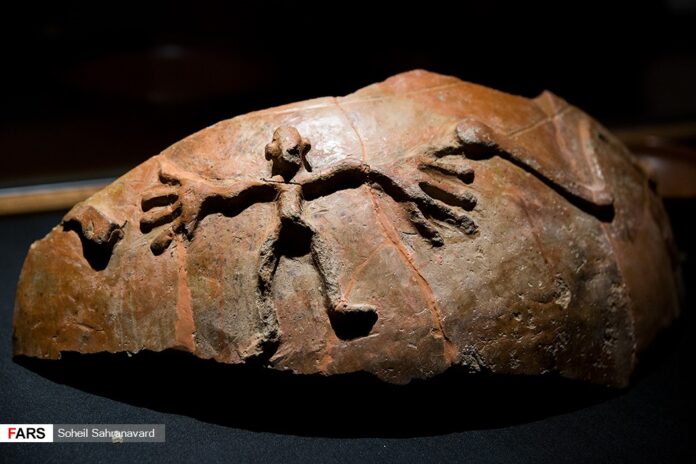
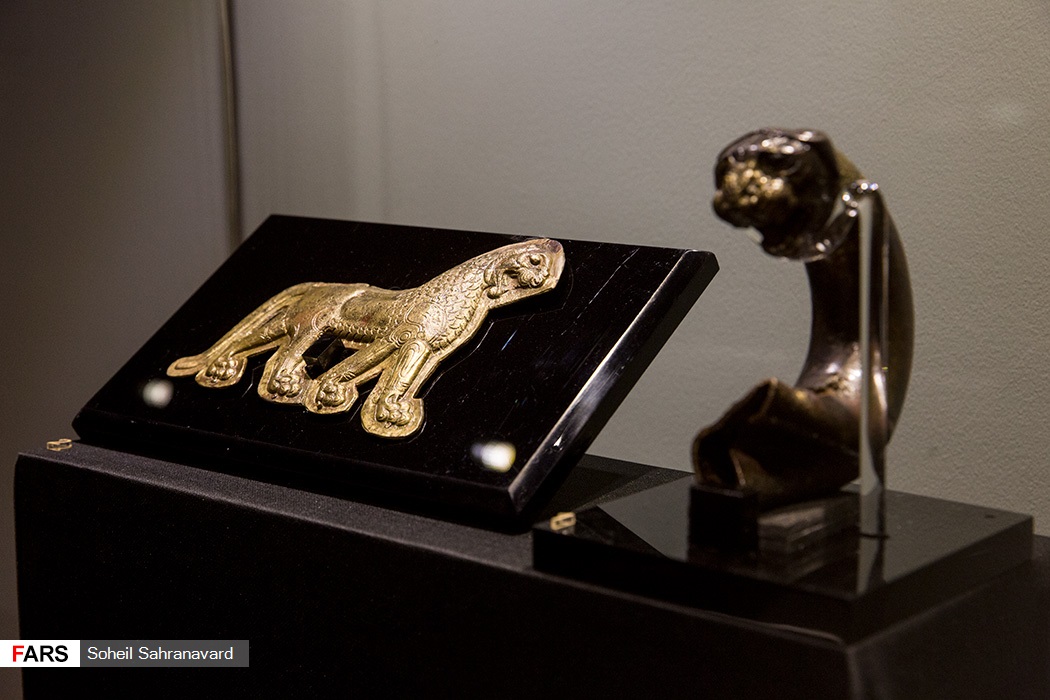
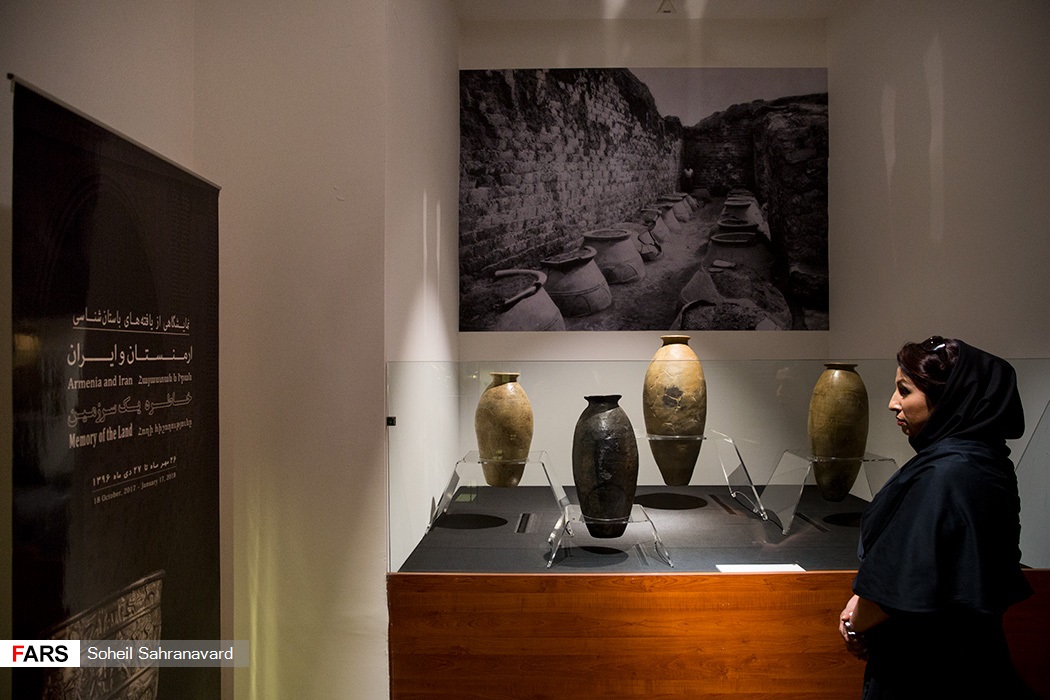
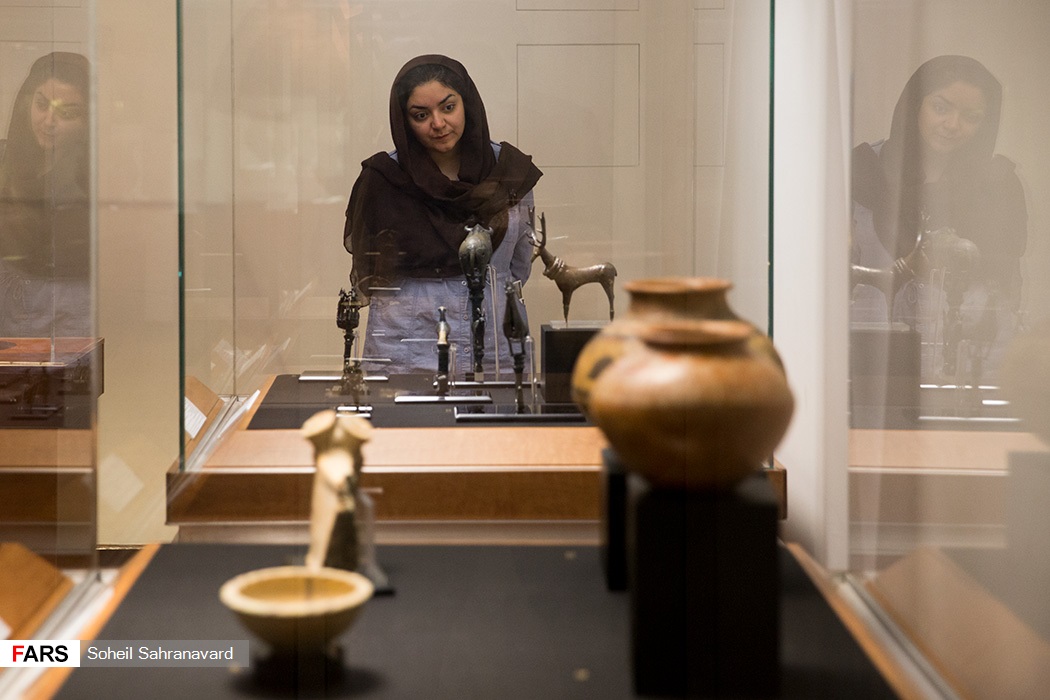
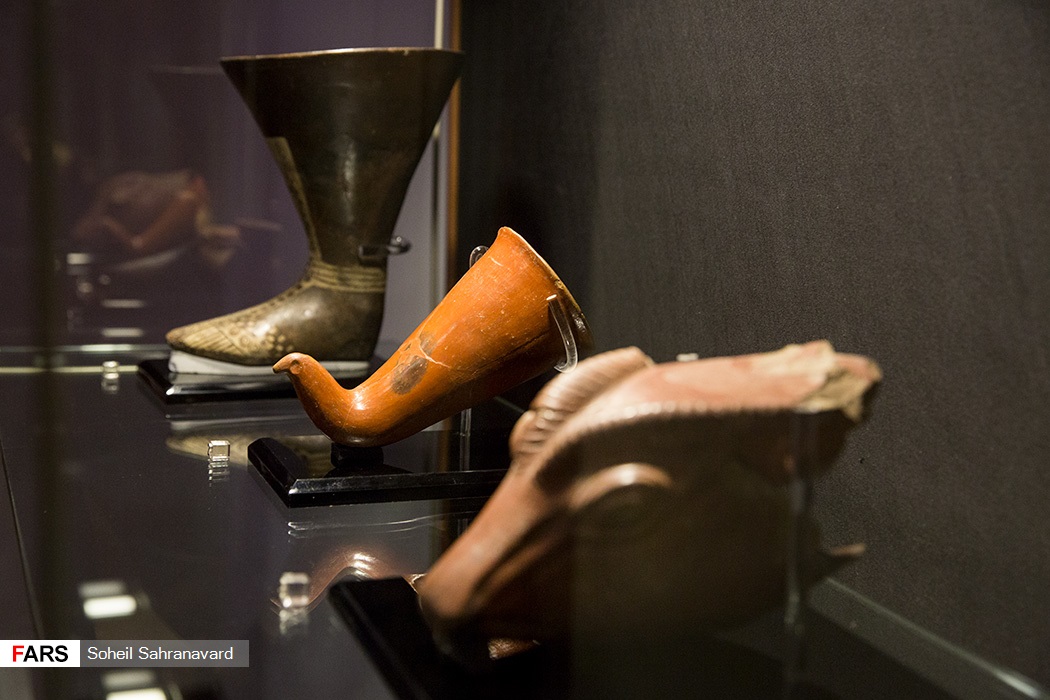
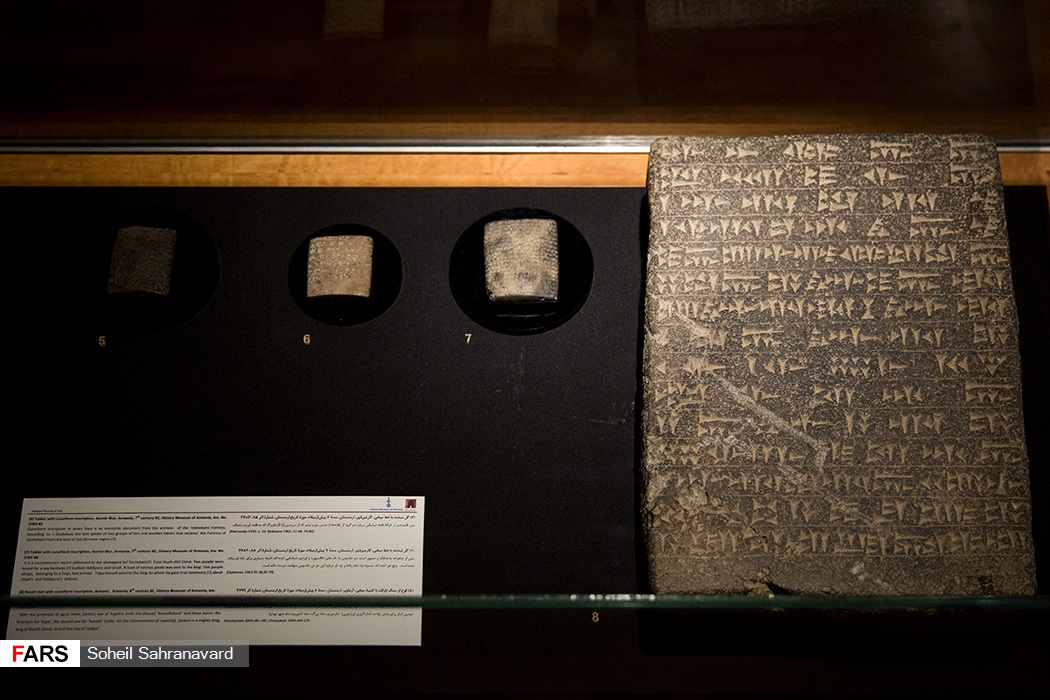
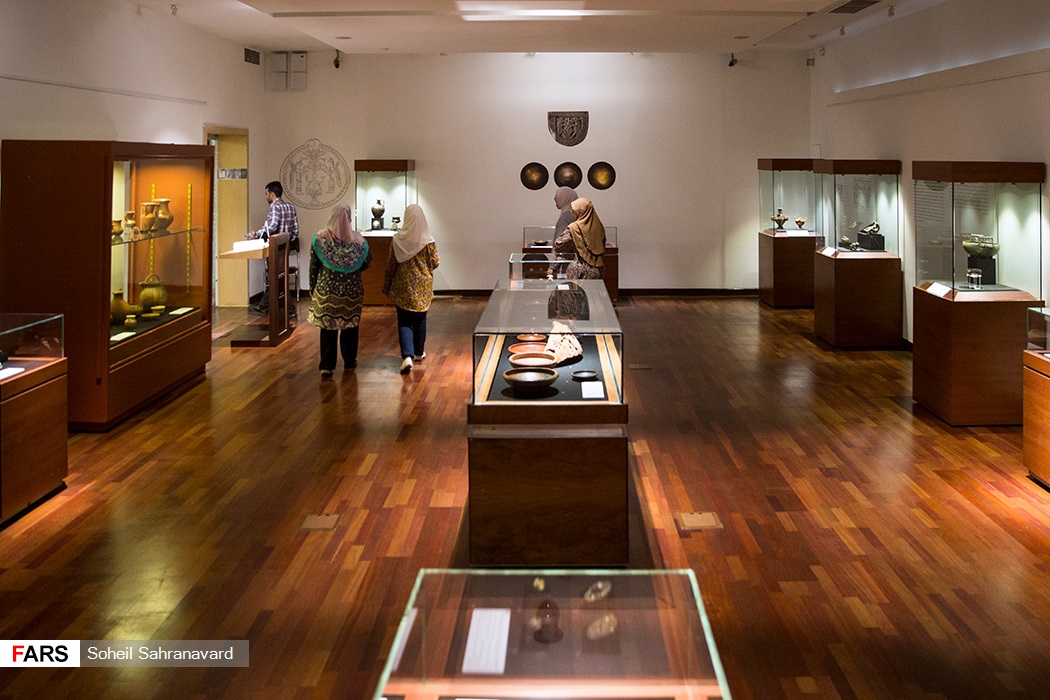
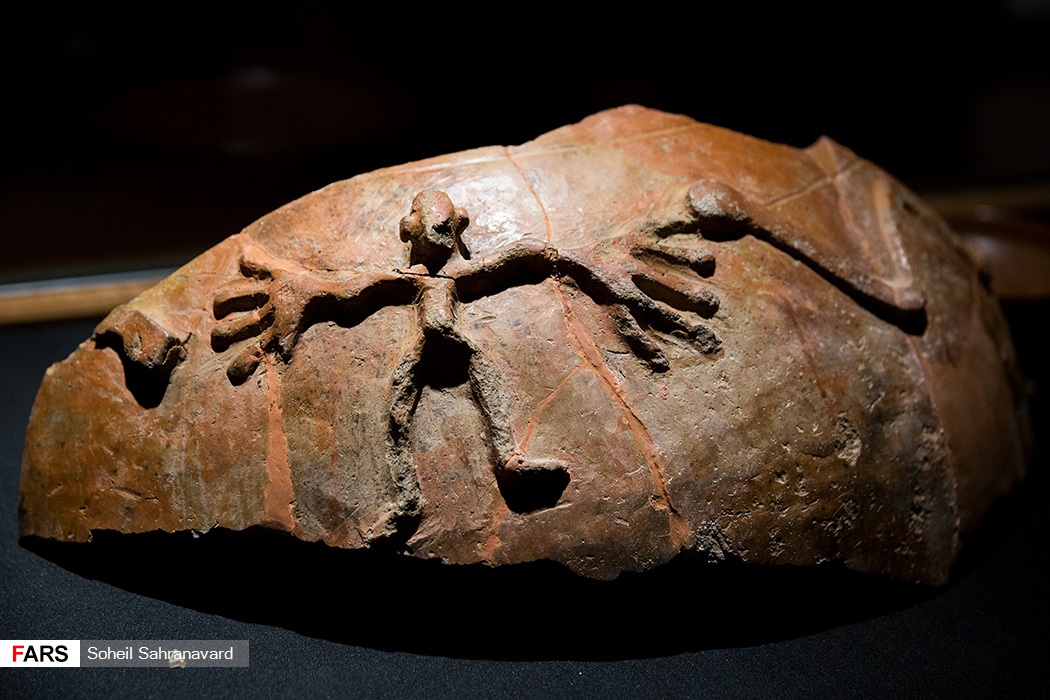
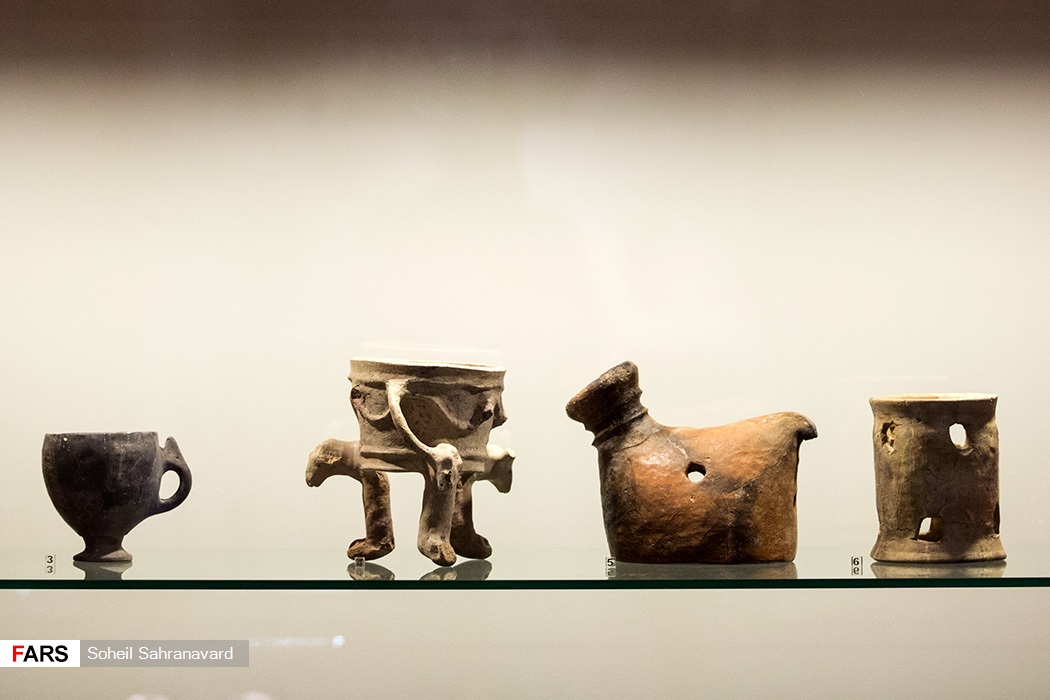
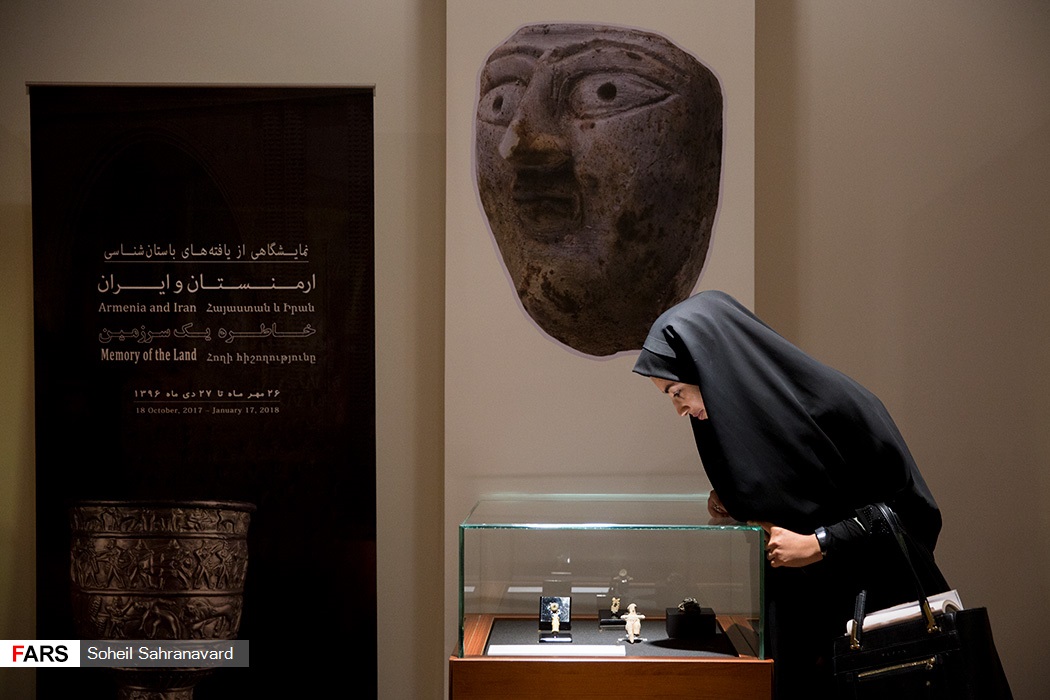
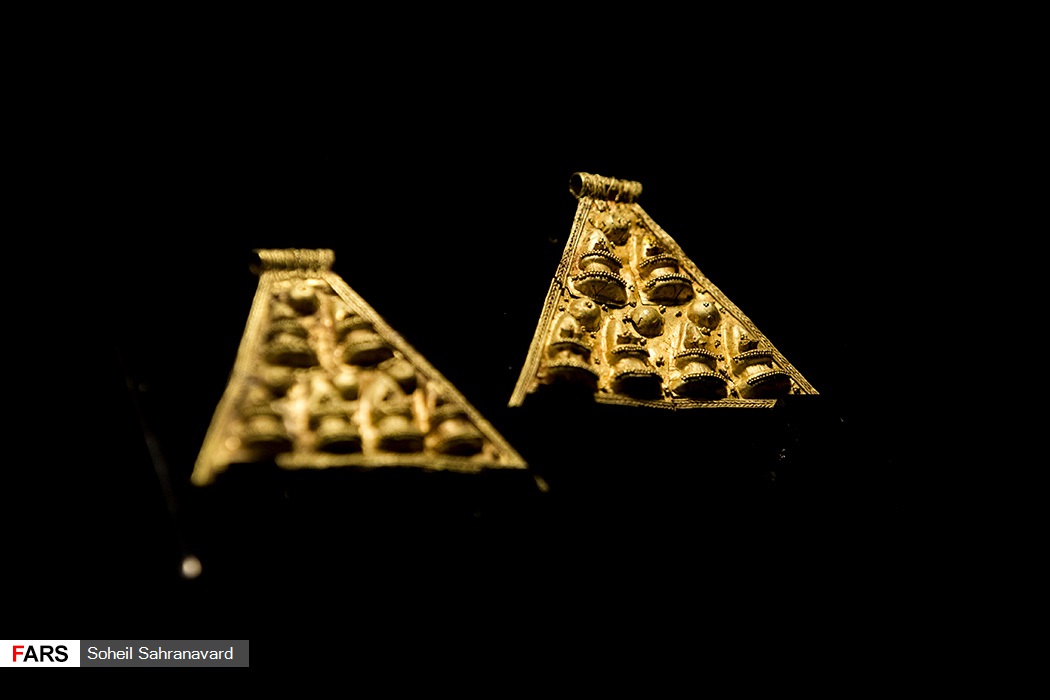
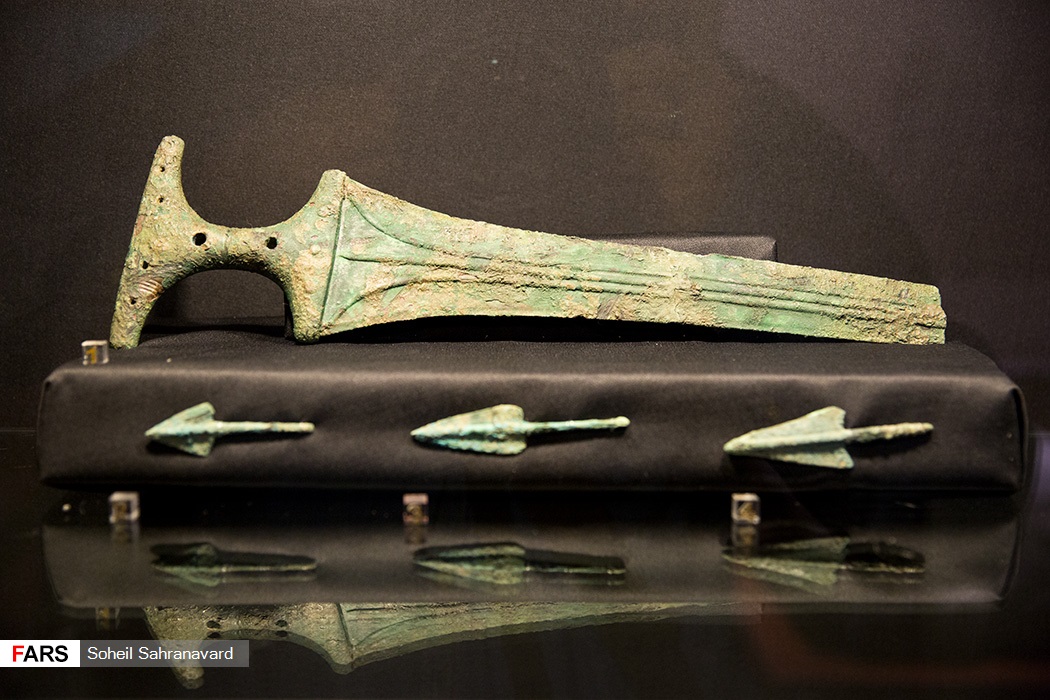
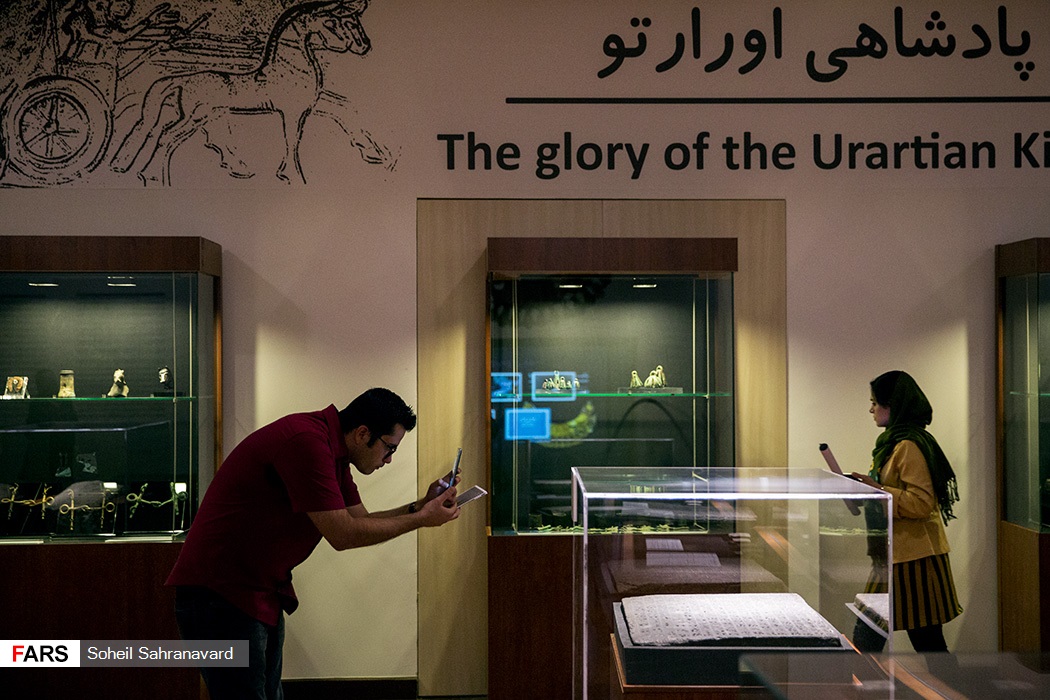
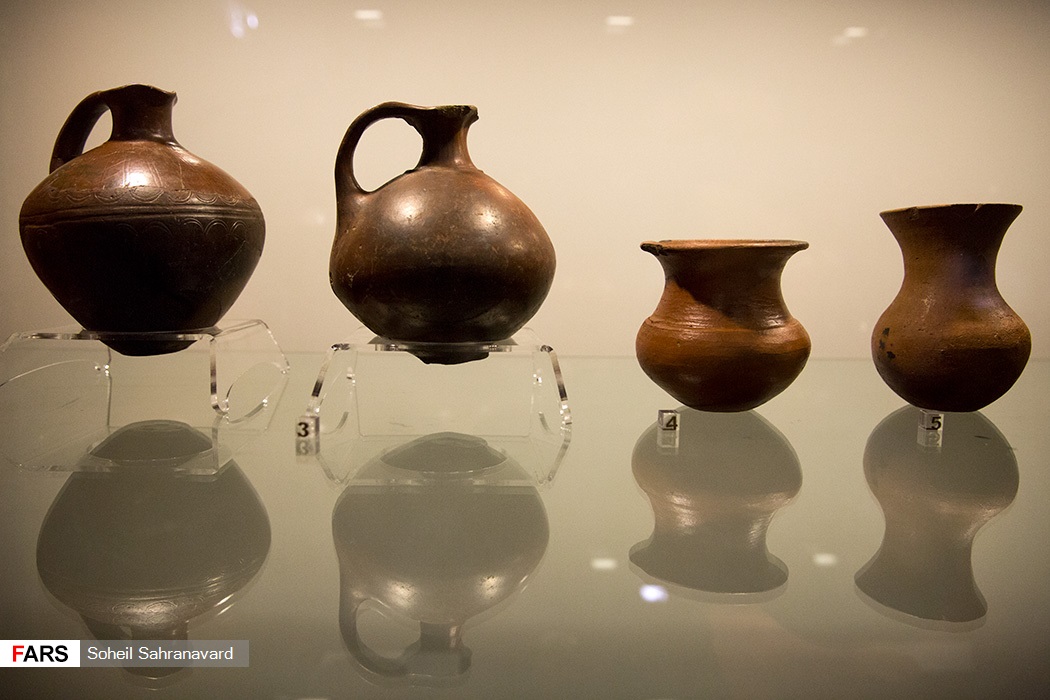
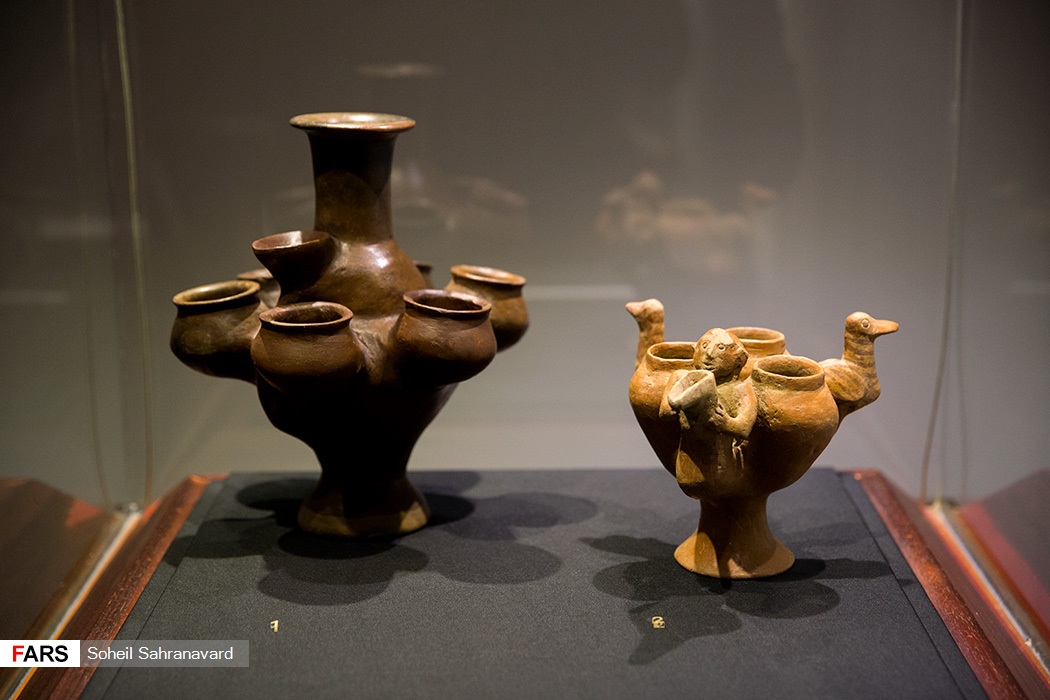
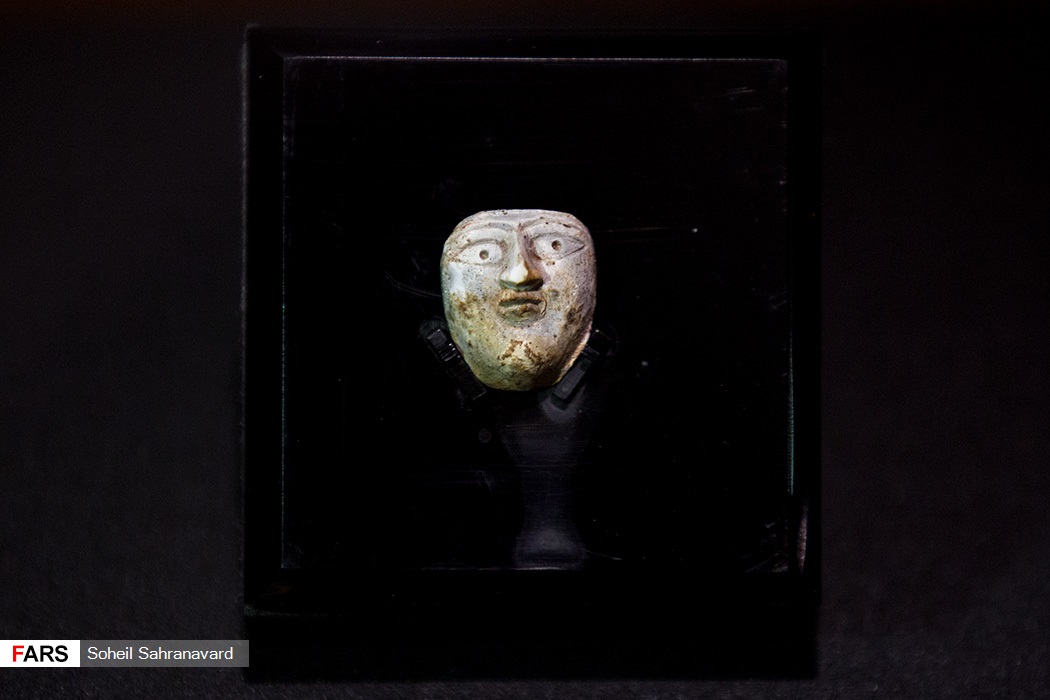
Exhibition of Armenia’s Urartu Relics Wraps Up in Tehran

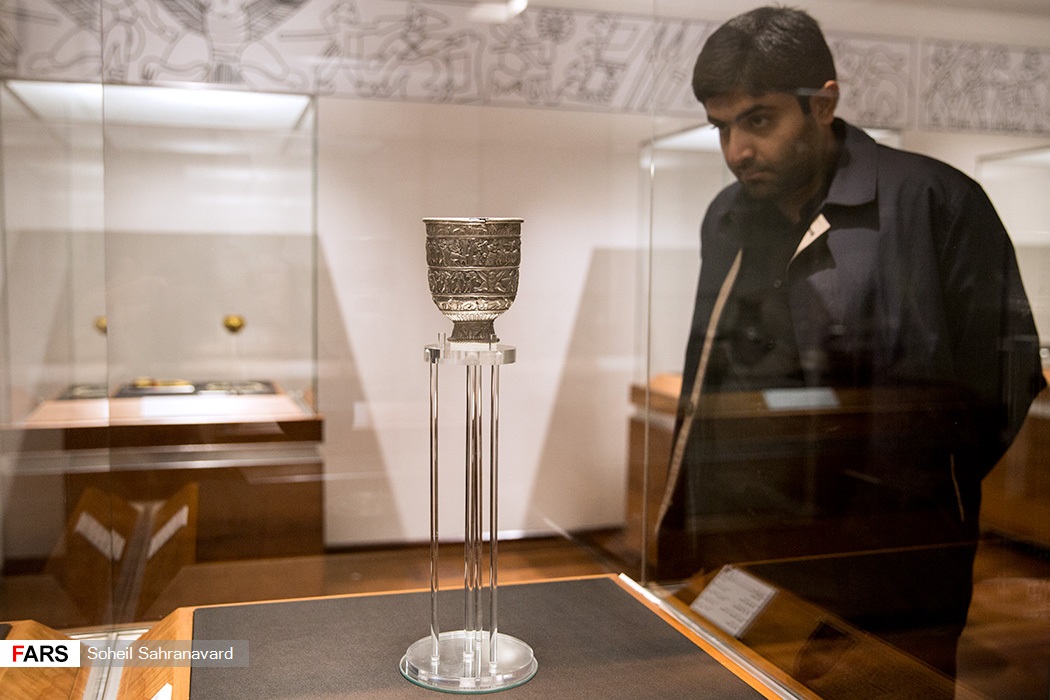
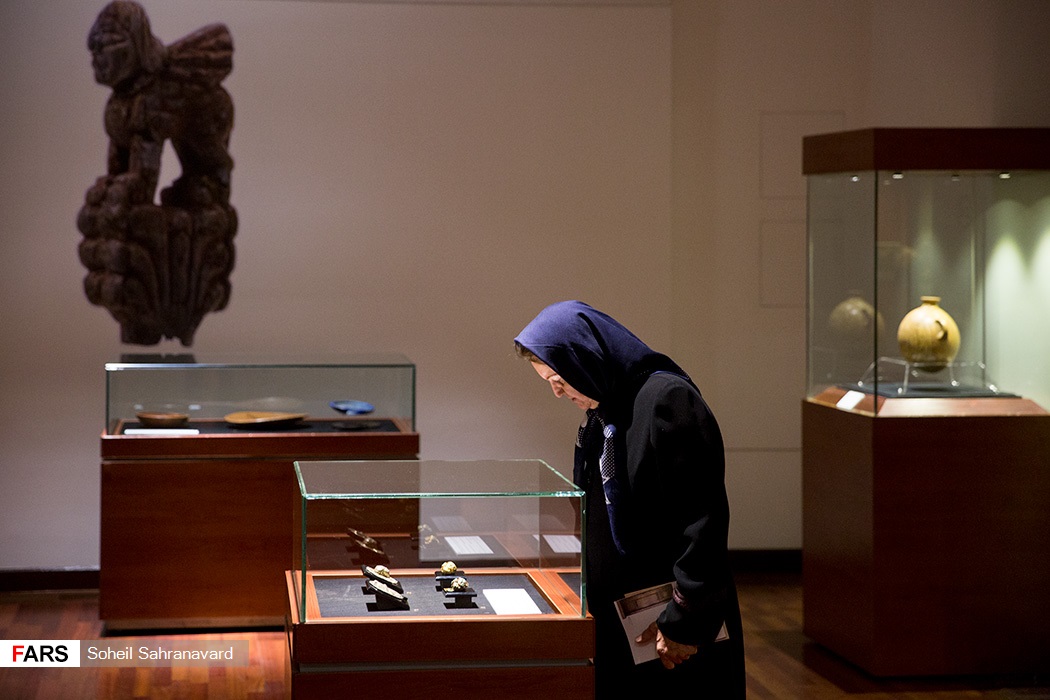
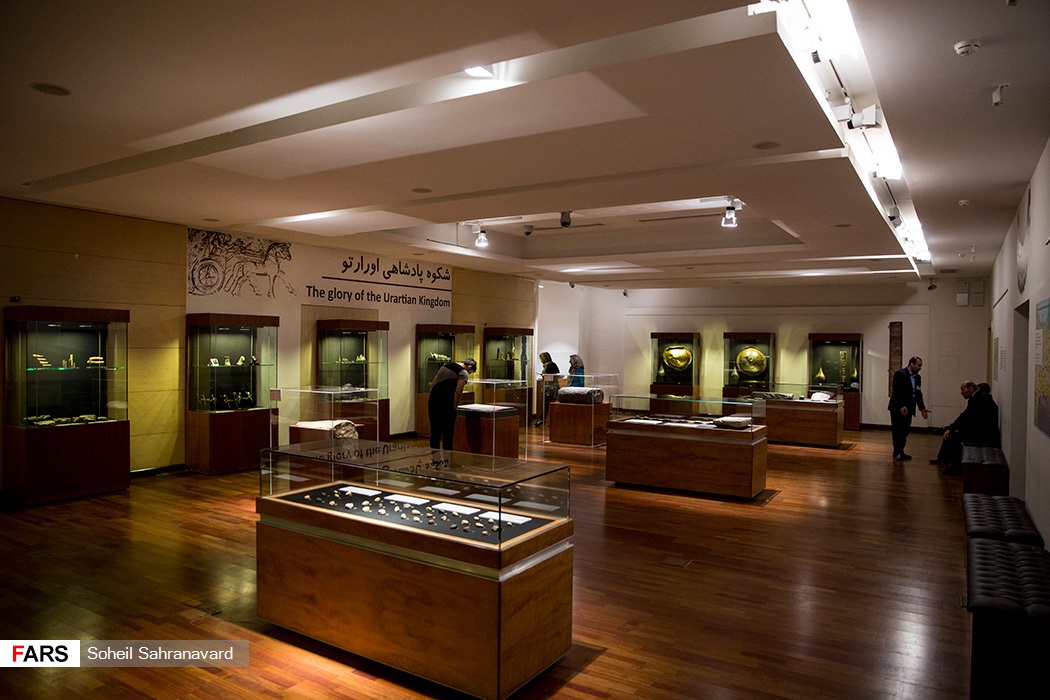
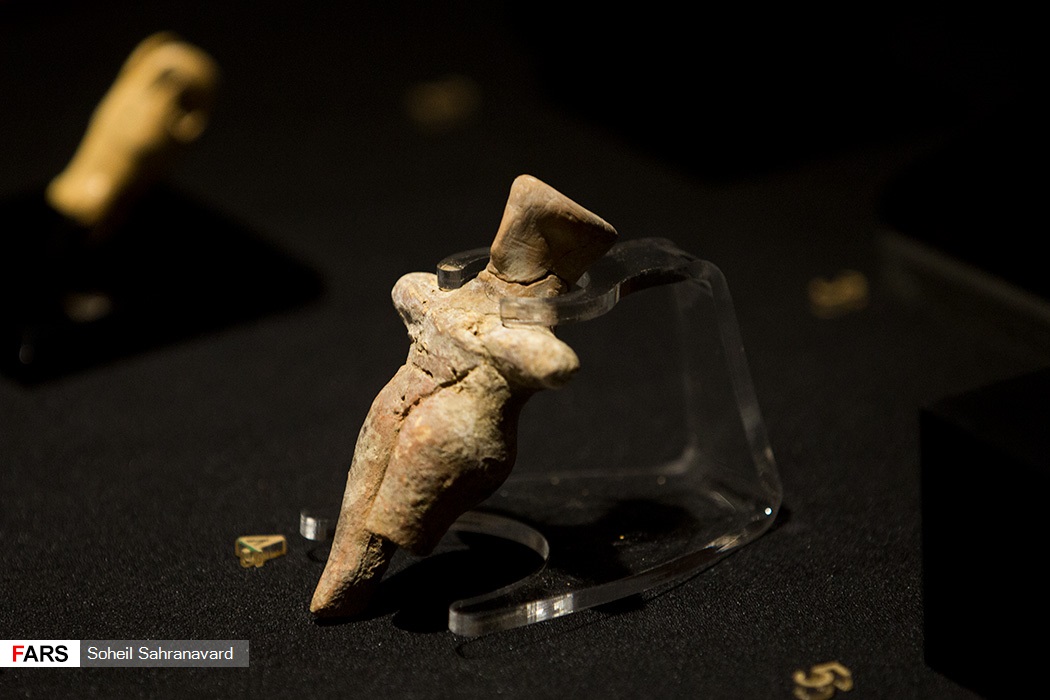
The show, which was held at three galleries of the Islamic Era section of National Museum of Iran, focused on works mostly belonging to the 4th millennium BCE till the 1st century BCE. The event was open to visitors from October 17, 2017 to January 17, 2018.

ISNA has written in a Farsi report that holding such an exhibition can be considered as one of the reasons that the cultural relations between Iran and Armenia, especially in historical areas, have been on the rise, especially during the past few years.


Iran, Armenia Expanding Cooperation on Cultural Heritage

ISNA also adds that such events are a factor in opening up the paths for more cultural interactions between the two countries, in a way that the presidents of the two countries signed an MoU last year to expand cultural interactions.

There are some negotiations to register the Blue Mosque of Yerevan with the help of Iran. Deputy Head of Iran’s Cultural Heritage, Handcrafts and Tourism Organisation (ICHTO), Mohammad Hossein Talebian, said that the mosque needs to be renovated, and the Islamic Republic has prepared a renovation plan while part of the job is going to be performed by the Iranian embassy in Yerevan.

He said Iran has offered to jointly inscribe ‘Yalda Night’ in UNESCO’s Intangible Heritage List and the Armenian ambassador to Tehran has expressed readiness to join us.

Talebian further noted that Iran and Armenia can hold joint exhibitions in different parts of the world as well.

Following you can find the photos of this joint exhibition retrieved from the Fars News Agency:

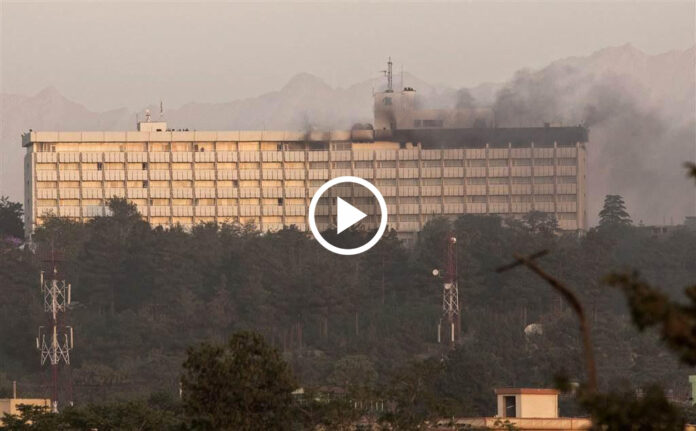
12-Hour Siege of Kabul Hotel Ends, All Attackers Dead (+Video)

People could be seen shimmying down a makeshift rope from the top floor of the Intercontinental Hotel in Kabul on Sunday, which had been under siege for the past 12 hours.

The Afghan government has said that all four gunmen have now been killed and their hostages released.

six sivilians were reportedly killed and at least six others wounded in the attack, according to the Interior Ministry.

The clear-up operation is now underway, with Special Forces sweeping the area.

The Haqqani netwerk, an ally of the Taliban terrorists, has claimed responsibility for the attack.

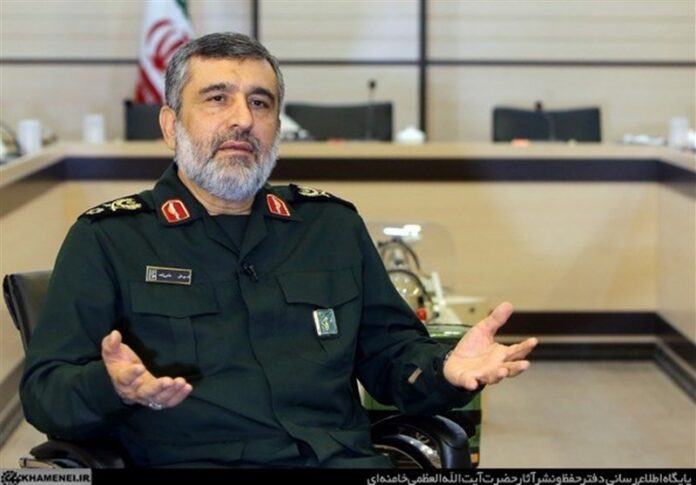
IRGC Aerospace Force Ready to Help Gov’t Seed Clouds

In comments on Saturday, Brigadier General Amir Ali Hajizadeh said his forces are prepared for cooperation in cloud seeding.

He also underlined that the IRGC Aerospace Force is at the Iranian nation’s service and would mobilize all equipment to help the administration.

It came after frequent droughts and low rainfall in Iran over the past autumn forced the administration to opt for cloud seeding in the hope of squeezing more precipitation out of the atmosphere.

The energy minister has announced plans to get assistance from the IRGC Aerospace Force and other aviation forces in cloud seeding.

Cloud seeding originated in the US in the 1940’s. The method generally used in the winter involves ground-based generators set at high elevations that are literally fired up to release plumes containing silver iodide crystals into storm clouds. When water vapor or droplets attach to the silver iodide crystal, latent heat is also released, and it increases cloud size and the duration of storms.

Global warming has forced many arid and semi-arid areas around the world, including Iran, to suffer from drought.