Sunday, December 21, 2025
Home Blog Page 3714

A Look at Iranian Newspaper Front Pages on February 1

A Look at Iranian Newspaper Front Pages on November 18

Almost all newspapers today covered the remarks made by Iranian President Hassan Rouhani during his visit to the mausoleum of Imam Khomeini. Rouhani said people have every right to raise their protests and officials must listen to their criticisms.

Also a top story was the beginning of the 10-day celebrations of the 1979 Revolution’s anniversary, and the visit of Ayatollah Seyyed Ali Khamenei, the Leader of Iran’s Islamic Revolution, to the mausoleum of Imam Khomeini. 39 years ago, Imam Khomeini arrived in Tehran on February 1 to found the Islamic Republic. The country marked the victory of the Islamic Revolution ten days later.

Several papers also covered the dismissal of the governor of Golpayegan, a city in Isfahan Province, after a viral video showed him bullying a reporter.

The above issues, as well as many more, are highlighted in the following headlines and top stories:


Arman-e Emrooz:

1- Iran’s Leader Pays Tribute to Imam Khomeini ahead of Revolution Anniversary

2- Governor of Golpayegan Sacked after Insulting Reporter

3- Reformist Cleric: Try to Absorb Women, Not Repel Them

4- Rouhani: We Must Accept It Is People’s Right to Criticize, Protest

A Look at Iranian Newspaper Front Pages on February 1


Ebtekar:

1- Rouhani: Previous Regime Didn’t Listen to People’s Protests

2- Save Afghanistan: 70% of Afghanistan under Influence of Taliban’s Overt Operation

3- Iran-China Trade: Prospect of a Business Full of Ambiguities

A Look at Iranian Newspaper Front Pages on February 1


Etemad:

1- Rouhani: We Must Listen to People’s Voice

2- Economists against Car Manufacturers: Analyst

3- Gov’t Not Only Body that Must Listen to People’s Words: Reformist Figure

A Look at Iranian Newspaper Front Pages on February 1


Ettela’at:

1- Rouhani: No One Can Prevent People from Raising Criticism, Protest

2- Sochi Congress Calls for Maintaining Syria’s Territorial Integrity, National Sovereignty

3- Interior Ministry: Only Political Groups Have Right to Hold Demonstration

A Look at Iranian Newspaper Front Pages on February 1


Hamshahri:

1- Municipality Did Whatever It Could during Snowy Days

2- Governors-General Tasked with Controlling Market Prices ahead of New Year

3- Airlines Accused for Chaos in AirportsA Look at Iranian Newspaper Front Pages on February 1


Iran:

1- MPs’ Account of Their Visit to Evin Prison

2- Iran Parliament Passes Rouhani’s Budget Bill

3- Rouhani: Iranian Nation Will Never Back Off from Their “Islamic” “Republic”A Look at Iranian Newspaper Front Pages on February 1


Javan:

1- Prosecutor General Harshly Criticizes Executives’ Mismanagement after Snowfall

  • Mr Official! If You Want to Make Money, Go Do Business!

2- Escaping from Deadlock of War to Disintegration of Yemen

3- Trump’s Speech of Ignorance: US President Raises Anti-Iran Allegations in State of Union AddressA Look at Iranian Newspaper Front Pages on February 1


Jomhouri Eslami:

1- Iran Leader, Gov’t Renew Allegiance to Late Founder of Islamic Republic, Martyrs

2- UN Warns about Disastrous Situation of Gaza

3- Zarif: Trump Once Again Proved His Ignorance about Iran, Region

4- 251 Projects to Be Inaugurated in Industrial Zones, Towns

  • 9,000 Job Opportunities to Be Created during 10-Day Celebrations of Revolution

A Look at Iranian Newspaper Front Pages on February 1


Kayhan:

1- After 4 Years of Swearing at Critics, Rouhani Says We Must Listen to Critics!

2- Yemeni Think Tank Chief: UAE-Saudi Infighting in Yemen Just a Show

3- Parliament Passes Government’s Budget with Certain Amendments

  • Cash Subsidies Not to Be Cut, Fuel Prices to Go up Reasonably

A Look at Iranian Newspaper Front Pages on February 1


Khorasan:

1- A Revolution in Int’l Order

  • A Look at 1979 Revolution’s Impacts at International Level

2- Prosecutor General: Portal Launched for People to Sue Judges

A Look at Iranian Newspaper Front Pages on February 1


Vatan-e Emrooz:

1- Europe’s Behaviour towards Iran Nuclear Deal

  • Project to Control Trump or to Threaten Iran?

2- 180 MPs Call on President to Be Accountable for Problems of DepositorsA Look at Iranian Newspaper Front Pages on February 1

Iranian People Will Never Forget US Cruelties: Rouhani

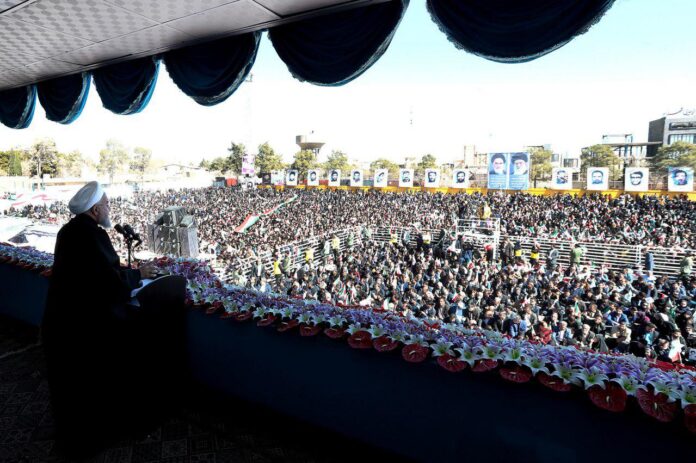
Iranian President Hassan Rouhani addressing a huge crowd of people in the southern city of Sirjan on February 1, 2018 / Photo retrieved from the president's official website

Rouhani directly addressed the US officials saying “on the one hand, you express sympathy with the Iranian people but on the other hand loot Iranians’ resources and impose sanctions on them depriving the people of even basic pharmaceuticals.”

“The people of Iran are proud to be the only nation in the world who have managed to carry out a successful revolution without the support of any superpower,” he was quoted as saying in a Farsi report by the president’s official website.

In an address to a public gathering in the southern city of Sirjan, President Rouhani called Iran a safe place in the chaotic region of the Middle East and added today no region is more secure than Iran.

“This security the fruit of close cooperation underway between the Iranian nation and security forces. Every terrorist group intending to inflict a blow on Iran will be crushed by our people,” he noted.

Rouhani said today the Iranian nation is prepared enough to stand up against any foreign aggression.

The remarks were made in reaction to the recent anti-Iran rhetoric by US President Donald Trump.

In his first State of the Union Address on Tuesday, Trump persistently criticized the multilateral Iranian nuclear deal put in place by his predecessor Obama and labelled Iran a state sponsor of terror.

“America stands with the people of Iran in their courageous struggle for freedom,” he said.

Iran Starts 10-Day Celebrations of 1979 Revolution Anniversary

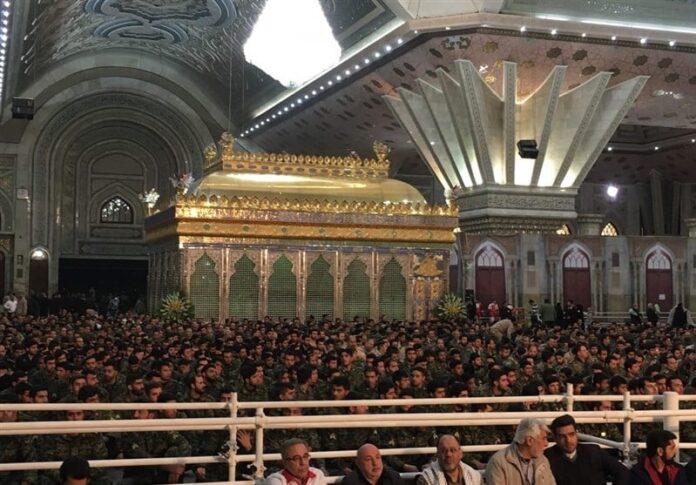
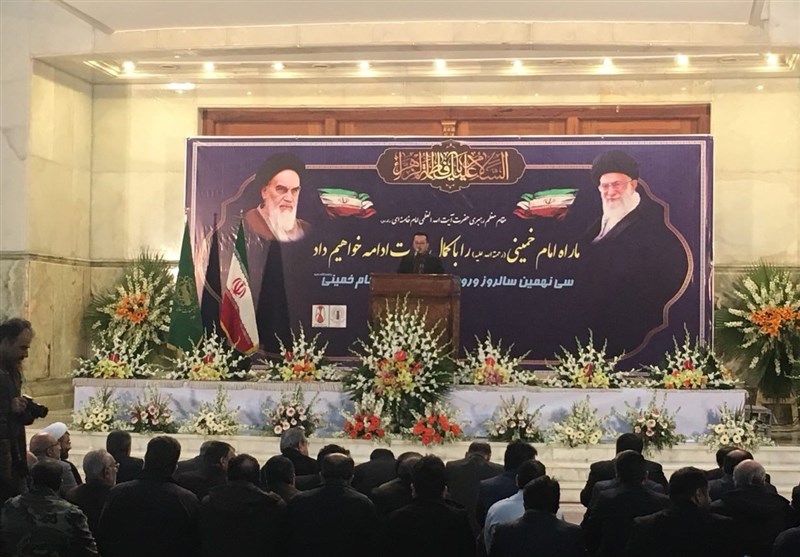
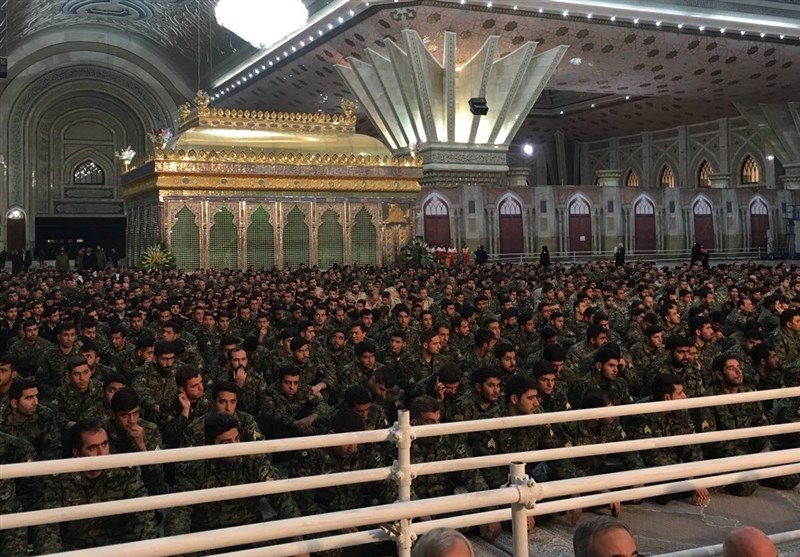
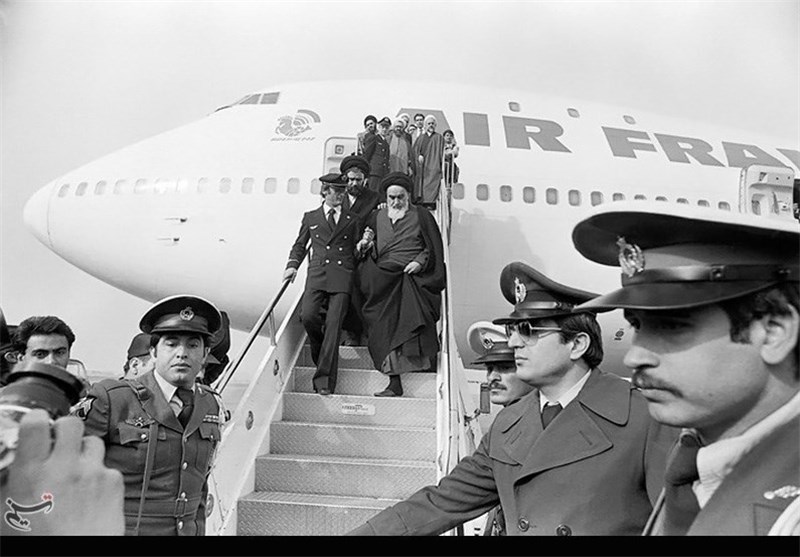
Participants in a special ceremony at the mausoleum of founder of the Islamic Republic Ayatollah Ruhollah Khomeini paid tribute to the late charismatic leader and marked his historic return home from exile in 1979 ten days ahead of the revolution’s victory.

Iran Starts 10-Day Celebrations of 1979 Revolution Anniversary

Iran Starts 10-Day Celebrations of 1979 Revolution Anniversary

The Iranian nation toppled the US-backed Pahlavi regime on February 11, 1979, ending the 2,500 years of monarchy in the country.

Every year Iranians mark anniversary of their Islamic Revolution from February 1 to 11, known as the Ten-Day Fajr ceremonies. On February 1, 1979, Imam Khomeini returned home from years of exile in Iraq, Turkey and France.

Iran Starts 10-Day Celebrations of 1979 Revolution Anniversary

On February 11 each year, Iranian people pour into the streets in their millions to commemorate the great victory of the Islamic Revolution.

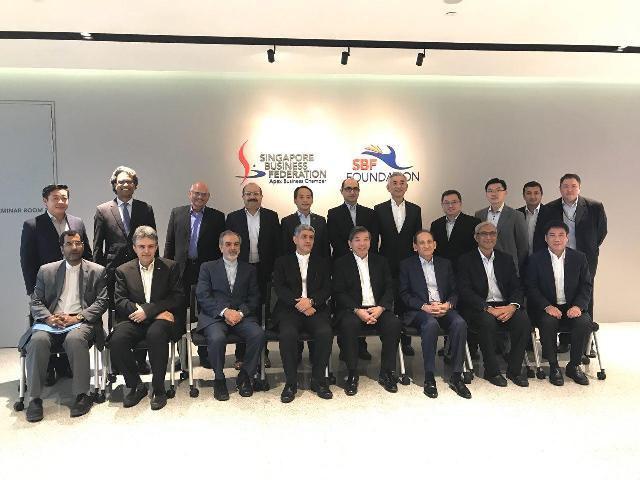
Iran’s Former Economy Minister Wins Prestigious Lee Kuan Yew Prize

This year’s Lee Kuan Yew Prize has been given to Tayyeb-Nia for his efforts as an economic figure.

“Lee Kuan Yew Prize is given to top political and economic figures across the world for their contributions in these fields,” a Farsi report by Mehr news agency quoted the letter of Singapore’s Ministry of Foreign Affairs as saying.

“This year, it has been decided to give the prize to Iran’s former Minister of Economy and Finance. So, hereby we invite him to Singapore to receive the award and a scholarship on September 1,” the letter read.

Lee Kuan Yew (1923–2015) was the first Prime Minister of Singapore, governing for three decades. Lee is recognized as the nation’s founding father, with the country described as transitioning from the “third world to first world in a single generation” under his leadership.Iran’s Former Economy Minister Wins Prestigious Lee Kuan Yew Prize

Lee Kuan Yew Prize is financed by the revenues he received for delivering lectures during his lift-time as well as the sales of his memories named The Singapore Story published in 1998. It covers his view of Singapore’s history until its separation from Malaysia in 1965.

Over the last 50 years, Singapore has managed to increase its per capita income by 15 times. Today it is among the top five exporters in the world.

Iran FM, UN Official Discuss Issue of Sandstorms

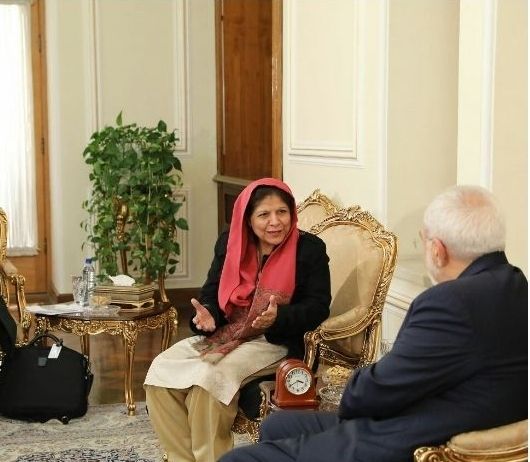
During the Wednesday meeting, the two sides discussed various issues in the Asia-Pacific region including the need to use regional capacities and emerging powers to expand cooperation in the economic and infrastructure sectors, and also expand trade cooperation and investments in the Asian continent.

Zarif and Akhtar also expressed concern over the weakening of multilateralism, the decline of international and regional institutions and arrangements, and the rise of serious challenges in this regard.

Moreover, they stressed the need for initiatives by the United Nations, particularly the ESCAP, to manage and prevent such challenges in Asia.

The two sides further talked about the support of the Islamic Republic of Iran for the ESCAP in order to realize its development goals and also the country’s cooperation to launch an office of the Asian and Pacific Centre for the Development of Disaster Information Management (APDIM) in Tehran as a subsidiary of the ESCAP.  

The development and implementation of the ESCAP’s plan to tackle the issue of sandstorms in the Asia-Pacific region, including West Asia, within the framework of environmental protection and disaster management were also high on the agenda.

On Tuesday, the Islamic Republic of Iran and the UN signed a memorandum of understanding to launch an office of the APDIM in Tehran.

The Economic and Social Commission for Asia and the Pacific (UNESCAP or ESCAP), located in the United Nations Building in in Bangkok, Thailand, is one of the five regional commissions of the United Nations Economic and Social Council, under the administrative direction of the United Nations headquarters. It was established in 1947 to encourage economic cooperation among its member states. ESCAP has 53 member States and nine Associate members, home to more than two-third of the world population. As well as countries in Asia and the Pacific, it includes France, the Netherlands, the United Kingdom and the United States.

ESCAP’s regional focus is managing globalization through programs in environmentally sustainable development, trade, and human rights.

One of the main environmental issues in Iran has been sandstorms which are said to originate in Iraq and Saudi Arabia, but a combination of events recently have brought Iran’s southern Khuzestan province to the brink of virtual collapse.

Iran Starts Exporting Caviar to US after 25 Years

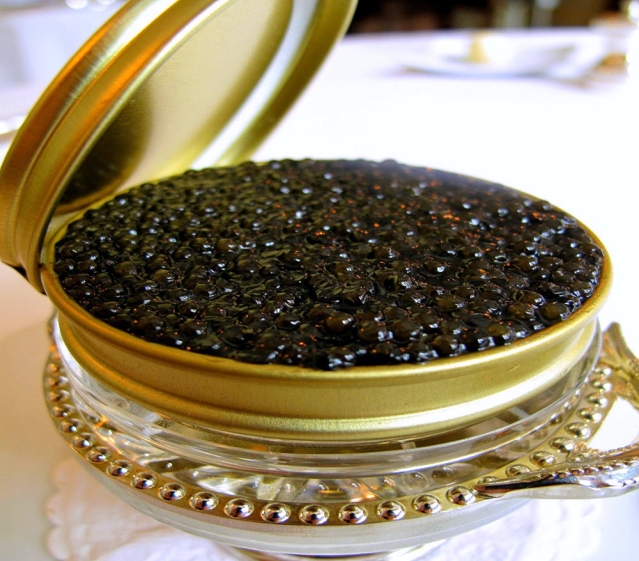
The Almas Caviar

Abbas Rajaei, an advisor to Iran’s agriculture minister, said the export of Iranian caviar to the United States and Canada was banned for about 25 years.

“Fortunately, we managed to start re-exporting caviar to the United States,” the Iran daily newspaper quoted him as saying in a Farsi report.

Rajaei went on to say that last year 10 kg of caviar worth $13 million was exported to the US, adding that measures have been taken to decrease the smuggling of caviar.

He further noted that the export of wild sturgeon roe is forbidden.

“The price of per kilogramme of wild roe, depending on its type and quality, is between $1,700 and $2,600, and the average price of this type of caviar is about $2,000. While the price of per kg of farmed caviar is between 750 and 1,400 USD depending on the type and quality of fish.”

This Iranian official also noted that the first caviar and sturgeon exhibition is going to be held in Tehran in the near future.

Caspian Sea, in the north of Iran, is the world’s primary and largest habitat for the beluga, the most famous sturgeon, as well as four other sturgeon species.

The main export destinations for Iranian caviar are Germany, Italy, the US, Belgium, France, the UK, the UAE, Hong Kong, Spain, Japan, Australia, Singapore, Denmark, Canada and Kuwait.

However, the deteriorating condition of Caspian Sea has long been threatening this fish with extinction. The declining sturgeon population and the ban on their fishing have also caused a downtrend in Iran’s caviar exports.

Iran’s caviar exports stood at a high of 38 tonnes in the fiscal year 2004-05.

Iranian Governor Sacked after Bullying Reporter (+Video)

The viral video, which was released on Tuesday night, shows Hossein Farasat, the governor of Golpayegan in Isfahan province, bullying Vahid Azami, a journalist working for Nasl-e No weekly magazine.

In this video, Farasat is seen angrily shouting at the reporter, “ordering” Azami not to take photos of him, and threatening to beat him if he refuses to sit down.

Farasat, whose inappropriate behaviour was widely condemned by Iranian social media users, apologized for his angry reaction, but stressed that he was outraged by the reporter’s refusal to stop taking photos of him in casual clothes.

Mohsen Mehr-Alizadeh, the governor-general of Isfahan province, officially apologized over Farasat’s behaviour on Wednesday, and finally sacked him later in the day.

Mohammad-Reza Tavassoli has been appointed as the acting governor of Golpayegan.

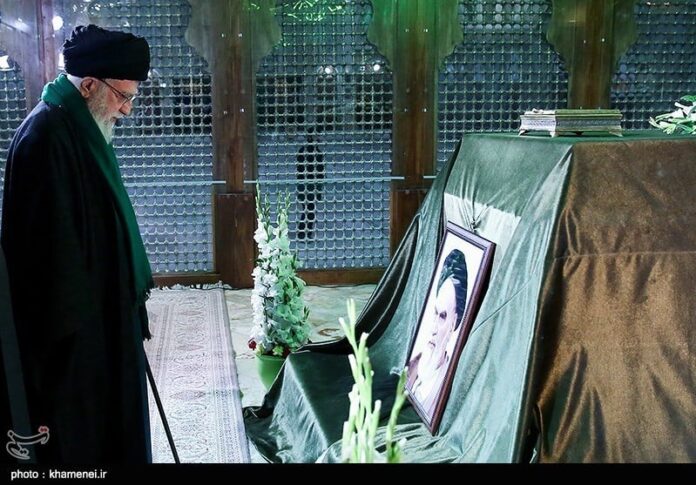
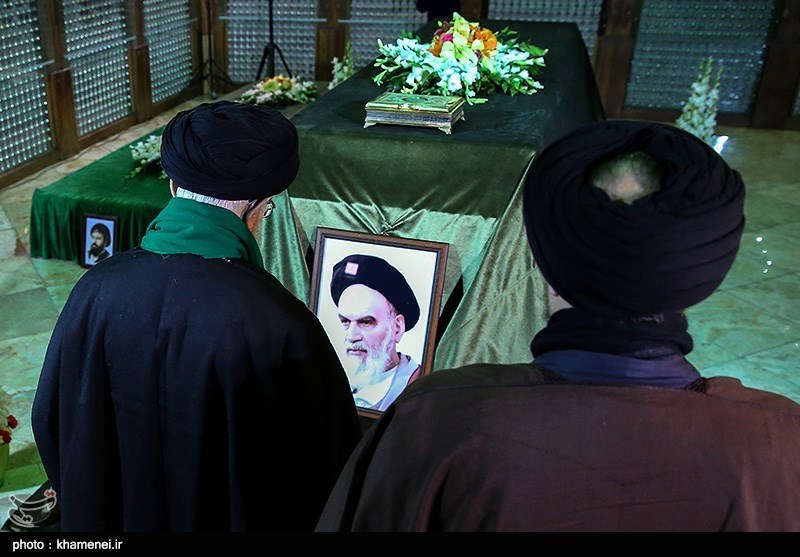
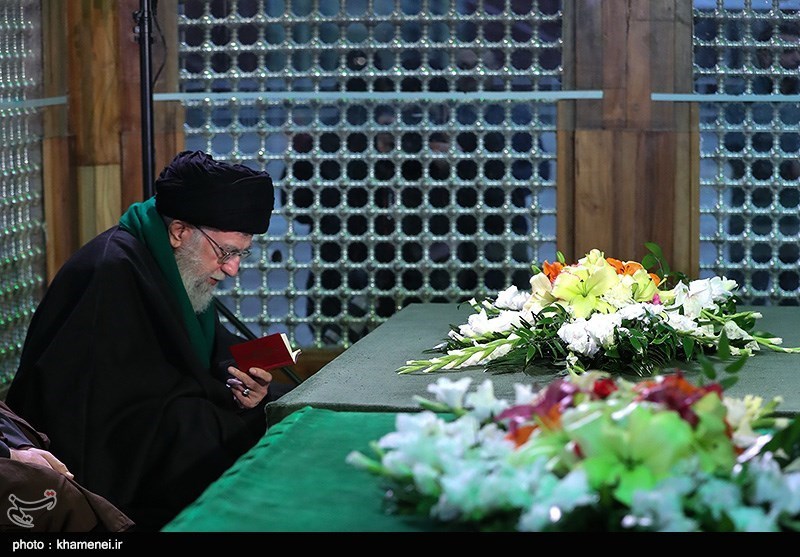
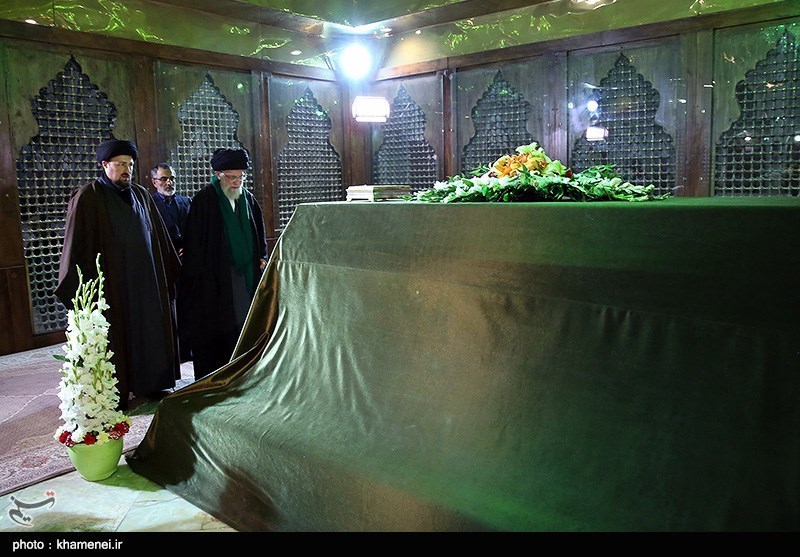
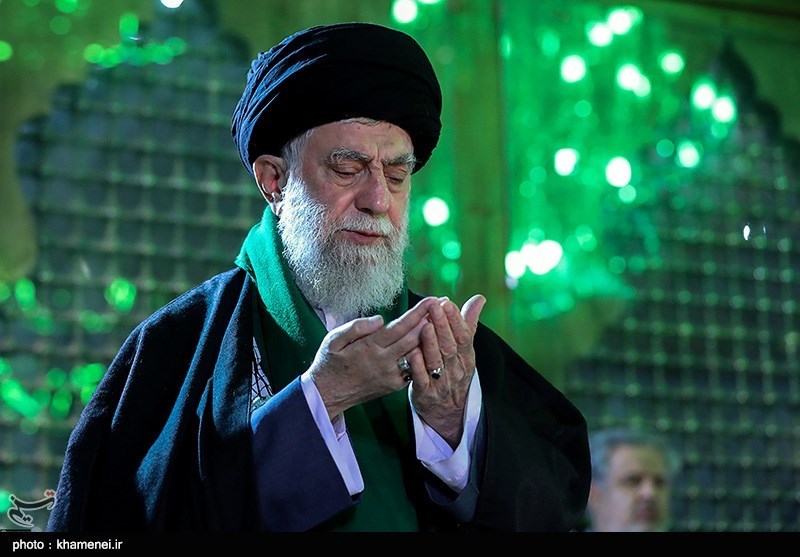
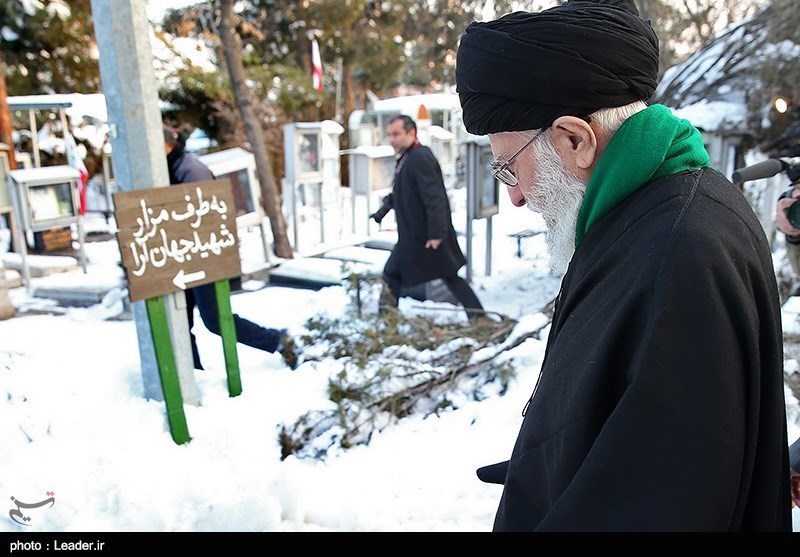
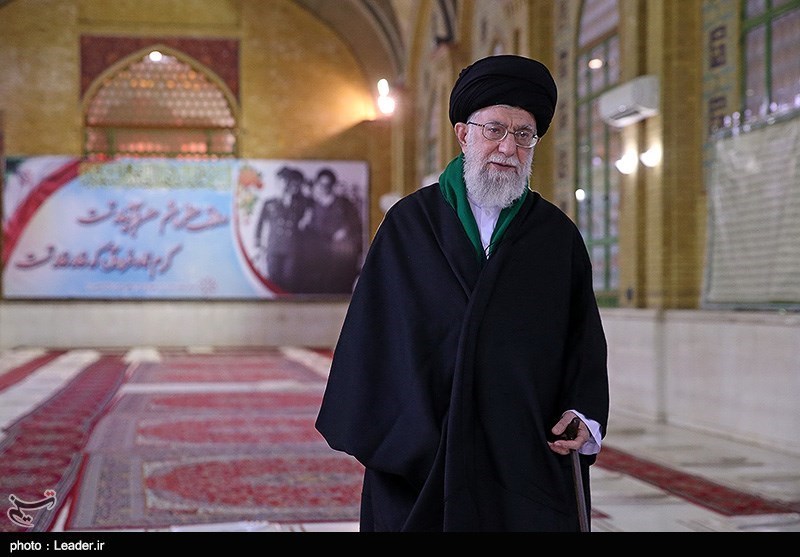
Iran Leader Pays Tribute to Imam Khomeini ahead of Revolution Anniversary

Ayatollah Khamenei visited the mausoleum of the late Imam Khomeini, south of Tehran, to pay tribute to the late founder of the Islamic Republic.

The Leader also paid homage to Iranian martyrs laid to rest in Behesht-e Zahra Cemetry in southern Tehran.

The Iranian nation toppled the US-backed Pahlavi regime 38 years ago, on February 11, 1979, ending the 2,500 years of monarchic rule in the country.

The Revolution, led by the late Imam Khomeini, established a new political system based on Islamic values and democracy.

Every year Iranians mark the anniversary of their Islamic Revolution from February 1 to 11, known as the Ten-Day Fajr ceremonies. February 1, 1979, was the date when Ayatollah Ruhollah Khomeini returned from exile in Paris to Tehran.

Iran Leader Pays Tribute to Imam Khomeini ahead of Revolution Anniversary

Iran Leader Pays Tribute to Imam Khomeini ahead of Revolution Anniversary

Iran Leader Pays Tribute to Imam Khomeini ahead of Revolution Anniversary

Iran Leader Pays Tribute to Imam Khomeini ahead of Revolution Anniversary

Iran Leader Pays Tribute to Imam Khomeini ahead of Revolution Anniversary

Iran Leader Pays Tribute to Imam Khomeini ahead of Revolution Anniversary

Iran Parliament Passes Rouhani’s Budget Bill after Amendments

The bill for the fiscal Persian year of 1397 which begins on March 20 received 182 votes, with 73 MPs rejecting it while six lawmakers abstained, state news agency IRNA reported on Wednesday.

The proposed budget had been voted down 120 to 83 on Sunday, with MPs expressing dissatisfaction with belt-tightening measures, including cuts to key government subsidies.

They cited living conditions of state employees, stating that the proposed cuts were conducive to more economic hardships.

The parliament has recommended several key amendments, which are to be discussed in detail in the coming days.

They included keeping gasoline prices unchanged and pegging the national currency at 35,000 rials against the US dollar.

It further asked the government to prohibit any hikes in tariffs, duties and other costs of services provided by the government.

MPs further proposed tax exemptions for civil servants earning below 23 million rials ($522) and for guild members earning less than 18 million rials per month.

Rouhani had sent the draft budget to the parliament in November on the backdrop of general grievances over the rising costs of living and stagnant pays.

Iran Parliament Passes Rouhani's Budget Bill after Amendments

Critics say the president has squandered his political capital over a nuclear agreement which has left Iran in no better position than unemployment at 12 percent and inflation hovering around 10 percent.

Rouhani is credited with bringing down inflation from about 40 percent at the start of his office but a restrictive monetary policy has landed the country in a gnawing stagflation.

Iranian Diplomat, Syrian Dissidents Meet in Sochi

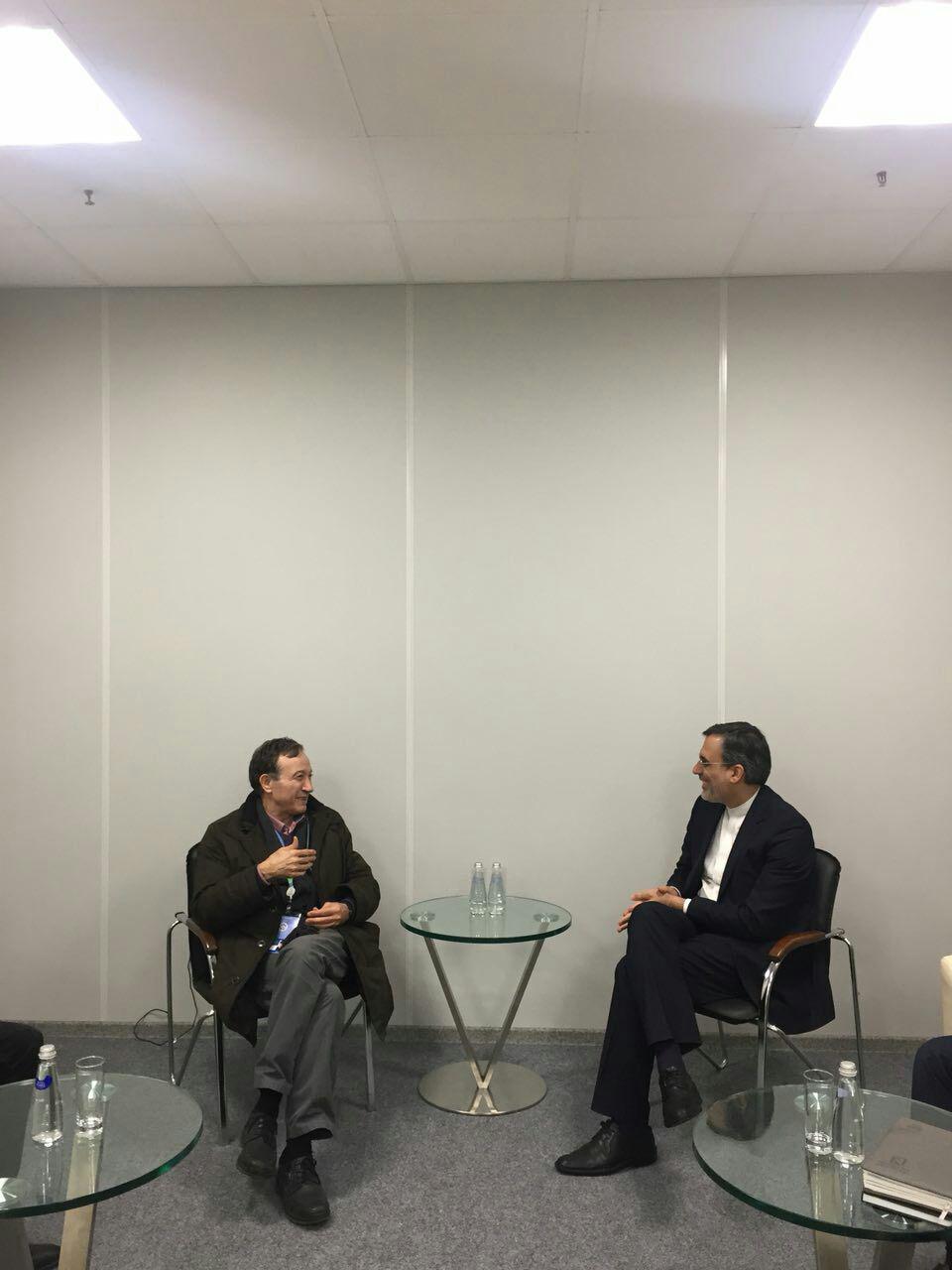
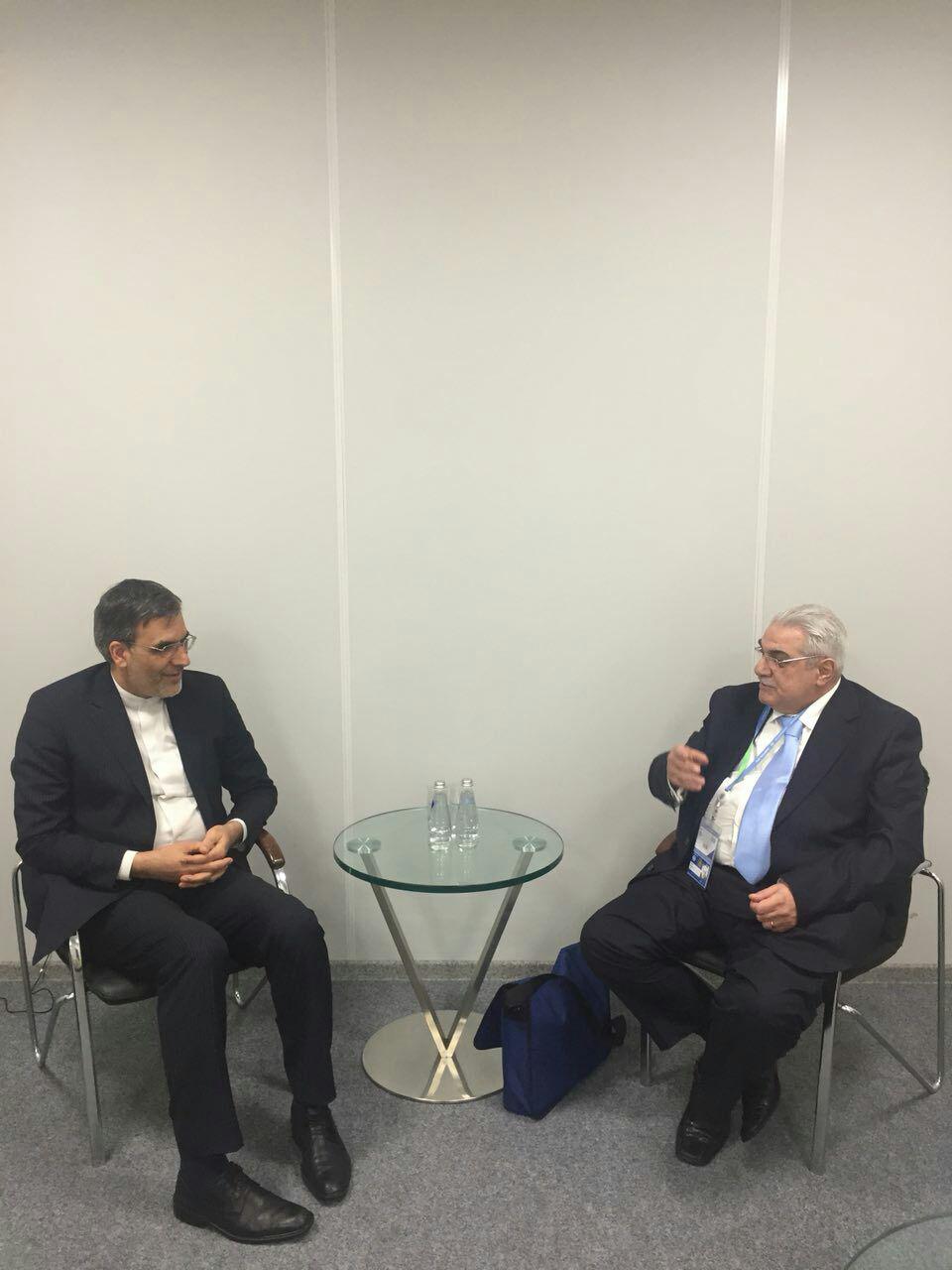
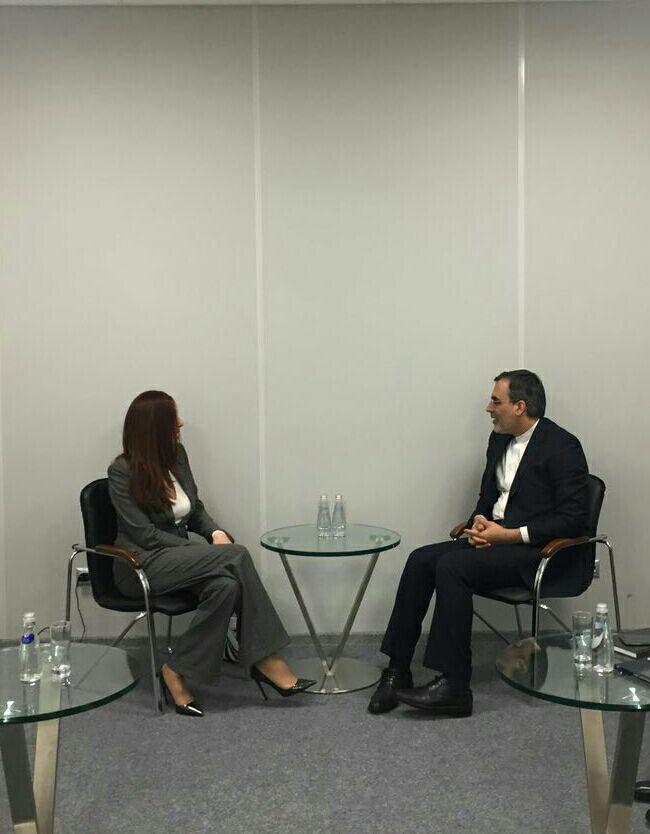
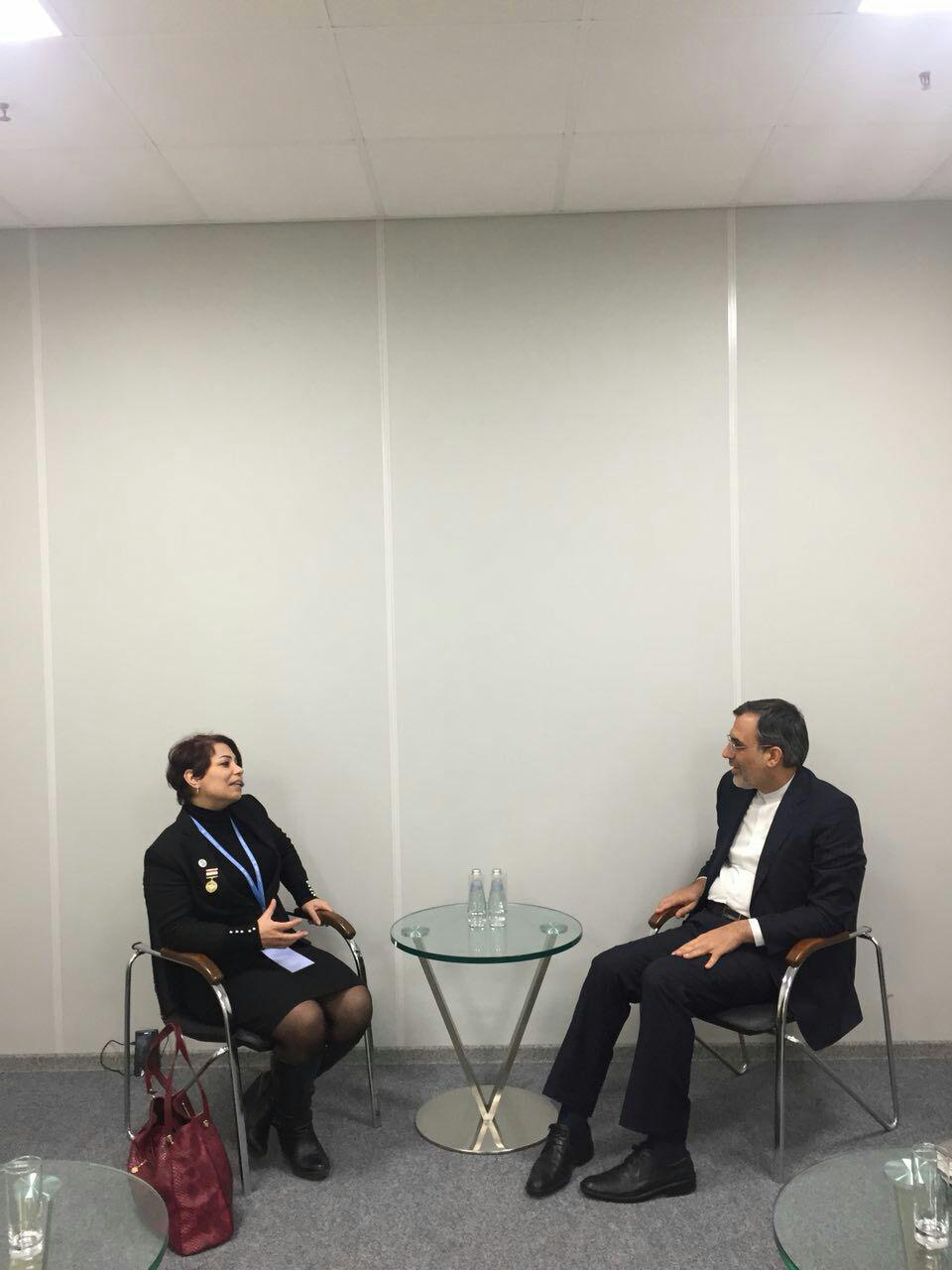
Iranian diplomat Hossein Jaberi Ansari's meeting with Louay Hussein, the leader of Building the Syrian State

The talks were held separately on Tuesday on the sidelines of the Syrian National Dialogue Congress brokered by Russia, Iran, and Turkey in Sochi.

During the talks, Jaberi Ansari and the Syrian dissidents exchanged views on the subjects discussed during the Syrian National Dialogue Congress and explored ways to restore peace and security to the war-stricken Syria.

The Syrian national opposition figures who held talks with the Iranian official included Haytham Manna from National Coordination Committee for Democratic Change; Elian Mousad, a leader of Syria’s internal opposition; Louay Hussein, the leader of Building the Syrian State; Randa Qassis, the Chairwoman of the Movement for a Pluralistic Society; Mayis al-Karidi, the head of National Democratic Action Authority; Mouna Ghanem, the Deputy Head of Building the Syrian State; and Asma Kuftaro, a female advisor to UN’s Envoy for Syria.

The Syrian National Dialogue Congress was held in Sochi on Tuesday. Political delegations from Iran, Russia and Turkey, as the three countries which initiated the negotiations, as well as a UN delegation led by Staffan de Mistura attended the talks.

About 1,600 delegates representing organizations approved by the Syrian government also participated in the conference.

The Congress wrapped up with a final statement that set up a 150-member committee tasked with creating a draft constitution.

The final statement endorsed the country’s territorial integrity and called for self-determination through “democratic” elections.

The statement further called for the maintenance of Syria’s security forces, but insisted they must “operate within the law.”