Tuesday, December 23, 2025
Home Blog Page 3686

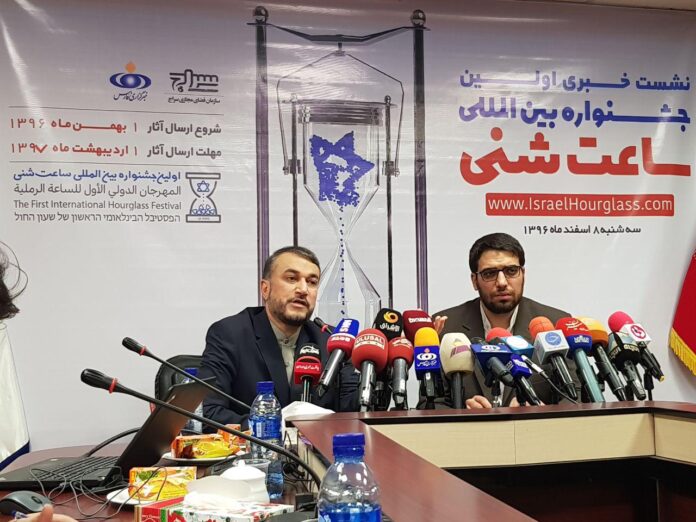
Israel Has Written Security Agreement with Nusra Front: Iran

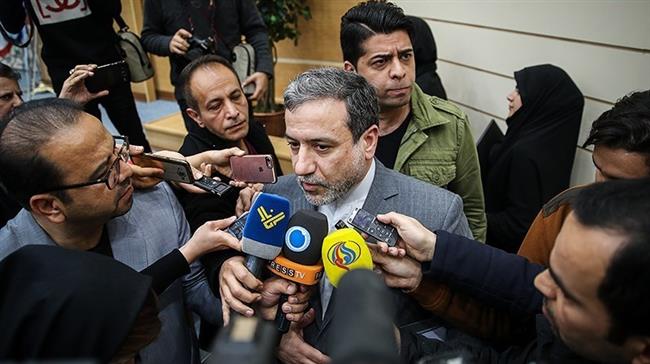
Speaking to reporters on Tuesday, Amir-Abdollahian pointed to the ongoing developments in Syria’s Eastern Ghouta, and said the Israeli regime is to blame for the escalation.

“The Israeli jet was shot down in Syria, and Israelis were terrified. All equations in the region were changed. While certain Israeli officials said it was an accident and won’t be repeated, it wasn’t an accident and they knew it,” he noted.

“The Nusra Front terrorists have a written agreement with Israel to ensure the Zionist regime’s security from inside the Syrian territory. Israelis are behind the developments in Eastern Ghouta,” he added.

“Syria will from now on give crushing responses to Tel Aviv and its aggressions,” he added.

He also noted that the US is totally standing by Israel in this case. “When Nusra Front commanders and other terrorists were being defeated in Eastern Ghouta, they raised the issue of ceasefire and asked the UN to stop the attacks on terrorists.”

Amir-Abdollahian also referred to the Turkish operation in Syria’s Afrin, and said no country in the region should once again, with any justification, use force and military option.

“All sides must remain committed to supporting political process in Syria, help the Syrian government cleanse the country of terrorists, help the return of refugees and the country’s reconstruction,” he noted.

“Afrin and Eastern Ghouta developments are in contradiction to regional peace and security,” he went on to say.

Stressing that Turkey has concerns about its national security in Afrin, Amir-Abdollahian expressed the hope that all players in Syria would pursue resolution of problems through dialogue.

IRGC Totally Prepared to Thwart Enemy Plots: Chief Commander

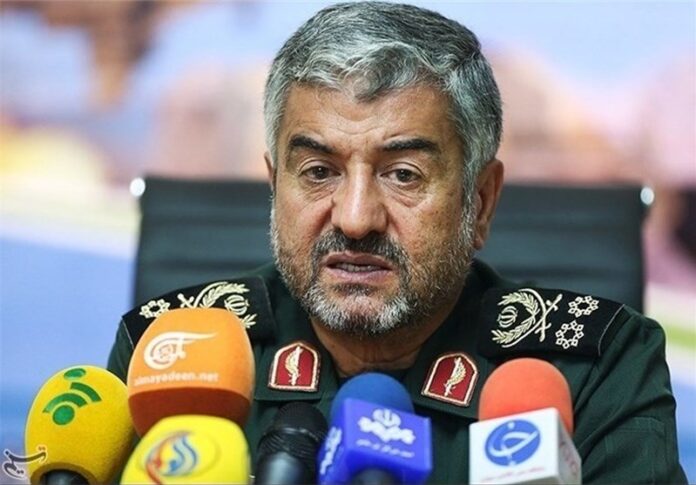
Speaking on Wednesday, General Jafari said if it was not for the hard attempts by the ground forces of the IRGC, Iran would have serious problems along its borders.

“Today we have developed our capabilities in various fields to cope with the insecurity and plots created by the enemies,” he was quoted as saying in a Farsi report by Fars News Agency.

The top commander also said the IRGC should make some fundamental decisions if it is to cope with the enemies’ threats.

“Over the past months, we witnessed the emergence of some agitations in some cities and attacks by ISIS along our borders, both of which were thwarted by the IRGC ground forces and Basij (voluntary) forces,” the general said.

He went on to say that by equipping themselves with new advanced military equipment like helicopters, the IRGC’s ground forces have increased their capabilities to cope with the enemies’ threats.

“In addition to human resources, other elements like advanced and cutting-edge technologies and equipment like drones and precision guided and long-range weapons play a leading role in countering the insecurity in the east and southeast regions of Iran,” he said.

General Jafari also added today no country can achieve its goals in any war by just focusing on massive airstrikes and severe attacks.

“Today we are witnessing that despite its relentless targeting of the PKK positions, Turkey does not achieve its desired goals. Even in Syria and Iraq, we see that precision guided weapons have the upper hand in military operations,” he said.

Iran, Belgium Sign MoUs in Health Sector

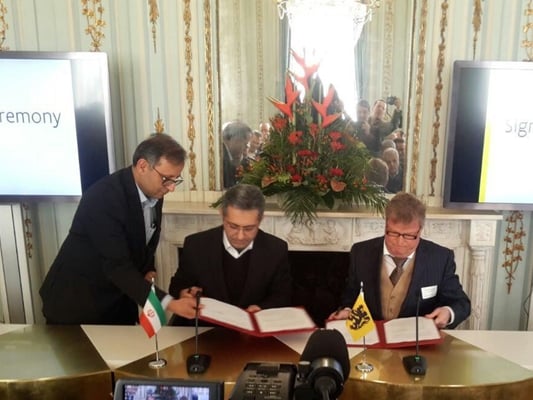
Iran and Belgium signed several MoUs in the health sector in Brussels on February 28, 2018 / Photo retrieved from IRIB News Agency

In a ceremony attended by Iran’s Minister of Health and Medical Education Seyyed Hassan Qazizadeh Hashemi in the Belgian capital, a few health agreements were signed.

The MoUs were on information technology, food and drug, and medical and hospital equipment, said IRIB News Agency in Farsi report.

In the IT sector, Tehran and Brussels are expected to work together to screen noncontagious diseases, including cancer.

Iran, Belgium Sign MoUs in Health Sector
Iran’s Health Minister Qazizadeh Hashemi attended a ceremony where Iran and Belgium signed several MoUs in the health sector in Brussels on February 28, 2018 / Photo retrieved from IRIB News Agency

In the field of food and drug, the Association of Dairy Exporters will work with a Belgian company to develop relationships and share experience over the next five years. In this regard, a deal will soon be signed by both sides.

Iran and Belgium will also work together on medical and hospital equipment and the companies from both countries would cooperate on reaching international standards.

On Tuesday, Qazizadeh Hashemi and his Belgian counterpart Maggie Celine Louise De Block discussed expansion of bilateral health ties.

The two sides conferred on ways to develop Tehran-Brussels mutual cooperation in the field of health and hygiene.

The Iranian minister has travelled to Brussels at the invitation of the European Commissioner for Health and Food Safety Vytenis Andriukaitis.

After a two-day trip to Belgium, Qazizadeh Hashemi will head to Hungary on Wednesday.

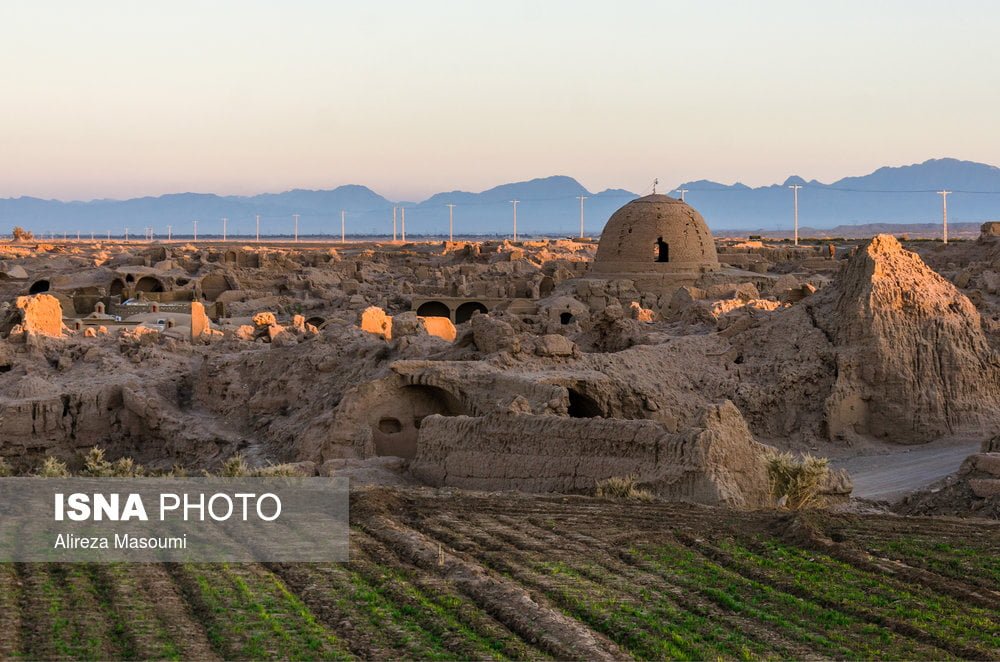
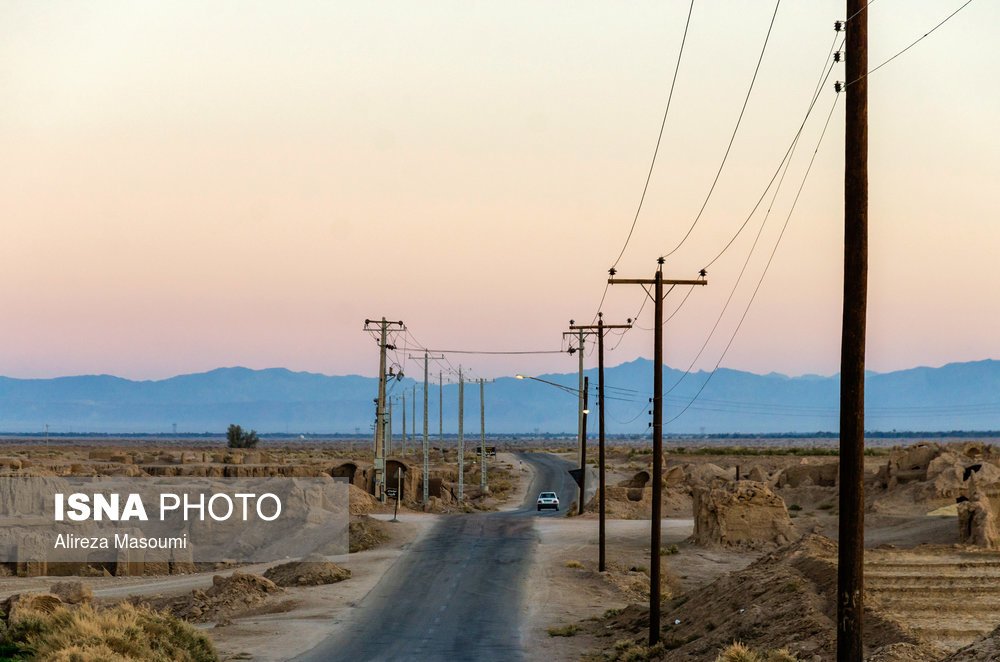
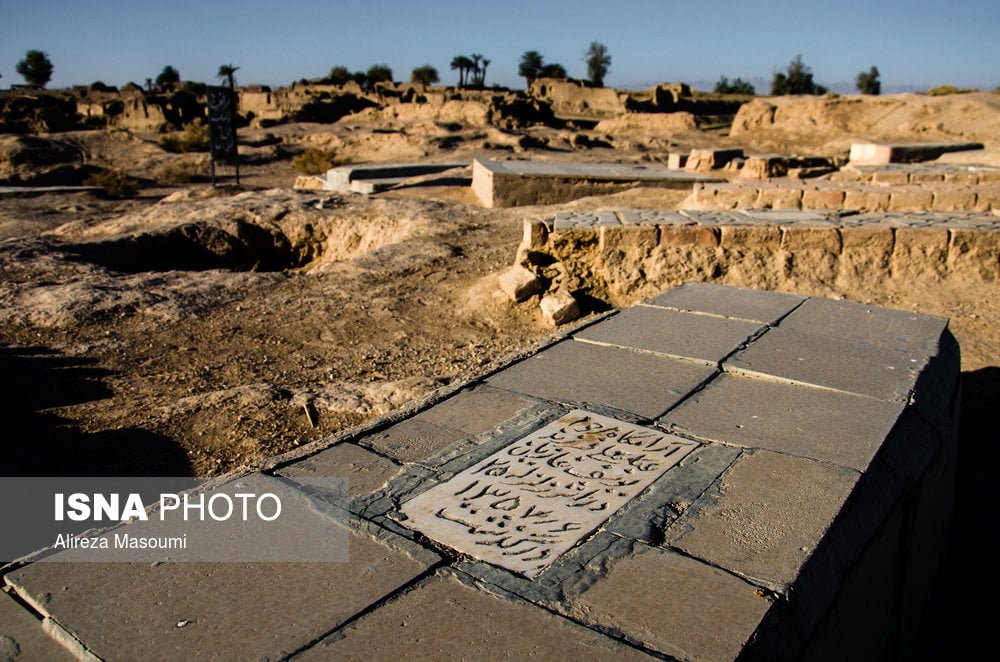
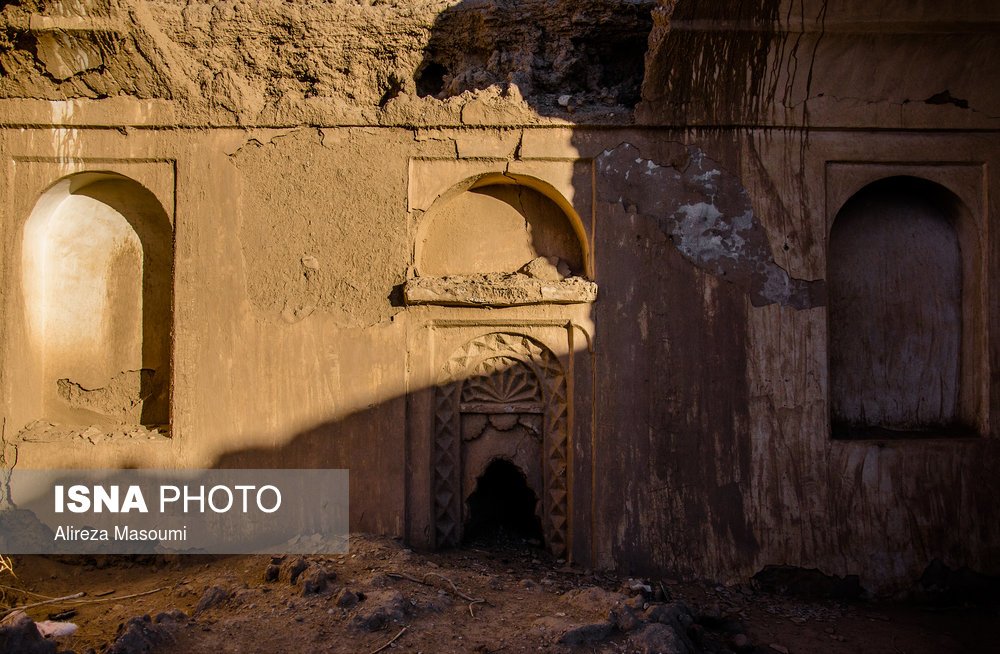
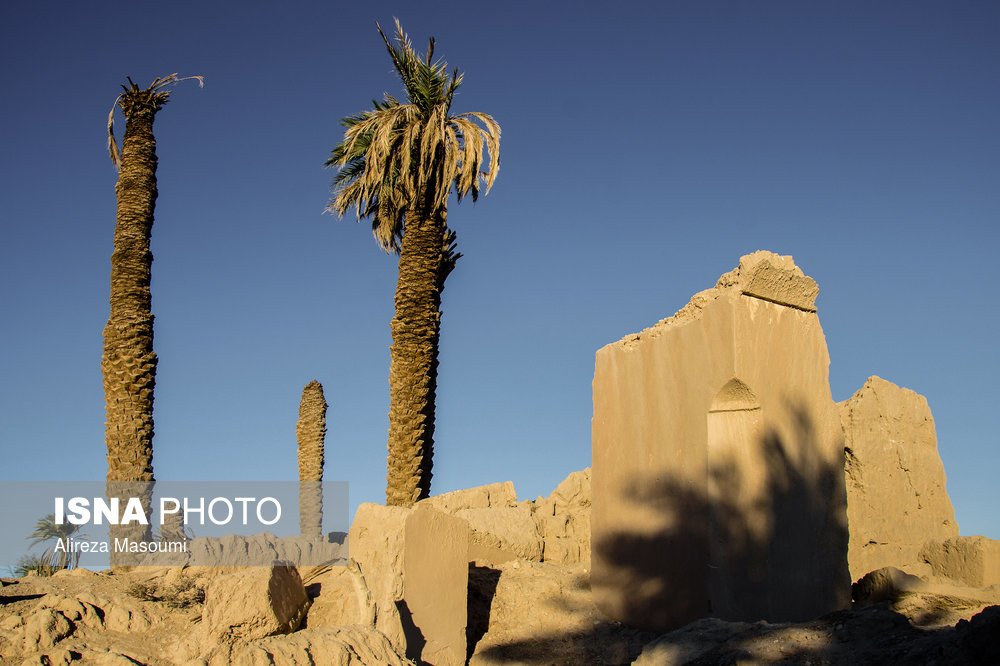
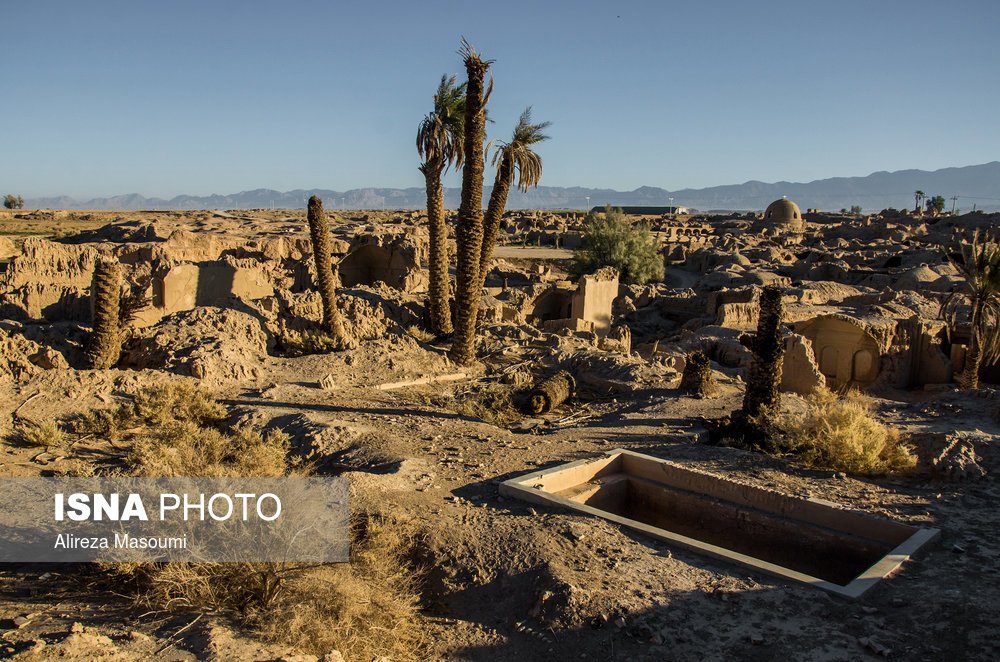
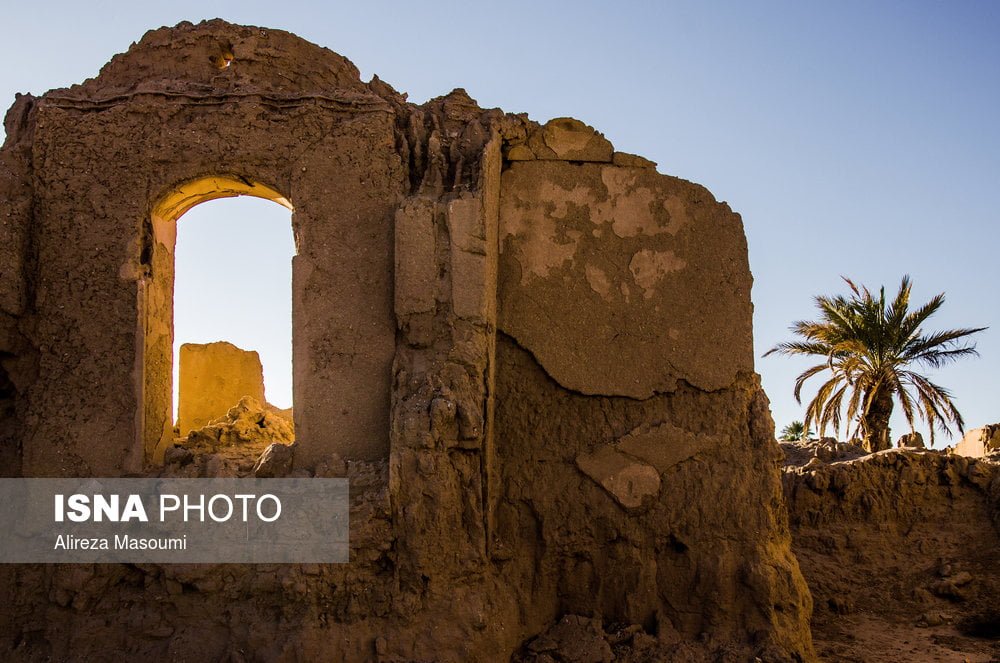
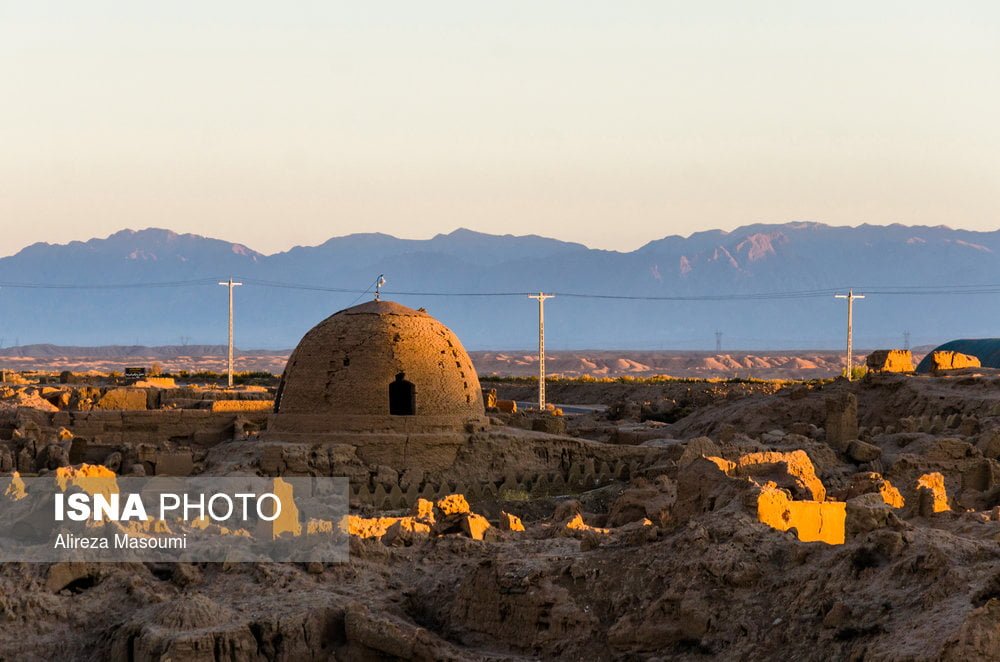
Korit Village; A Historical Attraction in Middle of Iran Deserts

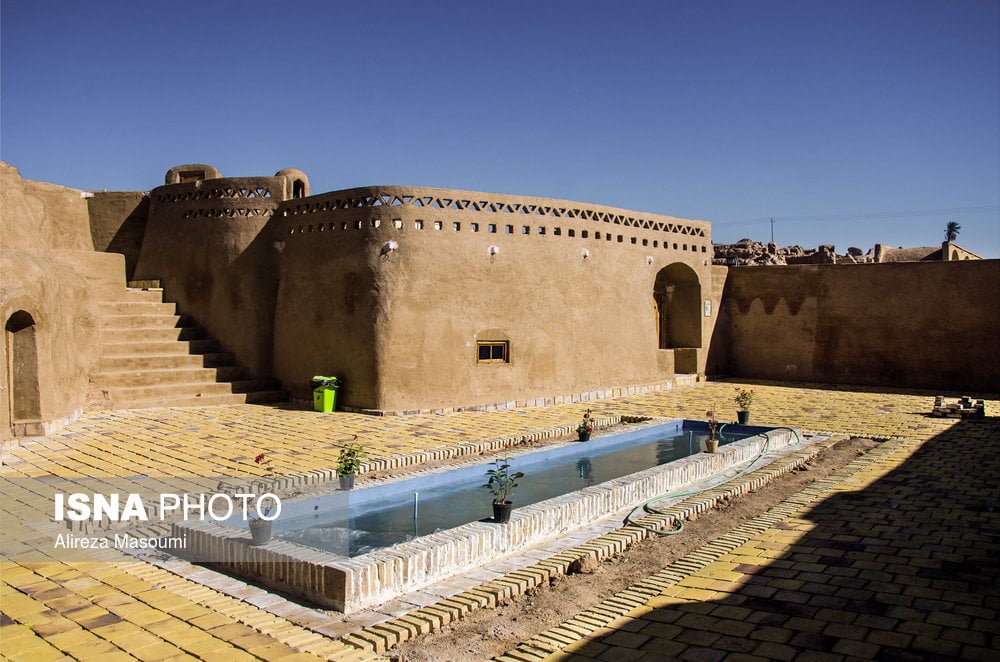
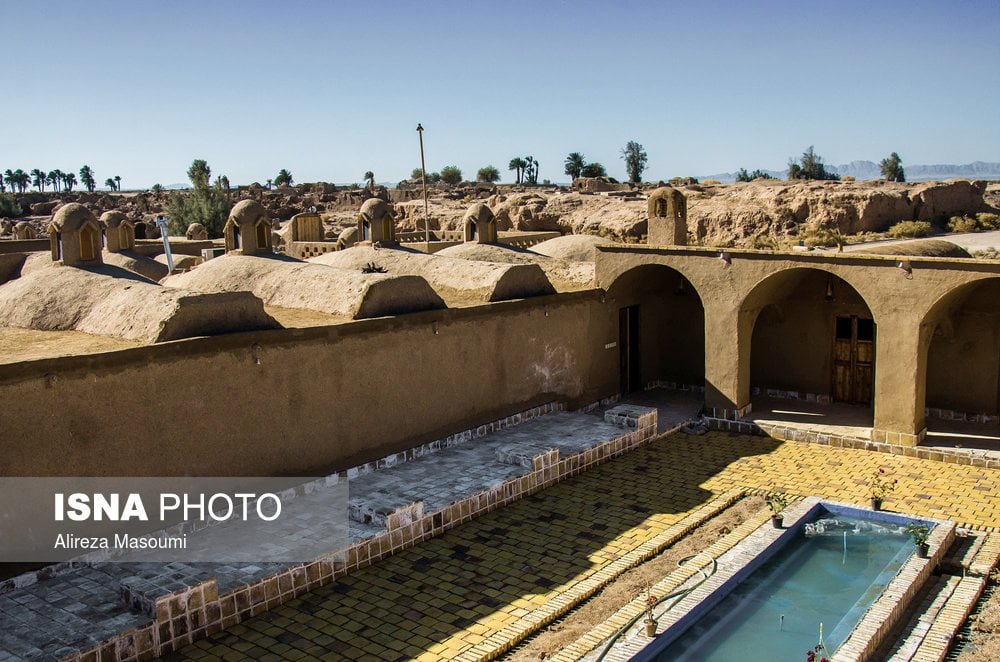
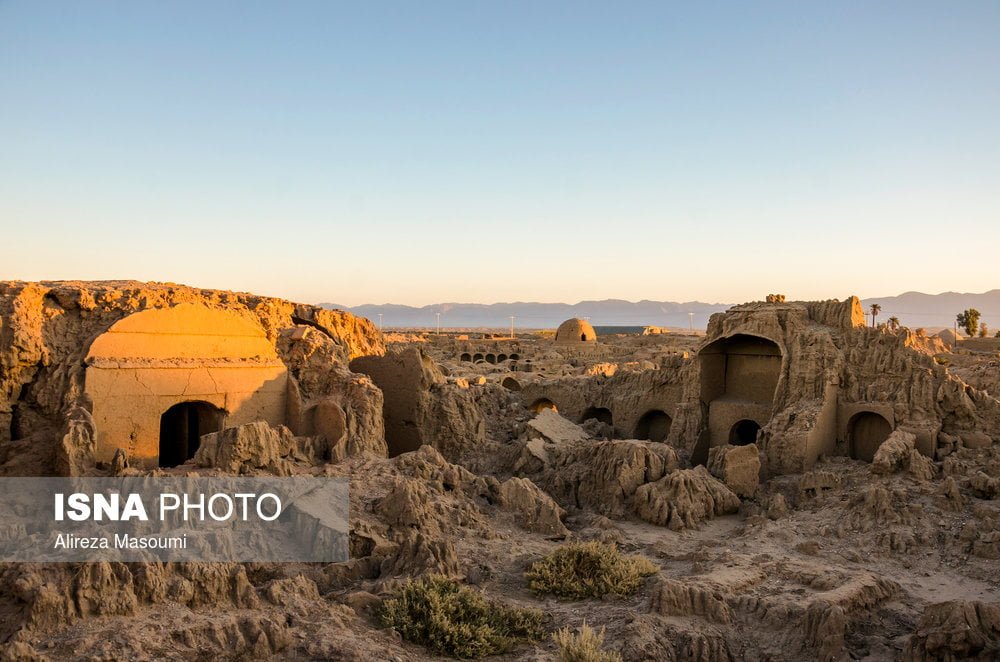
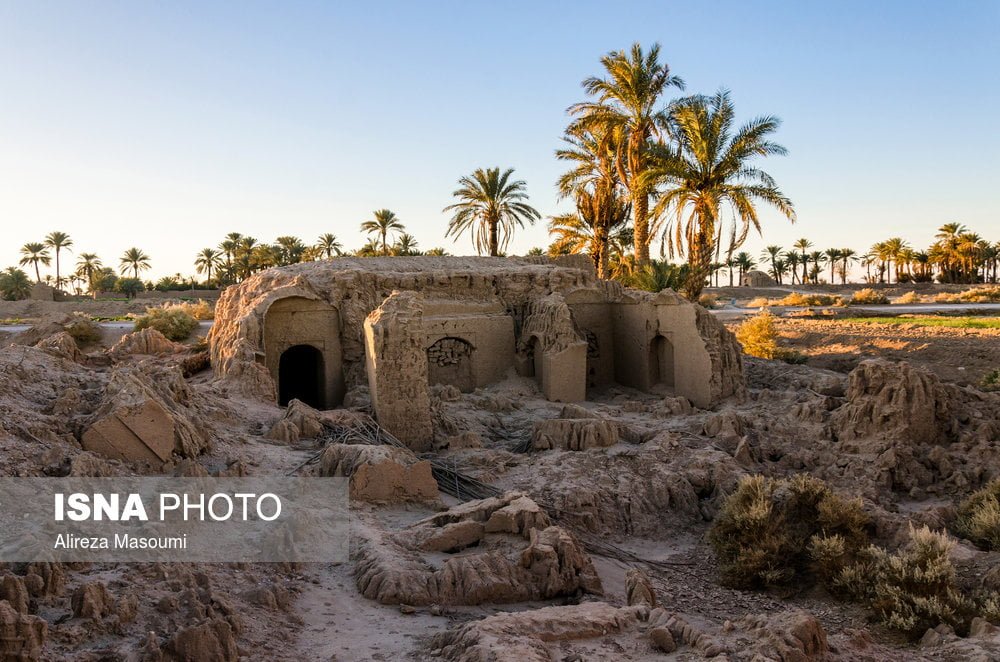
Korit is one of the oldest villages in Tabas, dating back to more than a thousand years ago. This historical attraction of Iran had valuable historical monuments before the devastating earthquake that hit the region in 1978.

Magnitude 7.4 earthquake occurred on September 16 destroying the old and historic village of Korit which was a very beautiful and lovely place. The damage of the earthquake can be clearly seen all across the village. Tabas earthquake left more than 20,000 people killed including the residents of Korit village, but nobody knows the exact number of the victims in the village.

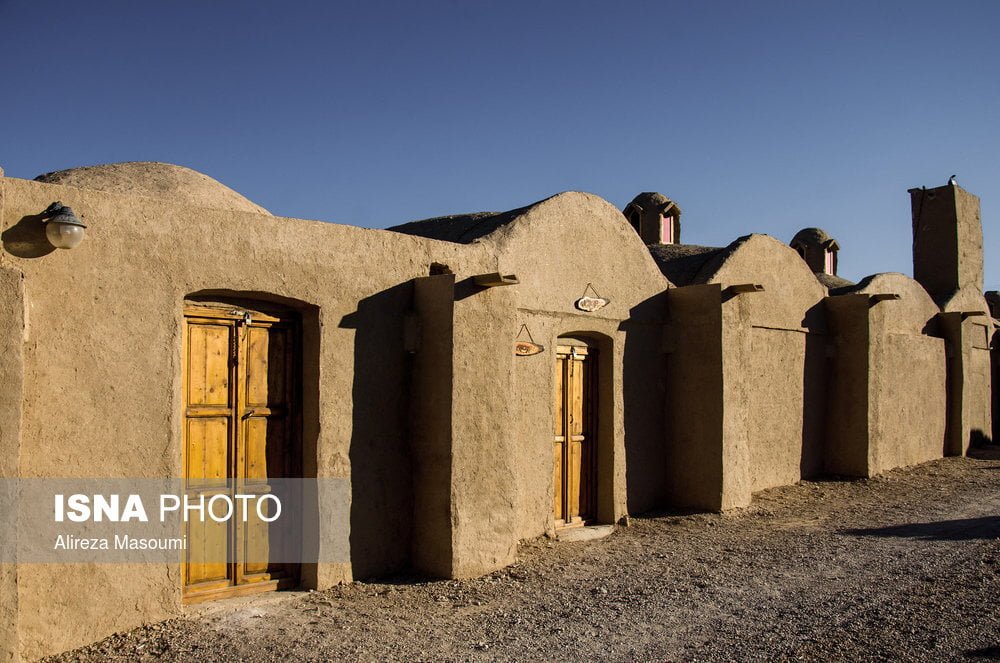
The village was moved to a new place next to the old one after the earthquake; while its remnants were abandoned in a semi-ruined state. This place is considered by many as a tourist destination and historical attraction, especially for its water reservoirs that belong to Afsharid dynasty.

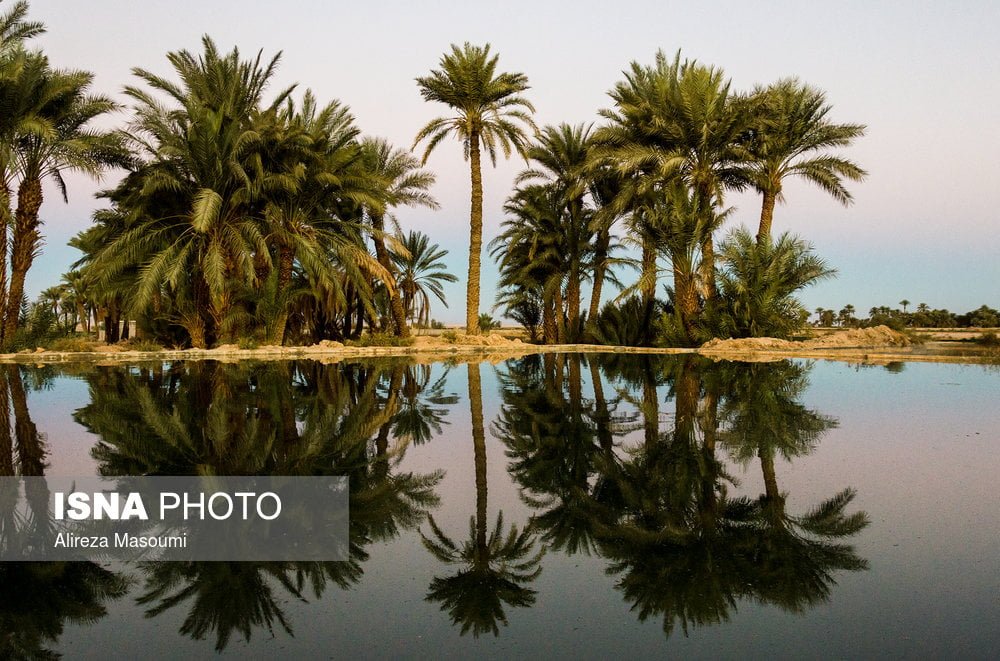
Here are ISNA’s photos of the historical village:

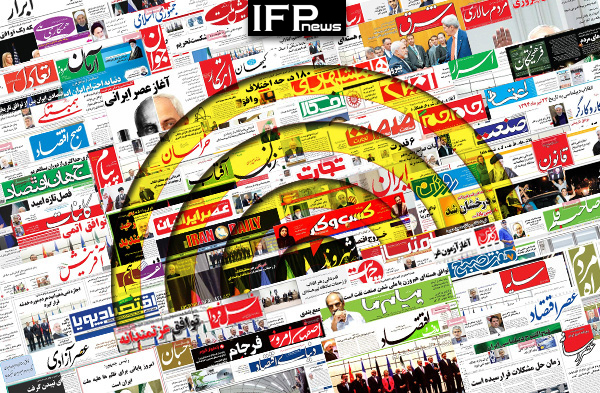
A Look at Iranian Newspaper Front Pages on February 28

A Look at Iranian Newspaper Front Pages on November 18

The failed attempt by the UK and its allies at the UN Security Council to pass an anti-Iran resolution remained a top story today.

Several papers also covered the fluctuations in dollar rate and the ongoing actions taken by the Central Bank to control the forex market.

Also a top story was the measures taken by the Rouhani administration to make people prepared for a water crisis in the country, especially a recent conference attended by Deputy Foreign Minister Seyyed Abbas Araqchi and former IRGC Chief-Commander Major General Rahim Safavi on the need to cope with the danger of water shortage.

The above issues, as well as many more, are highlighted in the following headlines and top stories:


19 Dey:

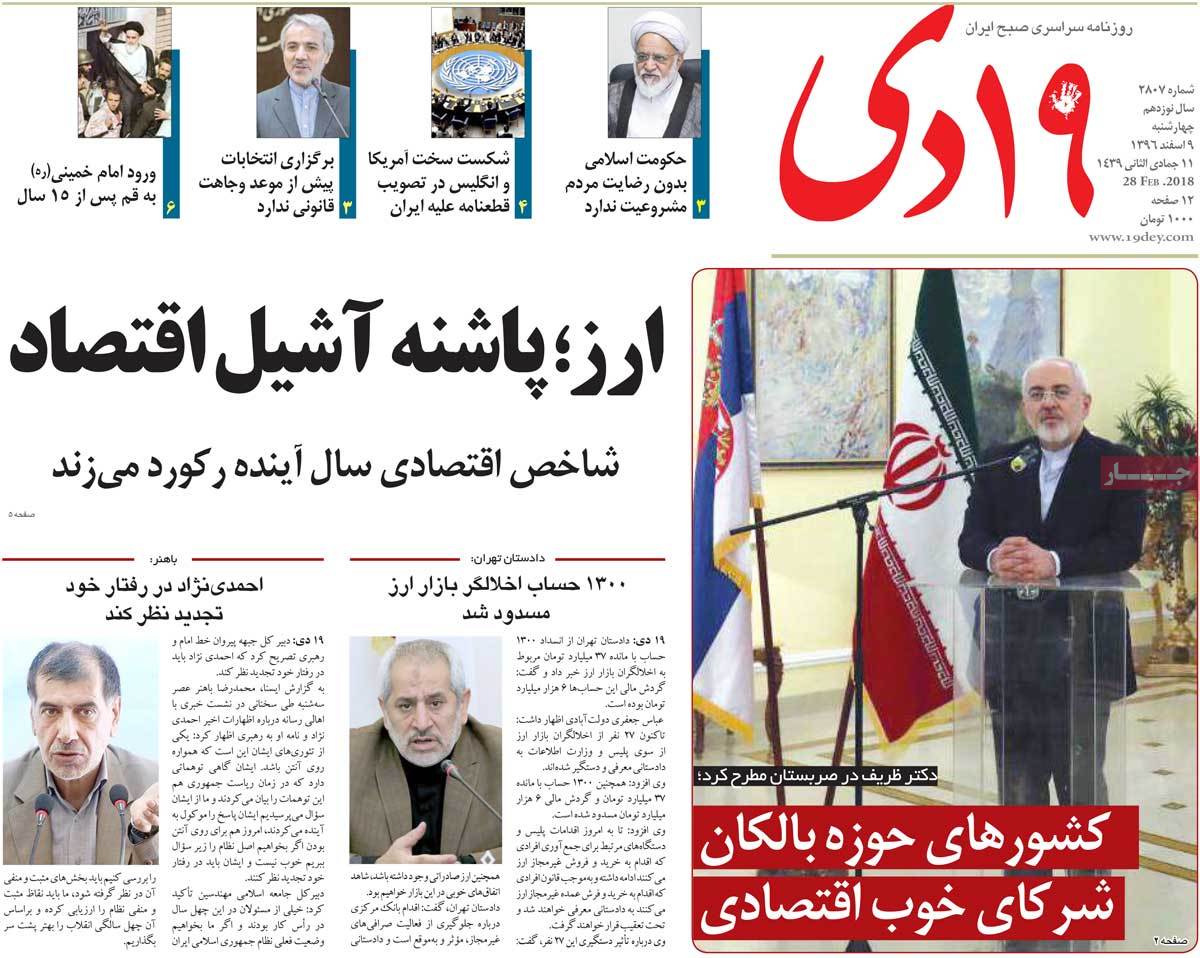
1- Forex, Achilles’ Heels of Economy

  • Iran’s Economic Index to Break Records Next Year

2- Bank Accounts of 1,300 People Blocked on Charge of Disrupting Forex Market

3- Ahmadinejad Must Reconsider His Behaviour: Bahonar

4- US, UK Suffer Heavy Defeat in Approving Anti-Iran Resolution
A Look at Iranian Newspaper Front Pages on February 28


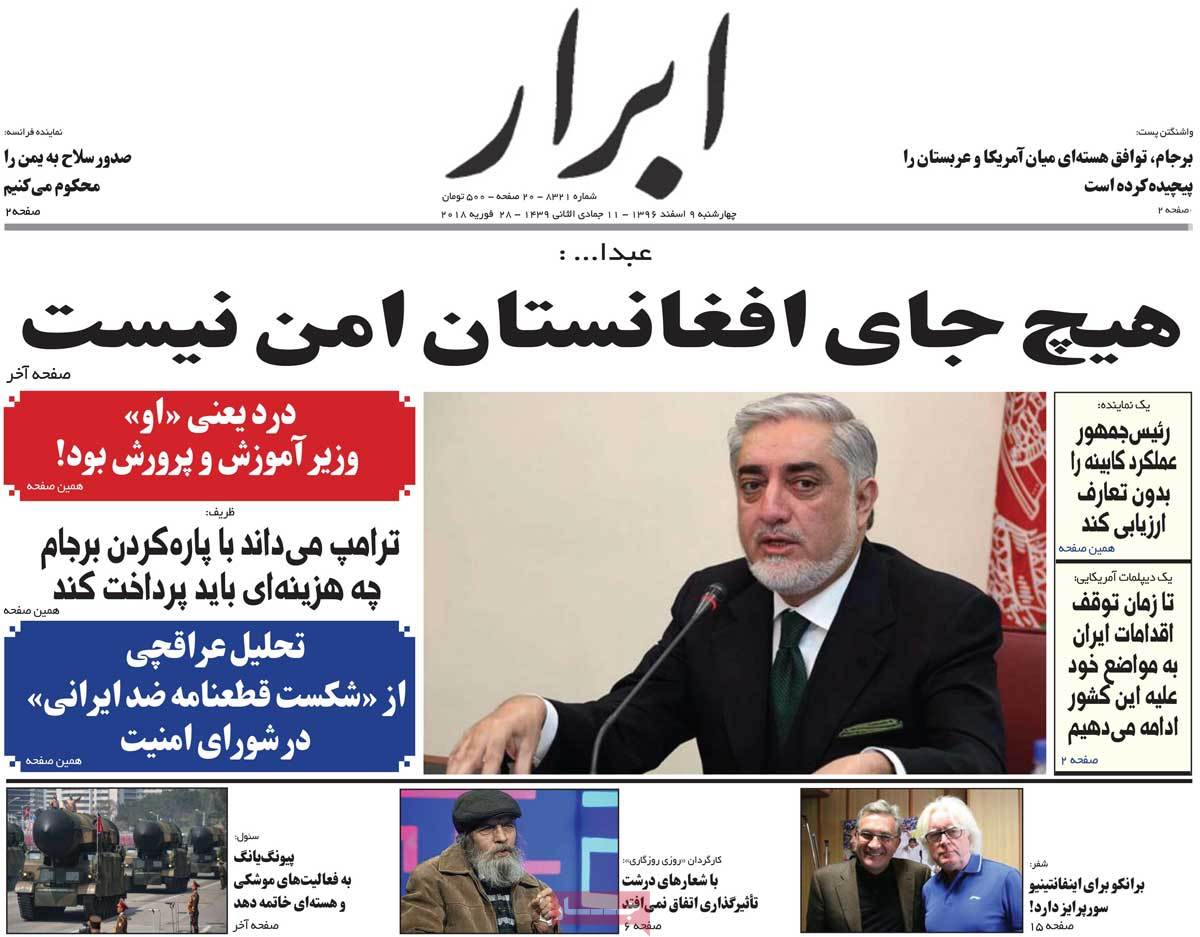
Abrar:

1- Abdullah: Nowhere in Afghanistan Safe

2- Zarif: Trump Knows What Price He Should Pay after Scrapping Iran Nuclear Deal

3- American Diplomat: We’ll Continue Our Anti-Iran Stances until Tehran Stops Its Measures

4- Seoul: Pyongyang Must End Its Missile, Nuclear Activities

5- Washington Post: JCPOA Complicates Nuclear Deal between US, Saudi Arabia
A Look at Iranian Newspaper Front Pages on February 28


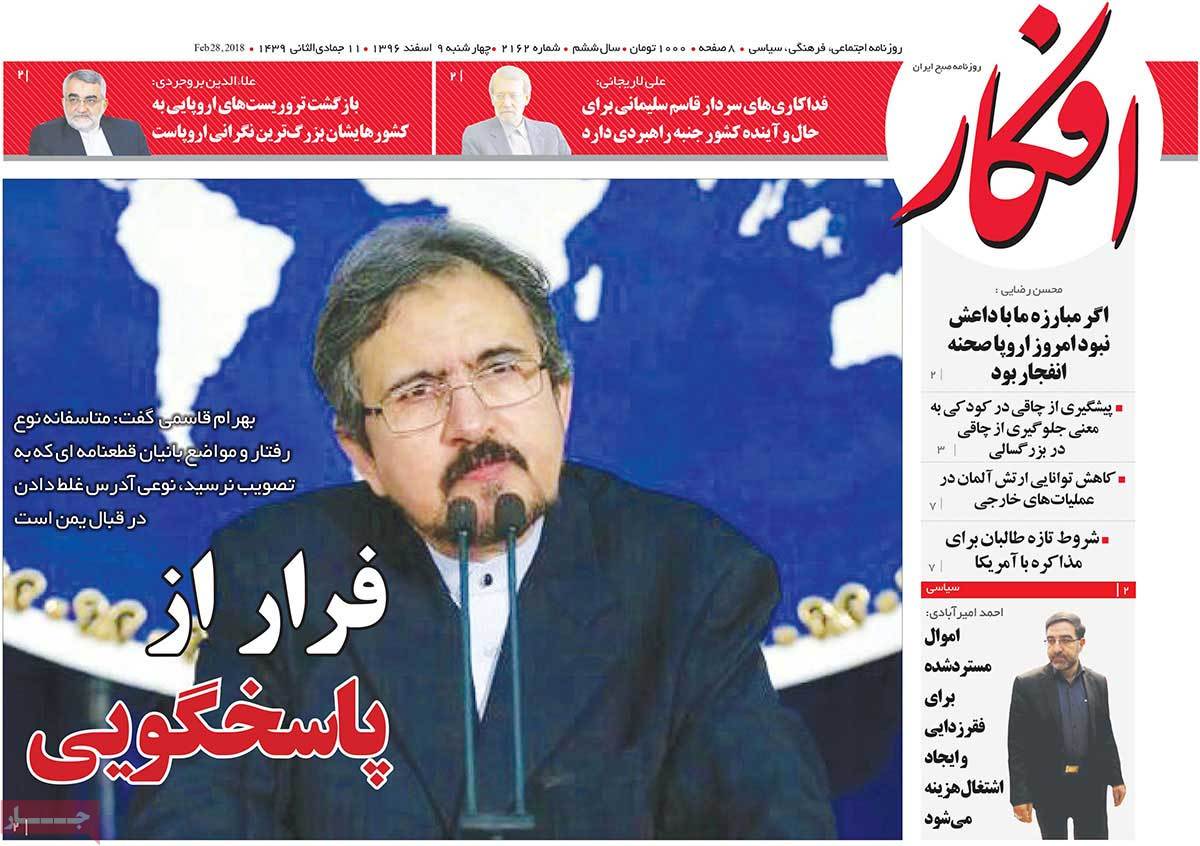
Afkar:

1- Evading Responsibility

  • Those behind Anti-Iran Resolution Misleading Others about Yemen: Qassemi

2- IRGC General Rezaei: Without Iran’s Fight against ISIS, Europe Would Be Scene of Blasts Today

3- Return of European Terrorists to Their Countries Biggest Concern for Europe

4- Larijani: General Soleimani’s Sacrifices Strategic for Iran’s Present, Future
A Look at Iranian Newspaper Front Pages on February 28


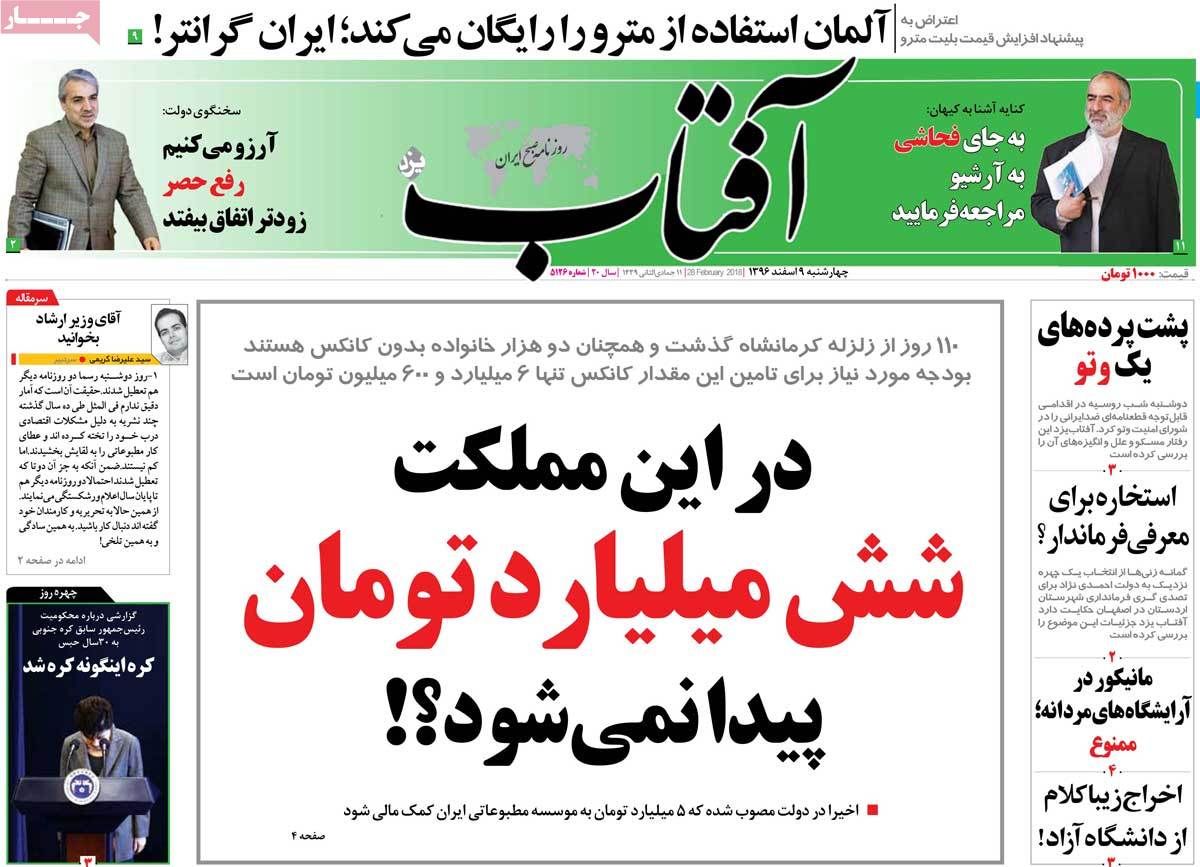
Aftab-e Yazd:

1- Germany to Make Free People’s Use of Subway; Iran to Hike Prices!

2- Gov’t Spokesman: We Hope House Arrest of Opposition Leaders Will Be Lifted Soon
A Look at Iranian Newspaper Front Pages on February 28


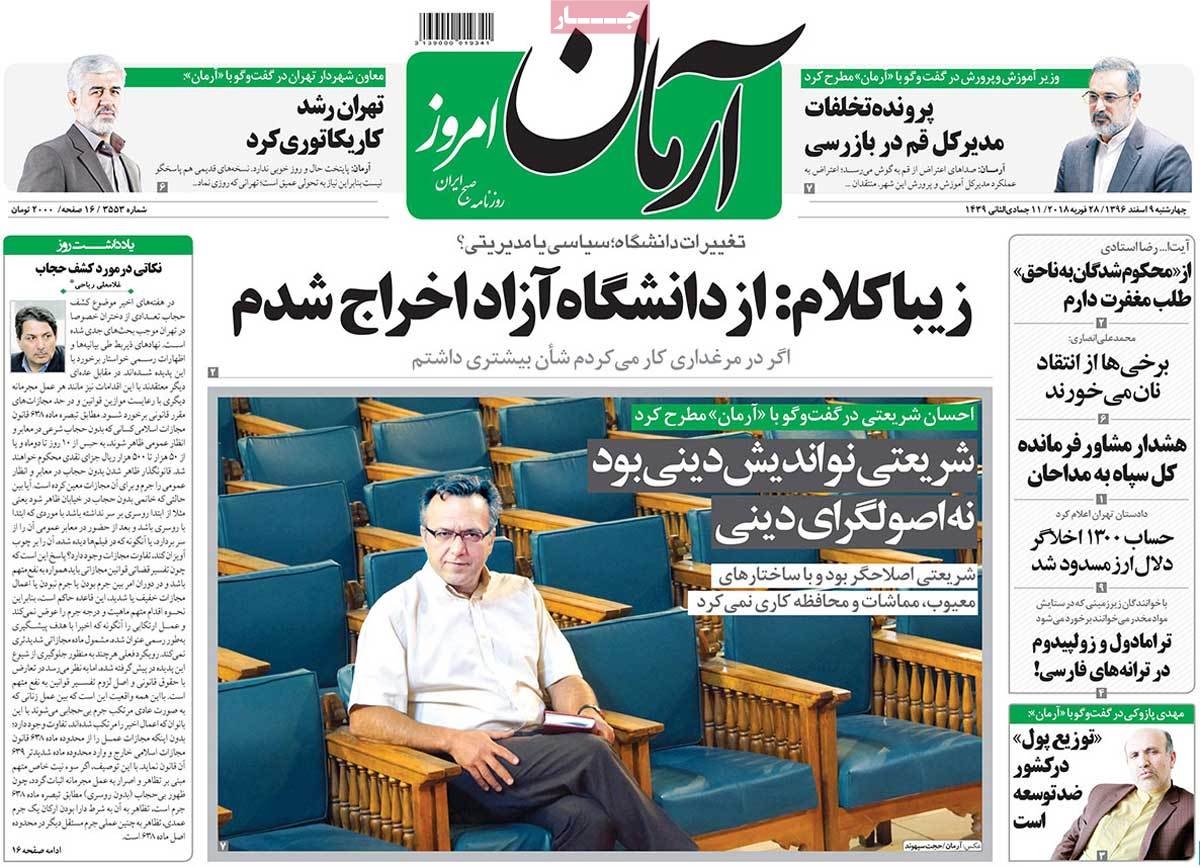
Arman-e Emrooz:

1- Distribution of Money in Iran against Development: Analyst
A Look at Iranian Newspaper Front Pages on February 28


Asrar:

1- Gov’t Spokesman: All Iranian People to Receive Cash Subsidies Next Year

2- Monetary Policies Starting Point for Moving towards Financial Stability, CBI Independence
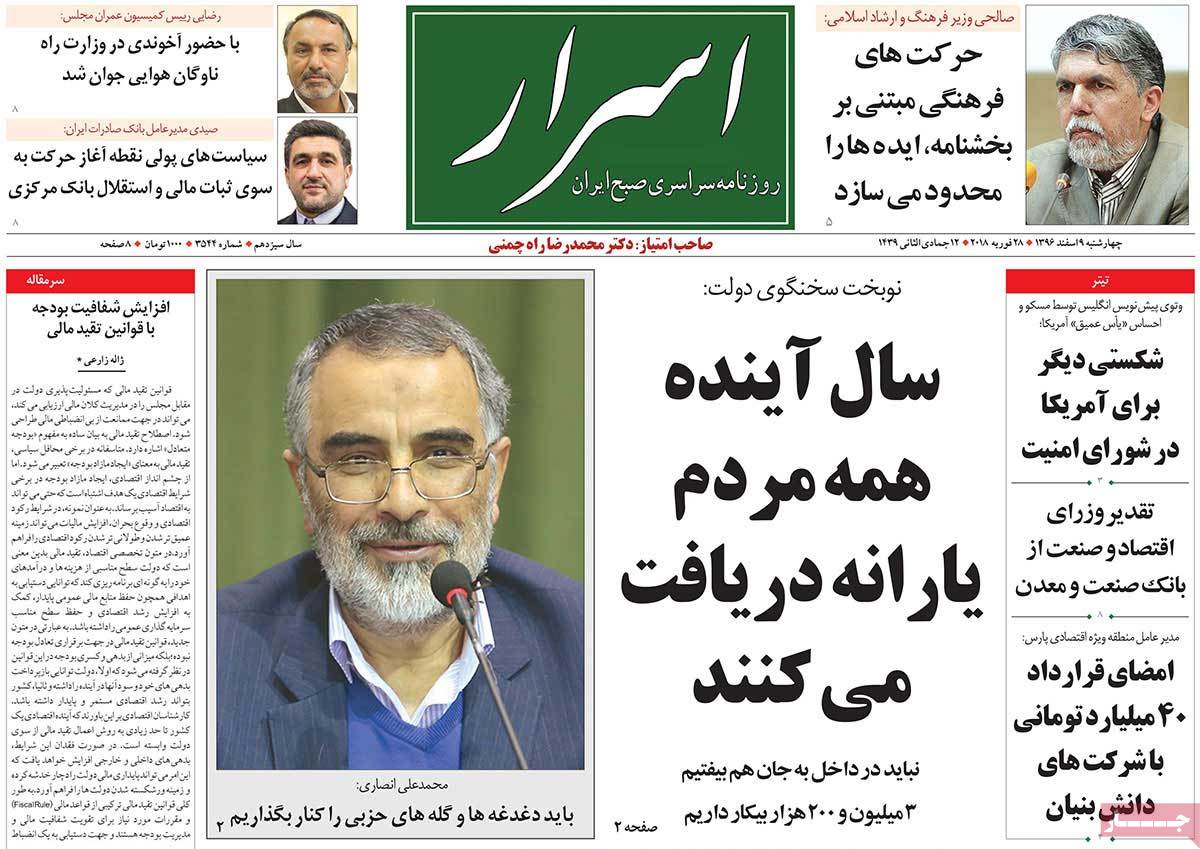
A Look at Iranian Newspaper Front Pages on February 28


Ebtekar:

1- MPs Insist Labour Minister Must Resign

2- Washington Once Again Fails in New York

  • UK, US Fail to Have Anti-Iran Resolution Passed at UNSC

3- Queues for Buying Dollar in Tehran: Supply-Demand Balance Upset

4- Parliament to Start Investigation against Car Mafia
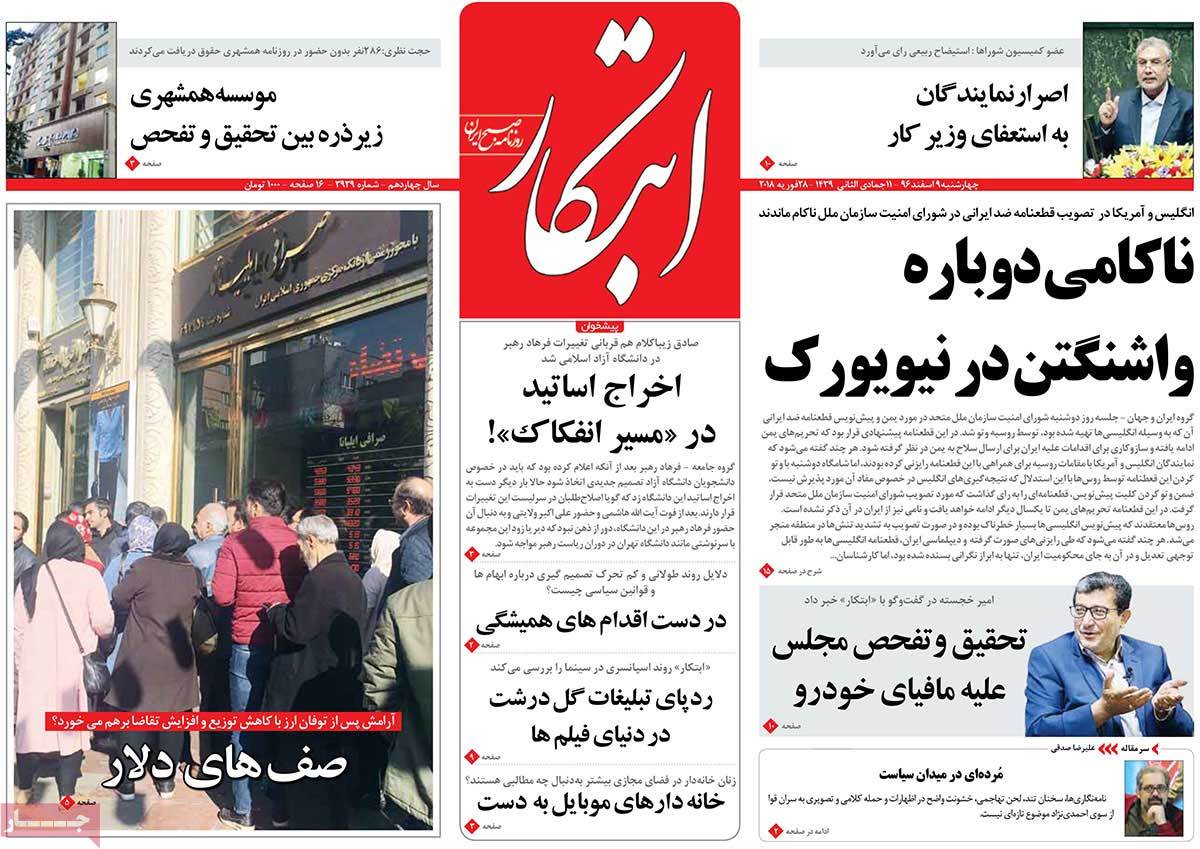
A Look at Iranian Newspaper Front Pages on February 28


Etemad:

1- Late Ayatollah Beheshti Didn’t Believe in “Sending People to Heaven by Force”

2- Saudi Arabia’s Ambiguous Face: Saudi King Sacks His Commanders
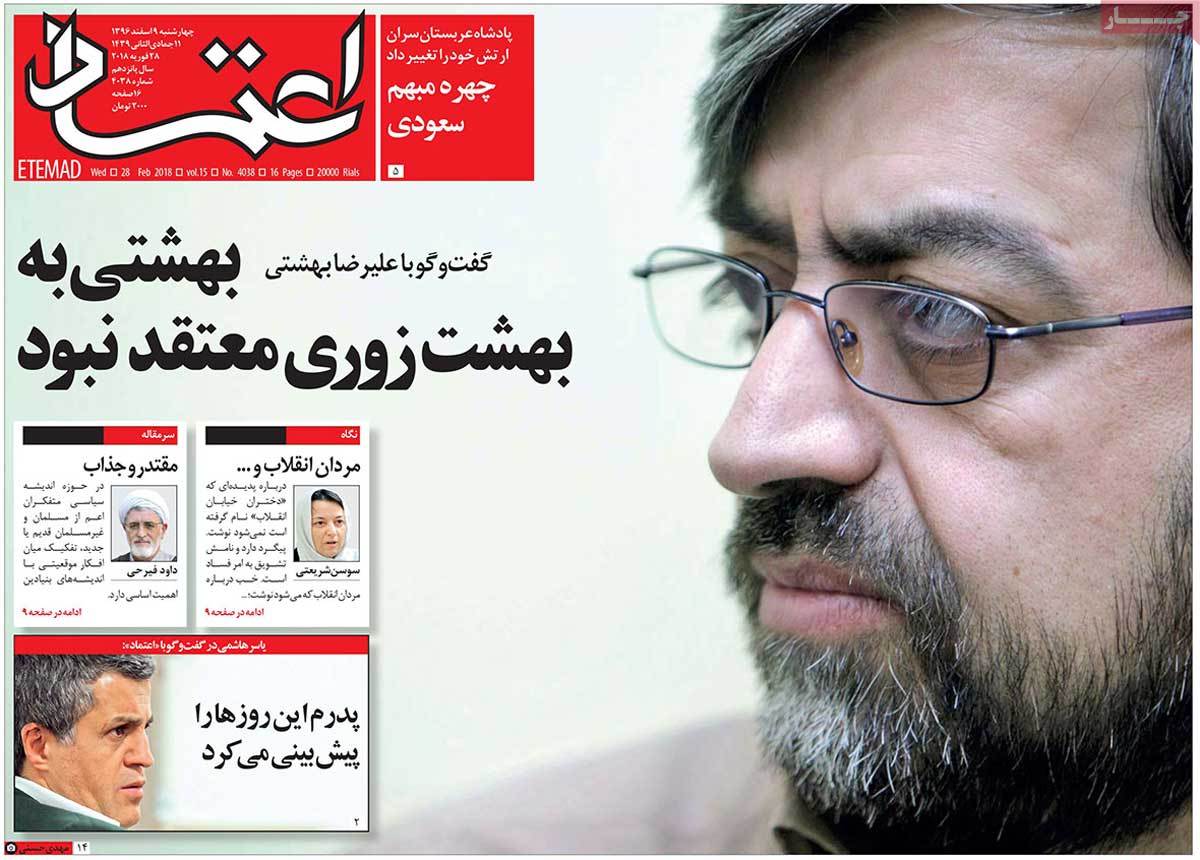
A Look at Iranian Newspaper Front Pages on February 28


Ettela’at:

1- Government’s Policy Focused on Decreasing Poverty

2- People Have Not Stopped Defending Imam Khomeini, His Causes

3- Situation of Water in Tehran Severe, We’re Worried about Future: Mayor
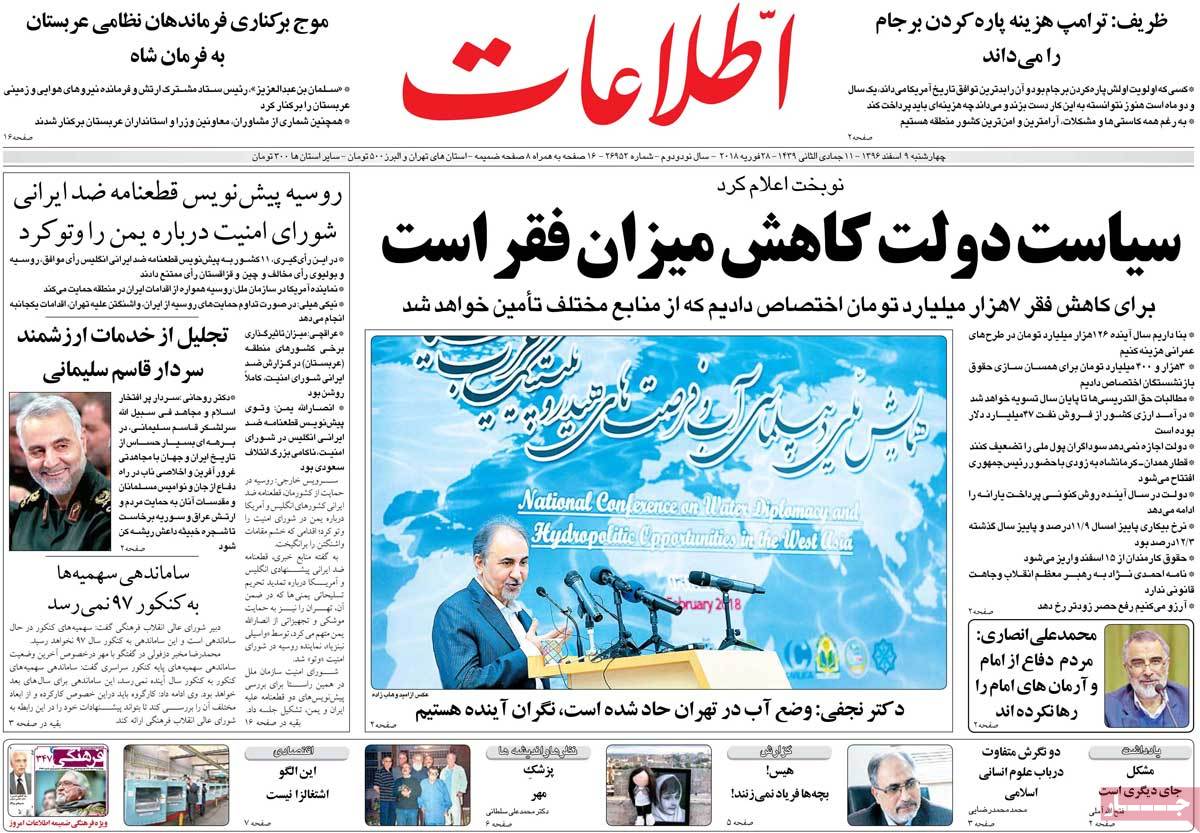
A Look at Iranian Newspaper Front Pages on February 28


Ghanoon:

1- Electricity, Hidden Treasure of Iranian Economy

  • Situation of Power Industry, Exports, Its Problems Analyzed

2- Transparency with Shaky Hands: Tehran City Council to Probe into Hamshahri Publications
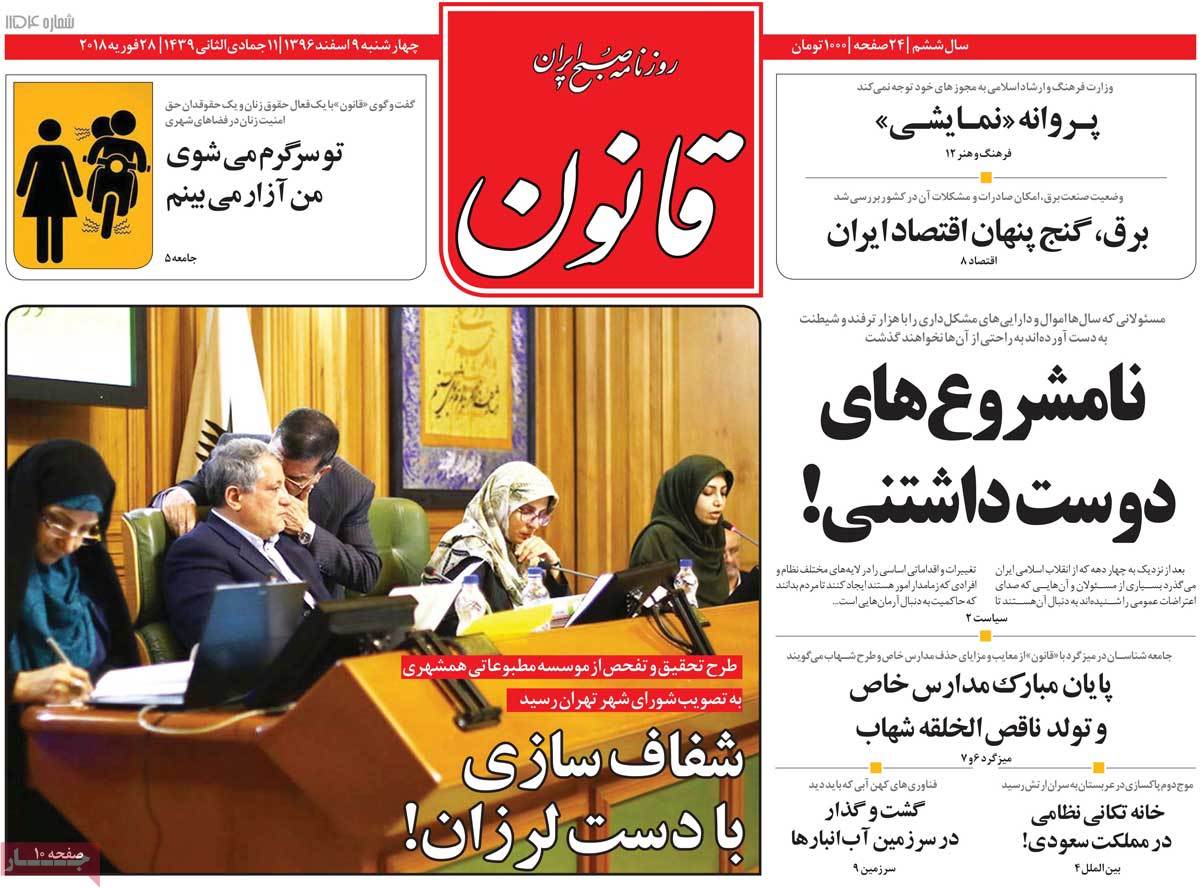
A Look at Iranian Newspaper Front Pages on February 28


Iran:

1- Worst Year in Past 50 Years in Terms of Rainfall

2- Rouhani Praises Sacrifices Made by General Soleimani

3- Kashan Becomes Book Capital of Iran
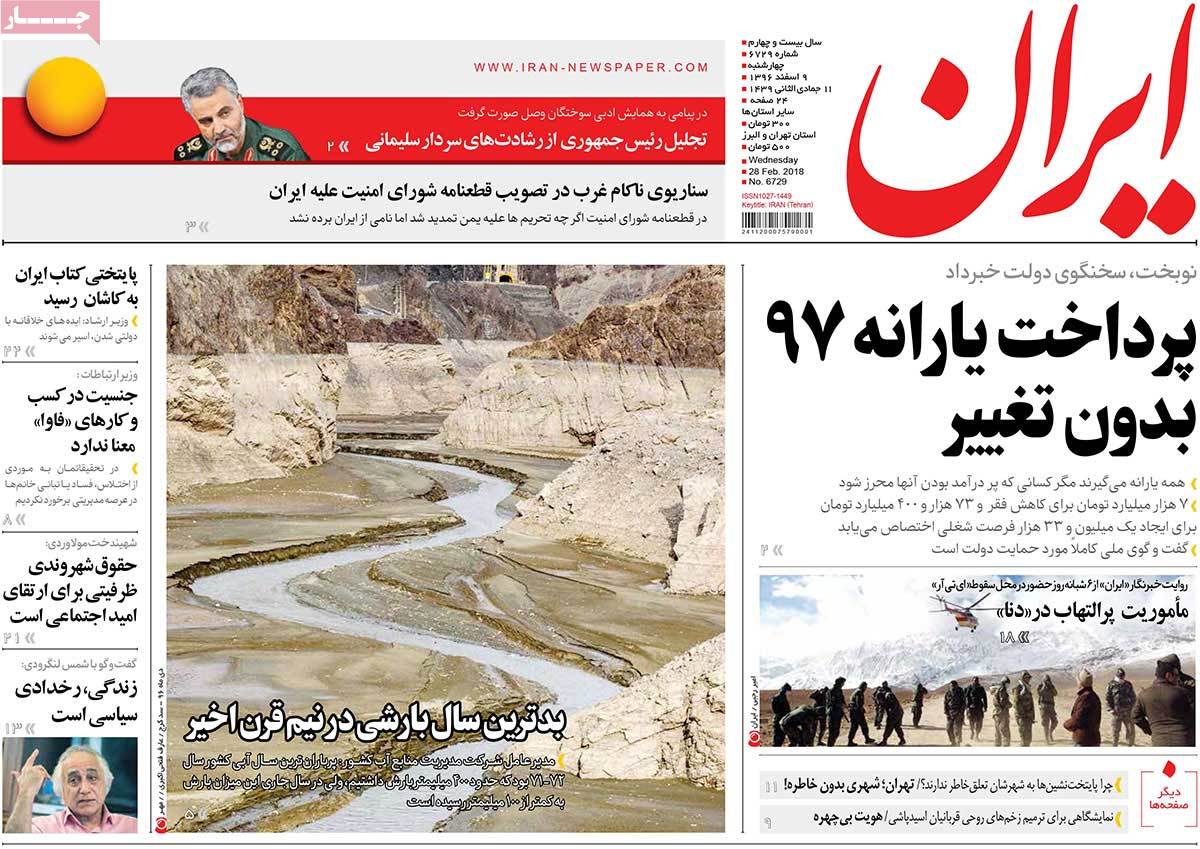
A Look at Iranian Newspaper Front Pages on February 28


Javan:

1- Even Foreign Ministry Spokesman Admits Iran Must Withdraw from Futile JCPOA

2- My Son Was Martyred in Heart of Tehran in ISIS Style: Mother

3- Piece of Worthless Paper Vetoed after Show of Worthless Wreckage

4- Several Thousands of Suicides in CCTV-Equipped Prisons in Europe, US
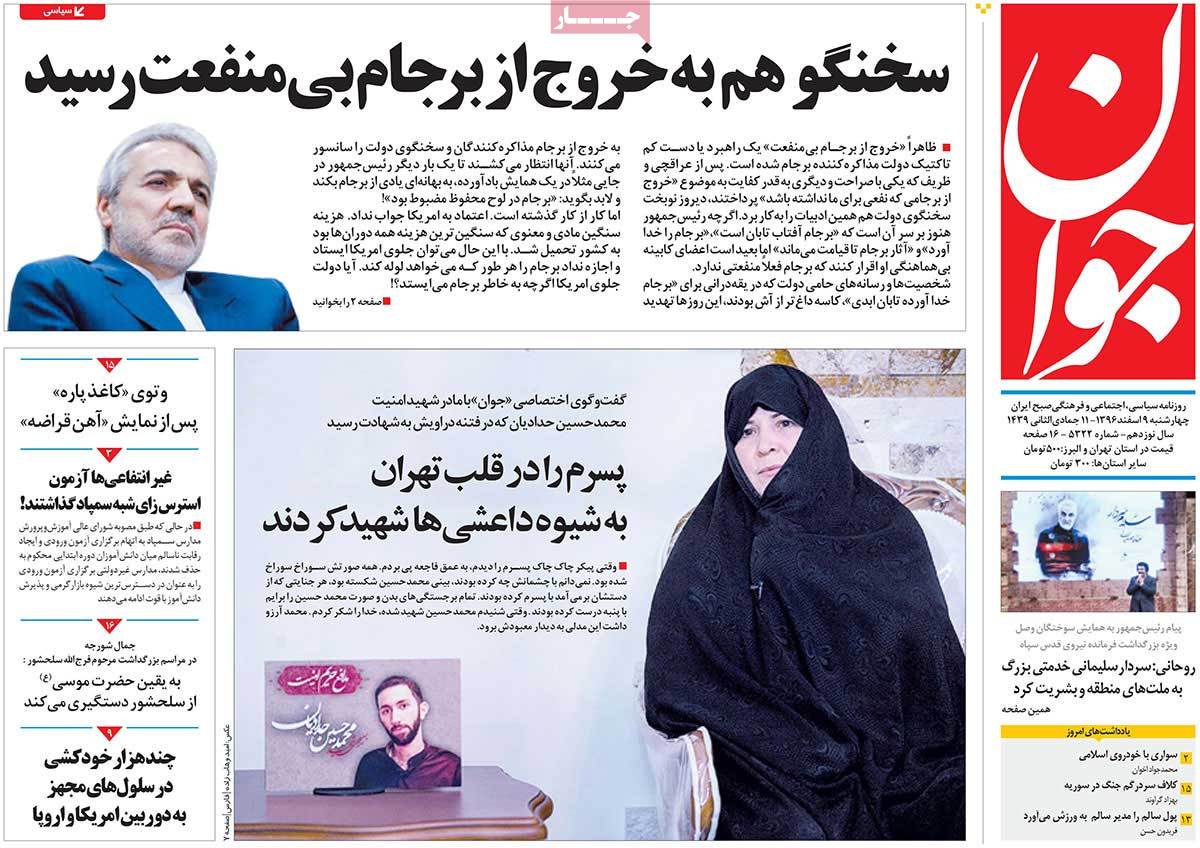
A Look at Iranian Newspaper Front Pages on February 28


Jomhouri Eslami:

1- Central Bank Urges People Not to Refer to Dealers for Buying Forex

2- National Working Group for Coping with Water Shortage Established by Four Ministers

3- Russia FM: Scrapping Iran Nuclear Deal Very Dangerous

4- Tens of Palestinians Arrested in Zionist Troopers’ Overnight Raid

5- Trump Seeks to Equip US Destroyers with Nuclear Missiles
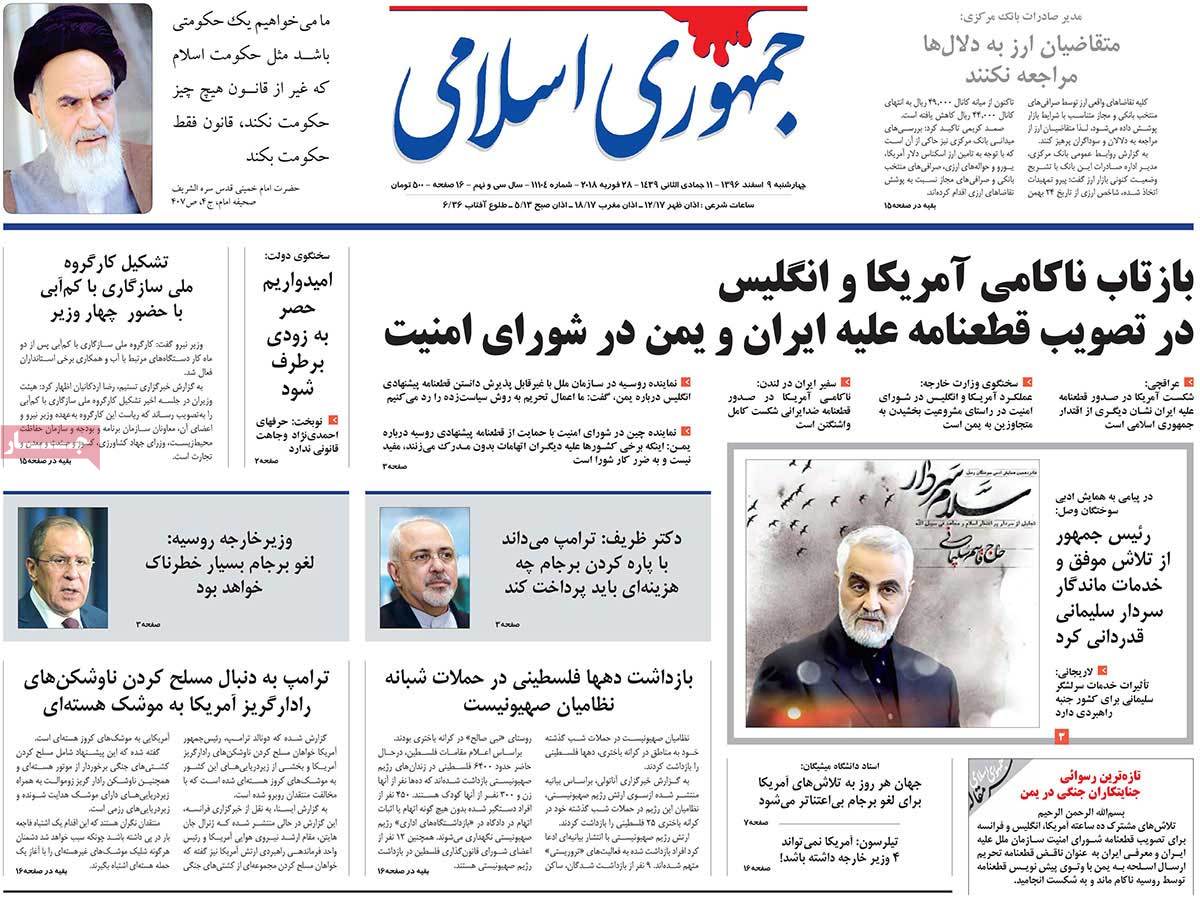
A Look at Iranian Newspaper Front Pages on February 28


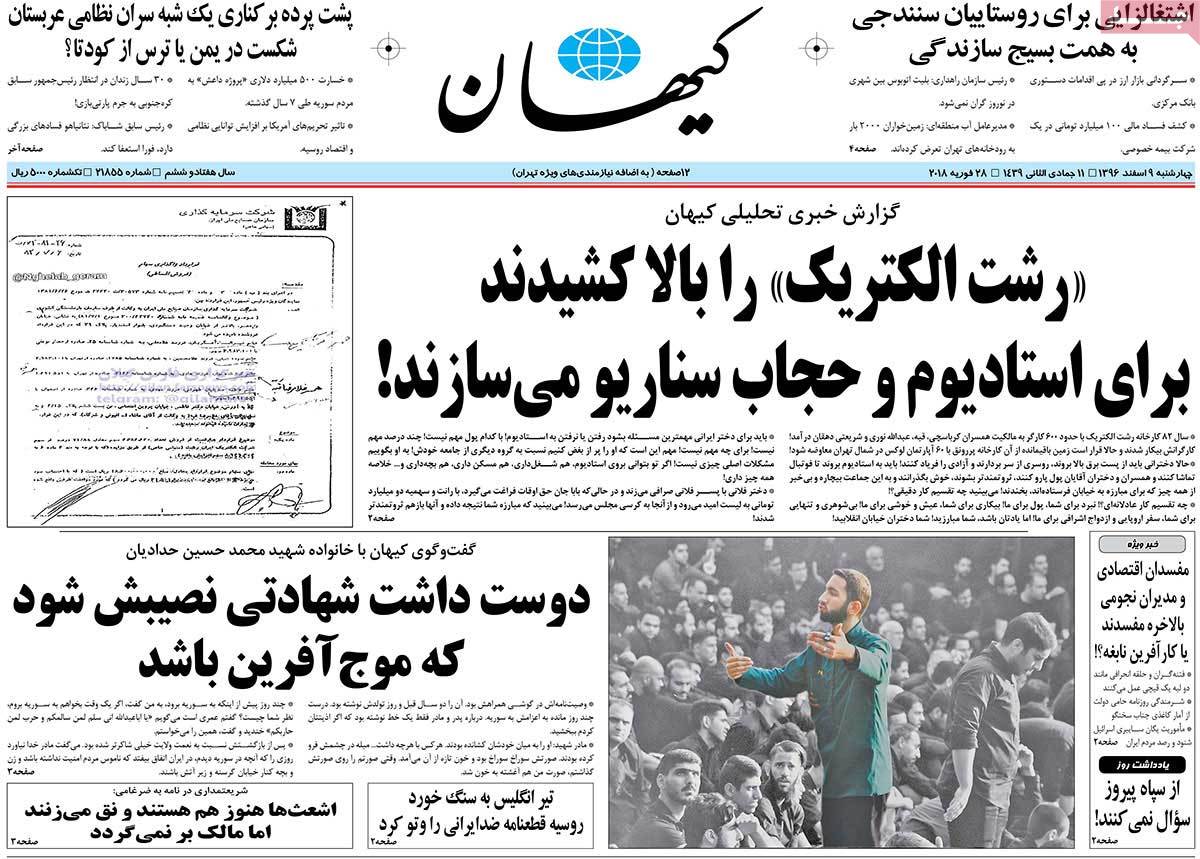
Kayhan:

1- They [Reformists] Robbed Rasht Electric Company, Now Create Scenarios for Stadium, Hijab

2- Secrets behind Overnight Dismissal of Top Saudi Commanders

  • Defeat in Yemen or Fear of Coup?


A Look at Iranian Newspaper Front Pages on February 28


Khorasan:

1- Political-Security Alerts for Water

  • Araqchi, General Safavi Discuss Water Diplomacy, West Asia’s Hydro-Political Opportunities

2- Leader Allows IKRF to Allocate Part of Donations to Employment for Needy People

3- The Lunch Provided by Washington for Ambassadors Made Pointless by Russia!

  • US Outraged by Russia’s Veto of Anti-Iran Resolution
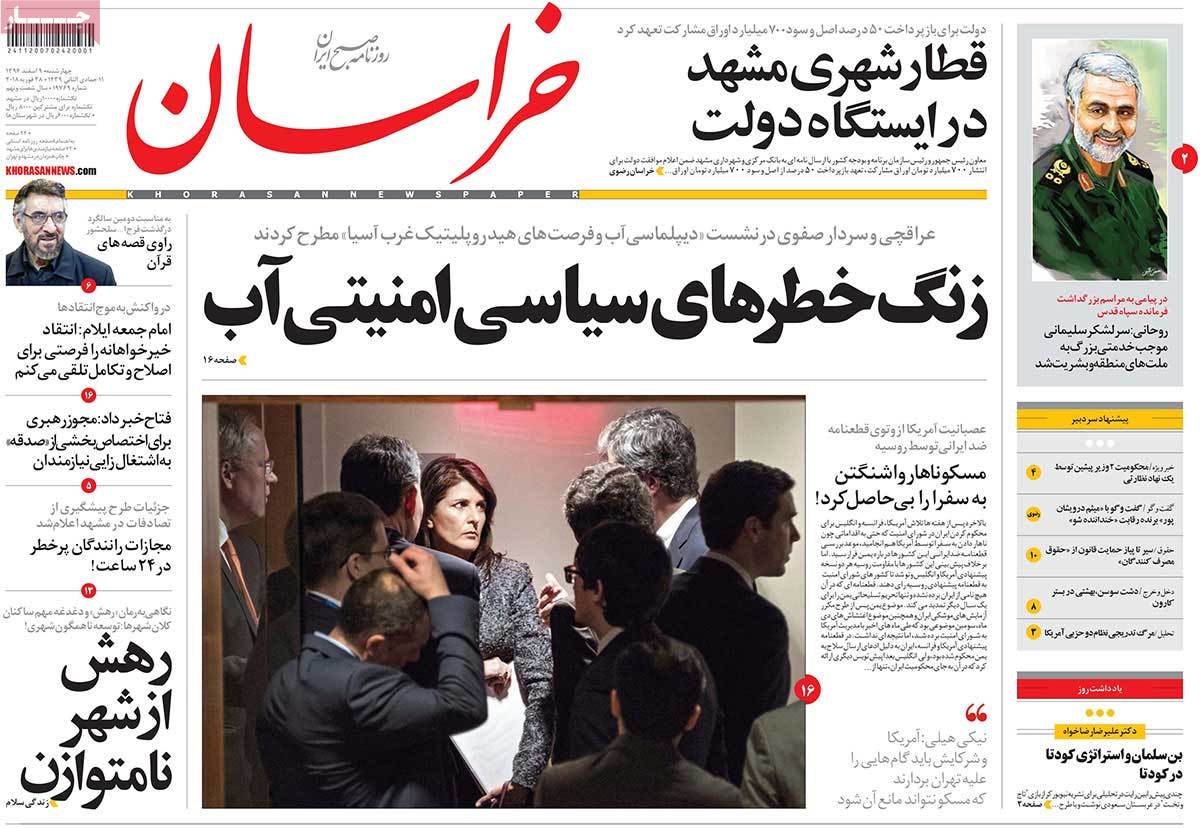
A Look at Iranian Newspaper Front Pages on February 28


Resalat:

1- People Want Officials to Declare List of Their Assets: Official

2- FM Zarif: Iran’s Influence in Region Gained by Virtue of Resistance

3- Amir-Abdollahian: We Won’t Let Zionists Play with Regional Security
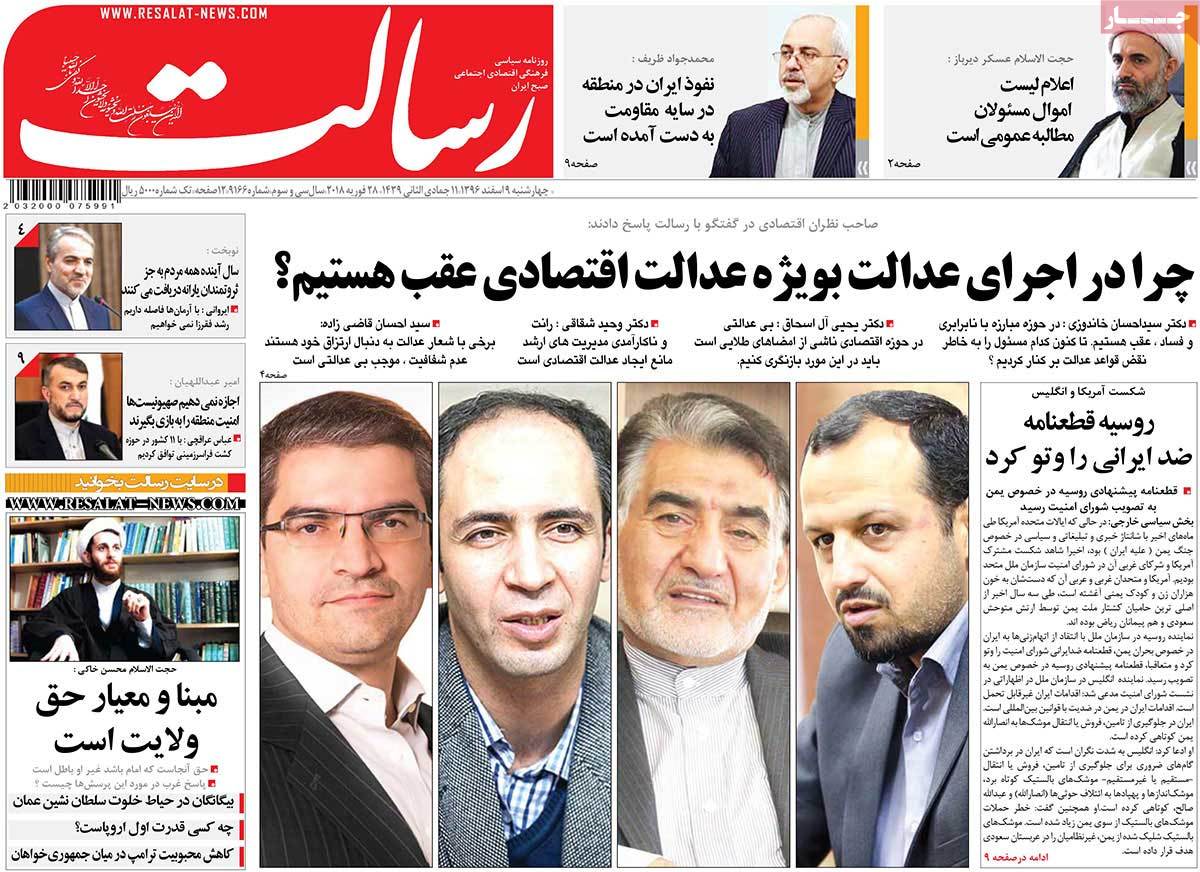
A Look at Iranian Newspaper Front Pages on February 28


Rooyesh-e Mellat:

1- Biased Accusations: Iran’s First Reaction to UK’s Failed Attempt at UNSC

2- US Blasts Turkey for Buying S-400 Missile Defence System from Russia
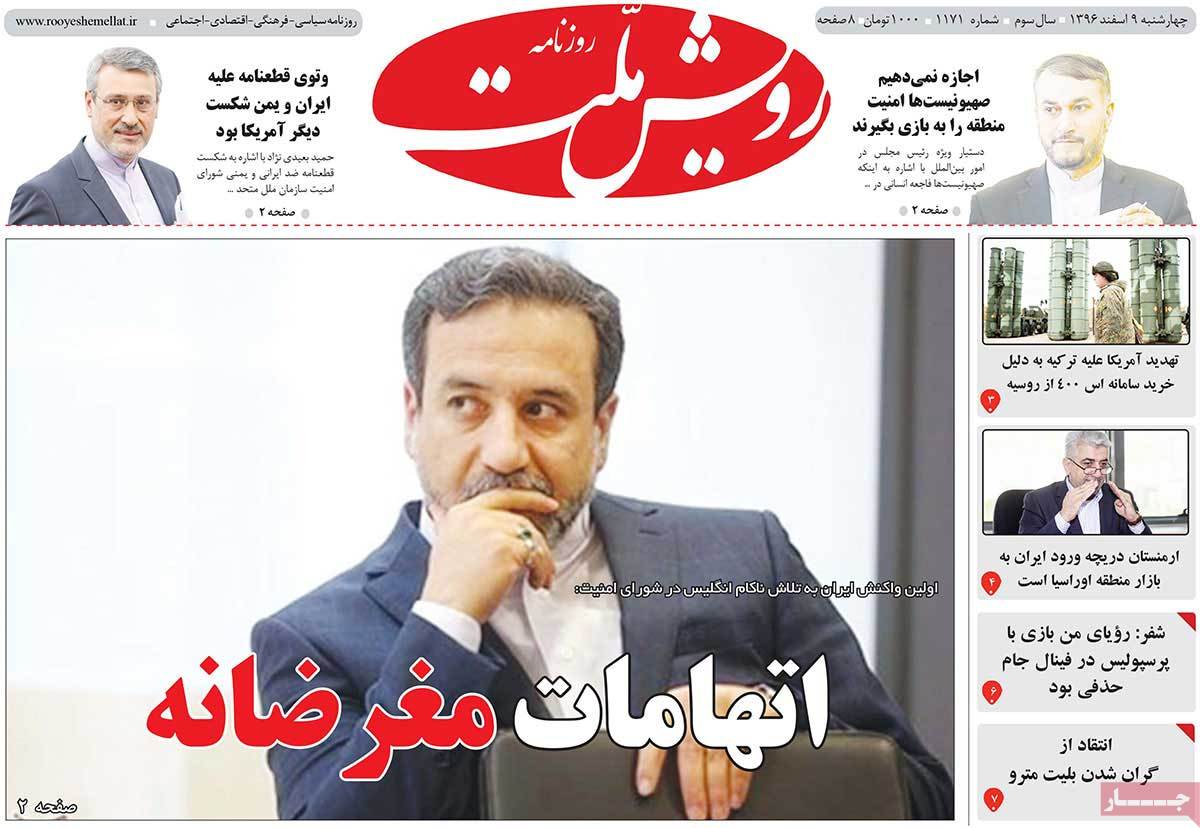
A Look at Iranian Newspaper Front Pages on February 28


Sayeh:

1- Majority of Social Media Users Are Housewives: ICT Ministry

2- Taking Action against Those Who Remove Their Hijab Is Legal Must: Mohsen Hashemi
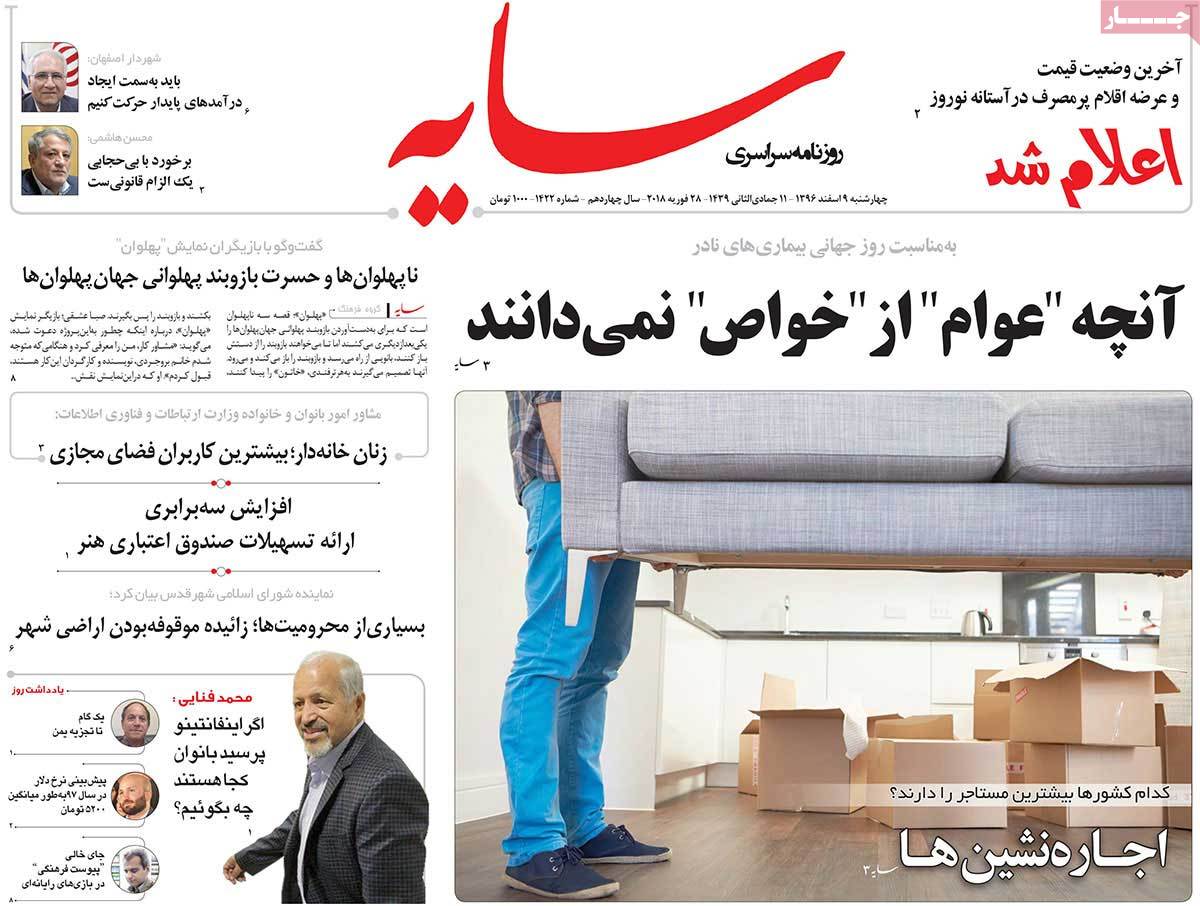
A Look at Iranian Newspaper Front Pages on February 28


Shargh:

1- Gov’t Spokesman: Parliament’s Move to Summon Rouhani Great Opportunity for Us

2- Rouhani’s Aide in Civil Rights: Police Forces Must Be Educated on How to Deal with Citizens

3- Bahonar: Ahmadinejad Had Illusions in the Past Too
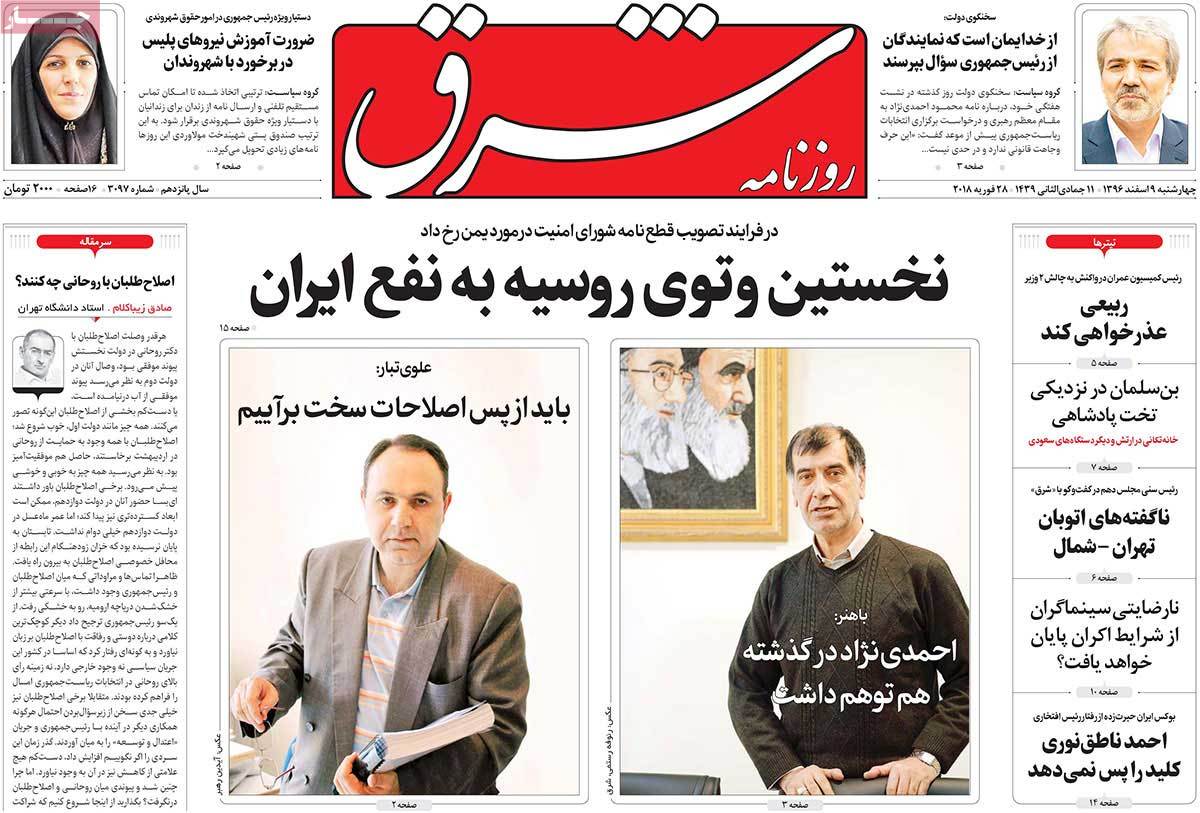
A Look at Iranian Newspaper Front Pages on February 28

“Tehran Ready to Boost Value of Trade with Sofia to $1bn”

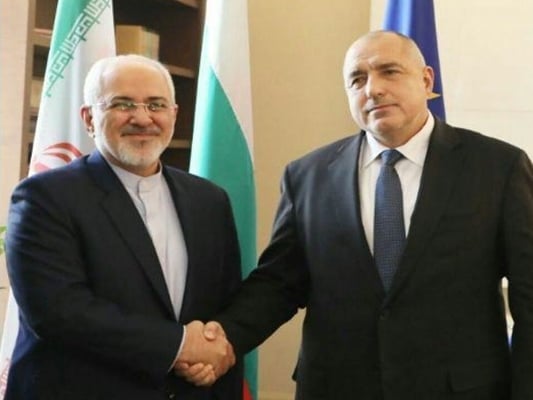
Iran’s Foreign Minister Mohammad Javad Zarif meeting with Prime Minister of Bulgaria Boyko Borisov in Sofia on February 28, 2018 / Photo released by the Iranian Foreign Ministry

During the Wednesday meeting held in the Bulgarian capital, the Iranian top diplomat hailed the balanced policy of Bulgaria to have good relations with all its neighbours.

“We can increase the value of our trade exchanges to more than $1 billion in the future. Transit, oil and gas, infrastructural, technical and engineering services are good areas for cooperation, and the barriers and challenges in this path must be removed,” noted Zarif.

“For the transportation and the banking problems, we need a secured banking system with the agreement of the central banks of the two countries. I also propose to launch a joint fund to support the private sectors of the two countries. Iran can be your gateway to the region and the neighbouring countries of the Islamic Republic.”

The foreign minister welcomed the increase in the number of people travelling to both countries and also the development of tourism pointing out that the ground is prepared for the visits of nationals of both countries.

Stressing that there exists a multilateral transit committee with Bulgaria, Zarif suggested that a joint bilateral energy committee also be established between the two states.

PM Borisov, for his part, welcomed the Iranian foreign minister, and pointed to his own 2016 trip to Tehran, describing it as a successful one.

“During my visit to Tehran, good agreements were reached,” he noted, stressing that the deals must be implemented.

The Bulgarian prime minister also outlined the various areas of cooperation between the two countries and called for closer collaborations between Tehran and Sofia.

He added that Bulgarian companies in the fields of construction, machineries, pharmaceuticals, and construction of subways, highways, tunnels, bridges, railways, etc. are among the best ones in Europe and stand ready to cooperate with Iran.

The two sides also conferred on regional issues and the need to confront terrorism and extremism in the region and the world.


Removing Banking, Transit Problems High on Agenda

“Tehran Ready to Boost Value of Trade with Sofia to $1bn”
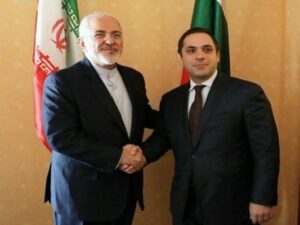
Iran’s Foreign Minister Mohammad Javad Zarif meeting with Bulgarian Economy Minister Emil Karanikolov in Sofia on February 28, 2018 / Photo released by the Iranian Foreign Ministry

The top Iranian diplomat also held talks with Bulgarian economy Emil Karanikolov. During the Wednesday meeting, the two sides explored ways of strengthening economic relations and removing obstacles to greater bilateral trade.

Efforts to facilitate banking relations and improve tourism relations were among the topics covered in the meeting between Zarif and Karanikolov.

The two sides discussed issues related to transit corridors connecting the two countries to each other, including problems related to the entrance of Iranian trucks to Bulgaria.

Zarif and Karanikolov also exchanged views about establishing a joint fund for supporting cooperation between Iranian and Bulgarian private sectors, and creating a joint energy committee.


Talks on Latest Developments in Syria, Yemen

“Tehran Ready to Boost Value of Trade with Sofia to $1bn”
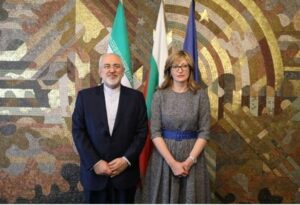
Iranian Foreign Minister Mohammad Javad Zarif met his Bulgarian counterpart Ekaterina Zaharieva in Sofia on February 28, 2018 / Photo released by the Iranian Foreign Ministry

Later in the day, Zarif also held two rounds of talks with his Bulgarian counterpart Ekaterina Zaharieva. The main focus of the discussions was following up on the agreements signed between the two countries and exploring ways to implement them.

The two diplomats also discussed the latest developments in the Syria and Yemen conflicts.

They stressed the need for a real fight against terrorism and extremism, and common threats to members of the international community.

FM Zarif and his accompanying delegation are on the second leg of their tour of the Balkans and Eastern Europe. On Monday and Tuesday they visited Serbia and held talks with Serbian officials in Belgrade. The next destinations of Zarif and his team are Croatia and Bosnia.


“Bulgaria’s EU Presidency Chance to Boost Iran-EU Ties”
Zarif also held talks with Parliament Speaker of the Republic of Bulgaria, Tsveta Karayancheva on Wednesday afternoon.

During the meeting, the Bulgarian lawmaker said her county’s presidency over the European Parliament is an opportunity for Tehran to strengthen its ties with the EU.

She referred to the history of relations between Tehran and Sofia and called for expansion of bilateral ties in all areas.

She also invited Iran’s Parliament Speaker to travel to Bulgaria, emphasizing that the expansion of bilateral parliamentary relations is very important.

The Bulgarian official said the country’s presidency of the European Union is a good opportunity to boost relations between Iran and the EU.

Zarif, for his part, conveyed the warm greetings of the Speaker of Iran’s Parliament and appreciated the support of the Bulgarian Parliament for developing ties with Iran.

Referring to the agreements reached at the meetings with Bulgarian officials, Zarif added that “We are pleased that the two countries’ ties are in the right direction, and we would see further boom in mutual relations in the near future.”

Also attending the meeting was the head of the Iran-Bulgaria parliamentary friendship group at the Bulgarian parliament, who presented a report on the group’s efforts to boost ties with Tehran.

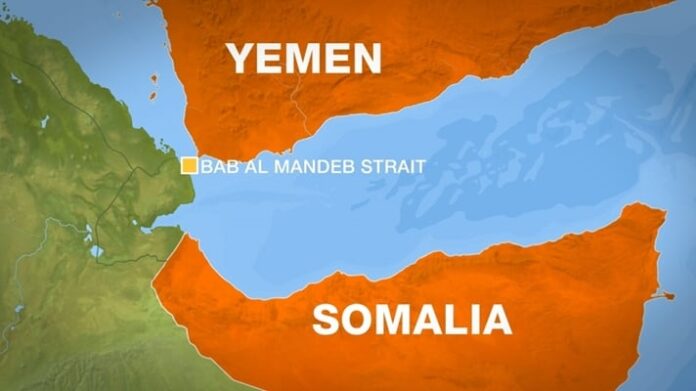
“Terrorism Crisis in Bab el-Mandeb Imminent If Yemen War Not Stopped”

Hossein Amir-Abdollahian, an international advisor to Iranian Parliament Speaker, says Al-Qaeda and ISIS terrorists have expanded their presence in southern Yemen, which is mostly controlled by Saudi Arabia and the UAE.

“A danger that threatens Yemen and regional waters is that instability and insecurity has been created in southern Yemen today as a result of Saudi Arabia’s three-year war,” he noted on Tuesday, speaking to reporters at the press conference of an anti-Israel festival called “Israel Hourglass” held in Tehran.

Amir-Abdollahian warned that if Saudis would not stop their aggression, a new centre for terrorism will be created in Bab el-Mandeb.

“Saudi Arabia and the UAE, as members of the coalition, and the UK and the US, as their sponsors are responsible for such crisis,” he noted, adding that international community is also to be blame as it has kept silent over the crisis.

Amir-Abdollahian stressed that Iran supports Yemen’s unity and territorial integrity, and that political resolution involving all tribes and parties is the only way to get out of this crisis.

“Iran has spiritual and emotional ties with Houthi Ansarullah movement and politically support them to help Yemen secure its sovereignty,” he added, asked about Tehran’s relations with the Houthis.

The accusations that Iran is supplying Yemen with missiles is totally “baseless”, he noted, adding that the Islamic Republic has repeatedly rejected such claims.


UK’s Double-Standard Policies

He also referred to the UK’s plots for the Middle East, and said London has a “serious” role in Bahrain and Yemen developments.

“Saudis didn’t make the decision on Yemen themselves; they were engaged in a scenario written by the West, and this will in the future lead to the Saudis’ collapse,” he added.

Amir-Abdollahian blasted the British government for drafting the recent anti-Iran resolution at the UN Security Council, which was vetoed by Russia, and said, “Unfortunately the UK has adopted double-standard policies towards the region.”

Asked about the drafting of the anti-Iran resolution shortly after Iranian Deputy Foreign Minister Abbas Araqchi had talks with Britons in London, Amir-Abdollahian said talks have been held with the UK over Yemen peace due to the UK’s role, but drafting the resolution at the same time with Araqchi’s talks shows their double-standard policies.

“After resumption of Tehran-London ties during President Rouhani’s first term in office, in my visit to the UK, I had a meeting with then Foreign Secretary Phillipe Hammond. I told him over 65% of Shiites in Bahrain are being seriously discriminated against, and Hammond said he knows about the Shiite ‘minority’ living in Bahrain,” the Iranian official noted.

“Then I said I don’t talk about Shiites and Sunnis, but I’m sorry if your information about everything is so little,” he added.

Boosting Trade Ties with Iran, Top Priority for Bulgaria: President

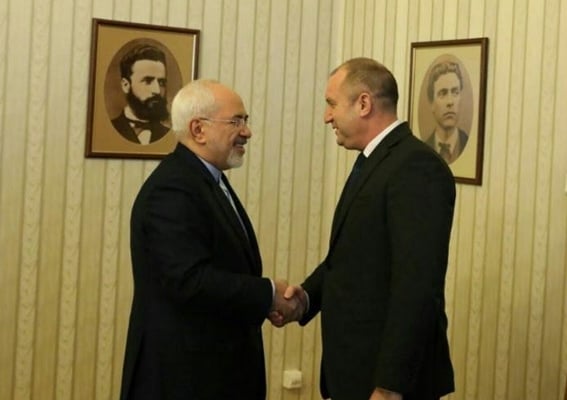
Bulgarian President Rumen Radev and Iranian Foriegn Minister Mohammad Javad Zarif met in Sofia on February 28, 2018 / Photo released by the Iranian Foreign Ministry

Speaking in a Wednesday meeting with Iranian Foreign Minister Mohammad Javad Zarif in Sofia, Radev expressed satisfaction over Zarif’s visit to his country, and stressed that Bulgaria attaches high importance to its relations with Iran.

“Boosting economic relations with Iran is a priority for Bulgaria. To reach this end, we need to remove obstacles to closer trade and strengthen transit routes, one of which is the corridor connecting the Black Sea to the Persian Gulf,” he said.

Pointing to Iran’s high status in the region, Radev said his government supports Iran’s efforts to promote peace and stability in the sensitive and conflict-ridden Middle East.

The Bulgarian president also called for closer cultural and people-to-people relations between the two countries.

Zarif, for his part, conveyed the warm greetings of Iranian President Hassan Rouhani to Radev, inviting him to pay an official visit to Tehran.

The top diplomat said Bulgaria is a quite important European country for Iran, partly due to the fact it is the gateway to Europe.

The foreign minister said he is pleased to see the two countries are frequently exchanging visits, expressing the hope that Tehran and Sofia will be able to remove obstacles to closer trade, including banking restrictions, to restore close economic relations they had before the tightening of international sanctions on Iran.

Zarif, who is in Bulgaria at the head of an economic delegation, said he hopes the trip and a joint economic forum expected to be held during the visit would help prepare the ground for further cooperation between the two countries.

“Currently, eight of our provinces have economic collaborations with Bulgaria,” he said.

Pointing to Sofia’s support for the Iran nuclear deal, Zarif said Europe played a big role in conclusion of the July 2015 nuclear deal, a great achievement for diplomacy.

“Ten reports by the International Atomic Energy Agency show Iran has been completely compliant with its obligations, while the US is still obstructing the [proper implementation of] the deal.”

Zarif said Tehran plays a constructive role in fighting terrorism and extremism in the region.

“We always have been confronting terrorist groups in the region, while some of regional countries are still supporting them,” he said.

The two sides also discussed conflicts in Yemen and Syria, as well as Iran’s efforts to put an end to these crises.

Vetoed UN Resolution Another Defeat for US: Iran’s Araqchi

Russia on Monday vetoed a resolution at the UN Security Council, presented by Britain and strongly backed by the United States, that called for “additional measures” against Iran over accusations that it violated the 2015 arms embargo on the war-torn Arabian Peninsula state.

The draft resolution gained 11 favorable votes at the 15-member Security Council but was blocked by Russia’s veto. China and Kazakhstan abstained, while Bolivia also voted against the measure.

A group of so-called independent United Nations experts monitoring the sanctions on Yemen reported to the Security Council in January that it had “identified missile remnants, related military equipment and military unmanned aerial vehicles that are of Iranian origin and were brought into Yemen after the imposition of the targeted arms embargo.”

Speaking to reporters on Tuesday, Iranian Deputy Foreign Minister for Political Affairs Abbas Araqchi rejected the “spiteful” allegations.

“Based on a one-sided report, they intended to pass a resolution that also referred to Iran, but they failed,” Araqchi said.

“This is yet another failure by the US government to drag Iran to the Security Council,” he added.

“Over the past year, the US government has on many occasions tried to one again drag Iran to the Security Council and it has failed every single time and this is another sign of the US isolation on the international scene and the strength of the Islamic Republic of Iran,” the senior Iranian diplomat pointed out.

He emphasized that the “biased accusations” were absolutely clear in the way the report was formulated by the UN panel.

He said the UN experts had “made their own judgment even before travelling to Iran to discuss and hear our comments.”

It was clear how others had influenced the report, Araqchi added.

“We will definitely continue our policies in the region in a way that will meet the country’s interests,” he said.

The Houthi movement has been defending Yemen against a bloody Saudi-led military campaign, which was launched in 2015 with the help of the US and the UK to reinstall the country’s former Riyadh-friendly government.

During a meeting of the Security Council on February 21, Russian Ambassador Vassily Nebenzia voiced his country’s opposition to the Security Council resolution.

“We do not like condemnations at all, no, in general,” Nebenzia said, adding, “It is a resolution about the extension of the working group, not about Iran. So we should concentrate on extending the working group first.”

Iranian Foreign Ministry Spokesman Bahram Qassemi earlier this month once again rejected the allegations about the Islamic Republic’s provision of missiles to Yemeni forces, saying such claims are lies and a foolish scenario.

“Iran’s missile program is for defensive and deterrent [purposes] and claims about the dispatch of missiles to Yemen despite the all-out blockade on this country are lies and a foolish scenario designed to exonerate the aggressors,” Qassemi said.

The chief commander of Iran’s Islamic Revolution Guards Corps (IRGC) also in January dismissed the allegations leveled by the US and its allies about the Islamic Republic’s provision of missiles to Yemeni forces.

“Missiles fired at Saudi Arabia belong to Yemen which have been overhauled and their ranges have been increased,” Major General Mohammad Ali Jafari said.

Iran to Modernize Medical Waste Treatment Using Belgian Technology

The agreement on medical waste treatment was made during a visit by Iran’s Health Minister Hassan Qazizadeh Hashemi to the AMB Company in Brussels Tuesday.

The Belgian firm is a manufacturer of equipment and machinery used for recycling, recovery and processing of medical waste.

Iran to Modernize Medical Waste Treatment Using Belgian Technology
Iranian Health Minister Seyyed Hassan Qazizadeh Hashemi visiting AMB Company in Brussels on February 27, 2018 / Photo retrieved from IRIB News Agency

According to a Farsi report by IRIB News Agency, managers of the company have expressed willingness to pay a visit to Iran to discuss closer cooperation.

Earlier on Tuesday, the Iranian minister and his accompanying delegation visited a science and technology park south of Brussels.

Qazizadeh Hashemi entered Belgium Monday to foster greater health cooperation with the European country.

After a two-day trip to Belgium, Qazizadeh Hashemi will head to Hungary on Wednesday.