Saturday, April 18, 2026
Home Blog Page 3661

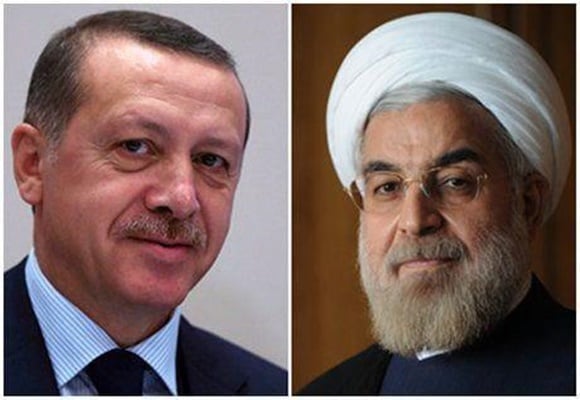
Iran, Turkey to Continue Close Cooperation on Syria

In a Tuesday phone call with his Turkish counterpart Recep Tayyip Erdogan, Rouhani called for continuation of Tehran-Ankara-Moscow cooperation over Syria.

“Eradicating terrorism, putting an end to war in Syria and creating regional security are among the main objectives of Iran, Turkey and Russia.”

“Therefore, we believe that the tripartite cooperation should continue to this end,” he was quoted as saying in a Farsi report by the Iranian President’s website.

President Rouhani also said the three countries’ cooperation has already led to great regional achievements which need to be preserved.

He then added some western powers think that they should interfere in Syria’s internal affairs under any condition.

He said the US-led strikes on Syria were an aggressive move which has created a hideous heresy in the international relations.

“Some big powers think they are free to carry out attacks on any state any time,” he noted.

Rouhani slammed the West for its double standards when it comes to chemical attacks and said “the western powers’ silence towards Saddam’s use of chemical weapons against Iran showed us how passive these countries are about chemical attacks.”

No country should be allowed to use force against Syria under false pretexts before a probe is made into the alleged use of chemical weapons in Syria’s Douma.

Erodgan, for his part, welcomed any move paving the way for expansion of ties between Turkey and Iran.

He underlined that enhancing cooperation with Iran and Russia is among his government’s main priorities and added Syria’s territorial integrity can be preserved only through a political solution.

Erdogan also dismissed any use of chemical weapons and said all involved sides should help chemical weapons experts in their mission to probe the alleged use of the weapons in Syria.

The Turkish president said Iran, Turkey and Russia will not allow any power to divide Syria.

“European Council’s Iran Sanctions against Int’l Regulations”

Senior parliamentarian Valiollah Nanvakenari strongly blasted the European Council for extending its sanctions against Iran for another year, saying the cruel sanctions of Europe and even of the US are imposed under false pretexts like human rights violations.

None of them are in accordance with international law and even human morality, he noted, according to a Farsi report by ICANA.

“Unfortunately, the US and some European countries have been cruel to some other countries over the past years because with the victory of Iran’s Islamic Revolution in 1979, these countries saw their own interests at stake.”

He rejected the imposition of sanctions on the pretext of human rights situation, adding that “history reminds us that the West helped Iraq in the course of the imposed war against Iran and even provided Saddam with chemical weapons.”

He emphasised that these sanctions were imposed by the European Council against Iran for the first time in 2011 and has been renewed every year since then.

It should be asked whether the anti-Iran sanctions within the past forty years have been effectual that they have renewed them, he added.

“We must tread the right path and be alert in dealing with these actions. The nation and the authorities must teach a lesson to the West through solidarity and resistance,” underlined Nanvakenari.

The lawmaker, who sits on the Parliament’s National Security and Foreign Policy Commission, also lashed out at a statement issued by the European Council imposing travel ban and assets freeze against 82 Iranians and an institution.

The Council of the European Union voted unanimously on Thursday to extend its sanctions against Iran for one more year because of human rights violations.

The sanctions, now extended until 13 April 2019, include “asset freeze and visa bans for individuals and entities responsible for grave human rights violations ban on exports to Iran of equipment which might be used for internal repression and of equipment for monitoring telecommunications.”

The EU initially adopted sanctions against Iran in 2006, following a series of UN Security Council Resolutions aimed at the country’s nuclear program. Those sanctions were extended in 2011 in response to “human rights violations”.

While the EU was unified in renewing the sanctions, there exist divisions among member states on additional sanctions. In the past month the UK, Germany, and France have been pushing for additional sanctions including on military equipment, while Italy, Austria, and Spain do not want to upset commercial relationships with Iran.

Iran, Sweden Discuss Promoting Women’s Role in Economy

ebtekar

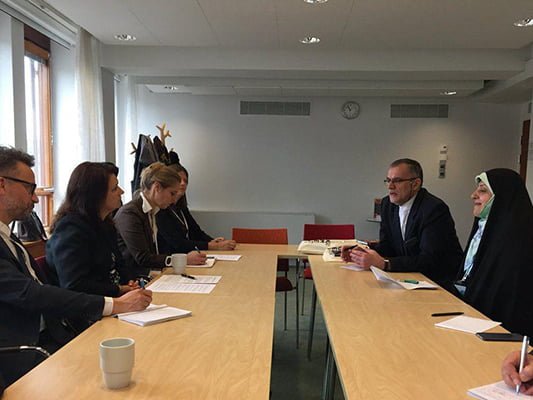
In a Tuesday meeting with Ann Linde, Sweden’s Minister for European Union Affairs and Trade, Ebtekar said creating micro funds and corporations for women and sponsoring women’s entrepreneurship in tourism industry and handicrafts are among the major opportunities which can lead to further involvement of women in economy.

According to a Farsi report by IRNA, Ebtekar also called for expansion of ties between Iran and Sweden in all fields.

During the meeting held on the first day of Ebtekar’s two-day visit to Stockholm, the Iranian official also elaborated on the achievements gained in women’s affairs in Iran.

“Women’s increasing access to higher education in Iran and the growing number of female university graduates in the country have provided them with further opportunities to start specialized jobs,” she noted.

“We seek to pave the way for women’s greater involvement in economy by creating various economic opportunities for them especially in private sector and entrepreneurial field,” she noted.

Ebtekar also said women currently have a 30-percent share in managerial jobs and have witnessed a steady growth in their presence in decision-making positions.

Elsewhere in her remarks, the Iranian vice-president pointed to Tehran’s cooperation with Europe, particularly on the implementation of the Iran nuclear deal, saying that observing commitments under the JCPOA by all involved sides guarantees the world community’s peace and security.

The Swedish minister, for her part, referred to the last year’s visit of Swedish Prime Minister Stefan Lofven to Iran during which a number of agreements were signed between the two sides.

“The visit of Swedish prime minister to Iran reveals the importance that Sweden attaches to Iran in its international relations,” she added.

Linde also said the two sides have already signed a number of MoUs in women and family affairs adding these are good fields for expansion of ties.

She also referred to the Iran nuclear deal and underlined that her country is committed to the Joint Comprehensive Plan of Action.

Linde described Iran’s regional role as constructive and influential in the “chaotic region of the Middle East” and said based on a number of reports by the International Atomic Energy Agency, Iran has lived up to its  commitments under the JCPOA.

“It is now up to the international community to express its support for Iran.”

She also echoed the hope voiced earlier by the EU Foreign Policy Chief Federica Mogherini and said Sweden is eager to witness the opening of EU’s representative office in Iran.

Ebtekar is visiting Sweden at the official invitation of Swedish Deputy Prime Minister Margot Wallstrom as part of efforts to expand relations between the two sides and brief the Swedish side on Iranian women’s achievements.

Egypt’s Grand Mufti Bans Purchase of Facebook Likes!

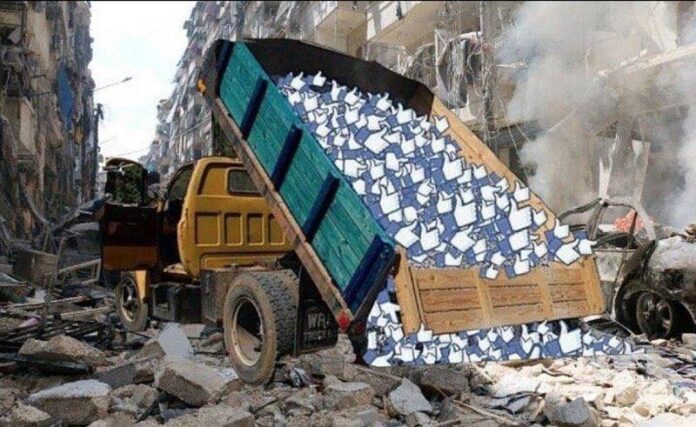
The Grand Mufti said on Thursday that ‘Prophet Muhammad would have prohibited’ such a practice, according to the Facebook announcement.

The Grand Mufti, Shawki Allam, specified that promoting your posts/products to reach a wider audience, therefore gaining more genuine likes, is not haram, Cairo Scene reported.

The fatwa was discussed on Amr Adeeb’s talk show a few days ago, and the famed TV host vocalised his support, citing how many Egyptian celebrities purchase Likes from certain digital tech companies in order to seem more popular on the internet

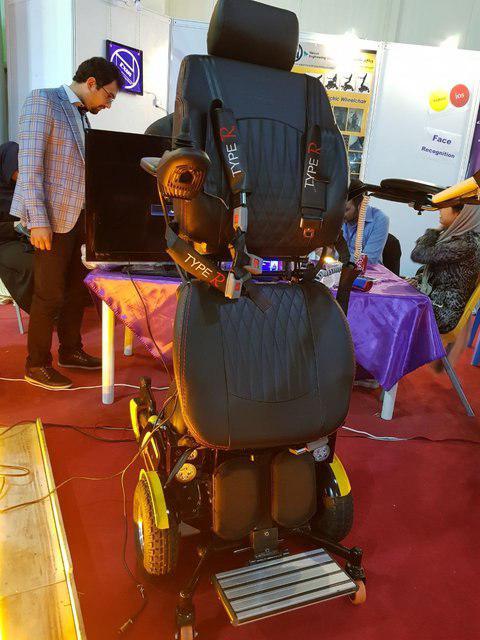
Iranian Scientists Design Wheelchair to Help Disabled Stand Up

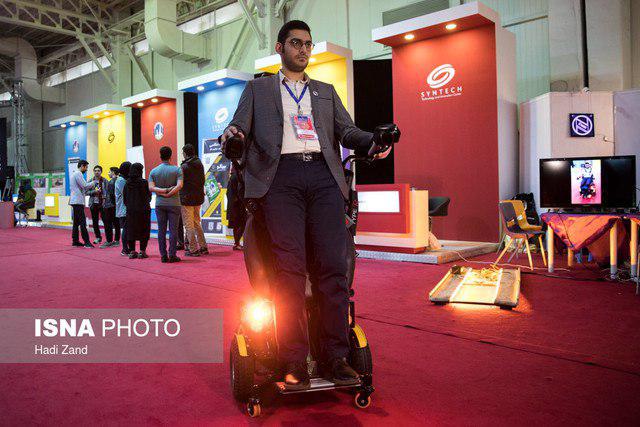
This wheelchair not only improves the quality of life, but also enables the disabled to independently carry out their daily activities.

In this project, the team has managed to design and manufacture a multi-purpose wheelchair that allows the user to sit, stand, and lie down, Farzad Cheraghpour Samavati, a member of the research team and an assistant professor of mechanical engineering at the University, has told ISNA in a Farsi interview.

“Our main goal in implementing this project was to allow the disabled, who spend many hours on the wheelchairs, to be able to stand up. In addition, this multifunctional wheelchair improves the digestive and respiratory system of the disabled. This will significantly improve their health.”

“While in the standing position with their hands free, they can do a lot of activities including their own daily chores independently,” he added.

Referring to the performance of the multi-purpose wheelchair, Cheraghpour explained that the wheelchair is run by two manual control systems and linear electric motors.

In addition to this, the wheelchair is equipped with three jacks through which, by pushing a button, the linear motor switches from sitting to the standing position, he added.

Iranian Scientists Design Wheelchair to Help Disabled Stand UpAccording to this researcher, the person sitting on the wheelchair could be in standing position in less than 30 seconds.

Cheraghpour further mentioned that the wheelchair ensures the security of the seated person using its safety belts.

He also noted that the wheelchair is capable of moving only in the standing position.

“This wheelchair is equipped with a 360 degree universal joystick and three lifting engines with a force of 8,000 Newton. In addition, the wheelchair is equipped with a suspension system which allows the user to easily cross the obstacles.”

The researcher also noted that the wheelchair could be easily controlled and the seat position can be changed in less than 30 seconds. Moreover, due to the design of caster wheels, it will not overturn.

“Barrier warning system, three hours of continuous operation, and a flasher for nighttime operation are among the other features of this wheelchair,” underlined Cheraghpour.

For a brief review of Iran’s achievements in various fields of science and technology, check the book “Science and Technology in Iran: A Brief Review

In recent years, Iranian scientists have made remarkable progress in various fields of technology despite sanctions imposed by the West.

According to the data released by Iran’s Vice-Presidency for Science and Technology, the Islamic Republic’s share in scientific publications worldwide has been growing over the past two decades, from 0.07 percent in 1996 to 1.5 percent in 2015.

Likewise, its share in total regional scientific publications increased from 3.5 percent in 1996 to 28.6 percent in 2015. Joint publications by Iranian authors and foreign collaborators accounted for around 19.8 percent.

The Iranian government says a major reason for these improvements is the increasing importance given to scientific publications, research, promotion of university professors through awarding grants to them, and granting awards to the graduate students and pursuing their admissions to accredited universities.

Iranian Nomads’ Lifestyle Amazing: Italian Photographer

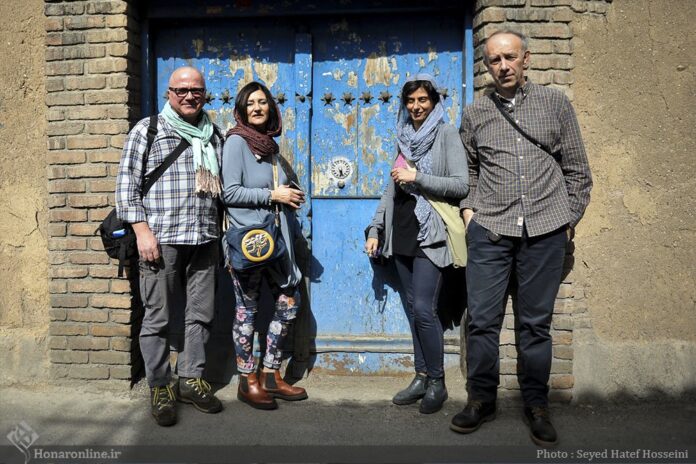
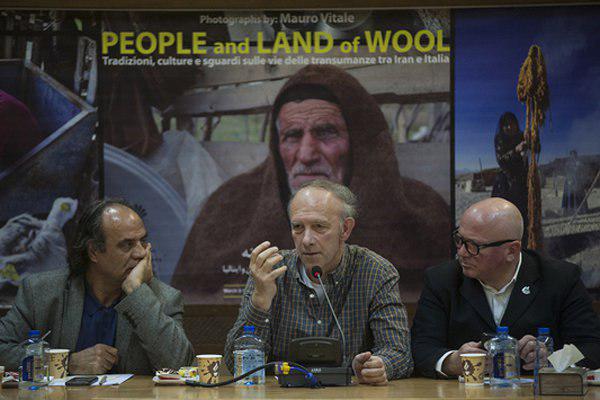
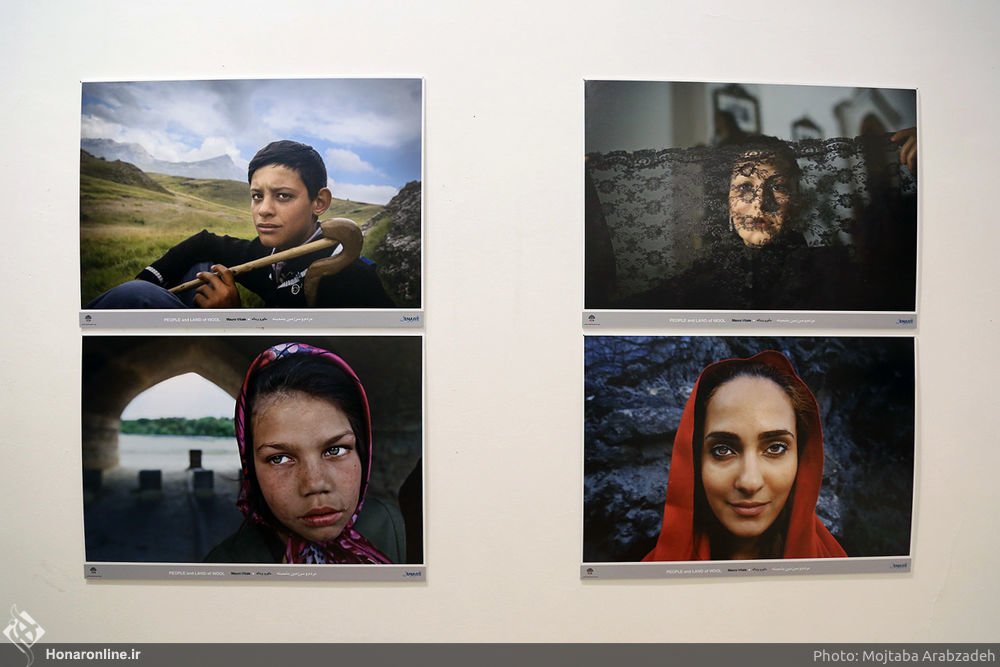
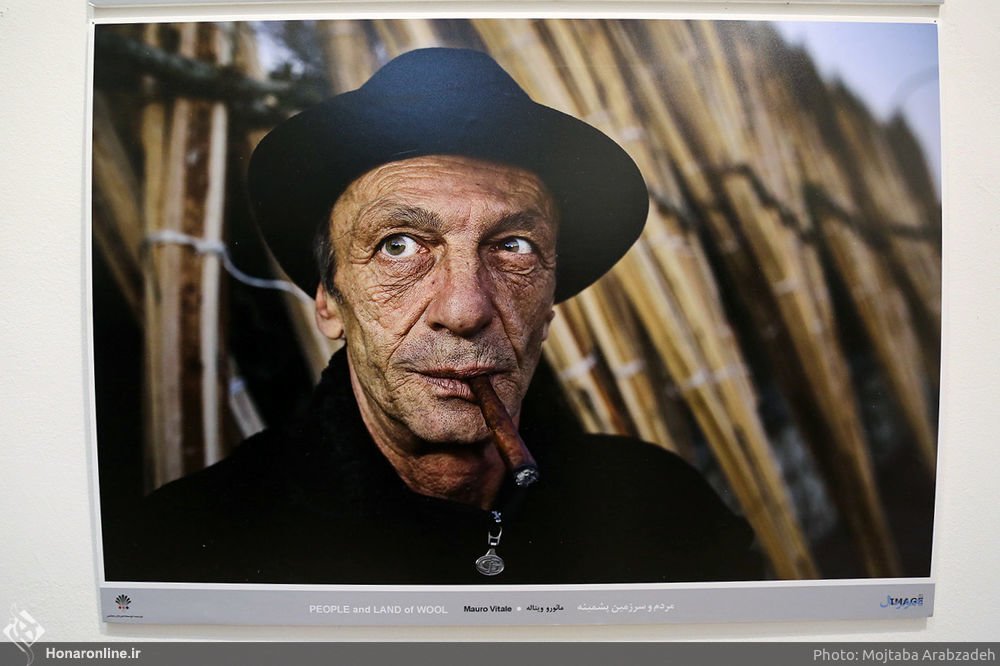
Mauro Vitale’s collection of photos entitled “People and Land of Wool”, which was put on display in Tehran from March 5 to 11, tried to narrate the differences in the lifestyle of nomads living in Iran and Italy.

The 60-year-old artist has photographed nomads of many countries, including Romania, India and Morocco, over the past 12 years.

In his photos, taken during four trips he made to Iran in recent years, Vitale shows the climate, culture and religion of the Iranian and Italian nomads.

The most interesting feature of the exhibit, which was held in Iranian Artists Forum in Tehran, was that the photos depict the similarities and differences between the nomads of the two nations.

Vitale was the head of a photo project for D’Abruzzo magazine for five years. He collaborates with magazines and publishers at the national level.

The following is the translation of Honar Online’s interview with Vitale and Paulo Richli, the man behind the idea of the exhibition.
Iranian Nomads’ Lifestyle Amazing: Italian Photographer


At the beginning, I would like to ask how you came up with the idea of having “People and Land of Wool” exhibition in the first place?

Mauro Vitale: I met Qashqai nomads of Firouzabad on my first trip to Iran. The idea of holding this exhibition came to my mind when I saw their lifestyle. Upon returning from Iran, I shared my idea with Paolo Richli, who comes up with ideas for the group and we usually seek each other’s opinions. We then decided to start a project that looks into the similarities in the lifestyle of nomads living in Italy and Iran.

Paulo Richli: The idea for holding such an exhibition came to my mind during my first trip to Iran in May 2015. I was in Iran along with a photographer and managing director. We visited people of Talesh. The trip took ten days. When I came back to Italy, I started putting more focus on the project, the result of which you can see today. It should be noted here that the project was not just a photo exhibition. When we put the shots on display in Italy, we also had some nomad tools and equipment on display as well.

As the Italian nomads have been settled for quite a long time, we decided to present their tools and equipment along with their photos at the Tehran exhibition as well. This would help the visitors to compare the lifestyles and cultures of these different nomads themselves. To help the visitors imagine themselves in the real lifestyles of the Iranian nomads, we created a path with the Qashqai carpets that led to a green area.
Iranian Nomads’ Lifestyle Amazing: Italian Photographer


Nomads are part of Iran’s origins, but their traditions are on the wane. How did you find them? Could you relate with them easily?

Paulo Richli: The only problem in Iran for us, which I would like to underline, was the language barrier.

We could easily communicate with people through eyes, smiling or face reactions. This non-verbal communication was very important for us, but as you know, if you really want to know more about people’s lifestyles, you have to talk with them. This talking was the most difficult part for us. However, I can say for sure that Iranian people’s lifestyles were really fascinating to me. Iran’s nature, art, and its artists are all interesting, but what fascinated me most was the kindness which oozed out of the people’s body language and non-verbal communication.

Mauro Vitale: For me, the best part of the trip was the visit to Bushehr.
 

Iranian Nomads’ Lifestyle Amazing: Italian PhotographerIn Italy, the era of migrating is gone and people no longer move in search of new pasture. But, in Iran we see that the whole family of nomads migrate which is very fascinating.

What was the most attracting aspect of Iranian people’s lifestyle?

Mauro Vitale: Iranian people’s lifestyles are very different from those of people living in Europe. We tend to think that Iranians have a closed and frigid mentality, but in reality when you travel to Iran you see something totally different. Iranians’ open mentality is very interesting. We are constantly told in Europe that Iranians are dangerous. However, we you come here you see hospitality and kindness that run counter to that what you are told in Europe.


You have shot Iranian nomads for a long time. How could you fit their traditions and customs in your photos?

Mauro Vitale: Religion is an important aspect of the Iranians’ lifestyles which can be clearly seen. Shepherds and nomads living in mountainous highlands have a social life which was really interesting to me.

Paulo Richli: In Italy, the era of migrating is gone and people no longer move in search of new pasture. In the past, only men in Italy would migrate with women waiting for their husbands to come back. This means that there was no family or social migration. But, in Iran we see that the whole family of nomads migrate which is very fascinating to me.

At the end, I would like each of you to describe Iran in one sentence.

Mauro Vitale: In my opinion Iranians are very friendly and kind.

Paulo Richli: Iranians are very hospitable.

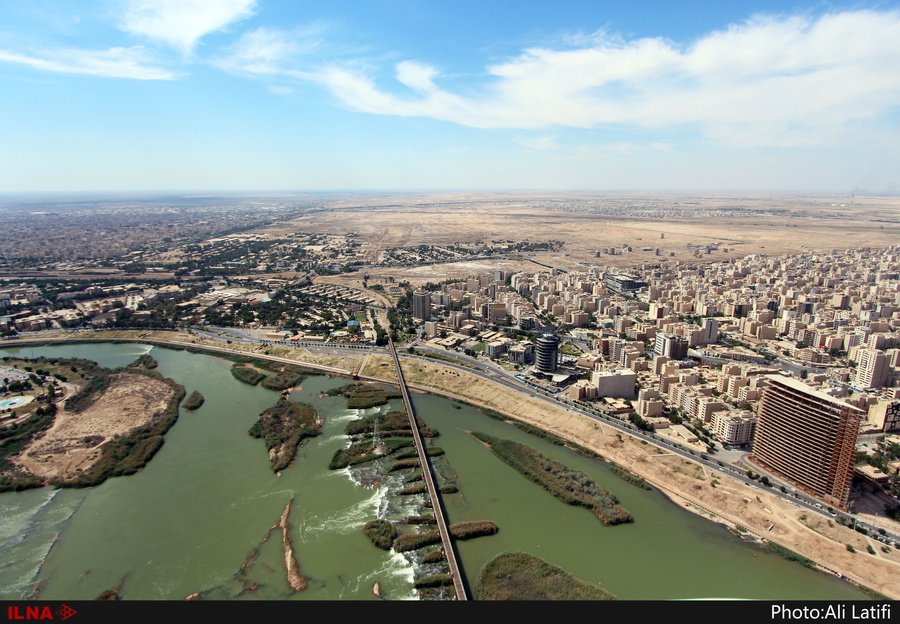
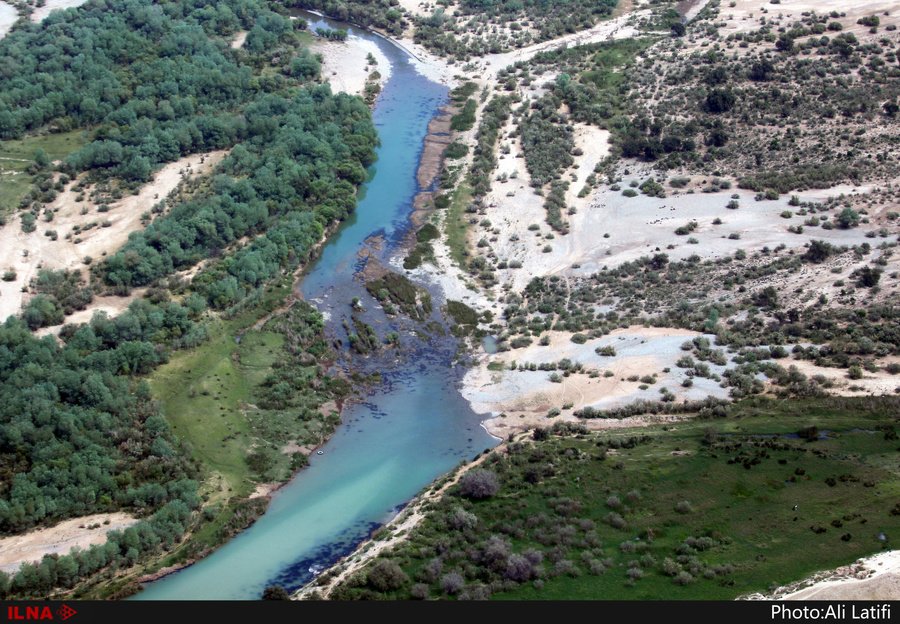
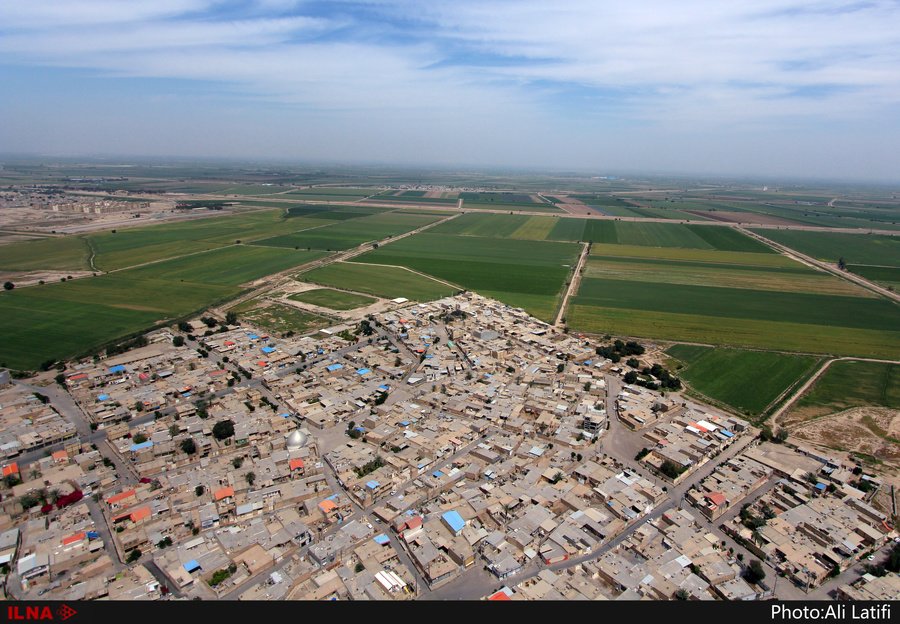
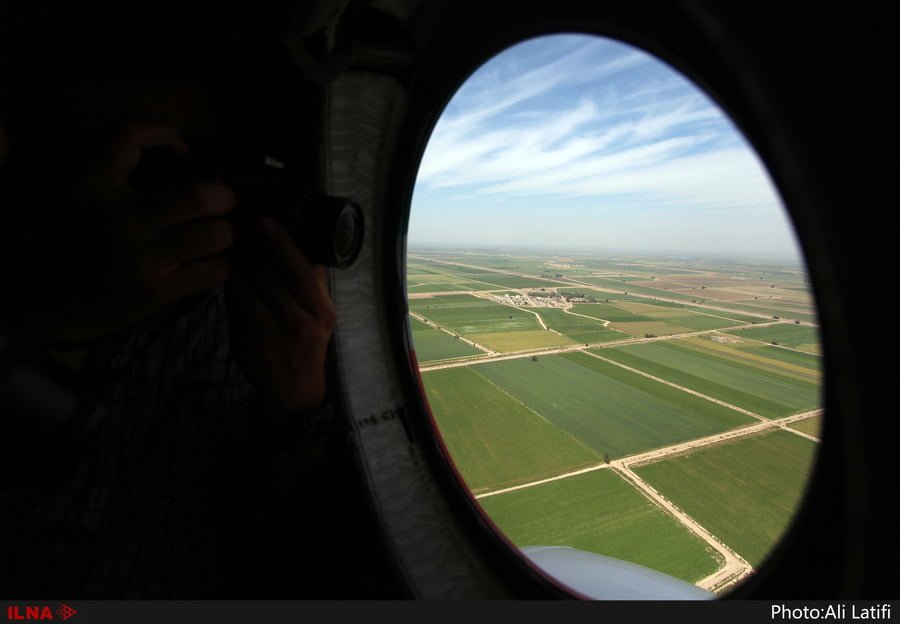
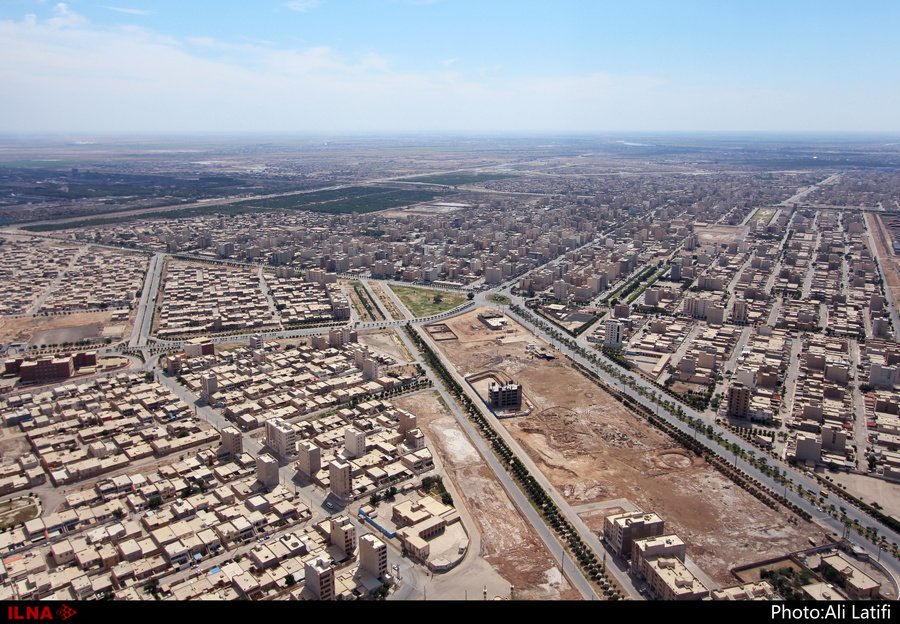
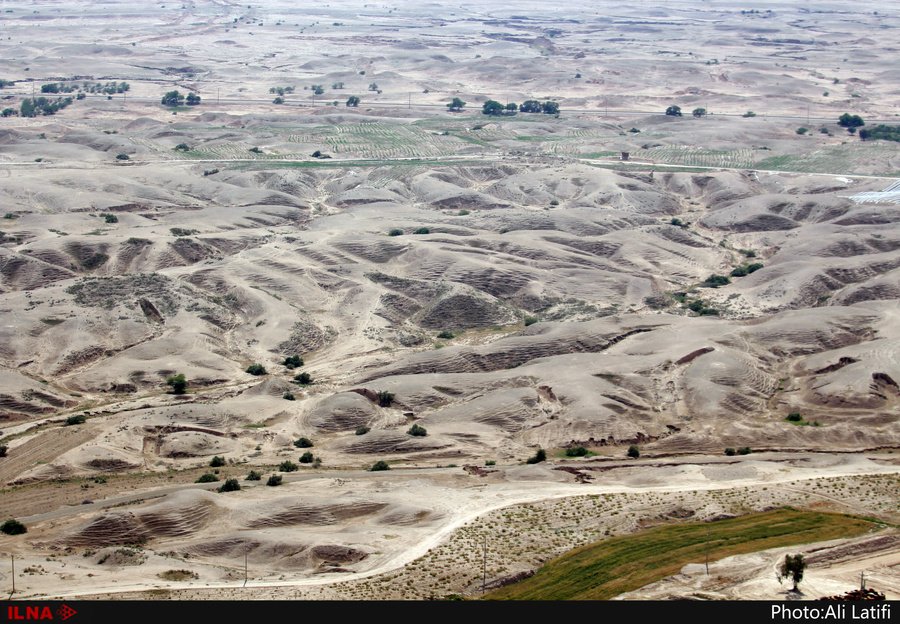
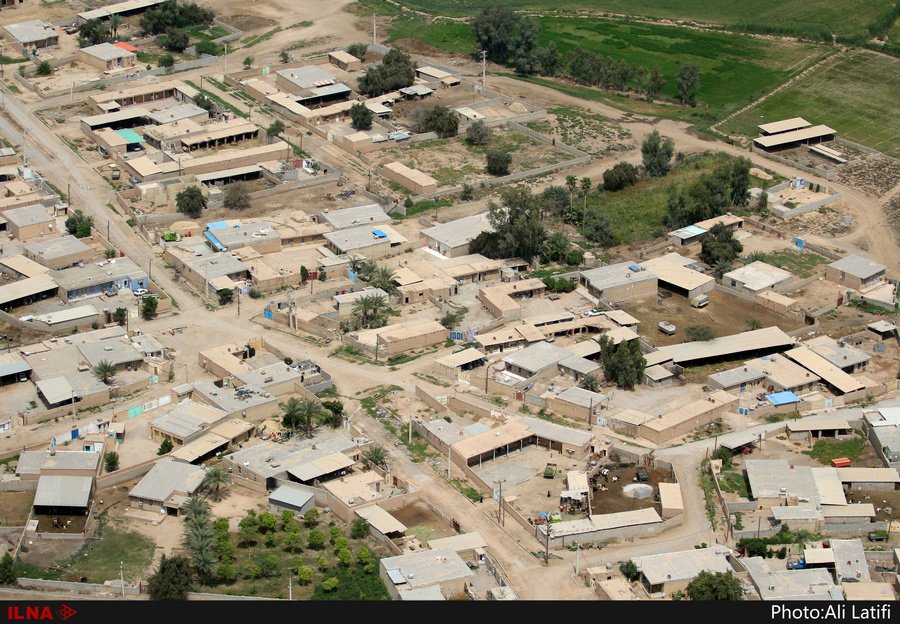
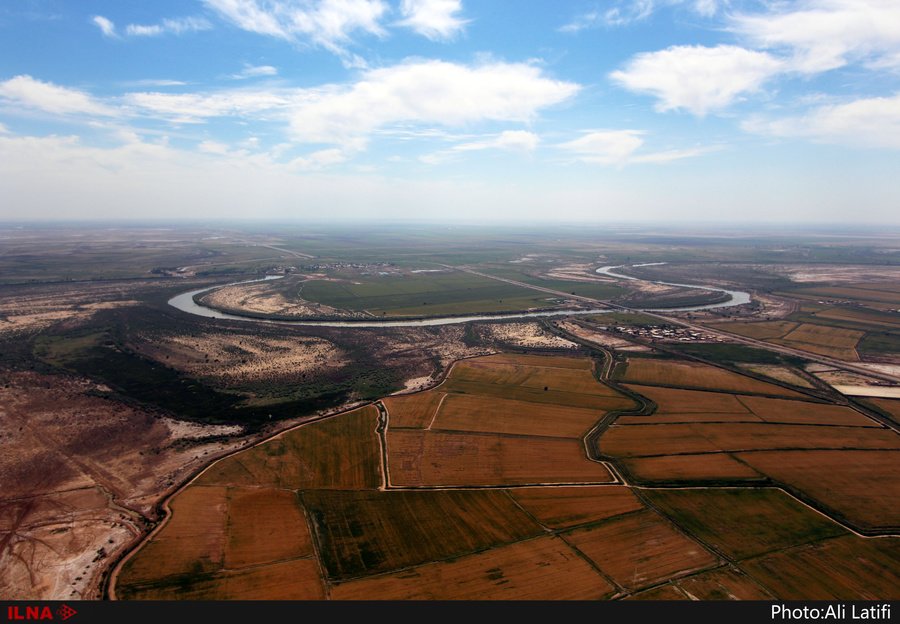
Iran’s Beauties in Photos: Landscapes of Khuzestan Nature

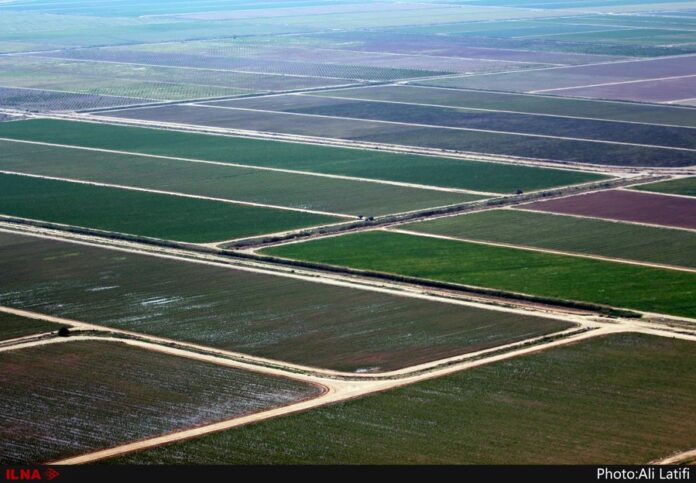
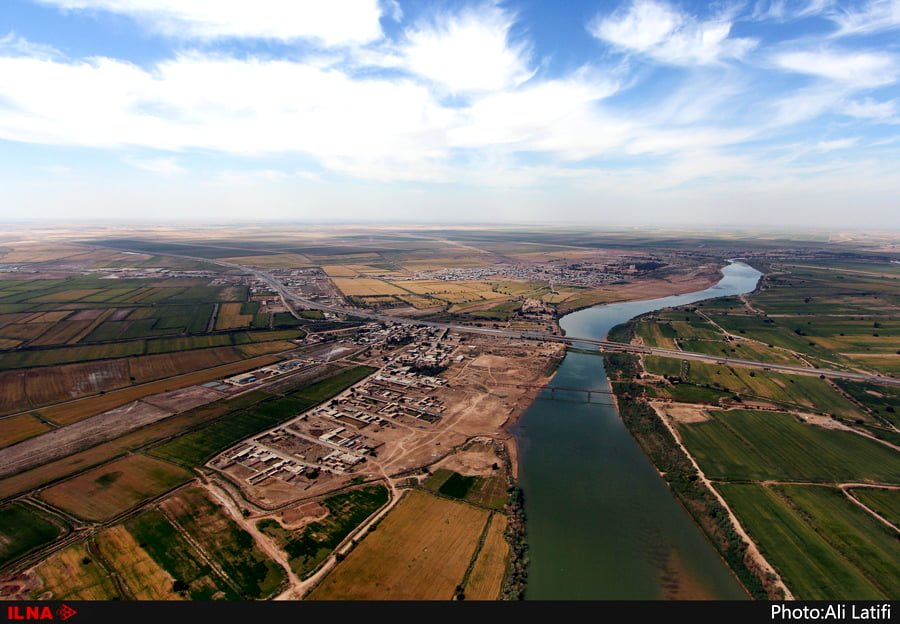
In addition to pleasant air, there are a lot of ancient relics and natural beauties like dams, lagoons and big rivers in the province.

Natural beauties of Khuzestan province are unique in Iran. Shadegan lagoon, which is considered the biggest lagoon in Iran as well as marshes of Hawr in Dasht-e Azadegan are other scenic places of Khuzestan.

Here are some aerial photos of Khuzestan nature retrieved from ILNA:

Iran’s Persepolis, Esteghlal Advance to ACL Knockout Stage as Table-Toppers

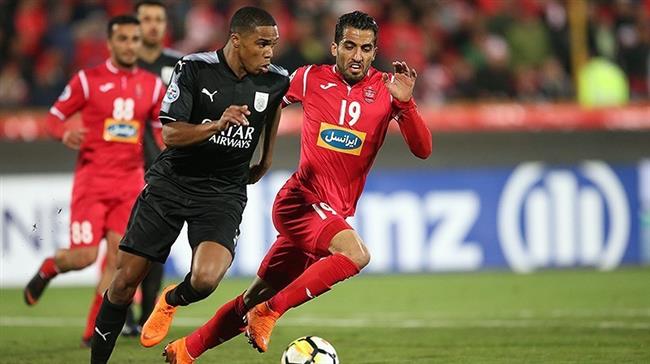
On Monday evening, red-clad Persepolis players beat Al Sadd Sports Club of Qatar 1-0 in front of about 40,000 spectators at Azadi Stadium in western Tehran.

Persepolis, backed by a vociferous home crowd, needed less than three minutes to go in front.

Mohammad Ansari whipped in a tricky cross from the left wing, which Al Sadd defender Morteza Pouraliganji fell for and inadvertently headed past his own keeper to give the hosts an early lead.

The visitors then went to great lengths in search of an equalizer. Spanish midfielder Xavier Hernández Creus, better known as Xavi, and Algerian forward Baghdad Bounedjah came close to scoring in the first half, but their efforts were not particularly effective.

Al Sadd footballers heaped pressure on Persepolis goalpost after the re-start, and looked more dangerous.

Boualem Khoukhi finished off Bounedjah’s cross in the 62nd minute. However, the referee disallowed the goal for offside.

Persepolis maintained its narrow lead afterwards, and advanced to the 2018 AFC Champions League knockout stage as Group C table-toppers.

Iran's Persepolis, Esteghlal Advance to ACL Knockout Stage as Table-Toppers

Separately, Esteghlal Tehran chalked up a 1-0 win over Saudi Arabia’s Al Hilal in Group D.

Al Hilal started the match in a stronger fashion, and its first attempt on goal came in the sixth minute, when Achraf Bencharki was about to score the opener but his header from the edge of the six-yard box sailed over the bar.

The Saudi team then mounted a number of attacks in a bid to break the deadlock.

Mokhtar Fallatah received the ball from Mohmmed Al Burayk’s cross in the 19th minute and dribbled forward to attempt a strike. His shot was, however, saved at the bottom left corner.

Finally, Esteghlal took the lead in the 36th minute. Yasser al-Shahrani made a defensive mistake after he failed to clear the ball in the penalty area, and Esteghlal’s 30-year-old Vouria Ghafouri fired a shot into the center of the net.

Al Hilal tried very hard to level the score in the second half, but all to no avail.

A Look at Iranian Newspaper Front Pages on April 17

A Look at Iranian Newspaper Front Pages on November 18

Several newspapers today covered the continued reactions to the Saturday airstrikes conducted by the US, France, and Britain on Syrian targets, and an earlier Israeli attack on a Syrian airbase which killed seven Iranians.

Another top story was the government’s policies to control the foreign exchange market, and the Judiciary’s support for the plans, which are expected to prevent further fluctuations.

The European Union’s support for the Iran nuclear deal and its disagreement with the imposition of new sanctions against the Islamic Republic also received great coverage today. The new sanctions had been proposed by France, Britain, and Germany to appease US President Donald Trump, but other EU member states, including Italy and Sweden, voted against the bans.

Also a major story today was the resignation of Kaveh Madani, a deputy head of Iran’s Department of Environment and a fellow at the Imperial College of London, who refused to return to the country after leaving Iran to attend a conference in eastern Asia. Madani, a well-known environmentalist, had been convinced by the Rouhani administration to return to Iran and work for the government, but he was later arrested for a short time over an espionage case involving several other environmental activists. After his release, a personal photo him was also published, and several conservative media tried to defame him for what they called obscene and inappropriate behaviour.

The above issues, as well as many more, are highlighted in the following headlines and top stories:


Aftab-e Yazd:

  • Fugitive Banker Khavari Has Assets in Iran to Be Confiscated

A Look at Iranian Newspaper Front Pages on April 17


Arman-e Emrooz:

  • Iran First VP Jahangiri Sacrificed to Control Forex Crisis
  • A Report on Efforts to Weaken Position of First VP
  • Mohammad Hashemi Rafsanjani: It’s Time to Ease Tensions in Region
  • Rouhani Must Revive Policy of De-Escalation as Hashemi Did

A Look at Iranian Newspaper Front Pages on April 17


Donya-ye Eqtesad:

  • EU Reaffirms Commitment to Iran Nuclear Deal
  • Mogherini: EU Ministers Unlikely to Pass Sanctions against Iran
  • Russian Model in Forex Market Fluctuations
  • Russia Central Bank’s Reaction to Recent Ruble’s Slide

A Look at Iranian Newspaper Front Pages on April 17


Ebtekar

  • Syria Strikes Aimed at Causing Rift between Iran, Turkey, Russia: MFA
  • Human Errors by Both Iranian, Chinese Ships Cause of Sanchi Tragedy

A Look at Iranian Newspaper Front Pages on April 17


Etemad:

  • EU Opposes US President
  • Former FBI Chief Attacks Trump, Calls Him Disgrace

A Look at Iranian Newspaper Front Pages on April 17


Ettela’at:

  • Qassemi: Syria Strikes Not to Influence Iran’s Policies
  • Int’l Quran Competition to Be Held in Tehran, Qom, Mashhad on Thursday

A Look at Iranian Newspaper Front Pages on April 17


Ghanoon:

  • Judiciary Chief Expresses Support for Gov’t in Protecting Value of National Currency

A Look at Iranian Newspaper Front Pages on April 17


Iran:

  • Iran First VP Promises Value of People’s Assets Will Be Protected
  • Mogherini: Don’t Wait for New Sanctions against Iran

A Look at Iranian Newspaper Front Pages on April 17


Jahan-e San’at:

  • Iran Foreign Ministry in Reaction to Israeli Attack: Time of ‘Hit and Run’ Past
  • French President: Russia Big Barrier to Syria Peace

A Look at Iranian Newspaper Front Pages on April 17


Javan:

  • US Senator: Scrap Iran Nuclear Deal, Kill Assad
  • Ayatollah Amoli Larijani: Judiciary Supports Government’s Forex Policies

A Look at Iranian Newspaper Front Pages on April 17


Jomhouri Eslami:

  • EU Foreign Policy Chief: It’s Crucial for Europe to Keep JCPOA
  • Syrian People Hold Huge Gathering to Support Assad, Resistance Forces
  • Larijani: US Military Intervention Beginning Point of Terrorist Activities in Region

A Look at Iranian Newspaper Front Pages on April 17


Kayhan:

  • Deals to Trade in Local Currencies to End Dependence on US Dollar
  • A Report on Ways to Counter Enemy’s Forex War
  • Washington Post: Attack on Syria Disgraced US
  • US Foreign Relations Committee Disqualifies Pompeo

A Look at Iranian Newspaper Front Pages on April 17


Kelid:

  • Rouhani: Persian Language Major Part of Iran’s Historical Identity

A Look at Iranian Newspaper Front Pages on April 17


Khorasan:

  • Iran, Turkey Finally Open Line of Credit Using Local Currencies

A Look at Iranian Newspaper Front Pages on April 17


Roozan:

  • Marathon of Banks to Attract People’s Forex Deposits
  • Foreign Currencies Still Banned in Market

A Look at Iranian Newspaper Front Pages on April 17


Seda-ye Eslahat:

  • Iran’s Unemployment Rate Stands at 12%: Official

A Look at Iranian Newspaper Front Pages on April 17


Shahrvand:

  • Winter in Spring: Snow, Rain in Past Three Days Surprise Iranians

A Look at Iranian Newspaper Front Pages on April 17


Shargh:

  • Mogherini: It’s Crucial to Save JCPOA; No New Sanctions Passed

A Look at Iranian Newspaper Front Pages on April 17


Tejarat:

  • Iran Nuclear Chief: We’re Ready for Any Returns in Nuclear Aspects
  • Iran First VP Warns Forex Dealers: No One Allowed to Damage People’s Lives

A Look at Iranian Newspaper Front Pages on April 17


Vatan-e Emrooz:

  • Dual National Escapes from Iran
  • Kaveh Madani, Deputy Head of Environment Dept., Suspected Spy, Flees Iran
  • Details of Siege on US Base in Iraq
  • How Popular Forces Threaten Pentagon ahead of Syria Attacks

A Look at Iranian Newspaper Front Pages on April 17


“Egyptian Nation to Stand by Syria against Enemies”

In a letter to Syrian President Assad, Abdel Hakim Abdel Nasser condemned the airstrike by the US, France and Britain on Syria on Saturday.

“The airstrike by the triangle of three western countries on Syria reminds us of the tripartite attack by Israel, France and Britain on Egypt back in 1956,” he said, as quoted in a Farsi report by Tasnim News Agency.

He went on to say that at that time, Egypt stood against the enemies and Syria threw its weight behind Egypt against the violation.

Abdel Nasser underlined that Suez Crisis or the Second Arab-Israeli war turned into a graveyard for the violent colonial powers.

He described Syria as the beating heart of the Muslim world and added as the former president of Egypt Jamal Abdel Nasser declared Syria is the graveyard of colonial and aggressive powers which imagine that they can impose their will on the Muslim countries through their regional mercenaries.

Son of Abdel Nasser said never ever can such a dream come true and noted “We the people of Egypt hereby announce that Cairo stands with Damascus against the enemies.”

Suez Crisis was an invasion of Egypt in late 1956 by Israel, followed by the UK and France. The aims were to regain Western control of the Suez Canal and to remove the then Egyptian President Gamal Abdel Nasser, who had just nationalized the canal.

After the fighting had started, political pressure from the other big powers led to a withdrawal by the three invaders. The episode humiliated Great Britain and France and strengthened Nasser.