Friday, December 26, 2025
Home Blog Page 3601

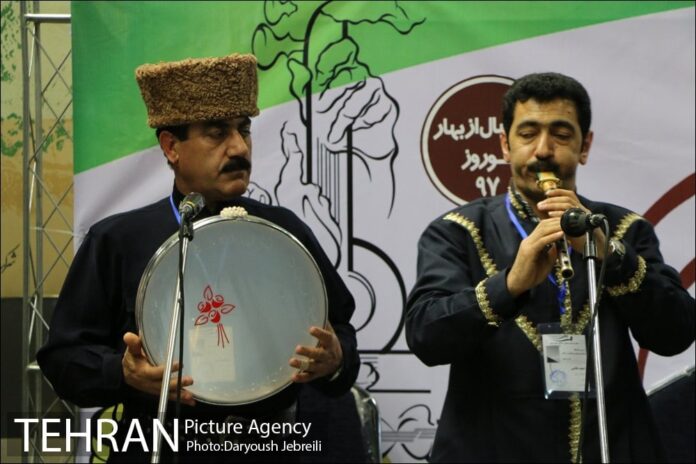
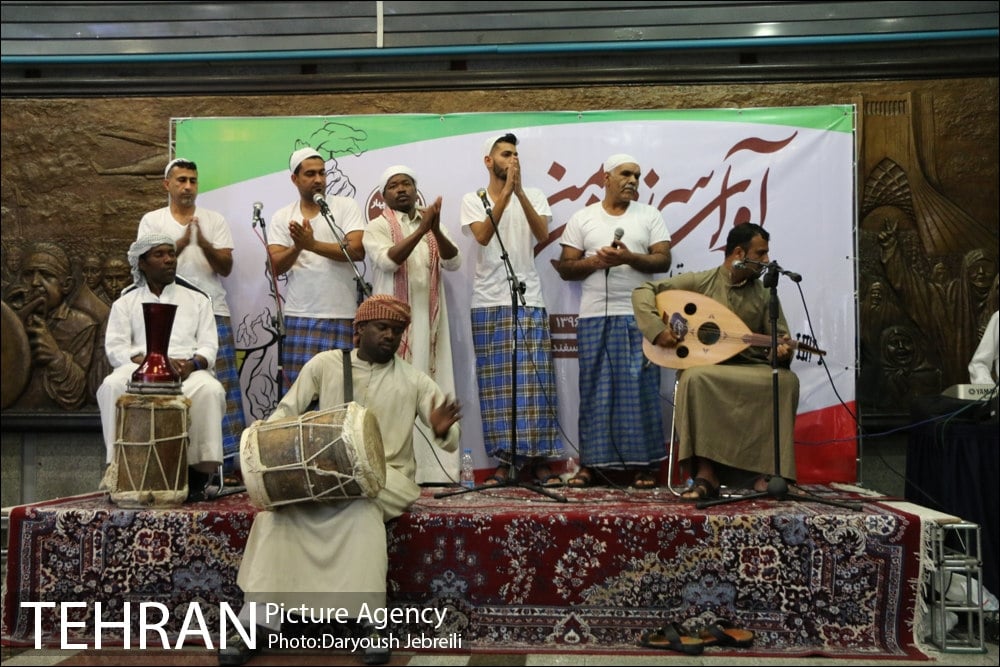
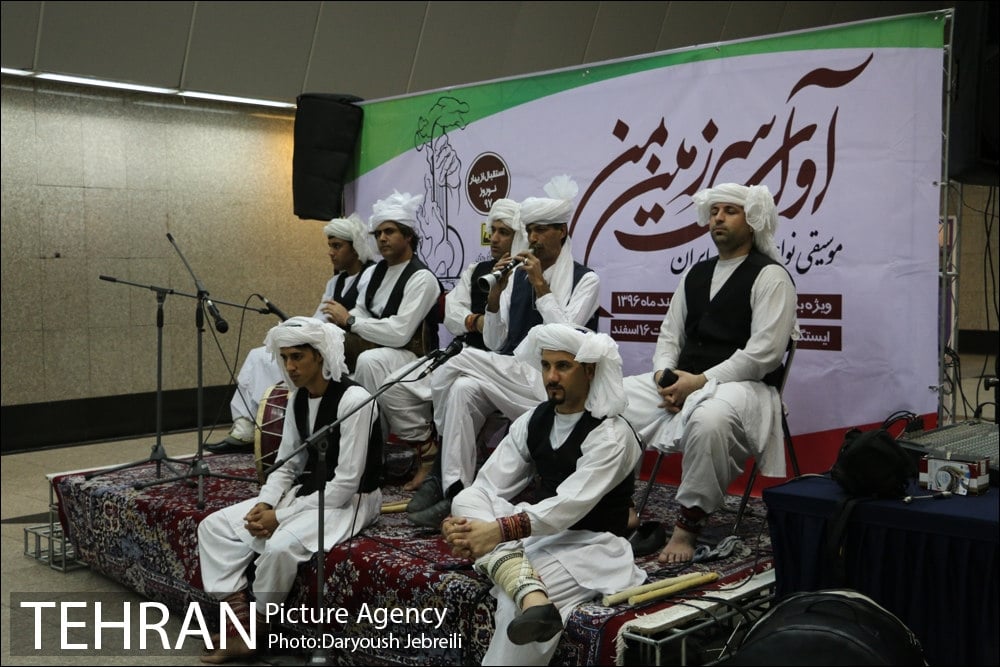
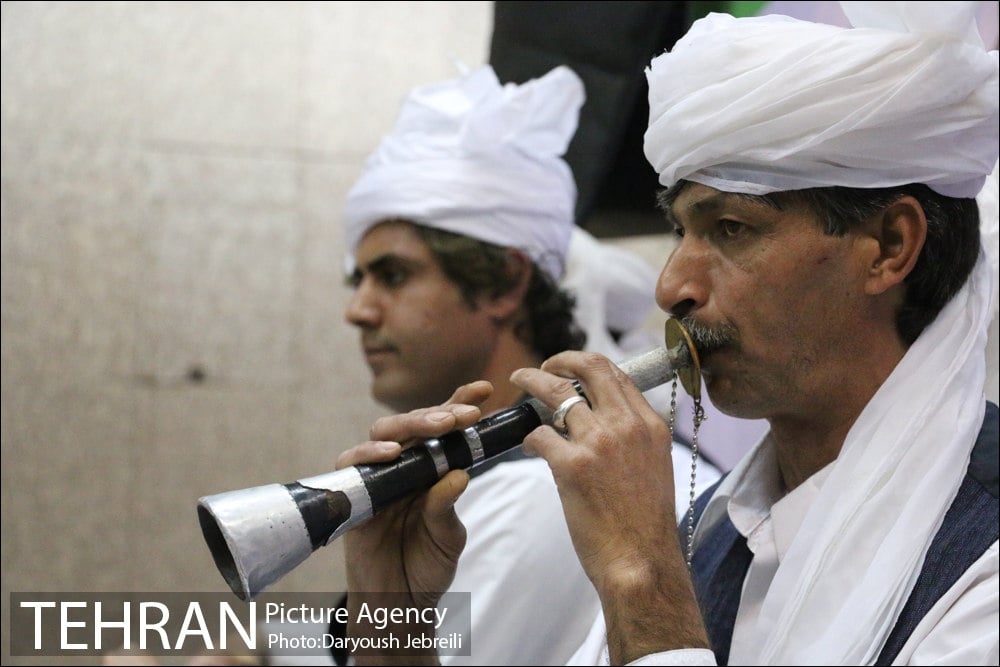
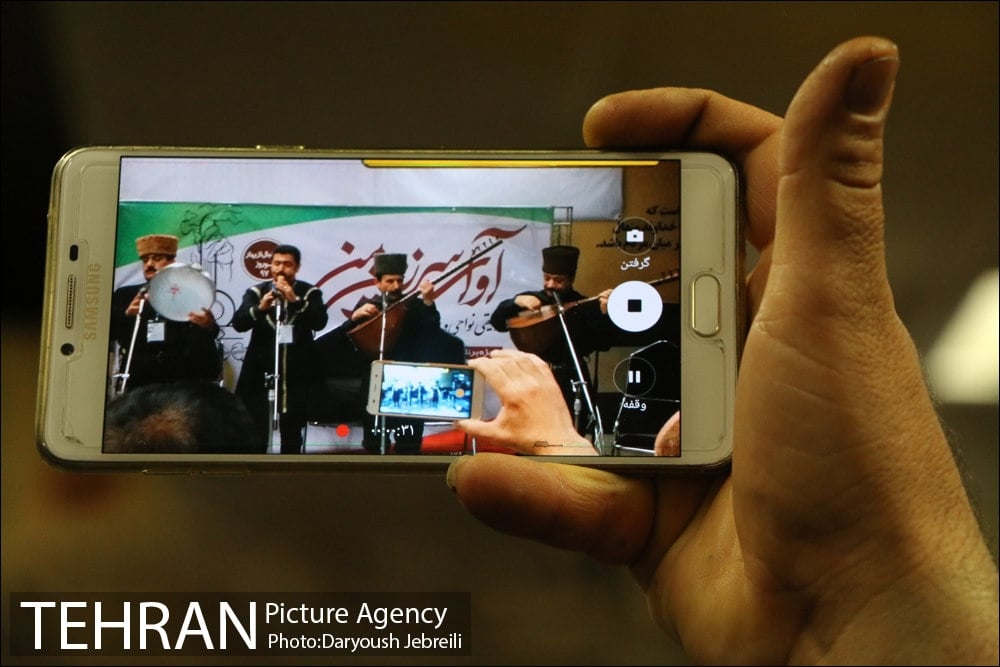
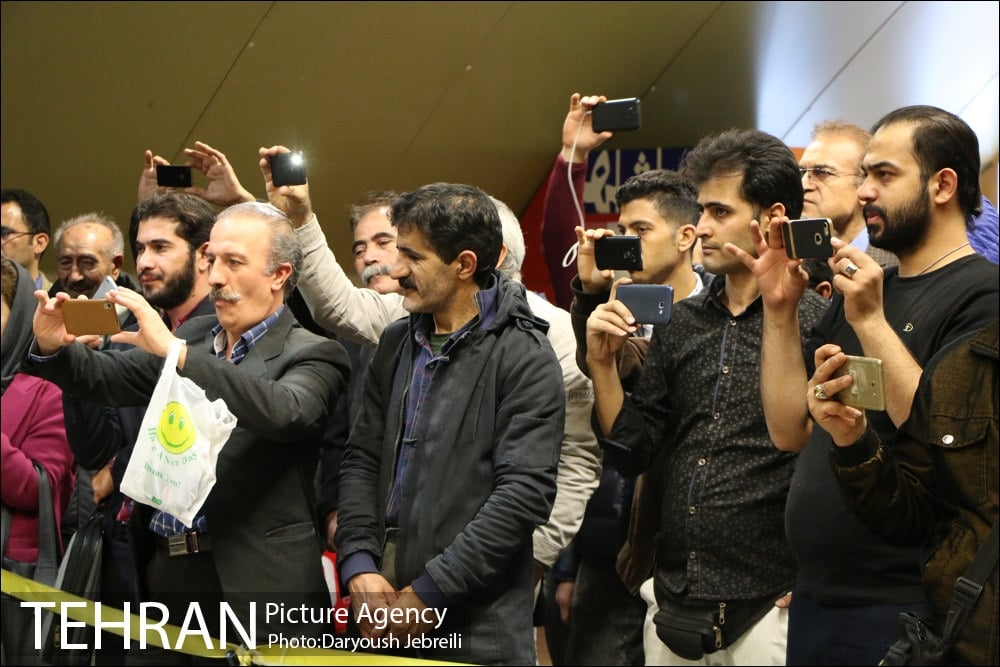
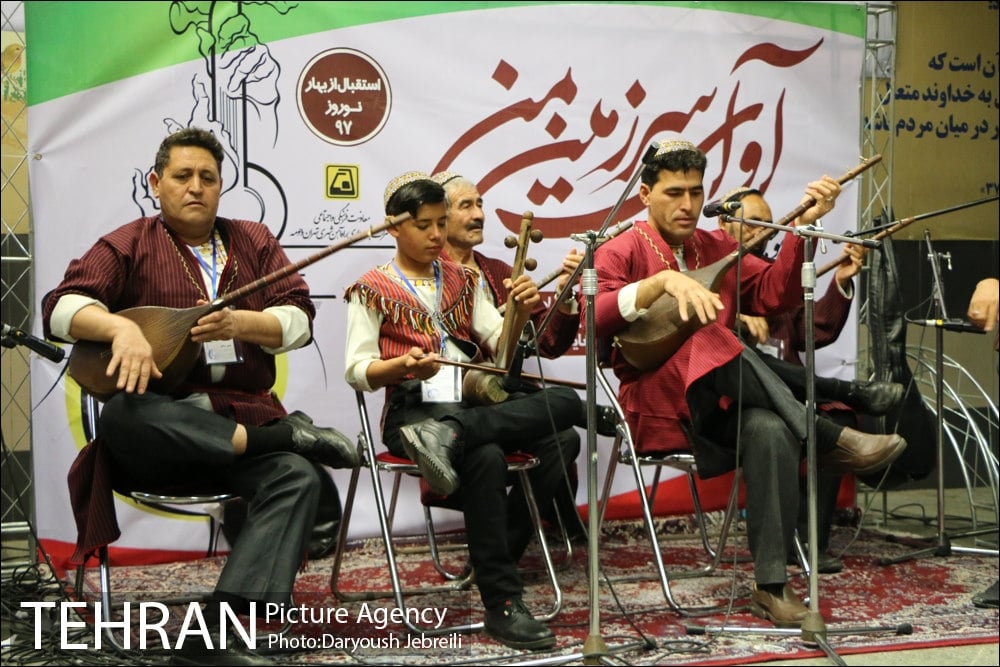
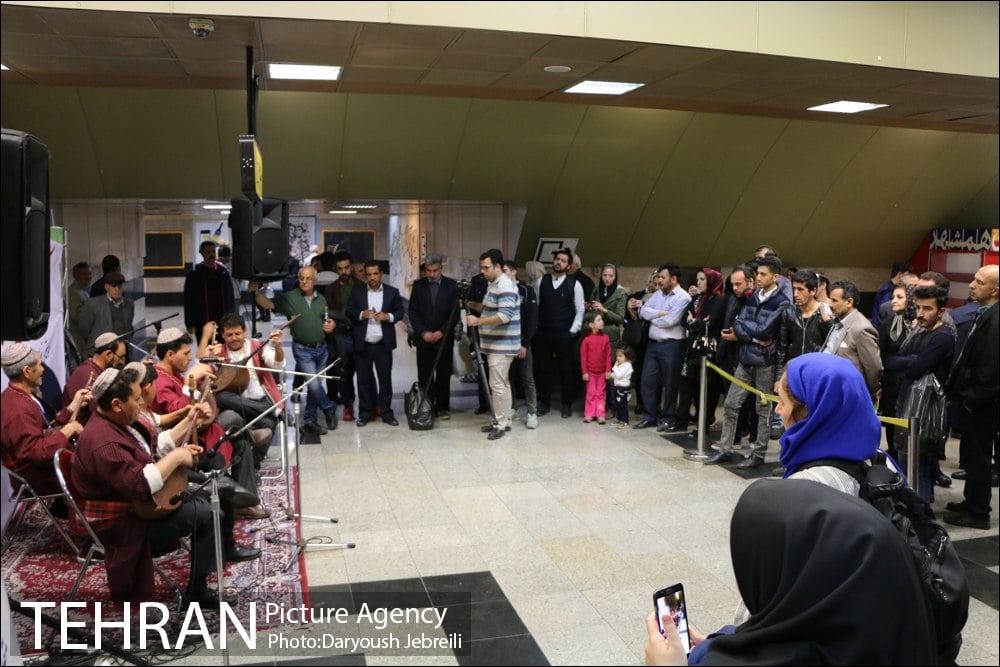
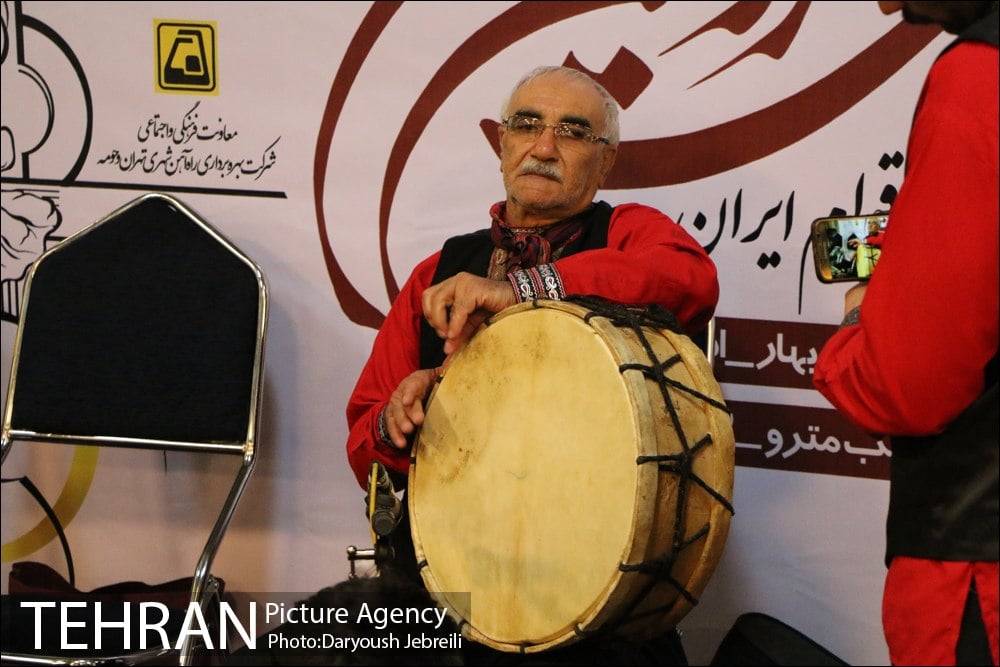
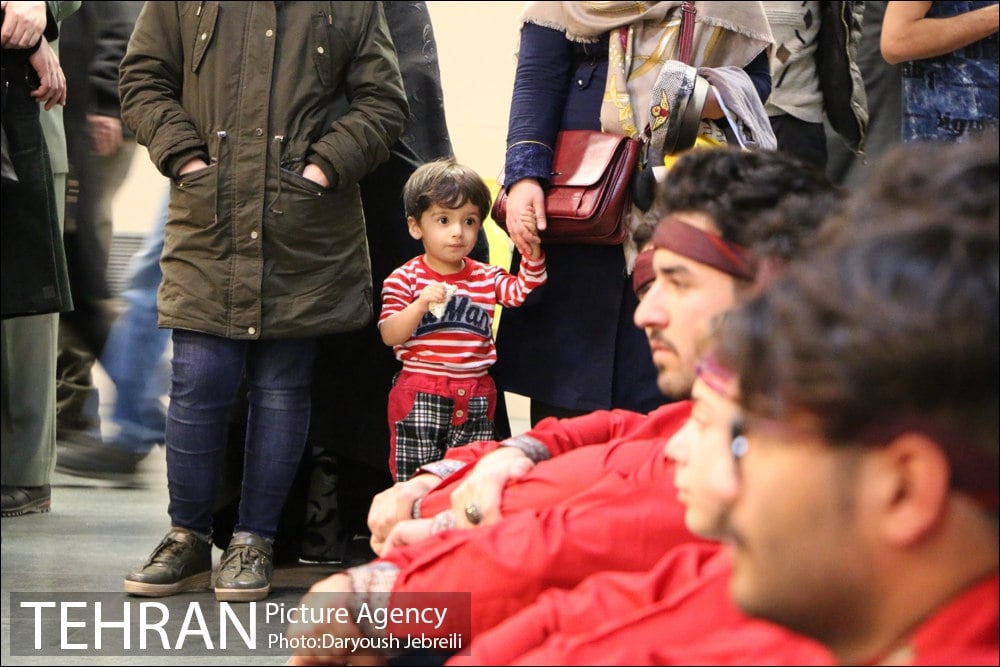
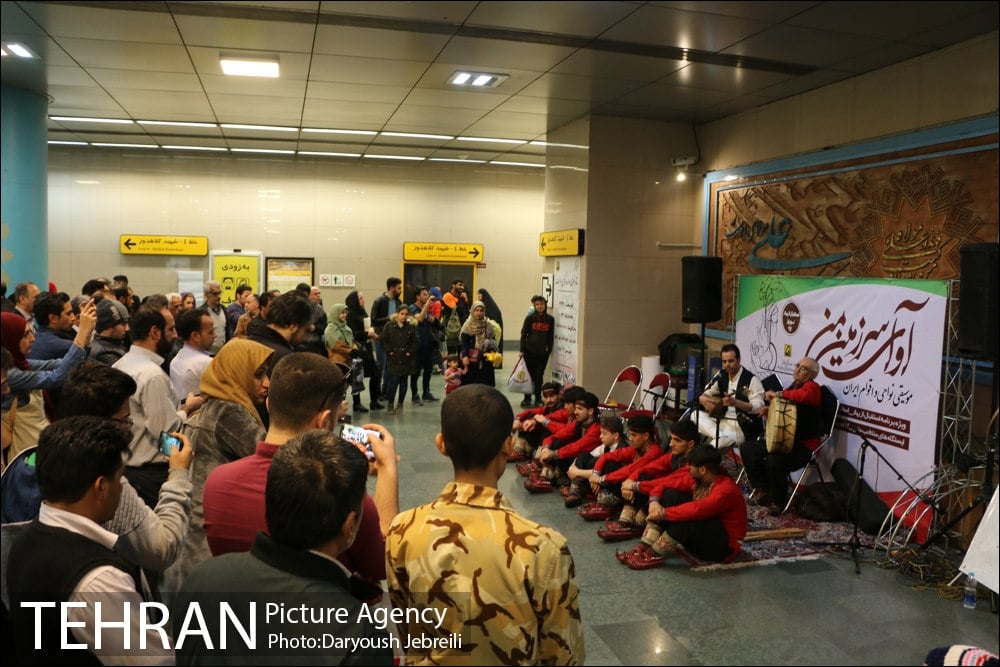
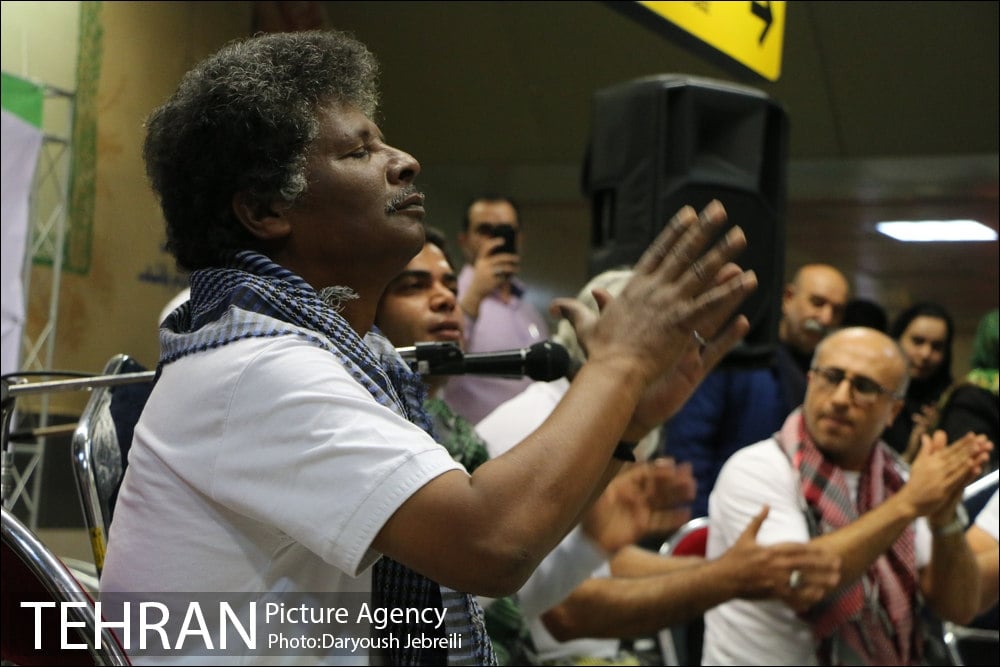
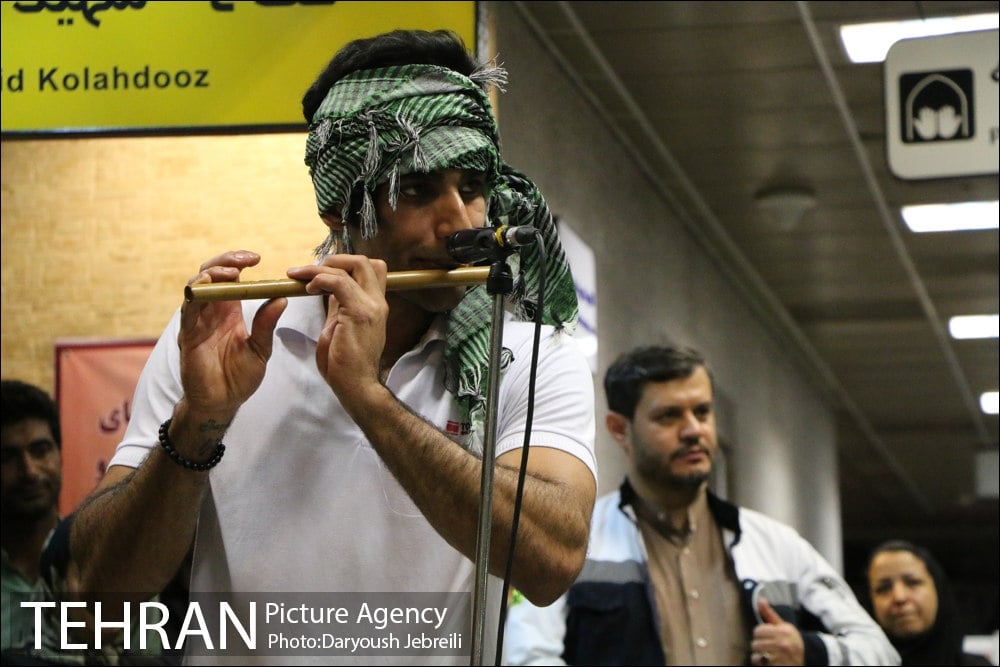
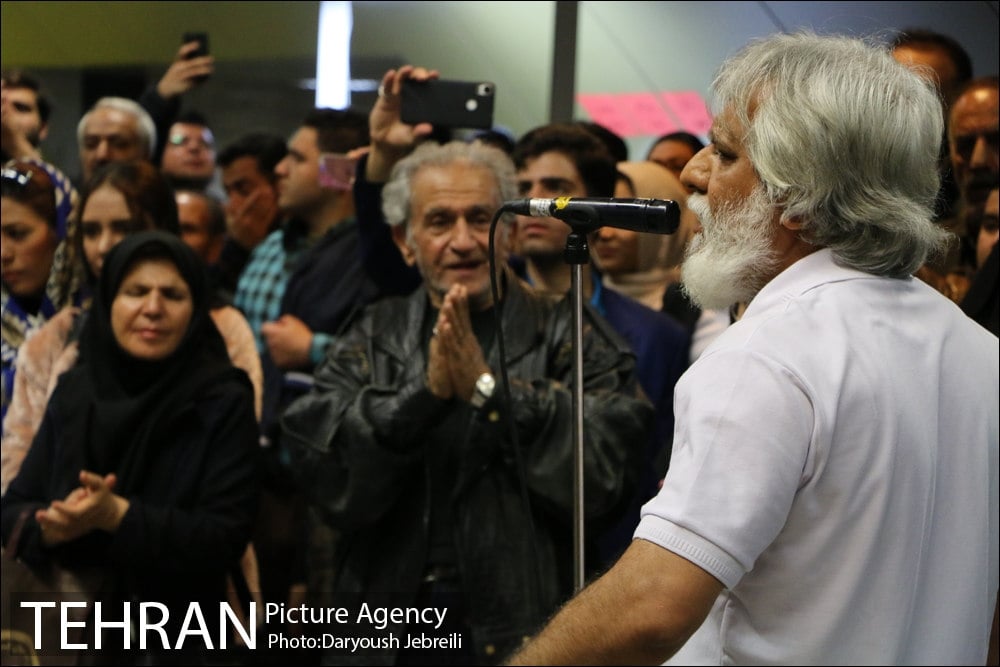
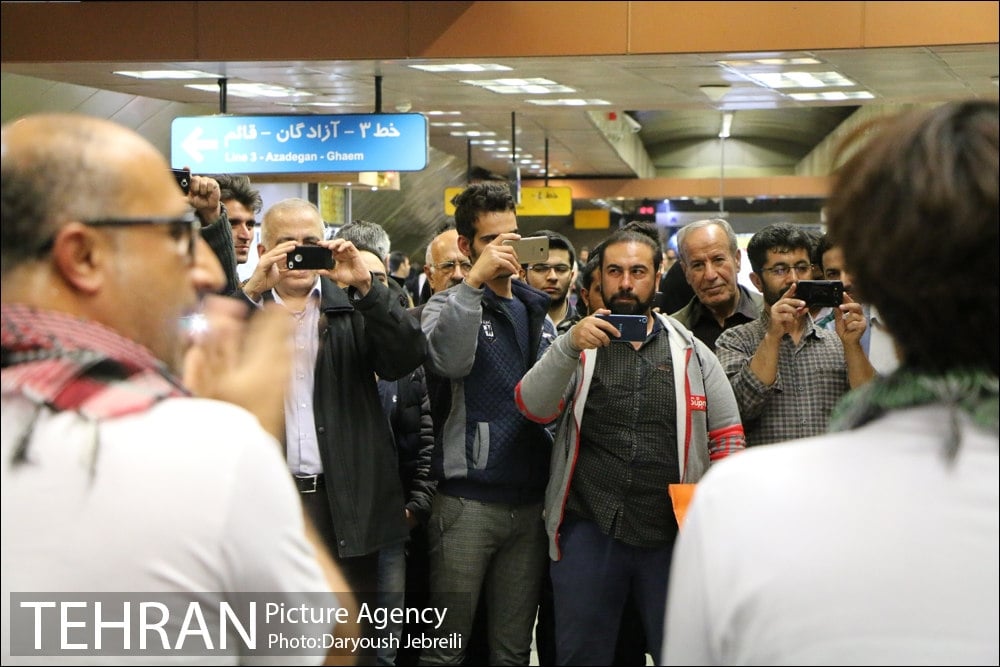
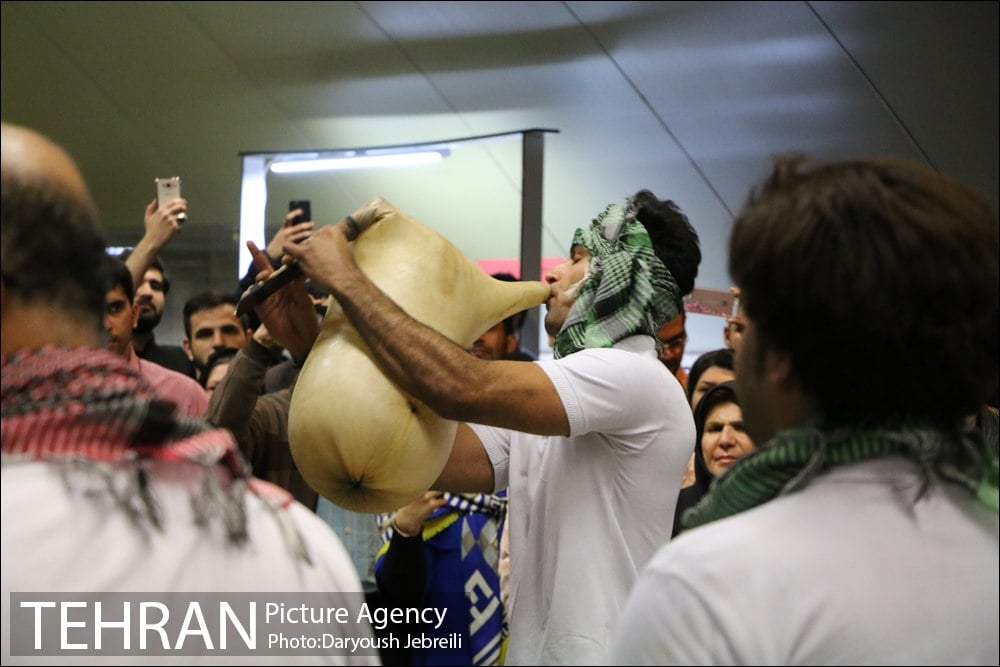
Sound of Folklore Music at Tehran Metro Stations ahead of Nowruz

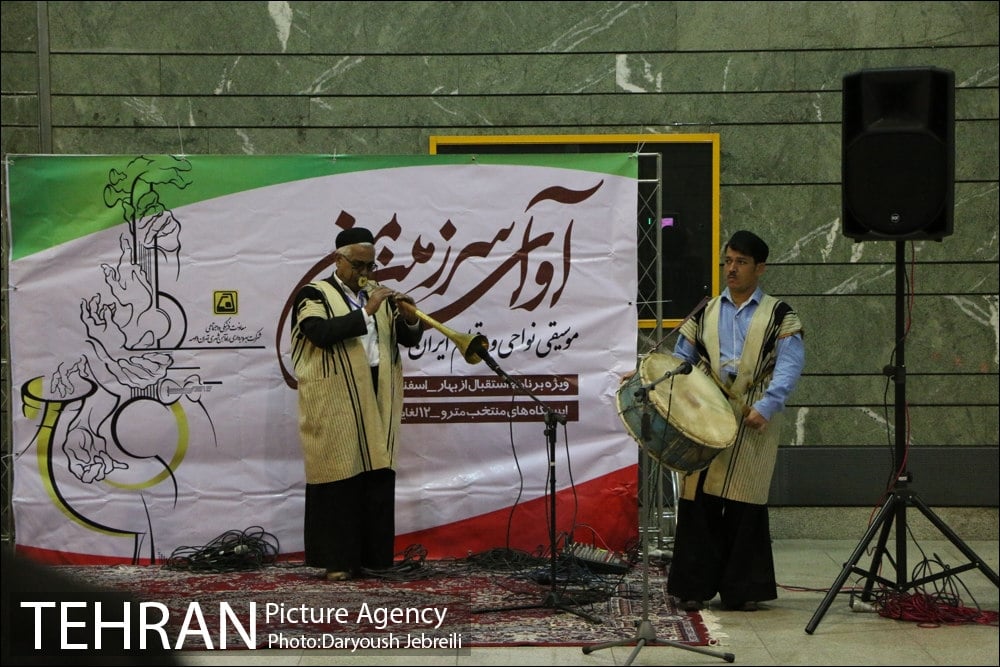
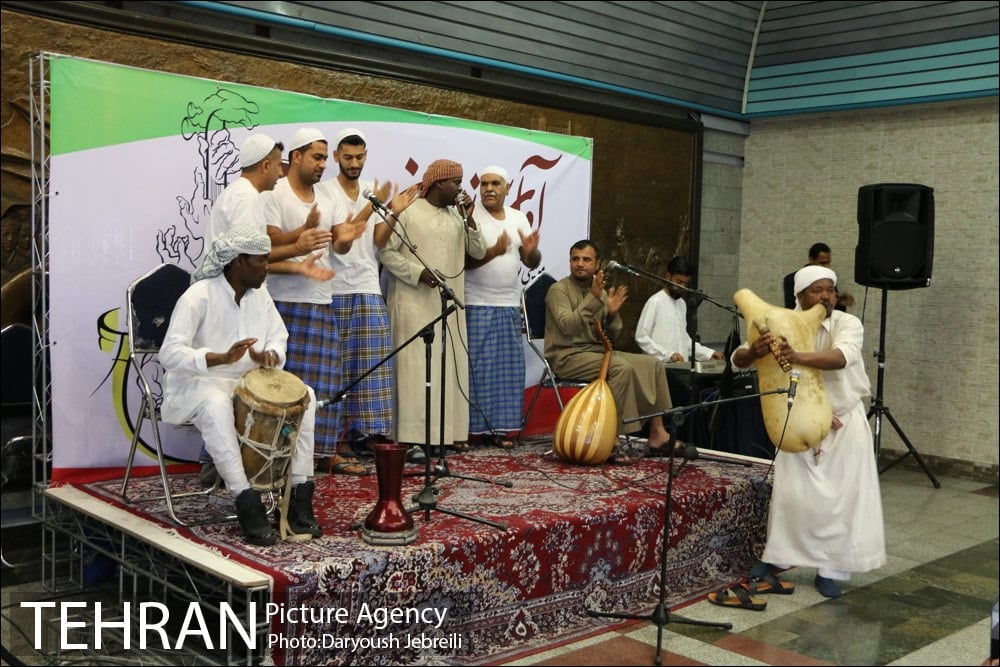
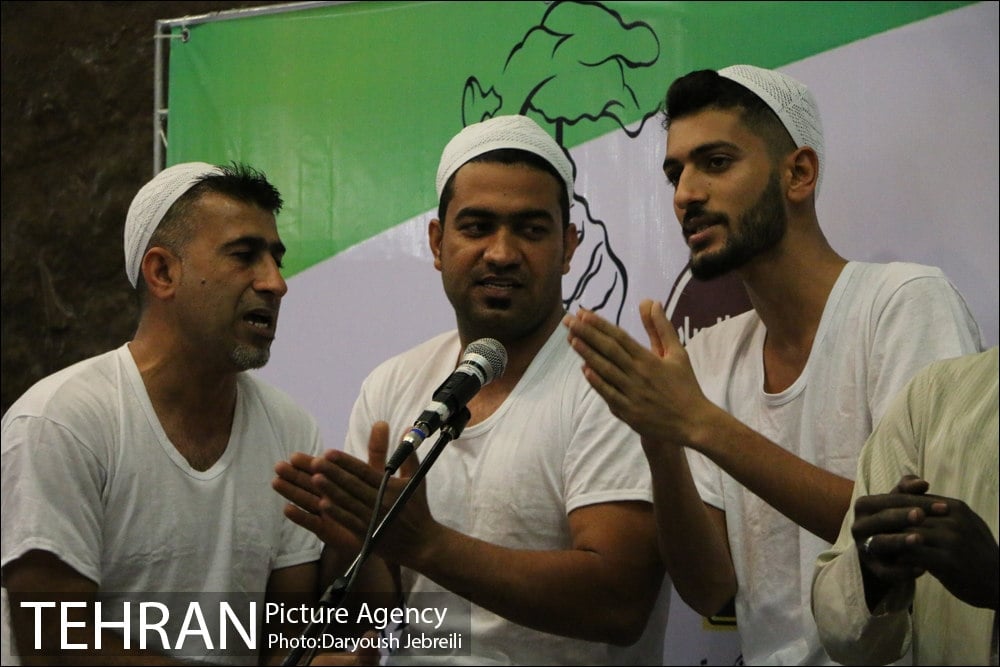
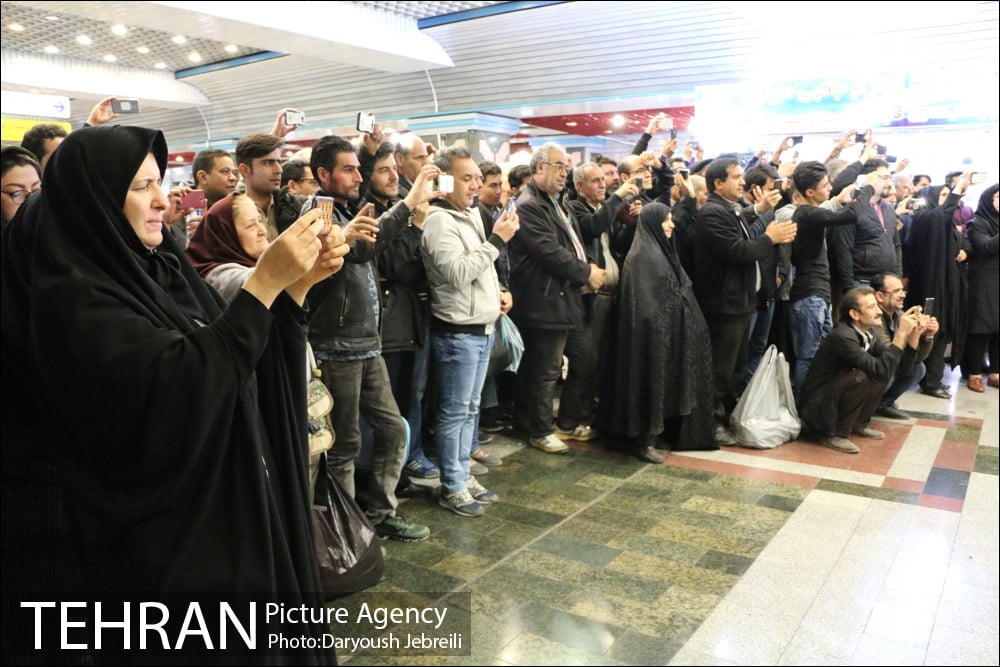
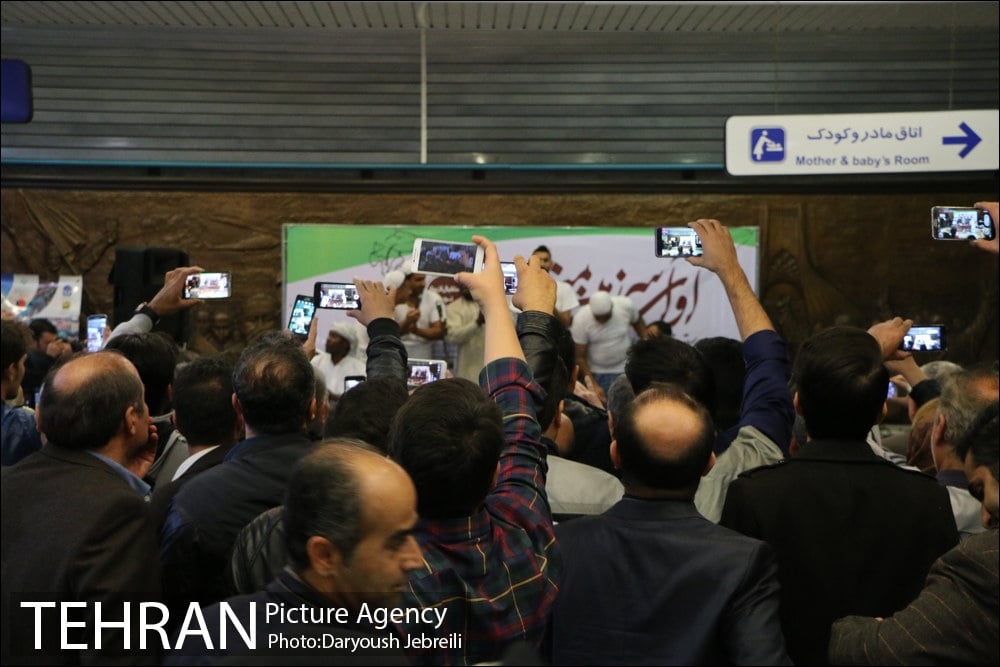
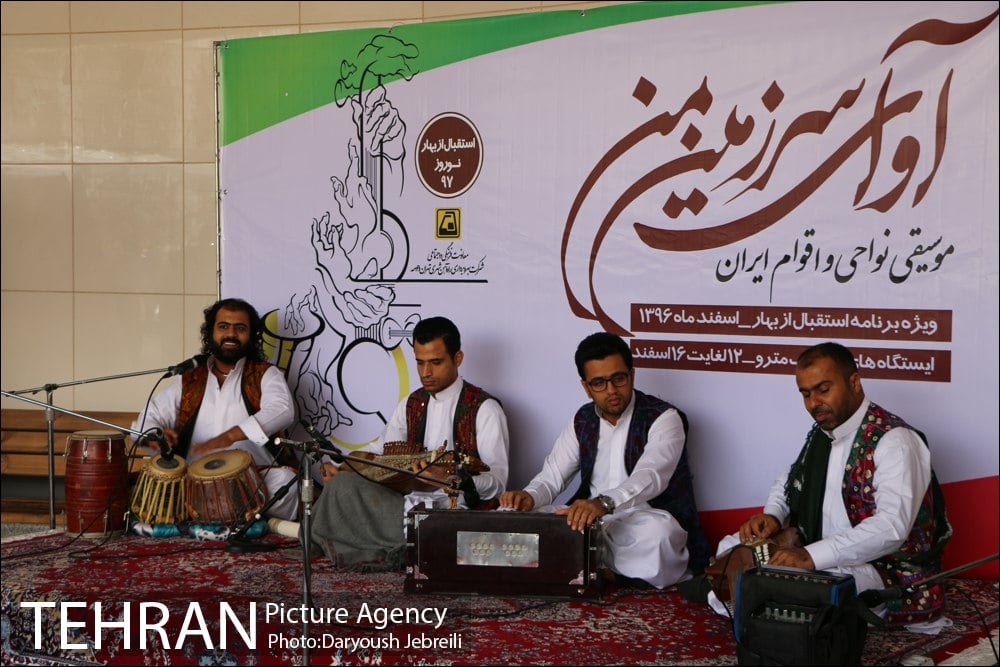
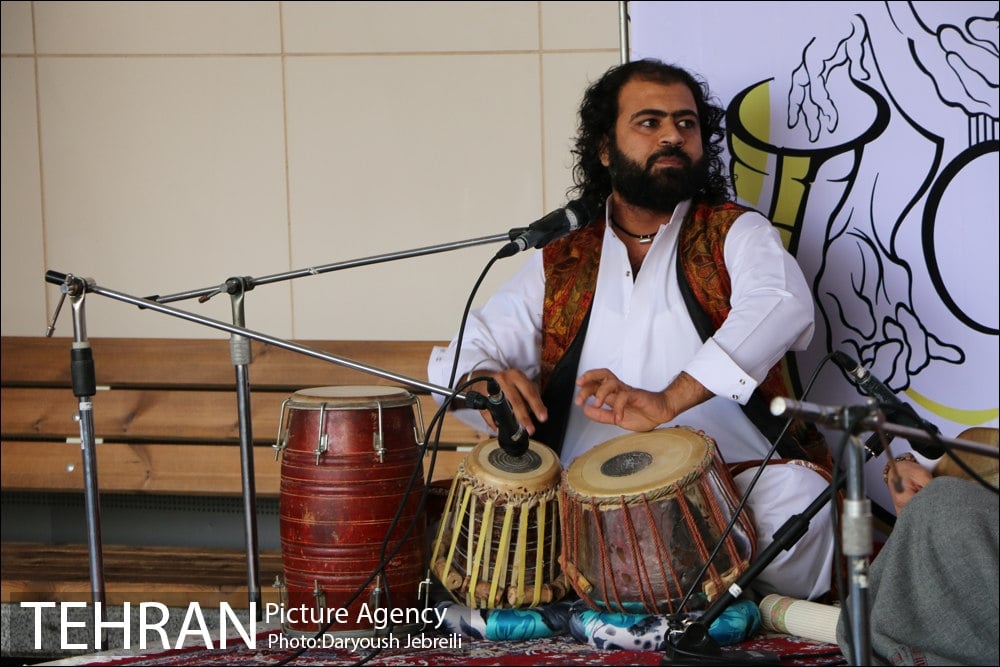
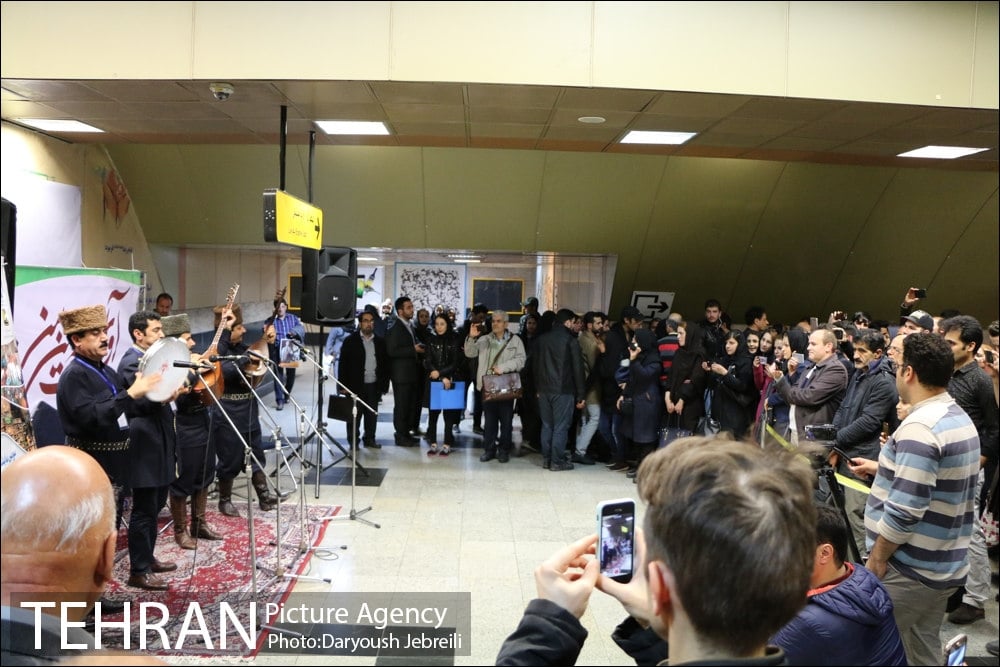
As part of a plan called “The Sound of My Homeland”, the musicians have begun performing folklore music to herald the advent of spring and Nowruz.

What follows are Tehran Picture Agency’s photos of the musicians and the people enjoying their performances:

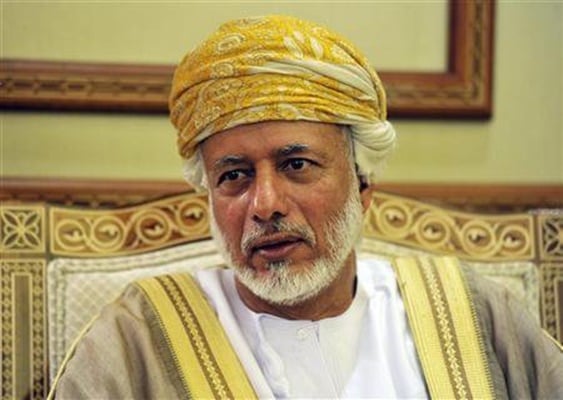
Oman FM to Visit Iran Shortly after Meeting US Defence Chief

In a Friday statement, Qassemi said, “Mr. Bin Alawi will enter Tehran tonight to discuss bilateral relations and regional issues with Foreign Minister Mohammad Javad Zarif and other Iranian officials.”

Bin Alawi’s visit will come a few days after US Defence Secretary James Mattis’ visit to Muscat.

During his visit to Muscat last Sunday, Mattis discussed US concerns, particularly those related to the Yemen conflict, with Sultan Qaboos.

Since 2015, Yemen has been the scene of a Saudi military campaign, which Riyadh says aims to push Houti fighters out of the Yemen capital Sana’a and restore to power the fugitive president Abd-Rabbu Mansour Hadi.

The US, a staunch ally of Saudis in the war, has accused Iran of trafficking weapons through Oman to Houthi fighters.

The campaign in the poorest Arab country has left thousands dead and millions on the verge of starvation.

Oman, traditionally on friendly terms with Iran, has often sought to play the conciliator disputes between Tehran and western capitals.

In 2013, Muscat hosted talks between Iran and Western powers that led to a landmark July 2015 deal to curb the Islamic Republic’s nuclear program.

Bin Alawi’s Friday visit to Tehran now raises the speculation that Muscat is probably going to play the role of a mediator between Iran and the US once again at a time when all diplomatic channels are closed.

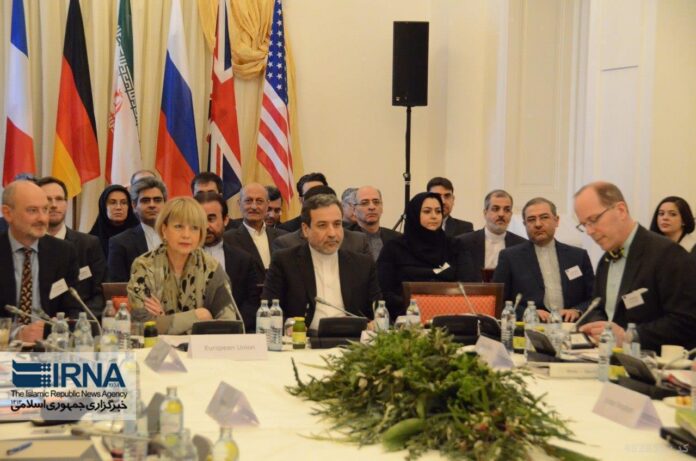
JCPOA Joint Commission Convenes in Vienna

Ahead of the talks, Abbas Araqchi, who heads the Iranian delegation, dismissed the speculations that Tehran might be willing to accept a side deal to the JCPOA, adding that the 2015 nuclear deal is “not re-negotiable.”

Araqchi, who serves as the deputy foreign minister for political affairs, said “renegotiating the deal or similar ideas like adding an appendix to it do not basically exist in Iran’s approach to the document,” IRNA said in a Farsi report.

In a first, two women have joined the Iranian delegation to the fresh round of talks. The CEO of Iran’s flag carrier airline Farzaneh Sharafbafi, and Shiva Ravashi, a representative of the Central Bank of Iran, are the two women attending the talks.

The JCPOA joint commission is tasked to meet regularly to monitor the implementation of the nuclear deal.

The meeting is being held as US President Donald Trump has vowed to walk away from the 2015 agreement in mid-May unless European countries join the US in addressing what he alleges are its “fatal flaws”.

This week’s firing of US Secretary of State Rex Tillerson and the choice of anti-Iran hawk Mike Pompeo to replace him have fueled speculations that Washington will pull out of the deal. Iran has emphasized that it would not remain in the deal once the US withdraws from it.

Eyes are now on Friday’s periodic meeting of the Joint Commission for an indication of American thinking.

Iran to Appoint Three Female Ambassadors

Iran Summons French Envoy over Macron’s Anti-Islam Stances

The procedure of their appointments is reportedly at final administrative stages and would soon be announced publicly.

“One of the prospective ambassadors is Parvin Farshchi. She is the Deputy Head of Marine Environment Division at Iran’s Environment Department and a well-known expert in this field,” a Farsi report by Shargh newspaper said.

The report added another candidate is Ms. Namdari. As a Sunni Muslim, she is a teacher and reportedly the wife of an Iranian lawmaker.

New Zealand and Finland have been announced as the destination countries for these two candidates. It seems Ms. Farshchi is to be appointed as Iran’s ambassador to Finland.

“President Hassan Rouhani is set to sign the decrees of the three female ambassadors in the near future,” an informed source at the Presidential Office said.

According to Shargh, the third female ambassador will be appointed for an Asian country.

The three women will be appointed as replacements for the ambassadors whose missions have already come to an end.

Meanwhile, the mere introduction of a candidate by the Foreign Ministry does not necessarily mean they have been approved as ambassador. Regardless of being approved by the security and intelligence officials as well as the president, the candidates should also get the approval of the destination country. Only then, their credentials would be signed as new ambassadors.

Iranian Foreign Ministry has already over 300 female staff but they are mostly employed at administrative, service and consulate sections. Reports say at the best estimation, only 20 females have political posts.

Marziyeh Afkham, Iran’s current ambassador to Malaysia, was the first female foreign ministry spokesman and the first and only woman ambassador in the history of the Islamic Republic.

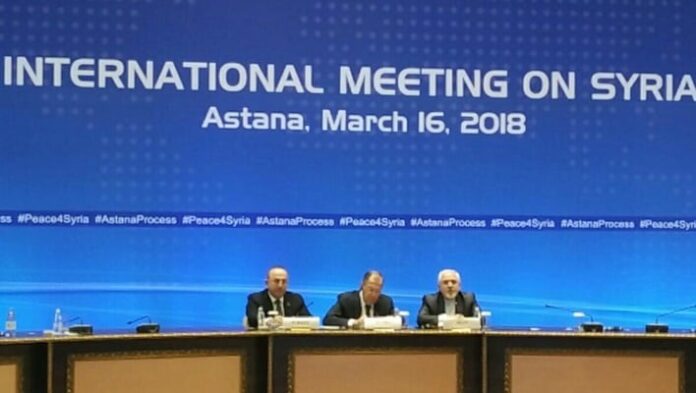
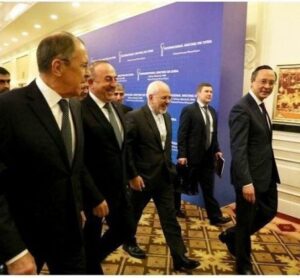
Iran, Turkey, Russia FMs Discuss Syria Peace in Astana

Iran’s Mohammad Javad Zarif, Turkey’s Mevlut Cavusoglu, and Russia’s Sergei Lavrov held the meeting to take stock of their trilateral cooperation since the first International Meeting on Syria in Astana held on 23-24 January 2017.

According to the joint statement released after the meeting, the three foreign ministers:

1. Highlighted the current high level of tripartite coordination on implementing the provisions of the Joint Statement by Presidents of Iran, Russia and Turkey of 22 November 2017 in Sochi;

2. Agreed to continue the effective interaction that would have positive effect on the situation in Syria and the entire region and reduce the risk of ethnic and sectarian divide;

3. Took note of the upcoming Trilateral Summit which would be held in Turkey on 4 April 2018;
Iran, Turkey, Russia FMs Discuss Syria Peace in Astana4. Expressed their satisfaction with concrete contribution of the Astana process to improvement of the situation in Syria during the last year, emphasizing in this regard the success of their collective efforts in the fight against international terrorism, particularly the defeat of ISIS in Syria and the creation of favorable conditions for the political settlement on the basis of the UN Security Council resolution 2254;

5. Emphasized that the Astana format and its achievements had become an effective instrument for contributing to peace and stability in Syria;

6. Expressed joint determination to continue their coordinated efforts with a view to ensuring that the progress in the reduction of violence on the ground was irreversible;

7. Reaffirmed their strong and continued commitment to the sovereignty, independence, unity and territorial integrity of the Syrian Arab Republic. They also highlighted that none of the actions, no matter by whom they were undertaken, should undermine these principles, confirmed by relevant UN resolutions and by the will of representatives of all segments of the Syrian society, clearly and unequivocally expressed during the Congress of the Syrian National Dialogue in Sochi;

8. Reiterated their conviction that there was no military solution to the Syrian conflict and welcomed the progress achieved in eight high-level meetings held in Astana with a view to contributing to international efforts for ending the Syrian conflict through the adoption of measures to reduce violence on the ground, build confidence between the conflicting parties, alleviate the humanitarian situation and give impetus to efforts aimed at finding a political solution;

9. Took note of the state of implementation of the Memorandum of 4 May 2017 on the creation of the de-escalation areas in Syria, reaffirmed their determination to continue implementing its provisions with respect to all four de‑escalation areas and also emphasized that under no circumstances the creation of the de-escalation areas should undermine the sovereignty, independence, unity and territorial integrity of the Syrian Arab Republic;

10. Reaffirmed their determination to continue their cooperation in order to ultimately eliminate ISIS, Nusra Front and all other individuals, groups, undertakings and entities associated with Al-Qaeda or ISIS as designated by the UN Security Council in Syria and to prevent their relocation to other countries and regions;

11. Underscored the necessity to assist the Syrians in restoring the unity of their country and in achieving a political solution of the ongoing conflict through an inclusive, free, fair and transparent Syrian-led and Syrian-owned process leading to a constitution enjoying the support of the Syrian people, and free and fair elections with the participation of all eligible Syrians under appropriate UN supervision;

12. Welcomed the convening of the Syrian National Dialogue Congress in Sochi on 30 January 2018 as a major contribution giving momentum to the process of the political settlement under the UN auspices and reaffirmed their commitment to the results of the Sochi Congress, especially to form the Constitutional Committee and to facilitate the beginning of its work in Geneva with the assistance of the United Nations Secretary-General’s Special Envoy for Syria as soon as possible;

13. Called upon the representatives of the Government of the Syrian Arab Republic and the opposition committed to the sovereignty, independence, unity, territorial integrity and non-fractional character of Syria as well as the international community to support the work of the Constitutional Committee;

14. Underscored the need to ensure rapid, safe and unhindered humanitarian access to areas affected by the ongoing conflict;

15. Expressed their concern with the ongoing violations of the ceasefire regime, and declared that, as guarantors of the ceasefire regime, they would step up their efforts to ensure observance of the respective agreements;

16. Welcomed the UN Security Council resolution 2401 in response to the grave humanitarian situation all across Syria, including in Eastern Ghouta, Yarmouk, Foua and Kefraya, Idlib Governorate, Northern Hama Governorate, Rukhban and Raqqa;

17. Expressed their readiness to continue efforts with a view to implement the provisions of the above-mentioned resolution, aimed at strengthening the ceasefire regime and improving the humanitarian situation all across the Syrian Arab Republic, and called upon all parties to fully support this process, inter alia by sending additional humanitarian aid, facilitating humanitarian mine action, restoring basic infrastructure assets, including social and economic facilities, and preserving historical heritage;

18. Welcomed the convening of the first meeting of the Working Group on the release of detainees/abductees and handover of the bodies as well as the identification of missing persons on the eve of the Ministerial Meeting, and expressed their conviction that the efforts of the Working Group would further contribute to building confidence between the conflicting parties in Syria;

19. Expressed their sincere gratitude to the President of the Republic of Kazakhstan, His Excellency Nursultan Nazarbayev and the Kazakh authorities for supporting the Astana process and hosting International meetings on Syria;

20. Decided to hold the next high-level International Meeting on Syria in Astana in mid-May 2018.

Tehran, Baku, Tbilisi, Ankara Agree on All-Out Multilateral Cooperation

In this statement, the four foreign ministers reaffirmed commitment to further enhance solidarity and cooperation among the peoples of the four countries based on deep-rooted historical and cultural ties that will serve to strengthen peace, stability, prosperity in the region.
They expressed their satisfaction with the growing cooperation among their countries and emphasized their common interest to strengthen regional peace and stability.

The four top diplomats agreed to explore and extend quadrilateral cooperation on all possible areas with the aim to ensure prosperity for the people of the four countries.

They agreed to use the existing potential for promotion of investments and trade, as well as to support cooperation by implementing the joint projects and programs, where it is appropriate, in the fields of energy, transport, finance, telecommunication, information and communication technology (ICT), industry, agriculture, tourism and environment.

Iran, Georgia, Azerbaijan, and Turkey underlined the significant steps taken to increase the transit potential of the four countries geographically favourably situated on international transit corridors in order to integrate their national transport infrastructure to the international transit system.

They also stressed the importance of further enhancement of cooperation for implementation of new projects in order to develop transport infrastructure and increase transit potential of the four countries on “South-West” route starting from Iranian Ports of Bandar-Abbas and Chabahar at Persian Gulf through Rasht-Astara connecting to Baku-Tbilisi-Kars railway.

The four sides underlined the importance of strengthening cooperation in the field of civil aviation, and expressed their willingness to enhance commercial collaboration in the oil, natural gas and petrochemical fields.

They also agreed to encourage relations among the banking networks of the four countries, and underlined the importance of strengthening cooperation to mitigate and prevent environmental degradation.

The four foreign ministers also reiterated their firm commitment to strengthen their cooperation in the fight against terrorism, violent extremism, illicit trafficking in narcotic drugs and their precursors, arms, crimes against cultural and historical heritage, cybercrime, human trafficking and smuggling of migrants.

They also underscored the importance of cooperation in the areas of culture, education, health care, youth exchange, tourism and sports with a scope to expand people-to-people contacts between their countries and expressed their readiness to initiate and promote joint projects and events in these spheres.

The next quadrilateral meeting between the four states is slated to be held in Georgia.

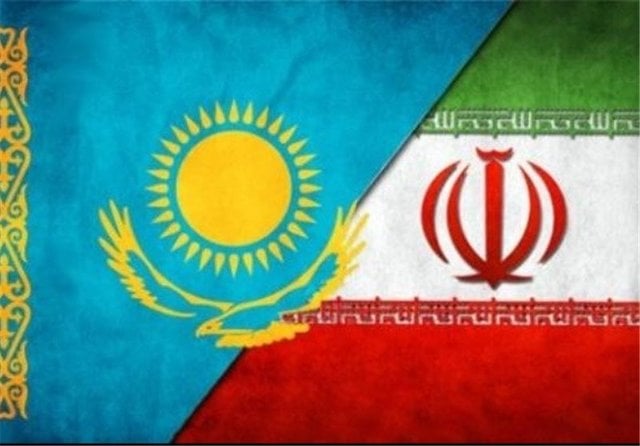
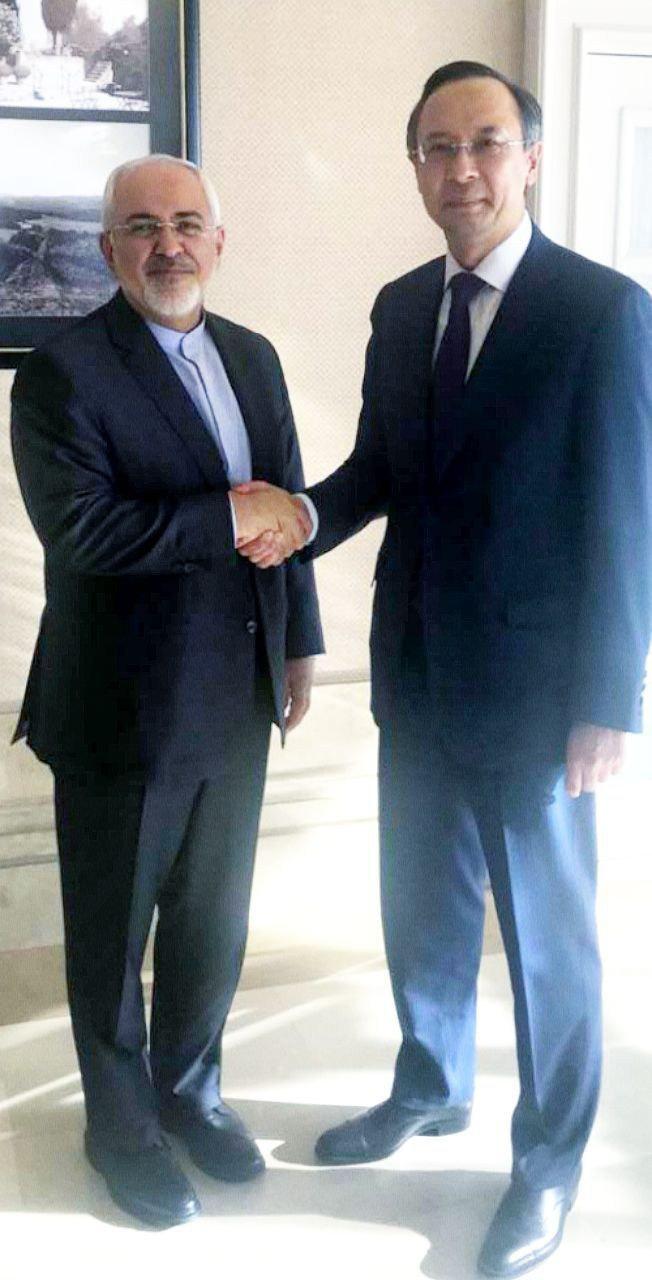
Iran, Kazakhstan Discuss Ways to Expand Trade Ties

The talks were held during a breakfast meeting between the two top diplomats on Friday.

During the meeting, the two sides called for the implementation of the agreements between Iran and Kazakhstan particularly in energy and transit fields. They also called for making joint investments and increasing trade relations.

Iran, Kazakhstan Discuss Ways to Expand Trade TiesFacilitating visa issuance for businesspeople from Iran and Kazakhstan, removing obstacles to banking cooperation and the Kazakh companies’ interest in Iran’s transportation field were among the main topics discussed by the two foreign ministers.
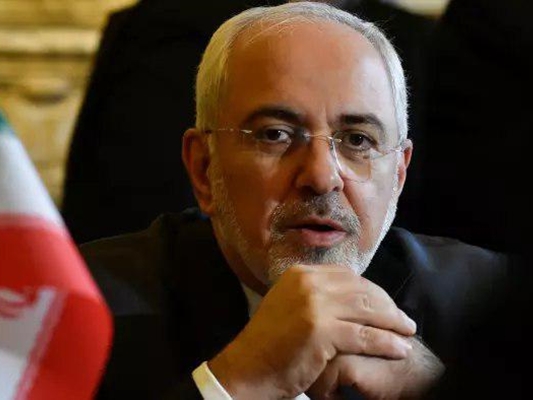
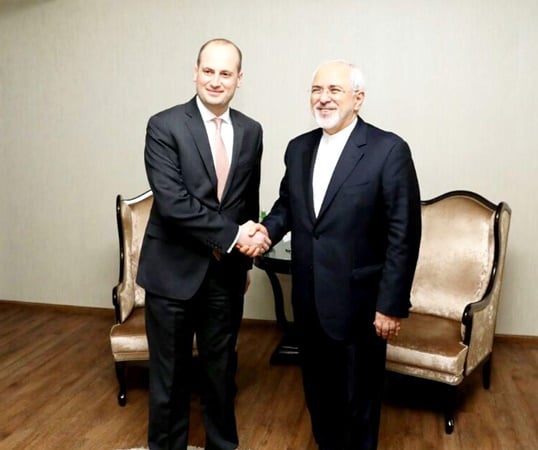
The two foreign ministers also held extensive talks on the main regional and international issues.

The Iranian foreign minister arrived in Astana for the 9th round of international talks on Syria crisis attended by his Russian and Turkish counterparts.

Kazakhstan has hosted multiple rounds of talks on Syria since January 2017 backed by the three power brokers, most of which involved delegations from the Syrian government and opposition.

Iran FM Says Hopes Saudi Arabia Does Not Seek Nuclear Weapons

He underlined that all countries are entitled to have peaceful nuclear energy for peaceful purposes including uranium enrichment based on the Non-Proliferation of Nuclear Weapons (NPT).

“We don’t know yet the real intention of Saudi Arabia but based on the NPT, all states are entitled to have peaceful nuclear program including uranium enrichment,” he was quoted as saying in a Farsi interview with Etemad newspaper.

He said this is the principle policy of the Islamic Republic of Iran for today and future towards other countries’ right to have peaceful nuclear program.

“But we maintain that each country seeking to achieve nuclear weapons endangers its own and others’ security and we hope Saudi Arabia would not be after adopting such a wrong policy,” he said.

The Iranian foreign minister underlined that the US government is not in a position to deprive any state of the right to enrich uranium under the NPT.

The remarks came in reaction to the earlier anti-Iran rhetoric by Saudi Arabia’s Crown Prince Mohammed Bin Salman who said his country does not want to acquire any nuclear bomb, “but without a doubt if Iran developed a nuclear bomb, we will follow suit as soon as possible.”

In a Thursday interview with CBS, the crown prince also downplayed Iran’s power, saying Iran was far from being a rival to Saudi Arabia.

The statements come as Iran has repeatedly announced that its nuclear program is totally peaceful and the country is not after nuclear weapons.

Iran insists that based on the International Atomic Energy Agency’s NPT, it is entitled to pursue its peaceful nuclear program.

The remarks by the Saudi crown prince were also rejected as baseless by Iranian Foreign Ministry’s Spokesman Bahram Qassemi who called Bin Salman a “delusional naïve person” whose remarks don’t deserve a response.

Iran Calls Saudi Crown Prince ‘Delusional, Naïve Person’


Iran, Georgia Resolved to Boost Trade Ties

Iranian and Georgian foreign ministers met in Baku on March 15, 2018 / Photo by the Iranian Foreign Ministry

During the meeting held on the sidelines of quadripartite talks between Iran, Turkey, Azerbaijan, and Georgia, Zarif called for taking advantage of the available capacities to enhance bilateral relations.

“We want to deepen our cooperation with Tbilisi to facilitate banking relations, finish the Iran-Georgia railway project, make operational a transit corridor from the Persian Gulf to the Black Sea and the Mediterranean and resume export of goods to Georgia.”

Zarif also described as highly significant the bilateral relations between Iran and Georgia at international arena and expressed hope the joint commission of two sides’ consulates would be held soon.

For his part, the Georgian foreign minister expressed his satisfaction with the growing ties between the two sides over the past year.

He also called for joint investments in technical and engineering projects and establishment of small, medium and even large-sized companies to expand economic and trade ties between the two sides.

Janelidze also called for the establishment of new branches of Iranian banks in Georgia with the aim of further developing their current economic ties.

Baku hosted top diplomats of Iran, Turkey, Azerbaijan and Georgia in the first-ever such quadripartite talks aimed at promoting regional peace and cooperation among the four nations.

Zarif arrived in Baku on Thursday to attend the quadrilateral meeting with his Turkish, Azeri and Georgian counterparts, namely Mevlut Cavusoglu, Elmar Mammadyarov and Mikheil Janelidze.

The talks focused on a range of issues, including regional developments, fight against drug trafficking and the enhancement of economic relations among the participating states.

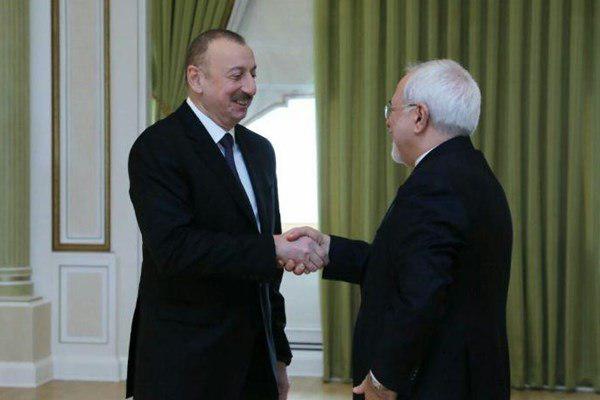
Azerbaijan to Facilitate Visa Regime for Iranians

During his visit to the Azeri capital of Baku on Thursday, Zarif announced that the Azeri government will soon start issuing upon-arrival visas for Iranian nationals.

The issue was among the major topics discussed by Zarif in his meeting with Azeri President Ilham Aliyev.

During the meeting, Aliyev referred to the reciprocal visits made regularly by Iranian and Azerbaijani officials and expressed his delight at the upcoming visit of Iranian President Hassan Rouhani to Baku during Nowruz (Persian New Year) holidays.

“The relations between Iran and Azerbaijan have never been as good as today,” he said.

The Azeri president also described regional threats as “serious” and added Iran is a safe and stable country in the region.

He also called for closer cooperation between the two sides in different fields like transit and banking.

For his part, the Iranian foreign minister referred to the great capacities for expanding bilateral ties between Iran and Azerbaijan and added the Islamic Republic is satisfied with the current level of multilateral cooperation with the regional states.

“We believe multilateral cooperation is necessary for tackling security concerns resulting from terrorism particularly the remnant of ISIS in the region,” he noted.Azerbaijan to Facilitate Visa Regime for Iranians

Zarif also described as highly important the two sides’ roles in the region’s energy transmission line. The foreign minister pointed to the initiative for building a transit corridor from the Persian Gulf to the Black Sea and described it as a good project which needs to be facilitated.

Tackling banking problems and facilitating trade between the two sides via national currencies were among other issues discussed during the meeting.