Thursday, December 25, 2025
Home Blog Page 3596

Baklava of Tabriz; A Sweet Iranian Dessert

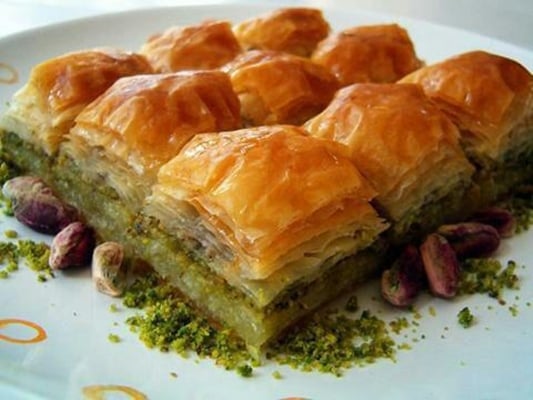
Baklava is made in different forms in various parts of Iran, but the ones made in the north-western city of Tabriz these days are prepared with special, very thin layers of filo dough, and filled with chopped nuts—typically walnuts or pistachios impregnated with melted butter.

However, the most important part is the syrup that makes Baklava very delicious. Although its preparation seems easy at first, one must be very experienced to make a tasty and sweet syrup.


Ingredients:

Filo dough: 15 sheets

Walnuts: ½ of cup

Melted butter: ¼ cup

Powdered pistachio & coconut: As much as needed

Rosewater: ¼ cup

Water: 1 cup

Sugar: 2 cups

Powdered cardamom: ½ tsp

Saffron: ½ tsp

Lemon juice: ½ tsp


Instruction:

Preheat the oven to 350 degrees F (175 degrees C). Butter a 23×33 cm baking dish. Unroll the filo and cut the whole stack in half to fit the dish. Cover the filo with a damp cloth to keep it from drying out.

Place a sheet of filo at the bottom of the prepared dish. Brush it with butter. Sprinkle 2 to 3 tablespoons of the nut mixture on top. Repeat layers until all ingredients are used, ending with about 4 sheets of filo. Using a sharp knife, cut baklava into long rows of diamond shapes.

Then, bake in preheated oven until it turns golden brown and crispy.

While baklava is baking, combine sugar and water in a small saucepan over medium heat and bring to a boil. Stir in steamed saffron and powdered cardamom; reduce the heat and let it simmer for 15 minutes. Finally, add the rosewater and lemon juice and leave it aside.

Remove the baklava from the oven and immediately spoon the syrup over it. Garnish with pistachio or coconut powder. Let it cool completely before serving. Store uncovered. Now it’s time to serve Baklava.


Notes:

  • Make the syrup when Baklava is getting cool.
  • When the syrup is ready, pour it over the Baklava before it is cooled.

Rouhani Lauds Iran’s Efforts to Promote Regional Peace

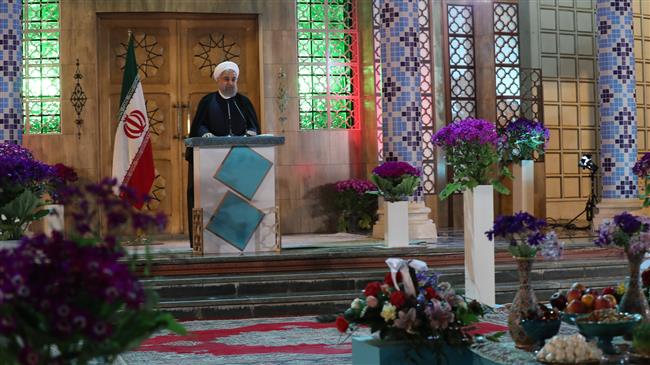
Rouhani made the remarks on Tuesday in a live address to the nation on the occasion of Iranian New Year.

The Iranian president made a reference to the Daesh terror group’s territorial defeat last year in Iraq and Syria, which came about with the help of Iranian military advisors.

“Last year, our nation, which has always been the creator of peace and tranquility in the region and the world, managed to bring more stability and security to the region alongside nations of Iraq, Syria and Lebanon, through its continued endeavors and the [efforts made by] its sincere soldiers and diligent diplomats.”

Rouhani praised the unity of the Iranian nation during the tragic incidents that occurred last year, including the natural disasters that hit several parts of the country.

The president reaffirmed his administration’s determination to continue its efforts to eradicate poverty and combat unemployment, calling on the people, particularly investors and entrepreneurs, to assist the government to achieve that goal.

Enemies, Rouhani added, were “after a pretext to break the Iranian nation,” but they failed to do so in the face of the people’s unity.

‘Nowruz Khani’ Ritual Heralds Advent of Persian New Year

‘Nowruz Khani’ Ritual Heralds Advent of Persian New Year

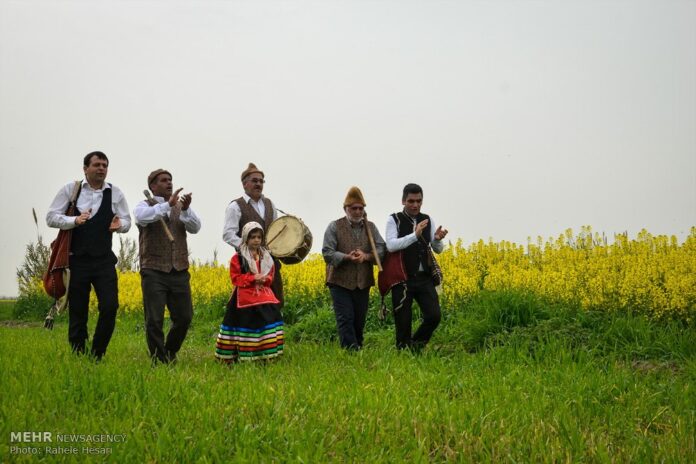
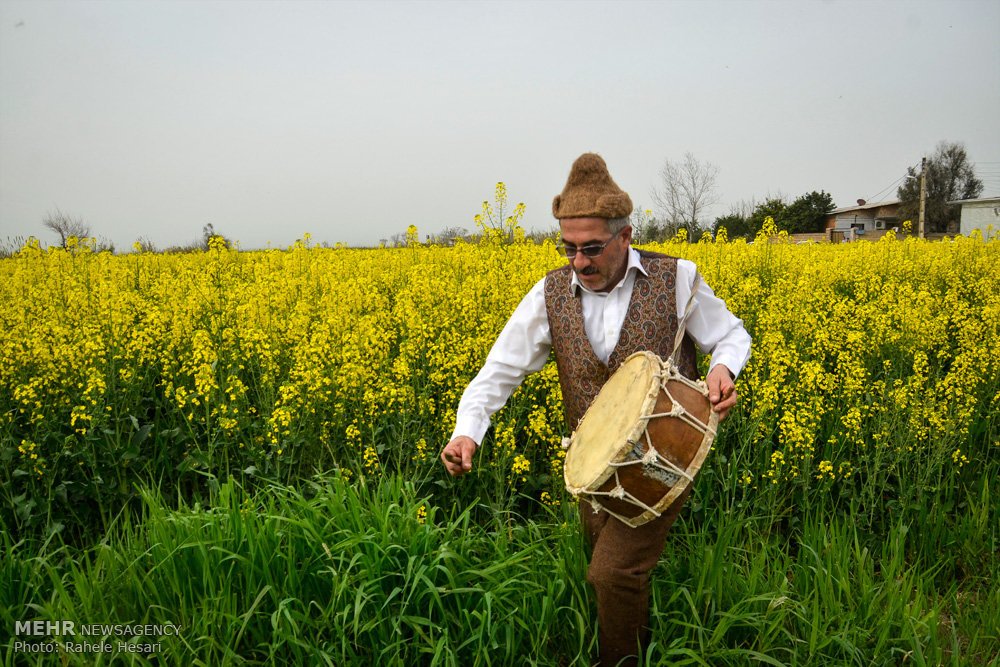
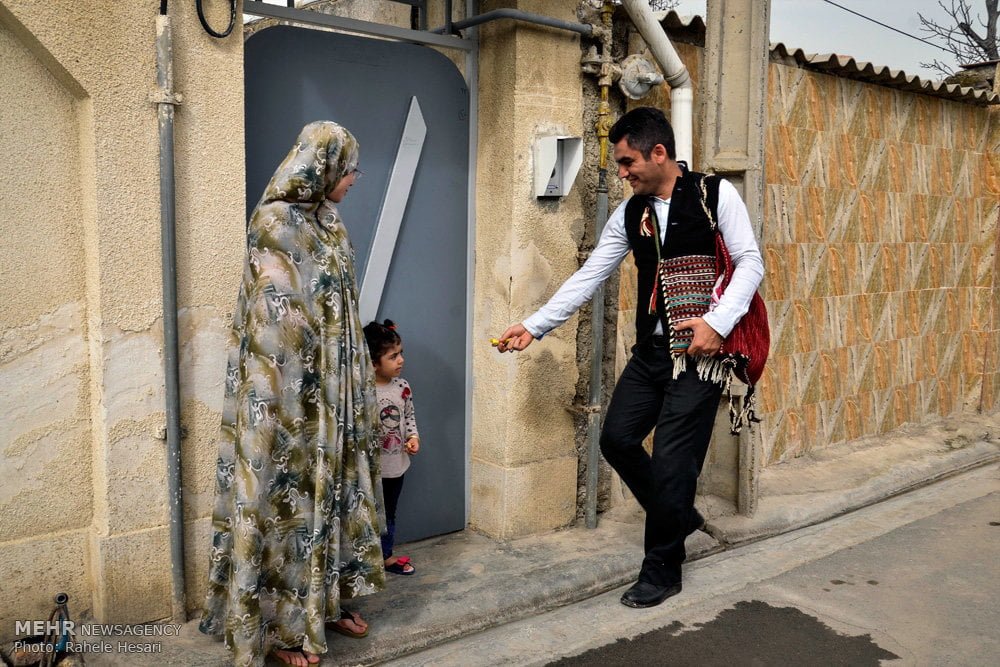
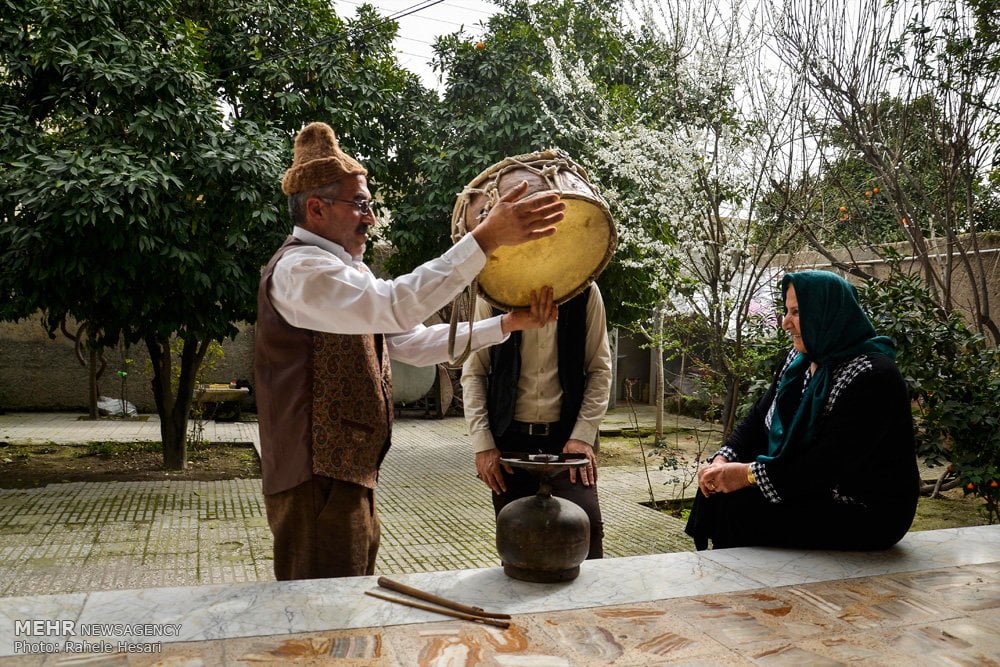
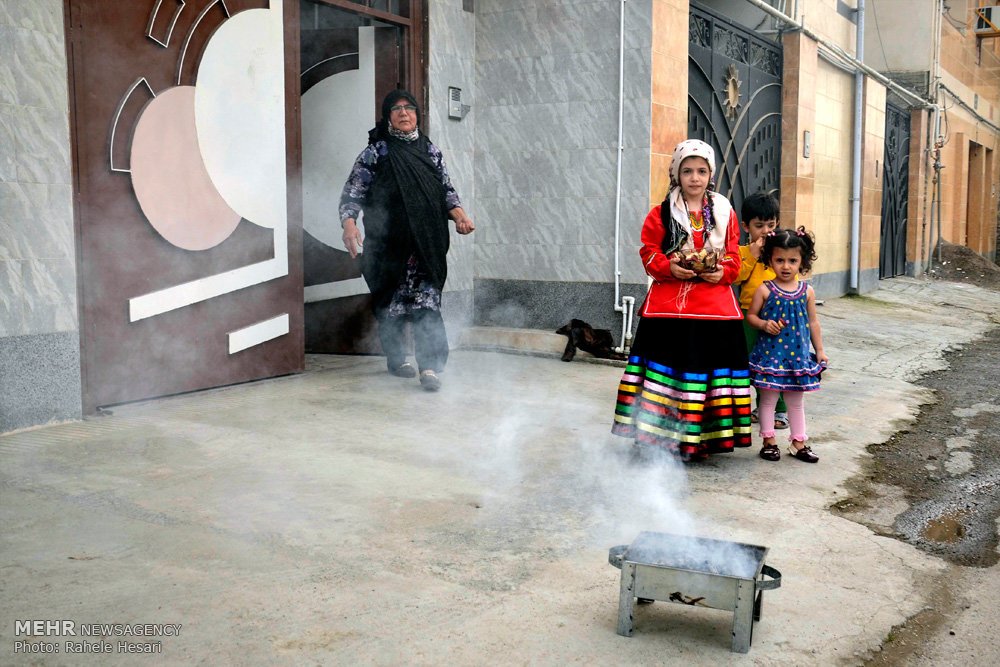
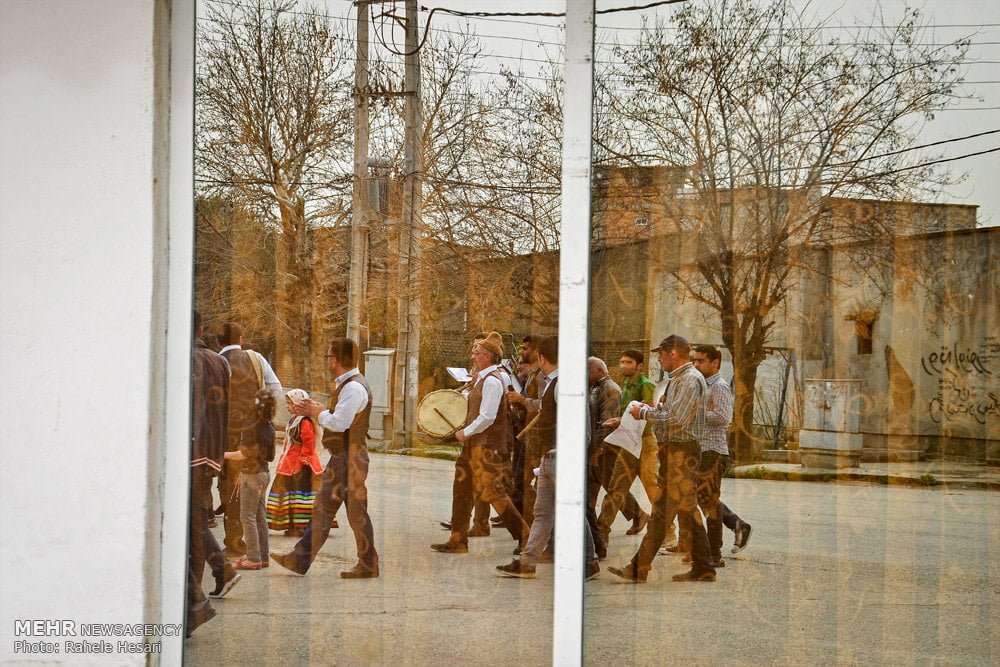
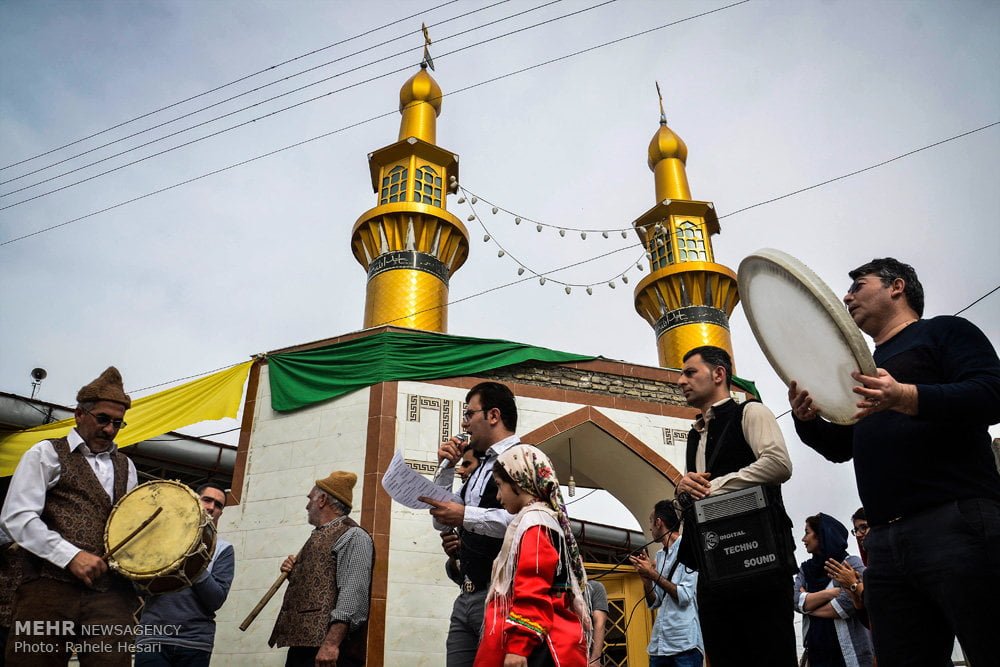
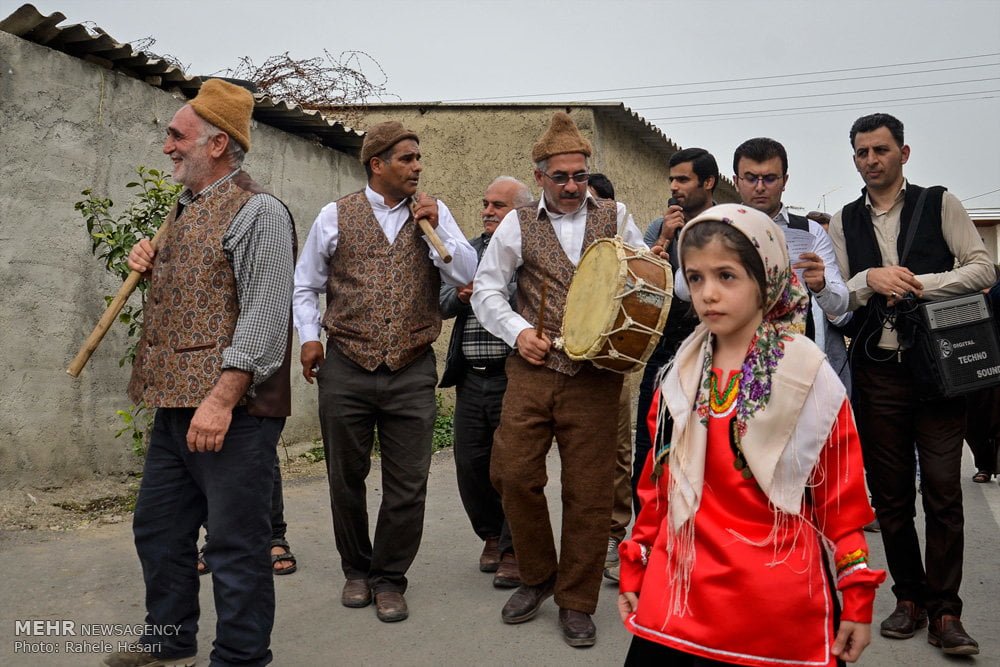
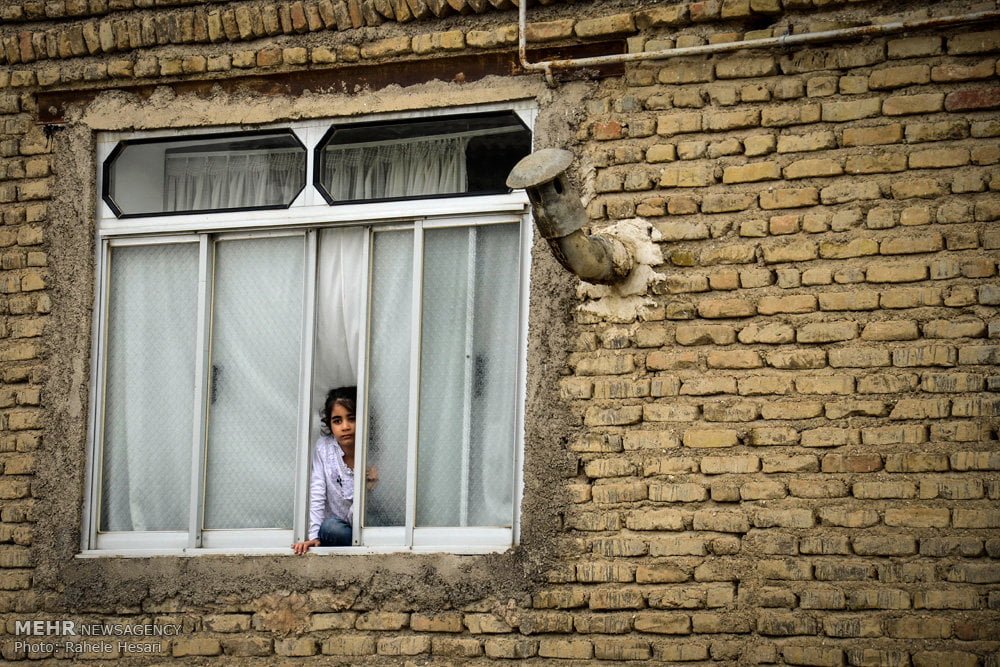
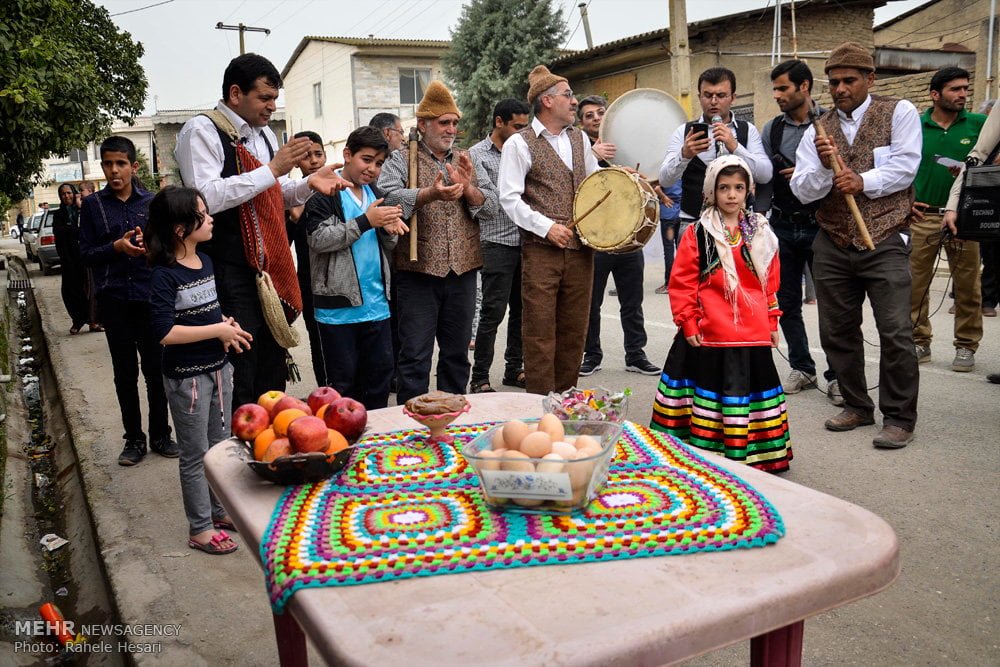
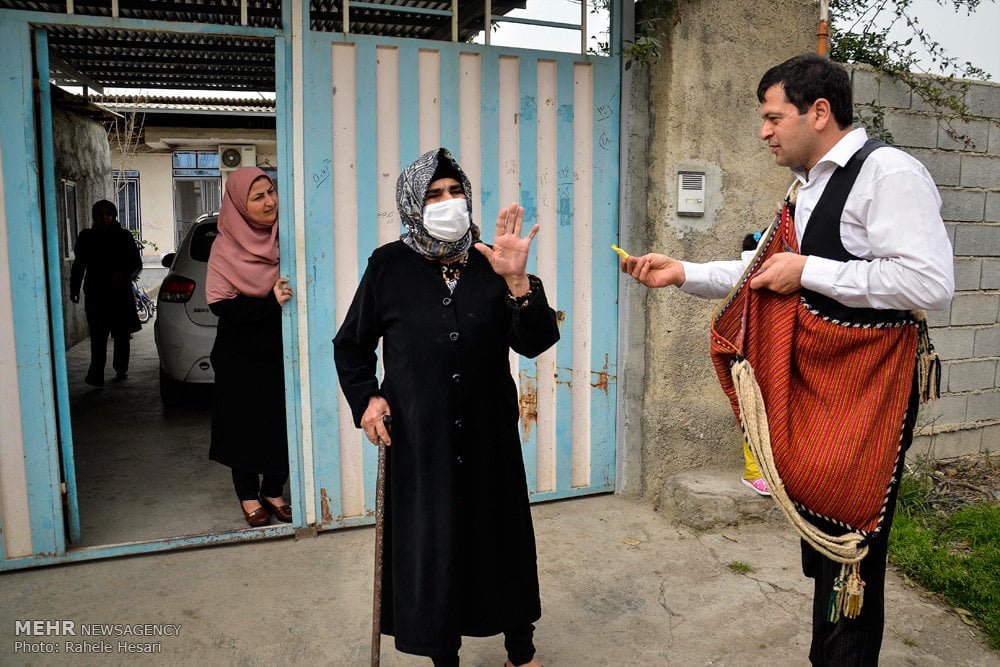
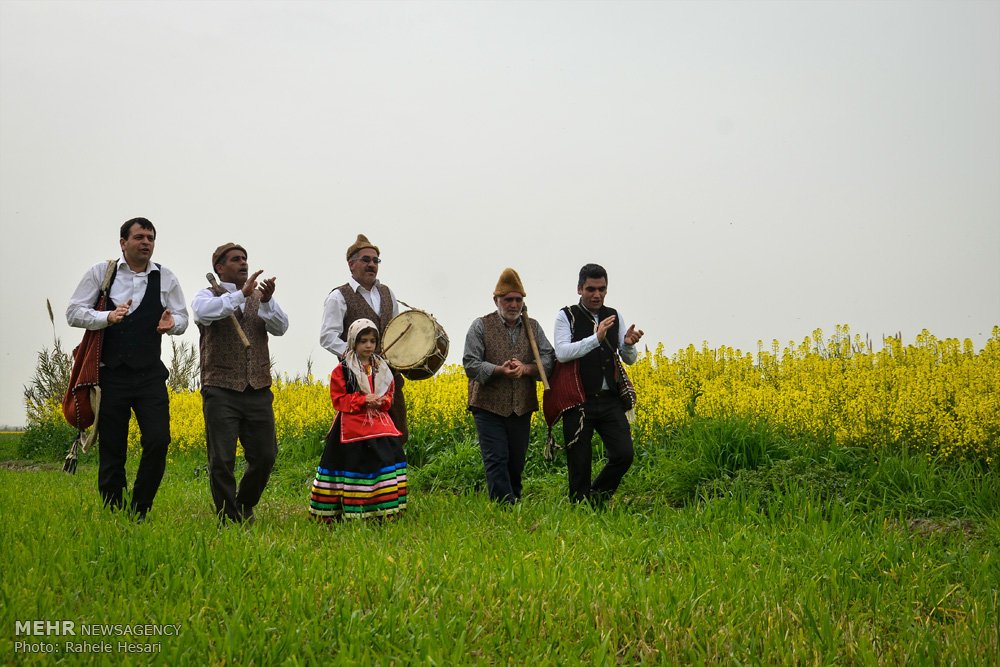
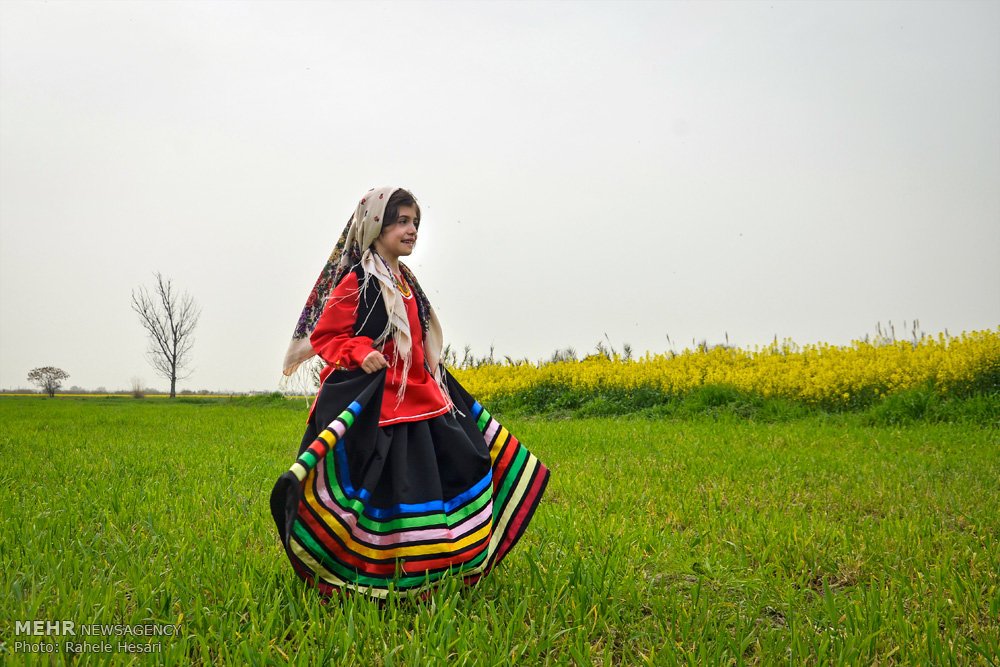
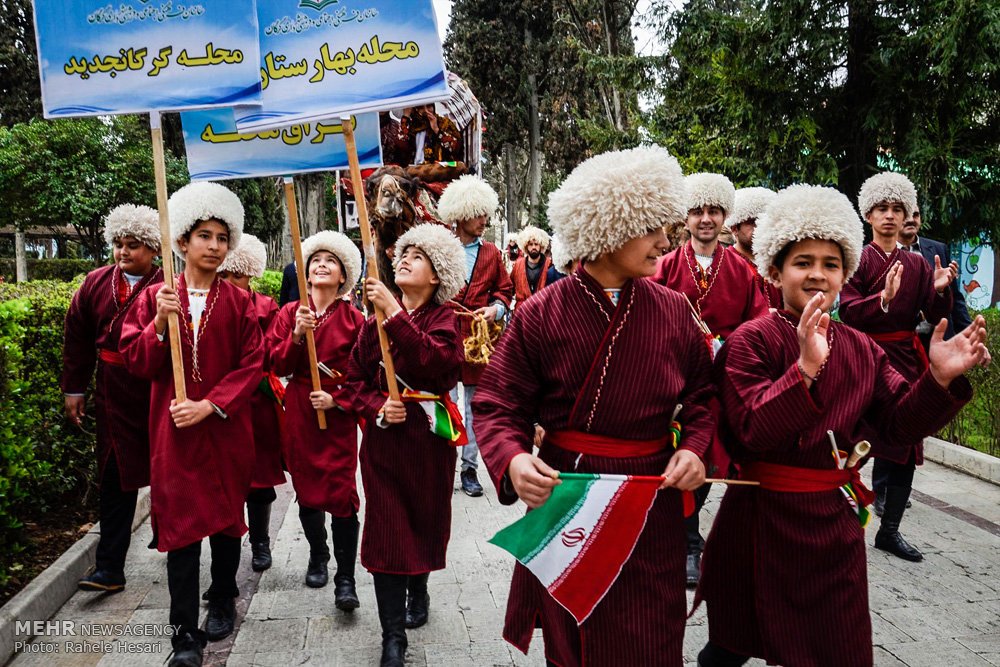
The Nowruz Khans – singers performing traditional songs heralding the emergence of the new season and Nowruz – have come to the village of Mohammad-Abad in Gorgan, northern Iran, to announce the arrival of the new year, season and time for a thorough housecleaning.

Nowruz-Khani is one of the numerous festivals and rituals that annually mark the arrival of spring in Iran. Nowruz Khans sing folklore and local songs and recite poems praising Shiite Imams.

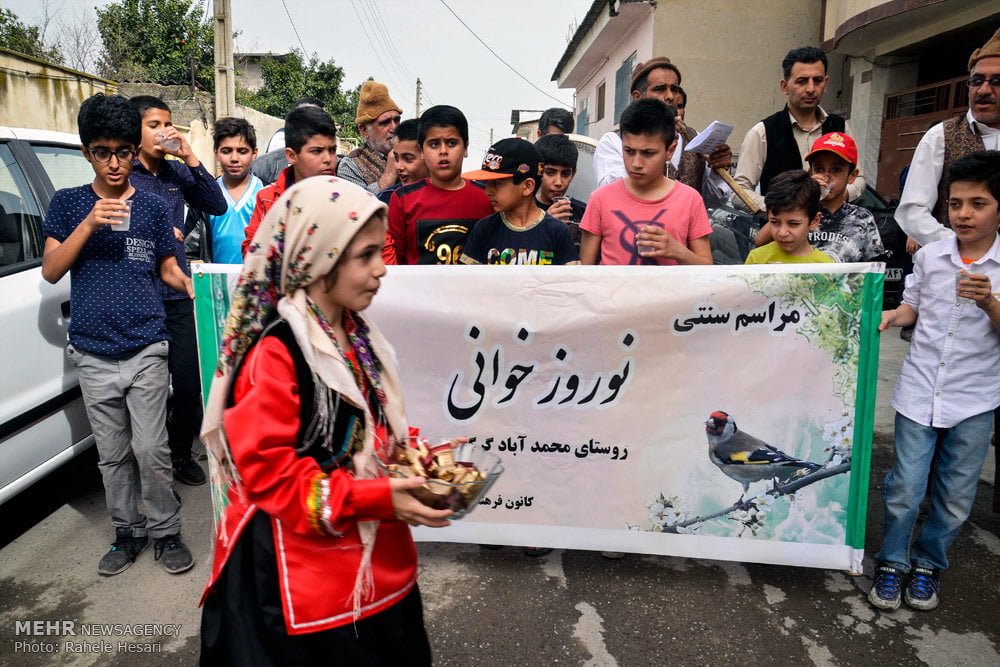
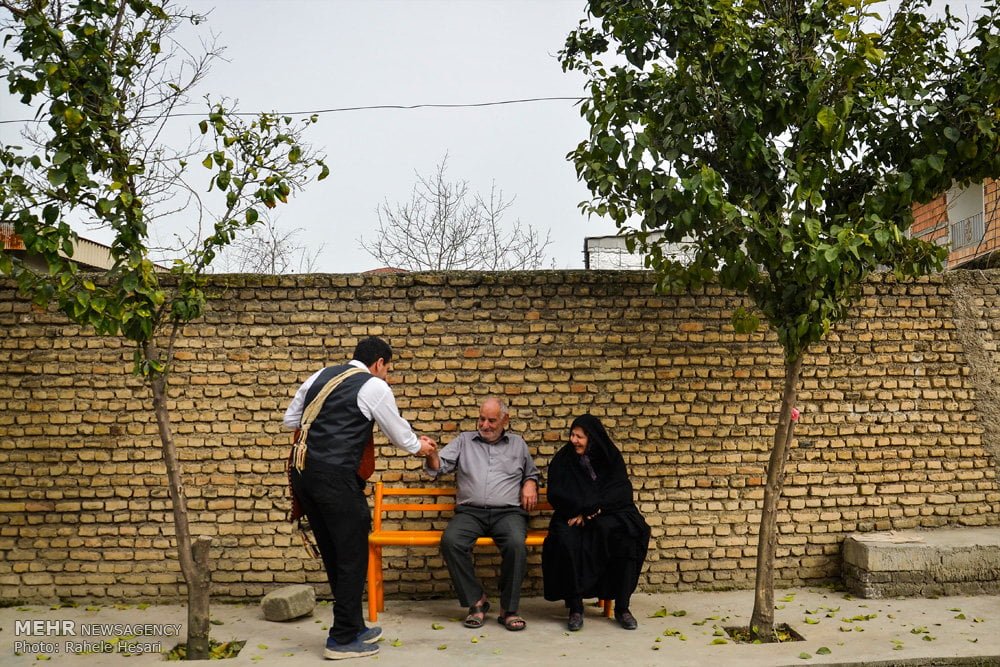
Nowruz Khani, or singing for Nowruz, is an age-old tradition practiced by natives of the northern Iranian provinces of Gilan, Mazandaran, and Golestan. Nowruz-Khans usually go to the door of their neighbours’ houses and sing songs for them.

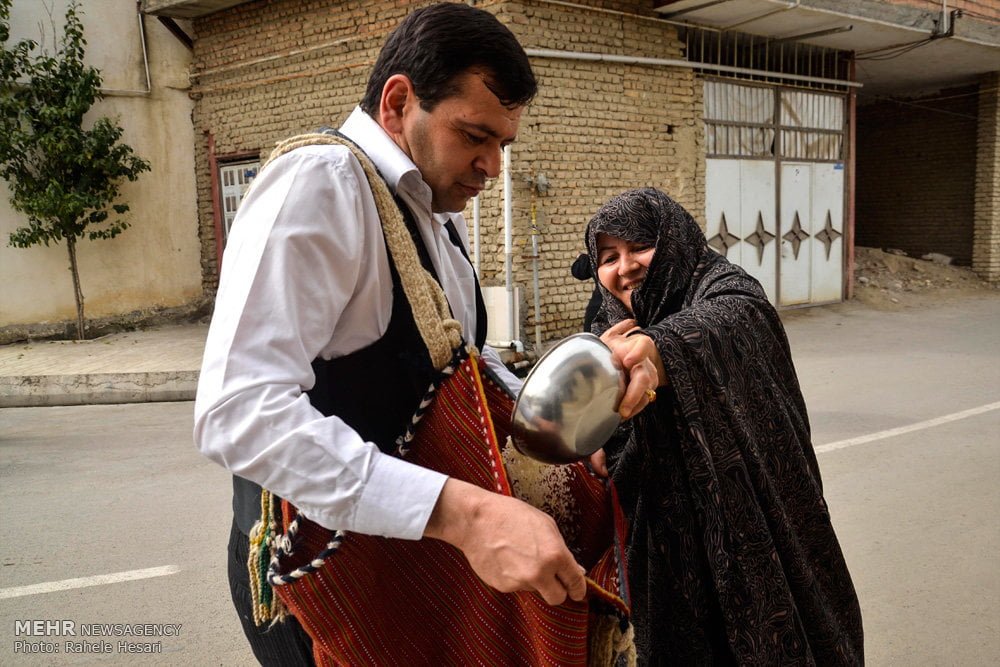
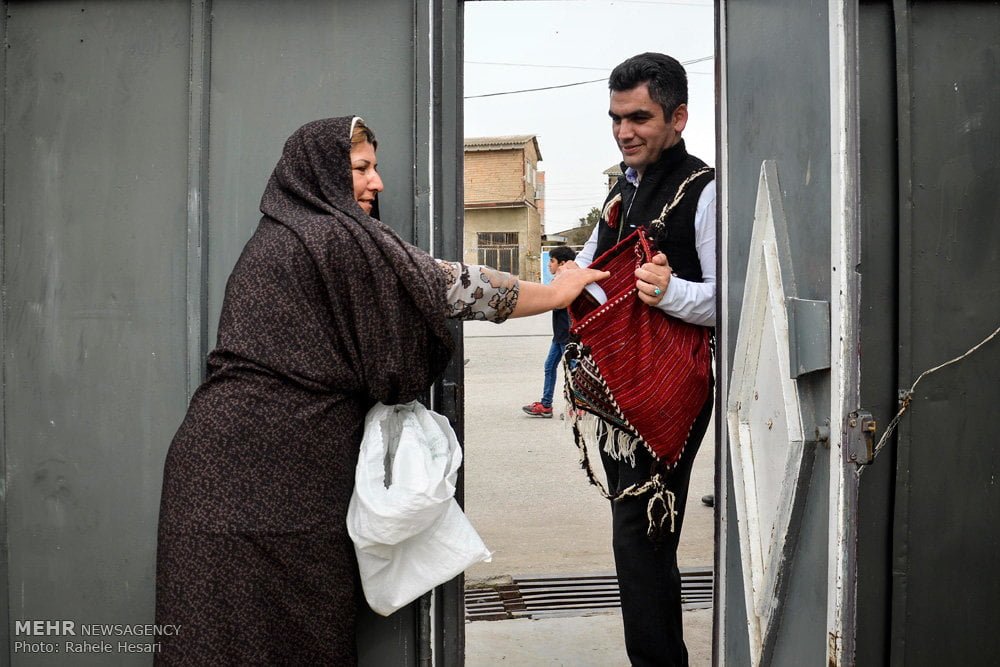
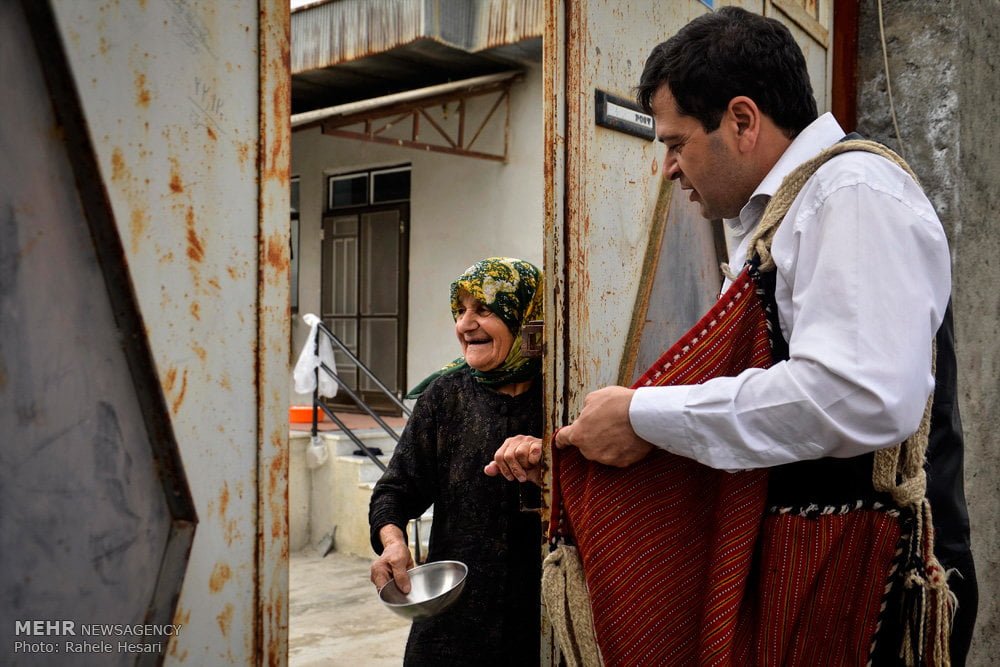
Nowruz Khans deliver their performances in groups of up to three people. The leading member of the group, who is also a poet, can play melodies and tunes with his own voice. One of the other two group members, called Nowruz Khan’s friend, sings the songs along with the main singer. The third one, dubbed ‘Khorjin Dar’ (saddlebag holder), goes to the doorstep of the houses and, by singing folklore and local songs heralding the arrival of spring and flourishing of the plants, prays to God for their resident’s full health and prosperity in the new year.

The owners of the houses also give them money, candies, walnut, eggs, beans and raisin in return.

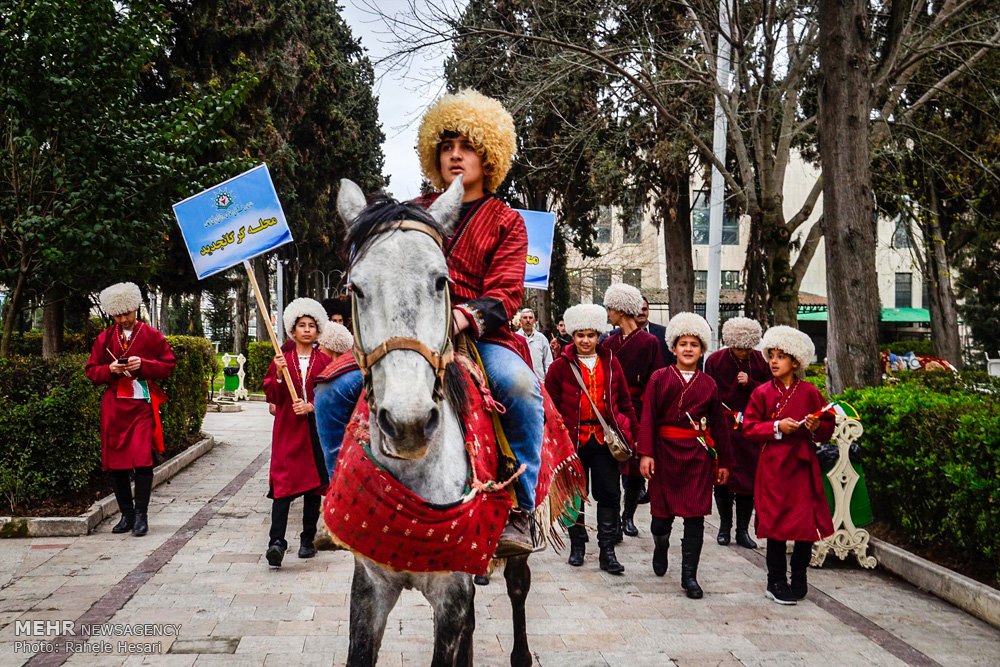
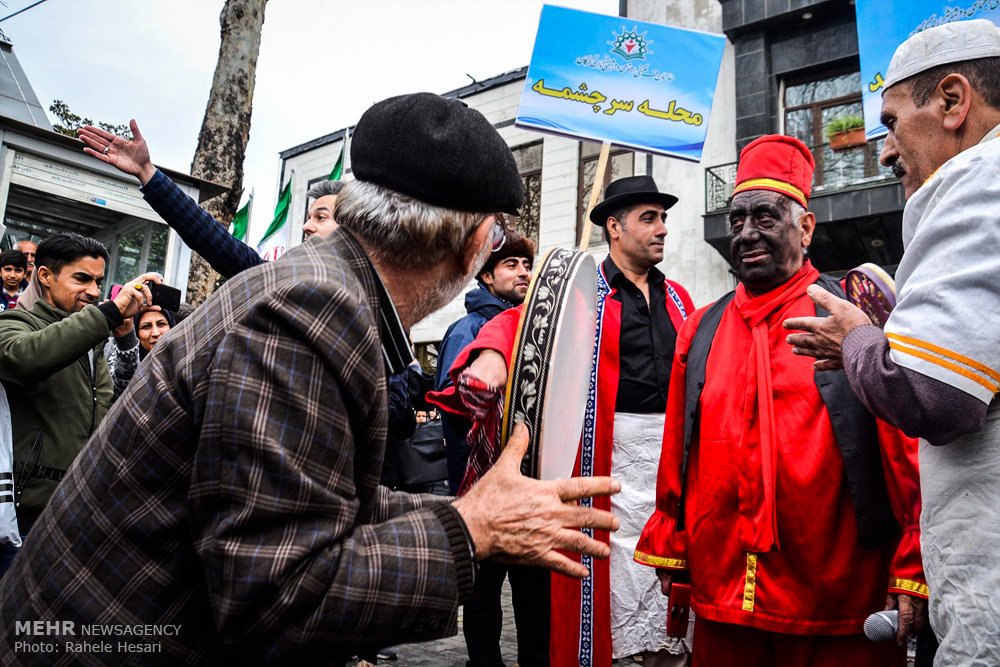
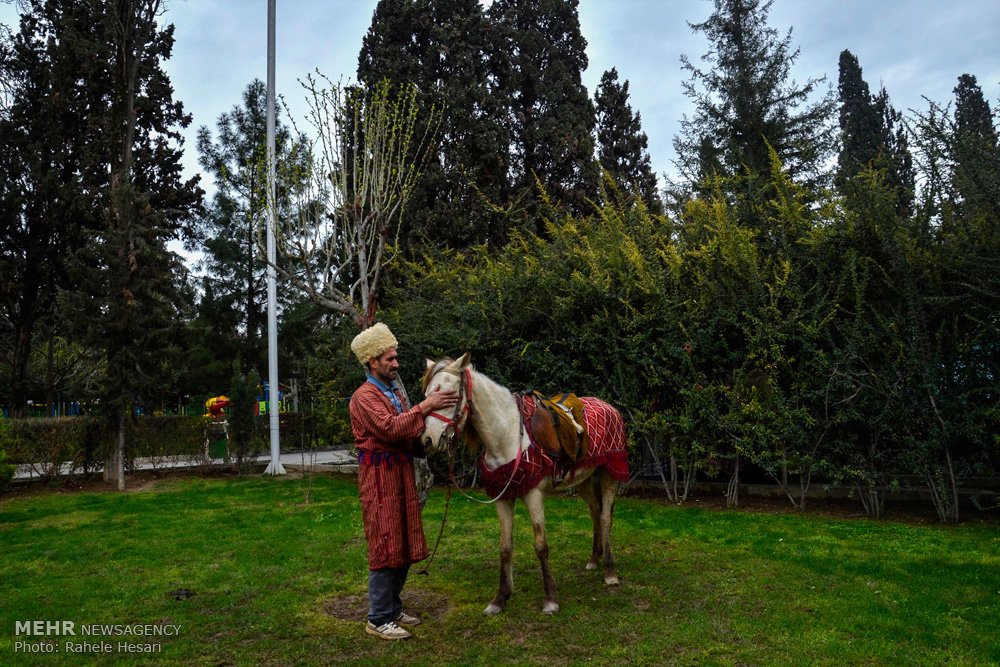
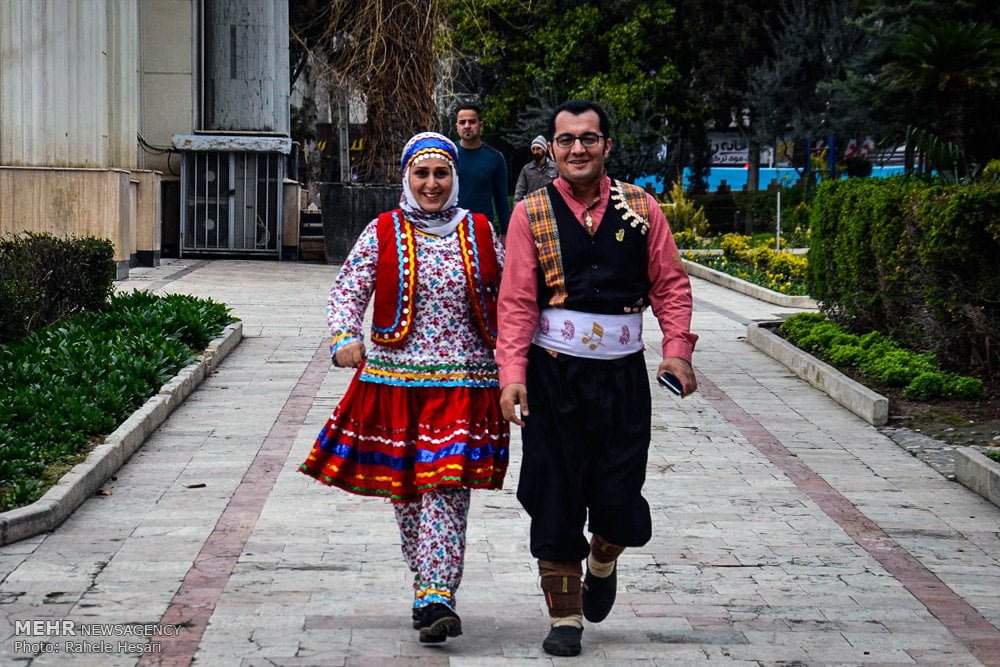
The following are Mehr News Agency’s photos of Nowruz-Khani in Mohammad-Abad and some other villages of Gorgan:


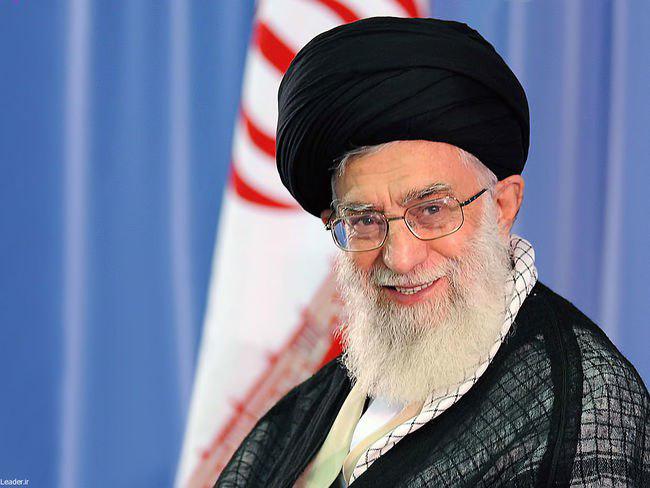
Iran Leader Calls on Nation to Support Iranian Products

What follows is the full text of the Leader’s message on the occasion of Nowruz, the Persian New Year:

In the Name of Allah, the Beneficent, the Merciful
O’ Conqueror of hearts and sight
O’ Planner of night and day
O’ Transformer of power and circumstances
Transform our condition to the best of conditions!
Dear God, give us your guidance, such guidance that you provide for your best-guided servants and feed us with the diligence of your diligent servants
I would like to congratulate all of our dear compatriots, in every part of the country, the planet, and other nations that celebrate Nowruz. In particular, I would like to congratulate the honorable families of martyrs, the dear disabled war veterans, and their families. I, especially, wish to congratulate the young, teenaged individuals of Iran who engender hope and pioneer the national movement of the country. I hope they have a joyous and sweet Nowruz and a year full of achievements and blessings.

This year, the Spring of Nature has coincided with the Spring of Spirituality. In other words, Farvardin, Ordibehesht, and Khordad (the three Persian months marking spring) have coincided with Rajab, Sha’ban, and Ramadan. I hope that this year, we will have both natural and spiritual growth for our country—God willing. This hope is being nurtured in our hearts that, by Allah’s favor, worldly and otherworldly saplings will prove to be a provision for this nation and country in the future. I wish to send my greetings to the Imam of Time (may our souls be sacrificed for his sake). Also, I commemorate and send my greetings to the immaculate soul of our magnanimous Imam [Khomeini].

I want to briefly discuss the years of 1396 and 1397 (2017-2018). Like all years, the year 1396 was a mixture of peaks and troughs, sweet and bitter events, just like other stages of our lives. These were the sweet events of the year 1396: the emergence of the people’s greatness and power and the national presence from the beginning to the end of the year. At the beginning of the year, we witnessed the very magnificent and dazzling presence of the people in presidential, city, and village council elections. More than 40 million people participated in the elections, that turnout was very impressive and meaningful. After that, we witnessed the Quds Day rally during the auspicious month of Ramadan, and at the end of the year we had the 9th of Dey rally (December 30), and, most importantly, there was the spectacular 22nd of Bahman (February 11) rally.

Of course, on the 9th of Dey, because of the commotion that broke out – I will refer to this later – the people staged voluntary and continuous rallies, in different cities of the country, all of which showed the presence of the great, insightful, sharp and prepared people of Iran, in all the areas that their presence is necessary.

Another important and sweet achievement, in the past year, was that the Islamic Republic managed to turn regional threats into great opportunities. The purpose of those threats–at least, one of the purposes–was to deliver a blow to the Islamic Republic; however, not only did those threats fail to harm the country, they became opportunities. Those who are aware of international issues understand this perfectly.

Another positive aspect was the effort made in the direction of reviving and utilizing the slogan of the year: National Production and Employment under the category of the Economy of Resistance [Economy of Resistance: Production and Employment]. Great tasks were carried out in the fields of employment and national production; however, there are many tasks left undone which should be taken care of. The goal of the slogan was implemented to some extent, but it should continue to perfection so, by Allah’s favor, the slogan’s concept can become a reality.

We had some bitter events in the year 1396 as well. The earthquake incident, floods, an airplane crash and a ship collision incident in which some of our dear ones lost their lives. They were bitter events for us. Additionally, there was drought, in some areas of the country, which is still an ongoing issue. I hope that divine grace will make up for it in the spring. Moreover, the livelihood problems of some social classes have continued from the past. There should be a great effort–everyone should make an effort [so that these problems are solved]. I will refer to this matter, later on, with the hope that these problems will be eliminated, God willing.

During the final months of the year, certain disturbances were staged according to plans of the Iranian nation’s enemies. However, [in a move against their plans] the Iranian people entered the arena voluntarily. Even individuals who were supposedly instigators of such disturbances, triggered by the enemies, entered the arena and stood up against the rioters. This was an incident wherein the greatness of the Iranian nation became clear on their stance.

As for the year 1397–the year that begins at this moment–what is important is that everyone should work hard. The maxims that I choose for different years, I usually address officials. This year, the masses of the people–including government officials–are addressed. As an introduction, I wish to say that the issues of the economy, culture, and various other issues are important; but, this year, our main concern is the issue of the economy and the problems surrounding the people’s livelihood. Everyone should endeavor, everyone should work hard, and the pivotal point is national production. If everyone pursues and follows up on the national production, according to the basis of an explanation that I will provide in the speech [Supreme Leader’s speech at Imam Ridha Shrine], then many economic problems and many problems of the people, regarding their livelihood–the issue of employment, investment, and other such issues–will be resolved, and social detriments will decrease to a large extent. The pivotal point is national production.

If national production is accelerated, many problems will be resolved. I have chosen this as the center of this year’s slogan. This year’s slogan is “Support for Iranian Products”: “The Year of Support for Iranian Products.” This is not only related to officials, all people from various social backgrounds can help in this area, and they can enter the arena in the real sense of the word. Of course, there are five, six dimensions for this support. By Allah’s favor, I will expand on these dimensions in my speech. God willing, I will discuss the things that people from various social backgrounds and the various officials of the country can do in this regards.

I hope that Allah the Exalted will help both officials and the people so that they can carry out their duties in the best way possible, and they can act on this year’s slogan–the slogan of “Support for Iranian Products” – in the true sense of the word.
Greetings be upon you and Allah’s mercy and blessings

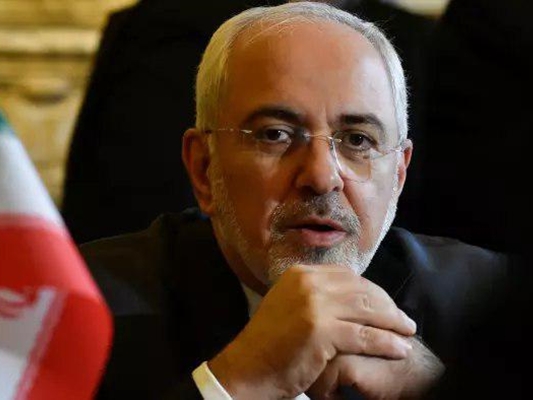
Iran FM Proposes New Regional Security Paradigm Based on Dialogue

In this article, which was published in Arabic on Tuesday, Zarif said the new paradigm is based on what he calls “network security”, in which securing the interests of each one of the regional countries would be contingent upon ensuring the interests of all regional countries.

What follows is the full text of his article translated into English:


Moving Towards New Security Paradigm Based on Dialogue, Confidence-Building in Mideast

The heavy defeats suffered by the ISIS terrorist group over the past year sounded the death knell to the so-called “Islamic State of Iraq and the Levant” project, and dealt a heavy blow to the violent extremism which had pushed our region into a period of utter destruction. However, terrorism and extremism are still there and, given their widespread networks in different countries, continue to pose a threat to the region and the whole world. Preventing the spread of extremism is still a priority. We have weathered the territorial challenge posed by the fabricated Islamic State of Iraq and the Levant, but still have a long way to go to ensure the desirable security situation. In this historical period, we and other regional players are facing three major challenges: First, getting a proper understanding of the current realities; second, reaching a common understanding on the desired situation in the region; and third, finding ways of reaching this favourable situation. If the challenges are addressed, it will ensure the ease of mind and security of our children.

The idea of having a powerful region is rooted in the Islamic Republic of Iran’s strategic look at the region around it. This idea means accepting the principle of establishing collective security, the necessity of respecting that principle, generalisng the win-win principle to the whole region, opposing domination and eliminating other players. Accordingly, securing the interests of each one of the regional countries would be contingent upon ensuring the interests of all regional countries. Another point is that rivalry between countries on the path to economic and social development is not reprehensible. Nevertheless, seeking to gain domination in order to eliminate rivals and turn into the strongest power is not only not attainable, but will trigger tensions and is basically impossible. Such rivalry will only result in a destructive and vicious circle that will beget chronic tension and constant fighting. One should give up moves aimed at causing destruction, and should come to the understanding that we Muslims can and must try to bring tranquility, security, peace and economic development upon our region. At a time when our region is grappling with a whole range of problems such as terrorism, environmental crises, growing immigration and the like, a destructive arms race and tension between neighbours would mean more costs for regional nations. This comes as the average military spending of our neighbouring countries in the Persian Gulf is the highest in the world in proportion to their gross domestic product. Such a move creates tension and mistrust, leads to the region’s vital assets going to waste, and fills the coffers of arms-manufacturing looters, a trend that will only result in more and more catastrophic adventurism. We have no solution ahead of us, but to start a trend that would build confidence.

Given the realities in today’s integrated world and the situation in our region, especially the Persian Gulf, old methods of building an alliance are no longer efficacious. At the same time, some differences in the population, economic power and military might have given rise to security concerns in smaller countries and resulted in dependence on foreign powers, leading to the illusion of buying security or importing it from abroad. The way out of this dangerous and vicious circle is network security which is based on cooperation among all regional countries within the framework of a common mechanism. To that end, countries in the region should commit themselves to common standards such as the principle of equality of countries, not making threats or resorting to force, peaceful settlement of differences, the principle of respecting countries’ territorial integrity, the principle of non-interference in one another’s internal affairs and respect for every country’s right to self-determination. This experience has proven effective in other regions which have seen war and bloodshed for years and have had a lot fewer common economic and political interests, and there is no reason why that experience should not work in our region. Network security is not seeking to eliminate viewpoints or turn a blind eye to historical problems; rather, it is a way to prevent an increase in enmity and inefficient, stopgap alliances. Within this framework, all regional countries base their cooperation on network security in order to attain lasting arrangements to ensure regional security. Based on this viewpoint, the security of a country or group cannot be defined or ensured without others’ security, and old inefficient doctrines should be superseded by a mechanism based on identifying and even producing areas where countries have common interests as well as on partnership and promotion of cooperation in those very areas of common interests not to mention holding talks in the areas where countries have different viewpoints and interests.

In order to reach stability and a desirable security situation, we should move towards dialogue and adopting confidence-building measures at this juncture more than ever. We in West Asia do not have enough dialogue at any level. Our governments need assurance-giving talks more than ever before. These negotiations should be aimed at understanding and getting to know one another and should make it clear that all of us have more or less similar worries, fears, wishes and hopes, and we can use dialogue and positive interaction to serve our people’s interests given our geography as well as historical, cultural and religious commonalities. Such talks can and should replace useless propagandistic rhetoric and statements that we direct at each other via media. Dialogue is one of the most important tools to remove distrust. Still, in some cases, measures need to be adopted in addition to direct talks in order to bring down the level of worries. So, dialogue should be coupled with the necessary prudence to take confidence-building measures. Exchange of information is one of the first measures to be adopted in all areas and is mainly aimed at preventing misunderstandings and tension-provoking actions. Promotion of communications among people such as promotion of tourism and cooperation in different common areas, especially economic and trade domains, can also pave the way for measures which could give assurances. Among the measures which can be put on the agenda are setting up joint working groups in various areas from nuclear safety to environment pollution and natural disasters, joint military meetings, giving one another notice about upcoming military exercises, transparency in the field of weapons, and cutting military costs, all of which can lead to the conclusion of a deal on non-aggression.
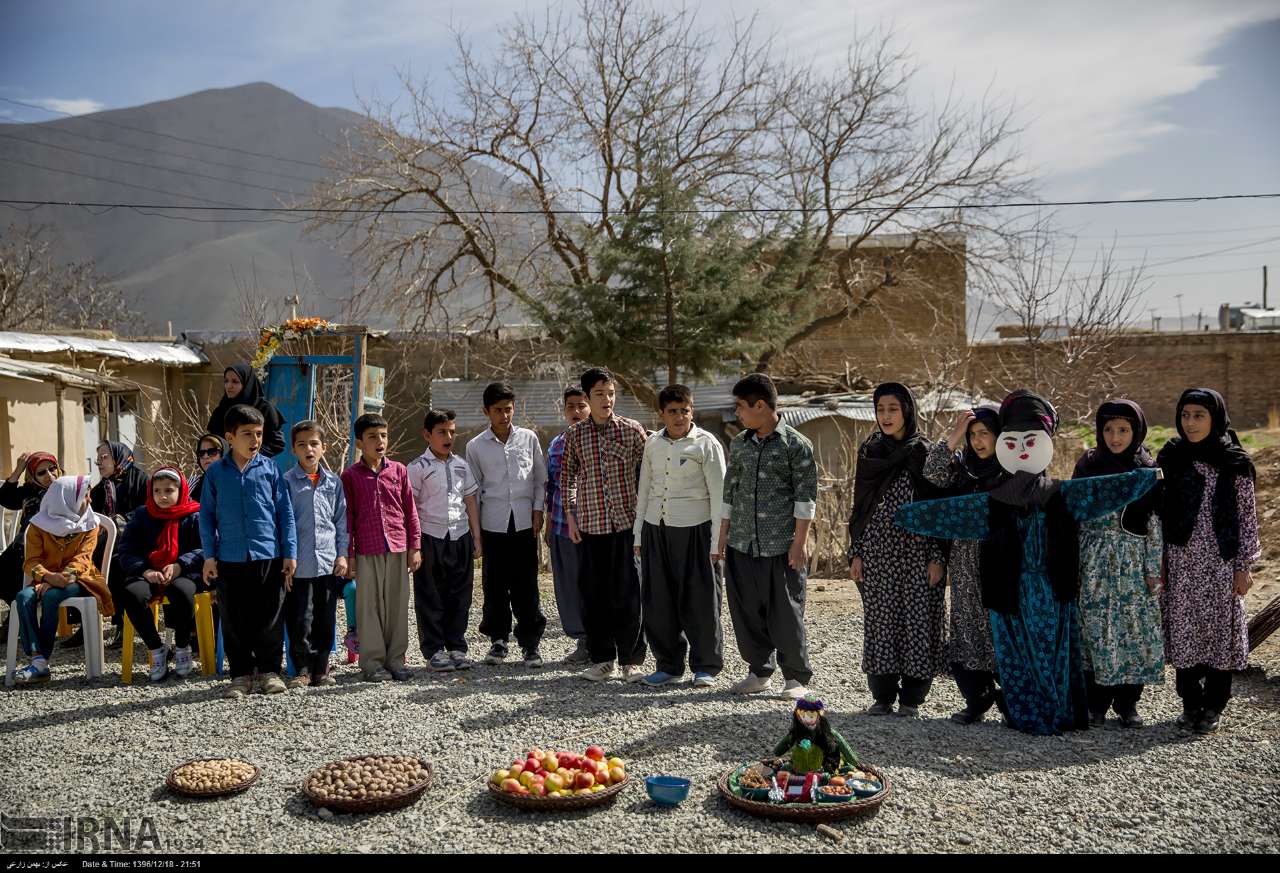
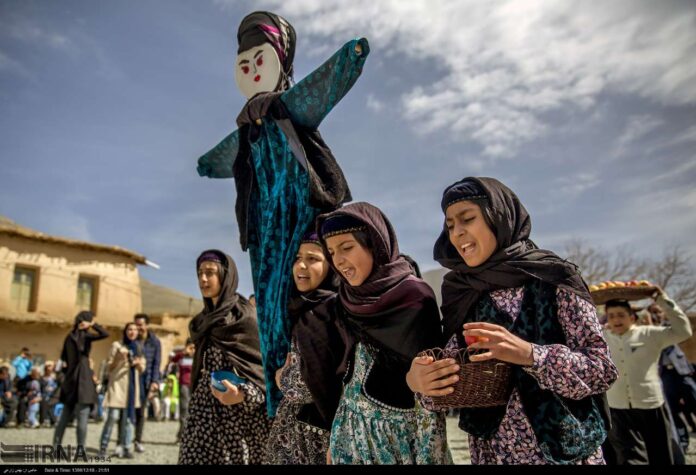
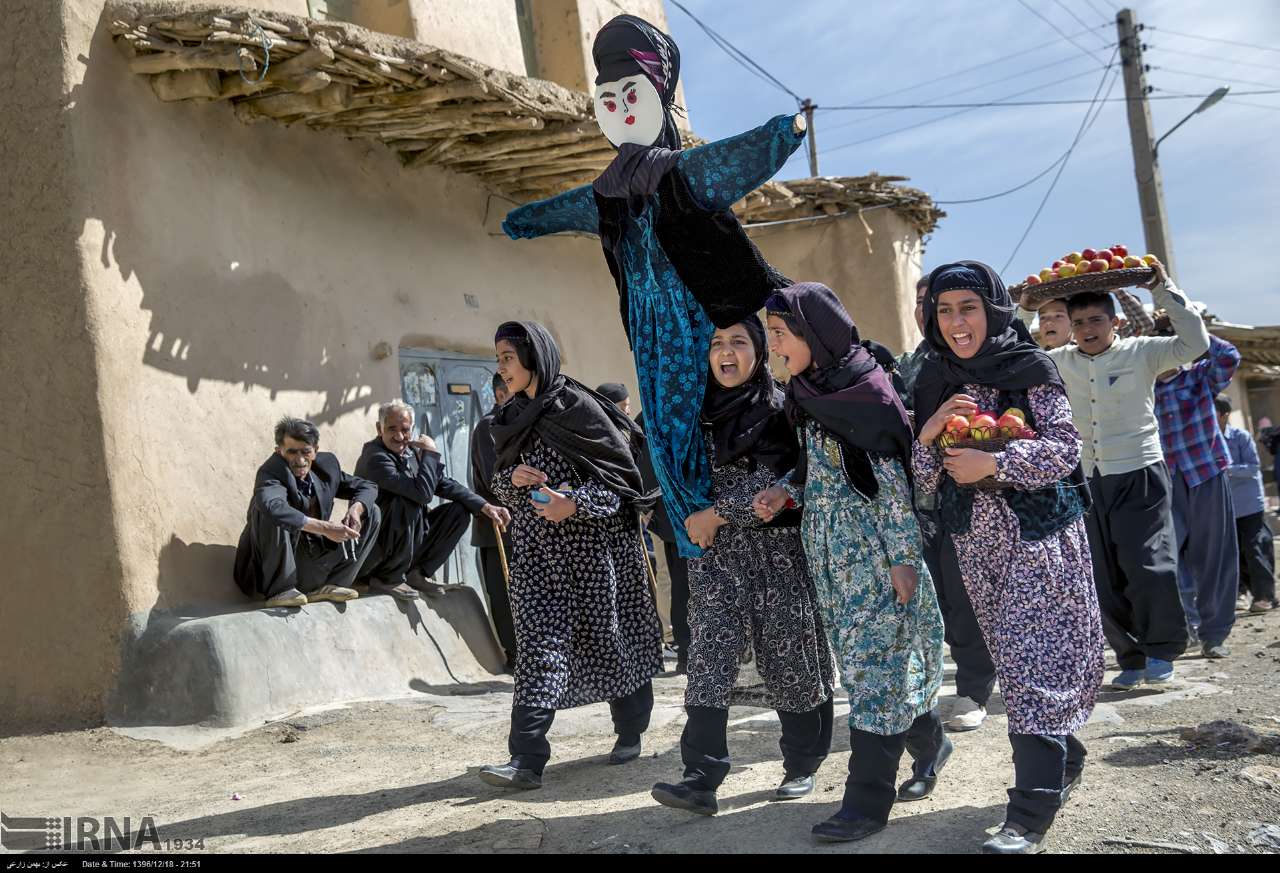
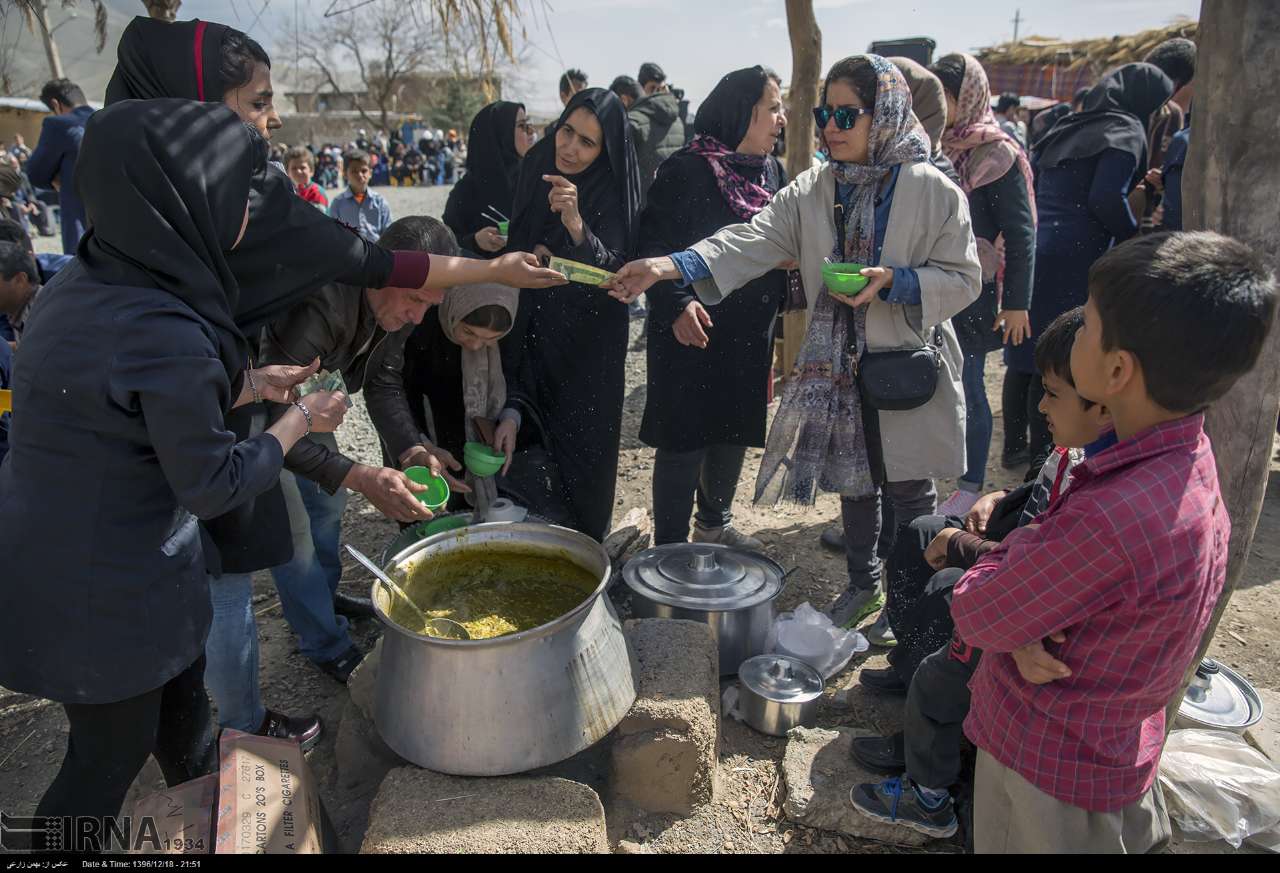
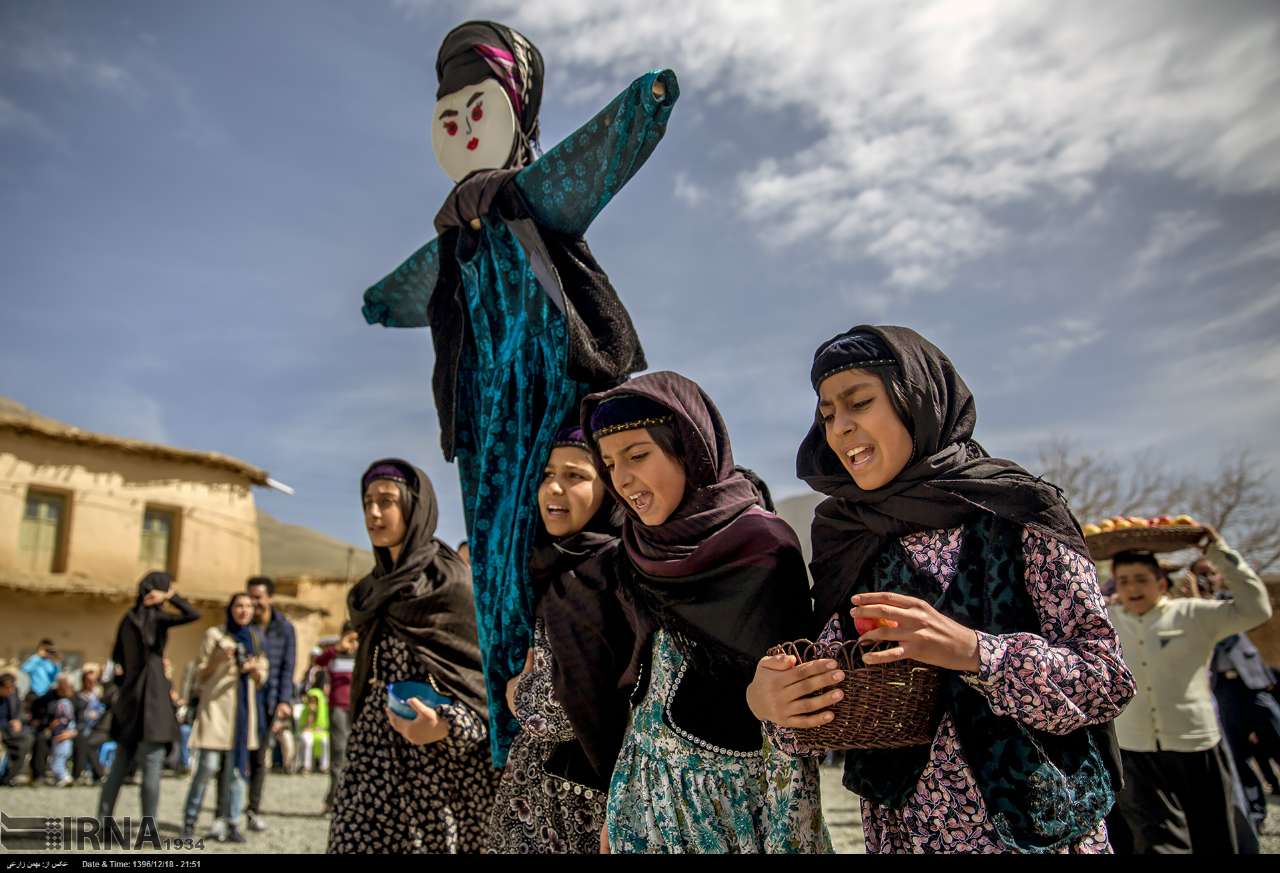
Footsteps of Spring Heard in Western Iran

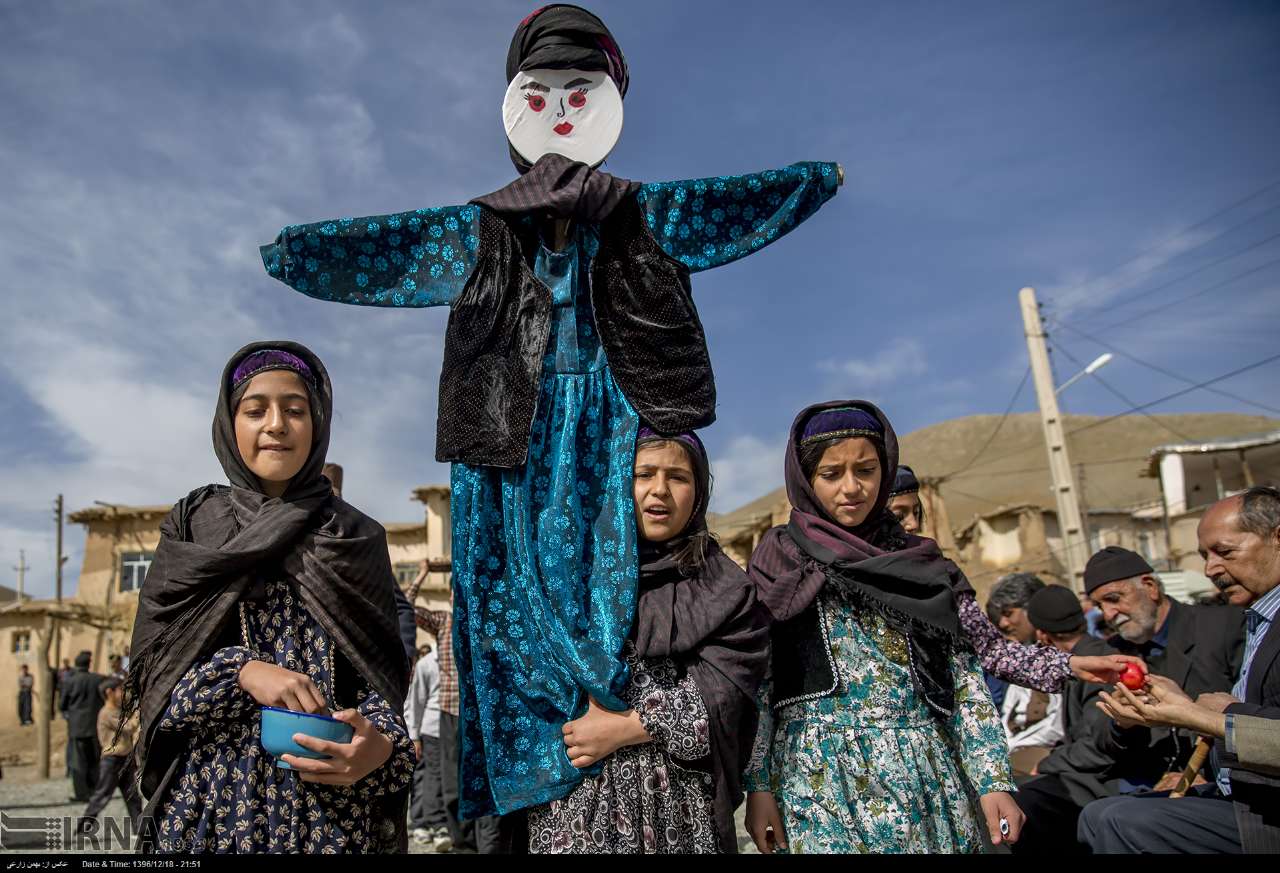
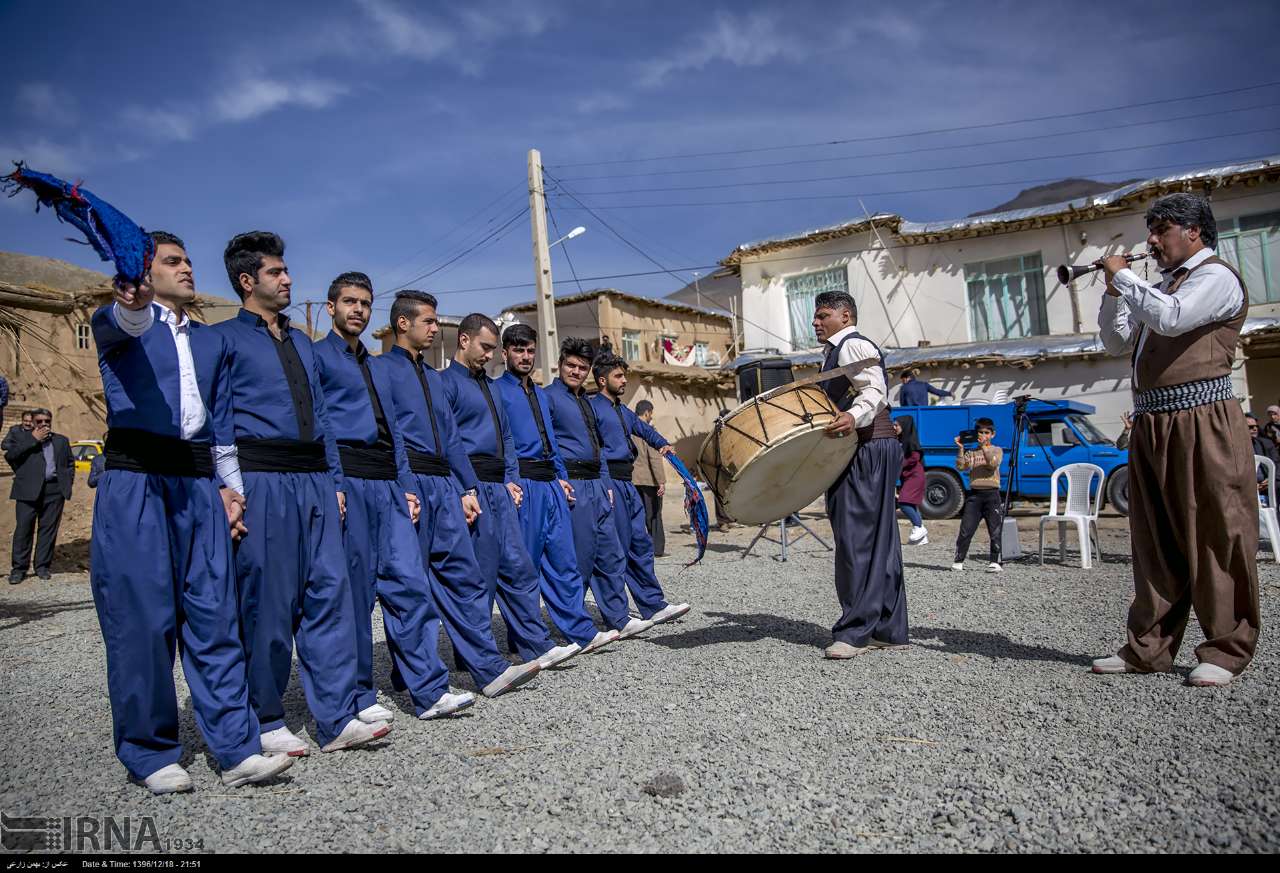
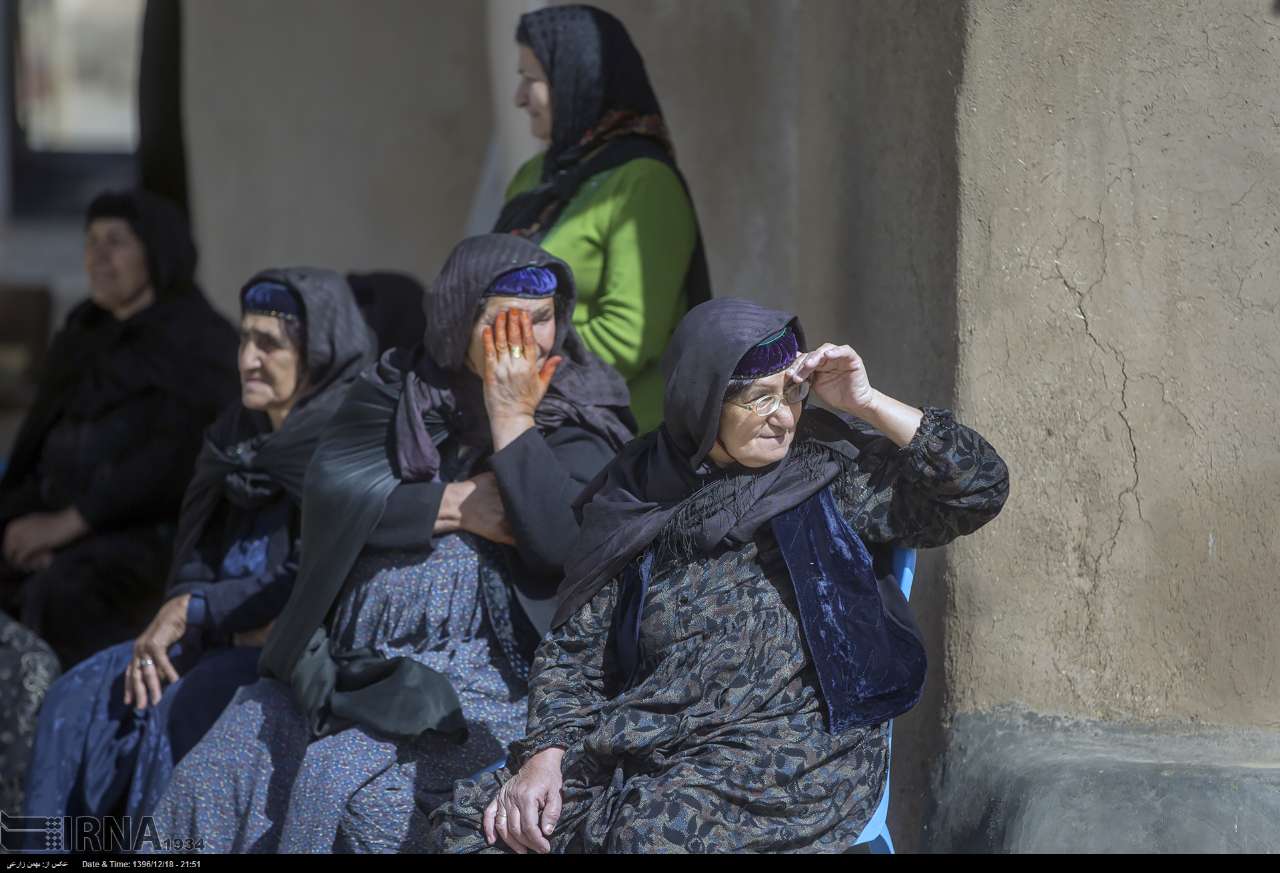
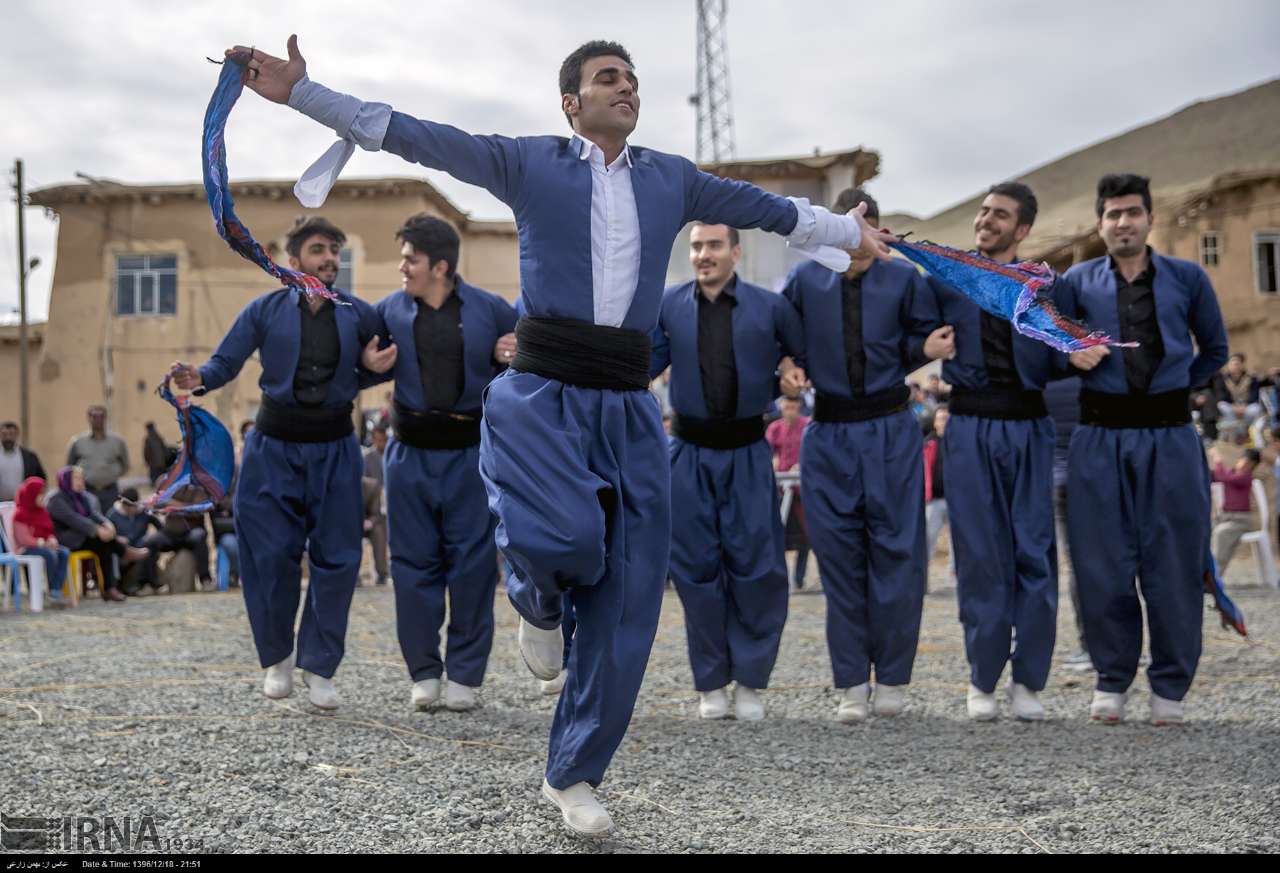
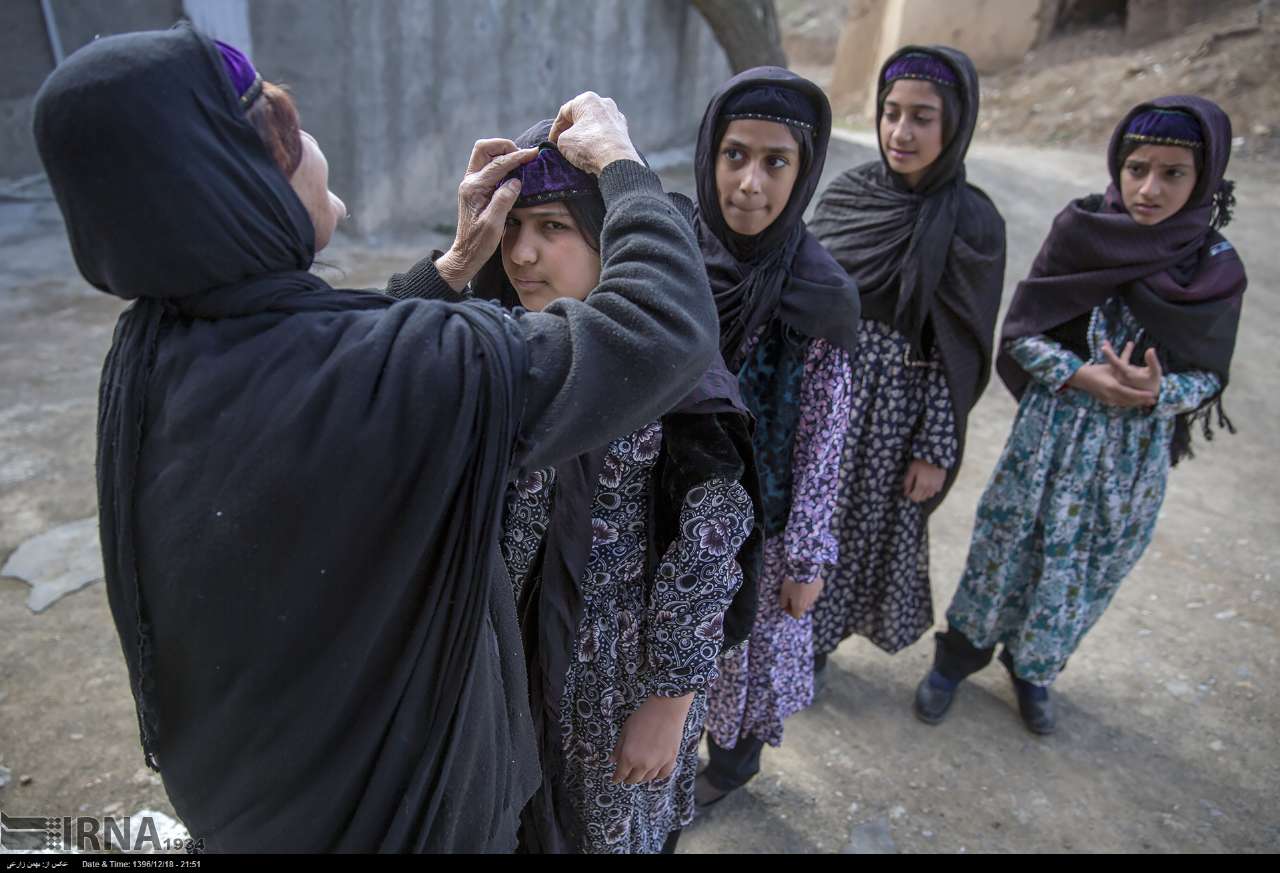
The ritual, which is held by the villagers of Kanduleh, includes mass prayers for rain, Kurdish dance, and the sale and exhibition of various types of handicrafts.

What follows are IRNA’s photos of this year’s ceremony held a few days ago:

Iran Dismisses Saudi Accusation It Supports Al-Qaeda

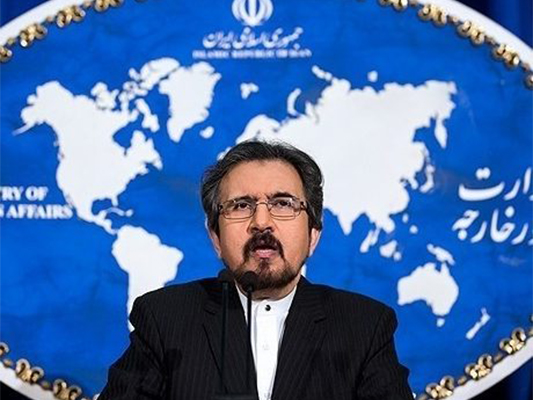
“Mohammad bin Salman’s claim that Al-Qaeda leaders are in Iran is a big lie,” Bahram Qassemi said in a Tuesday statement.

“He cannot deny the role of Saudi leaders in creating the most dangerous terrorist groups in the contemporary history and major terrorist attacks like 9/11 by making obvious lies,” he added.

Qassemi was reacting to remarks by Mohammed Bin Salman in an interview with US television channel CBS aired Sunday night accusing Iran of being a destabilizing force in the region that has been hosting and supporting Al-Qaeda leaders, including Osama Bin Laden’s son.

The spokesman explained that some Al-Qaeda affiliates, including some members of the family of the group’s leader Osama bin Laden, entered Iran illegally in early 2000s, fleeing the US invasion of Afghanistan in 2001.

All the Al-Qaeda members were arrested at the time and deported to Afghanistan, except for some of them who were delivered to their countries, including one of bin Laden’s daughters who was sent to Saudi Arabia, Qassemi said.

The spokesman said the crown prince is “outrageously” trying to pave his way to the Saudi throne.

“Apparently, transferring hundreds of billions of dollars of wealth of the Saudi people to US arms manufacturers has not been enough and he has to come up with a solution to delete the records proving the incumbent Saudi leaders’ support for terrorism and extremism,” he said.

Qassemi said Bin Salman’s recent interview with the CBS showed the Crown Prince is a terrible liar who does not even know the history and culture of his country.

“It’s no secret that Saudi intelligence service created the Al-Qaeda terrorist group and has systematic contact with them,” he said, referring to a 28-page section of the Joint Inquiry of Congress’ Investigation into the September 11 attacks in 2002 referring to foreign state sponsors of Al-Qaeda.

“It is part of the unchangeable facts that show many Saudi officials were openly complicit in the [9/11] attack,” he said.

The 28 pages, suppressed for years, were ultimately released by the US government in July 2016.

While it did not reveal any direct links between Saudi officials and Al Qaeda, it stated that the US intelligence community deeply suspected there were such connections at the time .

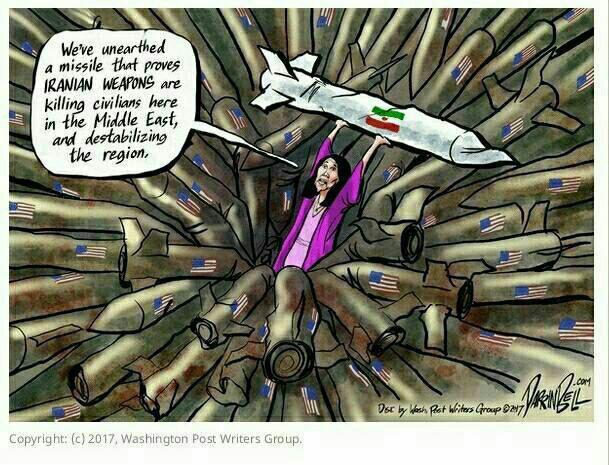
West’s Demands for Curbs on Iran Missiles Hypocritical: Zarif

“Sheer hypocrisy of whining about Iran’s defensive missiles while pouring $100 billion of arms into our region,” Foreign Minister Mohammad Javad Zarif wrote in a tweet on Monday.

Drawing a comparison between the western countries’ treatment of Iran and Saudi Arabia, Zarif said the pressure put on Iran by the US and its European allies could act as “customer service” to wealthy clients of western arms manufactures in the region.

“Buy our weapons [and] our governments will provide after-sales support by pressuring your neighbour to dismantle its defences,” Zarif wrote.

The foreign minister was apparently referring to Saudi Arabia, the world’s biggest arms importer.

Just last year, Saudis agreed to buy over $110 billion worth of US weapons during US President Donald Trump’s visit to Riyadh.

France, along with other European powers, Germany and Britain, has for a while been requesting Iran to stop developing ballistic missiles and curbs regional activities.

They argue the restrictions are the only way to prevent the termination of the 2015 nuclear deal by the US President Donald Trump.

Iran Urges Germany to Continue Playing Constructive Role in JCPOA

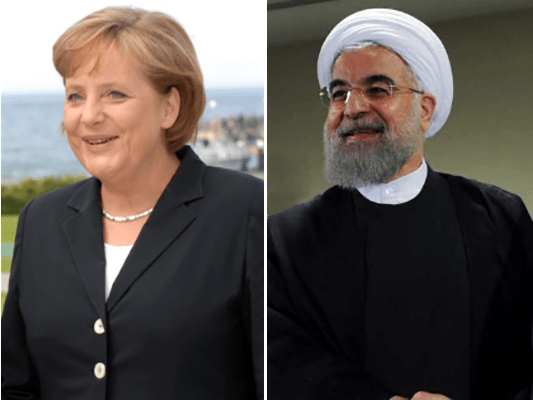
In a congratulatory letter to German Chancellor Angela Merkel over her re-election for fourth term, Rouhani said the long-time, friendly and constructive ties between Iran and Germany have provided the two sides with an appropriate opportunity to further expand their mutual cooperation.

The Iranian president appreciated Germany’s constructive and effective role during the JCPOA talks, and called on Berlin to continue playing such a role to completely and successfully implement the nuclear deal and prevent illegitimate excessive demands by other sides.

Rouhani also added Iran expects to witness the development of bilateral ties between Iran and Germany based on reciprocal respect and mutual interests.

He referred to the growing global threats in such fields as environment, terrorism, regional crises and unilateralism and said the two sides can exert joint efforts at regional and international level to cope with the problems.

The Iranian president finally wished hope and success for the German government and nation.

Bruised by half a year of post-election coalition haggling, Merkel was elected last week by parliament to her fourth and likely final term at the helm of Europe’s biggest economy.

Lawmakers in Berlin’s parliament voted 364-315 with nine abstentions for Merkel.

Rouhani Facilitates Putin on Landslide Victory

“Extending sincere congratulations on this occasion, I’m confident the two countries’ ties will further improve during your new presidential term,” Rouhani wrote in a congratulatory message published on president.ir on Monday.

“Expressing satisfaction over the development of bilateral relations in recent years, I hereby announce Iran’s readiness to consolidate deep cooperation with Russia in bilateral, regional and international dimensions,” Rouhani said.

Putin basked in his biggest ever election victory on Monday, wining 76.68 percent of the votes to extend his rule over the world’s largest country for another six years.

Putin has run Russia as president or prime minister since 1999.