Thursday, December 25, 2025
Home Blog Page 3597

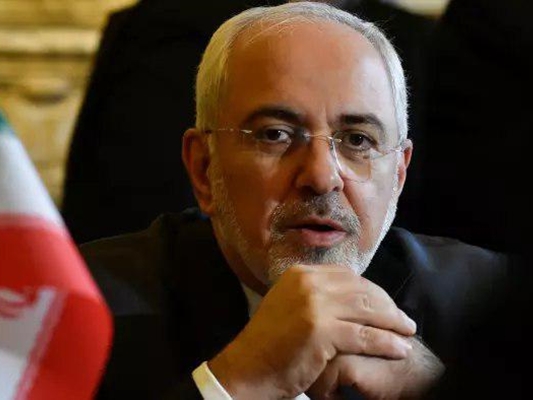
Iran FM Proposes New Regional Security Paradigm Based on Dialogue

In this article, which was published in Arabic on Tuesday, Zarif said the new paradigm is based on what he calls “network security”, in which securing the interests of each one of the regional countries would be contingent upon ensuring the interests of all regional countries.

What follows is the full text of his article translated into English:


Moving Towards New Security Paradigm Based on Dialogue, Confidence-Building in Mideast

The heavy defeats suffered by the ISIS terrorist group over the past year sounded the death knell to the so-called “Islamic State of Iraq and the Levant” project, and dealt a heavy blow to the violent extremism which had pushed our region into a period of utter destruction. However, terrorism and extremism are still there and, given their widespread networks in different countries, continue to pose a threat to the region and the whole world. Preventing the spread of extremism is still a priority. We have weathered the territorial challenge posed by the fabricated Islamic State of Iraq and the Levant, but still have a long way to go to ensure the desirable security situation. In this historical period, we and other regional players are facing three major challenges: First, getting a proper understanding of the current realities; second, reaching a common understanding on the desired situation in the region; and third, finding ways of reaching this favourable situation. If the challenges are addressed, it will ensure the ease of mind and security of our children.

The idea of having a powerful region is rooted in the Islamic Republic of Iran’s strategic look at the region around it. This idea means accepting the principle of establishing collective security, the necessity of respecting that principle, generalisng the win-win principle to the whole region, opposing domination and eliminating other players. Accordingly, securing the interests of each one of the regional countries would be contingent upon ensuring the interests of all regional countries. Another point is that rivalry between countries on the path to economic and social development is not reprehensible. Nevertheless, seeking to gain domination in order to eliminate rivals and turn into the strongest power is not only not attainable, but will trigger tensions and is basically impossible. Such rivalry will only result in a destructive and vicious circle that will beget chronic tension and constant fighting. One should give up moves aimed at causing destruction, and should come to the understanding that we Muslims can and must try to bring tranquility, security, peace and economic development upon our region. At a time when our region is grappling with a whole range of problems such as terrorism, environmental crises, growing immigration and the like, a destructive arms race and tension between neighbours would mean more costs for regional nations. This comes as the average military spending of our neighbouring countries in the Persian Gulf is the highest in the world in proportion to their gross domestic product. Such a move creates tension and mistrust, leads to the region’s vital assets going to waste, and fills the coffers of arms-manufacturing looters, a trend that will only result in more and more catastrophic adventurism. We have no solution ahead of us, but to start a trend that would build confidence.

Given the realities in today’s integrated world and the situation in our region, especially the Persian Gulf, old methods of building an alliance are no longer efficacious. At the same time, some differences in the population, economic power and military might have given rise to security concerns in smaller countries and resulted in dependence on foreign powers, leading to the illusion of buying security or importing it from abroad. The way out of this dangerous and vicious circle is network security which is based on cooperation among all regional countries within the framework of a common mechanism. To that end, countries in the region should commit themselves to common standards such as the principle of equality of countries, not making threats or resorting to force, peaceful settlement of differences, the principle of respecting countries’ territorial integrity, the principle of non-interference in one another’s internal affairs and respect for every country’s right to self-determination. This experience has proven effective in other regions which have seen war and bloodshed for years and have had a lot fewer common economic and political interests, and there is no reason why that experience should not work in our region. Network security is not seeking to eliminate viewpoints or turn a blind eye to historical problems; rather, it is a way to prevent an increase in enmity and inefficient, stopgap alliances. Within this framework, all regional countries base their cooperation on network security in order to attain lasting arrangements to ensure regional security. Based on this viewpoint, the security of a country or group cannot be defined or ensured without others’ security, and old inefficient doctrines should be superseded by a mechanism based on identifying and even producing areas where countries have common interests as well as on partnership and promotion of cooperation in those very areas of common interests not to mention holding talks in the areas where countries have different viewpoints and interests.

In order to reach stability and a desirable security situation, we should move towards dialogue and adopting confidence-building measures at this juncture more than ever. We in West Asia do not have enough dialogue at any level. Our governments need assurance-giving talks more than ever before. These negotiations should be aimed at understanding and getting to know one another and should make it clear that all of us have more or less similar worries, fears, wishes and hopes, and we can use dialogue and positive interaction to serve our people’s interests given our geography as well as historical, cultural and religious commonalities. Such talks can and should replace useless propagandistic rhetoric and statements that we direct at each other via media. Dialogue is one of the most important tools to remove distrust. Still, in some cases, measures need to be adopted in addition to direct talks in order to bring down the level of worries. So, dialogue should be coupled with the necessary prudence to take confidence-building measures. Exchange of information is one of the first measures to be adopted in all areas and is mainly aimed at preventing misunderstandings and tension-provoking actions. Promotion of communications among people such as promotion of tourism and cooperation in different common areas, especially economic and trade domains, can also pave the way for measures which could give assurances. Among the measures which can be put on the agenda are setting up joint working groups in various areas from nuclear safety to environment pollution and natural disasters, joint military meetings, giving one another notice about upcoming military exercises, transparency in the field of weapons, and cutting military costs, all of which can lead to the conclusion of a deal on non-aggression.
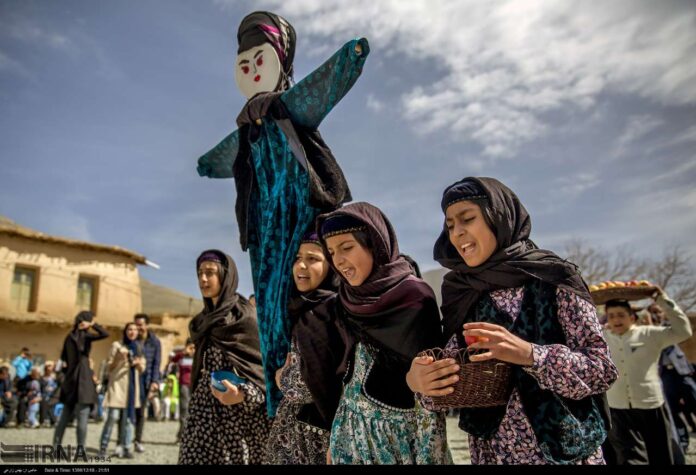
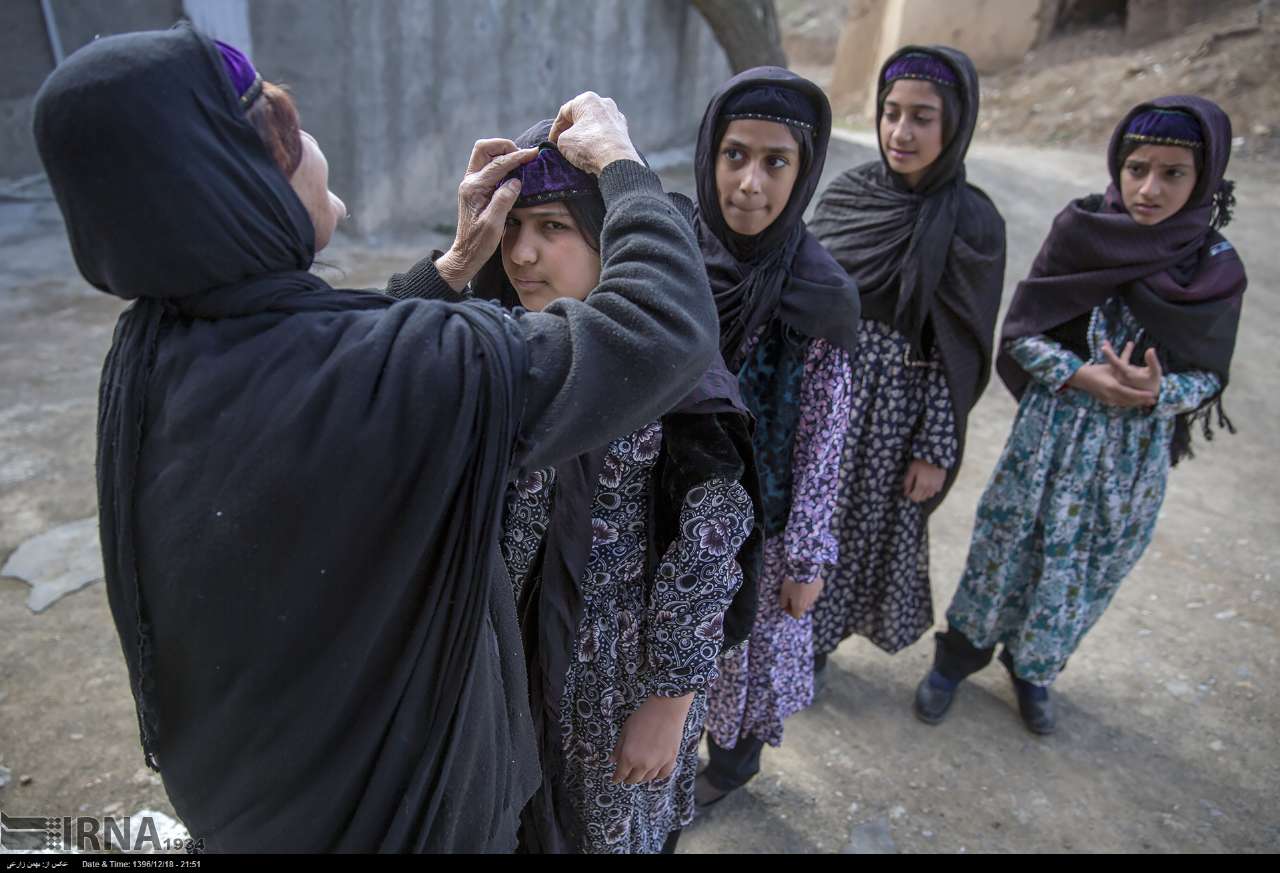
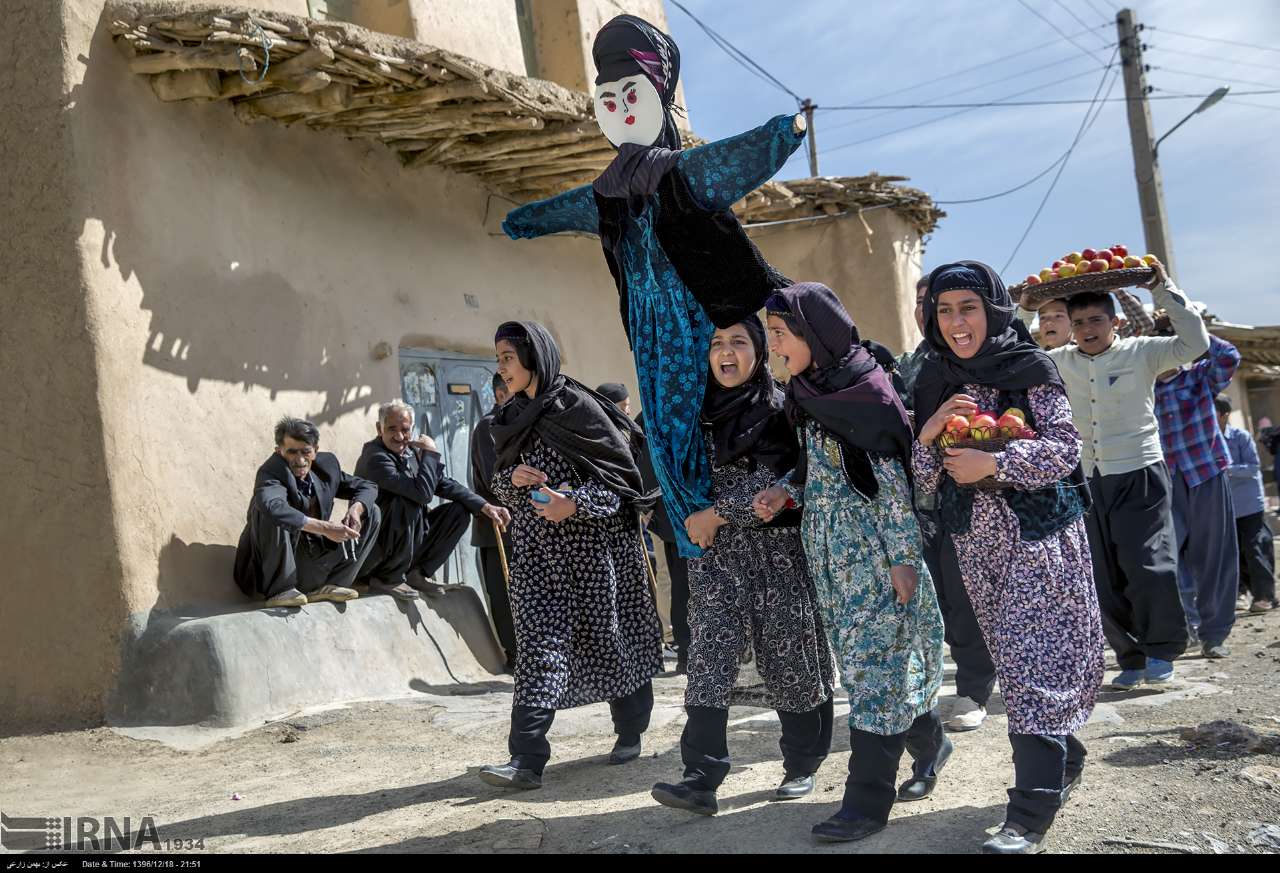
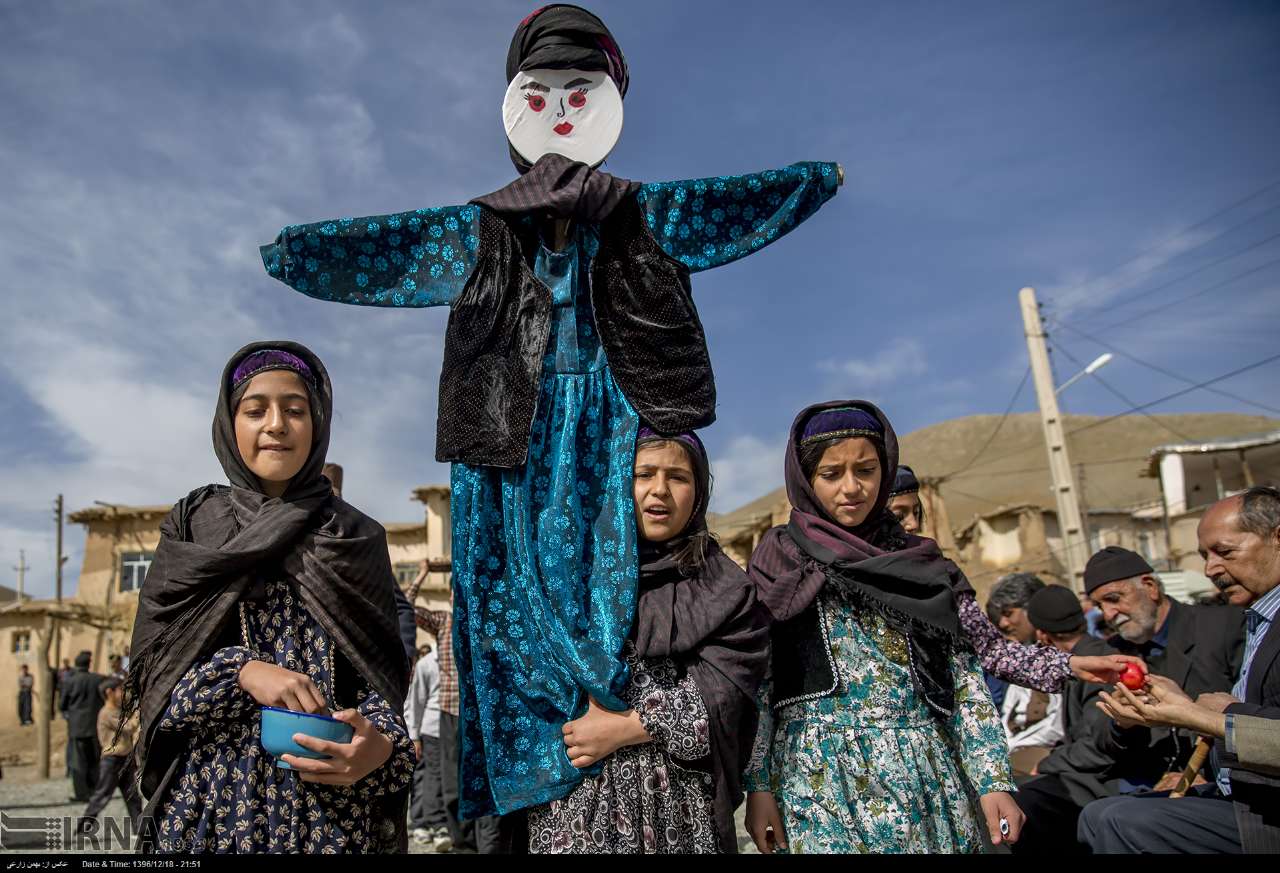
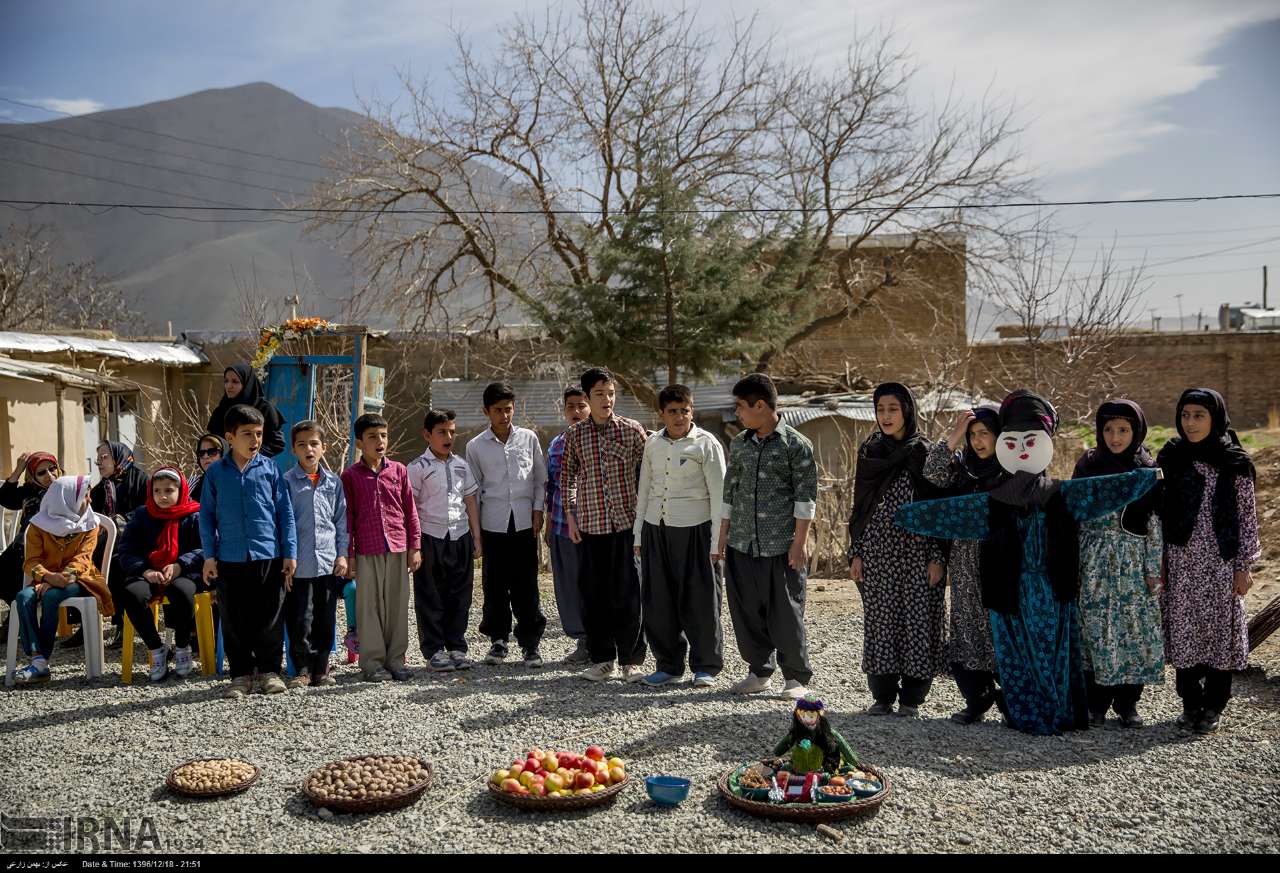
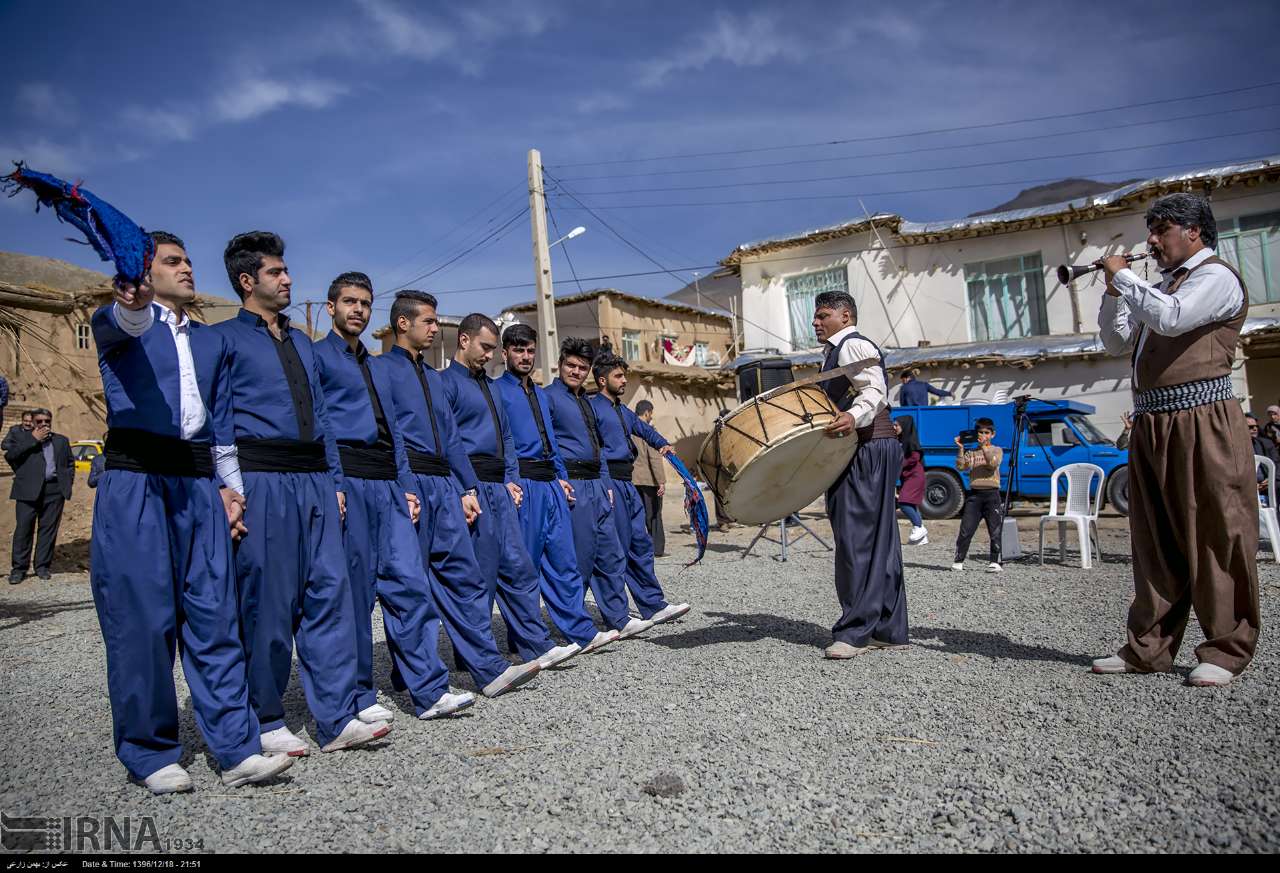
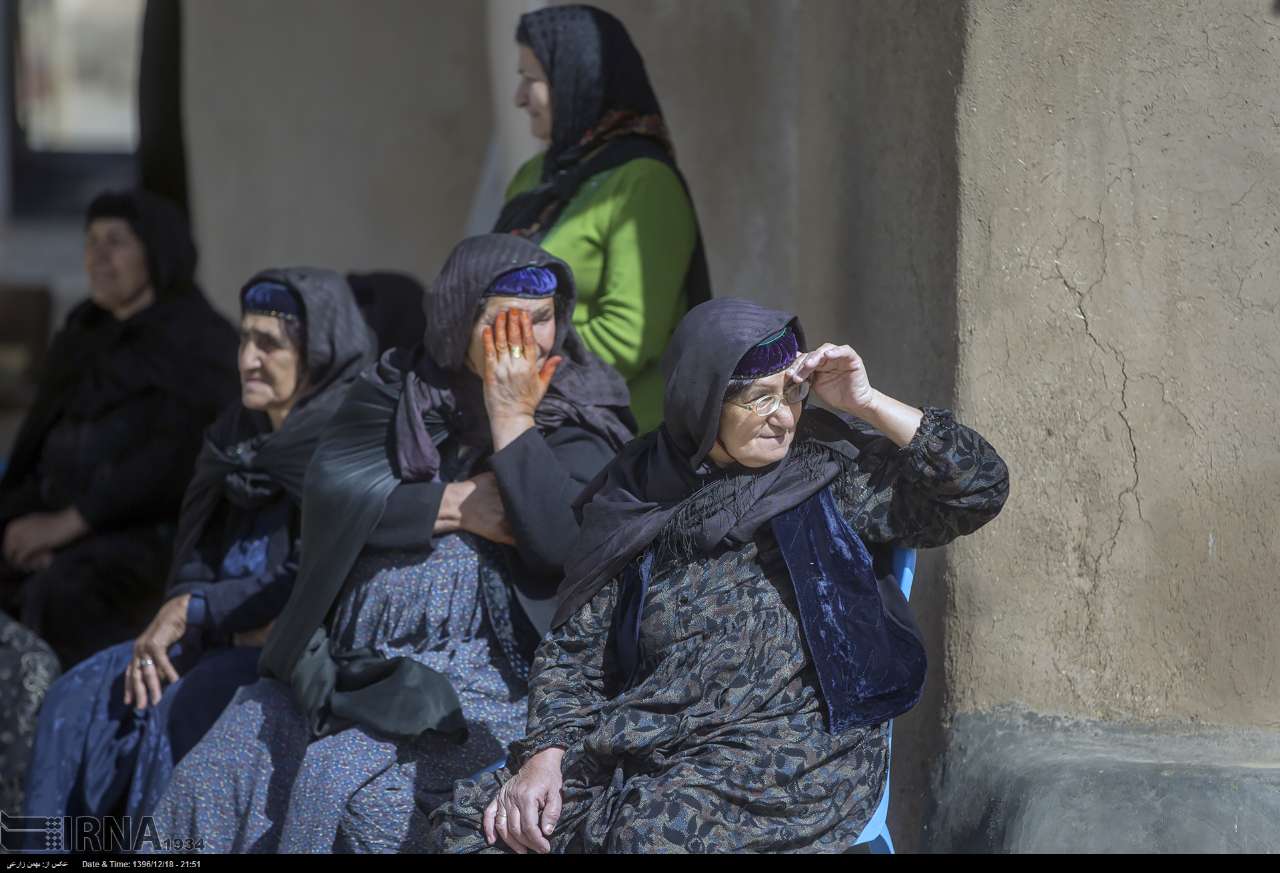
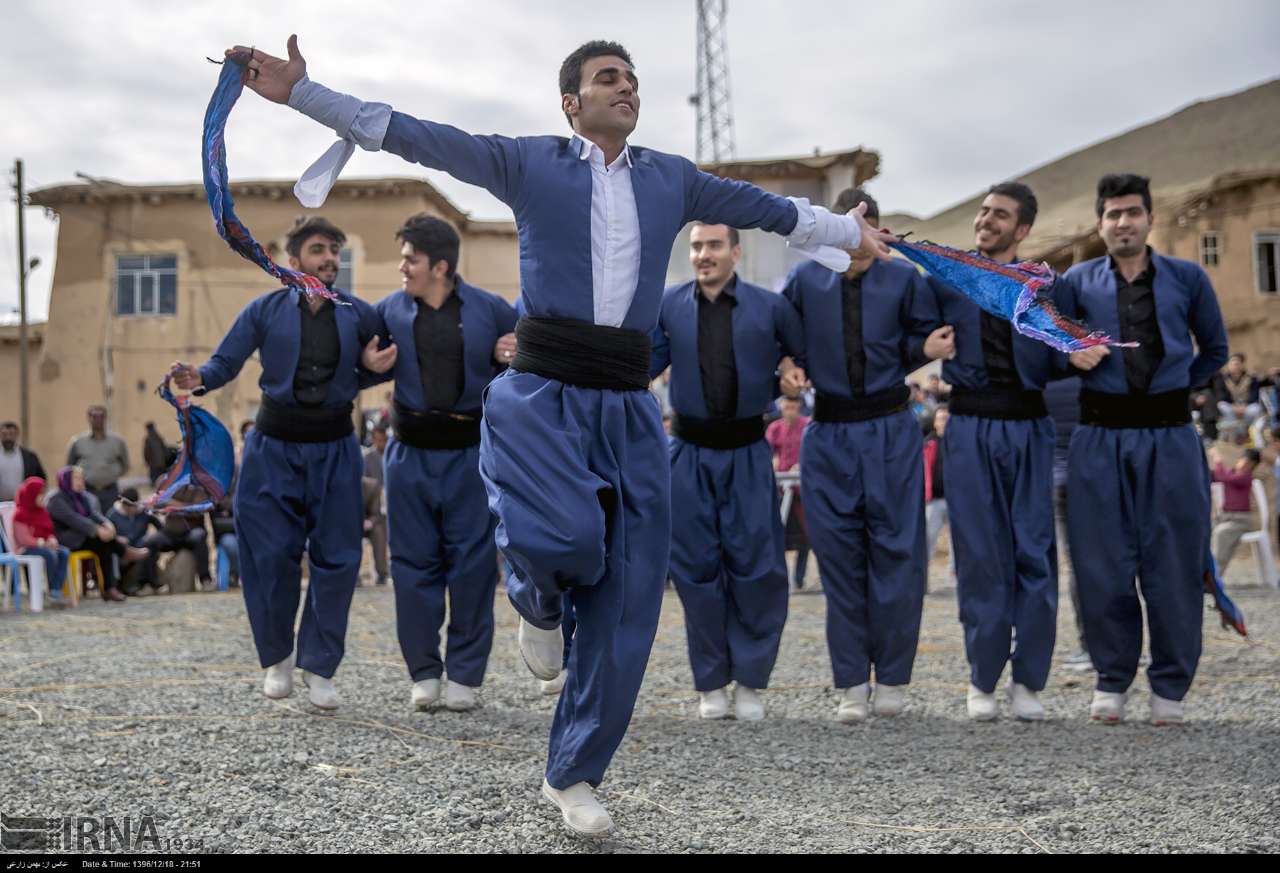
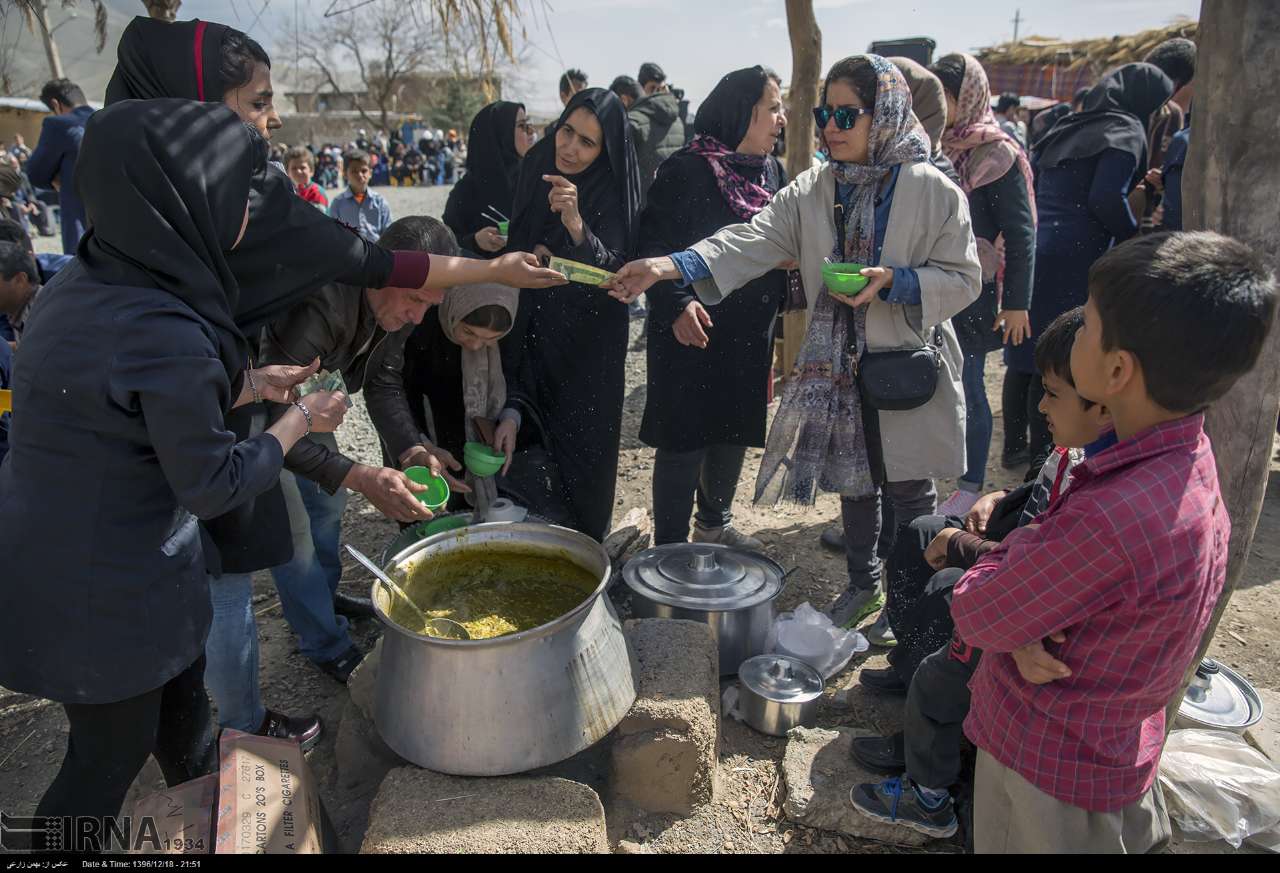
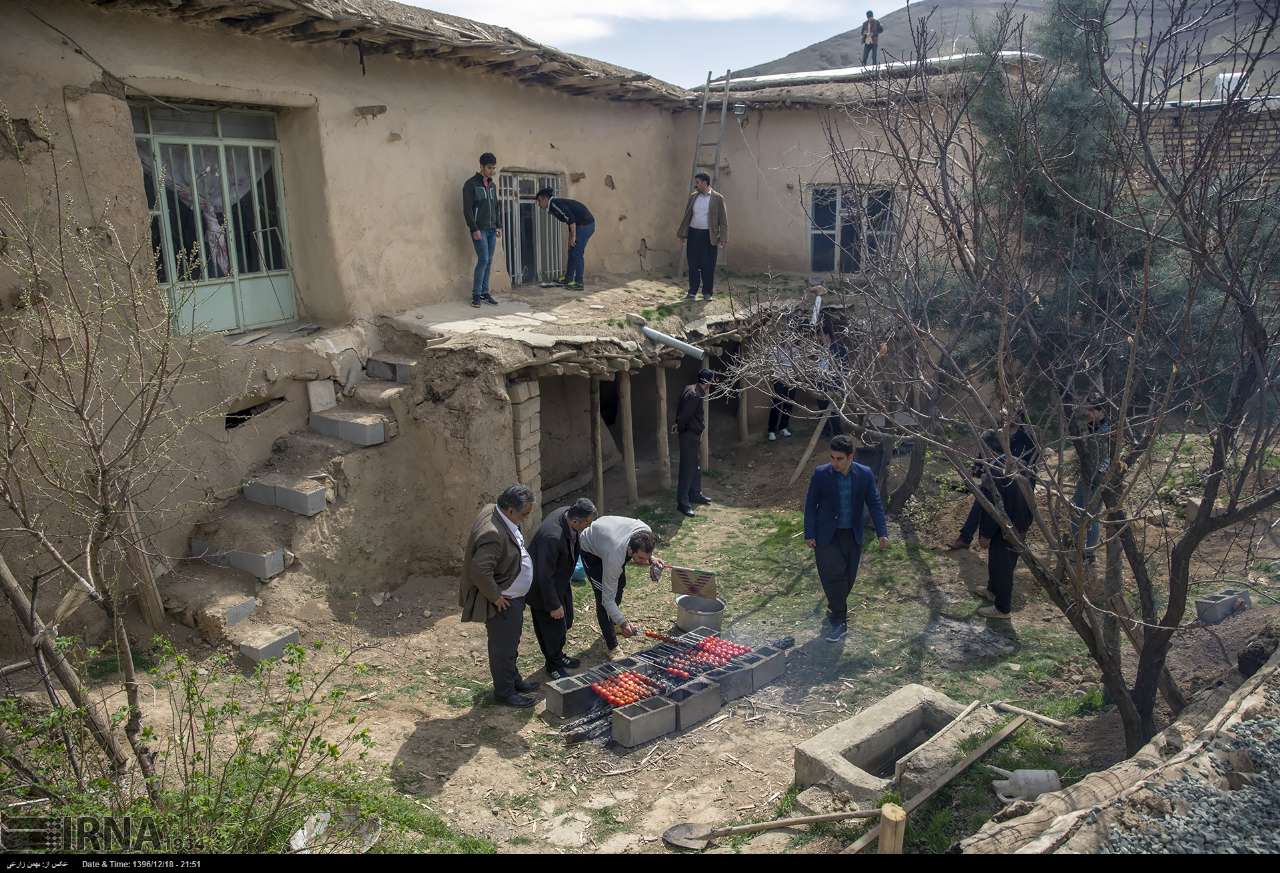
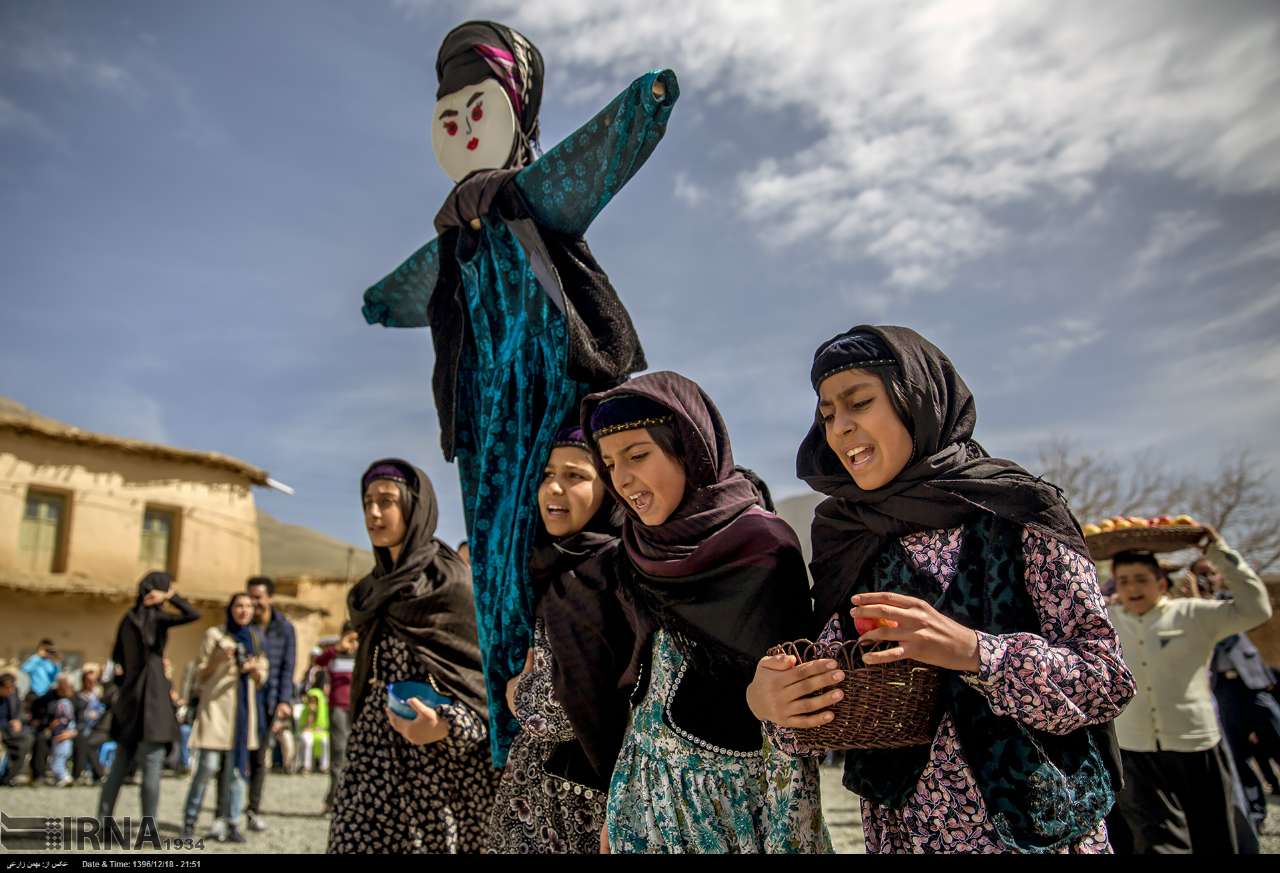
Footsteps of Spring Heard in Western Iran

The ritual, which is held by the villagers of Kanduleh, includes mass prayers for rain, Kurdish dance, and the sale and exhibition of various types of handicrafts.

What follows are IRNA’s photos of this year’s ceremony held a few days ago:

Iran Dismisses Saudi Accusation It Supports Al-Qaeda

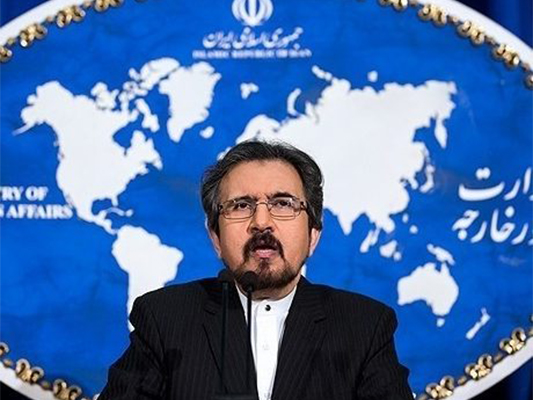
“Mohammad bin Salman’s claim that Al-Qaeda leaders are in Iran is a big lie,” Bahram Qassemi said in a Tuesday statement.

“He cannot deny the role of Saudi leaders in creating the most dangerous terrorist groups in the contemporary history and major terrorist attacks like 9/11 by making obvious lies,” he added.

Qassemi was reacting to remarks by Mohammed Bin Salman in an interview with US television channel CBS aired Sunday night accusing Iran of being a destabilizing force in the region that has been hosting and supporting Al-Qaeda leaders, including Osama Bin Laden’s son.

The spokesman explained that some Al-Qaeda affiliates, including some members of the family of the group’s leader Osama bin Laden, entered Iran illegally in early 2000s, fleeing the US invasion of Afghanistan in 2001.

All the Al-Qaeda members were arrested at the time and deported to Afghanistan, except for some of them who were delivered to their countries, including one of bin Laden’s daughters who was sent to Saudi Arabia, Qassemi said.

The spokesman said the crown prince is “outrageously” trying to pave his way to the Saudi throne.

“Apparently, transferring hundreds of billions of dollars of wealth of the Saudi people to US arms manufacturers has not been enough and he has to come up with a solution to delete the records proving the incumbent Saudi leaders’ support for terrorism and extremism,” he said.

Qassemi said Bin Salman’s recent interview with the CBS showed the Crown Prince is a terrible liar who does not even know the history and culture of his country.

“It’s no secret that Saudi intelligence service created the Al-Qaeda terrorist group and has systematic contact with them,” he said, referring to a 28-page section of the Joint Inquiry of Congress’ Investigation into the September 11 attacks in 2002 referring to foreign state sponsors of Al-Qaeda.

“It is part of the unchangeable facts that show many Saudi officials were openly complicit in the [9/11] attack,” he said.

The 28 pages, suppressed for years, were ultimately released by the US government in July 2016.

While it did not reveal any direct links between Saudi officials and Al Qaeda, it stated that the US intelligence community deeply suspected there were such connections at the time .

West’s Demands for Curbs on Iran Missiles Hypocritical: Zarif

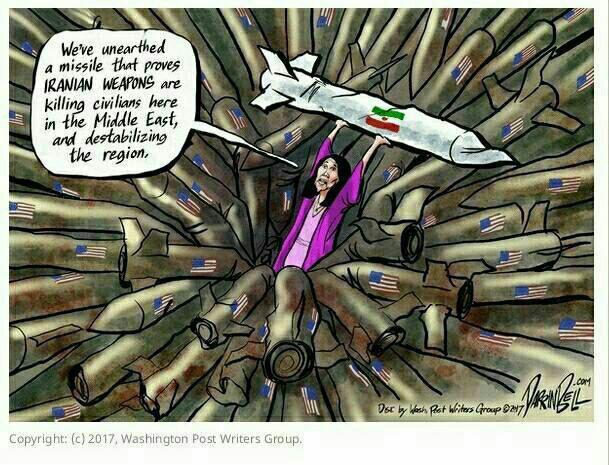
“Sheer hypocrisy of whining about Iran’s defensive missiles while pouring $100 billion of arms into our region,” Foreign Minister Mohammad Javad Zarif wrote in a tweet on Monday.

Drawing a comparison between the western countries’ treatment of Iran and Saudi Arabia, Zarif said the pressure put on Iran by the US and its European allies could act as “customer service” to wealthy clients of western arms manufactures in the region.

“Buy our weapons [and] our governments will provide after-sales support by pressuring your neighbour to dismantle its defences,” Zarif wrote.

The foreign minister was apparently referring to Saudi Arabia, the world’s biggest arms importer.

Just last year, Saudis agreed to buy over $110 billion worth of US weapons during US President Donald Trump’s visit to Riyadh.

France, along with other European powers, Germany and Britain, has for a while been requesting Iran to stop developing ballistic missiles and curbs regional activities.

They argue the restrictions are the only way to prevent the termination of the 2015 nuclear deal by the US President Donald Trump.

Iran Urges Germany to Continue Playing Constructive Role in JCPOA

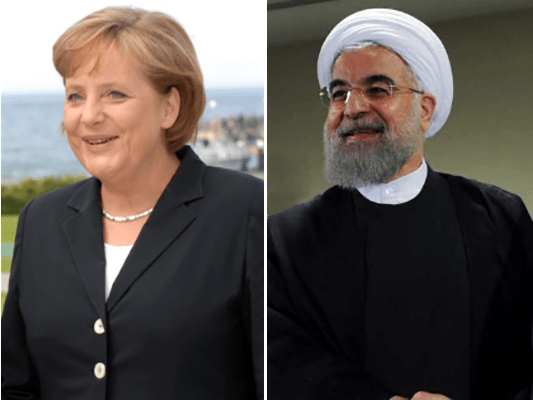
In a congratulatory letter to German Chancellor Angela Merkel over her re-election for fourth term, Rouhani said the long-time, friendly and constructive ties between Iran and Germany have provided the two sides with an appropriate opportunity to further expand their mutual cooperation.

The Iranian president appreciated Germany’s constructive and effective role during the JCPOA talks, and called on Berlin to continue playing such a role to completely and successfully implement the nuclear deal and prevent illegitimate excessive demands by other sides.

Rouhani also added Iran expects to witness the development of bilateral ties between Iran and Germany based on reciprocal respect and mutual interests.

He referred to the growing global threats in such fields as environment, terrorism, regional crises and unilateralism and said the two sides can exert joint efforts at regional and international level to cope with the problems.

The Iranian president finally wished hope and success for the German government and nation.

Bruised by half a year of post-election coalition haggling, Merkel was elected last week by parliament to her fourth and likely final term at the helm of Europe’s biggest economy.

Lawmakers in Berlin’s parliament voted 364-315 with nine abstentions for Merkel.

Rouhani Facilitates Putin on Landslide Victory

“Extending sincere congratulations on this occasion, I’m confident the two countries’ ties will further improve during your new presidential term,” Rouhani wrote in a congratulatory message published on president.ir on Monday.

“Expressing satisfaction over the development of bilateral relations in recent years, I hereby announce Iran’s readiness to consolidate deep cooperation with Russia in bilateral, regional and international dimensions,” Rouhani said.

Putin basked in his biggest ever election victory on Monday, wining 76.68 percent of the votes to extend his rule over the world’s largest country for another six years.

Putin has run Russia as president or prime minister since 1999.

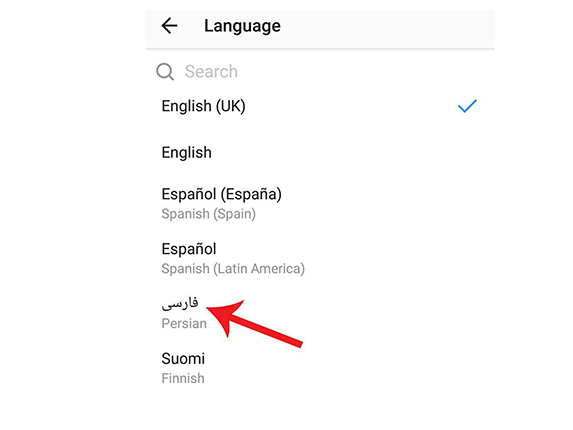
“Use of Persian Language on Internet Sharply Increased”

“The share of Farsi contents on the Internet has reached 1.8%. It is important for me to thank those behind the growth,” he said in a post on his Twitter account, referring to a recent ranking of languages for published web content by W3Tech.

The report says the share of Persian language has been increased from 0.6% to 1.8% between 2011 and 2017, becoming the 11th most widely-used language on the Internet in recent years.

For a brief review of Iran’s achievements in various fields of science and technology, check the book “Science and Technology in Iran: A Brief Review

According to the report, Farsi stands one rank higher than Turkish and five ranks higher than Arabic.

Growth in the share of Farsi content on the Internet is among goals of the national information network, a project launched by the Iranian government to develop a secure and stable infrastructure network in Iran.

BBC Persian Meddling in Iran’s Affairs: Russia Envoy

Speaking in an interview with IRNA on Sunday at the Russian Embassy in Tehran, Jagarian said the Kremlin condemns the BBC’s interference.

The Islamic Republic of Iran has blocked the channel’s website because it encourages illegal rallies and manipulates the Iranian people against the Establishment, a claim which the BBC has denied.

During the Sunday interview, which was held on the fringes of Russia’s presidential election, the Russian ambassador also referred to the UK’s accusation that Russia was involved in the poisoning of a former Russian double agent in Britain.

The top diplomat noted Russia has announced time and again that it has had no interference in Britain’s affairs, nor has it had any motivation to do so.

He dismissed London’s accusation as baseless, saying his country favours good relations with Britain, the US and other countries.

Jagarian said there is no evidence that suggests Russia’s involvement in the poisoning case. According to the top diplomat, the Kremlin has warned London of a firm response if the UK insists on its hostile approach toward Russia.

He then touched upon the West and Washington’s interference in Russia’s election. He said the American daily The New York Times confessed recently that the US has meddled in the internal affairs of other countries on numerous occasions. He said the US even orchestrated a coup back in 1953 against then Iranian Prime Minister Mohammad Mosaddeq.

The Russian diplomat said several governments in Latin America were also toppled by the US.

He said Washington interferes in the domestic affairs of Iran, Russia and other countries, and at the same time accuses other states of interference without presenting any evidence.

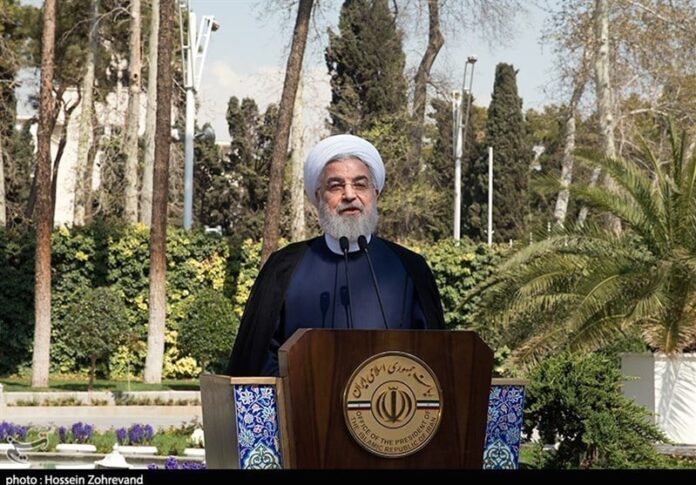
Iran Will Never Compromise National Interests: Rouhani

In comments made Sunday at the final weekly Cabinet session of the current year, Rouhani said his administration would keep efforts to strengthen regional security and stability in the new year.

Hoping for positive measures for peace and stability in the coming year, the president said Iran would “vigorously” pursue its policy of constructive interaction with the world “irrespective of the demands of the US, ill-wishers of the Iranian nation, and one or two small countries in the region.”

“We will never back off from national interests and will keep safeguarding national security and interests,” he added.

Rouhani also pointed to the country’s outstanding political achievements in the current Iranian year, saying the world rejected accusations that Iran had failed to honor its commitments under the Joint Comprehensive Plan of Action (JCPOA).

The International Atomic Energy Agency (IAEA), the main entity entitled to verify nuclear commitments, has certified in all of its reports that Iran has fully carried out undertakings under the JCPOA, the nuclear agreement between Iran and the Group 5+1 (Russia, China, the US, Britain, France and Germany), he added.

The president also hailed the fall of the Daesh (ISIL) terrorist group as a major achievement for humanity, paying tribute to those contributing to the fight against terrorism.

During the current Iranian year, which is going to end in two days, Rouhani won a second term in the May presidential election.

The Iranian president maintains that his administration’s foreign policy is based on constructive interaction with the world while it sticks to the country’s red lines.

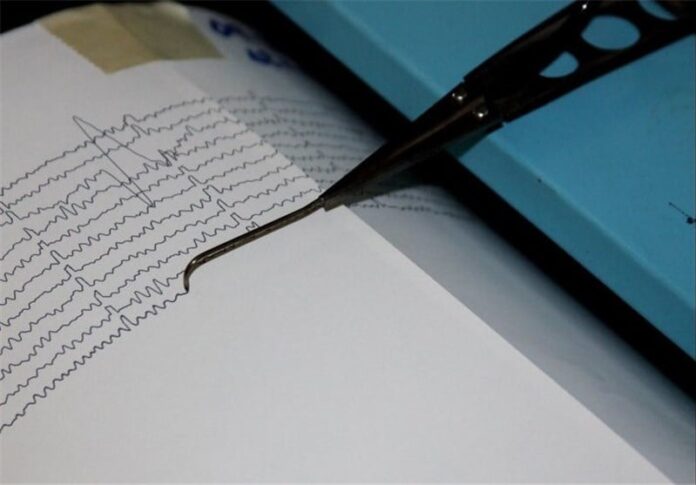
Iran’s Southwest Hit by 5-Magnitude Quake

According to the Seismological Center of the Institute of Geophysics of Tehran University, the temblor struck the port city of Bandar Rig in Bushehr Province at around 8 a.m. (local time) on Monday.

Data from the seismological center showed the location of the quake as 29 km from Bandar Rig and with a depth of 11 km.

The quake has caused widespread panic among the locals but fortunately, no reports of casualties have been reported yet, according to Tasnim dispatches.

Speaking to the Tasnim News Agency, Head of Iran’s Red Crescent Society (IRCS) of the Bushehr Province said teams from the IRCS are present at the scene.

Iran is one of the most seismically active countries in the world, being crossed by several major fault lines that cover at least 90% of the country. As a result, earthquakes in Iran occur often and are destructive.

On November 12, the western province of Kermanshah was hit by a major 7.3-magnitude quake that killed 620 people according to the latest toll.