Friday, December 26, 2025
Home Blog Page 3588

“Iran Needs Revolutionary President Who Can Take High Risks”

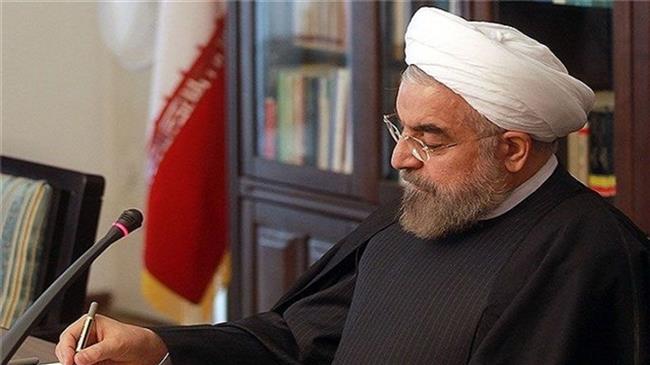
Taraqqi, a member of the Central Council of the Islamic Coalition Party, noted that a revolutionary politician has no fear of enemies, adding Iran needs a person who is courage enough to take high risks on the one hand and willing to have teamwork on the other.

In an interview with Entekhab news website, he noted that the courage to take high risks does not mean extremism and said some political figures in Iran with military background are potential qualified candidate for next presidential election in Iran.

He said such qualified candidates should be trusted in and added the elites must be given enough room for operation in Iran’s politics.

The Iranian political activist also said there is a growing public inclination towards young and active politicians with high morale, adding former Tehran Mayor Mohammad Baqer Qalibaf enjoys some of these features.

Taraqqi stressed that he doesn’t know whether or not Mr. Qalibaf will run again for next presidential elections.

Touching on some predictions on the likelihood of the conservatives’ landslide victory in the next presidential election, he said it is not clear yet what is going to unfold in the 2021 election but victory comes only after people reach this conclusion that a specific political camp is capable enough to resolve their problems.

He noted that only polls will show whether or not the conservatives are more popular than their reformist counterparts.

“The conservatives should take the most advantages of the current situation,” he said, adding that the alleged popularity of the conservatives lies in the public dissatisfaction with President Hassan Rouhani’s policies to run the country.

“Today the conditions are prepared for the conservatives’ victory more than ever,” he said, but warned the conservatives should not be misled by any predictions lacking scientific bases.

Earlier, an Iranian conservative activist, Hossein Allahkaram, who is the head of Coordination Council of Ansar-e Hezbollah, said if a presidential election is held in Iran by the end of the current Iranian calendar year due to the possible impeachment of President Rouhani, the conservatives will achieve a landslide victory by gaining at least 27 million votes.

He also predicted that the reformists will lose the next parliamentary (2019) and presidential elections (2021) due to what he called their “dishonesty”.

Some factions in the conservative camp are calling for the impeachment of President Rouhani over what they describe as his failure in defending Iran’s rights in talks with world powers over Iran’s nuclear program.

“Iran Needs Revolutionary President Who Can Take High Risks”
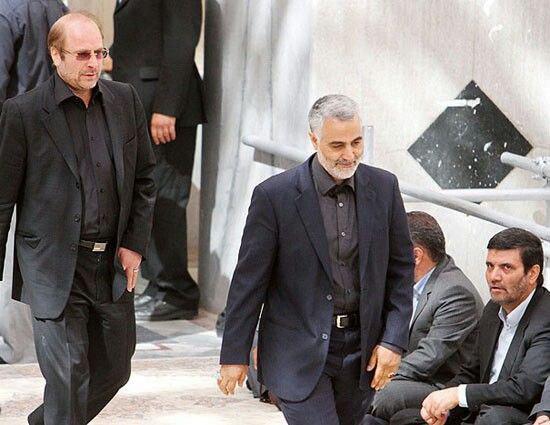
Former mayor of Tehran Mohammad Baqer Qalibaf and IRGC Quds Force Commander Major General Qassem Soleimani, the possible candidates of conservatives for 2021 elections

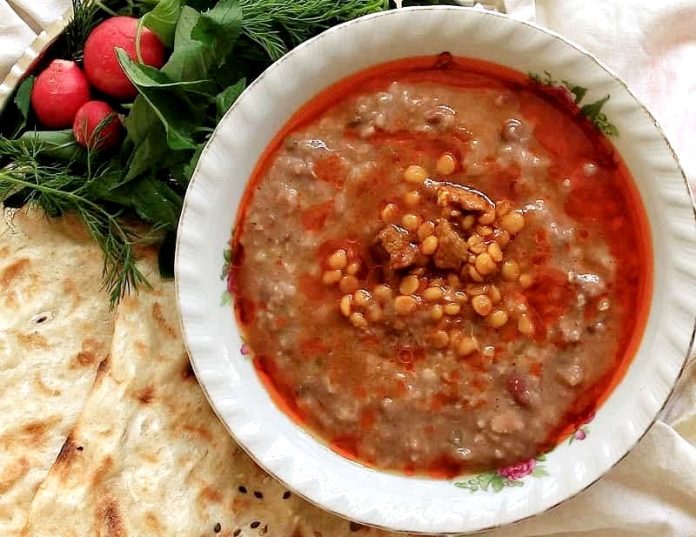
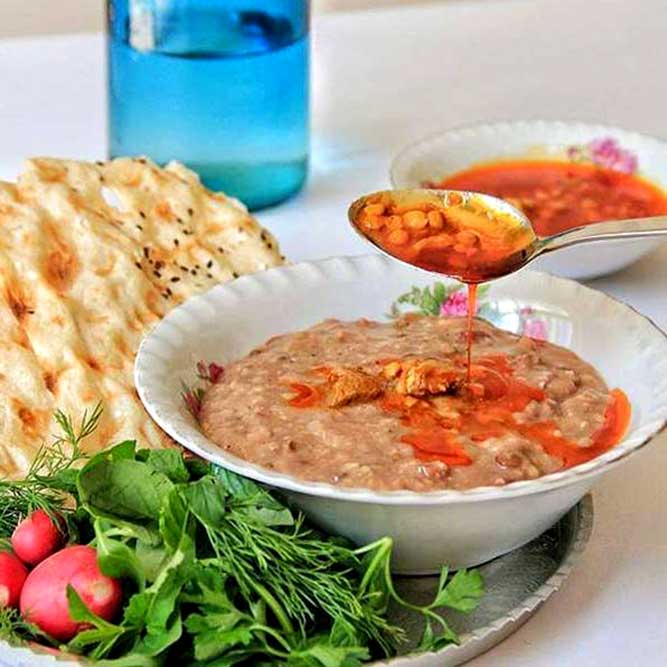
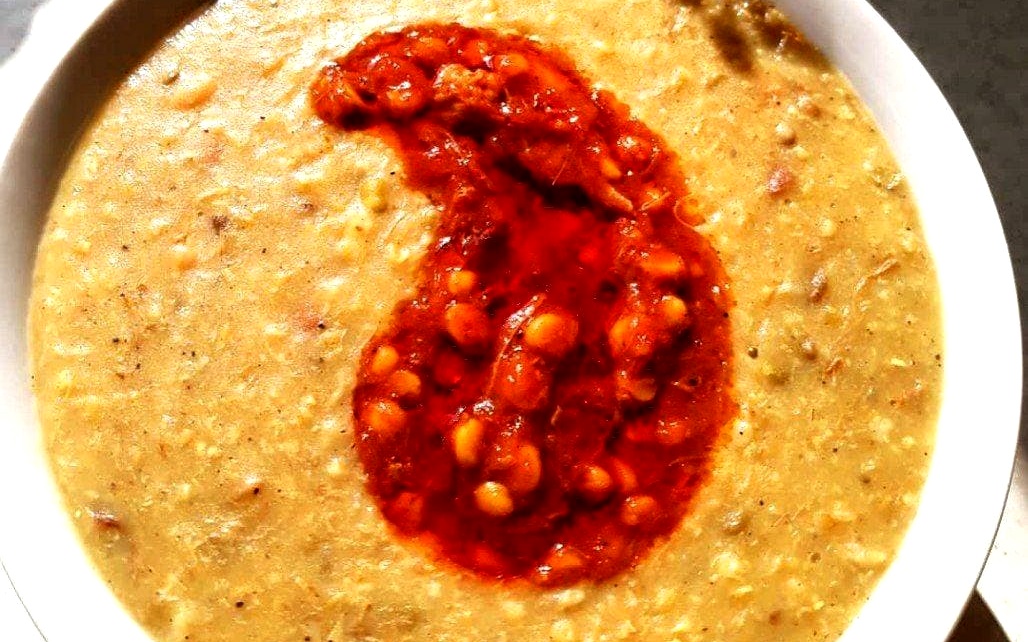
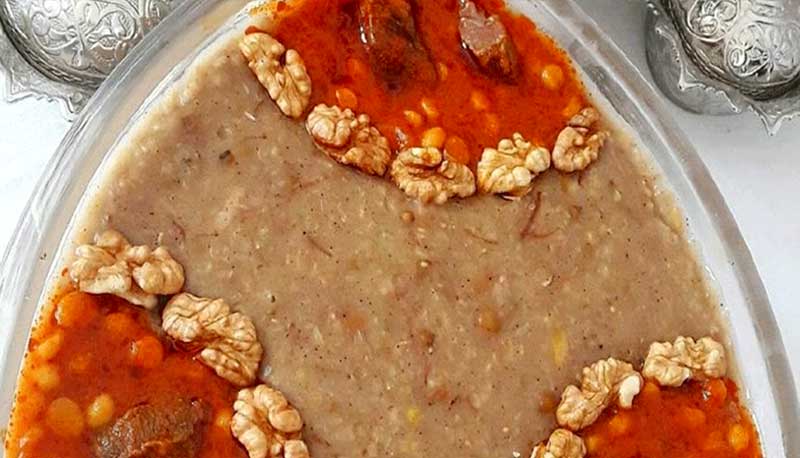
Sholeh Mashhadi: Nutritious, Delicious Iranian Dish

How To Make Sholeh Mashhadi

There is insufficient historical information about the origin of Shole (an Iranian food). But some people believe that Shole Mashhadi was invented in the Khorasan region (Wikipedia) during the Mongol invasion of Iran.

During this period, due to shortage of time and food, Khorasanians poured, mixed and cooked any available food in large pots.

Many people think that Shole Mashhadi is a Mongolian food. But in fact, being Mongol here means that it was invented at the time of the Mongol invasion. On the other hand, some believe that almost 80 years ago, this food was cooked for the first time in Mashhad by a chef. Because the process of preparing Shole Mashhadi is very laborious and expensive, it is usually not cooked at home.

The main ingredients of Sholeh are meat, pulses and a lot of spices. Some cow bone marrow can be added to make the food more delicious and nutritious.

sholeh mashhadi recipe

Ingredients For Sholeh Mashhadi:

Calf Shanks: 3 kg

Rice: 250gr

Pinto beans: 250 gr

Mung beans: A quarter of a cupful

Peas: 500 gr

Salt/Pepper: As much as needed

Cinnamon: 20 gr

Cooking Steps For Sholeh Mashhadi:

Put the meat and chopped onions along with salt and pepper in 2 litres of water to be cooked through. Then shred the meat. The pulses, which have already been drenched, are left on the flame to be half cooked. Then add bulgur to it till it begins to boil. Then add rice and keep stirring the food to keep it from getting burned and stuck to the bottom.

After it is cooked, add the meat and spices, and put the dish on low heat while keeping stirring it until the food becomes stretchable. Then turn down the heat and leave the dish on low flame until it is cooked through.

Sholeh Mashhadi Recipe
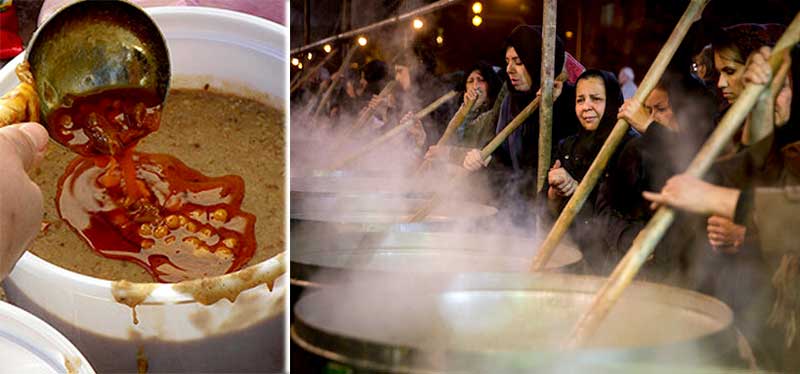
Mashhadi Shole is always cooked in large quantities and on special occasions

Additional points on cooking Shole Mashhadi :

  1. This food is native to the city of Mashhad and mostly served in religious ceremonies. As the Muslim holy month of Ramazan has begun, the food could be served at fast-breaking time at dusk.
  2. Bear in mind that pulses must be drenched for at least one day before being cooked.
  3. Lamb fat could also be added to make the Mashhadi pudding more delicious. Minced fat can also be used in addition to the meat.
  4. The Mashhadi pudding should taste spicy, so more pepper, ginger and nutmeg is used in making this food.
  5.  Some Gheymeh (Read more) stew is usually put on top of Sholeh Mashhadi as decoration.

6. The cooking pot should be quite large and spacious so that the ingredients have enough space for cooking.

7. Due to the different cooking times of the āsh ingredients, be careful in the order of adding the ingredients to the āsh.

8. During the whole cooking time of the Shole, its constant stirring is very important, especially after the time of adding the semolina, because it settles very quickly.

how to cook sholeh mashhadi

9. In preparing Shole Mashhadi āsh, the more the meat, the tastier and more elastic the Shole becomes. Note that during cooking, if the Shole needs extra water, boiled water must be added to it.

10. Shole Mashhadi can be served with sugar or salt.

11. You can use red beans instead of pinto beans in preparing the flakes. Note that it must be boiled separately and after cooking, the red water must be discarded so that the color of the flakes does not change.

sholeh mashhadi cooked in Ashura

This local and traditional food is also cooked with different methods in other cities of Razavi Khorasan province. Sholeh Mashhadi is always cooked in large quantities and on special occasions, especially in the month of Muharram, by a special chef, and it is very important for Mashhadis.

Iran President Calls for Enhanced Cooperation with Jordan

In the letter sent on Thursday, Rouhani called for more cooperation between the two countries in various fields.

“I hope that through more efforts, we will witness the expansion of ties in bilateral and multilateral aspects,” Rouhani said.

The anniversary of Jordan’s independence came days after the relocation of the US embassy from Tel Aviv to the occupied holy Jerusalem al-Quds amid international opposition.

The Jordanian king reacted to the embassy move, warning it would have serious repercussions for the security and stability in the Middle East, and seriously hurt the feelings of both Muslims and Christians.

The Iranian president and King Abdullah held a brief meeting on the sidelines of the emergency summit of the Organization of Islamic Cooperation (OIC) in Turkey on May 18.

King Abdullah is a pro-Western monarch but Amman’s ties with the US and Saudi Arabia have recently been shaken over the issue of Palestine.

Riyadh’s reported coziness to Israel has worried Jordan which is in charge of the major Muslim shrine complex on the Temple Mount, the al-Aqsa Mosque.

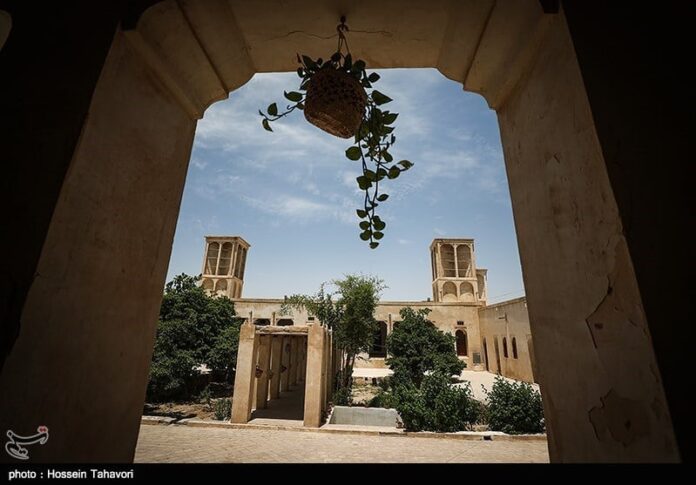
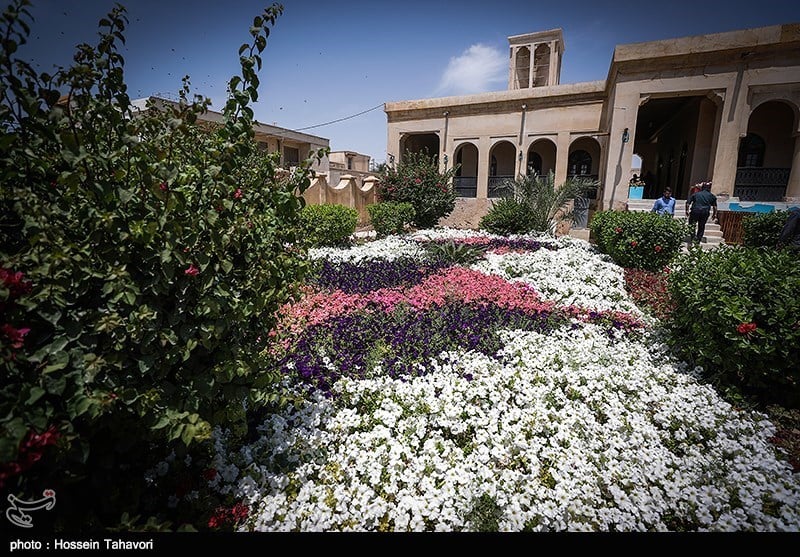
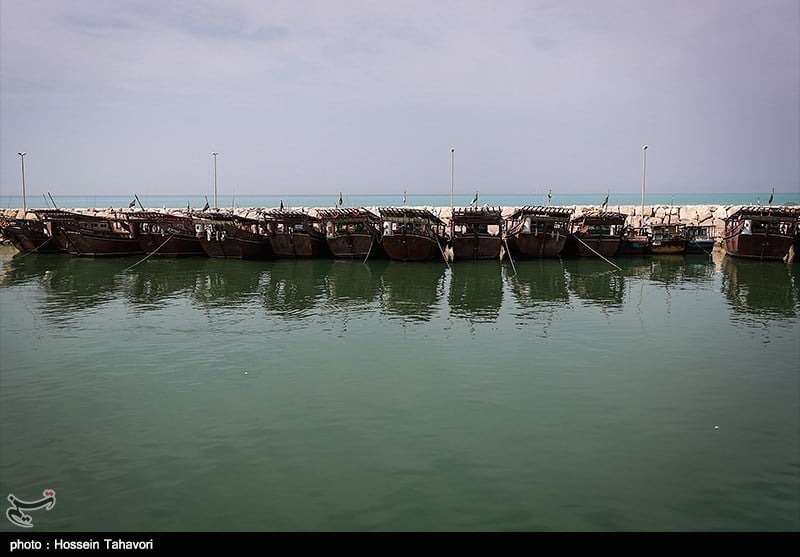
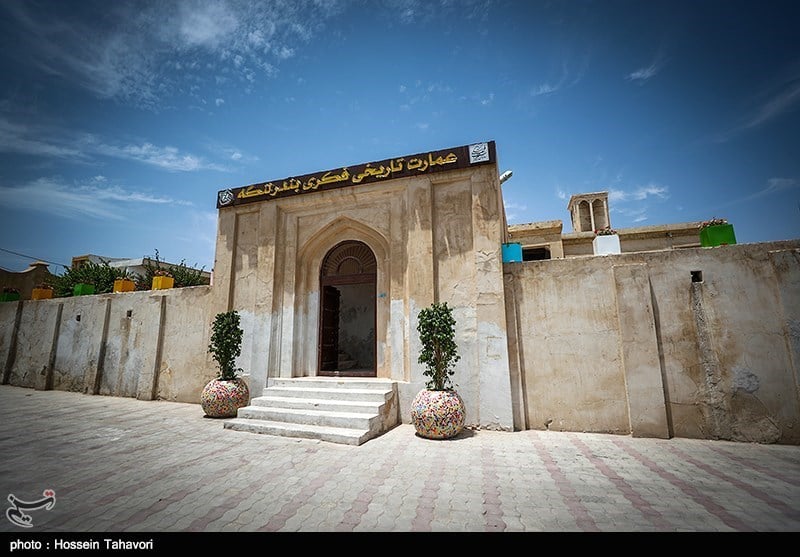
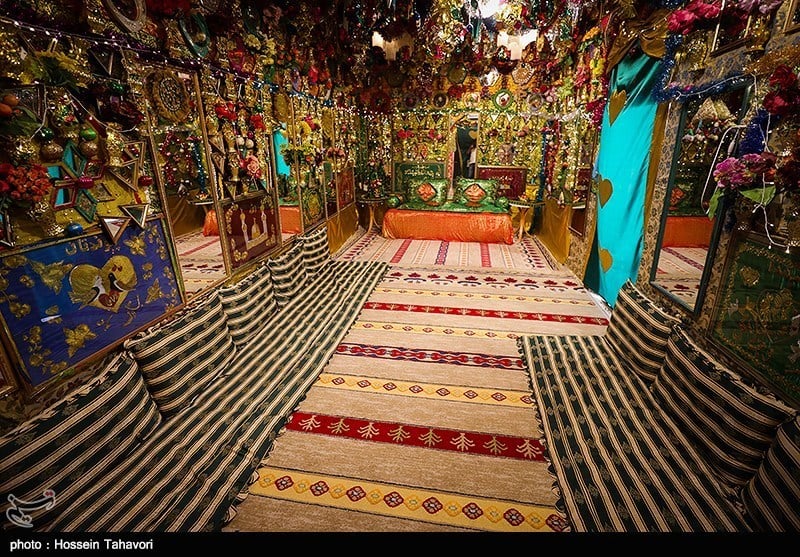
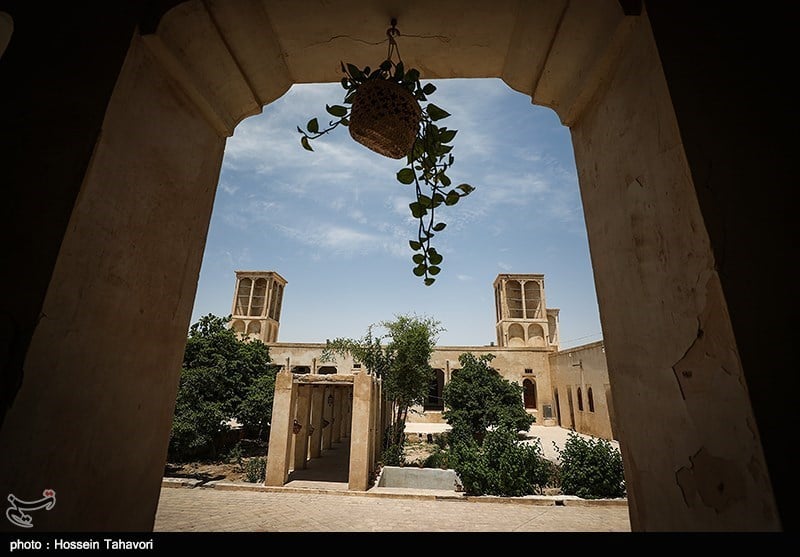
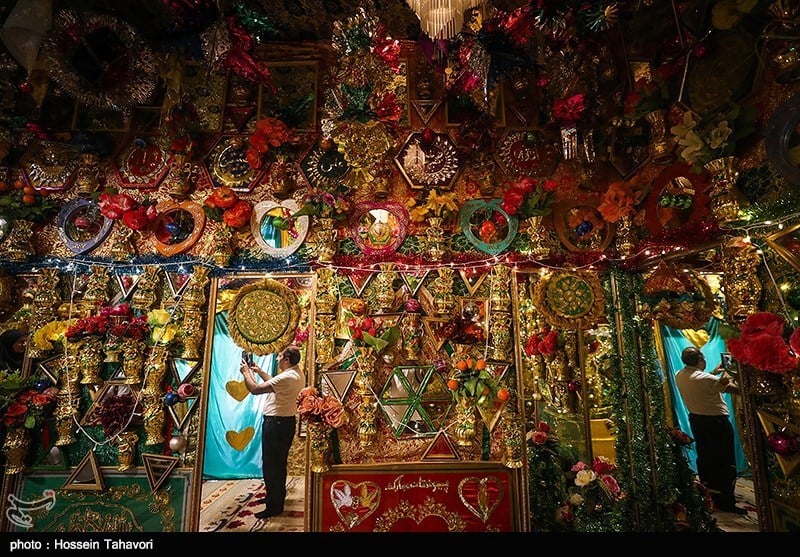
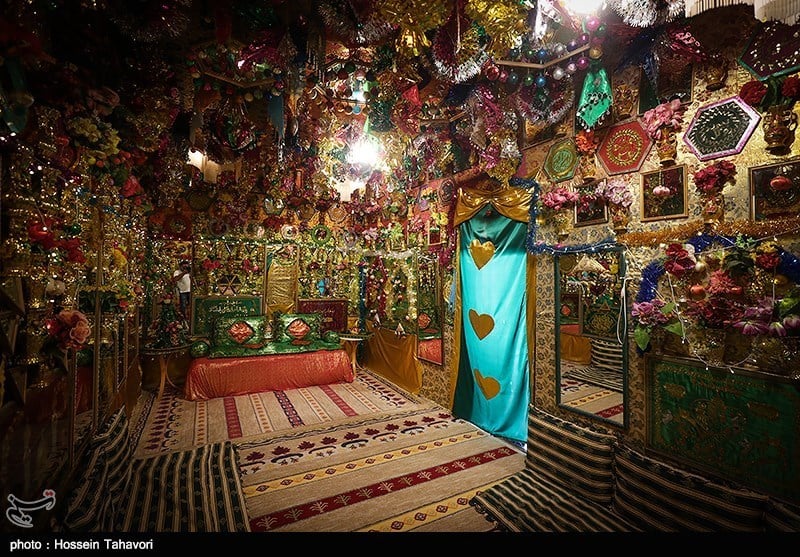
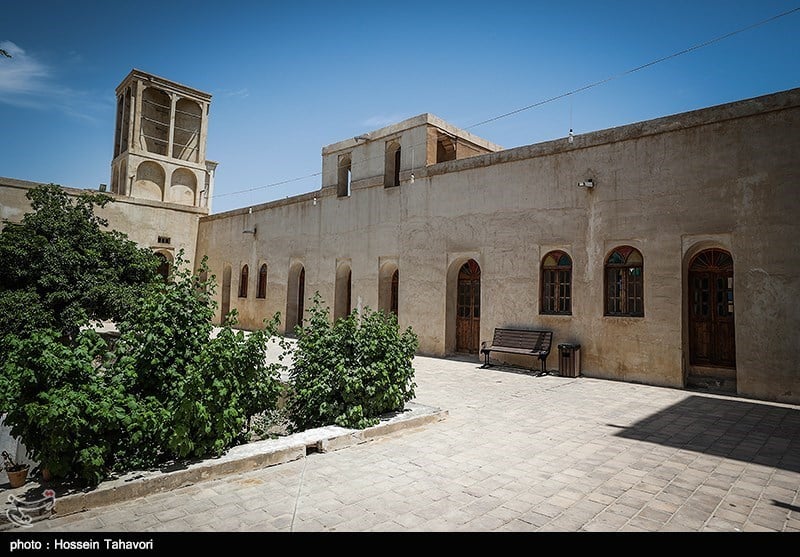
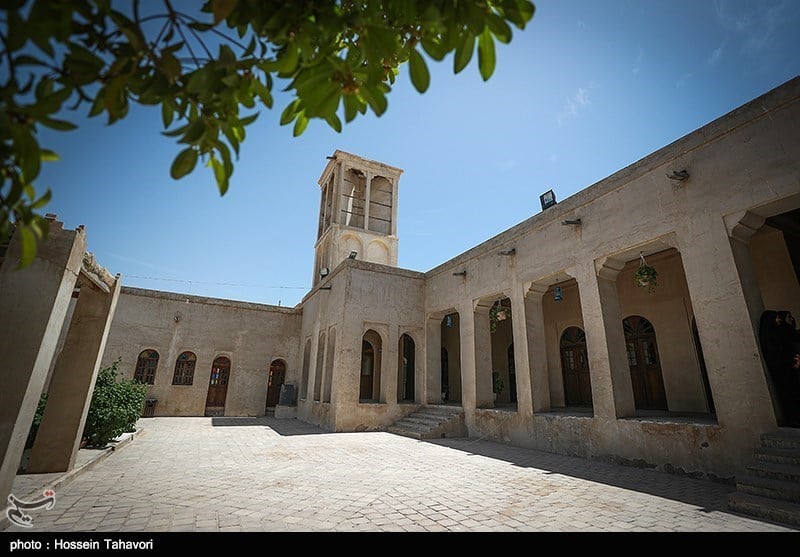
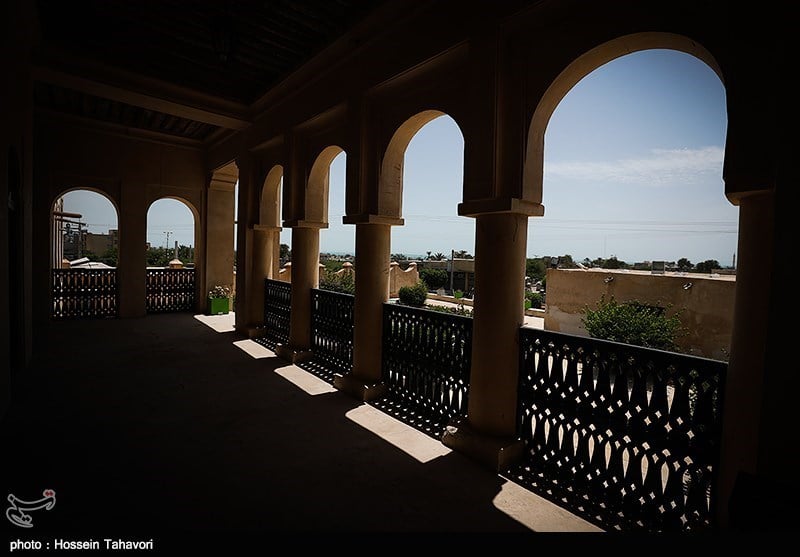
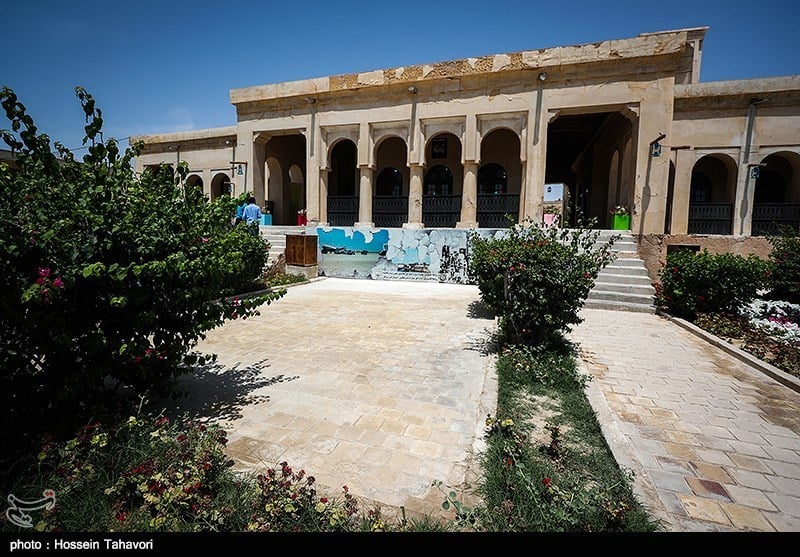
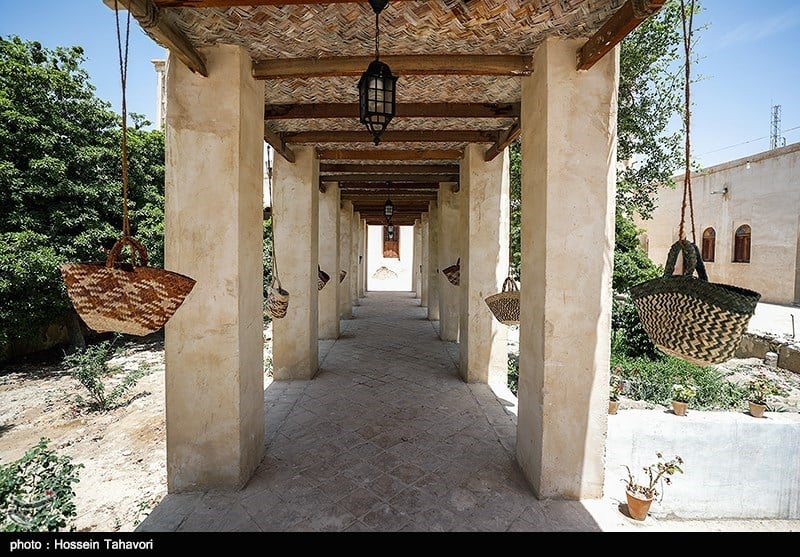
Iran’s Beauties in Photos: Fekri Mansion in Bandar Lengeh

The house is over 100 years old and has been built in late Qajar era (1785-1925).

The mansion has been a centre for trade and business in the city.

Following are Tasnim’s photos of the mansion:

“Iran More Confident Now about Preserving JCPOA”

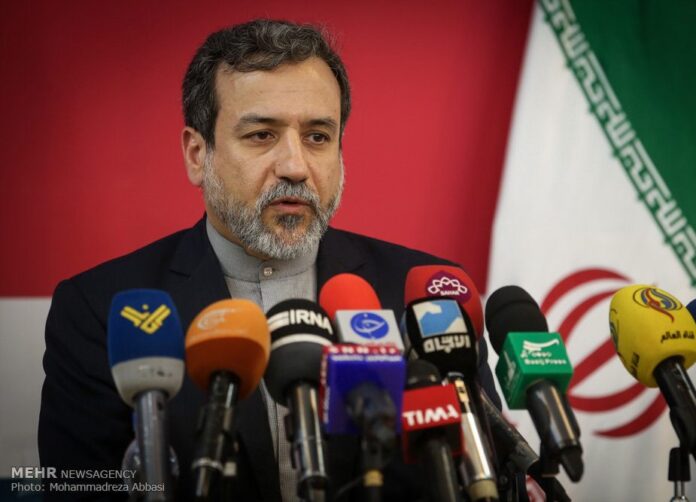
Seyyed Abbas Araqchi made the remark while talking to reporters on Friday following a meeting of the Joint JCPOA Commission held in Vienna.

“The extraordinary meeting of the JCPOA was held at Iran’s request to review the United States’ withdrawal from this agreement, the consequences of the US’ pullout, and whether or not the other signatories to the JCPOA are able to preserve the deal without the US and ensure Iran’s interests under the JCPOA,” he told reporters as quoted by IRNA.

“Before the meeting, we set up a working group to discuss sanctions, and had very intense talks with the experts of the European Union, the experts of the three European countries, and Chinese as well as Russian experts; also, we had the Joint JCPOA Commission meeting, which took three hours,” he further said.

“On the whole, I believe it was a good meeting because all parties to the JCPOA which have stayed in the deal announced their unified position on remaining committed to their obligations under the JCPOA; also, they expressed regret over the United States’ withdrawal from the deal and underscored the necessity of fulfilling Iran’s demands under the agreement and normalizing economic cooperation with Iran for the JCPOA’s survival,” the deputy foreign minister noted.

He said the European countries stressed their commitment to holding intense talks with Iran and added they are seeking to work out practical solutions to meet Iran’s demands in different areas, namely oil, banking, investment, trade, insurance and financial issues.

“Today’s meeting was a good show of willpower, and the signatories which have stayed in the JCPOA had a completely unified stance, and they emphasized that they would like the JCPOA to remain in place and want to meet Iran’s demands in the agreement,” he said.

“Our negotiations will continue at all levels in the coming weeks. Of course, expert-level talks take priority, so that we will be able to wrap up the discussions and get a clear picture of how the path should continue,” he noted.

“After these stages, then the Islamic Republic of Iran will decide whether or not to stay in the JCPOA,” he stressed.

“Our feeling is that the Europeans, Russia and China, as the remaining parties to the JCPOA, are serious [in their intention to stay in the nuclear deal.] They have come to the understanding that Iran’s interests should be respected if the JCPOA is to remain in place. They have shown their unity in supporting the JCPOA and emphasized that the normalization of relations and expansion of trade with Iran are an important part of the JCPOA,” said Araqchi.

He said the participants in the meeting showed their willpower to continue intense talks with Iran in order to secure a “cooperation package” in such a way that Iran will be able to reap the benefits of lifting the sanctions within the framework of the JCPOA.

Araqchi also touched upon the presence of Yukiya Amano, the director general of the International Atomic Energy Agency (IAEA), at the meeting.

“The purpose [of the meeting] was for the rest of the signatories [to the Iran nuclear deal] to stress their commitment to the JCPOA, and everybody thanked the IAEA’S professional work. Amano also highlighted that eleven reports by the IAEA the last of which was published yesterday confirm Iran’s compliance with the JCPOA,” Araqchi further said.

After US President Donald Trump’s withdrawal from the JCPOA, Iranian President Hassan Rouhani instructed the Foreign Ministry to hold negotiations with European countries, Russia, and China on whether or not they would stay in the deal.

Iranian Foreign Minister Mohammad Javad Zarif embarked on a tour that took him to China, Russia and Europe to hold talks on the JCPOA.

During his trip, the other signatories to the Iran deal reaffirmed their commitment to the JCPOA, promising to work towards maintaining the landmark agreement.   

Documents Show US Always Seeking Regime Change in Iran

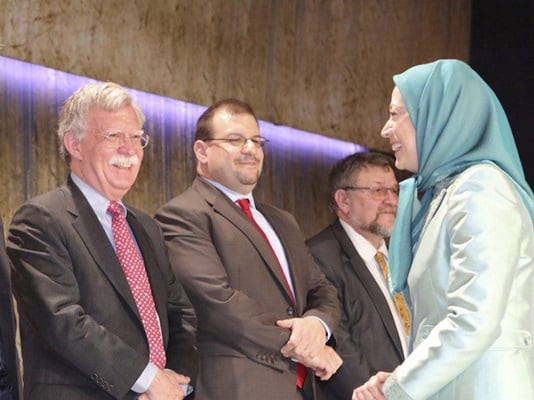
John Bolton meeting with Maryam Rajavi, the ringleader of MKO terrorist group

The Tasnim News Agency has, in an opinion piece, weighed in on US attempts to overthrow the Iranian government. The highlights of the article follow.

The speech by US Secretary of State Mike Pompeo at the Heritage Foundation, a conservative American think tank, which was his first remarks on Washington’s foreign policy on Iran, was described as a speech focusing on toppling the Iranian government. However, the policy of seeking regime change in Iran is not a new strategy by the US, and has always been on the agenda of different US administrations, but failed all the time.

In the Algeria Accords and following the seizure of the US embassy in Tehran, Washington promised not to interfere in Iran’s affairs. Nevertheless, evidence shows that the White House has always put on its agenda efforts to bring about a regime change in Iran through soft and hard approaches.

At certain points in time, this issue has been pursued via a hard military approach, and at other times through a soft overthrow strategy under the guise of democracy and human rights programs.

After the conclusion of the Iran nuclear deal known as the Joint Comprehensive Plan of Action (JCPOA), the US Congress and officials have believed that one of the objectives of the deal is to bring about a soft change in Iran’s power and domestic policy and to transmute the nature of the Islamic Republic of Iran’s system. The opponents of the nuclear agreement such as US President Donald Trump are against the JCPOA because they are of the conviction that the agreement is not strong enough to effect such a change, and, hence, demand tougher approaches be used to achieve the objective.

In fact, attempts by the White House to attain that goal are not limited to the era following the conclusion of the nuclear deal. We can say the plan to contain and manage Iran is a policy which has always been on the US agenda since the victory of the 1979 Islamic Revolution, and millions of dollars have been spent on it, so far.

Kenneth Katzman, a senior analyst on Iran issues at the US Congressional Research Service, has, in the numerous reports he has written recently about Iran, mentioned the budget that Washington has allocated to different Congress-approved programs aimed at bringing about a soft regime change in Iran.

In his last report dubbed “Iran: Politics, Human Rights, and US Policy,” he explains that the US Congress and different US administrations have ratified spending packages in order to bring about fundamental changes in Iran through the “promotion of democracy.”

In a table titled the “Iran Democracy Promotion Funding,” Katzman has mentioned the funds earmarked by different American institutions to bring about regime change in Iran. The table is as follows:


Fiscal Year (FY) Funds Allocated
2004 Foreign operations appropriation (P.L. 108-199) earmarked $1.5 million for “educational, humanitarian and non-governmental organizations and individuals inside Iran to support the advancement of democracy and human rights in Iran.” The State Department Bureau of Democracy and Labor (DRL) gave $1 million to a unit of Yale University, and $500,000 to National Endowment for Democracy.
2005 $3 million from FY2005 foreign aid appropriation (P.L. 108-447) for democracy promotion. Priority areas: political party development, media, labor rights, civil society promotion, and human rights.
2006 $11.15 million for democracy promotion from regular FY2006 foreign aid appropriation (P.L. 109-102). $4.15 million administered by DRL and $7 million for the Bureau of Near Eastern Affairs.
2006 + Supportive Program Total of $66.1 million (of $75 million requested) from FY2006 supplemental (P.L. 109-234): $20 million for democracy promotion; $5 million for public diplomacy directed at the Iranian population; $5 million for cultural exchanges; and $36.1 million for Voice of America-TV and “Radio Farda” (RFE/RL) broadcasting. Broadcasting funds are provided through the Broadcasting Board of Governors.
2007 FY2007 continuing resolution provided $6.55 million for Iran (and Syria) to be administered through DRL. $3.04 million was used for Iran. No funds were requested.
2008 $60 million (of $75 million requested) is contained in Consolidated Appropriation (H.R. 2764, P.L. 110-161), of which, according to the conference report, $21.6 million is ESF for prodemocracy programs, including nonviolent efforts to oppose Iran’s meddling in other countries. $7.9 million is from a “Democracy Fund” for use by DRL. The appropriation also fully funded additional $33.6 million requested for Iran broadcasting: $20 million for VOA Persian service; $8.1 million for Radio Farda (RFE/RL); and $5.5 million for exchanges with Iran.
2009 Request was for $65 million in ESF “to support the aspirations of the Iranian people for a democratic and open society by promoting civil society, civic participation, media freedom, and freedom of information.” H.R. 1105 (P.L. 111-8) provides $25 million for democracy promotion programs in the region, including in Iran.
2010 $40 million requested and used for Near East Regional Democracy programming. Programs to promote human rights, civil society, and public diplomacy in Iran constitute a significant use of these region-wide funds.
2011 $40 million requested and will be used for Near East Regional Democracy programs. Programming for Iran with these funds to be similar to FY2010.
2012 $35 million for Near East Regional Democracy (NERD), and Iran-related use similar to FY2010 and FY2011.
2013 $30 million for NERD, with Iran use similar to prior two fiscal years. About $583,000 was obligated for Iran democracy promotion.
2014 $30 million for NERD. About $1 million was obligated for Iran democracy promotion.
2015 $30 million for NERD. About $675,000 was obligated for Iran democracy promotion
2016 $32 million for NERD, About $900,000 was obligated for Iran democracy promotion.
2017 $30 million for NERD, with Iran use likely similar to prior years.
2018 $15 million requested, with Iran use likely similar to prior years.


(Sources: Information provided by US State Department and reviewed by Department’s Iran Office, February 1, 2010; State Department Congressional Budget Justifications; USAID Explorer database.)

Of course, the funding earmarked by the US to bring about changes in power equations in Iran must be much higher than what mentioned in the table above because the institutions tasked with running the regime change programs are, in fact, sponsored by other organizations as well.

Moreover, the table does not mention the budget covertly allocated by different US administrations to schemes aimed at creating unrest in Iran. Such funds are usually not mentioned in annual financial statements.

As a case in point, renowned American investigative journalist Seymour Hersh revealed in a report that the US Congress, back in 2008, gave the thumbs up to $400 million in funds requested by the administration of former US President George W. Bush to advance a secret program aimed at fueling sectarian-religious tension and bringing about a soft regime change in Iran. Bush had put forward the request in a highly confidential document dubbed the “Presidential Finding.” Naturally, the figure is not mentioned in the United States’ annual budget.

Another point is that most funds and programs allocated to regime change in Iran and mentioned by Katzman may initially seem like plans only aimed at promoting democracy, advancing human rights, and reinforcing civil institutions and NGOs. Nevertheless, a closer look at how those programs are supposed to be implemented in Iran and other countries will unmask the truth.

The so-called “Democracy Promotion” programs are, in fact, schemes launched by some “soft power” organization in the US and, as they claim, are aimed at boosting democratic institutions across the globe. They include the United States Agency for International Development (USAID), The National Endowment for Democracy (NED), the National Democratic Institute, etc.

Most of these institutions announce that they aim to contribute to humanitarian projects and the promotion of democracy.  However, the programs pursued by these institutions and ostensibly aimed at promoting democracy have objectives which are direct opposite to the announced goals. Some international analysts believe the programs are, in fact, schemes aimed at bringing changes in the political systems of different countries through a soft and non-violent approach.

Accordingly, there is a lot of documented evidence that American institutions have launched programs to bring about a regime change in Iran through a soft approach.

For instance, the NED has held workshops in Dubai in recent years through one of its affiliates dubbed the International Republican Institute, teaching how to overthrow the Iranian ruling system.

Also, former US Secretary of State Condoleezza Rice had requested $75 million in funding from Congress to launch a propaganda and media war against Iran and help dissidents inside the country.

Saudi Princes Arrested in 2017 Purge in “Humiliating Situation”

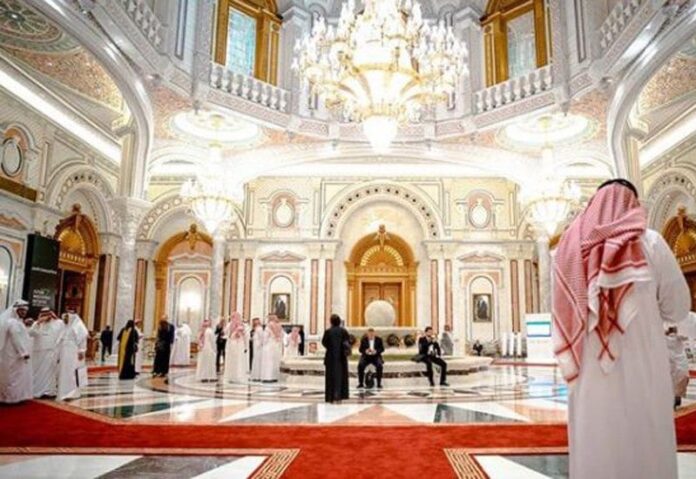
The Saudi government detained up to 300 princes and officials as part of an alleged anti-corruption crackdown in the kingdom late 2017.

Many of them were released after paying huge sums of money as penalty. Saudis claimed to have netted $100 billion from the people who were detained at the Ritz-Carlton hotel in Riyadh.

Prince Khaled bin Farhan, an exiled member of the Saudi royal family who was given political asylum in Germany in 2013, told Middle East Eye in an interview published this week that even after their release, the former detainees were not free men.

“They have monitoring devices fitted to their legs, their mobile phones monitored and are banned from travelling outside the kingdom,” he said.

“So they are under personal, severe and humiliating surveillance inside Saudi Arabia,” said the prince, who claimed he is in regular touch with other princes inside the kingdom.

Prince Khaled said the anti-corruption campaign initiated by Saudi Crown Prince Mohammad bin Salman was a politically-motivated move to remove any challenge from more senior, experienced and legitimate rivals.

The prince said the royal family as being in a state of shock at the arrest, detention and mistreatment of senior princes.

“It was a shock for the entire family because prominent figures in the family were detained, in a way that held a great deal of humiliation”, he said.

“The family is now facing the undermining of its standing in the eyes of the people. And this will inevitably undermine its legitimacy,” said the prince.


Bin Salman Suffers from “Psychological Problems”

Prince Khaled said the 32-year-old prince who has now a heady rise to power has suffered from “psychological problems” during school years, as he was an ordinary member of the family who others did not care about.

I wouldn’t say he was violent, but when he was younger, in the royal family, he didn’t have status, he was an ordinary member of the family,” he said.

“Of course, his cousins were older, more experienced, better positioned, more educated and everything else. So this created within him a psychological problem that represents a vengeance against his cousins,” he said.

“Mental health can affect someone entirely, and I can see clearly that after he came into power and the way he deals in politics is reflective of his psychological problems,” Prince Khaled said.

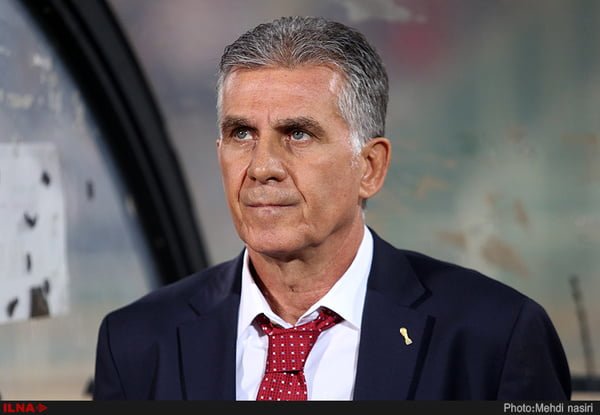
Queiroz Optimistic Iran Could Advance to Knockout Stage

Speaking in an interview with the Turkish television channel Sporx on Wednesday, Queiroz said Iran’s group in the tournament is a very difficult group but he is optimistic Team Melli can beat rivals.

“The Iranian team has participated in the World Cup four times so far and has not been able to pass the group stage,” said the Portuguese coach.

“Our only goal is to advance from the group. Some people may see it impossible, but everything is possible in football,” he said.

The Iranian team is going to face Turkey on Monday as part of preparations for the 2018 World Cup.

The 2018 FIFA World Cup will take place from June 14 to July 15.

A total of 64 matches will be played in 12 venues located in 11 cities.

Iran Rejects Morocco FM’s Baseless Allegations

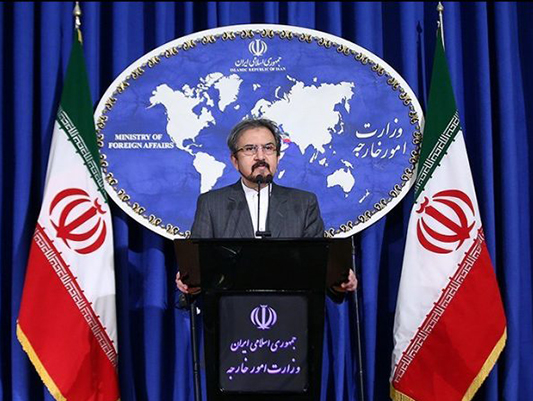
Bahram Qassemi

In a Thursday statement, Bahram Qassemi said the Moroccan officials’ insistence on repeating false claims as a pretext to cut diplomatic relations with Iran and raising baseless allegations is merely aimed at appeasing third parties.

“The Moroccan Foreign Minister knows very well that the allegations are totally wrong and based on fantasies written by those who make such provocative moves based on their illegitimate interests and do not care about the real interests of the Moroccan people,” Qassemi said.

“Repeating these allegations and insisting on them are futile efforts and will eventually harm Muslim countries,” he said.

In a talk with Fox News published on Wednesday, Nasser Bourita claimed his country’s intelligence service discovered that Iran-allied Hezbollah movement has increased its supply of weapons to the Polisario Front rebel group.

The Polisario has been fighting Morocco for independence since Spain left the Western Sahara in the 1970s.

Bourita said the Iranian embassy in Algeria was used to fund and arm the Polisario.

The Iranians, he said, are in part trying to destabilize the area due to Morocco’s good relations with the US and Europe.

“Iran Has Intelligence Data on Bases in Jordan, Saudi Arabia, UAE, Qatar”

In comments on Thursday, Brigadier General Ahmad Reza Pourdastan said the Iranian Armed Forces are monitoring all hostile moves in the region and have gained a good level of intelligence dominance.

“We know what exists in the (military) bases of Jordan, (the United Arab) Emirates, Qatar and Saudi Arabia, know the number of vessels of enemies in the Persian Gulf, and are even familiar with how the enemy would behave,” the former Army Ground Force commander said.

He reiterated that Iran will never be the first side to begin a war, but if foreign threats become serious, the Iranian Armed Forces will combat them, wherever they may be.

Iran does not seek to expand its boundaries, but this does not mean that it will not strengthen its defense power, Pourdastan underlined.

In comments in late April, Leader of the Islamic Revolution Ayatollah Seyed Ali Khamenei said the US government is aware of the crushing response it will have to face in case of taking military action against Iran, reiterating that the time of hit and run is over.

The US is seeking a way to evade the costs of standing against Iran and place them on regional countries, Ayatollah Khamenei said, reminding certain regional countries that if they confront Iran, “they will definitely suffer blows and defeat.”