Friday, December 26, 2025
Home Blog Page 3581

Hormuz Island: Treasure Trove of Natural Beauty, Ancient Culture

Hormuz Island0

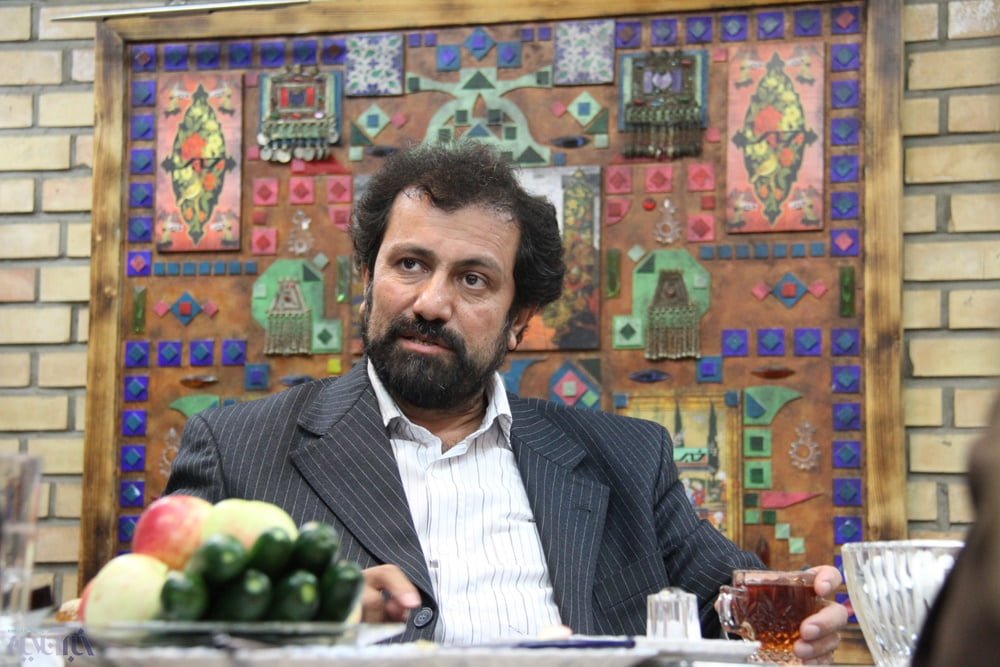
Jamshid Bayrami is a renowned Iranian photographer. His most fantastic pictures are the ones he took in 2001 of Mecca; from places inside the shrine where taking photos were forbidden.

He is now determined to stage arts festivals in Hormozgan province in southern Iran; particularly in the unique island of Hormuz with its colourful and even edible soil.

In an interview, he told Shargh newspaper about artistic activities on Hormuz Island.

Why did you choose Hormuz Island?

I’m a photographer and I can say with certainty that I have seen most parts of Iran. When I visited Hormuz Island, I noticed how pristine and picturesque it was. From then on, I travelled to the island every year.

Gradually, I came to realize that the island was shrinking! I mean the architecture, nature and the climate of living there were diminishing and becoming smaller day by day!
Hormuz Island: Treasure Trove of Natural Beauty, Ancient Culture

What features does Hormuz Island have?

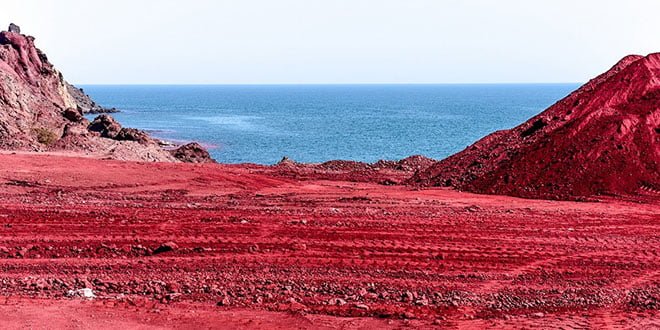
Hormuz Island is home to several natural and God-given treasures. First, it has red soil mines. It takes a century for one centimetre of this type of soil to be formed.

Unfortunately, more than 15,000 tonnes of the red soil in Hormuz have been sold so far, and it cannot be retrieved even if you pay a hundred times [the price].

Really? They keep selling the soil?

Fortunately, the mine is closed now, and I hope it will remain closed forever. The red soil mine belongs not only to 80 million Iranians, but to the world’s natural heritage.

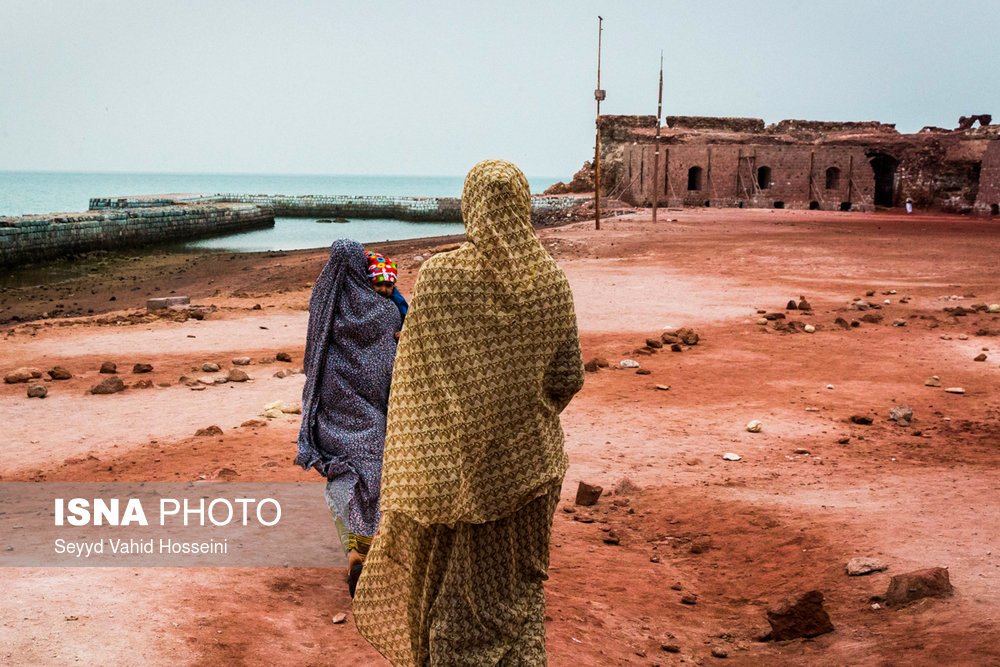
The island’s second treasure is its colourful mountains. Jerry Pawlak of Poland visited Hormuz Island 50 years ago. He said it looks like God coloured the whole world before coming to Hormuz Island and putting his palette there!
Hormuz Island: Treasure Trove of Natural Beauty, Ancient Culture

I don’t know exactly why the soil is red. But interesting enough, it is the only edible soil in the world. Locals cook a kind of bread called Tomshi. They sprinkle the red soil on it like sumac and eat it.

You mean it has therapeutic effects?

Yes. I have been eating this bread as food for five months now. What is interesting is that locals’ physical strength comes from their soil and water, i.e. one of the most organic types of life in the world. They eat fish and soil.

Hormuz Island’s third treasure is its beaches. A crystal-looking beach stands out in the middle of its cream and grey-coloured seaside and shines at night.

The island’s fourth asset is its history. Historically speaking, the island was the hub of trade for East Asia and even Africa and Europe around 500 years ago. Then the Portuguese attacked and captured the island and practiced banditry for 200 years. The castle built by the Portuguese on the island still stands.

After all, do you know why National Persian Gulf Day was named so? Because it was the day Iranians retook Hormuz Island from the Portuguese.

Now, what things are you going to do on the island?

I’ve been living on Hormuz Island for five months now. I have been working as an advisor on the project. Last year, I drew up a plan on the revival of the island. The plan details what should be done to bring the island back to life. The provincial governor approved my plan and asked me to manage the project. Then we picked a team to execute the plan and began the artistic supervision work.
Hormuz Island: Treasure Trove of Natural Beauty, Ancient CultureBased on the plan, I suggested the ancient quarter of the island, which is part of the heritage of the human community, be saved first. They had initially covered the walls in black cement; and the streets were littered with earth and rocks.

If you scrape the black cement off the walls, you will see white cement under. Islands in the Mediterranean Sea such as Greece are all white. The walls are made of coral. However, instead of protecting the coral walls, they have coated them with thousands of tonnes of concrete. It was a mistake, and we rectified it.

I replaced all the rusty iron-made doors with wooden ones. I had the floor covered with yellow-coloured mud bricks, and had red Bougainvillea flowers planted in front of houses. The only tree on the island which stands out from the rest has red Bougainvillea flowers.

In other words, we had everything associated with locals’ identity revived, and we breathed fresh life into the island’s beauty. During the war [with Iraq in the 1980s], the Islamic Revolution Guards Corps (IRGC) had built fortifications with cement blocks, which were used as shelters. Everybody proposed the structures be demolished, but we didn’t destroy them. Rather, we changed their function and turned them into the first “book café.”

We have announced that we welcome anybody who would like to help explore Hormuz Island. A whole lot of young people from across Iran have announced their readiness. Hormuz Island openly embraces everyone, but one poit worries me.

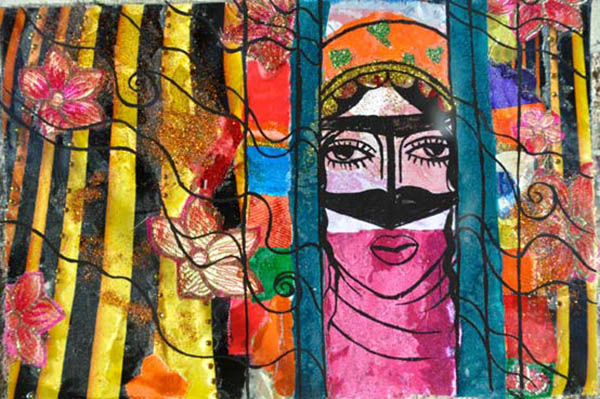
I announced that travelers who visit the island as tourists are most welcome; however we kindly requested them to wear Iranian-style clothes, not Western ones. For example, some girls who visit the island have dyed their hair red and blue, have torn trousers on and wear rings on their noses, which is not Iranian.

If you are coming to Hormuz, respect its traditions and customs and do not Westernize the island’s culture. Instead of imitating Westerners, wear the Bandari clothes (an outfit that locals wear in southern Iran). I wish girls visiting the island would, one day, come here wearing Bandari clothes.
Hormuz Island: Treasure Trove of Natural Beauty, Ancient Culture

How much are local women’s clothes?

From 3,000,000 to 10,000,000 rials.

What artistic activities are going to be done in Hormuz?

There are three cultural sections.

First, a film and photo festival with the subject of “the sea.”

Second, opening a local music festival on the Hormuz Island.

Third, a seafood festival.

The first day, I began work with four people. First, I tried to spot local artists on the island. There is an old woman on the island called “Aunt Kaniz” who draws paintings.

An exhibition of her works opens in Tehran on August 31, 2018 before being staged in New York. “Daddy Mohsen” is another artist who I call “Daddy Picasso.”

He has three rooms. One of them has white walls on which he has portrayed all the problems of his life. He and Aunt Kaniz will hold a joint exhibition in Tehran.

Can Hormuz be registered internationally like the city of Yazd?

Yes, it is possible. Many German and French tourists come to Hormuz and spend a lot of money there. It is interesting to know that when they visit Hormuz, they forget other cities. They sometimes leave with sadness, hoping to come back again, soon.
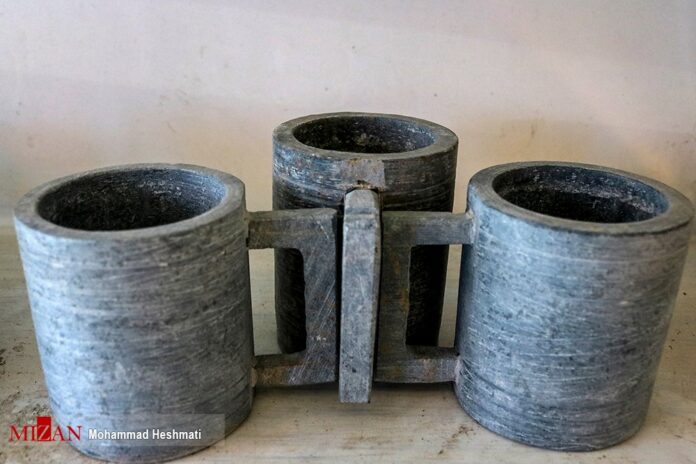
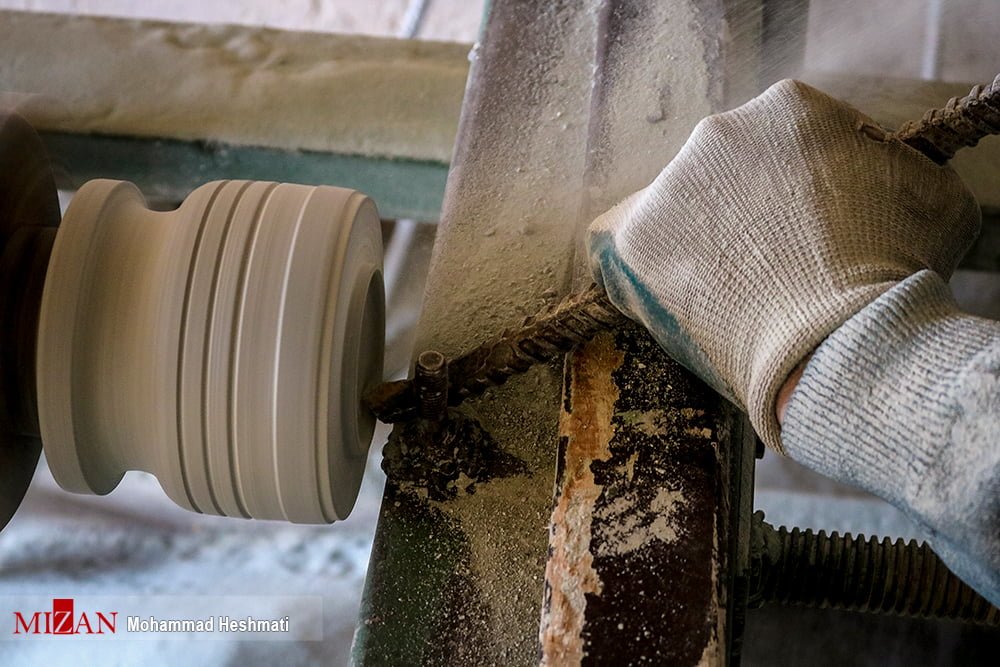
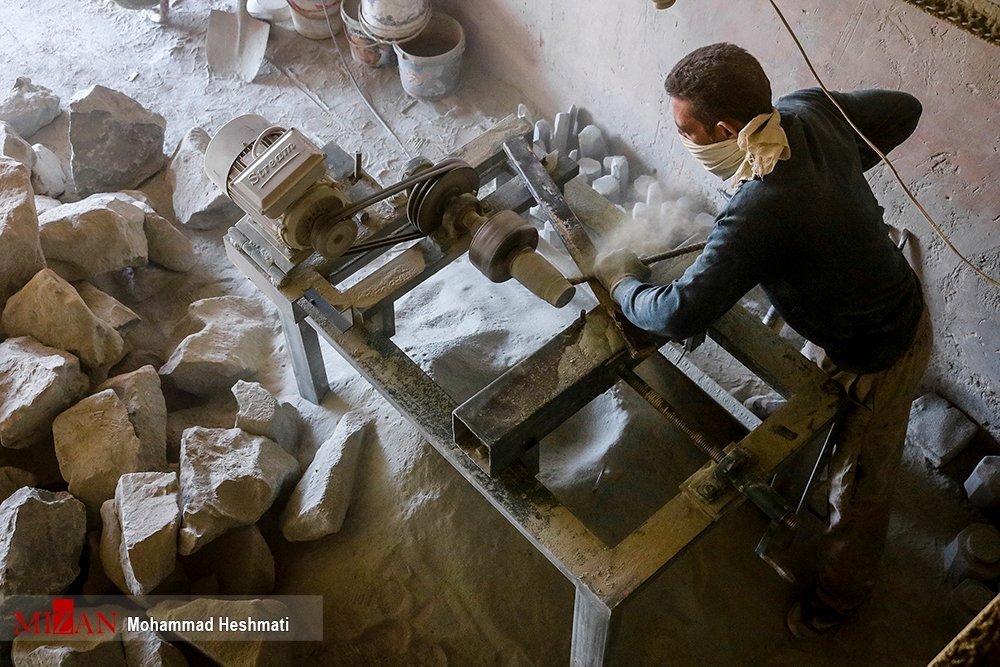
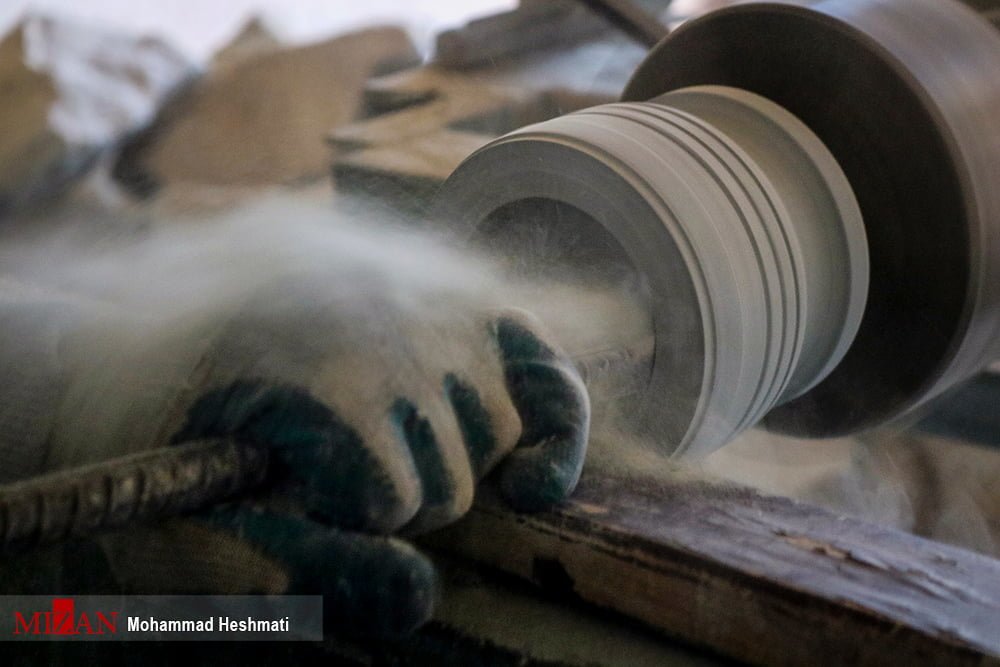
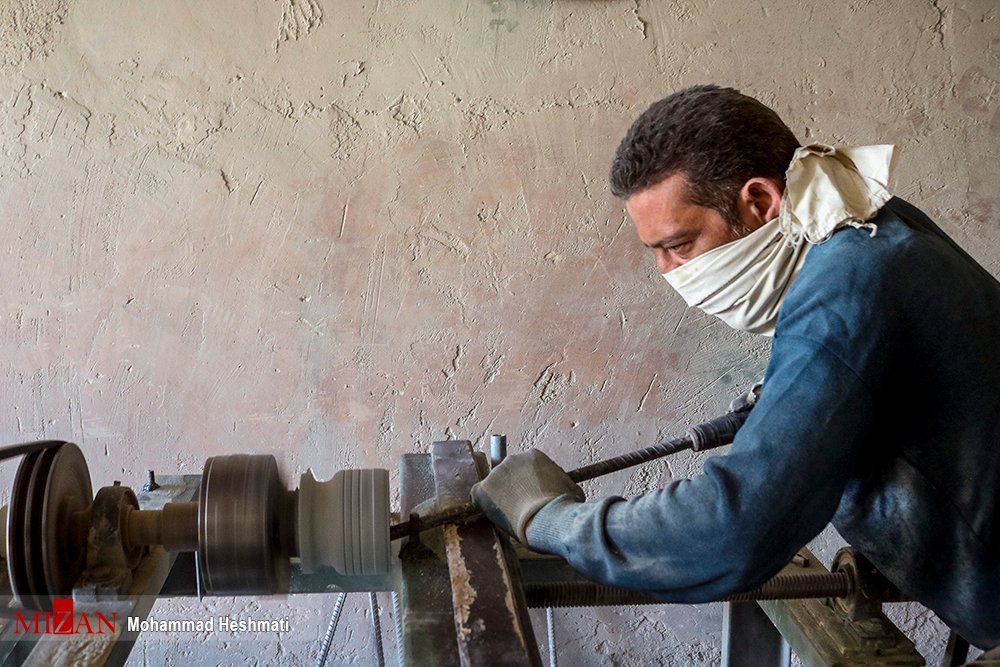
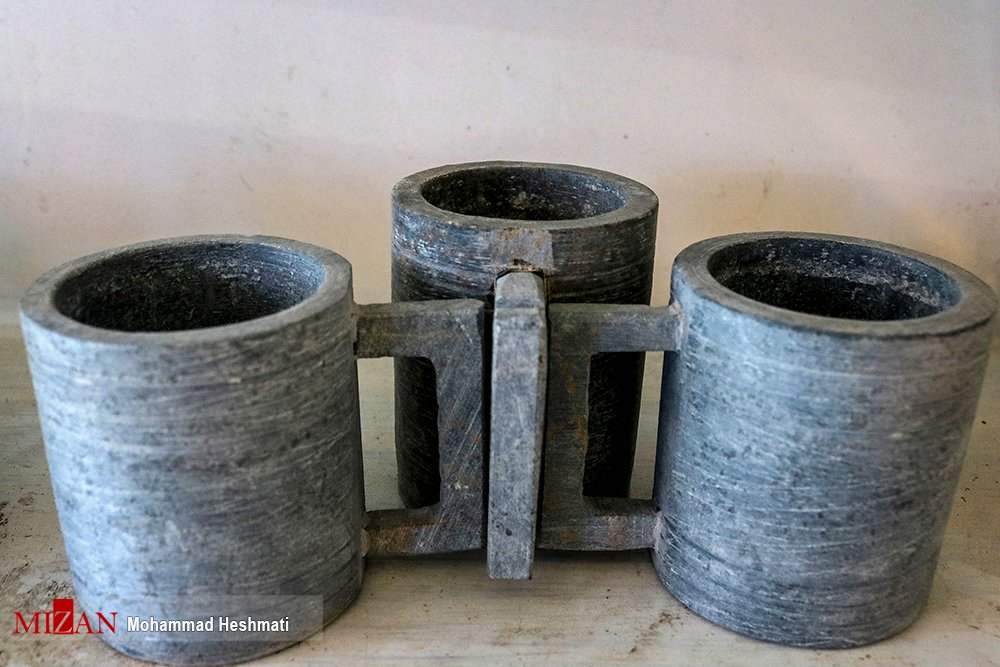
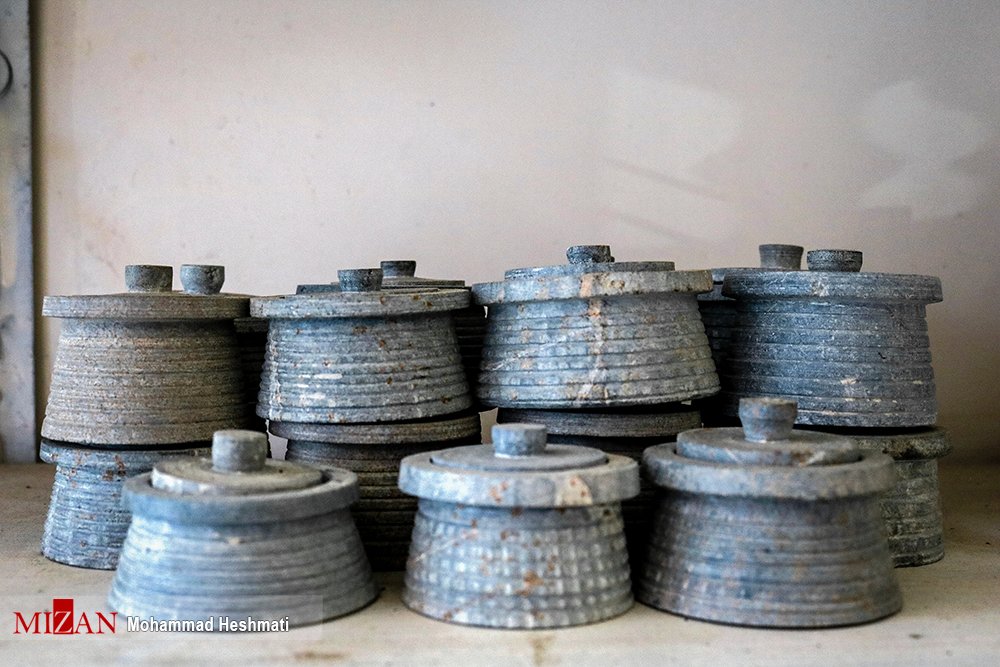
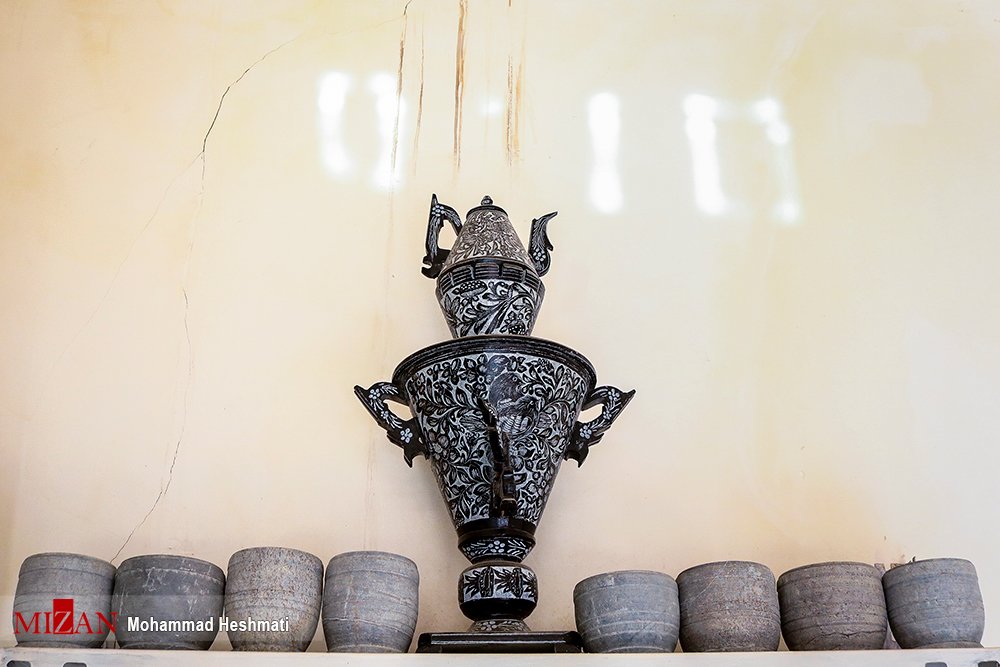
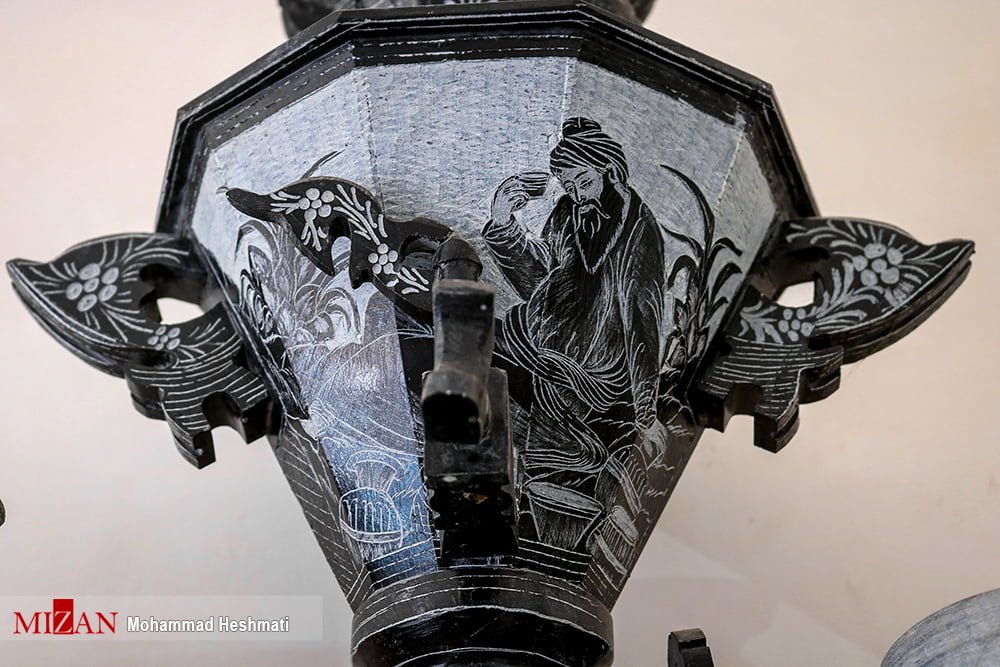
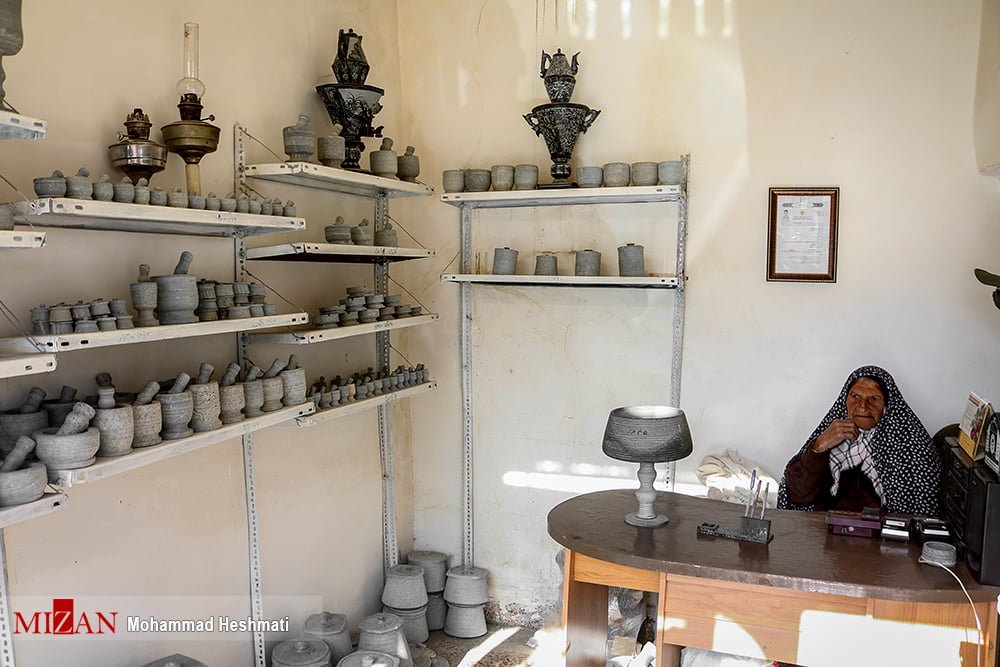
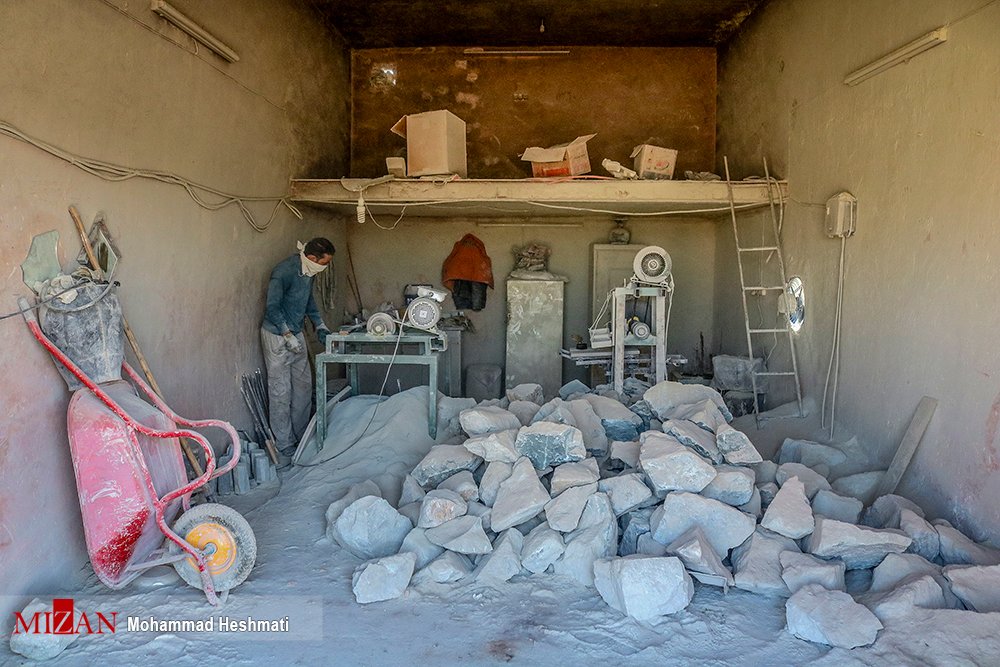
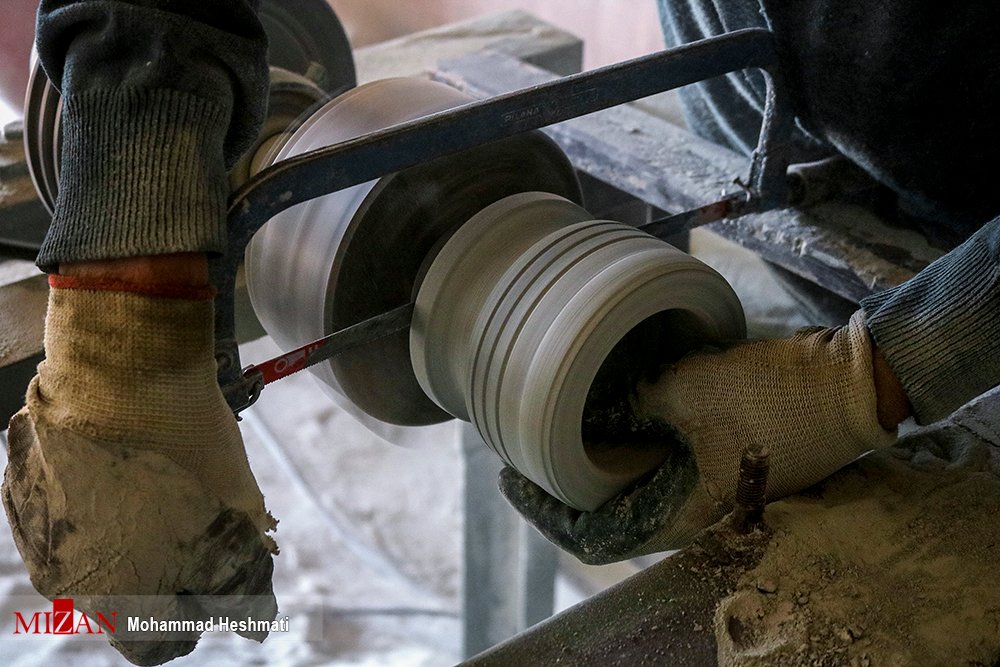
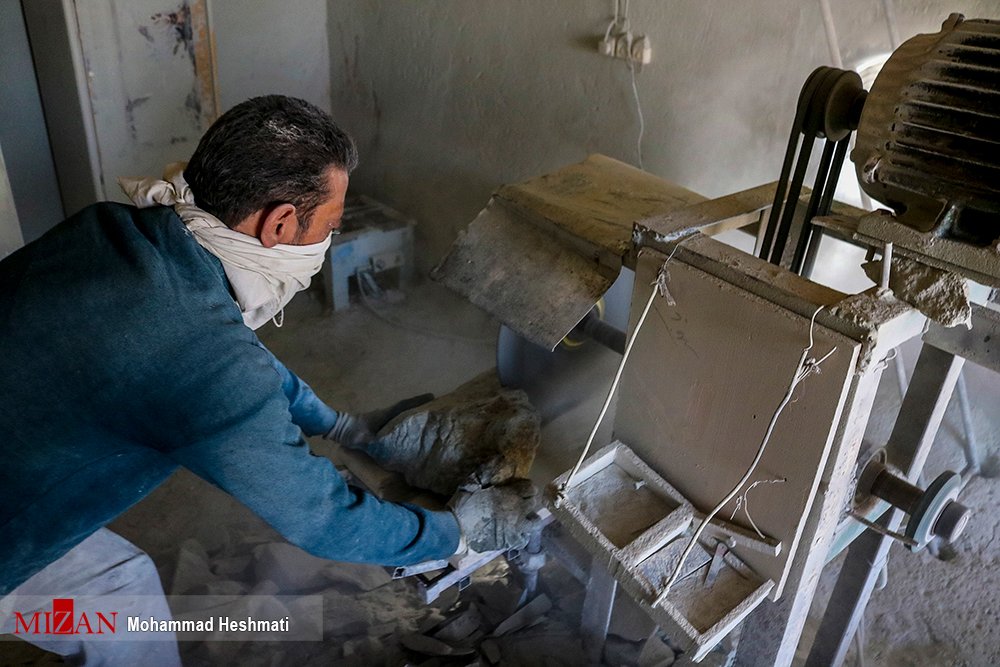
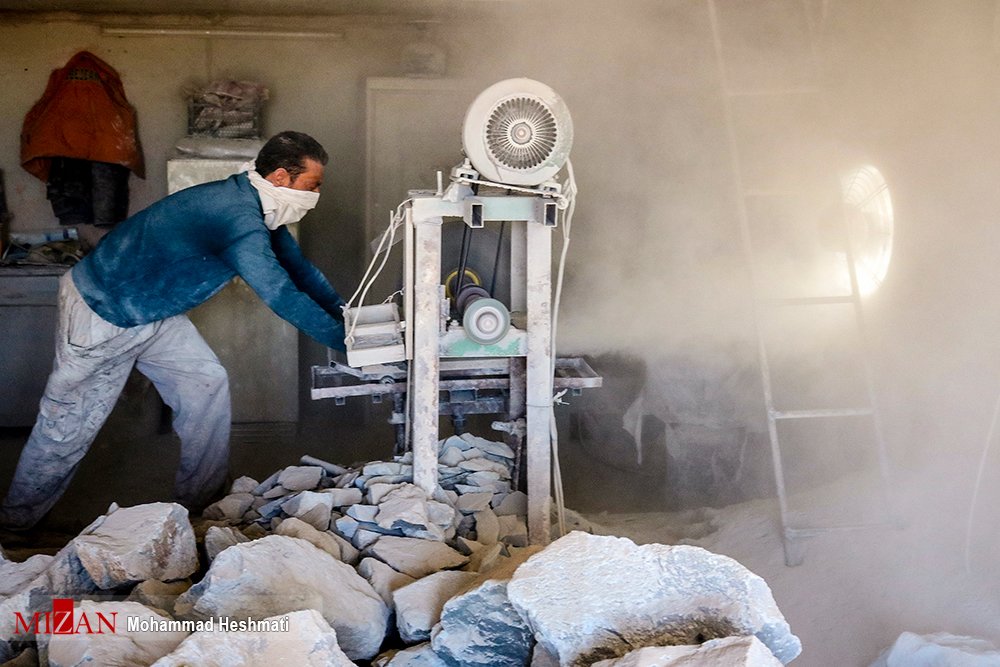
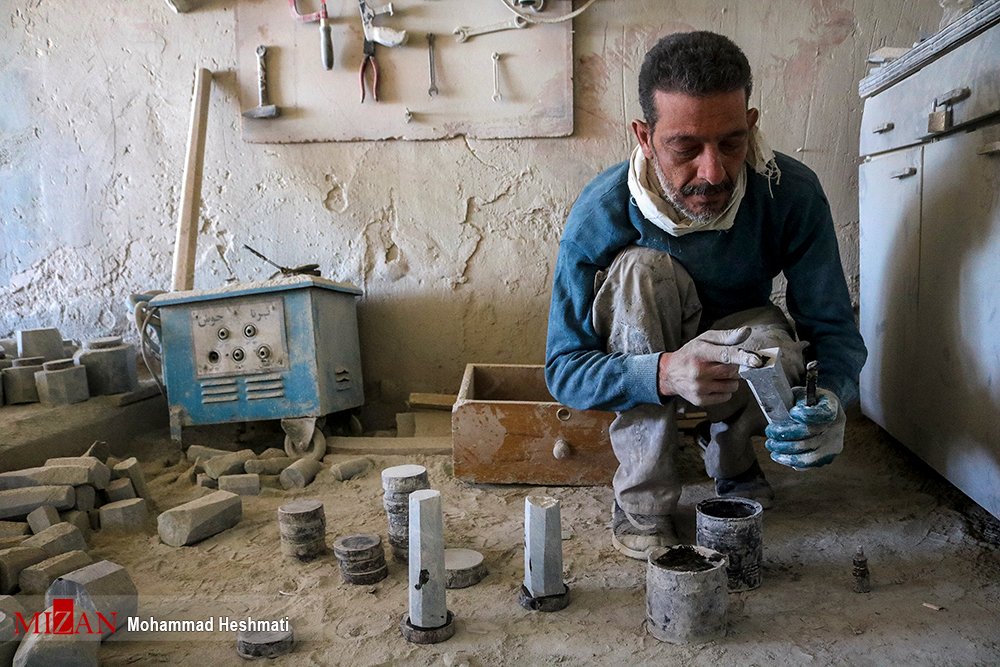
Iranian Artist Makes Beautiful Artifacts Out of Stones

The objects include samovar, glasses, mortar and pestle, sugar bowl and Dizi (stoneware for cooking Iranian traditional dish Abgoosht).

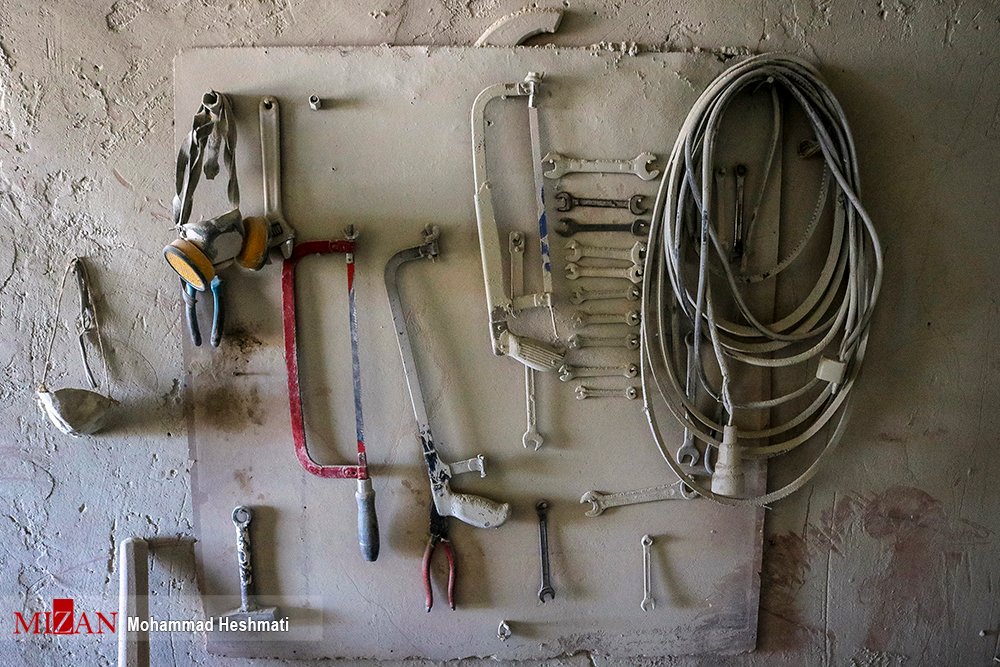
Here are photos of this man’s artefacts retrieved from Mizan News Agency:  

President Rouhani Stresses National Unity in Speech Boycotted by “Demagogues”

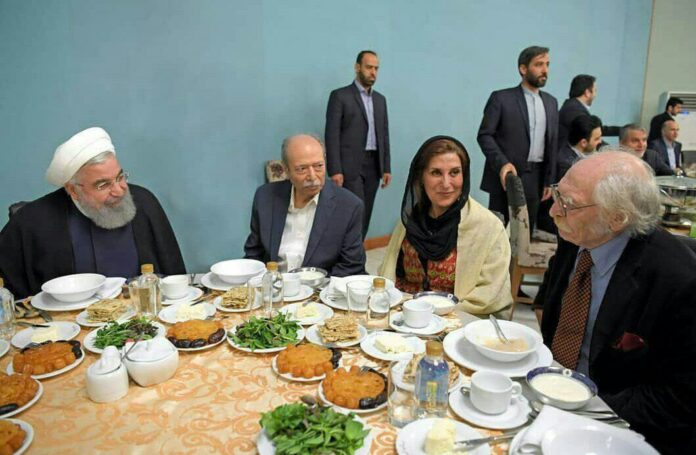
President Rouhani, renowned actor Ali Nasirian and actress Fatemeh Motamed Aria, and prominent novelist Mahmoud Dowlatabadi

Hassan Rouhani made the comment in a meeting at fast-breaking time with a group of artists, including stars of stage and screen, as well as cultural figures.
The ceremony turned into a controversial one after a number of celebrities, who had strongly supported Rouhani last year, declined an invitation to attend it over what they called Rouhani’s failure to fulfill his campaign promises and the dire economic conditions of Iranian people.

“All material powers are limited, except one power which is very strong and invincible,” Rouhani said.

“Anyone, in any capacity and position, has specific, certain and limited capabilities, but the power which can claim final and complete victory is a united and integrated nation, which will never suffer defeat,” President Rouhani noted.

“Although the president of a country and even the powerful army of a country may be defeated under certain circumstances, if a nation maintains its unity and solidarity and relies on resistance, it will never be defeated; of course, such a nation may pay a heavy price on its path, but a united and integrated nation will definitely emerge victorious,” President Rouhani underscored.

He then touched upon the resistance of the Iraqi nation against terrorism.

“If the Iraqi nation hadn’t stood up to the ISIS terror group, which knew nothing but superstition, violence, bloodshed and killing people, today ISIS terrorists would be in control of Iraq and would destroy not only worship and religious sites, but also all other possessions of this great nation,” the president noted.
“As a result of this resistance, the Iraqi nation is the great victor in the region today, and they held a glorious election the result of which bears witness to the Iraqi nation’s independence and resistance, a nation which showed it will not be swayed by super powers,” said the president.

Elsewhere in his remarks, president Rouhani touched upon the anti-Iran stances adopted by certain countries.

He said some superpowers as well as Middle East states are making inappropriate comments about Iran.

The president underlined that most countries, in the past, would say that Iran is not right, but the situation has changed today.

“Today, most countries, except a few, admit that Iran is right, and this is an honour that will go down in history for us,” he said.

President Rouhani also referred to the Iran nuclear deal as well as Washington’s unilateral withdrawal from the agreement and its breach of commitments under the deal.

“We are a nation that respects its deal. In front of us is a government which has reneged on its agreement and signature,” said the president.

“The Iranian nation has remained committed to its obligations, is insisting on the rights it has secured, and will not cave in to unfair and unwarranted pressures which run counter to international regulations,” President Rouhani highlighted.

“If we don’t want to succumb to pressure, we should show the world that we are an integrated, united and brave nation, and we should opt for patience, resistance, solidarity, coordination and having one voice,” he noted.

He then noted that artists and cultural figures play a key role in urging members of society to have “one voice” under the current circumstances.
He then called for a collective effort and cooperation to solve the problems facing the society.

“All of us accept that we are facing numerous problems …. But the question is who should solve these problems. Can the president solve these problems alone? All of us should join hands to overcome problems,” President Rouhani said.

“If we believe that all of us together should solve the problems, then final victory will be ours,” he said.

Prior to the president’s speech, a number of renowned Iranian actors and actresses expressed their viewpoints about some of the current issues in the country and stressed the importance of art and culture in keeping people’s hope alive and easing pressure on them.

This came as some artists turned down the president’s invitation and refused to attend his fast-breaking feast.

According to some analysts, the artists who boycotted the president’s get-together were demagogues seeking to cash in on the situation. Analysts say the boycott was an ostensibly populist move which was ineffective and did not keep Silver Screen veterans as well as key cultural figures from attending the event.

Tehran University Professor and political analyst Sadeq Zibakalam also slammed the boycott, saying these days attacking the president is the least costly thing one can do in Iran.

“Trump Pressurizing Arabs into Waging War on Iran”

A few weeks on since US President Donald Trump announced Washington’s withdrawal from the Iran nuclear deal, reactions to, and analyses on the unexpected move continue to pour in.

“Trump Pressurizing Arabs into Waging War on Iran”Political commentator Hossein Valeh has, in an interview with Khabar Online, weighed in on the consequences of the United States’ pullout from the Iran nuclear deal as well as the prospects of Tehran-Washington relations.
Valeh argues that the US is putting pressure on the UAE and Saudi Arabia to wage a war against Iran, but the Islamic Republic’s regional approach is key to preventing such a war from happening. He says Iran should not behave in a way that leads to a situation where Russia and the US both benefit from such a conflict. In that case, China and the EU would not be able to do anything to stop the conflict and help Tehran.

The first part of the interview was earlier published by the Iran Front Page. What follows is the second and final part of the interview.


In their latest trade deal with Trump, the Chinese agreed to increase the volume of imports from the United States; a move that some analysts believe shows Beijing’s submission to Trump. Can we say that the Chinese feel the noose tightened around their neck, and this will affect their transactions with Iran? Can we say that Beijing, too, has taken a few steps away from Iran?

China needs Iran politically and security-wise less than Europe does. The volume of China-US trade transactions is not at all comparable to the trade volume between Iran and either of them. If the issue of shale oil becomes serious and the risk of a war breaking out in the Persian Gulf rises, China will suffer losses economically. So, Beijing is against any war in the region. This strategic issue is in Iran’s interests. Moreover, China will never give in to the United States. They are playing their game, and they are doing so very carefully.

In how many phases have the sanctions been implemented since the day Trump made a speech and announced Washington’s pullout from the JCPOA? Will more and more sanctions be imposed over time?

Most probably yes. The toughest sanctions, ever, will be imposed by the US against Iran in six months’ time. This is the United States’ declared policy. Iran, for its part, will not accept any of the 12 demands made by US Secretary of State Mike Pompeo. So, this trend will not stop.

Can we say that Iran is in the worst situation it has ever been on the international stage?

No. But before I explain my answer, I need to add one point. Iran is now in the worst situation it has ever been in the past 40 years, but this is not because of the JCPOA and the United States; rather, it is due to domestic policies. At the international level, Iran has a much better status now compared to its position during the first and second tenures of former Iranian President Mahmoud Ahmadinejad. There is no international consensus against Iran. Furthermore, there exists rather strong political will among some major powers such as Germany and France to work with Iran in various areas. Such will did not use to be there. The presence and activities of Iran in international organizations today are not comparable to its activities during the previous administration. We can still work with serious and strong individuals inside the US, but we couldn’t do so in the previous administration. This opportunity is not seized, though, which is another story. What I’m saying is that despite Trump becoming US President, Iran is in a better situation in the current administration (Rouhani’s) in comparison with its situation during the Ahmadinejad administration.

Can we say the JCPOA did not contain enough strong guarantees for implementation?

Well, if the JCPOA had been signed in the form of a bilateral agreement and approved by both the US Congress and the Iranian Parliament, it would have been more difficult for Trump to pull out of it. But there are two points here which should not be left out: First, Iran and the US needed to agree on some of their differences, so that it would be possible for such ratification. But such a thing would not be possible when the Iranian president does not agree to sit down with his American counterpart on the sidelines of the New York summit. The JCPOA was a deal which only one US administration, and not the whole US government, was a party to. Guarantees for the fulfillment of commitments and agreements in foreign policy can be secured through appropriate behaviour that would ease tensions, give assurances, and result in consensus, not through signatures on paper. There are no courts that we can refer to and file a lawsuit against Trump to put him on trial and have him imprisoned. The same goes for Macron and Merkel. Second, even if the JCPOA had been ratified by Congress, Trump would have scuttled it by adopting certain measures. The way to secure guarantees about agreements with the Americans is through the elements inside the US that would suffer losses if the agreement was dismantled, and hence, they would help keep the deal from being scrapped. This is something that, I believe, Israel has tried hard to prevent over the past decades.

In your idea, what possible options do European countries, Russia, and China have in dealing with Iran in the future?

As long as we have not officially and practically violated the JCPOA, all signatories to the JCPOA except Trump will stay in the agreement. Their attempts to render US sanctions ineffective will be fruitful from 30 to 40 percent. As the United States’ new sanctions run counter to the UN Security Council resolution, the countries affected by the bans will file a lawsuit against the US for the consequences of Washington’s sanctions on their companies or banks, and may even take America’s assets in Europe and reimburse their citizens, companies and governments for their losses. Governments will urge cooperation with Iran and may create special mechanisms for that purpose. Now, they are discussing these issues during the current talks. However, major private companies, especially multinationals, will not work with Iran fearing fines and other penalties by the US.

In my estimation, they will ease pressure on Iran because of other issues as well. The reason is that they have no hope that the US would accept whatever amount of agreement that Europe will reach with Tehran over the provisions of the JCPOA as well as other issues not related to the nuclear deal such as Iran’s missile program and Middle East policy. So, being on a dilemma of pressuring Iran to gain more concessions (which is sometimes mentioned by Russia and France) and easing the pressure to forge closer cooperation with Tehran, they would go for the second option.

What policy should Iran adopt?

We should accept and believe that there is real difference between the US and Europe and between the hawks and doves inside the United States. When it comes to adopting a strategy, we should preserve the situation of maintaining a negative balance. As for tactics, we should stay in the JCPOA. We should pressure Europe to render Iran sanctions ineffective. Concerning issues other than the JCPOA, Iran should not be put under pressure. The policies adopted should help boost Iran’s defence capability to maintain regional balance and stave off a possible war. In the meantime, we should pay attention to the areas about which the Europeans are sensitive. We should work with the doves against the hawks. In other words, a united Iran should do this, not turn into a subject of controversy for different political parties. We should also unite and unify the domestic front.

How do you evaluate the US secretary of state’s threats against Iran? How do you see it that the US both withdraws from the JCPOA and makes serious threats?

The ultimate wish of the CIA’s former chief is to see differences emerge inside Iran over his declared policy, which would pit Iranian officials against one another, paving the way for Washington to capture Iran without even shooting a bullet. If this doesn’t work, then he would like to see war break out among Arabs, so that Moscow and Washington would pocket trillions of dollars each. He would like to see our and Arabs’ military prowess diminish, so that Israel will remain the one and only power. And even if this scenario does not materialize, he would like to get economic and security pressure increased, so much so that Iran would turn to Russia and become a second Crimea. This way, he hopes, the US would be able to rein in Iran through its dealings with the Kremlin, or maybe Tehran will take a U-turn and give in to Washington’s demands.

Can the US government’s stepped-up rhetoric against Iran be the result of the developments on the ground in Syria? If so, is their final objective to weaken and drive Iran out of Syria?

For one reason, it is Israel’s desire to see Iran leave Syria. For another, the Arab states in the south of the Persian Gulf want Iran to get out of Syria, and Russia wants Iran out for a third reason. Trump wants Iran to leave Syria for a fourth reason: His goal is to touch off a regional war.

How likely is it for some regional players to get into a military confrontation with Iran?

Trump is putting maximum pressure on Saudi Arabia and the UAE to drag them into war, but there are serious structural and political hurdles to that. At the moment, the US Congress is preventing Trump from taking any action. Naturally, this would ease Trump’s pressure on Arabs and decrease their courage to wage a war. Europe and China are an impediment to that, too.

How can we manage the simmering economic situation in the country brought about by regional developments?

Today, Iran’s issues are political in nature. Even people’s economic problems have their roots in politics. As long as stability, dynamism, mass popular participation, and a sense of responsibility are not established and reinforced in Iran’s domestic politics, Iran is threatened not only by foreign powers, but also by covert social rifts. If the local front is strengthened and consolidated, the negative impacts of foreign economic pressure as well as domestic problems will decrease. In order to have successful talks, negotiators should be backed up by a strong domestic front.

How do you predict the future?

Iran will manage to negotiate the current steep passageway, but this passing will come at different costs depending on the strategy chosen. It depends a lot on the game played by players in the foreign policy arena. What strategy takes priority in order to harness the fallout from foreign pressure? If the strategy adopted is a defensive one based on the mobilization of domestic facilities and capabilities, and all requirements are fulfilled, for example if social forces and political groups  reach agreement with the government in line with the fundamental principles of national interests, and if the pillars of the government observe the very same principles, and no one turns the United States’ current  economic war into a tool to advance his agenda, then Iran will overcome this challenge with the least possible costs. Other strategies have heavier prices to pay.

A Look at Iranian Newspaper Front Pages on May 31

A Look at Iranian Newspaper Front Pages on November 19

The top story in many newspapers today was an Iftar (fast-breaking) ceremony hosted by President Hassan Rouhani and attended by numerous artists and cultural figures. The ceremony was boycotted by many of the artists who were invited by the president’s chief of staff but declined it to protest against what they called Rouhani’s failure to fulfil his campaign promises and the people’s dire situation. During the Wednesday ceremony, Rouhani said he accepts the artists’ criticisms, but believes that problems cannot be resolved unless all Iranians join hands.

Also a top story was the re-election of Ali Larijani as the Parliament speaker. He managed to defeat his reformist rival Mohammad-Reza Aref, but many pro-reform media described the election as a victory for Aref and the Hope Faction, because the number of lawmakers who voted for Larijani, compared with those in earlier elections, was much lower, and very close to those who chose Aref.

The recent sexual harassment of a number of high schools students in Western Tehran by a school official, and the latest developments in the Korean Peninsula were among other issues covered by newspapers today.

The above issues, as well as many more, are highlighted in the following headlines and top stories:


Aftab-e Yazd:

1- Political Victory of Aref despite Ali Larijani’s Re-Election as Parliament Speaker

2- Egypt’s Private Sector Destroyed by Military Government

  • Economy Seized by Egyptian Marshals

A Look at Iranian Newspaper Front Pages on May 31


Arman-e Emrooz:

1- Rouhani: I Accept Cultural Figures, Artists’ Complaints

A Look at Iranian Newspaper Front Pages on May 31


Bahar:

1- Why Reformists Failed to Win Presidency of Parliament

A Look at Iranian Newspaper Front Pages on May 31


Donya-ye Eqtesad:

1- Economic Experts Write Letter to Rouhani on Forex Market

A Look at Iranian Newspaper Front Pages on May 31


Ebtekar:

1- In Strange Move, Former FM Velayati Changes His Opinion about JCPOA

A Look at Iranian Newspaper Front Pages on May 31


Etemad:

1- Senior Reformist Analyst: Opposition Figures Who Seek Regime Change Must Be Ignored

A Look at Iranian Newspaper Front Pages on May 31


Ettela’at:

1- Iran First VP: We Should Be Careful Not to Lose People’s Trust

2- Israeli Regime Steals Palestine’s Ship of Freedom

3- Poets, Professors of Persian Language and Literature Meet with Iran Leader

A Look at Iranian Newspaper Front Pages on May 31


Ghanoon:

1- Dangerous Korean Game: A Report on Latest Developments of N. Korea

A Look at Iranian Newspaper Front Pages on May 31


Hamshahri:

1- Experts Discuss Recent High School Harassment

  • Lack of Sex Education in Schools Main Cause of Such Incidents

A Look at Iranian Newspaper Front Pages on May 31


Iran:

1- Rouhani: Artists Pioneers of Trust, Unity among NationA Look at Iranian Newspaper Front Pages on May 31


Jahan-e San’at:

1- A Review of US Sanctions’ Consequences for Banking in Iran

  • Even India Threatens Iran

2- Oil Minister’s Reaction to France’s Time Killing: Total Has 60 Days

A Look at Iranian Newspaper Front Pages on May 31


Javan:

1- CIA: US Can Only Open One McDonald’s Restaurant in N. Korea after Deal!

  • North Korea Not to Accept Nuclear Disarmament

A Look at Iranian Newspaper Front Pages on May 31


Jomhouri Eslami:

1- Iran First VP: Certain Figures’ Positions in Line with Enemy’s Demands

2- Oil Minister Vows to Prevent Plunge in Iran’s Oil Exports

3- Russia, French Parliament Speakers: No Alternative to JCPOA

4- US State Department Admits Situation of Shiites in Bahrain Dire

A Look at Iranian Newspaper Front Pages on May 31


Kayhan:

1- Root Causes of Crime in Tehran High School

  • Ignoring Vetting Processes, Unregulated Cyberspace, Commercialization of Education

2- Ansarullah’s Successful Drone Operation in Al Hudaydah: Saudi Command Centre Destroyed

3- Jalili: As per Article 36 of JCPOA, Iran Has Right to Stop Fulfilling Its Commitments

A Look at Iranian Newspaper Front Pages on May 31


Kelid:

1- Tourism Chief: Iran to Face No Problem in Receiving Foreign Tourists If JCPOA PreservedA Look at Iranian Newspaper Front Pages on May 31


Khorasan:

1- $100-Billion Illusion: A Report on Claim that Iran Received over $100bn after JCPOA

2- Trojan Horse of McDonald’s behind Doors of Pyongyang

A Look at Iranian Newspaper Front Pages on May 31


Shahrvand:

1- Iranian Volleyball Setter Saeid Marouf Joins Siena’s Emma VillasA Look at Iranian Newspaper Front Pages on May 31


Shargh:

1- Rouhani to Artists: You Have Every Right to Expect Gov’t [to Fulfil Its Promises]

A Look at Iranian Newspaper Front Pages on May 31


Tejarat:

1- ICT Minister: It’s People’s Basic Right to Have Access to High-Quality InternetA Look at Iranian Newspaper Front Pages on May 31


Vatan-e Emrooz:

1- Velayati Criticizes JCPOA for Not Having Persian Version

  • It Gives One Feeling of Humiliation

A Look at Iranian Newspaper Front Pages on May 31

“US Report on Religious Freedoms in Iran Baseless, Politically Motivated”

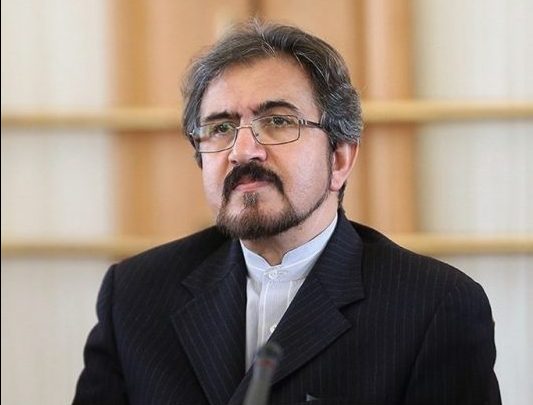
In a statement on Thursday, Qassemi said the Islamic Republic of Iran regards the report as unrealistic, unfounded and biased, and believes it has been drawn up to make certain political gains.

“In this report, once again a distorted and politically-tainted picture is painted of the situation of religious freedoms in the Islamic Republic of Iran coupled with baseless accusations which are far from reality and definitely unacceptable,” he said.

He then touched upon the interpretations that the report offers of religions and religious beliefs.

“Putting forward imaginary, fabricated and groundless interpretations of religions and religious beliefs will finally lead to the further deterioration of interfaith problems, conflicts and crises, and will have no constructive and positive outcome,” he noted.

“In order to settle religious differences and ensure proximity among religions, it is necessary to seriously avoid politicising the issue and take steps on this path with reliance on dialogue and respect for others’ opinions, and based on lofty human values and respect for the followers of all divine faiths,” Qassemi underlined.

“It seems that the US government has forgotten this key objective and only seeks to make political capital out of the religious diversity in some world countries, and it is believed that this country does not have a precise and realistic assessment of the domestic situation of countries, especially their demographic and religious condition,” he noted.

“History bears witness to the fact that the great people of Iran, who enjoy a rich and age-old civilisation and culture, have lived side by side in a completely peaceful and fraternal atmosphere for thousands of years.”

“Following the victory of the glorious Islamic Revolution [of Iran], too, followers of all faiths have practiced their religious rituals in different religious centres across Iran in keeping with the principles of the Constitution and in accordance with the law, which supports these freedoms,” he said.

In its “International Religious Freedom Report for 2017,” the US State Department accuses the Iranian government of persecuting religious minorities.

“Residents of provinces with large Sunni populations, including Kurdistan, Khuzestan, and Sistan and Baluchistan, reported continued repression by judicial authorities and members of the security services, including extrajudicial killings,
arbitrary arrest, and torture in detention, as well as discrimination, including suppression of religious rights, lack of basic government services, and inadequate funding for infrastructure projects,” reads part of the report, without giving any documented evidence to substantiate the baseless claims.

The report does not stop there, and even cites other baseless reports about the human rights situation in Iran.

“The UN special rapporteur highlighted in her March and August reports the large number of executions of mainly Sunni Kurdish prisoners on ‘moharebeh’ charges, as well as the ‘indiscriminate and blind use of lethal force’ against Kurdish couriers,” adds the report.

This comes as the US, itself, is one of the major violators of human rights. Numerous cases of racial profiling and discrimination against the people of colour, especially the black community, have been reported in the US.

Many unarmed black people have been shot dead by US police for no good reason. The travel ban against Muslims announced by US President some time ago was another clear example of rights violation by the United States.

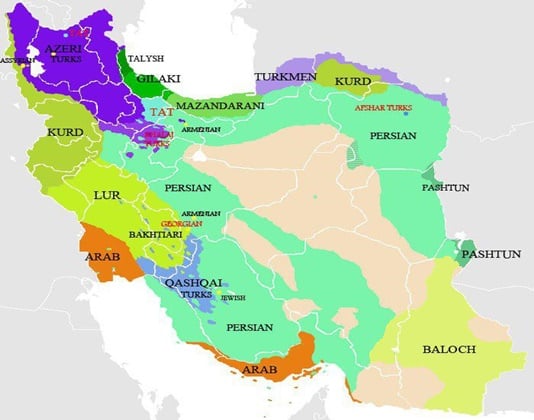
Greek Expert Hails Iran’s Cultural Mosaic as “Exceptional”

Katerina Balamoti, the representative of Hellenic Foundation for Culture in Iran, made the statement in a recent interview with IRNA.

Following is an excerpt of the interview:


Could you please explain about your cultural activities in Iran?

Greece and Iran, as two poles of science in ancient times, have been friends for a long time and cultural relations between the two countries are of utmost importance.

Our foundation aims to act as a bridge between the cultures of Iran and Greece. We like to introduce Iran’s culture to the world.

As part of our efforts, we inked an agreement to boost cooperation between Fajr Theatre Festival and Athens Theatre Festival.

What’s your view about Iran’s culture?

There is an exceptional cultural mosaic in Iran, which has obvious attractions.
Have long have you been to Iran and which cities have you visited so far?

I’ve been living in Iran for two and a half years and I’ve seen Kashan, Isfahan, Chalus, Ardabil, Astara, Tabriz and northern Iran.

Considering the fact that Greece’s climate is similar to northern Iran, I think Iran’s desert areas should have been more attractive for you?

Yes. Greece’s weather is similar to northern Iran. As you said, the most attractive parts of Iran were desert areas and visiting them was a different experience for me. We have no camels in Greece and it was nice for me to see a big camel eating from my hand.

Which parts of Iran do you recommend your compatriots to visit?

I will tell them to visit not just a part of Iran but the whole of it. The fascinating point about Iran is that this is a country made of dozens of different cultures and geographies.

Tehran is a modern city. Isfahan and Yazd are near desert. Northern Iran has tropical jungles that remind people of Thailand. In southern Iran we have islands that are great for having fun.

I’m of the opinion that Greek people willing to visit Iran should at least spend 10 to 15 days Iran so they can see part of the country’s beauties.

What’s your take on Iranian handicrafts?

Isfahan’s enamelled handicrafts were amazing and Zanjan’s metal embossing and silverwork were interesting. But fabulous carpets were something else.

What about Iranian foods?

I’m really into Tah Chin Shirazi and Khoresh-e Fesenjan.

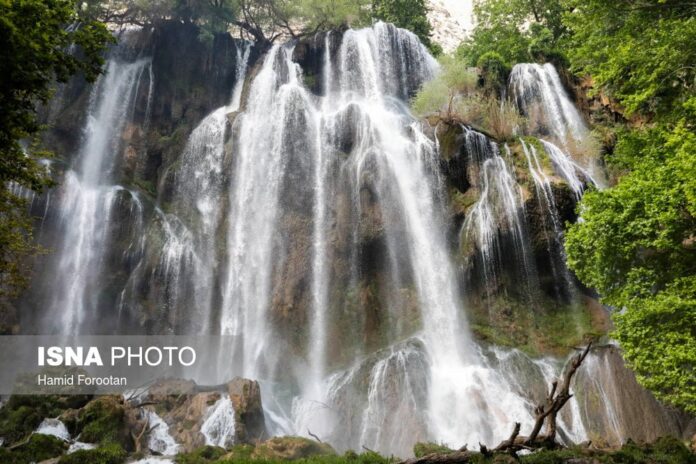
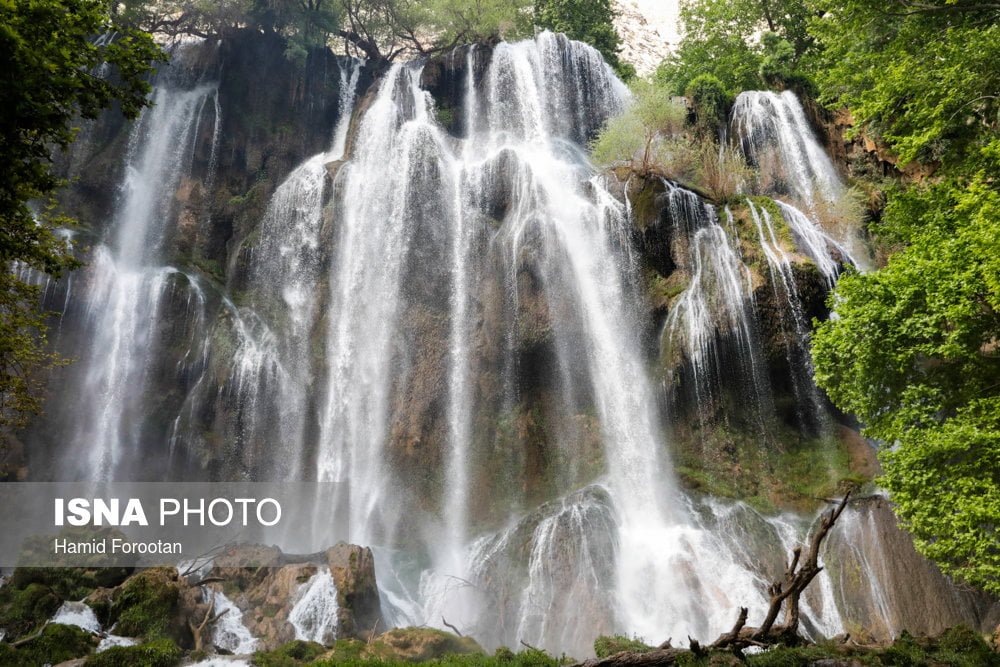
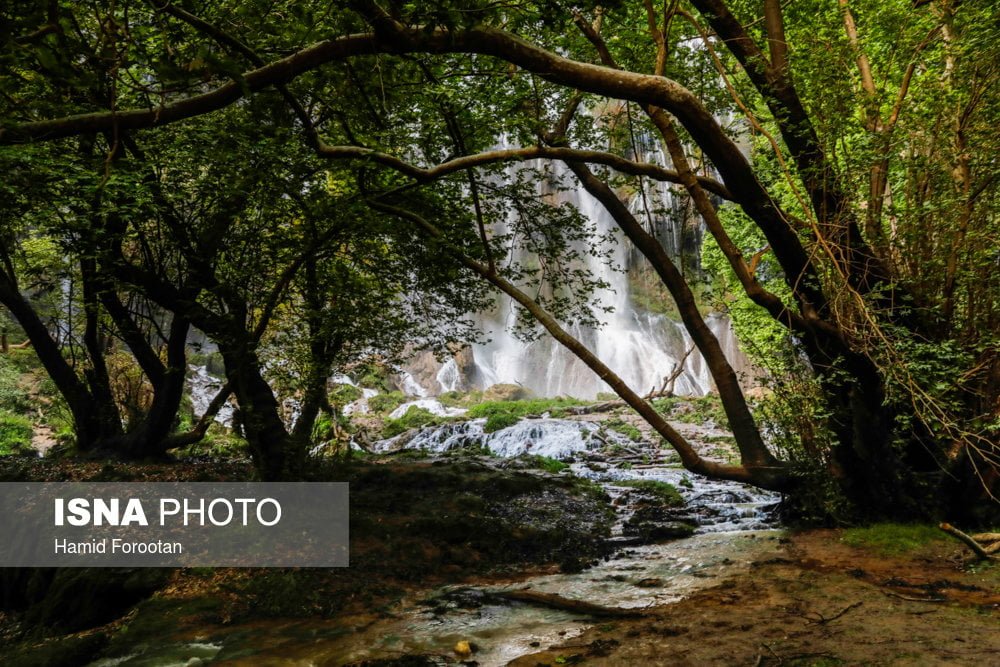
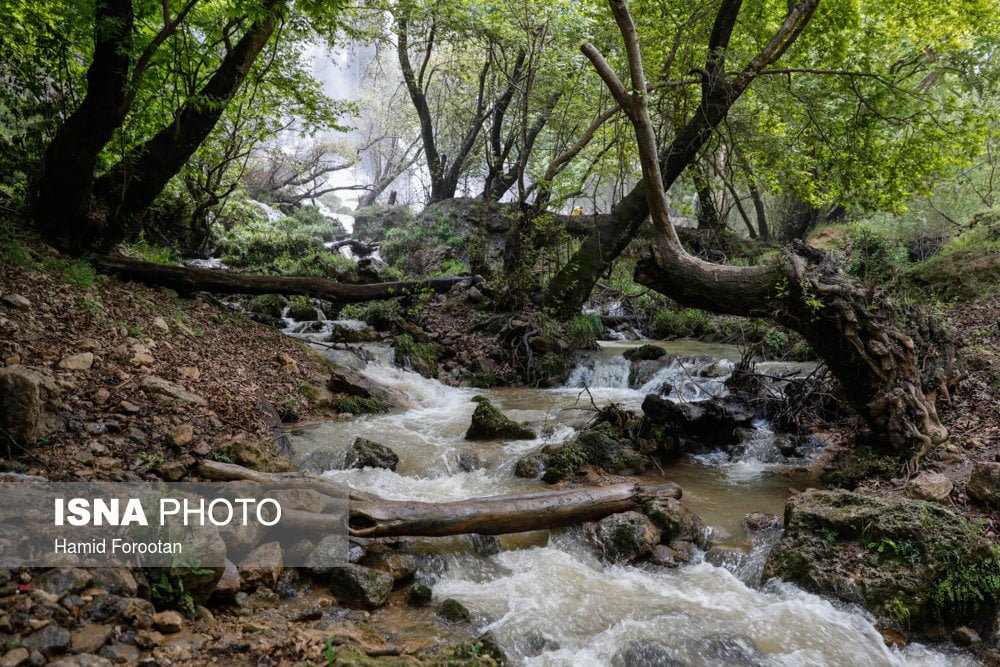
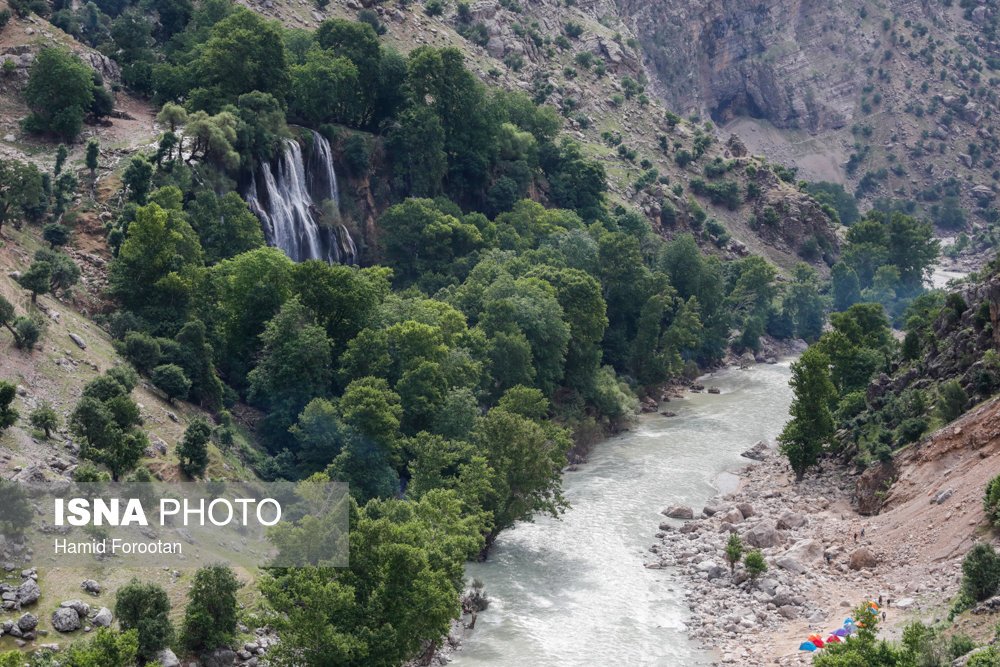
Iran’s Beauties in Photos: Spectacular Waterfall of Zardlimeh

The waterfall, surrounded by oak and almond trees, is one of the largest and most beautiful ones in Iran.

It is 40 metres in height and 65 metres in width.

The river flowing above the waterfall is fed by the Karun River.

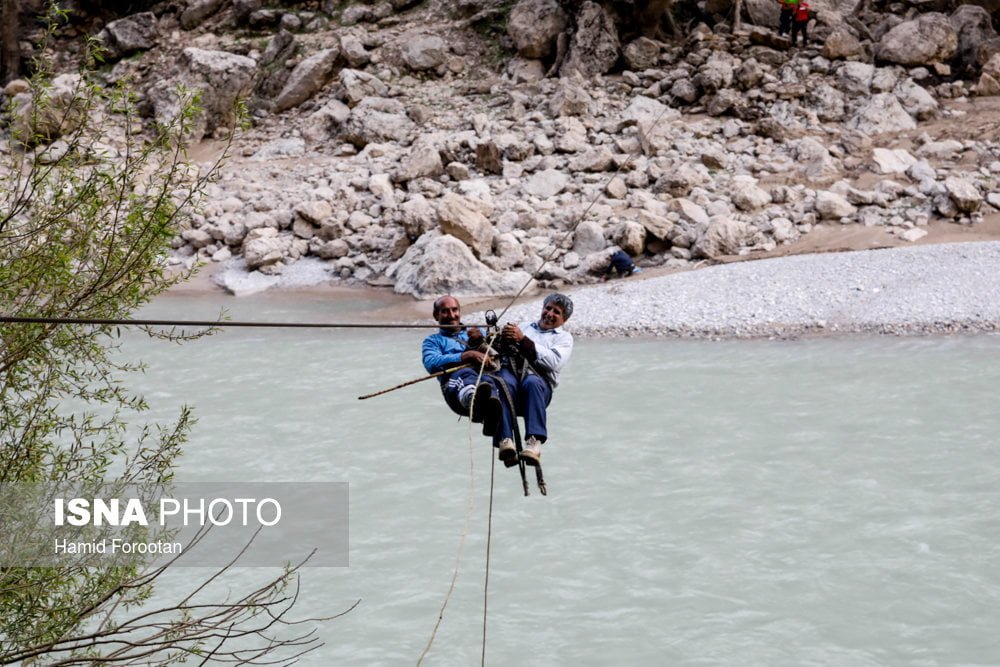
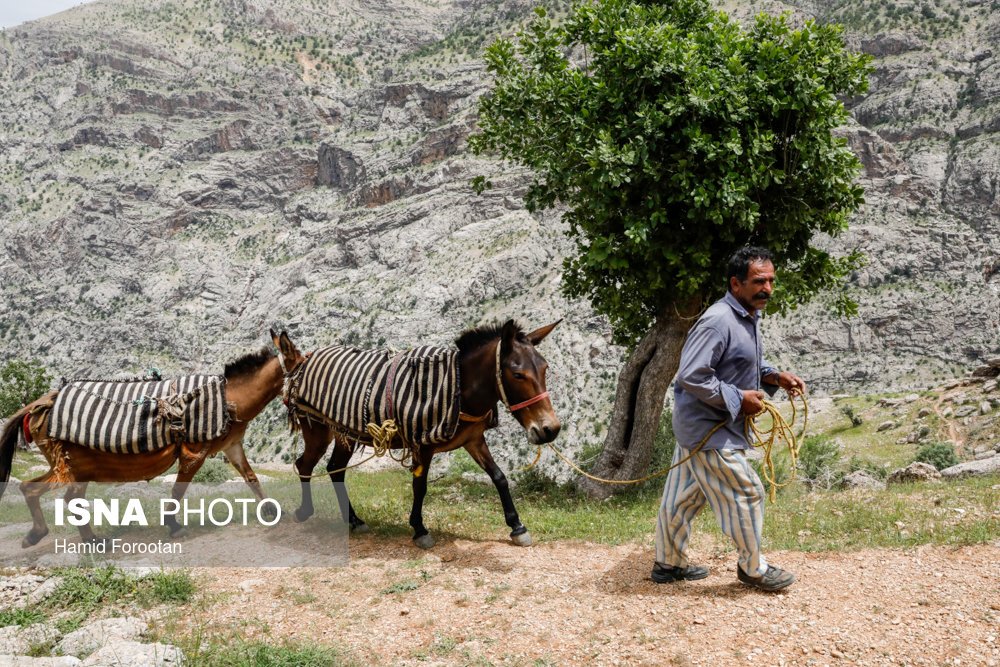
Following are ISNA’s photos of the waterfall and its surroundings:

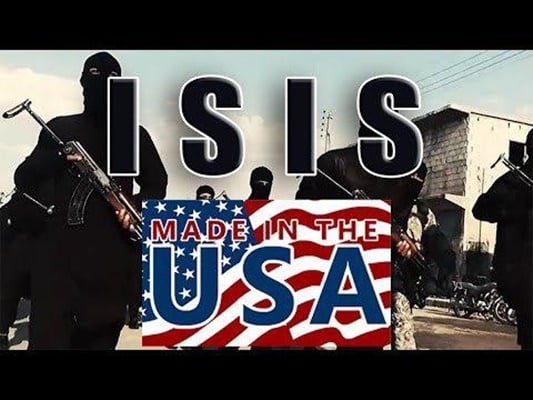
A Round-up of Evidence Showing ISIS Created by US

Last Wednesday, Leader of Iran’s Islamic Revolution Ayatollah Seyyed Ali Khamenei talked about the United States’ key role in creating and supporting the ISIS terrorist group, saying that the issue “was openly mentioned by the current US president in his election campaign. Of course, we were aware of this before.”

“We had some information showing that they were helping ISIS in Iraq in various cases. The Americans helped ISIS sell oil and break the sieges that had been planted,” the Leader said.

Following the remarks, Mizan News Agency on Tuesday published a round-up of all the evidence that prove the US role in creation and promotion of ISIS terrorist group.

Following is an excerpt of the report’s evidence:

1- According to documents leaked by Edward Snowden, the former employee at US National Security Agency, the British, American and Israeli intelligence worked together to create ISIS.

The operation, codenamed Hornet’s Nest, was a plot to disintegrate West Asian countries and protect the Israeli regime.

Snowden said ISIS was created to attract all extremists of the world.

According to the project, the Americans freed a former Al-Qaeda affiliate named Ibrahim al-Badri from an Iraqi prison in 2004 and radicalized him at US-run detention centre Camp Bucca near Kuwait’s border from 2005 to 2009.

The Iraqi national, was then released to form a group made of former Al-Qaeda affiliates in Iraq and become its leader, Abu Bakr Al-Baghdadi.

The intelligence services worked to spread ISIS propaganda across the world and help bring extremists to Syria.

2- The US forces then started aiding ISIS forces and enabled their rise in Syria and Iraq.

The US troops did nothing to stop thousands of ISIS troops using Toyota pickups to carry out a lightning offensive in 2014 that brought large swathes of Iraq under their control.

In another major instance, the US watched ISIS fighters, vehicles and heavy equipment gather on the outskirts of Ramadi before the group took the city in May 2015.

According to US intelligence and military officials speaking to Bloomberg on the condition of anonymity, the US had significant intelligence about the pending Islamic State offensive in Ramadi and for them it was an open secret even.

This is while the US could at least launch airstrikes against the convoys before the battle started. It left the fighting to Iraqi troops, who ultimately abandoned their positions.

Separately, there are reports that Americans have helped Baghdadi to escape from Mosul, the last major stronghold of the terror group in Iraq, when it was being freed by Iraqi forces last year.

An Iranian documentary aired last month sheds light on Washington’s overt and covert support for the ISIS terrorist group in Iraq and Syria.

Named Lord of War, the documentary includes footage retrieved from US drones monitoring ISIS that how Washington aided the terrorist group by not doing anything against its military and economic activities despite its tactical, military and intelligence supremacy.

3- The US was flooding so-called “moderate” militants fighting to bring down the Syrian government with weapons.
But thousands of individuals receiving US aid were turned out to be ISIS members.

A study by Conflict Armament Research (CAR) said last year that sophisticated weapons the US secretly provided to the moderate militants fighting the Syrian government quickly fell into the ISIS hands.

In one instance, the former security head of the Syrian sector of the US base of At Tanf near the border between Syria and Iraq told Sputnik news agency that militants affiliated with the Free Syrian Army training at the base were selling US munitions to ISIS.

“When we found out about this, we told the Americans about it. However, they started to support the commander they placed above us even more. [Militants] sold US-made weapons, vehicles, antitank grenade launchers, M-16 rifles, a large number of them,” Muhammad Assalam said.

4- The US has directly aided ISIS in Syria by bombing Syrian military assets during its attacks.

Several attacks by US air forces against Syrian positions have been followed by ISIS attacks, including an attack to Syrian troops in Deir al-Zour in 2015.

In one of the latest shows of support, the US has threatened to intervene to prevent an operation by the Syrian government to clean up the southwest region of Syria around the city of Dara

The US move should be interpreted as protection for terrorists, as the region is infested with a large number of ISIS terrorists as well as al-Qaeda and associated groups.

5- US President Donald Trump frequently attacked former secretary of state Hillary Clinton and former US president Barack Obama for the rise of ISIS during his election campaign in 2016.

Trump said the two officials have in fact “created ISIS”.

“ISIS is honouring President Obama,” he once said. “He is the founder of ISIS … And I would say the cofounder would be crooked Hillary Clinton.”

6- Last Thursday, US Senator Rand Paul said in a meeting between the newly-appointed US Secretary of State Mike Pompeo and members of the Senate Foreign Affairs Committee that the US has indirectly armed ISIS.

Paul referred to an email leaked last year by WikiLeaks in which former White House Chief of Staff John Podesta told former Secretary of State Hillary Clinton that the US “must stop Saudi Arabia and Qatar from funding ISIS.”

The senator said the remarks indicate the US has been aware “ISIS is getting weapons from Qatar and Saudi Arabia” and yet it has sold the two oil-rich kingdoms huge caches of weaponry.

7- Last year, the former top US diplomat Henry Kissinger warned the Trump administration that defeating ISIS was not to the US interests, as Iran could fill the power vacuum left after the collapse of ISIS.

The 94-year-old Kissinger, who served as secretary of state under Richard Nixon, cautioned that defeating ISIS could lead to a “radical Iranian empire” across the Middle East.

Of note, Clinton has famously acknowledged the US role behind the creation of Taliban in Afghanistan in 1980s, as a bid to push soviet forces out of the country.

There is no reason not to believe the US could have devised a similar plan to target its enemies, including the Syrian government.

Jewish People Ready to Defend Iran against Aggressors: MP

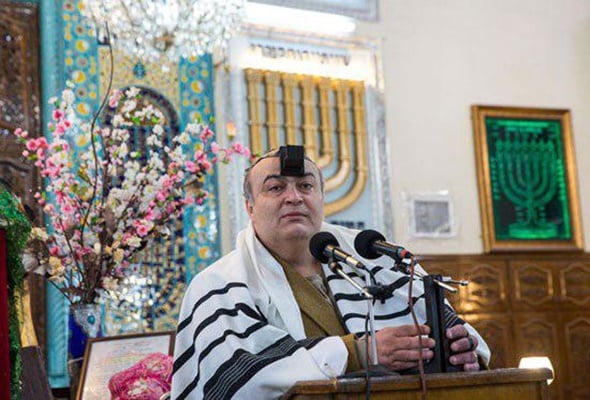
Speaking in an interview with IRNA on Wednesday, the representative of the Iranian Jewish community at the Parliament Siamak Moreh Sedgh said Iranians are united against adversaries.

“During the glorious Islamic revolution of the Iranian people and sacred defence [against Iraqi aggression], we saw the blood of Muslim, Christian, Zoroastrian and Jewish youths being mixed. All of them sacrificed their life to uphold values of the revolution and defend the country against the inhuman aggression of Saddam,” he said.

The lawmaker said unity among the Iranian people has allowed the country to emerge victorious from various battles.

“[Followers of] various religions living in Iran share many similarities, not only in language, culture and national interests, but in [religious] principles of monotheism, prophecy and resurrection, which has deepened unity among them,” said Moreh Sedgh.


Trump, Netanyahu No Friends of Iranians

The lawmaker said Iranians should be vigilant not to allow enemies to shatter unity among them using “natural” differences among them as pretexts.

“Our enemies want to exploit these differences to foment division among us [to be able to harm us],” he said.

Throughout Iran’s long history, whenever the county has been progressing all people have benefited and whenever it has faced problems, all have been harmed, the lawmaker said.

Moreh Sedgh said US President Donald Trump and Israeli Premier Benjamin Netanyahu are enemies of all Iranian people, not just certain groups of them.

“Inhuman sanctions Trump is threatening Iranians with are not against a religious, ethnic or racial group, but they threaten the whole Iranian nation,” he said.

“Enemies of Iran’s national interests are enemies of all Iranians from every ethnicity, religion and race,” he said.

The incumbent US administration, which has hardened the US line on Iran, has threatened to impose “the highest level” of economic bans on the Islamic Republic unless it meets a list of 12 demands.