Saturday, December 27, 2025
Home Blog Page 3560

Iran Renews Call for Regional Talks on Mideast Security

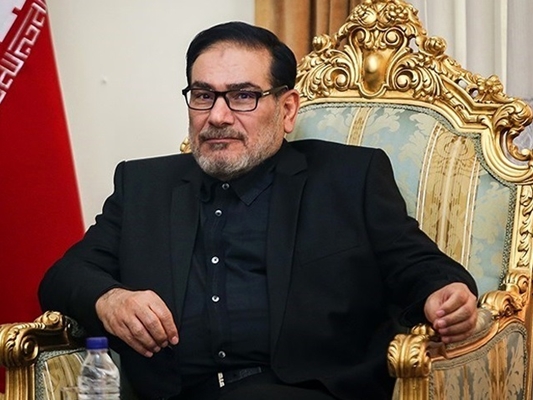
Secretary of Iran’s Supreme National Security Council Ali Shamkhani on Wednesday lamented that violence is on the rise across the region and challenges to international security are getting more and more complicated.

Addressing the 9th International Meeting of High Representatives for Security Issues in the Russian Black Sea resort of Sochi, he said a host of factors contribute to the unpleasant situation in the region, including a misguided belief among some leaders that war could help them advance their agenda and meddling by outside powers who see their interests in increased tensions in the region.

For instance, Shamkhani said, the US, as the biggest exporter of weaponry who sells most of its weapons to West Asia, has no motive to help end wars in the region.

“The fixed policy of the US in this region is to foment insecurity and instability, so it can sell weapons and expand military bases and make interventions in the region’s affairs,” the SNSC chief said, according to a report by the Persian-language Fars News Agency.

Shamkhani said it is up to regional countries to mobilise resources to help stop wars, as history shows no conflict has ever been settled through war.

Regional countries should also work to move past stalemates and find political solutions to conflicts in West Asia, particularly those in Syria, Yemen, and Afghanistan, he said.

Iran is ready to join hands with regional countries to help settle disputes and unite the region to fight terrorism and restore stability to the region, Shamkhani said, adding that Iran’s role in the collapse of the so-called caliphate of ISIS proves Tehran is sincere in its desire to promote calm in the region.

Tehran in recent years has repeatedly called for establishment of a regional forum that enables cooperation among regional governments for curbing chaos in the region.

But its calls have mainly been ignored by powers hostile to Iran, including Saudi Arabia, which accuse Tehran of interfering in the affairs of regional countries and having aspirations to dominate the region.

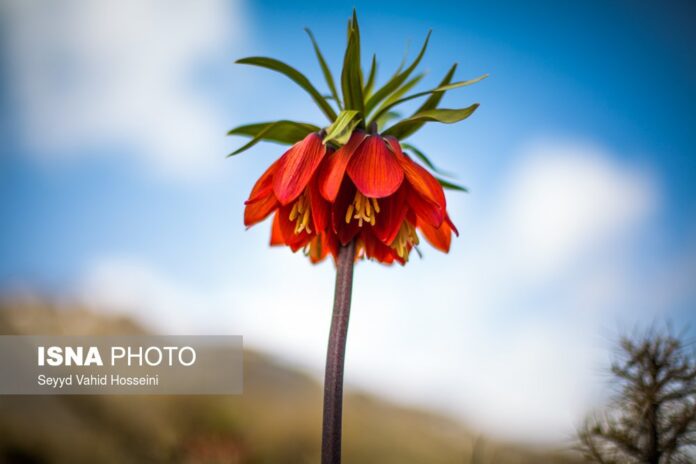
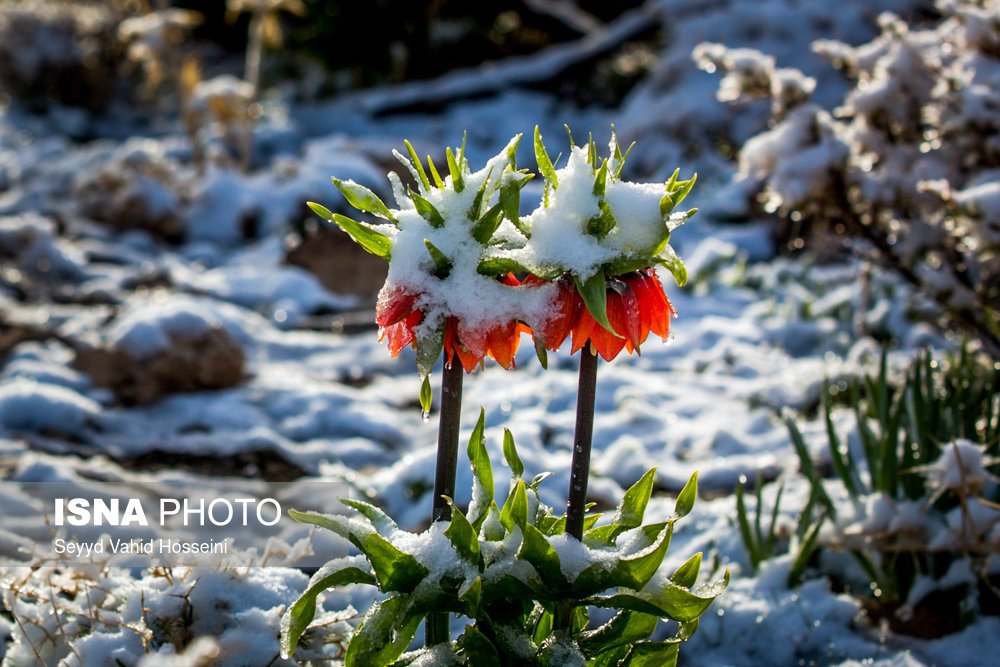
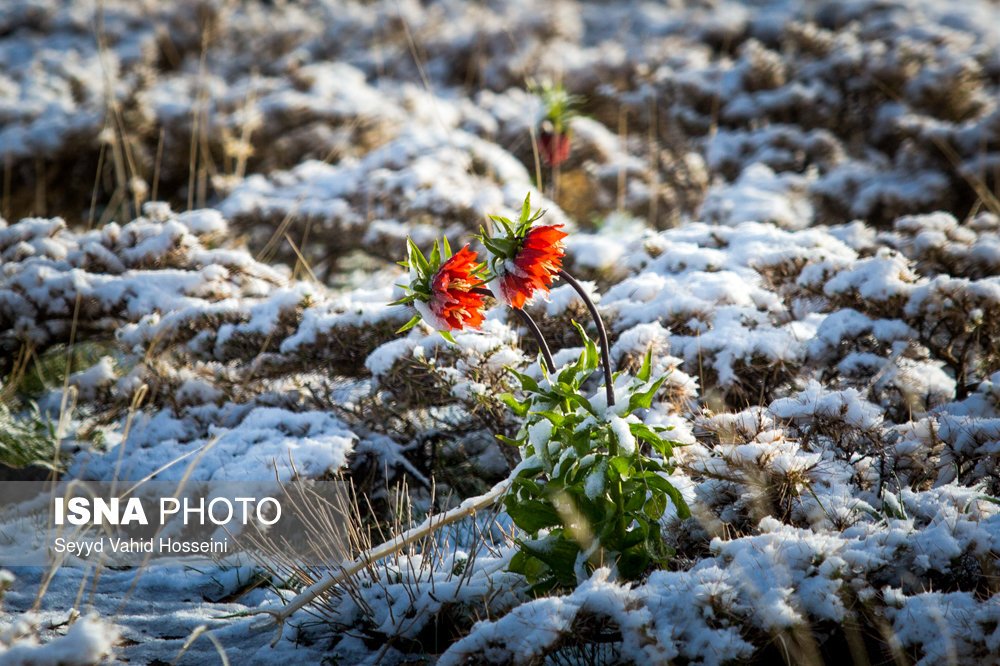
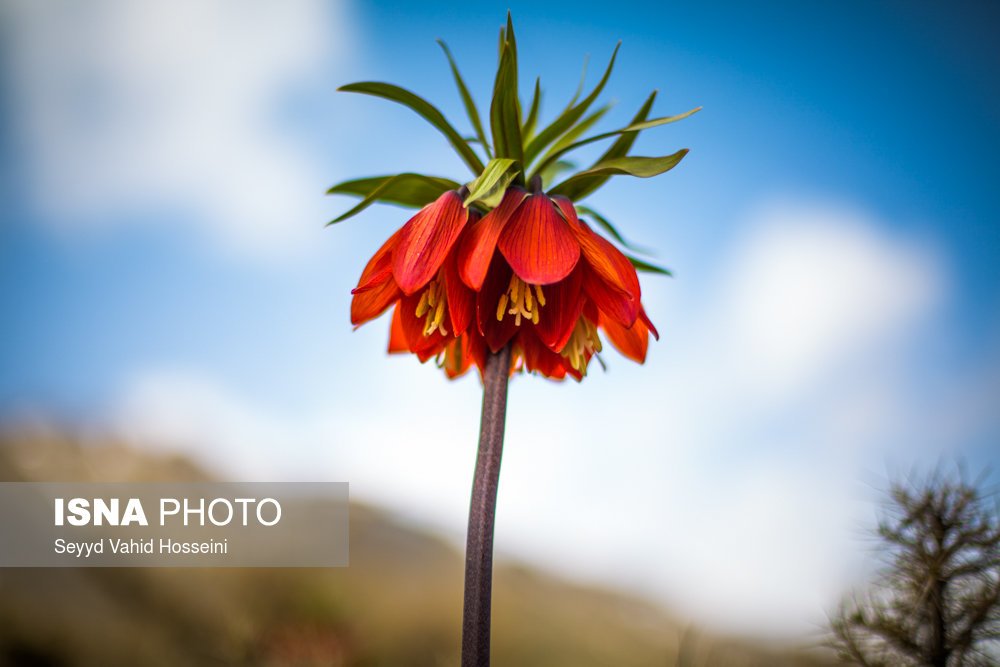
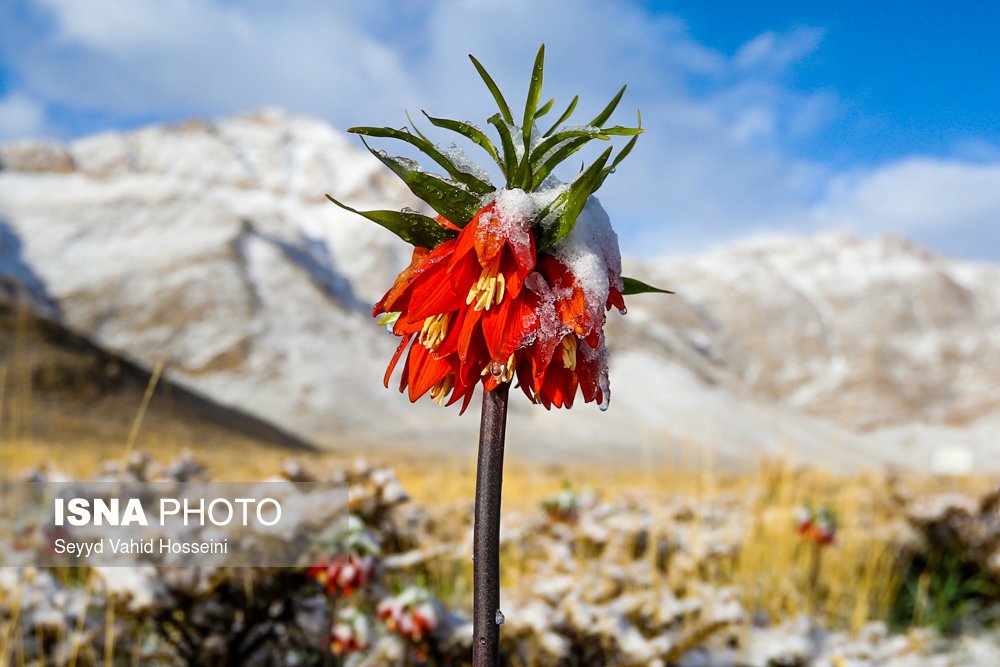
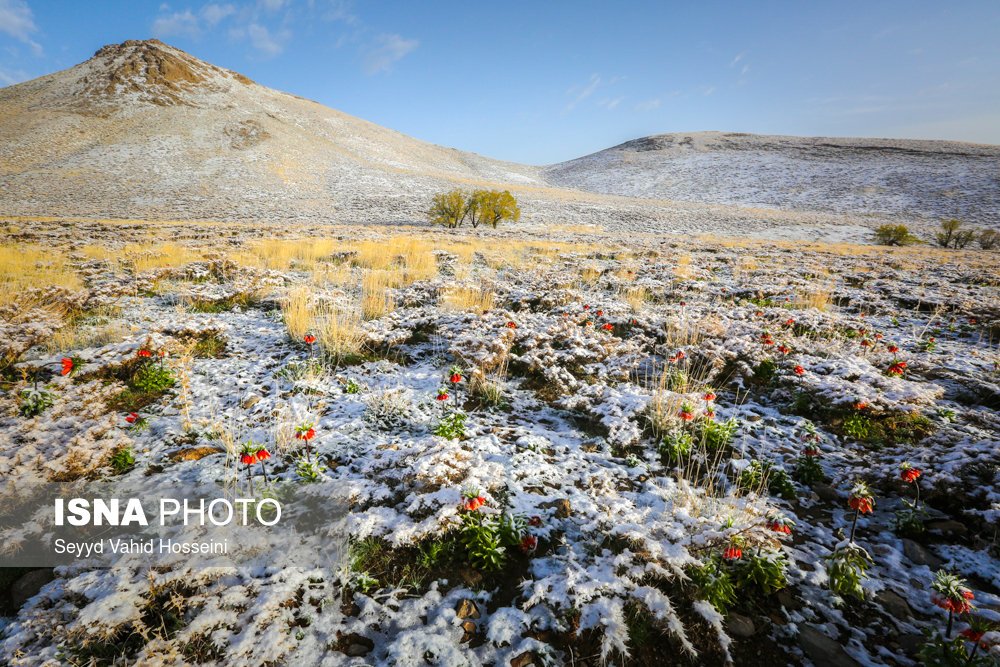
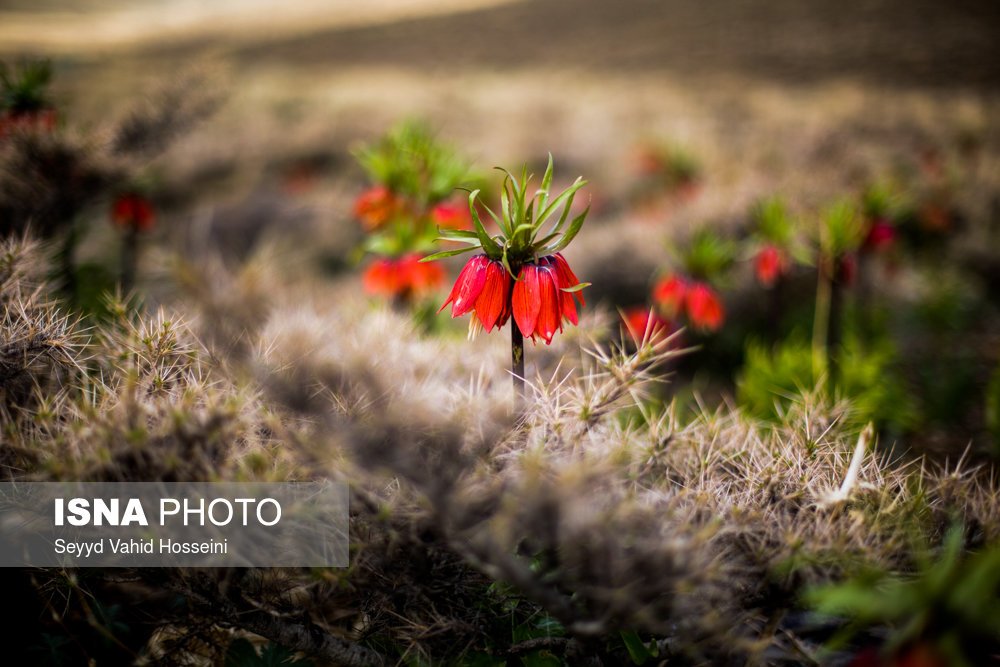
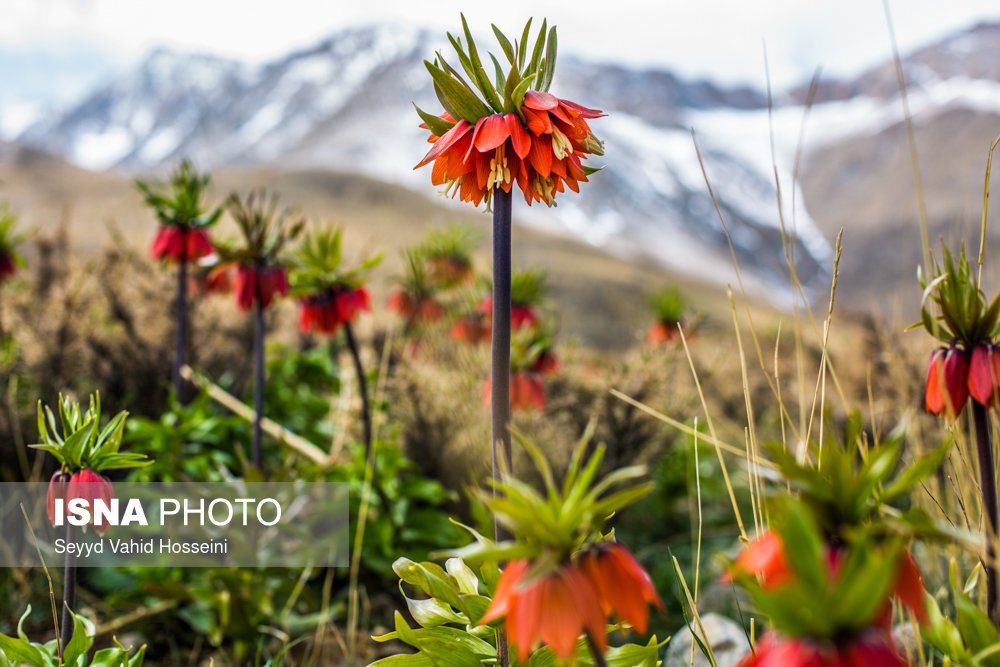
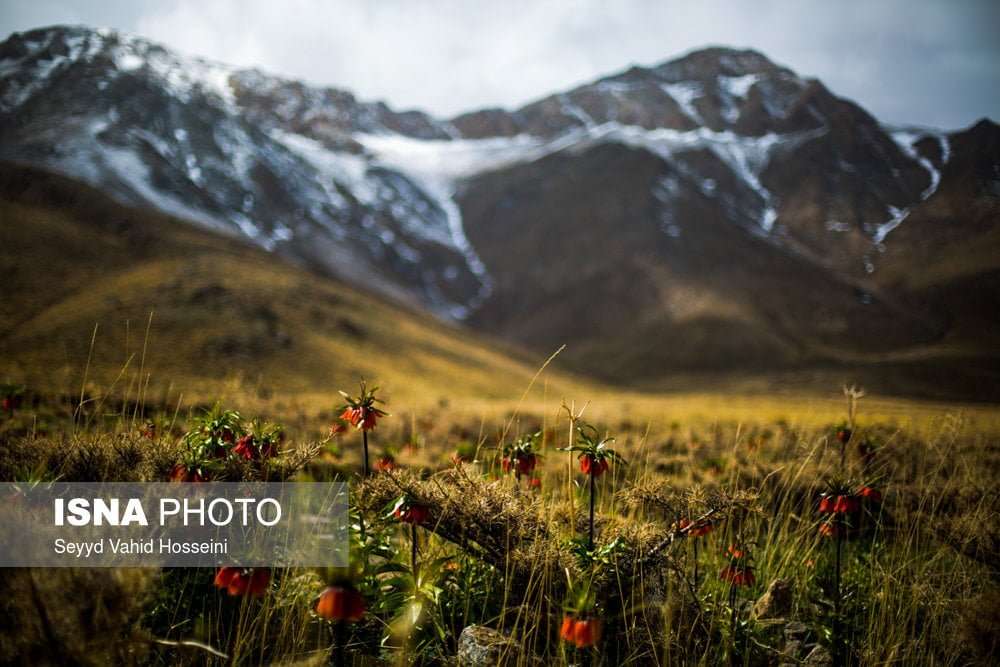
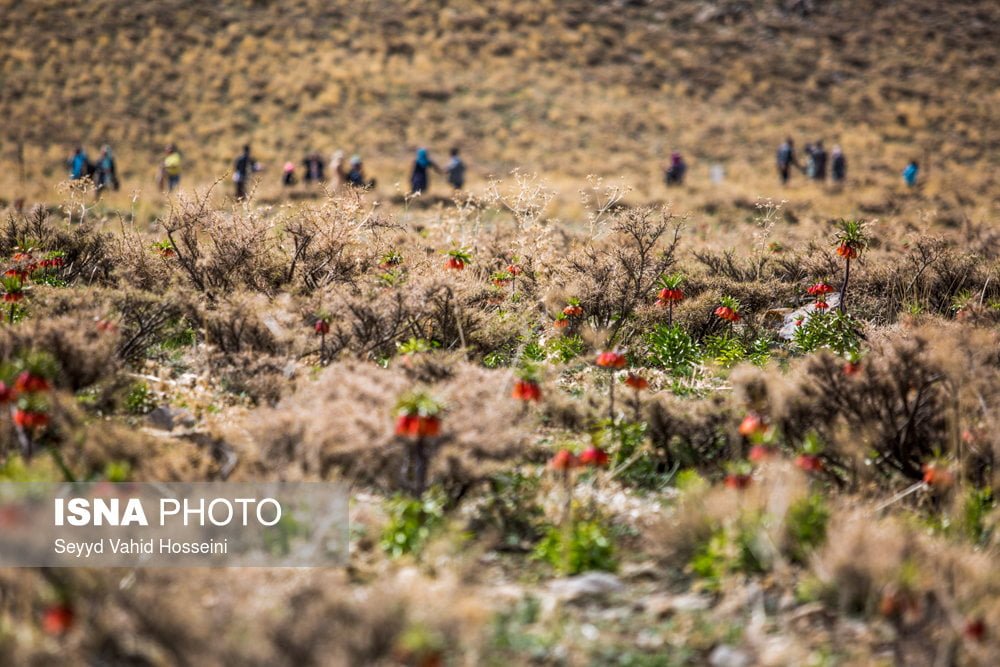
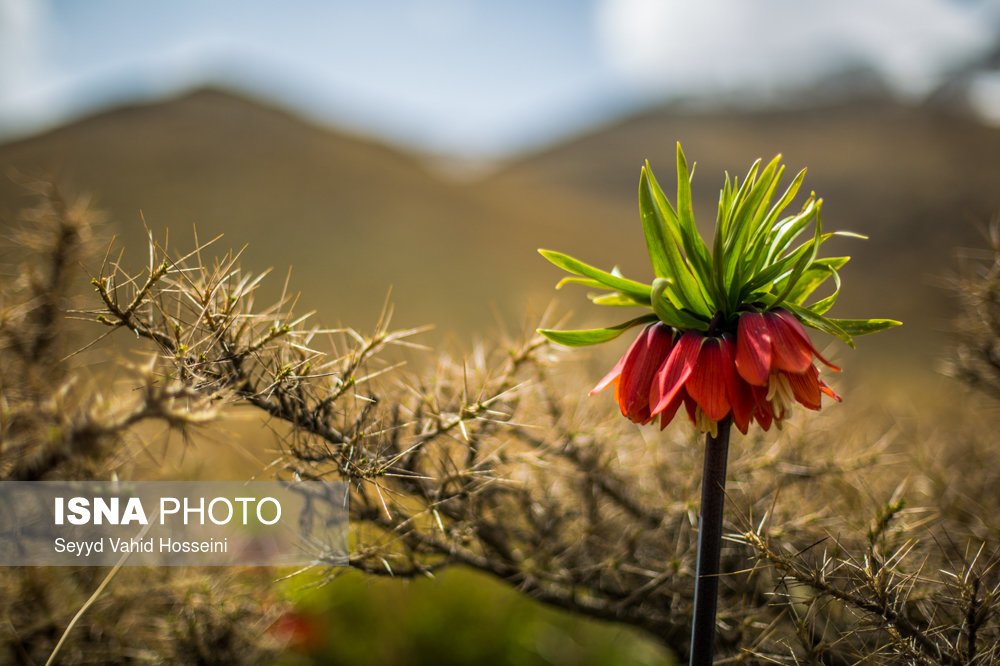
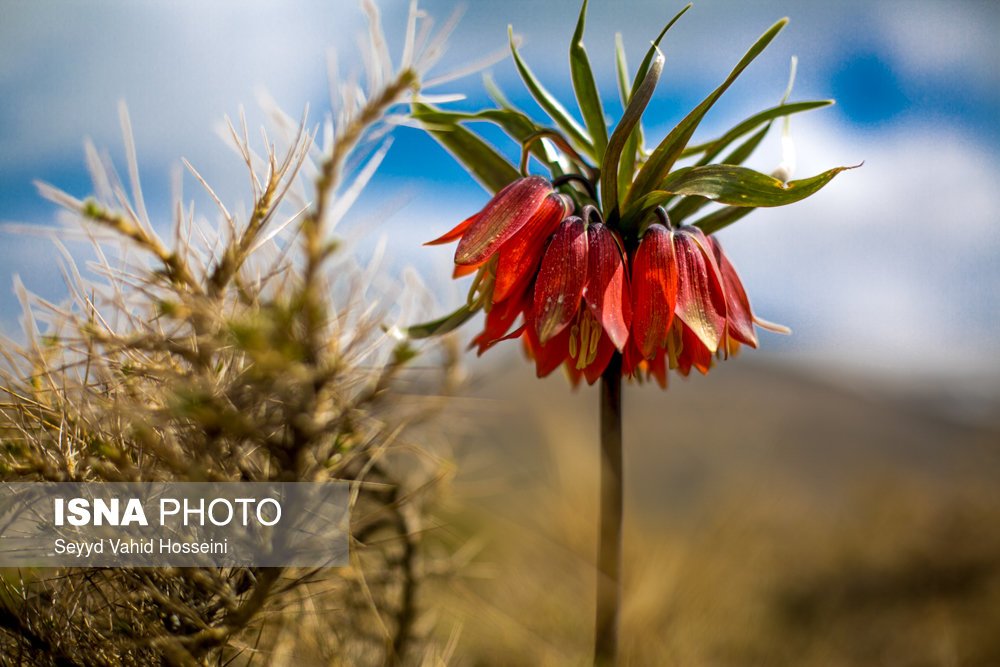
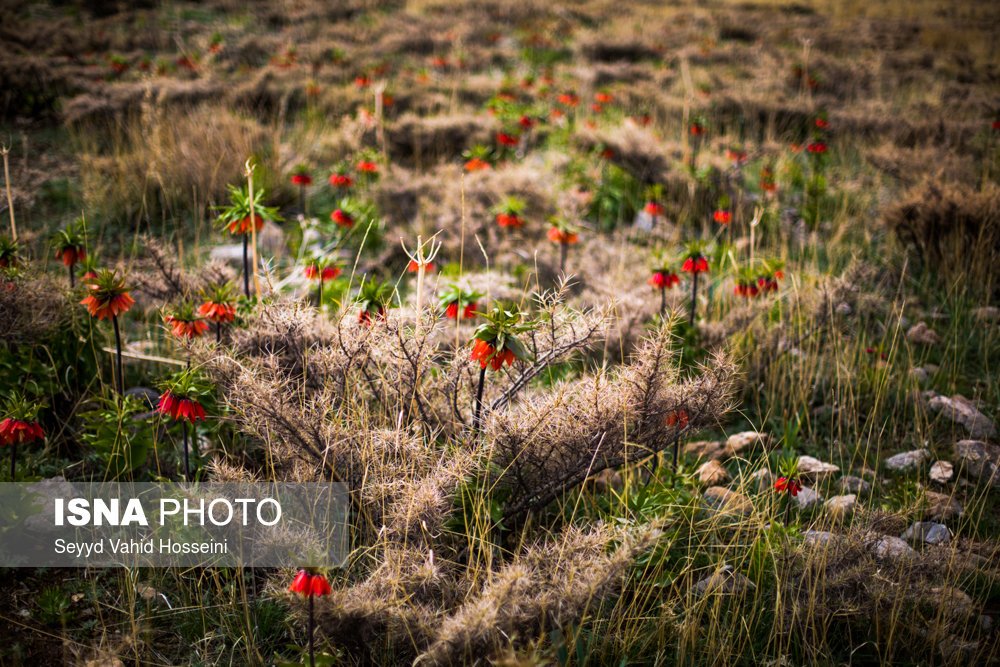
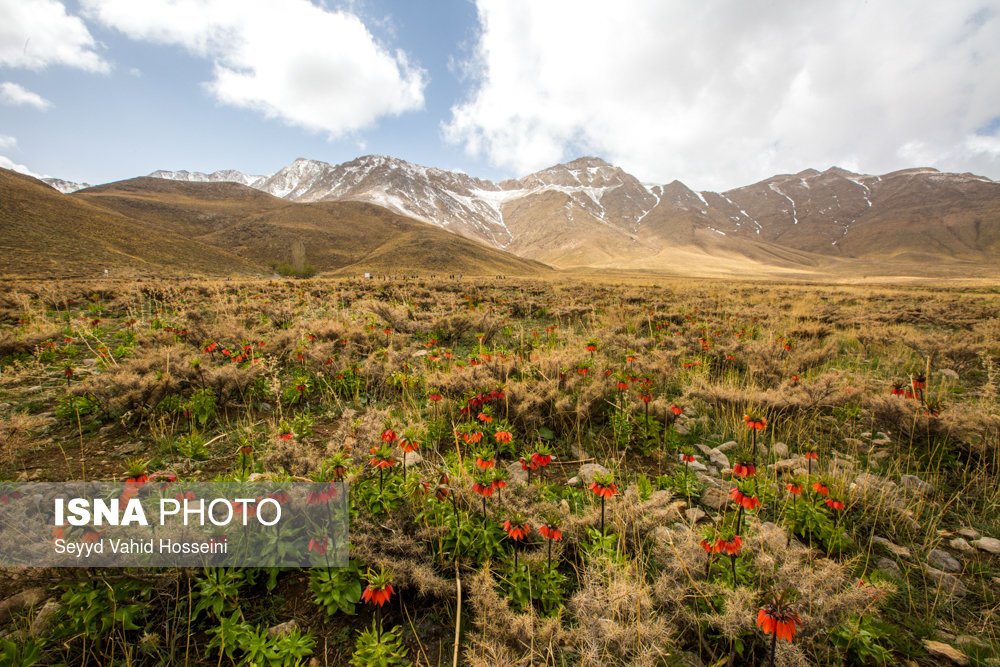
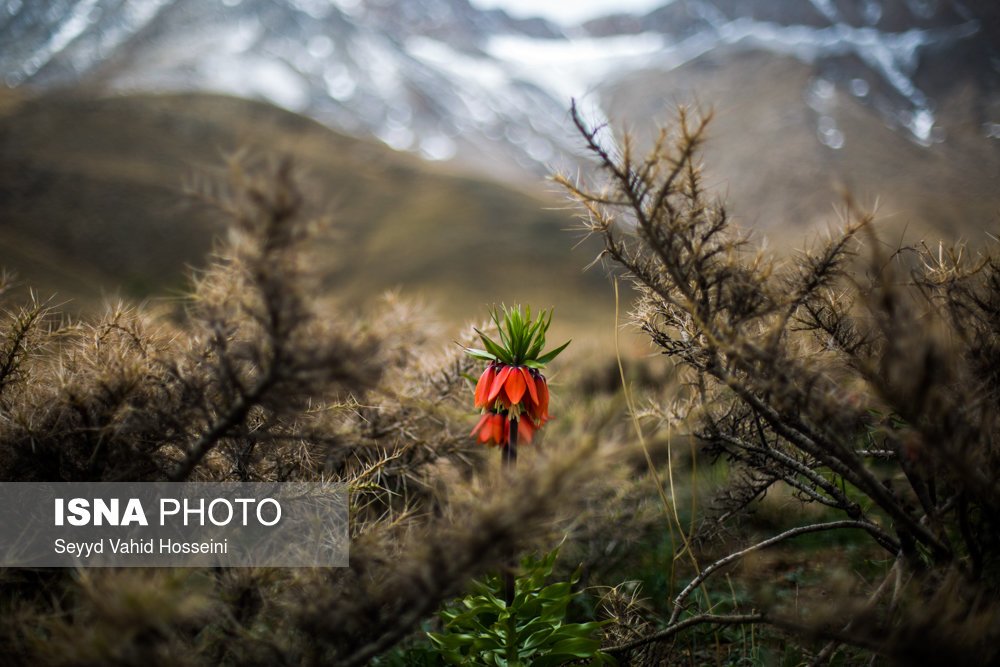
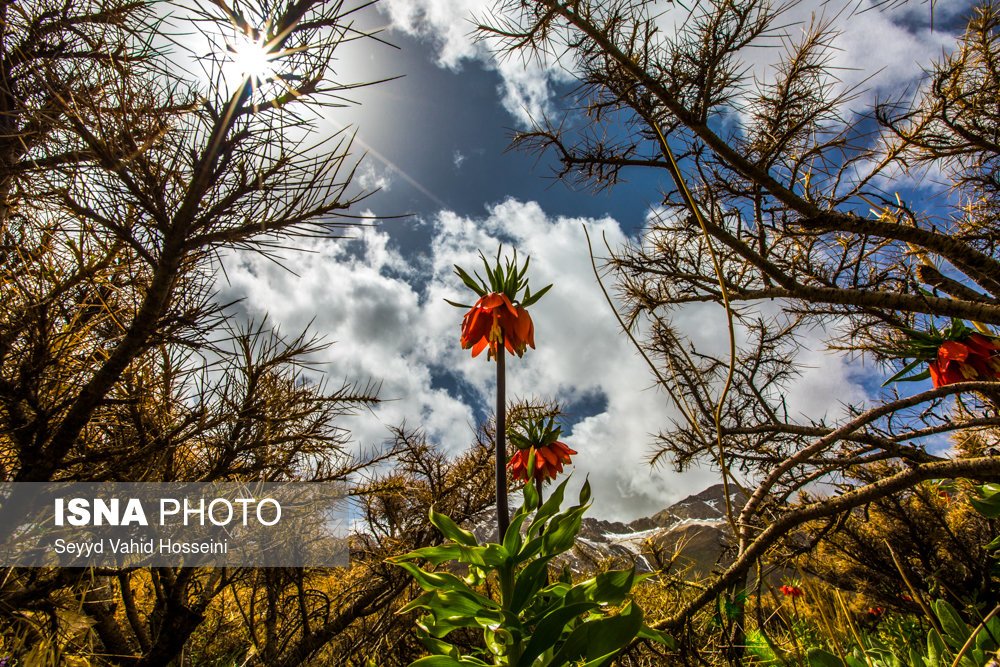
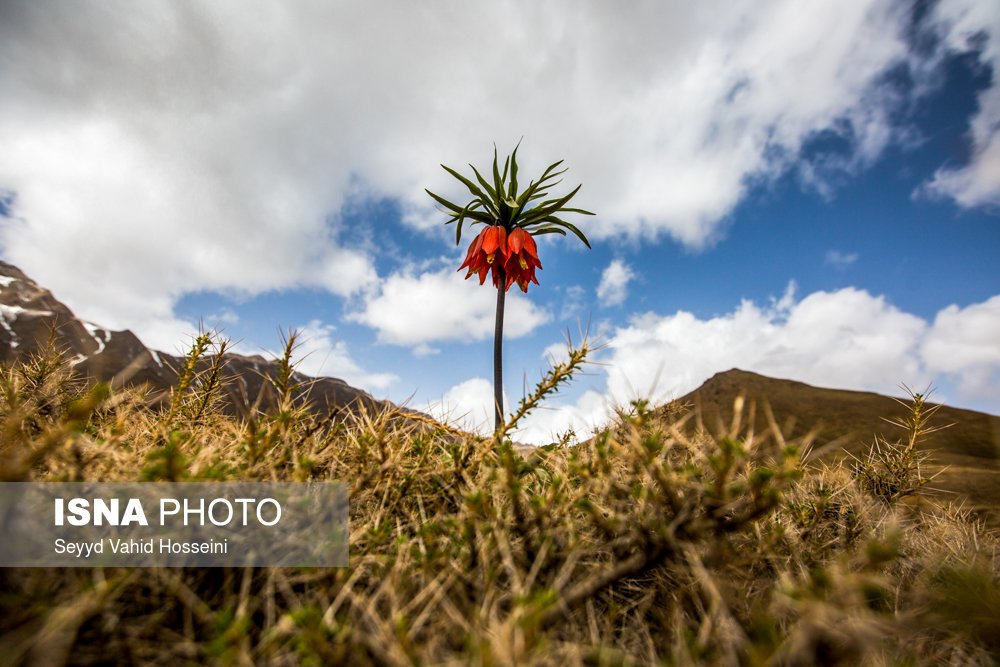
Iran’s Beauties in Photos: Upside-Down Tulips in Western Iran

The flower sprouts on the Iranian plains of Isfahan and Chaharmahal and Bakhtiari provinces in mid-March every year. The full bloom of upside-down tulips is spectacular, as if it creates a red and green carpet. During this period, a lot of travellers visit areas where this wonderful flower blooms.

A place these tulips grow in is Khansar of Isfahan, at the foot of Golestan Kooh Mountain. Its flowering begins in early May and ends at the end of spring. These tulips, which have a short lifespan, enjoy healing properties for rheumatism and joint pains.

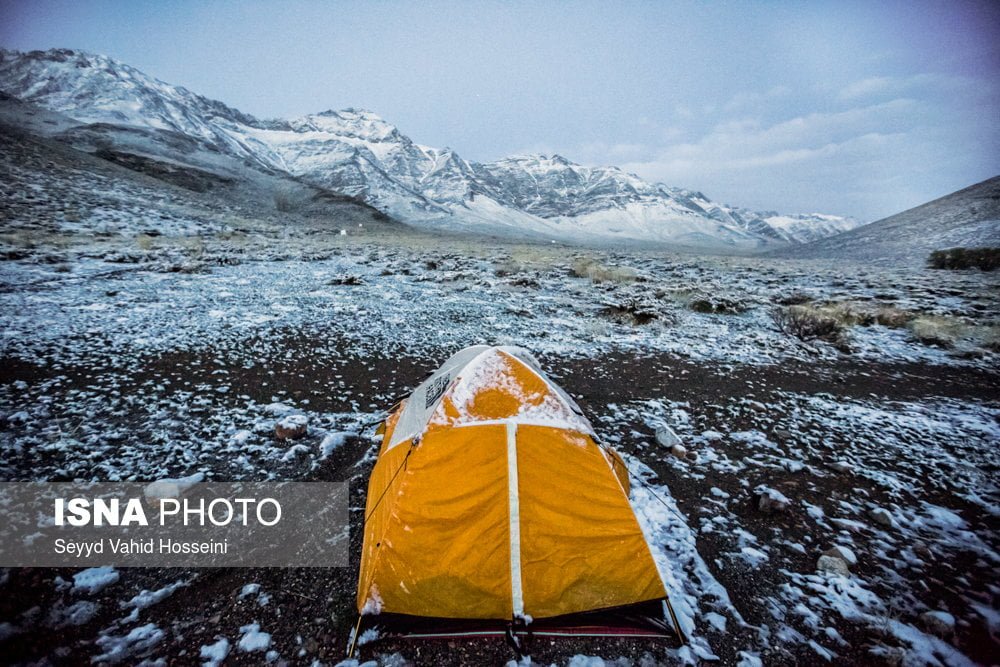
Following you can find photos of Golestan Kooh’s upside-down tulips retrieved from ISNA:

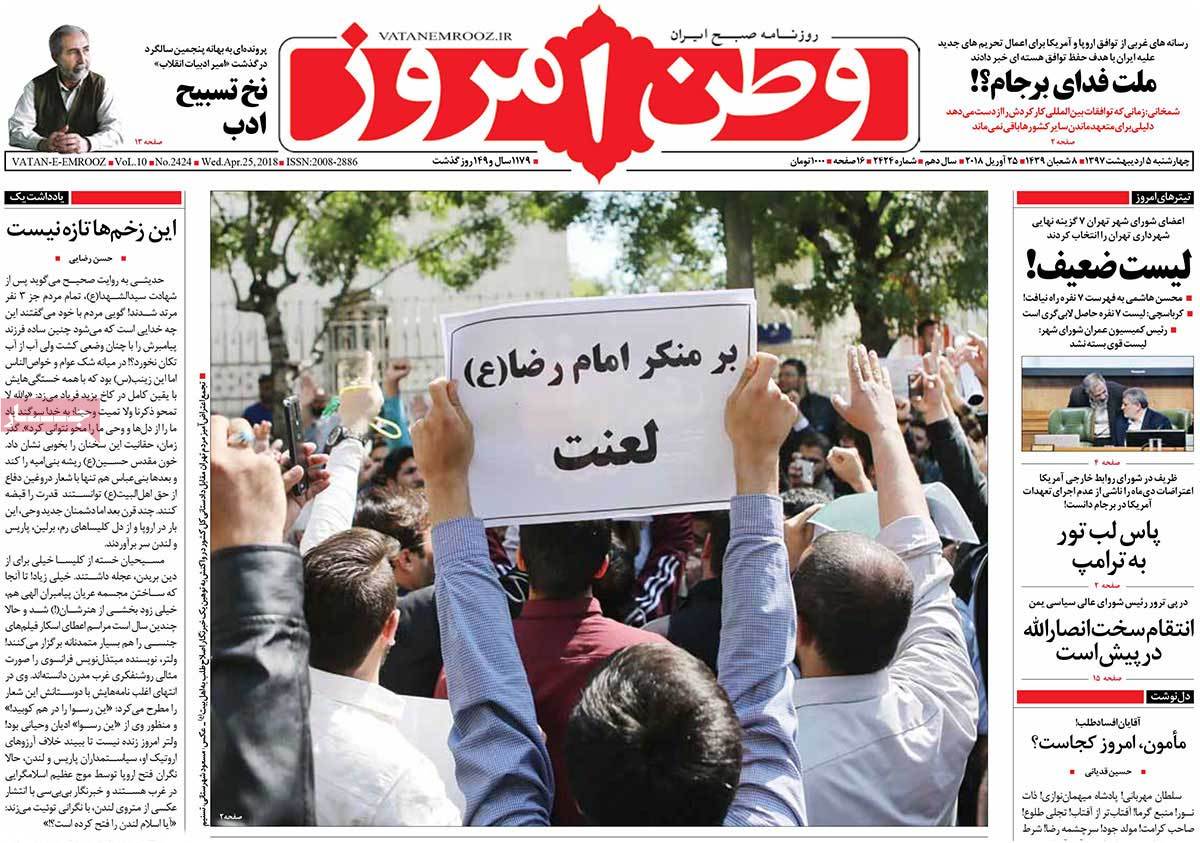
A Look at Iranian Newspaper Front Pages on April 25

A Look at Iranian Newspaper Front Pages on November 19

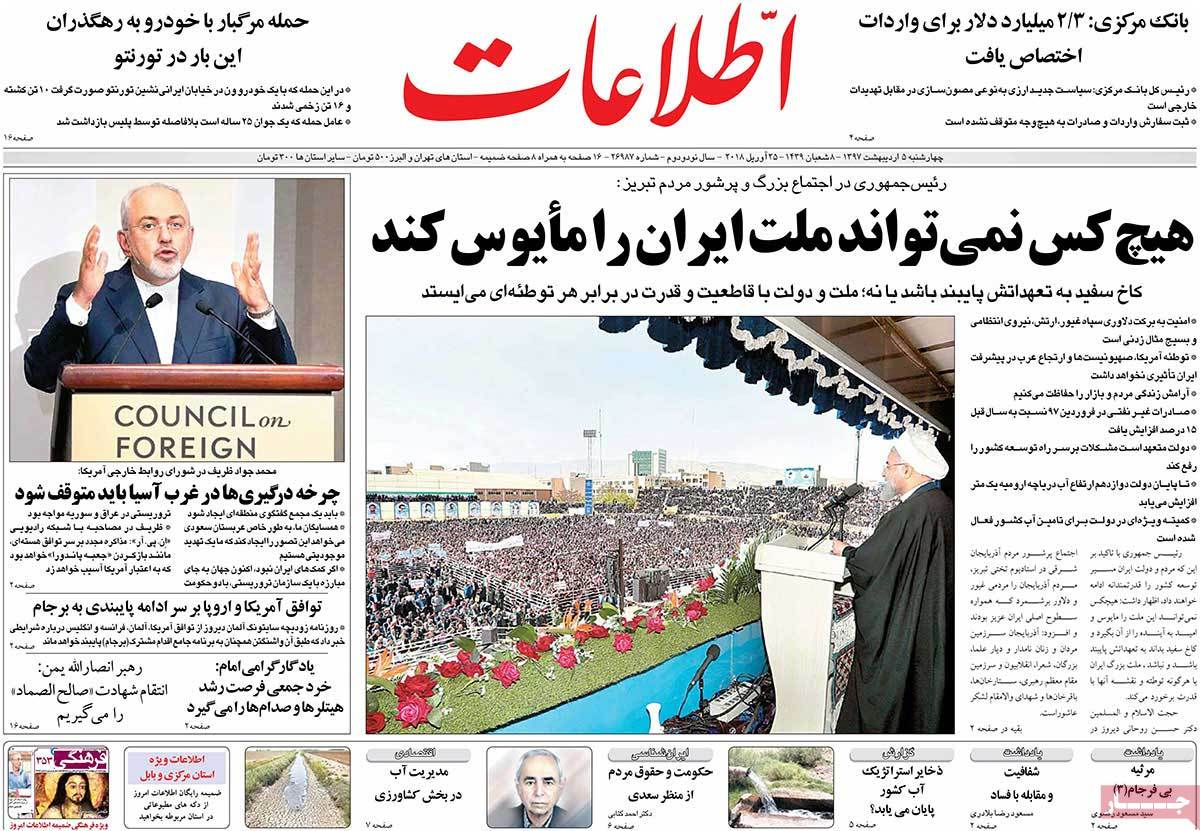
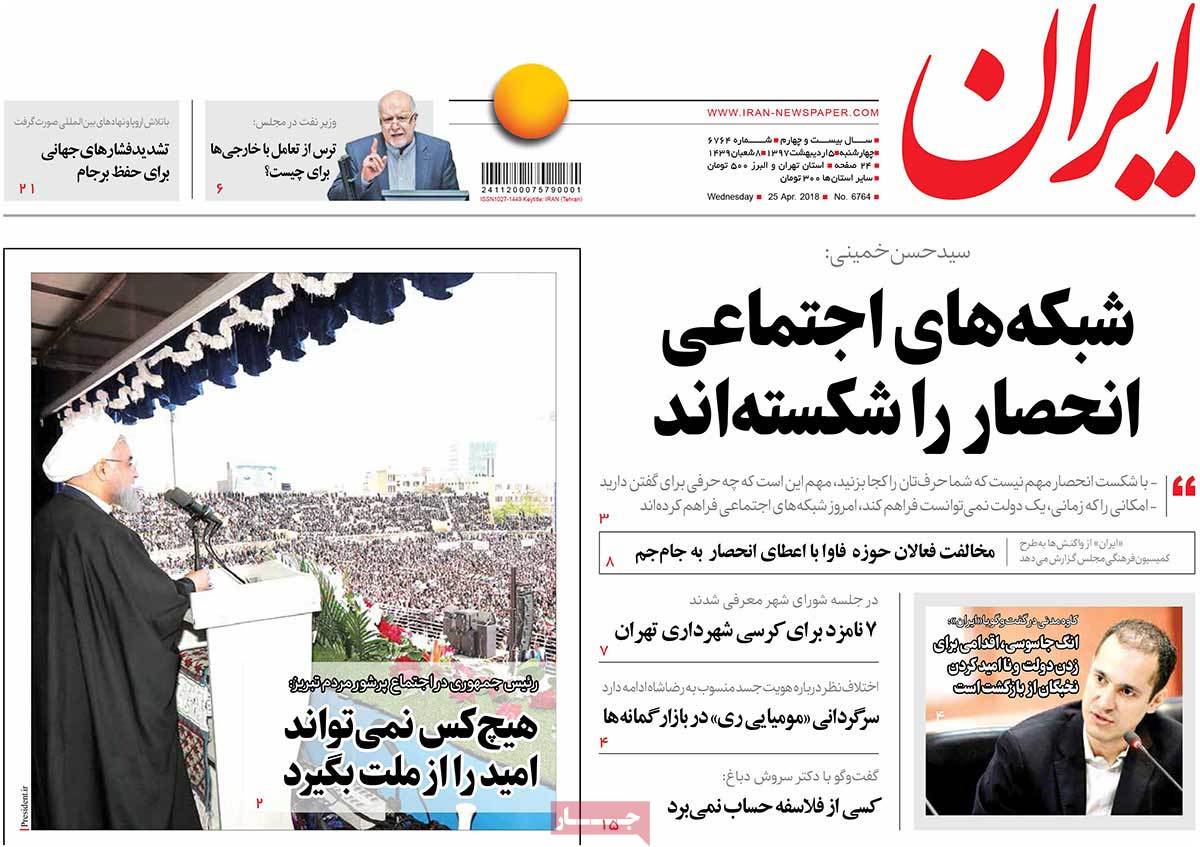
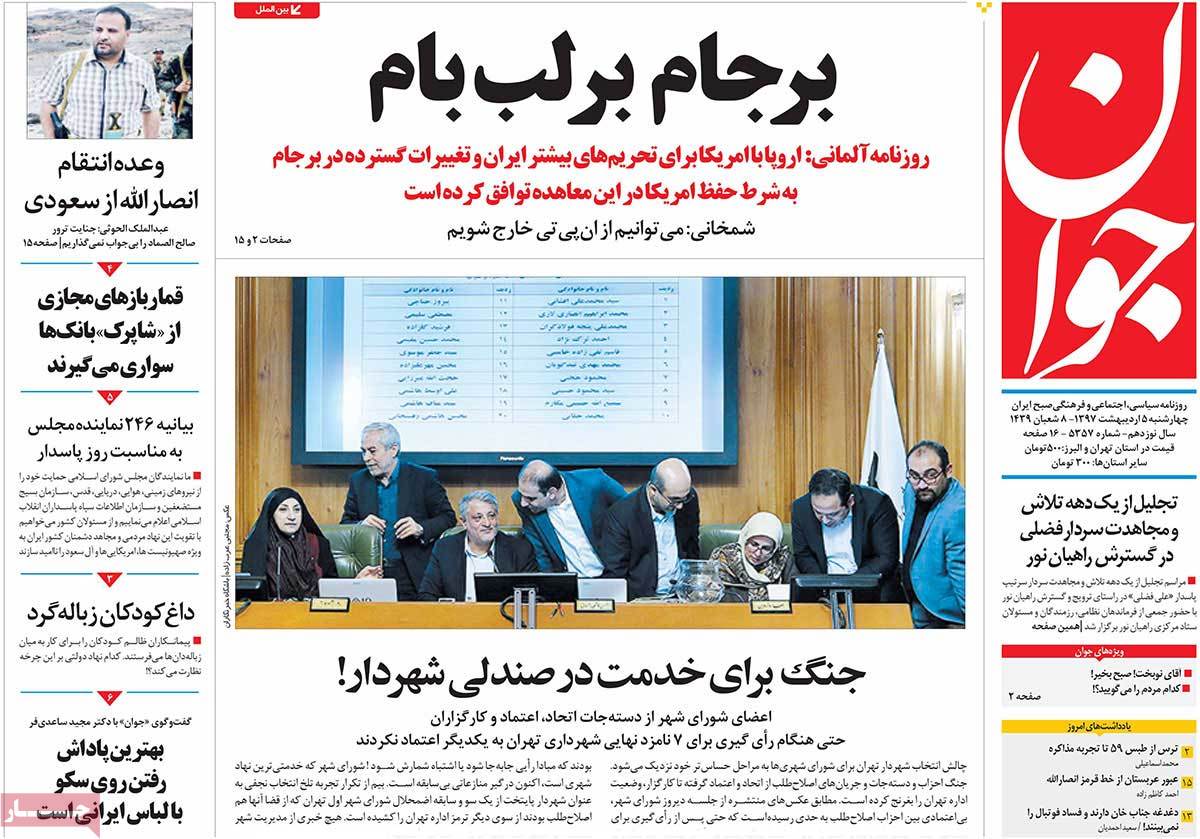
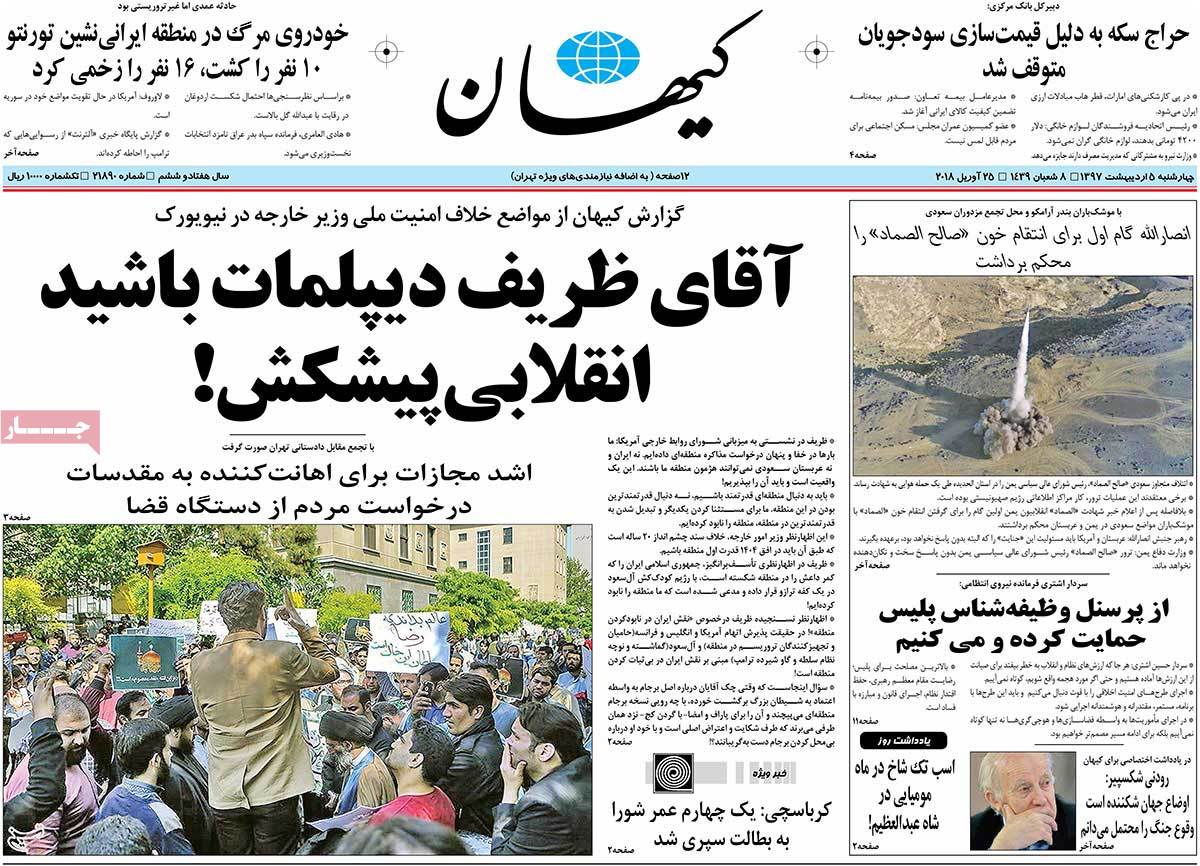
The top story in all papers today was the remarks made by Iranian President Hassan Rouhani and top security official Ali Shamkhani about the Iran nuclear deal and the consequences of the US withdrawal from the 2015 accord.

Also a top story was comments made by Foreign Minister Mohammad Javad Zarif on the Iran nuclear deal in separate interviews with American media in New York.

The martyrdom of Saleh al-Samad, a senior Ansarullah official, and the Yemeni group’s vow to take revenge from the Saudi perpetrators also received great coverage.

The above issues, as well as many more, are highlighted in the following headlines and top stories:


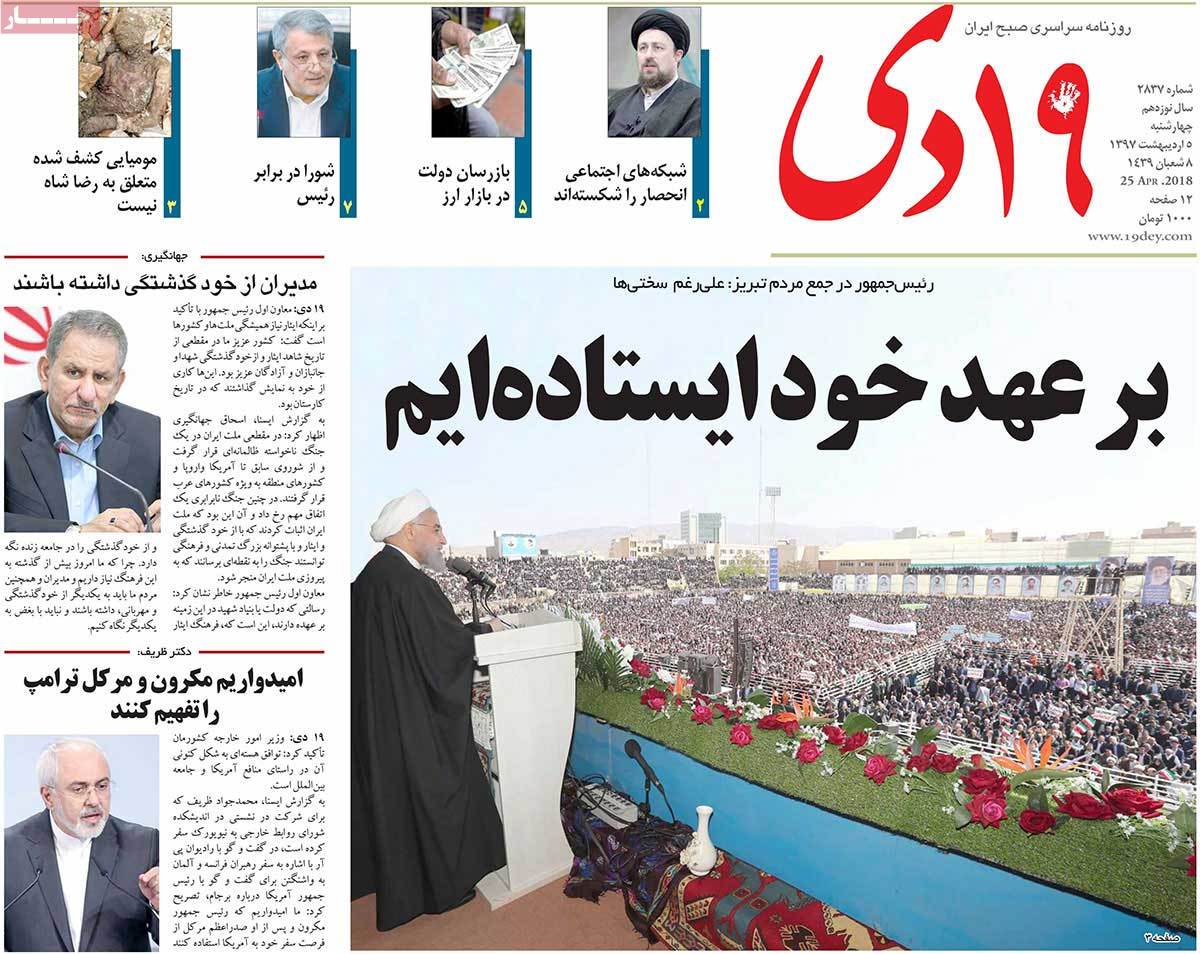
19 Dey:

  • Rouhani: We’ve Remained Committed to Our Promise
  • Zarif: We Hope Macron, Merkel Would Make Trump Understood

A Look at Iranian Newspaper Front Pages on April 25


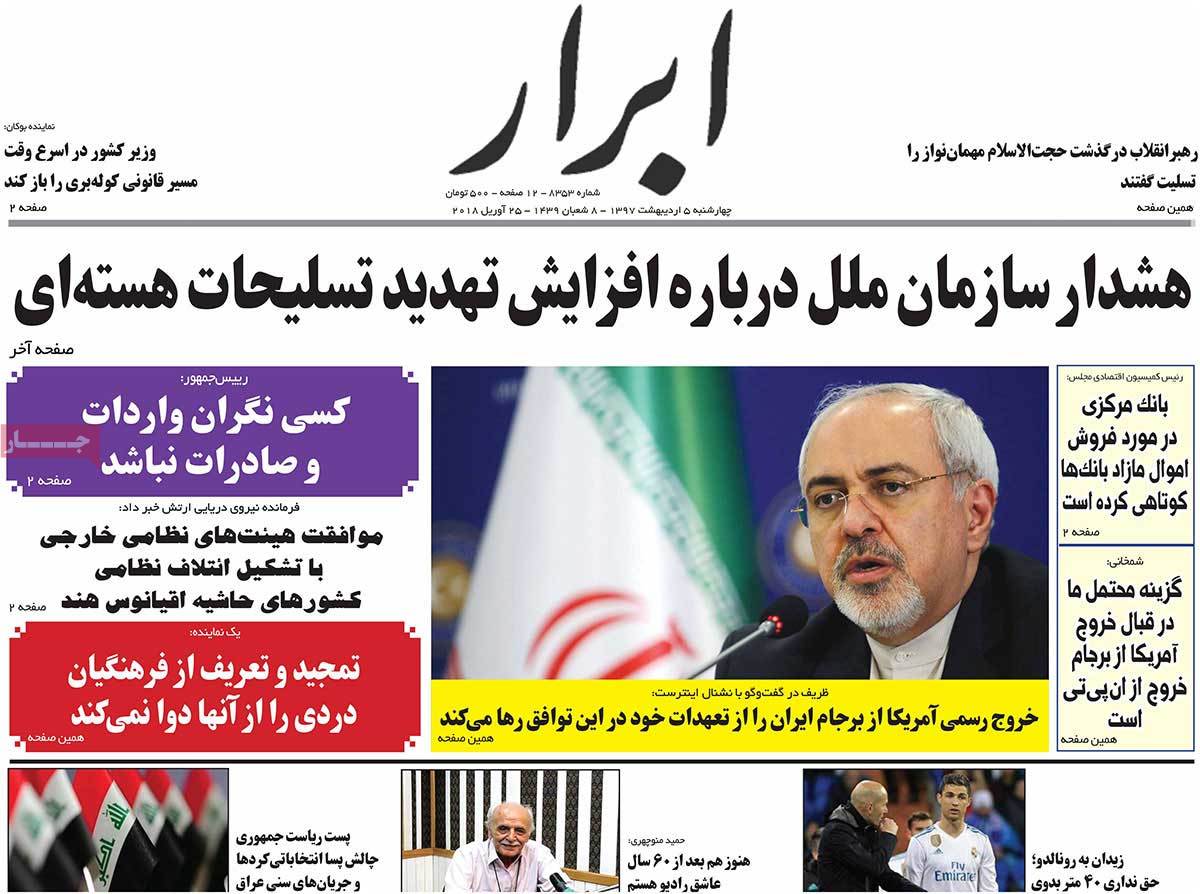
Abrar:

  • Zarif: US Withdrawal from JCPOA to Free Iran from Commitments

A Look at Iranian Newspaper Front Pages on April 25


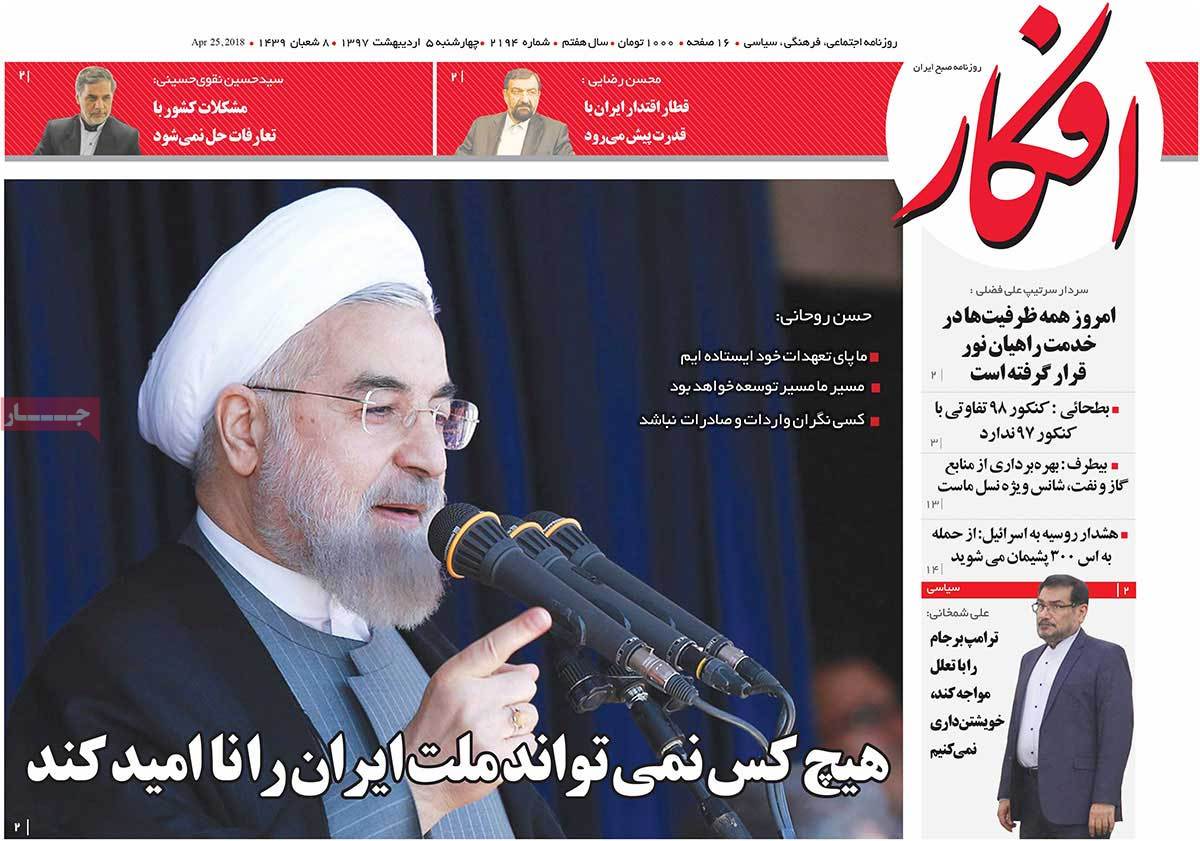
Afkar:

  • Shamkhani: We Won’t Show Restraint If Trump Hampers JCPOA Implementation
  • Rouhani: No One Can Make Iranian Nation Disappointed

A Look at Iranian Newspaper Front Pages on April 25


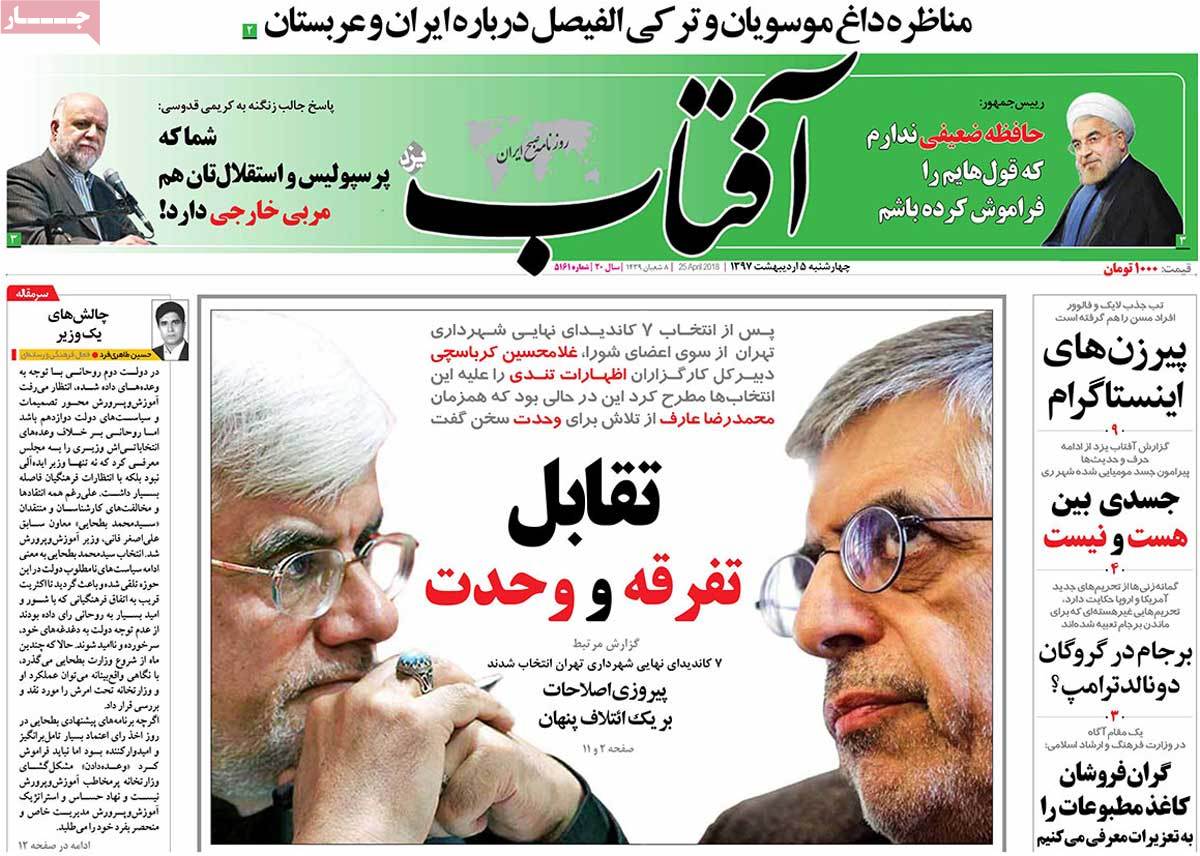
Aftab-e Yazd:

  • Rouhani: I Don’t Have a Weak Memory, So I’ve Not Forgotten My Promises

A Look at Iranian Newspaper Front Pages on April 25


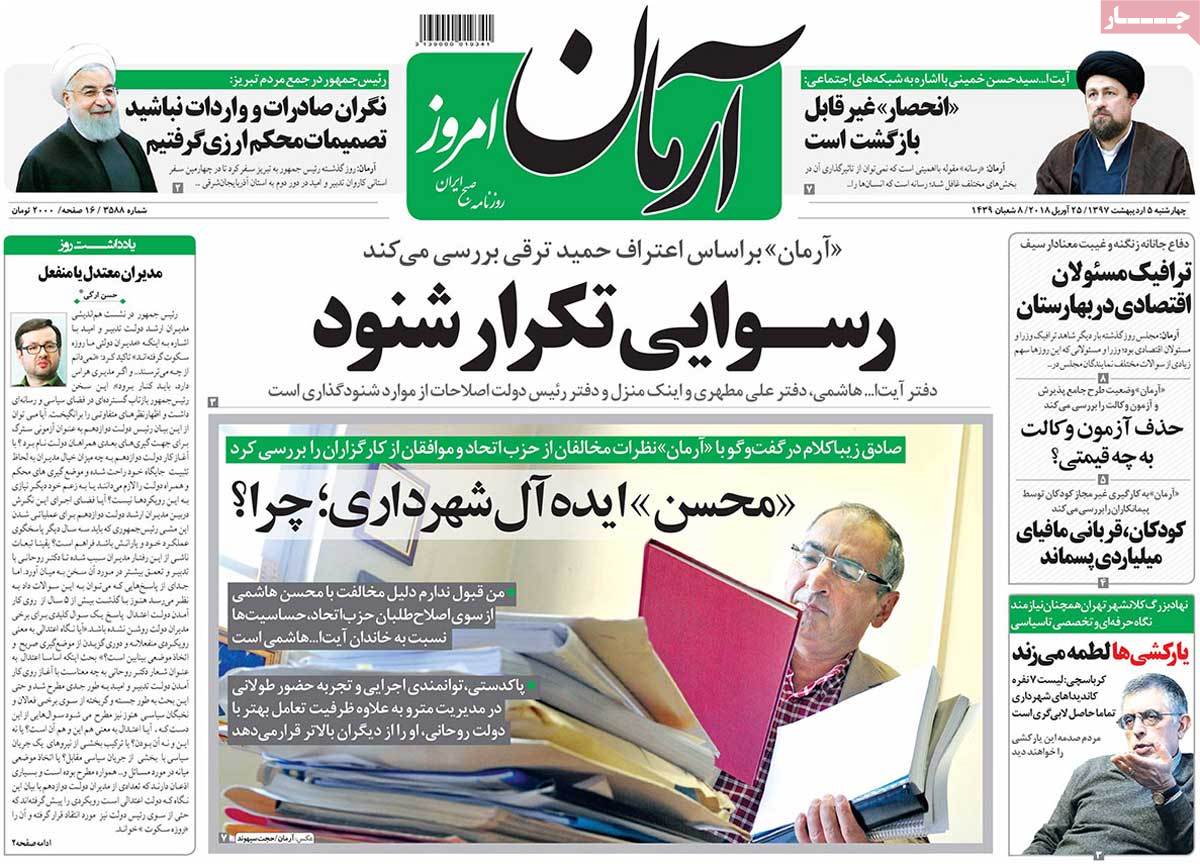
Arman-e Emrooz:

  • Rouhani: Don’t Worry about Exports, Imports; We’ve Made Robust Forex Decisions

A Look at Iranian Newspaper Front Pages on April 25


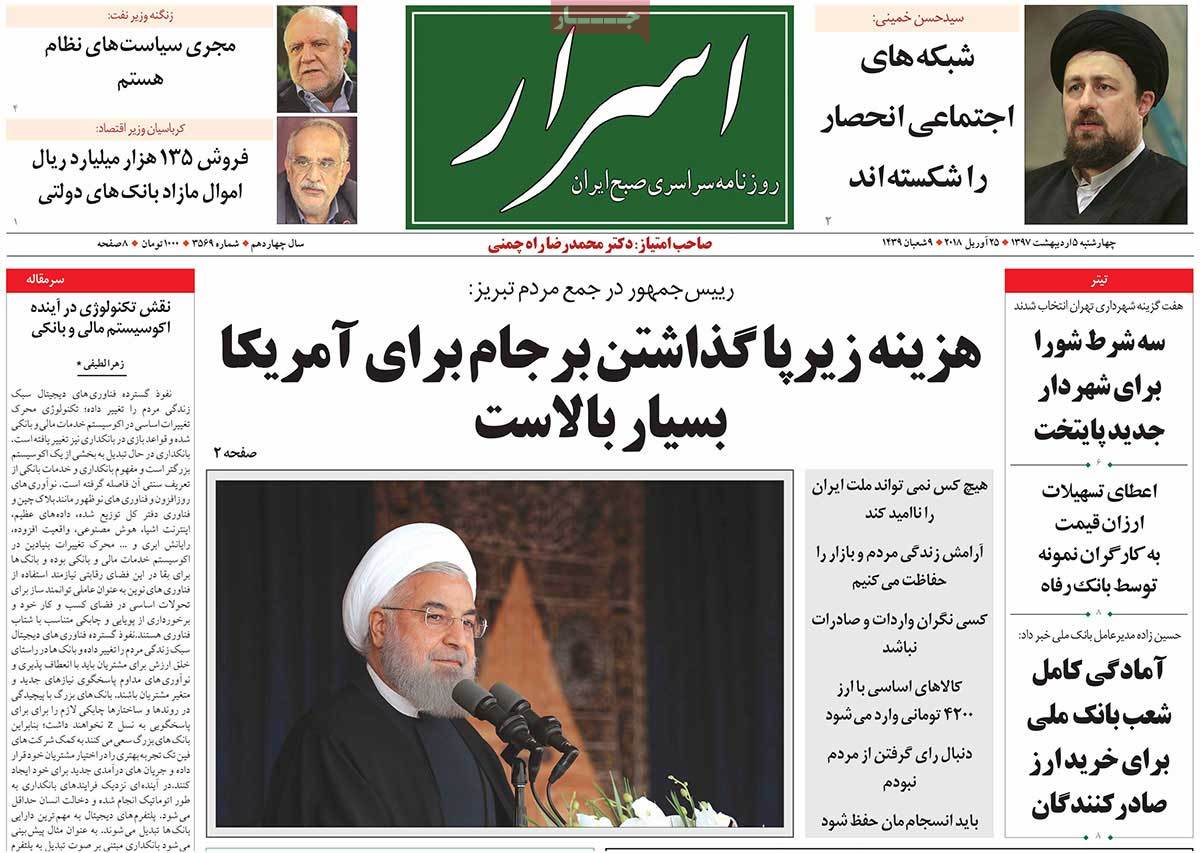
Asrar:

  • Imam Khomeini’s Grandson: Social Media Have Ended Monopoly [of traditional media]
  • Rouhani: US to Pay Dearly for Violating Iran Nuclear Deal

A Look at Iranian Newspaper Front Pages on April 25


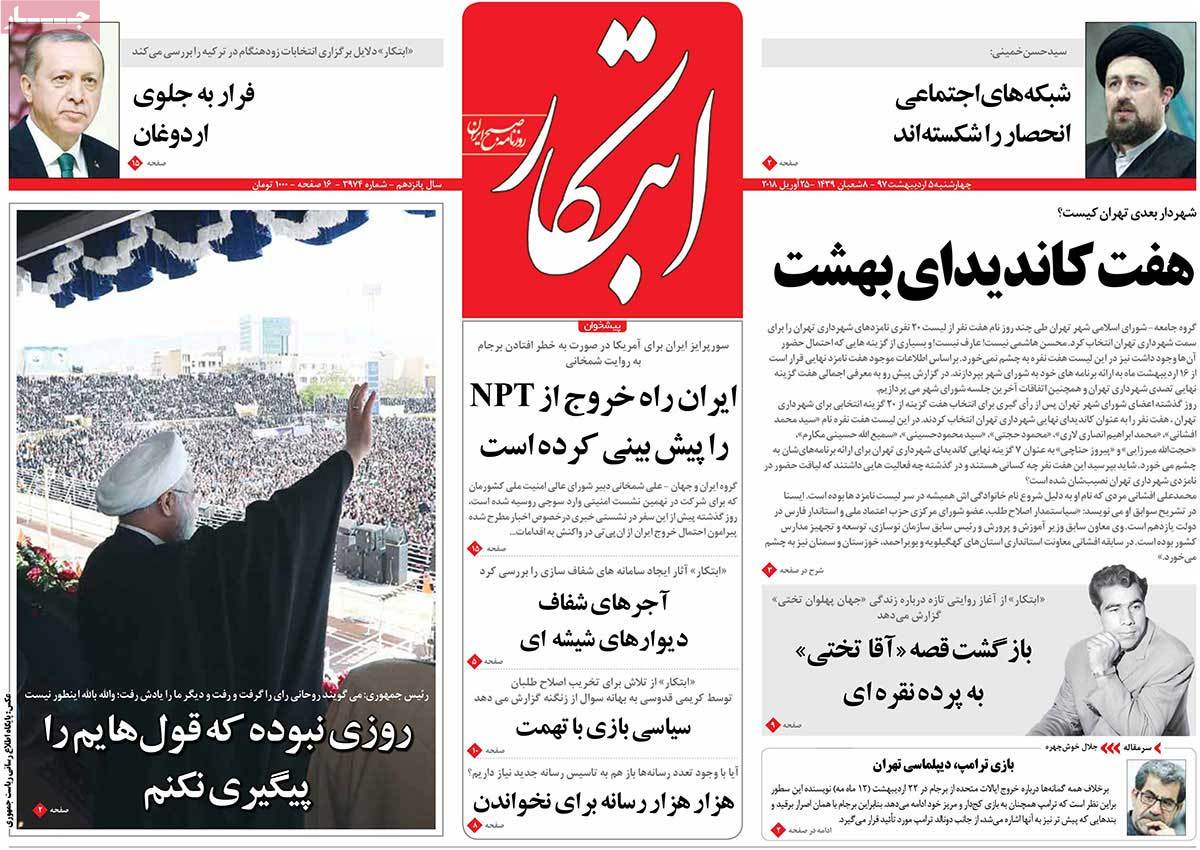
Ebtekar:

  • Leaving NPT among Iran’s Options in Case US Threatens JCPOA: Shamkhani

A Look at Iranian Newspaper Front Pages on April 25


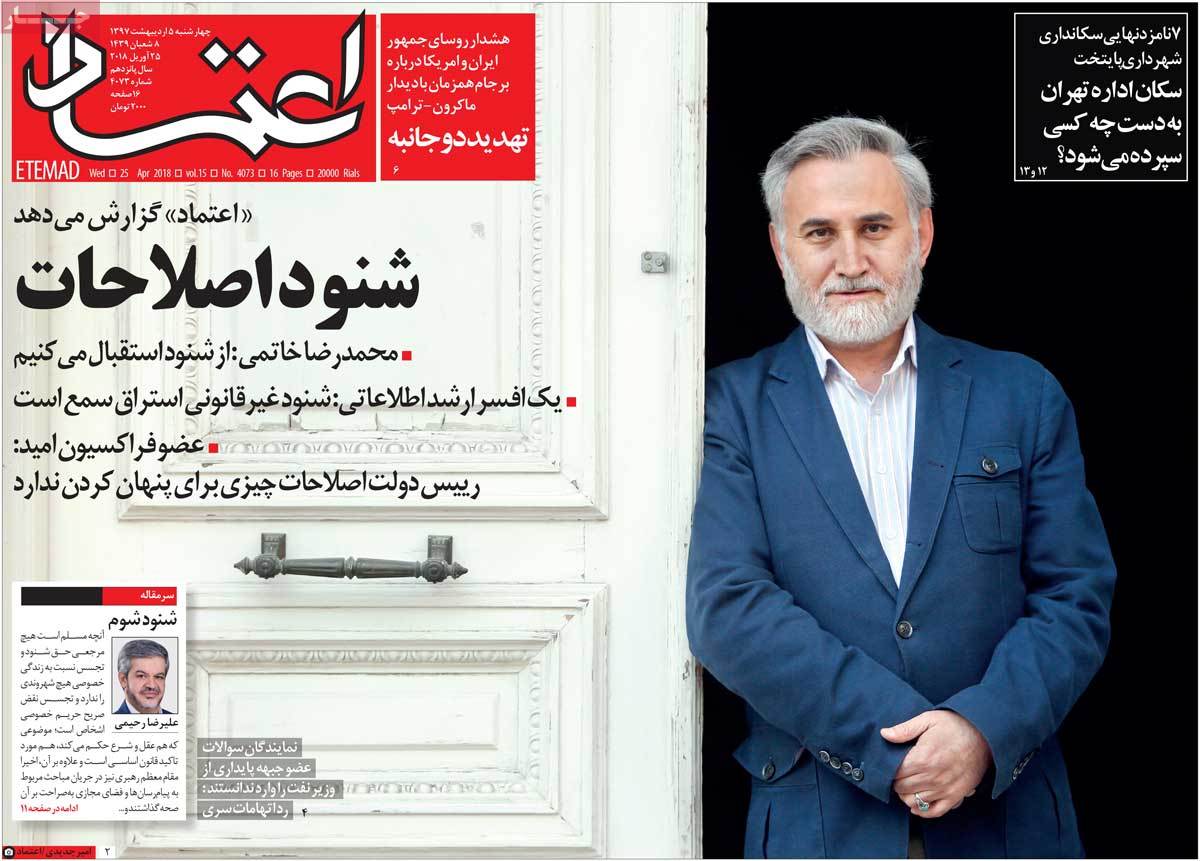
Etemad:

  • Who Will Be Elected as Tehran Mayor? There Are Seven Candidates

A Look at Iranian Newspaper Front Pages on April 25


Ettela’at:

  • Zarif: Conflicts in Western Asia Must Be Stopped
  • Central Bank Allocates $2.3 Billion to Import

A Look at Iranian Newspaper Front Pages on April 25


Iran:

  • Oil Minister: What Are We Afraid of Interacting with Foreigners?
  • EU, Int’l Bodies Increase Pressure to Preserve Iran Nuclear Deal

A Look at Iranian Newspaper Front Pages on April 25


Javan:

  • JCPOA on Verge of Collapse
  • German Paper: Europe, US Have Agreed on More Iran Sanctions, Major Changes to JCPOA

A Look at Iranian Newspaper Front Pages on April 25


Kayhan:

  • Mr Zarif! You Don’t Need to Be A Revolutionary, Just Be A Diplomat!
  • A Report on Zarif’s Remarks against Iran’s National Interests in New York
  • Car in Toronto Kills 10, Wounds 16
  • Ansarullah Takes First Step to Avenge Death of Saleh al-Samad by Targeting Aramco Port

A Look at Iranian Newspaper Front Pages on April 25


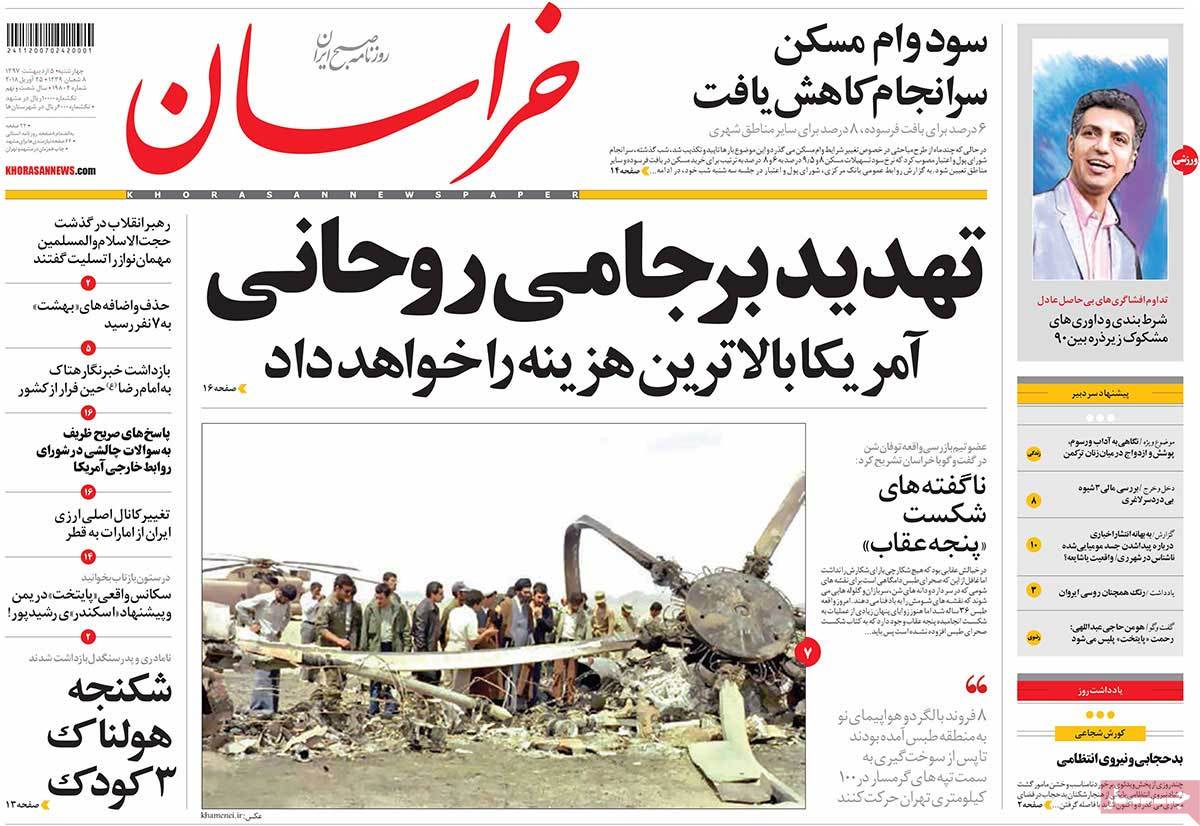
Khorasan:

  • Rouhani’s Threatening Remarks on Iran Nuclear Deal
  • US to Pay Heaviest Costs

A Look at Iranian Newspaper Front Pages on April 25


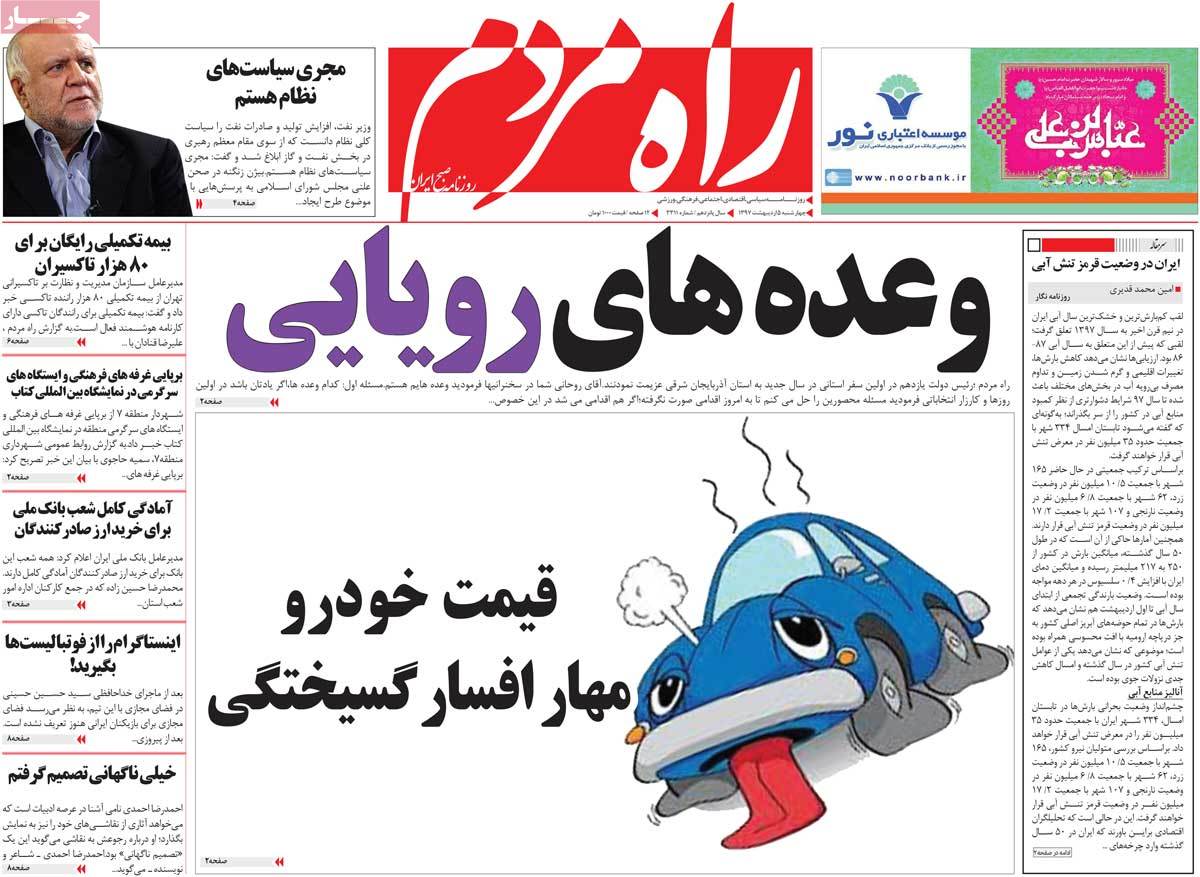
Rah-e Mardom:

  • Iran Oil Minister: I’m Just Implementing Establishment’s Policies

A Look at Iranian Newspaper Front Pages on April 25


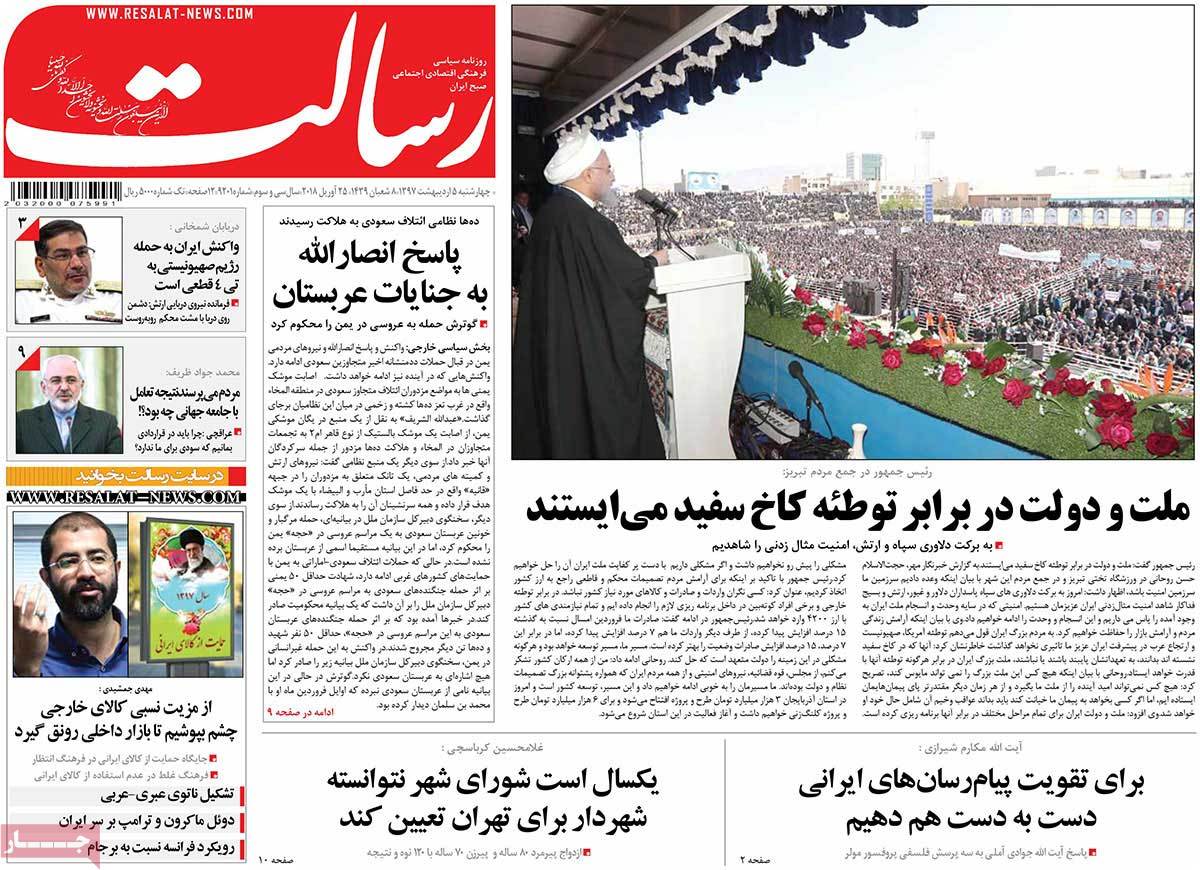
Resalat:

  • Rouhani: Nation, Gov’t to Stand against White House’s Plot

A Look at Iranian Newspaper Front Pages on April 25


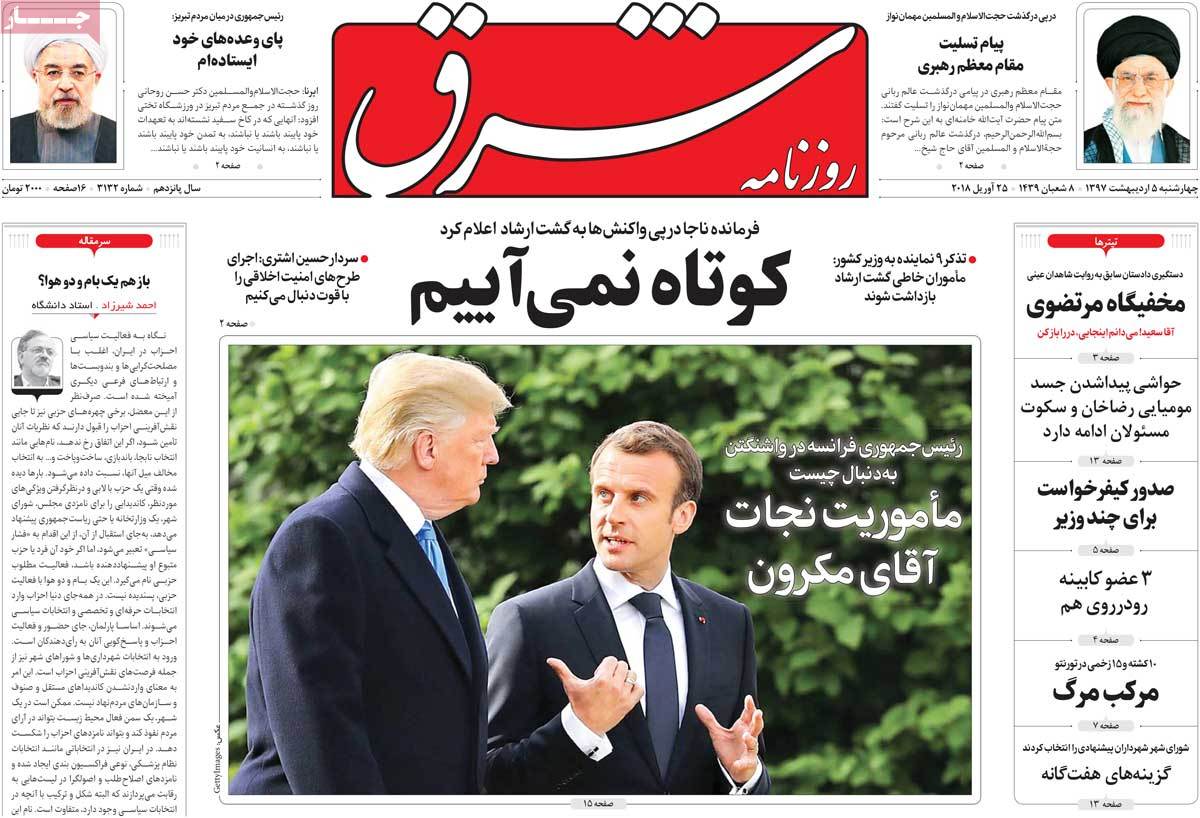
Shargh:

  • Mr Macron’s Mission to Save Iran Nuclear Deal
  • What French President Looks for in Washington

A Look at Iranian Newspaper Front Pages on April 25


Vatan-e Emrooz:

  • Yemen’s Ansarullah to Take Revenge for Death of Its Top Official

A Look at Iranian Newspaper Front Pages on April 25

Iran President Inaugurates Tabriz 2018 Tourism Event

The event is held on the occasion of the designation of Tabriz, the third largest city in Iran, as the tourism capital of Muslim world in 2018.

The designation was made during a conference of the tourism ministers of the Organisation of Islamic Cooperation held in February in Bangladesh, a report by IRNA said.

Tabriz is the largest economic hub and metropolitan area in Northwest Iran.

As a 3,500-year-old city, Tabriz hosts around 1,800 cultural heritage sites registered on the national List of Cultural Heritage, notably the Grand Mosque and Tabriz Citadel.

The city is famous for its handicrafts, including hand-woven rugs and jewelry.

It has also been declared a World Craft City by the World Craft Council, which, along with Isfahan, makes it one of Iran’s only two cities to boast the title.

The population is overwhelmingly Azerbaijani, though Persian is spoken by residents as a second language.


Tourism Brings Great Benefits

Speaking in the ceremony, Rouhani said promoting tourism could be a good way to drive constructive engagement with the world.

“Tourism helps people know history of other countries and thus obtain a deeper understanding of other nations,” he said, according to a transcript of his speech posted on President.ir.

Rouhani said encouraging tourism could also bring significant economic benefits to the Iranian people.

“Developing relations with neighbors and other countries improves living conditions of Iranians and produce economic benefits,” he said.

The president said Tabriz, a key location on the legendary Silk Road and a gateway to Europe, has the potential to become a hot tourist destination for decades to come.

Besides western people, Rouhani said Tabriz could hold strong appeal for nations in the region and Muslim world.

“People and officials in East Azarbaijan Province should work towards turning Tabriz into a widely popular tourist destination in the world not only for 2018 but for decades,” he said.

Iran Rejects Potential US-Europe Deal on Fate of JCPOA

Signs of US Decline Clearer Than Ever: Iran Official

“In our view, any agreement between Europe and the US over the future of JCPOA and the fate of Iran’s nuclear program after the end of time-bound restrictions are invalid and worthless,” Secretary of Iran’s Supreme National Security Council Ali Shamkhani said on Wednesday.

The official made the statement while addressing the 9th International Meeting of High Representatives for Security Issues in the Russian Black Sea resort of Sochi, according to a report by the Persian-language Iranian Students’ News Agency (ISNA).

Trump, who calls the 2015 nuclear accord one of the worst deals ever negotiated, has threatened that he will return US sanctions on Iran unless what he calls “flaws” in the accord are fixed by Britain, France and Germany.

Shamkhani’s warning comes a couple of weeks before a May 12 deadline set by Trump to renew the waivers for US sanctions on Iran that were lifted under the accord.

The refusal of the US to keep the sanctions frozen will mean Washington is longer bound by the pact.

Meanwhile, French President Emmanuel Macron is in Washington, trying to convince Trump not to tear up the accord.

The deal was signed by Iran, the US and five other world powers to put confidence-building, temporary curbs on Iran’s nuclear program in exchange for sanctions relief.

Shamkhani said the Trump administration, who is undermining basic principles of international law, will never see its dreams regarding Iran came true.

“Engaging in new talks over extension of restrictions on Iran’s peaceful nuclear program will destroy the JCPOA, as the end of restrictions and normalization of Iran’s nuclear program was a major commitment [taken by the other side] under the international accord,” he said.

The Sochi security forum is attended by secretaries of national security councils, government ministers, aides to presidents and prime ministers in charge of security matters.

On the sidelines of the conference, Shamkhani will discuss bilateral and multilateral issues in talks with officials from other countries.

Islamic Architecture Deeply Rooted in Iranian Culture, Art: Swiss Expert

Professor Thomas Meyer-Wieser is a prominent architect who has spent a long time on Islamic culture and civilisation. According to him, a book named “Iran: Architectural Guide” is the result of the activities and trips he made to Iran.

He is very fascinated by the architecture of Iran and, of course, the people living in this country. What follows is the translation of an interview conducted by the Persian-language news website Honar Online, on the occasion of National Architecture Day, with this prominent Swiss professor who speaks very fervently about Iran and its civilisation:

Q: Please introduce yourself and tell us more about yourself.

A:  I am an architect and urban planner. I majored in architecture and urban planning and graduated from the Zurich ETH University. Since the time I was a student, I was very interested in the architecture and urban planning of the Muslim world. I also studied at the University of Architecture and Urban Development in Urbino, Italy in 1978, and I spent my internship at the Modam Company in Tehran.

In 1979, along with the UNESCO team, I worked on the Sassanid Qal’eh Dokhtar fortified palace in the city of Firuzabad in Iran’s Fars province, and from 1980 to 1984, I was an associate professor of Thomas Oswald at ETH. In 2009, I established my own company in the field of architectural and cultural activities, and from 1995 to 2005, I was in Switzerland teaching landscape architecture.

Q: When was the first time you came to Iran?

A: It was in 1979. My plan was to go to India after Iran and stay in India for one year, but Iran and Afghanistan were so attractive to me that I went to India after a year. I travelled to Iran because I had to go through an internship program under the Swiss training system. Accordingly, I chose Iran for my internship. I think I was 20 or 22 when I began to explore Iran. After working with the UNESCO team in rebuilding Qal’eh Dokhtar, I got more interested in Iran, and since then I have been coming to Iran at least once a year. I met with Dr Hosna Pourhashemi at Zurich’s ETH in 2011. Since then, with her collaboration, we brought about 14 European and Swiss groups of architects and urban planners to Iran and introduced them to Iran’s historical and natural places.

Q: What specific feature of Iran made you interested in the country?

A: The most important factor that attracted me to Iran was the people. Apart from its unique architecture, I had a good sense of the Iranian people. I really feel good here.

Q: How did you decide to write the book “Iran: Architectural Guide”?

A: I first wrote a book about Cairo, and then I went to the Museum of Islamic Arts in Switzerland where I got the idea to write a book on Iran. I started to write the German version of the book. I cannot say how long it took to write the book, but the process of writing, designing the pages and editing took about three months.

Q: What do you think is the most amazing structure that exists in Iran, and why it was attractive and wonderful to you?

A: If I want to talk about the design of a city, I will name the Shushtar New Town, designed by Mr Kamran Diba. New Shushtar’s design is a modern urban design. I think Mr Diba’s project is the culmination of the modern art of Iranian artists. Even those who do not have any information about architecture will be attracted by the design of this town.

Q: Islamic architecture does not just exist in Iran, and the Persian Gulf states have special Islamic architectures. What is the unique feature of Iranian architecture?

A: In my recent speech in Tehran, I have talked about this issue and the interactions that have taken place between Islam and various countries. When the Arab caliphs came to Iran to conquer the country, good things happened to both sides. Iran did not have the printing industry at that time, and it profited from the Arabs, and the Arabs did not have administrative, managerial, and cultural system, and they learned it from Iranians. Therefore, because of Iran’s rich culture, we can say almost all the things that exist in Islamic architecture are rooted in Iran and the Iranian culture.

Q: Are you working on any new research project or book about Iran?

A: I cannot say anything at the moment, but I would like to write separate books about the cities of Tehran and Isfahan.

Regional Peace Not Possible Unless US Leaves Mideast: Iran

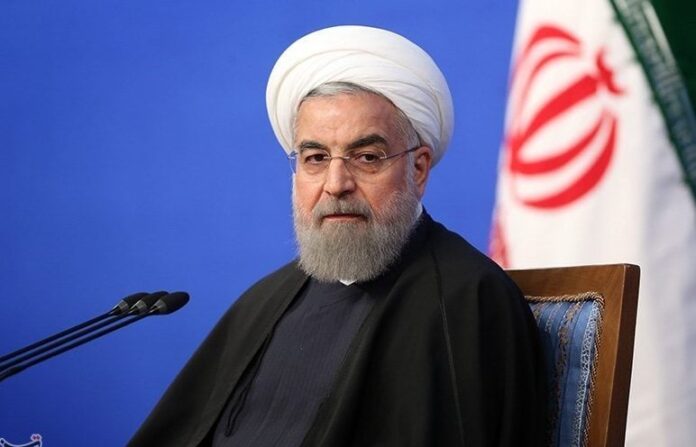
Addressing a ceremony on Wednesday, Rouhani blamed the wrong policies of the US for most of the regional problems and said the US thinks that the region should be under its control and the White House should decide for the Middle East.

In a direct address to Washington, Rouhani said “you ask for money to remain in Syria and threaten to leave the country if there is no further money. You boast of protecting Iraq but Iraq is protected by Iraqi nation not you,” the Persian-language Iranian Students’ News Agency (ISNA) reported.

He called the US the main source of instability in the region and underlined that the region will become secure only if the US leaves it.

“You have provided Saudi Arabia with warplanes and sophisticated weapons to establish security in the region but what we see today is that the region is now far from security,” he added.

The president further criticised Washington for its violations of the Iran nuclear deal. He said the US has failed to live up to its commitments under the landmark agreement, and thus does not have the right to talk about its future.

Rouhani also mocked his US counterpart Donald Trump for calling the deal ‘flawed’, saying the US should have not signed the accord if it was terribly bad.

He noted that the deal proved that Washington’s claims about Tehran’s nuclear program were sheer lies.

“We proved our goodwill under the JCPOA and showed how wrong the Iranophobia propaganda is. You have violated your commitments under the deal in various ways including discouraging people from investing in Iran.”

President Rouhani blamed his American counterpart for not being familiar with politics and the international law and added Trump talks about the Iran deal from a real estate mogul’s point of view.

He underlined that Iran is after constructive cooperation with the world not only in nuclear field but also other areas and said “as we have said repeatedly, a win-win solution is the best way to remove the problems.”

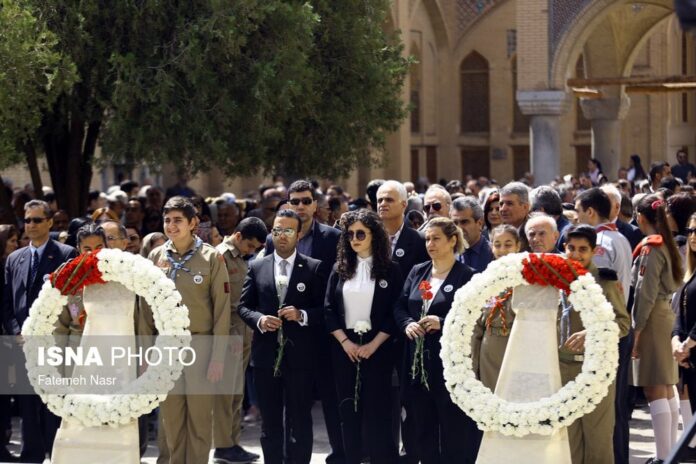
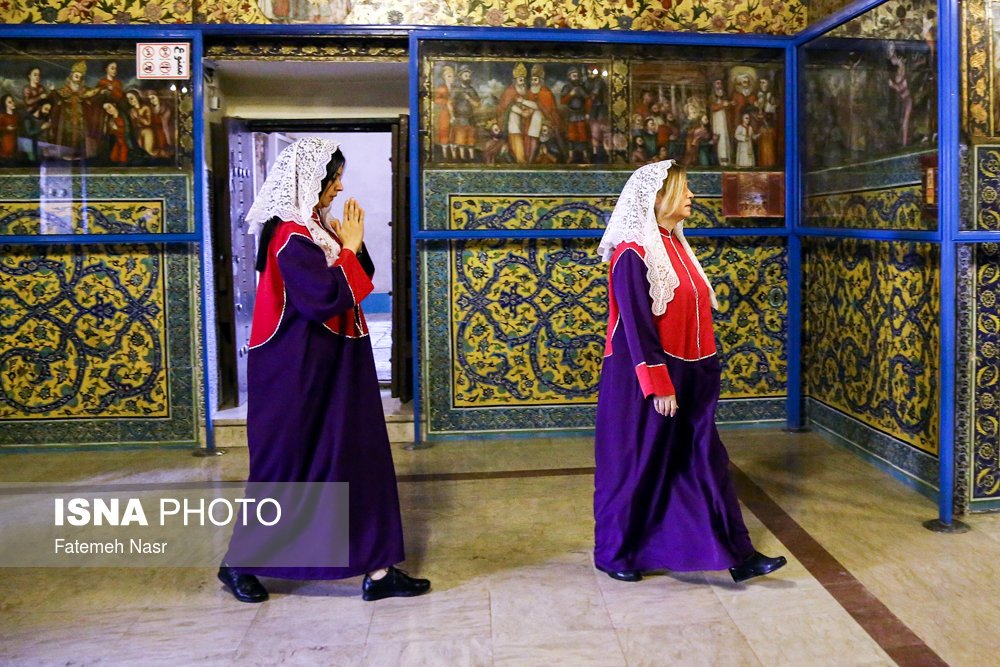
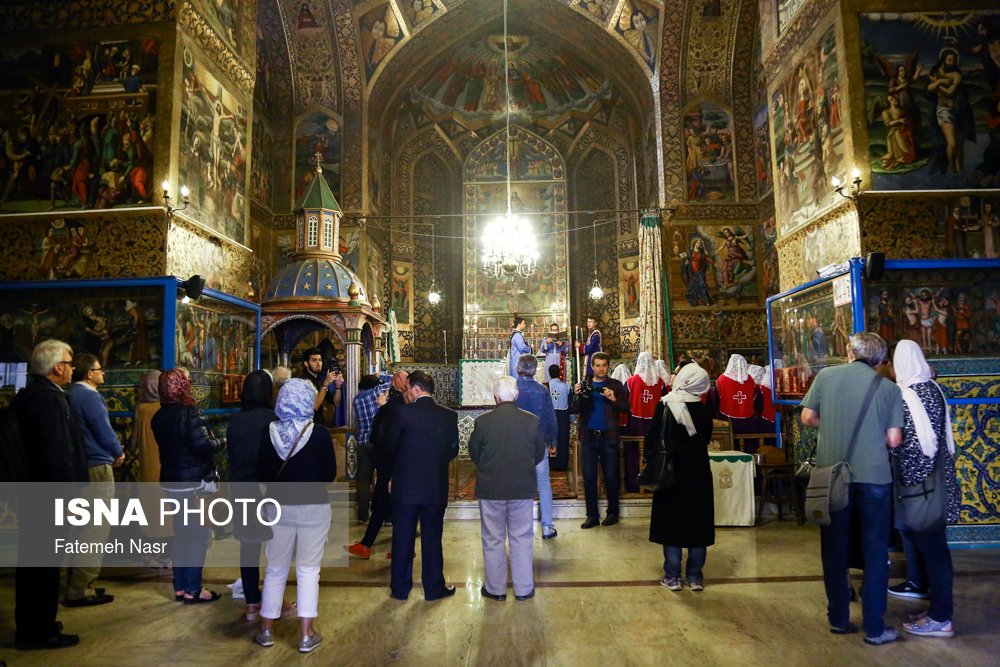
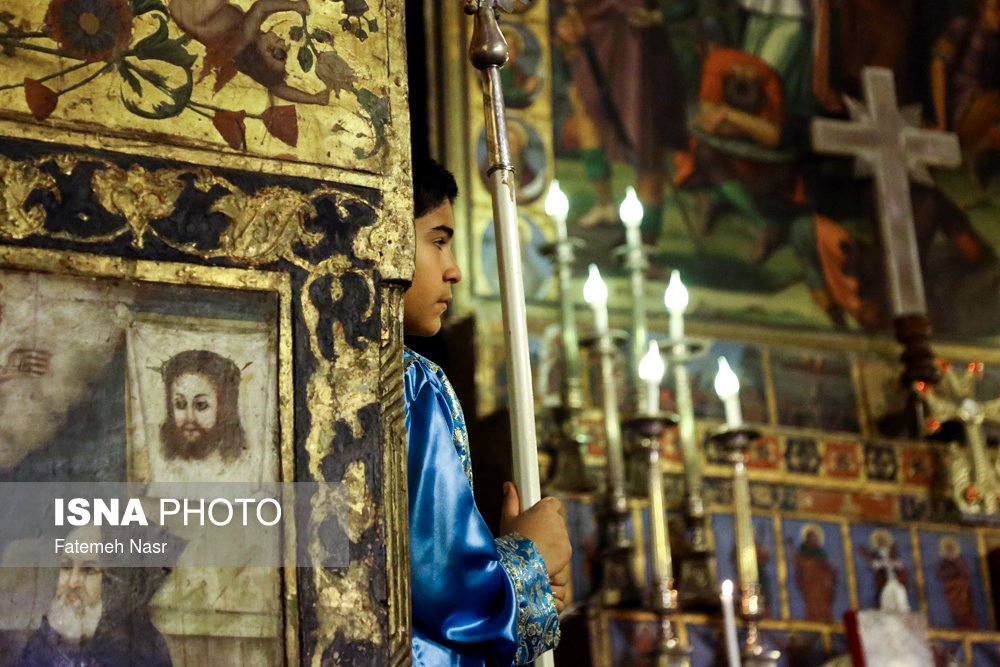
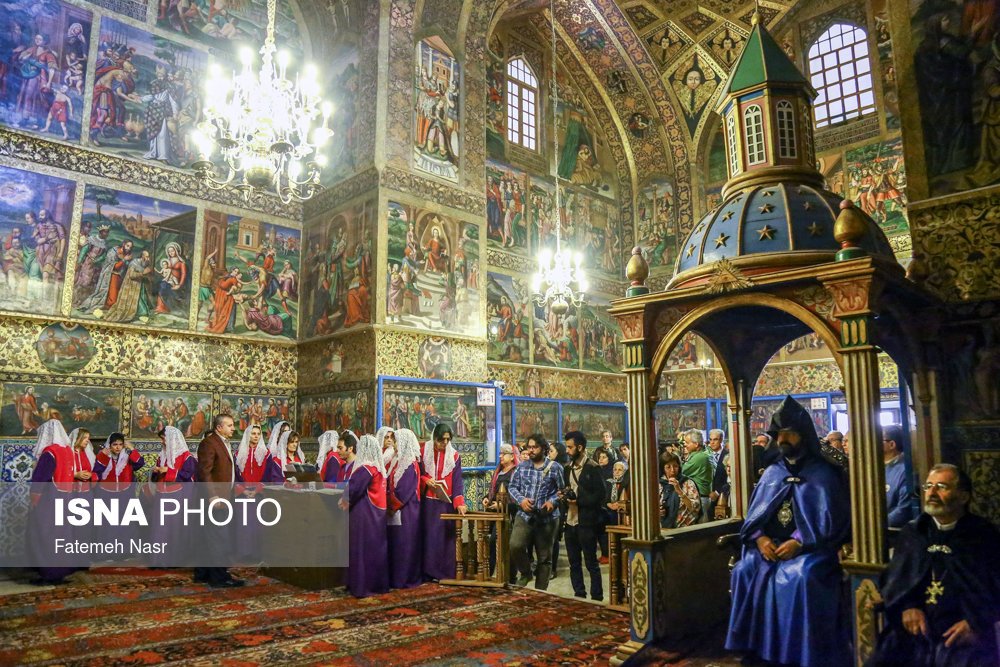
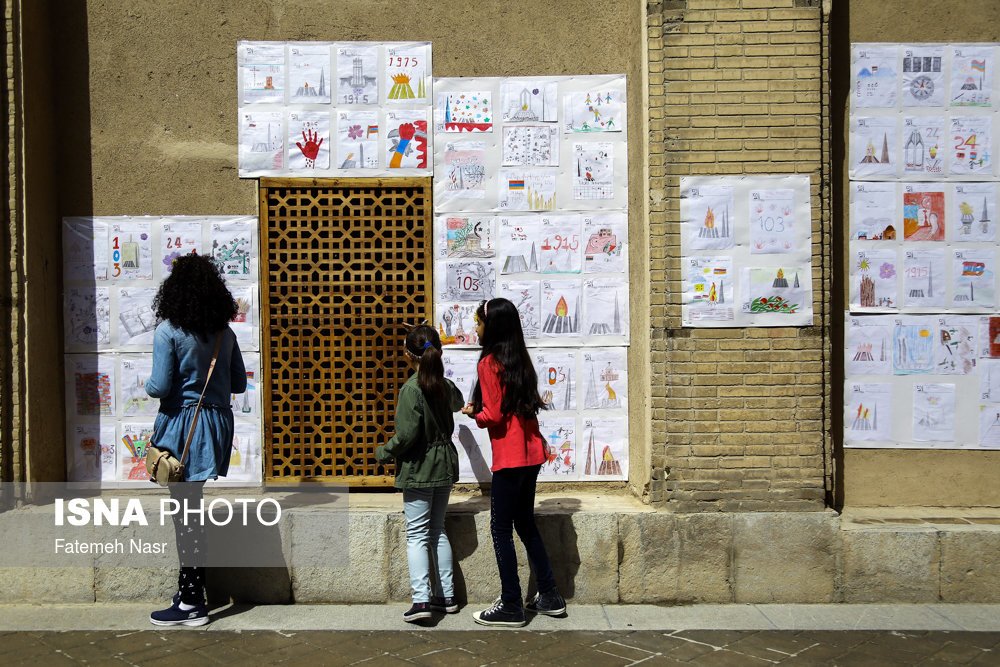
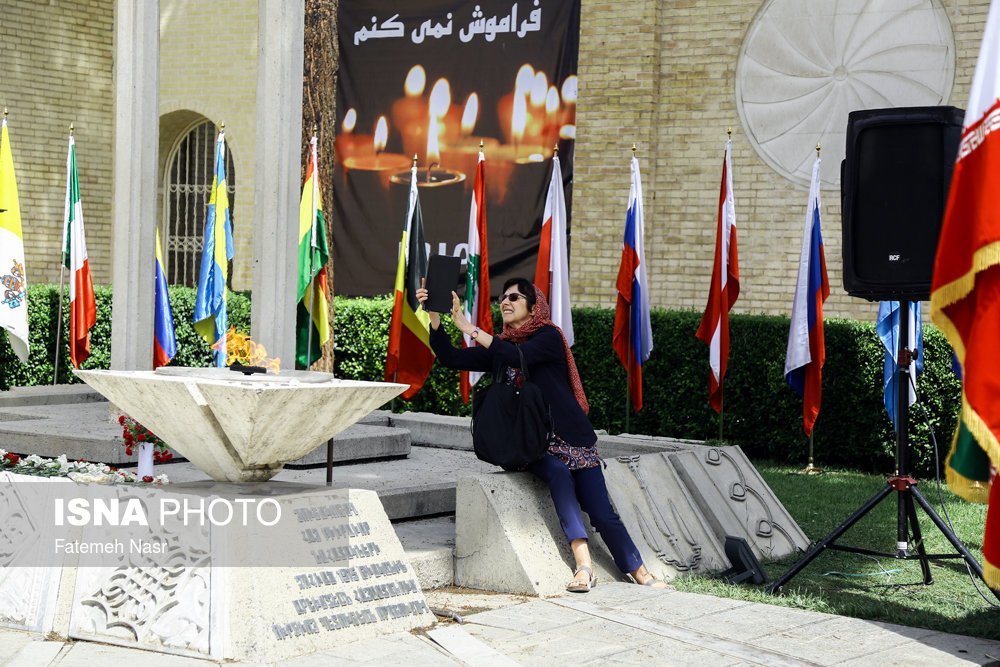
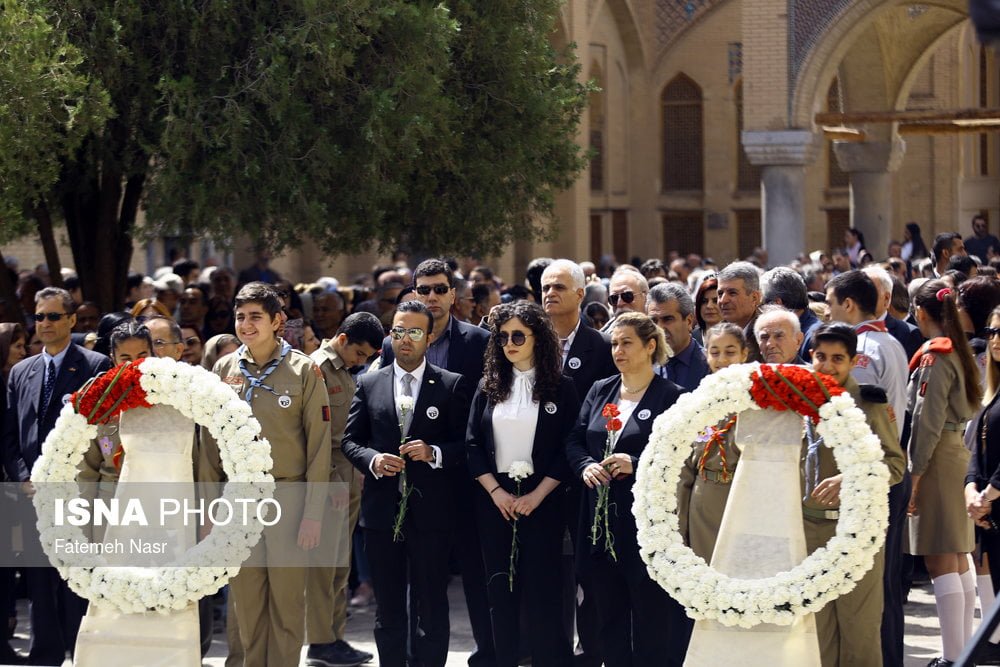
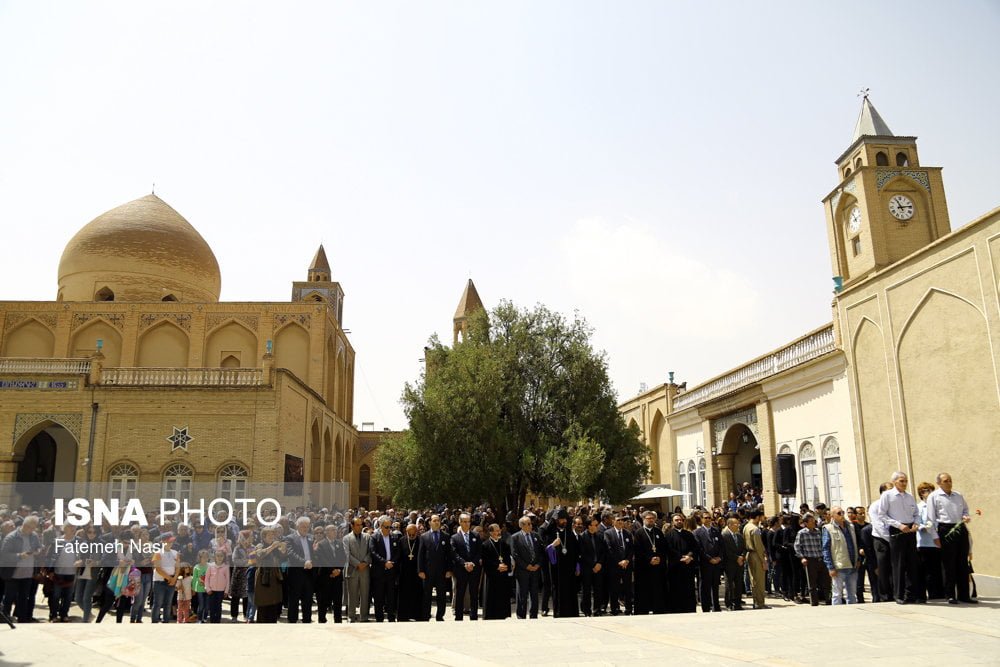
Armenians in Iran Mark Anniversary of Armenian Genocide

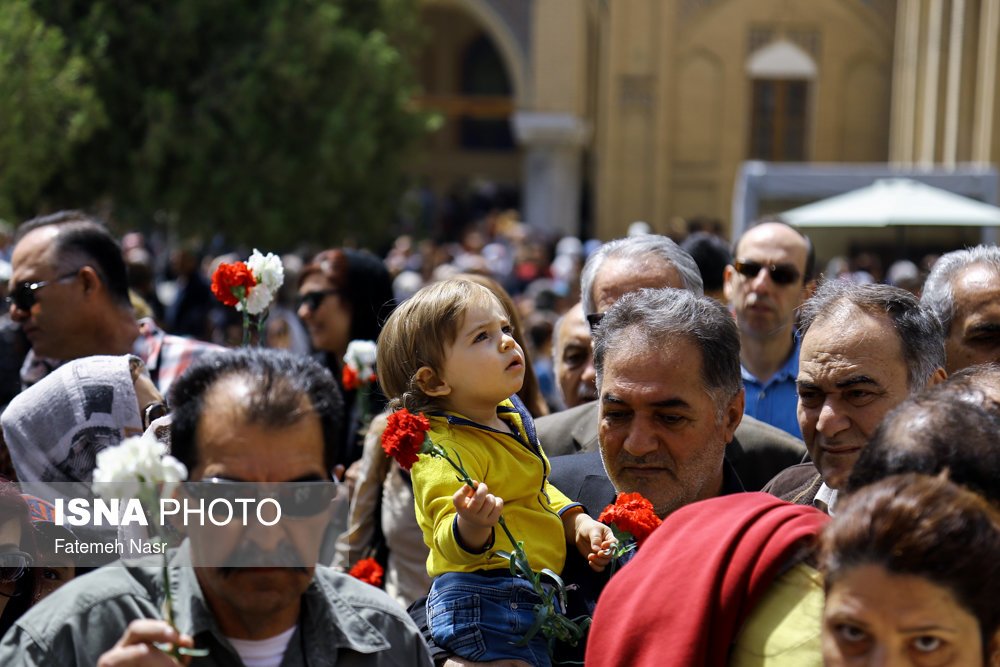
A number of Christian clergymen, officials of the Armenian Caliphate Council, and Christian citizens of Isfahan attended the gathering.

In 1915, leaders of the Turkish government set in motion a plan to expel and massacre Armenians living in the Ottoman Empire. Though reports vary, most sources agree that there were about 2 million Armenians in the Ottoman Empire at the time of the massacre.

By the early 1920s, when the massacres and deportations finally ended, some 1.5 million of Turkey’s Armenians were dead, with many more forcibly removed from the country. Today, most historians call this event genocide – a premeditated and systematic campaign to exterminate an entire people.

However, the Turkish government does not acknowledge the enormity or scope of these events. Despite pressure from Armenians and social justice advocates throughout the world, it is still illegal in Turkey to talk about what happened to Armenians during this era.

What follows are ISNA’s photos of the ceremony held in Isfahan to commemorate the genocide:

Tehran, Ankara Agree on Repatriation of 700 Iranian Inmates

In remarks made on Wednesday, Abbasi noted that over the past years, the Islamic Republic has started concerted efforts to repatriate Iranian inmates from a number of countries.

He pointed to the Justice Ministry’s active judicial diplomacy since the beginning of the new Iranian calendar year on March 20th, and said, “283 Iranian inmates in Turkmenistan were repatriated in exchange for 4 Turkmen inmates in Iran in the wake of the visit of Iranian President Hassan Rouhani to the country.”

The Persian-language Iranian Students’ News Agency (ISNA) quoted him as saying that over the past weeks, five Iranian inmates in Afghanistan have been transferred to Iran and the Justice Ministry is seeking to repatriate 47 Iranian prisoners in Kuwait.

“We have 700 inmates in Turkey. A preliminary agreement has already been reached to repatriate them in exchange for a number of Turkish inmates in Iran,” he said.

Abbasi further noted that Iran and Brazil have also signed four judicial treaties including extradition of inmates.

He underlined that Iran is expected to sign similar treaties with an Arab state in the near future and noted arrangements are underway for signing further treaties with other states.

Oliver Stone Blasts Western Media for Portraying Negative Image of Putin

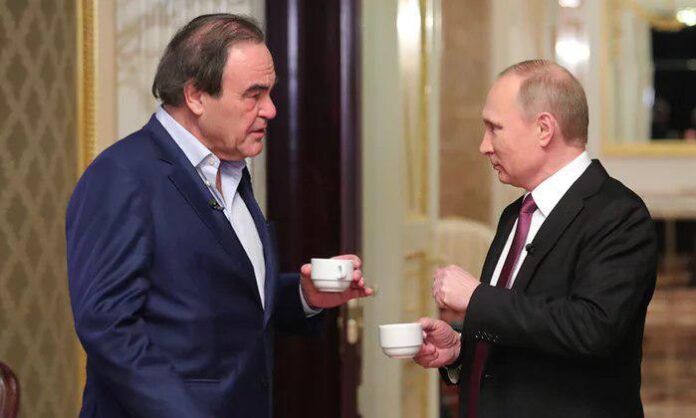
In response to a question about his view on President Putin, Stone described him as a great politician who has been at the upper echelons of power in Russia over the past 18 years.

“For the Putin Interviews, I held conversation with Putin for more than 30 hours. He never asked me to give him the questions in advance and also never asked for any changes to the final product,” he noted in an address to a workshop for filmmakers from across the world in Tehran.

Stone, who is visiting Iran to attend Fajr International Film Festival, blamed Western media for portraying a negative image of Putin and said unfortunately media in the West is dominated by biased ideologies. “During the interviews, I tried to behave as a filmmaker not a journalist.”

Touching on his film Snowden, he said “I like to make movies which others are not interested in making them. Snowden is one of these films. In the US and even other parts of the world, there is an urgent need for whistle-blowers like Snowden.”

He underlined that due to the controversial theme of the film, he and his crew failed to convince leading broadcasting companies to screen the film. “Since Snowden is among the unfavourable figures of the Americans, we had poor sales in the US.”

He said most Americans have a negative view of Snowden because he has disclosed the country’s secret information. “In the governmental circles, he is called the violator of the US Constitution.”

In response to a question on how much freedom he has in producing anti-US films in America, he said some people in the US and even Iran think that “I’ve not been killed yet because I’m a CIA agent. But so far, I’ve not even met a CIA officer. It goes without saying that the CIA is seeking to exert its influence on my films through its deep influence in Hollywood.”

Stone said he is going to respond to many questions raised about Hollywood mechanisms in his autobiography to be released soon.

“Today, despite the growing penetration of the cyberspace into our societies, there is no understanding of the extent of the knowledge that the governments have about their people. We should prepare ourselves for the worst-case scenarios. The cyberspace has provided the governments with unlimited power. Their military budgets have increased drastically at the cost of social budgets,” he was quoted as saying in a report by the Persian-language Fars News Agency.

Stone went on to say that today the world is the scene of costly cyber wars and added the US holds the leadership of the cyberspace as the fifth pillar of its army. “The private companies pay money for information and sometimes the government secretly collaborates with them.”

He referred to the former first lady’s live remote appearance from the White House in 2013 at the Oscar ceremony to announce the year’s best-picture winner (Argo) and said the event showed how deep the relations between Washington and Hollywood are.

In response to a question raised by a Chinese student about Stone’s interest in making a film in China, the American film director said his plan to make films in China has been rejected due to the censorship in the country.

On how he leads the casting process of his films, Stone said he always picks up actors and actresses who are attractive to the audience. “The viewers should enjoy watching the actors and actresses of your movie. I’m really wondering how on earth many Iranian and Indian filmmakers pick up boring actors and actresses but win awards in international film festivals!.”

Asked by an Iranian student about the historical distortions in his movie Alexander (2004), Stone said he made the movie based on his own interpretation of history.

“Nobody can say what has happened exactly in the ancient times. Of course, I must confess that I made the film in a bad time. A short while after the film, the Bush administration waged a war against Iraq and I didn’t know what was going to unfold next. Meanwhile, the Warner Brothers Company edited the film in line with its own interests, cutting about 26 minutes of the original film. I advise you to watch the complete copy edited by me.”
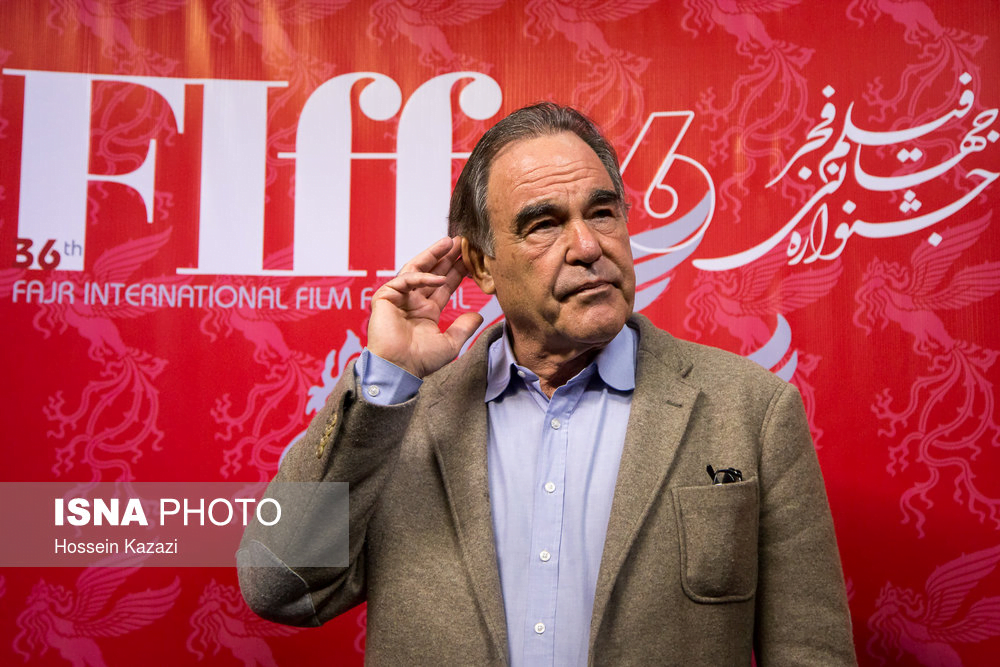
Oliver Stone Blasts Western Media for Portraying Negative Image of PutinThree-times Oscar winner briefly visited the historical city of Isfahan in central Iran before hosting the workshop for filmmakers in Tehran.

Stone is best known for his films on controversial themes including Platoon, Scarface, Born on the Fourth of July, and Natural Born Killers.

He has already produced two documentaries about Latin American politics: Comandante (2003) about Cuban dictator Fidel Castro, and South of the Border (2009) which focused on several other left-wing leaders, notably Venezuelan President Hugo Chávez.

The legendary director also created Untold History of the United States (2012). It is a 10-part television documentary on the American political history.

In 2007, Iran’s former President Mahmoud Ahmadinejad rejected a proposal by Stone to make a film about him.

In 2012, Stone’s son Sean Stone visited Iran and converted to Shiite Islam.
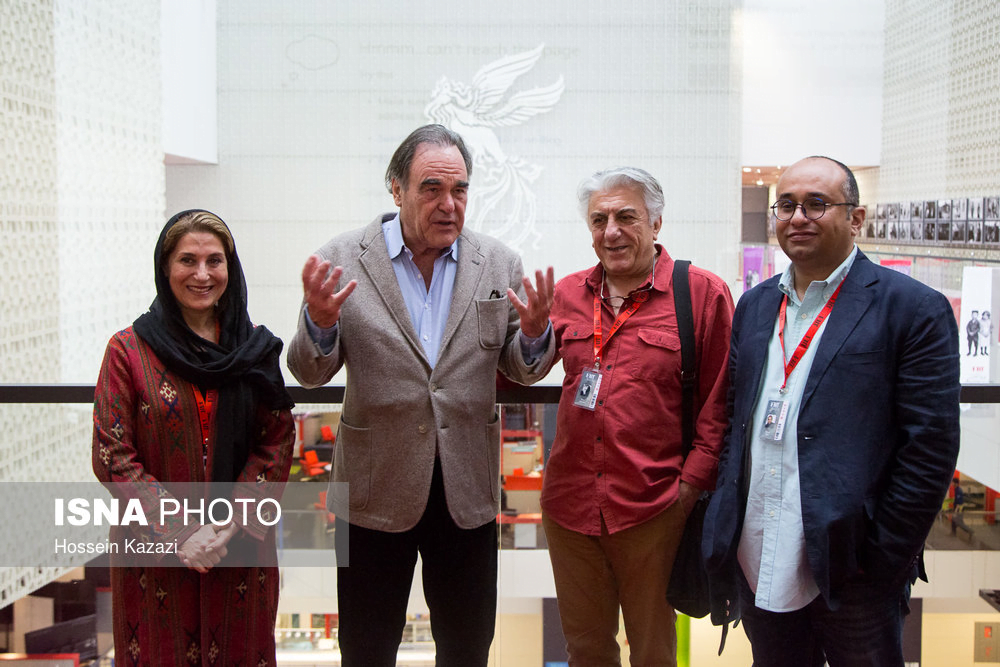
 

Oliver Stone Blasts Western Media for Portraying Negative Image of Putin