Monday, December 29, 2025
Home Blog Page 3550

“US Angry at Switzerland, Austria’s Warm Reception of Iran President”

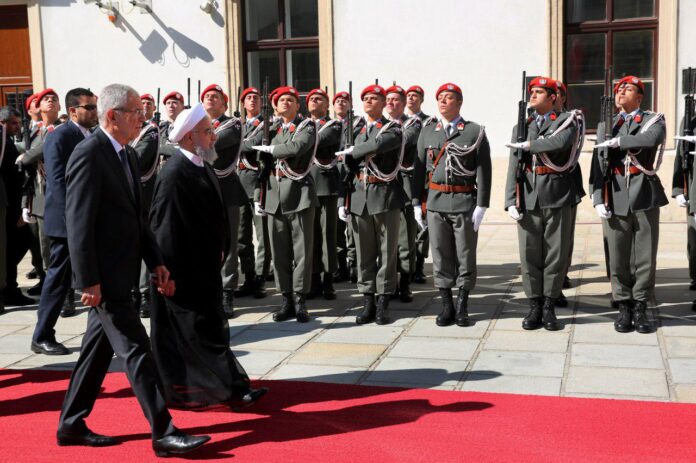
Iranian President Hassan Rouhani officially welcomed by his Austrian counterpart Alexander Van der Bellen at Hofburg Palace in Vienna on Wednesday, July 4, 2018 / Photo retrieved from the president

Rouhani made the comment in a meeting with Iranian expatriates in Austria during his trip to the European country.

“The US government’s objective is to isolate the Iranian nation, but it (Washington) will pay a heavy price for it, and this is the first time that only one or two small countries are supporting the US in its plots against the Iranian nation,” said the president.

He then underlined that the US has always tried to weaken Iran’s relations with other countries.

“The Zionists, the Americans and a handful of other countries have always sought to undermine Iran’s ties with other world countries, its neighbours and friendly nations, or to sever those relations altogether if possible,” he said.

“Their objective has been to blockade and isolate Iran and, let’s say, promote Iranophobia in the region and in the world,”

President Rouhani noted Iran has tried to foil this objective and introduce its real status as an influential country in the region and across the world.

He then touched upon Washington’s baseless claims that Iran has reneged on its commitments under the JCPOA.

“If Iran has committed any violations, it is the International Atomic Energy Agency that should announce them, and the agency has announced 11 times loud and clear that Iran has lived up to all of its obligations,” he said.

The president said all countries have objected to US President Donald Trump’s unilateral pullout from the JCPOA, and announced that it was an illegal move which was in contravention of all international agreements.

“Today, we are in a situation where international organizations, including the UN Security Council, the European Union and an overwhelming majority of world countries and nations are standing by the Islamic Republic of Iran,” said President Rouhani.

“This situation, will make the United States’ confrontation with Iran very costly, and the Islamic Republic of Iran is determined to thwart the Americans’ conspiracies as always because their position is illogical, illegal, unfair and against international commitments and US Security Council enactments,” he added.

“The Americans erroneously believe that if they put pressure on Iranian people, the Iranians will succumb to the language of force, threat and humiliation, but never ever in history has a power been able to make the great Iranian nation cave in to illogical words, and any encroachment upon the Iranian nation’s rights has been doomed to fail,” he noted.

He said even if all pressures are exerted on Iranian people, they will be able to run their country very well.

“Today is the day when the need for consultation, friendship, brotherhood and unity among all Iranians is felt more than ever,” he said.

The president underscored that ill-wishers both inside and outside the country will not be allowed to destroy Iran’s “linking bridges” with the rest of the world.

He also underlined that the Iranian diaspora is the most important link between the Iranian nation and other countries in the world.
“US Angry at Switzerland, Austria’s Warm Reception of Iran President”
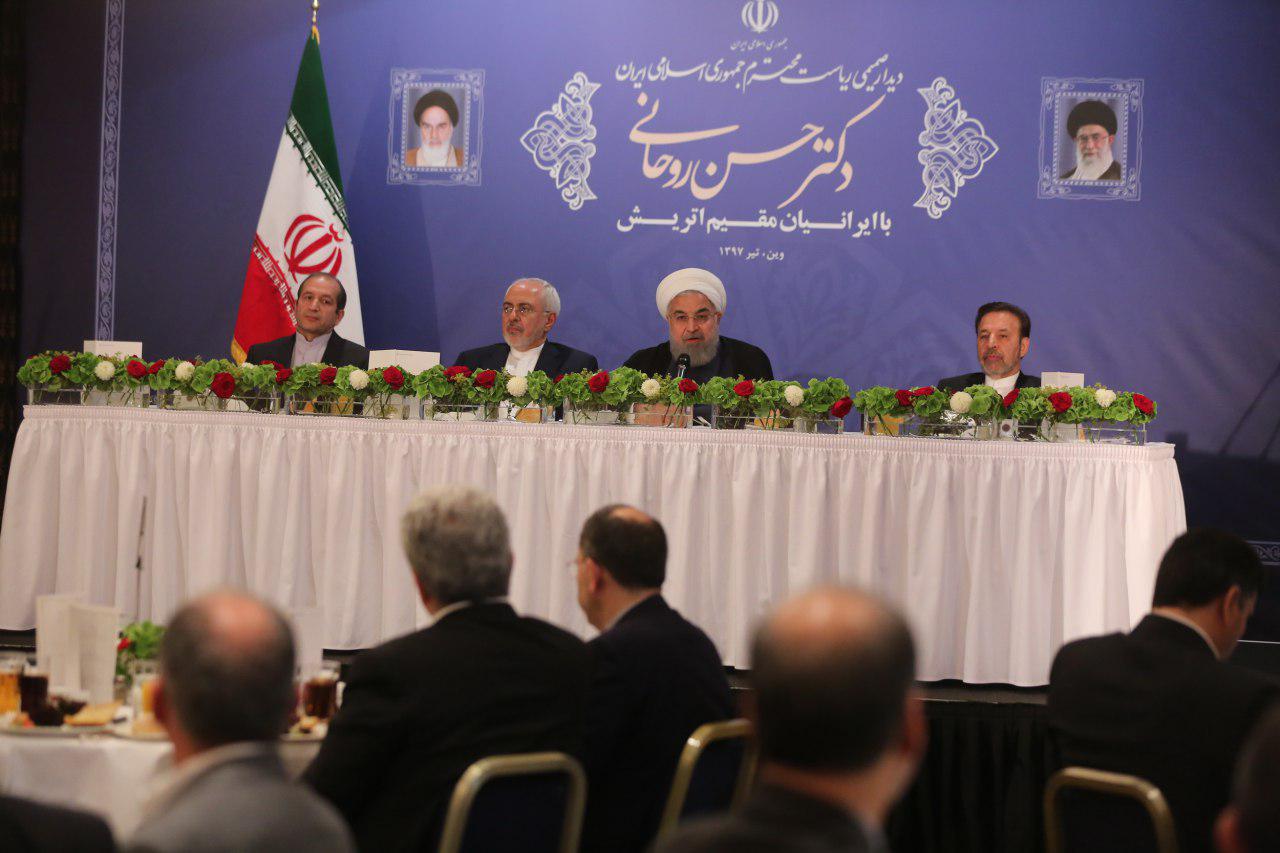
President Hassan Rouhani addressing a group of Iranian expatriates in Vienna, Austria, on Tuesday, July 3, 2018 / Photo retrieved from the president’s official website

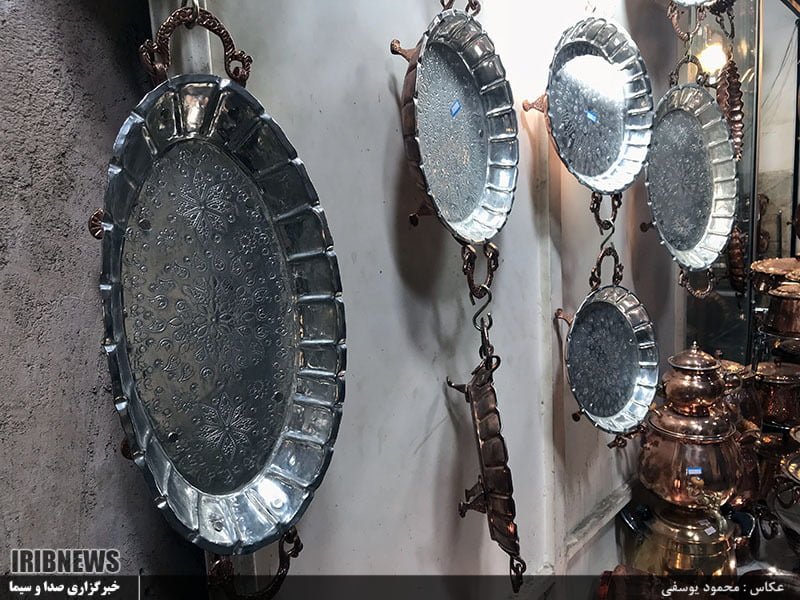
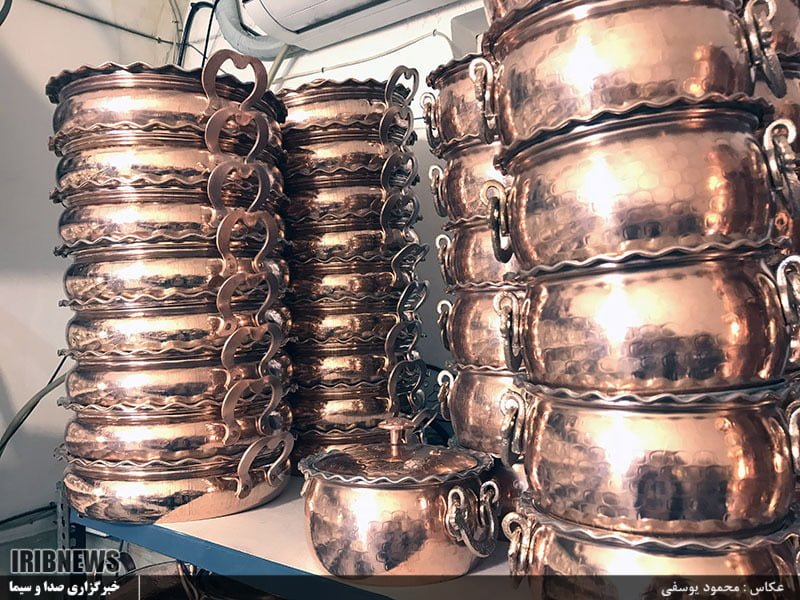
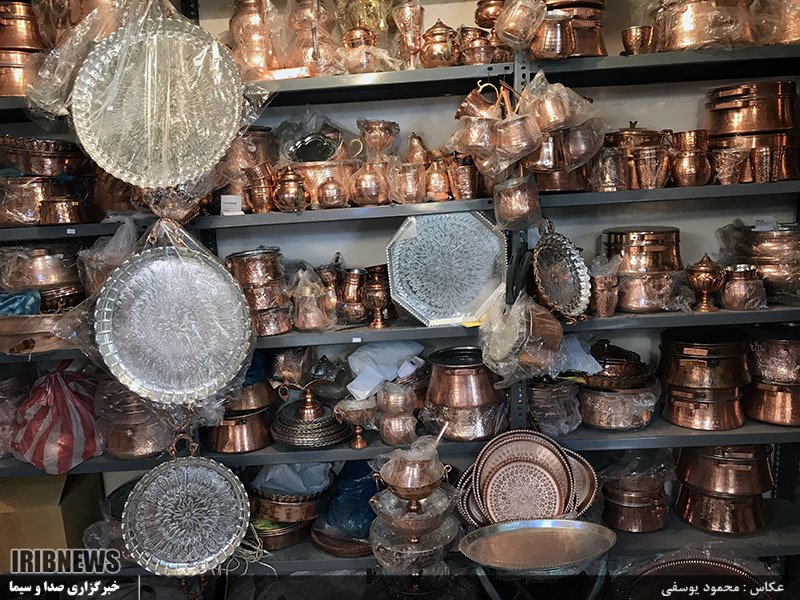
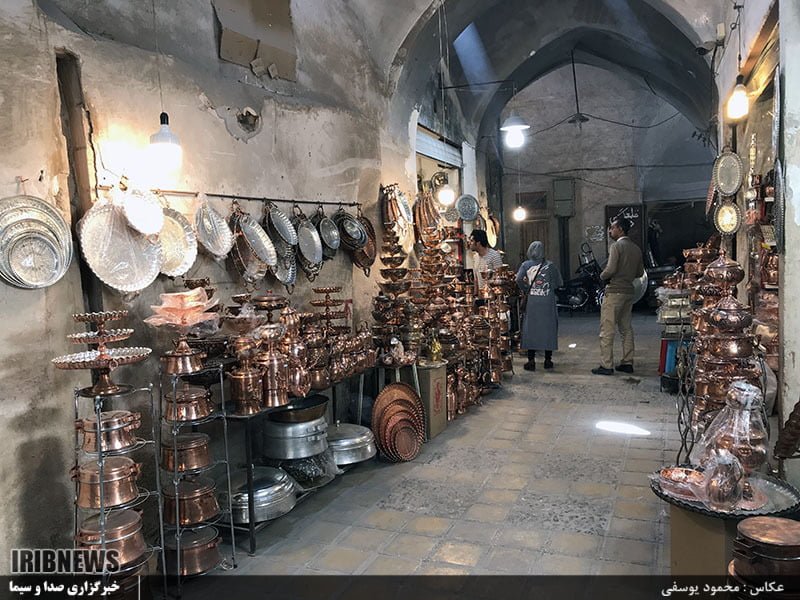
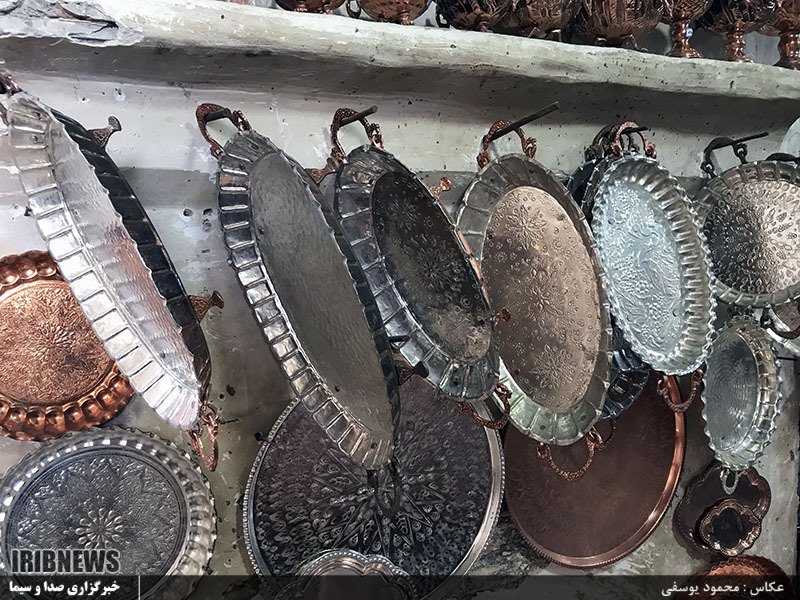
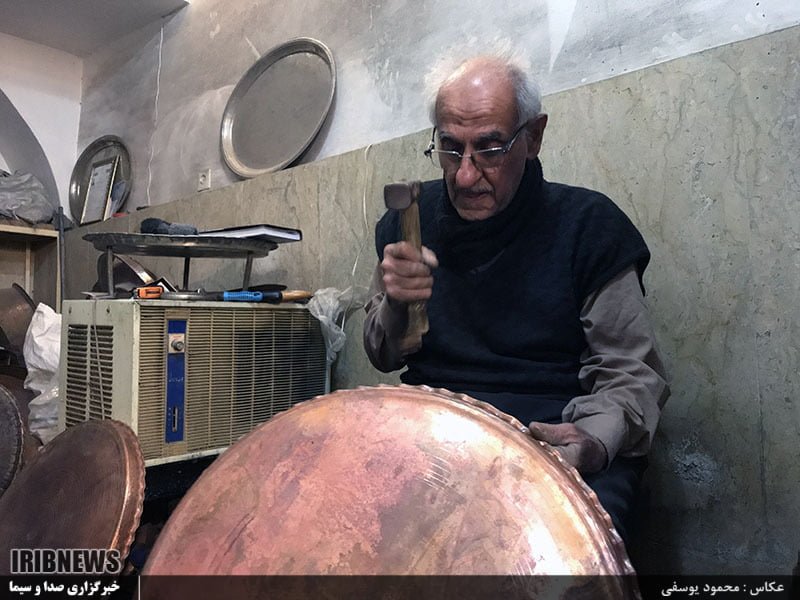
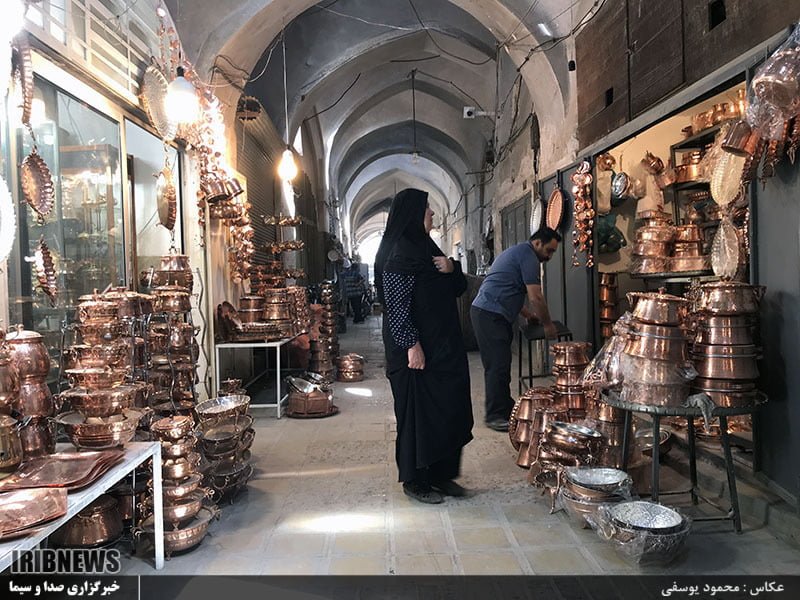
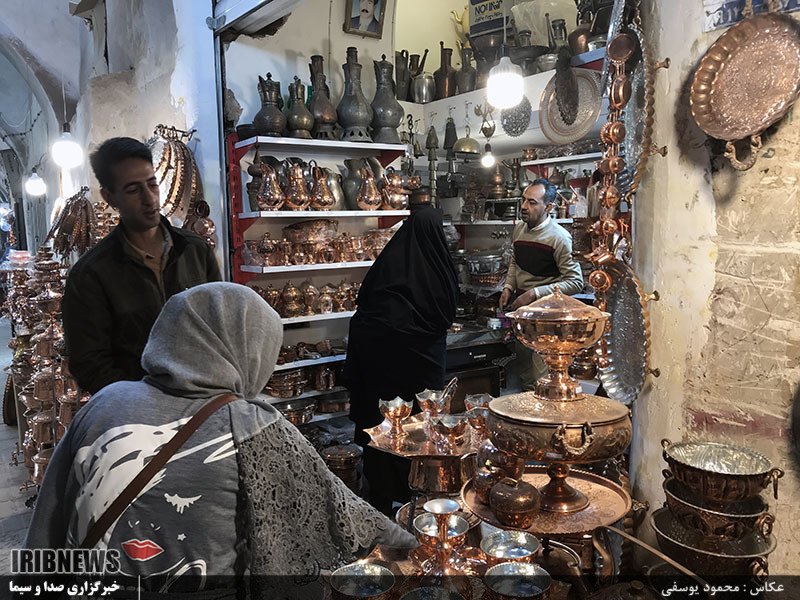
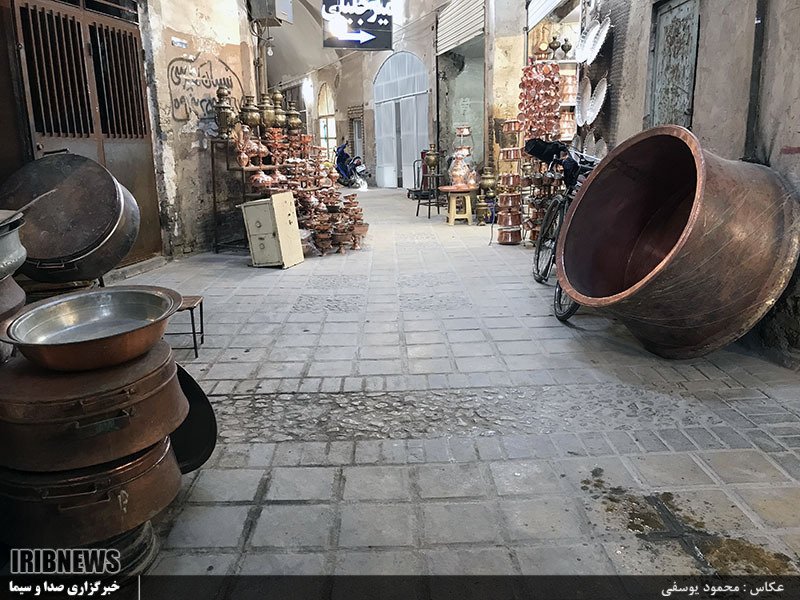
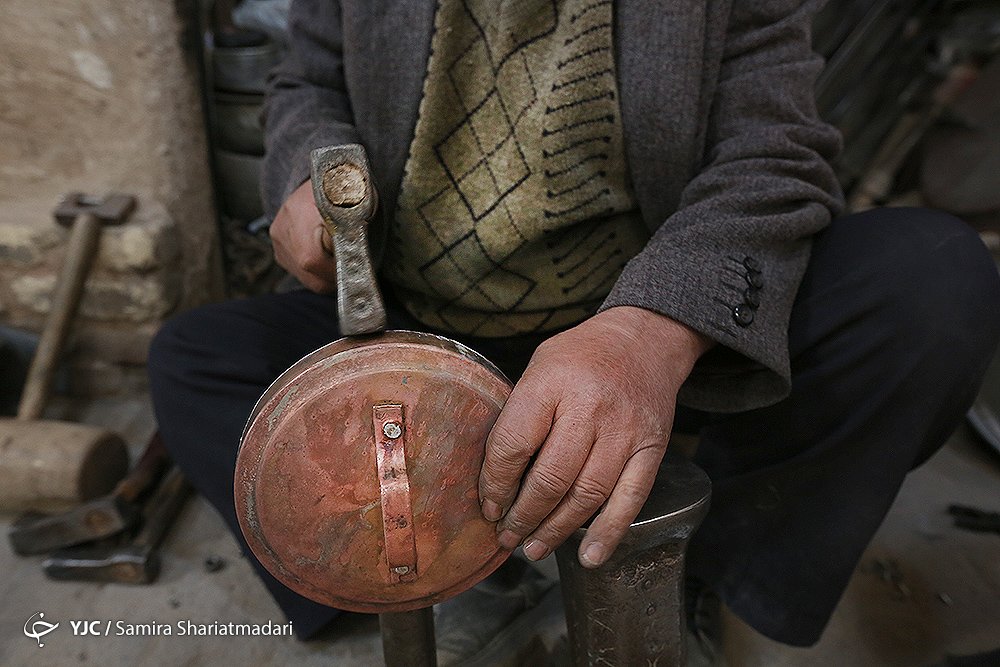
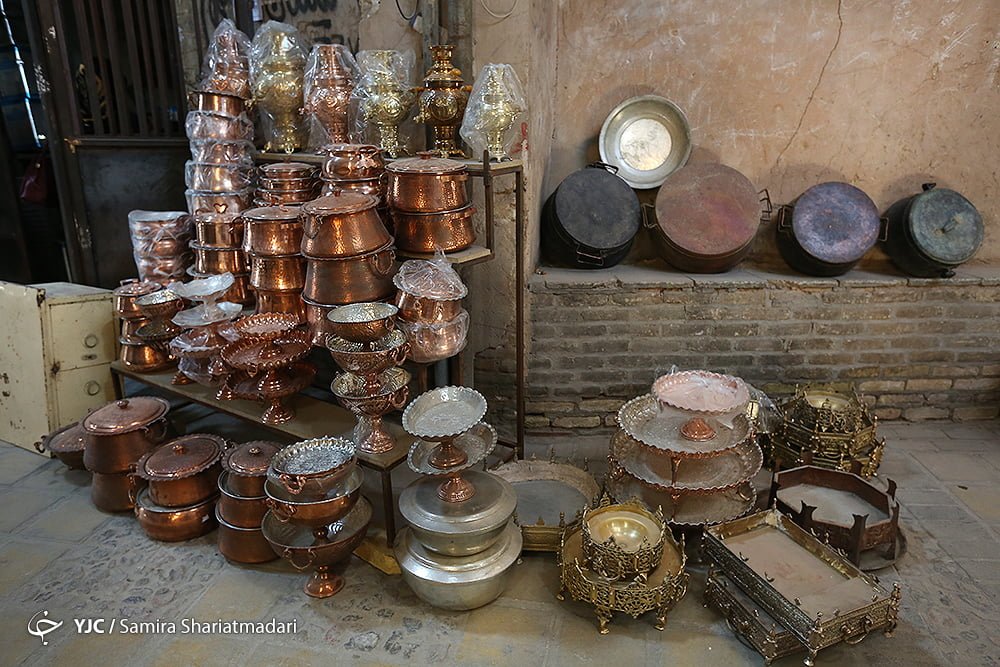
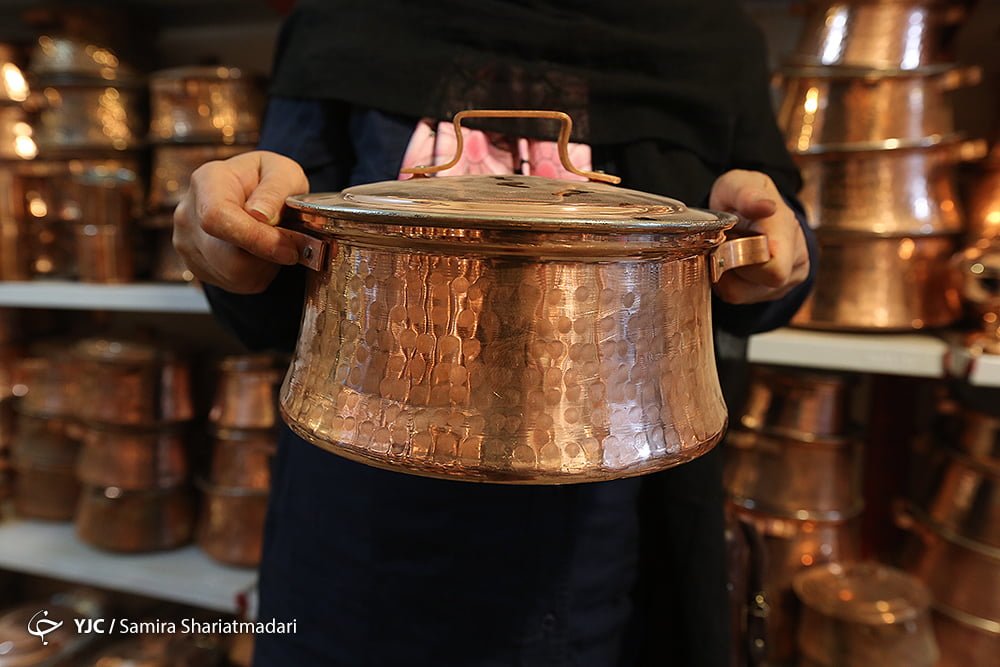
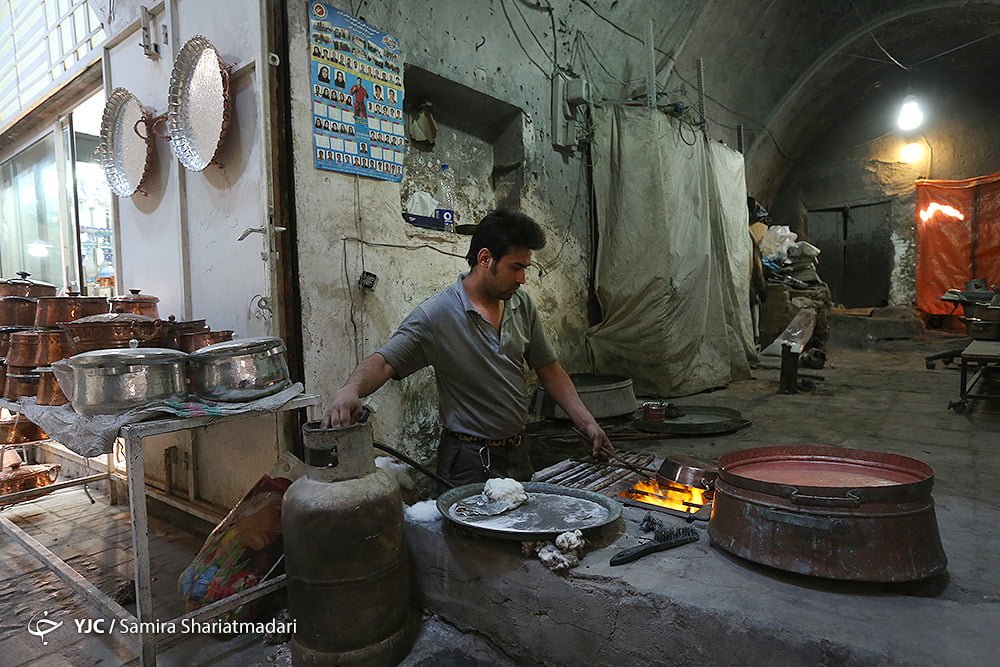
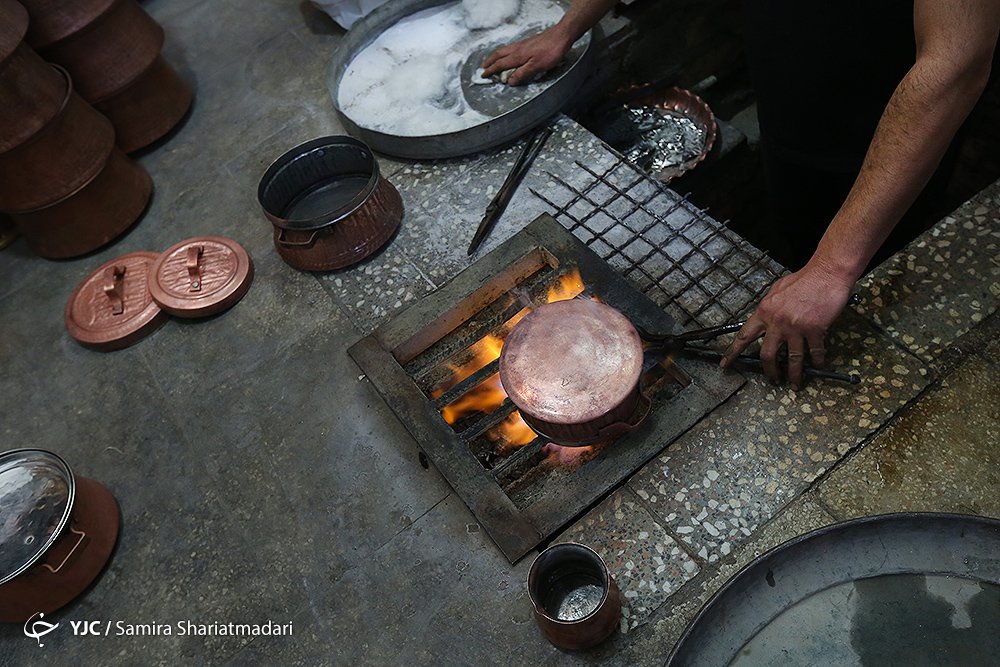
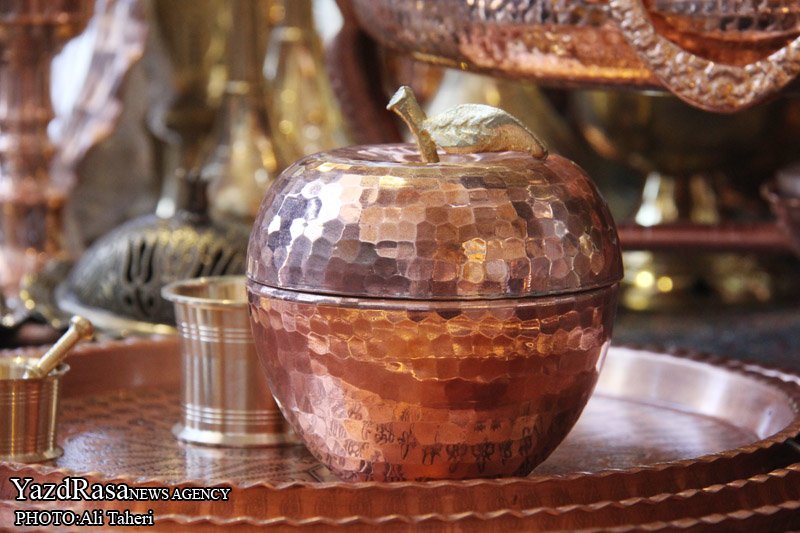
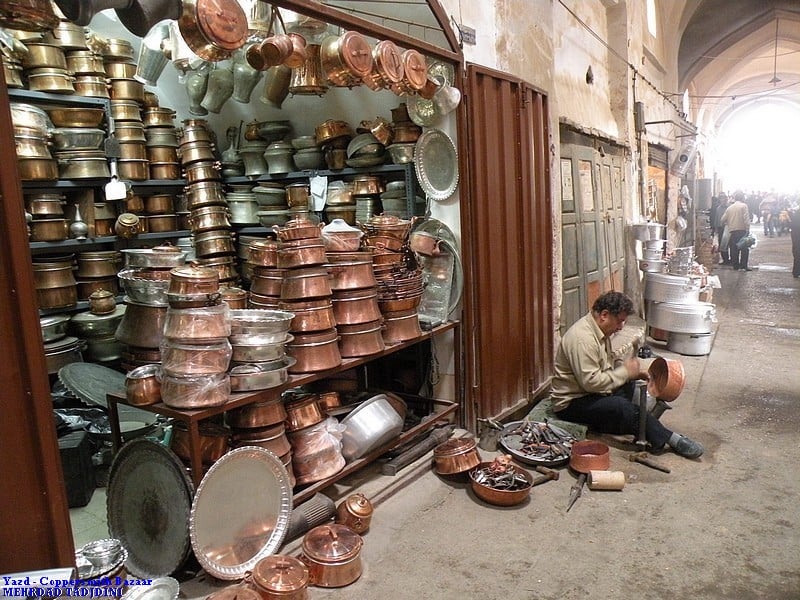
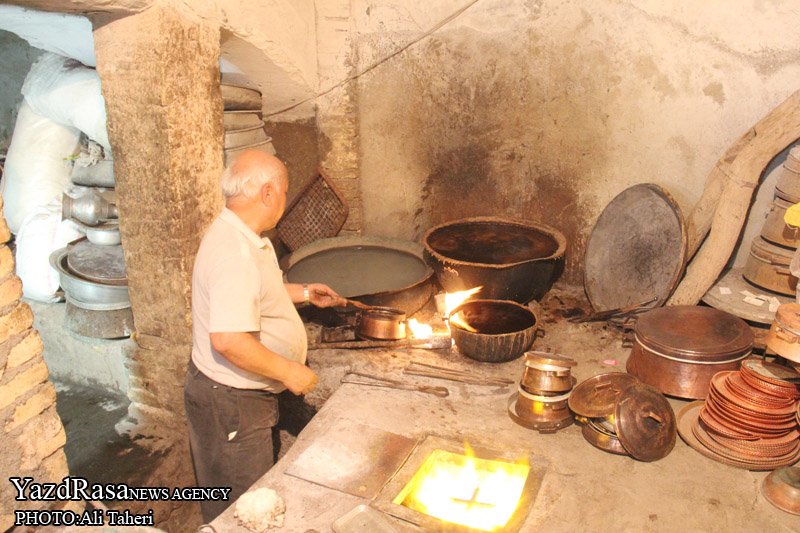
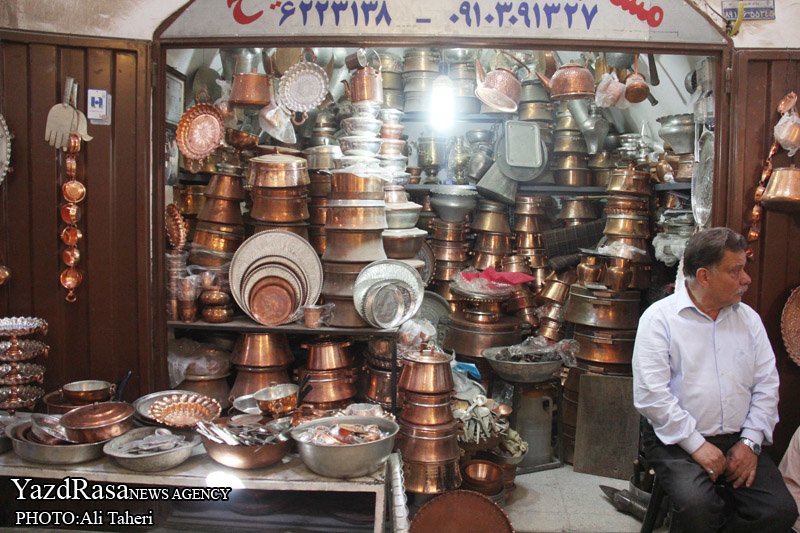
Coppersmiths’ Business Still Booming in Iran’s Yazd

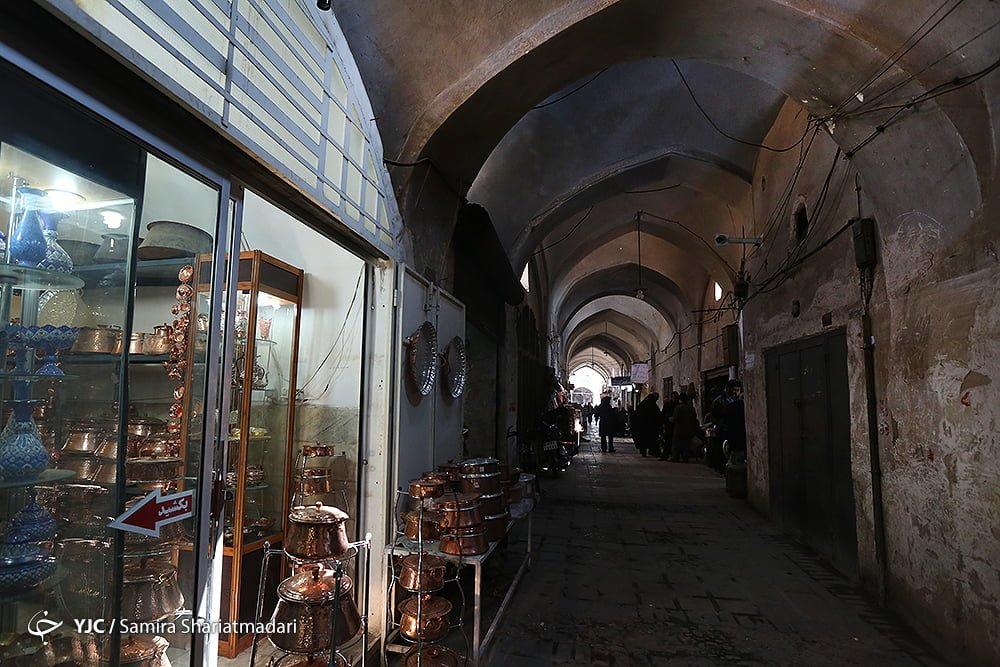
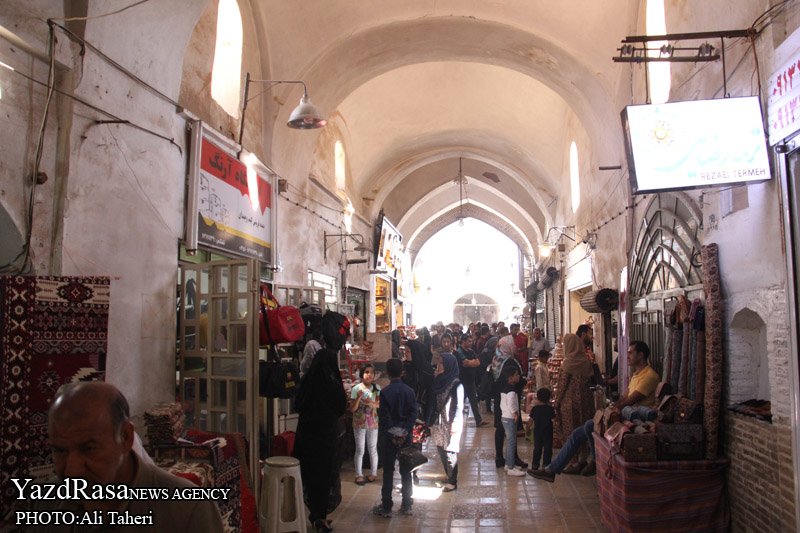
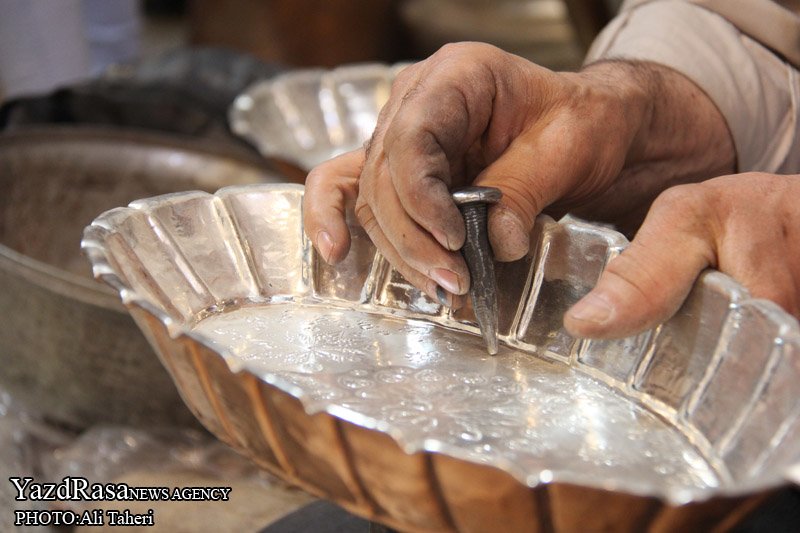
As coppersmiths had a booming business in the past, a market named after them opened in Yazd 600 years ago. The bazaar was a place where copperware was made, bought and sold.
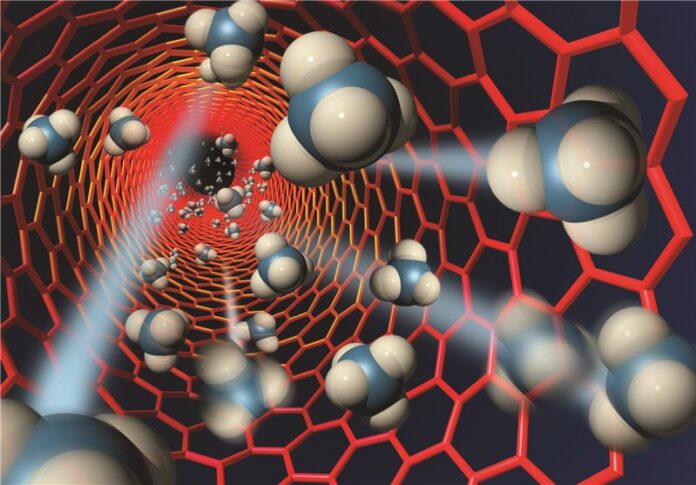
The market has a dome-shaped ceiling with white plaster walls. Of course, the floor of the bazaar, which has been registered on the list of Iran’s National Monuments, has been covered with cobblestones in recent years through the good offices of the cultural heritage authority.

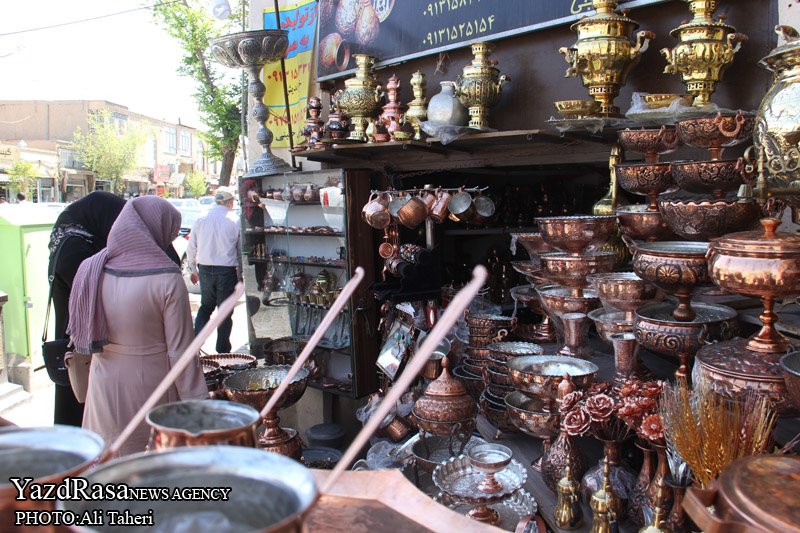
At the moment, all services related to coppersmiths’ business, including selling and repairing copperware, are offered in the bazaar, ISNA reported.
The use of copperware was more common in the past, so much so that it was customary in the past to include copperware in girls’ dowries when they got married and went to live with their husbands under one roof. Most of the cooking was done in copper dishes. Even copper trays were used to entertain guests.

In those days, water jars, bread baskets, sugar pots, bowls, etc. were all made of copper; however, as time went by and dishes made of fluoropolymer (Teflon), cast iron, etc. became all the rage, the use of copperware began to fade away.

Of course, it has been several years that people are turning to copperware again, which has revitalized coppersmiths’ business in Yazd.

What follows are photos of the bazaar retrieved from various sources:

Iran Eager to Establish Science, Technology Park in Syria

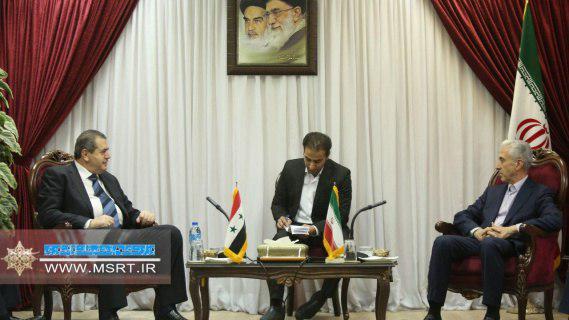
“Considering the [difficult] conditions imposed on the Syrian people, we are ready to engage in any kind of cooperation that helps empower Syria’s scientific and research centres,” Mansour Gholami said in a recent meeting with this Syrian counterpart Atef al-Naddaf in Tehran.

“Establishing science and technology parks in Syria will help boost scientific productions of Syria and prepare the ground for their commercialization,” Gholami said, ISNA reported.

Pointing to the high quality of courses offered by the Syrian universities and their popularity in the region before the Syrian conflict broke out in 2011, Gholami expressed hope they will regain their status.

He said Iran’s research centres and universities can greatly help their Syrian counterparts.

“In terms of science production, we are the top country in the region. At the global level, studies by international monitors indicate Iran ranks 16th on average. In the fields of nanotechnology and biotechnology [products], Iran stands at the ninth and seventh places, respectively,” he said.

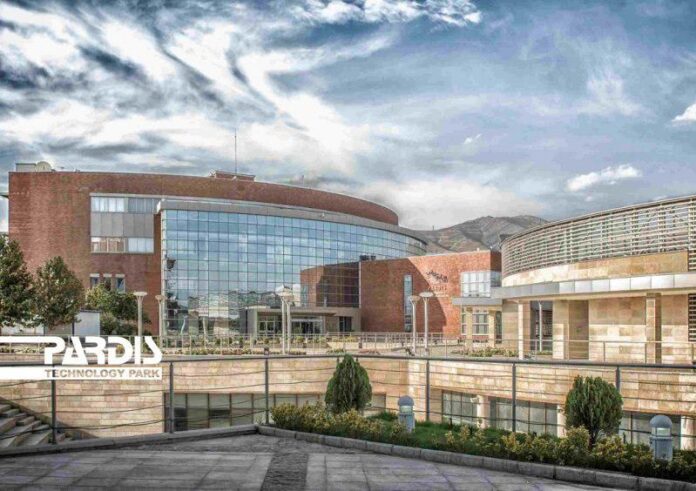
Gholami said Iran is currently home to over 43 science and technology parks, where knowledge-based companies work to exploit the result of scientific studies to develop technologies and commercialize them.

Pointing to the fact that over 4.3 million Iranians are studying at universities, Gholami said thousands of Iranian researchers are cooperating with ministries, organizations and industries to develop the country.

For a brief review of Iran’s achievements in various fields of science and technology, check the book “Science and Technology in Iran: A Brief Review

“Taking into account Iran’s scientific might, the Islamic Republic of Iran is ready to lend a helping hand to friends, neighbours and Muslims. I hope your trip will produce positive results and we can manage to initiate scientific projects between Iranian and Syrian universities,” he said.


Need for Closer Collaboration

For his part, Al-Naddaf pointed to strong bonds of friendship between Tehran and Damascus and Iran’s support for Syria in its hard times, saying the Syrian government eyes scientific cooperation with Tehran to empower its research centres.

“The main goal of enemies in starting the war against Syria was to push us back and prevent our culture and science from developing and that’s why we witnessed the destruction of schools, universities and cultural and historical centres in Syria,” he said.

“I hope these meetings and bilateral agreements will help strengthen scientific and technological relations between the two countries,” he said.

Naddaf invited Gholami to visit Syrian universities and education centres and discuss signing memorandums of understanding between universities of the two countries.

Iran Eager to Establish Science, Technology Park in Syria

“All Plots by Iran’s Enemies Aimed at Bringing Regime Change”

Brigadier General Hossein Salami, the Lieutenant Commander of the Islamic Revolution Guards Corps (IRGC), says all the enemies’ policies are aimed at toppling the Iranian government.

“The centrepiece of all these machinations, including any scenario orchestrated by the enemy and whatever policy adopted by them and put into practice, was to overthrow the [Islamic] System and bring back the rule of domineering powers into the fate of the Iranian nation and into the history of Iran,” said General Salami, as reported by Tasnim.

He said Iranians are people who grew up in tough battlefields and secured their dignity, power and grandeur while grappling with hardships.

He also reiterated that hegemonic powers bear animosity towards the Iranian nation.

The top general said the enemies wouldn’t have thought that Iran would be so glorious, great and invincible on the world stage 40 years after the triumph of the 1979 Islamic Revolution.

“Every single conspiracy engineered by them has helped boost and promote one dimension of our power,” he said.

“Today, we have an invaluable experience, and that is, we have grown up amid tough struggles. No nation becomes mature, tough and invincible on its own. When the war was imposed on Iran [by the former Iraqi regime in the 1980s], it resulted in the massive defence power that our nation has today,” he said.

“All major enemies are working in tandem and have vowed to deprive the Islamic Establishment of this overarching power,” the top general noted.

By trusting in God, he said, Iran kept the enemies’ dreams from coming true.

“When they besieged us, the beacons of science and knowledge began to glow in the country, and we managed to move neck and neck with modern countries in certain domains of cutting-edge technologies, so much so that the enemy put on its agenda the policy of putting the brakes on Iran’s scientific progress, even by assassinating [Iranian] scientists in the streets,” said the IRGC commander.

Elsewhere in his remarks, he underlined that the war between good and evil is full of wonders.

“This unequal battle has been a wonderful story full of great lessons for all humanity and history and all nations,” he said.

“Everybody would supply [former Iraqi dictator] Saddam [Hussein] with missiles to target Tehran, would give him aircraft that could disrupt the flow of our oil and energy. Iraq had weapons from all modern countries, but the Revolution, nation and the late Imam Khomeini, as the great leader of this nation, worked in tandem and managed to shatter that concentration [of arms],” said the senior commander.

“When our great leader held the flag in his hands, the battlefield changed. Instead of allowing the enemy to approach us, he approached the enemy. We moved towards our enemies; horizons opened up and fronts opened. The Hezbollah youth grew up in Lebanon, the army and Muslim youth in Syria, volunteer forces in Iraq inspired by the Revolution, Ansarullah in Yemen, the youth in Bahrain, […] and our enemies could only watch,” he said.


Emergence of Takfiris and ISIS

The top general also touched upon the emergence of Takfiris in Muslim territories.

“The enemies’ power had been exhausted and they were not able to use their forces. So, they formed Takfiri groups, but the followers of Islam and the Quran entered the scene and purged them from the territory. This showed the emergence of a new power called Islam and in the name of a great revolution, and today the enemy feels that it has lost parts of the territories that it dominated and feels it cannot take them back,” he said.


Sanctions and Using Economy as a Tool

General Salami further referred to the enemies’ new plots, saying, “Today, the enemy has pushed the war to other dimensions. The enemy feels today that it should make every effort, so it has gone into action by launching a major economic onslaught; but there is one reality: We have faced lots of threats and we are no strangers to threats.”

He further said the enemy wants to create the impression that members of some trade unions in Iran who have staged protests over livelihood issues and concerns over economy are against the Establishment, but that is not true.

He stressed that Iran’s plan is to defeat the enemy, and will do so.

Iran Condemns Continued Air Strikes on Yemeni Civilians

In a Wednesday statement, Qassemi expressed sympathy with the families of the victims of the inhumane attack, saying that the air strike was yet another war crime committed by the aggressors.

“The course of the war against the Yemeni people has clearly shown whenever aggressors suffer defeats in the battlefields, they take revenge by intensifying their airstrikes against innocent Yemeni women and children,” he said.

Yemen has since 2015 been a scene to a military aggression by a Saudi-led bloc as part of a so-called democracy-promotion campaign aiming to restore to power the fugitive former president Abdrabbu Mansur Hadi.

Last month, concurrent with the beginning of the 2018 FIFA World Cup, Saudi Arabia and the UAE initiated an operation to take control of Hudaydah port in western Yemen to force Houthi fighters into accepting their solution for political settlement of the conflict.

The operation has so far failed to achieve objectives, including taking control of the port and a route connecting the city to the capital Sana’a.

“Iran Source of Serious Rift between US, Europe”

Abbas Sarvestani has, in an interview with Khabar Online, weighed in on the significance of Iranian President Hassan Rouhani’s trips to Switzerland and Austria at a time when Washington has unilaterally withdrawn from the Iran nuclear deal.

“In fact, the president’s visits are important from two perspectives: First, the trips to the two European countries follow the United States’ pullout from the JCPOA and come amid growing threats by Washington against Iran. Second, President Rouhani’s visits come at the invitation of his European counterparts,” he noted.

In part of his interview, Sarvestani has elaborated on the challenges which have emerged between the United States and Europe.

“The president’s trips to the two European countries, namely Austria and Switzerland, come at a time when the United States’ unilateral withdrawal from the JCPOA and many other international treaties and organizations as well as the outbreak of a tariff war has caused the biggest rift ever between Europe and the US since the end of the Cold War era. This could be regarded as an important event which will have considerable effects on political equations in the region and across the world,” said the analyst.

He said the president’s trip will further stabilize Iran’s logical position.

“Despite efforts by the US and the Arab-Hebrew-Western Axis to isolate the Islamic Republic of Iran and also the White House’s pullout from the JCPOA, Rouhani’s trips to these two countries, given their important role and position in the world and in the European Union, can be seen as a positive step towards [boosting] Iran-Europe ties. Moreover, the positive image of these two countries because of their policy of neutrality and hosting key international institutions and especially talks on the JCPOA can play a positive role in bilateral relations as well as in Tehran’s ties with the EU. Such an event will consolidate the Islamic Republic of Iran’s logical stance on multilateralism in the international system and the necessity of respecting international agreements,” said the expert.

The analyst believes the stability of the Middle East and preventing migration are Austria’s top priority. He says other priorities for Austria during its rotating presidency of the EU are issues such as the Brexit, the EU’s ties with Russia, and the recent developments in transatlantic relations. The analyst believes the JCPOA is undoubtedly one of the key challenges in the domain of transatlantic relations, and one of the top priorities of the EU will be to preserve the JCPOA due to different security and migration reasons.

Sarvestani believes the United States’ withdrawal from the JCPOA was Washington’s second mistake after its unilateral invasion of Iraq during which the US jeopardized the European Union’s security and trade interests because of adopting the strategy of unilateralism. In other words, to EU officials and elite, the JCPOA is reminiscent of Washington’s unilateral attack on Iraq with subsequent trade and security costs for the EU.

The analyst also reiterated that the JCPOA has created uncertainty and raised the question of whether the EU will remain a political dwarf or it has gained the ability to look after its citizens and has what it takes to stand up to the disastrous and costly decisions made by the US for the European continent. It seems the US withdrawal from the JCPOA and the declaration of a trade war with the EU has turned into a call for the awakening of the continent and the stabilization of values and principles that have shaped the EU’s distinct foreign policy over the past six decades.

Therefore, it seems that the European Union, having learned a lesson form its past mistakes, will adopt a firm position against Trump in order to prevent the emergence of another crisis in the Middle East.

The analyst touched upon the EU’s efforts to preserve the JCPOA and stressed that the EU believes the only way to maintain the nuclear deal is through securing Iran’s national interests.

“By adopting a single strategy led by France, Germany and Britain, and with the cooperation of China and Russia, the European Union seeks to offer an acceptable package to preserve the JCPOA and keep the Islamic Republic of Iran in the deal,” said the analyst.

He said the key challenge to the maintenance of the nuclear deal is the issue of secondary sanctions and the penalties imposed on non-American companies.

“Given the trend of the trade war between the two sides of the Atlantic and the fundamental differences in the domain of international issues, the capitalism gap and the trade war between the US and the EU are likely to grow,” he noted.

Sarvestani underscored that there is a whole variety of potentialities within the European Union in order to oppose the White House and reject Washington’s sanctions against Iran. One of the potentialities, he said, is for the EU to block sanctions and keep European banks from getting on board with US sanctions against Iran.

“Given some private companies’ failure to align themselves with the policy of blocking the bans, concerns over secondary sanctions and the importance of oil sales for our country, it is predicted that the policy of blocking and opposing the sanctions will be mostly implemented in the domain of oil trade. To that end, European countries will keep importing oil from Iran,” he said.

The analyst underlined the undeniable importance of the JCPOA for Iran and Europe, and said the current situation is a test to measure how much effort the P4+1 group has put into preserving the nuclear deal.

“It is an important test for the European Union in that it has an opportunity to expand Europe’s influence in the world and to oppose the United States’ unilateral decisions. For the Islamic Republic of Iran, it is a test to stabilize its fundamental and logical positions based on international norms and also to isolate the US in the domain of the international system,” he said.

He said the United States is a country which seeks to push Iran towards nuclear activities in order to inflict the cost of Washington’s withdrawal from the JCPOA on Tehran.

The analyst underlined that the solutions put forward by the Iranian president are the best strategy for the country’s foreign policy.

“The most appropriate mechanisms which exist in our country’s foreign policy domain are constructive talks and engagement with the European countries opposing unilateralism such as Switzerland and Austria as well countries which are influential on the international stage, the maintenance of the JCPOA, respect for international agreements, and the adoption of a policy of patience vis-à-vis the US and Washington’s regional allies. So, Rouhani’s trip could be a step towards normalizing the condition of Tehran’s foreign policy during the era following Washington’s withdrawal from the JCPOA and lay the groundwork for working out a diplomatic solution,” he said.

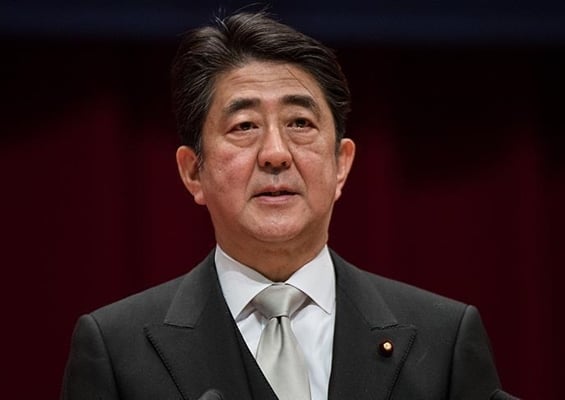
Iran Says No Trip to Tehran by Japanese PM on Agenda

Qassemi made the comment in reaction to reports suggesting a visit to Iran by Shinzo Abe had been cancelled.

“There has been no talks and plans on the Japanese premier’s trip to Iran after all; so, talk of its cancellation is pointless,” he said in a Tuesday statement.

“The news circulated by some Japanese news agencies is untrue and sheer lies,” he said.

The spokesman described age-old Tehran-Tokyo as very good.

“We welcome the promotion of ties at all levels with Japan as an old friend and partner, but no trip to Iran has been on the agenda in the foreseeable future,” he noted.

“Iran Keeping Pace with Top Developed States in Nanotechnology”

Nanotechnology

Sarkar says Iran has fortunately managed to start working on nanotechnology in an appropriate time.

“Iran Keeping Pace with Top Developed States in Nanotechnology”“We began working on the technology almost at the same pace at which such developed states like the US, Germany, Japan, and South Korea did,” he told the Iran Front Page in an exclusive interview.

He said he is pleased to see that Iran has paid so much attention to nanotechnology, stressing that the formation of the Iran Nanotechnology Initiative Council to oversee the nanotechnology activates in the country was a correct and prudent decision.

“The INIC is responsible for promotion, education, Research and Development (R&D), industrialization, and commercialization of nanotechnology in Iran,” he went on to say.

History of Nanotechnology in Iran

According to Sarkar, the INIC was established in 2003 as part of the Presidential Office. “When it was established, the Iranian first vice-president became the head of the country’s Nanotechnology Initiative Council.”Iran nano 2018 - Nanotechnology ExhibitionThe INIC was officially established in 2003, but we had started our studies back in 2001, he said.

After the establishment of the INIC, he said, a 10-year strategic document was developed for the emerging technology.

In that 10-year document, the focus was mostly on the promotion and training of human resources in the field of nanotechnology, he said.

The document also paid attention to building the required infrastructure for the development of nanotechnology, its commercialization, and even its marketing, Sarkar noted.

Our first move was to promote the science at various levels and fields, he said.

The entire society, from those who made the country’s macro-level decisions to students, ordinary people, and pupils, should have realized how important nanotechnology was, he noted.

Our next step was to make so much progress in the field of nanotechnology that no one in the world could ignore Iran when forming a global nanotechnology club, like the one we have in the field of nuclear energy, he went on to say.

“This was one of our best goals to be a pioneer in this field among all countries in the world,” Sarkar noted.

Nanotechnology Exhibition to Bring World’s Leading Firms to Tehran

Sarkar says plans were later devised to let university students at MSc and PhD levels to study nanotechnology.

Currently, PhD programs in nanotechnology are available in 23 universities, and MSc programs in 65 universities, he noted.

There was a time when only ten professors in Iran knew what nanotechnology was, but now we have over 35,000 nanotechnology specialists in the country with MSc and PhD degrees, Sarkar added.

“Iran has done a good job in training human resources, and the country has an outstanding capacity in the world in this regard.”

Iran Holding Fourth Rank after China, US, India

“The Islamic Republic made great strides in achieving scientific development once the human resources received the required training and started their research,” he noted.

“The quantity and quality of our ISI articles is an important yardstick against which to measure a country’s scientific growth. This is what the world pays attention to.

Research articles are considered as a criterion to measure how powerful a country is in the field of science.”

For a brief review of Iran’s achievements in various fields of science and technology, check the book “Science and Technology in Iran: A Brief Review

“Great scientific power helps a country make new inventions and discoveries. This is why we were resolved to achieve such scientific power. We wanted to avoid imitating others. We wanted to be productive,” he added.

“Last year, we produced 8,400 articles in this field, and gained the fourth rank worldwide. Our position was 57 in 2001, and we managed to increase it to the 4th rank in 2017.”

“We used to publish 10 articles a year, but now the number has increased to 22 articles a day, which shows an explosion and a scientific record,” he noted.

“In 2018, China, the US, India, and Iran were the top four countries in nanotechnology.

The first three are very populous countries; so Iran has done a perfect job considering its human resources and population and limitations in financial resources,” he added.

“We did not restrict the scientific growth and development to our universities; rather, we have targeted our pupils as well. We have already provided 750,000 school boys and girls with nanotechnology education,” Sarkar said.

“We have established over 80 nanotechnology labs across the country. All the equipment of these labs has been designed and produced inside the country, and this is very significant and inspiring for a student who goes to the lab and finds out the equipment and machines are not made by other countries.”

He says the country’s progress in this field has been so considerable that the Chinese have asked Iran to launch 10 labs for them with the same equipment. “We have already launched two of the labs for them.”

“In the first 10-year document, we had set a goal to be among the top 10 countries of the world in the field of nanotechnology by 2015, but we managed to rank sixth by the end of the 10-year period,” he noted.

* The second part of the interview

“Iranians Arrested in Belgium Members of MKO Terrorist Cult”

Bahram Qassemi

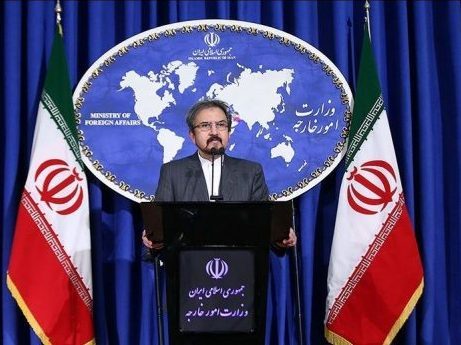
Qassemi made the comment on Tuesday in response to a question posed by a reporter regarding a baseless claim that an Iranian diplomat was involved in an illegal move in a European country.

Qassemi said the terrorist Mujahedeen-e-Khalq Organization (MKO) has devised the scenario to affect the Iranian president’s ongoing successful trips to Switzerland and Austria.

He also noted that the terrorist cult hatches such plots to make up for the failure of its annual meeting in Paris and its failure to win political support to advance its anti-human and anti-Iran objectives.

According to Qassemi, the MKO terrorists try to undermine the status and position of Iran and Iranians in the court of public opinion in Europe at this juncture.

“As the Islamic Republic of Iran has announced time and again, it condemns and rejects any act of violence and terror in any form and in any place across the world,” he noted.

“Based on the information available, the individuals arrested in Belgium are among the MKO’s notorious and operational elements,” he noted.

“Relevant Iranian authorities are prepared to offer the necessary cooperation by presenting the required documents and evidence to shed light on the real dimensions of this pre-planned scenario orchestrated by the terrorist group,” he added.

Iran Nuclear Deal Key to Global Peace, Security: Rouhani

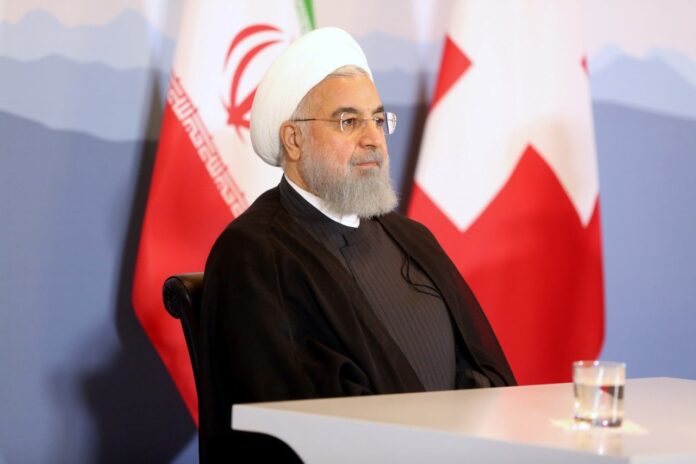
Speaking after a Tuesday ceremony to sign several MoUs with Switzerland, President Rouhani said the Iran nuclear deal could contribute to enhancement of relations between Tehran and the whole world had the US lived up to its commitments.

“Iran and Switzerland both believe that the Iran nuclear deal is a significant achievement made after marathon talks between Tehran and world powers and its survival is in the interest of global peace and security.”

He then added the JCPOA was also discussed during his talks with the Swiss president, noting that the two sides underlined that all involved states should play their roles in preserving the multinational deal as well as the relevant UN Security Council resolutions especially the UNSC Resolution 2231.

Rouhani, who arrived in Switzerland on Monday and is expected to visit Austria on Wednesday, plans to confer with European officials on a package the EU is preparing to save the Iran nuclear deal following the US’ unilateral withdrawal.

European countries will provide Iran with the package on Friday during a ministerial meeting of Iran and the P4+1, an Iranian official said.

The Friday meeting will be held in Vienna as the first of its kind after the US exit. The package is aimed at convincing the Islamic Republic to remain in the nuclear deal after the US withdrawal, a report by ISNA said.


US Officials Making Nonsense Statements on Iran Oil Exports

In response to a question on whether or not Iran will close the Strait of Hormuz in retaliation for the US efforts to take down Iran’s oil exports to zero, President Rouhani said, “I think the claims by some US officials to take down Iran oil exports to zero is nonsense. They are incapable of doing so. The US’ move amounts to unilateralism which stands in violation of the international law.”

“The US is seeking to impose its own law on other countries which is against all international rules. It’s impossible to imagine a day during which all regional countries, except Iran, can export their oil.”

He then reacted to his Swiss counterpart’s remarks on the recognition of the Zionist regime and underlined Iran views the Israeli regime as illegitimate and condemns its aggressive policies in the region.