Friday, May 1, 2026
Home Blog Page 355

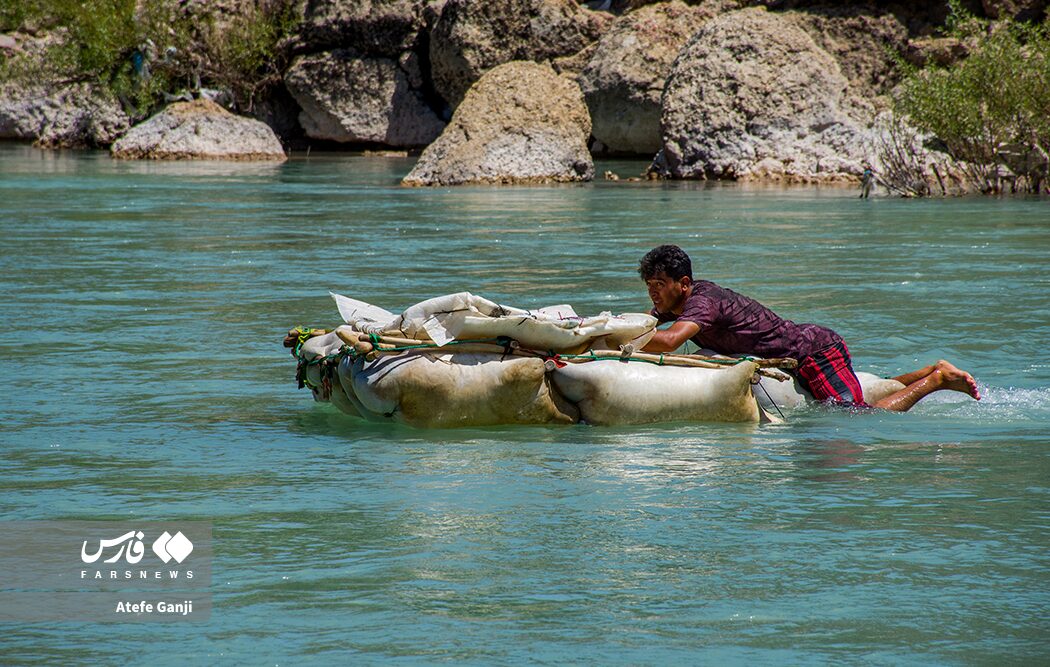
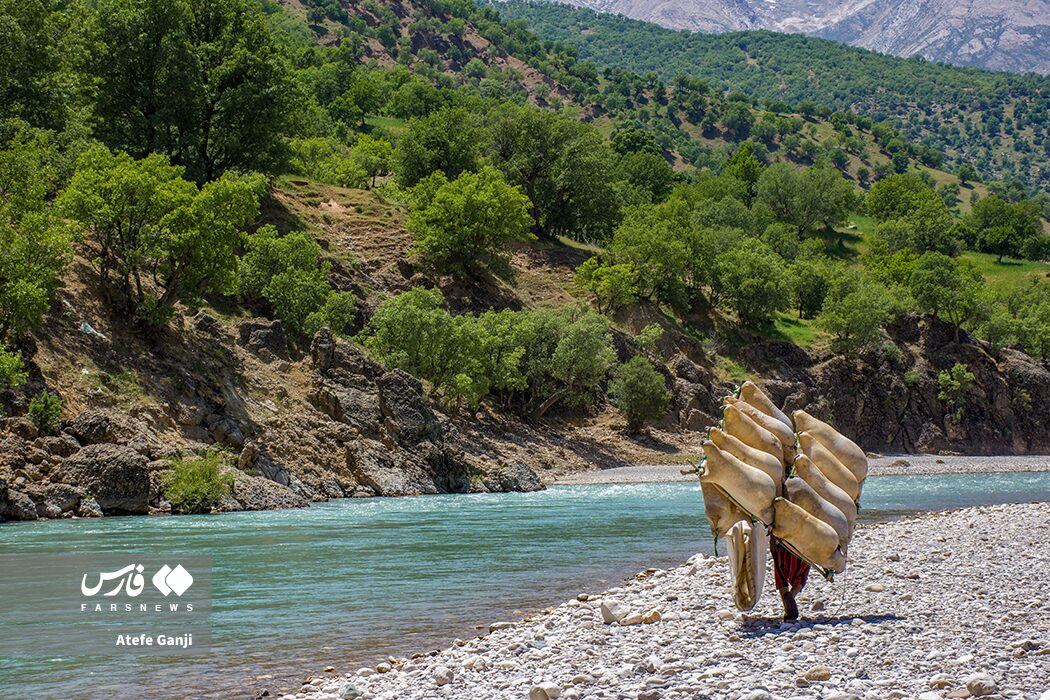
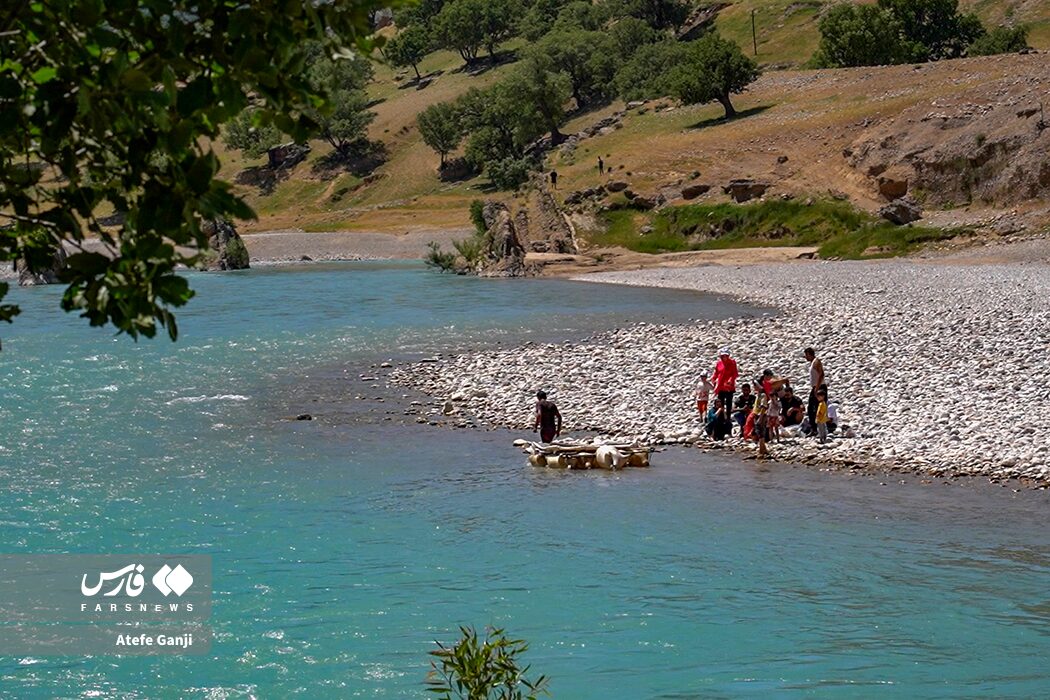
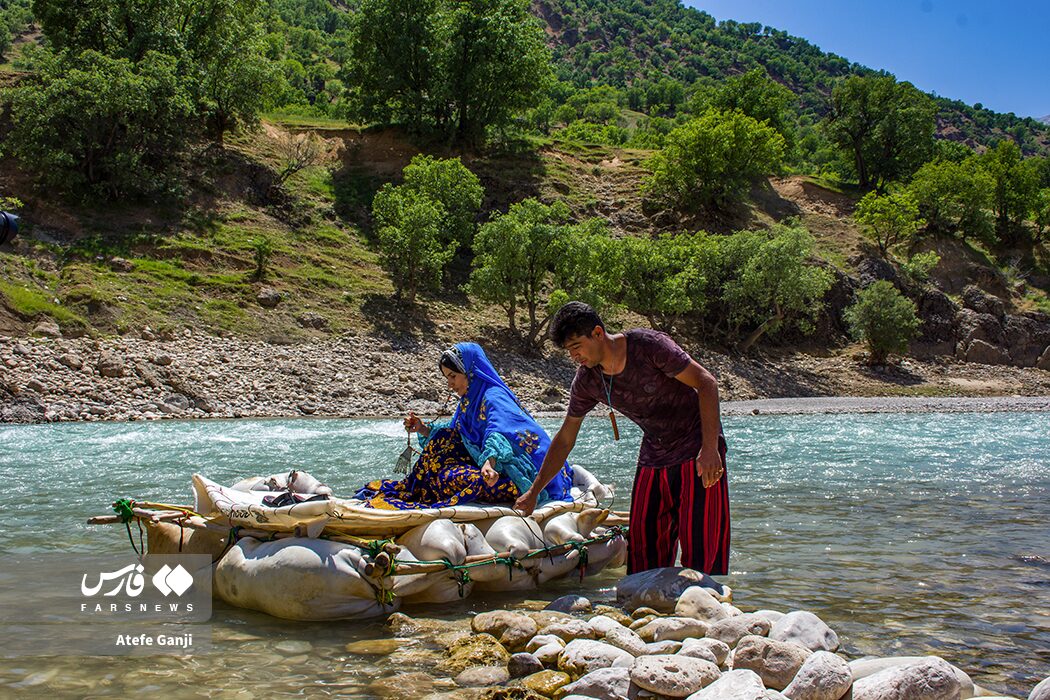
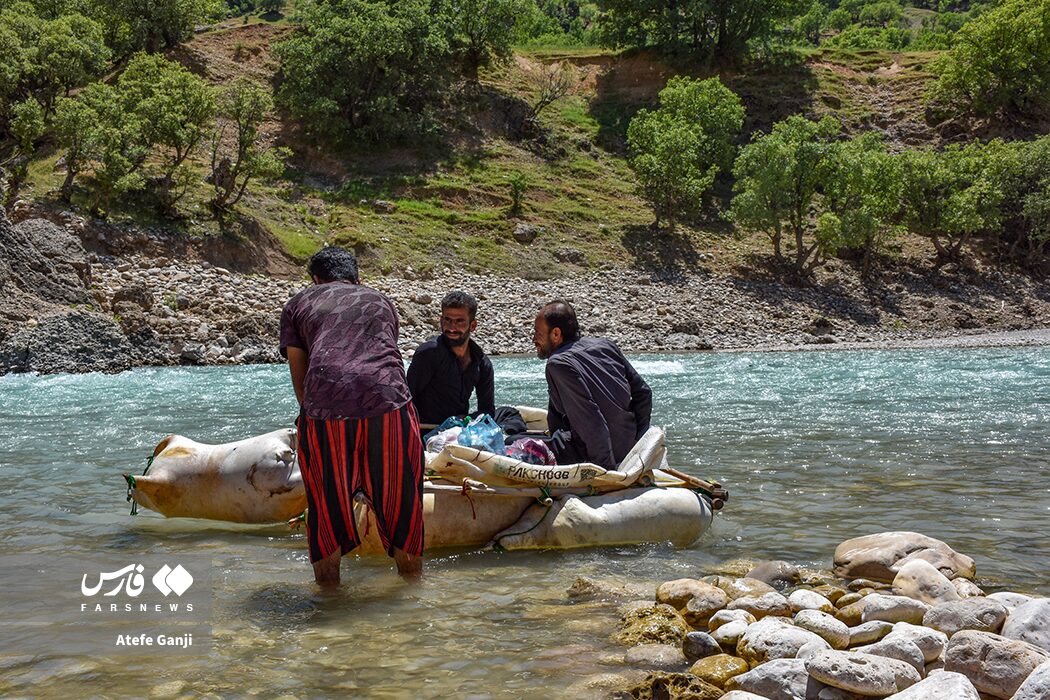
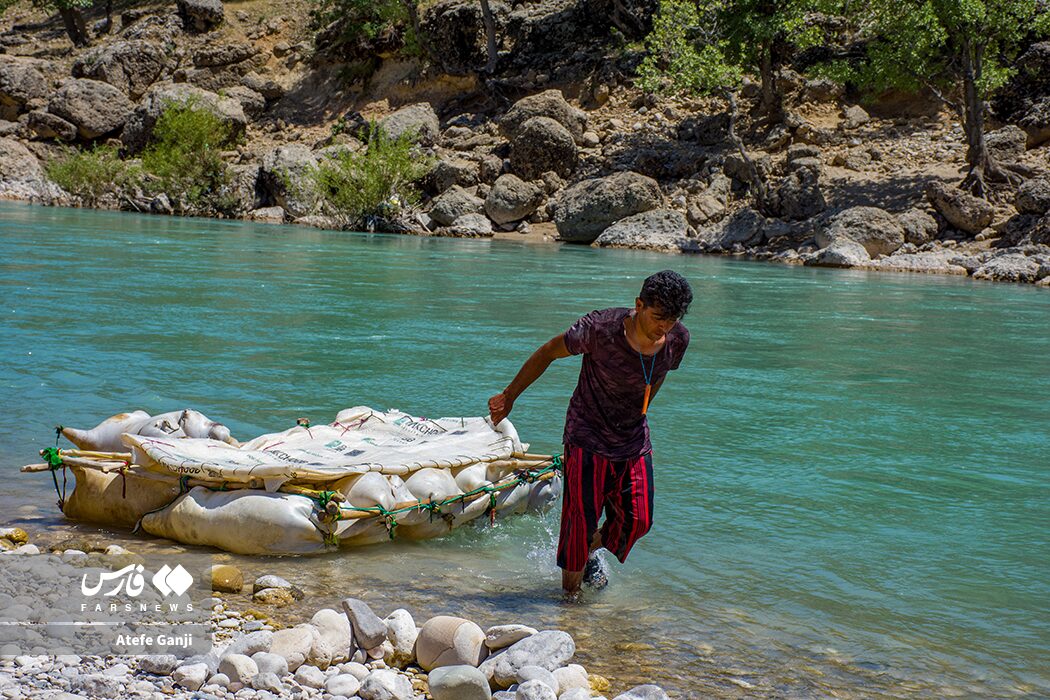
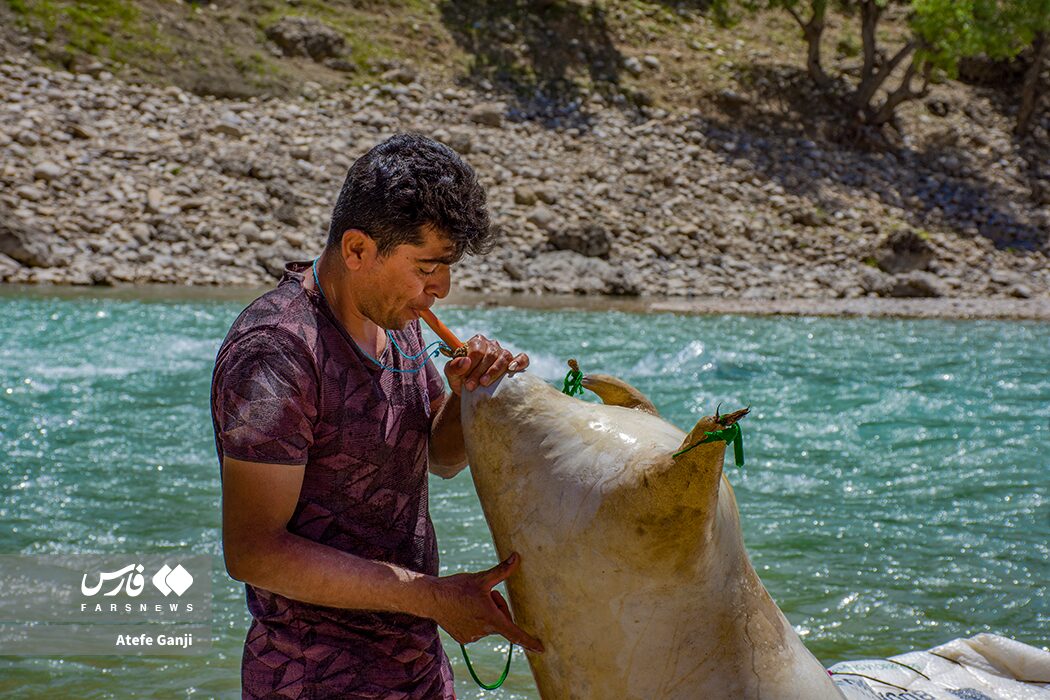
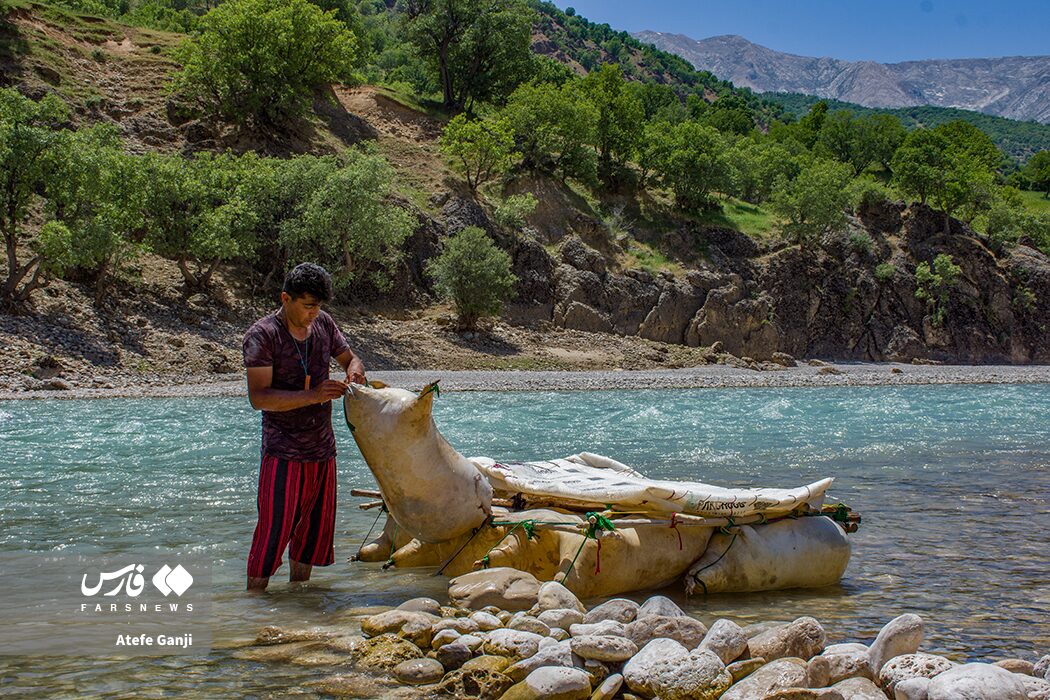
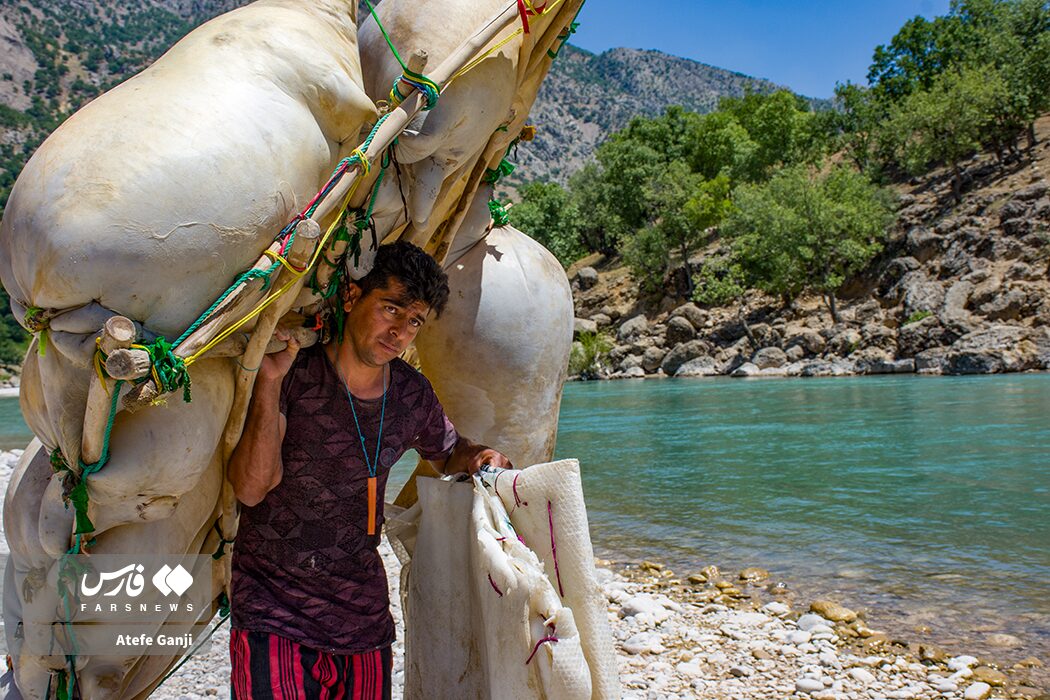
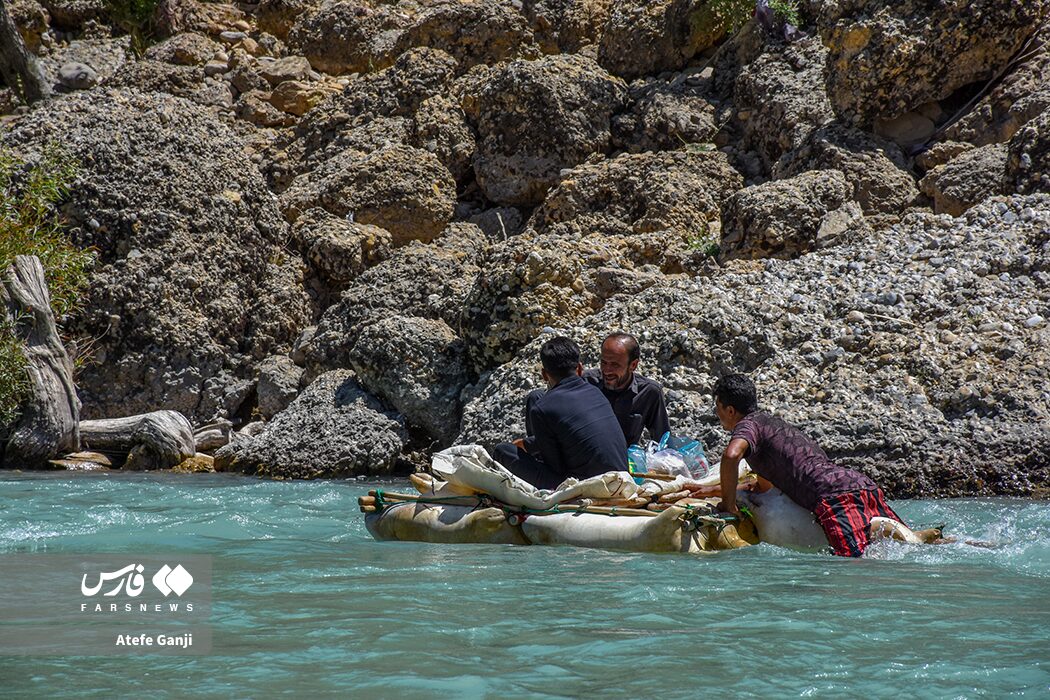
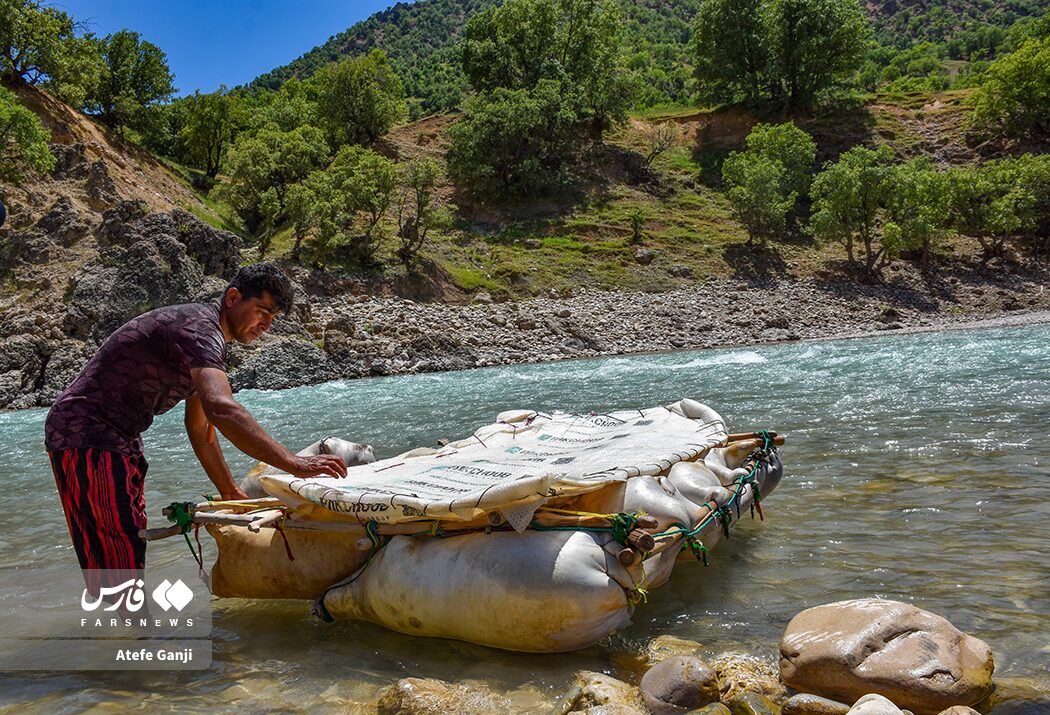
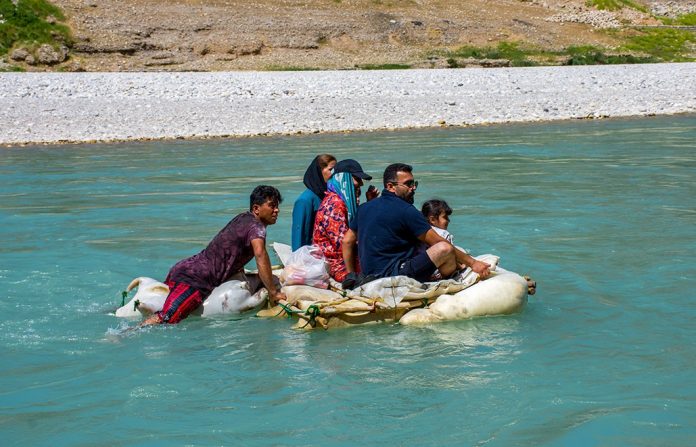
Last Kalak makers of Bakhtiari in mountains of Iran’s Bazoft

The kalak is a traditional boat crafted from wood and inflated sheep skins. Once the only means for the Bakhtiari to cross rivers, this simple yet vital vessel played a crucial role in their nomadic lifestyle.

Today, these artisans preserve this heritage, keeping alive a symbol of resilience and connection to their environment.

More in pictures:

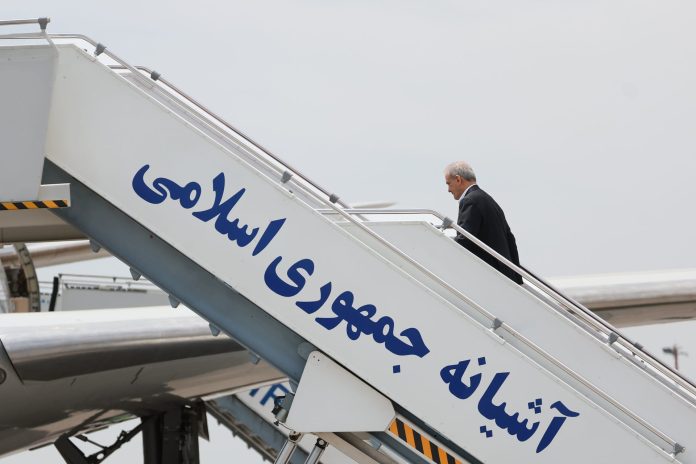
Iranian president departs for Oman to expand bilateral ties, address regional issues

Masoud Pezeshkian

Prior to departure, Pezeshkian emphasized the growing trade and diplomatic relations between the two nations, noting a bilateral trade volume of $2.3 billion and the intention to expand cooperation across political, economic, cultural, and scientific fields.

Accompanied by key cabinet ministers, including Foreign Minister Seyed Abbas Araghchi, Defense Minister General Aziz Nasirzadeh, and several other senior officials, Pezeshkian is expected to hold private talks with the sultan, followed by a joint session between high-ranking delegations.

Pezeshkian stated that the trip aligns with Iran’s neighborhood diplomacy and aims to bolster regional peace, particularly through unified opposition to the humanitarian crisis in Gaza.

This visit comes as Oman acts as the mediator in nuclear talks between Iran and the US and as Muscat has offered an imitative, whose details are yet unknown, to get the negotiating sides out of a sticking point after five rounds of talks.

US considers imposing sanctions on Russia in coming days: WSJ

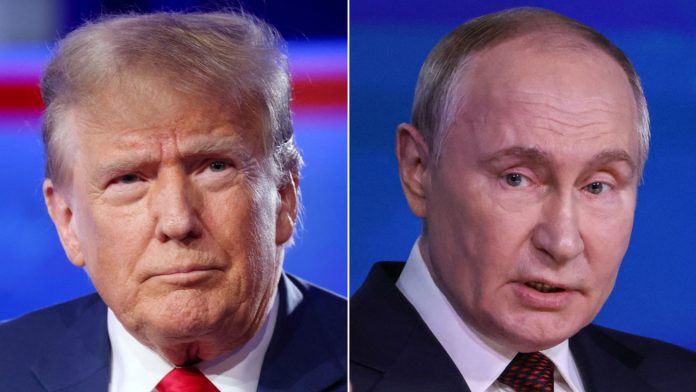
Putin and Trump

The sanctions would reportedly be imposed to push Russia to the negotiating table but may not include additional banking restrictions, people familiar with Trump’s thinking told the WSJ.

Trump is also considering abandoning peace efforts if a final effort to end Russia’s war is unsuccessful, the WSJ reported, citing people familiar with Trump’s thinking.

Trump’s stance on U.S. sanctions against Russia has been unclear. Trump has refused to impose sanctions on Russia as it may hinder future business and trade opportunities, the New York Times reported on May 20, citing a White House official.

On May 25, Trump condemned Russian President Vladimir Putin for increased Russian attacks on Ukraine, saying he’s “not happy with Putin.”

Russia launched over 900 strike drones over the last three days, in addition to cruise and ballistic missiles, President Volodymyr Zelensky stated.

“Over 900 attack drones launched against Ukraine in just three days, along with ballistic and cruise missiles. There is no military logic in this, but it is a clear political choice — the choice of Putin, the choice of Russia — the choice to keep waging war and destroying lives,” he added.

Trump recently held a two-hour phone call with Putin during which Russia reiterated its refusal to a full ceasefire in its war against Ukraine. The U.S. failed to respond with any significant pressure.

“He’s killing a lot of people… I don’t know what the hell happened to Putin, I’ve known him for a long time,” Trump said on May 25.

In the same statement, Trump told journalists sanctions against Russia could be on the table amid Russia’s intensified attacks.

EU, US divided on enforcing sanctions on Russia over Ukraine war: Report

US EU

According to the document the EU’s sanctions envoy David O’Sullivan lamented the lack unity between Brussels and Washington towards anti-Russia restrictions, during an EU Foreign Affairs Council meeting last week.

Since the Ukraine conflict escalated in 2022, the US and EU have imposed sweeping sanctions to isolate Russia, including bans on seaborne oil, asset freezes, and restrictions targeting the country’s economy, trade, and defense sectors.

Recent efforts have focused on alleged sanctions evasion, citing purported attempts by Russia to acquire weapons components through third parties using a so-called “shadow fleet”, a Western term for tankers operating outside recognised insurance systems. The EU has been pushing for additional measures to prevent vessels from operating, including by sanctioning Russia’s trade partners, such as China.

According to the report, however, the US does not support Brussels’ moves: O’Sullivan at the meeting reportedly acknowledged a total breakdown in coordination with Washington on measures targeting Russia.

“There is no more joint outreach,” he reportedly admitted, adding that G7 cooperation has also “lost momentum.”

US President Donald Trump has threatened tougher sanctions on Russia if negotiations to end the Ukraine conflict fail, without naming any concrete proposals. He has repeatedly noted that he looks forward to boosting trade and economic cooperation with Russia once the conflict is over.

Officials cited in the report believe he is looking to restore business ties sooner rather than later. A recent Bloomberg report citing EU sources also claimed the US has become “unresponsive” in working groups focused on sanctions enforcement.

The next EU sanctions package is expected to target Russia’s energy and banking sectors, the report notes, but its approval is now uncertain. Hungary, which has repeatedly opposed sanctions, is reportedly blocking key elements of the proposal. Washington’s fading support has further cast doubt on its passage.

German MEP Sergey Lagodinsky told Süddeutsche Zeitung that a full US withdrawal from the sanctions regime would likely bring the entire system to a halt.

“The problem is that the US has been the de facto driving force behind the sanctions,” he stated.

Moscow has repeatedly denounced Western sanctions as illegal and ineffective, arguing they have failed to destabilize the Russian economy and have instead backfired on the countries that imposed them.

Iranian police officer killed in line of duty during anti-drug operation

Iran Police

Lieutenant Ali Saeedi, an officer from Falard’s Police Station, was fatally struck by a drug trafficker’s vehicle while attempting to intercept the suspect, said Brigadier General Hossein Amjedian, the provincial police chief.

The suspect was immediately apprehended at the scene, and 59 kilograms of various illicit drugs were discovered in the vehicle, which was being used as a high-speed “shootee” car – a term used in Iran for vehicles modified for smuggling.

Lieutenant Saeedi, originally from Falard County, is survived by his wife and two daughters.

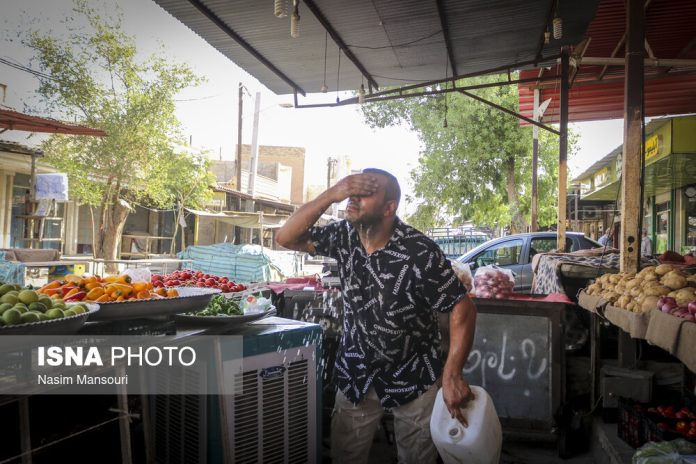
Iran faces worst water crisis in decades amid 40% drop in rainfall

Water Crisis

Firooz Ghasemzadeh, Director General of Iran’s Office of Water Information and Data, said total rainfall since the beginning of the water year (late September) has reached just 141.7 mm, far below the long-term average of 230.6 mm. This marks a 39% decline compared to the historical norm and a 40% drop from the same period last year.

Provinces in southern and central Iran, including Tehran, Sistan and Baluchestan, Hormozgan, Bushehr, Khuzestan, Yazd, and Kohgiluyeh and Boyer-Ahmad, have experienced rainfall deficits of up to 70%, placing their water reserves in an extremely critical state.

Water inflow to the nation’s dams since the beginning of the water year totals 20.23 billion cubic meters, down 42% from the previous year. Current dam storage stands at 26.9 billion cubic meters, a 23% year-on-year decline.

Ghasemzadeh urged immediate action to reform agricultural water usage and shift to more water-efficient crops. He also called for public cooperation, emphasizing that “every saved liter of water could prove vital” as the country braces for a dry summer.

Iran’s Hajj authority urges pilgrims to avoid divisive acts following controversial remarks

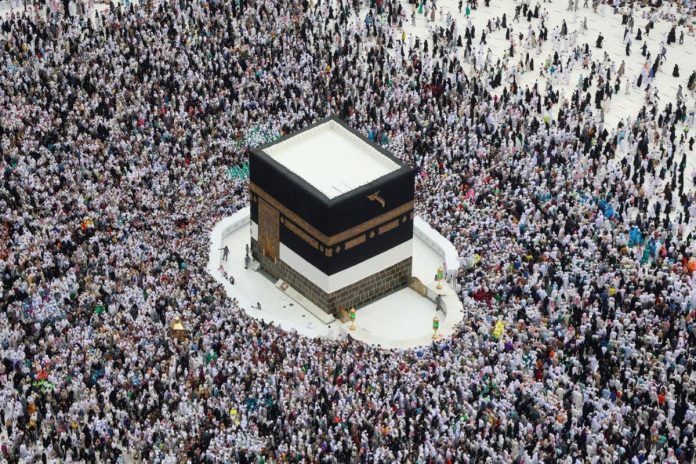
Hajj

Speaking at a gathering of volunteer Hajj aides on Monday night, Alireza Bayat, head of the organization, emphasized the importance of unity among Muslims and urged Iranian pilgrims to steer clear of divisive behavior.

“We must all refrain from actions that could lead to division and fragmentation,” he said, stressing the need for full compliance with the host country’s regulations.

Bayat also expressed appreciation for Saudi Arabia’s cooperation in facilitating this year’s pilgrimage.

According to official data, over 68,000 Iranian pilgrims have so far arrived in Saudi Arabia with minimal delays, contributing to a smooth operation.

The statement comes in the wake of remarks by Ghasemian, who accused Saudi Arabia of turning Mecca and Medina into “centers of immorality.”

Iranian officials have not formally addressed Ghasemian’s claims but have reiterated the importance of religious unity and diplomatic decorum during Hajj.

Iran steps up expulsion of undocumented Afghan migrants, ends access to key services

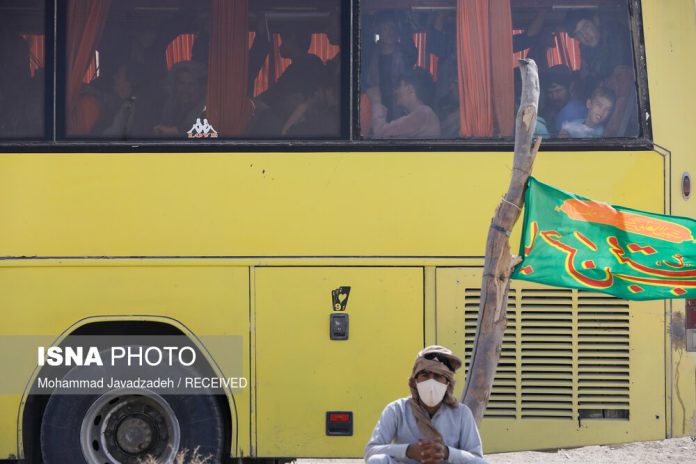
Afghan Refugee in Iran

Nader Yarahmadi, head of the Foreign Nationals and Immigrants Affairs Office, stated in a radio interview that the government had refrained from mass deportations so far “due to humanitarian concerns and the specific needs of migrant families.”

However, he emphasized that the voluntary departure of undocumented migrants is now being strongly encouraged.

The government has now annulled census cards issued to undocumented migrants and begun cutting off their access to public education and health systems.

“Those who remain without legal documentation will gradually be denied basic services,” Yarahmadi said, adding that only children with valid legal documents will be allowed to continue their schooling.

While acknowledging Iran’s historical hospitality towards displaced individuals, particularly due to regional conflicts, Yarahmadi said the prolonged presence of undocumented migrants has placed growing pressure on national infrastructure.

Migrants who voluntarily exit the country may be eligible for certain visa facilitation measures to re-enter legally, while those who are apprehended will lose these privileges, he said.

WHO warns of ‘zero-stock’ levels of essential medical supplies, equipment in Gaza amid war, blockade

Gaza War

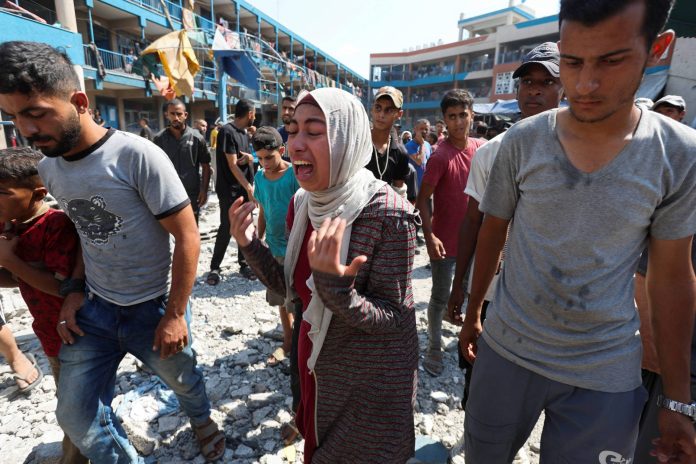
As much as “43% of essential medicines are at zero-stock levels in addition to 64% of medical supplies and 42% of vaccines,” Ahmed Zouiten, WHO’s regional emergency director for Eastern Mediterranean, told an Association of Accredited Correspondents at the United Nations (ACANU) media briefing in Geneva.

According to the WHO, patients with chronic and life-threatening conditions — including kidney failure, cancer, blood disorders, and cardiovascular disease — are among the most affected.

WHO Regional Director for the Eastern Mediterranean Hanan Balkhy confirmed the continuing blockade of life-saving materials.

“No WHO trucks have crossed into Gaza yet. Fifty-one WHO trucks in Arish and the West Bank (are) waiting for approval to enter,” she added.

Elobrating further on “zero stock” levels of essential medicines, Balkhy said: “Imagine a surgeon needing to fix a broken bone with very minimum equipment, no anesthesia, no sanitizers, no facilities to do sterilization … You need IV fluids. You need cannulas, needles, and bandages. Those are just the basic minimum. They do not exist in the quantities nor the numbers that are required.”

She also warned of the toll on patients with chronic illnesses.

“Even in conflict and war time, there are patients that have hypertension, they have diabetes, they have mental diseases that they need treatment for … all types of basic medications … they are struggling to have the basics.”

Rejecting international calls for a ceasefire, the Israeli army has pursued a brutal offensive against Gaza since October 2023, killing nearly 54,000 Palestinians, most of them women and children.

Syrian DM vows to build army with ‘national doctrine’ under unified command

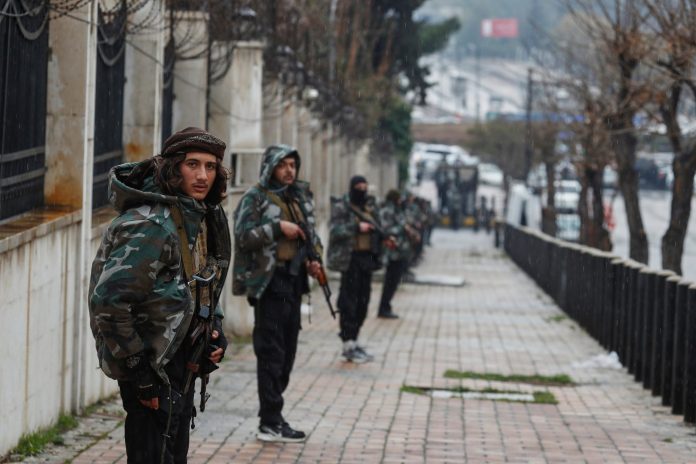
In an interview with Syria’s state-run Al-Ikhbariya television channel, Abu Qasra said that the previous Syrian army’s reputation was tarnished by crimes against citizens.

“We are working to bridge the gap between the army and the people,” he added.

The defense minister said his ministry met with approximately 130 factions to discuss the new army structure and achieved significant success in integrating them under the ministry, adding: “No group will be allowed to act outside the Defense Ministry’s authority.”

The ministry is collaborating with the Interior Ministry to pursue remnants of the former Bashar al-Assad government, confiscate weapons, restrict arms to state control, and prevent abuses against Syrians, Abu Qasra continued.

The ministry is reorganizing the armed forces, activating officers and personnel to enhance efficiency and institutional operations, he said, adding efforts are underway to restore military educational facilities to prepare for new recruits.

Speaking about defected officers from the previous regime, Abu Qasra said that they are eager to contribute to rebuilding the armed forces and serving the country, adding: “We are working to recruit them.”

The defense minister emphasized plans to “build an army with a national military doctrine that protects the Syrian people,” stating: “We want a professional volunteer army so that loyal soldiers will join it.”

On May 17, Abu Qasra announced the unification of all military units under the Defense Ministry, a move aimed at unifying the military structure within a unified institutional framework.

Assad, Syria’s leader for nearly 25 years, fled to Russia in late last year.

Ahmad al-Sharaa, who led anti-government forces to oust Assad, was declared president for a transitional period in January.