Monday, December 29, 2025
Home Blog Page 3525

French Video-Mapping Artist Impressed by Iranians’ Lavish Hospitality

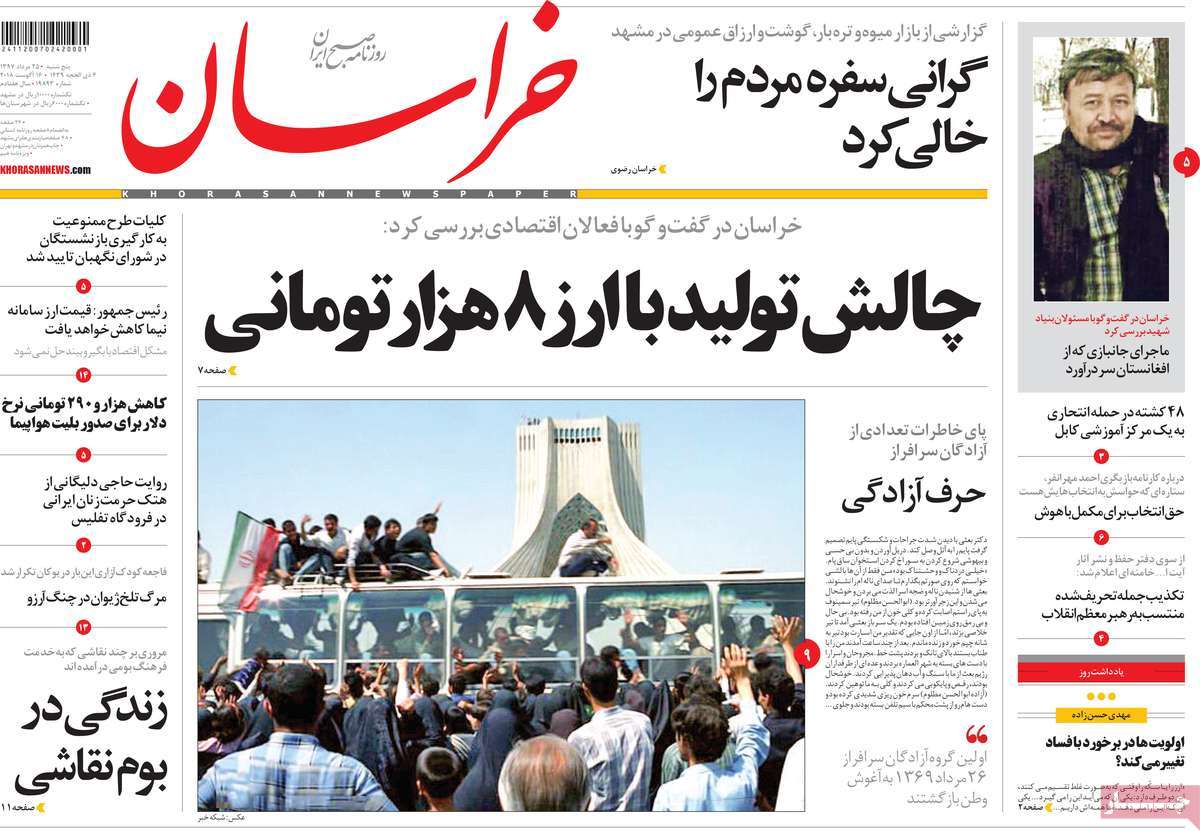
De Gerando, who staged a projection mapping performance at Tehran’s Azadi Tower last week, told IRNA the Iranians’ rich culture and their lavish hospitality has fascinated him.

Projection mapping, also known as video mapping and spatial augmented reality, is a projection technology used to turn objects, often irregularly shaped, into a display surface for video projection.

Accompanied by music, the show was dubbed “Le Labyrinthe du Temps et la Tour Azadi” (The Labyrinth of Time and Azadi Tower).

De Gérando, 53, has written several works for orchestras performed at Radio France and has won national and international awards.

His multimedia works have been staged on numerous sites across the world.
IRNA has conducted an interview with the French artist. The following is the full text of the interview:
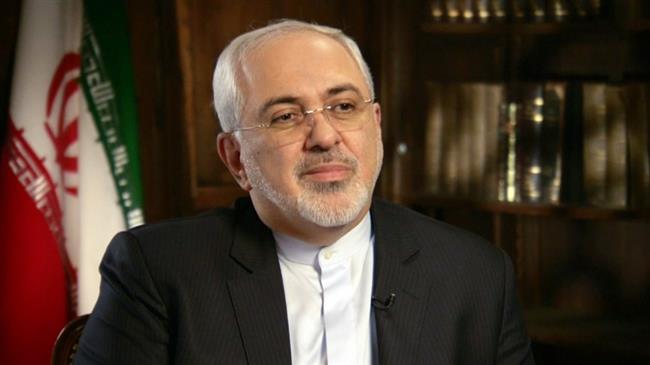
French Video-Mapping Artist Impressed by Iranians’ Lavish Hospitality

  • Tell us about your goal of staging this performance. Did you intend to convey a message?

In fact, my goal is not to have a goal. I’ve been working on video mapping projects for 20 years, since I was a student. My goal of creating this work is not to have a goal. I wanted to create something that I cannot imagine. I wanted to do something that amazes the way I was amazed by seeing such performances. It is difficult to convey this feeling through the words.

  • Why did you choose Iran to put on your performance?

I made this decision following talks with one of my Iranian students. Iran’s culture and land has really impressed me and I found Iran has an incredible culture.

  • Is this your first trip to Iran?

Yes. This is the first time I’m visiting Iran and hear people speaking Persian language.

  • How many days will you stay in Iran after the performance?

I will be in Iran for one more week. These days are a big opportunity for me to get familiar with this culture.

  • What was your perception of Iran before coming to our country? Has this trip changed the perception?

I’ve talked about Iran with my Iranian friends in France and my perception of Iran has always been positive. The Iranian people are known for their cordiality and hospitality. During my trip to Iran, it was quite interesting for me to see Iranians approaching us with a smile and being eager to talk with us.

  • Describe Iran in words?

Breadth, culture, goodness, cordiality, generosity and dynamism.

  • Will this video mapping project run only in Iran?

This performance comes out of 20 to 30 years of experience. Art does not belong to a special place and it belong to the whole globe. Art is a way of creating connections and getting to know cultures. Yes, this show is about Iran, but it is not exclusive to Iran.

  • Tell us about your future plans?

After Iran, I will stage a performance in Berlin. Next year, I intend to give more performances in Iran, particularly Shiraz.

What follows are photos of the video-mapping performance in Tehran’s iconic Azati Square:

Charter Spectrum Introducing Cheap Packages for Its Digital Services

This offer applies to the Internet, Cable TV, and Voice services offered by Spectrum. The packages are available on a complimentary basis (exclusive of all applicable charges and installation fees).

On this occasion, Mr Kevin Owens — the Spokesperson of Charter Spectrum said, “Charter is offering a great chance for its valued customers to hire premium services at affordable costs. The company hopes that the packages announced will be very successful in the United States”.

Mr Kevin Owens added, “Spectrum has impressed the users with its reliable services, and it’s just the beginning, Charter Spectrum will grow more!”

What You’ll Get

  • Unlimited high-speed internet
  • HD TV experience
  • Efficient calling services
  • 24/7 technical support

Now take advantage of impressive Spectrum packages starting from just $29.99/month.

  • Triple Play Packages

Triple Play Select — includes over 125 HD channels, a free DVR, TV Apps, a free security suite, 10,000+ on-demand choices that include TV shows, Movies, and 3D films. Make unlimited nationwide calls with 28 popular voice features. Triple Play Select package costs $89.99/month without any contract or term agreement.

Triple Play Silver — get access to 175+ HD TV channels, free DVR service, Select programming plus with 50 additional sports and network channels including Nick Jr., Biography, Sprout, NFL Network, and much more. The internet speed starts at 100 Mbps that provides enough bandwidth for multiple devices. With Spectrum Voice services, make unlimited nationwide calls with 28 popular voice calling features including private listing, free ‘411’ directory assistance, free Caller ID, Call Waiting, Readable Voicemail, and more. Triple Play Silver package costs $109.99/month without any term agreement.

Triple Play Gold — the subscribers get over 200+ channels in HD with a free DVR service. The internet connection starts from 100 Mbps speed with zero data caps. Make unlimited calls all around the nation and worldwide with 28 unique calling features including free ‘411’ directory assistance. No hidden charges! No contracts! The price for Triple Play Gold is $129.99/month.

The Charter Cable TV service is bringing 10,000+ On-Demand choices for its buyers that include upcoming movies, sports, original shows, and 3D films. With Spectrum TV App, get a free access to 170+ HD channels and enjoy tons of on-demand content from any device at home. Also, with millions of Wi-Fi hotspots accessible all around the country, you can always stay connected on the go. The router can connect multiple devices concurrently by providing high bandwidth. A free Security Suite is included in the package to guard the hackers getting into your computer and protect it from any malicious malware. Moreover, the Parental Control feature prevents the user from encountering any inappropriate content.

In addition, Spectrum Voice offers 28 popular calling features including Voicemail, Call-forwarding, VIP Ring, Speed-dial, Call-waiting, Caller ID, Private Listing, and 411 Directory Assistance is included in the package. Also in case of any power failure, a backup battery is installed. The battery has 8 hours of standby time and 5 hours of talk time to support you in the hour of need. Another enhanced feature of voice service includes emergency call. In case of an emergency, you get a rapid response from the personnel and the company also works with some of the most monitored home security systems in the USA.

You can find the detailed information about Charter Spectrum at 1-833-780-1880 or visit the website www.spectrum.com

Imran Khan Says Pakistan Will Draw Closer to Tehran in His Term

“Improving relations with all neighbouring countries, particularly Iran, will be a priority for Pakistan’s foreign policy. Boosting ties with Tehran is to Pakistan’s benefit,” said Imran Khan, the head of Tehreek-e-Insaf.

Tehreek-e-Insaf (PTI) emerged as largest party in the Wednesday’s general elections.

Imran Khan claimed victory and declared himself as the new prime minister of Pakistan on Thursday, as results trickled in a day after the vote.


Pakistan to Resume Iran Gas Pipeline Project

Speaking to Fars News Agency, Imran Khan said Islamabad will work to boost trade with Tehran, and it will work to implement a gas pipeline contract with Tehran.

“Unfortunately, the peoples party government could not resist pressures imposed by the US to prevent construction of the Iran-Pakistan gas pipeline, but Tehreek-e-Insaf party will do its best to import energy from Iran,” he said.

In 1990s, Iran, Pakistan and India agreed to build a pipeline transferring Iran’s gas. Dubbed the “peace pipeline”, the plan was initially designed to pass through Pakistan into India but New Delhi quit the project in 2009.

Iran says it has completed work on its side of the pipeline up to the border of Pakistan and is ready to deliver the gas but Islamabad has yet to start construction of the line on its territory.

There are speculations that Pakistan has been under pressure to follow other options, including a proposed pipeline from Turkmenistan, nicknamed TAPI.

Pointing to TAPI pipeline, Imran Khan said it won’t be enough to fulfill Pakistan’s demand.

“This pipeline is not comparable to Iran pipeline and even if this project is implemented, Islamabad will need to supply energy from Iran,” he said.

“Iran’s gas is cheaper than LPG imported by Pakistan,” he said.


Defusing Iran-Saudi Arabia Tensions

Imran Khan said his government could play a big role in easing tensions between Iran and Saudi Arabia, which are provoked by Israel.

“Differences between Iran and Saudi Arabia, like other Muslim countries, are a plot by the west and foreign powers. Islamabad and Tehran can work to foil that plot,” he said.

Imran khan said Iran and Pakistan could also work to settle issues in the Muslim world, including those related to extremism and terrorism.


Pakistan’s US Policy to Be Revised

The next government will also reorient its policy towards the US, Imran Khan said.

“The incoming Pakistani government will reconsider its relations with the US. Ties with the country should be based on common interests and mutual respect,” he said.

The latest Election Commission of Pakistan official partial results showed Khan’s party won 115 seats out of the 268 seats counted

Nawaz Sharif’s Pakistan Muslim League-Nawaz (PML-N) had 63 seats, the results showed.

The Pakistan Peoples Party (PPP), led by Bilawal Bhutto Zardari, the son of assassinated two-time prime minister Benazir Bhutto, was third with 43 seats.

Iran Congratulates Pakistan on Successful Holding of Elections

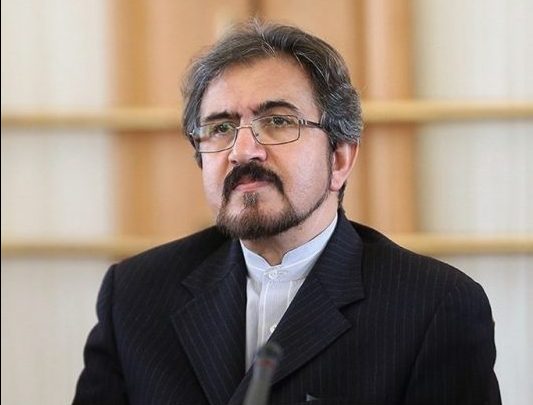
In a Friday statement, Qassemi hailed the parliamentary votes and people’s great turnout, and expressed the hope that the developing relations between the brotherly and neighbouring countries of Iran and Pakistan will be further strengthened in the new government.

“Like in the past, the Islamic Republic of Iran is ready to work to expand the all-round cooperation between the two Muslim countries, especially in the new era, in line with the interests of the two great nations of Iran and Pakistan,” added Qassemi.

General elections were held in Pakistan on 25 July 2018 to elect the members of the 15th National Assembly and the four Provincial Assemblies.

The former Pakistani cricketer Imran Khan and his party Tehreek-e-Insaf won the country’s parliamentary elections, promising a new Pakistan following a vote that was marred by allegations of fraud and militant violence.

Khan, who aspires to be the country’s next prime minister, said in a televised address to the nation that “thanks to God, we won and we were successful”.

Fishermen’s New Year; The Day When No Fish Is Caught

The ceremony is held every year in the last days of July or the first days of August in Qeshm Island in southern Iran.

Persian Gulf settlers believe that all the fish are free to reproduce during Nowruz-e Sayyad, so the fishermen refrain from any fishing and eating aquatics on this day.

In this ceremony, the villagers wear new clothes and paint their animals with a red mud called Gelak and take them to the sea. On this day, the indigenous women receive guests with cooked pastries made from dates called Ranginak.

The 15th festival of Nowruz-e Sayyad was recently held in the village of Salakh in Qeshm Island. At this festival swimming, diving, snorkelling, beach volleyball, and local sports competitions were held.

What follows are photos of this festival retrieved from Mehr News Agency:

Kenya News: Gov’t Secures KSh 1.5bn to Connect More People to Power

The government has secured KSh 1.5 billion in funding for the Last Mile Connectivity program from the African Development Bank.The program is Uhuru’s main unsung achievement, having lit up over 3.6 million homes across the country in just four years. Uhuru now wants to realize the universal connection to reliable and affordable electricity by the year 2020.

President Uhuru Kenyatta’s pledge to have every Kenyan citizen connected to affordable electricity by 2020 is fast turning to reality after the African Development Bank (AfDB) doubled its funding for the initiative.

In what marks a clean bill of health for the Last Mile Connectivity program, the bank’s president, Akinwumi Adesina, lauded the initiative it has been funding, describing it as the most impactful project to the general public.

In reality, the program is arguably the Jubilee government’s main unsung achievement so far, having brought about widespread impact.
In just four years starting 2013, the Last Mile programme saw more Kenyans connected to the grid than were connected in the 50 years since independence.

To read more latest news in Kenya visit this site.

An additional 3.65 million households were connected to the grid, increasing the total number of Kenyans with access to electricity from 12.8 million in 2013 to 33 million in 2017.

Uhuru followed up on this success in 2017 with a fresh pledge to ensure every citizen is connected to reliable and affordable electricity by 2020.

The realisation of the pledge has now gained root early into his second term after Adesina toured the country and pledged to fund the second phase of the program to a tune of KSh 1.5 billion – the same amount it gave for phase one – taking the total funding to KSh 3 billion.

Speaking when he launched the second phase in Rongai, Nakuru County, Adesina underlined the transformative nature of the initiative.

“We are happy with the work done by the government in enhancing connectivity for Kenyan citizens from the funds we have advanced to the country. We will double our funds to implement the project to spur economic development across the country,” he said.

Adesina said the millions of households connected to power can now live quality lives and run businesses smoothly courtesy of the innovative model that has seen the government subsidise the cost of connection from KSh 35,000 to KSh 15,000.

He lauded the president for overseeing the connection of 72% of Kenyans – up from 25% in 2013 – to the national grid and underlined the need to achieve the projected 98% coverage come 2022.

“It is such a bad feeling when people see power lines passing over their homes yet they are not connected and President Uhuru Kenyatta through the Last Mile Connectivity wants to end that turmoil,” said the AFDB president, who was flanked by Energy Cabinet Secretary Charles Keter and his Finance counterpart Henry Rotich.

Adesina noted approximately 300,000 children die in Africa annually from kerosene smoke and a similar number of women died due to smoke-related complications due to lack of power, a problem the ongoing initiative should resolve.

Under Uhuru’s electrification programme since 2013, the government also managed to connect 15,137 public primary schools to electricity.

This was about double the number of schools connected since independence and catapulted to an impressive 97% the total coverage of connected public primary schools in Kenya.

EU’s Package to Save JCPOA “Sensible” at Macro Level: Iran

Speaking during his trip to the Qom Province on Thursday, Larijani said the offers are currently being codified by Europeans.

“During the negotiations, Europeans made offers on [facilitating Iran’s] oil sale, organize banking affairs and [settling] export issues. It was decided that they pass rules and regulations in the EU that facilitate trade with Iran,” ISNA quoted him as saying.

“At the macro level, Europeans’ offers were sensible and they need to be detailed and turned into executive instructions,” he said, adding that talks are underway between Iran’s Foreign Ministry and the European sides.

Larijani said Iran will make up its mind about JCPOA after the outcomes of the talks were determined.

Following the US’ withdrawal from the nuclear deal early May, Iran announced its continued commitment to the deal is conditional on EU’s binding guarantees assuring Tehran its interests will be served if it remains in the deal.

The package has been drafted by France, the UK and Germany, the three European parties to the 2015 nuclear accord.

According to the plan, the European Investment Bank is obliged to support European firms willing to enter Iranian markets.

Iranian President Hassan Rouhani discussed the package with European officials during his visit to Switzerland and Austria earlier this month.

Reopening Strait of Hormuz May Take Several Weeks: US Admiral

In a recent piece published in Bloomberg, Stavridis has written that just as Iran has detailed plans to close the strait, the US has contingency plans to respond and reopen it.

However, he added, this would be a longer process than many people suspect, especially if Iran had the opportunity to put a significant number of mines into the water.

“Clearing mines is a laborious and time-consuming process, and could take weeks if not a month or two to accomplish,” he added.

“When Supreme Leader Ayatollah Ali Khamenei and President Hassan Rouhani talk about shutting down the strait, they mean it. They could accomplish it in just 48 to 72 hours, as commercial shipping, out of prudence and under pressure from insurers, would opt not to take the risk of passing through the waters,” the former US admiral said.

The full text of his article is as follows:

In the hot summer of 1987, I was a young Navy officer sailing into the Persian Gulf via the Strait of Hormuz on-board the Valley Forge, a brand new and heavily armed Aegis Cruiser. Our mission, code-named Ernest Will, was to escort merchant ships in and out of the Gulf, protecting them from the threat of Iranian cruise missiles and air attack.

It was the midst of the Iran-Iraq War — which lasted eight years and cost more than half a million lives — and our job was to keep the global shipping lanes open while Iran sought to control the vital strait through which flows some 35 percent of the world’s seaborne oil.

It was exciting and dangerous work. Over the next year, the US Navy would eventually attack the Iranian Navy, retaliating after one of our frigates was nearly sunk by an Iranian mine in Operation Praying Mantis. Eventually, Iraq and Iran settled their differences and an uneasy peace reigned between Arabs and Persians in the flat, hot, shallow waters of the Gulf, despite occasional flare-ups, for the next three decades.

Until now. The tension in the Gulf — and especially in the Strait of Hormuz — is rising again, and the echoes of those conflicts 30 years ago are getting louder. The presidents of Iran and the US this week exchanged harshly worded tweets (in 1987, a tweet was something a bird did on a spring morning) and oil markets are keeping a wary eye on developments. Israel released another cache of stolen Iranian documents claiming Iran is after developing nuclear weapons.

What would a conflict cantered on the Strait of Hormuz look like? How long would it last? And above all, what is the best strategy the US could take towards Iran?

The uber-conflict in the region remains the religious and geopolitical tension between Sunni Saudi Arabia and Shiite Iran, each of whom has long-standing historical enmity towards the other. Iran is pushing hard, diplomatically and militarily, into a several Arab nations around the region: Iraq, Syria, Qatar, Lebanon and Yemen.

Saudi Arabia, under the leadership of Crown Prince Mohamed bin Salman, is determined to stop further Persian encroachment into the Arab world. The two nations share long coastlines of the Gulf, where they have fought for centuries. And the key to the entire area is the narrow sea entrance: the 30-mile wide Strait of Hormuz.

We know that Iran has detailed plans to close the strait. It would use a variety of means including widespread mining; swarms of small, ultrafast patrol boats; shore-based cruise missiles; manned aircraft; and diesel submarines. Iran would employ a “layered offense,” stationing diesels in the Arabian Sea on the other side of the strait to harass incoming merchant ships; swarming US and allied warships in the narrow confines of the strait itself; and mining sections of the shipping lanes.

All of this, of course, is illegal under international law, but would have the intended consequence of challenging the US and the Gulf Arabs while driving up oil prices exponentially. (Iran is able to export some oil from its southern coast, bypassing the strait, so its economy might suffer less than the Arabs’.)

When Supreme Leader Ayatollah Ali Khamenei and President Hassan Rouhani talk about shutting down the strait, they mean it. They could accomplish it in just 48 to 72 hours, as commercial shipping, out of prudence and under pressure from insurers, would opt not to take the risk of passing through the waters.

In terms of a response, the US and its allies and coalition partners would certainly react strongly. Our Navy would attack Iranian ships attempting to lay mines; strike land-based air and cruise missile sites within range of the strait; sink Iranian diesel subs at their piers; and potentially launch punishing strikes against broader targets inside Iran (although initial responses would probably target only weapons and systems used in the strait closure in order to observe rules of war pertaining to proportionality).

In other words, just as Iran has detailed plans to close the strait, the US has contingency plans to respond and reopen it. This would be a longer process than many people suspect, especially if Iran had the opportunity to put a significant number of mines into the water. Clearing mines is a laborious and time-consuming process, and could take weeks if not a month or two to accomplish.

President Donald Trump, who has long-held antipathy for Iran and hated the Obama administration’s nuclear deal, reacted harshly when Ayatollah Khamenei made a thinly veiled reference to playing the Strait of Hormuz card if the US imposes additional sanctions. In doing so, Trump is taking a page from the US playbook for North Korea, betting that Ayatollah Khamenei and the hard-liners in Tehran will back down and choose a diplomatic path instead of war.

Unfortunately, the Iranians are far more ideological than Kim Jong Un. Kim is a gangster leader who will respond to monetary incentives; Iranians, however, are willing to die to defy the Great Satan.

A better strategy for the US than angry tweets would be to craft an aggressive but sensible overall strategy towards Iran. The key components would include enhanced surveillance and intelligence-gathering (especially in concert with Israel); stronger missile defences for key US bases in the region (Bahrain for naval forces and Al Udeid in Qatar for air forces); encouraging the Arab nations’ Gulf Cooperation Council and Israel to cooperate more intensely on intelligence-sharing and missile defence; and — above all — getting our European allies “on side” in the tougher sanctions regime.

The latter task will immeasurably harder following the debacles of the G-7 and NATO summits, where Trump went out of his way to offend allied leaders. The residual hard feelings in Europe are real, and will continue to cause significant division between the US administration and our best pool of partners in Europe.

We have been here before, and managed to keep the Strait of Hormuz open and the global economy chugging along. But doing so this time will require a deft mix of hard and soft power and a coherent strategy for dealing with the very real Iranian threat.

ICJ to Hold Hearing Session in August on Iran’s Lawsuit against US

“The International Court of Justice (ICJ), the principal judicial organ of the United Nations, will hold public hearings from Monday 27 to Thursday 30 August in the case” surrounding Iran’s complaint against the United States, the tribunal said Thursday.

“The hearings will be devoted to the request for the indication of provisional measures submitted by Iran,” AFP quoted the court as saying in a statement.

Iran recently filed the lawsuit against the United States stating that Washington’s decision in May to re-impose sanctions after pulling out of the 2015 nuclear deal violates the 1955 Treaty of Amity between the two countries.

The court, set up in 1946 in The Hague to rule in disputes between nations, revealed Wednesday that its president, judge Abdulqawi Ahmed Yusuf, has written a letter about the case directly to US Secretary of State Mike Pompeo.

In comments on Tuesday, head of the international legal affairs center of the Iranian president’s office, Mohsen Mohebi, said the ICJ president has warned Washington not to take any action in contradiction to the future decisions of the ICJ on Iran’s complaint.

The ICJ is the United Nations tribunal for resolving international disputes. Iran’s filing asks the ICJ to order the United States to provisionally lift its sanctions ahead of more detailed arguments.

Iran Not to Take US’ Military Threats Seriously: IRGC Chief

“Military threats raised by the enemies are not very serious and are hollow and we have the power to respond them,”Ja’fari told a group of students in Tehran on Friday.

The IRGC commander said the enemies were more focused on undermining Iran through their “soft war”.

“Threats and sanctions today by the enemies have reached their heights,” he said. “However, the only threat that they would not put into action is the military one because if they carry out a military aggression, it would entail huge costs for them.”

General Ja’fari’s remarks come in the wake of US President Donald Trump’s harsh rhetoric on Sunday, threatening Iran with hardship “the likes of which few throughout history have ever suffered before.”

Iran Not to Take US' Military Threats Seriously: IRGC Chief

Trump pulled the US out of a landmark nuclear agreement between Iran and world powers in May and pledged to impose the most crippling sanctions on the Islamic Republic.

The remarks also came after Australia’s Prime Minister Malcolm Turnbull rejected reports on Friday that his country would help US attack Iran’s nuclear facilities within a month, saying the entire story, published by the ABC, was pure “speculation”.

“The story on the ABC, which cites senior Australian government sources, has not benefited from any consultation with me, the foreign minister, the defense minister or the chief of the defense force,” Turnbull told ABC radio, adding, “So perhaps you should inquire of the authors of the article.”

Gen. Ja’fari said Iran’s enemies were trying to spread disappointment among the nation through a disinformation campaign, stressing that the efforts were futile because of the awareness of the people and the officials.