Wednesday, December 24, 2025
Home Blog Page 3497

“A Look at Chinese Cinema” in Iranian Capital

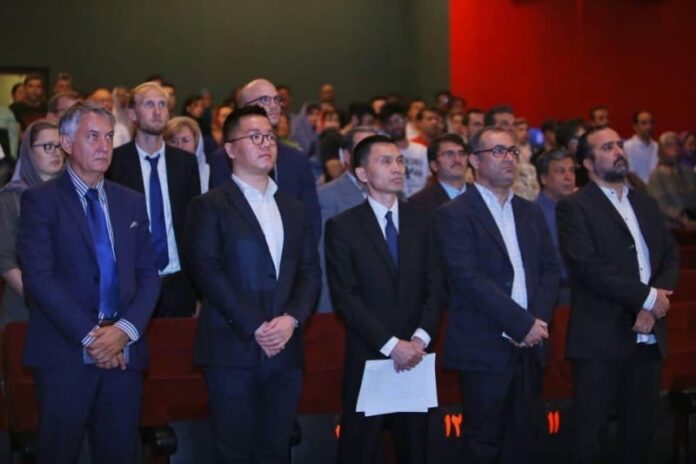
The event titled “A Look at Chinese Cinema” was inaugurated on Wednesday in a ceremony attended by a number of domestic and international guests at Cinematograph Hall of Iran’s Cinema Museum, Tehran.

In an address to the opening ceremony, the Cultural Attaché of Chinese embassy in Tehran, Wang Ching Chon, said since its beginning in the 19th century, cinema has turned into an international and popular art form which attracts lots of audiences across the globe, a report by IRNA said.

“Movies increase our knowledge about people’s lives in various countries and expands our understanding of different histories, cultures and traditions, bringing people from various races closer together,” he noted.

Touching on the purpose of organizing such an event in Iran, the Chinese official said the event is aimed at promoting cultural commonalities between Iran and China through the movie industry.

“Aftershock”, “Mountains May Depart” and “The Story of Three Cities” from the Chinese cinema were screened in at least six Iranian cities including Tehran, Shiraz, Tabriz, Kerman and Babol during the event.

He then elaborated on Aftershock movie and said the film revolves around a 7.8 magnitude quake which rocked a northern Chinese city in 1976, leaving at least 250,000 dead and irreparable damages.

“Years after the quake, the city of Tangshan has turned into a glorious industrial city,” he said.

Just like China, Iran is also a seismically active country, he added.

He also expressed hope that the movie could share China’s experiences with the Iranians when it comes to deadly quakes and other natural plights.


Iran, China to Expand Cooperation through Cinema

Jafar Sanei Moqaddam, one of the board members of Art and Experience Institute, then took the podium and elaborated on the Chinese cinema’s development plan.

“Over the recent years, China has made huge investments in its movie industry through building new movie theatres and producing greater number of films. This provided the Chinese with a chance to watch the latest movies produced in the world in their own country.”

He went on to say that China has managed to export its own culture to the world by screening its movies across the world.

Sanei Moqaddam then referred to the latest international success of Iranian cinema and added as a country with huge cultural achievements in cinema, Iran is interested in expanding its economic and cultural ties with China in this area.

“The aim could be fulfilled through holding movie weeks in Iran and China and launching joint movie productions between the two sides,” he noted.

The event is held as Iran plans to hold Serbia Movie Week from August 22 to 29 in Tehran, Shiraz and Tabriz. Meanwhile, 14 films from 14 countries are expected to be screened in seven Iranian cities from October 13 to 19.
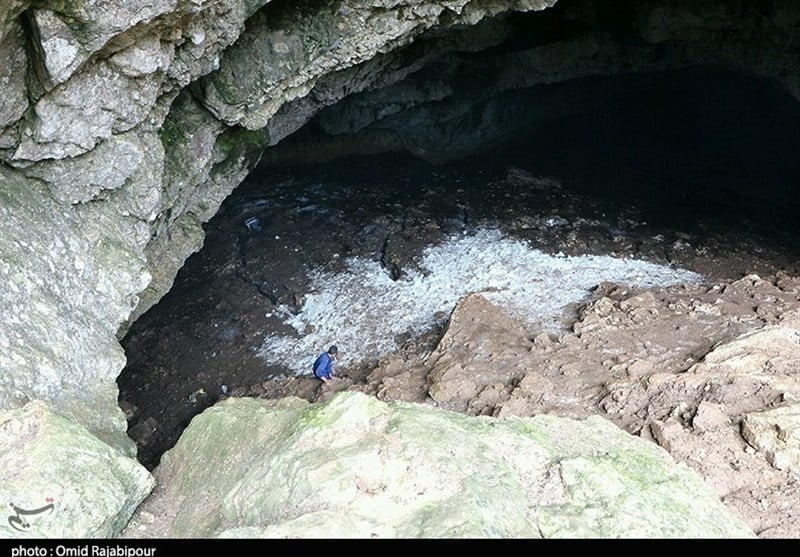
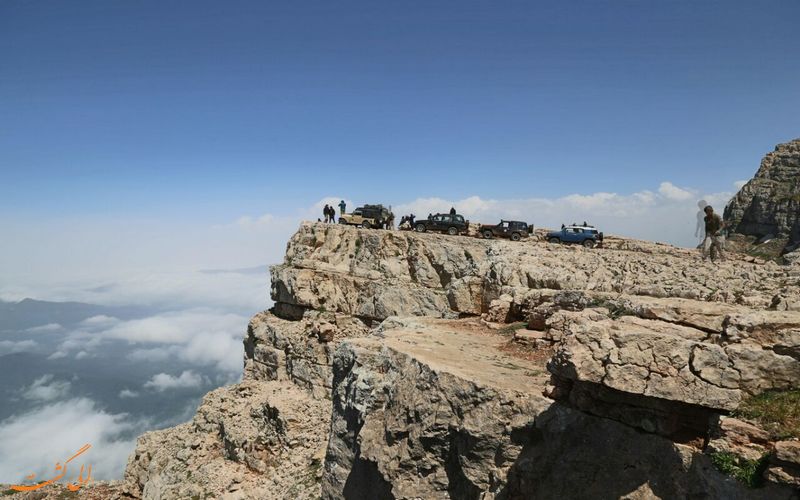
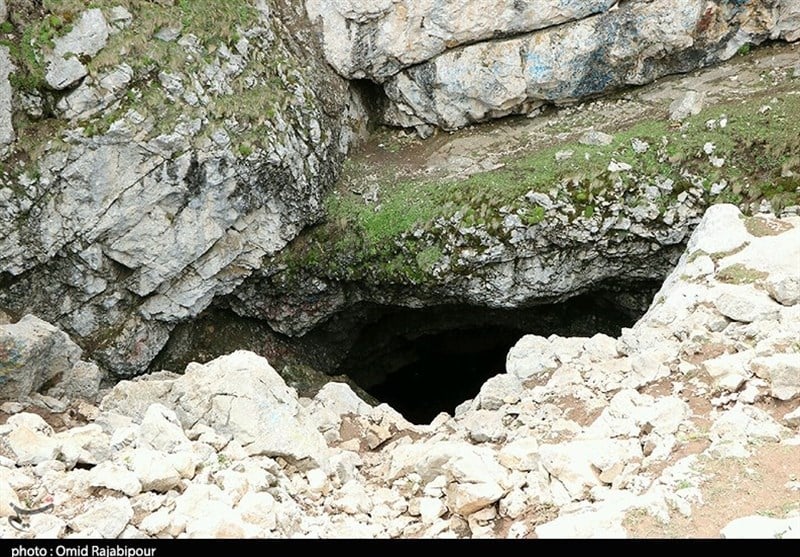
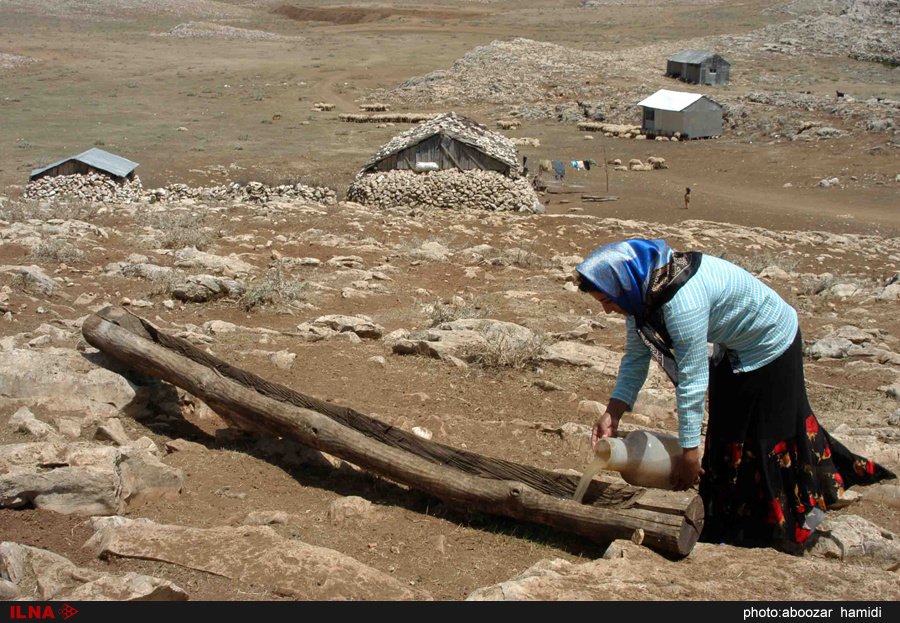
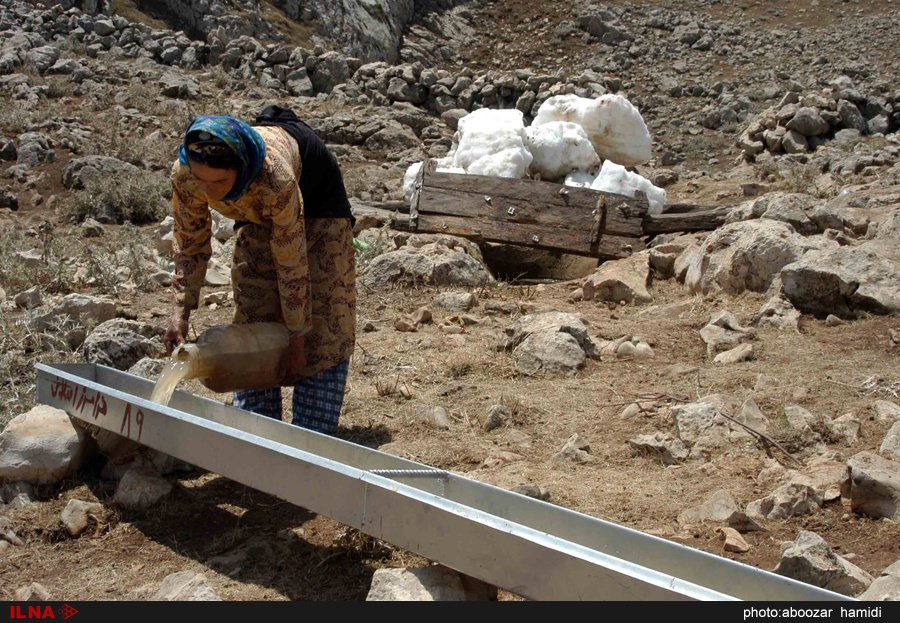
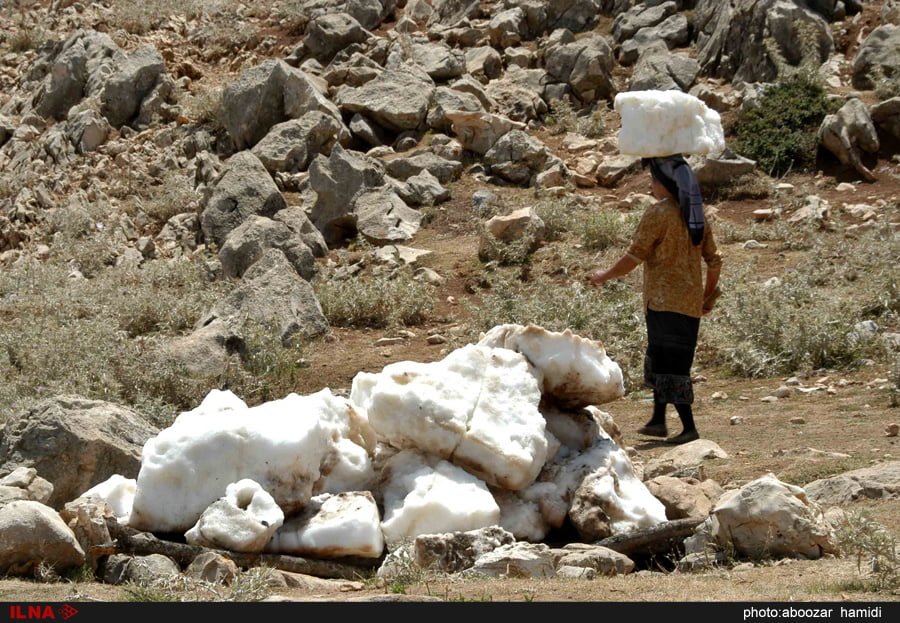
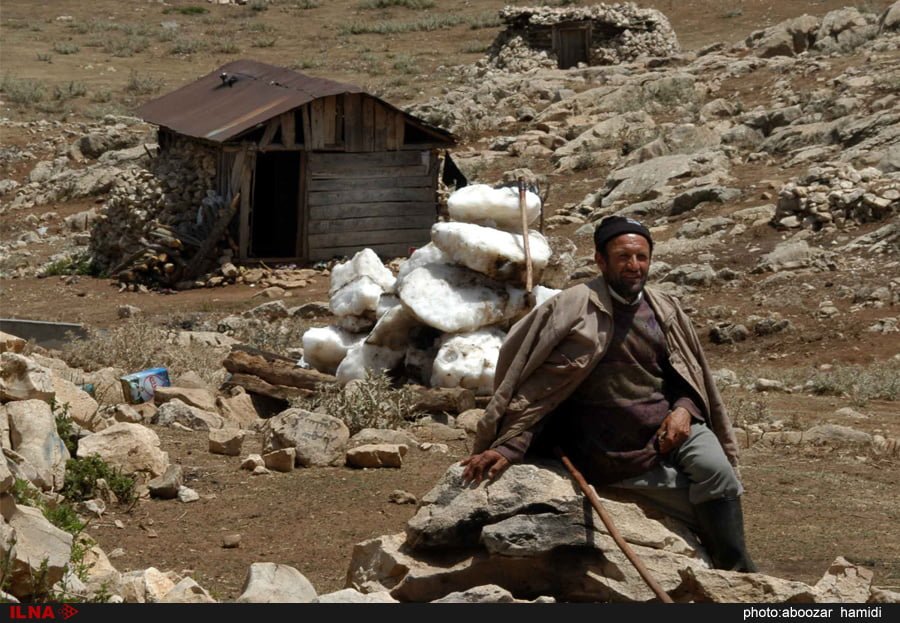
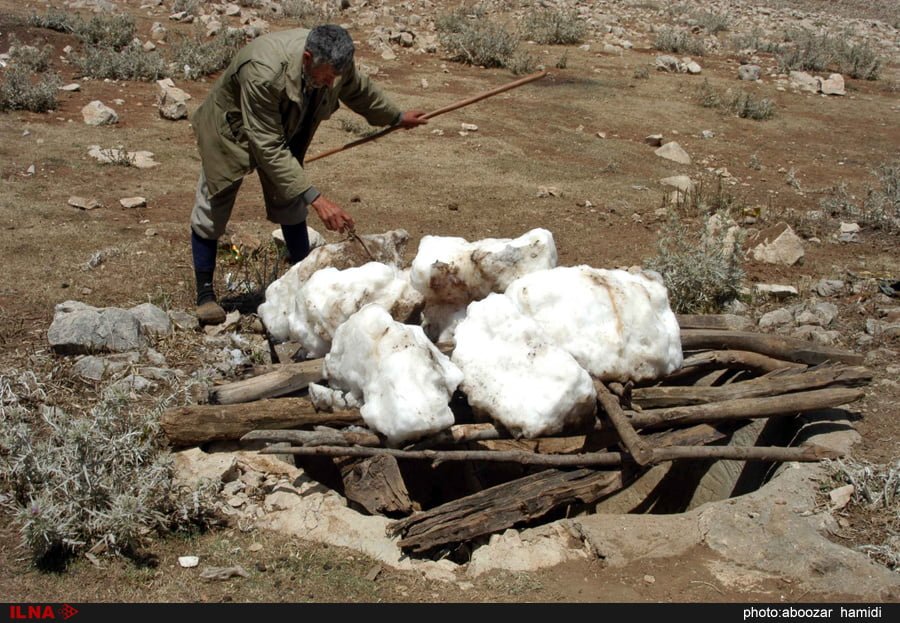
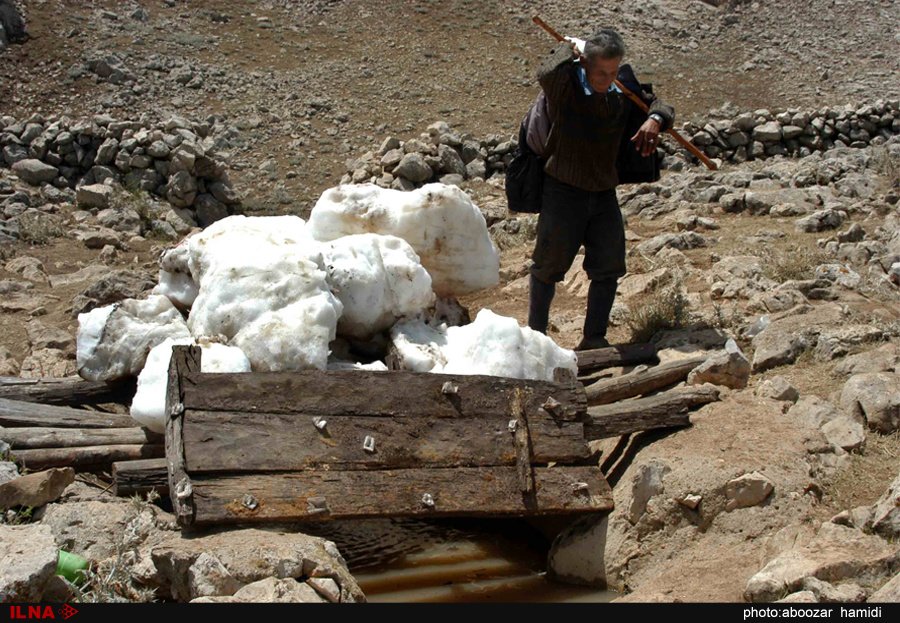
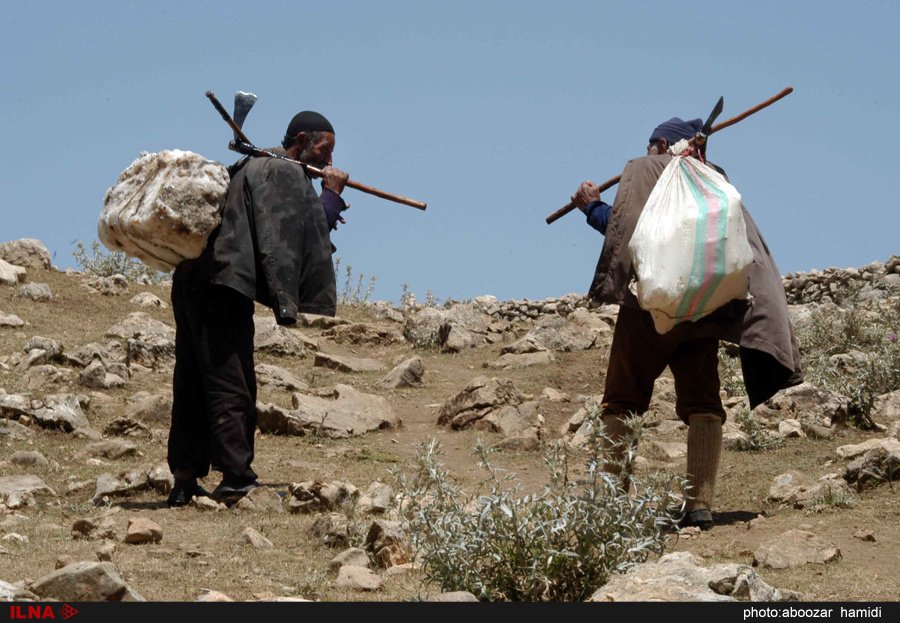
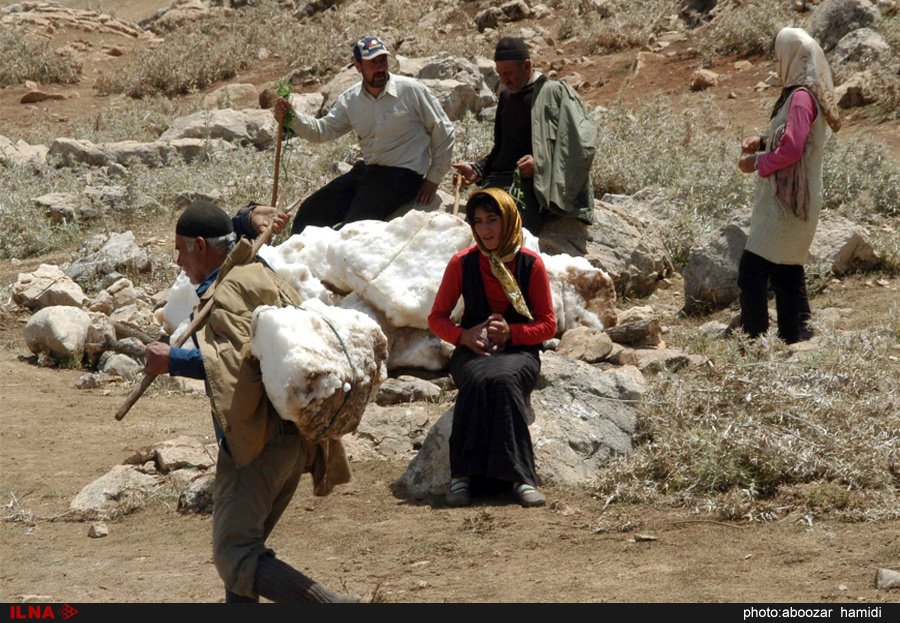
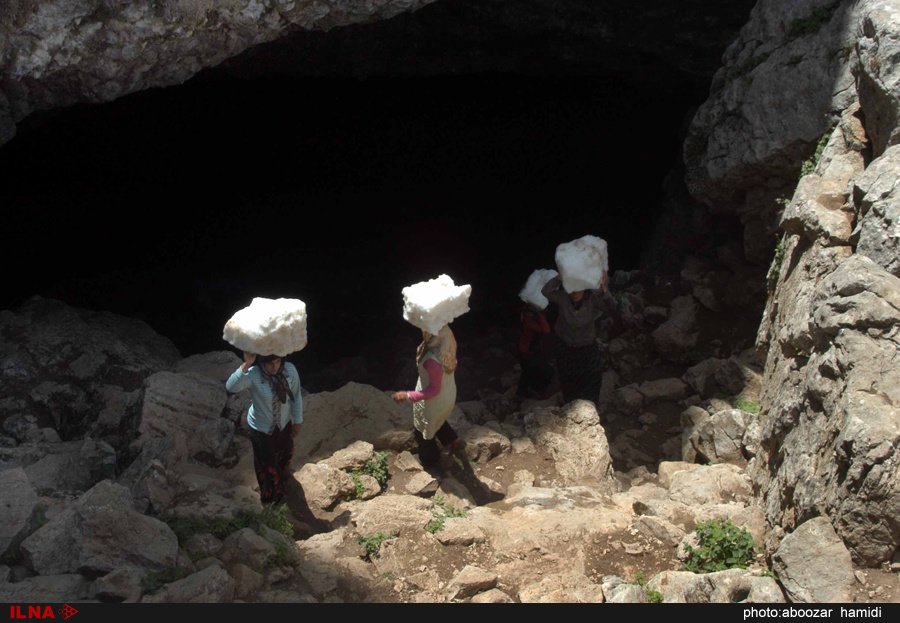
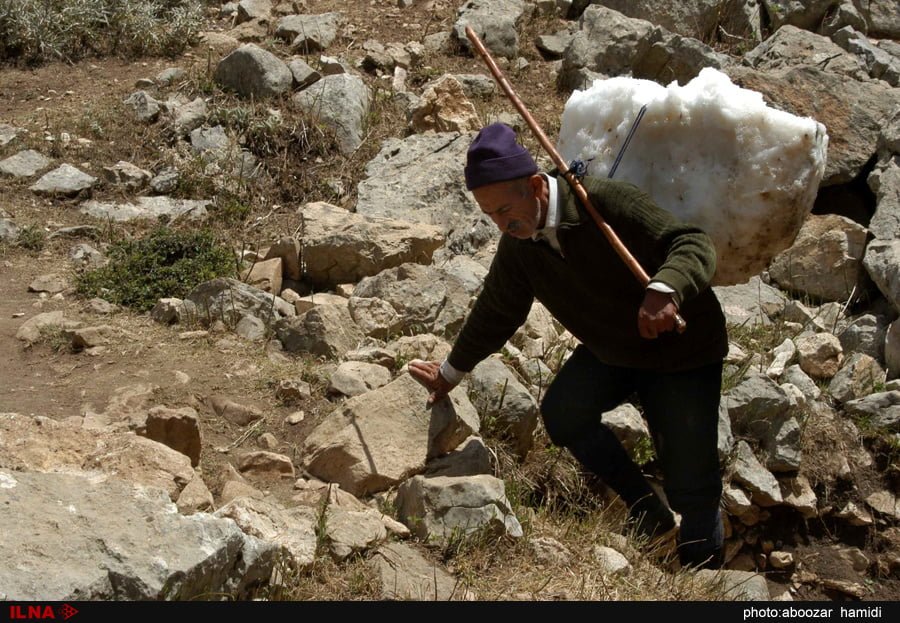
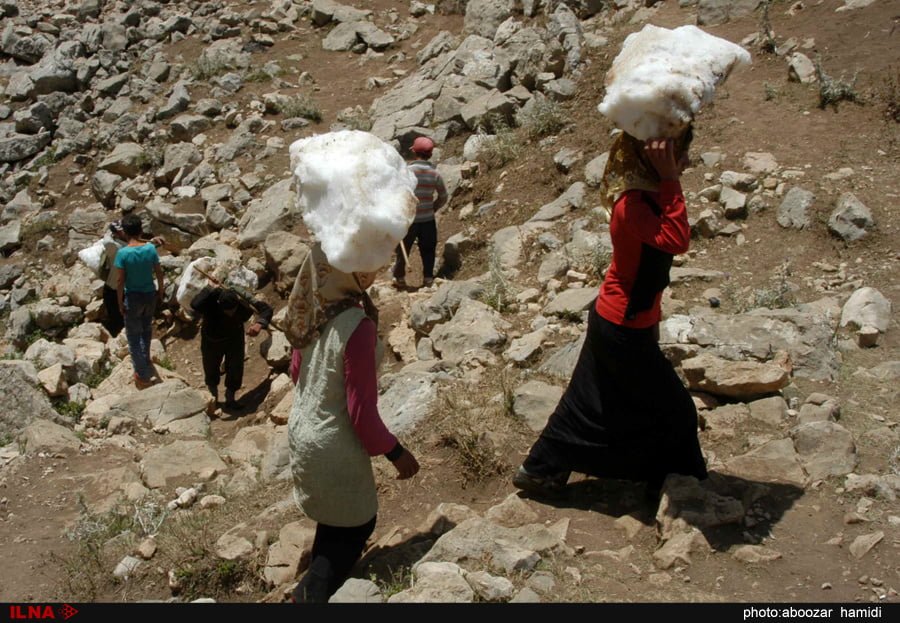
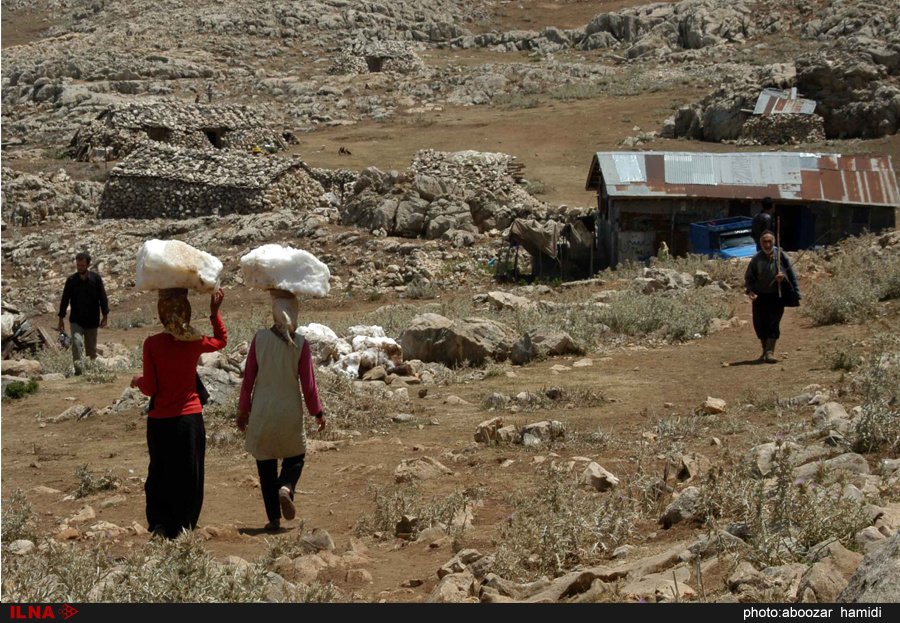
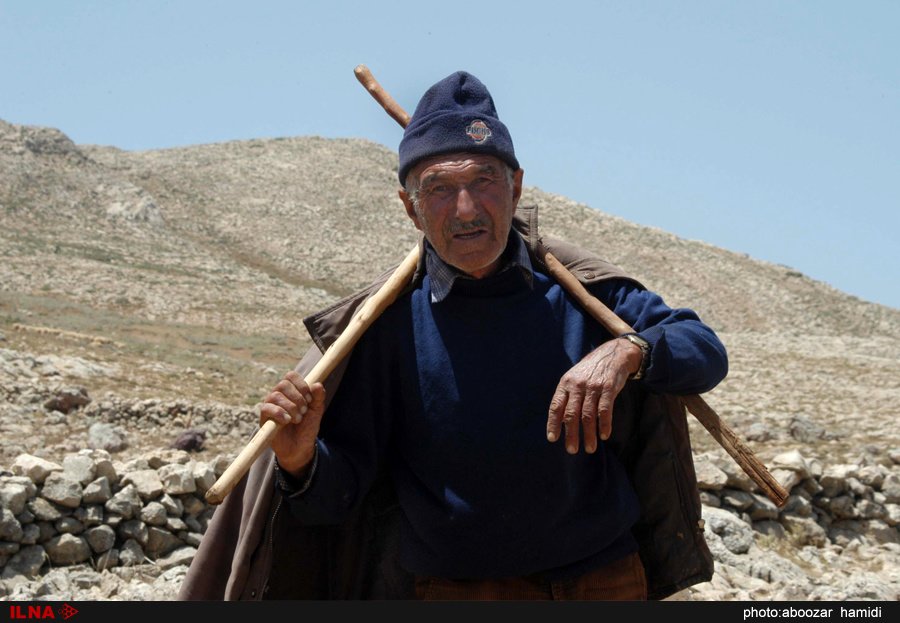
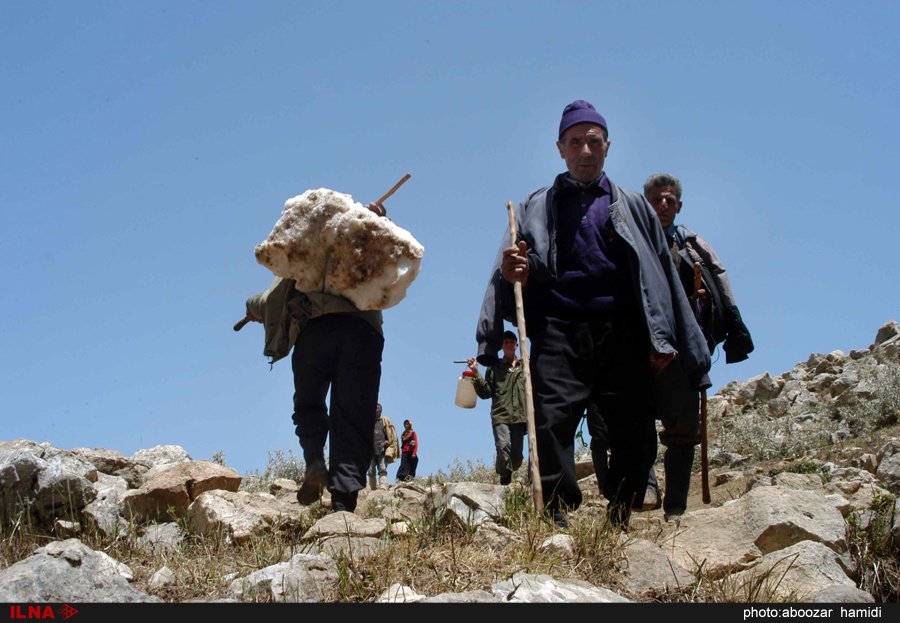
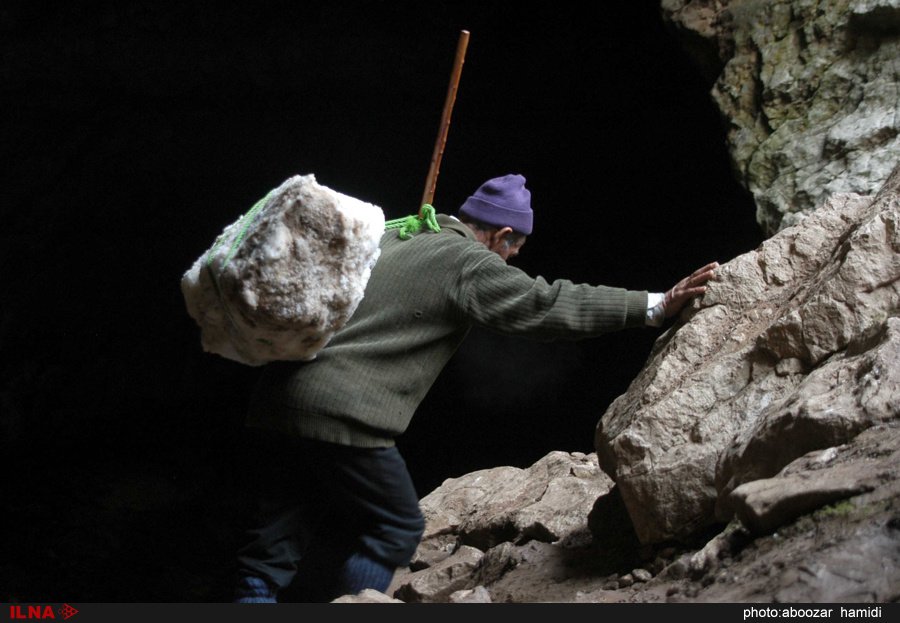
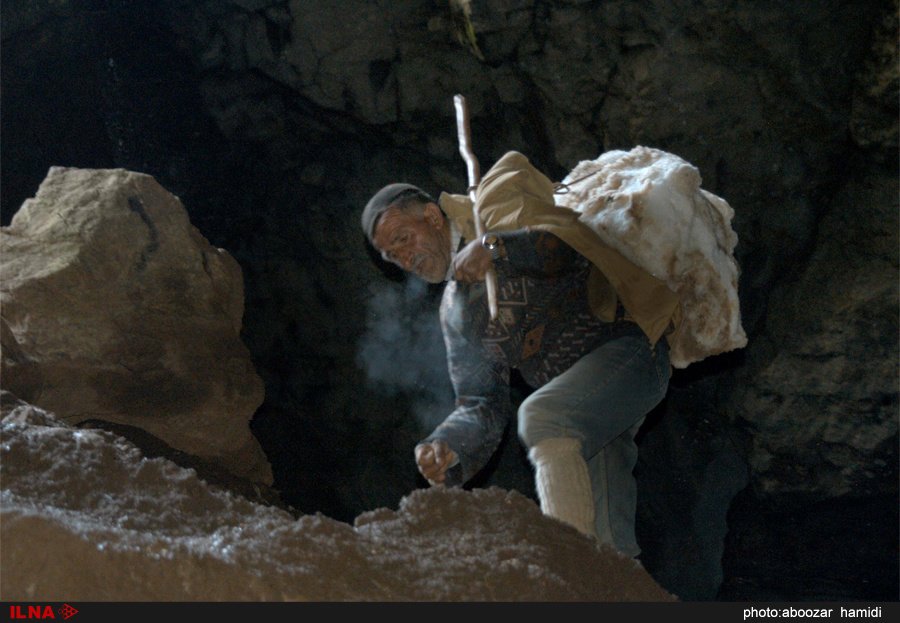
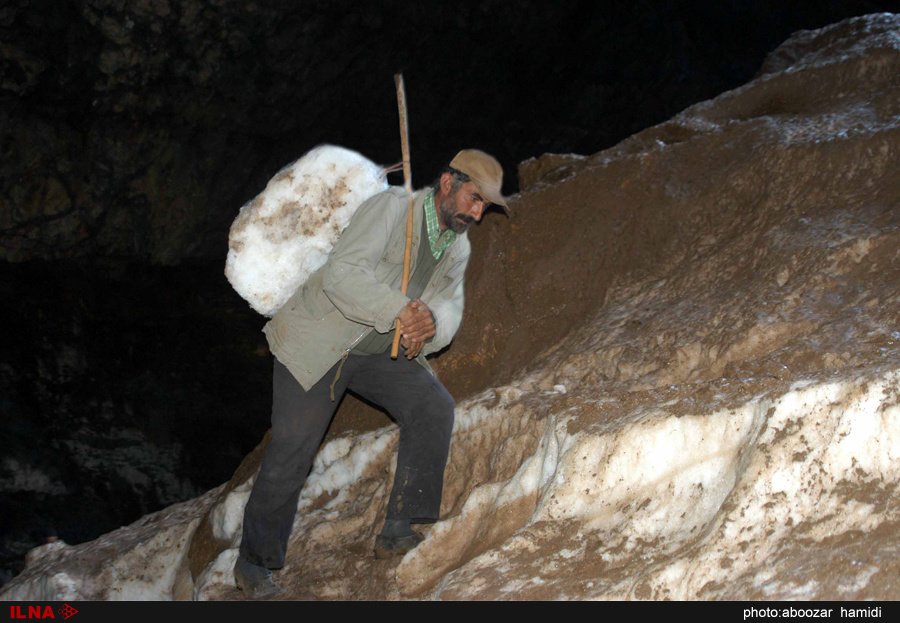
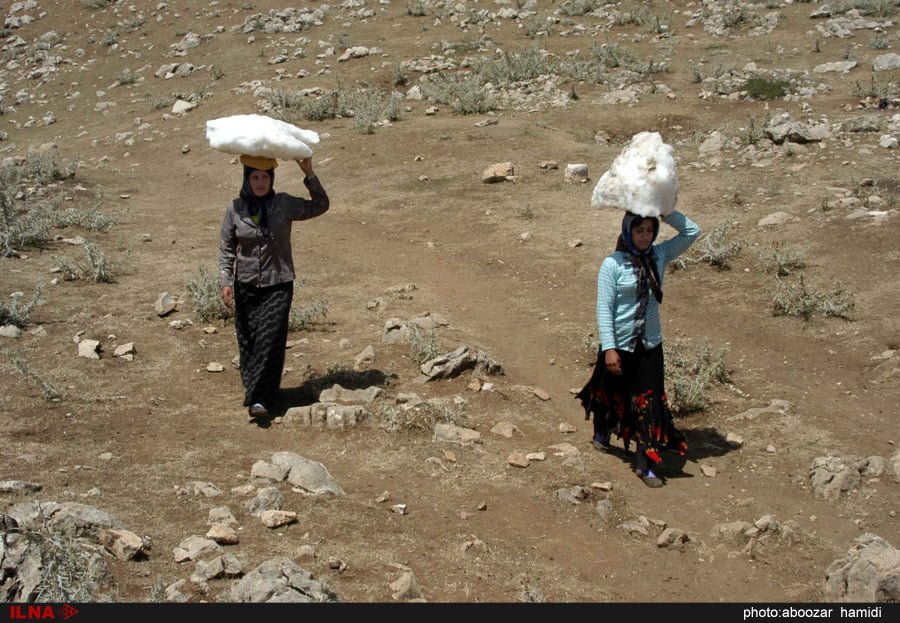
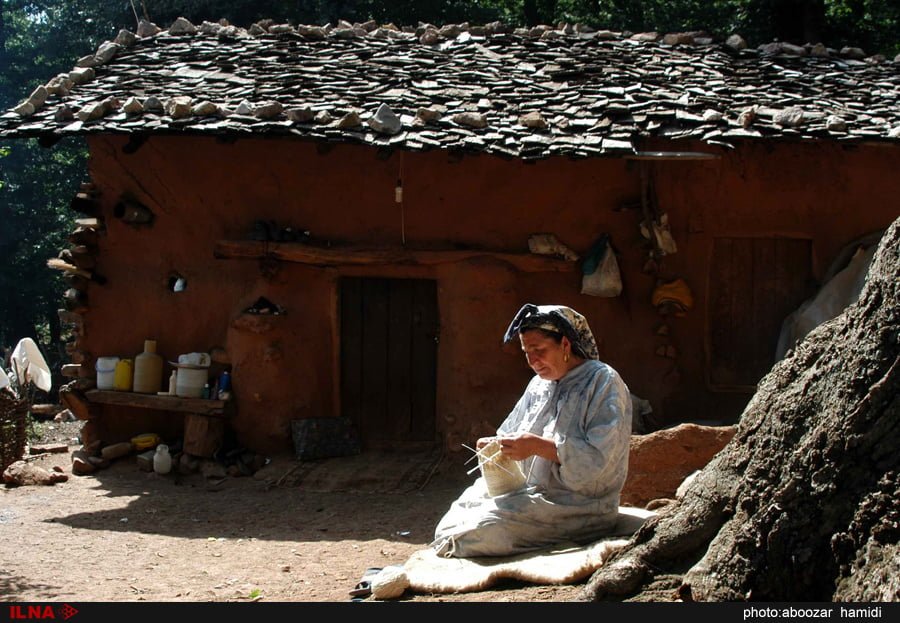
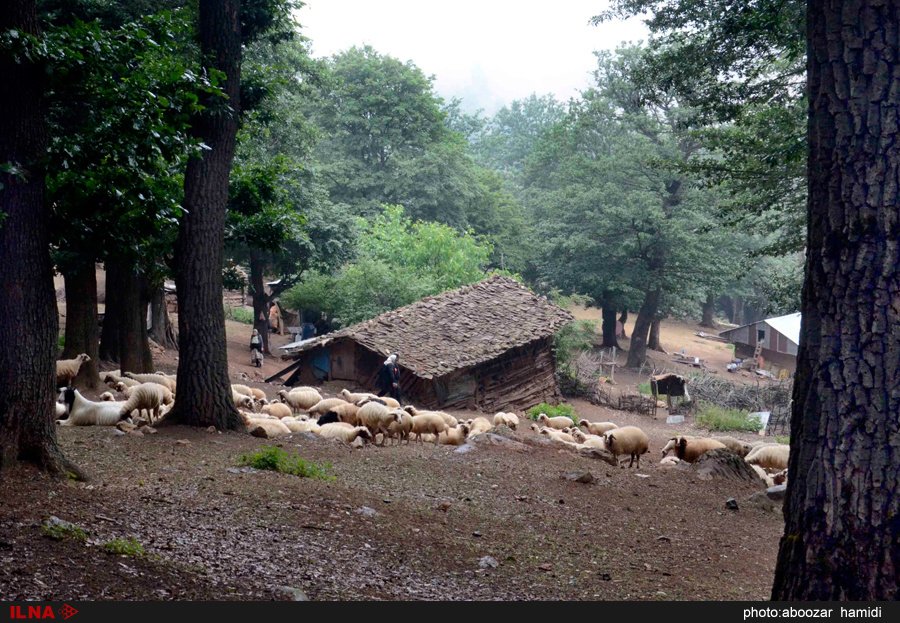
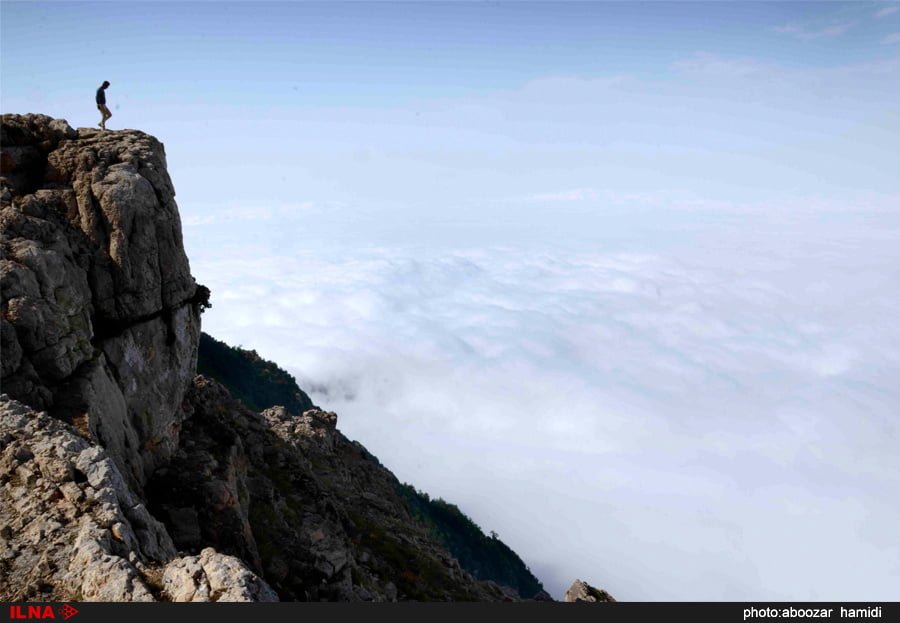
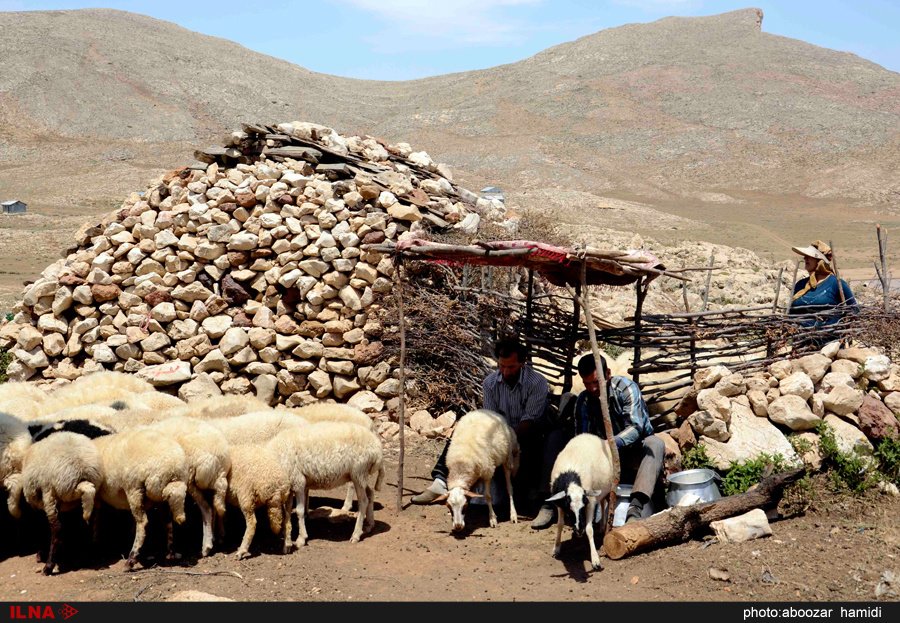
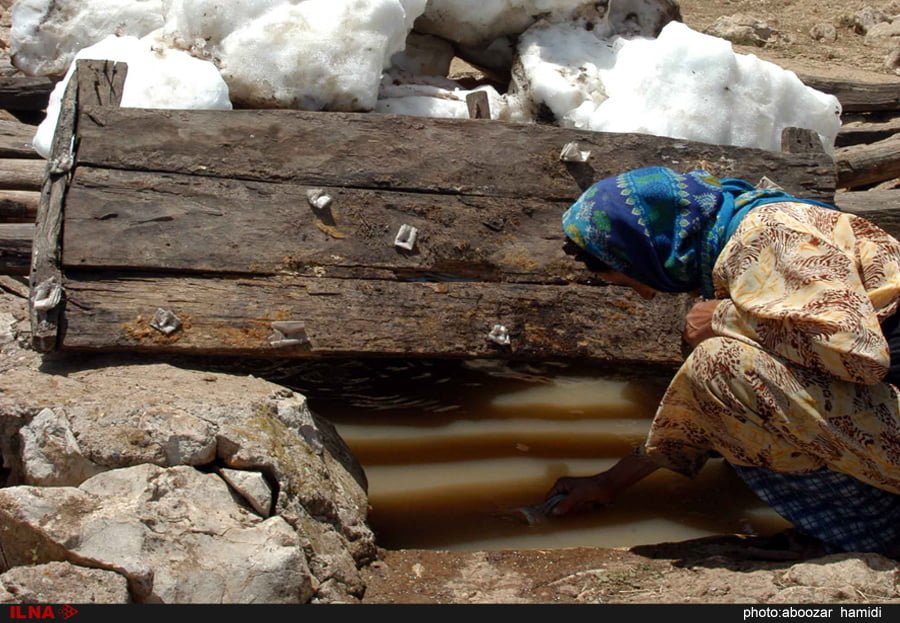
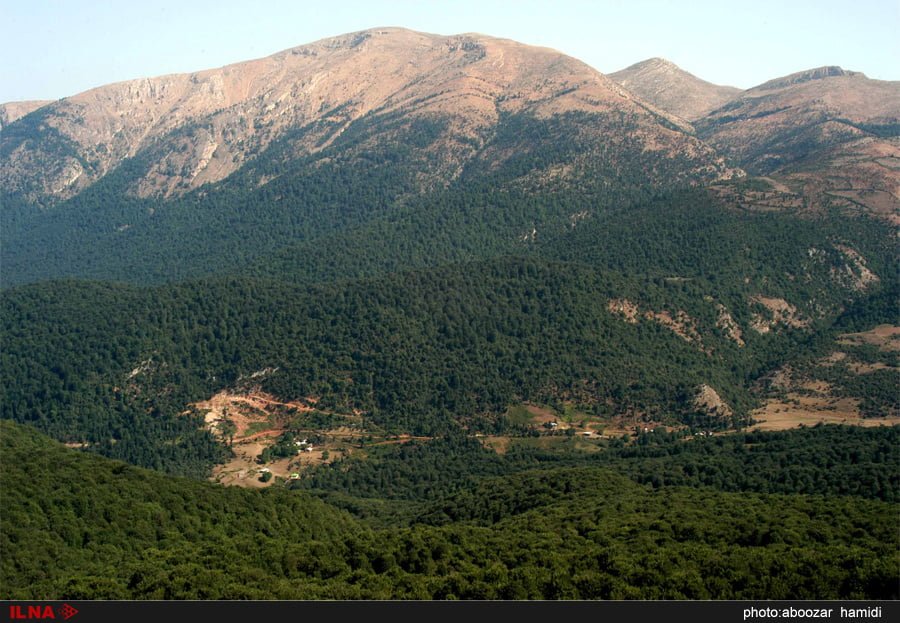
Dorfak Ice Cave; Amazing Source of Water for Locals

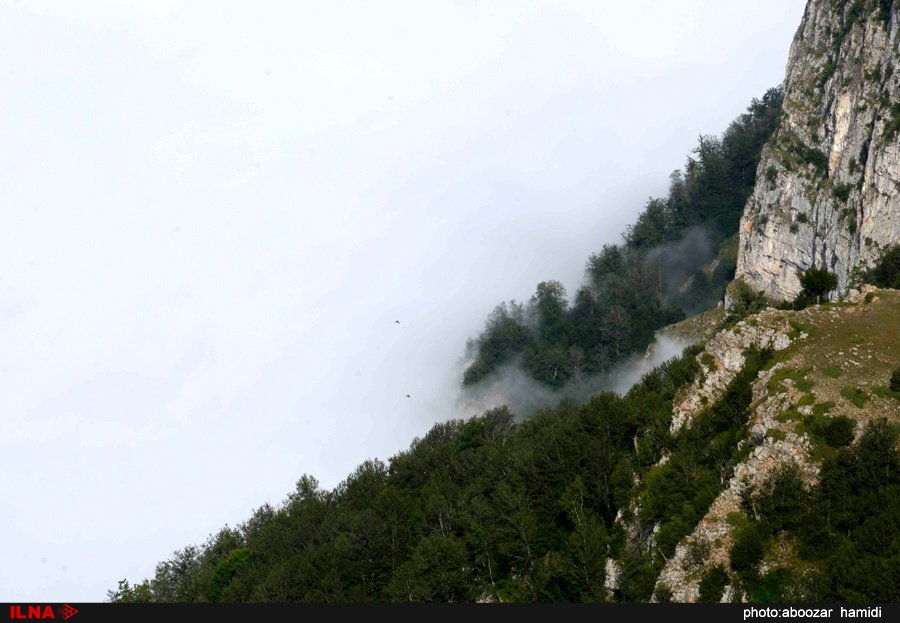
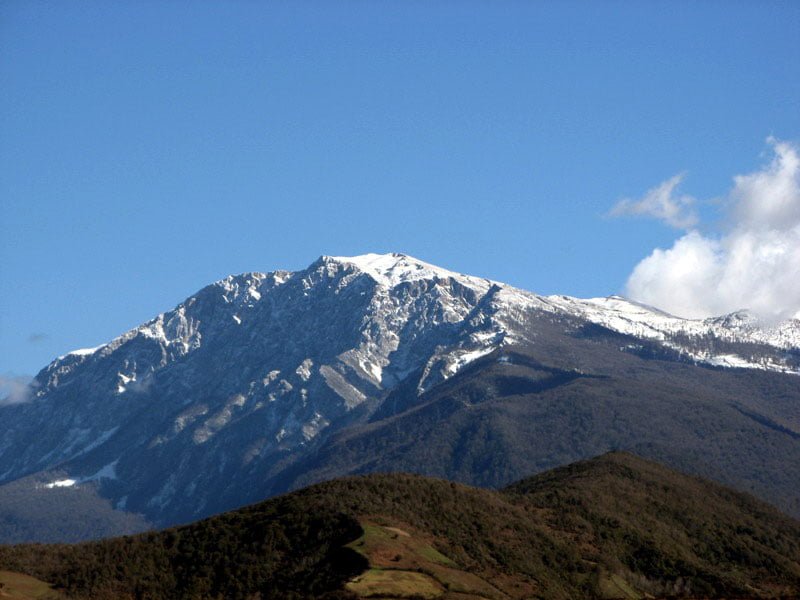
The peak is located between the cities of Rudbar and Siahkal over the regions of Deylaman and Amarlu.
Dorfak is connected southwards to the mountains of Manjil and extends from the east and south-east to the Pishkouh Mountains and the Takht-e-Soleiman mountain range. It continues to the valley of Tonekabon County.

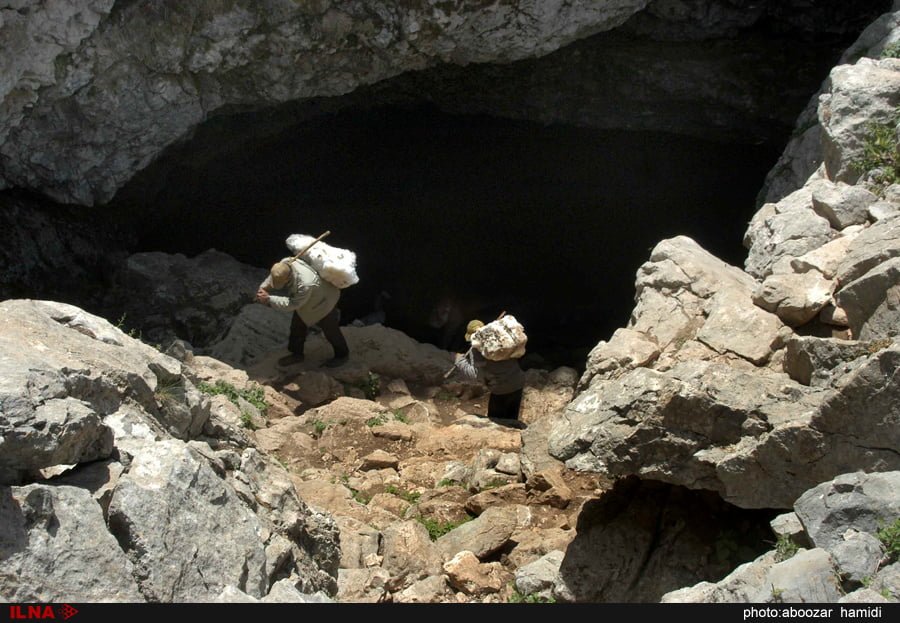
There is an ice cave with a length of 100 metres in this area, whose great length is probably a result of the last volcano eruptions off the Dorfak Peak.

Due to its geographic location, it is covered with snow throughout the year. The natural glacier of Dorfak Ice Cave is registered as a national heritage in Gilan province.

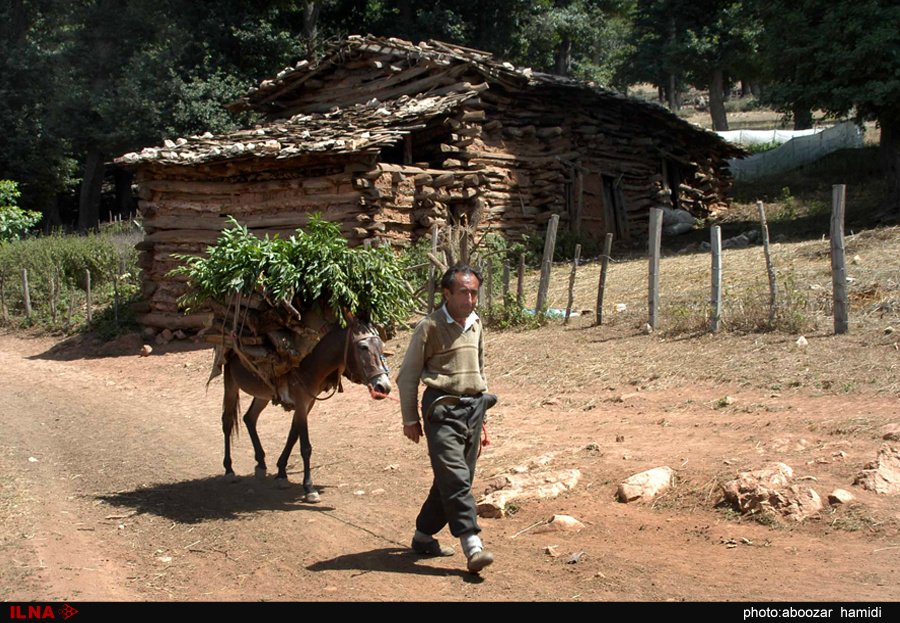
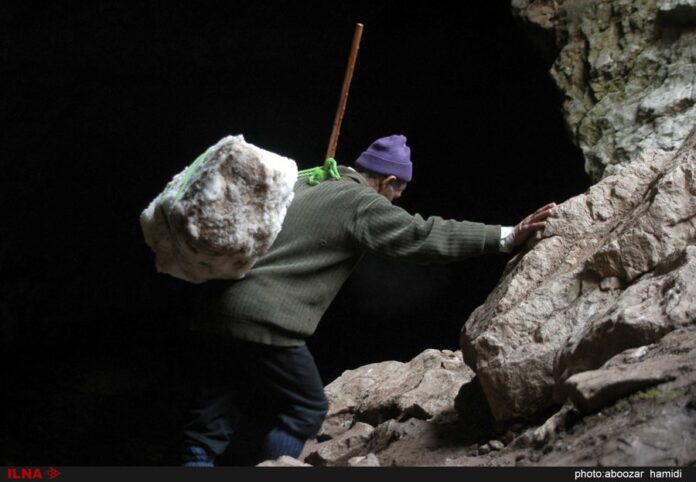
In the past, people from nearby villages carried ice from the cave with horses to the cities of Lahijan, Sangar and Rasht to resolve the shortage of cold water in the city.

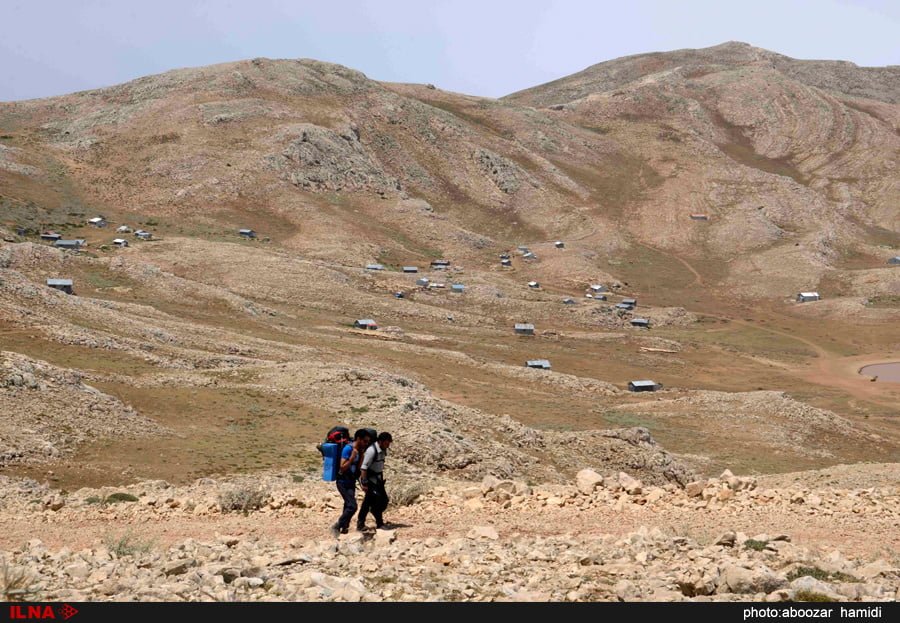
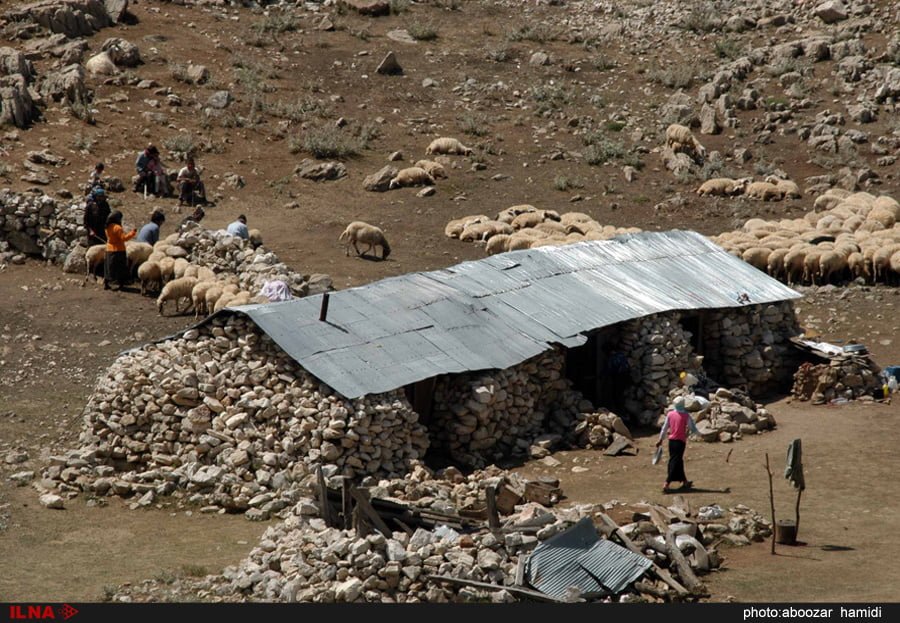
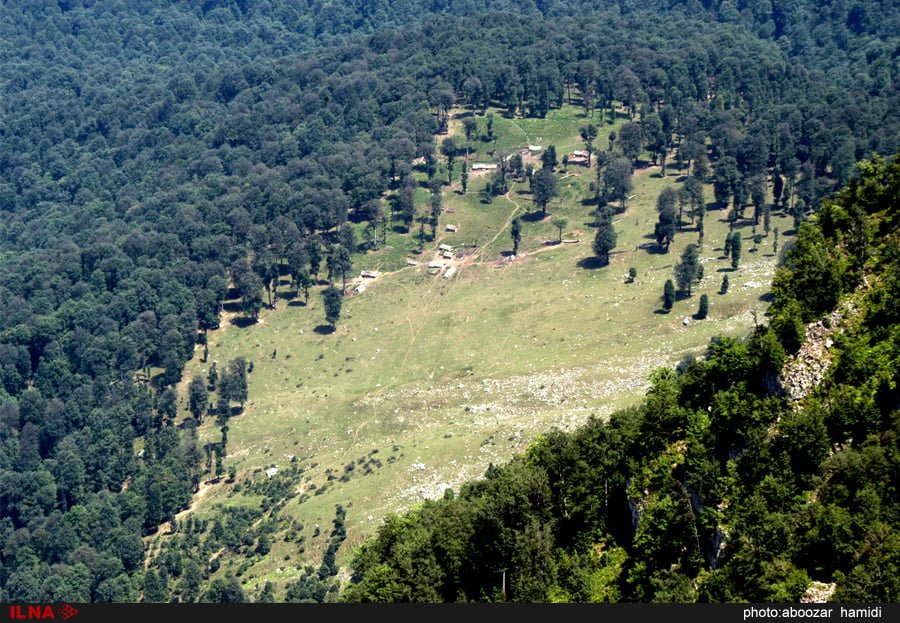
Nowadays, the ice cave still supplies the drinking water of the people of the region. The nomads have built stone houses in the mountainous area, and bring out ice to provide water for their livestock.

Dorfak Cave is a rare natural glacier that, as an ecotourism attraction, attracts thousands of mountaineers and tourists each year.

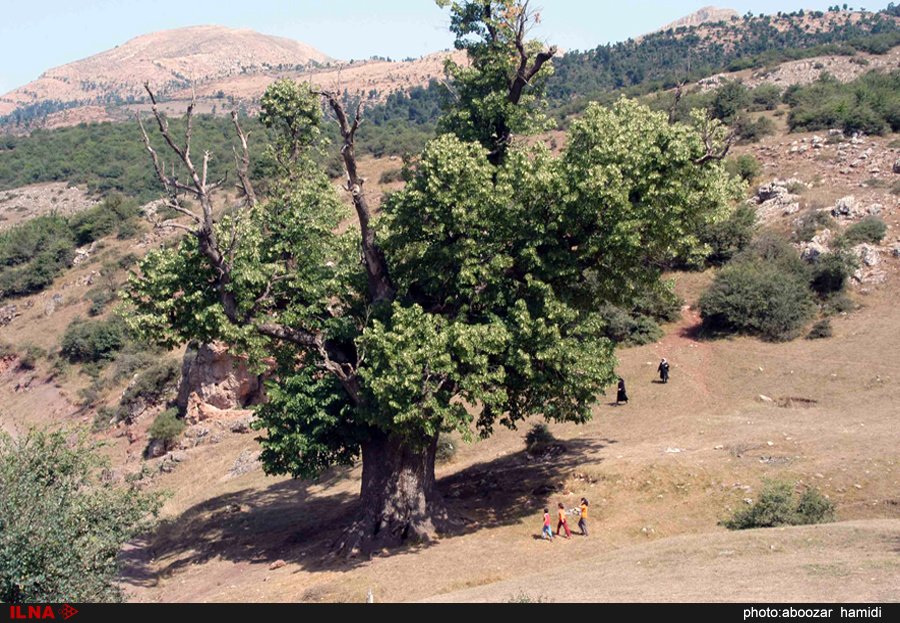
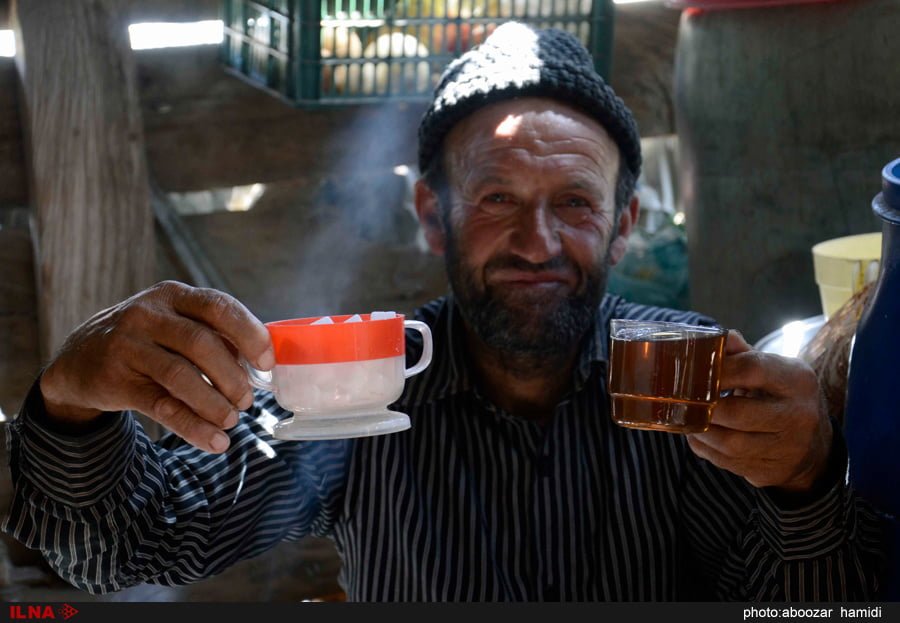
Here are photos of the beautiful region retrieved from ILNA:

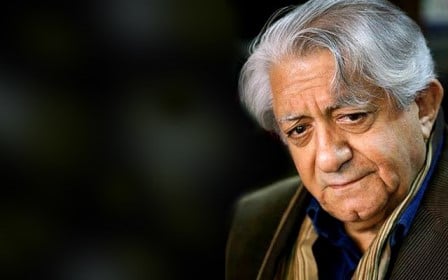
Prominent Iranian Actor Ezzatollah Entezami Dies at 94

Born in 1924, he started his theater career in his 20s and later moved to Hanover, Germany, to study theater and cinema in a boarding school. After graduation in 1958, he returned to his homeland and appeared in over 50 feature films, a number of TV series, and dozens of plays.

Entezami was the first-ever Iranian actor to win an international award. In 1971, he received the Chicago International Film Festival’s Silver Hugo for Best Actor for his debut performance in Dariush Mehrjui’s acclaimed movie The Cow.

In this film, he played the role of a naive villager who cannot endure the death of his beloved cow and starts to believe that he is the cow himself.

Throughout his career, Entezami worked with many prominent Iranian filmmakers including Dariush Mehrjui (eight films), Ali Hatami (four films), Nasser Taqvaee, and Bahman Farmanara, among others.

Mr. Naïve (1971), The Tenants (1986), and Hamoun (1989) by Mehrjui, Hajji Washington (1982) and Kamalolmolk (1983) by Hatami, The Blue-Veiled (1994) by Rakhshan Banietemad, and A House Built on Water(2001) by Farmanara were among his most important films.

Many Iranians know Entezami for his role in Ali Hatami’s memorable TV series Hezardastan (1978 to 1987).

From 1969, when he started his cinema career, to 2010 when he appeared in his last movie, Entezami won four Crystal Simorghs and a diploma of honor from the Fajr International Film Festival.

FM Zarif offers condolences

Iran’s Foreign Minister Mohammad Javad Zarif in a message expressed condolences to the Iranian nation and Entezami’s bereaved family over his demise, calling it a source of great sorrow. Zarif also described Entezami as a popular and knowledgeable artist who had dedicated his life to the profession of acting.

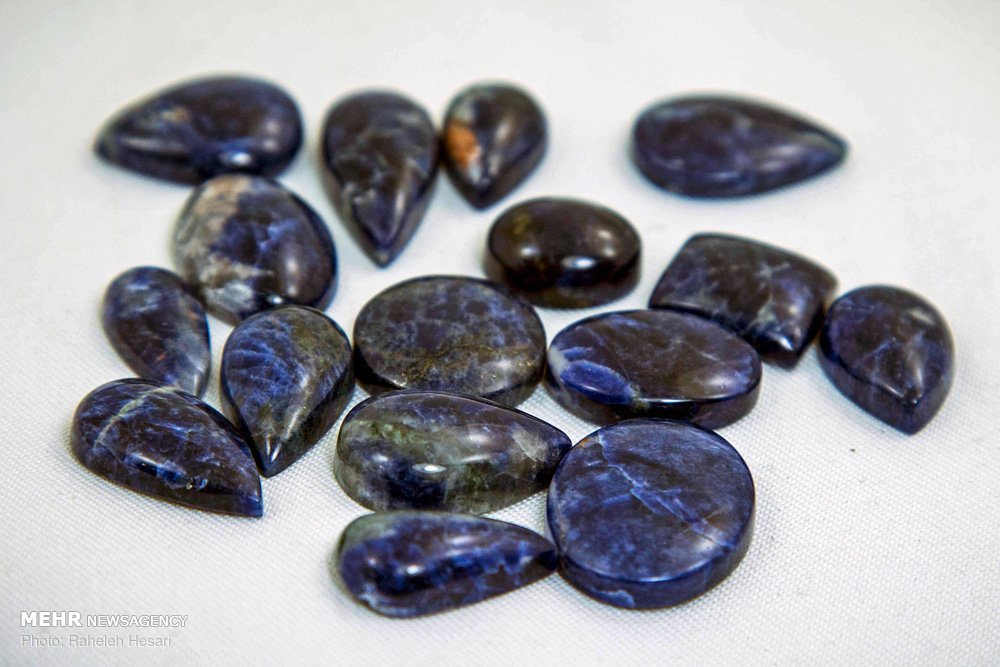
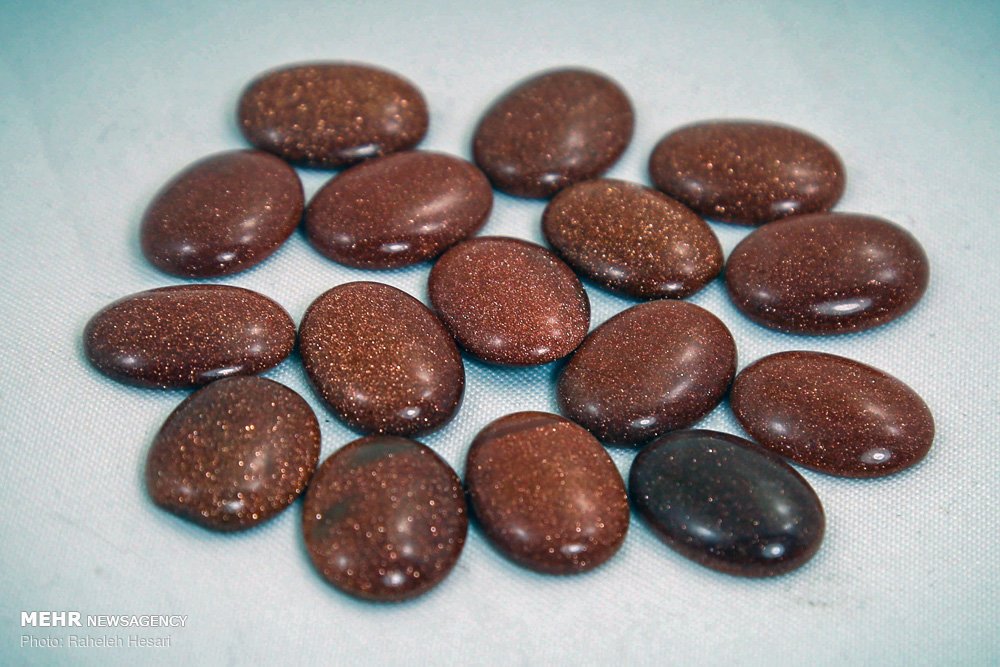
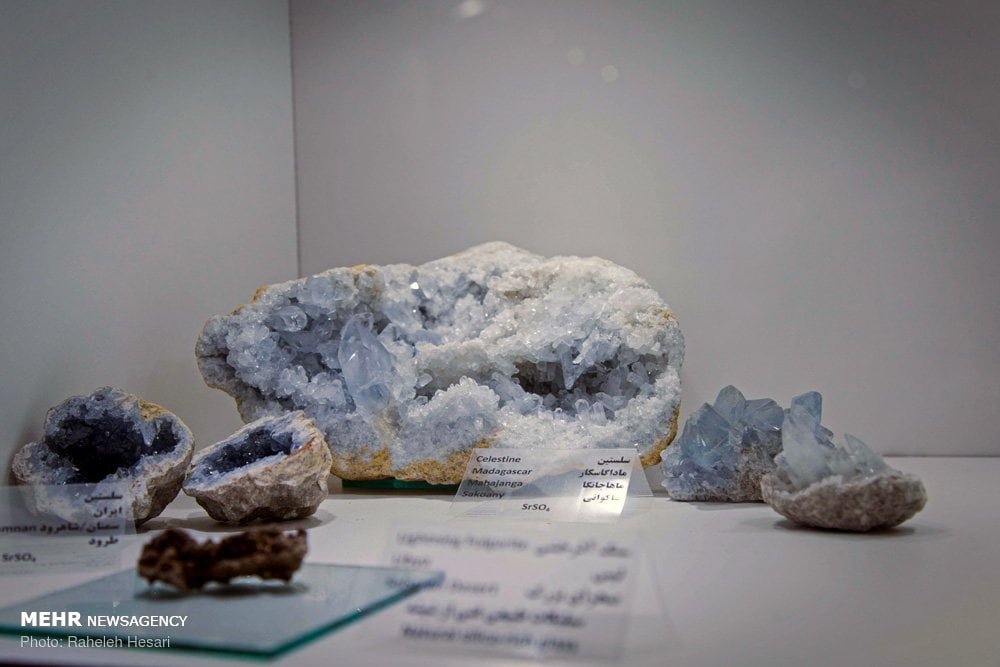
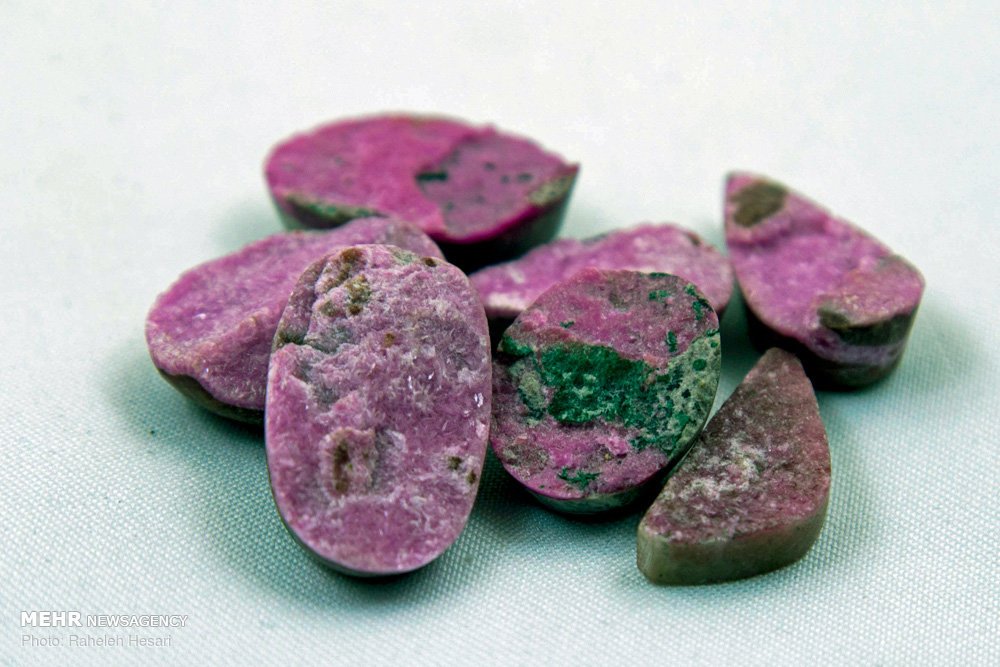
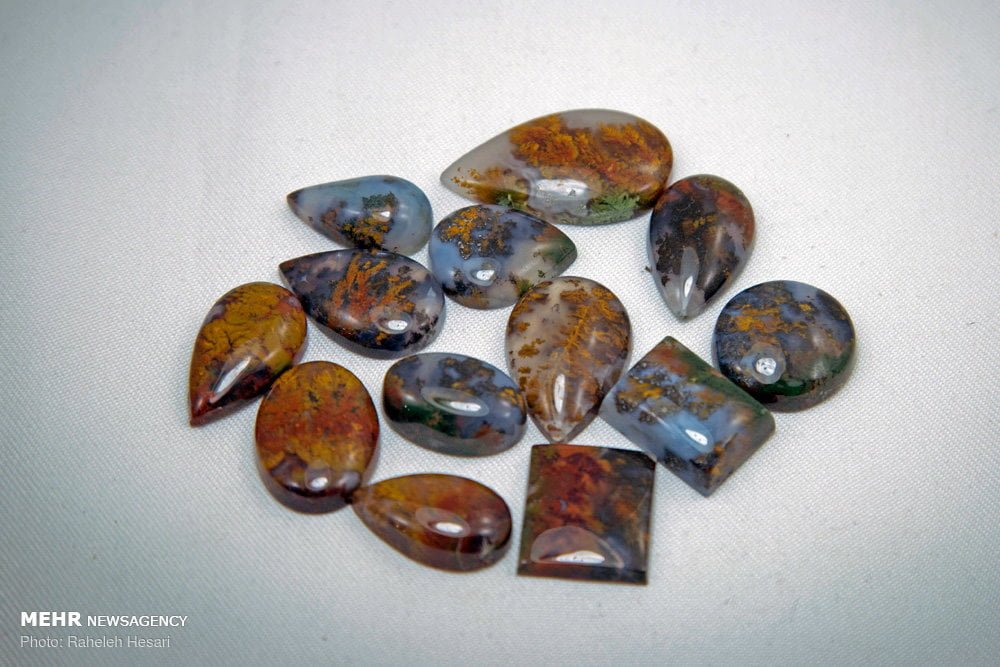
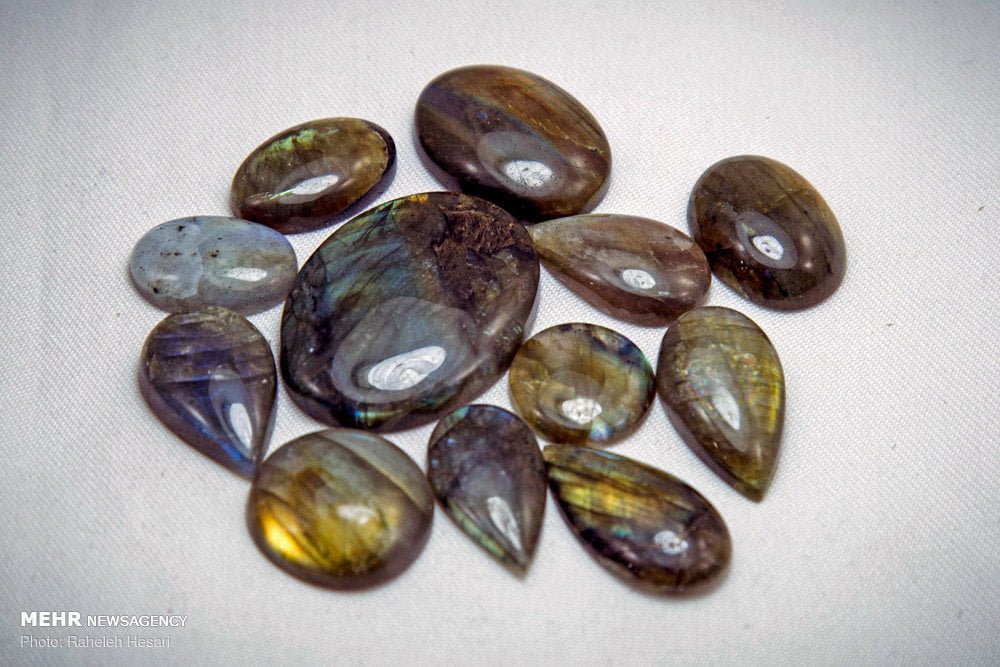
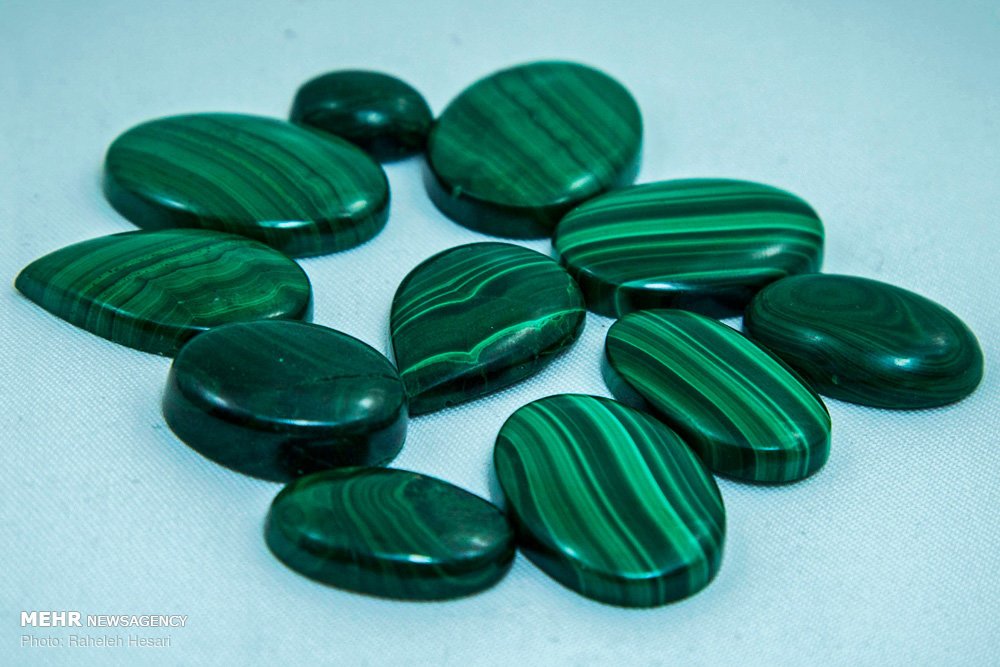
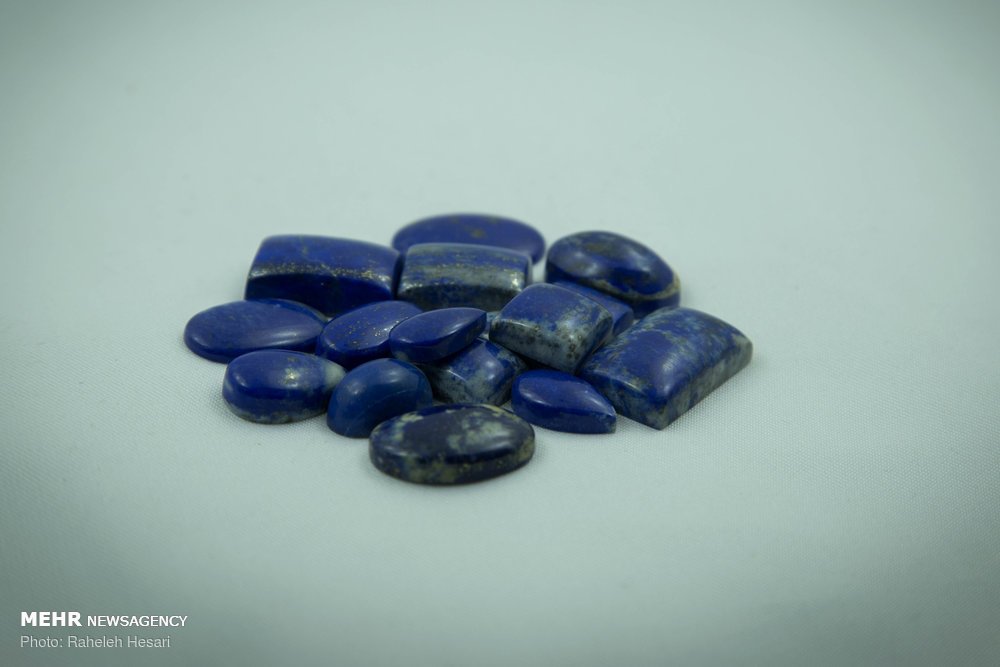
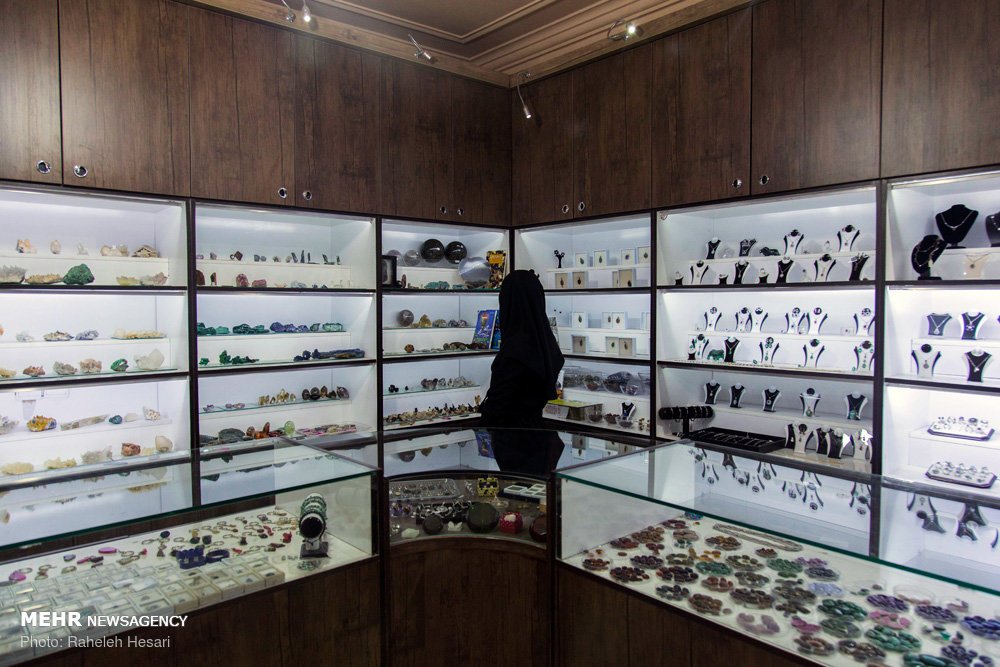
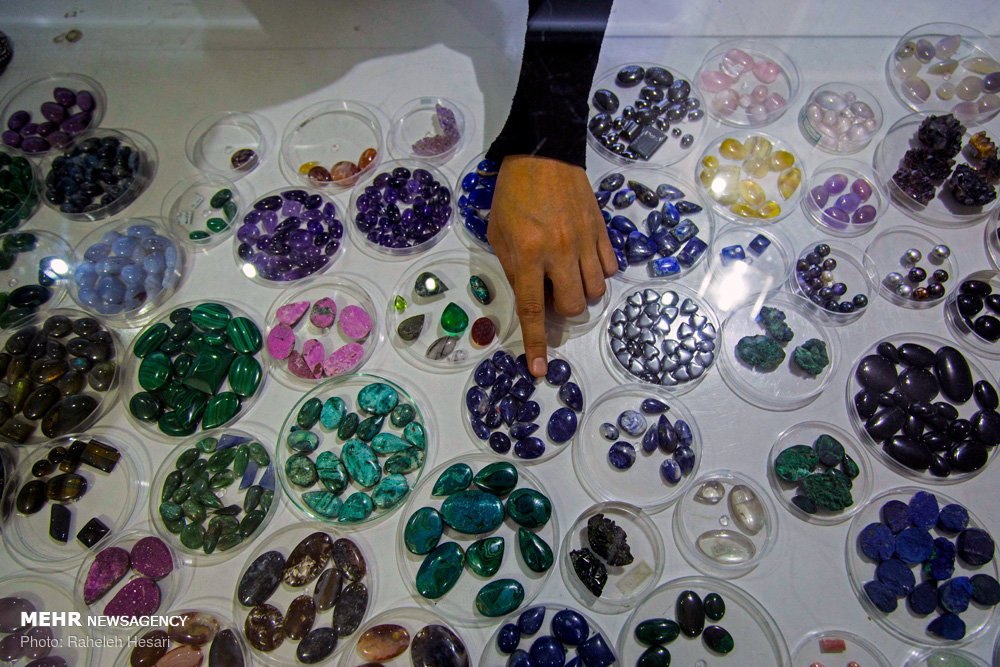
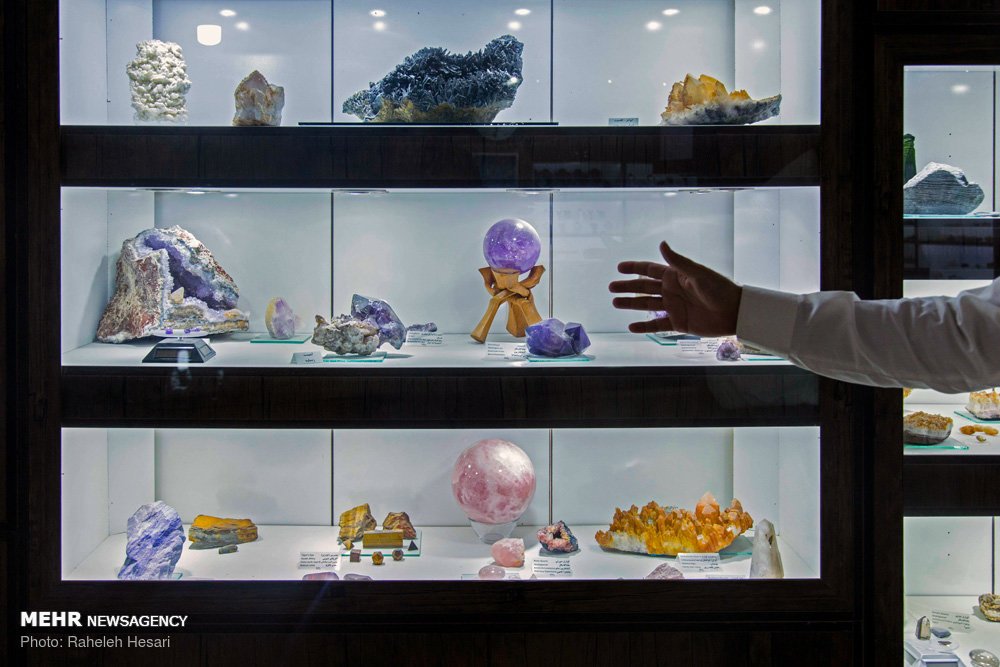
Gemstone Processing; Untapped Business Opportunity for Iranians

Many countries, even those without significant mineral resources, earn a great amount of money by importing gems and exporting them after processing.

The global turnover of this industry is about $1,000 billion. Iran, however, has not made any significant investment in the processing of these gems despite enjoying great resources.

By launching production and processing units, Iran can also have great export revenues in this particular area.

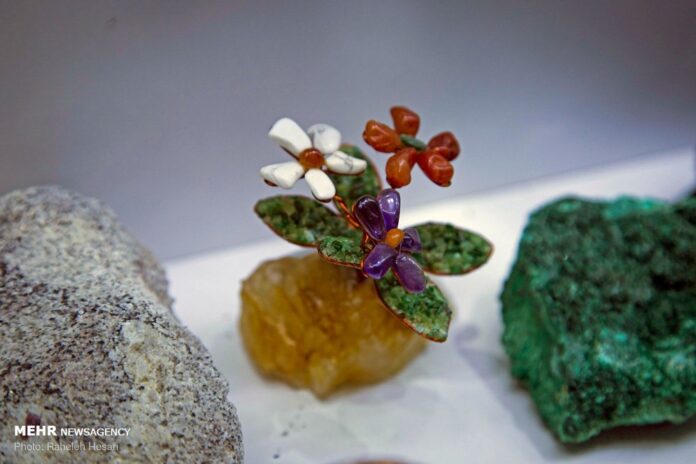
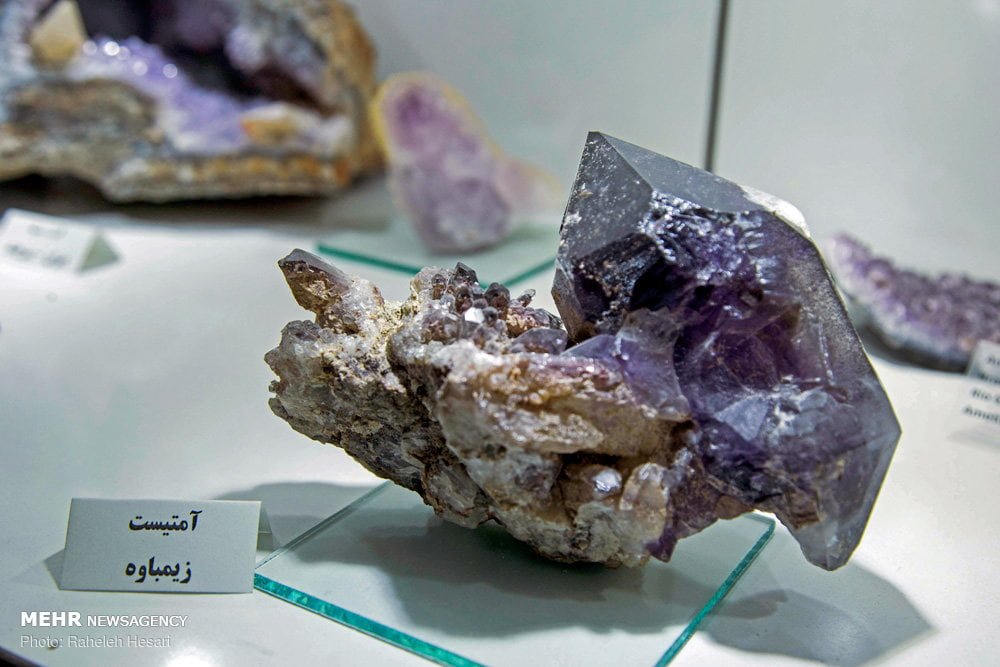
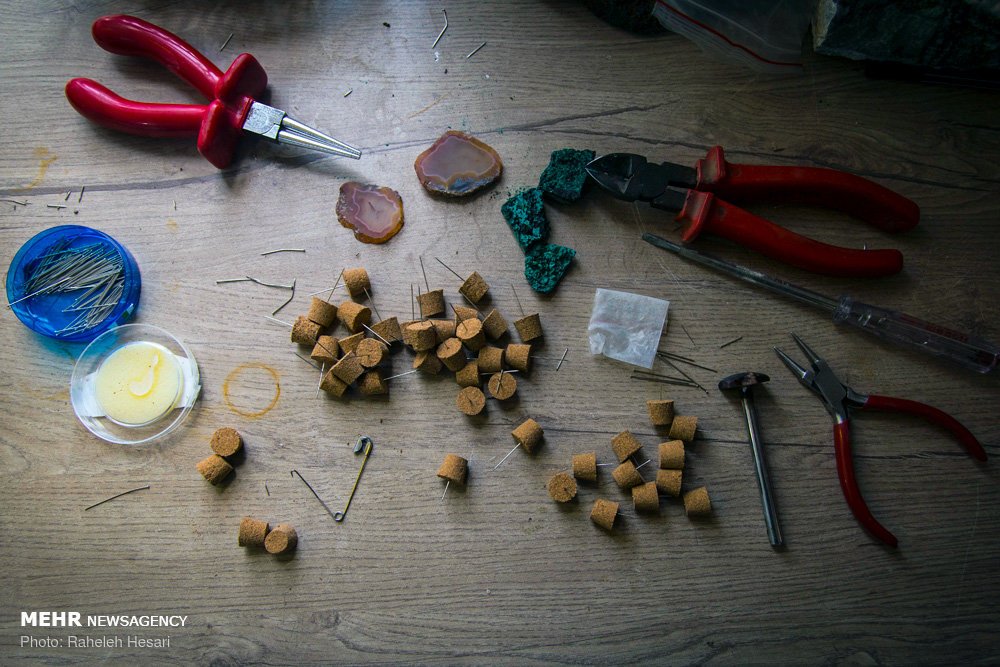
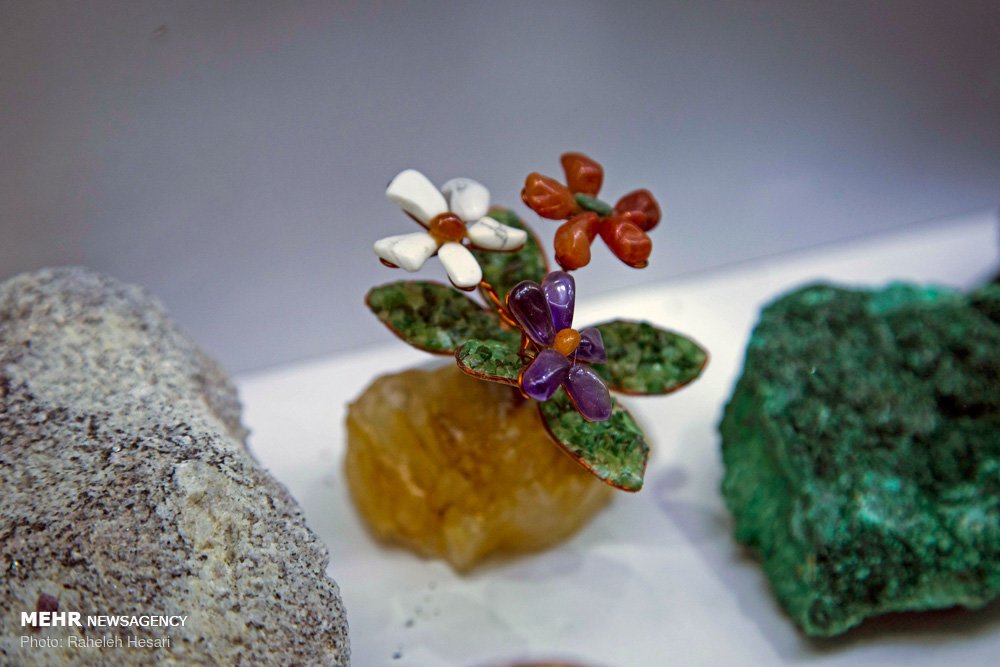
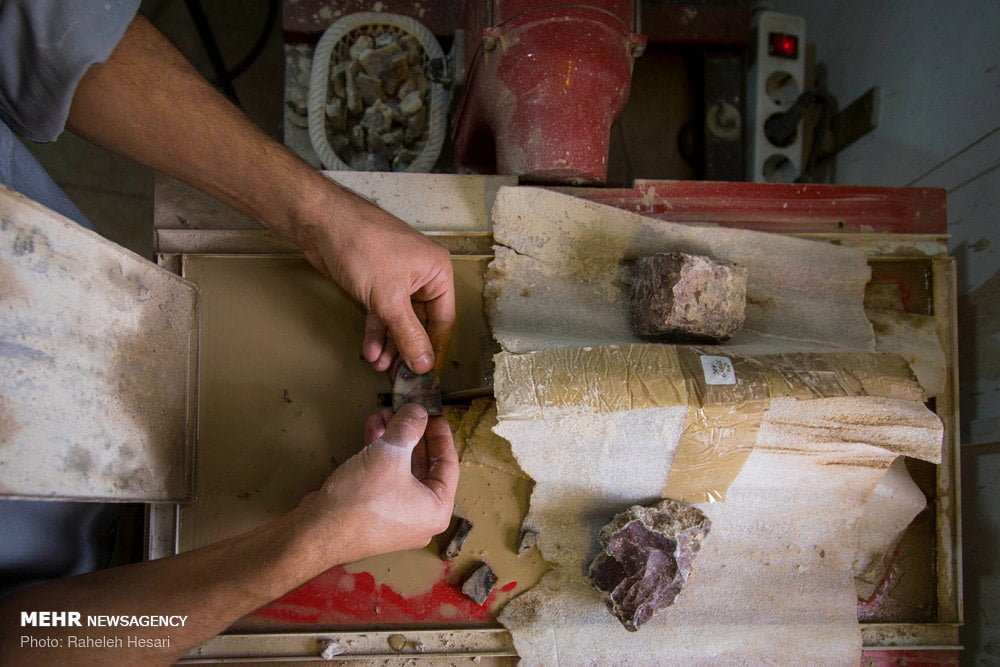
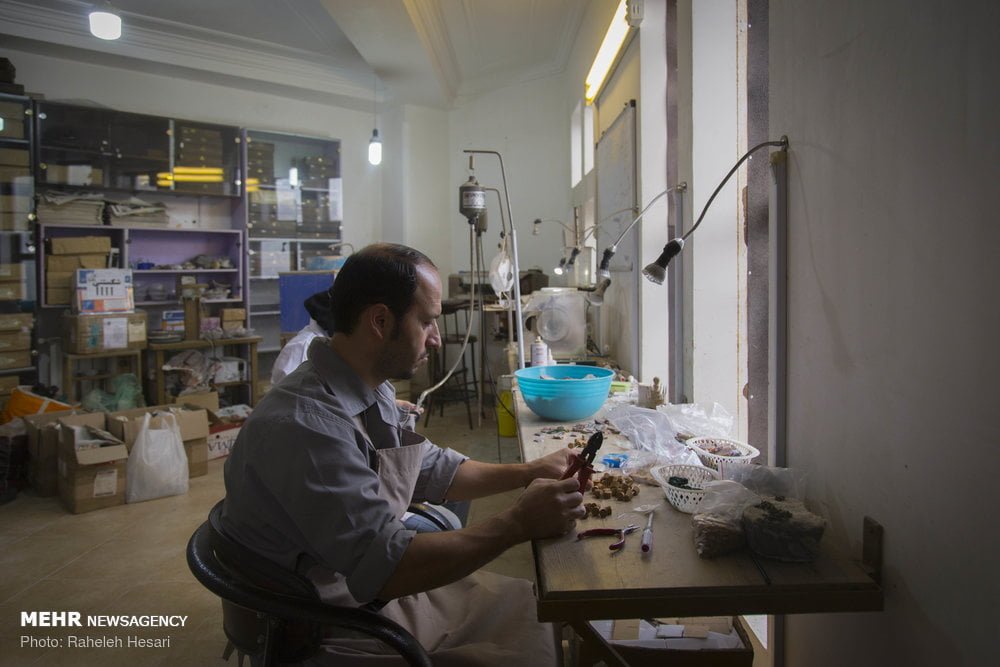
An amethyst stone processing workshop has been operating since 2010 in the northern city of Gorgan. One of the problems that such workshops are faced with is the export of the processed gems to other countries.

Here are photos of this workshop retrieved from Mehr News Agency:

Officials Join Social Media Campaign against Nepotism in Iran

In the campaign, Iranian netizens have called on officials to disclose the place of residence, education and job status of their children.

The campaign was launched after photos of the lavish wedding ceremony of Mohsen Moradian, the son of Iran’s Ambassador to Denmark Morteza Moradian, went viral.

The ceremony was reportedly held in a luxury hall in Denmark in summer 2017.

In recent months, Iranian social media users have been engaged in a heated debate over nepotism in the public sector.

Although the phenomenon is not something new, the increasing economic hardships and the high rate of unemployment have unprecedentedly expanded the scope of the recent debate.

People, particularly the army of the unemployed, are taking to social media to criticize the appointment of relatives of high-ranking officials to sensitive governmental positions.


Good Genes

The issue was rekindled when Hamidreza Aref, an Iranian businessman who is a son of former vice president and current lawmaker Mohammad Reza Aref, gave an interview about his business successes last year.

In the interview, Hamid talked about his rapid progress in business, which began flourishing in early 2000s, when his father was an ICT minister and a first vice-president under reformist president Mohammad Khatami.

Asked about the reason behind has success, Hamid said he believes the “good genes” he inherited from his parents were key to his success.

His words sparked a debate on social media, with many people mocking him with the claim that his success was related to the position of his father as a minister and vice-president and not his qualities.

Good gene was used as a hashtag in social media, with people lamenting talented people who are not close to high-ranking officials find it difficult to land themselves a job and are forced to migrate from Iran, but relatives of officials who lack enough skills or experience are appointed to top positions.

As a notable example, users point to the young Ahmad Araqchi, a nephew of Iran’s Deputy Foreign Minister Abbas Araqchi, who was appointed as deputy governor general of Iran’s Central Bank despite his little experience. Araqchi was recently sacked and arrested amid the foreign currency crisis in Iran.


Ministers, Dignitaries Join the Campaign

So far, a handful of Iranian officials have joined the campaign, including the top Iranian diplomat and the country’s incumbent culture minister.

Foreign Minister Mohammad Javad Zarif said all of his children are living in Iran. His son is a market management consultant and his daughter is a part-time interior designer. Zarif also said his son-in-law is managing a private sector firm and his daughter-in-law is a part-time university lecturer.

Culture Minister Seyyed Abbas Salehi was the first official to join the campaign. He said his older son has a master’s degree from University of Tehran and is a freelance researcher; his second son has just graduated from Isfahan University; and his little daughter is a student in a public primary school.

Hessamoddin Ashna, an advisor to Iranian President Hassan Rouhani, said one of his sons is a Sharif University graduate who is seeking to get his PhD and the other is a high-school student.

Mohammad Ali Abtahi, a former vice president, said one of his daughters is a teacher, another is a part-time help desk technician in a private sector firm and the last daughter is a student at the University of Tehran.

Shahindokht Molaverdi, the Iranian President’s Special Assistant for Citizens’ Rights Affairs, said one of her daughters holds a master’s degree in English literature from Shahid Beheshti University and is a freelance translator, and her other daughter has a bachelor’s degree in painting from Art University and is taking a jewellery-making course in Iran’s Technical and Vocational Training Organization.

Mohsen Hashemi Rafsanjani, the head of Tehran City Council, also said he has three sons, two of them are studying at Iranian universities and the other abroad.

Iran Slams Disrespect for Islamic Headscarves at Tbilisi Airport

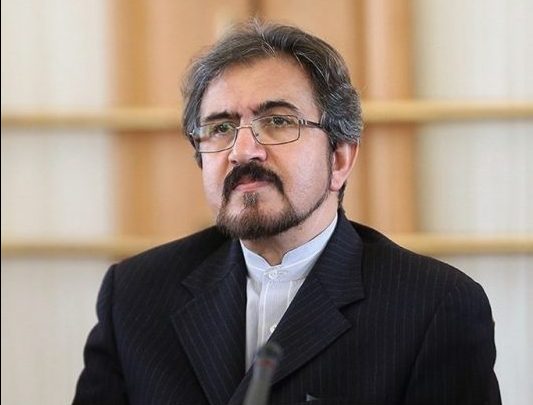
Qassemi’s reaction came in response to a question on the news that several Iranian passengers had their Islamic headscarves disrespected during security check for a flight from Tbilisi, Georgia, to Isfahan, Iran.

“After the release of a report by the Foreign Ministry’s representative office in Isfahan and after the authenticity of the report was confirmed through phone contacts by the Iranian ambassador to Georgia with a number of the passengers on board the flight, the Iranian embassy in Tbilisi expressed its strong protest at the Georgian Foreign Ministry and Tbilisi Airport security police,” said Qassemi.

He said Iran’s embassy in Tbilisi continues to follow up the issue at the Foreign Ministry’s Department General for Consular Affairs as well as the ministry’s Mission in Isfahan.

“Among the measures adopted were the Department General for Consular Affairs expressing its objection to the Georgian embassy in Tehran, the Iranian embassy in Tbilisi sending a note of protest to Georgia’s Foreign Ministry, and the Georgian ambassador to Tehran being asked to give explanation on the matter,” he said.

“Relevant Georgian authorities have also been asked to pursue the matter and prevent Iranian passengers from being subjected to such treatments again,” he said.

“Thanks to the measures adopted, we hope security police at Tbilisi will exercise utmost care concerning the necessity of respecting Muslim women’s privacy and keep such incidents from happening again,” he added.

This is not the first time Iran is criticizing Georgia over the Tbilisi airport’s mistreatment of Iranian women. Last year, an Iranian woman was forced by Tbilisi airport security forces to remove her hijab.

Iranian Foreign Minister Mohammad Javad Zarif in April called on Georgian authorities to treat Iranian tourists with respect.

“Respecting Iranian tourists and treating Muslim women in general, and Iranian women in particular, with dignity is an absolute necessity for the growth of tourism industry in Georgia,” Zarif said in a meeting with Georgian Prime Minister Giorgi Kvirikashvili.

It came after it was reported that a Muslim Iranian woman visiting Georgia was forced to take off her hijab for frisking.

The Georgian prime minister, while expressing surprise, said he would look into the incident.

“I cannot imagine that Muslim women are offended in Georgia,” Kvirikashvili said at the time.

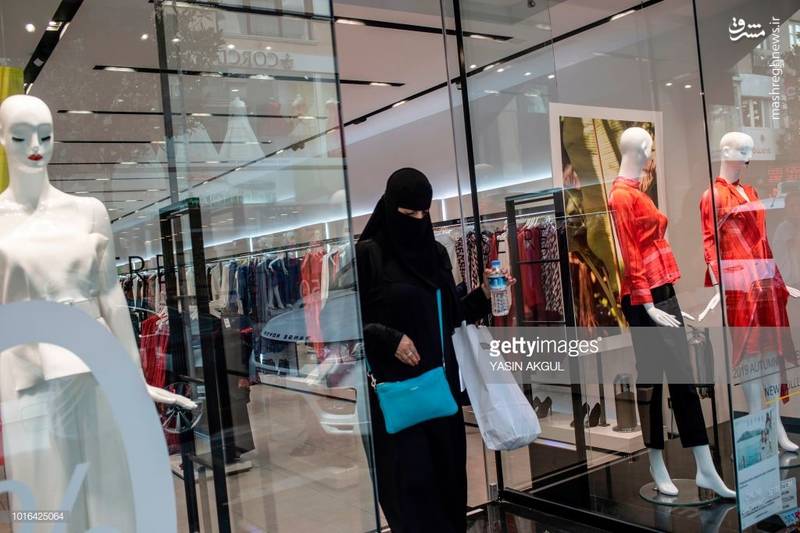
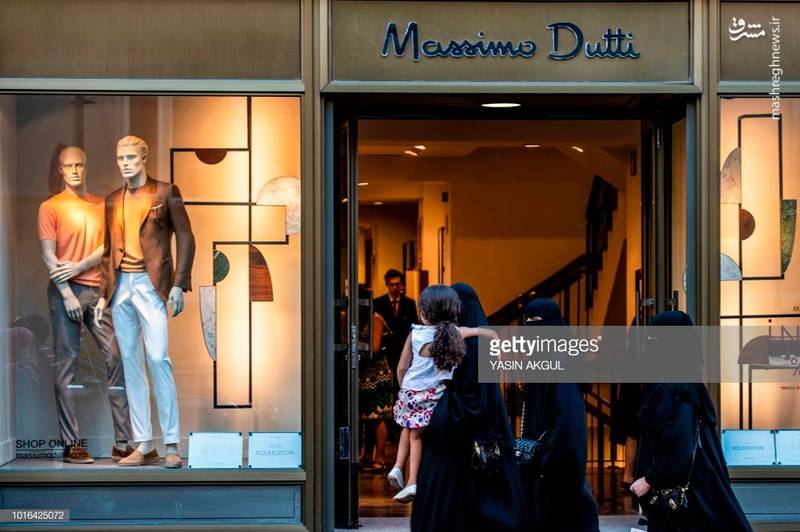
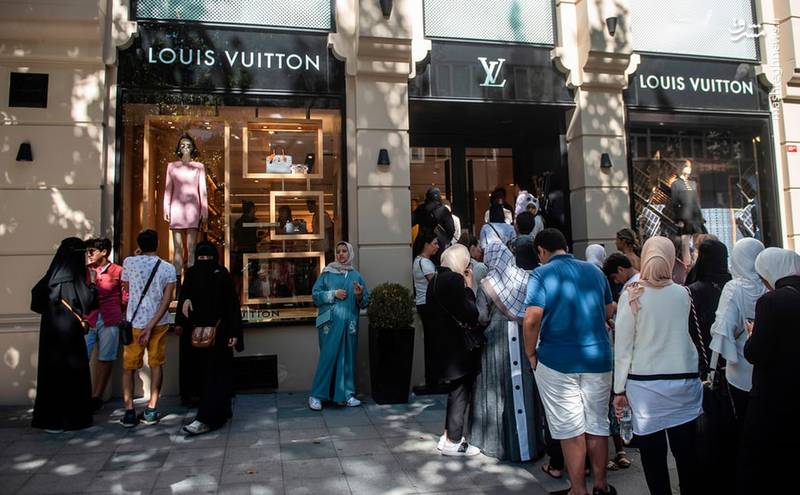
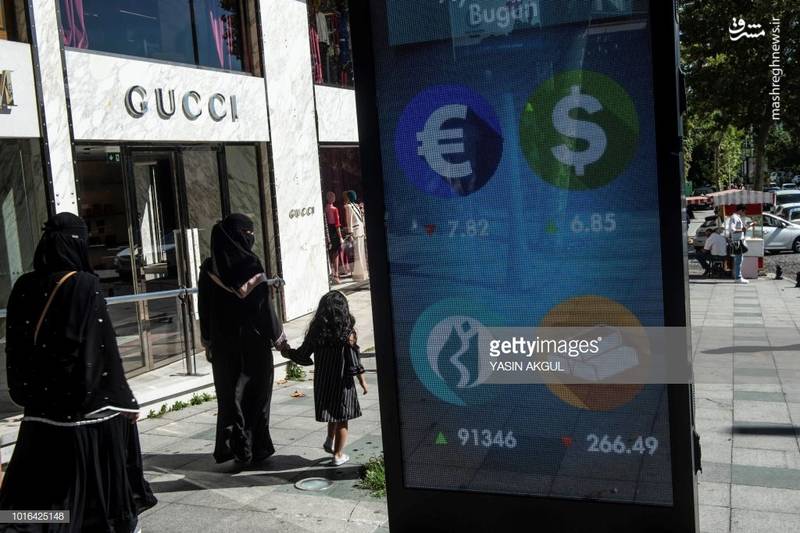
Saudi Tourists Flocking to Turkey’s Shops amid Lira Plunge

This year, the lira has lost more than 40 percent of its value against the US dollar in the wake of concerns about the future of the Turkish economy and worsening Turkey-US ties, among other factors.

Turkey’s currency fell to another record low on Monday, hitting stocks in Europe and elsewhere.

What follows are photos of Arab tourists in Turkish shops:

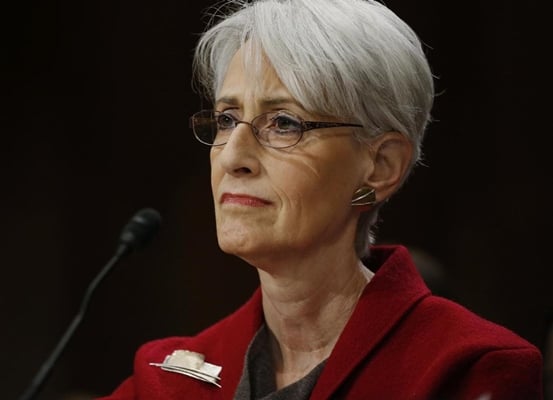
Wendy Sherman Confesses She Was Wrong about Iranians’ DNA

Wendy Sherman Confesses She Was Wrong about Iranians’ DNA

In the minds of many Iranians, Sherman is associated with their DNAs. They still remember Sherman for her provocative remarks in October 2013, as Iran and the US were in the midst of talks to settle a long-running dispute over Iran’s nuclear program.

“Deception is a part of [Iran’s] DNA,” Sherman told members of the Senate Foreign Relations Committee at the time. The comments by such a senior US State Department official and America’s top negotiator in the talks were taken as an insult in Iranian political and social circles, with some conservative outlets urging a boycott of talks.

At the time, Iranian netizens took to social media to remind the US of its dismal record in betraying the trust of Iranians, pointing to the US co-orchestrated 1953 coup and the 1981 Algiers accord, among other displays of the untrustworthiness of the US.


I Was Wrong

Now, Sherman has confessed she was wrong in believing Iranians were likely to deceive the US.

In a recent article published by Foreign Affairs, Sherman said during the nuclear talks, her Iranian counterpart were occasionally asking how they could be assured the deal would be durable, considering that Republicans, who were fierce critics of the talks, were likely to take office in 2016 US presidential elections.

Sherman used to respond that the US shared a similar concern about the future of the deal in case Iranian critics of nuclear talks, which she labelled as “hardliners”, take power in Iran.

“I always expected that the greatest challenge to the deal’s success would be violations by Iran, not the political machinations of the president of the United States,” she wrote.

“Of course, I was wrong. In May 2018, US President Donald Trump decided to pull the United States out of the agreement and re-impose the US sanctions on Iran that the deal had lifted, a move that will go down as one of the worst foreign policy blunders in US history,” she said.


Sherman said Trump has turned Iran into a “nearly impossible problem” for future administrations and has led other countries to hold less trust in Washington.

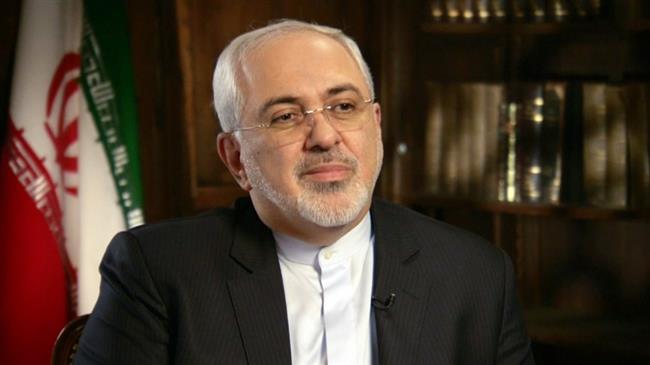
US Has Lost Even Its Closest Allies, Iran FM Says

“Today the US’ closest allies, apart from a few of our neighbors, are no longer aligned with Washington,” said Zarif during a televised interview on Wednesday night.

He added that the US’ withdrawal from the Joint Comprehensive Plan of Action (JCPOA) has perfectly manifested the country’s isolation on the global stage.

“The US is trying to create a psychological atmosphere” against Iran, Zarif added.

“Basically the entire goal is to psychologically affect our nation and to affect the psychological vibe of our trade partners across the globe,” the Iranian foreign minister stated, stressing that “the world is not ready to follow the US.”

The JCPOA was signed in 2015 by the five permanent members of the UN Security Council, including the US, plus Germany under then US President Barack Obama.

Under the deal, Iran undertook to put limits on its nuclear program in exchange for the removal of nuclear-related sanctions imposed against it.

US President Donald Trump pulled the US out of the Iran nuclear agreement in May, and said that he plans to reinstate US nuclear sanctions on Iran and impose “the highest level” of economic bans on the Islamic Republic.

The European Union has said the international community has an obligation to maintain economic relations with Iran.

Zarif noted that the EU has so far lived up to its commitments, but they have to “move beyond words.”

“The Europeans say the JCPOA is a security achievement for them. Well, you ought to pay for your security. No one finds security without investment,” he added.

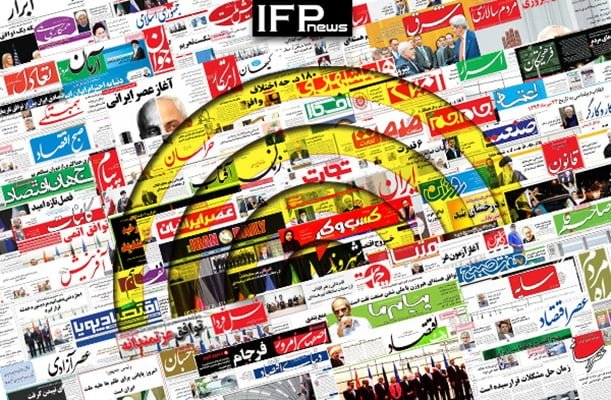
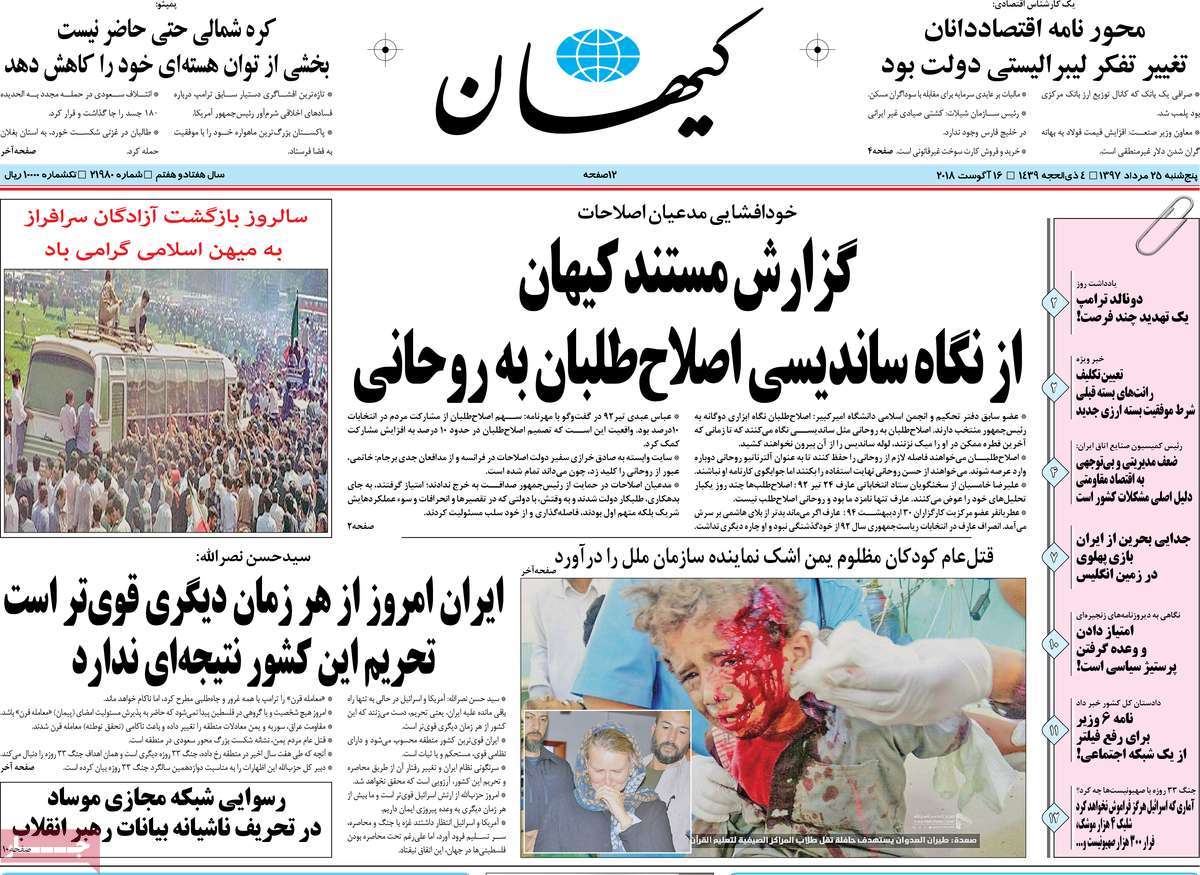
A Look at Iranian Newspaper Front Pages on August 16

A Look at Iranian Newspaper Front Pages on November 19

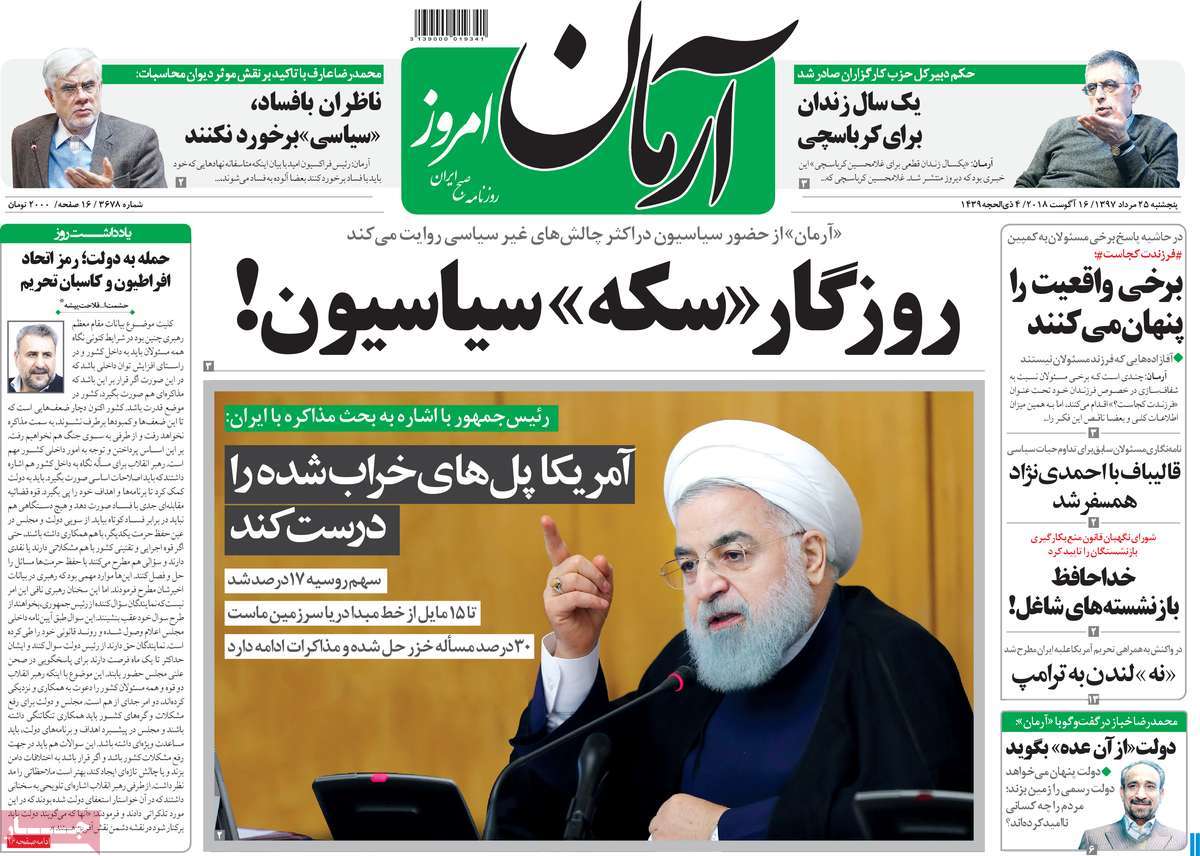
All papers today covered the remarks made by Iranian President Hassan Rouhani about the US’ call for dialogue with Tehran. Rouhani said the US was the one that burned the bridges for talks, and if it’s honest, it must fix those bridges.

The recent convention on the Caspian Sea’s legal regime and the controversies regarding Iran’s share of the huge lake also received great coverage.

A number of papers also highlighted a statement by the office of the Leader of Iran’s Islamic Revolution, in which it clarifies that Ayatollah Khamenei believes giving the green light to Iran-US direct talks was a mistake, not letting the Rouhani administration sign the nuclear deal [as reported by some].

The above issues, as well as many more, are highlighted in the following headlines and top stories:


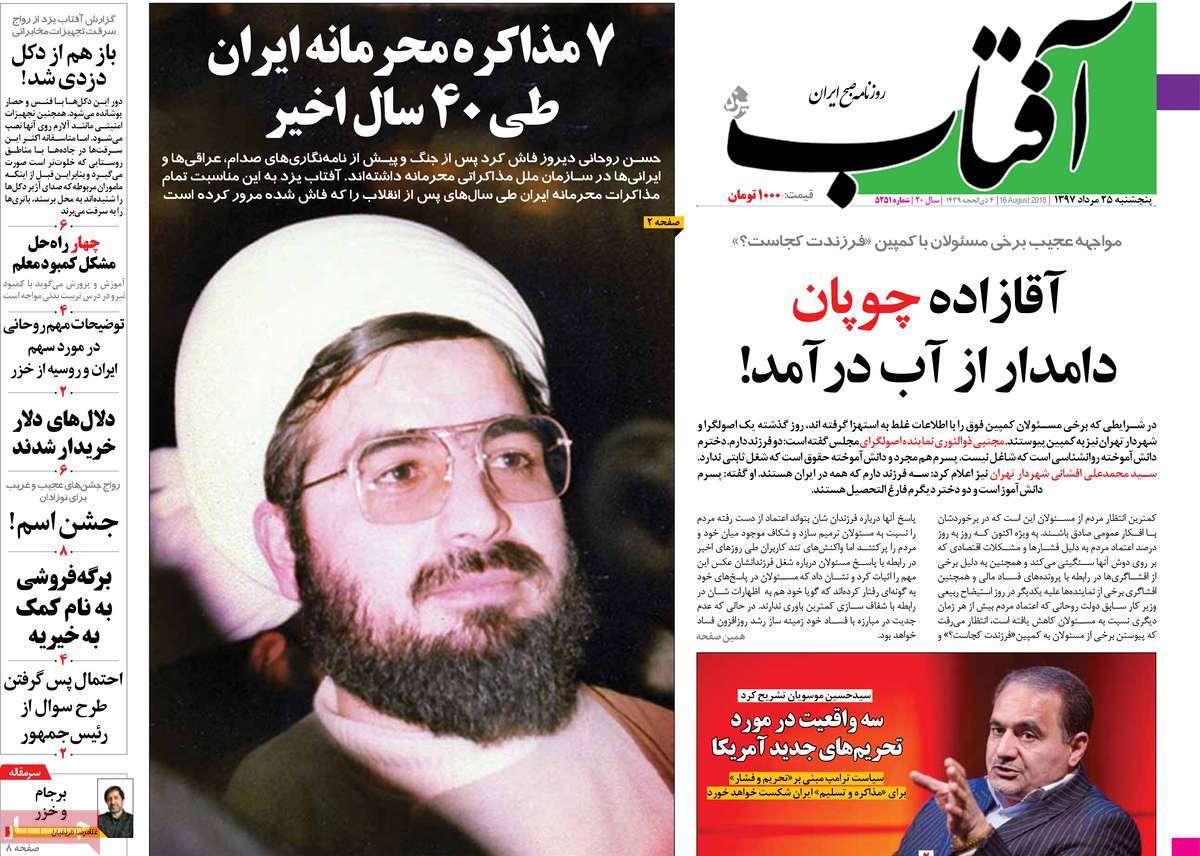
Aftab-e Yazd:

1- Mousavian Outlines Three Realities about New US Sanctions

2- Seven Rounds of Secret Talks Held by Iran in Past 40 Years

* Rouhani Reveals Iran Had Secret Talks with Iraq’s Saddam after 1980s War

A Look at Iranian Newspaper Front Pages on August 16


Arman-e Emrooz:

1- US Can Fix Bridges It Burned: Rouhani on Iran-US Talks

2- Former Mayor of Tehran Karbaschi Sentenced to One Year in Jail

A Look at Iranian Newspaper Front Pages on August 16


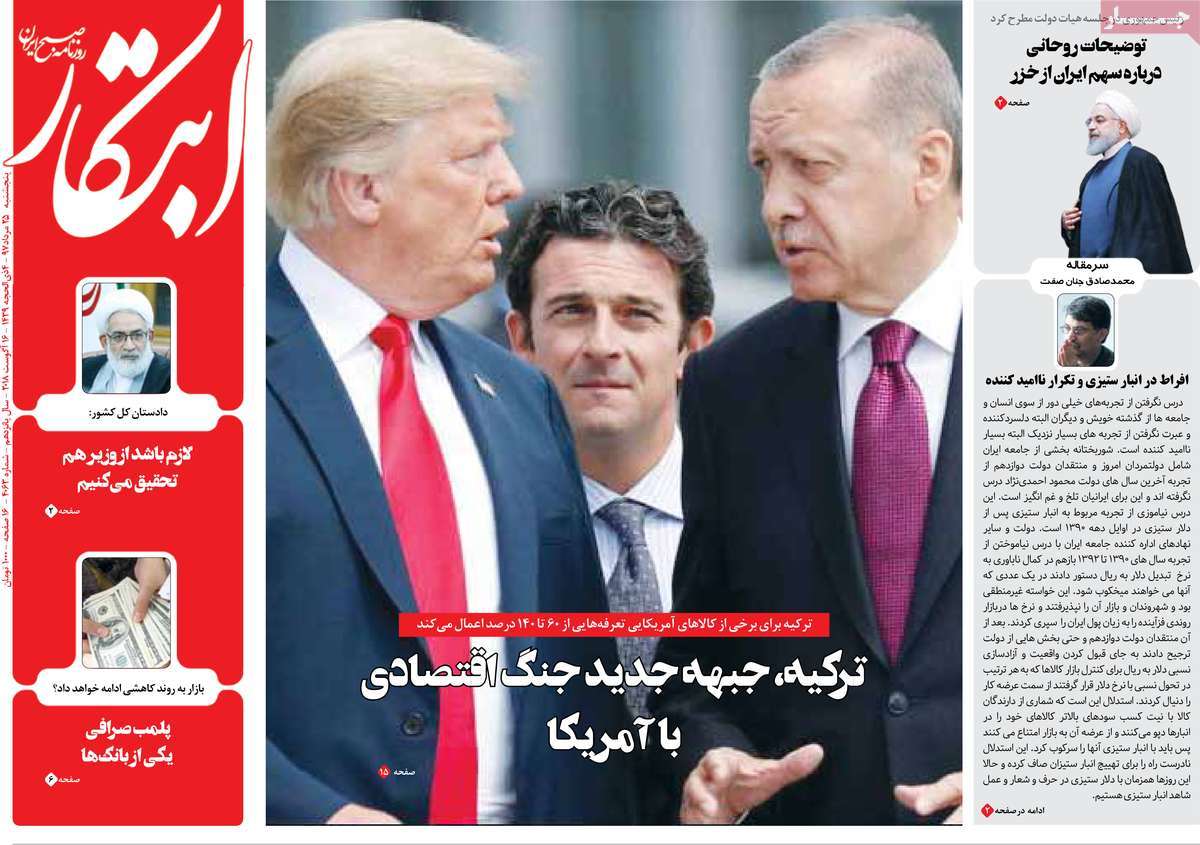
Ebtekar:

1- Turkey, New Front of Economic War with US

A Look at Iranian Newspaper Front Pages on August 16


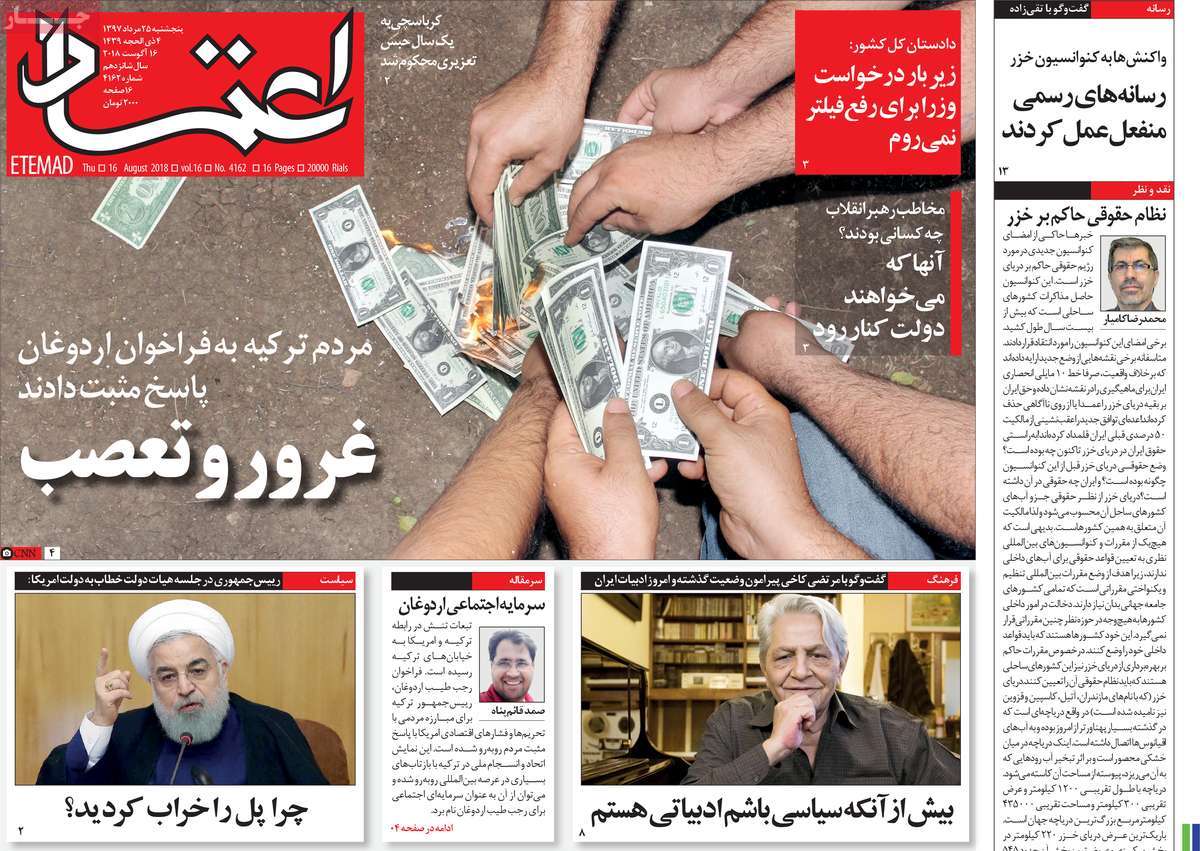
Etemad:

1- Pride and Prejudice: Turkish People Respond to Erdogan’s Call

2- Controversies Regarding Caspian Sea Convention

* Official Media Had Passive Performance

3- Rouhani to Trump: Why Did You Burn the Bridge?

A Look at Iranian Newspaper Front Pages on August 16


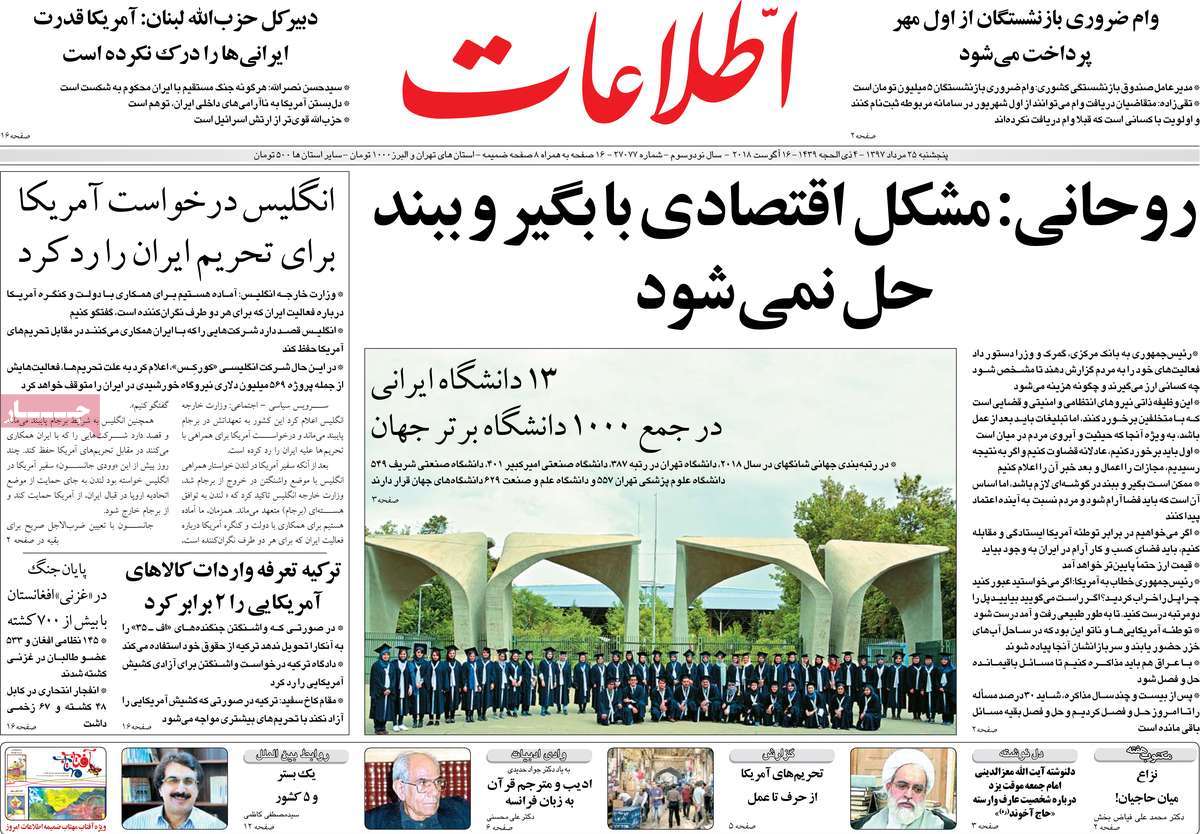
Ettela’at:

1- Economic Woes Can’t Be Resolved by Making Arrests

2- 13 Iranian Universities among World’s Top 1,000

3- UK Rejects US’ Call for Boycotting Iran

4- Hezbollah Secretary General: US Hasn’t Understood Iranians’ Power

A Look at Iranian Newspaper Front Pages on August 16


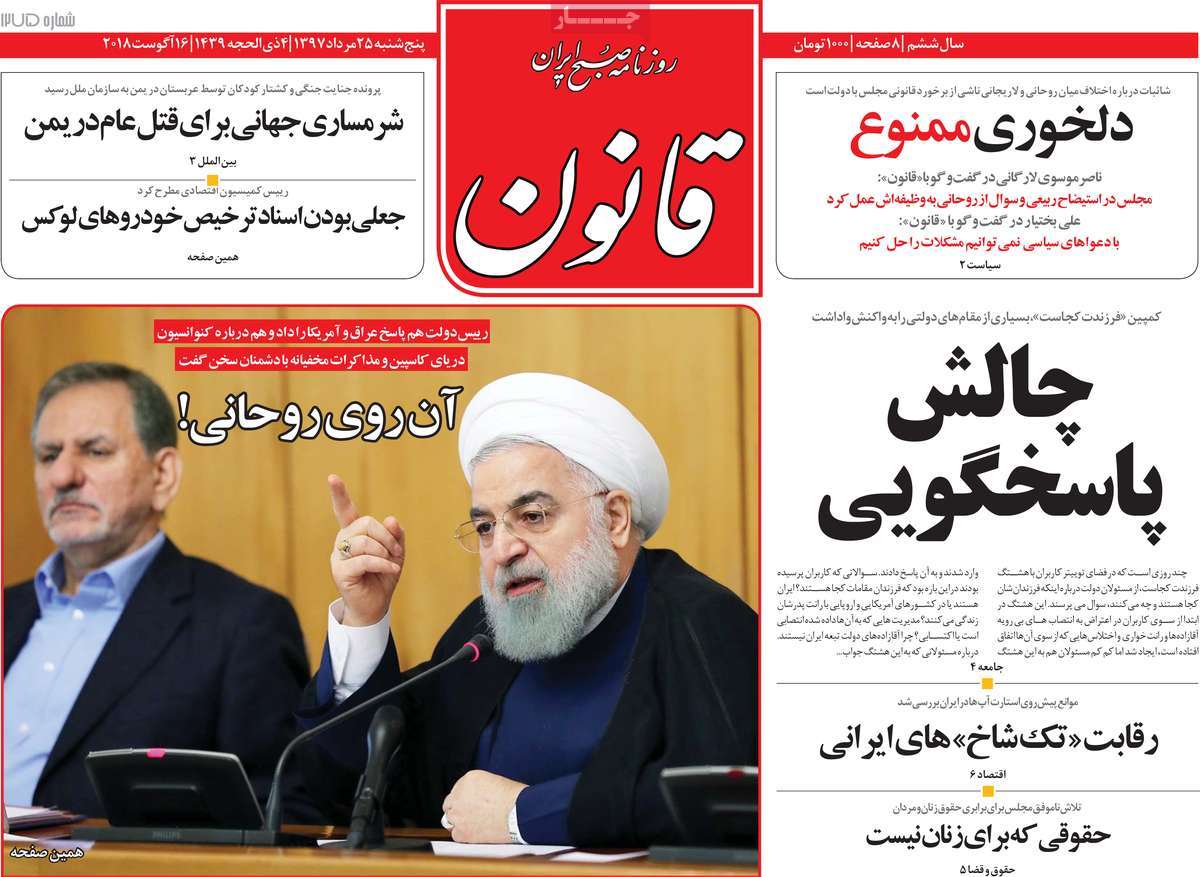
Ghanoon:

1- Rouhani Gives Responses to Iraq, US, Critics of Caspian Sea Convention

2- Challenge of Accountability: Many Officials Join #Where_Is_Your-Child Campaign

A Look at Iranian Newspaper Front Pages on August 16


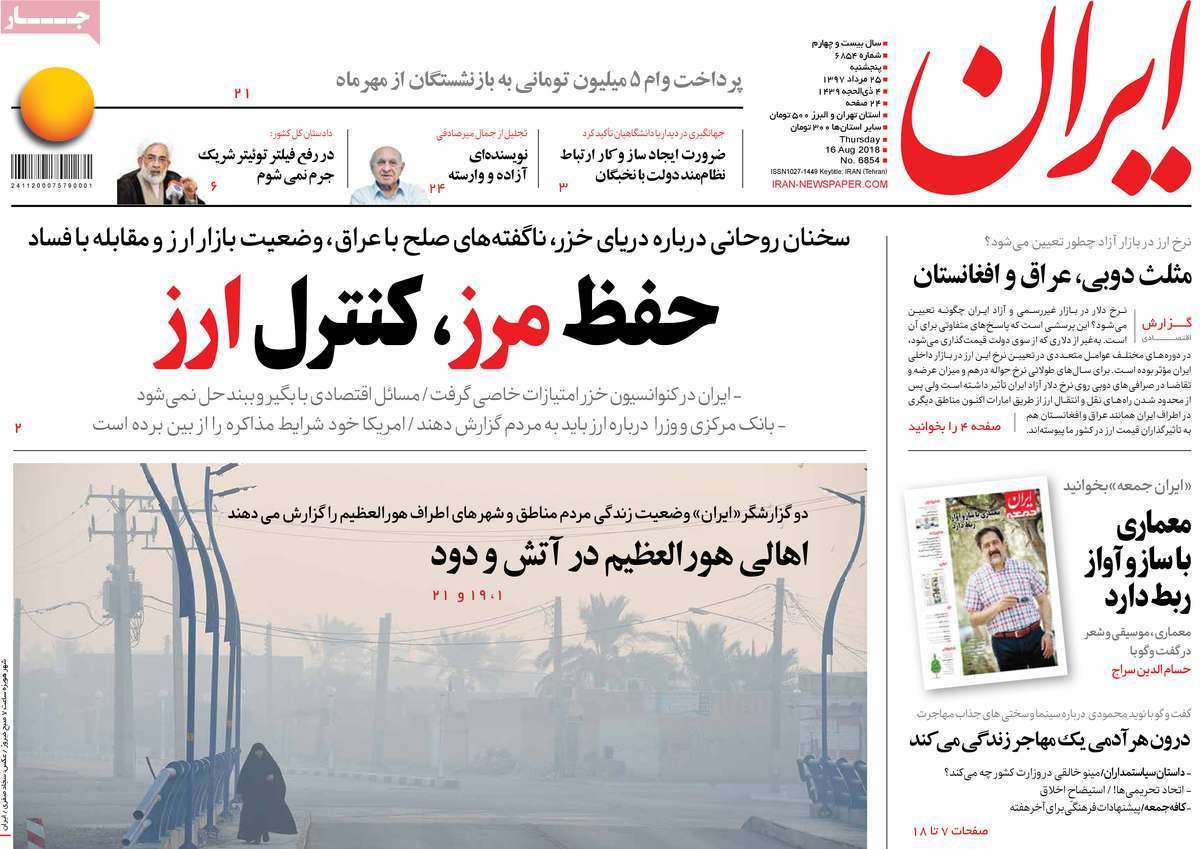
Iran:

1- Forex Rates in Iran Determined by Dubai-Iraq-Afghanistan Triangle

2- Iran Received Special Concessions in Caspian Sea Convention: Rouhani

A Look at Iranian Newspaper Front Pages on August 16


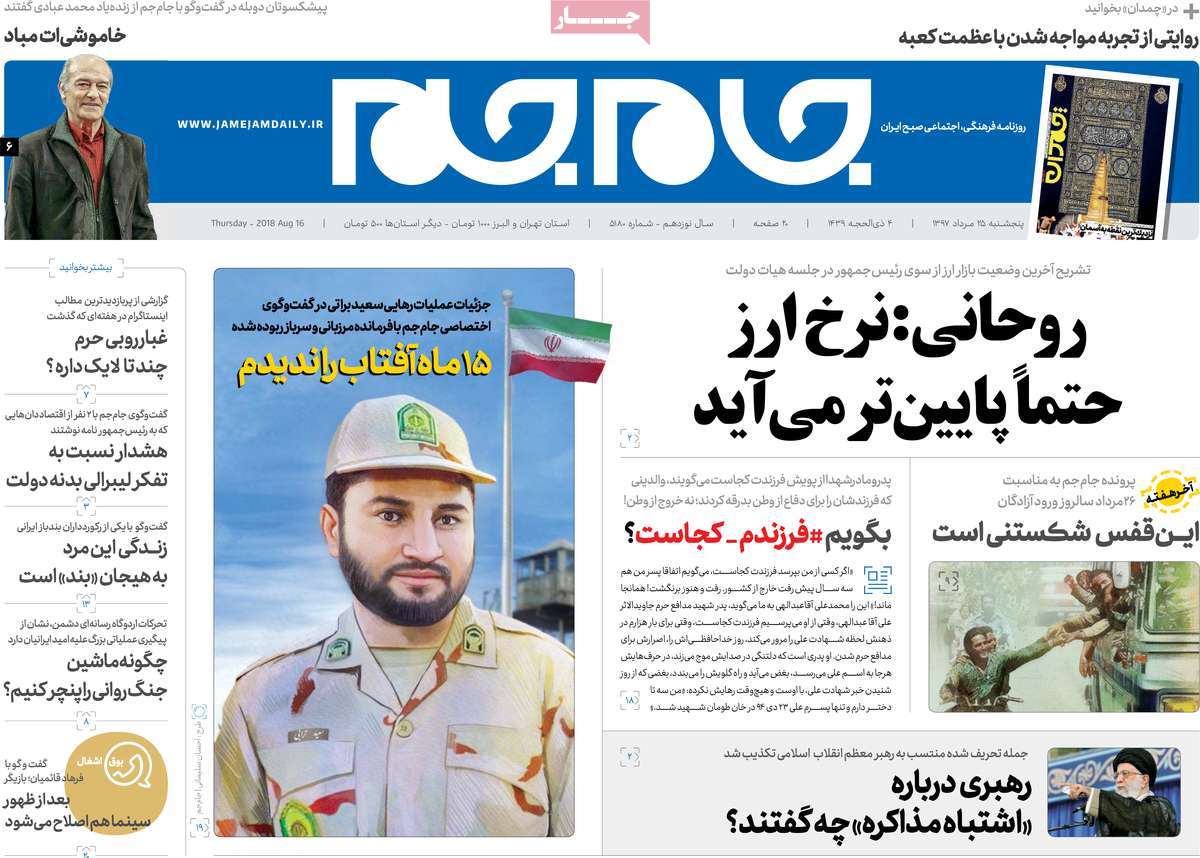
Jame Jam:

1- Rouhani: Forex Rates Will Definitely Go Down

2- Economists Warn about Liberal Thoughts of Certain Gov’t Officials

A Look at Iranian Newspaper Front Pages on August 16


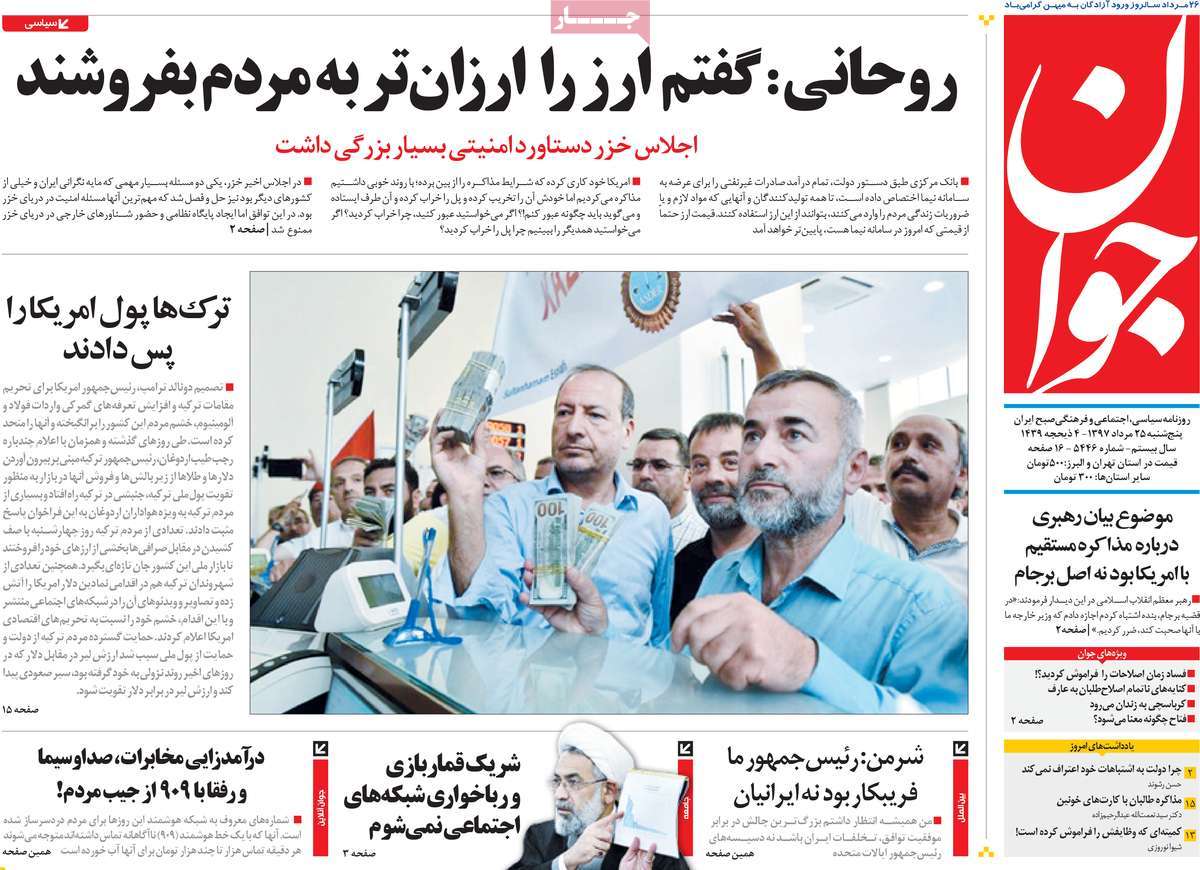
Javan:

1- Rouhani: I Told Them to Sell Forex in Lower Rates

2- Iran Leader: I Made a Mistake by Allowing Our FM to Hold Talks with Them [US]

A Look at Iranian Newspaper Front Pages on August 16


Kayhan:

1- Iran More Powerful than Ever; Sanctions Futile: Hezbollah Chief

2- Mossad’s Elements in Social Media Fail in Attempt to Distort Iran Leader’s Comments

A Look at Iranian Newspaper Front Pages on August 16


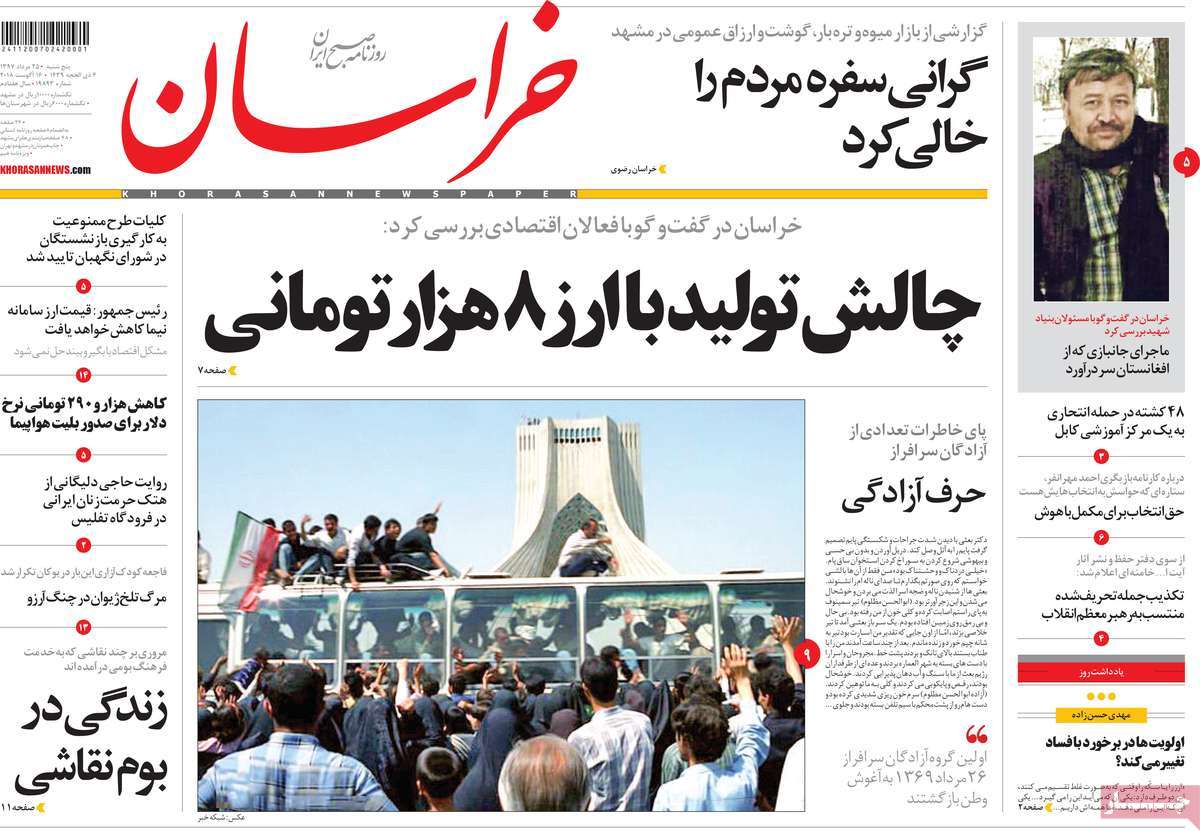
Khorasan:

1- Iranian War Veteran Dies in Afghanistan after Being Mistaken with Afghan, Sent Out of Iran

2- MP Says Iranian Women Harassed in Tbilisi Airport

3- 48 Killed in Suicide Attack in Kabul

A Look at Iranian Newspaper Front Pages on August 16


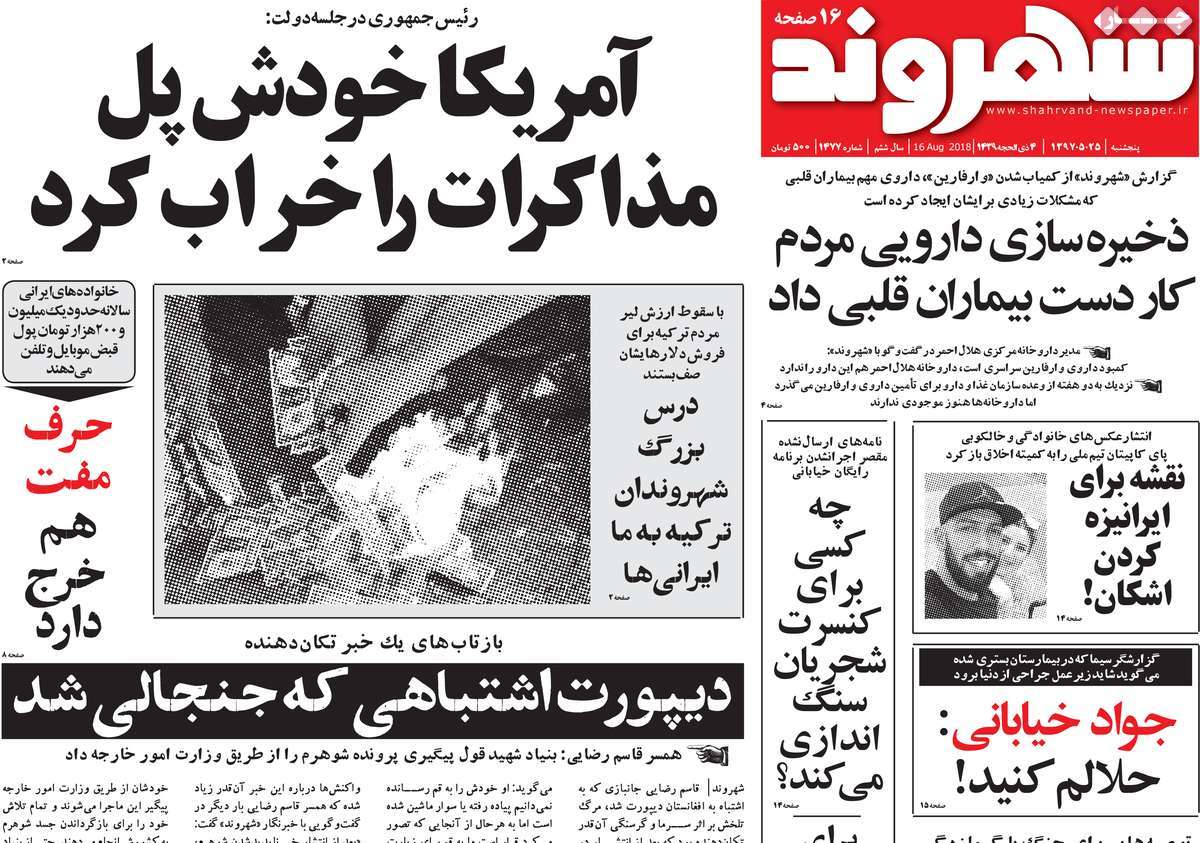
Shahrvand:

1- Wrong Deportation Sparks Controversy: Iranian Man Dies in Afghanistan for a Mistake

1- Shortage of Warfarin in Iran Creating Trouble for Patients

A Look at Iranian Newspaper Front Pages on August 16


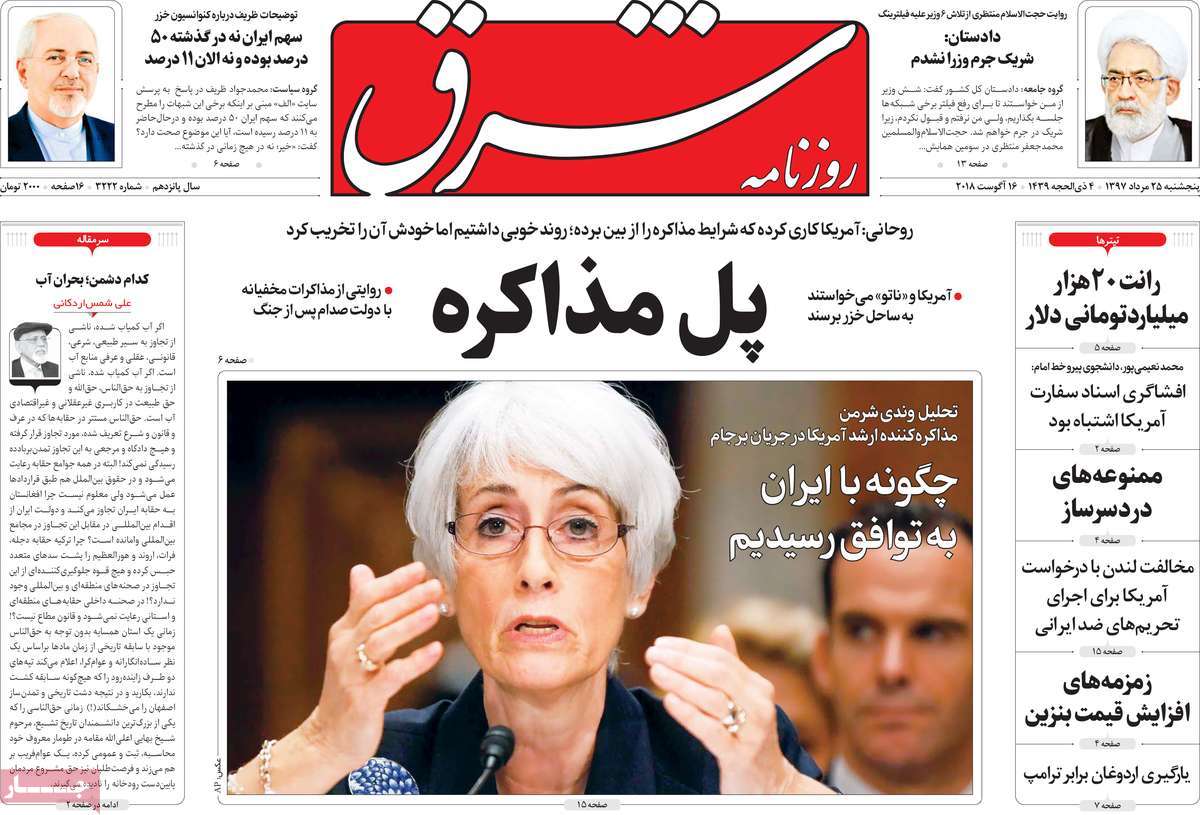
Shargh:

1- Bridge of Negotiation

* Rouhani: What US Did Destroyed Path for Talks

2- Prosecutor-General Strongly Opposed to Unblocking Twitter

3- Iran’s Share of Caspian Sea Wasn’t 50% in Past, Isn’t 11% Now: Zarif

A Look at Iranian Newspaper Front Pages on August 16