Thursday, December 25, 2025
Home Blog Page 3496

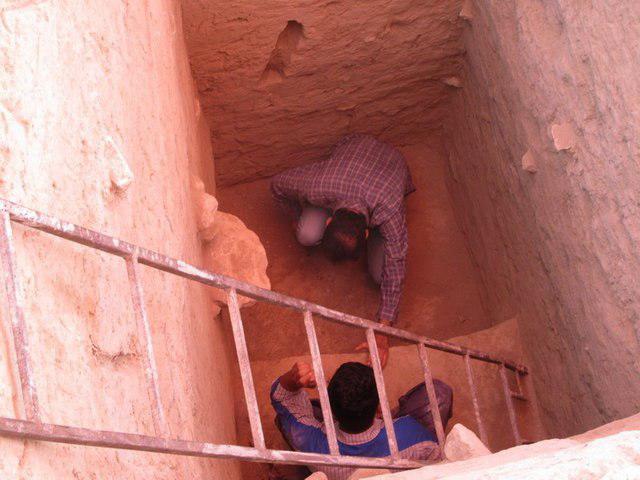
Ancient Site Belonging to 5th Millennium BCE Discovered in Southern Iran

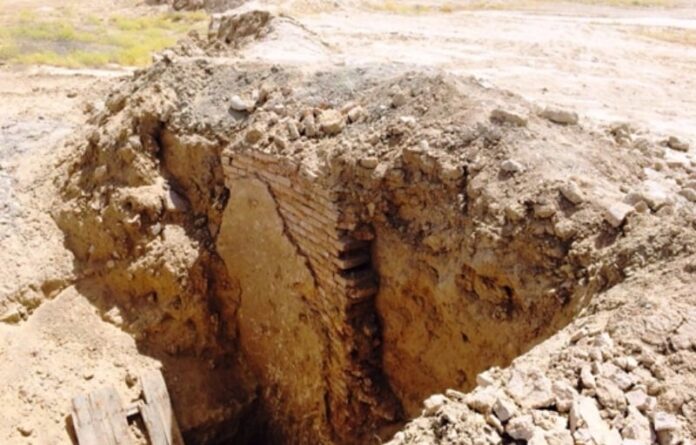
According to director general of the Cultural Heritage, Handcraft and Tourism Department of Bushehr Province, Naser Amirzadeh, “this historical site was discovered in Tahamachi hill area, located three kilometres west of the village of Ameri, in the port city of Deylam.”

The site discovered indicates that an ancient civilisation had existed in this region, he added.

Based on the information received from security units in Deylam port, and after the discovery of clay works by local people, a team of experts from the Cultural Heritage Organisation was deployed to the area, he noted.

“This historical site is located in a vast plain near the village of Shah Abdollah. There are large hills of 5 to 6 metres high above the surface of the surrounding lands that are home to historical and cultural items which are clearly visible,” IRNA quoted Amirzadeh as saying.

Amirzadeh also mentioned that historical and cultural items found on the hills include potteries with brown geometric patterns in dark green and black colours.

“In addition to pottery, rocky tools and bones have also been found on the site,” underlined Amirzadeh.

“Considering the initial findings in the region, which were first identified in the port city of Deylam, it can be guesstimated that the site dates back to the 5th millennium BCE, which is historically very significant for the Persian Gulf coast.”

More than one thousand historical monuments including historical buildings and objects have been discovered in Bushehr province, of which 294 tangible ones and 53 intangible works have been registered on the National Heritage List.

Deylam County is located 200 km north of the city of Bushehr.
Ancient Site Belonging to 5th Millennium BCE Discovered in Southern Iran

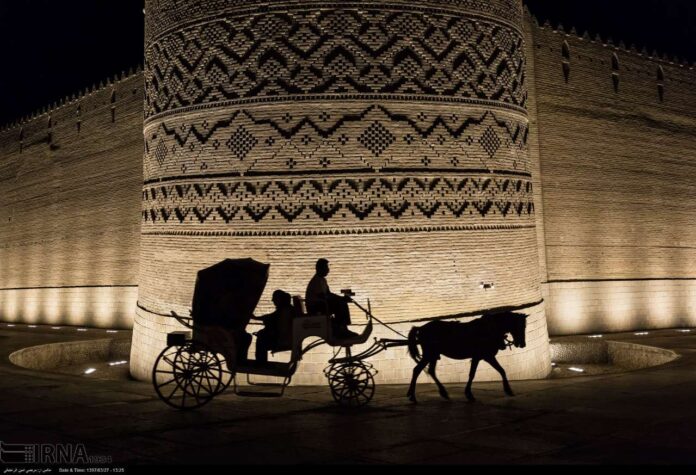
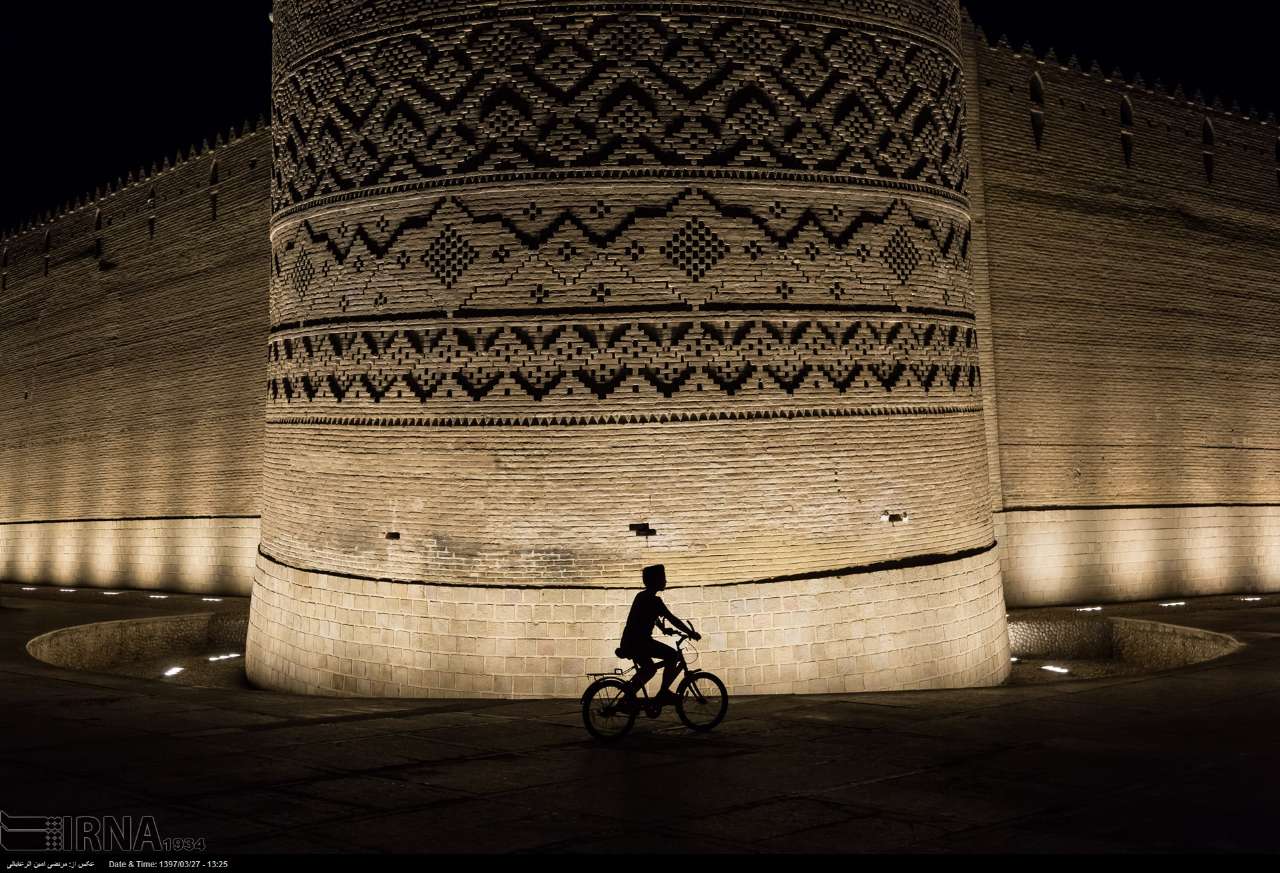
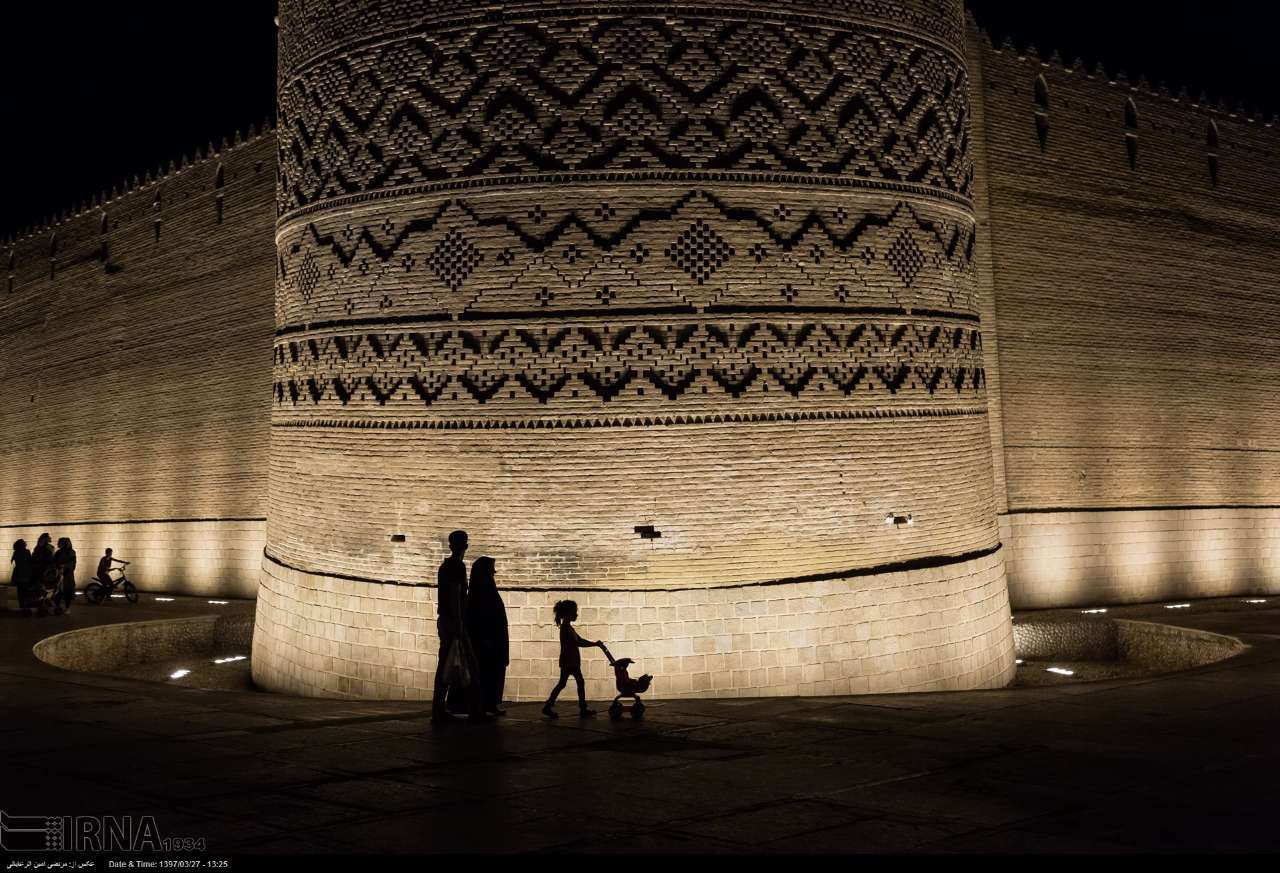
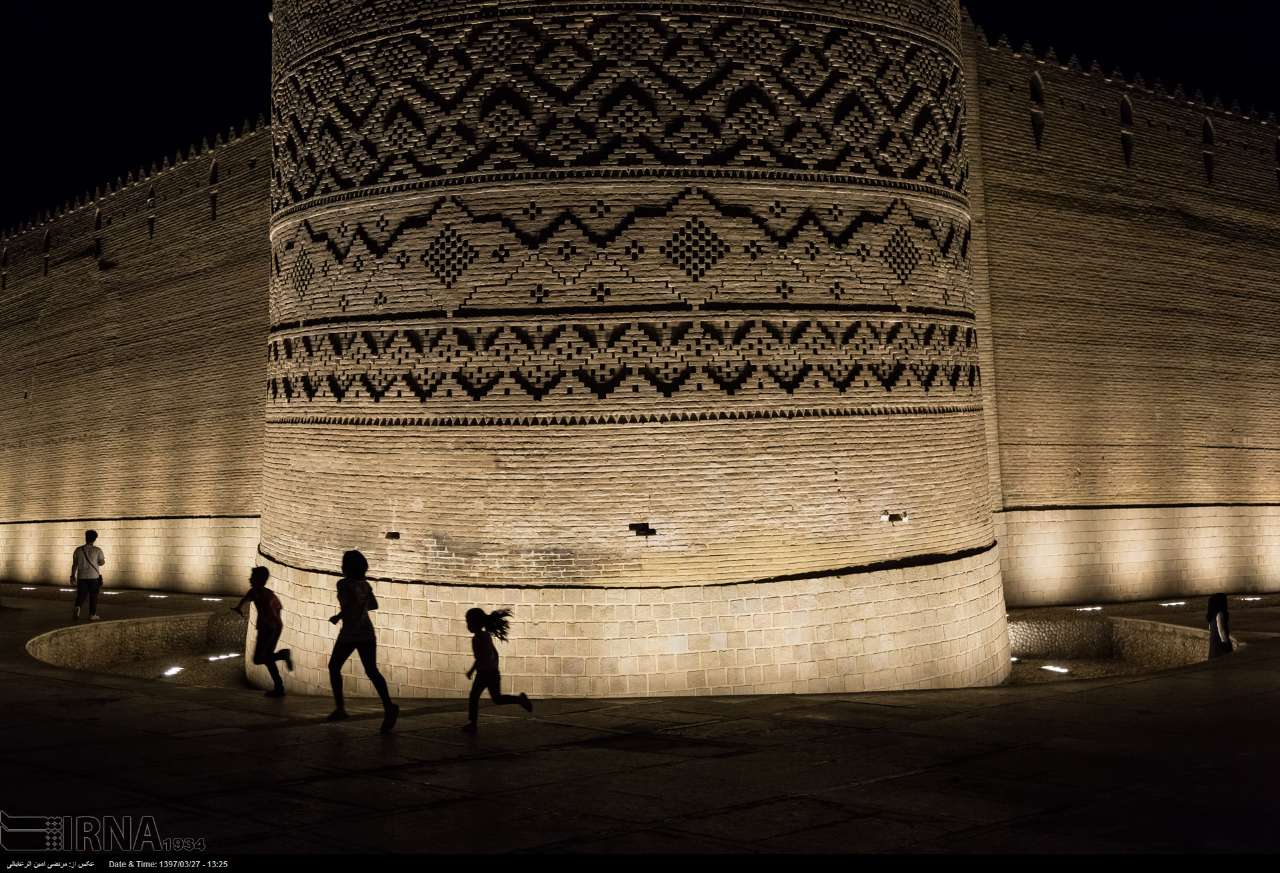
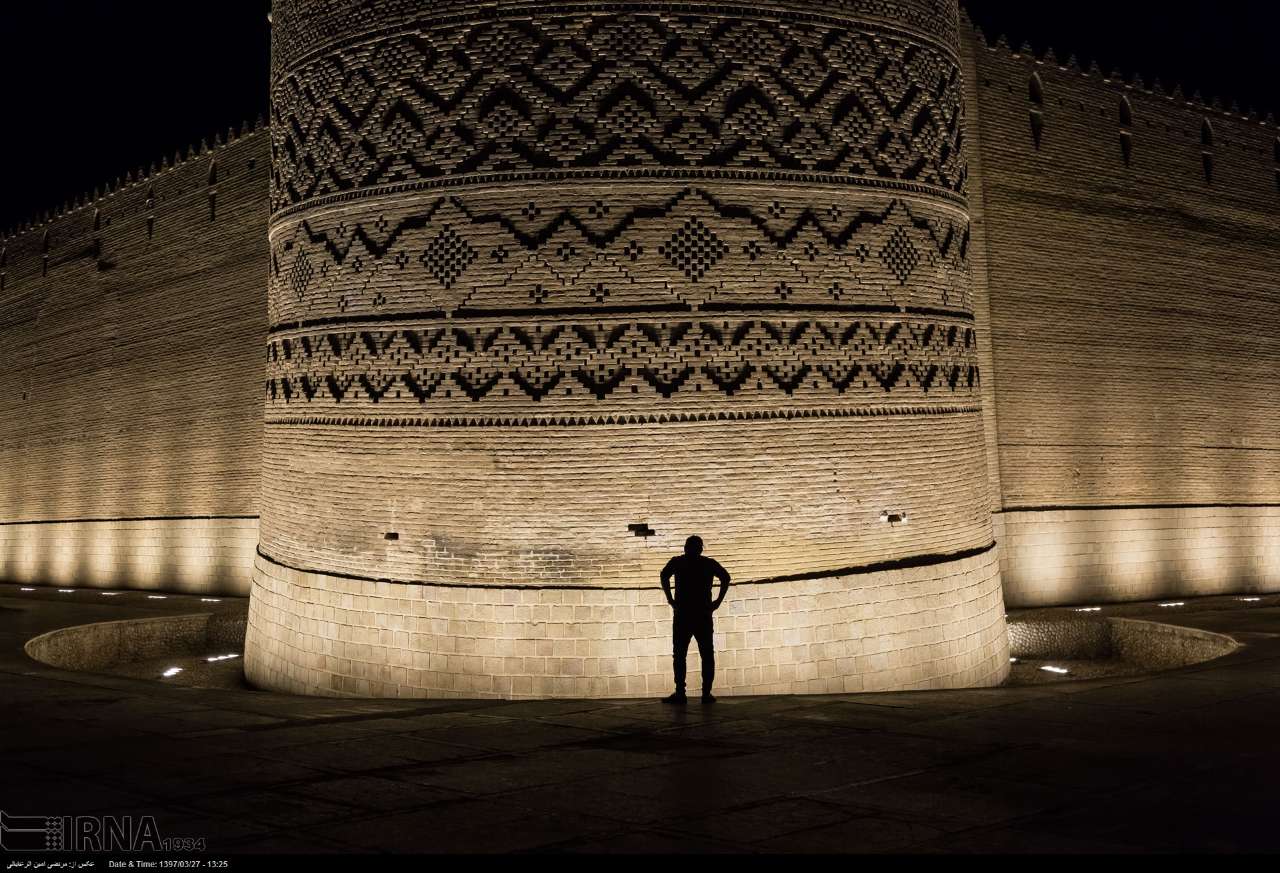
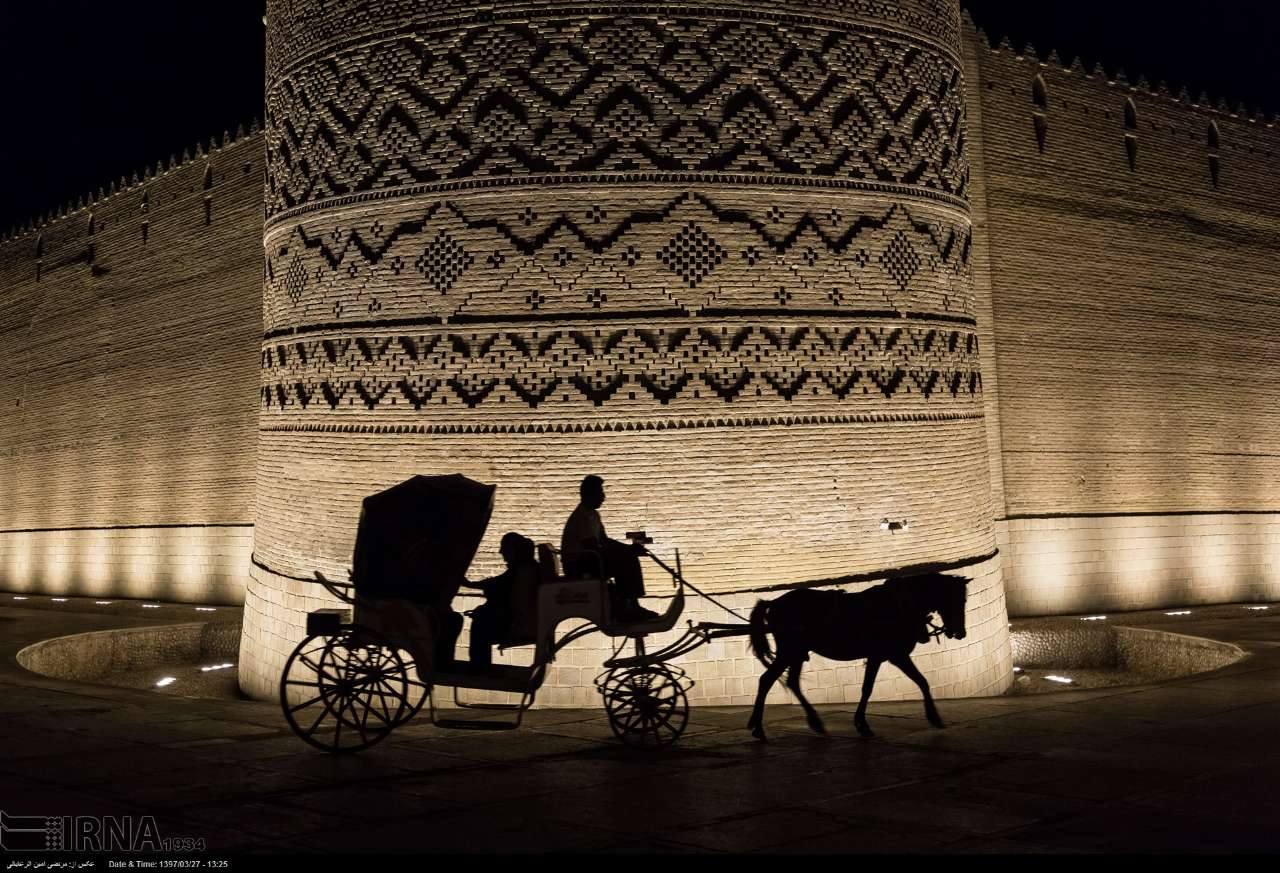
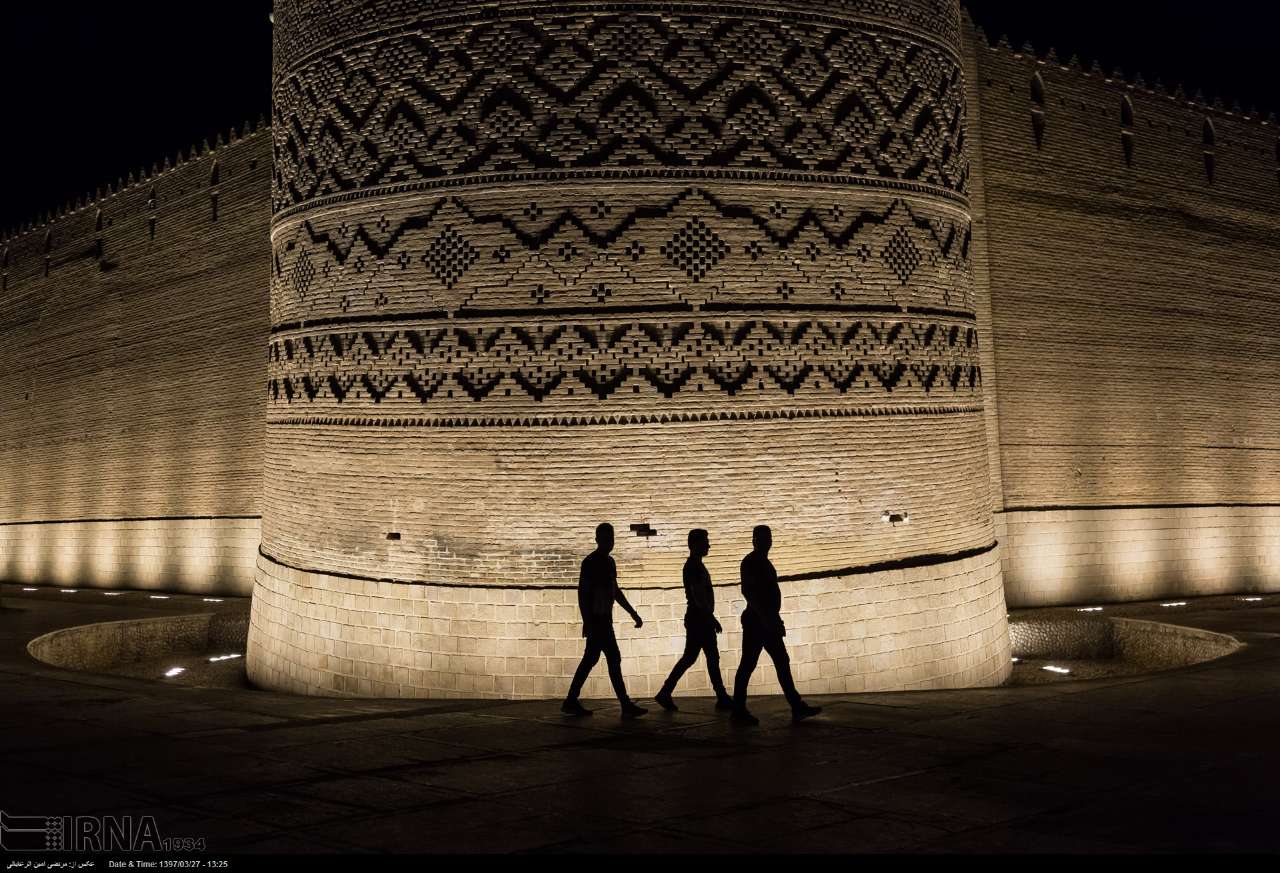
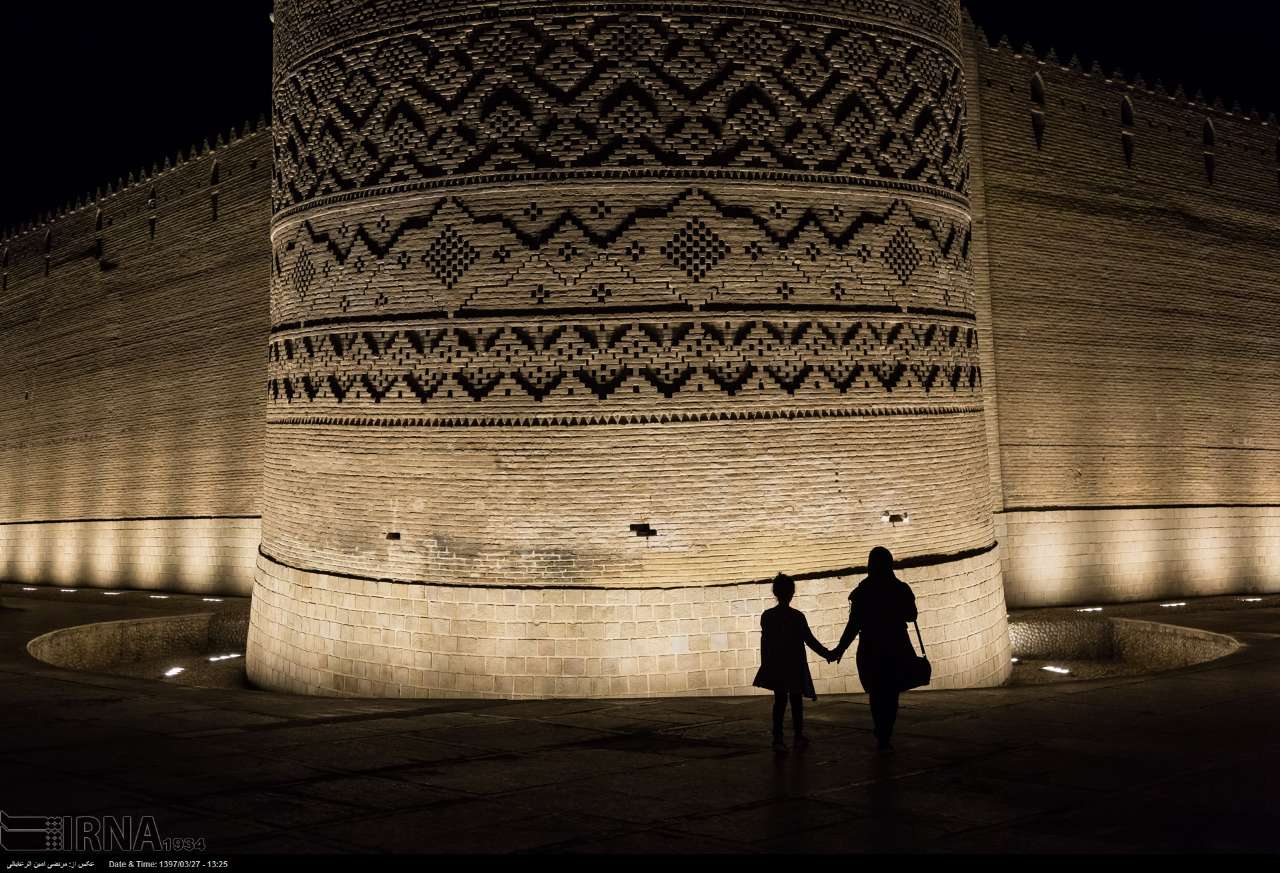
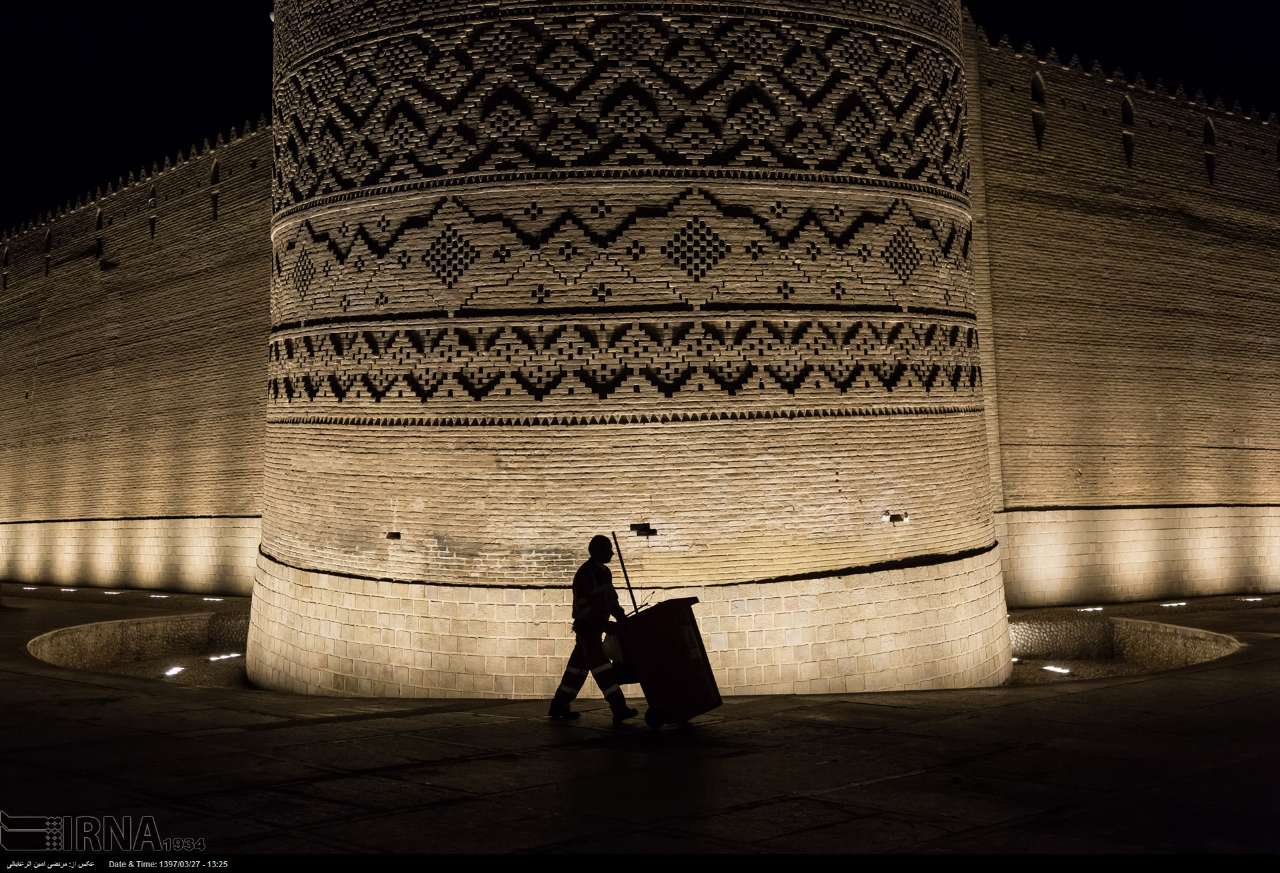
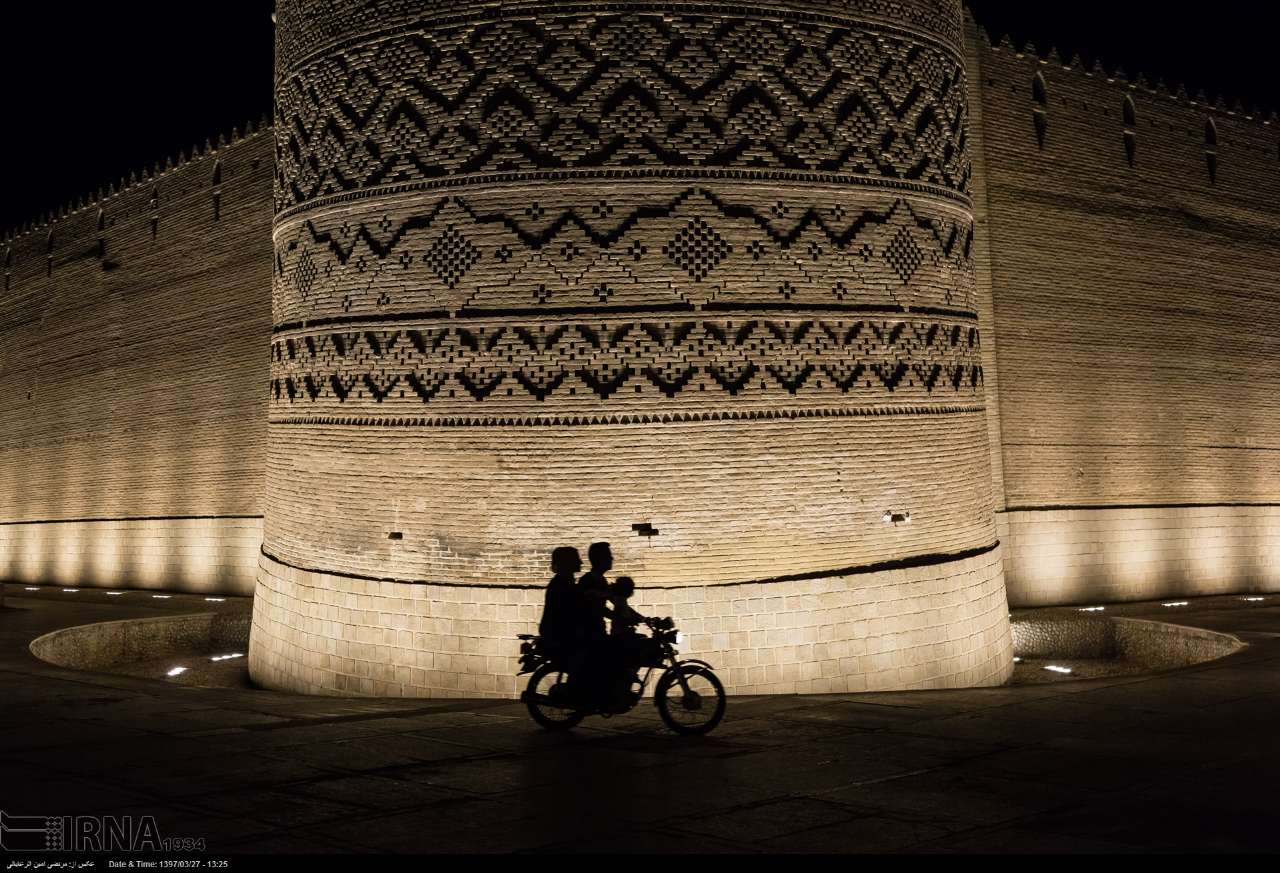
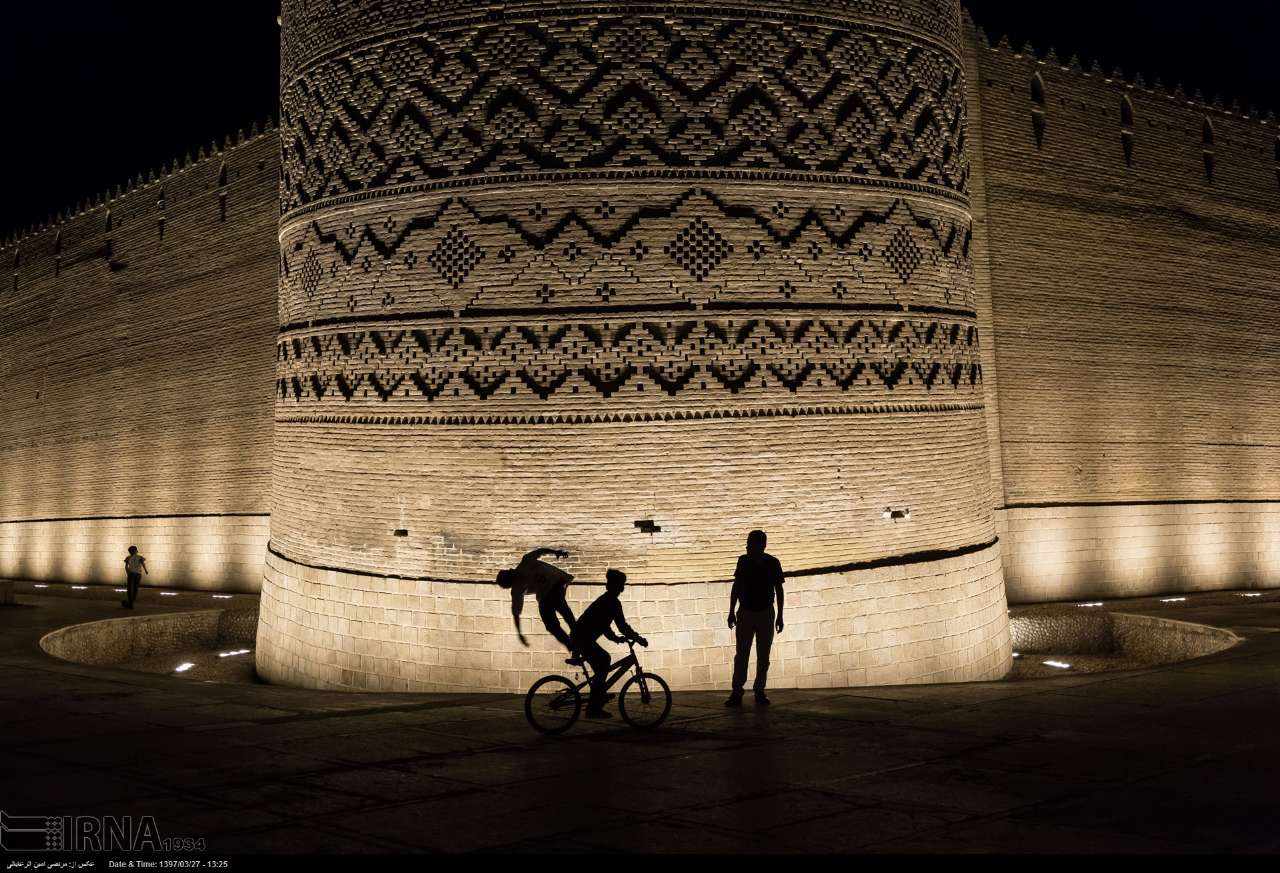
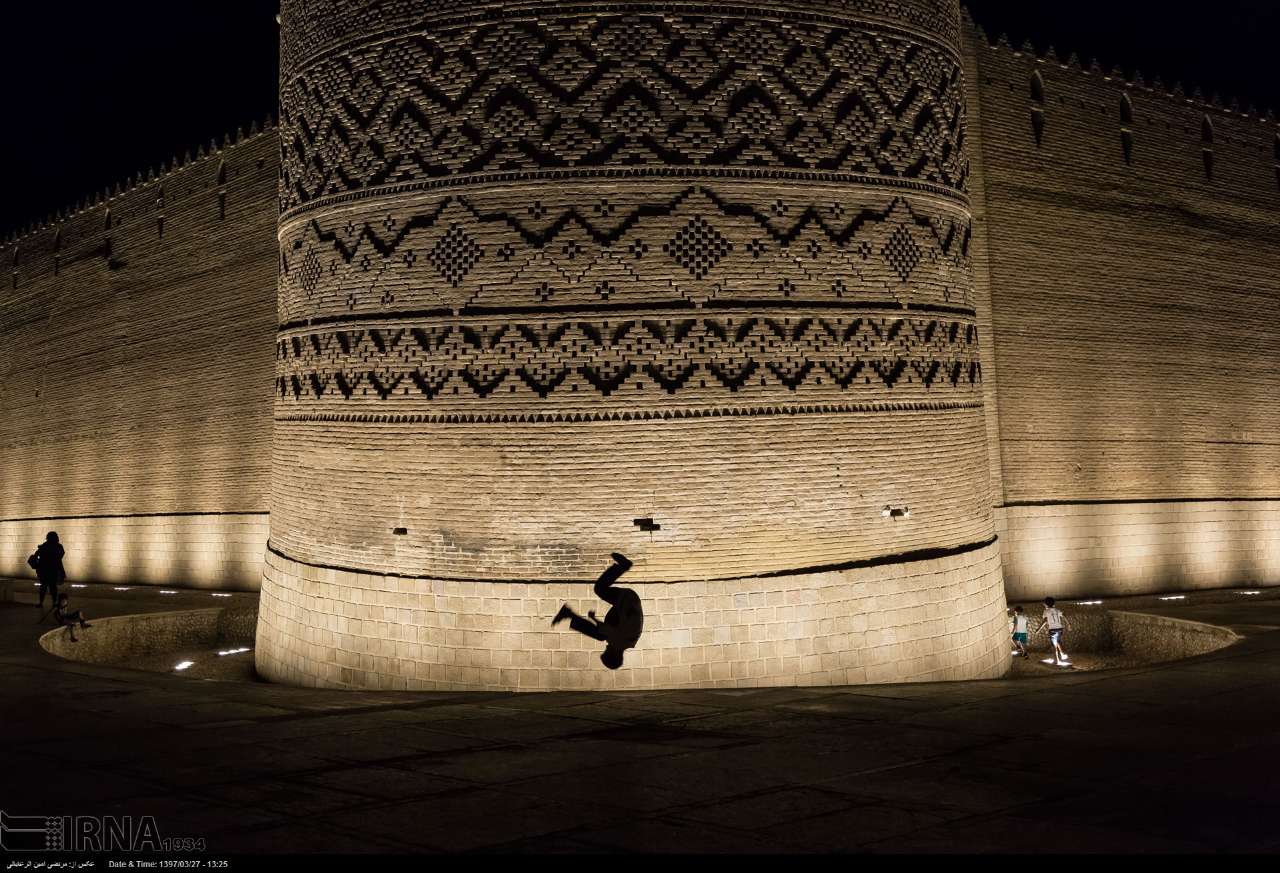
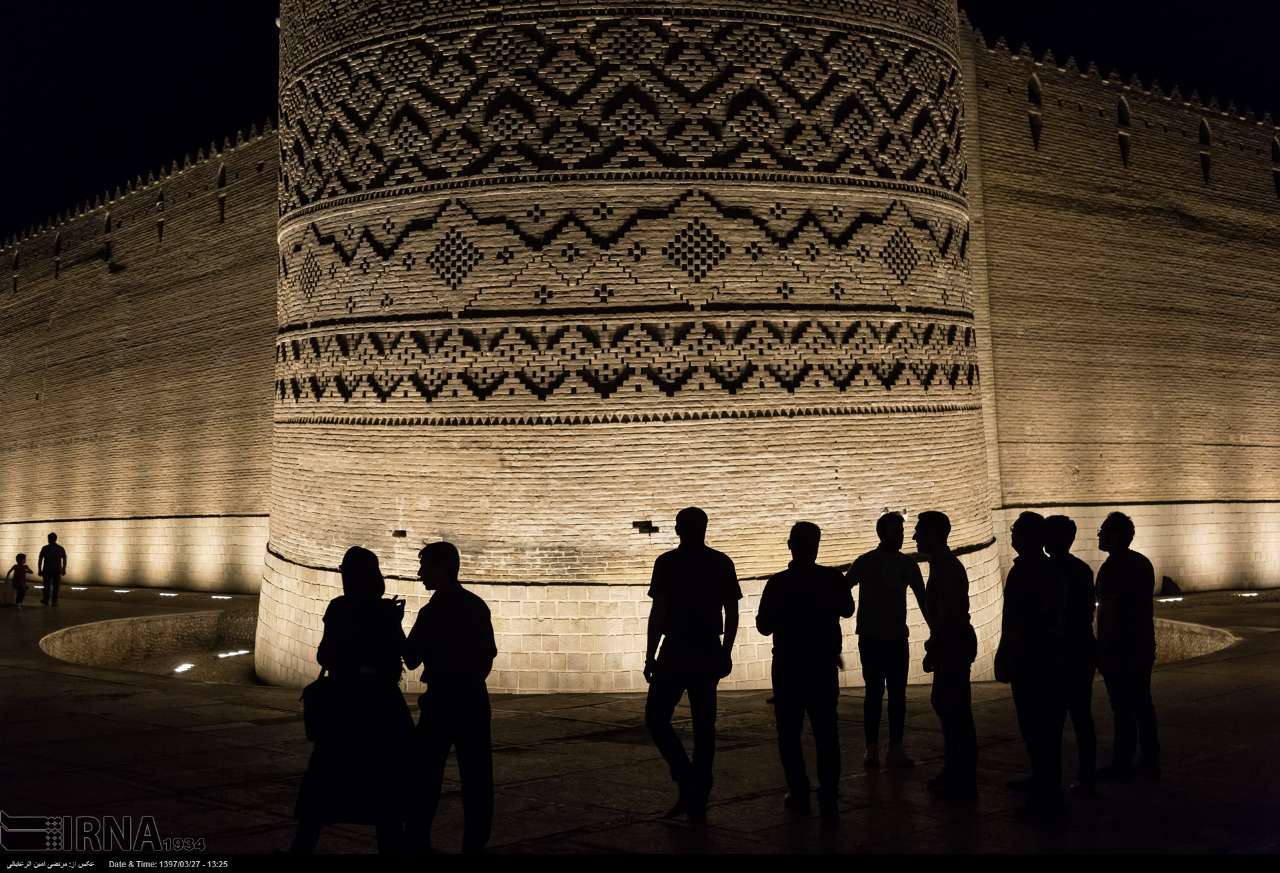
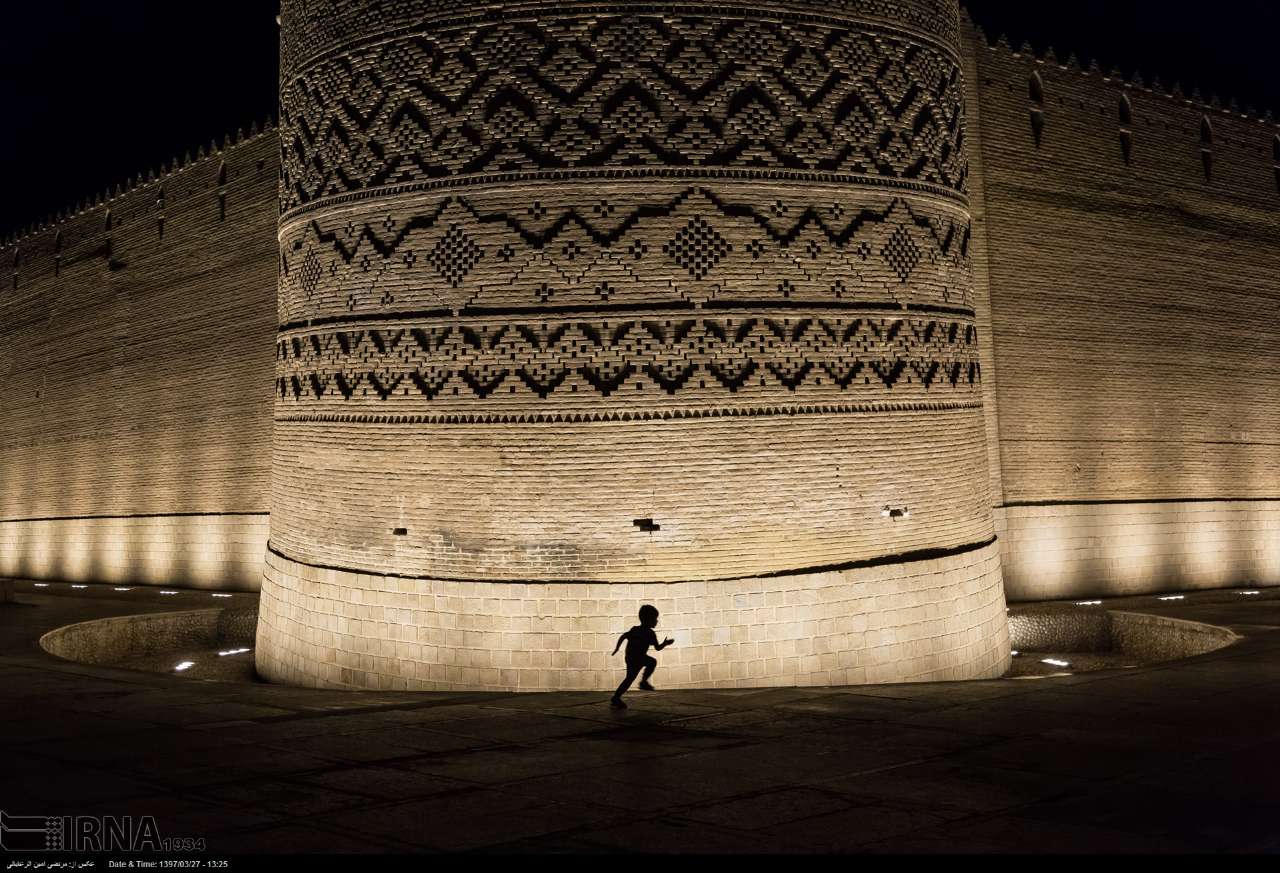
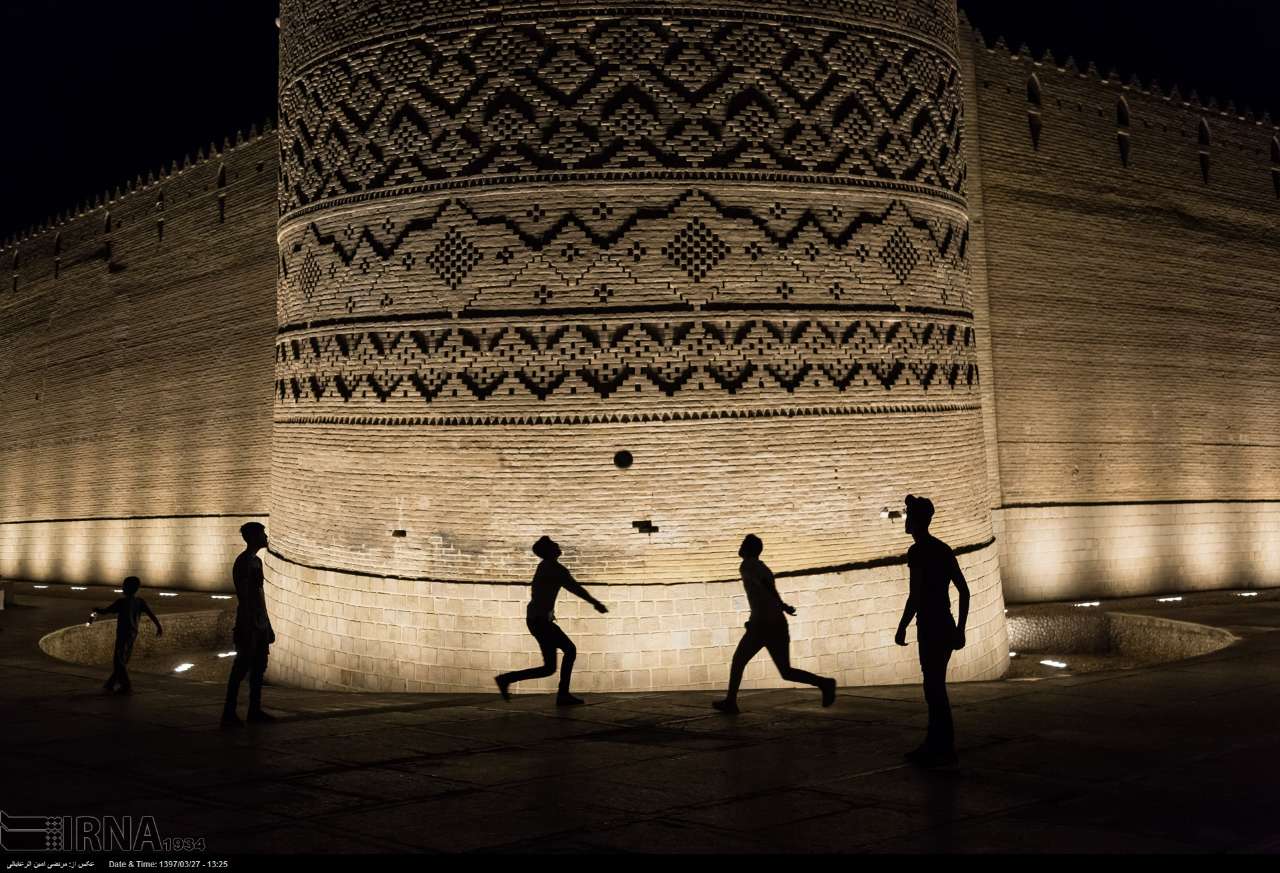
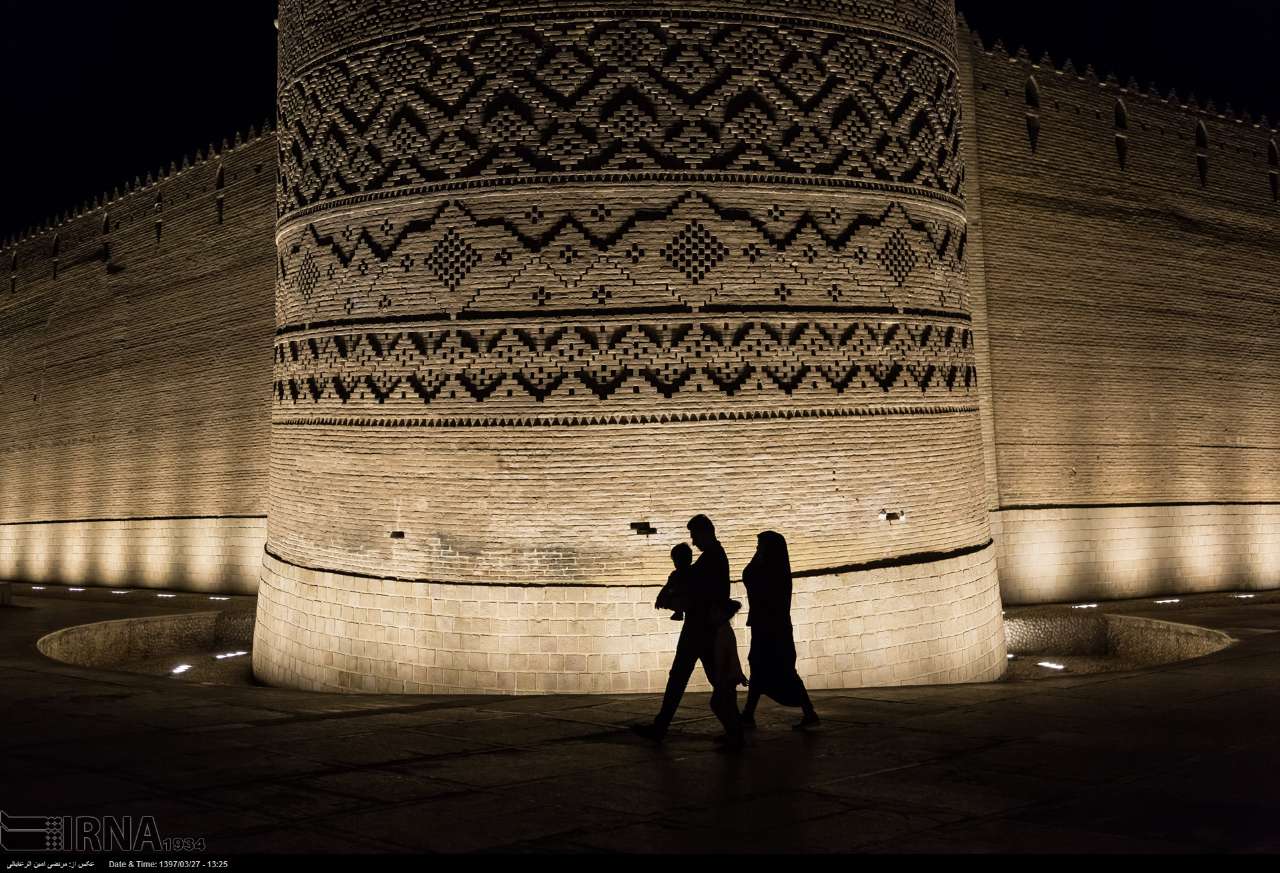
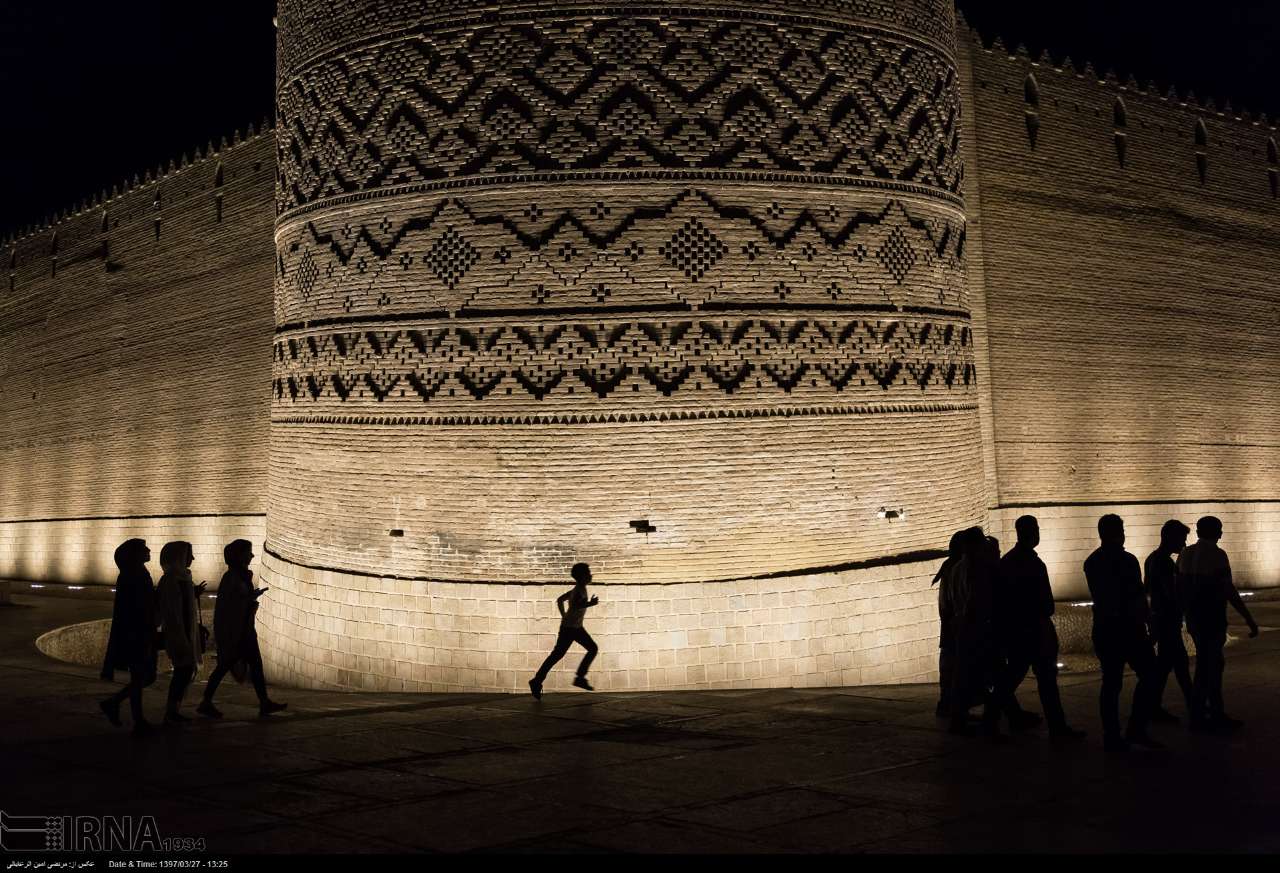
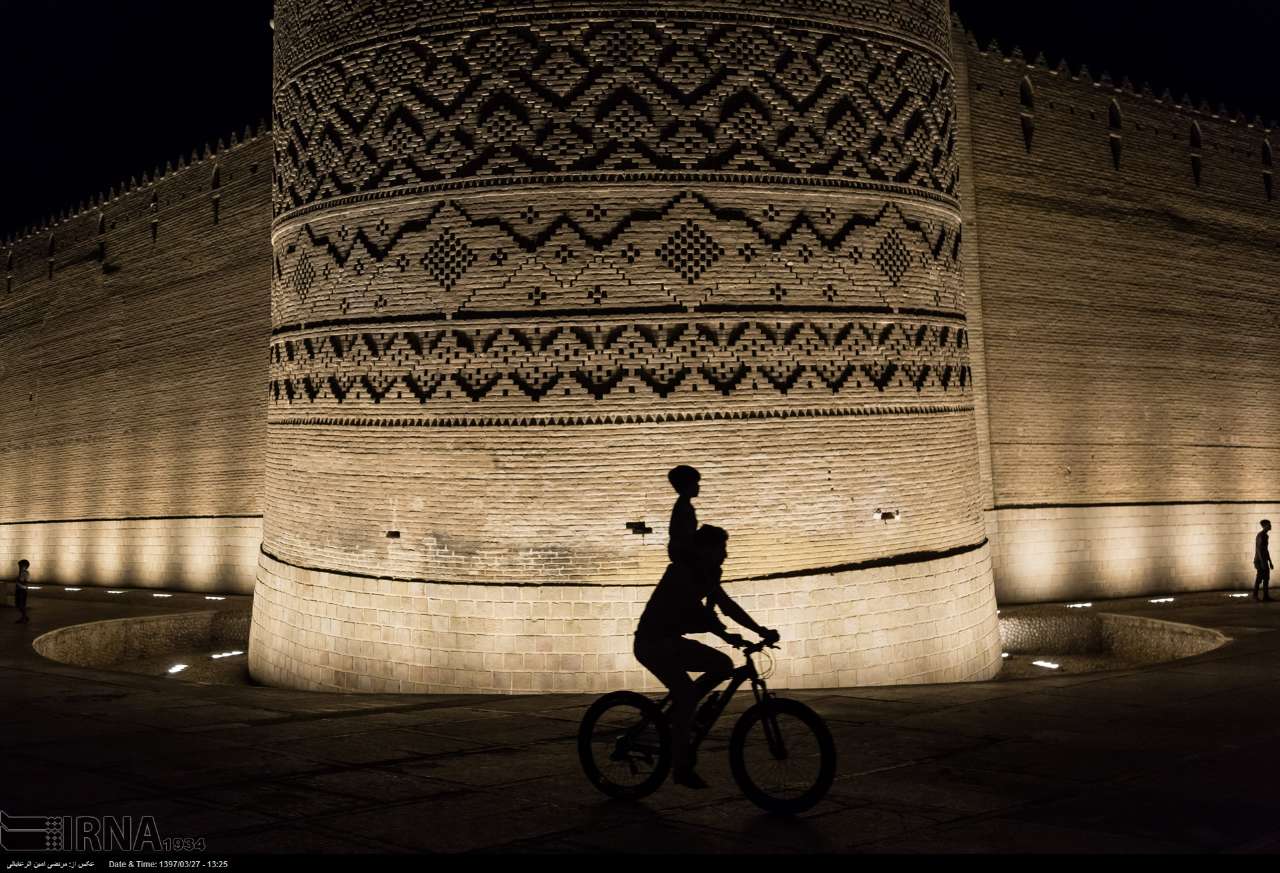
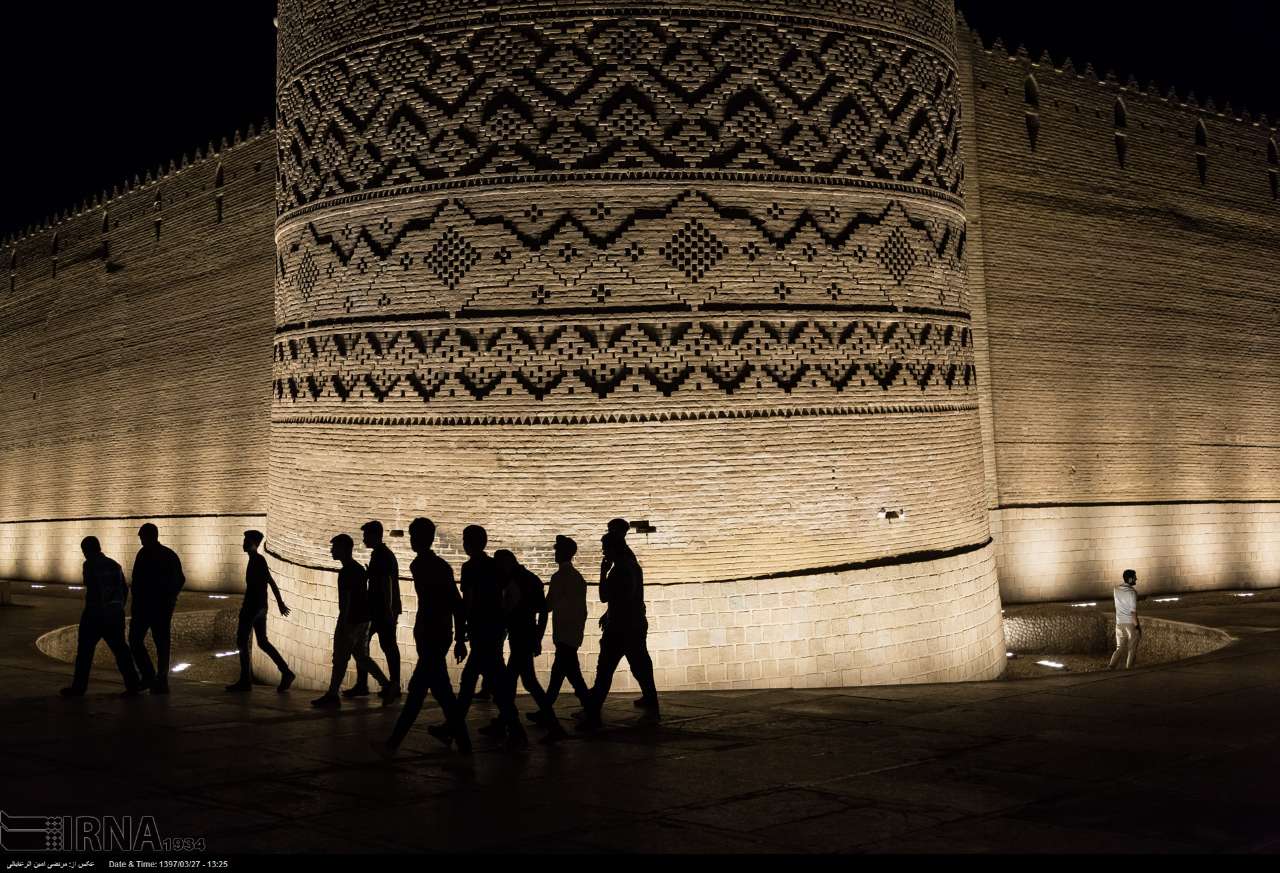
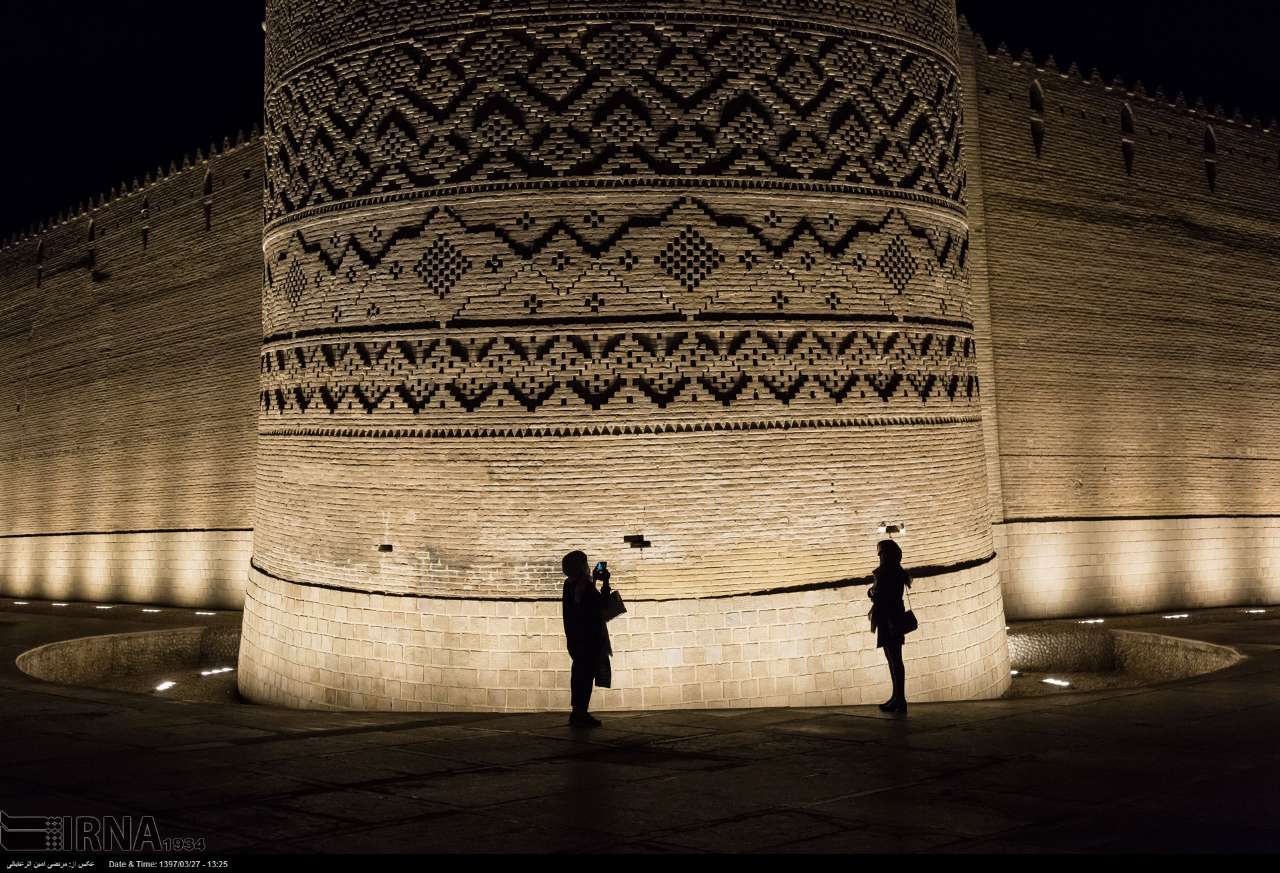
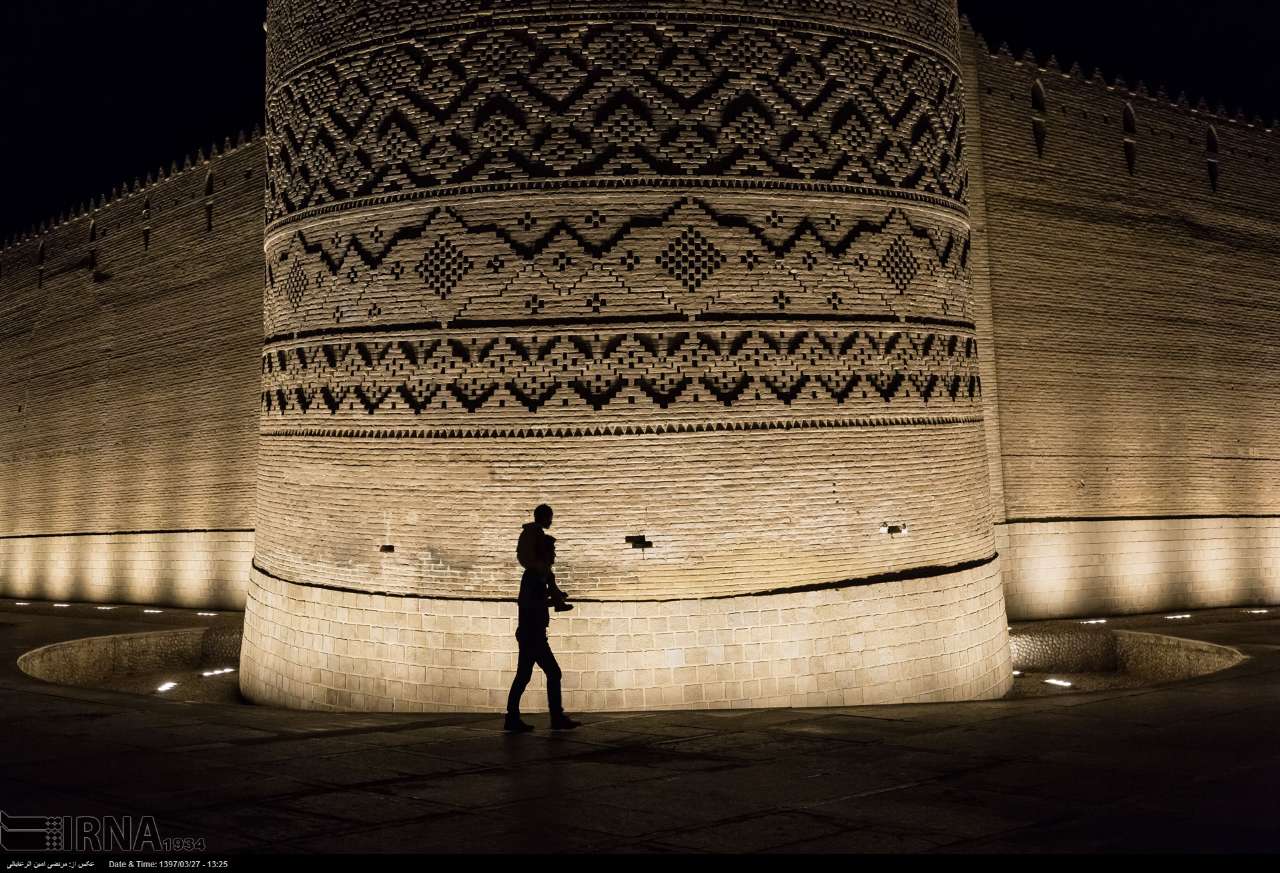
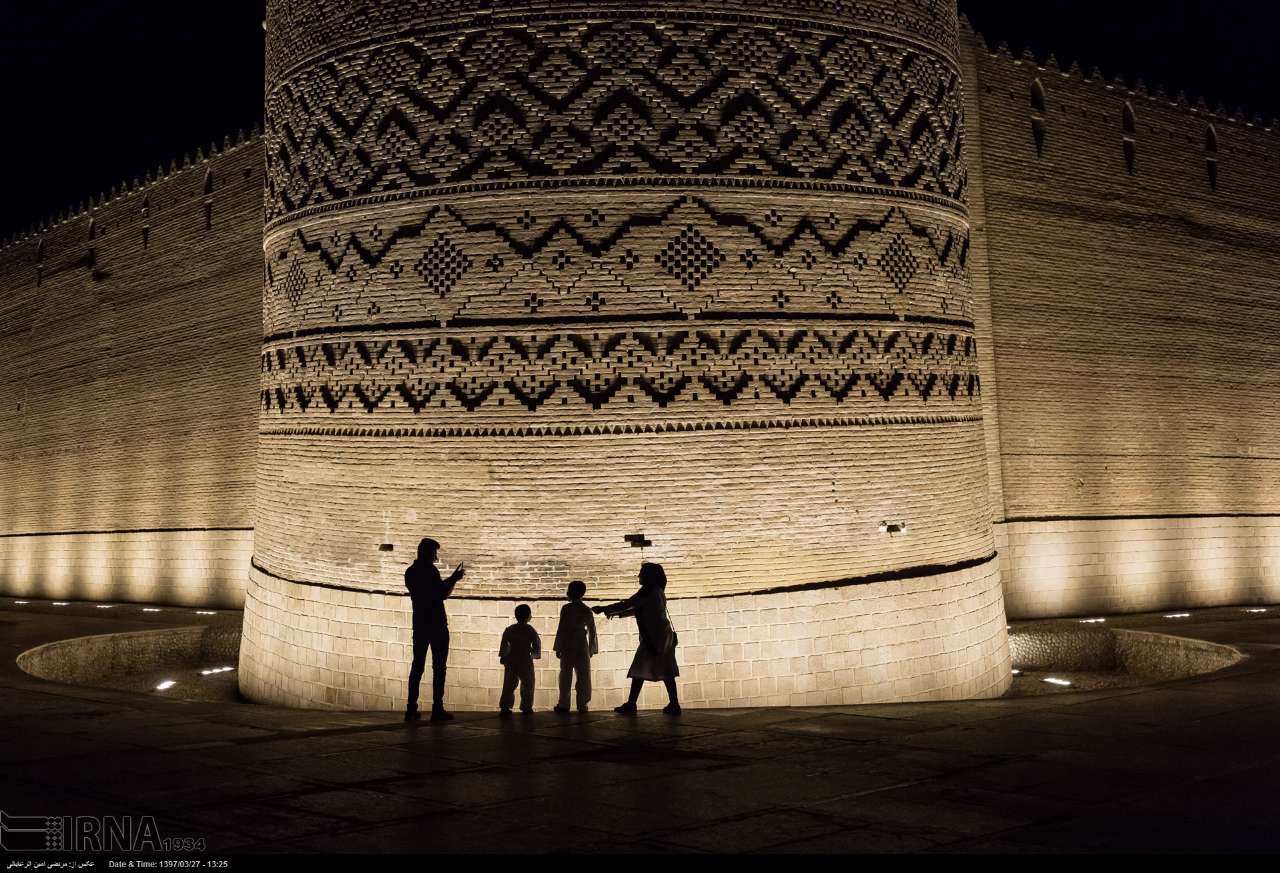
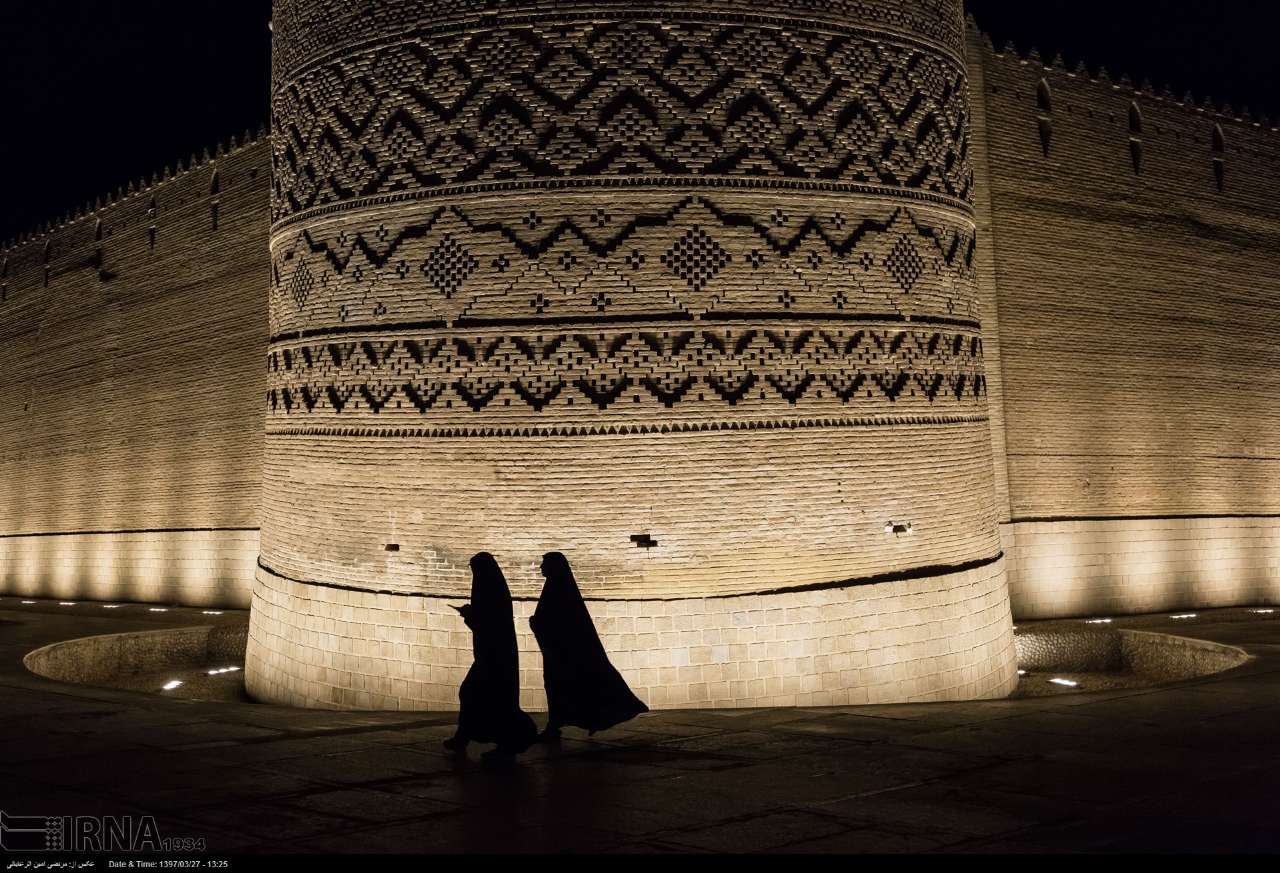
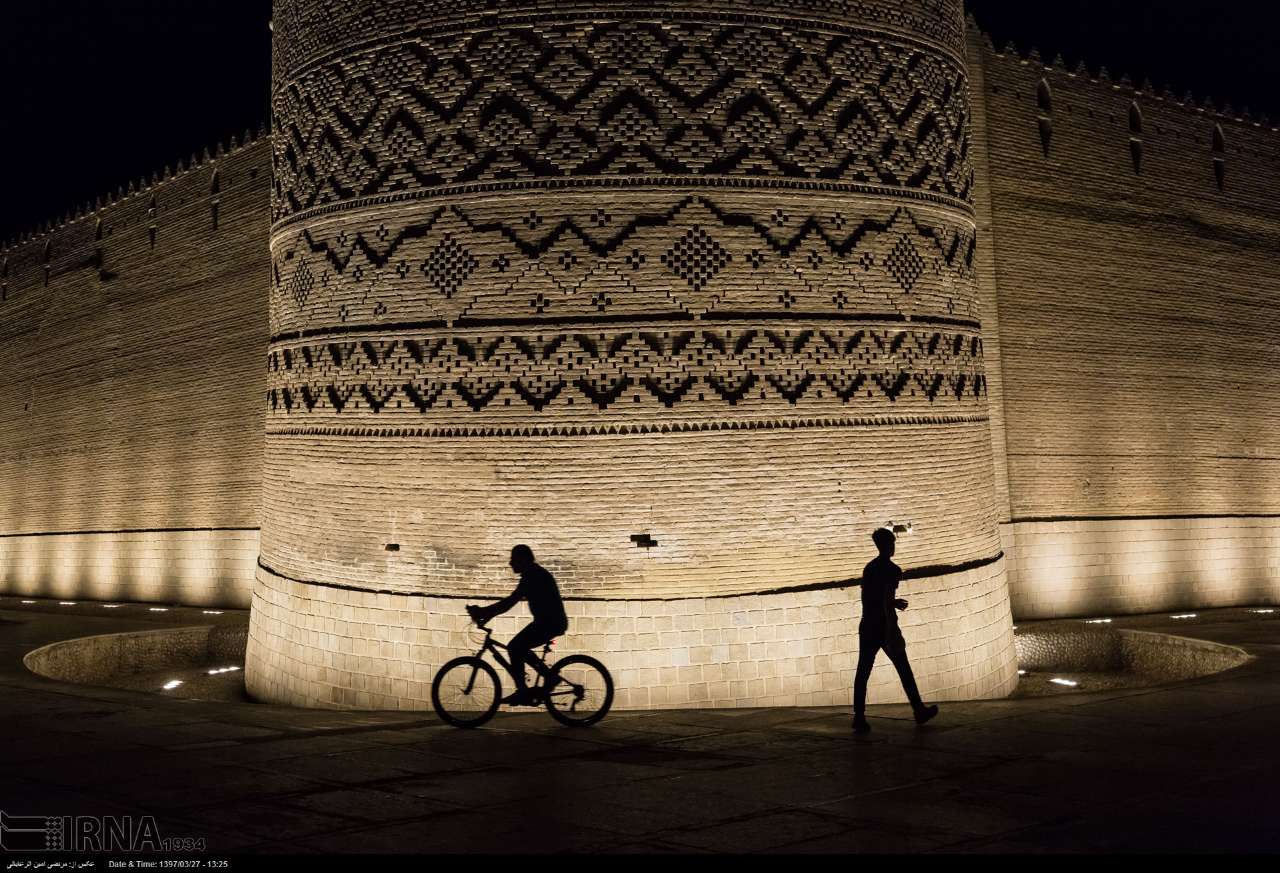
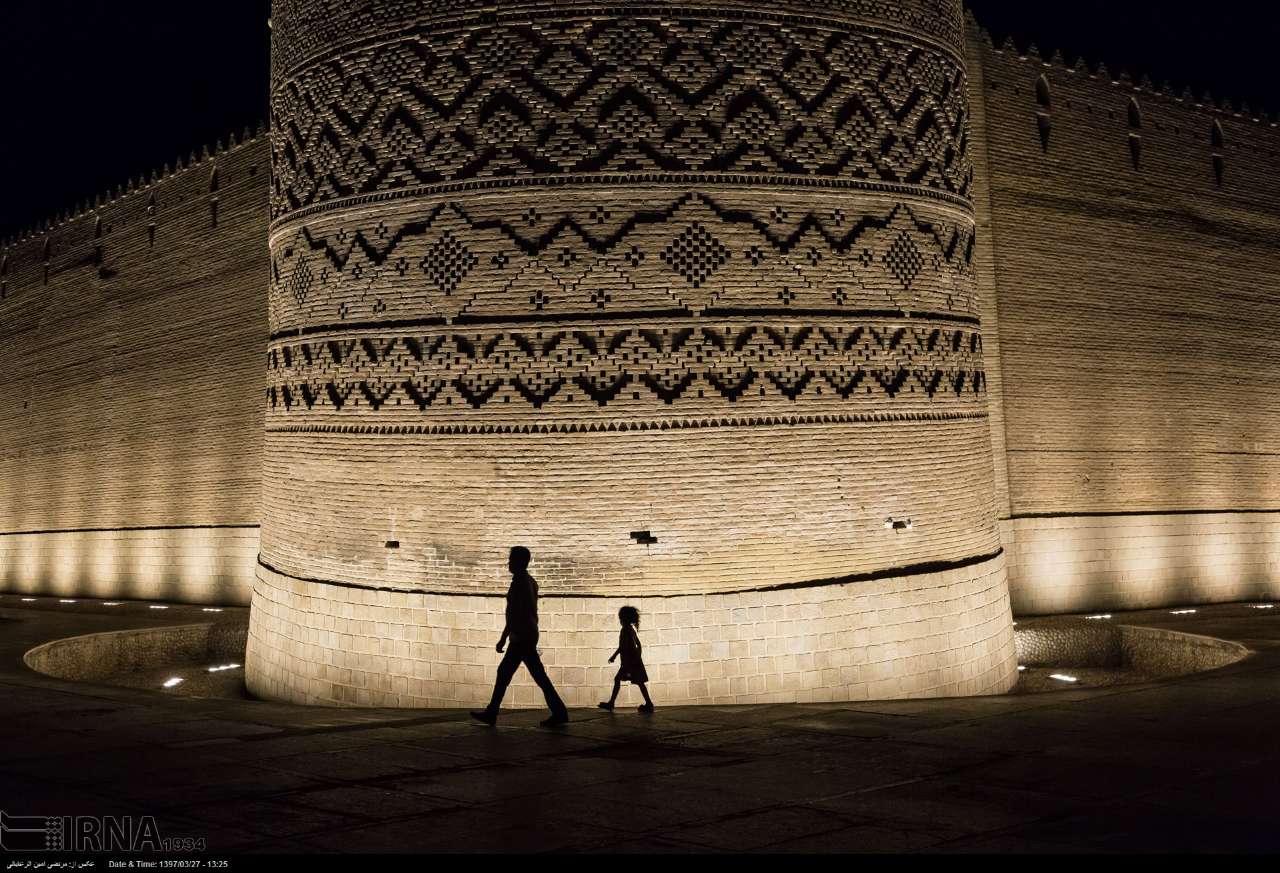
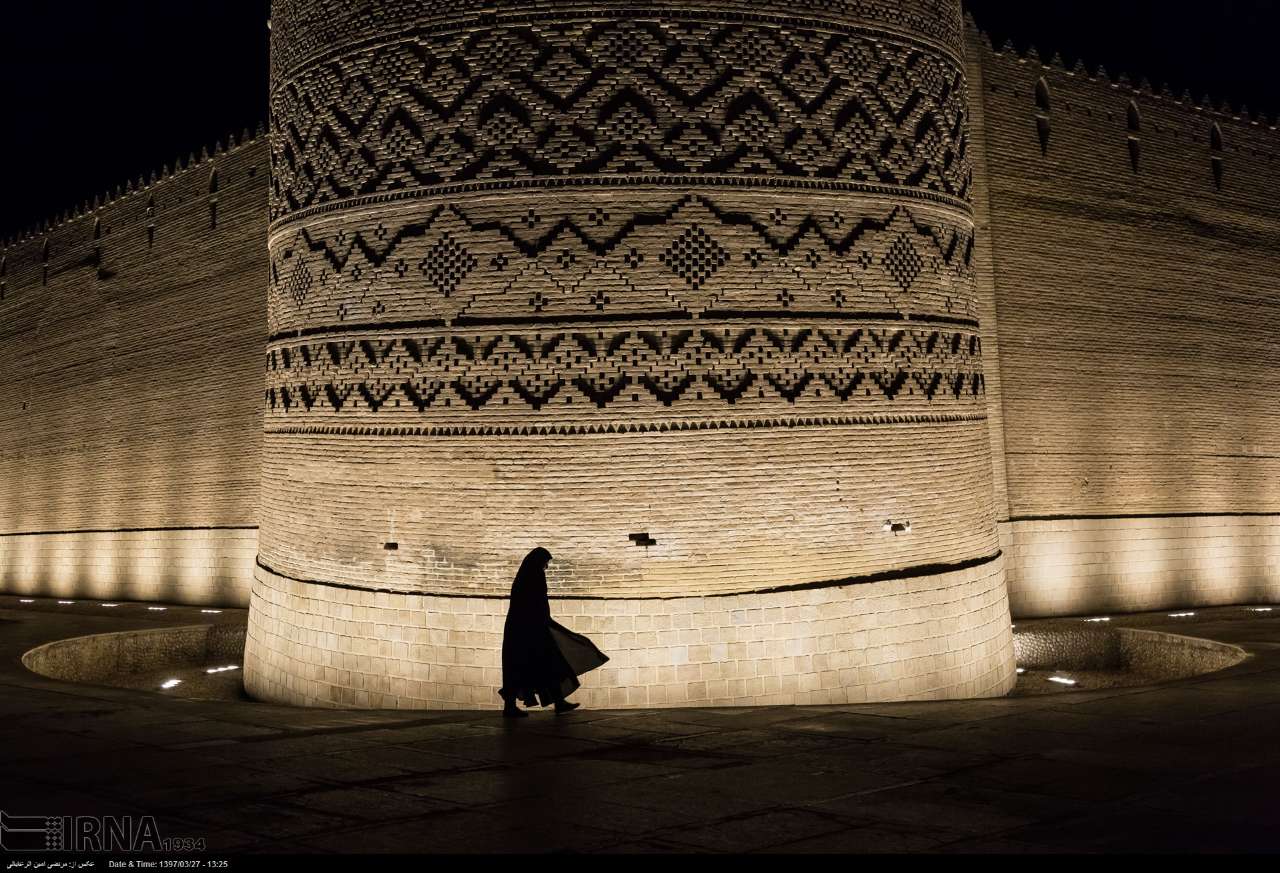
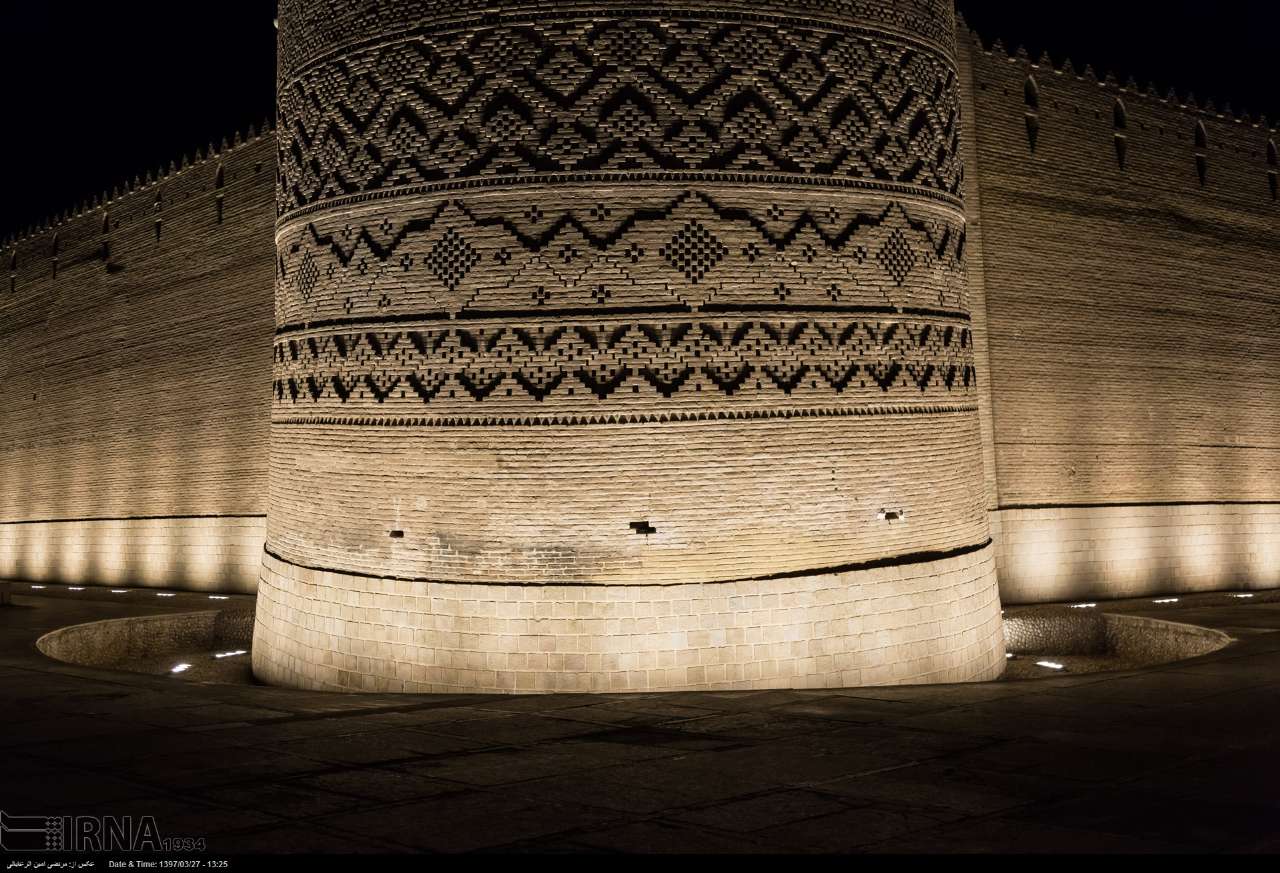
Iran’s Beauties in Photos: Karim Khan Citadel

The citadel was built as part of a complex during the Zand dynasty and is named after Karim Khan, the Shah of Iran ruling from 1751 to 1779.

The following are unique photos retrieved from IRNA showing the everyday life of people alongside one of the four towers of the citadel:

Iran Nuclear Deal Must Be Preserved, Corbyn Tells Iranian Envoy

Corbyn has made the comment in a meeting with Iranian Ambassador to the UK Hamid Baeidinejad.

Baeidinejad published photos of his meeting with Corbyn on his Twitter account on Monday, saying that “in the UK, the shadow government plays a major role in the country’s politics.”

“During my meeting with Mr Corbin, the leader of the Labour Party, a wide range of policy issues, including global and regional peace and security as well as non-proliferation and JCPOA were discussed,” he noted.

“I thank him for his vision and commitment to promoting peace,” Baeidinejad added.

Iran Nuclear Deal Must Be Preserved, Corbyn Tells Iranian EnvoyAfter US President Donald Trump’s withdrawal from the accord, the European countries reassured Iran that the bloc will remain committed to salvaging the nuclear deal with Tehran.
Since Trump announced on May 8 the US exit from the JCPOA, Europeans including the UK, France and Germany have vowed to do their best to keep Iran’s oil business and investment flowing, but have also admitted they will struggle to provide the guarantees the Islamic Republic seeks.

“Iran’s Compromise with US Means Death of Islamic Revolution”

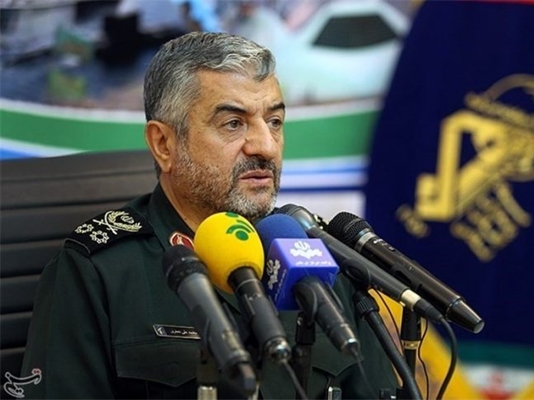
Speaking in a Tuesday ceremony in Tehran, General Jafari blasted a group of reformist figures who recently wrote a letter to call on Tehran to start negotiations with Washington.

He said the 100 reformist figures, or at least a considerable number of them, were agents tasked with preparing the grounds for Iran’s talks with Trump.

General Jafari stressed that any compromise with the US means the death of Iran’s 1979 Islamic Revolution and its values.

The IRGC chief made the remarks in reaction to a letter by 100 political activists in Iran and abroad who referred to the current conditions of Iran and the experience of US-North Korea talks, calling for ‘direct’ and ‘unconditioned’ talks between Tehran and Washington.

General Jafari also pointed to the historic summit between US President Donald Trump and North Korean Leader Kim Jong-un, and said, “The North Korean leader was revolutionary, but of the Communist type, not an Islamic one.”

That’s why he finally compromised with US. But we haven’t been ordered to compromise, he added.

Saudi-led Coalition Defeated in Yemen’s Hudaydah: IRGC Chief

General Jafari made the comments in an address to a Tuesday ceremony in Tehran. He also predicted that the resistance forces will soon emerge victorious in Yemen.

The IRGC chief-commander described the Houthi Ansarullah’s imminent victory over the Saudi-led coalition as a great achievement for Iran’s Islamic Revolution which has influenced the resilient nation of Yemen.

Inspired by Iran’s 1979 Revolution, the Lebanese, Syrian, and Iraqi nations have also gained important victories, which are considered as great achievements for Iran, he added.

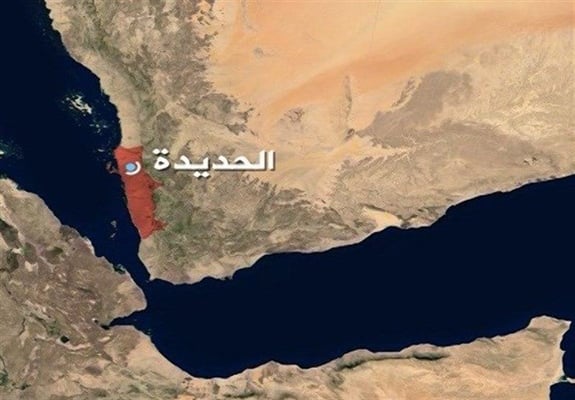
General Jafari’s comments came as militants and foreign mercenaries armed by Saudi Arabia and the United Arab Emirates are attempting to capture the well-defended city of Hudaydah and push the Houthis out of their sole Red Sea port in the biggest battle of the war.

“A battle of attrition awaits the Saudi alliance which it cannot withstand. The Saudi coalition will not win the battle in Hudaydah,” Houthi spokesman Mohammed Abdulsalam told Lebanon-based al-Mayadeen TV.

Saudi Arabia on Sunday conducted airstrikes on the airport, to support forces attempting to seize it. The official SABA news agency said warplanes carried out five strikes on Hudaydah – a lifeline to millions of Yemenis.

Ground troops including Emiratis, Sudanese and Yemenis have surrounded the main airport compound.

Mohammed al-Sharif, deputy head of Yemen’s civil aviation, said images circulated online about the airport had been taken in October 2016.

A fence shown as proof of the airport’s capture is actually situated near the al-Durayhimi district, on a piece of land belonging to a Yemeni lawmaker, the official Saba news agency quoted him as saying.

Former Israeli Minister Arrested on Charge of Spying for Iran

The regime’s internal spying apparatus Shin Bet said on Monday that Gonen Segev, who held the portfolio for the minister of energy and infrastructure from 1995 to 1996, had been charged with the offenses four days before, Reuters said.

Segev, also a former Knesset member, stands accused of the “offenses of passing information to the enemy in time of war and espionage” against Israel, Shin Bet said.

“An investigation by the Shin Bet and the police found that Segev was recruited and acted as an agent on behalf of Iranian intelligence,” it noted in a statement.

The statement claimed Segev had been in contact with Iranian embassy officials in Nigeria, where he used to live, and later he visited the Islamic Republic for meetings with his intelligence “handlers.”

“Segev gave his handlers information related to the energy market, security sites in Israel, buildings and officials in political and security bodies, and more,” it added.

A police statement said he was arrested last month upon arriving in Israel.

Segev’s lawyers said little information had been released in the case, which “give the appearance of acts of the gravest kind.” “However, from the contents of the charge sheet, whose full details are blocked, a different picture emerges,” it said.

Back in 2004, Segev was charged with trying to smuggle 30,000 ecstasy pills into Israel from the Netherlands, using a diplomatic passport with a falsified expiry date.

‘Victory for Iran’

Ha’aretz, meanwhile, published an opinion piece addressing the issue under the title, “Enlisting a former Israeli minister is a victory for Iranian intelligence.”

“For Iranian intelligence, the recruitment of a former cabinet minister and Knesset member like Gonen Segev as an agent would have been a significant achievement,” the feature said.

“Segev was also charged with attempting to recruit additional agents for the Iranians – people he knew in the fields of defense, security and diplomacy. But as far as we know, this effort failed,” it went on.

Israel has been conducting numerous acts of sabotage targeting the Iranian people and organizations.

In 2011, the United States and the regime conducted a cyber attack against the Iranian nuclear energy program.

Reporting the violation a year later, The Washington Post said the US National Security Agency (NSA), its spy service CIA, and Israel’s military had worked together to launch a malware dubbed Stuxnet against Iran’s nuclear facilities.

Iran says the Israeli regime assassinated four of its nuclear scientists between 2010 and 2012.

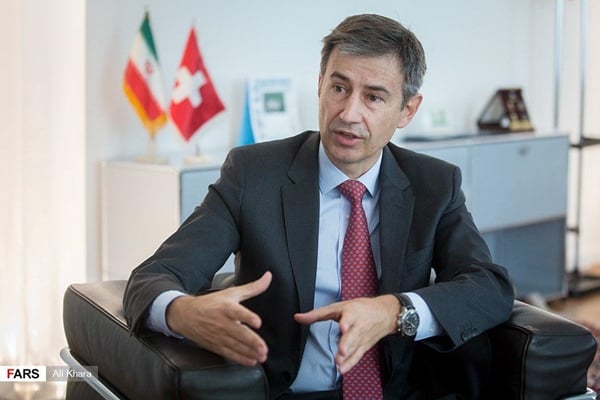
“Bern to Continue Nuclear Cooperation with Tehran despite Sanctions”

Leitner expressed hope that Iran and Europe could reap the fruits of their current efforts by the next few weeks.

In an interview with ISNA, the ambassador referred to his country’s stance towards the US’ new sanctions on the Islamic Republic and said Switzerland keeps supporting the Iran nuclear deal and does its utmost to make it successful.

“We know that as the International Atomic Energy Agency (IAEA) has reiterated in its reports Iran has remained completely faithful to its pledges under the JCPOA. That’s why we regret the US decision to pull out of the deal and hope that the accord would be fully implemented,” he noted.

He then referred to the European sides’ efforts to preserve the JCPOA and said huge efforts are underway to preserve the current investments made in Iran and “we hope the results could come to fruition in the next few weeks.”

In response to a question on whether or not Iran and Switzerland will continue their nuclear cooperation following the US withdrawal from the JCPOA, he said according to a roadmap agreed upon between Tehran and Bern back in 2016, the two sides will continue their nuclear cooperation even after the US pullout.

“Switzerland was the first country which established nuclear cooperation with the Islamic Republic but it goes without saying that we will not be the first country which may cut its relations with Iran in nuclear area,” he said.

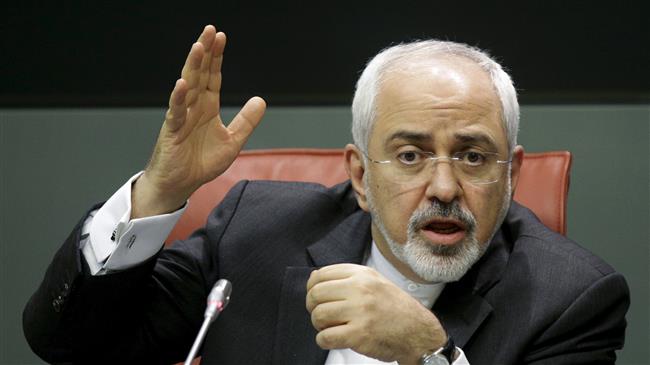
Israel’s Nuclear Weapons Real Threat to Middle East, World: Zarif

In a new post on his official Twitter account on Monday, Mohammad Javad Zarif said although Iran had no nuclear weapons, Israel, which is the sole Middle Eastern country to possess such weapons, continued to “howl” about “fabricated” Iranian “ambitions.”

“There are at least 80 nuclear warheads stationed in the Middle East. None are in #Iran; rather, they’re at the fingertips of a warmonger who howls incessantly about fabricated Iranian ‘ambitions’” the top Iranian diplomat said.

He also urged the world to start paying more attention to Israel’s nukes by starting “an overdue debate on the real threat to the region & beyond.”

Israel is estimated to have 200 to 400 nuclear warheads in its arsenal. The regime, however, refuses to either accept or deny having the weapons.

It has also evaded signing the Non-Proliferation Treaty (NPT) amid staunch endeavor by the United States and other Western states on international levels in favor of its non-commitment to the accord.

Iranian Ambassador to the International Atomic Energy Agency (IAEA) Reza Najafi in September 2017 denounced the West’s double standard approaches on the possession and development of atomic technology, urging a complete end to any nuclear cooperation with the Israeli regime.

Addressing a quarterly meeting of the IAEA’s 35-member Board of Governors in Vienna, Najafi warned that the Israeli regime’s nuclear program is negatively impacting security of the Middle East.

Iran, Switzerland Discuss Bilateral, Regional Issues

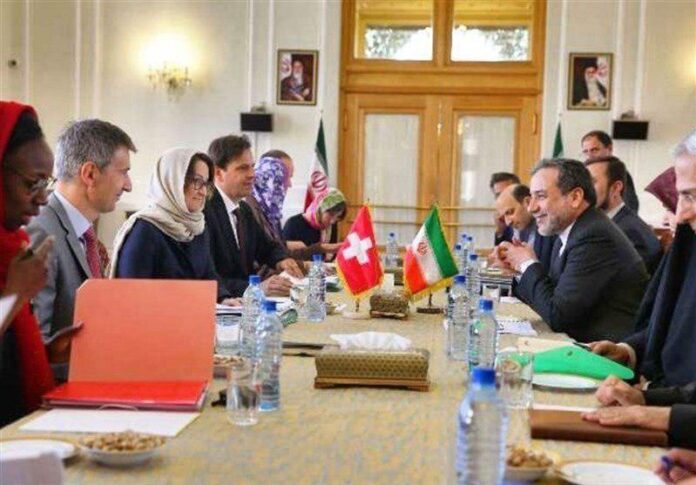
Given the Islamic Republic of Iran and the Swiss Confederation’s interest in the promotion of bilateral ties, the new round of comprehensive political talks was chaired by Iranian Deputy Foreign Minister for Political Affairs Abbas Araqchi and Head of the Directorate of Political Affairs of the Federal Department of Foreign Affairs of Switzerland Pascale Baeriswyl.

In the Monday meeting, the two sides exchanged views on bilateral relations, regional and international issues and cooperation in judicial and human rights domains.

They also underscored the need to preserve the Iran nuclear deal and stressed the significance of the signatories’ abidance by the agreement.

The two sides also expressed their readiness to work together closely in that area.

They Iranian and Swiss diplomats also stressed the need to expedite efforts to settle regional issues and discussed the latest conflicts and crises in the region.

Iran President Calls for Regional Dialogue to Resolve Conflicts

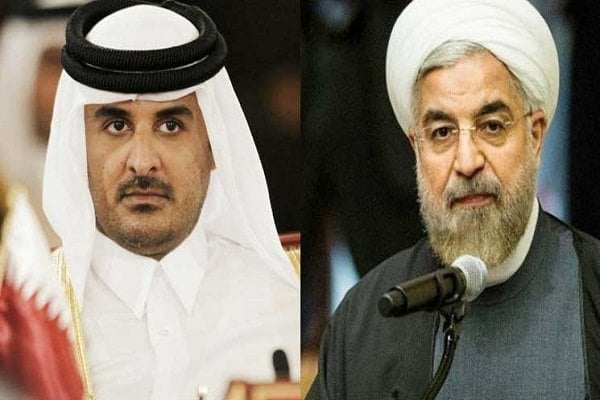
In a Monday phone conversation with the Emir of Qatar Sheikh Tamim bin Hamad Al Thani, Rouhani said Iran rejects the wrong adventurous policies pursued by certain regional states.

According to a report by the Iranian President’s website, he went on to say that the continuation of the policies will undoubtedly contribute to the ongoing problems particularly in Palestine, Syria and Yemen.

President Rouhani praised the Qatari nation and government for their resistance against the unjust pressure and threats and said the Islamic Republic of Iran views the current siege on Qatar as unjust.

He further called for enhancing mutual relations between Tehran and Doha and said there is no obstacle in the way of expansion of ties with the brotherly and friendly country of Qatar.

Rouhani also expressed hope that Tehran and Doha could take advantages of the current capacities to enhance their economic ties.

Elsewhere in his remarks, the Iranian president said today the Palestinians particularly the residents of the Gaza Strip are suffering from Israeli pressure and added Muslim nations’ support can relieve the suffering of the Palestinians.

He then referred to the Yemen crisis saying there is no military solution to the crisis.

“The recent attack on Yemen’s port city of Hudaydah has already led to a humanitarian crisis in the war-torn country. The continuation of the attack will put a huge pressure on the Yemenis,” he noted.

The Emir of Qatar, in turn, said his country is determined to enhance it mutual ties with Iran in all fields and added Qatar will never forget Iran’s support amid the current pressure exerted on the country.

“We maintain that all regional conflicts should be resolved through negotiations and no country is allowed to impose its hegemony over others,” he said.