Wednesday, April 15, 2026
Home Blog Page 3493

All High School Students in Underdeveloped Region Admitted to University

The people of Saravan and its surrounding villages at the south-easternmost point of Iran, near the Iran-Pakistan border, have been filled with joy since a few days ago. They are delighted because all students in their local boarding high school have been successful at the nationwide university entrance exam.

The names of these students could be heard on various social media since last weekend. They were students of Shahid Motahari boarding school, which gives its students charity fund.

Mahmoud Nosrat, the biology teacher of these students, said in an interview with Shahrvand newspaper that the class had 30 students, all of whom had been admitted to Iranian universities. Out of these 30 students, 17 will study medical sciences.

According to the teacher, the school is a boarding one and most of its students come from villages around Saravan.

“Our school had 280 students this year. Thanks to a special program and an educational team who has been working with them for five years, these students received special education since the very first year of school.”

He says the most important factor for the success of these students is the staff members who work at the school.
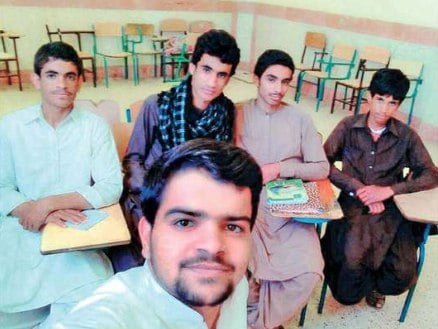
All High School Students in Underdeveloped Region Admitted to University“The teachers of the school are professional, and of course 100% of them are natives of the province. Our administrative team at school are very competent and work 360 days a year. At school, we usually start a new school year the day after the last exam of the students. For example, this year, May 27th was the last day of the school year and on the same day the new school year began. It means the students did not go home at all,” added Nosrat.

As this biology teacher says, the entrance fee for the school is about 10 USD. And as school expenses cannot be covered with this money, some charities have funded students since 2013.

He says most of these students are financially weak, especially those from the villages.

“Their families have no income, especially because of droughts. We have students who come to school from the very first day to the end of the year and do not go home at all. They have no money to go. For us, Eid ul-Adha and Eid ul-Fitr are very important, and every year, some colleagues raise money so that the students could go home on these two days.”

According to Nosrat, the graduates of this school return to Saravan and its villages after they finish their education.

“A number of graduates have been among the best students of medical sciences within the past years. Of the former high school graduates, there is one cardiologist, one eye specialist and one neurologist.”

As he says, a number of the school’s teachers are graduates of the same school, who have returned home after college. “They return home; their home is here, their fatherland is here.”

Sponsored Link: DoMyResearchPaper.com

Iran Urges UN to Condemn Israel’s Nuclear Threat

Standing right beside the Dimona nuclear facility late last month, Israeli Prime Minister Benjamin Netanyahu described Iran as a “threat” to the region and said Tel Aviv has the means to destroy its “enemies” in a veiled reference to Tel Aviv’s nuclear arsenal.

“Those who threaten to wipe us out put themselves in a similar danger, and in any event will not achieve their goal,” he said. “But our enemies know very well what Israel is capable of doing. They are familiar with our policy. Whoever tries to hurt us – we hurt them.”

In a letter addressed to the UN on Thursday, the Permanent Mission of the Islamic Republic of Iran to the world body said Netanyahu’s belligerent remarks poses “a serious threat to international peace and security.”

It also urged the UN to make Israel abide by international rules and the UN Charter.

The letter also highlighted Israel’s long history of aggression, occupation, militarism and state terrorism among other international crimes, urging the world community to take a firm position on the Zionist regime’s “unbridled actions and nuclear threat.”

In the letter, Iran further demanded that the UN condemn Israel’s anti-Iran threat, make the regime join the Nuclear Non-Proliferation Treaty (NPT) and bring its nuclear program under the supervesion of the International Atomic Energy Agency (IAEA).

It also reminded the UN that Iran is itself a victim of weapons of mass destruction, particularly chemical weapons.

The UN member states should not turn a blind eye to Israel’s threat and make efforts towards to the elimination of its entire nuclear stockpile, the letter read.

Responding to Netanyahu’s highly aggressive comments, Foreign Minister Mohammad Javad Zarif slammed the premier as “warmonger” and said the threat was “ beyond shameless.”

“Iran, a country without nuclear weapons, is threatened with atomic annihilation by a warmonger standing next to an actual nuclear weapons factory. Beyond shameless in the gall,” Zarif tweeted.

Israel is the only possessor of nuclear weapons in the Middle East, but its policy is to neither confirm nor deny that it has atomic bombs. The Tel Aviv regime is estimated to have 200 to 400 nuclear warheads in its arsenal.

Unlike Iran, the regime is not a member of the NPT — whose aim is to prevent the spread of nuclear arms and weapons technology – in defiance of international pressure.

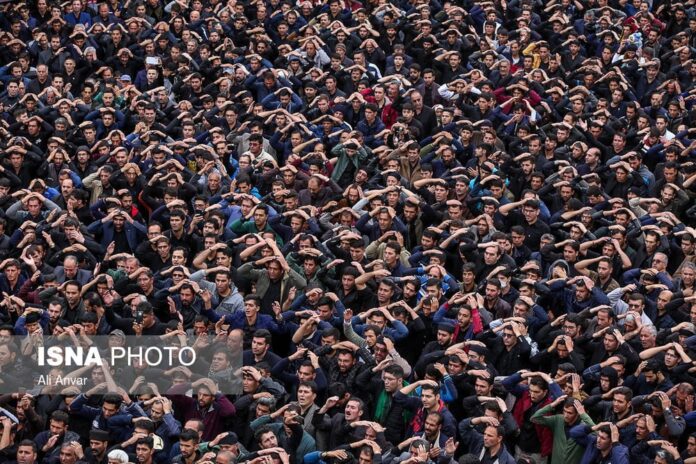
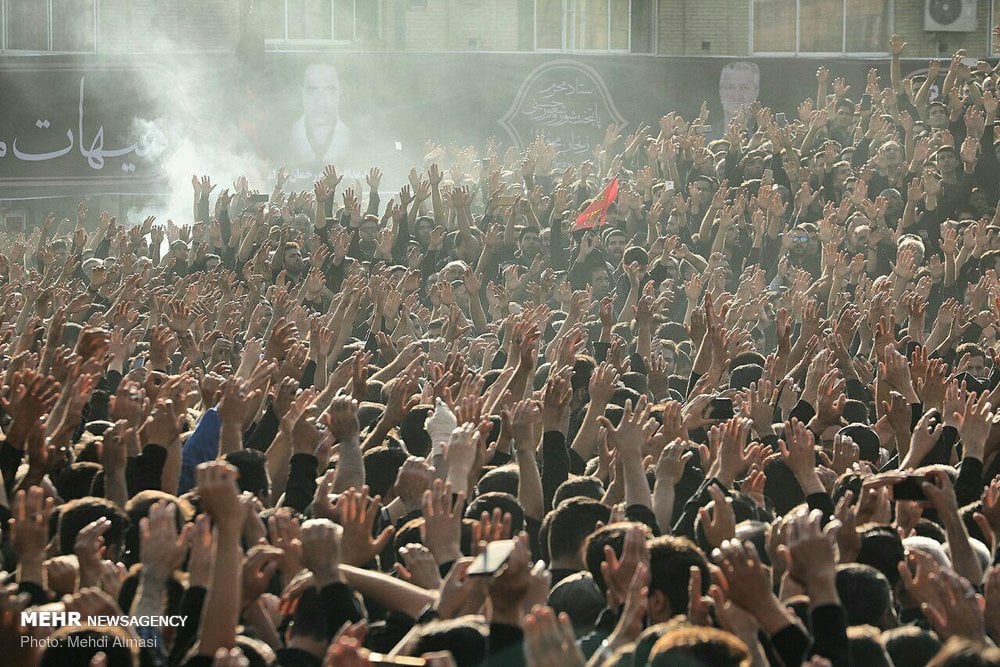
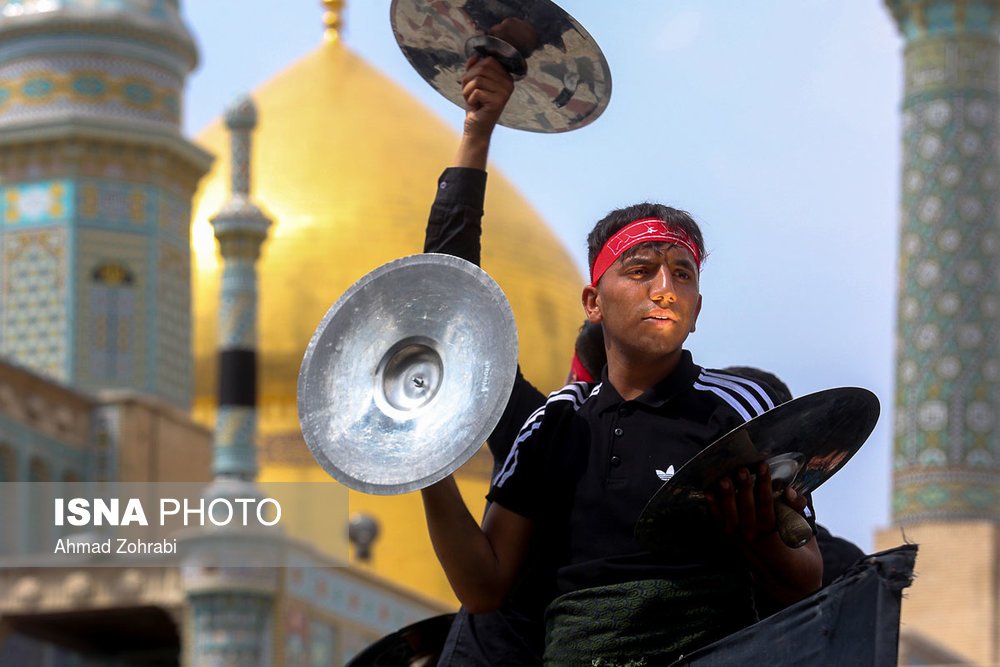
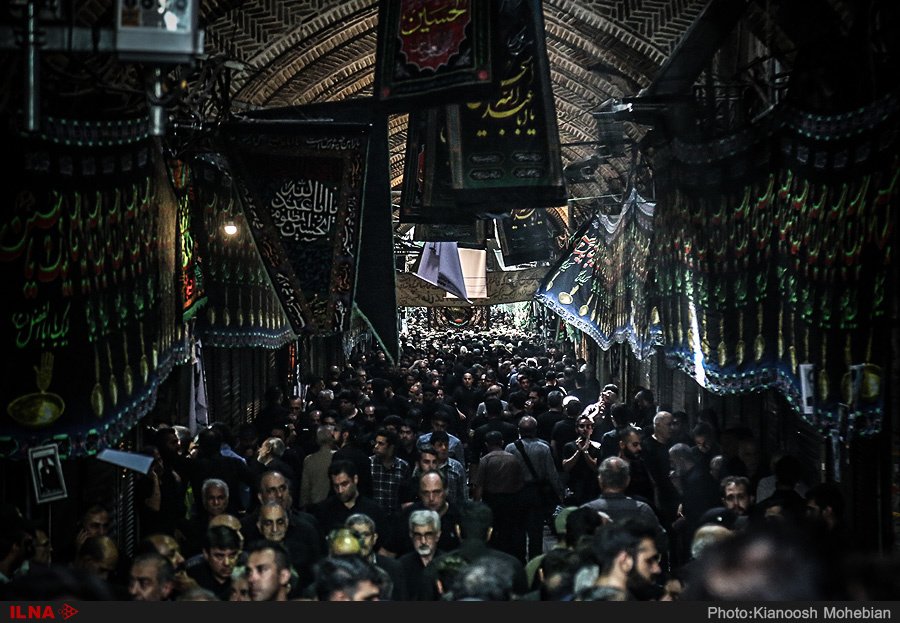
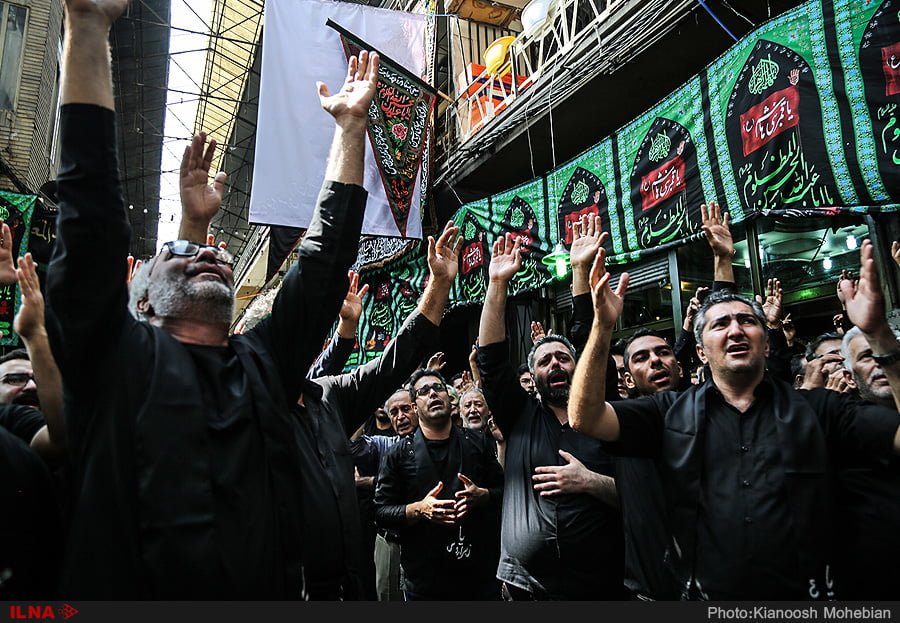
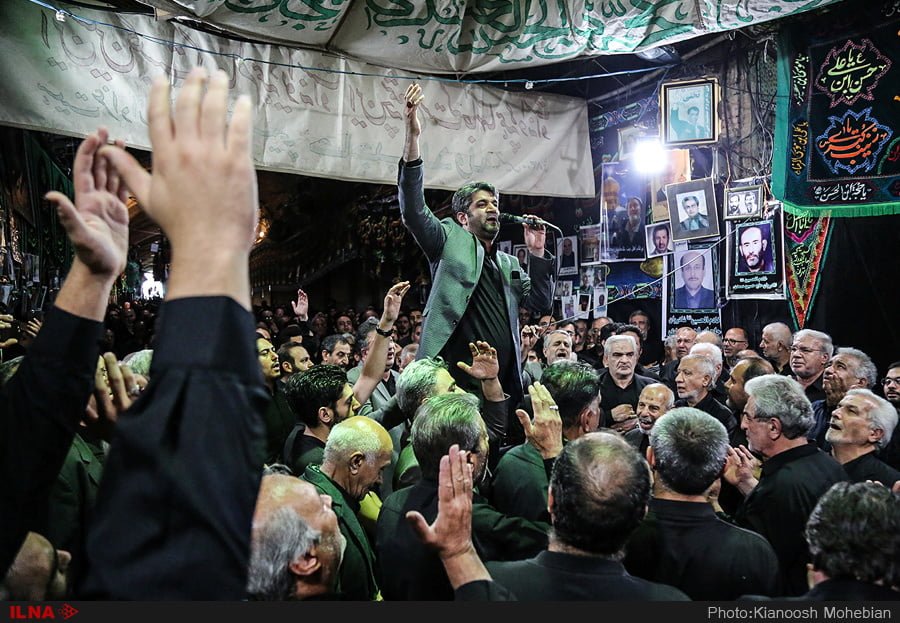
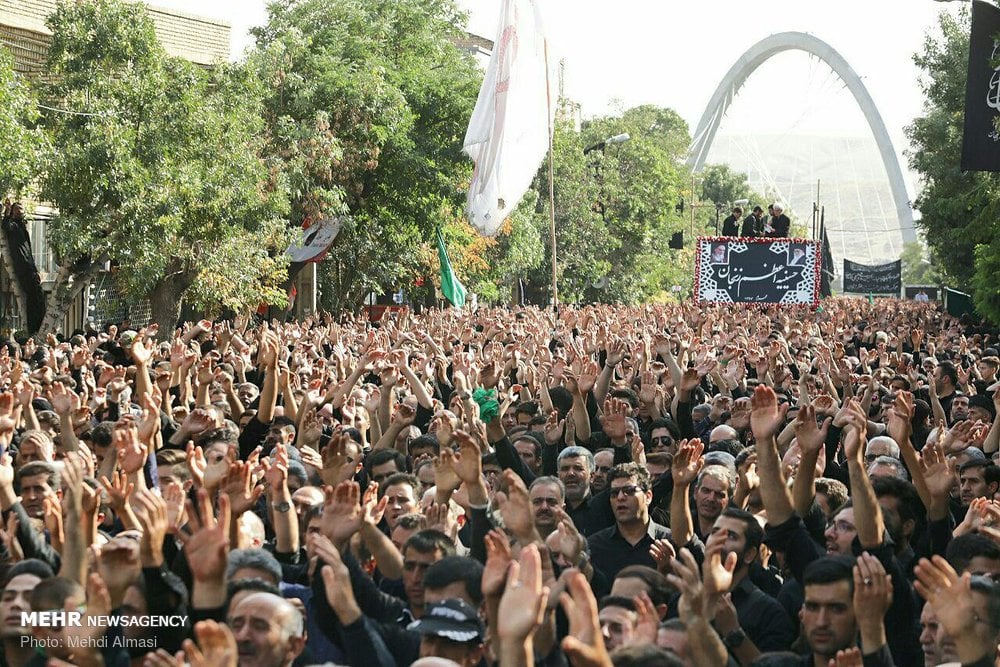
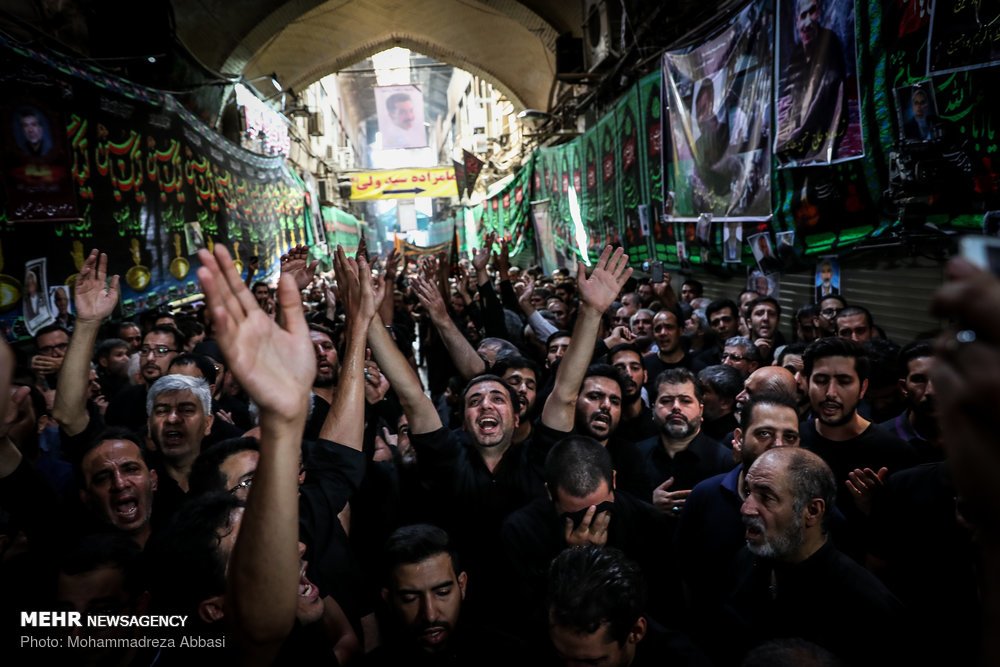
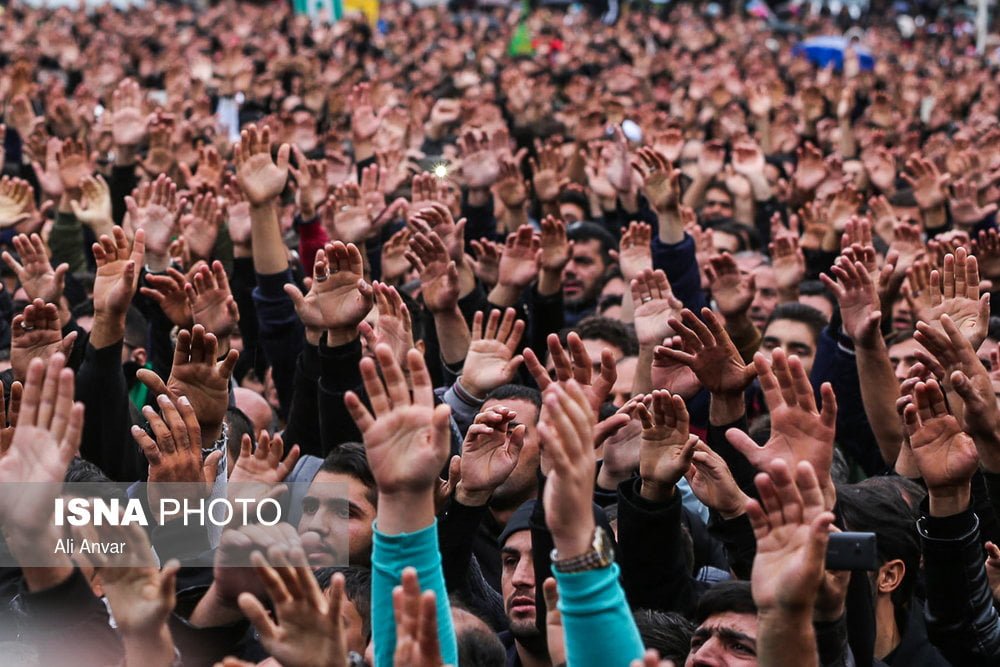
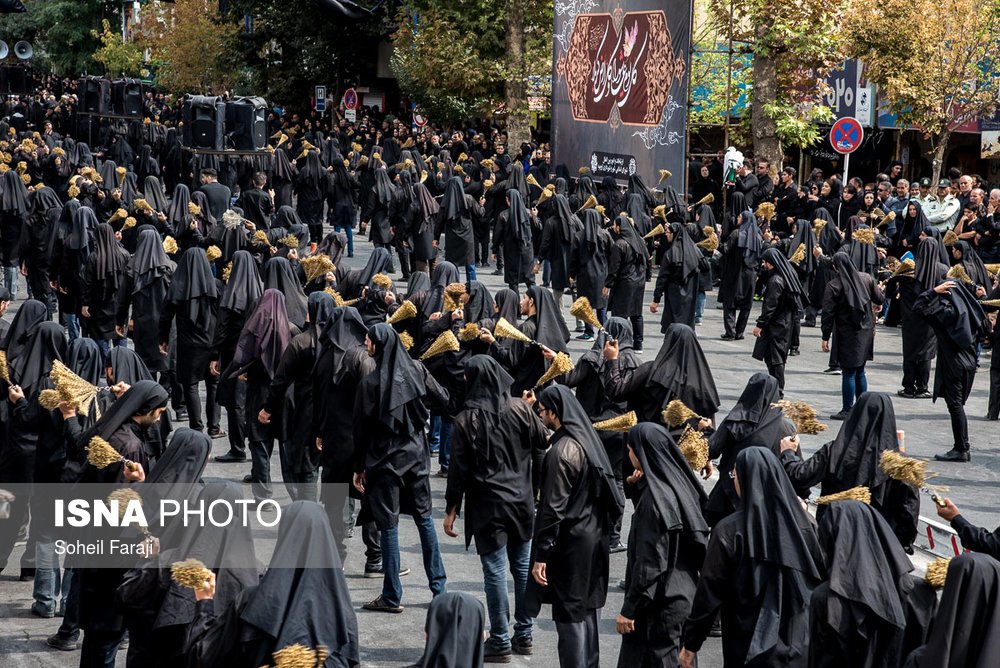
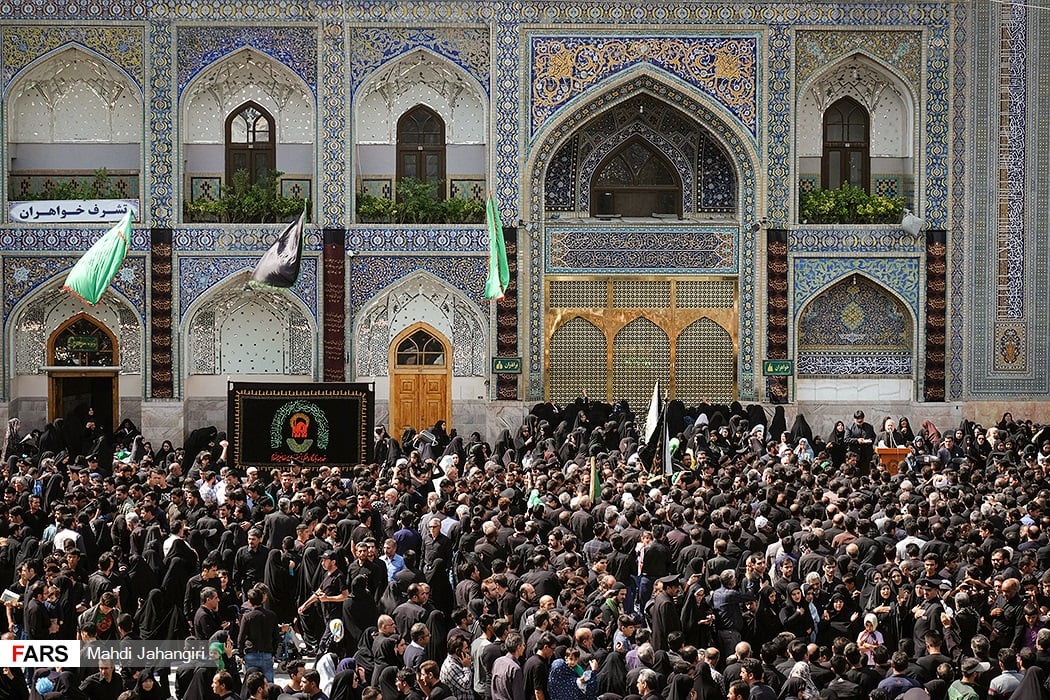
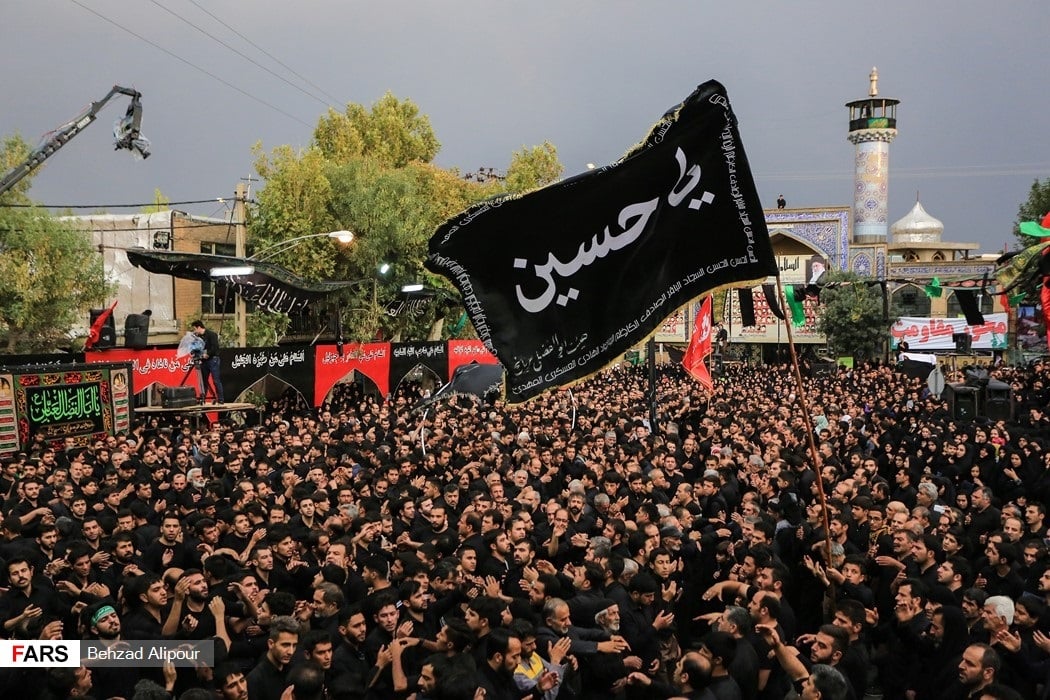
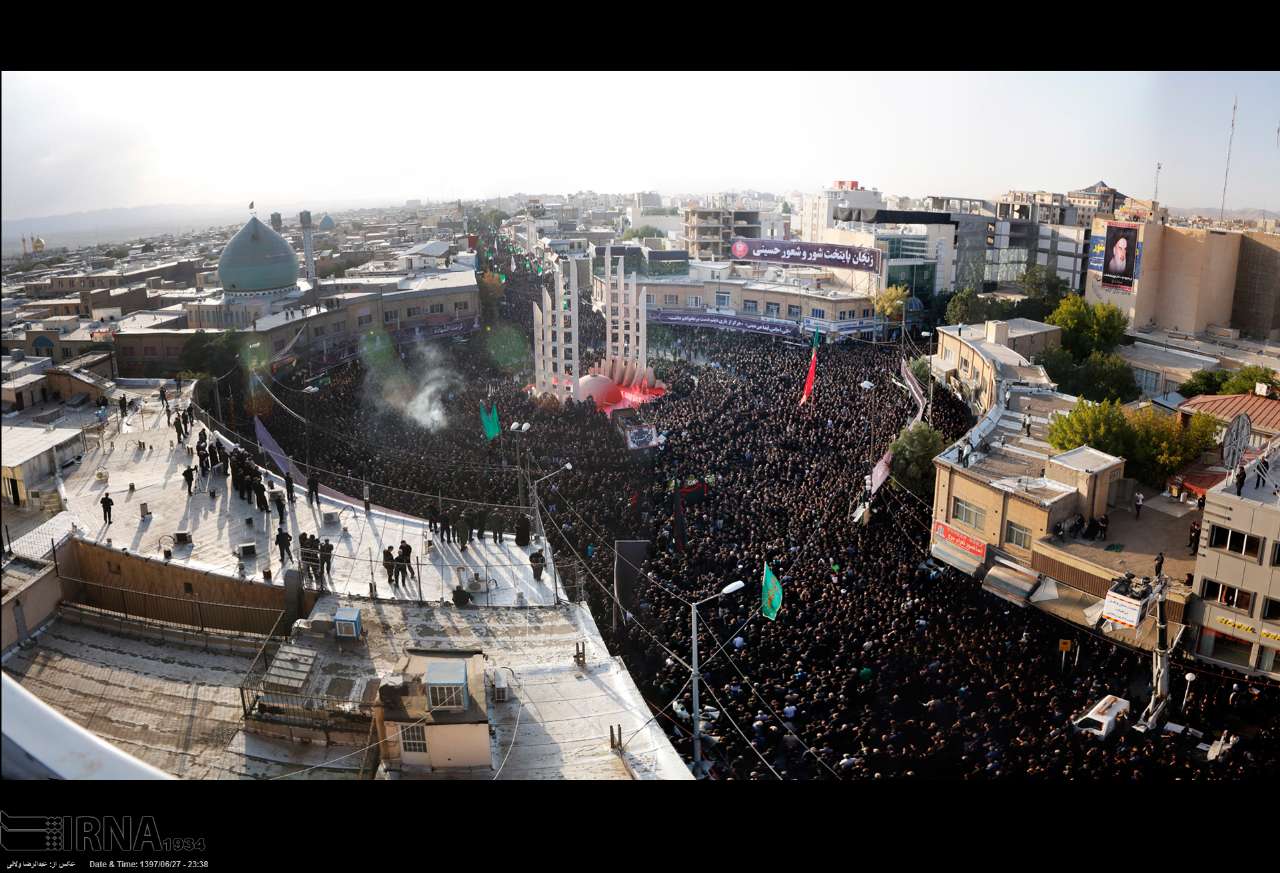
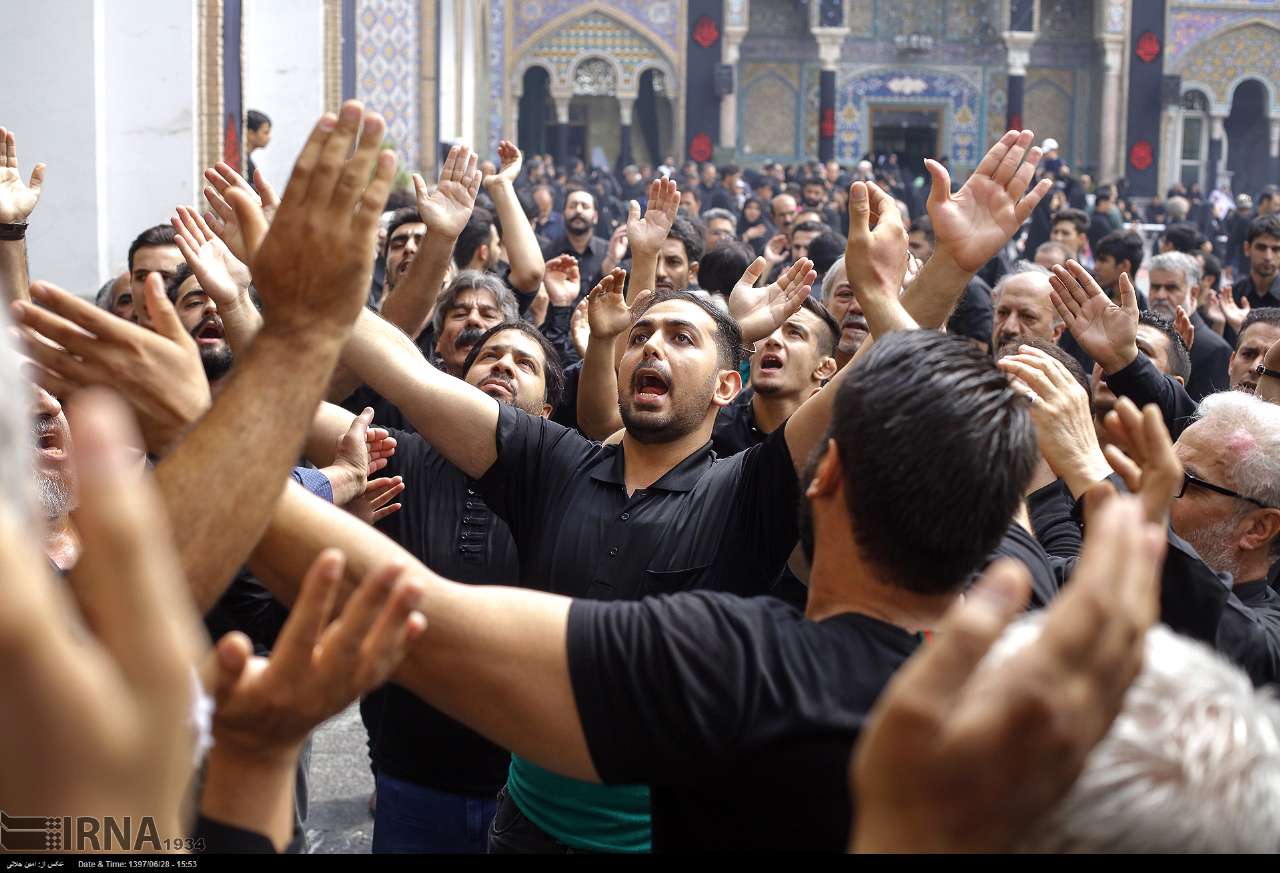
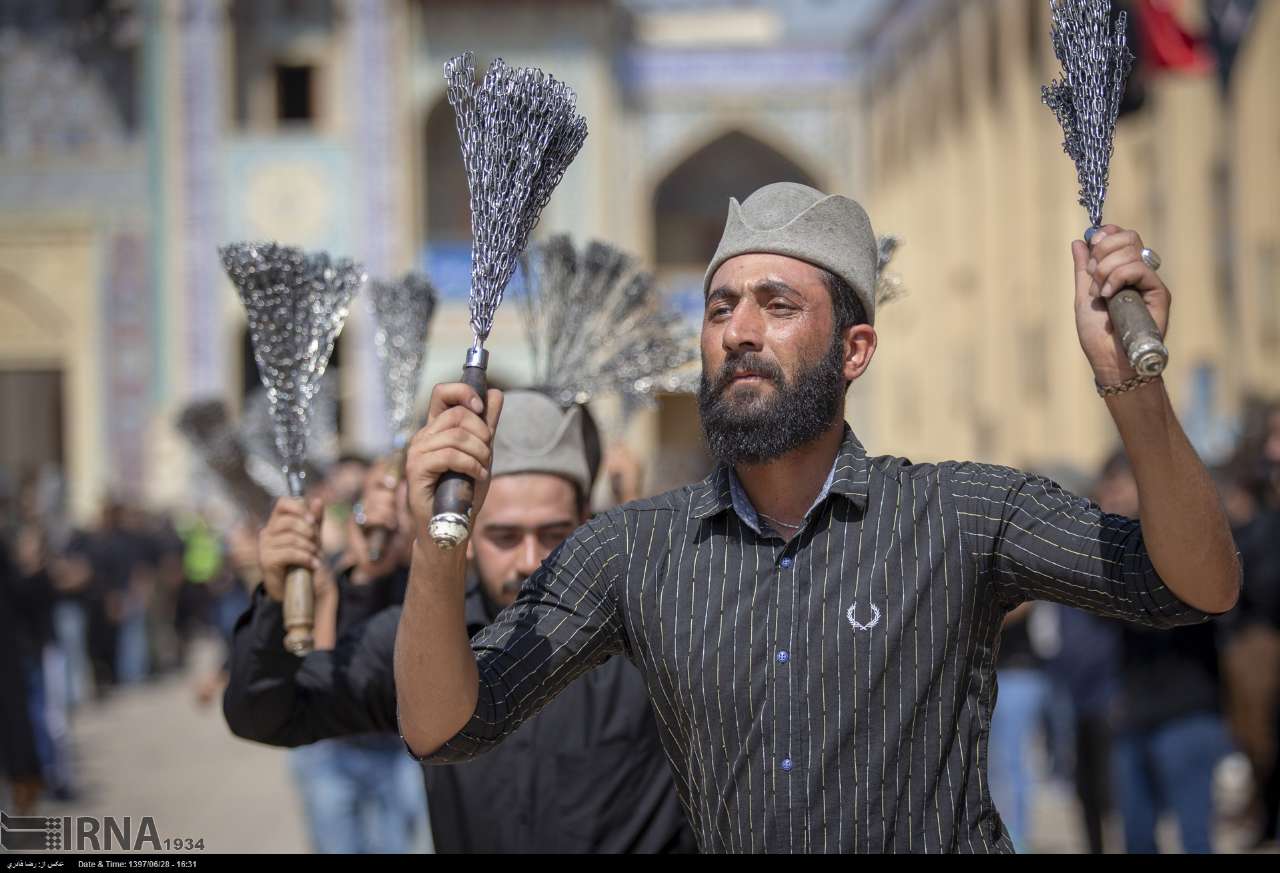
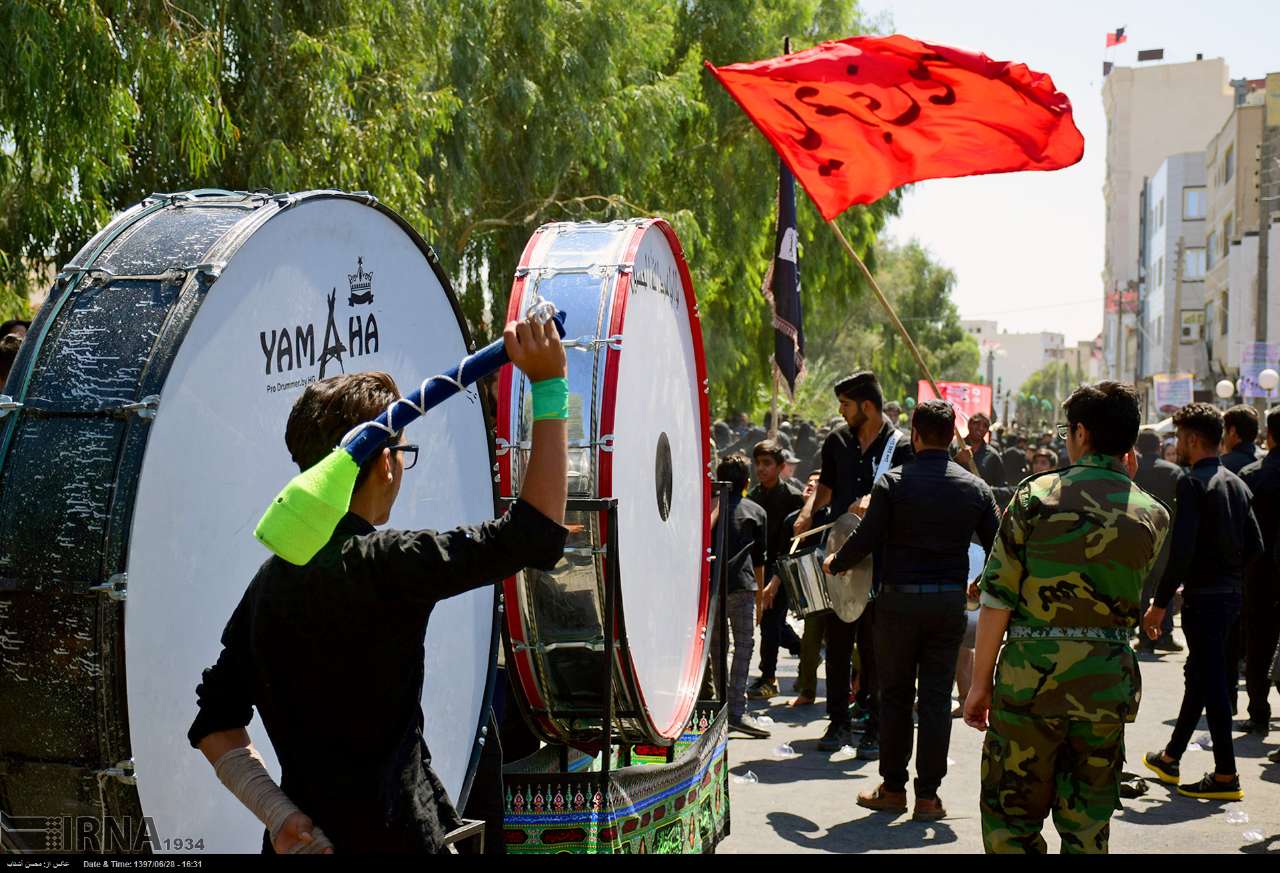
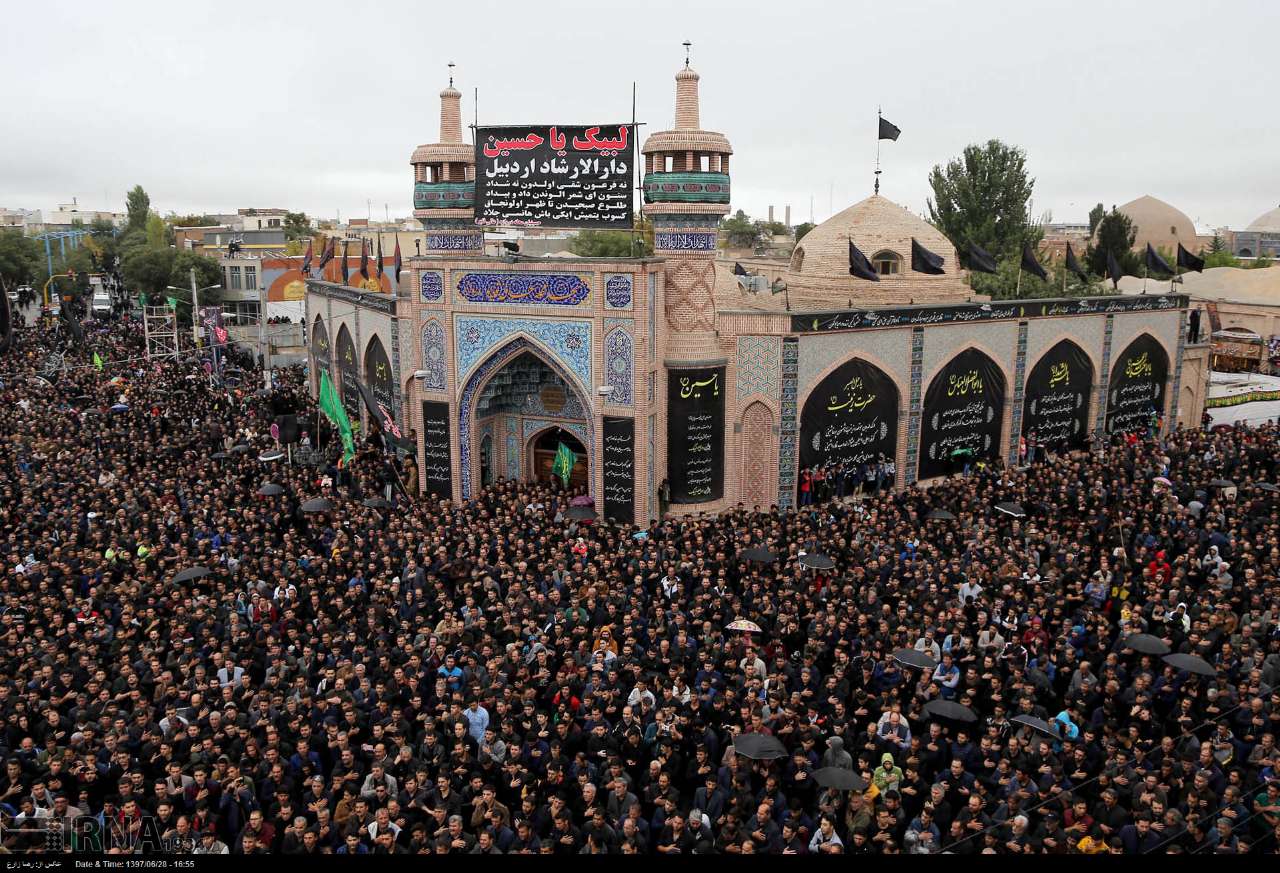
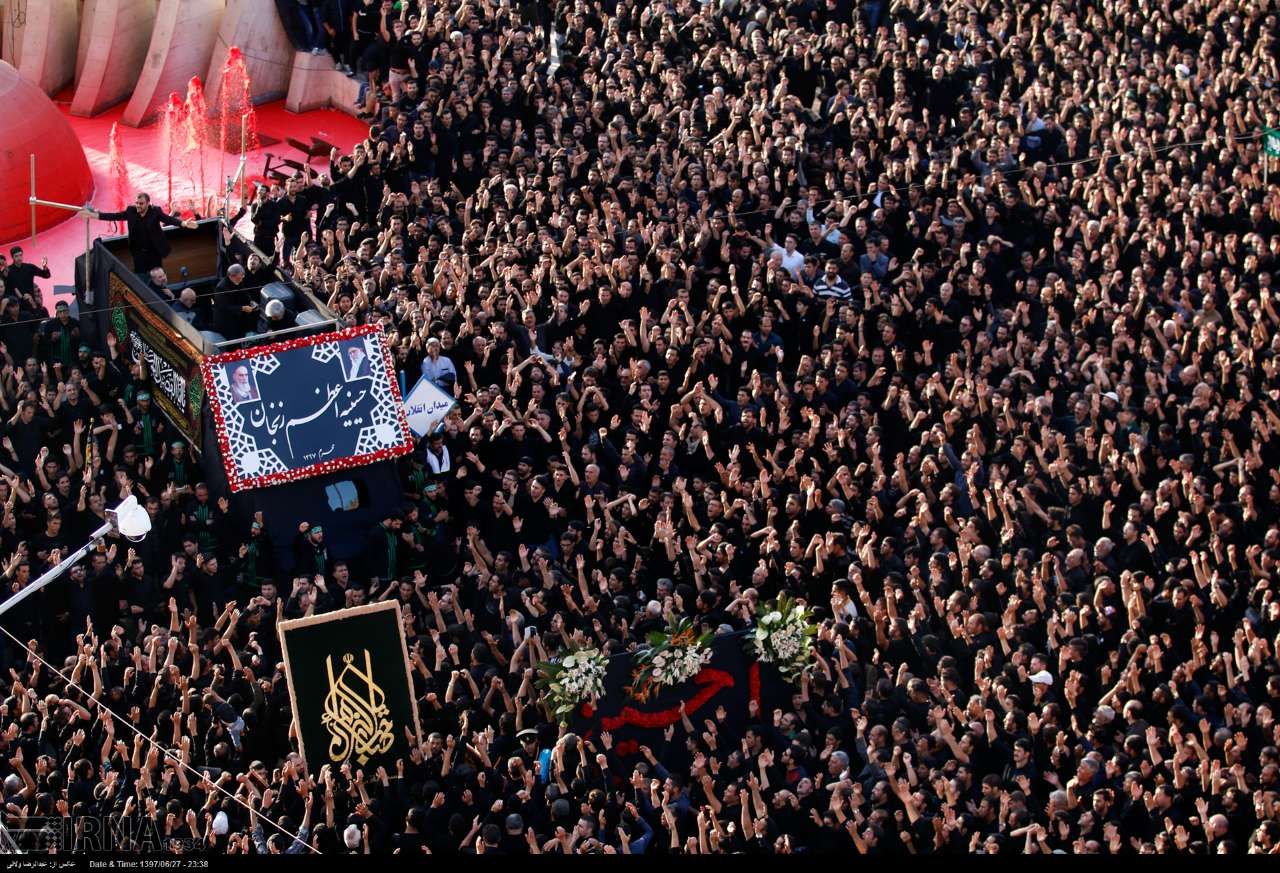
Millions in Iran Mourn Imam Hussein’s Martyrdom

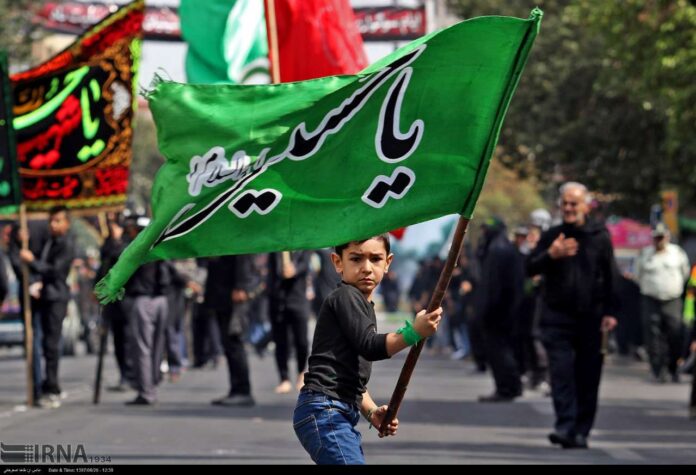
Muslims worldwide, dressed in black, hold mourning rituals during the month of Muharram on the lunar calendar in remembrance of the suffering imposed on the religious icon, his family and his companions, by the tyrant of the time Yazid I, an Umayyad caliph, back in the seventh century.

The events peak on the 10th day, traditionally known as Ashura, when the Imam and 72 of his companions were martyred at the hands of the despot, to whom they had refused to pledge allegiance.

This year’s Ashura fell on Thursday when, in line with centuries-old customs, benefactors distributed votive food, while others marched in massive mourning processions, lamenting the tragedy.

Muharram ceremonies represent the never-ending and unswerving stance of the truth against falsehood and the humanity’s struggle against tyranny, the cause for which Imam Hussein sacrificed his life.

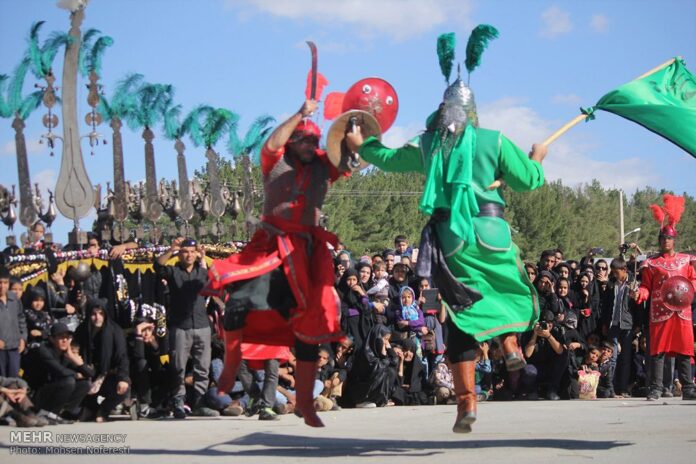
Ta’zieh: An Islamic Passion Play Depicting Battle between Good, Evil

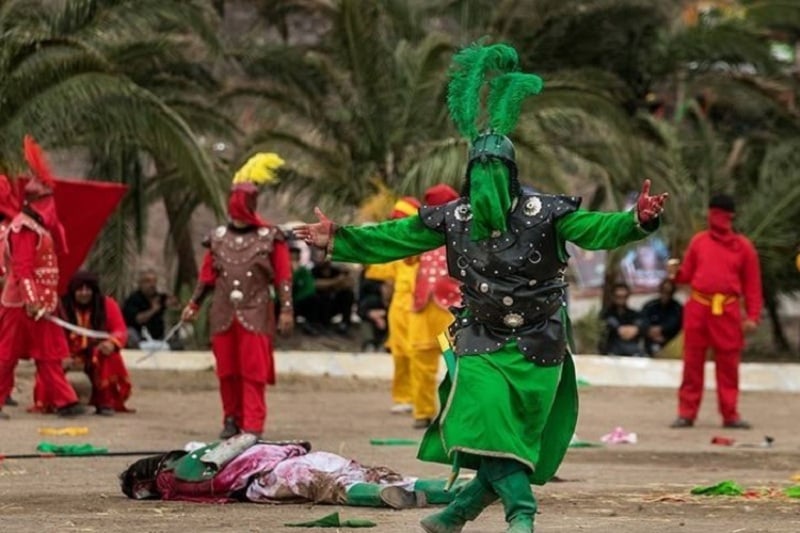
Ta’zieh (Islamic passion play) is inspired by ancient Iranian theatricals which display scenes of courage, bravery and epic battles between good and evil. Good and evil are clearly distinguished in Ta’zieh by using costumes with distinct colours.

The recurring theme in most traditional Iranian performances has been the standoff between good and evil. Western plays, too, basically display the confrontation between the protagonist and antagonist where the two seek to win over or neutralize their opponent.

With the emergence of Islam in Iran, the Ta’zieh began to take shape as a form of performance that narrates stories of infallible Imams, including the great battle of Ashura. The elements presented in the Ta’zieh are a manifestation of the faceoff between good and evil.

Arbitrary symbols were developed in different forms and shapes in the Ta’zieh in order to distinguish good and evil. One of the most important distinguishing features were the stories narrated as they were uttered differently for the antagonist and protagonist in order to distinguish good and evil.

The narrator for the “good” front also known and protagonist narrates the story in a musical performance. However, the narrator for the “evil” front narrates the story in a harsh, unpleasant voice.


Ta’zieh: An Islamic Passion Play Depicting Battle between Good, Evil

The Ta’zieh Costume

Arab outfits as well as the costumes of some Iranian ethnic groups have become closer together due to different reasons. This trend has contributed to the appearance of Ta’zieh costumes, making them look like Iranian and Arab outfits. But what contributes most to the Ta’zieh is the variety of the costumes’ colours. If the element of colour is omitted from the Ta’zieh, the performance will have no spirit anymore.

There are six main colours used for Ta’zieh costumes, namely green, red, white, black, blue and yellow. The philosophy behind each of these colours is explained below.

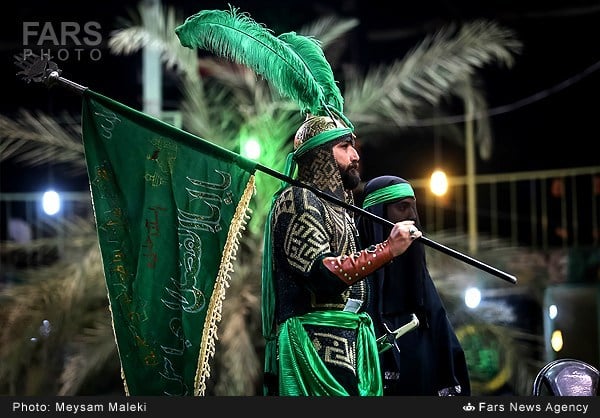
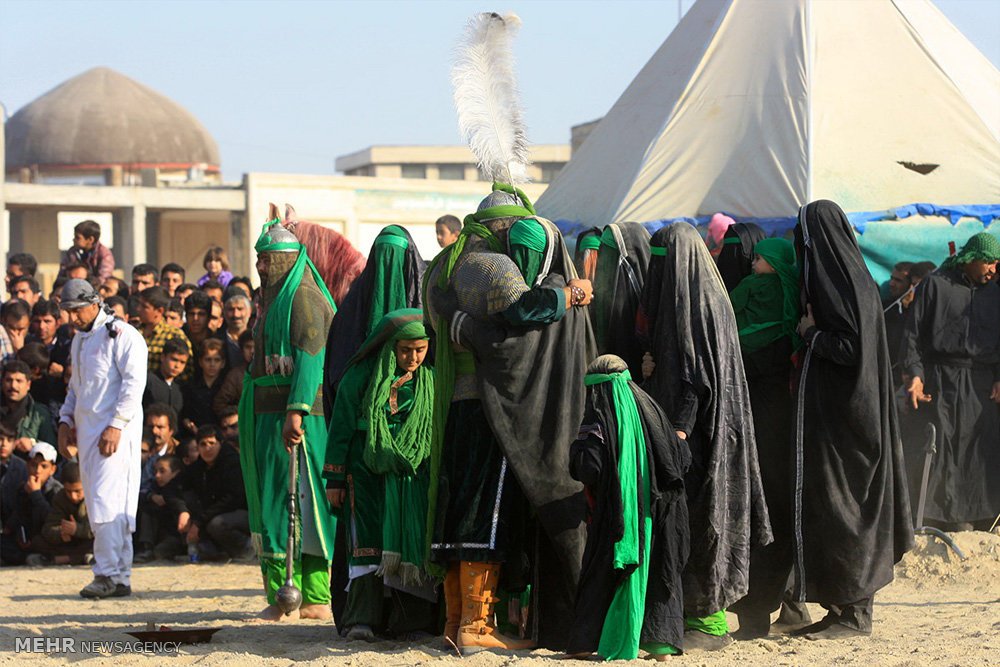
Green: is one of the absolute colours in the Ta’zieh. In all Ta’zieh events, Prophet Mohammad and the twelve infallible Imams are dressed in green..

Ta’zieh: An Islamic Passion Play Depicting Battle between Good, EvilRed: is one of the absolute colours, i.e. it is not equivocal, and is used only to symbolize evil and the enemy, except for one case, namely Imam Hussein’s childhood. The colour red symbolizes blood, bloodshed, war and ruthlessness.
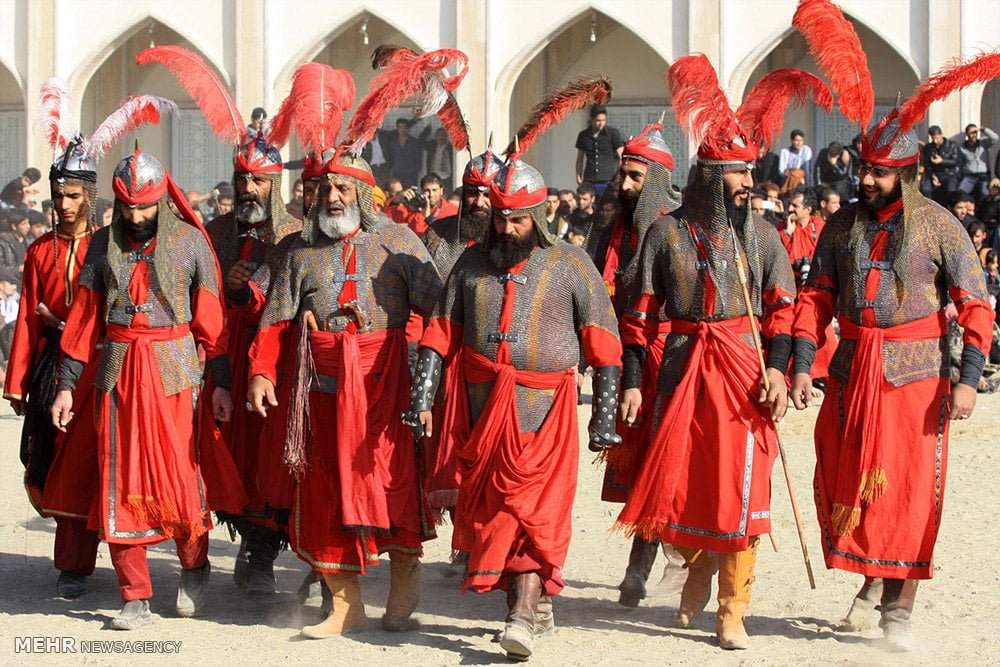
Ta’zieh: An Islamic Passion Play Depicting Battle between Good, Evil

Black: is one of the relative colours in the Ta’zieh, i.e., used by both protagonists and antagonists. It is used in combination with other colours. If black is mixed with red, it symbolizes fear and evil. If it is used with green, it means dignity and holiness.

Ta’zieh: An Islamic Passion Play Depicting Battle between Good, Evil

White: is another relative colour in the Ta’zieh. Whether it symbolizes good or evil depends on which colour it is mixed with. In most Ta’zieh performances, white is used to depict “good.”

Ta’zieh: An Islamic Passion Play Depicting Battle between Good, EvilYellow: In Ta’zieh, yellow symbolizes doubt and is used for certain characters who are doubtful and undecided, and do not know whether to join the good front or the evil front.
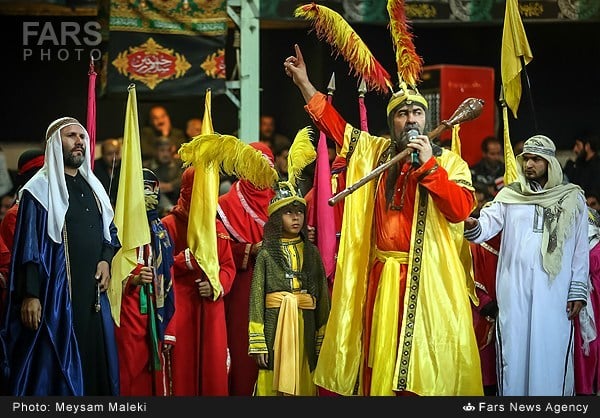
Ta’zieh: An Islamic Passion Play Depicting Battle between Good, EvilBlue: symbolizes happiness and joy. It is used is several cases, namely to symbolize wedding, and to show characters filled with happiness.

Ta’zieh: An Islamic Passion Play Depicting Battle between Good, Evil

Tehran Reiterates Call for Blocking of Anti-Iran Twitter Accounts

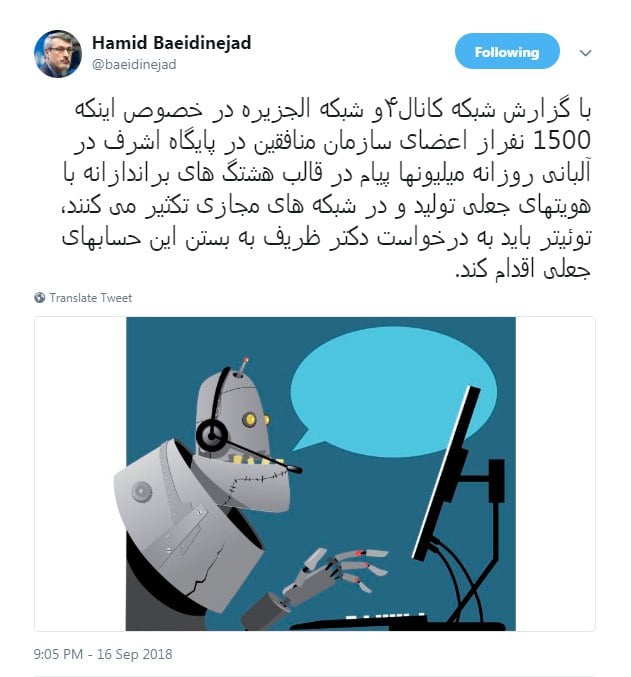
Iran’s Ambassador to London Hamid Baeidinejad has once again called for the blocking of fake anti-Iran twit“Twitter must head to Dr Z arif’s request to block these fake accounts,” he said, pointing to recent programs by Channel 4 and Al-Jazeera documenting that the MKO has tasked 1,500 of his members to disseminate millions of messages calling for regime change in Iran using fake accounts.
On Sunday, Foreign Minister Mohammad Javad Zarif censured Twitter for blocking accounts of Iranian users, while failing to crack down on an extensive anti-Iran social media operation by MKO.

Tehran Reiterates Call for Blocking of Anti-Iran Twitter Accounts
Last month, Google, Facebook and Twitter announced the blocking of pages and accounts they said were part of an alleged influence operation linked to Iran.
Twitter announced it had suspended 284 accounts for “coordinated manipulation,” shortly after Facebook announced it had removed 652 pages for the same reason
Zarif’s tweet comes shortly after the Doha-based Al-Jazeera network aired a program exploring the extent of the operation to spread anti-Iran propaganda by MKO.
Moreover, in a recently broadcast documentary, Britain’s Channel 4 showed how MKO members have attempted to create media campaign against Iran.
The report also said that MKO members have been bribing US President Donald Trump’s close aides at the White House to push Washington to adopt anti-Iran policies.

Iran Urges UK’s Major Role in Reactor Modernization: Salehi

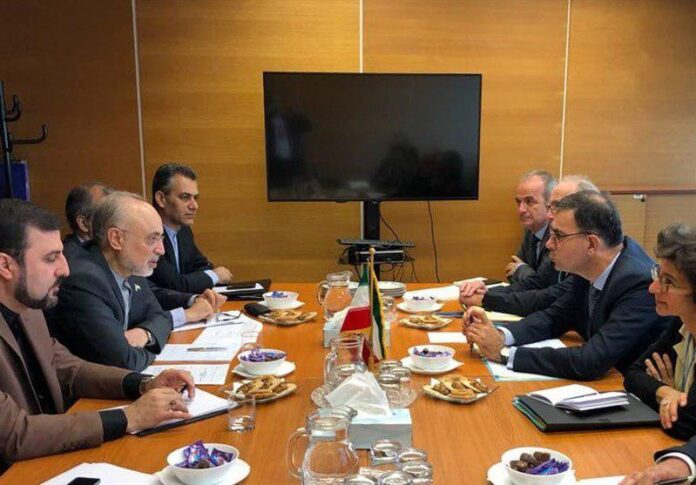
In a meeting with a UK delegation on the sidelines of the 62nd General Conference of the International Atomic Energy Organization (IAEA) in Vienna, Salehi called on London to use the Iran nuclear deal as an opportunity to enhance its ties with the Islamic Republic.

Salehi called for adopting necessary measures to encourage British small and medium-sized firms to invest in Iran.

During the meeting, the two sides also exchanged views on ways to expand mutual ties in all areas particularly in economic and academic fields.

The UK’s role in the reconstruction of Arak reactor after replacing the US, exchanging students and holding workshops in nuclear fields were also discussed during the talks.

The Iranian official also held separate talks with French and Chinese delegations on the sidelines of the IAEA conference.

During the talks, he expressed satisfaction with the progress made so far on expanding mutual ties and said fortunately the project to reconstruct Arak reactor has been going on as scheduled.

He also raised the issue of establishing new small and medium-sized reactors in Iran during his meetings.

For their part, the French and Chinese delegations expressed their interests in making further investment in Iran’s nuclear energy.

Based on the Iran nuclear deal, Tehran agreed to limit its nuclear program by redesigning its 40-megawatt Arak reactor in return for the removal of Western sanctions on the country.

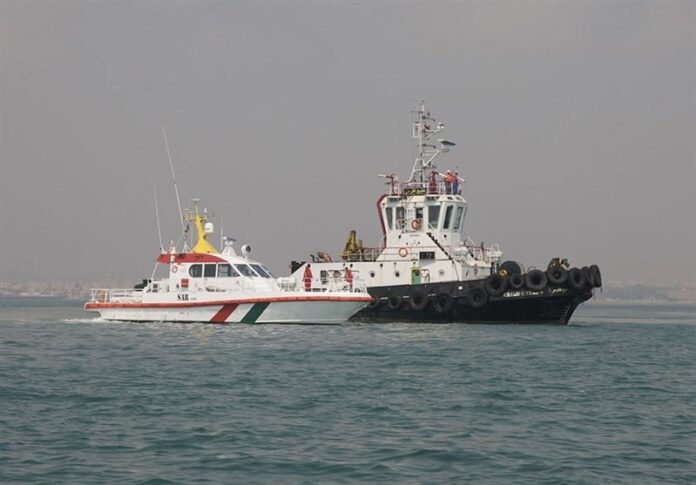
Iran Arrests 5 Foreign Fishermen for Illegal Trespassing

In remarks released late on Tuesday, Brigadier General Abdollah Nazarpour said the foreign vessel was stopped and confiscated while it was fishing in the territorial waters of the country.

The Iranian coast guards powerfully prevented the foreigners from their illegal activity in the area, the commander added.

He went on to say that after providing legal documentation the arrested fishermen were handed over to judicial authorities.

Back in February, several Indian fishermen, who were held captive in Iran for crossing territorial waters, were released by Iranian officials.

On October 22 last year, the Iranian Navy arrested the fishermen for straying into their waters.

US Says Seeks to Sign ‘Treaty’ with Iran on Missile Program

US special envoy for Iran Brian Hook made the comments at an event at the Hudson Institute on Wednesday.

“The new deal that we hope to be able to sign with Iran, and it will not be a personal agreement between two governments like the last one, we seek a treaty,” he told the audience.

He further said that the nuclear deal, officially called the Joint Comprehensive Plan of Action (JCPOA), lacked support among members of the Republican-held Congress, when it was clichéd under former US President Barack Obama.

“They did not have the votes in the US Senate so they found the votes in the UN Security Council,” Hook said. “That is insufficient in our system of government if you want to have something enduring and sustainable.”

US President Donald Trump re-imposed anti-Iran sanctions, lifted as part of the 2015 nuclear deal, in August, after withdrawing the US of the agreement, also backed by the UK, Russia, Germany, Russia, and China.

Leader of the Islamic Revolution Ayatollah Seyyed Ali Khamenei has previously stressed that the Islamic Republic will not enter into new negotiations with the United States due to cheating and bullying nature of its government.

“In any negotiations, if the opposite side refrains from giving real concessions, Americans will launch such a propaganda and media rancor in the world that the other side feels at loss and becomes passive,” Ayatollah Khamenei added.

Under the JCPOA, Iran undertook to put limits on its nuclear program in exchange for the removal of nuclear-related sanctions imposed against Tehran.

Iran has repeatedly emphasized that its missile program is merely defensive and deterrent, thus non-negotiable.


Muharram; A Phenomenon Affecting Various Aspects of Shiite Life

Senior journalist Seyyed Ali Mirfattah, in an editorial in E’temad daily, has briefly outlined the impact and benefits of organising the mourning ceremonies of Muharram on various cultural aspects of the Iranian society. Here is a summary of this article:

This religious ceremony has made contributions to the culture and art of the country. One of these contributions is helping to boost music among the people.

In ancient times music was exclusively performed at the courts and circles of the lords and nobles; however, the rituals of Muharram created this awesome opportunity to bring music to the people and be protected and more useful.

The performance of Ta’zieh has played a great role in promotion of drama. Indeed, if Muharram and Safar did not exist, we could not continue the Iranian drama tradition for centuries and bring it to contemporary times. In other words, the passion plays of Muharram have served as a perfect means to convey the national spirit and culture to later generations.

Mourning ceremony also made great contributions to literature. Barely can you find a culture and language that is as powerful as Persian culture and language in provoking or even controlling emotions.

The linguistic capacities of the phenomenon of death have managed to enrich the whole language and culture as well. No poet has talked of death in the way Sa’adi did. However, no poet is as happy as Sa’adi to appreciate life.

Parenthetically, mourning in the Iranian culture is different from mourning, for example, in Greece and Italy. As we deeply believe in the unseen world and in our post-mortem life, our emcounter with this phenomenon and its functions is totally different. This encounter is different thanks to monotheism and belief in the unseen.

Before Islam, the Iranians believed in the other world, and considered death as one of the stages of life. With the blessings of Tasua, Ashura and Arba’een (the ninth, tenth, and fortieth days after Imam Hussein’s martyrdom anniversary), we were able to blend the mournful literature with the passion of life. We cry, we hit our chests, we sigh, but we also strengthen our liveliness. Moreover, we publish many moral and doctrinal points through the lamentations and Ta’zieh.

Concepts such as dignity, fight against oppression, loyalty, insisting on the rights, struggle for justice, and the reform of religion were among the things the Iranians learned from the mourning ceremonies. I can say that Muharram could solve all our political and economic problems. We can evade any sanctions in light of Imam Hussein’s blessings. We can change our relationship with the universe and turn this piece of the world into a heaven on earth.

Do you know any culture, religion, and belief that in the 21th century could take all the old and young people out of homes and make them do good things? On Arba’een, it is said that around 20 million pilgrims go to Imam Hussein’s holy shrine on foot. This means that the existence of Imam Hussein (AS) can guarantee the political and social security of this inflamed region. This means that it can force all the terrorist and Takfiri groups to escape. This means it can elevate the status of the Shiites in the world. In my opinion, we are not dealing with a tradition, but rather we are facing a living creature that changes according to our conditions.

Muharram; A Phenomenon Affecting Various Aspects of Shiite Life

German Ambassador Inspiring Tourists to Spend Holidays with Iranian Nomads

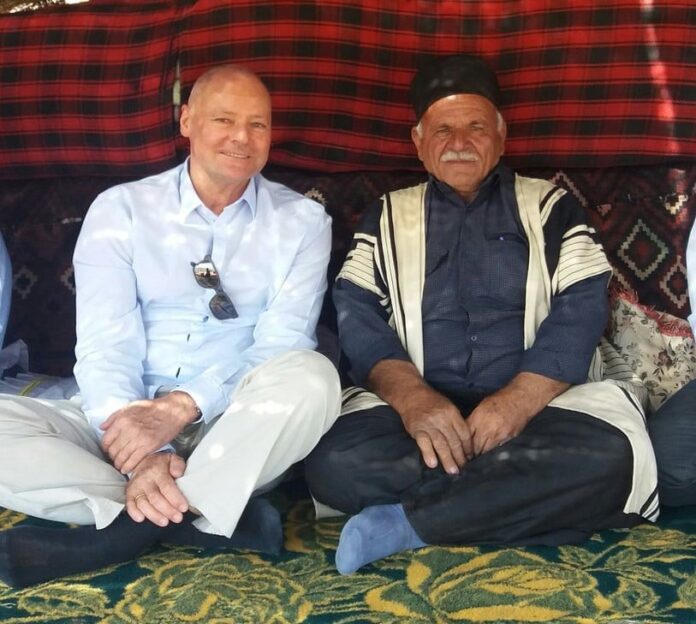
Michael Klor-Berchtold decided to spend holidays in Iran in recent weeks, an initiative which came under the media spotlight.

The news that the top German diplomat spent his holidays in Iran received much attention in Germany from media and all those interested in the Iranian culture. Klor-Berchtold accompanied Bahktiari nomads in Zagros mountains during his holidays in the Islamic Republic.

European tourists who cherish the idea of spending holidays in fabulous countries such as Iran are interested to see first-hand the cultures and traditions of different parts of the country. From a tourist’s perspective, a trip should include interesting experiences.

Among the issues which are very important to a tourist is to get familiar with the cuisine, customs, traditions and traditional costumes of certain localities in a country.

One of the main objectives of foreign visitors is to experience new and fantastic environments.

Accordingly, the German ambassador’s decision to spend holidays with nomads has received extensive coverage in his country. From a political and media point of view, too, Klor-Berchtold’s choosing Iran as a holiday destination is a testament to the existence of security in Iran as well as the beauties of this land rarely covered by Western media.

In addition to this news, Der Spiegel published another report on the presence of tourists and foreign travelers in Iran. The German weekly has also published an interview with the spokesperson for the Munich Tour Operator regarding European visitors’ interest in travelling to Iran and surrounding countries.

These are the answers given by the spokesperson to the weekly’s questions.
At a time when some European airlines have cut down the number of their flights, what impact have such moves had on passengers’ needs?
Spokesperson: It is right that this issue has eclipsed Europeans’ trips to Iran. However, when we hear a flight to Tehran is canceled, we offer other options to travelers.

In recent years, many Germans have shown an interest in visiting Iran. Tours of Iran are usually booked by Germans. But now, how has the issued mentioned above affected demand?

Spokesman: Demand has been at a normal level in the recent year. But demand for travelling to Iran had peaked in the years before, especially in 2015. At that time, we had exactly 2650 visitors who had booked tours of Iran. The situation remains the same in 2016, but the figure dropped to 2250 in 2017, which shows a slight drop compared to the two preceding years.

What keeps enthusiasts from spending their holidays in Iran?

Spokesman: The main thing is climatic changes, which have gripped the country for several years now. This has practically made travelling to the country a little difficult. Of course, travelling to certain countries have always been hampered by certain factors and this is not limited to Iran. For instance, we had people who were interested to visit Turkey. However, they have lost their interest due to Turkish President Recep Tayyip Erdoğan’s wrong policies.

However, as for Iran, one should note that most of those interested to visit the country have, despite climatic issues, always wanted to make a trip to the country because Iran is a good place for tourists. Iranians show special hospitality toward foreigners. Moreover, Iran’s political situation and its position on different issues have not changed, either. Given the drop in the value of the rial inside Iran, it would be very economical for foreign tourists to visit Iran. This issue along with the country’s climatic and cultural diversity seems to draw many European tourists to Iran in the coming years.