
The market is particularly known for its high quality fabrics and the visitors can buy from a wide range of products at cheap prices.
Following are IRNA’s photos of the market:
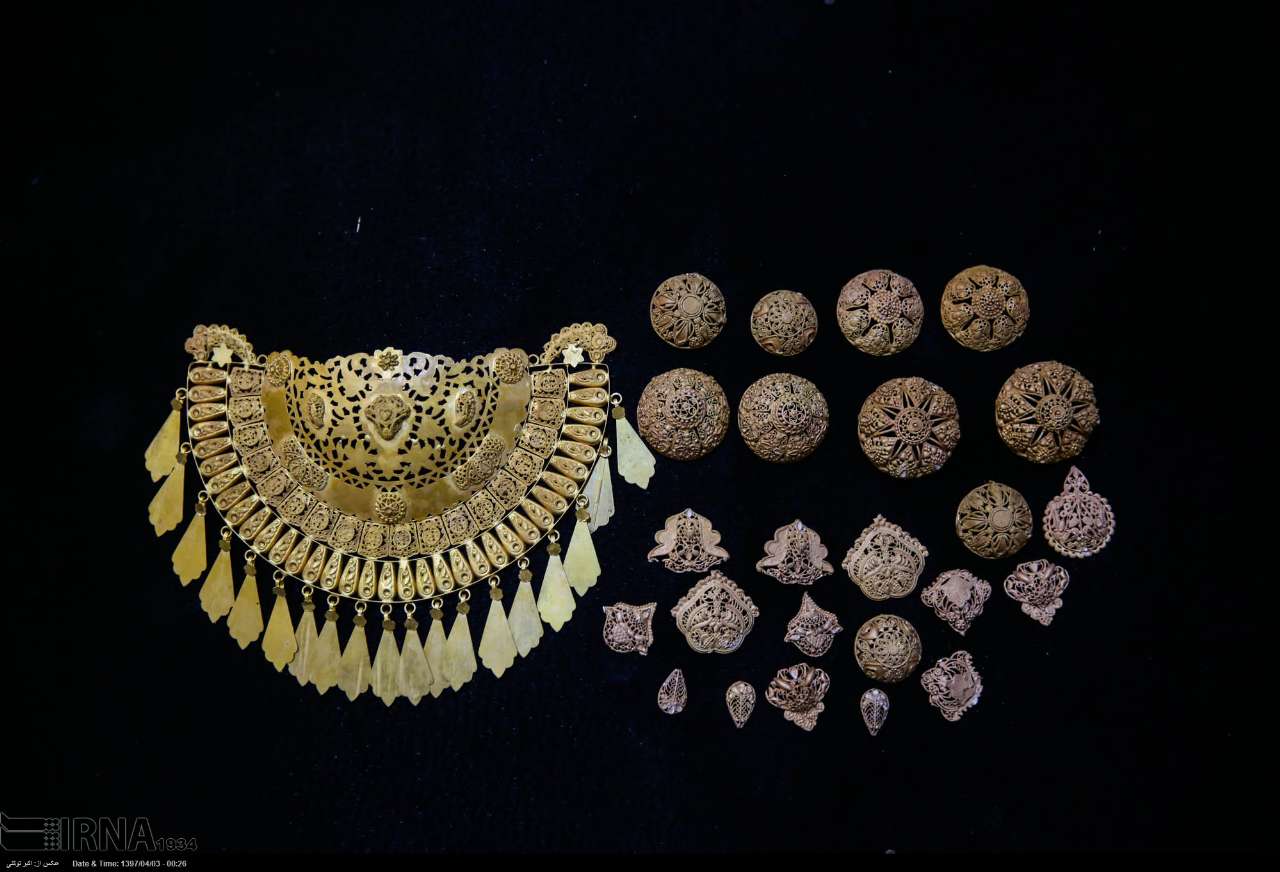
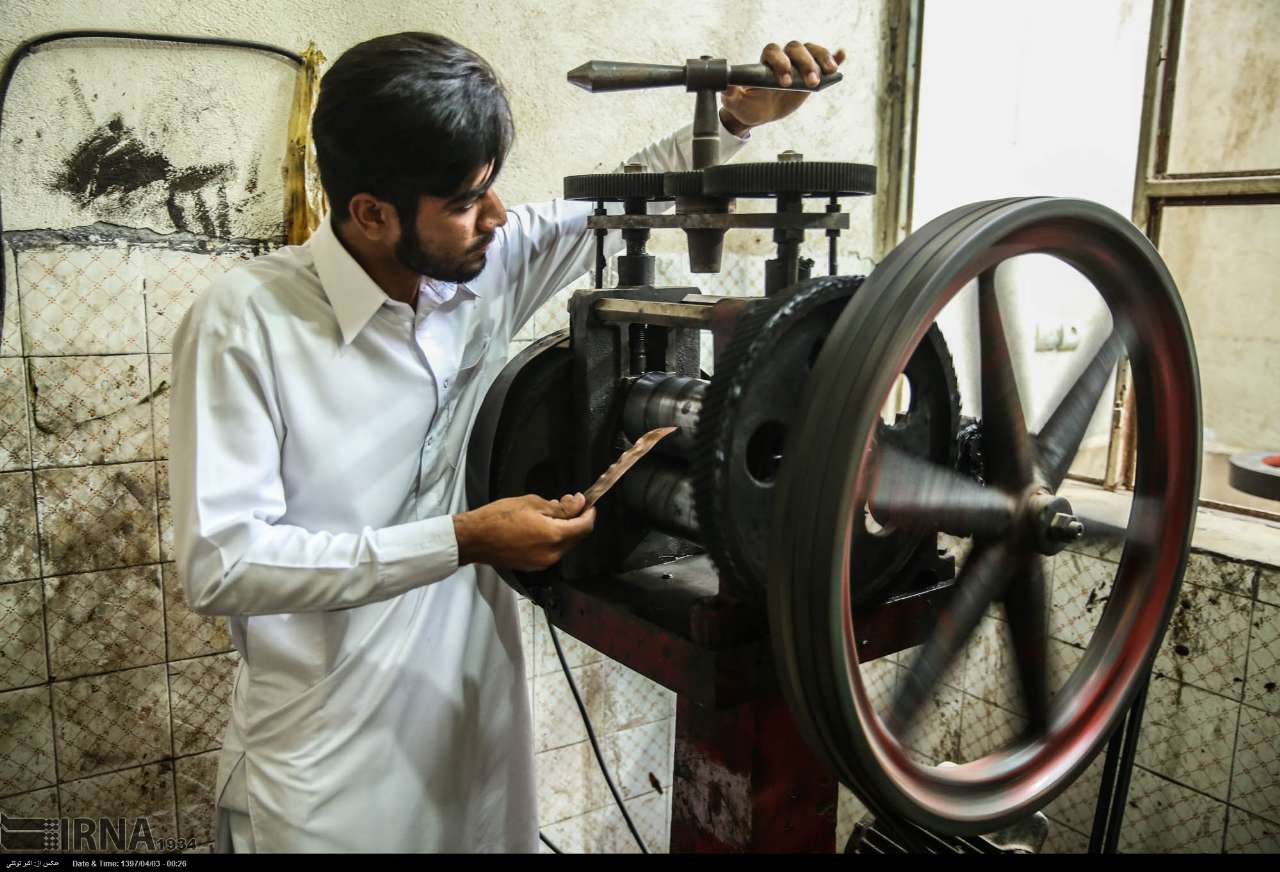


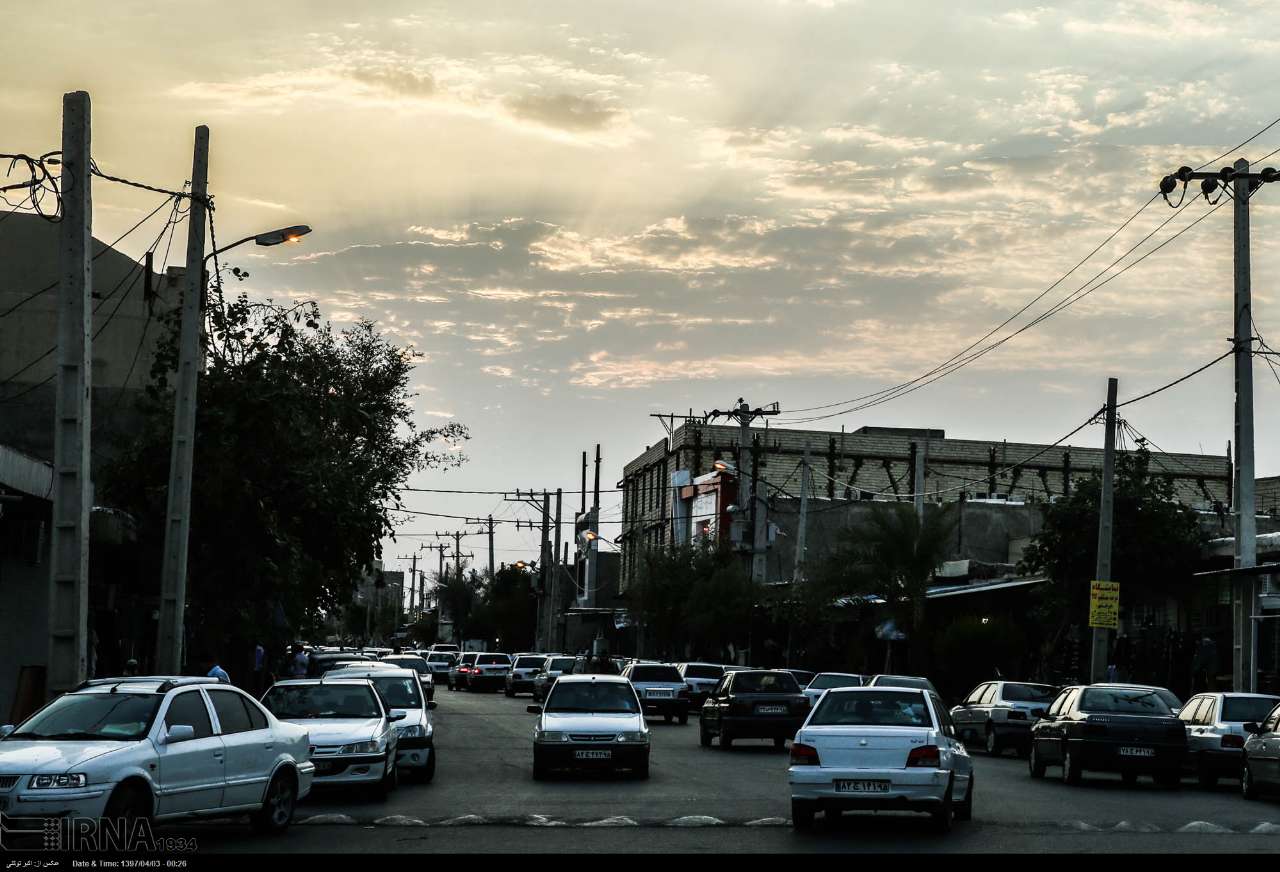
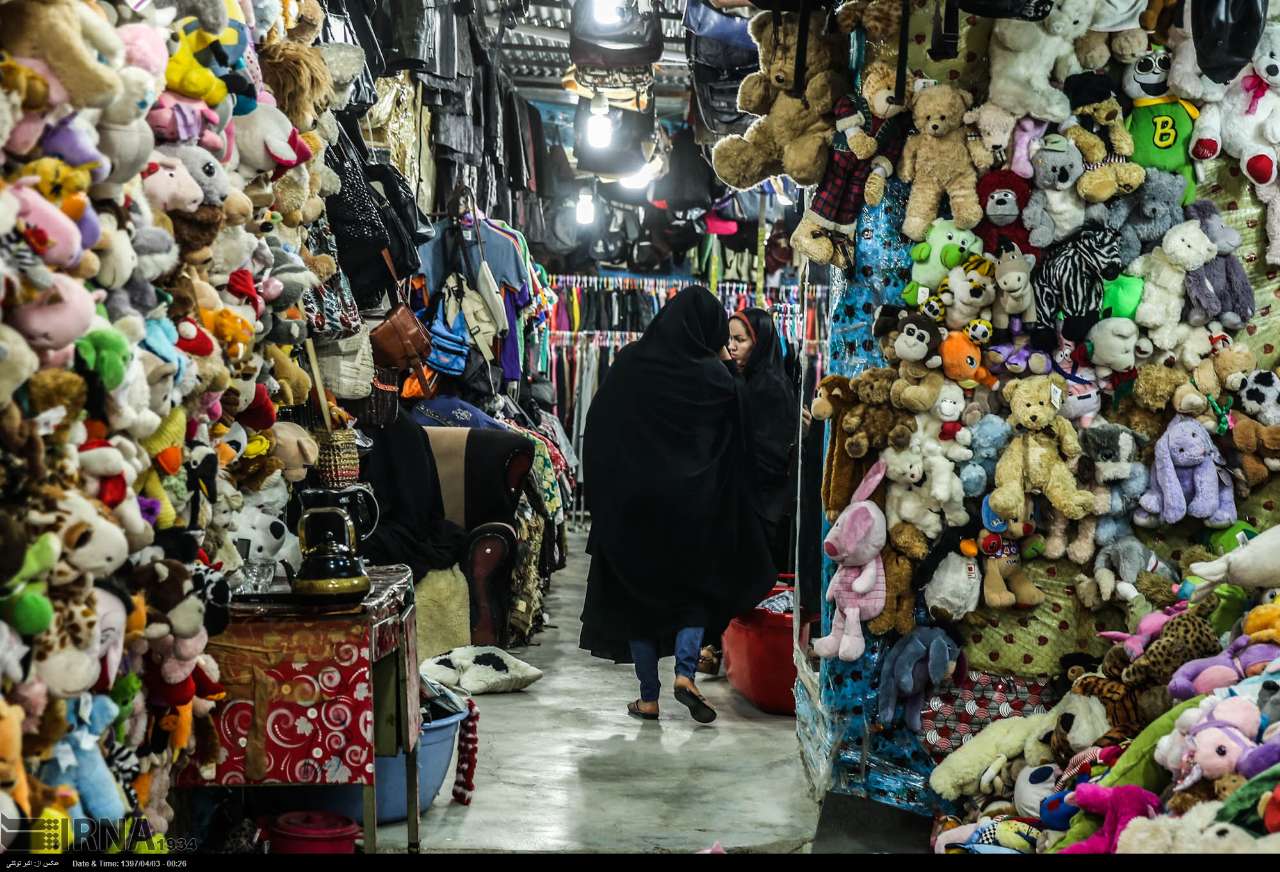
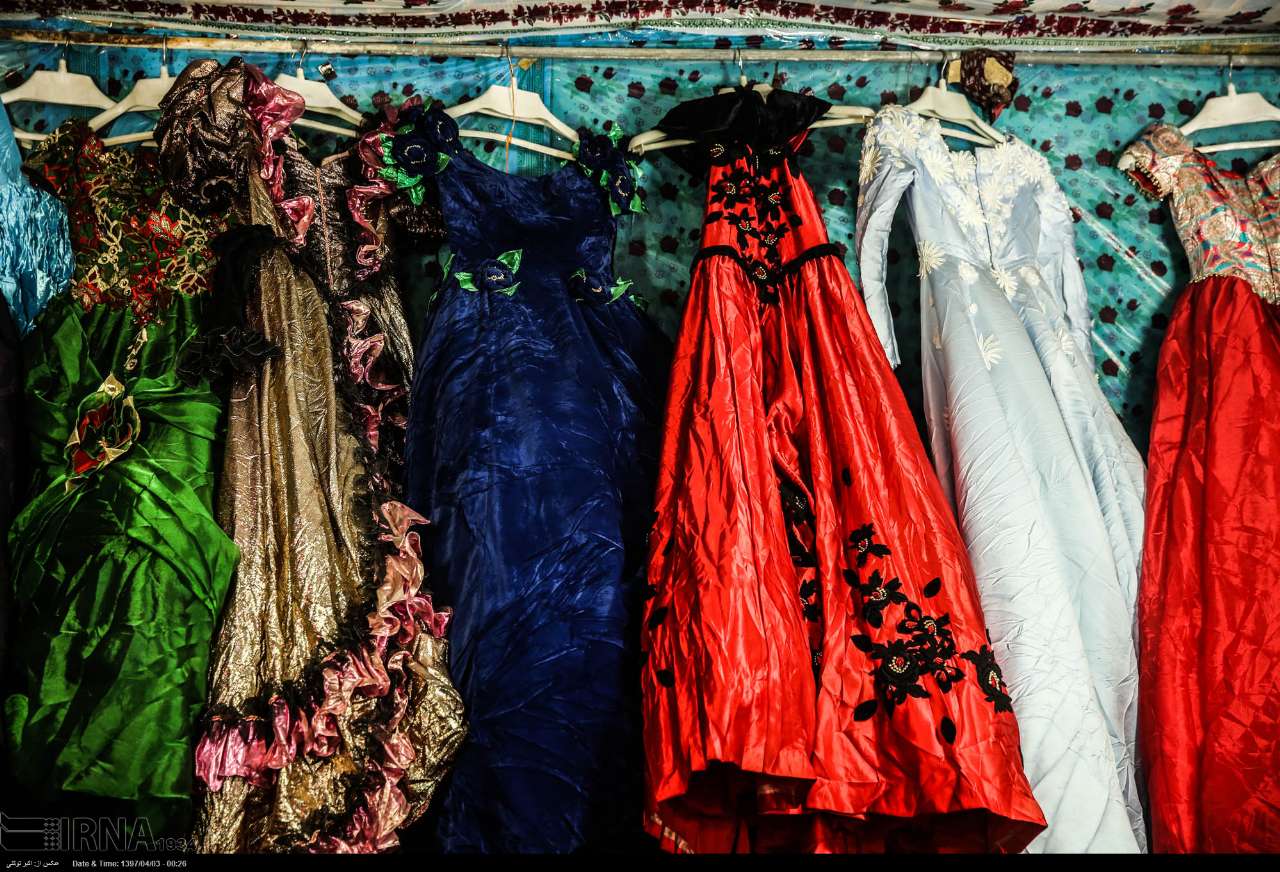
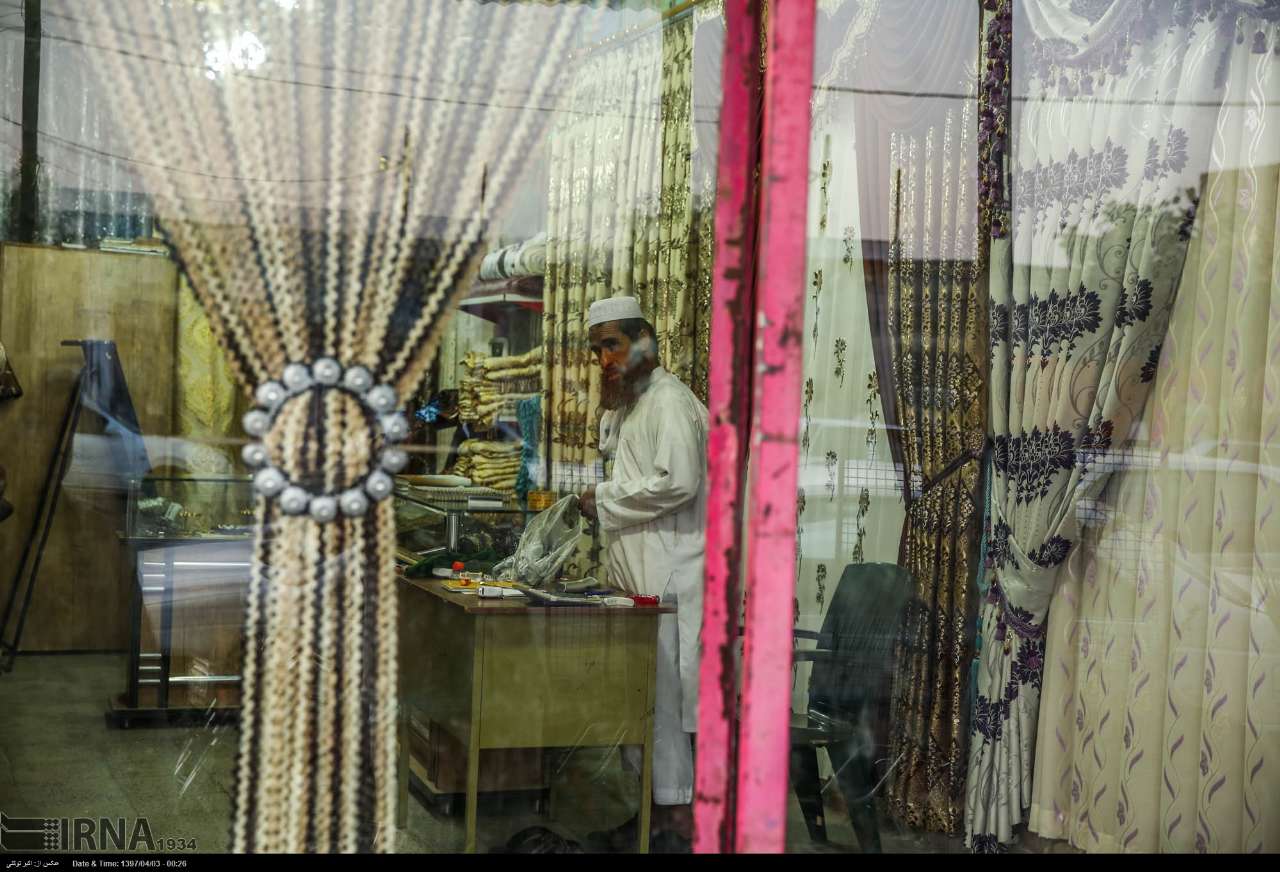
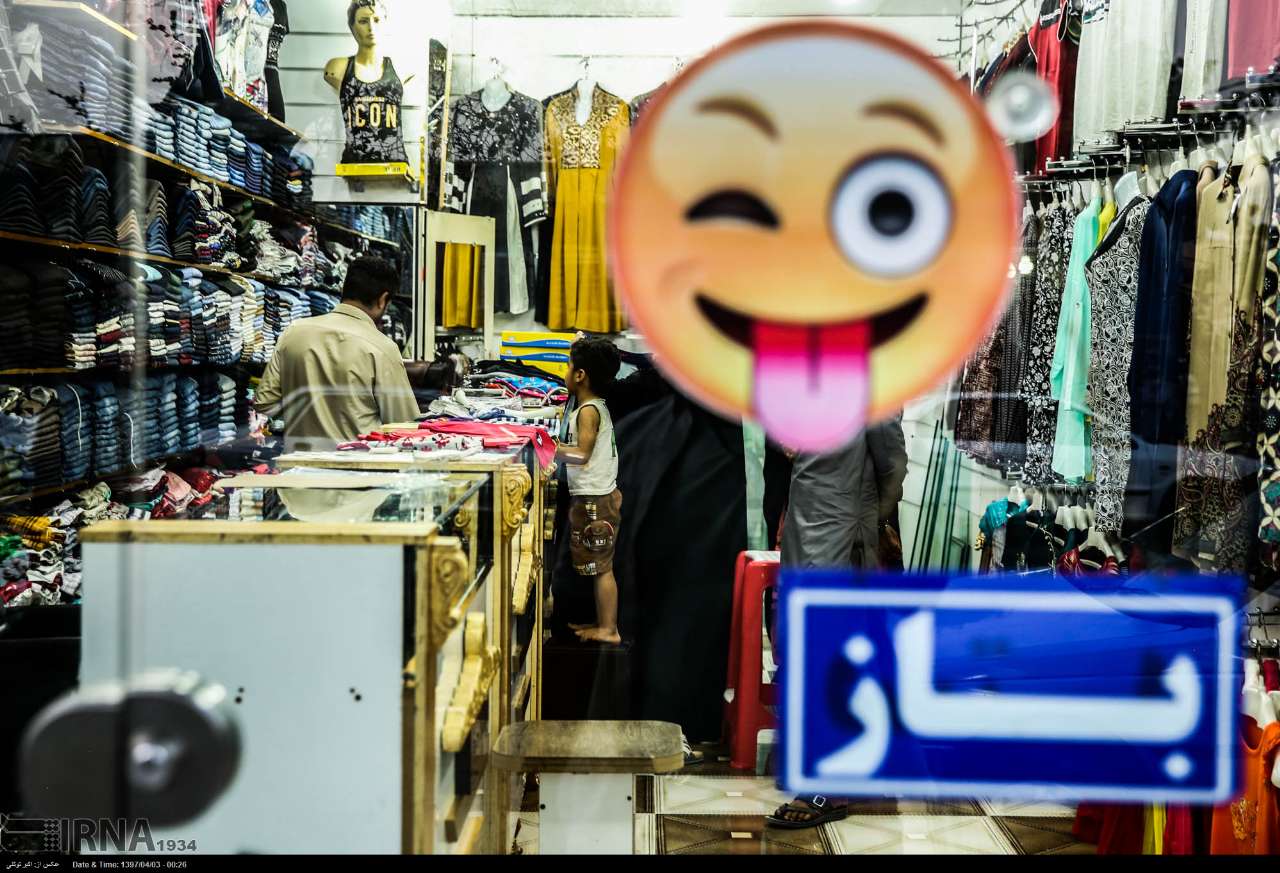
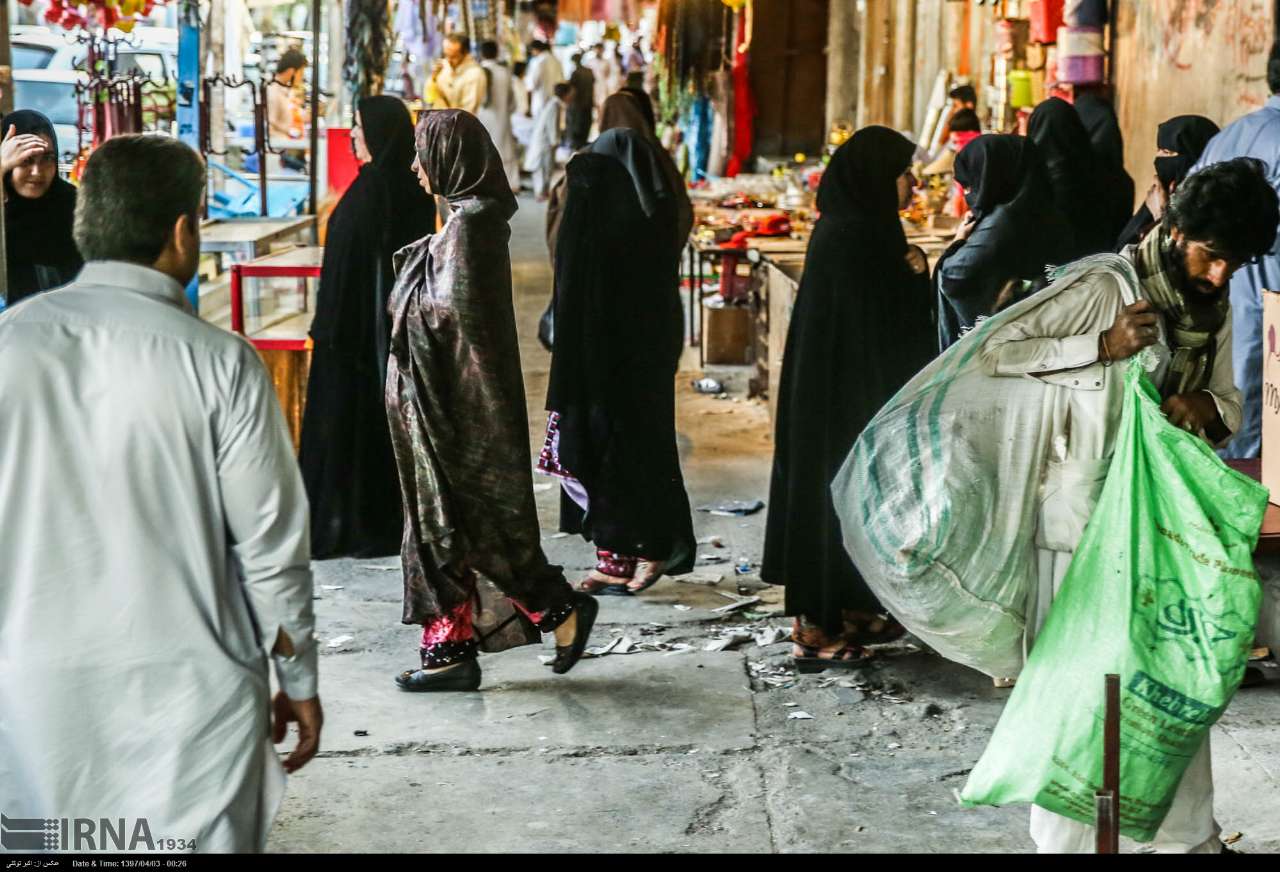


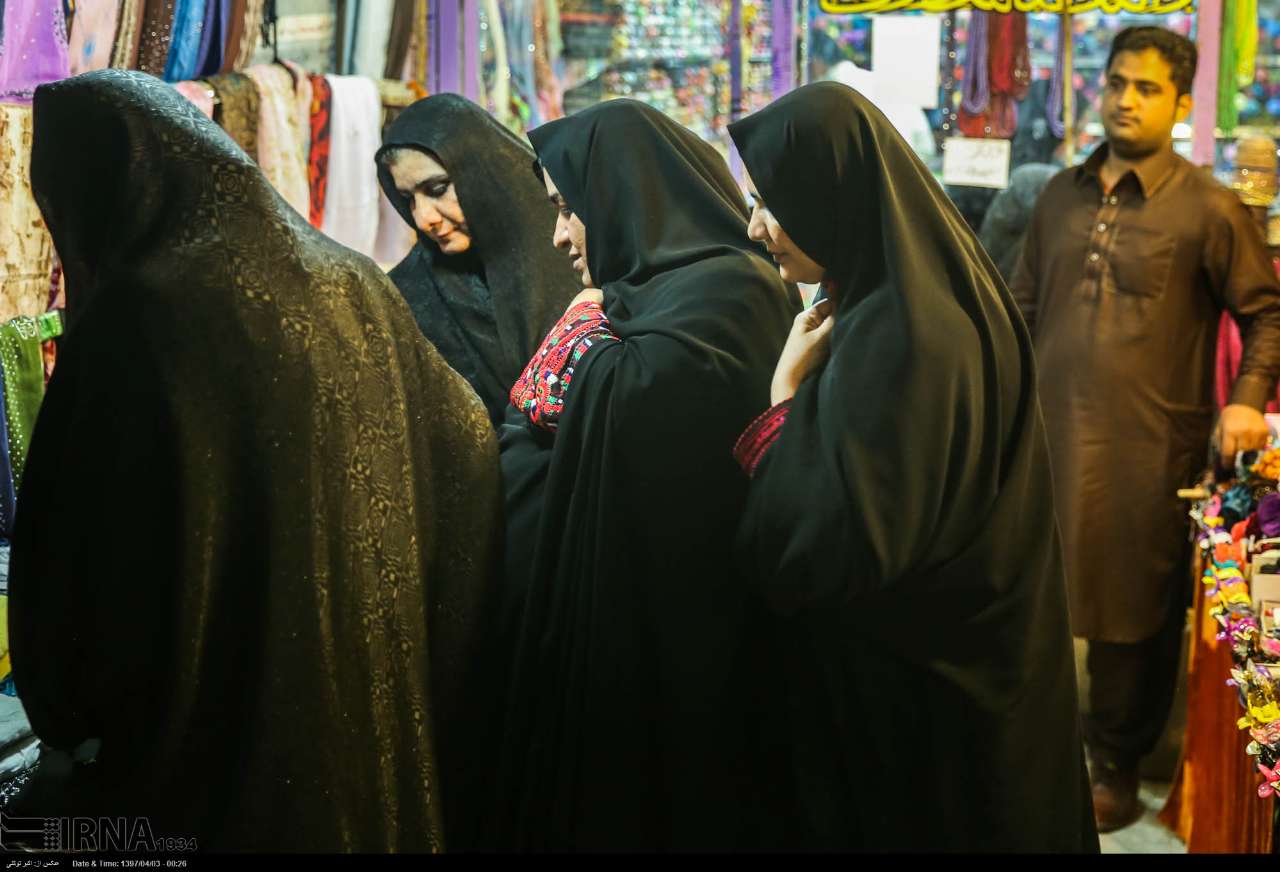
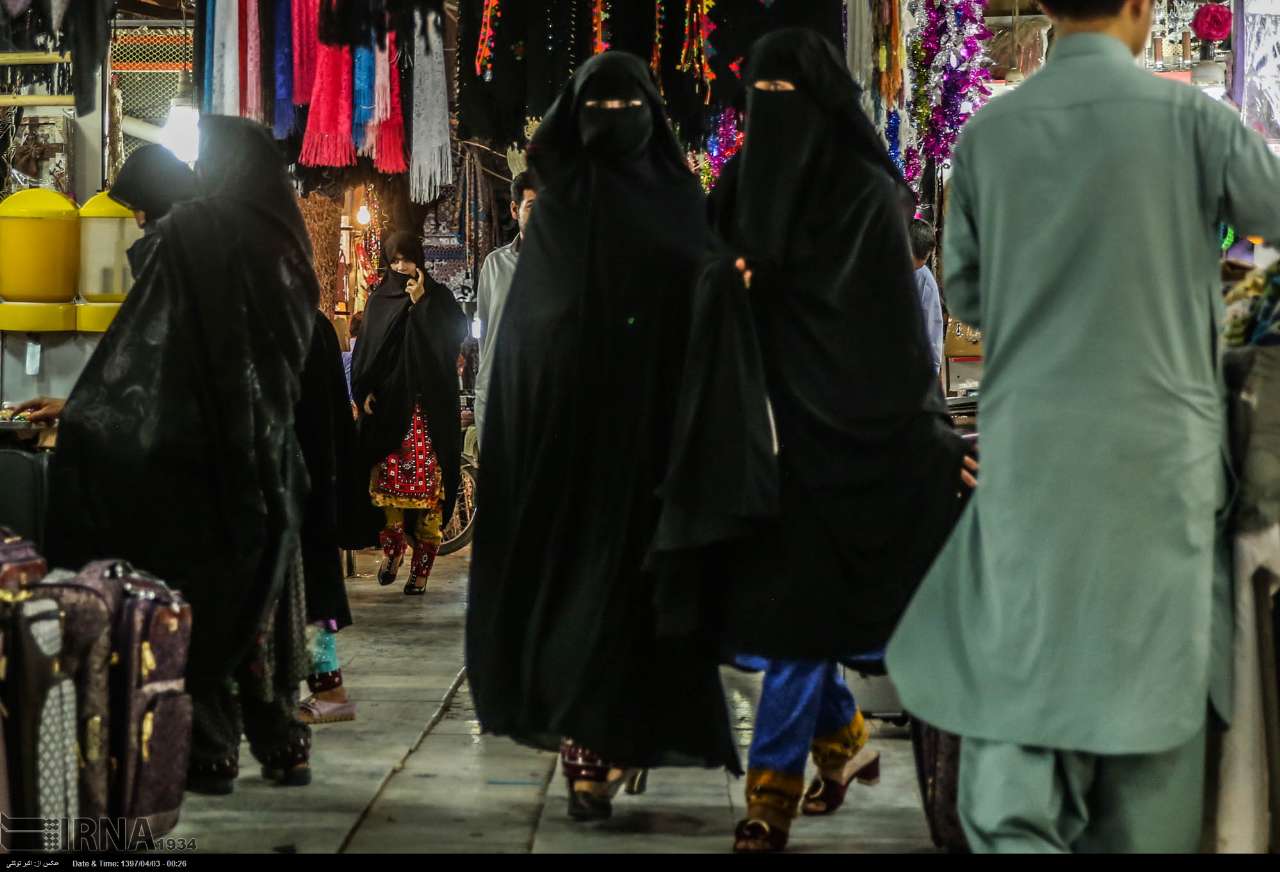
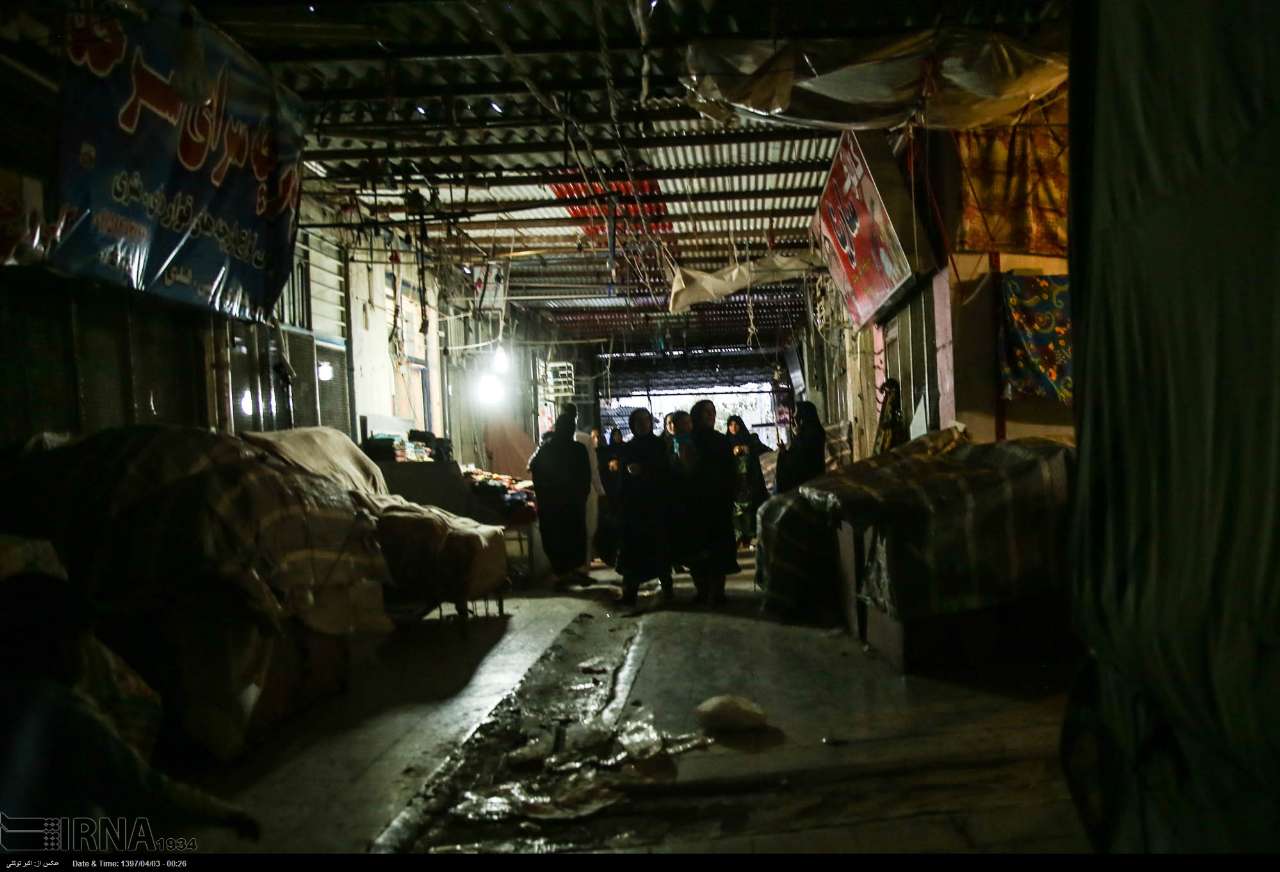
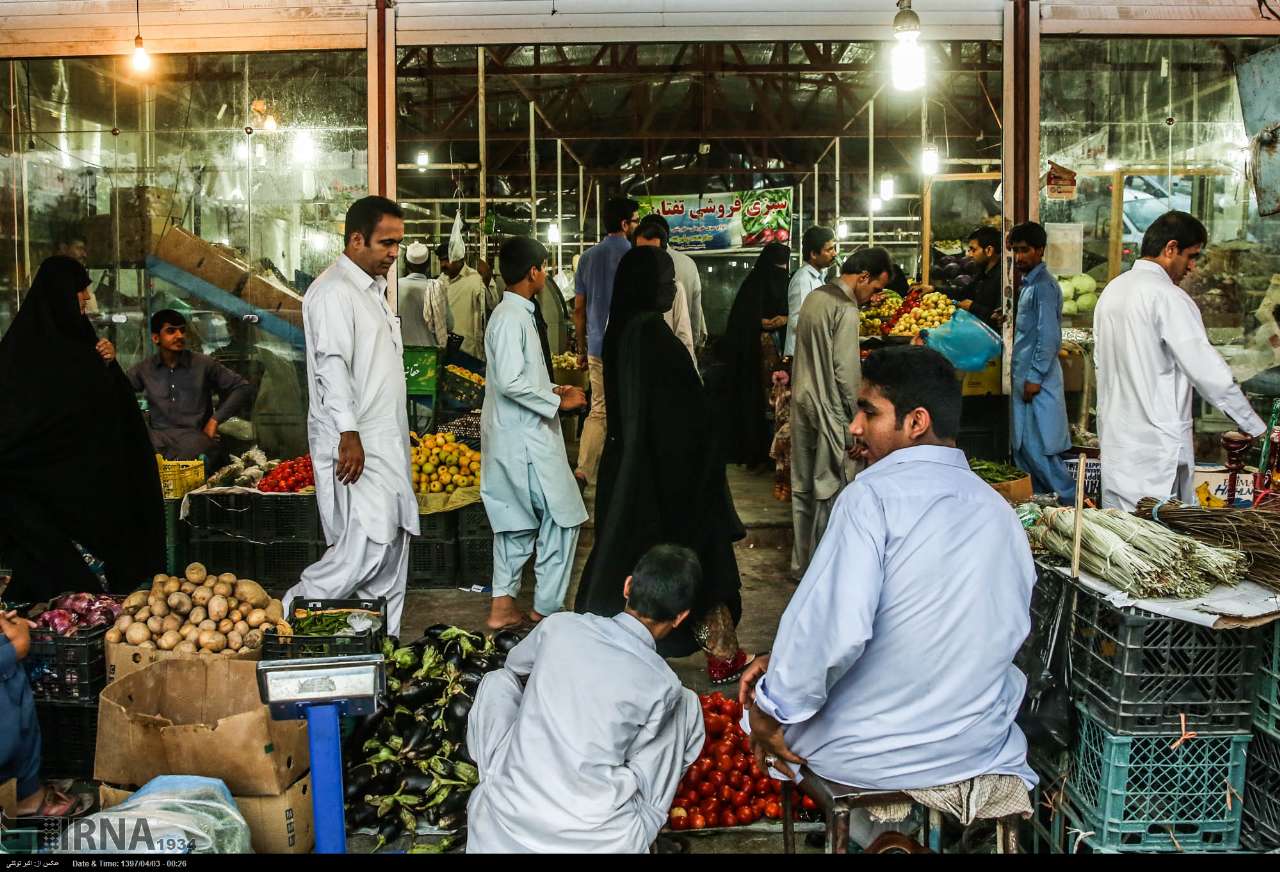
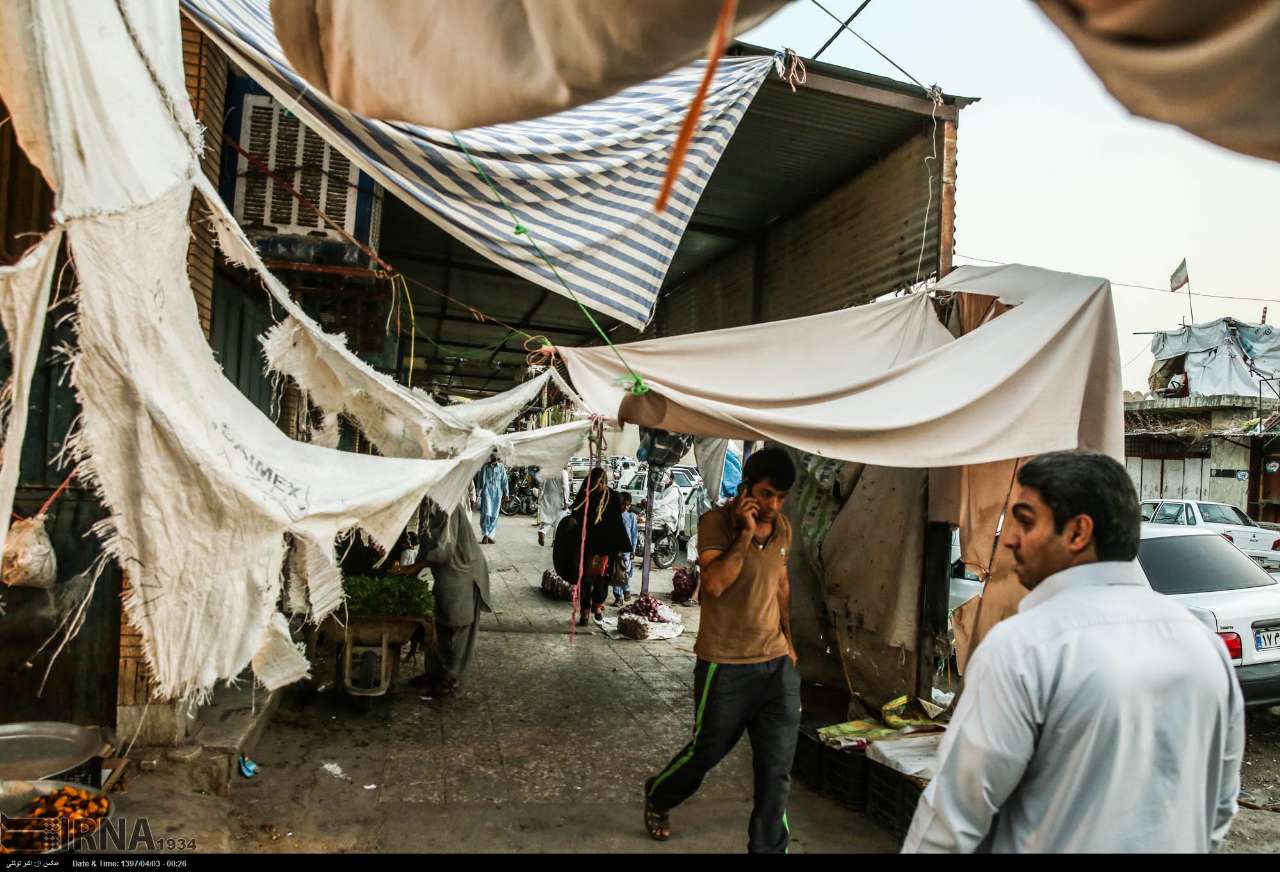

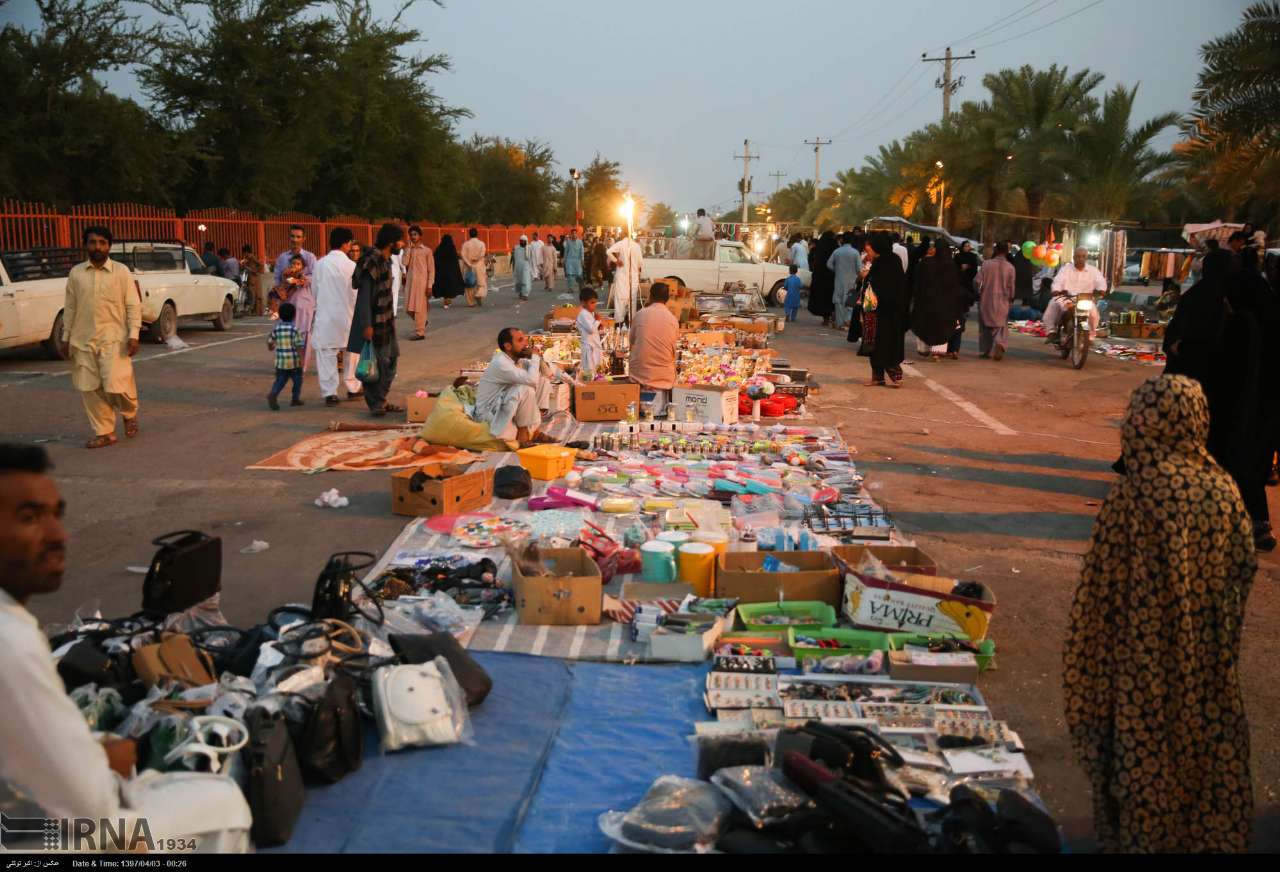
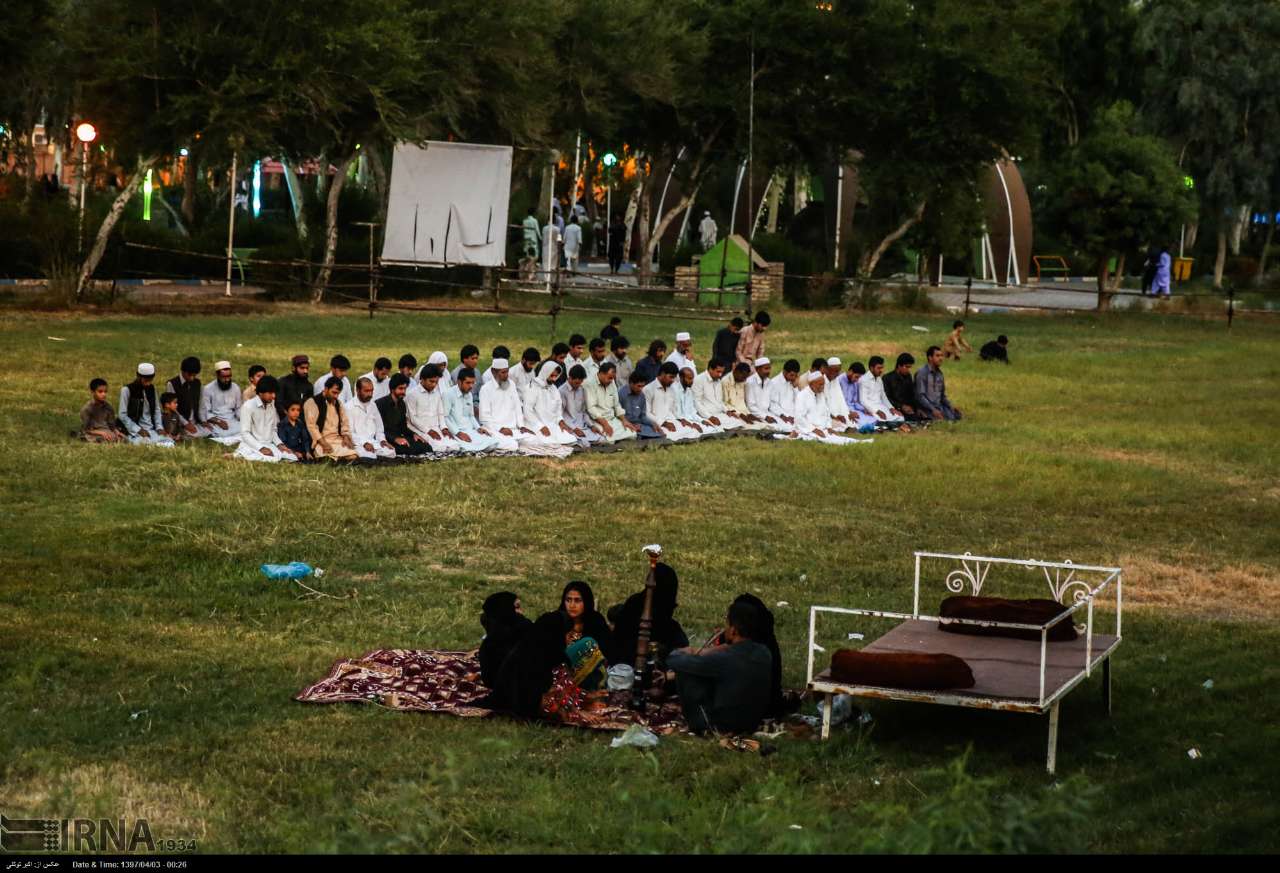
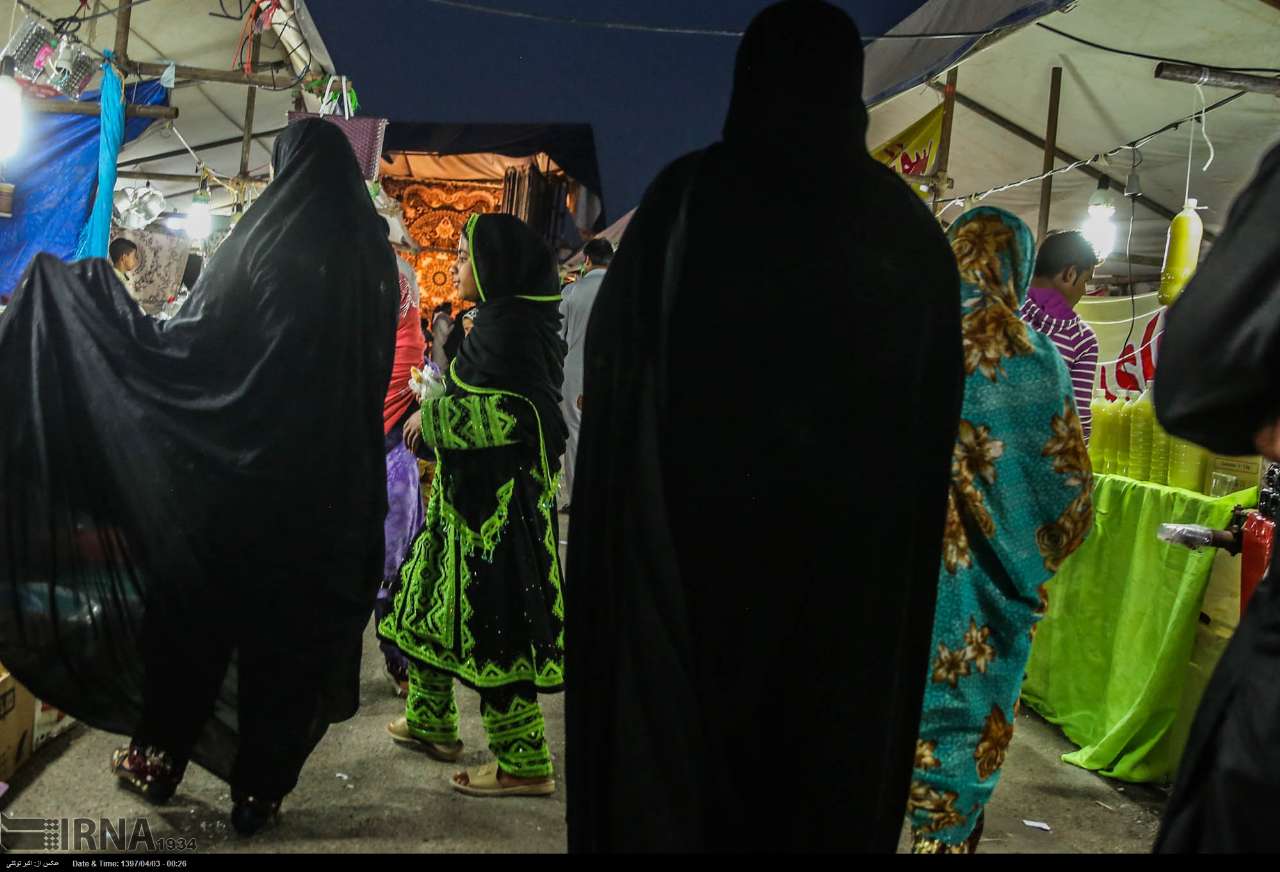
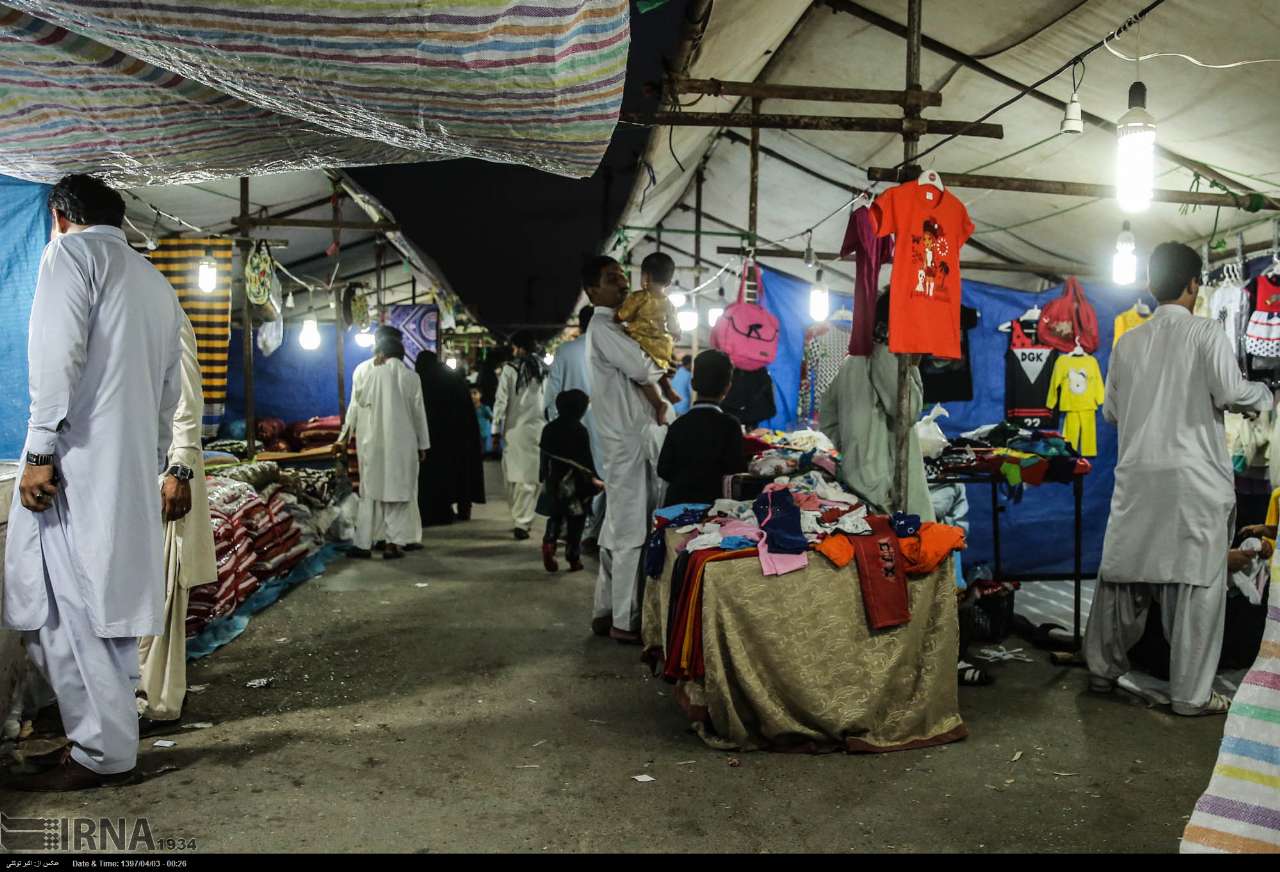
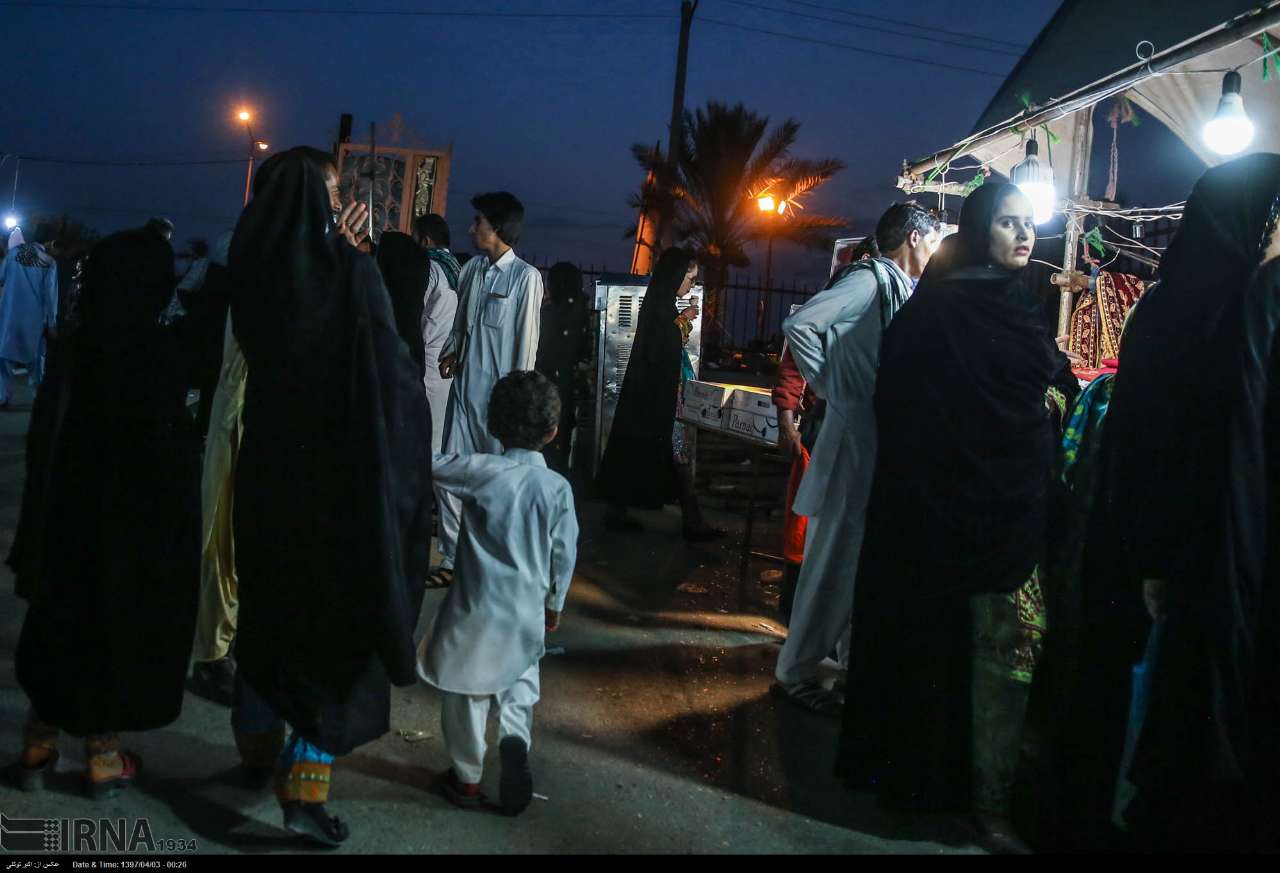
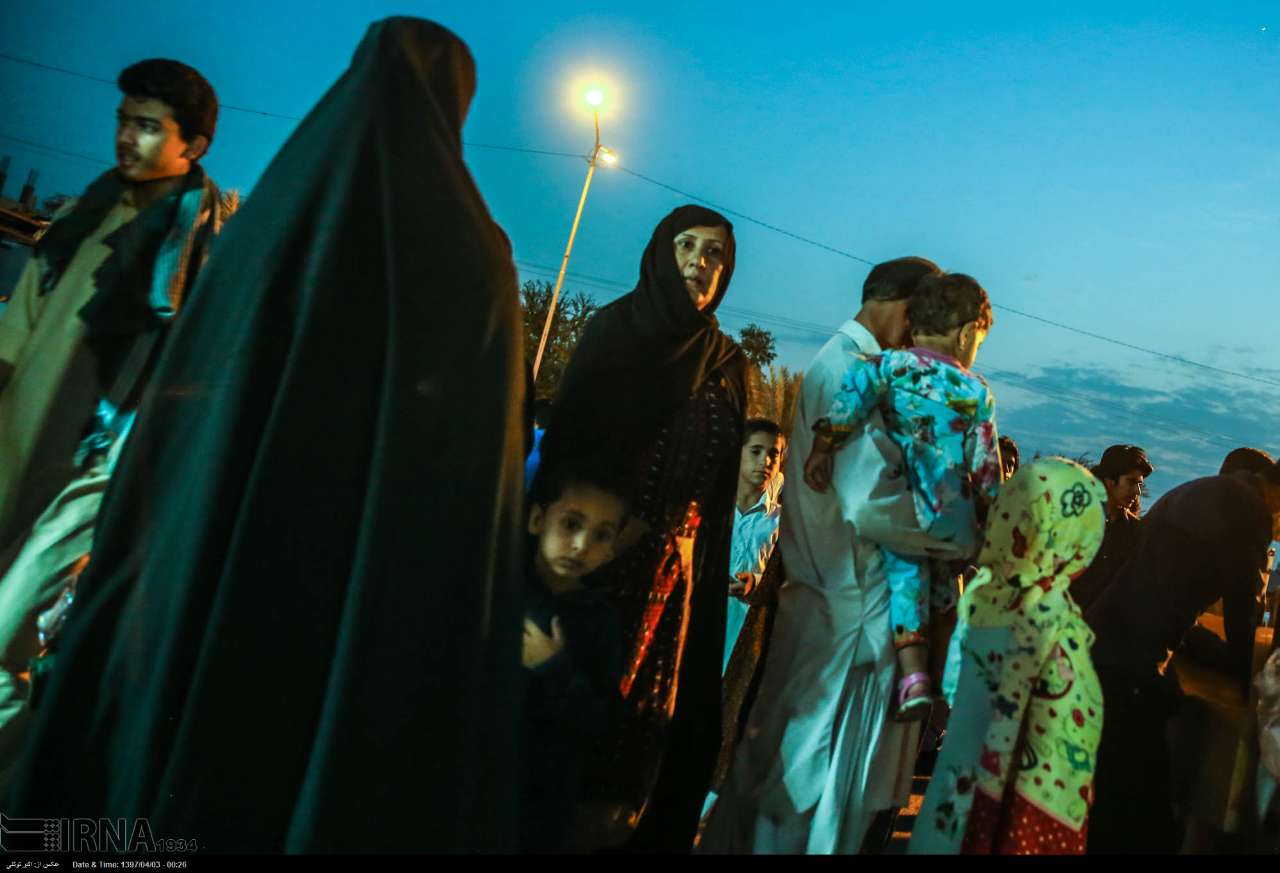
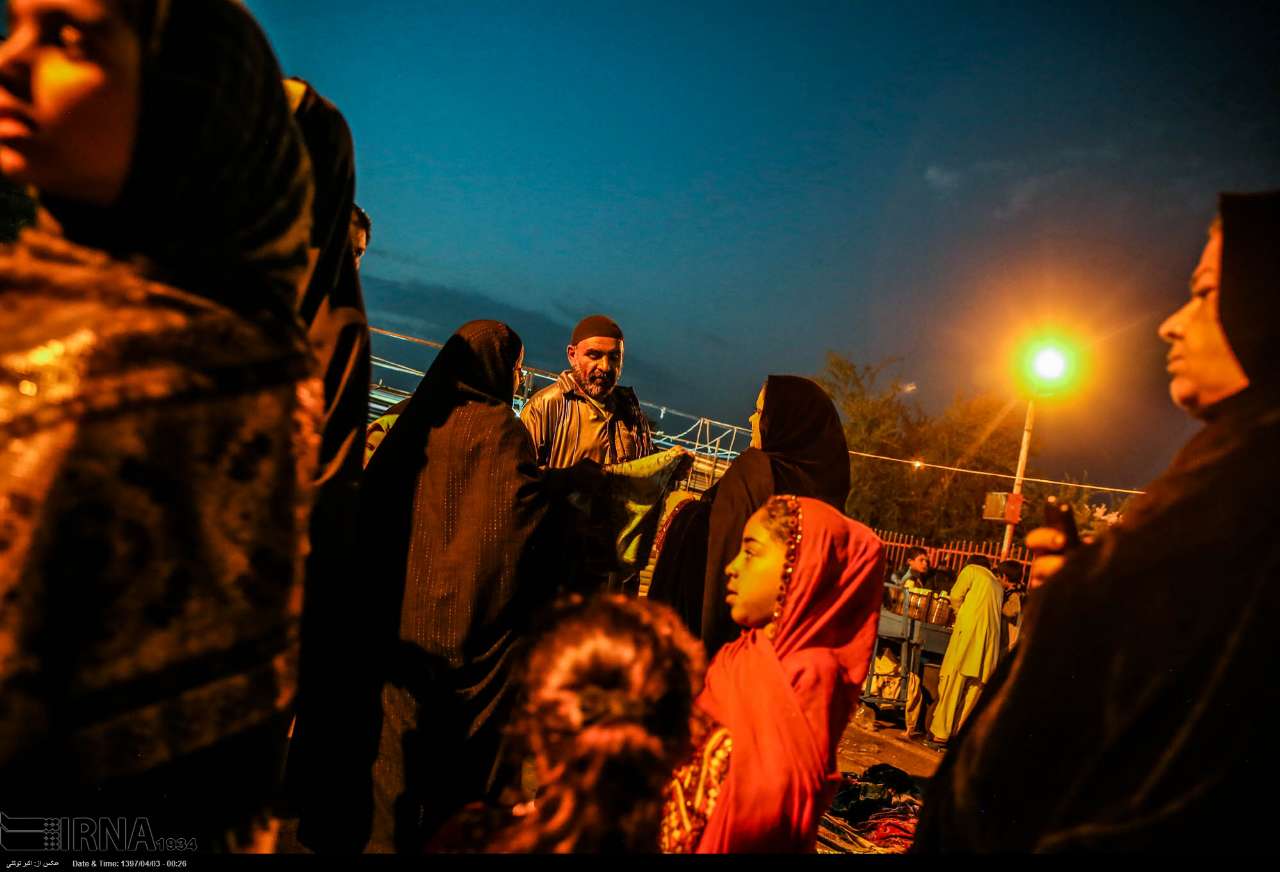
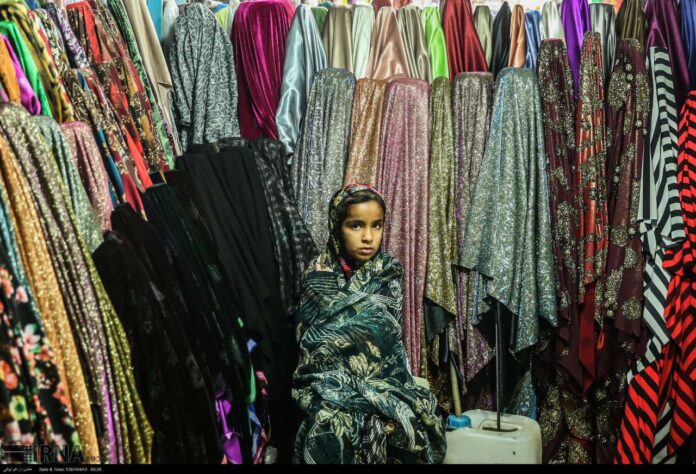
The market is particularly known for its high quality fabrics and the visitors can buy from a wide range of products at cheap prices.
Following are IRNA’s photos of the market:
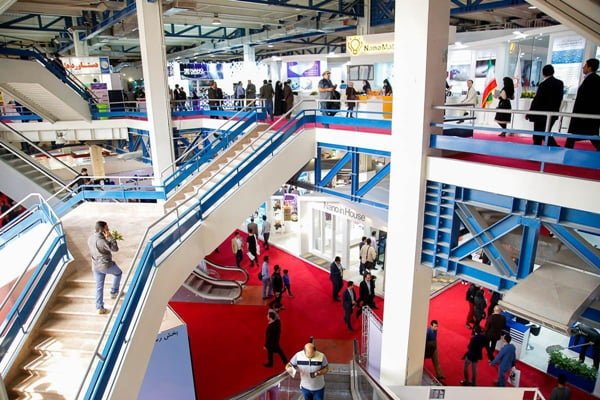
The Tehran Nanotechnology Exhibition or “Iran Nano 2018”, one of the most important nano events across the globe, aims to turn Iran into the hub of nanotechnology in the Middle East.
The exhibition brings together companies active in the nanotechnology sector from across the world and creates a market for those commercializing nanotechnology.
The event is focused on promoting nanotechnology among the public, students, scientists and experts. It also aims to determine the position of nanotechnology stakeholders, including universities, research centres, companies and organizations.
For a brief review of Iran’s achievements in various fields of science and technology, check the book “Science and Technology in Iran: A Brief Review”
The exhibition comprises twelve pavilions where companies will present nano products and achievements in the fields of water and environment, healthcare, automotive industry, construction industry, textile industry, petroleum and related industries, agriculture and packaging, nanomaterial suppliers, commerce, consulting and tech-market services.
In previous editions, companies from Japan, Russia, South Korea, China, Malaysia, and Oman, among others, had participated in the exhibition, and this year, leading firms in the field of nanotechnology are due to attend.
On the sidelines of the exhibition, specialised workshops and a ceremony to pay tribute to the best nanotechnology products will be held.


So far, a countless number of research studies have been conducted to treat the disease through cell therapy across the world but all to no avail.
Iranian scientists from Royan Institute have marked a special kind of embryonic stem cell with fluorescent protein to produce a new protein called Lim homeobox Transcription Factor 1 alpha, a report by Mehr News Agency said.
The new protein can repair the damaged cells in our brain, helping prevent the development of Parkinson. To verify the results, the Iranian scientists have repeated the test for a number of times.
They have published the results of their findings in the international magazine of Molecular & Cellular Proteomics.
For a brief review of Iran’s achievements in various fields of science and technology, check the book “Science and Technology in Iran: A Brief Review”
Parkinson is a long-term degenerative disorder of the central nervous system that mainly affects the motor system. The symptoms generally come on slowly over time. Early in the disease, the most obvious are shaking, rigidity, slowness of movement, and difficulty with walking.
Thinking and behavioural problems may also occur. The cause of Parkinson’s disease is generally unknown, but believed to involve both genetic and environmental factors.
The top story in all newspapers today was the recent unrest in Tehran, where a group of shopkeepers in the Grand Bazaar of Tehran went on strike and held gatherings in protest against the ongoing economic crisis.
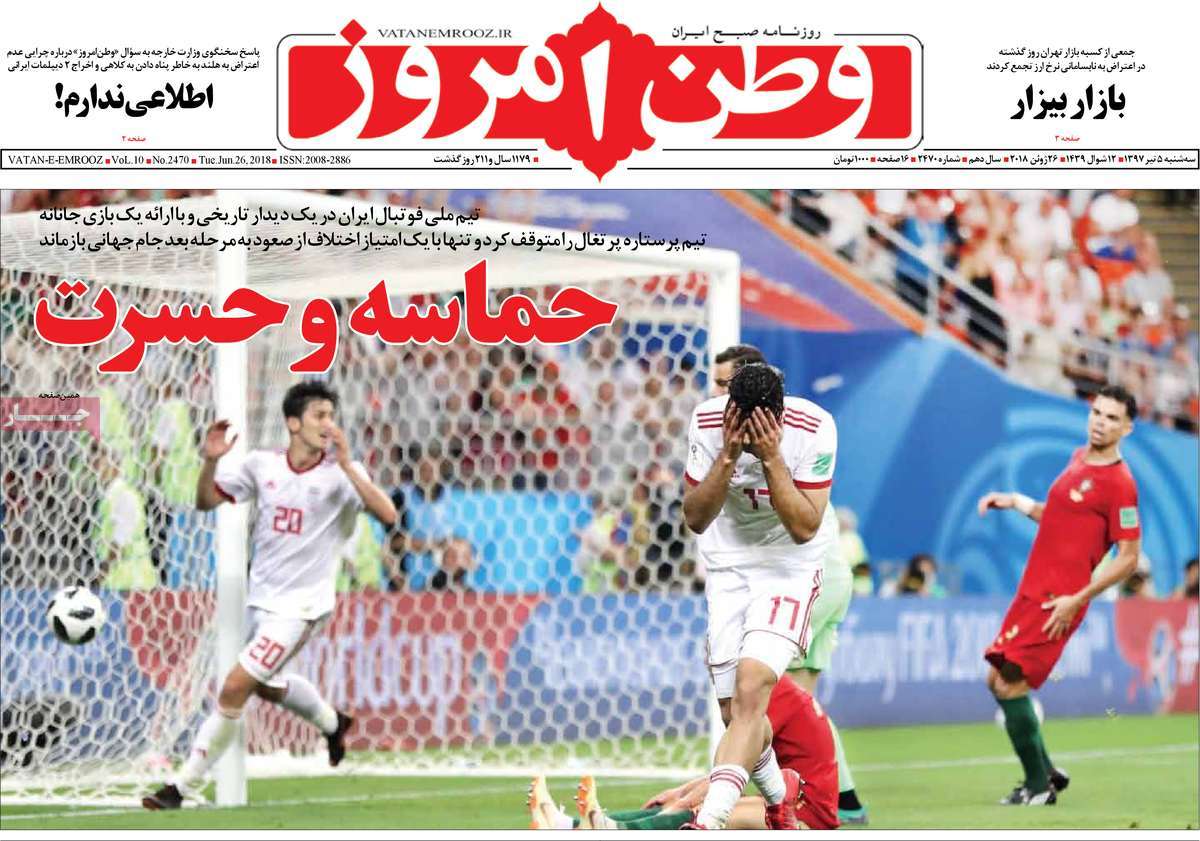
Also a top story was the tragic draw of the Iranian national football team against Portugal, which kept the Team Melli from advancing to the next stage of FIFA World Cup 2018.
The re-election of Turkish President Recep Tayyip Erdogan and the victory of his party AKP in Turkey’s presidential and parliamentary elections.
The above issues, as well as many more, are highlighted in the following headlines and top stories:
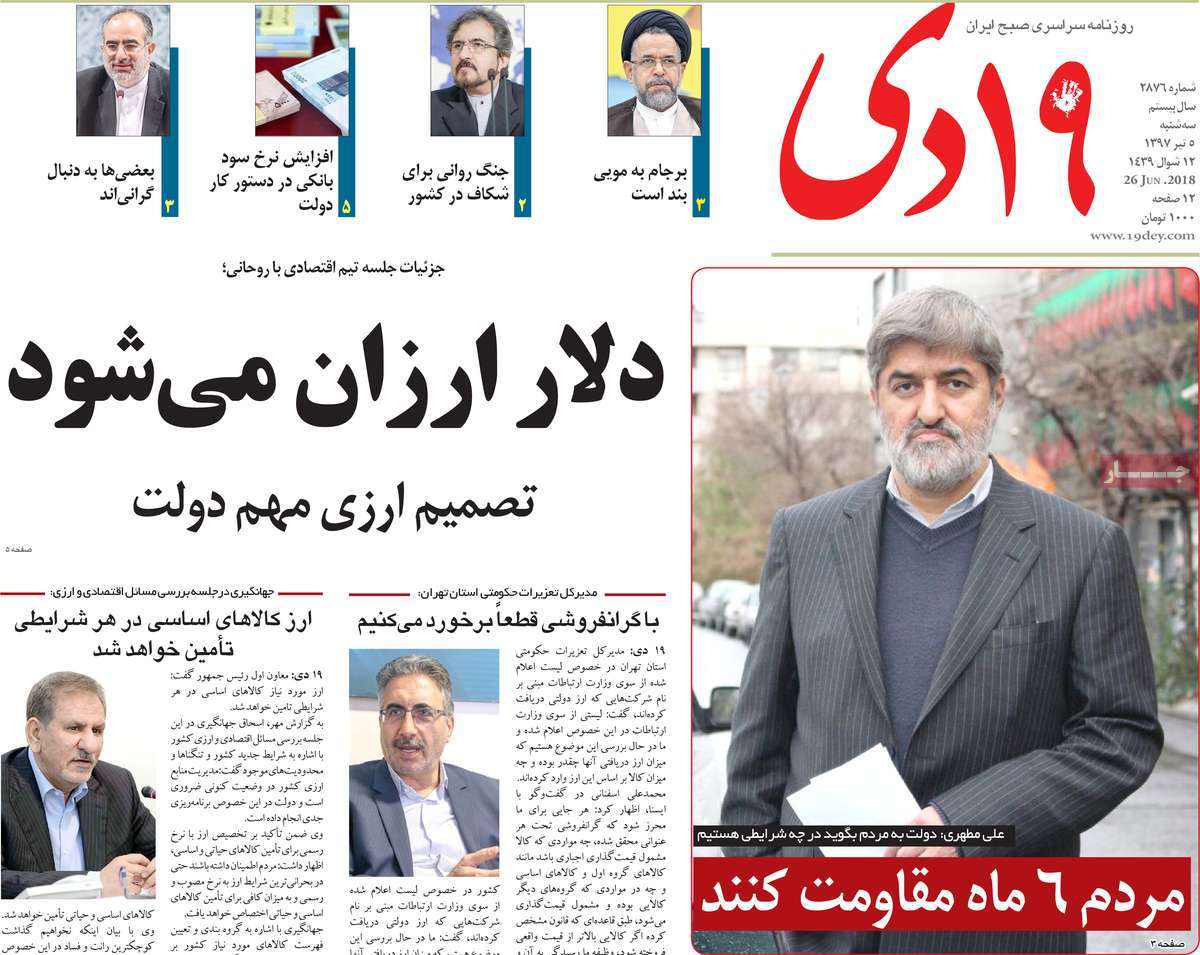
19 Dey:
1- Dollar Rates to Go Down: Government’s Important Decision on Forex
Aftab-e Yazd:
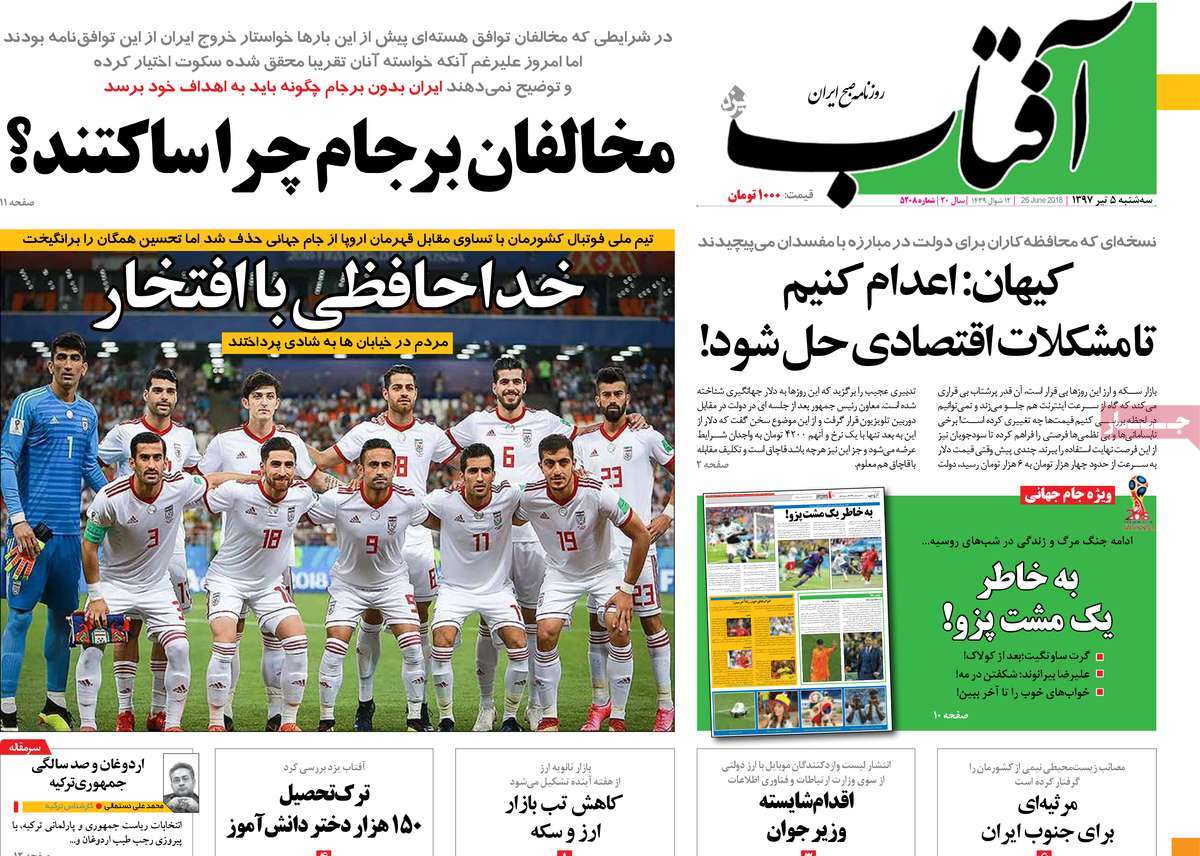
1- Kayhan’s Solution to Economic Woes: Execute Those Who Disrupt Economy!
2- Farewell with Honour
Arman-e Emrooz:
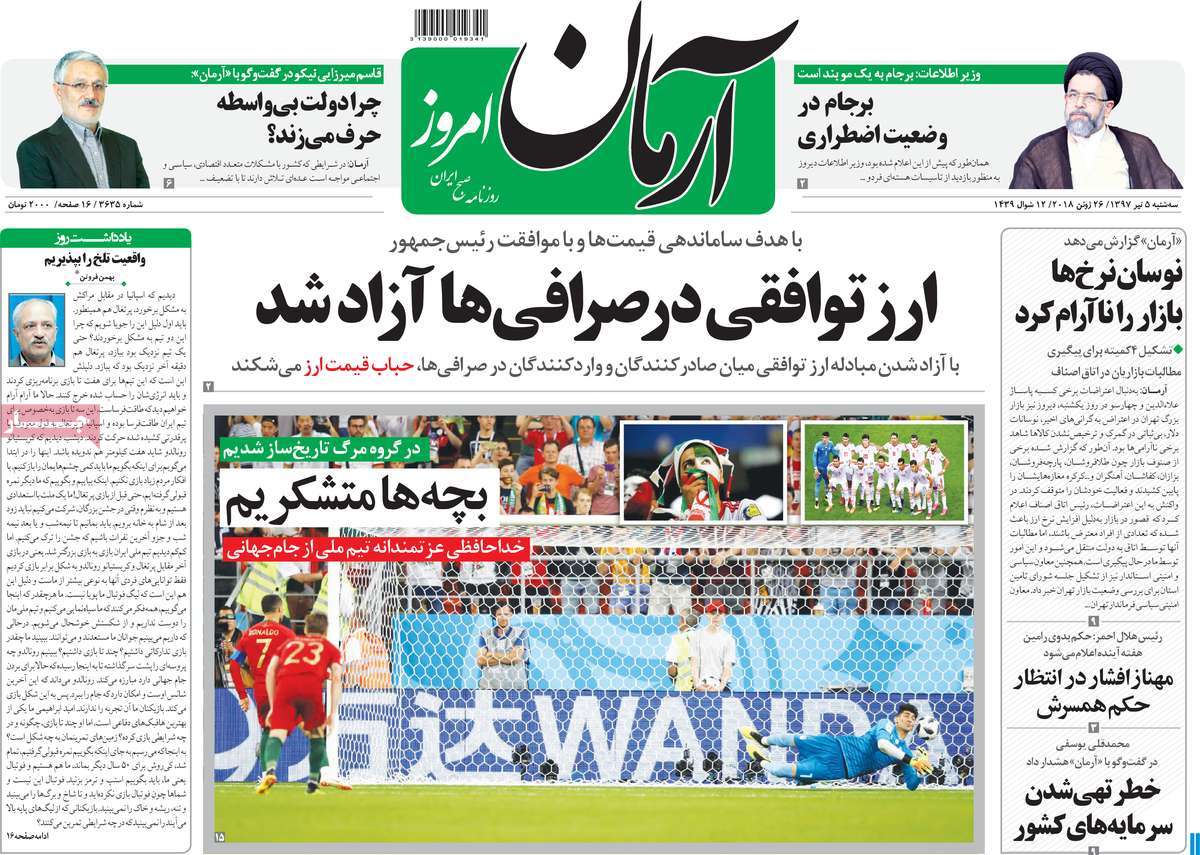
1- Unrest in Iranian Markets after Fluctuations in Forex Rates
2- Rouhani Makes Decision to Control Forex Market
3- Thank You Guys! We Made History in Group of Death
Ebtekar:
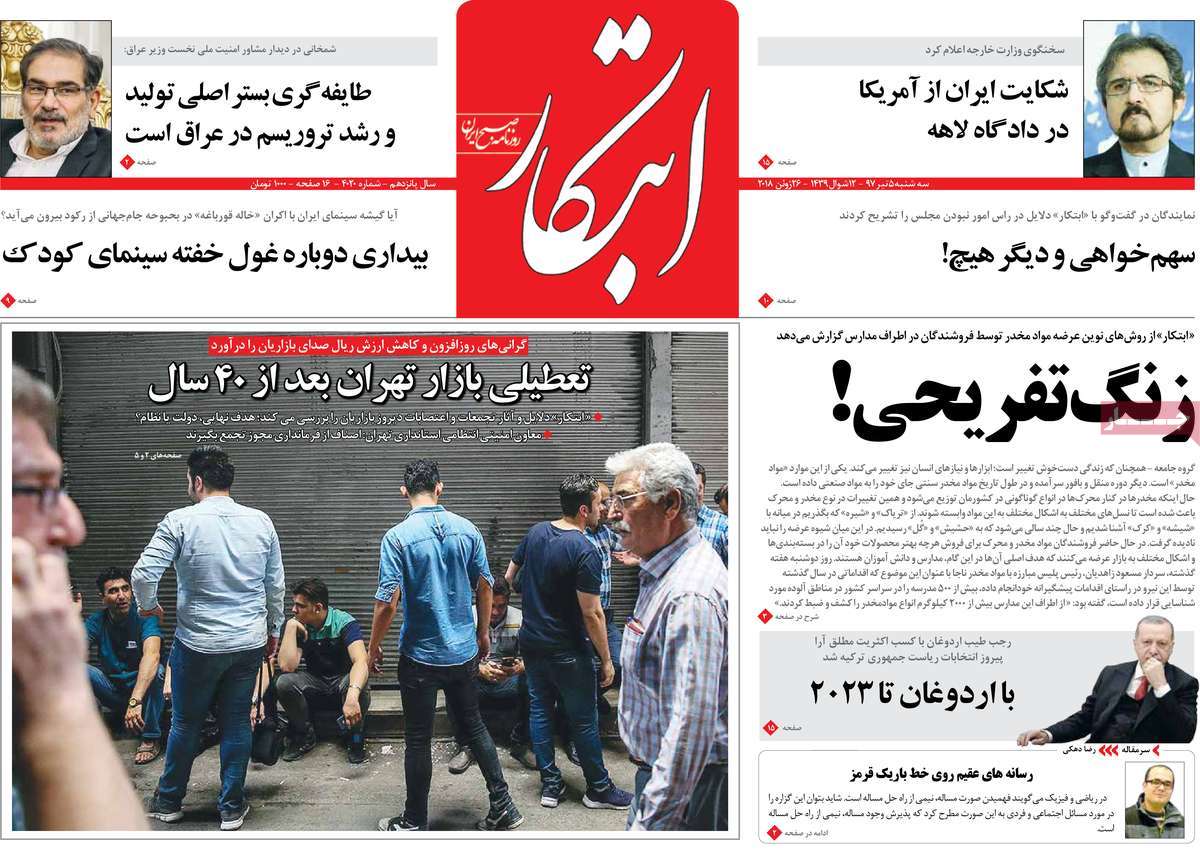
1- Tehran’s Grand Bazaar Shut Down after 40 Years
2- With Erdogan until 2023
Etemad:
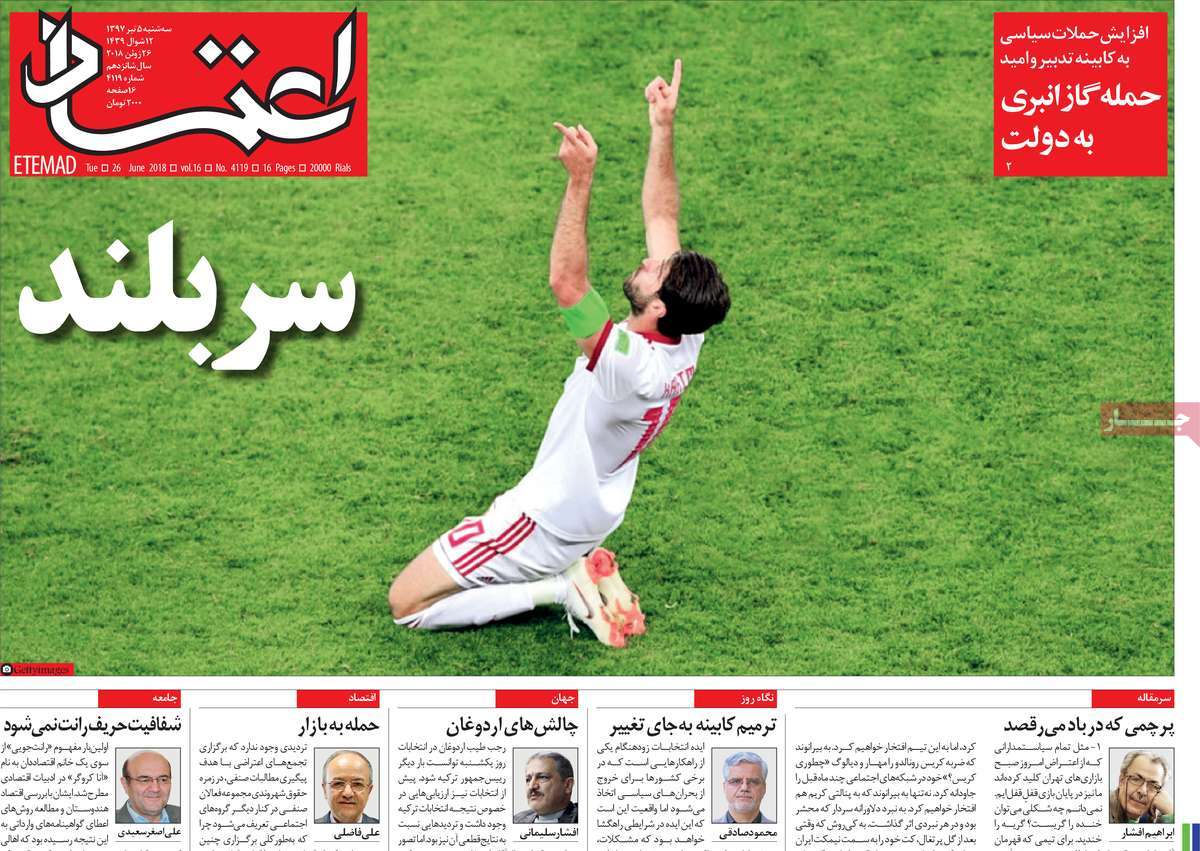
1- Heads Held High
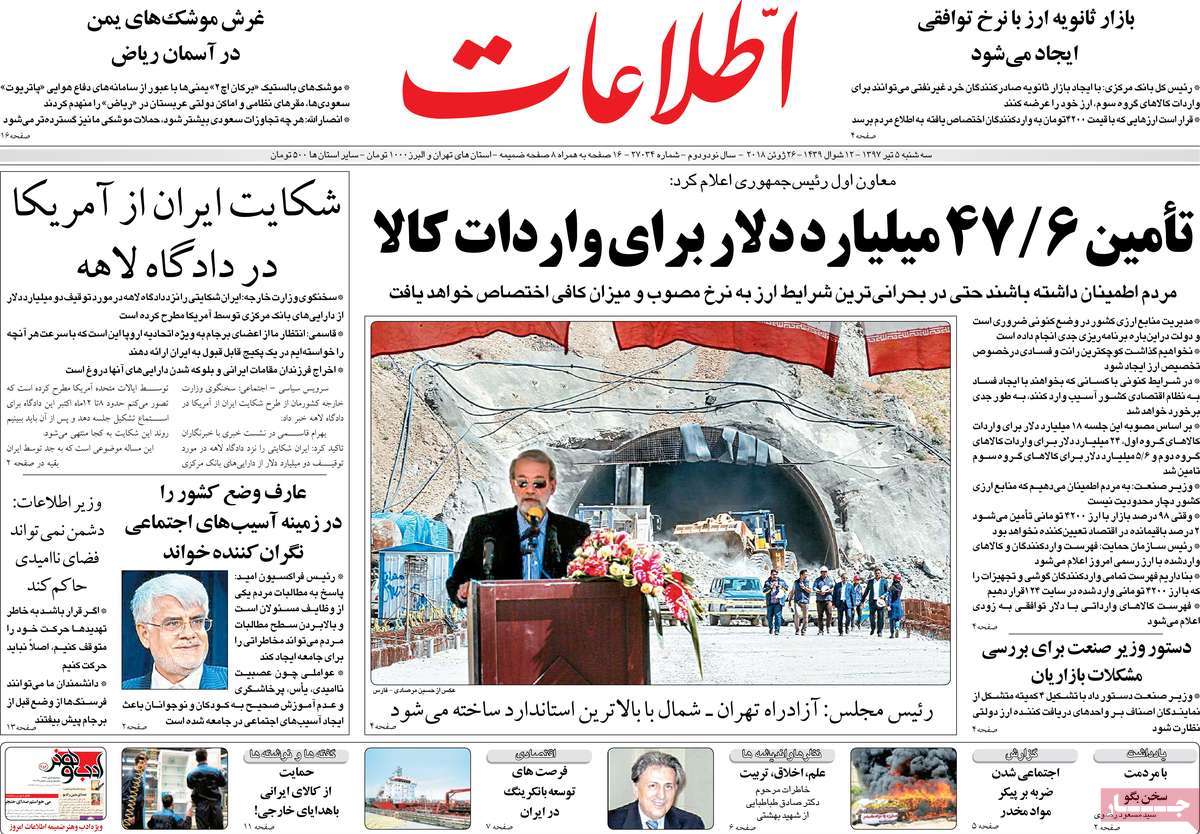
Ettela’at:
1- Iran Files Lawsuit against US at The Hague
2- Yemeni Missiles Roaring in Riyadh Skies
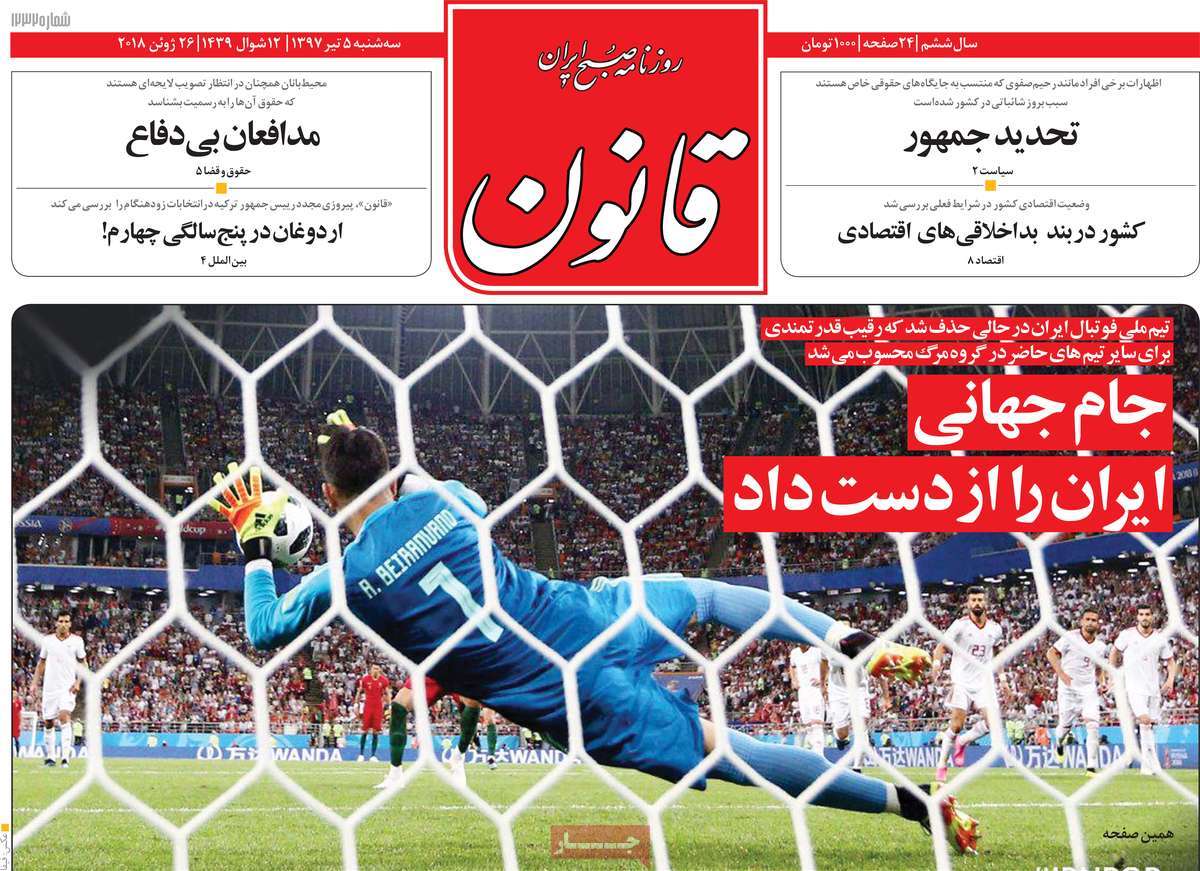
Ghanoon:
1- World Cup Loses Iran
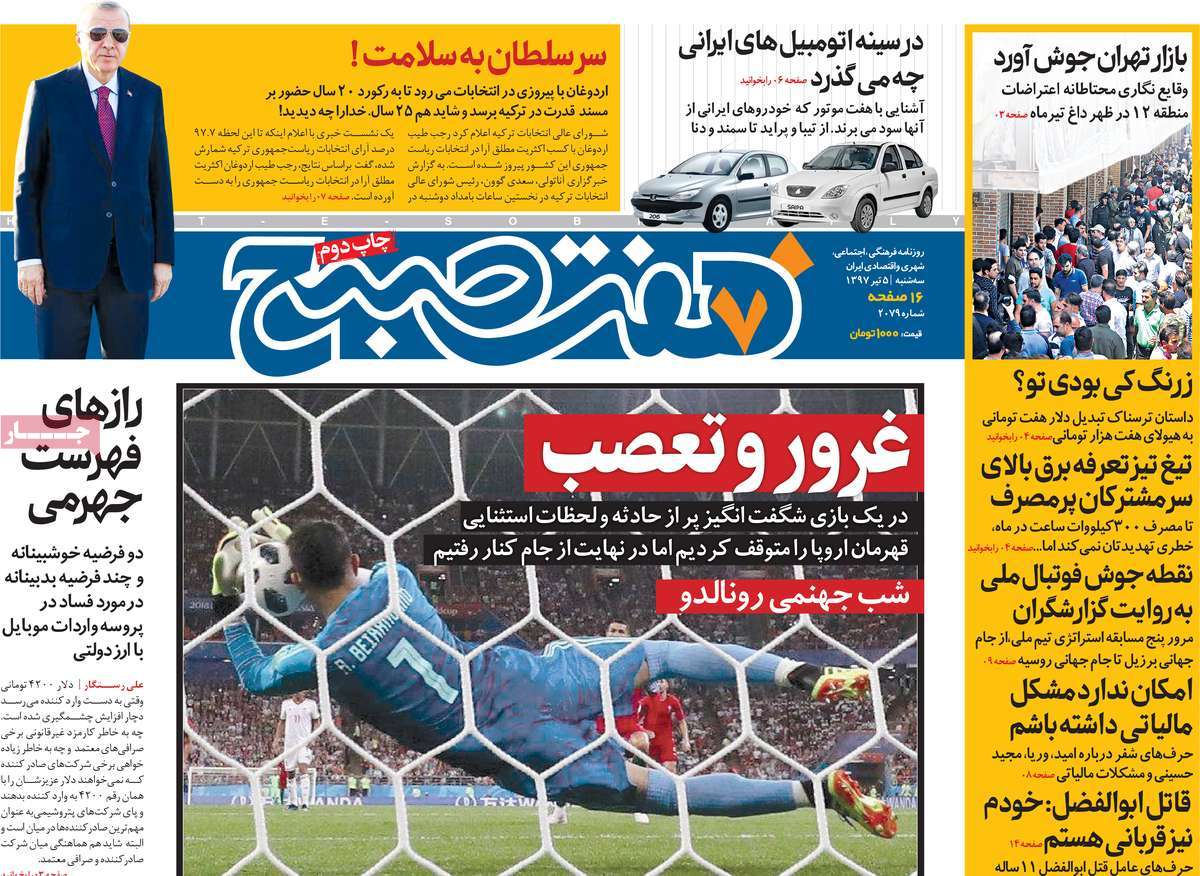
Haft-e Sobh:
1- Ronaldo’s Hellish Night
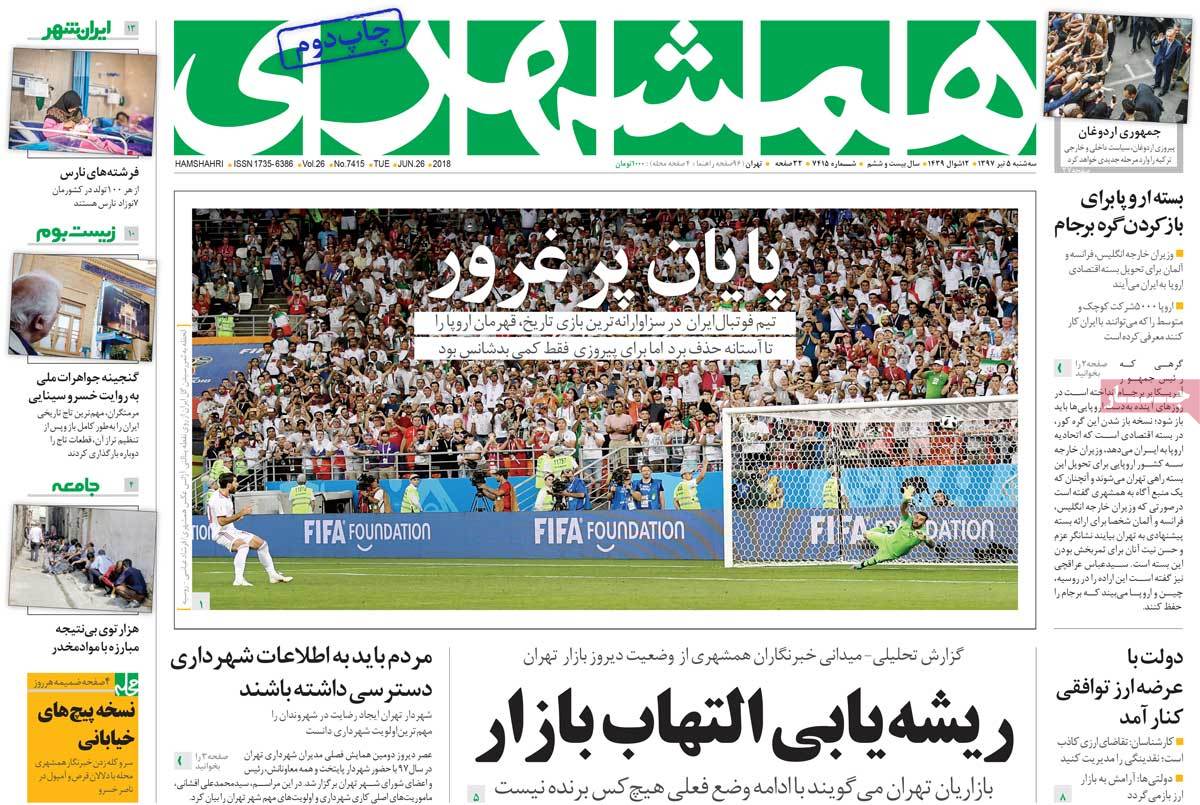
Hamshahri:
1- End of Pride: Team Melli, in Most Brilliant Performance Ever, Was Inches from Victory
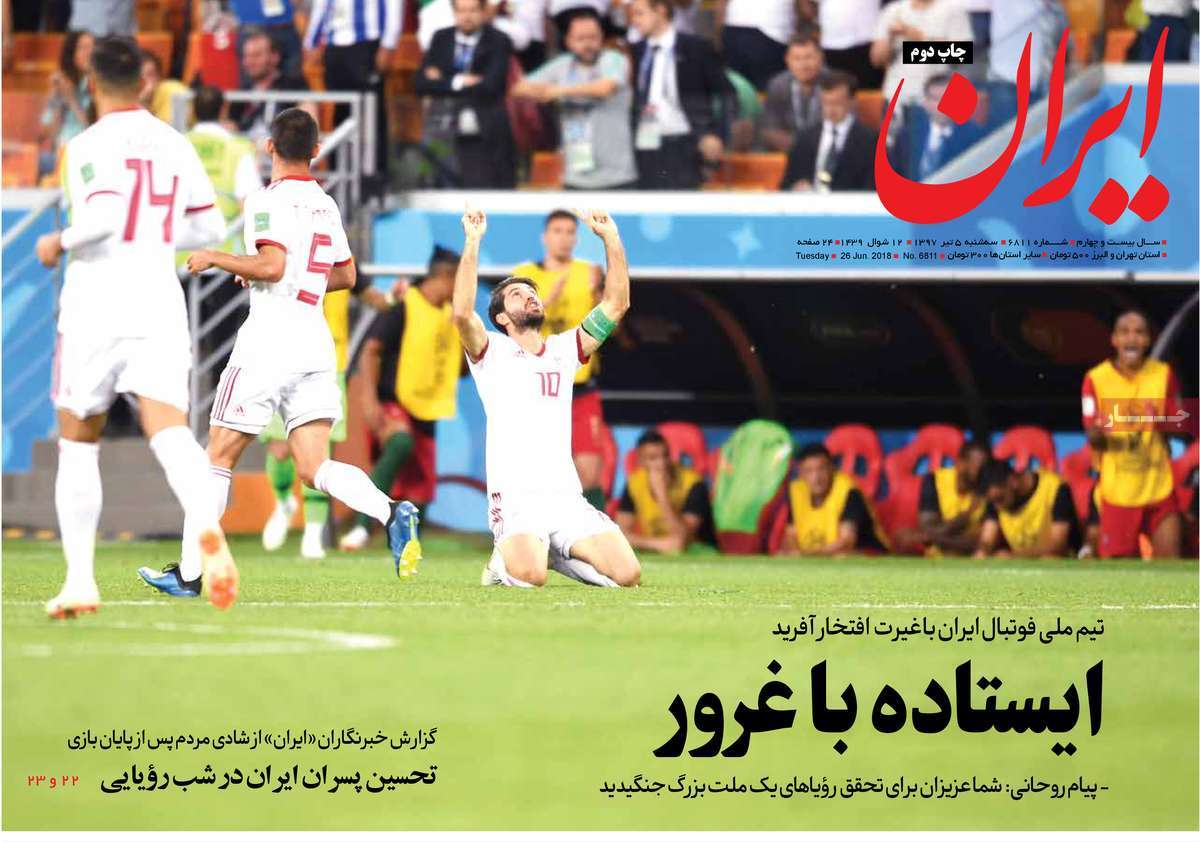
Iran:
1- Standing with Pride
2- Rouhani’s Message to Team Melli: You Dears Fought to Realize Dreams of a Great Nation
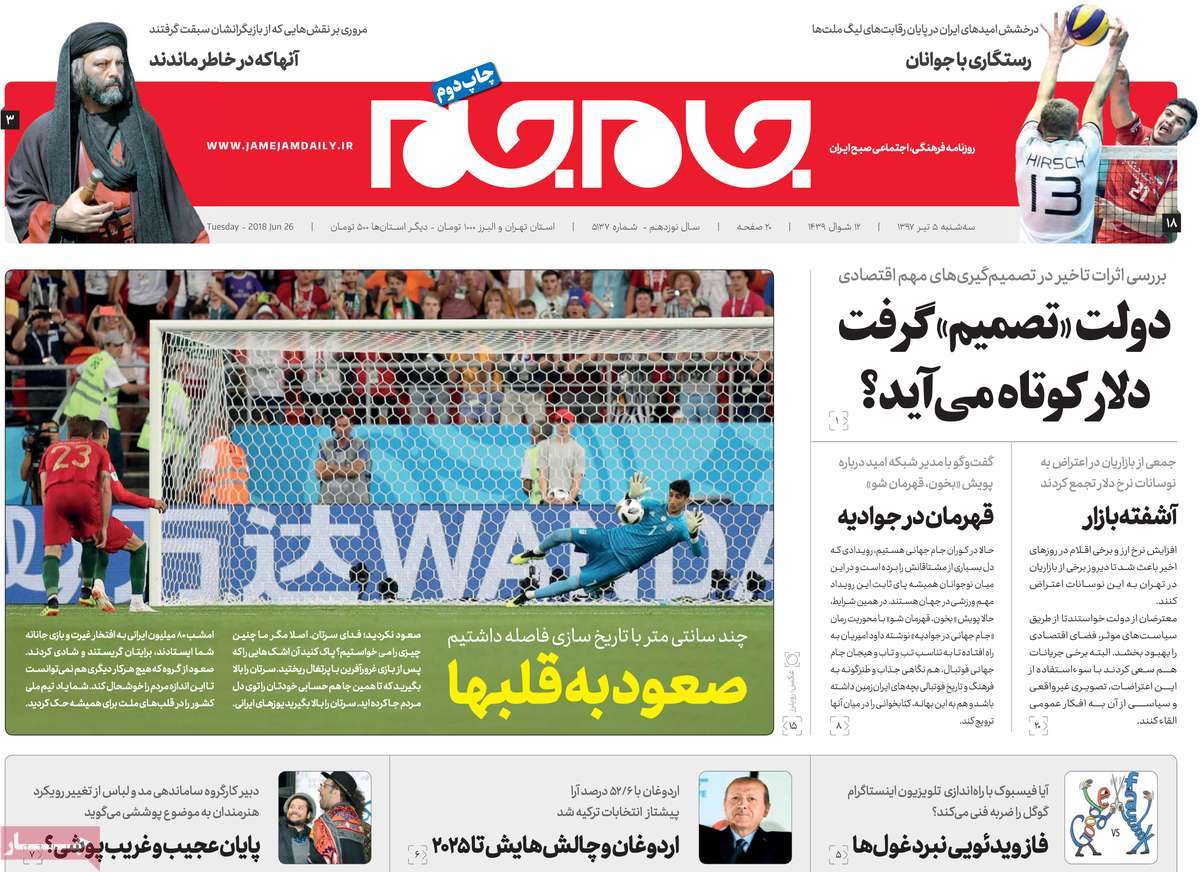
Jame Jam:
1- Advancing to Hearts of a Nation: A Few Centimetres from Making History
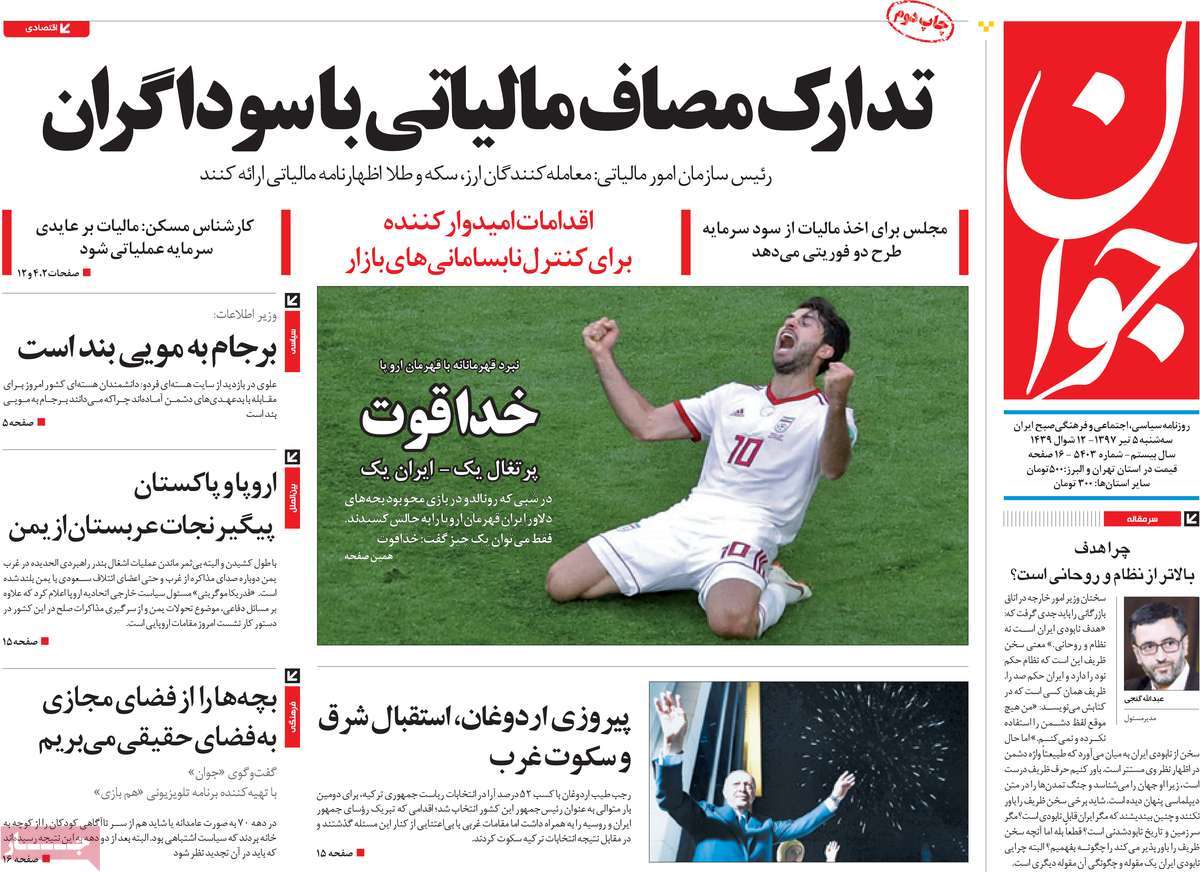
Javan:
1- Well Done: Iran 1-1 Portugal
2- Promising Measures to Control Forex Market Fluctuations
3- Intelligence Minister: JCPOA on Verge of Collapse
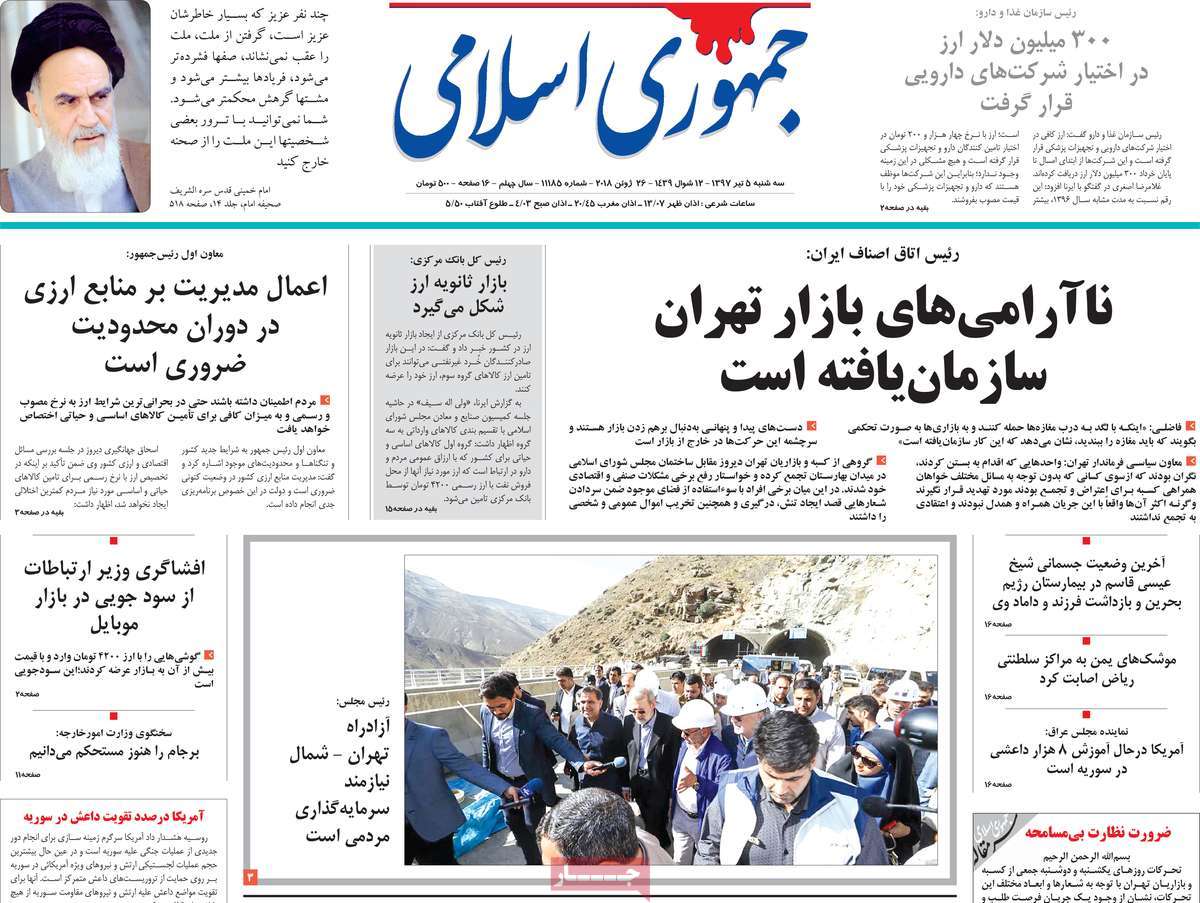
Jomhouri Eslami:
1- Tehran Market’s Unrest Organized by Certain Elements: Official
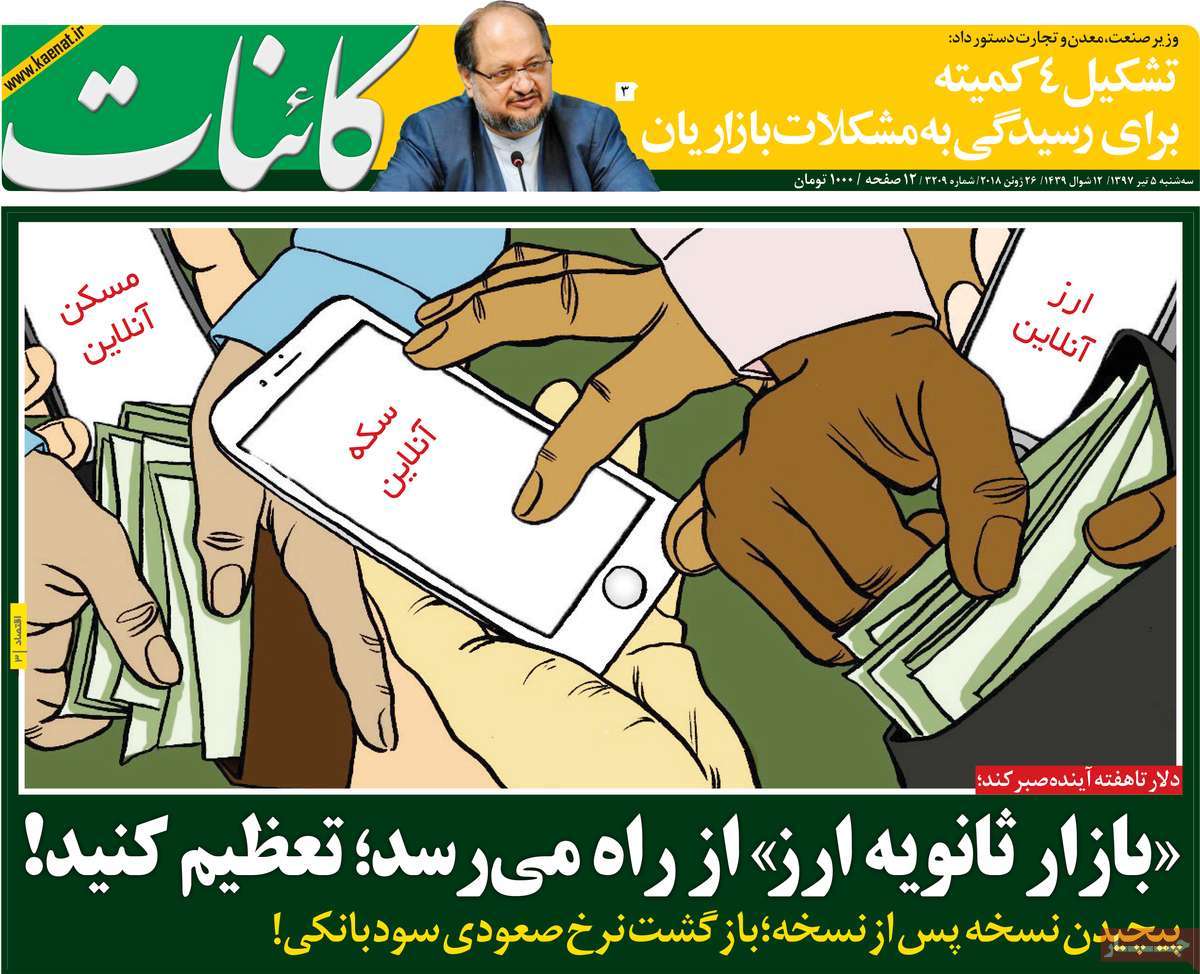
Ka’enat:
1- Iran to Launch Secondary Forex Market! Wait Until Next Week
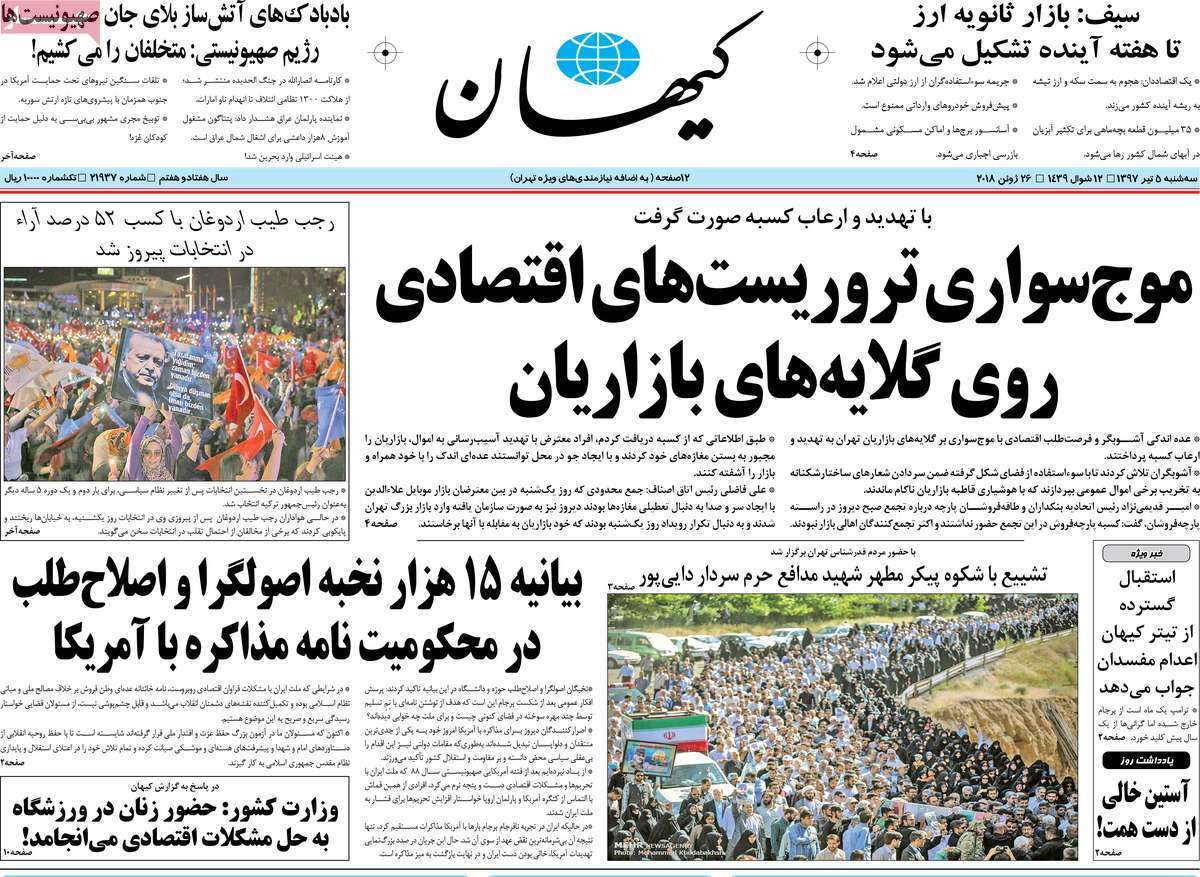
Kayhan:
1- Economic Terrorists Taking Advantage of Bazaar Shopkeepers’ Complaints
2- 15,000 Conservative, Reformist Elites Write Letter to Condemn Call for Talks with US
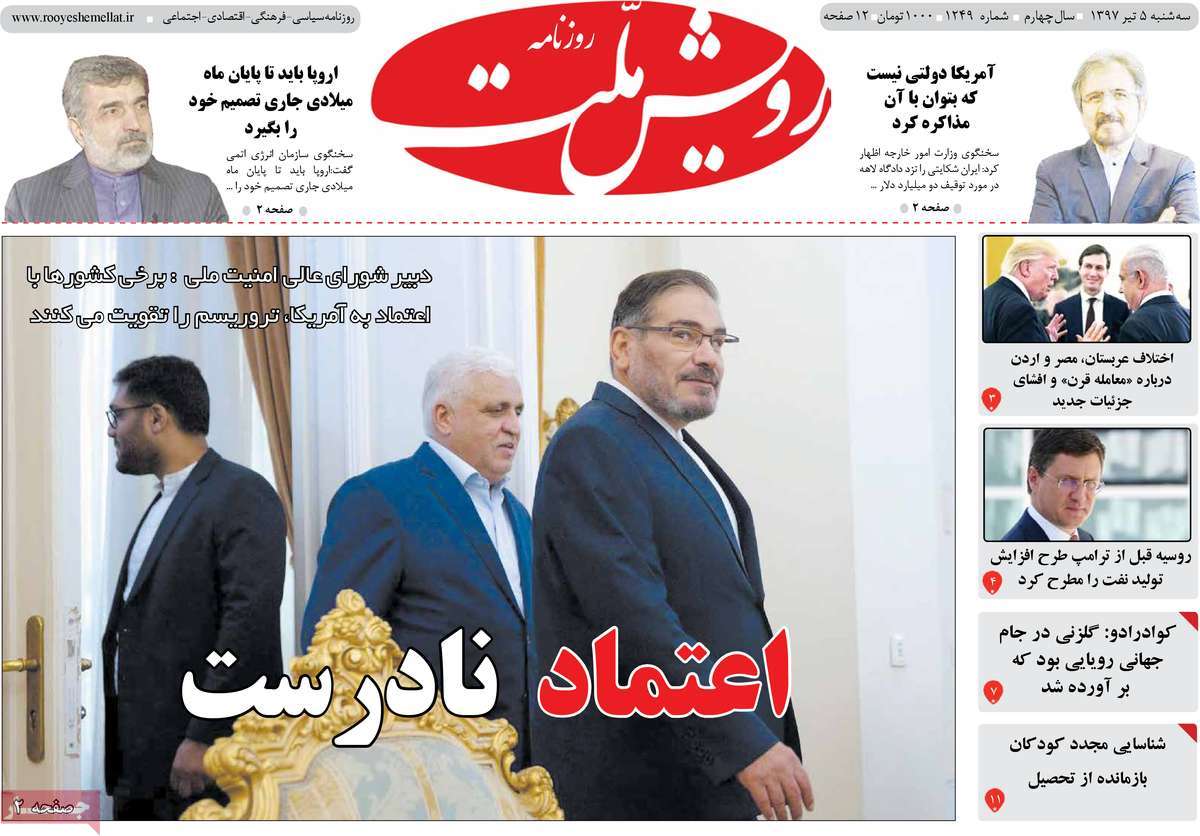
Rooyesh-e Mellat:
1- US Not a Government You Can Hold Talks with: Iran
2- Wrong Trust: Shamkhani Says Some Countries Reinforcing Terrorism by Trusting US
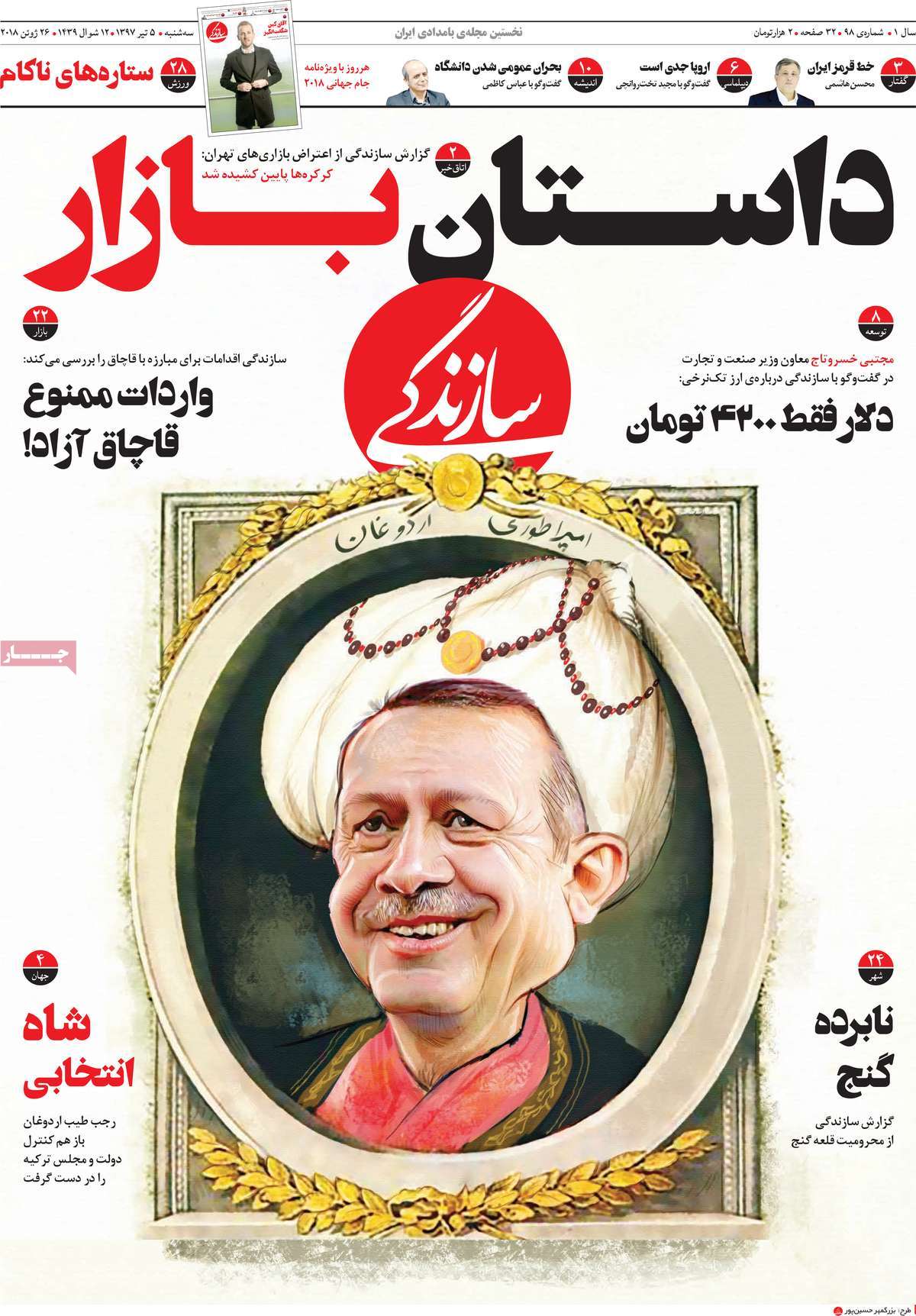
Sazandegi:
1- Elected King: Erdogan Once Again Takes Control of Turkey Government, Parliament
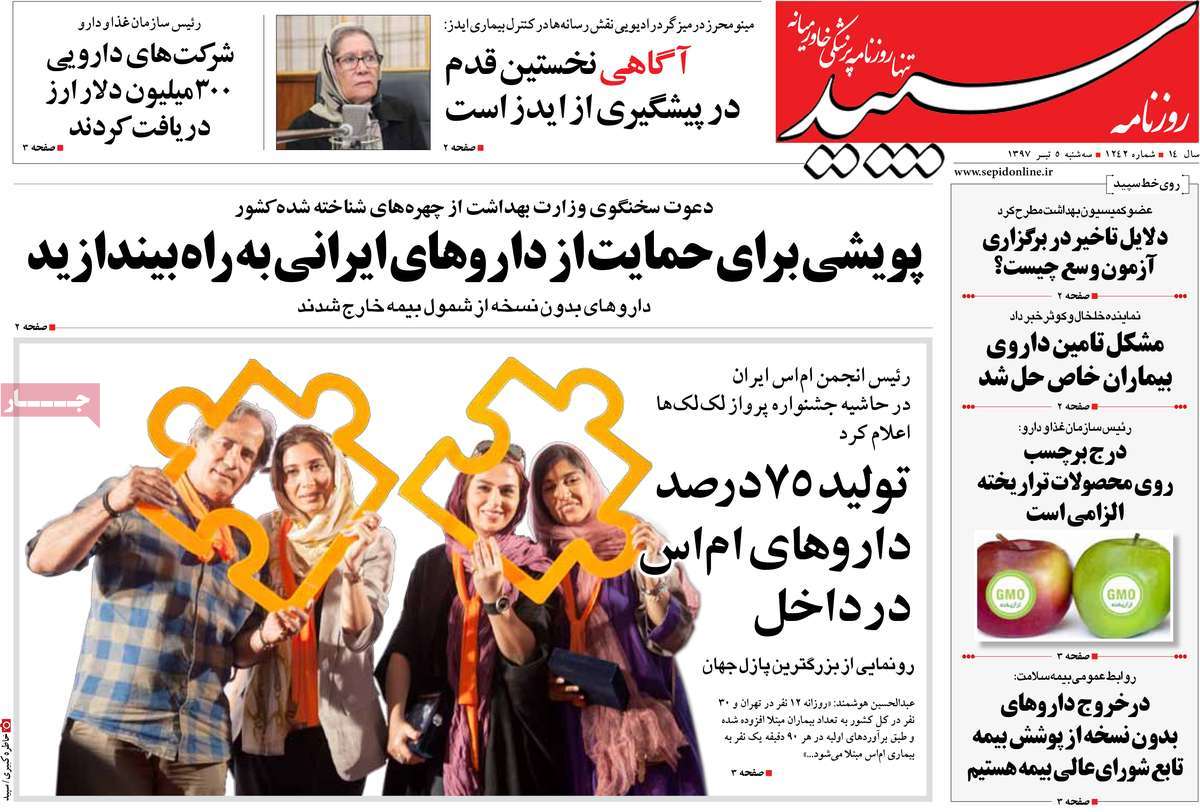
Sepid:
1- MS Society’s Chief: 75% of MS Pharmaceuticals Produced Inside Iran
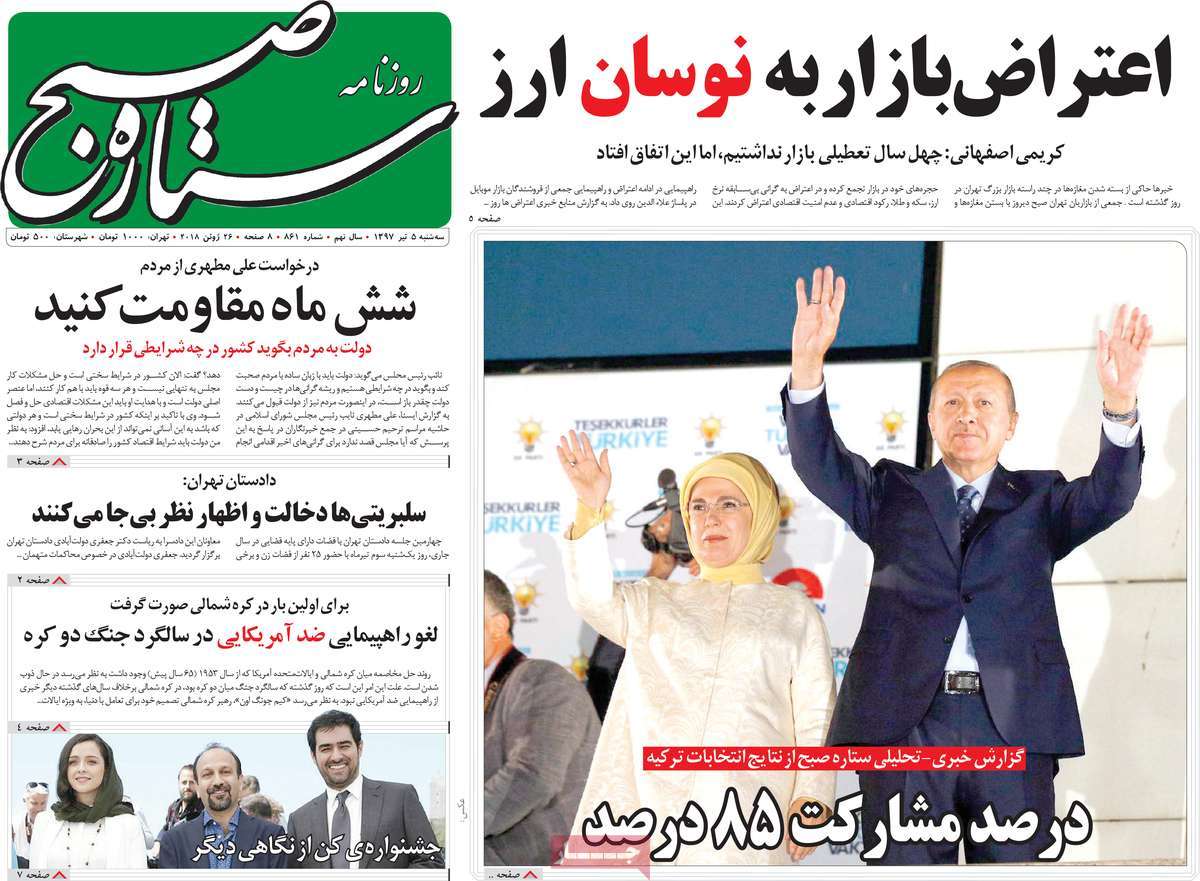
Setareh Sobh:
1- Vice-Speaker of Parliament Asks People to Show Resistance for Six Months
2- Anti-US Rallies Cancelled on Anniversary of Korean War for First Time
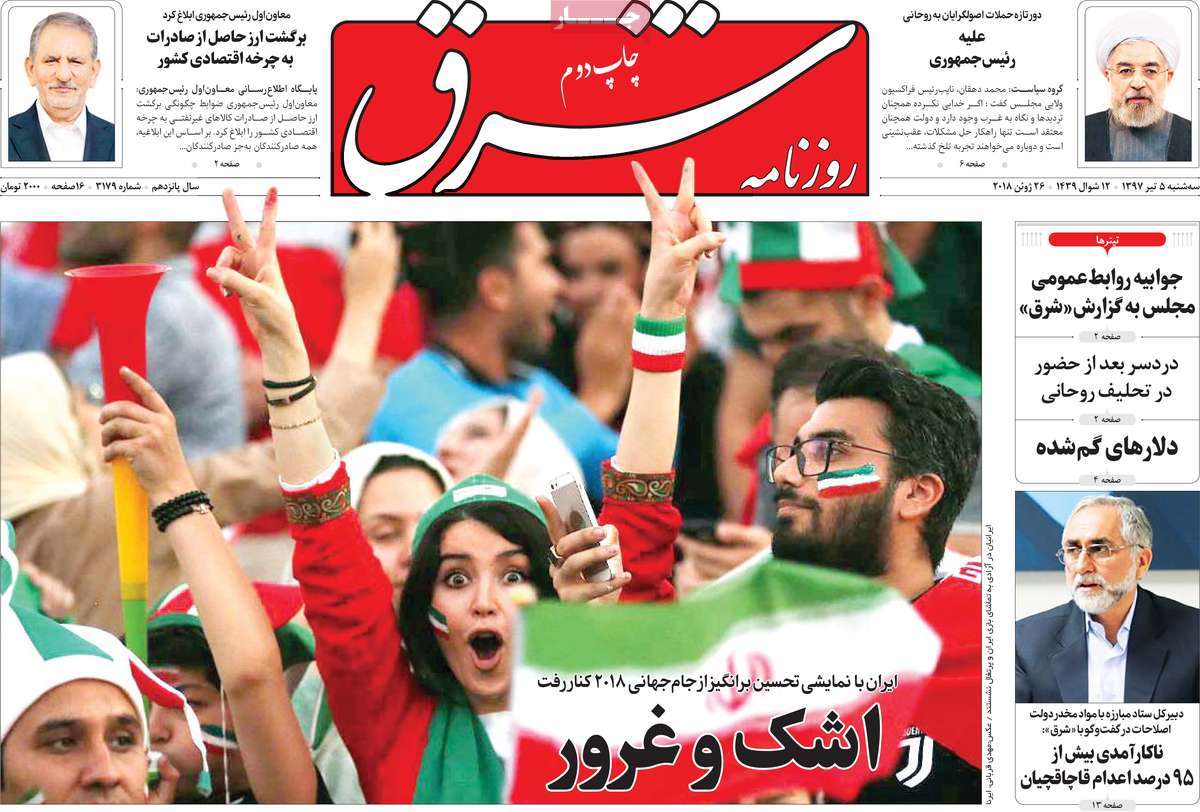
Shargh:
1- Tears and Pride: Iran Leaves FIFA World Cup with Admirable Performance
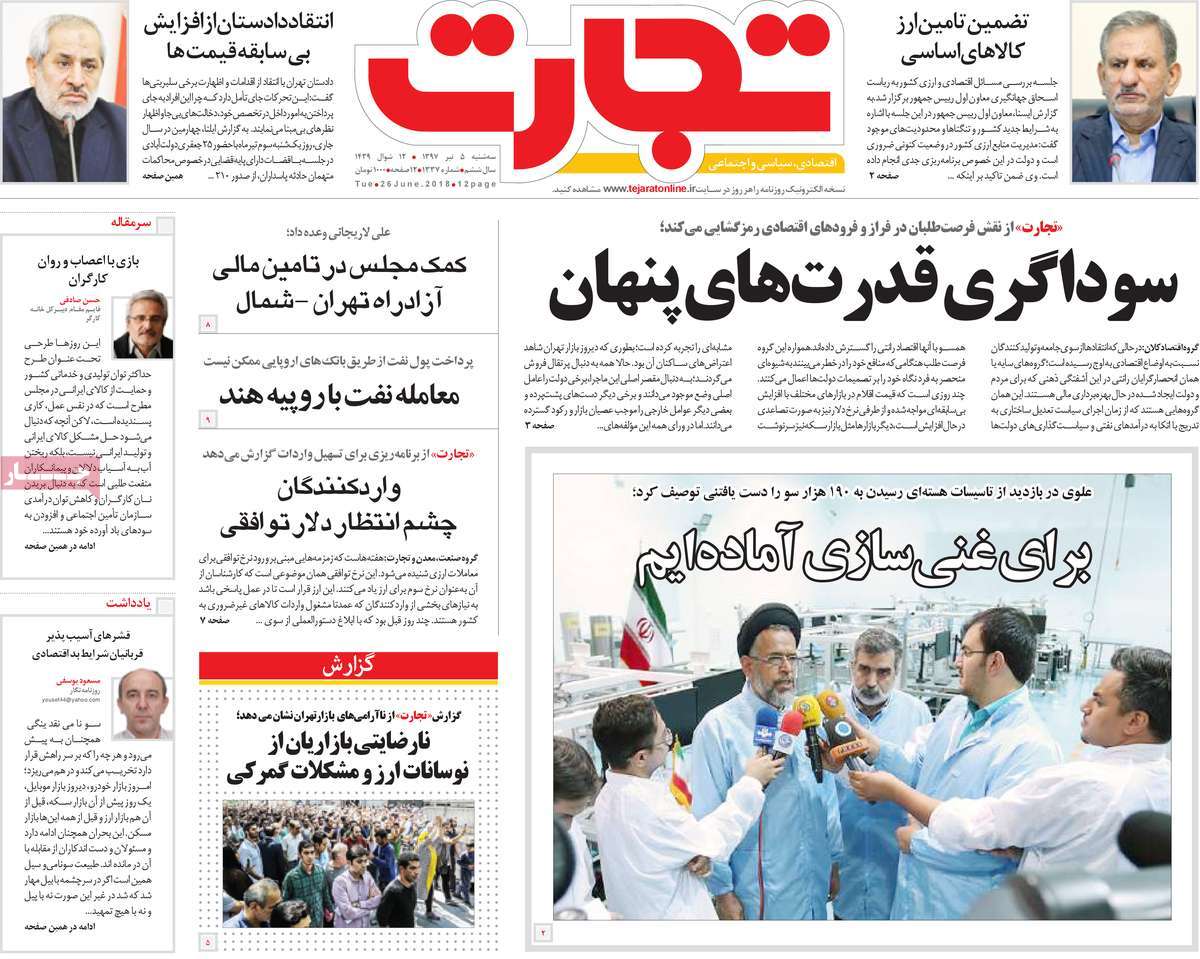
Tejarat:
1- We’re Ready for Enrichment: Intelligence Minister
Vatan-e Emrooz:
1- Epic and Regret: Team Melli Needed Just One Point to Advance to Next Stage

In a Monday meeting with Iranian Deputy Foreign Minister Morteza Sarmadi in Bolivia, Morales said he and his Iranian counterpart have common views and stances on many issues.
He lauded the Islamic Republic for its fight against the US’ hegemony and expressed his country’s support for Iran on various political and international issues.
“As the US has its own allies, the countries standing against the US’ hegemony in the world should also have their own bonds and links,” he said.
During the meeting, the two sides also exchanged views on ways to enhance further bilateral relations.
Morales called for further reciprocal visits by Iranian and Bolivian delegations to expand economic and trade ties between the two sides.
The Iranian diplomat, for his part, handed over a letter by Iranian President Hassan Rouhani to Morales on the US’ illegal withdrawal from the Iran nuclear deal.
Sarmadi then thanked the Bolivian president for his brave stances against the US’ exit from the JCPOA.
He then underlined the multi-national nature of the Iran nuclear deal and called on the international community to stand firm against the US unilateralism.
Sarmadi stressed that the JCPOA and the sanctions on Iran cannot go hand in hand.
Elsewhere in his remarks, the Iranian deputy foreign minister cited a number of the US administration’s pretexts to leave the Iran nuclear deal as well as its violation of other multilateral and international treaties and said the US’ stance towards international accords amounts to a new dangerous heresy in the international system and a threat to the international peace and security.
He also called on the world to adopt resolute measures to foil the destructive policies of the US.
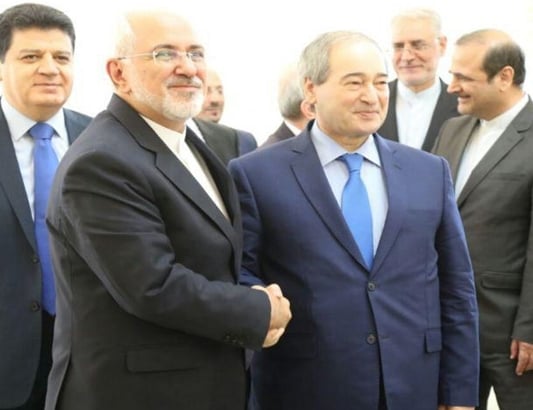
During the meeting in Tehran, Zarif and Mekdad discussed a range of regional and international issues.
The two sides also exchanged views on the latest field developments of Syria as well as the political settlement of the country’s crisis.
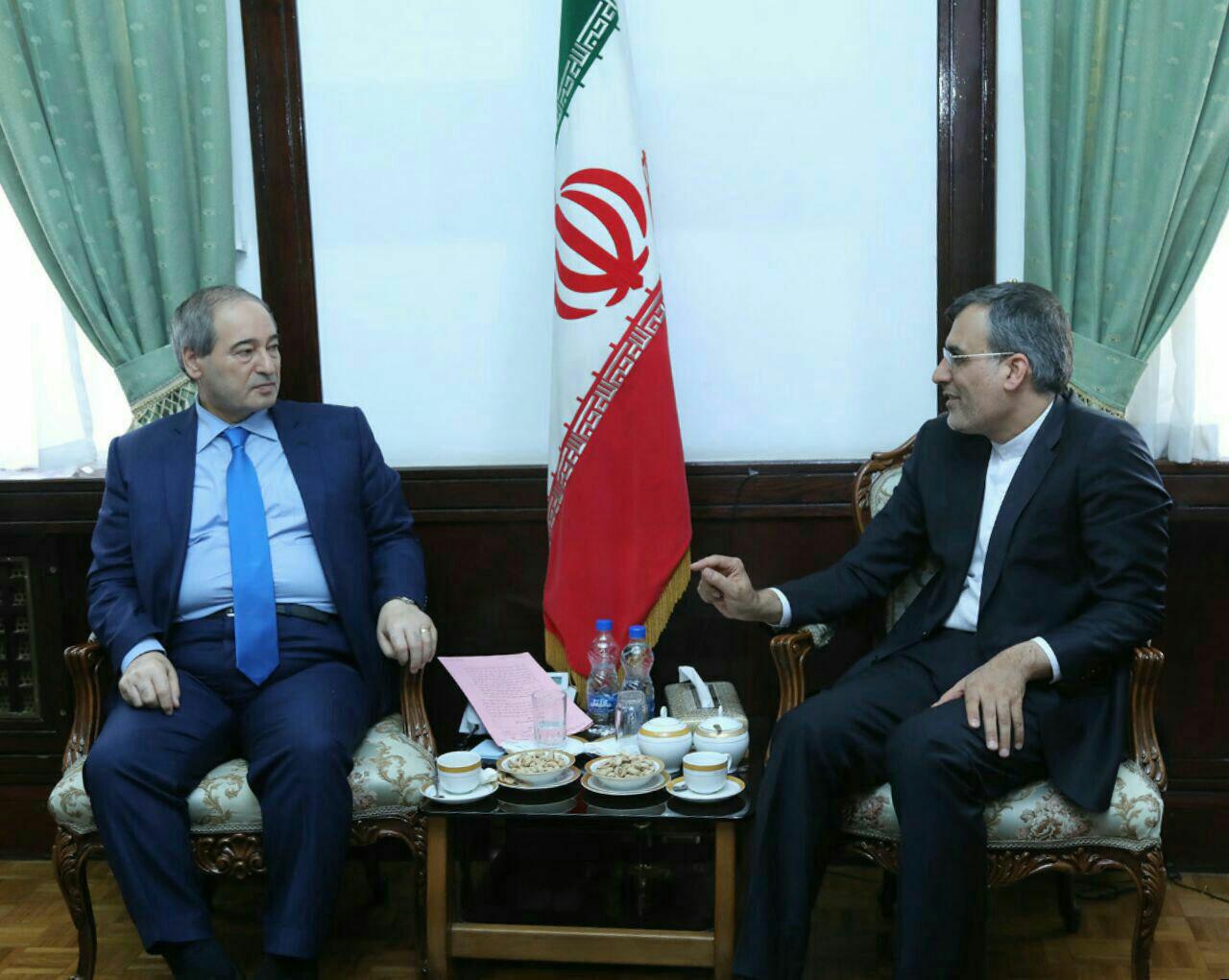
Mekdad also met Hossein Jaberi Ansari, a senior assistant to Zarif. The meeting was held at the Iranian Foreign Ministry building in Tehran as part of the new round of talks between Iranian and Syrian political committees.
In the Monday meeting, the two sides exchanged views on bilateral relations and the latest political and field developments in Syria.
The two diplomats also discussed the works done by the committee to rewrite Syria’s Constitution, which was established by the Syrian National Dialogue Congress during its meeting in Russia’s Sochi.
They also held talks on discussions made during last week’s meeting between the UN Special Envoy for Syria Staffan de Mistura and the guarantor states of the Syria truce – Iran, Russia and Turkey.
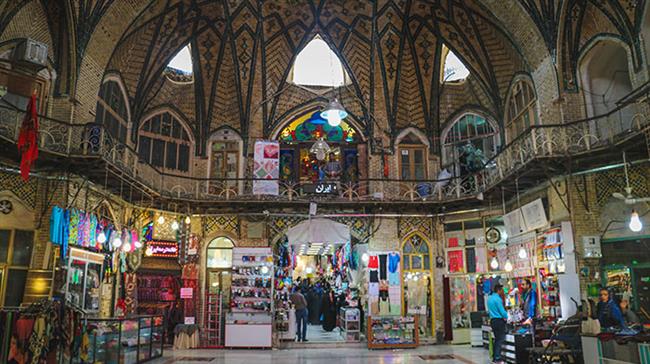
Speaking to Tasnim news agency on Monday, Ahmad Karimi Esfahani said a group of businesspeople in Tehran Bazaar shut down their businesses at the morning in protest to economic performance of President Hassan Rouhani’s administration and foreign exchange problems.
The protesters, he added, “chanted economic slogans in protest at the existing [economic] conditions, as a result of which a large group of other businesses were shut down on security grounds and to prevent possible robberies.”
The official added that the situation in Tehran Grand Bazaar is calm now and the shop owners are opening their shops to resume activities, but this does not mean that their rightful demands have been met, because the administration is “completely ineffective” in the economic sector and it apparently does not want to hear the voice of people and protesters.
He emphasized that protest against the economic performance of President Rouhani’s administration is a protest in line with the regulations of the Islamic establishment and should not be interpreted as a move against the Islamic Revolution.
“We had repeatedly warned the administration that it must shore up its economic team, but now we have come to the conclusion that this team must change,” Karimi Esfahani pointed out.
He said the administration had better speak with the people honestly and give answers to them about its economic performance.
Such protests are a warning to the administration, the official said, expressing hope that the administration and the president, in particular, would pay attention to them.
Meanwhile, the Central Bank of Iran (CBI) said on Monday that it had plans to create what it described as a secondary currency market to help ease tensions that plunged the rial against the US dollar to a record low level on Sunday.
The CBI chief Valiollah Seif told reporters that the secondary currency market would be dedicated to selling US dollars to importers of “essential goods” by exporters of non-oil products such as petrochemicals.
Iran’s First Vice President Es’haq Jahangiri on Sunday called on all Iranians to close ranks and counter a “serious economic war” launched by the United States against the Islamic Republic.
“The Americans, in their opinion, have begun a serious war against our country, thinking they can succeed in crippling our economy so that Iran, in the words of the US president, would be forced back to the negotiating table,” Jahangiri said.
“Under the current circumstances, all state officials including the Executive, Majlis, the elite, political currents and all Iranian people are required to unite against the big plot, which has started, and help [the country] weather these conditions with dignity.”
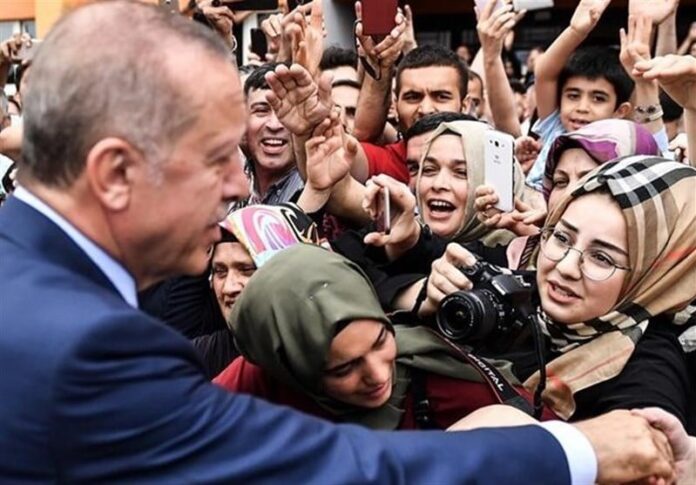
In a telephone conversation with Erdogan on Monday evening, Rouhani said the magnificent Turkish election, held in complete calm and security, delighted the Iranian government and nation.
He also praised the Turkish people’s turnout in the polls as a sign of understanding of the delicate regional and world conditions, saying Turkey proved that an Islamic nation can implement democracy in the best way.
Rouhani further expressed Iran’s readiness to expand its ties with Turkey and accelerate the implementation of bilateral agreements.
Erdogan, for his part, urged growing links with Iran in the political, economic and cultural arenas.
He also hoped that his new term would lead to closer cooperation with Iran and the full implementation of the deals.
Erdogan won a new five-year term after securing outright victory in Turkey’s presidential election.
The 64-year-old Erdogan won 52.5 percent of the votes to become the country’s first executive president with significantly increased powers.
The branches of the Turkish government are now set to begin implementing a series of constitutional amendments approved in a referendum last year.
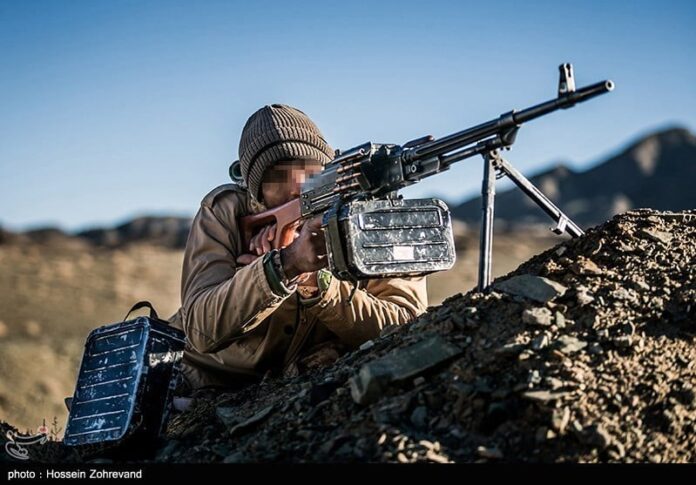
In a statement released on Tuesday, the IRGC Ground Force announced that its forces clashed with the terrorist cell that intended to infiltrate into the country from Tahlab in Mirjaveh near the border with Pakistan.
In the clash and exchange of fire between the forces and the terrorists, three Takfiri militants were killed and a number of others were injured and fled to Pakistan, according to the statement.
Two local Basij (volunteer) forces and an IRGC force were also martyred during the clash with the terrorist cell, it added.
Police and security forces, including IRGC, have been quite successful in ensuring security in Sistan and Balouchestan despite its long borders with Pakistan and Afghanistan, harsh weather and vast desert areas.
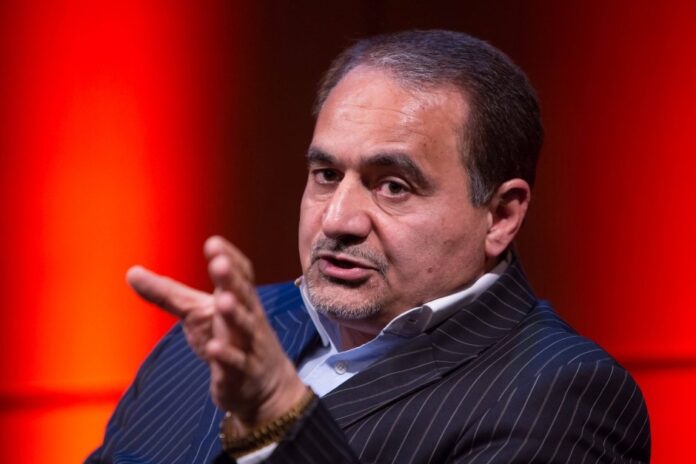
Mousavian, a senior nuclear specialist, used to be the spokesman of the Iranian nuclear negotiating team 15 years ago when the Islamic Republic got engaged in talks with the West over its nuclear energy program. In a recent interview with Hamshahri newspaper, he has talked about the latest international developments, particularly the Iran nuclear deal and its fate, and the idea of Tehran-Washington talks. What follows are excerpts of the interview:
Mr Mousavian, don’t you think Iran’s decision to remain in the nuclear deal after the US withdrawal would not be useful and would even encourage the West to go ahead with its policies on other issues related to Iran?
There is no doubt that Trump would be emboldened and Iran’s position weakened if we give in to the US president’s demands. However, it is clearly wrong to believe there will be no benefit for Iran if it remains in the nuclear deal.
The complicated point here is to have a correct evaluation of the pros and cons of remaining in the JCPOA or leaving it. In my view, there is a strategic point that must be considered in our evaluations: I believe the most important foreign policy decision made by the late founder of the Islamic Republic Imam Khomeini was the adoption of UN Security Council Resolution 598. Imam Khomeini, himself, made the decision and accepted full responsibilities for it. And that was a decision that I believe could save the Islamic Republic.
I think the decision to accept the Joint Comprehensive Plan of Action was also the most important one made during the leadership of Ayatollah Seyyed Ali Khamenei. It was a collective decision made by all the major components of the Establishment, including the Parliament, the government, the Supreme National Security Council, and the Leader. However, Iran’s nuclear crisis could not be settled without direct negotiations with the US. The reason is quite simple: Iran held talks with Europe, Russia, and China for 10 years from 2003 to 2013, but to no avail. We must admit it was the historic and courageous decision made by Ayatollah Khamenei that made it possible for the governments of Ahmadinejad and Rouhani to hold direct nuclear talks with the US.
Now that the US has withdrawn from the JCPOA, the Islamic Republic will have to make its third important and historic decision on foreign policy.
You said the JCPOA would not be possible without direct talks between Tehran and Washington. If we consider JCPOA as a deal between Iran and the US, what do you think about the agreement without the Americans?
Although the US is a decisive factor, the JCPOA is not a deal between Iran and the US; it is rather a multilateral and international agreement. However, it is important to consider several key factors when talking about the feasibility of the JCPOA without the US. The success or failure of Iran and other parties to the nuclear deal in preserving JCPOA will have four important repercussions at the international and regional level:
It will be an international defeat for Trump and the US if JCPOA is preserved; however, its collapse would be a great success for America, because the White House would then send this message to other world powers that “you all have a limited power without the US.” Washington would also convey a clear message to Iran: To resolve your issues, you only have one option and that’s holding negotiation with the US.
The other point is that preserving the nuclear deal would be considered as a major step to weaken and destroy the common belief that the US is the world’s undisputed leader. The America led by Trump has withdrawn from a number of other important regional and international treaties in addition to the JCPOA. If all those treaties collapse without the US, it means the country is the leader of the entire world, and vice versa.
On the other hand, it would be a great defeat for Iran’s regional enemies including Israel and Saudi Arabia if the nuclear deal is maintained and a huge success for them if it collapses.
And last but not least, preserving the nuclear deal would reinforce global multilateralism against the US’ unilateralism, and vice versa.
The nuclear deal has two wings: the first wing is the international and legal recognition of Iran’s right to enrich uranium, use heavy-water, and do other nuclear activities, and the second wing is Iran’s economic benefits. I believe a JCPOA without the US would make Iran fly with one healthy wing (enrichment, heavy-water, etc.) and one broken or half-broken wing (economic benefits). That’s because Russia, China, Europe and other world powers minus the US would collectively have a maximum capacity of 50% to secure Iran’s economic benefits under the nuclear deal. Even the 50% would only be secured if Iran manages to resolve the management problems of its domestic economic system.
It is said that President Rouhani, last year, was invited to hold talks with his American counterpart. Can Iran hold talks with Trump?
It is true that Trump invited Rouhani to a dinner last year, and he did not accept the offer. Trump’s current call for direct talks with Iran is based on the assumption that Iran would not accept it. Under current circumstances, if Iran accepts the offer before the grounds are prepared and merely under the pressure and harsh rhetoric of Trump, it would be interpreted as a sign of Tehran’s weakness.
How do you evaluate the idea that direct negotiations between Iran and the US are necessary?
In my idea, holding talks with the US under the current circumstances will not serve Iran’s interests for three reasons: First, based on the Iranian Constitution it is the Leader who can make the decision about negotiating and reaching any deal with the US. Therefore, it is detrimental to promote the idea inside the country as long as Ayatollah Khamenei is opposed to it.
Second, we have no consensus inside the country on this issue. Such negotiations would be harmful and hopeless as long as they cause division inside the Islamic Republic. Even if a deal is reached, it won’t be sustainable, and any Iranian negotiator would be accused of treason at the end of the day.
Third, the negotiating team must be fully trusted by the Leader, and he must be the one who guides the negotiations, because the issue is beyond the administration, and is indeed an issue related to the entire Establishment.
Considering these three points, I believe the current political brouhaha on negotiating or not negotiating with the US is not useful. I read about the letter by 100 political activists on the necessity of engaging in direct and unconditional talks with Trump. It was better for these figures to raise their suggestions in a confidential and private letter to the Leader instead of writing an open letter. They could avoid fanning the fuel of domestic conflicts and political controversies.
You said the current problem between Iran and the US is not JCPOA, but the regional issues.
The US allies in the region have either been defeated or are in weak positions. These factors have created an opportunity for Iran to increase its influence in the region, and that has terrified the US, the entire Arab world, and the US’ allies in the region. In their opinion, such a situation would help Iran dominate the entire region, which is their red line.
Don’t you think the idea of renegotiating the nuclear deal is a trap to put Iran under pressure on regional and missile issues?
As I mentioned earlier, I don’t believe holding talks with the US would be useful under current circumstances. However, renegotiation of the JCPOA is not Trump’s main concern. He looks for a new dialogue with Iran which is mostly focused on all regional issues.
In my view, even the issue of Iran’s missiles is not Trump’s main concern either. Suppose that a meeting is held between the leaders of Iran and the US, and a deal has been reached on certain regional issues. After the meeting, Trump would tell a press conference: “The issue of Iran’s missiles was resolved after Iran promised not to develop missiles that can carry nuclear warheads, and not to increase the range of its missiles to more than 2,000km for now.”
These are already among the Islamic Republic’s policies, and have nothing to do with holding talks with the US. However, Trump just wants to save his face on the issue of Iran’s missiles, so he claims those are his own achievements. The only thing that matters to him is to have victories to his name, even if they are hallow.
In case of such negotiations, what would Trump say on the nuclear deal?
He would say, “Based on our agreement, Iran pledged to let the International Atomic Energy Agency (IAEA) have access to all the sites it needs. We also agreed to hold talks after the end of current curbs on Iran’s nuclear program to ensure the Islamic Republic will never increase the capacity of its nuclear program to the level of developing an atomic bomb. We also agreed to have cooperation on nuclear and WMD disarmament in the entire Middle East. These are great accomplishments gained by no president before me.”
This is nothing new. Iran is already letting the IAEA have access to where it wants, and has been contributing to nuclear disarmament in the Middle East for the past 50 years. Of course such negotiations would not be held between Iran and the US under current circumstances, and I’m just talking about Trump’s personality.
Some believe the North Korea model shows the policy of resisting pressures and sanctions is futile. However, others think that Kim Jong-un’s nuclear bombs forced Trump to sit for talks. What do you think about Pyongyang’s talks with the US?
North Korea sought for 60 years to hold direct and unconditional talks with the US, and it was the US that refused to accept it. On the other hand, North Korea has now entered the talks while having atomic bombs.
An important point here is that North Korea is not grappling with factional conflicts inside the country. Whatever decision its Supreme Leader makes, whether it turns out successful or not, the entire country would support the results.
The other point is that North Korea had no ideological restriction for developing an atomic bomb. If Iran withdraws from the JCPOA and even leaves the Nuclear Non-Proliferation Treaty (NPT), it wouldn’t be able to develop an a-bomb based on a fatwa (religious decree) by the Leader. North Korea left the NPT and made the bomb.
So it is not right to compare Iran and North Korea with each other, because Iran has always been opposed to holding talks with the US, does not have an a-bomb, has no domestic consensus on the issue of holding talks with the US, and cannot seek a nuclear bomb under any circumstances. So it is not possible for Iran to enter the talks while equipped with an atomic weapon.
What is the ultimate goal of Trump’s anti-Iran moves: manipulation, reform, or regime change?
The ultimate goal of Israel, American neoconservatives, and Saudi Arabia is to overthrow the Iranian government and disintegrate Iran.
On the other hand, Trump is an exceptional creature. Look, he held a meeting with North Korean leader, signed a general two-page deal, and immediately announced that the threat of North Korea’s nuclear weapons is over, without even destroying a single a-bomb possessed by Pyongyang. So it is clear that Trump needs a show of victory, and may even give a lot of concessions to achieve what he wants.
Is it right to say Russia has started a new game with Iran, particularly on Syria developments, after the US withdrawal from JCPOA?
It is not realistic to think Russia must make its decisions and move within the framework of Iran’s regional policies. Russia is a world power whose ultimate goal is to be the top international power in the region. To achieve this goal, it has to have active relations and interaction with all regional powers including Iran, Israel, and Saudi Arabia. Of course if one day Moscow is forced to make a choice between Iran and Saudi Arabia, it would choose Iran, but it is not clear whether it would make the same choice in the case of Israel.
Israel is trying to provoke Iran, and has frequently attacked Iran’s positions. Do you think that would be the beginning of a more serious conflict between Iran and Israel? Saudi Arabia has earlier vowed to take the conflict into the Iranian territories. Do you believe it is possible that Saudis want to get engaged in an anti-Iran adventure?
I don’t have any doubt that Saudi Arabia and Israel are trying to convince the US to attack Iran, because none of the two has the capacity of launching a military invasion of Iran, and would not take such a risk unless they are ensured the US army would support them. Trump’s current strategy is to avoid any military clash with Iran. Trump seeks to increase pressure on the Islamic Republic so that Tehran would accept his call for direct talks. However, the three factors of Trump, regional conditions, and the future of the JCPOA are not predictable.
What strategy do you think Iran must take vis-à-vis Trump: tolerating him until his term is over or taking active measures to activate American lobby groups? If the current situation remains unchanged, what can we do to avoid being affected by the consequences of US sanctions?
The JCPOA experience showed Iran, with such a domestic situation, does not have the capacity of great decisions that end deadlocks. The nuclear deal was a decision made by all parts of the Establishment; however, the negotiators were called traitors from the first day. Even during the recent Quds Day rallies in Tehran, Iran’s nuclear chief Mr Ali Akbar Salehi was called a traitor. Nowhere in the world can you find a single nuclear manager like him in terms of expertise, honesty, and commitment. Now compare our situation with that of the US. Trump called the JCPOA the worst deal in history, and withdrew the US from the agreement. Did anyone call Mr Moniz (Salehi’s American counterpart) a traitor? He’s fully respected in his own country.
Honestly speaking, making any important decision at the international and regional level needs domestic unity and solidarity. This is while Iran is faced with extraordinary regional and international threats, and factions inside the country have been attacking and insulting each other for many years, pinning the blame on each other.
In order to create unity and consensus inside the country, it is necessary to gain a proper understanding of our domestic and international situation, and make sacrifices. In such a situation, the Iranian people’s livelihood and the country’s macro national interests are the main victims of current conflicts between political parties.
The country’s top leaders must find a solution to this issue, even by announcing a major reshuffle in the cabinet or the government’s resignation and holding snap elections. If the current situation is continued for two more years, it would lead to irreparable damages.
© All Content by IFP News ( Iran Front Page ) is licensed under a Creative Commons Attribution 4.0 International License.
