Tuesday, December 23, 2025
Home Blog Page 3486

Iran’s Anti-US ICJ Lawsuit Aimed at Countering Washington’s Pressure

Deputy Foreign Minister for Political Affairs Abbas Araqchi said on Wednesday Iran’s lawsuit is meant to prove the US position is illegitimate.

“We did not lodge our complaint to get the US condemned and then push it to do something. This is meant to show the legitimacy of Iran [position] to the international community. The Islamic Republic is committed to its obligations and the wrongdoer is the US,” ISNA quoted him as saying.

The US pulled out of the 2015 nuclear deal early May, and it has been restoring sanctions suspended under the accord afterwards.

Iran has filed a lawsuit with the ICJ claiming the US return of sanctions violates the 1955 Treaty of Amity, Economic Relations and Consular Rights between the two countries.

The ICJ, which is based in The Hague and is also known as the World Court, is the United Nations’ tribunal for resolving international disputes.

Although the ICJ’s decisions are binding, it has no power to enforce them, and countries, including the US, have occasionally ignored them.


US Not to Abide by ICJ Ruling

Araqchi said Iran aims to counter the increasingly hostile moves of the US and put up defence against the US pressure.

“A country like the US cannot be sentenced and forced to abide by the judgement, but pressures [caused by the sentence] will be effective,” he said.

Beside returning sanctions, Washington is also working to hamper Iran’s trade with Europe and Asia and push Iran’s oil costumers to cut down to zero their purchases.

The first hearing session in the case was held on Monday. The tribunal is expected to issue its verdicts in a few weeks.

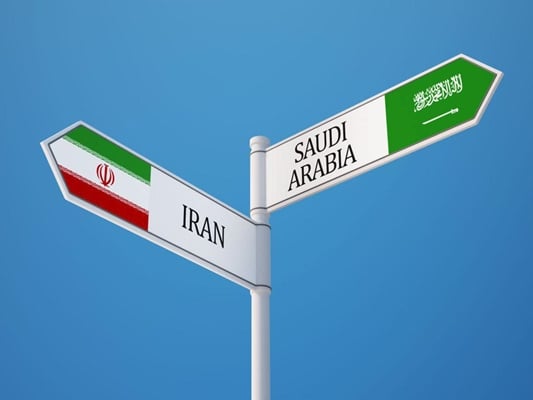
Pakistan Reiterates Willingness for Mediation between Tehran, Riyadh

“If there is a chance for mediation between the two countries, we will play a role,” Foreign Minister Shah Mehmood Qureshi said, while noting Pakistan would not impose its mediation on the two countries.

Iran and Saudi Arabia have been at loggerheads over various disputes, particularly those related to conflicts in Syria and Yemen.

Saudi Arabia moved to hamper relations with Iran early 2016, and since then has opted to keep the door on dialogue shut.

The new Pakistani government, led by PTI Party leader Imran Khan, has announced willingness to help improve ties between the two Muslim countries several times so far. Imran Khan is going to make his first foreign trips to Iran and Saudi Arabia.

Speaking in a press conference in Islamabad on Tuesday, Qureshi said Pakistan would work to maintain balanced relations with both Iran and Saudi Arabia.

“For us, both Iran and Saudi Arabia are very important countries and we would like to have relations with both the countries based on mutual respect,” IRNA quoted him as saying.


Eager to Meet Iran FM

During the upcoming trip of Iranian Foreign Minister Mohammad Javad Zarif to Pakistan, Qureshi said he is pleased to see his Iranian counterpart who will enter Pakistan on Friday.

He said that Iran is a neighbour and good friend of Pakistan, like other Muslim countries in the Persian Gulf such as Saudi Arabia and the UAE.

Qureshi said Pakistan is willing to promote calm in common borders.

“Creating peace and security in borders with Iran is in line with Pakistan’s interests,” he said.

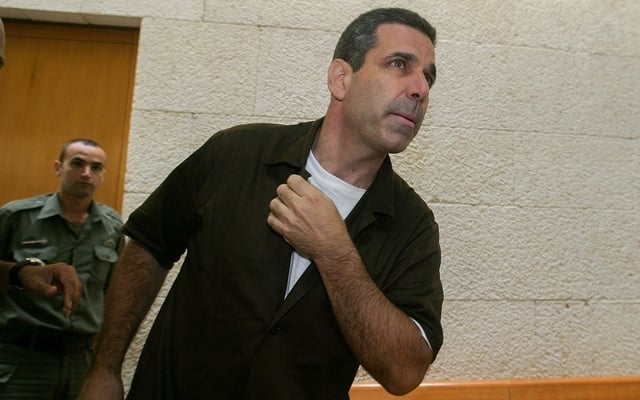
Tehran Confirms Israeli Ex-Minister Was Iran’s Spy

“Our anti-espionage section is … the strongest in the world, as we had a spy in the cabinet of one of our enemies,” he told state TV in a talk Tuesday night.

Gonen Segev, the former Israeli minister was charged with passing sensitive information to Iran in mid-June.

Segev, who held the portfolio for the minister of energy and infrastructure from 1995 to 1996 and was also a former Knesset member, stands accused of the “offences of passing information to the enemy in time of war and espionage” against Israel.

Israel claimed Segev had been in contact with the Iranian embassy officials in Nigeria, where he used to live, and later he visited the Islamic Republic.

Segev, who has reportedly passed information related to the energy market, security sites in Israel, buildings and officials in political and security bodies, is currently going to trial behind closed doors.


ISIS Member Arrested

Alavi also said the ministry is working hard to dismantle terrorist cells operating across the country, but it does not necessarily publicize all of them.

“Many terrorist teams are discovered and dismantled by the intelligence ministry, but we publicize only a few of them. People should be assured that our agents have enough intelligence and won’t allow the country’s security to be challenged,” he said.

“In Shahrivar [the Persian month which started August 23] we arrested an ISIS member south of the country and damaged terrorists in northwest,” he said.

Tehran, Damascus Reach Deal on Iran’s Continued Presence in Syria

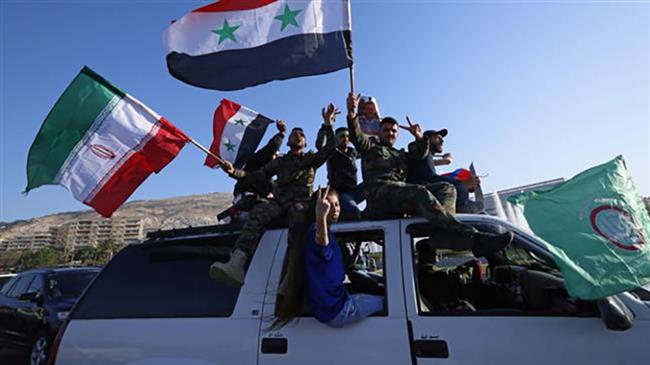
Iran’s Defense Minister Brigadier General Amir Hatami and his Syrian counterpart, General Ali Abdullah Ayyoub, signed an agreement on defense and technical cooperation in Damascus on Sunday.

The document “will define the areas of bilateral presence, participation, and cooperation” in defense ties, Hatami said, adding Syria has put the era of war behind it and has entered the era of reconstruction.

“The continuation of presence of Iranian (military) advisors in Syria was one of the points of the defense and technical agreement between Tehran and Damascus,” IRNA quoted Iran’s military and defense attaché to Damascus, Brigadier General Abolqassem Alinejad, as saying on Tuesday.

He added that the agreement was signed in line with the two countries’ will to improve cooperation.

He emphasized that the expansion of defense cooperation between Iran and Syria would help promote peace and stability in the Middle East.

The Iranian commander said the accord also stressed the importance of support for Syria’s territorial integrity and sovereignty, adding that it came into effect on the day of its conclusion.

According the agreement, Iran will help Syria in clearing minefields in different parts of the war-ravaged country given the Islamic Republic’s experience gained during the eight-year war imposed by the regime of Iraq’s former dictator Saddam Hussein, he added.

Iran also vowed to help Syria to reconstruct the military factories that were damaged in Syria’s seven-year war and rebuild its infrastructure, Alinejad said.

Syria has been gripped by foreign-backed militancy since March 2011. The Syrian government says the Israeli regime and its Western and regional allies are aiding Takfiri terrorist groups wreaking havoc in the country.

All initiatives with the purpose of putting an end to Syria’s seven-year-old conflict have failed so far.

Heading a high-ranking delegation, the Iranian defense minister arrived in Damascus on Sunday to discuss a number of important issues, including the latest regional developments, the fight against terrorism, the strengthening of the resistance axis and the study of strategies for expansion of defense and military cooperation.

In a meeting with Syrian President Bashar al-Assad on Sunday, Hatami hailed the steadfastness of the Syrian people and government forces in their battle against terrorism, expressing confidence that they will achieve a final victory in this path.

“Not only regional people, but people around the world are indebted to the fight carried out against terrorists in Syria,” Hatami said.

Also in the meeting with his Syrian counterpart, the Iranian defense chief warned of extra-regional countries’ plots to sow discord in Syria, vowing the Islamic Republic’s full support for the war-ravaged country in a bid to preserve its territorial integrity and improve its stability.

“Iran will spare no effort to maintain Syria’s territorial integrity, because security in the country will help [improve] regional stability,” Hatami said.

Secretary of Iran’s Supreme National Security Council (SNSC) Ali Shamkhani said in May that the legitimate governments of Iraq and Syria have called for Iran’s military advisory presence in their countries in order to help them fight terrorism.

“The ire of the US and this country’s allies, who were the main creators and sponsors of Takfiri terrorism and the final losers of this battlefield, is understandable,” the SNSC secretary added.

US National Security Adviser John Bolton said last week that the United States and Israel agree that Iran should remove all its forces from Syria.

Line-up Changes after NBA

Coaches prefer not to miss this opportunity and make the most profitable transfers during the offseason. Such changes can significantly influence the position of the club in the next season.

The most important line-up changes include the following exchanges:

  1. Jaylen Brown or Terry Rozier. At the moment, Boston Celtics has a strong line-up composed of only young and talented players. In addition, next season will see Kairi Irving and Gordon Hayward joining the team. In order to make promising steps in the team development, Boston can exchanged Jaylen Brown. Terry Rozier is also a good option since he can unlikely maintain past season’s high performance.
  2. Andrew Wiggins showed quite disappointing results this season. It’s not beneficial for Minnesota Timberwolves to keep such a player in the team, even despite his potential. For this reason, the club will try to exchange Wiggins for someone from the Star Match.
  3. Mike Conley, who was seriously injured last year. For this reason, a profitable transfer will be a challenge for the club. The situation is worsened by his expensive contract, which complicates the exchange. In addition, Grizzlies can give up on Marc Gasol.
  4. Kevin Love. A talented player didn’t find his place in Cleveland, however, such an exchange can bring good assets to the club. Some sources indicate that Dan Gilbert plans to make a transfer with the eighth peak, which will allow him to get a star player, for instance Karl-Anthony Towns or Kawhi Leonard. It is worth noting that such a successful deal can convince LeBron James to stay in the team.
  5. CJ McCollum scored high in Portland Trail Blazers. However, his performance during NBA playoffs was rather poor. For this reason, the club has to choose between McCollum and Damian Lillard. The exchange of CJ is definitely going to be a profitable decision since the rearrangement will be an excellent option for the club in the long run.

Thus, the upcoming transfers will allow fans to enjoy dynamic live basketball, as the line-up changes will undoubtedly do good to the above-listed clubs.

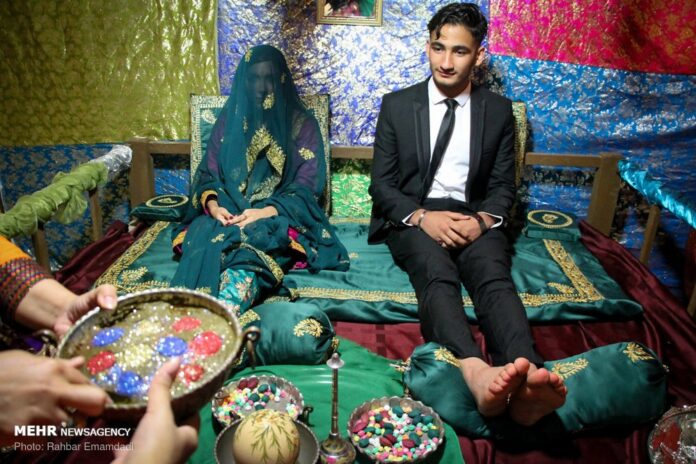
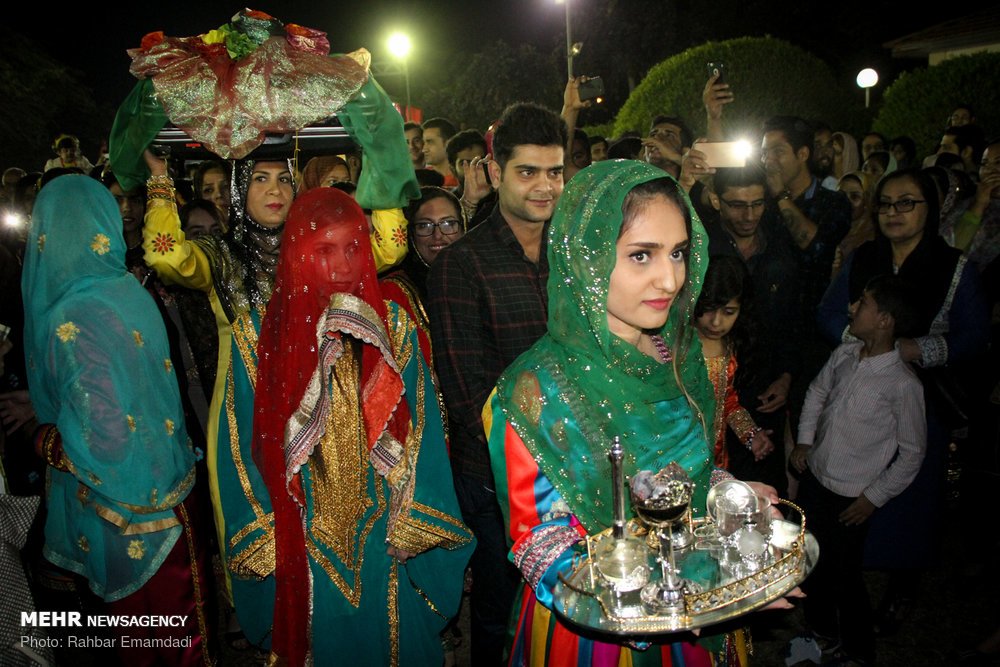
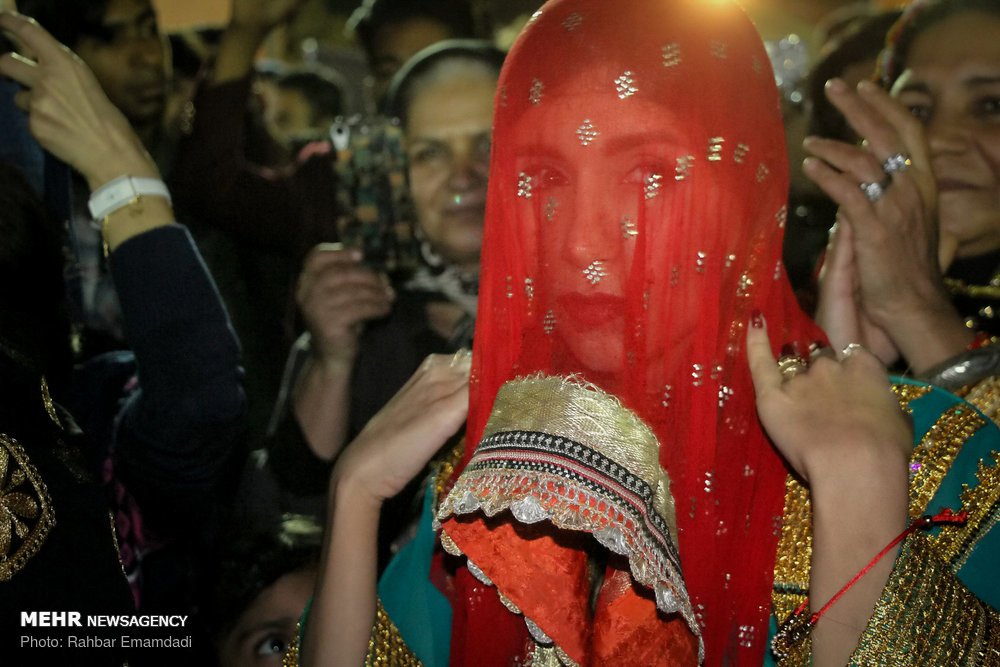
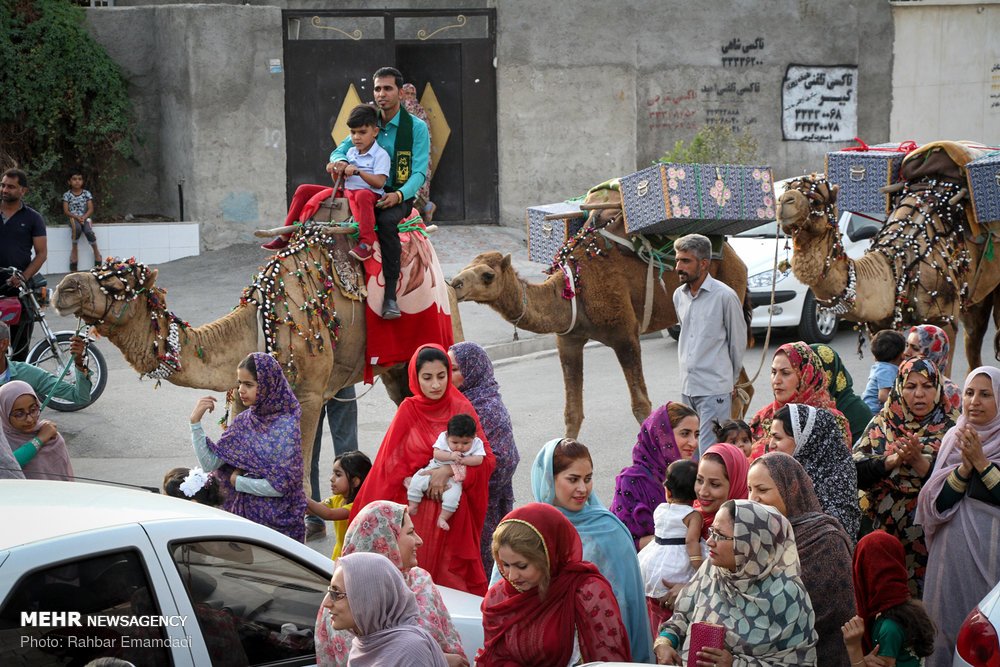
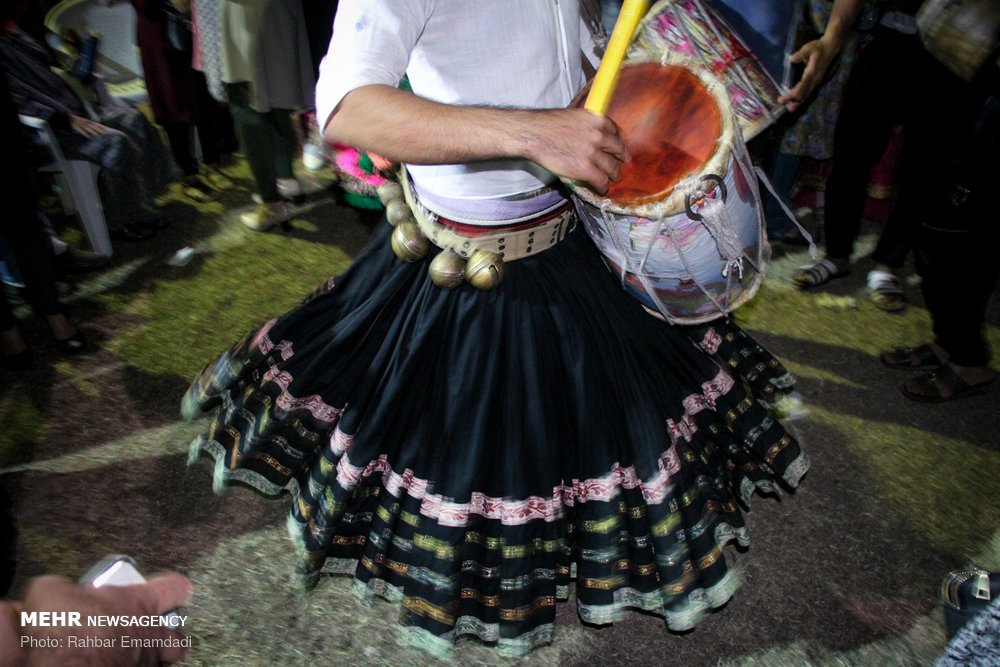
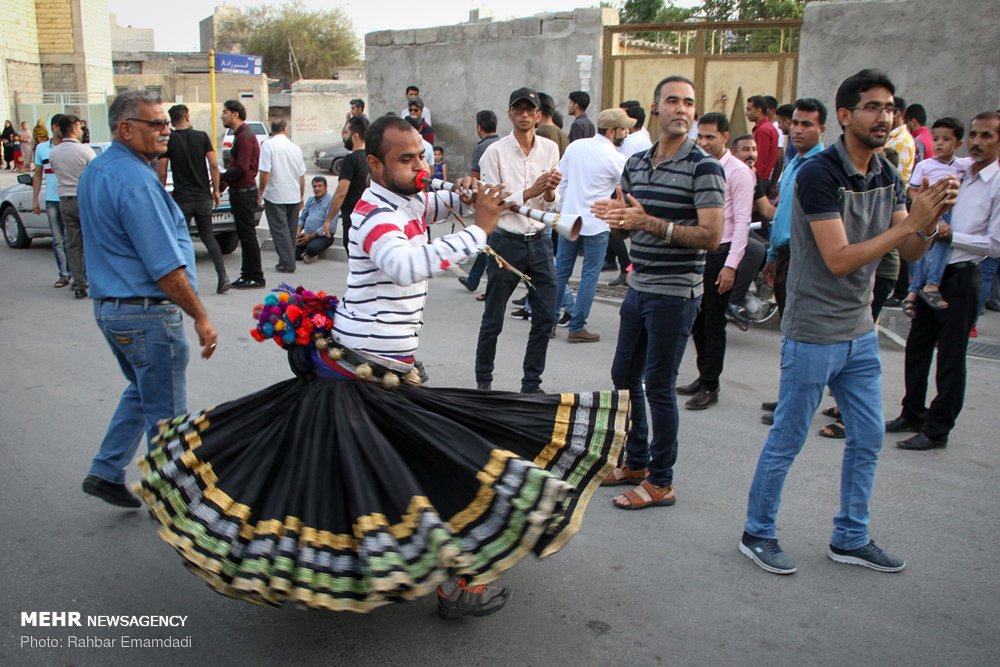
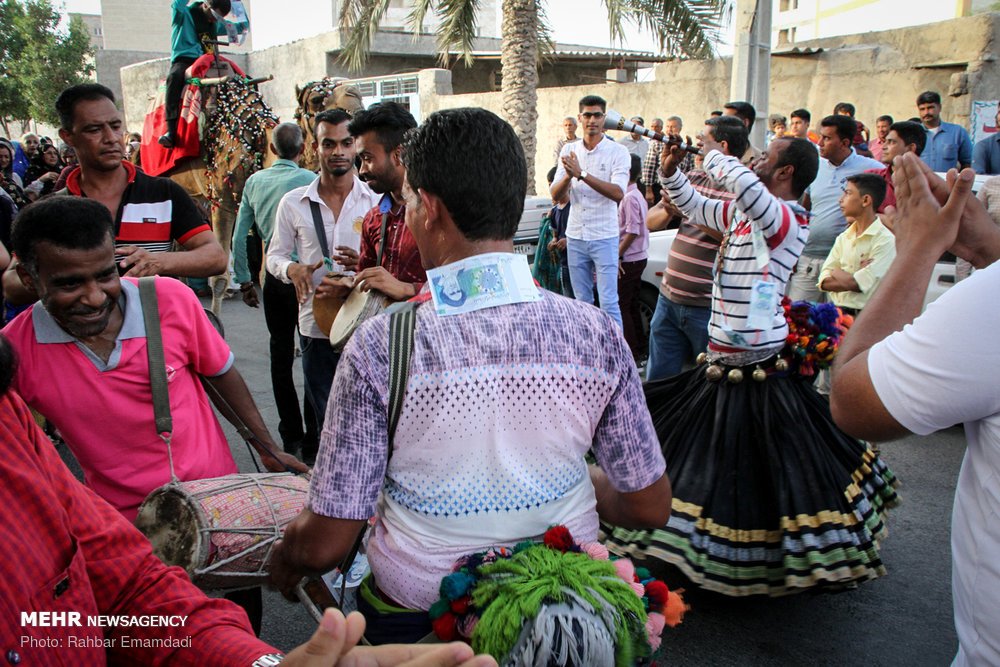
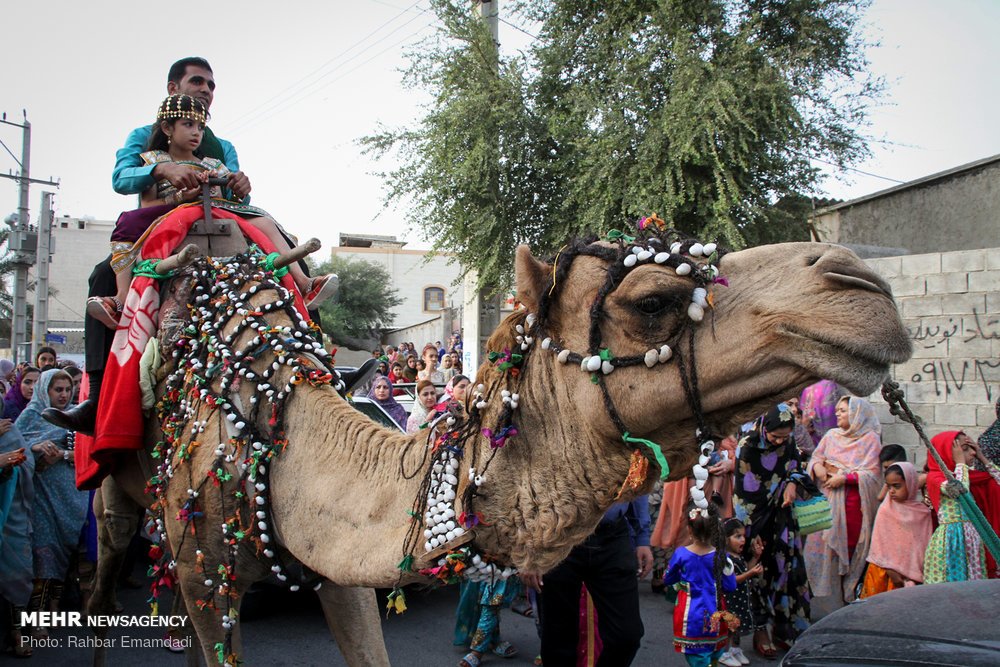
Amazing Wedding Rituals of Southern Iran

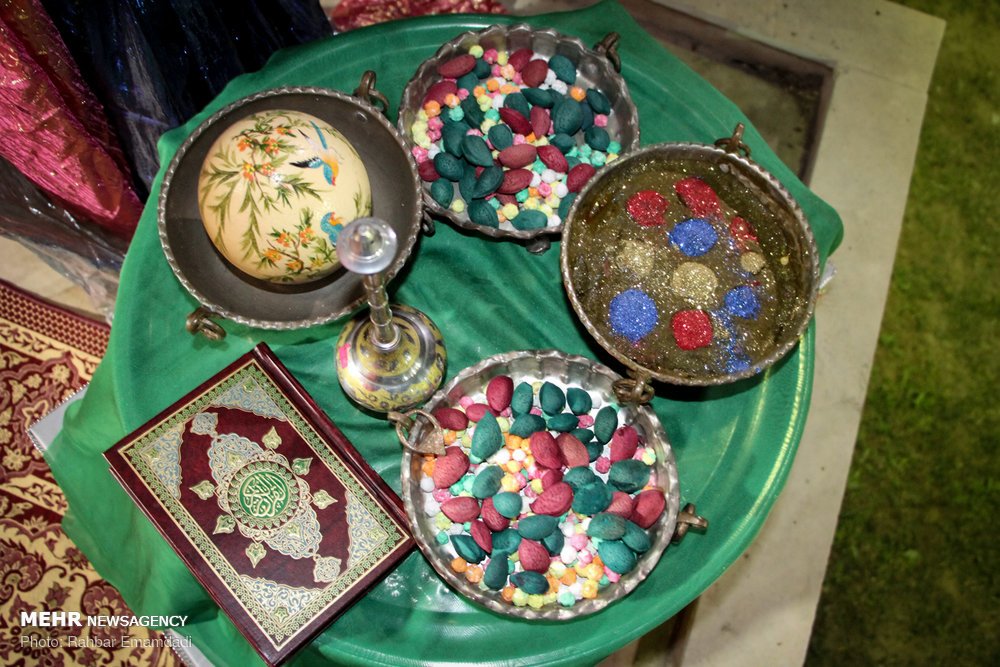
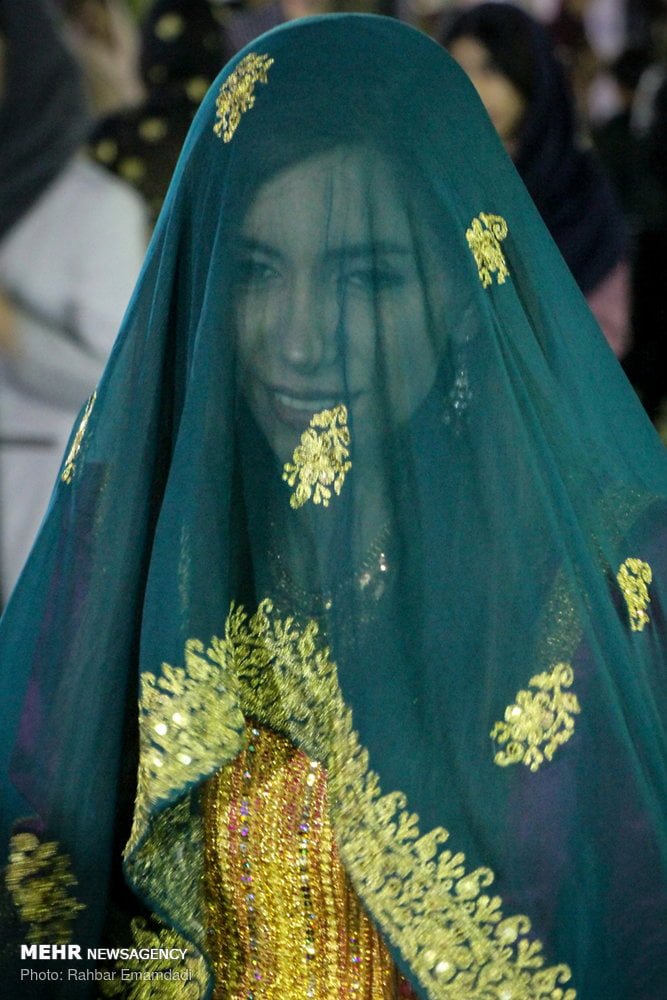
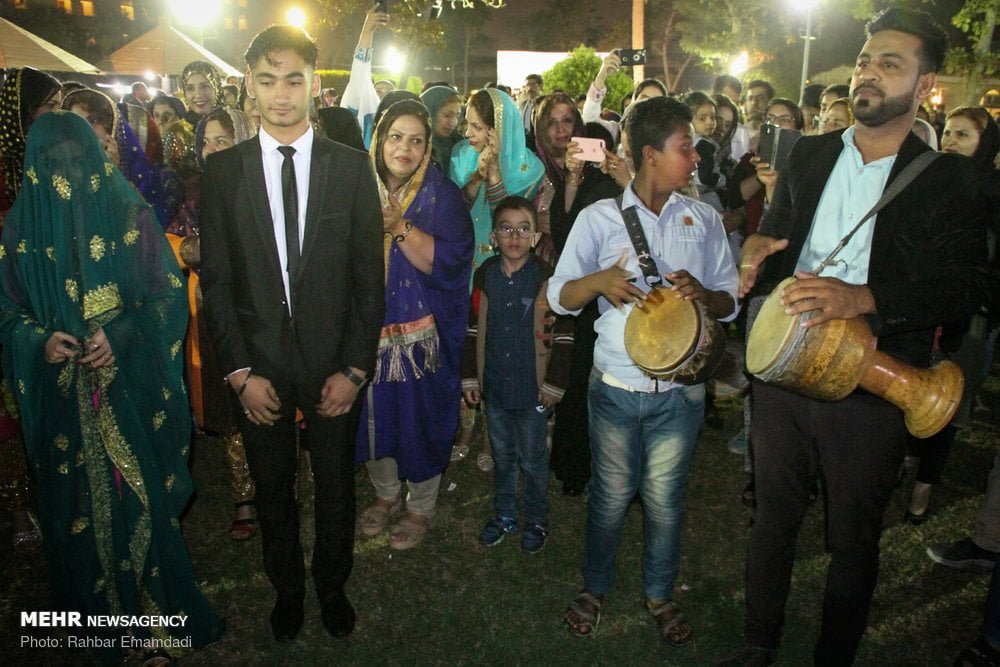
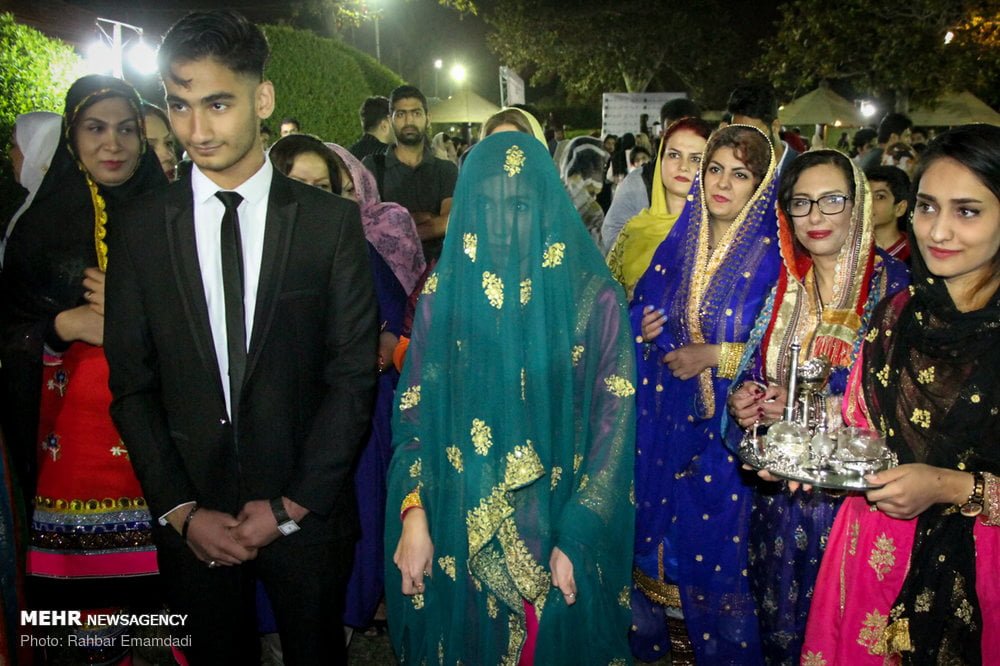
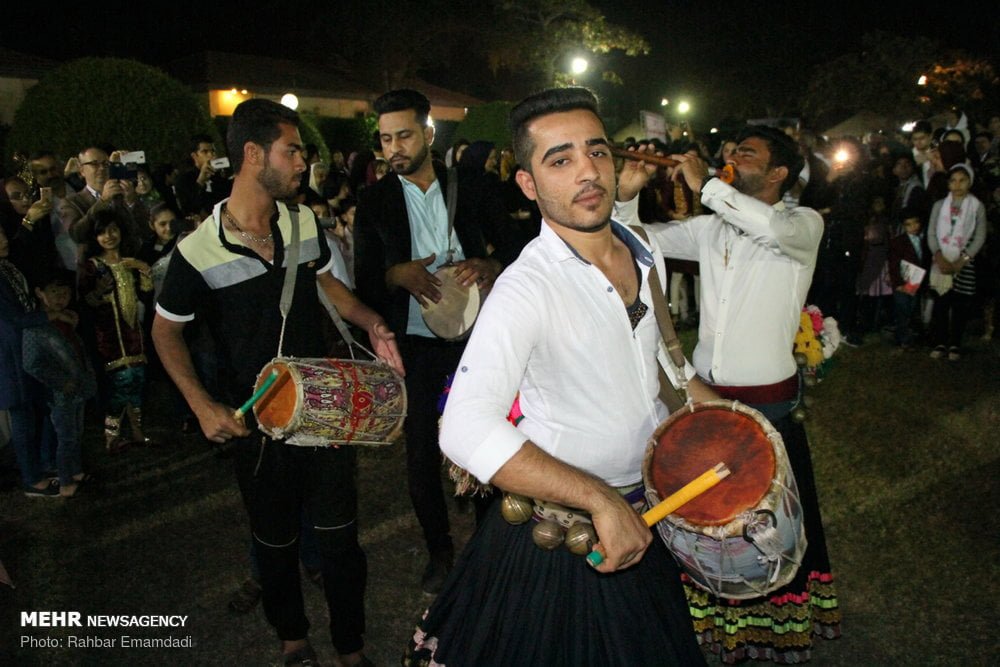
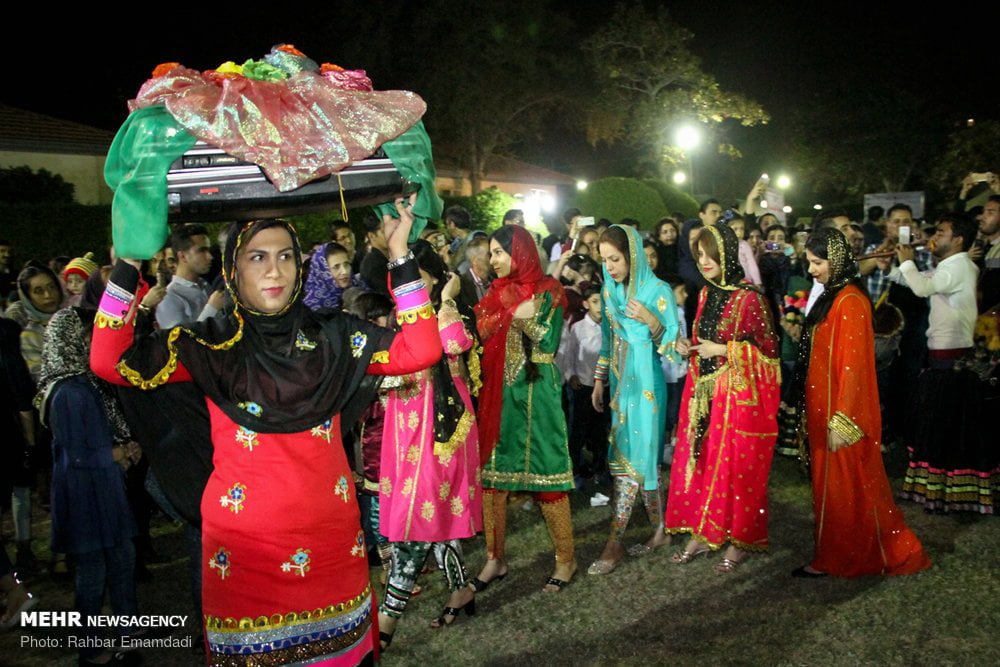
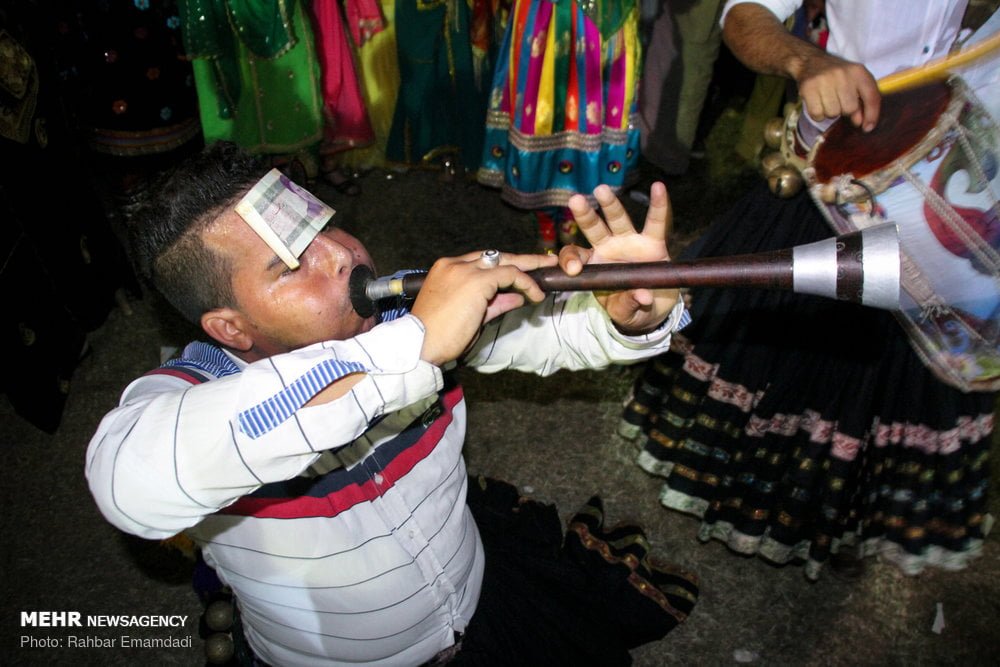
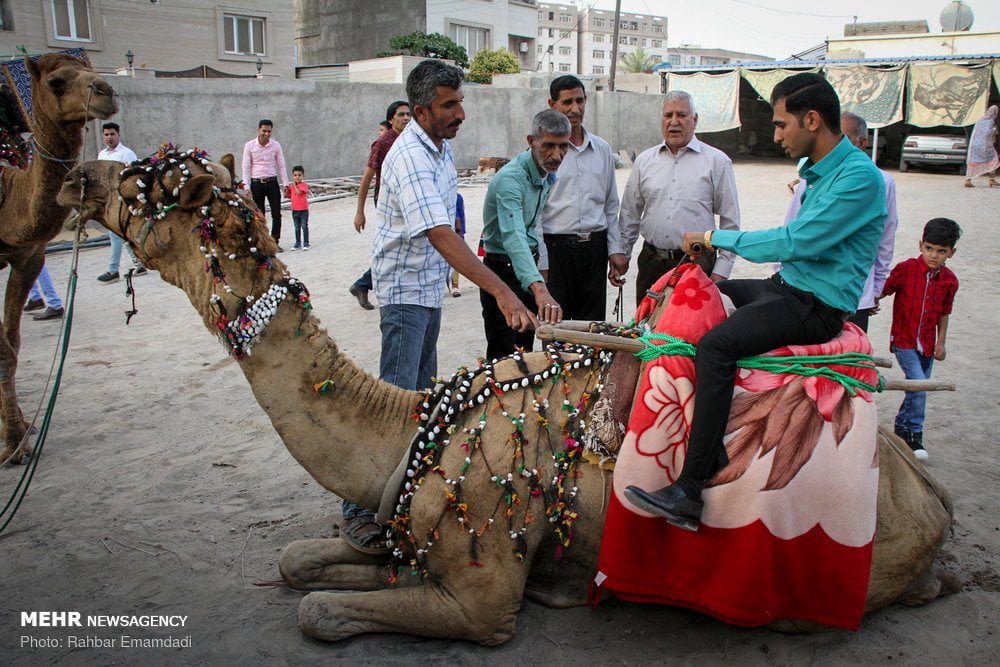
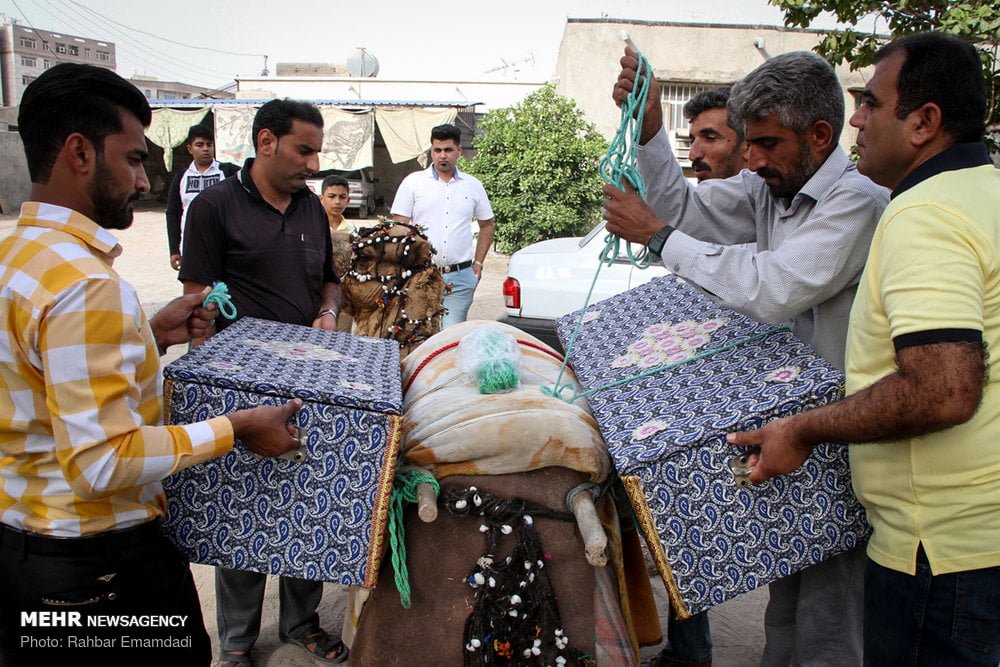
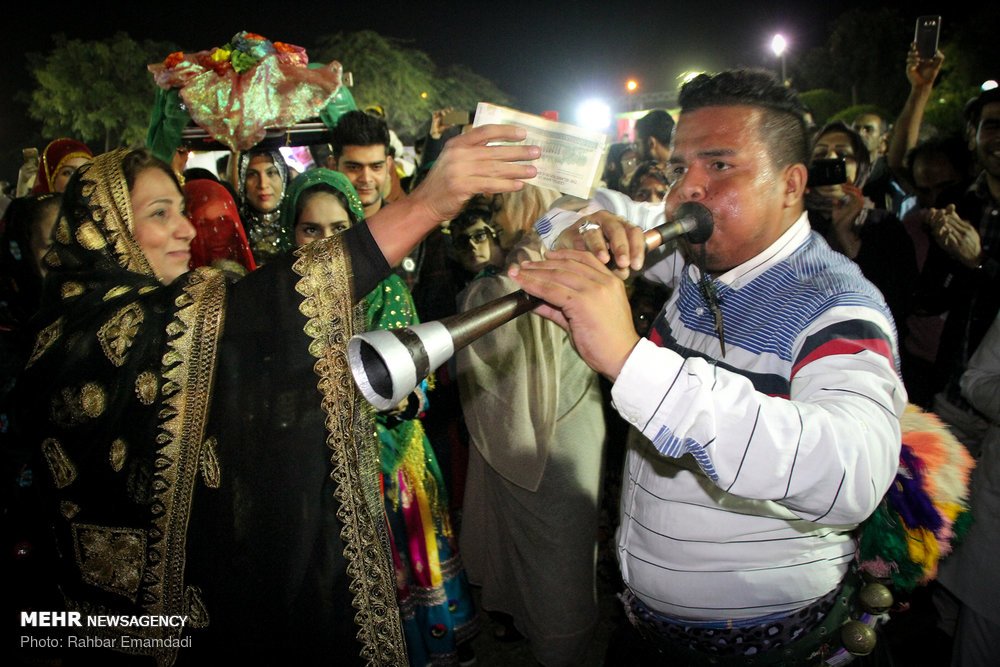
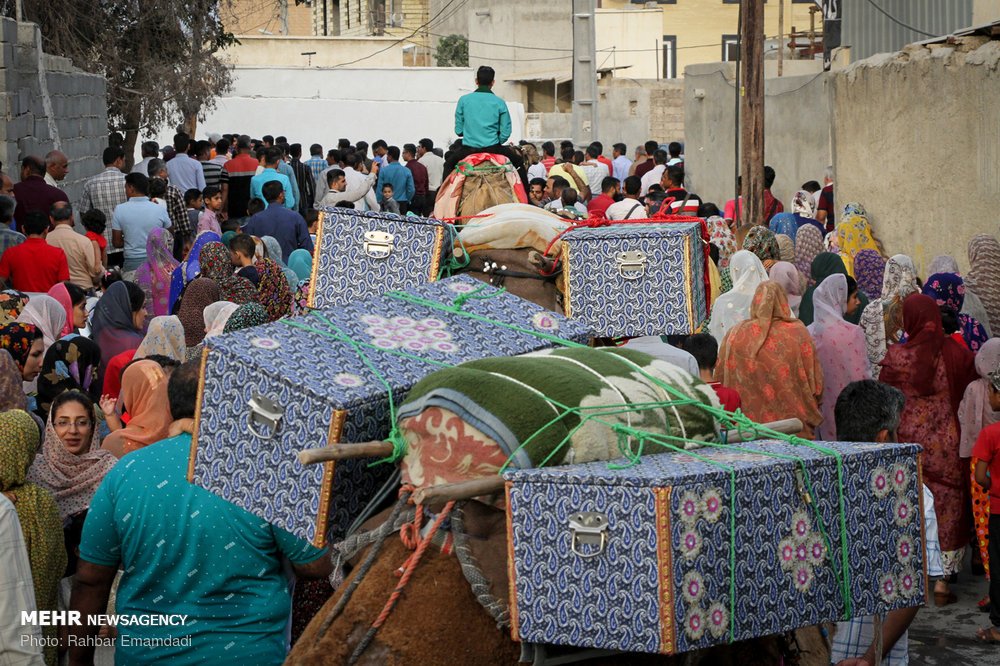
In Hormozgan, bringing the bridal dress from the groom’s house to the bride’s house is performed in a special ceremony called “Saakht”.

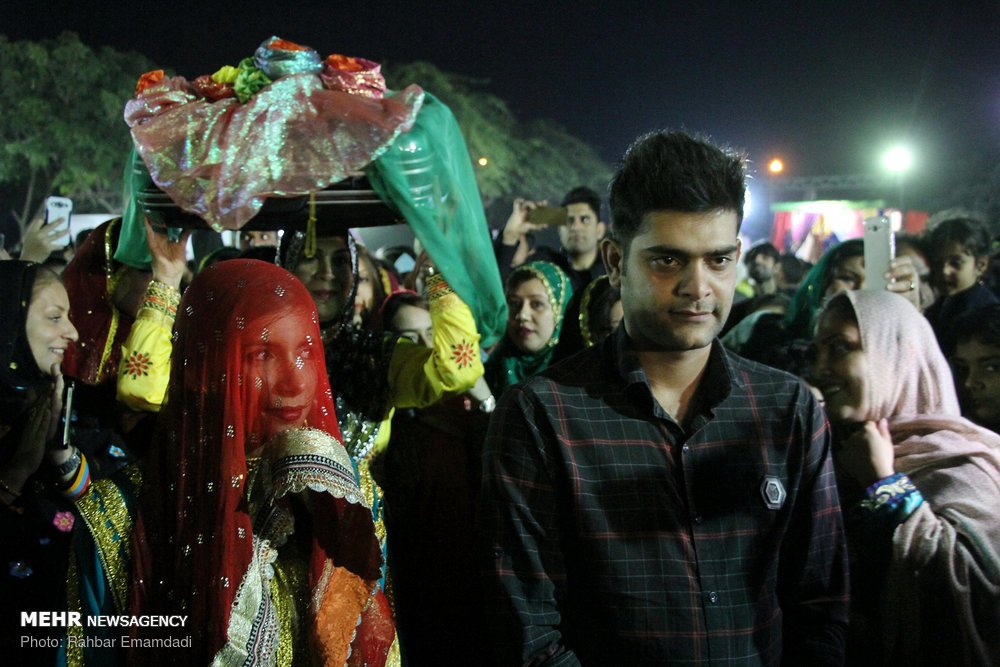
They play musical instruments and sing songs while performing the ritual. Khaancheh, a tray that contains sweets, henna, gold, colourful clothes and garments, is brought to the bride’s house while music in being played, and women show the stuff to the guests.

This ancient tradition is still popular, and is called “Delivering Saakht”. “Hanabandan” or henna distribution ceremony also begins one or two nights before the wedding.

In this ceremony, some of the bride and groom’s friends are gathered together and design the bride and groom’s hands with henna. Usually eight women sit on the right and left sides of the bride and groom, while each one has a scarf in their hands, and sing songs.

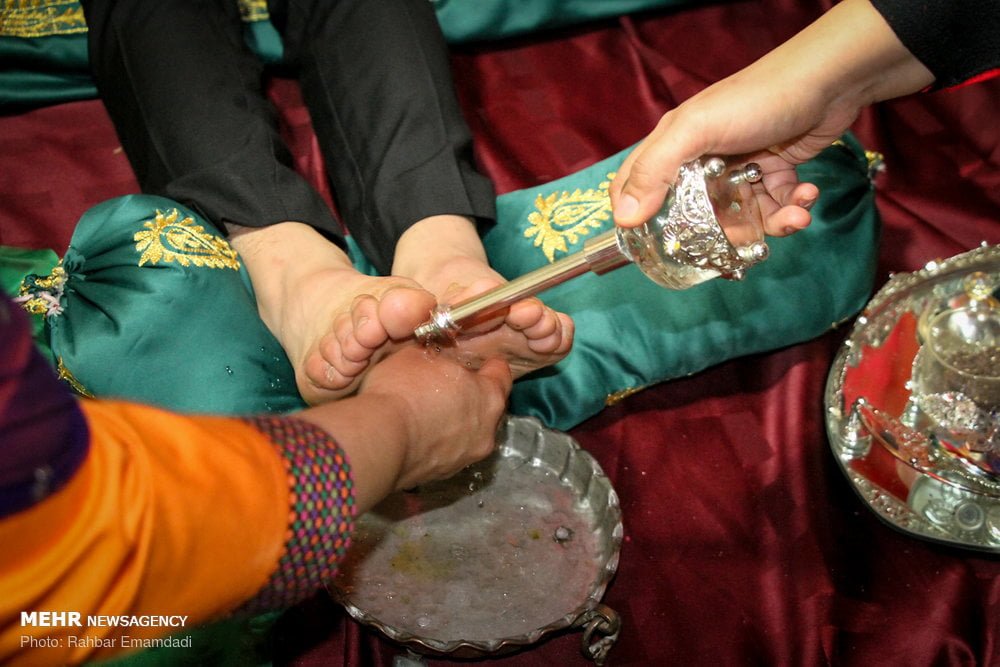
At the end, the newly-wed couple’s hands and feet are covered with specially-woven handkerchiefs. The bride and groom keep the designs until morning and wash their hands and feet in the morning.

On the eve of Hanabandan ceremony, a plate of henna is sent from the bride’s house to the groom’s house and the groom also does the same.

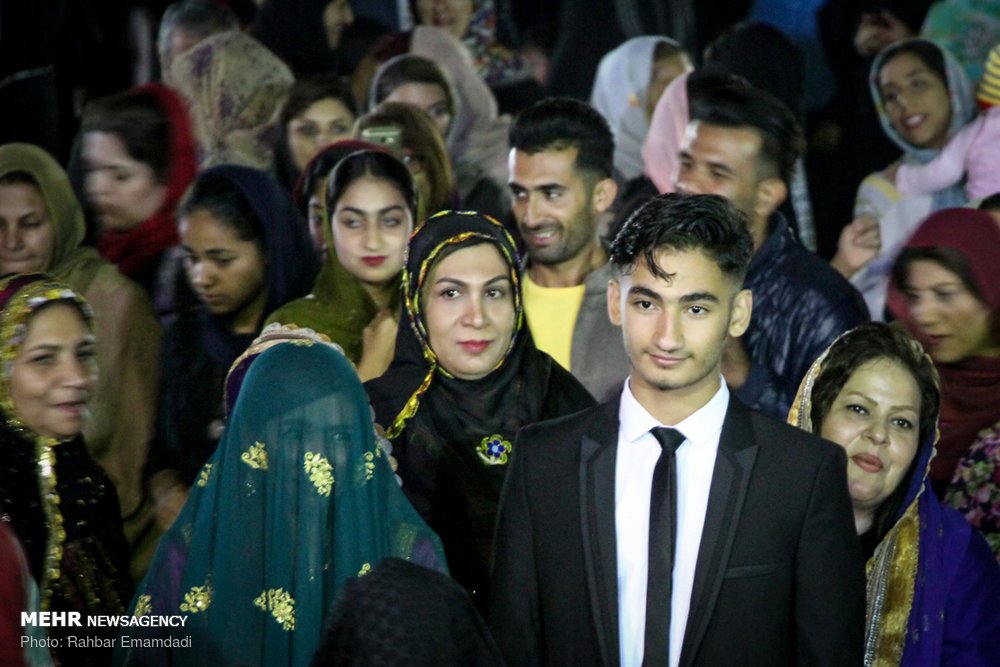
Here are photos of the amazing ceremony retrieved from Mehr News Agency:

Malabij; A Delicious Food from Northern Iran

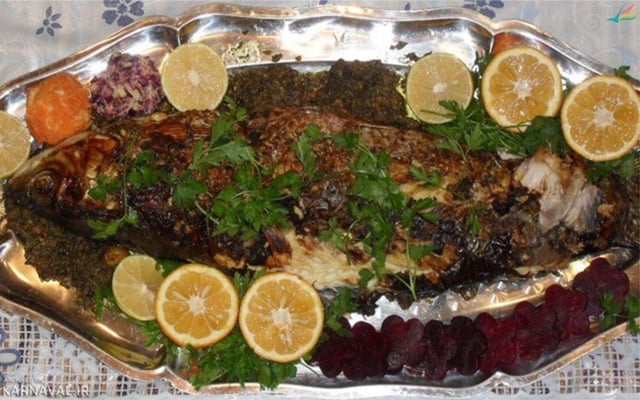
To prepare this food, local people of Mazandaran use Caspian whitefish, aromatic herbs, walnuts, pomegranate paste, and Persian hogweed.

Originally, the dish should be cooked on direct heat or charcoal, but today it is prepared more quickly in ovens and microwave ovens.

The local people prefer male whitefish for this food because they believe this type of fish has a more delicious meat.


Ingredients:

1 Big whitefish (Malabij)

Aromatic herbs

2 tablespoons of pomegranate paste

200 grams of walnuts

Salt, pepper, hogweed as much as needed


Recipe

First, mince the walnuts and herbs. Mix them with pomegranate paste, Persian hogweed, salt, and pepper. Remove scales of fish with knife. Cut fins with scissors. Remove the guts of fish. After cleaning, wash it and put it in a basket. Fill the stomach with the mixture of walnuts and herbs.

Then, stitch the stomach with string and needle. Put the fish, in a curved style, inside a pan and pour charcoal under the pan and also on it. Cook it on a medium heat.

These days, the dish can also be cooked in an easier way inside a microwave oven. To do so, after filling the stomach, you must make the tray a little bit greasy, and sprinkle some flour on it and place the fish on one side on the tray. Cook it for 90 minutes in 350-degree heat. At this time, make some sauce with pomegranate juice, butter and saffron and pour it on the fish.

Iran’s DM Hatami Visits Syria’s Aleppo

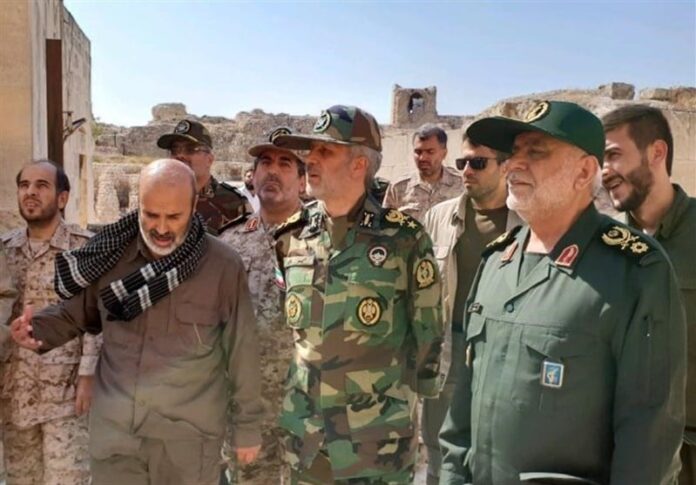
Accompanied by a group of ranking Syrian military commanders, the Iranian defense minister visited Aleppo, Syria’s second largest city which was recaptured from terrorist groups by the Syrian army in December 2016.

Brigadier General Hatami also held talks with the Syrian troops and the voluntary forces fighting against terrorists, and was briefed on the plans to cleanse the city of remnants of the terrorist groups and establish full security in the war-damaged city.

The Iranian minister arrived in Syria on Sunday for a series of high-profile meetings on ways to promote Tehran-Damascus military cooperation and coordinate the fight against terrorism.

Since the outbreak of war and foreign militancy in Syria in 2011, Iran has stood by the Syrian government and supported its people against terrorist groups, including Daesh (ISIL).

In recent months, the Syrian army has managed to liberate many of the areas occupied by terrorists and has begun the reconstruction process.

Saudi Expulsion of Canadian Ambassador “Object Lesson” to Others

Mohammad Masjed-Jamei

Saudi Arabia has, in recent months, apprehended and incarcerated a large number of university professors, poets, clergymen and businessmen on charges of acting against national security. The kingdom has also expelled the Canadian ambassador to Riyadh for what Saudi Arabia calls interference in its internal affairs. Saudi Arabia has also recalled its ambassador to Ottawa for consultations. Moreover, Saudi Arabia announced it would suspend all its commercial relations and transactions with Canada as well as Canada’s investments in the Kingdom. Meanwhile, the Saudi national airline announced it would stop its flights to and from Canada and that all sold plane tickets would be canceled. Saudi Arabia also announced it would stop all training, scholarship and student exchange programs with Canada. Riyadh further said it would stop all medical training programs for Saudi nationals in Canada and try to transfer its patients from Canadian hospitals.

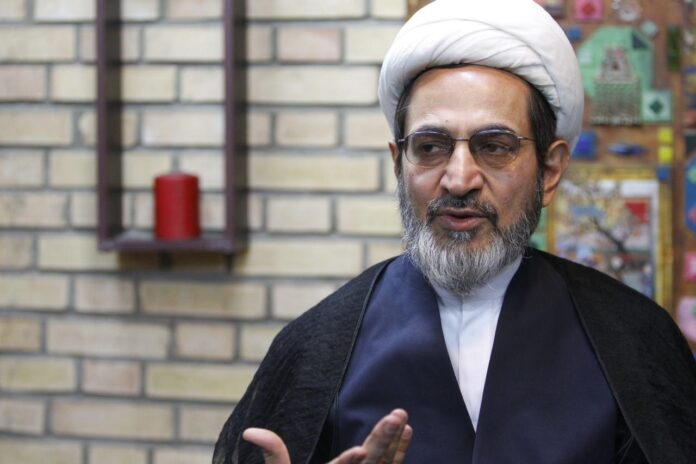
In an interview with Khabar Online news website, former Iranian ambassador to the Vatican and Morocco Mohammed Masjed-Jamei has weighed in on Saudi-Canadian relations and a range of other issues related to the Arab kingdom.


Sudden Severance of Ties Common among Arab Leaders

Touching upon Saudi Arabia’s sudden severance of ties with Canada, he said such abrupt moves by Arabs are not unexpected.

“We even saw this tendency recently in faraway Morocco region; I mean Morocco’s cutting off its relations with Iran,” said the former ambassador.

“The Moroccans could have downgraded their ties; they could even stop their relations completely; but this kind of severing relations is pointless in today’s world, even if their claim was supposedly true,” he said.

He further said late Libyan leader Muammar Gaddafi had behaviour which suggested the same approach.

“Basically, such behaviour exists in Arab countries,” said the former diplomat.

He said Arab leaders show extensive feelings of friendship towards one another at a point in time as if they are going to maintain a long and warm relationship for years, but shortly after, their behaviour takes a 180-degree turn.

“At last, they have a specific behavioral logic. Of course, it wouldn’t be right to review issues from an ethnic point of view, but the reality, without any exaggeration, is that such a thing exists,” he says.

He believes Arabs show such behaviour a lot.

“For instance, Iraq had a very cordial relationship with Kuwait before attacking the country. In the ‘Arab Spring’ story, this very dynasty of the Qatari Emir had very amicable ties with [Syrian President] Bashar al-Assad. Until before the invasion of Kuwait, during the rule of King Hussein in Jordan, Saudi Arabia and Jordan had a very close and cordial relationship, but all of a sudden everything changed and Jordan began to strongly support Saddam Hussein,” he noted.

Masjed-Jamei further touched upon the latest blockade on Qatar as another case in point.

“Or take this recent blockade on Qatar, for example. Shortly before the incident happened, Qatar afforded the greatest welcome of its history to the Saudi king, i.e. Salman. But after a short time, that relationship was severed in the worst manner possible,” he underlined.

He then referred to former Egyptian President Mohamed Morsi as another example.

“When Morsi came to power, in his first foreign trip, he went to Saudi Arabia to visit King Abdullah. There, Morsi said they wanted to form a large Sunni coalition. Then suddenly, relations between the Muslim Brotherhood and Saudi Arabia turned so sour that Saudi Arabia put Muslim Brotherhood members on the list of terrorists,” he noted.

“Or during the reconstruction of the United Arab Emirates (UAE), for instance,” he said.

“The services that Muslim Brotherhood rendered to this country was excellent; but after the Arab Spring started, the UAE suddenly turned against Muslim Brotherhood, in the UAE itself as well as in all Arab countries and even Turkey,” the former diplomat noted.

“Or take the [Persian] Gulf Cooperation Council, for instance. In fact, this council was the most stable and logical united Arab group. But we saw how three members of the council, namely Saudi Arabia, Bahrain and the UAE lined up against another member, i.e, Qatar, and treated it in the worst way possible,” he noted.

He said the above-mentioned incidents should “serve as a lesson for us.”


Ties with Arabs Unstable, Fragile

The former diplomat underlined Iran should know that the Arabs’ relations with the country, no matter how warm and cordial they may be, are unstable and fragile, and an about-face in their approach may take place any moment.

He said what has somehow lessened the fragility of relations between Tehran and the Arabs is Tehran’s flexibility and forgiveness.

Another point, he said, concerns Saudi Arabia.

“The reality is that the new Saudi regime, i.e., the authorities running the country after Salman, especially after Mohammed assumed power and was declared as heir to the throne, have e series of thinking problems,” he said.

“They have problems in terms of establishing a posivite relationship that can benefit them both domestically and internationally,” added the former diplomat.

“The pointis that when a person’s evaluation of himself/herself, or a country’s evaluation of itself, or a regime [‘s evaluation] of itself is not in accordance with the reality of that person or country or regime, disorders will emerge, and the more the evaluation’s discordance with reality, the more severe the disorder,” he said.

Another point, he said, concerns Saudi Arabia.

“The reality is that the new Saudi regime, i.e., the authorities running the country after Salman, especially after Mohammed assumed power and was declared as heir to the throne, have a series of thinking problems,” he said.

“They have problems in terms of establishing a positive relationship that can benefit them both domestically and internationally,” added the former diplomat.

“The point is that when a person’s evaluation of himself/herself, or a country’s evaluation of itself, or a regime [’s evaluation] of itself is not in accordance with the reality of that person or country or regime, disorders will emerge, and the more the evaluation’s discordance with reality, the more severe the disorder,” he said.

He then mentioned some examples to further clarify the issue.

“For instance, the image that Muammar Gaddafi had of himself, and of what the West thought of him, and of his influence among the Western states, was completely wrong,” Masjed-Jamei noted.

“Gaddafi really thought if Libya comes under a military attack, the Italian government, which had signed a defence agreement with Tripoli, will definitely stand by Libya and defend the Arab state,”

He added.


Gaddafi Wrongly Thought Italy Would Help Libya

“Gaddafi thought now that he has concluded the agreement with Italy, Rome will stay by him and will defend Libya against threats,” said the former diplomat.

“Gaddafi was especially proud about one thing: his personal and friendly relationship with Berlusconi, who was not only Prime Minister at the time, but an influential person in Italy’s industrial and economic society due to his wealth; in other words, his status was not due to his premiership only, but due to different reasons, especially his economic and financial situation,” he said.

The former diplomat underlined that all the points mentioned show that Gaddafi thought the Europeans really liked him and support him as a major stabilizing force in North Aftica and Sahara.

“Of course, Gaddafi did have a stabilizing role in those areas, but wrongly believed the Europeans really supported him, and have a real alliance with him and would stand by him in critical times” he said.

There are other cases as well, he noted.

Then the former Iranian diplomat turned to the isuse of Saudi Arabia.

“Now it should become clear what Saudi Arabia thinks of itself. The reality is that traditionally, until the end of King Abdullah’s rule, Saudi Arabia’s behaviour in its foreign policy was such that it resulted in the country’s stability … but the new ruling elite in Saudi Arabia has ideas similar to that of Gaddafi and believes Western countries really like Saudi rulers and are united with them,” he said.

The former diplomat further referred to a visit to the US last year by Mohammed bin Salman.

“If anyone is familiar with diplomatic norms, he or she will easily find out that during Mohammed bin Salman’s trip to the United States around a year ago, the kind of welcome that Trump extended to him and the kind of meeting they had were very insulting. Bin Salman was like a student standing in front of his despotic teacher,” the former diplomat said.

He then referred to what Trump did during that meeting, i.e., showing to reporters a list of Washington’s arms sales to Riyadh plus the value of every single arms contracts that the US and Saudi Arabia had signed.

“In other words, Trump was telling his people that ‘Look! I’m milking the Saudis!’,” the former diplomat said.

“You know, a great part of Trump’s popularity with his supporters is due to the fact that he is creating jobs and bringing in more financial resources (income) into the US,” said the former diplomat.


Saudis Repeating Gaddafi’s Mistake by Relying on US

He then turned to the Israeli regime and its alliance with the United States.

“Israel, as a country and a regime, is inherently popular with the Westerners and the Americans from whatever group, party or sector. There are numerous reasons for this. For example, Trump’s smile to Netanyahu is really sincere and even brotherly. In fact, in his meeting with Netanyahu, Trump not only considers him as an ally, but as his most important ally; however, Trump’s smile to likes of bin Salman is totally different. His smile and respect is because he wants to milk bin Salman,” said the diplomat.

“Let’s get back to the main issue. Because they don’t have a proper evaluation of their status, they make mistakes and come up with illusions. As to why they don’t have a proper assessment, there are many reasons. Regarding Saudi Arabia, the main reason is the country’s oil riches and petrodollars. They believe because they have money, they are popular, and as a result, they can attain whatever they want, can order others, and can even bully others. They have such a mentality. This is a mishmash of a kind of primitive behaviour which has taken on an aggressive mode; it’s a sort of aggressive primitiveness,” said the former diplomat.

“Formerly, Saudi kings usually tried to remain silent and give ransom and be generous and spend money and sort of ignore things in order to get round problems. They tried not to blow problems out of proportion; rather, they tried to downplay problems and keep them from being known publicly. In other words, they tried to deal with the problem at the outset,” he noted.

The former diplomat then turned to the recent row between Saudi Arabia and Canada.

“We can say that the issue which has emerged with Canada is, in fact, the new Saudi rulers’ first issue with a Western country; in other words, Canada is the first Western country that the new rulers have issues with. It has started with Canada for now, but if they pursue the current approach, they will have numerous problems with other countries, as well,” he stated.

Masjed-Jamei said Saudi rulers do not seem to have the power to understand issues, and those who can understand, do not have the power, or verbal ability to express their ideas.

He then elaborated on why Saudi rulers are not able to understand issues.

“Because if they say a word, they will be accused of treason and betraying the monarchial system and of being weak. As a result of the accusations, they may be stripped of everything. I know that there were some people within the ruling elite and even at the level of ministers, who had different opinions and, hence, were dismissed,” said he former diplomat.

He then touched upon the reasons behind Ms Badavi’s arrest.

“It will be good to mention the root causes of this story. Very briefly speaking, until early 90s, because of the abundant money that Saudi Arabia had and due the fact that the previous generation was inherently conservative, the Saudi society was homogeneous.  …. The society was more or less homogeneous and was satisfied with what it had,” he said.

“Tro review it more precisely, the issue is related to Saudi Arabia being modernized. Very briefly, the modernization of Saudi Arabia took place while observing Islamic norms within a tribal and Saudi context. In other words, it was coupled with the welfare that was the result of the wealth injected into the society. So, the core of the society had no problem with modernization and was more or less comfortable with it. In other words, people from almost all walks of life, including women, men, rural, urban, educated, uneducated, etc., were practically living in acceptable conditions,” said the former diplomat.

“But after the 90s, a series of developments began to unfold. In the 90s, a wave of rather widespread discontent which was the fallout from the invasion of Kuwait began for the first time. They were objecting to why Saudi Arabia had allowed Western troops to come to the region and stay there. Anyway, from the on, religious unrest started,” he said.

“It was from early 2000 on that the society’s homogeneity was disrupted. Since early that year, and especially after 2001, the Westerners, especially the Americans, began to adopt measures to open up the Saudi society. Their argument was that the fact that the Saudi society can bring up people who would be able to pull off the 9/11 incident is because of their closed social, political and especially educational and academic system as well as a lack of free elections. They argued that the society shouldbe opened up to reform issues,” he said.

On the other hand, the promotion of communications as well as internet channels and cyberspace together with satellite channels led to the opening up of the Saudi society from within. … The rate of population growth in Saudi Arabia is very high. Now, maybe more than half of Saudi people are under 30. This shows the Saudi society is very young. This very young society is growing up in an atmosphere influenced by cyberspace and satellite channels and new ideas and conditions. This generation is completely different from the previous one and pursues its own different ideas and ideals,” the former diplomat.

He said the new Saudi ruling elite has outrageous interpretations and ideas regarding domestic policies and giving civil rights to people and modernizing the society while confronting the objections and efforts of people in order to gain more rights.

“In other words, the new ruling elite has simply settled for giving a series of very superficial concessions, which, ironically enough, disrupt tranquility and stability in society, and does not tolerate more than that,” he noted.

He said a wife in Saudi Arabia can be served with heavy penalties, from cash fines to a maximum one year in prison, if she checks her husband’s cell phone without permission.

“To tell the truth, this is a deadly poison for a society like that of Saudi Arabia, a society that does not have basic preparations for such a thing and [a society] where the man is not a ‘pillar,’ but a ‘master;’ that will result in numerous family and social challenges,” said the former diplomat.

Elsewhere in his remarks, Masjed-Jamei touched upon the expulsion of the Canadian ambassador from Saudi Arabia, and said it does not have anything to do with the Saudi crimes in Yemen.

“Fairly speaking, this story is not related to Saudi Arabia’s regional problems and the issue of Yemen and Hudaydah and so on. The point is that Saudi Arabia, due to some reasons, wants to stave off criticism over human rights issues by major and influential Western countries, be it the US, Britain or France. This issue is probably a major part of the reasons behind this sever reaction,” he noted.

He said Riyadh’s move was aimed at teaching Ottawa a lesson.

“It seems that Canada paid the price for others; in other words, Saudi Arabia’s extreme move came as an object lesson to others,” he said.

The former diplomat said Canada was more vulnerable than others in that saga.

“They have already done that to Germany. In recent months, Germany criticized Saudi Arabia on numerous occasions, especially over Yemen. The Saudis, of course, reacted to the criticisms. Germany is a big country and is the driving force behind the EU, economically and industrially,” he said.

He noted that the severance of Riyadh- Ottawa ties will not harm Canada.

“Canada is very rich, very vast and full of potential and facilities; after all, it is one of G7 countries. … So, Canada cannot be harmed by such an issue. Of course, a couple of Canadian companies may be hurt, but that would be nothing. Canada’s exports to Saudi Arabia mostly included military hardware, namely tanks,” he said.

He then touched upon short-term and long-term consequences of Saudi Arabia’s move.

“It is a little hard to predict because we should wait and see to what extent media and journalistic circles and NGOs of Western countries will exert pressure to counter Saudi Arabia. At the moment, such pressure exists, but is not predictable that much. It is not clear to what extent these pressures will lead to a change of policy or approach by these countries toward Saudi Arabia,” he said.

“But their approach will definitely change. Even now it has somehow changed. The Western countries’ point of view toward Saudi Arabia is not the same as before the Canada crisis. The crisis between Saudi Arabia and Canada is a clear and unjustifiable example,” he said.

“This behaviour by Saudi Arabia will improve Iran’s image because Iran has never show such reactions to such criticisms from others,” he said.

The former diplomat then mentioned some recommendations regarding Iranian-Saudi relations.

He said the current ruling elite is the best alternative for Iran to have relations with at the moment because whatever regime takes power in Saudi Arabia under the current circumstances, it will be worse that the present one.

A Look at Iranian Newspaper Front Pages on August 28

A Look at Iranian Newspaper Front Pages on November 19

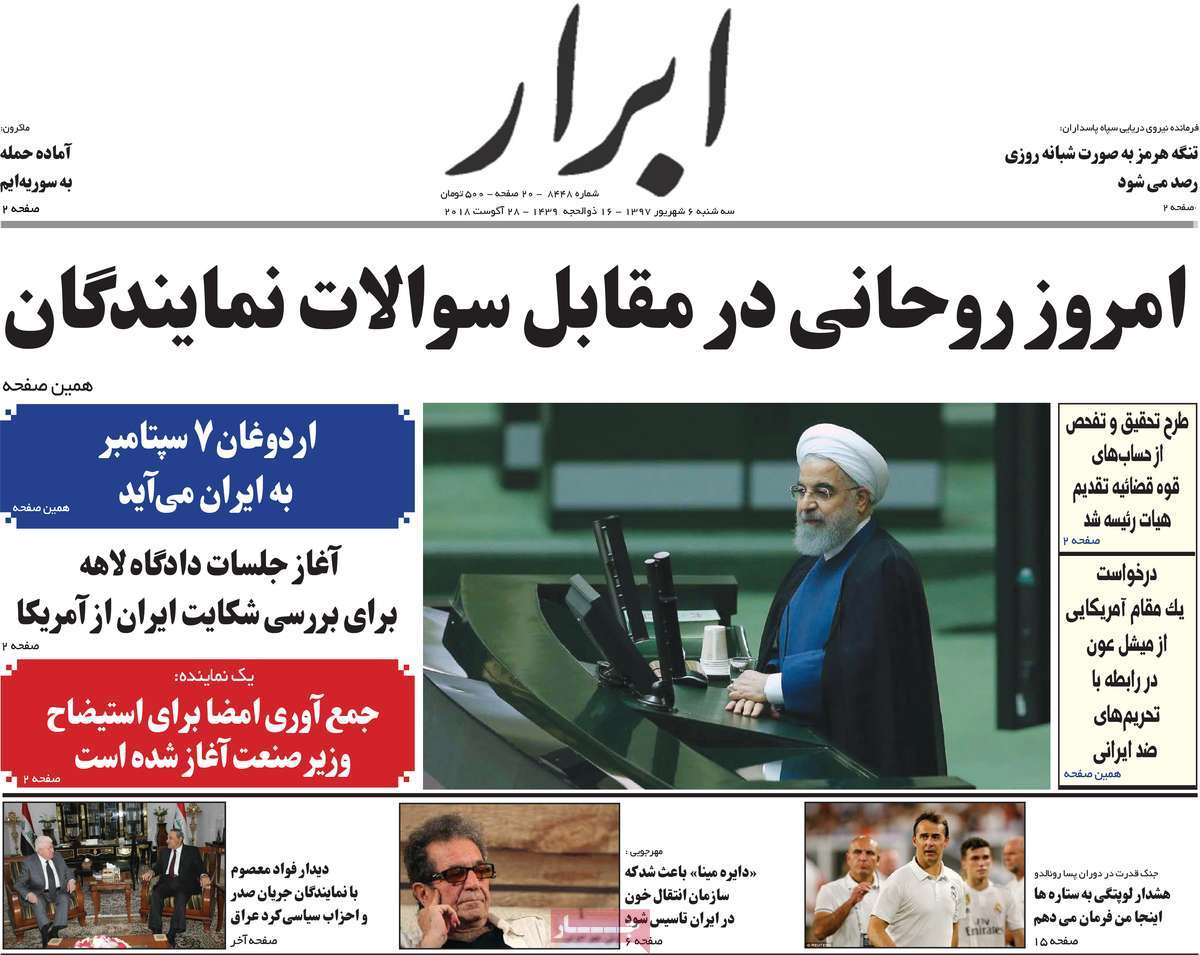
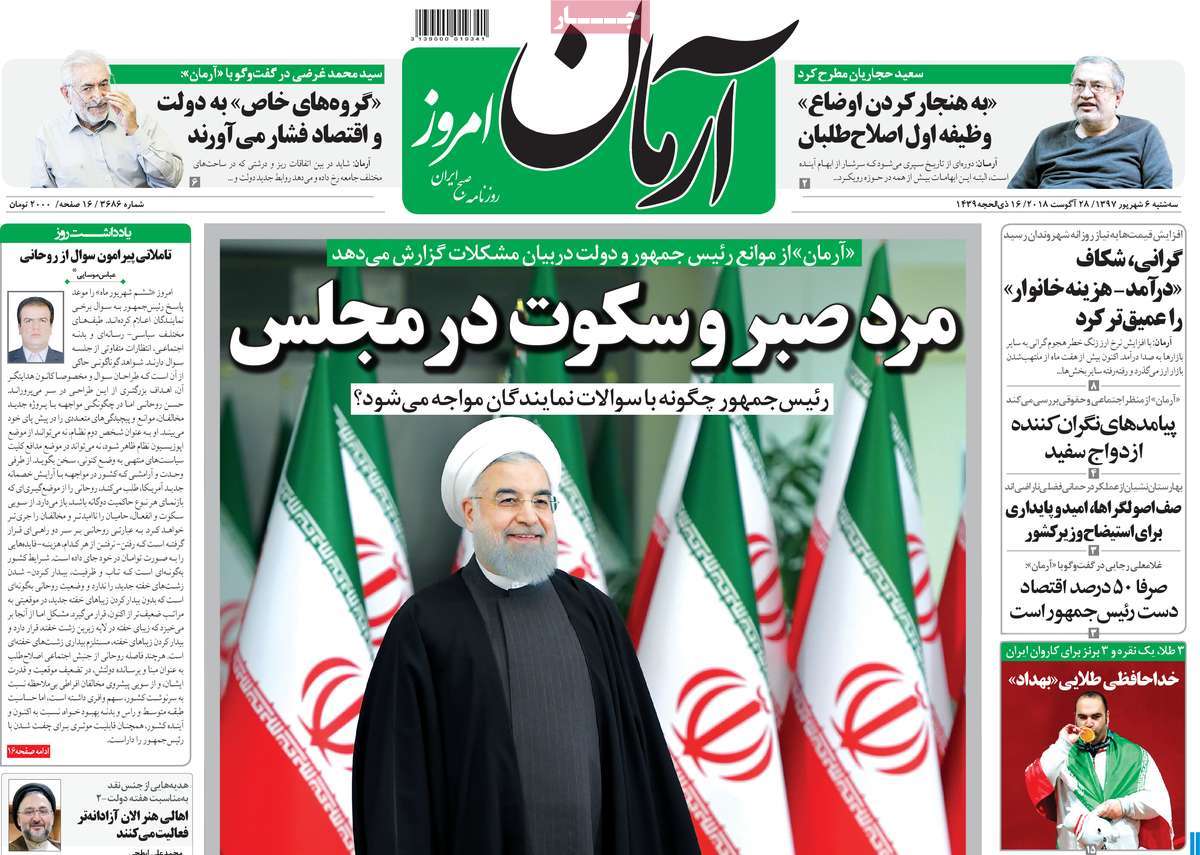
Several papers today covered President Hassan Rouhani’s Tuesday speech at the Parliament, during which he was supposed to answer five question raised by the lawmakers on the country’s economic situation.

Also a top story was the upcoming summit of Iranian, Turkish, and Russian leaders in the Iranian city of Tabriz, which is to be held on September 7.

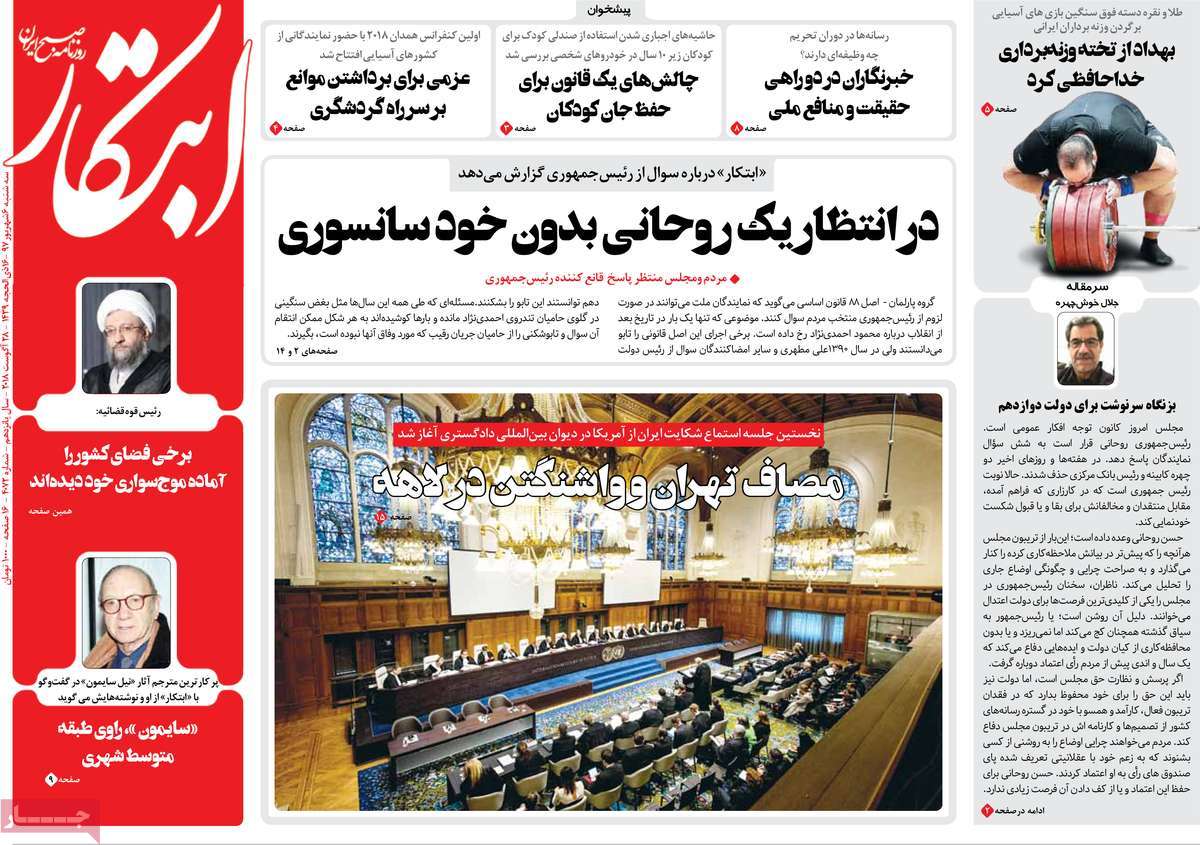
The International Court of Justice (ICJ)’s hearing of Iran’s lawsuit against the US over the latter’s illegal sanctions against Tehran also received great coverage.
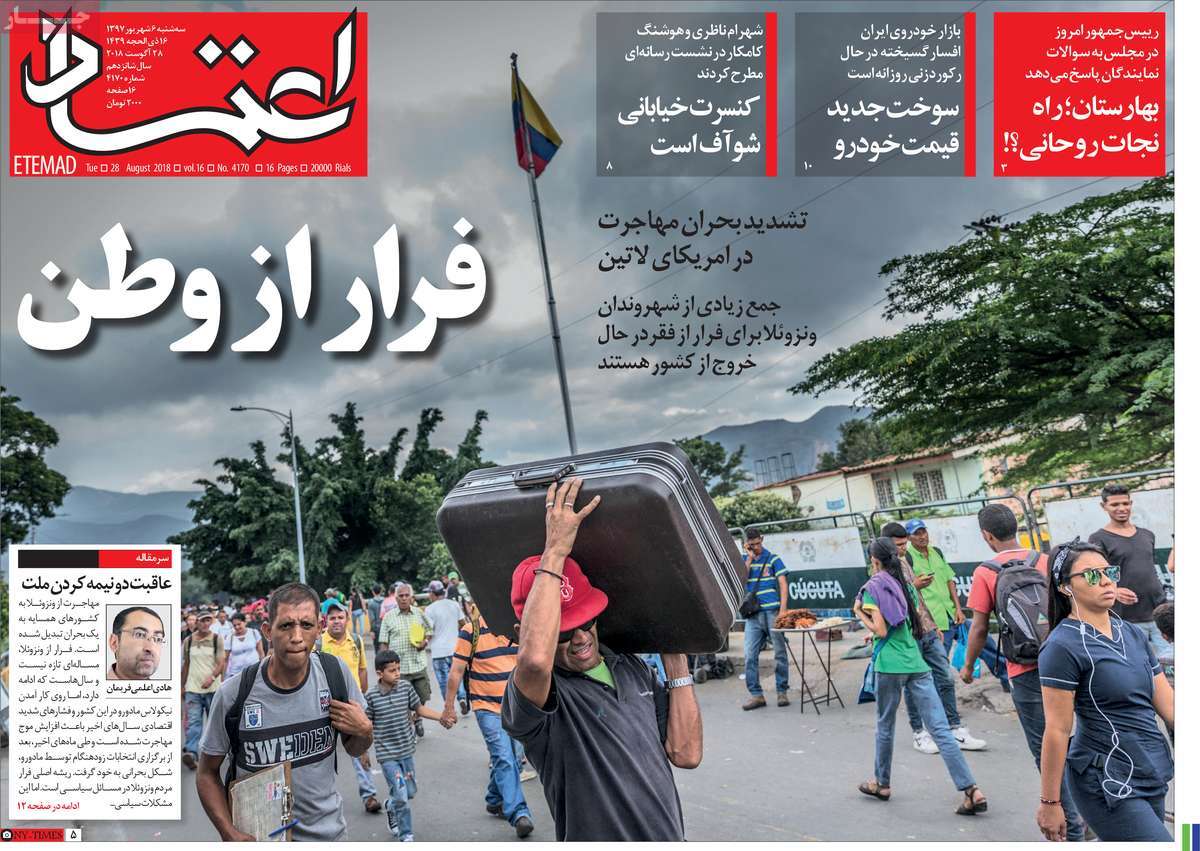
The above issues, as well as many more, are highlighted in the following headlines and top stories:


Abrar:

1- Erdogan to Visit Iran on September 7

2- IRGC Navy Chief: Hormuz Strait Monitored All the Time

3- Macron: We’re Ready to Attack Syria

A Look at Iranian Newspaper Front Pages on August 28


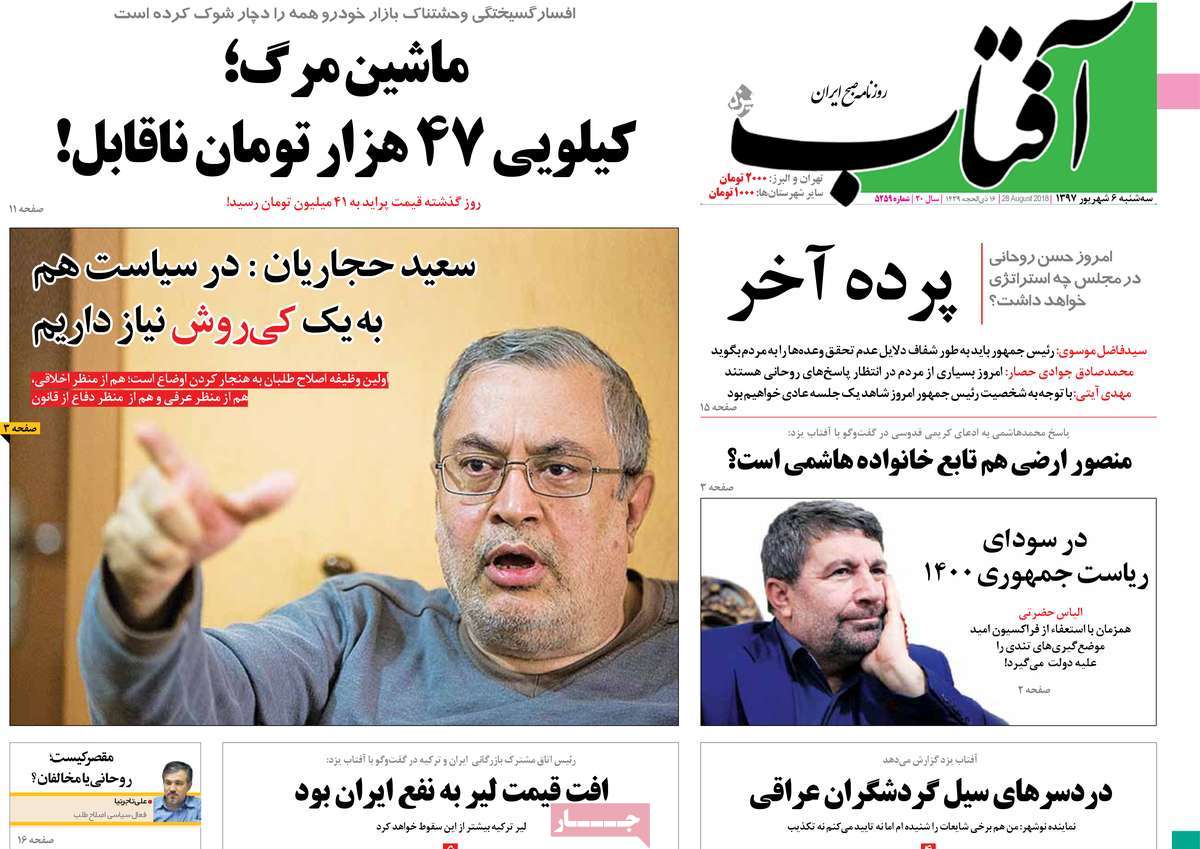
Aftab-e Yazd:

1- Everybody Shocked by Car Market Getting Out of Control

2- Last Act: What Will Be Rouhani’s Strategy in Parliament Today?

3- Official: Devaluation of Turkish Lira Serves Iran’s Interests

A Look at Iranian Newspaper Front Pages on August 28


Arman-e Emrooz:

1- Conservatives, Reformists, Hardliners All Seek to Impeach Interior Minister

A Look at Iranian Newspaper Front Pages on August 28


Ebtekar:

1- Tehran vs Washington in The Hague

  • ICJ Hears Iran’s Lawsuit against US

A Look at Iranian Newspaper Front Pages on August 28


Etemad:

1- Escaping Homeland: Escalation of Refugee Crisis in Latin America

2- Parliament, the Way to Save Rouhani?

A Look at Iranian Newspaper Front Pages on August 28


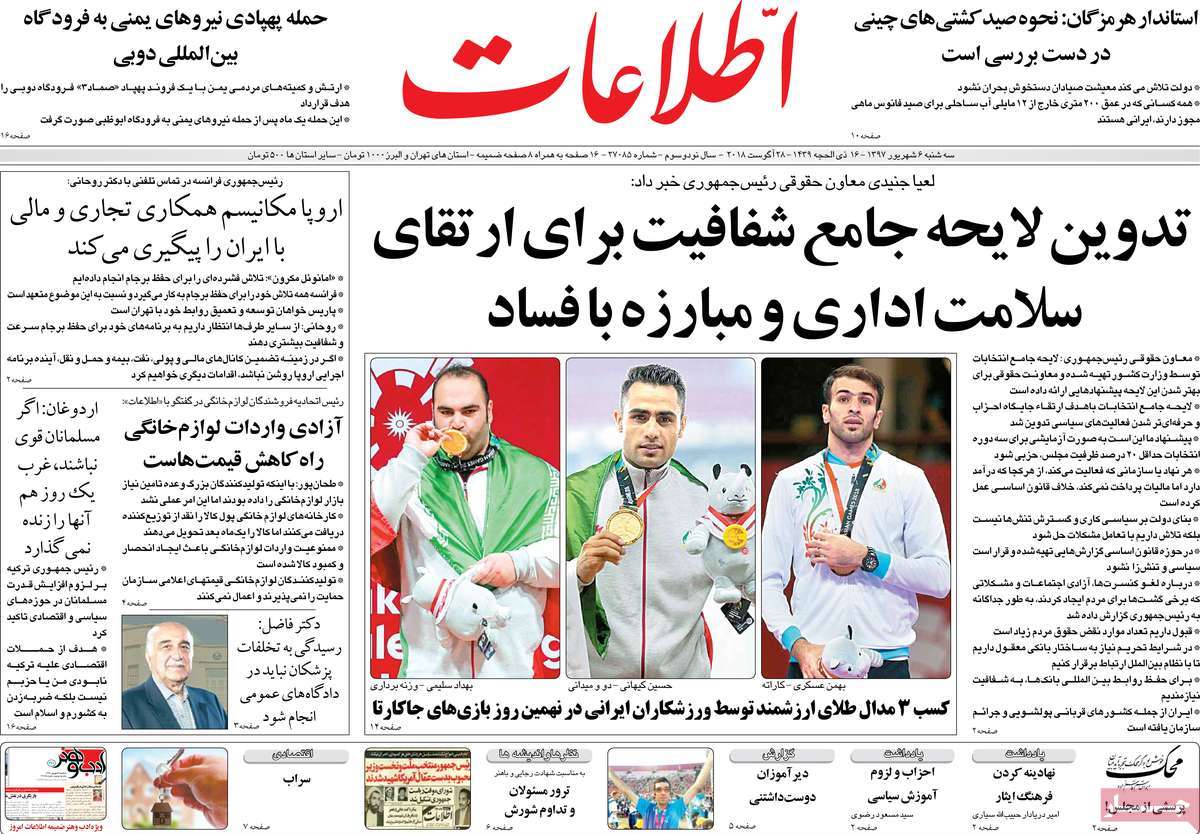
Ettela’at:

1- Rouhani’s VP for Legal Affairs: Iran Working on Transparency Bill to Fight Corruption

2- French President: Europe to Implement Mechanism for Trade Ties with Iran

3- Erdogan: West Won’t Leave Muslims Alive for One Day If They’re Not Strong

4- Iran Probing into Chinese Fishermen’s Operation in Iranian Waters

A Look at Iranian Newspaper Front Pages on August 28


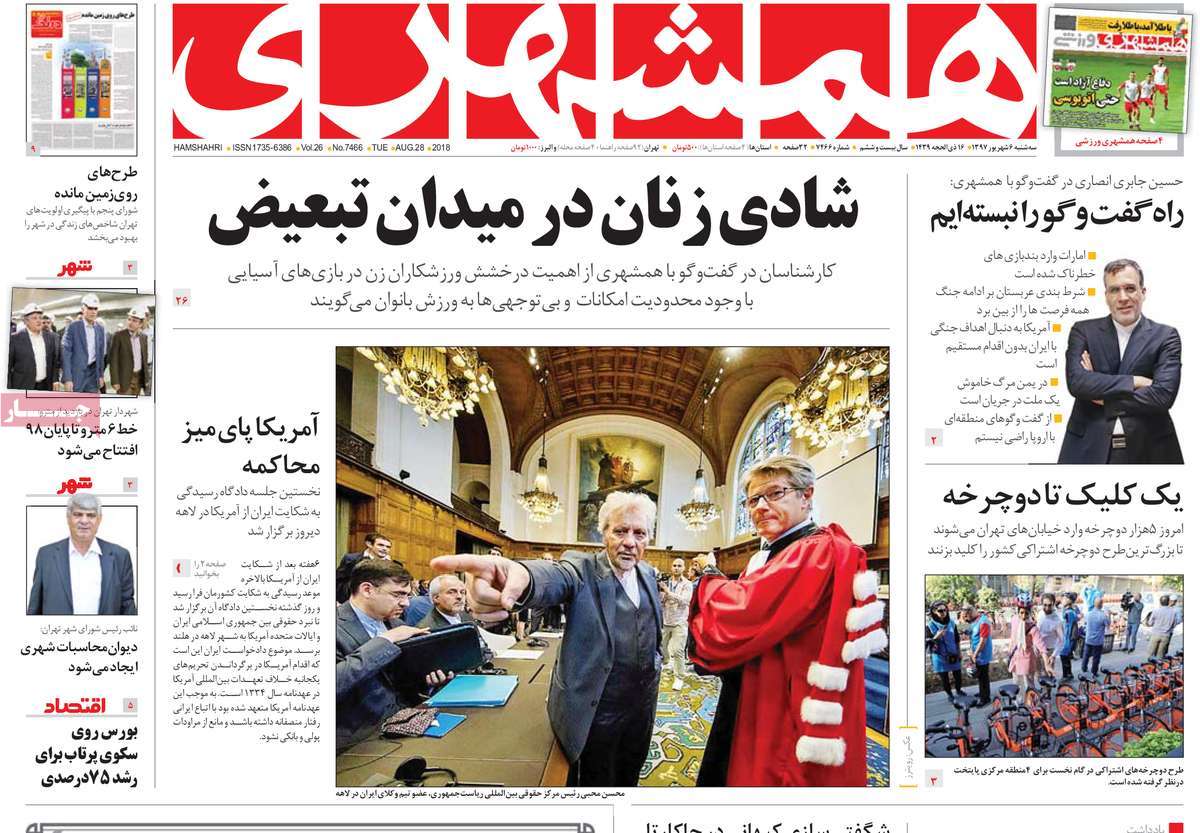
Hamshahri:

1- Iranian Women Achieving Victories despite Discriminations

  • Why Iranian Women’s Brilliant Performance in Asian Games Matters

2- US to Appear in ICJ over Iran Lawsuit

A Look at Iranian Newspaper Front Pages on August 28


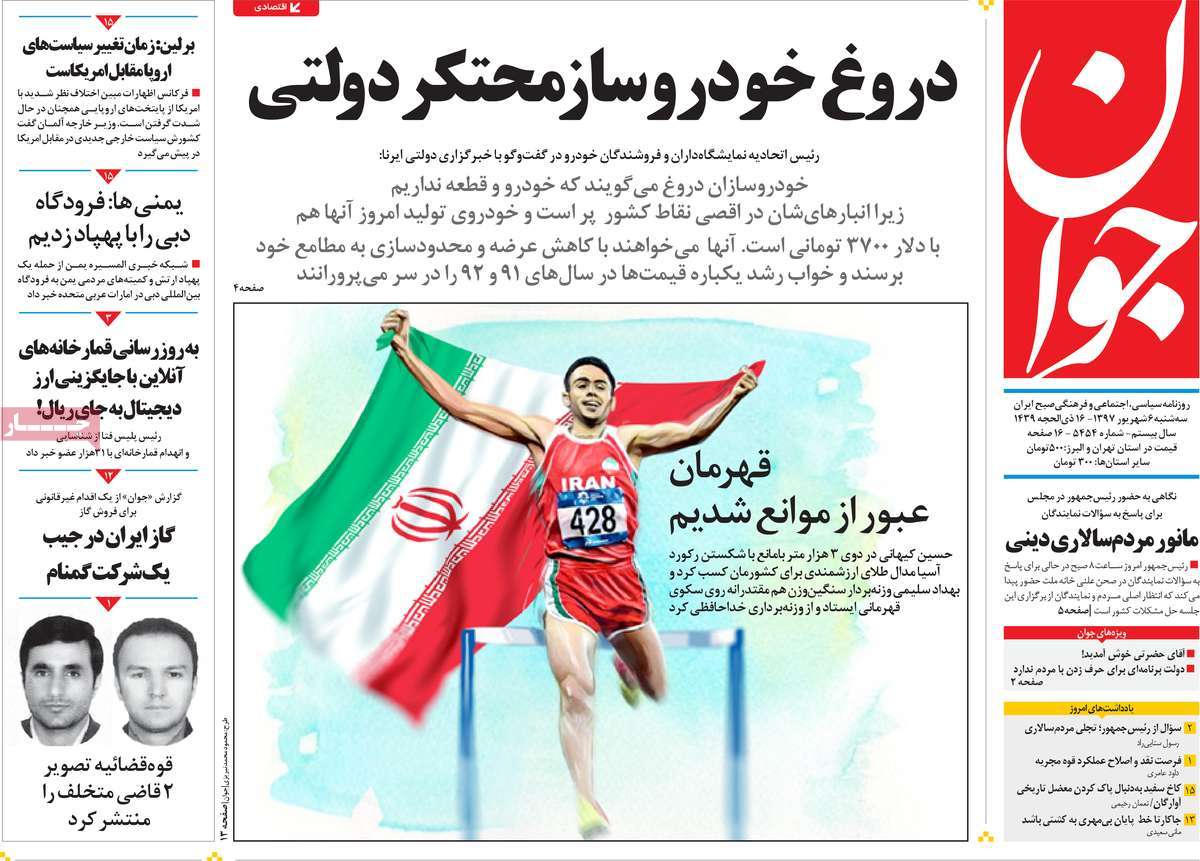
Javan:

1- We’re Champion of Overcoming Obstacles

  • Iranian Runner Keyhani Wins Asian Gold Medal

2- Yemenis: We’ve Attacked Dubai Airport with Drone

3- Berlin: It’s Time for Europe to Change Its Policies towards US

A Look at Iranian Newspaper Front Pages on August 28


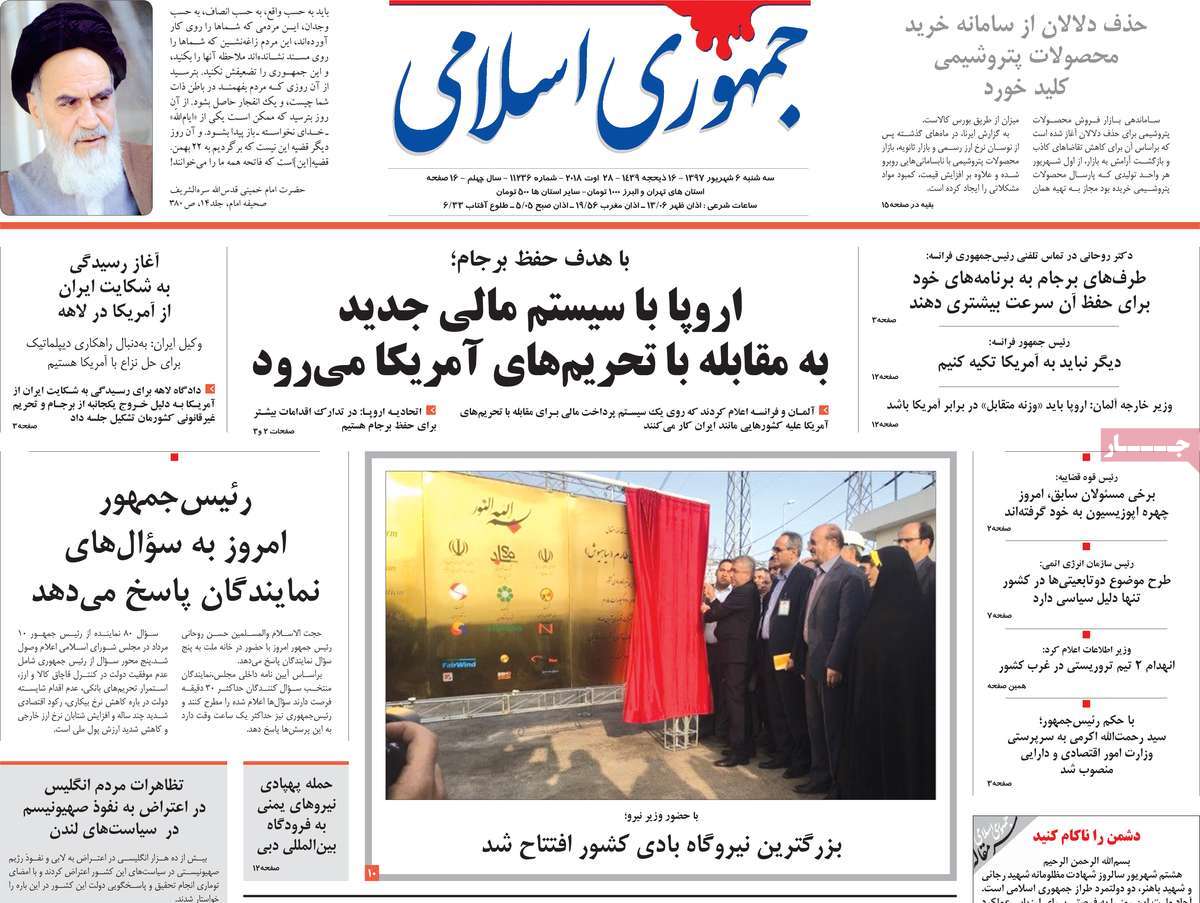
Jomhouri Eslami:

1- Europe to Counter US Sanctions with New Financial System in Order to Save JCPOA

2- ICJ Starts Working on Iran’s Lawsuit against US

3- Iranian Energy Minister Inaugurates Iran’s Biggest Wind Power Plant

A Look at Iranian Newspaper Front Pages on August 28


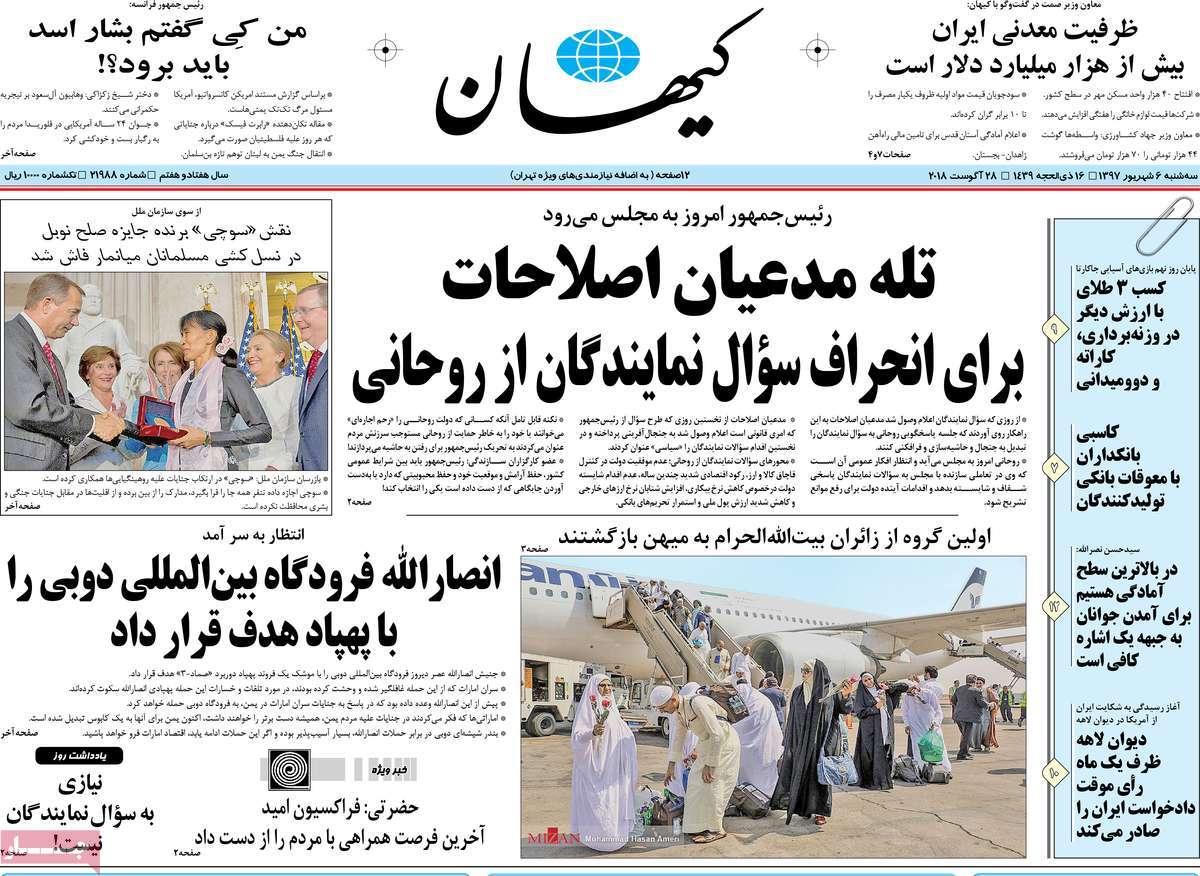
Kayhan:

1- Deputy Minister: Iran’s Mining Capacity over $1,000 Billion

2- Macron: When Did I Say Assad Must Go?

A Look at Iranian Newspaper Front Pages on August 28


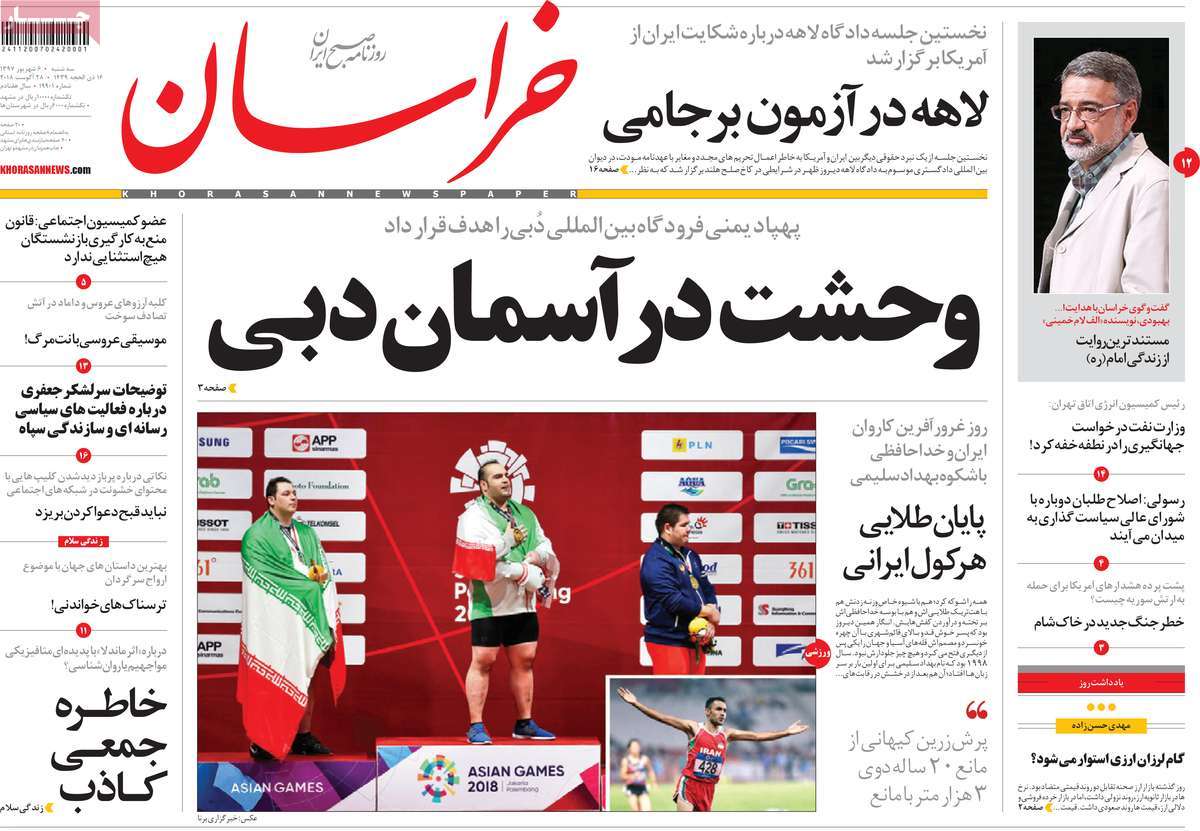
Khorasan:

1- Terror in Dubai’s Sky: Yemeni Drone Attack Hits Dubai Int’l Airport

2- The Hague and Its JCPOA-Related Test

A Look at Iranian Newspaper Front Pages on August 28


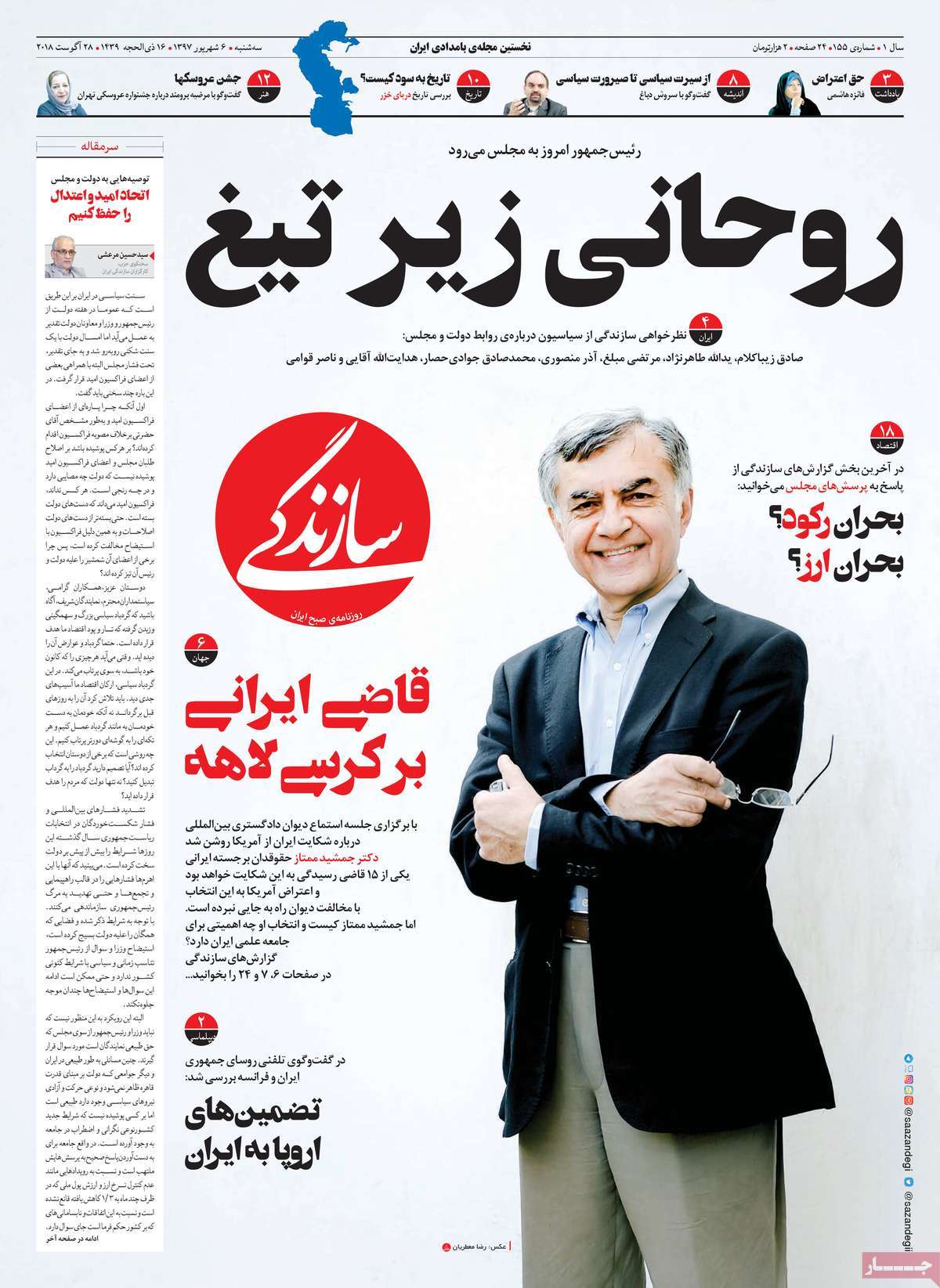
Sazandegi:

1- Iranian Judge among Judges of The Hague

2- Rouhani under Fire: President to Appear in Parliament Today

A Look at Iranian Newspaper Front Pages on August 28


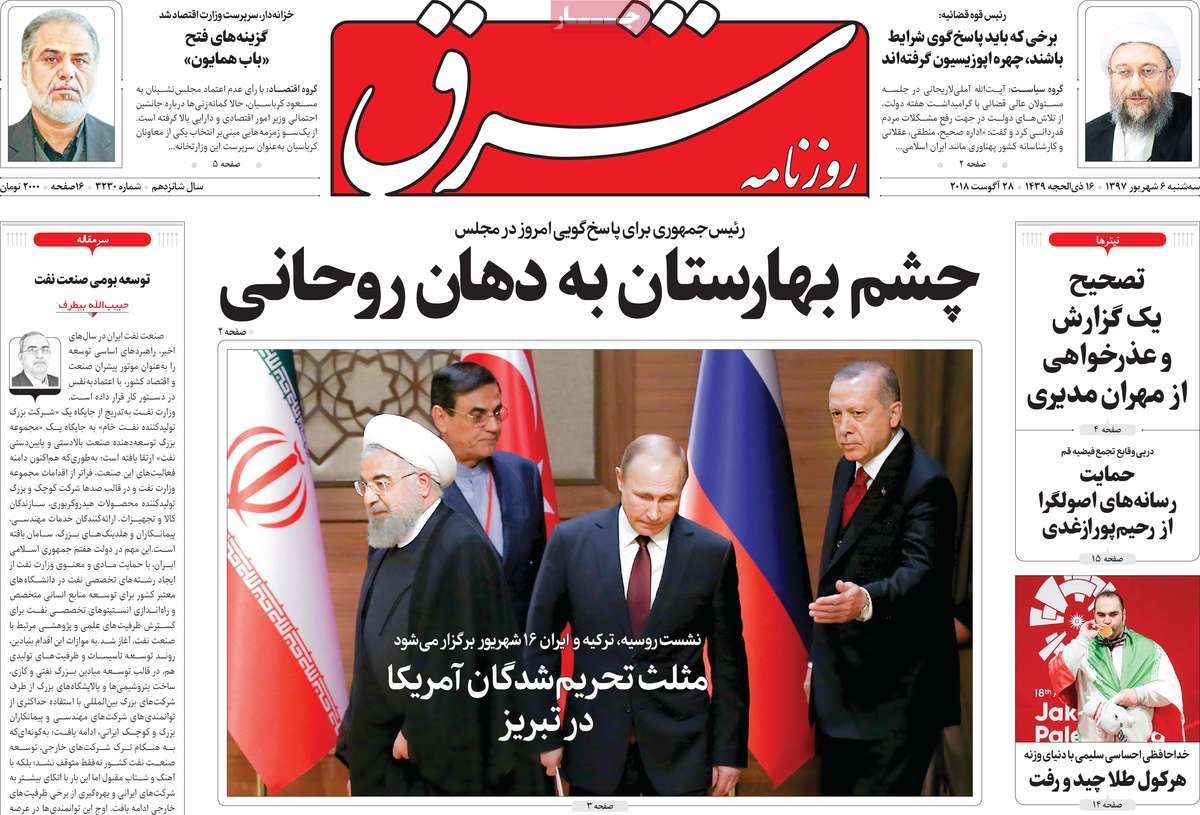
Shargh:

1- Tabriz to Host Triangle of Countries under US Sanctions

  • Iran, Russia, Turkey to Hold Summit on September 7

2- Iranian Hercules Wins Gold Medal and Quits Weightlifting

  • Behdad Salimi’s Emotional Farewell to Weightlifting

A Look at Iranian Newspaper Front Pages on August 28