Monday, December 22, 2025
Home Blog Page 3477

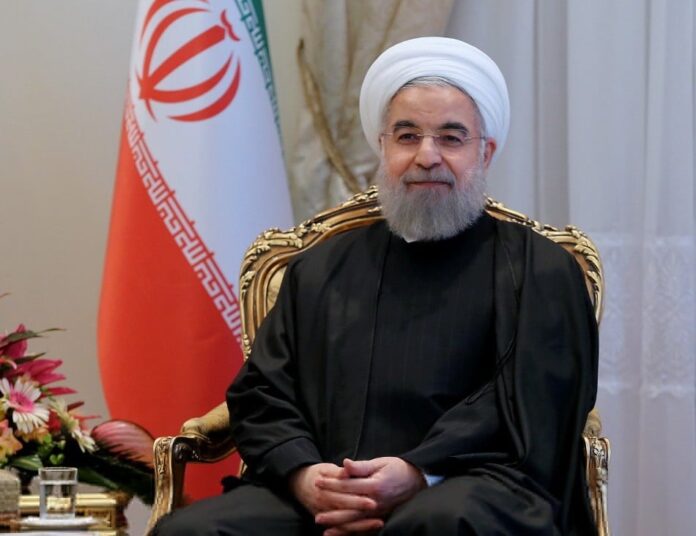
Iran, Turkey Must Cooperate to Counter US Sanctions: Rouhani

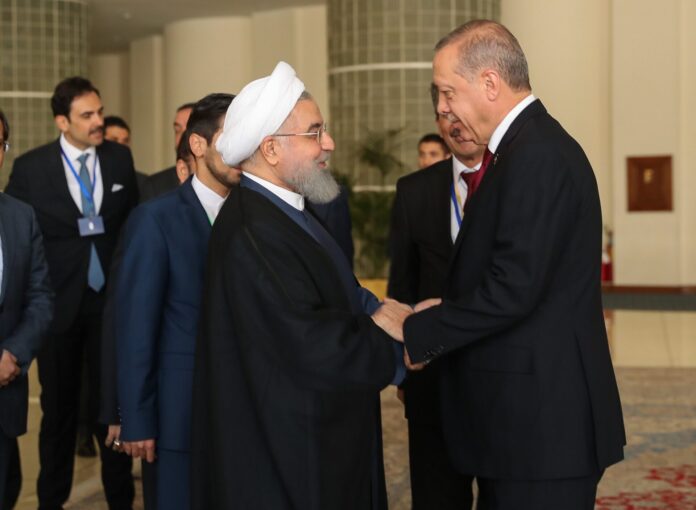
“Iran and Turkey must further boost economic relations to counter US sanctions,” Rouhani said in a Friday meeting with his Turkish counterpart Recep Tayyip Erdogan, who was in Tehran to attend a trilateral meeting on the Syrian conflict.

The Iranian president stressed the need for closer banking connections between the two countries, adding that the two countries must also boost cooperation in the energy sector.

Rouhani said Iran and Turkey should use national currencies for bilateral trade and reconsider a preferential trade agreement signed between the two countries.

He said Iran and Turkey could also cooperate with other regional countries including Russia and Pakistan to promote regional peace and security.

“Our efforts to fight terrorism must be carried out in a way that civilians receive little damage and the people’s lives are saved,” he said.

Rouhani expressed hope the trilateral meeting among Iran, Russia and Turkey will ease concerns and will help boost the fight against terrorism, allow Syrian refugees to return to their homeland and create sustainable peace and security in Syria.

Erdogan, for his part, said his government is eager to work towards developing ties with Tehran.

“Iran and Turkey must in the current circumstances plan to develop economic relations and boost bilateral trade,” he said, adding that the two governments must boost banking relations and use national currencies in trade contracts.

Erdogan also said the US government’s positions towards other countries are “unacceptable and unstable”.
13 Terrorists Killed, 12 Arrested in Iran in August

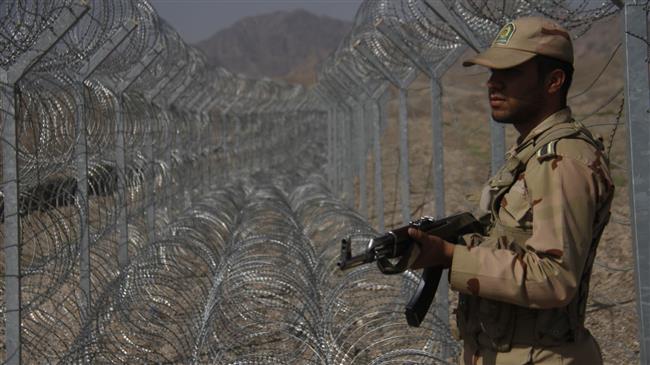
The operations were carried out in Kermanshah and Kurdistan provinces, it said, adding the terrorists were “linked to adversarial countries” who were struck before managing to take any action.

On August 16, as many as 12 agents and people linked to earlier assassination of Major Hassan Maleki, the chief of the Traffic Police of Kermanshah’s Ravansar County, were arrested.

On August 25, another terrorist outfit seeking sabotage acts in Iran was disbanded in an operation that killed two of the terrorists and injured another, the Intelligence Ministry added.

A number of Kalashnikov rifles and grenades, as well as communication equipment, and an undisclosed amount of cash have been seized from the two terror outfits.

Also last month, Iran’s Islamic Revolution Guards Corps (IRGC) disbanded a team of terrorists on the country’s border with Iraq, killing 11 of its members. The terrorists were ambushed as they were trying to infiltrate the country from the West Azerbaijan Province’s Oshnaviyeh County.

Earlier in the year, the Corps prevented a similar infiltration attempt from Iraq’s Kurdistan region. The IRGC subsequently warned the northern Iraqi territory to stay wary about terrorist movements within its borders to prevent potential spillover into the Islamic Republic.

Persistently on the lookout against potential intruders, Iranian forces regularly engage gunmen, gang members, Kurdish militants, and terrorists on the country’s western and eastern border areas.

Iran to Send Research Satellite into Orbit in 2019: Official

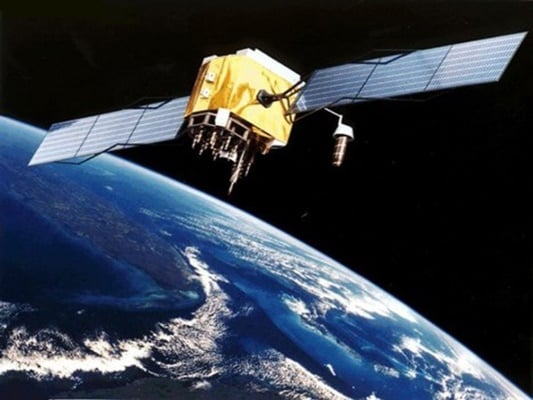
The general said the satellite will be launched as part of ceremonies to mark the fortieth anniversary of the Islamic Revolution’s victory.

He further highlighted the huge scientific progress made by Iranian researchers in the aerospace area and said, “The Islamic Republic enjoys high defence capabilities and has developed most-advanced technologies as deterrence.”

According to the Iranian commander, Iran’s defence ministry is determined to promote its capabilities to the highest level in modern and indigenous technologies.

He warned the enemies against any plot to attack Iran and said they would deeply regret in case of any attack.

The official also said the Islamic Republic of Iran has thoroughly studied the strengths and weak points of its enemies’ defence mechanisms, adding Iran’s defence capabilities serve as deterrent against the enemies’ threats.

For a brief review of Iran’s achievements in various fields of science and technology, check the book “Science and Technology in Iran: A Brief Review

He then referred to the presence of 380,000 American soldiers in the region and noted the presence has provided Iran with a good opportunity to put its focus on the region in case of any confrontation.

The Islamic Republic has made major breakthroughs and attained self-sufficiency in defence area over the past decades despite international sanctions.

Iranian officials argue that the country’s military power is solely for defensive purposes and the country seeks friendly relations with its regional neighbours.

Putin, Erdogan in Tehran to Attend Trilateral Meeting on Syria

Putin, Erdogan in Tehran to Attend Trilateral Meeting on Syria

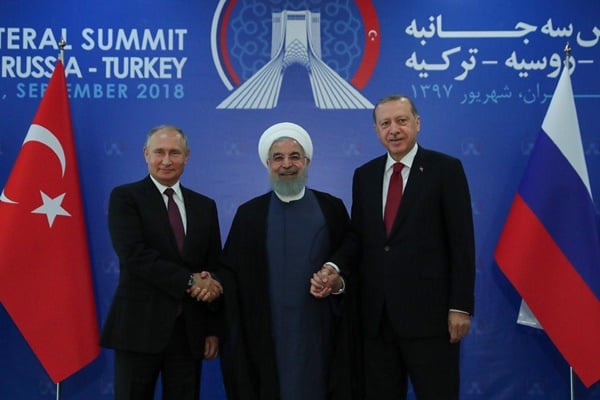
The trilateral meeting will see Iranian President Hassan Rouhani and his Turkish and Russian counterparts discussing efforts to bring an end to the 7-year conflict in Syria.

This is the third trilateral summit between the three leaders. Previous meetings were held in Russia and Turkey.

The three countries, known as guarantors of the Syria ceasefire regime, have also held several rounds of talks in Kazakhstan’s Astana and elsewhere to help ease the conflict.

Putin, Erdogan in Tehran to Attend Trilateral Meeting on Syria
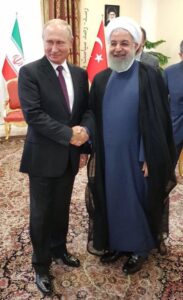
Iranian and Russian presidents held bilateral talks in Tehran before the beginning of the trilateral Tehran Summit on Syria on September 7, 2018

They have managed to sharply reduce violence in the country, thanks to measures including establishing de-escalation zones in the country.

The Tehran Summit comes at the Syrian Army is about to start an operation to retake control of Idlib, the last stronghold of its opponents in Syria.

Turkey, a main backer of forces fighting the Syrian government, has warned about the consequences of clashes in the region.

Hossein Jaberi Ansari, a senior Iranian diplomat, said on Thursday the three leaders will discuss the fate of Idlib, Fars News Agency reported.

“We seek a solution based on an agreement that allows the Syrian government to retake control of Idlib,” he said.

Iran’s Foreign Ministry Spokesman Bahram Qassemi said this week the three presidents will also discuss bilateral relations and could hopefully reach agreements to boost trilateral cooperation.

Putin, Erdogan in Tehran to Attend Trilateral Meeting on Syria
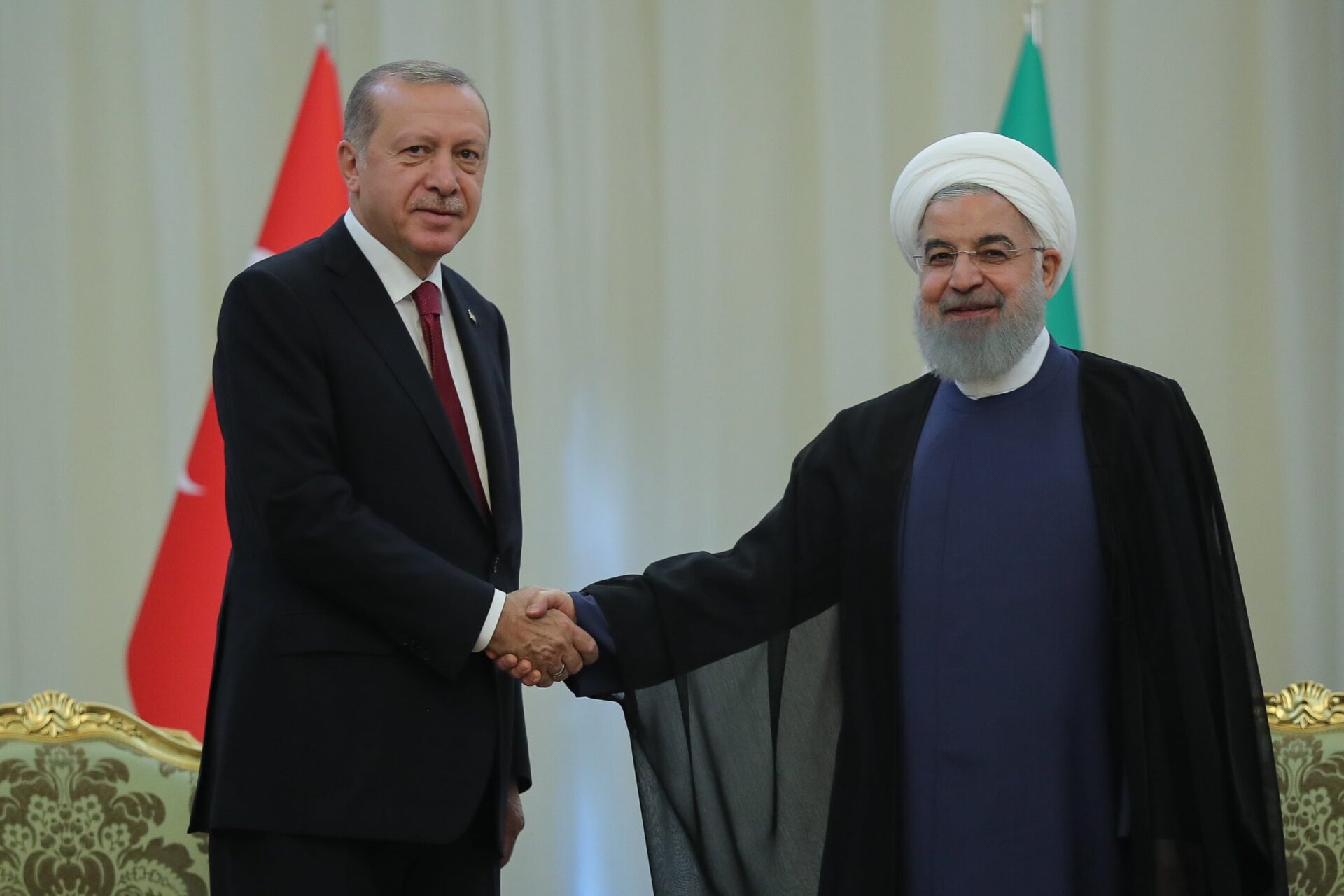
Iranian and Turkish presidents held bilateral talks in Tehran before the beginning of the trilateral Tehran Summit on Syria on September 7, 2018

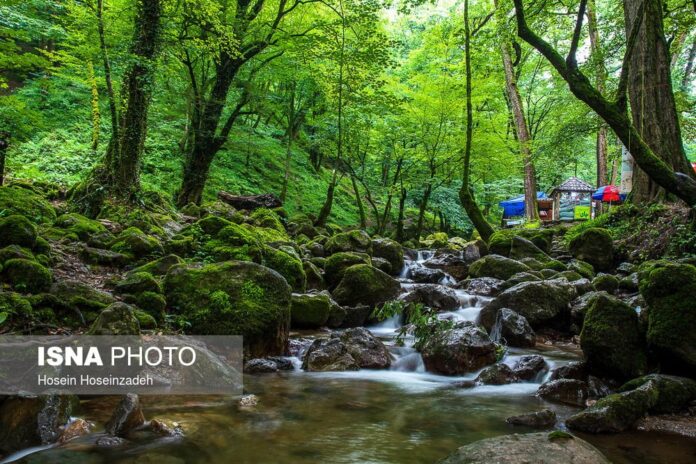
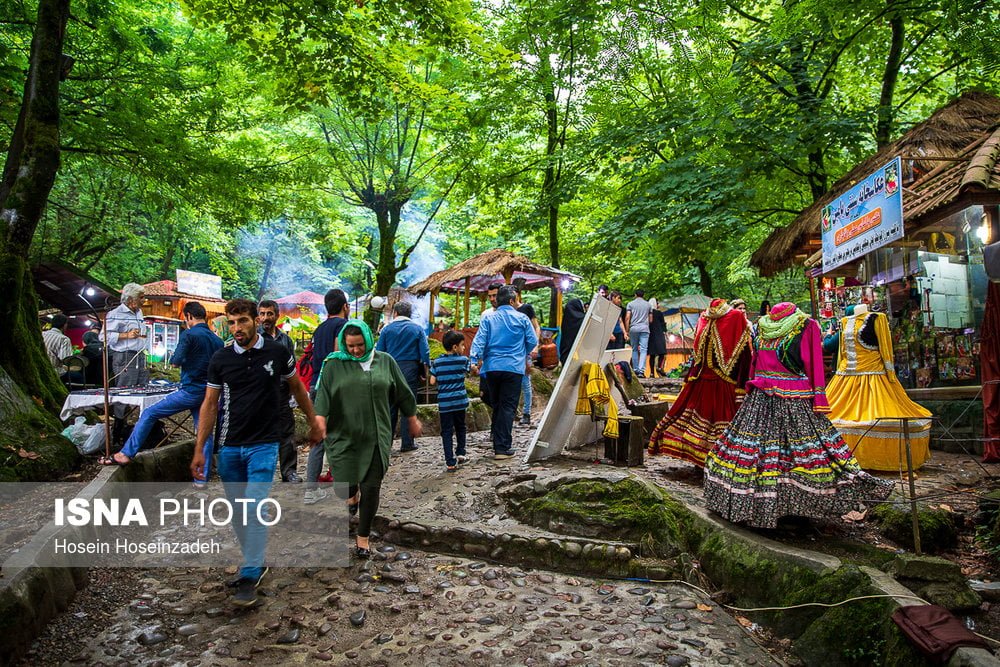
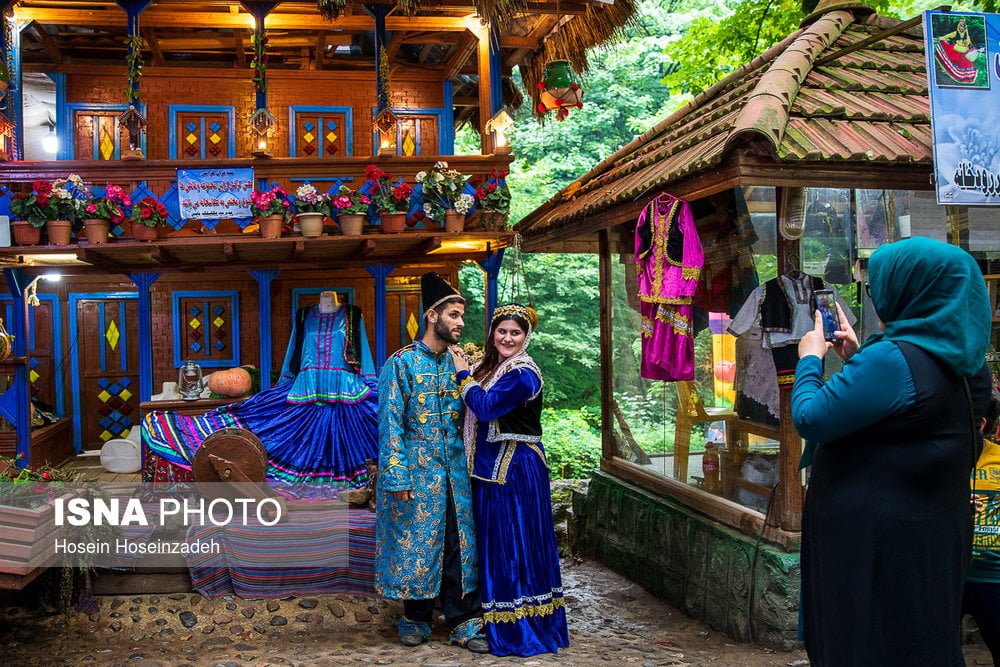
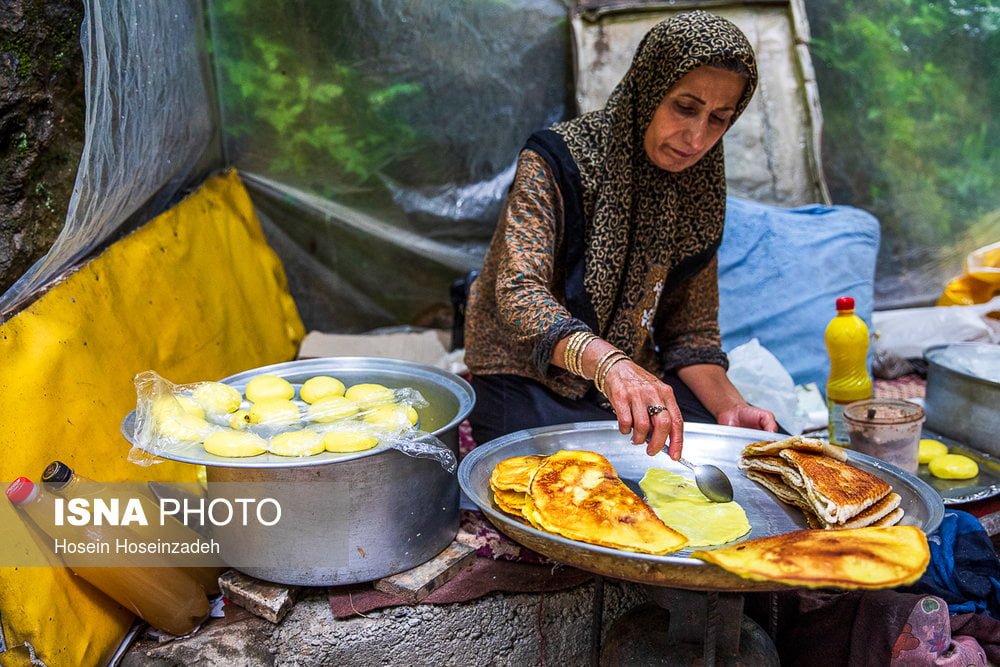
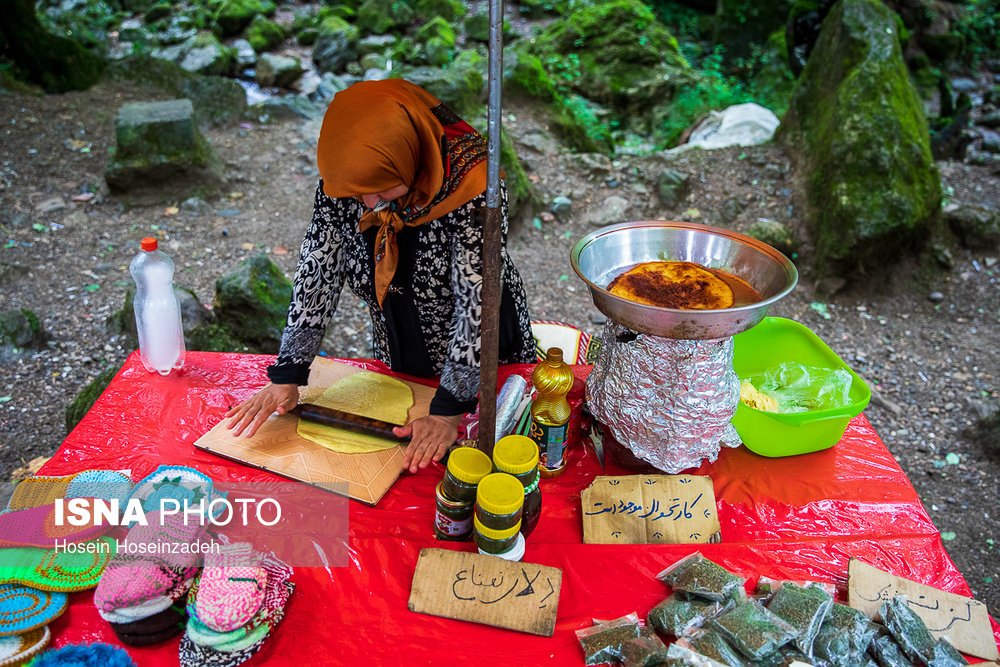
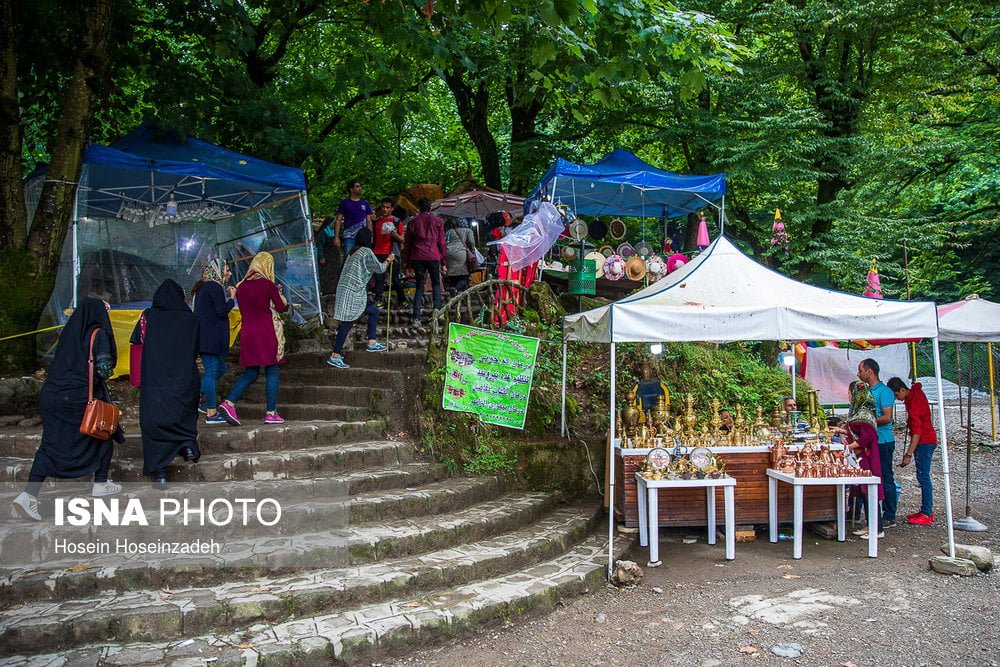
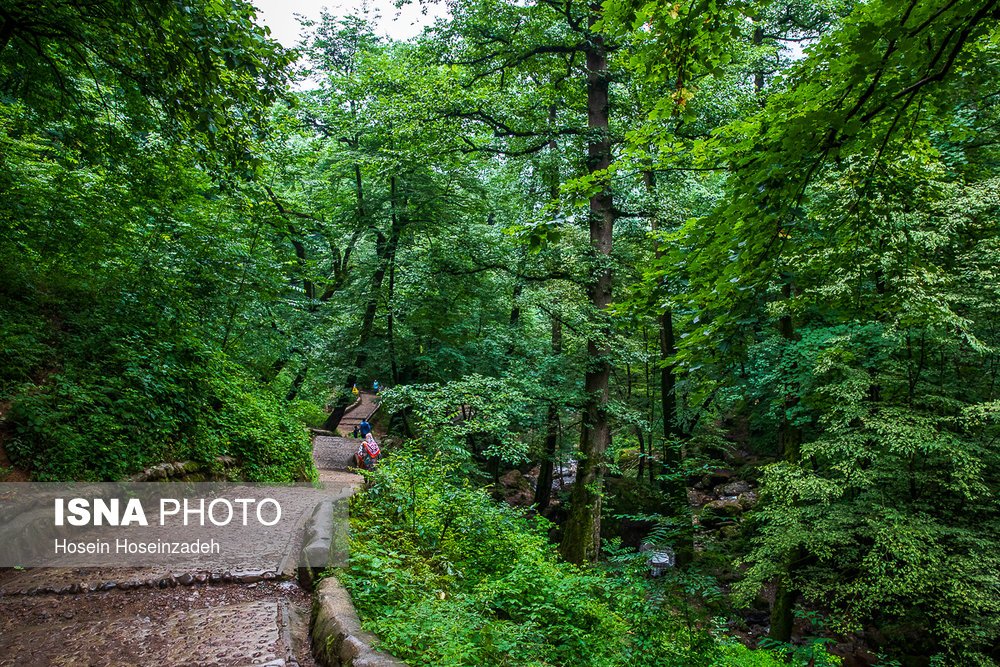
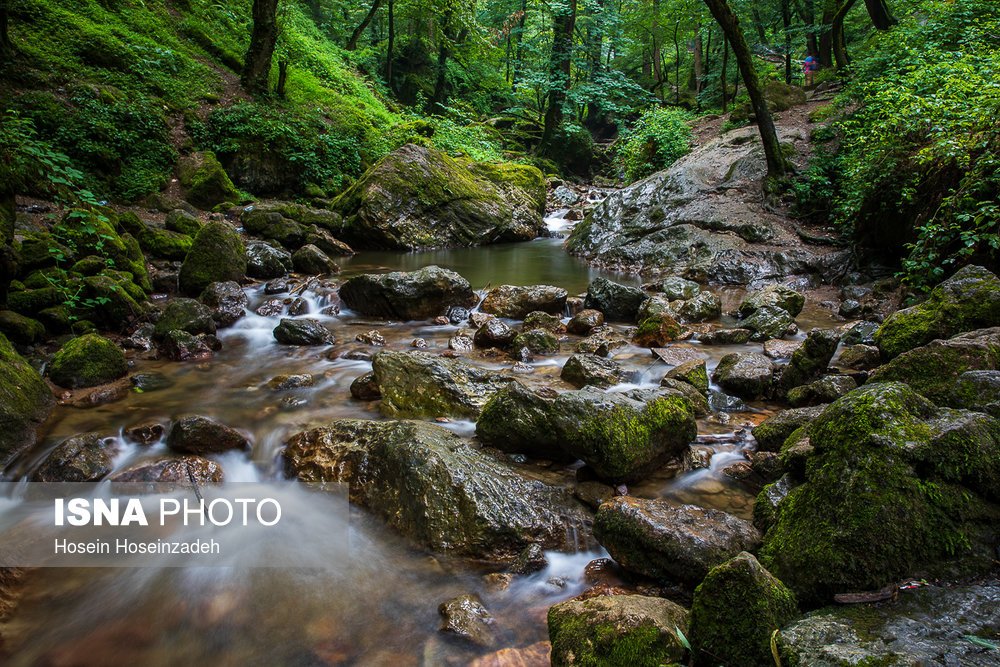
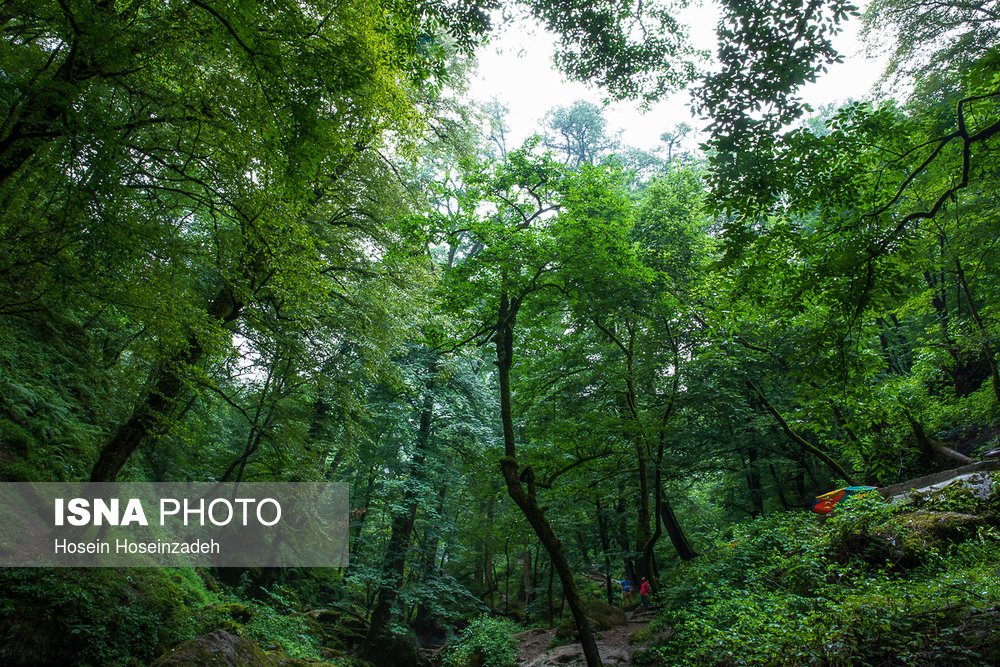
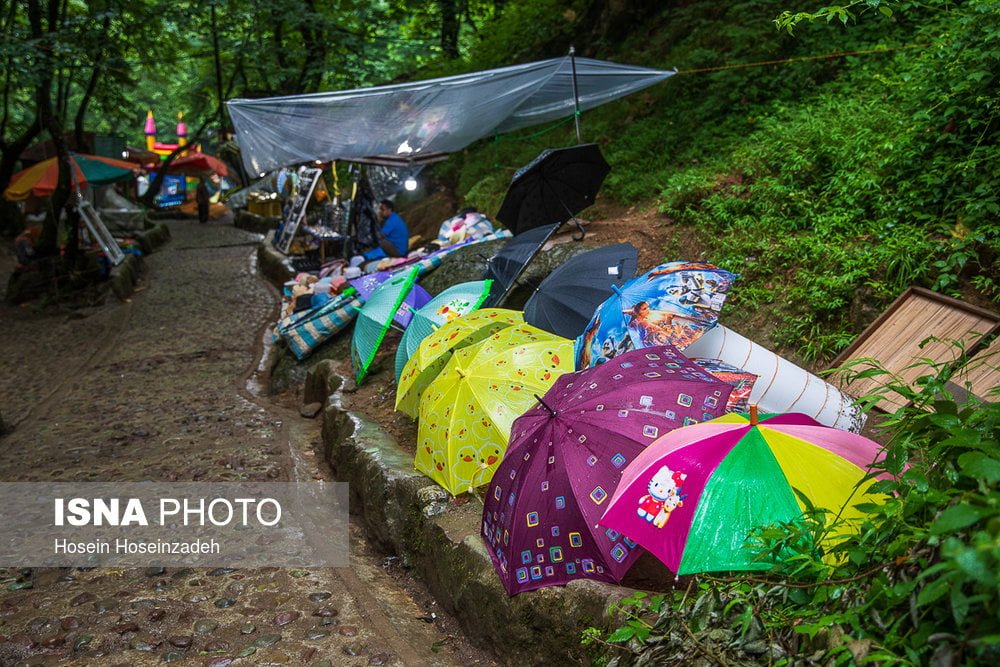
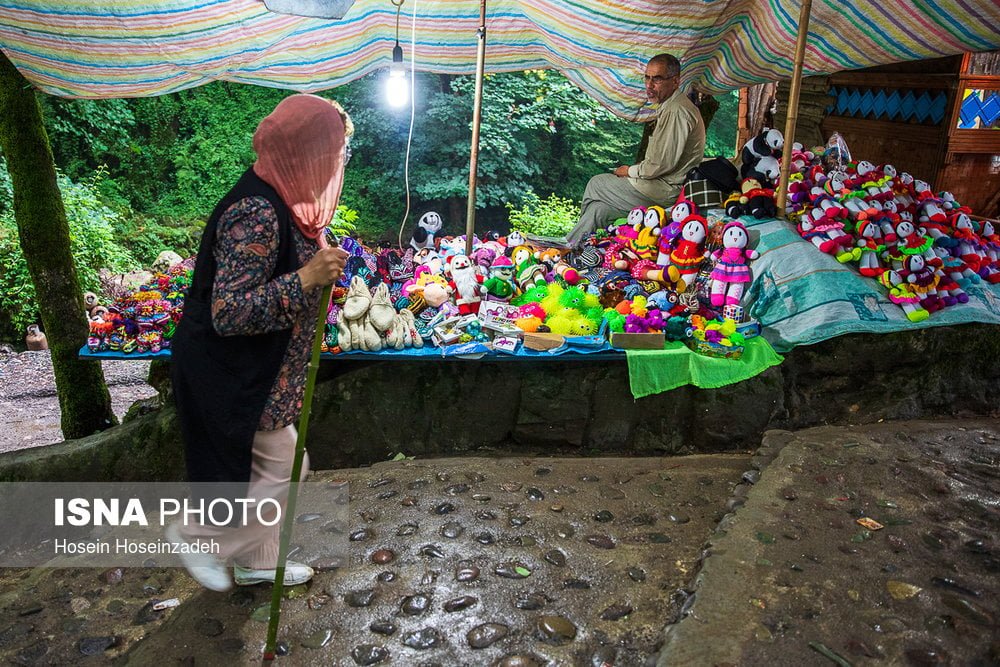
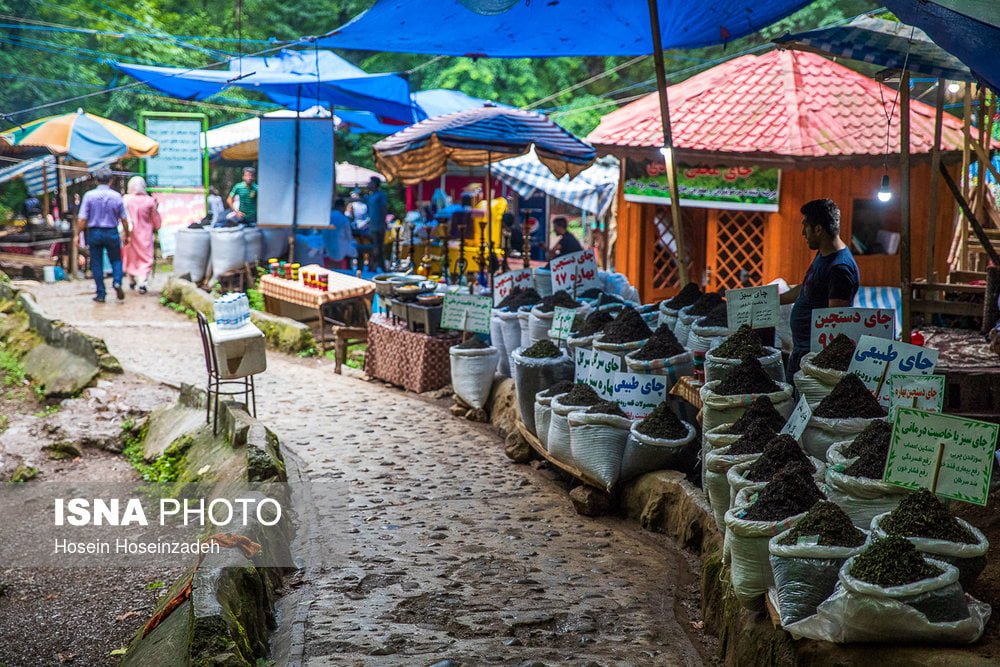
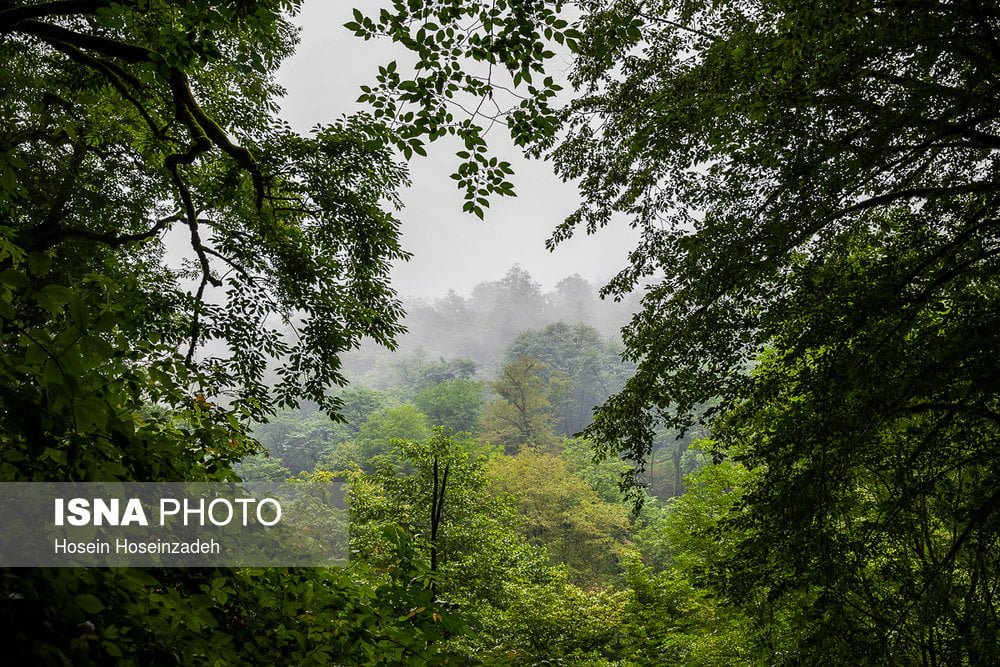
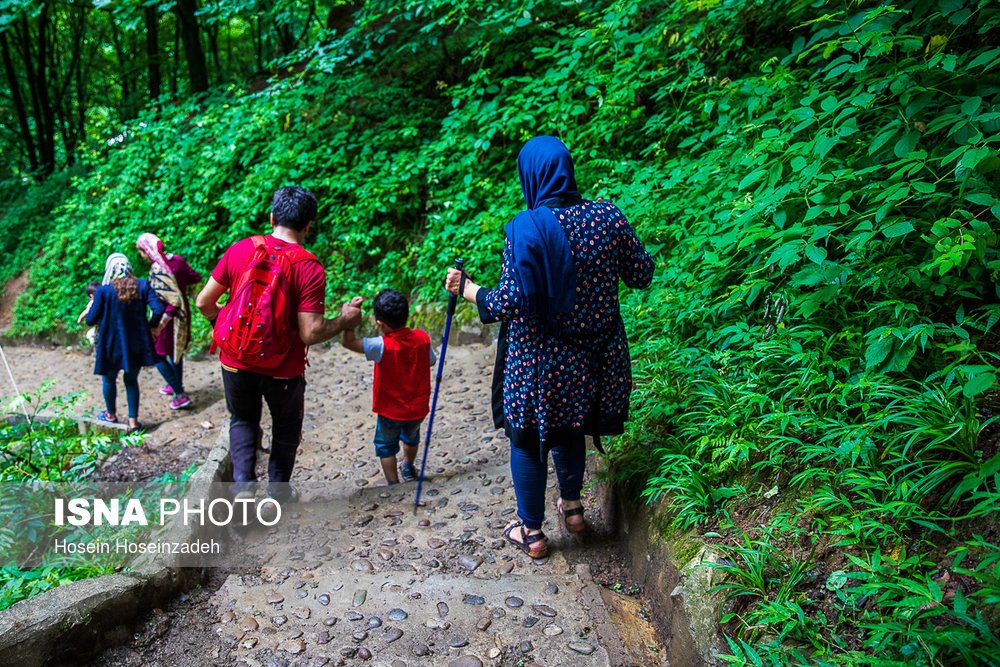
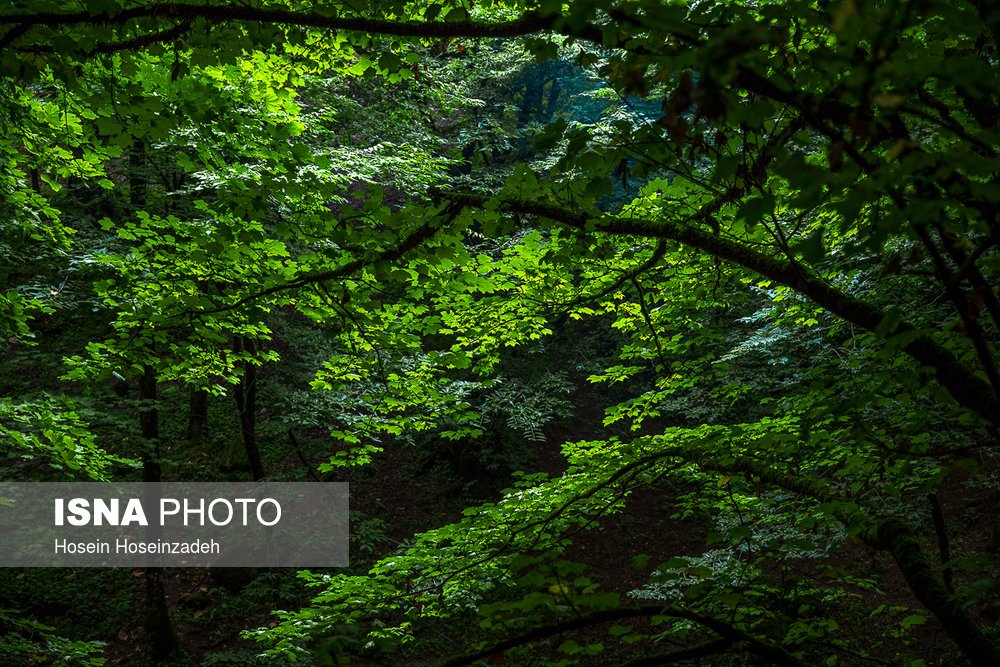
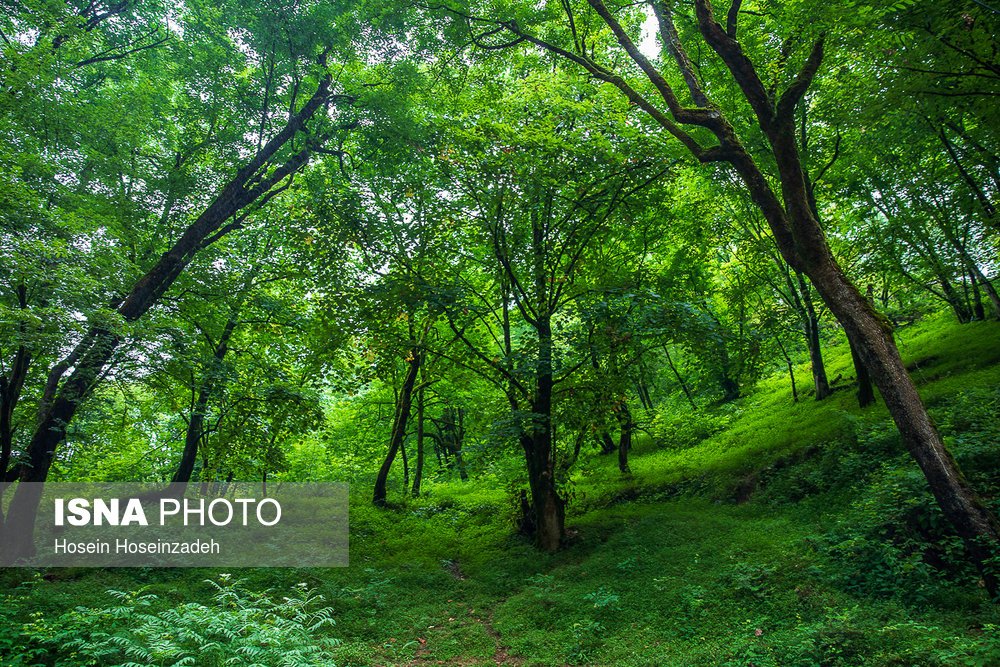
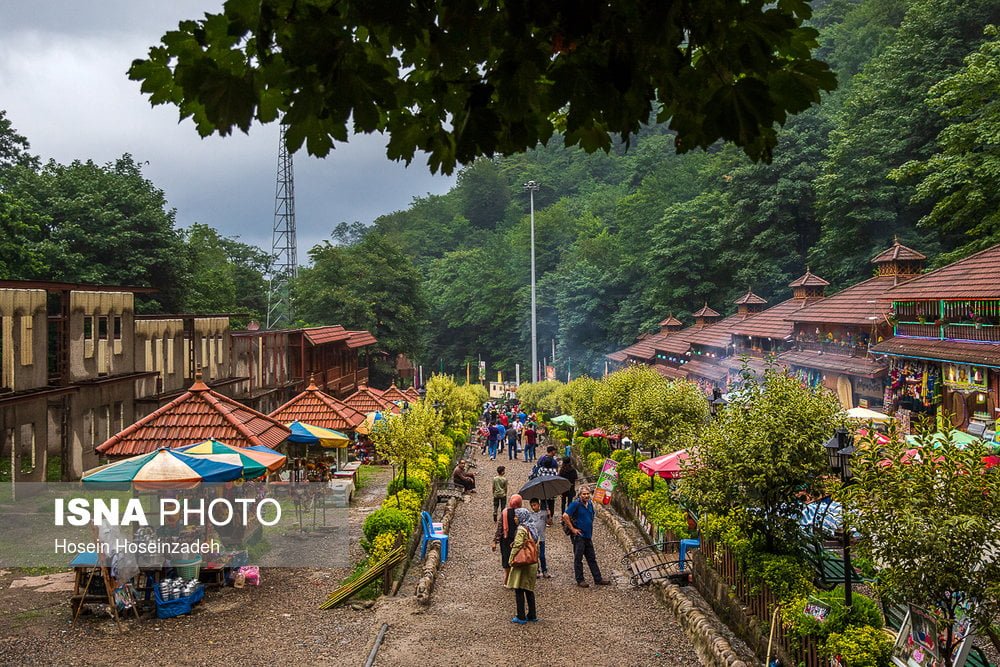
Rudkhan Castle Forest; Natural Gem in Northern Iran

Situated in the two countries of Iran and the Republic of Azerbaijan, the forest of Rudkhan Castle is named after the ancient region of Hyrcania (wolf land).

The forest begins from the Hyrcan region of the Azerbaijan Republic and extends to Golestan province in Iran;  covering an area of 55,000 square kilometres in the southern and south-eastern parts of the Caspian Sea. It is one of the main ecotourism centres in Iran.

The Rudkhan Castle forest park in the village of Gurab is located 45 km from the city of Rasht, the capital of Iran’s Gilan province.

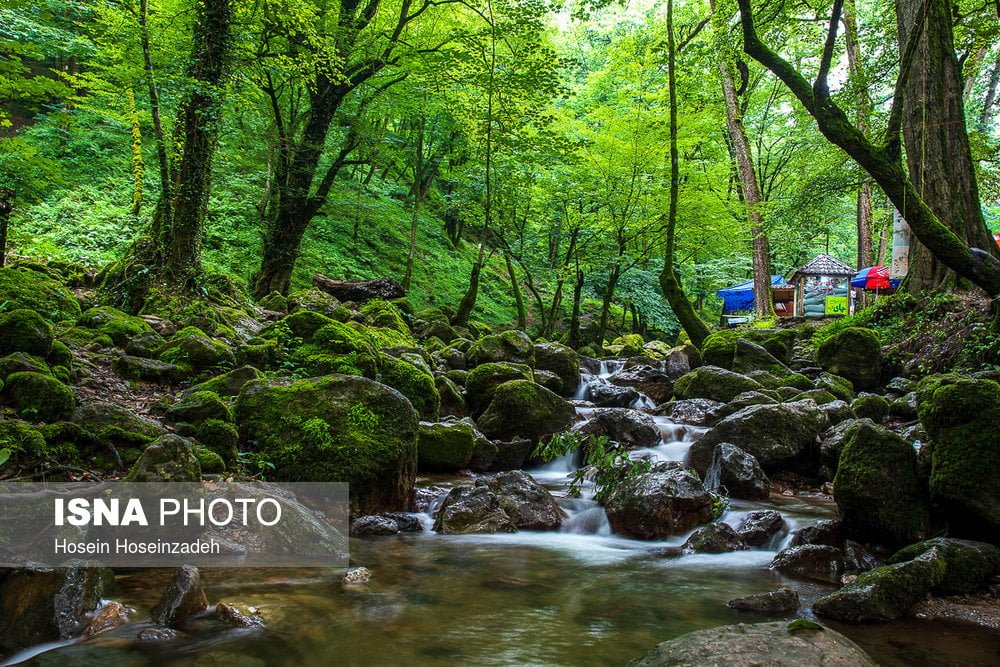
The mountainous forests of over 1,870 hectares attract many tourists every year. The best time to visit the forest’s pristine nature and the river flowing in it is spring and summer.

Rudkhan Castle has a unique splendour in the winter and autumn; but due to the rainfall in these seasons the stairs to the castle would be slippery.

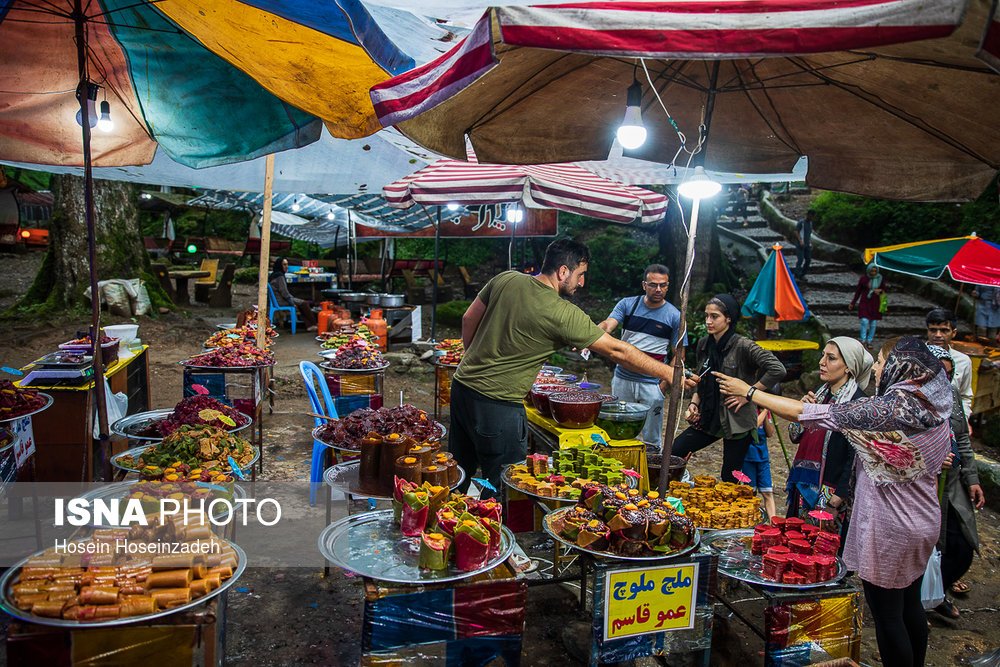
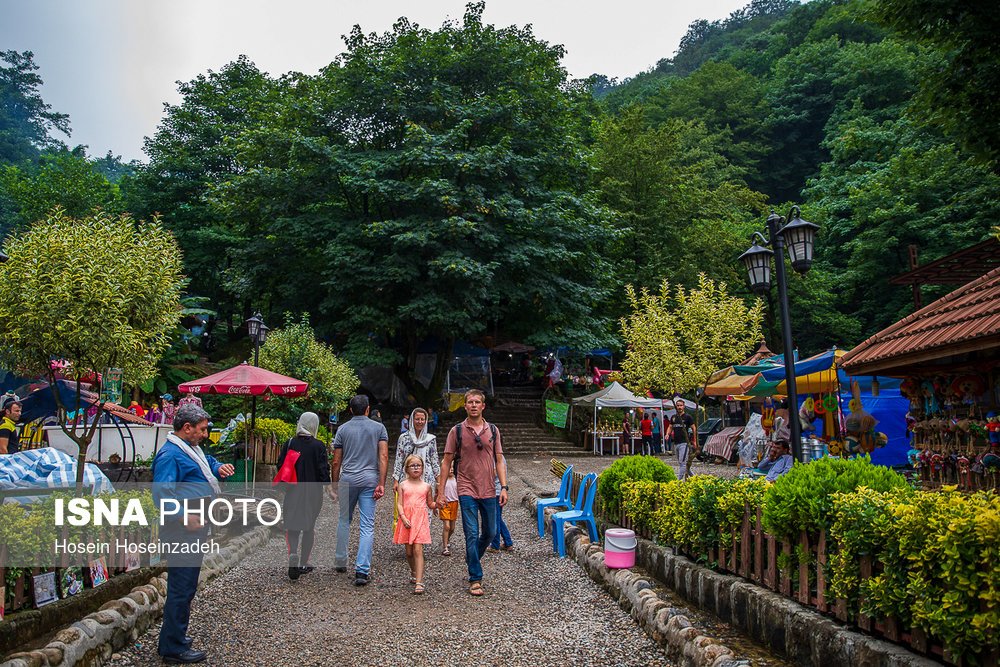
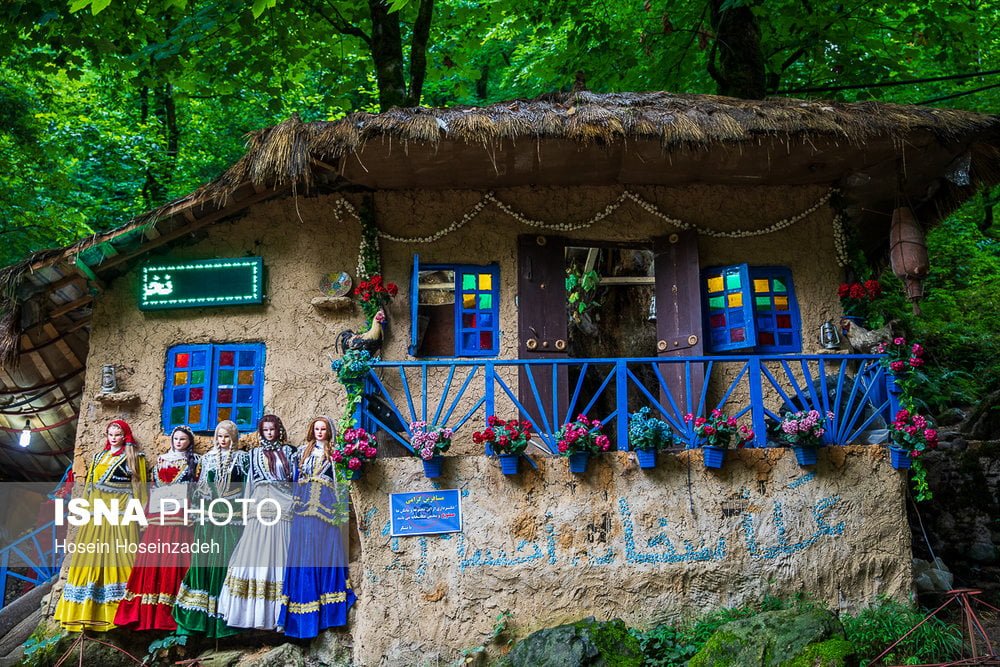
Following you can find photos of the beautiful region retrieved from ISNA:

Iran Ready to Expand Cooperation with Pakistan: Rouhani

In a Thursday message, Rouhani congratulated Arif Alvi on being elected as the new president of Pakistan, saying that he is confident the two countries’ bilateral ties will grow given the resolve of top Iranian and Pakistani officials.

“The Islamic Republic of Iran, as always and particularly in the new era, declares its preparedness to promote its ties and cooperation with the Islamic Republic of Pakistan,” Rouhani said.

He also highlighted the deep historical relations and cultural and religious commonalities between the two states, expressing the hope that a new level of Tehran-Islamabad relations would be achieved during Alvi’s presidency.

Rouhani finally wished health and success for his counterpart and prosperity and honour for the Muslim nation of Pakistan.

Pakistani lawmakers elected Alvi, a nominee from Prime Minister Imran Khan’s party, to the ceremonial office of president on Tuesday, further cementing its hold on power.

Alvi will replace President Mamnoon Hussain, who completes his five-year term on September 9.

The president is elected by lawmakers from the National Assembly, the Senate and four provincial assemblies.

Tuesday’s election came two weeks after Khan, a former cricket star and longtime politician, was elected prime minister. His Tehreek-e-Insaf party won the most seats in July’s national elections and joined with independents to form a government.

Iran to Enrich Uranium beyond Previous Levels If JCPOA Fails

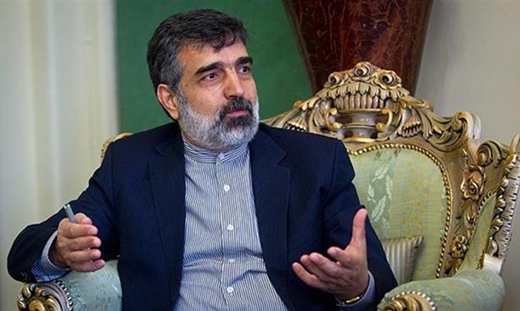
Kamalvandi

Atomic Energy Organization of Iran (AEOI) spokesman Behrouz Kamalvandi told IRIB on Wednesday that the country “will reach even more advanced levels” of uranium enrichment if the other parties leave the Joint Comprehensive Plan of Action (JCPOA).

He also noted that the country’s nuclear activities are moving forward at a favorable pace.

Back in June, the AEOI was ordered by Leader of the Islamic Revolution Ayatollah Seyyed Ali Khamenei to promptly make preparations for enrichment of uranium up to a level of 190,000 SWU “for the time being within the framework of the JCPOA.”

In a speech on June 4, the Leader slammed European governments for expecting the Iranian nation to both tolerate sanctions and give up its nuclear activities, saying that the country cannot remain in “nuclear custody” when the sanctions are still in place.

As part of those preparations, the AEOI launched a UF6 production plant in late June in a bid to increase the country’s uranium enrichment capacity.

The plant, which had been almost inactive for the last few years, was re-opened for the production of uranium hexafluoride as a major part of the Uranium Conversion Facility (UCF) in Isfahan.

In May, US President Donald Trump declared he would withdraw his country from the nuclear deal and re-impose the sanctions that the deal had envisaged to be lifted.

Since the US’ withdrawal, European countries have been scrambling to ensure that Iran reaps enough economic benefits to convince it to stay in the deal. However, the offers made by the Europeans so far to keep Tehran in the JCPOA have yet to persuade the Iranian officials.

Deputy Foreign Minister Abbas Araqchi warned on Tuesday that Tehran would withdraw from the nuclear deal if the Europeans fail by November 4 to design a mechanism to safeguard Iran’s main interests, including oil sales and banking payments, in the accord.

That is the date when the second round of US sanctions against Iran will snap back, after which Araqchi said the Europeans’ efforts to save the deal would be useless.

Iran Condemns Deadly Blasts in Western Kabul

An injured boy is held up outside a hospital following a deadly attack in Kabul, Afghanistan, September 5, 2018 / Photo by AP

In a statement on Thursday, Foreign Ministry Spokesman Bahram Qassemi censured the Wednesday blasts and sympathized with the Afghan government and nation as well as the journalism community.

The ISIS terrorist group has claimed responsibility for the twin bomb attack in Western Kabul on September 5 that killed more than 20 people.

The terrorist group said the bombers had targeted “a gathering of apostates” in the Dasht-e-Barchi neighbourhood of the Afghan capital.

More than 70 others were injured in the bombings, which targeted a wrestling club in the mostly Shiite area.

A suicide bomber blew himself up inside the club, while about 40 minutes later a car bomb went off nearby, targeting rescue workers and journalists.

Since January, there have been at least 17 attacks in Kabul that have killed at least 430 people.

Iranian Society Target of All-out Media War: Leader

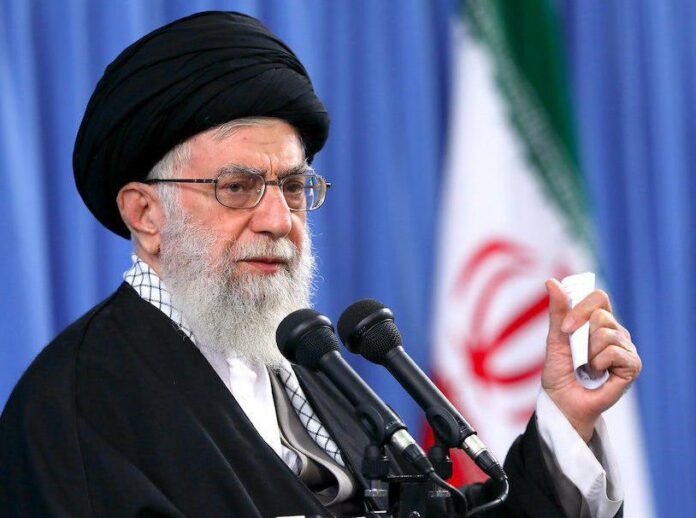
Ayatollah Seyyed Ali Khamenei

“Today, the Islamic Establoshment faces a full-scale economic war that is led meticulously and rigorously by a war room. But beside this war, there is a media and propaganda war that is often neglected,” Ayatollah Khamenei said on Thursday.

Speaking in a meeting with members of the Assembly of Experts, a clerical body in charge of appointing the Leader and overseeing his performance, Ayatollah Khamenei said this media war has been running for years, but it has intensified recently.

“According to our information, the US and Israeli spy agencies supported by [anti-Iran Arab leaders in the region] have created an organization for this media war and are working seriously to warp [the people’s minds],” he said.

The US has been hardening its line on Iran since President Donald Trump took power in January 2017.

Trump has pulled the US out of the nuclear deal and is working to hamper Iran’s trade with Asia and Europe through restoring anti-Iran US sanctions and pushing the world the abide by them.

US officials have threatened to destroy the Iranian economy and openly talked of the need for regime change in Iran.

Weakening Iranians’ Morale
The Leader said the psychological operation is aimed at weakening the morale of Iranians.

“Goals of this media war are creating anxiety, depression, hopelessness and a feeling of [being in a] deadlock. They are making people pessimistic towards each other and towards government organs and are exaggerating economic problems in the minds of society,” he said.

Ayatollah Khamenei said the enemies’ media propaganda are partly to blame for the decline of the value of national currency.

“… Regarding issues of decrease in the value of the national currency, the media war and [attempts by ] ill-wishers to create an atmosphere have been effective,” the Leader said.

The Leader was referring to a dramatic decline in the value of rial which has soared the prices of imported consumer goods and depressed some markets in the past few months.

This week, the value of rial against the US dollar passed 15,000 in the free market.

Do Not Exaggerate Problems
The Leader said people and dignitaries must work to deepen unity of the society and government organs and do not spread a feeling of despair.

Ayatollah Khamenei said constructive criticism aimed at correcting mistakes is welcomed, but people should be careful not to exaggerate problems.

“Exaggeration provokes anxiety among public opinion and spreads the pessimism virus in the society,” he said.

Ayatollah Khamenei said government bodies have a big role to play in spreading a feeling of confidence and hope among the people.
“A big part of efforts to create and gain trust hinges on measures by various organs,” he said.

IRGC Urges Southern Neighbours to Cooperate in Ensuring Hormuz Security

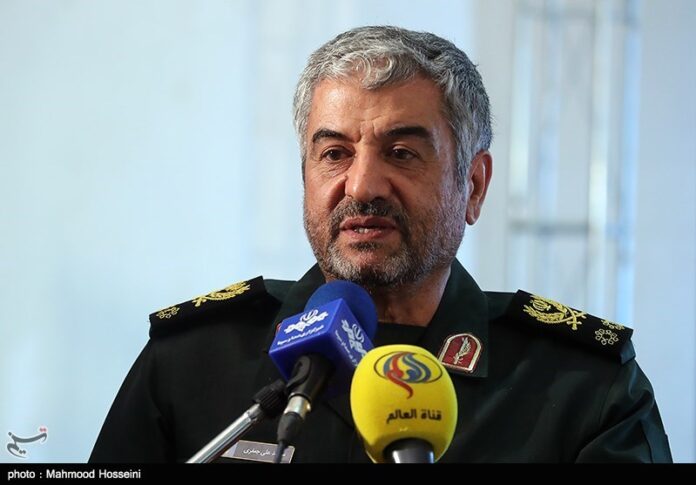
general-mohammad-ali-jafari

Major General Mohammad-Ali Jafari, the commander of the Islamic Revolution Guards Corps, made the remarks on Wednesday.

He also noted that he IRGC is the major provider of security in the two bodies of water, and that the IRGC’s Navy is fully prepared to provide security.

“Today is the day … when good wins over evil,” he said.

“The defence and security capability of the Islamic Republic of Iran is unique and known by everyone,” said the top commander.

“The country owes this power to its devoted and diligent popular, Basij, IRGC and other defence and security forces, and we should appreciate it (this power),” he said.

“The IRGC includes three specialized ground, naval and air forces in addition to the Basij (volunteer) popular resistance [forces], and given the importance of the Strait of Hormuz and the Persian Gulf to the south of the country as the main route to transfer energy from the region to other parts of the world, one of the main defence areas is the naval domain,” the top commander noted.

“Through the years following the 1979 Revolution, the naval force has proved that it has been a major force to safeguard and ensure security in the Strait of Hormuz and the Persian Gulf,” he noted.

The IRGC commander said the Navy’s muscle-flexing has served as a deterrent to the enemies.